

Poems in this theme
Platonic Love
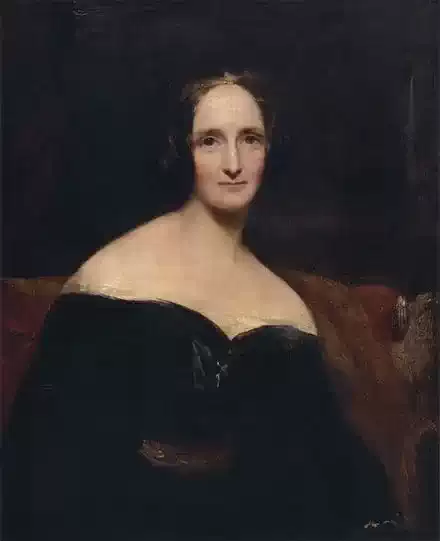
Percy Bysshe Shelley
To...
To...
One word is too often profaned
For me to profane it,
One feeling too falsely disdained
For thee to disdain it;
One hope is too like despair
For prudence to smother,
And pity from thee more dear
Than that from another.
I can give not what men call love,
But wilt thou accept not
The worship the heart lifts above
And the heavens reject not,--
The desire of the moth for the star,
Of the night for the morrow,
The devotion to something afar
From the sphere of our sorrow?
One word is too often profaned
For me to profane it,
One feeling too falsely disdained
For thee to disdain it;
One hope is too like despair
For prudence to smother,
And pity from thee more dear
Than that from another.
I can give not what men call love,
But wilt thou accept not
The worship the heart lifts above
And the heavens reject not,--
The desire of the moth for the star,
Of the night for the morrow,
The devotion to something afar
From the sphere of our sorrow?
432
Percy Bysshe Shelley
To ----
To ----
ONE word is too often profaned
For me to profane it;
One feeling too falsely disdain'd
For thee to disdain it;
One hope is too like despair
For prudence to smother;
And pity from thee more dear
Than that from another.
I can give not what men call love:
But wilt thou accept not
The worship the heart lifts above
And the heavens reject not,
The desire of the moth for the star,
Of the night for the morrow,
The devotion to something afar
From the sphere of our sorrow?
ONE word is too often profaned
For me to profane it;
One feeling too falsely disdain'd
For thee to disdain it;
One hope is too like despair
For prudence to smother;
And pity from thee more dear
Than that from another.
I can give not what men call love:
But wilt thou accept not
The worship the heart lifts above
And the heavens reject not,
The desire of the moth for the star,
Of the night for the morrow,
The devotion to something afar
From the sphere of our sorrow?
449
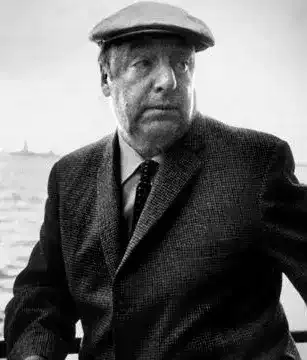
Pablo Neruda
XVII (I do not love you...)
XVII (I do not love you...)
I do not love you as if you were salt-rose, or topaz,
or the arrow of carnations the fire shoots off.
I love you as certain dark things are to be loved,
in secret, between the shadow and the soul.
I love you as the plant that never blooms
but carries in itself the light of hidden flowers;
thanks to your love a certain solid fragrance,
risen from the earth, lives darkly in my body.
I love you without knowing how, or when, or from where.
I love you straightforwardly, without complexities or pride;
so I love you because I know no other way
than this: where I does not exist, nor you,
so close that your hand on my chest is my hand,
so close that your eyes close as I fall asleep.
Translated by Stephen Tapscott
Anonymous Submission
I do not love you as if you were salt-rose, or topaz,
or the arrow of carnations the fire shoots off.
I love you as certain dark things are to be loved,
in secret, between the shadow and the soul.
I love you as the plant that never blooms
but carries in itself the light of hidden flowers;
thanks to your love a certain solid fragrance,
risen from the earth, lives darkly in my body.
I love you without knowing how, or when, or from where.
I love you straightforwardly, without complexities or pride;
so I love you because I know no other way
than this: where I does not exist, nor you,
so close that your hand on my chest is my hand,
so close that your eyes close as I fall asleep.
Translated by Stephen Tapscott
Anonymous Submission
722
Pablo Neruda
Sonnet XVII
Sonnet XVII
I do not love you as if you were salt-rose, or topaz,
or the arrow of carnations the fire shoots off.
I love you as certain dark things are to be loved,
in secret, between the shadow and the soul.
I love you as the plant that never blooms
but carries in itself the light of hidden flowers;
thanks to your love a certain solid fragrance,
risen from the earth, lives darkly in my body.
I love you without knowing how, or when, or from where.
I love you straightforwardly, without complexities or pride;
so I love you because I know no other way
than this: where I does not exist, nor you,
so close that your hand on my chest is my hand,
so close that your eyes close as I fall asleep.
I do not love you as if you were salt-rose, or topaz,
or the arrow of carnations the fire shoots off.
I love you as certain dark things are to be loved,
in secret, between the shadow and the soul.
I love you as the plant that never blooms
but carries in itself the light of hidden flowers;
thanks to your love a certain solid fragrance,
risen from the earth, lives darkly in my body.
I love you without knowing how, or when, or from where.
I love you straightforwardly, without complexities or pride;
so I love you because I know no other way
than this: where I does not exist, nor you,
so close that your hand on my chest is my hand,
so close that your eyes close as I fall asleep.
802
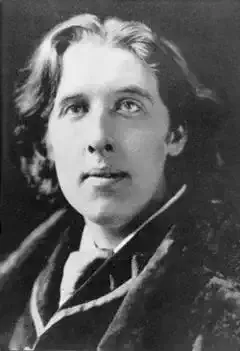
Oscar Wilde
Phedre
Phedre
(To Sarah Bernhardt)
How vain and dull this common world must seem
To such a One as thou, who should'st have talked
At Florence with Mirandola, or walked
Through the cool olives of the Academe:
Thou should'st have gathered reeds from a green stream
For Goat-foot Pan's shrill piping, and have played
With the white girls in that Phaeacian glade
Where grave Odysseus wakened from his dream.
Ah! surely once some urn of Attic clay
Held thy wan dust, and thou hast come again
Back to this common world so dull and vain,
For thou wert weary of the sunless day,
The heavy fields of scentless asphodel,
The loveless lips with which men kiss in Hell.
(To Sarah Bernhardt)
How vain and dull this common world must seem
To such a One as thou, who should'st have talked
At Florence with Mirandola, or walked
Through the cool olives of the Academe:
Thou should'st have gathered reeds from a green stream
For Goat-foot Pan's shrill piping, and have played
With the white girls in that Phaeacian glade
Where grave Odysseus wakened from his dream.
Ah! surely once some urn of Attic clay
Held thy wan dust, and thou hast come again
Back to this common world so dull and vain,
For thou wert weary of the sunless day,
The heavy fields of scentless asphodel,
The loveless lips with which men kiss in Hell.
193
Oscar Wilde
Canzonet
Canzonet
I have no store
Of gryphon-guarded gold;
Now, as before,
Bare is the shepherd's fold.
Rubies nor pearls
Have I to gem thy throat;
Yet woodland girls
Have loved the shepherd's note.
Then pluck a reed
And bid me sing to thee,
For I would feed
Thine ears with melody,
Who art more fair
Than fairest fleur-de-lys,
More sweet and rare
Than sweetest ambergris.
What dost thou fear?
Young Hyacinth is slain,
Pan is not here,
And will not come again.
No horned Faun
Treads down the yellow leas,
No God at dawn
Steals through the olive trees.
Hylas is dead,
Nor will he e'er divine
Those little red
Rose-petalled lips of thine.
On the high hill
No ivory dryads play,
Silver and still
Sinks the sad autumn day.
I have no store
Of gryphon-guarded gold;
Now, as before,
Bare is the shepherd's fold.
Rubies nor pearls
Have I to gem thy throat;
Yet woodland girls
Have loved the shepherd's note.
Then pluck a reed
And bid me sing to thee,
For I would feed
Thine ears with melody,
Who art more fair
Than fairest fleur-de-lys,
More sweet and rare
Than sweetest ambergris.
What dost thou fear?
Young Hyacinth is slain,
Pan is not here,
And will not come again.
No horned Faun
Treads down the yellow leas,
No God at dawn
Steals through the olive trees.
Hylas is dead,
Nor will he e'er divine
Those little red
Rose-petalled lips of thine.
On the high hill
No ivory dryads play,
Silver and still
Sinks the sad autumn day.
229
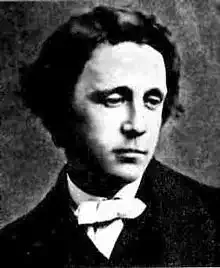
Lewis Carroll
The Lang Coortin'
The Lang Coortin'
The ladye she stood at her lattice high,
Wi' her doggie at her feet;
Thorough the lattice she can spy
The passers in the street,
'There's one that standeth at the door,
And tirleth at the pin:
Now speak and say, my popinjay,
If I sall let him in.'
Then up and spake the popinjay
That flew abune her head:
'Gae let him in that tirls the pin:
He cometh thee to wed.'
O when he cam' the parlour in,
A woeful man was he!
'And dinna ye ken your lover agen,
Sae well that loveth thee?'
'And how wad I ken ye loved me, Sir,
That have been sae lang away?
And how wad I ken ye loved me, Sir?
Ye never telled me sae.'
Said '
Ladye dear,' and the salt, salt tear
Cam' rinnin' doon his cheek,
'I have sent the tokens of my love
This many and many a week.
'O didna ye get the rings, Ladye,
The rings o' the gowd sae fine?
I wot that I have sent to thee
Four score, four score and nine.'
'They cam' to me,' said that fair ladye.
'Wow, they were flimsie things!'
Said '
that chain o' gowd, my doggie to howd,
It is made o' thae selfsame
rings.'
'And didna ye get the locks, the locks,
The locks o' my ain black hair,
Whilk I sent by post, whilk I sent by box,
Whilk I sent by the carrier?'
'They cam' to me,' said that fair ladye;
'And I prithee send nae mair!'
Said '
that cushion sae red, for my doggie's head,
It is stuffed wi' thae locks o' hair.'
'And didna ye get the letter, Ladye,
Tied wi' a silken string,
Whilk I sent to thee frae the far countrie,
A message of love to bring?'
'It cam' to me frae the far countrie
Wi' its silken string and a';
But it wasna prepaid,' said that highborn
maid,
'Sae I gar'd them tak' it awa'.'
'O ever alack that ye sent it back,
It was written sae clerkly and well!
Now the message it brought, and the boon that it sought,
I must even say it mysel'.'
Then up and spake the popinjay,
Sae wisely counselled he.
'Now say it in the proper way:
Gae doon upon thy knee!'
The lover he turned baith red and pale,
Went doon upon his knee:
'O Ladye, hear the waesome tale
That must be told to thee!
'For five lang years, and five lang years,
I coorted thee by looks;
By nods and winks, by smiles and tears,
As I had read in books.
'For ten lang years, O weary hours!
I coorted thee by signs;
By sending game, by sending flowers,
By sending Valentines.
'For five lang years, and five lang years,
I have dwelt in the far countrie,
Till that thy mind should be inclined
Mair tenderly to me.
'Now thirty years are gane and past,
I am come frae a foreign land:
I am come to tell thee my love at last O
Ladye, gie me thy hand!'
The ladye she turned not pale nor red,
But she smiled a pitiful smile:
'Sic' a coortin' as yours, my man,' she said
'Takes a lang and a weary while!'
And out and laughed the popinjay,
A laugh of bitter scorn:
'A coortin' done in sic' a way,
It ought not to be borne!'
Wi' that the doggie barked aloud,
And up and doon he ran,
And tugged and strained his chain o' gowd,
All for to bite the man.
'O hush thee, gentle popinjay!
O hush thee, doggie dear!
There is a word I fain wad say,
It needeth he should hear!'
Aye louder screamed that ladye fair
To drown her doggie's bark:
Ever the lover shouted mair
To make that ladye hark:
Shrill and more shrill the popinjay
Upraised his angry squall:
I trow the doggie's voice that day
Was louder than them all!
The servingmen
and servingmaids
Sat by the kitchen fire:
They heard sic' a din the parlour within
As made them much admire.
Out spake the boy in buttons
(I ween he wasna thin),
'Now wha will tae the parlour gae,
And stay this deadlie din?'
And they have taen a kerchief,
Casted their kevils in,
For wha will tae the parlour gae,
And stay that deadlie din.
When on that boy the kevil fell
To stay the fearsome noise,
'Gae in,' they cried, 'whate'er betide,
Thou prince of buttonboys!'
Syne, he has taen a supple cane
To swinge that dog sae fat:
The doggie yowled, the doggie howled
The louder aye for that.
Syne, he has taen a muttonbane
The
doggie ceased his noise,
And followed doon the kitchen stair
That prince of buttonboys!
Then sadly spake that ladye fair,
Wi' a frown upon her brow:
'O dearer to me is my sma' doggie
Than a dozen sic' as thou!
'Nae use, nae use for sighs and tears:
Nae use at all to fret:
Sin' ye've bided sae well for thirty years,
Ye may bide a wee langer yet!'
Sadly, sadly he crossed the floor
And tirled at the pin:
Sadly went he through the door
Where sadly he cam' in.
'O gin I had a popinjay
To fly abune my head,
To tell me what I ought to say,
I had by this been wed.
'O gin I find anither ladye,'
He said wi' sighs and tears,
'I wot my coortin' sall not be
Anither thirty years
'For gin I find a ladye gay,
Exactly to my taste,
I'll pop the question, aye or nay,
In twenty years at maist.'
The ladye she stood at her lattice high,
Wi' her doggie at her feet;
Thorough the lattice she can spy
The passers in the street,
'There's one that standeth at the door,
And tirleth at the pin:
Now speak and say, my popinjay,
If I sall let him in.'
Then up and spake the popinjay
That flew abune her head:
'Gae let him in that tirls the pin:
He cometh thee to wed.'
O when he cam' the parlour in,
A woeful man was he!
'And dinna ye ken your lover agen,
Sae well that loveth thee?'
'And how wad I ken ye loved me, Sir,
That have been sae lang away?
And how wad I ken ye loved me, Sir?
Ye never telled me sae.'
Said '
Ladye dear,' and the salt, salt tear
Cam' rinnin' doon his cheek,
'I have sent the tokens of my love
This many and many a week.
'O didna ye get the rings, Ladye,
The rings o' the gowd sae fine?
I wot that I have sent to thee
Four score, four score and nine.'
'They cam' to me,' said that fair ladye.
'Wow, they were flimsie things!'
Said '
that chain o' gowd, my doggie to howd,
It is made o' thae selfsame
rings.'
'And didna ye get the locks, the locks,
The locks o' my ain black hair,
Whilk I sent by post, whilk I sent by box,
Whilk I sent by the carrier?'
'They cam' to me,' said that fair ladye;
'And I prithee send nae mair!'
Said '
that cushion sae red, for my doggie's head,
It is stuffed wi' thae locks o' hair.'
'And didna ye get the letter, Ladye,
Tied wi' a silken string,
Whilk I sent to thee frae the far countrie,
A message of love to bring?'
'It cam' to me frae the far countrie
Wi' its silken string and a';
But it wasna prepaid,' said that highborn
maid,
'Sae I gar'd them tak' it awa'.'
'O ever alack that ye sent it back,
It was written sae clerkly and well!
Now the message it brought, and the boon that it sought,
I must even say it mysel'.'
Then up and spake the popinjay,
Sae wisely counselled he.
'Now say it in the proper way:
Gae doon upon thy knee!'
The lover he turned baith red and pale,
Went doon upon his knee:
'O Ladye, hear the waesome tale
That must be told to thee!
'For five lang years, and five lang years,
I coorted thee by looks;
By nods and winks, by smiles and tears,
As I had read in books.
'For ten lang years, O weary hours!
I coorted thee by signs;
By sending game, by sending flowers,
By sending Valentines.
'For five lang years, and five lang years,
I have dwelt in the far countrie,
Till that thy mind should be inclined
Mair tenderly to me.
'Now thirty years are gane and past,
I am come frae a foreign land:
I am come to tell thee my love at last O
Ladye, gie me thy hand!'
The ladye she turned not pale nor red,
But she smiled a pitiful smile:
'Sic' a coortin' as yours, my man,' she said
'Takes a lang and a weary while!'
And out and laughed the popinjay,
A laugh of bitter scorn:
'A coortin' done in sic' a way,
It ought not to be borne!'
Wi' that the doggie barked aloud,
And up and doon he ran,
And tugged and strained his chain o' gowd,
All for to bite the man.
'O hush thee, gentle popinjay!
O hush thee, doggie dear!
There is a word I fain wad say,
It needeth he should hear!'
Aye louder screamed that ladye fair
To drown her doggie's bark:
Ever the lover shouted mair
To make that ladye hark:
Shrill and more shrill the popinjay
Upraised his angry squall:
I trow the doggie's voice that day
Was louder than them all!
The servingmen
and servingmaids
Sat by the kitchen fire:
They heard sic' a din the parlour within
As made them much admire.
Out spake the boy in buttons
(I ween he wasna thin),
'Now wha will tae the parlour gae,
And stay this deadlie din?'
And they have taen a kerchief,
Casted their kevils in,
For wha will tae the parlour gae,
And stay that deadlie din.
When on that boy the kevil fell
To stay the fearsome noise,
'Gae in,' they cried, 'whate'er betide,
Thou prince of buttonboys!'
Syne, he has taen a supple cane
To swinge that dog sae fat:
The doggie yowled, the doggie howled
The louder aye for that.
Syne, he has taen a muttonbane
The
doggie ceased his noise,
And followed doon the kitchen stair
That prince of buttonboys!
Then sadly spake that ladye fair,
Wi' a frown upon her brow:
'O dearer to me is my sma' doggie
Than a dozen sic' as thou!
'Nae use, nae use for sighs and tears:
Nae use at all to fret:
Sin' ye've bided sae well for thirty years,
Ye may bide a wee langer yet!'
Sadly, sadly he crossed the floor
And tirled at the pin:
Sadly went he through the door
Where sadly he cam' in.
'O gin I had a popinjay
To fly abune my head,
To tell me what I ought to say,
I had by this been wed.
'O gin I find anither ladye,'
He said wi' sighs and tears,
'I wot my coortin' sall not be
Anither thirty years
'For gin I find a ladye gay,
Exactly to my taste,
I'll pop the question, aye or nay,
In twenty years at maist.'
173
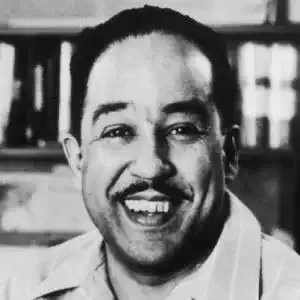
Langston Hughes
Quiet Girl
Quiet Girl
I would liken you
To a night without stars
Were it not for your eyes.
I would liken you
To a sleep without dreams
Were it not for your songs.
I would liken you
To a night without stars
Were it not for your eyes.
I would liken you
To a sleep without dreams
Were it not for your songs.
397

Kazi Nazrul Islam
You Are So Handsome
You Are So Handsome
You are so handsome that I can't take my eye off you,
is that my crime?
The bird that cries beholding the moon doesn't bother the moon.
I watch the flower's gradual unfolding, but the flower
doesn't mind
Nor does the cloud when the admiring bird circles round it.
The sun-flower knows it will never get the sun, and yet
undismay'd
It watches its sovereign, it is content just watching
I've got the gift of vision so that I may see you,
you beautiful being
Let this wish of mine be realized, my dearest one.
[Original: Tumi shundor tai cheye thaki; Translation: Abu Rushd]
You are so handsome that I can't take my eye off you,
is that my crime?
The bird that cries beholding the moon doesn't bother the moon.
I watch the flower's gradual unfolding, but the flower
doesn't mind
Nor does the cloud when the admiring bird circles round it.
The sun-flower knows it will never get the sun, and yet
undismay'd
It watches its sovereign, it is content just watching
I've got the gift of vision so that I may see you,
you beautiful being
Let this wish of mine be realized, my dearest one.
[Original: Tumi shundor tai cheye thaki; Translation: Abu Rushd]
820
Kazi Nazrul Islam
The Worshipper
The Worshipper
After all, at this late hour,
Beloved!
Like a whirlwind blind with dust
Day and Night
When I
Dance about in a blood-red Death-game
At long last, at this eleventh hour
It is revealed to me that! know thee through
all Eternity.
Worshipper!
Thy voice, thy tune shaming the dove,
Thy eye, thy face,
Thy eye-brow, forehead, cheek,
Thy beauty that knows no equal,
Thy wanton ear-ring swinging to and fro
in dance surpassing a swan
I know, I know all!
Hence, after all, I
Standing on the one, weary, hopeless
and dreary beach of life
From the depths of my fainting heart
Cry for thee and thee alone,
Beloved!
Calling by the sweetest name which is constantly
on my lips as a sacred name on the rosary.
I weep with it -
In my broken voice do I cry, I know thee,
I do, do, do know,
Thou art not one with laurels of victory - nor
art thou a beggar-maid,
Thou art virgin nymph, daughter of an
eremite, thou art my eternal worshipper!
Through ages, thou hast loved this hard-hearted one,
Burning thy own self, thou hast kindled light
in my breast,
Many a time thou hast made me a debtor
to thy worship.
I know thee, Beloved, I do, do, do know through
Eternity.
I oft recognize thee in the sun-set
of life, at the hour of death,
Then after recognition
Thou dost go elsewhere.
Leaving me on the lone, deserted
Farewell-raft.
Sitting at the end of the day, bathed in tears,
I recall her far-off, distant memory
I remember the sad, silent welcome night
of mine that came at the close of spring
When my eyes feasted upon thine and were blessed,
Till then a simple, happy boy - my
youth did not put forth blossoms,
Like approaching, aching, eager Dawn
Half-asleep, half-awake was my boyhood,
My rosy nights went blooming
Free of all barriers, ,
Like a whirlwind spontaneously moving
Or the speed of fiery lyrics, or
laughter that knows no end
A wandering traveller from far afar,
I took thee
And along with thee
Came tearful eyes and pangs of homeless forlorn
heart-
Thou didst come at night, at peep of Dawn,
I sang 'Awake, Beloved, Awake! '
Thou didst rise from sleep, thou didst come to me,
And looking at my face didst smile a
melancholy smile -
At thy smile I wept - whose tame bird distressed
art thou, now deprived of thy forest
home?
O the message of thine eyes! methought
That voice, that tune of mine
Laden with sadness of separation,
And reverberating in the forest,
Which invites the south wind, causes
the flower to blossom and charms the wild doe,
Thou hast known all of myself since the dawn of
creation!
Then, that midnight I did sing
plaintive notes choked with tears of that
unhonoured send-off and wounded feelings.
I did not know whom by the incantation of a song
I wanted then to imprison in my
ever-desolate forlorn heart
Only this I do know that the shade of
thy love-enkindled eyes untimely roused from sleep
Fell upon my eyes.
I saw, too, in the expression of those eyes,
A flood of light mixed with surprise and delight,
A flow of fascination born of profound pain,
With silent sympathy was trembling the love-lorn heart
In the likeness of the dark night
To my thirsty eyes was expectantly welcome,
Worshipper! that sweet, tender light
kindled in the lamp of thy eyes!
Then, at the close of singing .
With a smile I think I called thee near, by the
name
Suddenly didst thon storm with a pent up
feeling of self-respect offended
(Who knoweth why) .
Like a canoe trembled thy serene eyes
Secured with eye brows,
The swelling water through the mouth
of the fount of agony
Fell in torrents!
Such flood of tears gushing out of thy
depths on a little caress
Where didst thou get, O Neglected!
my wandering Beloved?
Tell me, O tell!
On this broken bosom,
Pillow thy bright face bathed in tears
With a thrill of bashful joy
And tell me, a tell!
Why seeing me art thou overwhelmed with
an undefined feeling?
Why at my call such abundance of tears
overflows thy eyes?
An unknown vagrant wayfarer am I,
Seeing me why tears start to thy
virgin eyes serene?
Others laugh at me;
A happy, secure nest is burnt at .
the very touch of my accursed hot breath,
Taking it to be a jewel some people
wear it as a garland,
But when it turns to be a venomous serpent
And bites them in the breast,
Forthwith they trample it under foot!
With one who is disliked, hated and
disregarded by the world,
Forlorn Beloved! Why dost thou
play this sad game
For one why this secret sensibility?
On what right
The mere calling by name doth cause pain to thee?
Art thou loved by nobody? Art thou
tenderly taken by nobody? Art thou
tenderly taken by none?
From birth art thou neglected as
a Beggar maid? And for that
Such abundant flow of tears and
Such offended spirit exciting compassion?
No, not even that
In a forlorn voice while resting on the breast
Who doth in forlorn sensitiveness Say
'No, not even that'!
I saw hundreds come to this house,
Many of their own accord take thee on their breast,
Still yet in thy eyes and face is writ
large a deep discontent and a profound
Pining for love!
Why at my sight doth so much nectar
of love overflow thy breast?
O Mystry! My Queen!
Nobody doth know
Thou knowest not
Nor do I know.
Love alone knoweth, heart alone doth feel
From whence cometh such poignancy of
Spontaneous attraction of heart to heart.
Even without understanding it, I understood
That day, O unknown! that thou
art eternally know to me, thou my
neglected Sita in every successive birth!
Thou hermit's daughter deserting thy forest home,
Eternal virginity; thy tray of offerings to Gods
I broke in every age, thy garland I tore
In mere sport; ever-silent, ever languishing
under a curse, O heavenly damsel!
In silence didst thou suffer
O thou Simple! Simply hast thou
Known thou art my-Queen of
Victory, myself thy Poet.
Then, towards the end of night
Sitting by thy side
I heard thy melodious song,
Half-interrupted by bashfulness,
tremblingly pathetic
Oft the voice reminded me
Of some dim, half-remembered,
half-forgotten, long-lost thing,
Singing in choked voice 'O thou'!
When krishna went to Mathura and forgot
his beloved Radhika,
Methink, she wept out her forlorn
heart singing such sweetest saddest song.
With a breast afflicted by neglect,
it was much like Lalita's lamentation
in secret hour!
Perhaps in lonely forest, alone, wandering,
Damayanti sang in such tired voice
Calling her husband woo was left behind!
Perhaps sad sakuntala remembering her husband
Wept with the forest creepers singing
in such tune, in secret leafy nook!
Perhaps on the peak of the Hem-giri mountain
The long-lost Sati in the person of Uma
Addressed Bholanath in such ever known voice!
Wept she, ever-faithful, beloved of her
husband, to get again her eternal lover!
I see and understand everything,
My youth did not awake, so thy fair face
made no deep impress on my inward eye;
Yet in thy familiar voice my own
I left and went afar in some unremembered
moment along a nameless village path
Scarcely a day or two passed when
on the bank of the same holy Gomati
My heart ached for the first time and a
Strange, fragrant pain I felt in
the lotus of my navel region.
I wandered to-and fro in search of
the source of this pain-laden smell of wine
At the mere touch of my hot, heavy
sighs, trembled the sky, air and earth,
Bewailed leaves and creepers,
Flowers and birds and rivers,.
Bewailed clouds and winds and all,
And bewailed in the breast in fierce
pleasure the insatiate divinity awakened
by youth's tyranny: .
Wretched as I was, I knew not whom I wanted,
So I cried hoarse, 'Where should .
I go, where may I find my Beloved? '
My heart feels a burning passion,
my mind runs riot,
Methink, it is the sad lamentation
of a lover under the load of eternal youth!
Visions float in quick success on
before the eyes of many a color,
red, blue, pink
From whose breast
To my heart of hearts
Doth come and why this painful ecstasy
redolent of musk?
My mind like the musk deer runs a-field.
the air trembles with fear engendered by
my frantic wailings! .
Like the musk of deer
My mind blind with scent roams in
Search of the odour of my own navel!
Mine own love
By drinking itself wants to appease
its own thirst!
My youth under an eternal thirst for
the whole world of love
After emptying an ocean like a drop
longs for another!
Good Heaven! What thirst eternal,
illimitable is this!
Where is contentment? O where?
Where is the Eternal Ocean of Love that
can appease my thirst?
More self-willed, tyrannical, and irresistible than I
Where might I find her
In absence of whom I know no peace
in this wide world!
Thinking like this I go abroad, I only
walk my way,
And meet many a girl on the path,
After them, alas! runs with blind impetuosity
My mind hungering for Love,
If one of them looks back, my
offended sentiment brings a flood
of tears to my eyes!
They laugh at my predicament, .
Some one ignores me, some one
approaches with an offer of favour!
It doth aggravate my grief,
With the deep naked agony of a wretched one,
Like the loud roar of the ocean of
universal cataclysm
Under pain and wounded self-respect
. doth swell in fierce volume
The flame of my heart agitated with distress!
A street girl doth offer favour!
Under my foot I smash her vanity .
with her presumptuous offer!
In tears she goes back, afraid of coming near;
Like Anath Pindada, disciple of Buddha,
My mendicant heart
Hegs from door to door no common alms
For my love-Buddha,
Give me alms, O citizens!
I beg for Buddha, see my master
goes back hungry from the door!
Many came, many went away, .
Some in fright, some in surprise,
Some with a broken heart,
Some bathed in tears
Thus many a nymph came and went,
I beseech complete surrender,
But it is not understood by the happy damsels
of the city
They carne with a smile,
Then at the end of the smile
In tears they go back
To the shady nook of their living home
They say, 'O way-farer! Tell us, O tell
What Treasure doth thy heart hanker after? .
Why is this pathos in thy voice, for whom
is there so much hunger in 'thy breast? '
No body understands what I want
Some 'rings mind and heart, some brings
Youth and wealth,
While a third offers beauty and body.
A proud princess maddened by her riches
Wants to imprison me in the trap of her
beauty and youth...
All in vain! Loaded with despondency ,
my heart goes abroad
As a vagrant warbler
Singing 'where is my love-loran Beloved
my worshipper, Oh, where? '
She who will say, 'I have turned
an anchorite for the sake of love,
O thou my Lord! '
Forlorn am I and not
thy pride and glory
In vain I roam in the wilderness
My thirst rages fiercely
In such moments my thirst-stricken heart
Loses itself for a moment
At a distant, unknown beckoning with the hand
As if she were weeping aloud-,
Saying 'My Love, I am thy heart's wandering maid,
I know thee
Thou, too, knowest me!
I knew not, it was a she-devil,
It was but an illusion,
No water, but a snare, it was a
deceptive image of a lake in the desert! '
'I am at thy mercy', so saying I
called at her door,
Alas, where was she? Verily it was a witch
Alluring me to my doom!
It was a cruel Fowler's net,
It was a device to win the grace
. of a Beggar's bowel,
No, the trap did defeat itself, .
Entangled in her own snare was
finished the witch
To thy door came I with my heart
bleeding from thorns,
Knew not, even then, thou didst feel
a keen sympathy for my afflictions.
Yet from time to time it struck me
that thy sweet, balmy touch could efface
All my bums and pangs,
That to my heart spoke thy heart ever in tears
O way-farer! Give me those thorns;
Where do they prick thee,
Tell mc, pray!
Thou art a silent eremite, keeping in
thy lone privacy,
Hence thy speechless message
I seldom minded, and little understood
that and thy little reserved bosom
There was so much room for love and hope.
Meanwhile I knew not from where
came my mother floating as it were
like a free stream,
In that stormy night.
She took me in her lap, printed a
thousand kisses on my eyes bathed in tears.
The thoroughfare vanished
The chariot disappeared
Drowned was all sorrow and pain,
A mother's love illumined my dilapidate
temple like the festival of Dewali!
My past history like the previous birth
I seemed to forget on getting back
my lost Mother!
A homeless one was restored to his
home, in tranquil happiness and felicity.
After many an age as it were, I slept a
deep sleep pillowed on my Mother's breast.
There was an end of vagrant minstrelsy,
Disappeared in a piteous
lone my companion the tempestuous wind.
0 0 0
Again, again was I benighted
Perhaps at the door of some all-conquering
nymph, Arjun's chariot came to a stand-still.
I forgot the object of my peregrination,
I forgot. my heart had been eternally wandering
and longing for my Beloved, Beloved and Beloved
alone.
I forgot every bit of pain and grief,
The flood of new felicity melted my heart,
And over-flowed my tearless eyes.
It seemed as it were in some lotus of
beauty were imprisoned my eyes,
Its fragrance enraptured my bosom,
And a thrill danced through
some sweetest, saddest sensation.
Life regained and forfeited again
The greedy bird pierced by an arrow
Besmeared with blood the altar of my temple
It could not wake up the stone-image,
Being thus disgraced, I leapt up like a
forest conflagration.
My poignant, blood-red griefs raised their heads,
With a thundering voice I rushed forth
on the blood-horse of Rebellion,
Against the Original Cause of my
Sorrow the Creator - across the clouds of the sky
Holding aloft the meteor flag of Destruction,
Kindling the sacrificial fire of animosity
and creating terror in a barren dreary desert!
What illusion is this! At intervals
Methought I heard a distant melody
of thy flute singing my name, Dear!
Peering into that far-off privacy
My eyes red with enmity became
Softened with tears of silent Sympathy.
Remembering that melody, remembering that call
discarded all my grief
I threw my grief into oblivion,
I do realize, thou art real-thou dost exist,
Neglected by me, thou dost still desire me,
heart and soul,
Alone, wood-nymph,
Thou art wreathing a garland for me
All by thyself,
In bashful privacy.
Thou art my wandering maid, my Queen,
Whom I wood in all my previous births!
The ocean of fire in me becomes a flower
in bloom and says with a smile
'I know, I know'.
Let life return to my dead soul.
From a-far am I summoned by her,
Without whom I know no peace and joy
in the wide world.
But hearken!
Who wails and laments like that?
Some body must have cried from behind
'Friend, thou art behind time' Poor fellow,
it is too late!
I didn't listen, I didn't mind obstruction,
To me alone came floating as it were
across the barriers of the previous
Birth the sad wailings of a forsaken Lalita.
I came running to thee
Breathlessly,
Martyrdom, the chariot of fire, all went
a-begging, the blood-red flag cried'
in the wilderness,
I indulged in a world of luxury and felicity
in secretly worshipping thee in my bosom.
To narrate the sequel I lack language today,
Today I have no heart, no tears, no strength,
no hope.
What I say today is no song, it is but
a blood-red message of a bleeding
heart embalmed in tears.
Yet keep this little bit in mind, Dear,
that from door to door
Baffled I returned
And came to thee for thyself as the Summumbonum.
of my life,
In return for the whole world of my hope and
love and affection.
I worshipped thee, O my unkind Beloved.
thou worshipper!
Methought thou wouldst smilingly take
charge of one who was too wild for the world.
Thou wouldst tame the rebel of the universe
Quite easily by dint of love alone.
Methought for the glory of conquering the
unruly and unconquerable
the heart would be illumined with an
uncommon lustre, and then one day
Thou wouldst infuse celestial fire
into my arms
And become the embodied victory of this Rebel.
I harboured a hope, I had power, too,
to tear asunder the universe
And place the same under thy rosy feet
as a culled red lotus for an offering
But alas! Where art that 'thou'? Where
is that heart?
Where's that inalienable bond of attachment
between two hearts?
This 'thou' of today art not that 'thou' to be sure;
Today I find thou too art deceitful,
Thou too clammiest to be victorious by
means of falsehood!
Thou dost want to give me something,
retaining the remainder for another,
Unfortunate woman! I laugh out my soul!
Whom dost thou want to deceive?
In my bosom is ever awake the true Divinity,
His eyes are penetrating, they can see
into the heart of things,
And most minutely search its inmost recesses.
Infidelity fouls thy offering today, Dear,
Today thou dost try to deceive him
Whom one day didst thou give all thy heart and soul.
Thus I ponder, whose fault it was
That in thy spotless heart
Was kindled this death-provoking light
Yet I wonder is it true?
Thou too, a deceiving self?
If it were so, then O witch!
Let it be true, O wicked one!
Let full light show thy false world in bold relief.
Myself, thyself, the sun, moon, stars,
Let all be false,
Then, then, O alluring Phantom,
Give to thy contrived world a false gleam
As I look at thy face today,
Shame strikes me like a thunderbolt
As I remember how didst thou disregard
and neglect me, I do remember my shameless ness, too
Today I die before my death,
I feel, I must cry aloud, 'Open thy womb, Mother
Earth!
And take into darkness thy neglected.
and dust-covered son from the light
of the day that throws his shame into
prominence
Yet many a time I came with hope
But alas! whenever I look at that face
Ah me! where's that worshipping damsel,
Where's that forlorn anchorite?
The same accustomed disregard I see,
And the same face devoid of expression.
There's no love lost, but a game
. to ride rough-shod over a heart
My bosom bursts under the load of disgrace!
Alas! What cruel game is this, between hearts!
These girls tread a bleeding rosy breast
Under their feet which seem dyed with lace.
They claim to be goddesses, they are greedy
and want to usurp the worship of all!
For them is not the single-minded devotion
of a lover, nor the complete surrender
of a worshipper
Hence, in the name of true devotion,
their timid heart is so awfully frightened,
Frailty, thy name is Woman! She does
Not like to nestle round one bosom.
She is a goddess, she is greedy, the
more she is worshipped, the more she
wants worshippers.
Her voracious mind
Is not gratified with one, one is
not sufficient for her,
She seeks many
My creator-Lord received from me not such
worship as was offered to her, yet she
deceived me!
I do realize, in the end, that there comes
encircling darkness as deep as death
as my companion,
So my forlorn heart out of the agony
of bitter pleasure thunders out:
Why then, O my mind, for whom shouldst
thou go lamenting abroad?
Blaze forth now, burning like the
terrible eyes of the god of Destruction,
Clap thy hands striking terror! Fan
the bloody flames of the eternal fire
of thy Rebellion!
Let the fiery Chariot beat thy
all-destroying trumpet!
Hurl thy battle-axe and trident!
Storm this citadel of Falsehood!
Bring poison made of blood and .
nectar, seize death by the throat!
Let this false world under thy accursed
heavy agonizing wheel be crushed to powder.
In my throat there's today so much venom;
so much wrath
Yet, Nymph!
At intervals I recall
I did not love thee
Till I saw thy light red with passion
and embosomed in thy breast,
Thou hadst all the time
Sought my love and played the
Begga-maid at my door,
Till then a small neglect resulting in thy
outraged feelings of rebellion would
have caused a flood of tears to
arise in thine eyes, and agonized
thy soft and sweet heart.
For a small bit of affection, for a tiny caress
Thou didst many a night and many
a day keep by my side on sleepless pillow
I did not vouchsafe to look at thee.
Is this, then, by way of revenge? .
After conquering me by means of falsehood.
Thou hast heaped disgrace and deceit
upon my head and stopped my breath.
Today I wail from the lap of death
O Heartless! What false cruel game
is this with regard to a heart?
After a world of love, how canst
thou hurl so much disregard,
O women?
Such a blow is man's job,
I knew, we, men, alone could inflict such injuries
Methought, the gift of a spotless fair Nymph
Finds itself in a single delicious
Moment irrevocably in the bosom of her lover,
And thus she loses her separate entity.
for all Eternity,
It is a vain belief!
Zephyr only makes the flower blossom,
The honey-making bee comes and deflowers it
The former is a type of chivalry;
Love and not the body of the beloved
. is all-in-all to him!
The latter goes by Aromatic and knows
how to ravish the blooming tender
heart of the flower
Myself, the sound Wind a traveler
the end of at spring I depart
For that deathless undiscovered country'
.. of Eternal Night!
On this even of departure my eyes are
filled with tears of joy.
As I feel how happy am I today.
Thou hadst loved me before I loved thee
The soft crimson light of thy maiden heart
From kissed my breast and Jace.
From recollections today of that ardent
happiness a deluge of sensations sweet
inundates the broken heart of this hungry one!
Remembering that love and felicity of
those golden days
I feel my life is full - I sink in the
grave contented and blessed
Unsolicited, thou alone didst love me.
In happy remembrance of that piece of joy,
I with my death-black lips
print now a thousand full kisses upon thy
dear name!
Remembering me,
If one night, Dear,
While in sleep pillowed upon one's breast
Thou dost feel a pain in thy bosom without cause,
Take it that dear and gone the impediment!
None else shall come back
In wild ecstasy to kiss thy lotus-feet
Dead is he- the self-willed, discontented
ever-selfish, greedy
But he is immortal - thy love hath
bestowed immortality upon the poet
Who like the deathless Nilkantha hath
Swallowed the ocean of pain.
[Translation: Abdul Hakim] .
After all, at this late hour,
Beloved!
Like a whirlwind blind with dust
Day and Night
When I
Dance about in a blood-red Death-game
At long last, at this eleventh hour
It is revealed to me that! know thee through
all Eternity.
Worshipper!
Thy voice, thy tune shaming the dove,
Thy eye, thy face,
Thy eye-brow, forehead, cheek,
Thy beauty that knows no equal,
Thy wanton ear-ring swinging to and fro
in dance surpassing a swan
I know, I know all!
Hence, after all, I
Standing on the one, weary, hopeless
and dreary beach of life
From the depths of my fainting heart
Cry for thee and thee alone,
Beloved!
Calling by the sweetest name which is constantly
on my lips as a sacred name on the rosary.
I weep with it -
In my broken voice do I cry, I know thee,
I do, do, do know,
Thou art not one with laurels of victory - nor
art thou a beggar-maid,
Thou art virgin nymph, daughter of an
eremite, thou art my eternal worshipper!
Through ages, thou hast loved this hard-hearted one,
Burning thy own self, thou hast kindled light
in my breast,
Many a time thou hast made me a debtor
to thy worship.
I know thee, Beloved, I do, do, do know through
Eternity.
I oft recognize thee in the sun-set
of life, at the hour of death,
Then after recognition
Thou dost go elsewhere.
Leaving me on the lone, deserted
Farewell-raft.
Sitting at the end of the day, bathed in tears,
I recall her far-off, distant memory
I remember the sad, silent welcome night
of mine that came at the close of spring
When my eyes feasted upon thine and were blessed,
Till then a simple, happy boy - my
youth did not put forth blossoms,
Like approaching, aching, eager Dawn
Half-asleep, half-awake was my boyhood,
My rosy nights went blooming
Free of all barriers, ,
Like a whirlwind spontaneously moving
Or the speed of fiery lyrics, or
laughter that knows no end
A wandering traveller from far afar,
I took thee
And along with thee
Came tearful eyes and pangs of homeless forlorn
heart-
Thou didst come at night, at peep of Dawn,
I sang 'Awake, Beloved, Awake! '
Thou didst rise from sleep, thou didst come to me,
And looking at my face didst smile a
melancholy smile -
At thy smile I wept - whose tame bird distressed
art thou, now deprived of thy forest
home?
O the message of thine eyes! methought
That voice, that tune of mine
Laden with sadness of separation,
And reverberating in the forest,
Which invites the south wind, causes
the flower to blossom and charms the wild doe,
Thou hast known all of myself since the dawn of
creation!
Then, that midnight I did sing
plaintive notes choked with tears of that
unhonoured send-off and wounded feelings.
I did not know whom by the incantation of a song
I wanted then to imprison in my
ever-desolate forlorn heart
Only this I do know that the shade of
thy love-enkindled eyes untimely roused from sleep
Fell upon my eyes.
I saw, too, in the expression of those eyes,
A flood of light mixed with surprise and delight,
A flow of fascination born of profound pain,
With silent sympathy was trembling the love-lorn heart
In the likeness of the dark night
To my thirsty eyes was expectantly welcome,
Worshipper! that sweet, tender light
kindled in the lamp of thy eyes!
Then, at the close of singing .
With a smile I think I called thee near, by the
name
Suddenly didst thon storm with a pent up
feeling of self-respect offended
(Who knoweth why) .
Like a canoe trembled thy serene eyes
Secured with eye brows,
The swelling water through the mouth
of the fount of agony
Fell in torrents!
Such flood of tears gushing out of thy
depths on a little caress
Where didst thou get, O Neglected!
my wandering Beloved?
Tell me, O tell!
On this broken bosom,
Pillow thy bright face bathed in tears
With a thrill of bashful joy
And tell me, a tell!
Why seeing me art thou overwhelmed with
an undefined feeling?
Why at my call such abundance of tears
overflows thy eyes?
An unknown vagrant wayfarer am I,
Seeing me why tears start to thy
virgin eyes serene?
Others laugh at me;
A happy, secure nest is burnt at .
the very touch of my accursed hot breath,
Taking it to be a jewel some people
wear it as a garland,
But when it turns to be a venomous serpent
And bites them in the breast,
Forthwith they trample it under foot!
With one who is disliked, hated and
disregarded by the world,
Forlorn Beloved! Why dost thou
play this sad game
For one why this secret sensibility?
On what right
The mere calling by name doth cause pain to thee?
Art thou loved by nobody? Art thou
tenderly taken by nobody? Art thou
tenderly taken by none?
From birth art thou neglected as
a Beggar maid? And for that
Such abundant flow of tears and
Such offended spirit exciting compassion?
No, not even that
In a forlorn voice while resting on the breast
Who doth in forlorn sensitiveness Say
'No, not even that'!
I saw hundreds come to this house,
Many of their own accord take thee on their breast,
Still yet in thy eyes and face is writ
large a deep discontent and a profound
Pining for love!
Why at my sight doth so much nectar
of love overflow thy breast?
O Mystry! My Queen!
Nobody doth know
Thou knowest not
Nor do I know.
Love alone knoweth, heart alone doth feel
From whence cometh such poignancy of
Spontaneous attraction of heart to heart.
Even without understanding it, I understood
That day, O unknown! that thou
art eternally know to me, thou my
neglected Sita in every successive birth!
Thou hermit's daughter deserting thy forest home,
Eternal virginity; thy tray of offerings to Gods
I broke in every age, thy garland I tore
In mere sport; ever-silent, ever languishing
under a curse, O heavenly damsel!
In silence didst thou suffer
O thou Simple! Simply hast thou
Known thou art my-Queen of
Victory, myself thy Poet.
Then, towards the end of night
Sitting by thy side
I heard thy melodious song,
Half-interrupted by bashfulness,
tremblingly pathetic
Oft the voice reminded me
Of some dim, half-remembered,
half-forgotten, long-lost thing,
Singing in choked voice 'O thou'!
When krishna went to Mathura and forgot
his beloved Radhika,
Methink, she wept out her forlorn
heart singing such sweetest saddest song.
With a breast afflicted by neglect,
it was much like Lalita's lamentation
in secret hour!
Perhaps in lonely forest, alone, wandering,
Damayanti sang in such tired voice
Calling her husband woo was left behind!
Perhaps sad sakuntala remembering her husband
Wept with the forest creepers singing
in such tune, in secret leafy nook!
Perhaps on the peak of the Hem-giri mountain
The long-lost Sati in the person of Uma
Addressed Bholanath in such ever known voice!
Wept she, ever-faithful, beloved of her
husband, to get again her eternal lover!
I see and understand everything,
My youth did not awake, so thy fair face
made no deep impress on my inward eye;
Yet in thy familiar voice my own
I left and went afar in some unremembered
moment along a nameless village path
Scarcely a day or two passed when
on the bank of the same holy Gomati
My heart ached for the first time and a
Strange, fragrant pain I felt in
the lotus of my navel region.
I wandered to-and fro in search of
the source of this pain-laden smell of wine
At the mere touch of my hot, heavy
sighs, trembled the sky, air and earth,
Bewailed leaves and creepers,
Flowers and birds and rivers,.
Bewailed clouds and winds and all,
And bewailed in the breast in fierce
pleasure the insatiate divinity awakened
by youth's tyranny: .
Wretched as I was, I knew not whom I wanted,
So I cried hoarse, 'Where should .
I go, where may I find my Beloved? '
My heart feels a burning passion,
my mind runs riot,
Methink, it is the sad lamentation
of a lover under the load of eternal youth!
Visions float in quick success on
before the eyes of many a color,
red, blue, pink
From whose breast
To my heart of hearts
Doth come and why this painful ecstasy
redolent of musk?
My mind like the musk deer runs a-field.
the air trembles with fear engendered by
my frantic wailings! .
Like the musk of deer
My mind blind with scent roams in
Search of the odour of my own navel!
Mine own love
By drinking itself wants to appease
its own thirst!
My youth under an eternal thirst for
the whole world of love
After emptying an ocean like a drop
longs for another!
Good Heaven! What thirst eternal,
illimitable is this!
Where is contentment? O where?
Where is the Eternal Ocean of Love that
can appease my thirst?
More self-willed, tyrannical, and irresistible than I
Where might I find her
In absence of whom I know no peace
in this wide world!
Thinking like this I go abroad, I only
walk my way,
And meet many a girl on the path,
After them, alas! runs with blind impetuosity
My mind hungering for Love,
If one of them looks back, my
offended sentiment brings a flood
of tears to my eyes!
They laugh at my predicament, .
Some one ignores me, some one
approaches with an offer of favour!
It doth aggravate my grief,
With the deep naked agony of a wretched one,
Like the loud roar of the ocean of
universal cataclysm
Under pain and wounded self-respect
. doth swell in fierce volume
The flame of my heart agitated with distress!
A street girl doth offer favour!
Under my foot I smash her vanity .
with her presumptuous offer!
In tears she goes back, afraid of coming near;
Like Anath Pindada, disciple of Buddha,
My mendicant heart
Hegs from door to door no common alms
For my love-Buddha,
Give me alms, O citizens!
I beg for Buddha, see my master
goes back hungry from the door!
Many came, many went away, .
Some in fright, some in surprise,
Some with a broken heart,
Some bathed in tears
Thus many a nymph came and went,
I beseech complete surrender,
But it is not understood by the happy damsels
of the city
They carne with a smile,
Then at the end of the smile
In tears they go back
To the shady nook of their living home
They say, 'O way-farer! Tell us, O tell
What Treasure doth thy heart hanker after? .
Why is this pathos in thy voice, for whom
is there so much hunger in 'thy breast? '
No body understands what I want
Some 'rings mind and heart, some brings
Youth and wealth,
While a third offers beauty and body.
A proud princess maddened by her riches
Wants to imprison me in the trap of her
beauty and youth...
All in vain! Loaded with despondency ,
my heart goes abroad
As a vagrant warbler
Singing 'where is my love-loran Beloved
my worshipper, Oh, where? '
She who will say, 'I have turned
an anchorite for the sake of love,
O thou my Lord! '
Forlorn am I and not
thy pride and glory
In vain I roam in the wilderness
My thirst rages fiercely
In such moments my thirst-stricken heart
Loses itself for a moment
At a distant, unknown beckoning with the hand
As if she were weeping aloud-,
Saying 'My Love, I am thy heart's wandering maid,
I know thee
Thou, too, knowest me!
I knew not, it was a she-devil,
It was but an illusion,
No water, but a snare, it was a
deceptive image of a lake in the desert! '
'I am at thy mercy', so saying I
called at her door,
Alas, where was she? Verily it was a witch
Alluring me to my doom!
It was a cruel Fowler's net,
It was a device to win the grace
. of a Beggar's bowel,
No, the trap did defeat itself, .
Entangled in her own snare was
finished the witch
To thy door came I with my heart
bleeding from thorns,
Knew not, even then, thou didst feel
a keen sympathy for my afflictions.
Yet from time to time it struck me
that thy sweet, balmy touch could efface
All my bums and pangs,
That to my heart spoke thy heart ever in tears
O way-farer! Give me those thorns;
Where do they prick thee,
Tell mc, pray!
Thou art a silent eremite, keeping in
thy lone privacy,
Hence thy speechless message
I seldom minded, and little understood
that and thy little reserved bosom
There was so much room for love and hope.
Meanwhile I knew not from where
came my mother floating as it were
like a free stream,
In that stormy night.
She took me in her lap, printed a
thousand kisses on my eyes bathed in tears.
The thoroughfare vanished
The chariot disappeared
Drowned was all sorrow and pain,
A mother's love illumined my dilapidate
temple like the festival of Dewali!
My past history like the previous birth
I seemed to forget on getting back
my lost Mother!
A homeless one was restored to his
home, in tranquil happiness and felicity.
After many an age as it were, I slept a
deep sleep pillowed on my Mother's breast.
There was an end of vagrant minstrelsy,
Disappeared in a piteous
lone my companion the tempestuous wind.
0 0 0
Again, again was I benighted
Perhaps at the door of some all-conquering
nymph, Arjun's chariot came to a stand-still.
I forgot the object of my peregrination,
I forgot. my heart had been eternally wandering
and longing for my Beloved, Beloved and Beloved
alone.
I forgot every bit of pain and grief,
The flood of new felicity melted my heart,
And over-flowed my tearless eyes.
It seemed as it were in some lotus of
beauty were imprisoned my eyes,
Its fragrance enraptured my bosom,
And a thrill danced through
some sweetest, saddest sensation.
Life regained and forfeited again
The greedy bird pierced by an arrow
Besmeared with blood the altar of my temple
It could not wake up the stone-image,
Being thus disgraced, I leapt up like a
forest conflagration.
My poignant, blood-red griefs raised their heads,
With a thundering voice I rushed forth
on the blood-horse of Rebellion,
Against the Original Cause of my
Sorrow the Creator - across the clouds of the sky
Holding aloft the meteor flag of Destruction,
Kindling the sacrificial fire of animosity
and creating terror in a barren dreary desert!
What illusion is this! At intervals
Methought I heard a distant melody
of thy flute singing my name, Dear!
Peering into that far-off privacy
My eyes red with enmity became
Softened with tears of silent Sympathy.
Remembering that melody, remembering that call
discarded all my grief
I threw my grief into oblivion,
I do realize, thou art real-thou dost exist,
Neglected by me, thou dost still desire me,
heart and soul,
Alone, wood-nymph,
Thou art wreathing a garland for me
All by thyself,
In bashful privacy.
Thou art my wandering maid, my Queen,
Whom I wood in all my previous births!
The ocean of fire in me becomes a flower
in bloom and says with a smile
'I know, I know'.
Let life return to my dead soul.
From a-far am I summoned by her,
Without whom I know no peace and joy
in the wide world.
But hearken!
Who wails and laments like that?
Some body must have cried from behind
'Friend, thou art behind time' Poor fellow,
it is too late!
I didn't listen, I didn't mind obstruction,
To me alone came floating as it were
across the barriers of the previous
Birth the sad wailings of a forsaken Lalita.
I came running to thee
Breathlessly,
Martyrdom, the chariot of fire, all went
a-begging, the blood-red flag cried'
in the wilderness,
I indulged in a world of luxury and felicity
in secretly worshipping thee in my bosom.
To narrate the sequel I lack language today,
Today I have no heart, no tears, no strength,
no hope.
What I say today is no song, it is but
a blood-red message of a bleeding
heart embalmed in tears.
Yet keep this little bit in mind, Dear,
that from door to door
Baffled I returned
And came to thee for thyself as the Summumbonum.
of my life,
In return for the whole world of my hope and
love and affection.
I worshipped thee, O my unkind Beloved.
thou worshipper!
Methought thou wouldst smilingly take
charge of one who was too wild for the world.
Thou wouldst tame the rebel of the universe
Quite easily by dint of love alone.
Methought for the glory of conquering the
unruly and unconquerable
the heart would be illumined with an
uncommon lustre, and then one day
Thou wouldst infuse celestial fire
into my arms
And become the embodied victory of this Rebel.
I harboured a hope, I had power, too,
to tear asunder the universe
And place the same under thy rosy feet
as a culled red lotus for an offering
But alas! Where art that 'thou'? Where
is that heart?
Where's that inalienable bond of attachment
between two hearts?
This 'thou' of today art not that 'thou' to be sure;
Today I find thou too art deceitful,
Thou too clammiest to be victorious by
means of falsehood!
Thou dost want to give me something,
retaining the remainder for another,
Unfortunate woman! I laugh out my soul!
Whom dost thou want to deceive?
In my bosom is ever awake the true Divinity,
His eyes are penetrating, they can see
into the heart of things,
And most minutely search its inmost recesses.
Infidelity fouls thy offering today, Dear,
Today thou dost try to deceive him
Whom one day didst thou give all thy heart and soul.
Thus I ponder, whose fault it was
That in thy spotless heart
Was kindled this death-provoking light
Yet I wonder is it true?
Thou too, a deceiving self?
If it were so, then O witch!
Let it be true, O wicked one!
Let full light show thy false world in bold relief.
Myself, thyself, the sun, moon, stars,
Let all be false,
Then, then, O alluring Phantom,
Give to thy contrived world a false gleam
As I look at thy face today,
Shame strikes me like a thunderbolt
As I remember how didst thou disregard
and neglect me, I do remember my shameless ness, too
Today I die before my death,
I feel, I must cry aloud, 'Open thy womb, Mother
Earth!
And take into darkness thy neglected.
and dust-covered son from the light
of the day that throws his shame into
prominence
Yet many a time I came with hope
But alas! whenever I look at that face
Ah me! where's that worshipping damsel,
Where's that forlorn anchorite?
The same accustomed disregard I see,
And the same face devoid of expression.
There's no love lost, but a game
. to ride rough-shod over a heart
My bosom bursts under the load of disgrace!
Alas! What cruel game is this, between hearts!
These girls tread a bleeding rosy breast
Under their feet which seem dyed with lace.
They claim to be goddesses, they are greedy
and want to usurp the worship of all!
For them is not the single-minded devotion
of a lover, nor the complete surrender
of a worshipper
Hence, in the name of true devotion,
their timid heart is so awfully frightened,
Frailty, thy name is Woman! She does
Not like to nestle round one bosom.
She is a goddess, she is greedy, the
more she is worshipped, the more she
wants worshippers.
Her voracious mind
Is not gratified with one, one is
not sufficient for her,
She seeks many
My creator-Lord received from me not such
worship as was offered to her, yet she
deceived me!
I do realize, in the end, that there comes
encircling darkness as deep as death
as my companion,
So my forlorn heart out of the agony
of bitter pleasure thunders out:
Why then, O my mind, for whom shouldst
thou go lamenting abroad?
Blaze forth now, burning like the
terrible eyes of the god of Destruction,
Clap thy hands striking terror! Fan
the bloody flames of the eternal fire
of thy Rebellion!
Let the fiery Chariot beat thy
all-destroying trumpet!
Hurl thy battle-axe and trident!
Storm this citadel of Falsehood!
Bring poison made of blood and .
nectar, seize death by the throat!
Let this false world under thy accursed
heavy agonizing wheel be crushed to powder.
In my throat there's today so much venom;
so much wrath
Yet, Nymph!
At intervals I recall
I did not love thee
Till I saw thy light red with passion
and embosomed in thy breast,
Thou hadst all the time
Sought my love and played the
Begga-maid at my door,
Till then a small neglect resulting in thy
outraged feelings of rebellion would
have caused a flood of tears to
arise in thine eyes, and agonized
thy soft and sweet heart.
For a small bit of affection, for a tiny caress
Thou didst many a night and many
a day keep by my side on sleepless pillow
I did not vouchsafe to look at thee.
Is this, then, by way of revenge? .
After conquering me by means of falsehood.
Thou hast heaped disgrace and deceit
upon my head and stopped my breath.
Today I wail from the lap of death
O Heartless! What false cruel game
is this with regard to a heart?
After a world of love, how canst
thou hurl so much disregard,
O women?
Such a blow is man's job,
I knew, we, men, alone could inflict such injuries
Methought, the gift of a spotless fair Nymph
Finds itself in a single delicious
Moment irrevocably in the bosom of her lover,
And thus she loses her separate entity.
for all Eternity,
It is a vain belief!
Zephyr only makes the flower blossom,
The honey-making bee comes and deflowers it
The former is a type of chivalry;
Love and not the body of the beloved
. is all-in-all to him!
The latter goes by Aromatic and knows
how to ravish the blooming tender
heart of the flower
Myself, the sound Wind a traveler
the end of at spring I depart
For that deathless undiscovered country'
.. of Eternal Night!
On this even of departure my eyes are
filled with tears of joy.
As I feel how happy am I today.
Thou hadst loved me before I loved thee
The soft crimson light of thy maiden heart
From kissed my breast and Jace.
From recollections today of that ardent
happiness a deluge of sensations sweet
inundates the broken heart of this hungry one!
Remembering that love and felicity of
those golden days
I feel my life is full - I sink in the
grave contented and blessed
Unsolicited, thou alone didst love me.
In happy remembrance of that piece of joy,
I with my death-black lips
print now a thousand full kisses upon thy
dear name!
Remembering me,
If one night, Dear,
While in sleep pillowed upon one's breast
Thou dost feel a pain in thy bosom without cause,
Take it that dear and gone the impediment!
None else shall come back
In wild ecstasy to kiss thy lotus-feet
Dead is he- the self-willed, discontented
ever-selfish, greedy
But he is immortal - thy love hath
bestowed immortality upon the poet
Who like the deathless Nilkantha hath
Swallowed the ocean of pain.
[Translation: Abdul Hakim] .
624

Joyce Kilmer
Servant Girl and Grocer's Boy
Servant Girl and Grocer's Boy
Her lips' remark was: "Oh, you kid!"
Her soul spoke thus (I know it did):
"O king of realms of endless joy,
My own, my golden grocer's boy,
I am a princess forced to dwell
Within a lonely kitchen cell,
While you go dashing through the land
With loveliness on every hand.
Your whistle strikes my eager ears
Like music of the choiring spheres.
The mighty earth grows faint and reels
Beneath your thundering wagon wheels.
How keenly, perilously sweet
To cling upon that swaying seat!
How happy she who by your side
May share the splendors of that ride!
Ah, if you will not take my hand
And bear me off across the land,
Then, traveller from Arcady,
Remain awhile and comfort me.
What other maiden can you find
So young and delicate and kind?"
Her lips' remark was: "Oh, you kid!"
Her soul spoke thus (I know it did).
Her lips' remark was: "Oh, you kid!"
Her soul spoke thus (I know it did):
"O king of realms of endless joy,
My own, my golden grocer's boy,
I am a princess forced to dwell
Within a lonely kitchen cell,
While you go dashing through the land
With loveliness on every hand.
Your whistle strikes my eager ears
Like music of the choiring spheres.
The mighty earth grows faint and reels
Beneath your thundering wagon wheels.
How keenly, perilously sweet
To cling upon that swaying seat!
How happy she who by your side
May share the splendors of that ride!
Ah, if you will not take my hand
And bear me off across the land,
Then, traveller from Arcady,
Remain awhile and comfort me.
What other maiden can you find
So young and delicate and kind?"
Her lips' remark was: "Oh, you kid!"
Her soul spoke thus (I know it did).
102
Joyce Kilmer
Ballade of my Lady's Beauty
Ballade of my Lady's Beauty
Squire Adam had two wives, they say,
Two wives had he, for his delight,
He kissed and clypt them all the day
And clypt and kissed them all the night.
Now Eve like ocean foam was white
And Lilith roses dipped in wine,
But though they were a goodly sight
No lady is so fair as mine.
To Venus some folk tribute pay
And Queen of Beauty she is hight,
And Sainte Marie the world doth sway
In cerule napery bedight.
My wonderment these twain invite,
Their comeliness it is divine,
And yet I say in their despite,
No lady is so fair as mine.
Dame Helen caused a grievous fray,
For love of her brave men did fight,
The eyes of her made sages fey
And put their hearts in woeful plight.
To her no rhymes will I indite,
For her no garlands will I twine,
Though she be made of flowers and light
No lady is so fair as mine.
L'Envoi
Prince Eros, Lord of lovely might,
Who on Olympus dost recline,
Do I not tell the truth aright?
No lady is so fair as mine.
Squire Adam had two wives, they say,
Two wives had he, for his delight,
He kissed and clypt them all the day
And clypt and kissed them all the night.
Now Eve like ocean foam was white
And Lilith roses dipped in wine,
But though they were a goodly sight
No lady is so fair as mine.
To Venus some folk tribute pay
And Queen of Beauty she is hight,
And Sainte Marie the world doth sway
In cerule napery bedight.
My wonderment these twain invite,
Their comeliness it is divine,
And yet I say in their despite,
No lady is so fair as mine.
Dame Helen caused a grievous fray,
For love of her brave men did fight,
The eyes of her made sages fey
And put their hearts in woeful plight.
To her no rhymes will I indite,
For her no garlands will I twine,
Though she be made of flowers and light
No lady is so fair as mine.
L'Envoi
Prince Eros, Lord of lovely might,
Who on Olympus dost recline,
Do I not tell the truth aright?
No lady is so fair as mine.
100
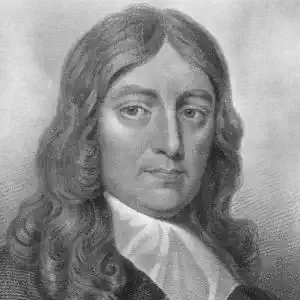
John Milton
To the Nightingale
To the Nightingale
O Nightingale! that on yon bloomy spray
Warblest at eve, when all the woods are still,
Thou with fresh hope the lover's heart dost fill,
While the jolly hours lead on propitious May.
Thy liquid notes that close the eye of day,
First heard before the shallow cuckoo's bill,
Portend success in love; O, if Jove's will
Have linked that amorous power to thy soft lay,
Now timely sing, ere the rude bird of hate
Foretell my hopeless doom in some grove nigh;
As thou from year to year hast sung too late
For my relief, yet hadst no reason why:
Whether the Muse, or Love, call thee his mate,
Both them I serve, and of their train am I.
O Nightingale! that on yon bloomy spray
Warblest at eve, when all the woods are still,
Thou with fresh hope the lover's heart dost fill,
While the jolly hours lead on propitious May.
Thy liquid notes that close the eye of day,
First heard before the shallow cuckoo's bill,
Portend success in love; O, if Jove's will
Have linked that amorous power to thy soft lay,
Now timely sing, ere the rude bird of hate
Foretell my hopeless doom in some grove nigh;
As thou from year to year hast sung too late
For my relief, yet hadst no reason why:
Whether the Muse, or Love, call thee his mate,
Both them I serve, and of their train am I.
454
John Milton
From 'Arcades'
From 'Arcades'
O'RE the smooth enameld green
Where no print of step hath been,
Follow me as I sing,
And touch the warbled string.
Under the shady roof
Of branching Elm Star-proof,
Follow me,
I will bring you where she sits
Clad in splendor as befits
Her deity.
Such a rural Queen
All Arcadia hath not seen.
313. From 'Comus'
i
THE Star that bids the Shepherd fold,
Now the top of Heav'n doth hold,
And the gilded Car of Day,
His glowing Axle doth allay
In the steep Atlantick stream,
And the slope Sun his upward beam
Shoots against the dusky Pole,
Pacing toward the other gole
Of his Chamber in the East.
Mean while welcom Joy, and Feast,
Midnight shout, and revelry,
Tipsie dance, and Jollity.
Braid your Locks with rosie Twine
Dropping odours, dropping Wine.
Rigor now is gon to bed,
And Advice with scrupulous head,
Strict Age, and sowre Severity,
With their grave Saws in slumber ly.
We that are of purer fire
Imitate the Starry Quire,
Who in their nightly watchfull Sphears,
Lead in swift round the Months and Years.
The Sounds, and Seas with all their finny drove
Now to the Moon in wavering Morrice move,
And on the Tawny Sands and Shelves,
Trip the pert Fairies and the dapper Elves;
By dimpled Brook, and Fountain brim,
The Wood-Nymphs deckt with Daisies trim,
Their merry wakes and pastimes keep:
What hath night to do with sleep?
Night hath better sweets to prove,
Venus now wakes, and wak'ns Love....
Com, knit hands, and beat the ground,
In a light fantastick round.
John Milton. 1608-1674
314. From' Comus'
ii. Echo
SWEET Echo, sweetest Nymph that liv'st unseen
Within thy airy shell
By slow Meander's margent green,
And in the violet imbroider'd vale
Where the love-lorn Nightingale
Nightly to thee her sad Song mourneth well.
Canst thou not tell me of a gentle Pair
That likest thy Narcissus are?
O if thou have
Hid them in som flowry Cave,
Tell me but where
Sweet Queen of Parly, Daughter of the Sphear!
So maist thou be translated to the skies,
And give resounding grace to all Heav'ns Harmonies!
John Milton. 1608-1674
315. From' Comus'
iii. Sabrina
The Spirit sings: SABRINA fair
Listen where thou art sitting
Under the glassie, cool, translucent wave,
In twisted braids of Lillies knitting
The loose train of thy amber-dropping hair,
Listen for dear honour's sake,
Goddess of the silver lake,
Listen and save!
Listen and appear to us,
In name of great Oceanus,
By the earth-shaking Neptune's mace,
And Tethys grave majestick pace,
By hoary Nereus wrincled look,
And the Carpathian wisards hook,
By scaly Tritons winding shell,
And old sooth-saying Glaucus spell,
By Leucothea's lovely hands,
And her son that rules the strands,
By Thetis tinsel-slipper'd feet,
And the Songs of Sirens sweet,
By dead Parthenope's dear tomb,
And fair Ligea's golden comb,
Wherwith she sits on diamond rocks
Sleeking her soft alluring locks,
By all the Nymphs that nightly dance
Upon thy streams with wily glance,
Rise, rise, and heave thy rosie head
From thy coral-pav'n bed,
And bridle in thy headlong wave,
Till thou our summons answered have.
Listen and save!
Sabrina replies: By the rushy-fringed bank,
Where grows the Willow and the Osier dank,
My sliding Chariot stayes,
Thick set with Agat, and the azurn sheen
Of Turkis blew, and Emrauld green
That in the channell strayes,
Whilst from off the waters fleet
Thus I set my printless feet
O're the Cowslips Velvet head,
That bends not as I tread,
Gentle swain at thy request
I am here.
John Milton. 1608-1674
316. From 'Comus'
iv
The Spirit epiloguizes: TO the Ocean now I fly,
And those happy climes that ly
Where day never shuts his eye,
Up in the broad fields of the sky:
There I suck the liquid ayr
All amidst the Gardens fair
Of Hesperus, and his daughters three
That sing about the golden tree:
Along the crisped shades and bowres
Revels the spruce and jocond Spring,
The Graces, and the rosie-boosom'd Howres,
Thither all their bounties bring,
That there eternal Summer dwels,
And West winds, with musky wing
About the cedar'n alleys fling
Nard, and Cassia's balmy smels.
Iris there with humid bow,
Waters the odorous banks that blow
Flowers of more mingled hew
Than her purfl'd scarf can shew,
And drenches with Elysian dew
(List mortals, if your ears be true)
Beds of Hyacinth, and roses
Where young Adonis oft reposes,
Waxing well of his deep wound
In slumber soft, and on the ground
Sadly sits th' Assyrian Queen;
But far above in spangled sheen
Celestial Cupid her fam'd son advanc't,
Holds his dear Psyche sweet intranc't
After her wandring labours long,
Till free consent the gods among
Make her his eternal Bride,
And from her fair unspotted side
Two blissful twins are to be born,
Youth and Joy; so Jove hath sworn.
But now my task is smoothly don,
I can fly, or I can run
Quickly to the green earths end,
Where the bow'd welkin slow doth bend,
And from thence can soar as soon
To the corners of the Moon.
Mortals that would follow me,
Love vertue, she alone is free.
She can teach ye how to clime
Higher then the Spheary chime;
Or if Vertue feeble were,
Heav'n it self would stoop to her.
YET once more, O ye Laurels, and once more
Ye Myrtles brown, with Ivy never-sear,
I com to pluck your Berries harsh and crude,
And with forc'd fingers rude,
Shatter your leaves before the mellowing year.
Bitter constraint, and sad occasion dear,
Compels me to disturb your season due:
For Lycidas is dead, dead ere his prime
Young Lycidas, and hath not left his peer:
Who would not sing for Lycidas? he knew
Himself to sing, and build the lofty rhyme.
He must not flote upon his watry bear
Unwept, and welter to the parching wind,
Without the meed of som melodious tear.
Begin, then, Sisters of the sacred well,
That from beneath the seat of Jove doth spring,
Begin, and somwhat loudly sweep the string.
Hence with denial vain, and coy excuse,
So may som gentle Muse
With lucky words favour my destin'd Urn,
And as he passes turn,
And bid fair peace be to my sable shrowd.
For we were nurst upon the self-same hill,
Fed the same flock, by fountain, shade, and rill.
Together both, ere the high Lawns appear'd
Under the opening eye-lids of the morn,
We drove a field, and both together heard
What time the Gray-fly winds her sultry horn,
Batt'ning our flocks with the fresh dews of night,
Oft till the Star that rose, at Ev'ning, bright
Toward Heav'ns descent had slop'd his westering wheel.
Mean while the Rural ditties were not mute,
Temper'd to th'Oaten Flute;
Rough Satyrs danc'd, and Fauns with clov'n heel,
From the glad sound would not be absent long,
And old Damaetas lov'd to hear our song.
But O the heavy change, now thou art gon,
Now thou art gon, and never must return!
Thee Shepherd, thee the Woods, and desert Caves,
With wilde Thyme and the gadding Vine o'regrown,
And all their echoes mourn.
The Willows, and the Hazle Copses green,
Shall now no more be seen,
Fanning their joyous Leaves to thy soft layes.
As killing as the Canker to the Rose,
Or Taint-worm to the weanling Herds that graze,
Or Frost to Flowers, that their gay wardrop wear,
When first the White thorn blows;
Such, Lycidas, thy loss to Shepherds ear.
Where were ye Nymphs when the remorseless deep
Clos'd o're the head of your lov'd Lycidas?
For neither were ye playing on the steep,
Where your old Bards, the famous Druids ly,
Nor on the shaggy top of Mona high,
Nor yet where Deva spreads her wisard stream:
Ay me, I fondly dream!
Had ye bin there--for what could that have don?
What could the Muse her self that Orpheus bore,
The Muse her self, for her inchanting son
Whom Universal nature did lament,
When by the rout that made the hideous roar,
His goary visage down the stream was sent,
Down the swift Hebrus to the Lesbian shore.
Alas! what boots it with uncessant care
To tend the homely slighted Shepherds trade,
And strictly meditate the thankles Muse,
Were it not better don as others use,
To sport with Amaryllis in the shade,
Or with the tangles of Neaera's hair?
Fame is the spur that the clear spirit doth raise
(That last infirmity of Noble mind)
To scorn delights, and live laborious dayes;
But the fair Guerdon when we hope to find,
And think to burst out into sudden blaze,
Comes the blind Fury with th'abhorred shears,
And slits the thin spun life. But not the praise,
Phoebus repli'd, and touch'd my trembling ears;
Fame is no plant that grows on mortal soil,
Nor in the glistering foil
Set off to th'world, nor in broad rumour lies,
But lives and spreds aloft by those pure eyes,
And perfet witnes of all judging Jove;
As he pronounces lastly on each deed,
Of so much fame in Heav'n expect thy meed.
O fountain Arethuse, and thou honour'd floud,
Smooth-sliding Mincius, crown'd with vocall reeds,
That strain I heard was of a higher mood:
But now my Oate proceeds,
And listens to the Herald of the Sea
That came in Neptune's plea,
He ask'd the Waves, and ask'd the Fellon winds,
What hard mishap hath doom'd this gentle swain?
And question'd every gust of rugged wings
That blows from off each beaked Promontory,
They knew not of his story,
And sage Hippotades their answer brings,
That not a blast was from his dungeon stray'd,
The Ayr was calm, and on the level brine,
Sleek Panope with all her sisters play'd.
It was that fatall and perfidious Bark
Built in th'eclipse, and rigg'd with curses dark,
That sunk so low that sacred head of thine.
Next Camus, reverend Sire, went footing slow,
His Mantle hairy, and his Bonnet sedge,
Inwrought with figures dim, and on the edge
Like to that sanguine flower inscrib'd with woe.
Ah; Who hath reft (quoth he) my dearest pledge?
Last came, and last did go,
The Pilot of the Galilean lake,
Two massy Keyes he bore of metals twain,
(The Golden opes, the Iron shuts amain)
He shook his Miter'd locks, and stern bespake,
How well could I have spar'd for thee, young swain,
Anow of such as for their bellies sake,
Creep and intrude, and climb into the fold?
Of other care they little reck'ning make,
Then how to scramble at the shearers feast,
And shove away the worthy bidden guest.
Blind mouthes! that scarce themselves know how to hold
A Sheep-hook, or have learn'd ought els the least
That to the faithfull Herdmans art belongs!
What recks it them? What need they? They are sped;
And when they list, their lean and flashy songs
Grate on their scrannel Pipes of wretched straw,
The hungry Sheep look up, and are not fed,
But swoln with wind, and the rank mist they draw,
Rot inwardly, and foul contagion spread:
Besides what the grim Woolf with privy paw
Daily devours apace, and nothing sed,
But that two-handed engine at the door,
Stands ready to smite once, and smite no more.
Return Alpheus, the dread voice is past,
That shrunk thy streams; Return Sicilian Muse,
And call the Vales, and bid them hither cast
Their Bels, and Flourets of a thousand hues.
Ye valleys low where the milde whispers use,
Of shades and wanton winds, and gushing brooks,
On whose fresh lap the swart Star sparely looks,
Throw hither all your quaint enameld eyes,
That on the green terf suck the honied showres,
And purple all the ground with vernal flowres.
Bring the rathe Primrose that forsaken dies.
The tufted Crow-toe, and pale Gessamine,
The white Pink, and the Pansie freakt with jeat,
The glowing Violet.
The Musk-rose, and the well attir'd Woodbine.
With Cowslips wan that hang the pensive hed,
And every flower that sad embroidery wears:
Bid Amaranthus all his beauty shed,
And Daffadillies fill their cups with tears,
To strew the Laureat Herse where Lycid lies.
For so to interpose a little ease,
Let our frail thoughts dally with false surmise.
Ay me! Whilst thee the shores, and sounding Seas
Wash far away, where ere thy bones are hurld,
Whether beyond the stormy Hebrides,
Where thou perhaps under the whelming tide
Visit'st the bottom of the monstrous world;
Or whether thou to our moist vows deny'd,
Sleep'st by the fable of Bellerus old,
Where the great vision of the guarded Mount
Looks toward Namancos and Bayona's hold;
Look homeward Angel now, and melt with ruth.
And, O ye Dolphins, waft the haples youth.
Weep no more, woful Shepherds weep no more,
For Lycidas your sorrow is not dead,
Sunk though he be beneath the watry floar,
So sinks the day-star in the Ocean bed,
And yet anon repairs his drooping head,
And tricks his beams, and with new spangled Ore,
Flames in the forehead of the morning sky:
So Lycidas sunk low, but mounted high,
Through the dear might of him that walk'd the waves
Where other groves, and other streams along,
With Nectar pure his oozy Lock's he laves,
And hears the unexpressive nuptiall Song,
In the blest Kingdoms meek of joy and love.
There entertain him all the Saints above,
In solemn troops, and sweet Societies
That sing, and singing in their glory move,
And wipe the tears for ever from his eyes.
Now Lycidas the Shepherds weep no more;
Hence forth thou art the Genius of the shore,
In thy large recompense, and shalt be good
To all that wander in that perilous flood.
Thus sang the uncouth Swain to th'Okes and rills,
While the still morn went out with Sandals gray,
He touch'd the tender stops of various Quills,
With eager thought warbling his Dorick lay:
And now the Sun had stretch'd out all the hills,
And now was dropt into the Western bay;
At last he rose, and twitch'd his Mantle blew:
To morrow to fresh Woods, and Pastures new.
O'RE the smooth enameld green
Where no print of step hath been,
Follow me as I sing,
And touch the warbled string.
Under the shady roof
Of branching Elm Star-proof,
Follow me,
I will bring you where she sits
Clad in splendor as befits
Her deity.
Such a rural Queen
All Arcadia hath not seen.
313. From 'Comus'
i
THE Star that bids the Shepherd fold,
Now the top of Heav'n doth hold,
And the gilded Car of Day,
His glowing Axle doth allay
In the steep Atlantick stream,
And the slope Sun his upward beam
Shoots against the dusky Pole,
Pacing toward the other gole
Of his Chamber in the East.
Mean while welcom Joy, and Feast,
Midnight shout, and revelry,
Tipsie dance, and Jollity.
Braid your Locks with rosie Twine
Dropping odours, dropping Wine.
Rigor now is gon to bed,
And Advice with scrupulous head,
Strict Age, and sowre Severity,
With their grave Saws in slumber ly.
We that are of purer fire
Imitate the Starry Quire,
Who in their nightly watchfull Sphears,
Lead in swift round the Months and Years.
The Sounds, and Seas with all their finny drove
Now to the Moon in wavering Morrice move,
And on the Tawny Sands and Shelves,
Trip the pert Fairies and the dapper Elves;
By dimpled Brook, and Fountain brim,
The Wood-Nymphs deckt with Daisies trim,
Their merry wakes and pastimes keep:
What hath night to do with sleep?
Night hath better sweets to prove,
Venus now wakes, and wak'ns Love....
Com, knit hands, and beat the ground,
In a light fantastick round.
John Milton. 1608-1674
314. From' Comus'
ii. Echo
SWEET Echo, sweetest Nymph that liv'st unseen
Within thy airy shell
By slow Meander's margent green,
And in the violet imbroider'd vale
Where the love-lorn Nightingale
Nightly to thee her sad Song mourneth well.
Canst thou not tell me of a gentle Pair
That likest thy Narcissus are?
O if thou have
Hid them in som flowry Cave,
Tell me but where
Sweet Queen of Parly, Daughter of the Sphear!
So maist thou be translated to the skies,
And give resounding grace to all Heav'ns Harmonies!
John Milton. 1608-1674
315. From' Comus'
iii. Sabrina
The Spirit sings: SABRINA fair
Listen where thou art sitting
Under the glassie, cool, translucent wave,
In twisted braids of Lillies knitting
The loose train of thy amber-dropping hair,
Listen for dear honour's sake,
Goddess of the silver lake,
Listen and save!
Listen and appear to us,
In name of great Oceanus,
By the earth-shaking Neptune's mace,
And Tethys grave majestick pace,
By hoary Nereus wrincled look,
And the Carpathian wisards hook,
By scaly Tritons winding shell,
And old sooth-saying Glaucus spell,
By Leucothea's lovely hands,
And her son that rules the strands,
By Thetis tinsel-slipper'd feet,
And the Songs of Sirens sweet,
By dead Parthenope's dear tomb,
And fair Ligea's golden comb,
Wherwith she sits on diamond rocks
Sleeking her soft alluring locks,
By all the Nymphs that nightly dance
Upon thy streams with wily glance,
Rise, rise, and heave thy rosie head
From thy coral-pav'n bed,
And bridle in thy headlong wave,
Till thou our summons answered have.
Listen and save!
Sabrina replies: By the rushy-fringed bank,
Where grows the Willow and the Osier dank,
My sliding Chariot stayes,
Thick set with Agat, and the azurn sheen
Of Turkis blew, and Emrauld green
That in the channell strayes,
Whilst from off the waters fleet
Thus I set my printless feet
O're the Cowslips Velvet head,
That bends not as I tread,
Gentle swain at thy request
I am here.
John Milton. 1608-1674
316. From 'Comus'
iv
The Spirit epiloguizes: TO the Ocean now I fly,
And those happy climes that ly
Where day never shuts his eye,
Up in the broad fields of the sky:
There I suck the liquid ayr
All amidst the Gardens fair
Of Hesperus, and his daughters three
That sing about the golden tree:
Along the crisped shades and bowres
Revels the spruce and jocond Spring,
The Graces, and the rosie-boosom'd Howres,
Thither all their bounties bring,
That there eternal Summer dwels,
And West winds, with musky wing
About the cedar'n alleys fling
Nard, and Cassia's balmy smels.
Iris there with humid bow,
Waters the odorous banks that blow
Flowers of more mingled hew
Than her purfl'd scarf can shew,
And drenches with Elysian dew
(List mortals, if your ears be true)
Beds of Hyacinth, and roses
Where young Adonis oft reposes,
Waxing well of his deep wound
In slumber soft, and on the ground
Sadly sits th' Assyrian Queen;
But far above in spangled sheen
Celestial Cupid her fam'd son advanc't,
Holds his dear Psyche sweet intranc't
After her wandring labours long,
Till free consent the gods among
Make her his eternal Bride,
And from her fair unspotted side
Two blissful twins are to be born,
Youth and Joy; so Jove hath sworn.
But now my task is smoothly don,
I can fly, or I can run
Quickly to the green earths end,
Where the bow'd welkin slow doth bend,
And from thence can soar as soon
To the corners of the Moon.
Mortals that would follow me,
Love vertue, she alone is free.
She can teach ye how to clime
Higher then the Spheary chime;
Or if Vertue feeble were,
Heav'n it self would stoop to her.
YET once more, O ye Laurels, and once more
Ye Myrtles brown, with Ivy never-sear,
I com to pluck your Berries harsh and crude,
And with forc'd fingers rude,
Shatter your leaves before the mellowing year.
Bitter constraint, and sad occasion dear,
Compels me to disturb your season due:
For Lycidas is dead, dead ere his prime
Young Lycidas, and hath not left his peer:
Who would not sing for Lycidas? he knew
Himself to sing, and build the lofty rhyme.
He must not flote upon his watry bear
Unwept, and welter to the parching wind,
Without the meed of som melodious tear.
Begin, then, Sisters of the sacred well,
That from beneath the seat of Jove doth spring,
Begin, and somwhat loudly sweep the string.
Hence with denial vain, and coy excuse,
So may som gentle Muse
With lucky words favour my destin'd Urn,
And as he passes turn,
And bid fair peace be to my sable shrowd.
For we were nurst upon the self-same hill,
Fed the same flock, by fountain, shade, and rill.
Together both, ere the high Lawns appear'd
Under the opening eye-lids of the morn,
We drove a field, and both together heard
What time the Gray-fly winds her sultry horn,
Batt'ning our flocks with the fresh dews of night,
Oft till the Star that rose, at Ev'ning, bright
Toward Heav'ns descent had slop'd his westering wheel.
Mean while the Rural ditties were not mute,
Temper'd to th'Oaten Flute;
Rough Satyrs danc'd, and Fauns with clov'n heel,
From the glad sound would not be absent long,
And old Damaetas lov'd to hear our song.
But O the heavy change, now thou art gon,
Now thou art gon, and never must return!
Thee Shepherd, thee the Woods, and desert Caves,
With wilde Thyme and the gadding Vine o'regrown,
And all their echoes mourn.
The Willows, and the Hazle Copses green,
Shall now no more be seen,
Fanning their joyous Leaves to thy soft layes.
As killing as the Canker to the Rose,
Or Taint-worm to the weanling Herds that graze,
Or Frost to Flowers, that their gay wardrop wear,
When first the White thorn blows;
Such, Lycidas, thy loss to Shepherds ear.
Where were ye Nymphs when the remorseless deep
Clos'd o're the head of your lov'd Lycidas?
For neither were ye playing on the steep,
Where your old Bards, the famous Druids ly,
Nor on the shaggy top of Mona high,
Nor yet where Deva spreads her wisard stream:
Ay me, I fondly dream!
Had ye bin there--for what could that have don?
What could the Muse her self that Orpheus bore,
The Muse her self, for her inchanting son
Whom Universal nature did lament,
When by the rout that made the hideous roar,
His goary visage down the stream was sent,
Down the swift Hebrus to the Lesbian shore.
Alas! what boots it with uncessant care
To tend the homely slighted Shepherds trade,
And strictly meditate the thankles Muse,
Were it not better don as others use,
To sport with Amaryllis in the shade,
Or with the tangles of Neaera's hair?
Fame is the spur that the clear spirit doth raise
(That last infirmity of Noble mind)
To scorn delights, and live laborious dayes;
But the fair Guerdon when we hope to find,
And think to burst out into sudden blaze,
Comes the blind Fury with th'abhorred shears,
And slits the thin spun life. But not the praise,
Phoebus repli'd, and touch'd my trembling ears;
Fame is no plant that grows on mortal soil,
Nor in the glistering foil
Set off to th'world, nor in broad rumour lies,
But lives and spreds aloft by those pure eyes,
And perfet witnes of all judging Jove;
As he pronounces lastly on each deed,
Of so much fame in Heav'n expect thy meed.
O fountain Arethuse, and thou honour'd floud,
Smooth-sliding Mincius, crown'd with vocall reeds,
That strain I heard was of a higher mood:
But now my Oate proceeds,
And listens to the Herald of the Sea
That came in Neptune's plea,
He ask'd the Waves, and ask'd the Fellon winds,
What hard mishap hath doom'd this gentle swain?
And question'd every gust of rugged wings
That blows from off each beaked Promontory,
They knew not of his story,
And sage Hippotades their answer brings,
That not a blast was from his dungeon stray'd,
The Ayr was calm, and on the level brine,
Sleek Panope with all her sisters play'd.
It was that fatall and perfidious Bark
Built in th'eclipse, and rigg'd with curses dark,
That sunk so low that sacred head of thine.
Next Camus, reverend Sire, went footing slow,
His Mantle hairy, and his Bonnet sedge,
Inwrought with figures dim, and on the edge
Like to that sanguine flower inscrib'd with woe.
Ah; Who hath reft (quoth he) my dearest pledge?
Last came, and last did go,
The Pilot of the Galilean lake,
Two massy Keyes he bore of metals twain,
(The Golden opes, the Iron shuts amain)
He shook his Miter'd locks, and stern bespake,
How well could I have spar'd for thee, young swain,
Anow of such as for their bellies sake,
Creep and intrude, and climb into the fold?
Of other care they little reck'ning make,
Then how to scramble at the shearers feast,
And shove away the worthy bidden guest.
Blind mouthes! that scarce themselves know how to hold
A Sheep-hook, or have learn'd ought els the least
That to the faithfull Herdmans art belongs!
What recks it them? What need they? They are sped;
And when they list, their lean and flashy songs
Grate on their scrannel Pipes of wretched straw,
The hungry Sheep look up, and are not fed,
But swoln with wind, and the rank mist they draw,
Rot inwardly, and foul contagion spread:
Besides what the grim Woolf with privy paw
Daily devours apace, and nothing sed,
But that two-handed engine at the door,
Stands ready to smite once, and smite no more.
Return Alpheus, the dread voice is past,
That shrunk thy streams; Return Sicilian Muse,
And call the Vales, and bid them hither cast
Their Bels, and Flourets of a thousand hues.
Ye valleys low where the milde whispers use,
Of shades and wanton winds, and gushing brooks,
On whose fresh lap the swart Star sparely looks,
Throw hither all your quaint enameld eyes,
That on the green terf suck the honied showres,
And purple all the ground with vernal flowres.
Bring the rathe Primrose that forsaken dies.
The tufted Crow-toe, and pale Gessamine,
The white Pink, and the Pansie freakt with jeat,
The glowing Violet.
The Musk-rose, and the well attir'd Woodbine.
With Cowslips wan that hang the pensive hed,
And every flower that sad embroidery wears:
Bid Amaranthus all his beauty shed,
And Daffadillies fill their cups with tears,
To strew the Laureat Herse where Lycid lies.
For so to interpose a little ease,
Let our frail thoughts dally with false surmise.
Ay me! Whilst thee the shores, and sounding Seas
Wash far away, where ere thy bones are hurld,
Whether beyond the stormy Hebrides,
Where thou perhaps under the whelming tide
Visit'st the bottom of the monstrous world;
Or whether thou to our moist vows deny'd,
Sleep'st by the fable of Bellerus old,
Where the great vision of the guarded Mount
Looks toward Namancos and Bayona's hold;
Look homeward Angel now, and melt with ruth.
And, O ye Dolphins, waft the haples youth.
Weep no more, woful Shepherds weep no more,
For Lycidas your sorrow is not dead,
Sunk though he be beneath the watry floar,
So sinks the day-star in the Ocean bed,
And yet anon repairs his drooping head,
And tricks his beams, and with new spangled Ore,
Flames in the forehead of the morning sky:
So Lycidas sunk low, but mounted high,
Through the dear might of him that walk'd the waves
Where other groves, and other streams along,
With Nectar pure his oozy Lock's he laves,
And hears the unexpressive nuptiall Song,
In the blest Kingdoms meek of joy and love.
There entertain him all the Saints above,
In solemn troops, and sweet Societies
That sing, and singing in their glory move,
And wipe the tears for ever from his eyes.
Now Lycidas the Shepherds weep no more;
Hence forth thou art the Genius of the shore,
In thy large recompense, and shalt be good
To all that wander in that perilous flood.
Thus sang the uncouth Swain to th'Okes and rills,
While the still morn went out with Sandals gray,
He touch'd the tender stops of various Quills,
With eager thought warbling his Dorick lay:
And now the Sun had stretch'd out all the hills,
And now was dropt into the Western bay;
At last he rose, and twitch'd his Mantle blew:
To morrow to fresh Woods, and Pastures new.
685
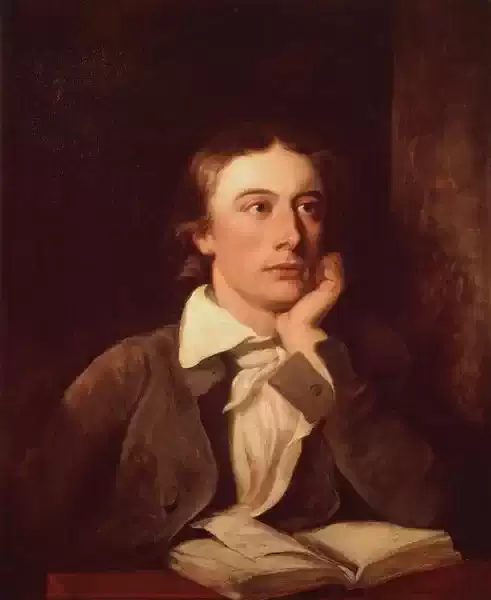
John Keats
Sonnet VI. To G. A. W.
Sonnet VI. To G. A. W.
Nymph of the downward smile and sidelong glance!
In what diviner moments of the day
Art thou most lovely? -- when gone far astray
Into the labyrinths of sweet utterance,
Or when serenely wandering in a trance
Of sober thought? -- Or when starting away,
With careless robe to meet the morning ray,
Thou sparest the flowers in thy mazy dance?
Haply 'tis when thy ruby lips part sweetly,
And so remain, because thou listenest:
But thou to please wert nurtured so completely
That I can never tell what mood is best;
I shall as soon pronounce which Grace more neatly
Trips it before Apollo than the rest.
Nymph of the downward smile and sidelong glance!
In what diviner moments of the day
Art thou most lovely? -- when gone far astray
Into the labyrinths of sweet utterance,
Or when serenely wandering in a trance
Of sober thought? -- Or when starting away,
With careless robe to meet the morning ray,
Thou sparest the flowers in thy mazy dance?
Haply 'tis when thy ruby lips part sweetly,
And so remain, because thou listenest:
But thou to please wert nurtured so completely
That I can never tell what mood is best;
I shall as soon pronounce which Grace more neatly
Trips it before Apollo than the rest.
353
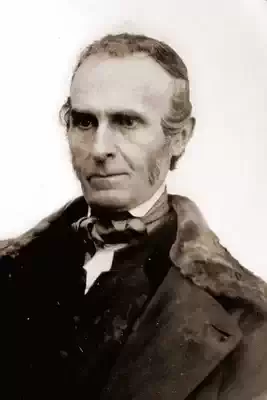
John Greenleaf Whittier
The Witch of Wenham
The Witch of Wenham
I.
Along Crane River's sunny slopes
Blew warm the winds of May,
And over Naumkeag's ancient oaks
The green outgrew the gray.
The grass was green on Rial-side,
The early birds at will
Waked up the violet in its dell,
The wind-flower on its hill.
'Where go you, in your Sunday coat,
Son Andrew, tell me, pray.'
For striped perch in Wenham Lake
I go to fish to-day.'
'Unharmed of thee in Wenham Lake
The mottled perch shall be
A blue-eyed witch sits on the bank
And weaves her net for thee.
'She weaves her golden hair; she sings
Her spell-song low and faint;
The wickedest witch in Salem jail
Is to that girl a saint.'
'Nay, mother, hold thy cruel tongue;
God knows,' the young man cried,
'He never made a whiter soul
Than hers by Wenham side.
'She tends her mother sick and blind,
And every want supplies;
To her above the blessed Book
She lends her soft blue eyes.
'Her voice is glad with holy songs,
Her lips are sweet with prayer;
Go where you will, in ten miles round
Is none more good and fair.'
'Son Andrew, for the love of God
And of thy mother, stay!'
She clasped her hands, she wept aloud,
But Andrew rode away.
'O reverend sir, my Andrew's soul
The Wenham witch has caught;
She holds him with the curled gold
Whereof her snare is wrought.
'She charms him with her great blue eyes,
She binds him with her hair;
Oh, break the spell with holy words,
Unbind him with a prayer!'
'Take heart,' the painful preacher said,
'This mischief shall not be;
The witch shall perish in her sins
And Andrew shall go free.
'Our poor Ann Putnam testifies
She saw her weave a spell,
Bare-armed, loose-haired, at full of moon,
Around a dried-up well.
''Spring up, O well!' she softly sang
The Hebrew's old refrain
(For Satan uses Bible words),
Till water flowed a-main.
'And many a goodwife heard her speak
By Wenham water words
That made the buttercups take wings
And turn to yellow birds.
'They say that swarming wild bees seek
The hive at her command;
And fishes swim to take their food
From out her dainty hand.
'Meek as she sits in meeting-time,
The godly minister
Notes well the spell that doth compel
The young men's eyes to her.
'The mole upon her dimpled chin
Is Satan's seal and sign;
Her lips are red with evil bread
And stain of unblest wine.
'For Tituba, my Indian, saith
At Quasycung she took
The Black Man's godless sacrament
And signed his dreadful book.
'Last night my sore-afflicted child
Against the young witch cried.
To take her Marshal Herrick rides
Even now to Wenham side.'
The marshal in his saddle sat,
His daughter at his knee;
'I go to fetch that arrant witch,
Thy fair playmate,' quoth he.
'Her spectre walks the parsonage,
And haunts both hall and stair;
They know her by the great blue eyes
And floating gold of hair.'
'They lie, they lie, my father dear!
No foul old witch is she,
But sweet and good and crystal-pure
As Wenham waters be.'
'I tell thee, child, the Lord hath set
Before us good and ill,
And woe to all whose carnal loves
Oppose His righteous will.
'Between Him and the powers of hell
Choose thou, my child, to-day
No sparing hand, no pitying eye,
When God commands to slay!'
He went his way; the old wives shook
With fear as he drew nigh;
The children in the dooryards held
Their breath as he passed by.
Too well they knew the gaunt gray horse
The grim witch-hunter rode
The pale Apocalyptic beast
By grisly Death bestrode.
II.
Oh, fair the face of Wenham Lake
Upon the young girl's shone,
Her tender mouth, her dreaming eyes,
Her yellow hair outblown.
By happy youth and love attuned
To natural harmonies,
The singing birds, the whispering wind,
She sat beneath the trees.
Sat shaping for her bridal dress
Her mother's wedding gown,
When lo! the marshal, writ in hand,
From Alford hill rode down.
His face was hard with cruel fear,
He grasped the maiden's hands
'Come with me unto Salem town,
For so the law commands!'
'Oh, let me to my mother say
Farewell before I go!'
He closer tied her little hands
Unto his saddle bow.
'Unhand me,' cried she piteously,
'For thy sweet daughter's sake.'
'I'll keep my daughter safe,' he said,
'From the witch of Wenham Lake.'
'Oh, leave me for my mother's sake,
She needs my eyes to see.'
'Those eyes, young witch, the crows shall peck
From off the gallows-tree.'
He bore her to a farm-house old,
And up its stairway long,
And closed on her the garret-door
With iron bolted strong.
The day died out, the night came down
Her evening prayer she said,
While, through the dark, strange faces seemed
To mock her as she prayed.
The present horror deepened all
The fears her childhood knew;
The awe wherewith the air was filled
With every breath she drew.
And could it be, she trembling asked,
Some secret thought or sin
Had shut good angels from her heart
And let the bad ones in?
Had she in some forgotten dream
Let go her hold on Heaven,
And sold herself unwittingly
To spirits unforgiven?
Oh, weird and still the dark hours passed;
No human sound she heard,
But up and down the chimney stack
The swallows moaned and stirred.
And o'er her, with a dread surmise
Of evil sight and sound,
The blind bats on their leathern wings
Went wheeling round and round.
Low hanging in the midnight sky
Looked in a half-faced moon.
Was it a dream, or did she hear
Her lover's whistled tune?
She forced the oaken scuttle back;
A whisper reached her ear
'Slide down the roof to me,' it said,
'So softly none may hear.'
She slid along the sloping roof
Till from its eaves she hung,
And felt the loosened shingles yield
To which her fingers clung.
Below, her lover stretched his hands
And touched her feet so small;
'Drop down to me, dear heart,' he said,
'My arms shall break the fall.'
He set her on his pillion soft,
Her arms about him twined;
And, noiseless as if velvet-shod,
They left the house behind.
But when they reached the open way,
Full free the rein he cast;
Oh, never through the mirk midnight
Rode man and maid more fast.
Along the wild wood-paths they sped,
The bridgeless streams they swam;
At set of moon they passed the Bass,
At sunrise Agawam.
At high noon on the Merrimac
The ancient ferryman
Forgot, at times, his idle oars,
So fair a freight to scan.
And when from off his grounded boat
He saw them mount and ride,
'God keep her from the evil eye,
And harm of witch!' he cried.
The maiden laughed, as youth will laugh
At all its fears gone by;
'He does not know,' she whispered low,
'A little witch am I.'
All day he urged his weary horse,
And, in the red sundown,
Drew rein before a friendly door
In distant Berwick town.
A fellow-feeling for the wronged
The Quaker people felt;
And safe beside their kindly hearths
The hunted maiden dwelt,
Until from off its breast the land
The haunting horror threw,
And hatred, born of ghastly dreams,
To shame and pity grew.
Sad were the year's spring morns, and sad
Its golden summer day,
But blithe and glad its withered fields,
And skies of ashen gray;
For spell and charm had power no more,
The spectres ceased to roam,
And scattered households knelt again
Around the hearths of home.
And when once more by Beaver Dam
The meadow-lark outsang,
And once again on all the hills
The early violets sprang,
And all the windy pasture slopes
Lay green within the arms
Of creeks that bore the salted sea
To pleasant inland farms,
The smith filed off the chains he forged,
The jail-bolts backward fell;
And youth and hoary age came forth
Like souls escaped from hell.
I.
Along Crane River's sunny slopes
Blew warm the winds of May,
And over Naumkeag's ancient oaks
The green outgrew the gray.
The grass was green on Rial-side,
The early birds at will
Waked up the violet in its dell,
The wind-flower on its hill.
'Where go you, in your Sunday coat,
Son Andrew, tell me, pray.'
For striped perch in Wenham Lake
I go to fish to-day.'
'Unharmed of thee in Wenham Lake
The mottled perch shall be
A blue-eyed witch sits on the bank
And weaves her net for thee.
'She weaves her golden hair; she sings
Her spell-song low and faint;
The wickedest witch in Salem jail
Is to that girl a saint.'
'Nay, mother, hold thy cruel tongue;
God knows,' the young man cried,
'He never made a whiter soul
Than hers by Wenham side.
'She tends her mother sick and blind,
And every want supplies;
To her above the blessed Book
She lends her soft blue eyes.
'Her voice is glad with holy songs,
Her lips are sweet with prayer;
Go where you will, in ten miles round
Is none more good and fair.'
'Son Andrew, for the love of God
And of thy mother, stay!'
She clasped her hands, she wept aloud,
But Andrew rode away.
'O reverend sir, my Andrew's soul
The Wenham witch has caught;
She holds him with the curled gold
Whereof her snare is wrought.
'She charms him with her great blue eyes,
She binds him with her hair;
Oh, break the spell with holy words,
Unbind him with a prayer!'
'Take heart,' the painful preacher said,
'This mischief shall not be;
The witch shall perish in her sins
And Andrew shall go free.
'Our poor Ann Putnam testifies
She saw her weave a spell,
Bare-armed, loose-haired, at full of moon,
Around a dried-up well.
''Spring up, O well!' she softly sang
The Hebrew's old refrain
(For Satan uses Bible words),
Till water flowed a-main.
'And many a goodwife heard her speak
By Wenham water words
That made the buttercups take wings
And turn to yellow birds.
'They say that swarming wild bees seek
The hive at her command;
And fishes swim to take their food
From out her dainty hand.
'Meek as she sits in meeting-time,
The godly minister
Notes well the spell that doth compel
The young men's eyes to her.
'The mole upon her dimpled chin
Is Satan's seal and sign;
Her lips are red with evil bread
And stain of unblest wine.
'For Tituba, my Indian, saith
At Quasycung she took
The Black Man's godless sacrament
And signed his dreadful book.
'Last night my sore-afflicted child
Against the young witch cried.
To take her Marshal Herrick rides
Even now to Wenham side.'
The marshal in his saddle sat,
His daughter at his knee;
'I go to fetch that arrant witch,
Thy fair playmate,' quoth he.
'Her spectre walks the parsonage,
And haunts both hall and stair;
They know her by the great blue eyes
And floating gold of hair.'
'They lie, they lie, my father dear!
No foul old witch is she,
But sweet and good and crystal-pure
As Wenham waters be.'
'I tell thee, child, the Lord hath set
Before us good and ill,
And woe to all whose carnal loves
Oppose His righteous will.
'Between Him and the powers of hell
Choose thou, my child, to-day
No sparing hand, no pitying eye,
When God commands to slay!'
He went his way; the old wives shook
With fear as he drew nigh;
The children in the dooryards held
Their breath as he passed by.
Too well they knew the gaunt gray horse
The grim witch-hunter rode
The pale Apocalyptic beast
By grisly Death bestrode.
II.
Oh, fair the face of Wenham Lake
Upon the young girl's shone,
Her tender mouth, her dreaming eyes,
Her yellow hair outblown.
By happy youth and love attuned
To natural harmonies,
The singing birds, the whispering wind,
She sat beneath the trees.
Sat shaping for her bridal dress
Her mother's wedding gown,
When lo! the marshal, writ in hand,
From Alford hill rode down.
His face was hard with cruel fear,
He grasped the maiden's hands
'Come with me unto Salem town,
For so the law commands!'
'Oh, let me to my mother say
Farewell before I go!'
He closer tied her little hands
Unto his saddle bow.
'Unhand me,' cried she piteously,
'For thy sweet daughter's sake.'
'I'll keep my daughter safe,' he said,
'From the witch of Wenham Lake.'
'Oh, leave me for my mother's sake,
She needs my eyes to see.'
'Those eyes, young witch, the crows shall peck
From off the gallows-tree.'
He bore her to a farm-house old,
And up its stairway long,
And closed on her the garret-door
With iron bolted strong.
The day died out, the night came down
Her evening prayer she said,
While, through the dark, strange faces seemed
To mock her as she prayed.
The present horror deepened all
The fears her childhood knew;
The awe wherewith the air was filled
With every breath she drew.
And could it be, she trembling asked,
Some secret thought or sin
Had shut good angels from her heart
And let the bad ones in?
Had she in some forgotten dream
Let go her hold on Heaven,
And sold herself unwittingly
To spirits unforgiven?
Oh, weird and still the dark hours passed;
No human sound she heard,
But up and down the chimney stack
The swallows moaned and stirred.
And o'er her, with a dread surmise
Of evil sight and sound,
The blind bats on their leathern wings
Went wheeling round and round.
Low hanging in the midnight sky
Looked in a half-faced moon.
Was it a dream, or did she hear
Her lover's whistled tune?
She forced the oaken scuttle back;
A whisper reached her ear
'Slide down the roof to me,' it said,
'So softly none may hear.'
She slid along the sloping roof
Till from its eaves she hung,
And felt the loosened shingles yield
To which her fingers clung.
Below, her lover stretched his hands
And touched her feet so small;
'Drop down to me, dear heart,' he said,
'My arms shall break the fall.'
He set her on his pillion soft,
Her arms about him twined;
And, noiseless as if velvet-shod,
They left the house behind.
But when they reached the open way,
Full free the rein he cast;
Oh, never through the mirk midnight
Rode man and maid more fast.
Along the wild wood-paths they sped,
The bridgeless streams they swam;
At set of moon they passed the Bass,
At sunrise Agawam.
At high noon on the Merrimac
The ancient ferryman
Forgot, at times, his idle oars,
So fair a freight to scan.
And when from off his grounded boat
He saw them mount and ride,
'God keep her from the evil eye,
And harm of witch!' he cried.
The maiden laughed, as youth will laugh
At all its fears gone by;
'He does not know,' she whispered low,
'A little witch am I.'
All day he urged his weary horse,
And, in the red sundown,
Drew rein before a friendly door
In distant Berwick town.
A fellow-feeling for the wronged
The Quaker people felt;
And safe beside their kindly hearths
The hunted maiden dwelt,
Until from off its breast the land
The haunting horror threw,
And hatred, born of ghastly dreams,
To shame and pity grew.
Sad were the year's spring morns, and sad
Its golden summer day,
But blithe and glad its withered fields,
And skies of ashen gray;
For spell and charm had power no more,
The spectres ceased to roam,
And scattered households knelt again
Around the hearths of home.
And when once more by Beaver Dam
The meadow-lark outsang,
And once again on all the hills
The early violets sprang,
And all the windy pasture slopes
Lay green within the arms
Of creeks that bore the salted sea
To pleasant inland farms,
The smith filed off the chains he forged,
The jail-bolts backward fell;
And youth and hoary age came forth
Like souls escaped from hell.
270
John Greenleaf Whittier
The Henchman
The Henchman
My lady walks her morning round,
My lady's page her fleet greyhound,
My lady's hair the fond winds stir,
And all the birds make songs for her.
Her thrushes sing in Rathburn bowers,
And Rathburn side is gay with flowers;
But ne'er like hers, in flower or bird,
Was beauty seen or music heard.
The distance of the stars is hers;
The least of all her worshippers,
The dust beneath her dainty heel,
She knows not that I see or feel.
Oh, proud and calm!-she cannot know
Where'er she goes with her I go;
Oh, cold and fair!-she cannot guess
I kneel to share her hound's caress!
Gay knights beside her hunt and hawk,
I rob their ears of her sweet talk;
Her suitors come from east and west,
I steal her smiles from every guest.
Unheard of her, in loving words,
I greet her with the song of birds;
I reach her with her green-armed bowers,
I kiss her with the lips of flowers.
The hound and I are on her trail,
The wind and I uplift her veil;
As if the calm, cold moon she were,
And I the tide, I follow her.
As unrebuked as they, I share
The license of the sun and air,
And in a common homage hide
My worship from her scorn and pride.
World-wide apart, and yet so near,
I breathe her charmed atmosphere,
Wherein to her my service brings
The reverence due to holy things.
Her maiden pride, her haughty name,
My dumb devotion shall not shame;
The love that no return doth crave
To knightly levels lifts the slave,
No lance have I, in joust or fight,
To splinter in my lady's sight
But, at her feet, how blest were I
For any need of hers to die!
My lady walks her morning round,
My lady's page her fleet greyhound,
My lady's hair the fond winds stir,
And all the birds make songs for her.
Her thrushes sing in Rathburn bowers,
And Rathburn side is gay with flowers;
But ne'er like hers, in flower or bird,
Was beauty seen or music heard.
The distance of the stars is hers;
The least of all her worshippers,
The dust beneath her dainty heel,
She knows not that I see or feel.
Oh, proud and calm!-she cannot know
Where'er she goes with her I go;
Oh, cold and fair!-she cannot guess
I kneel to share her hound's caress!
Gay knights beside her hunt and hawk,
I rob their ears of her sweet talk;
Her suitors come from east and west,
I steal her smiles from every guest.
Unheard of her, in loving words,
I greet her with the song of birds;
I reach her with her green-armed bowers,
I kiss her with the lips of flowers.
The hound and I are on her trail,
The wind and I uplift her veil;
As if the calm, cold moon she were,
And I the tide, I follow her.
As unrebuked as they, I share
The license of the sun and air,
And in a common homage hide
My worship from her scorn and pride.
World-wide apart, and yet so near,
I breathe her charmed atmosphere,
Wherein to her my service brings
The reverence due to holy things.
Her maiden pride, her haughty name,
My dumb devotion shall not shame;
The love that no return doth crave
To knightly levels lifts the slave,
No lance have I, in joust or fight,
To splinter in my lady's sight
But, at her feet, how blest were I
For any need of hers to die!
218
John Greenleaf Whittier
The
The
Weary of jangling noises never stilled,
The skeptic's sneer, the bigot's hate, the din
Of clashing texts, the webs of creed men spin
Round simple truth, the children grown who build
With gilded cards their new Jerusalem,
Busy, with sacerdotal tailorings
And tinsel gauds, bedizening holy things,
I turn, with glad and grateful heart, from them
To the sweet story of the Florentine
Immortal in her blameless maidenhood,
Beautiful as God's angels and as good;
Feeling that life, even now, may be divine
With love no wrong can ever change to hate,
No sin make less than all-compassionate!
Weary of jangling noises never stilled,
The skeptic's sneer, the bigot's hate, the din
Of clashing texts, the webs of creed men spin
Round simple truth, the children grown who build
With gilded cards their new Jerusalem,
Busy, with sacerdotal tailorings
And tinsel gauds, bedizening holy things,
I turn, with glad and grateful heart, from them
To the sweet story of the Florentine
Immortal in her blameless maidenhood,
Beautiful as God's angels and as good;
Feeling that life, even now, may be divine
With love no wrong can ever change to hate,
No sin make less than all-compassionate!
224
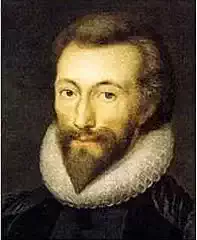
John Donne
To The Countess Of Bedford I
To The Countess Of Bedford I
MADAM—
Reason is our soul's left hand, faith her right ;
By these we reach divinity, that's you ;
Their loves, who have the blessing of your light,
Grew from their reason ; mine from fair faith grew.
But as, although a squint left-handedness
Be ungracious, yet we cannot want that hand ;
So would I—not to increase, but to express
My faith—as I believe, so understand.
Therefore I study you first in your saints,
Those friends whom your election glorifies ;
Then in your deeds, accesses and restraints,
And what you read, and what yourself devise.
But soon the reasons why you're loved by all,
Grow infinite, and so pass reason's reach ;
Then back again to implicit faith I fall,
And rest on that the Catholic voice doth teach—
That you are good ; and not one heretic
Denies it ; if he did, yet you are so ;
For rocks, which high to sense deep-rooted stick,
Waves wash, not undermine, nor overthrow.
In everything there naturally grows
A balsamum to keep it fresh and new,
If 'twere not inured by extrinsic blows ;
Your birth and beauty are this balm in you.
But you, of learning, and religion,
And virtue, and such ingredients, have made
A mithridate, whose operation
Keeps off, or cures, what can be done or said.
Yet this is not your physic, but your food,
A diet fit for you ; for you are here
The first good angel, since the world's frame stood,
That ever did in woman's shape appear.
Since you are then God's masterpiece, and so
His factor for our loves, do as you do ;
Make your return home gracious, and bestow
This life on that ; so make one life of two.
For, so God help me, I would not miss you there,
For all the good which you can do me here.
MADAM—
Reason is our soul's left hand, faith her right ;
By these we reach divinity, that's you ;
Their loves, who have the blessing of your light,
Grew from their reason ; mine from fair faith grew.
But as, although a squint left-handedness
Be ungracious, yet we cannot want that hand ;
So would I—not to increase, but to express
My faith—as I believe, so understand.
Therefore I study you first in your saints,
Those friends whom your election glorifies ;
Then in your deeds, accesses and restraints,
And what you read, and what yourself devise.
But soon the reasons why you're loved by all,
Grow infinite, and so pass reason's reach ;
Then back again to implicit faith I fall,
And rest on that the Catholic voice doth teach—
That you are good ; and not one heretic
Denies it ; if he did, yet you are so ;
For rocks, which high to sense deep-rooted stick,
Waves wash, not undermine, nor overthrow.
In everything there naturally grows
A balsamum to keep it fresh and new,
If 'twere not inured by extrinsic blows ;
Your birth and beauty are this balm in you.
But you, of learning, and religion,
And virtue, and such ingredients, have made
A mithridate, whose operation
Keeps off, or cures, what can be done or said.
Yet this is not your physic, but your food,
A diet fit for you ; for you are here
The first good angel, since the world's frame stood,
That ever did in woman's shape appear.
Since you are then God's masterpiece, and so
His factor for our loves, do as you do ;
Make your return home gracious, and bestow
This life on that ; so make one life of two.
For, so God help me, I would not miss you there,
For all the good which you can do me here.
323
John Donne
The Harbinger
The Harbinger
to the Progresse.
TWo soules moue here, and mine (a third) must moue
Paces of admiration, and of loue;
Thy soule (Deare Virgin) whose this tribute is,
Mou'd from this mortall sphere to liuely blisse,
And yet moues still, and still aspires to see
The worlds last day, thy glories full degree:
Like as those starres which thou ore-lookest farre,
Are in their place, and yet still moued are
No soule (whiles with the luggage of this clay
It clogged is) can follow thee halfe way;
Or see thy flight; which doth our thoughts outgoe
So fast, that now the lightning moues but slow:
But now thou art as high in heauen flowne
As heau'ns from vs; what soule besides thine owne
Can tell thy ioyes, or say he can relate
Thy glorious Iornals in that blessed state?
I enuie thee (Rich soule) I enuy thee,
Although I cannot yet thy glory see:
And thou (Great spirit) which her's follow'd hast
So fast, as none can follow thine so fast;
So farre as none can follow thine so farre,
(And if this flesh did not the passage barre
Had'st caught her) let me wonder at thy flight
Which long agone had'st lost the vulgar sight
And now mak'st proud the better eyes, that they
Can see thee les'ned in thine aery way;
So while thou mak'st her soule by progresse knowne
Thou mak'st a noble progresse of thine owne.
From this worlds carcasse hauing mounted hie
To that pure life of Immortalitie;
Since thine aspiring thoughts themselues so raise
That more may not beseeme a creatures praise,
Yet still thou vow'st her more; and euery yeare
Mak'st a new Progresse, while thou wandrest here;
Still vpward mount; and let thy makers praise
Honor thy Laura, and adorne thy laies.
And since thy Mus[es] head in heauen shrouds
Oh let her neuer stoope below the clouds:
And if those glorious sainted soules may know
Or what we doe, or what we sing below,
Those acts, those songs shall still content them best
Which praise those awfull powers that make them blest.
to the Progresse.
TWo soules moue here, and mine (a third) must moue
Paces of admiration, and of loue;
Thy soule (Deare Virgin) whose this tribute is,
Mou'd from this mortall sphere to liuely blisse,
And yet moues still, and still aspires to see
The worlds last day, thy glories full degree:
Like as those starres which thou ore-lookest farre,
Are in their place, and yet still moued are
No soule (whiles with the luggage of this clay
It clogged is) can follow thee halfe way;
Or see thy flight; which doth our thoughts outgoe
So fast, that now the lightning moues but slow:
But now thou art as high in heauen flowne
As heau'ns from vs; what soule besides thine owne
Can tell thy ioyes, or say he can relate
Thy glorious Iornals in that blessed state?
I enuie thee (Rich soule) I enuy thee,
Although I cannot yet thy glory see:
And thou (Great spirit) which her's follow'd hast
So fast, as none can follow thine so fast;
So farre as none can follow thine so farre,
(And if this flesh did not the passage barre
Had'st caught her) let me wonder at thy flight
Which long agone had'st lost the vulgar sight
And now mak'st proud the better eyes, that they
Can see thee les'ned in thine aery way;
So while thou mak'st her soule by progresse knowne
Thou mak'st a noble progresse of thine owne.
From this worlds carcasse hauing mounted hie
To that pure life of Immortalitie;
Since thine aspiring thoughts themselues so raise
That more may not beseeme a creatures praise,
Yet still thou vow'st her more; and euery yeare
Mak'st a new Progresse, while thou wandrest here;
Still vpward mount; and let thy makers praise
Honor thy Laura, and adorne thy laies.
And since thy Mus[es] head in heauen shrouds
Oh let her neuer stoope below the clouds:
And if those glorious sainted soules may know
Or what we doe, or what we sing below,
Those acts, those songs shall still content them best
Which praise those awfull powers that make them blest.
341
John Donne
The Ecstasy
The Ecstasy
Where, like a pillow on a bed
A pregnant bank swell'd up to rest
The violet's reclining head,
Sat we two, one another's best.
Our hands were firmly cemented
With a fast balm, which thence did spring;
Our eye-beams twisted, and did thread
Our eyes upon one double string;
So to'intergraft our hands, as yet
Was all the means to make us one,
And pictures in our eyes to get
Was all our propagation.
As 'twixt two equal armies fate
Suspends uncertain victory,
Our souls (which to advance their state
Were gone out) hung 'twixt her and me.
And whilst our souls negotiate there,
We like sepulchral statues lay;
All day, the same our postures were,
And we said nothing, all the day.
If any, so by love refin'd
That he soul's language understood,
And by good love were grown all mind,
Within convenient distance stood,
He (though he knew not which soul spake,
Because both meant, both spake the same)
Might thence a new concoction take
And part far purer than he came.
This ecstasy doth unperplex,
We said, and tell us what we love;
We see by this it was not sex,
We see we saw not what did move;
But as all several souls contain
Mixture of things, they know not what,
Love these mix'd souls doth mix again
And makes both one, each this and that.
A single violet transplant,
The strength, the colour, and the size,
(All which before was poor and scant)
Redoubles still, and multiplies.
When love with one another so
Interinanimates two souls,
That abler soul, which thence doth flow,
Defects of loneliness controls.
We then, who are this new soul, know
Of what we are compos'd and made,
For th' atomies of which we grow
Are souls. whom no change can invade.
But oh alas, so long, so far,
Our bodies why do we forbear?
They'are ours, though they'are not we; we are
The intelligences, they the spheres.
We owe them thanks, because they thus
Did us, to us, at first convey,
Yielded their senses' force to us,
Nor are dross to us, but allay.
On man heaven's influence works not so,
But that it first imprints the air;
So soul into the soul may flow,
Though it to body first repair.
As our blood labors to beget
Spirits, as like souls as it can,
Because such fingers need to knit
That subtle knot which makes us man,
So must pure lovers' souls descend
T' affections, and to faculties,
Which sense may reach and apprehend,
Else a great prince in prison lies.
To'our bodies turn we then, that so
Weak men on love reveal'd may look;
Love's mysteries in souls do grow,
But yet the body is his book.
And if some lover, such as we,
Have heard this dialogue of one,
Let him still mark us, he shall see
Small change, when we'are to bodies gone.
Where, like a pillow on a bed
A pregnant bank swell'd up to rest
The violet's reclining head,
Sat we two, one another's best.
Our hands were firmly cemented
With a fast balm, which thence did spring;
Our eye-beams twisted, and did thread
Our eyes upon one double string;
So to'intergraft our hands, as yet
Was all the means to make us one,
And pictures in our eyes to get
Was all our propagation.
As 'twixt two equal armies fate
Suspends uncertain victory,
Our souls (which to advance their state
Were gone out) hung 'twixt her and me.
And whilst our souls negotiate there,
We like sepulchral statues lay;
All day, the same our postures were,
And we said nothing, all the day.
If any, so by love refin'd
That he soul's language understood,
And by good love were grown all mind,
Within convenient distance stood,
He (though he knew not which soul spake,
Because both meant, both spake the same)
Might thence a new concoction take
And part far purer than he came.
This ecstasy doth unperplex,
We said, and tell us what we love;
We see by this it was not sex,
We see we saw not what did move;
But as all several souls contain
Mixture of things, they know not what,
Love these mix'd souls doth mix again
And makes both one, each this and that.
A single violet transplant,
The strength, the colour, and the size,
(All which before was poor and scant)
Redoubles still, and multiplies.
When love with one another so
Interinanimates two souls,
That abler soul, which thence doth flow,
Defects of loneliness controls.
We then, who are this new soul, know
Of what we are compos'd and made,
For th' atomies of which we grow
Are souls. whom no change can invade.
But oh alas, so long, so far,
Our bodies why do we forbear?
They'are ours, though they'are not we; we are
The intelligences, they the spheres.
We owe them thanks, because they thus
Did us, to us, at first convey,
Yielded their senses' force to us,
Nor are dross to us, but allay.
On man heaven's influence works not so,
But that it first imprints the air;
So soul into the soul may flow,
Though it to body first repair.
As our blood labors to beget
Spirits, as like souls as it can,
Because such fingers need to knit
That subtle knot which makes us man,
So must pure lovers' souls descend
T' affections, and to faculties,
Which sense may reach and apprehend,
Else a great prince in prison lies.
To'our bodies turn we then, that so
Weak men on love reveal'd may look;
Love's mysteries in souls do grow,
But yet the body is his book.
And if some lover, such as we,
Have heard this dialogue of one,
Let him still mark us, he shall see
Small change, when we'are to bodies gone.
368
John Donne
Negative Love
Negative Love
I never stoop'd so low, as they
Which on an eye, cheeke, lip, can prey,
Seldom to them, which soare no higher
Than vertue or the minde to'admire,
For sense, and understanding may
Know, what gives fuell to their fire:
My love, though silly, is more brave,
For may I misse, when ere I crave,
If I know yet, what I would have.
If that be simply perfectest
Which can by no way be exprest
But Negatives, my love is so.
To All, which all love, I say no.
If any who deciphers best,
What we know not, our selves, can know,
Let him teach mee that nothing; This
As yet my ease, and comfort is,
Though I speed not, I cannot misse.
I never stoop'd so low, as they
Which on an eye, cheeke, lip, can prey,
Seldom to them, which soare no higher
Than vertue or the minde to'admire,
For sense, and understanding may
Know, what gives fuell to their fire:
My love, though silly, is more brave,
For may I misse, when ere I crave,
If I know yet, what I would have.
If that be simply perfectest
Which can by no way be exprest
But Negatives, my love is so.
To All, which all love, I say no.
If any who deciphers best,
What we know not, our selves, can know,
Let him teach mee that nothing; This
As yet my ease, and comfort is,
Though I speed not, I cannot misse.
356
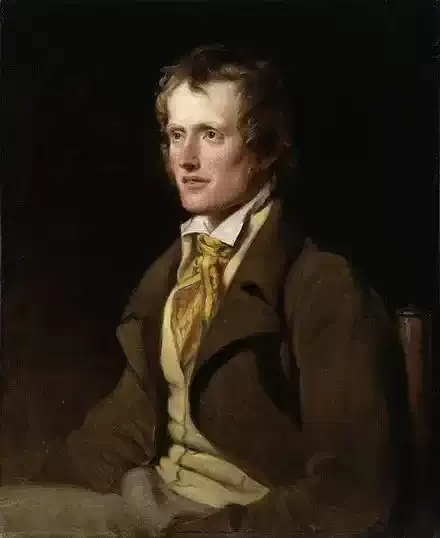
John Clare
Song #4
Song #4
I wish I was where I would be,
With love alone to dwell,
Was I but her or she but me,
Then love would all be well.
I wish to send my thoughts to her
As quick as thoughts can fly,
But as the winds the waters stir
The mirrors change and fly.
I wish I was where I would be,
With love alone to dwell,
Was I but her or she but me,
Then love would all be well.
I wish to send my thoughts to her
As quick as thoughts can fly,
But as the winds the waters stir
The mirrors change and fly.
22
John Clare
Song #2
Song #2
One gloomy eve I roamed about
Neath Oxey's hazel bowers,
While timid hares were darting out,
To crop the dewy flowers;
And soothing was the scene to me,
Right pleased was my soul,
My breast was calm as summer's sea
When waves forget to roll.
But short was even's placid smile,
My startled soul to charm,
When Nelly lightly skipt the stile,
With milk-pail on her arm:
One careless look on me she flung,
As bright as parting day;
And like a hawk from covert sprung,
It pounced my peace away.
One gloomy eve I roamed about
Neath Oxey's hazel bowers,
While timid hares were darting out,
To crop the dewy flowers;
And soothing was the scene to me,
Right pleased was my soul,
My breast was calm as summer's sea
When waves forget to roll.
But short was even's placid smile,
My startled soul to charm,
When Nelly lightly skipt the stile,
With milk-pail on her arm:
One careless look on me she flung,
As bright as parting day;
And like a hawk from covert sprung,
It pounced my peace away.
21