

Poems
Childhood
Poems in this topic
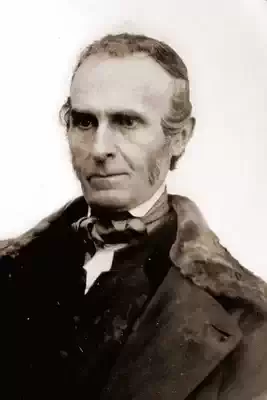
John Greenleaf Whittier
To My Sister,
To My Sister,
WITH A COPY OF 'THE SUPERNATURALISM OF NEW ENGLAND.'
Dear Sister! while the wise and sage
Turn coldly from my playful page,
And count it strange that ripened age
Should stoop to boyhood's folly;
I know that thou wilt judge aright
Of all which makes the heart more light,
Or lends one star-gleam to the night
Of clouded Melancholy.
Away with weary cares and themes!
Swing wide the moonlit gate of dreams!
Leave free once more the land which teems
With wonders and romances
Where thou, with clear discerning eyes,
Shalt rightly read the truth which lies
Beneath the quaintly masking guise
Of wild and wizard fancies.
Lo! once again our feet we set
On still green wood-paths, twilight wet,
By lonely brooks, whose waters fret
The roots of spectral beeches;
Again the hearth-fire glimmers o'er
Home's whitewashed wall and painted floor,
And young eyes widening to the lore
Of faery-folks and witches.
Dear heart! the legend is not vain
Which lights that holy hearth again,
And calling back from care and pain,
And death's funereal sadness,
Draws round its old familiar blaze
The clustering groups of happier days,
And lends to sober manhood's gaze
A glimpse of childish gladness.
And, knowing how my life hath been
A weary work of tongue and pen,
A long, harsh strife with strong-willed men,
Thou wilt not chide my turning
To con, at times, an idle rhyme,
To pluck a flower from childhood's clime,
Or listen, at Life's noonday chime,
For the sweet bells of Morning!
WITH A COPY OF 'THE SUPERNATURALISM OF NEW ENGLAND.'
Dear Sister! while the wise and sage
Turn coldly from my playful page,
And count it strange that ripened age
Should stoop to boyhood's folly;
I know that thou wilt judge aright
Of all which makes the heart more light,
Or lends one star-gleam to the night
Of clouded Melancholy.
Away with weary cares and themes!
Swing wide the moonlit gate of dreams!
Leave free once more the land which teems
With wonders and romances
Where thou, with clear discerning eyes,
Shalt rightly read the truth which lies
Beneath the quaintly masking guise
Of wild and wizard fancies.
Lo! once again our feet we set
On still green wood-paths, twilight wet,
By lonely brooks, whose waters fret
The roots of spectral beeches;
Again the hearth-fire glimmers o'er
Home's whitewashed wall and painted floor,
And young eyes widening to the lore
Of faery-folks and witches.
Dear heart! the legend is not vain
Which lights that holy hearth again,
And calling back from care and pain,
And death's funereal sadness,
Draws round its old familiar blaze
The clustering groups of happier days,
And lends to sober manhood's gaze
A glimpse of childish gladness.
And, knowing how my life hath been
A weary work of tongue and pen,
A long, harsh strife with strong-willed men,
Thou wilt not chide my turning
To con, at times, an idle rhyme,
To pluck a flower from childhood's clime,
Or listen, at Life's noonday chime,
For the sweet bells of Morning!
305
John Greenleaf Whittier
The Barefoot Boy
The Barefoot Boy
Blessings on thee, little man,
Barefoot boy, with cheek of tan!
With thy turned-up pantaloons,
And thy merry whistled tunes;
With thy red lip, redder still
Kissed by strawberries on the hill;
With the sunshine on thy face,
Through thy torn brim's jaunty grace;
From my heart I give thee joy, I
was once a barefoot boy!
Prince thou art, - the grown-up man
Only is republican.
Let the million-dollared ride!
Barefoot, trudging at his side,
Thou hast more than he can buy
In the reach of ear and eye, Outward
sunshine, inward joy:
Blessings on thee, barefoot boy!
Oh for boyhood's painless play,
Sleep that wakes in laughing day,
Health that mocks the doctor's rules,
Knowledge never learned of schools,
Of the wild bee's morning chase,
Of the wild-flower's time and place,
Flight of fowl and habitude
Of the tenants of the wood;
How the tortoise bears his shell,
How the woodchuck digs his cell,
And the ground-mole sinks his well;
How the robin feeds her young,
How the oriole's nest is hung;
Where the whitest lilies blow,
Where the freshest berries grow,
Where the ground-nut trails its vine,
Where the wood-grape's clusters shine;
Of the black wasp's cunning way,
Mason of his walls of clay,
And the architectural plans
Of gray hornet artisans!
For, eschewing books and tasks,
Nature answers all he asks;
Hand in hand with her he walks,
Face to face with her he talks,
Part and parcel of her joy, Blessings
on the barefoot boy!
Oh for boyhood's time of June,
Crowding years in one brief moon,
When all things I heard or saw,
Me, their master, waited for.
I was rich in flowers and trees,
Humming-birds and honey-bees;
For my sport the squirrel played,
Plied the snouted mole his spade;
For my taste the blackberry cone
Purpled over hedge and stone;
Laughed the brook for my delight
Through the day and through the night,
Whispering at the garden wall,
Talked with me from fall to fall;
Mine the sand-rimmed pickerel pond,
Mine the walnut slopes beyond,
Mine, on bending orchard trees,
Apples of Hesperides!
Still as my horizon grew,
Larger grew my riches too;
All the world I saw or knew
Seemed a complex Chinese toy,
Fashioned for a barefoot boy!
Oh for festal dainties spread,
Like my bowl of milk and bread;
Pewter spoon and bowl of wood,
On the door-stone, gray and rude!
O'er me, like a regal tent,
Cloudy-ribbed, the sunset bent,
Purple-curtained, fringed with gold,
Looped in many a wind-swung fold;
While for music came the play
Of the pied frogs' orchestra;
And, to light the noisy choir,
Lit the fly his lamp of fire.
I was monarch: pomp and joy
Waited on the barefoot boy!
Cheerily, then, my little man,
Live and laugh, as boyhood can!
Though the flinty slopes be hard,
Stubble-speared the new-mown sward,
Every morn shall lead thee through
Fresh baptisms of the dew;
Every evening from thy feet
Shall the cool wind kiss the heat:
All too soon these feet must hide
In the prison cells of pride,
Lose the freedom of the sod,
Like a colt's for work be shod,
Made to tread the mills of toil,
Up and down in ceaseless moil:
Happy if their track be found
Never on forbidden ground;
Happy if they sink not in
Quick and treacherous sands of sin.
Ah! that thou couldst know thy joy,
Ere it passes, barefoot boy!
Blessings on thee, little man,
Barefoot boy, with cheek of tan!
With thy turned-up pantaloons,
And thy merry whistled tunes;
With thy red lip, redder still
Kissed by strawberries on the hill;
With the sunshine on thy face,
Through thy torn brim's jaunty grace;
From my heart I give thee joy, I
was once a barefoot boy!
Prince thou art, - the grown-up man
Only is republican.
Let the million-dollared ride!
Barefoot, trudging at his side,
Thou hast more than he can buy
In the reach of ear and eye, Outward
sunshine, inward joy:
Blessings on thee, barefoot boy!
Oh for boyhood's painless play,
Sleep that wakes in laughing day,
Health that mocks the doctor's rules,
Knowledge never learned of schools,
Of the wild bee's morning chase,
Of the wild-flower's time and place,
Flight of fowl and habitude
Of the tenants of the wood;
How the tortoise bears his shell,
How the woodchuck digs his cell,
And the ground-mole sinks his well;
How the robin feeds her young,
How the oriole's nest is hung;
Where the whitest lilies blow,
Where the freshest berries grow,
Where the ground-nut trails its vine,
Where the wood-grape's clusters shine;
Of the black wasp's cunning way,
Mason of his walls of clay,
And the architectural plans
Of gray hornet artisans!
For, eschewing books and tasks,
Nature answers all he asks;
Hand in hand with her he walks,
Face to face with her he talks,
Part and parcel of her joy, Blessings
on the barefoot boy!
Oh for boyhood's time of June,
Crowding years in one brief moon,
When all things I heard or saw,
Me, their master, waited for.
I was rich in flowers and trees,
Humming-birds and honey-bees;
For my sport the squirrel played,
Plied the snouted mole his spade;
For my taste the blackberry cone
Purpled over hedge and stone;
Laughed the brook for my delight
Through the day and through the night,
Whispering at the garden wall,
Talked with me from fall to fall;
Mine the sand-rimmed pickerel pond,
Mine the walnut slopes beyond,
Mine, on bending orchard trees,
Apples of Hesperides!
Still as my horizon grew,
Larger grew my riches too;
All the world I saw or knew
Seemed a complex Chinese toy,
Fashioned for a barefoot boy!
Oh for festal dainties spread,
Like my bowl of milk and bread;
Pewter spoon and bowl of wood,
On the door-stone, gray and rude!
O'er me, like a regal tent,
Cloudy-ribbed, the sunset bent,
Purple-curtained, fringed with gold,
Looped in many a wind-swung fold;
While for music came the play
Of the pied frogs' orchestra;
And, to light the noisy choir,
Lit the fly his lamp of fire.
I was monarch: pomp and joy
Waited on the barefoot boy!
Cheerily, then, my little man,
Live and laugh, as boyhood can!
Though the flinty slopes be hard,
Stubble-speared the new-mown sward,
Every morn shall lead thee through
Fresh baptisms of the dew;
Every evening from thy feet
Shall the cool wind kiss the heat:
All too soon these feet must hide
In the prison cells of pride,
Lose the freedom of the sod,
Like a colt's for work be shod,
Made to tread the mills of toil,
Up and down in ceaseless moil:
Happy if their track be found
Never on forbidden ground;
Happy if they sink not in
Quick and treacherous sands of sin.
Ah! that thou couldst know thy joy,
Ere it passes, barefoot boy!
313
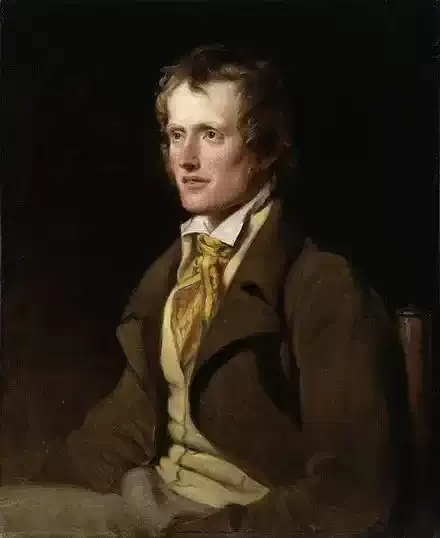
John Clare
Wood Rides
Wood Rides
Who hath not felt the influence that so calms
The weary mind in summers sultry hours
When wandering thickest woods beneath the arms
Of ancient oaks and brushing nameless flowers
That verge the little ride who hath not made
A minutes waste of time and sat him down
Upon a pleasant swell to gaze awhile
On crowding ferns bluebells and hazel leaves
And showers of lady smocks so called by toil
When boys sprote gathering sit on stulps and weave
Garlands while barkmen pill the fallen tree
-Then mid the green variety to start
Who hath (not) met that mood from turmoil free
And felt a placid joy refreshed at heart
Who hath not felt the influence that so calms
The weary mind in summers sultry hours
When wandering thickest woods beneath the arms
Of ancient oaks and brushing nameless flowers
That verge the little ride who hath not made
A minutes waste of time and sat him down
Upon a pleasant swell to gaze awhile
On crowding ferns bluebells and hazel leaves
And showers of lady smocks so called by toil
When boys sprote gathering sit on stulps and weave
Garlands while barkmen pill the fallen tree
-Then mid the green variety to start
Who hath (not) met that mood from turmoil free
And felt a placid joy refreshed at heart
397
John Clare
The Sleep Of Spring
The Sleep Of Spring
O for that sweet, untroubled rest
That poets oft have sung!--
The babe upon its mother's breast,
The bird upon its young,
The heart asleep without a pain--
When shall I know that sleep again?
When shall I be as I have been
Upon my mother's breast
Sweet Nature's garb of verdant green
To woo to perfect rest--
Love in the meadow, field, and glen,
And in my native wilds again?
The sheep within the fallow field,
The herd upon the green,
The larks that in the thistle shield,
And pipe from morn to e'en--
O for the pasture, fields, and fen!
When shall I see such rest again?
I love the weeds along the fen,
More sweet than garden flowers,
For freedom haunts the humble glen
That blest my happiest hours.
Here prison injures health and me:
I love sweet freedom and the free.
The crows upon the swelling hills,
The cows upon the lea,
Sheep feeding by the pasture rills,
Are ever dear to me,
Because sweet freedom is their mate,
While I am lone and desolate.
I loved the winds when I was young,
When life was dear to me;
I loved the song which Nature sung,
Endearing liberty;
I loved the wood, the vale, the stream,
For there my boyhood used to dream.
There even toil itself was play;
Twas pleasure een to weep;
Twas joy to think of dreams by day,
The beautiful of sleep.
When shall I see the wood and plain,
And dream those happy dreams again?
O for that sweet, untroubled rest
That poets oft have sung!--
The babe upon its mother's breast,
The bird upon its young,
The heart asleep without a pain--
When shall I know that sleep again?
When shall I be as I have been
Upon my mother's breast
Sweet Nature's garb of verdant green
To woo to perfect rest--
Love in the meadow, field, and glen,
And in my native wilds again?
The sheep within the fallow field,
The herd upon the green,
The larks that in the thistle shield,
And pipe from morn to e'en--
O for the pasture, fields, and fen!
When shall I see such rest again?
I love the weeds along the fen,
More sweet than garden flowers,
For freedom haunts the humble glen
That blest my happiest hours.
Here prison injures health and me:
I love sweet freedom and the free.
The crows upon the swelling hills,
The cows upon the lea,
Sheep feeding by the pasture rills,
Are ever dear to me,
Because sweet freedom is their mate,
While I am lone and desolate.
I loved the winds when I was young,
When life was dear to me;
I loved the song which Nature sung,
Endearing liberty;
I loved the wood, the vale, the stream,
For there my boyhood used to dream.
There even toil itself was play;
Twas pleasure een to weep;
Twas joy to think of dreams by day,
The beautiful of sleep.
When shall I see the wood and plain,
And dream those happy dreams again?
387
John Clare
The Shepherds Calendar - May
The Shepherds Calendar - May
Come queen of months in company
Wi all thy merry minstrelsy
The restless cuckoo absent long
And twittering swallows chimney song
And hedge row crickets notes that run
From every bank that fronts the sun
And swathy bees about the grass
That stops wi every bloom they pass
And every minute every hour
Keep teazing weeds that wear a flower
And toil and childhoods humming joys
For there is music in the noise
The village childern mad for sport
In school times leisure ever short
That crick and catch the bouncing ball
And run along the church yard wall
Capt wi rude figured slabs whose claims
In times bad memory hath no names
Oft racing round the nookey church
Or calling ecchos in the porch
And jilting oer the weather cock
Viewing wi jealous eyes the clock
Oft leaping grave stones leaning hights
Uncheckt wi mellancholy sights
The green grass swelld in many a heap
Where kin and friends and parents sleep
Unthinking in their jovial cry
That time shall come when they shall lye
As lowly and as still as they
While other boys above them play
Heedless as they do now to know
The unconcious dust that lies below
The shepherd goes wi happy stride
Wi moms long shadow by his side
Down the dryd lanes neath blooming may
That once was over shoes in clay
While martins twitter neath his eves
Which he at early morning leaves
The driving boy beside his team
Will oer the may month beauty dream
And cock his hat and turn his eye
On flower and tree and deepning skye
And oft bursts loud in fits of song
And whistles as he reels along
Crack[ing] his whip in starts of joy
A happy dirty driving boy
The youth who leaves his corner stool
Betimes for neighbouring village school
While as a mark to urge him right
The church spires all the way in sight
Wi cheerings from his parents given
Starts neath the joyous smiles of heaven
And sawns wi many an idle stand
Wi bookbag swinging in his hand
And gazes as he passes bye
On every thing that meets his eye
Young lambs seem tempting him to play
Dancing and bleating in his way
Wi trembling tails and pointed ears
They follow him and loose their fears
He smiles upon their sunny faces
And feign woud join their happy races
The birds that sing on bush and tree
Seem chirping for his company
And all in fancys idle whim
Seem keeping holiday but him
He lolls upon each resting stile
To see the fields so sweetly smile
To see the wheat grow green and long
And list the weeders toiling song
Or short not[e] of the changing thrush
Above him in the white thorn bush
That oer the leaning stile bends low
Loaded wi mockery of snow
Mozzld wi many a lushing thread
Of crab tree blossoms delicate red
He often bends wi many a wish
Oer the brig rail to view the fish
Go sturting by in sunny gleams
And chucks in the eye dazzld streams
Crumbs from his pocket oft to watch
The swarming struttle come to catch
Them where they to the bottom sile
Sighing in fancys joy the while
Hes cautiond not to stand so nigh
By rosey milkmaid tripping bye
Where he admires wi fond delight
And longs to be there mute till night
He often ventures thro the day
At truant now and then to play
Rambling about the field and plain
Seeking larks nests in the grain
And picking flowers and boughs of may
To hurd awhile and throw away
Lurking neath bushes from the sight
Of tell tale eyes till schools noon night
Listing each hour for church clocks hum
To know the hour to wander home
That parents may not think him long
Nor dream of his rude doing wrong
Dreading thro the night wi dreaming pain
To meet his masters wand again
Each hedge is loaded thick wi green
And where the hedger late hath been
Tender shoots begin to grow
From the mossy stumps below
While sheep and cow that teaze the grain
will nip them to the root again
They lay their bill and mittens bye
And on to other labours hie
While wood men still on spring intrudes
And thins the shadow solitudes
Wi sharpend axes felling down
The oak trees budding into brown
Where as they crash upon the ground
A crowd of labourers gather round
And mix among the shadows dark
To rip the crackling staining bark
From off the tree and lay when done
The rolls in lares to meet the sun
Depriving yearly where they come
The green wood pecker of its home
That early in the spring began
Far from the sight of troubling man
And bord their round holes in each tree
In fancys sweet security
Till startld wi the woodmans noise
It wakes from all its dreaming joys
The blue bells too that thickly bloom
Where man was never feared to come
And smell smocks that from view retires
Mong rustling leaves and bowing briars
And stooping lilys of the valley
That comes wi shades and dews to dally
White beady drops on slender threads
Wi broad hood leaves above their heads
Like white robd maids in summer hours
Neath umberellas shunning showers
These neath the barkmens crushing treads
Oft perish in their blooming beds
Thus stript of boughs and bark in white
Their trunks shine in the mellow light
Beneath the green surviving trees
That wave above them in the breeze
And waking whispers slowly bends
As if they mournd their fallen friends
Each morning now the weeders meet
To cut the thistle from the wheat
And ruin in the sunny hours
Full many wild weeds of their flowers
Corn poppys that in crimson dwell
Calld 'head achs' from their sickly smell
And carlock yellow as the sun
That oer the may fields thickly run
And 'iron weed' content to share
The meanest spot that spring can spare
Een roads where danger hourly comes
Is not wi out its purple blooms
And leaves wi points like thistles round
Thickset that have no strength to wound
That shrink to childhoods eager hold
Like hair-and with its eye of gold
And scarlet starry points of flowers
Pimpernel dreading nights and showers
Oft calld 'the shepherds weather glass'
That sleep till suns have dyd the grass
Then wakes and spreads its creeping bloom
Till clouds or threatning shadows come
Then close it shuts to sleep again
Which weeders see and talk of rain
And boys that mark them shut so soon
will call them 'John go bed at noon
And fumitory too a name
That superstition holds to fame
Whose red and purple mottled flowers
Are cropt by maids in weeding hours
To boil in water milk and way1
For washes on an holiday
To make their beauty fair and sleak
And scour the tan from summers cheek
And simple small forget me not
Eyd wi a pinshead yellow spot
I'th'2 middle of its tender blue
That gains from poets notice due
These flowers the toil by crowds destroys
And robs them of their lowly joys
That met the may wi hopes as sweet
As those her suns in gardens meet
And oft the dame will feel inclind
As childhoods memory comes to mind
To turn her hook away and spare
The blooms it lovd to gather there
My wild field catalogue of flowers
Grows in my ryhmes as thick as showers
Tedious and long as they may be
To some, they never weary me
The wood and mead and field of grain
I coud hunt oer and oer again
And talk to every blossom wild
Fond as a parent to a child
And cull them in my childish joy
By swarms and swarms and never cloy
When their lank shades oer morning pearls
Shrink from their lengths to little girls
And like the clock hand pointing one
Is turnd and tells the morning gone
They leave their toils for dinners hour
Beneath some hedges bramble bower
And season sweet their savory meals
Wi joke and tale and merry peals
Of ancient tunes from happy tongues
While linnets join their fitful songs
Perchd oer their heads in frolic play
Among the tufts of motling may
The young girls whisper things of love
And from the old dames hearing move
Oft making 'love knotts' in the shade
Of blue green oat or wheaten blade
And trying simple charms and spells
That rural superstition tells
They pull the little blossom threads
From out the knapweeds button heads
And put the husk wi many a smile
In their white bosoms for awhile
Who if they guess aright the swain
That loves sweet fancys trys to gain
Tis said that ere its lain an hour
Twill blossom wi a second flower
And from her white breasts hankerchief
Bloom as they ne'er had lost a leaf
When signs appear that token wet
As they are neath the bushes met
The girls are glad wi hopes of play
And harping of the holiday
A hugh blue bird will often swim
Along the wheat when skys grow dim
Wi clouds-slow as the gales of spring
In motion wi dark shadowd wing
Beneath the coming storm it sails
And lonly chirps the wheat hid quails
That came to live wi spring again
And start when summer browns the grain
They start the young girls joys afloat
Wi 'wet my foot' its yearly note
So fancy doth the sound explain
And proves it oft a sign of rain
About the moor 'mong sheep and cow
The boy or old man wanders now
Hunting all day wi hopful pace
Each thick sown rushy thistly place
For plover eggs while oer them flye
The fearful birds wi teazing cry
Trying to lead their steps astray
And coying him another way
And be the weather chill or warm
Wi brown hats truckd beneath his arm
Holding each prize their search has won
They plod bare headed to the sun
Now dames oft bustle from their wheels
Wi childern scampering at their heels
To watch the bees that hang and swive
In clumps about each thronging hive
And flit and thicken in the light
While the old dame enjoys the sight
And raps the while their warming pans
A spell that superstition plans
To coax them in the garden bounds
As if they lovd the tinkling sounds
And oft one hears the dinning noise
Which dames believe each swarm decoys
Around each village day by day
Mingling in the warmth of may
Sweet scented herbs her skill contrives
To rub the bramble platted hives
Fennels thread leaves and crimpld balm
To scent the new house of the swarm
The thresher dull as winter days
And lost to all that spring displays
Still mid his barn dust forcd to stand
Swings his frail round wi weary hand
While oer his head shades thickly creep
And hides the blinking owl asleep
And bats in cobweb corners bred
Sharing till night their murky bed
The sunshine trickles on the floor
Thro every crevice of the door
And makes his barn where shadows dwell
As irksome as a prisoners cell
And as he seeks his daily meal
As schoolboys from their tasks will steal
ile often stands in fond delay
To see the daisy in his way
And wild weeds flowering on the wall
That will his childish sports recall
Of all the joys that came wi spring
The twirling top the marble ring
The gingling halfpence hussld up
At pitch and toss the eager stoop
To pick up heads, the smuggeld plays
Neath hovels upon sabbath days
When parson he is safe from view
And clerk sings amen in his pew
The sitting down when school was oer
Upon the threshold by his door
Picking from mallows sport to please
Each crumpld seed he calld a cheese
And hunting from the stackyard sod
The stinking hen banes belted pod
By youths vain fancys sweetly fed
Christning them his loaves of bread
He sees while rocking down the street
Wi weary hands and crimpling feet
Young childern at the self same games
And hears the self same simple names
Still floating on each happy tongue
Touchd wi the simple scene so strong
Tears almost start and many a sigh
Regrets the happiness gone bye
And in sweet natures holiday
His heart is sad while all is gay
How lovly now are lanes and balks
For toils and lovers sunday walks
The daisey and the buttercup
For which the laughing childern stoop
A hundred times throughout the day
In their rude ramping summer play
So thickly now the pasture crowds
In gold and silver sheeted clouds
As if the drops in april showers
Had woo'd the sun and swoond to flowers
The brook resumes its summer dresses
Purling neath grass and water cresses
And mint and flag leaf swording high
Their blooms to the unheeding eye
And taper bowbent hanging rushes
And horse tail childerns bottle brushes
And summer tracks about its brink
Is fresh again where cattle drink
And on its sunny bank the swain
Stretches his idle length again
Soon as the sun forgets the day
The moon looks down on the lovly may
And the little star his friend and guide
Travelling together side by side
And the seven stars and charleses wain1
Hangs smiling oer green woods agen
The heaven rekindles all alive
Wi light the may bees round the hive
Swarm not so thick in mornings eye
As stars do in the evening skye
All all are nestling in their joys
The flowers and birds and pasture boys
The firetail, long a stranger, comes
To his last summer haunts and homes
To hollow tree and crevisd wall
And in the grass the rails odd call
That featherd spirit stops the swain
To listen to his note again
And school boy still in vain retraces
The secrets of his hiding places
In the black thorns crowded cops~e1
Thro its varied turns and stops
The nightingale its ditty weaves
Hid in a multitude of leaves
The boy stops short to hear the strain
And 'sweet jug jug' he mocks again
The yellow hammer builds its nest
By banks where sun beams earliest rest
That drys the dews from off the grass
Shading it from all that pass
Save the rude boy wi ferret gaze
That hunts thro evry secret maze
He finds its pencild eggs agen
All streakd wi lines as if a pen
By natures freakish hand was took
To scrawl them over like a book
And from these many mozzling marks
The school boy names them 'writing larks'
Bum barrels twit on bush and tree
Scarse bigger then a bumble bee
And in a white thorns leafy rest
It builds its curious pudding-nest
Wi hole beside as if a mouse
Had built the little barrel house
Toiling full many a lining feather
And bits of grey tree moss together
Amid the noisey rooky park
Beneath the firdales branches dark
The little golden crested wren
Hangs up his glowing nest agen
And sticks it to the furry leaves
As martins theirs beneath the eaves
The old hens leave the roost betimes
And oer the garden pailing climbs
To scrat the gardens fresh turnd soil
And if unwatchd his crops to spoil
Oft cackling from the prison yard
To peck about the houseclose sward
Catching at butterflys and things
Ere they have time to try their wings
The cattle feels the breath of may
And kick and toss their heads in play
The ass beneath his bags of sand
Oft jerks the string from leaders hand
And on the road will eager stoop
To pick the sprouting thistle up
Oft answering on his weary way
Some distant neighbours sobbing bray
Dining the ears of driving boy
As if he felt a fit of joy
Wi in its pinfold circle left
Of all its company bereft
Starvd stock no longer noising round
Lone in the nooks of foddering ground
Each skeleton of lingering stack
By winters tempests beaten black
Nodds upon props or bolt upright
Stands swarthy in the summer light
And oer the green grass seems to lower
Like stump of old time wasted tower
All that in winter lookd for hay
Spread from their batterd haunts away
To pick the grass or lye at lare
Beneath the mild hedge shadows there
Sweet month that gives a welcome call
To toil and nature and to all
Yet one day mid thy many joys
Is dead to all its sport and noise
Old may day where's thy glorys gone
All fled and left thee every one
Thou comst to thy old haunts and homes
Unnoticd as a stranger comes
No flowers are pluckt to hail the now
Nor cotter seeks a single bough
The maids no more on thy sweet morn
Awake their thresholds to adorn
Wi dewey flowers-May locks new come
And princifeathers cluttering bloom
And blue bells from the woodland moss
And cowslip cucking balls to toss
Above the garlands swinging hight
Hang in the soft eves sober light
These maid and child did yearly pull
By many a folded apron full
But all is past the merry song
Of maidens hurrying along
To crown at eve the earliest cow
Is gone and dead and silent now
The laugh raisd at the mocking thorn
Tyd to the cows tail last that morn
The kerchief at arms length displayd
Held up by pairs of swain and maid
While others bolted underneath
Bawling loud wi panting breath
'Duck under water' as they ran
Alls ended as they ne'er began
While the new thing that took thy place
Wears faded smiles upon its face
And where enclosure has its birth
It spreads a mildew oer her mirth
The herd no longer one by one
Goes plodding on her morning way
And garlands lost and sports nigh gone
Leaves her like thee a common day
Yet summer smiles upon thee still
Wi natures sweet unalterd will
And at thy births unworshipd hours
Fills her green lap wi swarms of flowers
To crown thee still as thou hast been
Of spring and summer months the queen.
Come queen of months in company
Wi all thy merry minstrelsy
The restless cuckoo absent long
And twittering swallows chimney song
And hedge row crickets notes that run
From every bank that fronts the sun
And swathy bees about the grass
That stops wi every bloom they pass
And every minute every hour
Keep teazing weeds that wear a flower
And toil and childhoods humming joys
For there is music in the noise
The village childern mad for sport
In school times leisure ever short
That crick and catch the bouncing ball
And run along the church yard wall
Capt wi rude figured slabs whose claims
In times bad memory hath no names
Oft racing round the nookey church
Or calling ecchos in the porch
And jilting oer the weather cock
Viewing wi jealous eyes the clock
Oft leaping grave stones leaning hights
Uncheckt wi mellancholy sights
The green grass swelld in many a heap
Where kin and friends and parents sleep
Unthinking in their jovial cry
That time shall come when they shall lye
As lowly and as still as they
While other boys above them play
Heedless as they do now to know
The unconcious dust that lies below
The shepherd goes wi happy stride
Wi moms long shadow by his side
Down the dryd lanes neath blooming may
That once was over shoes in clay
While martins twitter neath his eves
Which he at early morning leaves
The driving boy beside his team
Will oer the may month beauty dream
And cock his hat and turn his eye
On flower and tree and deepning skye
And oft bursts loud in fits of song
And whistles as he reels along
Crack[ing] his whip in starts of joy
A happy dirty driving boy
The youth who leaves his corner stool
Betimes for neighbouring village school
While as a mark to urge him right
The church spires all the way in sight
Wi cheerings from his parents given
Starts neath the joyous smiles of heaven
And sawns wi many an idle stand
Wi bookbag swinging in his hand
And gazes as he passes bye
On every thing that meets his eye
Young lambs seem tempting him to play
Dancing and bleating in his way
Wi trembling tails and pointed ears
They follow him and loose their fears
He smiles upon their sunny faces
And feign woud join their happy races
The birds that sing on bush and tree
Seem chirping for his company
And all in fancys idle whim
Seem keeping holiday but him
He lolls upon each resting stile
To see the fields so sweetly smile
To see the wheat grow green and long
And list the weeders toiling song
Or short not[e] of the changing thrush
Above him in the white thorn bush
That oer the leaning stile bends low
Loaded wi mockery of snow
Mozzld wi many a lushing thread
Of crab tree blossoms delicate red
He often bends wi many a wish
Oer the brig rail to view the fish
Go sturting by in sunny gleams
And chucks in the eye dazzld streams
Crumbs from his pocket oft to watch
The swarming struttle come to catch
Them where they to the bottom sile
Sighing in fancys joy the while
Hes cautiond not to stand so nigh
By rosey milkmaid tripping bye
Where he admires wi fond delight
And longs to be there mute till night
He often ventures thro the day
At truant now and then to play
Rambling about the field and plain
Seeking larks nests in the grain
And picking flowers and boughs of may
To hurd awhile and throw away
Lurking neath bushes from the sight
Of tell tale eyes till schools noon night
Listing each hour for church clocks hum
To know the hour to wander home
That parents may not think him long
Nor dream of his rude doing wrong
Dreading thro the night wi dreaming pain
To meet his masters wand again
Each hedge is loaded thick wi green
And where the hedger late hath been
Tender shoots begin to grow
From the mossy stumps below
While sheep and cow that teaze the grain
will nip them to the root again
They lay their bill and mittens bye
And on to other labours hie
While wood men still on spring intrudes
And thins the shadow solitudes
Wi sharpend axes felling down
The oak trees budding into brown
Where as they crash upon the ground
A crowd of labourers gather round
And mix among the shadows dark
To rip the crackling staining bark
From off the tree and lay when done
The rolls in lares to meet the sun
Depriving yearly where they come
The green wood pecker of its home
That early in the spring began
Far from the sight of troubling man
And bord their round holes in each tree
In fancys sweet security
Till startld wi the woodmans noise
It wakes from all its dreaming joys
The blue bells too that thickly bloom
Where man was never feared to come
And smell smocks that from view retires
Mong rustling leaves and bowing briars
And stooping lilys of the valley
That comes wi shades and dews to dally
White beady drops on slender threads
Wi broad hood leaves above their heads
Like white robd maids in summer hours
Neath umberellas shunning showers
These neath the barkmens crushing treads
Oft perish in their blooming beds
Thus stript of boughs and bark in white
Their trunks shine in the mellow light
Beneath the green surviving trees
That wave above them in the breeze
And waking whispers slowly bends
As if they mournd their fallen friends
Each morning now the weeders meet
To cut the thistle from the wheat
And ruin in the sunny hours
Full many wild weeds of their flowers
Corn poppys that in crimson dwell
Calld 'head achs' from their sickly smell
And carlock yellow as the sun
That oer the may fields thickly run
And 'iron weed' content to share
The meanest spot that spring can spare
Een roads where danger hourly comes
Is not wi out its purple blooms
And leaves wi points like thistles round
Thickset that have no strength to wound
That shrink to childhoods eager hold
Like hair-and with its eye of gold
And scarlet starry points of flowers
Pimpernel dreading nights and showers
Oft calld 'the shepherds weather glass'
That sleep till suns have dyd the grass
Then wakes and spreads its creeping bloom
Till clouds or threatning shadows come
Then close it shuts to sleep again
Which weeders see and talk of rain
And boys that mark them shut so soon
will call them 'John go bed at noon
And fumitory too a name
That superstition holds to fame
Whose red and purple mottled flowers
Are cropt by maids in weeding hours
To boil in water milk and way1
For washes on an holiday
To make their beauty fair and sleak
And scour the tan from summers cheek
And simple small forget me not
Eyd wi a pinshead yellow spot
I'th'2 middle of its tender blue
That gains from poets notice due
These flowers the toil by crowds destroys
And robs them of their lowly joys
That met the may wi hopes as sweet
As those her suns in gardens meet
And oft the dame will feel inclind
As childhoods memory comes to mind
To turn her hook away and spare
The blooms it lovd to gather there
My wild field catalogue of flowers
Grows in my ryhmes as thick as showers
Tedious and long as they may be
To some, they never weary me
The wood and mead and field of grain
I coud hunt oer and oer again
And talk to every blossom wild
Fond as a parent to a child
And cull them in my childish joy
By swarms and swarms and never cloy
When their lank shades oer morning pearls
Shrink from their lengths to little girls
And like the clock hand pointing one
Is turnd and tells the morning gone
They leave their toils for dinners hour
Beneath some hedges bramble bower
And season sweet their savory meals
Wi joke and tale and merry peals
Of ancient tunes from happy tongues
While linnets join their fitful songs
Perchd oer their heads in frolic play
Among the tufts of motling may
The young girls whisper things of love
And from the old dames hearing move
Oft making 'love knotts' in the shade
Of blue green oat or wheaten blade
And trying simple charms and spells
That rural superstition tells
They pull the little blossom threads
From out the knapweeds button heads
And put the husk wi many a smile
In their white bosoms for awhile
Who if they guess aright the swain
That loves sweet fancys trys to gain
Tis said that ere its lain an hour
Twill blossom wi a second flower
And from her white breasts hankerchief
Bloom as they ne'er had lost a leaf
When signs appear that token wet
As they are neath the bushes met
The girls are glad wi hopes of play
And harping of the holiday
A hugh blue bird will often swim
Along the wheat when skys grow dim
Wi clouds-slow as the gales of spring
In motion wi dark shadowd wing
Beneath the coming storm it sails
And lonly chirps the wheat hid quails
That came to live wi spring again
And start when summer browns the grain
They start the young girls joys afloat
Wi 'wet my foot' its yearly note
So fancy doth the sound explain
And proves it oft a sign of rain
About the moor 'mong sheep and cow
The boy or old man wanders now
Hunting all day wi hopful pace
Each thick sown rushy thistly place
For plover eggs while oer them flye
The fearful birds wi teazing cry
Trying to lead their steps astray
And coying him another way
And be the weather chill or warm
Wi brown hats truckd beneath his arm
Holding each prize their search has won
They plod bare headed to the sun
Now dames oft bustle from their wheels
Wi childern scampering at their heels
To watch the bees that hang and swive
In clumps about each thronging hive
And flit and thicken in the light
While the old dame enjoys the sight
And raps the while their warming pans
A spell that superstition plans
To coax them in the garden bounds
As if they lovd the tinkling sounds
And oft one hears the dinning noise
Which dames believe each swarm decoys
Around each village day by day
Mingling in the warmth of may
Sweet scented herbs her skill contrives
To rub the bramble platted hives
Fennels thread leaves and crimpld balm
To scent the new house of the swarm
The thresher dull as winter days
And lost to all that spring displays
Still mid his barn dust forcd to stand
Swings his frail round wi weary hand
While oer his head shades thickly creep
And hides the blinking owl asleep
And bats in cobweb corners bred
Sharing till night their murky bed
The sunshine trickles on the floor
Thro every crevice of the door
And makes his barn where shadows dwell
As irksome as a prisoners cell
And as he seeks his daily meal
As schoolboys from their tasks will steal
ile often stands in fond delay
To see the daisy in his way
And wild weeds flowering on the wall
That will his childish sports recall
Of all the joys that came wi spring
The twirling top the marble ring
The gingling halfpence hussld up
At pitch and toss the eager stoop
To pick up heads, the smuggeld plays
Neath hovels upon sabbath days
When parson he is safe from view
And clerk sings amen in his pew
The sitting down when school was oer
Upon the threshold by his door
Picking from mallows sport to please
Each crumpld seed he calld a cheese
And hunting from the stackyard sod
The stinking hen banes belted pod
By youths vain fancys sweetly fed
Christning them his loaves of bread
He sees while rocking down the street
Wi weary hands and crimpling feet
Young childern at the self same games
And hears the self same simple names
Still floating on each happy tongue
Touchd wi the simple scene so strong
Tears almost start and many a sigh
Regrets the happiness gone bye
And in sweet natures holiday
His heart is sad while all is gay
How lovly now are lanes and balks
For toils and lovers sunday walks
The daisey and the buttercup
For which the laughing childern stoop
A hundred times throughout the day
In their rude ramping summer play
So thickly now the pasture crowds
In gold and silver sheeted clouds
As if the drops in april showers
Had woo'd the sun and swoond to flowers
The brook resumes its summer dresses
Purling neath grass and water cresses
And mint and flag leaf swording high
Their blooms to the unheeding eye
And taper bowbent hanging rushes
And horse tail childerns bottle brushes
And summer tracks about its brink
Is fresh again where cattle drink
And on its sunny bank the swain
Stretches his idle length again
Soon as the sun forgets the day
The moon looks down on the lovly may
And the little star his friend and guide
Travelling together side by side
And the seven stars and charleses wain1
Hangs smiling oer green woods agen
The heaven rekindles all alive
Wi light the may bees round the hive
Swarm not so thick in mornings eye
As stars do in the evening skye
All all are nestling in their joys
The flowers and birds and pasture boys
The firetail, long a stranger, comes
To his last summer haunts and homes
To hollow tree and crevisd wall
And in the grass the rails odd call
That featherd spirit stops the swain
To listen to his note again
And school boy still in vain retraces
The secrets of his hiding places
In the black thorns crowded cops~e1
Thro its varied turns and stops
The nightingale its ditty weaves
Hid in a multitude of leaves
The boy stops short to hear the strain
And 'sweet jug jug' he mocks again
The yellow hammer builds its nest
By banks where sun beams earliest rest
That drys the dews from off the grass
Shading it from all that pass
Save the rude boy wi ferret gaze
That hunts thro evry secret maze
He finds its pencild eggs agen
All streakd wi lines as if a pen
By natures freakish hand was took
To scrawl them over like a book
And from these many mozzling marks
The school boy names them 'writing larks'
Bum barrels twit on bush and tree
Scarse bigger then a bumble bee
And in a white thorns leafy rest
It builds its curious pudding-nest
Wi hole beside as if a mouse
Had built the little barrel house
Toiling full many a lining feather
And bits of grey tree moss together
Amid the noisey rooky park
Beneath the firdales branches dark
The little golden crested wren
Hangs up his glowing nest agen
And sticks it to the furry leaves
As martins theirs beneath the eaves
The old hens leave the roost betimes
And oer the garden pailing climbs
To scrat the gardens fresh turnd soil
And if unwatchd his crops to spoil
Oft cackling from the prison yard
To peck about the houseclose sward
Catching at butterflys and things
Ere they have time to try their wings
The cattle feels the breath of may
And kick and toss their heads in play
The ass beneath his bags of sand
Oft jerks the string from leaders hand
And on the road will eager stoop
To pick the sprouting thistle up
Oft answering on his weary way
Some distant neighbours sobbing bray
Dining the ears of driving boy
As if he felt a fit of joy
Wi in its pinfold circle left
Of all its company bereft
Starvd stock no longer noising round
Lone in the nooks of foddering ground
Each skeleton of lingering stack
By winters tempests beaten black
Nodds upon props or bolt upright
Stands swarthy in the summer light
And oer the green grass seems to lower
Like stump of old time wasted tower
All that in winter lookd for hay
Spread from their batterd haunts away
To pick the grass or lye at lare
Beneath the mild hedge shadows there
Sweet month that gives a welcome call
To toil and nature and to all
Yet one day mid thy many joys
Is dead to all its sport and noise
Old may day where's thy glorys gone
All fled and left thee every one
Thou comst to thy old haunts and homes
Unnoticd as a stranger comes
No flowers are pluckt to hail the now
Nor cotter seeks a single bough
The maids no more on thy sweet morn
Awake their thresholds to adorn
Wi dewey flowers-May locks new come
And princifeathers cluttering bloom
And blue bells from the woodland moss
And cowslip cucking balls to toss
Above the garlands swinging hight
Hang in the soft eves sober light
These maid and child did yearly pull
By many a folded apron full
But all is past the merry song
Of maidens hurrying along
To crown at eve the earliest cow
Is gone and dead and silent now
The laugh raisd at the mocking thorn
Tyd to the cows tail last that morn
The kerchief at arms length displayd
Held up by pairs of swain and maid
While others bolted underneath
Bawling loud wi panting breath
'Duck under water' as they ran
Alls ended as they ne'er began
While the new thing that took thy place
Wears faded smiles upon its face
And where enclosure has its birth
It spreads a mildew oer her mirth
The herd no longer one by one
Goes plodding on her morning way
And garlands lost and sports nigh gone
Leaves her like thee a common day
Yet summer smiles upon thee still
Wi natures sweet unalterd will
And at thy births unworshipd hours
Fills her green lap wi swarms of flowers
To crown thee still as thou hast been
Of spring and summer months the queen.
354
John Clare
Remembrances
Remembrances
Summer pleasures they are gone like to visions every one
And the cloudy days of autumn and of winter cometh on
I tried to call them back but unbidden they are gone
Far away from heart and eye and for ever far away
Dear heart and can it be that such raptures meet decay
I thought them all eternal when by Langley Bush I lay
I thought them joys eternal when I used to shout and play
On its bank at 'clink and bandy' 'chock' and 'taw' and
ducking stone
Where silence sitteth now on the wild heath as her own
Like a ruin of the past all alone
When I used to lie and sing by old eastwells boiling spring
When I used to tie the willow boughs together for a 'swing'
And fish with crooked pins and thread and never catch a
thing
With heart just like a feather- now as heavy as a stone
When beneath old lea close oak I the bottom branches broke
To make our harvest cart like so many working folk
And then to cut a straw at the brook to have a soak
O I never dreamed of parting or that trouble had a sting
Or that pleasures like a flock of birds would ever take to
wing
Leaving nothing but a little naked spring
When jumping time away on old cross berry way
And eating awes like sugar plumbs ere they had lost the may
And skipping like a leveret before the peep of day
On the rolly polly up and downs of pleasant swordy well
When in round oaks narrow lane as the south got black again
We sought the hollow ash that was shelter from the rain
With our pockets full of peas we had stolen from the grain
How delicious was the dinner time on such a showry day
O words are poor receipts for what time hath stole away
The ancient pulpit trees and the play
When for school oer 'little field' with its brook and wooden
brig
Where I swaggered like a man though I was not half so big
While I held my little plough though twas but a willow twig
And drove my team along made of nothing but a name
'Gee hep' and 'hoit' and 'woi'- O I never call to mind
These pleasant names of places but I leave a sigh behind
While I see the little mouldywharps hang sweeing to the wind
On the only aged willow that in all the field remains
And nature hides her face where theyre sweeing in their
chains
And in a silent murmuring complains
Here was commons for the hills where they seek for
freedom still
Though every commons gone and though traps are set to kill
The little homeless miners- O it turns my bosom chill
When I think of old 'sneap green' puddocks nook and hilly
snow
Where bramble bushes grew and the daisy gemmed in dew
And the hills of silken grass like to cushions to the view
When we threw the pissmire crumbs when we's nothing
else to do
All leveled like a desert by the never weary plough
All vanished like the sun where that cloud is passing now
All settled here for ever on its brow
I never thought that joys would run away from boys
Or that boys would change their minds and forsake such
summer joys
But alack I never dreamed that the world had other toys
To petrify first feelings like the fable into stone
Till I found the pleasure past and a winter come at last
Then the fields were sudden bare and the sky got overcast
And boyhoods pleasing haunts like a blossom in the blast
Was shrivelled to a withered weed and trampled down and
done
Till vanished was the morning spring and set that summer
sun
And winter fought her battle strife and won
By Langley bush I roam but the bush hath left its hill
On cowper green I stray tis a desert strange and chill
And spreading lea close oak ere decay had penned its will
To the axe of the spoiler and self interest fell a prey
And cross berry way and old round oaks narrow lane
With its hollow trees like pulpits I shall never see again
Inclosure like a Buonaparte let not a thing remain
It levelled every bush and tree and levelled every hill
And hung the moles for traitors - though the brook is
running still
It runs a naked brook cold and chill
O had I known as then joy had left the paths of men
I had watched her night and day besure and never slept agen
And when she turned to go O I'd caught her mantle then
And wooed her like a lover by my lonely side to stay
Aye knelt and worshipped on as love in beautys bower
And clung upon her smiles as a bee upon her flower
And gave her heart my poesys all cropt in a sunny hour
As keepsakes and pledges to fade away
But love never heeded to treasure up the may
So it went the comon road with decay.
Summer pleasures they are gone like to visions every one
And the cloudy days of autumn and of winter cometh on
I tried to call them back but unbidden they are gone
Far away from heart and eye and for ever far away
Dear heart and can it be that such raptures meet decay
I thought them all eternal when by Langley Bush I lay
I thought them joys eternal when I used to shout and play
On its bank at 'clink and bandy' 'chock' and 'taw' and
ducking stone
Where silence sitteth now on the wild heath as her own
Like a ruin of the past all alone
When I used to lie and sing by old eastwells boiling spring
When I used to tie the willow boughs together for a 'swing'
And fish with crooked pins and thread and never catch a
thing
With heart just like a feather- now as heavy as a stone
When beneath old lea close oak I the bottom branches broke
To make our harvest cart like so many working folk
And then to cut a straw at the brook to have a soak
O I never dreamed of parting or that trouble had a sting
Or that pleasures like a flock of birds would ever take to
wing
Leaving nothing but a little naked spring
When jumping time away on old cross berry way
And eating awes like sugar plumbs ere they had lost the may
And skipping like a leveret before the peep of day
On the rolly polly up and downs of pleasant swordy well
When in round oaks narrow lane as the south got black again
We sought the hollow ash that was shelter from the rain
With our pockets full of peas we had stolen from the grain
How delicious was the dinner time on such a showry day
O words are poor receipts for what time hath stole away
The ancient pulpit trees and the play
When for school oer 'little field' with its brook and wooden
brig
Where I swaggered like a man though I was not half so big
While I held my little plough though twas but a willow twig
And drove my team along made of nothing but a name
'Gee hep' and 'hoit' and 'woi'- O I never call to mind
These pleasant names of places but I leave a sigh behind
While I see the little mouldywharps hang sweeing to the wind
On the only aged willow that in all the field remains
And nature hides her face where theyre sweeing in their
chains
And in a silent murmuring complains
Here was commons for the hills where they seek for
freedom still
Though every commons gone and though traps are set to kill
The little homeless miners- O it turns my bosom chill
When I think of old 'sneap green' puddocks nook and hilly
snow
Where bramble bushes grew and the daisy gemmed in dew
And the hills of silken grass like to cushions to the view
When we threw the pissmire crumbs when we's nothing
else to do
All leveled like a desert by the never weary plough
All vanished like the sun where that cloud is passing now
All settled here for ever on its brow
I never thought that joys would run away from boys
Or that boys would change their minds and forsake such
summer joys
But alack I never dreamed that the world had other toys
To petrify first feelings like the fable into stone
Till I found the pleasure past and a winter come at last
Then the fields were sudden bare and the sky got overcast
And boyhoods pleasing haunts like a blossom in the blast
Was shrivelled to a withered weed and trampled down and
done
Till vanished was the morning spring and set that summer
sun
And winter fought her battle strife and won
By Langley bush I roam but the bush hath left its hill
On cowper green I stray tis a desert strange and chill
And spreading lea close oak ere decay had penned its will
To the axe of the spoiler and self interest fell a prey
And cross berry way and old round oaks narrow lane
With its hollow trees like pulpits I shall never see again
Inclosure like a Buonaparte let not a thing remain
It levelled every bush and tree and levelled every hill
And hung the moles for traitors - though the brook is
running still
It runs a naked brook cold and chill
O had I known as then joy had left the paths of men
I had watched her night and day besure and never slept agen
And when she turned to go O I'd caught her mantle then
And wooed her like a lover by my lonely side to stay
Aye knelt and worshipped on as love in beautys bower
And clung upon her smiles as a bee upon her flower
And gave her heart my poesys all cropt in a sunny hour
As keepsakes and pledges to fade away
But love never heeded to treasure up the may
So it went the comon road with decay.
420
John Clare
May
May
Come queen of months in company
Wi all thy merry minstrelsy
The restless cuckoo absent long
And twittering swallows chimney song
And hedge row crickets notes that run
From every bank that fronts the sun
And swathy bees about the grass
That stops wi every bloom they pass
And every minute every hour
Keep teazing weeds that wear a flower
And toil and childhoods humming joys
For there is music in the noise
The village childern mad for sport
In school times leisure ever short
That crick and catch the bouncing ball
And run along the church yard wall
Capt wi rude figured slabs whose claims
In times bad memory hath no names
Oft racing round the nookey church
Or calling ecchos in the porch
And jilting oer the weather cock
Viewing wi jealous eyes the clock
Oft leaping grave stones leaning hights
Uncheckt wi mellancholy sights
The green grass swelld in many a heap
Where kin and friends and parents sleep
Unthinking in their jovial cry
That time shall come when they shall lye
As lowly and as still as they
While other boys above them play
Heedless as they do now to know
The unconcious dust that lies below
The shepherd goes wi happy stride
Wi moms long shadow by his side
Down the dryd lanes neath blooming may
That once was over shoes in clay
While martins twitter neath his eves
Which he at early morning leaves
The driving boy beside his team
Will oer the may month beauty dream
And cock his hat and turn his eye
On flower and tree and deepning skye
And oft bursts loud in fits of song
And whistles as he reels along
Crack[ing] his whip in starts of joy
A happy dirty driving boy
The youth who leaves his corner stool
Betimes for neighbouring village school
While as a mark to urge him right
The church spires all the way in sight
Wi cheerings from his parents given
Starts neath the joyous smiles of heaven
And sawns wi many an idle stand
Wi bookbag swinging in his hand
And gazes as he passes bye
On every thing that meets his eye
Young lambs seem tempting him to play
Dancing and bleating in his way
Wi trembling tails and pointed ears
They follow him and loose their fears
He smiles upon their sunny faces
And feign woud join their happy races
The birds that sing on bush and tree
Seem chirping for his company
And all in fancys idle whim
Seem keeping holiday but him
He lolls upon each resting stile
To see the fields so sweetly smile
To see the wheat grow green and long
And list the weeders toiling song
Or short not[e] of the changing thrush
Above him in the white thorn bush
That oer the leaning stile bends low
Loaded wi mockery of snow
Mozzld wi many a lushing thread
Of crab tree blossoms delicate red
He often bends wi many a wish
Oer the brig rail to view the fish
Go sturting by in sunny gleams
And chucks in the eye dazzld streams
Crumbs from his pocket oft to watch
The swarming struttle come to catch
Them where they to the bottom sile
Sighing in fancys joy the while
Hes cautiond not to stand so nigh
By rosey milkmaid tripping bye
Where he admires wi fond delight
And longs to be there mute till night
He often ventures thro the day
At truant now and then to play
Rambling about the field and plain
Seeking larks nests in the grain
And picking flowers and boughs of may
To hurd awhile and throw away
Lurking neath bushes from the sight
Of tell tale eyes till schools noon night
Listing each hour for church clocks hum
To know the hour to wander home
That parents may not think him long
Nor dream of his rude doing wrong
Dreading thro the night wi dreaming pain
To meet his masters wand again
Each hedge is loaded thick wi green
And where the hedger late hath been
Tender shoots begin to grow
From the mossy stumps below
While sheep and cow that teaze the grain
will nip them to the root again
They lay their bill and mittens bye
And on to other labours hie
While wood men still on spring intrudes
And thins the shadow solitudes
Wi sharpend axes felling down
The oak trees budding into brown
Where as they crash upon the ground
A crowd of labourers gather round
And mix among the shadows dark
To rip the crackling staining bark
From off the tree and lay when done
The rolls in lares to meet the sun
Depriving yearly where they come
The green wood pecker of its home
That early in the spring began
Far from the sight of troubling man
And bord their round holes in each tree
In fancys sweet security
Till startld wi the woodmans noise
It wakes from all its dreaming joys
The blue bells too that thickly bloom
Where man was never feared to come
And smell smocks that from view retires
Mong rustling leaves and bowing briars
And stooping lilys of the valley
That comes wi shades and dews to dally
White beady drops on slender threads
Wi broad hood leaves above their heads
Like white robd maids in summer hours
Neath umberellas shunning showers
These neath the barkmens crushing treads
Oft perish in their blooming beds
Thus stript of boughs and bark in white
Their trunks shine in the mellow light
Beneath the green surviving trees
That wave above them in the breeze
And waking whispers slowly bends
As if they mournd their fallen friends
Each morning now the weeders meet
To cut the thistle from the wheat
And ruin in the sunny hours
Full many wild weeds of their flowers
Corn poppys that in crimson dwell
Calld 'head achs' from their sickly smell
And carlock yellow as the sun
That oer the may fields thickly run
And 'iron weed' content to share
The meanest spot that spring can spare
Een roads where danger hourly comes
Is not wi out its purple blooms
And leaves wi points like thistles round
Thickset that have no strength to wound
That shrink to childhoods eager hold
Like hair-and with its eye of gold
And scarlet starry points of flowers
Pimpernel dreading nights and showers
Oft calld 'the shepherds weather glass'
That sleep till suns have dyd the grass
Then wakes and spreads its creeping bloom
Till clouds or threatning shadows come
Then close it shuts to sleep again
Which weeders see and talk of rain
And boys that mark them shut so soon
will call them 'John go bed at noon
And fumitory too a name
That superstition holds to fame
Whose red and purple mottled flowers
Are cropt by maids in weeding hours
To boil in water milk and way1
For washes on an holiday
To make their beauty fair and sleak
And scour the tan from summers cheek
And simple small forget me not
Eyd wi a pinshead yellow spot
I'th'2 middle of its tender blue
That gains from poets notice due
These flowers the toil by crowds destroys
And robs them of their lowly joys
That met the may wi hopes as sweet
As those her suns in gardens meet
And oft the dame will feel inclind
As childhoods memory comes to mind
To turn her hook away and spare
The blooms it lovd to gather there
My wild field catalogue of flowers
Grows in my ryhmes as thick as showers
Tedious and long as they may be
To some, they never weary me
The wood and mead and field of grain
I coud hunt oer and oer again
And talk to every blossom wild
Fond as a parent to a child
And cull them in my childish joy
By swarms and swarms and never cloy
When their lank shades oer morning pearls
Shrink from their lengths to little girls
And like the clock hand pointing one
Is turnd and tells the morning gone
They leave their toils for dinners hour
Beneath some hedges bramble bower
And season sweet their savory meals
Wi joke and tale and merry peals
Of ancient tunes from happy tongues
While linnets join their fitful songs
Perchd oer their heads in frolic play
Among the tufts of motling may
The young girls whisper things of love
And from the old dames hearing move
Oft making 'love knotts' in the shade
Of blue green oat or wheaten blade
And trying simple charms and spells
That rural superstition tells
They pull the little blossom threads
From out the knapweeds button heads
And put the husk wi many a smile
In their white bosoms for awhile
Who if they guess aright the swain
That loves sweet fancys trys to gain
Tis said that ere its lain an hour
Twill blossom wi a second flower
And from her white breasts hankerchief
Bloom as they ne'er had lost a leaf
When signs appear that token wet
As they are neath the bushes met
The girls are glad wi hopes of play
And harping of the holiday
A hugh blue bird will often swim
Along the wheat when skys grow dim
Wi clouds-slow as the gales of spring
In motion wi dark shadowd wing
Beneath the coming storm it sails
And lonly chirps the wheat hid quails
That came to live wi spring again
And start when summer browns the grain
They start the young girls joys afloat
Wi 'wet my foot' its yearly note
So fancy doth the sound explain
And proves it oft a sign of rain
About the moor 'mong sheep and cow
The boy or old man wanders now
Hunting all day wi hopful pace
Each thick sown rushy thistly place
For plover eggs while oer them flye
The fearful birds wi teazing cry
Trying to lead their steps astray
And coying him another way
And be the weather chill or warm
Wi brown hats truckd beneath his arm
Holding each prize their search has won
They plod bare headed to the sun
Now dames oft bustle from their wheels
Wi childern scampering at their heels
To watch the bees that hang and swive
In clumps about each thronging hive
And flit and thicken in the light
While the old dame enjoys the sight
And raps the while their warming pans
A spell that superstition plans
To coax them in the garden bounds
As if they lovd the tinkling sounds
And oft one hears the dinning noise
Which dames believe each swarm decoys
Around each village day by day
Mingling in the warmth of may
Sweet scented herbs her skill contrives
To rub the bramble platted hives
Fennels thread leaves and crimpld balm
To scent the new house of the swarm
The thresher dull as winter days
And lost to all that spring displays
Still mid his barn dust forcd to stand
Swings his frail round wi weary hand
While oer his head shades thickly creep
And hides the blinking owl asleep
And bats in cobweb corners bred
Sharing till night their murky bed
The sunshine trickles on the floor
Thro every crevice of the door
And makes his barn where shadows dwell
As irksome as a prisoners cell
And as he seeks his daily meal
As schoolboys from their tasks will steal
ile often stands in fond delay
To see the daisy in his way
And wild weeds flowering on the wall
That will his childish sports recall
Of all the joys that came wi spring
The twirling top the marble ring
The gingling halfpence hussld up
At pitch and toss the eager stoop
To pick up heads, the smuggeld plays
Neath hovels upon sabbath days
When parson he is safe from view
And clerk sings amen in his pew
The sitting down when school was oer
Upon the threshold by his door
Picking from mallows sport to please
Each crumpld seed he calld a cheese
And hunting from the stackyard sod
The stinking hen banes belted pod
By youths vain fancys sweetly fed
Christning them his loaves of bread
He sees while rocking down the street
Wi weary hands and crimpling feet
Young childern at the self same games
And hears the self same simple names
Still floating on each happy tongue
Touchd wi the simple scene so strong
Tears almost start and many a sigh
Regrets the happiness gone bye
And in sweet natures holiday
His heart is sad while all is gay
How lovly now are lanes and balks
For toils and lovers sunday walks
The daisey and the buttercup
For which the laughing childern stoop
A hundred times throughout the day
In their rude ramping summer play
So thickly now the pasture crowds
In gold and silver sheeted clouds
As if the drops in april showers
Had woo'd the sun and swoond to flowers
The brook resumes its summer dresses
Purling neath grass and water cresses
And mint and flag leaf swording high
Their blooms to the unheeding eye
And taper bowbent hanging rushes
And horse tail childerns bottle brushes
And summer tracks about its brink
Is fresh again where cattle drink
And on its sunny bank the swain
Stretches his idle length again
Soon as the sun forgets the day
The moon looks down on the lovly may
And the little star his friend and guide
Travelling together side by side
And the seven stars and charleses wain1
Hangs smiling oer green woods agen
The heaven rekindles all alive
Wi light the may bees round the hive
Swarm not so thick in mornings eye
As stars do in the evening skye
All all are nestling in their joys
The flowers and birds and pasture boys
The firetail, long a stranger, comes
To his last summer haunts and homes
To hollow tree and crevisd wall
And in the grass the rails odd call
That featherd spirit stops the swain
To listen to his note again
And school boy still in vain retraces
The secrets of his hiding places
In the black thorns crowded cops~e1
Thro its varied turns and stops
The nightingale its ditty weaves
Hid in a multitude of leaves
The boy stops short to hear the strain
And 'sweet jug jug' he mocks again
The yellow hammer builds its nest
By banks where sun beams earliest rest
That drys the dews from off the grass
Shading it from all that pass
Save the rude boy wi ferret gaze
That hunts thro evry secret maze
He finds its pencild eggs agen
All streakd wi lines as if a pen
By natures freakish hand was took
To scrawl them over like a book
And from these many mozzling marks
The school boy names them 'writing larks'
Bum barrels twit on bush and tree
Scarse bigger then a bumble bee
And in a white thorns leafy rest
It builds its curious pudding-nest
Wi hole beside as if a mouse
Had built the little barrel house
Toiling full many a lining feather
And bits of grey tree moss together
Amid the noisey rooky park
Beneath the firdales branches dark
The little golden crested wren
Hangs up his glowing nest agen
And sticks it to the furry leaves
As martins theirs beneath the eaves
The old hens leave the roost betimes
And oer the garden pailing climbs
To scrat the gardens fresh turnd soil
And if unwatchd his crops to spoil
Oft cackling from the prison yard
To peck about the houseclose sward
Catching at butterflys and things
Ere they have time to try their wings
The cattle feels the breath of may
And kick and toss their heads in play
The ass beneath his bags of sand
Oft jerks the string from leaders hand
And on the road will eager stoop
To pick the sprouting thistle up
Oft answering on his weary way
Some distant neighbours sobbing bray
Dining the ears of driving boy
As if he felt a fit of joy
Wi in its pinfold circle left
Of all its company bereft
Starvd stock no longer noising round
Lone in the nooks of foddering ground
Each skeleton of lingering stack
By winters tempests beaten black
Nodds upon props or bolt upright
Stands swarthy in the summer light
And oer the green grass seems to lower
Like stump of old time wasted tower
All that in winter lookd for hay
Spread from their batterd haunts away
To pick the grass or lye at lare
Beneath the mild hedge shadows there
Sweet month that gives a welcome call
To toil and nature and to all
Yet one day mid thy many joys
Is dead to all its sport and noise
Old may day where's thy glorys gone
All fled and left thee every one
Thou comst to thy old haunts and homes
Unnoticd as a stranger comes
No flowers are pluckt to hail the now
Nor cotter seeks a single bough
The maids no more on thy sweet morn
Awake their thresholds to adorn
Wi dewey flowers-May locks new come
And princifeathers cluttering bloom
And blue bells from the woodland moss
And cowslip cucking balls to toss
Above the garlands swinging hight
Hang in the soft eves sober light
These maid and child did yearly pull
By many a folded apron full
But all is past the merry song
Of maidens hurrying along
To crown at eve the earliest cow
Is gone and dead and silent now
The laugh raisd at the mocking thorn
Tyd to the cows tail last that morn
The kerchief at arms length displayd
Held up by pairs of swain and maid
While others bolted underneath
Bawling loud wi panting breath
'Duck under water' as they ran
Alls ended as they ne'er began
While the new thing that took thy place
Wears faded smiles upon its face
And where enclosure has its birth
It spreads a mildew oer her mirth
The herd no longer one by one
Goes plodding on her morning way
And garlands lost and sports nigh gone
Leaves her like thee a common day
Yet summer smiles upon thee still
Wi natures sweet unalterd will
And at thy births unworshipd hours
Fills her green lap wi swarms of flowers
To crown thee still as thou hast been
Of spring and summer months the queen.
Come queen of months in company
Wi all thy merry minstrelsy
The restless cuckoo absent long
And twittering swallows chimney song
And hedge row crickets notes that run
From every bank that fronts the sun
And swathy bees about the grass
That stops wi every bloom they pass
And every minute every hour
Keep teazing weeds that wear a flower
And toil and childhoods humming joys
For there is music in the noise
The village childern mad for sport
In school times leisure ever short
That crick and catch the bouncing ball
And run along the church yard wall
Capt wi rude figured slabs whose claims
In times bad memory hath no names
Oft racing round the nookey church
Or calling ecchos in the porch
And jilting oer the weather cock
Viewing wi jealous eyes the clock
Oft leaping grave stones leaning hights
Uncheckt wi mellancholy sights
The green grass swelld in many a heap
Where kin and friends and parents sleep
Unthinking in their jovial cry
That time shall come when they shall lye
As lowly and as still as they
While other boys above them play
Heedless as they do now to know
The unconcious dust that lies below
The shepherd goes wi happy stride
Wi moms long shadow by his side
Down the dryd lanes neath blooming may
That once was over shoes in clay
While martins twitter neath his eves
Which he at early morning leaves
The driving boy beside his team
Will oer the may month beauty dream
And cock his hat and turn his eye
On flower and tree and deepning skye
And oft bursts loud in fits of song
And whistles as he reels along
Crack[ing] his whip in starts of joy
A happy dirty driving boy
The youth who leaves his corner stool
Betimes for neighbouring village school
While as a mark to urge him right
The church spires all the way in sight
Wi cheerings from his parents given
Starts neath the joyous smiles of heaven
And sawns wi many an idle stand
Wi bookbag swinging in his hand
And gazes as he passes bye
On every thing that meets his eye
Young lambs seem tempting him to play
Dancing and bleating in his way
Wi trembling tails and pointed ears
They follow him and loose their fears
He smiles upon their sunny faces
And feign woud join their happy races
The birds that sing on bush and tree
Seem chirping for his company
And all in fancys idle whim
Seem keeping holiday but him
He lolls upon each resting stile
To see the fields so sweetly smile
To see the wheat grow green and long
And list the weeders toiling song
Or short not[e] of the changing thrush
Above him in the white thorn bush
That oer the leaning stile bends low
Loaded wi mockery of snow
Mozzld wi many a lushing thread
Of crab tree blossoms delicate red
He often bends wi many a wish
Oer the brig rail to view the fish
Go sturting by in sunny gleams
And chucks in the eye dazzld streams
Crumbs from his pocket oft to watch
The swarming struttle come to catch
Them where they to the bottom sile
Sighing in fancys joy the while
Hes cautiond not to stand so nigh
By rosey milkmaid tripping bye
Where he admires wi fond delight
And longs to be there mute till night
He often ventures thro the day
At truant now and then to play
Rambling about the field and plain
Seeking larks nests in the grain
And picking flowers and boughs of may
To hurd awhile and throw away
Lurking neath bushes from the sight
Of tell tale eyes till schools noon night
Listing each hour for church clocks hum
To know the hour to wander home
That parents may not think him long
Nor dream of his rude doing wrong
Dreading thro the night wi dreaming pain
To meet his masters wand again
Each hedge is loaded thick wi green
And where the hedger late hath been
Tender shoots begin to grow
From the mossy stumps below
While sheep and cow that teaze the grain
will nip them to the root again
They lay their bill and mittens bye
And on to other labours hie
While wood men still on spring intrudes
And thins the shadow solitudes
Wi sharpend axes felling down
The oak trees budding into brown
Where as they crash upon the ground
A crowd of labourers gather round
And mix among the shadows dark
To rip the crackling staining bark
From off the tree and lay when done
The rolls in lares to meet the sun
Depriving yearly where they come
The green wood pecker of its home
That early in the spring began
Far from the sight of troubling man
And bord their round holes in each tree
In fancys sweet security
Till startld wi the woodmans noise
It wakes from all its dreaming joys
The blue bells too that thickly bloom
Where man was never feared to come
And smell smocks that from view retires
Mong rustling leaves and bowing briars
And stooping lilys of the valley
That comes wi shades and dews to dally
White beady drops on slender threads
Wi broad hood leaves above their heads
Like white robd maids in summer hours
Neath umberellas shunning showers
These neath the barkmens crushing treads
Oft perish in their blooming beds
Thus stript of boughs and bark in white
Their trunks shine in the mellow light
Beneath the green surviving trees
That wave above them in the breeze
And waking whispers slowly bends
As if they mournd their fallen friends
Each morning now the weeders meet
To cut the thistle from the wheat
And ruin in the sunny hours
Full many wild weeds of their flowers
Corn poppys that in crimson dwell
Calld 'head achs' from their sickly smell
And carlock yellow as the sun
That oer the may fields thickly run
And 'iron weed' content to share
The meanest spot that spring can spare
Een roads where danger hourly comes
Is not wi out its purple blooms
And leaves wi points like thistles round
Thickset that have no strength to wound
That shrink to childhoods eager hold
Like hair-and with its eye of gold
And scarlet starry points of flowers
Pimpernel dreading nights and showers
Oft calld 'the shepherds weather glass'
That sleep till suns have dyd the grass
Then wakes and spreads its creeping bloom
Till clouds or threatning shadows come
Then close it shuts to sleep again
Which weeders see and talk of rain
And boys that mark them shut so soon
will call them 'John go bed at noon
And fumitory too a name
That superstition holds to fame
Whose red and purple mottled flowers
Are cropt by maids in weeding hours
To boil in water milk and way1
For washes on an holiday
To make their beauty fair and sleak
And scour the tan from summers cheek
And simple small forget me not
Eyd wi a pinshead yellow spot
I'th'2 middle of its tender blue
That gains from poets notice due
These flowers the toil by crowds destroys
And robs them of their lowly joys
That met the may wi hopes as sweet
As those her suns in gardens meet
And oft the dame will feel inclind
As childhoods memory comes to mind
To turn her hook away and spare
The blooms it lovd to gather there
My wild field catalogue of flowers
Grows in my ryhmes as thick as showers
Tedious and long as they may be
To some, they never weary me
The wood and mead and field of grain
I coud hunt oer and oer again
And talk to every blossom wild
Fond as a parent to a child
And cull them in my childish joy
By swarms and swarms and never cloy
When their lank shades oer morning pearls
Shrink from their lengths to little girls
And like the clock hand pointing one
Is turnd and tells the morning gone
They leave their toils for dinners hour
Beneath some hedges bramble bower
And season sweet their savory meals
Wi joke and tale and merry peals
Of ancient tunes from happy tongues
While linnets join their fitful songs
Perchd oer their heads in frolic play
Among the tufts of motling may
The young girls whisper things of love
And from the old dames hearing move
Oft making 'love knotts' in the shade
Of blue green oat or wheaten blade
And trying simple charms and spells
That rural superstition tells
They pull the little blossom threads
From out the knapweeds button heads
And put the husk wi many a smile
In their white bosoms for awhile
Who if they guess aright the swain
That loves sweet fancys trys to gain
Tis said that ere its lain an hour
Twill blossom wi a second flower
And from her white breasts hankerchief
Bloom as they ne'er had lost a leaf
When signs appear that token wet
As they are neath the bushes met
The girls are glad wi hopes of play
And harping of the holiday
A hugh blue bird will often swim
Along the wheat when skys grow dim
Wi clouds-slow as the gales of spring
In motion wi dark shadowd wing
Beneath the coming storm it sails
And lonly chirps the wheat hid quails
That came to live wi spring again
And start when summer browns the grain
They start the young girls joys afloat
Wi 'wet my foot' its yearly note
So fancy doth the sound explain
And proves it oft a sign of rain
About the moor 'mong sheep and cow
The boy or old man wanders now
Hunting all day wi hopful pace
Each thick sown rushy thistly place
For plover eggs while oer them flye
The fearful birds wi teazing cry
Trying to lead their steps astray
And coying him another way
And be the weather chill or warm
Wi brown hats truckd beneath his arm
Holding each prize their search has won
They plod bare headed to the sun
Now dames oft bustle from their wheels
Wi childern scampering at their heels
To watch the bees that hang and swive
In clumps about each thronging hive
And flit and thicken in the light
While the old dame enjoys the sight
And raps the while their warming pans
A spell that superstition plans
To coax them in the garden bounds
As if they lovd the tinkling sounds
And oft one hears the dinning noise
Which dames believe each swarm decoys
Around each village day by day
Mingling in the warmth of may
Sweet scented herbs her skill contrives
To rub the bramble platted hives
Fennels thread leaves and crimpld balm
To scent the new house of the swarm
The thresher dull as winter days
And lost to all that spring displays
Still mid his barn dust forcd to stand
Swings his frail round wi weary hand
While oer his head shades thickly creep
And hides the blinking owl asleep
And bats in cobweb corners bred
Sharing till night their murky bed
The sunshine trickles on the floor
Thro every crevice of the door
And makes his barn where shadows dwell
As irksome as a prisoners cell
And as he seeks his daily meal
As schoolboys from their tasks will steal
ile often stands in fond delay
To see the daisy in his way
And wild weeds flowering on the wall
That will his childish sports recall
Of all the joys that came wi spring
The twirling top the marble ring
The gingling halfpence hussld up
At pitch and toss the eager stoop
To pick up heads, the smuggeld plays
Neath hovels upon sabbath days
When parson he is safe from view
And clerk sings amen in his pew
The sitting down when school was oer
Upon the threshold by his door
Picking from mallows sport to please
Each crumpld seed he calld a cheese
And hunting from the stackyard sod
The stinking hen banes belted pod
By youths vain fancys sweetly fed
Christning them his loaves of bread
He sees while rocking down the street
Wi weary hands and crimpling feet
Young childern at the self same games
And hears the self same simple names
Still floating on each happy tongue
Touchd wi the simple scene so strong
Tears almost start and many a sigh
Regrets the happiness gone bye
And in sweet natures holiday
His heart is sad while all is gay
How lovly now are lanes and balks
For toils and lovers sunday walks
The daisey and the buttercup
For which the laughing childern stoop
A hundred times throughout the day
In their rude ramping summer play
So thickly now the pasture crowds
In gold and silver sheeted clouds
As if the drops in april showers
Had woo'd the sun and swoond to flowers
The brook resumes its summer dresses
Purling neath grass and water cresses
And mint and flag leaf swording high
Their blooms to the unheeding eye
And taper bowbent hanging rushes
And horse tail childerns bottle brushes
And summer tracks about its brink
Is fresh again where cattle drink
And on its sunny bank the swain
Stretches his idle length again
Soon as the sun forgets the day
The moon looks down on the lovly may
And the little star his friend and guide
Travelling together side by side
And the seven stars and charleses wain1
Hangs smiling oer green woods agen
The heaven rekindles all alive
Wi light the may bees round the hive
Swarm not so thick in mornings eye
As stars do in the evening skye
All all are nestling in their joys
The flowers and birds and pasture boys
The firetail, long a stranger, comes
To his last summer haunts and homes
To hollow tree and crevisd wall
And in the grass the rails odd call
That featherd spirit stops the swain
To listen to his note again
And school boy still in vain retraces
The secrets of his hiding places
In the black thorns crowded cops~e1
Thro its varied turns and stops
The nightingale its ditty weaves
Hid in a multitude of leaves
The boy stops short to hear the strain
And 'sweet jug jug' he mocks again
The yellow hammer builds its nest
By banks where sun beams earliest rest
That drys the dews from off the grass
Shading it from all that pass
Save the rude boy wi ferret gaze
That hunts thro evry secret maze
He finds its pencild eggs agen
All streakd wi lines as if a pen
By natures freakish hand was took
To scrawl them over like a book
And from these many mozzling marks
The school boy names them 'writing larks'
Bum barrels twit on bush and tree
Scarse bigger then a bumble bee
And in a white thorns leafy rest
It builds its curious pudding-nest
Wi hole beside as if a mouse
Had built the little barrel house
Toiling full many a lining feather
And bits of grey tree moss together
Amid the noisey rooky park
Beneath the firdales branches dark
The little golden crested wren
Hangs up his glowing nest agen
And sticks it to the furry leaves
As martins theirs beneath the eaves
The old hens leave the roost betimes
And oer the garden pailing climbs
To scrat the gardens fresh turnd soil
And if unwatchd his crops to spoil
Oft cackling from the prison yard
To peck about the houseclose sward
Catching at butterflys and things
Ere they have time to try their wings
The cattle feels the breath of may
And kick and toss their heads in play
The ass beneath his bags of sand
Oft jerks the string from leaders hand
And on the road will eager stoop
To pick the sprouting thistle up
Oft answering on his weary way
Some distant neighbours sobbing bray
Dining the ears of driving boy
As if he felt a fit of joy
Wi in its pinfold circle left
Of all its company bereft
Starvd stock no longer noising round
Lone in the nooks of foddering ground
Each skeleton of lingering stack
By winters tempests beaten black
Nodds upon props or bolt upright
Stands swarthy in the summer light
And oer the green grass seems to lower
Like stump of old time wasted tower
All that in winter lookd for hay
Spread from their batterd haunts away
To pick the grass or lye at lare
Beneath the mild hedge shadows there
Sweet month that gives a welcome call
To toil and nature and to all
Yet one day mid thy many joys
Is dead to all its sport and noise
Old may day where's thy glorys gone
All fled and left thee every one
Thou comst to thy old haunts and homes
Unnoticd as a stranger comes
No flowers are pluckt to hail the now
Nor cotter seeks a single bough
The maids no more on thy sweet morn
Awake their thresholds to adorn
Wi dewey flowers-May locks new come
And princifeathers cluttering bloom
And blue bells from the woodland moss
And cowslip cucking balls to toss
Above the garlands swinging hight
Hang in the soft eves sober light
These maid and child did yearly pull
By many a folded apron full
But all is past the merry song
Of maidens hurrying along
To crown at eve the earliest cow
Is gone and dead and silent now
The laugh raisd at the mocking thorn
Tyd to the cows tail last that morn
The kerchief at arms length displayd
Held up by pairs of swain and maid
While others bolted underneath
Bawling loud wi panting breath
'Duck under water' as they ran
Alls ended as they ne'er began
While the new thing that took thy place
Wears faded smiles upon its face
And where enclosure has its birth
It spreads a mildew oer her mirth
The herd no longer one by one
Goes plodding on her morning way
And garlands lost and sports nigh gone
Leaves her like thee a common day
Yet summer smiles upon thee still
Wi natures sweet unalterd will
And at thy births unworshipd hours
Fills her green lap wi swarms of flowers
To crown thee still as thou hast been
Of spring and summer months the queen.
404
John Clare
Farmer's Boy
Farmer's Boy
He waits all day beside his little flock
And asks the passing stranger what's o'clock,
But those who often pass his daily tasks
Look at their watch and tell before he asks.
He mutters stories to himself and lies
Where the thick hedge the warmest house supplies,
And when he hears the hunters far and wide
He climbs the highest tree to see them ride--
He climbs till all the fields are blea and bare
And makes the old crow's nest an easy chair.
And soon his sheep are got in other grounds--
He hastens down and fears his master come,
He stops the gap and keeps them all in bounds
And tends them closely till it's time for home.
He waits all day beside his little flock
And asks the passing stranger what's o'clock,
But those who often pass his daily tasks
Look at their watch and tell before he asks.
He mutters stories to himself and lies
Where the thick hedge the warmest house supplies,
And when he hears the hunters far and wide
He climbs the highest tree to see them ride--
He climbs till all the fields are blea and bare
And makes the old crow's nest an easy chair.
And soon his sheep are got in other grounds--
He hastens down and fears his master come,
He stops the gap and keeps them all in bounds
And tends them closely till it's time for home.
410
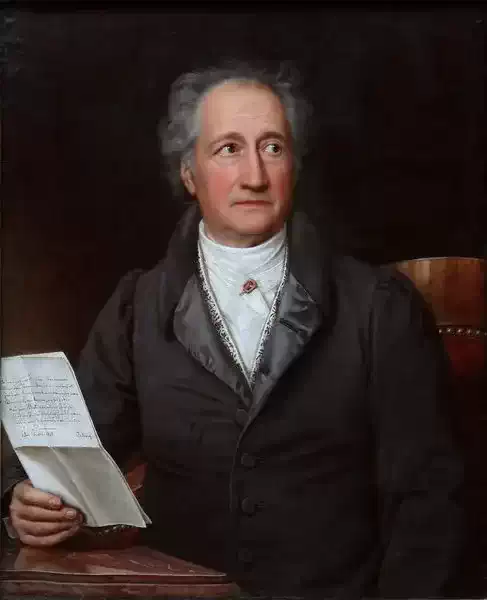
Johann Wolfgang von Goethe
The New Amadis
The New Amadis
IN my boyhood's days so drear
I was kept confined;
There I sat for many a year,
All alone I pined,
As within the womb.
Yet thou drov'st away my gloom,
Golden phantasy!
I became a hero true,
Like the Prince Pipi,
And the world roam'd through,
Many a crystal palace built,
Crush'd them with like art,
And the Dragon's life-blood spilt
With my glitt'ring dart.
Yes! I was a man!
Next I formed the knightly plan
Princess Fish to free;
She was much too complaisant,
Kindly welcomed me,--
And I was gallant.
Heav'nly bread her kisses proved,
Glowing as the wine;
Almost unto death I loved.
Sun-s appeared to shine
In her dazzling charms.
Who hath torn her from mine arms?
Could no magic band
Make her in her flight delay?
Say, where now her land?
Where, alas, the way?
IN my boyhood's days so drear
I was kept confined;
There I sat for many a year,
All alone I pined,
As within the womb.
Yet thou drov'st away my gloom,
Golden phantasy!
I became a hero true,
Like the Prince Pipi,
And the world roam'd through,
Many a crystal palace built,
Crush'd them with like art,
And the Dragon's life-blood spilt
With my glitt'ring dart.
Yes! I was a man!
Next I formed the knightly plan
Princess Fish to free;
She was much too complaisant,
Kindly welcomed me,--
And I was gallant.
Heav'nly bread her kisses proved,
Glowing as the wine;
Almost unto death I loved.
Sun-s appeared to shine
In her dazzling charms.
Who hath torn her from mine arms?
Could no magic band
Make her in her flight delay?
Say, where now her land?
Where, alas, the way?
476
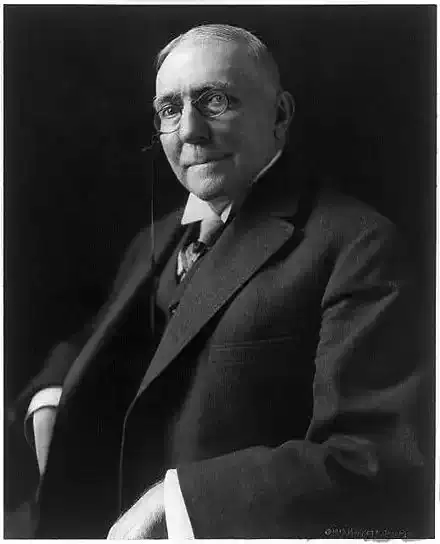
James Whitcomb Riley
Who Santy-Claus Wuz
Who Santy-Claus Wuz
Jes' a little bit o' feller--I remember still--
Ust to almost cry fer Christmas, like a youngster will.
Fourth o' July's nothin' to it!--New Year's ain't a smell!
Easter-Sunday--Circus-day--jes' all dead in the shell!
Lawzy, though! at night, you know, to set around an' hear
The old folks work the story off about the sledge an' deer,
An' 'Santy' skootin' round the roof, all wrapt in fur an' fuzz--
Long afore
I knowed who
'Santy-Claus' wuz!
Ust to wait, an' set up late, a week er two ahead;
Couldn't hardly keep awake, ner wouldn't go to bed;
Kittle stewin' on the fire, an' Mother settin' here
Darnin' socks, an' rockin' in the skreeky rockin'-cheer;
Pap gap', an' wonder where it wuz the money went,
An' quar'l with his frosted heels, an' spill his liniment;
An' me a-dreamin' sleigh-bells when the clock 'ud whir an' buzz,
Long afore
I knowed who
'Santy-Claus' wuz!
Size the fire-place up an' figger how 'Ole Santy' could
Manage to come down the chimbly, like they said he would;
Wisht 'at I could hide an' see him--wunderd what he'd say
Ef he ketched a feller layin' fer him thataway!
But I _bet_ on him, an' _liked_ him, same as ef he had
Turned to pat me on the back an' say, 'Look here, my lad,
Here's my pack,--jes' he'p yourse'f, like all good boys does!'
Long afore
I knowed who
'Santy-Claus' wuz!
Wisht that yarn was true about him, as it 'peared to be--
Truth made out o' lies like that-un's good enough fer me!--
Wisht I still wuz so confidin' I could jes' go wild
Over hangin' up my stockin's, like the little child
Climbin' in my lap to-night, an' beggin' me to tell
'Bout them reindeers, and 'Old Santy' that she loves so well
I'm half sorry fer this little-girl-sweetheart of his--
Long afore
She knows who
'Santy-Claus' is!
Jes' a little bit o' feller--I remember still--
Ust to almost cry fer Christmas, like a youngster will.
Fourth o' July's nothin' to it!--New Year's ain't a smell!
Easter-Sunday--Circus-day--jes' all dead in the shell!
Lawzy, though! at night, you know, to set around an' hear
The old folks work the story off about the sledge an' deer,
An' 'Santy' skootin' round the roof, all wrapt in fur an' fuzz--
Long afore
I knowed who
'Santy-Claus' wuz!
Ust to wait, an' set up late, a week er two ahead;
Couldn't hardly keep awake, ner wouldn't go to bed;
Kittle stewin' on the fire, an' Mother settin' here
Darnin' socks, an' rockin' in the skreeky rockin'-cheer;
Pap gap', an' wonder where it wuz the money went,
An' quar'l with his frosted heels, an' spill his liniment;
An' me a-dreamin' sleigh-bells when the clock 'ud whir an' buzz,
Long afore
I knowed who
'Santy-Claus' wuz!
Size the fire-place up an' figger how 'Ole Santy' could
Manage to come down the chimbly, like they said he would;
Wisht 'at I could hide an' see him--wunderd what he'd say
Ef he ketched a feller layin' fer him thataway!
But I _bet_ on him, an' _liked_ him, same as ef he had
Turned to pat me on the back an' say, 'Look here, my lad,
Here's my pack,--jes' he'p yourse'f, like all good boys does!'
Long afore
I knowed who
'Santy-Claus' wuz!
Wisht that yarn was true about him, as it 'peared to be--
Truth made out o' lies like that-un's good enough fer me!--
Wisht I still wuz so confidin' I could jes' go wild
Over hangin' up my stockin's, like the little child
Climbin' in my lap to-night, an' beggin' me to tell
'Bout them reindeers, and 'Old Santy' that she loves so well
I'm half sorry fer this little-girl-sweetheart of his--
Long afore
She knows who
'Santy-Claus' is!
279
James Whitcomb Riley
When Old Jack Died
When Old Jack Died
I.
When old Jack died, we staid from school (they said,
At home, we needn't go that day), and none
Of us ate any breakfast--only one,
And that was Papa--and his eyes were red
When he came round where we were, by the shed
Where Jack was lying, half way in the sun
And half way in the shade. When we begun
To cry out loud, Pa turned and dropped his head
And went away; and Mamma, she went back
Into the kitchen. Then, for a long while,
All to ourselves, like, we stood there and cried.
We thought so many good things of Old Jack,
And funny things--although we didn't smile--We
couldn't only cry when Old Jack died.
II.
When Old Jack died, it seemed a human friend
Had suddenly gone from us; that some face
That we had loved to fondle and embrace
From babyhood, no more would condescend
To smile on us forever. We might bend
With tearful eyes above him, interlace
Our chubby fingers o'er him, romp and race,
Plead with him, call and coax--aye, we might send
The old halloo up for him, whistle, hist,
(If sobs had let us) or, as wildly vain,
Snapped thumbs, called 'speak,' and he had not replied;
We might have gone down on our knees and kissed
The tousled ears, and yet they must remain
Deaf, motionless, we knew--when Old Jack died.
III.
When Old Jack died, it seemed to us, some way,
That all the other dogs in town were pained
With our bereavement, and some that were chained,
Even, unslipped their collars on that day
To visit Jack in state, as though to pay
A last, sad tribute there, while neighbors craned
Their heads above the high board fence, and deigned
To sigh 'Poor dog!' remembering how they
Had cuffed him, when alive, perchance, because,
For love of them he leaped to lick their hands--
Now, that he could not, were they satisfied?
We children thought that, as we crossed his paws,
And o'er his grave, 'way down the bottom-lands,
Wrote 'Our First Love Lies Here,' when Old Jack died.
I.
When old Jack died, we staid from school (they said,
At home, we needn't go that day), and none
Of us ate any breakfast--only one,
And that was Papa--and his eyes were red
When he came round where we were, by the shed
Where Jack was lying, half way in the sun
And half way in the shade. When we begun
To cry out loud, Pa turned and dropped his head
And went away; and Mamma, she went back
Into the kitchen. Then, for a long while,
All to ourselves, like, we stood there and cried.
We thought so many good things of Old Jack,
And funny things--although we didn't smile--We
couldn't only cry when Old Jack died.
II.
When Old Jack died, it seemed a human friend
Had suddenly gone from us; that some face
That we had loved to fondle and embrace
From babyhood, no more would condescend
To smile on us forever. We might bend
With tearful eyes above him, interlace
Our chubby fingers o'er him, romp and race,
Plead with him, call and coax--aye, we might send
The old halloo up for him, whistle, hist,
(If sobs had let us) or, as wildly vain,
Snapped thumbs, called 'speak,' and he had not replied;
We might have gone down on our knees and kissed
The tousled ears, and yet they must remain
Deaf, motionless, we knew--when Old Jack died.
III.
When Old Jack died, it seemed to us, some way,
That all the other dogs in town were pained
With our bereavement, and some that were chained,
Even, unslipped their collars on that day
To visit Jack in state, as though to pay
A last, sad tribute there, while neighbors craned
Their heads above the high board fence, and deigned
To sigh 'Poor dog!' remembering how they
Had cuffed him, when alive, perchance, because,
For love of them he leaped to lick their hands--
Now, that he could not, were they satisfied?
We children thought that, as we crossed his paws,
And o'er his grave, 'way down the bottom-lands,
Wrote 'Our First Love Lies Here,' when Old Jack died.
283
James Whitcomb Riley
What Chris'mas Fetched The Wigginses
What Chris'mas Fetched The Wigginses
Wintertime, er Summertime,
Of late years I notice I'm,
Kindo'-like, more subjec' to
What the _weather_ is. Now, you
Folks 'at lives in town, I s'pose,
Thinks its bully when it snows;
But the chap 'at chops and hauls
Yer wood fer ye, and then stalls,
And snapps tuggs and swingletrees,
And then has to walk er freeze,
Haint so much 'stuck on' the snow
As stuck _in_ it--Bless ye, no!--
When its packed, and sleighin's good,
And _church_ in the neighborhood,
Them 'at's _got_ their girls, I guess,
Takes 'em, likely, more er less,
Tell the plain facts o' the case,
No men-folks about our place
On'y me and Pap--and he
'Lows 'at young folks' company
Allus made him sick! So I
Jes don't want, and jes don't try!
Chinkypin, the dad-burn town,
'S too fur off to loaf aroun'
Either day er night--and no
Law compellin' me to go!-'
Less 'n some Old-Settlers' Day,
Er big-doin's thataway-_
Then_, to tell the p'inted fac',
I've went more so's to come back
By old Guthrie's 'still-house, where
Minors _has_ got licker there-That's
pervidin' we could show 'em
Old folks sent fer it from home!
Visit roun' the neighbors some,
When the boys wants me to come.-Coon-
hunt with 'em; er set traps
Fer mussrats; er jes, perhaps,
Lay in roun' the stove, you know,
And parch corn, and let her snow!
Mostly, nights like these, you'll be
(Ef you' got a writ fer _me_)
Ap' to skeer me up, I guess,
In about the Wigginses.
Nothin' roun' _our_ place to keep
Me at home--with Pap asleep
'Fore it's dark; and Mother in
Mango pickles to her chin;
And the girls, all still as death,
Piecin' quilts.--Sence I drawed breath
Twenty year' ago, and heerd
Some girls whispern' so's it 'peared
Like they had a row o' pins
In their mouth--right there begins
My first rickollections, built
On that-air blame old piece-quilt!
Summertime, it's jes the same-'
Cause I've noticed,--and I claim,
As I said afore, I'm more
Subjec' to the weather, _shore_,
'Proachin' my majority,
Than I ever ust to be!
Callin' back _last_ Summer, say,-Don't
seem hardly past away--
With night closin' in, and all
S' lonesome-like in the dew-fail:
Bats--ad-drat their ugly muggs!--
Flickern' by; and lightnin'-bugs
Huckstern' roun' the airly night
Little sickly gasps o' light;-Whip-
poor-wills, like all possessed,
Moanin' out their mournfullest;--
Frogs and katydids and things
Jes clubs in and sings and sings
Their _ding-dangdest_!--Stock's all fed,
And Pap's washed his feet fer bed;--
Mother and the girls all down
At the milk-shed, foolin' roun'--
No wunder 'at I git blue,
And lite out--and so would you!
I caint stay aroun' no place
Whur they haint no livin' face:-'
Crost the fields and thue the gaps
Of the hills they's friends, perhaps,
Waitin' somers, 'at kin be
Kindo' comfertin' to me!
Neighbors all 'is plenty good,
Scattered thue this neighberhood;
Yit, of all, I like to jes
Drap in on the Wigginses.--
Old man, and old lady too,
'Pear-like, makes so much o' you--,
Least, they've allus pampered me
Like one of the fambily.--
The boys, too, 's all thataway--
Want you jes to come and stay;--
Price, and Chape, and Mandaville,
Poke, Chasteen, and 'Catfish Bill'-Poke's
the runt of all the rest,
But he's jes the beatinest
Little schemer, fer fourteen,
Anybody ever seen!-
'Like his namesake,' old man claims,
'Jeems K. Poke, the first o' names!
Full o' tricks and jokes--and you
Never know what _Poke's_ go' do!'
Genius, too, that-air boy is,
With them awk'ard hands o' his:
Gits this blame pokeberry-juice,
Er some stuff, fer ink--and goose-
Quill pen-p'ints: And then he'll draw
Dogdest pictures yevver saw!
Er make deers and eagles good
As a writin'-teacher could!
Then they's two twin boys they've riz
Of old Coonrod Wigginses
'At's deceast--and glad of it,
'Cause his widder's livin' yit!
Course _the boys_ is mostly jes'
Why I go to Wigginses.---
Though _Melviney_, sometimes, _she_
Gits her slate and algebry
And jes' sets there ciphern' thue
Sums old Ray hisse'f caint do!--
Jes' sets there, and tilts her chair
Forreds tel, 'pear-like, her hair
Jes' _spills_ in her lap--and then
She jes' dips it up again
With her hands, as white, I swan,
As the apern she's got on!
Talk o' hospitality!--
Go to Wigginses with me--
Overhet, or froze plum thue,
You'll find welcome waitin' you:-Th'ow
out yer tobacker 'fore
You set foot acrost that floor,-'
Got to eat whatever's set--
Got to drink whatever's wet!'
Old man's sentimuns--them's his---
And means jes the best they is!
Then he lights his pipe; and she,
The old lady, presen'ly
She lights her'n; and Chape and Poke.
I haint got none, ner don't smoke,-(
In the crick afore their door--
Sorto so's 'at I'd be shore--
Drownded mine one night and says
'I won't smoke at _Wigginses_!')
Price he's mostly talkin' 'bout
Politics, and 'thieves turned out'--
What he's go' to be, ef he
Ever 'gits there'--and 'we'll see!'-
Poke he 'lows they's blame few men
Go' to hold their breath tel then!
Then Melviney smiles, as she
Goes on with her algebry,
And the clouds clear, and the room's
Sweeter 'n crabapple-blooms!
(That Melviney, she' got some
Most surprisin' ways, I gum!-Don't
'pear like she ever _says_
Nothin', yit you'll _listen_ jes
Like she was a-talkin', and
Half-way seem to understand,
But not quite,--_Poke_ does, I know,
'Cause he good as told me so,-Poke's
her favo-rite; and he--
That is, confidentially-He's
_my_ favo-rite--and I
Got my whurfore and my why!)
I haint never ben no hand
Much at talkin', understand,
But they's _thoughts_ o' mine 'at's jes
Jealous o' them Wigginses!--
Gift o' talkin 's what they got,
Whether they want to er not-F'r
instunce, start the old man on
Huntin'-scrapes, 'fore game was gone,
'Way back in the Forties, when
Bears stold pigs right out the pen,
Er went waltzin' 'crost the farm
With a bee-hive on their arm!-And--
sir, _ping_! the old man's gun
Has plumped-over many a one,
Firin' at him from afore
That-air very cabin-door!
Yes--and _painters_, prowlin' 'bout,
Allus darkest nights.--Lay out
Clost yer cattle.--Great, big red
Eyes a-blazin' in their head,
Glittern' 'long the timber-line--
Shine out some, and then _un_-shine,
And shine back--Then, stiddy! whizz!
'N there yer Mr. Painter is
With a hole bored spang between
Them-air eyes! Er start Chasteen,
Say, on blooded racin'-stock,
Ef you want to hear him talk;
Er tobacker--how to raise,
Store, and k-yore it, so's she pays:
The old lady--and she'll cote
Scriptur' tel she'll git yer vote!
Prove to you 'at wrong is right,
Jes as plain as black is white:
Prove when you're asleep in bed
You're a-standin' on yer head,
And yer train 'at's goin' West,
'S goin' East its level best;
And when bees dies, it's their wings
Wears out--and a thousand things!
And the boys is 'chips,' you know;
'Off the old block'--So I go
To the Wigginses, 'cause--jes
'Cause I _like_ the Wigginses--
Even ef Melviney _she_
Hardly 'pears to notice me!
Rid to Chinkypin this week-Yisterd'y.--
No snow to speak
Of, and didn't have no sleigh
Anyhow; so, as I say,
I rid in--and froze one ear
And both heels--and I don't keer!-'
Mother and the girls kin jes
Bother 'bout their Chris'mases
_Next_ time fer _theirse'vs_, I jack!'
Thinks-says-I, a-startin' back,--
Whole durn meal-bag full of things
Wrapped in paper-sacks, and strings
Liable to snap their holt
Jes at any little jolt!
That in front o' me, and _wind_
With _nicks_ in it, 'at jes skinned
Me alive!--I'm here to say
Nine mile' hossback thataway
Would a-walked my log! But, as
Somepin' allus comes to pass,
As I topped old Guthrie's hill.
Saw a buggy, front the 'Still,
P'inted home'ards, and a thin
Little chap jes climbin' in.
Six more minutes I were there
On the groun's'--And course it were--
It were little Poke--and he
Nearly fainted to see me!-'
You ben in to Chinky, too?'
'Yes; and go' ride back with you,'
I-says-I. He he'pped me find
Room fer my things in behind--
Stript my hoss's reins down, and
Put his mitt' on the right hand
So's to lead--'Pile in!' says he,
'But you 've struck pore company!'
Noticed he was pale--looked sick,
Kindo-like, and had a quick
Way o' flickin' them-air eyes
0' his roun' 'at didn't size
Up right with his usual style-s'
I, 'You well?' He tried to smile,
But his chin shuck and tears come.-'_
I've run 'Viney 'way from home_!'
Don't know jes what all occurred
Next ten seconds--Nary word,
But my heart jes drapt, stobbed thue,
And whirlt over and come to.--
Wrenched a big quart bottle from
That fool-boy!--and cut my thumb
On his little fiste-teeth--helt
Him snug in one arm, and felt
That-air little heart o' his
Churn the blood o' Wigginses
Into that old bead 'at spun
Roun' her, spilt at Lexington!
His k'niptions, like enough,
He'pped us both,--though it was rough--
Rough on him, and rougher on
Me when last his nerve was gone,
And he laid there still, his face
Fishin' fer some hidin'-place
Jes a leetle lower down
In my breast than he 'd yit foun'!
Last I kindo' soothed him, so's
He could talk.--And what you s'pose
Them-air revelations of
Poke's was? . . . He'd ben writin' love-
Letters to Melviney, and
Givin her to understand
They was from 'a young man who
Loved her,' and--'the violet's blue
'N sugar's sweet'--and Lord knows what!
Tel, 'peared-like, Melviney got
S' interested in 'the young
Man,' Poke _he_ says, 'at she brung
A' answer onc't fer him to take,
Statin' 'she'd die fer his sake,'
And writ fifty xs 'fer
Love-kisses fer him from her!'
I was standin' in the road
By the buggy, all I knowed
When Poke got that fer.--'That's why,'
Poke says, 'I 'fessed up the lie-_
Had_ to--'cause I see,' says he,
''Viney was in airnest--she
Cried, too, when I told her.--Then
She swore me, and smiled again,
And got Pap and Mother to
Let me hitch and drive her thue
Into Chinkypin, to be
At Aunt 'Rindy's Chris'mas-tree-That's
to-night.' Says I, 'Poke--durn
Your lyin' soul!--'s that beau o' hern--
That--_she_--loves--Does _he_ live in
That hellhole o' Chinkypin?'
'No,' says Poke, 'er 'Viney would
Went some _other_ neighborhood.'
'Who _is_ the blame whelp?' says I.
'Promised 'Viney, hope I'd die
Ef I ever told!' says Poke,
Pittiful and jes heart-broke-''
Sides that's why she left the place,-'
She caint look him in the face
Now no more on earth!' she says.--'
And the child broke down and jes
Sobbed! Says I, 'Poke, I p'tend
T' be _your_ friend, and your _Pap's_ friend,
And your _Mother's_ friend, and all
The _boys_' friend, little, large and small--
The _whole fambily's_ friend--and you
Know that means _Melviney_, too.-Now--
you hush yer troublin!'--I'm
Go' to he'p friends ever' time-On'y
in _this_ case, _you_ got
To he'p _me_--and, like as not
I kin he'p Melviney then,
And we'll have her home again.
And now, Poke, with your consent,
I'm go' go to that-air gent
She's in love with, and confer
With _him_ on his views o' _her_.--
Blast him! give the man _some_ show.--
Who is he?--_I'm go' to know_!'
Somepin' struck the little chap
Funny, 'peared-like.--Give a slap
On his leg--laughed thue the dew
In his eyes, and says: 'It's you!'
Yes, and--'cordin' to the last
Love-letters of ours 'at passed
Thue his hands--we was to be
Married Chris'mas.--'Gee-mun-_nee_!
Poke,' says I, 'it's _suddent_--yit
We _kin_ make it! You're to git
Up tomorry, say, 'bout _three_--
Tell your folks you're go' with me:-We'll
hitch up, and jes drive in
'N take the town o' Chinkypin!'
Wintertime, er Summertime,
Of late years I notice I'm,
Kindo'-like, more subjec' to
What the _weather_ is. Now, you
Folks 'at lives in town, I s'pose,
Thinks its bully when it snows;
But the chap 'at chops and hauls
Yer wood fer ye, and then stalls,
And snapps tuggs and swingletrees,
And then has to walk er freeze,
Haint so much 'stuck on' the snow
As stuck _in_ it--Bless ye, no!--
When its packed, and sleighin's good,
And _church_ in the neighborhood,
Them 'at's _got_ their girls, I guess,
Takes 'em, likely, more er less,
Tell the plain facts o' the case,
No men-folks about our place
On'y me and Pap--and he
'Lows 'at young folks' company
Allus made him sick! So I
Jes don't want, and jes don't try!
Chinkypin, the dad-burn town,
'S too fur off to loaf aroun'
Either day er night--and no
Law compellin' me to go!-'
Less 'n some Old-Settlers' Day,
Er big-doin's thataway-_
Then_, to tell the p'inted fac',
I've went more so's to come back
By old Guthrie's 'still-house, where
Minors _has_ got licker there-That's
pervidin' we could show 'em
Old folks sent fer it from home!
Visit roun' the neighbors some,
When the boys wants me to come.-Coon-
hunt with 'em; er set traps
Fer mussrats; er jes, perhaps,
Lay in roun' the stove, you know,
And parch corn, and let her snow!
Mostly, nights like these, you'll be
(Ef you' got a writ fer _me_)
Ap' to skeer me up, I guess,
In about the Wigginses.
Nothin' roun' _our_ place to keep
Me at home--with Pap asleep
'Fore it's dark; and Mother in
Mango pickles to her chin;
And the girls, all still as death,
Piecin' quilts.--Sence I drawed breath
Twenty year' ago, and heerd
Some girls whispern' so's it 'peared
Like they had a row o' pins
In their mouth--right there begins
My first rickollections, built
On that-air blame old piece-quilt!
Summertime, it's jes the same-'
Cause I've noticed,--and I claim,
As I said afore, I'm more
Subjec' to the weather, _shore_,
'Proachin' my majority,
Than I ever ust to be!
Callin' back _last_ Summer, say,-Don't
seem hardly past away--
With night closin' in, and all
S' lonesome-like in the dew-fail:
Bats--ad-drat their ugly muggs!--
Flickern' by; and lightnin'-bugs
Huckstern' roun' the airly night
Little sickly gasps o' light;-Whip-
poor-wills, like all possessed,
Moanin' out their mournfullest;--
Frogs and katydids and things
Jes clubs in and sings and sings
Their _ding-dangdest_!--Stock's all fed,
And Pap's washed his feet fer bed;--
Mother and the girls all down
At the milk-shed, foolin' roun'--
No wunder 'at I git blue,
And lite out--and so would you!
I caint stay aroun' no place
Whur they haint no livin' face:-'
Crost the fields and thue the gaps
Of the hills they's friends, perhaps,
Waitin' somers, 'at kin be
Kindo' comfertin' to me!
Neighbors all 'is plenty good,
Scattered thue this neighberhood;
Yit, of all, I like to jes
Drap in on the Wigginses.--
Old man, and old lady too,
'Pear-like, makes so much o' you--,
Least, they've allus pampered me
Like one of the fambily.--
The boys, too, 's all thataway--
Want you jes to come and stay;--
Price, and Chape, and Mandaville,
Poke, Chasteen, and 'Catfish Bill'-Poke's
the runt of all the rest,
But he's jes the beatinest
Little schemer, fer fourteen,
Anybody ever seen!-
'Like his namesake,' old man claims,
'Jeems K. Poke, the first o' names!
Full o' tricks and jokes--and you
Never know what _Poke's_ go' do!'
Genius, too, that-air boy is,
With them awk'ard hands o' his:
Gits this blame pokeberry-juice,
Er some stuff, fer ink--and goose-
Quill pen-p'ints: And then he'll draw
Dogdest pictures yevver saw!
Er make deers and eagles good
As a writin'-teacher could!
Then they's two twin boys they've riz
Of old Coonrod Wigginses
'At's deceast--and glad of it,
'Cause his widder's livin' yit!
Course _the boys_ is mostly jes'
Why I go to Wigginses.---
Though _Melviney_, sometimes, _she_
Gits her slate and algebry
And jes' sets there ciphern' thue
Sums old Ray hisse'f caint do!--
Jes' sets there, and tilts her chair
Forreds tel, 'pear-like, her hair
Jes' _spills_ in her lap--and then
She jes' dips it up again
With her hands, as white, I swan,
As the apern she's got on!
Talk o' hospitality!--
Go to Wigginses with me--
Overhet, or froze plum thue,
You'll find welcome waitin' you:-Th'ow
out yer tobacker 'fore
You set foot acrost that floor,-'
Got to eat whatever's set--
Got to drink whatever's wet!'
Old man's sentimuns--them's his---
And means jes the best they is!
Then he lights his pipe; and she,
The old lady, presen'ly
She lights her'n; and Chape and Poke.
I haint got none, ner don't smoke,-(
In the crick afore their door--
Sorto so's 'at I'd be shore--
Drownded mine one night and says
'I won't smoke at _Wigginses_!')
Price he's mostly talkin' 'bout
Politics, and 'thieves turned out'--
What he's go' to be, ef he
Ever 'gits there'--and 'we'll see!'-
Poke he 'lows they's blame few men
Go' to hold their breath tel then!
Then Melviney smiles, as she
Goes on with her algebry,
And the clouds clear, and the room's
Sweeter 'n crabapple-blooms!
(That Melviney, she' got some
Most surprisin' ways, I gum!-Don't
'pear like she ever _says_
Nothin', yit you'll _listen_ jes
Like she was a-talkin', and
Half-way seem to understand,
But not quite,--_Poke_ does, I know,
'Cause he good as told me so,-Poke's
her favo-rite; and he--
That is, confidentially-He's
_my_ favo-rite--and I
Got my whurfore and my why!)
I haint never ben no hand
Much at talkin', understand,
But they's _thoughts_ o' mine 'at's jes
Jealous o' them Wigginses!--
Gift o' talkin 's what they got,
Whether they want to er not-F'r
instunce, start the old man on
Huntin'-scrapes, 'fore game was gone,
'Way back in the Forties, when
Bears stold pigs right out the pen,
Er went waltzin' 'crost the farm
With a bee-hive on their arm!-And--
sir, _ping_! the old man's gun
Has plumped-over many a one,
Firin' at him from afore
That-air very cabin-door!
Yes--and _painters_, prowlin' 'bout,
Allus darkest nights.--Lay out
Clost yer cattle.--Great, big red
Eyes a-blazin' in their head,
Glittern' 'long the timber-line--
Shine out some, and then _un_-shine,
And shine back--Then, stiddy! whizz!
'N there yer Mr. Painter is
With a hole bored spang between
Them-air eyes! Er start Chasteen,
Say, on blooded racin'-stock,
Ef you want to hear him talk;
Er tobacker--how to raise,
Store, and k-yore it, so's she pays:
The old lady--and she'll cote
Scriptur' tel she'll git yer vote!
Prove to you 'at wrong is right,
Jes as plain as black is white:
Prove when you're asleep in bed
You're a-standin' on yer head,
And yer train 'at's goin' West,
'S goin' East its level best;
And when bees dies, it's their wings
Wears out--and a thousand things!
And the boys is 'chips,' you know;
'Off the old block'--So I go
To the Wigginses, 'cause--jes
'Cause I _like_ the Wigginses--
Even ef Melviney _she_
Hardly 'pears to notice me!
Rid to Chinkypin this week-Yisterd'y.--
No snow to speak
Of, and didn't have no sleigh
Anyhow; so, as I say,
I rid in--and froze one ear
And both heels--and I don't keer!-'
Mother and the girls kin jes
Bother 'bout their Chris'mases
_Next_ time fer _theirse'vs_, I jack!'
Thinks-says-I, a-startin' back,--
Whole durn meal-bag full of things
Wrapped in paper-sacks, and strings
Liable to snap their holt
Jes at any little jolt!
That in front o' me, and _wind_
With _nicks_ in it, 'at jes skinned
Me alive!--I'm here to say
Nine mile' hossback thataway
Would a-walked my log! But, as
Somepin' allus comes to pass,
As I topped old Guthrie's hill.
Saw a buggy, front the 'Still,
P'inted home'ards, and a thin
Little chap jes climbin' in.
Six more minutes I were there
On the groun's'--And course it were--
It were little Poke--and he
Nearly fainted to see me!-'
You ben in to Chinky, too?'
'Yes; and go' ride back with you,'
I-says-I. He he'pped me find
Room fer my things in behind--
Stript my hoss's reins down, and
Put his mitt' on the right hand
So's to lead--'Pile in!' says he,
'But you 've struck pore company!'
Noticed he was pale--looked sick,
Kindo-like, and had a quick
Way o' flickin' them-air eyes
0' his roun' 'at didn't size
Up right with his usual style-s'
I, 'You well?' He tried to smile,
But his chin shuck and tears come.-'_
I've run 'Viney 'way from home_!'
Don't know jes what all occurred
Next ten seconds--Nary word,
But my heart jes drapt, stobbed thue,
And whirlt over and come to.--
Wrenched a big quart bottle from
That fool-boy!--and cut my thumb
On his little fiste-teeth--helt
Him snug in one arm, and felt
That-air little heart o' his
Churn the blood o' Wigginses
Into that old bead 'at spun
Roun' her, spilt at Lexington!
His k'niptions, like enough,
He'pped us both,--though it was rough--
Rough on him, and rougher on
Me when last his nerve was gone,
And he laid there still, his face
Fishin' fer some hidin'-place
Jes a leetle lower down
In my breast than he 'd yit foun'!
Last I kindo' soothed him, so's
He could talk.--And what you s'pose
Them-air revelations of
Poke's was? . . . He'd ben writin' love-
Letters to Melviney, and
Givin her to understand
They was from 'a young man who
Loved her,' and--'the violet's blue
'N sugar's sweet'--and Lord knows what!
Tel, 'peared-like, Melviney got
S' interested in 'the young
Man,' Poke _he_ says, 'at she brung
A' answer onc't fer him to take,
Statin' 'she'd die fer his sake,'
And writ fifty xs 'fer
Love-kisses fer him from her!'
I was standin' in the road
By the buggy, all I knowed
When Poke got that fer.--'That's why,'
Poke says, 'I 'fessed up the lie-_
Had_ to--'cause I see,' says he,
''Viney was in airnest--she
Cried, too, when I told her.--Then
She swore me, and smiled again,
And got Pap and Mother to
Let me hitch and drive her thue
Into Chinkypin, to be
At Aunt 'Rindy's Chris'mas-tree-That's
to-night.' Says I, 'Poke--durn
Your lyin' soul!--'s that beau o' hern--
That--_she_--loves--Does _he_ live in
That hellhole o' Chinkypin?'
'No,' says Poke, 'er 'Viney would
Went some _other_ neighborhood.'
'Who _is_ the blame whelp?' says I.
'Promised 'Viney, hope I'd die
Ef I ever told!' says Poke,
Pittiful and jes heart-broke-''
Sides that's why she left the place,-'
She caint look him in the face
Now no more on earth!' she says.--'
And the child broke down and jes
Sobbed! Says I, 'Poke, I p'tend
T' be _your_ friend, and your _Pap's_ friend,
And your _Mother's_ friend, and all
The _boys_' friend, little, large and small--
The _whole fambily's_ friend--and you
Know that means _Melviney_, too.-Now--
you hush yer troublin!'--I'm
Go' to he'p friends ever' time-On'y
in _this_ case, _you_ got
To he'p _me_--and, like as not
I kin he'p Melviney then,
And we'll have her home again.
And now, Poke, with your consent,
I'm go' go to that-air gent
She's in love with, and confer
With _him_ on his views o' _her_.--
Blast him! give the man _some_ show.--
Who is he?--_I'm go' to know_!'
Somepin' struck the little chap
Funny, 'peared-like.--Give a slap
On his leg--laughed thue the dew
In his eyes, and says: 'It's you!'
Yes, and--'cordin' to the last
Love-letters of ours 'at passed
Thue his hands--we was to be
Married Chris'mas.--'Gee-mun-_nee_!
Poke,' says I, 'it's _suddent_--yit
We _kin_ make it! You're to git
Up tomorry, say, 'bout _three_--
Tell your folks you're go' with me:-We'll
hitch up, and jes drive in
'N take the town o' Chinkypin!'
220
James Whitcomb Riley
Waitin' Fer The Cat To Die
Waitin' Fer The Cat To Die
Lawzy! don't I rickollect
That-'air old swing in the lane!
Right and proper, I expect,
Old times _can't_ come back again;
But I want to state, ef they
_Could_ come back, and I could say
What _my_ pick 'ud be, i jing!
I'd say, Gimme the old swing
'Nunder the old locus'-trees
On the old place, ef you please!--
Danglin' there with half-shet eye,
Waitin' fer the cat to die!
I'd say, Gimme the old gang
Of barefooted, hungry, lean,
Ornry boys you want to hang
When you're growed up twic't as mean!
The old gyarden-patch, the old
Truants, and the stuff we stol'd!
The old stompin'-groun', where we
Wore the grass off, wild and free
As the swoop of the old swing,
Where we ust to climb and cling,
And twist roun', and fight, and lie--
Waitin' fer the cat to die!
'Pears like I 'most allus could
Swing the highest of the crowd--
Jes sail up there tel I stood
Downside-up, and screech out loud,--
Ketch my breath, and jes drap back
Fer to let the old swing slack,
Yit my tow-head dippin' still
In the green boughs, and the chill
Up my backbone taperin' down,
With my shadder on the ground'
Slow and slower trailin' by--
Waitin' fer the cat to die!
Now my daughter's little Jane's
Got a kind o' baby-swing
On the porch, so's when it rains
She kin play there--little thing!
And I'd limped out t'other day
With my old cheer this-a-way,
Swingin' _her_ and rockin' too,
Thinkin' how _I_ ust to do
At _her_ age, when suddently,
'Hey, Gran'pap!' she says to me,
'Why you rock so slow?' ... Says I,
'Waitin' fer the cat to die!'
Lawzy! don't I rickollect
That-'air old swing in the lane!
Right and proper, I expect,
Old times _can't_ come back again;
But I want to state, ef they
_Could_ come back, and I could say
What _my_ pick 'ud be, i jing!
I'd say, Gimme the old swing
'Nunder the old locus'-trees
On the old place, ef you please!--
Danglin' there with half-shet eye,
Waitin' fer the cat to die!
I'd say, Gimme the old gang
Of barefooted, hungry, lean,
Ornry boys you want to hang
When you're growed up twic't as mean!
The old gyarden-patch, the old
Truants, and the stuff we stol'd!
The old stompin'-groun', where we
Wore the grass off, wild and free
As the swoop of the old swing,
Where we ust to climb and cling,
And twist roun', and fight, and lie--
Waitin' fer the cat to die!
'Pears like I 'most allus could
Swing the highest of the crowd--
Jes sail up there tel I stood
Downside-up, and screech out loud,--
Ketch my breath, and jes drap back
Fer to let the old swing slack,
Yit my tow-head dippin' still
In the green boughs, and the chill
Up my backbone taperin' down,
With my shadder on the ground'
Slow and slower trailin' by--
Waitin' fer the cat to die!
Now my daughter's little Jane's
Got a kind o' baby-swing
On the porch, so's when it rains
She kin play there--little thing!
And I'd limped out t'other day
With my old cheer this-a-way,
Swingin' _her_ and rockin' too,
Thinkin' how _I_ ust to do
At _her_ age, when suddently,
'Hey, Gran'pap!' she says to me,
'Why you rock so slow?' ... Says I,
'Waitin' fer the cat to die!'
267
James Whitcomb Riley
Uncle Mart's Poem
Uncle Mart's Poem
THE OLD SNOW-MAN
Ho! the old Snow-Man
That Noey Bixler made!
He looked as fierce and sassy
As a soldier on parade!-'
Cause Noey, when he made him,
While we all wuz gone, you see,
He made him, jist a-purpose,
Jist as fierce as he could be!--
But when we all got _ust_ to him,
Nobody wuz afraid
Of the old Snow-Man
That Noey Bixler made!
'Cause Noey told us 'bout him
And what he made him fer:-He'd
come to feed, that morning
He found we wuzn't here;
And so the notion struck him,
When we all come taggin' home
'Tud _s'prise_ us ef a' old Snow-Man
'Ud meet us when we come!
So, when he'd fed the stock, and milked,
And ben back home, and chopped
His wood, and et his breakfast, he
Jist grabbed his mitts and hopped
Right in on that-air old Snow-Man
That he laid out he'd make
Er bust a trace _a-tryin_'--jist
Fer old-acquaintance sake!--
But work like that wuz lots more fun.
He said, than when he played!
Ho! the old Snow-Man
That Noey Bixler made!
He started with a big snow-ball,
And rolled it all around;
And as he rolled, more snow 'ud stick
And pull up off the ground.--
He rolled and rolled all round the yard-'
Cause we could see the _track_,
All wher' the snow come off, you know,
And left it wet and black.
He got the Snow-Man's _legs-part_ rolled--
In front the kitchen-door,--
And then he hat to turn in then
And roll and roll some more!--
He rolled the yard all round agin,
And round the house, at that--
Clean round the house and back to wher'
The blame legs-half wuz at!
He said he missed his dinner, too--
Jist clean fergot and stayed
There workin'. Ho! the old Snow-Man
That Noey Bixler made!
And Noey said he hat to _hump_
To git the _top-half_ on
The _legs-half!_--When he _did_, he said,
His wind wuz purt'-nigh gone.--
He said, I jucks! he jist drapped down
There on the old porch-floor
And panted like a dog!--And then
He up! and rolled some more!--
The _last_ batch--that wuz fer his head,-And--
time he'd got it right
And clumb and fixed it on, he said--
He hat to quit fer night!--
And _then_, he said, he'd kep' right on
Ef they'd ben any _moon_
To work by! So he crawled in bed--
And _could_ a-slep' tel _noon_,
He wuz so plum wore out! he said,--
But it wuz washin'-day,
And hat to cut a cord o' wood
'Fore he could git away!
But, last, he got to work agin,--
With spade, and gouge, and hoe,
And trowel, too--(All tools 'ud do
What _Noey_ said, you know!)
He cut his eyebrows out like cliffs--
And his cheekbones and chin
Stuck _furder_ out--and his old _nose_
Stuck out as fur-agin!
He made his eyes o' walnuts,
And his whiskers out o' this
Here buggy-cushion stuffin'--_moss_,
The teacher says it is.
And then he made a' old wood'-gun,
Set keerless-like, you know,
Acrost one shoulder--kindo' like
Big Foot, er Adam Poe--
Er, mayby, Simon Girty,
The dinged old Renegade!
_Wooh!_ the old Snow-Man
That Noey Bixler made!
And there he stood, all fierce and grim,
A stern, heroic form:
What was the winter blast to him,
And what the driving storm?--
What wonder that the children pressed
Their faces at the pane
And scratched away the frost, in pride
To look on him again?--
What wonder that, with yearning bold,
Their all of love and care
Went warmest through the keenest cold
To that Snow-Man out there!
But the old Snow-Man--
What a dubious delight
He grew at last when Spring came on
And days waxed warm and bright.--
Alone he stood--all kith and kin
Of snow and ice were gone;--
Alone, with constant teardrops in
His eyes and glittering on
His thin, pathetic beard of black--
Grief in a hopeless cause!-Hope--
hope is for the man that _dies_--
What for the man that _thaws!_
O Hero of a hero's make!--
Let _marble_ melt and fade,
But never _you_--you old Snow-Man
That Noey Bixler made!
THE OLD SNOW-MAN
Ho! the old Snow-Man
That Noey Bixler made!
He looked as fierce and sassy
As a soldier on parade!-'
Cause Noey, when he made him,
While we all wuz gone, you see,
He made him, jist a-purpose,
Jist as fierce as he could be!--
But when we all got _ust_ to him,
Nobody wuz afraid
Of the old Snow-Man
That Noey Bixler made!
'Cause Noey told us 'bout him
And what he made him fer:-He'd
come to feed, that morning
He found we wuzn't here;
And so the notion struck him,
When we all come taggin' home
'Tud _s'prise_ us ef a' old Snow-Man
'Ud meet us when we come!
So, when he'd fed the stock, and milked,
And ben back home, and chopped
His wood, and et his breakfast, he
Jist grabbed his mitts and hopped
Right in on that-air old Snow-Man
That he laid out he'd make
Er bust a trace _a-tryin_'--jist
Fer old-acquaintance sake!--
But work like that wuz lots more fun.
He said, than when he played!
Ho! the old Snow-Man
That Noey Bixler made!
He started with a big snow-ball,
And rolled it all around;
And as he rolled, more snow 'ud stick
And pull up off the ground.--
He rolled and rolled all round the yard-'
Cause we could see the _track_,
All wher' the snow come off, you know,
And left it wet and black.
He got the Snow-Man's _legs-part_ rolled--
In front the kitchen-door,--
And then he hat to turn in then
And roll and roll some more!--
He rolled the yard all round agin,
And round the house, at that--
Clean round the house and back to wher'
The blame legs-half wuz at!
He said he missed his dinner, too--
Jist clean fergot and stayed
There workin'. Ho! the old Snow-Man
That Noey Bixler made!
And Noey said he hat to _hump_
To git the _top-half_ on
The _legs-half!_--When he _did_, he said,
His wind wuz purt'-nigh gone.--
He said, I jucks! he jist drapped down
There on the old porch-floor
And panted like a dog!--And then
He up! and rolled some more!--
The _last_ batch--that wuz fer his head,-And--
time he'd got it right
And clumb and fixed it on, he said--
He hat to quit fer night!--
And _then_, he said, he'd kep' right on
Ef they'd ben any _moon_
To work by! So he crawled in bed--
And _could_ a-slep' tel _noon_,
He wuz so plum wore out! he said,--
But it wuz washin'-day,
And hat to cut a cord o' wood
'Fore he could git away!
But, last, he got to work agin,--
With spade, and gouge, and hoe,
And trowel, too--(All tools 'ud do
What _Noey_ said, you know!)
He cut his eyebrows out like cliffs--
And his cheekbones and chin
Stuck _furder_ out--and his old _nose_
Stuck out as fur-agin!
He made his eyes o' walnuts,
And his whiskers out o' this
Here buggy-cushion stuffin'--_moss_,
The teacher says it is.
And then he made a' old wood'-gun,
Set keerless-like, you know,
Acrost one shoulder--kindo' like
Big Foot, er Adam Poe--
Er, mayby, Simon Girty,
The dinged old Renegade!
_Wooh!_ the old Snow-Man
That Noey Bixler made!
And there he stood, all fierce and grim,
A stern, heroic form:
What was the winter blast to him,
And what the driving storm?--
What wonder that the children pressed
Their faces at the pane
And scratched away the frost, in pride
To look on him again?--
What wonder that, with yearning bold,
Their all of love and care
Went warmest through the keenest cold
To that Snow-Man out there!
But the old Snow-Man--
What a dubious delight
He grew at last when Spring came on
And days waxed warm and bright.--
Alone he stood--all kith and kin
Of snow and ice were gone;--
Alone, with constant teardrops in
His eyes and glittering on
His thin, pathetic beard of black--
Grief in a hopeless cause!-Hope--
hope is for the man that _dies_--
What for the man that _thaws!_
O Hero of a hero's make!--
Let _marble_ melt and fade,
But never _you_--you old Snow-Man
That Noey Bixler made!
350
James Whitcomb Riley
Up And Down Old Brandywine
Up And Down Old Brandywine
Up and down old Brandywine,
In the days 'at's past and gone--
With a dad-burn hook-and line
And a saplin' pole--swawn!
I've had more fun, to the square
Inch, than ever ANYwhere!
Heaven to come can't discount MINE
Up and down old Brandywine!
Hain't no sense in WISHIN'--yit
Wisht to goodness I COULD jes
'Gee' the blame' world round and git
Back to that old happiness!--
Kindo' drive back in the shade
'The old Covered Bridge' there laid
'Crosst the crick, and sorto' soak
My soul over, hub and spoke!
Honest, now!--it hain't no DREAM
'At I'm wantin',--but THE FAC'S
As they wuz; the same old stream,
And the same old times, i jacks!--
Gim me back my bare feet--and
Stonebruise too!--And scratched and tanned!
And let hottest dog-days shine
Up and down old Brandywine!
In and on betwixt the trees
'Long the banks, pour down yer noon,
Kindo' curdled with the breeze
And the yallerhammer's tune;
And the smokin', chokin' dust
O' the turnpike at its wusst--
SATURD'YS, say, when it seems
Road's jes jammed with country teams!--
Whilse the old town, fur away
'Crosst the hazy pastur'-land,
Dozed-like in the heat o' day
Peaceful' as a hired hand.
Jolt the gravel th'ough the floor
O' the old bridge!--grind and roar
With yer blame percession-line--
Up and down old Brandywine!
Souse me and my new straw-hat
Off the foot-log!--what _I_ care?--
Fist shoved in the crown o' that--
Like the old Clown ust to wear.
Wouldn't swop it fer a' old
Gin-u-wine raal crown o' gold!--
Keep yer KING ef you'll gim me
Jes the boy I ust to be!
Spill my fishin'-worms! er steal
My best 'goggle-eye!'--but you
Can't lay hands on joys I feel
Nibblin' like they ust to do!
So, in memory, to-day
Same old ripple lips away
At my 'cork' and saggin' line,
Up and down old Bradywine!
There the logs is, round the hill,
Where 'Old Irvin' ust to lift
Out sunfish from daylight till
Dewfall--'fore he'd leave 'The Drift'
And give US a chance--and then
Kindo' fish back home again,
Ketchin' 'em jes left and right
Where WE hadn't got 'a bite!'
Er, 'way windin' out and in,--
Old path th'ough the iurnweeds
And dog-fennel to yer chin--
Then come suddent, th'ough the reeds
And cat-tails, smack into where
Them--air woods--hogs ust to scare
Us clean 'crosst the County-line,
Up and down old Brandywine!
But the dim roar o' the dam
It 'ud coax us furder still
To'rds the old race, slow and ca'm,
Slidin' on to Huston's mill--
Where, I'spect, 'The Freeport crowd'
Never WARMED to us er 'lowed
We wuz quite so overly
Welcome as we aimed to be.
Still it 'peared like ever'thing--
Fur away from home as THERE--
Had more RELISH-like, i jing!--
Fish in stream, er bird in air!
O them rich old bottom-lands,
Past where Cowden's Schoolhouse stands!
Wortermelons--MASTER-MINE!
Up and down old Brandywine!
And sich pop-paws!--Lumps o' raw
Gold and green,--jes oozy th'ough
With ripe yaller--like you've saw
Custard-pie with no crust to:
And jes GORGES o' wild plums,
Till a feller'd suck his thumbs
Clean up to his elbows! MY!--
ME SOME MORE ER LEM ME DIE!
Up and down old Brandywine! ...
Stripe me with pokeberry-juice!--
Flick me with a pizenvine
And yell 'Yip!' and lem me loose!
--Old now as I then wuz young,
'F I could sing as I HAVE sung,
Song 'ud surely ring DEE-VINE
Up and down old Brandywine!
Up and down old Brandywine,
In the days 'at's past and gone--
With a dad-burn hook-and line
And a saplin' pole--swawn!
I've had more fun, to the square
Inch, than ever ANYwhere!
Heaven to come can't discount MINE
Up and down old Brandywine!
Hain't no sense in WISHIN'--yit
Wisht to goodness I COULD jes
'Gee' the blame' world round and git
Back to that old happiness!--
Kindo' drive back in the shade
'The old Covered Bridge' there laid
'Crosst the crick, and sorto' soak
My soul over, hub and spoke!
Honest, now!--it hain't no DREAM
'At I'm wantin',--but THE FAC'S
As they wuz; the same old stream,
And the same old times, i jacks!--
Gim me back my bare feet--and
Stonebruise too!--And scratched and tanned!
And let hottest dog-days shine
Up and down old Brandywine!
In and on betwixt the trees
'Long the banks, pour down yer noon,
Kindo' curdled with the breeze
And the yallerhammer's tune;
And the smokin', chokin' dust
O' the turnpike at its wusst--
SATURD'YS, say, when it seems
Road's jes jammed with country teams!--
Whilse the old town, fur away
'Crosst the hazy pastur'-land,
Dozed-like in the heat o' day
Peaceful' as a hired hand.
Jolt the gravel th'ough the floor
O' the old bridge!--grind and roar
With yer blame percession-line--
Up and down old Brandywine!
Souse me and my new straw-hat
Off the foot-log!--what _I_ care?--
Fist shoved in the crown o' that--
Like the old Clown ust to wear.
Wouldn't swop it fer a' old
Gin-u-wine raal crown o' gold!--
Keep yer KING ef you'll gim me
Jes the boy I ust to be!
Spill my fishin'-worms! er steal
My best 'goggle-eye!'--but you
Can't lay hands on joys I feel
Nibblin' like they ust to do!
So, in memory, to-day
Same old ripple lips away
At my 'cork' and saggin' line,
Up and down old Bradywine!
There the logs is, round the hill,
Where 'Old Irvin' ust to lift
Out sunfish from daylight till
Dewfall--'fore he'd leave 'The Drift'
And give US a chance--and then
Kindo' fish back home again,
Ketchin' 'em jes left and right
Where WE hadn't got 'a bite!'
Er, 'way windin' out and in,--
Old path th'ough the iurnweeds
And dog-fennel to yer chin--
Then come suddent, th'ough the reeds
And cat-tails, smack into where
Them--air woods--hogs ust to scare
Us clean 'crosst the County-line,
Up and down old Brandywine!
But the dim roar o' the dam
It 'ud coax us furder still
To'rds the old race, slow and ca'm,
Slidin' on to Huston's mill--
Where, I'spect, 'The Freeport crowd'
Never WARMED to us er 'lowed
We wuz quite so overly
Welcome as we aimed to be.
Still it 'peared like ever'thing--
Fur away from home as THERE--
Had more RELISH-like, i jing!--
Fish in stream, er bird in air!
O them rich old bottom-lands,
Past where Cowden's Schoolhouse stands!
Wortermelons--MASTER-MINE!
Up and down old Brandywine!
And sich pop-paws!--Lumps o' raw
Gold and green,--jes oozy th'ough
With ripe yaller--like you've saw
Custard-pie with no crust to:
And jes GORGES o' wild plums,
Till a feller'd suck his thumbs
Clean up to his elbows! MY!--
ME SOME MORE ER LEM ME DIE!
Up and down old Brandywine! ...
Stripe me with pokeberry-juice!--
Flick me with a pizenvine
And yell 'Yip!' and lem me loose!
--Old now as I then wuz young,
'F I could sing as I HAVE sung,
Song 'ud surely ring DEE-VINE
Up and down old Brandywine!
281
James Whitcomb Riley
There Was a Cherry-Tree
There Was a Cherry-Tree
There was a cherry-tree. Its bloomy snows
Cool even now the fevered sight that knows
No more its airy visions of pure joy --
As when you were a boy.
There was a cherry-tree. The Bluejay sat
His blue against its white -- O blue as jet
He seemed there then!-- But now -- Whoever knew
He was so pale a blue!
There was a cherry-tree -- our child-eyes saw
The miracle:-- Its pure white snows did thaw
Into a crimson fruitage, far too sweet
But for a boy to eat.
There was a cherry-tree, give thanks and joy!--
There was a bloom of snow -- There was a boy --
There was a bluejay of the realest blue --
And fruit for both of you.
There was a cherry-tree. Its bloomy snows
Cool even now the fevered sight that knows
No more its airy visions of pure joy --
As when you were a boy.
There was a cherry-tree. The Bluejay sat
His blue against its white -- O blue as jet
He seemed there then!-- But now -- Whoever knew
He was so pale a blue!
There was a cherry-tree -- our child-eyes saw
The miracle:-- Its pure white snows did thaw
Into a crimson fruitage, far too sweet
But for a boy to eat.
There was a cherry-tree, give thanks and joy!--
There was a bloom of snow -- There was a boy --
There was a bluejay of the realest blue --
And fruit for both of you.
269
James Whitcomb Riley
The Stepmother
The Stepmother
First she come to our house,
Tommy run and hid;
And Emily and Bob and me
We cried jus' like we did
When Mother died,--and we all said
'At we all wisht 'at we was dead!
And Nurse she couldn't stop us,
And Pa he tried and tried,--
We sobbed and shook and wouldn't look,
But only cried and cried;
And nen someone--we couldn't jus'
Tell who--was cryin' same as us!
Our Stepmother! Yes, it was her,
Her arms around us all-'
Cause Tom slid down the bannister
And peeked in from the hall.--
And we all love her, too, because
She's purt nigh good as Mother was!
First she come to our house,
Tommy run and hid;
And Emily and Bob and me
We cried jus' like we did
When Mother died,--and we all said
'At we all wisht 'at we was dead!
And Nurse she couldn't stop us,
And Pa he tried and tried,--
We sobbed and shook and wouldn't look,
But only cried and cried;
And nen someone--we couldn't jus'
Tell who--was cryin' same as us!
Our Stepmother! Yes, it was her,
Her arms around us all-'
Cause Tom slid down the bannister
And peeked in from the hall.--
And we all love her, too, because
She's purt nigh good as Mother was!
305
James Whitcomb Riley
The Orchard Lands Of Long Ago
The Orchard Lands Of Long Ago
The orchard lands of Long Ago!
O drowsy winds, awake, and blow
The snowy blossoms back to me,
And all the buds that used to be!
Blow back along the grassy ways
Of truant feet, and lift the haze
Of happy summer from the trees
That trail their tresses in the seas
Of grain that float and overflow
The orchard lands of Long Ago!
Blow back the melody that slips
In lazy laughter from the lips
That marvel much if any kiss
Is sweeter than the apple's is.
Blow back the twitter of the birds--
The lisp, the titter, and the words
Of merriment that found the shine
Of summer-time a glorious wine
That drenched the leaves that loved it so,
In orchard lands of Long Ago!
O memory! alight and sing
Where rosy-bellied pippins cling,
And golden russets glint and gleam,
As, in the old Arabian dream,
The fruits of that enchanted tree
The glad Aladdin robbed for me!
And, drowsy winds, awake and fan
My blood as when it overran
A heart ripe as the apples grow
In orchard lands of Long Ago!
The orchard lands of Long Ago!
O drowsy winds, awake, and blow
The snowy blossoms back to me,
And all the buds that used to be!
Blow back along the grassy ways
Of truant feet, and lift the haze
Of happy summer from the trees
That trail their tresses in the seas
Of grain that float and overflow
The orchard lands of Long Ago!
Blow back the melody that slips
In lazy laughter from the lips
That marvel much if any kiss
Is sweeter than the apple's is.
Blow back the twitter of the birds--
The lisp, the titter, and the words
Of merriment that found the shine
Of summer-time a glorious wine
That drenched the leaves that loved it so,
In orchard lands of Long Ago!
O memory! alight and sing
Where rosy-bellied pippins cling,
And golden russets glint and gleam,
As, in the old Arabian dream,
The fruits of that enchanted tree
The glad Aladdin robbed for me!
And, drowsy winds, awake and fan
My blood as when it overran
A heart ripe as the apples grow
In orchard lands of Long Ago!
275
James Whitcomb Riley
The Old Swimmin' Hole
The Old Swimmin' Hole
1
2
3
4
6
7
8
Oh! the old swimmin'-hole! whare the crick so still and deep
Looked like a baby-river that was laying half asleep,
And the gurgle of the worter round the drift jest below
Sounded like the laugh of something we onc't ust to know
Before we could remember anything but the eyes
Of the angels lookin' out as we left Paradise;
But the merry days of youth is beyond our controle,
And it's hard to part ferever with the old swimmin'-hole.
9 Oh! the old swimmin'-hole! In the happy days of yore,
When I ust to lean above it on the old sickamore,
11
12
13
14
16
Oh! it showed me a face in its warm sunny tide
That gazed back at me so gay and glorified,
It made me love myself, as I leaped to caress
My shadder smilin' up at me with sich tenderness.
But them days is past and gone, and old Time's tuck his toll
From the old man come back to the old swimmin'-hole.
17
18
19
21
22
23
24
Oh! the old swimmin'-hole! In the long, lazy days
When the humdrum of school made so many run-a-ways,
How plesant was the jurney down the old dusty lane,
Whare the tracks of our bare feet was all printed so plane
You could tell by the dent of the heel and the sole
They was lots o' fun on hands at the old swimmin'-hole.
But the lost joys is past! Let your tears in sorrow roll
Like the rain that ust to dapple up the old swimmin'-hole.
26
Thare the bullrushes growed, and the cattails so tall,
And the sunshine and shadder fell over it all;
27
28
29
31
32
And it mottled the worter with amber and gold
Tel the glad lilies rocked in the ripples that rolled;
And the snake-feeder's four gauzy wings fluttered by
Like the ghost of a daisy dropped out of the sky,
Or a wownded apple-blossom in the breeze's controle
As it cut acrost some orchard to'rds the old swimmin'-hole.
33
34
36
37
38
39
Oh! the old swimmin'-hole! When I last saw the place,
The scenes was all changed, like the change in my face;
The bridge of the railroad now crosses the spot
Whare the old divin'-log lays sunk and fergot.
And I stray down the banks whare the trees ust to be --
But never again will theyr shade shelter me!
And I wish in my sorrow I could strip to the soul,
And dive off in my grave like the old swimmin'-hole.
1
2
3
4
6
7
8
Oh! the old swimmin'-hole! whare the crick so still and deep
Looked like a baby-river that was laying half asleep,
And the gurgle of the worter round the drift jest below
Sounded like the laugh of something we onc't ust to know
Before we could remember anything but the eyes
Of the angels lookin' out as we left Paradise;
But the merry days of youth is beyond our controle,
And it's hard to part ferever with the old swimmin'-hole.
9 Oh! the old swimmin'-hole! In the happy days of yore,
When I ust to lean above it on the old sickamore,
11
12
13
14
16
Oh! it showed me a face in its warm sunny tide
That gazed back at me so gay and glorified,
It made me love myself, as I leaped to caress
My shadder smilin' up at me with sich tenderness.
But them days is past and gone, and old Time's tuck his toll
From the old man come back to the old swimmin'-hole.
17
18
19
21
22
23
24
Oh! the old swimmin'-hole! In the long, lazy days
When the humdrum of school made so many run-a-ways,
How plesant was the jurney down the old dusty lane,
Whare the tracks of our bare feet was all printed so plane
You could tell by the dent of the heel and the sole
They was lots o' fun on hands at the old swimmin'-hole.
But the lost joys is past! Let your tears in sorrow roll
Like the rain that ust to dapple up the old swimmin'-hole.
26
Thare the bullrushes growed, and the cattails so tall,
And the sunshine and shadder fell over it all;
27
28
29
31
32
And it mottled the worter with amber and gold
Tel the glad lilies rocked in the ripples that rolled;
And the snake-feeder's four gauzy wings fluttered by
Like the ghost of a daisy dropped out of the sky,
Or a wownded apple-blossom in the breeze's controle
As it cut acrost some orchard to'rds the old swimmin'-hole.
33
34
36
37
38
39
Oh! the old swimmin'-hole! When I last saw the place,
The scenes was all changed, like the change in my face;
The bridge of the railroad now crosses the spot
Whare the old divin'-log lays sunk and fergot.
And I stray down the banks whare the trees ust to be --
But never again will theyr shade shelter me!
And I wish in my sorrow I could strip to the soul,
And dive off in my grave like the old swimmin'-hole.
311
James Whitcomb Riley
The Lost Kiss
The Lost Kiss
I put by the half-written poem,
While the pen, idly trailed in my hand,
Writes on--, 'Had I words to complete it,
Who'd read it, or who'd understand?'
But the little bare feet on the stairway,
And the faint, smothered laugh in the hall,
And the eerie-low lisp on the silence,
Cry up to me over it all.
So I gather it up-- where was broken
The tear-faded thread of my theme,
Telling how, as one night I sat writing,
A fairy broke in on my dream,
A little inquisitive fairy--
My own little girl, with the gold
Of the sun in her hair, and the dewy
Blue eyes of the fairies of old.
'Twas the dear little girl that I scolded-'
For was it a moment like this,'
I said, 'when she knew I was busy,
To come romping in for a kiss--?
Come rowdying up from her mother,
And clamoring there at my knee
For 'One 'ittle kiss for my dolly,
And one 'ittle uzzer for me!'
God pity, the heart that repelled her,
And the cold hand that turned her away,
And take, from the lips that denied her,
This answerless prayer of to-day!
Take Lord, from my mem'ry forever
That pitiful sob of despair,
And the patter and trip of the little bare feet,
And the one piercing cry on the stair!
I put by the half-written poem,
While the pen, idly trailed in my hand
Writes on--, 'Had I words to complete it
Who'd read it, or who'd understand?'
But the little bare feet on the stairway,
And the faint, smothered laugh in the hall,
And the eerie-low lisp on the silence,
Cry up to me over it all.
I put by the half-written poem,
While the pen, idly trailed in my hand,
Writes on--, 'Had I words to complete it,
Who'd read it, or who'd understand?'
But the little bare feet on the stairway,
And the faint, smothered laugh in the hall,
And the eerie-low lisp on the silence,
Cry up to me over it all.
So I gather it up-- where was broken
The tear-faded thread of my theme,
Telling how, as one night I sat writing,
A fairy broke in on my dream,
A little inquisitive fairy--
My own little girl, with the gold
Of the sun in her hair, and the dewy
Blue eyes of the fairies of old.
'Twas the dear little girl that I scolded-'
For was it a moment like this,'
I said, 'when she knew I was busy,
To come romping in for a kiss--?
Come rowdying up from her mother,
And clamoring there at my knee
For 'One 'ittle kiss for my dolly,
And one 'ittle uzzer for me!'
God pity, the heart that repelled her,
And the cold hand that turned her away,
And take, from the lips that denied her,
This answerless prayer of to-day!
Take Lord, from my mem'ry forever
That pitiful sob of despair,
And the patter and trip of the little bare feet,
And the one piercing cry on the stair!
I put by the half-written poem,
While the pen, idly trailed in my hand
Writes on--, 'Had I words to complete it
Who'd read it, or who'd understand?'
But the little bare feet on the stairway,
And the faint, smothered laugh in the hall,
And the eerie-low lisp on the silence,
Cry up to me over it all.
289
James Whitcomb Riley
The Days Gone By
The Days Gone By
O the days gone by! O the days gone by!
The apples in the orchard, and the pathway through the rye;
The chirrup of the robin, and the whistle of the quail
As he piped across the meadows sweet as any nightingale;
When the bloom was on the clover, and the blue was in the sky,
And my happy heart brimmed over in the days gone by.
In the days gone by, when my naked feet were tripped
By the honey-suckle's tangles where the water-lilies dipped,
And the ripples of the river lipped the moss along the brink
Where the placid-eyed and lazy-footed cattle came to drink,
And the tilting snipe stood fearless of the truant's wayward cry
And the splashing of the swimmer, in the days gone by.
O the days gone by! O the days gone by!
The music of the laughing lip, the luster of the eye;
The childish faith in fairies, and Aladdin's magic ring--
The simple, soul-reposing, glad belief in everything,--
When life was like a story, holding neither sob nor sigh,
In the golden olden glory of the days gone by.
O the days gone by! O the days gone by!
The apples in the orchard, and the pathway through the rye;
The chirrup of the robin, and the whistle of the quail
As he piped across the meadows sweet as any nightingale;
When the bloom was on the clover, and the blue was in the sky,
And my happy heart brimmed over in the days gone by.
In the days gone by, when my naked feet were tripped
By the honey-suckle's tangles where the water-lilies dipped,
And the ripples of the river lipped the moss along the brink
Where the placid-eyed and lazy-footed cattle came to drink,
And the tilting snipe stood fearless of the truant's wayward cry
And the splashing of the swimmer, in the days gone by.
O the days gone by! O the days gone by!
The music of the laughing lip, the luster of the eye;
The childish faith in fairies, and Aladdin's magic ring--
The simple, soul-reposing, glad belief in everything,--
When life was like a story, holding neither sob nor sigh,
In the golden olden glory of the days gone by.
256
James Whitcomb Riley
The Boys
The Boys
Where are they?--the friends of my childhood enchanted--
The clear, laughing eyes looking back in my own,
And the warm, chubby fingers my palms have so wanted,
As when we raced over
Pink pastures of clover,
And mocked the quail's whir and the bumblebee's drone?
Have the breezes of time blown their blossomy faces
Forever adrift down the years that are flown?
Am I never to see them romp back to their places,
Where over the meadow,
In sunshine and shadow,
The meadow-larks trill, and the bumblebees drone?
Where are they? Ah! dim in the dust lies the clover;
The whippoorwill's call has a sorrowful tone,
And the dove's--I have wept at it over and over;--
I want the glad luster
Of youth, and the cluster
Of faces asleep where the bumblebees drone!
Where are they?--the friends of my childhood enchanted--
The clear, laughing eyes looking back in my own,
And the warm, chubby fingers my palms have so wanted,
As when we raced over
Pink pastures of clover,
And mocked the quail's whir and the bumblebee's drone?
Have the breezes of time blown their blossomy faces
Forever adrift down the years that are flown?
Am I never to see them romp back to their places,
Where over the meadow,
In sunshine and shadow,
The meadow-larks trill, and the bumblebees drone?
Where are they? Ah! dim in the dust lies the clover;
The whippoorwill's call has a sorrowful tone,
And the dove's--I have wept at it over and over;--
I want the glad luster
Of youth, and the cluster
Of faces asleep where the bumblebees drone!
322
James Whitcomb Riley
Old Man's Nursery Rhyme
Old Man's Nursery Rhyme
I.
In the jolly winters
Of the long-ago,
It was not so cold as now--
O! No! No!
Then, as I remember,
Snowballs, to eat,
Were as good as apples now,
And every bit as sweet!
II.
In the jolly winters
Of the dead-and-gone,
Bub was warm as summer,
With his red mitts on,--
Just in his little waistAnd-
pants all together,
Who ever heard him growl
About cold weather?
III.
In the jolly winters of the long-ago--
Was it _half_ so cold as now?
O! No! No!
Who caught his death o' cold,
Making prints of men
Flat-backed in snow that now's
Twice as cold again?
IV.
In the jolly winters
Of the dead-and-gone,
Startin' out rabbit-hunting
Early as the dawn,--
Who ever froze his fingers,
Ears, heels, or toes,-Or'd
a cared if he had?
Nobody knows!
V.
Nights by the kitchen-stove,
Shelling white and red
Corn in the skillet, and
Sleepin' four abed!
Ah! the jolly winters
Of the long-ago!
We were not so old as now-
O! No! No!
I.
In the jolly winters
Of the long-ago,
It was not so cold as now--
O! No! No!
Then, as I remember,
Snowballs, to eat,
Were as good as apples now,
And every bit as sweet!
II.
In the jolly winters
Of the dead-and-gone,
Bub was warm as summer,
With his red mitts on,--
Just in his little waistAnd-
pants all together,
Who ever heard him growl
About cold weather?
III.
In the jolly winters of the long-ago--
Was it _half_ so cold as now?
O! No! No!
Who caught his death o' cold,
Making prints of men
Flat-backed in snow that now's
Twice as cold again?
IV.
In the jolly winters
Of the dead-and-gone,
Startin' out rabbit-hunting
Early as the dawn,--
Who ever froze his fingers,
Ears, heels, or toes,-Or'd
a cared if he had?
Nobody knows!
V.
Nights by the kitchen-stove,
Shelling white and red
Corn in the skillet, and
Sleepin' four abed!
Ah! the jolly winters
Of the long-ago!
We were not so old as now-
O! No! No!
326
James Whitcomb Riley
Old Winters On The Farm
Old Winters On The Farm
I have jest about decided
It 'ud keep a _town-boy_ hoppin'
Fer to work all winter, choppin'
Fer a' old fire-place, like _I_ did!
Lawz! them old times wuz contrairy!--
Blame backbone o' winter, 'peared-like,
_Wouldn't_ break!--and I wuz skeerd-like
Clean on into _Febuary_!
Nothin' ever made we madder
Than fer Pap to stomp in, layin'
On a' extra fore-stick, sayin'
'Groun'hog's out and seed his shadder!'
I have jest about decided
It 'ud keep a _town-boy_ hoppin'
Fer to work all winter, choppin'
Fer a' old fire-place, like _I_ did!
Lawz! them old times wuz contrairy!--
Blame backbone o' winter, 'peared-like,
_Wouldn't_ break!--and I wuz skeerd-like
Clean on into _Febuary_!
Nothin' ever made we madder
Than fer Pap to stomp in, layin'
On a' extra fore-stick, sayin'
'Groun'hog's out and seed his shadder!'
313