

Poems
Childhood
Poems in this topic

Robert W. Service
Little Moccasins
Little Moccasins
Come out, O Little Moccasins, and frolic on the snow!
Come out, O tiny beaded feet, and twinkle in the light!
I'll play the old Red River reel, you used to love it so:
Awake, O Little Moccasins, and dance for me to-night!
Your hair was all a gleamy gold, your eyes a corn-flower blue;
Your cheeks were pink as tinted shells, you stepped light as a fawn;
Your mouth was like a coral bud, with seed pearls peeping through;
As gladdening as Spring you were, as radiant as dawn.
Come out, O Little Moccasins! I'll play so soft and low,
The songs you loved, the old heart-songs that in my mem'ry ring;
O child, I want to hear you now beside the campfire glow!
With all your heart a-throbbing in the simple words you sing.
For there was only you and I, and you were all to me;
And round us were the barren lands, but little did we fear;
Of all God's happy, happy folks the happiest were we. . . .
(Oh, call her, poor old fiddle mine, and maybe she will hear!)
Your mother was a half-breed Cree, but you were white all through;
And I, your father was -- but well, that's neither here nor there;
I only know, my little Queen, that all my world was you,
And now that world can end to-night, and I will never care.
For there's a tiny wooden cross that pricks up through the snow:
(Poor Little Moccasins! you're tired, and so you lie at rest.)
And there's a grey-haired, weary man beside the campfire glow:
(O fiddle mine! the tears to-night are drumming on your breast.)
Come out, O Little Moccasins, and frolic on the snow!
Come out, O tiny beaded feet, and twinkle in the light!
I'll play the old Red River reel, you used to love it so:
Awake, O Little Moccasins, and dance for me to-night!
Your hair was all a gleamy gold, your eyes a corn-flower blue;
Your cheeks were pink as tinted shells, you stepped light as a fawn;
Your mouth was like a coral bud, with seed pearls peeping through;
As gladdening as Spring you were, as radiant as dawn.
Come out, O Little Moccasins! I'll play so soft and low,
The songs you loved, the old heart-songs that in my mem'ry ring;
O child, I want to hear you now beside the campfire glow!
With all your heart a-throbbing in the simple words you sing.
For there was only you and I, and you were all to me;
And round us were the barren lands, but little did we fear;
Of all God's happy, happy folks the happiest were we. . . .
(Oh, call her, poor old fiddle mine, and maybe she will hear!)
Your mother was a half-breed Cree, but you were white all through;
And I, your father was -- but well, that's neither here nor there;
I only know, my little Queen, that all my world was you,
And now that world can end to-night, and I will never care.
For there's a tiny wooden cross that pricks up through the snow:
(Poor Little Moccasins! you're tired, and so you lie at rest.)
And there's a grey-haired, weary man beside the campfire glow:
(O fiddle mine! the tears to-night are drumming on your breast.)
226
Robert W. Service
Innocence
Innocence
The height of wisdom seems to me
That of a child;
So let my ageing vision be
Serene and mild.
The depth of folly, I aver,
Is to fish deep
In that dark pool of science where
Truth-demons sleep.
Let me not be a bearded sage
Seeing too clear;
In issues of the atom age
Man-doom I fear.
So long as living's outward show
To me is fair,
What lies behind I do not know,
And do not care.
Of woeful fears of future ill
That earth-folk haunt,
Let me, as radiant meadow rill,
Be ignorant.
Aye, though a sorry dunce I be
In learning's school,
Lord, marvellously make of me
Your Happy Fool!
The height of wisdom seems to me
That of a child;
So let my ageing vision be
Serene and mild.
The depth of folly, I aver,
Is to fish deep
In that dark pool of science where
Truth-demons sleep.
Let me not be a bearded sage
Seeing too clear;
In issues of the atom age
Man-doom I fear.
So long as living's outward show
To me is fair,
What lies behind I do not know,
And do not care.
Of woeful fears of future ill
That earth-folk haunt,
Let me, as radiant meadow rill,
Be ignorant.
Aye, though a sorry dunce I be
In learning's school,
Lord, marvellously make of me
Your Happy Fool!
216
Robert W. Service
Belated Conscience
Belated Conscience
To buy for school a copy-book
I asked my Dad for two-pence;
He gave it with a gentle look,
Although he had but few pence.
'Twas then I proved myself a crook
And came a moral cropper,
I bought a penny copy-book
And blued the other copper.
I spent it on a sausage roll
Gulped down with guilt suggestion,
To the damnation of my soul
And awful indigestion.
Poor Dad! His job was hard to hold;
His mouths to feed were many;
Were he alive a millionfold
I'd pay him for his penny.
Now nigh the grave I think with grief,
Though other sins are many,
I am a liar and a thief
'Cause once I stole a penny:
Yet be he pious as a friar
It is my firm believing,
That every man has been a liar
And most of us done thieving.
To buy for school a copy-book
I asked my Dad for two-pence;
He gave it with a gentle look,
Although he had but few pence.
'Twas then I proved myself a crook
And came a moral cropper,
I bought a penny copy-book
And blued the other copper.
I spent it on a sausage roll
Gulped down with guilt suggestion,
To the damnation of my soul
And awful indigestion.
Poor Dad! His job was hard to hold;
His mouths to feed were many;
Were he alive a millionfold
I'd pay him for his penny.
Now nigh the grave I think with grief,
Though other sins are many,
I am a liar and a thief
'Cause once I stole a penny:
Yet be he pious as a friar
It is my firm believing,
That every man has been a liar
And most of us done thieving.
224
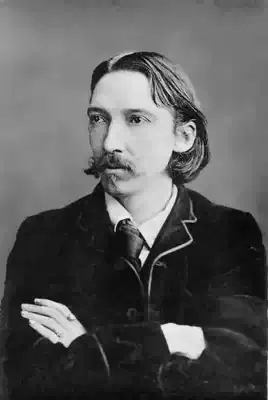
Robert Louis Stevenson
To Willie and Henrietta
To Willie and Henrietta
If two may read aright
These rhymes of old delight
And house and garden play,
You too, my cousins, and you only, may.
You in a garden green
With me were king and queen,
Were hunter, soldier, tar,
And all the thousand things that children are.
Now in the elders' seat
We rest with quiet feet,
And from the window-bay
We watch the children, our successors, play.
"Time was," the golden head
Irrevocably said;
But time which one can bind,
While flowing fast away, leaves love behind.
If two may read aright
These rhymes of old delight
And house and garden play,
You too, my cousins, and you only, may.
You in a garden green
With me were king and queen,
Were hunter, soldier, tar,
And all the thousand things that children are.
Now in the elders' seat
We rest with quiet feet,
And from the window-bay
We watch the children, our successors, play.
"Time was," the golden head
Irrevocably said;
But time which one can bind,
While flowing fast away, leaves love behind.
362
Robert Louis Stevenson
To Any Reader
To Any Reader
As from the house your mother sees
You playing round the garden trees,
So you may see, if you will look
Through the windows of this book,
Another child, far, far away,
And in another garden, play.
But do not think you can at all,
By knocking on the window, call
That child to hear you. He intent
Is all on his play-business bent.
He does not hear; he will not look,
Nor yet be lured out of this book.
For, long ago, the truth to say,
He has grown up and gone away,
And it is but a child of air
That lingers in the garden there.
As from the house your mother sees
You playing round the garden trees,
So you may see, if you will look
Through the windows of this book,
Another child, far, far away,
And in another garden, play.
But do not think you can at all,
By knocking on the window, call
That child to hear you. He intent
Is all on his play-business bent.
He does not hear; he will not look,
Nor yet be lured out of this book.
For, long ago, the truth to say,
He has grown up and gone away,
And it is but a child of air
That lingers in the garden there.
363
Robert Louis Stevenson
The Swing
The Swing
How do you like to go up in a swing,
Up in the air so blue?
Oh, I do think it the pleasantest thing
Ever a child can do!
Up in the air and over the wall,
Till I can see so wide,
River and trees and cattle and all
Over the countryside--
Till I look down on the garden green,
Down on the roof so brown--
Up in the air I go flying again,
Up in the air and down!
How do you like to go up in a swing,
Up in the air so blue?
Oh, I do think it the pleasantest thing
Ever a child can do!
Up in the air and over the wall,
Till I can see so wide,
River and trees and cattle and all
Over the countryside--
Till I look down on the garden green,
Down on the roof so brown--
Up in the air I go flying again,
Up in the air and down!
327
Robert Louis Stevenson
The Land of Story-Books
The Land of Story-Books
At evening when the lamp is lit,
Around the fire my parents sit;
They sit at home and talk and sing,
And do not play at anything.
Now, with my little gun, I crawl
All in the dark along the wall,
And follow round the forest track
Away behind the sofa back.
There, in the night, where none can spy,
All in my hunter's camp I lie,
And play at books that I have read
Till it is time to go to bed.
These are the hills, these are the woods,
These are my starry solitudes;
And there the river by whose brink
The roaring lions come to drink.
I see the others far away
As if in firelit camp they lay,
And I, like to an Indian scout,
Around their party prowled about.
So when my nurse comes in for me,
Home I return across the sea,
And go to bed with backward looks
At my dear land of Story-books.
At evening when the lamp is lit,
Around the fire my parents sit;
They sit at home and talk and sing,
And do not play at anything.
Now, with my little gun, I crawl
All in the dark along the wall,
And follow round the forest track
Away behind the sofa back.
There, in the night, where none can spy,
All in my hunter's camp I lie,
And play at books that I have read
Till it is time to go to bed.
These are the hills, these are the woods,
These are my starry solitudes;
And there the river by whose brink
The roaring lions come to drink.
I see the others far away
As if in firelit camp they lay,
And I, like to an Indian scout,
Around their party prowled about.
So when my nurse comes in for me,
Home I return across the sea,
And go to bed with backward looks
At my dear land of Story-books.
381
Robert Louis Stevenson
The Land of Counterpane
The Land of Counterpane
When I was sick and lay a-bed,
I had two pillows at my head,
And all my toys beside me lay,
To keep me happy all the day.
And sometimes for an hour or so
I watched my leaden soldiers go,
With different uniforms and drills,
Among the bed-clothes, through the hills;
And sometimes sent my ships in fleets
All up and down among the sheets;
Or brought my trees and houses out,
And planted cities all about.
I was the giant great and still
That sits upon the pillow-hill,
And sees before him, dale and plain,
The pleasant land of counterpane.
When I was sick and lay a-bed,
I had two pillows at my head,
And all my toys beside me lay,
To keep me happy all the day.
And sometimes for an hour or so
I watched my leaden soldiers go,
With different uniforms and drills,
Among the bed-clothes, through the hills;
And sometimes sent my ships in fleets
All up and down among the sheets;
Or brought my trees and houses out,
And planted cities all about.
I was the giant great and still
That sits upon the pillow-hill,
And sees before him, dale and plain,
The pleasant land of counterpane.
339
Robert Louis Stevenson
The Dumb Soldier
The Dumb Soldier
When the grass was closely mown,
Walking on the lawn alone,
In the turf a hole I found
And hid a soldier underground.
Spring and daisies came apace;
Grasses hid my hiding-place;
Grasses run like a green sea
O'er the lawn up to my knee.
Under grass alone he lies,
Looking up with leaden eyes,
Scarlet coat and pointed gun,
To the stars and to the sun.
When the grass is ripe like grain,
When the scythe is stoned again,
When the lawn is shaven clear,
Then my hole shall reappear.
I shall find him, never fear,
I shall find my grenadier;
But, for all that's gone and come,
I shall find my soldier dumb.
He has lived, a little thing,
In the grassy woods of spring;
Done, if he could tell me true,
Just as I should like to do.
He has seen the starry hours
And the springing of the flowers;
And the fairy things that pass
In the forests of the grass.
In the silence he has heard
Talking bee and ladybird,
And the butterfly has flown
O'er him as he lay alone.
Not a word will he disclose,
Not a word of all he knows.
I must lay him on the shelf,
And make up the tale myself.
When the grass was closely mown,
Walking on the lawn alone,
In the turf a hole I found
And hid a soldier underground.
Spring and daisies came apace;
Grasses hid my hiding-place;
Grasses run like a green sea
O'er the lawn up to my knee.
Under grass alone he lies,
Looking up with leaden eyes,
Scarlet coat and pointed gun,
To the stars and to the sun.
When the grass is ripe like grain,
When the scythe is stoned again,
When the lawn is shaven clear,
Then my hole shall reappear.
I shall find him, never fear,
I shall find my grenadier;
But, for all that's gone and come,
I shall find my soldier dumb.
He has lived, a little thing,
In the grassy woods of spring;
Done, if he could tell me true,
Just as I should like to do.
He has seen the starry hours
And the springing of the flowers;
And the fairy things that pass
In the forests of the grass.
In the silence he has heard
Talking bee and ladybird,
And the butterfly has flown
O'er him as he lay alone.
Not a word will he disclose,
Not a word of all he knows.
I must lay him on the shelf,
And make up the tale myself.
316
Robert Louis Stevenson
Sonnet III
Sonnet III
I have a hoard of treasure in my breast;
The grange of memory steams against the door,
Full of my bygone lifetime's garnered store -
Old pleasures crowned with sorrow for a zest,
Old sorrow grown a joy, old penance blest,
Chastened remembrance of the sins of yore
That, like a new evangel, more and more
Supports our halting will toward the best.
Ah! what to us the barren after years
May bring of joy or sorrow, who can tell?
O, knowing not, who cares? It may be well
That we shall find old pleasures and old fears,
And our remembered childhood seen thro' tears,
The best of Heaven and the worst of Hell.
I have a hoard of treasure in my breast;
The grange of memory steams against the door,
Full of my bygone lifetime's garnered store -
Old pleasures crowned with sorrow for a zest,
Old sorrow grown a joy, old penance blest,
Chastened remembrance of the sins of yore
That, like a new evangel, more and more
Supports our halting will toward the best.
Ah! what to us the barren after years
May bring of joy or sorrow, who can tell?
O, knowing not, who cares? It may be well
That we shall find old pleasures and old fears,
And our remembered childhood seen thro' tears,
The best of Heaven and the worst of Hell.
374
Robert Louis Stevenson
Picture-Books in Winter
Picture-Books in Winter
Summer fading, winter comes--
Frosty mornings, tingling thumbs,
Window robins, winter rooks,
And the picture story-books.
Water now is turned to stone
Nurse and I can walk upon;
Still we find the flowing brooks
In the picture story-books.
All the pretty things put by,
Wait upon the children's eye,
Sheep and shepherds, trees and crooks,
In the picture story-books.
We may see how all things are
Seas and cities, near and far,
And the flying fairies' looks,
In the picture story-books.
How am I to sing your praise,
Happy chimney-corner days,
Sitting safe in nursery nooks,
Reading picture story-books?
Summer fading, winter comes--
Frosty mornings, tingling thumbs,
Window robins, winter rooks,
And the picture story-books.
Water now is turned to stone
Nurse and I can walk upon;
Still we find the flowing brooks
In the picture story-books.
All the pretty things put by,
Wait upon the children's eye,
Sheep and shepherds, trees and crooks,
In the picture story-books.
We may see how all things are
Seas and cities, near and far,
And the flying fairies' looks,
In the picture story-books.
How am I to sing your praise,
Happy chimney-corner days,
Sitting safe in nursery nooks,
Reading picture story-books?
418
Robert Louis Stevenson
My Ship and I
My Ship and I
O it's I that am the captain of a tidy little ship,
Of a ship that goes a sailing on the pond;
And my ship it keeps a-turning all around and all about;
But when I'm a little older, I shall find the secret out
How to send my vessel sailing on beyond.
For I mean to grow a little as the dolly at the helm,
And the dolly I intend to come alive;
And with him beside to help me, it's a-sailing I shall go,
It's a-sailing on the water, when the jolly breezes blow
And the vessel goes a dive-dive-dive.
O it's then you'll see me sailing through the rushes and the reeds,
And you'll hear the water singing at the prow;
For beside the dolly sailor, I'm to voyage and explore,
To land upon the island where no dolly was before,
And to fire the penny cannon in the bow.
O it's I that am the captain of a tidy little ship,
Of a ship that goes a sailing on the pond;
And my ship it keeps a-turning all around and all about;
But when I'm a little older, I shall find the secret out
How to send my vessel sailing on beyond.
For I mean to grow a little as the dolly at the helm,
And the dolly I intend to come alive;
And with him beside to help me, it's a-sailing I shall go,
It's a-sailing on the water, when the jolly breezes blow
And the vessel goes a dive-dive-dive.
O it's then you'll see me sailing through the rushes and the reeds,
And you'll hear the water singing at the prow;
For beside the dolly sailor, I'm to voyage and explore,
To land upon the island where no dolly was before,
And to fire the penny cannon in the bow.
374
Robert Louis Stevenson
Foreign Lands
Foreign Lands
Up into the cherry tree
Who should climb but little me?
I held the trunk with both my hands
And looked abroad in foreign lands.
I saw the next door garden lie,
Adorned with flowers, before my eye,
And many pleasant places more
That I had never seen before.
I saw the dimpling river pass
And be the sky's blue looking-glass;
The dusty roads go up and down
With people tramping in to town.
If I could find a higher tree
Farther and farther I should see,
To where the grown-up river slips
Into the sea among the ships,
To where the road on either hand
Lead onward into fairy land,
Where all the children dine at five,
And all the playthings come alive.
Up into the cherry tree
Who should climb but little me?
I held the trunk with both my hands
And looked abroad in foreign lands.
I saw the next door garden lie,
Adorned with flowers, before my eye,
And many pleasant places more
That I had never seen before.
I saw the dimpling river pass
And be the sky's blue looking-glass;
The dusty roads go up and down
With people tramping in to town.
If I could find a higher tree
Farther and farther I should see,
To where the grown-up river slips
Into the sea among the ships,
To where the road on either hand
Lead onward into fairy land,
Where all the children dine at five,
And all the playthings come alive.
1,558
Robert Louis Stevenson
Farewell to the Farm
Farewell to the Farm
The coach is at the door at last;
The eager children, mounting fast
And kissing hands, in chorus sing:
Good-bye, good-bye, to everything!
To house and garden, field and lawn,
The meadow-gates we swang upon,
To pump and stable, tree and swing,
Good-bye, good-bye, to everything!
And fare you well for evermore,
O ladder at the hayloft door,
O hayloft where the cobwebs cling,
Good-bye, good-bye, to everything!
Crack goes the whip, and off we go;
The trees and houses smaller grow;
Last, round the woody turn we sing:
Good-bye, good-bye, to everything!
The coach is at the door at last;
The eager children, mounting fast
And kissing hands, in chorus sing:
Good-bye, good-bye, to everything!
To house and garden, field and lawn,
The meadow-gates we swang upon,
To pump and stable, tree and swing,
Good-bye, good-bye, to everything!
And fare you well for evermore,
O ladder at the hayloft door,
O hayloft where the cobwebs cling,
Good-bye, good-bye, to everything!
Crack goes the whip, and off we go;
The trees and houses smaller grow;
Last, round the woody turn we sing:
Good-bye, good-bye, to everything!
364
Robert Louis Stevenson
Envoy For A Child's Garden Of Verses
Envoy For "A Child's Garden Of Verses"
WHETHER upon the garden seat
You lounge with your uplifted feet
Under the May's whole Heaven of blue;
Or whether on the sofa you,
No grown up person being by,
Do some soft corner occupy;
Take you this volume in your hands
And enter into other lands,
For lo! (as children feign) suppose
You, hunting in the garden rows,
Or in the lumbered attic, or
The cellar - a nail-studded door
And dark, descending stairway found
That led to kingdoms underground:
There standing, you should hear with ease
Strange birds a-singing, or the trees
Swing in big robber woods, or bells
On many fairy citadels:
There passing through (a step or so -
Neither mamma nor nurse need know!)
From your nice nurseries you would pass,
Like Alice through the Looking-Glass
Or Gerda following Little Ray,
To wondrous countries far away.
Well, and just so this volume can
Transport each little maid or man
Presto from where they live away
Where other children used to play.
As from the house your mother sees
You playing round the garden trees,
So you may see if you but look
Through the windows of this book
Another child far, far away
And in another garden play.
But do not think you can at all,
By knocking on the window, call
That child to hear you. He intent
Is still on his play-business bent.
He does not hear, he will not look,
Nor yet be lured out of this book.
For long ago, the truth to say,
He has grown up and gone away;
And it is but a child of air
That lingers in the garden there.
WHETHER upon the garden seat
You lounge with your uplifted feet
Under the May's whole Heaven of blue;
Or whether on the sofa you,
No grown up person being by,
Do some soft corner occupy;
Take you this volume in your hands
And enter into other lands,
For lo! (as children feign) suppose
You, hunting in the garden rows,
Or in the lumbered attic, or
The cellar - a nail-studded door
And dark, descending stairway found
That led to kingdoms underground:
There standing, you should hear with ease
Strange birds a-singing, or the trees
Swing in big robber woods, or bells
On many fairy citadels:
There passing through (a step or so -
Neither mamma nor nurse need know!)
From your nice nurseries you would pass,
Like Alice through the Looking-Glass
Or Gerda following Little Ray,
To wondrous countries far away.
Well, and just so this volume can
Transport each little maid or man
Presto from where they live away
Where other children used to play.
As from the house your mother sees
You playing round the garden trees,
So you may see if you but look
Through the windows of this book
Another child far, far away
And in another garden play.
But do not think you can at all,
By knocking on the window, call
That child to hear you. He intent
Is still on his play-business bent.
He does not hear, he will not look,
Nor yet be lured out of this book.
For long ago, the truth to say,
He has grown up and gone away;
And it is but a child of air
That lingers in the garden there.
360
Robert Louis Stevenson
A Good Play
A Good Play
We built a ship upon the stairs
All made of the back-bedroom chairs,
And filled it full of soft pillows
To go a-sailing on the billows.
We took a saw and several nails,
And water in the nursery pails;
And Tom said, "Let us also take
An apple and a slice of cake;"--
Which was enough for Tom and me
To go a-sailing on, till tea.
We sailed along for days and days,
And had the very best of plays;
But Tom fell out and hurt his knee,
So there was no one left but me.
We built a ship upon the stairs
All made of the back-bedroom chairs,
And filled it full of soft pillows
To go a-sailing on the billows.
We took a saw and several nails,
And water in the nursery pails;
And Tom said, "Let us also take
An apple and a slice of cake;"--
Which was enough for Tom and me
To go a-sailing on, till tea.
We sailed along for days and days,
And had the very best of plays;
But Tom fell out and hurt his knee,
So there was no one left but me.
414

Robert Frost
Birches
Birches
When I see birches bend to left and right
Across the lines of straighter darker trees,
I like to think some boy's been swinging them.
But swinging doesn't bend them down to stay.
Ice-storms do that. Often you must have seen them
Loaded with ice a sunny winter morning
After a rain. They click upon themselves
As the breeze rises, and turn many-coloured
As the stir cracks and crazes their enamel.
Soon the sun's warmth makes them shed crystal shells
Shattering and avalanching on the snow-crust
Such heaps of broken glass to sweep away
You'd think the inner dome of heaven had fallen.
They are dragged to the withered bracken by the load,
And they seem not to break; though once they are bowed
So low for long, they never right themselves:
You may see their trunks arching in the woods
Years afterwards, trailing their leaves on the ground,
Like girls on hands and knees that throw their hair
Before them over their heads to dry in the sun.
But I was going to say when Truth broke in
With all her matter-of-fact about the ice-storm,
I should prefer to have some boy bend them
As he went out and in to fetch the cows--
Some boy too far from town to learn baseball,
Whose only play was what he found himself,
Summer or winter, and could play alone.
One by one he subdued his father's trees
By riding them down over and over again
Until he took the stiffness out of them,
And not one but hung limp, not one was left
For him to conquer. He learned all there was
To learn about not launching out too soon
And so not carrying the tree away
Clear to the ground. He always kept his poise
To the top branches, climbing carefully
With the same pains you use to fill a cup
Up to the brim, and even above the brim.
Then he flung outward, feet first, with a swish,
Kicking his way down through the air to the ground.
So was I once myself a swinger of birches.
And so I dream of going back to be.
It's when I'm weary of considerations,
And life is too much like a pathless wood
Where your face burns and tickles with the cobwebs
Broken across it, and one eye is weeping
From a twig's having lashed across it open.
I'd like to get away from earth awhile
And then come back to it and begin over.
May no fate willfully misunderstand me
And half grant what I wish and snatch me away
Not to return. Earth's the right place for love:
I don't know where it's likely to go better.
I'd like to go by climbing a birch tree
And climb black branches up a snow-white trunk
Toward heaven, till the tree could bear no more,
But dipped its top and set me down again.
That would be good both going and coming back.
One could do worse than be a swinger of birches.
When I see birches bend to left and right
Across the lines of straighter darker trees,
I like to think some boy's been swinging them.
But swinging doesn't bend them down to stay.
Ice-storms do that. Often you must have seen them
Loaded with ice a sunny winter morning
After a rain. They click upon themselves
As the breeze rises, and turn many-coloured
As the stir cracks and crazes their enamel.
Soon the sun's warmth makes them shed crystal shells
Shattering and avalanching on the snow-crust
Such heaps of broken glass to sweep away
You'd think the inner dome of heaven had fallen.
They are dragged to the withered bracken by the load,
And they seem not to break; though once they are bowed
So low for long, they never right themselves:
You may see their trunks arching in the woods
Years afterwards, trailing their leaves on the ground,
Like girls on hands and knees that throw their hair
Before them over their heads to dry in the sun.
But I was going to say when Truth broke in
With all her matter-of-fact about the ice-storm,
I should prefer to have some boy bend them
As he went out and in to fetch the cows--
Some boy too far from town to learn baseball,
Whose only play was what he found himself,
Summer or winter, and could play alone.
One by one he subdued his father's trees
By riding them down over and over again
Until he took the stiffness out of them,
And not one but hung limp, not one was left
For him to conquer. He learned all there was
To learn about not launching out too soon
And so not carrying the tree away
Clear to the ground. He always kept his poise
To the top branches, climbing carefully
With the same pains you use to fill a cup
Up to the brim, and even above the brim.
Then he flung outward, feet first, with a swish,
Kicking his way down through the air to the ground.
So was I once myself a swinger of birches.
And so I dream of going back to be.
It's when I'm weary of considerations,
And life is too much like a pathless wood
Where your face burns and tickles with the cobwebs
Broken across it, and one eye is weeping
From a twig's having lashed across it open.
I'd like to get away from earth awhile
And then come back to it and begin over.
May no fate willfully misunderstand me
And half grant what I wish and snatch me away
Not to return. Earth's the right place for love:
I don't know where it's likely to go better.
I'd like to go by climbing a birch tree
And climb black branches up a snow-white trunk
Toward heaven, till the tree could bear no more,
But dipped its top and set me down again.
That would be good both going and coming back.
One could do worse than be a swinger of birches.
416
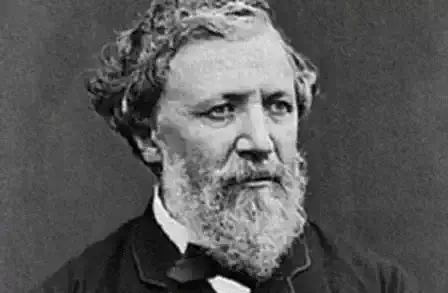
Robert Browning
Overhead the Tree-Tops Meet
Overhead the Tree-Tops Meet
Overhead the tree-tops meet,
Flowers and grass spring 'neath one's feet;
There was nought above me, and nought below,
My childhood had not learned to know:
For what are the voices of birds
—Ay, and of beasts,—but words—our words,
Only so much more sweet?
The knowledge of that with my life begun!
But I had so near made out the sun,
And counted your stars, the Seven and One,
Like the fingers of my hand:
Nay, I could all but understand
Wherefore through heaven the white moon ranges,
And just when out of her soft fifty changes
No unfamiliar face might overlook me—
Suddenly God took me!
Overhead the tree-tops meet,
Flowers and grass spring 'neath one's feet;
There was nought above me, and nought below,
My childhood had not learned to know:
For what are the voices of birds
—Ay, and of beasts,—but words—our words,
Only so much more sweet?
The knowledge of that with my life begun!
But I had so near made out the sun,
And counted your stars, the Seven and One,
Like the fingers of my hand:
Nay, I could all but understand
Wherefore through heaven the white moon ranges,
And just when out of her soft fifty changes
No unfamiliar face might overlook me—
Suddenly God took me!
269
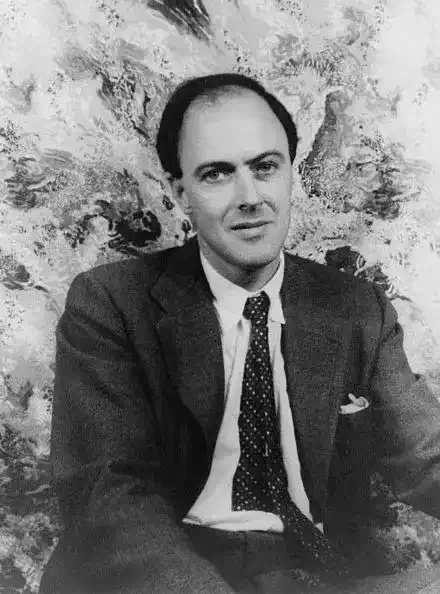
Roald Dahl
Of dragons, gypsies, queens, and whales
Of dragons, gypsies, queens, and whales
And treasure isles, and distant shores
Where smugglers rowed with muffled oars,
And pirates wearing purple pants,
And sailing ships and elephants,
And cannibals crouching 'round the pot,
Stirring away at something hot.
(It smells so good, what can it be?
Good gracious, it's Penelope.)
The younger ones had Beatrix Potter
With Mr. Tod, the dirty rotter,
And Squirrel Nutkin, Pigling Bland,
And Mrs. Tiggy-Winkle and-
Just How The Camel Got His Hump,
And How the Monkey Lost His Rump,
And Mr. Toad, and bless my soul,
There's Mr. Rat and Mr. Mole-
Oh, books, what books they used to know,
Those children living long ago!
So please, oh please, we beg, we pray,
Go throw your TV set away,
And in its place you can install
A lovely bookshelf on the wall.
Then fill the shelves with lots of books,
Ignoring all the dirty looks,
The screams and yells, the bites and kicks,
And children hitting you with sticks-
Fear not, because we promise you
That, in about a week or two
Of having nothing else to do,
They'll now begin to feel the need
Of having something to read.
And once they start -- oh boy, oh boy!
You watch the slowly growing joy
That fills their hearts. They'll grow so keen
They'll wonder what they'd ever seen
In that ridiculous machine,
That nauseating, foul, unclean,
Repulsive television screen!
And later, each and every kid
Will love you more for what you did.
And treasure isles, and distant shores
Where smugglers rowed with muffled oars,
And pirates wearing purple pants,
And sailing ships and elephants,
And cannibals crouching 'round the pot,
Stirring away at something hot.
(It smells so good, what can it be?
Good gracious, it's Penelope.)
The younger ones had Beatrix Potter
With Mr. Tod, the dirty rotter,
And Squirrel Nutkin, Pigling Bland,
And Mrs. Tiggy-Winkle and-
Just How The Camel Got His Hump,
And How the Monkey Lost His Rump,
And Mr. Toad, and bless my soul,
There's Mr. Rat and Mr. Mole-
Oh, books, what books they used to know,
Those children living long ago!
So please, oh please, we beg, we pray,
Go throw your TV set away,
And in its place you can install
A lovely bookshelf on the wall.
Then fill the shelves with lots of books,
Ignoring all the dirty looks,
The screams and yells, the bites and kicks,
And children hitting you with sticks-
Fear not, because we promise you
That, in about a week or two
Of having nothing else to do,
They'll now begin to feel the need
Of having something to read.
And once they start -- oh boy, oh boy!
You watch the slowly growing joy
That fills their hearts. They'll grow so keen
They'll wonder what they'd ever seen
In that ridiculous machine,
That nauseating, foul, unclean,
Repulsive television screen!
And later, each and every kid
Will love you more for what you did.
293
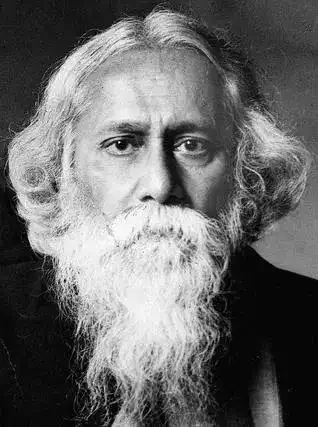
Rabindranath Tagore
The Astronomer
The Astronomer
I only said, "When in the evening the round full moon gets
entangled among the beaches of that Dadam tree, couldn't somebody
catch it?"
But dada laughed at me and said, "Baby, you are the silliest
child I have ever known. The moon is ever so far from us, how could
anybody catch it?"
I said, "Dada, how foolish you are! When mother looks out of
her window and smiles down at us playing, would you call her far
away?"
Still dada said, "You are a stupid child! But, baby where
could you find a net big enough to catch the moon with?"
I said, "Surely you could catch it with your hands."
But dada laughed and said, "You are the silliest child I have
known. If it came nearer, you would see how big the moon is."
I said, "Dada, what nonsense they teach at your school! When
mother bends her face down to kiss us, does her face look very
big?"
But still dada says, "You are a stupid child."
I only said, "When in the evening the round full moon gets
entangled among the beaches of that Dadam tree, couldn't somebody
catch it?"
But dada laughed at me and said, "Baby, you are the silliest
child I have ever known. The moon is ever so far from us, how could
anybody catch it?"
I said, "Dada, how foolish you are! When mother looks out of
her window and smiles down at us playing, would you call her far
away?"
Still dada said, "You are a stupid child! But, baby where
could you find a net big enough to catch the moon with?"
I said, "Surely you could catch it with your hands."
But dada laughed and said, "You are the silliest child I have
known. If it came nearer, you would see how big the moon is."
I said, "Dada, what nonsense they teach at your school! When
mother bends her face down to kiss us, does her face look very
big?"
But still dada says, "You are a stupid child."
505
Rabindranath Tagore
Playthings
Playthings
Child, how happy you are sitting in the dust, playing with a broken twig all the
morning.
I smile at your play with that little bit of a broken twig.
I am busy with my accounts, adding up figures by the hour.
Perhaps you glance at me and think, "What a stupid game to spoil your morning
with!"
Child, I have forgotten the art of being absorbed in sticks and mud-pies.
I seek out costly playthings, and gather lumps of gold and silver.
With whatever you find you create your glad games, I spend both my time and my
strength over things I never can obtain.
In my frail canoe I struggle to cross the sea of desire, and forget that I too am
playing a game.
Child, how happy you are sitting in the dust, playing with a broken twig all the
morning.
I smile at your play with that little bit of a broken twig.
I am busy with my accounts, adding up figures by the hour.
Perhaps you glance at me and think, "What a stupid game to spoil your morning
with!"
Child, I have forgotten the art of being absorbed in sticks and mud-pies.
I seek out costly playthings, and gather lumps of gold and silver.
With whatever you find you create your glad games, I spend both my time and my
strength over things I never can obtain.
In my frail canoe I struggle to cross the sea of desire, and forget that I too am
playing a game.
640
Rabindranath Tagore
Paper Boats
Paper Boats
Day by day I float my paper boats one by one down the running
stream.
In bid black letters I write my name on them and the name of
the village where I live.
I hope that someone in some strange land will find them and
know who I am.
I load my little boats with shiuli flower from our garden, and
hope that these blooms of the dawn will be carried safely to land
in the night.
I launch my paper boats and look up into the sky and see the
little clouds setting thee white bulging sails.
I know not what playmate of mine in the sky sends them down
the air to race with my boats!
When night comes I bury my face in my arms and dream that my
paper boats float on and on under the midnight stars.
The fairies of sleep are sailing in them, and the lading ins
their baskets full of dreams.
Day by day I float my paper boats one by one down the running
stream.
In bid black letters I write my name on them and the name of
the village where I live.
I hope that someone in some strange land will find them and
know who I am.
I load my little boats with shiuli flower from our garden, and
hope that these blooms of the dawn will be carried safely to land
in the night.
I launch my paper boats and look up into the sky and see the
little clouds setting thee white bulging sails.
I know not what playmate of mine in the sky sends them down
the air to race with my boats!
When night comes I bury my face in my arms and dream that my
paper boats float on and on under the midnight stars.
The fairies of sleep are sailing in them, and the lading ins
their baskets full of dreams.
898
Pablo Neruda
Lost In The Forest
Lost In The Forest
Lost in the forest, I broke off a dark twig
and lifted its whisper to my thirsty lips:
maybe it was the voice of the rain crying,
a cracked bell, or a torn heart.
Something from far off it seemed
deep and secret to me, hidden by the earth,
a shout muffled by huge autumns,
by the moist half-open darkness of the leaves.
Wakening from the dreaming forest there, the hazel-sprig
sang under my tongue, its drifting fragrance
climbed up through my conscious mind
as if suddenly the roots I had left behind
cried out to me, the land I had lost with my childhood-and
I stopped, wounded by the wandering scent.
Lost in the forest, I broke off a dark twig
and lifted its whisper to my thirsty lips:
maybe it was the voice of the rain crying,
a cracked bell, or a torn heart.
Something from far off it seemed
deep and secret to me, hidden by the earth,
a shout muffled by huge autumns,
by the moist half-open darkness of the leaves.
Wakening from the dreaming forest there, the hazel-sprig
sang under my tongue, its drifting fragrance
climbed up through my conscious mind
as if suddenly the roots I had left behind
cried out to me, the land I had lost with my childhood-and
I stopped, wounded by the wandering scent.
649
Lewis Carroll
A Boat beneath a Sunny Sky
A Boat beneath a Sunny Sky
A BOAT beneath a sunny sky,
Lingering onward dreamily
In an evening of July Children
three that nestle near,
Eager eye and willing ear,
Pleased a simple tale to hear Long
has paled that sunny sky:
Echoes fade and memories die:
Autumn frosts have slain July.
Still she haunts me, phantomwise,
Alice moving under skies
Never seen by waking eyes.
Children yet, the tale to hear,
Eager eye and willing ear,
Lovingly shall nestle near.
In a Wonderland they lie,
Dreaming as the days go by,
Dreaming as the summers die:
Ever drifting down the stream Lingering
in the golden dream Life,
what is it but a dream?
THE END
A BOAT beneath a sunny sky,
Lingering onward dreamily
In an evening of July Children
three that nestle near,
Eager eye and willing ear,
Pleased a simple tale to hear Long
has paled that sunny sky:
Echoes fade and memories die:
Autumn frosts have slain July.
Still she haunts me, phantomwise,
Alice moving under skies
Never seen by waking eyes.
Children yet, the tale to hear,
Eager eye and willing ear,
Lovingly shall nestle near.
In a Wonderland they lie,
Dreaming as the days go by,
Dreaming as the summers die:
Ever drifting down the stream Lingering
in the golden dream Life,
what is it but a dream?
THE END
184