

Poems in this theme
Humanity and Solidarity
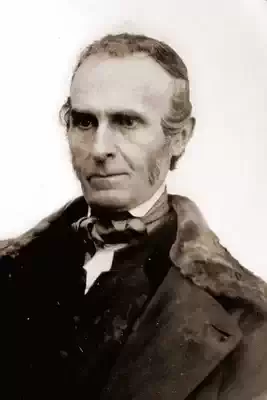
John Greenleaf Whittier
The Men Of Old
The Men Of Old
WELL speed thy mission, bold Iconoclast!
Yet all unworthy of its trust thou art,
If, with dry eye, and cold, unloving heart,
Thou tread'st the solemn Pantheon of the Past,
By the great Future's dazzling hope made blind
To all the beauty, power, and truth behind.
Not without reverent awe shouldst thou put by
The cypress branches and the amaranth blooms,
Where, with clasped hands of prayer, upon their tombs
The effigies of old confessors lie,
God's witnesses; the voices of His will,
Heard in the slow march of the centuries still!
Such were the men at whose rebuking frown,
Dark with God's wrath, the tyrant's knee went down;
Such from the terrors of the guilty drew
The vassal's freedom and the poor man's due.
St. Anselm (may he rest forevermore
In Heaven's sweet peace!) forbade, of old, the sale
Of men as slaves, and from the sacred pale
Hurled the Northumbrian buyers of the poor.
To ransom souls from bonds and evil fate
St. Ambrose melted down the sacred plate, —
Image of saint, the chalice, and the pix,
Crosses of gold, and silver candlesticks.
'Man is worth more than temples!' he replied
To such as came his holy work to chide.
And brave Cesarius, stripping altars bare,
And coining from the Abbey's golden hoard
The captive's freedom, answered to the prayer
Or threat of those whose fierce zeal for the Lord
Stifled their love of man, — 'An earthen dish
The last sad supper of the Master bore:
Most miserable sinners! do ye wish
More than your Lord, and grudge His dying poor
What your own pride and not His need requires?
Souls, than these shining gauds, He values more;
Mercy, not sacrifice, His heart desires!'
O faithful worthies! resting far behind
In your dark ages, since ye fell asleep,
Much has been done for truth and human-kind;
Shadows are scattered wherein ye groped blind;
Man claims his birthright, freer pulses leap
Through peoples driven in your day like sheep;
Yet, like your own, our age's sphere of light,
Though widening still, is walled around by night;
With slow, reluctant eye, the Church has read,
Skeptic at heart, the lessons of its Head;
Counting, too oft, its living members less
Than the wall's garnish and the pulpit's dress;
World-moving zeal with power to bless and feed
Life's fainting pilgrims, to their utter need,
Instead of bread, holds out the stone of creed;
Sect builds and worships where its wealth and pride
And vanity stand shrined and deified,
Careless that in the shadow of its walls
God's living temple into ruin falls.
We need, methinks, the prophet-hero still,
Saints true of life, and martyrs strong of will,
To tread the land, even now, as Xavier trod
The streets of God, barefoot, with his bell,
Proclaiming freedom in the name of God,
And startling tyrants with the fear of hell!
Soft words, smooth prophecies, are doubtless well;
But to rebuke the age's popular crime,
We need the souls of fire, the hearts of that old time!
WELL speed thy mission, bold Iconoclast!
Yet all unworthy of its trust thou art,
If, with dry eye, and cold, unloving heart,
Thou tread'st the solemn Pantheon of the Past,
By the great Future's dazzling hope made blind
To all the beauty, power, and truth behind.
Not without reverent awe shouldst thou put by
The cypress branches and the amaranth blooms,
Where, with clasped hands of prayer, upon their tombs
The effigies of old confessors lie,
God's witnesses; the voices of His will,
Heard in the slow march of the centuries still!
Such were the men at whose rebuking frown,
Dark with God's wrath, the tyrant's knee went down;
Such from the terrors of the guilty drew
The vassal's freedom and the poor man's due.
St. Anselm (may he rest forevermore
In Heaven's sweet peace!) forbade, of old, the sale
Of men as slaves, and from the sacred pale
Hurled the Northumbrian buyers of the poor.
To ransom souls from bonds and evil fate
St. Ambrose melted down the sacred plate, —
Image of saint, the chalice, and the pix,
Crosses of gold, and silver candlesticks.
'Man is worth more than temples!' he replied
To such as came his holy work to chide.
And brave Cesarius, stripping altars bare,
And coining from the Abbey's golden hoard
The captive's freedom, answered to the prayer
Or threat of those whose fierce zeal for the Lord
Stifled their love of man, — 'An earthen dish
The last sad supper of the Master bore:
Most miserable sinners! do ye wish
More than your Lord, and grudge His dying poor
What your own pride and not His need requires?
Souls, than these shining gauds, He values more;
Mercy, not sacrifice, His heart desires!'
O faithful worthies! resting far behind
In your dark ages, since ye fell asleep,
Much has been done for truth and human-kind;
Shadows are scattered wherein ye groped blind;
Man claims his birthright, freer pulses leap
Through peoples driven in your day like sheep;
Yet, like your own, our age's sphere of light,
Though widening still, is walled around by night;
With slow, reluctant eye, the Church has read,
Skeptic at heart, the lessons of its Head;
Counting, too oft, its living members less
Than the wall's garnish and the pulpit's dress;
World-moving zeal with power to bless and feed
Life's fainting pilgrims, to their utter need,
Instead of bread, holds out the stone of creed;
Sect builds and worships where its wealth and pride
And vanity stand shrined and deified,
Careless that in the shadow of its walls
God's living temple into ruin falls.
We need, methinks, the prophet-hero still,
Saints true of life, and martyrs strong of will,
To tread the land, even now, as Xavier trod
The streets of God, barefoot, with his bell,
Proclaiming freedom in the name of God,
And startling tyrants with the fear of hell!
Soft words, smooth prophecies, are doubtless well;
But to rebuke the age's popular crime,
We need the souls of fire, the hearts of that old time!
277
John Greenleaf Whittier
The Golden Wedding Of Longwood
The Golden Wedding Of Longwood
With fifty years between you and your well-kept wedding vow,
The Golden Age, old friends of mine, is not a fable now.
And, sweet as has life's vintage been through all your pleasant past,
Still, as at Cana's marriage-feast, the best wine is the last!
Again before me, with your names, fair Chester's landscape comes,
Its meadows, woods, and ample barns, and quaint, stone-builded homes.
The smooth-shorn vales, the wheaten slopes, the boscage green and soft,
Of which their poet sings so well from towered Cedarcroft.
And lo! from all the country-side come neighbors, kith and kin;
From city, hamlet, farm-house old, the wedding guests come in.
And they who, without scrip or purse, mob-hunted, travel-worn,
In Freedom's age of martyrs came, as victors now return.
Older and slower, yet the same, files in the long array,
And hearts are light and eyes are glad, though heads are badger-gray.
The fire-tried men of Thirty-eight who saw with me the fall,
Midst roaring flames and shouting mob, of Pennsylvania Hall;
And they of Lancaster who turned the cheeks of tyrants pale,
Singing of freedom through the grates of Moyamensing jail!
And haply with them, all unseen, old comrades, gone before,
Pass, silently as shadows pass, within your open door,-
The eagle face of Lindley Coates, brave Garrett's daring zeal,
Christian grace of Pennock, the steadfast heart of Neal.
Ah me! beyond all power to name, the worthies tried and true,
Grave men, fair women, youth and maid, pass by in hushed review.
Of varying faiths, a common cause fused all their hearts in one.
God give them now, whate'er their names, the peace of duty done!
How gladly would I tread again the old-remembered places,
Sit down beside your hearth once more and look in the dear old faces!
And thank you for the lessons your fifty years are teaching,
For honest lives that louder speak than half our noisy preaching;
For your steady faith and courage in that dark and evil time,
When the Golden Rule was treason, and to feed the hungry, crime;
For the poor slave's house of refuge when the hounds were on his track,
And saint and sinner, church and state, joined hands to send him back.
Blessings upon you!--What you did for each sad, suffering one,
So homeless, faint, and naked, unto our Lord was done!
Fair fall on Kennett's pleasant vales and Longwood's bowery ways
The mellow sunset of your lives, friends of my early days.
May many more of quiet years be added to your sum,
And, late at last, in tenderest love, the beckoning angel come.
Dear hearts are here, dear hearts are there, alike below, above;
Our friends are now in either world, and love is sure of love.
With fifty years between you and your well-kept wedding vow,
The Golden Age, old friends of mine, is not a fable now.
And, sweet as has life's vintage been through all your pleasant past,
Still, as at Cana's marriage-feast, the best wine is the last!
Again before me, with your names, fair Chester's landscape comes,
Its meadows, woods, and ample barns, and quaint, stone-builded homes.
The smooth-shorn vales, the wheaten slopes, the boscage green and soft,
Of which their poet sings so well from towered Cedarcroft.
And lo! from all the country-side come neighbors, kith and kin;
From city, hamlet, farm-house old, the wedding guests come in.
And they who, without scrip or purse, mob-hunted, travel-worn,
In Freedom's age of martyrs came, as victors now return.
Older and slower, yet the same, files in the long array,
And hearts are light and eyes are glad, though heads are badger-gray.
The fire-tried men of Thirty-eight who saw with me the fall,
Midst roaring flames and shouting mob, of Pennsylvania Hall;
And they of Lancaster who turned the cheeks of tyrants pale,
Singing of freedom through the grates of Moyamensing jail!
And haply with them, all unseen, old comrades, gone before,
Pass, silently as shadows pass, within your open door,-
The eagle face of Lindley Coates, brave Garrett's daring zeal,
Christian grace of Pennock, the steadfast heart of Neal.
Ah me! beyond all power to name, the worthies tried and true,
Grave men, fair women, youth and maid, pass by in hushed review.
Of varying faiths, a common cause fused all their hearts in one.
God give them now, whate'er their names, the peace of duty done!
How gladly would I tread again the old-remembered places,
Sit down beside your hearth once more and look in the dear old faces!
And thank you for the lessons your fifty years are teaching,
For honest lives that louder speak than half our noisy preaching;
For your steady faith and courage in that dark and evil time,
When the Golden Rule was treason, and to feed the hungry, crime;
For the poor slave's house of refuge when the hounds were on his track,
And saint and sinner, church and state, joined hands to send him back.
Blessings upon you!--What you did for each sad, suffering one,
So homeless, faint, and naked, unto our Lord was done!
Fair fall on Kennett's pleasant vales and Longwood's bowery ways
The mellow sunset of your lives, friends of my early days.
May many more of quiet years be added to your sum,
And, late at last, in tenderest love, the beckoning angel come.
Dear hearts are here, dear hearts are there, alike below, above;
Our friends are now in either world, and love is sure of love.
283
John Greenleaf Whittier
The Female Martyr
The Female Martyr
'BRING out your dead!' The midnight street
Heard and gave back the hoarse, low call;
Harsh fell the tread of hasty feet,
Glanced through the dark the coarse white sheet,
Her coffin and her pall.
'What--only one!' the brutal hack-man said,
As, with an oath, he spurned away the dead.
How sunk the inmost hearts of all,
As rolled that dead-cart slowly by,
With creaking wheel and harsh hoof-fall!
The dying turned him to the wall,
To hear it and to die!
Onward it rolled; while oft its driver stayed,
And hoarsely clamored, 'Ho! bring out your dead.'
It paused beside the burial-place;
'Toss in your load!' and it was done.
With quick hand and averted face,
Hastily to the grave's embrace
They cast them, one by one,
Stranger and friend, the evil and the just,
Together trodden in the churchyard dust.
And thou, young martyr! thou wast there;
No white-robed sisters round thee trod,
Nor holy hymn, nor funeral prayer
Rose through the damp and noisome air,
Giving thee to thy God;
Nor flower, nor cross, nor hallowed taper gave
Grace to the dead, and beauty to the grave!
Yet, gentle sufferer! there shall be,
In every heart of kindly feeling,
A rite as holy paid to thee
As if beneath the convent-tree
Thy sisterhood were kneeling,
At vesper hours, like sorrowing angels, keeping
Their tearful watch around thy place of sleeping.
For thou wast one in whom the light
Of Heaven's own love was kindled well;
Enduring with a martyr's might,
Through weary day and wakeful night,
Far more than words may tell
Gentle, and meek, and lowly, and unknown,
Thy mercies measured by thy God alone!
Where manly hearts were failing, where
The throngful street grew foul with death,
O high-souled martyr! thou wast there,
Inhaling, from the loathsome air,
Poison with every breath.
Yet shrinking not from offices of dread
For the wrung dying, and the unconscious dead.
And, where the sickly taper shed
Its light through vapors, damp, confined,
Hushed as a seraph's fell thy tread,
A new Electra by the bed
Of suffering human-kind!
Pointing the spirit, in its dark dismay,
To that pure hope which fadeth not away.
Innocent teacher of the high
And holy mysteries of Heaven!
How turned to thee each glazing eye,
In mute and awful sympathy,
As thy low prayers were given;
And the o'er-hovering Spoiler wore, the while,
An angel's features, a deliverer's smile!
A blessed task! and worthy one
Who, turning from the world, as thou,
Before life's pathway had begun
To leave its spring-time flower and sun,
Had sealed her early vow;
Giving to God her beauty and her youth,
Her pure affections and her guileless truth.
Earth may not claim thee. Nothing here
Could be for thee a meet reward;
Thine is a treasure far more dear
Eye hath not seen it, nor the ear
Of living mortal heard
The joys prepared, the promised bliss above,
The holy presence of Eternal Love!
Sleep on in peace. The earth has not
A nobler name than thine shall be.
The deeds by martial manhood wrought,
The lofty energies of thought,
The fire of poesy,
These have but frail and fading honors; thine
Shall Time unto Eternity consign.
Yea, and when thrones shall crumble down,
And human pride and grandeur fall,
The herald's line of long renown,
The mitre and the kingly crown,-Perishing
glories all!
The pure devotion of thy generous heart
Shall live in Heaven, of which it was a part.
'BRING out your dead!' The midnight street
Heard and gave back the hoarse, low call;
Harsh fell the tread of hasty feet,
Glanced through the dark the coarse white sheet,
Her coffin and her pall.
'What--only one!' the brutal hack-man said,
As, with an oath, he spurned away the dead.
How sunk the inmost hearts of all,
As rolled that dead-cart slowly by,
With creaking wheel and harsh hoof-fall!
The dying turned him to the wall,
To hear it and to die!
Onward it rolled; while oft its driver stayed,
And hoarsely clamored, 'Ho! bring out your dead.'
It paused beside the burial-place;
'Toss in your load!' and it was done.
With quick hand and averted face,
Hastily to the grave's embrace
They cast them, one by one,
Stranger and friend, the evil and the just,
Together trodden in the churchyard dust.
And thou, young martyr! thou wast there;
No white-robed sisters round thee trod,
Nor holy hymn, nor funeral prayer
Rose through the damp and noisome air,
Giving thee to thy God;
Nor flower, nor cross, nor hallowed taper gave
Grace to the dead, and beauty to the grave!
Yet, gentle sufferer! there shall be,
In every heart of kindly feeling,
A rite as holy paid to thee
As if beneath the convent-tree
Thy sisterhood were kneeling,
At vesper hours, like sorrowing angels, keeping
Their tearful watch around thy place of sleeping.
For thou wast one in whom the light
Of Heaven's own love was kindled well;
Enduring with a martyr's might,
Through weary day and wakeful night,
Far more than words may tell
Gentle, and meek, and lowly, and unknown,
Thy mercies measured by thy God alone!
Where manly hearts were failing, where
The throngful street grew foul with death,
O high-souled martyr! thou wast there,
Inhaling, from the loathsome air,
Poison with every breath.
Yet shrinking not from offices of dread
For the wrung dying, and the unconscious dead.
And, where the sickly taper shed
Its light through vapors, damp, confined,
Hushed as a seraph's fell thy tread,
A new Electra by the bed
Of suffering human-kind!
Pointing the spirit, in its dark dismay,
To that pure hope which fadeth not away.
Innocent teacher of the high
And holy mysteries of Heaven!
How turned to thee each glazing eye,
In mute and awful sympathy,
As thy low prayers were given;
And the o'er-hovering Spoiler wore, the while,
An angel's features, a deliverer's smile!
A blessed task! and worthy one
Who, turning from the world, as thou,
Before life's pathway had begun
To leave its spring-time flower and sun,
Had sealed her early vow;
Giving to God her beauty and her youth,
Her pure affections and her guileless truth.
Earth may not claim thee. Nothing here
Could be for thee a meet reward;
Thine is a treasure far more dear
Eye hath not seen it, nor the ear
Of living mortal heard
The joys prepared, the promised bliss above,
The holy presence of Eternal Love!
Sleep on in peace. The earth has not
A nobler name than thine shall be.
The deeds by martial manhood wrought,
The lofty energies of thought,
The fire of poesy,
These have but frail and fading honors; thine
Shall Time unto Eternity consign.
Yea, and when thrones shall crumble down,
And human pride and grandeur fall,
The herald's line of long renown,
The mitre and the kingly crown,-Perishing
glories all!
The pure devotion of thy generous heart
Shall live in Heaven, of which it was a part.
246
John Greenleaf Whittier
The Exiles. 1660
The Exiles. 1660
The goodman sat beside his door
One sultry afternoon,
With his young wife singing at his side
An old and goodly tune.
A glimmer of heat was in the air,The
dark green woods were still;
And the skirts of a heavy thunder-cloud
Hung over the western hill.
Black, thick, and vast arose that cloud
Above the wilderness,
As some dark world from upper air
Were stooping over this.
At times the solemn thunder pealed,
And all was still again,
Save a low murmur in the air
Of coming wind and rain.
Just as the first big rain-drop fell,
A weary stranger came,
And stood before the farmer's door,
With travel soiled and lame.
Sad seemed he, yet sustaining hope
Was in his quiet glance,
And peace, like autumn's moonlight, clothed
His tranquil countenance,
A look, like that his Master wore
In Pilate's council-hall:
It told of wrongs, but of a love
Meekly forgiving all.
'Friend! wilt thou give me shelter here?'
The stranger meekly said;
And, leaning on his oaken staff,
The goodman's features read.
'My life is hunted,-evil men
Are following in my track;
The traces of the torturer's whip
Are on my aged back;
'And much, I fear, 't will peril thee
Within thy doors to take
A hunted seeker of the Truth,
Oppressed for conscience' sake.'
Oh, kindly spoke the goodman's wife,
'Come in, old man!' quoth she,
'We will not leave thee to the storm,
Whoever thou mayst be.'
Then came the aged wanderer in,
And silent sat him down;
While all within grew dark as night
Beneath the storm-cloud's frown.
But while the sudden lightning's blaze
Filled every cottage nook,
And with the jarring thunder-roll
The loosened casements shook,
A heavy tramp of horses' feet
Came sounding up the lane,
And half a score of horse, or more,
Came plunging through the rain.
'Now, Goodman Macy, ope thy door,We
would not be house-breakers;
A rueful deed thou'st done this day,
In harboring banished Quakers.'
Out looked the cautious goodman then,
With much of fear and awe,
For there, with broad wig drenched with rain
The parish priest he saw.
Open thy door, thou wicked man,
And let thy pastor in,
And give God thanks, if forty stripes
Repay thy deadly sin.'
'What seek ye?' quoth the goodman;
'The stranger is my guest;
He is worn with toil and grievous wrong,Pray
let the old man rest.'
'Now, out upon thee, canting knave!'
And strong hands shook the door.
'Believe me, Macy,' quoth the priest,
'Thou 'lt rue thy conduct sore.'
Then kindled Macy's eye of fire
'No priest who walks the earth,
Shall pluck away the stranger-guest
Made welcome to my hearth.'
Down from his cottage wall he caught
The matchlock, hotly tried
At Preston-pans and Marston-moor,
By fiery Ireton's side;
Where Puritan, and Cavalier,
With shout and psalm contended;
And Rupert's oath, and Cromwell's prayer,
With battle-thunder blended.
Up rose the ancient stranger then
'My spirit is not free
To bring the wrath and violence
Of evil men on thee;
'And for thyself, I pray forbear,
Bethink thee of thy Lord,
Who healed again the smitten ear,
And sheathed His follower's sword.
'I go, as to the slaughter led.
Friends of the poor, farewell!'
Beneath his hand the oaken door
Back on its hinges fell.
'Come forth, old graybeard, yea and nay,'
The reckless scoffers cried,
As to a horseman's saddle-bow
The old man's arms were tied.
And of his bondage hard and long
In Boston's crowded jail,
Where suffering woman's prayer was heard,
With sickening childhood's wail,
It suits not with our tale to tell;
Those scenes have passed away;
Let the dim shadows of the past
Brood o'er that evil day.
'Ho, sheriff!' quoth the ardent priest,
'Take Goodman Macy too;
The sin of this day's heresy
His back or purse shall rue.'
'Now, goodwife, haste thee!' Macy cried.
She caught his manly arm;
Behind, the parson urged pursuit,
With outcry and alarm.
Ho! speed the Macys, neck or naught,The
river-course was near;
The plashing on its pebbled shore
Was music to their ear.
A gray rock, tasselled o'er with birch,
Above the waters hung,
And at its base, with every wave,
A small light wherry swung.
A leap-they gain the boat-and there
The goodman wields his oar;
'Ill luck betide them all,' he cried,
'The laggards on the shore.'
Down through the crashing underwood,
The burly sheriff came:'
Stand, Goodman Macy, yield thyself;
Yield in the King's own name.'
'Now out upon thy hangman's face!'
Bold Macy answered then,'
Whip women, on the village green,
But meddle not with men.'
The priest came panting to the shore,
His grave cocked hat was gone;
Behind him, like some owl's nest, hung
His wig upon a thorn.
'Come back,-come back!' the parson cried,
'The church's curse beware.'
'Curse, an' thou wilt,' said Macy, 'but
Thy blessing prithee spare.'
'Vile scoffer!' cried the baffled priest,
'Thou 'lt yet the gallows see.'
'Who's born to be hanged will not be drowned,'
Quoth Macy, merrily;
'And so, sir sheriff and priest, good-by!'
He bent him to his oar,
And the small boat glided quietly
From the twain upon the shore.
Now in the west, the heavy clouds
Scattered and fell asunder,
While feebler came the rush of rain,
And fainter growled the thunder.
And through the broken clouds, the sun
Looked out serene and warm,
Painting its holy symbol-light
Upon the passing storm.
Oh, beautiful! that rainbow span,
O'er dim Crane-neck was bended;
One bright foot touched the eastern hills,
And one with ocean blended.
By green Pentucket's southern'slope
The small boat glided fast;
The watchers of the Block-house saw
The strangers as they passed.
That night a stalwart garrison
Sat shaking in their shoes,
To hear the dip of Indian oars,
The glide of birch canoes.
The fisher-wives of SalisburyThe
men were all awayLooked
out to see the stranger oar
Upon their waters play.
Deer-Island's rocks and fir-trees threw
Their sunset-shadows o'er them,
And Newbury's spire and weathercock
Peered o'er the pines before them.
Around the Black Rocks, on their left,
The marsh lay broad and green;
And on their right, with dwarf shrubs crowned,
Plum Island's hills were seen.
With skilful hand and wary eye
The harbor-bar was crossed;
A plaything of the restless wave,
The boat on ocean tossed.
The glory of the sunset heaven
On land and water lay;
On the steep hills of Agawam,
On cape, and bluff, and bay.
They passed the gray rocks of Cape Ann,
And Gloucester's harbor-bar;
The watch-fire of the garrison
Shone like a setting star.
How brightly broke the morning
On Massachusetts Bay!
Blue wave, and bright green island,
Rejoicing in the day.
On passed the bark in safety
Round isle and headland steep;
No tempest broke above them,
No fog-cloud veiled the deep.
Far round the bleak and stormy Cape
The venturous Macy passed,
And on Nantucket's naked isle
Drew up his boat at last.
And how, in log-built cabin,
They braved the rough sea-weather;
And there, in peace and quietness,
Went down life's vale together;
How others drew around them,
And how their fishing sped,
Until to every wind of heaven
Nantucket's sails were spread;
How pale Want alternated
With Plenty's golden smile;
Behold, is it not written
In the annals of the isle?
And yet that isle remaineth
A refuge of the free,
As when true-hearted Macy
Beheld it from the sea.
Free as the winds that winnow
Her shrubless hills of sand,
Free as the waves that batter
Along her yielding land.
Than hers, at duty's summons,
No loftier spirit stirs,
Nor falls o'er human suffering
A readier tear then hers.
God bless the sea-beat island!
And grant forevermore,
That charity and freedom dwell
As now upon her shore!
The goodman sat beside his door
One sultry afternoon,
With his young wife singing at his side
An old and goodly tune.
A glimmer of heat was in the air,The
dark green woods were still;
And the skirts of a heavy thunder-cloud
Hung over the western hill.
Black, thick, and vast arose that cloud
Above the wilderness,
As some dark world from upper air
Were stooping over this.
At times the solemn thunder pealed,
And all was still again,
Save a low murmur in the air
Of coming wind and rain.
Just as the first big rain-drop fell,
A weary stranger came,
And stood before the farmer's door,
With travel soiled and lame.
Sad seemed he, yet sustaining hope
Was in his quiet glance,
And peace, like autumn's moonlight, clothed
His tranquil countenance,
A look, like that his Master wore
In Pilate's council-hall:
It told of wrongs, but of a love
Meekly forgiving all.
'Friend! wilt thou give me shelter here?'
The stranger meekly said;
And, leaning on his oaken staff,
The goodman's features read.
'My life is hunted,-evil men
Are following in my track;
The traces of the torturer's whip
Are on my aged back;
'And much, I fear, 't will peril thee
Within thy doors to take
A hunted seeker of the Truth,
Oppressed for conscience' sake.'
Oh, kindly spoke the goodman's wife,
'Come in, old man!' quoth she,
'We will not leave thee to the storm,
Whoever thou mayst be.'
Then came the aged wanderer in,
And silent sat him down;
While all within grew dark as night
Beneath the storm-cloud's frown.
But while the sudden lightning's blaze
Filled every cottage nook,
And with the jarring thunder-roll
The loosened casements shook,
A heavy tramp of horses' feet
Came sounding up the lane,
And half a score of horse, or more,
Came plunging through the rain.
'Now, Goodman Macy, ope thy door,We
would not be house-breakers;
A rueful deed thou'st done this day,
In harboring banished Quakers.'
Out looked the cautious goodman then,
With much of fear and awe,
For there, with broad wig drenched with rain
The parish priest he saw.
Open thy door, thou wicked man,
And let thy pastor in,
And give God thanks, if forty stripes
Repay thy deadly sin.'
'What seek ye?' quoth the goodman;
'The stranger is my guest;
He is worn with toil and grievous wrong,Pray
let the old man rest.'
'Now, out upon thee, canting knave!'
And strong hands shook the door.
'Believe me, Macy,' quoth the priest,
'Thou 'lt rue thy conduct sore.'
Then kindled Macy's eye of fire
'No priest who walks the earth,
Shall pluck away the stranger-guest
Made welcome to my hearth.'
Down from his cottage wall he caught
The matchlock, hotly tried
At Preston-pans and Marston-moor,
By fiery Ireton's side;
Where Puritan, and Cavalier,
With shout and psalm contended;
And Rupert's oath, and Cromwell's prayer,
With battle-thunder blended.
Up rose the ancient stranger then
'My spirit is not free
To bring the wrath and violence
Of evil men on thee;
'And for thyself, I pray forbear,
Bethink thee of thy Lord,
Who healed again the smitten ear,
And sheathed His follower's sword.
'I go, as to the slaughter led.
Friends of the poor, farewell!'
Beneath his hand the oaken door
Back on its hinges fell.
'Come forth, old graybeard, yea and nay,'
The reckless scoffers cried,
As to a horseman's saddle-bow
The old man's arms were tied.
And of his bondage hard and long
In Boston's crowded jail,
Where suffering woman's prayer was heard,
With sickening childhood's wail,
It suits not with our tale to tell;
Those scenes have passed away;
Let the dim shadows of the past
Brood o'er that evil day.
'Ho, sheriff!' quoth the ardent priest,
'Take Goodman Macy too;
The sin of this day's heresy
His back or purse shall rue.'
'Now, goodwife, haste thee!' Macy cried.
She caught his manly arm;
Behind, the parson urged pursuit,
With outcry and alarm.
Ho! speed the Macys, neck or naught,The
river-course was near;
The plashing on its pebbled shore
Was music to their ear.
A gray rock, tasselled o'er with birch,
Above the waters hung,
And at its base, with every wave,
A small light wherry swung.
A leap-they gain the boat-and there
The goodman wields his oar;
'Ill luck betide them all,' he cried,
'The laggards on the shore.'
Down through the crashing underwood,
The burly sheriff came:'
Stand, Goodman Macy, yield thyself;
Yield in the King's own name.'
'Now out upon thy hangman's face!'
Bold Macy answered then,'
Whip women, on the village green,
But meddle not with men.'
The priest came panting to the shore,
His grave cocked hat was gone;
Behind him, like some owl's nest, hung
His wig upon a thorn.
'Come back,-come back!' the parson cried,
'The church's curse beware.'
'Curse, an' thou wilt,' said Macy, 'but
Thy blessing prithee spare.'
'Vile scoffer!' cried the baffled priest,
'Thou 'lt yet the gallows see.'
'Who's born to be hanged will not be drowned,'
Quoth Macy, merrily;
'And so, sir sheriff and priest, good-by!'
He bent him to his oar,
And the small boat glided quietly
From the twain upon the shore.
Now in the west, the heavy clouds
Scattered and fell asunder,
While feebler came the rush of rain,
And fainter growled the thunder.
And through the broken clouds, the sun
Looked out serene and warm,
Painting its holy symbol-light
Upon the passing storm.
Oh, beautiful! that rainbow span,
O'er dim Crane-neck was bended;
One bright foot touched the eastern hills,
And one with ocean blended.
By green Pentucket's southern'slope
The small boat glided fast;
The watchers of the Block-house saw
The strangers as they passed.
That night a stalwart garrison
Sat shaking in their shoes,
To hear the dip of Indian oars,
The glide of birch canoes.
The fisher-wives of SalisburyThe
men were all awayLooked
out to see the stranger oar
Upon their waters play.
Deer-Island's rocks and fir-trees threw
Their sunset-shadows o'er them,
And Newbury's spire and weathercock
Peered o'er the pines before them.
Around the Black Rocks, on their left,
The marsh lay broad and green;
And on their right, with dwarf shrubs crowned,
Plum Island's hills were seen.
With skilful hand and wary eye
The harbor-bar was crossed;
A plaything of the restless wave,
The boat on ocean tossed.
The glory of the sunset heaven
On land and water lay;
On the steep hills of Agawam,
On cape, and bluff, and bay.
They passed the gray rocks of Cape Ann,
And Gloucester's harbor-bar;
The watch-fire of the garrison
Shone like a setting star.
How brightly broke the morning
On Massachusetts Bay!
Blue wave, and bright green island,
Rejoicing in the day.
On passed the bark in safety
Round isle and headland steep;
No tempest broke above them,
No fog-cloud veiled the deep.
Far round the bleak and stormy Cape
The venturous Macy passed,
And on Nantucket's naked isle
Drew up his boat at last.
And how, in log-built cabin,
They braved the rough sea-weather;
And there, in peace and quietness,
Went down life's vale together;
How others drew around them,
And how their fishing sped,
Until to every wind of heaven
Nantucket's sails were spread;
How pale Want alternated
With Plenty's golden smile;
Behold, is it not written
In the annals of the isle?
And yet that isle remaineth
A refuge of the free,
As when true-hearted Macy
Beheld it from the sea.
Free as the winds that winnow
Her shrubless hills of sand,
Free as the waves that batter
Along her yielding land.
Than hers, at duty's summons,
No loftier spirit stirs,
Nor falls o'er human suffering
A readier tear then hers.
God bless the sea-beat island!
And grant forevermore,
That charity and freedom dwell
As now upon her shore!
293
John Greenleaf Whittier
The Conquest Of Finland
The Conquest Of Finland
ACROSS the frozen marshes
The winds of autumn blow,
And the fen-lands of the Wetter
Are white with early snow.
But where the low, gray headlands
Look o'er the Baltic brine,
A bark is sailing in the track
Of England's battle-line.
No wares hath she to barter
For Bothnia's fish and grain;
She saileth not for pleasure,
She saileth not for gain.
But still by isle or mainland
She drops her, anchor down,
Where'er the British cannon
Rained fire on tower and town.
Outspake the ancient Amtman,
At the gate of Helsingfors:
'Why comes this ship a-spying
In the track of England's wars?'
'God bless her,' said the coast-guard, —
'God bless the ship, I say.
The holy angels trim the sails
That speed her on her way!
'Where'er she drops her anchor,
The peasant's heart is glad;
Where'er she spreads her parting sail,
The peasant's heart is sad.
'Each wasted town and hamlet
She visits to restore;
To roof the shattered cabin,
And feed the starving poor.
' The sunken boats of fishers,
The foraged beeves and grain,
The spoil of flake and storehouse,
The good ship brings again.
'And so to Finland's sorrow
The sweet amend is made,
As if the healing hand of Christ
Upon her wounds were laid!'
Then said the gray old Amtman,
'The will of God be done!
The battle lost by England's hate,
By England's love is won!
'We braved the iron tempest
That thundered on our shore;
But when did kindness fail to find
The key to Finland's door?
'No more from Aland's ramparts
Shall warning signal come,
Nor startled Sweaborg hear again
The roll of midnight drum.
'Beside our fierce Black Eagle
The Dove of Peace shall rest;
And in the mouths of cannon
The sea-bird make her nest.
'For Finland, looking seaward,
No coming foe shall scan;
And the holy bells of Abo
Shall ring, 'Good-will to man!'
'Then row thy boat, O fisher!
In peace on lake and bay;
And thou, young maiden, dance again
Around the poles of May!
'Sit down, old men, together,
Old wives, in quiet spin;
Henceforth the Anglo-Saxon
Is the brother of the Finn!'
ACROSS the frozen marshes
The winds of autumn blow,
And the fen-lands of the Wetter
Are white with early snow.
But where the low, gray headlands
Look o'er the Baltic brine,
A bark is sailing in the track
Of England's battle-line.
No wares hath she to barter
For Bothnia's fish and grain;
She saileth not for pleasure,
She saileth not for gain.
But still by isle or mainland
She drops her, anchor down,
Where'er the British cannon
Rained fire on tower and town.
Outspake the ancient Amtman,
At the gate of Helsingfors:
'Why comes this ship a-spying
In the track of England's wars?'
'God bless her,' said the coast-guard, —
'God bless the ship, I say.
The holy angels trim the sails
That speed her on her way!
'Where'er she drops her anchor,
The peasant's heart is glad;
Where'er she spreads her parting sail,
The peasant's heart is sad.
'Each wasted town and hamlet
She visits to restore;
To roof the shattered cabin,
And feed the starving poor.
' The sunken boats of fishers,
The foraged beeves and grain,
The spoil of flake and storehouse,
The good ship brings again.
'And so to Finland's sorrow
The sweet amend is made,
As if the healing hand of Christ
Upon her wounds were laid!'
Then said the gray old Amtman,
'The will of God be done!
The battle lost by England's hate,
By England's love is won!
'We braved the iron tempest
That thundered on our shore;
But when did kindness fail to find
The key to Finland's door?
'No more from Aland's ramparts
Shall warning signal come,
Nor startled Sweaborg hear again
The roll of midnight drum.
'Beside our fierce Black Eagle
The Dove of Peace shall rest;
And in the mouths of cannon
The sea-bird make her nest.
'For Finland, looking seaward,
No coming foe shall scan;
And the holy bells of Abo
Shall ring, 'Good-will to man!'
'Then row thy boat, O fisher!
In peace on lake and bay;
And thou, young maiden, dance again
Around the poles of May!
'Sit down, old men, together,
Old wives, in quiet spin;
Henceforth the Anglo-Saxon
Is the brother of the Finn!'
256
John Greenleaf Whittier
The Christian Slave
The Christian Slave
A CHRISTIAN! going, gone!
Who bids for God's own image? for his grace,
Which that poor victim of the market-place
Hath in her suffering won?
My God! can such things be?
Hast Thou not said that whatsoe'er is done
Unto Thy weakest and Thy humblest one
Is even done to Thee?
In that sad victim, then,
Child of Thy pitying love, I see Thee stand;
Once more the jest-word of a mocking band,
Bound, sold, and scourged again!
A Christian up for sale!
Wet with her blood your whips, o'ertask her frame,
Make her life loathsome with your wrong and shame, Her patience shall not fail!
A heathen hand might deal
Back on your heads the gathered wrong of years:
But her low, broken prayer and nightly tears,
Ye neither heed nor feel.
Con well thy lesson o'er,
Thou prudent teacher, tell the toiling slave
No dangerous tale of Him who came to save
The outcast and the poor.
But wisely shut the ray
Of God's free Gospel from her simple heart,
And to her darkened mind alone impart
One stern command, Obey!3
So shalt thou deftly raise
The market price of human flesh; and while
On thee, their pampered guest, the planters smile,
Thy church shall praise.
Grave, reverend men shall tell
From Northern pulpits how thy work was blest,
While in that vile South Sodom first and best,
Thy poor disciples. sell.
Oh, shame! the Moslem thrall,
Who, with his master, to the Prophet kneels,
While turning to the sacred Kebla feels
His fetters break and fall.
Cheers for the turbaned Bey
Of robber-peopled Tunis! he hath torn
The dark slave-dungeons open, and hath borne
Their inmates into day:
But our poor slave in vain.
Turns to the Christian shrine his aching eyes;
Its rites will only swell his market price,
And rivet on his chain.
God of all right! how long
Shall priestly robbers at Thine altar stand,
Lifting in prayer to Thee, the bloody hand
And haughty brow of wrong?
Oh, from the fields of cane,
From the low rice-swamp, from the trader's cell;
From the black slave-ship's foul and loathsome hell,
And coffle's weary chain;
Hoarse, horrible, and strong,
Rises to Heaven that agonizing cry,
Filling the arches of the hollow sky,
How long, O God, how long?
A CHRISTIAN! going, gone!
Who bids for God's own image? for his grace,
Which that poor victim of the market-place
Hath in her suffering won?
My God! can such things be?
Hast Thou not said that whatsoe'er is done
Unto Thy weakest and Thy humblest one
Is even done to Thee?
In that sad victim, then,
Child of Thy pitying love, I see Thee stand;
Once more the jest-word of a mocking band,
Bound, sold, and scourged again!
A Christian up for sale!
Wet with her blood your whips, o'ertask her frame,
Make her life loathsome with your wrong and shame, Her patience shall not fail!
A heathen hand might deal
Back on your heads the gathered wrong of years:
But her low, broken prayer and nightly tears,
Ye neither heed nor feel.
Con well thy lesson o'er,
Thou prudent teacher, tell the toiling slave
No dangerous tale of Him who came to save
The outcast and the poor.
But wisely shut the ray
Of God's free Gospel from her simple heart,
And to her darkened mind alone impart
One stern command, Obey!3
So shalt thou deftly raise
The market price of human flesh; and while
On thee, their pampered guest, the planters smile,
Thy church shall praise.
Grave, reverend men shall tell
From Northern pulpits how thy work was blest,
While in that vile South Sodom first and best,
Thy poor disciples. sell.
Oh, shame! the Moslem thrall,
Who, with his master, to the Prophet kneels,
While turning to the sacred Kebla feels
His fetters break and fall.
Cheers for the turbaned Bey
Of robber-peopled Tunis! he hath torn
The dark slave-dungeons open, and hath borne
Their inmates into day:
But our poor slave in vain.
Turns to the Christian shrine his aching eyes;
Its rites will only swell his market price,
And rivet on his chain.
God of all right! how long
Shall priestly robbers at Thine altar stand,
Lifting in prayer to Thee, the bloody hand
And haughty brow of wrong?
Oh, from the fields of cane,
From the low rice-swamp, from the trader's cell;
From the black slave-ship's foul and loathsome hell,
And coffle's weary chain;
Hoarse, horrible, and strong,
Rises to Heaven that agonizing cry,
Filling the arches of the hollow sky,
How long, O God, how long?
299
John Greenleaf Whittier
The Branded Hand
The Branded Hand
WELCOME home again, brave seaman! with thy thoughtful brow and gray,
And the old heroic spirit of our earlier, better day;
With that front of calm endurance, on whose steady nerve in vain
Pressed the iron of the prison, smote the fiery shafts of pain!
Is the tyrant's brand upon thee? Did the brutal cravens aim
To make God's truth thy falsehood, His holiest work thy shame?
When, all blood-quenched, from the torture the iron was withdrawn,
How laughed their evil angel the baffled fools to scorn!
They change to wrong the duty which God hath written out
On the great heart of humanity, too legible for doubt!
They, the loathsome moral lepers, blotched from footsole up to crown,
Give to shame what God hath given unto honor and renown!
Why, that brand is highest honor! than its traces never yet
Upon old armorial hatchments was a prouder blazon set;
And thy unborn generations, as they tread our rocky strand,
Shall tell with pride the story of their father's branded hand!
As the Templar home was welcome, bearing back from Syrian wars
The scars of Arab lances and of Paynim scimitars,
The pallor of the prison, and the shackle's crimson span,
So we meet thee, so we greet thee, truest friend of God and man.
He suffered for the ransom of the dear Redeemer's grave,
Thou for His living presence in the bound and bleeding slave;
He for a soil no longer by the feet of angels trod,
Thou for the true Shechinah, the present home of God!
For, while the jurist, sitting with the slave-whip o'er him swung,
From the tortured truths of freedom the lie of slavery wrung,
And the solemn priest to Moloch, on each God-deserted shrine,
Broke the bondman's heart for bread, poured the bondman's blood for wine;
While the multitude in blindness to a far-off Saviour knelt
And spurned, the while, the temple where a present Saviour dwelt;
Thou beheld'st Him in the task-field, in the prison shadows dim,
And thy mercy to the bondman, it was mercy unto Him!
In thy lone and long night-watches, sky above and wave below,
Thou didst learn a higher wisdom than the babbling schoolmen know;
God's stars and silence taught thee, as His angels only can,
That the one sole sacred thing beneath the cope of heaven is Man!
That he who treads profanely on the scrolls of law and creed,
In the depth of God's great goodness may find mercy in his need;
But woe to him who crushes the soul with chain and rod,
And herds with lower natures the awful form of God!.
Then lift that manly right-hand, bold ploughman of the wave!
Its branded palm shall prophesy, 'Salvation to the Slave!'
Hold up its fire-wrought language, that whoso reads may feel
His heart swell strong within him, his sinews change to steel.
Hold it up before our sunshine, up against our Northern air;
Ho! men of Massachusetts, for the love of God, look there!
Take it henceforth for your standard, like the Bruce's heart of yore,
In the dark strife closing round ye, let that hand be seen before!
And the masters of the slave-land shall tremble at that sign,
When it points its finger Southward along the Puritan line
Can the craft of State avail them? Can a Christless church withstand,
In the van of Freedom's onset, the coming of that hand?
WELCOME home again, brave seaman! with thy thoughtful brow and gray,
And the old heroic spirit of our earlier, better day;
With that front of calm endurance, on whose steady nerve in vain
Pressed the iron of the prison, smote the fiery shafts of pain!
Is the tyrant's brand upon thee? Did the brutal cravens aim
To make God's truth thy falsehood, His holiest work thy shame?
When, all blood-quenched, from the torture the iron was withdrawn,
How laughed their evil angel the baffled fools to scorn!
They change to wrong the duty which God hath written out
On the great heart of humanity, too legible for doubt!
They, the loathsome moral lepers, blotched from footsole up to crown,
Give to shame what God hath given unto honor and renown!
Why, that brand is highest honor! than its traces never yet
Upon old armorial hatchments was a prouder blazon set;
And thy unborn generations, as they tread our rocky strand,
Shall tell with pride the story of their father's branded hand!
As the Templar home was welcome, bearing back from Syrian wars
The scars of Arab lances and of Paynim scimitars,
The pallor of the prison, and the shackle's crimson span,
So we meet thee, so we greet thee, truest friend of God and man.
He suffered for the ransom of the dear Redeemer's grave,
Thou for His living presence in the bound and bleeding slave;
He for a soil no longer by the feet of angels trod,
Thou for the true Shechinah, the present home of God!
For, while the jurist, sitting with the slave-whip o'er him swung,
From the tortured truths of freedom the lie of slavery wrung,
And the solemn priest to Moloch, on each God-deserted shrine,
Broke the bondman's heart for bread, poured the bondman's blood for wine;
While the multitude in blindness to a far-off Saviour knelt
And spurned, the while, the temple where a present Saviour dwelt;
Thou beheld'st Him in the task-field, in the prison shadows dim,
And thy mercy to the bondman, it was mercy unto Him!
In thy lone and long night-watches, sky above and wave below,
Thou didst learn a higher wisdom than the babbling schoolmen know;
God's stars and silence taught thee, as His angels only can,
That the one sole sacred thing beneath the cope of heaven is Man!
That he who treads profanely on the scrolls of law and creed,
In the depth of God's great goodness may find mercy in his need;
But woe to him who crushes the soul with chain and rod,
And herds with lower natures the awful form of God!.
Then lift that manly right-hand, bold ploughman of the wave!
Its branded palm shall prophesy, 'Salvation to the Slave!'
Hold up its fire-wrought language, that whoso reads may feel
His heart swell strong within him, his sinews change to steel.
Hold it up before our sunshine, up against our Northern air;
Ho! men of Massachusetts, for the love of God, look there!
Take it henceforth for your standard, like the Bruce's heart of yore,
In the dark strife closing round ye, let that hand be seen before!
And the masters of the slave-land shall tremble at that sign,
When it points its finger Southward along the Puritan line
Can the craft of State avail them? Can a Christless church withstand,
In the van of Freedom's onset, the coming of that hand?
197
John Greenleaf Whittier
The Angels of Buena Vista
The Angels of Buena Vista
Speak and tell us, our Ximena, looking northward far away,
O'er the camp of the invaders, o'er the Mexican array,
Who is losing? who is winning? are they far or come they near?
Look abroad, and tell us, sister, whither rolls the storm we hear.
Down the hills of Angostura still the storm of battle rolls;
Blood is flowing, men are dying; God have mercy on their souls!
'Who is losing? who is winning?' Over hill and over plain,
I see but smoke of cannon clouding through the mountain rain.'
Holy Mother! keep our brothers! Look, Ximena, look once more.
'Still I see the fearful whirlwind rolling darkly as before,
Bearing on, in strange confusion, friend and foeman, foot and horse,
Like some wild and troubled torrent sweeping down its mountain course.'
Look forth once more, Ximena! 'Ah! the smoke has rolled away;
And I see the Northern rifles gleaming down the ranks of gray.
Hark! that sudden blast of bugles! there the troop of Minon wheels;
There the Northern horses thunder, with the cannon at their heels.
'Jesu, pity I how it thickens I now retreat and now advance!
Bight against the blazing cannon shivers Puebla's charging lance!
Down they go, the brave young riders; horse and foot together fall;
Like a ploughshare in the fallow, through them ploughs the Northern ball.'
Nearer came the storm and nearer, rolling fast and frightful on!
Speak, Ximena, speak and tell us, who has lost, and who has won?
Alas! alas! I know not; friend and foe together fall,
O'er the dying rush the living: pray, my sisters, for them all!
'Lo! the wind the smoke is lifting. Blessed Mother, save my brain!
I can see the wounded crawling slowly out from heaps of slain.
Now they stagger, blind and bleeding; now they fall, and strive to rise;
Hasten, sisters, haste and save them, lest they die before our eyes!
'O my hearts love! O my dear one! lay thy poor head on my knee;
Dost thou know the lips that kiss thee? Canst thou hear me? canst thou see?
O my husband, brave and gentle! O my Bernal, look once more
On the blessed cross before thee! Mercy! all is o'er!'
Dry thy tears, my poor Ximena; lay thy dear one down to rest;
Let his hands be meekly folded, lay the cross upon his breast;
Let his dirge be sung hereafter, and his funeral masses said;
To-day, thou poor bereaved one, the living ask thy aid.
Close beside her, faintly moaning, fair and young, a soldier lay,
Torn with shot and pierced with lances, bleeding slow his life away;
But, as tenderly before him the lorn Ximena knelt,
She saw the Northern eagle shining on his pistol-belt.
With a stifled cry of horror straight she turned away her head;
With a sad and bitter feeling looked she back upon her dead;
But she heard the youth's low moaning, and his struggling breath of pain,
And she raised the cooling water to his parching lips again.
Whispered low the dying soldier, pressed her hand and faintly smiled;
Was that pitying face his mother's? did she watch beside her child?
All his stranger words with meaning her woman's heart supplied;
With her kiss upon his forehead, 'Mother!' murmured he, and died!
'A bitter curse upon them, poor boy, who led thee forth,
From some gentle, sad-eyed mother, weeping, lonely, in the North!'
Spake the mournful Mexic woman, as she laid him with her dead,
And turned to soothe the living, and bind the wounds which bled.
'Look forth once more, Ximena!' Like a cloud before the wind
Rolls the battle down the mountains, leaving blood and death behind;
Ah! they plead in vain for mercy; in the dust the wounded strive;
'Hide your faces, holy angels! O thou Christ of God, forgive!'
Sink, O Night, among thy mountains! let the cool, gray shadows fall;
Dying brothers, fighting demons, drop thy curtain over all!
Through the thickening winter twilight, wide apart the battle rolled,
In its sheath the sabre rested, and the cannon's lips grew cold.
But the noble Mexic women still their holy task pursued,
Through that long, dark night of sorrow, worn and faint and lacking food.
Over weak and suffering brothers, with a tender care they hung,
And the dying foeman blessed them in a strange and Northern tongue.
Not wholly lost, O Father! is this evil world of ours;
Upward, through its blood and ashes, spring afresh the Eden flowers;
From its smoking hell of battle, Love and Pity send their prayer,
And still thy white-winged angels hover dimly in our air!
Speak and tell us, our Ximena, looking northward far away,
O'er the camp of the invaders, o'er the Mexican array,
Who is losing? who is winning? are they far or come they near?
Look abroad, and tell us, sister, whither rolls the storm we hear.
Down the hills of Angostura still the storm of battle rolls;
Blood is flowing, men are dying; God have mercy on their souls!
'Who is losing? who is winning?' Over hill and over plain,
I see but smoke of cannon clouding through the mountain rain.'
Holy Mother! keep our brothers! Look, Ximena, look once more.
'Still I see the fearful whirlwind rolling darkly as before,
Bearing on, in strange confusion, friend and foeman, foot and horse,
Like some wild and troubled torrent sweeping down its mountain course.'
Look forth once more, Ximena! 'Ah! the smoke has rolled away;
And I see the Northern rifles gleaming down the ranks of gray.
Hark! that sudden blast of bugles! there the troop of Minon wheels;
There the Northern horses thunder, with the cannon at their heels.
'Jesu, pity I how it thickens I now retreat and now advance!
Bight against the blazing cannon shivers Puebla's charging lance!
Down they go, the brave young riders; horse and foot together fall;
Like a ploughshare in the fallow, through them ploughs the Northern ball.'
Nearer came the storm and nearer, rolling fast and frightful on!
Speak, Ximena, speak and tell us, who has lost, and who has won?
Alas! alas! I know not; friend and foe together fall,
O'er the dying rush the living: pray, my sisters, for them all!
'Lo! the wind the smoke is lifting. Blessed Mother, save my brain!
I can see the wounded crawling slowly out from heaps of slain.
Now they stagger, blind and bleeding; now they fall, and strive to rise;
Hasten, sisters, haste and save them, lest they die before our eyes!
'O my hearts love! O my dear one! lay thy poor head on my knee;
Dost thou know the lips that kiss thee? Canst thou hear me? canst thou see?
O my husband, brave and gentle! O my Bernal, look once more
On the blessed cross before thee! Mercy! all is o'er!'
Dry thy tears, my poor Ximena; lay thy dear one down to rest;
Let his hands be meekly folded, lay the cross upon his breast;
Let his dirge be sung hereafter, and his funeral masses said;
To-day, thou poor bereaved one, the living ask thy aid.
Close beside her, faintly moaning, fair and young, a soldier lay,
Torn with shot and pierced with lances, bleeding slow his life away;
But, as tenderly before him the lorn Ximena knelt,
She saw the Northern eagle shining on his pistol-belt.
With a stifled cry of horror straight she turned away her head;
With a sad and bitter feeling looked she back upon her dead;
But she heard the youth's low moaning, and his struggling breath of pain,
And she raised the cooling water to his parching lips again.
Whispered low the dying soldier, pressed her hand and faintly smiled;
Was that pitying face his mother's? did she watch beside her child?
All his stranger words with meaning her woman's heart supplied;
With her kiss upon his forehead, 'Mother!' murmured he, and died!
'A bitter curse upon them, poor boy, who led thee forth,
From some gentle, sad-eyed mother, weeping, lonely, in the North!'
Spake the mournful Mexic woman, as she laid him with her dead,
And turned to soothe the living, and bind the wounds which bled.
'Look forth once more, Ximena!' Like a cloud before the wind
Rolls the battle down the mountains, leaving blood and death behind;
Ah! they plead in vain for mercy; in the dust the wounded strive;
'Hide your faces, holy angels! O thou Christ of God, forgive!'
Sink, O Night, among thy mountains! let the cool, gray shadows fall;
Dying brothers, fighting demons, drop thy curtain over all!
Through the thickening winter twilight, wide apart the battle rolled,
In its sheath the sabre rested, and the cannon's lips grew cold.
But the noble Mexic women still their holy task pursued,
Through that long, dark night of sorrow, worn and faint and lacking food.
Over weak and suffering brothers, with a tender care they hung,
And the dying foeman blessed them in a strange and Northern tongue.
Not wholly lost, O Father! is this evil world of ours;
Upward, through its blood and ashes, spring afresh the Eden flowers;
From its smoking hell of battle, Love and Pity send their prayer,
And still thy white-winged angels hover dimly in our air!
366
John Greenleaf Whittier
Song Of The Negro Boatman
Song Of The Negro Boatman
Oh, praise an' tanks! De Lord he come
To set de people free;
An' massa tink it day ob doom,
An' we ob jubilee.
De Lord dat heap de Red Sea waves
He jus' as 'trong as den;
He say de word: we las' night slaves;
To-day, de Lord's freemen.
De yam will grow, de cotton blow,
We'll hab de rice an' corn;
Oh nebber you fear, if nebber you hear
De driver blow his horn!
Ole massa on he trabbels gone;
He leaf de land behind:
De Lord's breff blow him furder on,
Like corn-shuck in de wind.
We own de hoe, we own de plough,
We own de hands dat hold;
We sell de pig, we sell de cow,
But nebber chile be sold.
De yam will grow, de cotton blow,
We'll hab de rice an' corn;
Oh nebber you fear, if nebber you hear
De driver blow his horn!
We pray de Lord: he gib us signs
Dat some clay we be free;
De norf-wind tell it to de pines,
De wild-duck to de sea;
We tink it when de church-bell ring,
We dream it in de dream;
De rice-bird mean it when he sing,
De eagle when he scream.
De yam will grow, de cotton blow,
We'll hab de rice an' corn:
Oh nebber you fear, if nebber you hear
De driver blow his horn!
We know de promise nebber fail,
An' nebber lie de word;
So like de 'postles in de jail,
We waited for de Lord
An' now he open ebery door,
An' trow away de key;
He tink we lub him so before,
We lub him better free.
De yam will grow, de cotton blow,
He'll gib de rice an' corn;
Oh nebber you fear, if nebber you hear
De driver blow his horn!
So sing our dusky gondoliers;
And with a secret pain,
And smiles that seem akin to tears,
We hear the wild refrain.
We dare not share the negro's trust,
Nor yet his hope deny;
We only know that God is just,
And every wrong shall die.
Rude seems the song; each swarthy face,
Flame-lighted, ruder still:
We start to think that hapless race
Must shape our good or ill;
That laws of changeless justice bind
Oppressor with oppressed;
And, close as sin and suffering joined,
We march to Fate abreast.
Sing on, poor hearts! your chant shall be
Our sign of blight or bloom,
The Vala-song of Liberty,
Or death-rune of our doom!
Oh, praise an' tanks! De Lord he come
To set de people free;
An' massa tink it day ob doom,
An' we ob jubilee.
De Lord dat heap de Red Sea waves
He jus' as 'trong as den;
He say de word: we las' night slaves;
To-day, de Lord's freemen.
De yam will grow, de cotton blow,
We'll hab de rice an' corn;
Oh nebber you fear, if nebber you hear
De driver blow his horn!
Ole massa on he trabbels gone;
He leaf de land behind:
De Lord's breff blow him furder on,
Like corn-shuck in de wind.
We own de hoe, we own de plough,
We own de hands dat hold;
We sell de pig, we sell de cow,
But nebber chile be sold.
De yam will grow, de cotton blow,
We'll hab de rice an' corn;
Oh nebber you fear, if nebber you hear
De driver blow his horn!
We pray de Lord: he gib us signs
Dat some clay we be free;
De norf-wind tell it to de pines,
De wild-duck to de sea;
We tink it when de church-bell ring,
We dream it in de dream;
De rice-bird mean it when he sing,
De eagle when he scream.
De yam will grow, de cotton blow,
We'll hab de rice an' corn:
Oh nebber you fear, if nebber you hear
De driver blow his horn!
We know de promise nebber fail,
An' nebber lie de word;
So like de 'postles in de jail,
We waited for de Lord
An' now he open ebery door,
An' trow away de key;
He tink we lub him so before,
We lub him better free.
De yam will grow, de cotton blow,
He'll gib de rice an' corn;
Oh nebber you fear, if nebber you hear
De driver blow his horn!
So sing our dusky gondoliers;
And with a secret pain,
And smiles that seem akin to tears,
We hear the wild refrain.
We dare not share the negro's trust,
Nor yet his hope deny;
We only know that God is just,
And every wrong shall die.
Rude seems the song; each swarthy face,
Flame-lighted, ruder still:
We start to think that hapless race
Must shape our good or ill;
That laws of changeless justice bind
Oppressor with oppressed;
And, close as sin and suffering joined,
We march to Fate abreast.
Sing on, poor hearts! your chant shall be
Our sign of blight or bloom,
The Vala-song of Liberty,
Or death-rune of our doom!
311
John Greenleaf Whittier
My Triumph
My Triumph
The autumn-time has come;
On woods that dream of bloom,
And over purpling vines,
The low sun fainter shines.
The aster-flower is failing,
The hazel's gold is paling;
Yet overhead more near
The eternal stars appear!
And present gratitude
Insures the future's good,
And for the things I see
I trust the things to be;
That in the paths untrod,
And the long days of God,
My feet shall still be led,
My heart be comforted.
O living friends who love me!
O dear ones gone above me!
Careless of other fame,
I leave to you my name.
Hide it from idle praises,
Save it from evil phrases:
Why, when dear lips that spake it
Are dumb, should strangers wake it?
Let the thick curtain fall;
I better know than all
How little I have gained,
How vast the unattained.
Not by the page word-painted
Let life be banned or sainted:
Deeper than written scroll
The colors of the soul.
Sweeter than any sung
My songs that found no tongue;
Nobler than any fact
My wish that failed of act.
Others shall sing the song,
Others shall right the wrong, -Finish
what I begin,
And all I fail of win.
What matter, I or they?
Mine or another's day,
So the right word be said
And life the sweeter made?
Hail to the coming singers!
Hail to the brave light-bringers!
Forward I reach and share
All that they sing and dare.
The airs of heaven blow o'er me;
A glory shines before me
Of what mankind shall be, -Pure,
generous, brave, and free.
A dream of man and woman
Diviner but still human,
Solving the riddle old,
Shaping the Age of Gold!
The love of God and neighbor;
An equal-handed labor;
The richer life, where beauty
Walks hand in hand with duty.
Ring, bells in unreared steeples,
The joy of unborn peoples!
Sound, trumpets far off blown,
Your triumph is my own!
Parcel and part of all,
I keep the festival,
Fore-reach the good to be,
And share the victory.
I feel the earth move sunward,
I join the great march onward,
And take, by faith, while living,
My freehold of thanksgiving.
The autumn-time has come;
On woods that dream of bloom,
And over purpling vines,
The low sun fainter shines.
The aster-flower is failing,
The hazel's gold is paling;
Yet overhead more near
The eternal stars appear!
And present gratitude
Insures the future's good,
And for the things I see
I trust the things to be;
That in the paths untrod,
And the long days of God,
My feet shall still be led,
My heart be comforted.
O living friends who love me!
O dear ones gone above me!
Careless of other fame,
I leave to you my name.
Hide it from idle praises,
Save it from evil phrases:
Why, when dear lips that spake it
Are dumb, should strangers wake it?
Let the thick curtain fall;
I better know than all
How little I have gained,
How vast the unattained.
Not by the page word-painted
Let life be banned or sainted:
Deeper than written scroll
The colors of the soul.
Sweeter than any sung
My songs that found no tongue;
Nobler than any fact
My wish that failed of act.
Others shall sing the song,
Others shall right the wrong, -Finish
what I begin,
And all I fail of win.
What matter, I or they?
Mine or another's day,
So the right word be said
And life the sweeter made?
Hail to the coming singers!
Hail to the brave light-bringers!
Forward I reach and share
All that they sing and dare.
The airs of heaven blow o'er me;
A glory shines before me
Of what mankind shall be, -Pure,
generous, brave, and free.
A dream of man and woman
Diviner but still human,
Solving the riddle old,
Shaping the Age of Gold!
The love of God and neighbor;
An equal-handed labor;
The richer life, where beauty
Walks hand in hand with duty.
Ring, bells in unreared steeples,
The joy of unborn peoples!
Sound, trumpets far off blown,
Your triumph is my own!
Parcel and part of all,
I keep the festival,
Fore-reach the good to be,
And share the victory.
I feel the earth move sunward,
I join the great march onward,
And take, by faith, while living,
My freehold of thanksgiving.
332
John Greenleaf Whittier
Inscription On A Fountain
Inscription On A Fountain
FOR DOROTHEA L. DIX.
Stranger and traveller,
Drink freely and bestow
A kindly thought on her
Who bade this fountain flow,
Yet hath no other claim
Than as the minister
Of blessing in God's name.
Drink, and in His peace go
FOR DOROTHEA L. DIX.
Stranger and traveller,
Drink freely and bestow
A kindly thought on her
Who bade this fountain flow,
Yet hath no other claim
Than as the minister
Of blessing in God's name.
Drink, and in His peace go
309
John Greenleaf Whittier
In Remembrance Of Joseph Sturge
In Remembrance Of Joseph Sturge
In the fair land o'erwatched by Ischia's mountains,
Across the charmed bay
Whose blue waves keep with Capri's silver fountains
Perpetual holiday,
A king lies dead, his wafer duly eaten,
His gold-bought masses given;
And Rome's great altar smokes with gums to sweeten
Her foulest gift to Heaven.
And while all Naples thrills with mute thanksgiving,
The court of England's queen
For the dead monster so abhorred while living
In mourning garb is seen.
With a true sorrow God rebukes that feigning;
By lone Edgbaston's side
Stands a great city in the sky's sad raining,
Bareheaded and wet-eyed!
Silent for once the restless hive of labor,
Save the low funeral tread,
Or voice of craftsman whispering to his neighbor
The good deeds of the dead.
For him no minster's chant of the immortals
Rose from the lips of sin;
No mitred priest swung back the heavenly portals
To let the white soul in.
But Age and Sickness framed their tearful faces
In the low hovel's door,
And prayers went up from all the dark by-places
And Ghettos of the poor.
The pallid toiler and the negro chattel,
The vagrant of the street,
The human dice wherewith in games of battle
The lords of earth compete,
Touched with a grief that needs no outward draping,
All swelled the long lament,
Of grateful hearts, instead of marble, shaping
His viewless monument!
For never yet, with ritual pomp and splendor,
In the long heretofore,
A heart more loyal, warm, and true, and tender,
Has England's turf closed o'er.
And if there fell from out her grand old steeples
No crash of brazen wail,
The murmurous woe of kindreds, tongues, and peoples
Swept in on every gale.
It came from Holstein's birchen-belted meadows,
And from the tropic calms
Of Indian islands in the sunlit shadows
Of Occidental palms;
From the locked roadsteads of the Bothniaii peasants,
And harbors of the Finn,
Where war's worn victims saw his gentle presence
Come sailing, Christ-like, in,
To seek the lost, to build the old waste places,
To link the hostile shores
Of severing seas, and sow with England's daisies
The moss of Finland's moors.
Thanks for the good man's beautiful example,
Who in the vilest saw
Some sacred crypt or altar of a temple
Still vocal with God's law;
And heard with tender ear the spirit sighing
As from its prison cell,
Praying for pity, like the mournful crying
Of Jonah out of hell.
Not his the golden pen's or lip's persuasion,
But a fine sense of right,
And Truth's directness, meeting each occasion
Straight as a line of light.
His faith and works, like streams that intermingle,
In the same channel ran
The crystal clearness of an eye kept single
Shamed all the frauds of man.
The very gentlest of all human natures
He joined to courage strong,
And love outreaching unto all God's creatures
With sturdy hate of wrong.
Tender as woman, manliness and meekness
In him were so allied
That they who judged him by his strength or weakness
Saw but a single side.
Men failed, betrayed him, but his zeal seemed nourished
By failure and by fall;
Still a large faith in human-kind he cherished,
And in God's love for all.
And now he rests: his greatness and his sweetness
No more shall seem at strife,
And death has moulded into calm completeness
The statue of his life.
Where the dews glisten and the songbirds warble,
His dust to dust is laid,
In Nature's keeping, with no pomp of marble
To shame his modest shade.
The forges glow, the hammers all are ringing;
Beneath its smoky vale,
Hard by, the city of his love is swinging
Its clamorous iron flail.
But round his grave are quietude and beauty,
And the sweet heaven above,-The
fitting symbols of a life of duty
Transfigured into love!
In the fair land o'erwatched by Ischia's mountains,
Across the charmed bay
Whose blue waves keep with Capri's silver fountains
Perpetual holiday,
A king lies dead, his wafer duly eaten,
His gold-bought masses given;
And Rome's great altar smokes with gums to sweeten
Her foulest gift to Heaven.
And while all Naples thrills with mute thanksgiving,
The court of England's queen
For the dead monster so abhorred while living
In mourning garb is seen.
With a true sorrow God rebukes that feigning;
By lone Edgbaston's side
Stands a great city in the sky's sad raining,
Bareheaded and wet-eyed!
Silent for once the restless hive of labor,
Save the low funeral tread,
Or voice of craftsman whispering to his neighbor
The good deeds of the dead.
For him no minster's chant of the immortals
Rose from the lips of sin;
No mitred priest swung back the heavenly portals
To let the white soul in.
But Age and Sickness framed their tearful faces
In the low hovel's door,
And prayers went up from all the dark by-places
And Ghettos of the poor.
The pallid toiler and the negro chattel,
The vagrant of the street,
The human dice wherewith in games of battle
The lords of earth compete,
Touched with a grief that needs no outward draping,
All swelled the long lament,
Of grateful hearts, instead of marble, shaping
His viewless monument!
For never yet, with ritual pomp and splendor,
In the long heretofore,
A heart more loyal, warm, and true, and tender,
Has England's turf closed o'er.
And if there fell from out her grand old steeples
No crash of brazen wail,
The murmurous woe of kindreds, tongues, and peoples
Swept in on every gale.
It came from Holstein's birchen-belted meadows,
And from the tropic calms
Of Indian islands in the sunlit shadows
Of Occidental palms;
From the locked roadsteads of the Bothniaii peasants,
And harbors of the Finn,
Where war's worn victims saw his gentle presence
Come sailing, Christ-like, in,
To seek the lost, to build the old waste places,
To link the hostile shores
Of severing seas, and sow with England's daisies
The moss of Finland's moors.
Thanks for the good man's beautiful example,
Who in the vilest saw
Some sacred crypt or altar of a temple
Still vocal with God's law;
And heard with tender ear the spirit sighing
As from its prison cell,
Praying for pity, like the mournful crying
Of Jonah out of hell.
Not his the golden pen's or lip's persuasion,
But a fine sense of right,
And Truth's directness, meeting each occasion
Straight as a line of light.
His faith and works, like streams that intermingle,
In the same channel ran
The crystal clearness of an eye kept single
Shamed all the frauds of man.
The very gentlest of all human natures
He joined to courage strong,
And love outreaching unto all God's creatures
With sturdy hate of wrong.
Tender as woman, manliness and meekness
In him were so allied
That they who judged him by his strength or weakness
Saw but a single side.
Men failed, betrayed him, but his zeal seemed nourished
By failure and by fall;
Still a large faith in human-kind he cherished,
And in God's love for all.
And now he rests: his greatness and his sweetness
No more shall seem at strife,
And death has moulded into calm completeness
The statue of his life.
Where the dews glisten and the songbirds warble,
His dust to dust is laid,
In Nature's keeping, with no pomp of marble
To shame his modest shade.
The forges glow, the hammers all are ringing;
Beneath its smoky vale,
Hard by, the city of his love is swinging
Its clamorous iron flail.
But round his grave are quietude and beauty,
And the sweet heaven above,-The
fitting symbols of a life of duty
Transfigured into love!
339
John Greenleaf Whittier
I Was A Stranger, And Ye Took Me In
I Was A Stranger, And Ye Took Me In
'Neath skies that winter never knew
The air was full of light and balm,
And warm and soft the Gulf wind blew
Through orange bloom and groves of palm.
A stranger from the frozen North,
Who sought the fount of health in vain,
Sank homeless on the alien earth,
And breathed the languid air with pain.
God's angel came! The tender shade
Of pity made her blue eye dim;
Against her woman's breast she laid
The drooping, fainting head of him.
She bore him to a pleasant room,
Flower-sweet and cool with salt sea air,
And watched beside his bed, for whom
His far-off sisters might not care.
She fanned his feverish brow and smoothed
Its lines of pain with tenderest touch.
With holy hymn and prayer she soothed
The trembling soul that feared so much.
Through her the peace that passeth sight
Came to him, as he lapsed away
As one whose troubled dreams of night
Slide slowly into tranquil day.
The sweetness of the Land of Flowers
Upon his lonely grave she laid
The jasmine dropped its golden showers,
The orange lent its bloom and shade.
And something whispered in her thought,
More sweet than mortal voices be
'The service thou for him hast wrought
O daughter! hath been done for me.'
'Neath skies that winter never knew
The air was full of light and balm,
And warm and soft the Gulf wind blew
Through orange bloom and groves of palm.
A stranger from the frozen North,
Who sought the fount of health in vain,
Sank homeless on the alien earth,
And breathed the languid air with pain.
God's angel came! The tender shade
Of pity made her blue eye dim;
Against her woman's breast she laid
The drooping, fainting head of him.
She bore him to a pleasant room,
Flower-sweet and cool with salt sea air,
And watched beside his bed, for whom
His far-off sisters might not care.
She fanned his feverish brow and smoothed
Its lines of pain with tenderest touch.
With holy hymn and prayer she soothed
The trembling soul that feared so much.
Through her the peace that passeth sight
Came to him, as he lapsed away
As one whose troubled dreams of night
Slide slowly into tranquil day.
The sweetness of the Land of Flowers
Upon his lonely grave she laid
The jasmine dropped its golden showers,
The orange lent its bloom and shade.
And something whispered in her thought,
More sweet than mortal voices be
'The service thou for him hast wrought
O daughter! hath been done for me.'
246
John Greenleaf Whittier
Howard At Atlanta
Howard At Atlanta
RIGHT in the track where Sherman
Ploughed his red furrow,
Out of the narrow cabin,
Up from the cellar's burrow,
Gathered the little black people,
With freedom newly dowered,
Where, beside their Northern teacher,
Stood the soldier, Howard.
He listened and heard the children
Of the poor and long-enslavëd
Reading the words of Jesus,
Singing the songs of David.
Behold! —the dumb lips speaking,
The blind eyes seeing!
Bones of the Prophet's vision
Warmed into being!
Transformed he saw them passing
Their new life's portal!
Almost it seemed the mortal
Put on the immortal.
No more with the beasts of burden,
No more with stone and clod,
But crowned with glory and honor
In the image of God!
There was the human chattel
Its manhood taking;
There, in each dark, brown statue,
A soul was waking!
The man of many battles,
With tears his eyelids pressing,
Stretched over those dusky foreheads
His one-armed blessing.
And he said: 'Who hears can never
Fear for or doubt you;
What shall I tell the children
Up North about you?'
Then ran round a whisper, a murmur,
Some answer devising;
And a little boy stood up: 'General,
Tell'em we're rising!'
O black boy of Atlanta!
But half was spoken:
The slave's chain and the master's
Alike are broken.
The one curse of the races
Held both in tether:
They are rising, — all are rising,
The black and white together!
O brave men and fair women!
Ill comes of hate and scorning:
Shall the dark faces only
Be turned to morning? —
Make Time your sole avenger,
All-healing, all-redressing;
Meet Fate half-way, and make it
A joy and blessing!
RIGHT in the track where Sherman
Ploughed his red furrow,
Out of the narrow cabin,
Up from the cellar's burrow,
Gathered the little black people,
With freedom newly dowered,
Where, beside their Northern teacher,
Stood the soldier, Howard.
He listened and heard the children
Of the poor and long-enslavëd
Reading the words of Jesus,
Singing the songs of David.
Behold! —the dumb lips speaking,
The blind eyes seeing!
Bones of the Prophet's vision
Warmed into being!
Transformed he saw them passing
Their new life's portal!
Almost it seemed the mortal
Put on the immortal.
No more with the beasts of burden,
No more with stone and clod,
But crowned with glory and honor
In the image of God!
There was the human chattel
Its manhood taking;
There, in each dark, brown statue,
A soul was waking!
The man of many battles,
With tears his eyelids pressing,
Stretched over those dusky foreheads
His one-armed blessing.
And he said: 'Who hears can never
Fear for or doubt you;
What shall I tell the children
Up North about you?'
Then ran round a whisper, a murmur,
Some answer devising;
And a little boy stood up: 'General,
Tell'em we're rising!'
O black boy of Atlanta!
But half was spoken:
The slave's chain and the master's
Alike are broken.
The one curse of the races
Held both in tether:
They are rising, — all are rising,
The black and white together!
O brave men and fair women!
Ill comes of hate and scorning:
Shall the dark faces only
Be turned to morning? —
Make Time your sole avenger,
All-healing, all-redressing;
Meet Fate half-way, and make it
A joy and blessing!
289
John Greenleaf Whittier
George L. Stearns
George L. Stearns
He has done the work of a true man,-Crown
him, honor him, love him.
Weep, over him, tears of woman,
Stoop manliest brows above him!
O dusky mothers and daughters,
Vigils of mourning keep for him!
Up in the mountains, and down by the waters,
Lift up your voices and weep for him,
For the warmest of hearts is frozen,
The freest of hands is still;
And the gap in our picked and chosen
The long years may not fill.
No duty could overtask him,
No need his will outrun;
Or ever our lips could ask him,
His hands the work had done.
He forgot his own soul for others,
Himself to his neighbor lending;
He found the Lord in his suffering brothers,
And not in the clouds descending.
So the bed was sweet to die on,
Whence he saw the doors wide swung
Against whose bolted iron
The strength of his life was flung.
And he saw ere his eye was darkened
The sheaves of the harvest-bringing,
And knew while his ear yet hearkened
The voice of the reapers singing.
Ah, well! The world is discreet;
There are plenty to pause and wait;
But here was a man who set his feet
Sometimes in advance of fate;
Plucked off the old bark when the inner
Was slow to renew it,
And put to the Lord's work the sinner
When saints failed to do it.
Never rode to the wrong's redressing
A worthier paladin.
Shall he not hear the blessing,
'Good and faithful, enter in!'
He has done the work of a true man,-Crown
him, honor him, love him.
Weep, over him, tears of woman,
Stoop manliest brows above him!
O dusky mothers and daughters,
Vigils of mourning keep for him!
Up in the mountains, and down by the waters,
Lift up your voices and weep for him,
For the warmest of hearts is frozen,
The freest of hands is still;
And the gap in our picked and chosen
The long years may not fill.
No duty could overtask him,
No need his will outrun;
Or ever our lips could ask him,
His hands the work had done.
He forgot his own soul for others,
Himself to his neighbor lending;
He found the Lord in his suffering brothers,
And not in the clouds descending.
So the bed was sweet to die on,
Whence he saw the doors wide swung
Against whose bolted iron
The strength of his life was flung.
And he saw ere his eye was darkened
The sheaves of the harvest-bringing,
And knew while his ear yet hearkened
The voice of the reapers singing.
Ah, well! The world is discreet;
There are plenty to pause and wait;
But here was a man who set his feet
Sometimes in advance of fate;
Plucked off the old bark when the inner
Was slow to renew it,
And put to the Lord's work the sinner
When saints failed to do it.
Never rode to the wrong's redressing
A worthier paladin.
Shall he not hear the blessing,
'Good and faithful, enter in!'
333
John Greenleaf Whittier
Expostulation
Expostulation
OUR fellow-countrymen in chains!
Slaves, in a land of light and law!
Slaves, crouching on the very plains
Where rolled the storm of Freedom's war!
A groan from Eutaw's haunted wood,
A. wail where Camden's martyrs fell,
By every shrine of patriot blood,
From Moultrie's wall and Jasper's well!
By storied hill and hallowed grot,
By mossy wood and marshy glen,
Whence rang of old the rifle-shot,
And hurrying shout of Marion's men!
The groan of breaking hearts is there,
The falling lash, the fetter's clank!
Slaves, slaves are breathing in that air
Which old De Kalb and Sumter drank!
What, ho! our countrymen in chains!
The whip on woman's shrinking flesh!
Our soil yet reddening with the stains
Caught from her scourging, warm and fresh!
What! mothers from their children riven!
What! God's own image bought and sold!
Americans to market driven,
And bartered as the brute for gold!
Speak! shall their agony of prayer
Come thrilling to our hearts in vain?
To us whose fathers scorned to bear
The paltry menace of a chain;
To us, whose boast is loud and long
Of holy Liberty and Light;
Say, shall these writhing slaves of Wrong
Plead vainly for their plundered Right?
What! shall we send, with lavish breath,
Our sympathies across the wave,
Where Manhood, on the field of death,
Strikes for his freedom or a grave?
Shall prayers go up, and hymns be sung
For Greece, the Moslem fetter spurning,
And millions hail with pen and tongue
Our light on all her altars burning?
Shall Belgium feel, and gallant France,
By Vendome's pile and Schoenbrun's wall,
And Poland, gasping on her lance,
The impulse of our cheering call?
And shall the slave, beneath our eye,
Clank o'er our fields his hateful chain?
And toss his fettered arms on high,
And groan for Freedom's gift, in vain?
Oh, say, shall Prussia's banner be
A refuge for the stricken slave?
And shall the Russian serf go free
By Baikal's lake and Neva's wave?
And shall the wintry-bosomed Dane
Relax the iron hand of pride,
And bid his bondmen cast the chain
From fettered soul and limb aside?
Shall every flap of England's flag
Proclaim that all around are free,
From farthest Ind to each blue crag
That beetles o'er the Western Sea?
And shall we scoff at Europe's kings,
When Freedom's fire is dim with us,
And round our country's altar clings
The damning shade of Slavery's curse?
Go, let us ask of Constantine
To loose his grasp on Poland's throat;
And beg the lord of Mahmoud's line
To spare the struggling Suliote;
Will not the scorching answer come
From turbaned Turk, and scornful Russ
'Go, loose your fettered slaves at home,
Then turn, and ask the like of us!'
Just God! and shall we calmly rest,
The Christian's scorn, the heathen's mirth,
Content to live the lingering jest
And by-word of a mocking Earth?
Shall our own glorious land retain
That curse which Europe scorns to bear?
Shall our own brethren drag the chain
Which not even Russia's menials wear?
Up, then, in Freedom's manly part,
From graybeard eld to fiery youth,
And on the nation's naked heart
Scatter the living coals of Truth!
Up! while ye slumber, deeper yet
The shadow of our fame is growing!
Up! while ye pause, our sun may set
In blood, around our altars flowing!
Oh! rouse ye, ere the storm comes forth,
The gathered wrath of God and man,
Like that which wasted Egypt's earth,
When hail and fire above it ran.
Hear ye no warnings in the air?
Feel ye no earthquake underneath?
Up, up! why will ye slumber where
The sleeper only wakes in death?
Rise now for Freedom! not in strife
Like that your sterner fathers saw,
The awful waste of human life,
The glory and the guilt of war:'
But break the chain, the yoke remove,
And smite to earth Oppression's rod,
With those mild arms of Truth and Love,
Made mighty through the living God!
Down let the shrine of Moloch sink,
And leave no traces where it stood;
Nor longer let its idol drink
His daily cup of human blood;
But rear another altar there,
To Truth and Love and Mercy given,
And Freedom's gift, and Freedom's prayer,
Shall call an answer down from Heaven!
OUR fellow-countrymen in chains!
Slaves, in a land of light and law!
Slaves, crouching on the very plains
Where rolled the storm of Freedom's war!
A groan from Eutaw's haunted wood,
A. wail where Camden's martyrs fell,
By every shrine of patriot blood,
From Moultrie's wall and Jasper's well!
By storied hill and hallowed grot,
By mossy wood and marshy glen,
Whence rang of old the rifle-shot,
And hurrying shout of Marion's men!
The groan of breaking hearts is there,
The falling lash, the fetter's clank!
Slaves, slaves are breathing in that air
Which old De Kalb and Sumter drank!
What, ho! our countrymen in chains!
The whip on woman's shrinking flesh!
Our soil yet reddening with the stains
Caught from her scourging, warm and fresh!
What! mothers from their children riven!
What! God's own image bought and sold!
Americans to market driven,
And bartered as the brute for gold!
Speak! shall their agony of prayer
Come thrilling to our hearts in vain?
To us whose fathers scorned to bear
The paltry menace of a chain;
To us, whose boast is loud and long
Of holy Liberty and Light;
Say, shall these writhing slaves of Wrong
Plead vainly for their plundered Right?
What! shall we send, with lavish breath,
Our sympathies across the wave,
Where Manhood, on the field of death,
Strikes for his freedom or a grave?
Shall prayers go up, and hymns be sung
For Greece, the Moslem fetter spurning,
And millions hail with pen and tongue
Our light on all her altars burning?
Shall Belgium feel, and gallant France,
By Vendome's pile and Schoenbrun's wall,
And Poland, gasping on her lance,
The impulse of our cheering call?
And shall the slave, beneath our eye,
Clank o'er our fields his hateful chain?
And toss his fettered arms on high,
And groan for Freedom's gift, in vain?
Oh, say, shall Prussia's banner be
A refuge for the stricken slave?
And shall the Russian serf go free
By Baikal's lake and Neva's wave?
And shall the wintry-bosomed Dane
Relax the iron hand of pride,
And bid his bondmen cast the chain
From fettered soul and limb aside?
Shall every flap of England's flag
Proclaim that all around are free,
From farthest Ind to each blue crag
That beetles o'er the Western Sea?
And shall we scoff at Europe's kings,
When Freedom's fire is dim with us,
And round our country's altar clings
The damning shade of Slavery's curse?
Go, let us ask of Constantine
To loose his grasp on Poland's throat;
And beg the lord of Mahmoud's line
To spare the struggling Suliote;
Will not the scorching answer come
From turbaned Turk, and scornful Russ
'Go, loose your fettered slaves at home,
Then turn, and ask the like of us!'
Just God! and shall we calmly rest,
The Christian's scorn, the heathen's mirth,
Content to live the lingering jest
And by-word of a mocking Earth?
Shall our own glorious land retain
That curse which Europe scorns to bear?
Shall our own brethren drag the chain
Which not even Russia's menials wear?
Up, then, in Freedom's manly part,
From graybeard eld to fiery youth,
And on the nation's naked heart
Scatter the living coals of Truth!
Up! while ye slumber, deeper yet
The shadow of our fame is growing!
Up! while ye pause, our sun may set
In blood, around our altars flowing!
Oh! rouse ye, ere the storm comes forth,
The gathered wrath of God and man,
Like that which wasted Egypt's earth,
When hail and fire above it ran.
Hear ye no warnings in the air?
Feel ye no earthquake underneath?
Up, up! why will ye slumber where
The sleeper only wakes in death?
Rise now for Freedom! not in strife
Like that your sterner fathers saw,
The awful waste of human life,
The glory and the guilt of war:'
But break the chain, the yoke remove,
And smite to earth Oppression's rod,
With those mild arms of Truth and Love,
Made mighty through the living God!
Down let the shrine of Moloch sink,
And leave no traces where it stood;
Nor longer let its idol drink
His daily cup of human blood;
But rear another altar there,
To Truth and Love and Mercy given,
And Freedom's gift, and Freedom's prayer,
Shall call an answer down from Heaven!
314
John Greenleaf Whittier
Divine Compassion
Divine Compassion
Long since, a dream of heaven I had,
And still the vision haunts me oft;
I see the saints in white robes clad,
The martyrs with their palms aloft;
But hearing still, in middle song,
The ceaseless dissonance of wrong;
And shrinking, with hid faces, from the strain
Of sad, beseeching eyes, full of remorse and pain.
The glad song falters to a wail,
The harping sinks to low lament;
Before the still unlifted veil
I see the crowned foreheads bent,
Making more sweet the heavenly air,
With breathings of unselfish prayer;
And a Voice saith: 'O Pity which is pain,
O Love that weeps, fill up my sufferings which remain!
'Shall souls redeemed by me refuse
To share my sorrow in their turn?
Or, sin-forgiven, my gift abuse
Of peace with selfish unconcern?
Has saintly ease no pitying care?
Has faith no work, and love no prayer?
While sin remains, and souls in darkness dwell,
Can heaven itself be heaven, and look unmoved on hell?'
Then through the Gates of Pain, I dream,
A wind of heaven blows coolly in;
Fainter the awful discords seem,
The smoke of torment grows more thin,
Tears quench the burning soil, and thence
Spring sweet, pale flowers of penitence
And through the dreary realm of man's despair,
Star-crowned an angel walks, and to! God's hope is there!
Is it a dream? Is heaven so high
That pity cannot breathe its air?
Its happy eyes forever dry,
Its holy lips without a prayer!
My God! my God! if thither led
By Thy free grace unmerited,
No crown nor palm be mine, but let me keep
A heart that still can feel, and eyes that still can weep.
Long since, a dream of heaven I had,
And still the vision haunts me oft;
I see the saints in white robes clad,
The martyrs with their palms aloft;
But hearing still, in middle song,
The ceaseless dissonance of wrong;
And shrinking, with hid faces, from the strain
Of sad, beseeching eyes, full of remorse and pain.
The glad song falters to a wail,
The harping sinks to low lament;
Before the still unlifted veil
I see the crowned foreheads bent,
Making more sweet the heavenly air,
With breathings of unselfish prayer;
And a Voice saith: 'O Pity which is pain,
O Love that weeps, fill up my sufferings which remain!
'Shall souls redeemed by me refuse
To share my sorrow in their turn?
Or, sin-forgiven, my gift abuse
Of peace with selfish unconcern?
Has saintly ease no pitying care?
Has faith no work, and love no prayer?
While sin remains, and souls in darkness dwell,
Can heaven itself be heaven, and look unmoved on hell?'
Then through the Gates of Pain, I dream,
A wind of heaven blows coolly in;
Fainter the awful discords seem,
The smoke of torment grows more thin,
Tears quench the burning soil, and thence
Spring sweet, pale flowers of penitence
And through the dreary realm of man's despair,
Star-crowned an angel walks, and to! God's hope is there!
Is it a dream? Is heaven so high
That pity cannot breathe its air?
Its happy eyes forever dry,
Its holy lips without a prayer!
My God! my God! if thither led
By Thy free grace unmerited,
No crown nor palm be mine, but let me keep
A heart that still can feel, and eyes that still can weep.
331
John Greenleaf Whittier
Derne
Derne
NIGHT on the city of the Moor!
On mosque and tomb, and white-walled shore,
On sea-waves, to whose ceaseless knock
The narrow harbor gates unlock,
On corsair's galley, carack tall,
And plundered Christian caraval!
The sounds of Moslem life are still;
No mule-bell tinkles down the hill;
Stretched in the broad court of the khan,
The dusty Bornou caravan
Lies heaped in slumber, beast and man;
The Sheik is dreaming in his tent,
His noisy Arab tongue o'erspent;
The kiosk's glimmering lights are gone,
The merchant with his wares withdrawn;
Rough pillowed on some pirate breast,
The dancing-girl has sunk to rest;
And, save where measured footsteps fall
Along the Bashaw's guarded wall,
Or where, like some bad dream, the Jew
Creeps stealthily his quarter through,
Or counts with fear his golden heaps,
The City of the Corsair sleeps!
But where yon prison long and low
Stands black against the pale star-glow,
Chafed by the ceaseless wash of waves,
There watch and pine the Christian slaves;
Rough-bearded men, whose far-off wives
Wear out with grief their lonely lives;
And youth, still flashing from his eyes
The clear blue of New England skies,
A treasured lock of whose soft hair
Now wakes some sorrowing mother's prayer;
Or, worn upon some maiden breast,
Stirs with the loving heart's unrest!
A bitter cup each life must drain,
The groaning earth is cursed with pain,
And, like the scroll the angel bore
The shuddering Hebrew seer before,
O'erwrit alike, without, within,
With all the woes which follow sin;
But, bitterest of the ills beneath
Whose load man totters down to death,
Is that which plucks the regal crown
Of Freedom from his forehead down,
And snatches from his powerless hand
The sceptred sign of self-command,
Effacing with the chain and rod
The image and the seal of God;
Till from his nature, day by day,
The manly virtues fall away,
And leave him naked, blind and mute,
The godlike merging in the brute!
Why mourn the quiet ones who die
Beneath affection's tender eye,
Unto their household and their kin
Like ripened corn-sheaves gathered in?
O weeper, from that tranquil sod,
That holy harvest-home of God,
Turn to the quick and suffering, shed
Thy tears upon the living dead!
Thank God above thy dear ones' graves,
They sleep with Him, they are not slaves.
What dark mass, down the mountain-sides
Swift-pouring, like a stream divides?
A long, loose, straggling caravan,
Camel and horse and armëd man.
The moon's low crescent, glimmering o'er
Its grave of waters to the shore,
Lights up that mountain cavalcade,
And gleams from gun and spear and blade
Near and more near! now o'er them falls
The shadow of the city walls.
Hark to the sentry's challenge, drowned
In the fierce trumpet's charging sound!
The rush of men, the musket's peal,
The short, sharp clang of meeting steel!
Vain, Moslem, vain thy lifeblood poured
So freely on thy foeman's sword!
Not to the swift nor to the strong
The battles of the right belong;
For he who strikes for Freedom wears
The armor of the captive's prayers,
And Nature proffers to his cause
The strength of her eternal laws;
While he whose arm essays to bind
And herd with common brutes his kind
Strives evermore at fearful odds
With Nature and the jealous gods,
And dares the dread recoil which late
Or soon their right shall vindicate.
'T is done, the hornëd crescent falls!
The star-flag flouts the broken walls!
Joy to the captive husband! joy
To thy sick heart, O brown-locked boy!
In sullen wrath the conquered Moor
Wide open flings your dungeon-door,
And leaves ye free from cell and chain,
The owners of yourselves again.
Dark as his allies desert-born,
Soiled with the battle's stain, and worn
With the long marches of his band
Through hottest wastes of rock and sand,
Scorched by the sun and furnace-breath
Of the red desert's wind of death,
With welcome words and grasping hands,
The victor and deliverer stands!
The tale is one of distant skies;
The dust of half a century lies
Upon it; yet its hero's name
Still lingers on the lips of Fame.
Men speak the praise of him who gave
Deliverance to the Moorman's slave,
Yet dare to brand with shame and crime
The heroes of our land and time, —
The self-forgetful ones, who stake
Home, name, and life for Freedom's sake.
God mend his heart who cannot feel
The impulse of a holy zeal,
And sees not, with his sordid eyes,
The beauty of self-sacrifice!
Though in the sacred place he stands,
Uplifting consecrated hands,
Unworthy are his lips to tell
Of Jesus' martyr-miracle,
Or name aright that dread embrace
Of suffering for a fallen race!
NIGHT on the city of the Moor!
On mosque and tomb, and white-walled shore,
On sea-waves, to whose ceaseless knock
The narrow harbor gates unlock,
On corsair's galley, carack tall,
And plundered Christian caraval!
The sounds of Moslem life are still;
No mule-bell tinkles down the hill;
Stretched in the broad court of the khan,
The dusty Bornou caravan
Lies heaped in slumber, beast and man;
The Sheik is dreaming in his tent,
His noisy Arab tongue o'erspent;
The kiosk's glimmering lights are gone,
The merchant with his wares withdrawn;
Rough pillowed on some pirate breast,
The dancing-girl has sunk to rest;
And, save where measured footsteps fall
Along the Bashaw's guarded wall,
Or where, like some bad dream, the Jew
Creeps stealthily his quarter through,
Or counts with fear his golden heaps,
The City of the Corsair sleeps!
But where yon prison long and low
Stands black against the pale star-glow,
Chafed by the ceaseless wash of waves,
There watch and pine the Christian slaves;
Rough-bearded men, whose far-off wives
Wear out with grief their lonely lives;
And youth, still flashing from his eyes
The clear blue of New England skies,
A treasured lock of whose soft hair
Now wakes some sorrowing mother's prayer;
Or, worn upon some maiden breast,
Stirs with the loving heart's unrest!
A bitter cup each life must drain,
The groaning earth is cursed with pain,
And, like the scroll the angel bore
The shuddering Hebrew seer before,
O'erwrit alike, without, within,
With all the woes which follow sin;
But, bitterest of the ills beneath
Whose load man totters down to death,
Is that which plucks the regal crown
Of Freedom from his forehead down,
And snatches from his powerless hand
The sceptred sign of self-command,
Effacing with the chain and rod
The image and the seal of God;
Till from his nature, day by day,
The manly virtues fall away,
And leave him naked, blind and mute,
The godlike merging in the brute!
Why mourn the quiet ones who die
Beneath affection's tender eye,
Unto their household and their kin
Like ripened corn-sheaves gathered in?
O weeper, from that tranquil sod,
That holy harvest-home of God,
Turn to the quick and suffering, shed
Thy tears upon the living dead!
Thank God above thy dear ones' graves,
They sleep with Him, they are not slaves.
What dark mass, down the mountain-sides
Swift-pouring, like a stream divides?
A long, loose, straggling caravan,
Camel and horse and armëd man.
The moon's low crescent, glimmering o'er
Its grave of waters to the shore,
Lights up that mountain cavalcade,
And gleams from gun and spear and blade
Near and more near! now o'er them falls
The shadow of the city walls.
Hark to the sentry's challenge, drowned
In the fierce trumpet's charging sound!
The rush of men, the musket's peal,
The short, sharp clang of meeting steel!
Vain, Moslem, vain thy lifeblood poured
So freely on thy foeman's sword!
Not to the swift nor to the strong
The battles of the right belong;
For he who strikes for Freedom wears
The armor of the captive's prayers,
And Nature proffers to his cause
The strength of her eternal laws;
While he whose arm essays to bind
And herd with common brutes his kind
Strives evermore at fearful odds
With Nature and the jealous gods,
And dares the dread recoil which late
Or soon their right shall vindicate.
'T is done, the hornëd crescent falls!
The star-flag flouts the broken walls!
Joy to the captive husband! joy
To thy sick heart, O brown-locked boy!
In sullen wrath the conquered Moor
Wide open flings your dungeon-door,
And leaves ye free from cell and chain,
The owners of yourselves again.
Dark as his allies desert-born,
Soiled with the battle's stain, and worn
With the long marches of his band
Through hottest wastes of rock and sand,
Scorched by the sun and furnace-breath
Of the red desert's wind of death,
With welcome words and grasping hands,
The victor and deliverer stands!
The tale is one of distant skies;
The dust of half a century lies
Upon it; yet its hero's name
Still lingers on the lips of Fame.
Men speak the praise of him who gave
Deliverance to the Moorman's slave,
Yet dare to brand with shame and crime
The heroes of our land and time, —
The self-forgetful ones, who stake
Home, name, and life for Freedom's sake.
God mend his heart who cannot feel
The impulse of a holy zeal,
And sees not, with his sordid eyes,
The beauty of self-sacrifice!
Though in the sacred place he stands,
Uplifting consecrated hands,
Unworthy are his lips to tell
Of Jesus' martyr-miracle,
Or name aright that dread embrace
Of suffering for a fallen race!
279
John Greenleaf Whittier
Daniel Neall
Daniel Neall
I.
FRIENDof the Slave, and yet the friend of all;
Lover of peace, yet ever foremost when
The need of battling Freedom called for men
To plant the banner on the outer wall;
Gentle and kindly, ever at distress
Melted to more than woman's tenderness,
Yet firm and steadfast, at his duty's post
Fronting the violence of a maddened host,
Like some-gray rock from which the waves are tossed!
Knowing his deeds of love, men questioned not
The faith of one whose walk and word were right;
Who tranquilly in Life's great task-field wrought,
And, side by side with evil, scarcely caught
A stain upon his pilgrim garb of white:
Prompt to redress another's wrong, his own
Leaving to Time and Truth and Penitence alone.
II.
Such was our friend. Formed on the good old plan,
A true and brave and downright honest man!
He blew no trumpet in the market-place,
Nor in the church with hypocritic face
Supplied with cant the lack of Christian grace;
Loathing pretence, he did with cheerful will
What others talked of while their hands were still;
And, while 'Lord, Lord!' the pious tyrants cried,
Who, in the poor, their Master crucified,
His daily prayer, far better understood.
In acts than words, was simply doing good.
So calm, so constant was his rectitude,
That by his loss alone we know its worth,
And feel how true a man has walked with us on earth.
I.
FRIENDof the Slave, and yet the friend of all;
Lover of peace, yet ever foremost when
The need of battling Freedom called for men
To plant the banner on the outer wall;
Gentle and kindly, ever at distress
Melted to more than woman's tenderness,
Yet firm and steadfast, at his duty's post
Fronting the violence of a maddened host,
Like some-gray rock from which the waves are tossed!
Knowing his deeds of love, men questioned not
The faith of one whose walk and word were right;
Who tranquilly in Life's great task-field wrought,
And, side by side with evil, scarcely caught
A stain upon his pilgrim garb of white:
Prompt to redress another's wrong, his own
Leaving to Time and Truth and Penitence alone.
II.
Such was our friend. Formed on the good old plan,
A true and brave and downright honest man!
He blew no trumpet in the market-place,
Nor in the church with hypocritic face
Supplied with cant the lack of Christian grace;
Loathing pretence, he did with cheerful will
What others talked of while their hands were still;
And, while 'Lord, Lord!' the pious tyrants cried,
Who, in the poor, their Master crucified,
His daily prayer, far better understood.
In acts than words, was simply doing good.
So calm, so constant was his rectitude,
That by his loss alone we know its worth,
And feel how true a man has walked with us on earth.
285
John Greenleaf Whittier
Chicago
Chicago
Men said at vespers: 'All is well!'
In one wild night the city fell;
Fell shrines of prayer and marts of gain
Before the fiery hurricane.
On threescore spires had sunset shone,
Where ghastly sunrise looked on none.
Men clasped each other's hands, and said
'The City of the West is dead!'
Brave hearts who fought, in slow retreat,
The fiends of fire from street to street,
Turned, powerless, to the blinding glare,
The dumb defiance of despair.
A sudden impulse thrilled each wire
That signalled round that sea of fire;
Swift words of cheer, warm heart-throbs came;
In tears of pity died the flame!
From East, from West, from South and North,
The messages of hope shot forth,
And, underneath the severing wave,
The world, full-handed, reached to save.
Fair seemed the old; but fairer still
The new, the dreary void shall fill
With dearer homes than those o'erthrown,
For love shall lay each corner-stone.
Rise, stricken city! from thee throw
The ashen sackcloth of thy woe;
And build, as to Amphion's strain,
To songs of cheer thy walls again!
How shrivelled in thy hot distress
The primal sin of selfishness!
How instant rose, to take thy part,
The angel in the human heart!
Ah! not in vain the flames that tossed
Above thy dreadful holocaust;
The Christ again has preached through thee
The Gospel of Humanity!
Then lift once more thy towers on high,
And fret with spires the western sky,
To tell that God is yet with us,
And love is still miraculous!
Men said at vespers: 'All is well!'
In one wild night the city fell;
Fell shrines of prayer and marts of gain
Before the fiery hurricane.
On threescore spires had sunset shone,
Where ghastly sunrise looked on none.
Men clasped each other's hands, and said
'The City of the West is dead!'
Brave hearts who fought, in slow retreat,
The fiends of fire from street to street,
Turned, powerless, to the blinding glare,
The dumb defiance of despair.
A sudden impulse thrilled each wire
That signalled round that sea of fire;
Swift words of cheer, warm heart-throbs came;
In tears of pity died the flame!
From East, from West, from South and North,
The messages of hope shot forth,
And, underneath the severing wave,
The world, full-handed, reached to save.
Fair seemed the old; but fairer still
The new, the dreary void shall fill
With dearer homes than those o'erthrown,
For love shall lay each corner-stone.
Rise, stricken city! from thee throw
The ashen sackcloth of thy woe;
And build, as to Amphion's strain,
To songs of cheer thy walls again!
How shrivelled in thy hot distress
The primal sin of selfishness!
How instant rose, to take thy part,
The angel in the human heart!
Ah! not in vain the flames that tossed
Above thy dreadful holocaust;
The Christ again has preached through thee
The Gospel of Humanity!
Then lift once more thy towers on high,
And fret with spires the western sky,
To tell that God is yet with us,
And love is still miraculous!
270
John Greenleaf Whittier
By Their Works
By Their Works
Call him not heretic whose works attest
His faith in goodness by no creed confessed.
Whatever in love's name is truly done
To free the bound and lift the fallen one
Is done to Christ. Whoso in deed and word
Is not against Him labours for our Lord.
When he, who, sad and weary, longing sore
For love's sweet service sought the sisters' door
One saw the heavenly, one the human guest
But who shall say which loved the master best?
Call him not heretic whose works attest
His faith in goodness by no creed confessed.
Whatever in love's name is truly done
To free the bound and lift the fallen one
Is done to Christ. Whoso in deed and word
Is not against Him labours for our Lord.
When he, who, sad and weary, longing sore
For love's sweet service sought the sisters' door
One saw the heavenly, one the human guest
But who shall say which loved the master best?
261
John Greenleaf Whittier
At Port Royal
At Port Royal
The tent-lights glimmer on the land,
The ship-lights on the sea;
The night-wind smooths with drifting sand
Our track on lone Tybee.
At last our grating keels outslide,
Our good boats forward swing;
And while we ride the land-locked tide,
Our negroes row and sing.
For dear the bondman holds his gifts
Of music and of song:
The gold that kindly Nature sifts
Among his sands of wrong;
The power to make his toiling days
And poor home-comforts please;
The quaint relief of mirth that plays
With sorrow's minor keys.
Another glow than sunset's fire
Has filled the West with light,
Where field and garner, barn and byre,
Are blazing through the night.
The land is wild with fear and hate,
The rout runs mad and fast;
From hand to hand, from gate to gate,
The flaming brand is passed.
The lurid glow falls strong across
Dark faces broad with smiles;
Not theirs the terror, hate, and loss
That fire yon blazing piles.
With oar-strokes timing to their song,
They weave in simple lays
The pathos of remembered wrong,
The hope of better days,—
The triumph-note that Miriam sung,
The joy of uncaged birds:
Softening with Afric's mellow tongue
Their broken Saxon words.
The tent-lights glimmer on the land,
The ship-lights on the sea;
The night-wind smooths with drifting sand
Our track on lone Tybee.
At last our grating keels outslide,
Our good boats forward swing;
And while we ride the land-locked tide,
Our negroes row and sing.
For dear the bondman holds his gifts
Of music and of song:
The gold that kindly Nature sifts
Among his sands of wrong;
The power to make his toiling days
And poor home-comforts please;
The quaint relief of mirth that plays
With sorrow's minor keys.
Another glow than sunset's fire
Has filled the West with light,
Where field and garner, barn and byre,
Are blazing through the night.
The land is wild with fear and hate,
The rout runs mad and fast;
From hand to hand, from gate to gate,
The flaming brand is passed.
The lurid glow falls strong across
Dark faces broad with smiles;
Not theirs the terror, hate, and loss
That fire yon blazing piles.
With oar-strokes timing to their song,
They weave in simple lays
The pathos of remembered wrong,
The hope of better days,—
The triumph-note that Miriam sung,
The joy of uncaged birds:
Softening with Afric's mellow tongue
Their broken Saxon words.
210
John Greenleaf Whittier
Astraea
Astraea
'Jove means to settle
Astraea in her seat again,
And let down his golden chain
An age of better metal.'
Ben Johnson 1615
O POET rare and old!
Thy words are prophecies;
Forward the age of gold,
The new Saturnian lies.
The universal prayer
And hope are not in vain;
Rise, brothers! and prepare
The way for Saturn's reign.
Perish shall all which takes
From labor's board and can;
Perish shall all which makes
A spaniel of the man!
Free from its bonds the mind,
The body from the rod;
Broken all chains that bind
The image of our God.
Just men no longer pine
Behind their prison-bars;
Through the rent dungeon shine
The free sun and the stars.
Earth own, at last, untrod
By sect, or caste, or clan,
The fatherhood of God,
The brotherhood of man!
Fraud fail, craft perish, forth
The money-changers driven,
And God's will done on earth,
As now in heaven;
'Jove means to settle
Astraea in her seat again,
And let down his golden chain
An age of better metal.'
Ben Johnson 1615
O POET rare and old!
Thy words are prophecies;
Forward the age of gold,
The new Saturnian lies.
The universal prayer
And hope are not in vain;
Rise, brothers! and prepare
The way for Saturn's reign.
Perish shall all which takes
From labor's board and can;
Perish shall all which makes
A spaniel of the man!
Free from its bonds the mind,
The body from the rod;
Broken all chains that bind
The image of our God.
Just men no longer pine
Behind their prison-bars;
Through the rent dungeon shine
The free sun and the stars.
Earth own, at last, untrod
By sect, or caste, or clan,
The fatherhood of God,
The brotherhood of man!
Fraud fail, craft perish, forth
The money-changers driven,
And God's will done on earth,
As now in heaven;
316
John Greenleaf Whittier
A Christmas Carmen
A Christmas Carmen
I.
Sound over all waters, reach out from all lands,
The chorus of voices, the clasping of hands;
Sing hymns that were sung by the stars of the morn,
Sing songs of the angels when Jesus was born!
With glad jubilations
Bring hope to the nations!
The dark night is ending and dawn has begun:
Rise, hope of the ages, arise like the sun,
All speech flow to music, all hearts beat as one!
II.
Sing the bridal of nations! with chorals of love
Sing out the war-vulture and sing in the dove,
Till the hearts of the peoples keep time in accord,
And the voice of the world is the voice of the Lord!
Clasp hands of the nations
In strong gratulations:
The dark night is ending and dawn has begun;
Rise, hope of the ages, arise like the sun,
All speech flow to music, all hearts beat as one!
III.
Blow, bugles of battle, the marches of peace;
East, west, north, and south let the long quarrel cease
Sing the song of great joy that the angels began,
Sing of glory to God and of good-will to man!
Hark! joining in chorus
The heavens bend o’er us!
The dark night is ending and dawn has begun;
Rise, hope of the ages, arise like the sun,
All speech flow to music, all hearts beat as one!
I.
Sound over all waters, reach out from all lands,
The chorus of voices, the clasping of hands;
Sing hymns that were sung by the stars of the morn,
Sing songs of the angels when Jesus was born!
With glad jubilations
Bring hope to the nations!
The dark night is ending and dawn has begun:
Rise, hope of the ages, arise like the sun,
All speech flow to music, all hearts beat as one!
II.
Sing the bridal of nations! with chorals of love
Sing out the war-vulture and sing in the dove,
Till the hearts of the peoples keep time in accord,
And the voice of the world is the voice of the Lord!
Clasp hands of the nations
In strong gratulations:
The dark night is ending and dawn has begun;
Rise, hope of the ages, arise like the sun,
All speech flow to music, all hearts beat as one!
III.
Blow, bugles of battle, the marches of peace;
East, west, north, and south let the long quarrel cease
Sing the song of great joy that the angels began,
Sing of glory to God and of good-will to man!
Hark! joining in chorus
The heavens bend o’er us!
The dark night is ending and dawn has begun;
Rise, hope of the ages, arise like the sun,
All speech flow to music, all hearts beat as one!
361