

Poems in this theme
Humanity and Solidarity

Gwendolyn Brooks
The Lovers of the Poor
The Lovers of the Poor
arrive. The Ladies from the Ladies' Betterment League
Arrive in the afternoon, the late light slanting
In diluted gold bars across the boulevard brag
Of proud, seamed faces with mercy and murder hinting
Here, there, interrupting, all deep and debonair,
The pink paint on the innocence of fear;
Walk in a gingerly manner up the hall.
Cutting with knives served by their softest care,
Served by their love, so barbarously fair.
Whose mothers taught: You'd better not be cruel!
You had better not throw stones upon the wrens!
Herein they kiss and coddle and assault
Anew and dearly in the innocence
With which they baffle nature. Who are full,
Sleek, tender-clad, fit, fiftyish, a-glow, all
Sweetly abortive, hinting at fat fruit,
Judge it high time that fiftyish fingers felt
Beneath the lovelier planes of enterprise.
To resurrect. To moisten with milky chill.
To be a random hitching-post or plush.
To be, for wet eyes, random and handy hem.
Their guild is giving money to the poor.
The worthy poor. The very very worthy
And beautiful poor. Perhaps just not too swarthy?
perhaps just not too dirty nor too dim
Nor--passionate. In truth, what they could wish
Is--something less than derelict or dull.
Not staunch enough to stab, though, gaze for gaze!
God shield them sharply from the beggar-bold!
The noxious needy ones whose battle's bald
Nonetheless for being voiceless, hits one down.
But it's all so bad! and entirely too much for them.
The stench; the urine, cabbage, and dead beans,
Dead porridges of assorted dusty grains,
The old smoke, heavy diapers, and, they're told,
Something called chitterlings. The darkness. Drawn
Darkness, or dirty light. The soil that stirs.
The soil that looks the soil of centuries.
And for that matter the general oldness. Old
Wood. Old marble. Old tile. Old old old.
Not homekind Oldness! Not Lake Forest, Glencoe.
Nothing is sturdy, nothing is majestic,
There is no quiet drama, no rubbed glaze, no
Unkillable infirmity of such
A tasteful turn as lately they have left,
Glencoe, Lake Forest, and to which their cars
Must presently restore them. When they're done
With dullards and distortions of this fistic
Patience of the poor and put-upon.
They've never seen such a make-do-ness as
Newspaper rugs before! In this, this 'flat,'
Their hostess is gathering up the oozed, the rich
Rugs of the morning (tattered! the bespattered. . . .)
Readies to spread clean rugs for afternoon.
Here is a scene for you. The Ladies look,
In horror, behind a substantial citizeness
Whose trains clank out across her swollen heart.
Who, arms akimbo, almost fills a door.
All tumbling children, quilts dragged to the floor
And tortured thereover, potato peelings, soft-
Eyed kitten, hunched-up, haggard, to-be-hurt.
Their League is allotting largesse to the Lost.
But to put their clean, their pretty money, to put
Their money collected from delicate rose-fingers
Tipped with their hundred flawless rose-nails seems...
They own Spode, Lowestoft, candelabra,
Mantels, and hostess gowns, and sunburst clocks,
Turtle soup, Chippendale, red satin 'hangings,'
Aubussons and Hattie Carnegie. They Winter
In Palm Beach; cross the Water in June; attend,
When suitable, the nice Art Institute;
Buy the right books in the best bindings; saunter
On Michigan, Easter mornings, in sun or wind.
Oh Squalor! This sick four-story hulk, this fibre
With fissures everywhere! Why, what are bringings
Of loathe-love largesse? What shall peril hungers
So old old, what shall flatter the desolate?
Tin can, blocked fire escape and chitterling
And swaggering seeking youth and the puzzled wreckage
Of the middle passage, and urine and stale shames
And, again, the porridges of the underslung
And children children children. Heavens! That
Was a rat, surely, off there, in the shadows? Long
And long-tailed? Gray? The Ladies from the Ladies'
Betterment League agree it will be better
To achieve the outer air that rights and steadies,
To hie to a house that does not holler, to ring
Bells elsetime, better presently to cater
To no more Possibilities, to get
Away. Perhaps the money can be posted.
Perhaps they two may choose another Slum!
Some serious sooty half-unhappy home!--
Where loathe-love likelier may be invested.
Keeping their scented bodies in the center
Of the hall as they walk down the hysterical hall,
They allow their lovely skirts to graze no wall,
Are off at what they manage of a canter,
And, resuming all the clues of what they were,
Try to avoid inhaling the laden air.
arrive. The Ladies from the Ladies' Betterment League
Arrive in the afternoon, the late light slanting
In diluted gold bars across the boulevard brag
Of proud, seamed faces with mercy and murder hinting
Here, there, interrupting, all deep and debonair,
The pink paint on the innocence of fear;
Walk in a gingerly manner up the hall.
Cutting with knives served by their softest care,
Served by their love, so barbarously fair.
Whose mothers taught: You'd better not be cruel!
You had better not throw stones upon the wrens!
Herein they kiss and coddle and assault
Anew and dearly in the innocence
With which they baffle nature. Who are full,
Sleek, tender-clad, fit, fiftyish, a-glow, all
Sweetly abortive, hinting at fat fruit,
Judge it high time that fiftyish fingers felt
Beneath the lovelier planes of enterprise.
To resurrect. To moisten with milky chill.
To be a random hitching-post or plush.
To be, for wet eyes, random and handy hem.
Their guild is giving money to the poor.
The worthy poor. The very very worthy
And beautiful poor. Perhaps just not too swarthy?
perhaps just not too dirty nor too dim
Nor--passionate. In truth, what they could wish
Is--something less than derelict or dull.
Not staunch enough to stab, though, gaze for gaze!
God shield them sharply from the beggar-bold!
The noxious needy ones whose battle's bald
Nonetheless for being voiceless, hits one down.
But it's all so bad! and entirely too much for them.
The stench; the urine, cabbage, and dead beans,
Dead porridges of assorted dusty grains,
The old smoke, heavy diapers, and, they're told,
Something called chitterlings. The darkness. Drawn
Darkness, or dirty light. The soil that stirs.
The soil that looks the soil of centuries.
And for that matter the general oldness. Old
Wood. Old marble. Old tile. Old old old.
Not homekind Oldness! Not Lake Forest, Glencoe.
Nothing is sturdy, nothing is majestic,
There is no quiet drama, no rubbed glaze, no
Unkillable infirmity of such
A tasteful turn as lately they have left,
Glencoe, Lake Forest, and to which their cars
Must presently restore them. When they're done
With dullards and distortions of this fistic
Patience of the poor and put-upon.
They've never seen such a make-do-ness as
Newspaper rugs before! In this, this 'flat,'
Their hostess is gathering up the oozed, the rich
Rugs of the morning (tattered! the bespattered. . . .)
Readies to spread clean rugs for afternoon.
Here is a scene for you. The Ladies look,
In horror, behind a substantial citizeness
Whose trains clank out across her swollen heart.
Who, arms akimbo, almost fills a door.
All tumbling children, quilts dragged to the floor
And tortured thereover, potato peelings, soft-
Eyed kitten, hunched-up, haggard, to-be-hurt.
Their League is allotting largesse to the Lost.
But to put their clean, their pretty money, to put
Their money collected from delicate rose-fingers
Tipped with their hundred flawless rose-nails seems...
They own Spode, Lowestoft, candelabra,
Mantels, and hostess gowns, and sunburst clocks,
Turtle soup, Chippendale, red satin 'hangings,'
Aubussons and Hattie Carnegie. They Winter
In Palm Beach; cross the Water in June; attend,
When suitable, the nice Art Institute;
Buy the right books in the best bindings; saunter
On Michigan, Easter mornings, in sun or wind.
Oh Squalor! This sick four-story hulk, this fibre
With fissures everywhere! Why, what are bringings
Of loathe-love largesse? What shall peril hungers
So old old, what shall flatter the desolate?
Tin can, blocked fire escape and chitterling
And swaggering seeking youth and the puzzled wreckage
Of the middle passage, and urine and stale shames
And, again, the porridges of the underslung
And children children children. Heavens! That
Was a rat, surely, off there, in the shadows? Long
And long-tailed? Gray? The Ladies from the Ladies'
Betterment League agree it will be better
To achieve the outer air that rights and steadies,
To hie to a house that does not holler, to ring
Bells elsetime, better presently to cater
To no more Possibilities, to get
Away. Perhaps the money can be posted.
Perhaps they two may choose another Slum!
Some serious sooty half-unhappy home!--
Where loathe-love likelier may be invested.
Keeping their scented bodies in the center
Of the hall as they walk down the hysterical hall,
They allow their lovely skirts to graze no wall,
Are off at what they manage of a canter,
And, resuming all the clues of what they were,
Try to avoid inhaling the laden air.
249
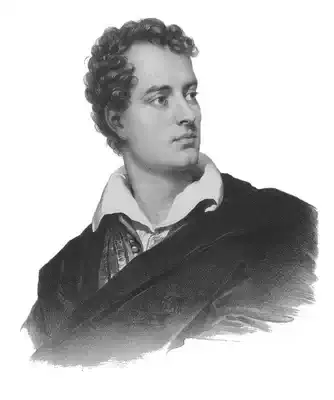
Lord Byron
The Island: Canto I.
The Island: Canto I.
I.
The morning watch was come; the vessel lay
Her course, and gently made her liquid way;
The cloven billow flashed from off her prow
In furrows formed by that majestic plough;
The waters with their world were all before;
Behind, the South Sea's many an islet shore.
The quiet night, now dappling, 'gan to wane,
Dividing darkness from the dawning main;
The dolphins, not unconscious of the day,
Swam high, as eager of the coming ray;
The stars from broader beams began to creep,
And lift their shining eyelids from the deep;
The sail resumed its lately shadowed white,
And the wind fluttered with a freshening flight;
The purpling Ocean owns the coming Sun,
But ere he breaka
deed is to be done.
e
II.
The gallant Chief within his cabin slept,
Secure in those by whom the watch was kept:
His dreams were of Old England's welcome shore,
Of toils rewarded, and of dangers o'er;
His name was added to the glorious roll
Of those who search the stormsurrounded
Pole.
The worst was over, and the rest seemed sure,
And why should not his slumber be secure?
Alas! his deck was trod by unwilling feet,
And wilder hands would hold the vessel's sheet;
Young hearts, which languished for some sunny isle,
Where summer years and summer women smile;
Men without country, who, too long estranged,
Had found no native home, or found it changed,
And, half uncivilised, preferred the cave
Of some soft savage to the uncertain waveThe
gushing fruits that nature gave untilled;
The wood without a pathbut
where they willed;
The field o'er which promiscuous Plenty poured
Her horn; the equal land without a lord;
The wishwhich
ages have not yet subdued
In manto
have no master save his mood
The earth, whose mine was on its face, unsold,
The glowing sun and produce all its gold;
The Freedom which can call each grot a home;
The general garden, where all steps may roam,
Where Nature owns a nation as her child,
Exulting in the enjoyment of the wild
Their shells, their fruits, the only wealth they know,
Their unexploring navy, the canoe
Their sport, the dashing breakers and the chase;
Their strangest sight, an European face
Such was the country which these strangers yearned
To see againa
sight they dearly earned.
III.
Awake, bold Bligh! the foe is at the gate!
Awake! awake!Alas!
it is too late!
Fiercely beside thy cot the mutineer
Stands, and proclaims the reign of rage and fear.
Thy limbs are bound, the bayonet at thy breast;
The hands, which trembled at thy voice, arrest;
Dragged o'er the deck, no more at thy command
The obedient helm shall veer, the sail expand;
That savage Spirit, which would lull by wrath
Its desperate escape from Duty's path,
Glares round thee, in the scarce believing eyes
Of those who fear the Chief they sacrifice:
For ne'er can Man his conscience all assuage,
Unless he drain the wine of PassionRage.
IV.
In vain, not silenced by the eye of Death,
Thou call'st the loyal with thy menaced breath
They come not; they are few, and, overawed,
Must acquiesce, while sterner hearts applaud.
In vain thou dost demand the cause: a curse
Is all the answer, with the threat of worse.
Full in thine eyes is waved the glittering blade,
Close to thy throat the pointed bayonet laid.
The levelled muskets circle round thy breast
In hands as steeled to do the deadly rest.
Thou dar'st them to their worst, exclaiming'
Fire!'
But they who pitied not could yet admire;
Some lurking remnant of their former awe
Restrained them longer than their broken law;
They would not dip their souls at once in blood,
But left thee to the mercies of the flood.
V.
'Hoist out the boat!' was now the leader's cry;
And who dare answer 'No!' to Mutiny,
In the first dawning of the drunken hour,
The Saturnalia of unhopedfor
power?
The boat is lowered with all the haste of hate,
With its slight plank between thee and thy fate;
Her only cargo such a scant supply
As promises the death their hands deny;
And just enough of water and of bread
To keep, some days, the dying from the dead:
Some cordage, canvass, sails, and lines, and twine,
But treasures all to hermits of the brine,
Were added after, to the earnest prayer
Of those who saw no hope, save sea and air;
And last, that trembling vassal of the Polewww.
PoemHunter.com The
World's Poetry Archive
The feeling compassNavigation's
soul.
VI.
And now the selfelected
Chief finds time
To stun the first sensation of his crime,
And raise it in his followers'
Ho! the bowl!'
Lest passion should return to reason's shoal.
'Brandy for heroes!' Burke could once exclaimNo
doubt a liquid path to Epic fame;
And such the newborn
heroes found it here,
And drained the draught with an applauding cheer,
'Huzza! for Otaheite!' was the cry.
How strange such shouts from sons of Mutiny!
The gentle island, and the genial soil,
The friendly hearts, the feasts without a toil,
The courteous manners but from nature caught,
The wealth unhoarded, and the love unbought; sic
Could these have charms for rudest seaboys,
driven
Before the mast by every wind of heaven?
And now, even now prepared with others' woes
To earn mild Virtue's vain desire, repose?
Alas! such is our nature! all but aim
At the same end by pathways not the same;
Our meansour
birthour
nation, and our name,
Our fortunetempereven
our outward frame,
Are far more potent o'er our yielding clay
Than aught we know beyond our little day.
Yet still there whispers the small voice within,
Heard through Gain's silence, and o'er Glory's din:
Whatever creed be taught, or land be trod,
Man's conscience is the Oracle of God.
VII.
The launch is crowded with the faithful few
Who wait their Chief, a melancholy crew:
But some remained reluctant on the deck
Of that proud vesselnow
a moral wreckAnd
viewed their Captain's fate with piteous eyes;
While others scoffed his augured miseries,
Sneered at the prospect of his pigmy sail,
And the slight bark so laden and so frail.
The tender nautilus, who steers his prow,
The seaborn
sailor of his shell canoe,
The ocean Mab, the fairy of the sea,
Seems far less fragile, and, alas! more free.
He, when the lightningwinged
Tornados sweep
The surge, is safehis
port is in the deepAnd
triumphs o'er the armadas of Mankind,
Which shake the World, yet crumble in the wind.
VIII.
When all was now prepared, the vessel clear
Which hailed her master in the mutineer,
A seaman, less obdurate than his mates,
Showed the vain pity which but irritates;
Watched his late Chieftain with exploring eye,
And told, in signs, repentant sympathy;
Held the moist shaddock to his parchéd mouth,
Which felt Exhaustion's deep and bitter drouth.
But soon observed, this guardian was withdrawn,
Nor further Mercy clouds Rebellion's dawn.
Then forward stepped the bold and froward boy
His Chief had cherished only to destroy,
And, pointing to the helpless prow beneath,
Exclaimed, 'Depart at once! delay is death!'
Yet then, even then, his feelings ceased not all:
In that last moment could a word recall
Remorse for the black deed as yet half done,
And what he hid from many showed to one:
When Bligh in stern reproach demanded where
Was now his grateful sense of former care?
Where all his hopes to see his name aspire,
And blazon Britain's thousand glories higher?
His feverish lips thus broke their gloomy spell,
''Tis that! 'Tis that! I am in hell! in hell!'
No more he said; but urging to the bark
His Chief, commits him to his fragile ark;
These the sole accents from his tongue that fell,
But volumes lurked below his fierce farewell.
IX.
The arctic Sun rose broad above the wave;
The breeze now sank, now whispered from his cave;
As on the Aeolian harp, his fitful wings
Now swelled, now fluttered o'er his Ocean strings.
With slow, despairing oar, the abandoned skiff
Ploughs its drear progress to the scarce seen cliff,
Which lifts its peak a cloud above the main:
That boat and ship shall never meet again!
But 'tis not mine to tell their tale of grief,
Their constant peril, and their scant relief;
Their days of danger, and their nights of pain;
Their manly courage even when deemed in vain;
The sapping famine, rendering scarce a son
Known to his mother in the skeleton;
The ills that lessened still their little store,
And starved even Hunger till he wrung no more;
The varying frowns and favours of the deep,
That now almost ingulfs, then leaves to creep
With crazy oar and shattered strength along
The tide that yields reluctant to the strong;
The incessant fever of that arid thirst
Which welcomes, as a well, the clouds that burst
Above their naked bones, and feels delight
In the cold drenching of the stormy night,
And from the outspread canvass gladly wrings
A drop to moisten Life's allgasping
springs;
The savage foe escaped, to seek again
More hospitable shelter from the main;
The ghastly Spectres which were doomed at last
To tell as true a tale of dangers past,
As ever the dark annals of the deep
Disclosed for man to dread or woman weep.
X.
We leave them to their fate, but not unknown
Nor unredressed. Revenge may have her own:
Roused Discipline aloud proclaims their cause,
And injured Navies urge their broken laws.
Pursue we on his track the mutineer,
Whom distant vengeance had not taught to fear.
Wide o'er the waveaway!
away! away!
Once more his eyes shall hail the welcome bay;
Once more the happy shores without a law
Receive the outlaws whom they lately saw;
Nature, and Nature's goddessWomanwoos
To lands where, save their conscience, none accuse;
Where all partake the earth without dispute,
And bread itself is gathered as a fruit;
Where none contest the fields, the woods, the streams
The goldless Age, where Gold disturbs no dreams,
Inhabits or inhabited the shore,
Till Europe taught them better than before;
Bestowed her customs, and amended theirs,
But left her vices also to their heirs.
Away with this! behold them as they were,
Do good with Nature, or with Nature err.
'Huzza! for Otaheite!' was the cry,
As stately swept the gallant vessel by.
The breeze springs up; the lately flapping sail
Extends its arch before the growing gale;
In swifter ripples stream aside the seas,
Which her bold bow flings off with dashing ease.
Thus Argo ploughed the Euxine's virgin foam,
But those she wafted still looked back to home;
These spurn their country with their rebel bark,
And fly her as the raven fled the Ark;
And yet they seek to nestle with the dove,
And tame their fiery spirits down to Love.
I.
The morning watch was come; the vessel lay
Her course, and gently made her liquid way;
The cloven billow flashed from off her prow
In furrows formed by that majestic plough;
The waters with their world were all before;
Behind, the South Sea's many an islet shore.
The quiet night, now dappling, 'gan to wane,
Dividing darkness from the dawning main;
The dolphins, not unconscious of the day,
Swam high, as eager of the coming ray;
The stars from broader beams began to creep,
And lift their shining eyelids from the deep;
The sail resumed its lately shadowed white,
And the wind fluttered with a freshening flight;
The purpling Ocean owns the coming Sun,
But ere he breaka
deed is to be done.
e
II.
The gallant Chief within his cabin slept,
Secure in those by whom the watch was kept:
His dreams were of Old England's welcome shore,
Of toils rewarded, and of dangers o'er;
His name was added to the glorious roll
Of those who search the stormsurrounded
Pole.
The worst was over, and the rest seemed sure,
And why should not his slumber be secure?
Alas! his deck was trod by unwilling feet,
And wilder hands would hold the vessel's sheet;
Young hearts, which languished for some sunny isle,
Where summer years and summer women smile;
Men without country, who, too long estranged,
Had found no native home, or found it changed,
And, half uncivilised, preferred the cave
Of some soft savage to the uncertain waveThe
gushing fruits that nature gave untilled;
The wood without a pathbut
where they willed;
The field o'er which promiscuous Plenty poured
Her horn; the equal land without a lord;
The wishwhich
ages have not yet subdued
In manto
have no master save his mood
The earth, whose mine was on its face, unsold,
The glowing sun and produce all its gold;
The Freedom which can call each grot a home;
The general garden, where all steps may roam,
Where Nature owns a nation as her child,
Exulting in the enjoyment of the wild
Their shells, their fruits, the only wealth they know,
Their unexploring navy, the canoe
Their sport, the dashing breakers and the chase;
Their strangest sight, an European face
Such was the country which these strangers yearned
To see againa
sight they dearly earned.
III.
Awake, bold Bligh! the foe is at the gate!
Awake! awake!Alas!
it is too late!
Fiercely beside thy cot the mutineer
Stands, and proclaims the reign of rage and fear.
Thy limbs are bound, the bayonet at thy breast;
The hands, which trembled at thy voice, arrest;
Dragged o'er the deck, no more at thy command
The obedient helm shall veer, the sail expand;
That savage Spirit, which would lull by wrath
Its desperate escape from Duty's path,
Glares round thee, in the scarce believing eyes
Of those who fear the Chief they sacrifice:
For ne'er can Man his conscience all assuage,
Unless he drain the wine of PassionRage.
IV.
In vain, not silenced by the eye of Death,
Thou call'st the loyal with thy menaced breath
They come not; they are few, and, overawed,
Must acquiesce, while sterner hearts applaud.
In vain thou dost demand the cause: a curse
Is all the answer, with the threat of worse.
Full in thine eyes is waved the glittering blade,
Close to thy throat the pointed bayonet laid.
The levelled muskets circle round thy breast
In hands as steeled to do the deadly rest.
Thou dar'st them to their worst, exclaiming'
Fire!'
But they who pitied not could yet admire;
Some lurking remnant of their former awe
Restrained them longer than their broken law;
They would not dip their souls at once in blood,
But left thee to the mercies of the flood.
V.
'Hoist out the boat!' was now the leader's cry;
And who dare answer 'No!' to Mutiny,
In the first dawning of the drunken hour,
The Saturnalia of unhopedfor
power?
The boat is lowered with all the haste of hate,
With its slight plank between thee and thy fate;
Her only cargo such a scant supply
As promises the death their hands deny;
And just enough of water and of bread
To keep, some days, the dying from the dead:
Some cordage, canvass, sails, and lines, and twine,
But treasures all to hermits of the brine,
Were added after, to the earnest prayer
Of those who saw no hope, save sea and air;
And last, that trembling vassal of the Polewww.
PoemHunter.com The
World's Poetry Archive
The feeling compassNavigation's
soul.
VI.
And now the selfelected
Chief finds time
To stun the first sensation of his crime,
And raise it in his followers'
Ho! the bowl!'
Lest passion should return to reason's shoal.
'Brandy for heroes!' Burke could once exclaimNo
doubt a liquid path to Epic fame;
And such the newborn
heroes found it here,
And drained the draught with an applauding cheer,
'Huzza! for Otaheite!' was the cry.
How strange such shouts from sons of Mutiny!
The gentle island, and the genial soil,
The friendly hearts, the feasts without a toil,
The courteous manners but from nature caught,
The wealth unhoarded, and the love unbought; sic
Could these have charms for rudest seaboys,
driven
Before the mast by every wind of heaven?
And now, even now prepared with others' woes
To earn mild Virtue's vain desire, repose?
Alas! such is our nature! all but aim
At the same end by pathways not the same;
Our meansour
birthour
nation, and our name,
Our fortunetempereven
our outward frame,
Are far more potent o'er our yielding clay
Than aught we know beyond our little day.
Yet still there whispers the small voice within,
Heard through Gain's silence, and o'er Glory's din:
Whatever creed be taught, or land be trod,
Man's conscience is the Oracle of God.
VII.
The launch is crowded with the faithful few
Who wait their Chief, a melancholy crew:
But some remained reluctant on the deck
Of that proud vesselnow
a moral wreckAnd
viewed their Captain's fate with piteous eyes;
While others scoffed his augured miseries,
Sneered at the prospect of his pigmy sail,
And the slight bark so laden and so frail.
The tender nautilus, who steers his prow,
The seaborn
sailor of his shell canoe,
The ocean Mab, the fairy of the sea,
Seems far less fragile, and, alas! more free.
He, when the lightningwinged
Tornados sweep
The surge, is safehis
port is in the deepAnd
triumphs o'er the armadas of Mankind,
Which shake the World, yet crumble in the wind.
VIII.
When all was now prepared, the vessel clear
Which hailed her master in the mutineer,
A seaman, less obdurate than his mates,
Showed the vain pity which but irritates;
Watched his late Chieftain with exploring eye,
And told, in signs, repentant sympathy;
Held the moist shaddock to his parchéd mouth,
Which felt Exhaustion's deep and bitter drouth.
But soon observed, this guardian was withdrawn,
Nor further Mercy clouds Rebellion's dawn.
Then forward stepped the bold and froward boy
His Chief had cherished only to destroy,
And, pointing to the helpless prow beneath,
Exclaimed, 'Depart at once! delay is death!'
Yet then, even then, his feelings ceased not all:
In that last moment could a word recall
Remorse for the black deed as yet half done,
And what he hid from many showed to one:
When Bligh in stern reproach demanded where
Was now his grateful sense of former care?
Where all his hopes to see his name aspire,
And blazon Britain's thousand glories higher?
His feverish lips thus broke their gloomy spell,
''Tis that! 'Tis that! I am in hell! in hell!'
No more he said; but urging to the bark
His Chief, commits him to his fragile ark;
These the sole accents from his tongue that fell,
But volumes lurked below his fierce farewell.
IX.
The arctic Sun rose broad above the wave;
The breeze now sank, now whispered from his cave;
As on the Aeolian harp, his fitful wings
Now swelled, now fluttered o'er his Ocean strings.
With slow, despairing oar, the abandoned skiff
Ploughs its drear progress to the scarce seen cliff,
Which lifts its peak a cloud above the main:
That boat and ship shall never meet again!
But 'tis not mine to tell their tale of grief,
Their constant peril, and their scant relief;
Their days of danger, and their nights of pain;
Their manly courage even when deemed in vain;
The sapping famine, rendering scarce a son
Known to his mother in the skeleton;
The ills that lessened still their little store,
And starved even Hunger till he wrung no more;
The varying frowns and favours of the deep,
That now almost ingulfs, then leaves to creep
With crazy oar and shattered strength along
The tide that yields reluctant to the strong;
The incessant fever of that arid thirst
Which welcomes, as a well, the clouds that burst
Above their naked bones, and feels delight
In the cold drenching of the stormy night,
And from the outspread canvass gladly wrings
A drop to moisten Life's allgasping
springs;
The savage foe escaped, to seek again
More hospitable shelter from the main;
The ghastly Spectres which were doomed at last
To tell as true a tale of dangers past,
As ever the dark annals of the deep
Disclosed for man to dread or woman weep.
X.
We leave them to their fate, but not unknown
Nor unredressed. Revenge may have her own:
Roused Discipline aloud proclaims their cause,
And injured Navies urge their broken laws.
Pursue we on his track the mutineer,
Whom distant vengeance had not taught to fear.
Wide o'er the waveaway!
away! away!
Once more his eyes shall hail the welcome bay;
Once more the happy shores without a law
Receive the outlaws whom they lately saw;
Nature, and Nature's goddessWomanwoos
To lands where, save their conscience, none accuse;
Where all partake the earth without dispute,
And bread itself is gathered as a fruit;
Where none contest the fields, the woods, the streams
The goldless Age, where Gold disturbs no dreams,
Inhabits or inhabited the shore,
Till Europe taught them better than before;
Bestowed her customs, and amended theirs,
But left her vices also to their heirs.
Away with this! behold them as they were,
Do good with Nature, or with Nature err.
'Huzza! for Otaheite!' was the cry,
As stately swept the gallant vessel by.
The breeze springs up; the lately flapping sail
Extends its arch before the growing gale;
In swifter ripples stream aside the seas,
Which her bold bow flings off with dashing ease.
Thus Argo ploughed the Euxine's virgin foam,
But those she wafted still looked back to home;
These spurn their country with their rebel bark,
And fly her as the raven fled the Ark;
And yet they seek to nestle with the dove,
And tame their fiery spirits down to Love.
538
Lord Byron
Inscription On The Monument Of A Newfoundland Dog
Inscription On The Monument Of A Newfoundland Dog
When some proud son of man returns to earth,
Unknown to glory, but upheld by birth,
The sculptor's art exhausts the pomp of woe,
And storied urns record who rest below:
When all is done, upon the tomb is seen,
Not what he was, but what he should have been:
But the poor dog, in life the firmest friend,
The first to welcome, foremost to defend,
Whose honest heart, is still his master's own,
Who labours, fights, lives, breathes for him alone,
Unhonour'd falls, unnoticed all his worth,
Denied in heaven the soul he held on earth,
While man, vain insect! hopes to be forgiven,
And claims himself a sole exclusive heaven.
Oh man! thou feeble tenant of an hour,
Debased by slavery, or corrupt by power,
Who knows thee well must quit thee with disgust,
Degraded mass of animated dust!
Thy love is lust, thy friendship all a cheat,
Thy smiles hypocrisy, thy words deceit!
By nature vile, ennobled but by name,
Each kindred brute might bid thee blush for shame.
Ye! who perchance behold this simple urn,
Pass onit
honours none you wish to mourn:
To mark a friend's remains these stones arise;
I never knew but one,and
here he lies.
When some proud son of man returns to earth,
Unknown to glory, but upheld by birth,
The sculptor's art exhausts the pomp of woe,
And storied urns record who rest below:
When all is done, upon the tomb is seen,
Not what he was, but what he should have been:
But the poor dog, in life the firmest friend,
The first to welcome, foremost to defend,
Whose honest heart, is still his master's own,
Who labours, fights, lives, breathes for him alone,
Unhonour'd falls, unnoticed all his worth,
Denied in heaven the soul he held on earth,
While man, vain insect! hopes to be forgiven,
And claims himself a sole exclusive heaven.
Oh man! thou feeble tenant of an hour,
Debased by slavery, or corrupt by power,
Who knows thee well must quit thee with disgust,
Degraded mass of animated dust!
Thy love is lust, thy friendship all a cheat,
Thy smiles hypocrisy, thy words deceit!
By nature vile, ennobled but by name,
Each kindred brute might bid thee blush for shame.
Ye! who perchance behold this simple urn,
Pass onit
honours none you wish to mourn:
To mark a friend's remains these stones arise;
I never knew but one,and
here he lies.
448
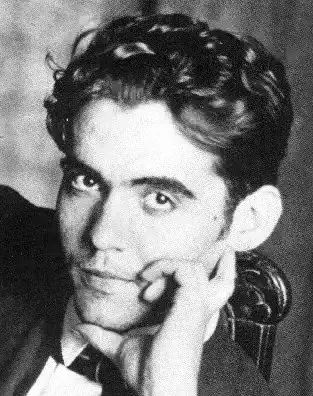
Federico García Lorca
Ode to Walt Whitman
Ode to Walt Whitman
By the East River and the Bronx
boys were singing, exposing their waists
with the wheel, with oil, leather, and the hammer.
Ninety thousand miners taking silver from the rocks
and children drawing stairs and perspectives.
But none of them could sleep,
none of them wanted to be the river,
none of them loved the huge leaves
or the shoreline's blue tongue.
By the East River and the Queensboro
boys were battling with industry
and the Jews sold to the river faun
the rose of circumcision,
and over bridges and rooftops, the mouth of the sky emptied
herds of bison driven by the wind.
But none of them paused,
none of them wanted to be a cloud,
none of them looked for ferns
or the yellow wheel of a tambourine.
As soon as the moon rises
the pulleys will spin to alter the sky;
a border of needles will besiege memory
and the coffins will bear away those who don't work.
New York, mire,
New York, mire and death.
What angel is hidden in your cheek?
Whose perfect voice will sing the truths of wheat?
Who, the terrible dream of your stained anemones?
Not for a moment, Walt Whitman, lovely old man,
have I failed to see your beard full of butterflies,
nor your corduroy shoulders frayed by the moon,
nor your thighs pure as Apollo's,
nor your voice like a column of ash,
old man, beautiful as the mist,
you moaned like a bird
with its sex pierced by a needle.
Enemy of the satyr,
enemy of the vine,
and lover of bodies beneath rough cloth...
Not for a moment, virile beauty,
who among mountains of coal, billboards, and railroads,
dreamed of becoming a river and sleeping like a river
with that comrade who would place in your breast
the small ache of an ignorant leopard.
Not for a moment, Adam of blood, Macho,
man alone at sea, Walt Whitman, lovely old man,
because on penthouse roofs,
gathered at bars,
emerging in bunches from the sewers,
trembling between the legs of chauffeurs,
or spinning on dance floors wet with absinthe,
the faggots, Walt Whitman, point you out.
He's one, too! That's right! And they land
on your luminous chaste beard,
blonds from the north, blacks from the sands,
crowds of howls and gestures,
like cats or like snakes,
the faggots, Walt Whitman, the faggots,
clouded with tears, flesh for the whip,
the boot, or the teeth of the lion tamers.
He's one, too! That's right! Stained fingers
point to the shore of your dream
when a friend eats your apple
with a slight taste of gasoline
and the sun sings in the navels
of boys who play under bridges.
But you didn't look for scratched eyes,
nor the darkest swamp where someone submerges children,
nor frozen saliva,
nor the curves slit open like a toad's belly
that the faggots wear in cars and on terraces
while the moon lashes them on the street corners of terror.
You looked for a naked body like a river.
Bull and dream who would join wheel with seaweed,
father of your agony, camellia of your death,
who would groan in the blaze of your hidden equator.
Because it's all right if a man doesn't look for his delight
in tomorrow morning's jungle of blood.
The sky has shores where life is avoided
and there are bodies that shouldn't repeat themselves in the dawn.
Agony, agony, dream, ferment, and dream.
This is the world, my friend, agony, agony.
Bodies decompose beneath the city clocks,
war passes by in tears, followed by a million gray rats,
the rich give their mistresses
small illuminated dying things,
and life is neither noble, nor good, nor sacred.
Man is able, if he wishes, to guide his desire
through a vein of coral or a heavenly naked body.
Tomorrow, loves will become stones, and Time
a breeze that drowses in the branches.
That's why I don't raise my voice, old Walt Whitman,
against the little boy who writes
the name of a girl on his pillow,
nor against the boy who dresses as a bride
in the darkness of the wardrobe,
nor against the solitary men in casinos
who drink prostitution's water with revulsion,
nor against the men with that green look in their eyes
who love other men and burn their lips in silence.
But yes against you, urban faggots,
tumescent flesh and unclean thoughts.
Mothers of mud. Harpies. Sleepless enemies
of the love that bestows crowns of joy.
Always against you, who give boys
drops of foul death with bitter poison.
Always against you,
Fairies of North America,
Pájaros of Havana,
Jotos of Mexico,
Sarasas of Cádiz,
Apios of Seville,
Cancos of Madrid,
Floras of Alicante,
Adelaidas of Portugal.
Faggots of the world, murderers of doves!
Slaves of women. Their bedroom bitches.
Opening in public squares like feverish fans
or ambushed in rigid hemlock landscapes.
No quarter given! Death
spills from your eyes
and gathers gray flowers at the mire's edge.
No quarter given! Attention!
Let the confused, the pure,
the classical, the celebrated, the supplicants
close the doors of the bacchanal to you.
And you, lovely Walt Whitman, stay asleep on the Hudson's banks
with your beard toward the pole, openhanded.
Soft clay or snow, your tongue calls for
comrades to keep watch over your unbodied gazelle.
Sleep on, nothing remains.
Dancing walls stir the prairies
and America drowns itself in machinery and lament.
I want the powerful air from the deepest night
to blow away flowers and inscriptions from the arch where you sleep,
and a black child to inform the gold-craving whites
that the kingdom of grain has arrived.
By the East River and the Bronx
boys were singing, exposing their waists
with the wheel, with oil, leather, and the hammer.
Ninety thousand miners taking silver from the rocks
and children drawing stairs and perspectives.
But none of them could sleep,
none of them wanted to be the river,
none of them loved the huge leaves
or the shoreline's blue tongue.
By the East River and the Queensboro
boys were battling with industry
and the Jews sold to the river faun
the rose of circumcision,
and over bridges and rooftops, the mouth of the sky emptied
herds of bison driven by the wind.
But none of them paused,
none of them wanted to be a cloud,
none of them looked for ferns
or the yellow wheel of a tambourine.
As soon as the moon rises
the pulleys will spin to alter the sky;
a border of needles will besiege memory
and the coffins will bear away those who don't work.
New York, mire,
New York, mire and death.
What angel is hidden in your cheek?
Whose perfect voice will sing the truths of wheat?
Who, the terrible dream of your stained anemones?
Not for a moment, Walt Whitman, lovely old man,
have I failed to see your beard full of butterflies,
nor your corduroy shoulders frayed by the moon,
nor your thighs pure as Apollo's,
nor your voice like a column of ash,
old man, beautiful as the mist,
you moaned like a bird
with its sex pierced by a needle.
Enemy of the satyr,
enemy of the vine,
and lover of bodies beneath rough cloth...
Not for a moment, virile beauty,
who among mountains of coal, billboards, and railroads,
dreamed of becoming a river and sleeping like a river
with that comrade who would place in your breast
the small ache of an ignorant leopard.
Not for a moment, Adam of blood, Macho,
man alone at sea, Walt Whitman, lovely old man,
because on penthouse roofs,
gathered at bars,
emerging in bunches from the sewers,
trembling between the legs of chauffeurs,
or spinning on dance floors wet with absinthe,
the faggots, Walt Whitman, point you out.
He's one, too! That's right! And they land
on your luminous chaste beard,
blonds from the north, blacks from the sands,
crowds of howls and gestures,
like cats or like snakes,
the faggots, Walt Whitman, the faggots,
clouded with tears, flesh for the whip,
the boot, or the teeth of the lion tamers.
He's one, too! That's right! Stained fingers
point to the shore of your dream
when a friend eats your apple
with a slight taste of gasoline
and the sun sings in the navels
of boys who play under bridges.
But you didn't look for scratched eyes,
nor the darkest swamp where someone submerges children,
nor frozen saliva,
nor the curves slit open like a toad's belly
that the faggots wear in cars and on terraces
while the moon lashes them on the street corners of terror.
You looked for a naked body like a river.
Bull and dream who would join wheel with seaweed,
father of your agony, camellia of your death,
who would groan in the blaze of your hidden equator.
Because it's all right if a man doesn't look for his delight
in tomorrow morning's jungle of blood.
The sky has shores where life is avoided
and there are bodies that shouldn't repeat themselves in the dawn.
Agony, agony, dream, ferment, and dream.
This is the world, my friend, agony, agony.
Bodies decompose beneath the city clocks,
war passes by in tears, followed by a million gray rats,
the rich give their mistresses
small illuminated dying things,
and life is neither noble, nor good, nor sacred.
Man is able, if he wishes, to guide his desire
through a vein of coral or a heavenly naked body.
Tomorrow, loves will become stones, and Time
a breeze that drowses in the branches.
That's why I don't raise my voice, old Walt Whitman,
against the little boy who writes
the name of a girl on his pillow,
nor against the boy who dresses as a bride
in the darkness of the wardrobe,
nor against the solitary men in casinos
who drink prostitution's water with revulsion,
nor against the men with that green look in their eyes
who love other men and burn their lips in silence.
But yes against you, urban faggots,
tumescent flesh and unclean thoughts.
Mothers of mud. Harpies. Sleepless enemies
of the love that bestows crowns of joy.
Always against you, who give boys
drops of foul death with bitter poison.
Always against you,
Fairies of North America,
Pájaros of Havana,
Jotos of Mexico,
Sarasas of Cádiz,
Apios of Seville,
Cancos of Madrid,
Floras of Alicante,
Adelaidas of Portugal.
Faggots of the world, murderers of doves!
Slaves of women. Their bedroom bitches.
Opening in public squares like feverish fans
or ambushed in rigid hemlock landscapes.
No quarter given! Death
spills from your eyes
and gathers gray flowers at the mire's edge.
No quarter given! Attention!
Let the confused, the pure,
the classical, the celebrated, the supplicants
close the doors of the bacchanal to you.
And you, lovely Walt Whitman, stay asleep on the Hudson's banks
with your beard toward the pole, openhanded.
Soft clay or snow, your tongue calls for
comrades to keep watch over your unbodied gazelle.
Sleep on, nothing remains.
Dancing walls stir the prairies
and America drowns itself in machinery and lament.
I want the powerful air from the deepest night
to blow away flowers and inscriptions from the arch where you sleep,
and a black child to inform the gold-craving whites
that the kingdom of grain has arrived.
744

Ezra Pound
Causa
Causa
I join these words for four people,
Some others may overhear them,
O world, I am sorry for you,
You do not know these four people.
I join these words for four people,
Some others may overhear them,
O world, I am sorry for you,
You do not know these four people.
514

Emily Dickinson
They put Us far apart
They put Us far apart
474
They put Us far apart-
As separate as Sea
And Her unsown Peninsula-
We signified "These see"-
They took away our Eyes-
They thwarted Us with Guns"
I see Thee" each responded straight
Through Telegraphic Signs-
With Dungeons-They devised-
But through their thickest skill-
And their opaquest Adamant-
Our Souls saw-just as well-
They summoned Us to die-
With sweet alacrity
We stood upon our stapled feetCondemned-
but just-to see-
Permission to recant-
Permission to forget-
We turned our backs upon the Sun
For perjury of that-
Not Either-noticed Death-
Of Paradise-aware-
Each other's Face-was all the Disc
Each other's setting-saw-
474
They put Us far apart-
As separate as Sea
And Her unsown Peninsula-
We signified "These see"-
They took away our Eyes-
They thwarted Us with Guns"
I see Thee" each responded straight
Through Telegraphic Signs-
With Dungeons-They devised-
But through their thickest skill-
And their opaquest Adamant-
Our Souls saw-just as well-
They summoned Us to die-
With sweet alacrity
We stood upon our stapled feetCondemned-
but just-to see-
Permission to recant-
Permission to forget-
We turned our backs upon the Sun
For perjury of that-
Not Either-noticed Death-
Of Paradise-aware-
Each other's Face-was all the Disc
Each other's setting-saw-
347
Emily Dickinson
Read—Sweet—how others—strove
Read—Sweet—how others—strove
260
Read—Sweet—how others—strove—
Till we—are stouter—
What they—renounced—
Till we—are less afraid—
How many times they—bore the faithful witness—
Till we—are helped—
As if a Kingdom—cared!
Read then—of faith—
That shone above the fagot—
Clear strains of Hymn
The River could not drown—
Brave names of Men—
And Celestial Women—
Passed out—of Record
Into—Renown!
260
Read—Sweet—how others—strove—
Till we—are stouter—
What they—renounced—
Till we—are less afraid—
How many times they—bore the faithful witness—
Till we—are helped—
As if a Kingdom—cared!
Read then—of faith—
That shone above the fagot—
Clear strains of Hymn
The River could not drown—
Brave names of Men—
And Celestial Women—
Passed out—of Record
Into—Renown!
240
Emily Dickinson
If I can stop one heart from breaking,
If I can stop one heart from breaking,
If I can stop one heart from breaking,
I shall not live in vain;
If I can ease one life the aching,
Or cool one pain,
Or help one fainting robin
Unto his nest again,
I shall not live in vain.
If I can stop one heart from breaking,
I shall not live in vain;
If I can ease one life the aching,
Or cool one pain,
Or help one fainting robin
Unto his nest again,
I shall not live in vain.
224
Emily Dickinson
Drama's Vitallest Expression is the Common Day
Drama's Vitallest Expression is the Common Day
741
Drama's Vitallest Expression is the Common Day
That arise and set about Us-
Other Tragedy
Perish in the RecitationThis-
the best enact
When the Audience is scattered
And the Boxes shut
"Hamlet" to Himself were Hamlet-
Had not Shakespeare wrote-
Though the "Romeo" left no Record
Of his Juliet,
It were infinite enacted
In the Human Heart-
Only Theatre recorded
Owner cannot shut-
741
Drama's Vitallest Expression is the Common Day
That arise and set about Us-
Other Tragedy
Perish in the RecitationThis-
the best enact
When the Audience is scattered
And the Boxes shut
"Hamlet" to Himself were Hamlet-
Had not Shakespeare wrote-
Though the "Romeo" left no Record
Of his Juliet,
It were infinite enacted
In the Human Heart-
Only Theatre recorded
Owner cannot shut-
319

Ella Wheeler Wilcox
You Never Can Tell
You Never Can Tell
You never can tell when you send a word,
Like an arrow shot from a bow
By an archer blind, be it cruel or kind,
Just where it may chance to go.
It may pierce the breast of your dearest friend,
Tipped with its poison or balm,
To a stranger’s heart in life’s great mart,
It may carry its pain or its calm.
You never can tell when you do an act
Just what the result will be;
But with every deed you are sowing a seed,
Though the harvest you may not see.
Each kindly act is an acorn dropped
In God’s productive soil
You may not know, but the tree shall grow,
With shelter for those who toil.
You never can tell what your thoughts will do,
In bringing you hate or love;
For thoughts are things, and their airy wings
Are swifter than carrier doves.
They follow the law of the universe –
Each thing must create its kind,
And they speed o’er the track to bring you back
Whatever went out from your mind.
You never can tell when you send a word,
Like an arrow shot from a bow
By an archer blind, be it cruel or kind,
Just where it may chance to go.
It may pierce the breast of your dearest friend,
Tipped with its poison or balm,
To a stranger’s heart in life’s great mart,
It may carry its pain or its calm.
You never can tell when you do an act
Just what the result will be;
But with every deed you are sowing a seed,
Though the harvest you may not see.
Each kindly act is an acorn dropped
In God’s productive soil
You may not know, but the tree shall grow,
With shelter for those who toil.
You never can tell what your thoughts will do,
In bringing you hate or love;
For thoughts are things, and their airy wings
Are swifter than carrier doves.
They follow the law of the universe –
Each thing must create its kind,
And they speed o’er the track to bring you back
Whatever went out from your mind.
349
Ella Wheeler Wilcox
Wishing
Wishing
Do you wish the world were better?
Let me tell you what to do:
Set a watch for your actions,
Keep them always straight and true;
Rid tour mind of selfish motives;
Let your thoughts be clean and high.
You can make a little Eden
Of the sphere you occupy.
Do you wish the world were wiser?
Well, suppose you made a start,
By accumulating wisdom
In the scrapbook of your heart:
Do not waste one page on folly;
Live to learn, and learn to live.
If you want to give men knowledge
You must get it, ere you give.
Do you wish the world were happy?
Then remember day by day
Just to scatter seeds of kindness
As you pass along the way;
For the pleasures of the many
May ofttimes traced to one,
As the hand that plants an acorn
Shelters armies from the sun.
Do you wish the world were better?
Let me tell you what to do:
Set a watch for your actions,
Keep them always straight and true;
Rid tour mind of selfish motives;
Let your thoughts be clean and high.
You can make a little Eden
Of the sphere you occupy.
Do you wish the world were wiser?
Well, suppose you made a start,
By accumulating wisdom
In the scrapbook of your heart:
Do not waste one page on folly;
Live to learn, and learn to live.
If you want to give men knowledge
You must get it, ere you give.
Do you wish the world were happy?
Then remember day by day
Just to scatter seeds of kindness
As you pass along the way;
For the pleasures of the many
May ofttimes traced to one,
As the hand that plants an acorn
Shelters armies from the sun.
483
Ella Wheeler Wilcox
Which are You?
Which are You?
There are two kinds of people on earth to-day;
Just two kinds of people, no more, I say.
Not the sinner and saint, for it's well understood,
The good are half bad, and the bad are half good.
Not the rich and the poor, for to rate a man's wealth,
You must first know the state of his conscience and health.
Not the humble and proud, for in life's little span,
Who puts on vain airs, is not counted a man.
Not the happy and sad, for the swift flying years
Bring each man his laughter and each man his tears.
No; the two kinds of people on earth I mean,
Are the people who lift, and the people who lean.
Wherever you go, you will find the earth's masses,
Are always divided in just these two classes.
And oddly enough, you will find too, I ween,
There's only one lifter to twenty who lean.
In which class are you? Are you easing the load,
Of overtaxed lifters, who toil down the road?
Or are you a leaner, who lets others share
Your portion of labor, and worry and care?
There are two kinds of people on earth to-day;
Just two kinds of people, no more, I say.
Not the sinner and saint, for it's well understood,
The good are half bad, and the bad are half good.
Not the rich and the poor, for to rate a man's wealth,
You must first know the state of his conscience and health.
Not the humble and proud, for in life's little span,
Who puts on vain airs, is not counted a man.
Not the happy and sad, for the swift flying years
Bring each man his laughter and each man his tears.
No; the two kinds of people on earth I mean,
Are the people who lift, and the people who lean.
Wherever you go, you will find the earth's masses,
Are always divided in just these two classes.
And oddly enough, you will find too, I ween,
There's only one lifter to twenty who lean.
In which class are you? Are you easing the load,
Of overtaxed lifters, who toil down the road?
Or are you a leaner, who lets others share
Your portion of labor, and worry and care?
369
Ella Wheeler Wilcox
What Would It Be?
What Would It Be?
Now what were the words of Jesus,
And what would He pause and say,
If we were to meet in home or street,
The Lord of the world to-day?
Oh, I think He would pause and say:
'Go on with your chosen labour;
Speak only good of your neighbour;
Widen your farms, and lay down your arms,
Or dig up the soil with each sabre.'
Now what were the answer of Jesus
If we should ask for a creed,
To carry us straight to the wonderful gate
When soul from body is freed?
Oh, I think He would give us this creed:
'Praise God whatever betide you;
Cast joy on the lives beside you;
Better the earth, by growing in worth,
With love as the law to guide you.'
Now what were the answer of Jesus
If we should ask Him to tell
Of the last great goal of the homing soul
Where each of us hopes to dwell?
Oh, I think it is this He would tell:
'The soul is the builder-then wake it;
The mind is the kingdom-then take it;
And thought upon thought let Eden be wrought,
For heaven will be what you make it.'
Now what were the words of Jesus,
And what would He pause and say,
If we were to meet in home or street,
The Lord of the world to-day?
Oh, I think He would pause and say:
'Go on with your chosen labour;
Speak only good of your neighbour;
Widen your farms, and lay down your arms,
Or dig up the soil with each sabre.'
Now what were the answer of Jesus
If we should ask for a creed,
To carry us straight to the wonderful gate
When soul from body is freed?
Oh, I think He would give us this creed:
'Praise God whatever betide you;
Cast joy on the lives beside you;
Better the earth, by growing in worth,
With love as the law to guide you.'
Now what were the answer of Jesus
If we should ask Him to tell
Of the last great goal of the homing soul
Where each of us hopes to dwell?
Oh, I think it is this He would tell:
'The soul is the builder-then wake it;
The mind is the kingdom-then take it;
And thought upon thought let Eden be wrought,
For heaven will be what you make it.'
341
Ella Wheeler Wilcox
Voice of the Voiceless
Voice of the Voiceless
I am the Voice of the Voiceless
Through me the dumb shall speak
Till the world's deaf ear be made to hear
The wrongs of the wordless weak.
Oh shame on the mothers of mortals
Who do not stoop to teach
The sorrow that lies in dear dumb eyes
The sorrow that has no speech.
From street, from cage, from kennel
From stable and from zoo
The wall of my tortured kin proclaims the sin
Of the mighty against the frail.
But I am my brother's keeper
And I shall fight their fight
And speak the word for beast and bird
Till the world shall set things right.
I am the Voice of the Voiceless
Through me the dumb shall speak
Till the world's deaf ear be made to hear
The wrongs of the wordless weak.
Oh shame on the mothers of mortals
Who do not stoop to teach
The sorrow that lies in dear dumb eyes
The sorrow that has no speech.
From street, from cage, from kennel
From stable and from zoo
The wall of my tortured kin proclaims the sin
Of the mighty against the frail.
But I am my brother's keeper
And I shall fight their fight
And speak the word for beast and bird
Till the world shall set things right.
337
Ella Wheeler Wilcox
True Charity
True Charity
I gave a beggar from my little store
Of well-earned gold. He spent the shining ore
And came again, and yet again, still cold
And hungry, as before.
I gave a thought, and through that thought of mine
He found himself, the man, supreme, divine!
Fed, clothed, and crowned with blessings manifold.
And now he begs no more.
I gave a beggar from my little store
Of well-earned gold. He spent the shining ore
And came again, and yet again, still cold
And hungry, as before.
I gave a thought, and through that thought of mine
He found himself, the man, supreme, divine!
Fed, clothed, and crowned with blessings manifold.
And now he begs no more.
318
Ella Wheeler Wilcox
The World's Need
The World's Need
So many gods, so many creeds,
So many paths that wind and wind,
While just the art of being kind,
Is all the sad world needs.
So many gods, so many creeds,
So many paths that wind and wind,
While just the art of being kind,
Is all the sad world needs.
304
Ella Wheeler Wilcox
The Temperance Army
The Temperance Army
Though you see no banded army,
Though you hear no cannons rattle,
We are in a mighty contest,
We are fighting a great battle.
We are few, but we are right:
And we wage the holy fight,
Night and day, and day and night.
If we do not fail or falter,
If we do not sleep or slumber,
We shall win in this great contest,
Though the foe is twice our number.
This the burden of our song,
'We are few, but we are strong,
And right must triumph over wrong.'
O my sisters! O my brothers!
There is death all round about us.
Must we, then, sit down discouraged?
Will you let the wine-cup rout us?
Hear the drunkard's awful wail!
See the mourners, bowed and pale!
Will you, coward, then say 'fail'?
Say not that your heart is with us
When you do not help or aid us.
All who love the cause sincerely
Can do something: God has made us
Tongues to talk with: you can say
Something, if you will, each day,
That will help us on our way,
Though you are not highly gifted,
Though you are not bard or poet,
Though you cannot preach or lecture,
You can love the cause, and show it
Boldly, in each thing you do.
Seeking all that's pure and true,
This will be a help from you.
You can say the liquor traffic
Is a curse to any nation;
You can say that prohibition
Is a blessing and salvation.
You can sow good seeds, and, though
You may never see them grow,
They will not be lost, I know.
In this mighty temperance contest,
Where no guns or cannons rattle,
Though you cannot lead the army
Or be chieftain of the battle,
With that mighty sword, the tongue,
You can fight against the wrong,
You can sing some temperance song.
Say not that you cannot aid us!
Drops of water make the river-
Make the mighty Mississippi,
That flows on hand on for ever.
Every word you say for Right
Gives us courage, gives us might,
And brings nearer, morn and night.
Though you see no banded army,
Though you hear no cannons rattle,
We are in a mighty contest,
We are fighting a great battle.
We are few, but we are right:
And we wage the holy fight,
Night and day, and day and night.
If we do not fail or falter,
If we do not sleep or slumber,
We shall win in this great contest,
Though the foe is twice our number.
This the burden of our song,
'We are few, but we are strong,
And right must triumph over wrong.'
O my sisters! O my brothers!
There is death all round about us.
Must we, then, sit down discouraged?
Will you let the wine-cup rout us?
Hear the drunkard's awful wail!
See the mourners, bowed and pale!
Will you, coward, then say 'fail'?
Say not that your heart is with us
When you do not help or aid us.
All who love the cause sincerely
Can do something: God has made us
Tongues to talk with: you can say
Something, if you will, each day,
That will help us on our way,
Though you are not highly gifted,
Though you are not bard or poet,
Though you cannot preach or lecture,
You can love the cause, and show it
Boldly, in each thing you do.
Seeking all that's pure and true,
This will be a help from you.
You can say the liquor traffic
Is a curse to any nation;
You can say that prohibition
Is a blessing and salvation.
You can sow good seeds, and, though
You may never see them grow,
They will not be lost, I know.
In this mighty temperance contest,
Where no guns or cannons rattle,
Though you cannot lead the army
Or be chieftain of the battle,
With that mighty sword, the tongue,
You can fight against the wrong,
You can sing some temperance song.
Say not that you cannot aid us!
Drops of water make the river-
Make the mighty Mississippi,
That flows on hand on for ever.
Every word you say for Right
Gives us courage, gives us might,
And brings nearer, morn and night.
361
Ella Wheeler Wilcox
The Creed
The Creed
Whoever was begotten by pure love,
And came desired and welcome into life,
Is of immaculate conception. He
Whose heart is full of tenderness and truth,
Who loves mankind more than he loves himself,
And cannot find room in his heart for hate,
May be another Christ. We all may be
The Saviours of the world if we believe
In the Divinity which dwells in us
And worship it, and nail our grosser selves,
Our tempers, greeds, and our unworthy aims,
Upon the cross. Who giveth love to all;
Pays kindness for unkindness, smiles for frowns;
And lends new courage to each fainting heart,
And strengthens hope and scatters joy abroad—
He, too, is a Redeemer, Son of God.
Whoever was begotten by pure love,
And came desired and welcome into life,
Is of immaculate conception. He
Whose heart is full of tenderness and truth,
Who loves mankind more than he loves himself,
And cannot find room in his heart for hate,
May be another Christ. We all may be
The Saviours of the world if we believe
In the Divinity which dwells in us
And worship it, and nail our grosser selves,
Our tempers, greeds, and our unworthy aims,
Upon the cross. Who giveth love to all;
Pays kindness for unkindness, smiles for frowns;
And lends new courage to each fainting heart,
And strengthens hope and scatters joy abroad—
He, too, is a Redeemer, Son of God.
416
Ella Wheeler Wilcox
The Cry Of The People
The Cry Of The People
Fire! Fire! Fire! the cry rang out on the night air,
The roving winds caught it up, and the very heavens resounded.
Louder and louder still, by voices grown hoarse with terror,
The cry went up and out and a nation stood still to listen.
'Come, for the love of God, and help us fight the demon!
Come and help us to chain the fiend that is making us homeless:
His hot and scorching breath has melted our hard-earned fortunes,
And, not contented with this, he is snatching our loved ones from us.
The air is thick with the stream that pours in clouds from his nostrils:
Come, for the love of God, and help us to fetter or slay him.'
The ear of the Nation heard, the heart of the Nation responded:
The smith left anvil and forge, and hastened to render assistance;
The clergyman went from the pulpit, the lawyer went from his office,
The houses of trade were closed, and a Nation was in commotion.
For the hungry tongue of Fire was lapping the skirts of the city,
The royal Queen of the West, and her people were crying in anguish.
Nobly and well they worked, till they chained and fettered the demon,
Bound him hand and foot, and hindered his work of destruction.
Over the land on wires, over the mighty cable,
Flashed the terrible truth: 'Ruin and destitution
Reigns where but yesterday there was lavish wealth and plenty.'
And up from the South came aid, and aid came down from the Northland,
And it came from East and West, wholesome food for the hungry,
Shelter for houseless heads, and clothes to cover the naked.
Hark! there's a sound abroad, like the cry of a suffering people,
Loud and louder it swells, and echoes from ocean to ocean,
The raving winds catch it up, and from throats that are hoarse with crying
The wail goes up and out, but is answered only by echoes.
'Come for the love of God, and help us to fetter the demon
That is taking the bread from our mouths, and the mouths of our helpless children;
He is walking abroad in the land, and all things perish before him:
Homesteads crumble away, and fortunes vanish like snow wreaths;
And, not contented with this, he is slaying our best and our fairest,
Stealing the brains of the wise, and bringing the young to the gallows;
He is making the home forlorn, and crowding the jails and the prisons,
He moves the hand of the thief-he drives the assassin's dagger.'
The ear of the Nation is deaf, the heart of the Nation is hardened:
The smith at his anvil and forge sings in the midst of his labor;
The clergyman stands in his pulpit, and prays for the soul of the sinner,
But says no word of the fiend who wrecked and ruined the mortal;
The lawyer smokes his cigar or sips his glass of Burgundy;
The merchant, day after day, thinks only of buying and selling.
And up and down through the land, night and day, walks the demon,
Poverty, sorrow, and shame follow the print of his footsteps.
The cry of the people goes up, a cry of anguish and pleading,
But only a few respond, a few too feeble to chain him.
The multitude stands aloof, or aids the fiend of destruction,
While he tramples under his hoofs hundreds and thousands of victims-
And the multitude's ear is deaf to the wail of the beggared orphans.
Shame, oh! shame to the Nation that leaves the demon of Traffic
Free to roam through the land, and pillage and rob the helpless.
Shame to the multitude that will not render assistance,
But leaves a few to do what many can only accomplish.
Arouse! ye listless hosts! and answer the suffering people!
Spring to the aid of the million, as ye sprang to the aid of the thousand:
As you fettered the demon Fire, fetter the demon Traffic,
Who slays his tens of thousands, where the other slew only hundreds.
Fire! Fire! Fire! the cry rang out on the night air,
The roving winds caught it up, and the very heavens resounded.
Louder and louder still, by voices grown hoarse with terror,
The cry went up and out and a nation stood still to listen.
'Come, for the love of God, and help us fight the demon!
Come and help us to chain the fiend that is making us homeless:
His hot and scorching breath has melted our hard-earned fortunes,
And, not contented with this, he is snatching our loved ones from us.
The air is thick with the stream that pours in clouds from his nostrils:
Come, for the love of God, and help us to fetter or slay him.'
The ear of the Nation heard, the heart of the Nation responded:
The smith left anvil and forge, and hastened to render assistance;
The clergyman went from the pulpit, the lawyer went from his office,
The houses of trade were closed, and a Nation was in commotion.
For the hungry tongue of Fire was lapping the skirts of the city,
The royal Queen of the West, and her people were crying in anguish.
Nobly and well they worked, till they chained and fettered the demon,
Bound him hand and foot, and hindered his work of destruction.
Over the land on wires, over the mighty cable,
Flashed the terrible truth: 'Ruin and destitution
Reigns where but yesterday there was lavish wealth and plenty.'
And up from the South came aid, and aid came down from the Northland,
And it came from East and West, wholesome food for the hungry,
Shelter for houseless heads, and clothes to cover the naked.
Hark! there's a sound abroad, like the cry of a suffering people,
Loud and louder it swells, and echoes from ocean to ocean,
The raving winds catch it up, and from throats that are hoarse with crying
The wail goes up and out, but is answered only by echoes.
'Come for the love of God, and help us to fetter the demon
That is taking the bread from our mouths, and the mouths of our helpless children;
He is walking abroad in the land, and all things perish before him:
Homesteads crumble away, and fortunes vanish like snow wreaths;
And, not contented with this, he is slaying our best and our fairest,
Stealing the brains of the wise, and bringing the young to the gallows;
He is making the home forlorn, and crowding the jails and the prisons,
He moves the hand of the thief-he drives the assassin's dagger.'
The ear of the Nation is deaf, the heart of the Nation is hardened:
The smith at his anvil and forge sings in the midst of his labor;
The clergyman stands in his pulpit, and prays for the soul of the sinner,
But says no word of the fiend who wrecked and ruined the mortal;
The lawyer smokes his cigar or sips his glass of Burgundy;
The merchant, day after day, thinks only of buying and selling.
And up and down through the land, night and day, walks the demon,
Poverty, sorrow, and shame follow the print of his footsteps.
The cry of the people goes up, a cry of anguish and pleading,
But only a few respond, a few too feeble to chain him.
The multitude stands aloof, or aids the fiend of destruction,
While he tramples under his hoofs hundreds and thousands of victims-
And the multitude's ear is deaf to the wail of the beggared orphans.
Shame, oh! shame to the Nation that leaves the demon of Traffic
Free to roam through the land, and pillage and rob the helpless.
Shame to the multitude that will not render assistance,
But leaves a few to do what many can only accomplish.
Arouse! ye listless hosts! and answer the suffering people!
Spring to the aid of the million, as ye sprang to the aid of the thousand:
As you fettered the demon Fire, fetter the demon Traffic,
Who slays his tens of thousands, where the other slew only hundreds.
454
Ella Wheeler Wilcox
Presumption
Presumption
Whenever I am prone to doubt or wonder
I check myself, and say, 'That mighty One
Who made the solar system cannot blunder And
for the best all things are being done.'
Who set the stars on their eternal courses
Has fashioned this strange earth by come sure plan.
Bow low, bow low to those majestic forces,
Nor dare to doubt their wisdom - puny man.
You cannot put one little star in motion,
You cannot shape one single forest leaf,
Nor fling a mountain up, nor sink an ocean,
Presumptuous pigmy, large with unbelief.
You cannot bring one dawn of regal splendour
Nor bid the day to shadowy twilight fall,
Nor send the pale moon forth with radiance tender,
And dare you doubt the One who has done all?
'So much is wrong, there is such pain - such sinning.'
Yet look again - behold how much is right!
And He who formed the world from its beginning
Knows how o guide it upward to the light.
Your task, O man, is not to carp and cavil
At God's achievements, but with purpose strong
To cling to good, and turn away from evil That
is the way to help the world along.
Whenever I am prone to doubt or wonder
I check myself, and say, 'That mighty One
Who made the solar system cannot blunder And
for the best all things are being done.'
Who set the stars on their eternal courses
Has fashioned this strange earth by come sure plan.
Bow low, bow low to those majestic forces,
Nor dare to doubt their wisdom - puny man.
You cannot put one little star in motion,
You cannot shape one single forest leaf,
Nor fling a mountain up, nor sink an ocean,
Presumptuous pigmy, large with unbelief.
You cannot bring one dawn of regal splendour
Nor bid the day to shadowy twilight fall,
Nor send the pale moon forth with radiance tender,
And dare you doubt the One who has done all?
'So much is wrong, there is such pain - such sinning.'
Yet look again - behold how much is right!
And He who formed the world from its beginning
Knows how o guide it upward to the light.
Your task, O man, is not to carp and cavil
At God's achievements, but with purpose strong
To cling to good, and turn away from evil That
is the way to help the world along.
351
Ella Wheeler Wilcox
Mockery
Mockery
Why do we grudge our sweets so to the living
Who, God knows, find at best too much of gall,
And then with generous, open hands kneel, giving
Unto the dead our all?
Why do we pierce the warm hearts, sin or sorrow,
With idle jests, or scorn, or cruel sneers,
And when it cannot know, on some to-morrow,
Speak of its woe through tears?
What do the dead care, for the tender token—
The love, the praise, the floral offerings?
But palpitating, living hearts are broken
For want of just these things.
Why do we grudge our sweets so to the living
Who, God knows, find at best too much of gall,
And then with generous, open hands kneel, giving
Unto the dead our all?
Why do we pierce the warm hearts, sin or sorrow,
With idle jests, or scorn, or cruel sneers,
And when it cannot know, on some to-morrow,
Speak of its woe through tears?
What do the dead care, for the tender token—
The love, the praise, the floral offerings?
But palpitating, living hearts are broken
For want of just these things.
290
Ella Wheeler Wilcox
God's Work
God's Work
To J. J. H., Of Kentucky
Gathering brands from the burning,
Plucking them out of the fire,
Lifting the sheep that have wandered,
Out of the dust and the mire,
Bringing home sheaves from the harvest
To lay at the Master's feet-
Lord! all thy hosts of angels
Must smile on a life so sweet.
Speaking with fear of no man,
Speaking with love for all,
Warning the young and the thoughtless
From the wild beast-'Alcohol.'
Showing the snares that the tempter
Weaveth on every hand.
Lord! all thy dear, dear angels
Must smile on a life so grand.
Fighting the bloodless battle
With a heart that is true and bold;
Fighting it not for glory,
Fighting it not for gold,
But out of love for his neighbor,
And out of love for his Lord.
And I know that the hands of the angels
Will crown him with his reward.
For whoso works for the Master,
And whoso fights his fight,
The angels crown with a star-wreath,
And it glows with gems most bright.
They wear them for ever and ever,
The saints in that land of bliss,
And I know that heaven's best jewel
Is kept for a soul like this.
To J. J. H., Of Kentucky
Gathering brands from the burning,
Plucking them out of the fire,
Lifting the sheep that have wandered,
Out of the dust and the mire,
Bringing home sheaves from the harvest
To lay at the Master's feet-
Lord! all thy hosts of angels
Must smile on a life so sweet.
Speaking with fear of no man,
Speaking with love for all,
Warning the young and the thoughtless
From the wild beast-'Alcohol.'
Showing the snares that the tempter
Weaveth on every hand.
Lord! all thy dear, dear angels
Must smile on a life so grand.
Fighting the bloodless battle
With a heart that is true and bold;
Fighting it not for glory,
Fighting it not for gold,
But out of love for his neighbor,
And out of love for his Lord.
And I know that the hands of the angels
Will crown him with his reward.
For whoso works for the Master,
And whoso fights his fight,
The angels crown with a star-wreath,
And it glows with gems most bright.
They wear them for ever and ever,
The saints in that land of bliss,
And I know that heaven's best jewel
Is kept for a soul like this.
330
Ella Wheeler Wilcox
Does It Pay?
Does It Pay?
If one poor burdened toiler o’er life’s road,
Who meets us by the way,
Goes on less conscious of his galling load,
Then life, indeed, does pay.
If we can show the troubled heart the gain
That lies always in loss,
Why, then, we too are paid for all the pain
Of bearing life’s hard cross.
If some despondent soul to hope is stirred,
Some sad lip made to smile,
By any act of ours, or any word,
Then, life has been worth while.
If one poor burdened toiler o’er life’s road,
Who meets us by the way,
Goes on less conscious of his galling load,
Then life, indeed, does pay.
If we can show the troubled heart the gain
That lies always in loss,
Why, then, we too are paid for all the pain
Of bearing life’s hard cross.
If some despondent soul to hope is stirred,
Some sad lip made to smile,
By any act of ours, or any word,
Then, life has been worth while.
301
Ella Wheeler Wilcox
American Boys, Hello!
American Boys, Hello!
Oh! we love all the French, and we speak in French
As along through France we go.
But the moments to us that are keen and sweet
Are the ones when our khaki boys we meet,
Stalwart and handsome and trim and neat;
And we call to them-'Boys, hello!'
'Hello, American boys,
Luck to you, and life's best joys!
American boys, hello!'
We couldn't do that if we were at home-
It never would do you know!
For there you must wait till you're told who's who,
And to meet in the way that nice folks do.
Though you knew his name, and your name he knew-
You never would say 'Hello, hello, American boy!'
But here it's just a joy,
As we pass along in the stranger throng,
To call out, 'Boys, hello!'
For each is a brother away from home;
And this we are sure is so,
There's a lonesome spot in his heart somewhere,
And we want him to feel there are friends
right there
In this foreign land, and so we dare
To call out 'Boys, hello!'
'Hello, American boys,
Luck to you, and life's best joys!
American boys, hello!'
Oh! we love all the French, and we speak in French
As along through France we go.
But the moments to us that are keen and sweet
Are the ones when our khaki boys we meet,
Stalwart and handsome and trim and neat;
And we call to them-'Boys, hello!'
'Hello, American boys,
Luck to you, and life's best joys!
American boys, hello!'
We couldn't do that if we were at home-
It never would do you know!
For there you must wait till you're told who's who,
And to meet in the way that nice folks do.
Though you knew his name, and your name he knew-
You never would say 'Hello, hello, American boy!'
But here it's just a joy,
As we pass along in the stranger throng,
To call out, 'Boys, hello!'
For each is a brother away from home;
And this we are sure is so,
There's a lonesome spot in his heart somewhere,
And we want him to feel there are friends
right there
In this foreign land, and so we dare
To call out 'Boys, hello!'
'Hello, American boys,
Luck to you, and life's best joys!
American boys, hello!'
465