

Poems in this theme
War and Peace
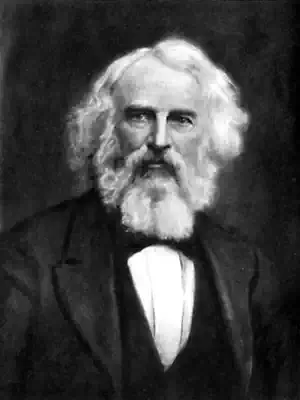
Henry Wadsworth Longfellow
The Siege Of Kazan. (Tartar Song, From The Prose Version Of Chodzko)
The Siege Of Kazan. (Tartar Song, From The Prose Version Of Chodzko)
Black are the moors before Kazan,
And their stagnant waters smell of blood:
I said in my heart, with horse and man,
I will swim across this shallow flood.
Under the feet of Argamack,
Like new moons were the shoes he bare,
Silken trappings hung on his back,
In a talisman on his neck, a prayer.
My warriors, thought I, are following me;
But when I looked behind, alas!
Not one of all the band could I see,
All had sunk in the black morass!
Where are our shallow fords? and where
The power of Kazan with its fourfold gates?
From the prison windows our maidens fair
Talk of us still through the iron grates.
We cannot hear them; for horse and man
Lie buried deep in the dark abyss!
Ah! the black day hath come down on Kazan!
Ah! was ever a grief like this?
Black are the moors before Kazan,
And their stagnant waters smell of blood:
I said in my heart, with horse and man,
I will swim across this shallow flood.
Under the feet of Argamack,
Like new moons were the shoes he bare,
Silken trappings hung on his back,
In a talisman on his neck, a prayer.
My warriors, thought I, are following me;
But when I looked behind, alas!
Not one of all the band could I see,
All had sunk in the black morass!
Where are our shallow fords? and where
The power of Kazan with its fourfold gates?
From the prison windows our maidens fair
Talk of us still through the iron grates.
We cannot hear them; for horse and man
Lie buried deep in the dark abyss!
Ah! the black day hath come down on Kazan!
Ah! was ever a grief like this?
396
Henry Wadsworth Longfellow
The Revenge of Rain-in-the-Face
The Revenge of Rain-in-the-Face
In that desolate land and lone,
Where the Big Horn and Yellowstone
Roar down their mountain path,
By their fires the Sioux Chiefs
Muttered their woes and griefs
And the menace of their wrath.
"Revenge!" cried Rain-in-the-Face,
"Revenue upon all the race
Of the White Chief with yellow hair!"
And the mountains dark and high
From their crags re-echoed the cry
Of his anger and despair.
In the meadow, spreading wide
By woodland and riverside
The Indian village stood;
All was silent as a dream,
Save the rushing a of the stream
And the blue-jay in the wood.
In his war paint and his beads,
Like a bison among the reeds,
In ambush the Sitting Bull
Lay with three thousand braves
Crouched in the clefts and caves,
Savage, unmerciful!
Into the fatal snare
The White Chief with yellow hair
And his three hundred men
Dashed headlong, sword in hand;
But of that gallant band
Not one returned again.
The sudden darkness of death
Overwhelmed them like the breath
And smoke of a furnace fire:
By the river's bank, and between
The rocks of the ravine,
They lay in their bloody attire.
But the foemen fled in the night,
And Rain-in-the-Face, in his flight
Uplifted high in air
As a ghastly trophy, bore
The brave heart, that beat no more,
Of the White Chief with yellow hair.
Whose was the right and the wrong?
Sing it, O funeral song,
With a voice that is full of tears,
And say that our broken faith
Wrought all this ruin and scathe,
In the Year of a Hundred Years.
In that desolate land and lone,
Where the Big Horn and Yellowstone
Roar down their mountain path,
By their fires the Sioux Chiefs
Muttered their woes and griefs
And the menace of their wrath.
"Revenge!" cried Rain-in-the-Face,
"Revenue upon all the race
Of the White Chief with yellow hair!"
And the mountains dark and high
From their crags re-echoed the cry
Of his anger and despair.
In the meadow, spreading wide
By woodland and riverside
The Indian village stood;
All was silent as a dream,
Save the rushing a of the stream
And the blue-jay in the wood.
In his war paint and his beads,
Like a bison among the reeds,
In ambush the Sitting Bull
Lay with three thousand braves
Crouched in the clefts and caves,
Savage, unmerciful!
Into the fatal snare
The White Chief with yellow hair
And his three hundred men
Dashed headlong, sword in hand;
But of that gallant band
Not one returned again.
The sudden darkness of death
Overwhelmed them like the breath
And smoke of a furnace fire:
By the river's bank, and between
The rocks of the ravine,
They lay in their bloody attire.
But the foemen fled in the night,
And Rain-in-the-Face, in his flight
Uplifted high in air
As a ghastly trophy, bore
The brave heart, that beat no more,
Of the White Chief with yellow hair.
Whose was the right and the wrong?
Sing it, O funeral song,
With a voice that is full of tears,
And say that our broken faith
Wrought all this ruin and scathe,
In the Year of a Hundred Years.
357
Henry Wadsworth Longfellow
The Sea Diver
The Sea Diver
My way is on the bright blue sea,
My sleep upon its rocking tide;
And many an eye has followed me
Where billows clasp the worn seaside.
My plumage bears the crimson blush,
When ocean by the sun is kissed!
When fades the evening's purple flush,
My dark wing cleaves the silver mist.
Full many a fathom down beneath
The bright arch of the splendid deep
My ear has heard the sea-shell breathe
O'er living myriads in their sleep.
They rested by the coral throne,
And by the pearly diadem;
Where the pale sea-grape had o'ergrown
The glorious dwellings made for them.
At night upon my storm-drench'd wing,
I poised above a helmless bark,
And soon I saw the shattered thing
Had passed away and left no mark.
And when the wind and storm were done,
a ship, that had rode out the gale,
Sunk down, without a signal-gun,
And none was left to tell the tale.
I saw the pomp of day depart--
The cloud resign its golden crown,
When to the ocean's beating heart
The sailor's wasted corse went down.
Peace be to those whose graves are made
Beneath the bright and silver sea!
Peace - that their relics there were laid
With no vain pride and pageantry.
My way is on the bright blue sea,
My sleep upon its rocking tide;
And many an eye has followed me
Where billows clasp the worn seaside.
My plumage bears the crimson blush,
When ocean by the sun is kissed!
When fades the evening's purple flush,
My dark wing cleaves the silver mist.
Full many a fathom down beneath
The bright arch of the splendid deep
My ear has heard the sea-shell breathe
O'er living myriads in their sleep.
They rested by the coral throne,
And by the pearly diadem;
Where the pale sea-grape had o'ergrown
The glorious dwellings made for them.
At night upon my storm-drench'd wing,
I poised above a helmless bark,
And soon I saw the shattered thing
Had passed away and left no mark.
And when the wind and storm were done,
a ship, that had rode out the gale,
Sunk down, without a signal-gun,
And none was left to tell the tale.
I saw the pomp of day depart--
The cloud resign its golden crown,
When to the ocean's beating heart
The sailor's wasted corse went down.
Peace be to those whose graves are made
Beneath the bright and silver sea!
Peace - that their relics there were laid
With no vain pride and pageantry.
393
Henry Wadsworth Longfellow
The Luck of Edenhall. From The German Of Uhland
The Luck of Edenhall. From The German Of Uhland
Of Edenhall, the youthful Lord
Bids sound the festal trumpet's call.
He rises at the banquet board,
And cries, 'mid the drunken revellers all,
'Now bring me the Luck of Edenhall!'
The butler hears the words with pain,
The house's oldest seneschal,
Takes slow from its silken cloth again
The drinking glass of crystal tall;
They call it The Luck of Edenhall.
Then said the Lord, 'This glass to praise,
Fill with red wine from Portugal!'
The graybeard with trembling hand obeys;
A purple light shines over all,
It beams from the Luck of Edenhall.
Then speaks the Lord, and waves it light:
'This glass of flashing crystal tall
Gave to my sires the Fountain-Sprite;
She wrote in it,
If this glass doth fall,
Farewell then, O Luck of Edenhall!
''Twas right a goblet the Fate should be
Of the joyous race of Edenhall!
Deep draughts drink we right willingly:
And willingly ring, with merry call,
Kling! klang! to the Luck of Edenhall!'
First rings it deep, and full, and mild,
Like to the song of a nightingale
Then like the roar of a torrent wild;
Then mutters at last like the thunder's fall,
The glorious Luck of Edenhall.
'For its keeper takes a race of might,
The fragile goblet of crystal tall;
It has lasted longer than is right;
King! klang!--with a harder blow than all
Will I try the Luck of Edenhall!'
As the goblet ringing flies apart,
Suddenly cracks the vaulted hall;
And through the rift, the wild flames start;
The guests in dust are scattered all,
With the breaking Luck of Edenhall!
In storms the foe, with fire and sword;
He in the night had scaled the wall,
Slain by the sword lies the youthful Lord,
But holds in his hand the crystal tall,
The shattered Luck of Edenhall.
On the morrow the butler gropes alone,
The graybeard in the desert hall,
He seeks his Lord's burnt skeleton,
He seeks in the dismal ruin's fall
The shards of the Luck of Edenhall.
'The stone wall,' saith he, 'doth fall aside,
Down must the stately columns fall;
Glass is this earth's Luck and Pride;
In atoms shall fall this earthly ball
One day like the Luck of Edenhall!'
Of Edenhall, the youthful Lord
Bids sound the festal trumpet's call.
He rises at the banquet board,
And cries, 'mid the drunken revellers all,
'Now bring me the Luck of Edenhall!'
The butler hears the words with pain,
The house's oldest seneschal,
Takes slow from its silken cloth again
The drinking glass of crystal tall;
They call it The Luck of Edenhall.
Then said the Lord, 'This glass to praise,
Fill with red wine from Portugal!'
The graybeard with trembling hand obeys;
A purple light shines over all,
It beams from the Luck of Edenhall.
Then speaks the Lord, and waves it light:
'This glass of flashing crystal tall
Gave to my sires the Fountain-Sprite;
She wrote in it,
If this glass doth fall,
Farewell then, O Luck of Edenhall!
''Twas right a goblet the Fate should be
Of the joyous race of Edenhall!
Deep draughts drink we right willingly:
And willingly ring, with merry call,
Kling! klang! to the Luck of Edenhall!'
First rings it deep, and full, and mild,
Like to the song of a nightingale
Then like the roar of a torrent wild;
Then mutters at last like the thunder's fall,
The glorious Luck of Edenhall.
'For its keeper takes a race of might,
The fragile goblet of crystal tall;
It has lasted longer than is right;
King! klang!--with a harder blow than all
Will I try the Luck of Edenhall!'
As the goblet ringing flies apart,
Suddenly cracks the vaulted hall;
And through the rift, the wild flames start;
The guests in dust are scattered all,
With the breaking Luck of Edenhall!
In storms the foe, with fire and sword;
He in the night had scaled the wall,
Slain by the sword lies the youthful Lord,
But holds in his hand the crystal tall,
The shattered Luck of Edenhall.
On the morrow the butler gropes alone,
The graybeard in the desert hall,
He seeks his Lord's burnt skeleton,
He seeks in the dismal ruin's fall
The shards of the Luck of Edenhall.
'The stone wall,' saith he, 'doth fall aside,
Down must the stately columns fall;
Glass is this earth's Luck and Pride;
In atoms shall fall this earthly ball
One day like the Luck of Edenhall!'
358
Henry Wadsworth Longfellow
The Emperor's Bird's-Nest. (Birds Of Passage. Flight The First)
The Emperor's Bird's-Nest. (Birds Of Passage. Flight The First)
Once the Emperor Charles of Spain,
With his swarthy, grave commanders,
I forget in what campaign,
Long besieged, in mud and rain,
Some old frontier town of Flanders.
Up and down the dreary camp,
In great boots of Spanish leather,
Striding with a measured tramp,
These Hidalgos, dull and damp,
Cursed the Frenchmen, cursed the weather.
Thus as to and fro they went,
Over upland and through hollow,
Giving their impatience vent,
Perched upon the Emperor's tent,
In her nest, they spied a swallow.
Yes, it was a swallow's nest,
Built of clay and hair of horses,
Mane, or tail, or dragoon's crest,
Found on hedge-rows east and west,
After skirmish of the forces.
Then an old Hidalgo said,
As he twirled his gray mustachio,
'Sure this swallow overhead
Thinks the Emperor's tent a shed,
And the Emperor but a Macho!'
Hearing his imperial name
Coupled with those words of malice,
Half in anger, half in shame,
Forth the great campaigner came
Slowly from his canvas palace.
'Let no hand the bird molest,'
Said he solemnly, 'nor hurt her!'
Adding then, by way of jest,
'Golondrina is my guest,
'T is the wife of some deserter!'
Swift as bowstring speeds a shaft,
Through the camp was spread the rumor,
And the soldiers, as they quaffed
Flemish beer at dinner, laughed
At the Emperor's pleasant humor.
So unharmed and unafraid
Sat the swallow still and brooded,
Till the constant cannonade
Through the walls a breach had made,
And the siege was thus concluded.
Then the army, elsewhere bent,
Struck its tents as if disbanding,
Only not the Emperor's tent,
For he ordered, ere he went,
Very curtly, 'Leave it standing!'
So it stood there all alone,
Loosely flapping, torn and tattered,
Till the brood was fledged and flown,
Singing o'er those walls of stone
Which the cannon-shot had shattered.
Once the Emperor Charles of Spain,
With his swarthy, grave commanders,
I forget in what campaign,
Long besieged, in mud and rain,
Some old frontier town of Flanders.
Up and down the dreary camp,
In great boots of Spanish leather,
Striding with a measured tramp,
These Hidalgos, dull and damp,
Cursed the Frenchmen, cursed the weather.
Thus as to and fro they went,
Over upland and through hollow,
Giving their impatience vent,
Perched upon the Emperor's tent,
In her nest, they spied a swallow.
Yes, it was a swallow's nest,
Built of clay and hair of horses,
Mane, or tail, or dragoon's crest,
Found on hedge-rows east and west,
After skirmish of the forces.
Then an old Hidalgo said,
As he twirled his gray mustachio,
'Sure this swallow overhead
Thinks the Emperor's tent a shed,
And the Emperor but a Macho!'
Hearing his imperial name
Coupled with those words of malice,
Half in anger, half in shame,
Forth the great campaigner came
Slowly from his canvas palace.
'Let no hand the bird molest,'
Said he solemnly, 'nor hurt her!'
Adding then, by way of jest,
'Golondrina is my guest,
'T is the wife of some deserter!'
Swift as bowstring speeds a shaft,
Through the camp was spread the rumor,
And the soldiers, as they quaffed
Flemish beer at dinner, laughed
At the Emperor's pleasant humor.
So unharmed and unafraid
Sat the swallow still and brooded,
Till the constant cannonade
Through the walls a breach had made,
And the siege was thus concluded.
Then the army, elsewhere bent,
Struck its tents as if disbanding,
Only not the Emperor's tent,
For he ordered, ere he went,
Very curtly, 'Leave it standing!'
So it stood there all alone,
Loosely flapping, torn and tattered,
Till the brood was fledged and flown,
Singing o'er those walls of stone
Which the cannon-shot had shattered.
495
Henry Wadsworth Longfellow
The Cumberland
The Cumberland
At anchor in Hampton Roads we lay,
On board of the Cumberland sloop-of-war;
And at times from the fortress across the bay
The alarum of drums swept past,
Or a bugle blast
From the camp on the shore.
Then far away to the south uprose
A little feather of snow-white smoke,
And we knew that the iron ship of our foes
Was steadily steering its course
To try the force
Of our ribs of oak.
Down upon us heavily runs,
Silent and sullen, the floating fort;
Then comes a puff of smoke from her guns,
And leaps the terrible death,
With fiery breath,
From each open port.
We are not idle, but send her straight
Defiance back in a full broadside!
As hail rebounds from a roof of slate,
Rebounds our heavier hail
From each iron scale
Of the monster's hide.
'Strike your flag!' the rebel cries,
In his arrogant old plantation strain.
'Never!' our gallant Morris replies:
'It is better to sink than to yield!'
And the whole air is pealed
With the cheers of our men.
Then like a kraken huge and black,
She crushed our ribs in her iron grasp!
Down went the Cumberland all awrack,
With a sudden shudder of death,
And the cannon's breath
For her dying gasp.
Next morn, as the sun rose over the bay,
Still floated our flag at the mainmast-head.
Lord, how beautiful was thy day!
Every waft of the air
Was a whisper of prayer,
Or a dirge for the dead.
Ho! brave hearts that went down in the seas!
Ye are at peace in the troubled stream.
Ho! brave land! with hearts like these,
Thy flag, that is rent in twain,
Shall be one again,
And without a seam.
At anchor in Hampton Roads we lay,
On board of the Cumberland sloop-of-war;
And at times from the fortress across the bay
The alarum of drums swept past,
Or a bugle blast
From the camp on the shore.
Then far away to the south uprose
A little feather of snow-white smoke,
And we knew that the iron ship of our foes
Was steadily steering its course
To try the force
Of our ribs of oak.
Down upon us heavily runs,
Silent and sullen, the floating fort;
Then comes a puff of smoke from her guns,
And leaps the terrible death,
With fiery breath,
From each open port.
We are not idle, but send her straight
Defiance back in a full broadside!
As hail rebounds from a roof of slate,
Rebounds our heavier hail
From each iron scale
Of the monster's hide.
'Strike your flag!' the rebel cries,
In his arrogant old plantation strain.
'Never!' our gallant Morris replies:
'It is better to sink than to yield!'
And the whole air is pealed
With the cheers of our men.
Then like a kraken huge and black,
She crushed our ribs in her iron grasp!
Down went the Cumberland all awrack,
With a sudden shudder of death,
And the cannon's breath
For her dying gasp.
Next morn, as the sun rose over the bay,
Still floated our flag at the mainmast-head.
Lord, how beautiful was thy day!
Every waft of the air
Was a whisper of prayer,
Or a dirge for the dead.
Ho! brave hearts that went down in the seas!
Ye are at peace in the troubled stream.
Ho! brave land! with hearts like these,
Thy flag, that is rent in twain,
Shall be one again,
And without a seam.
320
Henry Wadsworth Longfellow
The Black Knight. (From The German Of Uhland)
The Black Knight. (From The German Of Uhland)
'Twas Pentecost, the Feast of Gladness,
When woods and fields put off all sadness,
Thus began the King and spake:
So from the halls
Of ancient Hofburgh's walls,
A luxuriant Spring shall break.
Drums and trumpets echo loudly,
Wave the crimson banners proudly,
From balcony the King looked on;
In the play of spears,
Fell all the cavaliers,
Before the monarch's stalwart son.
To the barrier of the fight
Rode at last a sable Knight.
Sir Knight! your name and scutcheon say!
Should I speak it here,
Ye would stand aghast with fear;
I am a Prince of mighty sway!
When he rode into the lists,
The arch of heaven grew black with mists,
And the castle 'gan to rock.
At the first blow,
Fell the youth from saddle-bow,
Hardly rises from the shock.
Pipe and viol call the dances,
Torch-light through the high hall glances;
Waves a mighty shadow in;
With manner bland
Doth ask the maiden's hand,
Doth with her the dance begin;
Danced in sable iron sark,
Danced a measure weird and dark,
Coldly clasped her limbs around.
From breast and hair
Down fall from her the fair
Flowerets, faded, to the ground.
To the sumptuous banquet came
Every Knight and every Dame.
'Twixt son and daughter all distraught,
With mournful mind
The ancient King reclined,
Gazed at them in silent thought.
Pale the children both did look,
But the guest a beaker took;
Golden wine will make you whole!
The children drank,
Gave many a courteous thank;
Oh, that draught was very cool!
Each the father's breast embraces,
Son and daughter; and their faces
Colourless grow utterly.
Whichever way
Looks the fear-struck father grey,
He beholds his children die.
Woe! the blessed children both
Takest thou in the joy of youth;
Take me, too, the joyless father!
Spake the grim Guest,
From his hollow, cavernous breast,
Roses in the spring I gather!
'Twas Pentecost, the Feast of Gladness,
When woods and fields put off all sadness,
Thus began the King and spake:
So from the halls
Of ancient Hofburgh's walls,
A luxuriant Spring shall break.
Drums and trumpets echo loudly,
Wave the crimson banners proudly,
From balcony the King looked on;
In the play of spears,
Fell all the cavaliers,
Before the monarch's stalwart son.
To the barrier of the fight
Rode at last a sable Knight.
Sir Knight! your name and scutcheon say!
Should I speak it here,
Ye would stand aghast with fear;
I am a Prince of mighty sway!
When he rode into the lists,
The arch of heaven grew black with mists,
And the castle 'gan to rock.
At the first blow,
Fell the youth from saddle-bow,
Hardly rises from the shock.
Pipe and viol call the dances,
Torch-light through the high hall glances;
Waves a mighty shadow in;
With manner bland
Doth ask the maiden's hand,
Doth with her the dance begin;
Danced in sable iron sark,
Danced a measure weird and dark,
Coldly clasped her limbs around.
From breast and hair
Down fall from her the fair
Flowerets, faded, to the ground.
To the sumptuous banquet came
Every Knight and every Dame.
'Twixt son and daughter all distraught,
With mournful mind
The ancient King reclined,
Gazed at them in silent thought.
Pale the children both did look,
But the guest a beaker took;
Golden wine will make you whole!
The children drank,
Gave many a courteous thank;
Oh, that draught was very cool!
Each the father's breast embraces,
Son and daughter; and their faces
Colourless grow utterly.
Whichever way
Looks the fear-struck father grey,
He beholds his children die.
Woe! the blessed children both
Takest thou in the joy of youth;
Take me, too, the joyless father!
Spake the grim Guest,
From his hollow, cavernous breast,
Roses in the spring I gather!
290
Henry Wadsworth Longfellow
Tales Of A Wayside Inn : Part 1. The Musician's Tale; The Saga of King Olaf
Tales Of A Wayside Inn : Part 1. The Musician's Tale; The Saga of King Olaf
XVIII. -- King Olaf And Earl Sigvald
On the gray sea-sands
King Olaf stands,
Northward and seaward
He points with his hands.
With eddy and whirl
The sea-tides curl,
Washing the sandals
Of Sigvald the Earl.
The mariners shout,
The ships swing about,
The yards are all hoisted,
The sails flutter out.
The war-horns are played,
The anchors are weighed,
Like moths in the distance
The sails flit and fade.
The sea is like lead
The harbor lies dead,
As a corse on the sea-shore,
Whose spirit has fled!
On that fatal day,
The histories say,
Seventy vessels
Sailed out of the bay.
But soon scattered wide
O'er the billows they ride,
While Sigvald and Olaf
Sail side by side.
Cried the Earl: 'Follow me!
I your pilot will be,
For I know all the channels
Where flows the deep sea!'
So into the strait
Where his foes lie in wait,
Gallant King Olaf
Sails to his fate!
Then the sea-fog veils
The ships and their sails;
Queen Sigrid the Haughty,
Thy vengeance prevails!
XVIII. -- King Olaf And Earl Sigvald
On the gray sea-sands
King Olaf stands,
Northward and seaward
He points with his hands.
With eddy and whirl
The sea-tides curl,
Washing the sandals
Of Sigvald the Earl.
The mariners shout,
The ships swing about,
The yards are all hoisted,
The sails flutter out.
The war-horns are played,
The anchors are weighed,
Like moths in the distance
The sails flit and fade.
The sea is like lead
The harbor lies dead,
As a corse on the sea-shore,
Whose spirit has fled!
On that fatal day,
The histories say,
Seventy vessels
Sailed out of the bay.
But soon scattered wide
O'er the billows they ride,
While Sigvald and Olaf
Sail side by side.
Cried the Earl: 'Follow me!
I your pilot will be,
For I know all the channels
Where flows the deep sea!'
So into the strait
Where his foes lie in wait,
Gallant King Olaf
Sails to his fate!
Then the sea-fog veils
The ships and their sails;
Queen Sigrid the Haughty,
Thy vengeance prevails!
334
Henry Wadsworth Longfellow
Tales Of A Wayside Inn : Part 1. The Musician's Tale; The Saga of King Olaf
Tales Of A Wayside Inn : Part 1. The Musician's Tale; The Saga of King Olaf
XIII. -- The Building Of The Long Serpent
Thorberg Skafting, master-builder,
In his ship-yard by the sea,
Whistling, said, 'It would bewilder
Any man but Thorberg Skafting,
Any man but me!'
Near him lay the Dragon stranded,
Built of old by Raud the Strong,
And King Olaf had commanded
He should build another Dragon,
Twice as large and long.
Therefore whistled Thorberg Skafting,
As he sat with half-closed eyes,
And his head turned sideways, drafting
That new vessel for King Olaf
Twice the Dragon's size.
Round him busily hewed and hammered
Mallet huge and heavy axe;
Workmen laughed and sang and clamored;
Whirred the wheels, that into rigging
Spun the shining flax!
All this tumult heard the master,--
It was music to his ear;
Fancy whispered all the faster,
'Men shall hear of Thorberg Skafting
For a hundred year!'
Workmen sweating at the forges
Fashioned iron bolt and bar,
Like a warlock's midnight orgies
Smoked and bubbled the black caldron
With the boiling tar.
Did the warlocks mingle in it,
Thorberg Skafting, any curse?
Could you not be gone a minute
But some mischief must be doing,
Turning bad to worse?
'T was an ill wind that came wafting,
From his homestead words of woe;
To his farm went Thorberg Skafting,
Oft repeating to his workmen,
Build ye thus and so.
After long delays returning
Came the master back by night;
To his ship-yard longing, yearning,
Hurried he, and did not leave it
Till the morning's light.
'Come and see my ship, my darling!?
On the morrow said the King;
'Finished now from keel to carling;
Never yet was seen in Norway
Such a wondrous thing!'
In the ship-yard, idly talking,
At the ship the workmen stared:
Some one, all their labor balking,
Down her sides had cut deep gashes,
Not a plank was spared!
'Death be to the evil-doer!'
With an oath King Olaf spoke;
'But rewards to his pursuer!?
And with wrath his face grew redder
Than his scarlet cloak.
Straight the master-builder, smiling,
Answered thus the angry King:
'Cease blaspheming and reviling,
Olaf, it was Thorberg Skafting
Who has done this thing!'
Then he chipped and smoothed the planking,
Till the King, delighted, swore,
With much lauding and much thanking,
'Handsomer is now my Dragon
Than she was before!'
Seventy ells and four extended
On the grass the vessel's keel;
High above it, gilt and splendid,
Rose the figure-head ferocious
With its crest of steel.
Then they launched her from the tressels,
In the ship-yard by the sea;
She was the grandest of all vessels,
Never ship was built in Norway
Half so fine as she!
The Long Serpent was she christened,
'Mid the roar of cheer on cheer!
They who to the Saga listened
Heard the name of Thorberg Skafting
For a hundred year!
XIII. -- The Building Of The Long Serpent
Thorberg Skafting, master-builder,
In his ship-yard by the sea,
Whistling, said, 'It would bewilder
Any man but Thorberg Skafting,
Any man but me!'
Near him lay the Dragon stranded,
Built of old by Raud the Strong,
And King Olaf had commanded
He should build another Dragon,
Twice as large and long.
Therefore whistled Thorberg Skafting,
As he sat with half-closed eyes,
And his head turned sideways, drafting
That new vessel for King Olaf
Twice the Dragon's size.
Round him busily hewed and hammered
Mallet huge and heavy axe;
Workmen laughed and sang and clamored;
Whirred the wheels, that into rigging
Spun the shining flax!
All this tumult heard the master,--
It was music to his ear;
Fancy whispered all the faster,
'Men shall hear of Thorberg Skafting
For a hundred year!'
Workmen sweating at the forges
Fashioned iron bolt and bar,
Like a warlock's midnight orgies
Smoked and bubbled the black caldron
With the boiling tar.
Did the warlocks mingle in it,
Thorberg Skafting, any curse?
Could you not be gone a minute
But some mischief must be doing,
Turning bad to worse?
'T was an ill wind that came wafting,
From his homestead words of woe;
To his farm went Thorberg Skafting,
Oft repeating to his workmen,
Build ye thus and so.
After long delays returning
Came the master back by night;
To his ship-yard longing, yearning,
Hurried he, and did not leave it
Till the morning's light.
'Come and see my ship, my darling!?
On the morrow said the King;
'Finished now from keel to carling;
Never yet was seen in Norway
Such a wondrous thing!'
In the ship-yard, idly talking,
At the ship the workmen stared:
Some one, all their labor balking,
Down her sides had cut deep gashes,
Not a plank was spared!
'Death be to the evil-doer!'
With an oath King Olaf spoke;
'But rewards to his pursuer!?
And with wrath his face grew redder
Than his scarlet cloak.
Straight the master-builder, smiling,
Answered thus the angry King:
'Cease blaspheming and reviling,
Olaf, it was Thorberg Skafting
Who has done this thing!'
Then he chipped and smoothed the planking,
Till the King, delighted, swore,
With much lauding and much thanking,
'Handsomer is now my Dragon
Than she was before!'
Seventy ells and four extended
On the grass the vessel's keel;
High above it, gilt and splendid,
Rose the figure-head ferocious
With its crest of steel.
Then they launched her from the tressels,
In the ship-yard by the sea;
She was the grandest of all vessels,
Never ship was built in Norway
Half so fine as she!
The Long Serpent was she christened,
'Mid the roar of cheer on cheer!
They who to the Saga listened
Heard the name of Thorberg Skafting
For a hundred year!
338
Henry Wadsworth Longfellow
Tales Of A Wayside Inn : Part 1. The Musician's Tale; The Saga of King Olaf
Tales Of A Wayside Inn : Part 1. The Musician's Tale; The Saga of King Olaf
XIX. -- King Olaf's War-Horns
'Strike the sails!' King Olaf said;
'Never shall men of mine take flight;
Never away from battle I fled,
Never away from my foes!
Let God dispose
Of my life in the fight!'
'Sound the horns!' said Olaf the King;
And suddenly through the drifting brume
The blare of the horns began to ring,
Like the terrible trumpet shock
Of Regnarock,
On the Day of Doom!
Louder and louder the war-horns sang
Over the level floor of the flood;
All the sails came down with a clang,
And there in the mist overhead
The sun hung red
As a drop of blood.
Drifting down on the Danish fleet
Three together the ships were lashed,
So that neither should turn and retreat;
In the midst, but in front of the rest
The burnished crest
Of the Serpent flashed.
King Olaf stood on the quarter-deck,
With bow of ash and arrows of oak,
His gilded shield was without a fleck,
His helmet inlaid with gold,
And in many a fold
Hung his crimson cloak.
On the forecastle Ulf the Red
Watched the lashing of the ships;
'If the Serpent lie so far ahead,
We shall have hard work of it here,'
Said he with a sneer
On his bearded lips.
King Olaf laid an arrow on string,
'Have I a coward on board?' said he.
'Shoot it another way, O King!'
Sullenly answered Ulf,
The old sea-wolf;
'You have need of me!'
In front came Svend, the King of the Danes,
Sweeping down with his fifty rowers;
To the right, the Swedish king with his thanes;
And on board of the Iron Beard
Earl Eric steered
To the left with his oars.
'These soft Danes and Swedes,' said the King,
'At home with their wives had better stay,
Than come within reach of my Serpent's sting:
But where Eric the Norseman leads
Heroic deeds
Will be done to-day!'
Then as together the vessels crashed,
Eric severed the cables of hide,
With which King Olaf's ships were lashed,
And left them to drive and drift
With the currents swift
Of the outward tide.
Louder the war-horns growl and snarl,
Sharper the dragons bite and sting!
Eric the son of Hakon Jarl
A death-drink salt as the sea
Pledges to thee,
Olaf the King!
XIX. -- King Olaf's War-Horns
'Strike the sails!' King Olaf said;
'Never shall men of mine take flight;
Never away from battle I fled,
Never away from my foes!
Let God dispose
Of my life in the fight!'
'Sound the horns!' said Olaf the King;
And suddenly through the drifting brume
The blare of the horns began to ring,
Like the terrible trumpet shock
Of Regnarock,
On the Day of Doom!
Louder and louder the war-horns sang
Over the level floor of the flood;
All the sails came down with a clang,
And there in the mist overhead
The sun hung red
As a drop of blood.
Drifting down on the Danish fleet
Three together the ships were lashed,
So that neither should turn and retreat;
In the midst, but in front of the rest
The burnished crest
Of the Serpent flashed.
King Olaf stood on the quarter-deck,
With bow of ash and arrows of oak,
His gilded shield was without a fleck,
His helmet inlaid with gold,
And in many a fold
Hung his crimson cloak.
On the forecastle Ulf the Red
Watched the lashing of the ships;
'If the Serpent lie so far ahead,
We shall have hard work of it here,'
Said he with a sneer
On his bearded lips.
King Olaf laid an arrow on string,
'Have I a coward on board?' said he.
'Shoot it another way, O King!'
Sullenly answered Ulf,
The old sea-wolf;
'You have need of me!'
In front came Svend, the King of the Danes,
Sweeping down with his fifty rowers;
To the right, the Swedish king with his thanes;
And on board of the Iron Beard
Earl Eric steered
To the left with his oars.
'These soft Danes and Swedes,' said the King,
'At home with their wives had better stay,
Than come within reach of my Serpent's sting:
But where Eric the Norseman leads
Heroic deeds
Will be done to-day!'
Then as together the vessels crashed,
Eric severed the cables of hide,
With which King Olaf's ships were lashed,
And left them to drive and drift
With the currents swift
Of the outward tide.
Louder the war-horns growl and snarl,
Sharper the dragons bite and sting!
Eric the son of Hakon Jarl
A death-drink salt as the sea
Pledges to thee,
Olaf the King!
276
Henry Wadsworth Longfellow
Tales Of A Wayside Inn : Part 1. The Musician's Tale; The Saga of King Olaf XI.
Tales Of A Wayside Inn : Part 1. The Musician's Tale; The Saga of King Olaf XI.
-- Bishop Sigurd At Salten Fiord
Loud the anngy wind was wailing
As King Olaf's ships came sailing
Northward out of Drontheim haven
To the mouth of Salten Fiord.
Though the flying sea-spray drenches
Fore and aft the rowers' benches,
Not a single heart is craven
Of the champions there on board.
All without the Fiord was quiet
But within it storm and riot,
Such as on his Viking cruises
Raud the Strong was wont to ride.
And the sea through all its tide-ways
Swept the reeling vessels sideways,
As the leaves are swept through sluices,
When the flood-gates open wide.
''T is the warlock! 't is the demon
Raud!' cried Sigurd to the seamen;
'But the Lord is not affrighted
By the witchcraft of his foes.'
To the ship's bow he ascended,
By his choristers attended,
Round him were the tapers lighted,
And the sacred incense rose.
On the bow stood Bishop Sigurd,
In his robes, as one transfigured,
And the Crucifix he planted
High amid the rain and mist.
Then with holy water sprinkled
All the ship; the mass-bells tinkled.
Loud the monks around him chanted,
Loud he read the Evangelist.
As into the Fiord they darted,
On each side the water parted;
Down a path like silver molten
Steadily rowed King Olaf's ships;
Steadily burned all night the tapers,
And the White Christ through the vapors
Gleamed across the Fiord of Salten,
As through John's Apocalypse,--
Till at last they reached Raud's dwelling
On the little isle of Gelling;
Not a guard was at the doorway,
Not a glimmer of light was seen.
But at anchor, carved and gilded,
Lay the dragon-ship he builded;
'T was the grandest ship in Norway,
With its crest and scales of green.
Up the stairway, softly creeping,
To the loft where Raud was sleeping,
With their fists they burst asunder
Bolt and bar that held the door.
Drunken with sleep and ale they found him,
Dragged him from his bed and bound him,
While he stared with stupid wonder,
At the look and garb they wore.
Then King Olaf said: 'O Sea-King!
Little time have we for speaking,
Choose between the good and evil;
Be baptized, or thou shalt die!?
But in scorn the heathen scoffer
Answered: 'I disdain thine offer;
Neither fear I God nor Devil;
Thee and thy Gospel I defy!'
Then between his jaws distended,
When his frantic struggles ended,
Through King Olaf's horn an adder,
Touched by fire, they forced to glide.
Sharp his tooth was as an arrow,
As he gnawed through bone and marrow;
But without a groan or shudder,
Raud the Strong blaspheming died.
Then baptized they all that region,
Swarthy Lap and fair Norwegian,
Far as swims the salmon, leaping,
Up the streams of Salten Fiord.
In their temples Thor and Odin
Lay in dust and ashes trodden,
As King Olaf, onward sweeping,
Preached the Gospel with his sword.
Then he took the carved and gilded
Dragon-ship that Raud had builded,
And the tiller single-handed,
Grasping, steered into the main.
Southward sailed the sea-gulls o'er him,
Southward sailed the ship that bore him,
Till at Drontheim haven landed
Olaf and his crew again.
-- Bishop Sigurd At Salten Fiord
Loud the anngy wind was wailing
As King Olaf's ships came sailing
Northward out of Drontheim haven
To the mouth of Salten Fiord.
Though the flying sea-spray drenches
Fore and aft the rowers' benches,
Not a single heart is craven
Of the champions there on board.
All without the Fiord was quiet
But within it storm and riot,
Such as on his Viking cruises
Raud the Strong was wont to ride.
And the sea through all its tide-ways
Swept the reeling vessels sideways,
As the leaves are swept through sluices,
When the flood-gates open wide.
''T is the warlock! 't is the demon
Raud!' cried Sigurd to the seamen;
'But the Lord is not affrighted
By the witchcraft of his foes.'
To the ship's bow he ascended,
By his choristers attended,
Round him were the tapers lighted,
And the sacred incense rose.
On the bow stood Bishop Sigurd,
In his robes, as one transfigured,
And the Crucifix he planted
High amid the rain and mist.
Then with holy water sprinkled
All the ship; the mass-bells tinkled.
Loud the monks around him chanted,
Loud he read the Evangelist.
As into the Fiord they darted,
On each side the water parted;
Down a path like silver molten
Steadily rowed King Olaf's ships;
Steadily burned all night the tapers,
And the White Christ through the vapors
Gleamed across the Fiord of Salten,
As through John's Apocalypse,--
Till at last they reached Raud's dwelling
On the little isle of Gelling;
Not a guard was at the doorway,
Not a glimmer of light was seen.
But at anchor, carved and gilded,
Lay the dragon-ship he builded;
'T was the grandest ship in Norway,
With its crest and scales of green.
Up the stairway, softly creeping,
To the loft where Raud was sleeping,
With their fists they burst asunder
Bolt and bar that held the door.
Drunken with sleep and ale they found him,
Dragged him from his bed and bound him,
While he stared with stupid wonder,
At the look and garb they wore.
Then King Olaf said: 'O Sea-King!
Little time have we for speaking,
Choose between the good and evil;
Be baptized, or thou shalt die!?
But in scorn the heathen scoffer
Answered: 'I disdain thine offer;
Neither fear I God nor Devil;
Thee and thy Gospel I defy!'
Then between his jaws distended,
When his frantic struggles ended,
Through King Olaf's horn an adder,
Touched by fire, they forced to glide.
Sharp his tooth was as an arrow,
As he gnawed through bone and marrow;
But without a groan or shudder,
Raud the Strong blaspheming died.
Then baptized they all that region,
Swarthy Lap and fair Norwegian,
Far as swims the salmon, leaping,
Up the streams of Salten Fiord.
In their temples Thor and Odin
Lay in dust and ashes trodden,
As King Olaf, onward sweeping,
Preached the Gospel with his sword.
Then he took the carved and gilded
Dragon-ship that Raud had builded,
And the tiller single-handed,
Grasping, steered into the main.
Southward sailed the sea-gulls o'er him,
Southward sailed the ship that bore him,
Till at Drontheim haven landed
Olaf and his crew again.
252
Henry Wadsworth Longfellow
Tales Of A Wayside Inn : Part 1. The Musician's Tale; The Saga of King Olaf
Tales Of A Wayside Inn : Part 1. The Musician's Tale; The Saga of King Olaf
III. -- Thora Of Rimol
'Thora of Rimol! hide me! hide me!
Danger and shame and death betide me!
For Olaf the King is hunting me down
Through field and forest, through thorp and town!'
Thus cried Jarl Hakon
To Thora, the fairest of women.
?Hakon Jarl! for the love I bear thee
Neither shall shame nor death come near thee!
But the hiding-place wherein thou must lie
Is the cave underneath the swine in the sty.'
Thus to Jarl Hakon
Said Thora, the fairest of women.
So Hakon Jarl and his base thrall Karker
Crouched in the cave, than a dungeon darker,
As Olaf came riding, with men in mail,
Through the forest roads into Orkadale,
Demanding Jarl Hakon
Of Thorn, the fairest of women.
'Rich and honored shall be whoever
The head of Hakon Jarl shall dissever!'
Hakon heard him, and Karker the slave,
Through the breathing-holes of the darksome cave.
Alone in her chamber
Wept Thora, the fairest of women.
Said Karker, the crafty, 'I will not slay thee!
For all the king's gold I will never betray thee!'
'Then why dost thou turn so pale, O churl,
And then again black as the earth?' said the Earl.
More pale and more faithful
Was Thora, the fairest of women.
From a dream in the night the thrall started, saying,
'Round my neck a gold ring King Olaf was laying!'
And Hakon answered, 'Beware of the king!
He will lay round thy neck a blood-red ring.'
At the ring on her finger
Gazed Thora, the fairest of women.
At daybreak slept Hakon, with sorrows encumbered,
But screamed and drew up his feet as he slumbered;
The thrall in the darkness plunged with his knife,
And the Earl awakened no more in this life.
But wakeful and weeping
Sat Thora, the fairest of women.
At Nidarholm the priests are all singing,
Two ghastly heads on the gibbet are swinging;
One is Jarl Hakon's and one is his thrall's,
And the people are shouting from windows and walls;
While alone in her chamber
Swoons Thora, the fairest of women.
III. -- Thora Of Rimol
'Thora of Rimol! hide me! hide me!
Danger and shame and death betide me!
For Olaf the King is hunting me down
Through field and forest, through thorp and town!'
Thus cried Jarl Hakon
To Thora, the fairest of women.
?Hakon Jarl! for the love I bear thee
Neither shall shame nor death come near thee!
But the hiding-place wherein thou must lie
Is the cave underneath the swine in the sty.'
Thus to Jarl Hakon
Said Thora, the fairest of women.
So Hakon Jarl and his base thrall Karker
Crouched in the cave, than a dungeon darker,
As Olaf came riding, with men in mail,
Through the forest roads into Orkadale,
Demanding Jarl Hakon
Of Thorn, the fairest of women.
'Rich and honored shall be whoever
The head of Hakon Jarl shall dissever!'
Hakon heard him, and Karker the slave,
Through the breathing-holes of the darksome cave.
Alone in her chamber
Wept Thora, the fairest of women.
Said Karker, the crafty, 'I will not slay thee!
For all the king's gold I will never betray thee!'
'Then why dost thou turn so pale, O churl,
And then again black as the earth?' said the Earl.
More pale and more faithful
Was Thora, the fairest of women.
From a dream in the night the thrall started, saying,
'Round my neck a gold ring King Olaf was laying!'
And Hakon answered, 'Beware of the king!
He will lay round thy neck a blood-red ring.'
At the ring on her finger
Gazed Thora, the fairest of women.
At daybreak slept Hakon, with sorrows encumbered,
But screamed and drew up his feet as he slumbered;
The thrall in the darkness plunged with his knife,
And the Earl awakened no more in this life.
But wakeful and weeping
Sat Thora, the fairest of women.
At Nidarholm the priests are all singing,
Two ghastly heads on the gibbet are swinging;
One is Jarl Hakon's and one is his thrall's,
And the people are shouting from windows and walls;
While alone in her chamber
Swoons Thora, the fairest of women.
287
Henry Wadsworth Longfellow
Tales Of A Wayside Inn : Part 1. The Musician's Tale; The Saga of King Olaf I.
Tales Of A Wayside Inn : Part 1. The Musician's Tale; The Saga of King Olaf I.
-- The Challenge Of Thor
I am the God Thor,
I am the War God,
I am the Thunderer!
Here in my Northland,
My fastness and fortress,
Reign I forever!
Here amid icebergs
Rule I the nations;
This is my hammer,
Miölner the mighty;
Giants and sorcerers
Cannot withstand it!
These are the gauntlets
Wherewith I wield it,
And hurl it afar off;
This is my girdle;
Whenever I brace it,
Strength is redoubled!
The light thou beholdest
Stream through the heavens,
In flashes of crimson,
Is but my red beard
Blown by the night-wind,
Affrighting the nations!
Jove is my brother;
Mine eyes are the lightning;
The wheels of my chariot
Roll in the thunder,
The blows of my hammer
Ring in the earthquake!
Force rules the world still,
Has ruled it, shall rule it;
Meekness is weakness,
Strength is triumphant,
Over the whole earth
Still is it Thor's-Day!
Thou art a God too,
O Galilean!
And thus single-handed
Unto the combat,
Gauntlet or Gospel,
Here I defy thee!
-- The Challenge Of Thor
I am the God Thor,
I am the War God,
I am the Thunderer!
Here in my Northland,
My fastness and fortress,
Reign I forever!
Here amid icebergs
Rule I the nations;
This is my hammer,
Miölner the mighty;
Giants and sorcerers
Cannot withstand it!
These are the gauntlets
Wherewith I wield it,
And hurl it afar off;
This is my girdle;
Whenever I brace it,
Strength is redoubled!
The light thou beholdest
Stream through the heavens,
In flashes of crimson,
Is but my red beard
Blown by the night-wind,
Affrighting the nations!
Jove is my brother;
Mine eyes are the lightning;
The wheels of my chariot
Roll in the thunder,
The blows of my hammer
Ring in the earthquake!
Force rules the world still,
Has ruled it, shall rule it;
Meekness is weakness,
Strength is triumphant,
Over the whole earth
Still is it Thor's-Day!
Thou art a God too,
O Galilean!
And thus single-handed
Unto the combat,
Gauntlet or Gospel,
Here I defy thee!
273
Henry Wadsworth Longfellow
Tales Of A Wayside Inn : Part 1. Interlude V.
Tales Of A Wayside Inn : Part 1. Interlude V.
A strain of music closed the tale,
A low, monotonous, funeral wail,
That with its cadence, wild and sweet,
Made the long Saga more complete.
'Thank God,' the Theologian said,
'The reign of violence is dead,
Or dying surely from the world;
While Love triumphant reigns instead,
And in a brighter sky o'erhead
His blessed banners are unfurled.
And most of all thank God for this:
The war and waste of clashing creeds
Now end in words, and not in deeds,
And no one suffers loss, or bleeds,
For thoughts that men call heresies.
'I stand without here in the porch,
I hear the bell's melodious din,
I hear the organ peal within,
I hear the prayer, with words that scorch
Like sparks from an inverted torch,
I hear the sermon upon sin,
With threatenings of the last account.
And all, translated in the air,
Reach me but as our dear Lord's Prayer,
And as the Sermon on the Mount.
'Must it be Calvin, and not Christ?
Must it be Athanasian creeds,
Or holy water, books, and beads?
Must struggling souls remain content
With councils and decrees of Trent?
And can it be enough for these
The Christian Church the year embalms
With evergreens and boughs of palms,
And fills the air with litanies?
'I know that yonder Pharisee
Thanks God that he is not like me;
In my humiliation dressed,
I only stand and beat my breast,
And pray for human charity.
'Not to one church alone, but seven,
The voice prophetic spake from heaven;
And unto each the promise came,
Diversified, but still the same;
For him that overcometh are
The new name written on the stone,
The raiment white, the crown, the throne,
And I will give him the Morning Star!
'Ah! to how many Faith has been
No evidence of things unseen,
But a dim shadow, that recasts
The creed of the Phantasiasts,
For whom no Man of Sorrows died,
For whom the Tragedy Divine
Was but a symbol and a sign,
And Christ a phantom crucified!
'For others a diviner creed
Is living in the life they lead.
The passing of their beautiful feet
Blesses the pavement of the street
And all their looks and words repeat
Old Fuller's saying, wise and sweet,
Not as a vulture, but a dove,
The Holy Ghost came from above.
'And this brings back to me a tale
So sad the hearer well may quail,
And question if such things can be;
Yet in the chronicles of Spain
Down the dark pages runs this stain,
And naught can wash them white again,
So fearful is the tragedy.'
A strain of music closed the tale,
A low, monotonous, funeral wail,
That with its cadence, wild and sweet,
Made the long Saga more complete.
'Thank God,' the Theologian said,
'The reign of violence is dead,
Or dying surely from the world;
While Love triumphant reigns instead,
And in a brighter sky o'erhead
His blessed banners are unfurled.
And most of all thank God for this:
The war and waste of clashing creeds
Now end in words, and not in deeds,
And no one suffers loss, or bleeds,
For thoughts that men call heresies.
'I stand without here in the porch,
I hear the bell's melodious din,
I hear the organ peal within,
I hear the prayer, with words that scorch
Like sparks from an inverted torch,
I hear the sermon upon sin,
With threatenings of the last account.
And all, translated in the air,
Reach me but as our dear Lord's Prayer,
And as the Sermon on the Mount.
'Must it be Calvin, and not Christ?
Must it be Athanasian creeds,
Or holy water, books, and beads?
Must struggling souls remain content
With councils and decrees of Trent?
And can it be enough for these
The Christian Church the year embalms
With evergreens and boughs of palms,
And fills the air with litanies?
'I know that yonder Pharisee
Thanks God that he is not like me;
In my humiliation dressed,
I only stand and beat my breast,
And pray for human charity.
'Not to one church alone, but seven,
The voice prophetic spake from heaven;
And unto each the promise came,
Diversified, but still the same;
For him that overcometh are
The new name written on the stone,
The raiment white, the crown, the throne,
And I will give him the Morning Star!
'Ah! to how many Faith has been
No evidence of things unseen,
But a dim shadow, that recasts
The creed of the Phantasiasts,
For whom no Man of Sorrows died,
For whom the Tragedy Divine
Was but a symbol and a sign,
And Christ a phantom crucified!
'For others a diviner creed
Is living in the life they lead.
The passing of their beautiful feet
Blesses the pavement of the street
And all their looks and words repeat
Old Fuller's saying, wise and sweet,
Not as a vulture, but a dove,
The Holy Ghost came from above.
'And this brings back to me a tale
So sad the hearer well may quail,
And question if such things can be;
Yet in the chronicles of Spain
Down the dark pages runs this stain,
And naught can wash them white again,
So fearful is the tragedy.'
282
Henry Wadsworth Longfellow
Tales Of A Wayside Inn : Part 1. Interlude I.
Tales Of A Wayside Inn : Part 1. Interlude I.
The Landlord ended thus his tale,
Then rising took down from its nail
The sword that hung there, dim with dust
And cleaving to its sheath with rust,
And said, 'This sword was in the fight.'
The Poet seized it, and exclaimed,
'It is the sword of a good knight,
Though homespun was his coat-of-mail;
What matter if it be not named
Joyeuse, Colada, Durindale,
Excalibar, or Aroundight,
Or other name the books record?
Your ancestor, who bore this sword
As Colonel of the Volunteers,
Mounted upon his old gray mare,
Seen here and there and everywhere,
To me a grander shape appears
Than old Sir William, or what not,
Clinking about in foreign lands
With iron gauntlets on his hands,
And on his head an iron pot!'
All laughed; the Landlord's face grew red
As his escutcheon on the wall;
He could not comprehend at all
The drift of what the Poet said;
For those who had been longest dead
Were always greatest in his eyes;
And be was speechless with surprise
To see Sir William's pluméd head
Brought to a level with the rest,
And made the subject of a jest.
And this perceiving, to appease
The Landlord's wrath, the others' fears,
The Student said, with careless ease,
'The ladies and the cavaliers,
The arms, the loves, the courtesies,
The deeds of high emprise, I sing!
Thus Ariosto says, in words
That have the stately stride and ring
Of arméd knights and clashing swords.
Now listen to the tale I bring;
Listen! though not to me belong
The flowing draperies of his song,
The words that rouse, the voice that charms.
The Landlord's tale was one of arms,
Only a tale of love is mine,
Blending the human and divine,
A tale of the Decameron, told
In Palmieri's garden old,
By Fiametta, laurel-crowned,
While her companions lay around,
And heard the intermingled sound
Of airs that on their errands sped,
And wild birds gossiping overhead,
And lisp of leaves, and fountain's fall,
And her own voice more sweet than all,
Telling the tale, which, wanting these,
Perchance may lose its power to please.'
The Landlord ended thus his tale,
Then rising took down from its nail
The sword that hung there, dim with dust
And cleaving to its sheath with rust,
And said, 'This sword was in the fight.'
The Poet seized it, and exclaimed,
'It is the sword of a good knight,
Though homespun was his coat-of-mail;
What matter if it be not named
Joyeuse, Colada, Durindale,
Excalibar, or Aroundight,
Or other name the books record?
Your ancestor, who bore this sword
As Colonel of the Volunteers,
Mounted upon his old gray mare,
Seen here and there and everywhere,
To me a grander shape appears
Than old Sir William, or what not,
Clinking about in foreign lands
With iron gauntlets on his hands,
And on his head an iron pot!'
All laughed; the Landlord's face grew red
As his escutcheon on the wall;
He could not comprehend at all
The drift of what the Poet said;
For those who had been longest dead
Were always greatest in his eyes;
And be was speechless with surprise
To see Sir William's pluméd head
Brought to a level with the rest,
And made the subject of a jest.
And this perceiving, to appease
The Landlord's wrath, the others' fears,
The Student said, with careless ease,
'The ladies and the cavaliers,
The arms, the loves, the courtesies,
The deeds of high emprise, I sing!
Thus Ariosto says, in words
That have the stately stride and ring
Of arméd knights and clashing swords.
Now listen to the tale I bring;
Listen! though not to me belong
The flowing draperies of his song,
The words that rouse, the voice that charms.
The Landlord's tale was one of arms,
Only a tale of love is mine,
Blending the human and divine,
A tale of the Decameron, told
In Palmieri's garden old,
By Fiametta, laurel-crowned,
While her companions lay around,
And heard the intermingled sound
Of airs that on their errands sped,
And wild birds gossiping overhead,
And lisp of leaves, and fountain's fall,
And her own voice more sweet than all,
Telling the tale, which, wanting these,
Perchance may lose its power to please.'
267
Henry Wadsworth Longfellow
Earlier Poems : Hymn Of The Moravian Nuns Of Bethlehem
Earlier Poems : Hymn Of The Moravian Nuns Of Bethlehem
At The Consecration Of Pulaski's Banner.
When the dying flame of day
Through the chancel shot its ray,
Far the glimmering tapers shed
Faint light on the cowléd head;
And the censer burning swung,
Where, before the altar, hung
The crimson banner, that with prayer
Had been consecrated there.
And the nuns' sweet hymn was heard the while,
Sung low, in the dim, mysterious aisle.
'Take thy banner! May it wave
Proudly o'er the good and brave;
When the battle's distant wail
Breaks the sabbath of our vale.
When the clarion's music thrills
To the hearts of these lone hills,
When the spear in conflict shakes,
And the strong lance shivering breaks.
'Take thy banner! and, beneath
The battle-cloud's encircling wreath,
Guard it, till our homes are free!
Guard it! God will prosper thee!
In the dark and trying hour,
In the breaking forth of power,
In the rush of steeds and men,
His right hand will shield thee then.
'Take thy banner! But when night
Closes round the ghastly fight,
If the vanquished warrior bow,
Spare him! By our holy vow,
By our prayers and many tears,
By the mercy that endears,
Spare him! he our love hath shared!
Spare him! as thou wouldst be spared!
'Take thy banner! and if e'er
Thou shouldst press the soldier's bier,
And the muffled drum should beat
To the tread of mournful feet,
Then this crimson flag shall be
Martial cloak and shroud for thee.'
The warrior took that banner proud,
And it was his martial cloak and shroud!
At The Consecration Of Pulaski's Banner.
When the dying flame of day
Through the chancel shot its ray,
Far the glimmering tapers shed
Faint light on the cowléd head;
And the censer burning swung,
Where, before the altar, hung
The crimson banner, that with prayer
Had been consecrated there.
And the nuns' sweet hymn was heard the while,
Sung low, in the dim, mysterious aisle.
'Take thy banner! May it wave
Proudly o'er the good and brave;
When the battle's distant wail
Breaks the sabbath of our vale.
When the clarion's music thrills
To the hearts of these lone hills,
When the spear in conflict shakes,
And the strong lance shivering breaks.
'Take thy banner! and, beneath
The battle-cloud's encircling wreath,
Guard it, till our homes are free!
Guard it! God will prosper thee!
In the dark and trying hour,
In the breaking forth of power,
In the rush of steeds and men,
His right hand will shield thee then.
'Take thy banner! But when night
Closes round the ghastly fight,
If the vanquished warrior bow,
Spare him! By our holy vow,
By our prayers and many tears,
By the mercy that endears,
Spare him! he our love hath shared!
Spare him! as thou wouldst be spared!
'Take thy banner! and if e'er
Thou shouldst press the soldier's bier,
And the muffled drum should beat
To the tread of mournful feet,
Then this crimson flag shall be
Martial cloak and shroud for thee.'
The warrior took that banner proud,
And it was his martial cloak and shroud!
679
Henry Wadsworth Longfellow
Christmas Bells
Christmas Bells
"I heard the bells on Christmas Day
Their old familiar carols play,
And wild and sweet
The words repeat
Of peace on earth, good-will to men!
And thought how, as the day had come,
The belfries of all Christendom
Had rolled along
The unbroken song
Of peace on earth, good-will to men!
Till, ringing, singing on its way,
The world revolved from night to day,
A voice, a chime
A chant sublime
Of peace on earth, good-will to men!
Then from each black accursed mouth
The cannon thundered in the South,
And with the sound
The carols drowned
Of peace on earth, good-will to men!
It was as if an earthquake rent
The hearth-stones of a continent,
And made forlorn
The households born
Of peace on earth, good-will to men!
And in despair I bowed my head;
"There is no peace on earth," I said;
"For hate is strong,
And mocks the song
Of peace on earth, good-will to men!"
Then pealed the bells more loud and deep:
"God is not dead; nor doth he sleep!
The Wrong shall fail,
The Right prevail,
With peace on earth, good-will to men!"
"I heard the bells on Christmas Day
Their old familiar carols play,
And wild and sweet
The words repeat
Of peace on earth, good-will to men!
And thought how, as the day had come,
The belfries of all Christendom
Had rolled along
The unbroken song
Of peace on earth, good-will to men!
Till, ringing, singing on its way,
The world revolved from night to day,
A voice, a chime
A chant sublime
Of peace on earth, good-will to men!
Then from each black accursed mouth
The cannon thundered in the South,
And with the sound
The carols drowned
Of peace on earth, good-will to men!
It was as if an earthquake rent
The hearth-stones of a continent,
And made forlorn
The households born
Of peace on earth, good-will to men!
And in despair I bowed my head;
"There is no peace on earth," I said;
"For hate is strong,
And mocks the song
Of peace on earth, good-will to men!"
Then pealed the bells more loud and deep:
"God is not dead; nor doth he sleep!
The Wrong shall fail,
The Right prevail,
With peace on earth, good-will to men!"
319
Henry Wadsworth Longfellow
Beowulf's Expedition To Heort
Beowulf's Expedition To Heort
Thus then, much care-worn,
The son of Healfden
Sorrowed evermore,
Nor might the prudent hero
His woes avert.
The war was too hard,
Too loath and longsome,
That on the people came,
Dire wrath and grim,
Of night-woes the worst.
This from home heard
Higelac's Thane,
Good among the Goths,
Grendel's deeds.
He was of mankind
In might the strongest,
At that day
Of this life,
Noble and stalwart.
He bade him a sea-ship,
A goodly one, prepare.
Quoth he, the war-king,
Over the swan's road,
Seek he would
The mighty monarch,
Since he wanted men.
For him that journey
His prudent fellows
Straight made ready,
Those that loved him.
They excited their souls,
The omen they beheld.
Had the good-man
Of the Gothic people
Champions chosen,
Of those that keenest
He might find,
Some fifteen men.
The sea-wood sought he.
The warrior showed,
Sea-crafty man!
The land-marks,
And first went forth.
The ship was on the waves,
Boat under the cliffs.
The barons ready
To the prow mounted.
The streams they whirled
The sea against the sands.
The chieftains bore
On the naked breast
Bright ornaments,
War-gear, Goth-like.
The men shoved off,
Men on their willing way,
The bounden wood.
Then went over the sea-waves,
Hurried by the wind,
The ship with foamy neck,
Most like a sea-fowl,
Till about one hour
Of the second day
The curved prow
Had passed onward
So that the sailors
The land saw,
The shore-cliffs shining,
Mountains steep,
And broad sea-noses.
Then was the sea-sailing
Of the Earl at an end.
Then up speedily
The Weather people
On the land went,
The sea-bark moored,
Their mail-sarks shook,
Their war-weeds.
God thanked they,
That to them the sea-journey
Easy had been.
Then from the wall beheld
The warden of the Scyldings,
He who the sea-cliffs
Had in his keeping,
Bear o'er the balks
The bright shields,
The war-weapons speedily.
Him the doubt disturbed
In his mind's thought,
What these men might be.
Went then to the shore,
On his steed riding,
The Thane of Hrothgar.
Before the host he shook
His warden's-staff in hand,
In measured words demanded:
'What men are ye
War-gear wearing,
Host in harness,
Who thus the brown keel
Over the water-street
Leading come
Hither over the sea?
I these boundaries
As shore-warden hold,
That in the Land of the Danes
Nothing loathsome
With a ship-crew
Scathe us might. . . .
Ne'er saw I mightier
Earl upon earth
Than is your own,
Hero in harness.
Not seldom this warrior
Is in weapons distinguished;
Never his beauty belies him,
His peerless countenance!
Now would I fain
Your origin know,
Ere ye forth
As false spies
Into the Land of the Danes
Farther fare.
Now, ye dwellers afar-off!
Ye sailors of the sea!
Listen to my
One-fold thought.
Quickest is best
To make known
Whence your coming may be.'
Thus then, much care-worn,
The son of Healfden
Sorrowed evermore,
Nor might the prudent hero
His woes avert.
The war was too hard,
Too loath and longsome,
That on the people came,
Dire wrath and grim,
Of night-woes the worst.
This from home heard
Higelac's Thane,
Good among the Goths,
Grendel's deeds.
He was of mankind
In might the strongest,
At that day
Of this life,
Noble and stalwart.
He bade him a sea-ship,
A goodly one, prepare.
Quoth he, the war-king,
Over the swan's road,
Seek he would
The mighty monarch,
Since he wanted men.
For him that journey
His prudent fellows
Straight made ready,
Those that loved him.
They excited their souls,
The omen they beheld.
Had the good-man
Of the Gothic people
Champions chosen,
Of those that keenest
He might find,
Some fifteen men.
The sea-wood sought he.
The warrior showed,
Sea-crafty man!
The land-marks,
And first went forth.
The ship was on the waves,
Boat under the cliffs.
The barons ready
To the prow mounted.
The streams they whirled
The sea against the sands.
The chieftains bore
On the naked breast
Bright ornaments,
War-gear, Goth-like.
The men shoved off,
Men on their willing way,
The bounden wood.
Then went over the sea-waves,
Hurried by the wind,
The ship with foamy neck,
Most like a sea-fowl,
Till about one hour
Of the second day
The curved prow
Had passed onward
So that the sailors
The land saw,
The shore-cliffs shining,
Mountains steep,
And broad sea-noses.
Then was the sea-sailing
Of the Earl at an end.
Then up speedily
The Weather people
On the land went,
The sea-bark moored,
Their mail-sarks shook,
Their war-weeds.
God thanked they,
That to them the sea-journey
Easy had been.
Then from the wall beheld
The warden of the Scyldings,
He who the sea-cliffs
Had in his keeping,
Bear o'er the balks
The bright shields,
The war-weapons speedily.
Him the doubt disturbed
In his mind's thought,
What these men might be.
Went then to the shore,
On his steed riding,
The Thane of Hrothgar.
Before the host he shook
His warden's-staff in hand,
In measured words demanded:
'What men are ye
War-gear wearing,
Host in harness,
Who thus the brown keel
Over the water-street
Leading come
Hither over the sea?
I these boundaries
As shore-warden hold,
That in the Land of the Danes
Nothing loathsome
With a ship-crew
Scathe us might. . . .
Ne'er saw I mightier
Earl upon earth
Than is your own,
Hero in harness.
Not seldom this warrior
Is in weapons distinguished;
Never his beauty belies him,
His peerless countenance!
Now would I fain
Your origin know,
Ere ye forth
As false spies
Into the Land of the Danes
Farther fare.
Now, ye dwellers afar-off!
Ye sailors of the sea!
Listen to my
One-fold thought.
Quickest is best
To make known
Whence your coming may be.'
421
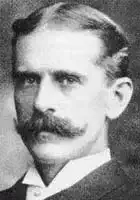
Henry Van Dyke
The Statue of Sherman by St. Gaudens
The Statue of Sherman by St. Gaudens
This is the soldier brave enough to tell
The glory-dazzled world that `war is hell':
Lover of peace, he looks beyond the strife,
And rides through hell to save his country's life.
This is the soldier brave enough to tell
The glory-dazzled world that `war is hell':
Lover of peace, he looks beyond the strife,
And rides through hell to save his country's life.
183
Henry Van Dyke
The Oxford Thrushes
The Oxford Thrushes
FEBRUARY, 1917
I never thought again to hear
The Oxford thrushes singing clear,
Amid the February rain,
Their sweet, indomitable strain.
A wintry vapor lightly spreads
Among the trees, and round the beds
Where daffodil and jonquil sleep,
Only the snowdrop wakes to weep.
It is not springtime yet. Alas,
What dark, tempestuous days must pass,
Till England's trial by battle cease,
And summer comes again with peace.
The lofty halls, the tranquil towers,
Where Learning in untroubled hours
Held her high court, serene in fame,
Are lovely still, yet not the same.
The novices in fluttering gown
No longer fill the ancient town,
But fighting men in khaki drest--
And in the Schools the wounded rest.
Ah, far away, 'neath stranger skies
Full many a son of Oxford lies,
And whispers from his warrior grave,
"I died to keep the faith you gave."
The mother mourns, but does not fail,
Her courage and her love prevail
O'er sorrow, and her spirit hears
The promise of triumphant years.
Then sing, ye thrushes, in the rain
Your sweet indomitable strain.
Ye bring a word from God on high
And voices in our hearts reply.
FEBRUARY, 1917
I never thought again to hear
The Oxford thrushes singing clear,
Amid the February rain,
Their sweet, indomitable strain.
A wintry vapor lightly spreads
Among the trees, and round the beds
Where daffodil and jonquil sleep,
Only the snowdrop wakes to weep.
It is not springtime yet. Alas,
What dark, tempestuous days must pass,
Till England's trial by battle cease,
And summer comes again with peace.
The lofty halls, the tranquil towers,
Where Learning in untroubled hours
Held her high court, serene in fame,
Are lovely still, yet not the same.
The novices in fluttering gown
No longer fill the ancient town,
But fighting men in khaki drest--
And in the Schools the wounded rest.
Ah, far away, 'neath stranger skies
Full many a son of Oxford lies,
And whispers from his warrior grave,
"I died to keep the faith you gave."
The mother mourns, but does not fail,
Her courage and her love prevail
O'er sorrow, and her spirit hears
The promise of triumphant years.
Then sing, ye thrushes, in the rain
Your sweet indomitable strain.
Ye bring a word from God on high
And voices in our hearts reply.
315
Henry Van Dyke
Liberty Enlightening the World
Liberty Enlightening the World
Thou warden of the western gate, above Manhatten Bay,
The fogs of doubt that hid thy face are driven clean away:
Thine eyes at last look far and clear, thou liftest high thy hand
To spread the light of liberty world-wide for every land.
No more thou dreamest of a peace reserved alone for thee,
While friends are fighting for thy cause beyond the guardian sea:
The battle that they wage is thine; thou fallest if they fall;
The swollen flood of Prussian pride will sweep unchecked o'er all.
O cruel is the conquer-lust in Hohenzollern brains;
The paths they plot to gain their goal are dark with shameful stains:
No faith they keep, no law revere, no god but naked Might; --
They are the foemen of mankind. Up, Liberty, and smite!
Britain, and France, and Italy, and Russia newly born,
Have waited for thee in the night. Oh, come as comes the morn.
Serene and strong and full of faith, America, arise,
With steady hope and mighty help to join th brave Allies.
O dearest country of my heart, home of the high desire,
Make clean thy soul for sacrifice on Freedom's altar-fire:
For thou must suffer, thou must fight, until the warlords cease,
And all the peoples lift their heads in liberty and peace.
Thou warden of the western gate, above Manhatten Bay,
The fogs of doubt that hid thy face are driven clean away:
Thine eyes at last look far and clear, thou liftest high thy hand
To spread the light of liberty world-wide for every land.
No more thou dreamest of a peace reserved alone for thee,
While friends are fighting for thy cause beyond the guardian sea:
The battle that they wage is thine; thou fallest if they fall;
The swollen flood of Prussian pride will sweep unchecked o'er all.
O cruel is the conquer-lust in Hohenzollern brains;
The paths they plot to gain their goal are dark with shameful stains:
No faith they keep, no law revere, no god but naked Might; --
They are the foemen of mankind. Up, Liberty, and smite!
Britain, and France, and Italy, and Russia newly born,
Have waited for thee in the night. Oh, come as comes the morn.
Serene and strong and full of faith, America, arise,
With steady hope and mighty help to join th brave Allies.
O dearest country of my heart, home of the high desire,
Make clean thy soul for sacrifice on Freedom's altar-fire:
For thou must suffer, thou must fight, until the warlords cease,
And all the peoples lift their heads in liberty and peace.
306
Henry Van Dyke
Ameria's Welcome Home
Ameria's Welcome Home
Oh, gallantly they fared forth in khaki and in blue,
America's crusading host of warriors bold and true;
They battled for the rights of man beside our brave Allies,
And now they're coming home to us with glory in their eyes.
Oh, it's home again, and home again, America for me!
Our hearts are turning home again and there we long to be,
In our beautiful big country beyond the ocean bars,
Where the air is full of sunlight and the flag is full of stars.
Our boys have seen the Old World as none have seen before.
They know the grisly horror of the German gods of war:
The noble faith of Britain and the hero-heart of France,
The soul of Belgium's fortitude and Italy's romance.
They bore our country's great word across the rolling sea,
'America swears brotherhood with all the just and free.'
They wrote that word victorious on fields of mortal strife,
And many a valiant lad was proud to seal it with his life.
Oh, welcome home in Heaven's peace, dear spirits of the dead!
And welcome home ye living sons America hath bred!
The lords of war are beaten down, your glorious task is done;
You fought to make the whole world free, and the victory is won.
Now it's home again, and home again, our hearts are turning west,
Of all the lands beneath the sun America is best.
We're going home to our own folks, beyond the ocean bars,
Where the air is full of sunlight and the flag is full of stars.
Oh, gallantly they fared forth in khaki and in blue,
America's crusading host of warriors bold and true;
They battled for the rights of man beside our brave Allies,
And now they're coming home to us with glory in their eyes.
Oh, it's home again, and home again, America for me!
Our hearts are turning home again and there we long to be,
In our beautiful big country beyond the ocean bars,
Where the air is full of sunlight and the flag is full of stars.
Our boys have seen the Old World as none have seen before.
They know the grisly horror of the German gods of war:
The noble faith of Britain and the hero-heart of France,
The soul of Belgium's fortitude and Italy's romance.
They bore our country's great word across the rolling sea,
'America swears brotherhood with all the just and free.'
They wrote that word victorious on fields of mortal strife,
And many a valiant lad was proud to seal it with his life.
Oh, welcome home in Heaven's peace, dear spirits of the dead!
And welcome home ye living sons America hath bred!
The lords of war are beaten down, your glorious task is done;
You fought to make the whole world free, and the victory is won.
Now it's home again, and home again, our hearts are turning west,
Of all the lands beneath the sun America is best.
We're going home to our own folks, beyond the ocean bars,
Where the air is full of sunlight and the flag is full of stars.
320
Henry Van Dyke
A Scrap of Paper
A Scrap of Paper
"Will you go to war just for a scrap of paper?" -- Question
of the German Chancellor to the British Ambassador,
August 5, 1914.
A mocking question! Britain's answer came
Swift as the light and searching as the flame.
"Yes, for a scrap of paper we will fight
Till our last breath, and God defend the right!
"A scrap of paper where a name is set
Is strong as duty's pledge and honor's debt.
"A scrap of paper holds for man and wife
The sacrament of love, the bond of life.
"A scrap of paper may be Holy Writ
With God's eternal word to hallow it.
"A scrap of paper binds us both to stand
Defenders of a neutral neighbor land.
"By God, by faith, by honor, yes! We fight
To keep our name upon that paper white."
"Will you go to war just for a scrap of paper?" -- Question
of the German Chancellor to the British Ambassador,
August 5, 1914.
A mocking question! Britain's answer came
Swift as the light and searching as the flame.
"Yes, for a scrap of paper we will fight
Till our last breath, and God defend the right!
"A scrap of paper where a name is set
Is strong as duty's pledge and honor's debt.
"A scrap of paper holds for man and wife
The sacrament of love, the bond of life.
"A scrap of paper may be Holy Writ
With God's eternal word to hallow it.
"A scrap of paper binds us both to stand
Defenders of a neutral neighbor land.
"By God, by faith, by honor, yes! We fight
To keep our name upon that paper white."
354

Henry Lawson
Years After the War In Australia
Years After the War In Australia
The Big rough boys from the runs out back were first where the balls flew free,
And yelled in the slang of the Outside Track: ‘By God, it’s a Christmas spree!’
‘It’s not too rusty’—and ‘Wool away!’—‘stand clear of the blazing shoots!’—
‘Sheep O! Sheep O!’—‘We’ll cut out to-day’—‘Look out for the boss’s boots!’
‘What price the tally in camp to-night!’—‘What price the boys Out Back!’
‘Go it, you tigers, for Right or Might and the pride of the Outside Track!’
‘Needle and thread!’—‘I have broke my comb!’—‘Now ride, you flour-bags, ride!’
‘Fight for your mates and the folk at home!’—‘Here’s for the Lachlan side!’
Those men of the West would sneer and scoff at the gates of hell ajar,
And oft the sight of a head cut off was hailed by a yell for ‘Tar!’
I heard the push in the Red Redoubt, irate at a luckless shot:
‘Look out for the blooming shell, look out!’—‘Gor’ bli’me, but that’s red-hot!’
‘It’s Bill the Slogger—poor bloke—he’s done. A chunk of the shell was his;
‘I wish the beggar that fired that gun could get within reach of Liz.’
‘Those foreign gunners will give us rats, but I wish it was Bill they missed.’
‘I’d like to get at their bleeding hats with a rock in my (something) fist.’
‘Hold up, Billy; I’ll stick to you; they’ve hit you under the belt;
‘If we get the waddle I’ll swag you through, if the blazing mountains melt;
‘You remember the night when the traps got me for stoushing a bleeding Chow,
‘And you went for ’em proper and laid out three, and I won’t forget it now.’
And, groaning and swearing, the pug replied: ‘I’m done . . . they’ve knocked me out!
‘I’d fight them all for a pound a-side, from the boss to the rouseabout.
‘My nut is cracked and my legs is broke, and it gives me worse than hell;
‘I trained for a scrap with a twelve-stone bloke, and not with a bursting shell.
‘You needn’t mag, for I knowed, old chum, I knowed, old pal, you’d stick;
‘But you can’t hold out till the reg’lars come, and you’d best be nowhere quick.
‘They’ve got a force and a gun ashore, both of our wings is broke;
‘They’ll storm the ridge in a minute more, and the best you can do is smoke.’
And Jim exclaimed: ‘You can smoke, you chaps, but me—Gor’ bli’me, no!
‘The push that ran from the George-street traps won’t run from a foreign foe.
‘I’ll stick to the gun while she makes them sick, and I’ll stick to what’s left of Bill.’
And they hiss through their blackened teeth: ‘We’ll stick! by the blazing flame, we will!’
And long years after the war was past, they told in the town and bush
How the ridge of death to the bloody last was held by a Sydney push;
How they fought to the end in a sheet of flame, how they fought with their rifle-stocks,
And earned, in a nobler sense, the name of their ancient weapons—‘rocks.’
In the western camps it was ever our boast, when ’twas bad for the kangaroo:
If the enemy’s forces take the coast, they must take the mountains, too;
‘They may force their way by the western line or round by a northern track,
But they won’t run short of a decent spree with the men who are left out back!’
When we burst the enemy’s ironclads and won by a run of luck,
We whooped as loudly as Nelson’s lads when a French three-decker struck—
And when the enemy’s troops prevailed the truth was never heard—
We lied like heroes who never failed explaining how that occurred.
You bushmen sneer in the old bush way at the new-chum jackeroo,
But ‘cuffs-’n’-collers’ were out that day, and they stuck to their posts like glue;
I never believed that a dude could fight till a Johnny led us then;
We buried his bits in the rear that night for the honour of George-street men.
And Jim the Ringer—he fought, he did. The regiment nicknamed Jim,
‘Old Heads a Caser’ and ‘Heads a Quid,’ but it never was ‘tails’ with him.
The way that he rode was a racing rhyme, and the way that he finished grand;
He backed the enemy every time, and died in a hand-to-hand!
I’ll never forget when the ringer and I were first in the Bush Brigade,
With Warrego Bill, from the Live-till-you-Die, in the last grand charge we made.
And Billy died—he was full of sand—he said, as I raised his head:
‘I’m full of love for my native land, but a lot too full of lead.
‘Tell ’em,’ said Billy, ‘and tell old dad, to look after the cattle pup;’
But his eyes grew bright, though his voice was sad, and he said, as I held him up:
‘I have been happy on western farms. And once, when I first went wrong,
‘Around my neck were the trembling arms of the girl I’d loved so long.
‘Far out on the southern seas I’ve sailed, and ridden where brumbies roam,
‘And oft, when all on the station failed, I’ve driven the outlaw home.
‘I’ve spent a cheque in a day and night, and I’ve made a cheque as quick;
‘I struck a nugget when times were tight, and the stores had stopped our tick.
‘I’ve led the field on the old bay mare, and I hear the cheering still,
‘When mother and sister and she were there, and the old man yelled for Bill;
‘But, save for her, could I live my while again in the old bush way,
‘I’d give it all for the last half-mile in the race we rode to-day!’
And he passed away as the stars came out—he died as old heroes die—
I heard the sound of the distant rout, and the Southern Cross was high.
The Big rough boys from the runs out back were first where the balls flew free,
And yelled in the slang of the Outside Track: ‘By God, it’s a Christmas spree!’
‘It’s not too rusty’—and ‘Wool away!’—‘stand clear of the blazing shoots!’—
‘Sheep O! Sheep O!’—‘We’ll cut out to-day’—‘Look out for the boss’s boots!’
‘What price the tally in camp to-night!’—‘What price the boys Out Back!’
‘Go it, you tigers, for Right or Might and the pride of the Outside Track!’
‘Needle and thread!’—‘I have broke my comb!’—‘Now ride, you flour-bags, ride!’
‘Fight for your mates and the folk at home!’—‘Here’s for the Lachlan side!’
Those men of the West would sneer and scoff at the gates of hell ajar,
And oft the sight of a head cut off was hailed by a yell for ‘Tar!’
I heard the push in the Red Redoubt, irate at a luckless shot:
‘Look out for the blooming shell, look out!’—‘Gor’ bli’me, but that’s red-hot!’
‘It’s Bill the Slogger—poor bloke—he’s done. A chunk of the shell was his;
‘I wish the beggar that fired that gun could get within reach of Liz.’
‘Those foreign gunners will give us rats, but I wish it was Bill they missed.’
‘I’d like to get at their bleeding hats with a rock in my (something) fist.’
‘Hold up, Billy; I’ll stick to you; they’ve hit you under the belt;
‘If we get the waddle I’ll swag you through, if the blazing mountains melt;
‘You remember the night when the traps got me for stoushing a bleeding Chow,
‘And you went for ’em proper and laid out three, and I won’t forget it now.’
And, groaning and swearing, the pug replied: ‘I’m done . . . they’ve knocked me out!
‘I’d fight them all for a pound a-side, from the boss to the rouseabout.
‘My nut is cracked and my legs is broke, and it gives me worse than hell;
‘I trained for a scrap with a twelve-stone bloke, and not with a bursting shell.
‘You needn’t mag, for I knowed, old chum, I knowed, old pal, you’d stick;
‘But you can’t hold out till the reg’lars come, and you’d best be nowhere quick.
‘They’ve got a force and a gun ashore, both of our wings is broke;
‘They’ll storm the ridge in a minute more, and the best you can do is smoke.’
And Jim exclaimed: ‘You can smoke, you chaps, but me—Gor’ bli’me, no!
‘The push that ran from the George-street traps won’t run from a foreign foe.
‘I’ll stick to the gun while she makes them sick, and I’ll stick to what’s left of Bill.’
And they hiss through their blackened teeth: ‘We’ll stick! by the blazing flame, we will!’
And long years after the war was past, they told in the town and bush
How the ridge of death to the bloody last was held by a Sydney push;
How they fought to the end in a sheet of flame, how they fought with their rifle-stocks,
And earned, in a nobler sense, the name of their ancient weapons—‘rocks.’
In the western camps it was ever our boast, when ’twas bad for the kangaroo:
If the enemy’s forces take the coast, they must take the mountains, too;
‘They may force their way by the western line or round by a northern track,
But they won’t run short of a decent spree with the men who are left out back!’
When we burst the enemy’s ironclads and won by a run of luck,
We whooped as loudly as Nelson’s lads when a French three-decker struck—
And when the enemy’s troops prevailed the truth was never heard—
We lied like heroes who never failed explaining how that occurred.
You bushmen sneer in the old bush way at the new-chum jackeroo,
But ‘cuffs-’n’-collers’ were out that day, and they stuck to their posts like glue;
I never believed that a dude could fight till a Johnny led us then;
We buried his bits in the rear that night for the honour of George-street men.
And Jim the Ringer—he fought, he did. The regiment nicknamed Jim,
‘Old Heads a Caser’ and ‘Heads a Quid,’ but it never was ‘tails’ with him.
The way that he rode was a racing rhyme, and the way that he finished grand;
He backed the enemy every time, and died in a hand-to-hand!
I’ll never forget when the ringer and I were first in the Bush Brigade,
With Warrego Bill, from the Live-till-you-Die, in the last grand charge we made.
And Billy died—he was full of sand—he said, as I raised his head:
‘I’m full of love for my native land, but a lot too full of lead.
‘Tell ’em,’ said Billy, ‘and tell old dad, to look after the cattle pup;’
But his eyes grew bright, though his voice was sad, and he said, as I held him up:
‘I have been happy on western farms. And once, when I first went wrong,
‘Around my neck were the trembling arms of the girl I’d loved so long.
‘Far out on the southern seas I’ve sailed, and ridden where brumbies roam,
‘And oft, when all on the station failed, I’ve driven the outlaw home.
‘I’ve spent a cheque in a day and night, and I’ve made a cheque as quick;
‘I struck a nugget when times were tight, and the stores had stopped our tick.
‘I’ve led the field on the old bay mare, and I hear the cheering still,
‘When mother and sister and she were there, and the old man yelled for Bill;
‘But, save for her, could I live my while again in the old bush way,
‘I’d give it all for the last half-mile in the race we rode to-day!’
And he passed away as the stars came out—he died as old heroes die—
I heard the sound of the distant rout, and the Southern Cross was high.
237