

Poems in this theme
War and Peace
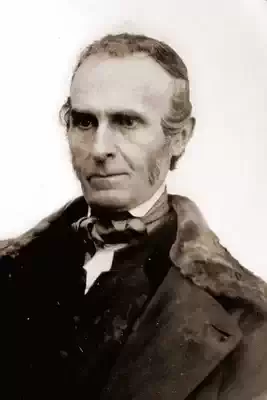
John Greenleaf Whittier
The Slave Ships
The Slave Ships
'ALL ready?' cried the captain;
'Ay, ay!' the seamen said;
'Heave up the worthless lubbers, —
The dying and the dead.'
Up from the slave-ship's prison
Fierce, bearded heads were thrust
'Now let the sharks look to it,—
Toss up the dead ones first!'
Corpse after corpse came.up, —
Death had been busy there;
Where every blow is mercy,
Why should the spoiler spare?
Corpse after corpse they cast
Sullenly from the ship,
Yet bloody with the traces
Of fetter-link and whip.
Gloomily stood the captain,
With his arms upon his breast,
With his cold brow sternly knotted,
And his iron lip compressed.
'Are all the dead dogs over?'
Growled through that matted lip;
'The blind ones are no better,
Let's lighten the good ship.'
Hark! from the ship's dark bosom,
The very sounds of hell!
The ringing clank of iron,
The maniac's short, sharp yell!
The hoarse, low curse, throat-stified;
The starving infant's moan,
The horror of a breaking heart
Poured through a mother's groan.
Up from that loathsome prison
The stricken blind ones came:
Below, had all been darkness,
Above, was still the same.
Yet the holy breath of heaven
Was sweetly breathing there,
And the heated brow of fever
Cooled in the soft sea air.
'Overboard with them, shipmates!'
Cutlass and dirk were plied;
Fettered and blind, one after one,
Plunged down the vessel's side.
The sabre smote above,.
Beneath, the lean shark lay,
Waiting with wide and bloody jaw
His quick and human prey.
God of the earth! what cries
Rang upward unto thee?
Voices of agony and blood,
From ship-deck and from sea.
The last dull plunge was heard,
The last wave caught its stain,
And the unsated shark looked up
For human hearts in vain.
. . . . . . . .
Red glowed the western waters,
The setting sun was there,
Scattering alike on wave and cloud
His fiery mesh of hair.
Amidst a group in blindness,
A solitary eye
Gazed, from the burdened slaver's deck,
Into that burning sky.
' A storm,' spoke out the gazer,
'Is gathering and at hand;
Curse on't, I'd give my other eye
For one firm rood of land.'
And then he laughed, but only
His echoed laugh replied,
For the blinded and the suffering
Alone were at his side.
Night settled on the waters,
And on a stormy heaven,
While fiercely on that lone ship's track
The thunder-gust was driven.
'A sail! — thank God, a sail!'
And as the helmsman spoke,
Up through the stormy murmur
A shout of gladness broke.
Down came the stranger vessel,
Unheeding on her way,
So near that on the slaver's deck
Fell off her driven spray.
' Ho! for the love of mercy,
We're perishing and blind!'
A wail of utter agony
Came back upon the wind:
' Help us! for we are stricken
With blindness every one;
Ten days we've floated fearfully,
Unnoting star or sun.
Our ship's the slaver Leon, —
We're but a score on board;
Our slaves are all gone over, —
Help, for the love of God!'
On livid brows of agony
The broad red lightning shone;
But the roar of wind and thunder
Stifled the answering groan;
Wailed from the broken waters
A last despairing cry,
As, kindling in the stormy light,
The stranger ship went by.
. . . . . . . .
In the sunny Guadaloupe
A dark-hulled vessel lay,
With a crew who noted never
The nightfall or the day.
The blossom of the orange
Was white by every stream,
And tropic leaf, and flower, and bird
Were in the warm sunbeam.
And the sky was bright as ever,
And the moonlight slept as well,
On the palm-trees by the hillside,
And the streamlet of the dell:
And the glances of the Creole
Were still as archly deep,
And her smiles as full as ever
Of passion and of sleep.
But vain were bird and blossom,
The green earth and the sky,
And the smile of human faces,
To the slaver's darkened eye;
At the breaking of the morning,
At the star-lit evening time,
O'er a world of light and beauty
Fell the blackness of his crime.
'ALL ready?' cried the captain;
'Ay, ay!' the seamen said;
'Heave up the worthless lubbers, —
The dying and the dead.'
Up from the slave-ship's prison
Fierce, bearded heads were thrust
'Now let the sharks look to it,—
Toss up the dead ones first!'
Corpse after corpse came.up, —
Death had been busy there;
Where every blow is mercy,
Why should the spoiler spare?
Corpse after corpse they cast
Sullenly from the ship,
Yet bloody with the traces
Of fetter-link and whip.
Gloomily stood the captain,
With his arms upon his breast,
With his cold brow sternly knotted,
And his iron lip compressed.
'Are all the dead dogs over?'
Growled through that matted lip;
'The blind ones are no better,
Let's lighten the good ship.'
Hark! from the ship's dark bosom,
The very sounds of hell!
The ringing clank of iron,
The maniac's short, sharp yell!
The hoarse, low curse, throat-stified;
The starving infant's moan,
The horror of a breaking heart
Poured through a mother's groan.
Up from that loathsome prison
The stricken blind ones came:
Below, had all been darkness,
Above, was still the same.
Yet the holy breath of heaven
Was sweetly breathing there,
And the heated brow of fever
Cooled in the soft sea air.
'Overboard with them, shipmates!'
Cutlass and dirk were plied;
Fettered and blind, one after one,
Plunged down the vessel's side.
The sabre smote above,.
Beneath, the lean shark lay,
Waiting with wide and bloody jaw
His quick and human prey.
God of the earth! what cries
Rang upward unto thee?
Voices of agony and blood,
From ship-deck and from sea.
The last dull plunge was heard,
The last wave caught its stain,
And the unsated shark looked up
For human hearts in vain.
. . . . . . . .
Red glowed the western waters,
The setting sun was there,
Scattering alike on wave and cloud
His fiery mesh of hair.
Amidst a group in blindness,
A solitary eye
Gazed, from the burdened slaver's deck,
Into that burning sky.
' A storm,' spoke out the gazer,
'Is gathering and at hand;
Curse on't, I'd give my other eye
For one firm rood of land.'
And then he laughed, but only
His echoed laugh replied,
For the blinded and the suffering
Alone were at his side.
Night settled on the waters,
And on a stormy heaven,
While fiercely on that lone ship's track
The thunder-gust was driven.
'A sail! — thank God, a sail!'
And as the helmsman spoke,
Up through the stormy murmur
A shout of gladness broke.
Down came the stranger vessel,
Unheeding on her way,
So near that on the slaver's deck
Fell off her driven spray.
' Ho! for the love of mercy,
We're perishing and blind!'
A wail of utter agony
Came back upon the wind:
' Help us! for we are stricken
With blindness every one;
Ten days we've floated fearfully,
Unnoting star or sun.
Our ship's the slaver Leon, —
We're but a score on board;
Our slaves are all gone over, —
Help, for the love of God!'
On livid brows of agony
The broad red lightning shone;
But the roar of wind and thunder
Stifled the answering groan;
Wailed from the broken waters
A last despairing cry,
As, kindling in the stormy light,
The stranger ship went by.
. . . . . . . .
In the sunny Guadaloupe
A dark-hulled vessel lay,
With a crew who noted never
The nightfall or the day.
The blossom of the orange
Was white by every stream,
And tropic leaf, and flower, and bird
Were in the warm sunbeam.
And the sky was bright as ever,
And the moonlight slept as well,
On the palm-trees by the hillside,
And the streamlet of the dell:
And the glances of the Creole
Were still as archly deep,
And her smiles as full as ever
Of passion and of sleep.
But vain were bird and blossom,
The green earth and the sky,
And the smile of human faces,
To the slaver's darkened eye;
At the breaking of the morning,
At the star-lit evening time,
O'er a world of light and beauty
Fell the blackness of his crime.
229
John Greenleaf Whittier
The Pipes At Lucknow
The Pipes At Lucknow
Pipes of the misty moorlands,
Voice of the glens and hills;
The droning of the torrents,
The treble of the rills!
Not the braes of bloom and heather,
Nor the mountains dark with rain,
Nor maiden bower, nor border tower,
Have heard your sweetest strain!
Dear to the Lowland reaper,
And plaided mountaineer, To
the cottage and the castle
The Scottish pipes are dear; Sweet
sounds the ancient pibroch
O'er mountain, loch, and glade;
But the sweetest of all music
The pipes at Lucknow played.
Day by day the Indian tiger
Louder yelled, and nearer crept;
Round and round the jungle-serpent
Near and nearer circles swept.
'Pray for rescue, wives and mothers, Pray
to-day!' the soldier said;
'To-morrow, death's between us
And the wrong and shame we dread.'
Oh, they listened, looked, and waited,
Till their hope became despair;
And the sobs of low bewailing
Filled the pauses of their prayer.
Then up spake a Scottish maiden.
With her ear unto the ground:
'Dinna ye hear it? - dinna ye hear it?
The pipes o' Havelock sound!'
Hushed the wounded man his groaning;
Hushed the wife her little ones;
Alone they heard the drum-roll
And the roar of Sepoy guns.
But to sounds of home and childhood
The Highland ear was true; As
her mother's cradle-crooning
The mountain pipes she knew.
Like the march of soundless music
Through the vision of the seer,
More of feeling than of hearing,
Of the heart than of the ear,
She knew the droning pibroch,
She knew the Campbell's call:
'Hark! hear ye no MacGregor's,
The grandest o' them all!'
Oh, they listened, dumb and breathless,
And they caught the sound at last;
Faint and far beyond the Goomtee
Rose and fell the piper's blast!
Then a burst of wild thanksgiving
Mingled woman's voice and man's;
'God be praised! - the march of Havelock!
The piping of the clans!'
Louder, nearer, fierce as vengeance,
Sharp and shrill as swords at strife,
Came the wild MacGregor's clan-call,
Stinging all the air to life.
But when the far-off dust-cloud
To plaided legions grew,
Full tenderly and blithesomely
The pipes of rescue blew!
Round the silver domes of Lucknow.
Moslem mosque and Pagan shrine,
Breathed the air to Britons dearest,
The air of Auld Lang Syne.
O'er the cruel roll of war-drums
Rose that sweet and homelike strain;
And the tartan clove the turban,
As the Goomtee cleaves the plain.
Dear to the corn-land reaper
And plaided mountaineer, To
the cottage and the castle
The piper's song is dear.
Sweet sounds the Gaelic pibroch
O'er mountain, glen, and glade;
But the sweetest of all music
The pipes at Lucknow played!
Pipes of the misty moorlands,
Voice of the glens and hills;
The droning of the torrents,
The treble of the rills!
Not the braes of bloom and heather,
Nor the mountains dark with rain,
Nor maiden bower, nor border tower,
Have heard your sweetest strain!
Dear to the Lowland reaper,
And plaided mountaineer, To
the cottage and the castle
The Scottish pipes are dear; Sweet
sounds the ancient pibroch
O'er mountain, loch, and glade;
But the sweetest of all music
The pipes at Lucknow played.
Day by day the Indian tiger
Louder yelled, and nearer crept;
Round and round the jungle-serpent
Near and nearer circles swept.
'Pray for rescue, wives and mothers, Pray
to-day!' the soldier said;
'To-morrow, death's between us
And the wrong and shame we dread.'
Oh, they listened, looked, and waited,
Till their hope became despair;
And the sobs of low bewailing
Filled the pauses of their prayer.
Then up spake a Scottish maiden.
With her ear unto the ground:
'Dinna ye hear it? - dinna ye hear it?
The pipes o' Havelock sound!'
Hushed the wounded man his groaning;
Hushed the wife her little ones;
Alone they heard the drum-roll
And the roar of Sepoy guns.
But to sounds of home and childhood
The Highland ear was true; As
her mother's cradle-crooning
The mountain pipes she knew.
Like the march of soundless music
Through the vision of the seer,
More of feeling than of hearing,
Of the heart than of the ear,
She knew the droning pibroch,
She knew the Campbell's call:
'Hark! hear ye no MacGregor's,
The grandest o' them all!'
Oh, they listened, dumb and breathless,
And they caught the sound at last;
Faint and far beyond the Goomtee
Rose and fell the piper's blast!
Then a burst of wild thanksgiving
Mingled woman's voice and man's;
'God be praised! - the march of Havelock!
The piping of the clans!'
Louder, nearer, fierce as vengeance,
Sharp and shrill as swords at strife,
Came the wild MacGregor's clan-call,
Stinging all the air to life.
But when the far-off dust-cloud
To plaided legions grew,
Full tenderly and blithesomely
The pipes of rescue blew!
Round the silver domes of Lucknow.
Moslem mosque and Pagan shrine,
Breathed the air to Britons dearest,
The air of Auld Lang Syne.
O'er the cruel roll of war-drums
Rose that sweet and homelike strain;
And the tartan clove the turban,
As the Goomtee cleaves the plain.
Dear to the corn-land reaper
And plaided mountaineer, To
the cottage and the castle
The piper's song is dear.
Sweet sounds the Gaelic pibroch
O'er mountain, glen, and glade;
But the sweetest of all music
The pipes at Lucknow played!
239
John Greenleaf Whittier
The Peace Convention At Brussels
The Peace Convention At Brussels
STILL in thy streets, O Paris! doth the stain
Of blood defy the cleansing autumn rain;
Still breaks the smoke Messina's ruins through,
And Naples mourns that new Bartholomew,
When squalid beggary, for a dole of bread,
At a crowned murderer's beck of license, fed
The yawning trenches with her noble dead;
Still, doomed Vienna, through thy stately halls
The shell goes crashing and the red shot falls,
And, leagued to crush thee, on the Danube's side,
The bearded Croat and Bosniak spearman ride;
Still in that vale where Himalaya's snow
Melts round the cornfields and the vines below,
The Sikh's hot cannon, answering ball for ball,
Flames in the breach of Moultan's shattered wall;
On Chenab's side the vulture seeks the slain,
And Sutlej paints with blood its banks again.
'What folly, then,' the faithless critic cries,
With sneering lip, and wise world-knowing eyes,
'While fort to fort, and post to post, repeat
The ceaseless challenge of the war-drum's beat,
And round the green earth, to the church-bell's chime,
The morning drum-roll of the camp keeps time,
To dream of peace amidst a world in arms,
Of swords to ploughshares changed by Scriptural charms,
Of nations, drunken with the wine of blood,
Staggering to take the Pledge of Brotherhood,
Like tipplers answering Father Mathew's call;
The sullen Spaniard, and the mad-cap Gaul,
The bull-dog Briton, yielding but with life,
The Yankee swaggering with his bowie-knife,
The Russ, from banquets with the vulture shared,
The blood still dripping from his amber beard,
Quitting their mad Berserker dance to hear
The dull, meek droning of a drab-coat seer;
Leaving the sport of Presidents and Kings,
Where men for dice each titled gambler flings,
To meet alternate on the Seine and Thames,
For tea and gossip, like old country dames!
No! let the cravens plead the weakling's cant,
Let Cobden cipher, and let Vincent rant,
Let Sturge preach peace to democratic throngs,
And Burritt, stammering through his hundred tongues,
Repeat, in all, his ghostly lessons o'er,
Timed to the pauses of the battery's roar;
Check Ban or Kaiser with the barricade
Of 'Olive-leaves' and Resolutions made,
Spike guns with pointed Scripture-texts, and hope
To capsize navies with a windy trope;
Still shall the glory and the pomp of War
Along their train the shouting millions draw;
Still dusty Labor to the passing Brave
His cap shall doff, and Beauty's kerchief wave;
Still shall the bard to Valor tune his song,
Still Hero-worship kneel before the Strong;
Rosy and sleek, the sable-gowned divine,
O'er his third bottle of suggestive wine,
To plumed and sworded auditors, shall prove
Their trade accordant with the Law of Love;
And Church for State, and State for Church, shall fight,
And both agree, that 'Might alone is Right!'
Despite of sneers like these, O faithful few,
Who dare to hold God's word and witness true,
Whose clear-eyed faith transcends our evil time,
And o'er the present wilderness of crime
Sees the calm future, with its robes of green,
Its fleece-flecked mountains, and soft streams between,—
Still keep the path which duty bids ye tread,
Though worldly wisdom shake the cautious head;
No truth from Heaven descends upon our sphere,
Without the greeting of the skeptic's sneer;
Denied and mocked at, till its blessings fall,
Common as dew and sunshine, over all.
'Then, o'er Earth's war-field, till the strife shall cease,
Like Morven's harpers, sing your song of peace;
As in old fable rang the Thracian's lyre,
Midst howl of fiends and roar of penal fire,
Till the fierce din to pleasing murmurs fell,
And love subdued the maddened heart of hell.
Lend, once again, that holy song a tongue,
Which the glad angels of the Advent sung,
Their cradle-anthem for the Saviour's birth,
Glory to God, and peace unto the earth!
Through the mad discord send that calming word
Which wind and wave on wild Genesareth heard,
Lift in Christ's name his Cross against the Sword!
Not vain the vision which the prophets saw,
Skirting with green the fiery waste of war,
Through the hot sand-gleam, looming soft and calm
On the sky's rim, the fountain-shading palm.
Still lives for Earth, which fiends so long have trod,
The great hope resting on the truth of God, —
Evil shall cease and Violence pass away,
And the tired world breathe free through a long Sabbath day.
STILL in thy streets, O Paris! doth the stain
Of blood defy the cleansing autumn rain;
Still breaks the smoke Messina's ruins through,
And Naples mourns that new Bartholomew,
When squalid beggary, for a dole of bread,
At a crowned murderer's beck of license, fed
The yawning trenches with her noble dead;
Still, doomed Vienna, through thy stately halls
The shell goes crashing and the red shot falls,
And, leagued to crush thee, on the Danube's side,
The bearded Croat and Bosniak spearman ride;
Still in that vale where Himalaya's snow
Melts round the cornfields and the vines below,
The Sikh's hot cannon, answering ball for ball,
Flames in the breach of Moultan's shattered wall;
On Chenab's side the vulture seeks the slain,
And Sutlej paints with blood its banks again.
'What folly, then,' the faithless critic cries,
With sneering lip, and wise world-knowing eyes,
'While fort to fort, and post to post, repeat
The ceaseless challenge of the war-drum's beat,
And round the green earth, to the church-bell's chime,
The morning drum-roll of the camp keeps time,
To dream of peace amidst a world in arms,
Of swords to ploughshares changed by Scriptural charms,
Of nations, drunken with the wine of blood,
Staggering to take the Pledge of Brotherhood,
Like tipplers answering Father Mathew's call;
The sullen Spaniard, and the mad-cap Gaul,
The bull-dog Briton, yielding but with life,
The Yankee swaggering with his bowie-knife,
The Russ, from banquets with the vulture shared,
The blood still dripping from his amber beard,
Quitting their mad Berserker dance to hear
The dull, meek droning of a drab-coat seer;
Leaving the sport of Presidents and Kings,
Where men for dice each titled gambler flings,
To meet alternate on the Seine and Thames,
For tea and gossip, like old country dames!
No! let the cravens plead the weakling's cant,
Let Cobden cipher, and let Vincent rant,
Let Sturge preach peace to democratic throngs,
And Burritt, stammering through his hundred tongues,
Repeat, in all, his ghostly lessons o'er,
Timed to the pauses of the battery's roar;
Check Ban or Kaiser with the barricade
Of 'Olive-leaves' and Resolutions made,
Spike guns with pointed Scripture-texts, and hope
To capsize navies with a windy trope;
Still shall the glory and the pomp of War
Along their train the shouting millions draw;
Still dusty Labor to the passing Brave
His cap shall doff, and Beauty's kerchief wave;
Still shall the bard to Valor tune his song,
Still Hero-worship kneel before the Strong;
Rosy and sleek, the sable-gowned divine,
O'er his third bottle of suggestive wine,
To plumed and sworded auditors, shall prove
Their trade accordant with the Law of Love;
And Church for State, and State for Church, shall fight,
And both agree, that 'Might alone is Right!'
Despite of sneers like these, O faithful few,
Who dare to hold God's word and witness true,
Whose clear-eyed faith transcends our evil time,
And o'er the present wilderness of crime
Sees the calm future, with its robes of green,
Its fleece-flecked mountains, and soft streams between,—
Still keep the path which duty bids ye tread,
Though worldly wisdom shake the cautious head;
No truth from Heaven descends upon our sphere,
Without the greeting of the skeptic's sneer;
Denied and mocked at, till its blessings fall,
Common as dew and sunshine, over all.
'Then, o'er Earth's war-field, till the strife shall cease,
Like Morven's harpers, sing your song of peace;
As in old fable rang the Thracian's lyre,
Midst howl of fiends and roar of penal fire,
Till the fierce din to pleasing murmurs fell,
And love subdued the maddened heart of hell.
Lend, once again, that holy song a tongue,
Which the glad angels of the Advent sung,
Their cradle-anthem for the Saviour's birth,
Glory to God, and peace unto the earth!
Through the mad discord send that calming word
Which wind and wave on wild Genesareth heard,
Lift in Christ's name his Cross against the Sword!
Not vain the vision which the prophets saw,
Skirting with green the fiery waste of war,
Through the hot sand-gleam, looming soft and calm
On the sky's rim, the fountain-shading palm.
Still lives for Earth, which fiends so long have trod,
The great hope resting on the truth of God, —
Evil shall cease and Violence pass away,
And the tired world breathe free through a long Sabbath day.
292
John Greenleaf Whittier
The Mantle Of St. John De Matha. A Legend Of
The Mantle Of St. John De Matha. A Legend Of
A STRONG and mighty Angel,
Calm, terrible, and bright,
The cross in blended red and blue
Upon his mantle white!
Two captives by him kneeling,
Each on his broken chain,
Sang praise to God who raiseth
The dead to life again!
Dropping his cross-wrought mantle,
'Wear this,' the Angel said;
'Take thou, O Freedom's priest, its sign, —
The white, the blue, and red.'
Then rose up John de Matha
In the strength the Lord Christ gave,
And begged through all the land of France
The ransom of the slave.
The gates of tower and castle
Before him open flew,
The drawbridge at his coming fell,
The door-bolt backward drew.
For all men owned his errand,
And paid his righteous tax;
And the hearts of lord and peasant
Were in his hands as wax.
At last, outbound from Tunis,
His bark her anchor weighed,
Freighted with seven-score Christian souls
Whose ransom he had paid.
But, torn by Paynim hatred,
Her sails in tatters hung;
And on the wild waves, rudderless,
A shattered hulk she swung.
'God save us!' cried the captain,
'For naught can man avail;
Oh, woe betide the ship that lacks
Her rudder and her sail!
'Behind us are the Moormen;
At sea we sink or strand:
There's death upon the water,
There's death upon the land!'
Then up spake John de Matha:
'God's errands never fail!
Take thou the mantle which I wear,
And make of it a sail.'
They raised the cross-wrought mantle,
The blue, the white, the red;
And straight before the wind off-shore
The ship of Freedom sped.
'God help us!' cried the seamen,
'For vain is mortal skill:
The good ship on a stormy sea
Is drifting at its will.'
Then up spake John de Matha:
'My mariners, never fear!
The Lord whose breath has filled her sail
May well our vessel steer!'
So on through storm and darkness
They drove for weary hours;
And lo! the third gray morning shone
On Ostia's friendly towers.
And on the walls the watchers
The ship of mercy knew, —
They knew far off its holy cross,
The red, the white, and blue.
And the bells in all the steeples
Rang out in glad accord,
To welcome home to Christian soil
The ransomed of the Lord.
So runs the ancient legend
By bard and painter told;
And lo! the cycle rounds again,
The new is as the old!
With rudder foully broken,
And sails by traitors torn,
Our country on a midnight sea
Is waiting for the morn.
Before her, nameless terror;
Behind, the pirate foe;
The clouds are black above her,
The sea is white below.
The hope of all who suffer,
The dread of all who wrong,
She drifts in darkness and in storm,
How long, O Lord! how long?
But courage, O my mariners!
Ye shall not suffer wreck,
While up to God the freedman's prayers
Are rising from your deck.
Is not your sail the banner
Which God hath blest anew,
The mantle that De Matha wore,
The red, the white, the blue?
Its hues are all of heaven, —
The red of sunset's dye,
The whiteness of the moon-lit cloud,
The blue of morning's sky.
Wait cheerily, then, O mariners,
For daylight and for land;
The breath of God is in your sail,
Your rudder is His hand.
Sail on, sail on, deep-freighted
With blessings and with hopes;
The saints of old with shadowy hands
Are pulling at your ropes.
Behind ye holy martyrs
Uplift the palm and crown;
Before ye unborn ages send
Their benedictions down.
Take heart from John de Matha! —
God's errands never fail!
Sweep on through storm and darkness,
The thunder and the hail!
Sail on! The morning cometh,
The port ye yet shall win;
And all the bells of God shall ring
The good ship bravely in!
A STRONG and mighty Angel,
Calm, terrible, and bright,
The cross in blended red and blue
Upon his mantle white!
Two captives by him kneeling,
Each on his broken chain,
Sang praise to God who raiseth
The dead to life again!
Dropping his cross-wrought mantle,
'Wear this,' the Angel said;
'Take thou, O Freedom's priest, its sign, —
The white, the blue, and red.'
Then rose up John de Matha
In the strength the Lord Christ gave,
And begged through all the land of France
The ransom of the slave.
The gates of tower and castle
Before him open flew,
The drawbridge at his coming fell,
The door-bolt backward drew.
For all men owned his errand,
And paid his righteous tax;
And the hearts of lord and peasant
Were in his hands as wax.
At last, outbound from Tunis,
His bark her anchor weighed,
Freighted with seven-score Christian souls
Whose ransom he had paid.
But, torn by Paynim hatred,
Her sails in tatters hung;
And on the wild waves, rudderless,
A shattered hulk she swung.
'God save us!' cried the captain,
'For naught can man avail;
Oh, woe betide the ship that lacks
Her rudder and her sail!
'Behind us are the Moormen;
At sea we sink or strand:
There's death upon the water,
There's death upon the land!'
Then up spake John de Matha:
'God's errands never fail!
Take thou the mantle which I wear,
And make of it a sail.'
They raised the cross-wrought mantle,
The blue, the white, the red;
And straight before the wind off-shore
The ship of Freedom sped.
'God help us!' cried the seamen,
'For vain is mortal skill:
The good ship on a stormy sea
Is drifting at its will.'
Then up spake John de Matha:
'My mariners, never fear!
The Lord whose breath has filled her sail
May well our vessel steer!'
So on through storm and darkness
They drove for weary hours;
And lo! the third gray morning shone
On Ostia's friendly towers.
And on the walls the watchers
The ship of mercy knew, —
They knew far off its holy cross,
The red, the white, and blue.
And the bells in all the steeples
Rang out in glad accord,
To welcome home to Christian soil
The ransomed of the Lord.
So runs the ancient legend
By bard and painter told;
And lo! the cycle rounds again,
The new is as the old!
With rudder foully broken,
And sails by traitors torn,
Our country on a midnight sea
Is waiting for the morn.
Before her, nameless terror;
Behind, the pirate foe;
The clouds are black above her,
The sea is white below.
The hope of all who suffer,
The dread of all who wrong,
She drifts in darkness and in storm,
How long, O Lord! how long?
But courage, O my mariners!
Ye shall not suffer wreck,
While up to God the freedman's prayers
Are rising from your deck.
Is not your sail the banner
Which God hath blest anew,
The mantle that De Matha wore,
The red, the white, the blue?
Its hues are all of heaven, —
The red of sunset's dye,
The whiteness of the moon-lit cloud,
The blue of morning's sky.
Wait cheerily, then, O mariners,
For daylight and for land;
The breath of God is in your sail,
Your rudder is His hand.
Sail on, sail on, deep-freighted
With blessings and with hopes;
The saints of old with shadowy hands
Are pulling at your ropes.
Behind ye holy martyrs
Uplift the palm and crown;
Before ye unborn ages send
Their benedictions down.
Take heart from John de Matha! —
God's errands never fail!
Sweep on through storm and darkness,
The thunder and the hail!
Sail on! The morning cometh,
The port ye yet shall win;
And all the bells of God shall ring
The good ship bravely in!
269
John Greenleaf Whittier
The Hive At Gettysburg
The Hive At Gettysburg
IN the old Hebrew myth the lion's frame,
So terrible alive,
Bleached by the desert's sun and wind, became
The wandering wild bees' hive;
And he who, lone and naked-handed, tore
Those jaws of death apart,
In after time drew forth their honeyed store
To strengthen his strong heart.
Dead seemed the legend: but it only slept
To wake beneath our sky;
Just on the spot whence ravening Treason crept
Back to its lair to die,
Bleeding and torn from Freedom's mountain bounds,
A stained and shattered drum
Is now the hive where, on their flowery rounds,
The wild bees go and come.
Unchallenged by a ghostly sentinel,
They wander wide and far,
Along green hillsides, sown with shot and shell,
Through vales once choked with war.
The low reveille of their battle-drum
Disturbs no morning prayer;
With deeper peace in summer noons their hum
Fills all the drowsy air.
And Samson's riddle is our own to-day,
Of sweetness from the strong,
Of union, peace, and freedom plucked away
From the rent jaws of wrong.
From Treason's death we draw a purer life,
As, from the beast he slew,
A sweetness sweeter for his bitter strife
The old-time athlete drew!
IN the old Hebrew myth the lion's frame,
So terrible alive,
Bleached by the desert's sun and wind, became
The wandering wild bees' hive;
And he who, lone and naked-handed, tore
Those jaws of death apart,
In after time drew forth their honeyed store
To strengthen his strong heart.
Dead seemed the legend: but it only slept
To wake beneath our sky;
Just on the spot whence ravening Treason crept
Back to its lair to die,
Bleeding and torn from Freedom's mountain bounds,
A stained and shattered drum
Is now the hive where, on their flowery rounds,
The wild bees go and come.
Unchallenged by a ghostly sentinel,
They wander wide and far,
Along green hillsides, sown with shot and shell,
Through vales once choked with war.
The low reveille of their battle-drum
Disturbs no morning prayer;
With deeper peace in summer noons their hum
Fills all the drowsy air.
And Samson's riddle is our own to-day,
Of sweetness from the strong,
Of union, peace, and freedom plucked away
From the rent jaws of wrong.
From Treason's death we draw a purer life,
As, from the beast he slew,
A sweetness sweeter for his bitter strife
The old-time athlete drew!
257
John Greenleaf Whittier
The Conquest Of Finland
The Conquest Of Finland
ACROSS the frozen marshes
The winds of autumn blow,
And the fen-lands of the Wetter
Are white with early snow.
But where the low, gray headlands
Look o'er the Baltic brine,
A bark is sailing in the track
Of England's battle-line.
No wares hath she to barter
For Bothnia's fish and grain;
She saileth not for pleasure,
She saileth not for gain.
But still by isle or mainland
She drops her, anchor down,
Where'er the British cannon
Rained fire on tower and town.
Outspake the ancient Amtman,
At the gate of Helsingfors:
'Why comes this ship a-spying
In the track of England's wars?'
'God bless her,' said the coast-guard, —
'God bless the ship, I say.
The holy angels trim the sails
That speed her on her way!
'Where'er she drops her anchor,
The peasant's heart is glad;
Where'er she spreads her parting sail,
The peasant's heart is sad.
'Each wasted town and hamlet
She visits to restore;
To roof the shattered cabin,
And feed the starving poor.
' The sunken boats of fishers,
The foraged beeves and grain,
The spoil of flake and storehouse,
The good ship brings again.
'And so to Finland's sorrow
The sweet amend is made,
As if the healing hand of Christ
Upon her wounds were laid!'
Then said the gray old Amtman,
'The will of God be done!
The battle lost by England's hate,
By England's love is won!
'We braved the iron tempest
That thundered on our shore;
But when did kindness fail to find
The key to Finland's door?
'No more from Aland's ramparts
Shall warning signal come,
Nor startled Sweaborg hear again
The roll of midnight drum.
'Beside our fierce Black Eagle
The Dove of Peace shall rest;
And in the mouths of cannon
The sea-bird make her nest.
'For Finland, looking seaward,
No coming foe shall scan;
And the holy bells of Abo
Shall ring, 'Good-will to man!'
'Then row thy boat, O fisher!
In peace on lake and bay;
And thou, young maiden, dance again
Around the poles of May!
'Sit down, old men, together,
Old wives, in quiet spin;
Henceforth the Anglo-Saxon
Is the brother of the Finn!'
ACROSS the frozen marshes
The winds of autumn blow,
And the fen-lands of the Wetter
Are white with early snow.
But where the low, gray headlands
Look o'er the Baltic brine,
A bark is sailing in the track
Of England's battle-line.
No wares hath she to barter
For Bothnia's fish and grain;
She saileth not for pleasure,
She saileth not for gain.
But still by isle or mainland
She drops her, anchor down,
Where'er the British cannon
Rained fire on tower and town.
Outspake the ancient Amtman,
At the gate of Helsingfors:
'Why comes this ship a-spying
In the track of England's wars?'
'God bless her,' said the coast-guard, —
'God bless the ship, I say.
The holy angels trim the sails
That speed her on her way!
'Where'er she drops her anchor,
The peasant's heart is glad;
Where'er she spreads her parting sail,
The peasant's heart is sad.
'Each wasted town and hamlet
She visits to restore;
To roof the shattered cabin,
And feed the starving poor.
' The sunken boats of fishers,
The foraged beeves and grain,
The spoil of flake and storehouse,
The good ship brings again.
'And so to Finland's sorrow
The sweet amend is made,
As if the healing hand of Christ
Upon her wounds were laid!'
Then said the gray old Amtman,
'The will of God be done!
The battle lost by England's hate,
By England's love is won!
'We braved the iron tempest
That thundered on our shore;
But when did kindness fail to find
The key to Finland's door?
'No more from Aland's ramparts
Shall warning signal come,
Nor startled Sweaborg hear again
The roll of midnight drum.
'Beside our fierce Black Eagle
The Dove of Peace shall rest;
And in the mouths of cannon
The sea-bird make her nest.
'For Finland, looking seaward,
No coming foe shall scan;
And the holy bells of Abo
Shall ring, 'Good-will to man!'
'Then row thy boat, O fisher!
In peace on lake and bay;
And thou, young maiden, dance again
Around the poles of May!
'Sit down, old men, together,
Old wives, in quiet spin;
Henceforth the Anglo-Saxon
Is the brother of the Finn!'
256
John Greenleaf Whittier
The Battle Autumn of 1862
The Battle Autumn of 1862
The flags of war like storm birds fly,
The charging trumpets blow;
Yet rolls no thunder in the sky,
No earthquake strives below.
And, calm and patient, Nature keeps
Her ancient promises well,
Though o'er her bloom and greenness sweeps,
The battle's breath of hell.
And still she walks in golden hours,
Through harvest-happy farms,
And still she wears her fruits and flowers
Like jewels on her arms.
What means the gladness of the plain,
This joy of eve and morn,
The mirth that shakes the bread of grain
And yellow locks of corn?
Ah! eyes may well be full of tears,
And hearts with hate are hot;
But even-paced come round the years,
And nature changes not.
She meets with smiles our bitter grief,
With songs our groans of pain;
She mocks with tints of flowers and leaf,
The war-field's crimson stain.
Still, in the cannon's pause, we hear
Her sweet thanksgiving psalm;
Too near to God for doubt or fear,
She shares the eternal calm.
She knows the seed lies safe below
The fires that blast and burn;
For all the tears of blood we sow
She waits the rich return.
She sees with clearer eye than ours
The good of suffering born,
The hearts that blossom like her flowers
And ripen like her corn.
Oh, give to us, in times like these,
The vision of her eyes;
And make her fields and fruited trees
Our golden prophecies.
Oh, give to us her finer ear;
Above this stormy din,
We, too, would hear the bells of cheer
Ring peace and freedom in.
The flags of war like storm birds fly,
The charging trumpets blow;
Yet rolls no thunder in the sky,
No earthquake strives below.
And, calm and patient, Nature keeps
Her ancient promises well,
Though o'er her bloom and greenness sweeps,
The battle's breath of hell.
And still she walks in golden hours,
Through harvest-happy farms,
And still she wears her fruits and flowers
Like jewels on her arms.
What means the gladness of the plain,
This joy of eve and morn,
The mirth that shakes the bread of grain
And yellow locks of corn?
Ah! eyes may well be full of tears,
And hearts with hate are hot;
But even-paced come round the years,
And nature changes not.
She meets with smiles our bitter grief,
With songs our groans of pain;
She mocks with tints of flowers and leaf,
The war-field's crimson stain.
Still, in the cannon's pause, we hear
Her sweet thanksgiving psalm;
Too near to God for doubt or fear,
She shares the eternal calm.
She knows the seed lies safe below
The fires that blast and burn;
For all the tears of blood we sow
She waits the rich return.
She sees with clearer eye than ours
The good of suffering born,
The hearts that blossom like her flowers
And ripen like her corn.
Oh, give to us, in times like these,
The vision of her eyes;
And make her fields and fruited trees
Our golden prophecies.
Oh, give to us her finer ear;
Above this stormy din,
We, too, would hear the bells of cheer
Ring peace and freedom in.
304
John Greenleaf Whittier
The Angels of Buena Vista
The Angels of Buena Vista
Speak and tell us, our Ximena, looking northward far away,
O'er the camp of the invaders, o'er the Mexican array,
Who is losing? who is winning? are they far or come they near?
Look abroad, and tell us, sister, whither rolls the storm we hear.
Down the hills of Angostura still the storm of battle rolls;
Blood is flowing, men are dying; God have mercy on their souls!
'Who is losing? who is winning?' Over hill and over plain,
I see but smoke of cannon clouding through the mountain rain.'
Holy Mother! keep our brothers! Look, Ximena, look once more.
'Still I see the fearful whirlwind rolling darkly as before,
Bearing on, in strange confusion, friend and foeman, foot and horse,
Like some wild and troubled torrent sweeping down its mountain course.'
Look forth once more, Ximena! 'Ah! the smoke has rolled away;
And I see the Northern rifles gleaming down the ranks of gray.
Hark! that sudden blast of bugles! there the troop of Minon wheels;
There the Northern horses thunder, with the cannon at their heels.
'Jesu, pity I how it thickens I now retreat and now advance!
Bight against the blazing cannon shivers Puebla's charging lance!
Down they go, the brave young riders; horse and foot together fall;
Like a ploughshare in the fallow, through them ploughs the Northern ball.'
Nearer came the storm and nearer, rolling fast and frightful on!
Speak, Ximena, speak and tell us, who has lost, and who has won?
Alas! alas! I know not; friend and foe together fall,
O'er the dying rush the living: pray, my sisters, for them all!
'Lo! the wind the smoke is lifting. Blessed Mother, save my brain!
I can see the wounded crawling slowly out from heaps of slain.
Now they stagger, blind and bleeding; now they fall, and strive to rise;
Hasten, sisters, haste and save them, lest they die before our eyes!
'O my hearts love! O my dear one! lay thy poor head on my knee;
Dost thou know the lips that kiss thee? Canst thou hear me? canst thou see?
O my husband, brave and gentle! O my Bernal, look once more
On the blessed cross before thee! Mercy! all is o'er!'
Dry thy tears, my poor Ximena; lay thy dear one down to rest;
Let his hands be meekly folded, lay the cross upon his breast;
Let his dirge be sung hereafter, and his funeral masses said;
To-day, thou poor bereaved one, the living ask thy aid.
Close beside her, faintly moaning, fair and young, a soldier lay,
Torn with shot and pierced with lances, bleeding slow his life away;
But, as tenderly before him the lorn Ximena knelt,
She saw the Northern eagle shining on his pistol-belt.
With a stifled cry of horror straight she turned away her head;
With a sad and bitter feeling looked she back upon her dead;
But she heard the youth's low moaning, and his struggling breath of pain,
And she raised the cooling water to his parching lips again.
Whispered low the dying soldier, pressed her hand and faintly smiled;
Was that pitying face his mother's? did she watch beside her child?
All his stranger words with meaning her woman's heart supplied;
With her kiss upon his forehead, 'Mother!' murmured he, and died!
'A bitter curse upon them, poor boy, who led thee forth,
From some gentle, sad-eyed mother, weeping, lonely, in the North!'
Spake the mournful Mexic woman, as she laid him with her dead,
And turned to soothe the living, and bind the wounds which bled.
'Look forth once more, Ximena!' Like a cloud before the wind
Rolls the battle down the mountains, leaving blood and death behind;
Ah! they plead in vain for mercy; in the dust the wounded strive;
'Hide your faces, holy angels! O thou Christ of God, forgive!'
Sink, O Night, among thy mountains! let the cool, gray shadows fall;
Dying brothers, fighting demons, drop thy curtain over all!
Through the thickening winter twilight, wide apart the battle rolled,
In its sheath the sabre rested, and the cannon's lips grew cold.
But the noble Mexic women still their holy task pursued,
Through that long, dark night of sorrow, worn and faint and lacking food.
Over weak and suffering brothers, with a tender care they hung,
And the dying foeman blessed them in a strange and Northern tongue.
Not wholly lost, O Father! is this evil world of ours;
Upward, through its blood and ashes, spring afresh the Eden flowers;
From its smoking hell of battle, Love and Pity send their prayer,
And still thy white-winged angels hover dimly in our air!
Speak and tell us, our Ximena, looking northward far away,
O'er the camp of the invaders, o'er the Mexican array,
Who is losing? who is winning? are they far or come they near?
Look abroad, and tell us, sister, whither rolls the storm we hear.
Down the hills of Angostura still the storm of battle rolls;
Blood is flowing, men are dying; God have mercy on their souls!
'Who is losing? who is winning?' Over hill and over plain,
I see but smoke of cannon clouding through the mountain rain.'
Holy Mother! keep our brothers! Look, Ximena, look once more.
'Still I see the fearful whirlwind rolling darkly as before,
Bearing on, in strange confusion, friend and foeman, foot and horse,
Like some wild and troubled torrent sweeping down its mountain course.'
Look forth once more, Ximena! 'Ah! the smoke has rolled away;
And I see the Northern rifles gleaming down the ranks of gray.
Hark! that sudden blast of bugles! there the troop of Minon wheels;
There the Northern horses thunder, with the cannon at their heels.
'Jesu, pity I how it thickens I now retreat and now advance!
Bight against the blazing cannon shivers Puebla's charging lance!
Down they go, the brave young riders; horse and foot together fall;
Like a ploughshare in the fallow, through them ploughs the Northern ball.'
Nearer came the storm and nearer, rolling fast and frightful on!
Speak, Ximena, speak and tell us, who has lost, and who has won?
Alas! alas! I know not; friend and foe together fall,
O'er the dying rush the living: pray, my sisters, for them all!
'Lo! the wind the smoke is lifting. Blessed Mother, save my brain!
I can see the wounded crawling slowly out from heaps of slain.
Now they stagger, blind and bleeding; now they fall, and strive to rise;
Hasten, sisters, haste and save them, lest they die before our eyes!
'O my hearts love! O my dear one! lay thy poor head on my knee;
Dost thou know the lips that kiss thee? Canst thou hear me? canst thou see?
O my husband, brave and gentle! O my Bernal, look once more
On the blessed cross before thee! Mercy! all is o'er!'
Dry thy tears, my poor Ximena; lay thy dear one down to rest;
Let his hands be meekly folded, lay the cross upon his breast;
Let his dirge be sung hereafter, and his funeral masses said;
To-day, thou poor bereaved one, the living ask thy aid.
Close beside her, faintly moaning, fair and young, a soldier lay,
Torn with shot and pierced with lances, bleeding slow his life away;
But, as tenderly before him the lorn Ximena knelt,
She saw the Northern eagle shining on his pistol-belt.
With a stifled cry of horror straight she turned away her head;
With a sad and bitter feeling looked she back upon her dead;
But she heard the youth's low moaning, and his struggling breath of pain,
And she raised the cooling water to his parching lips again.
Whispered low the dying soldier, pressed her hand and faintly smiled;
Was that pitying face his mother's? did she watch beside her child?
All his stranger words with meaning her woman's heart supplied;
With her kiss upon his forehead, 'Mother!' murmured he, and died!
'A bitter curse upon them, poor boy, who led thee forth,
From some gentle, sad-eyed mother, weeping, lonely, in the North!'
Spake the mournful Mexic woman, as she laid him with her dead,
And turned to soothe the living, and bind the wounds which bled.
'Look forth once more, Ximena!' Like a cloud before the wind
Rolls the battle down the mountains, leaving blood and death behind;
Ah! they plead in vain for mercy; in the dust the wounded strive;
'Hide your faces, holy angels! O thou Christ of God, forgive!'
Sink, O Night, among thy mountains! let the cool, gray shadows fall;
Dying brothers, fighting demons, drop thy curtain over all!
Through the thickening winter twilight, wide apart the battle rolled,
In its sheath the sabre rested, and the cannon's lips grew cold.
But the noble Mexic women still their holy task pursued,
Through that long, dark night of sorrow, worn and faint and lacking food.
Over weak and suffering brothers, with a tender care they hung,
And the dying foeman blessed them in a strange and Northern tongue.
Not wholly lost, O Father! is this evil world of ours;
Upward, through its blood and ashes, spring afresh the Eden flowers;
From its smoking hell of battle, Love and Pity send their prayer,
And still thy white-winged angels hover dimly in our air!
366
John Greenleaf Whittier
Pentucket
Pentucket
How sweetly on the wood-girt town
The mellow light of sunset shone!
Each small, bright lake, whose waters still
Mirror the forest and the hill,
Reflected from its waveless breast
The beauty of a cloudless west,
Glorious as if a glimpse were given
Within the western gates of heaven,
Left, by the spirit of the star
Of sunset's holy hour, ajar!
Beside the river's tranquil flood
The dark and low-walled dwellings stood,
Where many a rood of open land
Stretched up and down on either hand,
With corn-leaves waving freshly green
The thick and blackened stumps between.
Behind, unbroken, deep and dread,
The wild, untravelled forest spread,
Back to those mountains, white and cold,
Of which the Indian trapper told,
Upon whose summits never yet
Was mortal foot in safety set.
Quiet and calm without a fear,
Of danger darkly lurking near,
The weary laborer left his plough,
The milkmaid carolled by her cow;
From cottage door and household hearth
Rose songs of praise, or tones of mirth.
At length the murmur died away,
And silence on that village lay.
-So slept Pompeii, tower and hall,
Ere the quick earthquake swallowed all,
Undreaming of the fiery fate
Which made its dwellings desolate.
Hours passed away. By moonlight sped
The Merrimac along his bed.
Bathed in the pallid lustre, stood
Dark cottage-wall and rock and wood,
Silent, beneath that tranquil beam,
As the hushed grouping of a dream.
Yet on the still air crept a sound,
No bark of fox, nor rabbit's bound,
Nor stir of wings, nor waters flowing,
Nor leaves in midnight breezes blowing.
Was that the tread of many feet,
Which downward from the hillside beat?
What forms were those which darkly stood
Just on the margin of the wood?Charred
tree-stumps in the moonlight dim,
Or paling rude, or leafless limb?
No,-through the trees fierce eyeballs glowed,
Dark human forms in moonshine showed,
Wild from their native wilderness,
With painted limbs and battle-dress.
A yell the dead might wake to hear
Swelled on the night air, far and clear;
Then smote the Indian tomahawk
On crashing door and shattering lock;
Then rang the rifle-shot, and then
The shrill death-scream of stricken men,Sank
the red axe in woman's brain,
And childhood's cry arose in vain.
Bursting through roof and window came,
Red, fast, and fierce, the kindled flame,
And blended fire and moonlight glared
On still dead men and scalp-knives bared.
The morning sun looked brightly through
The river willows, wet with dew.
No sound of combat filled the air,
No shout was heard, nor gunshot there;
Yet still the thick and sullen smoke
From smouldering ruins slowly broke;
And on the greensward many a stain,
And, here and there, the mangled slain,
Told how that midnight bolt had sped
Pentucket, on thy fated head.
Even now the villager can tell
Where Rolfe beside his hearthstone fell,
Still show the door of wasting oak,
Through which the fatal death-shot broke,
And point the curious stranger where
De Rouville's corse lay grim and bare;
Whose hideous head, in death still feared,
Bore not a trace of hair or beard;
And still, within the churchyard ground,
Heaves darkly up the ancient mound,
Whose grass-grown surface overlies
The victims of that sacrifice.
How sweetly on the wood-girt town
The mellow light of sunset shone!
Each small, bright lake, whose waters still
Mirror the forest and the hill,
Reflected from its waveless breast
The beauty of a cloudless west,
Glorious as if a glimpse were given
Within the western gates of heaven,
Left, by the spirit of the star
Of sunset's holy hour, ajar!
Beside the river's tranquil flood
The dark and low-walled dwellings stood,
Where many a rood of open land
Stretched up and down on either hand,
With corn-leaves waving freshly green
The thick and blackened stumps between.
Behind, unbroken, deep and dread,
The wild, untravelled forest spread,
Back to those mountains, white and cold,
Of which the Indian trapper told,
Upon whose summits never yet
Was mortal foot in safety set.
Quiet and calm without a fear,
Of danger darkly lurking near,
The weary laborer left his plough,
The milkmaid carolled by her cow;
From cottage door and household hearth
Rose songs of praise, or tones of mirth.
At length the murmur died away,
And silence on that village lay.
-So slept Pompeii, tower and hall,
Ere the quick earthquake swallowed all,
Undreaming of the fiery fate
Which made its dwellings desolate.
Hours passed away. By moonlight sped
The Merrimac along his bed.
Bathed in the pallid lustre, stood
Dark cottage-wall and rock and wood,
Silent, beneath that tranquil beam,
As the hushed grouping of a dream.
Yet on the still air crept a sound,
No bark of fox, nor rabbit's bound,
Nor stir of wings, nor waters flowing,
Nor leaves in midnight breezes blowing.
Was that the tread of many feet,
Which downward from the hillside beat?
What forms were those which darkly stood
Just on the margin of the wood?Charred
tree-stumps in the moonlight dim,
Or paling rude, or leafless limb?
No,-through the trees fierce eyeballs glowed,
Dark human forms in moonshine showed,
Wild from their native wilderness,
With painted limbs and battle-dress.
A yell the dead might wake to hear
Swelled on the night air, far and clear;
Then smote the Indian tomahawk
On crashing door and shattering lock;
Then rang the rifle-shot, and then
The shrill death-scream of stricken men,Sank
the red axe in woman's brain,
And childhood's cry arose in vain.
Bursting through roof and window came,
Red, fast, and fierce, the kindled flame,
And blended fire and moonlight glared
On still dead men and scalp-knives bared.
The morning sun looked brightly through
The river willows, wet with dew.
No sound of combat filled the air,
No shout was heard, nor gunshot there;
Yet still the thick and sullen smoke
From smouldering ruins slowly broke;
And on the greensward many a stain,
And, here and there, the mangled slain,
Told how that midnight bolt had sped
Pentucket, on thy fated head.
Even now the villager can tell
Where Rolfe beside his hearthstone fell,
Still show the door of wasting oak,
Through which the fatal death-shot broke,
And point the curious stranger where
De Rouville's corse lay grim and bare;
Whose hideous head, in death still feared,
Bore not a trace of hair or beard;
And still, within the churchyard ground,
Heaves darkly up the ancient mound,
Whose grass-grown surface overlies
The victims of that sacrifice.
304
John Greenleaf Whittier
Lexington
Lexington
1775.
No Berserk thirst of blood had they,
No battle-joy was theirs, who set
Against the alien bayonet
Their homespun breasts in that old day.
Their feet had trodden peaceful, ways;
They loved not strife, they dreaded pain;
They saw not, what to us is plain,
That God would make man's wrath his praise.
No seers were they, but simple men;
Its vast results the future hid
The meaning of the work they did
Was strange and dark and doubtful then.
Swift as their summons came they left
The plough mid-furrow standing still,
The half-ground corn grist in the mill,
The spade in earth, the axe in cleft.
They went where duty seemed to call,
They scarcely asked the reason why;
They only knew they could but die,
And death was not the worst of all!
Of man for man the sacrifice,
All that was theirs to give, they gave.
The flowers that blossomed from their grave
Have sown themselves beneath all skies.
Their death-shot shook the feudal tower,
And shattered slavery's chain as well;
On the sky's dome, as on a bell,
Its echo struck the world's great hour.
That fateful echo is not dumb
The nations listening to its sound
Wait, from a century's vantage-ground,
The holier triumphs yet to come,-
The bridal time of Law and Love,
The gladness of the world's release,
When, war-sick, at the feet of Peace
The hawk shall nestle with the dove!-
The golden age of brotherhood
Unknown to other rivalries
Than of the mild humanities,
And gracious interchange of good,
When closer strand shall lean to strand,
Till meet, beneath saluting flags,
The eagle of our mountain-crags,
The lion of our Motherland!
1775.
No Berserk thirst of blood had they,
No battle-joy was theirs, who set
Against the alien bayonet
Their homespun breasts in that old day.
Their feet had trodden peaceful, ways;
They loved not strife, they dreaded pain;
They saw not, what to us is plain,
That God would make man's wrath his praise.
No seers were they, but simple men;
Its vast results the future hid
The meaning of the work they did
Was strange and dark and doubtful then.
Swift as their summons came they left
The plough mid-furrow standing still,
The half-ground corn grist in the mill,
The spade in earth, the axe in cleft.
They went where duty seemed to call,
They scarcely asked the reason why;
They only knew they could but die,
And death was not the worst of all!
Of man for man the sacrifice,
All that was theirs to give, they gave.
The flowers that blossomed from their grave
Have sown themselves beneath all skies.
Their death-shot shook the feudal tower,
And shattered slavery's chain as well;
On the sky's dome, as on a bell,
Its echo struck the world's great hour.
That fateful echo is not dumb
The nations listening to its sound
Wait, from a century's vantage-ground,
The holier triumphs yet to come,-
The bridal time of Law and Love,
The gladness of the world's release,
When, war-sick, at the feet of Peace
The hawk shall nestle with the dove!-
The golden age of brotherhood
Unknown to other rivalries
Than of the mild humanities,
And gracious interchange of good,
When closer strand shall lean to strand,
Till meet, beneath saluting flags,
The eagle of our mountain-crags,
The lion of our Motherland!
523
John Greenleaf Whittier
Italy
Italy
ACROSS the sea I heard the groans
Of nations in the intervals
Of wind and wave. Their blood and bones
Cried out in torture, crushed by thrones,
And sucked by priestly cannibals.
I dreamed of Freedom slowly gained
By martyr meekness, patience, faith,
And lo! an athlete grimly stained,
With corded muscles battle-strained,
Shouting it from the fields of death!
I turn me, awe-struck, from the sight,
Among the clamoring thousands mute,
I only know that God is right,
And that the children of the light
Shall tread the darkness under foot.
I know the pent fire heaves its crust,
That sultry skies the bolt will form
To smite them clear; that Nature must
The balance of her powers adjust,
Though with the earthquake and the storm.
God reigns, and let the earth rejoice!
I bow before His sterner plan.
Dumb are the organs of my choice;
He speaks in battle's stormy voice,
His praise is in the wrath of man!
Yet, surely as He lives, the day
Of peace He promised shall be ours,
To fold the flags of war, and lay
Its sword and spear to rust away,
And sow its ghastly fields with flowers!
ACROSS the sea I heard the groans
Of nations in the intervals
Of wind and wave. Their blood and bones
Cried out in torture, crushed by thrones,
And sucked by priestly cannibals.
I dreamed of Freedom slowly gained
By martyr meekness, patience, faith,
And lo! an athlete grimly stained,
With corded muscles battle-strained,
Shouting it from the fields of death!
I turn me, awe-struck, from the sight,
Among the clamoring thousands mute,
I only know that God is right,
And that the children of the light
Shall tread the darkness under foot.
I know the pent fire heaves its crust,
That sultry skies the bolt will form
To smite them clear; that Nature must
The balance of her powers adjust,
Though with the earthquake and the storm.
God reigns, and let the earth rejoice!
I bow before His sterner plan.
Dumb are the organs of my choice;
He speaks in battle's stormy voice,
His praise is in the wrath of man!
Yet, surely as He lives, the day
Of peace He promised shall be ours,
To fold the flags of war, and lay
Its sword and spear to rust away,
And sow its ghastly fields with flowers!
244
John Greenleaf Whittier
Hymn of The Dunkers
Hymn of The Dunkers
KLOSTER KEDAR, EPHRATA, PENNSYLVANIA (1738)
SISTER MARIA CHRISTINA sings
Wake, sisters, wake! the day-star shines;
Above Ephrata's eastern pines
The dawn is breaking, cool and calm.
Wake, sisters, wake to prayer and psalm!
Praised be the Lord for shade and light,
For toil by day, for rest by night!
Praised be His name who deigns to bless
Our Kedar of the wilderness!
Our refuge when the spoiler's hand
Was heavy on our native land;
And freedom, to her children due,
The wolf and vulture only knew.
We praised Him when to prison led,
We owned Him when the stake blazed red;
We knew, whatever might befall,
His love and power were over all.
He heard our prayers; with outstretched arm
He led us forth from cruel harm;
Still, wheresoe'er our steps were bent,
His cloud and fire before us went!
The watch of faith and prayer He set,
We kept it then, we keep it yet.
At midnight, crow of cock, or noon,
He cometh sure, He cometh soon.
He comes to chasten, not destroy,
To purge the earth from sin's alloy.
At last, at last shall all confess
His mercy as His righteousness.
The dead shall live, the sick be whole,
The scarlet sin be white as wool;
No discord mar below, above,
The music of eternal love!
Sound, welcome trump, the last alarm!
Lord God of hosts, make bare thine arm,
Fulfil this day our long desire,
Make sweet and clean the world with fire!
Sweep, flaming besom, sweep from sight
The lies of time; be swift to smite,
Sharp sword of God, all idols down,
Genevan creed and Roman crown.
Quake, earth, through all thy zones, till all
The fanes of pride and priesteraft fall;
And lift thou up in place of them
Thy gates of pearl, Jerusalem!
Lo! rising from baptismal flame,
Transfigured, glorious, yet the same,
Within the heavenly city's bound
Our Kloster Kedar shall be found.
He cometh soon! at dawn or noon
Or set of sun, He cometh soon.
Our prayers shall meet Him on His way;
Wake, sisters, wake! arise and pray!
KLOSTER KEDAR, EPHRATA, PENNSYLVANIA (1738)
SISTER MARIA CHRISTINA sings
Wake, sisters, wake! the day-star shines;
Above Ephrata's eastern pines
The dawn is breaking, cool and calm.
Wake, sisters, wake to prayer and psalm!
Praised be the Lord for shade and light,
For toil by day, for rest by night!
Praised be His name who deigns to bless
Our Kedar of the wilderness!
Our refuge when the spoiler's hand
Was heavy on our native land;
And freedom, to her children due,
The wolf and vulture only knew.
We praised Him when to prison led,
We owned Him when the stake blazed red;
We knew, whatever might befall,
His love and power were over all.
He heard our prayers; with outstretched arm
He led us forth from cruel harm;
Still, wheresoe'er our steps were bent,
His cloud and fire before us went!
The watch of faith and prayer He set,
We kept it then, we keep it yet.
At midnight, crow of cock, or noon,
He cometh sure, He cometh soon.
He comes to chasten, not destroy,
To purge the earth from sin's alloy.
At last, at last shall all confess
His mercy as His righteousness.
The dead shall live, the sick be whole,
The scarlet sin be white as wool;
No discord mar below, above,
The music of eternal love!
Sound, welcome trump, the last alarm!
Lord God of hosts, make bare thine arm,
Fulfil this day our long desire,
Make sweet and clean the world with fire!
Sweep, flaming besom, sweep from sight
The lies of time; be swift to smite,
Sharp sword of God, all idols down,
Genevan creed and Roman crown.
Quake, earth, through all thy zones, till all
The fanes of pride and priesteraft fall;
And lift thou up in place of them
Thy gates of pearl, Jerusalem!
Lo! rising from baptismal flame,
Transfigured, glorious, yet the same,
Within the heavenly city's bound
Our Kloster Kedar shall be found.
He cometh soon! at dawn or noon
Or set of sun, He cometh soon.
Our prayers shall meet Him on His way;
Wake, sisters, wake! arise and pray!
287
John Greenleaf Whittier
Hymn For The Opening Of Thomas Starr King’s House Of Worship, 1864
Hymn For The Opening Of Thomas Starr King’s House Of Worship, 1864
Amidst these glorious works of Thine,
The solemn minarets of the pine,
And awful Shasta's icy shrine,-
Where swell Thy hymns from wave and gale,
And organ-thunders never fail,
Behind the cataract's silver veil,
Our puny walls to Thee we raise,
Our poor reed-music sounds Thy praise:
Forgive, O Lord, our childish ways!
For, kneeling on these altar-stairs,
We urge Thee not with selfish prayers,
Nor murmur at our daily cares.
Before Thee, in an evil day,
Our country's bleeding heart we lay,
And dare not ask Thy hand to stay;
But, through the war-cloud, pray to Thee
For union, but a union free,
With peace that comes of purity!
That Thou wilt bare Thy arm to, save
And, smiting through this Red Sea wave,
Make broad a pathway for the slave!
For us, confessing all our need,
We trust nor rite nor word nor deed,
Nor yet the broken staff of creed.
Assured alone that Thou art good
To each, as to the multitude,
Eternal Love and Fatherhood,-
Weak, sinful, blind, to Thee we kneel,
Stretch dumbly forth our hands, and feel
Our weakness is our strong appeal.
So, by these Western gates of Even
We wait to see with Thy forgiven
The opening Golden Gate of Heaven!
Suffice it now. In time to be
Shall holier altars rise to Thee,-Thy
Church our broad humanity
White flowers of love its walls shall climb,
Soft bells of peace shall ring its chime,
Its days shall all be holy time.
A sweeter song shall then be heard,--
The music of the world's accord
Confessing Christ, the Inward Word!
That song shall swell from shore to shore,
One hope, one faith, one love, restore
The seamless robe that Jesus wore.
Amidst these glorious works of Thine,
The solemn minarets of the pine,
And awful Shasta's icy shrine,-
Where swell Thy hymns from wave and gale,
And organ-thunders never fail,
Behind the cataract's silver veil,
Our puny walls to Thee we raise,
Our poor reed-music sounds Thy praise:
Forgive, O Lord, our childish ways!
For, kneeling on these altar-stairs,
We urge Thee not with selfish prayers,
Nor murmur at our daily cares.
Before Thee, in an evil day,
Our country's bleeding heart we lay,
And dare not ask Thy hand to stay;
But, through the war-cloud, pray to Thee
For union, but a union free,
With peace that comes of purity!
That Thou wilt bare Thy arm to, save
And, smiting through this Red Sea wave,
Make broad a pathway for the slave!
For us, confessing all our need,
We trust nor rite nor word nor deed,
Nor yet the broken staff of creed.
Assured alone that Thou art good
To each, as to the multitude,
Eternal Love and Fatherhood,-
Weak, sinful, blind, to Thee we kneel,
Stretch dumbly forth our hands, and feel
Our weakness is our strong appeal.
So, by these Western gates of Even
We wait to see with Thy forgiven
The opening Golden Gate of Heaven!
Suffice it now. In time to be
Shall holier altars rise to Thee,-Thy
Church our broad humanity
White flowers of love its walls shall climb,
Soft bells of peace shall ring its chime,
Its days shall all be holy time.
A sweeter song shall then be heard,--
The music of the world's accord
Confessing Christ, the Inward Word!
That song shall swell from shore to shore,
One hope, one faith, one love, restore
The seamless robe that Jesus wore.
241
John Greenleaf Whittier
Derne
Derne
NIGHT on the city of the Moor!
On mosque and tomb, and white-walled shore,
On sea-waves, to whose ceaseless knock
The narrow harbor gates unlock,
On corsair's galley, carack tall,
And plundered Christian caraval!
The sounds of Moslem life are still;
No mule-bell tinkles down the hill;
Stretched in the broad court of the khan,
The dusty Bornou caravan
Lies heaped in slumber, beast and man;
The Sheik is dreaming in his tent,
His noisy Arab tongue o'erspent;
The kiosk's glimmering lights are gone,
The merchant with his wares withdrawn;
Rough pillowed on some pirate breast,
The dancing-girl has sunk to rest;
And, save where measured footsteps fall
Along the Bashaw's guarded wall,
Or where, like some bad dream, the Jew
Creeps stealthily his quarter through,
Or counts with fear his golden heaps,
The City of the Corsair sleeps!
But where yon prison long and low
Stands black against the pale star-glow,
Chafed by the ceaseless wash of waves,
There watch and pine the Christian slaves;
Rough-bearded men, whose far-off wives
Wear out with grief their lonely lives;
And youth, still flashing from his eyes
The clear blue of New England skies,
A treasured lock of whose soft hair
Now wakes some sorrowing mother's prayer;
Or, worn upon some maiden breast,
Stirs with the loving heart's unrest!
A bitter cup each life must drain,
The groaning earth is cursed with pain,
And, like the scroll the angel bore
The shuddering Hebrew seer before,
O'erwrit alike, without, within,
With all the woes which follow sin;
But, bitterest of the ills beneath
Whose load man totters down to death,
Is that which plucks the regal crown
Of Freedom from his forehead down,
And snatches from his powerless hand
The sceptred sign of self-command,
Effacing with the chain and rod
The image and the seal of God;
Till from his nature, day by day,
The manly virtues fall away,
And leave him naked, blind and mute,
The godlike merging in the brute!
Why mourn the quiet ones who die
Beneath affection's tender eye,
Unto their household and their kin
Like ripened corn-sheaves gathered in?
O weeper, from that tranquil sod,
That holy harvest-home of God,
Turn to the quick and suffering, shed
Thy tears upon the living dead!
Thank God above thy dear ones' graves,
They sleep with Him, they are not slaves.
What dark mass, down the mountain-sides
Swift-pouring, like a stream divides?
A long, loose, straggling caravan,
Camel and horse and armëd man.
The moon's low crescent, glimmering o'er
Its grave of waters to the shore,
Lights up that mountain cavalcade,
And gleams from gun and spear and blade
Near and more near! now o'er them falls
The shadow of the city walls.
Hark to the sentry's challenge, drowned
In the fierce trumpet's charging sound!
The rush of men, the musket's peal,
The short, sharp clang of meeting steel!
Vain, Moslem, vain thy lifeblood poured
So freely on thy foeman's sword!
Not to the swift nor to the strong
The battles of the right belong;
For he who strikes for Freedom wears
The armor of the captive's prayers,
And Nature proffers to his cause
The strength of her eternal laws;
While he whose arm essays to bind
And herd with common brutes his kind
Strives evermore at fearful odds
With Nature and the jealous gods,
And dares the dread recoil which late
Or soon their right shall vindicate.
'T is done, the hornëd crescent falls!
The star-flag flouts the broken walls!
Joy to the captive husband! joy
To thy sick heart, O brown-locked boy!
In sullen wrath the conquered Moor
Wide open flings your dungeon-door,
And leaves ye free from cell and chain,
The owners of yourselves again.
Dark as his allies desert-born,
Soiled with the battle's stain, and worn
With the long marches of his band
Through hottest wastes of rock and sand,
Scorched by the sun and furnace-breath
Of the red desert's wind of death,
With welcome words and grasping hands,
The victor and deliverer stands!
The tale is one of distant skies;
The dust of half a century lies
Upon it; yet its hero's name
Still lingers on the lips of Fame.
Men speak the praise of him who gave
Deliverance to the Moorman's slave,
Yet dare to brand with shame and crime
The heroes of our land and time, —
The self-forgetful ones, who stake
Home, name, and life for Freedom's sake.
God mend his heart who cannot feel
The impulse of a holy zeal,
And sees not, with his sordid eyes,
The beauty of self-sacrifice!
Though in the sacred place he stands,
Uplifting consecrated hands,
Unworthy are his lips to tell
Of Jesus' martyr-miracle,
Or name aright that dread embrace
Of suffering for a fallen race!
NIGHT on the city of the Moor!
On mosque and tomb, and white-walled shore,
On sea-waves, to whose ceaseless knock
The narrow harbor gates unlock,
On corsair's galley, carack tall,
And plundered Christian caraval!
The sounds of Moslem life are still;
No mule-bell tinkles down the hill;
Stretched in the broad court of the khan,
The dusty Bornou caravan
Lies heaped in slumber, beast and man;
The Sheik is dreaming in his tent,
His noisy Arab tongue o'erspent;
The kiosk's glimmering lights are gone,
The merchant with his wares withdrawn;
Rough pillowed on some pirate breast,
The dancing-girl has sunk to rest;
And, save where measured footsteps fall
Along the Bashaw's guarded wall,
Or where, like some bad dream, the Jew
Creeps stealthily his quarter through,
Or counts with fear his golden heaps,
The City of the Corsair sleeps!
But where yon prison long and low
Stands black against the pale star-glow,
Chafed by the ceaseless wash of waves,
There watch and pine the Christian slaves;
Rough-bearded men, whose far-off wives
Wear out with grief their lonely lives;
And youth, still flashing from his eyes
The clear blue of New England skies,
A treasured lock of whose soft hair
Now wakes some sorrowing mother's prayer;
Or, worn upon some maiden breast,
Stirs with the loving heart's unrest!
A bitter cup each life must drain,
The groaning earth is cursed with pain,
And, like the scroll the angel bore
The shuddering Hebrew seer before,
O'erwrit alike, without, within,
With all the woes which follow sin;
But, bitterest of the ills beneath
Whose load man totters down to death,
Is that which plucks the regal crown
Of Freedom from his forehead down,
And snatches from his powerless hand
The sceptred sign of self-command,
Effacing with the chain and rod
The image and the seal of God;
Till from his nature, day by day,
The manly virtues fall away,
And leave him naked, blind and mute,
The godlike merging in the brute!
Why mourn the quiet ones who die
Beneath affection's tender eye,
Unto their household and their kin
Like ripened corn-sheaves gathered in?
O weeper, from that tranquil sod,
That holy harvest-home of God,
Turn to the quick and suffering, shed
Thy tears upon the living dead!
Thank God above thy dear ones' graves,
They sleep with Him, they are not slaves.
What dark mass, down the mountain-sides
Swift-pouring, like a stream divides?
A long, loose, straggling caravan,
Camel and horse and armëd man.
The moon's low crescent, glimmering o'er
Its grave of waters to the shore,
Lights up that mountain cavalcade,
And gleams from gun and spear and blade
Near and more near! now o'er them falls
The shadow of the city walls.
Hark to the sentry's challenge, drowned
In the fierce trumpet's charging sound!
The rush of men, the musket's peal,
The short, sharp clang of meeting steel!
Vain, Moslem, vain thy lifeblood poured
So freely on thy foeman's sword!
Not to the swift nor to the strong
The battles of the right belong;
For he who strikes for Freedom wears
The armor of the captive's prayers,
And Nature proffers to his cause
The strength of her eternal laws;
While he whose arm essays to bind
And herd with common brutes his kind
Strives evermore at fearful odds
With Nature and the jealous gods,
And dares the dread recoil which late
Or soon their right shall vindicate.
'T is done, the hornëd crescent falls!
The star-flag flouts the broken walls!
Joy to the captive husband! joy
To thy sick heart, O brown-locked boy!
In sullen wrath the conquered Moor
Wide open flings your dungeon-door,
And leaves ye free from cell and chain,
The owners of yourselves again.
Dark as his allies desert-born,
Soiled with the battle's stain, and worn
With the long marches of his band
Through hottest wastes of rock and sand,
Scorched by the sun and furnace-breath
Of the red desert's wind of death,
With welcome words and grasping hands,
The victor and deliverer stands!
The tale is one of distant skies;
The dust of half a century lies
Upon it; yet its hero's name
Still lingers on the lips of Fame.
Men speak the praise of him who gave
Deliverance to the Moorman's slave,
Yet dare to brand with shame and crime
The heroes of our land and time, —
The self-forgetful ones, who stake
Home, name, and life for Freedom's sake.
God mend his heart who cannot feel
The impulse of a holy zeal,
And sees not, with his sordid eyes,
The beauty of self-sacrifice!
Though in the sacred place he stands,
Uplifting consecrated hands,
Unworthy are his lips to tell
Of Jesus' martyr-miracle,
Or name aright that dread embrace
Of suffering for a fallen race!
279
John Greenleaf Whittier
A Word for the Hour
A Word for the Hour
The firmament breaks up. In black eclipse
Light after light goes out. One evil star,
Luridly glaring through the smoke of war,
As in the dream of the Apocalypse,
Drags others down. Let us not weakly weep
Nor rashly threaten. Give us grace to keep
Our faith and patience; wherefore should we leap
On one hand into fratricidal fight,
Or, on the other, yield eternal right,
Frame lies of laws, and good and ill confound?
What fear we? Safe on freedom's vantage ground
Our feet are planted; let us there remain
In unrevengeful calm, no means untried
Which truth can sanction, no just claim denied,
The sad spectators of a suicide!
They break the lines of Union: shall we light
The fires of hell to weld anew the chain
On that red anvil where each blow is pain?
Draw we not even now a freer breath,
As from our shoulders falls a load of death
Loathsome as that the Tuscan's victim bore
When keen with life to a dead horror bound?
Why take we up the accursed thing again?
Pity, forgive, but urge them back no more
Who, drunk with passion, flaunt disunion's rag
With its vile reptile blazon. Let us press
The golden cluster on our brave old flag
In closer union, and, if numbering less,
Brighter shall shine the stars which still remain.
The firmament breaks up. In black eclipse
Light after light goes out. One evil star,
Luridly glaring through the smoke of war,
As in the dream of the Apocalypse,
Drags others down. Let us not weakly weep
Nor rashly threaten. Give us grace to keep
Our faith and patience; wherefore should we leap
On one hand into fratricidal fight,
Or, on the other, yield eternal right,
Frame lies of laws, and good and ill confound?
What fear we? Safe on freedom's vantage ground
Our feet are planted; let us there remain
In unrevengeful calm, no means untried
Which truth can sanction, no just claim denied,
The sad spectators of a suicide!
They break the lines of Union: shall we light
The fires of hell to weld anew the chain
On that red anvil where each blow is pain?
Draw we not even now a freer breath,
As from our shoulders falls a load of death
Loathsome as that the Tuscan's victim bore
When keen with life to a dead horror bound?
Why take we up the accursed thing again?
Pity, forgive, but urge them back no more
Who, drunk with passion, flaunt disunion's rag
With its vile reptile blazon. Let us press
The golden cluster on our brave old flag
In closer union, and, if numbering less,
Brighter shall shine the stars which still remain.
361
John Greenleaf Whittier
A Song Inscribed To The Fremont Clubs
A Song Inscribed To The Fremont Clubs
BENEATH thy skies, November!
Thy skies of cloud and rain,
Around our blazing camp-fires
We close our ranks again.
Then sound again the bugles,
Call the muster-roll anew;
If months have well-nigh won the field,
What may not four years do?
For God be praised! New England
Takes once more her ancient place;
Again the Pilgrim's banner
Leads the vanguard of the race.
Then sound again the bugles, etc.
Along the lordly Hudson,
A shout of triumph breaks;
The Empire State is speaking,
From the ocean to the lakes.
Then sound again the bugles, etc.
The Northern hills are blazing,
The Northern skies are bright;
And the fair young West is turning
Her forehead to the light!
Then sound again the bugles,. etc.
Push every outpost nearer,
Press hard the hostile towers!
Another Balaklava,
And the Malakoff is ours!
Then sound again the bugles,
Call the muster-roll anew;
If months have well-nigh won the field,
What may not four years do?
BENEATH thy skies, November!
Thy skies of cloud and rain,
Around our blazing camp-fires
We close our ranks again.
Then sound again the bugles,
Call the muster-roll anew;
If months have well-nigh won the field,
What may not four years do?
For God be praised! New England
Takes once more her ancient place;
Again the Pilgrim's banner
Leads the vanguard of the race.
Then sound again the bugles, etc.
Along the lordly Hudson,
A shout of triumph breaks;
The Empire State is speaking,
From the ocean to the lakes.
Then sound again the bugles, etc.
The Northern hills are blazing,
The Northern skies are bright;
And the fair young West is turning
Her forehead to the light!
Then sound again the bugles,. etc.
Push every outpost nearer,
Press hard the hostile towers!
Another Balaklava,
And the Malakoff is ours!
Then sound again the bugles,
Call the muster-roll anew;
If months have well-nigh won the field,
What may not four years do?
198
John Donne
Elegy XX (Alternate) Love's War
Elegy XX (Alternate) Love's War
Till I have peace with thee, warr other Men,
And when I have peace, can I leave thee then?
All other Warrs are scrupulous; Only thou
0 fayr free Citty, maist thyselfe allow
To any one: In Flanders, who can tell
Whether the Master presse; or men rebell?
Only we know, that which all Ideots say,
They beare most blows which come to part the fray.
France in her lunatique giddines did hate
Ever our men, yea and our God of late;
Yet she relyes upon our Angels well,
Which nere returne; no more than they which fell.
Sick Ireland is with a strange warr possest
Like to an Ague; now raging, now at rest;
Which time will cure: yet it must doe her good
If she were purg'd, and her head vayne let blood.
And Midas joyes our Spanish journeys give,
We touch all gold, but find no food to live.
And I should be in the hott parching clime,
To dust and ashes turn'd before my time.
To mew me in a Ship, is to inthrall
Mee in a prison, that weare like to fall;
Or in a Cloyster; save that there men dwell
In a calme heaven, here in a swaggering hell.
Long voyages are long consumptions,
And ships are carts for executions.
Yea they are Deaths; Is't not all one to flye
Into an other World, as t'is to dye?
Here lett mee warr; in these armes lett mee lye;
Here lett mee parle, batter, bleede, and dye.
Thyne armes imprison me, and myne armes thee,
Thy hart thy ransome is, take myne for mee.
Other men war that they their rest may gayne;
But wee will rest that wee may fight agayne.
Those warrs the ignorant, these th'experienc'd love,
There wee are alwayes under, here above.
There Engins farr off breed a just true feare,
Neere thrusts, pikes, stabs, yea bullets hurt not here.
There lyes are wrongs; here safe uprightly ly;
Tltere men kill men, we'will make one by and by,
Thou nothing; I not halfe so much shall do
In these Warrs, as they may which from us two
Shall spring. Thousands wee see which travaile not
To warrs; But stay swords, armes, and shott
To make at home; And shall not I do then
More glorious service, staying to make men?
Till I have peace with thee, warr other Men,
And when I have peace, can I leave thee then?
All other Warrs are scrupulous; Only thou
0 fayr free Citty, maist thyselfe allow
To any one: In Flanders, who can tell
Whether the Master presse; or men rebell?
Only we know, that which all Ideots say,
They beare most blows which come to part the fray.
France in her lunatique giddines did hate
Ever our men, yea and our God of late;
Yet she relyes upon our Angels well,
Which nere returne; no more than they which fell.
Sick Ireland is with a strange warr possest
Like to an Ague; now raging, now at rest;
Which time will cure: yet it must doe her good
If she were purg'd, and her head vayne let blood.
And Midas joyes our Spanish journeys give,
We touch all gold, but find no food to live.
And I should be in the hott parching clime,
To dust and ashes turn'd before my time.
To mew me in a Ship, is to inthrall
Mee in a prison, that weare like to fall;
Or in a Cloyster; save that there men dwell
In a calme heaven, here in a swaggering hell.
Long voyages are long consumptions,
And ships are carts for executions.
Yea they are Deaths; Is't not all one to flye
Into an other World, as t'is to dye?
Here lett mee warr; in these armes lett mee lye;
Here lett mee parle, batter, bleede, and dye.
Thyne armes imprison me, and myne armes thee,
Thy hart thy ransome is, take myne for mee.
Other men war that they their rest may gayne;
But wee will rest that wee may fight agayne.
Those warrs the ignorant, these th'experienc'd love,
There wee are alwayes under, here above.
There Engins farr off breed a just true feare,
Neere thrusts, pikes, stabs, yea bullets hurt not here.
There lyes are wrongs; here safe uprightly ly;
Tltere men kill men, we'will make one by and by,
Thou nothing; I not halfe so much shall do
In these Warrs, as they may which from us two
Shall spring. Thousands wee see which travaile not
To warrs; But stay swords, armes, and shott
To make at home; And shall not I do then
More glorious service, staying to make men?
304
John Donne
A Burnt Ship
A Burnt Ship
Out of a fired ship, which by no way
But drowning could be rescued from the flame,
Some men leap'd forth, and ever as they came
Near the foes' ships, did by their shot decay;
So all were lost, which in the ship were found,
They in the sea being burnt, they in the burnt ship drown'd.
Out of a fired ship, which by no way
But drowning could be rescued from the flame,
Some men leap'd forth, and ever as they came
Near the foes' ships, did by their shot decay;
So all were lost, which in the ship were found,
They in the sea being burnt, they in the burnt ship drown'd.
335
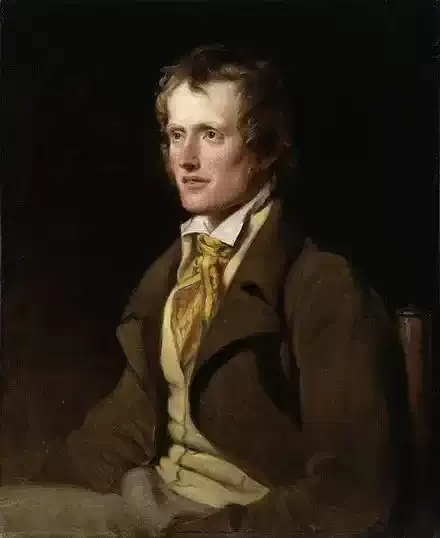
John Clare
Bantry Bay
Bantry Bay
On the eighteenth of October we lay in Bantry Bay,
All ready to set sail, with a fresh and steady gale:
A fortnight and nine days we in the harbour lay,
And no breeze ever reached us or strained a single sail.
Three ships of war had we, and the great guns loaded all;
But our ships were dead and beaten that had never feared a foe.
The winds becalmed around us cared for no cannon ball;
They locked us in the harbour and would not let us go.
On the nineteenth of October, by eleven of the clock,
The sky turned black as midnight and a sudden storm came on--
Awful and sudden--and the cables felt the shock;
Our anchors they all broke away and every sheet was gone.
The guns fired off amid the strife, but little hope had we;
The billows broke above the ship and left us all below.
The crew with one consent cried 'Bear further out to sea,'
But the waves obeyed no sailor's call, and we knew not where to go.
She foundered on a rock, while we clambered up the shrouds,
And staggered like a mountain drunk, wedged in the waves almost.
The red hot boiling billows foamed in the stooping clouds,
And in that fatal tempest the whole ship's crew were lost.
Have pity for poor mariners, ye landsmen, in a storm.
O think what they endure at sea while safe at home you stay.
All ye that sleep on beds at night in houses dry and warm,
O think upon the whole ship's crew, all lost at Bantry Bay.
On the eighteenth of October we lay in Bantry Bay,
All ready to set sail, with a fresh and steady gale:
A fortnight and nine days we in the harbour lay,
And no breeze ever reached us or strained a single sail.
Three ships of war had we, and the great guns loaded all;
But our ships were dead and beaten that had never feared a foe.
The winds becalmed around us cared for no cannon ball;
They locked us in the harbour and would not let us go.
On the nineteenth of October, by eleven of the clock,
The sky turned black as midnight and a sudden storm came on--
Awful and sudden--and the cables felt the shock;
Our anchors they all broke away and every sheet was gone.
The guns fired off amid the strife, but little hope had we;
The billows broke above the ship and left us all below.
The crew with one consent cried 'Bear further out to sea,'
But the waves obeyed no sailor's call, and we knew not where to go.
She foundered on a rock, while we clambered up the shrouds,
And staggered like a mountain drunk, wedged in the waves almost.
The red hot boiling billows foamed in the stooping clouds,
And in that fatal tempest the whole ship's crew were lost.
Have pity for poor mariners, ye landsmen, in a storm.
O think what they endure at sea while safe at home you stay.
All ye that sleep on beds at night in houses dry and warm,
O think upon the whole ship's crew, all lost at Bantry Bay.
394
James Whitcomb Riley
The Drum
The Drum
O the drum!
There is some
Intonation in thy grum
Monotony of utterance that strikes the spirit dumb,
As we hear
Through the clear
And unclouded atmosphere,
Thy palpitating syllables roll in upon the car!
There's a part
Of the art
Of thy music-throbbing heart
That thrills a something in us that awakens with a start,
And in rhyme
With the chime
And exactitude of time,
Goes marching on to glory to thy melody sublime.
And the guest
Of the breast
That thy rolling robs of rest
Is a patriotic spirit as a Continental dressed;
And he looms
From the glooms
Of a century of tombs,
And the blood he spilled at Lexington in living beauty blooms.
And his eyes
Wear the guise
Of a purpose pure and wise,
As the love of them is lifted to a something in the skies
That is bright
Red and white,
With a blur of starry light,
As it laughs in silken ripples to the breezes day and night.
There are deep
Hushes creep
O'er the pulses as they leap,
As thy tumult, fainter growing, on the silence falls asleep,
While the prayer
Rising there
Wills the sea and earth and air
As a heritage to Freedom's sons and daughters everywhere.
Then, with sound
As profound
As the thunderings resound,
Come thy wild reverberations in a throe that shakes the ground,
And a cry
Flung on high,
Like the flag it flutters by,
Wings rapturously upward till it nestles in the sky.
O the drum!
There is some
Intonation in thy grum
Monotony of utterance that strikes the spirit dumb,
As we hear
Through the clear
And unclouded atmosphere,
Thy palpitating syllables roll in upon the ear!
O the drum!
There is some
Intonation in thy grum
Monotony of utterance that strikes the spirit dumb,
As we hear
Through the clear
And unclouded atmosphere,
Thy palpitating syllables roll in upon the car!
There's a part
Of the art
Of thy music-throbbing heart
That thrills a something in us that awakens with a start,
And in rhyme
With the chime
And exactitude of time,
Goes marching on to glory to thy melody sublime.
And the guest
Of the breast
That thy rolling robs of rest
Is a patriotic spirit as a Continental dressed;
And he looms
From the glooms
Of a century of tombs,
And the blood he spilled at Lexington in living beauty blooms.
And his eyes
Wear the guise
Of a purpose pure and wise,
As the love of them is lifted to a something in the skies
That is bright
Red and white,
With a blur of starry light,
As it laughs in silken ripples to the breezes day and night.
There are deep
Hushes creep
O'er the pulses as they leap,
As thy tumult, fainter growing, on the silence falls asleep,
While the prayer
Rising there
Wills the sea and earth and air
As a heritage to Freedom's sons and daughters everywhere.
Then, with sound
As profound
As the thunderings resound,
Come thy wild reverberations in a throe that shakes the ground,
And a cry
Flung on high,
Like the flag it flutters by,
Wings rapturously upward till it nestles in the sky.
O the drum!
There is some
Intonation in thy grum
Monotony of utterance that strikes the spirit dumb,
As we hear
Through the clear
And unclouded atmosphere,
Thy palpitating syllables roll in upon the ear!
267
James Whitcomb Riley
Grant At Rest-- August 8, 1885
Grant At Rest-- August 8, 1885
Sir Launcelot rode overthwart and endlong in a wide forest, and held no
path but as wild adventure led him... And he returned and came again to his
horse, and took off his saddle and his bridle, and let him pasture; and
unlaced his helm, and ungirdled his sword, and laid him down to sleep upon
his shield before the cross. --Age of Chivalary
_Grant_
What shall we say of the soldier. Grant,
His sword put by and his great soul free?
How shall we cheer him now or chant
His requiem befittingly?
The fields of his conquest now are seen
Ranged no more with his armed men--
But the rank and file of the gold and green
Of the waving grain is there again.
Though his valiant life is a nation's pride,
And his death heroic and half divine,
And our grief as great as the world is wide,
There breaks in speech but a single line--:
We loved him living, revere him dead--!
A silence then on our lips is laid:
We can say no thing that has not been said,
Nor pray one prayer that has not been prayed.
But a spirit within us speaks: and lo,
We lean and listen to wondrous words
That have a sound as of winds that blow,
And the voice of waters and low of herds;
And we hear, as the song flows on serene,
The neigh of horses, and then the beat
Of hooves that skurry o'er pastures green,
And the patter and pad of a boy's bare feet.
A brave lad, wearing a manly brow,
Knit as with problems of grave dispute,
And a face, like the bloom of the orchard bough,
Pink and pallid, but resolute;
And flushed it grows as the clover-bloom,
And fresh it gleams as the morning dew,
As he reins his steed where the quick quails boom
Up from the grasses he races through.
And ho! As he rides what dreams are his?
And what have the breezes to suggest--?
Do they whisper to him of shells that whiz
O'er fields made ruddy with wrongs redressed?
Does the hawk above him an Eagle float?
Does he thrill and his boyish heart beat high,
Hearing the ribbon about his throat
Flap as a Flag as the winds go by?
And does he dream of the Warrior's fame--
This Western boy in his rustic dress?
For in miniature, this is the man that came
Riding out of the Wilderness--!
The selfsame figure-- the knitted brow--
The eyes full steady-- the lips full mute--
And the face, like the bloom of the orchard bough,
Pink and pallid, but resolute.
Ay, this is the man, with features grim
And stoical as the Sphinx's own,
That heard the harsh guns calling him,
As musical as the bugle blown,
When the sweet spring heavens were clouded o'er
With a tempest, glowering and wild,
And our country's flag bowed down before
Its bursting wrath as a stricken child.
Thus, ready mounted and booted and spurred,
He loosed his bridle and dashed away--!
Like a roll of drums were his hoof-beats heard,
Like the shriek of the fife his charger's neigh!
And over his shoulder and backward blown,
We heard his voice, and we saw the sod
Reel, as our wild steeds chased his own
As though hurled on by the hand of God!
And still, in fancy, we see him ride
In the blood-red front of a hundred frays,
His face set stolid, but glorified
As a knight's of the old Arthurian days:
And victor ever as courtly too,
Gently lifting the vanquished foe,
And staying him with a hand as true
As dealt the deadly avenging blow.
So brighter than all of the cluster of stars
Of the flag enshrouding his form to-day,
His face shines forth from the grime of wars
With a glory that shall not pass away:
He rests at last: he has borne his part
Of salutes and salvos and cheers on cheers--
But O the sobs of his country's heart,
And the driving rain of a nations tears!
Sir Launcelot rode overthwart and endlong in a wide forest, and held no
path but as wild adventure led him... And he returned and came again to his
horse, and took off his saddle and his bridle, and let him pasture; and
unlaced his helm, and ungirdled his sword, and laid him down to sleep upon
his shield before the cross. --Age of Chivalary
_Grant_
What shall we say of the soldier. Grant,
His sword put by and his great soul free?
How shall we cheer him now or chant
His requiem befittingly?
The fields of his conquest now are seen
Ranged no more with his armed men--
But the rank and file of the gold and green
Of the waving grain is there again.
Though his valiant life is a nation's pride,
And his death heroic and half divine,
And our grief as great as the world is wide,
There breaks in speech but a single line--:
We loved him living, revere him dead--!
A silence then on our lips is laid:
We can say no thing that has not been said,
Nor pray one prayer that has not been prayed.
But a spirit within us speaks: and lo,
We lean and listen to wondrous words
That have a sound as of winds that blow,
And the voice of waters and low of herds;
And we hear, as the song flows on serene,
The neigh of horses, and then the beat
Of hooves that skurry o'er pastures green,
And the patter and pad of a boy's bare feet.
A brave lad, wearing a manly brow,
Knit as with problems of grave dispute,
And a face, like the bloom of the orchard bough,
Pink and pallid, but resolute;
And flushed it grows as the clover-bloom,
And fresh it gleams as the morning dew,
As he reins his steed where the quick quails boom
Up from the grasses he races through.
And ho! As he rides what dreams are his?
And what have the breezes to suggest--?
Do they whisper to him of shells that whiz
O'er fields made ruddy with wrongs redressed?
Does the hawk above him an Eagle float?
Does he thrill and his boyish heart beat high,
Hearing the ribbon about his throat
Flap as a Flag as the winds go by?
And does he dream of the Warrior's fame--
This Western boy in his rustic dress?
For in miniature, this is the man that came
Riding out of the Wilderness--!
The selfsame figure-- the knitted brow--
The eyes full steady-- the lips full mute--
And the face, like the bloom of the orchard bough,
Pink and pallid, but resolute.
Ay, this is the man, with features grim
And stoical as the Sphinx's own,
That heard the harsh guns calling him,
As musical as the bugle blown,
When the sweet spring heavens were clouded o'er
With a tempest, glowering and wild,
And our country's flag bowed down before
Its bursting wrath as a stricken child.
Thus, ready mounted and booted and spurred,
He loosed his bridle and dashed away--!
Like a roll of drums were his hoof-beats heard,
Like the shriek of the fife his charger's neigh!
And over his shoulder and backward blown,
We heard his voice, and we saw the sod
Reel, as our wild steeds chased his own
As though hurled on by the hand of God!
And still, in fancy, we see him ride
In the blood-red front of a hundred frays,
His face set stolid, but glorified
As a knight's of the old Arthurian days:
And victor ever as courtly too,
Gently lifting the vanquished foe,
And staying him with a hand as true
As dealt the deadly avenging blow.
So brighter than all of the cluster of stars
Of the flag enshrouding his form to-day,
His face shines forth from the grime of wars
With a glory that shall not pass away:
He rests at last: he has borne his part
Of salutes and salvos and cheers on cheers--
But O the sobs of his country's heart,
And the driving rain of a nations tears!
311
James Whitcomb Riley
Away
Away
I cannot say, and I will not say
That he is dead--. He is just away!
With a cheery smile, and a wave of the hand
He has wandered into an unknown land,
And left us dreaming how very fair
It needs must be, since he lingers there.
And you-- O you, who the wildest yearn
For the old-time step and the glad return--,
Think of him faring on, as dear
In the love of There as the love of Here;
And loyal still, as he gave the blows
Of his warrior-strength to his country's foes--.
Mild and gentle, as he was brave--,
When the sweetest love of his life he gave
To simple things--: Where the violets grew
Blue as the eyes they were likened to,
The touches of his hands have strayed
As reverently as his lips have prayed:
When the little brown thrush that harshly chirred
Was dear to him as the mocking-bird;
And he pitied as much as a man in pain
A writhing honey-bee wet with rain--.
Think of him still as the same, I say:
He is not dead-- he is just away!
I cannot say, and I will not say
That he is dead--. He is just away!
With a cheery smile, and a wave of the hand
He has wandered into an unknown land,
And left us dreaming how very fair
It needs must be, since he lingers there.
And you-- O you, who the wildest yearn
For the old-time step and the glad return--,
Think of him faring on, as dear
In the love of There as the love of Here;
And loyal still, as he gave the blows
Of his warrior-strength to his country's foes--.
Mild and gentle, as he was brave--,
When the sweetest love of his life he gave
To simple things--: Where the violets grew
Blue as the eyes they were likened to,
The touches of his hands have strayed
As reverently as his lips have prayed:
When the little brown thrush that harshly chirred
Was dear to him as the mocking-bird;
And he pitied as much as a man in pain
A writhing honey-bee wet with rain--.
Think of him still as the same, I say:
He is not dead-- he is just away!
316
James Whitcomb Riley
A Monument For The Soldiers
A Monument For The Soldiers
A monument for the Soldiers!
And what will ye build it of?
Can ye build it of marble, or brass, or bronze,
Outlasting the Soldiers' love?
Can ye glorify it with legends
As grand as their blood hath writ
From the inmost shrine of this land of thine
To the outermost verge of it?
And the answer came: We would build it
Out of our hopes made sure,
And out of our purest prayers and tears,
And out of our faith secure:
We would build it out of the great white truths
Their death hath sanctified,
And the sculptured forms of the men in arms,
And their faces ere they died.
And what heroic figures
Can the sculptor carve in stone?
Can the marble breast be made to bleed,
And the marble lips to moan?
Can the marble brow be fevered?
And the marble eyes be graved
To look their last, as the flag floats past,
On the country they have saved?
And the answer came: The figures
Shall all be fair and brave,
And, as befitting, as pure and white
As the stars above their grave!
The marble lips, and breast and brow
Whereon the laurel lies,
Bequeath us right to guard the flight
Of the old flag in the skies!
A monument for the Soldiers!
Built of a people's love,
And blazoned and decked and panoplied
With the hearts ye build it oft
And see that ye build it stately,
In pillar and niche and gate,
And high in pose as the souls of those
It would commemorate!
A monument for the Soldiers!
And what will ye build it of?
Can ye build it of marble, or brass, or bronze,
Outlasting the Soldiers' love?
Can ye glorify it with legends
As grand as their blood hath writ
From the inmost shrine of this land of thine
To the outermost verge of it?
And the answer came: We would build it
Out of our hopes made sure,
And out of our purest prayers and tears,
And out of our faith secure:
We would build it out of the great white truths
Their death hath sanctified,
And the sculptured forms of the men in arms,
And their faces ere they died.
And what heroic figures
Can the sculptor carve in stone?
Can the marble breast be made to bleed,
And the marble lips to moan?
Can the marble brow be fevered?
And the marble eyes be graved
To look their last, as the flag floats past,
On the country they have saved?
And the answer came: The figures
Shall all be fair and brave,
And, as befitting, as pure and white
As the stars above their grave!
The marble lips, and breast and brow
Whereon the laurel lies,
Bequeath us right to guard the flight
Of the old flag in the skies!
A monument for the Soldiers!
Built of a people's love,
And blazoned and decked and panoplied
With the hearts ye build it oft
And see that ye build it stately,
In pillar and niche and gate,
And high in pose as the souls of those
It would commemorate!
262

Jack Kerouac
Bus East
Bus East
Society has good intentions Bureaucracy is like a friend
5 years ago - other furies other losses
America's
trying to control the uncontrollable Forest fires, Vice
The essential smile In the essential sleep Of the children Of the essential mind
I'm
all thru playing the American
Now I'm going to live a good quiet life
The
world should be built for foot walkers
Oily
rivers Of spiney Nevady
I
am Jake Cake
Rake
Write like Blake
The
horse is not pleased Sight of his
gorgeous finery
in the dust Its silken
nostrils
did disgust
Cats
arent kind Kiddies anent sweet
April
in Nevada - Investigating Dismal Cheyenne Where the war parties
In fields
of straw
Aimed over oxen At Indian Chiefs
In wild headdress Pouring thru
the gap
In Wyoming plain
To make the settlers
Eat more dust than dust
was eaten In the States From East at Seacoast Where wagons made up To dreadful
Plains
Of clazer vup
Saltry
settlers
Anxious to masturbate The Mongol Sea (I'm too tired in Cheyenne -
No sleep in 4 nights now, & 2 to go)
Society has good intentions Bureaucracy is like a friend
5 years ago - other furies other losses
America's
trying to control the uncontrollable Forest fires, Vice
The essential smile In the essential sleep Of the children Of the essential mind
I'm
all thru playing the American
Now I'm going to live a good quiet life
The
world should be built for foot walkers
Oily
rivers Of spiney Nevady
I
am Jake Cake
Rake
Write like Blake
The
horse is not pleased Sight of his
gorgeous finery
in the dust Its silken
nostrils
did disgust
Cats
arent kind Kiddies anent sweet
April
in Nevada - Investigating Dismal Cheyenne Where the war parties
In fields
of straw
Aimed over oxen At Indian Chiefs
In wild headdress Pouring thru
the gap
In Wyoming plain
To make the settlers
Eat more dust than dust
was eaten In the States From East at Seacoast Where wagons made up To dreadful
Plains
Of clazer vup
Saltry
settlers
Anxious to masturbate The Mongol Sea (I'm too tired in Cheyenne -
No sleep in 4 nights now, & 2 to go)
370