

Poems in this theme
War and Peace

Robert Frost
To E.T.
To E.T.
I slumbered with your poems on my breast
Spread open as I dropped them half-read through
Like dove wings on a figure on a tomb
To see, if in a dream they brought of you,
I might not have the chance I missed in life
Through some delay, and call you to your face
First soldier, and then poet, and then both,
Who died a soldier-poet of your race.
I meant, you meant, that nothing should remain
Unsaid between us, brother, and this remained--
And one thing more that was not then to say:
The Victory for what it lost and gained.
You went to meet the shell's embrace of fire
On Vimy Ridge; and when you fell that day
The war seemed over more for you than me,
But now for me than you--the other way.
How over, though, for even me who knew
The foe thrust back unsafe beyond the Rhine,
If I was not to speak of it to you
And see you pleased once more with words of mine?
I slumbered with your poems on my breast
Spread open as I dropped them half-read through
Like dove wings on a figure on a tomb
To see, if in a dream they brought of you,
I might not have the chance I missed in life
Through some delay, and call you to your face
First soldier, and then poet, and then both,
Who died a soldier-poet of your race.
I meant, you meant, that nothing should remain
Unsaid between us, brother, and this remained--
And one thing more that was not then to say:
The Victory for what it lost and gained.
You went to meet the shell's embrace of fire
On Vimy Ridge; and when you fell that day
The war seemed over more for you than me,
But now for me than you--the other way.
How over, though, for even me who knew
The foe thrust back unsafe beyond the Rhine,
If I was not to speak of it to you
And see you pleased once more with words of mine?
498
Robert Frost
The Soldier
The Soldier
He is that fallen lance that lies as hurled,
That lies unlifted now, come dew, come rust,
But still lies pointed as it ploughed the dust.
If we who sight along it round the world,
See nothing worthy to have been its mark,
It is because like men we look too near,
Forgetting that as fitted to the sphere,
Our missiles always make too short an arc.
They fall, they rip the grass, they intersect
The curve of earth, and striking, break their own;
They make us cringe for metal-point on stone.
But this we know, the obstacle that checked
And tripped the body, shot the spirit on
Further than target ever showed or shone.
He is that fallen lance that lies as hurled,
That lies unlifted now, come dew, come rust,
But still lies pointed as it ploughed the dust.
If we who sight along it round the world,
See nothing worthy to have been its mark,
It is because like men we look too near,
Forgetting that as fitted to the sphere,
Our missiles always make too short an arc.
They fall, they rip the grass, they intersect
The curve of earth, and striking, break their own;
They make us cringe for metal-point on stone.
But this we know, the obstacle that checked
And tripped the body, shot the spirit on
Further than target ever showed or shone.
491
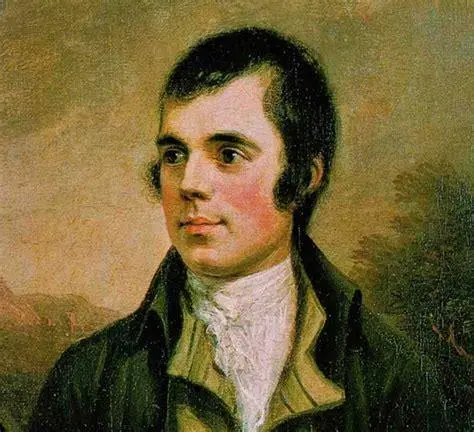
Robert Burns
The Battle Of Sherramuir
The Battle Of Sherramuir
"O cam ye here the fight to shun,
Or herd the sheep wi' me, man?
Or were ye at the Sherra-moor,
Or did the battle see, man?"
"I saw the battle, sair and teugh
And reekin-red ran monie a sheugh;
My heart, for fear, gae sough for sough,
To hear the thuds, and see the cluds
O clans frae woods in tartan duds
Wha glaum'd at icingdoms three, man.
"The red-coat lads wi' black cockauds,
To meet them were na slaw, man;
They rush'd and push'd, and bluid outgush'd,
And monie a bouk did fa', man!
The great Argyle led on his files,
I wat they glanc'd for twenty miles;
They hough'd the clans like nine-pin kyles,
They hack'd and hash'd, while braid-swords clashed,
And thro they dash'd, and hew'd and smash'd,
Till fey men died awa, man.
"But had ye seen the philibegs,
And skyrin tartan trews, man;
When in the teeth they daur'd our Whigs,
And Covenant trueblues, man!
In lines extended lang and large,
When baig'nets o'erpower'd the targe,
And thousands hasten'd to the charge,
Wi' Highland wrath and frac the sheath
Drew blades o' death, till, out o' breath.
They fled like frightened dows, man!"
"O, how Deil, Tam, can that be true?
The chase gaed frae the north, man!
I saw mysel, they did pursue
The horseman back to Forth, man:
And at Dunblane, in my ain sight,
They took the brig wi a' their might
And straught to Stirling wing'd their flight;
But, cursed lot! the gates were shut,
And monie a huntit poor red-coat,
For fear amaist did swarf, man!"
My sister Kate came up the gate
Wi' crowdie unto me, man:
She swoor she saw some rebels run
To Perth and to Dundee, man!
Their left-hand general had nae skill;
The Angus lads had nae good will
That day their neebors' bluid to spill;
For fear, by foes, that they should lose
Their cogs o brose; they scar'd at blows,
And hameward fast did flee, man.
"They've lost some gallant gentlemen,
Amang the Highland clans, man!
I fear my Lord Panmure is slain,
Or in his en'mies' hands, man.
Now wad ye sing this double flight,
Some fell for wrang, and some for right,
But monie bade the world guid-night;
Say, pell and mell, wi' muskets' knell
How Tories feil, and Whigs to Hell
Flew off in frightened bands, man!"
"O cam ye here the fight to shun,
Or herd the sheep wi' me, man?
Or were ye at the Sherra-moor,
Or did the battle see, man?"
"I saw the battle, sair and teugh
And reekin-red ran monie a sheugh;
My heart, for fear, gae sough for sough,
To hear the thuds, and see the cluds
O clans frae woods in tartan duds
Wha glaum'd at icingdoms three, man.
"The red-coat lads wi' black cockauds,
To meet them were na slaw, man;
They rush'd and push'd, and bluid outgush'd,
And monie a bouk did fa', man!
The great Argyle led on his files,
I wat they glanc'd for twenty miles;
They hough'd the clans like nine-pin kyles,
They hack'd and hash'd, while braid-swords clashed,
And thro they dash'd, and hew'd and smash'd,
Till fey men died awa, man.
"But had ye seen the philibegs,
And skyrin tartan trews, man;
When in the teeth they daur'd our Whigs,
And Covenant trueblues, man!
In lines extended lang and large,
When baig'nets o'erpower'd the targe,
And thousands hasten'd to the charge,
Wi' Highland wrath and frac the sheath
Drew blades o' death, till, out o' breath.
They fled like frightened dows, man!"
"O, how Deil, Tam, can that be true?
The chase gaed frae the north, man!
I saw mysel, they did pursue
The horseman back to Forth, man:
And at Dunblane, in my ain sight,
They took the brig wi a' their might
And straught to Stirling wing'd their flight;
But, cursed lot! the gates were shut,
And monie a huntit poor red-coat,
For fear amaist did swarf, man!"
My sister Kate came up the gate
Wi' crowdie unto me, man:
She swoor she saw some rebels run
To Perth and to Dundee, man!
Their left-hand general had nae skill;
The Angus lads had nae good will
That day their neebors' bluid to spill;
For fear, by foes, that they should lose
Their cogs o brose; they scar'd at blows,
And hameward fast did flee, man.
"They've lost some gallant gentlemen,
Amang the Highland clans, man!
I fear my Lord Panmure is slain,
Or in his en'mies' hands, man.
Now wad ye sing this double flight,
Some fell for wrang, and some for right,
But monie bade the world guid-night;
Say, pell and mell, wi' muskets' knell
How Tories feil, and Whigs to Hell
Flew off in frightened bands, man!"
270
Robert Burns
Lament for Culloden
Lament for Culloden
THE lovely lass o' Inverness,
Nae joy nor pleasure can she see;
For e'en and morn she cries, 'Alas!'
And aye the saut tear blin's her e'e:
'Drumossie moor, Drumossie day,
A waefu' day it was to me!
For there I lost my father dear,
My father dear and brethren three.
'Their winding-sheet the bluidy clay,
Their graves are growing green to see;
And by them lies the dearest lad
That ever blest a woman's e'e!
Now wae to thee, thou cruel lord,
A bluidy man I trow thou be;
For monie a heart thou hast made sair,
That ne'er did wrang to thine or thee.'
THE lovely lass o' Inverness,
Nae joy nor pleasure can she see;
For e'en and morn she cries, 'Alas!'
And aye the saut tear blin's her e'e:
'Drumossie moor, Drumossie day,
A waefu' day it was to me!
For there I lost my father dear,
My father dear and brethren three.
'Their winding-sheet the bluidy clay,
Their graves are growing green to see;
And by them lies the dearest lad
That ever blest a woman's e'e!
Now wae to thee, thou cruel lord,
A bluidy man I trow thou be;
For monie a heart thou hast made sair,
That ne'er did wrang to thine or thee.'
233
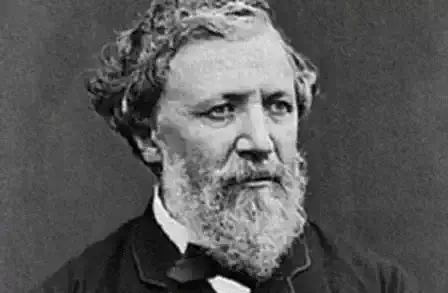
Robert Browning
Cavalier Tunes: Give a Rouse
Cavalier Tunes: Give a Rouse
King Charles, and who'll do him right now?
King Charles, and who's ripe for fight now?
Give a rouse: here's, in Hell's despite now,
King Charles!
Who gave me the goods that went since?
Who raised me the house that sank once?
Who helped me to gold I spent since?
Who found me in wine you drank once?
(Chorus)
King Charles, and who'll do him right now?
King Charles, and who's ripe for fight now?
Give a rouse: here's, in Hell's despite now,
King Charles!
To whom used my boy George quaff else,
By the old fool's side that begot him?
For whom did he cheer and laugh else,
While Noll's damned troopers shot him?
(Chorus)
King Charles, and who'll do him right now?
King Charles, and who's ripe for fight now?
Give a rouse: here's, in Hell's despite now,
King Charles!
King Charles, and who'll do him right now?
King Charles, and who's ripe for fight now?
Give a rouse: here's, in Hell's despite now,
King Charles!
Who gave me the goods that went since?
Who raised me the house that sank once?
Who helped me to gold I spent since?
Who found me in wine you drank once?
(Chorus)
King Charles, and who'll do him right now?
King Charles, and who's ripe for fight now?
Give a rouse: here's, in Hell's despite now,
King Charles!
To whom used my boy George quaff else,
By the old fool's side that begot him?
For whom did he cheer and laugh else,
While Noll's damned troopers shot him?
(Chorus)
King Charles, and who'll do him right now?
King Charles, and who's ripe for fight now?
Give a rouse: here's, in Hell's despite now,
King Charles!
300
Robert Browning
Cavalier Tunes
Cavalier Tunes
. MARCHING ALONG.
I.
Kentish Sir Byng stood for his King,
Bidding the crop-headed Parliament swing:
And, pressing a troop unable to stoop
And see the rogues flourish and honest folk droop,
Marched them along, fifty-score strong,
Great-hearted gentlemen, singing this song.
II.
God for King Charles! Pym and such carles
To the Devil that prompts 'em their treasonous parles!
Cavaliers, up! Lips from the cup,
Hands from the pasty, nor bite take nor sup
Till you're---
CHORUS.---Marching along, fifty-score strong,
Great-hearted gentlemen, singing this song.
III.
Hampden to hell, and his obsequies' knell
Serve Hazelrig, Fiennes, and young Harry as well!
England, good cheer! Rupert is near!
Kentish and loyalists, keep we not here
CHORUS.---Marching along, fifty-score strong,
Great-hearted gentlemen, singing this song?
IV.
Then, God for King Charles! Pym and his snarls
To the Devil that pricks on such pestilent carles!
Hold by the right, you double your might;
So, onward to Nottingham, fresh for the fight,
CHORUS.---March we along, fifty-score strong,
Great-hearted gentlemen, singing this song!
II. GIVE A ROUSE.
I.
King Charles, and who'll do him right now?
King Charles, and who's ripe for fight now?
Give a rouse: here's, in hell's despite now,
King Charles!
II.
Who gave me the goods that went since?
Who raised me the house that sank once?
Who helped me to gold I spent since?
Who found me in wine you drank once?
CHORUS.---King Charles, and who'll do him right now?
King Charles, and who's ripe for fight now?
Give a rouse: here's, in hell's despite now,
King Charles!
III.
To whom used my boy George quaff else,
By the old fool's side that begot him?
For whom did he cheer and laugh else,
While Noll's damned troopers shot him?
CHORUS.---King Charles, and who'll do him right now?
King Charles, and who's ripe for fight now?
Give a rouse: here's, in hell's despite now,
King Charles!
III. BOOT AND SADDLE.
I.
Boot, saddle, to horse, and away!
Rescue my castle before the hot day
Brightens to blue from its silvery grey,
CHORUS.---Boot, saddle, to horse, and away!
II.
Ride past the suburbs, asleep as you'd say;
Many's the friend there, will listen and pray
``God's luck to gallants that strike up the lay---
CHORUS.---``Boot, saddle, to horse, and away!''
III.
Forty miles off, like a roebuck at bay,
Flouts Castle Brancepeth the Roundheads' array:
Who laughs, ``Good fellows ere this, by my fay,
CHORUS.---``Boot, saddle, to horse, and away!''
IV.
Who? My wife Gertrude; that, honest and gay,
Laughs when you talk of surrendering, ``Nay!
``I've better counsellors; what counsel they?
CHORUS.---``Boot, saddle, to horse, and away!''
. MARCHING ALONG.
I.
Kentish Sir Byng stood for his King,
Bidding the crop-headed Parliament swing:
And, pressing a troop unable to stoop
And see the rogues flourish and honest folk droop,
Marched them along, fifty-score strong,
Great-hearted gentlemen, singing this song.
II.
God for King Charles! Pym and such carles
To the Devil that prompts 'em their treasonous parles!
Cavaliers, up! Lips from the cup,
Hands from the pasty, nor bite take nor sup
Till you're---
CHORUS.---Marching along, fifty-score strong,
Great-hearted gentlemen, singing this song.
III.
Hampden to hell, and his obsequies' knell
Serve Hazelrig, Fiennes, and young Harry as well!
England, good cheer! Rupert is near!
Kentish and loyalists, keep we not here
CHORUS.---Marching along, fifty-score strong,
Great-hearted gentlemen, singing this song?
IV.
Then, God for King Charles! Pym and his snarls
To the Devil that pricks on such pestilent carles!
Hold by the right, you double your might;
So, onward to Nottingham, fresh for the fight,
CHORUS.---March we along, fifty-score strong,
Great-hearted gentlemen, singing this song!
II. GIVE A ROUSE.
I.
King Charles, and who'll do him right now?
King Charles, and who's ripe for fight now?
Give a rouse: here's, in hell's despite now,
King Charles!
II.
Who gave me the goods that went since?
Who raised me the house that sank once?
Who helped me to gold I spent since?
Who found me in wine you drank once?
CHORUS.---King Charles, and who'll do him right now?
King Charles, and who's ripe for fight now?
Give a rouse: here's, in hell's despite now,
King Charles!
III.
To whom used my boy George quaff else,
By the old fool's side that begot him?
For whom did he cheer and laugh else,
While Noll's damned troopers shot him?
CHORUS.---King Charles, and who'll do him right now?
King Charles, and who's ripe for fight now?
Give a rouse: here's, in hell's despite now,
King Charles!
III. BOOT AND SADDLE.
I.
Boot, saddle, to horse, and away!
Rescue my castle before the hot day
Brightens to blue from its silvery grey,
CHORUS.---Boot, saddle, to horse, and away!
II.
Ride past the suburbs, asleep as you'd say;
Many's the friend there, will listen and pray
``God's luck to gallants that strike up the lay---
CHORUS.---``Boot, saddle, to horse, and away!''
III.
Forty miles off, like a roebuck at bay,
Flouts Castle Brancepeth the Roundheads' array:
Who laughs, ``Good fellows ere this, by my fay,
CHORUS.---``Boot, saddle, to horse, and away!''
IV.
Who? My wife Gertrude; that, honest and gay,
Laughs when you talk of surrendering, ``Nay!
``I've better counsellors; what counsel they?
CHORUS.---``Boot, saddle, to horse, and away!''
427
Robert Browning
Boot and Saddle
Boot and Saddle
Boot, saddle, to horse, and away!
Rescue my Castle, before the hot day
Brightens the blue from its silvery grey,
(Chorus) "Boot, saddle, to horse, and away!"
Ride past the suburbs, asleep as you'd say;
Many's the friend there, will listen and pray
"God's luck to gallants that strike up the lay,
(Chorus) "Boot, saddle, to horse, and away!"
Forty miles off, like a roebuck at bay,
Flouts Castle Brancepeth the Roundheads array:
Who laughs, Good fellows ere this, by my fay,
(Chorus) "Boot, saddle, to horse, and away!"
Who? My wife Gertrude; that, honest and gay,
Laughs when you talk of surrendering, "Nay!
I've better counsellors; what counsel they?"
(Chorus) "Boot, saddle, to horse, and away!"
Boot, saddle, to horse, and away!
Rescue my Castle, before the hot day
Brightens the blue from its silvery grey,
(Chorus) "Boot, saddle, to horse, and away!"
Ride past the suburbs, asleep as you'd say;
Many's the friend there, will listen and pray
"God's luck to gallants that strike up the lay,
(Chorus) "Boot, saddle, to horse, and away!"
Forty miles off, like a roebuck at bay,
Flouts Castle Brancepeth the Roundheads array:
Who laughs, Good fellows ere this, by my fay,
(Chorus) "Boot, saddle, to horse, and away!"
Who? My wife Gertrude; that, honest and gay,
Laughs when you talk of surrendering, "Nay!
I've better counsellors; what counsel they?"
(Chorus) "Boot, saddle, to horse, and away!"
314
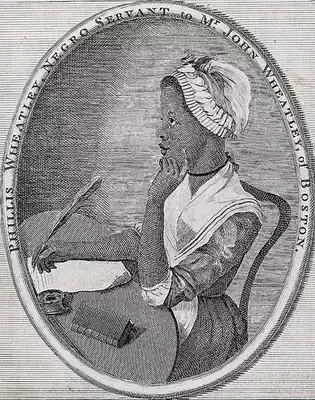
Phillis Wheatley
To Captain H-----d, of the th Regiment
To Captain H-----d, of the th Regiment
Say, muse divine, can hostile scenes delight
The warrior's bosom in the fields of fight?
Lo! here the christian and the hero join
With mutual grace to form the man divine.
In H-----D see with pleasure and surprise,
Where valour kindles, and where virtue lies:
Go, hero brave, still grace the post of fame,
And add new glories to thine honour'd name,
Still to the field, and still to virtue true:
Britannia glories in no son like you.
Say, muse divine, can hostile scenes delight
The warrior's bosom in the fields of fight?
Lo! here the christian and the hero join
With mutual grace to form the man divine.
In H-----D see with pleasure and surprise,
Where valour kindles, and where virtue lies:
Go, hero brave, still grace the post of fame,
And add new glories to thine honour'd name,
Still to the field, and still to virtue true:
Britannia glories in no son like you.
163
Phillis Wheatley
Goliath Of Gath
Goliath Of Gath
SAMUEL, Chap. xvii.
YE martial pow'rs, and all ye tuneful nine,
Inspire my song, and aid my high design.
The dreadful scenes and toils of war I write,
The ardent warriors, and the fields of fight:
You best remember, and you best can sing
The acts of heroes to the vocal string:
Resume the lays with which your sacred lyre,
Did then the poet and the sage inspire.
Now front to front the armies were display'd,
Here Israel rang'd, and there the foes array'd;
The hosts on two opposing mountains stood,
Thick as the foliage of the waving wood;
Between them an extensive valley lay,
O'er which the gleaming armour pour'd the day,
When from the camp of the Philistine foes,
Dreadful to view, a mighty warrior rose;
In the dire deeds of bleeding battle skill'd,
The monster stalks the terror of the field.
From Gath he sprung, Goliath was his name,
Of fierce deportment, and gigantic frame:
A brazen helmet on his head was plac'd,
A coat of mail his form terrific grac'd,
The greaves his legs, the targe his shoulders prest:
Dreadful in arms high-tow'ring o'er the rest
A spear he proudly wav'd, whose iron head,
Strange to relate, six hundred shekels weigh'd;
He strode along, and shook the ample field,
While Phoebus blaz'd refulgent on his shield:
Through Jacob's race a chilling horror ran,
When thus the huge, enormous chief began:
"Say, what the cause that in this proud array
"You set your battle in the face of day?
"One hero find in all your vaunting train,
"Then see who loses, and who wins the plain;
"For he who wins, in triumph may demand
"Perpetual service from the vanquish'd land:
"Your armies I defy, your force despise,
"By far inferior in Philistia's eyes:
"Produce a man, and let us try the fight,
"Decide the contest, and the victor's right."
Thus challeng'd he: all Israel stood amaz'd,
And ev'ry chief in consternation gaz'd;
But Jesse's son in youthful bloom appears,
And warlike courage far beyond his years:
He left the folds, he left the flow'ry meads,
And soft recesses of the sylvan shades.
Now Israel's monarch, and his troops arise,
With peals of shouts ascending to the skies;
In Elah's vale the scene of combat lies.
When the fair morning blush'd with orient red,
What David's fire enjoin'd the son obey'd,
And swift of foot towards the trench he came,
Where glow'd each bosom with the martial flame.
He leaves his carriage to another's care,
And runs to greet his brethren of the war.
While yet they spake the giant-chief arose,
Repeats the challenge, and insults his foes:
Struck with the sound, and trembling at the view,
Affrighted Israel from its post withdrew.
"Observe ye this tremendous foe, they cry'd,
"Who in proud vaunts our armies hath defy'd:
"Whoever lays him prostrate on the plain,
"Freedom in Israel for his house shall gain;
"And on him wealth unknown the king will pour,
"And give his royal daughter for his dow'r."
Then Jesse's youngest hope: "My brethren say,
"What shall be done for him who takes away
"Reproach from Jacob, who destroys the chief.
"And puts a period to his country's grief.
"He vaunts the honours of his arms abroad,
"And scorns the armies of the living God."
Thus spoke the youth, th' attentive people ey'd
The wond'rous hero, and again reply'd:
"Such the rewards our monarch will bestow,
"On him who conquers, and destroys his foe."
Eliab heard, and kindled into ire
To hear his shepherd brother thus inquire,
And thus begun: "What errand brought thee? say
"Who keeps thy flock? or does it go astray?
"I know the base ambition of thine heart,
"But back in safety from the field depart."
Eliab thus to Jesse's youngest heir,
Express'd his wrath in accents most severe.
When to his brother mildly he reply'd.
"What have I done? or what the cause to chide?
The words were told before the king, who sent
For the young hero to his royal tent:
Before the monarch dauntless he began,
"For this Philistine fail no heart of man:
"I'll take the vale, and with the giant fight:
"I dread not all his boasts, nor all his might."
When thus the king: "Dar'st thou a stripling go,
"And venture combat with so great a foe?
"Who all his days has been inur'd to fight,
"And made its deeds his study and delight:
"Battles and bloodshed brought the monster forth,
"And clouds and whirlwinds usher'd in his birth."
When David thus: "I kept the fleecy care,
"And out there rush'd a lion and a bear;
"A tender lamb the hungry lion took,
"And with no other weapon than my crook
"Bold I pursu'd, and chas d him o'er the field,
"The prey deliver'd, and the felon kill'd:
"As thus the lion and the bear I slew,
"So shall Goliath fall, and all his crew:
"The God, who sav'd me from these beasts of prey,
"By me this monster in the dust shall lay."
So David spoke. The wond'ring king reply'd;
"Go thou with heav'n and victory on thy side:
"This coat of mail, this sword gird on," he said,
And plac'd a mighty helmet on his head:
The coat, the sword, the helm he laid aside,
Nor chose to venture with those arms untry'd,
Then took his staff, and to the neighb'ring brook
Instant he ran, and thence five pebbles took.
Mean time descended to Philistia's son
A radiant cherub, and he thus begun:
"Goliath, well thou know'st thou hast defy'd
"Yon Hebrew armies, and their God deny'd:
"Rebellious wretch! audacious worm! forbear,
"Nor tempt the vengeance of their God too far:
"Them, who with his Omnipotence contend,
"No eye shall pity, and no arm defend:
"Proud as thou art, in short liv'd glory great,
"I come to tell thee thine approaching fate.
"Regard my words. The Judge of all the gods,
"Beneath whose steps the tow'ring mountain nods,
"Will give thine armies to the savage brood,
"That cut the liquid air, or range the wood.
"Thee too a well-aim'd pebble shall destroy,
"And thou shalt perish by a beardless boy:
"Such is the mandate from the realms above,
"And should I try the vengeance to remove,
"Myself a rebel to my king would prove.
"Goliath say, shall grace to him be shown,
"Who dares heav'ns Monarch, and insults his throne?"
"Your words are lost on me," the giant cries,
While fear and wrath contended in his eyes,
When thus the messenger from heav'n replies:
"Provoke no more Jehovah's awful hand
"To hurl its vengeance on thy guilty land:
"He grasps the thunder, and, he wings the storm,
"Servants their sov'reign's orders to perform."
The angel spoke, and turn'd his eyes away,
Adding new radiance to the rising day.
Now David comes: the fatal stones demand
His left, the staff engag'd his better hand:
The giant mov'd, and from his tow'ring height
Survey'd the stripling, and disdain'd the fight,
And thus began: "Am I a dog with thee?
"Bring'st thou no armour, but a staff to me?
"The gods on thee their vollied curses pour,
"And beasts and birds of prey thy flesh devour."
David undaunted thus, "Thy spear and shield
"Shall no protection to thy body yield:
"Jehovah's name------no other arms I bear,
"I ask no other in this glorious war.
"To-day the Lord of Hosts to me will give
"Vict'ry, to-day thy doom thou shalt receive;
"The fate you threaten shall your own become,
"And beasts shall be your animated tomb,
"That all the earth's inhabitants may know
"That there's a God, who governs all below:
"This great assembly too shall witness stand,
"That needs nor sword, nor spear, th' Almighty's
hand:
"The battle his, the conquest he bestows,
"And to our pow'r consigns our hated foes."
Thus David spoke; Goliath heard and came
To meet the hero in the field of fame.
Ah! fatal meeting to thy troops and thee,
But thou wast deaf to the divine decree;
Young David meets thee, meets thee not in vain;
'Tis thine to perish on th' ensanguin'd plain.
And now the youth the forceful pebble slung
Philistia trembled as it whizz'd along:
In his dread forehead, where the helmet ends,
Just o'er the brows the well-aim'd stone descends,
It pierc'd the skull, and shatter'd all the brain,
Prone on his face he tumbled to the plain:
Goliath's fall no smaller terror yields
Than riving thunders in aerial fields:
The soul still ling'red in its lov'd abode,
Till conq'ring David o'er the giant strode:
Goliath's sword then laid its master dead,
And from the body hew'd the ghastly head;
The blood in gushing torrents drench'd the plains,
The soul found passage through the spouting veins.
And now aloud th' illustrious victor said,
"Where are your boastings now your champion's
"dead?"
Scarce had he spoke, when the Philistines fled:
But fled in vain; the conqu'ror swift pursu'd:
What scenes of slaughter! and what seas of blood!
There Saul thy thousands grasp'd th' impurpled sand
In pangs of death the conquest of thine hand;
And David there were thy ten thousands laid:
Thus Israel's damsels musically play'd.
Near Gath and Edron many an hero lay,
Breath'd out their souls, and curs'd the light of day:
Their fury, quench'd by death, no longer burns,
And David with Goliath's head returns,
To Salem brought, but in his tent he plac'd
The load of armour which the giant grac'd.
His monarch saw him coming from the war,
And thus demanded of the son of Ner.
"Say, who is this amazing youth?" he cry'd,
When thus the leader of the host reply'd;
"As lives thy soul I know not whence he sprung,
"So great in prowess though in years so young:"
"Inquire whose son is he," the sov'reign said,
"Before whose conq'ring arm Philistia fled."
Before the king behold the stripling stand,
Goliath's head depending from his hand:
To him the king: "Say of what martial line
"Art thou, young hero, and what sire was thine?"
He humbly thus; "The son of Jesse I:
"I came the glories of the field to try.
"Small is my tribe, but valiant in the fight;
"Small is my city, but thy royal right."
"Then take the promis'd gifts," the monarch cry'd,
Conferring riches and the royal bride:
"Knit to my soul for ever thou remain
"With me, nor quit my regal roof again."
SAMUEL, Chap. xvii.
YE martial pow'rs, and all ye tuneful nine,
Inspire my song, and aid my high design.
The dreadful scenes and toils of war I write,
The ardent warriors, and the fields of fight:
You best remember, and you best can sing
The acts of heroes to the vocal string:
Resume the lays with which your sacred lyre,
Did then the poet and the sage inspire.
Now front to front the armies were display'd,
Here Israel rang'd, and there the foes array'd;
The hosts on two opposing mountains stood,
Thick as the foliage of the waving wood;
Between them an extensive valley lay,
O'er which the gleaming armour pour'd the day,
When from the camp of the Philistine foes,
Dreadful to view, a mighty warrior rose;
In the dire deeds of bleeding battle skill'd,
The monster stalks the terror of the field.
From Gath he sprung, Goliath was his name,
Of fierce deportment, and gigantic frame:
A brazen helmet on his head was plac'd,
A coat of mail his form terrific grac'd,
The greaves his legs, the targe his shoulders prest:
Dreadful in arms high-tow'ring o'er the rest
A spear he proudly wav'd, whose iron head,
Strange to relate, six hundred shekels weigh'd;
He strode along, and shook the ample field,
While Phoebus blaz'd refulgent on his shield:
Through Jacob's race a chilling horror ran,
When thus the huge, enormous chief began:
"Say, what the cause that in this proud array
"You set your battle in the face of day?
"One hero find in all your vaunting train,
"Then see who loses, and who wins the plain;
"For he who wins, in triumph may demand
"Perpetual service from the vanquish'd land:
"Your armies I defy, your force despise,
"By far inferior in Philistia's eyes:
"Produce a man, and let us try the fight,
"Decide the contest, and the victor's right."
Thus challeng'd he: all Israel stood amaz'd,
And ev'ry chief in consternation gaz'd;
But Jesse's son in youthful bloom appears,
And warlike courage far beyond his years:
He left the folds, he left the flow'ry meads,
And soft recesses of the sylvan shades.
Now Israel's monarch, and his troops arise,
With peals of shouts ascending to the skies;
In Elah's vale the scene of combat lies.
When the fair morning blush'd with orient red,
What David's fire enjoin'd the son obey'd,
And swift of foot towards the trench he came,
Where glow'd each bosom with the martial flame.
He leaves his carriage to another's care,
And runs to greet his brethren of the war.
While yet they spake the giant-chief arose,
Repeats the challenge, and insults his foes:
Struck with the sound, and trembling at the view,
Affrighted Israel from its post withdrew.
"Observe ye this tremendous foe, they cry'd,
"Who in proud vaunts our armies hath defy'd:
"Whoever lays him prostrate on the plain,
"Freedom in Israel for his house shall gain;
"And on him wealth unknown the king will pour,
"And give his royal daughter for his dow'r."
Then Jesse's youngest hope: "My brethren say,
"What shall be done for him who takes away
"Reproach from Jacob, who destroys the chief.
"And puts a period to his country's grief.
"He vaunts the honours of his arms abroad,
"And scorns the armies of the living God."
Thus spoke the youth, th' attentive people ey'd
The wond'rous hero, and again reply'd:
"Such the rewards our monarch will bestow,
"On him who conquers, and destroys his foe."
Eliab heard, and kindled into ire
To hear his shepherd brother thus inquire,
And thus begun: "What errand brought thee? say
"Who keeps thy flock? or does it go astray?
"I know the base ambition of thine heart,
"But back in safety from the field depart."
Eliab thus to Jesse's youngest heir,
Express'd his wrath in accents most severe.
When to his brother mildly he reply'd.
"What have I done? or what the cause to chide?
The words were told before the king, who sent
For the young hero to his royal tent:
Before the monarch dauntless he began,
"For this Philistine fail no heart of man:
"I'll take the vale, and with the giant fight:
"I dread not all his boasts, nor all his might."
When thus the king: "Dar'st thou a stripling go,
"And venture combat with so great a foe?
"Who all his days has been inur'd to fight,
"And made its deeds his study and delight:
"Battles and bloodshed brought the monster forth,
"And clouds and whirlwinds usher'd in his birth."
When David thus: "I kept the fleecy care,
"And out there rush'd a lion and a bear;
"A tender lamb the hungry lion took,
"And with no other weapon than my crook
"Bold I pursu'd, and chas d him o'er the field,
"The prey deliver'd, and the felon kill'd:
"As thus the lion and the bear I slew,
"So shall Goliath fall, and all his crew:
"The God, who sav'd me from these beasts of prey,
"By me this monster in the dust shall lay."
So David spoke. The wond'ring king reply'd;
"Go thou with heav'n and victory on thy side:
"This coat of mail, this sword gird on," he said,
And plac'd a mighty helmet on his head:
The coat, the sword, the helm he laid aside,
Nor chose to venture with those arms untry'd,
Then took his staff, and to the neighb'ring brook
Instant he ran, and thence five pebbles took.
Mean time descended to Philistia's son
A radiant cherub, and he thus begun:
"Goliath, well thou know'st thou hast defy'd
"Yon Hebrew armies, and their God deny'd:
"Rebellious wretch! audacious worm! forbear,
"Nor tempt the vengeance of their God too far:
"Them, who with his Omnipotence contend,
"No eye shall pity, and no arm defend:
"Proud as thou art, in short liv'd glory great,
"I come to tell thee thine approaching fate.
"Regard my words. The Judge of all the gods,
"Beneath whose steps the tow'ring mountain nods,
"Will give thine armies to the savage brood,
"That cut the liquid air, or range the wood.
"Thee too a well-aim'd pebble shall destroy,
"And thou shalt perish by a beardless boy:
"Such is the mandate from the realms above,
"And should I try the vengeance to remove,
"Myself a rebel to my king would prove.
"Goliath say, shall grace to him be shown,
"Who dares heav'ns Monarch, and insults his throne?"
"Your words are lost on me," the giant cries,
While fear and wrath contended in his eyes,
When thus the messenger from heav'n replies:
"Provoke no more Jehovah's awful hand
"To hurl its vengeance on thy guilty land:
"He grasps the thunder, and, he wings the storm,
"Servants their sov'reign's orders to perform."
The angel spoke, and turn'd his eyes away,
Adding new radiance to the rising day.
Now David comes: the fatal stones demand
His left, the staff engag'd his better hand:
The giant mov'd, and from his tow'ring height
Survey'd the stripling, and disdain'd the fight,
And thus began: "Am I a dog with thee?
"Bring'st thou no armour, but a staff to me?
"The gods on thee their vollied curses pour,
"And beasts and birds of prey thy flesh devour."
David undaunted thus, "Thy spear and shield
"Shall no protection to thy body yield:
"Jehovah's name------no other arms I bear,
"I ask no other in this glorious war.
"To-day the Lord of Hosts to me will give
"Vict'ry, to-day thy doom thou shalt receive;
"The fate you threaten shall your own become,
"And beasts shall be your animated tomb,
"That all the earth's inhabitants may know
"That there's a God, who governs all below:
"This great assembly too shall witness stand,
"That needs nor sword, nor spear, th' Almighty's
hand:
"The battle his, the conquest he bestows,
"And to our pow'r consigns our hated foes."
Thus David spoke; Goliath heard and came
To meet the hero in the field of fame.
Ah! fatal meeting to thy troops and thee,
But thou wast deaf to the divine decree;
Young David meets thee, meets thee not in vain;
'Tis thine to perish on th' ensanguin'd plain.
And now the youth the forceful pebble slung
Philistia trembled as it whizz'd along:
In his dread forehead, where the helmet ends,
Just o'er the brows the well-aim'd stone descends,
It pierc'd the skull, and shatter'd all the brain,
Prone on his face he tumbled to the plain:
Goliath's fall no smaller terror yields
Than riving thunders in aerial fields:
The soul still ling'red in its lov'd abode,
Till conq'ring David o'er the giant strode:
Goliath's sword then laid its master dead,
And from the body hew'd the ghastly head;
The blood in gushing torrents drench'd the plains,
The soul found passage through the spouting veins.
And now aloud th' illustrious victor said,
"Where are your boastings now your champion's
"dead?"
Scarce had he spoke, when the Philistines fled:
But fled in vain; the conqu'ror swift pursu'd:
What scenes of slaughter! and what seas of blood!
There Saul thy thousands grasp'd th' impurpled sand
In pangs of death the conquest of thine hand;
And David there were thy ten thousands laid:
Thus Israel's damsels musically play'd.
Near Gath and Edron many an hero lay,
Breath'd out their souls, and curs'd the light of day:
Their fury, quench'd by death, no longer burns,
And David with Goliath's head returns,
To Salem brought, but in his tent he plac'd
The load of armour which the giant grac'd.
His monarch saw him coming from the war,
And thus demanded of the son of Ner.
"Say, who is this amazing youth?" he cry'd,
When thus the leader of the host reply'd;
"As lives thy soul I know not whence he sprung,
"So great in prowess though in years so young:"
"Inquire whose son is he," the sov'reign said,
"Before whose conq'ring arm Philistia fled."
Before the king behold the stripling stand,
Goliath's head depending from his hand:
To him the king: "Say of what martial line
"Art thou, young hero, and what sire was thine?"
He humbly thus; "The son of Jesse I:
"I came the glories of the field to try.
"Small is my tribe, but valiant in the fight;
"Small is my city, but thy royal right."
"Then take the promis'd gifts," the monarch cry'd,
Conferring riches and the royal bride:
"Knit to my soul for ever thou remain
"With me, nor quit my regal roof again."
292
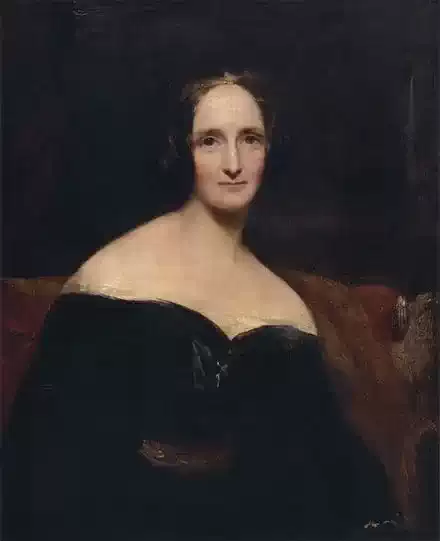
Percy Bysshe Shelley
Feelings Of A Republican On The Fall Of Bonaparte
Feelings Of A Republican On The Fall Of Bonaparte
I hated thee, fallen tyrant! I did groan
To think that a most unambitious slave,
Like thou, shouldst dance and revel on the grave
Of Liberty. Thou mightst have built thy throne
Where it had stood even now: thou didst prefer
A frail and bloody pomp which Time has swept
In fragments towards Oblivion. Massacre,
For this I prayed, would on thy sleep have crept,
Treason and Slavery, Rapine, Fear, and Lust,
And stifled thee, their minister. I know
Too late, since thou and France are in the dust,
That Virtue owns a more eternal foe
Than Force or Fraud: old Custom, legal Crime,
And bloody Faith the foulest birth of Time.
I hated thee, fallen tyrant! I did groan
To think that a most unambitious slave,
Like thou, shouldst dance and revel on the grave
Of Liberty. Thou mightst have built thy throne
Where it had stood even now: thou didst prefer
A frail and bloody pomp which Time has swept
In fragments towards Oblivion. Massacre,
For this I prayed, would on thy sleep have crept,
Treason and Slavery, Rapine, Fear, and Lust,
And stifled thee, their minister. I know
Too late, since thou and France are in the dust,
That Virtue owns a more eternal foe
Than Force or Fraud: old Custom, legal Crime,
And bloody Faith the foulest birth of Time.
492
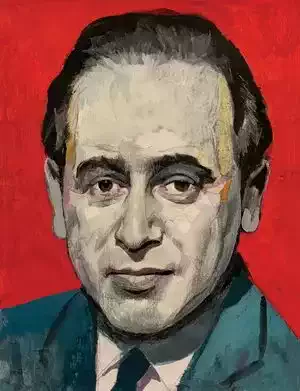
Paul Celan
Death Fugue
Death Fugue
Black milk of daybreak we drink it at sundown
we drink it at noon in the morning we drink it at night
we drink it and drink it
we dig a grave in the breezes there one lies unconfined
A man lives in the house he plays with the serpents
he writes
he writes when dusk falls to Germany your golden
hair Margarete
he writes it ans steps out of doors and the stars are
flashing he whistles his pack out
he whistles his Jews out in earth has them dig for a
grave
he commands us strike up for the dance
Black milk of daybreak we drink you at night
we drink you in the morning at noon we drink you at
sundown
we drink and we drink you
A man lives in the house he plays with the serpents
he writes
he writes when dusk falls to Germany your golden hair
Margarete
your ashen hair Sulamith we dig a grave in the breezes
there one lies unconfined
He calls out jab deeper into the earth you lot you
others sing now and play
he grabs at teh iron in his belt he waves it his
eyes are blue
jab deper you lot with your spades you others play
on for the dance
Black milk of daybreak we drink you at night
we drink you at at noon in the morning we drink you
at sundown
we drink and we drink you
a man lives in the house your golden hair Margarete
your ashen hair Sulamith he plays with the serpents
He calls out more sweetly play death death is a master
from Germany
he calls out more darkly now stroke your strings then
as smoke you will rise into air
then a grave you will have in the clouds there one
lies unconfined
Black milk of daybreak we drink you at night
we drink you at noon death is a master from Germany
we drink you at sundown and in the morning we drink
and we drink you
death is a master from Germany his eyes are blue
he strikes you with leaden bullets his aim is true
a man lives in the house your golden hair Margarete
he sets his pack on to us he grants us a grave in
the air
He plays with the serpents and daydreams death is
a master from Germany
your golden hair Margarete
your ashen hair Shulamith
Translated by Michael Hamburger
Anonymous submission.
Black milk of daybreak we drink it at sundown
we drink it at noon in the morning we drink it at night
we drink it and drink it
we dig a grave in the breezes there one lies unconfined
A man lives in the house he plays with the serpents
he writes
he writes when dusk falls to Germany your golden
hair Margarete
he writes it ans steps out of doors and the stars are
flashing he whistles his pack out
he whistles his Jews out in earth has them dig for a
grave
he commands us strike up for the dance
Black milk of daybreak we drink you at night
we drink you in the morning at noon we drink you at
sundown
we drink and we drink you
A man lives in the house he plays with the serpents
he writes
he writes when dusk falls to Germany your golden hair
Margarete
your ashen hair Sulamith we dig a grave in the breezes
there one lies unconfined
He calls out jab deeper into the earth you lot you
others sing now and play
he grabs at teh iron in his belt he waves it his
eyes are blue
jab deper you lot with your spades you others play
on for the dance
Black milk of daybreak we drink you at night
we drink you at at noon in the morning we drink you
at sundown
we drink and we drink you
a man lives in the house your golden hair Margarete
your ashen hair Sulamith he plays with the serpents
He calls out more sweetly play death death is a master
from Germany
he calls out more darkly now stroke your strings then
as smoke you will rise into air
then a grave you will have in the clouds there one
lies unconfined
Black milk of daybreak we drink you at night
we drink you at noon death is a master from Germany
we drink you at sundown and in the morning we drink
and we drink you
death is a master from Germany his eyes are blue
he strikes you with leaden bullets his aim is true
a man lives in the house your golden hair Margarete
he sets his pack on to us he grants us a grave in
the air
He plays with the serpents and daydreams death is
a master from Germany
your golden hair Margarete
your ashen hair Shulamith
Translated by Michael Hamburger
Anonymous submission.
453
Paul Celan
Fugue of Death
Fugue of Death
Black milk of daybreak we drink it at nightfall
we drink it at noon in the morning we drink it at night
we drink it and drink it
we are digging a grave in the sky it is ample to lie there
A man in the house he plays with the serpents he writes
he writes when the night falls to Germany your golden
hair Margarete
he writes it and walks from the house the stars glitter he
whistles his dogs up
he whistles his Jews out and orders a grave to be dug in
the earth
he commands us strike up for the dance
Black milk of daybreak we drink you at night
we drink you in the morning at noon we drink you at
nightfall
drink you and drink you
A man in the house he plays with the serpents he writes
he writes when the night falls to Germany your golden
hair Margarete
Your ashen hair Shulamith we are digging a grave in the
sky it is
ample to lie there
He shouts stab deeper in earth you there and you others
you sing and you play
he grabs at the iron in his belt and swings it and blue are
his eyes
stab deeper your spades you there and you others play on
for the dancing
Black milk of daybreak we drink you at nightfall
we drink you at noon in the mornings we drink you at
nightfall
drink you and drink you
a man in the house your golden hair Margarete
your ashen hair Shulamith he plays with the serpents
He shouts play sweeter death's music death comes as a
master from Germany
he shouts stroke darker the strings and as smoke you
shall climb to the sky
then you'll have a grave in the clouds it is ample to lie
there
Black milk of daybreak we drink you at night
we drink you at noon death comes as a master from
Germany
we drink you at nightfall and morning we drink you and
drink you
a master from Germany death comes with eyes that are
blue
with a bullet of lead he will hit in the mark he will hit
you
a man in the house your golden hair Margarete
he hunts us down with his dogs in the sky he gives us a
grave
he plays with the serpents and dreams death comes as a
master from Germany
your golden hair Margarete
your ashen hair Shulamith.
Black milk of daybreak we drink it at nightfall
we drink it at noon in the morning we drink it at night
we drink it and drink it
we are digging a grave in the sky it is ample to lie there
A man in the house he plays with the serpents he writes
he writes when the night falls to Germany your golden
hair Margarete
he writes it and walks from the house the stars glitter he
whistles his dogs up
he whistles his Jews out and orders a grave to be dug in
the earth
he commands us strike up for the dance
Black milk of daybreak we drink you at night
we drink you in the morning at noon we drink you at
nightfall
drink you and drink you
A man in the house he plays with the serpents he writes
he writes when the night falls to Germany your golden
hair Margarete
Your ashen hair Shulamith we are digging a grave in the
sky it is
ample to lie there
He shouts stab deeper in earth you there and you others
you sing and you play
he grabs at the iron in his belt and swings it and blue are
his eyes
stab deeper your spades you there and you others play on
for the dancing
Black milk of daybreak we drink you at nightfall
we drink you at noon in the mornings we drink you at
nightfall
drink you and drink you
a man in the house your golden hair Margarete
your ashen hair Shulamith he plays with the serpents
He shouts play sweeter death's music death comes as a
master from Germany
he shouts stroke darker the strings and as smoke you
shall climb to the sky
then you'll have a grave in the clouds it is ample to lie
there
Black milk of daybreak we drink you at night
we drink you at noon death comes as a master from
Germany
we drink you at nightfall and morning we drink you and
drink you
a master from Germany death comes with eyes that are
blue
with a bullet of lead he will hit in the mark he will hit
you
a man in the house your golden hair Margarete
he hunts us down with his dogs in the sky he gives us a
grave
he plays with the serpents and dreams death comes as a
master from Germany
your golden hair Margarete
your ashen hair Shulamith.
407
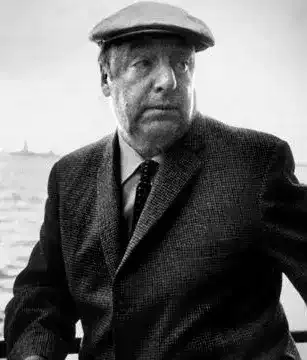
Pablo Neruda
The Dictators
The Dictators
An odor has remained among the sugarcane:
a mixture of blood and body, a penetrating
petal that brings nausea.
Between the coconut palms the graves are full
of ruined bones, of speechless death-rattles.
The delicate dictator is talking
with top hats, gold braid, and collars.
The tiny palace gleams like a watch
and the rapid laughs with gloves on
cross the corridors at times
and join the dead voices
and the blue mouths freshly buried.
The weeping cannot be seen, like a plant
whose seeds fall endlessly on the earth,
whose large blind leaves grow even without light.
Hatred has grown scale on scale,
blow on blow, in the ghastly water of the swamp,
with a snout full of ooze and silence
An odor has remained among the sugarcane:
a mixture of blood and body, a penetrating
petal that brings nausea.
Between the coconut palms the graves are full
of ruined bones, of speechless death-rattles.
The delicate dictator is talking
with top hats, gold braid, and collars.
The tiny palace gleams like a watch
and the rapid laughs with gloves on
cross the corridors at times
and join the dead voices
and the blue mouths freshly buried.
The weeping cannot be seen, like a plant
whose seeds fall endlessly on the earth,
whose large blind leaves grow even without light.
Hatred has grown scale on scale,
blow on blow, in the ghastly water of the swamp,
with a snout full of ooze and silence
806
Pablo Neruda
I'm Explaining a Few Things
I'm Explaining a Few Things
You are going to ask: and where are the lilacs?
and the poppy-petalled metaphysics?
and the rain repeatedly spattering
its words and drilling them full
of apertures and birds?
I'll tell you all the news.
I lived in a suburb,
a suburb of Madrid, with bells,
and clocks, and trees.
From there you could look out
over Castille's dry face:
a leather ocean.
My house was called
the house of flowers, because in every cranny
geraniums burst: it was
a good-looking house
with its dogs and children.
Remember, Raul?
Eh, Rafel? Federico, do you remember
from under the ground
my balconies on which
the light of June drowned flowers in your mouth?
Brother, my brother!
Everything
loud with big voices, the salt of merchandises,
pile-ups of palpitating bread,
the stalls of my suburb of Arguelles with its statue
like a drained inkwell in a swirl of hake:
oil flowed into spoons,
a deep baying
of feet and hands swelled in the streets,
metres, litres, the sharp
measure of life,
stacked-up fish,
the texture of roofs with a cold sun in which
the weather vane falters,
the fine, frenzied ivory of potatoes,
wave on wave of tomatoes rolling down the sea.
And one morning all that was burning,
one morning the bonfires
leapt out of the earth
devouring human beings -and
from then on fire,
gunpowder from then on,
and from then on blood.
Bandits with planes and Moors,
bandits with finger-rings and duchesses,
bandits with black friars spattering blessings
came through the sky to kill children
and the blood of children ran through the streets
without fuss, like children's blood.
Jackals that the jackals would despise,
stones that the dry thistle would bite on and spit out,
vipers that the vipers would abominate!
Face to face with you I have seen the blood
of Spain tower like a tide
to drown you in one wave
of pride and knives!
Treacherous
generals:
see my dead house,
look at broken Spain :
from every house burning metal flows
instead of flowers,
from every socket of Spain
Spain emerges
and from every dead child a rifle with eyes,
and from every crime bullets are born
which will one day find
the bull's eye of your hearts.
And you'll ask: why doesn't his poetry
speak of dreams and leaves
and the great volcanoes of his native land?
Come and see the blood in the streets.
Come and see
The blood in the streets.
Come and see the blood
In the streets!
You are going to ask: and where are the lilacs?
and the poppy-petalled metaphysics?
and the rain repeatedly spattering
its words and drilling them full
of apertures and birds?
I'll tell you all the news.
I lived in a suburb,
a suburb of Madrid, with bells,
and clocks, and trees.
From there you could look out
over Castille's dry face:
a leather ocean.
My house was called
the house of flowers, because in every cranny
geraniums burst: it was
a good-looking house
with its dogs and children.
Remember, Raul?
Eh, Rafel? Federico, do you remember
from under the ground
my balconies on which
the light of June drowned flowers in your mouth?
Brother, my brother!
Everything
loud with big voices, the salt of merchandises,
pile-ups of palpitating bread,
the stalls of my suburb of Arguelles with its statue
like a drained inkwell in a swirl of hake:
oil flowed into spoons,
a deep baying
of feet and hands swelled in the streets,
metres, litres, the sharp
measure of life,
stacked-up fish,
the texture of roofs with a cold sun in which
the weather vane falters,
the fine, frenzied ivory of potatoes,
wave on wave of tomatoes rolling down the sea.
And one morning all that was burning,
one morning the bonfires
leapt out of the earth
devouring human beings -and
from then on fire,
gunpowder from then on,
and from then on blood.
Bandits with planes and Moors,
bandits with finger-rings and duchesses,
bandits with black friars spattering blessings
came through the sky to kill children
and the blood of children ran through the streets
without fuss, like children's blood.
Jackals that the jackals would despise,
stones that the dry thistle would bite on and spit out,
vipers that the vipers would abominate!
Face to face with you I have seen the blood
of Spain tower like a tide
to drown you in one wave
of pride and knives!
Treacherous
generals:
see my dead house,
look at broken Spain :
from every house burning metal flows
instead of flowers,
from every socket of Spain
Spain emerges
and from every dead child a rifle with eyes,
and from every crime bullets are born
which will one day find
the bull's eye of your hearts.
And you'll ask: why doesn't his poetry
speak of dreams and leaves
and the great volcanoes of his native land?
Come and see the blood in the streets.
Come and see
The blood in the streets.
Come and see the blood
In the streets!
651
Pablo Neruda
I Explain A Few Things
I Explain A Few Things
You are going to ask: and where are the lilacs?
and the poppy-petalled metaphysics?
and the rain repeatedly spattering
its words and drilling them full
of apertures and birds?
I'll tell you all the news.
I lived in a suburb,
a suburb of Madrid, with bells,
and clocks, and trees.
From there you could look out
over Castille's dry face:
a leather ocean.
My house was called
the house of flowers, because in every cranny
geraniums burst: it was
a good-looking house
with its dogs and children.
Remember, Raul?
Eh, Rafel? Federico, do you remember
from under the ground
my balconies on which
the light of June drowned flowers in your mouth?
Brother, my brother!
Everything
loud with big voices, the salt of merchandises,
pile-ups of palpitating bread,
the stalls of my suburb of Arguelles with its statue
like a drained inkwell in a swirl of hake:
oil flowed into spoons,
a deep baying
of feet and hands swelled in the streets,
metres, litres, the sharp
measure of life,
stacked-up fish,
the texture of roofs with a cold sun in which
the weather vane falters,
the fine, frenzied ivory of potatoes,
wave on wave of tomatoes rolling down the sea.
And one morning all that was burning,
one morning the bonfires
leapt out of the earth
devouring human beings and
from then on fire,
gunpowder from then on,
and from then on blood.
Bandits with planes and Moors,
bandits with finger-rings and duchesses,
bandits with black friars spattering blessings
came through the sky to kill children
and the blood of children ran through the streets
without fuss, like children's blood.
Jackals that the jackals would despise,
stones that the dry thistle would bite on and spit out,
vipers that the vipers would abominate!
Face to face with you I have seen the blood
of Spain tower like a tide
to drown you in one wave
of pride and knives!
Treacherous
generals:
see my dead house,
look at broken Spain :
from every house burning metal flows
instead of flowers,
from every socket of Spain
Spain emerges
and from every dead child a rifle with eyes,
and from every crime bullets are born
which will one day find
the bull's eye of your hearts.
And you'll ask: why doesn't his poetry
speak of dreams and leaves
and the great volcanoes of his native land?
Come and see the blood in the streets.
Come and see
The blood in the streets.
Come and see the blood
In the streets!
You are going to ask: and where are the lilacs?
and the poppy-petalled metaphysics?
and the rain repeatedly spattering
its words and drilling them full
of apertures and birds?
I'll tell you all the news.
I lived in a suburb,
a suburb of Madrid, with bells,
and clocks, and trees.
From there you could look out
over Castille's dry face:
a leather ocean.
My house was called
the house of flowers, because in every cranny
geraniums burst: it was
a good-looking house
with its dogs and children.
Remember, Raul?
Eh, Rafel? Federico, do you remember
from under the ground
my balconies on which
the light of June drowned flowers in your mouth?
Brother, my brother!
Everything
loud with big voices, the salt of merchandises,
pile-ups of palpitating bread,
the stalls of my suburb of Arguelles with its statue
like a drained inkwell in a swirl of hake:
oil flowed into spoons,
a deep baying
of feet and hands swelled in the streets,
metres, litres, the sharp
measure of life,
stacked-up fish,
the texture of roofs with a cold sun in which
the weather vane falters,
the fine, frenzied ivory of potatoes,
wave on wave of tomatoes rolling down the sea.
And one morning all that was burning,
one morning the bonfires
leapt out of the earth
devouring human beings and
from then on fire,
gunpowder from then on,
and from then on blood.
Bandits with planes and Moors,
bandits with finger-rings and duchesses,
bandits with black friars spattering blessings
came through the sky to kill children
and the blood of children ran through the streets
without fuss, like children's blood.
Jackals that the jackals would despise,
stones that the dry thistle would bite on and spit out,
vipers that the vipers would abominate!
Face to face with you I have seen the blood
of Spain tower like a tide
to drown you in one wave
of pride and knives!
Treacherous
generals:
see my dead house,
look at broken Spain :
from every house burning metal flows
instead of flowers,
from every socket of Spain
Spain emerges
and from every dead child a rifle with eyes,
and from every crime bullets are born
which will one day find
the bull's eye of your hearts.
And you'll ask: why doesn't his poetry
speak of dreams and leaves
and the great volcanoes of his native land?
Come and see the blood in the streets.
Come and see
The blood in the streets.
Come and see the blood
In the streets!
739
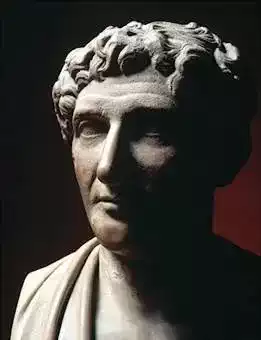
Ovídio
Metamorphoses: Book The Twelfth
Metamorphoses: Book The Twelfth
PRIAM, to whom the story was unknown,
As dead, deplor'd his metamorphos'd son:
A cenotaph his name, and title kept,
And Hector round the tomb, with all his brothers,
wept.
This pious office Paris did not share;
Absent alone; and author of the war,
Which, for the Spartan queen, the Grecians drew
T' avenge the rape; and Asia to subdue.
The A thousand ships were mann'd, to sail the sea:
Trojan War Nor had their just resentments found delay,
Had not the winds, and waves oppos'd their way.
At Aulis, with united pow'rs they meet,
But there, cross-winds or calms detain'd the fleet.
Now, while they raise an altar on the shore,
And Jove with solemn sacrifice adore;
A boding sign the priests and people see:
A snake of size immense ascends a tree,
And, in the leafie summit, spy'd a nest,
Which o'er her callow young, a sparrow press'd.
Eight were the birds unfledg'd; their mother flew,
And hover'd round her care; but still in view:
'Till the fierce reptile first devour'd the brood,
Then seiz'd the flutt'ring dam, and drunk her
blood.
This dire ostent, the fearful people view;
Calchas alone, by Phoebus taught, foreknew
What Heav'n decreed; and with a smiling glance,
Thus gratulates to Greece her happy chance:
O Argives, we shall conquer: Troy is ours,
But long delays shall first afflict our pow'rs:
Nine years of labour, the nine birds portend;
The tenth shall in the town's destruction end.
The serpent, who his maw obscene had fill'd,
The branches in his curl'd embraces held:
But, as in spires he stood, he turn'd to stone:
The stony snake retain'd the figure still his own.
Yet, not for this, the wind-bound navy weigh'd;
Slack were their sails; and Neptune disobey'd.
Some thought him loth the town should be destroy'd,
Whose building had his hands divine employ'd:
Not so the seer; who knew, and known foreshow'd,
The virgin Phoebe, with a virgin's blood
Must first be reconcil'd: the common cause
Prevail'd; and pity yielding to the laws,
Fair Iphigenia the devoted maid
Was, by the weeping priests, in linnen-robes
array'd;
All mourn her fate; but no relief appear'd;
The royal victim bound, the knife already rear'd:
When that offended Pow'r, who caus'd their woe,
Relenting ceas'd her wrath; and stop'd the coming
blow.
A mist before the ministers she cast,
And, in the virgin's room, a hind she plac'd.
Th' oblation slain, and Phoebe, reconcil'd,
The storm was hush'd, and dimpled ocean smil'd:
A favourable gale arose from shore,
Which to the port desir'd, the Graecian gallies
bore.
The House of Full in the midst of this created space,
Fame Betwixt Heav'n, Earth, and skies, there stands a
place,
Confining on all three, with triple bound;
Whence all things, tho' remote, are view'd around;
And thither bring their undulating sound.
The palace of loud Fame, her seat of pow'r,
Plac'd on the summet of a lofty tow'r;
A thousand winding entries long and wide,
Receive of fresh reports a flowing tide.
A thousand crannies in the walls are made;
Nor gate, nor bars exclude the busie trade.
'Tis built of brass, the better to diffuse
The spreading sounds, and multiply the news:
Where eccho's in repeated eccho's play:
A mart for ever full, and open night and day.
Nor silence is within, nor voice express,
But a deaf noise of sounds, that never cease.
Confus'd and chiding, like the hollow roar
Of tides, receding from th' insulted shore,
Or like the broken thunder heard from far,
When Jove at distance drives the rouling war.
The courts are fill'd with a tumultuous din
Of crouds, or issuing forth, or entring in:
A thorough-fare of news: where some devise
Things never heard, some mingle truth with lies;
The troubled air with empty sounds they beat,
Intent to hear, and eager to repeat.
Error sits brooding there, with added train
Of vain credulity, and joys as vain:
Suspicion, with sedition join'd, are near,
And rumours rais'd, and murmurs mix'd, and panique
fear.
Fame sits aloft, and sees the subject ground,
And seas about, and skies above; enquiring all
around.
The Goddess gives th' alarm; and soon is known
The Grecian fleet descending on the town.
Fix'd on defence, the Trojans are not slow
To guard their shore, from an expected foe.
They meet in fight: by Hector's fatal hand
Protesilaus falls, and bites the strand:
Which with expence of blood the Grecians won;
And prov'd the strength unknown of Priam's son.
And to their cost the Trojan leaders felt
The Grecian heroes; and what deaths they dealt.
The Story of From these first onsets, the Sigaean shore
Cygnus Was strew'd with carcasses, and stain'd with gore:
Neptunian Cygnus troops of Greeks had slain;
Achilles in his carr had scour'd the plain,
And clear'd the Trojan ranks: where-e'er he fought,
Cygnus, or Hector, through the fields he sought:
Cygnus he found; on him his force essay'd:
For Hector was to the tenth year delay'd.
His white-main'd steeds, that bow'd beneath the
yoke,
He chear'd to courage, with a gentle stroke;
Then urg'd his fiery chariot on the foe;
And rising shook his lance; in act to throw.
But first he cry'd, O youth, be proud to bear
Thy death, ennobled by Pelides' spear.
The lance pursu'd the voice without delay,
Nor did the whizzing weapon miss the way;
But pierc'd his cuirass, with such fury sent,
And sign'd his bosom with a purple dint.
At this the seed of Neptune: Goddess-born,
For ornament, not use, these arms are worn;
This helm, and heavy buckler, I can spare;
As only decorations of the war:
So Mars is arm'd for glory, not for need.
'Tis somewhat more from Neptune to proceed,
Than from a daughter of the sea to spring:
Thy sire is mortal; mine is ocean's king.
Secure of death, I shou'd contemn thy dart,
Tho' naked; and impassible depart:
He said, and threw: the trembling weapon pass'd
Through nine bull-hides, each under other plac'd,
On his broad shield; and stuck within the last.
Achilles wrench'd it out; and sent again
The hostile gift: the hostile gift was vain.
He try'd a third, a tough well-chosen spear;
Th' inviolable body stood sincere,
Though Cygnus then did no defence provide,
But scornful offer'd his unshielded side.
Not otherwise th' impatient hero far'd,
Than as a bull incompass'd with a guard,
Amid the Circus roars, provok'd from far
By sight of scarlet, and a sanguine war:
They quit their ground, his bended horns elude;
In vain pursuing, and in vain pursu'd:
Before to farther fight he wou'd advance,
He stood considering, and survey'd his lance.
Doubts if he wielded not a wooden spear
Without a point: he look'd, the point was there.
This is my hand, and this my lance, he said;
By which so many thousand foes are dead,
O whither is their usual virtue fled!
I had it once; and the Lyrnessian wall,
And Tenedos, confess'd it in their fall.
Thy streams, Caicus, rowl'd a crimson-flood;
And Thebes ran red with her own natives' blood.
Twice Telephus employ'd their piercing steel,
To wound him first, and afterward to heal.
The vigour of this arm was never vain:
And that my wonted prowess I retain,
Witness these heaps of slaughter on the plain.
He said; and, doubtful of his former deeds,
To some new tryal of his force proceeds.
He chose Menoetes from among the rest;
At him he launch'd his spear, and pierc'd his
breast:
On the hard earth the Lycian knock'd his head,
And lay supine; and forth the spirit fled.
Then thus the hero: Neither can I blame
The hand, or jav'lin; both are still the same.
The same I will employ against this foe,
And wish but with the same success to throw.
So spoke the chief; and while he spoke he threw;
The weapon with unerring fury flew,
At his left shoulder aim'd: nor entrance found;
But back, as from a rock, with swift rebound
Harmless return'd: a bloody mark appear'd,
Which with false joy the flatter'd hero chear'd.
Wound there was none; the blood that was in view,
The lance before from slain Menoetes drew.
Headlong he leaps from off his lofty car,
And in close fight on foot renews the war.
Raging with high disdain, repeats his blows;
Nor shield, nor armour can their force oppose;
Huge cantlets of his buckler strew the ground,
And no defence in his bor'd arms is found,
But on his flesh, no wound or blood is seen;
The sword it self is blunted on the skin.
This vain attempt the chief no longer bears;
But round his hollow temples and his ears
His buckler beats: the son of Neptune, stunn'd
With these repeated buffets, quits his ground;
A sickly sweat succeeds, and shades of night;
Inverted Nature swims before his sight:
Th' insulting victor presses on the more,
And treads the steps the vanquish'd trod before,
Nor rest, nor respite gives. A stone there lay
Behind his trembling foe, and stopp'd his way:
Achilles took th' advantage which he found,
O'er-turn'd, and push'd him backward on the ground,
His buckler held him under, while he press'd,
With both his knees, above his panting breast.
Unlac'd his helm: about his chin the twist
He ty'd; and soon the strangled soul dismiss'd.
With eager haste he went to strip the dead:
The vanish'd body from his arms was fled.
His sea-God sire, t' immortalize his frame,
Had turn'd it to a bird that bears his name.
A truce succeeds the labours of this day,
And arms suspended with a long delay.
While Trojan walls are kept with watch and ward;
The Greeks before their trenches mount the guard;
The feast approach'd; when to the blue-ey'd maid
His vows for Cygnus slain the victor paid,
And a white heyfer on her altar laid.
The reeking entrails on the fire they threw,
And to the Gods the grateful odour flew.
Heav'n had its part in sacrifice: the rest
Was broil'd, and roasted for the future feast.
The chief-invited guests were set around!
And hunger first asswag'd, the bowls were crown'd,
Which in deep draughts their cares, and labours
drown'd.
The mellow harp did not their ears employ:
And mute was all the warlike symphony:
Discourse, the food of souls, was their delight,
And pleasing chat prolong'd the summer's night.
The subject, deeds of arms; and valour shown,
Or on the Trojan side, or on their own.
Of dangers undertaken, fame atchiev'd,
They talk'd by turns; the talk by turns reliev'd.
What things but these could fierce Achilles tell,
Or what cou'd fierce Achilles hear so well?
The last great act perform'd, of Cygnus slain,
Did most the martial audience entertain:
Wondring to find a body free by Fate
From steel; and which cou'd ev'n that steel rebate:
Amaz'd, their admiration they renew;
And scarce Pelides cou'd believe it true.
The Story of Then Nestor thus: what once this age has known,
Caeneus In fated Cygnus, and in him alone,
These eyes have seen in Caeneus long before;
Whose body not a thousand swords cou'd bore.
Caeneus, in courage, and in strength, excell'd;
And still his Othrys with his fame is fill'd:
But what did most his martial deeds adorn
(Though since he chang'd his sex) a woman born.
A novelty so strange, and full of Fate,
His list'ning audience ask'd him to relate.
Achilles thus commends their common sute:
O father, first for prudence in repute,
Tell, with that eloquence, so much thy own,
What thou hast heard, or what of Caeneus known:
What was he, whence his change of sex begun,
What trophies, join'd in wars with thee, he won?
Who conquer'd him, and in what fatal strife
The youth, without a wound, cou'd lose his life?
Neleides then: Though tardy age, and time,
Have shrunk my sinews, and decay'd my prime;
Though much I have forgotten of my store,
Yet not exhausted, I remember more.
Of all that arms atchiev'd, or peace design'd,
That action still is fresher in my mind,
Than ought beside. If reverend age can give
To faith a sanction, in my third I live.
'Twas in my second cent'ry, I survey'd
Young Caenis, then a fair Thessalian maid:
Caenis the bright, was born to high command;
A princess, and a native of thy land,
Divine Achilles; every tongue proclaim'd
Her beauty, and her eyes all hearts inflam'd.
Peleus, thy sire, perhaps had sought her bed,
Among the rest; but he had either led
Thy mother then; or was by promise ty'd;
But she to him, and all, alike her love deny'd.
It was her fortune once to take her way
Along the sandy margin of the sea:
The Pow'r of ocean view'd her as she pass'd,
And, lov'd as soon as seen, by force embrac'd.
So Fame reports. Her virgin-treasure seiz'd,
And his new joys, the ravisher so pleas'd,
That thus, transported, to the nymph he cry'd;
Ask what thou wilt, no pray'r shall be deny'd.
This also Fame relates: the haughty fair,
Who not the rape ev'n of a God cou'd bear,
This answer, proud, return'd: To mighty wrongs
A mighty recompence, of right, belongs.
Give me no more to suffer such a shame;
But change the woman, for a better name;
One gift for all: she said; and while she spoke,
A stern, majestick, manly tone she took.
A man she was: and as the Godhead swore,
To Caeneus turn'd, who Caenis was before.
To this the lover adds, without request,
No force of steel shou'd violate his breast.
Glad of the gift, the new-made warrior goes;
And arms among the Greeks, and longs for equal
foes.
The Skirmish Now brave Perithous, bold Ixion's son,
between the The love of fair Hippodame had won.
Centaurs and The cloud-begotten race, half men, half beast,
Lapithites Invited, came to grace the nuptial feast:
In a cool cave's recess the treat was made,
Whose entrance, trees with spreading boughs
o'er-shade
They sate: and summon'd by the bridegroom, came,
To mix with those, the Lapythaean name:
Nor wanted I: the roofs with joy resound:
And Hymen, Io Hymen, rung around.
Rais'd altars shone with holy fires; the bride,
Lovely her self (and lovely by her side
A bevy of bright nymphs, with sober grace),
Came glitt'ring like a star, and took her place.
Her heav'nly form beheld, all wish'd her joy;
And little wanted; but in vain, their wishes all
employ.
For one, most brutal, of the brutal brood,
Or whether wine, or beauty fir'd his blood,
Or both at once, beheld with lustful eyes
The bride; at once resolv'd to make his prize.
Down went the board; and fastning on her hair,
He seiz'd with sudden force the frighted fair.
'Twas Eurytus began: his bestial kind
His crime pursu'd; and each as pleas'd his mind,
Or her, whom chance presented, took: the feast
An image of a taken town express'd.
The cave resounds with female shrieks; we rise,
Mad with revenge to make a swift reprise:
And Theseus first, What phrenzy has possess'd,
O Eurytus, he cry'd, thy brutal breast,
To wrong Perithous, and not him alone,
But while I live, two friends conjoyn'd in one?
To justifie his threat, he thrusts aside
The crowd of centaurs; and redeems the bride:
The monster nought reply'd: for words were vain,
And deeds cou'd only deeds unjust maintain;
But answers with his hand, and forward press'd,
With blows redoubled, on his face, and breast.
An ample goblet stood, of antick mold,
And rough with figures of the rising gold;
The hero snatch'd it up, and toss'd in air
Full at the front of the foul ravisher.
He falls; and falling vomits forth a flood
Of wine, and foam, and brains, and mingled blood.
Half roaring, and half neighing through the hall,
Arms, arms, the double-form'd with fury call;
To wreak their brother's death: a medley-flight
Of bowls, and jars, at first supply the fight,
Once instruments of feasts; but now of Fate;
Wine animates their rage, and arms their hate.
Bold Amycus, from the robb'd vestry brings
The chalices of Heav'n; and holy things
Of precious weight: a sconce that hung on high,
With tapers fill'd, to light the sacristy,
Torn from the cord, with his unhallow'd hand
He threw amid the Lapythaean band.
On Celadon the ruin fell; and left
His face of feature, and of form bereft:
So, when some brawny sacrificer knocks,
Before an altar led, an offer'd ox,
His eyes-balls rooted out, are thrown to ground;
His nose, dismantled, in his mouth is found;
His jaws, cheeks, front, one undistinguish'd wound.
This, Belates, th' avenger, cou'd not brook;
But, by the foot, a maple board he took;
And hurl'd at Amycus; his chin it bent
Against his chest, and down the centaur sent:
Whom sputtring bloody teeth, the second blow
Of his drawn sword, dispatch'd to shades below.
Grineus was near; and cast a furious look
On the side-altar, cens'd with sacred smoke,
And bright with flaming fires; The Gods, he cry'd,
Have with their holy trade our hands supply'd:
Why use we not their gifts? Then from the floor
An altar stone he heav'd, with all the load it
bore:
Altar, and altar's freight together slew,
Where thickest throng'd the Lapythaean crew:
And, at once, Broteas and Oryus flew.
Oryus' mother, Mycale, was known
Down from her sphere to draw the lab'ring moon.
Exadius cry'd, Unpunish'd shall not go
This fact, if arms are found against the foe.
He look'd about, where on a pine were spread
The votive horns of a stag's branching head:
At Grineus these he throws; so just they fly,
That the sharp antlers stuck in either eye:
Breathless, and blind he fell; with blood
besmear'd;
His eye-balls beaten out, hung dangling on his
beard.
Fierce Rhoetus, from the hearth a burning brand
Selects, and whirling waves; 'till, from his hand
The fire took flame; then dash'd it from the right,
On fair Charaxus' temples, near the sight:
The whistling pest came on, and pierc'd the bone,
And caught the yellow hair, that shrivel'd while it
shone.
Caught, like dry stubble fir'd; or like seerwood;
Yet from the wound ensu'd no purple flood;
But look'd a bubbling mass of frying blood.
His blazing locks sent forth a crackling sound;
And hiss'd, like red hot ir'n within the smithy
drown'd.
The wounded warrior shook his flaming hair,
Then (what a team of horse could hardly rear)
He heaves the threshold stone, but could not throw;
The weight itself forbad the threaten'd blow;
Which dropping from his lifted arms, came down
Full on Cometes' head; and crush'd his crown.
Nor Rhoetus then retain'd his joy; but said,
So by their fellows may our foes be sped;
Then, with redoubled strokes he plies his head:
The burning lever not deludes his pains:
But drives the batter'd skull within the brains.
Thus flush'd, the conqueror, with force renew'd,
Evagrus, Dryas, Corythus, pursu'd:
First, Corythus, with downy cheeks, he slew;
Whose fall, when fierce Evagrus had in view,
He cry'd, What palm is from a beardless prey?
Rhoetus prevents what more he had to say;
And drove within his mouth the fi'ry death,
Which enter'd hissing in, and choak'd his breath.
At Dryas next he flew: but weary chance,
No longer wou'd the same success advance.
For while he whirl'd in fiery circles round
The brand, a sharpen'd stake strong Dryas found;
And in the shoulder's joint inflicts the wound.
The weapon stuck; which, roaring out with pain,
He drew; nor longer durst the fight maintain,
But turn'd his back, for fear; and fled amain.
With him fled Orneus, with like dread possess'd,
Thaumas, and Medon wounded in the breast;
And Mermeros, in the late race renown'd,
Now limping ran, and tardy with his wound.
Pholus, and Melaneus from fight withdrew,
And Abas maim'd, who boars encountring slew:
And Augur Asbolos, whose art in vain,
From fight dissuaded the four-footed train,
Now beat the hoof with Nessus on the plain;
But to his fellow cry'd, Be safely slow,
Thy death deferr'd is due to great Alcides' bow.
Mean-time strong Dryas urg'd his chance so well,
That Lycidas, Areos, Imbreus fell;
All, one by one, and fighting face to face:
Crenaeus fled, to fall with more disgrace:
For, fearful, while he look'd behind, he bore,
Betwixt his nose, and front, the blow before.
Amid the noise, and tumult of the fray,
Snoring, and drunk with wine, Aphidas lay.
Ev'n then the bowl within his hand he kept,
And on a bear's rough hide securely slept.
Him Phorbas with his flying dart transfix'd;
Take thy next draught, with Stygian waters mix'd,
And sleep thy fill, th' insulting victor cry'd;
Surpriz'd with death unfelt, the centaur dy'd;
The ruddy vomit, as he breath'd his soul
Repass'd his throat, and fill'd his empty bowl.
I saw Petraeus' arms employ'd around
A well-grown oak, to root it from the ground.
This way, and that, he wrench'd the fibrous bands;
The trunk was like a sappling, in his hands,
And still obey'd the bent: while thus he stood,
Perithous' dart drove on; and nail'd him to the
wood;
Lycus, and Chromis fell, by him oppress'd:
Helops, and Dictis added to the rest
A nobler palm: Helops, through either ear
Transfix'd, receiv'd the penetrating spear.
This Dictis saw; and, seiz'd with sudden fright,
Leapt headlong from the hill of steepy height;
And crush'd an ash beneath, that cou'd not bear his
weight.
The shatter'd tree receives his fall; and strikes,
Within his full-blown paunch, the sharpen'd spikes.
Strong Aphareus had heav'd a mighty stone,
The fragment of a rock; and wou'd have thrown;
But Theseus, with a club of harden'd oak,
The cubit-bone of the bold centaur broke;
And left him maim'd; nor seconded the stroke.
Then leapt on tall Bianor's back (who bore
No mortal burden but his own, before);
Press'd with his knees his sides; the double man,
His speed with spurs increas'd, unwilling ran.
One hand the hero fastn'd on his locks;
His other ply'd him with repeated strokes.
The club rung round his ears, and batter'd brows;
He falls; and lashing up his heels, his rider
throws.
The same Herculean arms, Nedymnus wound;
And lay by him Lycotas on the ground,
And Hippasus, whose beard his breast invades;
And Ripheus, haunter of the woodland shades:
And Thereus, us'd with mountain-bears to strive,
And from their dens to draw th' indignant beasts
alive.
Demoleon cou'd not bear this hateful sight,
Or the long fortune of th' Athenian knight:
But pull'd with all his force, to disengage
From Earth a pine, the product of an age:
The root stuck fast: the broken trunk he sent
At Theseus; Theseus frustrates his intent,
And leaps aside; by Pallas warn'd, the blow
To shun (for so he said; and we believ'd it so).
Yet not in vain th' enormous weight was cast;
Which Crantor's body sunder'd at the waist:
Thy father's 'squire, Achilles, and his care;
Whom conquer'd in the Polopeian war,
Their king, his present ruin to prevent,
A pledge of peace implor'd, to Peleus sent.
Thy sire, with grieving eyes, beheld his Fate;
And cry'd, Not long, lov'd Crantor, shalt thou wait
Thy vow'd revenge. At once he said, and threw
His ashen-spear; which quiver'd, as it flew;
With all his force, and all his soul apply'd;
The sharp point enter'd in the centaur's side:
Both hands, to wrench it out, the monster join'd;
And wrench'd it out; but left the steel behind;
Stuck in his lungs it stood: inrag'd he rears
His hoofs, and down to ground thy father bears.
Thus trampled under foot, his shield defends
His head; his other hand the lance portends.
Ev'n while he lay extended on the dust,
He sped the centaur, with one single thrust.
Two more his lance before transfix'd from far;
And two, his sword had slain, in closer war.
To these was added Dorylas, who spread
A bull's two goring horns around his head.
With these he push'd; in blood already dy'd,
Him fearless, I approach'd; and thus defy'd:
Now, monster, now, by proof it shall appear,
Whether thy horns are sharper, or my spear.
At this, I threw: for want of other ward,
He lifted up his hand, his front to guard.
His hand it pass'd; and fix'd it to his brow:
Loud shouts of ours attend the lucky blow.
Him Peleus finish'd, with a second wound,
Which thro' the navel pierc'd: he reel'd around;
And dragg'd his dangling bowels on the ground.
Trod what he drag'd; and what he trod, he crush'd:
And to his mother-Earth, with empty belly, rush'd.
The Story of Nor cou'd thy form, o Cyllarus, foreflow
Cyllarus and Thy Fate (if form to monsters men allow):
Hylonome Just bloom'd thy beard: thy beard of golden hue:
Thy locks, in golden waves, about thy shoulders
flew.
Sprightly thy look: thy shapes in ev'ry part
So clean, as might instruct the sculptor's art;
As far as man extended: where began
The beast, the beast was equal to the man.
Add but a horse's head and neck; and he,
O Castor, was a courser worthy thee.
So was his back proportion'd for the seat:
So rose his brawny chest; so swiftly mov'd his
feet.
Coal-black his colour, but like jett it shone;
His legs, and flowing tail were white alone.
Belov'd by many maidens of his kind;
But fair Hylonome possess'd his mind;
Hylonome, for features, and for face,
Excelling all the nymphs of double race:
Nor less her blandishments, than beauty, move;
At once both loving, and confessing love.
For him she dress'd: for him, with female care
She comb'd, and set in curls, her auburn hair.
Of roses, violets, and lillies mix'd,
And sprigs of flowing rosemary betwixt,
She form'd the chaplet, that adorn'd her front:
In waters of the Pegasaean fount,
And in the streams that from the fountain play,
She wash'd her face; and bath'd her twice a-day.
The scarf of furs, that hung below her side,
Was ermin, or the panther's spotted pride;
Spoils of no common beast: with equal flame
They lov'd: their silvan pleasures were the same:
All day they hunted: and when day expir'd,
Together to some shady cave retir'd:
Invited to the nuptials, both repair:
And, side by side, they both engage in war.
Uncertain from what hand, a flying dart
At Cyllarus was sent; which pierc'd his heart.
The jav'lin drawn from out the mortal wound,
He faints with stagg'ring steps; and seeks the
ground:
The fair within her arms receiv'd his fall,
And strove his wand'ring spirits to recall:
And while her hand the streaming blood oppos'd,
Join'd face to face, his lips with hers she clos'd.
Stifled with kisses, a sweet death he dies;
She fills the fields with undistinguish'd cries;
At least her words were in her clamour drown'd;
For my stunn'd ears receiv'd no vocal sound.
In madness of her grief, she seiz'd the dart
New-drawn, and reeking from her lover's heart;
To her bare bosom the sharp point apply'd;
And wounded fell; and falling by his side,
Embrac'd him in her arms; and thus embracing dy'd.
Ev'n still methinks, I see Phaeocomes;
Strange was his habit, and as odd his dress.
Six lions' hides, with thongs together fast,
His upper part defended to his waist:
And where man ended, the continued vest,
Spread on his back, the houss and trappings of a
beast.
A stump too heavy for a team to draw
(It seems a fable, tho' the fact I saw);
He threw at Pholon; the descending blow
Divides the skull, and cleaves his head in two.
The brains, from nose, and mouth, and either ear,
Came issuing out, as through a colendar
The curdled milk; or from the press the whey,
Driv'n down by weight above, is drain'd away.
But him, while stooping down to spoil the slain,
Pierc'd through the paunch, I tumbled on the plain.
Then Chthonyus, and Teleboas I slew:
A fork the former arm'd; a dart his fellow threw.
The jav'lin wounded me (behold the scar,
Then was my time to seek the Trojan war;
Then I was Hector's match in open field;
But he was then unborn; at least a child:
Now, I am nothing). I forbear to tell
By Periphantas how Pyretus fell;
The centaur by the knight: nor will I stay
On Amphix, or what deaths he dealt that day:
What honour, with a pointless lance, he won,
Stuck in the front of a four-footed man.
What fame young Macareus obtain'd in fight:
Or dwell on Nessus, now return'd from flight.
How prophet Mopsus not alone divin'd,
Whose valour equal'd his foreseeing mind.
Caeneus Already Caeneus, with his conquering hand,
transform'd to Had slaughter'd five the boldest of their band.
an Eagle Pyrachmus, Helymus, Antimachus,
Bromus the brave, and stronger Stiphelus,
Their names I number'd, and remember well,
No trace remaining, by what wounds they fell.
Laitreus, the bulki'st of the double race,
Whom the spoil'd arms of slain Halesus grace,
In years retaining still his youthful might,
Though his black hairs were interspers'd with
white,
Betwixt th' imbattled ranks began to prance,
Proud of his helm, and Macedonian lance;
And rode the ring around; that either hoast
Might hear him, while he made this empty boast:
And from a strumpet shall we suffer shame?
For Caenis still, not Caeneus, is thy name:
And still the native softness of thy kind
Prevails; and leaves the woman in thy mind;
Remember what thou wert; what price was paid
To change thy sex; to make thee not a maid:
And but a man in shew; go, card and spin;
And leave the business of the war to men.
While thus the boaster exercis'd his pride,
The fatal spear of Caeneus reach'd his side:
Just in the mixture of the kinds it ran;
Betwixt the neather beast, and upper man:
The monster mad with rage, and stung with smart,
His lance directed at the hero's heart:
It struck; but bounded from his harden'd breast,
Like hail from tiles, which the safe house invest.
Nor seem'd the stroke with more effect to come,
Than a small pebble falling on a drum.
He next his fauchion try'd, in closer fight;
But the keen fauchion had no pow'r to bite.
He thrust; the blunted point return'd again:
Since downright blows, he cry'd, and thrusts are
vain,
I'll prove his side; in strong embraces held
He prov'd his side; his side the sword repell'd:
His hollow belly eccho'd to the stroke,
Untouch'd his body, as a solid rock;
Aim'd at his neck at last, the blade in shivers
broke.
Th' impassive knight stood idle, to deride
His rage, and offer'd oft his naked side;
At length, Now monster, in thy turn, he cry'd,
Try thou the strength of Caeneus: at the word
He thrust; and in his shoulder plung'd the sword.
Then writh'd his hand; and as he drove it down,
Deep in his breast, made many wounds in one.
The centaurs saw, inrag'd, th' unhop'd success;
And rushing on in crowds, together press;
At him, and him alone, their darts they threw:
Repuls'd they from his fated body flew.
Amaz'd they stood; 'till Monichus began,
O shame, a nation conquer'd by a man!
A woman-man! yet more a man is he,
Than all our race; and what he was, are we.
Now, what avail our nerves? th' united force,
Of two the strongest creatures, man and horse;
Nor Goddess-born; nor of Ixion's seed
We seem (a lover built for Juno's bed);
Master'd by this half man. Whole mountains throw
With woods at once, and bury him below.
This only way remains. Nor need we doubt
To choak the soul within; though not to force it
out:
Heap weights, instead of wounds. He chanc'd to see
Where southern storms had rooted up a tree;
This, rais'd from Earth, against the foe he threw;
Th' example shewn, his fellow-brutes pursue.
With forest-loads the warrior they invade;
Othrys, and Pelion soon were void of shade;
And spreading groves were naked mountains made.
Press'd with the burden, Caeneus pants for breath;
And on his shoulders bears the wooden death.
To heave th' intolerable weight he tries;
At length it rose above his mouth and eyes:
Yet still he heaves; and, strugling with despair,
Shakes all aside, and gains a gulp of air:
A short relief, which but prolongs his pain;
He faints by fits; and then respires again:
At last, the burden only nods above,
As when an earthquake stirs th' Idaean grove.
Doubtful his death: he suffocated seem'd,
To most; but otherwise our Mopsus deem'd,
Who said he saw a yellow bird arise
From out the piles, and cleave the liquid skies:
I saw it too, with golden feathers bright;
Nor e'er before beheld so strange a sight.
Whom Mopsus viewing, as it soar'd around
Our troop, and heard the pinions' rattling sound,
All hail, he cry'd, thy country's grace and love!
Once first of men below, now first of birds above.
Its author to the story gave belief:
For us, our courage was increas'd by grief:
Asham'd to see a single man, pursu'd
With odds, to sink beneath a multitude,
We push'd the foe: and forc'd to shameful flight,
Part fell, and part escap'd by favour of the night.
The Fate of This tale, by Nestor told, did much displease
Periclymenos Tlepolemus, the seed of Hercules:
For, often he had heard his father say,
That he himself was present at the fray;
And more than shar'd the glories of the day.
Old Chronicle, he said, among the rest,
You might have nam'd Alcides at the least:
Is he not worth your praise? The Pylian prince
Sigh'd ere he spoke; then made this proud defence.
My former woes in long oblivion drown'd,
I wou'd have lost; but you renew the wound:
Better to pass him o'er, than to relate
The cause I have your mighty sire to hate.
His fame has fill'd the world, and reach'd the sky
(Which, oh, I wish, with truth, I cou'd deny!);
We praise not Hector; though his name, we know,
Is great in arms; 'tis hard to praise a foe.
He, your great father, levell'd to the ground
Messenia's tow'rs: nor better fortune found
Elis, and Pylos; that a neighb'ring state,
And this my own: both guiltless of their fate.
To pass the rest, twelve, wanting one, he slew;
My brethren, who their birth from Neleus drew,
All youths of early promise, had they liv'd;
By him they perish'd: I alone surviv'd.
The rest were easie conquest: but the fate
Of Periclymenos, is wondrous to relate.
To him, our common grandsire of the main
Had giv'n to change his form, and chang'd, resume
again.
Vary'd at pleasure, every shape he try'd;
And in all beasts, Alcides still defy'd:
Vanquish'd on Earth, at length he soar'd above;
Chang'd to the bird, that bears the bolt of Jove:
The new-dissembled eagle, now endu'd
With beak, and pounces, Hercules pursu'd,
And cuff'd his manly cheeks, and tore his face;
Then, safe retir'd, and tour'd in empty space.
Alcides bore not long his flying foe;
But bending his inevitable bow,
Reach'd him in air, suspended as he stood;
And in his pinion fix'd the feather'd wood.
Light was the wound; but in the sinew hung
The point, and his disabled wing unstrung.
He wheel'd in air, and stretch'd his vans in vain;
His vans no longer cou'd his flight sustain:
For while one gather'd wind, one unsupply'd
Hung drooping down, nor pois'd his other side.
He fell: the shaft that slightly was impress'd,
Now from his heavy fall with weight increas'd,
Drove through his neck, aslant, he spurns the
ground,
And the soul issues through the weazon's wound.
Now, brave commander of the Rhodian seas,
What praise is due from me, to Hercules?
Silence is all the vengeance I decree
For my slain brothers; but 'tis peace with thee.
Thus with a flowing tongue old Nestor spoke:
Then, to full bowls each other they provoke:
At length, with weariness, and wine oppress'd,
They rise from table; and withdraw to rest.
The Death of The sire of Cygnus, monarch of the main,
Achilles Mean-time, laments his son, in battel slain,
And vows the victor's death; nor vows in vain.
For nine long years the smother'd pain he bore
(Achilles was not ripe for Fate before):
Then when he saw the promis'd hour was near,
He thus bespoke the God, that guides the year:
Immortal offspring of my brother Jove;
My brightest nephew, and whom best I love,
Whose hands were join'd with mine, to raise the
wall
Of tott'ring Troy, now nodding to her fall,
Dost thou not mourn our pow'r employ'd in vain;
And the defenders of our city slain?
To pass the rest, could noble Hector lie
Unpity'd, drag'd around his native Troy?
And yet the murd'rer lives: himself by far
A greater plague, than all the wasteful war:
He lives; the proud Pelides lives, to boast
Our town destroy'd, our common labour lost.
O, could I meet him! But I wish too late:
To prove my trident is not in his Fate!
But let him try (for that's allow'd) thy dart,
And pierce his only penetrable part.
Apollo bows to the superior throne;
And to his uncle's anger, adds his own.
Then in a cloud involv'd, he takes his flight,
Where Greeks, and Trojans mix'd in mortal fight;
And found out Paris, lurking where he stood,
And stain'd his arrows with plebeian blood:
Phoebus to him alone the God confess'd,
Then to the recreant knight, he thus address'd.
Dost thou not blush, to spend thy shafts in vain
On a degenerate, and ignoble train?
If fame, or better vengeance be thy care,
There aim: and, with one arrow, end the war.
He said; and shew'd from far the blazing shield
And sword, which, but Achilles, none cou'd wield;
And how he mov'd a God, and mow'd the standing
field.
The deity himself directs aright
Th' invenom'd shaft; and wings the fatal flight.
Thus fell the foremost of the Grecian name;
And he, the base adult'rer, boasts the fame.
A spectacle to glad the Trojan train;
And please old Priam, after Hector slain.
If by a female hand he had foreseen
He was to die, his wish had rather been
The lance, and double ax of the fair warriour
queen.
And now the terror of the Trojan field,
The Grecian honour, ornament, and shield,
High on a pile, th' unconquer'd chief is plac'd,
The God that arm'd him first, consum'd at last.
Of all the mighty man, the small remains
A little urn, and scarcely fill'd, contains.
Yet great in Homer, still Achilles lives;
And equal to himself, himself survives.
His buckler owns its former lord; and brings
New cause of strife, betwixt contending kings;
Who worthi'st after him, his sword to wield,
Or wear his armour, or sustain his shield.
Ev'n Diomede sat mute, with down-cast eyes;
Conscious of wanted worth to win the prize:
Nor Menelaus presum'd these arms to claim,
Nor he the king of men, a greater name.
Two rivals only rose: Laertes' son,
And the vast bulk of Ajax Telamon:
The king, who cherish'd each with equal love,
And from himself all envy wou'd remove,
Left both to be determin'd by the laws;
And to the Graecian chiefs transferr'd the cause.
The End of the Twelfth Book.
Translated into English verse under the direction of
Sir Samuel Garth by John Dryden, Alexander Pope, Joseph Addison,
William Congreve and other eminent hands
PRIAM, to whom the story was unknown,
As dead, deplor'd his metamorphos'd son:
A cenotaph his name, and title kept,
And Hector round the tomb, with all his brothers,
wept.
This pious office Paris did not share;
Absent alone; and author of the war,
Which, for the Spartan queen, the Grecians drew
T' avenge the rape; and Asia to subdue.
The A thousand ships were mann'd, to sail the sea:
Trojan War Nor had their just resentments found delay,
Had not the winds, and waves oppos'd their way.
At Aulis, with united pow'rs they meet,
But there, cross-winds or calms detain'd the fleet.
Now, while they raise an altar on the shore,
And Jove with solemn sacrifice adore;
A boding sign the priests and people see:
A snake of size immense ascends a tree,
And, in the leafie summit, spy'd a nest,
Which o'er her callow young, a sparrow press'd.
Eight were the birds unfledg'd; their mother flew,
And hover'd round her care; but still in view:
'Till the fierce reptile first devour'd the brood,
Then seiz'd the flutt'ring dam, and drunk her
blood.
This dire ostent, the fearful people view;
Calchas alone, by Phoebus taught, foreknew
What Heav'n decreed; and with a smiling glance,
Thus gratulates to Greece her happy chance:
O Argives, we shall conquer: Troy is ours,
But long delays shall first afflict our pow'rs:
Nine years of labour, the nine birds portend;
The tenth shall in the town's destruction end.
The serpent, who his maw obscene had fill'd,
The branches in his curl'd embraces held:
But, as in spires he stood, he turn'd to stone:
The stony snake retain'd the figure still his own.
Yet, not for this, the wind-bound navy weigh'd;
Slack were their sails; and Neptune disobey'd.
Some thought him loth the town should be destroy'd,
Whose building had his hands divine employ'd:
Not so the seer; who knew, and known foreshow'd,
The virgin Phoebe, with a virgin's blood
Must first be reconcil'd: the common cause
Prevail'd; and pity yielding to the laws,
Fair Iphigenia the devoted maid
Was, by the weeping priests, in linnen-robes
array'd;
All mourn her fate; but no relief appear'd;
The royal victim bound, the knife already rear'd:
When that offended Pow'r, who caus'd their woe,
Relenting ceas'd her wrath; and stop'd the coming
blow.
A mist before the ministers she cast,
And, in the virgin's room, a hind she plac'd.
Th' oblation slain, and Phoebe, reconcil'd,
The storm was hush'd, and dimpled ocean smil'd:
A favourable gale arose from shore,
Which to the port desir'd, the Graecian gallies
bore.
The House of Full in the midst of this created space,
Fame Betwixt Heav'n, Earth, and skies, there stands a
place,
Confining on all three, with triple bound;
Whence all things, tho' remote, are view'd around;
And thither bring their undulating sound.
The palace of loud Fame, her seat of pow'r,
Plac'd on the summet of a lofty tow'r;
A thousand winding entries long and wide,
Receive of fresh reports a flowing tide.
A thousand crannies in the walls are made;
Nor gate, nor bars exclude the busie trade.
'Tis built of brass, the better to diffuse
The spreading sounds, and multiply the news:
Where eccho's in repeated eccho's play:
A mart for ever full, and open night and day.
Nor silence is within, nor voice express,
But a deaf noise of sounds, that never cease.
Confus'd and chiding, like the hollow roar
Of tides, receding from th' insulted shore,
Or like the broken thunder heard from far,
When Jove at distance drives the rouling war.
The courts are fill'd with a tumultuous din
Of crouds, or issuing forth, or entring in:
A thorough-fare of news: where some devise
Things never heard, some mingle truth with lies;
The troubled air with empty sounds they beat,
Intent to hear, and eager to repeat.
Error sits brooding there, with added train
Of vain credulity, and joys as vain:
Suspicion, with sedition join'd, are near,
And rumours rais'd, and murmurs mix'd, and panique
fear.
Fame sits aloft, and sees the subject ground,
And seas about, and skies above; enquiring all
around.
The Goddess gives th' alarm; and soon is known
The Grecian fleet descending on the town.
Fix'd on defence, the Trojans are not slow
To guard their shore, from an expected foe.
They meet in fight: by Hector's fatal hand
Protesilaus falls, and bites the strand:
Which with expence of blood the Grecians won;
And prov'd the strength unknown of Priam's son.
And to their cost the Trojan leaders felt
The Grecian heroes; and what deaths they dealt.
The Story of From these first onsets, the Sigaean shore
Cygnus Was strew'd with carcasses, and stain'd with gore:
Neptunian Cygnus troops of Greeks had slain;
Achilles in his carr had scour'd the plain,
And clear'd the Trojan ranks: where-e'er he fought,
Cygnus, or Hector, through the fields he sought:
Cygnus he found; on him his force essay'd:
For Hector was to the tenth year delay'd.
His white-main'd steeds, that bow'd beneath the
yoke,
He chear'd to courage, with a gentle stroke;
Then urg'd his fiery chariot on the foe;
And rising shook his lance; in act to throw.
But first he cry'd, O youth, be proud to bear
Thy death, ennobled by Pelides' spear.
The lance pursu'd the voice without delay,
Nor did the whizzing weapon miss the way;
But pierc'd his cuirass, with such fury sent,
And sign'd his bosom with a purple dint.
At this the seed of Neptune: Goddess-born,
For ornament, not use, these arms are worn;
This helm, and heavy buckler, I can spare;
As only decorations of the war:
So Mars is arm'd for glory, not for need.
'Tis somewhat more from Neptune to proceed,
Than from a daughter of the sea to spring:
Thy sire is mortal; mine is ocean's king.
Secure of death, I shou'd contemn thy dart,
Tho' naked; and impassible depart:
He said, and threw: the trembling weapon pass'd
Through nine bull-hides, each under other plac'd,
On his broad shield; and stuck within the last.
Achilles wrench'd it out; and sent again
The hostile gift: the hostile gift was vain.
He try'd a third, a tough well-chosen spear;
Th' inviolable body stood sincere,
Though Cygnus then did no defence provide,
But scornful offer'd his unshielded side.
Not otherwise th' impatient hero far'd,
Than as a bull incompass'd with a guard,
Amid the Circus roars, provok'd from far
By sight of scarlet, and a sanguine war:
They quit their ground, his bended horns elude;
In vain pursuing, and in vain pursu'd:
Before to farther fight he wou'd advance,
He stood considering, and survey'd his lance.
Doubts if he wielded not a wooden spear
Without a point: he look'd, the point was there.
This is my hand, and this my lance, he said;
By which so many thousand foes are dead,
O whither is their usual virtue fled!
I had it once; and the Lyrnessian wall,
And Tenedos, confess'd it in their fall.
Thy streams, Caicus, rowl'd a crimson-flood;
And Thebes ran red with her own natives' blood.
Twice Telephus employ'd their piercing steel,
To wound him first, and afterward to heal.
The vigour of this arm was never vain:
And that my wonted prowess I retain,
Witness these heaps of slaughter on the plain.
He said; and, doubtful of his former deeds,
To some new tryal of his force proceeds.
He chose Menoetes from among the rest;
At him he launch'd his spear, and pierc'd his
breast:
On the hard earth the Lycian knock'd his head,
And lay supine; and forth the spirit fled.
Then thus the hero: Neither can I blame
The hand, or jav'lin; both are still the same.
The same I will employ against this foe,
And wish but with the same success to throw.
So spoke the chief; and while he spoke he threw;
The weapon with unerring fury flew,
At his left shoulder aim'd: nor entrance found;
But back, as from a rock, with swift rebound
Harmless return'd: a bloody mark appear'd,
Which with false joy the flatter'd hero chear'd.
Wound there was none; the blood that was in view,
The lance before from slain Menoetes drew.
Headlong he leaps from off his lofty car,
And in close fight on foot renews the war.
Raging with high disdain, repeats his blows;
Nor shield, nor armour can their force oppose;
Huge cantlets of his buckler strew the ground,
And no defence in his bor'd arms is found,
But on his flesh, no wound or blood is seen;
The sword it self is blunted on the skin.
This vain attempt the chief no longer bears;
But round his hollow temples and his ears
His buckler beats: the son of Neptune, stunn'd
With these repeated buffets, quits his ground;
A sickly sweat succeeds, and shades of night;
Inverted Nature swims before his sight:
Th' insulting victor presses on the more,
And treads the steps the vanquish'd trod before,
Nor rest, nor respite gives. A stone there lay
Behind his trembling foe, and stopp'd his way:
Achilles took th' advantage which he found,
O'er-turn'd, and push'd him backward on the ground,
His buckler held him under, while he press'd,
With both his knees, above his panting breast.
Unlac'd his helm: about his chin the twist
He ty'd; and soon the strangled soul dismiss'd.
With eager haste he went to strip the dead:
The vanish'd body from his arms was fled.
His sea-God sire, t' immortalize his frame,
Had turn'd it to a bird that bears his name.
A truce succeeds the labours of this day,
And arms suspended with a long delay.
While Trojan walls are kept with watch and ward;
The Greeks before their trenches mount the guard;
The feast approach'd; when to the blue-ey'd maid
His vows for Cygnus slain the victor paid,
And a white heyfer on her altar laid.
The reeking entrails on the fire they threw,
And to the Gods the grateful odour flew.
Heav'n had its part in sacrifice: the rest
Was broil'd, and roasted for the future feast.
The chief-invited guests were set around!
And hunger first asswag'd, the bowls were crown'd,
Which in deep draughts their cares, and labours
drown'd.
The mellow harp did not their ears employ:
And mute was all the warlike symphony:
Discourse, the food of souls, was their delight,
And pleasing chat prolong'd the summer's night.
The subject, deeds of arms; and valour shown,
Or on the Trojan side, or on their own.
Of dangers undertaken, fame atchiev'd,
They talk'd by turns; the talk by turns reliev'd.
What things but these could fierce Achilles tell,
Or what cou'd fierce Achilles hear so well?
The last great act perform'd, of Cygnus slain,
Did most the martial audience entertain:
Wondring to find a body free by Fate
From steel; and which cou'd ev'n that steel rebate:
Amaz'd, their admiration they renew;
And scarce Pelides cou'd believe it true.
The Story of Then Nestor thus: what once this age has known,
Caeneus In fated Cygnus, and in him alone,
These eyes have seen in Caeneus long before;
Whose body not a thousand swords cou'd bore.
Caeneus, in courage, and in strength, excell'd;
And still his Othrys with his fame is fill'd:
But what did most his martial deeds adorn
(Though since he chang'd his sex) a woman born.
A novelty so strange, and full of Fate,
His list'ning audience ask'd him to relate.
Achilles thus commends their common sute:
O father, first for prudence in repute,
Tell, with that eloquence, so much thy own,
What thou hast heard, or what of Caeneus known:
What was he, whence his change of sex begun,
What trophies, join'd in wars with thee, he won?
Who conquer'd him, and in what fatal strife
The youth, without a wound, cou'd lose his life?
Neleides then: Though tardy age, and time,
Have shrunk my sinews, and decay'd my prime;
Though much I have forgotten of my store,
Yet not exhausted, I remember more.
Of all that arms atchiev'd, or peace design'd,
That action still is fresher in my mind,
Than ought beside. If reverend age can give
To faith a sanction, in my third I live.
'Twas in my second cent'ry, I survey'd
Young Caenis, then a fair Thessalian maid:
Caenis the bright, was born to high command;
A princess, and a native of thy land,
Divine Achilles; every tongue proclaim'd
Her beauty, and her eyes all hearts inflam'd.
Peleus, thy sire, perhaps had sought her bed,
Among the rest; but he had either led
Thy mother then; or was by promise ty'd;
But she to him, and all, alike her love deny'd.
It was her fortune once to take her way
Along the sandy margin of the sea:
The Pow'r of ocean view'd her as she pass'd,
And, lov'd as soon as seen, by force embrac'd.
So Fame reports. Her virgin-treasure seiz'd,
And his new joys, the ravisher so pleas'd,
That thus, transported, to the nymph he cry'd;
Ask what thou wilt, no pray'r shall be deny'd.
This also Fame relates: the haughty fair,
Who not the rape ev'n of a God cou'd bear,
This answer, proud, return'd: To mighty wrongs
A mighty recompence, of right, belongs.
Give me no more to suffer such a shame;
But change the woman, for a better name;
One gift for all: she said; and while she spoke,
A stern, majestick, manly tone she took.
A man she was: and as the Godhead swore,
To Caeneus turn'd, who Caenis was before.
To this the lover adds, without request,
No force of steel shou'd violate his breast.
Glad of the gift, the new-made warrior goes;
And arms among the Greeks, and longs for equal
foes.
The Skirmish Now brave Perithous, bold Ixion's son,
between the The love of fair Hippodame had won.
Centaurs and The cloud-begotten race, half men, half beast,
Lapithites Invited, came to grace the nuptial feast:
In a cool cave's recess the treat was made,
Whose entrance, trees with spreading boughs
o'er-shade
They sate: and summon'd by the bridegroom, came,
To mix with those, the Lapythaean name:
Nor wanted I: the roofs with joy resound:
And Hymen, Io Hymen, rung around.
Rais'd altars shone with holy fires; the bride,
Lovely her self (and lovely by her side
A bevy of bright nymphs, with sober grace),
Came glitt'ring like a star, and took her place.
Her heav'nly form beheld, all wish'd her joy;
And little wanted; but in vain, their wishes all
employ.
For one, most brutal, of the brutal brood,
Or whether wine, or beauty fir'd his blood,
Or both at once, beheld with lustful eyes
The bride; at once resolv'd to make his prize.
Down went the board; and fastning on her hair,
He seiz'd with sudden force the frighted fair.
'Twas Eurytus began: his bestial kind
His crime pursu'd; and each as pleas'd his mind,
Or her, whom chance presented, took: the feast
An image of a taken town express'd.
The cave resounds with female shrieks; we rise,
Mad with revenge to make a swift reprise:
And Theseus first, What phrenzy has possess'd,
O Eurytus, he cry'd, thy brutal breast,
To wrong Perithous, and not him alone,
But while I live, two friends conjoyn'd in one?
To justifie his threat, he thrusts aside
The crowd of centaurs; and redeems the bride:
The monster nought reply'd: for words were vain,
And deeds cou'd only deeds unjust maintain;
But answers with his hand, and forward press'd,
With blows redoubled, on his face, and breast.
An ample goblet stood, of antick mold,
And rough with figures of the rising gold;
The hero snatch'd it up, and toss'd in air
Full at the front of the foul ravisher.
He falls; and falling vomits forth a flood
Of wine, and foam, and brains, and mingled blood.
Half roaring, and half neighing through the hall,
Arms, arms, the double-form'd with fury call;
To wreak their brother's death: a medley-flight
Of bowls, and jars, at first supply the fight,
Once instruments of feasts; but now of Fate;
Wine animates their rage, and arms their hate.
Bold Amycus, from the robb'd vestry brings
The chalices of Heav'n; and holy things
Of precious weight: a sconce that hung on high,
With tapers fill'd, to light the sacristy,
Torn from the cord, with his unhallow'd hand
He threw amid the Lapythaean band.
On Celadon the ruin fell; and left
His face of feature, and of form bereft:
So, when some brawny sacrificer knocks,
Before an altar led, an offer'd ox,
His eyes-balls rooted out, are thrown to ground;
His nose, dismantled, in his mouth is found;
His jaws, cheeks, front, one undistinguish'd wound.
This, Belates, th' avenger, cou'd not brook;
But, by the foot, a maple board he took;
And hurl'd at Amycus; his chin it bent
Against his chest, and down the centaur sent:
Whom sputtring bloody teeth, the second blow
Of his drawn sword, dispatch'd to shades below.
Grineus was near; and cast a furious look
On the side-altar, cens'd with sacred smoke,
And bright with flaming fires; The Gods, he cry'd,
Have with their holy trade our hands supply'd:
Why use we not their gifts? Then from the floor
An altar stone he heav'd, with all the load it
bore:
Altar, and altar's freight together slew,
Where thickest throng'd the Lapythaean crew:
And, at once, Broteas and Oryus flew.
Oryus' mother, Mycale, was known
Down from her sphere to draw the lab'ring moon.
Exadius cry'd, Unpunish'd shall not go
This fact, if arms are found against the foe.
He look'd about, where on a pine were spread
The votive horns of a stag's branching head:
At Grineus these he throws; so just they fly,
That the sharp antlers stuck in either eye:
Breathless, and blind he fell; with blood
besmear'd;
His eye-balls beaten out, hung dangling on his
beard.
Fierce Rhoetus, from the hearth a burning brand
Selects, and whirling waves; 'till, from his hand
The fire took flame; then dash'd it from the right,
On fair Charaxus' temples, near the sight:
The whistling pest came on, and pierc'd the bone,
And caught the yellow hair, that shrivel'd while it
shone.
Caught, like dry stubble fir'd; or like seerwood;
Yet from the wound ensu'd no purple flood;
But look'd a bubbling mass of frying blood.
His blazing locks sent forth a crackling sound;
And hiss'd, like red hot ir'n within the smithy
drown'd.
The wounded warrior shook his flaming hair,
Then (what a team of horse could hardly rear)
He heaves the threshold stone, but could not throw;
The weight itself forbad the threaten'd blow;
Which dropping from his lifted arms, came down
Full on Cometes' head; and crush'd his crown.
Nor Rhoetus then retain'd his joy; but said,
So by their fellows may our foes be sped;
Then, with redoubled strokes he plies his head:
The burning lever not deludes his pains:
But drives the batter'd skull within the brains.
Thus flush'd, the conqueror, with force renew'd,
Evagrus, Dryas, Corythus, pursu'd:
First, Corythus, with downy cheeks, he slew;
Whose fall, when fierce Evagrus had in view,
He cry'd, What palm is from a beardless prey?
Rhoetus prevents what more he had to say;
And drove within his mouth the fi'ry death,
Which enter'd hissing in, and choak'd his breath.
At Dryas next he flew: but weary chance,
No longer wou'd the same success advance.
For while he whirl'd in fiery circles round
The brand, a sharpen'd stake strong Dryas found;
And in the shoulder's joint inflicts the wound.
The weapon stuck; which, roaring out with pain,
He drew; nor longer durst the fight maintain,
But turn'd his back, for fear; and fled amain.
With him fled Orneus, with like dread possess'd,
Thaumas, and Medon wounded in the breast;
And Mermeros, in the late race renown'd,
Now limping ran, and tardy with his wound.
Pholus, and Melaneus from fight withdrew,
And Abas maim'd, who boars encountring slew:
And Augur Asbolos, whose art in vain,
From fight dissuaded the four-footed train,
Now beat the hoof with Nessus on the plain;
But to his fellow cry'd, Be safely slow,
Thy death deferr'd is due to great Alcides' bow.
Mean-time strong Dryas urg'd his chance so well,
That Lycidas, Areos, Imbreus fell;
All, one by one, and fighting face to face:
Crenaeus fled, to fall with more disgrace:
For, fearful, while he look'd behind, he bore,
Betwixt his nose, and front, the blow before.
Amid the noise, and tumult of the fray,
Snoring, and drunk with wine, Aphidas lay.
Ev'n then the bowl within his hand he kept,
And on a bear's rough hide securely slept.
Him Phorbas with his flying dart transfix'd;
Take thy next draught, with Stygian waters mix'd,
And sleep thy fill, th' insulting victor cry'd;
Surpriz'd with death unfelt, the centaur dy'd;
The ruddy vomit, as he breath'd his soul
Repass'd his throat, and fill'd his empty bowl.
I saw Petraeus' arms employ'd around
A well-grown oak, to root it from the ground.
This way, and that, he wrench'd the fibrous bands;
The trunk was like a sappling, in his hands,
And still obey'd the bent: while thus he stood,
Perithous' dart drove on; and nail'd him to the
wood;
Lycus, and Chromis fell, by him oppress'd:
Helops, and Dictis added to the rest
A nobler palm: Helops, through either ear
Transfix'd, receiv'd the penetrating spear.
This Dictis saw; and, seiz'd with sudden fright,
Leapt headlong from the hill of steepy height;
And crush'd an ash beneath, that cou'd not bear his
weight.
The shatter'd tree receives his fall; and strikes,
Within his full-blown paunch, the sharpen'd spikes.
Strong Aphareus had heav'd a mighty stone,
The fragment of a rock; and wou'd have thrown;
But Theseus, with a club of harden'd oak,
The cubit-bone of the bold centaur broke;
And left him maim'd; nor seconded the stroke.
Then leapt on tall Bianor's back (who bore
No mortal burden but his own, before);
Press'd with his knees his sides; the double man,
His speed with spurs increas'd, unwilling ran.
One hand the hero fastn'd on his locks;
His other ply'd him with repeated strokes.
The club rung round his ears, and batter'd brows;
He falls; and lashing up his heels, his rider
throws.
The same Herculean arms, Nedymnus wound;
And lay by him Lycotas on the ground,
And Hippasus, whose beard his breast invades;
And Ripheus, haunter of the woodland shades:
And Thereus, us'd with mountain-bears to strive,
And from their dens to draw th' indignant beasts
alive.
Demoleon cou'd not bear this hateful sight,
Or the long fortune of th' Athenian knight:
But pull'd with all his force, to disengage
From Earth a pine, the product of an age:
The root stuck fast: the broken trunk he sent
At Theseus; Theseus frustrates his intent,
And leaps aside; by Pallas warn'd, the blow
To shun (for so he said; and we believ'd it so).
Yet not in vain th' enormous weight was cast;
Which Crantor's body sunder'd at the waist:
Thy father's 'squire, Achilles, and his care;
Whom conquer'd in the Polopeian war,
Their king, his present ruin to prevent,
A pledge of peace implor'd, to Peleus sent.
Thy sire, with grieving eyes, beheld his Fate;
And cry'd, Not long, lov'd Crantor, shalt thou wait
Thy vow'd revenge. At once he said, and threw
His ashen-spear; which quiver'd, as it flew;
With all his force, and all his soul apply'd;
The sharp point enter'd in the centaur's side:
Both hands, to wrench it out, the monster join'd;
And wrench'd it out; but left the steel behind;
Stuck in his lungs it stood: inrag'd he rears
His hoofs, and down to ground thy father bears.
Thus trampled under foot, his shield defends
His head; his other hand the lance portends.
Ev'n while he lay extended on the dust,
He sped the centaur, with one single thrust.
Two more his lance before transfix'd from far;
And two, his sword had slain, in closer war.
To these was added Dorylas, who spread
A bull's two goring horns around his head.
With these he push'd; in blood already dy'd,
Him fearless, I approach'd; and thus defy'd:
Now, monster, now, by proof it shall appear,
Whether thy horns are sharper, or my spear.
At this, I threw: for want of other ward,
He lifted up his hand, his front to guard.
His hand it pass'd; and fix'd it to his brow:
Loud shouts of ours attend the lucky blow.
Him Peleus finish'd, with a second wound,
Which thro' the navel pierc'd: he reel'd around;
And dragg'd his dangling bowels on the ground.
Trod what he drag'd; and what he trod, he crush'd:
And to his mother-Earth, with empty belly, rush'd.
The Story of Nor cou'd thy form, o Cyllarus, foreflow
Cyllarus and Thy Fate (if form to monsters men allow):
Hylonome Just bloom'd thy beard: thy beard of golden hue:
Thy locks, in golden waves, about thy shoulders
flew.
Sprightly thy look: thy shapes in ev'ry part
So clean, as might instruct the sculptor's art;
As far as man extended: where began
The beast, the beast was equal to the man.
Add but a horse's head and neck; and he,
O Castor, was a courser worthy thee.
So was his back proportion'd for the seat:
So rose his brawny chest; so swiftly mov'd his
feet.
Coal-black his colour, but like jett it shone;
His legs, and flowing tail were white alone.
Belov'd by many maidens of his kind;
But fair Hylonome possess'd his mind;
Hylonome, for features, and for face,
Excelling all the nymphs of double race:
Nor less her blandishments, than beauty, move;
At once both loving, and confessing love.
For him she dress'd: for him, with female care
She comb'd, and set in curls, her auburn hair.
Of roses, violets, and lillies mix'd,
And sprigs of flowing rosemary betwixt,
She form'd the chaplet, that adorn'd her front:
In waters of the Pegasaean fount,
And in the streams that from the fountain play,
She wash'd her face; and bath'd her twice a-day.
The scarf of furs, that hung below her side,
Was ermin, or the panther's spotted pride;
Spoils of no common beast: with equal flame
They lov'd: their silvan pleasures were the same:
All day they hunted: and when day expir'd,
Together to some shady cave retir'd:
Invited to the nuptials, both repair:
And, side by side, they both engage in war.
Uncertain from what hand, a flying dart
At Cyllarus was sent; which pierc'd his heart.
The jav'lin drawn from out the mortal wound,
He faints with stagg'ring steps; and seeks the
ground:
The fair within her arms receiv'd his fall,
And strove his wand'ring spirits to recall:
And while her hand the streaming blood oppos'd,
Join'd face to face, his lips with hers she clos'd.
Stifled with kisses, a sweet death he dies;
She fills the fields with undistinguish'd cries;
At least her words were in her clamour drown'd;
For my stunn'd ears receiv'd no vocal sound.
In madness of her grief, she seiz'd the dart
New-drawn, and reeking from her lover's heart;
To her bare bosom the sharp point apply'd;
And wounded fell; and falling by his side,
Embrac'd him in her arms; and thus embracing dy'd.
Ev'n still methinks, I see Phaeocomes;
Strange was his habit, and as odd his dress.
Six lions' hides, with thongs together fast,
His upper part defended to his waist:
And where man ended, the continued vest,
Spread on his back, the houss and trappings of a
beast.
A stump too heavy for a team to draw
(It seems a fable, tho' the fact I saw);
He threw at Pholon; the descending blow
Divides the skull, and cleaves his head in two.
The brains, from nose, and mouth, and either ear,
Came issuing out, as through a colendar
The curdled milk; or from the press the whey,
Driv'n down by weight above, is drain'd away.
But him, while stooping down to spoil the slain,
Pierc'd through the paunch, I tumbled on the plain.
Then Chthonyus, and Teleboas I slew:
A fork the former arm'd; a dart his fellow threw.
The jav'lin wounded me (behold the scar,
Then was my time to seek the Trojan war;
Then I was Hector's match in open field;
But he was then unborn; at least a child:
Now, I am nothing). I forbear to tell
By Periphantas how Pyretus fell;
The centaur by the knight: nor will I stay
On Amphix, or what deaths he dealt that day:
What honour, with a pointless lance, he won,
Stuck in the front of a four-footed man.
What fame young Macareus obtain'd in fight:
Or dwell on Nessus, now return'd from flight.
How prophet Mopsus not alone divin'd,
Whose valour equal'd his foreseeing mind.
Caeneus Already Caeneus, with his conquering hand,
transform'd to Had slaughter'd five the boldest of their band.
an Eagle Pyrachmus, Helymus, Antimachus,
Bromus the brave, and stronger Stiphelus,
Their names I number'd, and remember well,
No trace remaining, by what wounds they fell.
Laitreus, the bulki'st of the double race,
Whom the spoil'd arms of slain Halesus grace,
In years retaining still his youthful might,
Though his black hairs were interspers'd with
white,
Betwixt th' imbattled ranks began to prance,
Proud of his helm, and Macedonian lance;
And rode the ring around; that either hoast
Might hear him, while he made this empty boast:
And from a strumpet shall we suffer shame?
For Caenis still, not Caeneus, is thy name:
And still the native softness of thy kind
Prevails; and leaves the woman in thy mind;
Remember what thou wert; what price was paid
To change thy sex; to make thee not a maid:
And but a man in shew; go, card and spin;
And leave the business of the war to men.
While thus the boaster exercis'd his pride,
The fatal spear of Caeneus reach'd his side:
Just in the mixture of the kinds it ran;
Betwixt the neather beast, and upper man:
The monster mad with rage, and stung with smart,
His lance directed at the hero's heart:
It struck; but bounded from his harden'd breast,
Like hail from tiles, which the safe house invest.
Nor seem'd the stroke with more effect to come,
Than a small pebble falling on a drum.
He next his fauchion try'd, in closer fight;
But the keen fauchion had no pow'r to bite.
He thrust; the blunted point return'd again:
Since downright blows, he cry'd, and thrusts are
vain,
I'll prove his side; in strong embraces held
He prov'd his side; his side the sword repell'd:
His hollow belly eccho'd to the stroke,
Untouch'd his body, as a solid rock;
Aim'd at his neck at last, the blade in shivers
broke.
Th' impassive knight stood idle, to deride
His rage, and offer'd oft his naked side;
At length, Now monster, in thy turn, he cry'd,
Try thou the strength of Caeneus: at the word
He thrust; and in his shoulder plung'd the sword.
Then writh'd his hand; and as he drove it down,
Deep in his breast, made many wounds in one.
The centaurs saw, inrag'd, th' unhop'd success;
And rushing on in crowds, together press;
At him, and him alone, their darts they threw:
Repuls'd they from his fated body flew.
Amaz'd they stood; 'till Monichus began,
O shame, a nation conquer'd by a man!
A woman-man! yet more a man is he,
Than all our race; and what he was, are we.
Now, what avail our nerves? th' united force,
Of two the strongest creatures, man and horse;
Nor Goddess-born; nor of Ixion's seed
We seem (a lover built for Juno's bed);
Master'd by this half man. Whole mountains throw
With woods at once, and bury him below.
This only way remains. Nor need we doubt
To choak the soul within; though not to force it
out:
Heap weights, instead of wounds. He chanc'd to see
Where southern storms had rooted up a tree;
This, rais'd from Earth, against the foe he threw;
Th' example shewn, his fellow-brutes pursue.
With forest-loads the warrior they invade;
Othrys, and Pelion soon were void of shade;
And spreading groves were naked mountains made.
Press'd with the burden, Caeneus pants for breath;
And on his shoulders bears the wooden death.
To heave th' intolerable weight he tries;
At length it rose above his mouth and eyes:
Yet still he heaves; and, strugling with despair,
Shakes all aside, and gains a gulp of air:
A short relief, which but prolongs his pain;
He faints by fits; and then respires again:
At last, the burden only nods above,
As when an earthquake stirs th' Idaean grove.
Doubtful his death: he suffocated seem'd,
To most; but otherwise our Mopsus deem'd,
Who said he saw a yellow bird arise
From out the piles, and cleave the liquid skies:
I saw it too, with golden feathers bright;
Nor e'er before beheld so strange a sight.
Whom Mopsus viewing, as it soar'd around
Our troop, and heard the pinions' rattling sound,
All hail, he cry'd, thy country's grace and love!
Once first of men below, now first of birds above.
Its author to the story gave belief:
For us, our courage was increas'd by grief:
Asham'd to see a single man, pursu'd
With odds, to sink beneath a multitude,
We push'd the foe: and forc'd to shameful flight,
Part fell, and part escap'd by favour of the night.
The Fate of This tale, by Nestor told, did much displease
Periclymenos Tlepolemus, the seed of Hercules:
For, often he had heard his father say,
That he himself was present at the fray;
And more than shar'd the glories of the day.
Old Chronicle, he said, among the rest,
You might have nam'd Alcides at the least:
Is he not worth your praise? The Pylian prince
Sigh'd ere he spoke; then made this proud defence.
My former woes in long oblivion drown'd,
I wou'd have lost; but you renew the wound:
Better to pass him o'er, than to relate
The cause I have your mighty sire to hate.
His fame has fill'd the world, and reach'd the sky
(Which, oh, I wish, with truth, I cou'd deny!);
We praise not Hector; though his name, we know,
Is great in arms; 'tis hard to praise a foe.
He, your great father, levell'd to the ground
Messenia's tow'rs: nor better fortune found
Elis, and Pylos; that a neighb'ring state,
And this my own: both guiltless of their fate.
To pass the rest, twelve, wanting one, he slew;
My brethren, who their birth from Neleus drew,
All youths of early promise, had they liv'd;
By him they perish'd: I alone surviv'd.
The rest were easie conquest: but the fate
Of Periclymenos, is wondrous to relate.
To him, our common grandsire of the main
Had giv'n to change his form, and chang'd, resume
again.
Vary'd at pleasure, every shape he try'd;
And in all beasts, Alcides still defy'd:
Vanquish'd on Earth, at length he soar'd above;
Chang'd to the bird, that bears the bolt of Jove:
The new-dissembled eagle, now endu'd
With beak, and pounces, Hercules pursu'd,
And cuff'd his manly cheeks, and tore his face;
Then, safe retir'd, and tour'd in empty space.
Alcides bore not long his flying foe;
But bending his inevitable bow,
Reach'd him in air, suspended as he stood;
And in his pinion fix'd the feather'd wood.
Light was the wound; but in the sinew hung
The point, and his disabled wing unstrung.
He wheel'd in air, and stretch'd his vans in vain;
His vans no longer cou'd his flight sustain:
For while one gather'd wind, one unsupply'd
Hung drooping down, nor pois'd his other side.
He fell: the shaft that slightly was impress'd,
Now from his heavy fall with weight increas'd,
Drove through his neck, aslant, he spurns the
ground,
And the soul issues through the weazon's wound.
Now, brave commander of the Rhodian seas,
What praise is due from me, to Hercules?
Silence is all the vengeance I decree
For my slain brothers; but 'tis peace with thee.
Thus with a flowing tongue old Nestor spoke:
Then, to full bowls each other they provoke:
At length, with weariness, and wine oppress'd,
They rise from table; and withdraw to rest.
The Death of The sire of Cygnus, monarch of the main,
Achilles Mean-time, laments his son, in battel slain,
And vows the victor's death; nor vows in vain.
For nine long years the smother'd pain he bore
(Achilles was not ripe for Fate before):
Then when he saw the promis'd hour was near,
He thus bespoke the God, that guides the year:
Immortal offspring of my brother Jove;
My brightest nephew, and whom best I love,
Whose hands were join'd with mine, to raise the
wall
Of tott'ring Troy, now nodding to her fall,
Dost thou not mourn our pow'r employ'd in vain;
And the defenders of our city slain?
To pass the rest, could noble Hector lie
Unpity'd, drag'd around his native Troy?
And yet the murd'rer lives: himself by far
A greater plague, than all the wasteful war:
He lives; the proud Pelides lives, to boast
Our town destroy'd, our common labour lost.
O, could I meet him! But I wish too late:
To prove my trident is not in his Fate!
But let him try (for that's allow'd) thy dart,
And pierce his only penetrable part.
Apollo bows to the superior throne;
And to his uncle's anger, adds his own.
Then in a cloud involv'd, he takes his flight,
Where Greeks, and Trojans mix'd in mortal fight;
And found out Paris, lurking where he stood,
And stain'd his arrows with plebeian blood:
Phoebus to him alone the God confess'd,
Then to the recreant knight, he thus address'd.
Dost thou not blush, to spend thy shafts in vain
On a degenerate, and ignoble train?
If fame, or better vengeance be thy care,
There aim: and, with one arrow, end the war.
He said; and shew'd from far the blazing shield
And sword, which, but Achilles, none cou'd wield;
And how he mov'd a God, and mow'd the standing
field.
The deity himself directs aright
Th' invenom'd shaft; and wings the fatal flight.
Thus fell the foremost of the Grecian name;
And he, the base adult'rer, boasts the fame.
A spectacle to glad the Trojan train;
And please old Priam, after Hector slain.
If by a female hand he had foreseen
He was to die, his wish had rather been
The lance, and double ax of the fair warriour
queen.
And now the terror of the Trojan field,
The Grecian honour, ornament, and shield,
High on a pile, th' unconquer'd chief is plac'd,
The God that arm'd him first, consum'd at last.
Of all the mighty man, the small remains
A little urn, and scarcely fill'd, contains.
Yet great in Homer, still Achilles lives;
And equal to himself, himself survives.
His buckler owns its former lord; and brings
New cause of strife, betwixt contending kings;
Who worthi'st after him, his sword to wield,
Or wear his armour, or sustain his shield.
Ev'n Diomede sat mute, with down-cast eyes;
Conscious of wanted worth to win the prize:
Nor Menelaus presum'd these arms to claim,
Nor he the king of men, a greater name.
Two rivals only rose: Laertes' son,
And the vast bulk of Ajax Telamon:
The king, who cherish'd each with equal love,
And from himself all envy wou'd remove,
Left both to be determin'd by the laws;
And to the Graecian chiefs transferr'd the cause.
The End of the Twelfth Book.
Translated into English verse under the direction of
Sir Samuel Garth by John Dryden, Alexander Pope, Joseph Addison,
William Congreve and other eminent hands
205
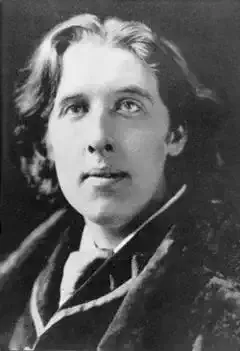
Oscar Wilde
Sonnet
Sonnet
CHRIST, dost thou live indeed? or are thy bones
Still straightened in their rock-hewn sepulchre?
And was thy Rising only dreamed by Her
Whose love of thee for all her sin atones?
For here the air is horrid with men's groans,
The priests who call upon thy name are slain,
Dost thou not hear the bitter wail of pain
From those whose children lie upon the stones?
Come down, O Son of God! incestuous gloom
Curtains the land, and through the starless night
Over thy Cross the Crescent moon I see!
If thou in very truth didst burst the tomb
Come down, O Son of Man! and show thy might,
Lest Mahomet be crowned instead of Thee!
CHRIST, dost thou live indeed? or are thy bones
Still straightened in their rock-hewn sepulchre?
And was thy Rising only dreamed by Her
Whose love of thee for all her sin atones?
For here the air is horrid with men's groans,
The priests who call upon thy name are slain,
Dost thou not hear the bitter wail of pain
From those whose children lie upon the stones?
Come down, O Son of God! incestuous gloom
Curtains the land, and through the starless night
Over thy Cross the Crescent moon I see!
If thou in very truth didst burst the tomb
Come down, O Son of Man! and show thy might,
Lest Mahomet be crowned instead of Thee!
209
Oscar Wilde
Ave Imperatrix
Ave Imperatrix
SET in this stormy Northern sea,
Queen of these restless fields of tide,
England! what shall men say of thee,
Before whose feet the worlds divide?
The earth, a brittle globe of glass,
Lies in the hollow of thy hand,
And through its heart of crystal pass,
Like shadows through a twilight land,
The spears of crimson-suited war,
The long white-crested waves of fight,
And all the deadly fires which are
The torches of the lords of Night.
The yellow leopards, strained and lean,
The treacherous Russian knows so well,
With gaping blackened jaws are seen
Leap through the hail of screaming shell.
The strong sea-lion of England's wars
Hath left his sapphire cave of sea,
To battle with the storm that mars
The star of England's chivalry.
The brazen-throated clarion blows
Across the Pathan's reedy fen,
And the high steeps of Indian snows
Shake to the tread of armèd men.
And many an Afghan chief, who lies
Beneath his cool pomegranate-trees,
Clutches his sword in fierce surmise
When on the mountain-side he sees
The fleet-foot Marri scout, who comes
To tell how he hath heard afar
The measured roll of English drums
Beat at the gates of Kandahar.
For southern wind and east wind meet
Where, girt and crowned by sword and fire,
England with bare and bloody feet
Climbs the steep road of wide empire.
O lonely Himalayan height,
Grey pillar of the Indian sky,
Where saw'st thou last in clanging fight
Our wingèd dogs of Victory?
The almond groves of Samarcand,
Bokhara, where red lilies blow,
And Oxus, by whose yellow sand
The grave white-turbaned merchants go:
And on from thence to Ispahan,
The gilded garden of the sun,
Whence the long dusty caravan
Brings cedar and vermilion;
And that dread city of Cabool
Set at the mountain's scarpèd feet,
Whose marble tanks are ever full
With water for the noonday heat:
Where through the narrow straight Bazaar
A little maid Circassian
Is led, a present from the Czar
Unto some old and bearded khan,--
Here have our wild war-eagles flown,
And flapped wide wings in fiery fight;
But the sad dove, that sits alone
In England--she hath no delight.
In vain the laughing girl will lean
To greet her love with love-lit eyes:
Down in some treacherous black ravine,
Clutching his flag, the dead boy lies.
And many a moon and sun will see
The lingering wistful children wait
To climb upon their father's knee;
And in each house made desolate
Pale women who have lost their lord
Will kiss the relics of the slain--
Some tarnished epaulette--some sword--
Poor toys to soothe such anguished pain.
For not in quiet English fields
Are these, our brothers, lain to rest,
Where we might deck their broken shields
With all the flowers the dead love best.
For some are by the Delhi walls,
And many in the Afghan land,
And many where the Ganges falls
Through seven mouths of shifting sand.
And some in Russian waters lie,
And others in the seas which are
The portals to the East, or by
The wind-swept heights of Trafalgar.
O wandering graves! O restless sleep!
O silence of the sunless day!
O still ravine! O stormy deep!
Give up your prey! Give up your prey!
And thou whose wounds are never healed,
Whose weary race is never won,
O Cromwell's England! must thou yield
For every inch of ground a son?
Go! crown with thorns thy gold-crowned head,
Change thy glad song to song of pain;
Wind and wild wave have got thy dead,
And will not yield them back again.
Wave and wild wind and foreign shore
Possess the flower of English land--
Lips that thy lips shall kiss no more,
Hands that shall never clasp thy hand.
What profit now that we have bound
The whole round world with nets of gold,
If hidden in our heart is found
The care that groweth never old?
What profit that our galleys ride,
Pine-forest-like, on every main?
Ruin and wreck are at our side,
Grim warders of the House of pain.
Where are the brave, the strong, the fleet?
Where is our English chivalry?
Wild grasses are their burial-sheet,
And sobbing waves their threnody.
O loved ones lying far away,
What word of love can dead lips send!
O wasted dust! O senseless clay!
Is this the end! is this the end!
Peace, peace! we wrong the noble dead
To vex their solemn slumber so;
Though childless, and with thorn-crowned head,
Up the steep road must England go,
Yet when this fiery web is spun,
Her watchmen shall descry from far
The young Republic like a sun
Rise from these crimson seas of war.
SET in this stormy Northern sea,
Queen of these restless fields of tide,
England! what shall men say of thee,
Before whose feet the worlds divide?
The earth, a brittle globe of glass,
Lies in the hollow of thy hand,
And through its heart of crystal pass,
Like shadows through a twilight land,
The spears of crimson-suited war,
The long white-crested waves of fight,
And all the deadly fires which are
The torches of the lords of Night.
The yellow leopards, strained and lean,
The treacherous Russian knows so well,
With gaping blackened jaws are seen
Leap through the hail of screaming shell.
The strong sea-lion of England's wars
Hath left his sapphire cave of sea,
To battle with the storm that mars
The star of England's chivalry.
The brazen-throated clarion blows
Across the Pathan's reedy fen,
And the high steeps of Indian snows
Shake to the tread of armèd men.
And many an Afghan chief, who lies
Beneath his cool pomegranate-trees,
Clutches his sword in fierce surmise
When on the mountain-side he sees
The fleet-foot Marri scout, who comes
To tell how he hath heard afar
The measured roll of English drums
Beat at the gates of Kandahar.
For southern wind and east wind meet
Where, girt and crowned by sword and fire,
England with bare and bloody feet
Climbs the steep road of wide empire.
O lonely Himalayan height,
Grey pillar of the Indian sky,
Where saw'st thou last in clanging fight
Our wingèd dogs of Victory?
The almond groves of Samarcand,
Bokhara, where red lilies blow,
And Oxus, by whose yellow sand
The grave white-turbaned merchants go:
And on from thence to Ispahan,
The gilded garden of the sun,
Whence the long dusty caravan
Brings cedar and vermilion;
And that dread city of Cabool
Set at the mountain's scarpèd feet,
Whose marble tanks are ever full
With water for the noonday heat:
Where through the narrow straight Bazaar
A little maid Circassian
Is led, a present from the Czar
Unto some old and bearded khan,--
Here have our wild war-eagles flown,
And flapped wide wings in fiery fight;
But the sad dove, that sits alone
In England--she hath no delight.
In vain the laughing girl will lean
To greet her love with love-lit eyes:
Down in some treacherous black ravine,
Clutching his flag, the dead boy lies.
And many a moon and sun will see
The lingering wistful children wait
To climb upon their father's knee;
And in each house made desolate
Pale women who have lost their lord
Will kiss the relics of the slain--
Some tarnished epaulette--some sword--
Poor toys to soothe such anguished pain.
For not in quiet English fields
Are these, our brothers, lain to rest,
Where we might deck their broken shields
With all the flowers the dead love best.
For some are by the Delhi walls,
And many in the Afghan land,
And many where the Ganges falls
Through seven mouths of shifting sand.
And some in Russian waters lie,
And others in the seas which are
The portals to the East, or by
The wind-swept heights of Trafalgar.
O wandering graves! O restless sleep!
O silence of the sunless day!
O still ravine! O stormy deep!
Give up your prey! Give up your prey!
And thou whose wounds are never healed,
Whose weary race is never won,
O Cromwell's England! must thou yield
For every inch of ground a son?
Go! crown with thorns thy gold-crowned head,
Change thy glad song to song of pain;
Wind and wild wave have got thy dead,
And will not yield them back again.
Wave and wild wind and foreign shore
Possess the flower of English land--
Lips that thy lips shall kiss no more,
Hands that shall never clasp thy hand.
What profit now that we have bound
The whole round world with nets of gold,
If hidden in our heart is found
The care that groweth never old?
What profit that our galleys ride,
Pine-forest-like, on every main?
Ruin and wreck are at our side,
Grim warders of the House of pain.
Where are the brave, the strong, the fleet?
Where is our English chivalry?
Wild grasses are their burial-sheet,
And sobbing waves their threnody.
O loved ones lying far away,
What word of love can dead lips send!
O wasted dust! O senseless clay!
Is this the end! is this the end!
Peace, peace! we wrong the noble dead
To vex their solemn slumber so;
Though childless, and with thorn-crowned head,
Up the steep road must England go,
Yet when this fiery web is spun,
Her watchmen shall descry from far
The young Republic like a sun
Rise from these crimson seas of war.
240
Mao Tsé-Tung
The People's Liberation Army Captures Nanking
The People's Liberation Army Captures Nanking
Over Chungshan swept a storm, headlong,
Our mighty army, a million strong, has crossed the Great River.
The City, a tiger crouching, a dragon curling, outshines its ancient glories;
In heroic triumph heaven and earth have been overturned.
With power and to spare we must pursue the tottering foe
And not ape Hsiang Yu the conqueror seeking idle fame.
Were Nature sentient, she too would pass from youth to age,
But Man's world is mutable, seas become mulberry fields.
Over Chungshan swept a storm, headlong,
Our mighty army, a million strong, has crossed the Great River.
The City, a tiger crouching, a dragon curling, outshines its ancient glories;
In heroic triumph heaven and earth have been overturned.
With power and to spare we must pursue the tottering foe
And not ape Hsiang Yu the conqueror seeking idle fame.
Were Nature sentient, she too would pass from youth to age,
But Man's world is mutable, seas become mulberry fields.
292
Mao Tsé-Tung
Tapoti
Tapoti
Red, orange, yellow, green,
blue, violet, indigo:
Who is dancing with these
rainbow colours in the sky?
Air after rain, slanting sun:
mountains and passes turning blue
in each changing moment.
Fierce battles that year:
bullet holes in village walls.
These mountains so decorated,
look even more beautiful today.
Red, orange, yellow, green,
blue, violet, indigo:
Who is dancing with these
rainbow colours in the sky?
Air after rain, slanting sun:
mountains and passes turning blue
in each changing moment.
Fierce battles that year:
bullet holes in village walls.
These mountains so decorated,
look even more beautiful today.
313
Mao Tsé-Tung
Loushan Pass
Loushan Pass
Fierce the west wind,
Wild geese cry under the frosty morning moon.
Under the frosty morning moon
Horses' hooves clattering,
Bugles sobbing low.
Idle boast the strong pass is a wall of iron,
With firm strides we are crossing its summit.
We are crossing its summit,
The rolling hills sea-blue,
The dying sun blood-red.
Fierce the west wind,
Wild geese cry under the frosty morning moon.
Under the frosty morning moon
Horses' hooves clattering,
Bugles sobbing low.
Idle boast the strong pass is a wall of iron,
With firm strides we are crossing its summit.
We are crossing its summit,
The rolling hills sea-blue,
The dying sun blood-red.
231
Mao Tsé-Tung
Against the First Encirclement Campaign
Against the First Encirclement Campaign
Forests blaze red beneath the frosty sky,
The wrath of Heaven's armies soars to the clouds.
Mist veils Lungkang, its thousand peaks blurred.
All cry out in unison:
Our van has taken Chang Hui-tsan!
The enemy returns to Kiangsi two hundred thousand strong,
Fumes billowing in the wind in mid-sky.
Workers and peasants are wakened in their millions
To fight as one man,
Under the riot of red flags round the foot of Puchou !
Forests blaze red beneath the frosty sky,
The wrath of Heaven's armies soars to the clouds.
Mist veils Lungkang, its thousand peaks blurred.
All cry out in unison:
Our van has taken Chang Hui-tsan!
The enemy returns to Kiangsi two hundred thousand strong,
Fumes billowing in the wind in mid-sky.
Workers and peasants are wakened in their millions
To fight as one man,
Under the riot of red flags round the foot of Puchou !
207
Langston Hughes
Wisdom and War
Wisdom and War
We do not care-
That much is clear.
Not enough
Of us care
Anywhere.
We are not wise-
For that reason,
Mankind dies.
To think
Is much against
The will.
Better-
And easier-
To kill.
We do not care-
That much is clear.
Not enough
Of us care
Anywhere.
We are not wise-
For that reason,
Mankind dies.
To think
Is much against
The will.
Better-
And easier-
To kill.
330

Kazi Nazrul Islam
Where Is The Peacock's Throne
Where Is The Peacock's Throne
'Where is the Peacock's Throne,
And where the Ruling Role? '
Question the Muslims, with tears in eyes,
And complain to Thee, O Lord of Paradise
Where is Khalid, the Hero of Hundred Fights,
And Tarik and Musa, Commanders bright?
No more is Hazrat Ali, with his Zulfiqar!
No more is Umar Khattab, with his Islami fervour!
No more are the soldiers brave and bold
Who had once conquered the entire world!
Where is Hasan, and where is Huseyn?
Where are the heroic Martyrs who gave
Their precious lives for Thy sake?
Where is that fervor of Faith?
And that might and main?
Gone from the orbit of Fate
Is the glorious Crescent!
Only darkness deep and down:
Pervades the horizon!
'Where is the Peacock's Throne,
And where the Ruling Role? '
Question the Muslims, with tears in eyes,
And complain to Thee, O Lord of Paradise
Where is Khalid, the Hero of Hundred Fights,
And Tarik and Musa, Commanders bright?
No more is Hazrat Ali, with his Zulfiqar!
No more is Umar Khattab, with his Islami fervour!
No more are the soldiers brave and bold
Who had once conquered the entire world!
Where is Hasan, and where is Huseyn?
Where are the heroic Martyrs who gave
Their precious lives for Thy sake?
Where is that fervor of Faith?
And that might and main?
Gone from the orbit of Fate
Is the glorious Crescent!
Only darkness deep and down:
Pervades the horizon!
552