

Poems in this theme
Gratitude

Edgar Albert Guest
Compensation
Compensation
I'd like to think when life is done
That I had filled a needed post.
That here and there I'd paid my fare
With more than idle talk and boast;
That I had taken gifts divine.
The breath of life and manhood fine,
And tried to use them now and then
In service for my fellow men.
I'd hate to think when life is through
That I had lived my round of years
A useless kind, that leaves behind
No record in this vale of tears;
That I had wasted all my days
By treading only selfish ways,
And that this world would be the same
If it had never known my name.
I'd like to think that here and there,
When I am gone, there shall remain
A happier spot that might have not
Existed had I toiled for gain;
That someone's cheery voice and smile
Shall prove that I had been worth while;
That I had paid with something fine
My debt to God for life divine.
I'd like to think when life is done
That I had filled a needed post.
That here and there I'd paid my fare
With more than idle talk and boast;
That I had taken gifts divine.
The breath of life and manhood fine,
And tried to use them now and then
In service for my fellow men.
I'd hate to think when life is through
That I had lived my round of years
A useless kind, that leaves behind
No record in this vale of tears;
That I had wasted all my days
By treading only selfish ways,
And that this world would be the same
If it had never known my name.
I'd like to think that here and there,
When I am gone, there shall remain
A happier spot that might have not
Existed had I toiled for gain;
That someone's cheery voice and smile
Shall prove that I had been worth while;
That I had paid with something fine
My debt to God for life divine.
667

Dylan Thomas
Author's Prologue
Author's Prologue
This day winding down now
At God speeded summer's end
In the torrent salmon sun,
In my seashaken house
On a breakneck of rocks
Tangled with chirrup and fruit,
Froth, flute, fin, and quill
At a wood's dancing hoof,
By scummed, starfish sands
With their fishwife cross
Gulls, pipers, cockles, and snails,
Out there, crow black, men
Tackled with clouds, who kneel
To the sunset nets,
Geese nearly in heaven, boys
Stabbing, and herons, and shells
That speak seven seas,
Eternal waters away
From the cities of nine
Days' night whose towers will catch
In the religious wind
Like stalks of tall, dry straw,
At poor peace I sing
To you strangers (though song
Is a burning and crested act,
The fire of birds in
The world's turning wood,
For my swan, splay sounds),
Out of these seathumbed leaves
That will fly and fall
Like leaves of trees and as soon
Crumble and undie
Into the dogdayed night.
Seaward the salmon, sucked sun slips,
And the dumb swans drub blue
My dabbed bay's dusk, as I hack
This rumpus of shapes
For you to know
How I, a spining man,
Glory also this star, bird
Roared, sea born, man torn, blood blest.
Hark: I trumpet the place,
From fish to jumping hill! Look:
I build my bellowing ark
To the best of my love
As the flood begins,
Out of the fountainhead
Of fear, rage read, manalive,
Molten and mountainous to stream
Over the wound asleep
Sheep white hollow farms
To Wales in my arms.
Hoo, there, in castle keep,
You king singsong owls, who moonbeam
The flickering runs and dive
The dingle furred deer dead!
Huloo, on plumbed bryns,
O my ruffled ring dove
in the hooting, nearly dark
With Welsh and reverent rook,
Coo rooning the woods' praise,
who moons her blue notes from her nest
Down to the curlew herd!
Ho, hullaballoing clan
Agape, with woe
In your beaks, on the gabbing capes!
Heigh, on horseback hill, jack
Whisking hare! who
Hears, there, this fox light, my flood ship's
Clangour as I hew and smite
(A clash of anvils for my
Hubbub and fiddle, this tune
On atounged puffball)
But animals thick as theives
On God's rough tumbling grounds
(Hail to His beasthood!).
Beasts who sleep good and thin,
Hist, in hogback woods! The haystacked
Hollow farms ina throng
Of waters cluck and cling,
And barnroofs cockcrow war!
O kingdom of neighbors finned
Felled and quilled, flash to my patch
Work ark and the moonshine
Drinking Noah of the bay,
With pelt, and scale, and fleece:
Only the drowned deep bells
Of sheep and churches noise
Poor peace as the sun sets
And dark shoals every holy field.
We will ride out alone then,
Under the stars of Wales,
Cry, Multiudes of arks! Across
The water lidded lands,
Manned with their loves they'll move
Like wooden islands, hill to hill.
Huloo, my prowed dove with a flute!
Ahoy, old, sea-legged fox,
Tom tit and Dai mouse!
My ark sings in the sun
At God speeded summer's end
And the flood flowers now.
This day winding down now
At God speeded summer's end
In the torrent salmon sun,
In my seashaken house
On a breakneck of rocks
Tangled with chirrup and fruit,
Froth, flute, fin, and quill
At a wood's dancing hoof,
By scummed, starfish sands
With their fishwife cross
Gulls, pipers, cockles, and snails,
Out there, crow black, men
Tackled with clouds, who kneel
To the sunset nets,
Geese nearly in heaven, boys
Stabbing, and herons, and shells
That speak seven seas,
Eternal waters away
From the cities of nine
Days' night whose towers will catch
In the religious wind
Like stalks of tall, dry straw,
At poor peace I sing
To you strangers (though song
Is a burning and crested act,
The fire of birds in
The world's turning wood,
For my swan, splay sounds),
Out of these seathumbed leaves
That will fly and fall
Like leaves of trees and as soon
Crumble and undie
Into the dogdayed night.
Seaward the salmon, sucked sun slips,
And the dumb swans drub blue
My dabbed bay's dusk, as I hack
This rumpus of shapes
For you to know
How I, a spining man,
Glory also this star, bird
Roared, sea born, man torn, blood blest.
Hark: I trumpet the place,
From fish to jumping hill! Look:
I build my bellowing ark
To the best of my love
As the flood begins,
Out of the fountainhead
Of fear, rage read, manalive,
Molten and mountainous to stream
Over the wound asleep
Sheep white hollow farms
To Wales in my arms.
Hoo, there, in castle keep,
You king singsong owls, who moonbeam
The flickering runs and dive
The dingle furred deer dead!
Huloo, on plumbed bryns,
O my ruffled ring dove
in the hooting, nearly dark
With Welsh and reverent rook,
Coo rooning the woods' praise,
who moons her blue notes from her nest
Down to the curlew herd!
Ho, hullaballoing clan
Agape, with woe
In your beaks, on the gabbing capes!
Heigh, on horseback hill, jack
Whisking hare! who
Hears, there, this fox light, my flood ship's
Clangour as I hew and smite
(A clash of anvils for my
Hubbub and fiddle, this tune
On atounged puffball)
But animals thick as theives
On God's rough tumbling grounds
(Hail to His beasthood!).
Beasts who sleep good and thin,
Hist, in hogback woods! The haystacked
Hollow farms ina throng
Of waters cluck and cling,
And barnroofs cockcrow war!
O kingdom of neighbors finned
Felled and quilled, flash to my patch
Work ark and the moonshine
Drinking Noah of the bay,
With pelt, and scale, and fleece:
Only the drowned deep bells
Of sheep and churches noise
Poor peace as the sun sets
And dark shoals every holy field.
We will ride out alone then,
Under the stars of Wales,
Cry, Multiudes of arks! Across
The water lidded lands,
Manned with their loves they'll move
Like wooden islands, hill to hill.
Huloo, my prowed dove with a flute!
Ahoy, old, sea-legged fox,
Tom tit and Dai mouse!
My ark sings in the sun
At God speeded summer's end
And the flood flowers now.
374
Dylan Thomas
After the Funeral (In memory of Ann Jones)
After the Funeral (In memory of Ann Jones)
After the funeral, mule praises, brays,
Windshake of sailshaped ears, muffle-toed tap
Tap happily of one peg in the thick
Grave's foot, blinds down the lids, the teeth in black,
The spittled eyes, the salt ponds in the sleeves,
Morning smack of the spade that wakes up sleep,
Shakes a desolate boy who slits his throat
In the dark of the coffin and sheds dry leaves,
That breaks one bone to light with a judgment clout'
After the feast of tear-stuffed time and thistles
In a room with a stuffed fox and a stale fern,
I stand, for this memorial's sake, alone
In the snivelling hours with dead, humped Ann
Whose hodded, fountain heart once fell in puddles
Round the parched worlds of Wales and drowned each sun
(Though this for her is a monstrous image blindly
Magnified out of praise; her death was a still drop;
She would not have me sinking in the holy
Flood of her heart's fame; she would lie dumb and deep
And need no druid of her broken body).
But I, Ann's bard on a raised hearth, call all
The seas to service that her wood-tongud virtue
Babble like a bellbuoy over the hymning heads,
Bow down the walls of the ferned and foxy woods
That her love sing and swing through a brown chapel,
Blees her bent spirit with four, crossing birds.
Her flesh was meek as milk, but this skyward statue
With the wild breast and blessed and giant skull
Is carved from her in a room with a wet window
In a fiercely mourning house in a crooked year.
I know her scrubbed and sour humble hands
Lie with religion in their cramp, her threadbare
Whisper in a damp word, her wits drilled hollow,
Her fist of a face died clenched on a round pain;
And sculptured Ann is seventy years of stone.
These cloud-sopped, marble hands, this monumental
Argument of the hewn voice, gesture and psalm
Storm me forever over her grave until
The stuffed lung of the fox twitch and cry Love
And the strutting fern lay seeds on the black sill.
After the funeral, mule praises, brays,
Windshake of sailshaped ears, muffle-toed tap
Tap happily of one peg in the thick
Grave's foot, blinds down the lids, the teeth in black,
The spittled eyes, the salt ponds in the sleeves,
Morning smack of the spade that wakes up sleep,
Shakes a desolate boy who slits his throat
In the dark of the coffin and sheds dry leaves,
That breaks one bone to light with a judgment clout'
After the feast of tear-stuffed time and thistles
In a room with a stuffed fox and a stale fern,
I stand, for this memorial's sake, alone
In the snivelling hours with dead, humped Ann
Whose hodded, fountain heart once fell in puddles
Round the parched worlds of Wales and drowned each sun
(Though this for her is a monstrous image blindly
Magnified out of praise; her death was a still drop;
She would not have me sinking in the holy
Flood of her heart's fame; she would lie dumb and deep
And need no druid of her broken body).
But I, Ann's bard on a raised hearth, call all
The seas to service that her wood-tongud virtue
Babble like a bellbuoy over the hymning heads,
Bow down the walls of the ferned and foxy woods
That her love sing and swing through a brown chapel,
Blees her bent spirit with four, crossing birds.
Her flesh was meek as milk, but this skyward statue
With the wild breast and blessed and giant skull
Is carved from her in a room with a wet window
In a fiercely mourning house in a crooked year.
I know her scrubbed and sour humble hands
Lie with religion in their cramp, her threadbare
Whisper in a damp word, her wits drilled hollow,
Her fist of a face died clenched on a round pain;
And sculptured Ann is seventy years of stone.
These cloud-sopped, marble hands, this monumental
Argument of the hewn voice, gesture and psalm
Storm me forever over her grave until
The stuffed lung of the fox twitch and cry Love
And the strutting fern lay seeds on the black sill.
238
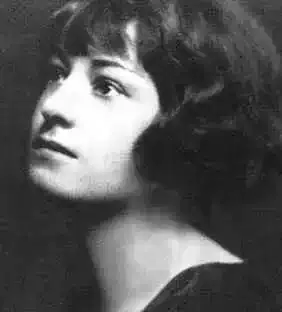
Dorothy Parker
The Little Old Lady in Lavender Silk
The Little Old Lady in Lavender Silk
I was seventy-seven, come August,
I shall shortly be losing my bloom;
I've experienced zephyr and raw gust
And (symbolical) flood and simoom.
When you come to this time of abatement,
To this passing from Summer to Fall,
It is manners to issue a statement
As to what you got out of it all.
So I'll say, though reflection unnerves me
And pronouncements I dodge as I can,
That I think (if my memory serves me)
There was nothing more fun than a man!
In my youth, when the crescent was too wan
To embarrass with beams from above,
By the aid of some local Don Juan
I fell into the habit of love.
And I learned how to kiss and be merry- an
Education left better unsung.
My neglect of the waters Pierian
Was a scandal, when Grandma was young.
Though the shabby unbalanced the splendid,
And the bitter outmeasured the sweet,
I should certainly do as I then did,
Were I given the chance to repeat.
For contrition is hollow and wraithful,
And regret is no part of my plan,
And I think (if my memory's faithful)
There was nothing more fun than a man!
I was seventy-seven, come August,
I shall shortly be losing my bloom;
I've experienced zephyr and raw gust
And (symbolical) flood and simoom.
When you come to this time of abatement,
To this passing from Summer to Fall,
It is manners to issue a statement
As to what you got out of it all.
So I'll say, though reflection unnerves me
And pronouncements I dodge as I can,
That I think (if my memory serves me)
There was nothing more fun than a man!
In my youth, when the crescent was too wan
To embarrass with beams from above,
By the aid of some local Don Juan
I fell into the habit of love.
And I learned how to kiss and be merry- an
Education left better unsung.
My neglect of the waters Pierian
Was a scandal, when Grandma was young.
Though the shabby unbalanced the splendid,
And the bitter outmeasured the sweet,
I should certainly do as I then did,
Were I given the chance to repeat.
For contrition is hollow and wraithful,
And regret is no part of my plan,
And I think (if my memory's faithful)
There was nothing more fun than a man!
363
Dorothy Parker
One Perfect Rose
One Perfect Rose
A single flow'r he sent me, since we met.
All tenderly his messenger he chose;
Deep-hearted, pure, with scented dew still wet -
One perfect rose.
I knew the language of the floweret;
'My fragile leaves,' it said, 'his heart enclose.'
Love long has taken for his amulet
One perfect rose.
Why is it no one ever sent me yet
One perfect limousine, do you suppose?
Ah no, it's always just my luck to get
One perfect rose.
A single flow'r he sent me, since we met.
All tenderly his messenger he chose;
Deep-hearted, pure, with scented dew still wet -
One perfect rose.
I knew the language of the floweret;
'My fragile leaves,' it said, 'his heart enclose.'
Love long has taken for his amulet
One perfect rose.
Why is it no one ever sent me yet
One perfect limousine, do you suppose?
Ah no, it's always just my luck to get
One perfect rose.
300
Dorothy Parker
Harriet Beecher Stowe
Harriet Beecher Stowe
The pure and worthy Mrs. Stowe
Is one we all are proud to know
As mother, wife, and authoress-
Thank God, I am content with less!
The pure and worthy Mrs. Stowe
Is one we all are proud to know
As mother, wife, and authoress-
Thank God, I am content with less!
314

Derek Walcott
Love After Love
Love After Love
The time will come
when, with elation
you will greet yourself arriving
at your own door, in your own mirror
and each will smile at the other's welcome,
and say, sit here. Eat.
You will love again the stranger who was your self.
Give wine. Give bread. Give back your heart
to itself, to the stranger who has loved you
all your life, whom you ignored
for another, who knows you by heart.
Take down the love letters from the bookshelf,
the photographs, the desperate notes,
peel your own image from the mirror.
Sit. Feast on your life.
The time will come
when, with elation
you will greet yourself arriving
at your own door, in your own mirror
and each will smile at the other's welcome,
and say, sit here. Eat.
You will love again the stranger who was your self.
Give wine. Give bread. Give back your heart
to itself, to the stranger who has loved you
all your life, whom you ignored
for another, who knows you by heart.
Take down the love letters from the bookshelf,
the photographs, the desperate notes,
peel your own image from the mirror.
Sit. Feast on your life.
1,231

D.H. Lawrence
Listening
Listening
I listen to the stillness of you,
My dear, among it all;
I feel your silence touch my words as I talk,
And take them in thrall.
My words fly off a forge
The length of a spark;
I see the night-sky easily sip them
Up in the dark.
The lark sings loud and glad,
Yet I am not loth
That silence should take the song and the bird
And lose them both.
A train goes roaring south,
The steam-flag flying;
I see the stealthy shadow of silence
Alongside going.
And off the forge of the world,
Whirling in the draught of life,
Go sparks of myriad people, filling
The night with strife.
Yet they never change the darkness
Or blench it with noise;
Alone on the perfect silence
The stars are buoys.
I listen to the stillness of you,
My dear, among it all;
I feel your silence touch my words as I talk,
And take them in thrall.
My words fly off a forge
The length of a spark;
I see the night-sky easily sip them
Up in the dark.
The lark sings loud and glad,
Yet I am not loth
That silence should take the song and the bird
And lose them both.
A train goes roaring south,
The steam-flag flying;
I see the stealthy shadow of silence
Alongside going.
And off the forge of the world,
Whirling in the draught of life,
Go sparks of myriad people, filling
The night with strife.
Yet they never change the darkness
Or blench it with noise;
Alone on the perfect silence
The stars are buoys.
187
D.H. Lawrence
Beautiful Old Age
Beautiful Old Age
It ought to be lovely to be old
to be full of the peace that comes of experience
and wrinkled ripe fulfilment.
The wrinkled smile of completeness that follows a life
lived undaunted and unsoured with accepted lies
they would ripen like apples, and be scented like pippins
in their old age.
Soothing, old people should be, like apples
when one is tired of love.
Fragrant like yellowing leaves, and dim with the soft
stillness and satisfaction of autumn.
And a girl should say:
It must be wonderful to live and grow old.
Look at my mother, how rich and still she is! -
And a young man should think: By Jove
my father has faced all weathers, but it's been a life!
It ought to be lovely to be old
to be full of the peace that comes of experience
and wrinkled ripe fulfilment.
The wrinkled smile of completeness that follows a life
lived undaunted and unsoured with accepted lies
they would ripen like apples, and be scented like pippins
in their old age.
Soothing, old people should be, like apples
when one is tired of love.
Fragrant like yellowing leaves, and dim with the soft
stillness and satisfaction of autumn.
And a girl should say:
It must be wonderful to live and grow old.
Look at my mother, how rich and still she is! -
And a young man should think: By Jove
my father has faced all weathers, but it's been a life!
229
D.H. Lawrence
A Baby Running Barefoot
A Baby Running Barefoot
When the bare feet of the baby beat across the grass
The little white feet nod like white flowers in the wind,
They poise and run like ripples lapping across the water;
And the sight of their white play among the grass
Is like a little robin’s song, winsome,
Or as two white butterflies settle in the cup of one flower
For a moment, then away with a flutter of wings.
I long for the baby to wander hither to me
Like a wind-shadow wandering over the water,
So that she can stand on my knee
With her little bare feet in my hands,
Cool like syringa buds,
Firm and silken like pink young peony flowers.
When the bare feet of the baby beat across the grass
The little white feet nod like white flowers in the wind,
They poise and run like ripples lapping across the water;
And the sight of their white play among the grass
Is like a little robin’s song, winsome,
Or as two white butterflies settle in the cup of one flower
For a moment, then away with a flutter of wings.
I long for the baby to wander hither to me
Like a wind-shadow wandering over the water,
So that she can stand on my knee
With her little bare feet in my hands,
Cool like syringa buds,
Firm and silken like pink young peony flowers.
195
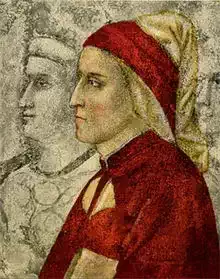
Dante Alighieri
There is a Gentle Thought
There is a Gentle Thought
There is a gentle thought that often springs
to life in me, because it speaks of you.
Its reasoning about love’s so sweet and true,
the heart is conquered, and accepts these things.
‘Who is this’ the mind enquires of the heart,
‘who comes here to seduce our intellect?
Is his power so great we must reject
every other intellectual art?
The heart replies ‘O, meditative mind
this is love’s messenger and newly sent
to bring me all Love’s words and desires.
His life, and all the strength that he can find,
from her sweet eyes are mercifully lent,
who feels compassion for our inner fires.’
There is a gentle thought that often springs
to life in me, because it speaks of you.
Its reasoning about love’s so sweet and true,
the heart is conquered, and accepts these things.
‘Who is this’ the mind enquires of the heart,
‘who comes here to seduce our intellect?
Is his power so great we must reject
every other intellectual art?
The heart replies ‘O, meditative mind
this is love’s messenger and newly sent
to bring me all Love’s words and desires.
His life, and all the strength that he can find,
from her sweet eyes are mercifully lent,
who feels compassion for our inner fires.’
285

Claude Mckay
The Castaways
The Castaways
The vivid grass with visible delight
Springing triumphant from the pregnant earth,
The butterflies, and sparrows in brief flight
Chirping and dancing for the season's birth,
The dandelions and rare daffodils
That touch the deep-stirred heart with hands of gold,
The thrushes sending forth their joyous trills,--
Not these, not these did I at first behold!
But seated on the benches daubed with green,
The castaways of life, a few asleep,
Some withered women desolate and mean,
And over all, life's shadows dark and deep.
Moaning I turned away, for misery
I have the strength to bear but not to see.
The vivid grass with visible delight
Springing triumphant from the pregnant earth,
The butterflies, and sparrows in brief flight
Chirping and dancing for the season's birth,
The dandelions and rare daffodils
That touch the deep-stirred heart with hands of gold,
The thrushes sending forth their joyous trills,--
Not these, not these did I at first behold!
But seated on the benches daubed with green,
The castaways of life, a few asleep,
Some withered women desolate and mean,
And over all, life's shadows dark and deep.
Moaning I turned away, for misery
I have the strength to bear but not to see.
421
Claude Mckay
Heritage
Heritage
Now the dead past seems vividly alive,
And in this shining moment I can trace,
Down through the vista of the vanished years,
Your faun-like form, your fond elusive face.
And suddenly some secret spring's released,
And unawares a riddle is revealed,
And I can read like large, black-lettered print,
What seemed before a thing forever sealed.
I know the magic word, the graceful thought,
The song that fills me in my lucid hours,
The spirit's wine that thrills my body through,
And makes me music-drunk, are yours, all yours.
I cannot praise, for you have passed from praise,
I have no tinted thoughts to paint you true;
But I can feel and I can write the word;
The best of me is but the least of you.
Now the dead past seems vividly alive,
And in this shining moment I can trace,
Down through the vista of the vanished years,
Your faun-like form, your fond elusive face.
And suddenly some secret spring's released,
And unawares a riddle is revealed,
And I can read like large, black-lettered print,
What seemed before a thing forever sealed.
I know the magic word, the graceful thought,
The song that fills me in my lucid hours,
The spirit's wine that thrills my body through,
And makes me music-drunk, are yours, all yours.
I cannot praise, for you have passed from praise,
I have no tinted thoughts to paint you true;
But I can feel and I can write the word;
The best of me is but the least of you.
361

Christina Rossetti
What Will You Give Me For My Pound?
What Will You Give Me For My Pound?
What will you give me for my pound?
Full twenty shillings round.
What will you give me for my shilling?
Twelve pence to give I'm willing.
What will you give me for my penny?
Four farthings, just so many.
What will you give me for my pound?
Full twenty shillings round.
What will you give me for my shilling?
Twelve pence to give I'm willing.
What will you give me for my penny?
Four farthings, just so many.
216
Christina Rossetti
Under The Rose
Under The Rose
'The iniquity of the fathers upon the children.'
Oh the rose of keenest thorn!
One hidden summer morn
Under the rose I was born.
I do not guess his name
Who wrought my Mother's shame,
And gave me life forlorn,
But my Mother, Mother, Mother,
I know her from all other.
My Mother pale and mild,
Fair as ever was seen,
She was but scarce sixteen,
Little more than a child,
When I was born
To work her scorn.
With secret bitter throes,
In a passion of secret woes,
She bore me under the rose.
One who my Mother nursed
Took me from the first:—
'O nurse, let me look upon
This babe that costs so dear;
To-morrow she will be gone:
Other mothers may keep
Their babes awake and asleep,
But I must not keep her here.'—
Whether I know or guess,
I know this not the less.
So I was sent away
That none might spy the truth:
And my childhood waxed to youth
And I left off childish play.
I never cared to play
With the village boys and girls;
And I think they thought me proud,
I found so little to say
And kept so from the crowd:
But I had the longest curls
And I had the largest eyes
And my teeth were small like pearls;
The girls might flout and scout me,
But the boys would hang about me
In sheepish mooning wise.
Our one-street village stood
A long mile from the town,
A mile of windy down
And bleak one-sided wood,
With not a single house.
Our town itself was small,
With just the common shops,
And throve in its small way.
Our neighbouring gentry reared
The good old-fashioned crops,
And made old-fashioned boasts
Of what John Bull would do
If Frenchman Frog appeared,
And drank old-fashioned toasts,
And made old-fashioned bows
To my Lady at the Hall.
My Lady at the Hall
Is grander than they all:
Hers is the oldest name
In all the neighbourhood;
But the race must die with her
Though she's a lofty dame,
For she's unmarried still.
Poor people say she's good
And has an open hand
As any in the land,
And she's the comforter
Of many sick and sad;
My nurse once said to me
That everything she had
Came of my Lady's bounty:
'Though she's greatest in the county
She's humble to the poor,
No beggar seeks her door
But finds help presently.
I pray both night and day
For her, and you must pray:
But she'll never feel distress
If needy folk can bless.'
I was a little maid
When here we came to live
From somewhere by the sea.
Men spoke a foreign tongue
There where we used to be
When I was merry and young,
Too young to feel afraid;
The fisher folk would give
A kind strange word to me,
There by the foreign sea:
I don't know where it was,
But I remember still
Our cottage on a hill,
And fields of flowering grass
On that fair foreign shore.
I liked my old home best,
But this was pleasant too:
So here we made our nest
And here I grew.
And now and then my Lady
In riding past our door
Would nod to Nurse and speak,
Or stoop and pat my cheek;
And I was always ready
To hold the field-gate wide
For my Lady to go through;
My Lady in her veil
So seldom put aside,
My Lady grave and pale.
I often sat to wonder
Who might my parents be,
For I knew of something under
My simple-seeming state.
Nurse never talked to me
Of mother or of father,
But watched me early and late
With kind suspicious cares:
Or not suspicious, rather
Anxious, as if she knew
Some secret I might gather
And smart for unawares.
Thus I grew.
But Nurse waxed old and grey,
Bent and weak with years.
There came a certain day
That she lay upon her bed
Shaking her palsied head,
With words she gasped to say
Which had to stay unsaid.
Then with a jerking hand
Held out so piteously
She gave a ring to me
Of gold wrought curiously,
A ring which she had worn
Since the day I was born,
She once had said to me:
I slipped it on my finger;
Her eyes were keen to linger
On my hand that slipped it on;
Then she sighed one rattling sigh
And stared on with sightless eye:—
The one who loved me was gone.
How long I stayed alone
With the corpse I never knew,
For I fainted dead as stone:
When I came to life once more
I was down upon the floor,
With neighbours making ado
To bring me back to life.
I heard the sexton's wife
Say: 'Up, my lad, and run
To tell it at the Hall;
She was my Lady's nurse,
And done can't be undone.
I'll watch by this poor lamb.
I guess my Lady's purse
Is always open to such:
I'd run up on my crutch
A cripple as I am,'
(For cramps had vexed her much)
'Rather than this dear heart
Lack one to take her part.'
For days day after day
On my weary bed I lay
Wishing the time would pass;
Oh, so wishing that I was
Likely to pass away:
For the one friend whom I knew
Was dead, I knew no other,
Neither father nor mother;
And I, what should I do?
One day the sexton's wife
Said: 'Rouse yourself, my dear:
My Lady has driven down
From the Hall into the town,
And we think she's coming here.
Cheer up, for life is life.'
But I would not look or speak,
Would not cheer up at all.
My tears were like to fall,
So I turned round to the wall
And hid my hollow cheek
Making as if I slept,
As silent as a stone,
And no one knew I wept.
What was my Lady to me,
The grand lady from the Hall?
She might come, or stay away,
I was sick at heart that day:
The whole world seemed to be
Nothing, just nothing to me,
For aught that I could see.
Yet I listened where I lay:
A bustle came below,
A clear voice said: 'I know;
I will see her first alone,
It may be less of a shock
If she's so weak to-day:'—
A light hand turned the lock,
A light step crossed the floor,
One sat beside my bed:
But never a word she said.
For me, my shyness grew
Each moment more and more:
So I said never a word
And neither looked nor stirred;
I think she must have heard
My heart go pit-a-pat:
Thus I lay, my Lady sat,
More than a mortal hour—
(I counted one and two
By the house-clock while I lay):
I seemed to have no power
To think of a thing to say,
Or do what I ought to do,
Or rouse myself to a choice.
At last she said: 'Margaret,
Won't you even look at me?'
A something in her voice
Forced my tears to fall at last,
Forced sobs from me thick and fast;
Something not of the past,
Yet stirring memory;
A something new, and yet
Not new, too sweet to last,
Which I never can forget.
I turned and stared at her:
Her cheek showed hollow-pale;
Her hair like mine was fair,
A wonderful fall of hair
That screened her like a veil;
But her height was statelier,
Her eyes had depth more deep;
I think they must have had
Always a something sad,
Unless they were asleep.
While I stared, my Lady took
My hand in her spare hand
Jewelled and soft and grand,
And looked with a long long look
Of hunger in my face;
As if she tried to trace
Features she ought to know,
And half hoped, half feared, to find.
Whatever was in her mind
She heaved a sigh at last,
And began to talk to me.
'Your nurse was my dear nurse,
And her nursling's dear,' said she:
'I never knew that she was worse
Till her poor life was past'
(Here my Lady's tears dropped fast):
'I might have been with her,
But she had no comforter.
She might have told me much
Which now I shall never know,
Never never shall know.'
She sat by me sobbing so,
And seemed so woe-begone,
That I laid one hand upon
Hers with a timid touch,
Scarce thinking what I did,
Not knowing what to say:
That moment her face was hid
In the pillow close by mine,
Her arm was flung over me,
She hugged me, sobbing so
As if her heart would break,
And kissed me where I lay.
After this she often came
To bring me fruit or wine,
Or sometimes hothouse flowers.
And at nights I lay awake
Often and often thinking
What to do for her sake.
Wet or dry it was the same:
She would come in at all hours,
Set me eating and drinking
And say I must grow strong;
At last the day seemed long
And home seemed scarcely home
If she did not come.
Well, I grew strong again:
In time of primroses,
I went to pluck them in the lane;
In time of nestling birds,
I heard them chirping round the house;
And all the herds
Were out at grass when I grew strong,
And days were waxen long,
And there was work for bees
Among the May-bush boughs,
And I had shot up tall,
And life felt after all
Pleasant, and not so long
When I grew strong.
I was going to the Hall
To be my Lady's maid:
'Her little friend,' she said to me,
'Almost her child,'
She said and smiled
Sighing painfully;
Blushing, with a second flush
As if she blushed to blush.
Friend, servant, child: just this
My standing at the Hall;
The other servants call me 'Miss,'
My Lady calls me 'Margaret,'
With her clear voice musical.
She never chides when I forget
This or that; she never chides.
Except when people come to stay,
(And that's not often) at the Hall,
I sit with her all day
And ride out when she rides.
She sings to me and makes me sing;
Sometimes I read to her,
Sometimes we merely sit and talk.
She noticed once my ring
And made me tell its history:
That evening in our garden walk
She said she should infer
The ring had been my father's first,
Then my mother's, given for me
To the nurse who nursed
My mother in her misery,
That so quite certainly
Some one might know me, who…
Then she was silent, and I too.
I hate when people come:
The women speak and stare
And mean to be so civil.
This one will stroke my hair,
That one will pat my cheek
And praise my Lady's kindness,
Expecting me to speak;
I like the proud ones best
Who sit as struck with blindness,
As if I wasn't there.
But if any gentleman
Is staying at the Hall
(Though few come prying here),
My Lady seems to fear
Some downright dreadful evil,
And makes me keep my room
As closely as she can:
So I hate when people come,
It is so troublesome.
In spite of all her care,
Sometimes to keep alive
I sometimes do contrive
To get out in the grounds
For a whiff of wholesome air,
Under the rose you know:
It's charming to break bounds,
Stolen waters are sweet,
And what's the good of feet
If for days they mustn't go?
Give me a longer tether,
Or I may break from it.
Now I have eyes and ears
And just some little wit:
'Almost my Lady's child;'
I recollect she smiled,
Sighed and blushed together;
Then her story of the ring
Sounds not improbable,
She told it me so well
It seemed the actual thing:—
Oh, keep your counsel close,
But I guess under the rose,
In long past summer weather
When the world was blossoming,
And the rose upon its thorn:
I guess not who he was
Flawed honour like a glass,
And made my life forlorn,
But my Mother, Mother, Mother,
Oh, I know her from all other.
My Lady, you might trust
Your daughter with your fame.
Trust me, I would not shame
Our honourable name,
For I have noble blood
Though I was bred in dust
And brought up in the mud.
I will not press my claim,
Just leave me where you will:
But you might trust your daughter,
For blood is thicker than water
And you're my mother still.
So my Lady holds her own
With condescending grace,
and fills her lofty place
With an untroubled face
As a queen may fill a throne.
While I could hint a tale—
(But then I am her child)—
Would make her quail;
Would set her in the dust,
Lorn with no comforter,
Her glorious hair defiled
And ashes on her cheek:
The decent world would thrust
Its finger out at her,
Not much displeased I think
To make a nine days' stir;
The decent world would sink
Its voice to speak of her.
Now this is what I mean
To do, no more, no less:
Never to speak, or show
Bare sign of what I know.
Let the blot pass unseen;
Yea, let her never guess
I hold the tangled clue
She huddles out of view.
Friend, servant, almost child,
So be it and nothing more
On this side of the grave.
Mother, in Paradise,
You'll see with clearer eyes;
Perhaps in this world even
When you are like to die
And face to face with Heaven
You'll drop for once the lie:
But you must drop the mask, not I.
My Lady promises
Two hundred pounds with me
Whenever I may wed
A man she can approve:
And since besides her bounty
I'm fairest in the county
(For so I've heard it said,
Though I don't vouch for this),
Her promised pounds may move
Some honest man to see
My virtues and my beauties;
Perhaps the rising grazier,
Or temperance publican,
May claim my wifely duties.
Meanwhile I wait their leisure
And grace-bestowing pleasure,
I wait the happy man;
But if I hold my head
And pitch my expectations
Just higher than their level,
They must fall back on patience:
I may not mean to wed,
Yet I'll be civil.
Now sometimes in a dream
My heart goes out of me
To build and scheme,
Till I sob after things that seem
So pleasant in a dream:
A home such as I see
My blessed neighbours live in
With father and with mother,
All proud of one another,
Named by one common name
From baby in the bud
To full-blown workman father;
It's little short of Heaven.
I'd give my gentle blood
To wash my special shame
And drown my private grudge;
I'd toil and moil much rather
The dingiest cottage drudge
Whose mother need not blush,
Than live here like a lady
And see my Mother flush
And hear her voice unsteady
Sometimes, yet never dare
Ask to share her care.
Of course the servants sneer
Behind my back at me;
Of course the village girls,
Who envy me my curls
And gowns and idleness,
Take comfort in a jeer;
Of course the ladies guess
Just so much of my history
As points the emphatic stress
With which they laud my Lady;
The gentlemen who catch
A casual glimpse of me
And turn again to see,
Their valets on the watch
To speak a word with me,
All know and sting me wild;
Till I am almost ready
To wish that I were dead,
No faces more to see,
No more words to be said,
My Mother safe at last
Disburdened of her child,
And the past past.
'All equal before God'—
Our Rector has it so,
And sundry sleepers nod:
It may be so; I know
All are not equal here,
And when the sleepers wake
They make a difference.
'All equal in the grave'—
That shows an obvious sense:
Yet something which I crave
Not death itself brings near;
Now should death half atone
For all my past; or make
The name I bear my own?
I love my dear old Nurse
Who loved me without gains;
I love my mistress even,
Friend, Mother, what you will:
But I could almost curse
My Father for his pains;
And sometimes at my prayer
Kneeling in sight of Heaven
I almost curse him still:
Why did he set his snare
To catch at unaware
My Mother's foolish youth;
Load me with shame that's hers,
And her with something worse,
A lifelong lie for truth?
I think my mind is fixed
On one point and made up:
To accept my lot unmixed;
Never to drug the cup
But drink it by myself.
I'll not be wooed for pelf;
I'll not blot out my shame
With any man's good name;
But nameless as I stand,
My hand is my own hand,
And nameless as I came
I go to the dark land.
'All equal in the grave'—
I bide my time till then:
'All equal before God'—
To-day I feel His rod,
To-morrow He may save:
Amen.
'The iniquity of the fathers upon the children.'
Oh the rose of keenest thorn!
One hidden summer morn
Under the rose I was born.
I do not guess his name
Who wrought my Mother's shame,
And gave me life forlorn,
But my Mother, Mother, Mother,
I know her from all other.
My Mother pale and mild,
Fair as ever was seen,
She was but scarce sixteen,
Little more than a child,
When I was born
To work her scorn.
With secret bitter throes,
In a passion of secret woes,
She bore me under the rose.
One who my Mother nursed
Took me from the first:—
'O nurse, let me look upon
This babe that costs so dear;
To-morrow she will be gone:
Other mothers may keep
Their babes awake and asleep,
But I must not keep her here.'—
Whether I know or guess,
I know this not the less.
So I was sent away
That none might spy the truth:
And my childhood waxed to youth
And I left off childish play.
I never cared to play
With the village boys and girls;
And I think they thought me proud,
I found so little to say
And kept so from the crowd:
But I had the longest curls
And I had the largest eyes
And my teeth were small like pearls;
The girls might flout and scout me,
But the boys would hang about me
In sheepish mooning wise.
Our one-street village stood
A long mile from the town,
A mile of windy down
And bleak one-sided wood,
With not a single house.
Our town itself was small,
With just the common shops,
And throve in its small way.
Our neighbouring gentry reared
The good old-fashioned crops,
And made old-fashioned boasts
Of what John Bull would do
If Frenchman Frog appeared,
And drank old-fashioned toasts,
And made old-fashioned bows
To my Lady at the Hall.
My Lady at the Hall
Is grander than they all:
Hers is the oldest name
In all the neighbourhood;
But the race must die with her
Though she's a lofty dame,
For she's unmarried still.
Poor people say she's good
And has an open hand
As any in the land,
And she's the comforter
Of many sick and sad;
My nurse once said to me
That everything she had
Came of my Lady's bounty:
'Though she's greatest in the county
She's humble to the poor,
No beggar seeks her door
But finds help presently.
I pray both night and day
For her, and you must pray:
But she'll never feel distress
If needy folk can bless.'
I was a little maid
When here we came to live
From somewhere by the sea.
Men spoke a foreign tongue
There where we used to be
When I was merry and young,
Too young to feel afraid;
The fisher folk would give
A kind strange word to me,
There by the foreign sea:
I don't know where it was,
But I remember still
Our cottage on a hill,
And fields of flowering grass
On that fair foreign shore.
I liked my old home best,
But this was pleasant too:
So here we made our nest
And here I grew.
And now and then my Lady
In riding past our door
Would nod to Nurse and speak,
Or stoop and pat my cheek;
And I was always ready
To hold the field-gate wide
For my Lady to go through;
My Lady in her veil
So seldom put aside,
My Lady grave and pale.
I often sat to wonder
Who might my parents be,
For I knew of something under
My simple-seeming state.
Nurse never talked to me
Of mother or of father,
But watched me early and late
With kind suspicious cares:
Or not suspicious, rather
Anxious, as if she knew
Some secret I might gather
And smart for unawares.
Thus I grew.
But Nurse waxed old and grey,
Bent and weak with years.
There came a certain day
That she lay upon her bed
Shaking her palsied head,
With words she gasped to say
Which had to stay unsaid.
Then with a jerking hand
Held out so piteously
She gave a ring to me
Of gold wrought curiously,
A ring which she had worn
Since the day I was born,
She once had said to me:
I slipped it on my finger;
Her eyes were keen to linger
On my hand that slipped it on;
Then she sighed one rattling sigh
And stared on with sightless eye:—
The one who loved me was gone.
How long I stayed alone
With the corpse I never knew,
For I fainted dead as stone:
When I came to life once more
I was down upon the floor,
With neighbours making ado
To bring me back to life.
I heard the sexton's wife
Say: 'Up, my lad, and run
To tell it at the Hall;
She was my Lady's nurse,
And done can't be undone.
I'll watch by this poor lamb.
I guess my Lady's purse
Is always open to such:
I'd run up on my crutch
A cripple as I am,'
(For cramps had vexed her much)
'Rather than this dear heart
Lack one to take her part.'
For days day after day
On my weary bed I lay
Wishing the time would pass;
Oh, so wishing that I was
Likely to pass away:
For the one friend whom I knew
Was dead, I knew no other,
Neither father nor mother;
And I, what should I do?
One day the sexton's wife
Said: 'Rouse yourself, my dear:
My Lady has driven down
From the Hall into the town,
And we think she's coming here.
Cheer up, for life is life.'
But I would not look or speak,
Would not cheer up at all.
My tears were like to fall,
So I turned round to the wall
And hid my hollow cheek
Making as if I slept,
As silent as a stone,
And no one knew I wept.
What was my Lady to me,
The grand lady from the Hall?
She might come, or stay away,
I was sick at heart that day:
The whole world seemed to be
Nothing, just nothing to me,
For aught that I could see.
Yet I listened where I lay:
A bustle came below,
A clear voice said: 'I know;
I will see her first alone,
It may be less of a shock
If she's so weak to-day:'—
A light hand turned the lock,
A light step crossed the floor,
One sat beside my bed:
But never a word she said.
For me, my shyness grew
Each moment more and more:
So I said never a word
And neither looked nor stirred;
I think she must have heard
My heart go pit-a-pat:
Thus I lay, my Lady sat,
More than a mortal hour—
(I counted one and two
By the house-clock while I lay):
I seemed to have no power
To think of a thing to say,
Or do what I ought to do,
Or rouse myself to a choice.
At last she said: 'Margaret,
Won't you even look at me?'
A something in her voice
Forced my tears to fall at last,
Forced sobs from me thick and fast;
Something not of the past,
Yet stirring memory;
A something new, and yet
Not new, too sweet to last,
Which I never can forget.
I turned and stared at her:
Her cheek showed hollow-pale;
Her hair like mine was fair,
A wonderful fall of hair
That screened her like a veil;
But her height was statelier,
Her eyes had depth more deep;
I think they must have had
Always a something sad,
Unless they were asleep.
While I stared, my Lady took
My hand in her spare hand
Jewelled and soft and grand,
And looked with a long long look
Of hunger in my face;
As if she tried to trace
Features she ought to know,
And half hoped, half feared, to find.
Whatever was in her mind
She heaved a sigh at last,
And began to talk to me.
'Your nurse was my dear nurse,
And her nursling's dear,' said she:
'I never knew that she was worse
Till her poor life was past'
(Here my Lady's tears dropped fast):
'I might have been with her,
But she had no comforter.
She might have told me much
Which now I shall never know,
Never never shall know.'
She sat by me sobbing so,
And seemed so woe-begone,
That I laid one hand upon
Hers with a timid touch,
Scarce thinking what I did,
Not knowing what to say:
That moment her face was hid
In the pillow close by mine,
Her arm was flung over me,
She hugged me, sobbing so
As if her heart would break,
And kissed me where I lay.
After this she often came
To bring me fruit or wine,
Or sometimes hothouse flowers.
And at nights I lay awake
Often and often thinking
What to do for her sake.
Wet or dry it was the same:
She would come in at all hours,
Set me eating and drinking
And say I must grow strong;
At last the day seemed long
And home seemed scarcely home
If she did not come.
Well, I grew strong again:
In time of primroses,
I went to pluck them in the lane;
In time of nestling birds,
I heard them chirping round the house;
And all the herds
Were out at grass when I grew strong,
And days were waxen long,
And there was work for bees
Among the May-bush boughs,
And I had shot up tall,
And life felt after all
Pleasant, and not so long
When I grew strong.
I was going to the Hall
To be my Lady's maid:
'Her little friend,' she said to me,
'Almost her child,'
She said and smiled
Sighing painfully;
Blushing, with a second flush
As if she blushed to blush.
Friend, servant, child: just this
My standing at the Hall;
The other servants call me 'Miss,'
My Lady calls me 'Margaret,'
With her clear voice musical.
She never chides when I forget
This or that; she never chides.
Except when people come to stay,
(And that's not often) at the Hall,
I sit with her all day
And ride out when she rides.
She sings to me and makes me sing;
Sometimes I read to her,
Sometimes we merely sit and talk.
She noticed once my ring
And made me tell its history:
That evening in our garden walk
She said she should infer
The ring had been my father's first,
Then my mother's, given for me
To the nurse who nursed
My mother in her misery,
That so quite certainly
Some one might know me, who…
Then she was silent, and I too.
I hate when people come:
The women speak and stare
And mean to be so civil.
This one will stroke my hair,
That one will pat my cheek
And praise my Lady's kindness,
Expecting me to speak;
I like the proud ones best
Who sit as struck with blindness,
As if I wasn't there.
But if any gentleman
Is staying at the Hall
(Though few come prying here),
My Lady seems to fear
Some downright dreadful evil,
And makes me keep my room
As closely as she can:
So I hate when people come,
It is so troublesome.
In spite of all her care,
Sometimes to keep alive
I sometimes do contrive
To get out in the grounds
For a whiff of wholesome air,
Under the rose you know:
It's charming to break bounds,
Stolen waters are sweet,
And what's the good of feet
If for days they mustn't go?
Give me a longer tether,
Or I may break from it.
Now I have eyes and ears
And just some little wit:
'Almost my Lady's child;'
I recollect she smiled,
Sighed and blushed together;
Then her story of the ring
Sounds not improbable,
She told it me so well
It seemed the actual thing:—
Oh, keep your counsel close,
But I guess under the rose,
In long past summer weather
When the world was blossoming,
And the rose upon its thorn:
I guess not who he was
Flawed honour like a glass,
And made my life forlorn,
But my Mother, Mother, Mother,
Oh, I know her from all other.
My Lady, you might trust
Your daughter with your fame.
Trust me, I would not shame
Our honourable name,
For I have noble blood
Though I was bred in dust
And brought up in the mud.
I will not press my claim,
Just leave me where you will:
But you might trust your daughter,
For blood is thicker than water
And you're my mother still.
So my Lady holds her own
With condescending grace,
and fills her lofty place
With an untroubled face
As a queen may fill a throne.
While I could hint a tale—
(But then I am her child)—
Would make her quail;
Would set her in the dust,
Lorn with no comforter,
Her glorious hair defiled
And ashes on her cheek:
The decent world would thrust
Its finger out at her,
Not much displeased I think
To make a nine days' stir;
The decent world would sink
Its voice to speak of her.
Now this is what I mean
To do, no more, no less:
Never to speak, or show
Bare sign of what I know.
Let the blot pass unseen;
Yea, let her never guess
I hold the tangled clue
She huddles out of view.
Friend, servant, almost child,
So be it and nothing more
On this side of the grave.
Mother, in Paradise,
You'll see with clearer eyes;
Perhaps in this world even
When you are like to die
And face to face with Heaven
You'll drop for once the lie:
But you must drop the mask, not I.
My Lady promises
Two hundred pounds with me
Whenever I may wed
A man she can approve:
And since besides her bounty
I'm fairest in the county
(For so I've heard it said,
Though I don't vouch for this),
Her promised pounds may move
Some honest man to see
My virtues and my beauties;
Perhaps the rising grazier,
Or temperance publican,
May claim my wifely duties.
Meanwhile I wait their leisure
And grace-bestowing pleasure,
I wait the happy man;
But if I hold my head
And pitch my expectations
Just higher than their level,
They must fall back on patience:
I may not mean to wed,
Yet I'll be civil.
Now sometimes in a dream
My heart goes out of me
To build and scheme,
Till I sob after things that seem
So pleasant in a dream:
A home such as I see
My blessed neighbours live in
With father and with mother,
All proud of one another,
Named by one common name
From baby in the bud
To full-blown workman father;
It's little short of Heaven.
I'd give my gentle blood
To wash my special shame
And drown my private grudge;
I'd toil and moil much rather
The dingiest cottage drudge
Whose mother need not blush,
Than live here like a lady
And see my Mother flush
And hear her voice unsteady
Sometimes, yet never dare
Ask to share her care.
Of course the servants sneer
Behind my back at me;
Of course the village girls,
Who envy me my curls
And gowns and idleness,
Take comfort in a jeer;
Of course the ladies guess
Just so much of my history
As points the emphatic stress
With which they laud my Lady;
The gentlemen who catch
A casual glimpse of me
And turn again to see,
Their valets on the watch
To speak a word with me,
All know and sting me wild;
Till I am almost ready
To wish that I were dead,
No faces more to see,
No more words to be said,
My Mother safe at last
Disburdened of her child,
And the past past.
'All equal before God'—
Our Rector has it so,
And sundry sleepers nod:
It may be so; I know
All are not equal here,
And when the sleepers wake
They make a difference.
'All equal in the grave'—
That shows an obvious sense:
Yet something which I crave
Not death itself brings near;
Now should death half atone
For all my past; or make
The name I bear my own?
I love my dear old Nurse
Who loved me without gains;
I love my mistress even,
Friend, Mother, what you will:
But I could almost curse
My Father for his pains;
And sometimes at my prayer
Kneeling in sight of Heaven
I almost curse him still:
Why did he set his snare
To catch at unaware
My Mother's foolish youth;
Load me with shame that's hers,
And her with something worse,
A lifelong lie for truth?
I think my mind is fixed
On one point and made up:
To accept my lot unmixed;
Never to drug the cup
But drink it by myself.
I'll not be wooed for pelf;
I'll not blot out my shame
With any man's good name;
But nameless as I stand,
My hand is my own hand,
And nameless as I came
I go to the dark land.
'All equal in the grave'—
I bide my time till then:
'All equal before God'—
To-day I feel His rod,
To-morrow He may save:
Amen.
233
Christina Rossetti
The Love Of Christ Which Passeth Kowledge
The Love Of Christ Which Passeth Kowledge
I bore with thee long weary days and nights,
Through many pangs of heart, through many tears;
I bore with thee, thy hardness, coldness, slights,
For three and thirty years.
Who else had dared for thee what I have dared?
I plunged the depth most deep from bliss above;
I not My flesh, I not My spirit spared:
Give thou Me love for love.
For thee I thirsted in the daily drouth,
For thee I trembled in the nightly frost:
Much sweeter thou than honey to My mouth:
Why wilt thou still be lost?
I bore thee on My shoulders and rejoiced:
Men only marked upon My shoulders borne
The branding cross; and shouted hungry-voiced,
Or wagged their heads in scorn.
Thee did nails grave upon My hands, thy name
Did thorns for frontlets stamp between Mine eyes:
I, Holy One, put on thy guilt and shame;
I, God, Priest, Sacrifice.
A thief upon My right hand and My left;
Six hours alone, athirst, in misery:
At length in death one smote My heart and cleft
A hiding-place for thee.
Nailed to the racking cross, than bed of down
More dear, whereon to stretch Myself and sleep:
So did I win a kingdom,—share my crown;
A harvest,—come and reap.
I bore with thee long weary days and nights,
Through many pangs of heart, through many tears;
I bore with thee, thy hardness, coldness, slights,
For three and thirty years.
Who else had dared for thee what I have dared?
I plunged the depth most deep from bliss above;
I not My flesh, I not My spirit spared:
Give thou Me love for love.
For thee I thirsted in the daily drouth,
For thee I trembled in the nightly frost:
Much sweeter thou than honey to My mouth:
Why wilt thou still be lost?
I bore thee on My shoulders and rejoiced:
Men only marked upon My shoulders borne
The branding cross; and shouted hungry-voiced,
Or wagged their heads in scorn.
Thee did nails grave upon My hands, thy name
Did thorns for frontlets stamp between Mine eyes:
I, Holy One, put on thy guilt and shame;
I, God, Priest, Sacrifice.
A thief upon My right hand and My left;
Six hours alone, athirst, in misery:
At length in death one smote My heart and cleft
A hiding-place for thee.
Nailed to the racking cross, than bed of down
More dear, whereon to stretch Myself and sleep:
So did I win a kingdom,—share my crown;
A harvest,—come and reap.
146
Christina Rossetti
The Dear Old Woman In The Lane
The Dear Old Woman In The Lane
The dear old woman in the lane
Is sick and sore with pains and aches,
We'll go to her this afternoon,
And take her tea and eggs and cakes.
We'll stop to make the kettle boil,
And brew some tea, and set the tray,
And poach an egg, and toast a cake,
And wheel her chair round, if we may.
The dear old woman in the lane
Is sick and sore with pains and aches,
We'll go to her this afternoon,
And take her tea and eggs and cakes.
We'll stop to make the kettle boil,
And brew some tea, and set the tray,
And poach an egg, and toast a cake,
And wheel her chair round, if we may.
210
Christina Rossetti
Last Night
Last Night
Where were you last night? I watched at the gate;
I went down early, I stayed down late.
Were you snug at home, I should like to know,
Or were you in the coppice wheedling Kate?
She's a fine girl, with a fine clear skin;
Easy to woo, perhaps not hard to win.
Speak up like a man and tell me the truth:
I'm not one to grow downhearted and thin.
If you love her best speak up like a man;
It's not I will stand in the light of your plan:
Some girls might cry and scold you a bit,
And say they couldn't bear it; but I can.
Love was pleasant enough, and the days went fast;
Pleasant while it lasted, but it needn't last;
Awhile on the wax and awhile on the wane,
Now dropped away into the past.
Was it pleasant to you? To me it was;
Now clean gone as an image from glass,
As a goodly rainbow that fades away,
As dew that steams upward from the grass,
As the first spring day, or the last summer day,
As the sunset flush that leaves heaven grey,
As a flame burnt out for lack of oil,
Which no pains relight or ever may.
Good luck to Kate and good luck to you:
I guess she'll be kind when you come to woo.
I wish her a pretty face that will last,
I wish her a husband steady and true.
Hate you? not I, my very good friend;
All things begin and all have an end.
But let broken be broken; I put no faith
In quacks who set up to patch and mend.
Just my love and one word to Kate:
Not to let time slip if she means to mate;—
For even such a thing has been known
As to miss the chance while we weigh and wait.
Where were you last night? I watched at the gate;
I went down early, I stayed down late.
Were you snug at home, I should like to know,
Or were you in the coppice wheedling Kate?
She's a fine girl, with a fine clear skin;
Easy to woo, perhaps not hard to win.
Speak up like a man and tell me the truth:
I'm not one to grow downhearted and thin.
If you love her best speak up like a man;
It's not I will stand in the light of your plan:
Some girls might cry and scold you a bit,
And say they couldn't bear it; but I can.
Love was pleasant enough, and the days went fast;
Pleasant while it lasted, but it needn't last;
Awhile on the wax and awhile on the wane,
Now dropped away into the past.
Was it pleasant to you? To me it was;
Now clean gone as an image from glass,
As a goodly rainbow that fades away,
As dew that steams upward from the grass,
As the first spring day, or the last summer day,
As the sunset flush that leaves heaven grey,
As a flame burnt out for lack of oil,
Which no pains relight or ever may.
Good luck to Kate and good luck to you:
I guess she'll be kind when you come to woo.
I wish her a pretty face that will last,
I wish her a husband steady and true.
Hate you? not I, my very good friend;
All things begin and all have an end.
But let broken be broken; I put no faith
In quacks who set up to patch and mend.
Just my love and one word to Kate:
Not to let time slip if she means to mate;—
For even such a thing has been known
As to miss the chance while we weigh and wait.
222
Christina Rossetti
Endure Hardness
Endure Hardness
A cold wind stirs the blackthorn
To burgeon and to blow,
Besprinkling half-green hedges
With flakes and sprays of snow.
Through coldness and through keenness,
Dear hearts, take comfort so:
Somewhere or other doubtless
These make the blackthorn blow.
A cold wind stirs the blackthorn
To burgeon and to blow,
Besprinkling half-green hedges
With flakes and sprays of snow.
Through coldness and through keenness,
Dear hearts, take comfort so:
Somewhere or other doubtless
These make the blackthorn blow.
204
Christina Rossetti
Come Unto Me
Come Unto Me
Oh, for the time gone by, when thought of Christ
Made His Yoke easy and His Burden light;
When my heart stirred within me at the sight
Of Altar spread for awful Eucharist;
When all my hopes His promises sufficed,
When my Soul watched for Him by day, by night,
When my lamp lightened and my robe was white,
And all seemed loss, except the Pearl unpriced.
Yet, since He calls me still with tender Call,
Since He remembers Whom I half forgot,
I even will run my race and bear my lot:
For Faith the walls of Jericho cast down,
And Hope to whoso runs holds forth a Crown,
And Love is Christ, and Christ is All in all.
Oh, for the time gone by, when thought of Christ
Made His Yoke easy and His Burden light;
When my heart stirred within me at the sight
Of Altar spread for awful Eucharist;
When all my hopes His promises sufficed,
When my Soul watched for Him by day, by night,
When my lamp lightened and my robe was white,
And all seemed loss, except the Pearl unpriced.
Yet, since He calls me still with tender Call,
Since He remembers Whom I half forgot,
I even will run my race and bear my lot:
For Faith the walls of Jericho cast down,
And Hope to whoso runs holds forth a Crown,
And Love is Christ, and Christ is All in all.
218
Christina Rossetti
After This The Judgement
After This The Judgement
As eager homebound traveller to the goal,
Or steadfast seeker on an unsearched main,
Or martyr panting for an aureole,
My fellow-pilgrims pass me, and attain
That hidden mansion of perpetual peace
Where keen desire and hope dwell free from pain:
That gate stands open of perennial ease;
I view the glory till I partly long,
Yet lack the fire of love which quickens these.
O passing Angel, speed me with a song,
A melody of heaven to reach my heart
And rouse me to the race and make me strong;
Till in such music I take up my part
Swelling those Hallelujahs full of rest,
One, tenfold, hundredfold, with heavenly art,
Fulfilling north and south and east and west,
Thousand, ten thousandfold, innumerable,
All blent in one yet each one manifest;
Each one distinguished and beloved as well
As if no second voice in earth or heaven
Were lifted up the Love of God to tell.
Ah, Love of God, which Thine own Self hast given
To me most poor, and made me rich in love,
Love that dost pass the tenfold seven times seven,
Draw Thou mine eyes, draw Thou my heart above,
My treasure ad my heart store Thou in Thee,
Brood over me with yearnings of a dove;
Be Husband, Brother, closest Friend to me;
Love me as very mother loves her son,
Her sucking firstborn fondled on her knee:
Yea, more than mother loves her little one;
For, earthly, even a mother may forget
And feel no pity for its piteous moan;
But thou, O Love of God, remember yet,
Through the dry desert, through the waterflood
(Life, death) until the Great White Throne is set.
If now I am sick in chewing the bitter cud
Of sweet past sin, though solaced by Thy grace
And ofttimes strengthened by Thy Flesh and Blood,
How shall I then stand up before Thy face
When from Thine eyes repentance shall be hid
And utmost Justice stand in Mercy's place:
When every sin I thought or spoke or did
Shall meet me at the inexorable bar,
And there be no man standing in the mid
To plead for me; while star fallen after star
With heaven and earth are like a ripened shock,
And all time's mighty works and wonders are
Consumed as in a moment; when no rock
Remains to fall on me, no tree to hide,
But I stand all creation's gazing-stock
Exposed and comfortless on every side,
Placed trembling in the final balances
Whose poise this hour, this moment, must be tried?—
Ah Love of God, if greater love than this
Hath no man, that a man die for his friend,
And if such love of love Thine Own Love is,
Plead with Thyself, with me, before the end;
Redeem me from the irrevocable past;
Pitch Thou Thy Presence round me to defend;
Yea seek with pierced feet, yea hold me fast
With pierced hands whose wounds were made by love;
Not what I am, remember what Thou wast
When darkness hid from Thee Thy heavens above,
And sin Thy Father's Face, while thou didst drink
The bitter cup of death, didst taste thereof
For every man; while Thou wast nigh to sink
Beneath the intense intolerable rod,
Grown sick of love; not what I am, but think
Thy Life then ransomed mine, my God, my God.
As eager homebound traveller to the goal,
Or steadfast seeker on an unsearched main,
Or martyr panting for an aureole,
My fellow-pilgrims pass me, and attain
That hidden mansion of perpetual peace
Where keen desire and hope dwell free from pain:
That gate stands open of perennial ease;
I view the glory till I partly long,
Yet lack the fire of love which quickens these.
O passing Angel, speed me with a song,
A melody of heaven to reach my heart
And rouse me to the race and make me strong;
Till in such music I take up my part
Swelling those Hallelujahs full of rest,
One, tenfold, hundredfold, with heavenly art,
Fulfilling north and south and east and west,
Thousand, ten thousandfold, innumerable,
All blent in one yet each one manifest;
Each one distinguished and beloved as well
As if no second voice in earth or heaven
Were lifted up the Love of God to tell.
Ah, Love of God, which Thine own Self hast given
To me most poor, and made me rich in love,
Love that dost pass the tenfold seven times seven,
Draw Thou mine eyes, draw Thou my heart above,
My treasure ad my heart store Thou in Thee,
Brood over me with yearnings of a dove;
Be Husband, Brother, closest Friend to me;
Love me as very mother loves her son,
Her sucking firstborn fondled on her knee:
Yea, more than mother loves her little one;
For, earthly, even a mother may forget
And feel no pity for its piteous moan;
But thou, O Love of God, remember yet,
Through the dry desert, through the waterflood
(Life, death) until the Great White Throne is set.
If now I am sick in chewing the bitter cud
Of sweet past sin, though solaced by Thy grace
And ofttimes strengthened by Thy Flesh and Blood,
How shall I then stand up before Thy face
When from Thine eyes repentance shall be hid
And utmost Justice stand in Mercy's place:
When every sin I thought or spoke or did
Shall meet me at the inexorable bar,
And there be no man standing in the mid
To plead for me; while star fallen after star
With heaven and earth are like a ripened shock,
And all time's mighty works and wonders are
Consumed as in a moment; when no rock
Remains to fall on me, no tree to hide,
But I stand all creation's gazing-stock
Exposed and comfortless on every side,
Placed trembling in the final balances
Whose poise this hour, this moment, must be tried?—
Ah Love of God, if greater love than this
Hath no man, that a man die for his friend,
And if such love of love Thine Own Love is,
Plead with Thyself, with me, before the end;
Redeem me from the irrevocable past;
Pitch Thou Thy Presence round me to defend;
Yea seek with pierced feet, yea hold me fast
With pierced hands whose wounds were made by love;
Not what I am, remember what Thou wast
When darkness hid from Thee Thy heavens above,
And sin Thy Father's Face, while thou didst drink
The bitter cup of death, didst taste thereof
For every man; while Thou wast nigh to sink
Beneath the intense intolerable rod,
Grown sick of love; not what I am, but think
Thy Life then ransomed mine, my God, my God.
225
Christina Rossetti
A Portrait
A Portrait
I
She gave up beauty in her tender youth,
Gave all her hope and joy and pleasant ways;
She covered up her eyes lest they should gaze
On vanity, and chose the bitter truth.
Harsh towards herself, towards others full of ruth,
Servant of servants, little known to praise,
Long prayers and fasts trenched on her nights and days:
She schooled herself to sights and sounds uncouth
That with the poor and stricken she might make
A home, until the least of all sufficed
Her wants; her own self learned she to forsake,
Counting all earthly gain but hurt and loss.
So with calm will she chose and bore the cross
And hated all for love of Jesus Christ.
II
They knelt in silent anguish by her bed,
And could not weep; but calmly there she lay.
All pain had left her; and the sun's last ray
Shone through upon her, warming into red
The shady curtains. In her heart she said:
'Heaven opens; I leave these and go away;
The Bridegroom calls,—shall the Bride seek to stay?'
Then low upon her breast she bowed her head.
O lily flower, O gem of priceless worth,
O dove with patient voice and patient eyes,
O fruitful vine amid a land of dearth,
O maid replete with loving purities,
Thou bowedst down thy head with friends on earth
To raise it with the saints in Paradise.
I
She gave up beauty in her tender youth,
Gave all her hope and joy and pleasant ways;
She covered up her eyes lest they should gaze
On vanity, and chose the bitter truth.
Harsh towards herself, towards others full of ruth,
Servant of servants, little known to praise,
Long prayers and fasts trenched on her nights and days:
She schooled herself to sights and sounds uncouth
That with the poor and stricken she might make
A home, until the least of all sufficed
Her wants; her own self learned she to forsake,
Counting all earthly gain but hurt and loss.
So with calm will she chose and bore the cross
And hated all for love of Jesus Christ.
II
They knelt in silent anguish by her bed,
And could not weep; but calmly there she lay.
All pain had left her; and the sun's last ray
Shone through upon her, warming into red
The shady curtains. In her heart she said:
'Heaven opens; I leave these and go away;
The Bridegroom calls,—shall the Bride seek to stay?'
Then low upon her breast she bowed her head.
O lily flower, O gem of priceless worth,
O dove with patient voice and patient eyes,
O fruitful vine amid a land of dearth,
O maid replete with loving purities,
Thou bowedst down thy head with friends on earth
To raise it with the saints in Paradise.
199
Charles Dickens
A Child's Hymn
A Child's Hymn
Hear my prayer, O heavenly Father,
Ere I lay me down to sleep;
Bid Thy angels, pure and holy,
Round my bed their vigil keep.
My sins are heavy, but Thy mercy
Far outweighs them, every one;
Down before Thy cross I cast them,
Trusting in Thy help alone.
Keep me through this night of peril
Underneath its boundless shade;
Take me to Thy rest, I pray Thee,
When my pilgrimage is made.
None shall measure out Thy patience
By the span of human thought;
None shall bound the tender mercies
Which Thy Holy Son has bought.
Pardon all my past transgressions,
Give me strength for days to come;
Guide and guard me with Thy blessing
Till Thy angels bid me home.
Hear my prayer, O heavenly Father,
Ere I lay me down to sleep;
Bid Thy angels, pure and holy,
Round my bed their vigil keep.
My sins are heavy, but Thy mercy
Far outweighs them, every one;
Down before Thy cross I cast them,
Trusting in Thy help alone.
Keep me through this night of peril
Underneath its boundless shade;
Take me to Thy rest, I pray Thee,
When my pilgrimage is made.
None shall measure out Thy patience
By the span of human thought;
None shall bound the tender mercies
Which Thy Holy Son has bought.
Pardon all my past transgressions,
Give me strength for days to come;
Guide and guard me with Thy blessing
Till Thy angels bid me home.
418

Carl Sandburg
Our Prayer of Thanks
Our Prayer of Thanks
For the gladness here where the sun is shining at evening on the weeds at the river,
Our prayer of thanks.
For the laughter of children who tumble barefooted and bareheaded in the summer
grass,
Our prayer of thanks.
For the sunset and the stars, the women and the white arms that hold us,
Our prayer of thanks.
God,
If you are deaf and blind, if this is all lost to you,
God, if the dead in their coffins amid the silver handles on the edge of town, or the
reckless dead of war days thrown unknown in pits, if these dead are forever deaf and
blind and lost,
Our prayer of thanks.
God,
The game is all your way, the secrets and the signals and the system; and so for the
break of the game and the first play and the last.
Our prayer of thanks.
For the gladness here where the sun is shining at evening on the weeds at the river,
Our prayer of thanks.
For the laughter of children who tumble barefooted and bareheaded in the summer
grass,
Our prayer of thanks.
For the sunset and the stars, the women and the white arms that hold us,
Our prayer of thanks.
God,
If you are deaf and blind, if this is all lost to you,
God, if the dead in their coffins amid the silver handles on the edge of town, or the
reckless dead of war days thrown unknown in pits, if these dead are forever deaf and
blind and lost,
Our prayer of thanks.
God,
The game is all your way, the secrets and the signals and the system; and so for the
break of the game and the first play and the last.
Our prayer of thanks.
346