

Poems in this theme
Gratitude
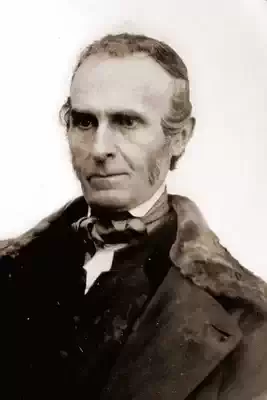
John Greenleaf Whittier
An Easter Flower Gift
An Easter Flower Gift
O dearest bloom the seasons know,
Flowers of the Resurrection blow,
Our hope and faith restore;
And through the bitterness of death
And loss and sorrow, breathe a breath
Of life forevermore!
The thought of Love Immortal blends
With fond remembrances of friends;
In you, O sacred flowers,
By human love made doubly sweet,
The heavenly and the earthly meet,
The heart of Christ and ours!
O dearest bloom the seasons know,
Flowers of the Resurrection blow,
Our hope and faith restore;
And through the bitterness of death
And loss and sorrow, breathe a breath
Of life forevermore!
The thought of Love Immortal blends
With fond remembrances of friends;
In you, O sacred flowers,
By human love made doubly sweet,
The heavenly and the earthly meet,
The heart of Christ and ours!
298
John Greenleaf Whittier
After Election
After Election
THE day's sharp strife is ended now,
Our work is done, God knoweth how!
As on the thronged, unrestful town
The patience of the moon looks down,
I wait to hear, beside the wire,
The voices of its tongues of fire.
Slow, doubtful, faint,they seem at first:
Be strong, my heart, to know the worst!
Hark! there the Alleghanies spoke;
That sound from lake and prairie broke,
That sunset-gun of triumph rent
The silence of a continent!
That signal from Nebraska sprung,
This, from Nevada's mountain tongue!
Is that thy answer, strong and free,
O loyal heart of Tennessee?
What strange, glad voice is that which calls
From Wagner's grave and Sumter's walls?
From Mississippi's fountain-head
A sound as of the hisoh's tread!
There rustled freedom's Charter Oak!
In that wild burst the Ozarks spoke!
Cheer answers cheer from rise to set
Of sun. We have a country yet!
The praise, O God, be thine alone!
Thou givest not for bread a stone;
Thou hast not led us through the night
To blind us with returning light;
Not through the furnace have we passed,
To perish at its mouth at last.
O night of peace, thy flight restrain!
November's moon, be slow to wane!
Shine on the freedman's cabin floor,
On brows of prayer a blessing pour;
And give, with full assurance blest,
The weary heart of Freedom rest!
THE day's sharp strife is ended now,
Our work is done, God knoweth how!
As on the thronged, unrestful town
The patience of the moon looks down,
I wait to hear, beside the wire,
The voices of its tongues of fire.
Slow, doubtful, faint,they seem at first:
Be strong, my heart, to know the worst!
Hark! there the Alleghanies spoke;
That sound from lake and prairie broke,
That sunset-gun of triumph rent
The silence of a continent!
That signal from Nebraska sprung,
This, from Nevada's mountain tongue!
Is that thy answer, strong and free,
O loyal heart of Tennessee?
What strange, glad voice is that which calls
From Wagner's grave and Sumter's walls?
From Mississippi's fountain-head
A sound as of the hisoh's tread!
There rustled freedom's Charter Oak!
In that wild burst the Ozarks spoke!
Cheer answers cheer from rise to set
Of sun. We have a country yet!
The praise, O God, be thine alone!
Thou givest not for bread a stone;
Thou hast not led us through the night
To blind us with returning light;
Not through the furnace have we passed,
To perish at its mouth at last.
O night of peace, thy flight restrain!
November's moon, be slow to wane!
Shine on the freedman's cabin floor,
On brows of prayer a blessing pour;
And give, with full assurance blest,
The weary heart of Freedom rest!
367
John Greenleaf Whittier
Adjustment
Adjustment
The tree of Faith its bare, dry boughs must shed
That nearer heaven the living ones may climb;
The false must fail, though from our shores of time
The old lament be heard, 'Great Pan is dead!'
That wail is Error's, from his high place hurled;
This sharp recoil is Evil undertrod;
Our time's unrest, an angel sent of God
Troubling with life the waters of the world.
Even as they list the winds of the Spirit blow
To turn or break our century-rusted vanes;
Sands shift and waste; the rock alone remains
Where, led of Heaven, the strong tides come and go,
And storm-clouds, rent by thunderbolt and wind,
Leave, free of mist, the permanent stars behind.
Therefore I trust, although to outward sense
Both true and false seem shaken; I will hold
With newer light my reverence for the old,
And calmly wait the births of Providence.
No gain is lost; the clear-eyed saints look down
Untroubled on the wreck of schemes and creeds;
Love yet remains, its rosary of good deeds
Counting in task-field and o'erpeopled town;
Truth has charmed life; the Inward Word survives,
And, day by day, its revelation brings;
Faith, hope, and charity, whatsoever things
Which cannot be shaken, stand. Still holy lives
Reveal the Christ of whom the letter told,
And the new gospel verifies the old.
The tree of Faith its bare, dry boughs must shed
That nearer heaven the living ones may climb;
The false must fail, though from our shores of time
The old lament be heard, 'Great Pan is dead!'
That wail is Error's, from his high place hurled;
This sharp recoil is Evil undertrod;
Our time's unrest, an angel sent of God
Troubling with life the waters of the world.
Even as they list the winds of the Spirit blow
To turn or break our century-rusted vanes;
Sands shift and waste; the rock alone remains
Where, led of Heaven, the strong tides come and go,
And storm-clouds, rent by thunderbolt and wind,
Leave, free of mist, the permanent stars behind.
Therefore I trust, although to outward sense
Both true and false seem shaken; I will hold
With newer light my reverence for the old,
And calmly wait the births of Providence.
No gain is lost; the clear-eyed saints look down
Untroubled on the wreck of schemes and creeds;
Love yet remains, its rosary of good deeds
Counting in task-field and o'erpeopled town;
Truth has charmed life; the Inward Word survives,
And, day by day, its revelation brings;
Faith, hope, and charity, whatsoever things
Which cannot be shaken, stand. Still holy lives
Reveal the Christ of whom the letter told,
And the new gospel verifies the old.
340
John Greenleaf Whittier
A Welcome To Lowell
A Welcome To Lowell
Take our hands, James Russell Lowell,
Our hearts are all thy own;
To-day we bid thee welcome
Not for ourselves alone.
In the long years of thy absence
Some of us have grown old,
And some have passed the portals
Of the Mystery untold;
For the hands that cannot clasp thee,
For the voices that are dumb,
For each and all I bid thee
A grateful welcome home!
For Cedarcroft's sweet singer
To the nine-fold Muses dear;
For the Seer the winding Concord
Paused by his door to hear;
For him, our guide and Nestor,
Who the march of song began,
The white locks of his ninety years
Bared to thy winds, Cape Ann!
For him who, to the music
Her pines and hemlocks played,
Set the old and tender story
Of the lorn Acadian maid;
For him, whose voice for freedom
Swayed friend and foe at will,
Hushed is the tongue of silver,
The golden lips are still!
For her whose life of duty
At scoff and menace smiled,
Brave as the wife of Roland,
Yet gentle as a Child.
And for him the three-hilled city
Shall hold in memory long,
Those name is the hint and token
Of the pleasant Fields of Song!
For the old friends unforgotten,
For the young thou hast not known,
I speak their heart-warm greeting;
Come back and take thy own!
From England's royal farewells,
And honors fitly paid,
Come back, dear Russell Lowell,
To Elmwood's waiting shade!
Come home with all the garlands
That crown of right thy head.
I speak for comrades living,
I speak for comrades dead!
Take our hands, James Russell Lowell,
Our hearts are all thy own;
To-day we bid thee welcome
Not for ourselves alone.
In the long years of thy absence
Some of us have grown old,
And some have passed the portals
Of the Mystery untold;
For the hands that cannot clasp thee,
For the voices that are dumb,
For each and all I bid thee
A grateful welcome home!
For Cedarcroft's sweet singer
To the nine-fold Muses dear;
For the Seer the winding Concord
Paused by his door to hear;
For him, our guide and Nestor,
Who the march of song began,
The white locks of his ninety years
Bared to thy winds, Cape Ann!
For him who, to the music
Her pines and hemlocks played,
Set the old and tender story
Of the lorn Acadian maid;
For him, whose voice for freedom
Swayed friend and foe at will,
Hushed is the tongue of silver,
The golden lips are still!
For her whose life of duty
At scoff and menace smiled,
Brave as the wife of Roland,
Yet gentle as a Child.
And for him the three-hilled city
Shall hold in memory long,
Those name is the hint and token
Of the pleasant Fields of Song!
For the old friends unforgotten,
For the young thou hast not known,
I speak their heart-warm greeting;
Come back and take thy own!
From England's royal farewells,
And honors fitly paid,
Come back, dear Russell Lowell,
To Elmwood's waiting shade!
Come home with all the garlands
That crown of right thy head.
I speak for comrades living,
I speak for comrades dead!
302
John Greenleaf Whittier
A Name
A Name
The name the Gallic exile bore,
St. Malo! from thy ancient mart,
Became upon our Western shore
Greenleaf for Feuillevert.
A name to hear in soft accord
Of leaves by light winds overrun,
Or read, upon the greening sward
Of May, in shade and sun.
The name my infant ear first heard
Breathed softly with a mother's kiss;
His mother's own, no tenderer word
My father spake than this.
No child have I to bear it on;
Be thou its keeper; let it take
From gifts well used and duty done
New beauty for thy sake.
The fair ideals that outran
My halting footsteps seek and find-The
flawless symmetry of man,
The poise of heart and mind.
Stand firmly where I felt the sway
Of every wing that fancy flew,
See clearly where I groped my way,
Nor real from seeming knew.
And wisely choose, and bravely hold
Thy faith unswerved by cross or crown,
Like the stout Huguenot of old
Whose name to thee comes down.
As Marot's songs made glad the heart
Of that lone exile, haply mine
May in life's heavy hours impart
Some strength and hope to thine.
Yet when did Age transfer to Youth
The hard-gained lessons of its day?
Each lip must learn the taste of truth,
Each foot must feel its way.
We cannot hold the hands of choice
That touch or shun life's fateful keys;
The whisper of the inward voice
Is more than homilies.
Dear boy! for whom the flowers are born,
Stars shine, and happy song-birds sing,
What can my evening give to morn,
My winter to thy spring!
A life not void of pure intent,
With small desert of praise or blame,
The love I felt, the good I meant,
I leave thee with my name.
The name the Gallic exile bore,
St. Malo! from thy ancient mart,
Became upon our Western shore
Greenleaf for Feuillevert.
A name to hear in soft accord
Of leaves by light winds overrun,
Or read, upon the greening sward
Of May, in shade and sun.
The name my infant ear first heard
Breathed softly with a mother's kiss;
His mother's own, no tenderer word
My father spake than this.
No child have I to bear it on;
Be thou its keeper; let it take
From gifts well used and duty done
New beauty for thy sake.
The fair ideals that outran
My halting footsteps seek and find-The
flawless symmetry of man,
The poise of heart and mind.
Stand firmly where I felt the sway
Of every wing that fancy flew,
See clearly where I groped my way,
Nor real from seeming knew.
And wisely choose, and bravely hold
Thy faith unswerved by cross or crown,
Like the stout Huguenot of old
Whose name to thee comes down.
As Marot's songs made glad the heart
Of that lone exile, haply mine
May in life's heavy hours impart
Some strength and hope to thine.
Yet when did Age transfer to Youth
The hard-gained lessons of its day?
Each lip must learn the taste of truth,
Each foot must feel its way.
We cannot hold the hands of choice
That touch or shun life's fateful keys;
The whisper of the inward voice
Is more than homilies.
Dear boy! for whom the flowers are born,
Stars shine, and happy song-birds sing,
What can my evening give to morn,
My winter to thy spring!
A life not void of pure intent,
With small desert of praise or blame,
The love I felt, the good I meant,
I leave thee with my name.
237
John Greenleaf Whittier
A Greeting
A Greeting
Thrice welcome from the Land of Flowers
And golden-fruited orange bowers
To this sweet, green-turfed June of ours!
To her who, in our evil time,
Dragged into light the nation's crime
With strength beyond the strength of men,
And, mightier than their swords, her pen!
To her who world-wide entrance gave
To the log-cabin of the slave;
Made all his wrongs and sorrows known,
And all earth's languages his own,-North,
South, and East and West, made all
The common air electrical,
Until the o'ercharged bolts of heaven
Blazed down, and every chain was riven!
Welcome from each and all to her
Whose Wooing of the Minister
Revealed the warm heart of the man
Beneath the creed-bound Puritan,
And taught the kinship of the love
Of man below and God above;
To her whose vigorous pencil-strokes
Sketched into life her Oldtown Folks;
Whose fireside stories, grave or gay,
In quaint Sam Lawson's vagrant way,
With old New England's flavor rife,
Waifs from her rude idyllic life,
Are racy as the legends old
By Chaucer or Boccaccio told;
To her who keeps, through change of place
And time, her native strength and grace,
Alike where warm Sorrento smiles,
Or where, by birchen-shaded isles,
Whose summer winds have shivered o'er
The icy drift of Labrador,
She lifts to light the priceless Pearl
Of Harpswell's angel-beckoned girl!
To her at threescore years and ten
Be tributes of the tongue and pen;
Be honor, praise, and heart-thanks given,
The loves of earth, the hopes of heaven!
Ah, dearer than the praise that stirs
The air to-day, our love is hers!
She needs no guaranty of fame
Whose own is linked with Freedom's name.
Long ages after ours shall keep
Her memory living while we sleep;
The waves that wash our gray coast lines,
The winds that rock the Southern pines,
Shall sing of her; the unending years
Shall tell her tale in unborn ears.
And when, with sins and follies past,
Are numbered color-hate and caste,
White, black, and red shall own as one
The noblest work by woman done.
Thrice welcome from the Land of Flowers
And golden-fruited orange bowers
To this sweet, green-turfed June of ours!
To her who, in our evil time,
Dragged into light the nation's crime
With strength beyond the strength of men,
And, mightier than their swords, her pen!
To her who world-wide entrance gave
To the log-cabin of the slave;
Made all his wrongs and sorrows known,
And all earth's languages his own,-North,
South, and East and West, made all
The common air electrical,
Until the o'ercharged bolts of heaven
Blazed down, and every chain was riven!
Welcome from each and all to her
Whose Wooing of the Minister
Revealed the warm heart of the man
Beneath the creed-bound Puritan,
And taught the kinship of the love
Of man below and God above;
To her whose vigorous pencil-strokes
Sketched into life her Oldtown Folks;
Whose fireside stories, grave or gay,
In quaint Sam Lawson's vagrant way,
With old New England's flavor rife,
Waifs from her rude idyllic life,
Are racy as the legends old
By Chaucer or Boccaccio told;
To her who keeps, through change of place
And time, her native strength and grace,
Alike where warm Sorrento smiles,
Or where, by birchen-shaded isles,
Whose summer winds have shivered o'er
The icy drift of Labrador,
She lifts to light the priceless Pearl
Of Harpswell's angel-beckoned girl!
To her at threescore years and ten
Be tributes of the tongue and pen;
Be honor, praise, and heart-thanks given,
The loves of earth, the hopes of heaven!
Ah, dearer than the praise that stirs
The air to-day, our love is hers!
She needs no guaranty of fame
Whose own is linked with Freedom's name.
Long ages after ours shall keep
Her memory living while we sleep;
The waves that wash our gray coast lines,
The winds that rock the Southern pines,
Shall sing of her; the unending years
Shall tell her tale in unborn ears.
And when, with sins and follies past,
Are numbered color-hate and caste,
White, black, and red shall own as one
The noblest work by woman done.
304
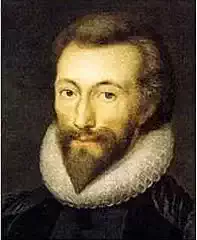
John Donne
To The Countess Of Bedford I
To The Countess Of Bedford I
MADAM—
Reason is our soul's left hand, faith her right ;
By these we reach divinity, that's you ;
Their loves, who have the blessing of your light,
Grew from their reason ; mine from fair faith grew.
But as, although a squint left-handedness
Be ungracious, yet we cannot want that hand ;
So would I—not to increase, but to express
My faith—as I believe, so understand.
Therefore I study you first in your saints,
Those friends whom your election glorifies ;
Then in your deeds, accesses and restraints,
And what you read, and what yourself devise.
But soon the reasons why you're loved by all,
Grow infinite, and so pass reason's reach ;
Then back again to implicit faith I fall,
And rest on that the Catholic voice doth teach—
That you are good ; and not one heretic
Denies it ; if he did, yet you are so ;
For rocks, which high to sense deep-rooted stick,
Waves wash, not undermine, nor overthrow.
In everything there naturally grows
A balsamum to keep it fresh and new,
If 'twere not inured by extrinsic blows ;
Your birth and beauty are this balm in you.
But you, of learning, and religion,
And virtue, and such ingredients, have made
A mithridate, whose operation
Keeps off, or cures, what can be done or said.
Yet this is not your physic, but your food,
A diet fit for you ; for you are here
The first good angel, since the world's frame stood,
That ever did in woman's shape appear.
Since you are then God's masterpiece, and so
His factor for our loves, do as you do ;
Make your return home gracious, and bestow
This life on that ; so make one life of two.
For, so God help me, I would not miss you there,
For all the good which you can do me here.
MADAM—
Reason is our soul's left hand, faith her right ;
By these we reach divinity, that's you ;
Their loves, who have the blessing of your light,
Grew from their reason ; mine from fair faith grew.
But as, although a squint left-handedness
Be ungracious, yet we cannot want that hand ;
So would I—not to increase, but to express
My faith—as I believe, so understand.
Therefore I study you first in your saints,
Those friends whom your election glorifies ;
Then in your deeds, accesses and restraints,
And what you read, and what yourself devise.
But soon the reasons why you're loved by all,
Grow infinite, and so pass reason's reach ;
Then back again to implicit faith I fall,
And rest on that the Catholic voice doth teach—
That you are good ; and not one heretic
Denies it ; if he did, yet you are so ;
For rocks, which high to sense deep-rooted stick,
Waves wash, not undermine, nor overthrow.
In everything there naturally grows
A balsamum to keep it fresh and new,
If 'twere not inured by extrinsic blows ;
Your birth and beauty are this balm in you.
But you, of learning, and religion,
And virtue, and such ingredients, have made
A mithridate, whose operation
Keeps off, or cures, what can be done or said.
Yet this is not your physic, but your food,
A diet fit for you ; for you are here
The first good angel, since the world's frame stood,
That ever did in woman's shape appear.
Since you are then God's masterpiece, and so
His factor for our loves, do as you do ;
Make your return home gracious, and bestow
This life on that ; so make one life of two.
For, so God help me, I would not miss you there,
For all the good which you can do me here.
323
John Donne
To Sir Henry Wotton At His Going Ambassador To Venice
To Sir Henry Wotton At His Going Ambassador To Venice
AFTER those reverend papers, whose soul is
Our good and great king's loved hand and fear'd name ;
By which to you he derives much of his,
And, how he may, makes you almost the same,
A taper of his torch, a copy writ
From his oiginal, and a fair beam
Of the same warm and dazzling sun, though it
Must in another sphere his virtue stream ;
After those learned papers which your hand
Hath stored with notes of use and pleasures too,
From which rich treasury you may command
Fit matter whether you will write or do ;
After those loving papers where friends send,
With glad grief to your sea-ward steps, farewell,
Which thicken on you now, as prayers ascend
To heaven in troops, at a good man's passing-bell ;
Admit this honest paper, and allow
It such an audience as yourself would ask ;
What you must say at Venice, this means now,
And hath for nature, what you have for task.
To swear much love, not to be changed before
Honour, alone will to your fortune fit ;
Nor shall I then honour your fortune, more
Than I have done your honour, wanting it.
But 'tis an easier load, though both oppress,
To want, than govern greatness, for we are
In that, our own and only business,
In this, we must for others' vices care.
'Tis therefore well your spirits now are placed
In their last furnace, in activity ;
Which fits them—schools and courts and wars o'erpast—
To touch and test in any best degree.
For me—if there be such a thing as I—
Fortune—if there be such a thing as she—
Spies that I bear so well her tyranny,
That she thinks nothing else so fit for me.
But, though she part us, to hear my oft prayers
For your increase, God is as near me here ;
And to send you what I shall beg, His stairs
In length and ease are alike everywhere.
AFTER those reverend papers, whose soul is
Our good and great king's loved hand and fear'd name ;
By which to you he derives much of his,
And, how he may, makes you almost the same,
A taper of his torch, a copy writ
From his oiginal, and a fair beam
Of the same warm and dazzling sun, though it
Must in another sphere his virtue stream ;
After those learned papers which your hand
Hath stored with notes of use and pleasures too,
From which rich treasury you may command
Fit matter whether you will write or do ;
After those loving papers where friends send,
With glad grief to your sea-ward steps, farewell,
Which thicken on you now, as prayers ascend
To heaven in troops, at a good man's passing-bell ;
Admit this honest paper, and allow
It such an audience as yourself would ask ;
What you must say at Venice, this means now,
And hath for nature, what you have for task.
To swear much love, not to be changed before
Honour, alone will to your fortune fit ;
Nor shall I then honour your fortune, more
Than I have done your honour, wanting it.
But 'tis an easier load, though both oppress,
To want, than govern greatness, for we are
In that, our own and only business,
In this, we must for others' vices care.
'Tis therefore well your spirits now are placed
In their last furnace, in activity ;
Which fits them—schools and courts and wars o'erpast—
To touch and test in any best degree.
For me—if there be such a thing as I—
Fortune—if there be such a thing as she—
Spies that I bear so well her tyranny,
That she thinks nothing else so fit for me.
But, though she part us, to hear my oft prayers
For your increase, God is as near me here ;
And to send you what I shall beg, His stairs
In length and ease are alike everywhere.
316
John Donne
TO Mr.T.W.
TO Mr.T.W.
PREGNANT again with th' old twins, Hope and Fear,
Oft have I asked for thee, both how and where
Thou wert ; and what my hopes of letters were ;
As in our streets sly beggars narrowly
Watch motions of the giver's hand or eye,
And evermore conceive some hope thereby.
And now thy alms is given, thy letter's read,
The body risen again, the which was dead,
And thy poor starveling bountifully fed.
After this banquet my soul doth say grace,
And praise thee for 't, and zealously embrace
Thy love, though I think thy love in this case
To be as gluttons, which say 'midst their meat,
They love that best of which they most do eat.
PREGNANT again with th' old twins, Hope and Fear,
Oft have I asked for thee, both how and where
Thou wert ; and what my hopes of letters were ;
As in our streets sly beggars narrowly
Watch motions of the giver's hand or eye,
And evermore conceive some hope thereby.
And now thy alms is given, thy letter's read,
The body risen again, the which was dead,
And thy poor starveling bountifully fed.
After this banquet my soul doth say grace,
And praise thee for 't, and zealously embrace
Thy love, though I think thy love in this case
To be as gluttons, which say 'midst their meat,
They love that best of which they most do eat.
359
John Donne
The Harbinger
The Harbinger
to the Progresse.
TWo soules moue here, and mine (a third) must moue
Paces of admiration, and of loue;
Thy soule (Deare Virgin) whose this tribute is,
Mou'd from this mortall sphere to liuely blisse,
And yet moues still, and still aspires to see
The worlds last day, thy glories full degree:
Like as those starres which thou ore-lookest farre,
Are in their place, and yet still moued are
No soule (whiles with the luggage of this clay
It clogged is) can follow thee halfe way;
Or see thy flight; which doth our thoughts outgoe
So fast, that now the lightning moues but slow:
But now thou art as high in heauen flowne
As heau'ns from vs; what soule besides thine owne
Can tell thy ioyes, or say he can relate
Thy glorious Iornals in that blessed state?
I enuie thee (Rich soule) I enuy thee,
Although I cannot yet thy glory see:
And thou (Great spirit) which her's follow'd hast
So fast, as none can follow thine so fast;
So farre as none can follow thine so farre,
(And if this flesh did not the passage barre
Had'st caught her) let me wonder at thy flight
Which long agone had'st lost the vulgar sight
And now mak'st proud the better eyes, that they
Can see thee les'ned in thine aery way;
So while thou mak'st her soule by progresse knowne
Thou mak'st a noble progresse of thine owne.
From this worlds carcasse hauing mounted hie
To that pure life of Immortalitie;
Since thine aspiring thoughts themselues so raise
That more may not beseeme a creatures praise,
Yet still thou vow'st her more; and euery yeare
Mak'st a new Progresse, while thou wandrest here;
Still vpward mount; and let thy makers praise
Honor thy Laura, and adorne thy laies.
And since thy Mus[es] head in heauen shrouds
Oh let her neuer stoope below the clouds:
And if those glorious sainted soules may know
Or what we doe, or what we sing below,
Those acts, those songs shall still content them best
Which praise those awfull powers that make them blest.
to the Progresse.
TWo soules moue here, and mine (a third) must moue
Paces of admiration, and of loue;
Thy soule (Deare Virgin) whose this tribute is,
Mou'd from this mortall sphere to liuely blisse,
And yet moues still, and still aspires to see
The worlds last day, thy glories full degree:
Like as those starres which thou ore-lookest farre,
Are in their place, and yet still moued are
No soule (whiles with the luggage of this clay
It clogged is) can follow thee halfe way;
Or see thy flight; which doth our thoughts outgoe
So fast, that now the lightning moues but slow:
But now thou art as high in heauen flowne
As heau'ns from vs; what soule besides thine owne
Can tell thy ioyes, or say he can relate
Thy glorious Iornals in that blessed state?
I enuie thee (Rich soule) I enuy thee,
Although I cannot yet thy glory see:
And thou (Great spirit) which her's follow'd hast
So fast, as none can follow thine so fast;
So farre as none can follow thine so farre,
(And if this flesh did not the passage barre
Had'st caught her) let me wonder at thy flight
Which long agone had'st lost the vulgar sight
And now mak'st proud the better eyes, that they
Can see thee les'ned in thine aery way;
So while thou mak'st her soule by progresse knowne
Thou mak'st a noble progresse of thine owne.
From this worlds carcasse hauing mounted hie
To that pure life of Immortalitie;
Since thine aspiring thoughts themselues so raise
That more may not beseeme a creatures praise,
Yet still thou vow'st her more; and euery yeare
Mak'st a new Progresse, while thou wandrest here;
Still vpward mount; and let thy makers praise
Honor thy Laura, and adorne thy laies.
And since thy Mus[es] head in heauen shrouds
Oh let her neuer stoope below the clouds:
And if those glorious sainted soules may know
Or what we doe, or what we sing below,
Those acts, those songs shall still content them best
Which praise those awfull powers that make them blest.
341
John Donne
Sweetest Love, I do not go
Sweetest Love, I do not go
Sweetest love, I do not go,
For weariness of thee,
Nor in hope the world can show
A fitter love for me;
But since that I
Must die at last, 'tis best
To use myself in jest
Thus by feign'd deaths to die.
Yesternight the sun went hence,
And yet is here today;
He hath no desire nor sense,
Nor half so short a way:
Then fear not me,
But believe that I shall make
Speedier journeys, since I take
More wings and spurs than he.
O how feeble is man's power,
That if good fortune fall,
Cannot add another hour,
Nor a lost hour recall!
But come bad chance,
And we join to'it our strength,
And we teach it art and length,
Itself o'er us to'advance.
When thou sigh'st, thou sigh'st not wind,
But sigh'st my soul away;
When thou weep'st, unkindly kind,
My life's blood doth decay.
It cannot be
That thou lov'st me, as thou say'st,
If in thine my life thou waste,
That art the best of me.
Let not thy divining heart
Forethink me any ill;
Destiny may take thy part,
And may thy fears fulfil;
But think that we
Are but turn'd aside to sleep;
They who one another keep
Alive, ne'er parted be.
Sweetest love, I do not go,
For weariness of thee,
Nor in hope the world can show
A fitter love for me;
But since that I
Must die at last, 'tis best
To use myself in jest
Thus by feign'd deaths to die.
Yesternight the sun went hence,
And yet is here today;
He hath no desire nor sense,
Nor half so short a way:
Then fear not me,
But believe that I shall make
Speedier journeys, since I take
More wings and spurs than he.
O how feeble is man's power,
That if good fortune fall,
Cannot add another hour,
Nor a lost hour recall!
But come bad chance,
And we join to'it our strength,
And we teach it art and length,
Itself o'er us to'advance.
When thou sigh'st, thou sigh'st not wind,
But sigh'st my soul away;
When thou weep'st, unkindly kind,
My life's blood doth decay.
It cannot be
That thou lov'st me, as thou say'st,
If in thine my life thou waste,
That art the best of me.
Let not thy divining heart
Forethink me any ill;
Destiny may take thy part,
And may thy fears fulfil;
But think that we
Are but turn'd aside to sleep;
They who one another keep
Alive, ne'er parted be.
344
John Donne
Ralphius
Ralphius
Compassion in the world again is bred ;
Ralphius is sick, the broker keeps his bed.
Compassion in the world again is bred ;
Ralphius is sick, the broker keeps his bed.
257
John Donne
La Corona
La Corona
Deign at my hands this crown of prayer and praise,
Weaved in my lone devout melancholy,
Thou which of good hast, yea, art treasury,
All changing unchanged Ancient of days.
But do not with a vile crown of frail bays
Reward my Muse's white sincerity ;
But what Thy thorny crown gain'd, that give me,
A crown of glory, which doth flower always.
The ends crown our works, but Thou crown'st our ends,
For at our ends begins our endless rest.
The first last end, now zealously possess'd,
With a strong sober thirst my soul attends.
'Tis time that heart and voice be lifted high ;
Salvation to all that will is nigh.
Deign at my hands this crown of prayer and praise,
Weaved in my lone devout melancholy,
Thou which of good hast, yea, art treasury,
All changing unchanged Ancient of days.
But do not with a vile crown of frail bays
Reward my Muse's white sincerity ;
But what Thy thorny crown gain'd, that give me,
A crown of glory, which doth flower always.
The ends crown our works, but Thou crown'st our ends,
For at our ends begins our endless rest.
The first last end, now zealously possess'd,
With a strong sober thirst my soul attends.
'Tis time that heart and voice be lifted high ;
Salvation to all that will is nigh.
445
John Donne
Holy Sonnet XII: Why Are We By All Creatures Waited On?
Holy Sonnet XII: Why Are We By All Creatures Waited On?
Why are we by all creatures waited on?
Why do the prodigal elements supply
Life and food to me, being more pure than I,
Simple, and further from corruption?
Why brook'st thou, ignorant horse, subjection?
Why dost thou, bull, and bore so seelily,
Dissemble weakness, and by one man's stroke die,
Whose whole kind you might swallow and feed upon?
Weaker I am, woe is me, and worse than you,
You have not sinned, nor need be timorous.
But wonder at a greater wonder, for to us
Created nature doth these things subdue,
But their Creator, whom sin nor nature tied,
For us, His creatures, and His foes, hath died.
Why are we by all creatures waited on?
Why do the prodigal elements supply
Life and food to me, being more pure than I,
Simple, and further from corruption?
Why brook'st thou, ignorant horse, subjection?
Why dost thou, bull, and bore so seelily,
Dissemble weakness, and by one man's stroke die,
Whose whole kind you might swallow and feed upon?
Weaker I am, woe is me, and worse than you,
You have not sinned, nor need be timorous.
But wonder at a greater wonder, for to us
Created nature doth these things subdue,
But their Creator, whom sin nor nature tied,
For us, His creatures, and His foes, hath died.
260
John Donne
Community
Community
Good we must love, and must hate ill,
For ill is ill, and good good still ;
But there are things indifferent,
Which wee may neither hate, nor love,
But one, and then another prove,
As we shall find our fancy bent.
If then at first wise Nature had
Made women either good or bad,
Then some wee might hate, and some choose ;
But since she did them so create,
That we may neither love, nor hate,
Only this rests, all all may use.
If they were good it would be seen ;
Good is as visible as green,
And to all eyes itself betrays.
If they were bad, they could not last ;
Bad doth itself, and others waste ;
So they deserve nor blame, nor praise.
But they are ours as fruits are ours ;
He that but tastes, he that devours,
And he that leaves all, doth as well ;
Changed loves are but changed sorts of meat ;
And when he hath the kernel eat,
Who doth not fling away the shell?
Good we must love, and must hate ill,
For ill is ill, and good good still ;
But there are things indifferent,
Which wee may neither hate, nor love,
But one, and then another prove,
As we shall find our fancy bent.
If then at first wise Nature had
Made women either good or bad,
Then some wee might hate, and some choose ;
But since she did them so create,
That we may neither love, nor hate,
Only this rests, all all may use.
If they were good it would be seen ;
Good is as visible as green,
And to all eyes itself betrays.
If they were bad, they could not last ;
Bad doth itself, and others waste ;
So they deserve nor blame, nor praise.
But they are ours as fruits are ours ;
He that but tastes, he that devours,
And he that leaves all, doth as well ;
Changed loves are but changed sorts of meat ;
And when he hath the kernel eat,
Who doth not fling away the shell?
317
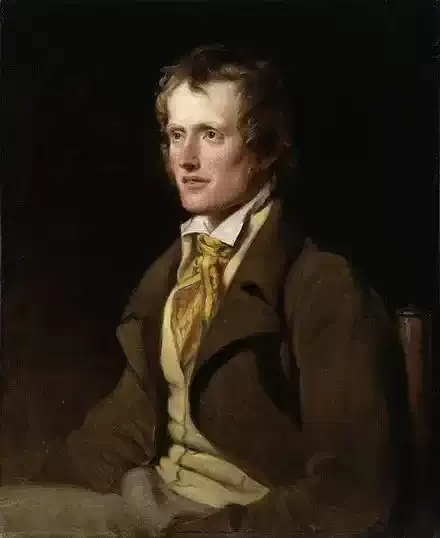
John Clare
The Thrush's Nest
The Thrush's Nest
Within a thick and spreading hawthorn bush
That overhung a molehill large and round,
I heard from morn to morn a merry thrush
Sing hymns to sunrise, and I drank the sound
With joy; and often, an intruding guest,
I watched her secret toil from day to day -
How true she warped the moss to form a nest,
And modelled it within with wood and clay;
And by and by, like heath-bells gilt with dew,
There lay her shining eggs, as bright as flowers,
Ink-spotted over shells of greeny blue;
And there I witnessed, in the sunny hours,
A brood of nature's minstrels chirp and fly,
Glad as the sunshine and the laughing sky.
Within a thick and spreading hawthorn bush
That overhung a molehill large and round,
I heard from morn to morn a merry thrush
Sing hymns to sunrise, and I drank the sound
With joy; and often, an intruding guest,
I watched her secret toil from day to day -
How true she warped the moss to form a nest,
And modelled it within with wood and clay;
And by and by, like heath-bells gilt with dew,
There lay her shining eggs, as bright as flowers,
Ink-spotted over shells of greeny blue;
And there I witnessed, in the sunny hours,
A brood of nature's minstrels chirp and fly,
Glad as the sunshine and the laughing sky.
469
John Clare
The Old Cottagers
The Old Cottagers
The little cottage stood alone, the pride
Of solitude surrounded every side.
Bean fields in blossom almost reached the wall;
A garden with its hawthorn hedge was all
The space between.--Green light did pass
Through one small window, where a looking-glass
Placed in the parlour, richly there revealed
A spacious landscape and a blooming field.
The pasture cows that herded on the moor
Printed their footsteps to the very door,
Where little summer flowers with seasons blow
And scarcely gave the eldern leave to grow.
The cuckoo that one listens far away
Sung in the orchard trees for half the day;
And where the robin lives, the village guest,
In the old weedy hedge the leafy nest
Of the coy nightingale was yearly found,
Safe from all eyes as in the loneliest ground;
And little chats that in bean stalks will lie
A nest with cobwebs there will build, and fly
Upon the kidney bean that twines and towers
Up little poles in wreaths of scarlet flowers.
There a lone couple lived, secluded there
From all the world considers joy or care,
Lived to themselves, a long lone journey trod,
And through their Bible talked aloud to God;
While one small close and cow their wants maintained,
But little needing, and but little gained.
Their neighbour's name was peace, with her they went,
With tottering age, and dignified content,
Through a rich length of years and quiet days,
And filled the neighbouring village with their praise.
The little cottage stood alone, the pride
Of solitude surrounded every side.
Bean fields in blossom almost reached the wall;
A garden with its hawthorn hedge was all
The space between.--Green light did pass
Through one small window, where a looking-glass
Placed in the parlour, richly there revealed
A spacious landscape and a blooming field.
The pasture cows that herded on the moor
Printed their footsteps to the very door,
Where little summer flowers with seasons blow
And scarcely gave the eldern leave to grow.
The cuckoo that one listens far away
Sung in the orchard trees for half the day;
And where the robin lives, the village guest,
In the old weedy hedge the leafy nest
Of the coy nightingale was yearly found,
Safe from all eyes as in the loneliest ground;
And little chats that in bean stalks will lie
A nest with cobwebs there will build, and fly
Upon the kidney bean that twines and towers
Up little poles in wreaths of scarlet flowers.
There a lone couple lived, secluded there
From all the world considers joy or care,
Lived to themselves, a long lone journey trod,
And through their Bible talked aloud to God;
While one small close and cow their wants maintained,
But little needing, and but little gained.
Their neighbour's name was peace, with her they went,
With tottering age, and dignified content,
Through a rich length of years and quiet days,
And filled the neighbouring village with their praise.
360
John Clare
Ploughman Singing
Ploughman Singing
Here morning in the ploughman's songs is met
Ere yet one footstep shows in all the sky,
And twilight in the east, a doubt as yet,
Shows not her sleeve of grey to know her bye.
Woke early, I arose and thought that first
In winter time of all the world was I.
The old owls might have hallooed if they durst,
But joy just then was up and whistled bye
A merry tune which I had known full long,
But could not to my memory wake it back,
Until the ploughman changed it to the song.
O happiness, how simple is thy track.
--Tinged like the willow shoots, the east's young brow
Glows red and finds thee singing at the plough.
Here morning in the ploughman's songs is met
Ere yet one footstep shows in all the sky,
And twilight in the east, a doubt as yet,
Shows not her sleeve of grey to know her bye.
Woke early, I arose and thought that first
In winter time of all the world was I.
The old owls might have hallooed if they durst,
But joy just then was up and whistled bye
A merry tune which I had known full long,
But could not to my memory wake it back,
Until the ploughman changed it to the song.
O happiness, how simple is thy track.
--Tinged like the willow shoots, the east's young brow
Glows red and finds thee singing at the plough.
340
John Clare
Patty of the Vale
Patty of the Vale
'A weedling child on lonely lea
My evening rambles chanced to see;
And much the weedling tempted me
To crop its tender flower;
Exposed to wind and heavy rain,
It's head bow'd lowly on the plain;
Hand silently it seem'd in pain
Of life's endanger'd hour.
And and wilt thou bid my bloom decay,
And crop my flower, and me betray,
And cast my injured sweets away?-
Its silence seemly sigh'd
'A moment's idol of thy mind!
And is a stranger so unkind
to leave the shameful root behind,
Bereft of all its pride?'
And so it seemly did complain;
And beating fell the heavy rain;
And low it droop'd upon the plain,
To fate resign'd to fall:
My heart did melt at its decline,
And ' Come,' said I, ' thou gem divine,
My fate shall stand the storm with thine;'
So took the root and all.'
'A weedling child on lonely lea
My evening rambles chanced to see;
And much the weedling tempted me
To crop its tender flower;
Exposed to wind and heavy rain,
It's head bow'd lowly on the plain;
Hand silently it seem'd in pain
Of life's endanger'd hour.
And and wilt thou bid my bloom decay,
And crop my flower, and me betray,
And cast my injured sweets away?-
Its silence seemly sigh'd
'A moment's idol of thy mind!
And is a stranger so unkind
to leave the shameful root behind,
Bereft of all its pride?'
And so it seemly did complain;
And beating fell the heavy rain;
And low it droop'd upon the plain,
To fate resign'd to fall:
My heart did melt at its decline,
And ' Come,' said I, ' thou gem divine,
My fate shall stand the storm with thine;'
So took the root and all.'
416
John Clare
Christmass
Christmass
Christmass is come and every hearth
Makes room to give him welcome now
Een want will dry its tears in mirth
And crown him wi a holly bough
Tho tramping neath a winters sky
Oer snow track paths and ryhmey stiles
The huswife sets her spining bye
And bids him welcome wi her smiles
Each house is swept the day before
And windows stuck wi evergreens
The snow is beesomd from the door
And comfort crowns the cottage scenes
Gilt holly wi its thorny pricks
And yew and box wi berrys small
These deck the unusd candlesticks
And pictures hanging by the wall
Neighbours resume their anual cheer
Wishing wi smiles and spirits high
Clad christmass and a happy year
To every morning passer bye
Milk maids their christmass journeys go
Accompanyd wi favourd swain
And childern pace the crumping snow
To taste their grannys cake again
Hung wi the ivys veining bough
The ash trees round the cottage farm
Are often stript of branches now
The cotters christmass hearth to warm
He swings and twists his hazel band
And lops them off wi sharpend hook
And oft brings ivy in his hand
To decorate the chimney nook
Old winter whipes his ides bye
And warms his fingers till he smiles
Where cottage hearths are blazing high
And labour resteth from his toils
Wi merry mirth beguiling care
Old customs keeping wi the day
Friends meet their christmass cheer to share
And pass it in a harmless way
Old customs O I love the sound
However simple they may be
What ere wi time has sanction found
Is welcome and is dear to me
Pride grows above simplicity
And spurns it from her haughty mind
And soon the poets song will be
The only refuge they can find
The shepherd now no more afraid
Since custom doth the chance bestow
Starts up to kiss the giggling maid
Beneath the branch of mizzletoe
That neath each cottage beam is seen
Wi pearl-like-berrys shining gay
The shadow still of what hath been
Which fashion yearly fades away
And singers too a merry throng
At early morn wi simple skill
Yet imitate the angels song
And chant their christmass ditty still
And mid the storm that dies and swells
By fits-in humings softly steals
The music of the village bells
Ringing round their merry peals
And when its past a merry crew
Bedeckt in masks and ribbons gay
The 'Morrice danse' their sports renew
And act their winter evening play
The clown-turnd-kings for penny praise
Storm wi the actors strut and swell
And harlequin a laugh to raise
Wears his hump back and tinkling bell
And oft for pence and spicy ale
Wi winter nosgays pind before
The wassail singer tells her tale
And drawls her christmass carrols oer
The prentice boy wi ruddy face
And ryhme bepowderd dancing locks
From door to door wi happy pace
Runs round to claim his 'christmass box'
The block behind the fire is put
To sanction customs old desires
And many a faggots bands are cut
For the old farmers christmass fires
Where loud tongd gladness joins the throng
And winter meets the warmth of may
Feeling by times the heat too strong
And rubs his shins and draws away
While snows the window panes bedim
The fire curls up a sunny charm
Where creaming oer the pitchers rim
The flowering ale is set to warm
Mirth full of joy as summer bees
Sits there its pleasures to impart
While childern tween their parents knees
Sing scraps of carrols oer by heart
And some to view the winter weathers
Climb up the window seat wi glee
Likening the snow to falling feathers
In fancys infant extacy
Laughing wi superstitious love
Oer visions wild that youth supplyes
Of people pulling geese above
And keeping christmass in the skyes
As tho the homstead trees were drest
In lieu of snow wi dancing leaves
As. tho the sundryd martins nest
Instead of ides hung the eaves
The childern hail the happy day
As if the snow was april grass
And pleasd as neath the warmth of may
Sport oer the water froze to glass
Thou day of happy sound and mirth
That long wi childish memory stays
How blest around the cottage hearth
I met thee in my boyish days
Harping wi raptures dreaming joys
On presents that thy coming found
The welcome sight of little toys
The christmass gifts of comers round
'The wooden horse wi arching head
Drawn upon wheels around the room
The gilded coach of ginger bread
And many colord sugar plumb
Gilt coverd books for pictures sought
Or storys childhood loves to tell
Wi many a urgent promise bought
To get tomorrows lesson well
And many a thing a minutes sport
Left broken on the sanded floor
When we woud leave our play and court
Our parents promises for more
Tho manhood bids such raptures dye
And throws such toys away as vain
Yet memory loves to turn her eye
And talk such pleasures oer again
Around the glowing hearth at night
The harmless laugh and winter tale
Goes round-while parting friends delight
To toast each other oer their ale
The cotter oft wi quiet zeal
Will musing oer his bible lean
While in the dark the lovers steal
To kiss and toy behind the screen
The yule cake dotted thick wi plumbs
Is on each supper table found
And cats look up for falling crumbs
Which greedy childern litter round
And huswifes sage stuffd seasond chine
Long hung in chimney nook to drye
And boiling eldern berry wine
To drink the christmass eves 'good bye'
Christmass is come and every hearth
Makes room to give him welcome now
Een want will dry its tears in mirth
And crown him wi a holly bough
Tho tramping neath a winters sky
Oer snow track paths and ryhmey stiles
The huswife sets her spining bye
And bids him welcome wi her smiles
Each house is swept the day before
And windows stuck wi evergreens
The snow is beesomd from the door
And comfort crowns the cottage scenes
Gilt holly wi its thorny pricks
And yew and box wi berrys small
These deck the unusd candlesticks
And pictures hanging by the wall
Neighbours resume their anual cheer
Wishing wi smiles and spirits high
Clad christmass and a happy year
To every morning passer bye
Milk maids their christmass journeys go
Accompanyd wi favourd swain
And childern pace the crumping snow
To taste their grannys cake again
Hung wi the ivys veining bough
The ash trees round the cottage farm
Are often stript of branches now
The cotters christmass hearth to warm
He swings and twists his hazel band
And lops them off wi sharpend hook
And oft brings ivy in his hand
To decorate the chimney nook
Old winter whipes his ides bye
And warms his fingers till he smiles
Where cottage hearths are blazing high
And labour resteth from his toils
Wi merry mirth beguiling care
Old customs keeping wi the day
Friends meet their christmass cheer to share
And pass it in a harmless way
Old customs O I love the sound
However simple they may be
What ere wi time has sanction found
Is welcome and is dear to me
Pride grows above simplicity
And spurns it from her haughty mind
And soon the poets song will be
The only refuge they can find
The shepherd now no more afraid
Since custom doth the chance bestow
Starts up to kiss the giggling maid
Beneath the branch of mizzletoe
That neath each cottage beam is seen
Wi pearl-like-berrys shining gay
The shadow still of what hath been
Which fashion yearly fades away
And singers too a merry throng
At early morn wi simple skill
Yet imitate the angels song
And chant their christmass ditty still
And mid the storm that dies and swells
By fits-in humings softly steals
The music of the village bells
Ringing round their merry peals
And when its past a merry crew
Bedeckt in masks and ribbons gay
The 'Morrice danse' their sports renew
And act their winter evening play
The clown-turnd-kings for penny praise
Storm wi the actors strut and swell
And harlequin a laugh to raise
Wears his hump back and tinkling bell
And oft for pence and spicy ale
Wi winter nosgays pind before
The wassail singer tells her tale
And drawls her christmass carrols oer
The prentice boy wi ruddy face
And ryhme bepowderd dancing locks
From door to door wi happy pace
Runs round to claim his 'christmass box'
The block behind the fire is put
To sanction customs old desires
And many a faggots bands are cut
For the old farmers christmass fires
Where loud tongd gladness joins the throng
And winter meets the warmth of may
Feeling by times the heat too strong
And rubs his shins and draws away
While snows the window panes bedim
The fire curls up a sunny charm
Where creaming oer the pitchers rim
The flowering ale is set to warm
Mirth full of joy as summer bees
Sits there its pleasures to impart
While childern tween their parents knees
Sing scraps of carrols oer by heart
And some to view the winter weathers
Climb up the window seat wi glee
Likening the snow to falling feathers
In fancys infant extacy
Laughing wi superstitious love
Oer visions wild that youth supplyes
Of people pulling geese above
And keeping christmass in the skyes
As tho the homstead trees were drest
In lieu of snow wi dancing leaves
As. tho the sundryd martins nest
Instead of ides hung the eaves
The childern hail the happy day
As if the snow was april grass
And pleasd as neath the warmth of may
Sport oer the water froze to glass
Thou day of happy sound and mirth
That long wi childish memory stays
How blest around the cottage hearth
I met thee in my boyish days
Harping wi raptures dreaming joys
On presents that thy coming found
The welcome sight of little toys
The christmass gifts of comers round
'The wooden horse wi arching head
Drawn upon wheels around the room
The gilded coach of ginger bread
And many colord sugar plumb
Gilt coverd books for pictures sought
Or storys childhood loves to tell
Wi many a urgent promise bought
To get tomorrows lesson well
And many a thing a minutes sport
Left broken on the sanded floor
When we woud leave our play and court
Our parents promises for more
Tho manhood bids such raptures dye
And throws such toys away as vain
Yet memory loves to turn her eye
And talk such pleasures oer again
Around the glowing hearth at night
The harmless laugh and winter tale
Goes round-while parting friends delight
To toast each other oer their ale
The cotter oft wi quiet zeal
Will musing oer his bible lean
While in the dark the lovers steal
To kiss and toy behind the screen
The yule cake dotted thick wi plumbs
Is on each supper table found
And cats look up for falling crumbs
Which greedy childern litter round
And huswifes sage stuffd seasond chine
Long hung in chimney nook to drye
And boiling eldern berry wine
To drink the christmass eves 'good bye'
363
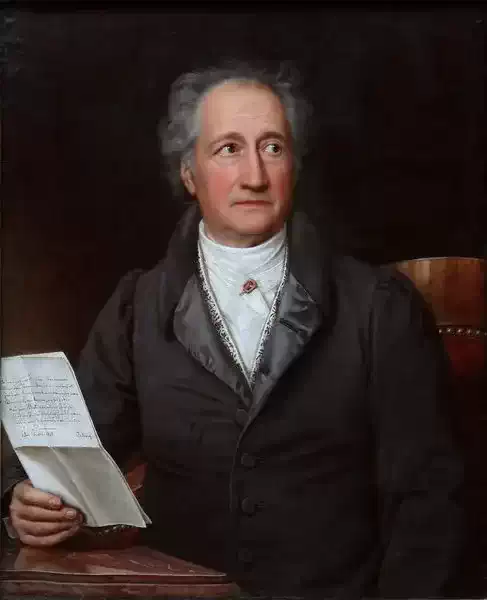
Johann Wolfgang von Goethe
Trilogy Of Passion 03 Atonement
Trilogy Of Passion 03 Atonement
PASSION brings reason--who can pacify
An anguish'd heart whose loss hath been so great?
Where are the hours that fled so swiftly by?
In vain the fairest thou didst gain from fate;
Sad is the soul, confused the enterprise;
The glorious world, how on the sense it dies!
In million tones entwined for evermore,
Music with angel-pinions hovers there,
To pierce man's being to its inmost core,
Eternal beauty has its fruit to bear;
The eye grows moist, in yearnings blest reveres
The godlike worth of music as of tears.
And so the lighten'd heart soon learns to see
That it still lives, and beats, and ought to beat,
Off'ring itself with joy and willingly,
In grateful payment for a gift so sweet.
And then was felt,--oh may it constant prove!--
The twofold bliss of music and of love.
PASSION brings reason--who can pacify
An anguish'd heart whose loss hath been so great?
Where are the hours that fled so swiftly by?
In vain the fairest thou didst gain from fate;
Sad is the soul, confused the enterprise;
The glorious world, how on the sense it dies!
In million tones entwined for evermore,
Music with angel-pinions hovers there,
To pierce man's being to its inmost core,
Eternal beauty has its fruit to bear;
The eye grows moist, in yearnings blest reveres
The godlike worth of music as of tears.
And so the lighten'd heart soon learns to see
That it still lives, and beats, and ought to beat,
Off'ring itself with joy and willingly,
In grateful payment for a gift so sweet.
And then was felt,--oh may it constant prove!--
The twofold bliss of music and of love.
364
Johann Wolfgang von Goethe
The Reckoning
The Reckoning
LEADER.
LET no cares now hover o'er us
Let the wine unsparing run!
Wilt thou swell our merry chorus?
Hast thou all thy duty done?
SOLO.
Two young folks--the thing is curious--
Loved each other; yesterday
Both quite mild, to-day quite furious,
Next day, quite the deuce to pay!
If her neck she there was stooping,
He must here needs pull his hair.
I revived their spirits drooping,
And they're now a happy pair.
CHORUS.
Surely we for wine may languish!
Let the bumper then go round!
For all sighs and groans of anguish
Thou to-day in joy hast drown'd.
SOLO.
Why, young orphan, all this wailing?
"Would to heaven that I were dead!
For my guardian's craft prevailing
Soon will make me beg my bread."
Knowing well the rascal genus,
Into court I dragg'd the knave;
Fair the judges were between us,
And the maiden's wealth did save.
CHORUS.
Surely we for wine may languish!
Let the bumper then go round!
For all sighs and groans of anguish
Thou to-day in joy hast drown'd.
SOLO.
To a little fellow, quiet,
Unpretending and subdued,
Has a big clown, running riot,
Been to-day extremely rude.
I bethought me of my duty,
And my courage swell'd apace,
So I spoil'd the rascal's beauty,
Slashing him across the face.
CHORUS.
Surely we for wine may languish!
Let the bumper then go round!
For all sighs and groans of anguish
Thou to-day in joy hast drown'd.
SOLO.
Brief must be my explanation,
For I really have done nought.
Free from trouble and vexation,
I a landlord's business bought.
There I've done, with all due ardour,
All that duty order'd me;
Each one ask'd me for the larder,
And there was no scarcity.
CHORUS.
Surely we for wine may languish!
Let the bumper then go round!
For all sighs and groans of anguish
Thou to-day in joy hast drown'd.
LEADER.
Each should thus make proclamation
Of what he did well to-day!
That's the match whose conflagration
Should inflame our tuneful lay.
Let it be our precept ever
To admit no waverer here!
For to act the good endeavour,
None but rascals meek appear.
CHORUS.
Surely we for wine may languish!
Let the bumper then go round!
For all sighs and groans of anguish
We have now in rapture drown'd.
TRIO.
Let each merry minstrel enter,
He's right welcome to our hall!
'Tis but with the selfÄtormentor
That we are not liberal;
For we fear that his caprices,
That his eye-brows dark and sad,
That his grief that never ceases
Hide an empty heart, or bad.
CHORUS.
No one now for wine shall languish!
Here no minstrel shall be found,
Who all sighs and groans of anguish,
Has not first in rapture drown'd!
LEADER.
LET no cares now hover o'er us
Let the wine unsparing run!
Wilt thou swell our merry chorus?
Hast thou all thy duty done?
SOLO.
Two young folks--the thing is curious--
Loved each other; yesterday
Both quite mild, to-day quite furious,
Next day, quite the deuce to pay!
If her neck she there was stooping,
He must here needs pull his hair.
I revived their spirits drooping,
And they're now a happy pair.
CHORUS.
Surely we for wine may languish!
Let the bumper then go round!
For all sighs and groans of anguish
Thou to-day in joy hast drown'd.
SOLO.
Why, young orphan, all this wailing?
"Would to heaven that I were dead!
For my guardian's craft prevailing
Soon will make me beg my bread."
Knowing well the rascal genus,
Into court I dragg'd the knave;
Fair the judges were between us,
And the maiden's wealth did save.
CHORUS.
Surely we for wine may languish!
Let the bumper then go round!
For all sighs and groans of anguish
Thou to-day in joy hast drown'd.
SOLO.
To a little fellow, quiet,
Unpretending and subdued,
Has a big clown, running riot,
Been to-day extremely rude.
I bethought me of my duty,
And my courage swell'd apace,
So I spoil'd the rascal's beauty,
Slashing him across the face.
CHORUS.
Surely we for wine may languish!
Let the bumper then go round!
For all sighs and groans of anguish
Thou to-day in joy hast drown'd.
SOLO.
Brief must be my explanation,
For I really have done nought.
Free from trouble and vexation,
I a landlord's business bought.
There I've done, with all due ardour,
All that duty order'd me;
Each one ask'd me for the larder,
And there was no scarcity.
CHORUS.
Surely we for wine may languish!
Let the bumper then go round!
For all sighs and groans of anguish
Thou to-day in joy hast drown'd.
LEADER.
Each should thus make proclamation
Of what he did well to-day!
That's the match whose conflagration
Should inflame our tuneful lay.
Let it be our precept ever
To admit no waverer here!
For to act the good endeavour,
None but rascals meek appear.
CHORUS.
Surely we for wine may languish!
Let the bumper then go round!
For all sighs and groans of anguish
We have now in rapture drown'd.
TRIO.
Let each merry minstrel enter,
He's right welcome to our hall!
'Tis but with the selfÄtormentor
That we are not liberal;
For we fear that his caprices,
That his eye-brows dark and sad,
That his grief that never ceases
Hide an empty heart, or bad.
CHORUS.
No one now for wine shall languish!
Here no minstrel shall be found,
Who all sighs and groans of anguish,
Has not first in rapture drown'd!
360
Johann Wolfgang von Goethe
The Pariah - The Pariah's Thanks
The Pariah - The Pariah's Thanks
MIGHTY Brama, now I'll bless thee!
'Tis from thee that worlds proceed!
As my ruler I confess thee,
For of all thou takest heed.
All thy thousand ears thou keepest
Open to each child of earth;
We, 'mongst mortals sunk the deepest,
Have from thee received new birth.
Bear in mind the woman's story,
Who, through grief, divine became;
Now I'll wait to view His glory,
Who omnipotence can claim.
MIGHTY Brama, now I'll bless thee!
'Tis from thee that worlds proceed!
As my ruler I confess thee,
For of all thou takest heed.
All thy thousand ears thou keepest
Open to each child of earth;
We, 'mongst mortals sunk the deepest,
Have from thee received new birth.
Bear in mind the woman's story,
Who, through grief, divine became;
Now I'll wait to view His glory,
Who omnipotence can claim.
349
Johann Wolfgang von Goethe
The Mountain Village
The Mountain Village
"THE mountain village was destroy'd;
But see how soon is fill'd the void!
Shingles and boards, as by magic arise,
The babe in his cradle and swaddling-clothes lies;
How blest to trust to God's protection!"
Behold a wooden new erection,
So that, if sparks and wind but choose,
God's self at such a game must lose!
"THE mountain village was destroy'd;
But see how soon is fill'd the void!
Shingles and boards, as by magic arise,
The babe in his cradle and swaddling-clothes lies;
How blest to trust to God's protection!"
Behold a wooden new erection,
So that, if sparks and wind but choose,
God's self at such a game must lose!
446