

Poems in this theme
Gratitude
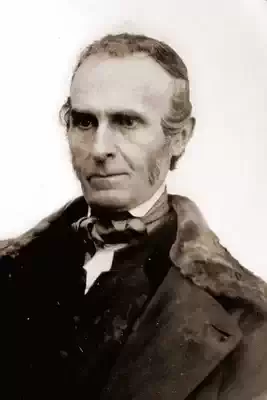
John Greenleaf Whittier
The Birthday Wreath
The Birthday Wreath
Blossom and greenness, making all
The winter birthday tropical,
And the plain Quaker parlors gay,
Have gone from bracket, stand, and wall;
We saw them fade, and droop, and fall,
And laid them tenderly away.
White virgin lilies, mignonette,
Blown rose, and pink, and violet,
A breath of fragrance passing by;
Visions of beauty and decay,
Colors and shapes that could not stay,
The fairest, sweetest, first to die.
But still this rustic wreath of mine,
Of acorned oak and needled pine,
And lighter growths of forest lands,
Woven and wound with careful pains,
And tender thoughts, and prayers, remains,
As when it dropped from love's dear hands.
And not unfitly garlanded,
Is he, who, country-born and bred,
Welcomes the sylvan ring which gives
A feeling of old summer days,
The wild delight of woodland ways,
The glory of the autumn leaves.
And, if the flowery meed of song
To other bards may well belong,
Be his, who from the farm-field spoke
A word for Freedom when her need
Was not of dulcimer and reed.
This Isthmian wreath of pine and oak.
Blossom and greenness, making all
The winter birthday tropical,
And the plain Quaker parlors gay,
Have gone from bracket, stand, and wall;
We saw them fade, and droop, and fall,
And laid them tenderly away.
White virgin lilies, mignonette,
Blown rose, and pink, and violet,
A breath of fragrance passing by;
Visions of beauty and decay,
Colors and shapes that could not stay,
The fairest, sweetest, first to die.
But still this rustic wreath of mine,
Of acorned oak and needled pine,
And lighter growths of forest lands,
Woven and wound with careful pains,
And tender thoughts, and prayers, remains,
As when it dropped from love's dear hands.
And not unfitly garlanded,
Is he, who, country-born and bred,
Welcomes the sylvan ring which gives
A feeling of old summer days,
The wild delight of woodland ways,
The glory of the autumn leaves.
And, if the flowery meed of song
To other bards may well belong,
Be his, who from the farm-field spoke
A word for Freedom when her need
Was not of dulcimer and reed.
This Isthmian wreath of pine and oak.
266
John Greenleaf Whittier
Revelation
Revelation
Still, as of old, in Beavor's Vale,
O man of God! our hope and faith
The Elements and Stars assail,
And the awed spirit holds its breath,
Blown over by a wind of death.
Takes Nature thought for such as we,
What place her human atom fills,
The weed-drift of her careless sea,
The mist on her unheeding hills?
What reeks she of our helpless wills?
Strange god of Force, with fear, not love,
Its trembling worshipper! Can prayer
Reach the shut ear of Fate, or move
Unpitying Energy to spare?
What doth the cosmic Vastness care?
In vain to this dread Unconcern
For the All-Father's love we look;
In vain, in quest of it, we turn
The storied leaves of Nature's book,
The prints her rocky tablets took.
I pray for faith, I long to trust;
I listen with my heart, and hear
A Voice without a sound: 'Be just,
Be true, be merciful, revere
The Word within thee: God is near!
'A light to sky and earth unknown
Pales all their lights: a mightier force
Than theirs the powers of Nature own,
And, to its goal as at its source,
His Spirit moves the Universe.
'Believe and trust. Through stars and suns,
Through life and death, through soul and sense,
His wise, paternal purpose runs;
The darkness of His providence
Is star-lit with benign intents.'
O joy supreme! I know the Voice,
Like none beside on earth or sea;
Yea, more, O soul of mine, rejoice,
By all that He requires of me,
I know what God himself must be.
No picture to my aid I call,
I shape no image in my prayer;
I only know in Him is all
Of life, light, beauty, everywhere,
Eternal Goodness here and there!
I know He is, and what He is,
Whose one great purpose is the good
Of all. I rest my soul on His
Immortal Love and Fatherhood;
And trust Him, as His children should.
I fear no more. The clouded face
Of Nature smiles; through all her things
Of time and space and sense I trace
The moving of the Spirit's wings,
And hear the song of hope she sings.
Still, as of old, in Beavor's Vale,
O man of God! our hope and faith
The Elements and Stars assail,
And the awed spirit holds its breath,
Blown over by a wind of death.
Takes Nature thought for such as we,
What place her human atom fills,
The weed-drift of her careless sea,
The mist on her unheeding hills?
What reeks she of our helpless wills?
Strange god of Force, with fear, not love,
Its trembling worshipper! Can prayer
Reach the shut ear of Fate, or move
Unpitying Energy to spare?
What doth the cosmic Vastness care?
In vain to this dread Unconcern
For the All-Father's love we look;
In vain, in quest of it, we turn
The storied leaves of Nature's book,
The prints her rocky tablets took.
I pray for faith, I long to trust;
I listen with my heart, and hear
A Voice without a sound: 'Be just,
Be true, be merciful, revere
The Word within thee: God is near!
'A light to sky and earth unknown
Pales all their lights: a mightier force
Than theirs the powers of Nature own,
And, to its goal as at its source,
His Spirit moves the Universe.
'Believe and trust. Through stars and suns,
Through life and death, through soul and sense,
His wise, paternal purpose runs;
The darkness of His providence
Is star-lit with benign intents.'
O joy supreme! I know the Voice,
Like none beside on earth or sea;
Yea, more, O soul of mine, rejoice,
By all that He requires of me,
I know what God himself must be.
No picture to my aid I call,
I shape no image in my prayer;
I only know in Him is all
Of life, light, beauty, everywhere,
Eternal Goodness here and there!
I know He is, and what He is,
Whose one great purpose is the good
Of all. I rest my soul on His
Immortal Love and Fatherhood;
And trust Him, as His children should.
I fear no more. The clouded face
Of Nature smiles; through all her things
Of time and space and sense I trace
The moving of the Spirit's wings,
And hear the song of hope she sings.
215
John Greenleaf Whittier
Remembrance
Remembrance
WITH COPIES OF THE AUTHOR'S WRITINGS.
Friend of mine! whose lot was cast
With me in the distant past;
Where, like shadows flitting fast,
Fact and fancy, thought and theme,
Word and work, begin to seem
Like a half-remembered dream!
Touched by change have all things been,
Yet I think of thee as when
We had speech of lip and pen.
For the calm thy kindness lent
To a path of discontent,
Rough with trial and dissent;
Gentle words where such were few,
Softening blame where blame was true,
Praising where small praise was due;
For a waking dream made good,
For an ideal understood,
For thy Christian womanhood;
For thy marvellous gift to cull
From our common life and dull
Whatsoe'er is beautiful;
Thoughts and fancies, Hybla's bees
Dropping sweetness; true heart's-ease
Of congenial sympathies;-
Still for these I own my debt;
Memory, with her eyelids wet,
Fain would thank thee even yet!
And as one who scatters flowers
Where the Queen of May's sweet hours
Sits, o'ertwined with blossomed bowers,
In superfluous zeal bestowing
Gifts where gifts are overflowing,
So I pay the debt I'm owing.
To thy full thoughts, gay or sad,
Sunny-hued or sober clad,
Something of my own I add;
Well assured that thou wilt take
Even the offering which I make
Kindly for the giver's sake.
WITH COPIES OF THE AUTHOR'S WRITINGS.
Friend of mine! whose lot was cast
With me in the distant past;
Where, like shadows flitting fast,
Fact and fancy, thought and theme,
Word and work, begin to seem
Like a half-remembered dream!
Touched by change have all things been,
Yet I think of thee as when
We had speech of lip and pen.
For the calm thy kindness lent
To a path of discontent,
Rough with trial and dissent;
Gentle words where such were few,
Softening blame where blame was true,
Praising where small praise was due;
For a waking dream made good,
For an ideal understood,
For thy Christian womanhood;
For thy marvellous gift to cull
From our common life and dull
Whatsoe'er is beautiful;
Thoughts and fancies, Hybla's bees
Dropping sweetness; true heart's-ease
Of congenial sympathies;-
Still for these I own my debt;
Memory, with her eyelids wet,
Fain would thank thee even yet!
And as one who scatters flowers
Where the Queen of May's sweet hours
Sits, o'ertwined with blossomed bowers,
In superfluous zeal bestowing
Gifts where gifts are overflowing,
So I pay the debt I'm owing.
To thy full thoughts, gay or sad,
Sunny-hued or sober clad,
Something of my own I add;
Well assured that thou wilt take
Even the offering which I make
Kindly for the giver's sake.
271
John Greenleaf Whittier
Our River
Our River
FOR A SUMMER FESTIVAL AT 'THE LAURELS' ON THE MERRIMAC.
Once more on yonder laurelled height
The summer flowers have budded;
Once more with summer's golden light
The vales of home are flooded;
And once more, by the grace of Him
Of every good the Giver,
We sing upon its wooded rim
The praises of our river,
Its pines above, its waves below,
The west-wind down it blowing,
As fair as when the young Brissot
Beheld it seaward flowing,-And
bore its memory o'er the deep,
To soothe a martyr's sadness,
And fresco, hi his troubled sleep,
His prison-walls with gladness.
We know the world is rich with streams
Renowned in song and story,
Whose music murmurs through our dreams
Of human love and glory
We know that Arno's banks are fair,
And Rhine has castled shadows,
And, poet-tuned, the Doon and Ayr
Go singing down their meadows.
But while, unpictured and unsung
By painter or by poet,
Our river waits the tuneful tongue
And cunning hand to show it,-We
only know the fond skies lean
Above it, warm with blessing,
And the sweet soul of our Undine
Awakes to our caressing.
No fickle sun-god holds the flocks
That graze its shores in keeping;
No icy kiss of Dian mocks
The youth beside it sleeping
Our Christian river loveth most
The beautiful and human;
The heathen streams of Naiads boast,
But ours of man and woman.
The miner in his cabin hears
The ripple we are hearing;
It whispers soft to homesick ears
Around the settler's clearing
In Sacramento's vales of corn,
Or Santee's bloom of cotton,
Our river by its valley-born
Was never yet forgotten.
The drum rolls loud, the bugle fills
The summer air with clangor;
The war-storm shakes the solid hills
Beneath its tread of anger;
Young eyes that last year smiled in ours
Now point the rifle's barrel,
And hands then stained with fruits and flowers
Bear redder stains of quarrel.
But blue skies smile, and flowers bloom on,
And rivers still keep flowing,
The dear God still his rain and sun
On good and ill bestowing.
His pine-trees whisper, 'Trust and wait!'
His flowers are prophesying
That all we dread of change or fate
His live is underlying.
And thou, O Mountain-born!--no more
We ask the wise Allotter
Than for the firmness of thy shore,
The calmness of thy water,
The cheerful lights that overlay,
Thy rugged slopes with beauty,
To match our spirits to our day
And make a joy of duty.
FOR A SUMMER FESTIVAL AT 'THE LAURELS' ON THE MERRIMAC.
Once more on yonder laurelled height
The summer flowers have budded;
Once more with summer's golden light
The vales of home are flooded;
And once more, by the grace of Him
Of every good the Giver,
We sing upon its wooded rim
The praises of our river,
Its pines above, its waves below,
The west-wind down it blowing,
As fair as when the young Brissot
Beheld it seaward flowing,-And
bore its memory o'er the deep,
To soothe a martyr's sadness,
And fresco, hi his troubled sleep,
His prison-walls with gladness.
We know the world is rich with streams
Renowned in song and story,
Whose music murmurs through our dreams
Of human love and glory
We know that Arno's banks are fair,
And Rhine has castled shadows,
And, poet-tuned, the Doon and Ayr
Go singing down their meadows.
But while, unpictured and unsung
By painter or by poet,
Our river waits the tuneful tongue
And cunning hand to show it,-We
only know the fond skies lean
Above it, warm with blessing,
And the sweet soul of our Undine
Awakes to our caressing.
No fickle sun-god holds the flocks
That graze its shores in keeping;
No icy kiss of Dian mocks
The youth beside it sleeping
Our Christian river loveth most
The beautiful and human;
The heathen streams of Naiads boast,
But ours of man and woman.
The miner in his cabin hears
The ripple we are hearing;
It whispers soft to homesick ears
Around the settler's clearing
In Sacramento's vales of corn,
Or Santee's bloom of cotton,
Our river by its valley-born
Was never yet forgotten.
The drum rolls loud, the bugle fills
The summer air with clangor;
The war-storm shakes the solid hills
Beneath its tread of anger;
Young eyes that last year smiled in ours
Now point the rifle's barrel,
And hands then stained with fruits and flowers
Bear redder stains of quarrel.
But blue skies smile, and flowers bloom on,
And rivers still keep flowing,
The dear God still his rain and sun
On good and ill bestowing.
His pine-trees whisper, 'Trust and wait!'
His flowers are prophesying
That all we dread of change or fate
His live is underlying.
And thou, O Mountain-born!--no more
We ask the wise Allotter
Than for the firmness of thy shore,
The calmness of thy water,
The cheerful lights that overlay,
Thy rugged slopes with beauty,
To match our spirits to our day
And make a joy of duty.
271
John Greenleaf Whittier
One Of The Signers
One Of The Signers
O storied vale of Merrimac
Rejoice through all thy shade and shine,
And from his century's sleep call back
A brave and honored son of thine.
Unveil his effigy between
The living and the dead to-day;
The fathers of the Old Thirteen
Shall witness bear as spirits may.
Unseen, unheard, his gray compeers
The shades of Lee and Jefferson,
Wise Franklin reverend with his years
And Carroll, lord of Carrollton!
Be thine henceforth a pride of place
Beyond thy namesake's over-sea,
Where scarce a stone is left to trace
The Holy House of Amesbury.
A prouder memory lingers round
The birthplace of thy true man here
Than that which haunts the refuge found
By Arthur's mythic Guinevere.
The plain deal table where he sat
And signed a nation's title-deed
Is dearer now to fame than that
Which bore the scroll of Runnymede.
Long as, on Freedom's natal morn,
Shall ring the Independence bells,
Give to thy dwellers yet unborn
The lesson which his image tells.
For in that hour of Destiny,
Which tried the men of bravest stock,
He knew the end alone must be
A free land or a traitor's block.
Among those picked and chosen men
Than his, who here first drew his breath,
No firmer fingers held the pen
Which wrote for liberty or death.
Not for their hearths and homes alone,
But for the world their work was done;
On all the winds their thought has flown
Through all the circuit of the sun.
We trace its flight by broken chains,
By songs of grateful Labor still;
To-day, in all her holy fanes,
It rings the bells of freed Brazil.
O hills that watched his boyhood's home,
O earth and air that nursed him, give,
In this memorial semblance, room
To him who shall its bronze outlive!
And thou, O Land he loved, rejoice
That in the countless years to come,
Whenever Freedom needs a voice,
These sculptured lips shall not be dumb!
O storied vale of Merrimac
Rejoice through all thy shade and shine,
And from his century's sleep call back
A brave and honored son of thine.
Unveil his effigy between
The living and the dead to-day;
The fathers of the Old Thirteen
Shall witness bear as spirits may.
Unseen, unheard, his gray compeers
The shades of Lee and Jefferson,
Wise Franklin reverend with his years
And Carroll, lord of Carrollton!
Be thine henceforth a pride of place
Beyond thy namesake's over-sea,
Where scarce a stone is left to trace
The Holy House of Amesbury.
A prouder memory lingers round
The birthplace of thy true man here
Than that which haunts the refuge found
By Arthur's mythic Guinevere.
The plain deal table where he sat
And signed a nation's title-deed
Is dearer now to fame than that
Which bore the scroll of Runnymede.
Long as, on Freedom's natal morn,
Shall ring the Independence bells,
Give to thy dwellers yet unborn
The lesson which his image tells.
For in that hour of Destiny,
Which tried the men of bravest stock,
He knew the end alone must be
A free land or a traitor's block.
Among those picked and chosen men
Than his, who here first drew his breath,
No firmer fingers held the pen
Which wrote for liberty or death.
Not for their hearths and homes alone,
But for the world their work was done;
On all the winds their thought has flown
Through all the circuit of the sun.
We trace its flight by broken chains,
By songs of grateful Labor still;
To-day, in all her holy fanes,
It rings the bells of freed Brazil.
O hills that watched his boyhood's home,
O earth and air that nursed him, give,
In this memorial semblance, room
To him who shall its bronze outlive!
And thou, O Land he loved, rejoice
That in the countless years to come,
Whenever Freedom needs a voice,
These sculptured lips shall not be dumb!
318
John Greenleaf Whittier
My Trust
My Trust
A picture memory brings to me
I look across the years and see
Myself beside my mother's knee.
I feel her gentle hand restrain
My selfish moods, and know again
A child's blind sense of wrong and pain.
But wiser now, a man gray grown,
My childhood's needs are better known,
My mother's chastening love I own.
Gray grown, but in our Father's sight
A child still groping for the light
To read His works and ways aright.
I wait, in His good time to see
That as my mother dealt with me
So with His children dealeth He.
I bow myself beneath His hand
That pain itself was wisely planned
I feel, and partly understand.
The joy that comes in sorrow's guise,
The sweet pains of self-sacrifice,
I would not have them otherwise.
And what were life and death if sin
Knew not the dread rebuke within,
The pang of merciful discipline?
Not with thy proud despair of old,
Crowned stoic of Rome's noblest mould!
Pleasure and pain alike I hold.
I suffer with no vain pretence
Of triumph over flesh and sense,
Yet trust the grievous providence,
How dark soe'er it seems, may tend,
By ways I cannot comprehend,
To some unguessed benignant end;
That every loss and lapse may gain
The clear-aired heights by steps of pain,
And never cross is borne in vain.
A picture memory brings to me
I look across the years and see
Myself beside my mother's knee.
I feel her gentle hand restrain
My selfish moods, and know again
A child's blind sense of wrong and pain.
But wiser now, a man gray grown,
My childhood's needs are better known,
My mother's chastening love I own.
Gray grown, but in our Father's sight
A child still groping for the light
To read His works and ways aright.
I wait, in His good time to see
That as my mother dealt with me
So with His children dealeth He.
I bow myself beneath His hand
That pain itself was wisely planned
I feel, and partly understand.
The joy that comes in sorrow's guise,
The sweet pains of self-sacrifice,
I would not have them otherwise.
And what were life and death if sin
Knew not the dread rebuke within,
The pang of merciful discipline?
Not with thy proud despair of old,
Crowned stoic of Rome's noblest mould!
Pleasure and pain alike I hold.
I suffer with no vain pretence
Of triumph over flesh and sense,
Yet trust the grievous providence,
How dark soe'er it seems, may tend,
By ways I cannot comprehend,
To some unguessed benignant end;
That every loss and lapse may gain
The clear-aired heights by steps of pain,
And never cross is borne in vain.
338
John Greenleaf Whittier
Naples – 1860
Naples – 1860
I GIVE thee joy!—I know to thee
The dearest spot on earth must be
Where sleeps thy loved one by the summer sea;
Where, near her sweetest poet’s tomb,
The land of Virgil gave thee room
To lay thy flower with her perpetual bloom.
I know that when the sky shut down
Behind thee on the gleaming town,
On Baiae’s baths and Posilippo’s crown;
And, through thy tears, the mocking day
Burned Ischia’s mountain lines away,
And Capri melted in its sunny bay;
Through thy great farewell sorrow shot
The sharp pang of a bitter thought
That slaves must tread around that holy spot.
Thou knewest not the land was blest
In giving thy beloved rest,
Holding the fond hope closer to her breast,
That every sweet and saintly grave
Was freedom’s prophecy, and gave
The pledge of Heaven to sanctify and save.
That pledge is answered. To thy ear
The unchained city sends its cheer,
And, tuned to joy, the muffled bells of fear
Ring Victor in. The land sits free
And happy by the summer sea,
And Bourbon Naples now is Italy!
She smiles above her broken chain
The languid smile that follows pain,
Stretching her cramped limbs to the sun again.
Oh, joy for all, who hear her call
From gray Camaldoli’s convent wall
And Elmo’s towers to freedom’s carnival!
A new life breathes among her vines
And olives, like the breath of pines
Blown downward from the breezy Apennines.
Lean, O my friend, to meet that breath,
Rejoice as one who witnesseth
Beauty from ashes rise, and life from death!
Thy sorrow shall no more be pain,
Its tears shall fall in sunlit rain,
Writing the grave with flowers: “Arisen again!”
I GIVE thee joy!—I know to thee
The dearest spot on earth must be
Where sleeps thy loved one by the summer sea;
Where, near her sweetest poet’s tomb,
The land of Virgil gave thee room
To lay thy flower with her perpetual bloom.
I know that when the sky shut down
Behind thee on the gleaming town,
On Baiae’s baths and Posilippo’s crown;
And, through thy tears, the mocking day
Burned Ischia’s mountain lines away,
And Capri melted in its sunny bay;
Through thy great farewell sorrow shot
The sharp pang of a bitter thought
That slaves must tread around that holy spot.
Thou knewest not the land was blest
In giving thy beloved rest,
Holding the fond hope closer to her breast,
That every sweet and saintly grave
Was freedom’s prophecy, and gave
The pledge of Heaven to sanctify and save.
That pledge is answered. To thy ear
The unchained city sends its cheer,
And, tuned to joy, the muffled bells of fear
Ring Victor in. The land sits free
And happy by the summer sea,
And Bourbon Naples now is Italy!
She smiles above her broken chain
The languid smile that follows pain,
Stretching her cramped limbs to the sun again.
Oh, joy for all, who hear her call
From gray Camaldoli’s convent wall
And Elmo’s towers to freedom’s carnival!
A new life breathes among her vines
And olives, like the breath of pines
Blown downward from the breezy Apennines.
Lean, O my friend, to meet that breath,
Rejoice as one who witnesseth
Beauty from ashes rise, and life from death!
Thy sorrow shall no more be pain,
Its tears shall fall in sunlit rain,
Writing the grave with flowers: “Arisen again!”
264
John Greenleaf Whittier
My Triumph
My Triumph
The autumn-time has come;
On woods that dream of bloom,
And over purpling vines,
The low sun fainter shines.
The aster-flower is failing,
The hazel's gold is paling;
Yet overhead more near
The eternal stars appear!
And present gratitude
Insures the future's good,
And for the things I see
I trust the things to be;
That in the paths untrod,
And the long days of God,
My feet shall still be led,
My heart be comforted.
O living friends who love me!
O dear ones gone above me!
Careless of other fame,
I leave to you my name.
Hide it from idle praises,
Save it from evil phrases:
Why, when dear lips that spake it
Are dumb, should strangers wake it?
Let the thick curtain fall;
I better know than all
How little I have gained,
How vast the unattained.
Not by the page word-painted
Let life be banned or sainted:
Deeper than written scroll
The colors of the soul.
Sweeter than any sung
My songs that found no tongue;
Nobler than any fact
My wish that failed of act.
Others shall sing the song,
Others shall right the wrong, -Finish
what I begin,
And all I fail of win.
What matter, I or they?
Mine or another's day,
So the right word be said
And life the sweeter made?
Hail to the coming singers!
Hail to the brave light-bringers!
Forward I reach and share
All that they sing and dare.
The airs of heaven blow o'er me;
A glory shines before me
Of what mankind shall be, -Pure,
generous, brave, and free.
A dream of man and woman
Diviner but still human,
Solving the riddle old,
Shaping the Age of Gold!
The love of God and neighbor;
An equal-handed labor;
The richer life, where beauty
Walks hand in hand with duty.
Ring, bells in unreared steeples,
The joy of unborn peoples!
Sound, trumpets far off blown,
Your triumph is my own!
Parcel and part of all,
I keep the festival,
Fore-reach the good to be,
And share the victory.
I feel the earth move sunward,
I join the great march onward,
And take, by faith, while living,
My freehold of thanksgiving.
The autumn-time has come;
On woods that dream of bloom,
And over purpling vines,
The low sun fainter shines.
The aster-flower is failing,
The hazel's gold is paling;
Yet overhead more near
The eternal stars appear!
And present gratitude
Insures the future's good,
And for the things I see
I trust the things to be;
That in the paths untrod,
And the long days of God,
My feet shall still be led,
My heart be comforted.
O living friends who love me!
O dear ones gone above me!
Careless of other fame,
I leave to you my name.
Hide it from idle praises,
Save it from evil phrases:
Why, when dear lips that spake it
Are dumb, should strangers wake it?
Let the thick curtain fall;
I better know than all
How little I have gained,
How vast the unattained.
Not by the page word-painted
Let life be banned or sainted:
Deeper than written scroll
The colors of the soul.
Sweeter than any sung
My songs that found no tongue;
Nobler than any fact
My wish that failed of act.
Others shall sing the song,
Others shall right the wrong, -Finish
what I begin,
And all I fail of win.
What matter, I or they?
Mine or another's day,
So the right word be said
And life the sweeter made?
Hail to the coming singers!
Hail to the brave light-bringers!
Forward I reach and share
All that they sing and dare.
The airs of heaven blow o'er me;
A glory shines before me
Of what mankind shall be, -Pure,
generous, brave, and free.
A dream of man and woman
Diviner but still human,
Solving the riddle old,
Shaping the Age of Gold!
The love of God and neighbor;
An equal-handed labor;
The richer life, where beauty
Walks hand in hand with duty.
Ring, bells in unreared steeples,
The joy of unborn peoples!
Sound, trumpets far off blown,
Your triumph is my own!
Parcel and part of all,
I keep the festival,
Fore-reach the good to be,
And share the victory.
I feel the earth move sunward,
I join the great march onward,
And take, by faith, while living,
My freehold of thanksgiving.
332
John Greenleaf Whittier
Inscription On A Fountain
Inscription On A Fountain
FOR DOROTHEA L. DIX.
Stranger and traveller,
Drink freely and bestow
A kindly thought on her
Who bade this fountain flow,
Yet hath no other claim
Than as the minister
Of blessing in God's name.
Drink, and in His peace go
FOR DOROTHEA L. DIX.
Stranger and traveller,
Drink freely and bestow
A kindly thought on her
Who bade this fountain flow,
Yet hath no other claim
Than as the minister
Of blessing in God's name.
Drink, and in His peace go
310
John Greenleaf Whittier
In Peace
In Peace
A track of moonlight on a quiet lake,
Whose small waves on a silver-sanded shore
Whisper of peace, and with the low winds make
Such harmonies as keep the woods awake,
And listening all night long for their sweet sake
A green-waved slope of meadow, hovered o'er
By angel-troops of lilies, swaying light
On viewless stems, with folded wings of white;
A slumberous stretch of mountain-land, far seen
Where the low westering day, with gold and green,
Purple and amber, softly blended, fills
The wooded vales, and melts among the hills;
A vine-fringed river, winding to its rest
On the calm bosom of a stormless sea,
Bearing alike upon its placid breast,
With earthly flowers and heavenly' stars impressed,
The hues of time and of eternity
Such are the pictures which the thought of thee,
O friend, awakeneth,--charming the keen pain
Of thy departure, and our sense of loss
Requiting with the fullness of thy gain.
Lo! on the quiet grave thy life-borne cross,
Dropped only at its side, methinks doth shine,
Of thy beatitude the radiant sign!
No sob of grief, no wild lament be there,
To break the Sabbath of the holy air;
But, in their stead, the silent-breathing prayer
Of hearts still waiting for a rest like thine.
O spirit redeemed! Forgive us, if henceforth,
With sweet and pure similitudes of earth,
We keep thy pleasant memory freshly green,
Of love's inheritance a priceless part,
Which Fancy's self, in reverent awe, is seen
To paint, forgetful of the tricks of art,
With pencil dipped alone in colors of the heart.
A track of moonlight on a quiet lake,
Whose small waves on a silver-sanded shore
Whisper of peace, and with the low winds make
Such harmonies as keep the woods awake,
And listening all night long for their sweet sake
A green-waved slope of meadow, hovered o'er
By angel-troops of lilies, swaying light
On viewless stems, with folded wings of white;
A slumberous stretch of mountain-land, far seen
Where the low westering day, with gold and green,
Purple and amber, softly blended, fills
The wooded vales, and melts among the hills;
A vine-fringed river, winding to its rest
On the calm bosom of a stormless sea,
Bearing alike upon its placid breast,
With earthly flowers and heavenly' stars impressed,
The hues of time and of eternity
Such are the pictures which the thought of thee,
O friend, awakeneth,--charming the keen pain
Of thy departure, and our sense of loss
Requiting with the fullness of thy gain.
Lo! on the quiet grave thy life-borne cross,
Dropped only at its side, methinks doth shine,
Of thy beatitude the radiant sign!
No sob of grief, no wild lament be there,
To break the Sabbath of the holy air;
But, in their stead, the silent-breathing prayer
Of hearts still waiting for a rest like thine.
O spirit redeemed! Forgive us, if henceforth,
With sweet and pure similitudes of earth,
We keep thy pleasant memory freshly green,
Of love's inheritance a priceless part,
Which Fancy's self, in reverent awe, is seen
To paint, forgetful of the tricks of art,
With pencil dipped alone in colors of the heart.
306
John Greenleaf Whittier
In Remembrance Of Joseph Sturge
In Remembrance Of Joseph Sturge
In the fair land o'erwatched by Ischia's mountains,
Across the charmed bay
Whose blue waves keep with Capri's silver fountains
Perpetual holiday,
A king lies dead, his wafer duly eaten,
His gold-bought masses given;
And Rome's great altar smokes with gums to sweeten
Her foulest gift to Heaven.
And while all Naples thrills with mute thanksgiving,
The court of England's queen
For the dead monster so abhorred while living
In mourning garb is seen.
With a true sorrow God rebukes that feigning;
By lone Edgbaston's side
Stands a great city in the sky's sad raining,
Bareheaded and wet-eyed!
Silent for once the restless hive of labor,
Save the low funeral tread,
Or voice of craftsman whispering to his neighbor
The good deeds of the dead.
For him no minster's chant of the immortals
Rose from the lips of sin;
No mitred priest swung back the heavenly portals
To let the white soul in.
But Age and Sickness framed their tearful faces
In the low hovel's door,
And prayers went up from all the dark by-places
And Ghettos of the poor.
The pallid toiler and the negro chattel,
The vagrant of the street,
The human dice wherewith in games of battle
The lords of earth compete,
Touched with a grief that needs no outward draping,
All swelled the long lament,
Of grateful hearts, instead of marble, shaping
His viewless monument!
For never yet, with ritual pomp and splendor,
In the long heretofore,
A heart more loyal, warm, and true, and tender,
Has England's turf closed o'er.
And if there fell from out her grand old steeples
No crash of brazen wail,
The murmurous woe of kindreds, tongues, and peoples
Swept in on every gale.
It came from Holstein's birchen-belted meadows,
And from the tropic calms
Of Indian islands in the sunlit shadows
Of Occidental palms;
From the locked roadsteads of the Bothniaii peasants,
And harbors of the Finn,
Where war's worn victims saw his gentle presence
Come sailing, Christ-like, in,
To seek the lost, to build the old waste places,
To link the hostile shores
Of severing seas, and sow with England's daisies
The moss of Finland's moors.
Thanks for the good man's beautiful example,
Who in the vilest saw
Some sacred crypt or altar of a temple
Still vocal with God's law;
And heard with tender ear the spirit sighing
As from its prison cell,
Praying for pity, like the mournful crying
Of Jonah out of hell.
Not his the golden pen's or lip's persuasion,
But a fine sense of right,
And Truth's directness, meeting each occasion
Straight as a line of light.
His faith and works, like streams that intermingle,
In the same channel ran
The crystal clearness of an eye kept single
Shamed all the frauds of man.
The very gentlest of all human natures
He joined to courage strong,
And love outreaching unto all God's creatures
With sturdy hate of wrong.
Tender as woman, manliness and meekness
In him were so allied
That they who judged him by his strength or weakness
Saw but a single side.
Men failed, betrayed him, but his zeal seemed nourished
By failure and by fall;
Still a large faith in human-kind he cherished,
And in God's love for all.
And now he rests: his greatness and his sweetness
No more shall seem at strife,
And death has moulded into calm completeness
The statue of his life.
Where the dews glisten and the songbirds warble,
His dust to dust is laid,
In Nature's keeping, with no pomp of marble
To shame his modest shade.
The forges glow, the hammers all are ringing;
Beneath its smoky vale,
Hard by, the city of his love is swinging
Its clamorous iron flail.
But round his grave are quietude and beauty,
And the sweet heaven above,-The
fitting symbols of a life of duty
Transfigured into love!
In the fair land o'erwatched by Ischia's mountains,
Across the charmed bay
Whose blue waves keep with Capri's silver fountains
Perpetual holiday,
A king lies dead, his wafer duly eaten,
His gold-bought masses given;
And Rome's great altar smokes with gums to sweeten
Her foulest gift to Heaven.
And while all Naples thrills with mute thanksgiving,
The court of England's queen
For the dead monster so abhorred while living
In mourning garb is seen.
With a true sorrow God rebukes that feigning;
By lone Edgbaston's side
Stands a great city in the sky's sad raining,
Bareheaded and wet-eyed!
Silent for once the restless hive of labor,
Save the low funeral tread,
Or voice of craftsman whispering to his neighbor
The good deeds of the dead.
For him no minster's chant of the immortals
Rose from the lips of sin;
No mitred priest swung back the heavenly portals
To let the white soul in.
But Age and Sickness framed their tearful faces
In the low hovel's door,
And prayers went up from all the dark by-places
And Ghettos of the poor.
The pallid toiler and the negro chattel,
The vagrant of the street,
The human dice wherewith in games of battle
The lords of earth compete,
Touched with a grief that needs no outward draping,
All swelled the long lament,
Of grateful hearts, instead of marble, shaping
His viewless monument!
For never yet, with ritual pomp and splendor,
In the long heretofore,
A heart more loyal, warm, and true, and tender,
Has England's turf closed o'er.
And if there fell from out her grand old steeples
No crash of brazen wail,
The murmurous woe of kindreds, tongues, and peoples
Swept in on every gale.
It came from Holstein's birchen-belted meadows,
And from the tropic calms
Of Indian islands in the sunlit shadows
Of Occidental palms;
From the locked roadsteads of the Bothniaii peasants,
And harbors of the Finn,
Where war's worn victims saw his gentle presence
Come sailing, Christ-like, in,
To seek the lost, to build the old waste places,
To link the hostile shores
Of severing seas, and sow with England's daisies
The moss of Finland's moors.
Thanks for the good man's beautiful example,
Who in the vilest saw
Some sacred crypt or altar of a temple
Still vocal with God's law;
And heard with tender ear the spirit sighing
As from its prison cell,
Praying for pity, like the mournful crying
Of Jonah out of hell.
Not his the golden pen's or lip's persuasion,
But a fine sense of right,
And Truth's directness, meeting each occasion
Straight as a line of light.
His faith and works, like streams that intermingle,
In the same channel ran
The crystal clearness of an eye kept single
Shamed all the frauds of man.
The very gentlest of all human natures
He joined to courage strong,
And love outreaching unto all God's creatures
With sturdy hate of wrong.
Tender as woman, manliness and meekness
In him were so allied
That they who judged him by his strength or weakness
Saw but a single side.
Men failed, betrayed him, but his zeal seemed nourished
By failure and by fall;
Still a large faith in human-kind he cherished,
And in God's love for all.
And now he rests: his greatness and his sweetness
No more shall seem at strife,
And death has moulded into calm completeness
The statue of his life.
Where the dews glisten and the songbirds warble,
His dust to dust is laid,
In Nature's keeping, with no pomp of marble
To shame his modest shade.
The forges glow, the hammers all are ringing;
Beneath its smoky vale,
Hard by, the city of his love is swinging
Its clamorous iron flail.
But round his grave are quietude and beauty,
And the sweet heaven above,-The
fitting symbols of a life of duty
Transfigured into love!
339
John Greenleaf Whittier
I Was A Stranger, And Ye Took Me In
I Was A Stranger, And Ye Took Me In
'Neath skies that winter never knew
The air was full of light and balm,
And warm and soft the Gulf wind blew
Through orange bloom and groves of palm.
A stranger from the frozen North,
Who sought the fount of health in vain,
Sank homeless on the alien earth,
And breathed the languid air with pain.
God's angel came! The tender shade
Of pity made her blue eye dim;
Against her woman's breast she laid
The drooping, fainting head of him.
She bore him to a pleasant room,
Flower-sweet and cool with salt sea air,
And watched beside his bed, for whom
His far-off sisters might not care.
She fanned his feverish brow and smoothed
Its lines of pain with tenderest touch.
With holy hymn and prayer she soothed
The trembling soul that feared so much.
Through her the peace that passeth sight
Came to him, as he lapsed away
As one whose troubled dreams of night
Slide slowly into tranquil day.
The sweetness of the Land of Flowers
Upon his lonely grave she laid
The jasmine dropped its golden showers,
The orange lent its bloom and shade.
And something whispered in her thought,
More sweet than mortal voices be
'The service thou for him hast wrought
O daughter! hath been done for me.'
'Neath skies that winter never knew
The air was full of light and balm,
And warm and soft the Gulf wind blew
Through orange bloom and groves of palm.
A stranger from the frozen North,
Who sought the fount of health in vain,
Sank homeless on the alien earth,
And breathed the languid air with pain.
God's angel came! The tender shade
Of pity made her blue eye dim;
Against her woman's breast she laid
The drooping, fainting head of him.
She bore him to a pleasant room,
Flower-sweet and cool with salt sea air,
And watched beside his bed, for whom
His far-off sisters might not care.
She fanned his feverish brow and smoothed
Its lines of pain with tenderest touch.
With holy hymn and prayer she soothed
The trembling soul that feared so much.
Through her the peace that passeth sight
Came to him, as he lapsed away
As one whose troubled dreams of night
Slide slowly into tranquil day.
The sweetness of the Land of Flowers
Upon his lonely grave she laid
The jasmine dropped its golden showers,
The orange lent its bloom and shade.
And something whispered in her thought,
More sweet than mortal voices be
'The service thou for him hast wrought
O daughter! hath been done for me.'
246
John Greenleaf Whittier
Immortal love, forever full
Immortal love, forever full
Immortal love, forever full,
Forever flowing free,
Forever shared, forever whole,
A never ebbing sea!
Our outward lips confess the name
All other names above;
Love only knoweth whence it came,
And comprehendeth love.
Blow, winds of God, awake and blow
The mists of earth away:
Shine out, O Light divine, and show
How wide and far we stray.
We may not climb the heavenly steeps
To bring the Lord Christ down;
In vain we search the lowest deeps,
For Him no depths can drown.
But warm, sweet, tender, even yet,
A present help is He;
And faith still has its Olivet,
And love its Galilee.
The healing of His seamless dress
Is by our beds of pain;
We touch Him in life’s throng and press,
And we are whole again.
Through Him the first fond prayers are said
Our lips of childhood frame,
The last low whispers of our dead
Are burdened with His Name.
O Lord and Master of us all,
Whate’er our name or sign,
We own Thy sway, we hear Thy call,
We test our lives by Thine.
The letter fails, the systems fall,
And every symbol wanes;
The Spirit over brooding all,
Eternal Love remains.
Immortal love, forever full,
Forever flowing free,
Forever shared, forever whole,
A never ebbing sea!
Our outward lips confess the name
All other names above;
Love only knoweth whence it came,
And comprehendeth love.
Blow, winds of God, awake and blow
The mists of earth away:
Shine out, O Light divine, and show
How wide and far we stray.
We may not climb the heavenly steeps
To bring the Lord Christ down;
In vain we search the lowest deeps,
For Him no depths can drown.
But warm, sweet, tender, even yet,
A present help is He;
And faith still has its Olivet,
And love its Galilee.
The healing of His seamless dress
Is by our beds of pain;
We touch Him in life’s throng and press,
And we are whole again.
Through Him the first fond prayers are said
Our lips of childhood frame,
The last low whispers of our dead
Are burdened with His Name.
O Lord and Master of us all,
Whate’er our name or sign,
We own Thy sway, we hear Thy call,
We test our lives by Thine.
The letter fails, the systems fall,
And every symbol wanes;
The Spirit over brooding all,
Eternal Love remains.
316
John Greenleaf Whittier
Hymn For The House Of Worship At Georgetown, Erected In Memory Of A
Hymn For The House Of Worship At Georgetown, Erected In Memory Of A
Mother
Thou dwellest not, O Lord of all
In temples which thy children raise;
Our work to thine is mean and small,
And brief to thy eternal days.
Forgive the weakness and the pride,
If marred thereby our gift may be,
For love, at least, has sanctified
The altar that we rear to thee.
The heart and not the hand has wrought
From sunken base to tower above
The image of a tender thought,
The memory of a deathless love!
And though should never sound of speech
Or organ echo from its wall,
Its stones would pious lessons teach,
Its shade in benedictions fall.
Here should the dove of peace be found,
And blessings and not curses given;
Nor strife profane, nor hatred wound,
The mingled loves of earth and heaven.
Thou, who didst soothe with dying breath
The dear one watching by Thy cross,
Forgetful of the pains of death
In sorrow for her mighty loss,
In memory of that tender claim,
O Mother-born, the offering take,
And make it worthy of Thy name,
And bless it for a mother's sake!
Mother
Thou dwellest not, O Lord of all
In temples which thy children raise;
Our work to thine is mean and small,
And brief to thy eternal days.
Forgive the weakness and the pride,
If marred thereby our gift may be,
For love, at least, has sanctified
The altar that we rear to thee.
The heart and not the hand has wrought
From sunken base to tower above
The image of a tender thought,
The memory of a deathless love!
And though should never sound of speech
Or organ echo from its wall,
Its stones would pious lessons teach,
Its shade in benedictions fall.
Here should the dove of peace be found,
And blessings and not curses given;
Nor strife profane, nor hatred wound,
The mingled loves of earth and heaven.
Thou, who didst soothe with dying breath
The dear one watching by Thy cross,
Forgetful of the pains of death
In sorrow for her mighty loss,
In memory of that tender claim,
O Mother-born, the offering take,
And make it worthy of Thy name,
And bless it for a mother's sake!
201
John Greenleaf Whittier
Greeting
Greeting
I spread a scanty board too late;
The old-time guests for whom I wait
Come few and slow, methinks, to-day.
Ah! who could hear my messages
Across the dim unsounded seas
On which so many have sailed away!
Come, then, old friends, who linger yet,
And let us meet, as we have met,
Once more beneath this low sunshine;
And grateful for the good we 've known,
The riddles solved, the ills outgrown,
Shake bands upon the border line.
The favor, asked too oft before,
From your indulgent ears, once more
I crave, and, if belated lays
To slower, feebler measures move,
The silent, sympathy of love
To me is dearer now than praise.
And ye, O younger friends, for whom
My hearth and heart keep open room,
Come smiling through the shadows long,
Be with me while the sun goes down,
And with your cheerful voices drown
The minor of my even-song.
For, equal through the day and night,
The wise Eternal oversight
And love and power and righteous will
Remain: the law of destiny
The best for each and all must be,
And life its promise shall fulfil.
I spread a scanty board too late;
The old-time guests for whom I wait
Come few and slow, methinks, to-day.
Ah! who could hear my messages
Across the dim unsounded seas
On which so many have sailed away!
Come, then, old friends, who linger yet,
And let us meet, as we have met,
Once more beneath this low sunshine;
And grateful for the good we 've known,
The riddles solved, the ills outgrown,
Shake bands upon the border line.
The favor, asked too oft before,
From your indulgent ears, once more
I crave, and, if belated lays
To slower, feebler measures move,
The silent, sympathy of love
To me is dearer now than praise.
And ye, O younger friends, for whom
My hearth and heart keep open room,
Come smiling through the shadows long,
Be with me while the sun goes down,
And with your cheerful voices drown
The minor of my even-song.
For, equal through the day and night,
The wise Eternal oversight
And love and power and righteous will
Remain: the law of destiny
The best for each and all must be,
And life its promise shall fulfil.
278
John Greenleaf Whittier
George L. Stearns
George L. Stearns
He has done the work of a true man,-Crown
him, honor him, love him.
Weep, over him, tears of woman,
Stoop manliest brows above him!
O dusky mothers and daughters,
Vigils of mourning keep for him!
Up in the mountains, and down by the waters,
Lift up your voices and weep for him,
For the warmest of hearts is frozen,
The freest of hands is still;
And the gap in our picked and chosen
The long years may not fill.
No duty could overtask him,
No need his will outrun;
Or ever our lips could ask him,
His hands the work had done.
He forgot his own soul for others,
Himself to his neighbor lending;
He found the Lord in his suffering brothers,
And not in the clouds descending.
So the bed was sweet to die on,
Whence he saw the doors wide swung
Against whose bolted iron
The strength of his life was flung.
And he saw ere his eye was darkened
The sheaves of the harvest-bringing,
And knew while his ear yet hearkened
The voice of the reapers singing.
Ah, well! The world is discreet;
There are plenty to pause and wait;
But here was a man who set his feet
Sometimes in advance of fate;
Plucked off the old bark when the inner
Was slow to renew it,
And put to the Lord's work the sinner
When saints failed to do it.
Never rode to the wrong's redressing
A worthier paladin.
Shall he not hear the blessing,
'Good and faithful, enter in!'
He has done the work of a true man,-Crown
him, honor him, love him.
Weep, over him, tears of woman,
Stoop manliest brows above him!
O dusky mothers and daughters,
Vigils of mourning keep for him!
Up in the mountains, and down by the waters,
Lift up your voices and weep for him,
For the warmest of hearts is frozen,
The freest of hands is still;
And the gap in our picked and chosen
The long years may not fill.
No duty could overtask him,
No need his will outrun;
Or ever our lips could ask him,
His hands the work had done.
He forgot his own soul for others,
Himself to his neighbor lending;
He found the Lord in his suffering brothers,
And not in the clouds descending.
So the bed was sweet to die on,
Whence he saw the doors wide swung
Against whose bolted iron
The strength of his life was flung.
And he saw ere his eye was darkened
The sheaves of the harvest-bringing,
And knew while his ear yet hearkened
The voice of the reapers singing.
Ah, well! The world is discreet;
There are plenty to pause and wait;
But here was a man who set his feet
Sometimes in advance of fate;
Plucked off the old bark when the inner
Was slow to renew it,
And put to the Lord's work the sinner
When saints failed to do it.
Never rode to the wrong's redressing
A worthier paladin.
Shall he not hear the blessing,
'Good and faithful, enter in!'
333
John Greenleaf Whittier
Forgiveness
Forgiveness
My heart was heavy, for its trust had been
Abused, its kindness answered with foul wrong;
So, turning gloomily from my fellow-men,
One summer Sabbath day I strolled among
The green mounds of the village burial-place;
Where, pondering how all human love and hate
Find one sad level; and how, soon or late,
Wronged and wrongdoer, each with meekened face,
And cold hands folded over a still heart,
Pass the green threshold of our common grave,
Whither all footsteps tend, whence none depart,
Awed for myself, and pitying my race,
Our common sorrow, like a mighty wave,
Swept all my pride away, and trembling I forgave!
My heart was heavy, for its trust had been
Abused, its kindness answered with foul wrong;
So, turning gloomily from my fellow-men,
One summer Sabbath day I strolled among
The green mounds of the village burial-place;
Where, pondering how all human love and hate
Find one sad level; and how, soon or late,
Wronged and wrongdoer, each with meekened face,
And cold hands folded over a still heart,
Pass the green threshold of our common grave,
Whither all footsteps tend, whence none depart,
Awed for myself, and pitying my race,
Our common sorrow, like a mighty wave,
Swept all my pride away, and trembling I forgave!
332
John Greenleaf Whittier
For An Autumn festival
For An Autumn festival
The Persian's flowery gifts, the shrine
Of fruitful Ceres, charm no more;
The woven wreaths of oak and pine
Are dust along the Isthmian shore.
But beauty hath its homage still,
And nature holds us still in debt;
And woman's grace and household skill,
And manhood's toil, are honored yet.
And we, to-day, amidst our flowers
And fruits, have come to own again
The blessings of the summer hours,
The early and the latter rain;
To see our Father's hand once more
Reverse for us the plenteous horn
Of autumn, filled and running o'er
With fruit, and flower, and golden corn!
Once more the liberal year laughs out
O'er richer stores than gems or gold;
Once more with harvest-song and shout
Is Nature's bloodless triumph told.
Our common mother rests and sings,
Like Ruth, among her garnered sheaves;
Her lap is full of goodly things,
Her brow is bright with autumn leaves.
Oh, favors every year made new!
Oh, gifts with rain and sunshine sent
The bounty overruns our due,
The fulness shames our discontent.
We shut our eyes, the flowers bloom on;
We murmur, but the corn-ears fill,
We choose the shadow, but the sun
That casts it shines behind us still.
God gives us with our rugged soil
The power to make it Eden-fair,
And richer fruits to crown our toil
Than summer-wedded islands bear.
Who murmurs at his lot to-day?
Who scorns his native fruit and bloom?
Or sighs for dainties far away,
Beside the bounteous board of home?
Thank Heaven, instead, that Freedom's arm
Can change a rocky soil to gold,-
That brave and generous lives can warm
A clime with northern ices cold.
And let these altars, wreathed with flowers
And piled with fruits, awake again
Thanksgivings for the golden hours,
The early and the latter rain!
The Persian's flowery gifts, the shrine
Of fruitful Ceres, charm no more;
The woven wreaths of oak and pine
Are dust along the Isthmian shore.
But beauty hath its homage still,
And nature holds us still in debt;
And woman's grace and household skill,
And manhood's toil, are honored yet.
And we, to-day, amidst our flowers
And fruits, have come to own again
The blessings of the summer hours,
The early and the latter rain;
To see our Father's hand once more
Reverse for us the plenteous horn
Of autumn, filled and running o'er
With fruit, and flower, and golden corn!
Once more the liberal year laughs out
O'er richer stores than gems or gold;
Once more with harvest-song and shout
Is Nature's bloodless triumph told.
Our common mother rests and sings,
Like Ruth, among her garnered sheaves;
Her lap is full of goodly things,
Her brow is bright with autumn leaves.
Oh, favors every year made new!
Oh, gifts with rain and sunshine sent
The bounty overruns our due,
The fulness shames our discontent.
We shut our eyes, the flowers bloom on;
We murmur, but the corn-ears fill,
We choose the shadow, but the sun
That casts it shines behind us still.
God gives us with our rugged soil
The power to make it Eden-fair,
And richer fruits to crown our toil
Than summer-wedded islands bear.
Who murmurs at his lot to-day?
Who scorns his native fruit and bloom?
Or sighs for dainties far away,
Beside the bounteous board of home?
Thank Heaven, instead, that Freedom's arm
Can change a rocky soil to gold,-
That brave and generous lives can warm
A clime with northern ices cold.
And let these altars, wreathed with flowers
And piled with fruits, awake again
Thanksgivings for the golden hours,
The early and the latter rain!
308
John Greenleaf Whittier
Dedication - Songs of Labor
Dedication - Songs of Labor
I WOULD the gift I offer here
Might graces from thy favor take,
And, seen through Friendship's atmosphere,
On softened lines and coloring, wear
The unaccustomed light of beauty, for thy sake.
Few leaves of Fancy's spring remain:
But what I have I give to thee,
The o'er-sunned bloom of summer's plain,
And paler flowers, the latter rain
Calls from the westering slope of life's autumnal lea.
Above the fallen groves of green,
Where youth's enchanted forest stood,
Dry root and mossëd trunk between,
A sober after-growth is seen,
As springs the pine where falls the gay-leafed maple wood!
Yet birds will sing, and breezes play
Their leaf-harps in the sombre tree;
And through the bleak and wintry day
It keeps its steady green alway, —
So, even my after-thoughts may have a charm for thee.
Art's perfect forms no moral need,
And beauty is its own excuse;
But for the dull and flowerless weed
Some healing virtue still must plead,
And the rough ore must find its honors in its use.
So haply these, my simple lays
Of homely toil, may serve to show
The orchard bloom and tasselled maize
That skirt and gladden duty's ways,
The unsung beauty hid life's common things below.
Haply from them the toiler, bent
Above his forge or plough, may gain,
A manlier spirit of content,
And feel that life is wisest spent
Where the strong working hand makes strong the working brain.
The doom which to the guilty pair
Without the walls of Eden came,
Transforming sinless ease to care
And rugged toil, no more shall bear
The burden of old crime, or mark of primal shame.
A blessing now, a curse no more;
Since He, whose name we breathe with awe,
The coarse mechanic vesture wore,
A poor man toiling with the poor,
In labor, as in prayer, fulfilling the same law.
I WOULD the gift I offer here
Might graces from thy favor take,
And, seen through Friendship's atmosphere,
On softened lines and coloring, wear
The unaccustomed light of beauty, for thy sake.
Few leaves of Fancy's spring remain:
But what I have I give to thee,
The o'er-sunned bloom of summer's plain,
And paler flowers, the latter rain
Calls from the westering slope of life's autumnal lea.
Above the fallen groves of green,
Where youth's enchanted forest stood,
Dry root and mossëd trunk between,
A sober after-growth is seen,
As springs the pine where falls the gay-leafed maple wood!
Yet birds will sing, and breezes play
Their leaf-harps in the sombre tree;
And through the bleak and wintry day
It keeps its steady green alway, —
So, even my after-thoughts may have a charm for thee.
Art's perfect forms no moral need,
And beauty is its own excuse;
But for the dull and flowerless weed
Some healing virtue still must plead,
And the rough ore must find its honors in its use.
So haply these, my simple lays
Of homely toil, may serve to show
The orchard bloom and tasselled maize
That skirt and gladden duty's ways,
The unsung beauty hid life's common things below.
Haply from them the toiler, bent
Above his forge or plough, may gain,
A manlier spirit of content,
And feel that life is wisest spent
Where the strong working hand makes strong the working brain.
The doom which to the guilty pair
Without the walls of Eden came,
Transforming sinless ease to care
And rugged toil, no more shall bear
The burden of old crime, or mark of primal shame.
A blessing now, a curse no more;
Since He, whose name we breathe with awe,
The coarse mechanic vesture wore,
A poor man toiling with the poor,
In labor, as in prayer, fulfilling the same law.
250
John Greenleaf Whittier
Chalkey Hall
Chalkey Hall
How bland and sweet the greeting of this breeze
To him who flies
From crowded street and red wall's weary gleam,
Till far behind him like a hideous dream
The close dark city lies
Here, while the market murmurs, while men throng
The marble floor
Of Mammon's altar, from the crush and din
Of the world's madness let me gather in
My better thoughts once more.
Oh, once again revive, while on my ear
The cry of Gain
And low hoarse hum of Traffic die away,
Ye blessed memories of my early day
Like sere grass wet with rain!
Once more let God's green earth and sunset air
Old feelings waken;
Through weary years of toil and strife and ill,
Oh, let me feel that my good angel still
Hath not his trust forsaken.
And well do time and place befit my mood
Beneath the arms
Of this embracing wood, a good man made
His home, like Abraham resting in the shade
Of Mamre's lonely palms.
Here, rich with autumn gifts of countless years,
The virgin soil
Turned from the share he guided, and in rain
And summer sunshine throve the fruits and grain
Which blessed his honest toil.
Here, from his voyages on the stormy seas,
Weary and worn,
He came to meet his children and to bless
The Giver of all good in thankfulness
And praise for his return.
And here his neighbors gathered in to greet
Their friend again,
Safe from the wave and the destroying gales,
Which reap untimely green Bermuda's vales,
And vex the Carib main.
To hear the good man tell of simple truth,
Sown in an hour
Of weakness in some far-off Indian isle,
From the parched bosom of a barren soil,
Raised up in life and power.
How at those gatherings in Barbadian vales,
A tendering love
Came o'er him, like the gentle rain from heaven,
And words of fitness to his lips were given,
And strength as from above.
How the sad captive listened to the Word,
Until his chain
Grew lighter, and his wounded spirit felt
The healing balm of consolation melt
Upon its life-long pain
How the armed warrior sat him down to hear
Of Peace and Truth,
And the proud ruler and his Creole dame,
Jewelled and gorgeous in her beauty came,
And fair and bright-eyed youth.
Oh, far away beneath New England's sky,
Even when a boy,
Following my plough by Merrimac's green shore,
His simple record I have pondered o'er
With deep and quiet joy.
And hence this scene, in sunset glory warm,-Its
woods around,
Its still stream winding on in light and shade,
Its soft, green meadows and its upland glade,-To
me is holy ground.
And dearer far than haunts where Genius keeps
His vigils still;
Than that where Avon's son of song is laid,
Or Vaucluse hallowed by its Petrarch's shade,
Or Virgil's laurelled hill.
To the gray walls of fallen Paraclete,
To Juliet's urn,
Fair Arno and Sorrento's orange-grove,
Where Tasso sang, let young Romance and Love
Like brother pilgrims turn.
But here a deeper and serener charm
To all is given;
And blessed memories of the faithful dead
O'er wood and vale and meadow-stream have shed
The holy hues of Heaven!
How bland and sweet the greeting of this breeze
To him who flies
From crowded street and red wall's weary gleam,
Till far behind him like a hideous dream
The close dark city lies
Here, while the market murmurs, while men throng
The marble floor
Of Mammon's altar, from the crush and din
Of the world's madness let me gather in
My better thoughts once more.
Oh, once again revive, while on my ear
The cry of Gain
And low hoarse hum of Traffic die away,
Ye blessed memories of my early day
Like sere grass wet with rain!
Once more let God's green earth and sunset air
Old feelings waken;
Through weary years of toil and strife and ill,
Oh, let me feel that my good angel still
Hath not his trust forsaken.
And well do time and place befit my mood
Beneath the arms
Of this embracing wood, a good man made
His home, like Abraham resting in the shade
Of Mamre's lonely palms.
Here, rich with autumn gifts of countless years,
The virgin soil
Turned from the share he guided, and in rain
And summer sunshine throve the fruits and grain
Which blessed his honest toil.
Here, from his voyages on the stormy seas,
Weary and worn,
He came to meet his children and to bless
The Giver of all good in thankfulness
And praise for his return.
And here his neighbors gathered in to greet
Their friend again,
Safe from the wave and the destroying gales,
Which reap untimely green Bermuda's vales,
And vex the Carib main.
To hear the good man tell of simple truth,
Sown in an hour
Of weakness in some far-off Indian isle,
From the parched bosom of a barren soil,
Raised up in life and power.
How at those gatherings in Barbadian vales,
A tendering love
Came o'er him, like the gentle rain from heaven,
And words of fitness to his lips were given,
And strength as from above.
How the sad captive listened to the Word,
Until his chain
Grew lighter, and his wounded spirit felt
The healing balm of consolation melt
Upon its life-long pain
How the armed warrior sat him down to hear
Of Peace and Truth,
And the proud ruler and his Creole dame,
Jewelled and gorgeous in her beauty came,
And fair and bright-eyed youth.
Oh, far away beneath New England's sky,
Even when a boy,
Following my plough by Merrimac's green shore,
His simple record I have pondered o'er
With deep and quiet joy.
And hence this scene, in sunset glory warm,-Its
woods around,
Its still stream winding on in light and shade,
Its soft, green meadows and its upland glade,-To
me is holy ground.
And dearer far than haunts where Genius keeps
His vigils still;
Than that where Avon's son of song is laid,
Or Vaucluse hallowed by its Petrarch's shade,
Or Virgil's laurelled hill.
To the gray walls of fallen Paraclete,
To Juliet's urn,
Fair Arno and Sorrento's orange-grove,
Where Tasso sang, let young Romance and Love
Like brother pilgrims turn.
But here a deeper and serener charm
To all is given;
And blessed memories of the faithful dead
O'er wood and vale and meadow-stream have shed
The holy hues of Heaven!
310
John Greenleaf Whittier
Burning Drift-Wood
Burning Drift-Wood
Before my drift-wood fire I sit,
And see, with every waif I burn,
Old dreams and fancies coloring it,
And folly's unlaid ghosts return.
O ships of mine, whose swift keels cleft
The enchanted sea on which they sailed,
Are these poor fragments only left
Of vain desires and hopes that failed?
Did I not watch from them the light
Of sunset on my towers in Spain,
And see, far off, uploom in sight
The Fortunate Isles I might not gain?
Did sudden lift of fog reveal
Arcadia's vales of song and spring,
And did I pass, with grazing keel,
The rocks whereon the sirens sing?
Have I not drifted hard upon
The unmapped regions lost to man,
The cloud-pitched tents of Prester John,
The palace domes of Kubla Khan?
Did land winds blow from jasmine flowers,
Where Youth the ageless Fountain fills?
Did Love make sign from rose blown bowers,
And gold from Eldorado's hills?
Alas! the gallant ships, that sailed
On blind Adventure's errand sent,
Howe'er they laid their courses, failed
To reach the haven of Content.
And of my ventures, those alone
Which Love had freighted, safely sped,
Seeking a good beyond my own,
By clear-eyed Duty piloted.
O mariners, hoping still to meet
The luck Arabian voyagers met,
And find in Bagdad's moonlit street,
Haroun al Raschid walking yet,
Take with you, on your Sea of Dreams,
The fair, fond fancies dear to youth.
I turn from all that only seems,
And seek the sober grounds of truth.
What matter that it is not May,
That birds have flown, and trees are bare,
That darker grows the shortening day,
And colder blows the wintry air!
The wrecks of passion and desire,
The castles I no more rebuild,
May fitly feed my drift-wood fire,
And warm the hands that age has chilled.
Whatever perished with my ships,
I only know the best remains;
A song of praise is on my lips
For losses which are now my gains.
Heap high my hearth! No worth is lost;
No wisdom with the folly dies.
Burn on, poor shreds, your holocaust
Shall be my evening sacrifice!
Far more than all I dared to dream,
Unsought before my door I see;
On wings of fire and steeds of steam
The world's great wonders come to me,
And holier signs, unmarked before,
Of Love to seek and Power to save, -The
righting of the wronged and poor,
The man evolving from the slave;
And life, no longer chance or fate,
Safe in the gracious Fatherhood.
I fold o'er-wearied hands and wait,
In full assurance of the good.
And well the waiting time must be,
Though brief or long its granted days,
If Faith and Hope and Charity
Sit by my evening hearth-fire's blaze.
And with them, friends whom Heaven has spared,
Whose love my heart has comforted,
And, sharing all my joys, has shared
My tender memories of the dead, -
Dear souls who left us lonely here,
Bound on their last, long voyage, to whom
We, day by day, are drawing near,
Where every bark has sailing room.
I know the solemn monotone
Of waters calling unto me;
I know from whence the airs have blown
That whisper of the Eternal Sea.
As low my fires of drift-wood burn,
I hear that sea's deep sounds increase,
And, fair in sunset light, discern
Its mirage-lifted Isles of Peace.
Before my drift-wood fire I sit,
And see, with every waif I burn,
Old dreams and fancies coloring it,
And folly's unlaid ghosts return.
O ships of mine, whose swift keels cleft
The enchanted sea on which they sailed,
Are these poor fragments only left
Of vain desires and hopes that failed?
Did I not watch from them the light
Of sunset on my towers in Spain,
And see, far off, uploom in sight
The Fortunate Isles I might not gain?
Did sudden lift of fog reveal
Arcadia's vales of song and spring,
And did I pass, with grazing keel,
The rocks whereon the sirens sing?
Have I not drifted hard upon
The unmapped regions lost to man,
The cloud-pitched tents of Prester John,
The palace domes of Kubla Khan?
Did land winds blow from jasmine flowers,
Where Youth the ageless Fountain fills?
Did Love make sign from rose blown bowers,
And gold from Eldorado's hills?
Alas! the gallant ships, that sailed
On blind Adventure's errand sent,
Howe'er they laid their courses, failed
To reach the haven of Content.
And of my ventures, those alone
Which Love had freighted, safely sped,
Seeking a good beyond my own,
By clear-eyed Duty piloted.
O mariners, hoping still to meet
The luck Arabian voyagers met,
And find in Bagdad's moonlit street,
Haroun al Raschid walking yet,
Take with you, on your Sea of Dreams,
The fair, fond fancies dear to youth.
I turn from all that only seems,
And seek the sober grounds of truth.
What matter that it is not May,
That birds have flown, and trees are bare,
That darker grows the shortening day,
And colder blows the wintry air!
The wrecks of passion and desire,
The castles I no more rebuild,
May fitly feed my drift-wood fire,
And warm the hands that age has chilled.
Whatever perished with my ships,
I only know the best remains;
A song of praise is on my lips
For losses which are now my gains.
Heap high my hearth! No worth is lost;
No wisdom with the folly dies.
Burn on, poor shreds, your holocaust
Shall be my evening sacrifice!
Far more than all I dared to dream,
Unsought before my door I see;
On wings of fire and steeds of steam
The world's great wonders come to me,
And holier signs, unmarked before,
Of Love to seek and Power to save, -The
righting of the wronged and poor,
The man evolving from the slave;
And life, no longer chance or fate,
Safe in the gracious Fatherhood.
I fold o'er-wearied hands and wait,
In full assurance of the good.
And well the waiting time must be,
Though brief or long its granted days,
If Faith and Hope and Charity
Sit by my evening hearth-fire's blaze.
And with them, friends whom Heaven has spared,
Whose love my heart has comforted,
And, sharing all my joys, has shared
My tender memories of the dead, -
Dear souls who left us lonely here,
Bound on their last, long voyage, to whom
We, day by day, are drawing near,
Where every bark has sailing room.
I know the solemn monotone
Of waters calling unto me;
I know from whence the airs have blown
That whisper of the Eternal Sea.
As low my fires of drift-wood burn,
I hear that sea's deep sounds increase,
And, fair in sunset light, discern
Its mirage-lifted Isles of Peace.
329
John Greenleaf Whittier
Barclay Of Ury
Barclay Of Ury
Up the streets of Aberdeen,
By the kirk and college green,
Rode the Laird of Ury;
Close behind him, close beside,
Foul of mouth and evil-eyed,
Pressed the mob in fury.
Flouted him the drunken churl,
Jeered at him the serving-girl,
Prompt to please her master;
And the begging carlin, late
Fed and clothed at Ury's gate,
Cursed him as he passed her.
Yet, with calm and stately mien,
Up the streets of Aberdeen
Came he slowly riding;
And, to all he saw and heard,
Answering not with bitter word,
Turning not for chiding.
Came a troop with broad swords swinging,
Bits and bridles sharply ringing,
Loose and free and forward;
Quoth the foremost, 'Ride him down!
Push him! prick him! through the town
Drive the Quaker coward!'
But from out the thickening crowd
Cried a sudden voice and loud:
'Barclay! Ho! a Barclay!
And the old man at his side
Saw a comrade, battle tried,
Scarred and sunburned darkly,
Who with ready weapon bare,
Fronting to the troopers there,
Cried aloud: 'God save us,
Call ye coward him who stood
Ankle deep in Lutzen's blood,
With the brave Gustavus?'
'Nay, I do not need thy sword,
Comrade mine,' said Ury's lord.
'Put it up, I pray thee:
Passive to His holy will,
Trust I in my Master still,
Even though He slay me.
'Pledges of thy love and faith,
Proved on many a field of death,
Not by me are needed.'
Marvelled much that henchman bold,
That his laird, so stout of old,
Now so meekly pleaded.
'Woe's the day!' he sadly said,
With a slowly shaking head,
And a look of pity;
'Ury's honest lord reviled,
Mock of knave and sport of child,
In his own good city!
'Speak the word, and, master mine,
As we charged on Tilly's line,
And his Walloon lancers,
Smiting through their midst we'll teach
Civil look and decent speech
To these boyish prancers!'
'Marvel not, mine ancient friend,
Like beginning, like the end,'
Quoth the Laird of Ury;
'Is the sinful servant more
Than his gracious Lord who bore
Bonds and stripes in Jewry?
'Give me joy that in his name
I can bear, with patient frame,
All these vain ones offer;
While for them He suffereth long,
Shall I answer wrong with wrong,
Scoffing with the scoffer?
'Happier I, with loss of all,
Hunted, outlawed, held in thrall,
With few friends to greet me,
Than when reeve and squire were seen,
Riding our from Aberdeen,
With bared heads to meet me.
'When each goodwife, o'er and o'er,
Blessed me as I passed her door;
And the snooded daughter,
Through her casement glancing down,
Smiled on him who bore renown
From red fields of slaughter.
'Hard to feel the stranger's scoff,
Hard the old friend's falling off,
Hard to learn forgiving;
But the Lord His own rewards,
And His love with theirs accords,
Warm and fresh and living.
'Through this dark and stormy night
Faith beholds a feeble light
Up the blackness streaking;
Knowing God's own time is best,
In a patient hope I rest
For the full day-breaking!'
So the Laird of Ury said,
Turning slow his horse's head
Towards the Tolbooth prison,
Where, through iron gates, he heard
Poor disciples of thee Word
Preach of Christ arisen!
Not in vain, Confessor old,
Unto us the tale is told
Of thy day of trial;
Every age on him who strays
From its broad and beaten ways
Pours its seven-fold vial.
Happy he whose inward ear
Angel comfortings can hear,
O'er the rabble's laughter;
And while Hatred's fagots burn,
Glimpses through the smoke discern
Of the good hereafter.
Knowing this, that never yet
Share of Truth was vainly set
In the world's wide fallow;
After hands shall sow the seed,
After hands from hill and mead
Reap the harvests yellow.
Thus, with somewhat of the Seer,
Must the moral pioneer
From the Future borrow;
Clothe the waste with dreams of grain,
And, on midnight's sky of rain,
Paint the golden morrow!
Up the streets of Aberdeen,
By the kirk and college green,
Rode the Laird of Ury;
Close behind him, close beside,
Foul of mouth and evil-eyed,
Pressed the mob in fury.
Flouted him the drunken churl,
Jeered at him the serving-girl,
Prompt to please her master;
And the begging carlin, late
Fed and clothed at Ury's gate,
Cursed him as he passed her.
Yet, with calm and stately mien,
Up the streets of Aberdeen
Came he slowly riding;
And, to all he saw and heard,
Answering not with bitter word,
Turning not for chiding.
Came a troop with broad swords swinging,
Bits and bridles sharply ringing,
Loose and free and forward;
Quoth the foremost, 'Ride him down!
Push him! prick him! through the town
Drive the Quaker coward!'
But from out the thickening crowd
Cried a sudden voice and loud:
'Barclay! Ho! a Barclay!
And the old man at his side
Saw a comrade, battle tried,
Scarred and sunburned darkly,
Who with ready weapon bare,
Fronting to the troopers there,
Cried aloud: 'God save us,
Call ye coward him who stood
Ankle deep in Lutzen's blood,
With the brave Gustavus?'
'Nay, I do not need thy sword,
Comrade mine,' said Ury's lord.
'Put it up, I pray thee:
Passive to His holy will,
Trust I in my Master still,
Even though He slay me.
'Pledges of thy love and faith,
Proved on many a field of death,
Not by me are needed.'
Marvelled much that henchman bold,
That his laird, so stout of old,
Now so meekly pleaded.
'Woe's the day!' he sadly said,
With a slowly shaking head,
And a look of pity;
'Ury's honest lord reviled,
Mock of knave and sport of child,
In his own good city!
'Speak the word, and, master mine,
As we charged on Tilly's line,
And his Walloon lancers,
Smiting through their midst we'll teach
Civil look and decent speech
To these boyish prancers!'
'Marvel not, mine ancient friend,
Like beginning, like the end,'
Quoth the Laird of Ury;
'Is the sinful servant more
Than his gracious Lord who bore
Bonds and stripes in Jewry?
'Give me joy that in his name
I can bear, with patient frame,
All these vain ones offer;
While for them He suffereth long,
Shall I answer wrong with wrong,
Scoffing with the scoffer?
'Happier I, with loss of all,
Hunted, outlawed, held in thrall,
With few friends to greet me,
Than when reeve and squire were seen,
Riding our from Aberdeen,
With bared heads to meet me.
'When each goodwife, o'er and o'er,
Blessed me as I passed her door;
And the snooded daughter,
Through her casement glancing down,
Smiled on him who bore renown
From red fields of slaughter.
'Hard to feel the stranger's scoff,
Hard the old friend's falling off,
Hard to learn forgiving;
But the Lord His own rewards,
And His love with theirs accords,
Warm and fresh and living.
'Through this dark and stormy night
Faith beholds a feeble light
Up the blackness streaking;
Knowing God's own time is best,
In a patient hope I rest
For the full day-breaking!'
So the Laird of Ury said,
Turning slow his horse's head
Towards the Tolbooth prison,
Where, through iron gates, he heard
Poor disciples of thee Word
Preach of Christ arisen!
Not in vain, Confessor old,
Unto us the tale is told
Of thy day of trial;
Every age on him who strays
From its broad and beaten ways
Pours its seven-fold vial.
Happy he whose inward ear
Angel comfortings can hear,
O'er the rabble's laughter;
And while Hatred's fagots burn,
Glimpses through the smoke discern
Of the good hereafter.
Knowing this, that never yet
Share of Truth was vainly set
In the world's wide fallow;
After hands shall sow the seed,
After hands from hill and mead
Reap the harvests yellow.
Thus, with somewhat of the Seer,
Must the moral pioneer
From the Future borrow;
Clothe the waste with dreams of grain,
And, on midnight's sky of rain,
Paint the golden morrow!
256
John Greenleaf Whittier
Banished from Massachusetts
Banished from Massachusetts
Over the threshold of his pleasant home
Set in green clearings passed the exiled Friend,
In simple trust, misdoubting not the end.
'Dear heart of mine!' he said, 'the time has come
To trust the Lord for shelter.' One long gaze
The goodwife turned on each familiar thing,The
lowing kine, the orchard blossoming,
The open door that showed the hearth-fire's blaze,And
calmly answered, 'Yes, He will provide.'
Silent and slow they crossed the homestead's bound,
Lingering the longest by their child's grave-mound.
'Move on, or stay and hang!' the sheriff cried.
They left behind them more than home or land,
And set sad faces to an alien strand.
Safer with winds and waves than human wrath,
With ravening wolves than those whose zeal for God
Was cruelty to man, the exiles trod
Drear leagues of forest without guide or path,
Or launching frail boats on the uncharted sea,
Round storm-vexed capes, whose teeth of granite ground
The waves to foam, their perilous way they wound,
Enduring all things so their souls were free.
Oh, true confessors, shaming them who did
Anew the wrong their Pilgrim Fathers bore
For you the Mayflower spread her sail once more,
Freighted with souls, to all that duty bid
Faithful as they who sought an unknown land,
O'er wintry seas, from Holland's Hook of Sand!
So from his lost home to the darkening main,
Bodeful of storm, stout Macy held his way,
And, when the green shore blended with the gray,
His poor wife moaned: 'Let us turn back again.'
'Nay, woman, weak of faith, kneel down,' said he,
And say thy prayers: the Lord himself will steer;
And led by Him, nor man nor devils I fear!
So the gray Southwicks, from a rainy sea,
Saw, far and faint, the loom of land, and gave
With feeble voices thanks for friendly ground
Whereon to rest their weary feet, and found
A peaceful death-bed and a quiet grave
Where, ocean-walled, and wiser than his age,
The lord of Shelter scorned the bigot's rage.
Aquidneck's isle, Nantucket's lonely shores,
And Indian-haunted Narragansett saw
The way-worn travellers round their camp-fire draw,
Or heard the plashing of their weary oars.
And every place whereon they rested grew
Happier for pure and gracious womanhood,
And men whose names for stainless honor stood,
Founders of States and rulers wise and true.
The Muse of history yet shall make amends
To those who freedom, peace, and justice taught,
Beyond their dark age led the van of thought,
And left unforfeited the name of Friends.
O mother State, how foiled was thy design
The gain was theirs, the loss alone was thine.
Over the threshold of his pleasant home
Set in green clearings passed the exiled Friend,
In simple trust, misdoubting not the end.
'Dear heart of mine!' he said, 'the time has come
To trust the Lord for shelter.' One long gaze
The goodwife turned on each familiar thing,The
lowing kine, the orchard blossoming,
The open door that showed the hearth-fire's blaze,And
calmly answered, 'Yes, He will provide.'
Silent and slow they crossed the homestead's bound,
Lingering the longest by their child's grave-mound.
'Move on, or stay and hang!' the sheriff cried.
They left behind them more than home or land,
And set sad faces to an alien strand.
Safer with winds and waves than human wrath,
With ravening wolves than those whose zeal for God
Was cruelty to man, the exiles trod
Drear leagues of forest without guide or path,
Or launching frail boats on the uncharted sea,
Round storm-vexed capes, whose teeth of granite ground
The waves to foam, their perilous way they wound,
Enduring all things so their souls were free.
Oh, true confessors, shaming them who did
Anew the wrong their Pilgrim Fathers bore
For you the Mayflower spread her sail once more,
Freighted with souls, to all that duty bid
Faithful as they who sought an unknown land,
O'er wintry seas, from Holland's Hook of Sand!
So from his lost home to the darkening main,
Bodeful of storm, stout Macy held his way,
And, when the green shore blended with the gray,
His poor wife moaned: 'Let us turn back again.'
'Nay, woman, weak of faith, kneel down,' said he,
And say thy prayers: the Lord himself will steer;
And led by Him, nor man nor devils I fear!
So the gray Southwicks, from a rainy sea,
Saw, far and faint, the loom of land, and gave
With feeble voices thanks for friendly ground
Whereon to rest their weary feet, and found
A peaceful death-bed and a quiet grave
Where, ocean-walled, and wiser than his age,
The lord of Shelter scorned the bigot's rage.
Aquidneck's isle, Nantucket's lonely shores,
And Indian-haunted Narragansett saw
The way-worn travellers round their camp-fire draw,
Or heard the plashing of their weary oars.
And every place whereon they rested grew
Happier for pure and gracious womanhood,
And men whose names for stainless honor stood,
Founders of States and rulers wise and true.
The Muse of history yet shall make amends
To those who freedom, peace, and justice taught,
Beyond their dark age led the van of thought,
And left unforfeited the name of Friends.
O mother State, how foiled was thy design
The gain was theirs, the loss alone was thine.
330
John Greenleaf Whittier
At Eventide
At Eventide
Poor and inadequate the shadow-play
Of gain and loss, of waking and of dream,
Against life's solemn background needs must seem
At this late hour. Yet, not unthankfully,
I call to mind the fountains by the way,
The breath of flowers, the bird-song on the spray,
Dear friends, sweet human loves, the joy of giving
And of receiving, the great boon of living
In grand historic years when Liberty
Had need of word and work, quick sympathies
For all who fail and suffer, song's relief,
Nature's uncloying loveliness; and chief,
The kind restraining hand of Providence,
The inward witness, the assuring sense
Of an Eternal Good which overlies
The sorrow of the world, Love which outlives
All sin and wrong, Compassion which forgives
To the uttermost, and Justice whose clear eyes
Through lapse and failure look to the intent,
And judge our frailty by the life we meant.
Poor and inadequate the shadow-play
Of gain and loss, of waking and of dream,
Against life's solemn background needs must seem
At this late hour. Yet, not unthankfully,
I call to mind the fountains by the way,
The breath of flowers, the bird-song on the spray,
Dear friends, sweet human loves, the joy of giving
And of receiving, the great boon of living
In grand historic years when Liberty
Had need of word and work, quick sympathies
For all who fail and suffer, song's relief,
Nature's uncloying loveliness; and chief,
The kind restraining hand of Providence,
The inward witness, the assuring sense
Of an Eternal Good which overlies
The sorrow of the world, Love which outlives
All sin and wrong, Compassion which forgives
To the uttermost, and Justice whose clear eyes
Through lapse and failure look to the intent,
And judge our frailty by the life we meant.
286