

Poems in this theme
Gratitude

Kabir
The Lord Is In Me
The Lord Is In Me
The Lord is in me, and the Lord is in you,
As life is hidden in every seed.
So rubble your pride, my friend,
And look for Him within you.
When I sit in the heart of His world
A million suns blaze with light,
A burning blue sea spreads across the sky,
Life's turmoil falls quiet,
All the stains of suffering wash away.
Listen to the unstruck bells and drums!
Love is here; plunge into its rapture!
Rains pour down without water;
Rivers are streams of light.
How could I ever express
How blessed I feel
To revel in such vast ecstasy
In my own body?
This is the music
Of soul and soul meeting,
Of the forgetting of all grief.
This is the music
That transcends all coming and going
The Lord is in me, and the Lord is in you,
As life is hidden in every seed.
So rubble your pride, my friend,
And look for Him within you.
When I sit in the heart of His world
A million suns blaze with light,
A burning blue sea spreads across the sky,
Life's turmoil falls quiet,
All the stains of suffering wash away.
Listen to the unstruck bells and drums!
Love is here; plunge into its rapture!
Rains pour down without water;
Rivers are streams of light.
How could I ever express
How blessed I feel
To revel in such vast ecstasy
In my own body?
This is the music
Of soul and soul meeting,
Of the forgetting of all grief.
This is the music
That transcends all coming and going
390
Kabir
The Guest is inside you, and also inside me
The Guest is inside you, and also inside me
The Guest is inside you, and also inside me;
you know the sprout is hidden inside the seed.
We are all struggling; none of us has gone far.
Let your arrogance go, and look around inside.
The blue sky opens out further and farther,
the daily sense of failure goes away,
the damage I have done to myself fades,
a million suns come forward with light,
when I sit firmly in that world.
I hear bells ringing that no one has shaken,
inside 'love' there is more joy than we know of,
rain pours down, although the sky is clear of clouds,
there are whole rivers of light.
The universe is shot through in all parts by a single sort of love.
How hard it is to feel that joy in all our four bodies!
Those who hope to be reasonable about it fail.
The arrogance of reason has separated us from that love.
With the word 'reason' you already feel miles away.
How lucky Kabir is, that surrounded by all this joy
he sings inside his own little boat.
His poems amount to one soul meeting another.
These songs are about forgetting dying and loss.
They rise above both coming in and going out.
The Guest is inside you, and also inside me;
you know the sprout is hidden inside the seed.
We are all struggling; none of us has gone far.
Let your arrogance go, and look around inside.
The blue sky opens out further and farther,
the daily sense of failure goes away,
the damage I have done to myself fades,
a million suns come forward with light,
when I sit firmly in that world.
I hear bells ringing that no one has shaken,
inside 'love' there is more joy than we know of,
rain pours down, although the sky is clear of clouds,
there are whole rivers of light.
The universe is shot through in all parts by a single sort of love.
How hard it is to feel that joy in all our four bodies!
Those who hope to be reasonable about it fail.
The arrogance of reason has separated us from that love.
With the word 'reason' you already feel miles away.
How lucky Kabir is, that surrounded by all this joy
he sings inside his own little boat.
His poems amount to one soul meeting another.
These songs are about forgetting dying and loss.
They rise above both coming in and going out.
356

Joyce Kilmer
Memorial Day
Memorial Day
"Dulce et decorum est"
The bugle echoes shrill and sweet,
But not of war it sings to-day.
The road is rhythmic with the feet
Of men-at-arms who come to pray.
The roses blossom white and red
On tombs where weary soldiers lie;
Flags wave above the honored dead
And martial music cleaves the sky.
Above their wreath-strewn graves we kneel,
They kept the faith and fought the fight.
Through flying lead and crimson steel
They plunged for Freedom and the Right.
May we, their grateful children, learn
Their strength, who lie beneath this sod,
Who went through fire and death to earn
At last the accolade of God.
In shining rank on rank arrayed
They march, the legions of the Lord;
He is their Captain unafraid,
The Prince of Peace . . . Who brought a sword.
"Dulce et decorum est"
The bugle echoes shrill and sweet,
But not of war it sings to-day.
The road is rhythmic with the feet
Of men-at-arms who come to pray.
The roses blossom white and red
On tombs where weary soldiers lie;
Flags wave above the honored dead
And martial music cleaves the sky.
Above their wreath-strewn graves we kneel,
They kept the faith and fought the fight.
Through flying lead and crimson steel
They plunged for Freedom and the Right.
May we, their grateful children, learn
Their strength, who lie beneath this sod,
Who went through fire and death to earn
At last the accolade of God.
In shining rank on rank arrayed
They march, the legions of the Lord;
He is their Captain unafraid,
The Prince of Peace . . . Who brought a sword.
139
Joyce Kilmer
But, of your courtesy, Monsignore,
But, of your courtesy, Monsignore,
Do me this favour:
When you this morning make your way
To the Ivory Throne that bursts into bloom with roses
because of her who sits upon it,
When you come to pay your devoir to Our Lady,
I beg you, say to her:
"Madame, a poor poet, one of your singing servants yet on earth,
Has asked me to say that at this moment he is especially grateful to you
For wearing a blue gown."
Do me this favour:
When you this morning make your way
To the Ivory Throne that bursts into bloom with roses
because of her who sits upon it,
When you come to pay your devoir to Our Lady,
I beg you, say to her:
"Madame, a poor poet, one of your singing servants yet on earth,
Has asked me to say that at this moment he is especially grateful to you
For wearing a blue gown."
147

Jonathan Swift
To Stella On Her Birth-Day, 1721-2
To Stella On Her Birth-Day, 1721-2
While, Stella, to your lasting praise
The Muse her annual tribute pays,
While I assign myself a task
Which you expect, but scorn to ask;
If I perform this task with pain,
Let me of partial fate complain;
You every year the debt enlarge,
I grow less equal to the charge:
In you each virtue brighter shines,
But my poetic vein declines;
My harp will soon in vain be strung,
And all your virtues left unsung.
For none among the upstart race
Of poets dare assume my place;
Your worth will be to them unknown,
They must have Stellas of their own;
And thus, my stock of wit decay'd,
I dying leave the debt unpaid,
Unless Delany, as my heir,
Will answer for the whole arrear.
While, Stella, to your lasting praise
The Muse her annual tribute pays,
While I assign myself a task
Which you expect, but scorn to ask;
If I perform this task with pain,
Let me of partial fate complain;
You every year the debt enlarge,
I grow less equal to the charge:
In you each virtue brighter shines,
But my poetic vein declines;
My harp will soon in vain be strung,
And all your virtues left unsung.
For none among the upstart race
Of poets dare assume my place;
Your worth will be to them unknown,
They must have Stellas of their own;
And thus, my stock of wit decay'd,
I dying leave the debt unpaid,
Unless Delany, as my heir,
Will answer for the whole arrear.
213
Jonathan Swift
To Stella, Who Collected and Transcribed His Poems
To Stella, Who Collected and Transcribed His Poems
As, when a lofty pile is raised,
We never hear the workmen praised,
Who bring the lime, or place the stones;
But all admire Inigo Jones:
So, if this pile of scattered rhymes
Should be approved in aftertimes;
If it both pleases and endures,
The merit and the praise are yours.
Thou, Stella, wert no longer young,
When first for thee my harp was strung,
Without one word of Cupid's darts,
Of killing eyes, or bleeding hearts;
With friendship and esteem possest,
I ne'er admitted Love a guest.
In all the habitudes of life,
The friend, the mistress, and the wife,
Variety we still pursue,
In pleasure seek for something new;
Or else, comparing with the rest,
Take comfort that our own is best;
The best we value by the worst,
As tradesmen show their trash at first;
But his pursuits are at an end,
Whom Stella chooses for a friend.
A poet starving in a garret,
Invokes his mistress and his Muse,
And stays at home for want of shoes:
Should but his Muse descending drop
A slice of bread and mutton-chop;
Or kindly, when his credit's out,
Surprise him with a pint of stout;
Or patch his broken stocking soles;
Or send him in a peck of coals;
Exalted in his mighty mind,
He flies and leaves the stars behind;
Counts all his labours amply paid,
Adores her for the timely aid.
Or, should a porter make inquiries
For Chloe, Sylvia, Phillis, Iris;
Be told the lodging, lane, and sign,
The bowers that hold those nymphs divine;
Fair Chloe would perhaps be found
With footmen tippling under ground;
The charming Sylvia beating flax,
Her shoulders marked with bloody tracks;
Bright Phyllis mending ragged smocks:
And radiant Iris in the pox.
These are the goddesses enrolled
In Curll's collection, new and old,
Whose scoundrel fathers would not know 'em,
If they should meet them in a poem.
True poets can depress and raise,
Are lords of infamy and praise;
They are not scurrilous in satire,
Nor will in panegyric flatter.
Unjustly poets we asperse;
Truth shines the brighter clad in verse,
And all the fictions they pursue
Do but insinuate what is true.
Now, should my praises owe their truth
To beauty, dress, or paint, or youth,
What stoics call without our power,
They could not be ensured an hour;
'Twere grafting on an annual stock,
That must our expectation mock,
And, making one luxuriant shoot,
Die the next year for want of root:
Before I could my verses bring,
Perhaps you're quite another thing.
So Maevius, when he drained his skull
To celebrate some suburb trull,
His similes in order set,
And every crambo he could get;
Had gone through all the common-places
Worn out by wits, who rhyme on faces;
Before he could his poem close,
The lovely nymph had lost her nose.
Your virtues safely I commend;
They on no accidents depend:
Let malice look with all her eyes,
She dare not say the poet lies.
Stella, when you these lines transcribe,
Lest you should take them for a bribe,
Resolved to mortify your pride,
I'll here expose your weaker side.
Your spirits kindle to a flame,
Moved by the lightest touch of blame;
And when a friend in kindness tries
To show you where your error lies,
Conviction does but more incense;
Perverseness is your whole defence;
Truth, judgment, wit, give place to spite,
Regardless both of wrong and right;
Your virtues all suspended wait,
Till time has opened reason's gate;
And, what is worse, your passion bends
Its force against your nearest friends,
Which manners, decency, and pride,
Have taught from you the world to hide;
In vain; for see, your friend has brought
To public light your only fault;
And yet a fault we often find
Mixed in a noble, generous mind:
And may compare to Etna's fire,
Which, though with trembling, all admire;
The heat that makes the summit glow,
Enriching all the vales below.
Those who, in warmer climes, complain
From Phoebus' rays they suffer pain,
Must own that pain is largely paid
By generous wines beneath a shade.
Yet, when I find your passions rise,
And anger sparkling in your eyes,
I grieve those spirits should be spent,
For nobler ends by nature meant.
One passion, with a different turn,
Makes wit inflame, or anger burn:
So the sun's heat, with different powers,
Ripens the grape, the liquor sours:
Thus Ajax, when with rage possest,
By Pallas breathed into his breast,
His valour would no more employ,
Which might alone have conquered Troy;
But, blinded be resentment, seeks
For vengeance on his friends the Greeks.
You think this turbulence of blood
From stagnating preserves the flood,
Which, thus fermenting by degrees,
Exalts the spirits, sinks the lees.
Stella, for once your reason wrong;
For, should this ferment last too long,
By time subsiding, you may find
Nothing but acid left behind;
From passion you may then be freed,
When peevishness and spleen succeed.
Say, Stella, when you copy next,
Will you keep strictly to the text?
Dare you let these reproaches stand,
And to your failing set your hand?
Or, if these lines your anger fire,
Shall they in baser flames expire?
Whene'er they burn, if burn they must,
They'll prove my accusation just.
As, when a lofty pile is raised,
We never hear the workmen praised,
Who bring the lime, or place the stones;
But all admire Inigo Jones:
So, if this pile of scattered rhymes
Should be approved in aftertimes;
If it both pleases and endures,
The merit and the praise are yours.
Thou, Stella, wert no longer young,
When first for thee my harp was strung,
Without one word of Cupid's darts,
Of killing eyes, or bleeding hearts;
With friendship and esteem possest,
I ne'er admitted Love a guest.
In all the habitudes of life,
The friend, the mistress, and the wife,
Variety we still pursue,
In pleasure seek for something new;
Or else, comparing with the rest,
Take comfort that our own is best;
The best we value by the worst,
As tradesmen show their trash at first;
But his pursuits are at an end,
Whom Stella chooses for a friend.
A poet starving in a garret,
Invokes his mistress and his Muse,
And stays at home for want of shoes:
Should but his Muse descending drop
A slice of bread and mutton-chop;
Or kindly, when his credit's out,
Surprise him with a pint of stout;
Or patch his broken stocking soles;
Or send him in a peck of coals;
Exalted in his mighty mind,
He flies and leaves the stars behind;
Counts all his labours amply paid,
Adores her for the timely aid.
Or, should a porter make inquiries
For Chloe, Sylvia, Phillis, Iris;
Be told the lodging, lane, and sign,
The bowers that hold those nymphs divine;
Fair Chloe would perhaps be found
With footmen tippling under ground;
The charming Sylvia beating flax,
Her shoulders marked with bloody tracks;
Bright Phyllis mending ragged smocks:
And radiant Iris in the pox.
These are the goddesses enrolled
In Curll's collection, new and old,
Whose scoundrel fathers would not know 'em,
If they should meet them in a poem.
True poets can depress and raise,
Are lords of infamy and praise;
They are not scurrilous in satire,
Nor will in panegyric flatter.
Unjustly poets we asperse;
Truth shines the brighter clad in verse,
And all the fictions they pursue
Do but insinuate what is true.
Now, should my praises owe their truth
To beauty, dress, or paint, or youth,
What stoics call without our power,
They could not be ensured an hour;
'Twere grafting on an annual stock,
That must our expectation mock,
And, making one luxuriant shoot,
Die the next year for want of root:
Before I could my verses bring,
Perhaps you're quite another thing.
So Maevius, when he drained his skull
To celebrate some suburb trull,
His similes in order set,
And every crambo he could get;
Had gone through all the common-places
Worn out by wits, who rhyme on faces;
Before he could his poem close,
The lovely nymph had lost her nose.
Your virtues safely I commend;
They on no accidents depend:
Let malice look with all her eyes,
She dare not say the poet lies.
Stella, when you these lines transcribe,
Lest you should take them for a bribe,
Resolved to mortify your pride,
I'll here expose your weaker side.
Your spirits kindle to a flame,
Moved by the lightest touch of blame;
And when a friend in kindness tries
To show you where your error lies,
Conviction does but more incense;
Perverseness is your whole defence;
Truth, judgment, wit, give place to spite,
Regardless both of wrong and right;
Your virtues all suspended wait,
Till time has opened reason's gate;
And, what is worse, your passion bends
Its force against your nearest friends,
Which manners, decency, and pride,
Have taught from you the world to hide;
In vain; for see, your friend has brought
To public light your only fault;
And yet a fault we often find
Mixed in a noble, generous mind:
And may compare to Etna's fire,
Which, though with trembling, all admire;
The heat that makes the summit glow,
Enriching all the vales below.
Those who, in warmer climes, complain
From Phoebus' rays they suffer pain,
Must own that pain is largely paid
By generous wines beneath a shade.
Yet, when I find your passions rise,
And anger sparkling in your eyes,
I grieve those spirits should be spent,
For nobler ends by nature meant.
One passion, with a different turn,
Makes wit inflame, or anger burn:
So the sun's heat, with different powers,
Ripens the grape, the liquor sours:
Thus Ajax, when with rage possest,
By Pallas breathed into his breast,
His valour would no more employ,
Which might alone have conquered Troy;
But, blinded be resentment, seeks
For vengeance on his friends the Greeks.
You think this turbulence of blood
From stagnating preserves the flood,
Which, thus fermenting by degrees,
Exalts the spirits, sinks the lees.
Stella, for once your reason wrong;
For, should this ferment last too long,
By time subsiding, you may find
Nothing but acid left behind;
From passion you may then be freed,
When peevishness and spleen succeed.
Say, Stella, when you copy next,
Will you keep strictly to the text?
Dare you let these reproaches stand,
And to your failing set your hand?
Or, if these lines your anger fire,
Shall they in baser flames expire?
Whene'er they burn, if burn they must,
They'll prove my accusation just.
285
Jonathan Swift
Stella's Birthday March 13, 1727
Stella's Birthday March 13, 1727
This day, whate'er the Fates decree,
Shall still be kept with joy by me:
This day then let us not be told,
That you are sick, and I grown old;
Nor think on our approaching ills,
And talk of spectacles and pills.
To-morrow will be time enough
To hear such mortifying stuff.
Yet, since from reason may be brought
A better and more pleasing thought,
Which can, in spite of all decays,
Support a few remaining days:
From not the gravest of divines
Accept for once some serious lines.
Although we now can form no more
Long schemes of life, as heretofore;
Yet you, while time is running fast,
Can look with joy on what is past.
Were future happiness and pain
A mere contrivance of the brain,
As atheists argue, to entice
And fit their proselytes for vice;
(The only comfort they propose,
To have companions in their woes;)
Grant this the case; yet sure 'tis hard
That virtue, styl'd its own reward,
And by all sages understood
To be the chief of human good,
Should, acting, die, nor leave behind
Some lasting pleasure in the mind;
Which by remembrance will assuage
Grief, sickness, poverty, and age;
And strongly shoot a radiant dart
To shine through life's declining part.
Say, Stella, feel you no content,
Reflecting on a life well spent?
Your skilful hand employ'd to save
Despairing wretches from the grave;
And then supporting with your store
Those whom you dragg'd from death before?
So Providence on mortals waits,
Preserving what it first creates.
Your gen'rous boldness to defend
An innocent and absent friend;
That courage which can make you just
To merit humbled in the dust;
The detestation you express
For vice in all its glitt'ring dress;
That patience under torturing pain,
Where stubborn stoics would complain:
Must these like empty shadows pass,
Or forms reflected from a glass?
Or mere chimæras in the mind,
That fly, and leave no marks behind?
Does not the body thrive and grow
By food of twenty years ago?
And, had it not been still supplied,
It must a thousand times have died.
Then who with reason can maintain
That no effects of food remain?
And is not virtue in mankind
The nutriment that feeds the mind;
Upheld by each good action past,
And still continued by the last?
Then, who with reason can pretend
That all effects of virtue end?
Believe me, Stella, when you show
That true contempt for things below,
Nor prize your life for other ends,
Than merely to oblige your friends;
Your former actions claim their part,
And join to fortify your heart.
For Virtue, in her daily race,
Like Janus, bears a double face;
Looks back with joy where she has gone
And therefore goes with courage on:
She at your sickly couch will wait,
And guide you to a better state.
O then, whatever Heav'n intends,
Take pity on your pitying friends!
Nor let your ills affect your mind,
To fancy they can be unkind.
Me, surely me, you ought to spare,
Who gladly would your suff'rings share;
Or give my scrap of life to you,
And think it far beneath your due;
You, to whose care so oft I owe
That I'm alive to tell you so.
This day, whate'er the Fates decree,
Shall still be kept with joy by me:
This day then let us not be told,
That you are sick, and I grown old;
Nor think on our approaching ills,
And talk of spectacles and pills.
To-morrow will be time enough
To hear such mortifying stuff.
Yet, since from reason may be brought
A better and more pleasing thought,
Which can, in spite of all decays,
Support a few remaining days:
From not the gravest of divines
Accept for once some serious lines.
Although we now can form no more
Long schemes of life, as heretofore;
Yet you, while time is running fast,
Can look with joy on what is past.
Were future happiness and pain
A mere contrivance of the brain,
As atheists argue, to entice
And fit their proselytes for vice;
(The only comfort they propose,
To have companions in their woes;)
Grant this the case; yet sure 'tis hard
That virtue, styl'd its own reward,
And by all sages understood
To be the chief of human good,
Should, acting, die, nor leave behind
Some lasting pleasure in the mind;
Which by remembrance will assuage
Grief, sickness, poverty, and age;
And strongly shoot a radiant dart
To shine through life's declining part.
Say, Stella, feel you no content,
Reflecting on a life well spent?
Your skilful hand employ'd to save
Despairing wretches from the grave;
And then supporting with your store
Those whom you dragg'd from death before?
So Providence on mortals waits,
Preserving what it first creates.
Your gen'rous boldness to defend
An innocent and absent friend;
That courage which can make you just
To merit humbled in the dust;
The detestation you express
For vice in all its glitt'ring dress;
That patience under torturing pain,
Where stubborn stoics would complain:
Must these like empty shadows pass,
Or forms reflected from a glass?
Or mere chimæras in the mind,
That fly, and leave no marks behind?
Does not the body thrive and grow
By food of twenty years ago?
And, had it not been still supplied,
It must a thousand times have died.
Then who with reason can maintain
That no effects of food remain?
And is not virtue in mankind
The nutriment that feeds the mind;
Upheld by each good action past,
And still continued by the last?
Then, who with reason can pretend
That all effects of virtue end?
Believe me, Stella, when you show
That true contempt for things below,
Nor prize your life for other ends,
Than merely to oblige your friends;
Your former actions claim their part,
And join to fortify your heart.
For Virtue, in her daily race,
Like Janus, bears a double face;
Looks back with joy where she has gone
And therefore goes with courage on:
She at your sickly couch will wait,
And guide you to a better state.
O then, whatever Heav'n intends,
Take pity on your pitying friends!
Nor let your ills affect your mind,
To fancy they can be unkind.
Me, surely me, you ought to spare,
Who gladly would your suff'rings share;
Or give my scrap of life to you,
And think it far beneath your due;
You, to whose care so oft I owe
That I'm alive to tell you so.
249
Jonathan Swift
Stella’s Birth-Day.1719-20
Stella’s Birth-Day.1719-20
All travellers at first incline
Where'er they see the fairest sign
And if they find the chambers neat,
And like the liquor and the meat,
Will call again, and recommend
The Angel Inn to every friend.
And though the painting grows decay'd,
The house will never lose its trade:
Nay, though the treach'rous tapster, Thomas,
Hangs a new Angel two doors from us,
As fine as daubers' hands can make it,
In hopes that strangers may mistake it,
We think it both a shame and sin
To quit the true old Angel Inn.
Now this is Stella's case in fact,
An angel's face a little crack'd.
(Could poets or could painters fix
How angels look at thirty-six
This drew us in at first to find
In such a form an angel's mind;
And every virtue now supplies
The fainting rays of Stella's eyes.
See, at her levee crowding swains,
Whom Stella freely entertains
With breeding, humour, wit, and sense,
And puts them to so small expense;
Their minds so plentifully fills,
And makes such reasonable bills,
So little gets for what she gives,
We really wonder how she lives!
And had her stock been less, no doubt
She must have long ago run out.
Then, who can think we'll quit the place,
When Doll hangs out a newer face?
Nail'd to her window full in sight
All Christian people to invite.
Or stop and light at Chloe's head,
With scraps and leavings to be fed?
Then, Chloe, still go on to prate
Of thirty-six and thirty-eight;
Pursue your trade of scandal-picking,
Your hints that Stella is no chicken;
Your innuendoes, when you tell us,
That Stella loves to talk with fellows:
But let me warn you to believe
A truth, for which your soul should grieve;
That should you live to see the day,
When Stella's locks must all be gray,
When age must print a furrow'd trace
On every feature of her face;
Though you, and all your senseless tribe,
Could Art, or Time, or Nature bribe,
To make you look like Beauty's Queen,
And hold for ever at fifteen;
No bloom of youth can ever blind
The cracks and wrinkles of your mind:
All men of sense will pass your door,
And crowd to Stella's at four-score.
All travellers at first incline
Where'er they see the fairest sign
And if they find the chambers neat,
And like the liquor and the meat,
Will call again, and recommend
The Angel Inn to every friend.
And though the painting grows decay'd,
The house will never lose its trade:
Nay, though the treach'rous tapster, Thomas,
Hangs a new Angel two doors from us,
As fine as daubers' hands can make it,
In hopes that strangers may mistake it,
We think it both a shame and sin
To quit the true old Angel Inn.
Now this is Stella's case in fact,
An angel's face a little crack'd.
(Could poets or could painters fix
How angels look at thirty-six
This drew us in at first to find
In such a form an angel's mind;
And every virtue now supplies
The fainting rays of Stella's eyes.
See, at her levee crowding swains,
Whom Stella freely entertains
With breeding, humour, wit, and sense,
And puts them to so small expense;
Their minds so plentifully fills,
And makes such reasonable bills,
So little gets for what she gives,
We really wonder how she lives!
And had her stock been less, no doubt
She must have long ago run out.
Then, who can think we'll quit the place,
When Doll hangs out a newer face?
Nail'd to her window full in sight
All Christian people to invite.
Or stop and light at Chloe's head,
With scraps and leavings to be fed?
Then, Chloe, still go on to prate
Of thirty-six and thirty-eight;
Pursue your trade of scandal-picking,
Your hints that Stella is no chicken;
Your innuendoes, when you tell us,
That Stella loves to talk with fellows:
But let me warn you to believe
A truth, for which your soul should grieve;
That should you live to see the day,
When Stella's locks must all be gray,
When age must print a furrow'd trace
On every feature of her face;
Though you, and all your senseless tribe,
Could Art, or Time, or Nature bribe,
To make you look like Beauty's Queen,
And hold for ever at fifteen;
No bloom of youth can ever blind
The cracks and wrinkles of your mind:
All men of sense will pass your door,
And crowd to Stella's at four-score.
240
Jonathan Swift
Bec’s Birth-Day Nov. 8, 1726
Bec’s Birth-Day Nov. 8, 1726
This day, dear Bec, is thy nativity;
Had Fate a luckier one, she'd give it ye.
She chose a thread of greatest length,
And doubly twisted it for strength:
Nor will be able with her shears
To cut it off these forty years.
Then who says care will kill a cat?
Rebecca shows they're out in that.
For she, though overrun with care,
Continues healthy, fat, and fair.
As, if the gout should seize the head,
Doctors pronounce the patient dead;
But, if they can, by all their arts,
Eject it to the extremest parts,
They give the sick man joy, and praise
The gout that will prolong his days.
Rebecca thus I gladly greet,
Who drives her cares to hands and feet:
For, though philosophers maintain
The limbs are guided by the brain,
Quite contrary Rebecca's led;
Her hands and feet conduct her head;
By arbitrary power convey her,
She ne'er considers why or where:
Her hands may meddle, feet may wander,
Her head is but a mere by-stander:
And all her bustling but supplies
The part of wholesome exercise.
Thus nature has resolved to pay her
The cat's nine lives, and eke the care.
Long may she live, and help her friends
Whene'er it suits her private ends;
Domestic business never mind
Till coffee has her stomach lined;
But, when her breakfast gives her courage,
Then think on Stella's chicken porridge:
I mean when Tigerhas been served,
Or else poor Stella may be starved.
May Bec have many an evening nap,
With Tiger slabbering in her lap;
But always take a special care
She does not overset the chair;
Still be she curious, never hearken
To any speech but Tiger's barking!
And when she's in another scene,
Stella long dead, but first the Dean,
May fortune and her coffee get her
Companions that will please her better!
Whole afternoons will sit beside her,
Nor for neglects or blunders chide her.
A goodly set as can be found
Of hearty gossips prating round;
Fresh from a wedding or a christening,
To teach her ears the art of listening,
And please her more to hear them tattle,
Than the Dean storm, or Stella rattle.
Late be her death, one gentle nod,
When Hermes, waiting with his rod,
Shall to Elysian fields invite her,
Where there will be no cares to fright her!
This day, dear Bec, is thy nativity;
Had Fate a luckier one, she'd give it ye.
She chose a thread of greatest length,
And doubly twisted it for strength:
Nor will be able with her shears
To cut it off these forty years.
Then who says care will kill a cat?
Rebecca shows they're out in that.
For she, though overrun with care,
Continues healthy, fat, and fair.
As, if the gout should seize the head,
Doctors pronounce the patient dead;
But, if they can, by all their arts,
Eject it to the extremest parts,
They give the sick man joy, and praise
The gout that will prolong his days.
Rebecca thus I gladly greet,
Who drives her cares to hands and feet:
For, though philosophers maintain
The limbs are guided by the brain,
Quite contrary Rebecca's led;
Her hands and feet conduct her head;
By arbitrary power convey her,
She ne'er considers why or where:
Her hands may meddle, feet may wander,
Her head is but a mere by-stander:
And all her bustling but supplies
The part of wholesome exercise.
Thus nature has resolved to pay her
The cat's nine lives, and eke the care.
Long may she live, and help her friends
Whene'er it suits her private ends;
Domestic business never mind
Till coffee has her stomach lined;
But, when her breakfast gives her courage,
Then think on Stella's chicken porridge:
I mean when Tigerhas been served,
Or else poor Stella may be starved.
May Bec have many an evening nap,
With Tiger slabbering in her lap;
But always take a special care
She does not overset the chair;
Still be she curious, never hearken
To any speech but Tiger's barking!
And when she's in another scene,
Stella long dead, but first the Dean,
May fortune and her coffee get her
Companions that will please her better!
Whole afternoons will sit beside her,
Nor for neglects or blunders chide her.
A goodly set as can be found
Of hearty gossips prating round;
Fresh from a wedding or a christening,
To teach her ears the art of listening,
And please her more to hear them tattle,
Than the Dean storm, or Stella rattle.
Late be her death, one gentle nod,
When Hermes, waiting with his rod,
Shall to Elysian fields invite her,
Where there will be no cares to fright her!
229
Jonathan Swift
A Receipt To Restore Stella’s Youth. 1724-5
A Receipt To Restore Stella’s Youth. 1724-5
The Scottish hinds, too poor to house
In frosty nights their starving cows,
While not a blade of grass or hay
Appears from Michaelmas to May,
Must let their cattle range in vain
For food along the barren plain:
Meagre and lank with fasting grown,
And nothing left but skin and bone;
Exposed to want, and wind, and weather,
They just keep life and soul together,
Till summer showers and evening's dew
Again the verdant glebe renew;
And, as the vegetables rise,
The famish'd cow her want supplies;
Without an ounce of last year's flesh;
Whate'er she gains is young and fresh;
Grows plump and round, and full of mettle,
As rising from Medea's kettle.
With youth and beauty to enchant
Europa's counterfeit gallant.
Why, Stella, should you knit your brow,
If I compare you to a cow?
'Tis just the case; for you have fasted
So long, till all your flesh is wasted;
And must against the warmer days
Be sent to Quilca down to graze;
Where mirth, and exercise, and air,
Will soon your appetite repair:
The nutriment will from within,
Round all your body, plump your skin;
Will agitate the lazy flood,
And fill your veins with sprightly blood.
Nor flesh nor blood will be the same
Nor aught of Stella but the name:
For what was ever understood,
By human kind, but flesh and blood?
And if your flesh and blood be new,
You'll be no more the former you;
But for a blooming nymph will pass,
Just fifteen, coming summer's grass,
Your jetty locks with garlands crown'd:
While all the squires for nine miles round,
Attended by a brace of curs,
With jockey boots and silver spurs,
No less than justices o' quorum,
Their cow-boys bearing cloaks before 'em,
Shall leave deciding broken pates,
To kiss your steps at Quilca gates.
But, lest you should my skill disgrace,
Come back before you're out of case;
For if to Michaelmas you stay,
The new-born flesh will melt away;
The 'squires in scorn will fly the house
For better game, and look for grouse;
But here, before the frost can mar it,
We'll make it firm with beef and claret.
The Scottish hinds, too poor to house
In frosty nights their starving cows,
While not a blade of grass or hay
Appears from Michaelmas to May,
Must let their cattle range in vain
For food along the barren plain:
Meagre and lank with fasting grown,
And nothing left but skin and bone;
Exposed to want, and wind, and weather,
They just keep life and soul together,
Till summer showers and evening's dew
Again the verdant glebe renew;
And, as the vegetables rise,
The famish'd cow her want supplies;
Without an ounce of last year's flesh;
Whate'er she gains is young and fresh;
Grows plump and round, and full of mettle,
As rising from Medea's kettle.
With youth and beauty to enchant
Europa's counterfeit gallant.
Why, Stella, should you knit your brow,
If I compare you to a cow?
'Tis just the case; for you have fasted
So long, till all your flesh is wasted;
And must against the warmer days
Be sent to Quilca down to graze;
Where mirth, and exercise, and air,
Will soon your appetite repair:
The nutriment will from within,
Round all your body, plump your skin;
Will agitate the lazy flood,
And fill your veins with sprightly blood.
Nor flesh nor blood will be the same
Nor aught of Stella but the name:
For what was ever understood,
By human kind, but flesh and blood?
And if your flesh and blood be new,
You'll be no more the former you;
But for a blooming nymph will pass,
Just fifteen, coming summer's grass,
Your jetty locks with garlands crown'd:
While all the squires for nine miles round,
Attended by a brace of curs,
With jockey boots and silver spurs,
No less than justices o' quorum,
Their cow-boys bearing cloaks before 'em,
Shall leave deciding broken pates,
To kiss your steps at Quilca gates.
But, lest you should my skill disgrace,
Come back before you're out of case;
For if to Michaelmas you stay,
The new-born flesh will melt away;
The 'squires in scorn will fly the house
For better game, and look for grouse;
But here, before the frost can mar it,
We'll make it firm with beef and claret.
229
Jonathan Swift
A Panegyric Of The Dean In The Person Of A Lady In The North
A Panegyric Of The Dean In The Person Of A Lady In The North
Resolved my gratitude to show,
Thrice reverend Dean, for all I owe,
Too long I have my thanks delay'd;
Your favours left too long unpaid;
But now, in all our sex's name,
My artless Muse shall sing your fame.
Indulgent you to female kind,
To all their weaker sides are blind:
Nine more such champions as the Dean
Would soon restore our ancient reign;
How well to win the ladies' hearts,
You celebrate their wit and parts!
How have I felt my spirits raised,
By you so oft, so highly praised!
Transform'd by your convincing tongue
To witty, beautiful, and young,
I hope to quit that awkward shame,
Affected by each vulgar dame,
To modesty a weak pretence;
And soon grow pert on men of sense;
To show my face with scornful air;
Let others match it if they dare.
Impatient to be out of debt,
O, may I never once forget
The bard who humbly deigns to chuse
Me for the subject of his Muse!
Behind my back, before my nose,
He sounds my praise in verse and prose.
My heart with emulation burns,
To make you suitable returns;
My gratitude the world shall know;
And see, the printer's boy below;
Ye hawkers all, your voices lift;
'A Panegyric on Dean Swift!'
And then, to mend the matter still,
'By Lady Anne of Market-Hill!'
I thus begin: My grateful Muse
Salutes the Dean in different views;
Dean, butler, usher, jester, tutor;
Robert and Darby's coadjutor;
And, as you in commission sit,
To rule the dairy next to Kit;
In each capacity I mean
To sing your praise. And first as Dean:
Envy must own, you understand your
Precedence, and support your grandeur:
Nor of your rank will bate an ace,
Except to give Dean Daniel place.
In you such dignity appears,
So suited to your state and years!
With ladies what a strict decorum!
With what devotion you adore 'em!
Treat me with so much complaisance,
As fits a princess in romance!
By your example and assistance,
The fellows learn to know their distance.
Sir Arthur, since you set the pattern,
No longer calls me snipe and slattern,
Nor dares he, though he were a duke,
Offend me with the least rebuke.
Proceed we to your preaching next!
How nice you split the hardest text!
How your superior learning shines
Above our neighbouring dull divines!
At Beggar's Opera not so full pit
Is seen as when you mount our pulpit.
Consider now your conversation:
Regardful of your age and station,
You ne'er were known by passion stirr'd
To give the least offensive word:
But still, whene'er you silence break,
Watch every syllable you speak:
Your style so clear, and so concise,
We never ask to hear you twice.
But then a parson so genteel,
So nicely clad from head to heel;
So fine a gown, a band so clean,
As well become St. Patrick's Dean,
Such reverential awe express,
That cowboys know you by your dress!
Then, if our neighbouring friends come here
How proud are we when you appear,
With such address and graceful port,
As clearly shows you bred at court!
Now raise your spirits, Mr. Dean,
I lead you to a nobler scene.
When to the vault you walk in state,
In quality of butler's mate;
You next to Dennis bear the sway:
To you we often trust the key:
Nor can he judge with all his art
So well, what bottle holds a quart:
What pints may best for bottles pass
Just to give every man his glass:
When proper to produce the best;
And what may serve a common guest.
With Dennis you did ne'er combine,
Not you, to steal your master's wine,
Except a bottle now and then,
To welcome brother serving-men;
But that is with a good design,
To drink Sir Arthur's health and mine,
Your master's honour to maintain:
And get the like returns again.
Your usher's post must next be handled:
How blest am I by such a man led!
Under whose wise and careful guardship
I now despise fatigue and hardship,
Familiar grown to dirt and wet,
Though draggled round, I scorn to fret:
From you my chamber damsels learn
My broken hose to patch and darn.
Now as a jester I accost you;
Which never yet one friend has lost you.
You judge so nicely to a hair,
How far to go, and when to spare;
By long experience grown so wise,
Of every taste to know the size;
There's none so ignorant or weak
To take offence at what you speak.
Whene'er you joke, 'tis all a case
Whether with Dermot, or his grace;
With Teague O'Murphy, or an earl;
A duchess, or a kitchen girl.
With such dexterity you fit
Their several talents with your wit,
That Moll the chambermaid can smoke,
And Gahagan take every joke.
I now become your humble suitor
To let me praise you as my tutor.
Poor I, a savage bred and born,
By you instructed every morn,
Already have improved so well,
That I have almost learnt to spell:
The neighbours who come here to dine,
Admire to hear me speak so fine.
How enviously the ladies look,
When they surprise me at my book!
And sure as they're alive at night,
As soon as gone will show their spight:
Good lord! what can my lady mean,
Conversing with that rusty Dean!
She's grown so nice, and so penurious,
With Socrates and Epicurius!
How could she sit the livelong day,
Yet never ask us once to play?
But I admire your patience most;
That when I'm duller than a post,
Nor can the plainest word pronounce,
You neither fume, nor fret, nor flounce;
Are so indulgent, and so mild,
As if I were a darling child.
So gentle is your whole proceeding,
That I could spend my life in reading.
You merit new employments daily:
Our thatcher, ditcher, gardener, baily.
And to a genius so extensive
No work is grievous or offensive:
Whether your fruitful fancy lies
To make for pigs convenient styes;
Or ponder long with anxious thought
To banish rats that haunt our vault:
Nor have you grumbled, reverend Dean,
To keep our poultry sweet and clean;
To sweep the mansion-house they dwell in,
And cure the rank unsavoury smelling.
Now enter as the dairy handmaid:
Such charming butter never man made.
Let others with fanatic face
Talk of their milk for babes of grace;
From tubs their snuffling nonsense utter;
Thy milk shall make us tubs of butter.
The bishop with his foot may burn it,
But with his hand the Dean can churn it.
How are the servants overjoy'd
To see thy deanship thus employ'd!
Instead of poring on a book,
Providing butter for the cook!
Three morning hours you toss and shake
The bottle till your fingers ache;
Hard is the toil, nor small the art,
The butter from the whey to part:
Behold a frothy substance rise;
Be cautious or your bottle flies.
The butter comes, our fears are ceased;
And out you squeeze an ounce at least.
Your reverence thus, with like success,
(Nor is your skill or labour less,)
When bent upon some smart lampoon,
Will toss and turn your brain till noon;
Which in its jumblings round the skull,
Dilates and makes the vessel full:
While nothing comes but froth at first,
You think your giddy head will burst;
But squeezing out four lines in rhyme,
Are largely paid for all your time.
But you have raised your generous mind
To works of more exalted kind.
Palladio was not half so skill'd in
The grandeur or the art of building.
Two temples of magnific size
Attract the curious traveller's eyes,
That might be envied by the Greeks;
Raised up by you in twenty weeks:
Here gentle goddess Cloacine
Receives all offerings at her shrine.
In separate cells, the he's and she's,
Here pay their vows on bended knees:
For 'tis profane when sexes mingle,
And every nymph must enter single;
And when she feels an inward motion,
Come fill'd with reverence and devotion.
The bashful maid, to hide her blush,
Shall creep no more behind a bush;
Here unobserved she boldly goes,
As who should say, to pluck a rose,
Ye, who frequent this hallow'd scene,
Be not ungrateful to the Dean;
But duly, ere you leave your station,
Offer to him a pure libation,
Or of his own or Smedley's lay,
Or billet-doux, or lock of hay:
And, O! may all who hither come,
Return with unpolluted thumb!
Yet, when your lofty domes I praise
I sigh to think of ancient days.
Permit me then to raise my style,
And sweetly moralize a-while.
Thee, bounteous goddess Cloacine,
To temples why do we confine?
Forbid in open air to breathe,
Why are thine altars fix'd beneath?
When Saturn ruled the skies alone,
(That golden age to gold unknown,)
This earthly globe, to thee assign'd,
Received the gifts of all mankind.
Ten thousand altars smoking round,
Were built to thee with offerings crown'd;
And here thy daily votaries placed
Their sacrifice with zeal and haste:
The margin of a purling stream
Sent up to thee a grateful steam;
Though sometimes thou wert pleased to wink,
If Naiads swept them from the brink:
Or where appointing lovers rove,
The shelter of a shady grove;
Or offer'd in some flowery vale,
Were wafted by a gentle gale,
There many a flower abstersive grew,
Thy favourite flowers of yellow hue;
The crocus and the daffodil,
The cowslip soft, and sweet jonquil.
But when at last usurping Jove
Old Saturn from his empire drove,
Then gluttony, with greasy paws
Her napkin pinn'd up to her jaws,
With watery chops, and wagging chin,
Braced like a drum her oily skin;
Wedged in a spacious elbow-chair,
And on her plate a treble share,
As if she ne'er could have enough,
Taught harmless man to cram and stuff.
She sent her priests in wooden shoes
From haughty Gaul to make ragouts;
Instead of wholesome bread and cheese,
To dress their soups and fricassees;
And, for our home-bred British cheer,
Botargo, catsup, and caviare.
This bloated harpy, sprung from hell,
Confined thee, goddess, to a cell:
Sprung from her womb that impious line,
Contemners of thy rites divine.
First, lolling Sloth, in woollen cap,
Taking her after-dinner nap:
Pale Dropsy, with a sallow face,
Her belly burst, and slow her pace:
And lordly Gout, wrapt up in fur,
And wheezing Asthma, loth to stir:
Voluptuous Ease, the child of wealth,
Infecting thus our hearts by stealth.
None seek thee now in open air,
To thee no verdant altars rear;
But, in their cells and vaults obscene,
Present a sacrifice unclean;
From whence unsavoury vapours rose,
Offensive to thy nicer nose.
Ah! who, in our degenerate days,
As nature prompts, his offering pays?
Here nature never difference made
Between the sceptre and the spade.
Ye great ones, why will ye disdain
To pay your tribute on the plain?
Why will you place in lazy pride
Your altars near your couches' side:
When from the homeliest earthen ware
Are sent up offerings more sincere,
Than where the haughty duchess locks
Her silver vase in cedar box?
Yet some devotion still remains
Among our harmless northern swains,
Whose offerings, placed in golden ranks,
Adorn our crystal rivers' banks;
Nor seldom grace the flowery downs,
With spiral tops and copple crowns;
Or gilding in a sunny morn
The humble branches of a thorn.
So poets sing, with golden bough
The Trojan hero paid his vow.
Hither, by luckless error led,
The crude consistence oft I tread;
Here when my shoes are out of case,
Unweeting gild the tarnish'd lace;
Here, by the sacred bramble tinged,
My petticoat is doubly fringed.
Be witness for me, nymph divine,
I never robb'd thee with design;
Nor will the zealous Hannah pout
To wash thy injured offering out.
But stop, ambitious Muse, in time,
Nor dwell on subjects too sublime.
In vain on lofty heels I tread,
Aspiring to exalt my head;
With hoop expanded wide and light,
In vain I 'tempt too high a flight.
Me Phoebus in a midnight dream
Accosting, said, 'Go shake your cream
Be humbly-minded, know your post;
Sweeten your tea, and watch your toast.
Thee best befits a lowly style;
Teach Dennis how to stir the guile;
With Peggy Dixon thoughtful sit,
Contriving for the pot and spit.
Take down thy proudly swelling sails,
And rub thy teeth and pare thy nails;
At nicely carving show thy wit;
But ne'er presume to eat a bit:
Turn every way thy watchful eye,
And every guest be sure to ply:
Let never at your board be known
An empty plate, except your own.
Be these thy arts; nor higher aim
Than what befits a rural dame.
'But Cloacina, goddess bright,
Sleek——claims her as his right;
And Smedley, flower of all divines,
Shall sing the Dean in Smedley's lines.'
Resolved my gratitude to show,
Thrice reverend Dean, for all I owe,
Too long I have my thanks delay'd;
Your favours left too long unpaid;
But now, in all our sex's name,
My artless Muse shall sing your fame.
Indulgent you to female kind,
To all their weaker sides are blind:
Nine more such champions as the Dean
Would soon restore our ancient reign;
How well to win the ladies' hearts,
You celebrate their wit and parts!
How have I felt my spirits raised,
By you so oft, so highly praised!
Transform'd by your convincing tongue
To witty, beautiful, and young,
I hope to quit that awkward shame,
Affected by each vulgar dame,
To modesty a weak pretence;
And soon grow pert on men of sense;
To show my face with scornful air;
Let others match it if they dare.
Impatient to be out of debt,
O, may I never once forget
The bard who humbly deigns to chuse
Me for the subject of his Muse!
Behind my back, before my nose,
He sounds my praise in verse and prose.
My heart with emulation burns,
To make you suitable returns;
My gratitude the world shall know;
And see, the printer's boy below;
Ye hawkers all, your voices lift;
'A Panegyric on Dean Swift!'
And then, to mend the matter still,
'By Lady Anne of Market-Hill!'
I thus begin: My grateful Muse
Salutes the Dean in different views;
Dean, butler, usher, jester, tutor;
Robert and Darby's coadjutor;
And, as you in commission sit,
To rule the dairy next to Kit;
In each capacity I mean
To sing your praise. And first as Dean:
Envy must own, you understand your
Precedence, and support your grandeur:
Nor of your rank will bate an ace,
Except to give Dean Daniel place.
In you such dignity appears,
So suited to your state and years!
With ladies what a strict decorum!
With what devotion you adore 'em!
Treat me with so much complaisance,
As fits a princess in romance!
By your example and assistance,
The fellows learn to know their distance.
Sir Arthur, since you set the pattern,
No longer calls me snipe and slattern,
Nor dares he, though he were a duke,
Offend me with the least rebuke.
Proceed we to your preaching next!
How nice you split the hardest text!
How your superior learning shines
Above our neighbouring dull divines!
At Beggar's Opera not so full pit
Is seen as when you mount our pulpit.
Consider now your conversation:
Regardful of your age and station,
You ne'er were known by passion stirr'd
To give the least offensive word:
But still, whene'er you silence break,
Watch every syllable you speak:
Your style so clear, and so concise,
We never ask to hear you twice.
But then a parson so genteel,
So nicely clad from head to heel;
So fine a gown, a band so clean,
As well become St. Patrick's Dean,
Such reverential awe express,
That cowboys know you by your dress!
Then, if our neighbouring friends come here
How proud are we when you appear,
With such address and graceful port,
As clearly shows you bred at court!
Now raise your spirits, Mr. Dean,
I lead you to a nobler scene.
When to the vault you walk in state,
In quality of butler's mate;
You next to Dennis bear the sway:
To you we often trust the key:
Nor can he judge with all his art
So well, what bottle holds a quart:
What pints may best for bottles pass
Just to give every man his glass:
When proper to produce the best;
And what may serve a common guest.
With Dennis you did ne'er combine,
Not you, to steal your master's wine,
Except a bottle now and then,
To welcome brother serving-men;
But that is with a good design,
To drink Sir Arthur's health and mine,
Your master's honour to maintain:
And get the like returns again.
Your usher's post must next be handled:
How blest am I by such a man led!
Under whose wise and careful guardship
I now despise fatigue and hardship,
Familiar grown to dirt and wet,
Though draggled round, I scorn to fret:
From you my chamber damsels learn
My broken hose to patch and darn.
Now as a jester I accost you;
Which never yet one friend has lost you.
You judge so nicely to a hair,
How far to go, and when to spare;
By long experience grown so wise,
Of every taste to know the size;
There's none so ignorant or weak
To take offence at what you speak.
Whene'er you joke, 'tis all a case
Whether with Dermot, or his grace;
With Teague O'Murphy, or an earl;
A duchess, or a kitchen girl.
With such dexterity you fit
Their several talents with your wit,
That Moll the chambermaid can smoke,
And Gahagan take every joke.
I now become your humble suitor
To let me praise you as my tutor.
Poor I, a savage bred and born,
By you instructed every morn,
Already have improved so well,
That I have almost learnt to spell:
The neighbours who come here to dine,
Admire to hear me speak so fine.
How enviously the ladies look,
When they surprise me at my book!
And sure as they're alive at night,
As soon as gone will show their spight:
Good lord! what can my lady mean,
Conversing with that rusty Dean!
She's grown so nice, and so penurious,
With Socrates and Epicurius!
How could she sit the livelong day,
Yet never ask us once to play?
But I admire your patience most;
That when I'm duller than a post,
Nor can the plainest word pronounce,
You neither fume, nor fret, nor flounce;
Are so indulgent, and so mild,
As if I were a darling child.
So gentle is your whole proceeding,
That I could spend my life in reading.
You merit new employments daily:
Our thatcher, ditcher, gardener, baily.
And to a genius so extensive
No work is grievous or offensive:
Whether your fruitful fancy lies
To make for pigs convenient styes;
Or ponder long with anxious thought
To banish rats that haunt our vault:
Nor have you grumbled, reverend Dean,
To keep our poultry sweet and clean;
To sweep the mansion-house they dwell in,
And cure the rank unsavoury smelling.
Now enter as the dairy handmaid:
Such charming butter never man made.
Let others with fanatic face
Talk of their milk for babes of grace;
From tubs their snuffling nonsense utter;
Thy milk shall make us tubs of butter.
The bishop with his foot may burn it,
But with his hand the Dean can churn it.
How are the servants overjoy'd
To see thy deanship thus employ'd!
Instead of poring on a book,
Providing butter for the cook!
Three morning hours you toss and shake
The bottle till your fingers ache;
Hard is the toil, nor small the art,
The butter from the whey to part:
Behold a frothy substance rise;
Be cautious or your bottle flies.
The butter comes, our fears are ceased;
And out you squeeze an ounce at least.
Your reverence thus, with like success,
(Nor is your skill or labour less,)
When bent upon some smart lampoon,
Will toss and turn your brain till noon;
Which in its jumblings round the skull,
Dilates and makes the vessel full:
While nothing comes but froth at first,
You think your giddy head will burst;
But squeezing out four lines in rhyme,
Are largely paid for all your time.
But you have raised your generous mind
To works of more exalted kind.
Palladio was not half so skill'd in
The grandeur or the art of building.
Two temples of magnific size
Attract the curious traveller's eyes,
That might be envied by the Greeks;
Raised up by you in twenty weeks:
Here gentle goddess Cloacine
Receives all offerings at her shrine.
In separate cells, the he's and she's,
Here pay their vows on bended knees:
For 'tis profane when sexes mingle,
And every nymph must enter single;
And when she feels an inward motion,
Come fill'd with reverence and devotion.
The bashful maid, to hide her blush,
Shall creep no more behind a bush;
Here unobserved she boldly goes,
As who should say, to pluck a rose,
Ye, who frequent this hallow'd scene,
Be not ungrateful to the Dean;
But duly, ere you leave your station,
Offer to him a pure libation,
Or of his own or Smedley's lay,
Or billet-doux, or lock of hay:
And, O! may all who hither come,
Return with unpolluted thumb!
Yet, when your lofty domes I praise
I sigh to think of ancient days.
Permit me then to raise my style,
And sweetly moralize a-while.
Thee, bounteous goddess Cloacine,
To temples why do we confine?
Forbid in open air to breathe,
Why are thine altars fix'd beneath?
When Saturn ruled the skies alone,
(That golden age to gold unknown,)
This earthly globe, to thee assign'd,
Received the gifts of all mankind.
Ten thousand altars smoking round,
Were built to thee with offerings crown'd;
And here thy daily votaries placed
Their sacrifice with zeal and haste:
The margin of a purling stream
Sent up to thee a grateful steam;
Though sometimes thou wert pleased to wink,
If Naiads swept them from the brink:
Or where appointing lovers rove,
The shelter of a shady grove;
Or offer'd in some flowery vale,
Were wafted by a gentle gale,
There many a flower abstersive grew,
Thy favourite flowers of yellow hue;
The crocus and the daffodil,
The cowslip soft, and sweet jonquil.
But when at last usurping Jove
Old Saturn from his empire drove,
Then gluttony, with greasy paws
Her napkin pinn'd up to her jaws,
With watery chops, and wagging chin,
Braced like a drum her oily skin;
Wedged in a spacious elbow-chair,
And on her plate a treble share,
As if she ne'er could have enough,
Taught harmless man to cram and stuff.
She sent her priests in wooden shoes
From haughty Gaul to make ragouts;
Instead of wholesome bread and cheese,
To dress their soups and fricassees;
And, for our home-bred British cheer,
Botargo, catsup, and caviare.
This bloated harpy, sprung from hell,
Confined thee, goddess, to a cell:
Sprung from her womb that impious line,
Contemners of thy rites divine.
First, lolling Sloth, in woollen cap,
Taking her after-dinner nap:
Pale Dropsy, with a sallow face,
Her belly burst, and slow her pace:
And lordly Gout, wrapt up in fur,
And wheezing Asthma, loth to stir:
Voluptuous Ease, the child of wealth,
Infecting thus our hearts by stealth.
None seek thee now in open air,
To thee no verdant altars rear;
But, in their cells and vaults obscene,
Present a sacrifice unclean;
From whence unsavoury vapours rose,
Offensive to thy nicer nose.
Ah! who, in our degenerate days,
As nature prompts, his offering pays?
Here nature never difference made
Between the sceptre and the spade.
Ye great ones, why will ye disdain
To pay your tribute on the plain?
Why will you place in lazy pride
Your altars near your couches' side:
When from the homeliest earthen ware
Are sent up offerings more sincere,
Than where the haughty duchess locks
Her silver vase in cedar box?
Yet some devotion still remains
Among our harmless northern swains,
Whose offerings, placed in golden ranks,
Adorn our crystal rivers' banks;
Nor seldom grace the flowery downs,
With spiral tops and copple crowns;
Or gilding in a sunny morn
The humble branches of a thorn.
So poets sing, with golden bough
The Trojan hero paid his vow.
Hither, by luckless error led,
The crude consistence oft I tread;
Here when my shoes are out of case,
Unweeting gild the tarnish'd lace;
Here, by the sacred bramble tinged,
My petticoat is doubly fringed.
Be witness for me, nymph divine,
I never robb'd thee with design;
Nor will the zealous Hannah pout
To wash thy injured offering out.
But stop, ambitious Muse, in time,
Nor dwell on subjects too sublime.
In vain on lofty heels I tread,
Aspiring to exalt my head;
With hoop expanded wide and light,
In vain I 'tempt too high a flight.
Me Phoebus in a midnight dream
Accosting, said, 'Go shake your cream
Be humbly-minded, know your post;
Sweeten your tea, and watch your toast.
Thee best befits a lowly style;
Teach Dennis how to stir the guile;
With Peggy Dixon thoughtful sit,
Contriving for the pot and spit.
Take down thy proudly swelling sails,
And rub thy teeth and pare thy nails;
At nicely carving show thy wit;
But ne'er presume to eat a bit:
Turn every way thy watchful eye,
And every guest be sure to ply:
Let never at your board be known
An empty plate, except your own.
Be these thy arts; nor higher aim
Than what befits a rural dame.
'But Cloacina, goddess bright,
Sleek——claims her as his right;
And Smedley, flower of all divines,
Shall sing the Dean in Smedley's lines.'
214
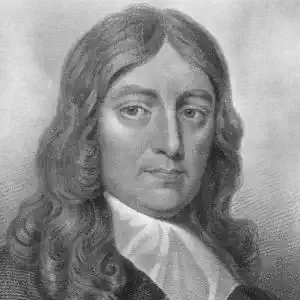
John Milton
To the Lady Margaret Ley
To the Lady Margaret Ley
Daughter to that good Earl, one President
Of England’s Council and her Treasury,
Who lived in both unstained with gold or fee,
And left them both, more in himself content,
Till the sad breaking of that Parliament
Broke him, as that dishonest victory
At Chæronea, fatal to liberty,
Killed with report that old man eloquent,
Though later born than to have known the days
Wherein your father flourished, yet by you,
Madam, methinks I see him living yet:
So well your words his noble virtues praise
That all both judge you to relate them true
And to possess them, honoured Margaret.
Daughter to that good Earl, one President
Of England’s Council and her Treasury,
Who lived in both unstained with gold or fee,
And left them both, more in himself content,
Till the sad breaking of that Parliament
Broke him, as that dishonest victory
At Chæronea, fatal to liberty,
Killed with report that old man eloquent,
Though later born than to have known the days
Wherein your father flourished, yet by you,
Madam, methinks I see him living yet:
So well your words his noble virtues praise
That all both judge you to relate them true
And to possess them, honoured Margaret.
557
John Milton
Sonnet X: Daughter to that good Earl
Sonnet X: Daughter to that good Earl
To the Lady Margaret Ley
Daughter to that good Earl, once President
Of England's Council, and her Treasury,
Who lived in both, unstained with gold or fee,
And left them both, more in himself content,
Till sad the breaking of that Parliament
Broke him, as that dishonest victory
At Chaeronea, fatal to liberty,
Killed with report that old man eloquent.
Though later born than to have known the days
Wherein your father flourished, yet by you,
Madam, methinks I see him living yet;
So well your words his noble virtues praise,
That all both judge you to relate them true,
And to possess them, honoured Margaret.
To the Lady Margaret Ley
Daughter to that good Earl, once President
Of England's Council, and her Treasury,
Who lived in both, unstained with gold or fee,
And left them both, more in himself content,
Till sad the breaking of that Parliament
Broke him, as that dishonest victory
At Chaeronea, fatal to liberty,
Killed with report that old man eloquent.
Though later born than to have known the days
Wherein your father flourished, yet by you,
Madam, methinks I see him living yet;
So well your words his noble virtues praise,
That all both judge you to relate them true,
And to possess them, honoured Margaret.
488
John Milton
Sonnet 22
Sonnet 22
XXII
Cyriac, this three years' day these eyes, though clear,
To outward view, of blemish or of spot,
Bereft of light, their seeing have forgot;
Nor to their idle orbs doth sight appear
Of sun, or moon, or star, throughout the year,
Or man, or woman. Yet I argue not
Against Heav'n's hand or will, nor bate a jot
Of heart or hope; but still bear up and steer
Right onward. What supports me, dost thou ask?
The conscience, Friend, t' have lost them overplied
In liberty's defence, my noble task,
Of which all Europe rings from side to side.
This thought might lead me through the world's vain mask
Content, though blind, had I no better guide.
XXII
Cyriac, this three years' day these eyes, though clear,
To outward view, of blemish or of spot,
Bereft of light, their seeing have forgot;
Nor to their idle orbs doth sight appear
Of sun, or moon, or star, throughout the year,
Or man, or woman. Yet I argue not
Against Heav'n's hand or will, nor bate a jot
Of heart or hope; but still bear up and steer
Right onward. What supports me, dost thou ask?
The conscience, Friend, t' have lost them overplied
In liberty's defence, my noble task,
Of which all Europe rings from side to side.
This thought might lead me through the world's vain mask
Content, though blind, had I no better guide.
531
John Milton
Sonnet 18
Sonnet 18
XVIII
Cyriack, whose Grandsire on the Royal Bench
Of Brittish Themis, with no mean applause
Pronounc't and in his volumes taught our Lawes,
Which others at their Barr so often wrench:
To day deep thoughts resolve with me to drench
In mirth, that after no repenting drawes;
Let Euclid rest and Archimedes pause,
And what the Swede intend, and what the French.
To measure life, learn thou betimes, and know
Toward solid good what leads the nearest way;
For other things mild Heav'n a time ordains,
And disapproves that care, though wise in show,
That with superfluous burden loads the day,
And when God sends a cheerful hour, refrains.
XVIII
Cyriack, whose Grandsire on the Royal Bench
Of Brittish Themis, with no mean applause
Pronounc't and in his volumes taught our Lawes,
Which others at their Barr so often wrench:
To day deep thoughts resolve with me to drench
In mirth, that after no repenting drawes;
Let Euclid rest and Archimedes pause,
And what the Swede intend, and what the French.
To measure life, learn thou betimes, and know
Toward solid good what leads the nearest way;
For other things mild Heav'n a time ordains,
And disapproves that care, though wise in show,
That with superfluous burden loads the day,
And when God sends a cheerful hour, refrains.
517
John Milton
Sonnet 14
Sonnet 14
XIV
When Faith and Love which parted from thee never,
Had ripen'd thy just soul to dwell with God,
Meekly thou didst resign this earthy load
Of Death, call'd Life; which us from Life doth sever
Thy Works and Alms and all thy good Endeavour
Staid not behind, nor in the grave were trod;
But as Faith pointed with her golden rod,
Follow'd thee up to joy and bliss for ever.
Love led them on, and Faith who knew them best
Thy hand-maids, clad them o're with purple beams
And azure wings, that up they flew so drest,
And speak the truth of thee on glorious Theams
Before the Judge, who thenceforth bid thee rest
And drink thy fill of pure immortal streams.
Note: Camb. Autograph supplies title, On the Religious
Memory of Catherine Thomson, my Christian Friend, deceased
16 Decemb., 1646.
XIV
When Faith and Love which parted from thee never,
Had ripen'd thy just soul to dwell with God,
Meekly thou didst resign this earthy load
Of Death, call'd Life; which us from Life doth sever
Thy Works and Alms and all thy good Endeavour
Staid not behind, nor in the grave were trod;
But as Faith pointed with her golden rod,
Follow'd thee up to joy and bliss for ever.
Love led them on, and Faith who knew them best
Thy hand-maids, clad them o're with purple beams
And azure wings, that up they flew so drest,
And speak the truth of thee on glorious Theams
Before the Judge, who thenceforth bid thee rest
And drink thy fill of pure immortal streams.
Note: Camb. Autograph supplies title, On the Religious
Memory of Catherine Thomson, my Christian Friend, deceased
16 Decemb., 1646.
738
John Milton
Sonnet 10
Sonnet 10
X
Daughter to that good Earl, once President
Of Englands Counsel, and her Treasury,
Who liv'd in both, unstain'd with gold or fee,
And left them both, more in himself content,
Till the sad breaking of that Parlament
Broke him, as that dishonest victory
At Chaeronea, fatal to liberty
Kil'd with report that Old man eloquent,
Though later born, then to have known the dayes
Wherin your Father flourisht, yet by you
Madam, me thinks I see him living yet;
So well your words his noble vertues praise,
That all both judge you to relate them true,
And to possess them, Honour'd Margaret.
Note: Camb. autograph supplies title, To the Lady Margaret
Ley.
X
Daughter to that good Earl, once President
Of Englands Counsel, and her Treasury,
Who liv'd in both, unstain'd with gold or fee,
And left them both, more in himself content,
Till the sad breaking of that Parlament
Broke him, as that dishonest victory
At Chaeronea, fatal to liberty
Kil'd with report that Old man eloquent,
Though later born, then to have known the dayes
Wherin your Father flourisht, yet by you
Madam, me thinks I see him living yet;
So well your words his noble vertues praise,
That all both judge you to relate them true,
And to possess them, Honour'd Margaret.
Note: Camb. autograph supplies title, To the Lady Margaret
Ley.
490
John Milton
Psalm CXXXVI
Psalm CXXXVI
Let us with a gladsome mind
Praise the Lord for he is kind;
For his mercies aye endure,
Ever faithful, ever sure.
Let us blaze his Name abroad,
For of gods he is the God;
For his, &c.
O let us his praises tell,
That doth the wrathful tyrants quell;
For his, &c.
That with his miracles doth make
Amazèd Heaven and Earth to shake;
For his, &c.
That by his wisdom did create
The painted heavens so full of state;
For his, &c.
That did the solid Earth ordain
To rise above the watery plain;
For his, &c.
That by his all-commanding might,
Did fill the new-made world with light;
For his, &c.
And caused the golden-tressèd Sun
All the day long his course to run;
For his, &c.
The hornèd Moon to shine by night
Amongst her spangled sisters bright;
For his, &c.
He, with his thunder-clasping hand,
Smote the first-born of Egypt land;
For his, &c.
And, in despite of Pharao fell,
He brought from thence his Israel;
For his, &c.
The ruddy waves he cleft in twain
Of the Erythræan main;
For his, &c.
The floods stood still, like walls of glass,
While the Hebrew bands did pass;
For his, &c.
But full soon they did devour
The tawny King with all his power;
For his, &c.
His chosen people he did bless
In the wasteful Wilderness;
For his, &c.
In bloody battail he brought down
Kings of prowess and renown;
For his, &c.
He foiled bold Seon and his host,
That ruled the Amorrean coast;
For his, &c.
And large-limbed Og he did subdue,
With all his over-hardy crew;
For his, &c.
And to his servant Israel
He gave their land, therein to dwell;
For his, &c.
He hath, with a piteous eye,
Beheld us in our misery;
For his, &c.
And freed us from the slavery
Of the invading enemy;
For his, &c.
All living creatures he doth feed,
And with full hand supplies their need;
For his, &c.
Let us, therefore, warble forth
His mighty majesty and worth;
For his, &c.
That his mansion hath on high,
Above the reach of mortal eye;
For his, &c.
Let us with a gladsome mind
Praise the Lord for he is kind;
For his mercies aye endure,
Ever faithful, ever sure.
Let us blaze his Name abroad,
For of gods he is the God;
For his, &c.
O let us his praises tell,
That doth the wrathful tyrants quell;
For his, &c.
That with his miracles doth make
Amazèd Heaven and Earth to shake;
For his, &c.
That by his wisdom did create
The painted heavens so full of state;
For his, &c.
That did the solid Earth ordain
To rise above the watery plain;
For his, &c.
That by his all-commanding might,
Did fill the new-made world with light;
For his, &c.
And caused the golden-tressèd Sun
All the day long his course to run;
For his, &c.
The hornèd Moon to shine by night
Amongst her spangled sisters bright;
For his, &c.
He, with his thunder-clasping hand,
Smote the first-born of Egypt land;
For his, &c.
And, in despite of Pharao fell,
He brought from thence his Israel;
For his, &c.
The ruddy waves he cleft in twain
Of the Erythræan main;
For his, &c.
The floods stood still, like walls of glass,
While the Hebrew bands did pass;
For his, &c.
But full soon they did devour
The tawny King with all his power;
For his, &c.
His chosen people he did bless
In the wasteful Wilderness;
For his, &c.
In bloody battail he brought down
Kings of prowess and renown;
For his, &c.
He foiled bold Seon and his host,
That ruled the Amorrean coast;
For his, &c.
And large-limbed Og he did subdue,
With all his over-hardy crew;
For his, &c.
And to his servant Israel
He gave their land, therein to dwell;
For his, &c.
He hath, with a piteous eye,
Beheld us in our misery;
For his, &c.
And freed us from the slavery
Of the invading enemy;
For his, &c.
All living creatures he doth feed,
And with full hand supplies their need;
For his, &c.
Let us, therefore, warble forth
His mighty majesty and worth;
For his, &c.
That his mansion hath on high,
Above the reach of mortal eye;
For his, &c.
605
John Milton
Psalm 85
Psalm 85
Thy Land to favour graciously
Thou hast not Lord been slack,
Thou hast from hard Captivity
Returned Jacob back.
Th' iniquity thou didst forgive
That wrought thy people woe,
And all their Sin, that did thee grieve
Hast hid where none shall know.
Thine anger all thou hadst remov'd,
And calmly didst return
From thy *fierce wrath which we had prov'd
Far worse then fire to burn.
God of our saving health and peace,
Turn us, and us restore,
*Heb. The burning
heat of thy
wrath.
Thine indignation cause to cease
Toward us, and chide no more.
Wilt thou be angry without end,
For ever angry thus
Wilt thou thy frowning ire extend
From age to age on us?
Wilt thou not * turn, and hear our voice * Heb. Turn to
And us again * revive ,
That so thy people may rejoyce
By thee preserv'd alive.
Cause us to see thy goodness Lord,
To us thy mercy shew
Thy saving health to us afford
And lift in us renew.
quicken us.
And now what God the Lord will speak
I will go strait and hear,
For to his people he speaks peace
And to his Saints full dear,
To his dear Saints he will speak peace,
But let them never more
Return to folly, but surcease
To trespass as before.
Surely to such as do him fear
Salvation is at hand
And glory shall ere long appear
To dwell within our Land.
Mercy and Truth that long were miss'd
Now joyfully are met
Sweet Peace and Righteousness have kiss'd
And hand in hand are set.
Truth from the earth like to a flowr
Shall bud and blossom then,
And Justice from her heavenly bowr
Look down on mortal men.
The Lord will also then bestow
Whatever thing is good
Our Land shall forth in plenty throw
Her fruits to be our food.
Before him Righteousness shall go
His Royal Harbinger,
Then * will he come, and not be slow *Heb. He will set his
His footsteps cannot err. steps to the way.
Thy Land to favour graciously
Thou hast not Lord been slack,
Thou hast from hard Captivity
Returned Jacob back.
Th' iniquity thou didst forgive
That wrought thy people woe,
And all their Sin, that did thee grieve
Hast hid where none shall know.
Thine anger all thou hadst remov'd,
And calmly didst return
From thy *fierce wrath which we had prov'd
Far worse then fire to burn.
God of our saving health and peace,
Turn us, and us restore,
*Heb. The burning
heat of thy
wrath.
Thine indignation cause to cease
Toward us, and chide no more.
Wilt thou be angry without end,
For ever angry thus
Wilt thou thy frowning ire extend
From age to age on us?
Wilt thou not * turn, and hear our voice * Heb. Turn to
And us again * revive ,
That so thy people may rejoyce
By thee preserv'd alive.
Cause us to see thy goodness Lord,
To us thy mercy shew
Thy saving health to us afford
And lift in us renew.
quicken us.
And now what God the Lord will speak
I will go strait and hear,
For to his people he speaks peace
And to his Saints full dear,
To his dear Saints he will speak peace,
But let them never more
Return to folly, but surcease
To trespass as before.
Surely to such as do him fear
Salvation is at hand
And glory shall ere long appear
To dwell within our Land.
Mercy and Truth that long were miss'd
Now joyfully are met
Sweet Peace and Righteousness have kiss'd
And hand in hand are set.
Truth from the earth like to a flowr
Shall bud and blossom then,
And Justice from her heavenly bowr
Look down on mortal men.
The Lord will also then bestow
Whatever thing is good
Our Land shall forth in plenty throw
Her fruits to be our food.
Before him Righteousness shall go
His Royal Harbinger,
Then * will he come, and not be slow *Heb. He will set his
His footsteps cannot err. steps to the way.
923
John Milton
Psalm 04
Psalm 04
Aug. 10. 1653.
Answer me when I call
God of my righteousness;
In straights and in distress
Thou didst me disinthrall
And set at large; now spare,
Now pity me, and hear my earnest prai'r.
Great ones how long will ye
My glory have in scorn
How long be thus forlorn
Still to love vanity,
To love, to seek, to prize
Things false and vain and nothing else but lies?
Yet know the Lord hath chose
Chose to himself a part
The good and meek of heart
(For whom to chuse he knows)
Jehovah from on high
Will hear my voyce what time to him I crie.
Be aw'd, and do not sin,
Speak to your hearts alone,
Upon your beds, each one,
And be at peace within.
Offer the offerings just
Of righteousness and in Jehovah trust.
Many there be that say
Who yet will shew us good?
Talking like this worlds brood;
But Lord, thus let me pray,
On us lift up the light
Lift up the favour of thy count'nance bright.
Into my heart more joy
And gladness thou hast put
Then when a year of glut
Their stores doth over-cloy
And from their plenteous grounds
With vast increase their corn and wine abounds.
In peace at once will I
Both lay me down and sleep
For thou alone dost keep
Me safe where ere I lie
As in a rocky Cell
Thou Lord alone in safety mak'st me dwell.
Aug. 10. 1653.
Answer me when I call
God of my righteousness;
In straights and in distress
Thou didst me disinthrall
And set at large; now spare,
Now pity me, and hear my earnest prai'r.
Great ones how long will ye
My glory have in scorn
How long be thus forlorn
Still to love vanity,
To love, to seek, to prize
Things false and vain and nothing else but lies?
Yet know the Lord hath chose
Chose to himself a part
The good and meek of heart
(For whom to chuse he knows)
Jehovah from on high
Will hear my voyce what time to him I crie.
Be aw'd, and do not sin,
Speak to your hearts alone,
Upon your beds, each one,
And be at peace within.
Offer the offerings just
Of righteousness and in Jehovah trust.
Many there be that say
Who yet will shew us good?
Talking like this worlds brood;
But Lord, thus let me pray,
On us lift up the light
Lift up the favour of thy count'nance bright.
Into my heart more joy
And gladness thou hast put
Then when a year of glut
Their stores doth over-cloy
And from their plenteous grounds
With vast increase their corn and wine abounds.
In peace at once will I
Both lay me down and sleep
For thou alone dost keep
Me safe where ere I lie
As in a rocky Cell
Thou Lord alone in safety mak'st me dwell.
1,021
John Milton
On the Religious Memory of Mrs. Catherine Thomson, my Christian Friend,
On the Religious Memory of Mrs. Catherine Thomson, my Christian Friend,
Deceased Dec. 16, 1646
When Faith and Love, which parted from thee never,
Had ripened thy just soul to dwell with God,
Meekly thou didst resign this earthly load
Of death, called life, which us from life doth sever.
Thy works, and alms, and all thy good endeavour,
Stayed not behind, nor in the grave were trod;
But, as Faith pointed with her golden rod,
Followed thee up to joy and bliss for ever.
Love led them on; and Faith, who knew them best
Thy handmaids, clad them o’er with purple beams
And azure wings, that up they flew so drest,
And speak the truth of thee on glorious themes
Before the Judge; who henceforth bid thee rest,
And drink thy fill of pure immortal streams.
Deceased Dec. 16, 1646
When Faith and Love, which parted from thee never,
Had ripened thy just soul to dwell with God,
Meekly thou didst resign this earthly load
Of death, called life, which us from life doth sever.
Thy works, and alms, and all thy good endeavour,
Stayed not behind, nor in the grave were trod;
But, as Faith pointed with her golden rod,
Followed thee up to joy and bliss for ever.
Love led them on; and Faith, who knew them best
Thy handmaids, clad them o’er with purple beams
And azure wings, that up they flew so drest,
And speak the truth of thee on glorious themes
Before the Judge; who henceforth bid thee rest,
And drink thy fill of pure immortal streams.
554
John Milton
Arcades
Arcades
Part of an entertainment presented to the Countess Dowager of
Darby at Harefield, by som Noble persons of her Family, who
appear on the Scene in pastoral habit, moving toward the seat
of State with this Song.
I. SONG.
Look Nymphs, and Shepherds look,
What sudden blaze of majesty
Is that which we from hence descry
Too divine to be mistook:
This this is she
To whom our vows and wishes bend,
Heer our solemn search hath end.
Fame that her high worth to raise,
Seem'd erst so lavish and profuse,
We may justly now accuse
Of detraction from her praise,
Less then half we find exprest,
Envy bid conceal the rest.
Mark what radiant state she spreds,
In circle round her shining throne,
Shooting her beams like silver threds,
This this is she alone,
Sitting like a Goddes bright,
In the center of her light.
Might she the wise Latona be,
Or the towred Cybele,
Mother of a hunderd gods;
Juno dare's not give her odds;
Who had thought this clime had held
A deity so unparalel'd?
As they com forward, the genius of the Wood appears, and
turning toward them, speaks.
GEN. Stay gentle Swains, for though in this disguise,
I see bright honour sparkle through your eyes,
Of famous Arcady ye are, and sprung
Of that renowned flood, so often sung,
Divine Alpheus, who by secret sluse,
Stole under Seas to meet his Arethuse;
And ye the breathing Roses of the Wood,
Fair silver-buskind Nymphs as great and good,
I know this quest of yours, and free intent
Was all in honour and devotion ment
To the great Mistres of yon princely shrine,
Whom with low reverence I adore as mine,
And with all helpful service will comply
To further this nights glad solemnity;
And lead ye where ye may more neer behold
What shallow-searching Fame hath left untold;
Which I full oft amidst these shades alone
Have sate to wonder at, and gaze upon:
For know by lot from Jove I am the powr
Of this fair wood, and live in Oak'n bowr,
To nurse the Saplings tall, and curl the grove
With Ringlets quaint, and wanton windings wove.
And all my Plants I save from nightly ill,
Of noisom winds, and blasting vapours chill.
And from the Boughs brush off the evil dew,
And heal the harms of thwarting thunder blew,
Or what the cross dire-looking Planet smites,
Or hurtfull Worm with canker'd venom bites.
When Eev'ning gray doth rise, I fetch my round
Over the mount, and all this hallow'd ground,
And early ere the odorous breath of morn
Awakes the slumbring leaves, or tasseld horn
Shakes the high thicket, haste I all about,
Number my ranks, and visit every sprout
With puissant words, and murmurs made to bless,
But els in deep of night when drowsines
Hath lockt up mortal sense, then listen I
To the celestial Sirens harmony,
That sit upon the nine enfolded Sphears,
And sing to those that hold the vital shears,
And turn the Adamantine spindle round,
On which the fate of gods and men is wound.
Such sweet compulsion doth in musick ly,
To lull the daughters of Necessity,
And keep unsteddy Nature to her law,
And the low world in measur'd motion draw
After the heavenly tune, which none can hear
Of human mould with grosse unpurged ear;
And yet such musick worthiest were to blaze
The peerles height of her immortal praise,
Whose lustre leads us, and for her most fit,
If my inferior hand or voice could hit
Inimitable sounds, yet as we go,
What ere the skill of lesser gods can show,
I will assay, her worth to celebrate,
And so attend ye toward her glittering state;
Where ye may all that are of noble stemm
Approach, and kiss her sacred vestures hemm.
2. SONG.
O're the smooth enameld green
Where no print of step hath been,
Follow me as I sing,
And touch the warbled string.
Under the shady roof
Of branching Elm Star-proof,
Follow me,
I will bring you where she sits
Clad in splendor as befits
Her deity.
Such a rural Queen
All Arcadia hath not seen.
3. SONG.
Nymphs and Shepherds dance no more
By sandy Ladons Lillied banks.
On old Lycaeus or Cyllene hoar,
Trip no more in twilight ranks,
Though Erynanth your loss deplore,
A better soyl shall give ye thanks.
From the stony Maenalus,
Bring your Flocks, and live with us,
Here ye shall have greater grace,
To serve the Lady of this place.
Though Syrinx your Pans Mistres were,
Yet Syrinx well might wait on her.
Such a rural Queen
All Arcadia hath not seen.
Note: 22 hunderd] Milton's own spelling here is hundred. But in
the Errata to Paradise Lost (i. 760) he corrects hundred to hunderd.
Part of an entertainment presented to the Countess Dowager of
Darby at Harefield, by som Noble persons of her Family, who
appear on the Scene in pastoral habit, moving toward the seat
of State with this Song.
I. SONG.
Look Nymphs, and Shepherds look,
What sudden blaze of majesty
Is that which we from hence descry
Too divine to be mistook:
This this is she
To whom our vows and wishes bend,
Heer our solemn search hath end.
Fame that her high worth to raise,
Seem'd erst so lavish and profuse,
We may justly now accuse
Of detraction from her praise,
Less then half we find exprest,
Envy bid conceal the rest.
Mark what radiant state she spreds,
In circle round her shining throne,
Shooting her beams like silver threds,
This this is she alone,
Sitting like a Goddes bright,
In the center of her light.
Might she the wise Latona be,
Or the towred Cybele,
Mother of a hunderd gods;
Juno dare's not give her odds;
Who had thought this clime had held
A deity so unparalel'd?
As they com forward, the genius of the Wood appears, and
turning toward them, speaks.
GEN. Stay gentle Swains, for though in this disguise,
I see bright honour sparkle through your eyes,
Of famous Arcady ye are, and sprung
Of that renowned flood, so often sung,
Divine Alpheus, who by secret sluse,
Stole under Seas to meet his Arethuse;
And ye the breathing Roses of the Wood,
Fair silver-buskind Nymphs as great and good,
I know this quest of yours, and free intent
Was all in honour and devotion ment
To the great Mistres of yon princely shrine,
Whom with low reverence I adore as mine,
And with all helpful service will comply
To further this nights glad solemnity;
And lead ye where ye may more neer behold
What shallow-searching Fame hath left untold;
Which I full oft amidst these shades alone
Have sate to wonder at, and gaze upon:
For know by lot from Jove I am the powr
Of this fair wood, and live in Oak'n bowr,
To nurse the Saplings tall, and curl the grove
With Ringlets quaint, and wanton windings wove.
And all my Plants I save from nightly ill,
Of noisom winds, and blasting vapours chill.
And from the Boughs brush off the evil dew,
And heal the harms of thwarting thunder blew,
Or what the cross dire-looking Planet smites,
Or hurtfull Worm with canker'd venom bites.
When Eev'ning gray doth rise, I fetch my round
Over the mount, and all this hallow'd ground,
And early ere the odorous breath of morn
Awakes the slumbring leaves, or tasseld horn
Shakes the high thicket, haste I all about,
Number my ranks, and visit every sprout
With puissant words, and murmurs made to bless,
But els in deep of night when drowsines
Hath lockt up mortal sense, then listen I
To the celestial Sirens harmony,
That sit upon the nine enfolded Sphears,
And sing to those that hold the vital shears,
And turn the Adamantine spindle round,
On which the fate of gods and men is wound.
Such sweet compulsion doth in musick ly,
To lull the daughters of Necessity,
And keep unsteddy Nature to her law,
And the low world in measur'd motion draw
After the heavenly tune, which none can hear
Of human mould with grosse unpurged ear;
And yet such musick worthiest were to blaze
The peerles height of her immortal praise,
Whose lustre leads us, and for her most fit,
If my inferior hand or voice could hit
Inimitable sounds, yet as we go,
What ere the skill of lesser gods can show,
I will assay, her worth to celebrate,
And so attend ye toward her glittering state;
Where ye may all that are of noble stemm
Approach, and kiss her sacred vestures hemm.
2. SONG.
O're the smooth enameld green
Where no print of step hath been,
Follow me as I sing,
And touch the warbled string.
Under the shady roof
Of branching Elm Star-proof,
Follow me,
I will bring you where she sits
Clad in splendor as befits
Her deity.
Such a rural Queen
All Arcadia hath not seen.
3. SONG.
Nymphs and Shepherds dance no more
By sandy Ladons Lillied banks.
On old Lycaeus or Cyllene hoar,
Trip no more in twilight ranks,
Though Erynanth your loss deplore,
A better soyl shall give ye thanks.
From the stony Maenalus,
Bring your Flocks, and live with us,
Here ye shall have greater grace,
To serve the Lady of this place.
Though Syrinx your Pans Mistres were,
Yet Syrinx well might wait on her.
Such a rural Queen
All Arcadia hath not seen.
Note: 22 hunderd] Milton's own spelling here is hundred. But in
the Errata to Paradise Lost (i. 760) he corrects hundred to hunderd.
526
John Keats
To The Ladies Who Saw Me Crowned
To The Ladies Who Saw Me Crowned
WHAT is there in the universal Earth
More lovely than a Wreath from the bay tree?
Haply a Halo round the Moon a glee
Circling from three sweet pair of Lips in Mirth;
And haply you will say the dewy birth
Of morning Roses ripplings tenderly
Spread by the Halcyon's breast upon the Sea
But these Comparisons are nothing worth
Then is there nothing in the world so fair?
The silvery tears of April? Youth of May?
Or June that breathes out life for butterflies?
No none of these can from my favourite bear
Away the Palm yet shall it ever pay
Due Reverence to your most sovereign eyes.
WHAT is there in the universal Earth
More lovely than a Wreath from the bay tree?
Haply a Halo round the Moon a glee
Circling from three sweet pair of Lips in Mirth;
And haply you will say the dewy birth
Of morning Roses ripplings tenderly
Spread by the Halcyon's breast upon the Sea
But these Comparisons are nothing worth
Then is there nothing in the world so fair?
The silvery tears of April? Youth of May?
Or June that breathes out life for butterflies?
No none of these can from my favourite bear
Away the Palm yet shall it ever pay
Due Reverence to your most sovereign eyes.
420
John Keats
To John Hamilton Reynolds
To John Hamilton Reynolds
O that a week could be an age, and we
Felt parting and warm meeting every week,
Then one poor year a thousand years would be,
The flush of welcome ever on the cheek:
So could we live long life in little space,
So time itself would be annihilate,
So a day's journey in oblivious haze
To serve ourjoys would lengthen and dilate.
O to arrive each Monday morn from Ind!
To land each Tuesday from the rich Levant!
In little time a host of joys to bind,
And keep our souls in one eternal pant!
This morn, my friend, and yester-evening taught
Me how to harbour such a happy thought.
O that a week could be an age, and we
Felt parting and warm meeting every week,
Then one poor year a thousand years would be,
The flush of welcome ever on the cheek:
So could we live long life in little space,
So time itself would be annihilate,
So a day's journey in oblivious haze
To serve ourjoys would lengthen and dilate.
O to arrive each Monday morn from Ind!
To land each Tuesday from the rich Levant!
In little time a host of joys to bind,
And keep our souls in one eternal pant!
This morn, my friend, and yester-evening taught
Me how to harbour such a happy thought.
442