

Poems in this theme
Gratitude
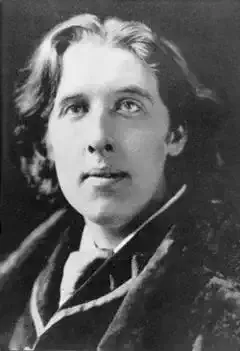
Oscar Wilde
The Burden Of Itys
The Burden Of Itys
THIS English Thames is holier far than Rome,
Those harebells like a sudden flush of sea
Breaking across the woodland, with the foam
Of meadow-sweet and white anemone
To fleck their blue waves,--God is likelier there,
Than hidden in that crystal-hearted star the pale monks bear!
Those violet-gleaming butterflies that take
Yon creamy lily for their pavilion
Are monsignores, and where the rushes shake
A lazy pike lies basking in the sun
His eyes half-shut,--He is some mitred old
Bishop in partibus! look at those gaudy scales all green and gold.
The wind the restless prisoner of the trees
Does well for Palæstrina, one would say
The mighty master's hands were on the keys
Of the Maria organ, which they play
When early on some sapphire Easter morn
In a high litter red as blood or sin the Pope is borne
From his dark House out to the Balcony
Above the bronze gates and the crowded square,
Whose very fountains seem for ecstasy
To toss their silver lances in the air,
And stretching out weak hands to East and West
In vain sends peace to peaceless lands, to restless nations rest.
Is not yon lingering orange afterglow
That stays to vex the moon more fair than all
Rome's lordliest pageants! strange, a year ago
I knelt before some crimson Cardinal
Who bare the Host across the Esquiline,
And now--those common poppies in the wheat seem twice as fine.
The blue-green beanfields yonder, tremulous
With the last shower, sweeter perfume bring
Through this cool evening than the odorous
Flame-jewelled censers the young deacons swing,
When the grey priest unlocks the curtained shrine,
And makes God's body from the common fruit of corn and vine.
Poor Fra Giovanni bawling at the mass
Were out of tune now, for a small brown bird
Sings overhead, and through the long cool grass
I see that throbbing throat which once I heard
On starlit hills of flower-starred Arcady,
Once where the white and crescent sand of Salamis meets sea.
Sweet is the swallow twittering on the eaves
At daybreak, when the mower whets his scythe,
And stock-doves murmur, and the milkmaid leaves
Her little lonely bed, and carols blithe
To see the heavy-lowing cattle wait
Stretching their huge and dripping mouths across the farmyard gate.
And sweet the hops upon the Kentish leas,
And sweet the wind that lifts the new-mown hay,
And sweet the fretful swarms of grumbling bees
That round and round the linden blossoms play;
And sweet the heifer breathing in the stall,
And the green bursting figs that hang upon the red-brick wall.
And sweet to hear the cuckoo mock the spring
While the last violet loiters by the well,
And sweet to hear the shepherd Daphnis sing
The song of Linus through a sunny dell
Of warm Arcadia where the corn is gold
And the slight lithe-limbed reapers dance about the wattled fold.
And sweet with young Lycoris to recline
In some Illyrian valley far away,
Where canopied on herbs amaracine
We too might waste the summer-trancèd day
Matching our reeds in sportive rivalry,
While far beneath us frets the troubled purple of the sea.
But sweeter far if silver-sandalled foot
Of some long-hidden God should ever tread
The Nuneham meadows, if with reeded flute
Pressed to his lips some Faun might raise his head
By the green water-flags, ah! sweet indeed
To see the heavenly herdsman call his white-fleeced flock to feed.
Then sing to me thou tuneful chorister,
Though what thou sing'st be thine own requiem!
Tell me thy tale thou hapless chronicler
Of thine own tragedies! do not contemn
These unfamiliar haunts, this English field,
For many a lovely coronal our northern isle can yield,
Which Grecian meadows know not, many a rose,
Which all day long in vales Æolian
A lad might seek in vain for, overgrows
Our hedges like a wanton courtezan
Unthrifty of her beauty, lilies too
Ilissus never mirrored star our streams, and cockles blue
Dot the green wheat which, though they are the signs
For swallows going south, would never spread
Their azure tents between the Attic vines;
Even that little weed of ragged red,
Which bids the robin pipe, in Arcady
Would be a trespasser, and many an unsung elegy
Sleeps in the reeds that fringe our winding Thames
Which to awake were sweeter ravishment
Than ever Syrinx wept for, diadems
Of brown bee-studded orchids which were meant
For Cytheræa's brows are hidden here
Unknown to Cytheræa, and by yonder pasturing steer
There is a tiny yellow daffodil,
The butterfly can see it from afar,
Although one summer evening's dew could fill
Its little cup twice over ere the star
Had called the lazy shepherd to his fold
And be no prodigal, each leaf is flecked with spotted gold
As if Jove's gorgeous leman Danaé
Hot from his gilded arms had stooped to kiss
The trembling petals, or young Mercury
Low-flying to the dusky ford of Dis
Had with one feather of his pinions
Just brushed them!--the slight stem which bears the burden of its
suns
Is hardly thicker than the gossamer,
Or poor Arachne's silver tapestry,--
Men say it bloomed upon the sepulchre
Of One I sometime worshipped, but to me
It seems to bring diviner memories
Of faun-loved Heliconian glades and blue nymph-haunted seas,
Of an untrodden vale at Tempe where
On the clear river's marge Narcissus lies,
The tangle of the forest in his hair,
The silence of the woodland in his eyes,
Wooing that drifting imagery which is
No sooner kissed than broken, memories of Salmacis
Who is not boy or girl and yet is both,
Fed by two fires and unsatisfied
Through their excess, each passion being loth
For love's own sake to leave the other's side
Yet killing love by staying, memories
Of Oreads peeping through the leaves of silent moon-lit trees,
Of lonely Ariadne on the wharf
At Naxos, when she saw the treacherous crew
Far out at sea, and waved her crimson scarf
And called false Theseus back again nor knew
That Dionysos on an amber pard
Was close behind her, memories of what Maeonia's bard
With sightless eyes beheld, the wall of Troy,
Queen Helen lying in the carven room,
And at her side an amorous red-lipped boy
Trimming with dainty hand his helmet's plume,
And far away the moil, the shout, the groan,
As Hector shielded off the spear and Ajax hurled the stone;
Of wingèd Perseus with his flawless sword
Cleaving the snaky tresses of the witch,
And all those tales imperishably stored
In little Grecian urns, freightage more rich
Than any gaudy galleon of Spain
Bare from the Indies ever! these at least bring back again,
For well I know they are not dead at all,
The ancient Gods of Grecian poesy,
They are asleep, and when they hear thee call
Will wake and think 't is very Thessaly,
This Thames the Daulian waters, this cool glade
The yellow-irised mead where once young Itys laughed and played.
If it was thou dear jasmine-cradled bird
Who from the leafy stillness of thy throne
Sang to the wondrous boy, until he heard
The horn of Atalanta faintly blown
Across the Cumner hills, and wandering
Through Bagley wood at evening found the Attic poets' spring,--
Ah! tiny sober-suited advocate
That pleadest for the moon against the day!
If thou didst make the shepherd seek his mate
On that sweet questing, when Proserpina
Forgot it was not Sicily and leant
Across the mossy Sandford stile in ravished wonderment,--
Light-winged and bright-eyed miracle of the wood!
If ever thou didst soothe with melody
One of that little clan, that brotherhood
Which loved the morning-star of Tuscany
More than the perfect sun of Raphael
And is immortal, sing to me! for I too love thee well,
Sing on! sing on! let the dull world grow young,
Let elemental things take form again,
And the old shapes of Beauty walk among
The simple garths and open crofts, as when
The son of Leto bare the willow rod,
And the soft sheep and shaggy goats followed the boyish God.
Sing on! sing on! and Bacchus will be here
Astride upon his gorgeous Indian throne,
And over whimpering tigers shake the spear
With yellow ivy crowned and gummy cone,
While at his side the wanton Bassarid
Will throw the lion by the mane and catch the mountain kid!
Sing on! and I will wear the leopard skin,
And steal the moonéd wings of Ashtaroth,
Upon whose icy chariot we could win
Cithæron in an hour e'er the froth
Has overbrimmed the wine-vat or the Faun
Ceased from the treading! ay, before the flickering lamp of dawn
Has scared the hooting owlet to its nest,
And warned the bat to close its filmy vans,
Some Mænad girl with vine-leaves on her breast
Will filch their beechnuts from the sleeping Pans
So softly that the little nested thrush
Will never wake, and then with shrilly laugh and leap will rush
Down the green valley where the fallen dew
Lies thick beneath the elm and count her store,
Till the brown Satyrs in a jolly crew
Trample the loosestrife down along the shore,
And where their hornèd master sits in state
Bring strawberries and bloomy plums upon a wicker crate!
Sing on! and soon with passion-wearied face
Through the cool leaves Apollo's lad will come,
The Tyrian prince his bristled boar will chase
Adown the chestnut-copses all a-bloom,
And ivory-limbed, grey-eyed, with look of pride,
After yon velvet-coated deer the virgin maid will ride.
Sing on! and I the dying boy will see
Stain with his purple blood the waxen bell
That overweighs the jacinth, and to me
The wretched Cyprian her woe will tell,
And I will kiss her mouth and streaming eyes,
And lead her to the myrtle-hidden grove where Adon lies!
Cry out aloud on Itys! memory
That foster-brother of remorse and pain
Drops poison in mine ear,--O to be free,
To burn one's old ships! and to launch again
Into the white-plumed battle of the waves
And fight old Proteus for the spoil of coral-flowered caves!
O for Medea with her poppied spell!
O for the secret of the Colchian shrine!
O for one leaf of that pale asphodel
Which binds the tired brows of Proserpine,
And sheds such wondrous dews at eve that she
Dreams of the fields of Enna, by the far Sicilian sea,
Where oft the golden-girdled bee she chased
From lily to lily on the level mead,
Ere yet her sombre Lord had bid her taste
The deadly fruit of that pomegranate seed,
Ere the black steeds had harried her away
Down to the faint and flowerless land, the sick and sunless day.
O for one midnight and as paramour
The Venus of the little Melian farm!
O that some antique statue for one hour
Might wake to passion, and that I could charm
The Dawn at Florence from its dumb despair
Mix with those mighty limbs and make that giant breast my lair!
Sing on! sing on! I would be drunk with life,
Drunk with the trampled vintage of my youth,
I would forget the wearying wasted strife,
The riven vale, the Gorgon eyes of Truth,
The prayerless vigil and the cry for prayer,
The barren gifts, the lifted arms, the dull insensate air!
Sing on! sing on! O feathered Niobe,
Thou canst make sorrow beautiful, and steal
From joy its sweetest music, not as we
Who by dead voiceless silence strive to heal
Our too untented wounds, and do but keep
Pain barricadoed in our hearts, and murder pillowed sleep.
Sing louder yet, why must I still behold
The wan white face of that deserted Christ,
Whose bleeding hands my hands did once enfold,
Whose smitten lips my lips so oft have kissed,
And now in mute and marble misery
Sits in his lone dishonoured House and weeps, perchance for me.
O memory cast down thy wreathèd shell!
Break thy hoarse lute O sad Melpomene!
O sorrow sorrow keep thy cloistered cell
Nor dim with tears this limpid Castaly!
Cease, cease, sad bird, thou dost the forest wrong
To vex its sylvan quiet with such wild impassioned song!
Cease, cease, or if 'tis anguish to be dumb
Take from the pastoral thrush her simpler air,
Whose jocund carelessness doth more become
This English woodland than thy keen despair,
Ah! cease and let the northwind bear thy lay
Back to the rocky hills of Thrace, the stormy Daulian bay.
A moment more, the startled leaves had stirred,
Endymion would have passed across the mead
Moonstruck with love, and this still Thames had heard
Pan plash and paddle groping for some reed
To lure from her blue cave that Naiad maid
Who for such piping listens half in joy and half afraid.
A moment more, the waking dove had cooed,
The silver daughter of the silver sea
With the fond gyves of clinging hands had wooed
Her wanton from the chase, and Dryope
Had thrust aside the branches of her oak
To see the lusty gold-haired lad rein in his snorting yoke.
A moment more, the trees had stooped to kiss
Pale Daphne just awakening from the swoon
Of tremulous laurels, lonely Salmacis
Had bared his barren beauty to the moon,
And through the vale with sad voluptuous smile
Antinous had wandered, the red lotus of the Nile
Down leaning from his black and clustering hair
To shade those slumberous eyelids' caverned bliss,
Or else on yonder grassy slope with bare
High-tuniced limbs unravished Artemis
Had bade her hounds give tongue, and roused the deer
From his green ambuscade with shrill halloo and pricking spear.
Lie still, lie still, O passionate heart, lie still!
O Melancholy, fold thy raven wing!
O sobbing Dryad, from thy hollow hill
Come not with such desponded answering!
No more thou wingèd Marsyas complain,
Apollo loveth not to hear such troubled songs of pain!
It was a dream, the glade is tenantless,
No soft Ionian laughter moves the air,
The Thames creeps on in sluggish leadenness,
And from the copse left desolate and bare
Fled is young Bacchus with his revelry,
Yet still from Nuneham wood there comes that thrilling melody
So sad, that one might think a human heart
Brake in each separate note, a quality
Which music sometimes has, being the Art
Which is most nigh to tears and memory,
Poor mourning Philomel, what dost thou fear?
Thy sister doth not haunt these fields, Pandion is not here,
Here is no cruel Lord with murderous blade,
No woven web of bloody heraldries,
But mossy dells for roving comrades made,
Warm valleys where the tired student lies
With half-shut book, and many a winding walk
Where rustic lovers stray at eve in happy simple talk.
The harmless rabbit gambols with its young
Across the trampled towing-path, where late
A troop of laughing boys in jostling throng
Cheered with their noisy cries the racing eight;
The gossamer, with ravelled silver threads,
Works at its little loom, and from the dusky red-eaved sheds
Of the lone Farm a flickering light shines out
Where the swinked shepherd drives his bleating flock
Back to their wattled sheep-cotes, a faint shout
Comes from some Oxford boat at Sandford lock,
And starts the moor-hen from the sedgy rill,
And the dim lengthening shadows flit like swallows up the hill.
The heron passes homeward to the mere,
The blue mist creeps among the shivering trees,
Gold world by world the silent stars appear,
And like a blossom blown before the breeze,
A white moon drifts across the shimmering sky,
Mute arbitress of all thy sad, thy rapturous threnody.
She does not heed thee, wherefore should she heed,
She knows Endymion is not far away,
'Tis I, 'tis I, whose soul is as the reed
Which has no message of its own to play,
So pipes another's bidding, it is I,
Drifting with every wind on the wide sea of misery.
Ah! the brown bird has ceased: one exquisite trill
About the sombre woodland seems to cling,
Dying in music, else the air is still,
So still that one might hear the bat's small wing
Wander and wheel above the pines, or tell
Each tiny dewdrop dripping from the blue-bell's brimming cell.
And far away across the lengthening wold,
Across the willowy flats and thickets brown,
Magdalen's tall tower tipped with tremulous gold
Marks the long High Street of the little town,
And warns me to return; I must not wait,
Hark! 'tis the curfew booming from the bell at Christ Church gate.
THIS English Thames is holier far than Rome,
Those harebells like a sudden flush of sea
Breaking across the woodland, with the foam
Of meadow-sweet and white anemone
To fleck their blue waves,--God is likelier there,
Than hidden in that crystal-hearted star the pale monks bear!
Those violet-gleaming butterflies that take
Yon creamy lily for their pavilion
Are monsignores, and where the rushes shake
A lazy pike lies basking in the sun
His eyes half-shut,--He is some mitred old
Bishop in partibus! look at those gaudy scales all green and gold.
The wind the restless prisoner of the trees
Does well for Palæstrina, one would say
The mighty master's hands were on the keys
Of the Maria organ, which they play
When early on some sapphire Easter morn
In a high litter red as blood or sin the Pope is borne
From his dark House out to the Balcony
Above the bronze gates and the crowded square,
Whose very fountains seem for ecstasy
To toss their silver lances in the air,
And stretching out weak hands to East and West
In vain sends peace to peaceless lands, to restless nations rest.
Is not yon lingering orange afterglow
That stays to vex the moon more fair than all
Rome's lordliest pageants! strange, a year ago
I knelt before some crimson Cardinal
Who bare the Host across the Esquiline,
And now--those common poppies in the wheat seem twice as fine.
The blue-green beanfields yonder, tremulous
With the last shower, sweeter perfume bring
Through this cool evening than the odorous
Flame-jewelled censers the young deacons swing,
When the grey priest unlocks the curtained shrine,
And makes God's body from the common fruit of corn and vine.
Poor Fra Giovanni bawling at the mass
Were out of tune now, for a small brown bird
Sings overhead, and through the long cool grass
I see that throbbing throat which once I heard
On starlit hills of flower-starred Arcady,
Once where the white and crescent sand of Salamis meets sea.
Sweet is the swallow twittering on the eaves
At daybreak, when the mower whets his scythe,
And stock-doves murmur, and the milkmaid leaves
Her little lonely bed, and carols blithe
To see the heavy-lowing cattle wait
Stretching their huge and dripping mouths across the farmyard gate.
And sweet the hops upon the Kentish leas,
And sweet the wind that lifts the new-mown hay,
And sweet the fretful swarms of grumbling bees
That round and round the linden blossoms play;
And sweet the heifer breathing in the stall,
And the green bursting figs that hang upon the red-brick wall.
And sweet to hear the cuckoo mock the spring
While the last violet loiters by the well,
And sweet to hear the shepherd Daphnis sing
The song of Linus through a sunny dell
Of warm Arcadia where the corn is gold
And the slight lithe-limbed reapers dance about the wattled fold.
And sweet with young Lycoris to recline
In some Illyrian valley far away,
Where canopied on herbs amaracine
We too might waste the summer-trancèd day
Matching our reeds in sportive rivalry,
While far beneath us frets the troubled purple of the sea.
But sweeter far if silver-sandalled foot
Of some long-hidden God should ever tread
The Nuneham meadows, if with reeded flute
Pressed to his lips some Faun might raise his head
By the green water-flags, ah! sweet indeed
To see the heavenly herdsman call his white-fleeced flock to feed.
Then sing to me thou tuneful chorister,
Though what thou sing'st be thine own requiem!
Tell me thy tale thou hapless chronicler
Of thine own tragedies! do not contemn
These unfamiliar haunts, this English field,
For many a lovely coronal our northern isle can yield,
Which Grecian meadows know not, many a rose,
Which all day long in vales Æolian
A lad might seek in vain for, overgrows
Our hedges like a wanton courtezan
Unthrifty of her beauty, lilies too
Ilissus never mirrored star our streams, and cockles blue
Dot the green wheat which, though they are the signs
For swallows going south, would never spread
Their azure tents between the Attic vines;
Even that little weed of ragged red,
Which bids the robin pipe, in Arcady
Would be a trespasser, and many an unsung elegy
Sleeps in the reeds that fringe our winding Thames
Which to awake were sweeter ravishment
Than ever Syrinx wept for, diadems
Of brown bee-studded orchids which were meant
For Cytheræa's brows are hidden here
Unknown to Cytheræa, and by yonder pasturing steer
There is a tiny yellow daffodil,
The butterfly can see it from afar,
Although one summer evening's dew could fill
Its little cup twice over ere the star
Had called the lazy shepherd to his fold
And be no prodigal, each leaf is flecked with spotted gold
As if Jove's gorgeous leman Danaé
Hot from his gilded arms had stooped to kiss
The trembling petals, or young Mercury
Low-flying to the dusky ford of Dis
Had with one feather of his pinions
Just brushed them!--the slight stem which bears the burden of its
suns
Is hardly thicker than the gossamer,
Or poor Arachne's silver tapestry,--
Men say it bloomed upon the sepulchre
Of One I sometime worshipped, but to me
It seems to bring diviner memories
Of faun-loved Heliconian glades and blue nymph-haunted seas,
Of an untrodden vale at Tempe where
On the clear river's marge Narcissus lies,
The tangle of the forest in his hair,
The silence of the woodland in his eyes,
Wooing that drifting imagery which is
No sooner kissed than broken, memories of Salmacis
Who is not boy or girl and yet is both,
Fed by two fires and unsatisfied
Through their excess, each passion being loth
For love's own sake to leave the other's side
Yet killing love by staying, memories
Of Oreads peeping through the leaves of silent moon-lit trees,
Of lonely Ariadne on the wharf
At Naxos, when she saw the treacherous crew
Far out at sea, and waved her crimson scarf
And called false Theseus back again nor knew
That Dionysos on an amber pard
Was close behind her, memories of what Maeonia's bard
With sightless eyes beheld, the wall of Troy,
Queen Helen lying in the carven room,
And at her side an amorous red-lipped boy
Trimming with dainty hand his helmet's plume,
And far away the moil, the shout, the groan,
As Hector shielded off the spear and Ajax hurled the stone;
Of wingèd Perseus with his flawless sword
Cleaving the snaky tresses of the witch,
And all those tales imperishably stored
In little Grecian urns, freightage more rich
Than any gaudy galleon of Spain
Bare from the Indies ever! these at least bring back again,
For well I know they are not dead at all,
The ancient Gods of Grecian poesy,
They are asleep, and when they hear thee call
Will wake and think 't is very Thessaly,
This Thames the Daulian waters, this cool glade
The yellow-irised mead where once young Itys laughed and played.
If it was thou dear jasmine-cradled bird
Who from the leafy stillness of thy throne
Sang to the wondrous boy, until he heard
The horn of Atalanta faintly blown
Across the Cumner hills, and wandering
Through Bagley wood at evening found the Attic poets' spring,--
Ah! tiny sober-suited advocate
That pleadest for the moon against the day!
If thou didst make the shepherd seek his mate
On that sweet questing, when Proserpina
Forgot it was not Sicily and leant
Across the mossy Sandford stile in ravished wonderment,--
Light-winged and bright-eyed miracle of the wood!
If ever thou didst soothe with melody
One of that little clan, that brotherhood
Which loved the morning-star of Tuscany
More than the perfect sun of Raphael
And is immortal, sing to me! for I too love thee well,
Sing on! sing on! let the dull world grow young,
Let elemental things take form again,
And the old shapes of Beauty walk among
The simple garths and open crofts, as when
The son of Leto bare the willow rod,
And the soft sheep and shaggy goats followed the boyish God.
Sing on! sing on! and Bacchus will be here
Astride upon his gorgeous Indian throne,
And over whimpering tigers shake the spear
With yellow ivy crowned and gummy cone,
While at his side the wanton Bassarid
Will throw the lion by the mane and catch the mountain kid!
Sing on! and I will wear the leopard skin,
And steal the moonéd wings of Ashtaroth,
Upon whose icy chariot we could win
Cithæron in an hour e'er the froth
Has overbrimmed the wine-vat or the Faun
Ceased from the treading! ay, before the flickering lamp of dawn
Has scared the hooting owlet to its nest,
And warned the bat to close its filmy vans,
Some Mænad girl with vine-leaves on her breast
Will filch their beechnuts from the sleeping Pans
So softly that the little nested thrush
Will never wake, and then with shrilly laugh and leap will rush
Down the green valley where the fallen dew
Lies thick beneath the elm and count her store,
Till the brown Satyrs in a jolly crew
Trample the loosestrife down along the shore,
And where their hornèd master sits in state
Bring strawberries and bloomy plums upon a wicker crate!
Sing on! and soon with passion-wearied face
Through the cool leaves Apollo's lad will come,
The Tyrian prince his bristled boar will chase
Adown the chestnut-copses all a-bloom,
And ivory-limbed, grey-eyed, with look of pride,
After yon velvet-coated deer the virgin maid will ride.
Sing on! and I the dying boy will see
Stain with his purple blood the waxen bell
That overweighs the jacinth, and to me
The wretched Cyprian her woe will tell,
And I will kiss her mouth and streaming eyes,
And lead her to the myrtle-hidden grove where Adon lies!
Cry out aloud on Itys! memory
That foster-brother of remorse and pain
Drops poison in mine ear,--O to be free,
To burn one's old ships! and to launch again
Into the white-plumed battle of the waves
And fight old Proteus for the spoil of coral-flowered caves!
O for Medea with her poppied spell!
O for the secret of the Colchian shrine!
O for one leaf of that pale asphodel
Which binds the tired brows of Proserpine,
And sheds such wondrous dews at eve that she
Dreams of the fields of Enna, by the far Sicilian sea,
Where oft the golden-girdled bee she chased
From lily to lily on the level mead,
Ere yet her sombre Lord had bid her taste
The deadly fruit of that pomegranate seed,
Ere the black steeds had harried her away
Down to the faint and flowerless land, the sick and sunless day.
O for one midnight and as paramour
The Venus of the little Melian farm!
O that some antique statue for one hour
Might wake to passion, and that I could charm
The Dawn at Florence from its dumb despair
Mix with those mighty limbs and make that giant breast my lair!
Sing on! sing on! I would be drunk with life,
Drunk with the trampled vintage of my youth,
I would forget the wearying wasted strife,
The riven vale, the Gorgon eyes of Truth,
The prayerless vigil and the cry for prayer,
The barren gifts, the lifted arms, the dull insensate air!
Sing on! sing on! O feathered Niobe,
Thou canst make sorrow beautiful, and steal
From joy its sweetest music, not as we
Who by dead voiceless silence strive to heal
Our too untented wounds, and do but keep
Pain barricadoed in our hearts, and murder pillowed sleep.
Sing louder yet, why must I still behold
The wan white face of that deserted Christ,
Whose bleeding hands my hands did once enfold,
Whose smitten lips my lips so oft have kissed,
And now in mute and marble misery
Sits in his lone dishonoured House and weeps, perchance for me.
O memory cast down thy wreathèd shell!
Break thy hoarse lute O sad Melpomene!
O sorrow sorrow keep thy cloistered cell
Nor dim with tears this limpid Castaly!
Cease, cease, sad bird, thou dost the forest wrong
To vex its sylvan quiet with such wild impassioned song!
Cease, cease, or if 'tis anguish to be dumb
Take from the pastoral thrush her simpler air,
Whose jocund carelessness doth more become
This English woodland than thy keen despair,
Ah! cease and let the northwind bear thy lay
Back to the rocky hills of Thrace, the stormy Daulian bay.
A moment more, the startled leaves had stirred,
Endymion would have passed across the mead
Moonstruck with love, and this still Thames had heard
Pan plash and paddle groping for some reed
To lure from her blue cave that Naiad maid
Who for such piping listens half in joy and half afraid.
A moment more, the waking dove had cooed,
The silver daughter of the silver sea
With the fond gyves of clinging hands had wooed
Her wanton from the chase, and Dryope
Had thrust aside the branches of her oak
To see the lusty gold-haired lad rein in his snorting yoke.
A moment more, the trees had stooped to kiss
Pale Daphne just awakening from the swoon
Of tremulous laurels, lonely Salmacis
Had bared his barren beauty to the moon,
And through the vale with sad voluptuous smile
Antinous had wandered, the red lotus of the Nile
Down leaning from his black and clustering hair
To shade those slumberous eyelids' caverned bliss,
Or else on yonder grassy slope with bare
High-tuniced limbs unravished Artemis
Had bade her hounds give tongue, and roused the deer
From his green ambuscade with shrill halloo and pricking spear.
Lie still, lie still, O passionate heart, lie still!
O Melancholy, fold thy raven wing!
O sobbing Dryad, from thy hollow hill
Come not with such desponded answering!
No more thou wingèd Marsyas complain,
Apollo loveth not to hear such troubled songs of pain!
It was a dream, the glade is tenantless,
No soft Ionian laughter moves the air,
The Thames creeps on in sluggish leadenness,
And from the copse left desolate and bare
Fled is young Bacchus with his revelry,
Yet still from Nuneham wood there comes that thrilling melody
So sad, that one might think a human heart
Brake in each separate note, a quality
Which music sometimes has, being the Art
Which is most nigh to tears and memory,
Poor mourning Philomel, what dost thou fear?
Thy sister doth not haunt these fields, Pandion is not here,
Here is no cruel Lord with murderous blade,
No woven web of bloody heraldries,
But mossy dells for roving comrades made,
Warm valleys where the tired student lies
With half-shut book, and many a winding walk
Where rustic lovers stray at eve in happy simple talk.
The harmless rabbit gambols with its young
Across the trampled towing-path, where late
A troop of laughing boys in jostling throng
Cheered with their noisy cries the racing eight;
The gossamer, with ravelled silver threads,
Works at its little loom, and from the dusky red-eaved sheds
Of the lone Farm a flickering light shines out
Where the swinked shepherd drives his bleating flock
Back to their wattled sheep-cotes, a faint shout
Comes from some Oxford boat at Sandford lock,
And starts the moor-hen from the sedgy rill,
And the dim lengthening shadows flit like swallows up the hill.
The heron passes homeward to the mere,
The blue mist creeps among the shivering trees,
Gold world by world the silent stars appear,
And like a blossom blown before the breeze,
A white moon drifts across the shimmering sky,
Mute arbitress of all thy sad, thy rapturous threnody.
She does not heed thee, wherefore should she heed,
She knows Endymion is not far away,
'Tis I, 'tis I, whose soul is as the reed
Which has no message of its own to play,
So pipes another's bidding, it is I,
Drifting with every wind on the wide sea of misery.
Ah! the brown bird has ceased: one exquisite trill
About the sombre woodland seems to cling,
Dying in music, else the air is still,
So still that one might hear the bat's small wing
Wander and wheel above the pines, or tell
Each tiny dewdrop dripping from the blue-bell's brimming cell.
And far away across the lengthening wold,
Across the willowy flats and thickets brown,
Magdalen's tall tower tipped with tremulous gold
Marks the long High Street of the little town,
And warns me to return; I must not wait,
Hark! 'tis the curfew booming from the bell at Christ Church gate.
234
Oscar Wilde
Sonnet On Hearing The Dies Ira Sung In The Sistine Chapel
Sonnet On Hearing The Dies Ira Sung In The Sistine Chapel
NAY, Lord, not thus! white lilies in the spring,
Sad olive-groves, or silver-breasted dove,
Teach me more clearly of Thy life and love
Than terrors of red flame and thundering.
The empurpled vines dear memories of Thee bring:
A bird at evening flying to its nest,
Tells me of One who had no place of rest:
I think it is of Thee the sparrows sing.
Come rather on some autumn afternoon,
When red and brown are burnished on the leaves,
And the fields echo to the gleaner's song,
Come when the splendid fulness of the moon
Looks down upon the rows of golden sheaves,
And reap Thy harvest: we have waited long.
NAY, Lord, not thus! white lilies in the spring,
Sad olive-groves, or silver-breasted dove,
Teach me more clearly of Thy life and love
Than terrors of red flame and thundering.
The empurpled vines dear memories of Thee bring:
A bird at evening flying to its nest,
Tells me of One who had no place of rest:
I think it is of Thee the sparrows sing.
Come rather on some autumn afternoon,
When red and brown are burnished on the leaves,
And the fields echo to the gleaner's song,
Come when the splendid fulness of the moon
Looks down upon the rows of golden sheaves,
And reap Thy harvest: we have waited long.
220
Oscar Wilde
On Easter Day
On Easter Day
The silver trumpets rang across the Dome:
The people knelt upon the ground with awe:
And borne upon the necks of men I saw,
Like some great God, the Holy Lord of Rome.
Priest-like, he wore a robe more white than foam,
And, king-like, swathed himself in royal red,
Three crowns of gold rose high upon his head:
In splendor and in light the Pope passed home.
My heart stole back across wide wastes of years
To One who wandered by a lonely sea,
And sought in vain for any place of rest:
"Foxes have holes, and every bird its nest,
I, only I, must wander wearily,
And bruise My feet, and drink wine salt with tears."
The silver trumpets rang across the Dome:
The people knelt upon the ground with awe:
And borne upon the necks of men I saw,
Like some great God, the Holy Lord of Rome.
Priest-like, he wore a robe more white than foam,
And, king-like, swathed himself in royal red,
Three crowns of gold rose high upon his head:
In splendor and in light the Pope passed home.
My heart stole back across wide wastes of years
To One who wandered by a lonely sea,
And sought in vain for any place of rest:
"Foxes have holes, and every bird its nest,
I, only I, must wander wearily,
And bruise My feet, and drink wine salt with tears."
195

Nazim Hikmet
On Living
On Living
I
Living is no laughing matter:
you must live with great seriousness
like a squirrel, for example--
I mean without looking for something beyond and above living,
I mean living must be your whole occupation.
Living is no laughing matter:
you must take it seriously,
so much so and to such a degree
that, for example, your hands tied behind your back,
your back to the wall,
or else in a laboratory
in your white coat and safety glasses,
you can die for people--
even for people whose faces you've never seen,
even though you know living
is the most real, the most beautiful thing.
I mean, you must take living so seriously
that even at seventy, for example, you'll plant olive trees--
and not for your children, either,
but because although you fear death you don't believe it,
because living, I mean, weighs heavier.
II
Let's say you're seriously ill, need surgery--
which is to say we might not get
from the white table.
Even though it's impossible not to feel sad
about going a little too soon,
we'll still laugh at the jokes being told,
we'll look out the window to see it's raining,
or still wait anxiously
for the latest newscast ...
Let's say we're at the front--
for something worth fighting for, say.
There, in the first offensive, on that very day,
we might fall on our face, dead.
We'll know this with a curious anger,
but we'll still worry ourselves to death
about the outcome of the war, which could last years.
Let's say we're in prison
and close to fifty,
and we have eighteen more years, say,
before the iron doors will open.
We'll still live with the outside,
with its people and animals, struggle and wind--
I mean with the outside beyond the walls.
I mean, however and wherever we are,
we must live as if we will never die.
III
This earth will grow cold,
a star among stars
and one of the smallest,
a gilded mote on blue velvet--
I mean this, our great earth.
This earth will grow cold one day,
not like a block of ice
or a dead cloud even
but like an empty walnut it will roll along
in pitch-black space ...
You must grieve for this right now
--you have to feel this sorrow now--
for the world must be loved this much
if you're going to say "I lived" ...
Trans. by Randy Blasing and Mutlu Konuk ()
I
Living is no laughing matter:
you must live with great seriousness
like a squirrel, for example--
I mean without looking for something beyond and above living,
I mean living must be your whole occupation.
Living is no laughing matter:
you must take it seriously,
so much so and to such a degree
that, for example, your hands tied behind your back,
your back to the wall,
or else in a laboratory
in your white coat and safety glasses,
you can die for people--
even for people whose faces you've never seen,
even though you know living
is the most real, the most beautiful thing.
I mean, you must take living so seriously
that even at seventy, for example, you'll plant olive trees--
and not for your children, either,
but because although you fear death you don't believe it,
because living, I mean, weighs heavier.
II
Let's say you're seriously ill, need surgery--
which is to say we might not get
from the white table.
Even though it's impossible not to feel sad
about going a little too soon,
we'll still laugh at the jokes being told,
we'll look out the window to see it's raining,
or still wait anxiously
for the latest newscast ...
Let's say we're at the front--
for something worth fighting for, say.
There, in the first offensive, on that very day,
we might fall on our face, dead.
We'll know this with a curious anger,
but we'll still worry ourselves to death
about the outcome of the war, which could last years.
Let's say we're in prison
and close to fifty,
and we have eighteen more years, say,
before the iron doors will open.
We'll still live with the outside,
with its people and animals, struggle and wind--
I mean with the outside beyond the walls.
I mean, however and wherever we are,
we must live as if we will never die.
III
This earth will grow cold,
a star among stars
and one of the smallest,
a gilded mote on blue velvet--
I mean this, our great earth.
This earth will grow cold one day,
not like a block of ice
or a dead cloud even
but like an empty walnut it will roll along
in pitch-black space ...
You must grieve for this right now
--you have to feel this sorrow now--
for the world must be loved this much
if you're going to say "I lived" ...
Trans. by Randy Blasing and Mutlu Konuk ()
384

Mirza Ghalib
The dropp dies in the river
The dropp dies in the river
The dropp dies in the riverof its joy
Pain goes so far it cures itself
In the spring after the heavy rain the cloud disappears
That was nothing but tears
In the spring the mirror turns green
holding a miracle
Change the shining wind
The rose led us to our eyes
Let whatever is be open.
[Translated by W. S. Merwin and Aijaz Ahmed]
The dropp dies in the riverof its joy
Pain goes so far it cures itself
In the spring after the heavy rain the cloud disappears
That was nothing but tears
In the spring the mirror turns green
holding a miracle
Change the shining wind
The rose led us to our eyes
Let whatever is be open.
[Translated by W. S. Merwin and Aijaz Ahmed]
292
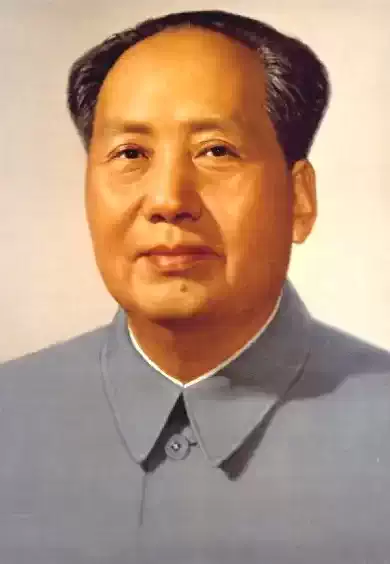
Mao Tsé-Tung
Reply to Mr. Liu Ya-Tzu
Reply to Mr. Liu Ya-Tzu
I still remember our drinking tea in Kwangchow
And your asking for verses in Chungking as the leaves yellowed.
Back in the old capital after thirty-one years,
At the season of falling flowers I read your polished lines.
Beware of heartbreak with grievance overfull,
Range far your eye over long vistas.
Do not say the waters of Kunming Lake are too shallow,
For watching fish they are better than Fuchun River.
I still remember our drinking tea in Kwangchow
And your asking for verses in Chungking as the leaves yellowed.
Back in the old capital after thirty-one years,
At the season of falling flowers I read your polished lines.
Beware of heartbreak with grievance overfull,
Range far your eye over long vistas.
Do not say the waters of Kunming Lake are too shallow,
For watching fish they are better than Fuchun River.
232
Lewis Carroll
Another Acrostic ( In the style of Father William )
Another Acrostic ( In the style of Father William )
"Are you deaf, Father William!" the young man said,
"Did you hear what I told you just now?
"Excuse me for shouting! Don't waggle your head
"Like a blundering, sleepy old cow!
"A little maid dwelling in Wallington Town,
"Is my friend, so I beg to remark:
"Do you think she'd be pleased if a book were sent down
"Entitled 'The Hunt of the Snark?'"
"Pack it up in brown paper!" the old man cried,
"And seal it with oliveanddove.
"I command you to do it!" he added with pride,
"Nor forget, my good fellow to send her beside
"Easter Greetings, and give her my love."
"Are you deaf, Father William!" the young man said,
"Did you hear what I told you just now?
"Excuse me for shouting! Don't waggle your head
"Like a blundering, sleepy old cow!
"A little maid dwelling in Wallington Town,
"Is my friend, so I beg to remark:
"Do you think she'd be pleased if a book were sent down
"Entitled 'The Hunt of the Snark?'"
"Pack it up in brown paper!" the old man cried,
"And seal it with oliveanddove.
"I command you to do it!" he added with pride,
"Nor forget, my good fellow to send her beside
"Easter Greetings, and give her my love."
441
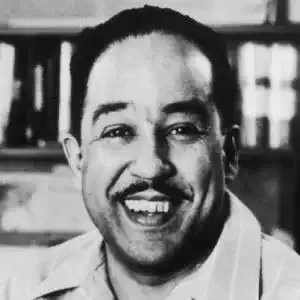
Langston Hughes
Helen Keller
Helen Keller
She,
In the dark,
Found light
Brighter than many ever see.
She,
Within herself,
Found loveliness,
Through the soul's own mastery.
And now the world receives
From her dower:
The message of the strength
Of inner power.
She,
In the dark,
Found light
Brighter than many ever see.
She,
Within herself,
Found loveliness,
Through the soul's own mastery.
And now the world receives
From her dower:
The message of the strength
Of inner power.
478
Langston Hughes
Brass Spittoons
Brass Spittoons
Clean the spittoons, boy.
Detroit,
Chicago,
Atlantic City,
Palm Beach.
Clean the spittoons.
The steam in hotel kitchens,
And the smoke in hotel lobbies,
And the slime in hotel spittoons:
Part of my life.
Hey, boy!
A nickel,
A dime,
A dollar,
Two dollars a day.
Hey, boy!
A nickel,
A dime,
A dollar,
Two dollars
Buy shoes for the baby.
House rent to pay.
Gin on Saturday,
Church on Sunday.
My God!
Babies and gin and church
And women and Sunday
All mixed with dimes and
Dollars and clean spittoons
And house rent to pay.
Hey, boy!
A bright bowl of brass is beautiful to the Lord.
Bright polished brass like the cymbals
Of King David’s dancers,
Like the wine cups of Solomon.
Hey, boy!
A clean spittoon on the altar of the Lord.
A clean bright spittoon all newly polished—
At least I can offer that.
Com’mere, boy!
Clean the spittoons, boy.
Detroit,
Chicago,
Atlantic City,
Palm Beach.
Clean the spittoons.
The steam in hotel kitchens,
And the smoke in hotel lobbies,
And the slime in hotel spittoons:
Part of my life.
Hey, boy!
A nickel,
A dime,
A dollar,
Two dollars a day.
Hey, boy!
A nickel,
A dime,
A dollar,
Two dollars
Buy shoes for the baby.
House rent to pay.
Gin on Saturday,
Church on Sunday.
My God!
Babies and gin and church
And women and Sunday
All mixed with dimes and
Dollars and clean spittoons
And house rent to pay.
Hey, boy!
A bright bowl of brass is beautiful to the Lord.
Bright polished brass like the cymbals
Of King David’s dancers,
Like the wine cups of Solomon.
Hey, boy!
A clean spittoon on the altar of the Lord.
A clean bright spittoon all newly polished—
At least I can offer that.
Com’mere, boy!
446
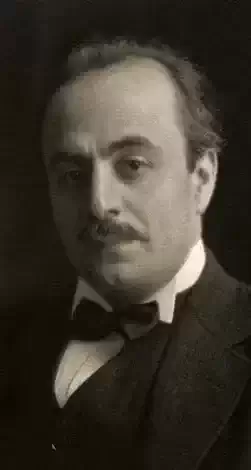
Khalil Gibran
The Beauty of Death XIV
The Beauty of Death XIV
Part One - The Calling
Let me sleep, for my soul is intoxicated with love and
Let me rest, for my spirit has had its bounty of days and nights;
Light the candles and burn the incense around my bed, and
Scatter leaves of jasmine and roses over my body;
Embalm my hair with frankincense and sprinkle my feet with perfume,
And read what the hand of Death has written on my forehead.
Let me rest in the arms of Slumber, for my open eyes are tired;
Let the silver-stringed lyre quiver and soothe my spirit;
Weave from the harp and lute a veil around my withering heart.
Sing of the past as you behold the dawn of hope in my eyes, for
It's magic meaning is a soft bed upon which my heart rests.
Dry your tears, my friends, and raise your heads as the flowers
Raise their crowns to greet the dawn.
Look at the bride of Death standing like a column of light
Between my bed and the infinite;
Hold your breath and listen with me to the beckoning rustle of
Her white wings.
Come close and bid me farewell; touch my eyes with smiling lips.
Let the children grasp my hands with soft and rosy fingers;
Let the ages place their veined hands upon my head and bless me;
Let the virgins come close and see the shadow of God in my eyes,
And hear the echo of His will racing with my breath.
Part Two - The Ascending
I have passed a mountain peak and my soul is soaring in the
Firmament of complete and unbound freedom;
I am far, far away, my companions, and the clouds are
Hiding the hills from my eyes.
The valleys are becoming flooded with an ocean of silence, and the
Hands of oblivion are engulfing the roads and the houses;
The prairies and fields are disappearing behind a white specter
That looks like the spring cloud, yellow as the candlelight
And red as the twilight.
The songs of the waves and the hymns of the streams
Are scattered, and the voices of the throngs reduced to silence;
And I can hear naught but the music of Eternity
In exact harmony with the spirit's desires.
I am cloaked in full whiteness;
I am in comfort; I am in peace.
Part Three - The Remains
Unwrap me from this white linen shroud and clothe me
With leaves of jasmine and lilies;
Take my body from the ivory casket and let it rest
Upon pillows of orange blossoms.
Lament me not, but sing songs of youth and joy;
Shed not tears upon me, but sing of harvest and the winepress;
Utter no sigh of agony, but draw upon my face with your
Finger the symbol of Love and Joy.
Disturb not the air's tranquility with chanting and requiems,
But let your hearts sing with me the song of Eternal Life;
Mourn me not with apparel of black,
But dress in color and rejoice with me;
Talk not of my departure with sighs in your hearts; close
Your eyes and you will see me with you forevermore.
Place me upon clusters of leaves and
Carry my upon your friendly shoulders and
Walk slowly to the deserted forest.
Take me not to the crowded burying ground lest my slumber
Be disrupted by the rattling of bones and skulls.
Carry me to the cypress woods and dig my grave where violets
And poppies grow not in the other's shadow;
Let my grave be deep so that the flood will not
Carry my bones to the open valley;
Let my grace be wide, so that the twilight shadows
Will come and sit by me.
Take from me all earthly raiment and place me deep in my
Mother Earth; and place me with care upon my mother's breast.
Cover me with soft earth, and let each handful be mixed
With seeds of jasmine, lilies and myrtle; and when they
Grow above me, and thrive on my body's element they will
Breathe the fragrance of my heart into space;
And reveal even to the sun the secret of my peace;
And sail with the breeze and comfort the wayfarer.
Leave me then, friends - leave me and depart on mute feet,
As the silence walks in the deserted valley;
Leave me to God and disperse yourselves slowly, as the almond
And apple blossoms disperse under the vibration of Nisan's breeze.
Go back to the joy of your dwellings and you will find there
That which Death cannot remove from you and me.
Leave with place, for what you see here is far away in meaning
From the earthly world. Leave me.
Part One - The Calling
Let me sleep, for my soul is intoxicated with love and
Let me rest, for my spirit has had its bounty of days and nights;
Light the candles and burn the incense around my bed, and
Scatter leaves of jasmine and roses over my body;
Embalm my hair with frankincense and sprinkle my feet with perfume,
And read what the hand of Death has written on my forehead.
Let me rest in the arms of Slumber, for my open eyes are tired;
Let the silver-stringed lyre quiver and soothe my spirit;
Weave from the harp and lute a veil around my withering heart.
Sing of the past as you behold the dawn of hope in my eyes, for
It's magic meaning is a soft bed upon which my heart rests.
Dry your tears, my friends, and raise your heads as the flowers
Raise their crowns to greet the dawn.
Look at the bride of Death standing like a column of light
Between my bed and the infinite;
Hold your breath and listen with me to the beckoning rustle of
Her white wings.
Come close and bid me farewell; touch my eyes with smiling lips.
Let the children grasp my hands with soft and rosy fingers;
Let the ages place their veined hands upon my head and bless me;
Let the virgins come close and see the shadow of God in my eyes,
And hear the echo of His will racing with my breath.
Part Two - The Ascending
I have passed a mountain peak and my soul is soaring in the
Firmament of complete and unbound freedom;
I am far, far away, my companions, and the clouds are
Hiding the hills from my eyes.
The valleys are becoming flooded with an ocean of silence, and the
Hands of oblivion are engulfing the roads and the houses;
The prairies and fields are disappearing behind a white specter
That looks like the spring cloud, yellow as the candlelight
And red as the twilight.
The songs of the waves and the hymns of the streams
Are scattered, and the voices of the throngs reduced to silence;
And I can hear naught but the music of Eternity
In exact harmony with the spirit's desires.
I am cloaked in full whiteness;
I am in comfort; I am in peace.
Part Three - The Remains
Unwrap me from this white linen shroud and clothe me
With leaves of jasmine and lilies;
Take my body from the ivory casket and let it rest
Upon pillows of orange blossoms.
Lament me not, but sing songs of youth and joy;
Shed not tears upon me, but sing of harvest and the winepress;
Utter no sigh of agony, but draw upon my face with your
Finger the symbol of Love and Joy.
Disturb not the air's tranquility with chanting and requiems,
But let your hearts sing with me the song of Eternal Life;
Mourn me not with apparel of black,
But dress in color and rejoice with me;
Talk not of my departure with sighs in your hearts; close
Your eyes and you will see me with you forevermore.
Place me upon clusters of leaves and
Carry my upon your friendly shoulders and
Walk slowly to the deserted forest.
Take me not to the crowded burying ground lest my slumber
Be disrupted by the rattling of bones and skulls.
Carry me to the cypress woods and dig my grave where violets
And poppies grow not in the other's shadow;
Let my grave be deep so that the flood will not
Carry my bones to the open valley;
Let my grace be wide, so that the twilight shadows
Will come and sit by me.
Take from me all earthly raiment and place me deep in my
Mother Earth; and place me with care upon my mother's breast.
Cover me with soft earth, and let each handful be mixed
With seeds of jasmine, lilies and myrtle; and when they
Grow above me, and thrive on my body's element they will
Breathe the fragrance of my heart into space;
And reveal even to the sun the secret of my peace;
And sail with the breeze and comfort the wayfarer.
Leave me then, friends - leave me and depart on mute feet,
As the silence walks in the deserted valley;
Leave me to God and disperse yourselves slowly, as the almond
And apple blossoms disperse under the vibration of Nisan's breeze.
Go back to the joy of your dwellings and you will find there
That which Death cannot remove from you and me.
Leave with place, for what you see here is far away in meaning
From the earthly world. Leave me.
480
Khalil Gibran
Friendship IXX
Friendship IXX
And a youth said, "Speak to us of Friendship."
Your friend is your needs answered.
He is your field which you sow with love and reap with thanksgiving.
And he is your board and your fireside.
For you come to him with your hunger, and you seek him for peace.
When your friend speaks his mind you fear not the "nay" in your own mind, nor do you
withhold the "ay."
And when he is silent your heart ceases not to listen to his heart;
For without words, in friendship, all thoughts, all desires, all expectations are born and
shared, with joy that is unacclaimed.
When you part from your friend, you grieve not;
For that which you love most in him may be clearer in his absence, as the mountain to
the climber is clearer from the plain.
And let there be no purpose in friendship save the deepening of the spirit.
For love that seeks aught but the disclosure of its own mystery is not love but a net
cast forth: and only the unprofitable is caught.
And let your best be for your friend.
If he must know the ebb of your tide, let him know its flood also.
For what is your friend that you should seek him with hours to kill?
Seek him always with hours to live.
For it is his to fill your need, but not your emptiness.
And in the sweetness of friendship let there be laughter, and sharing of pleasures.
For in the dew of little things the heart finds its morning and is refreshed.
And a youth said, "Speak to us of Friendship."
Your friend is your needs answered.
He is your field which you sow with love and reap with thanksgiving.
And he is your board and your fireside.
For you come to him with your hunger, and you seek him for peace.
When your friend speaks his mind you fear not the "nay" in your own mind, nor do you
withhold the "ay."
And when he is silent your heart ceases not to listen to his heart;
For without words, in friendship, all thoughts, all desires, all expectations are born and
shared, with joy that is unacclaimed.
When you part from your friend, you grieve not;
For that which you love most in him may be clearer in his absence, as the mountain to
the climber is clearer from the plain.
And let there be no purpose in friendship save the deepening of the spirit.
For love that seeks aught but the disclosure of its own mystery is not love but a net
cast forth: and only the unprofitable is caught.
And let your best be for your friend.
If he must know the ebb of your tide, let him know its flood also.
For what is your friend that you should seek him with hours to kill?
Seek him always with hours to live.
For it is his to fill your need, but not your emptiness.
And in the sweetness of friendship let there be laughter, and sharing of pleasures.
For in the dew of little things the heart finds its morning and is refreshed.
460
Khalil Gibran
Eating and Drinking chapter VI
Eating and Drinking chapter VI
Then an old man, a keeper of an inn, said, "Speak to us of Eating and Drinking."
And he said:
Would that you could live on the fragrance of the earth, and like an air plant be
sustained by the light.
But since you must kill to eat, and rob the young of its mother's milk to quench your
thirst, let it then be an act of worship,
And let your board stand an altar on which the pure and the innocent of forest and
plain are sacrificed for that which is purer and still more innocent in many.
When you kill a beast say to him in your heart,
"By the same power that slays you, I to am slain; and I too shall be consumed. For the
law that delivered you into my hand shall deliver me into a mightier hand.
Your blood and my blood is naught but the sap that feeds the tree of heaven."
And when you crush an apple with your teeth, say to it in your heart,
"Your seeds shall live in my body,
And the buds of your tomorrow shall blossom in my heart,
And your fragrance shall be my breath,
And together we shall rejoice through all the seasons."
And in the autumn, when you gather the grapes of your vineyard for the winepress,
say in you heart,
"I too am a vineyard, and my fruit shall be gathered for the winepress,
And like new wine I shall be kept in eternal vessels."
And in winter, when you draw the wine, let there be in your heart a song for each cup;
And let there be in the song a remembrance for the autumn days, and for the vineyard,
and for the winepress.
Then an old man, a keeper of an inn, said, "Speak to us of Eating and Drinking."
And he said:
Would that you could live on the fragrance of the earth, and like an air plant be
sustained by the light.
But since you must kill to eat, and rob the young of its mother's milk to quench your
thirst, let it then be an act of worship,
And let your board stand an altar on which the pure and the innocent of forest and
plain are sacrificed for that which is purer and still more innocent in many.
When you kill a beast say to him in your heart,
"By the same power that slays you, I to am slain; and I too shall be consumed. For the
law that delivered you into my hand shall deliver me into a mightier hand.
Your blood and my blood is naught but the sap that feeds the tree of heaven."
And when you crush an apple with your teeth, say to it in your heart,
"Your seeds shall live in my body,
And the buds of your tomorrow shall blossom in my heart,
And your fragrance shall be my breath,
And together we shall rejoice through all the seasons."
And in the autumn, when you gather the grapes of your vineyard for the winepress,
say in you heart,
"I too am a vineyard, and my fruit shall be gathered for the winepress,
And like new wine I shall be kept in eternal vessels."
And in winter, when you draw the wine, let there be in your heart a song for each cup;
And let there be in the song a remembrance for the autumn days, and for the vineyard,
and for the winepress.
323
Khalil Gibran
A Poet's Death is His Life IV
A Poet's Death is His Life IV
The dark wings of night enfolded the city upon which Nature had spread a pure white
garment of snow; and men deserted the streets for their houses in search of warmth,
while the north wind probed in contemplation of laying waste the gardens. There in the
suburb stood an old hut heavily laden with snow and on the verge of falling. In a dark
recess of that hovel was a poor bed in which a dying youth was lying, staring at the
dim light of his oil lamp, made to flicker by the entering winds. He a man in the spring
of life who foresaw fully that the peaceful hour of freeing himself from the clutches of
life was fast nearing. He was awaiting Death's visit gratefully, and upon his pale face
appeared the dawn of hope; and on his lops a sorrowful smile; and in his eyes
forgiveness.
He was poet perishing from hunger in the city of living rich. He was placed in the
earthly world to enliven the heart of man with his beautiful and profound sayings. He
as noble soul, sent by the Goddess of Understanding to soothe and make gentle the
human spirit. But alas! He gladly bade the cold earth farewell without receiving a smile
from its strange occupants.
He was breathing his last and had no one at his bedside save the oil lamp, his only
companion, and some parchments upon which he had inscribed his heart's feeling. As
he salvaged the remnants of his withering strength he lifted his hands heavenward; he
moved his eyes hopelessly, as if wanting to penetrate the ceiling in order to see the
stars from behind the veil clouds.
And he said, "Come, oh beautiful Death; my soul is longing for you. Come close to me
and unfasten the irons life, for I am weary of dragging them. Come, oh sweet Death,
and deliver me from my neighbors who looked upon me as a stranger because I
interpret to them the language of the angels. Hurry, oh peaceful Death, and carry me
from these multitudes who left me in the dark corner of oblivion because I do not bleed
the weak as they do. Come, oh gentle Death, and enfold me under your white wings,
for my fellowmen are not in want of me. Embrace me, oh Death, full of love and
mercy; let your lips touch my lips which never tasted a mother's kiss, not touched a
sister's cheeks, not caresses a sweetheart's fingertips. Come and take me, by beloved
Death."
Then, at the bedside of the dying poet appeared an angel who possessed a
supernatural and divine beauty, holding in her hand a wreath of lilies. She embraced
him and closed his eyes so he could see no more, except with the eye of his spirit. She
impressed a deep and long and gently withdrawn kiss that left and eternal smile of
fulfillment upon his lips. Then the hovel became empty and nothing was lest save
parchments and papers which the poet had strewn with bitter futility.
Hundreds of years later, when the people of the city arose from the diseases slumber
of ignorance and saw the dawn of knowledge, they erected a monument in the most
beautiful garden of the city and celebrated a feast every year in honor of that poet,
whose writings had freed them. Oh, how cruel is man's ignorance!
The dark wings of night enfolded the city upon which Nature had spread a pure white
garment of snow; and men deserted the streets for their houses in search of warmth,
while the north wind probed in contemplation of laying waste the gardens. There in the
suburb stood an old hut heavily laden with snow and on the verge of falling. In a dark
recess of that hovel was a poor bed in which a dying youth was lying, staring at the
dim light of his oil lamp, made to flicker by the entering winds. He a man in the spring
of life who foresaw fully that the peaceful hour of freeing himself from the clutches of
life was fast nearing. He was awaiting Death's visit gratefully, and upon his pale face
appeared the dawn of hope; and on his lops a sorrowful smile; and in his eyes
forgiveness.
He was poet perishing from hunger in the city of living rich. He was placed in the
earthly world to enliven the heart of man with his beautiful and profound sayings. He
as noble soul, sent by the Goddess of Understanding to soothe and make gentle the
human spirit. But alas! He gladly bade the cold earth farewell without receiving a smile
from its strange occupants.
He was breathing his last and had no one at his bedside save the oil lamp, his only
companion, and some parchments upon which he had inscribed his heart's feeling. As
he salvaged the remnants of his withering strength he lifted his hands heavenward; he
moved his eyes hopelessly, as if wanting to penetrate the ceiling in order to see the
stars from behind the veil clouds.
And he said, "Come, oh beautiful Death; my soul is longing for you. Come close to me
and unfasten the irons life, for I am weary of dragging them. Come, oh sweet Death,
and deliver me from my neighbors who looked upon me as a stranger because I
interpret to them the language of the angels. Hurry, oh peaceful Death, and carry me
from these multitudes who left me in the dark corner of oblivion because I do not bleed
the weak as they do. Come, oh gentle Death, and enfold me under your white wings,
for my fellowmen are not in want of me. Embrace me, oh Death, full of love and
mercy; let your lips touch my lips which never tasted a mother's kiss, not touched a
sister's cheeks, not caresses a sweetheart's fingertips. Come and take me, by beloved
Death."
Then, at the bedside of the dying poet appeared an angel who possessed a
supernatural and divine beauty, holding in her hand a wreath of lilies. She embraced
him and closed his eyes so he could see no more, except with the eye of his spirit. She
impressed a deep and long and gently withdrawn kiss that left and eternal smile of
fulfillment upon his lips. Then the hovel became empty and nothing was lest save
parchments and papers which the poet had strewn with bitter futility.
Hundreds of years later, when the people of the city arose from the diseases slumber
of ignorance and saw the dawn of knowledge, they erected a monument in the most
beautiful garden of the city and celebrated a feast every year in honor of that poet,
whose writings had freed them. Oh, how cruel is man's ignorance!
338

Kazi Nazrul Islam
You Burn Me in the Sorrow's Fire
You Burn Me in the Sorrow's Fire
However intensely you burn me in sorrow's fire.
If l am constantly burnt my heart will get purified and I will get closer to you.
After the drought shall I come the rain and
my heart will get touched by your kindness.
The drought will not remain and the dry tree
will again smile with flowers.
Once I've got your forehead's fire,
you beautiful one
I am sure to get the caressing Ganges' touch
the cool moon's feel.
Oh beneficent one! You remind me time and again
with the shock of a blow
You have thought of me again after all these days.
[Original: Tumi jotoi doho na; Translation: Abu Rushd]
However intensely you burn me in sorrow's fire.
If l am constantly burnt my heart will get purified and I will get closer to you.
After the drought shall I come the rain and
my heart will get touched by your kindness.
The drought will not remain and the dry tree
will again smile with flowers.
Once I've got your forehead's fire,
you beautiful one
I am sure to get the caressing Ganges' touch
the cool moon's feel.
Oh beneficent one! You remind me time and again
with the shock of a blow
You have thought of me again after all these days.
[Original: Tumi jotoi doho na; Translation: Abu Rushd]
497
Kazi Nazrul Islam
The Run-Away
The Run-Away
O Chakravaki! What distant melodious
call of a known flute hast thou heard?
O my fugitive Bird!
What lost abode dost thou remember?
What paradise of thy dream?
O my Fugitive!
Tears flood thy unsteady eyes,
Tell, O tell me hat long-lost mother
calleth thee?
There under the shades of dusk from
the distant horizon some deep magic
spell beckoneth thee
Dost thou know who it is? O my wayward one!
Out of the fullness of heart and from the
depths of love it seems to call, Come,
Come, O Come,
Be in my lap, O my tyrant child,
O my fugitive Bird!
The south wind blowing over the forest,
Dose thy mother call thee now by raising
her hand, O Dear?
Dost thou, after all, distinguish thy kin
from one who isn't thy kin?
So, at the very peep of dawn descends
dusk on my low-roofed house!
The sheaves of paddy, or the secret call of Shyama
Dear! prey, tell me
What startled thee and made thee break thy bonds?
The eyes are overflowed with tears,
Who hath made thee drink Hemlock
. of evergreen tender love?
It seems of a sudden some young hare
startles and cries
'O Come, come, come
Come, O my dear Child,'
To the forest come back, O thou
Chakrabaki of the wood!
O Fickle Fugitive! . ,
[Translation: Abdul Hakim]
O Chakravaki! What distant melodious
call of a known flute hast thou heard?
O my fugitive Bird!
What lost abode dost thou remember?
What paradise of thy dream?
O my Fugitive!
Tears flood thy unsteady eyes,
Tell, O tell me hat long-lost mother
calleth thee?
There under the shades of dusk from
the distant horizon some deep magic
spell beckoneth thee
Dost thou know who it is? O my wayward one!
Out of the fullness of heart and from the
depths of love it seems to call, Come,
Come, O Come,
Be in my lap, O my tyrant child,
O my fugitive Bird!
The south wind blowing over the forest,
Dose thy mother call thee now by raising
her hand, O Dear?
Dost thou, after all, distinguish thy kin
from one who isn't thy kin?
So, at the very peep of dawn descends
dusk on my low-roofed house!
The sheaves of paddy, or the secret call of Shyama
Dear! prey, tell me
What startled thee and made thee break thy bonds?
The eyes are overflowed with tears,
Who hath made thee drink Hemlock
. of evergreen tender love?
It seems of a sudden some young hare
startles and cries
'O Come, come, come
Come, O my dear Child,'
To the forest come back, O thou
Chakrabaki of the wood!
O Fickle Fugitive! . ,
[Translation: Abdul Hakim]
522
Kazi Nazrul Islam
Talk to Me, Javas, Talk to Me
Talk to Me, Javas, Talk to Me
Talk to me, javas, talk to me --
What austerities did you do to get Syama Ma's feet?
Torn from your stems on illusion's plants,
Falling scattered to the ground at Her feet,
You got liberation
Bursting open
Beside yourselves with joy.
If only I could learn from your example
My life might bear fruit.
Thousands of sweet-smelling flowers bloom in the woods,
And they're all such beauties! So how come
You got Ma's feet?
You're just ignoran't javas!
Crimson like you at the Mother's feet,
When will they be flowers
Offered to Her, blessed by Her?
When will they turn red
At the touch of Her feet?
When will they, just like you, blush scarlet -These
dull petals of my mind?
Talk to me, javas, talk to me --
What austerities did you do to get Syama Ma's feet?
Torn from your stems on illusion's plants,
Falling scattered to the ground at Her feet,
You got liberation
Bursting open
Beside yourselves with joy.
If only I could learn from your example
My life might bear fruit.
Thousands of sweet-smelling flowers bloom in the woods,
And they're all such beauties! So how come
You got Ma's feet?
You're just ignoran't javas!
Crimson like you at the Mother's feet,
When will they be flowers
Offered to Her, blessed by Her?
When will they turn red
At the touch of Her feet?
When will they, just like you, blush scarlet -These
dull petals of my mind?
528
Kazi Nazrul Islam
Save Me From All Pettiness
Save Me From All Pettiness
Save me from all smallness
O my Lord, the Graciousness!
Teach me, O Lord, no sin is worse
than the sin of pettiness.
Even if I am a sinner over hundred births,
even if for eons I sojourn in hell,
Even then, I know Lord, there is forgiveness from you.
But is there forgiveness for pettiness? My Lord, Pray tell!
Please, my Lord, in my heart
don't constrict the space.
Friends, foes or strangers alike
Let my heart be able to embrace.
Let me not speak ill of others, nor harbor envy;
At others' joy, let be lustrous my soul,
Let me weep for that wretched-hapless
whose heart is like a wormhole!
[Original: Bengali, Translator: Dr. Mohammad Omar Farooq ]
Save me from all smallness
O my Lord, the Graciousness!
Teach me, O Lord, no sin is worse
than the sin of pettiness.
Even if I am a sinner over hundred births,
even if for eons I sojourn in hell,
Even then, I know Lord, there is forgiveness from you.
But is there forgiveness for pettiness? My Lord, Pray tell!
Please, my Lord, in my heart
don't constrict the space.
Friends, foes or strangers alike
Let my heart be able to embrace.
Let me not speak ill of others, nor harbor envy;
At others' joy, let be lustrous my soul,
Let me weep for that wretched-hapless
whose heart is like a wormhole!
[Original: Bengali, Translator: Dr. Mohammad Omar Farooq ]
512
Kazi Nazrul Islam
My Explanation
My Explanation
I am a poet of today, not a prophet of a future day,
Poet or worthless, call me whatever, I put up with anything you say.
Some say, to the future you belong,
Your place, as a poet, tomorrow will come along.
How come you lack message enduring like that emanates from Rabi's hand?
I am blamed, but I wont' quit playing rising sun's music band.
My fellow poets are disappointed, they read my works and sigh,
Saying: the good one is becoming no good, as he can't say to politics good-bye.
Does not read a book - finished is this chap!
Some say: His wife has brought, indeed, all this mishap!
Some say: The fat one is spoiled, playing cards - non-stop - in the jail,
Others say: You were better there; toward jail again you should sail!
Mentor says: You're no good, except shaving using a sword!
Every Saturday my lover's letter conveys me, 'Nothing useful in you is stored.'
I say: Honey, shall I reveal the secret?
Letters stop in a hurry; not one more I get.
Sacrificing everything, I got married: Hindus say, 'Get lost'!
Am I Muslim or a heathen? Where is my pigtail or beard, or the hem of loin-cloth?
All the goody-searching priests or Mollahs wave their hands and pronounce:
This one invokes names of deities; this rogue one we must denounce!
Hear the Fatwa: Kafir is this Kazi; nothing else,
Even though he wants martyrdom, or so he tells!
Some scripture we know, and we still earn our livelihood!
Hindus detest my use of Persian words saying: from us, this guy deserves no good!
No one is happy with me; the disciples of non-violence? of course, not!
I am blamed I play the violin of violence; I get the revolutionaries' hot heads even
more hot.
The revolutionaries say: This one is non-violent,
My songs deal with spinning wheels: they resent.
Top Brahmins find me atheist, lesser ones regard me as one of the Confucians;
Independence lovers don't accept me; their opponents prefer me to be with those
Europeans!
Men think I am a feminist; women, however, think otherwise,
I never went to England; I am worthless in my expatriate friends' eyes!
My admirers see me as Rabi of new age,
If not of new age, at least a poet of these trendy days!
I hear all these, bemused; exercise for a stronger heart,
Lie down with eyeglasses on; sleeping through the day is my life's part.
I don't know what I write; Do I even understand anything of my own?
I couldn't raise my hand in protest, so I write with my head down.
Dear friends, I did not find appreciation in you,
but my name shines in government's list in lieu.
Honoring my works as invaluable, without value people take it.
Have you heard anything else? Be careful, may not be far a government spy's pit!
Friends, you have seen me engrossed in my own mind's temple,
I rebuke and admonish my mind, but bringing it under control I wish were so simple!
Every time I chain itself, somehow it escapes free
I beat it, and the same I repeat, to complete my victory,
I wish this mad mind would listen to me, but even to Rabi or Gandhi, it did not listen,
Abruptly it wakes up and then wanders in the jungle's darkness in search of roaring
tigers that glisten.
I say, O this insane one, you are doing so great in the community,
You are already a half-leader; but if you lose this opportunity,
would you ever be a full leader,
and weep with the crowd as a speaker?
Pick up the fish in the net now, O fool, before it slips away, I bet!
Take this break to get your leaky house fixed, otherwise soon you will regret.
Who understands that this minstrel's mind roams around singing and reciting!
This name hardly rings any bell; Days are passed chewing Betel leaves, ah, a taste so
inviting!
May be some day there won't be any more of epidemic of malaria,
Especially, since the autonomy is coming in its full pomp and euphoria.
Yes, we want moon, but those hapless ones cherish a meal, as teardrops of their little
ones dribble,
The agonized mother shouts: Hush, you miserables! See, independence is coming - no
more quibble!
But those hungry kids can't care less about autonomy; their desire: a little salt and
some rice,
Ah! the hour is late; nothing they have nibbled yet; the flame of hunger seeks no
advice.
When I hear that cry, my insane mind charges in a rush,
My intoxication for autonomy seeks shelter merely in my dream's brush!
I say, bemoaning: O God, are you still there? Why are they not, then,
Humiliated or destroyed, those who suck the blood of these children?
We all know, to bring independence, those lofty slogans we have devised,
And, at the same time, how burning hunger of so many million children, we have
compromised!
So much money was raised, but independence still remained a dream,
as the hungry people can't pay enough, they are so weak even to scream!
When a baby is snatched away from the mother's bosom, we plead, O royal tiger,
please eat grass!
The mother keeps begging from door to door, while in her shack hiding the baby's
carcass.
My friends, I can't say any more; my mind feels so much agony and pain,
I have gone mad; now, I utter whatever my mouth throws out in disdain.
My own blood won't make much difference,
With blood-ink I keep writing, hence,
My head can't forbear robust ideas or big thought any more; so agonized is this mortal,
All those who are in peace and happiness, it's your privilege to write epics immortal.
I don't care any more, if I live or don't, when gone is this trendy sensation,
Rabi is shining above our head, and then there are you, the golden generation.
Those who usurp the morsel of three hundred thirty million people: let our prayer keep
brewin',
In my blood-ink writing, may it be engraved and sealed their utter ruin.
[Original: Bengali, Translator: Dr. Mohammad Omar Farooq ]
I am a poet of today, not a prophet of a future day,
Poet or worthless, call me whatever, I put up with anything you say.
Some say, to the future you belong,
Your place, as a poet, tomorrow will come along.
How come you lack message enduring like that emanates from Rabi's hand?
I am blamed, but I wont' quit playing rising sun's music band.
My fellow poets are disappointed, they read my works and sigh,
Saying: the good one is becoming no good, as he can't say to politics good-bye.
Does not read a book - finished is this chap!
Some say: His wife has brought, indeed, all this mishap!
Some say: The fat one is spoiled, playing cards - non-stop - in the jail,
Others say: You were better there; toward jail again you should sail!
Mentor says: You're no good, except shaving using a sword!
Every Saturday my lover's letter conveys me, 'Nothing useful in you is stored.'
I say: Honey, shall I reveal the secret?
Letters stop in a hurry; not one more I get.
Sacrificing everything, I got married: Hindus say, 'Get lost'!
Am I Muslim or a heathen? Where is my pigtail or beard, or the hem of loin-cloth?
All the goody-searching priests or Mollahs wave their hands and pronounce:
This one invokes names of deities; this rogue one we must denounce!
Hear the Fatwa: Kafir is this Kazi; nothing else,
Even though he wants martyrdom, or so he tells!
Some scripture we know, and we still earn our livelihood!
Hindus detest my use of Persian words saying: from us, this guy deserves no good!
No one is happy with me; the disciples of non-violence? of course, not!
I am blamed I play the violin of violence; I get the revolutionaries' hot heads even
more hot.
The revolutionaries say: This one is non-violent,
My songs deal with spinning wheels: they resent.
Top Brahmins find me atheist, lesser ones regard me as one of the Confucians;
Independence lovers don't accept me; their opponents prefer me to be with those
Europeans!
Men think I am a feminist; women, however, think otherwise,
I never went to England; I am worthless in my expatriate friends' eyes!
My admirers see me as Rabi of new age,
If not of new age, at least a poet of these trendy days!
I hear all these, bemused; exercise for a stronger heart,
Lie down with eyeglasses on; sleeping through the day is my life's part.
I don't know what I write; Do I even understand anything of my own?
I couldn't raise my hand in protest, so I write with my head down.
Dear friends, I did not find appreciation in you,
but my name shines in government's list in lieu.
Honoring my works as invaluable, without value people take it.
Have you heard anything else? Be careful, may not be far a government spy's pit!
Friends, you have seen me engrossed in my own mind's temple,
I rebuke and admonish my mind, but bringing it under control I wish were so simple!
Every time I chain itself, somehow it escapes free
I beat it, and the same I repeat, to complete my victory,
I wish this mad mind would listen to me, but even to Rabi or Gandhi, it did not listen,
Abruptly it wakes up and then wanders in the jungle's darkness in search of roaring
tigers that glisten.
I say, O this insane one, you are doing so great in the community,
You are already a half-leader; but if you lose this opportunity,
would you ever be a full leader,
and weep with the crowd as a speaker?
Pick up the fish in the net now, O fool, before it slips away, I bet!
Take this break to get your leaky house fixed, otherwise soon you will regret.
Who understands that this minstrel's mind roams around singing and reciting!
This name hardly rings any bell; Days are passed chewing Betel leaves, ah, a taste so
inviting!
May be some day there won't be any more of epidemic of malaria,
Especially, since the autonomy is coming in its full pomp and euphoria.
Yes, we want moon, but those hapless ones cherish a meal, as teardrops of their little
ones dribble,
The agonized mother shouts: Hush, you miserables! See, independence is coming - no
more quibble!
But those hungry kids can't care less about autonomy; their desire: a little salt and
some rice,
Ah! the hour is late; nothing they have nibbled yet; the flame of hunger seeks no
advice.
When I hear that cry, my insane mind charges in a rush,
My intoxication for autonomy seeks shelter merely in my dream's brush!
I say, bemoaning: O God, are you still there? Why are they not, then,
Humiliated or destroyed, those who suck the blood of these children?
We all know, to bring independence, those lofty slogans we have devised,
And, at the same time, how burning hunger of so many million children, we have
compromised!
So much money was raised, but independence still remained a dream,
as the hungry people can't pay enough, they are so weak even to scream!
When a baby is snatched away from the mother's bosom, we plead, O royal tiger,
please eat grass!
The mother keeps begging from door to door, while in her shack hiding the baby's
carcass.
My friends, I can't say any more; my mind feels so much agony and pain,
I have gone mad; now, I utter whatever my mouth throws out in disdain.
My own blood won't make much difference,
With blood-ink I keep writing, hence,
My head can't forbear robust ideas or big thought any more; so agonized is this mortal,
All those who are in peace and happiness, it's your privilege to write epics immortal.
I don't care any more, if I live or don't, when gone is this trendy sensation,
Rabi is shining above our head, and then there are you, the golden generation.
Those who usurp the morsel of three hundred thirty million people: let our prayer keep
brewin',
In my blood-ink writing, may it be engraved and sealed their utter ruin.
[Original: Bengali, Translator: Dr. Mohammad Omar Farooq ]
603
Kazi Nazrul Islam
I'll Hide in Song after Song
I'll Hide in Song after Song
To-day my pensive mood
I'll hide in song after song
I'll expose my soul turning
the thorny wound into a flower,
To forget your neglect
I will sing all the while
The greater the shocks
the more tuneful my violin.
If absent-mindedly the flower is torn
I'll make a garland of it
And give it to you as a
gift when you arrive
By the fountain of my tunes
I'll compose divine music
You'll bathe in the stream
of those tunes and arise
I'll strike a rhyme out of word after word,
oh poet are you content now.
Your mind is desolate, your empty,
your soul without joy.
[Original: Aji gane gane dhakbo; Translation: Abu Rushd]
To-day my pensive mood
I'll hide in song after song
I'll expose my soul turning
the thorny wound into a flower,
To forget your neglect
I will sing all the while
The greater the shocks
the more tuneful my violin.
If absent-mindedly the flower is torn
I'll make a garland of it
And give it to you as a
gift when you arrive
By the fountain of my tunes
I'll compose divine music
You'll bathe in the stream
of those tunes and arise
I'll strike a rhyme out of word after word,
oh poet are you content now.
Your mind is desolate, your empty,
your soul without joy.
[Original: Aji gane gane dhakbo; Translation: Abu Rushd]
584
Kazi Nazrul Islam
Eid, at the end of fasting of Ramadan
Eid, at the end of fasting of Ramadan
O heart, Ramadan has come to an end,
and the happy Eid knocks at the door for all,
Come, today give yourself away wholeheartedly,
heed the divine call.
.
Offer all your wealth and treasure
for the sake of your Benevolent Lord,
Pay zakat to awaken the dying Muslims,
from the slumber that they can't afford.
Come, O heart, offer your Eid prayer
in that sacred plain,
where valiant Muslims sacrificed their lives
and became martyrs, not in vain.
Let's forget today who is friend or foe,
and hold each other in caring embrace.
Let your love be the magnet
to bring the humanity to Allah's grace.
Remember those in perennial fast,
constantly in hunger and deprivation,
Share with the poor, orphans and the destitutes,
to make inclusive your celebration.
Pour into the bowl of your heart
the ambrosia of tawheed.
The Prophet himself might accept the invitation,
and come to join your feast, indeed.
O heart, with the very stones or bricks
that some people hurled at you all along,
build a wonderful mosque of love
with foundation, solid and strong.
[Translation: Mohammad Omar Farooq]
O heart, Ramadan has come to an end,
and the happy Eid knocks at the door for all,
Come, today give yourself away wholeheartedly,
heed the divine call.
.
Offer all your wealth and treasure
for the sake of your Benevolent Lord,
Pay zakat to awaken the dying Muslims,
from the slumber that they can't afford.
Come, O heart, offer your Eid prayer
in that sacred plain,
where valiant Muslims sacrificed their lives
and became martyrs, not in vain.
Let's forget today who is friend or foe,
and hold each other in caring embrace.
Let your love be the magnet
to bring the humanity to Allah's grace.
Remember those in perennial fast,
constantly in hunger and deprivation,
Share with the poor, orphans and the destitutes,
to make inclusive your celebration.
Pour into the bowl of your heart
the ambrosia of tawheed.
The Prophet himself might accept the invitation,
and come to join your feast, indeed.
O heart, with the very stones or bricks
that some people hurled at you all along,
build a wonderful mosque of love
with foundation, solid and strong.
[Translation: Mohammad Omar Farooq]
788
Kazi Nazrul Islam
Eid Mobarak
Eid Mobarak
After the lapse of a year
you have come, Eid,
having crossed many a desert
of hundreds of miles,
having caused many a tear to
be shed on many a sand-field.
You have brought from one of the seven
heavens a present to the door of the hungry,
the bliss of the flower-garden
to the forest of thorns.
And have asked the cup-bearer
to hurry up with the cup of wine.
The hawk-cuckoo sings on all sides,
the bride keeps awake without a
wink in the bridal chamber of midnight!
Flowers weep but where's the
flower vase?
There's no sleep for lover
in the distant land away from home.
He remembers only the smell, akin
to the dry land wetted by rain,
of the loose coiffure of his beloved,
the distracted braid of her hair
being at sixes and sevens!!
Tidings of joy came last evening at
signal from the second day of the moon,
the budding mind is boiling up
with happiness!
The shanai sings unto tune Ashabari.
The stone-hard mind has softened
in the smell of perfume,
minds are mortgaged to each other
today in debt without any document,
without any debt to bother about
Yazid, Hasan and Hussain are
bosom friends today.
Hell and heaven, flowers and fire
all fall for one another,
Shirin and Farhad are in each
other's embrace!
Leili has snake-like embroiled
Qayes in herself.
The lover in the arms of his
beloved closes his eyes in pleasure,
kisses around on cheeks,
the hell of revelry is ablaze,
Satan distributes cups of wine in heaven,
friends and enemies from the same assembly.
The field of Arafat is spread out
Today from village to village,
emperors and fakirs embrace
one another like brothers.
The two figures Lat-Manat hold on to
the Kaaba and dance.
The trumpet of Islam resounds today
through out the world,
there are no high and low - all men are equal,
nobody is another's king or subject.
Who are you, Oh noble man, a
Nawab or Badsha in the upper mansion?
You are a blot on all time; you
have been responsible for raising
doubts about Islam.
Says Islam, we are all for one another,
we are all brothers and shall
share joy and sorrow equally,
none of us has the right to hold.
Is it ordained for some people
to shed tears and for others to
light up the chandeliers!
And just two people to have princely
luck, millions to suffer from bad luck?
That is not the prescription of Islam.
So has Idul-Fitr ushered in the new dispensation,
you who are hoarding up, you should
give away all surplus,
you must have food to satisfy your hunger!
The cup of enjoyment boils over in your hands,
but those who are thirsty have a
share in the cup,
you must, a my hero, give them
and then enjoy profusely.
You must empty your heart and
make a gift of yourself;
you who are very calculating,
do not sit down to calculate!
Rather let your calculation
go wrong for once.
Today the wayward play the
teasing games in their hearts,
today even the ascetic is
reddened by kiss from Sayel and Laila!
Jamshed lives and demands
wine to drink.
Today I shall go about on the
streets crying: Eid-Mobarak,
a my friends, Assalam!
Today I shall distribute from
lip to lip the message of
flowers as sweetmeat for the day.
This is Eid, an occasion
for giving oneself away.
The Eidgah is red with the ardour of my gift!
Not the body but the
heart will give of itself to
everybody and make a martyr of itself.
[(Original: Eid mobarak; Translation: Basudha Chakravarty]
After the lapse of a year
you have come, Eid,
having crossed many a desert
of hundreds of miles,
having caused many a tear to
be shed on many a sand-field.
You have brought from one of the seven
heavens a present to the door of the hungry,
the bliss of the flower-garden
to the forest of thorns.
And have asked the cup-bearer
to hurry up with the cup of wine.
The hawk-cuckoo sings on all sides,
the bride keeps awake without a
wink in the bridal chamber of midnight!
Flowers weep but where's the
flower vase?
There's no sleep for lover
in the distant land away from home.
He remembers only the smell, akin
to the dry land wetted by rain,
of the loose coiffure of his beloved,
the distracted braid of her hair
being at sixes and sevens!!
Tidings of joy came last evening at
signal from the second day of the moon,
the budding mind is boiling up
with happiness!
The shanai sings unto tune Ashabari.
The stone-hard mind has softened
in the smell of perfume,
minds are mortgaged to each other
today in debt without any document,
without any debt to bother about
Yazid, Hasan and Hussain are
bosom friends today.
Hell and heaven, flowers and fire
all fall for one another,
Shirin and Farhad are in each
other's embrace!
Leili has snake-like embroiled
Qayes in herself.
The lover in the arms of his
beloved closes his eyes in pleasure,
kisses around on cheeks,
the hell of revelry is ablaze,
Satan distributes cups of wine in heaven,
friends and enemies from the same assembly.
The field of Arafat is spread out
Today from village to village,
emperors and fakirs embrace
one another like brothers.
The two figures Lat-Manat hold on to
the Kaaba and dance.
The trumpet of Islam resounds today
through out the world,
there are no high and low - all men are equal,
nobody is another's king or subject.
Who are you, Oh noble man, a
Nawab or Badsha in the upper mansion?
You are a blot on all time; you
have been responsible for raising
doubts about Islam.
Says Islam, we are all for one another,
we are all brothers and shall
share joy and sorrow equally,
none of us has the right to hold.
Is it ordained for some people
to shed tears and for others to
light up the chandeliers!
And just two people to have princely
luck, millions to suffer from bad luck?
That is not the prescription of Islam.
So has Idul-Fitr ushered in the new dispensation,
you who are hoarding up, you should
give away all surplus,
you must have food to satisfy your hunger!
The cup of enjoyment boils over in your hands,
but those who are thirsty have a
share in the cup,
you must, a my hero, give them
and then enjoy profusely.
You must empty your heart and
make a gift of yourself;
you who are very calculating,
do not sit down to calculate!
Rather let your calculation
go wrong for once.
Today the wayward play the
teasing games in their hearts,
today even the ascetic is
reddened by kiss from Sayel and Laila!
Jamshed lives and demands
wine to drink.
Today I shall go about on the
streets crying: Eid-Mobarak,
a my friends, Assalam!
Today I shall distribute from
lip to lip the message of
flowers as sweetmeat for the day.
This is Eid, an occasion
for giving oneself away.
The Eidgah is red with the ardour of my gift!
Not the body but the
heart will give of itself to
everybody and make a martyr of itself.
[(Original: Eid mobarak; Translation: Basudha Chakravarty]
813
Kazi Nazrul Islam
Baby Sparrow
Baby Sparrow
From its nest behind the termite-eaten
wooden beams of the huge building
a baby sparrow cried out for its mother.
The mother, catching dragonflies
in the nearby field heard the cry.
'Must be that some mischievous child is trying to
take away my baby,' she thought
and, with her heart overcome with anxiety,
desperately headed back for the nest.
The fledgling saw its mother coming
and thought, 'Why don't I fly to her chest?'
and tried to do just that.
Alas, it hadn't learn to fly yet
and therefore fell all the way down to the floor. T
he mother, with tearful eyes saw this
and without any thoughts for her own life
flew down to her baby, trying
to protect her under her wings.
But soon some children came running,
chasing after them and finally catching the baby.
They showed no concern for
how precious the baby was to its mother.
They kept putting it inside an umbrella,
inside pockets, etc.
They all were laughing, except for one boyhis
eyes were overcome with tears.
His mother had passed away long ago,
he'd even forgotten what it was like
to be loved by his mother,
Yet, he felt a cry of pain deep within his heart.
With a ladder, he put the baby sparrow back in its
The tearful eyes of the baby sparrow
held heartfelt blessings for him.
The mother kept looking at the boy with great surprise,
her eyes too expressing her heartfelt gratitude for him.
These silent blessings that
the mother bird bestowed upon him,
the entire world cannot equal by a single speck.
[Original: Chorui Pakhir Chhana; Translation: Sajed Kamal]
From its nest behind the termite-eaten
wooden beams of the huge building
a baby sparrow cried out for its mother.
The mother, catching dragonflies
in the nearby field heard the cry.
'Must be that some mischievous child is trying to
take away my baby,' she thought
and, with her heart overcome with anxiety,
desperately headed back for the nest.
The fledgling saw its mother coming
and thought, 'Why don't I fly to her chest?'
and tried to do just that.
Alas, it hadn't learn to fly yet
and therefore fell all the way down to the floor. T
he mother, with tearful eyes saw this
and without any thoughts for her own life
flew down to her baby, trying
to protect her under her wings.
But soon some children came running,
chasing after them and finally catching the baby.
They showed no concern for
how precious the baby was to its mother.
They kept putting it inside an umbrella,
inside pockets, etc.
They all were laughing, except for one boyhis
eyes were overcome with tears.
His mother had passed away long ago,
he'd even forgotten what it was like
to be loved by his mother,
Yet, he felt a cry of pain deep within his heart.
With a ladder, he put the baby sparrow back in its
The tearful eyes of the baby sparrow
held heartfelt blessings for him.
The mother kept looking at the boy with great surprise,
her eyes too expressing her heartfelt gratitude for him.
These silent blessings that
the mother bird bestowed upon him,
the entire world cannot equal by a single speck.
[Original: Chorui Pakhir Chhana; Translation: Sajed Kamal]
648
Kazi Nazrul Islam
A Tribute From the Poet
A Tribute From the Poet
Allahu Akbar!
Allahu Akbar!
From Allah comes today
Rahmat, Kauthar.
Those of whom Allah is patron
This victory is of them,
It is the victory of God's Will,
Not for our vain fame.
It is a victory, but
Merely the stepping stone, no more;
From so much bondage-affliction
Toward above we have to soar.
So much division, schism
Jealousy, greed and arrogance,
All these will simply disappear
With His one merciful glance.
You are the new travelers
You are bound toward Him,
Following your footsteps
Here comes a heavenly beam.
Yes, coming are the travelers
Young warriors of new age,
Soon world's misery and suffering
Will be confined in their cage.
[Original: Kabir Proshosti (Bengali) ,
Translator: Mohammad Omar Farooq]
Allahu Akbar!
Allahu Akbar!
From Allah comes today
Rahmat, Kauthar.
Those of whom Allah is patron
This victory is of them,
It is the victory of God's Will,
Not for our vain fame.
It is a victory, but
Merely the stepping stone, no more;
From so much bondage-affliction
Toward above we have to soar.
So much division, schism
Jealousy, greed and arrogance,
All these will simply disappear
With His one merciful glance.
You are the new travelers
You are bound toward Him,
Following your footsteps
Here comes a heavenly beam.
Yes, coming are the travelers
Young warriors of new age,
Soon world's misery and suffering
Will be confined in their cage.
[Original: Kabir Proshosti (Bengali) ,
Translator: Mohammad Omar Farooq]
619

Kabir
When The Day Came
When The Day Came
When the Day came -
The Day I had lived and died for -
The Day that is not in any calendar -
Clouds heavy with love
Showered me with wild abundance.
Inside me, my soul was drenched.
Around me, even the desert grew green.
When the Day came -
The Day I had lived and died for -
The Day that is not in any calendar -
Clouds heavy with love
Showered me with wild abundance.
Inside me, my soul was drenched.
Around me, even the desert grew green.
398