

Poems
Children
Poems in this topic
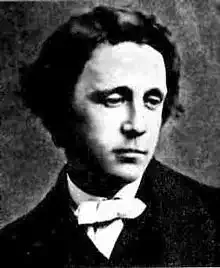
Lewis Carroll
Bessie's Song To Her Doll
Bessie's Song To Her Doll
Matilda Jane, you never look
At any toy or picturebook.
I show you pretty things in vain
You must be blind, Matilda Jane!
I ask you riddles, tell you tales,
But all our conversation fails.
You never answer me again
I fear you're dumb, Matilda Jane!
Matilda darling, when I call,
You never seem to hear at all.
I shout with all my might and main
But you're so deaf, Matilda Jane!
Matilda Jane, you needn't mind,
For, though you're deaf and dumb and blind,
There's some one loves you, it is plain
And that is me, Matilda Jane!
Matilda Jane, you never look
At any toy or picturebook.
I show you pretty things in vain
You must be blind, Matilda Jane!
I ask you riddles, tell you tales,
But all our conversation fails.
You never answer me again
I fear you're dumb, Matilda Jane!
Matilda darling, when I call,
You never seem to hear at all.
I shout with all my might and main
But you're so deaf, Matilda Jane!
Matilda Jane, you needn't mind,
For, though you're deaf and dumb and blind,
There's some one loves you, it is plain
And that is me, Matilda Jane!
274
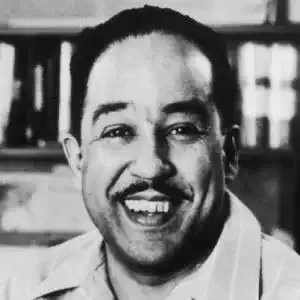
Langston Hughes
In Time Of Silver Rain
In Time Of Silver Rain
In time of silver rain
The earth puts forth new life again,
Green grasses grow
And flowers lift their heads,
And over all the plain
The wonder spreads
Of Life,
Of Life,
Of life!
In time of silver rain
The butterflies lift silken wings
To catch a rainbow cry,
And trees put forth new leaves to sing
In joy beneath the sky
As down the roadway
Passing boys and girls
Go singing, too,
In time of silver rain When spring
And life
Are new.
In time of silver rain
The earth puts forth new life again,
Green grasses grow
And flowers lift their heads,
And over all the plain
The wonder spreads
Of Life,
Of Life,
Of life!
In time of silver rain
The butterflies lift silken wings
To catch a rainbow cry,
And trees put forth new leaves to sing
In joy beneath the sky
As down the roadway
Passing boys and girls
Go singing, too,
In time of silver rain When spring
And life
Are new.
398
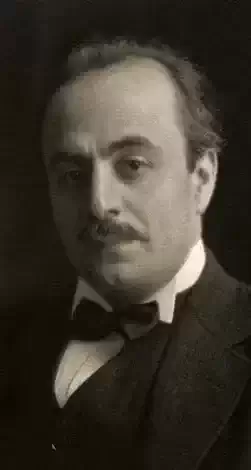
Khalil Gibran
Two Infants II
Two Infants II
A prince stood on the balcony of his palace addressing a great multitude summoned for
the occasion and said, "Let me offer you and this whole fortunate country my
congratulations upon the birth of a new prince who will carry the name of my noble
family, and of whom you will be justly proud. He is the new bearer of a great and
illustrious ancestry, and upon him depends the brilliant future of this realm. Sing and
be merry!" The voices of the throngs, full of joy and thankfulness, flooded the sky with
exhilarating song, welcoming the new tyrant who would affix the yoke of oppression to
their necks by ruling the weak with bitter authority, and exploiting their bodies and
killing their souls. For that destiny, the people were singing and drinking ecstatically to
the heady of the new Emir.
Another child entered life and that kingdom at the same time. While the crowds were
glorifying the strong and belittling themselves by singing praise to a potential despot,
and while the angels of heaven were weeping over the people's weakness and
servitude, a sick woman was thinking. She lived in an old, deserted hovel and, lying in
her hard bed beside her newly born infant wrapped with ragged swaddles, was starving
to death. She was a penurious and miserable young wife neglected by humanity; her
husband had fallen into the trap of death set by the prince's oppression, leaving a
solitary woman to whom God had sent, that night, a tiny companion to prevent her
from working and sustaining life.
As the mass dispersed and silence was restored to the vicinity, the wretched woman
placed the infant on her lap and looked into his face and wept as if she were to baptize
him with tears. And with a hunger weakened voice she spoke to the child saying, "Why
have you left the spiritual world and come to share with me the bitterness of earthly
life? Why have you deserted the angels and the spacious firmament and come to this
miserable land of humans, filled with agony, oppression, and heartlessness? I have
nothing to give you except tears; will you be nourished on tears instead of milk? I have
no silk clothes to put on you; will my naked, shivering arms give you warmth? The little
animals graze in the pasture and return safely to their shed; and the small birds pick
the seeds and sleep placidly between the branches. But you, my beloved, have naught
save a loving but destitute mother."
Then she took the infant to her withered breast and clasped her arms around him as if
wanting to join the two bodies in one, as before. She lifted her burning eyes slowly
toward heaven and cried, "God! Have mercy on my unfortunate countrymen!"
At that moment the clouds floated from the face of the moon, whose beams penetrated
the transom of that poor home and fell upon two corpses.
A prince stood on the balcony of his palace addressing a great multitude summoned for
the occasion and said, "Let me offer you and this whole fortunate country my
congratulations upon the birth of a new prince who will carry the name of my noble
family, and of whom you will be justly proud. He is the new bearer of a great and
illustrious ancestry, and upon him depends the brilliant future of this realm. Sing and
be merry!" The voices of the throngs, full of joy and thankfulness, flooded the sky with
exhilarating song, welcoming the new tyrant who would affix the yoke of oppression to
their necks by ruling the weak with bitter authority, and exploiting their bodies and
killing their souls. For that destiny, the people were singing and drinking ecstatically to
the heady of the new Emir.
Another child entered life and that kingdom at the same time. While the crowds were
glorifying the strong and belittling themselves by singing praise to a potential despot,
and while the angels of heaven were weeping over the people's weakness and
servitude, a sick woman was thinking. She lived in an old, deserted hovel and, lying in
her hard bed beside her newly born infant wrapped with ragged swaddles, was starving
to death. She was a penurious and miserable young wife neglected by humanity; her
husband had fallen into the trap of death set by the prince's oppression, leaving a
solitary woman to whom God had sent, that night, a tiny companion to prevent her
from working and sustaining life.
As the mass dispersed and silence was restored to the vicinity, the wretched woman
placed the infant on her lap and looked into his face and wept as if she were to baptize
him with tears. And with a hunger weakened voice she spoke to the child saying, "Why
have you left the spiritual world and come to share with me the bitterness of earthly
life? Why have you deserted the angels and the spacious firmament and come to this
miserable land of humans, filled with agony, oppression, and heartlessness? I have
nothing to give you except tears; will you be nourished on tears instead of milk? I have
no silk clothes to put on you; will my naked, shivering arms give you warmth? The little
animals graze in the pasture and return safely to their shed; and the small birds pick
the seeds and sleep placidly between the branches. But you, my beloved, have naught
save a loving but destitute mother."
Then she took the infant to her withered breast and clasped her arms around him as if
wanting to join the two bodies in one, as before. She lifted her burning eyes slowly
toward heaven and cried, "God! Have mercy on my unfortunate countrymen!"
At that moment the clouds floated from the face of the moon, whose beams penetrated
the transom of that poor home and fell upon two corpses.
286
Khalil Gibran
The Widow and Her Son XXI
The Widow and Her Son XXI
Night fell over North Lebanon and snow was covering the villages surrounded by the
Kadeesha Valley, giving the fields and prairies the appearance of a great sheet of
parchment upon which the furious Nature was recording her many deeds. Men came
home from the streets while silence engulfed the night.
In a lone house near those villages lived a woman who sat by her fireside spinning
wool, and at her side was her only child, staring now at the fire and then at his mother.
A terrible roar of thunder shook the house and the little boy shook with fright. He threw
his arms about his mother, seeking protection from Nature in her affection. She took
him to her bosom and kissed him; then she say him on her lap and said, "Do not fear,
my son, for Nature is but comparing her great power to man's weakness. There is a
Supreme Being beyond the falling snow and the heavy clouds and the blowing wind,
and He knows the needs of the earth, for He made it; and He looks upon the weak with
merciful eyes.
"Be brave, my boy. Nature smiles in Spring and laughs in Summer and yawns in
Autumn, but now she is weeping; and with her tears she waters life, hidden under the
earth.
"Sleep, my dear child; your father is viewing us from Eternity. The snow and thunder
bring us closer to him at this time.
"Sleep, my beloved, for this white blanket which makes us cold, keeps the seeds warm,
and these war-like things will produce beautiful flowers when Nisan comes.
"Thus, my child, man cannot reap love until after sad and revealing separation, and
bitter patience, and desperate hardship. Sleep, my little boy; sweet dreams will find
your soul who is unafraid of the terrible darkness of night and the biting frost."
The little boy looked upon his mother with sleep-laden eyes and said, "Mother, my eyes
are heavy, but I cannot go to bed without saying my prayer."
The woman looked at his angelic face, her vision blurred by misted eyes, and said,
"Repeat with me, my boy - 'God, have mercy on the poor and protect them from the
winter; warm their thin-clad bodies with Thy merciful hands; look upon the orphans
who are sleeping in wretched houses, suffering from hunger and cold. Hear, oh Lord,
the call of widows who are helpless and shivering with fear for their young. Open, oh
Lord, the hearts of all humans, that they may see the misery of the weak. Have mercy
upon the sufferers who knock on doors, and lead the wayfarers into warm places.
Watch, oh Lord, over the little birds and protect the trees and fields from the anger of
the storm; for Thou art merciful and full of love.'"
As Slumber captured the boy's spirit, his mother placed him in the bed and kissed his
eyes with quivering lips. Then she went back and sat by the hearth, spinning the wool
to make him raiment.
Night fell over North Lebanon and snow was covering the villages surrounded by the
Kadeesha Valley, giving the fields and prairies the appearance of a great sheet of
parchment upon which the furious Nature was recording her many deeds. Men came
home from the streets while silence engulfed the night.
In a lone house near those villages lived a woman who sat by her fireside spinning
wool, and at her side was her only child, staring now at the fire and then at his mother.
A terrible roar of thunder shook the house and the little boy shook with fright. He threw
his arms about his mother, seeking protection from Nature in her affection. She took
him to her bosom and kissed him; then she say him on her lap and said, "Do not fear,
my son, for Nature is but comparing her great power to man's weakness. There is a
Supreme Being beyond the falling snow and the heavy clouds and the blowing wind,
and He knows the needs of the earth, for He made it; and He looks upon the weak with
merciful eyes.
"Be brave, my boy. Nature smiles in Spring and laughs in Summer and yawns in
Autumn, but now she is weeping; and with her tears she waters life, hidden under the
earth.
"Sleep, my dear child; your father is viewing us from Eternity. The snow and thunder
bring us closer to him at this time.
"Sleep, my beloved, for this white blanket which makes us cold, keeps the seeds warm,
and these war-like things will produce beautiful flowers when Nisan comes.
"Thus, my child, man cannot reap love until after sad and revealing separation, and
bitter patience, and desperate hardship. Sleep, my little boy; sweet dreams will find
your soul who is unafraid of the terrible darkness of night and the biting frost."
The little boy looked upon his mother with sleep-laden eyes and said, "Mother, my eyes
are heavy, but I cannot go to bed without saying my prayer."
The woman looked at his angelic face, her vision blurred by misted eyes, and said,
"Repeat with me, my boy - 'God, have mercy on the poor and protect them from the
winter; warm their thin-clad bodies with Thy merciful hands; look upon the orphans
who are sleeping in wretched houses, suffering from hunger and cold. Hear, oh Lord,
the call of widows who are helpless and shivering with fear for their young. Open, oh
Lord, the hearts of all humans, that they may see the misery of the weak. Have mercy
upon the sufferers who knock on doors, and lead the wayfarers into warm places.
Watch, oh Lord, over the little birds and protect the trees and fields from the anger of
the storm; for Thou art merciful and full of love.'"
As Slumber captured the boy's spirit, his mother placed him in the bed and kissed his
eyes with quivering lips. Then she went back and sat by the hearth, spinning the wool
to make him raiment.
335

Kazi Nazrul Islam
The Eternal Child
The Eternal Child
O the nameless eternal child
you have come across unknown lands,
what ornament of name you have put on!
What a prison it is for the chainless!
Tell me, by what name I'll call you again
to my heart's content,
you lost your way from this home
where you lived, where you do come back
over and over again losing your own name.
O my sweet dear,
you are the radiant pearl of my dark home
filling the hungry home with little butter
your tiny hand has brought.
That today in intimate happiness
a sea of wailing swells up in my bosom
to call you by a new name,
who is there to stop my voice
my mind, too, utterly dejected.
You came from settling down, O traveller
stepping toward rising up.
[Original: Chiro Shishu; Translation: Mohammad Nurul Huda]
O the nameless eternal child
you have come across unknown lands,
what ornament of name you have put on!
What a prison it is for the chainless!
Tell me, by what name I'll call you again
to my heart's content,
you lost your way from this home
where you lived, where you do come back
over and over again losing your own name.
O my sweet dear,
you are the radiant pearl of my dark home
filling the hungry home with little butter
your tiny hand has brought.
That today in intimate happiness
a sea of wailing swells up in my bosom
to call you by a new name,
who is there to stop my voice
my mind, too, utterly dejected.
You came from settling down, O traveller
stepping toward rising up.
[Original: Chiro Shishu; Translation: Mohammad Nurul Huda]
550
Kazi Nazrul Islam
If I was Daddy, and Daddy was Me
If I was Daddy, and Daddy was Me
If I was Daddy and Daddy was Khoka (that's me),
if he didn't finish memorizing the multiplication tables I'd tap him on the head!
If everyday was Sunday,
Oh, what fun that would be
no more multiplication tables, writing, drawing-measuring,
if I was Daddy and Daddy was Khoka (that's me)!
[Orijinal: Ami jodi baba hotam; Translation: Sajed Kamal]
If I was Daddy and Daddy was Khoka (that's me),
if he didn't finish memorizing the multiplication tables I'd tap him on the head!
If everyday was Sunday,
Oh, what fun that would be
no more multiplication tables, writing, drawing-measuring,
if I was Daddy and Daddy was Khoka (that's me)!
[Orijinal: Ami jodi baba hotam; Translation: Sajed Kamal]
566

Joyce Kilmer
Folly
Folly
(For A. K. K.)
What distant mountains thrill and glow
Beneath our Lady Folly's tread?
Why has she left us, wise in woe,
Shrewd, practical, uncomforted?
We cannot love or dream or sing,
We are too cynical to pray,
There is no joy in anything
Since Lady Folly went away.
Many a knight and gentle maid,
Whose glory shines from years gone by,
Through ignorance was unafraid
And as a fool knew how to die.
Saint Folly rode beside Jehanne
And broke the ranks of Hell with her,
And Folly's smile shone brightly on
Christ's plaything, Brother Juniper.
Our minds are troubled and defiled
By study in a weary school.
O for the folly of the child!
The ready courage of the fool!
Lord, crush our knowledge utterly
And make us humble, simple men;
And cleansed of wisdom, let us see
Our Lady Folly's face again.
(For A. K. K.)
What distant mountains thrill and glow
Beneath our Lady Folly's tread?
Why has she left us, wise in woe,
Shrewd, practical, uncomforted?
We cannot love or dream or sing,
We are too cynical to pray,
There is no joy in anything
Since Lady Folly went away.
Many a knight and gentle maid,
Whose glory shines from years gone by,
Through ignorance was unafraid
And as a fool knew how to die.
Saint Folly rode beside Jehanne
And broke the ranks of Hell with her,
And Folly's smile shone brightly on
Christ's plaything, Brother Juniper.
Our minds are troubled and defiled
By study in a weary school.
O for the folly of the child!
The ready courage of the fool!
Lord, crush our knowledge utterly
And make us humble, simple men;
And cleansed of wisdom, let us see
Our Lady Folly's face again.
129
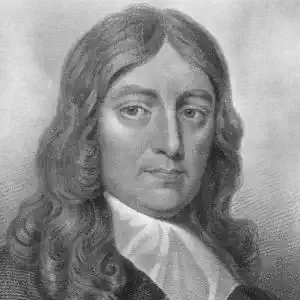
John Milton
On The Death Of A Fair Infant Dying Of A Cough
On The Death Of A Fair Infant Dying Of A Cough
I
O fairest flower no sooner blown but blasted,
Soft silken Primrose fading timelesslie,
Summers chief honour if thou hadst outlasted
Bleak winters force that made thy blossome drie;
For he being amorous on that lovely die
That did thy cheek envermeil, thought to kiss
But kill'd alas, and then bewayl'd his fatal bliss.
II
For since grim Aquilo his charioter
By boistrous rape th' Athenian damsel got,
He thought it toucht his Deitie full neer,
If likewise he some fair one wedded not,
Thereby to wipe away th' infamous blot,
Of long-uncoupled bed, and childless eld,
Which 'mongst the wanton gods a foul reproach was held.
III
So mounting up in ycie-pearled carr,
Through middle empire of the freezing aire
He wanderd long, till thee he spy'd from farr,
There ended was his quest, there ceast his care
Down he descended from his Snow-soft chaire,
But all unwares with his cold-kind embrace
Unhous'd thy Virgin Soul from her fair hiding place.
IV
Yet art thou not inglorious in thy fate;
For so Apollo, with unweeting hand
Whilome did slay his dearly-loved mate
Young Hyacinth born on Eurotas' strand,
Young Hyacinth the pride of Spartan land;
But then transform'd him to a purple flower
Alack that so to change thee winter had no power.
V
Yet can I not perswade me thou art dead
Or that thy coarse corrupts in earths dark wombe,
Or that thy beauties lie in wormie bed,
Hid from the world in a low delved tombe;
Could Heav'n for pittie thee so strictly doom?
O no! for something in thy face did shine
Above mortalitie that shew'd thou wast divine.
VI
Resolve me then oh Soul most surely blest
(If so it be that thou these plaints dost hear)
Tell me bright Spirit where e're thou hoverest
Whether above that high first-moving Spheare
Or in the Elisian fields (if such there were.)
Oh say me true if thou wert mortal wight
And why from us so quickly thou didst take thy flight.
VII
Wert thou some Starr which from the ruin'd roofe
Of shak't Olympus by mischance didst fall;
Which carefull Jove in natures true behoofe
Took up, and in fit place did reinstall?
Or did of late earths Sonnes besiege the wall
Of sheenie Heav'n, and thou some goddess fled
Amongst us here below to hide thy nectar'd head
VIII
Or wert thou that just Maid who once before
Forsook the hated earth, O tell me sooth
And cam'st again to visit us once more?
Or wert thou that sweet smiling Youth!
Or that c[r]own'd Matron sage white-robed Truth?
Or any other of that heav'nly brood
Let down in clowdie throne to do the world some good.
Note: 53 Or wert thou] Or wert thou Mercy -- conjectured by
John Heskin Ch. Ch. Oxon. from Ode on Nativity, st. 15.
IX
Or wert thou of the golden-winged boast,
Who having clad thy self in humane weed,
To earth from thy praefixed seat didst poast,
And after short abode flie back with speed,
As if to shew what creatures Heav'n doth breed,
Thereby to set the hearts of men on fire
To scorn the sordid world, and unto Heav'n aspire.
X
But oh why didst thou not stay here below
To bless us with thy heav'n-lov'd innocence,
To slake his wrath whom sin hath made our foe
To turn Swift-rushing black perdition hence,
Or drive away the slaughtering pestilence,
To stand 'twixt us and our deserved smart
But thou canst best perform that office where thou art.
XI
Then thou the mother of so sweet a child
Her false imagin'd loss cease to lament,
And wisely learn to curb thy sorrows wild;
Think what a present thou to God hast sent,
And render him with patience what he lent;
This if thou do he will an off-spring give,
That till the worlds last-end shall make thy name to live.
I
O fairest flower no sooner blown but blasted,
Soft silken Primrose fading timelesslie,
Summers chief honour if thou hadst outlasted
Bleak winters force that made thy blossome drie;
For he being amorous on that lovely die
That did thy cheek envermeil, thought to kiss
But kill'd alas, and then bewayl'd his fatal bliss.
II
For since grim Aquilo his charioter
By boistrous rape th' Athenian damsel got,
He thought it toucht his Deitie full neer,
If likewise he some fair one wedded not,
Thereby to wipe away th' infamous blot,
Of long-uncoupled bed, and childless eld,
Which 'mongst the wanton gods a foul reproach was held.
III
So mounting up in ycie-pearled carr,
Through middle empire of the freezing aire
He wanderd long, till thee he spy'd from farr,
There ended was his quest, there ceast his care
Down he descended from his Snow-soft chaire,
But all unwares with his cold-kind embrace
Unhous'd thy Virgin Soul from her fair hiding place.
IV
Yet art thou not inglorious in thy fate;
For so Apollo, with unweeting hand
Whilome did slay his dearly-loved mate
Young Hyacinth born on Eurotas' strand,
Young Hyacinth the pride of Spartan land;
But then transform'd him to a purple flower
Alack that so to change thee winter had no power.
V
Yet can I not perswade me thou art dead
Or that thy coarse corrupts in earths dark wombe,
Or that thy beauties lie in wormie bed,
Hid from the world in a low delved tombe;
Could Heav'n for pittie thee so strictly doom?
O no! for something in thy face did shine
Above mortalitie that shew'd thou wast divine.
VI
Resolve me then oh Soul most surely blest
(If so it be that thou these plaints dost hear)
Tell me bright Spirit where e're thou hoverest
Whether above that high first-moving Spheare
Or in the Elisian fields (if such there were.)
Oh say me true if thou wert mortal wight
And why from us so quickly thou didst take thy flight.
VII
Wert thou some Starr which from the ruin'd roofe
Of shak't Olympus by mischance didst fall;
Which carefull Jove in natures true behoofe
Took up, and in fit place did reinstall?
Or did of late earths Sonnes besiege the wall
Of sheenie Heav'n, and thou some goddess fled
Amongst us here below to hide thy nectar'd head
VIII
Or wert thou that just Maid who once before
Forsook the hated earth, O tell me sooth
And cam'st again to visit us once more?
Or wert thou that sweet smiling Youth!
Or that c[r]own'd Matron sage white-robed Truth?
Or any other of that heav'nly brood
Let down in clowdie throne to do the world some good.
Note: 53 Or wert thou] Or wert thou Mercy -- conjectured by
John Heskin Ch. Ch. Oxon. from Ode on Nativity, st. 15.
IX
Or wert thou of the golden-winged boast,
Who having clad thy self in humane weed,
To earth from thy praefixed seat didst poast,
And after short abode flie back with speed,
As if to shew what creatures Heav'n doth breed,
Thereby to set the hearts of men on fire
To scorn the sordid world, and unto Heav'n aspire.
X
But oh why didst thou not stay here below
To bless us with thy heav'n-lov'd innocence,
To slake his wrath whom sin hath made our foe
To turn Swift-rushing black perdition hence,
Or drive away the slaughtering pestilence,
To stand 'twixt us and our deserved smart
But thou canst best perform that office where thou art.
XI
Then thou the mother of so sweet a child
Her false imagin'd loss cease to lament,
And wisely learn to curb thy sorrows wild;
Think what a present thou to God hast sent,
And render him with patience what he lent;
This if thou do he will an off-spring give,
That till the worlds last-end shall make thy name to live.
540
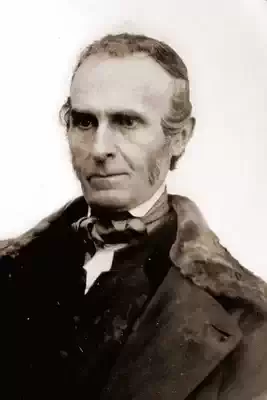
John Greenleaf Whittier
The Barefoot Boy
The Barefoot Boy
Blessings on thee, little man,
Barefoot boy, with cheek of tan!
With thy turned-up pantaloons,
And thy merry whistled tunes;
With thy red lip, redder still
Kissed by strawberries on the hill;
With the sunshine on thy face,
Through thy torn brim's jaunty grace;
From my heart I give thee joy, I
was once a barefoot boy!
Prince thou art, - the grown-up man
Only is republican.
Let the million-dollared ride!
Barefoot, trudging at his side,
Thou hast more than he can buy
In the reach of ear and eye, Outward
sunshine, inward joy:
Blessings on thee, barefoot boy!
Oh for boyhood's painless play,
Sleep that wakes in laughing day,
Health that mocks the doctor's rules,
Knowledge never learned of schools,
Of the wild bee's morning chase,
Of the wild-flower's time and place,
Flight of fowl and habitude
Of the tenants of the wood;
How the tortoise bears his shell,
How the woodchuck digs his cell,
And the ground-mole sinks his well;
How the robin feeds her young,
How the oriole's nest is hung;
Where the whitest lilies blow,
Where the freshest berries grow,
Where the ground-nut trails its vine,
Where the wood-grape's clusters shine;
Of the black wasp's cunning way,
Mason of his walls of clay,
And the architectural plans
Of gray hornet artisans!
For, eschewing books and tasks,
Nature answers all he asks;
Hand in hand with her he walks,
Face to face with her he talks,
Part and parcel of her joy, Blessings
on the barefoot boy!
Oh for boyhood's time of June,
Crowding years in one brief moon,
When all things I heard or saw,
Me, their master, waited for.
I was rich in flowers and trees,
Humming-birds and honey-bees;
For my sport the squirrel played,
Plied the snouted mole his spade;
For my taste the blackberry cone
Purpled over hedge and stone;
Laughed the brook for my delight
Through the day and through the night,
Whispering at the garden wall,
Talked with me from fall to fall;
Mine the sand-rimmed pickerel pond,
Mine the walnut slopes beyond,
Mine, on bending orchard trees,
Apples of Hesperides!
Still as my horizon grew,
Larger grew my riches too;
All the world I saw or knew
Seemed a complex Chinese toy,
Fashioned for a barefoot boy!
Oh for festal dainties spread,
Like my bowl of milk and bread;
Pewter spoon and bowl of wood,
On the door-stone, gray and rude!
O'er me, like a regal tent,
Cloudy-ribbed, the sunset bent,
Purple-curtained, fringed with gold,
Looped in many a wind-swung fold;
While for music came the play
Of the pied frogs' orchestra;
And, to light the noisy choir,
Lit the fly his lamp of fire.
I was monarch: pomp and joy
Waited on the barefoot boy!
Cheerily, then, my little man,
Live and laugh, as boyhood can!
Though the flinty slopes be hard,
Stubble-speared the new-mown sward,
Every morn shall lead thee through
Fresh baptisms of the dew;
Every evening from thy feet
Shall the cool wind kiss the heat:
All too soon these feet must hide
In the prison cells of pride,
Lose the freedom of the sod,
Like a colt's for work be shod,
Made to tread the mills of toil,
Up and down in ceaseless moil:
Happy if their track be found
Never on forbidden ground;
Happy if they sink not in
Quick and treacherous sands of sin.
Ah! that thou couldst know thy joy,
Ere it passes, barefoot boy!
Blessings on thee, little man,
Barefoot boy, with cheek of tan!
With thy turned-up pantaloons,
And thy merry whistled tunes;
With thy red lip, redder still
Kissed by strawberries on the hill;
With the sunshine on thy face,
Through thy torn brim's jaunty grace;
From my heart I give thee joy, I
was once a barefoot boy!
Prince thou art, - the grown-up man
Only is republican.
Let the million-dollared ride!
Barefoot, trudging at his side,
Thou hast more than he can buy
In the reach of ear and eye, Outward
sunshine, inward joy:
Blessings on thee, barefoot boy!
Oh for boyhood's painless play,
Sleep that wakes in laughing day,
Health that mocks the doctor's rules,
Knowledge never learned of schools,
Of the wild bee's morning chase,
Of the wild-flower's time and place,
Flight of fowl and habitude
Of the tenants of the wood;
How the tortoise bears his shell,
How the woodchuck digs his cell,
And the ground-mole sinks his well;
How the robin feeds her young,
How the oriole's nest is hung;
Where the whitest lilies blow,
Where the freshest berries grow,
Where the ground-nut trails its vine,
Where the wood-grape's clusters shine;
Of the black wasp's cunning way,
Mason of his walls of clay,
And the architectural plans
Of gray hornet artisans!
For, eschewing books and tasks,
Nature answers all he asks;
Hand in hand with her he walks,
Face to face with her he talks,
Part and parcel of her joy, Blessings
on the barefoot boy!
Oh for boyhood's time of June,
Crowding years in one brief moon,
When all things I heard or saw,
Me, their master, waited for.
I was rich in flowers and trees,
Humming-birds and honey-bees;
For my sport the squirrel played,
Plied the snouted mole his spade;
For my taste the blackberry cone
Purpled over hedge and stone;
Laughed the brook for my delight
Through the day and through the night,
Whispering at the garden wall,
Talked with me from fall to fall;
Mine the sand-rimmed pickerel pond,
Mine the walnut slopes beyond,
Mine, on bending orchard trees,
Apples of Hesperides!
Still as my horizon grew,
Larger grew my riches too;
All the world I saw or knew
Seemed a complex Chinese toy,
Fashioned for a barefoot boy!
Oh for festal dainties spread,
Like my bowl of milk and bread;
Pewter spoon and bowl of wood,
On the door-stone, gray and rude!
O'er me, like a regal tent,
Cloudy-ribbed, the sunset bent,
Purple-curtained, fringed with gold,
Looped in many a wind-swung fold;
While for music came the play
Of the pied frogs' orchestra;
And, to light the noisy choir,
Lit the fly his lamp of fire.
I was monarch: pomp and joy
Waited on the barefoot boy!
Cheerily, then, my little man,
Live and laugh, as boyhood can!
Though the flinty slopes be hard,
Stubble-speared the new-mown sward,
Every morn shall lead thee through
Fresh baptisms of the dew;
Every evening from thy feet
Shall the cool wind kiss the heat:
All too soon these feet must hide
In the prison cells of pride,
Lose the freedom of the sod,
Like a colt's for work be shod,
Made to tread the mills of toil,
Up and down in ceaseless moil:
Happy if their track be found
Never on forbidden ground;
Happy if they sink not in
Quick and treacherous sands of sin.
Ah! that thou couldst know thy joy,
Ere it passes, barefoot boy!
313
John Greenleaf Whittier
How The Robin Came
How The Robin Came
AN ALGONQUIN LEGEND.
HAPPY young friends, sit by me,
Under May's blown apple-tree,
While these home-birds in and out
Through the blossoms flit about.
Hear a story, strange and old,
By the wild red Indians told,
How the robin came to be:
Once a great chief left his son,-Well-
beloved, his only one,-When
the boy was well-nigh grown,
In the trial-lodge alone.
Left for tortures long and slow
Youths like him must undergo,
Who their pride of manhood test,
Lacking water, food, and rest.
Seven days the fast he kept,
Seven nights he never slept.
Then the young boy, wrung with pain,
Weak from nature's overstrain,
Faltering, moaned a low complaint
'Spare me, father, for I faint!'
But the chieftain, haughty-eyed,
Hid his pity in his pride.
'You shall be a hunter good,
Knowing never lack of food;
You shall be a warrior great,
Wise as fox and strong as bear;
Many scalps your belt shall wear,
If with patient heart you wait
Bravely till your task is done.
Better you should starving die
Than that boy and squaw should cry
Shame upon your father's son!'
When next morn the sun's first rays
Glistened on the hemlock sprays,
Straight that lodge the old chief sought,
And boiled sainp and moose meat brought.
'Rise and eat, my son!' he said.
Lo, he found the poor boy dead!
As with grief his grave they made,
And his bow beside him laid,
Pipe, and knife, and wampum-braid,
On the lodge-top overhead,
Preening smooth its breast of red
And the brown coat that it wore,
Sat a bird, unknown before.
And as if with human tongue,
'Mourn me not,' it said, or sung;
'I, a bird, am still your son,
Happier than if hunter fleet,
Or a brave, before your feet
Laying scalps in battle won.
Friend of man, my song shall cheer
Lodge and corn-land; hovering near,
To each wigwam I shall bring
Tidings of the corning spring;
Every child my voice shall know
In the moon of melting snow,
When the maple's red bud swells,
And the wind-flower lifts its bells.
As their fond companion
Men shall henceforth own your son,
And my song shall testify
That of human kin am I.'
Thus the Indian legend saith
How, at first, the robin came
With a sweeter life from death,
Bird for boy, and still the same.
If my young friends doubt that this
Is the robin's genesis,
Not in vain is still the myth
If a truth be found therewith
Unto gentleness belong
Gifts unknown to pride and wrong;
Happier far than hate is praise,-He
who sings than he who slays.
AN ALGONQUIN LEGEND.
HAPPY young friends, sit by me,
Under May's blown apple-tree,
While these home-birds in and out
Through the blossoms flit about.
Hear a story, strange and old,
By the wild red Indians told,
How the robin came to be:
Once a great chief left his son,-Well-
beloved, his only one,-When
the boy was well-nigh grown,
In the trial-lodge alone.
Left for tortures long and slow
Youths like him must undergo,
Who their pride of manhood test,
Lacking water, food, and rest.
Seven days the fast he kept,
Seven nights he never slept.
Then the young boy, wrung with pain,
Weak from nature's overstrain,
Faltering, moaned a low complaint
'Spare me, father, for I faint!'
But the chieftain, haughty-eyed,
Hid his pity in his pride.
'You shall be a hunter good,
Knowing never lack of food;
You shall be a warrior great,
Wise as fox and strong as bear;
Many scalps your belt shall wear,
If with patient heart you wait
Bravely till your task is done.
Better you should starving die
Than that boy and squaw should cry
Shame upon your father's son!'
When next morn the sun's first rays
Glistened on the hemlock sprays,
Straight that lodge the old chief sought,
And boiled sainp and moose meat brought.
'Rise and eat, my son!' he said.
Lo, he found the poor boy dead!
As with grief his grave they made,
And his bow beside him laid,
Pipe, and knife, and wampum-braid,
On the lodge-top overhead,
Preening smooth its breast of red
And the brown coat that it wore,
Sat a bird, unknown before.
And as if with human tongue,
'Mourn me not,' it said, or sung;
'I, a bird, am still your son,
Happier than if hunter fleet,
Or a brave, before your feet
Laying scalps in battle won.
Friend of man, my song shall cheer
Lodge and corn-land; hovering near,
To each wigwam I shall bring
Tidings of the corning spring;
Every child my voice shall know
In the moon of melting snow,
When the maple's red bud swells,
And the wind-flower lifts its bells.
As their fond companion
Men shall henceforth own your son,
And my song shall testify
That of human kin am I.'
Thus the Indian legend saith
How, at first, the robin came
With a sweeter life from death,
Bird for boy, and still the same.
If my young friends doubt that this
Is the robin's genesis,
Not in vain is still the myth
If a truth be found therewith
Unto gentleness belong
Gifts unknown to pride and wrong;
Happier far than hate is praise,-He
who sings than he who slays.
244
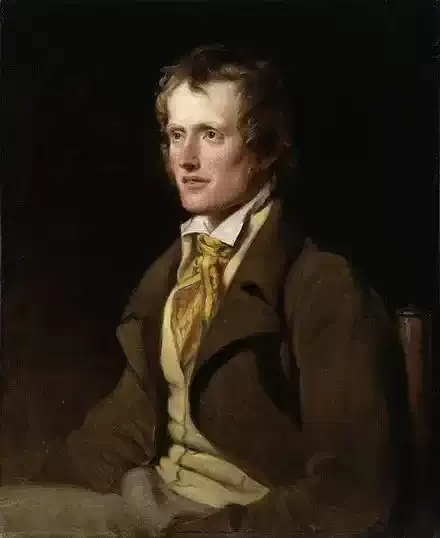
John Clare
To Anna Three Years Old
To Anna Three Years Old
My Anna, summer laughs in mirth,
And we will of the party be,
And leave the crickets in the hearth
For green fields' merry minstrelsy.
I see thee now with little hand
Catch at each object passing bye,
The happiest thing in all the land
Except the bee and butterfly.
* * * * *
And limpid brook that leaps along,
Gilt with the summer's burnished gleam,
Will stop thy little tale or song
To gaze upon its crimping stream.
Thou'lt leave my hand with eager speed
The new discovered things to see--
The old pond with its water weed
And danger-daring willow tree,
Who leans an ancient invalid
Oer spots where deepest waters be.
In sudden shout and wild surprise
I hear thy simple wonderment,
As new things meet thy childish eyes
And wake some innocent intent;
As bird or bee or butterfly
Bounds through the crowd of merry leaves
And starts the rapture of thine eye
To run for what it neer achieves.
But thou art on the bed of pain,
So tells each poor forsaken toy.
Ah, could I see that happy hour
When these shall be thy heart's employ,
And see thee toddle oer the plain,
And stoop for flowers, and shout for joy.
My Anna, summer laughs in mirth,
And we will of the party be,
And leave the crickets in the hearth
For green fields' merry minstrelsy.
I see thee now with little hand
Catch at each object passing bye,
The happiest thing in all the land
Except the bee and butterfly.
* * * * *
And limpid brook that leaps along,
Gilt with the summer's burnished gleam,
Will stop thy little tale or song
To gaze upon its crimping stream.
Thou'lt leave my hand with eager speed
The new discovered things to see--
The old pond with its water weed
And danger-daring willow tree,
Who leans an ancient invalid
Oer spots where deepest waters be.
In sudden shout and wild surprise
I hear thy simple wonderment,
As new things meet thy childish eyes
And wake some innocent intent;
As bird or bee or butterfly
Bounds through the crowd of merry leaves
And starts the rapture of thine eye
To run for what it neer achieves.
But thou art on the bed of pain,
So tells each poor forsaken toy.
Ah, could I see that happy hour
When these shall be thy heart's employ,
And see thee toddle oer the plain,
And stoop for flowers, and shout for joy.
356
John Clare
The Shepherds Calendar - February - A Thaw
The Shepherds Calendar - February - A Thaw
The snow is gone from cottage tops
The thatch moss glows in brighter green
And eves in quick succession drops
Where grinning ides once hath been
Pit patting Wi a pleasant noise
In tubs set by the cottage door
And ducks and geese wi happy joys
Douse in the yard pond brimming oer
The sun peeps thro the window pane
Which childern mark wi laughing eye
And in the wet street steal again
To tell each other spring is nigh
And as young hope the past recalls
In playing groups will often draw
Building beside the sunny walls
Their spring-play-huts of sticks or straw
And oft in pleasures dreams they hie
Round homsteads by the village side
Scratting the hedgrow mosses bye
Where painted pooty shells abide
Mistaking oft the ivy spray
For leaves that come wi budding spring
And wondering in their search for play
Why birds delay to build and sing
The milkmaid singing leaves her bed
As glad as happy thoughts can be
While magpies chatter oer her head
As jocund in the change as she
Her cows around the closes stray
Nor lingering wait the foddering boy
Tossing the molehills in their play
And staring round in frolic joy
Ploughmen go whistling to their toils
And yoke again the rested plough
And mingling oer the mellow soils
Boys' shouts and whips are noising now
The shepherd now is often seen
By warm banks oer his work to bend
Or oer a gate or stile to lean
Chattering to a passing friend
Odd hive bees fancying winter oer
And dreaming in their combs of spring
Creeps on the slab beside their door
And strokes its legs upon its wing
While wild ones half asleep are humming
Round snowdrop bells a feeble note
And pigions coo of summer coming
Picking their feathers on the cote
The barking dogs by lane and wood
Drive sheep afield from foddering ground
And eccho in her summer mood
Briskly mocks the cheery sound
The flocks as from a prison broke
Shake their wet fleeces in the sun
While following fast a misty smoke
Reeks from the moist grass as they run
Nor more behind his masters heels
The dog creeps oer his winter pace
But cocks his tail and oer the fields
Runs many a wild and random chase
Following in spite of chiding calls
The startld cat wi harmless glee
Scaring her up the weed green walls
Or mossy mottld apple tree
As crows from morning perches flye
He barks and follows them in vain
Een larks will catch his nimble eye
And off he starts and barks again
Wi breathless haste and blinded guess
Oft following where the hare hath gone
Forgetting in his joys excess
His frolic puppy days are done
The gossips saunter in the sun
As at the spring from door to door
Of matters in the village done
And secret newsings mutterd oer
Young girls when they each other meet
Will stand their tales of love to tell
While going on errands down the street
Or fetching water from the well
A calm of pleasure listens round
And almost whispers winter bye
While fancy dreams of summer sounds
And quiet rapture fills the eye
The sun beams on the hedges lye
The south wind murmurs summer soft
And maids hang out white cloaths to dry
Around the eldern skirted croft
Each barns green thatch reeks in the sun
Its mate the happy sparrow calls
And as nest building spring begun
Peeps in the holes about the walls
The wren a sunny side the stack
Wi short tail ever on the strunt
Cockd gadding up above his back
Again for dancing gnats will hunt
The gladdend swine bolt from the sty
And round the yard in freedom run
Or stretching in their slumbers lye
Beside the cottage in the sun
The young horse whinneys to its mate
And sickens from the threshers door
Rubbing the straw yards banded gate
Longing for freedom on the moor
Hens leave their roosts wi cackling calls
To see the barn door free from snow
And cocks flye up the mossy walls
To clap their spangld wings and crow
About the steeples sunny top
The jackdaw flocks resemble spring
And in the stone archd windows pop
Wi summer noise and wanton wing
The small birds think their wants are oer
To see the snow hills fret again
And from the barns chaff litterd door
Betake them to the greening plain
The woodmans robin startles coy
Nor longer at his elbow comes
To peck wi hungers eager joy
Mong mossy stulps the litterd crumbs
Neath hedge and walls that screen the wind
The gnats for play will Hock together
And een poor flyes odd hopes will find
To venture in the mocking weather
From out their hiding holes again
Wi feeble pace they often creep
Along the sun warmd window pane
Like dreaming things that walk in sleep
The mavis thrush wi wild delight
Upon the orchards dripping tree
Mutters to see the day so bright
Spring scraps of young hopes poesy
And oft dame stops her burring wheel
To hear the robins note once more
That tutles while he pecks his meal
From sweet briar hips beside the door
The hedghog from its hollow root
Sees the wood moss clear of snow
And hunts each hedge for fallen fruit
Crab hip and winter bitten sloe
And oft when checkd by sudden fears
As shepherd dog his haunt espies
He rolls up in a ball of spears
And all his barking rage defies
Thus nature of the spring will dream
While south winds thaw but soon again
Frost breaths upon the stiffening stream
And numbs it into ice-the plain
Soon wears its merry garb of white
And icicles that fret at noon
Will eke their icy tails at night
Beneath the chilly stars and moon
Nature soon sickens of her joys
And all is sad and dumb again
Save merry shouts of sliding boys
About the frozen furrowd plain
The foddering boy forgets his song
And silent goes wi folded arms
And croodling shepherds bend along
Crouching to the whizzing storms
The snow is gone from cottage tops
The thatch moss glows in brighter green
And eves in quick succession drops
Where grinning ides once hath been
Pit patting Wi a pleasant noise
In tubs set by the cottage door
And ducks and geese wi happy joys
Douse in the yard pond brimming oer
The sun peeps thro the window pane
Which childern mark wi laughing eye
And in the wet street steal again
To tell each other spring is nigh
And as young hope the past recalls
In playing groups will often draw
Building beside the sunny walls
Their spring-play-huts of sticks or straw
And oft in pleasures dreams they hie
Round homsteads by the village side
Scratting the hedgrow mosses bye
Where painted pooty shells abide
Mistaking oft the ivy spray
For leaves that come wi budding spring
And wondering in their search for play
Why birds delay to build and sing
The milkmaid singing leaves her bed
As glad as happy thoughts can be
While magpies chatter oer her head
As jocund in the change as she
Her cows around the closes stray
Nor lingering wait the foddering boy
Tossing the molehills in their play
And staring round in frolic joy
Ploughmen go whistling to their toils
And yoke again the rested plough
And mingling oer the mellow soils
Boys' shouts and whips are noising now
The shepherd now is often seen
By warm banks oer his work to bend
Or oer a gate or stile to lean
Chattering to a passing friend
Odd hive bees fancying winter oer
And dreaming in their combs of spring
Creeps on the slab beside their door
And strokes its legs upon its wing
While wild ones half asleep are humming
Round snowdrop bells a feeble note
And pigions coo of summer coming
Picking their feathers on the cote
The barking dogs by lane and wood
Drive sheep afield from foddering ground
And eccho in her summer mood
Briskly mocks the cheery sound
The flocks as from a prison broke
Shake their wet fleeces in the sun
While following fast a misty smoke
Reeks from the moist grass as they run
Nor more behind his masters heels
The dog creeps oer his winter pace
But cocks his tail and oer the fields
Runs many a wild and random chase
Following in spite of chiding calls
The startld cat wi harmless glee
Scaring her up the weed green walls
Or mossy mottld apple tree
As crows from morning perches flye
He barks and follows them in vain
Een larks will catch his nimble eye
And off he starts and barks again
Wi breathless haste and blinded guess
Oft following where the hare hath gone
Forgetting in his joys excess
His frolic puppy days are done
The gossips saunter in the sun
As at the spring from door to door
Of matters in the village done
And secret newsings mutterd oer
Young girls when they each other meet
Will stand their tales of love to tell
While going on errands down the street
Or fetching water from the well
A calm of pleasure listens round
And almost whispers winter bye
While fancy dreams of summer sounds
And quiet rapture fills the eye
The sun beams on the hedges lye
The south wind murmurs summer soft
And maids hang out white cloaths to dry
Around the eldern skirted croft
Each barns green thatch reeks in the sun
Its mate the happy sparrow calls
And as nest building spring begun
Peeps in the holes about the walls
The wren a sunny side the stack
Wi short tail ever on the strunt
Cockd gadding up above his back
Again for dancing gnats will hunt
The gladdend swine bolt from the sty
And round the yard in freedom run
Or stretching in their slumbers lye
Beside the cottage in the sun
The young horse whinneys to its mate
And sickens from the threshers door
Rubbing the straw yards banded gate
Longing for freedom on the moor
Hens leave their roosts wi cackling calls
To see the barn door free from snow
And cocks flye up the mossy walls
To clap their spangld wings and crow
About the steeples sunny top
The jackdaw flocks resemble spring
And in the stone archd windows pop
Wi summer noise and wanton wing
The small birds think their wants are oer
To see the snow hills fret again
And from the barns chaff litterd door
Betake them to the greening plain
The woodmans robin startles coy
Nor longer at his elbow comes
To peck wi hungers eager joy
Mong mossy stulps the litterd crumbs
Neath hedge and walls that screen the wind
The gnats for play will Hock together
And een poor flyes odd hopes will find
To venture in the mocking weather
From out their hiding holes again
Wi feeble pace they often creep
Along the sun warmd window pane
Like dreaming things that walk in sleep
The mavis thrush wi wild delight
Upon the orchards dripping tree
Mutters to see the day so bright
Spring scraps of young hopes poesy
And oft dame stops her burring wheel
To hear the robins note once more
That tutles while he pecks his meal
From sweet briar hips beside the door
The hedghog from its hollow root
Sees the wood moss clear of snow
And hunts each hedge for fallen fruit
Crab hip and winter bitten sloe
And oft when checkd by sudden fears
As shepherd dog his haunt espies
He rolls up in a ball of spears
And all his barking rage defies
Thus nature of the spring will dream
While south winds thaw but soon again
Frost breaths upon the stiffening stream
And numbs it into ice-the plain
Soon wears its merry garb of white
And icicles that fret at noon
Will eke their icy tails at night
Beneath the chilly stars and moon
Nature soon sickens of her joys
And all is sad and dumb again
Save merry shouts of sliding boys
About the frozen furrowd plain
The foddering boy forgets his song
And silent goes wi folded arms
And croodling shepherds bend along
Crouching to the whizzing storms
322
John Clare
The Shepherds Calendar - April
The Shepherds Calendar - April
The infant april joins the spring
And views its watery skye
As youngling linnet trys its wing
And fears at first to flye
With timid step she ventures on
And hardly dares to smile
The blossoms open one by one
And sunny hours beguile
But finer days approacheth yet
With scenes more sweet to charm
And suns arrive that rise and set
Bright strangers to a storm
And as the birds with louder song
Each mornings glory cheers
With bolder step she speeds along
And looses all her fears
In wanton gambols like a child
She tends her early toils
And seeks the buds along the wild
That blossom while she smiles
And laughing on with nought to chide
She races with the hours
Or sports by natures lovley side
And fills her lap with flowers
Tho at her birth north cutting gales
Her beautys oft disguise
And hopfull blossoms turning pales
Upon her bosom dies
Yet ere she seeks another place
And ends her reign in this
She leaves us with as fair a face
As ere gave birth to bliss
And fairey month of waking mirth
From whom our joys ensue
Thou early gladder of the earth
Thrice welcom here anew
With thee the bud unfolds to leaves
The grass greens on the lea
And flowers their tender boon recieves
To bloom and smile with thee
The shepherds on thy pasture walks
The first fair cowslip finds
Whose tufted flowers on slender stalks
Keep nodding to the winds
And tho thy thorns withold the may
Their shades the violets bring
Which childern stoop for in their play
As tokens of the spring
The time when daiseys bloom divine
With thy calm hours begun
And crowflowers blazing blooms are thine
Bright childern of the sun
Along thy woodlands shaded nooks
The primrose wanly comes
And shining in thy pebley brooks
The horse bleb gaily blooms
The long lost charm of sparkling dew
Thy gentle birth recieves
And on thy wreathing locks we view
The first infolding leaves
And seeking firstling buds and flowers
The trials of thy skill
Were pastimes of my infant hours
And so they haunt me still
To see thy first broad arum leaves
I lovd them from a child
And where thy woodbines sprouting weaves
I joyd to trace the wild
And jocund as thy lambs at play
I met the wanton wind
With feelings that have passd away
Whose shadows cling behind
Those joys which childhood claims its own
Woud they were kin to men
Those treasures to the world unknown
When known-was witherd then
But hovering round our growing years
To gild cares sable shroud
Their spirit thro the gloom appears
As suns behind a cloud
As thou first met my infant eyes
When thro thy fields I flew
Whose distance where they meet the skyes
Was all the worlds I knew
That warmth of fancys wildest hours
Which made things kin to life
That heard a voice in trees and flowers
Has swoond in reasons strife
Sweet month thy pleasures bids thee be
The fairest child of spring
And every hour that comes with thee
Comes some new joy to bring
The trees still deepen in their bloom
Crass greens the meadow lands
And flowers with every morning come
As dropt by fairey hands
The field and gardens lovley hours
Begin and end with thee
For whats so sweet as peeping flowers
And bursting buds to see
What time the dews unsullied drops
In burnishd gold distills
On crocus flowers unclosing tops
And drooping daffodills
Each day with added glorys come
And as they leave the night
Put on the roseys lovley bloom
And blushes with delight
And suns that wait their welcome birth
With earlier haste pursue
Their journeys to this lower earth
To free their steps from dew
To see thee come all hearts rejoice
And warms with feelings strong
With thee all nature finds a voice
And hums a waking song
The lover views thy welcome hours
And thinks of summer come
And takes the maid thy early flowers
To tempt her steps from home
Along each hedge and sprouting bush
The singing birds are blest
And linnet green and speckld thrush
Prepare their mossy nest
On the warm bed thy plain supplys
The young lambs find repose
And mid thy green hills basking lies
Like spots of lingering snows
Young things of tender life again
Enjoys thy sunny hours
And gosslings waddle ocr the plain
As yellow as its flowers
Or swim the pond in wild delight
To catch the water flye
Where hissing geese in ceasless spite
Make childern scamper bye
Again the fairey tribes pursue
Their pleasures on the plain
And brightend with the morning dew
Black circles shine again
And on its superstitious ground
Where flowers seem loath to dwell
The toadstools fuzzy balls abound
And mushrooms yearly swell
The seasons beautys all are thine
That visit with the year
Beautys that poets think divine
And all delight to hear
Thy latter days a pleasure brings
That gladden every heart
Pleasures that come like lovley things
But like to shades depart
Thy opend leaves and ripend buds
The cuckoo makes his choice
And shepherds in thy greening woods
First hears the cheering voice
And to thy ripend blooming bowers
The nightingale belongs
And singing to thy parting hours
Keeps night awake with songs
With thee the swallow dares to come
And primes his sutty wings
And urgd to seek their yearly home
Thy suns the Martin brings
And lovley month be leisure mine
Thy yearly mate to be
Tho may day scenes may brighter shine
Their birth belongs to thee
I waked me with thy rising sun
And thy first glorys viewd
And as thy welcome hours begun
Their sunny steps pursued
And now thy sun is on the set
Like to a lovley eve
I view thy parting with regret
And linger loath to leave
Thou lovley april fare thee well
Thou early child of spring
Tho born where storms too often dwell
Thy parents news to bring
Yet what thy parting youth supplys
No other months excell
Thou first for flowers and sunny skyes
Sweet april fare thee well.
The infant april joins the spring
And views its watery skye
As youngling linnet trys its wing
And fears at first to flye
With timid step she ventures on
And hardly dares to smile
The blossoms open one by one
And sunny hours beguile
But finer days approacheth yet
With scenes more sweet to charm
And suns arrive that rise and set
Bright strangers to a storm
And as the birds with louder song
Each mornings glory cheers
With bolder step she speeds along
And looses all her fears
In wanton gambols like a child
She tends her early toils
And seeks the buds along the wild
That blossom while she smiles
And laughing on with nought to chide
She races with the hours
Or sports by natures lovley side
And fills her lap with flowers
Tho at her birth north cutting gales
Her beautys oft disguise
And hopfull blossoms turning pales
Upon her bosom dies
Yet ere she seeks another place
And ends her reign in this
She leaves us with as fair a face
As ere gave birth to bliss
And fairey month of waking mirth
From whom our joys ensue
Thou early gladder of the earth
Thrice welcom here anew
With thee the bud unfolds to leaves
The grass greens on the lea
And flowers their tender boon recieves
To bloom and smile with thee
The shepherds on thy pasture walks
The first fair cowslip finds
Whose tufted flowers on slender stalks
Keep nodding to the winds
And tho thy thorns withold the may
Their shades the violets bring
Which childern stoop for in their play
As tokens of the spring
The time when daiseys bloom divine
With thy calm hours begun
And crowflowers blazing blooms are thine
Bright childern of the sun
Along thy woodlands shaded nooks
The primrose wanly comes
And shining in thy pebley brooks
The horse bleb gaily blooms
The long lost charm of sparkling dew
Thy gentle birth recieves
And on thy wreathing locks we view
The first infolding leaves
And seeking firstling buds and flowers
The trials of thy skill
Were pastimes of my infant hours
And so they haunt me still
To see thy first broad arum leaves
I lovd them from a child
And where thy woodbines sprouting weaves
I joyd to trace the wild
And jocund as thy lambs at play
I met the wanton wind
With feelings that have passd away
Whose shadows cling behind
Those joys which childhood claims its own
Woud they were kin to men
Those treasures to the world unknown
When known-was witherd then
But hovering round our growing years
To gild cares sable shroud
Their spirit thro the gloom appears
As suns behind a cloud
As thou first met my infant eyes
When thro thy fields I flew
Whose distance where they meet the skyes
Was all the worlds I knew
That warmth of fancys wildest hours
Which made things kin to life
That heard a voice in trees and flowers
Has swoond in reasons strife
Sweet month thy pleasures bids thee be
The fairest child of spring
And every hour that comes with thee
Comes some new joy to bring
The trees still deepen in their bloom
Crass greens the meadow lands
And flowers with every morning come
As dropt by fairey hands
The field and gardens lovley hours
Begin and end with thee
For whats so sweet as peeping flowers
And bursting buds to see
What time the dews unsullied drops
In burnishd gold distills
On crocus flowers unclosing tops
And drooping daffodills
Each day with added glorys come
And as they leave the night
Put on the roseys lovley bloom
And blushes with delight
And suns that wait their welcome birth
With earlier haste pursue
Their journeys to this lower earth
To free their steps from dew
To see thee come all hearts rejoice
And warms with feelings strong
With thee all nature finds a voice
And hums a waking song
The lover views thy welcome hours
And thinks of summer come
And takes the maid thy early flowers
To tempt her steps from home
Along each hedge and sprouting bush
The singing birds are blest
And linnet green and speckld thrush
Prepare their mossy nest
On the warm bed thy plain supplys
The young lambs find repose
And mid thy green hills basking lies
Like spots of lingering snows
Young things of tender life again
Enjoys thy sunny hours
And gosslings waddle ocr the plain
As yellow as its flowers
Or swim the pond in wild delight
To catch the water flye
Where hissing geese in ceasless spite
Make childern scamper bye
Again the fairey tribes pursue
Their pleasures on the plain
And brightend with the morning dew
Black circles shine again
And on its superstitious ground
Where flowers seem loath to dwell
The toadstools fuzzy balls abound
And mushrooms yearly swell
The seasons beautys all are thine
That visit with the year
Beautys that poets think divine
And all delight to hear
Thy latter days a pleasure brings
That gladden every heart
Pleasures that come like lovley things
But like to shades depart
Thy opend leaves and ripend buds
The cuckoo makes his choice
And shepherds in thy greening woods
First hears the cheering voice
And to thy ripend blooming bowers
The nightingale belongs
And singing to thy parting hours
Keeps night awake with songs
With thee the swallow dares to come
And primes his sutty wings
And urgd to seek their yearly home
Thy suns the Martin brings
And lovley month be leisure mine
Thy yearly mate to be
Tho may day scenes may brighter shine
Their birth belongs to thee
I waked me with thy rising sun
And thy first glorys viewd
And as thy welcome hours begun
Their sunny steps pursued
And now thy sun is on the set
Like to a lovley eve
I view thy parting with regret
And linger loath to leave
Thou lovley april fare thee well
Thou early child of spring
Tho born where storms too often dwell
Thy parents news to bring
Yet what thy parting youth supplys
No other months excell
Thou first for flowers and sunny skyes
Sweet april fare thee well.
400
John Clare
Sport In The Meadows
Sport In The Meadows
Maytime is to the meadows coming in,
And cowslip peeps have gotten eer so big,
And water blobs and all their golden kin
Crowd round the shallows by the striding brig.
Daisies and buttercups and ladysmocks
Are all abouten shining here and there,
Nodding about their gold and yellow locks
Like morts of folken flocking at a fair.
The sheep and cows are crowding for a share
And snatch the blossoms in such eager haste
That basket-bearing children running there
Do think within their hearts they'll get them all
And hoot and drive them from their graceless waste
As though there wa'n't a cowslip peep to spare.
--For they want some for tea and some for wine
And some to maken up a cuckaball
To throw across the garland's silken line
That reaches oer the street from wall to wall.
--Good gracious me, how merrily they fare:
One sees a fairer cowslip than the rest,
And off they shout--the foremost bidding fair
To get the prize--and earnest half and jest
The next one pops her down--and from her hand
Her basket falls and out her cowslips all
Tumble and litter there--the merry band
In laughing friendship round about her fall
To helpen gather up the littered flowers
That she no loss may mourn. And now the wind
In frolic mood among the merry hours
Wakens with sudden start and tosses off
Some untied bonnet on its dancing wings;
Away they follow with a scream and laugh,
And aye the youngest ever lags behind,
Till on the deep lake's very bank it hings.
They shout and catch it and then off they start
And chase for cowslips merry as before,
And each one seems so anxious at the heart
As they would even get them all and more.
One climbs a molehill for a bunch of may,
One stands on tiptoe for a linnet's nest
And pricks her hand and throws her flowers away
And runs for plantin leaves to have it drest.
So do they run abouten all the day
And teaze the grass-hid larks from getting rest.
--Scarce give they time in their unruly haste
To tie a shoestring that the grass unties--
And thus they run the meadows' bloom to waste,
Till even comes and dulls their phantasies,
When one finds losses out to stifle smiles
Of silken bonnet-strings--and utters sigh
Oer garments renten clambering over stiles.
Yet in the morning fresh afield they hie,
Bidding the last day's troubles all goodbye;
When red pied cow again their coming hears,
And ere they clap the gate she tosses up
Her head and hastens from the sport she fears:
The old yoe calls her lamb nor cares to stoop
To crop a cowslip in their company.
Thus merrily the little noisy troop
Along the grass as rude marauders hie,
For ever noisy and for ever gay
While keeping in the meadows holiday.
Maytime is to the meadows coming in,
And cowslip peeps have gotten eer so big,
And water blobs and all their golden kin
Crowd round the shallows by the striding brig.
Daisies and buttercups and ladysmocks
Are all abouten shining here and there,
Nodding about their gold and yellow locks
Like morts of folken flocking at a fair.
The sheep and cows are crowding for a share
And snatch the blossoms in such eager haste
That basket-bearing children running there
Do think within their hearts they'll get them all
And hoot and drive them from their graceless waste
As though there wa'n't a cowslip peep to spare.
--For they want some for tea and some for wine
And some to maken up a cuckaball
To throw across the garland's silken line
That reaches oer the street from wall to wall.
--Good gracious me, how merrily they fare:
One sees a fairer cowslip than the rest,
And off they shout--the foremost bidding fair
To get the prize--and earnest half and jest
The next one pops her down--and from her hand
Her basket falls and out her cowslips all
Tumble and litter there--the merry band
In laughing friendship round about her fall
To helpen gather up the littered flowers
That she no loss may mourn. And now the wind
In frolic mood among the merry hours
Wakens with sudden start and tosses off
Some untied bonnet on its dancing wings;
Away they follow with a scream and laugh,
And aye the youngest ever lags behind,
Till on the deep lake's very bank it hings.
They shout and catch it and then off they start
And chase for cowslips merry as before,
And each one seems so anxious at the heart
As they would even get them all and more.
One climbs a molehill for a bunch of may,
One stands on tiptoe for a linnet's nest
And pricks her hand and throws her flowers away
And runs for plantin leaves to have it drest.
So do they run abouten all the day
And teaze the grass-hid larks from getting rest.
--Scarce give they time in their unruly haste
To tie a shoestring that the grass unties--
And thus they run the meadows' bloom to waste,
Till even comes and dulls their phantasies,
When one finds losses out to stifle smiles
Of silken bonnet-strings--and utters sigh
Oer garments renten clambering over stiles.
Yet in the morning fresh afield they hie,
Bidding the last day's troubles all goodbye;
When red pied cow again their coming hears,
And ere they clap the gate she tosses up
Her head and hastens from the sport she fears:
The old yoe calls her lamb nor cares to stoop
To crop a cowslip in their company.
Thus merrily the little noisy troop
Along the grass as rude marauders hie,
For ever noisy and for ever gay
While keeping in the meadows holiday.
484
John Clare
Merry Maid
Merry Maid
Bonny and stout and brown, without a hat,
She frowns offended when they call her fat--
Yet fat she is, the merriest in the place,
And all can know she wears a pretty face.
But still she never heeds what praise can say,
But does the work, and oft runs out to play,
To run about the yard and ramp and noise
And spring the mop upon the servant boys.
When old hens noise and cackle every where
She hurries eager if the eggs are dear,
And runs to seek them when they lay away
To get them ready for the market day.
She gambols with the men and laughs aloud
And only quarrels when they call her proud.
Bonny and stout and brown, without a hat,
She frowns offended when they call her fat--
Yet fat she is, the merriest in the place,
And all can know she wears a pretty face.
But still she never heeds what praise can say,
But does the work, and oft runs out to play,
To run about the yard and ramp and noise
And spring the mop upon the servant boys.
When old hens noise and cackle every where
She hurries eager if the eggs are dear,
And runs to seek them when they lay away
To get them ready for the market day.
She gambols with the men and laughs aloud
And only quarrels when they call her proud.
361
John Clare
Little Trotty Wagtail
Little Trotty Wagtail
Little trotty wagtail he went in the rain,
And tittering, tottering sideways he neer got straight again,
He stooped to get a worm, and looked up to get a fly,
And then he flew away ere his feathers they were dry.
Little trotty wagtail, he waddled in the mud,
And left his little footmarks, trample where he would.
He waddled in the water-pudge, and waggle went his tail,
And chirrupt up his wings to dry upon the garden rail.
Little trotty wagtail, you nimble all about,
And in the dimpling water-pudge you waddle in and out;
Your home is nigh at hand, and in the warm pig-stye,
So, little Master Wagtail, I'll bid you a good-bye.
Little trotty wagtail he went in the rain,
And tittering, tottering sideways he neer got straight again,
He stooped to get a worm, and looked up to get a fly,
And then he flew away ere his feathers they were dry.
Little trotty wagtail, he waddled in the mud,
And left his little footmarks, trample where he would.
He waddled in the water-pudge, and waggle went his tail,
And chirrupt up his wings to dry upon the garden rail.
Little trotty wagtail, you nimble all about,
And in the dimpling water-pudge you waddle in and out;
Your home is nigh at hand, and in the warm pig-stye,
So, little Master Wagtail, I'll bid you a good-bye.
367
John Clare
Dyke Side
Dyke Side
The frog croaks loud, and maidens dare not pass
But fear the noisome toad and shun the grass;
And on the sunny banks they dare not go
Where hissing snakes run to the flood below.
The nuthatch noises loud in wood and wild,
Like women turning skreeking to a child.
The schoolboy hears and brushes through the trees
And runs about till drabbled to the knees.
The old hawk winnows round the old crow's nest;
The schoolboy hears and wonder fills his breast.
He throws his basket down to climb the tree
And wonders what the red blotched eggs can be:
The green woodpecker bounces from the view
And hollos as he buzzes bye 'kew kew.'
The frog croaks loud, and maidens dare not pass
But fear the noisome toad and shun the grass;
And on the sunny banks they dare not go
Where hissing snakes run to the flood below.
The nuthatch noises loud in wood and wild,
Like women turning skreeking to a child.
The schoolboy hears and brushes through the trees
And runs about till drabbled to the knees.
The old hawk winnows round the old crow's nest;
The schoolboy hears and wonder fills his breast.
He throws his basket down to climb the tree
And wonders what the red blotched eggs can be:
The green woodpecker bounces from the view
And hollos as he buzzes bye 'kew kew.'
408
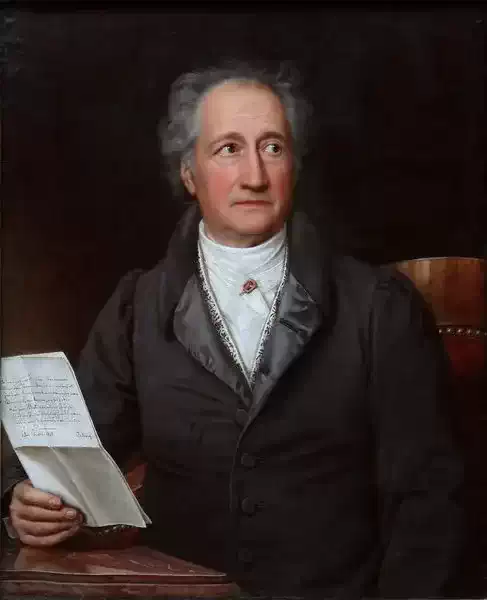
Johann Wolfgang von Goethe
The Spring Oracle
The Spring Oracle
OH prophetic bird so bright,
Blossom-songster, cuckoo bight!
In the fairest time of year,
Dearest bird, oh! deign to hear
What a youthful pair would pray,
Do thou call, if hope they may:
Thy cuck-oo, thy cuck-oo.
Ever more cuck-oo, cuck-oo!
Hearest thou? A loving pair
Fain would to the altar fare;
Yes! a pair in happy youth,
Full of virtue, full of truth.
Is the hour not fix'd by fate?
Say, how long must they still wait?
Hark! cuck-oo! hark! cuck-oo!
Silent yet! for shame, cuck-oo!
'Tis not our fault, certainly!
Only two years patient be!
But if we ourselves please here,
Will pa-pa-papas appear?
Know that thou'lt more kindness do us,
More thou'lt prophesy unto us.
One! cuck-oo! Two! cuck-oo!
Ever, ever, cuck-oo, cuck-oo, coo!
If we've calculated clearly,
We have half a dozen nearly.
If good promises we'll give,
Wilt thou say how long we'II live?
Truly, we'll confess to thee,
We'd prolong it willingly.
Coo cuck-oo, coo cuck-oo,
Coo, coo, coo, coo, coo, coo, coo, coo, coo!
Life is one continued feast-(
If we keep no score, at least).
If now we together dwell,
Will true love remain as well?
For if that should e'er decay,
Happiness would pass away.
Coo cuck-oo, coo cuck-oo,
Coo, coo, coo, coo, coo, coo, coo, coo, coo!
OH prophetic bird so bright,
Blossom-songster, cuckoo bight!
In the fairest time of year,
Dearest bird, oh! deign to hear
What a youthful pair would pray,
Do thou call, if hope they may:
Thy cuck-oo, thy cuck-oo.
Ever more cuck-oo, cuck-oo!
Hearest thou? A loving pair
Fain would to the altar fare;
Yes! a pair in happy youth,
Full of virtue, full of truth.
Is the hour not fix'd by fate?
Say, how long must they still wait?
Hark! cuck-oo! hark! cuck-oo!
Silent yet! for shame, cuck-oo!
'Tis not our fault, certainly!
Only two years patient be!
But if we ourselves please here,
Will pa-pa-papas appear?
Know that thou'lt more kindness do us,
More thou'lt prophesy unto us.
One! cuck-oo! Two! cuck-oo!
Ever, ever, cuck-oo, cuck-oo, coo!
If we've calculated clearly,
We have half a dozen nearly.
If good promises we'll give,
Wilt thou say how long we'II live?
Truly, we'll confess to thee,
We'd prolong it willingly.
Coo cuck-oo, coo cuck-oo,
Coo, coo, coo, coo, coo, coo, coo, coo, coo!
Life is one continued feast-(
If we keep no score, at least).
If now we together dwell,
Will true love remain as well?
For if that should e'er decay,
Happiness would pass away.
Coo cuck-oo, coo cuck-oo,
Coo, coo, coo, coo, coo, coo, coo, coo, coo!
404
Johann Wolfgang von Goethe
May
May
LIGHT and silv'ry cloudlets hover
In the air, as yet scarce warm;
Mild, with glimmer soft tinged over,
Peeps the sun through fragrant balm.
Gently rolls and heaves the ocean
As its waves the bank o'erflow.
And with ever restless motion
Moves the verdure to and fro,
Mirror'd brightly far below.
What is now the foliage moving?
Air is still, and hush'd the breeze,
Sultriness, this fullness loving,
Through the thicket, from the trees.
Now the eye at once gleams brightly,
See! the infant band with mirth
Moves and dances nimbly, lightly,
As the morning gave it birth,
Flutt'ring two and two o'er earth.
LIGHT and silv'ry cloudlets hover
In the air, as yet scarce warm;
Mild, with glimmer soft tinged over,
Peeps the sun through fragrant balm.
Gently rolls and heaves the ocean
As its waves the bank o'erflow.
And with ever restless motion
Moves the verdure to and fro,
Mirror'd brightly far below.
What is now the foliage moving?
Air is still, and hush'd the breeze,
Sultriness, this fullness loving,
Through the thicket, from the trees.
Now the eye at once gleams brightly,
See! the infant band with mirth
Moves and dances nimbly, lightly,
As the morning gave it birth,
Flutt'ring two and two o'er earth.
307
Johann Wolfgang von Goethe
Faithful Eckart
Faithful Eckart
"OH, would we were further! Oh, would we were home,
The phantoms of night tow'rd us hastily come,
The band of the Sorceress sisters.
They hitherward speed, and on finding us here,
They'll drink, though with toil we have fetch'd it, the beer,
And leave us the pitchers all empty."
Thus speaking, the children with fear take to flight,
When sudden an old man appears in their sight:
"Be quiet, child! children, be quiet!
From hunting they come, and their thirst they would still,
So leave them to swallow as much as they will,
And the Evil Ones then will be gracious."
As said, so 'twas done! and the phantoms draw near,
And shadowlike seem they, and grey they appear,
~Yet blithely they sip and they revel
The beer has all vanish'd, the pitchers are void;
With cries and with shouts the wild hunters, o'erjoy'd,
Speed onward o'er vale and o'er mountain.
The children in terror fly nimbly tow'rd home,
And with them the kind one is careful to come:
"My darlings, oh, be not so mournful!-
"They'll blame us and beat us, until we are dead."-"
No, no! ye will find that all goes well," he said;
"Be silent as mice, then, and listen!
"And he by whose counsels thus wisely ye're taught,
Is he who with children loves ever to sport.
The trusty and faithful old Eckart.
Ye have heard of the wonder for many a day,
But ne'er had a proof of the marvellous lay,--
Your hands hold a proof most convincing."
They arrive at their home, and their pitchers they place
By the side of their parents, with fear on their face,
Awaiting a beating and scolding.
But see what they're tasting: the choicest of beer!
Though three times and four times they quaff the good cheer
The pitchers remain still unemptied.
The marvel it lasts till the dawning of day;
All people who hear of it doubtless will say:
"What happen'd at length to the pitchers?"
In secret the children they smile, as they wait;
At last, though, they stammer, and stutter, and prate,
And straightway the pitchers were empty.
And if, children, with kindness address'd ye may be,
Whether father, or master, or alderman he,
Obey him, and follow his bidding!
And if 'tis unpleasant to bridle the tongue,
Yet talking is bad, silence good for the young--
And then will the beer fill your pitchers!
"OH, would we were further! Oh, would we were home,
The phantoms of night tow'rd us hastily come,
The band of the Sorceress sisters.
They hitherward speed, and on finding us here,
They'll drink, though with toil we have fetch'd it, the beer,
And leave us the pitchers all empty."
Thus speaking, the children with fear take to flight,
When sudden an old man appears in their sight:
"Be quiet, child! children, be quiet!
From hunting they come, and their thirst they would still,
So leave them to swallow as much as they will,
And the Evil Ones then will be gracious."
As said, so 'twas done! and the phantoms draw near,
And shadowlike seem they, and grey they appear,
~Yet blithely they sip and they revel
The beer has all vanish'd, the pitchers are void;
With cries and with shouts the wild hunters, o'erjoy'd,
Speed onward o'er vale and o'er mountain.
The children in terror fly nimbly tow'rd home,
And with them the kind one is careful to come:
"My darlings, oh, be not so mournful!-
"They'll blame us and beat us, until we are dead."-"
No, no! ye will find that all goes well," he said;
"Be silent as mice, then, and listen!
"And he by whose counsels thus wisely ye're taught,
Is he who with children loves ever to sport.
The trusty and faithful old Eckart.
Ye have heard of the wonder for many a day,
But ne'er had a proof of the marvellous lay,--
Your hands hold a proof most convincing."
They arrive at their home, and their pitchers they place
By the side of their parents, with fear on their face,
Awaiting a beating and scolding.
But see what they're tasting: the choicest of beer!
Though three times and four times they quaff the good cheer
The pitchers remain still unemptied.
The marvel it lasts till the dawning of day;
All people who hear of it doubtless will say:
"What happen'd at length to the pitchers?"
In secret the children they smile, as they wait;
At last, though, they stammer, and stutter, and prate,
And straightway the pitchers were empty.
And if, children, with kindness address'd ye may be,
Whether father, or master, or alderman he,
Obey him, and follow his bidding!
And if 'tis unpleasant to bridle the tongue,
Yet talking is bad, silence good for the young--
And then will the beer fill your pitchers!
409
Johann Wolfgang von Goethe
Coptic Song
Coptic Song
LEAVE we the pedants to quarrel and strive,
Rigid and cautious the teachers to be!
All of the wisest men e'er seen alive
Smile, nod, and join in the chorus with me:
"Vain 'tis to wait till the dolt grows less silly!
Play then the fool with the fool, willy-nilly,--
Children of wisdom,--remember the word!"
Merlin the old, from his glittering grave,
When I, a stripling, once spoke to him,--gave
Just the same answer as that I've preferr'd;
"Vain 'tis to wait till the dolt grows less silly!
Play then the fool with the fool, willy-nilly,--
Children of wisdom,--remember the word!"
And on the Indian breeze as it booms,
And in the depths of Egyptian tombs,
Only the same holy saying I've heard:
"Vain 'tis to wait till the dolt grows less silly!
Play then the fool with the fool, willy-nilly,--
Children of wisdom,--remember the word!"
LEAVE we the pedants to quarrel and strive,
Rigid and cautious the teachers to be!
All of the wisest men e'er seen alive
Smile, nod, and join in the chorus with me:
"Vain 'tis to wait till the dolt grows less silly!
Play then the fool with the fool, willy-nilly,--
Children of wisdom,--remember the word!"
Merlin the old, from his glittering grave,
When I, a stripling, once spoke to him,--gave
Just the same answer as that I've preferr'd;
"Vain 'tis to wait till the dolt grows less silly!
Play then the fool with the fool, willy-nilly,--
Children of wisdom,--remember the word!"
And on the Indian breeze as it booms,
And in the depths of Egyptian tombs,
Only the same holy saying I've heard:
"Vain 'tis to wait till the dolt grows less silly!
Play then the fool with the fool, willy-nilly,--
Children of wisdom,--remember the word!"
401
Johann Wolfgang von Goethe
Ballad Of The Banished And Returning Count
Ballad Of The Banished And Returning Count
OH, enter old minstrel, thou time-honour'd one!
We children are here in the hall all alone,
The portals we straightway will bar.
Our mother is praying, our father is gone
To the forest, on wolves to make war.
Oh sing us a ballad, the tale then repeat,
'Till brother and I learn it right;
We long have been hoping a minstrel to meet,
For children hear tales with delight.
"At midnight, when darkness its fearful veil weaves,
His lofty and stately old castle he leaves,
But first he has buried his wealth.
What figure is that in his arms one perceives,
As the Count quits the gateway by stealth?
O'er what is his mantle so hastily thrown?
What bears he along in his flight?
A daughter it is, and she gently sleeps on"--
The children they hear with delight.
"The morning soon glimmers. the world is so wide,
In valleys and forests a home is supplied,
The bard in each village is cheer'd.
Thus lives he and wanders, while years onward glide,
And longer still waxes his beard;
But the maiden so fair in his arms grows amain,
'Neath her star all-protecting and bright,
Secured in the mantle from wind and from rain--"
The children they hear with delight.
"And year upon year with swift footstep now steals,
The mantle it fades, many rents it reveals,
The maiden no more it can hold.
The father he sees her, what rapture he feels!
His joy cannot now be controll'd.
How worthy she seems of the race whence she springs,
How noble and fair to the sight!
What wealth to her dearly-loved father she brings!"--
The children they hear with delight.
"Then comes there a princely knight galloping by,
She stretches her hand out, as soon as he's nigh,
But alms he refuses to give.
He seizes her hand, with a smile in his eye:
'Thou art mine!' he exclaims, 'while I live!'
'When thou know'st,' cries the old man, 'the treasure that's
there,
A princess thou'lt make her of right;
Betroth'd be she now, on this spot green and fair--'"
The children they hear with delight.
"So she's bless'd by the priest on the hallowed place,
And she goes with a smiling but sorrowful face,
From her father she fain would not part.
The old man still wanders with ne'er-changing pace,
He covers with joy his sad heart.
So I think of my daughter, as years pass away,
And my grandchildren far from my sight;
I bless them by night, and I bless them by day"--
The children they hear with delight.
He blesses the children: a knocking they hear,
The father it is! They spring forward in fear,
The old man they cannot conceal-"
Thou beggar, wouldst lure, then, my children so dear?
Straight seize him, ye vassals of steel!
To the dungeon most deep, with the fool-hardy knave!"
The mother from far hears the fight;
She hastens with flatt'ring entreaty to crave--
The children they hear with delight.
The vassals they suffer the Bard to stand there,
And mother and children implore him to spare,
The proud prince would stifle his ire,
'Till driven to fury at hearing their prayer,
His smouldering anger takes fire:
"Thou pitiful race! Oh, thou beggarly crew!
Eclipsing my star, once so bright!
Ye'll bring me destruction, ye sorely shall rue!"
The children they hear with affright.
The old man still stands there with dignified mien,
The vassals of steel quake before him, I ween,
The Count's fury increases in power;
"My wedded existence a curse long has been,
And these are the fruits from that flower!
'Tis ever denied, and the saying is true,
That to wed with the base-born is right;
The beggar has borne me a beggarly crew,--"
The children they hear with affright.
"If the husband, the father, thus treats you with scorn,
If the holiest bonds by him rashly are torn,
Then come to your father--to me!
The beggar may gladden life's pathway forlorn,
Though aged and weak he may be.
This castle is mine! thou hast made it thy prey,
Thy people 'twas put me to flight;
The tokens I bear will confirm what I say"--
The children they hear with delight.
"The king who erst govern'd returneth again,
And restores to the Faithful the goods that were ta'en,
I'll unseal all my treasures the while;
The laws shall be gentle, and peaceful the reign"--
The old man thus cries with a smile-
"Take courage, my son! all hath turned out for good,
And each hath a star that is bright,
Those the princess hath borne thee are princely in blood,"--
The children thy hear with delight.
OH, enter old minstrel, thou time-honour'd one!
We children are here in the hall all alone,
The portals we straightway will bar.
Our mother is praying, our father is gone
To the forest, on wolves to make war.
Oh sing us a ballad, the tale then repeat,
'Till brother and I learn it right;
We long have been hoping a minstrel to meet,
For children hear tales with delight.
"At midnight, when darkness its fearful veil weaves,
His lofty and stately old castle he leaves,
But first he has buried his wealth.
What figure is that in his arms one perceives,
As the Count quits the gateway by stealth?
O'er what is his mantle so hastily thrown?
What bears he along in his flight?
A daughter it is, and she gently sleeps on"--
The children they hear with delight.
"The morning soon glimmers. the world is so wide,
In valleys and forests a home is supplied,
The bard in each village is cheer'd.
Thus lives he and wanders, while years onward glide,
And longer still waxes his beard;
But the maiden so fair in his arms grows amain,
'Neath her star all-protecting and bright,
Secured in the mantle from wind and from rain--"
The children they hear with delight.
"And year upon year with swift footstep now steals,
The mantle it fades, many rents it reveals,
The maiden no more it can hold.
The father he sees her, what rapture he feels!
His joy cannot now be controll'd.
How worthy she seems of the race whence she springs,
How noble and fair to the sight!
What wealth to her dearly-loved father she brings!"--
The children they hear with delight.
"Then comes there a princely knight galloping by,
She stretches her hand out, as soon as he's nigh,
But alms he refuses to give.
He seizes her hand, with a smile in his eye:
'Thou art mine!' he exclaims, 'while I live!'
'When thou know'st,' cries the old man, 'the treasure that's
there,
A princess thou'lt make her of right;
Betroth'd be she now, on this spot green and fair--'"
The children they hear with delight.
"So she's bless'd by the priest on the hallowed place,
And she goes with a smiling but sorrowful face,
From her father she fain would not part.
The old man still wanders with ne'er-changing pace,
He covers with joy his sad heart.
So I think of my daughter, as years pass away,
And my grandchildren far from my sight;
I bless them by night, and I bless them by day"--
The children they hear with delight.
He blesses the children: a knocking they hear,
The father it is! They spring forward in fear,
The old man they cannot conceal-"
Thou beggar, wouldst lure, then, my children so dear?
Straight seize him, ye vassals of steel!
To the dungeon most deep, with the fool-hardy knave!"
The mother from far hears the fight;
She hastens with flatt'ring entreaty to crave--
The children they hear with delight.
The vassals they suffer the Bard to stand there,
And mother and children implore him to spare,
The proud prince would stifle his ire,
'Till driven to fury at hearing their prayer,
His smouldering anger takes fire:
"Thou pitiful race! Oh, thou beggarly crew!
Eclipsing my star, once so bright!
Ye'll bring me destruction, ye sorely shall rue!"
The children they hear with affright.
The old man still stands there with dignified mien,
The vassals of steel quake before him, I ween,
The Count's fury increases in power;
"My wedded existence a curse long has been,
And these are the fruits from that flower!
'Tis ever denied, and the saying is true,
That to wed with the base-born is right;
The beggar has borne me a beggarly crew,--"
The children they hear with affright.
"If the husband, the father, thus treats you with scorn,
If the holiest bonds by him rashly are torn,
Then come to your father--to me!
The beggar may gladden life's pathway forlorn,
Though aged and weak he may be.
This castle is mine! thou hast made it thy prey,
Thy people 'twas put me to flight;
The tokens I bear will confirm what I say"--
The children they hear with delight.
"The king who erst govern'd returneth again,
And restores to the Faithful the goods that were ta'en,
I'll unseal all my treasures the while;
The laws shall be gentle, and peaceful the reign"--
The old man thus cries with a smile-
"Take courage, my son! all hath turned out for good,
And each hath a star that is bright,
Those the princess hath borne thee are princely in blood,"--
The children thy hear with delight.
369
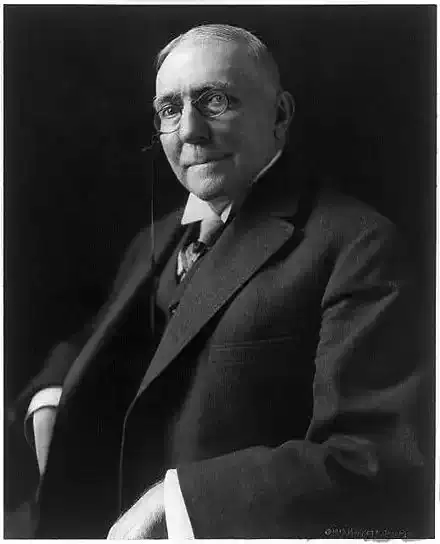
James Whitcomb Riley
Where The Children Used To Play
Where The Children Used To Play
The old farm-home is Mother's yet and mine,
And filled it is with plenty and to spare--,
But we are lonely here in life's decline,
Though fortune smiles around us everywhere:
We look across the gold
Of the harvests, as of old--
The corn, the fragrant clover, and the hay;
But most we turn our gaze,
As with eyes of other days,
To the orchard where the children used to play.
O from our life's full measure
And rich hoard of worldly treasure
We often turn our weary eyes away,
And hand in hand we wander
Down the old path winding yonder
To the orchard where the children used to play.
Our sloping pasture-lands are filled with herds;
The barn and granary-bins are bulging o'ver;
The grove's a paradise of singing birds--
The woodland brook leaps laughing by the door;
Yet lonely, lonely still,
Let us prosper as we will,
Our old hearts seem so empty everyway--
We can only through a mist
See the faces we have kissed
In the orchard where the children used to play.
O from our life's full measure
And rich hoard of worldly treasure
We often turn our weary eyes away,
And hand in hand we wander
Down the old path winding yonder
To the orchard where the children used to play.
The old farm-home is Mother's yet and mine,
And filled it is with plenty and to spare--,
But we are lonely here in life's decline,
Though fortune smiles around us everywhere:
We look across the gold
Of the harvests, as of old--
The corn, the fragrant clover, and the hay;
But most we turn our gaze,
As with eyes of other days,
To the orchard where the children used to play.
O from our life's full measure
And rich hoard of worldly treasure
We often turn our weary eyes away,
And hand in hand we wander
Down the old path winding yonder
To the orchard where the children used to play.
Our sloping pasture-lands are filled with herds;
The barn and granary-bins are bulging o'ver;
The grove's a paradise of singing birds--
The woodland brook leaps laughing by the door;
Yet lonely, lonely still,
Let us prosper as we will,
Our old hearts seem so empty everyway--
We can only through a mist
See the faces we have kissed
In the orchard where the children used to play.
O from our life's full measure
And rich hoard of worldly treasure
We often turn our weary eyes away,
And hand in hand we wander
Down the old path winding yonder
To the orchard where the children used to play.
269
James Whitcomb Riley
To a Boy Whistling
To a Boy Whistling
The smiling face of a happy boy
With its enchanted key
Is now unlocking in memory
My store of heartiest joy.
And my lost life again to-day,
In pleasant colors all aglow,
From rainbow tints, to pure white snow,
Is a panorama sliding away.
The whistled air of a simple tune
Eddies and whirls my thoughts around,
As fairy balloons of thistle-down
Sail through the air of June.
O happy boy with untaught grace!
What is there in the world to give
That can buy one hour of the life you live
Or the trivial cause of your smiling face!
The smiling face of a happy boy
With its enchanted key
Is now unlocking in memory
My store of heartiest joy.
And my lost life again to-day,
In pleasant colors all aglow,
From rainbow tints, to pure white snow,
Is a panorama sliding away.
The whistled air of a simple tune
Eddies and whirls my thoughts around,
As fairy balloons of thistle-down
Sail through the air of June.
O happy boy with untaught grace!
What is there in the world to give
That can buy one hour of the life you live
Or the trivial cause of your smiling face!
239