

Poems
Children
Poems in this topic
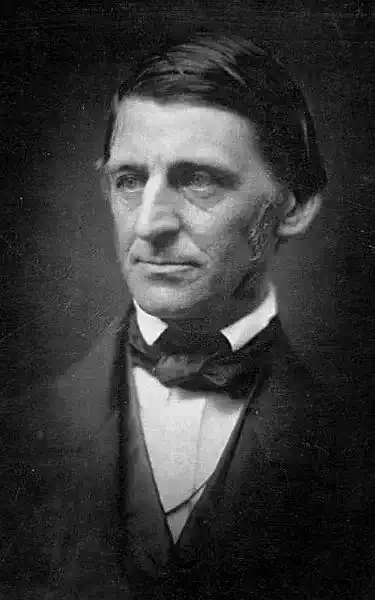
Ralph Waldo Emerson
Threnody
Threnody
The south-wind brings
Life, sunshine, and desire,
And on every mount and meadow
Breathes aromatic fire,
But over the dead he has no power,
The lost, the lost he cannot restore,
And, looking over the hills, I mourn
The darling who shall not return.
I see my empty house,
I see my trees repair their boughs,
And he, —the wondrous child,
Whose silver warble wild
Outvalued every pulsing sound
Within the air's cerulean round,
The hyacinthine boy, for whom
Morn well might break, and April bloom,
The gracious boy, who did adorn
The world whereinto he was born,
And by his countenance repay
The favor of the loving Day,
Has disappeared from the Day's eye;
Far and wide she cannot find him,
My hopes pursue, they cannot bind him.
Returned this day the south-wind searches
And finds young pines and budding birches,
But finds not the budding man;
Nature who lost him, cannot remake him;
Fate let him fall, Fate can't retake him;
Nature, Fate, men, him seek in vain.
And whither now, my truant wise and sweet,
Oh, whither tend thy feet?
I had the right, few days ago,
Thy steps to watch, thy place to know;
How have I forfeited the right?
Hast thou forgot me in a new delight?
I hearken for thy household cheer,
O eloquent child!
Whose voice, an equal messenger,
Conveyed thy meaning mild.
What though the pains and joys
Whereof it spoke were toys
Fitting his age and ken;—
Yet fairest dames and bearded men,
Who heard the sweet request
So gentle, wise, and grave,
Bended with joy to his behest,
And let the world's affairs go by,
Awhile to share his cordial game,
Or mend his wicker wagon frame,
Still plotting how their hungry ear
That winsome voice again might hear,
For his lips could well pronounce
Words that were persuasions.
Gentlest guardians marked serene
His early hope, his liberal mien,
Took counsel from his guiding eyes
To make this wisdom earthly wise.
Ah! vainly do these eyes recall
The school-march, each day's festival,
When every morn my bosom glowed
To watch the convoy on the road;—
The babe in willow wagon closed,
With rolling eyes and face composed,
With children forward and behind,
Like Cupids studiously inclined,
And he, the Chieftain, paced beside,
The centre of the troop allied,
With sunny face of sweet repose,
To guard the babe from fancied foes,
The little Captain innocent
Took the eye with him as he went,
Each village senior paused to scan
And speak the lovely caravan.
From the window I look out
To mark thy beautiful parade
Stately marching in cap and coat
To some tune by fairies played;
A music heard by thee alone
To works as noble led thee on.
Now love and pride, alas, in vain,
Up and down their glances strain.
The painted sled stands where it stood,
The kennel by the corded wood,
The gathered sticks to stanch the wall
Of the snow-tower, when snow should fall,
The ominous hole he dug in the sand,
And childhood's castles built or planned.
His daily haunts I well discern,
The poultry yard, the shed, the barn,
And every inch of garden ground
Paced by the blessed feet around,
From the road-side to the brook;
Whereinto he loved to look.
Step the meek birds where erst they ranged,
The wintry garden lies unchanged,
The brook into the stream runs on,
But the deep-eyed Boy is gone.
On that shaded day,
Dark with more clouds than tempests are,
When thou didst yield thy innocent breath
In bird-like heavings unto death,
Night came, and Nature had not thee,—
I said, we are mates in misery.
The morrow dawned with needless glow,
Each snow-bird chirped, each fowl must crow,
Each tramper started,— but the feet
Of the most beautiful and sweet
Of human youth had left the hill
And garden,—they were bound and still,
There's not a sparrow or a wren,
There's not a blade of autumn grain,
Which the four seasons do not tend,
And tides of life and increase lend,
And every chick of every bird,
And weed and rock-moss is preferred.
O ostriches' forgetfulness!
O loss of larger in the less!
Was there no star that could be sent,
No watcher in the firmament,
No angel from the countless host,
That loiters round the crystal coast,
Could stoop to heal that only child,
Nature's sweet marvel undefiled,
And keep the blossom of the earth,
Which all her harvests were not worth?
Not mine, I never called thee mine,
But nature's heir,— if I repine,
And, seeing rashly torn and moved,
Not what I made, but what I loved.
Grow early old with grief that then
Must to the wastes of nature go,—
'Tis because a general hope
Was quenched, and all must doubt and grope
For flattering planets seemed to say,
This child should ills of ages stay,—
By wondrous tongue and guided pen
Bring the flown muses back to men. —
Perchance, not he, but nature ailed,
The world, and not the infant failed,
It was not ripe yet, to sustain
A genius of so fine a strain,
Who gazed upon the sun and moon
As if he came unto his own,
And pregnant with his grander thought,
Brought the old order into doubt.
Awhile his beauty their beauty tried,
They could not feed him, and he died,
And wandered backward as in scorn
To wait an Æon to be born.
Ill day which made this beauty waste;
Plight broken, this high face defaced!
Some went and came about the dead,
And some in books of solace read,
Some to their friends the tidings say,
Some went to write, some went to pray,
One tarried here, there hurried one,
But their heart abode with none.
Covetous death bereaved us all
To aggrandize one funeral.
The eager Fate which carried thee
Took the largest part of me.
For this losing is true dying,
This is lordly man's down-lying,
This is slow but sure reclining,
Star by star his world resigning.
O child of Paradise!
Boy who made dear his father's home
In whose deep eyes
Men read the welfare of the times to come;
I am too much bereft;
The world dishonored thou hast left;
O truths and natures costly lie;
O trusted, broken prophecy!
O richest fortune sourly crossed;
Born for the future, to the future lost!
The deep Heart answered, Weepest thou?
Worthier cause for passion wild,
If I had not taken the child.
And deemest thou as those who pore
With aged eyes short way before?
Think'st Beauty vanished from the coast
Of matter, and thy darling lost?
Taught he not thee, — the man of eld,
Whose eyes within his eyes beheld
Heaven's numerous hierarchy span
The mystic gulf from God to man?
To be alone wilt thou begin,
When worlds of lovers hem thee in?
To-morrow, when the masks shall fall
That dizen nature's carnival,
The pure shall see, by their own will,
Which overflowing love shall fill,—
'Tis not within the force of Fate
The fate-conjoined to separate.
But thou, my votary, weepest thou?
I gave thee sight, where is it now?
I taught thy heart beyond the reach
Of ritual, Bible, or of speech;
Wrote in thy mind's transparent table
As far as the incommunicable;
Taught thee each private sign to raise
Lit by the supersolar blaze.
Past utterance and past belief,
And past the blasphemy of grief,
The mysteries of nature's heart,—
And though no muse can these impart,
Throb thine with nature's throbbing breast,
And all is clear from east to west.
I came to thee as to a friend,
Dearest, to thee I did not send
Tutors, but a joyful eye,
Innocence that matched the sky,
Lovely locks a form of wonder,
Laughter rich as woodland thunder;
That thou might'st entertain apart
The richest flowering of all art;
And, as the great all-loving Day
Through smallest chambers takes its way,
That thou might'st break thy daily bread
With Prophet, Saviour, and head;
That thou might'st cherish for thine own
The riches of sweet Mary's Son,
Boy-Rabbi, Israel's Paragon:
And thoughtest thou such guest
Would in thy hall take up his rest?
Would rushing life forget its laws,
Fate's glowing revolution pause?
High omens ask diviner guess,
Not to be conned to tediousness.
And know, my higher gifts unbind
The zone that girds the incarnate mind,
When the scanty shores are full
With Thought's perilous whirling pool,
When frail Nature can no more,—
Then the spirit strikes the hour,
My servant Death with solving rite
Pours finite into infinite.
Wilt thou freeze love's tidal flow,
Whose streams through nature circling go?
Nail the star struggling to its track
On the half-climbed Zodiack?
Light is light which radiates,
Blood is blood which circulates,
Life is life which generates,
And many-seeming life is one,—
Wilt thou transfix and make it none,
Its onward stream too starkly pent
In figure, bone, and lineament?
Wilt thou uncalled interrogate
Talker! the unreplying fate?
Nor see the Genius of the whole
Ascendant in the private soul,
Beckon it when to go and come,
Self-announced its hour of doom.
Fair the soul's recess and shrine,
Magic-built, to last a season,
Masterpiece of love benign!
Fairer than expansive reason
Whose omen 'tis, and sign.
Wilt thou not ope this heart to know
What rainbows teach and sunsets show,
Verdict which accumulates
From lengthened scroll of human fates,
Voice of earth to earth returned,
Prayers of heart that inly burned;
Saying, what is excellent,
As God lives, is permanent
Hearts are dust, hearts' loves remain,
Heart's love will meet thee again.
Revere the Maker; fetch thine eye
Up to His style, and manners of the sky.
Not of adamant and gold
Built He heaven stark and cold,
No, but a nest of bending reeds,
Flowering grass and scented weeds,
Or like a traveller's fleeting tent,
Or bow above the tempest pent,
Built of tears and sacred flames,
And virtue reaching to its aims;
Built of furtherance and pursuing,
Not of spent deeds, but of doing.
Silent rushes the swift Lord
Through ruined systems still restored,
Broad-sowing, bleak and void to bless,
Plants with worlds the wilderness,
Waters with tears of ancient sorrow
Apples of Eden ripe to-morrow;
House and tenant go to ground,
Lost in God, in Godhead found.
The south-wind brings
Life, sunshine, and desire,
And on every mount and meadow
Breathes aromatic fire,
But over the dead he has no power,
The lost, the lost he cannot restore,
And, looking over the hills, I mourn
The darling who shall not return.
I see my empty house,
I see my trees repair their boughs,
And he, —the wondrous child,
Whose silver warble wild
Outvalued every pulsing sound
Within the air's cerulean round,
The hyacinthine boy, for whom
Morn well might break, and April bloom,
The gracious boy, who did adorn
The world whereinto he was born,
And by his countenance repay
The favor of the loving Day,
Has disappeared from the Day's eye;
Far and wide she cannot find him,
My hopes pursue, they cannot bind him.
Returned this day the south-wind searches
And finds young pines and budding birches,
But finds not the budding man;
Nature who lost him, cannot remake him;
Fate let him fall, Fate can't retake him;
Nature, Fate, men, him seek in vain.
And whither now, my truant wise and sweet,
Oh, whither tend thy feet?
I had the right, few days ago,
Thy steps to watch, thy place to know;
How have I forfeited the right?
Hast thou forgot me in a new delight?
I hearken for thy household cheer,
O eloquent child!
Whose voice, an equal messenger,
Conveyed thy meaning mild.
What though the pains and joys
Whereof it spoke were toys
Fitting his age and ken;—
Yet fairest dames and bearded men,
Who heard the sweet request
So gentle, wise, and grave,
Bended with joy to his behest,
And let the world's affairs go by,
Awhile to share his cordial game,
Or mend his wicker wagon frame,
Still plotting how their hungry ear
That winsome voice again might hear,
For his lips could well pronounce
Words that were persuasions.
Gentlest guardians marked serene
His early hope, his liberal mien,
Took counsel from his guiding eyes
To make this wisdom earthly wise.
Ah! vainly do these eyes recall
The school-march, each day's festival,
When every morn my bosom glowed
To watch the convoy on the road;—
The babe in willow wagon closed,
With rolling eyes and face composed,
With children forward and behind,
Like Cupids studiously inclined,
And he, the Chieftain, paced beside,
The centre of the troop allied,
With sunny face of sweet repose,
To guard the babe from fancied foes,
The little Captain innocent
Took the eye with him as he went,
Each village senior paused to scan
And speak the lovely caravan.
From the window I look out
To mark thy beautiful parade
Stately marching in cap and coat
To some tune by fairies played;
A music heard by thee alone
To works as noble led thee on.
Now love and pride, alas, in vain,
Up and down their glances strain.
The painted sled stands where it stood,
The kennel by the corded wood,
The gathered sticks to stanch the wall
Of the snow-tower, when snow should fall,
The ominous hole he dug in the sand,
And childhood's castles built or planned.
His daily haunts I well discern,
The poultry yard, the shed, the barn,
And every inch of garden ground
Paced by the blessed feet around,
From the road-side to the brook;
Whereinto he loved to look.
Step the meek birds where erst they ranged,
The wintry garden lies unchanged,
The brook into the stream runs on,
But the deep-eyed Boy is gone.
On that shaded day,
Dark with more clouds than tempests are,
When thou didst yield thy innocent breath
In bird-like heavings unto death,
Night came, and Nature had not thee,—
I said, we are mates in misery.
The morrow dawned with needless glow,
Each snow-bird chirped, each fowl must crow,
Each tramper started,— but the feet
Of the most beautiful and sweet
Of human youth had left the hill
And garden,—they were bound and still,
There's not a sparrow or a wren,
There's not a blade of autumn grain,
Which the four seasons do not tend,
And tides of life and increase lend,
And every chick of every bird,
And weed and rock-moss is preferred.
O ostriches' forgetfulness!
O loss of larger in the less!
Was there no star that could be sent,
No watcher in the firmament,
No angel from the countless host,
That loiters round the crystal coast,
Could stoop to heal that only child,
Nature's sweet marvel undefiled,
And keep the blossom of the earth,
Which all her harvests were not worth?
Not mine, I never called thee mine,
But nature's heir,— if I repine,
And, seeing rashly torn and moved,
Not what I made, but what I loved.
Grow early old with grief that then
Must to the wastes of nature go,—
'Tis because a general hope
Was quenched, and all must doubt and grope
For flattering planets seemed to say,
This child should ills of ages stay,—
By wondrous tongue and guided pen
Bring the flown muses back to men. —
Perchance, not he, but nature ailed,
The world, and not the infant failed,
It was not ripe yet, to sustain
A genius of so fine a strain,
Who gazed upon the sun and moon
As if he came unto his own,
And pregnant with his grander thought,
Brought the old order into doubt.
Awhile his beauty their beauty tried,
They could not feed him, and he died,
And wandered backward as in scorn
To wait an Æon to be born.
Ill day which made this beauty waste;
Plight broken, this high face defaced!
Some went and came about the dead,
And some in books of solace read,
Some to their friends the tidings say,
Some went to write, some went to pray,
One tarried here, there hurried one,
But their heart abode with none.
Covetous death bereaved us all
To aggrandize one funeral.
The eager Fate which carried thee
Took the largest part of me.
For this losing is true dying,
This is lordly man's down-lying,
This is slow but sure reclining,
Star by star his world resigning.
O child of Paradise!
Boy who made dear his father's home
In whose deep eyes
Men read the welfare of the times to come;
I am too much bereft;
The world dishonored thou hast left;
O truths and natures costly lie;
O trusted, broken prophecy!
O richest fortune sourly crossed;
Born for the future, to the future lost!
The deep Heart answered, Weepest thou?
Worthier cause for passion wild,
If I had not taken the child.
And deemest thou as those who pore
With aged eyes short way before?
Think'st Beauty vanished from the coast
Of matter, and thy darling lost?
Taught he not thee, — the man of eld,
Whose eyes within his eyes beheld
Heaven's numerous hierarchy span
The mystic gulf from God to man?
To be alone wilt thou begin,
When worlds of lovers hem thee in?
To-morrow, when the masks shall fall
That dizen nature's carnival,
The pure shall see, by their own will,
Which overflowing love shall fill,—
'Tis not within the force of Fate
The fate-conjoined to separate.
But thou, my votary, weepest thou?
I gave thee sight, where is it now?
I taught thy heart beyond the reach
Of ritual, Bible, or of speech;
Wrote in thy mind's transparent table
As far as the incommunicable;
Taught thee each private sign to raise
Lit by the supersolar blaze.
Past utterance and past belief,
And past the blasphemy of grief,
The mysteries of nature's heart,—
And though no muse can these impart,
Throb thine with nature's throbbing breast,
And all is clear from east to west.
I came to thee as to a friend,
Dearest, to thee I did not send
Tutors, but a joyful eye,
Innocence that matched the sky,
Lovely locks a form of wonder,
Laughter rich as woodland thunder;
That thou might'st entertain apart
The richest flowering of all art;
And, as the great all-loving Day
Through smallest chambers takes its way,
That thou might'st break thy daily bread
With Prophet, Saviour, and head;
That thou might'st cherish for thine own
The riches of sweet Mary's Son,
Boy-Rabbi, Israel's Paragon:
And thoughtest thou such guest
Would in thy hall take up his rest?
Would rushing life forget its laws,
Fate's glowing revolution pause?
High omens ask diviner guess,
Not to be conned to tediousness.
And know, my higher gifts unbind
The zone that girds the incarnate mind,
When the scanty shores are full
With Thought's perilous whirling pool,
When frail Nature can no more,—
Then the spirit strikes the hour,
My servant Death with solving rite
Pours finite into infinite.
Wilt thou freeze love's tidal flow,
Whose streams through nature circling go?
Nail the star struggling to its track
On the half-climbed Zodiack?
Light is light which radiates,
Blood is blood which circulates,
Life is life which generates,
And many-seeming life is one,—
Wilt thou transfix and make it none,
Its onward stream too starkly pent
In figure, bone, and lineament?
Wilt thou uncalled interrogate
Talker! the unreplying fate?
Nor see the Genius of the whole
Ascendant in the private soul,
Beckon it when to go and come,
Self-announced its hour of doom.
Fair the soul's recess and shrine,
Magic-built, to last a season,
Masterpiece of love benign!
Fairer than expansive reason
Whose omen 'tis, and sign.
Wilt thou not ope this heart to know
What rainbows teach and sunsets show,
Verdict which accumulates
From lengthened scroll of human fates,
Voice of earth to earth returned,
Prayers of heart that inly burned;
Saying, what is excellent,
As God lives, is permanent
Hearts are dust, hearts' loves remain,
Heart's love will meet thee again.
Revere the Maker; fetch thine eye
Up to His style, and manners of the sky.
Not of adamant and gold
Built He heaven stark and cold,
No, but a nest of bending reeds,
Flowering grass and scented weeds,
Or like a traveller's fleeting tent,
Or bow above the tempest pent,
Built of tears and sacred flames,
And virtue reaching to its aims;
Built of furtherance and pursuing,
Not of spent deeds, but of doing.
Silent rushes the swift Lord
Through ruined systems still restored,
Broad-sowing, bleak and void to bless,
Plants with worlds the wilderness,
Waters with tears of ancient sorrow
Apples of Eden ripe to-morrow;
House and tenant go to ground,
Lost in God, in Godhead found.
360
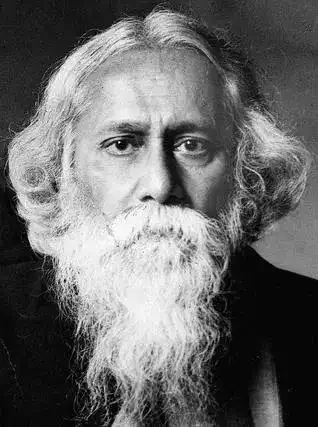
Rabindranath Tagore
The Unheeded Pageant
The Unheeded Pageant
Ah, who was it coloured that little frock, my child, and covered
your sweet limbs with that little red tunic?
You have come out in the morning to play in the courtyard,
tottering and tumbling as you run.
But who was it coloured that little frock, my child?
What is it makes you laugh, my little life-bud?
Mother smiles at you standing on the threshold.
She claps her hands and her bracelets jingle, and you dance
with your bamboo stick in your hand like a tiny little shepherd.
But what is it makes you laugh, my little life-bud?
O beggar, what do you bed for, clinging to your mother's neck
with both your hands?
O greedy heart, shall I pluck the world like a fruit from the
sky to place it on your little rosy palm?
O beggar, what are you begging for?
The wind carries away in glee the tinkling of your anklet
bells.
The sun smiles and watches your toilet.
The sky watches over you when you sleep in your mother's arms,
and the morning comes tiptoe to your bed and kisses your eyes.
The wind carried away in glee the tinkling of your anklet
bells.
The fairy mistress of dreams is coming towards you, flying
through the twilight sky.
The world-mother keeps her seat by you in your mother's heart.
He who plays his music to the stars is standing at your window
with his flute.
And the fairy mistress of dreams is coming towards you, flying
through the twilight sky.
Ah, who was it coloured that little frock, my child, and covered
your sweet limbs with that little red tunic?
You have come out in the morning to play in the courtyard,
tottering and tumbling as you run.
But who was it coloured that little frock, my child?
What is it makes you laugh, my little life-bud?
Mother smiles at you standing on the threshold.
She claps her hands and her bracelets jingle, and you dance
with your bamboo stick in your hand like a tiny little shepherd.
But what is it makes you laugh, my little life-bud?
O beggar, what do you bed for, clinging to your mother's neck
with both your hands?
O greedy heart, shall I pluck the world like a fruit from the
sky to place it on your little rosy palm?
O beggar, what are you begging for?
The wind carries away in glee the tinkling of your anklet
bells.
The sun smiles and watches your toilet.
The sky watches over you when you sleep in your mother's arms,
and the morning comes tiptoe to your bed and kisses your eyes.
The wind carried away in glee the tinkling of your anklet
bells.
The fairy mistress of dreams is coming towards you, flying
through the twilight sky.
The world-mother keeps her seat by you in your mother's heart.
He who plays his music to the stars is standing at your window
with his flute.
And the fairy mistress of dreams is coming towards you, flying
through the twilight sky.
543
Rabindranath Tagore
The Last Bargain
The Last Bargain
"Come and hire me," I cried, while in the morning I was walking on the stone-paved
road.
Sword in hand, the King came in his chariot.
He held my hand and said, "I will hire you with my power."
But his power counted for nought, and he went away in his chariot.
In the heat of the midday the houses stood with shut doors.
I wandered along the crooked lane.
An old man came out with his bag of gold.
He pondered and said, "I will hire you with my money."
He weighed his coins one by one, but I turned away.
It was evening. The garden hedge was all aflower.
The fair maid came out and said, "I will hire you with a smile."
Her smile paled and melted into tears, and she went back alone into the dark.
The sun glistened on the sand, and the sea waves broke waywardly.
A child sat playing with shells.
He raised his head and seemed to know me, and said, "I hire you with nothing."
From thenceforward that bargain struck in child's play made me a free man.
"Come and hire me," I cried, while in the morning I was walking on the stone-paved
road.
Sword in hand, the King came in his chariot.
He held my hand and said, "I will hire you with my power."
But his power counted for nought, and he went away in his chariot.
In the heat of the midday the houses stood with shut doors.
I wandered along the crooked lane.
An old man came out with his bag of gold.
He pondered and said, "I will hire you with my money."
He weighed his coins one by one, but I turned away.
It was evening. The garden hedge was all aflower.
The fair maid came out and said, "I will hire you with a smile."
Her smile paled and melted into tears, and she went back alone into the dark.
The sun glistened on the sand, and the sea waves broke waywardly.
A child sat playing with shells.
He raised his head and seemed to know me, and said, "I hire you with nothing."
From thenceforward that bargain struck in child's play made me a free man.
794
Rabindranath Tagore
The Flower-School
The Flower-School
When storm-clouds rumble in the sky and June showers come down.
The moist east wind comes marching over the heath to blow its
bagpipes among the bamboos.
Then crowds of flowers come out of a sudden, from nobody knows
where, and dance upon the grass in wild glee.
Mother, I really think the flowers go to school underground.
They do their lessons with doors shut, and if they want to
come out to play before it is time, their master makes them stand
in a corner.
When the rain come they have their holidays.
Branches clash together in the forest, and the leaves rustle
in the wild wind, the thunder-clouds clap their giant hands and the
flower children rush out in dresses of pink and yellow and white.
Do you know, mother, their home is in the sky, where the stars
are.
Haven't you see how eager they are to get there? Don't you
know why they are in such a hurry?
Of course, I can guess to whom they raise their arms; they
have their mother as I have my own.
When storm-clouds rumble in the sky and June showers come down.
The moist east wind comes marching over the heath to blow its
bagpipes among the bamboos.
Then crowds of flowers come out of a sudden, from nobody knows
where, and dance upon the grass in wild glee.
Mother, I really think the flowers go to school underground.
They do their lessons with doors shut, and if they want to
come out to play before it is time, their master makes them stand
in a corner.
When the rain come they have their holidays.
Branches clash together in the forest, and the leaves rustle
in the wild wind, the thunder-clouds clap their giant hands and the
flower children rush out in dresses of pink and yellow and white.
Do you know, mother, their home is in the sky, where the stars
are.
Haven't you see how eager they are to get there? Don't you
know why they are in such a hurry?
Of course, I can guess to whom they raise their arms; they
have their mother as I have my own.
835
Rabindranath Tagore
The Chanpa Flower
The Chanpa Flower
Supposing I became a chanpa flower, just for fun, and grew on a
branch high up that tree, and shook in the wind with laughter and
danced upon the newly budded leaves, would you know me, mother?
You would call, "Baby, where are you?" and I should laugh to
myself and keep quite quiet.
I should slyly open my petals and watch you at your work.
When after your bath, with wet hair spread on your shoulders,
you walked through the shadow of the champ tree to the little court
where you say your prayers, you would notice the scent of the
flower, but not know that it cane from me.
When after the midday meal you sat at the window reading
ramayana, and the tree's shadow fell over your hair and your lap,
I should fling my wee little shadow on to the page of your book,
just where you were reading.
But would you guess that it was the tiny shadow of your
little child?
When in the evening you went to the cow shed with the lighted
lamp in your hand I should suddenly drop on to the earth again and
be your own baby once more, and beg you to tell me a story.
"Where have you been, you naughty child?"
"I won't tell you, mother." That's what you and I would say
then.
Supposing I became a chanpa flower, just for fun, and grew on a
branch high up that tree, and shook in the wind with laughter and
danced upon the newly budded leaves, would you know me, mother?
You would call, "Baby, where are you?" and I should laugh to
myself and keep quite quiet.
I should slyly open my petals and watch you at your work.
When after your bath, with wet hair spread on your shoulders,
you walked through the shadow of the champ tree to the little court
where you say your prayers, you would notice the scent of the
flower, but not know that it cane from me.
When after the midday meal you sat at the window reading
ramayana, and the tree's shadow fell over your hair and your lap,
I should fling my wee little shadow on to the page of your book,
just where you were reading.
But would you guess that it was the tiny shadow of your
little child?
When in the evening you went to the cow shed with the lighted
lamp in your hand I should suddenly drop on to the earth again and
be your own baby once more, and beg you to tell me a story.
"Where have you been, you naughty child?"
"I won't tell you, mother." That's what you and I would say
then.
741
Rabindranath Tagore
Superior
Superior
Mother, your baby is silly! She is so absurdly childish!
She does not know the difference between the lights in the
streets and the stars.
When we play at eating with pebbles, she thinks they are real
food, and tries to put them into her mouth.
When I open a book before her and ask her to learn her a, b,
c, she tears the leaves with her hands and roars for joy at
nothing; this is your baby's way of doing her lesson.
When I shake my head at her in anger and scold her and call
her naughty, she laughs and thinks it great fun.
Everybody knows that father is away, but if in play I call
aloud "Father," she looks about her in excitement and thinks that
father is near.
When I hold my class with the donkeys that our washer man
brings to carry away the clothes and I warn her that I am the
schoolmaster, she will scream for no reason and call me dada.
Your baby wants to catch the moon. She is so funny; she calls
Ganesh Ganush.
Mother, your baby is silly! She is so absurdly childish!
Mother, your baby is silly! She is so absurdly childish!
She does not know the difference between the lights in the
streets and the stars.
When we play at eating with pebbles, she thinks they are real
food, and tries to put them into her mouth.
When I open a book before her and ask her to learn her a, b,
c, she tears the leaves with her hands and roars for joy at
nothing; this is your baby's way of doing her lesson.
When I shake my head at her in anger and scold her and call
her naughty, she laughs and thinks it great fun.
Everybody knows that father is away, but if in play I call
aloud "Father," she looks about her in excitement and thinks that
father is near.
When I hold my class with the donkeys that our washer man
brings to carry away the clothes and I warn her that I am the
schoolmaster, she will scream for no reason and call me dada.
Your baby wants to catch the moon. She is so funny; she calls
Ganesh Ganush.
Mother, your baby is silly! She is so absurdly childish!
555
Rabindranath Tagore
Sleep-Stealer
Sleep-Stealer
Who stole sleep from baby's eyes? I must know.
Clasping her pitcher to her waist mother went to fetch water
from the village near by.
It was noon. The children's playtime was over; the ducks in
the pond were silent.
The shepherd boy lay asleep under the shadow of the banyan
tree.
The crane stood grave and still in the swamp near the mango
grove.
In the meanwhile the Sleep-stealer came and, snatching sleep
from baby's eyes, flew away.
When mother came back she found baby travelling the room over
on all fours.
Who stole sleep from our baby's eyes? I must know. I must find
her and chain her up.
I must look into that dark cave, where, through boulders and
scowling stones, trickles a tiny stream.
I must search in the drowsy shade of the bakula grove, where
pigeons coo in their corner, and fairies' anklets tinkle in the
stillness of starry nights.
In the evening I will peep into the whispering silence of the
bamboo forest, where fireflies squander their light, and will ask
every creature I meet, "Can anybody tell me where the Sleep-stealer
lives?"
Who stole sleep from baby's eyes? I must know.
Shouldn't I give her a good lesson if I could only catch her!
I would raid her nest and see where she hoards all her stolen
sleep.
I would plunder it all, and carry it home.
I would bind her two wings securely, set her on the bank of
the river, and then let her play at fishing with a reed among the
rushes and water-lilies.
When the marketing is over in the evening, and the village
children sit in their mothers' laps, then the night birds will
mockingly din her ears with:
"Whose sleep will you steal now?"
Who stole sleep from baby's eyes? I must know.
Clasping her pitcher to her waist mother went to fetch water
from the village near by.
It was noon. The children's playtime was over; the ducks in
the pond were silent.
The shepherd boy lay asleep under the shadow of the banyan
tree.
The crane stood grave and still in the swamp near the mango
grove.
In the meanwhile the Sleep-stealer came and, snatching sleep
from baby's eyes, flew away.
When mother came back she found baby travelling the room over
on all fours.
Who stole sleep from our baby's eyes? I must know. I must find
her and chain her up.
I must look into that dark cave, where, through boulders and
scowling stones, trickles a tiny stream.
I must search in the drowsy shade of the bakula grove, where
pigeons coo in their corner, and fairies' anklets tinkle in the
stillness of starry nights.
In the evening I will peep into the whispering silence of the
bamboo forest, where fireflies squander their light, and will ask
every creature I meet, "Can anybody tell me where the Sleep-stealer
lives?"
Who stole sleep from baby's eyes? I must know.
Shouldn't I give her a good lesson if I could only catch her!
I would raid her nest and see where she hoards all her stolen
sleep.
I would plunder it all, and carry it home.
I would bind her two wings securely, set her on the bank of
the river, and then let her play at fishing with a reed among the
rushes and water-lilies.
When the marketing is over in the evening, and the village
children sit in their mothers' laps, then the night birds will
mockingly din her ears with:
"Whose sleep will you steal now?"
539
Rabindranath Tagore
On the Seashore
On the Seashore
On the seashore of endless worlds children meet.
The infinite sky is motionless overhead and the restless water is boisterous. On the
seashore of endless worlds the children meet with shouts and dances.
They build their houses with sand, and they play with empty shells. With withered
leaves they weave their boats and smilingly float them on the vast deep. Children have
their play on the seashore of worlds.
They know not how to swim, they know not how to cast nets. Pearl-fishers dive for
pearls, merchants sail in their ships, while children gather pebbles and scatter them
again. They seek not for hidden treasures, they know not how to cast nets.
The sea surges up with laughter, and pale gleams the smile of the sea-beach.
Death-dealing waves sing meaningless ballads to the children, even like a mother while
rocking her baby's cradle. The sea plays with children, and pale gleams the smile of the
sea-beach.
On the seashore of endless worlds children meet. Tempest roams in the pathless
sky, ships are wrecked in the trackless water, death is abroad and children play. On
the seashore of endless worlds is the great meeting of children.
On the seashore of endless worlds children meet.
The infinite sky is motionless overhead and the restless water is boisterous. On the
seashore of endless worlds the children meet with shouts and dances.
They build their houses with sand, and they play with empty shells. With withered
leaves they weave their boats and smilingly float them on the vast deep. Children have
their play on the seashore of worlds.
They know not how to swim, they know not how to cast nets. Pearl-fishers dive for
pearls, merchants sail in their ships, while children gather pebbles and scatter them
again. They seek not for hidden treasures, they know not how to cast nets.
The sea surges up with laughter, and pale gleams the smile of the sea-beach.
Death-dealing waves sing meaningless ballads to the children, even like a mother while
rocking her baby's cradle. The sea plays with children, and pale gleams the smile of the
sea-beach.
On the seashore of endless worlds children meet. Tempest roams in the pathless
sky, ships are wrecked in the trackless water, death is abroad and children play. On
the seashore of endless worlds is the great meeting of children.
556
Rabindranath Tagore
Colored Toys
Colored Toys
When I bring to you colored toys, my child,
I understand why there is such a play of colors on clouds, on water,
and why flowers are painted in tints
---when I give colored toys to you, my child.
When I sing to make you dance
I truly now why there is music in leaves,
and why waves send their chorus of voices to the heart of the listening earth
---when I sing to make you dance.
When I bring sweet things to your greedy hands
I know why there is honey in the cup of the flowers
and why fruits are secretly filled with sweet juice
---when I bring sweet things to your greedy hands.
When I kiss your face to make you smile, my darling,
I surely understand what pleasure streams from the sky in morning light,
and what delight that is that is which the summer breeze brings to my body
---when I kiss you to make you smile.
When I bring to you colored toys, my child,
I understand why there is such a play of colors on clouds, on water,
and why flowers are painted in tints
---when I give colored toys to you, my child.
When I sing to make you dance
I truly now why there is music in leaves,
and why waves send their chorus of voices to the heart of the listening earth
---when I sing to make you dance.
When I bring sweet things to your greedy hands
I know why there is honey in the cup of the flowers
and why fruits are secretly filled with sweet juice
---when I bring sweet things to your greedy hands.
When I kiss your face to make you smile, my darling,
I surely understand what pleasure streams from the sky in morning light,
and what delight that is that is which the summer breeze brings to my body
---when I kiss you to make you smile.
571
Rabindranath Tagore
Defamation
Defamation
Whey are those tears in your eyes, my child?
How horrid of them to be always scolding you for nothing!
You have stained your fingers and face with ink while writingis
that why they call you dirty?
O, fie! Would they dare to call the full moon dirty because
it has smudged its face with ink?
For every little trifle they blame you, my child. They are
ready to find fault for nothing.
You tore your clothes while playing-is that why they call you
untidy?
O, fie! What would they call an autumn morning that smiles
through its ragged clouds?
Take no heed of what they say to you, my child.
They make a long list of your misdeeds.
Everybody knows how you love sweet things-is that why they
call you greedy?
O, fie! What then would they call us who love you?
Whey are those tears in your eyes, my child?
How horrid of them to be always scolding you for nothing!
You have stained your fingers and face with ink while writingis
that why they call you dirty?
O, fie! Would they dare to call the full moon dirty because
it has smudged its face with ink?
For every little trifle they blame you, my child. They are
ready to find fault for nothing.
You tore your clothes while playing-is that why they call you
untidy?
O, fie! What would they call an autumn morning that smiles
through its ragged clouds?
Take no heed of what they say to you, my child.
They make a long list of your misdeeds.
Everybody knows how you love sweet things-is that why they
call you greedy?
O, fie! What then would they call us who love you?
585
Rabindranath Tagore
Baby's Way
Baby's Way
If baby only wanted to, he could fly up to heaven this moment.
It is not for nothing that he does not leave us.
He loves to rest his head on mother's bosom, and cannot ever
bear to lose sight of her.
Baby know all manner of wise words, though few on earth can
understand their meaning.
It is not for nothing that he never wants to speak.
The one thing he wants is to learn mother's words from
mother's lips. That is why he looks so innocent.
Baby had a heap of gold and pearls, yet he came like a beggar
on to this earth.
It is not for nothing he came in such a disguise.
This dear little naked mendicant pretends to be utterly
helpless, so that he may beg for mother's wealth of love.
Baby was so free from every tie in the land of the tiny
crescent moon.
It was not for nothing he gave up his freedom.
He knows that there is room for endless joy in mother's little
corner of a heart, and it is sweeter far than liberty to be caught
and pressed in her dear arms.
Baby never knew how to cry. He dwelt in the land of perfect
bliss.
It is not for nothing he has chosen to shed tears.
Though with the smile of his dear face he draws mother's
yearning heart to him, yet his little cries over tiny troubles
weave the double bond of pity and love.
If baby only wanted to, he could fly up to heaven this moment.
It is not for nothing that he does not leave us.
He loves to rest his head on mother's bosom, and cannot ever
bear to lose sight of her.
Baby know all manner of wise words, though few on earth can
understand their meaning.
It is not for nothing that he never wants to speak.
The one thing he wants is to learn mother's words from
mother's lips. That is why he looks so innocent.
Baby had a heap of gold and pearls, yet he came like a beggar
on to this earth.
It is not for nothing he came in such a disguise.
This dear little naked mendicant pretends to be utterly
helpless, so that he may beg for mother's wealth of love.
Baby was so free from every tie in the land of the tiny
crescent moon.
It was not for nothing he gave up his freedom.
He knows that there is room for endless joy in mother's little
corner of a heart, and it is sweeter far than liberty to be caught
and pressed in her dear arms.
Baby never knew how to cry. He dwelt in the land of perfect
bliss.
It is not for nothing he has chosen to shed tears.
Though with the smile of his dear face he draws mother's
yearning heart to him, yet his little cries over tiny troubles
weave the double bond of pity and love.
634
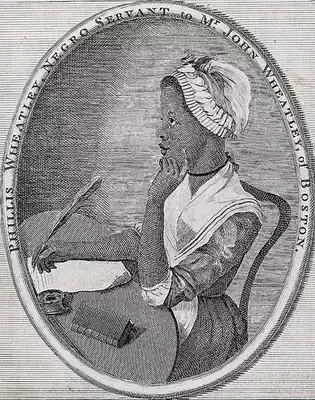
Phillis Wheatley
On The Death Of J. C. An Infant
On The Death Of J. C. An Infant
NO more the flow'ry scenes of pleasure rife,
Nor charming prospects greet the mental eyes,
No more with joy we view that lovely face
Smiling, disportive, flush'd with ev'ry grace.
The tear of sorrow flows from ev'ry eye,
Groans answer groans, and sighs to sighs reply;
What sudden pangs shot thro' each aching heart,
When, Death, thy messenger dispatch'd his dart?
Thy dread attendants, all-destroying Pow'r,
Hurried the infant to his mortal hour.
Could'st thou unpitying close those radiant eyes?
Or fail'd his artless beauties to surprise?
Could not his innocence thy stroke controul,
Thy purpose shake, and soften all thy soul?
The blooming babe, with shades of Death o'erspread,
No more shall smile, no more shall raise its head,
But, like a branch that from the tree is torn,
Falls prostrate, wither'd, languid, and forlorn.
"Where flies my James?" 'tis thus I seem to hear
The parent ask, "Some angel tell me where
"He wings his passage thro' the yielding air?"
Methinks a cherub bending from the skies
Observes the question, and serene replies,
"In heav'ns high palaces your babe appears:
"Prepare to meet him, and dismiss your tears."
Shall not th' intelligence your grief restrain,
And turn the mournful to the cheerful strain?
Cease your complaints, suspend each rising sigh,
Cease to accuse the Ruler of the sky.
Parents, no more indulge the falling tear:
Let Faith to heav'n's refulgent domes repair,
There see your infant, like a seraph glow:
What charms celestial in his numbers flow
Melodious, while the foul-enchanting strain
Dwells on his tongue, and fills th' ethereal plain?
Enough--for ever cease your murm'ring breath;
Not as a foe, but friend converse with Death,
Since to the port of happiness unknown
He brought that treasure which you call your own.
The gift of heav'n intrusted to your hand
Cheerful resign at the divine command:
Not at your bar must sov'reign Wisdom stand.
NO more the flow'ry scenes of pleasure rife,
Nor charming prospects greet the mental eyes,
No more with joy we view that lovely face
Smiling, disportive, flush'd with ev'ry grace.
The tear of sorrow flows from ev'ry eye,
Groans answer groans, and sighs to sighs reply;
What sudden pangs shot thro' each aching heart,
When, Death, thy messenger dispatch'd his dart?
Thy dread attendants, all-destroying Pow'r,
Hurried the infant to his mortal hour.
Could'st thou unpitying close those radiant eyes?
Or fail'd his artless beauties to surprise?
Could not his innocence thy stroke controul,
Thy purpose shake, and soften all thy soul?
The blooming babe, with shades of Death o'erspread,
No more shall smile, no more shall raise its head,
But, like a branch that from the tree is torn,
Falls prostrate, wither'd, languid, and forlorn.
"Where flies my James?" 'tis thus I seem to hear
The parent ask, "Some angel tell me where
"He wings his passage thro' the yielding air?"
Methinks a cherub bending from the skies
Observes the question, and serene replies,
"In heav'ns high palaces your babe appears:
"Prepare to meet him, and dismiss your tears."
Shall not th' intelligence your grief restrain,
And turn the mournful to the cheerful strain?
Cease your complaints, suspend each rising sigh,
Cease to accuse the Ruler of the sky.
Parents, no more indulge the falling tear:
Let Faith to heav'n's refulgent domes repair,
There see your infant, like a seraph glow:
What charms celestial in his numbers flow
Melodious, while the foul-enchanting strain
Dwells on his tongue, and fills th' ethereal plain?
Enough--for ever cease your murm'ring breath;
Not as a foe, but friend converse with Death,
Since to the port of happiness unknown
He brought that treasure which you call your own.
The gift of heav'n intrusted to your hand
Cheerful resign at the divine command:
Not at your bar must sov'reign Wisdom stand.
225
Phillis Wheatley
On The Death Of A Young Lady Of Five Years Of Age
On The Death Of A Young Lady Of Five Years Of Age
FROM dark abodes to fair etherial light
Th' enraptur'd innocent has wing'd her flight;
On the kind bosom of eternal love
She finds unknown beatitude above.
This known, ye parents, nor her loss deplore,
She feels the iron hand of pain no more;
The dispensations of unerring grace,
Should turn your sorrows into grateful praise;
Let then no tears for her henceforward flow,
No more distress'd in our dark vale below,
Her morning sun, which rose divinely bright,
Was quickly mantled with the gloom of night;
But hear in heav'n's blest bow'rs your Nancy fair,
And learn to imitate her language there.
"Thou, Lord, whom I behold with glory crown'd,
"By what sweet name, and in what tuneful sound
"Wilt thou be prais'd? Seraphic pow'rs are faint
"Infinite love and majesty to paint.
"To thee let all their graceful voices raise,
"And saints and angels join their songs of praise."
Perfect in bliss she from her heav'nly home
Looks down, and smiling beckons you to come;
Why then, fond parents, why these fruitless groans?
Restrain your tears, and cease your plaintive moans.
Freed from a world of sin, and snares, and pain,
Why would you wish your daughter back again?
No--bow resign'd. Let hope your grief control,
And check the rising tumult of the soul.
Calm in the prosperous, and adverse day,
Adore the God who gives and takes away;
Eye him in all, his holy name revere,
Upright your actions, and your hearts sincere,
Till having sail'd through life's tempestuous sea,
And from its rocks, and boist'rous billows free,
Yourselves, safe landed on the blissful shore,
Shall join your happy babe to part no more.
FROM dark abodes to fair etherial light
Th' enraptur'd innocent has wing'd her flight;
On the kind bosom of eternal love
She finds unknown beatitude above.
This known, ye parents, nor her loss deplore,
She feels the iron hand of pain no more;
The dispensations of unerring grace,
Should turn your sorrows into grateful praise;
Let then no tears for her henceforward flow,
No more distress'd in our dark vale below,
Her morning sun, which rose divinely bright,
Was quickly mantled with the gloom of night;
But hear in heav'n's blest bow'rs your Nancy fair,
And learn to imitate her language there.
"Thou, Lord, whom I behold with glory crown'd,
"By what sweet name, and in what tuneful sound
"Wilt thou be prais'd? Seraphic pow'rs are faint
"Infinite love and majesty to paint.
"To thee let all their graceful voices raise,
"And saints and angels join their songs of praise."
Perfect in bliss she from her heav'nly home
Looks down, and smiling beckons you to come;
Why then, fond parents, why these fruitless groans?
Restrain your tears, and cease your plaintive moans.
Freed from a world of sin, and snares, and pain,
Why would you wish your daughter back again?
No--bow resign'd. Let hope your grief control,
And check the rising tumult of the soul.
Calm in the prosperous, and adverse day,
Adore the God who gives and takes away;
Eye him in all, his holy name revere,
Upright your actions, and your hearts sincere,
Till having sail'd through life's tempestuous sea,
And from its rocks, and boist'rous billows free,
Yourselves, safe landed on the blissful shore,
Shall join your happy babe to part no more.
376

Paul Laurence Dunbar
Little Brown Baby
Little Brown Baby
Little brown baby wif spa'klin' eyes,
Come to yo' pappy an' set on his knee.
What you been doin', suh -- makin' san' pies?
Look at dat bib -- you's es du'ty ez me.
Look at dat mouf -- dat's merlasses, I bet;
Come hyeah, Maria, an' wipe off his han's.
Bees gwine to ketch you an' eat you up yit,
Bein' so sticky an sweet -- goodness lan's!
Little brown baby wif spa'klin' eyes,
Who's pappy's darlin' an' who's pappy's chile?
Who is it all de day nevah once tries
Fu' to be cross, er once loses dat smile?
Whah did you git dem teef? My, you's a scamp!
Whah did dat dimple come f'om in yo' chin?
Pappy do' know you -- I b'lieves you's a tramp;
Mammy, dis hyeah's some ol' straggler got in!
Let's th'ow him outen de do' in de san',
We do' want stragglers a-layin' 'roun' hyeah;
Let's gin him 'way to de big buggah-man;
I know he's hidin' erroun' hyeah right neah.
Buggah-man, buggah-man, come in de do',
Hyeah's a bad boy you kin have fu' to eat.
Mammy an' pappy do' want him no mo',
Swaller him down f'om his haid to his feet!
Dah, now, I t'ought dat you'd hug me up close.
Go back, ol' buggah, you sha'n't have dis boy.
He ain't no tramp, ner no straggler, of co'se;
He's pappy's pa'dner an' play-mate an' joy.
Come to you' pallet now -- go to yo' res';
Wisht you could allus know ease an' cleah skies;
Wisht you could stay jes' a chile on my breas'--
Little brown baby wif spa'klin' eyes!
Little brown baby wif spa'klin' eyes,
Come to yo' pappy an' set on his knee.
What you been doin', suh -- makin' san' pies?
Look at dat bib -- you's es du'ty ez me.
Look at dat mouf -- dat's merlasses, I bet;
Come hyeah, Maria, an' wipe off his han's.
Bees gwine to ketch you an' eat you up yit,
Bein' so sticky an sweet -- goodness lan's!
Little brown baby wif spa'klin' eyes,
Who's pappy's darlin' an' who's pappy's chile?
Who is it all de day nevah once tries
Fu' to be cross, er once loses dat smile?
Whah did you git dem teef? My, you's a scamp!
Whah did dat dimple come f'om in yo' chin?
Pappy do' know you -- I b'lieves you's a tramp;
Mammy, dis hyeah's some ol' straggler got in!
Let's th'ow him outen de do' in de san',
We do' want stragglers a-layin' 'roun' hyeah;
Let's gin him 'way to de big buggah-man;
I know he's hidin' erroun' hyeah right neah.
Buggah-man, buggah-man, come in de do',
Hyeah's a bad boy you kin have fu' to eat.
Mammy an' pappy do' want him no mo',
Swaller him down f'om his haid to his feet!
Dah, now, I t'ought dat you'd hug me up close.
Go back, ol' buggah, you sha'n't have dis boy.
He ain't no tramp, ner no straggler, of co'se;
He's pappy's pa'dner an' play-mate an' joy.
Come to you' pallet now -- go to yo' res';
Wisht you could allus know ease an' cleah skies;
Wisht you could stay jes' a chile on my breas'--
Little brown baby wif spa'klin' eyes!
504
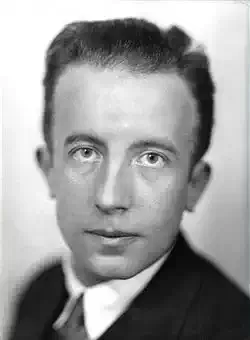
Paul Éluard
Other Children
Other Children
"Little child of my five senses
and of my tenderness."
Let us cradle our loves,
We will have good children.
Well cared for,
We will fear nothing on earth,
Happiness, good fortune, prudence,
Our loves
And this leap from age to age,
From the order of a child to that of an old man,
Will not diminish us.
(Confidence).
"Little child of my five senses
and of my tenderness."
Let us cradle our loves,
We will have good children.
Well cared for,
We will fear nothing on earth,
Happiness, good fortune, prudence,
Our loves
And this leap from age to age,
From the order of a child to that of an old man,
Will not diminish us.
(Confidence).
290
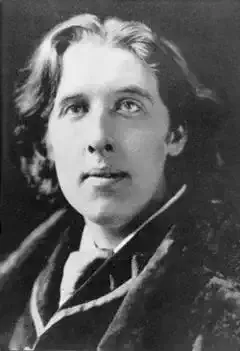
Oscar Wilde
Le Jardin Des Tuileries
Le Jardin Des Tuileries
This winter air is keen and cold,
And keen and cold this winter sun,
But round my chair the children run
Like little things of dancing gold.
Sometimes about the painted kiosk
The mimic soldiers strut and stride,
Sometimes the blue-eyed brigands hide
In the bleak tangles of the bosk.
And sometimes, while the old nurse cons
Her book, they steal across the square,
And launch their paper navies where
Huge Triton writhes in greenish bronze.
And now in mimic flight they flee,
And now they rush, a boisterous band -
And, tiny hand on tiny hand,
Climb up the black and leafless tree.
Ah! cruel tree! if I were you,
And children climbed me, for their sake
Though it be winter I would break
Into spring blossoms white and blue!
This winter air is keen and cold,
And keen and cold this winter sun,
But round my chair the children run
Like little things of dancing gold.
Sometimes about the painted kiosk
The mimic soldiers strut and stride,
Sometimes the blue-eyed brigands hide
In the bleak tangles of the bosk.
And sometimes, while the old nurse cons
Her book, they steal across the square,
And launch their paper navies where
Huge Triton writhes in greenish bronze.
And now in mimic flight they flee,
And now they rush, a boisterous band -
And, tiny hand on tiny hand,
Climb up the black and leafless tree.
Ah! cruel tree! if I were you,
And children climbed me, for their sake
Though it be winter I would break
Into spring blossoms white and blue!
180

Ogden Nash
The Parent
The Parent
Children aren't happy with nothing to ignore,
And that's what parents were created for.
Children aren't happy with nothing to ignore,
And that's what parents were created for.
275
Ogden Nash
The Boy Who Laughed At Santa Claus
The Boy Who Laughed At Santa Claus
In Baltimore there lived a boy.
He wasn't anybody's joy.
Although his name was Jabez Dawes,
His character was full of flaws. In school he never led his classes,
He hid old ladies' reading glasses,
His mouth was open when he chewed,
And elbows to the table glued.
He stole the milk of hungry kittens,
And walked through doors marked NO ADMITTANCE.
He said he acted thus because
There wasn't any Santa Claus.
In Baltimore there lived a boy.
He wasn't anybody's joy.
Although his name was Jabez Dawes,
His character was full of flaws. In school he never led his classes,
He hid old ladies' reading glasses,
His mouth was open when he chewed,
And elbows to the table glued.
He stole the milk of hungry kittens,
And walked through doors marked NO ADMITTANCE.
He said he acted thus because
There wasn't any Santa Claus.
251
Ogden Nash
Soliloquy in Circles
Soliloquy in Circles
Being a father
Is quite a bother.
You are as free as air
With time to spare,
You're a fiscal rocket
With change in your pocket,
And then one morn
A child is born.
Your life has been runcible,
Irresponsible,
Like an arrow or javelin
You've been constantly travelin'.
But mostly, I daresay,
Without a chaise percée,
To which by comparison
Nothing's embarison.
But all children matures,
Maybe even yours.
You improve them mentally
And straighten them dentally,
They grow tall as a lancer
And ask questions you can't answer,
And supply you with data
About how everybody else wears lipstick sooner and stays up later,
And if they are popular,
The phone they monopular.
They scorn the dominion
Of their parent's opinion,
They're no longer corralable
Once they find that you're fallible
But after you've raised them and educated them and gowned them,
They just take their little fingers and wrap you around them.
Being a father Is quite a bother,
But I like it, rather.
Being a father
Is quite a bother.
You are as free as air
With time to spare,
You're a fiscal rocket
With change in your pocket,
And then one morn
A child is born.
Your life has been runcible,
Irresponsible,
Like an arrow or javelin
You've been constantly travelin'.
But mostly, I daresay,
Without a chaise percée,
To which by comparison
Nothing's embarison.
But all children matures,
Maybe even yours.
You improve them mentally
And straighten them dentally,
They grow tall as a lancer
And ask questions you can't answer,
And supply you with data
About how everybody else wears lipstick sooner and stays up later,
And if they are popular,
The phone they monopular.
They scorn the dominion
Of their parent's opinion,
They're no longer corralable
Once they find that you're fallible
But after you've raised them and educated them and gowned them,
They just take their little fingers and wrap you around them.
Being a father Is quite a bother,
But I like it, rather.
262
Ogden Nash
Reflection On Babies
Reflection On Babies
A bit of talcum
Is always walcum.
A bit of talcum
Is always walcum.
239
Ogden Nash
Lines To Be Embroidered On A Bib
Lines To Be Embroidered On A Bib
OR
The Child Is Father Of The Man, But Not For Quite A While
So Thomas Edison
Never drank his medicine;
So Blackstone and Hoyle
Refused cod-liver oil;
So Sir Thomas Malory
Never heard of a calory;
So the Earl of Lennox
Murdered Rizzio without the aid of vitamins or calisthenox;
So Socrates and Plato
Ate dessert without finishing their potato;
So spinach was too spinachy
For Leonardo da Vinaci;
Well, it's all immaterial,
So eat your nice cereal,
And if you want to name your ration,
First go get a reputation.
OR
The Child Is Father Of The Man, But Not For Quite A While
So Thomas Edison
Never drank his medicine;
So Blackstone and Hoyle
Refused cod-liver oil;
So Sir Thomas Malory
Never heard of a calory;
So the Earl of Lennox
Murdered Rizzio without the aid of vitamins or calisthenox;
So Socrates and Plato
Ate dessert without finishing their potato;
So spinach was too spinachy
For Leonardo da Vinaci;
Well, it's all immaterial,
So eat your nice cereal,
And if you want to name your ration,
First go get a reputation.
227
Ogden Nash
Children's Party
Children's Party
May I join you in the doghouse, Rover?
I wish to retire till the party's over.
Since three o'clock I've done my best
To entertain each tiny guest. My conscience now I've left behind me,
And if they want me, let them find me.
I blew their bubbles, I sailed their boats,
I kept them from each other's throats. I told them tales of magic lands,
I took them out to wash their hands.
I sorted their rubbers and tied their laces,
I wiped their noses and dried their faces. Of similarities there's lots
Twixt tiny tots and Hottentots.
I've earned repose to heal the ravages
Of these angelic-looking savages. Oh, progeny playing by itself
Is a lonely little elf,
But progeny in roistering batches
Would drive St. francis from here to Natchez. Shunned are the games a parent
proposes,
They prefer to squirt each other with hoses,
Their playmates are their natural foemen
And they like to poke each other's abdomen. Their joy needs another woe's to cushion
it,
Say a puddle, and someone littler to push in it.
They observe with glee the ballistic results
Of ice cream with spoons for catapults, And inform the assembly with tears and glares
That everyone's presents are better than theirs.
Oh, little women and little men,
Someday I hope to love you again, But not till after the party's over,
So give me the key to the doghouse, Rover
May I join you in the doghouse, Rover?
I wish to retire till the party's over.
Since three o'clock I've done my best
To entertain each tiny guest. My conscience now I've left behind me,
And if they want me, let them find me.
I blew their bubbles, I sailed their boats,
I kept them from each other's throats. I told them tales of magic lands,
I took them out to wash their hands.
I sorted their rubbers and tied their laces,
I wiped their noses and dried their faces. Of similarities there's lots
Twixt tiny tots and Hottentots.
I've earned repose to heal the ravages
Of these angelic-looking savages. Oh, progeny playing by itself
Is a lonely little elf,
But progeny in roistering batches
Would drive St. francis from here to Natchez. Shunned are the games a parent
proposes,
They prefer to squirt each other with hoses,
Their playmates are their natural foemen
And they like to poke each other's abdomen. Their joy needs another woe's to cushion
it,
Say a puddle, and someone littler to push in it.
They observe with glee the ballistic results
Of ice cream with spoons for catapults, And inform the assembly with tears and glares
That everyone's presents are better than theirs.
Oh, little women and little men,
Someday I hope to love you again, But not till after the party's over,
So give me the key to the doghouse, Rover
294
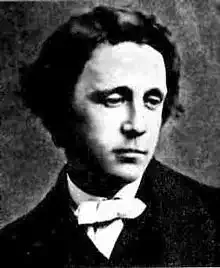
Lewis Carroll
Speak Roughly to Your Little Boy
Speak Roughly to Your Little Boy
And with that she
began nursing her child again, singing a sort of
lullaby to it as she did so, and giving it a violent
shake at the end of every line:
"Speak roughly to your little boy,
And beat him when he sneezes;
He only does it to annoy,
Because he knows it teases."CHORUS
(in which the cook and the baby joined): "
Wow! wow! wow!"While the Duchess
sang the second verse of
the song, she kept tossing the baby violently up
and down, and the poor little thing howled so,
that Alice could hardly hear the words:
"I speak severely to my boy,
I beat him when he sneezes;
For he can thoroughly enjoy
The pepper when he pleases!" CHORUS"Wow! wow! wow!"
And with that she
began nursing her child again, singing a sort of
lullaby to it as she did so, and giving it a violent
shake at the end of every line:
"Speak roughly to your little boy,
And beat him when he sneezes;
He only does it to annoy,
Because he knows it teases."CHORUS
(in which the cook and the baby joined): "
Wow! wow! wow!"While the Duchess
sang the second verse of
the song, she kept tossing the baby violently up
and down, and the poor little thing howled so,
that Alice could hardly hear the words:
"I speak severely to my boy,
I beat him when he sneezes;
For he can thoroughly enjoy
The pepper when he pleases!" CHORUS"Wow! wow! wow!"
192
Lewis Carroll
Dedication
Dedication
Inscribed to a Dear Child:
In Memory of Golden Summer Hours
And Whispers of a Summer Sea
Girt with a boyish garb for boyish task,
Eager she wields her spade: yet loves as well
Rest on a friendly knee, intent to ask
The tale he loves to tell.
Rude spirits of the seething outer strife,
Unmeet to read her pure and simple spright,
Deem if you list, such hours a waste of life,
Empty of all delight!
Chat on, sweet Maid, and rescue from annoy
Hearts that by wiser talk are unbeguiled.
Ah, happy he who owns that tenderest joy,
The heartlove
of a child!
Inscribed to a Dear Child:
In Memory of Golden Summer Hours
And Whispers of a Summer Sea
Girt with a boyish garb for boyish task,
Eager she wields her spade: yet loves as well
Rest on a friendly knee, intent to ask
The tale he loves to tell.
Rude spirits of the seething outer strife,
Unmeet to read her pure and simple spright,
Deem if you list, such hours a waste of life,
Empty of all delight!
Chat on, sweet Maid, and rescue from annoy
Hearts that by wiser talk are unbeguiled.
Ah, happy he who owns that tenderest joy,
The heartlove
of a child!
216