

Poems in this theme
Happiness and Joy
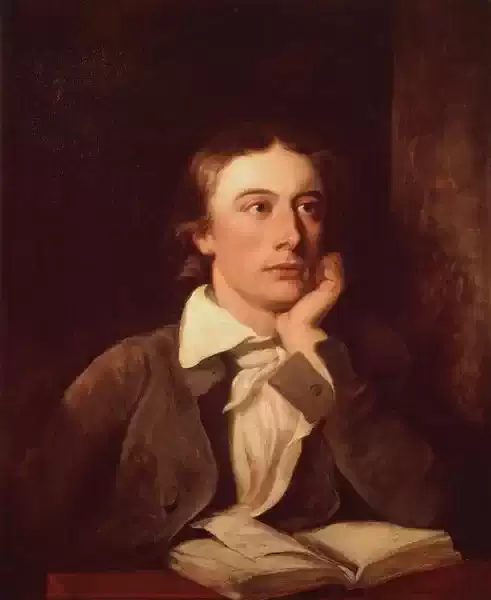
John Keats
Give Me Women, Wine, and Snuff
Give Me Women, Wine, and Snuff
GIVE me women, wine, and snuff
Untill I cry out "hold, enough!"
You may do so sans objection
Till the day of resurrection:
For, bless my beard, they aye shall be
My beloved Trinity.
GIVE me women, wine, and snuff
Untill I cry out "hold, enough!"
You may do so sans objection
Till the day of resurrection:
For, bless my beard, they aye shall be
My beloved Trinity.
472
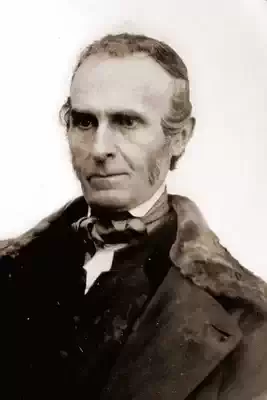
John Greenleaf Whittier
The Pumpkin
The Pumpkin
Oh, greenly and fair in the lands of the sun,
The vines of the gourd and the rich melon run,
And the rock and the tree and the cottage enfold,
With broad leaves all greenness and blossoms all gold,
Like that which o'er Nineveh's prophet once grew,
While he waited to know that his warning was true,
And longed for the storm-cloud, and listened in vain
For the rush of the whirlwind and red fire-rain.
On the banks of the Xenil the dark Spanish maiden
Comes up with the fruit of the tangled vine laden;
And the Creole of Cuba laughs out to behold
Through orange-leaves shining the broad spheres of gold;
Yet with dearer delight from his home in the North,
On the fields of his harvest the Yankee looks forth,
Where crook-necks are coiling and yellow fruit shines,
And the sun of September melts down on his vines.
Ah! on Thanksgiving day, when from East and from West,
From North and from South comes the pilgrim and guest;
When the gray-haired New Englander sees round his board
The old broken links of affection restored;
When the care-wearied man seeks his mother once more,
And the worn matron smiles where the girl smiled before;
What moistens the lip and what brightens the eye,
What calls back the past, like the rich Pumpkin pie?
Oh, fruit loved of boyhood! the old days recalling,
When wood-grapes were purpling and brown nuts were falling!
When wild, ugly faces we carved in its skin,
Glaring out through the dark with a candle within!
When we laughed round the corn-heap, with hearts all in tune,
Our chair a broad pumpkin, -- our lantern the moon,
Telling tales of the fairy who travelled like steam
In a pumpkin-shell coach, with two rats for her team!
Then thanks for thy present! none sweeter or better
E'er smoked from an oven or circled a platter!
Fairer hands never wrought at a pastry more fine,
Brighter eyes never watched o'er its baking, than thine!
And the prayer, which my mouth is too full to express,
Swells my heart that thy shadow may never be less,
That the days of thy lot may be lengthened below,
And the fame of thy worth like a pumpkin-vine grow,
And thy life be as sweet, and its last sunset sky
Golden-tinted and fair as thy own Pumpkin pie!
Oh, greenly and fair in the lands of the sun,
The vines of the gourd and the rich melon run,
And the rock and the tree and the cottage enfold,
With broad leaves all greenness and blossoms all gold,
Like that which o'er Nineveh's prophet once grew,
While he waited to know that his warning was true,
And longed for the storm-cloud, and listened in vain
For the rush of the whirlwind and red fire-rain.
On the banks of the Xenil the dark Spanish maiden
Comes up with the fruit of the tangled vine laden;
And the Creole of Cuba laughs out to behold
Through orange-leaves shining the broad spheres of gold;
Yet with dearer delight from his home in the North,
On the fields of his harvest the Yankee looks forth,
Where crook-necks are coiling and yellow fruit shines,
And the sun of September melts down on his vines.
Ah! on Thanksgiving day, when from East and from West,
From North and from South comes the pilgrim and guest;
When the gray-haired New Englander sees round his board
The old broken links of affection restored;
When the care-wearied man seeks his mother once more,
And the worn matron smiles where the girl smiled before;
What moistens the lip and what brightens the eye,
What calls back the past, like the rich Pumpkin pie?
Oh, fruit loved of boyhood! the old days recalling,
When wood-grapes were purpling and brown nuts were falling!
When wild, ugly faces we carved in its skin,
Glaring out through the dark with a candle within!
When we laughed round the corn-heap, with hearts all in tune,
Our chair a broad pumpkin, -- our lantern the moon,
Telling tales of the fairy who travelled like steam
In a pumpkin-shell coach, with two rats for her team!
Then thanks for thy present! none sweeter or better
E'er smoked from an oven or circled a platter!
Fairer hands never wrought at a pastry more fine,
Brighter eyes never watched o'er its baking, than thine!
And the prayer, which my mouth is too full to express,
Swells my heart that thy shadow may never be less,
That the days of thy lot may be lengthened below,
And the fame of thy worth like a pumpkin-vine grow,
And thy life be as sweet, and its last sunset sky
Golden-tinted and fair as thy own Pumpkin pie!
273
John Greenleaf Whittier
Summer By The Lakeside: Lake Winnipesaukee
Summer By The Lakeside: Lake Winnipesaukee
I. NOON.
White clouds, whose shadows haunt the deep,
Light mists, whose soft embraces keep
The sunshine on the hills asleep!
O isles of calm! O dark, still wood!
And stiller skies that overbrood
Your rest with deeper quietude!
O shapes and hues, dim beckoning, through
Yon mountain gaps, my longing view
Beyond the purple and the blue,
To stiller sea and greener land,
And softer lights and airs more bland,
And skies,--the hollow of God's hand!
Transfused through you, O mountain friends!
With mine your solemn spirit blends,
And life no more hath separate ends.
I read each misty mountain sign,
I know the voice of wave and pine,
And I am yours, and ye are mine.
Life's burdens fall, its discords cease,
I lapse into the glad release
Of Nature's own exceeding peace.
O welcome calm of heart and mind!
As falls yon fir-tree's loosened rind
To leave a tenderer growth behind,
So fall the weary years away;
A child again, my head I lay
Upon the lap of this sweet day.
This western wind hath Lethean powers,
Yon noonday cloud nepenthe showers,
The lake is white with lotus-flowers!
Even Duty's voice is faint and low,
And slumberous Conscience, waking slow,
Forgets her blotted scroll to show.
The Shadow which pursues us all,
Whose ever-nearing steps appall,
Whose voice we hear behind us call,-
That Shadow blends with mountain gray,
It speaks but what the light waves say,-Death
walks apart from Fear to-day!
Rocked on her breast, these pines and I
Alike on Nature's love rely;
And equal seems to live or die.
Assured that He whose presence fills
With light the spaces of these hills
No evil to His creatures wills,
The simple faith remains, that He
Will do, whatever that may be,
The best alike for man and tree.
What mosses over one shall grow,
What light and life the other know,
Unanxious, leaving Him to show.
II. EVENING.
Yon mountain's side is black with night,
While, broad-orhed, o'er its gleaming crown
The moon, slow-rounding into sight,
On the hushed inland sea looks down.
How start to light the clustering isles,
Each silver-hemmed! How sharply show
The shadows of their rocky piles,
And tree-tops in the wave below!
How far and strange the mountains seem,
Dim-looming through the pale, still light
The vague, vast grouping of a dream,
They stretch into the solemn night.
Beneath, lake, wood, and peopled vale,
Hushed by that presence grand and grave,
Are silent, save the cricket's wail,
And low response of leaf and wave.
Fair scenes! whereto the Day and Night
Make rival love, I leave ye soon,
What time before the eastern light
The pale ghost of the setting moon
Shall hide behind yon rocky spines,
And the young archer, Morn, shall break
His arrows on the mountain pines,
And, golden-sandalled, walk the lake!
Farewell! around this smiling bay
Gay-hearted Health, and Life in bloom,
With lighter steps than mine, may stray
In radiant summers yet to come.
But none shall more regretful leave
These waters and these hills than I
Or, distant, fonder dream how eve
Or dawn is painting wave and sky;
How rising moons shine sad and mild
On wooded isle and silvering bay;
Or setting suns beyond the piled
And purple mountains lead the day;
Nor laughing girl, nor bearding boy,
Nor full-pulsed manhood, lingering here,
Shall add, to life's abounding joy,
The charmed repose to suffering dear.
Still waits kind Nature to impart
Her choicest gifts to such as gain
An entrance to her loving heart
Through the sharp discipline of pain.
Forever from the Hand that takes
One blessing from us others fall;
And, soon or late, our Father makes
His perfect recompense to all!
Oh, watched by Silence and the Night,
And folded in the strong embrace
Of the great mountains, with the light
Of the sweet heavens upon thy face,
Lake of the Northland! keep thy dower
Of beauty still, and while above
Thy solemn mountains speak of power,
Be thou the mirror of God's love.
I. NOON.
White clouds, whose shadows haunt the deep,
Light mists, whose soft embraces keep
The sunshine on the hills asleep!
O isles of calm! O dark, still wood!
And stiller skies that overbrood
Your rest with deeper quietude!
O shapes and hues, dim beckoning, through
Yon mountain gaps, my longing view
Beyond the purple and the blue,
To stiller sea and greener land,
And softer lights and airs more bland,
And skies,--the hollow of God's hand!
Transfused through you, O mountain friends!
With mine your solemn spirit blends,
And life no more hath separate ends.
I read each misty mountain sign,
I know the voice of wave and pine,
And I am yours, and ye are mine.
Life's burdens fall, its discords cease,
I lapse into the glad release
Of Nature's own exceeding peace.
O welcome calm of heart and mind!
As falls yon fir-tree's loosened rind
To leave a tenderer growth behind,
So fall the weary years away;
A child again, my head I lay
Upon the lap of this sweet day.
This western wind hath Lethean powers,
Yon noonday cloud nepenthe showers,
The lake is white with lotus-flowers!
Even Duty's voice is faint and low,
And slumberous Conscience, waking slow,
Forgets her blotted scroll to show.
The Shadow which pursues us all,
Whose ever-nearing steps appall,
Whose voice we hear behind us call,-
That Shadow blends with mountain gray,
It speaks but what the light waves say,-Death
walks apart from Fear to-day!
Rocked on her breast, these pines and I
Alike on Nature's love rely;
And equal seems to live or die.
Assured that He whose presence fills
With light the spaces of these hills
No evil to His creatures wills,
The simple faith remains, that He
Will do, whatever that may be,
The best alike for man and tree.
What mosses over one shall grow,
What light and life the other know,
Unanxious, leaving Him to show.
II. EVENING.
Yon mountain's side is black with night,
While, broad-orhed, o'er its gleaming crown
The moon, slow-rounding into sight,
On the hushed inland sea looks down.
How start to light the clustering isles,
Each silver-hemmed! How sharply show
The shadows of their rocky piles,
And tree-tops in the wave below!
How far and strange the mountains seem,
Dim-looming through the pale, still light
The vague, vast grouping of a dream,
They stretch into the solemn night.
Beneath, lake, wood, and peopled vale,
Hushed by that presence grand and grave,
Are silent, save the cricket's wail,
And low response of leaf and wave.
Fair scenes! whereto the Day and Night
Make rival love, I leave ye soon,
What time before the eastern light
The pale ghost of the setting moon
Shall hide behind yon rocky spines,
And the young archer, Morn, shall break
His arrows on the mountain pines,
And, golden-sandalled, walk the lake!
Farewell! around this smiling bay
Gay-hearted Health, and Life in bloom,
With lighter steps than mine, may stray
In radiant summers yet to come.
But none shall more regretful leave
These waters and these hills than I
Or, distant, fonder dream how eve
Or dawn is painting wave and sky;
How rising moons shine sad and mild
On wooded isle and silvering bay;
Or setting suns beyond the piled
And purple mountains lead the day;
Nor laughing girl, nor bearding boy,
Nor full-pulsed manhood, lingering here,
Shall add, to life's abounding joy,
The charmed repose to suffering dear.
Still waits kind Nature to impart
Her choicest gifts to such as gain
An entrance to her loving heart
Through the sharp discipline of pain.
Forever from the Hand that takes
One blessing from us others fall;
And, soon or late, our Father makes
His perfect recompense to all!
Oh, watched by Silence and the Night,
And folded in the strong embrace
Of the great mountains, with the light
Of the sweet heavens upon thy face,
Lake of the Northland! keep thy dower
Of beauty still, and while above
Thy solemn mountains speak of power,
Be thou the mirror of God's love.
210
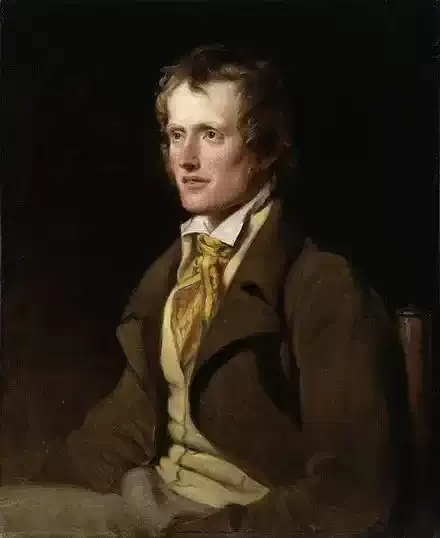
John Clare
To Anna Three Years Old
To Anna Three Years Old
My Anna, summer laughs in mirth,
And we will of the party be,
And leave the crickets in the hearth
For green fields' merry minstrelsy.
I see thee now with little hand
Catch at each object passing bye,
The happiest thing in all the land
Except the bee and butterfly.
* * * * *
And limpid brook that leaps along,
Gilt with the summer's burnished gleam,
Will stop thy little tale or song
To gaze upon its crimping stream.
Thou'lt leave my hand with eager speed
The new discovered things to see--
The old pond with its water weed
And danger-daring willow tree,
Who leans an ancient invalid
Oer spots where deepest waters be.
In sudden shout and wild surprise
I hear thy simple wonderment,
As new things meet thy childish eyes
And wake some innocent intent;
As bird or bee or butterfly
Bounds through the crowd of merry leaves
And starts the rapture of thine eye
To run for what it neer achieves.
But thou art on the bed of pain,
So tells each poor forsaken toy.
Ah, could I see that happy hour
When these shall be thy heart's employ,
And see thee toddle oer the plain,
And stoop for flowers, and shout for joy.
My Anna, summer laughs in mirth,
And we will of the party be,
And leave the crickets in the hearth
For green fields' merry minstrelsy.
I see thee now with little hand
Catch at each object passing bye,
The happiest thing in all the land
Except the bee and butterfly.
* * * * *
And limpid brook that leaps along,
Gilt with the summer's burnished gleam,
Will stop thy little tale or song
To gaze upon its crimping stream.
Thou'lt leave my hand with eager speed
The new discovered things to see--
The old pond with its water weed
And danger-daring willow tree,
Who leans an ancient invalid
Oer spots where deepest waters be.
In sudden shout and wild surprise
I hear thy simple wonderment,
As new things meet thy childish eyes
And wake some innocent intent;
As bird or bee or butterfly
Bounds through the crowd of merry leaves
And starts the rapture of thine eye
To run for what it neer achieves.
But thou art on the bed of pain,
So tells each poor forsaken toy.
Ah, could I see that happy hour
When these shall be thy heart's employ,
And see thee toddle oer the plain,
And stoop for flowers, and shout for joy.
356
John Clare
The Thrush's Nest
The Thrush's Nest
Within a thick and spreading hawthorn bush
That overhung a molehill large and round,
I heard from morn to morn a merry thrush
Sing hymns to sunrise, and I drank the sound
With joy; and often, an intruding guest,
I watched her secret toil from day to day -
How true she warped the moss to form a nest,
And modelled it within with wood and clay;
And by and by, like heath-bells gilt with dew,
There lay her shining eggs, as bright as flowers,
Ink-spotted over shells of greeny blue;
And there I witnessed, in the sunny hours,
A brood of nature's minstrels chirp and fly,
Glad as the sunshine and the laughing sky.
Within a thick and spreading hawthorn bush
That overhung a molehill large and round,
I heard from morn to morn a merry thrush
Sing hymns to sunrise, and I drank the sound
With joy; and often, an intruding guest,
I watched her secret toil from day to day -
How true she warped the moss to form a nest,
And modelled it within with wood and clay;
And by and by, like heath-bells gilt with dew,
There lay her shining eggs, as bright as flowers,
Ink-spotted over shells of greeny blue;
And there I witnessed, in the sunny hours,
A brood of nature's minstrels chirp and fly,
Glad as the sunshine and the laughing sky.
469
John Clare
Summer Images
Summer Images
Now swarthy Summer, by rude health embrowned,
Precedence takes of rosy fingered Spring;
And laughing Joy, with wild flowers prank'd, and crown'd,
A wild and giddy thing,
And Health robust, from every care unbound,
Come on the zephyr's wing,
And cheer the toiling clown.
Happy as holiday-enjoying face,
Loud tongued, and "merry as a marriage bell,"
Thy lightsome step sheds joy in every place;
And where the troubled dwell,
Thy witching charms wean them of half their cares;
And from thy sunny spell,
They greet joy unawares.
Then with thy sultry locks all loose and rude,
And mantle laced with gems of garish light,
Come as of wont; for I would fain intrude,
And in the world's despite,
Share the rude wealth that thy own heart beguiles;
If haply so I might
Win pleasure from thy smiles.
Me not the noise of brawling pleasure cheers,
In nightly revels or in city streets;
But joys which soothe, and not distract the ears,
That one at leisure meets
In the green woods, and meadows summer-shorn,
Or fields, where bee-fly greets
The ear with mellow horn.
The green-swathed grasshopper, on treble pipe,
Sings there, and dances, in mad-hearted pranks;
There bees go courting every flower that's ripe,
On baulks and sunny banks;
And droning dragon-fly, on rude bassoon,
Attempts to give God thanks
In no discordant tune.
The speckled thrush, by self-delight embued,
There sings unto himself for joy's amends,
And drinks the honey dew of solitude.
There Happiness attends
With inbred Joy until the heart o'erflow,
Of which the world's rude friends,
Nought heeding, nothing know.
There the gay river, laughing as it goes,
Plashes with easy wave its flaggy sides,
And to the calm of heart, in calmness shows
What pleasure there abides,
To trace its sedgy banks, from trouble free:
Spots Solitude provides
To muse, and happy be.
There ruminating 'neath some pleasant bush,
On sweet silk grass I stretch me at mine ease,
Where I can pillow on the yielding rush;
And, acting as I please,
Drop into pleasant dreams; or musing lie,
Mark the wind-shaken trees,
And cloud-betravelled sky.
There think me how some barter joy for care,
And waste life's summer-health in riot rude,
Of nature, nor of nature's sweets aware.
When passions vain intrude,
These, by calm musings, softened are and still;
And the heart's better mood
Feels sick of doing ill.
There I can live, and at my leisure seek
Joys far from cold restraints--not fearing pride--
Free as the winds, that breathe upon my cheek
Rude health, so long denied.
Here poor Integrity can sit at ease,
And list self-satisfied
The song of honey-bees.
The green lane now I traverse, where it goes
Nought guessing, till some sudden turn espies
Rude batter'd finger post, that stooping shows
Where the snug mystery lies;
And then a mossy spire, with ivy crown,
Cheers up the short surprise,
And shows a peeping town.
I see the wild flowers, in their summer morn
Of beauty, feeding on joy's luscious hours;
The gay convolvulus, wreathing round the thorn,
Agape for honey showers;
And slender kingcup, burnished with the dew
Of morning's early hours,
Like gold yminted new.
And mark by rustic bridge, o'er shallow stream,
Cow-tending boy, to toil unreconciled,
Absorbed as in some vagrant summer dream;
Who now, in gestures wild,
Starts dancing to his shadow on the wall,
Feeling self-gratified,
Nor fearing human thrall.
Or thread the sunny valley laced with streams,
Or forests rude, and the o'ershadow'd brims
Of simple ponds, where idle shepherd dreams,
Stretching his listless limbs;
Or trace hay-scented meadows, smooth and long,
Where joy's wild impulse swims
In one continued song.
I love at early morn, from new mown swath,
To see the startled frog his route pursue;
To mark while, leaping o'er the dripping path,
His bright sides scatter dew,
The early lark that from its bustle flies,
To hail his matin new;
And watch him to the skies.
To note on hedgerow baulks, in moisture sprent,
The jetty snail creep from the mossy thorn,
With earnest heed, and tremulous intent,
Frail brother of the morn,
That from the tiny bent's dew-misted leaves
Withdraws his timid horn,
And fearful vision weaves.
Or swallow heed on smoke-tanned chimney top,
Wont to be first unsealing Morning's eye,
Ere yet the bee hath gleaned one wayward drop
Of honey on his thigh;
To see him seek morn's airy couch to sing,
Until the golden sky
Bepaint his russet wing.
Or sauntering boy by tanning corn to spy,
With clapping noise to startle birds away,
And hear him bawl to every passer by
To know the hour of day;
While the uncradled breezes, fresh and strong,
With waking blossoms play,
And breathe Æolian song.
I love the south-west wind, or low or loud,
And not the less when sudden drops of rain
Moisten my glowing cheek from ebon cloud,
Threatening soft showers again,
That over lands new ploughed and meadow grounds,
Summer's sweet breath unchain,
And wake harmonious sounds.
Rich music breathes in Summer's every sound;
And in her harmony of varied greens,
Woods, meadows, hedge-rows, corn-fields, all around
Much beauty intervenes,
Filling with harmony the ear and eye;
While o'er the mingling scenes
Far spreads the laughing sky.
See, how the wind-enamoured aspen leaves
Turn up their silver lining to the sun!
And hark! the rustling noise, that oft deceives,
And makes the sheep-boy run:
The sound so mimics fast-approaching showers,
He thinks the rain's begun,
And hastes to sheltering bowers.
But now the evening curdles dank and grey,
Changing her watchet hue for sombre weed;
And moping owls, to close the lids of day,
On drowsy wing proceed;
While chickering crickets, tremulous and long,
Light's farewell inly heed,
And give it parting song.
The pranking bat its flighty circlet makes;
The glow-worm burnishes its lamp anew;
O'er meadows dew-besprent, the beetle wakes
Inquiries ever new,
Teazing each passing ear with murmurs vain,
As wanting to pursue
His homeward path again.
Hark! 'tis the melody of distant bells
That on the wind with pleasing hum rebounds
By fitful starts, then musically swells
O'er the dim stilly grounds;
While on the meadow-bridge the pausing boy
Listens the mellow sounds,
And hums in vacant joy.
Now homeward-bound, the hedger bundles round
His evening faggot, and with every stride
His leathern doublet leaves a rustling sound,
Till silly sheep beside
His path start tremulous, and once again
Look back dissatisfied,
And scour the dewy plain.
How sweet the soothing calmness that distills
O'er the heart's every sense its opiate dews,
In meek-eyed moods and ever balmy trills!
That softens and subdues,
With gentle Quiet's bland and sober train,
Which dreamy eve renews
In many a mellow strain!
I love to walk the fields, they are to me
A legacy no evil can destroy;
They, like a spell, set every rapture free
That cheer'd me when a boy.
Play--pastime--all Time's blotting pen conceal'd,
Comes like a new-born joy,
To greet me in the field.
For Nature's objects ever harmonize
With emulous Taste, that vulgar deed annoys;
Which loves in pensive moods to sympathize,
And meet vibrating joys
O'er Nature's pleasing things; nor slighting, deems
Pastimes, the Muse employs,
Vain and obtrusive themes.
Now swarthy Summer, by rude health embrowned,
Precedence takes of rosy fingered Spring;
And laughing Joy, with wild flowers prank'd, and crown'd,
A wild and giddy thing,
And Health robust, from every care unbound,
Come on the zephyr's wing,
And cheer the toiling clown.
Happy as holiday-enjoying face,
Loud tongued, and "merry as a marriage bell,"
Thy lightsome step sheds joy in every place;
And where the troubled dwell,
Thy witching charms wean them of half their cares;
And from thy sunny spell,
They greet joy unawares.
Then with thy sultry locks all loose and rude,
And mantle laced with gems of garish light,
Come as of wont; for I would fain intrude,
And in the world's despite,
Share the rude wealth that thy own heart beguiles;
If haply so I might
Win pleasure from thy smiles.
Me not the noise of brawling pleasure cheers,
In nightly revels or in city streets;
But joys which soothe, and not distract the ears,
That one at leisure meets
In the green woods, and meadows summer-shorn,
Or fields, where bee-fly greets
The ear with mellow horn.
The green-swathed grasshopper, on treble pipe,
Sings there, and dances, in mad-hearted pranks;
There bees go courting every flower that's ripe,
On baulks and sunny banks;
And droning dragon-fly, on rude bassoon,
Attempts to give God thanks
In no discordant tune.
The speckled thrush, by self-delight embued,
There sings unto himself for joy's amends,
And drinks the honey dew of solitude.
There Happiness attends
With inbred Joy until the heart o'erflow,
Of which the world's rude friends,
Nought heeding, nothing know.
There the gay river, laughing as it goes,
Plashes with easy wave its flaggy sides,
And to the calm of heart, in calmness shows
What pleasure there abides,
To trace its sedgy banks, from trouble free:
Spots Solitude provides
To muse, and happy be.
There ruminating 'neath some pleasant bush,
On sweet silk grass I stretch me at mine ease,
Where I can pillow on the yielding rush;
And, acting as I please,
Drop into pleasant dreams; or musing lie,
Mark the wind-shaken trees,
And cloud-betravelled sky.
There think me how some barter joy for care,
And waste life's summer-health in riot rude,
Of nature, nor of nature's sweets aware.
When passions vain intrude,
These, by calm musings, softened are and still;
And the heart's better mood
Feels sick of doing ill.
There I can live, and at my leisure seek
Joys far from cold restraints--not fearing pride--
Free as the winds, that breathe upon my cheek
Rude health, so long denied.
Here poor Integrity can sit at ease,
And list self-satisfied
The song of honey-bees.
The green lane now I traverse, where it goes
Nought guessing, till some sudden turn espies
Rude batter'd finger post, that stooping shows
Where the snug mystery lies;
And then a mossy spire, with ivy crown,
Cheers up the short surprise,
And shows a peeping town.
I see the wild flowers, in their summer morn
Of beauty, feeding on joy's luscious hours;
The gay convolvulus, wreathing round the thorn,
Agape for honey showers;
And slender kingcup, burnished with the dew
Of morning's early hours,
Like gold yminted new.
And mark by rustic bridge, o'er shallow stream,
Cow-tending boy, to toil unreconciled,
Absorbed as in some vagrant summer dream;
Who now, in gestures wild,
Starts dancing to his shadow on the wall,
Feeling self-gratified,
Nor fearing human thrall.
Or thread the sunny valley laced with streams,
Or forests rude, and the o'ershadow'd brims
Of simple ponds, where idle shepherd dreams,
Stretching his listless limbs;
Or trace hay-scented meadows, smooth and long,
Where joy's wild impulse swims
In one continued song.
I love at early morn, from new mown swath,
To see the startled frog his route pursue;
To mark while, leaping o'er the dripping path,
His bright sides scatter dew,
The early lark that from its bustle flies,
To hail his matin new;
And watch him to the skies.
To note on hedgerow baulks, in moisture sprent,
The jetty snail creep from the mossy thorn,
With earnest heed, and tremulous intent,
Frail brother of the morn,
That from the tiny bent's dew-misted leaves
Withdraws his timid horn,
And fearful vision weaves.
Or swallow heed on smoke-tanned chimney top,
Wont to be first unsealing Morning's eye,
Ere yet the bee hath gleaned one wayward drop
Of honey on his thigh;
To see him seek morn's airy couch to sing,
Until the golden sky
Bepaint his russet wing.
Or sauntering boy by tanning corn to spy,
With clapping noise to startle birds away,
And hear him bawl to every passer by
To know the hour of day;
While the uncradled breezes, fresh and strong,
With waking blossoms play,
And breathe Æolian song.
I love the south-west wind, or low or loud,
And not the less when sudden drops of rain
Moisten my glowing cheek from ebon cloud,
Threatening soft showers again,
That over lands new ploughed and meadow grounds,
Summer's sweet breath unchain,
And wake harmonious sounds.
Rich music breathes in Summer's every sound;
And in her harmony of varied greens,
Woods, meadows, hedge-rows, corn-fields, all around
Much beauty intervenes,
Filling with harmony the ear and eye;
While o'er the mingling scenes
Far spreads the laughing sky.
See, how the wind-enamoured aspen leaves
Turn up their silver lining to the sun!
And hark! the rustling noise, that oft deceives,
And makes the sheep-boy run:
The sound so mimics fast-approaching showers,
He thinks the rain's begun,
And hastes to sheltering bowers.
But now the evening curdles dank and grey,
Changing her watchet hue for sombre weed;
And moping owls, to close the lids of day,
On drowsy wing proceed;
While chickering crickets, tremulous and long,
Light's farewell inly heed,
And give it parting song.
The pranking bat its flighty circlet makes;
The glow-worm burnishes its lamp anew;
O'er meadows dew-besprent, the beetle wakes
Inquiries ever new,
Teazing each passing ear with murmurs vain,
As wanting to pursue
His homeward path again.
Hark! 'tis the melody of distant bells
That on the wind with pleasing hum rebounds
By fitful starts, then musically swells
O'er the dim stilly grounds;
While on the meadow-bridge the pausing boy
Listens the mellow sounds,
And hums in vacant joy.
Now homeward-bound, the hedger bundles round
His evening faggot, and with every stride
His leathern doublet leaves a rustling sound,
Till silly sheep beside
His path start tremulous, and once again
Look back dissatisfied,
And scour the dewy plain.
How sweet the soothing calmness that distills
O'er the heart's every sense its opiate dews,
In meek-eyed moods and ever balmy trills!
That softens and subdues,
With gentle Quiet's bland and sober train,
Which dreamy eve renews
In many a mellow strain!
I love to walk the fields, they are to me
A legacy no evil can destroy;
They, like a spell, set every rapture free
That cheer'd me when a boy.
Play--pastime--all Time's blotting pen conceal'd,
Comes like a new-born joy,
To greet me in the field.
For Nature's objects ever harmonize
With emulous Taste, that vulgar deed annoys;
Which loves in pensive moods to sympathize,
And meet vibrating joys
O'er Nature's pleasing things; nor slighting, deems
Pastimes, the Muse employs,
Vain and obtrusive themes.
412
John Clare
Ploughman Singing
Ploughman Singing
Here morning in the ploughman's songs is met
Ere yet one footstep shows in all the sky,
And twilight in the east, a doubt as yet,
Shows not her sleeve of grey to know her bye.
Woke early, I arose and thought that first
In winter time of all the world was I.
The old owls might have hallooed if they durst,
But joy just then was up and whistled bye
A merry tune which I had known full long,
But could not to my memory wake it back,
Until the ploughman changed it to the song.
O happiness, how simple is thy track.
--Tinged like the willow shoots, the east's young brow
Glows red and finds thee singing at the plough.
Here morning in the ploughman's songs is met
Ere yet one footstep shows in all the sky,
And twilight in the east, a doubt as yet,
Shows not her sleeve of grey to know her bye.
Woke early, I arose and thought that first
In winter time of all the world was I.
The old owls might have hallooed if they durst,
But joy just then was up and whistled bye
A merry tune which I had known full long,
But could not to my memory wake it back,
Until the ploughman changed it to the song.
O happiness, how simple is thy track.
--Tinged like the willow shoots, the east's young brow
Glows red and finds thee singing at the plough.
340
John Clare
Merry Maid
Merry Maid
Bonny and stout and brown, without a hat,
She frowns offended when they call her fat--
Yet fat she is, the merriest in the place,
And all can know she wears a pretty face.
But still she never heeds what praise can say,
But does the work, and oft runs out to play,
To run about the yard and ramp and noise
And spring the mop upon the servant boys.
When old hens noise and cackle every where
She hurries eager if the eggs are dear,
And runs to seek them when they lay away
To get them ready for the market day.
She gambols with the men and laughs aloud
And only quarrels when they call her proud.
Bonny and stout and brown, without a hat,
She frowns offended when they call her fat--
Yet fat she is, the merriest in the place,
And all can know she wears a pretty face.
But still she never heeds what praise can say,
But does the work, and oft runs out to play,
To run about the yard and ramp and noise
And spring the mop upon the servant boys.
When old hens noise and cackle every where
She hurries eager if the eggs are dear,
And runs to seek them when they lay away
To get them ready for the market day.
She gambols with the men and laughs aloud
And only quarrels when they call her proud.
361
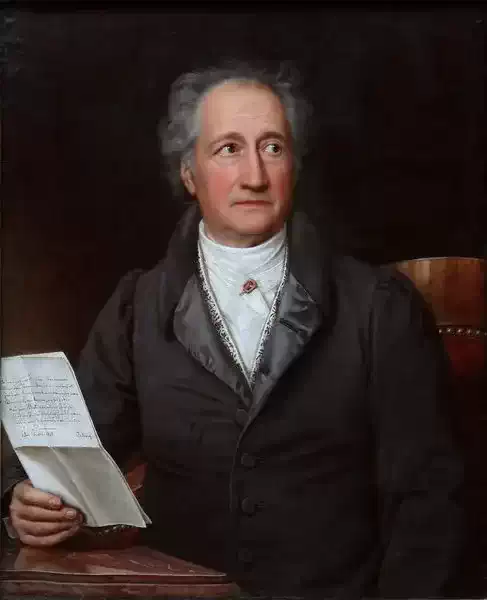
Johann Wolfgang von Goethe
The Spring Oracle
The Spring Oracle
OH prophetic bird so bright,
Blossom-songster, cuckoo bight!
In the fairest time of year,
Dearest bird, oh! deign to hear
What a youthful pair would pray,
Do thou call, if hope they may:
Thy cuck-oo, thy cuck-oo.
Ever more cuck-oo, cuck-oo!
Hearest thou? A loving pair
Fain would to the altar fare;
Yes! a pair in happy youth,
Full of virtue, full of truth.
Is the hour not fix'd by fate?
Say, how long must they still wait?
Hark! cuck-oo! hark! cuck-oo!
Silent yet! for shame, cuck-oo!
'Tis not our fault, certainly!
Only two years patient be!
But if we ourselves please here,
Will pa-pa-papas appear?
Know that thou'lt more kindness do us,
More thou'lt prophesy unto us.
One! cuck-oo! Two! cuck-oo!
Ever, ever, cuck-oo, cuck-oo, coo!
If we've calculated clearly,
We have half a dozen nearly.
If good promises we'll give,
Wilt thou say how long we'II live?
Truly, we'll confess to thee,
We'd prolong it willingly.
Coo cuck-oo, coo cuck-oo,
Coo, coo, coo, coo, coo, coo, coo, coo, coo!
Life is one continued feast-(
If we keep no score, at least).
If now we together dwell,
Will true love remain as well?
For if that should e'er decay,
Happiness would pass away.
Coo cuck-oo, coo cuck-oo,
Coo, coo, coo, coo, coo, coo, coo, coo, coo!
OH prophetic bird so bright,
Blossom-songster, cuckoo bight!
In the fairest time of year,
Dearest bird, oh! deign to hear
What a youthful pair would pray,
Do thou call, if hope they may:
Thy cuck-oo, thy cuck-oo.
Ever more cuck-oo, cuck-oo!
Hearest thou? A loving pair
Fain would to the altar fare;
Yes! a pair in happy youth,
Full of virtue, full of truth.
Is the hour not fix'd by fate?
Say, how long must they still wait?
Hark! cuck-oo! hark! cuck-oo!
Silent yet! for shame, cuck-oo!
'Tis not our fault, certainly!
Only two years patient be!
But if we ourselves please here,
Will pa-pa-papas appear?
Know that thou'lt more kindness do us,
More thou'lt prophesy unto us.
One! cuck-oo! Two! cuck-oo!
Ever, ever, cuck-oo, cuck-oo, coo!
If we've calculated clearly,
We have half a dozen nearly.
If good promises we'll give,
Wilt thou say how long we'II live?
Truly, we'll confess to thee,
We'd prolong it willingly.
Coo cuck-oo, coo cuck-oo,
Coo, coo, coo, coo, coo, coo, coo, coo, coo!
Life is one continued feast-(
If we keep no score, at least).
If now we together dwell,
Will true love remain as well?
For if that should e'er decay,
Happiness would pass away.
Coo cuck-oo, coo cuck-oo,
Coo, coo, coo, coo, coo, coo, coo, coo, coo!
404
Johann Wolfgang von Goethe
Table Song
Table Song
O'ER me--how I cannot say,-
Heav'nly rapture's growing.
Will it help to guide my way
To yon stars all-glowing?
Yet that here I'd sooner be,
To assert I'm able,
Where, with wine and harmony,
I may thump the table.
Wonder not, my dearest friends,
What 'tis gives me pleasure;
For of all that earth e'er lends,
'Tis the sweetest treasure.
Therefore solemnly I swear,
With no reservation,
That maliciously I'll ne'er
Leave my present station.
Now that here we're gather'd round,
Chasing cares and slumbers,
Let, methought, the goblet sound
To the bard's glad numbers!
Many a hundred mile away,
Go those we love dearly;
Therefore let us here to-day
Make the glass ring clearly!
Here's His health, through Whom we live!
I that faith inherit.
To our king the next toast give,
Honour is his merit,
'Gainst each in-- and outward foe
He's our rock and tower.
Of his maintenance thinks he though,
More that grows his power.
Next to her good health I drink,
Who has stirr'd my passion;
Of his mistress let each think,
Think in knightly fashion.
If the beauteous maid but see
Whom 'tis I now call so,
Let her smiling nod to me:
"Here's my love's health also!"
To those friends,--the two or three,--
Be our next toast given,
In whose presence revel we,
In the silent even,--
Who the gloomy mist so cold
Scatter gently, lightly;
To those friends, then, new or old,
Let the toast ring brightly.
Broader now the stream rolls on,
With its waves more swelling,
While in higher, nobler tone,
Comrades, we are dwelling,--
We who with collected might,
Bravely cling together,
Both in fortune's sunshine bright,
And in stormy weather.
Just as we are gather'd thus,
Others are collected;
On them, therefore, as on us,
Be Fate's smile directed!
From the springhead to the sea,
Many a mill's revolving,
And the world's prosperity
Is the task I'm solving.
O'ER me--how I cannot say,-
Heav'nly rapture's growing.
Will it help to guide my way
To yon stars all-glowing?
Yet that here I'd sooner be,
To assert I'm able,
Where, with wine and harmony,
I may thump the table.
Wonder not, my dearest friends,
What 'tis gives me pleasure;
For of all that earth e'er lends,
'Tis the sweetest treasure.
Therefore solemnly I swear,
With no reservation,
That maliciously I'll ne'er
Leave my present station.
Now that here we're gather'd round,
Chasing cares and slumbers,
Let, methought, the goblet sound
To the bard's glad numbers!
Many a hundred mile away,
Go those we love dearly;
Therefore let us here to-day
Make the glass ring clearly!
Here's His health, through Whom we live!
I that faith inherit.
To our king the next toast give,
Honour is his merit,
'Gainst each in-- and outward foe
He's our rock and tower.
Of his maintenance thinks he though,
More that grows his power.
Next to her good health I drink,
Who has stirr'd my passion;
Of his mistress let each think,
Think in knightly fashion.
If the beauteous maid but see
Whom 'tis I now call so,
Let her smiling nod to me:
"Here's my love's health also!"
To those friends,--the two or three,--
Be our next toast given,
In whose presence revel we,
In the silent even,--
Who the gloomy mist so cold
Scatter gently, lightly;
To those friends, then, new or old,
Let the toast ring brightly.
Broader now the stream rolls on,
With its waves more swelling,
While in higher, nobler tone,
Comrades, we are dwelling,--
We who with collected might,
Bravely cling together,
Both in fortune's sunshine bright,
And in stormy weather.
Just as we are gather'd thus,
Others are collected;
On them, therefore, as on us,
Be Fate's smile directed!
From the springhead to the sea,
Many a mill's revolving,
And the world's prosperity
Is the task I'm solving.
353
Johann Wolfgang von Goethe
May
May
LIGHT and silv'ry cloudlets hover
In the air, as yet scarce warm;
Mild, with glimmer soft tinged over,
Peeps the sun through fragrant balm.
Gently rolls and heaves the ocean
As its waves the bank o'erflow.
And with ever restless motion
Moves the verdure to and fro,
Mirror'd brightly far below.
What is now the foliage moving?
Air is still, and hush'd the breeze,
Sultriness, this fullness loving,
Through the thicket, from the trees.
Now the eye at once gleams brightly,
See! the infant band with mirth
Moves and dances nimbly, lightly,
As the morning gave it birth,
Flutt'ring two and two o'er earth.
LIGHT and silv'ry cloudlets hover
In the air, as yet scarce warm;
Mild, with glimmer soft tinged over,
Peeps the sun through fragrant balm.
Gently rolls and heaves the ocean
As its waves the bank o'erflow.
And with ever restless motion
Moves the verdure to and fro,
Mirror'd brightly far below.
What is now the foliage moving?
Air is still, and hush'd the breeze,
Sultriness, this fullness loving,
Through the thicket, from the trees.
Now the eye at once gleams brightly,
See! the infant band with mirth
Moves and dances nimbly, lightly,
As the morning gave it birth,
Flutt'ring two and two o'er earth.
307
Johann Wolfgang von Goethe
It Is Good
It Is Good
IN Paradise while moonbeams play'd,
Jehovah found, in slumber deep,
Adam fast sunk; He gently laid
Eve near him,--she, too, fell asleep.
There lay they now, on earth's fair shrine,
God's two most beauteous thoughts divine.--
When this He saw, He cried:--'Tis Good!!!
And scarce could move from where He stood.
No wonder, that our joy's complete
While eye and eye responsive meet,
When this blest thought of rapture moves us--
That we're with Him who truly loves us,
And if He cries:--Good, let it be!
'Tis so for both, it seems to me.
Thou'rt clasp'd within these arms of mine,
Dearest of all God's thoughts divine!
IN Paradise while moonbeams play'd,
Jehovah found, in slumber deep,
Adam fast sunk; He gently laid
Eve near him,--she, too, fell asleep.
There lay they now, on earth's fair shrine,
God's two most beauteous thoughts divine.--
When this He saw, He cried:--'Tis Good!!!
And scarce could move from where He stood.
No wonder, that our joy's complete
While eye and eye responsive meet,
When this blest thought of rapture moves us--
That we're with Him who truly loves us,
And if He cries:--Good, let it be!
'Tis so for both, it seems to me.
Thou'rt clasp'd within these arms of mine,
Dearest of all God's thoughts divine!
350
Johann Wolfgang von Goethe
Joy
Joy
A DRAGON-FLY with beauteous wing
Is hov'ring o'er a silv'ry spring;
I watch its motions with delight,--
Now dark its colours seem, now bright;
Chameleon-like appear, now blue,
Now red, and now of greenish hue.
Would it would come still nearer me,
That I its tints might better see
It hovers, flutters, resting ne'er!
But hush! it settles on the mead.
I have it safe now, I declare!
And when its form I closely view,
'Tis of a sad and dingy blue--
Such, Joy-Dissector, is thy case indeed
A DRAGON-FLY with beauteous wing
Is hov'ring o'er a silv'ry spring;
I watch its motions with delight,--
Now dark its colours seem, now bright;
Chameleon-like appear, now blue,
Now red, and now of greenish hue.
Would it would come still nearer me,
That I its tints might better see
It hovers, flutters, resting ne'er!
But hush! it settles on the mead.
I have it safe now, I declare!
And when its form I closely view,
'Tis of a sad and dingy blue--
Such, Joy-Dissector, is thy case indeed
350
Johann Wolfgang von Goethe
Happiness And Vision
Happiness And Vision
TOGETHER at the altar we
In vision oft were seen by thee,
Thyself as bride, as bridegroom I.
Oft from thy mouth full many a kiss
In an unguarded hour of bliss
I then would steal, while none were by.
The purest rapture we then knew,
The joy those happy hours gave too,
When tasted, fled, as time fleets on.
What now avails my joy to me?
Like dreams the warmest kisses flee,
Like kisses, soon all joys are gone.
TOGETHER at the altar we
In vision oft were seen by thee,
Thyself as bride, as bridegroom I.
Oft from thy mouth full many a kiss
In an unguarded hour of bliss
I then would steal, while none were by.
The purest rapture we then knew,
The joy those happy hours gave too,
When tasted, fled, as time fleets on.
What now avails my joy to me?
Like dreams the warmest kisses flee,
Like kisses, soon all joys are gone.
318
Johann Wolfgang von Goethe
For Ever
For Ever
THE happiness that man, whilst prison'd here,
Is wont with heavenly rapture to compare,--
The harmony of Truth, from wavering clear,--
Of Friendship that is free from doubting care,--
The light which in stray thoughts alone can cheer
The wise,--the bard alone in visions fair,--
In my best hours I found in her all this,
And made mine own, to mine exceeding bliss.
THE happiness that man, whilst prison'd here,
Is wont with heavenly rapture to compare,--
The harmony of Truth, from wavering clear,--
Of Friendship that is free from doubting care,--
The light which in stray thoughts alone can cheer
The wise,--the bard alone in visions fair,--
In my best hours I found in her all this,
And made mine own, to mine exceeding bliss.
309
Jane Austen
When Stretch'd on One's Bed
When Stretch'd on One's Bed
When stretch'd on one's bed
With a fierce-throbbing head,
Which preculdes alike thought or repose,
How little one cares
For the grandest affairs
That may busy the world as it goes!
How little one feels
For the waltzes and reels
Of our Dance-loving friends at a Ball!
How slight one's concern
To conjecture or learn
What their flounces or hearts may befall.
How little one minds
If a company dines
On the best that the Season affords!
How short is one's muse
O'er the Sauces and Stews,
Or the Guests, be they Beggars or Lords.
How little the Bells,
Ring they Peels, toll they Knells,
Can attract our attention or Ears!
The Bride may be married,
The Corse may be carried
And touch nor our hopes nor our fears.
Our own bodily pains
Ev'ry faculty chains;
We can feel on no subject besides.
Tis in health and in ease
We the power must seize
For our friends and our souls to provide.
When stretch'd on one's bed
With a fierce-throbbing head,
Which preculdes alike thought or repose,
How little one cares
For the grandest affairs
That may busy the world as it goes!
How little one feels
For the waltzes and reels
Of our Dance-loving friends at a Ball!
How slight one's concern
To conjecture or learn
What their flounces or hearts may befall.
How little one minds
If a company dines
On the best that the Season affords!
How short is one's muse
O'er the Sauces and Stews,
Or the Guests, be they Beggars or Lords.
How little the Bells,
Ring they Peels, toll they Knells,
Can attract our attention or Ears!
The Bride may be married,
The Corse may be carried
And touch nor our hopes nor our fears.
Our own bodily pains
Ev'ry faculty chains;
We can feel on no subject besides.
Tis in health and in ease
We the power must seize
For our friends and our souls to provide.
162
Jane Austen
Happy the Lab'rer
Happy the Lab'rer
Happy the lab'rer in his Sunday clothes!
In light-drab coat, smart waistcoat, well-darn'd hose,
Andhat upon his head, to church he goes;
As oft, with conscious pride, he downward throws
A glance upon the ample cabbage rose
That, stuck in button-hole, regales his nose,
He envies not the gayest London beaux.
In church he takes his seat among the rows,
Pays to the place the reverence he owes,
Likes best the prayers whose meaning least he knows,
Lists to the sermon in a softening doze,
And rouses joyous at the welcome close.
Happy the lab'rer in his Sunday clothes!
In light-drab coat, smart waistcoat, well-darn'd hose,
Andhat upon his head, to church he goes;
As oft, with conscious pride, he downward throws
A glance upon the ample cabbage rose
That, stuck in button-hole, regales his nose,
He envies not the gayest London beaux.
In church he takes his seat among the rows,
Pays to the place the reverence he owes,
Likes best the prayers whose meaning least he knows,
Lists to the sermon in a softening doze,
And rouses joyous at the welcome close.
205
James Whitcomb Riley
When Early March Seems Middle May
When Early March Seems Middle May
When country roads begin to thaw
In mottled spots of damp and dust,
And fences by the margin draw
Along the frosty crust
Their graphic silhouettes, I say,
The Spring is coming round this way.
When morning-time is bright with sun
And keen with wind, and both confuse
The dancing, glancing eyes of one
With tears that ooze and ooze--
And nose-tips weep as well as they,
The Spring is coming round this way.
When suddenly some shadow-bird
Goes wavering beneath the gaze,
And through the hedge the moan is heard
Of kine that fain would graze
In grasses new, I smile and say,
The Spring is coming round this way.
When knotted horse-tails are untied,
And teamsters whistle here and there.
And clumsy mitts are laid aside
And choppers' hands are bare,
And chips are thick where children play,
The Spring is coming round this way.
When through the twigs the farmer tramps,
And troughs are chunked beneath the trees,
And fragrant hints of sugar-camps
Astray in every breeze,--
When early March seems middle May,
The Spring is coming round this way.
When coughs are changed to laughs, and when
Our frowns melt into smiles of glee,
And all our blood thaws out again
In streams of ecstasy,
And poets wreak their roundelay,
The Spring is coming round this way.
When country roads begin to thaw
In mottled spots of damp and dust,
And fences by the margin draw
Along the frosty crust
Their graphic silhouettes, I say,
The Spring is coming round this way.
When morning-time is bright with sun
And keen with wind, and both confuse
The dancing, glancing eyes of one
With tears that ooze and ooze--
And nose-tips weep as well as they,
The Spring is coming round this way.
When suddenly some shadow-bird
Goes wavering beneath the gaze,
And through the hedge the moan is heard
Of kine that fain would graze
In grasses new, I smile and say,
The Spring is coming round this way.
When knotted horse-tails are untied,
And teamsters whistle here and there.
And clumsy mitts are laid aside
And choppers' hands are bare,
And chips are thick where children play,
The Spring is coming round this way.
When through the twigs the farmer tramps,
And troughs are chunked beneath the trees,
And fragrant hints of sugar-camps
Astray in every breeze,--
When early March seems middle May,
The Spring is coming round this way.
When coughs are changed to laughs, and when
Our frowns melt into smiles of glee,
And all our blood thaws out again
In streams of ecstasy,
And poets wreak their roundelay,
The Spring is coming round this way.
261
James Whitcomb Riley
To a Boy Whistling
To a Boy Whistling
The smiling face of a happy boy
With its enchanted key
Is now unlocking in memory
My store of heartiest joy.
And my lost life again to-day,
In pleasant colors all aglow,
From rainbow tints, to pure white snow,
Is a panorama sliding away.
The whistled air of a simple tune
Eddies and whirls my thoughts around,
As fairy balloons of thistle-down
Sail through the air of June.
O happy boy with untaught grace!
What is there in the world to give
That can buy one hour of the life you live
Or the trivial cause of your smiling face!
The smiling face of a happy boy
With its enchanted key
Is now unlocking in memory
My store of heartiest joy.
And my lost life again to-day,
In pleasant colors all aglow,
From rainbow tints, to pure white snow,
Is a panorama sliding away.
The whistled air of a simple tune
Eddies and whirls my thoughts around,
As fairy balloons of thistle-down
Sail through the air of June.
O happy boy with untaught grace!
What is there in the world to give
That can buy one hour of the life you live
Or the trivial cause of your smiling face!
239
James Whitcomb Riley
The Twins
The Twins
One 's the pictur' of his Pa,
And the _other_ of her Ma--
Jes the bossest pair o' babies 'at a mortal ever saw!
And we love 'em as the bees
Loves the blossoms of the trees,
A-ridin' and a-rompin' in the breeze!
One's got her Mammy's eyes--
Soft and blue as Apurl-skies--
With the same sort of a smile, like--Yes,
and mouth about her size,--
Dimples, too, in cheek and chin,
'At my lips jes _wallers_ in,
A-goin' to work, er gittin' home agin.
And the _other_--Well, they say
That he's got his Daddy's way
O' bein' ruther soberfied, er ruther extry gay,--
That he either cries his best,
Er he laughs his howlin'est--
Like all he lacked was buttons and a vest!
Look at _her_!--and look at _him_!--
Talk about yer 'Cheru-_bim_!'
Roll 'em up in dreams together, rosy arm and chubby limb!
O we love 'em as the bees
Loves the blossoms of the trees,
A-ridin' and a-rompin' in the breeze!
One 's the pictur' of his Pa,
And the _other_ of her Ma--
Jes the bossest pair o' babies 'at a mortal ever saw!
And we love 'em as the bees
Loves the blossoms of the trees,
A-ridin' and a-rompin' in the breeze!
One's got her Mammy's eyes--
Soft and blue as Apurl-skies--
With the same sort of a smile, like--Yes,
and mouth about her size,--
Dimples, too, in cheek and chin,
'At my lips jes _wallers_ in,
A-goin' to work, er gittin' home agin.
And the _other_--Well, they say
That he's got his Daddy's way
O' bein' ruther soberfied, er ruther extry gay,--
That he either cries his best,
Er he laughs his howlin'est--
Like all he lacked was buttons and a vest!
Look at _her_!--and look at _him_!--
Talk about yer 'Cheru-_bim_!'
Roll 'em up in dreams together, rosy arm and chubby limb!
O we love 'em as the bees
Loves the blossoms of the trees,
A-ridin' and a-rompin' in the breeze!
306
James Whitcomb Riley
The Town Karnteel
The Town Karnteel
The Town Karnteel--! It's who'll reveal
Its praises jushtifiable?
For who can sing av anything
So lovely and reliable?
Whin Summer, Spring, or Winter lies
From Malin's Head to Tipperary,
There's no such town for interprise
Bechuxt Youghal and Londonderry!
There's not its likes in Ireland--
For twic't the week, be gorries!
They're playing jigs upon the band,
And joomping there in sacks-- and-- and--
And racing, wid wheelborries!
Kanteel-- it's there, like any fair,
The purty gurrls is plinty, sure--!
And man-alive! At forty-five
The leg's av me air twinty, sure!
I lave me cares, and hoein' too,
Behint me, as is sinsible,
And it's Karnteel I'm goin' to,
To cilebrate in principle!
For there's the town av all the land!
And twic't the week, be-gorries!
They're playing jigs upon the band,
And joomping there in sacks-- and-- and--
And racing, wid wheelborries!
And whilst I feel for owld Karnteel
That I've no phrases glorious,
It stands above the need av love
That boasts in voice uproarious--!
Lave that for Cork, and Dublin too,
And Armagh and Killarney thin--,
And Karnteel won't be troublin' you
Wid any jilous blarney, thin!
For there's the town av all the land
Where twic't the week, be-gorries!
They're playing jigs upon the band,
And joomping there in sacks-- and-- and--
And racing, wid wheelborries!
The Town Karnteel--! It's who'll reveal
Its praises jushtifiable?
For who can sing av anything
So lovely and reliable?
Whin Summer, Spring, or Winter lies
From Malin's Head to Tipperary,
There's no such town for interprise
Bechuxt Youghal and Londonderry!
There's not its likes in Ireland--
For twic't the week, be gorries!
They're playing jigs upon the band,
And joomping there in sacks-- and-- and--
And racing, wid wheelborries!
Kanteel-- it's there, like any fair,
The purty gurrls is plinty, sure--!
And man-alive! At forty-five
The leg's av me air twinty, sure!
I lave me cares, and hoein' too,
Behint me, as is sinsible,
And it's Karnteel I'm goin' to,
To cilebrate in principle!
For there's the town av all the land!
And twic't the week, be-gorries!
They're playing jigs upon the band,
And joomping there in sacks-- and-- and--
And racing, wid wheelborries!
And whilst I feel for owld Karnteel
That I've no phrases glorious,
It stands above the need av love
That boasts in voice uproarious--!
Lave that for Cork, and Dublin too,
And Armagh and Killarney thin--,
And Karnteel won't be troublin' you
Wid any jilous blarney, thin!
For there's the town av all the land
Where twic't the week, be-gorries!
They're playing jigs upon the band,
And joomping there in sacks-- and-- and--
And racing, wid wheelborries!
286
James Whitcomb Riley
The Sermon Of The Rose
The Sermon Of The Rose
Wilful we are in our infirmity
Of childish questioning and discontent.
Whate'er befalls us is divinely meant--
Thou Truth the clearer for thy mystery!
Make us to meet what is or is to be
With fervid welcome, knowing it is sent
To serve us in some way full excellent,
Though we discern it all belatedly.
The rose buds, and the rose blooms and the rose
Bows in the dews, and in its fulness, lo,
Is in the lover's hand,--then on the breast
Of her he loves,--and there dies.--And who knows
Which fate of all a rose may undergo
Is fairest, dearest, sweetest, loveliest?
Nay, we are children: we will not mature.
A blessed gift must seem a theft; and tears
Must storm our eyes when but a joy appears
In drear disguise of sorrow; and how poor
We seem when we are richest,--most secure
Against all poverty the lifelong years
We yet must waste in childish doubts and fears
That, in despite of reason, still endure!
Alas! the sermon of the rose we will
Not wisely ponder; nor the sobs of grief
Lulled into sighs of rapture; nor the cry
Of fierce defiance that again is still.
Be patient--patient with our frail belief,
And stay it yet a little ere we die.
O opulent life of ours, though dispossessed
Of treasure after treasure! Youth most fair
Went first, but left its priceless coil of hair--
Moaned over sleepless nights, kissed and caressed
Through drip and blur of tears the tenderest.
And next went Love--the ripe rose glowing there
Her very sister!... It is here; but where
Is she, of all the world the first and best?
And yet how sweet the sweet earth after rain--
How sweet the sunlight on the garden wall
Across the roses--and how sweetly flows
The limpid yodel of the brook again!
And yet--and yet how sweeter after all,
The smouldering sweetness of a dead red rose!
Wilful we are in our infirmity
Of childish questioning and discontent.
Whate'er befalls us is divinely meant--
Thou Truth the clearer for thy mystery!
Make us to meet what is or is to be
With fervid welcome, knowing it is sent
To serve us in some way full excellent,
Though we discern it all belatedly.
The rose buds, and the rose blooms and the rose
Bows in the dews, and in its fulness, lo,
Is in the lover's hand,--then on the breast
Of her he loves,--and there dies.--And who knows
Which fate of all a rose may undergo
Is fairest, dearest, sweetest, loveliest?
Nay, we are children: we will not mature.
A blessed gift must seem a theft; and tears
Must storm our eyes when but a joy appears
In drear disguise of sorrow; and how poor
We seem when we are richest,--most secure
Against all poverty the lifelong years
We yet must waste in childish doubts and fears
That, in despite of reason, still endure!
Alas! the sermon of the rose we will
Not wisely ponder; nor the sobs of grief
Lulled into sighs of rapture; nor the cry
Of fierce defiance that again is still.
Be patient--patient with our frail belief,
And stay it yet a little ere we die.
O opulent life of ours, though dispossessed
Of treasure after treasure! Youth most fair
Went first, but left its priceless coil of hair--
Moaned over sleepless nights, kissed and caressed
Through drip and blur of tears the tenderest.
And next went Love--the ripe rose glowing there
Her very sister!... It is here; but where
Is she, of all the world the first and best?
And yet how sweet the sweet earth after rain--
How sweet the sunlight on the garden wall
Across the roses--and how sweetly flows
The limpid yodel of the brook again!
And yet--and yet how sweeter after all,
The smouldering sweetness of a dead red rose!
312
James Whitcomb Riley
The Rapture of the Year
The Rapture of the Year
While skies glint bright with bluest light
Through clouds that race o'er fields and town,
And leaves go dancing left and right,
And orchard apples tumble down;
While school-girls sweet, in lane or street,
Lean 'gainst the wind and feel and hear
Its glad heart like a lover's beat,--
So reigns the rapture of the year.
The ho! and hey! and whop-hooray!
Though winter clouds be looming,
Remember a November day
Is merrier than mildest May
With all her blossoms blooming.
While birds in scattered flight are blown
Aloft and lost in dusky mist,
And truant boys scud home alone
'Neath skies of gold and amethyst;
While twilight falls, and Echo calls
Across the haunted atmosphere,
With low, sweet laughs at intervals,--
So reigns the rapture of the year.
The ho! and hey! and whop-hooray!
Though winter clouds be looming,
Remember a November day
Is merrier than mildest May
With all her blossoms blooming.
While skies glint bright with bluest light
Through clouds that race o'er fields and town,
And leaves go dancing left and right,
And orchard apples tumble down;
While school-girls sweet, in lane or street,
Lean 'gainst the wind and feel and hear
Its glad heart like a lover's beat,--
So reigns the rapture of the year.
The ho! and hey! and whop-hooray!
Though winter clouds be looming,
Remember a November day
Is merrier than mildest May
With all her blossoms blooming.
While birds in scattered flight are blown
Aloft and lost in dusky mist,
And truant boys scud home alone
'Neath skies of gold and amethyst;
While twilight falls, and Echo calls
Across the haunted atmosphere,
With low, sweet laughs at intervals,--
So reigns the rapture of the year.
The ho! and hey! and whop-hooray!
Though winter clouds be looming,
Remember a November day
Is merrier than mildest May
With all her blossoms blooming.
360
James Whitcomb Riley
The Little Fat Doctor
The Little Fat Doctor
He seemed so strange to me, every way--
In manner, and form, and size,
From the boy I knew but yesterday,--
I could hardly believe my eyes!
To hear his name called over there,
My memory thrilled with glee
And leaped to picture him young and fair
In youth, as he used to be.
But looking, only as glad eyes can,
For the boy I knew of yore,
I smiled on a portly little man
I had never seen before!--
Grave as a judge in courtliness-Professor-
like and bland--
A little fat doctor and nothing less,
With his hat in his kimboed hand.
But how we talked old times, and 'chaffed'
Each other with 'Minnie' and 'Jim'---
And how the little fat doctor laughed,
And how I laughed with him!
'And it's pleasant,' I thought, 'though I yearn to see
The face of the youth that was,
To know no boy could smile on me
As the little fat doctor does!'
He seemed so strange to me, every way--
In manner, and form, and size,
From the boy I knew but yesterday,--
I could hardly believe my eyes!
To hear his name called over there,
My memory thrilled with glee
And leaped to picture him young and fair
In youth, as he used to be.
But looking, only as glad eyes can,
For the boy I knew of yore,
I smiled on a portly little man
I had never seen before!--
Grave as a judge in courtliness-Professor-
like and bland--
A little fat doctor and nothing less,
With his hat in his kimboed hand.
But how we talked old times, and 'chaffed'
Each other with 'Minnie' and 'Jim'---
And how the little fat doctor laughed,
And how I laughed with him!
'And it's pleasant,' I thought, 'though I yearn to see
The face of the youth that was,
To know no boy could smile on me
As the little fat doctor does!'
248