

Poems
Happiness and Joy
Poems in this topic
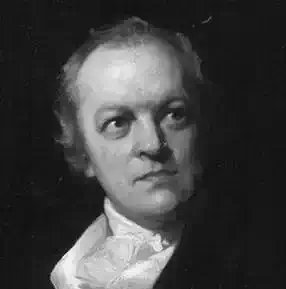
William Blake
Nurse's Song (Innocence)
Nurse's Song (Innocence)
When voices of children are heard on the green
And laughing is heard on the hill,
My heart is at rest within my breast
And everything else is still
Then come home my children the sun is gone down
And the dews of night arise
Come come leave off play, and let us away
Till the morning appears in the skies
No no let us play, for it is yet day
And we cannot go to sleep
Besides in the sky, the little birds fly
And the hills are all covered with sheep
Well well go & play till the light fades away
And then go home to bed
The little ones leaped & shouted & laugh'd
And all the hills echoed
When voices of children are heard on the green
And laughing is heard on the hill,
My heart is at rest within my breast
And everything else is still
Then come home my children the sun is gone down
And the dews of night arise
Come come leave off play, and let us away
Till the morning appears in the skies
No no let us play, for it is yet day
And we cannot go to sleep
Besides in the sky, the little birds fly
And the hills are all covered with sheep
Well well go & play till the light fades away
And then go home to bed
The little ones leaped & shouted & laugh'd
And all the hills echoed
395
William Blake
Little Vagabond, The
Little Vagabond, The
Dear mother, dear mother, the church is cold,
But the ale-house is healthy and pleasant and warm;
Besides I can tell where I am used well,
Such usage in Heaven will never do well.
But if at the church they would give us some ale,
And a pleasant fire our souls to regale,
We'd sing and we'd pray all the live-long day,
Nor ever once wish from the church to stray.
Then the parson might preach, and drink, and sing,
And we'd be as happy as birds in the spring;
And modest Dame Lurch, who is always at church,
Would not have bandy children, nor fasting, nor birch.
And God, like a father rejoicing to see
His children as pleasant and happy as he,
Would have no more quarrel with the Devil or the barrel,
But kiss him, and give him both drink and apparel.
Dear mother, dear mother, the church is cold,
But the ale-house is healthy and pleasant and warm;
Besides I can tell where I am used well,
Such usage in Heaven will never do well.
But if at the church they would give us some ale,
And a pleasant fire our souls to regale,
We'd sing and we'd pray all the live-long day,
Nor ever once wish from the church to stray.
Then the parson might preach, and drink, and sing,
And we'd be as happy as birds in the spring;
And modest Dame Lurch, who is always at church,
Would not have bandy children, nor fasting, nor birch.
And God, like a father rejoicing to see
His children as pleasant and happy as he,
Would have no more quarrel with the Devil or the barrel,
But kiss him, and give him both drink and apparel.
465
William Blake
Blind Man's Buff
Blind Man's Buff
When silver snow decks Susan's clothes,
And jewel hangs at th' shepherd's nose,
The blushing bank is all my care,
With hearth so red, and walls so fair;
`Heap the sea-coal, come, heap it higher,
The oaken log lay on the fire.'
The well-wash'd stools, a circling row,
With lad and lass, how fair the show!
The merry can of nut-brown ale,
The laughing jest, the love-sick tale,
Till, tir'd of chat, the game begins.
The lasses prick the lads with pins;
Roger from Dolly twitch'd the stool,
She, falling, kiss'd the ground, poor fool!
She blush'd so red, with sidelong glance
At hob-nail Dick, who griev'd the chance.
But now for Blind man's Buff they call;
Of each encumbrance clear the hall--
Jenny her silken 'kerchief folds,
And blear-eyed Will the black lot holds.
Now laughing stops, with `Silence! hush!'
And Peggy Pout gives Sam a push.
The Blind man's arms, extended wide,
Sam slips between:--`O woe betide
Thee, clumsy Will!'--but titt'ring Kate
Is penn'd up in the corner straight!
And now Will's eyes beheld the play;
He thought his face was t'other way.
`Now, Kitty, now! what chance hast thou,
Roger so near thee!--Trips, I vow!'
She catches him--then Roger ties
His own head up--but not his eyes;
For thro' the slender cloth he sees,
And runs at Sam, who slips with ease
His clumsy hold; and, dodging round,
Sukey is tumbled on the ground!--
`See what it is to play unfair!
Where cheating is, there's mischief there.'
But Roger still pursues the chase,--
`He sees! he sees!' cries, softly, Grace;
`O Roger, thou, unskill'd in art,
Must, surer bound, go thro' thy part!'
Now Kitty, pert, repeats the rimes,
And Roger turns him round three times,
Then pauses ere he starts--but Dick
Was mischief bent upon a trick;
Down on his hands and knees he lay
Directly in the Blind man's way,
Then cries out `Hem!' Hodge heard, and ran
With hood-wink'd chance--sure of his man;
But down he came. -- Alas, how frail
Our best of hopes, how soon they fail!
With crimson drops he stains the ground;
Confusion startles all around.
Poor piteous Dick supports his head,
And fain would cure the hurt he made.
But Kitty hasted with a key,
And down his back they straight convey
The cold relief; the blood is stay'd,
And Hodge again holds up his head.
Such are the fortunes of the game,
And those who play should stop the same
By wholesome laws; such as all those
Who on the blinded man impose
Stand in his stead; as, long a-gone,
When men were first a nation grown,
Lawless they liv'd, till wantonness
A nd liberty began t' increase,
And one man lay in another's way;
Then laws were made to keep fair play.
When silver snow decks Susan's clothes,
And jewel hangs at th' shepherd's nose,
The blushing bank is all my care,
With hearth so red, and walls so fair;
`Heap the sea-coal, come, heap it higher,
The oaken log lay on the fire.'
The well-wash'd stools, a circling row,
With lad and lass, how fair the show!
The merry can of nut-brown ale,
The laughing jest, the love-sick tale,
Till, tir'd of chat, the game begins.
The lasses prick the lads with pins;
Roger from Dolly twitch'd the stool,
She, falling, kiss'd the ground, poor fool!
She blush'd so red, with sidelong glance
At hob-nail Dick, who griev'd the chance.
But now for Blind man's Buff they call;
Of each encumbrance clear the hall--
Jenny her silken 'kerchief folds,
And blear-eyed Will the black lot holds.
Now laughing stops, with `Silence! hush!'
And Peggy Pout gives Sam a push.
The Blind man's arms, extended wide,
Sam slips between:--`O woe betide
Thee, clumsy Will!'--but titt'ring Kate
Is penn'd up in the corner straight!
And now Will's eyes beheld the play;
He thought his face was t'other way.
`Now, Kitty, now! what chance hast thou,
Roger so near thee!--Trips, I vow!'
She catches him--then Roger ties
His own head up--but not his eyes;
For thro' the slender cloth he sees,
And runs at Sam, who slips with ease
His clumsy hold; and, dodging round,
Sukey is tumbled on the ground!--
`See what it is to play unfair!
Where cheating is, there's mischief there.'
But Roger still pursues the chase,--
`He sees! he sees!' cries, softly, Grace;
`O Roger, thou, unskill'd in art,
Must, surer bound, go thro' thy part!'
Now Kitty, pert, repeats the rimes,
And Roger turns him round three times,
Then pauses ere he starts--but Dick
Was mischief bent upon a trick;
Down on his hands and knees he lay
Directly in the Blind man's way,
Then cries out `Hem!' Hodge heard, and ran
With hood-wink'd chance--sure of his man;
But down he came. -- Alas, how frail
Our best of hopes, how soon they fail!
With crimson drops he stains the ground;
Confusion startles all around.
Poor piteous Dick supports his head,
And fain would cure the hurt he made.
But Kitty hasted with a key,
And down his back they straight convey
The cold relief; the blood is stay'd,
And Hodge again holds up his head.
Such are the fortunes of the game,
And those who play should stop the same
By wholesome laws; such as all those
Who on the blinded man impose
Stand in his stead; as, long a-gone,
When men were first a nation grown,
Lawless they liv'd, till wantonness
A nd liberty began t' increase,
And one man lay in another's way;
Then laws were made to keep fair play.
523
William Blake
A Cradle Song
A Cradle Song
Sweet dreams form a shade,
O'er my lovely infants head.
Sweet dreams of pleasant streams,
By happy silent moony beams
Sweet sleep with soft down.
Weave thy brows an infant crown.
Sweet sleep Angel mild,
Hover o'er my happy child.
Sweet smiles in the night,
Hover over my delight.
Sweet smiles Mothers smiles,
All the livelong night beguiles.
Sweet moans, dovelike sighs,
Chase not slumber from thy eyes,
Sweet moans, sweeter smiles,
All the dovelike moans beguiles.
Sleep sleep happy child,
All creation slept and smil'd.
Sleep sleep, happy sleep.
While o'er thee thy mother weep
Sweet babe in thy face,
Holy image I can trace.
Sweet babe once like thee.
Thy maker lay and wept for me
Wept for me for thee for all,
When he was an infant small.
Thou his image ever see.
Heavenly face that smiles on thee,
Smiles on thee on me on all,
Who became an infant small,
Infant smiles are His own smiles,
Heaven & earth to peace beguiles.
Sweet dreams form a shade,
O'er my lovely infants head.
Sweet dreams of pleasant streams,
By happy silent moony beams
Sweet sleep with soft down.
Weave thy brows an infant crown.
Sweet sleep Angel mild,
Hover o'er my happy child.
Sweet smiles in the night,
Hover over my delight.
Sweet smiles Mothers smiles,
All the livelong night beguiles.
Sweet moans, dovelike sighs,
Chase not slumber from thy eyes,
Sweet moans, sweeter smiles,
All the dovelike moans beguiles.
Sleep sleep happy child,
All creation slept and smil'd.
Sleep sleep, happy sleep.
While o'er thee thy mother weep
Sweet babe in thy face,
Holy image I can trace.
Sweet babe once like thee.
Thy maker lay and wept for me
Wept for me for thee for all,
When he was an infant small.
Thou his image ever see.
Heavenly face that smiles on thee,
Smiles on thee on me on all,
Who became an infant small,
Infant smiles are His own smiles,
Heaven & earth to peace beguiles.
512

Wilfred Owen
Happiness
Happiness
Ever again to breathe pure happiness,
So happy that we gave away our toy?
We smiled at nothings, needing no caress?
Have we not laughed too often since with Joy?
Have we not stolen too strange and sorrowful wrongs
For her hands' pardoning? The sun may cleanse,
And time, and starlight. Life will sing great songs,
And gods will show us pleasures more than men's.
Yet heaven looks smaller than the old doll's-home,
No nestling place is left in bluebell bloom,
And the wide arms of trees have lost their scope.
The former happiness is unreturning:
Boys' griefs are not so grievous as our yearning,
Boys have no sadness sadder than our hope.
Ever again to breathe pure happiness,
So happy that we gave away our toy?
We smiled at nothings, needing no caress?
Have we not laughed too often since with Joy?
Have we not stolen too strange and sorrowful wrongs
For her hands' pardoning? The sun may cleanse,
And time, and starlight. Life will sing great songs,
And gods will show us pleasures more than men's.
Yet heaven looks smaller than the old doll's-home,
No nestling place is left in bluebell bloom,
And the wide arms of trees have lost their scope.
The former happiness is unreturning:
Boys' griefs are not so grievous as our yearning,
Boys have no sadness sadder than our hope.
170
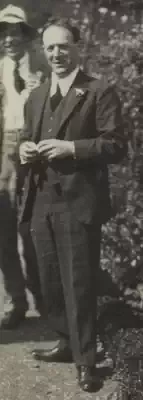
Walter de la Mare
Music
Music
When music sounds, gone is the earth I know,
And all her lovely things even lovelier grow;
Her flowers in vision flame, her forest trees
Lift burdened branches, stilled with ecstasies.
When music sounds, out of the water rise
Naiads whose beauty dims my waking eyes,
Rapt in strange dreams burns each enchanted face,
With solemn echoing stirs their dwelling-place.
When music sounds, all that I was I am
Ere to this haunt of brooding dust I came;
And from Time's woods break into distant song
The swift-winged hours, as I hasten along.
When music sounds, gone is the earth I know,
And all her lovely things even lovelier grow;
Her flowers in vision flame, her forest trees
Lift burdened branches, stilled with ecstasies.
When music sounds, out of the water rise
Naiads whose beauty dims my waking eyes,
Rapt in strange dreams burns each enchanted face,
With solemn echoing stirs their dwelling-place.
When music sounds, all that I was I am
Ere to this haunt of brooding dust I came;
And from Time's woods break into distant song
The swift-winged hours, as I hasten along.
362
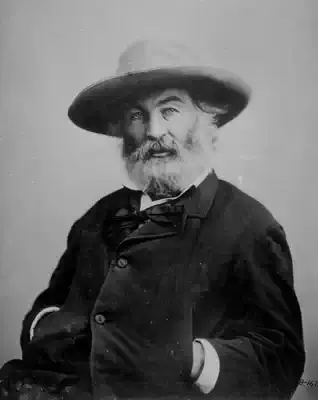
Walt Whitman
When I Heard At The Close Of The Day
When I Heard At The Close Of The Day
WHEN I heard at the close of the day how my name had been receiv'd
with plaudits in the capitol, still it was not a happy night
for me that follow'd;
And else, when I carous'd, or when my plans were accomplish'd, still
I was not happy;
But the day when I rose at dawn from the bed of perfect health,
refresh'd, singing, inhaling the ripe breath of autumn,
When I saw the full moon in the west grow pale and disappear in the
morning light,
When I wander'd alone over the beach, and undressing, bathed,
laughing with the cool waters, and saw the sun rise,
And when I thought how my dear friend, my lover, was on his way
coming, O then I was happy;
O then each breath tasted sweeter--and all that day my food nourish'd
me more--and the beautiful day pass'd well,
And the next came with equal joy--and with the next, at evening, came
my friend;
And that night, while all was still, I heard the waters roll slowly
continually up the shores,
I heard the hissing rustle of the liquid and sands, as directed to
me, whispering, to congratulate me, 10
For the one I love most lay sleeping by me under the same cover in
the cool night,
In the stillness, in the autumn moonbeams, his face was inclined
toward me,
And his arm lay lightly around my breast--and that night I was happy.
WHEN I heard at the close of the day how my name had been receiv'd
with plaudits in the capitol, still it was not a happy night
for me that follow'd;
And else, when I carous'd, or when my plans were accomplish'd, still
I was not happy;
But the day when I rose at dawn from the bed of perfect health,
refresh'd, singing, inhaling the ripe breath of autumn,
When I saw the full moon in the west grow pale and disappear in the
morning light,
When I wander'd alone over the beach, and undressing, bathed,
laughing with the cool waters, and saw the sun rise,
And when I thought how my dear friend, my lover, was on his way
coming, O then I was happy;
O then each breath tasted sweeter--and all that day my food nourish'd
me more--and the beautiful day pass'd well,
And the next came with equal joy--and with the next, at evening, came
my friend;
And that night, while all was still, I heard the waters roll slowly
continually up the shores,
I heard the hissing rustle of the liquid and sands, as directed to
me, whispering, to congratulate me, 10
For the one I love most lay sleeping by me under the same cover in
the cool night,
In the stillness, in the autumn moonbeams, his face was inclined
toward me,
And his arm lay lightly around my breast--and that night I was happy.
426
Walt Whitman
What General Has A Good Army
What General Has A Good Army
WHAT General has a good army in himself, has a good army;
He happy in himself, or she happy in herself, is happy,
But I tell you you cannot be happy by others, any more than you can
beget or conceive a child by others.
WHAT General has a good army in himself, has a good army;
He happy in himself, or she happy in herself, is happy,
But I tell you you cannot be happy by others, any more than you can
beget or conceive a child by others.
401
Walt Whitman
We Two-How Long We Were Fool'd
We Two-How Long We Were Fool'd
WE two--how long we were fool'd!
Now transmuted, we swiftly escape, as Nature escapes;
We are Nature--long have we been absent, but now we return;
We become plants, leaves, foliage, roots, bark;
We are bedded in the ground--we are rocks;
We are oaks--we grow in the openings side by side;
We browse--we are two among the wild herds, spontaneous as any;
We are two fishes swimming in the sea together;
We are what the locust blossoms are--we drop scent around the lanes,
mornings and evenings;
We are also the coarse smut of beasts, vegetables, minerals; 10
We are two predatory hawks--we soar above, and look down;
We are two resplendent suns--we it is who balance ourselves, orbic
and stellar--we are as two comets;
We prowl fang'd and four-footed in the woods--we spring on prey;
We are two clouds, forenoons and afternoons, driving overhead;
We are seas mingling--we are two of those cheerful waves, rolling
over each other, and interwetting each other;
We are what the atmosphere is, transparent, receptive, pervious,
impervious:
We are snow, rain, cold, darkness--we are each product and influence
of the globe;
We have circled and circled till we have arrived home again--we two
have;
We have voided all but freedom, and all but our own joy.
WE two--how long we were fool'd!
Now transmuted, we swiftly escape, as Nature escapes;
We are Nature--long have we been absent, but now we return;
We become plants, leaves, foliage, roots, bark;
We are bedded in the ground--we are rocks;
We are oaks--we grow in the openings side by side;
We browse--we are two among the wild herds, spontaneous as any;
We are two fishes swimming in the sea together;
We are what the locust blossoms are--we drop scent around the lanes,
mornings and evenings;
We are also the coarse smut of beasts, vegetables, minerals; 10
We are two predatory hawks--we soar above, and look down;
We are two resplendent suns--we it is who balance ourselves, orbic
and stellar--we are as two comets;
We prowl fang'd and four-footed in the woods--we spring on prey;
We are two clouds, forenoons and afternoons, driving overhead;
We are seas mingling--we are two of those cheerful waves, rolling
over each other, and interwetting each other;
We are what the atmosphere is, transparent, receptive, pervious,
impervious:
We are snow, rain, cold, darkness--we are each product and influence
of the globe;
We have circled and circled till we have arrived home again--we two
have;
We have voided all but freedom, and all but our own joy.
498
Walt Whitman
Poems Of Joys
Poems Of Joys
O TO make the most jubilant poem!
Even to set off these, and merge with these, the carols of Death.
O full of music! full of manhood, womanhood, infancy!
Full of common employments! full of grain and trees.
O for the voices of animals! O for the swiftness and balance of
fishes!
O for the dropping of rain-drops in a poem!
O for the sunshine, and motion of waves in a poem.
O the joy of my spirit! it is uncaged! it darts like lightning!
It is not enough to have this globe, or a certain time--I will have
thousands of globes, and all time.
O the engineer's joys! 10
To go with a locomotive!
To hear the hiss of steam--the merry shriek--the steam-whistle--the
laughing locomotive!
To push with resistless way, and speed off in the distance.
O the gleesome saunter over fields and hill-sides!
The leaves and flowers of the commonest weeds--the moist fresh
stillness of the woods,
The exquisite smell of the earth at day-break, and all through the
forenoon.
O the horseman's and horsewoman's joys!
The saddle--the gallop--the pressure upon the seat--the cool gurgling
by the ears and hair.
O the fireman's joys!
I hear the alarm at dead of night, 20
I hear bells--shouts!--I pass the crowd--I run!
The sight of the flames maddens me with pleasure.
O the joy of the strong-brawn'd fighter, towering in the arena, in
perfect condition, conscious of power, thirsting to meet his
opponent.
O the joy of that vast elemental sympathy which only the human Soul
is capable of generating and emitting in steady and limitless
floods.
O the mother's joys!
The watching--the endurance--the precious love--the anguish--the
patiently yielded life.
O the joy of increase, growth, recuperation;
The joy of soothing and pacifying--the joy of concord and harmony.
O to go back to the place where I was born!
To hear the birds sing once more! 30
To ramble about the house and barn, and over the fields, once more,
And through the orchard and along the old lanes once more.
O male and female!
O the presence of women! (I swear there is nothing more exquisite to
me than the mere presence of women;)
O for the girl, my mate! O for the happiness with my mate!
O the young man as I pass! O I am sick after the friendship of him
who, I fear, is indifferent to me.
O the streets of cities!
The flitting faces--the expressions, eyes, feet, costumes! O I cannot
tell how welcome they are to me.
O to have been brought up on bays, lagoons, creeks, or along the
coast!
O to continue and be employ'd there all my life! 40
O the briny and damp smell--the shore--the salt weeds exposed at low
water,
The work of fishermen--the work of the eel-fisher and clam-fisher.
O it is I!
I come with my clam-rake and spade! I come with my eel-spear;
Is the tide out? I join the group of clam-diggers on the flats,
I laugh and work with them--I joke at my work, like a mettlesome
young man.
In winter I take my eel-basket and eel-spear and travel out on foot
on the ice--I have a small axe to cut holes in the ice;
Behold me, well-clothed, going gaily, or returning in the afternoon-my
brood of tough boys accompaning me,
My brood of grown and part-grown boys, who love to be with no one
else so well as they love to be with me,
By day to work with me, and by night to sleep with me. 50
Or, another time, in warm weather, out in a boat, to lift the
lobster-pots, where they are sunk with heavy stones, (I know
the buoys;)
O the sweetness of the Fifth-month morning upon the water, as I row,
just before sunrise, toward the buoys;
I pull the wicker pots up slantingly--the dark-green lobsters are
desperate with their claws, as I take them out--I insert wooden
pegs in the joints of their pincers,
I go to all the places, one after another, and then row back to the
shore,
There, in a huge kettle of boiling water, the lobsters shall be
boil'd till their color becomes scarlet.
Or, another time, mackerel-taking,
Voracious, mad for the hook, near the surface, they seem to fill the
water for miles:
Or, another time, fishing for rock-fish, in Chesapeake Bay--I one of
the brown-faced crew:
Or, another time, trailing for blue-fish off Paumanok, I stand with
braced body,
My left foot is on the gunwale--my right arm throws the coils of
slender rope, 60
In sight around me the quick veering and darting of fifty skiffs, my
companions.
O boating on the rivers!
The voyage down the Niagara, (the St. Lawrence,)--the superb
scenery--the steamers,
The ships sailing--the Thousand Islands--the occasional timber-raft,
and the raftsmen with long-reaching sweep-oars,
The little huts on the rafts, and the stream of smoke when they cook
their supper at evening.
O something pernicious and dread!
Something far away from a puny and pious life!
Something unproved! Something in a trance!
Something escaped from the anchorage, and driving free.
O to work in mines, or forging iron! 70
Foundry casting--the foundry itself--the rude high roof--the ample
and shadow'd space,
The furnace--the hot liquid pour'd out and running.
O to resume the joys of the soldier:
To feel the presence of a brave general! to feel his sympathy!
To behold his calmness! to be warm'd in the rays of his smile!
To go to battle! to hear the bugles play, and the drums beat!
To hear the crash of artillery! to see the glittering of the bayonets
and musket-barrels in the sun!
To see men fall and die, and not complain!
To taste the savage taste of blood! to be so devilish!
To gloat so over the wounds and deaths of the enemy. 80
O the whaleman's joys! O I cruise my old cruise again!
I feel the ship's motion under me--I feel the Atlantic breezes
fanning me,
I hear the cry again sent down from the mast-head--There--she blows!
--Again I spring up the rigging, to look with the rest--We see--we
descend, wild with excitement,
I leap in the lower'd boat--We row toward our prey, where he lies,
We approach, stealthy and silent--I see the mountainous mass,
lethargic, basking,
I see the harpooneer standing up--I see the weapon dart from his
vigorous arm:
O swift, again, now, far out in the ocean, the wounded whale,
settling, running to windward, tows me;
--Again I see him rise to breathe--We row close again,
I see a lance driven through his side, press'd deep, turn'd in the
wound, 90
Again we back off--I see him settle again--the life is leaving him
fast,
As he rises, he spouts blood--I see him swim in circles narrower and
narrower, swiftly cutting the water--I see him die;
He gives one convulsive leap in the centre of the circle, and then
falls flat and still in the bloody foam.
O the old manhood of me, my joy!
My children and grand-children--my white hair and beard,
My largeness, calmness, majesty, out of the long stretch of my life.
O the ripen'd joy of womanhood!
O perfect happiness at last!
I am more than eighty years of age--my hair, too, is pure white--I am
the most venerable mother;
How clear is my mind! how all people draw nigh to me! 100
What attractions are these, beyond any before? what bloom, more than
the bloom of youth?
What beauty is this that descends upon me, and rises out of me?
O the orator's joys!
To inflate the chest--to roll the thunder of the voice out from the
ribs and throat,
To make the people rage, weep, hate, desire, with yourself,
To lead America--to quell America with a great tongue.
O the joy of my soul leaning pois'd on itself--receiving identity
through materials, and loving them--observing characters, and
absorbing them;
O my soul, vibrated back to me, from them--from facts, sight,
hearing, touch, my phrenology, reason, articulation,
comparison, memory, and the like;
The real life of my senses and flesh, transcending my senses and
flesh;
My body, done with materials--my sight, done with my material
eyes; 110
Proved to me this day, beyond cavil, that it is not my material
eyes which finally see,
Nor my material body which finally loves, walks, laughs, shouts,
embraces, procreates.
O the farmer's joys!
Ohioan's, Illinoisian's, Wisconsinese', Kanadian's, Iowan's,
Kansian's, Missourian's, Oregonese' joys;
To rise at peep of day, and pass forth nimbly to work,
To plow land in the fall for winter-sown crops,
To plough land in the spring for maize,
To train orchards--to graft the trees--to gather apples in the fall.
O the pleasure with trees!
The orchard--the forest--the oak, cedar, pine, pekan-tree, 120
The honey-locust, black-walnut, cottonwood, and magnolia.
O Death! the voyage of Death!
The beautiful touch of Death, soothing and benumbing a few moments,
for reasons;
Myself, discharging my excrementitious body, to be burn'd, or
render'd to powder, or buried,
My real body doubtless left to me for other spheres,
My voided body, nothing more to me, returning to the purifications,
further offices, eternal uses of the earth.
O to bathe in the swimming-bath, or in a good place along shore!
To splash the water! to walk ankle-deep--to race naked along the
shore.
O to realize space!
The plenteousness of all--that there are no bounds; 130
To emerge, and be of the sky--of the sun and moon, and the flying
clouds, as one with them.
O the joy of a manly self-hood!
Personality--to be servile to none--to defer to none--not to any
tyrant, known or unknown,
To walk with erect carriage, a step springy and elastic,
To look with calm gaze, or with a flashing eye,
To speak with a full and sonorous voice, out of a broad chest,
To confront with your personality all the other personalities of the
earth.
Know'st thou the excellent joys of youth?
Joys of the dear companions, and of the merry word, and laughing
face?
Joys of the glad, light-beaming day--joy of the wide-breath'd
games? 140
Joy of sweet music--joy of the lighted ball-room, and the dancers?
Joy of the friendly, plenteous dinner--the strong carouse, and
drinking?
Yet, O my soul supreme!
Know'st thou the joys of pensive thought?
Joys of the free and lonesome heart--the tender, gloomy heart?
Joy of the solitary walk--the spirit bowed yet proud--the suffering
and the struggle?
The agonistic throes, the extasies--joys of the solemn musings, day
or night?
Joys of the thought of Death--the great spheres Time and Space?
Prophetic joys of better, loftier love's ideals--the Divine Wife--the
sweet, eternal, perfect Comrade?
Joys all thine own, undying one--joys worthy thee, O Soul. 150
O, while I live, to be the ruler of life--not a slave,
To meet life as a powerful conqueror,
No fumes--no ennui--no more complaints, or scornful criticisms.
O me repellent and ugly!
To these proud laws of the air, the water, and the ground, proving my
interior Soul impregnable,
And nothing exterior shall ever take command of me.
O to attract by more than attraction!
How it is I know not--yet behold! the something which obeys none of
the rest,
It is offensive, never defensive--yet how magnetic it draws.
O joy of suffering! 160
To struggle against great odds! to meet enemies undaunted!
To be entirely alone with them! to find how much one can stand!
To look strife, torture, prison, popular odium, death, face to face!
To mount the scaffold! to advance to the muzzles of guns with perfect
nonchalance!
To be indeed a God!
O, to sail to sea in a ship!
To leave this steady, unendurable land!
To leave the tiresome sameness of the streets, the sidewalks and the
houses;
To leave you, O you solid motionless land, and entering a ship,
To sail, and sail, and sail! 170
O to have my life henceforth a poem of new joys!
To dance, clap hands, exult, shout, skip, leap, roll on, float on,
To be a sailor of the world, bound for all ports,
A ship itself, (see indeed these sails I spread to the sun and air,)
A swift and swelling ship, full of rich words--full of joys.
O TO make the most jubilant poem!
Even to set off these, and merge with these, the carols of Death.
O full of music! full of manhood, womanhood, infancy!
Full of common employments! full of grain and trees.
O for the voices of animals! O for the swiftness and balance of
fishes!
O for the dropping of rain-drops in a poem!
O for the sunshine, and motion of waves in a poem.
O the joy of my spirit! it is uncaged! it darts like lightning!
It is not enough to have this globe, or a certain time--I will have
thousands of globes, and all time.
O the engineer's joys! 10
To go with a locomotive!
To hear the hiss of steam--the merry shriek--the steam-whistle--the
laughing locomotive!
To push with resistless way, and speed off in the distance.
O the gleesome saunter over fields and hill-sides!
The leaves and flowers of the commonest weeds--the moist fresh
stillness of the woods,
The exquisite smell of the earth at day-break, and all through the
forenoon.
O the horseman's and horsewoman's joys!
The saddle--the gallop--the pressure upon the seat--the cool gurgling
by the ears and hair.
O the fireman's joys!
I hear the alarm at dead of night, 20
I hear bells--shouts!--I pass the crowd--I run!
The sight of the flames maddens me with pleasure.
O the joy of the strong-brawn'd fighter, towering in the arena, in
perfect condition, conscious of power, thirsting to meet his
opponent.
O the joy of that vast elemental sympathy which only the human Soul
is capable of generating and emitting in steady and limitless
floods.
O the mother's joys!
The watching--the endurance--the precious love--the anguish--the
patiently yielded life.
O the joy of increase, growth, recuperation;
The joy of soothing and pacifying--the joy of concord and harmony.
O to go back to the place where I was born!
To hear the birds sing once more! 30
To ramble about the house and barn, and over the fields, once more,
And through the orchard and along the old lanes once more.
O male and female!
O the presence of women! (I swear there is nothing more exquisite to
me than the mere presence of women;)
O for the girl, my mate! O for the happiness with my mate!
O the young man as I pass! O I am sick after the friendship of him
who, I fear, is indifferent to me.
O the streets of cities!
The flitting faces--the expressions, eyes, feet, costumes! O I cannot
tell how welcome they are to me.
O to have been brought up on bays, lagoons, creeks, or along the
coast!
O to continue and be employ'd there all my life! 40
O the briny and damp smell--the shore--the salt weeds exposed at low
water,
The work of fishermen--the work of the eel-fisher and clam-fisher.
O it is I!
I come with my clam-rake and spade! I come with my eel-spear;
Is the tide out? I join the group of clam-diggers on the flats,
I laugh and work with them--I joke at my work, like a mettlesome
young man.
In winter I take my eel-basket and eel-spear and travel out on foot
on the ice--I have a small axe to cut holes in the ice;
Behold me, well-clothed, going gaily, or returning in the afternoon-my
brood of tough boys accompaning me,
My brood of grown and part-grown boys, who love to be with no one
else so well as they love to be with me,
By day to work with me, and by night to sleep with me. 50
Or, another time, in warm weather, out in a boat, to lift the
lobster-pots, where they are sunk with heavy stones, (I know
the buoys;)
O the sweetness of the Fifth-month morning upon the water, as I row,
just before sunrise, toward the buoys;
I pull the wicker pots up slantingly--the dark-green lobsters are
desperate with their claws, as I take them out--I insert wooden
pegs in the joints of their pincers,
I go to all the places, one after another, and then row back to the
shore,
There, in a huge kettle of boiling water, the lobsters shall be
boil'd till their color becomes scarlet.
Or, another time, mackerel-taking,
Voracious, mad for the hook, near the surface, they seem to fill the
water for miles:
Or, another time, fishing for rock-fish, in Chesapeake Bay--I one of
the brown-faced crew:
Or, another time, trailing for blue-fish off Paumanok, I stand with
braced body,
My left foot is on the gunwale--my right arm throws the coils of
slender rope, 60
In sight around me the quick veering and darting of fifty skiffs, my
companions.
O boating on the rivers!
The voyage down the Niagara, (the St. Lawrence,)--the superb
scenery--the steamers,
The ships sailing--the Thousand Islands--the occasional timber-raft,
and the raftsmen with long-reaching sweep-oars,
The little huts on the rafts, and the stream of smoke when they cook
their supper at evening.
O something pernicious and dread!
Something far away from a puny and pious life!
Something unproved! Something in a trance!
Something escaped from the anchorage, and driving free.
O to work in mines, or forging iron! 70
Foundry casting--the foundry itself--the rude high roof--the ample
and shadow'd space,
The furnace--the hot liquid pour'd out and running.
O to resume the joys of the soldier:
To feel the presence of a brave general! to feel his sympathy!
To behold his calmness! to be warm'd in the rays of his smile!
To go to battle! to hear the bugles play, and the drums beat!
To hear the crash of artillery! to see the glittering of the bayonets
and musket-barrels in the sun!
To see men fall and die, and not complain!
To taste the savage taste of blood! to be so devilish!
To gloat so over the wounds and deaths of the enemy. 80
O the whaleman's joys! O I cruise my old cruise again!
I feel the ship's motion under me--I feel the Atlantic breezes
fanning me,
I hear the cry again sent down from the mast-head--There--she blows!
--Again I spring up the rigging, to look with the rest--We see--we
descend, wild with excitement,
I leap in the lower'd boat--We row toward our prey, where he lies,
We approach, stealthy and silent--I see the mountainous mass,
lethargic, basking,
I see the harpooneer standing up--I see the weapon dart from his
vigorous arm:
O swift, again, now, far out in the ocean, the wounded whale,
settling, running to windward, tows me;
--Again I see him rise to breathe--We row close again,
I see a lance driven through his side, press'd deep, turn'd in the
wound, 90
Again we back off--I see him settle again--the life is leaving him
fast,
As he rises, he spouts blood--I see him swim in circles narrower and
narrower, swiftly cutting the water--I see him die;
He gives one convulsive leap in the centre of the circle, and then
falls flat and still in the bloody foam.
O the old manhood of me, my joy!
My children and grand-children--my white hair and beard,
My largeness, calmness, majesty, out of the long stretch of my life.
O the ripen'd joy of womanhood!
O perfect happiness at last!
I am more than eighty years of age--my hair, too, is pure white--I am
the most venerable mother;
How clear is my mind! how all people draw nigh to me! 100
What attractions are these, beyond any before? what bloom, more than
the bloom of youth?
What beauty is this that descends upon me, and rises out of me?
O the orator's joys!
To inflate the chest--to roll the thunder of the voice out from the
ribs and throat,
To make the people rage, weep, hate, desire, with yourself,
To lead America--to quell America with a great tongue.
O the joy of my soul leaning pois'd on itself--receiving identity
through materials, and loving them--observing characters, and
absorbing them;
O my soul, vibrated back to me, from them--from facts, sight,
hearing, touch, my phrenology, reason, articulation,
comparison, memory, and the like;
The real life of my senses and flesh, transcending my senses and
flesh;
My body, done with materials--my sight, done with my material
eyes; 110
Proved to me this day, beyond cavil, that it is not my material
eyes which finally see,
Nor my material body which finally loves, walks, laughs, shouts,
embraces, procreates.
O the farmer's joys!
Ohioan's, Illinoisian's, Wisconsinese', Kanadian's, Iowan's,
Kansian's, Missourian's, Oregonese' joys;
To rise at peep of day, and pass forth nimbly to work,
To plow land in the fall for winter-sown crops,
To plough land in the spring for maize,
To train orchards--to graft the trees--to gather apples in the fall.
O the pleasure with trees!
The orchard--the forest--the oak, cedar, pine, pekan-tree, 120
The honey-locust, black-walnut, cottonwood, and magnolia.
O Death! the voyage of Death!
The beautiful touch of Death, soothing and benumbing a few moments,
for reasons;
Myself, discharging my excrementitious body, to be burn'd, or
render'd to powder, or buried,
My real body doubtless left to me for other spheres,
My voided body, nothing more to me, returning to the purifications,
further offices, eternal uses of the earth.
O to bathe in the swimming-bath, or in a good place along shore!
To splash the water! to walk ankle-deep--to race naked along the
shore.
O to realize space!
The plenteousness of all--that there are no bounds; 130
To emerge, and be of the sky--of the sun and moon, and the flying
clouds, as one with them.
O the joy of a manly self-hood!
Personality--to be servile to none--to defer to none--not to any
tyrant, known or unknown,
To walk with erect carriage, a step springy and elastic,
To look with calm gaze, or with a flashing eye,
To speak with a full and sonorous voice, out of a broad chest,
To confront with your personality all the other personalities of the
earth.
Know'st thou the excellent joys of youth?
Joys of the dear companions, and of the merry word, and laughing
face?
Joys of the glad, light-beaming day--joy of the wide-breath'd
games? 140
Joy of sweet music--joy of the lighted ball-room, and the dancers?
Joy of the friendly, plenteous dinner--the strong carouse, and
drinking?
Yet, O my soul supreme!
Know'st thou the joys of pensive thought?
Joys of the free and lonesome heart--the tender, gloomy heart?
Joy of the solitary walk--the spirit bowed yet proud--the suffering
and the struggle?
The agonistic throes, the extasies--joys of the solemn musings, day
or night?
Joys of the thought of Death--the great spheres Time and Space?
Prophetic joys of better, loftier love's ideals--the Divine Wife--the
sweet, eternal, perfect Comrade?
Joys all thine own, undying one--joys worthy thee, O Soul. 150
O, while I live, to be the ruler of life--not a slave,
To meet life as a powerful conqueror,
No fumes--no ennui--no more complaints, or scornful criticisms.
O me repellent and ugly!
To these proud laws of the air, the water, and the ground, proving my
interior Soul impregnable,
And nothing exterior shall ever take command of me.
O to attract by more than attraction!
How it is I know not--yet behold! the something which obeys none of
the rest,
It is offensive, never defensive--yet how magnetic it draws.
O joy of suffering! 160
To struggle against great odds! to meet enemies undaunted!
To be entirely alone with them! to find how much one can stand!
To look strife, torture, prison, popular odium, death, face to face!
To mount the scaffold! to advance to the muzzles of guns with perfect
nonchalance!
To be indeed a God!
O, to sail to sea in a ship!
To leave this steady, unendurable land!
To leave the tiresome sameness of the streets, the sidewalks and the
houses;
To leave you, O you solid motionless land, and entering a ship,
To sail, and sail, and sail! 170
O to have my life henceforth a poem of new joys!
To dance, clap hands, exult, shout, skip, leap, roll on, float on,
To be a sailor of the world, bound for all ports,
A ship itself, (see indeed these sails I spread to the sun and air,)
A swift and swelling ship, full of rich words--full of joys.
587
Walt Whitman
Excelsior
Excelsior
WHO has gone farthest? For lo! have not I gone farther?
And who has been just? For I would be the most just person of the
earth;
And who most cautious? For I would be more cautious;
And who has been happiest? O I think it is I! I think no one was ever
happier than I;
And who has lavish'd all? For I lavish constantly the best I have;
And who has been firmest? For I would be firmer;
And who proudest? For I think I have reason to be the proudest son
alive--for I am the son of the brawny and tall-topt city;
And who has been bold and true? For I would be the boldest and truest
being of the universe;
And who benevolent? For I would show more benevolence than all the
rest;
And who has projected beautiful words through the longest time? Have
I not outvied him? have I not said the words that shall stretch
through longer time? 10
And who has receiv'd the love of the most friends? For I know what it
is to receive the passionate love of many friends;
And who possesses a perfect and enamour'd body? For I do not believe
any one possesses a more perfect or enamour'd body than mine;
And who thinks the amplest thoughts? For I will surround those
thoughts;
And who has made hymns fit for the earth? For I am mad with devouring
extasy to make joyous hymns for the whole earth!
WHO has gone farthest? For lo! have not I gone farther?
And who has been just? For I would be the most just person of the
earth;
And who most cautious? For I would be more cautious;
And who has been happiest? O I think it is I! I think no one was ever
happier than I;
And who has lavish'd all? For I lavish constantly the best I have;
And who has been firmest? For I would be firmer;
And who proudest? For I think I have reason to be the proudest son
alive--for I am the son of the brawny and tall-topt city;
And who has been bold and true? For I would be the boldest and truest
being of the universe;
And who benevolent? For I would show more benevolence than all the
rest;
And who has projected beautiful words through the longest time? Have
I not outvied him? have I not said the words that shall stretch
through longer time? 10
And who has receiv'd the love of the most friends? For I know what it
is to receive the passionate love of many friends;
And who possesses a perfect and enamour'd body? For I do not believe
any one possesses a more perfect or enamour'd body than mine;
And who thinks the amplest thoughts? For I will surround those
thoughts;
And who has made hymns fit for the earth? For I am mad with devouring
extasy to make joyous hymns for the whole earth!
462
Walt Whitman
City Of Orgies
City Of Orgies
CITY of orgies, walks and joys!
City whom that I have lived and sung in your midst will one day make
you illustrious,
Not the pageants of you--not your shifting tableaux, your spectacles,
repay me;
Not the interminable rows of your houses--nor the ships at the
wharves,
Nor the processions in the streets, nor the bright windows, with
goods in them;
Nor to converse with learn'd persons, or bear my share in the soiree
or feast;
Not those--but, as I pass, O Manhattan! your frequent and swift flash
of eyes offering me love,
Offering response to my own--these repay me;
Lovers, continual lovers, only repay me.
CITY of orgies, walks and joys!
City whom that I have lived and sung in your midst will one day make
you illustrious,
Not the pageants of you--not your shifting tableaux, your spectacles,
repay me;
Not the interminable rows of your houses--nor the ships at the
wharves,
Nor the processions in the streets, nor the bright windows, with
goods in them;
Nor to converse with learn'd persons, or bear my share in the soiree
or feast;
Not those--but, as I pass, O Manhattan! your frequent and swift flash
of eyes offering me love,
Offering response to my own--these repay me;
Lovers, continual lovers, only repay me.
395
Walt Whitman
Beginning My Studies
Beginning My Studies
BEGINNING my studies, the first step pleas'd me so much,
The mere fact, consciousness--these forms--the power of motion,
The least insect or animal--the senses--eyesight--love;
The first step, I say, aw'd me and pleas'd me so much,
I have hardly gone, and hardly wish'd to go, any farther,
But stop and loiter all the time, to sing it in extatic songs.
BEGINNING my studies, the first step pleas'd me so much,
The mere fact, consciousness--these forms--the power of motion,
The least insect or animal--the senses--eyesight--love;
The first step, I say, aw'd me and pleas'd me so much,
I have hardly gone, and hardly wish'd to go, any farther,
But stop and loiter all the time, to sing it in extatic songs.
464
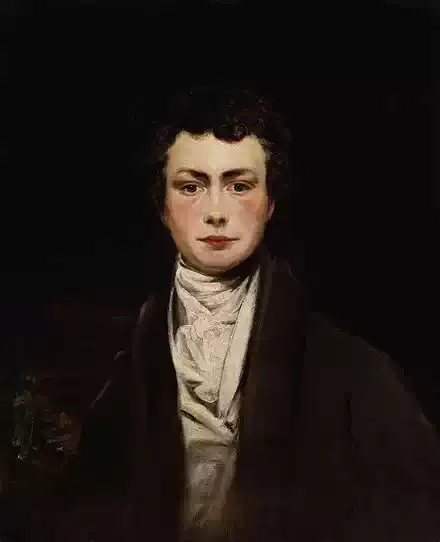
Thomas Moore
Wreath the Bowl
Wreath the Bowl
Wreath the bowl
With flowers of soul,
The brightest Wit can find us,
We'll take a flight
Towards heaven to-night,
And leave dull earth behind us.
Should Love amid
The wreaths be hid
That Joy, the enchanter, brings us,
No danger fear,
While wine is near --
We'll drown him if he stings us.
Then, wreath the bowl
With flowers of soul,
The brightest Wit can find us.
We'll take a flight
Towards heaven to-night,
And leave dull earth behind us.
'Twas nectar fed
Of old, 'tis said,
Their Junos, Joves, Apollos,
And man may brew
His nectar too,
The rich receipt's as follows:
Take wine like this,
Let looks of bliss
Around it well be blended,
Then bring Wit's beam
To warm the stream,
And there's your nectar, splendid!
So, wreath the bowl,
With flowers of soul,
The brightest Wit can find us,
We'll take a flight
Towards heaven to-night,
And leave dull earth behind us.
Say, why did Time
His glass sublime
Fill up with sands unsightly,
When wine, he knew,
Runs brisker through,
And sparkles far more brightly?
Oh, lend it us,
And, smiling thus,
The glass in two we'll sever,
Make pleasure glide
In double tide,
And fill both ends for ever!
Then, wreath the bowl
With flowers of soul
The brightest Wit can find us;
We'll take a flight
Towards heaven to-night,
And leave dull earth behind us.
Wreath the bowl
With flowers of soul,
The brightest Wit can find us,
We'll take a flight
Towards heaven to-night,
And leave dull earth behind us.
Should Love amid
The wreaths be hid
That Joy, the enchanter, brings us,
No danger fear,
While wine is near --
We'll drown him if he stings us.
Then, wreath the bowl
With flowers of soul,
The brightest Wit can find us.
We'll take a flight
Towards heaven to-night,
And leave dull earth behind us.
'Twas nectar fed
Of old, 'tis said,
Their Junos, Joves, Apollos,
And man may brew
His nectar too,
The rich receipt's as follows:
Take wine like this,
Let looks of bliss
Around it well be blended,
Then bring Wit's beam
To warm the stream,
And there's your nectar, splendid!
So, wreath the bowl,
With flowers of soul,
The brightest Wit can find us,
We'll take a flight
Towards heaven to-night,
And leave dull earth behind us.
Say, why did Time
His glass sublime
Fill up with sands unsightly,
When wine, he knew,
Runs brisker through,
And sparkles far more brightly?
Oh, lend it us,
And, smiling thus,
The glass in two we'll sever,
Make pleasure glide
In double tide,
And fill both ends for ever!
Then, wreath the bowl
With flowers of soul
The brightest Wit can find us;
We'll take a flight
Towards heaven to-night,
And leave dull earth behind us.
185
Thomas Moore
This Life Is All Chequer'd With Pleasures and Woes
This Life Is All Chequer'd With Pleasures and Woes
This life is all chequer'd with pleasures and woes,
That chase one another like waves of the deep --
Each brightly or darkly, as onward it flows,
Reflecting our eyes, as they sparkle or weep.
So closely our whims on our miseries tread,
That the laugh is awaked ere the tear can be dried;
And, as fast as the rain-drop of Pity is shed,
The goose-plumage of Folly can turn it aside.
But pledge me the cup -- if existence would cloy,
With hearts ever happy and heads ever wise,
Be ours the light Sorrow, half-sister to Joy,
And the light brilliant Folly that flashes and dies.
When Hylas was sent with his urn to the fount,
Through fields full of light, and with heart full of play,
Light rambled the boy, over meadow and mount,
And neglected his task for the flowers on the way.
Thus many, like me, who in youth should have tasted
The fountain that runs by Philosophy's shrine,
Their time with the flowers on the margin have wasted,
And left their light urns all as empty as mine.
But pledge me the goblet; -- while idleness weaves
These flowerets together, should Wisdom but see
One bright drop or two that has fall'n on the leaves
From her fountain divine, 'tis sufficient for me.
This life is all chequer'd with pleasures and woes,
That chase one another like waves of the deep --
Each brightly or darkly, as onward it flows,
Reflecting our eyes, as they sparkle or weep.
So closely our whims on our miseries tread,
That the laugh is awaked ere the tear can be dried;
And, as fast as the rain-drop of Pity is shed,
The goose-plumage of Folly can turn it aside.
But pledge me the cup -- if existence would cloy,
With hearts ever happy and heads ever wise,
Be ours the light Sorrow, half-sister to Joy,
And the light brilliant Folly that flashes and dies.
When Hylas was sent with his urn to the fount,
Through fields full of light, and with heart full of play,
Light rambled the boy, over meadow and mount,
And neglected his task for the flowers on the way.
Thus many, like me, who in youth should have tasted
The fountain that runs by Philosophy's shrine,
Their time with the flowers on the margin have wasted,
And left their light urns all as empty as mine.
But pledge me the goblet; -- while idleness weaves
These flowerets together, should Wisdom but see
One bright drop or two that has fall'n on the leaves
From her fountain divine, 'tis sufficient for me.
179
Thomas Moore
The Night Dance
The Night Dance
Strike the gay harp! see the moon is on high,
And, as true to her beam as the tides of the ocean,
Young hearts, when they feel the soft light of her eye,
Obey the mute call, and heave into motion.
Then, sound notes -- the gayest, the lightest,
That ever took wing, when heaven look'd brightest
Again! Again!
Oh! could such heart-stirring music be heard
In that City of Statues described by romancers,
So wakening its spell, even stone would be stirr'd,
And statues themselves all start into dancers!
Why then delay, with such sounds in our ears,
And the flower of Beauty's own garden before us --
While stars overhead leave the song of their spheres,
And, listening to ours, hang wondering o'er us?
Again, that strain! -- to hear it thus sounding
Might set even Death's cold pulses bounding --
Again! Again!
Oh, what delight when the youthful and gay
Each with eye like a sunbeam and foot like a feather,
Thus dance, like the Hours to the music of May,
And mingle sweet song and sunshine together.
Strike the gay harp! see the moon is on high,
And, as true to her beam as the tides of the ocean,
Young hearts, when they feel the soft light of her eye,
Obey the mute call, and heave into motion.
Then, sound notes -- the gayest, the lightest,
That ever took wing, when heaven look'd brightest
Again! Again!
Oh! could such heart-stirring music be heard
In that City of Statues described by romancers,
So wakening its spell, even stone would be stirr'd,
And statues themselves all start into dancers!
Why then delay, with such sounds in our ears,
And the flower of Beauty's own garden before us --
While stars overhead leave the song of their spheres,
And, listening to ours, hang wondering o'er us?
Again, that strain! -- to hear it thus sounding
Might set even Death's cold pulses bounding --
Again! Again!
Oh, what delight when the youthful and gay
Each with eye like a sunbeam and foot like a feather,
Thus dance, like the Hours to the music of May,
And mingle sweet song and sunshine together.
176
Thomas Moore
Oh! Had We Some Bright Little Isle of Our Own
Oh! Had We Some Bright Little Isle of Our Own
Oh! had we some bright little isle of our own,
In a blue summer ocean, far off and alone,
Where a leaf never dies in the still blooming bowers,
And the bee banquets on through a whole year of flowers;
Where the sun loves to pause
With so fond a delay,
That the night only draws
A thin veil o'er the day;
Where simply to feel that we breathe, that we live,
Is worth the best joy that life elsewhere can give.
There with souls ever ardent and pure as the clime,
We should love, as they loved in the first golden time;
The glow of the sunshine, the balm of the air,
Would steal to our hearts, and make all summer there.
With affection as free
From decline as the bowers,
And, with hope, like the bee,
Living always on flowers,
Our life should resemble a long day of light,
And our death come on, holy and calm as the night.
Oh! had we some bright little isle of our own,
In a blue summer ocean, far off and alone,
Where a leaf never dies in the still blooming bowers,
And the bee banquets on through a whole year of flowers;
Where the sun loves to pause
With so fond a delay,
That the night only draws
A thin veil o'er the day;
Where simply to feel that we breathe, that we live,
Is worth the best joy that life elsewhere can give.
There with souls ever ardent and pure as the clime,
We should love, as they loved in the first golden time;
The glow of the sunshine, the balm of the air,
Would steal to our hearts, and make all summer there.
With affection as free
From decline as the bowers,
And, with hope, like the bee,
Living always on flowers,
Our life should resemble a long day of light,
And our death come on, holy and calm as the night.
168
Thomas Moore
No, Not More Welcome
No, Not More Welcome
No, not more welcome the fairy numbers
Of music fall on the sleeper's ear,
When half awaking from fearful slumbers,
He thinks the full quire of heaven is near --
Than came that voice, when, all forsaken,
This heart long had sleeping lain,
Nor thought its cold pulse would ever waken
To such benign blessed sounds again.
Sweet voice of comfort! 'twas like the stealing
Of summer wind through some wreathed shell --
Each secret winding, each inmost feeling
Of all my soul echoed to its spell.
'Twas whisper'd balm -- 'twas sunshine spoken! --
I'd live years of grief and pain
To have my long sleep of sorrow broken
By such benign blessed sounds again.
No, not more welcome the fairy numbers
Of music fall on the sleeper's ear,
When half awaking from fearful slumbers,
He thinks the full quire of heaven is near --
Than came that voice, when, all forsaken,
This heart long had sleeping lain,
Nor thought its cold pulse would ever waken
To such benign blessed sounds again.
Sweet voice of comfort! 'twas like the stealing
Of summer wind through some wreathed shell --
Each secret winding, each inmost feeling
Of all my soul echoed to its spell.
'Twas whisper'd balm -- 'twas sunshine spoken! --
I'd live years of grief and pain
To have my long sleep of sorrow broken
By such benign blessed sounds again.
183
Thomas Moore
If Thou'lt Be Mine
If Thou'lt Be Mine
If thou'lt be mine, the treasures of air,
Of earth, and sea, shall lie at thy feet;
Whatever in Fancy's eye looks fair,
Or in Hope's sweet music sounds most sweet,
Shall be ours -- if thou wilt be mine, love!
Bright flowers shall bloom wherever we rove,
A voice divine shall talk in each stream;
The stars shall look like world of love,
And this earth be all one beautiful dream
In our eyes -- if thou wilt be mine, love!
And thoughts, whose source is hidden and high,
Like streams that come from heaven-ward hills,
Shall keep our hearts, like meads, that lie
To be bathed by those eternal rills,
Ever green, if thou wilt be mine, love!
All this and more the Spirit of Love
Can breathe o'er them who feel his spells;
That heaven, which forms his home above,
He can make on earth, wherever he dwells,
As thou'lt own, -- if thou wilt be mine, love!
If thou'lt be mine, the treasures of air,
Of earth, and sea, shall lie at thy feet;
Whatever in Fancy's eye looks fair,
Or in Hope's sweet music sounds most sweet,
Shall be ours -- if thou wilt be mine, love!
Bright flowers shall bloom wherever we rove,
A voice divine shall talk in each stream;
The stars shall look like world of love,
And this earth be all one beautiful dream
In our eyes -- if thou wilt be mine, love!
And thoughts, whose source is hidden and high,
Like streams that come from heaven-ward hills,
Shall keep our hearts, like meads, that lie
To be bathed by those eternal rills,
Ever green, if thou wilt be mine, love!
All this and more the Spirit of Love
Can breathe o'er them who feel his spells;
That heaven, which forms his home above,
He can make on earth, wherever he dwells,
As thou'lt own, -- if thou wilt be mine, love!
176
Thomas Moore
Fill the Bumper Fair
Fill the Bumper Fair
Fill the bumper fair!
Every drop we sprinkle
O'er the brow of Care
Smooths away a wrinkle.
Wit's electric flame
Ne'er so swiftly passes,
As when through the frame
It shoots from brimming glasses.
Fill the bumper fair!
Every drop we sprinkle
O'er the brow of Care
Smooths away a wrinkle.
Sages can, they say,
Grasp the lightning's pinions,
And bring down its ray
From the starr'd dominions:
So we, Sages, sit,
And, 'mid bumpers brightening,
From the Heaven of Wit
Draw down all its lightning.
Fill the bumper, etc.
Wouldst thou know what first
Made our souls inherit
This ennobling thirst
For wine's celestial spirit?
It chanced, upon that day,
When, as bards inform us,
Prometheus stole away
The living fires that warm us:
Fill the bumper etc.
The careless Youth, when up
To Glory's fount aspiring,
Took nor urn nor cup
To hide the pilfer'd fire in. --
But oh, his joy, when, round
The halls of heaven spying,
Among the stars he found,
The bowl of Bacchus lying!
Fill the bumper, etc.
Some drops were in that bowl,
Remains of last night's pleasure,
With which the Sparks of Soul
Mix'd their burning treasure.
Hence the goblet's shower
Hath such spells to win us;
Hence its mighty power
O'er that flame within us.
Fill the bumper fair!
Every drop we sprinkle
O'er the brow of Care
Smooths away a wrinkle.
Fill the bumper fair!
Every drop we sprinkle
O'er the brow of Care
Smooths away a wrinkle.
Wit's electric flame
Ne'er so swiftly passes,
As when through the frame
It shoots from brimming glasses.
Fill the bumper fair!
Every drop we sprinkle
O'er the brow of Care
Smooths away a wrinkle.
Sages can, they say,
Grasp the lightning's pinions,
And bring down its ray
From the starr'd dominions:
So we, Sages, sit,
And, 'mid bumpers brightening,
From the Heaven of Wit
Draw down all its lightning.
Fill the bumper, etc.
Wouldst thou know what first
Made our souls inherit
This ennobling thirst
For wine's celestial spirit?
It chanced, upon that day,
When, as bards inform us,
Prometheus stole away
The living fires that warm us:
Fill the bumper etc.
The careless Youth, when up
To Glory's fount aspiring,
Took nor urn nor cup
To hide the pilfer'd fire in. --
But oh, his joy, when, round
The halls of heaven spying,
Among the stars he found,
The bowl of Bacchus lying!
Fill the bumper, etc.
Some drops were in that bowl,
Remains of last night's pleasure,
With which the Sparks of Soul
Mix'd their burning treasure.
Hence the goblet's shower
Hath such spells to win us;
Hence its mighty power
O'er that flame within us.
Fill the bumper fair!
Every drop we sprinkle
O'er the brow of Care
Smooths away a wrinkle.
203

Spike Milligan
Halved
Halved
The essence of true beauty
Lingers in all-encompassing rainbows
Of your joy and laughter
You hold my hand and smile
As we ensconce ourselves in our world of fire
Our love is all there is
I touch your face
Your gentleness astounds me
I'm held in the honour of your love
Then overnight, the wrold truns suor
mInnIts past the ELevenTHH HouRR
I'M A L N E
The essence of true beauty
Lingers in all-encompassing rainbows
Of your joy and laughter
You hold my hand and smile
As we ensconce ourselves in our world of fire
Our love is all there is
I touch your face
Your gentleness astounds me
I'm held in the honour of your love
Then overnight, the wrold truns suor
mInnIts past the ELevenTHH HouRR
I'M A L N E
253

Siegfried Sassoon
Today
Today
This is To-day, a child in white and blue
Running to meet me out of Night who stilled
The ghost of Yester-eve; this is fair Morn
The mother of To-morrow. And these clouds
That chase the sunshine over gleaming hills
Are thoughts, delighting in the golden change
And the ceremony of their drifting state.
This is To-day. To-morrow might bring death,—
And Life, the gleeful madrigal of birds,
Be drowned in glimmer of sleep. To-day I know
How sweet it is to spend these eyes, and boast
This bubble of vistaed memory and sense
Blown by my joy aloft the glittering airs
Of heavenly peace. Oh take me to yourselves,
Earth, sky, and spirit! Let me stand within
The circle of your transience, that my voice
May thrill the lonely silences with song.
This is To-day, a child in white and blue
Running to meet me out of Night who stilled
The ghost of Yester-eve; this is fair Morn
The mother of To-morrow. And these clouds
That chase the sunshine over gleaming hills
Are thoughts, delighting in the golden change
And the ceremony of their drifting state.
This is To-day. To-morrow might bring death,—
And Life, the gleeful madrigal of birds,
Be drowned in glimmer of sleep. To-day I know
How sweet it is to spend these eyes, and boast
This bubble of vistaed memory and sense
Blown by my joy aloft the glittering airs
Of heavenly peace. Oh take me to yourselves,
Earth, sky, and spirit! Let me stand within
The circle of your transience, that my voice
May thrill the lonely silences with song.
92
Siegfried Sassoon
The Choral Union
The Choral Union
He staggered in from night and frost and fog
And lampless streets: he’d guzzled like a hog
And drunk till he was dazed. And now he came
To hear—he couldn’t call to mind the name—
But he’d been given a ticket for the show,
And thought he’d (hiccup) chance his luck and go.
The hall swam in his eyes, and soaring light
Was dazzling splendid after the dank night.
He sat and blinked, safe in his cushioned seat,
And licked his lips; he’d like a brandy, neat.
‘Who is the King of Glory?’ they were saying,
He pricked his ears; what was it? Were they praying?...
By God, it might be Heaven! For singers stood
Ranked in pure white; and everyone seemed good;
And clergymen were sitting meekly round
With joyful faces, drinking in the sound;
And holy women, and plump whiskered men.
Could this be Heaven? And was he dead? And then
They all stood up; the mighty chorus broke
In storms of song above those blameless folk;
And ‘Hallelujah, Hallelujah!’ rang
The burden of the triumph that they sang.
He gasped; it must be true; he’d got to Heaven
With all his sins that seventy times were seven;
And whispering ‘Hallelujah’ mid their shout,
He wondered when Lord God would turn him out.
He staggered in from night and frost and fog
And lampless streets: he’d guzzled like a hog
And drunk till he was dazed. And now he came
To hear—he couldn’t call to mind the name—
But he’d been given a ticket for the show,
And thought he’d (hiccup) chance his luck and go.
The hall swam in his eyes, and soaring light
Was dazzling splendid after the dank night.
He sat and blinked, safe in his cushioned seat,
And licked his lips; he’d like a brandy, neat.
‘Who is the King of Glory?’ they were saying,
He pricked his ears; what was it? Were they praying?...
By God, it might be Heaven! For singers stood
Ranked in pure white; and everyone seemed good;
And clergymen were sitting meekly round
With joyful faces, drinking in the sound;
And holy women, and plump whiskered men.
Could this be Heaven? And was he dead? And then
They all stood up; the mighty chorus broke
In storms of song above those blameless folk;
And ‘Hallelujah, Hallelujah!’ rang
The burden of the triumph that they sang.
He gasped; it must be true; he’d got to Heaven
With all his sins that seventy times were seven;
And whispering ‘Hallelujah’ mid their shout,
He wondered when Lord God would turn him out.
89
Siegfried Sassoon
Noah
Noah
When old Noah stared across the floods,
Sky and water melted into one
Looking-glass of shifting tides and sun.
Mountain-tops were few: the ship was foul:
All the morn old Noah marvelled greatly
At this weltering world that shone so stately,
Drowning deep the rivers and the plains.
Through the stillness came a rippling breeze;
Noah sighed, remembering the green trees.
Clear along the morning stooped a bird,—
Lit beside him with a blossomed sprig.
Earth was saved; and Noah danced a jig.
When old Noah stared across the floods,
Sky and water melted into one
Looking-glass of shifting tides and sun.
Mountain-tops were few: the ship was foul:
All the morn old Noah marvelled greatly
At this weltering world that shone so stately,
Drowning deep the rivers and the plains.
Through the stillness came a rippling breeze;
Noah sighed, remembering the green trees.
Clear along the morning stooped a bird,—
Lit beside him with a blossomed sprig.
Earth was saved; and Noah danced a jig.
81