

Poems in this theme
Faith, Spirituality and Religion
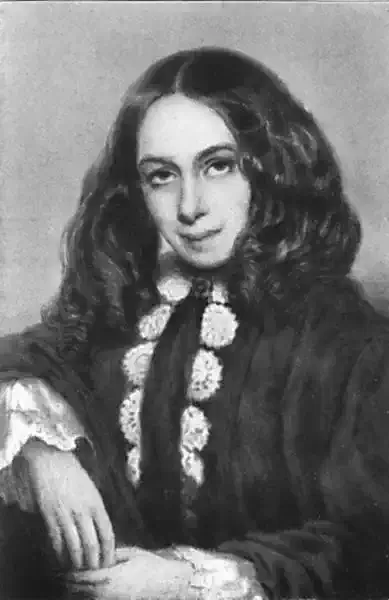
Elizabeth Barrett Browning
Futurity
Futurity
AND, O beloved voices, upon which
Ours passionately call because erelong
Ye brake off in the middle of that song
We sang together softly, to enrich
The poor world with the sense of love, and witch,
The heart out of things evil,--I am strong,
Knowing ye are not lost for aye among
The hills, with last year's thrush. God keeps a niche
In Heaven to hold our idols; and albeit
He brake them to our faces and denied
That our close kisses should impair their white,
I know we shall behold them raised, complete,
The dust swept from their beauty,--glorified
New Memnons singing in the great God-light.
AND, O beloved voices, upon which
Ours passionately call because erelong
Ye brake off in the middle of that song
We sang together softly, to enrich
The poor world with the sense of love, and witch,
The heart out of things evil,--I am strong,
Knowing ye are not lost for aye among
The hills, with last year's thrush. God keeps a niche
In Heaven to hold our idols; and albeit
He brake them to our faces and denied
That our close kisses should impair their white,
I know we shall behold them raised, complete,
The dust swept from their beauty,--glorified
New Memnons singing in the great God-light.
512
Elizabeth Barrett Browning
Exaggeration
Exaggeration
WE overstate the ills of life, and take
Imagination (given us to bring down
The choirs of singing angels overshone
By God's clear glory) down our earth to rake
The dismal snows instead, flake following flake,
To cover all the corn; we walk upon
The shadow of hills across a level thrown,
And pant like climbers: near the alder brake
We sigh so loud, the nightingale within
Refuses to sing loud, as else she would.
O brothers, let us leave the shame and sin
Of taking vainly, in a plaintive mood,
The holy name of GRIEF !--holy herein
That by the grief of ONE came all our good.
WE overstate the ills of life, and take
Imagination (given us to bring down
The choirs of singing angels overshone
By God's clear glory) down our earth to rake
The dismal snows instead, flake following flake,
To cover all the corn; we walk upon
The shadow of hills across a level thrown,
And pant like climbers: near the alder brake
We sigh so loud, the nightingale within
Refuses to sing loud, as else she would.
O brothers, let us leave the shame and sin
Of taking vainly, in a plaintive mood,
The holy name of GRIEF !--holy herein
That by the grief of ONE came all our good.
469
Elizabeth Barrett Browning
Comfort
Comfort
SPEAK low to me, my Saviour, low and sweet
From out the hallelujahs, sweet and low
Lest I should fear and fall, and miss Thee so
Who art not missed by any that entreat.
Speak to mo as to Mary at thy feet !
And if no precious gums my hands bestow,
Let my tears drop like amber while I go
In reach of thy divinest voice complete
In humanest affection -- thus, in sooth,
To lose the sense of losing. As a child,
Whose song-bird seeks the wood for evermore
Is sung to in its stead by mother's mouth
Till, sinking on her breast, love-reconciled,
He sleeps the faster that he wept before.
SPEAK low to me, my Saviour, low and sweet
From out the hallelujahs, sweet and low
Lest I should fear and fall, and miss Thee so
Who art not missed by any that entreat.
Speak to mo as to Mary at thy feet !
And if no precious gums my hands bestow,
Let my tears drop like amber while I go
In reach of thy divinest voice complete
In humanest affection -- thus, in sooth,
To lose the sense of losing. As a child,
Whose song-bird seeks the wood for evermore
Is sung to in its stead by mother's mouth
Till, sinking on her breast, love-reconciled,
He sleeps the faster that he wept before.
458
Elizabeth Barrett Browning
Adequacy
Adequacy
NOW, by the verdure on thy thousand hills,
Beloved England, doth the earth appear
Quite good enough for men to overbear
The will of God in, with rebellious wills !
We cannot say the morning-sun fulfils
Ingloriously its course, nor that the clear
Strong stars without significance insphere
Our habitation: we, meantime, our ills
Heap up against this good and lift a cry
Against this work-day world, this ill-spread feast,
As if ourselves were better certainly
Than what we come to. Maker and High Priest,
I ask thee not my joys to multiply,--
Only to make me worthier of the least.
NOW, by the verdure on thy thousand hills,
Beloved England, doth the earth appear
Quite good enough for men to overbear
The will of God in, with rebellious wills !
We cannot say the morning-sun fulfils
Ingloriously its course, nor that the clear
Strong stars without significance insphere
Our habitation: we, meantime, our ills
Heap up against this good and lift a cry
Against this work-day world, this ill-spread feast,
As if ourselves were better certainly
Than what we come to. Maker and High Priest,
I ask thee not my joys to multiply,--
Only to make me worthier of the least.
465
Elizabeth Barrett Browning
Now he muses deep the meaning of the Heaven-words as they come.
Now he muses deep the meaning of the Heaven-words as they come.
Speak not! he is consecrated--Breathe
no breath across his eyes.
Lifted up and separated,
On the hand of God he lies,
In a sweetness beyond touching---held in cloistral sanctities.
Could ye bless him---father---mother ?
Bless the dimple in his cheek?
Dare ye look at one another,
And the benediction speak?
Would ye not break out in weeping, and confess yourselves too weak?
He is harmless---ye are sinful,--Ye
are troubled---he, at ease:
From his slumber, virtue winful
Floweth outward with increase---
Dare not bless him! but be blessed by his peace---and go in peace.
Speak not! he is consecrated--Breathe
no breath across his eyes.
Lifted up and separated,
On the hand of God he lies,
In a sweetness beyond touching---held in cloistral sanctities.
Could ye bless him---father---mother ?
Bless the dimple in his cheek?
Dare ye look at one another,
And the benediction speak?
Would ye not break out in weeping, and confess yourselves too weak?
He is harmless---ye are sinful,--Ye
are troubled---he, at ease:
From his slumber, virtue winful
Floweth outward with increase---
Dare not bless him! but be blessed by his peace---and go in peace.
468

Edward Lear
Imitation of The Olden Poets
Imitation of The Olden Poets
Time is a taper waning fast!
Use it, man, well whilst it doth last:
Lest burning downwards it consume away,
Before thou hast commenced the labour of the day.
Time is a pardon of a goodly soil!
Plenty shall crown thine honest toil:
But if uncultivated, rankest weeds
Shall choke the efforts of the rising seeds.
Time is a leasehold of uncertain date!
Granted to thee by everlasting fate.
Neglect not thou, ere thy short term expire,
To save thy soul from ever-burning fire.
Time is a taper waning fast!
Use it, man, well whilst it doth last:
Lest burning downwards it consume away,
Before thou hast commenced the labour of the day.
Time is a pardon of a goodly soil!
Plenty shall crown thine honest toil:
But if uncultivated, rankest weeds
Shall choke the efforts of the rising seeds.
Time is a leasehold of uncertain date!
Granted to thee by everlasting fate.
Neglect not thou, ere thy short term expire,
To save thy soul from ever-burning fire.
249

Edna St. Vincent Millay
The Blue Flag in the Bog
The Blue Flag in the Bog
God had called us, and we came;
Our loved Earth to ashes left;
Heaven was a neighbor's house,
Open flung to us, bereft.
Gay the lights of Heaven showed,
And 'twas God who walked ahead;
Yet I wept along the road,
Wanting my own house instead.
Wept unseen, unheeded cried,
"All you things my eyes have kissed,
Fare you well! We meet no more,
Lovely, lovely tattered mist!
Weary wings that rise and fall
All day long above the fire !"
Red with heat was every wall,
Rough with heat was every wire
"Fare you well, you little winds
That the flying embers chase!
Fare you well, you shuddering day,
With your hands before your face!
And, ah, blackened by strange blight,
Or to a false sun unfurled,
Now forevermore goodbye,
All the gardens in the world!
On the windless hills of Heaven,
That I have no wish to see,
White, eternal lilies stand,
By a lake of ebony.
But the Earth forevermore
Is a place where nothing grows,
Dawn will come, and no bud break;
Evening, and no blossom close.
Spring will come, and wander slow
Over an indifferent land,
Stand beside an empty creek,
Hold a dead seed in her hand."
God had called us, and we came,
But the blessed road I trod
Was a bitter road to me,
And at heart I questioned God.
"Though in Heaven," I said, "be all
That the heart would most desire,
Held Earth naught save souls of sinners
Worth the saving from a fire?
Withered grass,the wasted growing!
Aimless ache of laden boughs!"
Little things God had forgotten
Called me, from my burning house.
"Though in Heaven," I said, "be all
That the eye could ask to see,
All the things I ever knew
Are this blaze in back of me."
"Though in Heaven," I said, "be all
That the ear could think to lack,
All the things I ever knew
Are this roaring at my back."
It was God who walked ahead,
Like a shepherd to the fold;
In his footsteps fared the weak,
And the weary and the old,
Glad enough of gladness over,
Ready for the peace to be,
But a thing God had forgotten
Was the growing bones of me.
And I drew a bit apart,
And I lagged a bit behind,
And I thought on Peace Eternal,
Lest He look into my mind;
And I gazed upon the sky,
And I thought of Heavenly Rest,
And I slipped away like water
Through the fingers of the blest!
All their eyes were fixed on Glory,
Not a glance brushed over me;
"Alleluia ! Alleluia !"
Up the road,and I was free.
And my heart rose like a freshet,
And it swept me on before,
Giddy as a whirling stick,
Till I felt the earth once more.
All the Earth was charred and black,
Fire had swept from pole to pole;
And the bottom of the sea
Was as brittle as a bowl;
And the timbered mountain-top
Was as naked as a skull,
Nothing left, nothing left,
Of the Earth so beautiful!
"Earth," I said, "how can I leave you?"
"You are all I have," I said;
"What is left to take my mind up,
Living always, and you dead?"
"Speak!" I said, "Oh, tell me something!
Make a sign that I can see!
For a keepsake! To keep always!
Quick! Before God misses me!"
And I listened for a voice;
But my heart was all I heard;
Not a screech-owl, not a loon,
Not a tree-toad said a word.
And I waited for a sign;
Coals and cinders, nothing more;
And a little cloud of smoke
Floating on a valley floor.
And I peered into the smoke
Till it rotted, like a fog:
There, encompassed round by fire,
Stood a blue-flag in a bog!
Little flames came wading out,
Straining, straining towards its stem,
But it was so blue and tall
That it scorned to think of them!
Red and thirsty were their tongues,
As the tongues of wolves must be,
But it was so blue and tall
Oh, I laughed, I cried, to see!
All my heart became a tear,
All my soul became a tower,
Never loved I anything
As I loved that tall blue flower!
It was all the little boats
That had ever sailed the sea,
It was all the little books
That had gone to school with me;
On its roots like iron claws
Rearing up so blue and tall,
It was all the gallant Earth
With its back against a wall!
In a breath, ere I had breathed,
Oh, I laughed, I cried, to see!
I was kneeling at its side,
And it leaned its head on me!
Crumbling stones and sliding sand
Is the road to Heaven now;
Icy at my straining knees
Drags the awful under-tow;
Soon but stepping-stones of dust
Will the road to Heaven be,
Father, Son and Holy Ghost,
Reach a hand and rescue me!
"Therethere, my blue-flag flower;
Hushhushgo to sleep;
That is only God you hear,
Counting up His folded sheep!
Lullabyelullabye
That is only God that calls,
Missing me, seeking me,
Ere the road to nothing falls!
He will set His mighty feet
Firmly on the sliding sand;
Like a little frightened bird
I will creep into His hand;
I will tell Him all my grief,
I will tell Him all my sin;
He will give me half His robe
For a cloak to wrap you in.
Lullabyelullabye"
Rocks the burnt-out planet free!
Father, Son and Holy Ghost,
Reach a hand and rescue me!
Ah, the voice of love at last !
Lo, at last the face of light !
And the whole of His white robe
For a cloak against the night!
And upon my heart asleep
All the things I ever knew!
"Holds Heaven not some cranny, Lord,
For a flower so tall and blue?"
All's well and all's well!
Gay the lights of Heaven show!
In some moist and Heavenly place
We will set it out to grow.
God had called us, and we came;
Our loved Earth to ashes left;
Heaven was a neighbor's house,
Open flung to us, bereft.
Gay the lights of Heaven showed,
And 'twas God who walked ahead;
Yet I wept along the road,
Wanting my own house instead.
Wept unseen, unheeded cried,
"All you things my eyes have kissed,
Fare you well! We meet no more,
Lovely, lovely tattered mist!
Weary wings that rise and fall
All day long above the fire !"
Red with heat was every wall,
Rough with heat was every wire
"Fare you well, you little winds
That the flying embers chase!
Fare you well, you shuddering day,
With your hands before your face!
And, ah, blackened by strange blight,
Or to a false sun unfurled,
Now forevermore goodbye,
All the gardens in the world!
On the windless hills of Heaven,
That I have no wish to see,
White, eternal lilies stand,
By a lake of ebony.
But the Earth forevermore
Is a place where nothing grows,
Dawn will come, and no bud break;
Evening, and no blossom close.
Spring will come, and wander slow
Over an indifferent land,
Stand beside an empty creek,
Hold a dead seed in her hand."
God had called us, and we came,
But the blessed road I trod
Was a bitter road to me,
And at heart I questioned God.
"Though in Heaven," I said, "be all
That the heart would most desire,
Held Earth naught save souls of sinners
Worth the saving from a fire?
Withered grass,the wasted growing!
Aimless ache of laden boughs!"
Little things God had forgotten
Called me, from my burning house.
"Though in Heaven," I said, "be all
That the eye could ask to see,
All the things I ever knew
Are this blaze in back of me."
"Though in Heaven," I said, "be all
That the ear could think to lack,
All the things I ever knew
Are this roaring at my back."
It was God who walked ahead,
Like a shepherd to the fold;
In his footsteps fared the weak,
And the weary and the old,
Glad enough of gladness over,
Ready for the peace to be,
But a thing God had forgotten
Was the growing bones of me.
And I drew a bit apart,
And I lagged a bit behind,
And I thought on Peace Eternal,
Lest He look into my mind;
And I gazed upon the sky,
And I thought of Heavenly Rest,
And I slipped away like water
Through the fingers of the blest!
All their eyes were fixed on Glory,
Not a glance brushed over me;
"Alleluia ! Alleluia !"
Up the road,and I was free.
And my heart rose like a freshet,
And it swept me on before,
Giddy as a whirling stick,
Till I felt the earth once more.
All the Earth was charred and black,
Fire had swept from pole to pole;
And the bottom of the sea
Was as brittle as a bowl;
And the timbered mountain-top
Was as naked as a skull,
Nothing left, nothing left,
Of the Earth so beautiful!
"Earth," I said, "how can I leave you?"
"You are all I have," I said;
"What is left to take my mind up,
Living always, and you dead?"
"Speak!" I said, "Oh, tell me something!
Make a sign that I can see!
For a keepsake! To keep always!
Quick! Before God misses me!"
And I listened for a voice;
But my heart was all I heard;
Not a screech-owl, not a loon,
Not a tree-toad said a word.
And I waited for a sign;
Coals and cinders, nothing more;
And a little cloud of smoke
Floating on a valley floor.
And I peered into the smoke
Till it rotted, like a fog:
There, encompassed round by fire,
Stood a blue-flag in a bog!
Little flames came wading out,
Straining, straining towards its stem,
But it was so blue and tall
That it scorned to think of them!
Red and thirsty were their tongues,
As the tongues of wolves must be,
But it was so blue and tall
Oh, I laughed, I cried, to see!
All my heart became a tear,
All my soul became a tower,
Never loved I anything
As I loved that tall blue flower!
It was all the little boats
That had ever sailed the sea,
It was all the little books
That had gone to school with me;
On its roots like iron claws
Rearing up so blue and tall,
It was all the gallant Earth
With its back against a wall!
In a breath, ere I had breathed,
Oh, I laughed, I cried, to see!
I was kneeling at its side,
And it leaned its head on me!
Crumbling stones and sliding sand
Is the road to Heaven now;
Icy at my straining knees
Drags the awful under-tow;
Soon but stepping-stones of dust
Will the road to Heaven be,
Father, Son and Holy Ghost,
Reach a hand and rescue me!
"Therethere, my blue-flag flower;
Hushhushgo to sleep;
That is only God you hear,
Counting up His folded sheep!
Lullabyelullabye
That is only God that calls,
Missing me, seeking me,
Ere the road to nothing falls!
He will set His mighty feet
Firmly on the sliding sand;
Like a little frightened bird
I will creep into His hand;
I will tell Him all my grief,
I will tell Him all my sin;
He will give me half His robe
For a cloak to wrap you in.
Lullabyelullabye"
Rocks the burnt-out planet free!
Father, Son and Holy Ghost,
Reach a hand and rescue me!
Ah, the voice of love at last !
Lo, at last the face of light !
And the whole of His white robe
For a cloak against the night!
And upon my heart asleep
All the things I ever knew!
"Holds Heaven not some cranny, Lord,
For a flower so tall and blue?"
All's well and all's well!
Gay the lights of Heaven show!
In some moist and Heavenly place
We will set it out to grow.
328
Edna St. Vincent Millay
Sonnets 12: Cherish You Then The Hope I Shall Forget
Sonnets 12: Cherish You Then The Hope I Shall Forget
Cherish you then the hope I shall forget
At length, my lord, Pieria?—put away
For your so passing sake, this mouth of clay
These mortal bones against my body set,
For all the puny fever and frail sweat
Of human love,—renounce for these, I say,
The Singing Mountain's memory, and betray
The silent lyre that hangs upon me yet?
Ah, but indeed, some day shall you awake,
Rather, from dreams of me, that at your side
So many nights, a lover and a bride,
But stern in my soul's chastity, have lain,
To walk the world forever for my sake,
And in each chamber find me gone again!
Cherish you then the hope I shall forget
At length, my lord, Pieria?—put away
For your so passing sake, this mouth of clay
These mortal bones against my body set,
For all the puny fever and frail sweat
Of human love,—renounce for these, I say,
The Singing Mountain's memory, and betray
The silent lyre that hangs upon me yet?
Ah, but indeed, some day shall you awake,
Rather, from dreams of me, that at your side
So many nights, a lover and a bride,
But stern in my soul's chastity, have lain,
To walk the world forever for my sake,
And in each chamber find me gone again!
284
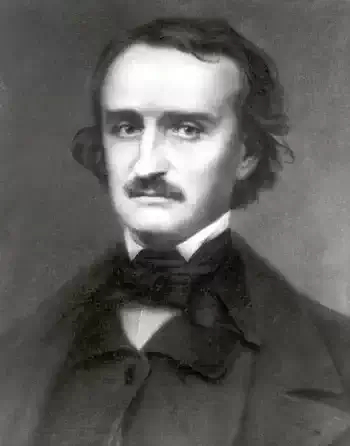
Edgar Allan Poe
To Marie Louise (Shew)
To Marie Louise (Shew)
Of all who hail thy presence as the morning-
Of all to whom thine absence is the night-
The blotting utterly from out high heaven
The sacred sun- of all who, weeping, bless thee
Hourly for hope- for life- ah! above all,
For the resurrection of deep-buried faith
In Truth- in Virtue- in Humanity-
Of all who, on Despair's unhallowed bed
Lying down to die, have suddenly arisen
At thy soft-murmured words, 'Let there be light!'
At the soft-murmured words that were fulfilled
In the seraphic glancing of thine eyes-
Of all who owe thee most- whose gratitude
Nearest resembles worship- oh, remember
The truest- the most fervently devoted,
And think that these weak lines are written by him-
By him who, as he pens them, thrills to think
His spirit is communing with an angel's.
Of all who hail thy presence as the morning-
Of all to whom thine absence is the night-
The blotting utterly from out high heaven
The sacred sun- of all who, weeping, bless thee
Hourly for hope- for life- ah! above all,
For the resurrection of deep-buried faith
In Truth- in Virtue- in Humanity-
Of all who, on Despair's unhallowed bed
Lying down to die, have suddenly arisen
At thy soft-murmured words, 'Let there be light!'
At the soft-murmured words that were fulfilled
In the seraphic glancing of thine eyes-
Of all who owe thee most- whose gratitude
Nearest resembles worship- oh, remember
The truest- the most fervently devoted,
And think that these weak lines are written by him-
By him who, as he pens them, thrills to think
His spirit is communing with an angel's.
348
Edgar Allan Poe
Sancta Maria
Sancta Maria
Sancta Maria! turn thine eyes -
Upon the sinner's sacrifice,
Of fervent prayer and humble love,
From thy holy throne above.
At morn - at noon - at twilight dim -
Maria! thou hast heard my hymn!
In joy and wo - in good and ill -
Mother of God, be with me still!
When the Hours flew brightly by,
And not a cloud obscured the sky,
My soul, lest it should truant be,
Thy grace did guide to thine and thee;
Now, when storms of Fate o'ercast
Darkly my Present and my Past,
Let my Future radiant shine
With sweet hopes of thee and thine!
Sancta Maria! turn thine eyes -
Upon the sinner's sacrifice,
Of fervent prayer and humble love,
From thy holy throne above.
At morn - at noon - at twilight dim -
Maria! thou hast heard my hymn!
In joy and wo - in good and ill -
Mother of God, be with me still!
When the Hours flew brightly by,
And not a cloud obscured the sky,
My soul, lest it should truant be,
Thy grace did guide to thine and thee;
Now, when storms of Fate o'ercast
Darkly my Present and my Past,
Let my Future radiant shine
With sweet hopes of thee and thine!
219
Edgar Allan Poe
In Youth I have Known One
In Youth I have Known One
How often we forget all time, when lone
Admiring Nature's universal throne;
Her woods - her winds - her mountains - the intense
Reply of Hers to Our intelligence!
I.
In youth I have known one with whom the Earth
In secret communing held - as he with it,
In daylight, and in beauty, from his birth:
Whose fervid, flickering torch of life was lit
From the sun and stars, whence he had drawn forth
A passionate light - such for his spirit was fit -
And yet that spirit knew - not in the hour
Of its own fervour - what had o'er it power.
II.
Perhaps it may be that my mind is wrought
To a fever by the moonbeam that hangs o'er,
But I will half believe that wild light fraught
With more of sovereignty than ancient lore
Hath ever told - or is it of a thought
The unembodied essence, and no more
That with a quickening spell doth o'er us pass
As dew of the night time, o'er the summer grass?
III.
Doth o'er us pass, when as th' expanding eye
To the loved object - so the tear to the lid
Will start, which lately slept in apathy?
And yet it need not be - (that object) hid
From us in life - but common - which doth lie
Each hour before us - but then only bid
With a strange sound, as of a harpstring broken
T' awake us - 'Tis a symbol and a token
IV.
Of what in other worlds shall be - and given
In beauty by our God, to those alone
Who otherwise would fall from life and Heaven
Drawn by their heart's passion, and that tone,
That high tone of the spirit which hath striven
Though not with Faith - with godliness - whose throne
With desperate energy 't hath beaten down;
Wearing its own deep feeling as a crown.
How often we forget all time, when lone
Admiring Nature's universal throne;
Her woods - her winds - her mountains - the intense
Reply of Hers to Our intelligence!
I.
In youth I have known one with whom the Earth
In secret communing held - as he with it,
In daylight, and in beauty, from his birth:
Whose fervid, flickering torch of life was lit
From the sun and stars, whence he had drawn forth
A passionate light - such for his spirit was fit -
And yet that spirit knew - not in the hour
Of its own fervour - what had o'er it power.
II.
Perhaps it may be that my mind is wrought
To a fever by the moonbeam that hangs o'er,
But I will half believe that wild light fraught
With more of sovereignty than ancient lore
Hath ever told - or is it of a thought
The unembodied essence, and no more
That with a quickening spell doth o'er us pass
As dew of the night time, o'er the summer grass?
III.
Doth o'er us pass, when as th' expanding eye
To the loved object - so the tear to the lid
Will start, which lately slept in apathy?
And yet it need not be - (that object) hid
From us in life - but common - which doth lie
Each hour before us - but then only bid
With a strange sound, as of a harpstring broken
T' awake us - 'Tis a symbol and a token
IV.
Of what in other worlds shall be - and given
In beauty by our God, to those alone
Who otherwise would fall from life and Heaven
Drawn by their heart's passion, and that tone,
That high tone of the spirit which hath striven
Though not with Faith - with godliness - whose throne
With desperate energy 't hath beaten down;
Wearing its own deep feeling as a crown.
317

Edgar Albert Guest
The Lamb Skin
The Lamb Skin
It is not ornamental, the cost is not great,
There are other things far more useful, yet truly I state,
Though of all my possesions, there's none can compare,
With that white leather apron, which all Masons wear.
As a young lad I wondered just what it all meant,
When Dad hustled around, and so much time was spent
On shaving and dressing and looking just right,
Until Mother would say: 'It's the Masons tonight.'
And some winter nights she said: 'What makes you go,
Way up there tonight thru the sleet and the snow?
You see the same things every month of the year.'
Then Dad would reply: 'Yes, I know it, my dear.'
'Forty years I have seen the same things, it is true.
And though they are old, they always seem new,
For the hands that I clasp, and the friends that I greet,
Seem a little bit closer each time that we meet.'
Years later I stood at that very same door,
With good men and true who had entered before,
I knelt at the alter, and there I was taught
That virtue and honor can never be bought.
That the spotless white lambskin all Masons revere,
If worthily worn grows more precious each year,
That service to others brings blessings untold,
That man may be poor tho surrounded by gold.
I learned that true brotherhood flourishes there,
That enmities fade 'neath the compass and square,
That wealth and position are all thrust aside,
As there on the level men meet and abide.
So, honor the lambskin, may it always remain
Forever unblemished, and free from all stain,
And when we are called to the Great Father's love,
May we all take our place in that Lodge up above.
It is not ornamental, the cost is not great,
There are other things far more useful, yet truly I state,
Though of all my possesions, there's none can compare,
With that white leather apron, which all Masons wear.
As a young lad I wondered just what it all meant,
When Dad hustled around, and so much time was spent
On shaving and dressing and looking just right,
Until Mother would say: 'It's the Masons tonight.'
And some winter nights she said: 'What makes you go,
Way up there tonight thru the sleet and the snow?
You see the same things every month of the year.'
Then Dad would reply: 'Yes, I know it, my dear.'
'Forty years I have seen the same things, it is true.
And though they are old, they always seem new,
For the hands that I clasp, and the friends that I greet,
Seem a little bit closer each time that we meet.'
Years later I stood at that very same door,
With good men and true who had entered before,
I knelt at the alter, and there I was taught
That virtue and honor can never be bought.
That the spotless white lambskin all Masons revere,
If worthily worn grows more precious each year,
That service to others brings blessings untold,
That man may be poor tho surrounded by gold.
I learned that true brotherhood flourishes there,
That enmities fade 'neath the compass and square,
That wealth and position are all thrust aside,
As there on the level men meet and abide.
So, honor the lambskin, may it always remain
Forever unblemished, and free from all stain,
And when we are called to the Great Father's love,
May we all take our place in that Lodge up above.
626
Edgar Albert Guest
Grace At Evening
Grace At Evening
For all the beauties of the day,
The innocence of childhood’s play,
For health and strength and laughter sweet,
Dear Lord, our thanks we now repeat.
For this our daily gift of food
We offer now our gratitude,
For all the blessings we have known
Our debt of gratefulness we own.
Here at the table now we pray,
Keep us together down the way;
May this, our family circle, be
Held fast by love and unity.
Grant, when the shades of night shall fall,
Sweet be the dreams of one and all;
And when another day shall break
Unto Thy service may we wake.
For all the beauties of the day,
The innocence of childhood’s play,
For health and strength and laughter sweet,
Dear Lord, our thanks we now repeat.
For this our daily gift of food
We offer now our gratitude,
For all the blessings we have known
Our debt of gratefulness we own.
Here at the table now we pray,
Keep us together down the way;
May this, our family circle, be
Held fast by love and unity.
Grant, when the shades of night shall fall,
Sweet be the dreams of one and all;
And when another day shall break
Unto Thy service may we wake.
544

Dylan Thomas
The Conversation of Prayer
The Conversation of Prayer
The conversation of prayers about to be said
By the child going to bed and the man on the stairs
Who climbs to his dying love in her high room,
The one not caring to whom in his sleep he will move
And the other full of tears that she will be dead,
Turns in the dark on the sound they know will arise
Into the answering skies from the green ground,
From the man on the stairs and the child by his bed.
The sound about to be said in the two prayers
For the sleep in a safe land and the love who dies
Will be the same grief flying. Whom shall they calm?
Shall the child sleep unharmed or the man be crying?
The conversation of prayers about to be said
Turns on the quick and the dead, and the man on the stair
To-night shall find no dying but alive and warm
In the fire of his care his love in the high room.
And the child not caring to whom he climbs his prayer
Shall drown in a grief as deep as his made grave,
And mark the dark eyed wave, through the eyes of sleep,
Dragging him up the stairs to one who lies dead.
The conversation of prayers about to be said
By the child going to bed and the man on the stairs
Who climbs to his dying love in her high room,
The one not caring to whom in his sleep he will move
And the other full of tears that she will be dead,
Turns in the dark on the sound they know will arise
Into the answering skies from the green ground,
From the man on the stairs and the child by his bed.
The sound about to be said in the two prayers
For the sleep in a safe land and the love who dies
Will be the same grief flying. Whom shall they calm?
Shall the child sleep unharmed or the man be crying?
The conversation of prayers about to be said
Turns on the quick and the dead, and the man on the stair
To-night shall find no dying but alive and warm
In the fire of his care his love in the high room.
And the child not caring to whom he climbs his prayer
Shall drown in a grief as deep as his made grave,
And mark the dark eyed wave, through the eyes of sleep,
Dragging him up the stairs to one who lies dead.
299
Dylan Thomas
Limerick
Limerick
There was an old bugger called God,
who got a young virgin in pod.
This disgraceful behaviour
begot Christ our Saviour,
who was nailed to a cross, poor old sod.
There was an old bugger called God,
who got a young virgin in pod.
This disgraceful behaviour
begot Christ our Saviour,
who was nailed to a cross, poor old sod.
680
Dylan Thomas
Author's Prologue
Author's Prologue
This day winding down now
At God speeded summer's end
In the torrent salmon sun,
In my seashaken house
On a breakneck of rocks
Tangled with chirrup and fruit,
Froth, flute, fin, and quill
At a wood's dancing hoof,
By scummed, starfish sands
With their fishwife cross
Gulls, pipers, cockles, and snails,
Out there, crow black, men
Tackled with clouds, who kneel
To the sunset nets,
Geese nearly in heaven, boys
Stabbing, and herons, and shells
That speak seven seas,
Eternal waters away
From the cities of nine
Days' night whose towers will catch
In the religious wind
Like stalks of tall, dry straw,
At poor peace I sing
To you strangers (though song
Is a burning and crested act,
The fire of birds in
The world's turning wood,
For my swan, splay sounds),
Out of these seathumbed leaves
That will fly and fall
Like leaves of trees and as soon
Crumble and undie
Into the dogdayed night.
Seaward the salmon, sucked sun slips,
And the dumb swans drub blue
My dabbed bay's dusk, as I hack
This rumpus of shapes
For you to know
How I, a spining man,
Glory also this star, bird
Roared, sea born, man torn, blood blest.
Hark: I trumpet the place,
From fish to jumping hill! Look:
I build my bellowing ark
To the best of my love
As the flood begins,
Out of the fountainhead
Of fear, rage read, manalive,
Molten and mountainous to stream
Over the wound asleep
Sheep white hollow farms
To Wales in my arms.
Hoo, there, in castle keep,
You king singsong owls, who moonbeam
The flickering runs and dive
The dingle furred deer dead!
Huloo, on plumbed bryns,
O my ruffled ring dove
in the hooting, nearly dark
With Welsh and reverent rook,
Coo rooning the woods' praise,
who moons her blue notes from her nest
Down to the curlew herd!
Ho, hullaballoing clan
Agape, with woe
In your beaks, on the gabbing capes!
Heigh, on horseback hill, jack
Whisking hare! who
Hears, there, this fox light, my flood ship's
Clangour as I hew and smite
(A clash of anvils for my
Hubbub and fiddle, this tune
On atounged puffball)
But animals thick as theives
On God's rough tumbling grounds
(Hail to His beasthood!).
Beasts who sleep good and thin,
Hist, in hogback woods! The haystacked
Hollow farms ina throng
Of waters cluck and cling,
And barnroofs cockcrow war!
O kingdom of neighbors finned
Felled and quilled, flash to my patch
Work ark and the moonshine
Drinking Noah of the bay,
With pelt, and scale, and fleece:
Only the drowned deep bells
Of sheep and churches noise
Poor peace as the sun sets
And dark shoals every holy field.
We will ride out alone then,
Under the stars of Wales,
Cry, Multiudes of arks! Across
The water lidded lands,
Manned with their loves they'll move
Like wooden islands, hill to hill.
Huloo, my prowed dove with a flute!
Ahoy, old, sea-legged fox,
Tom tit and Dai mouse!
My ark sings in the sun
At God speeded summer's end
And the flood flowers now.
This day winding down now
At God speeded summer's end
In the torrent salmon sun,
In my seashaken house
On a breakneck of rocks
Tangled with chirrup and fruit,
Froth, flute, fin, and quill
At a wood's dancing hoof,
By scummed, starfish sands
With their fishwife cross
Gulls, pipers, cockles, and snails,
Out there, crow black, men
Tackled with clouds, who kneel
To the sunset nets,
Geese nearly in heaven, boys
Stabbing, and herons, and shells
That speak seven seas,
Eternal waters away
From the cities of nine
Days' night whose towers will catch
In the religious wind
Like stalks of tall, dry straw,
At poor peace I sing
To you strangers (though song
Is a burning and crested act,
The fire of birds in
The world's turning wood,
For my swan, splay sounds),
Out of these seathumbed leaves
That will fly and fall
Like leaves of trees and as soon
Crumble and undie
Into the dogdayed night.
Seaward the salmon, sucked sun slips,
And the dumb swans drub blue
My dabbed bay's dusk, as I hack
This rumpus of shapes
For you to know
How I, a spining man,
Glory also this star, bird
Roared, sea born, man torn, blood blest.
Hark: I trumpet the place,
From fish to jumping hill! Look:
I build my bellowing ark
To the best of my love
As the flood begins,
Out of the fountainhead
Of fear, rage read, manalive,
Molten and mountainous to stream
Over the wound asleep
Sheep white hollow farms
To Wales in my arms.
Hoo, there, in castle keep,
You king singsong owls, who moonbeam
The flickering runs and dive
The dingle furred deer dead!
Huloo, on plumbed bryns,
O my ruffled ring dove
in the hooting, nearly dark
With Welsh and reverent rook,
Coo rooning the woods' praise,
who moons her blue notes from her nest
Down to the curlew herd!
Ho, hullaballoing clan
Agape, with woe
In your beaks, on the gabbing capes!
Heigh, on horseback hill, jack
Whisking hare! who
Hears, there, this fox light, my flood ship's
Clangour as I hew and smite
(A clash of anvils for my
Hubbub and fiddle, this tune
On atounged puffball)
But animals thick as theives
On God's rough tumbling grounds
(Hail to His beasthood!).
Beasts who sleep good and thin,
Hist, in hogback woods! The haystacked
Hollow farms ina throng
Of waters cluck and cling,
And barnroofs cockcrow war!
O kingdom of neighbors finned
Felled and quilled, flash to my patch
Work ark and the moonshine
Drinking Noah of the bay,
With pelt, and scale, and fleece:
Only the drowned deep bells
Of sheep and churches noise
Poor peace as the sun sets
And dark shoals every holy field.
We will ride out alone then,
Under the stars of Wales,
Cry, Multiudes of arks! Across
The water lidded lands,
Manned with their loves they'll move
Like wooden islands, hill to hill.
Huloo, my prowed dove with a flute!
Ahoy, old, sea-legged fox,
Tom tit and Dai mouse!
My ark sings in the sun
At God speeded summer's end
And the flood flowers now.
374
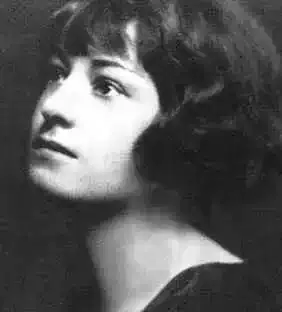
Dorothy Parker
Verse For a Certain Dog
Verse For a Certain Dog
Such glorious faith as fills your limpid eyes,
Dear little friend of mine, I never knew.
All-innocent are you, and yet all-wise.
(For Heaven's sake, stop worrying that shoe!)
You look about, and all you see is fair;
This mighty globe was made for you alone.
Of all the thunderous ages, you're the heir.
(Get off the pillow with that dirty bone!)
A skeptic world you face with steady gaze;
High in young pride you hold your noble head,
Gayly you meet the rush of roaring days.
(Must you eat puppy biscuit on the bed?)
Lancelike your courage, gleaming swift and strong,
Yours the white rapture of a winged soul,
Yours is a spirit like a Mayday song.
(God help you, if you break the goldfish bowl!)
"Whatever is, is good" - your gracious creed.
You wear your joy of living like a crown.
Love lights your simplest act, your every deed.
(Drop it, I tell you- put that kitten down!)
You are God's kindliest gift of all - a friend.
Your shining loyalty unflecked by doubt,
You ask but leave to follow to the end.
(Couldn't you wait until I took you out?)
Such glorious faith as fills your limpid eyes,
Dear little friend of mine, I never knew.
All-innocent are you, and yet all-wise.
(For Heaven's sake, stop worrying that shoe!)
You look about, and all you see is fair;
This mighty globe was made for you alone.
Of all the thunderous ages, you're the heir.
(Get off the pillow with that dirty bone!)
A skeptic world you face with steady gaze;
High in young pride you hold your noble head,
Gayly you meet the rush of roaring days.
(Must you eat puppy biscuit on the bed?)
Lancelike your courage, gleaming swift and strong,
Yours the white rapture of a winged soul,
Yours is a spirit like a Mayday song.
(God help you, if you break the goldfish bowl!)
"Whatever is, is good" - your gracious creed.
You wear your joy of living like a crown.
Love lights your simplest act, your every deed.
(Drop it, I tell you- put that kitten down!)
You are God's kindliest gift of all - a friend.
Your shining loyalty unflecked by doubt,
You ask but leave to follow to the end.
(Couldn't you wait until I took you out?)
413
Dorothy Parker
Prayer For A Prayer
Prayer For A Prayer
Dearest one, when I am dead
Never seek to follow me.
Never mount the quiet hill
Where the copper leaves are still,
As my heart is, on the tree
Standing at my narrow bed.
Only of your tenderness,
Pray a little prayer at night.
Say: "I have forgiven nowI,
so weak and sad; O Thou,
Wreathed in thunder, robed in light,
Surely Thou wilt do no less."
Dearest one, when I am dead
Never seek to follow me.
Never mount the quiet hill
Where the copper leaves are still,
As my heart is, on the tree
Standing at my narrow bed.
Only of your tenderness,
Pray a little prayer at night.
Say: "I have forgiven nowI,
so weak and sad; O Thou,
Wreathed in thunder, robed in light,
Surely Thou wilt do no less."
297

Derek Walcott
Pentecost
Pentecost
Better a jungle in the head
than rootless concrete.
Better to stand bewildered
by the fireflies' crooked street;
winter lamps do not show
where the sidewalk is lost,
nor can these tongues of snow
speak for the Holy Ghost;
the self-increasing silence
of words dropped from a roof
points along iron railings,
direction, in not proof.
But best is this night surf
with slow scriptures of sand,
that sends, not quite a seraph,
but a late cormorant,
whose fading cry propels
through phosphorescent shoal
what, in my childhood gospels,
used to be called the Soul.
Better a jungle in the head
than rootless concrete.
Better to stand bewildered
by the fireflies' crooked street;
winter lamps do not show
where the sidewalk is lost,
nor can these tongues of snow
speak for the Holy Ghost;
the self-increasing silence
of words dropped from a roof
points along iron railings,
direction, in not proof.
But best is this night surf
with slow scriptures of sand,
that sends, not quite a seraph,
but a late cormorant,
whose fading cry propels
through phosphorescent shoal
what, in my childhood gospels,
used to be called the Soul.
1,125
Derek Walcott
In The Virgins
In The Virgins
You can't put in the ground swell of the organ
from the Christiansted, St.Croix, Anglican Church
behind the paratrooper's voice: 'Turned cop
after Vietnam. I made thirty jumps.'
Bells punish the dead street and pigeons lurch
from the stone belfry, opening their chutes,
circling until the rings of ringing stop.
'Salud!' The paratrooper's glass is raised.
The congregation rises to its feet
like a patrol, with scuffling shoes and boots,
repeating orders as the organ thumps:
'Praise Ye the Lord. The Lord's name be praised.'
You cannot hear, beyond the quiet harbor,
the breakers cannonading on the bruised
horizon, or the charter engines gunning for
Buck Island. The only war here is a war
of silence between blue sky and sea,
and just one voice, the marching choir's, is raised
to draft new conscripts with the ancient cry
of 'Onward, Christian Soldiers,' into pews
half-empty still, or like a glass, half-full.
Pinning itself to a cornice, a gull
hangs like a medal from the serge-blue sky.
Are these boats all? Is the blue water all?
The rocks surpliced with lace where they are moored,
dinghy, catamaran, and racing yawl,
nodding to the ground swell of 'Praise the Lord'?
Wesley and Watts, their evangelical light
lanced down the mine shafts to our chapel pew,
its beam gritted with motes of anthracite
that drifted on us in our chapel benches:
from God's slow-grinding mills in Lancashire,
ash on the dead mired in Flanders' trenches,
as a gray drizzle now defiles the view
of this blue harbor, framed in windows where
two yellow palm fronds, jerked by the wind's rain,
agree like horses' necks, and nodding bear,
slow as a hearse, a haze of tasseled rain,
and, as the weather changes in a child,
the paradisal day outside grows dark,
the yachts flutter like moths in a gray jar,
the martial voices fade in thunder, while
across the harbor, like a timid lure,
a rainbow casts its seven-colored arc.
Tonight, now Sunday has been put to rest.
Altar lights ride the black glass where the yachts
stiffly repeat themselves and phosphoresce
with every ripple - the wide parking-lots
of tidal affluence - and every mast
sways the night's dial as its needle veers
to find the station which is truly peace.
Like neon lasers shot across the bars
discos blast out the music of the spheres,
and, one by one, science infects the stars.
You can't put in the ground swell of the organ
from the Christiansted, St.Croix, Anglican Church
behind the paratrooper's voice: 'Turned cop
after Vietnam. I made thirty jumps.'
Bells punish the dead street and pigeons lurch
from the stone belfry, opening their chutes,
circling until the rings of ringing stop.
'Salud!' The paratrooper's glass is raised.
The congregation rises to its feet
like a patrol, with scuffling shoes and boots,
repeating orders as the organ thumps:
'Praise Ye the Lord. The Lord's name be praised.'
You cannot hear, beyond the quiet harbor,
the breakers cannonading on the bruised
horizon, or the charter engines gunning for
Buck Island. The only war here is a war
of silence between blue sky and sea,
and just one voice, the marching choir's, is raised
to draft new conscripts with the ancient cry
of 'Onward, Christian Soldiers,' into pews
half-empty still, or like a glass, half-full.
Pinning itself to a cornice, a gull
hangs like a medal from the serge-blue sky.
Are these boats all? Is the blue water all?
The rocks surpliced with lace where they are moored,
dinghy, catamaran, and racing yawl,
nodding to the ground swell of 'Praise the Lord'?
Wesley and Watts, their evangelical light
lanced down the mine shafts to our chapel pew,
its beam gritted with motes of anthracite
that drifted on us in our chapel benches:
from God's slow-grinding mills in Lancashire,
ash on the dead mired in Flanders' trenches,
as a gray drizzle now defiles the view
of this blue harbor, framed in windows where
two yellow palm fronds, jerked by the wind's rain,
agree like horses' necks, and nodding bear,
slow as a hearse, a haze of tasseled rain,
and, as the weather changes in a child,
the paradisal day outside grows dark,
the yachts flutter like moths in a gray jar,
the martial voices fade in thunder, while
across the harbor, like a timid lure,
a rainbow casts its seven-colored arc.
Tonight, now Sunday has been put to rest.
Altar lights ride the black glass where the yachts
stiffly repeat themselves and phosphoresce
with every ripple - the wide parking-lots
of tidal affluence - and every mast
sways the night's dial as its needle veers
to find the station which is truly peace.
Like neon lasers shot across the bars
discos blast out the music of the spheres,
and, one by one, science infects the stars.
1,221
Derek Walcott
A City's Death By Fire
A City's Death By Fire
After that hot gospeller has levelled all but the churched sky,
I wrote the tale by tallow of a city's death by fire;
Under a candle's eye, that smoked in tears, I
Wanted to tell, in more than wax, of faiths that were snapped like wire.
All day I walked abroad among the rubbled tales,
Shocked at each wall that stood on the street like a liar;
Loud was the bird-rocked sky, and all the clouds were bales
Torn open by looting, and white, in spite of the fire.
By the smoking sea, where Christ walked, I asked, why
Should a man wax tears, when his wooden world fails?
In town, leaves were paper, but the hills were a flock of faiths;
To a boy who walked all day, each leaf was a green breath
Rebuilding a love I thought was dead as nails,
Blessing the death and the baptism by fire.
After that hot gospeller has levelled all but the churched sky,
I wrote the tale by tallow of a city's death by fire;
Under a candle's eye, that smoked in tears, I
Wanted to tell, in more than wax, of faiths that were snapped like wire.
All day I walked abroad among the rubbled tales,
Shocked at each wall that stood on the street like a liar;
Loud was the bird-rocked sky, and all the clouds were bales
Torn open by looting, and white, in spite of the fire.
By the smoking sea, where Christ walked, I asked, why
Should a man wax tears, when his wooden world fails?
In town, leaves were paper, but the hills were a flock of faiths;
To a boy who walked all day, each leaf was a green breath
Rebuilding a love I thought was dead as nails,
Blessing the death and the baptism by fire.
1,421

D.H. Lawrence
Week-Night Service
Week-Night Service
The five old bells
Are hurrying and eagerly calling,
Imploring, protesting
They know, but clamorously falling
Into gabbling incoherence, never resting,
Like spattering showers from a bursten sky-rocket dropping
In splashes of sound, endlessly, never stopping.
The silver moon
That somebody has spun so high
To settle the question, yes or no, has caught
In the net of the night’s balloon,
And sits with a smooth bland smile up there in the sky
Smiling at naught,
Unless the winking star that keeps her company
Makes little jests at the bells’ insanity,
As if he knew aught!
The patient Night
Sits indifferent, hugged in her rags,
She neither knows nor cares
Why the old church sobs and brags;
The light distresses her eyes, and tears
Her old blue cloak, as she crouches and covers her face,
Smiling, perhaps, if we knew it, at the bells’ loud clattering disgrace.
The wise old trees
Drop their leaves with a faint, sharp hiss of contempt,
While a car at the end of the street goes by with a laugh;
As by degrees
The poor bells cease, and the Night is exempt,
And the stars can chaff
The ironic moon at their ease, while the dim old church
Is peopled with shadows and sounds and ghosts that lurch
In its cenotaph.
The five old bells
Are hurrying and eagerly calling,
Imploring, protesting
They know, but clamorously falling
Into gabbling incoherence, never resting,
Like spattering showers from a bursten sky-rocket dropping
In splashes of sound, endlessly, never stopping.
The silver moon
That somebody has spun so high
To settle the question, yes or no, has caught
In the net of the night’s balloon,
And sits with a smooth bland smile up there in the sky
Smiling at naught,
Unless the winking star that keeps her company
Makes little jests at the bells’ insanity,
As if he knew aught!
The patient Night
Sits indifferent, hugged in her rags,
She neither knows nor cares
Why the old church sobs and brags;
The light distresses her eyes, and tears
Her old blue cloak, as she crouches and covers her face,
Smiling, perhaps, if we knew it, at the bells’ loud clattering disgrace.
The wise old trees
Drop their leaves with a faint, sharp hiss of contempt,
While a car at the end of the street goes by with a laugh;
As by degrees
The poor bells cease, and the Night is exempt,
And the stars can chaff
The ironic moon at their ease, while the dim old church
Is peopled with shadows and sounds and ghosts that lurch
In its cenotaph.
238
D.H. Lawrence
Tortoise Shell
Tortoise Shell
The Cross, the Cross
Goes deeper in than we know,
Deeper into life;
Right into the marrow
And through the bone.
Along the back of the baby tortoise
The scales are locked in an arch like a bridge,
Scale-lapping, like a lobster's sections
Or a bee's.
Then crossways down his sides
Tiger-stripes and wasp-bands.
Five, and five again, and five again,
And round the edges twenty-five little ones,
The sections of the baby tortoise shell.
Four, and a keystone;
Four, and a keystone;
Four, and a keystone;
Then twenty-four, and a tiny little keystone.
It needed Pythagoras to see life playing with counters on the living back
Of the baby tortoise;
Life establishing the first eternal mathematical tablet,
Not in stone, like the Judean Lord, or bronze, but in life-clouded, life-rosy tortoise shell.
The first little mathematical gentleman
Stepping, wee mite, in his loose trousers
Under all the eternal dome of mathematical law.
Fives, and tens,
Threes and fours and twelves,
All the volte face of decimals,
The whirligig of dozens and the pinnacle of seven.
Turn him on his back,
The kicking little beetle,
And there again, on his shell-tender, earth-touching belly,
The long cleavage of division, upright of the eternal cross
And on either side count five,
On each side, two above, on each side, two below
The dark bar horizontal.
The Cross!
It goes right through him, the sprottling insect,
Through his cross-wise cloven psyche,
Through his five-fold complex-nature.
So turn him over on his toes again;
Four pin-point toes, and a problematical thumb-piece,
Four rowing limbs, and one wedge-balancing head,
Four and one makes five, which is the clue to all mathematics.
The Lord wrote it all down on the little slate
Of the baby tortoise.
Outward and visible indication of the plan within,
The complex, manifold involvednes,s of an individual creature
Plotted out
On this small bird, this rudiment,
This little dome, this pediment
Of all creation,
This slow one.
The Cross, the Cross
Goes deeper in than we know,
Deeper into life;
Right into the marrow
And through the bone.
Along the back of the baby tortoise
The scales are locked in an arch like a bridge,
Scale-lapping, like a lobster's sections
Or a bee's.
Then crossways down his sides
Tiger-stripes and wasp-bands.
Five, and five again, and five again,
And round the edges twenty-five little ones,
The sections of the baby tortoise shell.
Four, and a keystone;
Four, and a keystone;
Four, and a keystone;
Then twenty-four, and a tiny little keystone.
It needed Pythagoras to see life playing with counters on the living back
Of the baby tortoise;
Life establishing the first eternal mathematical tablet,
Not in stone, like the Judean Lord, or bronze, but in life-clouded, life-rosy tortoise shell.
The first little mathematical gentleman
Stepping, wee mite, in his loose trousers
Under all the eternal dome of mathematical law.
Fives, and tens,
Threes and fours and twelves,
All the volte face of decimals,
The whirligig of dozens and the pinnacle of seven.
Turn him on his back,
The kicking little beetle,
And there again, on his shell-tender, earth-touching belly,
The long cleavage of division, upright of the eternal cross
And on either side count five,
On each side, two above, on each side, two below
The dark bar horizontal.
The Cross!
It goes right through him, the sprottling insect,
Through his cross-wise cloven psyche,
Through his five-fold complex-nature.
So turn him over on his toes again;
Four pin-point toes, and a problematical thumb-piece,
Four rowing limbs, and one wedge-balancing head,
Four and one makes five, which is the clue to all mathematics.
The Lord wrote it all down on the little slate
Of the baby tortoise.
Outward and visible indication of the plan within,
The complex, manifold involvednes,s of an individual creature
Plotted out
On this small bird, this rudiment,
This little dome, this pediment
Of all creation,
This slow one.
223
D.H. Lawrence
The Punisher
The Punisher
I have fetched the tears up out of the little wells,
Scooped them up with small, iron words,
Dripping over the runnels.
The harsh, cold wind of my words drove on, and still
I watched the tears on the guilty cheek of the boys
Glitter and spill.
Cringing Pity, and Love, white-handed, came
Hovering about the Judgment which stood in my eyes,
Whirling a flame.
. . . . . . .
The tears are dry, and the cheeks’ young fruits are fresh
With laughter, and clear the exonerated eyes, since pain
Beat through the flesh.
The Angel of Judgment has departed again to the Nearness.
Desolate I am as a church whose lights are put out.
And night enters in drearness.
The fire rose up in the bush and blazed apace,
The thorn-leaves crackled and twisted and sweated in anguish;
Then God left the place.
Like a flower that the frost has hugged and let go, my head
Is heavy, and my heart beats slowly, laboriously,
My strength is shed.
I have fetched the tears up out of the little wells,
Scooped them up with small, iron words,
Dripping over the runnels.
The harsh, cold wind of my words drove on, and still
I watched the tears on the guilty cheek of the boys
Glitter and spill.
Cringing Pity, and Love, white-handed, came
Hovering about the Judgment which stood in my eyes,
Whirling a flame.
. . . . . . .
The tears are dry, and the cheeks’ young fruits are fresh
With laughter, and clear the exonerated eyes, since pain
Beat through the flesh.
The Angel of Judgment has departed again to the Nearness.
Desolate I am as a church whose lights are put out.
And night enters in drearness.
The fire rose up in the bush and blazed apace,
The thorn-leaves crackled and twisted and sweated in anguish;
Then God left the place.
Like a flower that the frost has hugged and let go, my head
Is heavy, and my heart beats slowly, laboriously,
My strength is shed.
266