

Poems in this theme
Faith, Spirituality and Religion
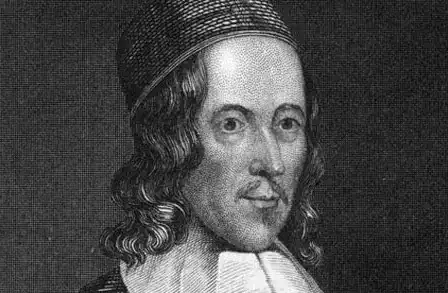
George Herbert
The World
The World
Love built a stately house, where Fortune came,
And spinning fancies, she was heard to say
That her fine cobwebs did support the frame,
Whereas they were supported by the same;
But Wisdom quickly swept them all away.
The Pleasure came, who, liking not the fashion,
Began to make balconies, terraces,
Till she had weakened all by alteration;
But reverend laws, and many a proclomation
Reforméd all at length with menaces.
Then entered Sin, and with that sycamore
Whose leaves first sheltered man from drought and dew,
Working and winding slily evermore,
The inward walls and summers cleft and tore;
But Grace shored these, and cut that as it grew.
Then Sin combined with death in a firm band,
To raze the building to the very floor;
Which they effected,--none could them withstand;
But Love and Grace took Glory by the hand,
And built a braver palace than before.
Love built a stately house, where Fortune came,
And spinning fancies, she was heard to say
That her fine cobwebs did support the frame,
Whereas they were supported by the same;
But Wisdom quickly swept them all away.
The Pleasure came, who, liking not the fashion,
Began to make balconies, terraces,
Till she had weakened all by alteration;
But reverend laws, and many a proclomation
Reforméd all at length with menaces.
Then entered Sin, and with that sycamore
Whose leaves first sheltered man from drought and dew,
Working and winding slily evermore,
The inward walls and summers cleft and tore;
But Grace shored these, and cut that as it grew.
Then Sin combined with death in a firm band,
To raze the building to the very floor;
Which they effected,--none could them withstand;
But Love and Grace took Glory by the hand,
And built a braver palace than before.
354
George Herbert
The Sinner
The Sinner
Lord, how I am all ague, when I seek
What I have treasur'd in my memory!
Since, if my soul make even with the week,
Each seventh note by right is due to thee.
I find there quarries of pil'd vanities,
But shreds of holiness, that dare not venture
To show their face, since cross to thy decrees:
There the circumference earth is, heav'n the centre.
In so much dregs the quintessence is small:
The spirit and good extract of my heart
Comes to about the many hundredth part.
Yet Lord restore thine image, hear my call:
And though my hard heart scarce to thee can groan,
Remember that thou once didst write in stone.
Lord, how I am all ague, when I seek
What I have treasur'd in my memory!
Since, if my soul make even with the week,
Each seventh note by right is due to thee.
I find there quarries of pil'd vanities,
But shreds of holiness, that dare not venture
To show their face, since cross to thy decrees:
There the circumference earth is, heav'n the centre.
In so much dregs the quintessence is small:
The spirit and good extract of my heart
Comes to about the many hundredth part.
Yet Lord restore thine image, hear my call:
And though my hard heart scarce to thee can groan,
Remember that thou once didst write in stone.
343
George Herbert
The Temper
The Temper
How should I praise thee, Lord! how should my rhymes
Gladly engrave thy love in steel,
If what my soul doth feel sometimes
My soul might ever feel!
Although there were some forty heav'ns, or more,
Sometimes I peer above them all;
Sometimes I hardly reach a score,
Sometimes to hell I fall.
O rack me not to such a vast extent;
Those distances belong to thee:
The world's too little for thy tent,
A grave too big for me.
Wilt thou meet arms with man, that thou dost stretch
A crum of dust from heav'n to hell?
Will great God measure with a wretch?
Shall he thy stature spell?
O let me, when thy roof my soul hath hid,
O let me roost and nestle there:
Then of a sinner thou art rid,
And I of hope and fear.
Yet take thy way; for sure thy way is best:
Stretch or contract me, thy poor debtor:
This is but tuning of my breast,
To make the music better.
Whether I fly with angels, fall with dust,
Thy hands made both, and I am there:
Thy power and love, my love and trust
Make one place ev'ry where.
How should I praise thee, Lord! how should my rhymes
Gladly engrave thy love in steel,
If what my soul doth feel sometimes
My soul might ever feel!
Although there were some forty heav'ns, or more,
Sometimes I peer above them all;
Sometimes I hardly reach a score,
Sometimes to hell I fall.
O rack me not to such a vast extent;
Those distances belong to thee:
The world's too little for thy tent,
A grave too big for me.
Wilt thou meet arms with man, that thou dost stretch
A crum of dust from heav'n to hell?
Will great God measure with a wretch?
Shall he thy stature spell?
O let me, when thy roof my soul hath hid,
O let me roost and nestle there:
Then of a sinner thou art rid,
And I of hope and fear.
Yet take thy way; for sure thy way is best:
Stretch or contract me, thy poor debtor:
This is but tuning of my breast,
To make the music better.
Whether I fly with angels, fall with dust,
Thy hands made both, and I am there:
Thy power and love, my love and trust
Make one place ev'ry where.
257
George Herbert
The Quip
The Quip
The merry World did on a day
With his train-bands and mates agree
To meet together where I lay,
And all in sport to jeer at me.
First Beauty crept into a rose,
Which when I pluck'd not, "Sir," said she,
"Tell me, I pray, whose hands are those?"
But Thou shalt answer, Lord, for me.
Then Money came, and chinking still,
"What tune is this, poor man?" said he;
"I heard in music you had skill:"
But Thou shalt answer, Lord, for me.
Then came brave Glory puffing by
In silks that whistled, who but he?
He scarce allow'd me half an eye:
But Thou shalt answer, Lord, for me.
Then came quick Wit and Conversation,
And he would needs a comfort be,
And, to be short, make an oration:
But Thou shalt answer, Lord, for me.
Yet when the hour of Thy design
To answer these fine things shall come,
Speak not at large, say, I am Thine;
And then they have their answer home.
The merry World did on a day
With his train-bands and mates agree
To meet together where I lay,
And all in sport to jeer at me.
First Beauty crept into a rose,
Which when I pluck'd not, "Sir," said she,
"Tell me, I pray, whose hands are those?"
But Thou shalt answer, Lord, for me.
Then Money came, and chinking still,
"What tune is this, poor man?" said he;
"I heard in music you had skill:"
But Thou shalt answer, Lord, for me.
Then came brave Glory puffing by
In silks that whistled, who but he?
He scarce allow'd me half an eye:
But Thou shalt answer, Lord, for me.
Then came quick Wit and Conversation,
And he would needs a comfort be,
And, to be short, make an oration:
But Thou shalt answer, Lord, for me.
Yet when the hour of Thy design
To answer these fine things shall come,
Speak not at large, say, I am Thine;
And then they have their answer home.
278
George Herbert
The Pearl
The Pearl
The Kingdom of heaven is like unto a merchant man,
seeking goodly pearls; who, when he had found one,
sold all that he had and bought it.-Matthew 13.45
I know the ways of Learning; both the head
And pipes that feed the press, and make it run;
What reason hath from nature borrowed,
Or of itself, like a good huswife, spun
In laws and policy; what the stars conspire,
What willing nature speaks, what forced by fire;
Both th' old discoveries, and the new-found seas,
The stock and surplus, cause and history:
All these stand open, or I have the keys:
Yet I love thee.
I know the ways of Honour, what maintains
The quick returns of courtesy and wit:
In vies of favours whether party gains,
When glory swells the heart, and moldeth it
To all expressions both of hand and eye,
Which on the world a true-love-knot may tie,
And bear the bundle, wheresoe'er it goes:
How many drams of spirit there must be
To sell my life unto my friends or foes:
Yet I love thee.
I know the ways of Pleasure, the sweet strains,
The lullings and the relishes of it;
The propositions of hot blood and brains;
What mirth and music mean; what love and wit
Have done these twenty hundred years, and more:
I know the projects of unbridled store:
My stuff is flesh, not brass; my senses live,
And grumble oft, that they have more in me
Than he that curbs them, being but one to five:
Yet I love thee.
I know all these, and have them in my hand:
Therefore not sealed, but with open eyes
I fly to thee, and fully understand
Both the main sale, and the commodities;
And at what rate and price I have thy love;
With all the circumstances that may move:
Yet through these labyrinths, not my grovelling wit,
But thy silk twist let down from heav'n to me,
Did both conduct and teach me, how by it
To climb to thee.
The Kingdom of heaven is like unto a merchant man,
seeking goodly pearls; who, when he had found one,
sold all that he had and bought it.-Matthew 13.45
I know the ways of Learning; both the head
And pipes that feed the press, and make it run;
What reason hath from nature borrowed,
Or of itself, like a good huswife, spun
In laws and policy; what the stars conspire,
What willing nature speaks, what forced by fire;
Both th' old discoveries, and the new-found seas,
The stock and surplus, cause and history:
All these stand open, or I have the keys:
Yet I love thee.
I know the ways of Honour, what maintains
The quick returns of courtesy and wit:
In vies of favours whether party gains,
When glory swells the heart, and moldeth it
To all expressions both of hand and eye,
Which on the world a true-love-knot may tie,
And bear the bundle, wheresoe'er it goes:
How many drams of spirit there must be
To sell my life unto my friends or foes:
Yet I love thee.
I know the ways of Pleasure, the sweet strains,
The lullings and the relishes of it;
The propositions of hot blood and brains;
What mirth and music mean; what love and wit
Have done these twenty hundred years, and more:
I know the projects of unbridled store:
My stuff is flesh, not brass; my senses live,
And grumble oft, that they have more in me
Than he that curbs them, being but one to five:
Yet I love thee.
I know all these, and have them in my hand:
Therefore not sealed, but with open eyes
I fly to thee, and fully understand
Both the main sale, and the commodities;
And at what rate and price I have thy love;
With all the circumstances that may move:
Yet through these labyrinths, not my grovelling wit,
But thy silk twist let down from heav'n to me,
Did both conduct and teach me, how by it
To climb to thee.
268
George Herbert
The H. Communion
The H. Communion
Not in rich furniture, or fine array,
Nor in a wedge of gold,
Thou, who from me wast sold,
To me dost now thy self convey;
For so thou should'st without me still have been,
Leaving within me sin:
But by the way of nourishment and strength
Thou creep'st into my breast;
Making thy way my rest,
And thy small quantities my length;
Which spread their forces into every part,
Meeting sin's force and art.
Yet can these not get over to my soul,
Leaping the wall that parts
Our souls, and fleshly hearts;
But as th'outworks, they may control
My rebel-flesh, and carrying thy name,
Affright both sin and shame.
Only thy grace, which with these elements comes,
Knoweth the ready way,
And hath the privy key,
Op'ning the soul's most subtle rooms;
While those to spirits refin'd, at door attend
Dispatches from their friend.
Give me my captive soul, or take
My body also thither,
Another lift like this will make
Them both to be together.
Before that sin turn'd flesh into stone,
And all our lump to leaven,
A fervent sigh might well have blown
Our innocent earth to heaven.
For sure when Adam did not know
To sin, or sin to smother;
He might to heav'n from Paradise go,
As from one room t'another.
Thou hast restor'd to us this ease
By this thy heav'nly blood;
Which I can go to, when I please,
And leave th'earth to their food.
Not in rich furniture, or fine array,
Nor in a wedge of gold,
Thou, who from me wast sold,
To me dost now thy self convey;
For so thou should'st without me still have been,
Leaving within me sin:
But by the way of nourishment and strength
Thou creep'st into my breast;
Making thy way my rest,
And thy small quantities my length;
Which spread their forces into every part,
Meeting sin's force and art.
Yet can these not get over to my soul,
Leaping the wall that parts
Our souls, and fleshly hearts;
But as th'outworks, they may control
My rebel-flesh, and carrying thy name,
Affright both sin and shame.
Only thy grace, which with these elements comes,
Knoweth the ready way,
And hath the privy key,
Op'ning the soul's most subtle rooms;
While those to spirits refin'd, at door attend
Dispatches from their friend.
Give me my captive soul, or take
My body also thither,
Another lift like this will make
Them both to be together.
Before that sin turn'd flesh into stone,
And all our lump to leaven,
A fervent sigh might well have blown
Our innocent earth to heaven.
For sure when Adam did not know
To sin, or sin to smother;
He might to heav'n from Paradise go,
As from one room t'another.
Thou hast restor'd to us this ease
By this thy heav'nly blood;
Which I can go to, when I please,
And leave th'earth to their food.
233
George Herbert
The Holdfast
The Holdfast
I threatened to observe the strict decree
Of my deare God with all my power and might:
But I was told by one, `It could not be;
Yet I might trust in God to be my light.'
`Then will I trust,' said I, `in Him alone.'
`Nay, ev'n to trust in Him, was also His:
We must confesse that nothing is our own.'
`Then I confesse that He my succour is.'
`But to have nought is ours, not to confesse
That we have nought.' I stood amaz'd at this,
Much troubled, till I heard a friend expresse
That all things were more ours by being His:
What Adam had, and forfeited for all,
Christ keepeth now, Who cannot fail or fall.
I threatened to observe the strict decree
Of my deare God with all my power and might:
But I was told by one, `It could not be;
Yet I might trust in God to be my light.'
`Then will I trust,' said I, `in Him alone.'
`Nay, ev'n to trust in Him, was also His:
We must confesse that nothing is our own.'
`Then I confesse that He my succour is.'
`But to have nought is ours, not to confesse
That we have nought.' I stood amaz'd at this,
Much troubled, till I heard a friend expresse
That all things were more ours by being His:
What Adam had, and forfeited for all,
Christ keepeth now, Who cannot fail or fall.
285
George Herbert
The Flower
The Flower
How fresh, O Lord, how sweet and clean
Are thy returns! ev'n as the flowers in spring;
To which, besides their own demean,
The late-past frosts tributes of pleasures bring.
Grief melts away
Like snow in May,
As if there were no such cold thing.
Who would have thought my shrivl'd heart
Could have recover'd greenness? It was gone
Quite under ground; as flowers depart
To see their mother-root, when they have blown;
Where they together
All the hard weather
Dead to the world, keep house unknown.
These are thy wonders, Lord of power,
Killing and quickning, bringing down to hell
And up to heaven in an hour;
Making a chiming of a passing-bell.
We say amiss,
This or that is:
Thy word is all, if we could spell.
O that I once past changing were,
Fast in thy Paradise, where no flower can wither!
Many a spring I shoot up fair,
Off'ring at heav'n, growing and groaning thither:
Nor doth my flower
Want a spring-shower,
My sins and I joining together:
But while I grow in a straight line,
Still upwards bent, as if heav'n were mine own,
Thy anger comes, and I decline:
What frost to that? what pole is not the zone,
Where all things burn,
When thou dost turn,
And the least frown of thine is shown?
And now in age I bud again,
After so many deaths I live and write;
I once more smell the dew and rain,
And relish versing: O my only light,
It cannot be
That I am her
On whom thy tempests fell all night.
These are thy wonders, Lord of love,
To make us see we are but flowers that glide:
Which when we once can find and prove,
Thou hast a garden for us, where to bide.
Who would be more,
Swelling through store,
Forfeit their Paradise by their pride.
How fresh, O Lord, how sweet and clean
Are thy returns! ev'n as the flowers in spring;
To which, besides their own demean,
The late-past frosts tributes of pleasures bring.
Grief melts away
Like snow in May,
As if there were no such cold thing.
Who would have thought my shrivl'd heart
Could have recover'd greenness? It was gone
Quite under ground; as flowers depart
To see their mother-root, when they have blown;
Where they together
All the hard weather
Dead to the world, keep house unknown.
These are thy wonders, Lord of power,
Killing and quickning, bringing down to hell
And up to heaven in an hour;
Making a chiming of a passing-bell.
We say amiss,
This or that is:
Thy word is all, if we could spell.
O that I once past changing were,
Fast in thy Paradise, where no flower can wither!
Many a spring I shoot up fair,
Off'ring at heav'n, growing and groaning thither:
Nor doth my flower
Want a spring-shower,
My sins and I joining together:
But while I grow in a straight line,
Still upwards bent, as if heav'n were mine own,
Thy anger comes, and I decline:
What frost to that? what pole is not the zone,
Where all things burn,
When thou dost turn,
And the least frown of thine is shown?
And now in age I bud again,
After so many deaths I live and write;
I once more smell the dew and rain,
And relish versing: O my only light,
It cannot be
That I am her
On whom thy tempests fell all night.
These are thy wonders, Lord of love,
To make us see we are but flowers that glide:
Which when we once can find and prove,
Thou hast a garden for us, where to bide.
Who would be more,
Swelling through store,
Forfeit their Paradise by their pride.
260
George Herbert
The Dawning
The Dawning
Awake, sad heart, whom sorrow ever drowns ;
Take up thine eyes, which feed on earth ;
Unfold thy forehead, gathered into frowns ;
Thy Saviour comes, and with Him mirth :
Awake, awake,
And with a thankful heart His comforts take.
But thou dost still lament, and pine, and cry,
And feel His death, but not His victory.
Arise, sad heart ; if thou dost not withstand,
Christ's resurrection thine may be ;
Do not by hanging down break from the hand
Which, as it riseth, raiseth thee :
Arise, Arise;
And with His burial linen drie thine eyes.
Christ left His grave-clothes, that we might, when grief
Draws tears or blood, not want a handkerchief.
Awake, sad heart, whom sorrow ever drowns ;
Take up thine eyes, which feed on earth ;
Unfold thy forehead, gathered into frowns ;
Thy Saviour comes, and with Him mirth :
Awake, awake,
And with a thankful heart His comforts take.
But thou dost still lament, and pine, and cry,
And feel His death, but not His victory.
Arise, sad heart ; if thou dost not withstand,
Christ's resurrection thine may be ;
Do not by hanging down break from the hand
Which, as it riseth, raiseth thee :
Arise, Arise;
And with His burial linen drie thine eyes.
Christ left His grave-clothes, that we might, when grief
Draws tears or blood, not want a handkerchief.
254
George Herbert
The Altar
The Altar
A broken ALTAR, Lord, thy servant rears,
Made of a heart and cemented with tears;
Whose parts are as thy hand did frame;
No workman's tool hath touch'd the same.
A HEART alone
Is such a stone,
As nothing but
Thy pow'r doth cut.
Wherefore each part
Of my hard heart
Meets in this frame
To praise thy name.
That if I chance to hold my peace,
These stones to praise thee may not cease.
Oh, let thy blessed SACRIFICE be mine,
And sanctify this ALTAR to be thine.
A broken ALTAR, Lord, thy servant rears,
Made of a heart and cemented with tears;
Whose parts are as thy hand did frame;
No workman's tool hath touch'd the same.
A HEART alone
Is such a stone,
As nothing but
Thy pow'r doth cut.
Wherefore each part
Of my hard heart
Meets in this frame
To praise thy name.
That if I chance to hold my peace,
These stones to praise thee may not cease.
Oh, let thy blessed SACRIFICE be mine,
And sanctify this ALTAR to be thine.
223
George Herbert
The Call
The Call
Come, my Way, my Truth, my Life :
Such a Way, as gives us breath :
Such a Truth, as ends all strife :
And such a Life, as killeth death.
Come, my Light, my Feast, my Strength :
Such a Light, as shows a feast :
Such a Feast, as mends in length :
Such a Strength, as makes his guest.
Come, my Joy, my Love, my Heart :
Such a Joy, as none can move :
Such a Love, as none can part :
Such a Heart, as joyes in love.
Come, my Way, my Truth, my Life :
Such a Way, as gives us breath :
Such a Truth, as ends all strife :
And such a Life, as killeth death.
Come, my Light, my Feast, my Strength :
Such a Light, as shows a feast :
Such a Feast, as mends in length :
Such a Strength, as makes his guest.
Come, my Joy, my Love, my Heart :
Such a Joy, as none can move :
Such a Love, as none can part :
Such a Heart, as joyes in love.
237
George Herbert
Sonnet (II)
Sonnet (II)
O
Sure Lord, there is enough in thee to dry
Oceans of Ink ; for, as the Deluge did
Cover the Earth, so doth thy Majesty :
Each Cloud distills thy praise, and doth forbid
Poets to turn it to another use.
Roses and Lillies speak thee ; and to make
A pair of Cheeks of them, is thy abuse.
Why should I Womens eyes for Chrystal take?
Such poor invention burns in their low mind,
Whose fire is wild, and doth not upward go
To praise, and on thee Lord, some Ink bestow.
Open the bones, and you shall nothing find
In the best face but filth, when Lord, in thee
The beauty lies, in the discovery
O
Sure Lord, there is enough in thee to dry
Oceans of Ink ; for, as the Deluge did
Cover the Earth, so doth thy Majesty :
Each Cloud distills thy praise, and doth forbid
Poets to turn it to another use.
Roses and Lillies speak thee ; and to make
A pair of Cheeks of them, is thy abuse.
Why should I Womens eyes for Chrystal take?
Such poor invention burns in their low mind,
Whose fire is wild, and doth not upward go
To praise, and on thee Lord, some Ink bestow.
Open the bones, and you shall nothing find
In the best face but filth, when Lord, in thee
The beauty lies, in the discovery
252
George Herbert
The Affliction (I)
The Affliction (I)
When first thou didst entice to thee my heart,
I thought the service brave;
So many joys I writ down for my part,
Besides what I might have
Out of my stock of natural delights,
Augmented with thy gracious benefits.
I looked on thy furniture so fine,
And made it fine to me;
Thy glorious household-stuff did me entwine,
And 'tice me unto thee.
Such stars I counted mine: both heav'n and earth;
Paid me my wages in a world of mirth.
What pleasures could I want, whose King I serv'd,
Where joys my fellows were?
Thus argu'd into hopes, my thoughts reserv'd
No place for grief or fear.
Therefore my sudden soul caught at the place,
And made her youth and fierceness seek thy face.
At first thou gav'st me milk and sweetnesses;
I had my wish and way;
My days were straw'd with flow'rs and happiness;
There was no month but May.
But with my years sorrow did twist and grow,
And made a party unawares for woe.
My flesh began unto my soul in pain,
"Sicknesses cleave my bones;
Consuming agues dwell in ev'ry vein,
And tune my breath to groans."
Sorrow was all my soul; I scarce believ'd,
Till grief did tell me roundly, that I liv'd.
When I got health, thou took'st away my life,
And more, for my friends die;
My mirth and edge was lost, a blunted knife
Was of more use than I.
Thus thin and lean without a fence or friend,
I was blown through with ev'ry storm and wind.
Whereas my birth and spirit rather took
The way that takes the town;
Thou didst betray me to a ling'ring book,
And wrap me in a gown.
I was entangled in the world of strife,
Before I had the power to change my life.
Yet, for I threaten'd oft the siege to raise,
Not simp'ring all mine age,
Thou often didst with academic praise
Melt and dissolve my rage.
I took thy sweet'ned pill, till I came where
I could not go away, nor persevere.
Yet lest perchance I should too happy be
In my unhappiness,
Turning my purge to food, thou throwest me
Into more sicknesses.
Thus doth thy power cross-bias me, not making
Thine own gift good, yet me from my ways taking.
Now I am here, what thou wilt do with me
None of my books will show;
I read, and sigh, and wish I were a tree,
For sure then I should grow
To fruit or shade: at least some bird would trust
Her household to me, and I should be just.
Yet, though thou troublest me, I must be meek;
In weakness must be stout;
Well, I will change the service, and go seek
Some other master out.
Ah my dear God! though I am clean forgot,
Let me not love thee, if I love thee not.
When first thou didst entice to thee my heart,
I thought the service brave;
So many joys I writ down for my part,
Besides what I might have
Out of my stock of natural delights,
Augmented with thy gracious benefits.
I looked on thy furniture so fine,
And made it fine to me;
Thy glorious household-stuff did me entwine,
And 'tice me unto thee.
Such stars I counted mine: both heav'n and earth;
Paid me my wages in a world of mirth.
What pleasures could I want, whose King I serv'd,
Where joys my fellows were?
Thus argu'd into hopes, my thoughts reserv'd
No place for grief or fear.
Therefore my sudden soul caught at the place,
And made her youth and fierceness seek thy face.
At first thou gav'st me milk and sweetnesses;
I had my wish and way;
My days were straw'd with flow'rs and happiness;
There was no month but May.
But with my years sorrow did twist and grow,
And made a party unawares for woe.
My flesh began unto my soul in pain,
"Sicknesses cleave my bones;
Consuming agues dwell in ev'ry vein,
And tune my breath to groans."
Sorrow was all my soul; I scarce believ'd,
Till grief did tell me roundly, that I liv'd.
When I got health, thou took'st away my life,
And more, for my friends die;
My mirth and edge was lost, a blunted knife
Was of more use than I.
Thus thin and lean without a fence or friend,
I was blown through with ev'ry storm and wind.
Whereas my birth and spirit rather took
The way that takes the town;
Thou didst betray me to a ling'ring book,
And wrap me in a gown.
I was entangled in the world of strife,
Before I had the power to change my life.
Yet, for I threaten'd oft the siege to raise,
Not simp'ring all mine age,
Thou often didst with academic praise
Melt and dissolve my rage.
I took thy sweet'ned pill, till I came where
I could not go away, nor persevere.
Yet lest perchance I should too happy be
In my unhappiness,
Turning my purge to food, thou throwest me
Into more sicknesses.
Thus doth thy power cross-bias me, not making
Thine own gift good, yet me from my ways taking.
Now I am here, what thou wilt do with me
None of my books will show;
I read, and sigh, and wish I were a tree,
For sure then I should grow
To fruit or shade: at least some bird would trust
Her household to me, and I should be just.
Yet, though thou troublest me, I must be meek;
In weakness must be stout;
Well, I will change the service, and go seek
Some other master out.
Ah my dear God! though I am clean forgot,
Let me not love thee, if I love thee not.
254
George Herbert
Sin (I)
Sin (I)
Lord, with what care hast Thou begirt us round!
Parents first season us; then schoolmasters
Deliver us to laws; -they send us bound
To rules of reason, holy messengers,
Pulpits and Sundays, sorrow dogging sin,
Afflictions sorted, anguish of all sizes,
Fine nets and stratagems to catch us in,
Bibles laid open, millions of surprises,
Blessings beforehand, ties of gratefulness,
The sound of glory ringing in our ears;
Without, our shame; within, our consciences;
Angels and grace, eternal hopes and fears:
Yet all these fences and their whole array
One cunning bosom-sin blows quite away.
Lord, with what care hast Thou begirt us round!
Parents first season us; then schoolmasters
Deliver us to laws; -they send us bound
To rules of reason, holy messengers,
Pulpits and Sundays, sorrow dogging sin,
Afflictions sorted, anguish of all sizes,
Fine nets and stratagems to catch us in,
Bibles laid open, millions of surprises,
Blessings beforehand, ties of gratefulness,
The sound of glory ringing in our ears;
Without, our shame; within, our consciences;
Angels and grace, eternal hopes and fears:
Yet all these fences and their whole array
One cunning bosom-sin blows quite away.
261
George Herbert
Sin's Round
Sin's Round
Sorry I am, my God, sorry I am,
That my offences course it in a ring.
My thoughts are working like a busy flame,
Until their cockatrice they hatch and bring:
And when they once have perfected their draughts,
My words take fire from my inflamed thoughts.
My words take fire fro m my inflamed thoughts,
Which spit it forth like the Sicilian hill.
They vent their wares, and pass them with their faults,
And by their breathing ventilate the ill.
But words suffice not, where are lewd intentions:
My hands do join to finish the inventions.
My hands do join to finish the inventions:
And so my sins ascend three stories high,
As Babel grew, before there were dissentions.
Let ill deeds loiter not: for they supply
New thoughts of sinning:
wherefore, to my shame,
Sorry I am, my God, sorry I am.
Sorry I am, my God, sorry I am,
That my offences course it in a ring.
My thoughts are working like a busy flame,
Until their cockatrice they hatch and bring:
And when they once have perfected their draughts,
My words take fire from my inflamed thoughts.
My words take fire fro m my inflamed thoughts,
Which spit it forth like the Sicilian hill.
They vent their wares, and pass them with their faults,
And by their breathing ventilate the ill.
But words suffice not, where are lewd intentions:
My hands do join to finish the inventions.
My hands do join to finish the inventions:
And so my sins ascend three stories high,
As Babel grew, before there were dissentions.
Let ill deeds loiter not: for they supply
New thoughts of sinning:
wherefore, to my shame,
Sorry I am, my God, sorry I am.
236
George Herbert
Repentance
Repentance
Lord, I confess my sin is great;
Great is my sin. Oh! gently treat
With thy quick flow'r, thy momentany bloom;
Whose life still pressing
Is one undressing,
A steady aiming at a tomb.
Man's age is two hours' work, or three:
Each day doth round about us see.
Thus are we to delights: but we are all
To sorrows old,
If life be told
From what life feeleth, Adam's fall.
O let thy height of mercy then
Compassionate short-breathed men.
Cut me not off for my most foul transgression:
I do confess
My foolishness;
My God, accept of my confession.
Sweeten at length this bitter bowl,
Which thou hast pour'd into my soul;
Thy wormwood turn to health, winds to fair weather:
For if thou stay,
I and this day,
As we did rise, we die together.
When thou for sin rebukest man,
Forthwith he waxeth woe and wan:
Bitterness fills our bowels; all our hearts
Pine, and decay,
And dropp away,
And carry with them th'other parts.
But thou wilt sin and grief destroy;
That so the broken bones may joy,
And tune together in a well-set song,
Full of his praises,
Who dead men raises;
Fractures well cur'd make us more strong.
Lord, I confess my sin is great;
Great is my sin. Oh! gently treat
With thy quick flow'r, thy momentany bloom;
Whose life still pressing
Is one undressing,
A steady aiming at a tomb.
Man's age is two hours' work, or three:
Each day doth round about us see.
Thus are we to delights: but we are all
To sorrows old,
If life be told
From what life feeleth, Adam's fall.
O let thy height of mercy then
Compassionate short-breathed men.
Cut me not off for my most foul transgression:
I do confess
My foolishness;
My God, accept of my confession.
Sweeten at length this bitter bowl,
Which thou hast pour'd into my soul;
Thy wormwood turn to health, winds to fair weather:
For if thou stay,
I and this day,
As we did rise, we die together.
When thou for sin rebukest man,
Forthwith he waxeth woe and wan:
Bitterness fills our bowels; all our hearts
Pine, and decay,
And dropp away,
And carry with them th'other parts.
But thou wilt sin and grief destroy;
That so the broken bones may joy,
And tune together in a well-set song,
Full of his praises,
Who dead men raises;
Fractures well cur'd make us more strong.
298
George Herbert
Providence
Providence
O Sacred Providence, who from end to end
Strongly and sweetly movest! shall I write,
And not of thee, through whom my fingers bend
To hold my quill? shall they not do thee right?
Of all the creatures both in sea and land
Onely to Man thou hast made known thy wayes,
And put the penne alone into his hand,
And made him Secretarie of thy praise.
Beasts fain would sing; birds dittie to their notes;
Trees would be tuning on their native lute
To thy renown: but all their hands and throats
Are brought to Man, while they are lame and mute.
Man is the worlds high Priest: he doth present
The sacrifice for all; while they below
Unto the service mutter an assent,
Such as springs use that fall, and windes that blow.
He that to praise and laud thee doth refrain,
Doth not refrain unto himself alone,
But robs a thousand who would praise thee fain,
And doth commit a world of sinne in one.
The beasts say, Eat me: but, if beasts must teach,
The tongue is yours to eat, but mine to praise.
The trees say, Pull me: but the hand you stretch,
Is mine to write, as it is yours to raise.
Wherefore, most sacred Spirit, I here present
For me and all my fellows praise to thee:
And just it is that I should pay the rent,
Because the benefit accrues to me.
We all acknowledge both thy power and love
To be exact, transcendent, and divine;
Who dost so strongly and so sweetly move,
While all things have their will, yet none but thine.
For either thy command, or thy permission
Lay hands on all: they are thy right and left.
The first puts on with speed and expedition;
The other curbs sinnes stealing pace and theft.
Nothing escapes them both; all must appeare,
And be dispos'd, and dress'd, and tun'd by thee,
Who sweetly temper'st all. If we could heare
Thy skill and art, what musick would it be!
Thou art in small things great, not small in any:
Thy even praise can neither rise, nor fall.
Thou art in all things one, in each thing many:
For thou art infinite in one and all.
Tempests are calm to thee; they know thy hand,
And hold it fast, as children do their fathers,
Which crie and follow. Thou hast made poore sand
Check the proud sea, ev'n when it swells and gathers.
Thy cupboard serves the world: the meat is set,
Where all may reach: no beast but knows his feed.
Birds teach us hawking; fishes have their net:
The great prey on the lesse, they on some weed.
Nothing ingendred doth prevent his meat:
Flies have their table spread, ere they appeare.
Some creatures have in winter what to eat;
Others do sleep, and envie not their cheer.
How finely dost thou times and seasons spin.
And make a twist checker'd with night and day!
Which as it lengthens windes, and windes us in,
As bouls go on, but turning all the way.
Each creature hath a wisdome for his good.
The pigeons feed their tender off-spring, crying,
When they are callow; but withdraw their food
When they are fledge, that need may teach them flying.
Bees work for man; and yet they never bruise
Their masters flower, but leave it, having done,
As fair as ever, and as fit to use;
So both the flower doth stay, and hony run.
Sheep eat the grasse, and dung the ground for more:
Trees after bearing drop their leaves for soil:
Springs vent their streams, and by expense get store:
Clouds cool by heat, and baths by cooling boil.
Who hath the vertue to expresse the rare
And curious vertues both of herbs and stones?
Is there a herb for that? O that thy care
Would show a root, that gives expressions!
And if an herb hath power, what have the starres?
A rose, besides his beautie, is a cure.
Doubtlesse our plagues and plentie, peace and warres
Are there much surer then our art is sure.
Thou hast hid metals: man may take them thence;
But at his peril: when he digs the place,
He makes a grave; as if the thing had sense,
And threatned man, that he should fill the space.
Ev'n poysons praise thee. Should a thing be lost?
Should creatures want for want of heed their due?
Since where are poysons, antidots are most:
The help stands close, and keeps the fear in view.
The sea, which seems to stop the traveller,
Is by a ship the speedier passage made.
The windes, who think they rule the mariner,
Are rul'd by him, and taught to serve his trade.
And as thy house is full, so I adore
Thy curious art in marshalling thy goods.
The hills and health abound; the vales with store;
The South with marble; North with furres & woods.
Hard things are glorious; easie things good cheap.
The common all men have; that which is rare,
Men therefore seek to have, and care to keep.
The healthy frosts with summer-fruits compare.
Light without winde is glasse: warm without weight
Is wooll and furres: cool without closenesse, shade:
Speed without pains, a horse: tall without height,
A servile hawk: low without losse, a spade.
All countreys have enough to serve their need:
If they seek fine things, thou dost make them run
For their offence; and then dost turn their speed
To be commerce and trade from sunne to sunne.
Nothing wears clothes, but Man; nothing doth need
But he to wear them. Nothing useth fire,
But Man alone, to show his heav'nly breed:
And onely he hath fuell in desire.
When th'earth was dry, thou mad'st a sea of wet:
When that lay gather'd, thou didst broach the mountains:
When yet some places could no moisture get,
The windes grew gard'ners, and the clouds good fountains.
Rain, do not hurt my flowers; but gently spend
Your hony drops: presse not to smell them here:
When they are ripe, their odour will ascend,
And at your lodging with their thanks appeare.
How harsh are thorns to pears! and yet they make
A better hedge, and need lesse reparation.
How smooth are silks compared with a stake,
Or with a stone! yet make no good foundation.
Sometimes thou dost divide thy gifts to man,
Sometimes unite. The Indian nut alone
Is clothing, meat and trencher, drink and kan,
Boat, cable, sail and needle, all in one.
Most herbs that grow in brooks, are hot and dry.
Cold fruits warm kernells help against the winde.
The lemmons juice and rinde cure mutually.
The whey of milk doth loose, the milk doth binde.
Thy creatures leap not, but expresse a feast,
Where all the guests sit close, and nothing wants.
Frogs marry fish and flesh; bats, bird and beast;
Sponges, non-sense and sense; mines, th'earth & plants.
To show thou art not bound, as if thy lot
Were worse then ours; sometimes thou shiftest hands.
Most things move th'under-jaw; the Crocodile not.
Most things sleep lying; th’ Elephant leans or stands.
But who hath praise enough? nay who hath any?
None can expresse thy works, but he that knows them:
And none can know thy works, which are so many,
And so complete, but onely he that owes them.
All things that are, though they have sev'rall wayes,
Yet in their being joyn with one advise
To honour thee: and so I give thee praise
In all my other hymnes, but in this twice.
Each thing that is, although in use and name
It go for one, hath many wayes in store
To honour thee; and so each hymne thy fame
Extolleth many wayes, yet this one more.
O Sacred Providence, who from end to end
Strongly and sweetly movest! shall I write,
And not of thee, through whom my fingers bend
To hold my quill? shall they not do thee right?
Of all the creatures both in sea and land
Onely to Man thou hast made known thy wayes,
And put the penne alone into his hand,
And made him Secretarie of thy praise.
Beasts fain would sing; birds dittie to their notes;
Trees would be tuning on their native lute
To thy renown: but all their hands and throats
Are brought to Man, while they are lame and mute.
Man is the worlds high Priest: he doth present
The sacrifice for all; while they below
Unto the service mutter an assent,
Such as springs use that fall, and windes that blow.
He that to praise and laud thee doth refrain,
Doth not refrain unto himself alone,
But robs a thousand who would praise thee fain,
And doth commit a world of sinne in one.
The beasts say, Eat me: but, if beasts must teach,
The tongue is yours to eat, but mine to praise.
The trees say, Pull me: but the hand you stretch,
Is mine to write, as it is yours to raise.
Wherefore, most sacred Spirit, I here present
For me and all my fellows praise to thee:
And just it is that I should pay the rent,
Because the benefit accrues to me.
We all acknowledge both thy power and love
To be exact, transcendent, and divine;
Who dost so strongly and so sweetly move,
While all things have their will, yet none but thine.
For either thy command, or thy permission
Lay hands on all: they are thy right and left.
The first puts on with speed and expedition;
The other curbs sinnes stealing pace and theft.
Nothing escapes them both; all must appeare,
And be dispos'd, and dress'd, and tun'd by thee,
Who sweetly temper'st all. If we could heare
Thy skill and art, what musick would it be!
Thou art in small things great, not small in any:
Thy even praise can neither rise, nor fall.
Thou art in all things one, in each thing many:
For thou art infinite in one and all.
Tempests are calm to thee; they know thy hand,
And hold it fast, as children do their fathers,
Which crie and follow. Thou hast made poore sand
Check the proud sea, ev'n when it swells and gathers.
Thy cupboard serves the world: the meat is set,
Where all may reach: no beast but knows his feed.
Birds teach us hawking; fishes have their net:
The great prey on the lesse, they on some weed.
Nothing ingendred doth prevent his meat:
Flies have their table spread, ere they appeare.
Some creatures have in winter what to eat;
Others do sleep, and envie not their cheer.
How finely dost thou times and seasons spin.
And make a twist checker'd with night and day!
Which as it lengthens windes, and windes us in,
As bouls go on, but turning all the way.
Each creature hath a wisdome for his good.
The pigeons feed their tender off-spring, crying,
When they are callow; but withdraw their food
When they are fledge, that need may teach them flying.
Bees work for man; and yet they never bruise
Their masters flower, but leave it, having done,
As fair as ever, and as fit to use;
So both the flower doth stay, and hony run.
Sheep eat the grasse, and dung the ground for more:
Trees after bearing drop their leaves for soil:
Springs vent their streams, and by expense get store:
Clouds cool by heat, and baths by cooling boil.
Who hath the vertue to expresse the rare
And curious vertues both of herbs and stones?
Is there a herb for that? O that thy care
Would show a root, that gives expressions!
And if an herb hath power, what have the starres?
A rose, besides his beautie, is a cure.
Doubtlesse our plagues and plentie, peace and warres
Are there much surer then our art is sure.
Thou hast hid metals: man may take them thence;
But at his peril: when he digs the place,
He makes a grave; as if the thing had sense,
And threatned man, that he should fill the space.
Ev'n poysons praise thee. Should a thing be lost?
Should creatures want for want of heed their due?
Since where are poysons, antidots are most:
The help stands close, and keeps the fear in view.
The sea, which seems to stop the traveller,
Is by a ship the speedier passage made.
The windes, who think they rule the mariner,
Are rul'd by him, and taught to serve his trade.
And as thy house is full, so I adore
Thy curious art in marshalling thy goods.
The hills and health abound; the vales with store;
The South with marble; North with furres & woods.
Hard things are glorious; easie things good cheap.
The common all men have; that which is rare,
Men therefore seek to have, and care to keep.
The healthy frosts with summer-fruits compare.
Light without winde is glasse: warm without weight
Is wooll and furres: cool without closenesse, shade:
Speed without pains, a horse: tall without height,
A servile hawk: low without losse, a spade.
All countreys have enough to serve their need:
If they seek fine things, thou dost make them run
For their offence; and then dost turn their speed
To be commerce and trade from sunne to sunne.
Nothing wears clothes, but Man; nothing doth need
But he to wear them. Nothing useth fire,
But Man alone, to show his heav'nly breed:
And onely he hath fuell in desire.
When th'earth was dry, thou mad'st a sea of wet:
When that lay gather'd, thou didst broach the mountains:
When yet some places could no moisture get,
The windes grew gard'ners, and the clouds good fountains.
Rain, do not hurt my flowers; but gently spend
Your hony drops: presse not to smell them here:
When they are ripe, their odour will ascend,
And at your lodging with their thanks appeare.
How harsh are thorns to pears! and yet they make
A better hedge, and need lesse reparation.
How smooth are silks compared with a stake,
Or with a stone! yet make no good foundation.
Sometimes thou dost divide thy gifts to man,
Sometimes unite. The Indian nut alone
Is clothing, meat and trencher, drink and kan,
Boat, cable, sail and needle, all in one.
Most herbs that grow in brooks, are hot and dry.
Cold fruits warm kernells help against the winde.
The lemmons juice and rinde cure mutually.
The whey of milk doth loose, the milk doth binde.
Thy creatures leap not, but expresse a feast,
Where all the guests sit close, and nothing wants.
Frogs marry fish and flesh; bats, bird and beast;
Sponges, non-sense and sense; mines, th'earth & plants.
To show thou art not bound, as if thy lot
Were worse then ours; sometimes thou shiftest hands.
Most things move th'under-jaw; the Crocodile not.
Most things sleep lying; th’ Elephant leans or stands.
But who hath praise enough? nay who hath any?
None can expresse thy works, but he that knows them:
And none can know thy works, which are so many,
And so complete, but onely he that owes them.
All things that are, though they have sev'rall wayes,
Yet in their being joyn with one advise
To honour thee: and so I give thee praise
In all my other hymnes, but in this twice.
Each thing that is, although in use and name
It go for one, hath many wayes in store
To honour thee; and so each hymne thy fame
Extolleth many wayes, yet this one more.
267
George Herbert
Prayer
Prayer
Prayer the Churches banquet, Angels age,
Gods breath in man returning to his birth,
The soul in paraphrase, heart in pilgramage,
The Christian plummet sounding heav'n and earth;
Engine against th'Almightie, sinners towre,
Reversed thunder, Christ-side-piercing spear,
The six-daies world-transposing in an houre,
A kinde of tune, which all things heare and fear;
Softnesse, and peace, and joy, and love, and blisse,
Exalted Manna, gladnesse of the best,
Heaven in ordinarie, man well drest,
The milkie way, the bird of Paradise,
Church-bels beyond the starres heard, the souls bloud,
The land of spices; something understood.
Prayer the Churches banquet, Angels age,
Gods breath in man returning to his birth,
The soul in paraphrase, heart in pilgramage,
The Christian plummet sounding heav'n and earth;
Engine against th'Almightie, sinners towre,
Reversed thunder, Christ-side-piercing spear,
The six-daies world-transposing in an houre,
A kinde of tune, which all things heare and fear;
Softnesse, and peace, and joy, and love, and blisse,
Exalted Manna, gladnesse of the best,
Heaven in ordinarie, man well drest,
The milkie way, the bird of Paradise,
Church-bels beyond the starres heard, the souls bloud,
The land of spices; something understood.
236
George Herbert
Mortification
Mortification
How soon doth man decay!
When clothes are taken from a chest of sweets
To swaddle infants, whose young breath
Scarce knows the way;
Those clouts are little winding-sheets,
Which do consign and send them unto Death.
When boyes go first to bed,
They step into their voluntarie graves;
Sleep binds them fast; onely their breath
Makes them not dead:
Successive nights, like rolling waves,
Convey them quickly who are bound for Death.
When Youth is frank and free,
And calls for musick, while his veins do swell,
All day exchanging mirth and breath
In companie,
That musick summons to the knell
Which shall befriend him at the house of Death.
When man grows staid and wise,
Getting a house and home, where he may move
Within the circle of his breath,
Schooling his eyes,
That dumbe inclosure maketh love
Unto the coffin, that attends his death.
When Age grows low and weak,
Marking his grave, and thawing ev'ry year,
Till all do melt and drown his breath
When he would speak,
A chair or litter shows the biere
Which shall convey him to the house of Death.
Man, ere he is aware,
Hath put together a solemnitie,
And drest his hearse, while he has breath
As yet to spare;
Yet, Lord, instruct us so to die,
That all these dyings may be LIFE in DEATH.
How soon doth man decay!
When clothes are taken from a chest of sweets
To swaddle infants, whose young breath
Scarce knows the way;
Those clouts are little winding-sheets,
Which do consign and send them unto Death.
When boyes go first to bed,
They step into their voluntarie graves;
Sleep binds them fast; onely their breath
Makes them not dead:
Successive nights, like rolling waves,
Convey them quickly who are bound for Death.
When Youth is frank and free,
And calls for musick, while his veins do swell,
All day exchanging mirth and breath
In companie,
That musick summons to the knell
Which shall befriend him at the house of Death.
When man grows staid and wise,
Getting a house and home, where he may move
Within the circle of his breath,
Schooling his eyes,
That dumbe inclosure maketh love
Unto the coffin, that attends his death.
When Age grows low and weak,
Marking his grave, and thawing ev'ry year,
Till all do melt and drown his breath
When he would speak,
A chair or litter shows the biere
Which shall convey him to the house of Death.
Man, ere he is aware,
Hath put together a solemnitie,
And drest his hearse, while he has breath
As yet to spare;
Yet, Lord, instruct us so to die,
That all these dyings may be LIFE in DEATH.
266
George Herbert
Peace
Peace
Sweet Peace, where dost thou dwell? I humbly crave,
Let me once know.
I sought thee in a secret cave,
And ask'd, if Peace were there,
A hollow wind did seem to answer, No:
Go seek elsewhere.
I did; and going did a rainbow note:
Surely, thought I,
This is the lace of Peace's coat:
I will search out the matter.
But while I looked the clouds immediately
Did break and scatter.
Then went I to a garden and did spy
A gallant flower,
The crown-imperial: Sure, said I,
Peace at the root must dwell.
But when I digged, I saw a worm devour
What showed so well.
At length I met a rev'rend good old man;
Whom when for Peace
I did demand, he thus began:
There was a Prince of old
At Salem dwelt, who lived with good increase
Of flock and fold.
He sweetly lived; yet sweetness did not save
His life from foes.
But after death out of his grave
There sprang twelve stalks of wheat;
Which many wond'ring at, got some of those
To plant and set.
It prospered strangely, and did soon disperse
Through all the earth:
For they that taste it do rehearse
That virtue lies therein;
A secret virtue, bringing peace and mirth
By flight of sin.
Take of this grain, which in my garden grows,
And grows for you;
Make bread of it: and that repose
And peace, which ev'ry where
With so much earnestness you do pursue,
Is only there.
Sweet Peace, where dost thou dwell? I humbly crave,
Let me once know.
I sought thee in a secret cave,
And ask'd, if Peace were there,
A hollow wind did seem to answer, No:
Go seek elsewhere.
I did; and going did a rainbow note:
Surely, thought I,
This is the lace of Peace's coat:
I will search out the matter.
But while I looked the clouds immediately
Did break and scatter.
Then went I to a garden and did spy
A gallant flower,
The crown-imperial: Sure, said I,
Peace at the root must dwell.
But when I digged, I saw a worm devour
What showed so well.
At length I met a rev'rend good old man;
Whom when for Peace
I did demand, he thus began:
There was a Prince of old
At Salem dwelt, who lived with good increase
Of flock and fold.
He sweetly lived; yet sweetness did not save
His life from foes.
But after death out of his grave
There sprang twelve stalks of wheat;
Which many wond'ring at, got some of those
To plant and set.
It prospered strangely, and did soon disperse
Through all the earth:
For they that taste it do rehearse
That virtue lies therein;
A secret virtue, bringing peace and mirth
By flight of sin.
Take of this grain, which in my garden grows,
And grows for you;
Make bread of it: and that repose
And peace, which ev'ry where
With so much earnestness you do pursue,
Is only there.
259
George Herbert
Man's Medley
Man's Medley
Hark, how the birds do sing,
and woods do ring.
All creatures have their joy: and man hath his.
Yet if we rightly measure,
Man's joy and pleasure
Rather hereafter, than in present, is.
To this life things of sense
Make their pretense:
In th'other Angels have a right by birth:
Man ties them both alone,
And makes them one,
With th'one hand touching heav'n, with th'other earth.
In soul he mounts and flies,
In flesh he dies.
He wears a stuff whose thread is coarse and round,
But trimm'd with curious lace
And should take place
After the trimming, not the stuff and ground.
Not that he may not here
Taste of the cheer,
But as birds drink, and straight lift up their head,
So must he sip and think
Of better drink
He may attain to, after he is dead.
But as his joys are double,
So is his trouble.
He hath two winters, other things but one:
Both frosts and thoughts do nip,
And bite his lip;
And he of all things fears two deaths alone.
Yet ev'n the greatest griefs
May be reliefs,
Could he but take them right, and in their ways.
Happy is he, whose heart
Hath found the art
To turn his double pains to double praise.
Hark, how the birds do sing,
and woods do ring.
All creatures have their joy: and man hath his.
Yet if we rightly measure,
Man's joy and pleasure
Rather hereafter, than in present, is.
To this life things of sense
Make their pretense:
In th'other Angels have a right by birth:
Man ties them both alone,
And makes them one,
With th'one hand touching heav'n, with th'other earth.
In soul he mounts and flies,
In flesh he dies.
He wears a stuff whose thread is coarse and round,
But trimm'd with curious lace
And should take place
After the trimming, not the stuff and ground.
Not that he may not here
Taste of the cheer,
But as birds drink, and straight lift up their head,
So must he sip and think
Of better drink
He may attain to, after he is dead.
But as his joys are double,
So is his trouble.
He hath two winters, other things but one:
Both frosts and thoughts do nip,
And bite his lip;
And he of all things fears two deaths alone.
Yet ev'n the greatest griefs
May be reliefs,
Could he but take them right, and in their ways.
Happy is he, whose heart
Hath found the art
To turn his double pains to double praise.
238
George Herbert
Love (III)
Love (III)
Love bade me welcome: yet my soul drew back,
Guilty of dust and sin.
But quick-ey'd Love, observing me grow slack,
From my first entrance in,
Drew nearer to me, sweetly questioning,
If I lack'd anything.
A guest, I answer'd, worthy to be here:
Love said, You shall be he.
I the unkind, ungrateful? Ah my dear,
I cannot look on thee.
Love took my hand, and smiling did reply,
Who made the eyes but I?
Truth Lord, but I have marr'd them: let my shame
Go where it doth deserve.
And know you not, says Love, who bore the blame?
My dear, then I will serve.
You must sit down, says Love, and tast me meat:
So I did sit and eat.
Love bade me welcome: yet my soul drew back,
Guilty of dust and sin.
But quick-ey'd Love, observing me grow slack,
From my first entrance in,
Drew nearer to me, sweetly questioning,
If I lack'd anything.
A guest, I answer'd, worthy to be here:
Love said, You shall be he.
I the unkind, ungrateful? Ah my dear,
I cannot look on thee.
Love took my hand, and smiling did reply,
Who made the eyes but I?
Truth Lord, but I have marr'd them: let my shame
Go where it doth deserve.
And know you not, says Love, who bore the blame?
My dear, then I will serve.
You must sit down, says Love, and tast me meat:
So I did sit and eat.
315
George Herbert
Love (I)
Love (I)
Immortal love, authour of this great frame,
Sprung from that beautie which can never fade;
How hath man parcel’d out thy glorious name,
And thrown it on that dust which thou hast made,
While mortall love doth all the title gain!
Which siding with invention, they together
Bear all the sway, possessing heart and brain,
(Thy workmanship) and give thee share in neither.
Wit fancies beautie, beautie raiseth wit:
The world is theirs; they two play out the game,
Thou standing by: and though thy glorious name
Wrought our deliverance from th’ infernall pit,
Who sings thy praise? onely a skarf or glove
Doth warm our hands, and make them write of love.
Immortal love, authour of this great frame,
Sprung from that beautie which can never fade;
How hath man parcel’d out thy glorious name,
And thrown it on that dust which thou hast made,
While mortall love doth all the title gain!
Which siding with invention, they together
Bear all the sway, possessing heart and brain,
(Thy workmanship) and give thee share in neither.
Wit fancies beautie, beautie raiseth wit:
The world is theirs; they two play out the game,
Thou standing by: and though thy glorious name
Wrought our deliverance from th’ infernall pit,
Who sings thy praise? onely a skarf or glove
Doth warm our hands, and make them write of love.
257
George Herbert
Joseph's Coat
Joseph's Coat
Wounded I sing, tormented I indite,
Thrown down I fall into a bed, and rest:
Sorrow hath chang'd its note: such is his will
Who changeth all things, as him pleaseth best.
For well he knows, if but one grief and smart
Among my many had his full career,
Sure it would carry with it ev'n my heart,
And both would run until they found a bier
To fetch the body; both being due to grief.
But he hath spoil'd the race; and giv'n to anguish
One of Joy's coats, 'ticing it with relief
To linger in me, and together languish.
I live to shew his power, who once did bring
My joys to weep, and now my griefs to sing.
Wounded I sing, tormented I indite,
Thrown down I fall into a bed, and rest:
Sorrow hath chang'd its note: such is his will
Who changeth all things, as him pleaseth best.
For well he knows, if but one grief and smart
Among my many had his full career,
Sure it would carry with it ev'n my heart,
And both would run until they found a bier
To fetch the body; both being due to grief.
But he hath spoil'd the race; and giv'n to anguish
One of Joy's coats, 'ticing it with relief
To linger in me, and together languish.
I live to shew his power, who once did bring
My joys to weep, and now my griefs to sing.
229