

Poems in this theme
Faith, Spirituality and Religion
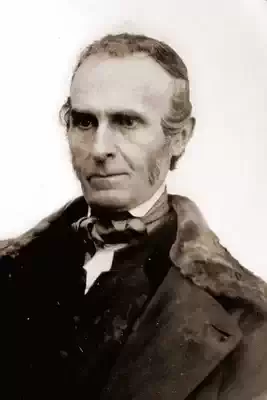
John Greenleaf Whittier
Help
Help
Dream not, O Soul, that easy is the task
Thus set before thee. If it proves at length,
As well it may, beyond thy natural strength,
Faint not, despair not. As a child may ask
A father, pray the Everlasting Good
For light and guidance midst the subtle snares
Of sin thick planted in life's thoroughfares,
For spiritual strength and moral hardihood;
Still listening, through the noise of time and sense,
To the still whisper of the Inward Word;
Bitter in blame, sweet in approval heard,
Itself its own confirming evidence
To health of soul a voice to cheer and please,
To guilt the wrath of the Eumenides.
Dream not, O Soul, that easy is the task
Thus set before thee. If it proves at length,
As well it may, beyond thy natural strength,
Faint not, despair not. As a child may ask
A father, pray the Everlasting Good
For light and guidance midst the subtle snares
Of sin thick planted in life's thoroughfares,
For spiritual strength and moral hardihood;
Still listening, through the noise of time and sense,
To the still whisper of the Inward Word;
Bitter in blame, sweet in approval heard,
Itself its own confirming evidence
To health of soul a voice to cheer and please,
To guilt the wrath of the Eumenides.
265
John Greenleaf Whittier
Godspeed
Godspeed
Outbound, your bark awaits you. Were I one
Whose prayer availeth much, my wish should be
Your favoring trad-wind and consenting sea.
By sail or steed was never love outrun,
And, here or there, love follows her in whom
All graces and sweet charities unite,
The old Greek beauty set in holier light;
And her for whom New England's byways bloom,
Who walks among us welcome as the Spring,
Calling up blossoms where her light feet stray.
God keep you both, make beautiful your way,
Comfort, console, and bless; and safely bring,
Ere yet I make upon a vaster sea
The unreturning voyage, my friends to me.
Outbound, your bark awaits you. Were I one
Whose prayer availeth much, my wish should be
Your favoring trad-wind and consenting sea.
By sail or steed was never love outrun,
And, here or there, love follows her in whom
All graces and sweet charities unite,
The old Greek beauty set in holier light;
And her for whom New England's byways bloom,
Who walks among us welcome as the Spring,
Calling up blossoms where her light feet stray.
God keep you both, make beautiful your way,
Comfort, console, and bless; and safely bring,
Ere yet I make upon a vaster sea
The unreturning voyage, my friends to me.
303
John Greenleaf Whittier
Ezekiel
Ezekiel
They hear Thee not, O God! nor see;
Beneath Thy rod they mock at Thee;
The princes of our ancient line
Lie drunken with Assyrian wine;
The priests around Thy altar speak
The false words which their hearers seek;
And hymns which Chaldea's wanton maids
Have sung in Dura's idol-shades
Are with the Levites' chant ascending,
With Zion's holiest anthems blending!
On Israel's bleeding bosom set,
The heathen heel is crushing yet;
The towers upon our holy hill
Echo Chaldean footsteps still.
Our wasted shrines,--who weeps for them?
Who mourneth for Jerusalem?
Who turneth from his gains away?
Whose knee with mine is bowed to pray?
Who, leaving feast and purpling cup,
Takes Zion's lamentation up?
A sad and thoughtful youth, I went
With Israel's early banishment;
And where the sullen Chebar crept,
The ritual of my fathers kept.
The water for the trench I drew,
The firstling of the flock I slew,
And, standing at the altar's side,
I shared the Levites' lingering pride,
That still, amidst her mocking foes,
The smoke of Zion's offering rose.
In sudden whirlwind, cloud and flame,
The Spirit of the Highest came!
Before mine eyes a vision passed,
A glory terrible and vast;
With dreadful eyes of living things,
And sounding sweep of angel wings,
With circling light and sapphire throne,
And flame-like form of One thereon,
And voice of that dread Likeness sent
Down from the crystal firmament!
The burden of a prophet's power
Fell on me in that fearful hour;
From off unutterable woes
The curtain of the future rose;
I saw far down the coming time
The fiery chastisement of crime;
With noise of mingling hosts, and jar
Of falling towers and shouts of war,
I saw the nations rise and fall,
Like fire-gleams on my tent's white wall.
In dream and trance, I--saw the slain
Of Egypt heaped like harvest grain.
I saw the walls of sea-born Tyre
Swept over by the spoiler's fire;
And heard the low, expiring moan
Of Edom on his rocky throne;
And, woe is me! the wild lament
From Zion's desolation sent;
And felt within my heart each blow
Which laid her holy places low.
In bonds and sorrow, day by day,
Before the pictured tile I lay;
And there, as in a mirror, saw
The coming of Assyria's war;
Her swarthy lines of spearmen pass
Like locusts through Bethhoron's grass;
I saw them draw their stormy hem
Of battle round Jerusalem;
And, listening, heard the Hebrew wail!
Blend with the victor-trump of Baal!
Who trembled at my warning word?
Who owned the prophet of the Lord?
How mocked the rude, how scoffed the vile,
How stung the Levites' scornful smile,
As o'er my spirit, dark and slow,
The shadow crept of Israel's woe
As if the angel's mournful roll
Had left its record on my soul,
And traced in lines of darkness there
The picture of its great despair!
Yet ever at the hour I feel
My lips in prophecy unseal.
Prince, priest, and Levite gather near,
And Salem's daughters haste to hear,
On Chebar's waste and alien shore,
The harp of Judah swept once more.
They listen, as in Babel's throng
The Chaldeans to the dancer's song,
Or wild sabbeka's nightly play,-As
careless and as vain as they.
. . . . .
And thus, O Prophet-bard of old,
Hast thou thy tale of sorrow told
The same which earth's unwelcome seers
Have felt in all succeeding years.
Sport of the changeful multitude,
Nor calmly heard nor understood,
Their song has seemed a trick of art,
Their warnings but, the actor's part.
With bonds, and scorn, and evil will,
The world requites its prophets still.
So was it when the Holy One
The garments of the flesh put on
Men followed where the Highest led
For common gifts of daily bread,
And gross of ear, of vision dim,
Owned not the Godlike power of Him.
Vain as a dreamer's words to them
His wail above Jerusalem,
And meaningless the watch He kept
Through which His weak disciples slept.
Yet shrink not thou, whoe'er thou art,
For God's great purpose set apart,
Before whose far-discerning eyes,
The Future as the Present lies!
Beyond a narrow-bounded age
Stretches thy prophet-heritage,
Through Heaven's vast spaces angel-trod,
And through the eternal years of God
Thy audience, worlds!--all things to be
The witness of the Truth in thee!
They hear Thee not, O God! nor see;
Beneath Thy rod they mock at Thee;
The princes of our ancient line
Lie drunken with Assyrian wine;
The priests around Thy altar speak
The false words which their hearers seek;
And hymns which Chaldea's wanton maids
Have sung in Dura's idol-shades
Are with the Levites' chant ascending,
With Zion's holiest anthems blending!
On Israel's bleeding bosom set,
The heathen heel is crushing yet;
The towers upon our holy hill
Echo Chaldean footsteps still.
Our wasted shrines,--who weeps for them?
Who mourneth for Jerusalem?
Who turneth from his gains away?
Whose knee with mine is bowed to pray?
Who, leaving feast and purpling cup,
Takes Zion's lamentation up?
A sad and thoughtful youth, I went
With Israel's early banishment;
And where the sullen Chebar crept,
The ritual of my fathers kept.
The water for the trench I drew,
The firstling of the flock I slew,
And, standing at the altar's side,
I shared the Levites' lingering pride,
That still, amidst her mocking foes,
The smoke of Zion's offering rose.
In sudden whirlwind, cloud and flame,
The Spirit of the Highest came!
Before mine eyes a vision passed,
A glory terrible and vast;
With dreadful eyes of living things,
And sounding sweep of angel wings,
With circling light and sapphire throne,
And flame-like form of One thereon,
And voice of that dread Likeness sent
Down from the crystal firmament!
The burden of a prophet's power
Fell on me in that fearful hour;
From off unutterable woes
The curtain of the future rose;
I saw far down the coming time
The fiery chastisement of crime;
With noise of mingling hosts, and jar
Of falling towers and shouts of war,
I saw the nations rise and fall,
Like fire-gleams on my tent's white wall.
In dream and trance, I--saw the slain
Of Egypt heaped like harvest grain.
I saw the walls of sea-born Tyre
Swept over by the spoiler's fire;
And heard the low, expiring moan
Of Edom on his rocky throne;
And, woe is me! the wild lament
From Zion's desolation sent;
And felt within my heart each blow
Which laid her holy places low.
In bonds and sorrow, day by day,
Before the pictured tile I lay;
And there, as in a mirror, saw
The coming of Assyria's war;
Her swarthy lines of spearmen pass
Like locusts through Bethhoron's grass;
I saw them draw their stormy hem
Of battle round Jerusalem;
And, listening, heard the Hebrew wail!
Blend with the victor-trump of Baal!
Who trembled at my warning word?
Who owned the prophet of the Lord?
How mocked the rude, how scoffed the vile,
How stung the Levites' scornful smile,
As o'er my spirit, dark and slow,
The shadow crept of Israel's woe
As if the angel's mournful roll
Had left its record on my soul,
And traced in lines of darkness there
The picture of its great despair!
Yet ever at the hour I feel
My lips in prophecy unseal.
Prince, priest, and Levite gather near,
And Salem's daughters haste to hear,
On Chebar's waste and alien shore,
The harp of Judah swept once more.
They listen, as in Babel's throng
The Chaldeans to the dancer's song,
Or wild sabbeka's nightly play,-As
careless and as vain as they.
. . . . .
And thus, O Prophet-bard of old,
Hast thou thy tale of sorrow told
The same which earth's unwelcome seers
Have felt in all succeeding years.
Sport of the changeful multitude,
Nor calmly heard nor understood,
Their song has seemed a trick of art,
Their warnings but, the actor's part.
With bonds, and scorn, and evil will,
The world requites its prophets still.
So was it when the Holy One
The garments of the flesh put on
Men followed where the Highest led
For common gifts of daily bread,
And gross of ear, of vision dim,
Owned not the Godlike power of Him.
Vain as a dreamer's words to them
His wail above Jerusalem,
And meaningless the watch He kept
Through which His weak disciples slept.
Yet shrink not thou, whoe'er thou art,
For God's great purpose set apart,
Before whose far-discerning eyes,
The Future as the Present lies!
Beyond a narrow-bounded age
Stretches thy prophet-heritage,
Through Heaven's vast spaces angel-trod,
And through the eternal years of God
Thy audience, worlds!--all things to be
The witness of the Truth in thee!
332
John Greenleaf Whittier
Divine Compassion
Divine Compassion
Long since, a dream of heaven I had,
And still the vision haunts me oft;
I see the saints in white robes clad,
The martyrs with their palms aloft;
But hearing still, in middle song,
The ceaseless dissonance of wrong;
And shrinking, with hid faces, from the strain
Of sad, beseeching eyes, full of remorse and pain.
The glad song falters to a wail,
The harping sinks to low lament;
Before the still unlifted veil
I see the crowned foreheads bent,
Making more sweet the heavenly air,
With breathings of unselfish prayer;
And a Voice saith: 'O Pity which is pain,
O Love that weeps, fill up my sufferings which remain!
'Shall souls redeemed by me refuse
To share my sorrow in their turn?
Or, sin-forgiven, my gift abuse
Of peace with selfish unconcern?
Has saintly ease no pitying care?
Has faith no work, and love no prayer?
While sin remains, and souls in darkness dwell,
Can heaven itself be heaven, and look unmoved on hell?'
Then through the Gates of Pain, I dream,
A wind of heaven blows coolly in;
Fainter the awful discords seem,
The smoke of torment grows more thin,
Tears quench the burning soil, and thence
Spring sweet, pale flowers of penitence
And through the dreary realm of man's despair,
Star-crowned an angel walks, and to! God's hope is there!
Is it a dream? Is heaven so high
That pity cannot breathe its air?
Its happy eyes forever dry,
Its holy lips without a prayer!
My God! my God! if thither led
By Thy free grace unmerited,
No crown nor palm be mine, but let me keep
A heart that still can feel, and eyes that still can weep.
Long since, a dream of heaven I had,
And still the vision haunts me oft;
I see the saints in white robes clad,
The martyrs with their palms aloft;
But hearing still, in middle song,
The ceaseless dissonance of wrong;
And shrinking, with hid faces, from the strain
Of sad, beseeching eyes, full of remorse and pain.
The glad song falters to a wail,
The harping sinks to low lament;
Before the still unlifted veil
I see the crowned foreheads bent,
Making more sweet the heavenly air,
With breathings of unselfish prayer;
And a Voice saith: 'O Pity which is pain,
O Love that weeps, fill up my sufferings which remain!
'Shall souls redeemed by me refuse
To share my sorrow in their turn?
Or, sin-forgiven, my gift abuse
Of peace with selfish unconcern?
Has saintly ease no pitying care?
Has faith no work, and love no prayer?
While sin remains, and souls in darkness dwell,
Can heaven itself be heaven, and look unmoved on hell?'
Then through the Gates of Pain, I dream,
A wind of heaven blows coolly in;
Fainter the awful discords seem,
The smoke of torment grows more thin,
Tears quench the burning soil, and thence
Spring sweet, pale flowers of penitence
And through the dreary realm of man's despair,
Star-crowned an angel walks, and to! God's hope is there!
Is it a dream? Is heaven so high
That pity cannot breathe its air?
Its happy eyes forever dry,
Its holy lips without a prayer!
My God! my God! if thither led
By Thy free grace unmerited,
No crown nor palm be mine, but let me keep
A heart that still can feel, and eyes that still can weep.
331
John Greenleaf Whittier
Clerical Oppressors
Clerical Oppressors
JUST God! and these are they
Who minister at thine altar, God of Right!
Men who their hands with prayer and blessing lay
On Israel's Ark of light!
What! preach, and kidnap men?
Give thanks, and rob thy own afflicted poor?
Talk of thy glorious liberty, and then
Bolt hard the captive's door?
What! servants of thy own
Merciful Son, who came to seek and save
The homeless and the outcast, fettering down
The tasked and plundered slave!
Pilate and Herod, friends!
Chief priests and rulers, as of old, combine!
Just God and holy! is that church, which lends
Strength to the spoiler, thine?
Paid hypocrites, who turn
Judgment aside, and rob the Holy Book
Of those high words of truth which search and burn
In warning and rebuke;
Feed fat, ye locusts, feed!
And, in your tasselled pulpits, thank the Lord
That, from the toiling bondman's utter need,
Ye pile your own full board.
How long, O Lord! how long
Shall such a priesthood barter truth away,
And in Thy name, for robbery and wrong
At Thy own altars pray?
Is not Thy hand stretched forth
Visibly in the heavens, to awe and smite?
Shall not the living God of all the earth,
And heaven above, do right?
Woe, then, to all who grind
Their brethren of a common Father down!
To all who plunder from the immortal mind
Its bright and glorious crown!
Woe to the priesthood! woe
To those whose hire is with the price of blood;
Perverting, darkening, changing, as they go,
The searching truths of God!
Their glory and their might.
Shall perish; and their very names shall be
Vile before all the people, in the light
Of a world's liberty.
Oh, speed the moment on
When Wrong shall cease, and Liberty and Love
And Truth and Right throughout the earth be known
As in their home above.
JUST God! and these are they
Who minister at thine altar, God of Right!
Men who their hands with prayer and blessing lay
On Israel's Ark of light!
What! preach, and kidnap men?
Give thanks, and rob thy own afflicted poor?
Talk of thy glorious liberty, and then
Bolt hard the captive's door?
What! servants of thy own
Merciful Son, who came to seek and save
The homeless and the outcast, fettering down
The tasked and plundered slave!
Pilate and Herod, friends!
Chief priests and rulers, as of old, combine!
Just God and holy! is that church, which lends
Strength to the spoiler, thine?
Paid hypocrites, who turn
Judgment aside, and rob the Holy Book
Of those high words of truth which search and burn
In warning and rebuke;
Feed fat, ye locusts, feed!
And, in your tasselled pulpits, thank the Lord
That, from the toiling bondman's utter need,
Ye pile your own full board.
How long, O Lord! how long
Shall such a priesthood barter truth away,
And in Thy name, for robbery and wrong
At Thy own altars pray?
Is not Thy hand stretched forth
Visibly in the heavens, to awe and smite?
Shall not the living God of all the earth,
And heaven above, do right?
Woe, then, to all who grind
Their brethren of a common Father down!
To all who plunder from the immortal mind
Its bright and glorious crown!
Woe to the priesthood! woe
To those whose hire is with the price of blood;
Perverting, darkening, changing, as they go,
The searching truths of God!
Their glory and their might.
Shall perish; and their very names shall be
Vile before all the people, in the light
Of a world's liberty.
Oh, speed the moment on
When Wrong shall cease, and Liberty and Love
And Truth and Right throughout the earth be known
As in their home above.
307
John Greenleaf Whittier
Cassandra Southwick
Cassandra Southwick
To the God of all sure mercies let my blessing rise today,
From the scoffer and the cruel He hath plucked the spoil away;
Yes, he who cooled the furnace around the faithful three,
And tamed the Chaldean lions, hath set His handmaid free!
Last night I saw the sunset melt though my prison bars,
Last night across my damp earth-floor fell the pale gleam of stars;
In the coldness and the darkness all through the long night-time,
My grated casement whitened with autumn's early rime.
Alone, in that dark sorrow, hour after hour crept by;
Star after star looked palely in and sank adown the sky;
No sound amid night's stillness, save that which seemed to be
The dull and heavy beating of the pulses of the sea;
All night I sat unsleeping, for I knew that on the morrow
The ruler said the cruel priest would mock me in my sorrow,
Dragged to their place of market, and bargained for and sold,
Like a lamb before the shambles, like a heifer from the fold!
Oh, the weakness of the flesh was there¯the shrinking and the shame;
And the low voice of the Tempter like whispers to me came,
'Why sit'st thou thus forlornly,' the wicked murmur said,
'Damp walls thy bower beauty, cold earth thy maiden bed?
'Where be the smiling faces, and voices soft and sweet,
Seen in thy father's dwelling, hoard in the pleasant street?
Where be the youths whose glances, the summer Sabbath through,
Turned tenderly and timidly unto thy father's pew?
'Why sit'st thou here, Cassandra? Bethink thee with what mirth
Thy happy schoolmates gather around the warm, dark hearth;
How the crimson shadows tremble on foreheads white and fair,
On eyes of merry girlhood, half hid in golden hair.
'Not for thee the hearth-fire brightens, not for thee kind words are spoken,
Not for thee the nuts of Wenham woods by laughing boys are broken;
No first-fruits of the orchard within thy lap are laid,
For thee no flowers of autumn the youthful hunters braid.
'O weak, deluded maiden!¯by crazy fancies led,
With wild and raving railers an evil path to tread;
To leave a wholesome worship, and teaching pure and sound,
And mate with maniac women, loose-haired and sackcloth-bound,
'And scoffers of the priesthood, who mock at things divine,
Who rail against thy pulpit, and holy bread and wine;
Bore from their cart-tail scourgings, and from the pillory lame,
Rejoicing in their wretchedness, and glorying in their shame.
'And what a fate awaits thee!¯a sadly toiling slave,
Dragging the slowly lengthening chain of bondage to the grave!
Think of thy woman's nature, subdued in hopeless thrall,
The easy prey of any, the scoff and scorn of all!'
Oh, ever as the Tempter spoke, and feecle Nature's fears
Wrung drop by drop the scalding flow of unavailing tears,
I wrestled down the evil thoughts, and strove in silent prayer
To feel, O Helper of the weak! that Thou indeed wert there!
I thought of Paul and Silas, within Philippi's call,
And how from Peter's sleeping limbs the prison shackles fell,
Till I seemed to hear the trailing of an Angel's robe of white,
And to feel a blessed presence invisible to sight.
Bless the Lord for all his mercies!¯for the peace and love I felt,
Like the dew of Hermon's holy hill, upon my spirit melt;
When 'Get behind me, Satan! ' was the language of my heart,
And I felt the Evil Tempter with all his doubts depart.
Slow broke the gray cold morning; again the sunshine fell,
Flocked with the shade of bar and grate within my lonely cell;
The hoar-frost melted on the wall, and upward from the street
Came careless laugh and idle word, and tread of passing feet.
At length the heavy bolts fell back, my door was open cast,
And slowly at the sheriff's side, up the long street I passed;
I heard the murmur round me, and felt, but dared not see,
How, from every door and window, the people gazed on me.
And doubt and fear fell on me, shame burned upon my cheek,
Swam earth and sky around me, my trembling limbs grew weak;
'Oh Lord, support thy handmaid, and from her soul cast out
The fear of men, which brings a snare, the weakness and the doubt.
Then the dreary shadows scattered, like a cloud in morning's breeze,
And a low deep voice within me seemed whispering words like these:
'Though thy earth be as the iron, and thy heaven a brazen wall,
Trust still His loving-kindness whose power is over all.'
We paused at length, where at my feet the sunlit waters broke
On glaring roach of shining beach, and shingly wall of rock;
The merchant-ships lay idle there, in hard clear lines on high,
Treeing with rope and slender spar their network on the sky.
And there were ancient citizens, cloak-wrapped and grave and cold,
And grim and stout sea-captains with faces bronzed and old,
And on his horse, with Rawson, his cruel clerk at hand,
Sat dark and haughty Endicott, the ruler of the land.
And poisoning with his evil words the ruler's ready ear,
The priest leaned over his saddle, with laugh and scoff and jeer;
It stirred my soul, and from my lips the soul of silence broke,
As if through woman's weakness a warning spirit spoke.
I cried 'The Lord rebuke thee, thou smiter of the meek,
Thou robber of the righteous, thou trampler of the weak!
Go light the cold, dark hearth-stones,¯go turn the prison lock
Of the poor hearts though hast hunted, thou wolf amid the flock!'
Dark lowered the brows of Endicott, and with a deeper red
O'er Rawson's wine-empurpled cheek the flash of anger spread;
'Good people, ' quoth the white-lipped priest, 'heed not her words so wild,
Her Master speaks within her¯ the Devil owns his child!'
But gray heads shook, and young brows knit, the while the sheriff read
That law the wicked rulers against the poor have made,
Who to their house of Rimmon and idol priesthood bring
No bonded knee of worship, nor gainful offering.
Then to the stout sea-captains the sheriff, turning, said¯
'Wish of ye, worthy seamen, will take this Quaker maid?
On the Isle of fair Barbados, or on Virginia's shore
You may hold her at a higher price than Indian girl or Moor!'
Grim and silent stood the captains; and when again he cried,
'Speak out my worthy seamen!' no voice, no sign replied;
But I felt a hard hand press my own, and kind words met my ear,¯
'God bless thee, and preserve thee, my gentle girl and dear!'
A weight seemed lifted from my heart, a pitying friend was nigh,
I felt it in his hard, rough hand, and saw it in his eye;
And when again the sheriff spoke, that voice, so kind to me,
Growled back its stormy answer like the roaring of the sea.
'Pile my ship with bars of silver, pack with coins of Spanish gold
From keel-piece up to deck-plank, the roomage of her hold,
By the living God that made me! I would sooner in your bay
Sink ship and crew and cargo, than bear this child away!'
'Well answered, worthy captain, shame on their cruel laws!'
Ran through the crowd in murmurs loud the people's just applause.
'Like the herdsmen of Tekoa, In Israel of old,
Shall we see the poor and righteous again for silver sold ?'
I looked on haughty Endicott; with weapon half-way drawn,
Swept around the throng his lion glare of bitter hate and scorn;
Fiercely he drew his bridle-rain, and turned in silence back,
And sneering priest and baffled clerk rode murmuring in his track.
Hard after them the sheriff looked, in bitterness of soul,
Thrice smote his staff upon the ground, and crushed his parchment-roll.
'Good friends,' he said, 'since both have fled, the ruler and the priest
Judge ye, if from their further work I be not well released.'
Loud was the cheer which, full and clear, swept round the silent bay,
As, with kind words and kinder looks, he bade me go my way;
For he who turns the courses of the streamlet of the glen,
And the river of great waters, had turned the hearts of men.
Oh, at that hour the very earth seemed changed beneath my eye,
A holier wonder round no rose the blue walls of the sky,
A lovelier light on rock and hill and stream and woodland lay,
And softer lapsed on sunnier sands the waters of the bay.
Thanksgiving to the Lord of life! To him all praises be,
Who from the hands of evil men hath set his handmaid free;
All praise to Him before whose power the mighty are afraid,
Who take the crafty in the snare which for the poor is laid!
Sing, O my soul, rejoicingly, on evening's twilight calm
Uplift the loud thanksgiving, pour forth the grateful psalm;
Let all dear hearts with me rejoice, as did the saints of old,
When of the Lord's good angel the rescued Peter told.
And weep and howl, ye evil priests and mighty men of wrong,
The lord shall smite the proud, and lay His hand upon the strong.
Woe to the wicked rulers in his avenging hour!
Woe to the wolves who seek the flocks to raven and devour!
But let the humble ones arise, the poor in heart be glad,
And let the mourning ones again with robes of praise be clad,
For he who cooled the furnace, and smoothed the stormy wave,
And tamed the Chaldean lions, is mighty still to save!
To the God of all sure mercies let my blessing rise today,
From the scoffer and the cruel He hath plucked the spoil away;
Yes, he who cooled the furnace around the faithful three,
And tamed the Chaldean lions, hath set His handmaid free!
Last night I saw the sunset melt though my prison bars,
Last night across my damp earth-floor fell the pale gleam of stars;
In the coldness and the darkness all through the long night-time,
My grated casement whitened with autumn's early rime.
Alone, in that dark sorrow, hour after hour crept by;
Star after star looked palely in and sank adown the sky;
No sound amid night's stillness, save that which seemed to be
The dull and heavy beating of the pulses of the sea;
All night I sat unsleeping, for I knew that on the morrow
The ruler said the cruel priest would mock me in my sorrow,
Dragged to their place of market, and bargained for and sold,
Like a lamb before the shambles, like a heifer from the fold!
Oh, the weakness of the flesh was there¯the shrinking and the shame;
And the low voice of the Tempter like whispers to me came,
'Why sit'st thou thus forlornly,' the wicked murmur said,
'Damp walls thy bower beauty, cold earth thy maiden bed?
'Where be the smiling faces, and voices soft and sweet,
Seen in thy father's dwelling, hoard in the pleasant street?
Where be the youths whose glances, the summer Sabbath through,
Turned tenderly and timidly unto thy father's pew?
'Why sit'st thou here, Cassandra? Bethink thee with what mirth
Thy happy schoolmates gather around the warm, dark hearth;
How the crimson shadows tremble on foreheads white and fair,
On eyes of merry girlhood, half hid in golden hair.
'Not for thee the hearth-fire brightens, not for thee kind words are spoken,
Not for thee the nuts of Wenham woods by laughing boys are broken;
No first-fruits of the orchard within thy lap are laid,
For thee no flowers of autumn the youthful hunters braid.
'O weak, deluded maiden!¯by crazy fancies led,
With wild and raving railers an evil path to tread;
To leave a wholesome worship, and teaching pure and sound,
And mate with maniac women, loose-haired and sackcloth-bound,
'And scoffers of the priesthood, who mock at things divine,
Who rail against thy pulpit, and holy bread and wine;
Bore from their cart-tail scourgings, and from the pillory lame,
Rejoicing in their wretchedness, and glorying in their shame.
'And what a fate awaits thee!¯a sadly toiling slave,
Dragging the slowly lengthening chain of bondage to the grave!
Think of thy woman's nature, subdued in hopeless thrall,
The easy prey of any, the scoff and scorn of all!'
Oh, ever as the Tempter spoke, and feecle Nature's fears
Wrung drop by drop the scalding flow of unavailing tears,
I wrestled down the evil thoughts, and strove in silent prayer
To feel, O Helper of the weak! that Thou indeed wert there!
I thought of Paul and Silas, within Philippi's call,
And how from Peter's sleeping limbs the prison shackles fell,
Till I seemed to hear the trailing of an Angel's robe of white,
And to feel a blessed presence invisible to sight.
Bless the Lord for all his mercies!¯for the peace and love I felt,
Like the dew of Hermon's holy hill, upon my spirit melt;
When 'Get behind me, Satan! ' was the language of my heart,
And I felt the Evil Tempter with all his doubts depart.
Slow broke the gray cold morning; again the sunshine fell,
Flocked with the shade of bar and grate within my lonely cell;
The hoar-frost melted on the wall, and upward from the street
Came careless laugh and idle word, and tread of passing feet.
At length the heavy bolts fell back, my door was open cast,
And slowly at the sheriff's side, up the long street I passed;
I heard the murmur round me, and felt, but dared not see,
How, from every door and window, the people gazed on me.
And doubt and fear fell on me, shame burned upon my cheek,
Swam earth and sky around me, my trembling limbs grew weak;
'Oh Lord, support thy handmaid, and from her soul cast out
The fear of men, which brings a snare, the weakness and the doubt.
Then the dreary shadows scattered, like a cloud in morning's breeze,
And a low deep voice within me seemed whispering words like these:
'Though thy earth be as the iron, and thy heaven a brazen wall,
Trust still His loving-kindness whose power is over all.'
We paused at length, where at my feet the sunlit waters broke
On glaring roach of shining beach, and shingly wall of rock;
The merchant-ships lay idle there, in hard clear lines on high,
Treeing with rope and slender spar their network on the sky.
And there were ancient citizens, cloak-wrapped and grave and cold,
And grim and stout sea-captains with faces bronzed and old,
And on his horse, with Rawson, his cruel clerk at hand,
Sat dark and haughty Endicott, the ruler of the land.
And poisoning with his evil words the ruler's ready ear,
The priest leaned over his saddle, with laugh and scoff and jeer;
It stirred my soul, and from my lips the soul of silence broke,
As if through woman's weakness a warning spirit spoke.
I cried 'The Lord rebuke thee, thou smiter of the meek,
Thou robber of the righteous, thou trampler of the weak!
Go light the cold, dark hearth-stones,¯go turn the prison lock
Of the poor hearts though hast hunted, thou wolf amid the flock!'
Dark lowered the brows of Endicott, and with a deeper red
O'er Rawson's wine-empurpled cheek the flash of anger spread;
'Good people, ' quoth the white-lipped priest, 'heed not her words so wild,
Her Master speaks within her¯ the Devil owns his child!'
But gray heads shook, and young brows knit, the while the sheriff read
That law the wicked rulers against the poor have made,
Who to their house of Rimmon and idol priesthood bring
No bonded knee of worship, nor gainful offering.
Then to the stout sea-captains the sheriff, turning, said¯
'Wish of ye, worthy seamen, will take this Quaker maid?
On the Isle of fair Barbados, or on Virginia's shore
You may hold her at a higher price than Indian girl or Moor!'
Grim and silent stood the captains; and when again he cried,
'Speak out my worthy seamen!' no voice, no sign replied;
But I felt a hard hand press my own, and kind words met my ear,¯
'God bless thee, and preserve thee, my gentle girl and dear!'
A weight seemed lifted from my heart, a pitying friend was nigh,
I felt it in his hard, rough hand, and saw it in his eye;
And when again the sheriff spoke, that voice, so kind to me,
Growled back its stormy answer like the roaring of the sea.
'Pile my ship with bars of silver, pack with coins of Spanish gold
From keel-piece up to deck-plank, the roomage of her hold,
By the living God that made me! I would sooner in your bay
Sink ship and crew and cargo, than bear this child away!'
'Well answered, worthy captain, shame on their cruel laws!'
Ran through the crowd in murmurs loud the people's just applause.
'Like the herdsmen of Tekoa, In Israel of old,
Shall we see the poor and righteous again for silver sold ?'
I looked on haughty Endicott; with weapon half-way drawn,
Swept around the throng his lion glare of bitter hate and scorn;
Fiercely he drew his bridle-rain, and turned in silence back,
And sneering priest and baffled clerk rode murmuring in his track.
Hard after them the sheriff looked, in bitterness of soul,
Thrice smote his staff upon the ground, and crushed his parchment-roll.
'Good friends,' he said, 'since both have fled, the ruler and the priest
Judge ye, if from their further work I be not well released.'
Loud was the cheer which, full and clear, swept round the silent bay,
As, with kind words and kinder looks, he bade me go my way;
For he who turns the courses of the streamlet of the glen,
And the river of great waters, had turned the hearts of men.
Oh, at that hour the very earth seemed changed beneath my eye,
A holier wonder round no rose the blue walls of the sky,
A lovelier light on rock and hill and stream and woodland lay,
And softer lapsed on sunnier sands the waters of the bay.
Thanksgiving to the Lord of life! To him all praises be,
Who from the hands of evil men hath set his handmaid free;
All praise to Him before whose power the mighty are afraid,
Who take the crafty in the snare which for the poor is laid!
Sing, O my soul, rejoicingly, on evening's twilight calm
Uplift the loud thanksgiving, pour forth the grateful psalm;
Let all dear hearts with me rejoice, as did the saints of old,
When of the Lord's good angel the rescued Peter told.
And weep and howl, ye evil priests and mighty men of wrong,
The lord shall smite the proud, and lay His hand upon the strong.
Woe to the wicked rulers in his avenging hour!
Woe to the wolves who seek the flocks to raven and devour!
But let the humble ones arise, the poor in heart be glad,
And let the mourning ones again with robes of praise be clad,
For he who cooled the furnace, and smoothed the stormy wave,
And tamed the Chaldean lions, is mighty still to save!
375
John Greenleaf Whittier
By Their Works
By Their Works
Call him not heretic whose works attest
His faith in goodness by no creed confessed.
Whatever in love's name is truly done
To free the bound and lift the fallen one
Is done to Christ. Whoso in deed and word
Is not against Him labours for our Lord.
When he, who, sad and weary, longing sore
For love's sweet service sought the sisters' door
One saw the heavenly, one the human guest
But who shall say which loved the master best?
Call him not heretic whose works attest
His faith in goodness by no creed confessed.
Whatever in love's name is truly done
To free the bound and lift the fallen one
Is done to Christ. Whoso in deed and word
Is not against Him labours for our Lord.
When he, who, sad and weary, longing sore
For love's sweet service sought the sisters' door
One saw the heavenly, one the human guest
But who shall say which loved the master best?
261
John Greenleaf Whittier
Burning Drift-Wood
Burning Drift-Wood
Before my drift-wood fire I sit,
And see, with every waif I burn,
Old dreams and fancies coloring it,
And folly's unlaid ghosts return.
O ships of mine, whose swift keels cleft
The enchanted sea on which they sailed,
Are these poor fragments only left
Of vain desires and hopes that failed?
Did I not watch from them the light
Of sunset on my towers in Spain,
And see, far off, uploom in sight
The Fortunate Isles I might not gain?
Did sudden lift of fog reveal
Arcadia's vales of song and spring,
And did I pass, with grazing keel,
The rocks whereon the sirens sing?
Have I not drifted hard upon
The unmapped regions lost to man,
The cloud-pitched tents of Prester John,
The palace domes of Kubla Khan?
Did land winds blow from jasmine flowers,
Where Youth the ageless Fountain fills?
Did Love make sign from rose blown bowers,
And gold from Eldorado's hills?
Alas! the gallant ships, that sailed
On blind Adventure's errand sent,
Howe'er they laid their courses, failed
To reach the haven of Content.
And of my ventures, those alone
Which Love had freighted, safely sped,
Seeking a good beyond my own,
By clear-eyed Duty piloted.
O mariners, hoping still to meet
The luck Arabian voyagers met,
And find in Bagdad's moonlit street,
Haroun al Raschid walking yet,
Take with you, on your Sea of Dreams,
The fair, fond fancies dear to youth.
I turn from all that only seems,
And seek the sober grounds of truth.
What matter that it is not May,
That birds have flown, and trees are bare,
That darker grows the shortening day,
And colder blows the wintry air!
The wrecks of passion and desire,
The castles I no more rebuild,
May fitly feed my drift-wood fire,
And warm the hands that age has chilled.
Whatever perished with my ships,
I only know the best remains;
A song of praise is on my lips
For losses which are now my gains.
Heap high my hearth! No worth is lost;
No wisdom with the folly dies.
Burn on, poor shreds, your holocaust
Shall be my evening sacrifice!
Far more than all I dared to dream,
Unsought before my door I see;
On wings of fire and steeds of steam
The world's great wonders come to me,
And holier signs, unmarked before,
Of Love to seek and Power to save, -The
righting of the wronged and poor,
The man evolving from the slave;
And life, no longer chance or fate,
Safe in the gracious Fatherhood.
I fold o'er-wearied hands and wait,
In full assurance of the good.
And well the waiting time must be,
Though brief or long its granted days,
If Faith and Hope and Charity
Sit by my evening hearth-fire's blaze.
And with them, friends whom Heaven has spared,
Whose love my heart has comforted,
And, sharing all my joys, has shared
My tender memories of the dead, -
Dear souls who left us lonely here,
Bound on their last, long voyage, to whom
We, day by day, are drawing near,
Where every bark has sailing room.
I know the solemn monotone
Of waters calling unto me;
I know from whence the airs have blown
That whisper of the Eternal Sea.
As low my fires of drift-wood burn,
I hear that sea's deep sounds increase,
And, fair in sunset light, discern
Its mirage-lifted Isles of Peace.
Before my drift-wood fire I sit,
And see, with every waif I burn,
Old dreams and fancies coloring it,
And folly's unlaid ghosts return.
O ships of mine, whose swift keels cleft
The enchanted sea on which they sailed,
Are these poor fragments only left
Of vain desires and hopes that failed?
Did I not watch from them the light
Of sunset on my towers in Spain,
And see, far off, uploom in sight
The Fortunate Isles I might not gain?
Did sudden lift of fog reveal
Arcadia's vales of song and spring,
And did I pass, with grazing keel,
The rocks whereon the sirens sing?
Have I not drifted hard upon
The unmapped regions lost to man,
The cloud-pitched tents of Prester John,
The palace domes of Kubla Khan?
Did land winds blow from jasmine flowers,
Where Youth the ageless Fountain fills?
Did Love make sign from rose blown bowers,
And gold from Eldorado's hills?
Alas! the gallant ships, that sailed
On blind Adventure's errand sent,
Howe'er they laid their courses, failed
To reach the haven of Content.
And of my ventures, those alone
Which Love had freighted, safely sped,
Seeking a good beyond my own,
By clear-eyed Duty piloted.
O mariners, hoping still to meet
The luck Arabian voyagers met,
And find in Bagdad's moonlit street,
Haroun al Raschid walking yet,
Take with you, on your Sea of Dreams,
The fair, fond fancies dear to youth.
I turn from all that only seems,
And seek the sober grounds of truth.
What matter that it is not May,
That birds have flown, and trees are bare,
That darker grows the shortening day,
And colder blows the wintry air!
The wrecks of passion and desire,
The castles I no more rebuild,
May fitly feed my drift-wood fire,
And warm the hands that age has chilled.
Whatever perished with my ships,
I only know the best remains;
A song of praise is on my lips
For losses which are now my gains.
Heap high my hearth! No worth is lost;
No wisdom with the folly dies.
Burn on, poor shreds, your holocaust
Shall be my evening sacrifice!
Far more than all I dared to dream,
Unsought before my door I see;
On wings of fire and steeds of steam
The world's great wonders come to me,
And holier signs, unmarked before,
Of Love to seek and Power to save, -The
righting of the wronged and poor,
The man evolving from the slave;
And life, no longer chance or fate,
Safe in the gracious Fatherhood.
I fold o'er-wearied hands and wait,
In full assurance of the good.
And well the waiting time must be,
Though brief or long its granted days,
If Faith and Hope and Charity
Sit by my evening hearth-fire's blaze.
And with them, friends whom Heaven has spared,
Whose love my heart has comforted,
And, sharing all my joys, has shared
My tender memories of the dead, -
Dear souls who left us lonely here,
Bound on their last, long voyage, to whom
We, day by day, are drawing near,
Where every bark has sailing room.
I know the solemn monotone
Of waters calling unto me;
I know from whence the airs have blown
That whisper of the Eternal Sea.
As low my fires of drift-wood burn,
I hear that sea's deep sounds increase,
And, fair in sunset light, discern
Its mirage-lifted Isles of Peace.
330
John Greenleaf Whittier
Benedicite
Benedicite
God's love and peace be with thee, where
Soe'er this soft autumnal air
Lifts the dark tresses of thy hair.
Whether through city casements comes
Its kiss to thee, in crowded rooms,
Or, out among the woodland blooms,
It freshens o'er thy thoughtful face,
Imparting, in its glad embrace,
Beauty to beauty, grace to grace!
Fair Nature's book together read,
The old wood-paths that knew our tread,
The maple shadows overhead,-
The hills we climbed, the river seen
By gleams along its deep ravine,-All
keep thy memory fresh and green.
Where'er I look, where'er I stray,
Thy thought goes with me on my way,
And hence the prayer I breathe to-day;
O'er lapse of time and change of scene,
The weary waste which lies between
Thyself and me, my heart I lean.
Thou lack'st not Friendship's spell-word, nor
The half-unconscious power to draw
All hearts to thine by Love's sweet law.
With these good gifts of God is cast
Thy lot, and many a charm thou hast
To hold the blessed angels fast.
If, then, a fervent wish for thee
The gracious heavens will heed from me,
What should, dear heart, its burden be?
The sighing of a shaken reed,-What
can I more than meekly plead
The greatness of our common need?
God's love,--unchanging, pure, and true,-The
Paraclete white-shining through
His peace,--the fall of Hermon's dew!
With such a prayer, on this sweet day,
As thou mayst hear and I may say,
I greet thee, dearest, far away!
God's love and peace be with thee, where
Soe'er this soft autumnal air
Lifts the dark tresses of thy hair.
Whether through city casements comes
Its kiss to thee, in crowded rooms,
Or, out among the woodland blooms,
It freshens o'er thy thoughtful face,
Imparting, in its glad embrace,
Beauty to beauty, grace to grace!
Fair Nature's book together read,
The old wood-paths that knew our tread,
The maple shadows overhead,-
The hills we climbed, the river seen
By gleams along its deep ravine,-All
keep thy memory fresh and green.
Where'er I look, where'er I stray,
Thy thought goes with me on my way,
And hence the prayer I breathe to-day;
O'er lapse of time and change of scene,
The weary waste which lies between
Thyself and me, my heart I lean.
Thou lack'st not Friendship's spell-word, nor
The half-unconscious power to draw
All hearts to thine by Love's sweet law.
With these good gifts of God is cast
Thy lot, and many a charm thou hast
To hold the blessed angels fast.
If, then, a fervent wish for thee
The gracious heavens will heed from me,
What should, dear heart, its burden be?
The sighing of a shaken reed,-What
can I more than meekly plead
The greatness of our common need?
God's love,--unchanging, pure, and true,-The
Paraclete white-shining through
His peace,--the fall of Hermon's dew!
With such a prayer, on this sweet day,
As thou mayst hear and I may say,
I greet thee, dearest, far away!
319
John Greenleaf Whittier
Barclay Of Ury
Barclay Of Ury
Up the streets of Aberdeen,
By the kirk and college green,
Rode the Laird of Ury;
Close behind him, close beside,
Foul of mouth and evil-eyed,
Pressed the mob in fury.
Flouted him the drunken churl,
Jeered at him the serving-girl,
Prompt to please her master;
And the begging carlin, late
Fed and clothed at Ury's gate,
Cursed him as he passed her.
Yet, with calm and stately mien,
Up the streets of Aberdeen
Came he slowly riding;
And, to all he saw and heard,
Answering not with bitter word,
Turning not for chiding.
Came a troop with broad swords swinging,
Bits and bridles sharply ringing,
Loose and free and forward;
Quoth the foremost, 'Ride him down!
Push him! prick him! through the town
Drive the Quaker coward!'
But from out the thickening crowd
Cried a sudden voice and loud:
'Barclay! Ho! a Barclay!
And the old man at his side
Saw a comrade, battle tried,
Scarred and sunburned darkly,
Who with ready weapon bare,
Fronting to the troopers there,
Cried aloud: 'God save us,
Call ye coward him who stood
Ankle deep in Lutzen's blood,
With the brave Gustavus?'
'Nay, I do not need thy sword,
Comrade mine,' said Ury's lord.
'Put it up, I pray thee:
Passive to His holy will,
Trust I in my Master still,
Even though He slay me.
'Pledges of thy love and faith,
Proved on many a field of death,
Not by me are needed.'
Marvelled much that henchman bold,
That his laird, so stout of old,
Now so meekly pleaded.
'Woe's the day!' he sadly said,
With a slowly shaking head,
And a look of pity;
'Ury's honest lord reviled,
Mock of knave and sport of child,
In his own good city!
'Speak the word, and, master mine,
As we charged on Tilly's line,
And his Walloon lancers,
Smiting through their midst we'll teach
Civil look and decent speech
To these boyish prancers!'
'Marvel not, mine ancient friend,
Like beginning, like the end,'
Quoth the Laird of Ury;
'Is the sinful servant more
Than his gracious Lord who bore
Bonds and stripes in Jewry?
'Give me joy that in his name
I can bear, with patient frame,
All these vain ones offer;
While for them He suffereth long,
Shall I answer wrong with wrong,
Scoffing with the scoffer?
'Happier I, with loss of all,
Hunted, outlawed, held in thrall,
With few friends to greet me,
Than when reeve and squire were seen,
Riding our from Aberdeen,
With bared heads to meet me.
'When each goodwife, o'er and o'er,
Blessed me as I passed her door;
And the snooded daughter,
Through her casement glancing down,
Smiled on him who bore renown
From red fields of slaughter.
'Hard to feel the stranger's scoff,
Hard the old friend's falling off,
Hard to learn forgiving;
But the Lord His own rewards,
And His love with theirs accords,
Warm and fresh and living.
'Through this dark and stormy night
Faith beholds a feeble light
Up the blackness streaking;
Knowing God's own time is best,
In a patient hope I rest
For the full day-breaking!'
So the Laird of Ury said,
Turning slow his horse's head
Towards the Tolbooth prison,
Where, through iron gates, he heard
Poor disciples of thee Word
Preach of Christ arisen!
Not in vain, Confessor old,
Unto us the tale is told
Of thy day of trial;
Every age on him who strays
From its broad and beaten ways
Pours its seven-fold vial.
Happy he whose inward ear
Angel comfortings can hear,
O'er the rabble's laughter;
And while Hatred's fagots burn,
Glimpses through the smoke discern
Of the good hereafter.
Knowing this, that never yet
Share of Truth was vainly set
In the world's wide fallow;
After hands shall sow the seed,
After hands from hill and mead
Reap the harvests yellow.
Thus, with somewhat of the Seer,
Must the moral pioneer
From the Future borrow;
Clothe the waste with dreams of grain,
And, on midnight's sky of rain,
Paint the golden morrow!
Up the streets of Aberdeen,
By the kirk and college green,
Rode the Laird of Ury;
Close behind him, close beside,
Foul of mouth and evil-eyed,
Pressed the mob in fury.
Flouted him the drunken churl,
Jeered at him the serving-girl,
Prompt to please her master;
And the begging carlin, late
Fed and clothed at Ury's gate,
Cursed him as he passed her.
Yet, with calm and stately mien,
Up the streets of Aberdeen
Came he slowly riding;
And, to all he saw and heard,
Answering not with bitter word,
Turning not for chiding.
Came a troop with broad swords swinging,
Bits and bridles sharply ringing,
Loose and free and forward;
Quoth the foremost, 'Ride him down!
Push him! prick him! through the town
Drive the Quaker coward!'
But from out the thickening crowd
Cried a sudden voice and loud:
'Barclay! Ho! a Barclay!
And the old man at his side
Saw a comrade, battle tried,
Scarred and sunburned darkly,
Who with ready weapon bare,
Fronting to the troopers there,
Cried aloud: 'God save us,
Call ye coward him who stood
Ankle deep in Lutzen's blood,
With the brave Gustavus?'
'Nay, I do not need thy sword,
Comrade mine,' said Ury's lord.
'Put it up, I pray thee:
Passive to His holy will,
Trust I in my Master still,
Even though He slay me.
'Pledges of thy love and faith,
Proved on many a field of death,
Not by me are needed.'
Marvelled much that henchman bold,
That his laird, so stout of old,
Now so meekly pleaded.
'Woe's the day!' he sadly said,
With a slowly shaking head,
And a look of pity;
'Ury's honest lord reviled,
Mock of knave and sport of child,
In his own good city!
'Speak the word, and, master mine,
As we charged on Tilly's line,
And his Walloon lancers,
Smiting through their midst we'll teach
Civil look and decent speech
To these boyish prancers!'
'Marvel not, mine ancient friend,
Like beginning, like the end,'
Quoth the Laird of Ury;
'Is the sinful servant more
Than his gracious Lord who bore
Bonds and stripes in Jewry?
'Give me joy that in his name
I can bear, with patient frame,
All these vain ones offer;
While for them He suffereth long,
Shall I answer wrong with wrong,
Scoffing with the scoffer?
'Happier I, with loss of all,
Hunted, outlawed, held in thrall,
With few friends to greet me,
Than when reeve and squire were seen,
Riding our from Aberdeen,
With bared heads to meet me.
'When each goodwife, o'er and o'er,
Blessed me as I passed her door;
And the snooded daughter,
Through her casement glancing down,
Smiled on him who bore renown
From red fields of slaughter.
'Hard to feel the stranger's scoff,
Hard the old friend's falling off,
Hard to learn forgiving;
But the Lord His own rewards,
And His love with theirs accords,
Warm and fresh and living.
'Through this dark and stormy night
Faith beholds a feeble light
Up the blackness streaking;
Knowing God's own time is best,
In a patient hope I rest
For the full day-breaking!'
So the Laird of Ury said,
Turning slow his horse's head
Towards the Tolbooth prison,
Where, through iron gates, he heard
Poor disciples of thee Word
Preach of Christ arisen!
Not in vain, Confessor old,
Unto us the tale is told
Of thy day of trial;
Every age on him who strays
From its broad and beaten ways
Pours its seven-fold vial.
Happy he whose inward ear
Angel comfortings can hear,
O'er the rabble's laughter;
And while Hatred's fagots burn,
Glimpses through the smoke discern
Of the good hereafter.
Knowing this, that never yet
Share of Truth was vainly set
In the world's wide fallow;
After hands shall sow the seed,
After hands from hill and mead
Reap the harvests yellow.
Thus, with somewhat of the Seer,
Must the moral pioneer
From the Future borrow;
Clothe the waste with dreams of grain,
And, on midnight's sky of rain,
Paint the golden morrow!
256
John Greenleaf Whittier
Banished from Massachusetts
Banished from Massachusetts
Over the threshold of his pleasant home
Set in green clearings passed the exiled Friend,
In simple trust, misdoubting not the end.
'Dear heart of mine!' he said, 'the time has come
To trust the Lord for shelter.' One long gaze
The goodwife turned on each familiar thing,The
lowing kine, the orchard blossoming,
The open door that showed the hearth-fire's blaze,And
calmly answered, 'Yes, He will provide.'
Silent and slow they crossed the homestead's bound,
Lingering the longest by their child's grave-mound.
'Move on, or stay and hang!' the sheriff cried.
They left behind them more than home or land,
And set sad faces to an alien strand.
Safer with winds and waves than human wrath,
With ravening wolves than those whose zeal for God
Was cruelty to man, the exiles trod
Drear leagues of forest without guide or path,
Or launching frail boats on the uncharted sea,
Round storm-vexed capes, whose teeth of granite ground
The waves to foam, their perilous way they wound,
Enduring all things so their souls were free.
Oh, true confessors, shaming them who did
Anew the wrong their Pilgrim Fathers bore
For you the Mayflower spread her sail once more,
Freighted with souls, to all that duty bid
Faithful as they who sought an unknown land,
O'er wintry seas, from Holland's Hook of Sand!
So from his lost home to the darkening main,
Bodeful of storm, stout Macy held his way,
And, when the green shore blended with the gray,
His poor wife moaned: 'Let us turn back again.'
'Nay, woman, weak of faith, kneel down,' said he,
And say thy prayers: the Lord himself will steer;
And led by Him, nor man nor devils I fear!
So the gray Southwicks, from a rainy sea,
Saw, far and faint, the loom of land, and gave
With feeble voices thanks for friendly ground
Whereon to rest their weary feet, and found
A peaceful death-bed and a quiet grave
Where, ocean-walled, and wiser than his age,
The lord of Shelter scorned the bigot's rage.
Aquidneck's isle, Nantucket's lonely shores,
And Indian-haunted Narragansett saw
The way-worn travellers round their camp-fire draw,
Or heard the plashing of their weary oars.
And every place whereon they rested grew
Happier for pure and gracious womanhood,
And men whose names for stainless honor stood,
Founders of States and rulers wise and true.
The Muse of history yet shall make amends
To those who freedom, peace, and justice taught,
Beyond their dark age led the van of thought,
And left unforfeited the name of Friends.
O mother State, how foiled was thy design
The gain was theirs, the loss alone was thine.
Over the threshold of his pleasant home
Set in green clearings passed the exiled Friend,
In simple trust, misdoubting not the end.
'Dear heart of mine!' he said, 'the time has come
To trust the Lord for shelter.' One long gaze
The goodwife turned on each familiar thing,The
lowing kine, the orchard blossoming,
The open door that showed the hearth-fire's blaze,And
calmly answered, 'Yes, He will provide.'
Silent and slow they crossed the homestead's bound,
Lingering the longest by their child's grave-mound.
'Move on, or stay and hang!' the sheriff cried.
They left behind them more than home or land,
And set sad faces to an alien strand.
Safer with winds and waves than human wrath,
With ravening wolves than those whose zeal for God
Was cruelty to man, the exiles trod
Drear leagues of forest without guide or path,
Or launching frail boats on the uncharted sea,
Round storm-vexed capes, whose teeth of granite ground
The waves to foam, their perilous way they wound,
Enduring all things so their souls were free.
Oh, true confessors, shaming them who did
Anew the wrong their Pilgrim Fathers bore
For you the Mayflower spread her sail once more,
Freighted with souls, to all that duty bid
Faithful as they who sought an unknown land,
O'er wintry seas, from Holland's Hook of Sand!
So from his lost home to the darkening main,
Bodeful of storm, stout Macy held his way,
And, when the green shore blended with the gray,
His poor wife moaned: 'Let us turn back again.'
'Nay, woman, weak of faith, kneel down,' said he,
And say thy prayers: the Lord himself will steer;
And led by Him, nor man nor devils I fear!
So the gray Southwicks, from a rainy sea,
Saw, far and faint, the loom of land, and gave
With feeble voices thanks for friendly ground
Whereon to rest their weary feet, and found
A peaceful death-bed and a quiet grave
Where, ocean-walled, and wiser than his age,
The lord of Shelter scorned the bigot's rage.
Aquidneck's isle, Nantucket's lonely shores,
And Indian-haunted Narragansett saw
The way-worn travellers round their camp-fire draw,
Or heard the plashing of their weary oars.
And every place whereon they rested grew
Happier for pure and gracious womanhood,
And men whose names for stainless honor stood,
Founders of States and rulers wise and true.
The Muse of history yet shall make amends
To those who freedom, peace, and justice taught,
Beyond their dark age led the van of thought,
And left unforfeited the name of Friends.
O mother State, how foiled was thy design
The gain was theirs, the loss alone was thine.
330
John Greenleaf Whittier
At Eventide
At Eventide
Poor and inadequate the shadow-play
Of gain and loss, of waking and of dream,
Against life's solemn background needs must seem
At this late hour. Yet, not unthankfully,
I call to mind the fountains by the way,
The breath of flowers, the bird-song on the spray,
Dear friends, sweet human loves, the joy of giving
And of receiving, the great boon of living
In grand historic years when Liberty
Had need of word and work, quick sympathies
For all who fail and suffer, song's relief,
Nature's uncloying loveliness; and chief,
The kind restraining hand of Providence,
The inward witness, the assuring sense
Of an Eternal Good which overlies
The sorrow of the world, Love which outlives
All sin and wrong, Compassion which forgives
To the uttermost, and Justice whose clear eyes
Through lapse and failure look to the intent,
And judge our frailty by the life we meant.
Poor and inadequate the shadow-play
Of gain and loss, of waking and of dream,
Against life's solemn background needs must seem
At this late hour. Yet, not unthankfully,
I call to mind the fountains by the way,
The breath of flowers, the bird-song on the spray,
Dear friends, sweet human loves, the joy of giving
And of receiving, the great boon of living
In grand historic years when Liberty
Had need of word and work, quick sympathies
For all who fail and suffer, song's relief,
Nature's uncloying loveliness; and chief,
The kind restraining hand of Providence,
The inward witness, the assuring sense
Of an Eternal Good which overlies
The sorrow of the world, Love which outlives
All sin and wrong, Compassion which forgives
To the uttermost, and Justice whose clear eyes
Through lapse and failure look to the intent,
And judge our frailty by the life we meant.
286
John Greenleaf Whittier
April
April
'T is the noon of the spring-time, yet never a bird
In the wind-shaken elm or the maple is heard;
For green meadow-grasses wide levels of snow,
And blowing of drifts where the crocus should blow;
Where wind-flower and violet, amber and white,
On south-sloping brooksides should smile in the light,
O'er the cold winter-beds of their late-waking roots
The frosty flake eddies, the ice-crystal shoots;
And, longing for light, under wind-driven heaps,
Round the boles of the pine-wood the ground-laurel creeps,
Unkissed of the sunshine, unbaptized of showers,
With buds scarcely swelled, which should burst into flowers
We wait for thy coming, sweet wind of the south!
For the touch of thy light wings, the kiss of thy mouth;
For the yearly evangel thou bearest from God,
Resurrection and life to the graves of the sod!
Up our long river-valley, for days, have not ceased
The wail and the shriek of the bitter northeast,
Raw and chill, as if winnowed through ices and snow,
All the way from the land of the wild Esquimau,
Until all our dreams of the land of the blest,
Like that red hunter's, turn to the sunny southwest.
O soul of the spring-time, its light and its breath,
Bring warmth to this coldness, bring life to this death;
Renew the great miracle; let us behold
The stone from the mouth of the sepulchre rolled,
And Nature, like Lazarus, rise, as of old!
Let our faith, which in darkness and coldness has lain,
Revive with the warmth and the brightness again,
And in blooming of flower and budding of tree
The symbols and types of our destiny see;
The life of the spring-time, the life of the whole,
And, as sun to the sleeping earth, love to the soul!
'T is the noon of the spring-time, yet never a bird
In the wind-shaken elm or the maple is heard;
For green meadow-grasses wide levels of snow,
And blowing of drifts where the crocus should blow;
Where wind-flower and violet, amber and white,
On south-sloping brooksides should smile in the light,
O'er the cold winter-beds of their late-waking roots
The frosty flake eddies, the ice-crystal shoots;
And, longing for light, under wind-driven heaps,
Round the boles of the pine-wood the ground-laurel creeps,
Unkissed of the sunshine, unbaptized of showers,
With buds scarcely swelled, which should burst into flowers
We wait for thy coming, sweet wind of the south!
For the touch of thy light wings, the kiss of thy mouth;
For the yearly evangel thou bearest from God,
Resurrection and life to the graves of the sod!
Up our long river-valley, for days, have not ceased
The wail and the shriek of the bitter northeast,
Raw and chill, as if winnowed through ices and snow,
All the way from the land of the wild Esquimau,
Until all our dreams of the land of the blest,
Like that red hunter's, turn to the sunny southwest.
O soul of the spring-time, its light and its breath,
Bring warmth to this coldness, bring life to this death;
Renew the great miracle; let us behold
The stone from the mouth of the sepulchre rolled,
And Nature, like Lazarus, rise, as of old!
Let our faith, which in darkness and coldness has lain,
Revive with the warmth and the brightness again,
And in blooming of flower and budding of tree
The symbols and types of our destiny see;
The life of the spring-time, the life of the whole,
And, as sun to the sleeping earth, love to the soul!
306
John Greenleaf Whittier
An Easter Flower Gift
An Easter Flower Gift
O dearest bloom the seasons know,
Flowers of the Resurrection blow,
Our hope and faith restore;
And through the bitterness of death
And loss and sorrow, breathe a breath
Of life forevermore!
The thought of Love Immortal blends
With fond remembrances of friends;
In you, O sacred flowers,
By human love made doubly sweet,
The heavenly and the earthly meet,
The heart of Christ and ours!
O dearest bloom the seasons know,
Flowers of the Resurrection blow,
Our hope and faith restore;
And through the bitterness of death
And loss and sorrow, breathe a breath
Of life forevermore!
The thought of Love Immortal blends
With fond remembrances of friends;
In you, O sacred flowers,
By human love made doubly sweet,
The heavenly and the earthly meet,
The heart of Christ and ours!
298
John Greenleaf Whittier
Andrew Rykman’s Prayer
Andrew Rykman’s Prayer
Andrew Rykman's dead and gone;
You can see his leaning slate
In the graveyard, and thereon
Read his name and date.
Trust is truer than our fears
Runs the legend through the moss,
Gain is not in added years,
Nor in death is loss
Still the feet that thither trod,
All the friendly eyes are dim;
Only Nature, now, and God
Have a care for him.
There the dews of quiet fall,
Singing birds and soft winds stray:
Shall the tender Heart of all
Be less kind than they?
What he was and what he is
They who ask may haply find,
If they read this prayer of his
Which he left behind.
. . . .
Pardon, Lord, the lips that dare
Shape in words a mortal's prayer!
Prayer, that, when my day is done,
And I see its setting sun,
Shorn and beamless, cold and dim,
Sink beneath the horizon's rim,-When
this ball of rock and clay
Crumbles from my feet away,
And the solid shores of sense
Melt into the vague immense,
Father! I may come to Thee
Even with the beggar's plea,
As the poorest of Thy poor,
With my needs, and nothing more.
Not as one who seeks his home
With a step assured I come;
Still behind the tread I hear
Of my life-companion, Fear;
Still a shadow deep and vast
From my westering feet is cast,
Wavering, doubtful, undefined,
Never shapen nor outlined
From myself the fear has grown,
And the shadow is my own.
Yet, O Lord, through all a sense
Of Thy tender providence
Stays my failing heart on Thee,
And confirms the feeble knee;
And, at times, my worn feet press
Spaces of cool quietness,
Lilied whiteness shone upon
Not by light of moon or sun.
Hours there be of inmost calm,
Broken but by grateful psalm,
When I love Thee more than fear Thee,
And Thy blessed Christ seems near me,
With forgiving look, as when
He beheld the Magdalen.
Well I know that all things move
To the spheral rhythm of love,-That
to Thee, O Lord of all!
Nothing can of chance befall
Child and seraph, mote and star,
Well Thou knowest what we are
Through Thy vast creative plan
Looking, from the worm to man,
There is pity in Thine eyes,
But no hatred nor surprise.
Not in blind caprice of will,
Not in cunning sleight of skill,
Not for show of power, was wrought
Nature's marvel in Thy thought.
Never careless hand and vain
Smites these chords of joy and pain;
No immortal selfishness
Plays the game of curse and bless
Heaven and earth are witnesses
That Thy glory goodness is.
Not for sport of mind and force
Hast Thou made Thy universe,
But as atmosphere and zone
Of Thy loving heart alone.
Man, who walketh in a show,
Sees before him, to and fro,
Shadow and illusion go;
All things flow and fluctuate,
Now contract and now dilate.
In the welter of this sea,
Nothing stable is but Thee;
In this whirl of swooning trance,
Thou alone art permanence;
All without Thee only seems,
All beside is choice of dreams.
Never yet in darkest mood
Doubted I that Thou wast good,
Nor mistook my will for fate,
Pain of sin for heavenly hate,-Never
dreamed the gates of pearl
Rise from out the burning marl,
Or that good can only live
Of the bad conservative,
And through counterpoise of hell
Heaven alone be possible.
For myself alone I doubt;
All is well, I know, without;
I alone the beauty mar,
I alone the music jar.
Yet, with hands by evil stained,
And an ear by discord pained,
I am groping for the keys
Of the heavenly harmonies;
Still within my heart I bear
Love for all things good and fair.
Hands of want or souls in pain
Have not sought my door in vain;
I have kept my fealty good
To the human brotherhood;
Scarcely have I asked in prayer
That which others might not share.
I, who hear with secret shame
Praise that paineth more than blame,
Rich alone in favors lent,
Virtuous by accident,
Doubtful where I fain would rest,
Frailest where I seem the best,
Only strong for lack of test,-What
am I, that I should press
Special pleas of selfishness,
Coolly mounting into heaven
On my neighbor unforgiven?
Ne'er to me, howe'er disguised,
Comes a saint unrecognized;
Never fails my heart to greet
Noble deed with warmer beat;
Halt and maimed, I own not less
All the grace of holiness;
Nor, through shame or self-distrust,
Less I love the pure and just.
Lord, forgive these words of mine
What have I that is not Thine?
Whatsoe'er I fain would boast
Needs Thy pitying pardon most.
Thou, O Elder Brother! who
In Thy flesh our trial knew,
Thou, who hast been touched by these
Our most sad infirmities,
Thou alone the gulf canst span
In the dual heart of man,
And between the soul and sense
Reconcile all difference,
Change the dream of me and mine
For the truth of Thee and Thine,
And, through chaos, doubt, and strife,
Interfuse Thy calm of life.
Haply, thus by Thee renewed,
In Thy borrowed goodness good,
Some sweet morning yet in God's
Dim, veonian periods,
Joyful I shall wake to see
Those I love who rest in Thee,
And to them in Thee allied
Shall my soul be satisfied.
Scarcely Hope hath shaped for me
What the future life may be.
Other lips may well be bold;
Like the publican of old,
I can only urge the plea,
'Lord, be merciful to me!'
Nothing of desert I claim,
Unto me belongeth shame.
Not for me the, crowns of gold,
Palms, and harpings manifold;
Not for erring eye and feet
Jasper wall and golden street.
What thou wilt, O Father, give I
All is gain that I receive.
If my voice I may not raise
In the elders' song of praise,
If I may not, sin-defiled,
Claim my birthright as a child,
Suffer it that I to Thee
As an hired servant be;
Let the lowliest task be mine,
Grateful, so the work be Thine;
Let me find the humblest place
In the shadow of Thy grace
Blest to me were any spot
Where temptation whispers not.
If there be some weaker one,
Give me strength to help him on
If a blinder soul there be,
Let me guide him nearer Thee.
Make my mortal dreams come true
With the work I fain would do;
Clothe with life the weak intent,
Let me be the thing I meant;
Let me find in Thy employ
Peace that dearer is than joy;
Out of self to love be led
And to heaven acclimated,
Until all things sweet and good
Seem my natural habitude.
. . . .
So we read the prayer of him
Who, with John of Labadie,
Trod, of old, the oozy rim
Of the Zuyder Zee.
Thus did Andrew Rykman pray.
Are we wiser, better grown,
That we may not, in our day,
Make his prayer our own?
Andrew Rykman's dead and gone;
You can see his leaning slate
In the graveyard, and thereon
Read his name and date.
Trust is truer than our fears
Runs the legend through the moss,
Gain is not in added years,
Nor in death is loss
Still the feet that thither trod,
All the friendly eyes are dim;
Only Nature, now, and God
Have a care for him.
There the dews of quiet fall,
Singing birds and soft winds stray:
Shall the tender Heart of all
Be less kind than they?
What he was and what he is
They who ask may haply find,
If they read this prayer of his
Which he left behind.
. . . .
Pardon, Lord, the lips that dare
Shape in words a mortal's prayer!
Prayer, that, when my day is done,
And I see its setting sun,
Shorn and beamless, cold and dim,
Sink beneath the horizon's rim,-When
this ball of rock and clay
Crumbles from my feet away,
And the solid shores of sense
Melt into the vague immense,
Father! I may come to Thee
Even with the beggar's plea,
As the poorest of Thy poor,
With my needs, and nothing more.
Not as one who seeks his home
With a step assured I come;
Still behind the tread I hear
Of my life-companion, Fear;
Still a shadow deep and vast
From my westering feet is cast,
Wavering, doubtful, undefined,
Never shapen nor outlined
From myself the fear has grown,
And the shadow is my own.
Yet, O Lord, through all a sense
Of Thy tender providence
Stays my failing heart on Thee,
And confirms the feeble knee;
And, at times, my worn feet press
Spaces of cool quietness,
Lilied whiteness shone upon
Not by light of moon or sun.
Hours there be of inmost calm,
Broken but by grateful psalm,
When I love Thee more than fear Thee,
And Thy blessed Christ seems near me,
With forgiving look, as when
He beheld the Magdalen.
Well I know that all things move
To the spheral rhythm of love,-That
to Thee, O Lord of all!
Nothing can of chance befall
Child and seraph, mote and star,
Well Thou knowest what we are
Through Thy vast creative plan
Looking, from the worm to man,
There is pity in Thine eyes,
But no hatred nor surprise.
Not in blind caprice of will,
Not in cunning sleight of skill,
Not for show of power, was wrought
Nature's marvel in Thy thought.
Never careless hand and vain
Smites these chords of joy and pain;
No immortal selfishness
Plays the game of curse and bless
Heaven and earth are witnesses
That Thy glory goodness is.
Not for sport of mind and force
Hast Thou made Thy universe,
But as atmosphere and zone
Of Thy loving heart alone.
Man, who walketh in a show,
Sees before him, to and fro,
Shadow and illusion go;
All things flow and fluctuate,
Now contract and now dilate.
In the welter of this sea,
Nothing stable is but Thee;
In this whirl of swooning trance,
Thou alone art permanence;
All without Thee only seems,
All beside is choice of dreams.
Never yet in darkest mood
Doubted I that Thou wast good,
Nor mistook my will for fate,
Pain of sin for heavenly hate,-Never
dreamed the gates of pearl
Rise from out the burning marl,
Or that good can only live
Of the bad conservative,
And through counterpoise of hell
Heaven alone be possible.
For myself alone I doubt;
All is well, I know, without;
I alone the beauty mar,
I alone the music jar.
Yet, with hands by evil stained,
And an ear by discord pained,
I am groping for the keys
Of the heavenly harmonies;
Still within my heart I bear
Love for all things good and fair.
Hands of want or souls in pain
Have not sought my door in vain;
I have kept my fealty good
To the human brotherhood;
Scarcely have I asked in prayer
That which others might not share.
I, who hear with secret shame
Praise that paineth more than blame,
Rich alone in favors lent,
Virtuous by accident,
Doubtful where I fain would rest,
Frailest where I seem the best,
Only strong for lack of test,-What
am I, that I should press
Special pleas of selfishness,
Coolly mounting into heaven
On my neighbor unforgiven?
Ne'er to me, howe'er disguised,
Comes a saint unrecognized;
Never fails my heart to greet
Noble deed with warmer beat;
Halt and maimed, I own not less
All the grace of holiness;
Nor, through shame or self-distrust,
Less I love the pure and just.
Lord, forgive these words of mine
What have I that is not Thine?
Whatsoe'er I fain would boast
Needs Thy pitying pardon most.
Thou, O Elder Brother! who
In Thy flesh our trial knew,
Thou, who hast been touched by these
Our most sad infirmities,
Thou alone the gulf canst span
In the dual heart of man,
And between the soul and sense
Reconcile all difference,
Change the dream of me and mine
For the truth of Thee and Thine,
And, through chaos, doubt, and strife,
Interfuse Thy calm of life.
Haply, thus by Thee renewed,
In Thy borrowed goodness good,
Some sweet morning yet in God's
Dim, veonian periods,
Joyful I shall wake to see
Those I love who rest in Thee,
And to them in Thee allied
Shall my soul be satisfied.
Scarcely Hope hath shaped for me
What the future life may be.
Other lips may well be bold;
Like the publican of old,
I can only urge the plea,
'Lord, be merciful to me!'
Nothing of desert I claim,
Unto me belongeth shame.
Not for me the, crowns of gold,
Palms, and harpings manifold;
Not for erring eye and feet
Jasper wall and golden street.
What thou wilt, O Father, give I
All is gain that I receive.
If my voice I may not raise
In the elders' song of praise,
If I may not, sin-defiled,
Claim my birthright as a child,
Suffer it that I to Thee
As an hired servant be;
Let the lowliest task be mine,
Grateful, so the work be Thine;
Let me find the humblest place
In the shadow of Thy grace
Blest to me were any spot
Where temptation whispers not.
If there be some weaker one,
Give me strength to help him on
If a blinder soul there be,
Let me guide him nearer Thee.
Make my mortal dreams come true
With the work I fain would do;
Clothe with life the weak intent,
Let me be the thing I meant;
Let me find in Thy employ
Peace that dearer is than joy;
Out of self to love be led
And to heaven acclimated,
Until all things sweet and good
Seem my natural habitude.
. . . .
So we read the prayer of him
Who, with John of Labadie,
Trod, of old, the oozy rim
Of the Zuyder Zee.
Thus did Andrew Rykman pray.
Are we wiser, better grown,
That we may not, in our day,
Make his prayer our own?
266
John Greenleaf Whittier
Adjustment
Adjustment
The tree of Faith its bare, dry boughs must shed
That nearer heaven the living ones may climb;
The false must fail, though from our shores of time
The old lament be heard, 'Great Pan is dead!'
That wail is Error's, from his high place hurled;
This sharp recoil is Evil undertrod;
Our time's unrest, an angel sent of God
Troubling with life the waters of the world.
Even as they list the winds of the Spirit blow
To turn or break our century-rusted vanes;
Sands shift and waste; the rock alone remains
Where, led of Heaven, the strong tides come and go,
And storm-clouds, rent by thunderbolt and wind,
Leave, free of mist, the permanent stars behind.
Therefore I trust, although to outward sense
Both true and false seem shaken; I will hold
With newer light my reverence for the old,
And calmly wait the births of Providence.
No gain is lost; the clear-eyed saints look down
Untroubled on the wreck of schemes and creeds;
Love yet remains, its rosary of good deeds
Counting in task-field and o'erpeopled town;
Truth has charmed life; the Inward Word survives,
And, day by day, its revelation brings;
Faith, hope, and charity, whatsoever things
Which cannot be shaken, stand. Still holy lives
Reveal the Christ of whom the letter told,
And the new gospel verifies the old.
The tree of Faith its bare, dry boughs must shed
That nearer heaven the living ones may climb;
The false must fail, though from our shores of time
The old lament be heard, 'Great Pan is dead!'
That wail is Error's, from his high place hurled;
This sharp recoil is Evil undertrod;
Our time's unrest, an angel sent of God
Troubling with life the waters of the world.
Even as they list the winds of the Spirit blow
To turn or break our century-rusted vanes;
Sands shift and waste; the rock alone remains
Where, led of Heaven, the strong tides come and go,
And storm-clouds, rent by thunderbolt and wind,
Leave, free of mist, the permanent stars behind.
Therefore I trust, although to outward sense
Both true and false seem shaken; I will hold
With newer light my reverence for the old,
And calmly wait the births of Providence.
No gain is lost; the clear-eyed saints look down
Untroubled on the wreck of schemes and creeds;
Love yet remains, its rosary of good deeds
Counting in task-field and o'erpeopled town;
Truth has charmed life; the Inward Word survives,
And, day by day, its revelation brings;
Faith, hope, and charity, whatsoever things
Which cannot be shaken, stand. Still holy lives
Reveal the Christ of whom the letter told,
And the new gospel verifies the old.
340
John Greenleaf Whittier
Abraham Davenport
Abraham Davenport
In the old days (a custom laid aside
With breeches and cocked hats) the people sent
Their wisest men to make the public laws.
And so, from a brown homestead, where the Sound
Drinks the small tribute of the Mianas,
Waved over by the woods of Rippowams,
And hallowed by pure lives and tranquil deaths,
Stamford sent up to the councils of the State
Wisdom and grace in Abraham Davenport.
'T was on a May-day of the far old year
Seventeen hundred eighty, that there fell
Over the bloom and sweet life of the Spring,
Over the fresh earth and the heaven of noon,
A horror of great darkness, like the night
In day of which the Norland sagas tell,-
The Twilight of the Gods. The low-hung sky
Was black with ominous clouds, save where its rim
Was fringed with a dull glow, like that which climbs
The crater's sides from the red hell below.
Birds ceased to sing, and all the barn-yard fowls
Roosted; the cattle at the pasture bars
Lowed, and looked homeward; bats on leathern wings
Flitted abroad; the sounds of labor died;
Men prayed, and women wept; all ears grew sharp
To hear the doom-blast of the trumpet shatter
The black sky, that the dreadful face of Christ
Might look from the rent clouds, not as he looked
A loving guest at Bethany, but stern
As Justice and inexorable Law.
Meanwhile in the old State House, dim as ghosts,
Sat the lawgivers of Connecticut,
Trembling beneath their legislative robes.
'It is the Lord's Great Day! Let us adjourn,'
Some said; and then, as if with one accord,
All eyes were turned to Abraham Davenport.
He rose, slow cleaving with his steady voice
The intolerable hush. 'This well may be
The Day of Judgment which the world awaits;
But be it so or not, I only know
My present duty, and my Lord's command
To occupy till He come. So at the post
Where He hath set me in His providence,
I choose, for one, to meet Him face to face,-No
faithless servant frightened from my task,
But ready when the Lord of the harvest calls;
And therefore, with all reverence, I would say,
Let God do His work, we will see to ours.
Bring in the candles.' And they brought them in.
Then by the flaring lights the Speaker read,
Albeit with husky voice and shaking hands,
An act to amend an act to regulate
The shad and alewive fisheries. Whereupon
Wisely and well spake Abraham Davenport,
Straight to the question, with no figures of speech
Save the ten Arab signs, yet not without
The shrewd dry humor natural to the man
His awe-struck colleagues listening all the while,
Between the pauses of his argument,
To hear the thunder of the wrath of God
Break from the hollow trumpet of the cloud.
And there he stands in memory to this day,
Erect, self-poised, a rugged face, half seen
Against the background of unnatural dark,
A witness to the ages as they pass,
That simple duty hath no place for fear.
. . . . .
He ceased: just then the ocean seemed
To lift a half-faced moon in sight;
And, shore-ward, o'er the waters gleamed,
From crest to crest, a line of light,
Such as of old, with solemn awe,
The fishers by Gennesaret saw,
When dry-shod o'er it walked the Son of God,
Tracking the waves with light where'er his sandals trod.
Silently for a space each eye
Upon that sudden glory turned
Cool from the land the breeze blew by,
The tent-ropes flapped, the long beach churned
Its waves to foam; on either hand
Stretched, far as sight, the hills of sand;
With bays of marsh, and capes of bush and tree,
The wood's black shore-line loomed beyond the meadowy sea.
The lady rose to leave. 'One song,
Or hymn,' they urged, 'before we part.'
And she, with lips to which belong
Sweet intuitions of all art,
Gave to the winds of night a strain
Which they who heard would hear again;
And to her voice the solemn ocean lent,
Touching its harp of sand, a deep accompaniment.
In the old days (a custom laid aside
With breeches and cocked hats) the people sent
Their wisest men to make the public laws.
And so, from a brown homestead, where the Sound
Drinks the small tribute of the Mianas,
Waved over by the woods of Rippowams,
And hallowed by pure lives and tranquil deaths,
Stamford sent up to the councils of the State
Wisdom and grace in Abraham Davenport.
'T was on a May-day of the far old year
Seventeen hundred eighty, that there fell
Over the bloom and sweet life of the Spring,
Over the fresh earth and the heaven of noon,
A horror of great darkness, like the night
In day of which the Norland sagas tell,-
The Twilight of the Gods. The low-hung sky
Was black with ominous clouds, save where its rim
Was fringed with a dull glow, like that which climbs
The crater's sides from the red hell below.
Birds ceased to sing, and all the barn-yard fowls
Roosted; the cattle at the pasture bars
Lowed, and looked homeward; bats on leathern wings
Flitted abroad; the sounds of labor died;
Men prayed, and women wept; all ears grew sharp
To hear the doom-blast of the trumpet shatter
The black sky, that the dreadful face of Christ
Might look from the rent clouds, not as he looked
A loving guest at Bethany, but stern
As Justice and inexorable Law.
Meanwhile in the old State House, dim as ghosts,
Sat the lawgivers of Connecticut,
Trembling beneath their legislative robes.
'It is the Lord's Great Day! Let us adjourn,'
Some said; and then, as if with one accord,
All eyes were turned to Abraham Davenport.
He rose, slow cleaving with his steady voice
The intolerable hush. 'This well may be
The Day of Judgment which the world awaits;
But be it so or not, I only know
My present duty, and my Lord's command
To occupy till He come. So at the post
Where He hath set me in His providence,
I choose, for one, to meet Him face to face,-No
faithless servant frightened from my task,
But ready when the Lord of the harvest calls;
And therefore, with all reverence, I would say,
Let God do His work, we will see to ours.
Bring in the candles.' And they brought them in.
Then by the flaring lights the Speaker read,
Albeit with husky voice and shaking hands,
An act to amend an act to regulate
The shad and alewive fisheries. Whereupon
Wisely and well spake Abraham Davenport,
Straight to the question, with no figures of speech
Save the ten Arab signs, yet not without
The shrewd dry humor natural to the man
His awe-struck colleagues listening all the while,
Between the pauses of his argument,
To hear the thunder of the wrath of God
Break from the hollow trumpet of the cloud.
And there he stands in memory to this day,
Erect, self-poised, a rugged face, half seen
Against the background of unnatural dark,
A witness to the ages as they pass,
That simple duty hath no place for fear.
. . . . .
He ceased: just then the ocean seemed
To lift a half-faced moon in sight;
And, shore-ward, o'er the waters gleamed,
From crest to crest, a line of light,
Such as of old, with solemn awe,
The fishers by Gennesaret saw,
When dry-shod o'er it walked the Son of God,
Tracking the waves with light where'er his sandals trod.
Silently for a space each eye
Upon that sudden glory turned
Cool from the land the breeze blew by,
The tent-ropes flapped, the long beach churned
Its waves to foam; on either hand
Stretched, far as sight, the hills of sand;
With bays of marsh, and capes of bush and tree,
The wood's black shore-line loomed beyond the meadowy sea.
The lady rose to leave. 'One song,
Or hymn,' they urged, 'before we part.'
And she, with lips to which belong
Sweet intuitions of all art,
Gave to the winds of night a strain
Which they who heard would hear again;
And to her voice the solemn ocean lent,
Touching its harp of sand, a deep accompaniment.
327
John Greenleaf Whittier
A Summer Pilgrimage
A Summer Pilgrimage
To kneel before some saintly shrine,
To breathe the health of airs divine,
Or bathe where sacred rivers flow,
The cowled and turbaned pilgrims go.
I too, a palmer, take, as they
With staff and scallop-shell, my way
To feel, from burdening cares and ills,
The strong uplifting of the hills.
The years are many since, at first,
For dreamed-of wonders all athirst,
I saw on Winnipesaukee fall
The shadow of the mountain wall.
Ah! where are they who sailed with me
The beautiful island-studded sea?
And am I he whose keen surprise
Flashed out from such unclouded eyes?
Still, when the sun of summer burns,
My longing for the hills returns;
And northward, leaving at my back
The warm vale of the Merrimac,
I go to meet the winds of morn,
Blown down the hill-gaps, mountain-born,
Breathe scent of pines, and satisfy
The hunger of a lowland eye.
Again I see the day decline
Along a ridged horizon line;
Touching the hill-tops, as a nun
Her beaded rosary, sinks the sun.
One lake lies golden, which shall soon
Be silver in the rising moon;
And one, the crimson of the skies
And mountain purple multiplies.
With the untroubled quiet blends
The distance-softened voice of friends;
The girl's light laugh no discord brings
To the low song the pine-tree sings;
And, not unwelcome, comes the hail
Of boyhood from his nearing sail.
The human presence breaks no spell,
And sunset still is miracle!
Calm as the hour, methinks I feel
A sense of worship o'er me steal;
Not that of satyr-charming Pan,
No cult of Nature shaming man,
Not Beauty's self, but that which lives
And shines through all the veils it weaves,-Soul
of the mountain, lake, and wood,
Their witness to the Eternal Good!
And if, by fond illusion, here
The earth to heaven seems drawing near,
And yon outlying range invites
To other and serener heights,
Scarce hid behind its topmost swell,
The shining Mounts Delectable
A dream may hint of truth no less
Than the sharp light of wakefulness.
As through her vale of incense smoke.
Of old the spell-rapt priestess spoke,
More than her heathen oracle,
May not this trance of sunset tell
That Nature's forms of loveliness
Their heavenly archetypes confess,
Fashioned like Israel's ark alone
From patterns in the Mount made known?
A holier beauty overbroods
These fair and faint similitudes;
Yet not unblest is he who sees
Shadows of God's realities,
And knows beyond this masquerade
Of shape and color, light and shade,
And dawn and set, and wax and wane,
Eternal verities remain.
O gems of sapphire, granite set!
O hills that charmed horizons fret
I know how fair your morns can break,
In rosy light on isle and lake;
How over wooded slopes can run
The noonday play of cloud and sun,
And evening droop her oriflamme
Of gold and red in still Asquam.
The summer moons may round again,
And careless feet these hills profane;
These sunsets waste on vacant eyes
The lavish splendor of the skies;
Fashion and folly, misplaced here,
Sigh for their natural atmosphere,
And travelled pride the outlook scorn
Of lesser heights than Matterhorn.
But let me dream that hill and sky
Of unseen beauty prophesy;
And in these tinted lakes behold
The trailing of the raiment fold
Of that which, still eluding gaze,
Allures to upward-tending ways,
Whose footprints make, wherever found,
Our common earth a holy ground.
To kneel before some saintly shrine,
To breathe the health of airs divine,
Or bathe where sacred rivers flow,
The cowled and turbaned pilgrims go.
I too, a palmer, take, as they
With staff and scallop-shell, my way
To feel, from burdening cares and ills,
The strong uplifting of the hills.
The years are many since, at first,
For dreamed-of wonders all athirst,
I saw on Winnipesaukee fall
The shadow of the mountain wall.
Ah! where are they who sailed with me
The beautiful island-studded sea?
And am I he whose keen surprise
Flashed out from such unclouded eyes?
Still, when the sun of summer burns,
My longing for the hills returns;
And northward, leaving at my back
The warm vale of the Merrimac,
I go to meet the winds of morn,
Blown down the hill-gaps, mountain-born,
Breathe scent of pines, and satisfy
The hunger of a lowland eye.
Again I see the day decline
Along a ridged horizon line;
Touching the hill-tops, as a nun
Her beaded rosary, sinks the sun.
One lake lies golden, which shall soon
Be silver in the rising moon;
And one, the crimson of the skies
And mountain purple multiplies.
With the untroubled quiet blends
The distance-softened voice of friends;
The girl's light laugh no discord brings
To the low song the pine-tree sings;
And, not unwelcome, comes the hail
Of boyhood from his nearing sail.
The human presence breaks no spell,
And sunset still is miracle!
Calm as the hour, methinks I feel
A sense of worship o'er me steal;
Not that of satyr-charming Pan,
No cult of Nature shaming man,
Not Beauty's self, but that which lives
And shines through all the veils it weaves,-Soul
of the mountain, lake, and wood,
Their witness to the Eternal Good!
And if, by fond illusion, here
The earth to heaven seems drawing near,
And yon outlying range invites
To other and serener heights,
Scarce hid behind its topmost swell,
The shining Mounts Delectable
A dream may hint of truth no less
Than the sharp light of wakefulness.
As through her vale of incense smoke.
Of old the spell-rapt priestess spoke,
More than her heathen oracle,
May not this trance of sunset tell
That Nature's forms of loveliness
Their heavenly archetypes confess,
Fashioned like Israel's ark alone
From patterns in the Mount made known?
A holier beauty overbroods
These fair and faint similitudes;
Yet not unblest is he who sees
Shadows of God's realities,
And knows beyond this masquerade
Of shape and color, light and shade,
And dawn and set, and wax and wane,
Eternal verities remain.
O gems of sapphire, granite set!
O hills that charmed horizons fret
I know how fair your morns can break,
In rosy light on isle and lake;
How over wooded slopes can run
The noonday play of cloud and sun,
And evening droop her oriflamme
Of gold and red in still Asquam.
The summer moons may round again,
And careless feet these hills profane;
These sunsets waste on vacant eyes
The lavish splendor of the skies;
Fashion and folly, misplaced here,
Sigh for their natural atmosphere,
And travelled pride the outlook scorn
Of lesser heights than Matterhorn.
But let me dream that hill and sky
Of unseen beauty prophesy;
And in these tinted lakes behold
The trailing of the raiment fold
Of that which, still eluding gaze,
Allures to upward-tending ways,
Whose footprints make, wherever found,
Our common earth a holy ground.
297
John Greenleaf Whittier
A Lay Of Old Time
A Lay Of Old Time
One morning of the first sad Fall,
Poor Adam and his bride
Sat in the shade of Eden's wall-But
on the outer side.
She, blushing in her fig-leaf suit
For the chaste garb of old;
He, sighing o'er his bitter fruit
For Eden's drupes of gold.
Behind them, smiling in the morn,
Their forfeit garden lay,
Before them, wild with rock and thorn,
The desert stretched away.
They heard the air above them fanned,
A light step on the sward,
And lo! they saw before them stand
The angel of the Lord!
'Arise,' he said, 'why look behind,
When hope is all before,
And patient hand and willing mind,
Your loss may yet restore?
'I leave with you a spell whose power
Can make the desert glad,
And call around you fruit and flower
As fair as Eden had.
'I clothe your hands with power to lift
The curse from off your soil;
Your very doom shall seem a gift,
Your loss a gain through Toil.
'Go, cheerful as yon humming-bees,
To labor as to play.'
White glimmering over Eden's trees
The angel passed away.
The pilgrims of the world went forth
Obedient to the word,
And found where'er they tilled the earth
A garden of the Lord!
The thorn-tree cast its evil fruit
And blushed with plum and pear,
And seeded grass and trodden root
Grew sweet beneath their care.
We share our primal parents' fate,
And, in our turn and day,
Look back on Eden's sworded gate
As sad and lost as they.
But still for us his native skies
The pitying Angel leaves,
And leads through Toil to Paradise
New Adams and new Eves!
One morning of the first sad Fall,
Poor Adam and his bride
Sat in the shade of Eden's wall-But
on the outer side.
She, blushing in her fig-leaf suit
For the chaste garb of old;
He, sighing o'er his bitter fruit
For Eden's drupes of gold.
Behind them, smiling in the morn,
Their forfeit garden lay,
Before them, wild with rock and thorn,
The desert stretched away.
They heard the air above them fanned,
A light step on the sward,
And lo! they saw before them stand
The angel of the Lord!
'Arise,' he said, 'why look behind,
When hope is all before,
And patient hand and willing mind,
Your loss may yet restore?
'I leave with you a spell whose power
Can make the desert glad,
And call around you fruit and flower
As fair as Eden had.
'I clothe your hands with power to lift
The curse from off your soil;
Your very doom shall seem a gift,
Your loss a gain through Toil.
'Go, cheerful as yon humming-bees,
To labor as to play.'
White glimmering over Eden's trees
The angel passed away.
The pilgrims of the world went forth
Obedient to the word,
And found where'er they tilled the earth
A garden of the Lord!
The thorn-tree cast its evil fruit
And blushed with plum and pear,
And seeded grass and trodden root
Grew sweet beneath their care.
We share our primal parents' fate,
And, in our turn and day,
Look back on Eden's sworded gate
As sad and lost as they.
But still for us his native skies
The pitying Angel leaves,
And leads through Toil to Paradise
New Adams and new Eves!
312

John Donne
Valediction to his Book
Valediction to his Book
I'LL tell thee now (dear love) what thou shalt do
To anger destiny, as she doth us ;
How I shall stay, though she eloign me thus,
And how posterity shall know it too ;
How thine may out-endure
Sibyl's glory, and obscure
Her who from Pindar could allure,
And her, through whose help Lucan is not lame,
And her, whose book (they say) Homer did find, and name.
Study our manuscripts, those myriads
Of letters, which have past 'twixt thee and me ;
Thence write our annals, and in them will be
To all whom love's subliming fire invades,
Rule and example found ;
There the faith of any ground
No schismatic will dare to wound,
That sees, how Love this grace to us affords,
To make, to keep, to use, to be these his records.
This book, as long-lived as the elements,
Or as the world's form, this all-gravèd tome
In cypher writ, or new made idiom ;
We for Love's clergy only are instruments ;
When this book is made thus,
Should again the ravenous
Vandals and Goths invade us,
Learning were safe ; in this our universe,
Schools might learn sciences, spheres music, angels verse.
Here Love's divines—since all divinity
Is love or wonder—may find all they seek,
Whether abstract spiritual love they like,
Their souls exhaled with what they do not see ;
Or, loth so to amuse
Faith's infirmity, they choose
Something which they may see and use ;
For, though mind be the heaven, where love doth sit,
Beauty a convenient type may be to figure it.
Here more than in their books may lawyers find,
Both by what titles mistresses are ours,
And how prerogative these states devours,
Transferr'd from Love himself, to womankind ;
Who, though from heart and eyes,
They exact great subsidies,
Forsake him who on them relies ;
And for the cause, honour, or conscience give ;
Chimeras vain as they or their prerogative.
Here statesmen—or of them, they which can read—
May of their occupation find the grounds ;
Love, and their art, alike it deadly wounds,
If to consider what 'tis, one proceed.
In both they do excel
Who the present govern well,
Whose weakness none doth, or dares tell ;
In this thy book, such will there something see,
As in the Bible some can find out alchemy.
Thus vent thy thoughts ; abroad I'll study thee,
As he removes far off, that great heights takes ;
How great love is, presence best trial makes,
But absence tries how long this love will be ;
To take a latitude
Sun, or stars, are fitliest view'd
At their brightest, but to conclude
Of longitudes, what other way have we,
But to mark when and where the dark eclipses be?
I'LL tell thee now (dear love) what thou shalt do
To anger destiny, as she doth us ;
How I shall stay, though she eloign me thus,
And how posterity shall know it too ;
How thine may out-endure
Sibyl's glory, and obscure
Her who from Pindar could allure,
And her, through whose help Lucan is not lame,
And her, whose book (they say) Homer did find, and name.
Study our manuscripts, those myriads
Of letters, which have past 'twixt thee and me ;
Thence write our annals, and in them will be
To all whom love's subliming fire invades,
Rule and example found ;
There the faith of any ground
No schismatic will dare to wound,
That sees, how Love this grace to us affords,
To make, to keep, to use, to be these his records.
This book, as long-lived as the elements,
Or as the world's form, this all-gravèd tome
In cypher writ, or new made idiom ;
We for Love's clergy only are instruments ;
When this book is made thus,
Should again the ravenous
Vandals and Goths invade us,
Learning were safe ; in this our universe,
Schools might learn sciences, spheres music, angels verse.
Here Love's divines—since all divinity
Is love or wonder—may find all they seek,
Whether abstract spiritual love they like,
Their souls exhaled with what they do not see ;
Or, loth so to amuse
Faith's infirmity, they choose
Something which they may see and use ;
For, though mind be the heaven, where love doth sit,
Beauty a convenient type may be to figure it.
Here more than in their books may lawyers find,
Both by what titles mistresses are ours,
And how prerogative these states devours,
Transferr'd from Love himself, to womankind ;
Who, though from heart and eyes,
They exact great subsidies,
Forsake him who on them relies ;
And for the cause, honour, or conscience give ;
Chimeras vain as they or their prerogative.
Here statesmen—or of them, they which can read—
May of their occupation find the grounds ;
Love, and their art, alike it deadly wounds,
If to consider what 'tis, one proceed.
In both they do excel
Who the present govern well,
Whose weakness none doth, or dares tell ;
In this thy book, such will there something see,
As in the Bible some can find out alchemy.
Thus vent thy thoughts ; abroad I'll study thee,
As he removes far off, that great heights takes ;
How great love is, presence best trial makes,
But absence tries how long this love will be ;
To take a latitude
Sun, or stars, are fitliest view'd
At their brightest, but to conclude
Of longitudes, what other way have we,
But to mark when and where the dark eclipses be?
340
John Donne
To The Countess Of Bedford I
To The Countess Of Bedford I
MADAM—
Reason is our soul's left hand, faith her right ;
By these we reach divinity, that's you ;
Their loves, who have the blessing of your light,
Grew from their reason ; mine from fair faith grew.
But as, although a squint left-handedness
Be ungracious, yet we cannot want that hand ;
So would I—not to increase, but to express
My faith—as I believe, so understand.
Therefore I study you first in your saints,
Those friends whom your election glorifies ;
Then in your deeds, accesses and restraints,
And what you read, and what yourself devise.
But soon the reasons why you're loved by all,
Grow infinite, and so pass reason's reach ;
Then back again to implicit faith I fall,
And rest on that the Catholic voice doth teach—
That you are good ; and not one heretic
Denies it ; if he did, yet you are so ;
For rocks, which high to sense deep-rooted stick,
Waves wash, not undermine, nor overthrow.
In everything there naturally grows
A balsamum to keep it fresh and new,
If 'twere not inured by extrinsic blows ;
Your birth and beauty are this balm in you.
But you, of learning, and religion,
And virtue, and such ingredients, have made
A mithridate, whose operation
Keeps off, or cures, what can be done or said.
Yet this is not your physic, but your food,
A diet fit for you ; for you are here
The first good angel, since the world's frame stood,
That ever did in woman's shape appear.
Since you are then God's masterpiece, and so
His factor for our loves, do as you do ;
Make your return home gracious, and bestow
This life on that ; so make one life of two.
For, so God help me, I would not miss you there,
For all the good which you can do me here.
MADAM—
Reason is our soul's left hand, faith her right ;
By these we reach divinity, that's you ;
Their loves, who have the blessing of your light,
Grew from their reason ; mine from fair faith grew.
But as, although a squint left-handedness
Be ungracious, yet we cannot want that hand ;
So would I—not to increase, but to express
My faith—as I believe, so understand.
Therefore I study you first in your saints,
Those friends whom your election glorifies ;
Then in your deeds, accesses and restraints,
And what you read, and what yourself devise.
But soon the reasons why you're loved by all,
Grow infinite, and so pass reason's reach ;
Then back again to implicit faith I fall,
And rest on that the Catholic voice doth teach—
That you are good ; and not one heretic
Denies it ; if he did, yet you are so ;
For rocks, which high to sense deep-rooted stick,
Waves wash, not undermine, nor overthrow.
In everything there naturally grows
A balsamum to keep it fresh and new,
If 'twere not inured by extrinsic blows ;
Your birth and beauty are this balm in you.
But you, of learning, and religion,
And virtue, and such ingredients, have made
A mithridate, whose operation
Keeps off, or cures, what can be done or said.
Yet this is not your physic, but your food,
A diet fit for you ; for you are here
The first good angel, since the world's frame stood,
That ever did in woman's shape appear.
Since you are then God's masterpiece, and so
His factor for our loves, do as you do ;
Make your return home gracious, and bestow
This life on that ; so make one life of two.
For, so God help me, I would not miss you there,
For all the good which you can do me here.
324
John Donne
To Mr. Tilman After He Had Taken Orders
To Mr. Tilman After He Had Taken Orders
THOU, whose diviner soul hath caused thee now
To put thy hand unto the holy plough,
Making lay-scornings of the ministry
Not an impediment, but victory ;
What bring'st thou home with thee ? how is thy mind
Affected since the vintage ? Dost thou find
New thoughts and stirrings in thee ? and, as steel
Touch'd with a loadstone, dost new motions feel ?
Or, as a ship after much pain and care
For iron and cloth brings home rich Indian ware,
Hast thou thus traffick'd, but with far more gain
Of noble goods, and with less time and pain ?
Thou art the same materials, as before,
Only the stamp is changèd, but no more.
And as new crowned kings alter the face,
But not the money's substance, so hath grace
Changed only God's old image by creation,
To Christ's new stamp, at this thy coronation ;
Or, as we paint angels with wings, because
They bear God's message and proclaim His laws,
Since thou must do the like and so must move,
Art thou new feather'd with celestial love ?
Dear, tell me where thy purchase lies, and show
What thy advantage is above, below.
But if thy gainings do surmount expression,
Why doth the foolish world scorn that profession,
Whose joys pass speech ? Why do they think unfit
That gentry should join families with it ?
As if their day were only to be spent
In dressing, mistressing and compliment.
Alas ! poor joys, but poorer men, whose trust
Seems richly placèd in sublimèd dust,
—For such are clothes and beauty, which though gay,
Are, at the best, but of sublimèd clay—
Let then the world thy calling disrespect,
But go thou on, and pity their neglect.
What function is so noble, as to be
Ambassador to God, and destiny ?
To open life ? to give kingdoms to more
Than kings give dignities? to keep heaven's door ?
Mary's prerogative was to bear Christ, so
'Tis preachers' to convey Him, for they do,
As angels out of clouds, from pulpits speak ;
And bless the poor beneath, the lame, the weak.
If then th' astronomers, whereas they spy
A new-found star, their optics magnify,
How brave are those, who with their engine can
Bring man to heaven, and heaven again to man ?
These are thy titles and pre-eminences,
In whom must meet God's graces, men's offences ;
And so the heavens which beget all things here,
And the earth, our mother, which these things doth bear ;
Both these in thee, are in thy calling knit
And make thee now a blest hermaphrodite.
THOU, whose diviner soul hath caused thee now
To put thy hand unto the holy plough,
Making lay-scornings of the ministry
Not an impediment, but victory ;
What bring'st thou home with thee ? how is thy mind
Affected since the vintage ? Dost thou find
New thoughts and stirrings in thee ? and, as steel
Touch'd with a loadstone, dost new motions feel ?
Or, as a ship after much pain and care
For iron and cloth brings home rich Indian ware,
Hast thou thus traffick'd, but with far more gain
Of noble goods, and with less time and pain ?
Thou art the same materials, as before,
Only the stamp is changèd, but no more.
And as new crowned kings alter the face,
But not the money's substance, so hath grace
Changed only God's old image by creation,
To Christ's new stamp, at this thy coronation ;
Or, as we paint angels with wings, because
They bear God's message and proclaim His laws,
Since thou must do the like and so must move,
Art thou new feather'd with celestial love ?
Dear, tell me where thy purchase lies, and show
What thy advantage is above, below.
But if thy gainings do surmount expression,
Why doth the foolish world scorn that profession,
Whose joys pass speech ? Why do they think unfit
That gentry should join families with it ?
As if their day were only to be spent
In dressing, mistressing and compliment.
Alas ! poor joys, but poorer men, whose trust
Seems richly placèd in sublimèd dust,
—For such are clothes and beauty, which though gay,
Are, at the best, but of sublimèd clay—
Let then the world thy calling disrespect,
But go thou on, and pity their neglect.
What function is so noble, as to be
Ambassador to God, and destiny ?
To open life ? to give kingdoms to more
Than kings give dignities? to keep heaven's door ?
Mary's prerogative was to bear Christ, so
'Tis preachers' to convey Him, for they do,
As angels out of clouds, from pulpits speak ;
And bless the poor beneath, the lame, the weak.
If then th' astronomers, whereas they spy
A new-found star, their optics magnify,
How brave are those, who with their engine can
Bring man to heaven, and heaven again to man ?
These are thy titles and pre-eminences,
In whom must meet God's graces, men's offences ;
And so the heavens which beget all things here,
And the earth, our mother, which these things doth bear ;
Both these in thee, are in thy calling knit
And make thee now a blest hermaphrodite.
325
John Donne
To Mr. Rowland Woodward
To Mr. Rowland Woodward
LIKE one who in her third widowhood doth profess
Herself a nun, tied to retiredness,
So affects my Muse, now, a chaste fallowness.
Since she to few, yet to too many hath shown,
How love-song weeds and satiric thorns are grown,
Where seeds of better arts were early sown ;
Though to use and love poetry, to me,
Betroth'd to no one art, be no adultery ;
Omissions of good, ill, as ill deeds be.
For though to us it seems but light and thin,
Yet in those faithful scales, where God throws in
Men's works, vanity weighs as much as sin.
If our souls have stain'd their first white, yet we
May clothe them with faith, and dear honesty,
Which God imputes as native purity.
There is no virtue but religion.
Wise, valiant, sober, just, are names which none
Want, which want not vice-covering discretion.
Seek we then ourselves in ourselves ; for as
Men force the sun with much more force to pass,
By gathering his beams with a crystal glass,
So we—if we into ourselves will turn,
Blowing our spark of virtue—may out-burn
The straw which doth about our hearts sojourn.
You know physicians, when they would infuse
Into any oil the souls of simples, use
Places, where they may lie still warm, to choose.
So works retiredness in us. To roam
Giddily and be everywhere, but at home,
Such freedom doth a banishment become.
We are but farmers of ourselves, yet may,
If we can stock ourselves, and thrive, uplay
Much, much dear treasure for the great rent day.
Manure thyself then, to thyself be improved ;
And with vain outward things be no more moved,
But to know that I love thee and would be loved.
LIKE one who in her third widowhood doth profess
Herself a nun, tied to retiredness,
So affects my Muse, now, a chaste fallowness.
Since she to few, yet to too many hath shown,
How love-song weeds and satiric thorns are grown,
Where seeds of better arts were early sown ;
Though to use and love poetry, to me,
Betroth'd to no one art, be no adultery ;
Omissions of good, ill, as ill deeds be.
For though to us it seems but light and thin,
Yet in those faithful scales, where God throws in
Men's works, vanity weighs as much as sin.
If our souls have stain'd their first white, yet we
May clothe them with faith, and dear honesty,
Which God imputes as native purity.
There is no virtue but religion.
Wise, valiant, sober, just, are names which none
Want, which want not vice-covering discretion.
Seek we then ourselves in ourselves ; for as
Men force the sun with much more force to pass,
By gathering his beams with a crystal glass,
So we—if we into ourselves will turn,
Blowing our spark of virtue—may out-burn
The straw which doth about our hearts sojourn.
You know physicians, when they would infuse
Into any oil the souls of simples, use
Places, where they may lie still warm, to choose.
So works retiredness in us. To roam
Giddily and be everywhere, but at home,
Such freedom doth a banishment become.
We are but farmers of ourselves, yet may,
If we can stock ourselves, and thrive, uplay
Much, much dear treasure for the great rent day.
Manure thyself then, to thyself be improved ;
And with vain outward things be no more moved,
But to know that I love thee and would be loved.
337
John Donne
The Harbinger
The Harbinger
to the Progresse.
TWo soules moue here, and mine (a third) must moue
Paces of admiration, and of loue;
Thy soule (Deare Virgin) whose this tribute is,
Mou'd from this mortall sphere to liuely blisse,
And yet moues still, and still aspires to see
The worlds last day, thy glories full degree:
Like as those starres which thou ore-lookest farre,
Are in their place, and yet still moued are
No soule (whiles with the luggage of this clay
It clogged is) can follow thee halfe way;
Or see thy flight; which doth our thoughts outgoe
So fast, that now the lightning moues but slow:
But now thou art as high in heauen flowne
As heau'ns from vs; what soule besides thine owne
Can tell thy ioyes, or say he can relate
Thy glorious Iornals in that blessed state?
I enuie thee (Rich soule) I enuy thee,
Although I cannot yet thy glory see:
And thou (Great spirit) which her's follow'd hast
So fast, as none can follow thine so fast;
So farre as none can follow thine so farre,
(And if this flesh did not the passage barre
Had'st caught her) let me wonder at thy flight
Which long agone had'st lost the vulgar sight
And now mak'st proud the better eyes, that they
Can see thee les'ned in thine aery way;
So while thou mak'st her soule by progresse knowne
Thou mak'st a noble progresse of thine owne.
From this worlds carcasse hauing mounted hie
To that pure life of Immortalitie;
Since thine aspiring thoughts themselues so raise
That more may not beseeme a creatures praise,
Yet still thou vow'st her more; and euery yeare
Mak'st a new Progresse, while thou wandrest here;
Still vpward mount; and let thy makers praise
Honor thy Laura, and adorne thy laies.
And since thy Mus[es] head in heauen shrouds
Oh let her neuer stoope below the clouds:
And if those glorious sainted soules may know
Or what we doe, or what we sing below,
Those acts, those songs shall still content them best
Which praise those awfull powers that make them blest.
to the Progresse.
TWo soules moue here, and mine (a third) must moue
Paces of admiration, and of loue;
Thy soule (Deare Virgin) whose this tribute is,
Mou'd from this mortall sphere to liuely blisse,
And yet moues still, and still aspires to see
The worlds last day, thy glories full degree:
Like as those starres which thou ore-lookest farre,
Are in their place, and yet still moued are
No soule (whiles with the luggage of this clay
It clogged is) can follow thee halfe way;
Or see thy flight; which doth our thoughts outgoe
So fast, that now the lightning moues but slow:
But now thou art as high in heauen flowne
As heau'ns from vs; what soule besides thine owne
Can tell thy ioyes, or say he can relate
Thy glorious Iornals in that blessed state?
I enuie thee (Rich soule) I enuy thee,
Although I cannot yet thy glory see:
And thou (Great spirit) which her's follow'd hast
So fast, as none can follow thine so fast;
So farre as none can follow thine so farre,
(And if this flesh did not the passage barre
Had'st caught her) let me wonder at thy flight
Which long agone had'st lost the vulgar sight
And now mak'st proud the better eyes, that they
Can see thee les'ned in thine aery way;
So while thou mak'st her soule by progresse knowne
Thou mak'st a noble progresse of thine owne.
From this worlds carcasse hauing mounted hie
To that pure life of Immortalitie;
Since thine aspiring thoughts themselues so raise
That more may not beseeme a creatures praise,
Yet still thou vow'st her more; and euery yeare
Mak'st a new Progresse, while thou wandrest here;
Still vpward mount; and let thy makers praise
Honor thy Laura, and adorne thy laies.
And since thy Mus[es] head in heauen shrouds
Oh let her neuer stoope below the clouds:
And if those glorious sainted soules may know
Or what we doe, or what we sing below,
Those acts, those songs shall still content them best
Which praise those awfull powers that make them blest.
341