

Poems in this theme
Faith, Spirituality and Religion
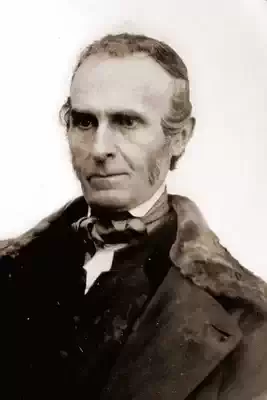
John Greenleaf Whittier
The Quaker Of The Olden Time
The Quaker Of The Olden Time
THE Quaker of the olden time!
How calm and firm and true,
Unspotted by its wrong and crime,
He walked the dark earth through.
The lust of power, the love of gain,
The thousand lures of sin
Around him, had no power to stain
The purity within.
With that deep insight which detects
All great things in the small,
And knows how each man's life affects
The spiritual life of all,
He walked by faith and not by sight,
By love and not by law;
The presence of the wrong or right
He rather felt than saw.
He felt that wrong with wrong partakes,
That nothing stands alone,
That whoso gives the motive, makes
His brother's sin his own.
And, pausing not for doubtful choice
Of evils great or small,
He listened to that inward voice
Which called away from all.
O Spirit of that early day,
So pure and strong and true,
Be with us in the narrow way
Our faithful fathers knew.
Give strength the evil to forsake,
The cross of Truth to bear,
And love and reverent fear to make
Our daily lives a prayer!
THE Quaker of the olden time!
How calm and firm and true,
Unspotted by its wrong and crime,
He walked the dark earth through.
The lust of power, the love of gain,
The thousand lures of sin
Around him, had no power to stain
The purity within.
With that deep insight which detects
All great things in the small,
And knows how each man's life affects
The spiritual life of all,
He walked by faith and not by sight,
By love and not by law;
The presence of the wrong or right
He rather felt than saw.
He felt that wrong with wrong partakes,
That nothing stands alone,
That whoso gives the motive, makes
His brother's sin his own.
And, pausing not for doubtful choice
Of evils great or small,
He listened to that inward voice
Which called away from all.
O Spirit of that early day,
So pure and strong and true,
Be with us in the narrow way
Our faithful fathers knew.
Give strength the evil to forsake,
The cross of Truth to bear,
And love and reverent fear to make
Our daily lives a prayer!
296
John Greenleaf Whittier
The Prisoners Of Naples
The Prisoners Of Naples
I HAVE been thinking of the victims bound
In Naples, dying for the lack of air
And sunshine, in their close, damp cells of pain,
Where hope is not, and innocence in vain
Appeals against the torture and the chain!
Unfortunates! whose crime it was to share
Our common love of freedom, and to dare,
In its behalf, Rome's harlot triple-crowned,
And her base pander, the most hateful thing
Who upon Christian or on Pagan ground
Makes vile the old heroic name of king.
O God most merciful! Father just and kind!
Whom man hath bound let thy right hand unbind.
Or, if thy purposes of good behind
Their ills lie hidden, let the sufferers find
Strong consolations; leave them not to doubt
Thy providential care, nor yet without
The hope which all thy attributes inspire,
That not in vain the martyr's robe of fire
Is worn, nor the sad prisoner's fretting chain;
Since all who suffer for thy truth send forth,
Electrical, with every throb of pain,
Unquenchable sparks, thy own baptismal rain
Of fire and spirit over all the earth,
Making the dead in slavery live again.
Let this great hope be with them, as they lie
Shut from the light, the greenness, and the sky;
From the cool waters and the pleasant breeze,
The smell of flowers, and shade of summer trees;
Bound with the felon lepers, whom disease
And sins abhorred make loathsome; let them share
Pellico's faith, Foresti's strength to bear
Years of unutterable torment, stern and still,
As the chained Titan victor through his will!
Comfort them with thy future; let them see
The day-dawn of Italian liberty;
For that, with all good things, is hid with Thee,
And, perfect in thy thought, awaits its time to be!
I, who have spoken for freedom at the cost
Of some weak friendships, or some paltry prize
Of name or place, and more than I have lost
Have gained in wider reach of sympathies,
And free communion with the good and wise;
May God forbid that I should ever boast
Such easy self-denial, or repine
That the strong pulse of health no more is mine;
That, overworn at noonday, I must yield
To other hands the gleaning of the field;
A tired on-looker through the day's decline.
For blest beyond deserving still, and knowing
That kindly Providence its care is showing
In the withdrawal as in the bestowing,
Scarcely I dare for more or less to pray.
Beautiful yet for me this autumn day
Melts on its sunset hills; and, far away,
For me the Ocean lifts its solemn psalm,
To me the pine-woods whisper; and for me
Yon river, winding through its vales of calm,
By greenest banks, with asters purple-starred,
And gentian bloom and golden-rod made gay,
Flows down in silent gladness to the sea,
Like a pure spirit to its great reward!
Nor lack I friends, long-tried and near and dear,
Whose love is round me like this atmosphere,
Warm, soft, and golden. For such gifts to me
What shall I render, O my God, to thee?
Let me not dwell upon my lighter share
Of pain and ill that human life must bear;
Save me from selfish pining; let my heart,
Drawn from itself in sympathy, forget
The bitter longings of a vain regret,
The anguish of its own peculiar smart.
Remembering others, as I have to-day,
In their great sorrows, let me live alway
Not for myself alone, but have a part,
Such as a frail and erring spirit may,
In love which is of Thee, and which indeed Thou art!
I HAVE been thinking of the victims bound
In Naples, dying for the lack of air
And sunshine, in their close, damp cells of pain,
Where hope is not, and innocence in vain
Appeals against the torture and the chain!
Unfortunates! whose crime it was to share
Our common love of freedom, and to dare,
In its behalf, Rome's harlot triple-crowned,
And her base pander, the most hateful thing
Who upon Christian or on Pagan ground
Makes vile the old heroic name of king.
O God most merciful! Father just and kind!
Whom man hath bound let thy right hand unbind.
Or, if thy purposes of good behind
Their ills lie hidden, let the sufferers find
Strong consolations; leave them not to doubt
Thy providential care, nor yet without
The hope which all thy attributes inspire,
That not in vain the martyr's robe of fire
Is worn, nor the sad prisoner's fretting chain;
Since all who suffer for thy truth send forth,
Electrical, with every throb of pain,
Unquenchable sparks, thy own baptismal rain
Of fire and spirit over all the earth,
Making the dead in slavery live again.
Let this great hope be with them, as they lie
Shut from the light, the greenness, and the sky;
From the cool waters and the pleasant breeze,
The smell of flowers, and shade of summer trees;
Bound with the felon lepers, whom disease
And sins abhorred make loathsome; let them share
Pellico's faith, Foresti's strength to bear
Years of unutterable torment, stern and still,
As the chained Titan victor through his will!
Comfort them with thy future; let them see
The day-dawn of Italian liberty;
For that, with all good things, is hid with Thee,
And, perfect in thy thought, awaits its time to be!
I, who have spoken for freedom at the cost
Of some weak friendships, or some paltry prize
Of name or place, and more than I have lost
Have gained in wider reach of sympathies,
And free communion with the good and wise;
May God forbid that I should ever boast
Such easy self-denial, or repine
That the strong pulse of health no more is mine;
That, overworn at noonday, I must yield
To other hands the gleaning of the field;
A tired on-looker through the day's decline.
For blest beyond deserving still, and knowing
That kindly Providence its care is showing
In the withdrawal as in the bestowing,
Scarcely I dare for more or less to pray.
Beautiful yet for me this autumn day
Melts on its sunset hills; and, far away,
For me the Ocean lifts its solemn psalm,
To me the pine-woods whisper; and for me
Yon river, winding through its vales of calm,
By greenest banks, with asters purple-starred,
And gentian bloom and golden-rod made gay,
Flows down in silent gladness to the sea,
Like a pure spirit to its great reward!
Nor lack I friends, long-tried and near and dear,
Whose love is round me like this atmosphere,
Warm, soft, and golden. For such gifts to me
What shall I render, O my God, to thee?
Let me not dwell upon my lighter share
Of pain and ill that human life must bear;
Save me from selfish pining; let my heart,
Drawn from itself in sympathy, forget
The bitter longings of a vain regret,
The anguish of its own peculiar smart.
Remembering others, as I have to-day,
In their great sorrows, let me live alway
Not for myself alone, but have a part,
Such as a frail and erring spirit may,
In love which is of Thee, and which indeed Thou art!
320
John Greenleaf Whittier
The Proclamation
The Proclamation
SAINT PATRICK, slave to Milcho of the herds
Of Ballymena, wakened with these words:
'Arise, and flee
Out from the land of bondage, and be free!'
Glad as a soul in pain, who hears from heaven
The angels singing of his sins forgiven,
And, wondering, sees
His prison opening to their golden keys,
He rose a man who laid him down a slave,
Shook from his locks the ashes of the grave,
And outward trod
Into the glorious liberty of God.
He east the symbols of his shame away;
And, passing where the sleeping Milcho lay,
Though back and limb
Smarted with wrong, he prayed, 'God pardon him!'
So went he forth; but in God's time he came
To light on Uilline's hills a holy flame;
And, dying, gave
The land a saint that lost him as a slave.
O dark, sad millions, patiently and dumb
Waiting for God, your hour at last has come,
And freedom's song
Breaks the long silence of your night of wrong!
Arise and flee! shake off the vile restraint
Of ages; but, like Ballymena's saint,
The oppressor spare,
Heap only on his head the coals of prayer.
Go forth, like him! like him return again,
To bless the land whereon in bitter pain
Ye toiled at first,
And heal with freedom what your slavery cursed.
SAINT PATRICK, slave to Milcho of the herds
Of Ballymena, wakened with these words:
'Arise, and flee
Out from the land of bondage, and be free!'
Glad as a soul in pain, who hears from heaven
The angels singing of his sins forgiven,
And, wondering, sees
His prison opening to their golden keys,
He rose a man who laid him down a slave,
Shook from his locks the ashes of the grave,
And outward trod
Into the glorious liberty of God.
He east the symbols of his shame away;
And, passing where the sleeping Milcho lay,
Though back and limb
Smarted with wrong, he prayed, 'God pardon him!'
So went he forth; but in God's time he came
To light on Uilline's hills a holy flame;
And, dying, gave
The land a saint that lost him as a slave.
O dark, sad millions, patiently and dumb
Waiting for God, your hour at last has come,
And freedom's song
Breaks the long silence of your night of wrong!
Arise and flee! shake off the vile restraint
Of ages; but, like Ballymena's saint,
The oppressor spare,
Heap only on his head the coals of prayer.
Go forth, like him! like him return again,
To bless the land whereon in bitter pain
Ye toiled at first,
And heal with freedom what your slavery cursed.
274
John Greenleaf Whittier
The Prayer-Seeker
The Prayer-Seeker
Along the aisle where prayer was made,
A woman, all in black arrayed,
Close-veiled, between the kneeling host,
With gliding motion of a ghost,
Passed to the desk, and laid thereon
A scroll which bore these words alone,
_Pray for me_!
Back from the place of worshipping
She glided like a guilty thing
The rustle of her draperies, stirred
By hurrying feet, alone was heard;
While, full of awe, the preacher read,
As out into the dark she sped:
'_Pray for me_!'
Back to the night from whence she came,
To unimagined grief or shame!
Across the threshold of that door
None knew the burden that she bore;
Alone she left the written scroll,
The legend of a troubled soul,-_
Pray for me_!
Glide on, poor ghost of woe or sin!
Thou leav'st a common need within;
Each bears, like thee, some nameless weight,
Some misery inarticulate,
Some secret sin, some shrouded dread,
Some household sorrow all unsaid.
_Pray for us_!
Pass on! The type of all thou art,
Sad witness to the common heart!
With face in veil and seal on lip,
In mute and strange companionship,
Like thee we wander to and fro,
Dumbly imploring as we go
_Pray for us_!
Ah, who shall pray, since he who pleads
Our want perchance hath greater needs?
Yet they who make their loss the gain
Of others shall not ask in vain,
And Heaven bends low to hear the prayer
Of love from lips of self-despair
_Pray for us_!
In vain remorse and fear and hate
Beat with bruised bands against a fate
Whose walls of iron only move
And open to the touch of love.
He only feels his burdens fall
Who, taught by suffering, pities all.
_Pray for us_!
He prayeth best who leaves unguessed
The mystery of another's breast.
Why cheeks grow pale, why eyes o'erflow,
Or heads are white, thou need'st not know.
Enough to note by many a sign
That every heart hath needs like thine.
_Pray for us_!
Along the aisle where prayer was made,
A woman, all in black arrayed,
Close-veiled, between the kneeling host,
With gliding motion of a ghost,
Passed to the desk, and laid thereon
A scroll which bore these words alone,
_Pray for me_!
Back from the place of worshipping
She glided like a guilty thing
The rustle of her draperies, stirred
By hurrying feet, alone was heard;
While, full of awe, the preacher read,
As out into the dark she sped:
'_Pray for me_!'
Back to the night from whence she came,
To unimagined grief or shame!
Across the threshold of that door
None knew the burden that she bore;
Alone she left the written scroll,
The legend of a troubled soul,-_
Pray for me_!
Glide on, poor ghost of woe or sin!
Thou leav'st a common need within;
Each bears, like thee, some nameless weight,
Some misery inarticulate,
Some secret sin, some shrouded dread,
Some household sorrow all unsaid.
_Pray for us_!
Pass on! The type of all thou art,
Sad witness to the common heart!
With face in veil and seal on lip,
In mute and strange companionship,
Like thee we wander to and fro,
Dumbly imploring as we go
_Pray for us_!
Ah, who shall pray, since he who pleads
Our want perchance hath greater needs?
Yet they who make their loss the gain
Of others shall not ask in vain,
And Heaven bends low to hear the prayer
Of love from lips of self-despair
_Pray for us_!
In vain remorse and fear and hate
Beat with bruised bands against a fate
Whose walls of iron only move
And open to the touch of love.
He only feels his burdens fall
Who, taught by suffering, pities all.
_Pray for us_!
He prayeth best who leaves unguessed
The mystery of another's breast.
Why cheeks grow pale, why eyes o'erflow,
Or heads are white, thou need'st not know.
Enough to note by many a sign
That every heart hath needs like thine.
_Pray for us_!
312
John Greenleaf Whittier
The Over-Heart
The Over-Heart
Above, below, in sky and sod,
In leaf and spar, in star and man,
Well might the wise Athenian scan
The geometric signs of God,
The measured order of His plan.
And India's mystics sang aright
Of the One Life pervading all,-One
Being's tidal rise and fall
In soul and form, in sound and sight,-Eternal
outflow and recall.
God is: and man in guilt and fear
The central fact of Nature owns;
Kneels, trembling, by his altar-stones,
And darkly dreams the ghastly smear
Of blood appeases and atones.
Guilt shapes the Terror: deep within
The human heart the secret lies
Of all the hideous deities;
And, painted on a ground of sin,
The fabled gods of torment rise!
And what is He? The ripe grain nods,
The sweet dews fall, the sweet flowers blow;
But darker signs His presence show
The earthquake and the storm are God's,
And good and evil interflow.
O hearts of love! O souls that turn
Like sunflowers to the pure and best!
To you the truth is manifest:
For they the mind of Christ discern
Who lean like John upon His breast!
In him of whom the sibyl told,
For whom the prophet's harp was toned,
Whose need the sage and magian owned,
The loving heart of God behold,
The hope for which the ages groaned!
Fade, pomp of dreadful imagery
Wherewith mankind have deified
Their hate, and selfishness, and pride!
Let the scared dreamer wake to see
The Christ of Nazareth at his side!
What doth that holy Guide require?
No rite of pain, nor gift of blood,
But man a kindly brotherhood,
Looking, where duty is desire,
To Him, the beautiful and good.
Gone be the faithlessness of fear,
And let the pitying heaven's sweet rain
Wash out the altar's bloody stain;
The law of Hatred disappear,
The law of Love alone remain.
How fall the idols false and grim!
And to! their hideous wreck above
The emblems of the Lamb and Dove!
Man turns from God, not God from him;
And guilt, in suffering, whispers Love!
The world sits at the feet of Christ,
Unknowing, blind, and unconsoled;
It yet shall touch His garment's fold,
And feel the heavenly Alchemist
Transform its very dust to gold.
The theme befitting angel tongues
Beyond a mortal's scope has grown.
O heart of mine! with reverence own
The fulness which to it belongs,
And trust the unknown for the known.
Above, below, in sky and sod,
In leaf and spar, in star and man,
Well might the wise Athenian scan
The geometric signs of God,
The measured order of His plan.
And India's mystics sang aright
Of the One Life pervading all,-One
Being's tidal rise and fall
In soul and form, in sound and sight,-Eternal
outflow and recall.
God is: and man in guilt and fear
The central fact of Nature owns;
Kneels, trembling, by his altar-stones,
And darkly dreams the ghastly smear
Of blood appeases and atones.
Guilt shapes the Terror: deep within
The human heart the secret lies
Of all the hideous deities;
And, painted on a ground of sin,
The fabled gods of torment rise!
And what is He? The ripe grain nods,
The sweet dews fall, the sweet flowers blow;
But darker signs His presence show
The earthquake and the storm are God's,
And good and evil interflow.
O hearts of love! O souls that turn
Like sunflowers to the pure and best!
To you the truth is manifest:
For they the mind of Christ discern
Who lean like John upon His breast!
In him of whom the sibyl told,
For whom the prophet's harp was toned,
Whose need the sage and magian owned,
The loving heart of God behold,
The hope for which the ages groaned!
Fade, pomp of dreadful imagery
Wherewith mankind have deified
Their hate, and selfishness, and pride!
Let the scared dreamer wake to see
The Christ of Nazareth at his side!
What doth that holy Guide require?
No rite of pain, nor gift of blood,
But man a kindly brotherhood,
Looking, where duty is desire,
To Him, the beautiful and good.
Gone be the faithlessness of fear,
And let the pitying heaven's sweet rain
Wash out the altar's bloody stain;
The law of Hatred disappear,
The law of Love alone remain.
How fall the idols false and grim!
And to! their hideous wreck above
The emblems of the Lamb and Dove!
Man turns from God, not God from him;
And guilt, in suffering, whispers Love!
The world sits at the feet of Christ,
Unknowing, blind, and unconsoled;
It yet shall touch His garment's fold,
And feel the heavenly Alchemist
Transform its very dust to gold.
The theme befitting angel tongues
Beyond a mortal's scope has grown.
O heart of mine! with reverence own
The fulness which to it belongs,
And trust the unknown for the known.
291
John Greenleaf Whittier
The Mystic’s Christmas
The Mystic’s Christmas
'All hail!' the bells of Christmas rang,
'All hail!' the monks at Christmas sang,
The merry monks who kept with cheer
The gladdest day of all their year.
But still apart, unmoved thereat,
A pious elder brother sat
Silent, in his accustomed place,
With God's sweet peace upon his face.
'Why sitt'st thou thus?' his brethren cried.
'It is the blessed Christmas-tide;
The Christmas lights are all aglow,
The sacred lilies bud and blow.
'Above our heads the joy-bells ring,
Without the happy children sing,
And all God's creatures hail the morn
On which the holy Christ was born!
'Rejoice with us; no more rebuke
Our gladness with thy quiet look.'
The gray monk answered: 'Keep, I pray,
Even as ye list, the Lord's birthday.
'Let heathen Yule fires flicker red
Where thronged refectory feasts are spread;
With mystery-play and masque and mime
And wait-songs speed the holy time!
'The blindest faith may haply save;
The Lord accepts the things we have;
And reverence, howsoe'er it strays,
May find at last the shining ways.
'They needs must grope who cannot see,
The blade before the ear must be;
As ye are feeling I have felt,
And where ye dwell I too have dwelt.
'But now, beyond the things of sense,
Beyond occasions and events,
I know, through God's exceeding grace,
Release from form and time and place.
'I listen, from no mortal tongue,
To hear the song the angels sung;
And wait within myself to know
The Christmas lilies bud and blow.
'The outward symbols disappear
From him whose inward sight is clear;
And small must be the choice of clays
To him who fills them all with praise!
'Keep while you need it, brothers mine,
With honest zeal your Christmas sign,
But judge not him who every morn
Feels in his heart the Lord Christ born!'
'All hail!' the bells of Christmas rang,
'All hail!' the monks at Christmas sang,
The merry monks who kept with cheer
The gladdest day of all their year.
But still apart, unmoved thereat,
A pious elder brother sat
Silent, in his accustomed place,
With God's sweet peace upon his face.
'Why sitt'st thou thus?' his brethren cried.
'It is the blessed Christmas-tide;
The Christmas lights are all aglow,
The sacred lilies bud and blow.
'Above our heads the joy-bells ring,
Without the happy children sing,
And all God's creatures hail the morn
On which the holy Christ was born!
'Rejoice with us; no more rebuke
Our gladness with thy quiet look.'
The gray monk answered: 'Keep, I pray,
Even as ye list, the Lord's birthday.
'Let heathen Yule fires flicker red
Where thronged refectory feasts are spread;
With mystery-play and masque and mime
And wait-songs speed the holy time!
'The blindest faith may haply save;
The Lord accepts the things we have;
And reverence, howsoe'er it strays,
May find at last the shining ways.
'They needs must grope who cannot see,
The blade before the ear must be;
As ye are feeling I have felt,
And where ye dwell I too have dwelt.
'But now, beyond the things of sense,
Beyond occasions and events,
I know, through God's exceeding grace,
Release from form and time and place.
'I listen, from no mortal tongue,
To hear the song the angels sung;
And wait within myself to know
The Christmas lilies bud and blow.
'The outward symbols disappear
From him whose inward sight is clear;
And small must be the choice of clays
To him who fills them all with praise!
'Keep while you need it, brothers mine,
With honest zeal your Christmas sign,
But judge not him who every morn
Feels in his heart the Lord Christ born!'
287
John Greenleaf Whittier
The Minister’s Daughter
The Minister’s Daughter
In the minister's morning sermon
He had told of the primal fall,
And how thenceforth the wrath of God
Rested on each and all.
And how of His will and pleasure,
All souls, save a chosen few,
Were doomed to the quenchless burning,
And held in the way thereto.
Yet never by faith's unreason
A saintlier soul was tried,
And never the harsh old lesson
A tenderer heart belied.
And, after the painful service
On that pleasant Sabbath day,
He walked with his little daughter
Through the apple-bloom of May.
Sweet in the fresh green meadows
Sparrow and blackbird sung;
Above him their tinted petals
The blossoming orchards hung.
Around on the wonderful glory
The minister looked and smiled;
'How good is the Lord who gives us
These gifts from His hand, my child.
'Behold in the bloom of apples
And the violets in the sward
A hint of the old, lost beauty
Of the Garden of the Lord!'
Then up spake the little maiden,
Treading on snow and pink
'O father! these pretty blossoms
Are very wicked, I think.
'Had there been no Garden of Eden
There never had been a fall;
And if never a tree had blossomed
God would have loved us all.'
'Hush, child!' the father answered,
'By His decree man fell;
His ways are in clouds and darkness,
But He doeth all things well.
'And whether by His ordaining
To us cometh good or ill,
Joy or pain, or light or shadow,
We must fear and love Him still.'
'Oh, I fear Him!' said the daughter,
'And I try to love Him, too;
But I wish He was good and gentle,
Kind and loving as you.'
The minister groaned in spirit
As the tremulous lips of pain
And wide, wet eyes uplifted
Questioned his own in vain.
Bowing his head he pondered
The words of the little one;
Had he erred in his life-long teaching?
Had he wrong to his Master done?
To what grim and dreadful idol
Had he lent the holiest name?
Did his own heart, loving and human,
The God of his worship shame?
And lo! from the bloom and greenness,
From the tender skies above,
And the face of his little daughter,
He read a lesson of love.
No more as the cloudy terror
Of Sinai's mount of law,
But as Christ in the Syrian lilies
The vision of God he saw.
And, as when, in the clefts of Horeb,
Of old was His presence known,
The dread Ineffable Glory
Was Infinite Goodness alone.
Thereafter his hearers noted
In his prayers a tenderer strain,
And never the gospel of hatred
Burned on his lips again.
And the scoffing tongue was prayerful,
And the blinded eyes found sight,
And hearts, as flint aforetime,
Grew soft in his warmth and light.
In the minister's morning sermon
He had told of the primal fall,
And how thenceforth the wrath of God
Rested on each and all.
And how of His will and pleasure,
All souls, save a chosen few,
Were doomed to the quenchless burning,
And held in the way thereto.
Yet never by faith's unreason
A saintlier soul was tried,
And never the harsh old lesson
A tenderer heart belied.
And, after the painful service
On that pleasant Sabbath day,
He walked with his little daughter
Through the apple-bloom of May.
Sweet in the fresh green meadows
Sparrow and blackbird sung;
Above him their tinted petals
The blossoming orchards hung.
Around on the wonderful glory
The minister looked and smiled;
'How good is the Lord who gives us
These gifts from His hand, my child.
'Behold in the bloom of apples
And the violets in the sward
A hint of the old, lost beauty
Of the Garden of the Lord!'
Then up spake the little maiden,
Treading on snow and pink
'O father! these pretty blossoms
Are very wicked, I think.
'Had there been no Garden of Eden
There never had been a fall;
And if never a tree had blossomed
God would have loved us all.'
'Hush, child!' the father answered,
'By His decree man fell;
His ways are in clouds and darkness,
But He doeth all things well.
'And whether by His ordaining
To us cometh good or ill,
Joy or pain, or light or shadow,
We must fear and love Him still.'
'Oh, I fear Him!' said the daughter,
'And I try to love Him, too;
But I wish He was good and gentle,
Kind and loving as you.'
The minister groaned in spirit
As the tremulous lips of pain
And wide, wet eyes uplifted
Questioned his own in vain.
Bowing his head he pondered
The words of the little one;
Had he erred in his life-long teaching?
Had he wrong to his Master done?
To what grim and dreadful idol
Had he lent the holiest name?
Did his own heart, loving and human,
The God of his worship shame?
And lo! from the bloom and greenness,
From the tender skies above,
And the face of his little daughter,
He read a lesson of love.
No more as the cloudy terror
Of Sinai's mount of law,
But as Christ in the Syrian lilies
The vision of God he saw.
And, as when, in the clefts of Horeb,
Of old was His presence known,
The dread Ineffable Glory
Was Infinite Goodness alone.
Thereafter his hearers noted
In his prayers a tenderer strain,
And never the gospel of hatred
Burned on his lips again.
And the scoffing tongue was prayerful,
And the blinded eyes found sight,
And hearts, as flint aforetime,
Grew soft in his warmth and light.
271
John Greenleaf Whittier
The Meeting
The Meeting
The elder folks shook hands at last,
Down seat by seat the signal passed.
To simple ways like ours unused,
Half solemnized and half amused,
With long-drawn breath and shrug, my guest
His sense of glad relief expressed.
Outside, the hills lay warm in sun;
The cattle in the meadow-run
Stood half-leg deep; a single bird
The green repose above us stirred.
'What part or lot have you,' he said,
'In these dull rites of drowsy-head?
Is silence worship? Seek it where
It soothes with dreams the summer air,
Not in this close and rude-benched hall,
But where soft lights and shadows fall,
And all the slow, sleep-walking hours
Glide soundless over grass and flowers!
From time and place and form apart,
Its holy ground the human heart,
Nor ritual-bound nor templeward
Walks the free spirit of the Lord!
Our common Master did not pen
His followers up from other men;
His service liberty indeed,
He built no church, He framed no creed;
But while the saintly Pharisee
Made broader his phylactery,
As from the synagogue was seen
The dusty-sandalled Nazarene
Through ripening cornfields lead the way
Upon the awful Sabbath day,
His sermons were the healthful talk
That shorter made the mountain-walk,
His wayside texts were flowers and birds,
Where mingled with His gracious words
The rustle of the tamarisk-tree
And ripple-wash of Galilee.'
'Thy words are well, O friend,' I said;
'Unmeasured and unlimited,
With noiseless slide of stone to stone,
The mystic Church of God has grown.
Invisible and silent stands
The temple never made with hands,
Unheard the voices still and small
Of its unseen confessional.
He needs no special place of prayer
Whose hearing ear is everywhere;
He brings not back the childish days
That ringed the earth with stones of praise,
Roofed Karnak's hall of gods, and laid
The plinths of Phil e's colonnade.
Still less He owns the selfish good
And sickly growth of solitude,-The
worthless grace that, out of sight,
Flowers in the desert anchorite;
Dissevered from the suffering whole,
Love hath no power to save a soul.
Not out of Self, the origin
And native air and soil of sin,
The living waters spring and flow,
The trees with leaves of healing grow.
'Dream not, O friend, because I seek
This quiet shelter twice a week,
I better deem its pine-laid floor
Than breezy hill or sea-sung shore;
But nature is not solitude
She crowds us with her thronging wood;
Her many hands reach out to us,
Her many tongues are garrulous;
Perpetual riddles of surprise
She offers to our ears and eyes;
She will not leave our senses still,
But drags them captive at her will
And, making earth too great for heaven,
She hides the Giver in the given.
'And so, I find it well to come
For deeper rest to this still room,
For here the habit of the soul
Feels less the outer world's control;
The strength of mutual purpose pleads
More earnestly our common needs;
And from the silence multiplied
By these still forms on either side,
The world that time and sense have known
Falls off and leaves us God alone.
'Yet rarely through the charmed repose
Unmixed the stream of motive flows,
A flavor of its many springs,
The tints of earth and sky it brings;
In the still waters needs must be
Some shade of human sympathy;
And here, in its accustomed place,
I look on memory's dearest face;
The blind by-sitter guesseth not
What shadow haunts that vacant spot;
No eyes save mine alone can see
The love wherewith it welcomes me!
And still, with those alone my kin,
In doubt and weakness, want and sin,
I bow my head, my heart I bare
As when that face was living there,
And strive (too oft, alas! in vain)
The peace of simple trust to gain,
Fold fancy's restless wings, and lay
The idols of my heart away.
'Welcome the silence all unbroken,
Nor less the words of fitness spoken,-Such
golden words as hers for whom
Our autumn flowers have just made room;
Whose hopeful utterance through and through
The freshness of the morning blew;
Who loved not less the earth that light
Fell on it from the heavens in sight,
But saw in all fair forms more fair
The Eternal beauty mirrored there.
Whose eighty years but added grace
And saintlier meaning to her face,-The
look of one who bore away
Glad tidings from the hills of day,
While all our hearts went forth to meet
The coming of her beautiful feet!
Or haply hers, whose pilgrim tread
Is in the paths where Jesus led;
Who dreams her childhood's Sabbath dream
By Jordan's willow-shaded stream,
And, of the hymns of hope and faith,
Sung by the monks of Nazareth,
Hears pious echoes, in the call
To prayer, from Moslem minarets fall,
Repeating where His works were wrought
The lesson that her Master taught,
Of whom an elder Sibyl gave,
The prophecies of Cuma 's cave.
'I ask no organ's soulless breath
To drone the themes of life and death,
No altar candle-lit by day,
No ornate wordsman's rhetoric-play,
No cool philosophy to teach
Its bland audacities of speech
To double-tasked idolaters
Themselves their gods and worshippers,
No pulpit hammered by the fist
Of loud-asserting dogmatist,
Who borrows for the Hand of love
The smoking thunderbolts of Jove.
I know how well the fathers taught,
What work the later schoolmen wrought;
I reverence old-time faith and men,
But God is near us now as then;
His force of love is still unspent,
His hate of sin as imminent;
And still the measure of our needs
Outgrows the cramping bounds of creeds;
The manna gathered yesterday
Already savors of decay;
Doubts to the world's child-heart unknown
Question us now from star and stone;
Too little or too much we know,
And sight is swift and faith is slow;
The power is lost to self-deceive
With shallow forms of make-believe.
W e walk at high noon, and the bells
Call to a thousand oracles,
But the sound deafens, and the light
Is stronger than our dazzled sight;
The letters of the sacred Book
Glimmer and swim beneath our look;
Still struggles in the Age's breast
With deepening agony of quest
The old entreaty: 'Art thou He,
Or look we for the Christ to be?'
'God should be most where man is least
So, where is neither church nor priest,
And never rag of form or creed
To clothe the nakedness of need,-Where
farmer-folk in silence meet,-I
turn my bell-unsummoned feet;'
I lay the critic's glass aside,
I tread upon my lettered pride,
And, lowest-seated, testify
To the oneness of humanity;
Confess the universal want,
And share whatever Heaven may grant.
He findeth not who seeks his own,
The soul is lost that's saved alone.
Not on one favored forehead fell
Of old the fire-tongued miracle,
But flamed o'er all the thronging host
The baptism of the Holy Ghost;
Heart answers heart: in one desire
The blending lines of prayer aspire;
'Where, in my name, meet two or three,'
Our Lord hath said, 'I there will be!'
'So sometimes comes to soul and sense
The feeling which is evidence
That very near about us lies
The realm of spiritual mysteries.
The sphere of the supernal powers
Impinges on this world of ours.
The low and dark horizon lifts,
To light the scenic terror shifts;
The breath of a diviner air
Blows down the answer of a prayer
That all our sorrow, pain, and doubt
A great compassion clasps about,
And law and goodness, love and force,
Are wedded fast beyond divorce.
Then duty leaves to love its task,
The beggar Self forgets to ask;
With smile of trust and folded hands,
The passive soul in waiting stands
To feel, as flowers the sun and dew,
The One true Life its own renew.
'So, to the calmly gathered thought
The innermost of truth is taught,
The mystery dimly understood,
That love of God is love of good,
And, chiefly, its divinest trace
In Him of Nazareth's holy face;
That to be saved is only this,-Salvation
from our selfishness,
From more than elemental fire,
The soul's unsanetified desire,
From sin itself, and not the pain
That warns us of its chafing chain;
That worship's deeper meaning lies
In mercy, and not sacrifice,
Not proud humilities of sense
And posturing of penitence,
But love's unforced obedience;
That Book and Church and Day are given
For man, not God,--for earth, not heaven,-The
blessed means to holiest ends,
Not masters, but benignant friends;
That the dear Christ dwells not afar,
The king of some remoter star,
Listening, at times, with flattered ear
To homage wrung from selfish fear,
But here, amidst the poor and blind,
The bound and suffering of our kind,
In works we do, in prayers we pray,
Life of our life, He lives to-day.'
The elder folks shook hands at last,
Down seat by seat the signal passed.
To simple ways like ours unused,
Half solemnized and half amused,
With long-drawn breath and shrug, my guest
His sense of glad relief expressed.
Outside, the hills lay warm in sun;
The cattle in the meadow-run
Stood half-leg deep; a single bird
The green repose above us stirred.
'What part or lot have you,' he said,
'In these dull rites of drowsy-head?
Is silence worship? Seek it where
It soothes with dreams the summer air,
Not in this close and rude-benched hall,
But where soft lights and shadows fall,
And all the slow, sleep-walking hours
Glide soundless over grass and flowers!
From time and place and form apart,
Its holy ground the human heart,
Nor ritual-bound nor templeward
Walks the free spirit of the Lord!
Our common Master did not pen
His followers up from other men;
His service liberty indeed,
He built no church, He framed no creed;
But while the saintly Pharisee
Made broader his phylactery,
As from the synagogue was seen
The dusty-sandalled Nazarene
Through ripening cornfields lead the way
Upon the awful Sabbath day,
His sermons were the healthful talk
That shorter made the mountain-walk,
His wayside texts were flowers and birds,
Where mingled with His gracious words
The rustle of the tamarisk-tree
And ripple-wash of Galilee.'
'Thy words are well, O friend,' I said;
'Unmeasured and unlimited,
With noiseless slide of stone to stone,
The mystic Church of God has grown.
Invisible and silent stands
The temple never made with hands,
Unheard the voices still and small
Of its unseen confessional.
He needs no special place of prayer
Whose hearing ear is everywhere;
He brings not back the childish days
That ringed the earth with stones of praise,
Roofed Karnak's hall of gods, and laid
The plinths of Phil e's colonnade.
Still less He owns the selfish good
And sickly growth of solitude,-The
worthless grace that, out of sight,
Flowers in the desert anchorite;
Dissevered from the suffering whole,
Love hath no power to save a soul.
Not out of Self, the origin
And native air and soil of sin,
The living waters spring and flow,
The trees with leaves of healing grow.
'Dream not, O friend, because I seek
This quiet shelter twice a week,
I better deem its pine-laid floor
Than breezy hill or sea-sung shore;
But nature is not solitude
She crowds us with her thronging wood;
Her many hands reach out to us,
Her many tongues are garrulous;
Perpetual riddles of surprise
She offers to our ears and eyes;
She will not leave our senses still,
But drags them captive at her will
And, making earth too great for heaven,
She hides the Giver in the given.
'And so, I find it well to come
For deeper rest to this still room,
For here the habit of the soul
Feels less the outer world's control;
The strength of mutual purpose pleads
More earnestly our common needs;
And from the silence multiplied
By these still forms on either side,
The world that time and sense have known
Falls off and leaves us God alone.
'Yet rarely through the charmed repose
Unmixed the stream of motive flows,
A flavor of its many springs,
The tints of earth and sky it brings;
In the still waters needs must be
Some shade of human sympathy;
And here, in its accustomed place,
I look on memory's dearest face;
The blind by-sitter guesseth not
What shadow haunts that vacant spot;
No eyes save mine alone can see
The love wherewith it welcomes me!
And still, with those alone my kin,
In doubt and weakness, want and sin,
I bow my head, my heart I bare
As when that face was living there,
And strive (too oft, alas! in vain)
The peace of simple trust to gain,
Fold fancy's restless wings, and lay
The idols of my heart away.
'Welcome the silence all unbroken,
Nor less the words of fitness spoken,-Such
golden words as hers for whom
Our autumn flowers have just made room;
Whose hopeful utterance through and through
The freshness of the morning blew;
Who loved not less the earth that light
Fell on it from the heavens in sight,
But saw in all fair forms more fair
The Eternal beauty mirrored there.
Whose eighty years but added grace
And saintlier meaning to her face,-The
look of one who bore away
Glad tidings from the hills of day,
While all our hearts went forth to meet
The coming of her beautiful feet!
Or haply hers, whose pilgrim tread
Is in the paths where Jesus led;
Who dreams her childhood's Sabbath dream
By Jordan's willow-shaded stream,
And, of the hymns of hope and faith,
Sung by the monks of Nazareth,
Hears pious echoes, in the call
To prayer, from Moslem minarets fall,
Repeating where His works were wrought
The lesson that her Master taught,
Of whom an elder Sibyl gave,
The prophecies of Cuma 's cave.
'I ask no organ's soulless breath
To drone the themes of life and death,
No altar candle-lit by day,
No ornate wordsman's rhetoric-play,
No cool philosophy to teach
Its bland audacities of speech
To double-tasked idolaters
Themselves their gods and worshippers,
No pulpit hammered by the fist
Of loud-asserting dogmatist,
Who borrows for the Hand of love
The smoking thunderbolts of Jove.
I know how well the fathers taught,
What work the later schoolmen wrought;
I reverence old-time faith and men,
But God is near us now as then;
His force of love is still unspent,
His hate of sin as imminent;
And still the measure of our needs
Outgrows the cramping bounds of creeds;
The manna gathered yesterday
Already savors of decay;
Doubts to the world's child-heart unknown
Question us now from star and stone;
Too little or too much we know,
And sight is swift and faith is slow;
The power is lost to self-deceive
With shallow forms of make-believe.
W e walk at high noon, and the bells
Call to a thousand oracles,
But the sound deafens, and the light
Is stronger than our dazzled sight;
The letters of the sacred Book
Glimmer and swim beneath our look;
Still struggles in the Age's breast
With deepening agony of quest
The old entreaty: 'Art thou He,
Or look we for the Christ to be?'
'God should be most where man is least
So, where is neither church nor priest,
And never rag of form or creed
To clothe the nakedness of need,-Where
farmer-folk in silence meet,-I
turn my bell-unsummoned feet;'
I lay the critic's glass aside,
I tread upon my lettered pride,
And, lowest-seated, testify
To the oneness of humanity;
Confess the universal want,
And share whatever Heaven may grant.
He findeth not who seeks his own,
The soul is lost that's saved alone.
Not on one favored forehead fell
Of old the fire-tongued miracle,
But flamed o'er all the thronging host
The baptism of the Holy Ghost;
Heart answers heart: in one desire
The blending lines of prayer aspire;
'Where, in my name, meet two or three,'
Our Lord hath said, 'I there will be!'
'So sometimes comes to soul and sense
The feeling which is evidence
That very near about us lies
The realm of spiritual mysteries.
The sphere of the supernal powers
Impinges on this world of ours.
The low and dark horizon lifts,
To light the scenic terror shifts;
The breath of a diviner air
Blows down the answer of a prayer
That all our sorrow, pain, and doubt
A great compassion clasps about,
And law and goodness, love and force,
Are wedded fast beyond divorce.
Then duty leaves to love its task,
The beggar Self forgets to ask;
With smile of trust and folded hands,
The passive soul in waiting stands
To feel, as flowers the sun and dew,
The One true Life its own renew.
'So, to the calmly gathered thought
The innermost of truth is taught,
The mystery dimly understood,
That love of God is love of good,
And, chiefly, its divinest trace
In Him of Nazareth's holy face;
That to be saved is only this,-Salvation
from our selfishness,
From more than elemental fire,
The soul's unsanetified desire,
From sin itself, and not the pain
That warns us of its chafing chain;
That worship's deeper meaning lies
In mercy, and not sacrifice,
Not proud humilities of sense
And posturing of penitence,
But love's unforced obedience;
That Book and Church and Day are given
For man, not God,--for earth, not heaven,-The
blessed means to holiest ends,
Not masters, but benignant friends;
That the dear Christ dwells not afar,
The king of some remoter star,
Listening, at times, with flattered ear
To homage wrung from selfish fear,
But here, amidst the poor and blind,
The bound and suffering of our kind,
In works we do, in prayers we pray,
Life of our life, He lives to-day.'
314
John Greenleaf Whittier
The Men Of Old
The Men Of Old
WELL speed thy mission, bold Iconoclast!
Yet all unworthy of its trust thou art,
If, with dry eye, and cold, unloving heart,
Thou tread'st the solemn Pantheon of the Past,
By the great Future's dazzling hope made blind
To all the beauty, power, and truth behind.
Not without reverent awe shouldst thou put by
The cypress branches and the amaranth blooms,
Where, with clasped hands of prayer, upon their tombs
The effigies of old confessors lie,
God's witnesses; the voices of His will,
Heard in the slow march of the centuries still!
Such were the men at whose rebuking frown,
Dark with God's wrath, the tyrant's knee went down;
Such from the terrors of the guilty drew
The vassal's freedom and the poor man's due.
St. Anselm (may he rest forevermore
In Heaven's sweet peace!) forbade, of old, the sale
Of men as slaves, and from the sacred pale
Hurled the Northumbrian buyers of the poor.
To ransom souls from bonds and evil fate
St. Ambrose melted down the sacred plate, —
Image of saint, the chalice, and the pix,
Crosses of gold, and silver candlesticks.
'Man is worth more than temples!' he replied
To such as came his holy work to chide.
And brave Cesarius, stripping altars bare,
And coining from the Abbey's golden hoard
The captive's freedom, answered to the prayer
Or threat of those whose fierce zeal for the Lord
Stifled their love of man, — 'An earthen dish
The last sad supper of the Master bore:
Most miserable sinners! do ye wish
More than your Lord, and grudge His dying poor
What your own pride and not His need requires?
Souls, than these shining gauds, He values more;
Mercy, not sacrifice, His heart desires!'
O faithful worthies! resting far behind
In your dark ages, since ye fell asleep,
Much has been done for truth and human-kind;
Shadows are scattered wherein ye groped blind;
Man claims his birthright, freer pulses leap
Through peoples driven in your day like sheep;
Yet, like your own, our age's sphere of light,
Though widening still, is walled around by night;
With slow, reluctant eye, the Church has read,
Skeptic at heart, the lessons of its Head;
Counting, too oft, its living members less
Than the wall's garnish and the pulpit's dress;
World-moving zeal with power to bless and feed
Life's fainting pilgrims, to their utter need,
Instead of bread, holds out the stone of creed;
Sect builds and worships where its wealth and pride
And vanity stand shrined and deified,
Careless that in the shadow of its walls
God's living temple into ruin falls.
We need, methinks, the prophet-hero still,
Saints true of life, and martyrs strong of will,
To tread the land, even now, as Xavier trod
The streets of God, barefoot, with his bell,
Proclaiming freedom in the name of God,
And startling tyrants with the fear of hell!
Soft words, smooth prophecies, are doubtless well;
But to rebuke the age's popular crime,
We need the souls of fire, the hearts of that old time!
WELL speed thy mission, bold Iconoclast!
Yet all unworthy of its trust thou art,
If, with dry eye, and cold, unloving heart,
Thou tread'st the solemn Pantheon of the Past,
By the great Future's dazzling hope made blind
To all the beauty, power, and truth behind.
Not without reverent awe shouldst thou put by
The cypress branches and the amaranth blooms,
Where, with clasped hands of prayer, upon their tombs
The effigies of old confessors lie,
God's witnesses; the voices of His will,
Heard in the slow march of the centuries still!
Such were the men at whose rebuking frown,
Dark with God's wrath, the tyrant's knee went down;
Such from the terrors of the guilty drew
The vassal's freedom and the poor man's due.
St. Anselm (may he rest forevermore
In Heaven's sweet peace!) forbade, of old, the sale
Of men as slaves, and from the sacred pale
Hurled the Northumbrian buyers of the poor.
To ransom souls from bonds and evil fate
St. Ambrose melted down the sacred plate, —
Image of saint, the chalice, and the pix,
Crosses of gold, and silver candlesticks.
'Man is worth more than temples!' he replied
To such as came his holy work to chide.
And brave Cesarius, stripping altars bare,
And coining from the Abbey's golden hoard
The captive's freedom, answered to the prayer
Or threat of those whose fierce zeal for the Lord
Stifled their love of man, — 'An earthen dish
The last sad supper of the Master bore:
Most miserable sinners! do ye wish
More than your Lord, and grudge His dying poor
What your own pride and not His need requires?
Souls, than these shining gauds, He values more;
Mercy, not sacrifice, His heart desires!'
O faithful worthies! resting far behind
In your dark ages, since ye fell asleep,
Much has been done for truth and human-kind;
Shadows are scattered wherein ye groped blind;
Man claims his birthright, freer pulses leap
Through peoples driven in your day like sheep;
Yet, like your own, our age's sphere of light,
Though widening still, is walled around by night;
With slow, reluctant eye, the Church has read,
Skeptic at heart, the lessons of its Head;
Counting, too oft, its living members less
Than the wall's garnish and the pulpit's dress;
World-moving zeal with power to bless and feed
Life's fainting pilgrims, to their utter need,
Instead of bread, holds out the stone of creed;
Sect builds and worships where its wealth and pride
And vanity stand shrined and deified,
Careless that in the shadow of its walls
God's living temple into ruin falls.
We need, methinks, the prophet-hero still,
Saints true of life, and martyrs strong of will,
To tread the land, even now, as Xavier trod
The streets of God, barefoot, with his bell,
Proclaiming freedom in the name of God,
And startling tyrants with the fear of hell!
Soft words, smooth prophecies, are doubtless well;
But to rebuke the age's popular crime,
We need the souls of fire, the hearts of that old time!
277
John Greenleaf Whittier
The Mantle Of St. John De Matha. A Legend Of
The Mantle Of St. John De Matha. A Legend Of
A STRONG and mighty Angel,
Calm, terrible, and bright,
The cross in blended red and blue
Upon his mantle white!
Two captives by him kneeling,
Each on his broken chain,
Sang praise to God who raiseth
The dead to life again!
Dropping his cross-wrought mantle,
'Wear this,' the Angel said;
'Take thou, O Freedom's priest, its sign, —
The white, the blue, and red.'
Then rose up John de Matha
In the strength the Lord Christ gave,
And begged through all the land of France
The ransom of the slave.
The gates of tower and castle
Before him open flew,
The drawbridge at his coming fell,
The door-bolt backward drew.
For all men owned his errand,
And paid his righteous tax;
And the hearts of lord and peasant
Were in his hands as wax.
At last, outbound from Tunis,
His bark her anchor weighed,
Freighted with seven-score Christian souls
Whose ransom he had paid.
But, torn by Paynim hatred,
Her sails in tatters hung;
And on the wild waves, rudderless,
A shattered hulk she swung.
'God save us!' cried the captain,
'For naught can man avail;
Oh, woe betide the ship that lacks
Her rudder and her sail!
'Behind us are the Moormen;
At sea we sink or strand:
There's death upon the water,
There's death upon the land!'
Then up spake John de Matha:
'God's errands never fail!
Take thou the mantle which I wear,
And make of it a sail.'
They raised the cross-wrought mantle,
The blue, the white, the red;
And straight before the wind off-shore
The ship of Freedom sped.
'God help us!' cried the seamen,
'For vain is mortal skill:
The good ship on a stormy sea
Is drifting at its will.'
Then up spake John de Matha:
'My mariners, never fear!
The Lord whose breath has filled her sail
May well our vessel steer!'
So on through storm and darkness
They drove for weary hours;
And lo! the third gray morning shone
On Ostia's friendly towers.
And on the walls the watchers
The ship of mercy knew, —
They knew far off its holy cross,
The red, the white, and blue.
And the bells in all the steeples
Rang out in glad accord,
To welcome home to Christian soil
The ransomed of the Lord.
So runs the ancient legend
By bard and painter told;
And lo! the cycle rounds again,
The new is as the old!
With rudder foully broken,
And sails by traitors torn,
Our country on a midnight sea
Is waiting for the morn.
Before her, nameless terror;
Behind, the pirate foe;
The clouds are black above her,
The sea is white below.
The hope of all who suffer,
The dread of all who wrong,
She drifts in darkness and in storm,
How long, O Lord! how long?
But courage, O my mariners!
Ye shall not suffer wreck,
While up to God the freedman's prayers
Are rising from your deck.
Is not your sail the banner
Which God hath blest anew,
The mantle that De Matha wore,
The red, the white, the blue?
Its hues are all of heaven, —
The red of sunset's dye,
The whiteness of the moon-lit cloud,
The blue of morning's sky.
Wait cheerily, then, O mariners,
For daylight and for land;
The breath of God is in your sail,
Your rudder is His hand.
Sail on, sail on, deep-freighted
With blessings and with hopes;
The saints of old with shadowy hands
Are pulling at your ropes.
Behind ye holy martyrs
Uplift the palm and crown;
Before ye unborn ages send
Their benedictions down.
Take heart from John de Matha! —
God's errands never fail!
Sweep on through storm and darkness,
The thunder and the hail!
Sail on! The morning cometh,
The port ye yet shall win;
And all the bells of God shall ring
The good ship bravely in!
A STRONG and mighty Angel,
Calm, terrible, and bright,
The cross in blended red and blue
Upon his mantle white!
Two captives by him kneeling,
Each on his broken chain,
Sang praise to God who raiseth
The dead to life again!
Dropping his cross-wrought mantle,
'Wear this,' the Angel said;
'Take thou, O Freedom's priest, its sign, —
The white, the blue, and red.'
Then rose up John de Matha
In the strength the Lord Christ gave,
And begged through all the land of France
The ransom of the slave.
The gates of tower and castle
Before him open flew,
The drawbridge at his coming fell,
The door-bolt backward drew.
For all men owned his errand,
And paid his righteous tax;
And the hearts of lord and peasant
Were in his hands as wax.
At last, outbound from Tunis,
His bark her anchor weighed,
Freighted with seven-score Christian souls
Whose ransom he had paid.
But, torn by Paynim hatred,
Her sails in tatters hung;
And on the wild waves, rudderless,
A shattered hulk she swung.
'God save us!' cried the captain,
'For naught can man avail;
Oh, woe betide the ship that lacks
Her rudder and her sail!
'Behind us are the Moormen;
At sea we sink or strand:
There's death upon the water,
There's death upon the land!'
Then up spake John de Matha:
'God's errands never fail!
Take thou the mantle which I wear,
And make of it a sail.'
They raised the cross-wrought mantle,
The blue, the white, the red;
And straight before the wind off-shore
The ship of Freedom sped.
'God help us!' cried the seamen,
'For vain is mortal skill:
The good ship on a stormy sea
Is drifting at its will.'
Then up spake John de Matha:
'My mariners, never fear!
The Lord whose breath has filled her sail
May well our vessel steer!'
So on through storm and darkness
They drove for weary hours;
And lo! the third gray morning shone
On Ostia's friendly towers.
And on the walls the watchers
The ship of mercy knew, —
They knew far off its holy cross,
The red, the white, and blue.
And the bells in all the steeples
Rang out in glad accord,
To welcome home to Christian soil
The ransomed of the Lord.
So runs the ancient legend
By bard and painter told;
And lo! the cycle rounds again,
The new is as the old!
With rudder foully broken,
And sails by traitors torn,
Our country on a midnight sea
Is waiting for the morn.
Before her, nameless terror;
Behind, the pirate foe;
The clouds are black above her,
The sea is white below.
The hope of all who suffer,
The dread of all who wrong,
She drifts in darkness and in storm,
How long, O Lord! how long?
But courage, O my mariners!
Ye shall not suffer wreck,
While up to God the freedman's prayers
Are rising from your deck.
Is not your sail the banner
Which God hath blest anew,
The mantle that De Matha wore,
The red, the white, the blue?
Its hues are all of heaven, —
The red of sunset's dye,
The whiteness of the moon-lit cloud,
The blue of morning's sky.
Wait cheerily, then, O mariners,
For daylight and for land;
The breath of God is in your sail,
Your rudder is His hand.
Sail on, sail on, deep-freighted
With blessings and with hopes;
The saints of old with shadowy hands
Are pulling at your ropes.
Behind ye holy martyrs
Uplift the palm and crown;
Before ye unborn ages send
Their benedictions down.
Take heart from John de Matha! —
God's errands never fail!
Sweep on through storm and darkness,
The thunder and the hail!
Sail on! The morning cometh,
The port ye yet shall win;
And all the bells of God shall ring
The good ship bravely in!
269
John Greenleaf Whittier
The Last Eve Of Summer
The Last Eve Of Summer
Summer's last sun nigh unto setting shines
Through yon columnar pines,
And on the deepening shadows of the lawn
Its golden lines are drawn.
Dreaming of long gone summer days like this,
Feeling the wind's soft kiss,
Grateful and glad that failing ear and sight
Have still their old delight,
I sit alone, and watch the warm, sweet day
Lapse tenderly away;
And, wistful, with a feeling of forecast,
I ask, 'Is this the last?
'Will nevermore for me the seasons run
Their round, and will the sun
Of ardent summers yet to come forget
For me to rise and set?'
Thou shouldst be here, or I should be with thee
Wherever thou mayst be,
Lips mute, hands clasped, in silences of speech
Each answering unto each.
For this still hour, this sense of mystery far
Beyond the evening star,
No words outworn suffice on lip or scroll:
The soul would fain with soul
Wait, while these few swift-passing days fulfil
The wise-disposing Will,
And, in the evening as at morning, trust
The All-Merciful and Just.
The solemn joy that soul-communion feels
Immortal life reveals;
And human love, its prophecy and sign,
Interprets love divine.
Come then, in thought, if that alone may be,
O friend! and bring with thee
Thy calm assurance of transcendent Spheres
And the Eternal Years!
Summer's last sun nigh unto setting shines
Through yon columnar pines,
And on the deepening shadows of the lawn
Its golden lines are drawn.
Dreaming of long gone summer days like this,
Feeling the wind's soft kiss,
Grateful and glad that failing ear and sight
Have still their old delight,
I sit alone, and watch the warm, sweet day
Lapse tenderly away;
And, wistful, with a feeling of forecast,
I ask, 'Is this the last?
'Will nevermore for me the seasons run
Their round, and will the sun
Of ardent summers yet to come forget
For me to rise and set?'
Thou shouldst be here, or I should be with thee
Wherever thou mayst be,
Lips mute, hands clasped, in silences of speech
Each answering unto each.
For this still hour, this sense of mystery far
Beyond the evening star,
No words outworn suffice on lip or scroll:
The soul would fain with soul
Wait, while these few swift-passing days fulfil
The wise-disposing Will,
And, in the evening as at morning, trust
The All-Merciful and Just.
The solemn joy that soul-communion feels
Immortal life reveals;
And human love, its prophecy and sign,
Interprets love divine.
Come then, in thought, if that alone may be,
O friend! and bring with thee
Thy calm assurance of transcendent Spheres
And the Eternal Years!
229
John Greenleaf Whittier
The King's Missive
The King's Missive
UNDER the great hill sloping bare
To cove and meadow and Common lot,
In his council chamber and oaken chair,
Sat the worshipful Governor Endicott.
A grave, strong man, who knew no peer
In the pilgrim land, where he ruled in fear
Of God, not man, and for good or ill
Held his trust with an iron will.
He had shorn with his sword the cross from out
The flag, and cloven the May-pole down,
Harried the heathen round about,
And whipped the Quakers from town to town.
Earnest and honest, a man at need
To burn like a torch for his own harsh creed,
He kept with the flaming brand of his zeal
The gate of the holy common weal.
His brow was clouded, his eye was stern,
With a look of mingled sorrow and wrath;
'Woe's me!' he murmured: 'at every turn
The pestilent Quakers are in my path!
Some we have scourged, and banished some,
Some hanged, more doomed, and still they come,
Fast as the tide of yon bay sets in,
Sowing their heresy's seed of sin.
'Did we count on this? Did we leave behind
The graves of our kin, the comfort and ease
Of our English hearths and homes, to find
Troublers of Israel such as these?
Shall I spare? Shall I pity them? God forbid!
I will do as the prophet to Agag did
They come to poison the wells of the Word,
I will hew them in pieces before the Lord!'
The door swung open, and Rawson the clerk
Entered, and whispered under breath,
'There waits below for the hangman's work
A fellow banished on pain of death-Shattuck,
of Salem, unhealed of the whip,
Brought over in Master Goldsmith's ship
At anchor here in a Christian port,
With freight of the devil and all his sort!'
Twice and thrice on the chamber floor
Striding fiercely from wall to wall,
'The Lord do so to me and more,'
The Governor cried, 'if I hang not all!
Bring hither the Quaker.' Calm, sedate,
With the look of a man at ease with fate,
Into that presence grim and dread
Came Samuel Shattuck, with hat on head.
'Off with the knave's hat!' An angry hand
Smote down the offence; but the wearer said,
With a quiet smile, 'By the king's command
I bear his message and stand in his stead.'
In the Governor's hand a missive he laid
With the royal arms on its seal displayed,
And the proud man spake as he gazed thereat,
Uncovering, 'Give Mr. Shattuck his hat.'
He turned to the Quaker, bowing low,-'
The king commandeth your friends' release;
Doubt not he shall be obeyed, although
To his subjects' sorrow and sin's increase.
What he here enjoineth, John Endicott,
His loyal servant, questioneth not.
You are free! God grant the spirit you own
May take you from us to parts unknown.'
So the door of the jail was open cast,
And, like Daniel, out of the lion's den
Tender youth and girlhood passed,
With age-bowed women and gray-locked men.
And the voice of one appointed to die
Was lifted in praise and thanks on high,
And the little maid from New Netherlands
Kissed, in her joy, the doomed man's hands.
And one, whose call was to minister
To the souls in prison, beside him went,
An ancient woman, bearing with her
The linen shroud for his burial meant.
For she, not counting her own life dear,
In the strength of a love that cast out fear,
Had watched and served where her brethren died,
Like those who waited the cross beside.
One moment they paused on their way to look
On the martyr graves by the Common side,
And much scourged Wharton of Salem took
His burden of prophecy up and cried
'Rest, souls of the valiant! Not in vain
Have ye borne the Master's cross of pain;
Ye have fought the fight, ye are victors crowned,
With a fourfold chain ye have Satan bound!'
The autumn haze lay soft and still
On wood and meadow and upland farms;
On the brow of Snow Hill the great windmill
Slowly and lazily swung its arms;
Broad in the sunshine stretched away,
With its capes and islands, the turquoise bay;
And over water and dusk of pines
Blue hills lifted their faint outlines.
The topaz leaves of the walnut glowed,
The sumach added its crimson fleck,
And double in air and water showed
The tinted maples along the Neck;
Through frost flower clusters of pale star-mist,
And gentian fringes of amethyst,
And royal plumes of golden-rod,
The grazing cattle on Centry trod.
But as they who see not, the Quakers saw
The world about them; they only thought
With deep thanksgiving and pious awe
On the great deliverance God had wrought.
Through lane and alley the gazing town
Noisily followed them up and down;
Some with scoffing and brutal jeer,
Some with pity and words of cheer.
One brave voice rose above the din.
Upsall, gray with his length of days,
Cried from the door of his Red Lion Inn
'Men of Boston, give God the praise
No more shall innocent blood call down
The bolts of wrath on your guilty town.
The freedom of worship, dear to you,
Is dear to all, and to all is due.
'I see the vision of days to come,
When your beautiful City of the Bay
Shall be Christian liberty's chosen home,
And none shall his neighbor's rights gainsay.
The varying notes of worship shall blend
And as one great prayer to God ascend,
And hands of mutual charity raise
Walls of salvation and gates of praise.'
So passed the Quakers through Boston town,
Whose painful ministers sighed to see
The walls of their sheep-fold falling down,
And wolves of heresy prowling free.
But the years went on, and brought no wrong;
With milder counsels the State grew strong,
As outward Letter and inward Light
Kept the balance of truth aright.
The Puritan spirit perishing not,
To Concord's yeomen the signal sent,
And spake in the voice of the cannon-shot
That severed the chains of a continent.
With its gentler mission of peace and good-will
The thought of the Quaker is living still,
And the freedom of soul he prophesied
Is gospel and law where the martyrs died.
UNDER the great hill sloping bare
To cove and meadow and Common lot,
In his council chamber and oaken chair,
Sat the worshipful Governor Endicott.
A grave, strong man, who knew no peer
In the pilgrim land, where he ruled in fear
Of God, not man, and for good or ill
Held his trust with an iron will.
He had shorn with his sword the cross from out
The flag, and cloven the May-pole down,
Harried the heathen round about,
And whipped the Quakers from town to town.
Earnest and honest, a man at need
To burn like a torch for his own harsh creed,
He kept with the flaming brand of his zeal
The gate of the holy common weal.
His brow was clouded, his eye was stern,
With a look of mingled sorrow and wrath;
'Woe's me!' he murmured: 'at every turn
The pestilent Quakers are in my path!
Some we have scourged, and banished some,
Some hanged, more doomed, and still they come,
Fast as the tide of yon bay sets in,
Sowing their heresy's seed of sin.
'Did we count on this? Did we leave behind
The graves of our kin, the comfort and ease
Of our English hearths and homes, to find
Troublers of Israel such as these?
Shall I spare? Shall I pity them? God forbid!
I will do as the prophet to Agag did
They come to poison the wells of the Word,
I will hew them in pieces before the Lord!'
The door swung open, and Rawson the clerk
Entered, and whispered under breath,
'There waits below for the hangman's work
A fellow banished on pain of death-Shattuck,
of Salem, unhealed of the whip,
Brought over in Master Goldsmith's ship
At anchor here in a Christian port,
With freight of the devil and all his sort!'
Twice and thrice on the chamber floor
Striding fiercely from wall to wall,
'The Lord do so to me and more,'
The Governor cried, 'if I hang not all!
Bring hither the Quaker.' Calm, sedate,
With the look of a man at ease with fate,
Into that presence grim and dread
Came Samuel Shattuck, with hat on head.
'Off with the knave's hat!' An angry hand
Smote down the offence; but the wearer said,
With a quiet smile, 'By the king's command
I bear his message and stand in his stead.'
In the Governor's hand a missive he laid
With the royal arms on its seal displayed,
And the proud man spake as he gazed thereat,
Uncovering, 'Give Mr. Shattuck his hat.'
He turned to the Quaker, bowing low,-'
The king commandeth your friends' release;
Doubt not he shall be obeyed, although
To his subjects' sorrow and sin's increase.
What he here enjoineth, John Endicott,
His loyal servant, questioneth not.
You are free! God grant the spirit you own
May take you from us to parts unknown.'
So the door of the jail was open cast,
And, like Daniel, out of the lion's den
Tender youth and girlhood passed,
With age-bowed women and gray-locked men.
And the voice of one appointed to die
Was lifted in praise and thanks on high,
And the little maid from New Netherlands
Kissed, in her joy, the doomed man's hands.
And one, whose call was to minister
To the souls in prison, beside him went,
An ancient woman, bearing with her
The linen shroud for his burial meant.
For she, not counting her own life dear,
In the strength of a love that cast out fear,
Had watched and served where her brethren died,
Like those who waited the cross beside.
One moment they paused on their way to look
On the martyr graves by the Common side,
And much scourged Wharton of Salem took
His burden of prophecy up and cried
'Rest, souls of the valiant! Not in vain
Have ye borne the Master's cross of pain;
Ye have fought the fight, ye are victors crowned,
With a fourfold chain ye have Satan bound!'
The autumn haze lay soft and still
On wood and meadow and upland farms;
On the brow of Snow Hill the great windmill
Slowly and lazily swung its arms;
Broad in the sunshine stretched away,
With its capes and islands, the turquoise bay;
And over water and dusk of pines
Blue hills lifted their faint outlines.
The topaz leaves of the walnut glowed,
The sumach added its crimson fleck,
And double in air and water showed
The tinted maples along the Neck;
Through frost flower clusters of pale star-mist,
And gentian fringes of amethyst,
And royal plumes of golden-rod,
The grazing cattle on Centry trod.
But as they who see not, the Quakers saw
The world about them; they only thought
With deep thanksgiving and pious awe
On the great deliverance God had wrought.
Through lane and alley the gazing town
Noisily followed them up and down;
Some with scoffing and brutal jeer,
Some with pity and words of cheer.
One brave voice rose above the din.
Upsall, gray with his length of days,
Cried from the door of his Red Lion Inn
'Men of Boston, give God the praise
No more shall innocent blood call down
The bolts of wrath on your guilty town.
The freedom of worship, dear to you,
Is dear to all, and to all is due.
'I see the vision of days to come,
When your beautiful City of the Bay
Shall be Christian liberty's chosen home,
And none shall his neighbor's rights gainsay.
The varying notes of worship shall blend
And as one great prayer to God ascend,
And hands of mutual charity raise
Walls of salvation and gates of praise.'
So passed the Quakers through Boston town,
Whose painful ministers sighed to see
The walls of their sheep-fold falling down,
And wolves of heresy prowling free.
But the years went on, and brought no wrong;
With milder counsels the State grew strong,
As outward Letter and inward Light
Kept the balance of truth aright.
The Puritan spirit perishing not,
To Concord's yeomen the signal sent,
And spake in the voice of the cannon-shot
That severed the chains of a continent.
With its gentler mission of peace and good-will
The thought of the Quaker is living still,
And the freedom of soul he prophesied
Is gospel and law where the martyrs died.
266
John Greenleaf Whittier
The Lakeside
The Lakeside
The shadows round the inland sea
Are deepening into night;
Slow up the slopes of Ossipee
They chase the lessening light.
Tired of the long day's blinding heat,
I rest my languid eye,
Lake of the Hills! where, cool and sweet,
Thy sunset waters lie!
Along the sky, in wavy lines,
O'er isle and reach and bay,
Green-belted with eternal pines,
The mountains stretch away.
Below, the maple masses sleep
Where shore with water blends,
While midway on the tranquil deep
The evening light descends.
So seemed it when yon hill's red crown,
Of old, the Indian trod,
And, through the sunset air, looked down
Upon the Smile of God.
To him of light and shade the laws
No forest skeptic taught;
Their living and eternal Cause
His truer instinct sought.
He saw these mountains in the light
Which now across them shines;
This lake, in summer sunset bright,
Walled round with sombering pines.
God near him seemed; from earth and skies
His loving voice he beard,
As, face to face, in Paradise,
Man stood before the Lord.
Thanks, O our Father! that, like him,
Thy tender love I see,
In radiant hill and woodland dim,
And tinted sunset sea.
For not in mockery dost Thou fill
Our earth with light and grace;
Thou hid'st no dark and cruel will
Behind Thy smiling face!
The shadows round the inland sea
Are deepening into night;
Slow up the slopes of Ossipee
They chase the lessening light.
Tired of the long day's blinding heat,
I rest my languid eye,
Lake of the Hills! where, cool and sweet,
Thy sunset waters lie!
Along the sky, in wavy lines,
O'er isle and reach and bay,
Green-belted with eternal pines,
The mountains stretch away.
Below, the maple masses sleep
Where shore with water blends,
While midway on the tranquil deep
The evening light descends.
So seemed it when yon hill's red crown,
Of old, the Indian trod,
And, through the sunset air, looked down
Upon the Smile of God.
To him of light and shade the laws
No forest skeptic taught;
Their living and eternal Cause
His truer instinct sought.
He saw these mountains in the light
Which now across them shines;
This lake, in summer sunset bright,
Walled round with sombering pines.
God near him seemed; from earth and skies
His loving voice he beard,
As, face to face, in Paradise,
Man stood before the Lord.
Thanks, O our Father! that, like him,
Thy tender love I see,
In radiant hill and woodland dim,
And tinted sunset sea.
For not in mockery dost Thou fill
Our earth with light and grace;
Thou hid'st no dark and cruel will
Behind Thy smiling face!
287
John Greenleaf Whittier
The Female Martyr
The Female Martyr
'BRING out your dead!' The midnight street
Heard and gave back the hoarse, low call;
Harsh fell the tread of hasty feet,
Glanced through the dark the coarse white sheet,
Her coffin and her pall.
'What--only one!' the brutal hack-man said,
As, with an oath, he spurned away the dead.
How sunk the inmost hearts of all,
As rolled that dead-cart slowly by,
With creaking wheel and harsh hoof-fall!
The dying turned him to the wall,
To hear it and to die!
Onward it rolled; while oft its driver stayed,
And hoarsely clamored, 'Ho! bring out your dead.'
It paused beside the burial-place;
'Toss in your load!' and it was done.
With quick hand and averted face,
Hastily to the grave's embrace
They cast them, one by one,
Stranger and friend, the evil and the just,
Together trodden in the churchyard dust.
And thou, young martyr! thou wast there;
No white-robed sisters round thee trod,
Nor holy hymn, nor funeral prayer
Rose through the damp and noisome air,
Giving thee to thy God;
Nor flower, nor cross, nor hallowed taper gave
Grace to the dead, and beauty to the grave!
Yet, gentle sufferer! there shall be,
In every heart of kindly feeling,
A rite as holy paid to thee
As if beneath the convent-tree
Thy sisterhood were kneeling,
At vesper hours, like sorrowing angels, keeping
Their tearful watch around thy place of sleeping.
For thou wast one in whom the light
Of Heaven's own love was kindled well;
Enduring with a martyr's might,
Through weary day and wakeful night,
Far more than words may tell
Gentle, and meek, and lowly, and unknown,
Thy mercies measured by thy God alone!
Where manly hearts were failing, where
The throngful street grew foul with death,
O high-souled martyr! thou wast there,
Inhaling, from the loathsome air,
Poison with every breath.
Yet shrinking not from offices of dread
For the wrung dying, and the unconscious dead.
And, where the sickly taper shed
Its light through vapors, damp, confined,
Hushed as a seraph's fell thy tread,
A new Electra by the bed
Of suffering human-kind!
Pointing the spirit, in its dark dismay,
To that pure hope which fadeth not away.
Innocent teacher of the high
And holy mysteries of Heaven!
How turned to thee each glazing eye,
In mute and awful sympathy,
As thy low prayers were given;
And the o'er-hovering Spoiler wore, the while,
An angel's features, a deliverer's smile!
A blessed task! and worthy one
Who, turning from the world, as thou,
Before life's pathway had begun
To leave its spring-time flower and sun,
Had sealed her early vow;
Giving to God her beauty and her youth,
Her pure affections and her guileless truth.
Earth may not claim thee. Nothing here
Could be for thee a meet reward;
Thine is a treasure far more dear
Eye hath not seen it, nor the ear
Of living mortal heard
The joys prepared, the promised bliss above,
The holy presence of Eternal Love!
Sleep on in peace. The earth has not
A nobler name than thine shall be.
The deeds by martial manhood wrought,
The lofty energies of thought,
The fire of poesy,
These have but frail and fading honors; thine
Shall Time unto Eternity consign.
Yea, and when thrones shall crumble down,
And human pride and grandeur fall,
The herald's line of long renown,
The mitre and the kingly crown,-Perishing
glories all!
The pure devotion of thy generous heart
Shall live in Heaven, of which it was a part.
'BRING out your dead!' The midnight street
Heard and gave back the hoarse, low call;
Harsh fell the tread of hasty feet,
Glanced through the dark the coarse white sheet,
Her coffin and her pall.
'What--only one!' the brutal hack-man said,
As, with an oath, he spurned away the dead.
How sunk the inmost hearts of all,
As rolled that dead-cart slowly by,
With creaking wheel and harsh hoof-fall!
The dying turned him to the wall,
To hear it and to die!
Onward it rolled; while oft its driver stayed,
And hoarsely clamored, 'Ho! bring out your dead.'
It paused beside the burial-place;
'Toss in your load!' and it was done.
With quick hand and averted face,
Hastily to the grave's embrace
They cast them, one by one,
Stranger and friend, the evil and the just,
Together trodden in the churchyard dust.
And thou, young martyr! thou wast there;
No white-robed sisters round thee trod,
Nor holy hymn, nor funeral prayer
Rose through the damp and noisome air,
Giving thee to thy God;
Nor flower, nor cross, nor hallowed taper gave
Grace to the dead, and beauty to the grave!
Yet, gentle sufferer! there shall be,
In every heart of kindly feeling,
A rite as holy paid to thee
As if beneath the convent-tree
Thy sisterhood were kneeling,
At vesper hours, like sorrowing angels, keeping
Their tearful watch around thy place of sleeping.
For thou wast one in whom the light
Of Heaven's own love was kindled well;
Enduring with a martyr's might,
Through weary day and wakeful night,
Far more than words may tell
Gentle, and meek, and lowly, and unknown,
Thy mercies measured by thy God alone!
Where manly hearts were failing, where
The throngful street grew foul with death,
O high-souled martyr! thou wast there,
Inhaling, from the loathsome air,
Poison with every breath.
Yet shrinking not from offices of dread
For the wrung dying, and the unconscious dead.
And, where the sickly taper shed
Its light through vapors, damp, confined,
Hushed as a seraph's fell thy tread,
A new Electra by the bed
Of suffering human-kind!
Pointing the spirit, in its dark dismay,
To that pure hope which fadeth not away.
Innocent teacher of the high
And holy mysteries of Heaven!
How turned to thee each glazing eye,
In mute and awful sympathy,
As thy low prayers were given;
And the o'er-hovering Spoiler wore, the while,
An angel's features, a deliverer's smile!
A blessed task! and worthy one
Who, turning from the world, as thou,
Before life's pathway had begun
To leave its spring-time flower and sun,
Had sealed her early vow;
Giving to God her beauty and her youth,
Her pure affections and her guileless truth.
Earth may not claim thee. Nothing here
Could be for thee a meet reward;
Thine is a treasure far more dear
Eye hath not seen it, nor the ear
Of living mortal heard
The joys prepared, the promised bliss above,
The holy presence of Eternal Love!
Sleep on in peace. The earth has not
A nobler name than thine shall be.
The deeds by martial manhood wrought,
The lofty energies of thought,
The fire of poesy,
These have but frail and fading honors; thine
Shall Time unto Eternity consign.
Yea, and when thrones shall crumble down,
And human pride and grandeur fall,
The herald's line of long renown,
The mitre and the kingly crown,-Perishing
glories all!
The pure devotion of thy generous heart
Shall live in Heaven, of which it was a part.
246
John Greenleaf Whittier
The Eternal Goodness
The Eternal Goodness
O Friends! with whom my feet have trod
The quiet aisles of prayer,
Glad witness to your zeal for God
And love of man I bear.
I trace your lines of argument;
Your logic linked and strong
I weigh as one who dreads dissent,
And fears a doubt as wrong.
But still my human hands are weak
To hold your iron creeds:
Against the words ye bid me speak
My heart within me pleads.
Who fathoms the Eternal Thought?
Who talks of scheme and plan?
The Lord is God! He needeth not
The poor device of man.
I walk with bare, hushed feet the ground
Ye tread with boldness shod;
I dare not fix with mete and bound
The love and power of God.
Ye praise His justice; even such
His pitying love I deem:
Ye seek a king; I fain would touch
The robe that hath no seam.
Ye see the curse which overbroods
A world of pain and loss;
I hear our Lord's beatitudes
And prayer upon the cross.
More than your schoolmen teach, within
Myself, alas! I know:
Too dark ye cannot paint the sin,
Too small the merit show.
I bow my forehead to the dust,
I veil mine eyes for shame,
And urge, in trembling self-distrust,
A prayer without a claim.
I see the wrong that round me lies,
I feel the guilt within;
I hear, with groan and travail-cries,
The world confess its sin.
Yet, in the maddening maze of things,
And tossed by storm and flood,
To one fixed trust my spirit clings;
I know that God is good!
Not mine to look where cherubim
And seraphs may not see,
But nothing can be good in Him
Which evil is in me.
The wrong that pains my soul below
I dare not throne above,
I know not of His hate, - I know
His goodness and His love.
I dimly guess from blessings known
Of greater out of sight,
And, with the chastened Psalmist, own
His judgments too are right.
I long for household voices gone.
For vanished smiles I long,
But God hath led my dear ones on,
And He can do no wrong.
I know not what the future hath
Of marvel or surprise,
Assured alone that life and death
His mercy underlies.
And if my heart and flesh are weak
To bear an untried pain,
The bruised reed He will not break,
But strengthen and sustain.
No offering of my own I have,
Nor works my faith to prove;
I can but give the gifts He gave,
And plead His love for love.
And so beside the Silent Sea
I wait the muffled oar;
No harm from Him can come to me
On ocean or on shore.
I know not where His islands lift
Their fronded palms in air;
I only know I cannot drift
Beyond His love and care.
O brothers! if my faith is vain,
If hopes like these betray,
Pray for me that my feet may gain
The sure and safer way.
And Thou, O Lord! by whom are seen
Thy creatures as they be,
Forgive me if too close I lean
My human heart on Thee!
O Friends! with whom my feet have trod
The quiet aisles of prayer,
Glad witness to your zeal for God
And love of man I bear.
I trace your lines of argument;
Your logic linked and strong
I weigh as one who dreads dissent,
And fears a doubt as wrong.
But still my human hands are weak
To hold your iron creeds:
Against the words ye bid me speak
My heart within me pleads.
Who fathoms the Eternal Thought?
Who talks of scheme and plan?
The Lord is God! He needeth not
The poor device of man.
I walk with bare, hushed feet the ground
Ye tread with boldness shod;
I dare not fix with mete and bound
The love and power of God.
Ye praise His justice; even such
His pitying love I deem:
Ye seek a king; I fain would touch
The robe that hath no seam.
Ye see the curse which overbroods
A world of pain and loss;
I hear our Lord's beatitudes
And prayer upon the cross.
More than your schoolmen teach, within
Myself, alas! I know:
Too dark ye cannot paint the sin,
Too small the merit show.
I bow my forehead to the dust,
I veil mine eyes for shame,
And urge, in trembling self-distrust,
A prayer without a claim.
I see the wrong that round me lies,
I feel the guilt within;
I hear, with groan and travail-cries,
The world confess its sin.
Yet, in the maddening maze of things,
And tossed by storm and flood,
To one fixed trust my spirit clings;
I know that God is good!
Not mine to look where cherubim
And seraphs may not see,
But nothing can be good in Him
Which evil is in me.
The wrong that pains my soul below
I dare not throne above,
I know not of His hate, - I know
His goodness and His love.
I dimly guess from blessings known
Of greater out of sight,
And, with the chastened Psalmist, own
His judgments too are right.
I long for household voices gone.
For vanished smiles I long,
But God hath led my dear ones on,
And He can do no wrong.
I know not what the future hath
Of marvel or surprise,
Assured alone that life and death
His mercy underlies.
And if my heart and flesh are weak
To bear an untried pain,
The bruised reed He will not break,
But strengthen and sustain.
No offering of my own I have,
Nor works my faith to prove;
I can but give the gifts He gave,
And plead His love for love.
And so beside the Silent Sea
I wait the muffled oar;
No harm from Him can come to me
On ocean or on shore.
I know not where His islands lift
Their fronded palms in air;
I only know I cannot drift
Beyond His love and care.
O brothers! if my faith is vain,
If hopes like these betray,
Pray for me that my feet may gain
The sure and safer way.
And Thou, O Lord! by whom are seen
Thy creatures as they be,
Forgive me if too close I lean
My human heart on Thee!
337
John Greenleaf Whittier
The Exiles. 1660
The Exiles. 1660
The goodman sat beside his door
One sultry afternoon,
With his young wife singing at his side
An old and goodly tune.
A glimmer of heat was in the air,The
dark green woods were still;
And the skirts of a heavy thunder-cloud
Hung over the western hill.
Black, thick, and vast arose that cloud
Above the wilderness,
As some dark world from upper air
Were stooping over this.
At times the solemn thunder pealed,
And all was still again,
Save a low murmur in the air
Of coming wind and rain.
Just as the first big rain-drop fell,
A weary stranger came,
And stood before the farmer's door,
With travel soiled and lame.
Sad seemed he, yet sustaining hope
Was in his quiet glance,
And peace, like autumn's moonlight, clothed
His tranquil countenance,
A look, like that his Master wore
In Pilate's council-hall:
It told of wrongs, but of a love
Meekly forgiving all.
'Friend! wilt thou give me shelter here?'
The stranger meekly said;
And, leaning on his oaken staff,
The goodman's features read.
'My life is hunted,-evil men
Are following in my track;
The traces of the torturer's whip
Are on my aged back;
'And much, I fear, 't will peril thee
Within thy doors to take
A hunted seeker of the Truth,
Oppressed for conscience' sake.'
Oh, kindly spoke the goodman's wife,
'Come in, old man!' quoth she,
'We will not leave thee to the storm,
Whoever thou mayst be.'
Then came the aged wanderer in,
And silent sat him down;
While all within grew dark as night
Beneath the storm-cloud's frown.
But while the sudden lightning's blaze
Filled every cottage nook,
And with the jarring thunder-roll
The loosened casements shook,
A heavy tramp of horses' feet
Came sounding up the lane,
And half a score of horse, or more,
Came plunging through the rain.
'Now, Goodman Macy, ope thy door,We
would not be house-breakers;
A rueful deed thou'st done this day,
In harboring banished Quakers.'
Out looked the cautious goodman then,
With much of fear and awe,
For there, with broad wig drenched with rain
The parish priest he saw.
Open thy door, thou wicked man,
And let thy pastor in,
And give God thanks, if forty stripes
Repay thy deadly sin.'
'What seek ye?' quoth the goodman;
'The stranger is my guest;
He is worn with toil and grievous wrong,Pray
let the old man rest.'
'Now, out upon thee, canting knave!'
And strong hands shook the door.
'Believe me, Macy,' quoth the priest,
'Thou 'lt rue thy conduct sore.'
Then kindled Macy's eye of fire
'No priest who walks the earth,
Shall pluck away the stranger-guest
Made welcome to my hearth.'
Down from his cottage wall he caught
The matchlock, hotly tried
At Preston-pans and Marston-moor,
By fiery Ireton's side;
Where Puritan, and Cavalier,
With shout and psalm contended;
And Rupert's oath, and Cromwell's prayer,
With battle-thunder blended.
Up rose the ancient stranger then
'My spirit is not free
To bring the wrath and violence
Of evil men on thee;
'And for thyself, I pray forbear,
Bethink thee of thy Lord,
Who healed again the smitten ear,
And sheathed His follower's sword.
'I go, as to the slaughter led.
Friends of the poor, farewell!'
Beneath his hand the oaken door
Back on its hinges fell.
'Come forth, old graybeard, yea and nay,'
The reckless scoffers cried,
As to a horseman's saddle-bow
The old man's arms were tied.
And of his bondage hard and long
In Boston's crowded jail,
Where suffering woman's prayer was heard,
With sickening childhood's wail,
It suits not with our tale to tell;
Those scenes have passed away;
Let the dim shadows of the past
Brood o'er that evil day.
'Ho, sheriff!' quoth the ardent priest,
'Take Goodman Macy too;
The sin of this day's heresy
His back or purse shall rue.'
'Now, goodwife, haste thee!' Macy cried.
She caught his manly arm;
Behind, the parson urged pursuit,
With outcry and alarm.
Ho! speed the Macys, neck or naught,The
river-course was near;
The plashing on its pebbled shore
Was music to their ear.
A gray rock, tasselled o'er with birch,
Above the waters hung,
And at its base, with every wave,
A small light wherry swung.
A leap-they gain the boat-and there
The goodman wields his oar;
'Ill luck betide them all,' he cried,
'The laggards on the shore.'
Down through the crashing underwood,
The burly sheriff came:'
Stand, Goodman Macy, yield thyself;
Yield in the King's own name.'
'Now out upon thy hangman's face!'
Bold Macy answered then,'
Whip women, on the village green,
But meddle not with men.'
The priest came panting to the shore,
His grave cocked hat was gone;
Behind him, like some owl's nest, hung
His wig upon a thorn.
'Come back,-come back!' the parson cried,
'The church's curse beware.'
'Curse, an' thou wilt,' said Macy, 'but
Thy blessing prithee spare.'
'Vile scoffer!' cried the baffled priest,
'Thou 'lt yet the gallows see.'
'Who's born to be hanged will not be drowned,'
Quoth Macy, merrily;
'And so, sir sheriff and priest, good-by!'
He bent him to his oar,
And the small boat glided quietly
From the twain upon the shore.
Now in the west, the heavy clouds
Scattered and fell asunder,
While feebler came the rush of rain,
And fainter growled the thunder.
And through the broken clouds, the sun
Looked out serene and warm,
Painting its holy symbol-light
Upon the passing storm.
Oh, beautiful! that rainbow span,
O'er dim Crane-neck was bended;
One bright foot touched the eastern hills,
And one with ocean blended.
By green Pentucket's southern'slope
The small boat glided fast;
The watchers of the Block-house saw
The strangers as they passed.
That night a stalwart garrison
Sat shaking in their shoes,
To hear the dip of Indian oars,
The glide of birch canoes.
The fisher-wives of SalisburyThe
men were all awayLooked
out to see the stranger oar
Upon their waters play.
Deer-Island's rocks and fir-trees threw
Their sunset-shadows o'er them,
And Newbury's spire and weathercock
Peered o'er the pines before them.
Around the Black Rocks, on their left,
The marsh lay broad and green;
And on their right, with dwarf shrubs crowned,
Plum Island's hills were seen.
With skilful hand and wary eye
The harbor-bar was crossed;
A plaything of the restless wave,
The boat on ocean tossed.
The glory of the sunset heaven
On land and water lay;
On the steep hills of Agawam,
On cape, and bluff, and bay.
They passed the gray rocks of Cape Ann,
And Gloucester's harbor-bar;
The watch-fire of the garrison
Shone like a setting star.
How brightly broke the morning
On Massachusetts Bay!
Blue wave, and bright green island,
Rejoicing in the day.
On passed the bark in safety
Round isle and headland steep;
No tempest broke above them,
No fog-cloud veiled the deep.
Far round the bleak and stormy Cape
The venturous Macy passed,
And on Nantucket's naked isle
Drew up his boat at last.
And how, in log-built cabin,
They braved the rough sea-weather;
And there, in peace and quietness,
Went down life's vale together;
How others drew around them,
And how their fishing sped,
Until to every wind of heaven
Nantucket's sails were spread;
How pale Want alternated
With Plenty's golden smile;
Behold, is it not written
In the annals of the isle?
And yet that isle remaineth
A refuge of the free,
As when true-hearted Macy
Beheld it from the sea.
Free as the winds that winnow
Her shrubless hills of sand,
Free as the waves that batter
Along her yielding land.
Than hers, at duty's summons,
No loftier spirit stirs,
Nor falls o'er human suffering
A readier tear then hers.
God bless the sea-beat island!
And grant forevermore,
That charity and freedom dwell
As now upon her shore!
The goodman sat beside his door
One sultry afternoon,
With his young wife singing at his side
An old and goodly tune.
A glimmer of heat was in the air,The
dark green woods were still;
And the skirts of a heavy thunder-cloud
Hung over the western hill.
Black, thick, and vast arose that cloud
Above the wilderness,
As some dark world from upper air
Were stooping over this.
At times the solemn thunder pealed,
And all was still again,
Save a low murmur in the air
Of coming wind and rain.
Just as the first big rain-drop fell,
A weary stranger came,
And stood before the farmer's door,
With travel soiled and lame.
Sad seemed he, yet sustaining hope
Was in his quiet glance,
And peace, like autumn's moonlight, clothed
His tranquil countenance,
A look, like that his Master wore
In Pilate's council-hall:
It told of wrongs, but of a love
Meekly forgiving all.
'Friend! wilt thou give me shelter here?'
The stranger meekly said;
And, leaning on his oaken staff,
The goodman's features read.
'My life is hunted,-evil men
Are following in my track;
The traces of the torturer's whip
Are on my aged back;
'And much, I fear, 't will peril thee
Within thy doors to take
A hunted seeker of the Truth,
Oppressed for conscience' sake.'
Oh, kindly spoke the goodman's wife,
'Come in, old man!' quoth she,
'We will not leave thee to the storm,
Whoever thou mayst be.'
Then came the aged wanderer in,
And silent sat him down;
While all within grew dark as night
Beneath the storm-cloud's frown.
But while the sudden lightning's blaze
Filled every cottage nook,
And with the jarring thunder-roll
The loosened casements shook,
A heavy tramp of horses' feet
Came sounding up the lane,
And half a score of horse, or more,
Came plunging through the rain.
'Now, Goodman Macy, ope thy door,We
would not be house-breakers;
A rueful deed thou'st done this day,
In harboring banished Quakers.'
Out looked the cautious goodman then,
With much of fear and awe,
For there, with broad wig drenched with rain
The parish priest he saw.
Open thy door, thou wicked man,
And let thy pastor in,
And give God thanks, if forty stripes
Repay thy deadly sin.'
'What seek ye?' quoth the goodman;
'The stranger is my guest;
He is worn with toil and grievous wrong,Pray
let the old man rest.'
'Now, out upon thee, canting knave!'
And strong hands shook the door.
'Believe me, Macy,' quoth the priest,
'Thou 'lt rue thy conduct sore.'
Then kindled Macy's eye of fire
'No priest who walks the earth,
Shall pluck away the stranger-guest
Made welcome to my hearth.'
Down from his cottage wall he caught
The matchlock, hotly tried
At Preston-pans and Marston-moor,
By fiery Ireton's side;
Where Puritan, and Cavalier,
With shout and psalm contended;
And Rupert's oath, and Cromwell's prayer,
With battle-thunder blended.
Up rose the ancient stranger then
'My spirit is not free
To bring the wrath and violence
Of evil men on thee;
'And for thyself, I pray forbear,
Bethink thee of thy Lord,
Who healed again the smitten ear,
And sheathed His follower's sword.
'I go, as to the slaughter led.
Friends of the poor, farewell!'
Beneath his hand the oaken door
Back on its hinges fell.
'Come forth, old graybeard, yea and nay,'
The reckless scoffers cried,
As to a horseman's saddle-bow
The old man's arms were tied.
And of his bondage hard and long
In Boston's crowded jail,
Where suffering woman's prayer was heard,
With sickening childhood's wail,
It suits not with our tale to tell;
Those scenes have passed away;
Let the dim shadows of the past
Brood o'er that evil day.
'Ho, sheriff!' quoth the ardent priest,
'Take Goodman Macy too;
The sin of this day's heresy
His back or purse shall rue.'
'Now, goodwife, haste thee!' Macy cried.
She caught his manly arm;
Behind, the parson urged pursuit,
With outcry and alarm.
Ho! speed the Macys, neck or naught,The
river-course was near;
The plashing on its pebbled shore
Was music to their ear.
A gray rock, tasselled o'er with birch,
Above the waters hung,
And at its base, with every wave,
A small light wherry swung.
A leap-they gain the boat-and there
The goodman wields his oar;
'Ill luck betide them all,' he cried,
'The laggards on the shore.'
Down through the crashing underwood,
The burly sheriff came:'
Stand, Goodman Macy, yield thyself;
Yield in the King's own name.'
'Now out upon thy hangman's face!'
Bold Macy answered then,'
Whip women, on the village green,
But meddle not with men.'
The priest came panting to the shore,
His grave cocked hat was gone;
Behind him, like some owl's nest, hung
His wig upon a thorn.
'Come back,-come back!' the parson cried,
'The church's curse beware.'
'Curse, an' thou wilt,' said Macy, 'but
Thy blessing prithee spare.'
'Vile scoffer!' cried the baffled priest,
'Thou 'lt yet the gallows see.'
'Who's born to be hanged will not be drowned,'
Quoth Macy, merrily;
'And so, sir sheriff and priest, good-by!'
He bent him to his oar,
And the small boat glided quietly
From the twain upon the shore.
Now in the west, the heavy clouds
Scattered and fell asunder,
While feebler came the rush of rain,
And fainter growled the thunder.
And through the broken clouds, the sun
Looked out serene and warm,
Painting its holy symbol-light
Upon the passing storm.
Oh, beautiful! that rainbow span,
O'er dim Crane-neck was bended;
One bright foot touched the eastern hills,
And one with ocean blended.
By green Pentucket's southern'slope
The small boat glided fast;
The watchers of the Block-house saw
The strangers as they passed.
That night a stalwart garrison
Sat shaking in their shoes,
To hear the dip of Indian oars,
The glide of birch canoes.
The fisher-wives of SalisburyThe
men were all awayLooked
out to see the stranger oar
Upon their waters play.
Deer-Island's rocks and fir-trees threw
Their sunset-shadows o'er them,
And Newbury's spire and weathercock
Peered o'er the pines before them.
Around the Black Rocks, on their left,
The marsh lay broad and green;
And on their right, with dwarf shrubs crowned,
Plum Island's hills were seen.
With skilful hand and wary eye
The harbor-bar was crossed;
A plaything of the restless wave,
The boat on ocean tossed.
The glory of the sunset heaven
On land and water lay;
On the steep hills of Agawam,
On cape, and bluff, and bay.
They passed the gray rocks of Cape Ann,
And Gloucester's harbor-bar;
The watch-fire of the garrison
Shone like a setting star.
How brightly broke the morning
On Massachusetts Bay!
Blue wave, and bright green island,
Rejoicing in the day.
On passed the bark in safety
Round isle and headland steep;
No tempest broke above them,
No fog-cloud veiled the deep.
Far round the bleak and stormy Cape
The venturous Macy passed,
And on Nantucket's naked isle
Drew up his boat at last.
And how, in log-built cabin,
They braved the rough sea-weather;
And there, in peace and quietness,
Went down life's vale together;
How others drew around them,
And how their fishing sped,
Until to every wind of heaven
Nantucket's sails were spread;
How pale Want alternated
With Plenty's golden smile;
Behold, is it not written
In the annals of the isle?
And yet that isle remaineth
A refuge of the free,
As when true-hearted Macy
Beheld it from the sea.
Free as the winds that winnow
Her shrubless hills of sand,
Free as the waves that batter
Along her yielding land.
Than hers, at duty's summons,
No loftier spirit stirs,
Nor falls o'er human suffering
A readier tear then hers.
God bless the sea-beat island!
And grant forevermore,
That charity and freedom dwell
As now upon her shore!
293
John Greenleaf Whittier
The Cypress-Tree Of Ceylon
The Cypress-Tree Of Ceylon
THEY sat in silent watchfulness
The sacred cypress-tree about,
And, from beneath old wrinkled brows,
Their failing eyes looked out.
Gray Age and Sickness waiting there
Through weary night and lingering day,-Grim
as the idols at their side,
And motionless as they.
Unheeded in the boughs above
The song of Ceylon's birds was sweet;
Unseen of them the island flowers
Bloomed brightly at their feet.
O'er them the tropic night-storm swept,
The thunder crashed on rock and hill;
The cloud-fire on their eyeballs blazed,
Yet there they waited still!
What was the world without to them?
The Moslem's sunset-call, the dance
Of Ceylon's maids, the passing gleam
Of battle-flag and lance?
They waited for that falling leaf
Of which the wandering Jogees sing:
Which lends once more to wintry age
The greenness of its spring.
Oh, if these poor and blinded ones
In trustful patience wait to feel
O'er torpid pulse and failing limb
A youthful freshness steal;
Shall we, who sit beneath that Tree
Whose healing leaves of life are shed,
In answer to the breath of prayer,
Upon the waiting head;
Not to restore our failing forms,
And build the spirit's broken shrine,
But on the fainting soul to shed
A light and life divine-
Shall we grow weary in our watch,
And murmur at the long delay?
Impatient of our Father's time
And His appointed way?
Or shall the stir of outward things
Allure and claim the Christian's eye,
When on the heathen watcher's ear
Their powerless murmurs die?
Alas! a deeper test of faith
Than prison cell or martyr's stake,
The self-abasing watchfulness
Of silent prayer may make.
We gird us bravely to rebuke
Our erring brother in the wrong,-And
in the ear of Pride and Power
Our warning voice is strong.
Easier to smite with Peter's sword
Than 'watch one hour' in humbling prayer.
Life's 'great things,' like the Syrian lord,
Our hearts can do and dare.
But oh! we shrink from Jordan's side,
From waters which alone can save;
And murmur for Abana's banks
And Pharpar's brighter wave.
O Thou, who in the garden's shade
Didst wake Thy weary ones again,
Who slumbered at that fearful hour
Forgetful of Thy pain;
Bend o'er us now, as over them,
And set our sleep-bound spirits free,
Nor leave us slumbering in the watch
Our souls should keep with Thee!
THEY sat in silent watchfulness
The sacred cypress-tree about,
And, from beneath old wrinkled brows,
Their failing eyes looked out.
Gray Age and Sickness waiting there
Through weary night and lingering day,-Grim
as the idols at their side,
And motionless as they.
Unheeded in the boughs above
The song of Ceylon's birds was sweet;
Unseen of them the island flowers
Bloomed brightly at their feet.
O'er them the tropic night-storm swept,
The thunder crashed on rock and hill;
The cloud-fire on their eyeballs blazed,
Yet there they waited still!
What was the world without to them?
The Moslem's sunset-call, the dance
Of Ceylon's maids, the passing gleam
Of battle-flag and lance?
They waited for that falling leaf
Of which the wandering Jogees sing:
Which lends once more to wintry age
The greenness of its spring.
Oh, if these poor and blinded ones
In trustful patience wait to feel
O'er torpid pulse and failing limb
A youthful freshness steal;
Shall we, who sit beneath that Tree
Whose healing leaves of life are shed,
In answer to the breath of prayer,
Upon the waiting head;
Not to restore our failing forms,
And build the spirit's broken shrine,
But on the fainting soul to shed
A light and life divine-
Shall we grow weary in our watch,
And murmur at the long delay?
Impatient of our Father's time
And His appointed way?
Or shall the stir of outward things
Allure and claim the Christian's eye,
When on the heathen watcher's ear
Their powerless murmurs die?
Alas! a deeper test of faith
Than prison cell or martyr's stake,
The self-abasing watchfulness
Of silent prayer may make.
We gird us bravely to rebuke
Our erring brother in the wrong,-And
in the ear of Pride and Power
Our warning voice is strong.
Easier to smite with Peter's sword
Than 'watch one hour' in humbling prayer.
Life's 'great things,' like the Syrian lord,
Our hearts can do and dare.
But oh! we shrink from Jordan's side,
From waters which alone can save;
And murmur for Abana's banks
And Pharpar's brighter wave.
O Thou, who in the garden's shade
Didst wake Thy weary ones again,
Who slumbered at that fearful hour
Forgetful of Thy pain;
Bend o'er us now, as over them,
And set our sleep-bound spirits free,
Nor leave us slumbering in the watch
Our souls should keep with Thee!
293
John Greenleaf Whittier
The Cry Of A Lost Soul
The Cry Of A Lost Soul
In that black forest, where, when day is done,
With a snake's stillness glides the Amazon
Darkly from sunset to the rising sun,
A cry, as of the pained heart of the wood,
The long, despairing moan of solitude
And darkness and the absence of all good,
Startles the traveller, with a sound so drear,
So full of hopeless agony and fear,
His heart stands still and listens like his ear.
The guide, as if he heard a dead-bell toll,
Starts, drops his oar against the gunwale's thole,
Crosses himself, and whispers, 'A lost soul!'
'No, Senor, not a bird. I know it well,-It
is the pained soul of some infidel
Or cursed heretic that cries from hell.
'Poor fool! with hope still mocking his despair,
He wanders, shrieking on the midnight air
For human pity and for Christian prayer.
'Saints strike him dumb! Our Holy Mother hath
No prayer for him who, sinning unto death,
Burns always in the furnace of God's wrath!'
Thus to the baptized pagan's cruel lie,
Lending new horror to that mournful cry,
The voyager listens, making no reply.
Dim burns the boat-lamp: shadows deepen round,
From giant trees with snake-like creepers wound,
And the black water glides without a sound.
But in the traveller's heart a secret sense
Of nature plastic to benign intents,
And an eternal good in Providence,
Lifts to the starry calm of heaven his eyes;
And to! rebuking all earth's ominous cries,
The Cross of pardon lights the tropic skies!
'Father of all!' he urges his strong plea,
'Thou lovest all: Thy erring child may be
Lost to himself, but never lost to Thee!
'All souls are Thine; the wings of morning bear
None from that Presence which is everywhere,
Nor hell itself can hide, for Thou art there.
'Through sins of sense, perversities of will,
Through doubt and pain, through guilt and shame and ill,
Thy pitying eye is on Thy creature still.
'Wilt thou not make, Eternal Source and Goal!
In Thy long years, life's broken circle whole,
And change to praise the cry of a lost soul?'
In that black forest, where, when day is done,
With a snake's stillness glides the Amazon
Darkly from sunset to the rising sun,
A cry, as of the pained heart of the wood,
The long, despairing moan of solitude
And darkness and the absence of all good,
Startles the traveller, with a sound so drear,
So full of hopeless agony and fear,
His heart stands still and listens like his ear.
The guide, as if he heard a dead-bell toll,
Starts, drops his oar against the gunwale's thole,
Crosses himself, and whispers, 'A lost soul!'
'No, Senor, not a bird. I know it well,-It
is the pained soul of some infidel
Or cursed heretic that cries from hell.
'Poor fool! with hope still mocking his despair,
He wanders, shrieking on the midnight air
For human pity and for Christian prayer.
'Saints strike him dumb! Our Holy Mother hath
No prayer for him who, sinning unto death,
Burns always in the furnace of God's wrath!'
Thus to the baptized pagan's cruel lie,
Lending new horror to that mournful cry,
The voyager listens, making no reply.
Dim burns the boat-lamp: shadows deepen round,
From giant trees with snake-like creepers wound,
And the black water glides without a sound.
But in the traveller's heart a secret sense
Of nature plastic to benign intents,
And an eternal good in Providence,
Lifts to the starry calm of heaven his eyes;
And to! rebuking all earth's ominous cries,
The Cross of pardon lights the tropic skies!
'Father of all!' he urges his strong plea,
'Thou lovest all: Thy erring child may be
Lost to himself, but never lost to Thee!
'All souls are Thine; the wings of morning bear
None from that Presence which is everywhere,
Nor hell itself can hide, for Thou art there.
'Through sins of sense, perversities of will,
Through doubt and pain, through guilt and shame and ill,
Thy pitying eye is on Thy creature still.
'Wilt thou not make, Eternal Source and Goal!
In Thy long years, life's broken circle whole,
And change to praise the cry of a lost soul?'
298
John Greenleaf Whittier
The Cross
The Cross
'The cross, if rightly borne, shall be
No burden, but support to thee;'
So, moved of old time for our sake,
The holy monk of Kempen spake.
Thou brave and true one! upon whom
Was laid the cross of martyrdom,
How didst thou, in thy generous youth,
Bear witness to this blessed truth!
Thy cross of suffering and of shame
A staff within thy hands became,
In paths where faith alone could see
The Master's steps supporting thee.
Thine was the seed-time; God alone
Beholds the end of what is sown;
Beyond our vision, weak and dim,
The harvest-time is hid with Him.
Yet, unforgotten where it lies,
That seed of generous sacrifice,
Though seeming on the desert cast,
Shall rise with bloom and fruit at last.
'The cross, if rightly borne, shall be
No burden, but support to thee;'
So, moved of old time for our sake,
The holy monk of Kempen spake.
Thou brave and true one! upon whom
Was laid the cross of martyrdom,
How didst thou, in thy generous youth,
Bear witness to this blessed truth!
Thy cross of suffering and of shame
A staff within thy hands became,
In paths where faith alone could see
The Master's steps supporting thee.
Thine was the seed-time; God alone
Beholds the end of what is sown;
Beyond our vision, weak and dim,
The harvest-time is hid with Him.
Yet, unforgotten where it lies,
That seed of generous sacrifice,
Though seeming on the desert cast,
Shall rise with bloom and fruit at last.
288
John Greenleaf Whittier
The Clear Vision
The Clear Vision
I did but dream. I never knew
What charms our sternest season wore.
Was never yet the sky so blue,
Was never earth so white before.
Till now I never saw the glow
Of sunset on yon hills of snow,
And never learned the bough's designs
Of beauty in its leafless lines.
Did ever such a morning break
As that my eastern windows see?
Did ever such a moonlight take
Weird photographs of shrub and tree?
Rang ever bells so wild and fleet
The music of the winter street?
Was ever yet a sound by half
So merry as you school-boy's laugh?
O Earth! with gladness overfraught,
No added charm thy face hath found;
Within my heart the change is wrought,
My footsteps make enchanted ground.
From couch of pain and curtained room
Forth to thy light and air I come,
To find in all that meets my eyes
The freshness of a glad surprise.
Fair seem these winter days, and soon
Shall blow the warm west-winds of spring,
To set the unbound rills in tune
And hither urge the bluebird's wing.
The vales shall laugh in flowers, the woods
Grow misty green with leafing buds,
And violets and wind-flowers sway
Against the throbbing heart of May.
Break forth, my lips, in praise, and own
The wiser love severely kind;
Since, richer for its chastening grown,
I see, whereas I once was blind.
The world, O Father! hath not wronged
With loss the life by Thee prolonged;
But still, with every added year,
More beautiful Thy works appear!
As Thou hast made thy world without,
Make Thou more fair my world within;
Shine through its lingering clouds of doubt;
Rebuke its haunting shapes of sin;
Fill, brief or long, my granted span
Of life with love to thee and man;
Strike when thou wilt the hour of rest,
But let my last days be my best!
I did but dream. I never knew
What charms our sternest season wore.
Was never yet the sky so blue,
Was never earth so white before.
Till now I never saw the glow
Of sunset on yon hills of snow,
And never learned the bough's designs
Of beauty in its leafless lines.
Did ever such a morning break
As that my eastern windows see?
Did ever such a moonlight take
Weird photographs of shrub and tree?
Rang ever bells so wild and fleet
The music of the winter street?
Was ever yet a sound by half
So merry as you school-boy's laugh?
O Earth! with gladness overfraught,
No added charm thy face hath found;
Within my heart the change is wrought,
My footsteps make enchanted ground.
From couch of pain and curtained room
Forth to thy light and air I come,
To find in all that meets my eyes
The freshness of a glad surprise.
Fair seem these winter days, and soon
Shall blow the warm west-winds of spring,
To set the unbound rills in tune
And hither urge the bluebird's wing.
The vales shall laugh in flowers, the woods
Grow misty green with leafing buds,
And violets and wind-flowers sway
Against the throbbing heart of May.
Break forth, my lips, in praise, and own
The wiser love severely kind;
Since, richer for its chastening grown,
I see, whereas I once was blind.
The world, O Father! hath not wronged
With loss the life by Thee prolonged;
But still, with every added year,
More beautiful Thy works appear!
As Thou hast made thy world without,
Make Thou more fair my world within;
Shine through its lingering clouds of doubt;
Rebuke its haunting shapes of sin;
Fill, brief or long, my granted span
Of life with love to thee and man;
Strike when thou wilt the hour of rest,
But let my last days be my best!
272
John Greenleaf Whittier
The Christian Slave
The Christian Slave
A CHRISTIAN! going, gone!
Who bids for God's own image? for his grace,
Which that poor victim of the market-place
Hath in her suffering won?
My God! can such things be?
Hast Thou not said that whatsoe'er is done
Unto Thy weakest and Thy humblest one
Is even done to Thee?
In that sad victim, then,
Child of Thy pitying love, I see Thee stand;
Once more the jest-word of a mocking band,
Bound, sold, and scourged again!
A Christian up for sale!
Wet with her blood your whips, o'ertask her frame,
Make her life loathsome with your wrong and shame, Her patience shall not fail!
A heathen hand might deal
Back on your heads the gathered wrong of years:
But her low, broken prayer and nightly tears,
Ye neither heed nor feel.
Con well thy lesson o'er,
Thou prudent teacher, tell the toiling slave
No dangerous tale of Him who came to save
The outcast and the poor.
But wisely shut the ray
Of God's free Gospel from her simple heart,
And to her darkened mind alone impart
One stern command, Obey!3
So shalt thou deftly raise
The market price of human flesh; and while
On thee, their pampered guest, the planters smile,
Thy church shall praise.
Grave, reverend men shall tell
From Northern pulpits how thy work was blest,
While in that vile South Sodom first and best,
Thy poor disciples. sell.
Oh, shame! the Moslem thrall,
Who, with his master, to the Prophet kneels,
While turning to the sacred Kebla feels
His fetters break and fall.
Cheers for the turbaned Bey
Of robber-peopled Tunis! he hath torn
The dark slave-dungeons open, and hath borne
Their inmates into day:
But our poor slave in vain.
Turns to the Christian shrine his aching eyes;
Its rites will only swell his market price,
And rivet on his chain.
God of all right! how long
Shall priestly robbers at Thine altar stand,
Lifting in prayer to Thee, the bloody hand
And haughty brow of wrong?
Oh, from the fields of cane,
From the low rice-swamp, from the trader's cell;
From the black slave-ship's foul and loathsome hell,
And coffle's weary chain;
Hoarse, horrible, and strong,
Rises to Heaven that agonizing cry,
Filling the arches of the hollow sky,
How long, O God, how long?
A CHRISTIAN! going, gone!
Who bids for God's own image? for his grace,
Which that poor victim of the market-place
Hath in her suffering won?
My God! can such things be?
Hast Thou not said that whatsoe'er is done
Unto Thy weakest and Thy humblest one
Is even done to Thee?
In that sad victim, then,
Child of Thy pitying love, I see Thee stand;
Once more the jest-word of a mocking band,
Bound, sold, and scourged again!
A Christian up for sale!
Wet with her blood your whips, o'ertask her frame,
Make her life loathsome with your wrong and shame, Her patience shall not fail!
A heathen hand might deal
Back on your heads the gathered wrong of years:
But her low, broken prayer and nightly tears,
Ye neither heed nor feel.
Con well thy lesson o'er,
Thou prudent teacher, tell the toiling slave
No dangerous tale of Him who came to save
The outcast and the poor.
But wisely shut the ray
Of God's free Gospel from her simple heart,
And to her darkened mind alone impart
One stern command, Obey!3
So shalt thou deftly raise
The market price of human flesh; and while
On thee, their pampered guest, the planters smile,
Thy church shall praise.
Grave, reverend men shall tell
From Northern pulpits how thy work was blest,
While in that vile South Sodom first and best,
Thy poor disciples. sell.
Oh, shame! the Moslem thrall,
Who, with his master, to the Prophet kneels,
While turning to the sacred Kebla feels
His fetters break and fall.
Cheers for the turbaned Bey
Of robber-peopled Tunis! he hath torn
The dark slave-dungeons open, and hath borne
Their inmates into day:
But our poor slave in vain.
Turns to the Christian shrine his aching eyes;
Its rites will only swell his market price,
And rivet on his chain.
God of all right! how long
Shall priestly robbers at Thine altar stand,
Lifting in prayer to Thee, the bloody hand
And haughty brow of wrong?
Oh, from the fields of cane,
From the low rice-swamp, from the trader's cell;
From the black slave-ship's foul and loathsome hell,
And coffle's weary chain;
Hoarse, horrible, and strong,
Rises to Heaven that agonizing cry,
Filling the arches of the hollow sky,
How long, O God, how long?
299
John Greenleaf Whittier
The Christmas Of 1888
The Christmas Of 1888
Low in the east, against a white, cold dawn,
The black-lined silhouette of the woods was drawn,
And on a wintry waste
Of frosted streams and hillsides bare and brown,
Through thin cloud-films, a pallid ghost looked down,
The waning moon half-faced!
In that pale sky and sere, snow-waiting earth,
What sign was there of the immortal birth?
What herald of the One?
Lo! swift as thought the heavenly radiance came,
A rose-red splendor swept the sky like flame,
Up rolled the round, bright sun!
And all was changed. From a transfigured world
The moon's ghost fled, the smoke of home-hearths curled
Up the still air unblown.
In Orient warmth and brightness, did that morn
O'er Nain and Nazareth, when the Christ was born,
Break fairer than our own?
The morning's promise noon and eve fulfilled
In warm, soft sky and landscape hazy-hilled
And sunset fair as they;
A sweet reminder of His holiest time,
A summer-miracle in our winter clime,
God gave a perfect day.
The near was blended with the old and far,
And Bethlehem's hillside and the Magi's star
Seemed here, as there and then,-Our
homestead pine-tree was the Syrian palm,
Our heart's desire the angels' midnight psalm,
Peace, and good-will to men!
Low in the east, against a white, cold dawn,
The black-lined silhouette of the woods was drawn,
And on a wintry waste
Of frosted streams and hillsides bare and brown,
Through thin cloud-films, a pallid ghost looked down,
The waning moon half-faced!
In that pale sky and sere, snow-waiting earth,
What sign was there of the immortal birth?
What herald of the One?
Lo! swift as thought the heavenly radiance came,
A rose-red splendor swept the sky like flame,
Up rolled the round, bright sun!
And all was changed. From a transfigured world
The moon's ghost fled, the smoke of home-hearths curled
Up the still air unblown.
In Orient warmth and brightness, did that morn
O'er Nain and Nazareth, when the Christ was born,
Break fairer than our own?
The morning's promise noon and eve fulfilled
In warm, soft sky and landscape hazy-hilled
And sunset fair as they;
A sweet reminder of His holiest time,
A summer-miracle in our winter clime,
God gave a perfect day.
The near was blended with the old and far,
And Bethlehem's hillside and the Magi's star
Seemed here, as there and then,-Our
homestead pine-tree was the Syrian palm,
Our heart's desire the angels' midnight psalm,
Peace, and good-will to men!
326
John Greenleaf Whittier
The Changeling ( From The Tent on the Beach )
The Changeling ( From The Tent on the Beach )
FOR the fairest maid in Hampton
They needed not to search,
Who saw young Anna favor
Come walking into church,-
Or bringing from the meadows,
At set of harvest-day,
The frolic of the blackbirds,
The sweetness of the hay.
Now the weariest of all mothers,
The saddest two years' bride,
She scowls in the face of her husband,
And spurns her child aside.
"Rake out the red coals, goodman,-For
there the child shall lie,
Till the black witch comes to fetch her
And both up chimney fly.
"It's never my own little daughter,
It's never my own," she said;
"The witches have stolen my Anna,
And left me an imp instead.
"Oh, fair and sweet was my baby,
Blue eyes, and hair of gold;
But this is ugly and wrinkled,
Cross, and cunning, and old.
"I hate the touch of her fingers,
I hate the feel of her skin;
It's not the milk from my bosom,
But my blood, that she sucks in.
"My face grows sharp with the torment;
Look! my arms are skin and bone!
Rake open the red coals, goodman,
And the witch shall have her own.
"She'll come when she hears it crying,
In the shape of an owl or bat,
And she'll bring us our darling Anna
In place of her screeching brat."
Then the goodman, Ezra Dalton,
Laid his hand upon her head:
Thy sorrow is great, O woman!
I sorrow with thee," he said.
"The paths to trouble are many
And never but one sure way
Leads out to the light beyond it:
My poor wife, let us pray."
Then he said to the great All-Father,
"Thy daughter is weak and blind;
Let her sight come back, and clothe her
Once more in her right mind.
"Lead her out of this evil shadow,
Out of these fancies wild;
Let the holy love of the mother
Turn again to her child.
"Make her lips like the lips of Mary
Kissing her blessed Son;
Let her hands, like the hands of Jesus,
Rest on her little one.
"Comfort the soul of thy handmaid,
Open her prison-door,
And thine shall be all the glory
And praise forevermore."
Then into the face of its mother
The baby looked up and smiled;
And the cloud of her soul was lifted,
And she knew her little child.
A beam of the slant west sunshine
Made the wan face almost fair,
Lit the blue eyes' patient wonder
And the rings of pale gold hair.
She kissed it on lip and forehead,
She kissed it on cheek and chink
And she bared her snow-white bosom
To the lips so pale and thin.
Oh, fair on her bridal morning
Was the maid who blushed and smiled,
But fairer to Ezra Dalton
Looked the mother of his child.
With more than a lover's fondness
He stooped to her worn young face,
And the nursing child and the mother
He folded in one embrace.
"Blessed be God!" he murmured.
"Blessed be God!" she said;
"For I see, who once was blinded,-I
live, who once was dead.
"Now mount and ride, my goodman,
As thou lovest thy own soul!
Woe's me, if my wicked fancies
Be the death of Goody Cole!"
His horse he saddled and bridled,
And into the night rode he,
Now through the great black woodland,
Now by the white-beached sea.
He rode through the silent clearings,
He came to the ferry wide,
And thrice he called to the boatman
Asleep on the other side.
He set his horse to the river,
He swam to Newbury town,
And he called up Justice Sewall
In his nightcap and his gown.
And the grave and worshipful justice
(Upon whose soul be peace!)
Set his name to the jailer's warrant
For Goodwife Cole's release.
Then through the night the hoof-beats
Went sounding like a flail;
And Goody Cole at cockcrow
Came forth from Ipswich jail.
.
FOR the fairest maid in Hampton
They needed not to search,
Who saw young Anna favor
Come walking into church,-
Or bringing from the meadows,
At set of harvest-day,
The frolic of the blackbirds,
The sweetness of the hay.
Now the weariest of all mothers,
The saddest two years' bride,
She scowls in the face of her husband,
And spurns her child aside.
"Rake out the red coals, goodman,-For
there the child shall lie,
Till the black witch comes to fetch her
And both up chimney fly.
"It's never my own little daughter,
It's never my own," she said;
"The witches have stolen my Anna,
And left me an imp instead.
"Oh, fair and sweet was my baby,
Blue eyes, and hair of gold;
But this is ugly and wrinkled,
Cross, and cunning, and old.
"I hate the touch of her fingers,
I hate the feel of her skin;
It's not the milk from my bosom,
But my blood, that she sucks in.
"My face grows sharp with the torment;
Look! my arms are skin and bone!
Rake open the red coals, goodman,
And the witch shall have her own.
"She'll come when she hears it crying,
In the shape of an owl or bat,
And she'll bring us our darling Anna
In place of her screeching brat."
Then the goodman, Ezra Dalton,
Laid his hand upon her head:
Thy sorrow is great, O woman!
I sorrow with thee," he said.
"The paths to trouble are many
And never but one sure way
Leads out to the light beyond it:
My poor wife, let us pray."
Then he said to the great All-Father,
"Thy daughter is weak and blind;
Let her sight come back, and clothe her
Once more in her right mind.
"Lead her out of this evil shadow,
Out of these fancies wild;
Let the holy love of the mother
Turn again to her child.
"Make her lips like the lips of Mary
Kissing her blessed Son;
Let her hands, like the hands of Jesus,
Rest on her little one.
"Comfort the soul of thy handmaid,
Open her prison-door,
And thine shall be all the glory
And praise forevermore."
Then into the face of its mother
The baby looked up and smiled;
And the cloud of her soul was lifted,
And she knew her little child.
A beam of the slant west sunshine
Made the wan face almost fair,
Lit the blue eyes' patient wonder
And the rings of pale gold hair.
She kissed it on lip and forehead,
She kissed it on cheek and chink
And she bared her snow-white bosom
To the lips so pale and thin.
Oh, fair on her bridal morning
Was the maid who blushed and smiled,
But fairer to Ezra Dalton
Looked the mother of his child.
With more than a lover's fondness
He stooped to her worn young face,
And the nursing child and the mother
He folded in one embrace.
"Blessed be God!" he murmured.
"Blessed be God!" she said;
"For I see, who once was blinded,-I
live, who once was dead.
"Now mount and ride, my goodman,
As thou lovest thy own soul!
Woe's me, if my wicked fancies
Be the death of Goody Cole!"
His horse he saddled and bridled,
And into the night rode he,
Now through the great black woodland,
Now by the white-beached sea.
He rode through the silent clearings,
He came to the ferry wide,
And thrice he called to the boatman
Asleep on the other side.
He set his horse to the river,
He swam to Newbury town,
And he called up Justice Sewall
In his nightcap and his gown.
And the grave and worshipful justice
(Upon whose soul be peace!)
Set his name to the jailer's warrant
For Goodwife Cole's release.
Then through the night the hoof-beats
Went sounding like a flail;
And Goody Cole at cockcrow
Came forth from Ipswich jail.
.
203
John Greenleaf Whittier
The
The
Weary of jangling noises never stilled,
The skeptic's sneer, the bigot's hate, the din
Of clashing texts, the webs of creed men spin
Round simple truth, the children grown who build
With gilded cards their new Jerusalem,
Busy, with sacerdotal tailorings
And tinsel gauds, bedizening holy things,
I turn, with glad and grateful heart, from them
To the sweet story of the Florentine
Immortal in her blameless maidenhood,
Beautiful as God's angels and as good;
Feeling that life, even now, may be divine
With love no wrong can ever change to hate,
No sin make less than all-compassionate!
Weary of jangling noises never stilled,
The skeptic's sneer, the bigot's hate, the din
Of clashing texts, the webs of creed men spin
Round simple truth, the children grown who build
With gilded cards their new Jerusalem,
Busy, with sacerdotal tailorings
And tinsel gauds, bedizening holy things,
I turn, with glad and grateful heart, from them
To the sweet story of the Florentine
Immortal in her blameless maidenhood,
Beautiful as God's angels and as good;
Feeling that life, even now, may be divine
With love no wrong can ever change to hate,
No sin make less than all-compassionate!
224