

Poems in this theme
Faith, Spirituality and Religion
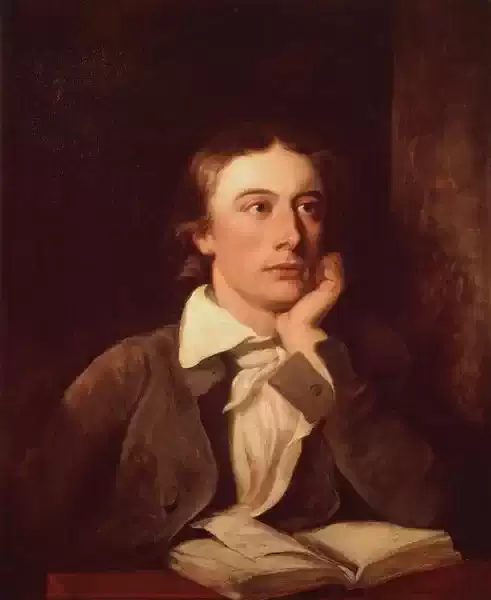
John Keats
The Eve Of Saint Mark. A Fragment
The Eve Of Saint Mark. A Fragment
Upon a Sabbath-day it fell;
Twice holy was the Sabbath-bell
That call'd the folk to evening prayer;
The city streets were clean and fair
From wholesome drench of April rains;
And, on the western window panes,
The chilly sunset faintly told
Of unmatur'd green vallies cold,
Of the green thorny bloomless hedge,
Of rivers new with spring-tide sedge,
Of primroses by shelter'd rills,
And daisies on the aguish hills.
Twice holy was the Sabbath-bell:
The silent streets were crowded well
With staid and pious companies,
Warm from their fire-side orat'ries,
And moving with demurest air
To even-song and vesper prayer.
Each arched porch and entry low
Was fill'd with patient folk and slow,
With whispers hush, and shuffling feet,
While play'd the organ loud and sweet.
The bells had ceas'd, the prayers begun,
And Bertha had not yet half done
A curious volume, patch'd and torn,
That all day long, from earliest morn,
Had taken captive her two eyes
Among its golden broideries;
Perplex'd her with a thousand things,--
The stars of Heaven, and angels' wings,
Martyrs in a fiery blaze,
Azure saints in silver rays,
Moses' breastplate, and the seven
Candlesticks John saw in Heaven,
The winged Lion of Saint Mark,
And the Covenantal Ark
With its many mysteries,
Cherubim and golden mice.
Bertha was a maiden fair,
Dwelling in the old Minster-square;
From her fire-side she could see
Sidelong its rich antiquity,
Far as the Bishop's garden-wall;
Where sycamores and elm-trees tall,
Full-leav'd, the forest had outstript,
By no sharp north-wind ever nipt,
So shelter'd by the mighty pile.
Bertha arose, and read awhile
With forehead 'gainst the window-pane.
Again she try'd, and then again,
Until the dusk eve left her dark
Upon the legend of St. Mark.
From plaited lawn-frill, fine and thin,
She lifted up her soft warm chin,
With aching neck and swimming eyes,
And daz'd with saintly imageries.
All was gloom, and silent all,
Save now and then the still foot-fall
Of one returning homewards late
Past the echoing minster-gate.
The clamorous daws, that all the day
Above tree-tops and towers play,
Pair by pair had gone to rest,
Each in its ancient belfry-nest,
Where asleep they fall betimes
To music of the drowsy chimes.
All was silent, all was gloom
Abroad and in the homely room:
Down she sat, poor cheated soul!
And struck a lamp from the dismal coal;
Lean'd forward with bright drooping hair
And slant book full against the glare.
Her shadow, in uneasy guise,
hover'd about, a giant size,
On ceiling-beam and old oak chair,
The parrot's cage, and panel square;
And the warm angled winter screen,
On which were many monsters seen,
Call'd doves of Siam, Lima mice,
And legless birds of Paradise,
Macaw, and tender Avadavat,
And silken-furr'd Angora cat.
Untir'd she read, her shadow still
Glower'd about as it would fill
The room with wildest forms and shades,
As though some ghostly queen of spades
Had come to mock behind her back,
And dance, and ruffle her garments black.
Untir'd she read the legend page
Of holy Mark, from youth to age,
On land, on sea, in pagan chains,
Rejoicing for his many pains.
Sometimes the learned Eremite
With golden star, or dagger bright,
Referr'd to pious poesies
Written in smallest crow-quill size
Beneath the text; and thus the rhyme
Was parcell'd out from time to time:
---- 'Als writith he of swevenis,
Men han beforne they wake in bliss,
Whanne that hir friendes thinke him bound
In crimped shroude farre under grounde;
And how a litling child mote be
A saint er its nativitie,
Gif that the modre (God her blesse!)
Kepen in solitarinesse,
And kissen devoute the holy croce.
Of Goddes love, and Sathan's force,--
He writith; and thinges many mo
Of swiche thinges I may not show.
Bot I must tellen verilie
Somdel of Sainte Cicilie,
And chieftie what he auctorethe
Of Sainte Markis life and dethe:'
At length her constant eyelids come
Upon the fervent martyrdom;
Then lastly to his holy shrine,
Exalt amid the tapers' shine
At Venice,--
Upon a Sabbath-day it fell;
Twice holy was the Sabbath-bell
That call'd the folk to evening prayer;
The city streets were clean and fair
From wholesome drench of April rains;
And, on the western window panes,
The chilly sunset faintly told
Of unmatur'd green vallies cold,
Of the green thorny bloomless hedge,
Of rivers new with spring-tide sedge,
Of primroses by shelter'd rills,
And daisies on the aguish hills.
Twice holy was the Sabbath-bell:
The silent streets were crowded well
With staid and pious companies,
Warm from their fire-side orat'ries,
And moving with demurest air
To even-song and vesper prayer.
Each arched porch and entry low
Was fill'd with patient folk and slow,
With whispers hush, and shuffling feet,
While play'd the organ loud and sweet.
The bells had ceas'd, the prayers begun,
And Bertha had not yet half done
A curious volume, patch'd and torn,
That all day long, from earliest morn,
Had taken captive her two eyes
Among its golden broideries;
Perplex'd her with a thousand things,--
The stars of Heaven, and angels' wings,
Martyrs in a fiery blaze,
Azure saints in silver rays,
Moses' breastplate, and the seven
Candlesticks John saw in Heaven,
The winged Lion of Saint Mark,
And the Covenantal Ark
With its many mysteries,
Cherubim and golden mice.
Bertha was a maiden fair,
Dwelling in the old Minster-square;
From her fire-side she could see
Sidelong its rich antiquity,
Far as the Bishop's garden-wall;
Where sycamores and elm-trees tall,
Full-leav'd, the forest had outstript,
By no sharp north-wind ever nipt,
So shelter'd by the mighty pile.
Bertha arose, and read awhile
With forehead 'gainst the window-pane.
Again she try'd, and then again,
Until the dusk eve left her dark
Upon the legend of St. Mark.
From plaited lawn-frill, fine and thin,
She lifted up her soft warm chin,
With aching neck and swimming eyes,
And daz'd with saintly imageries.
All was gloom, and silent all,
Save now and then the still foot-fall
Of one returning homewards late
Past the echoing minster-gate.
The clamorous daws, that all the day
Above tree-tops and towers play,
Pair by pair had gone to rest,
Each in its ancient belfry-nest,
Where asleep they fall betimes
To music of the drowsy chimes.
All was silent, all was gloom
Abroad and in the homely room:
Down she sat, poor cheated soul!
And struck a lamp from the dismal coal;
Lean'd forward with bright drooping hair
And slant book full against the glare.
Her shadow, in uneasy guise,
hover'd about, a giant size,
On ceiling-beam and old oak chair,
The parrot's cage, and panel square;
And the warm angled winter screen,
On which were many monsters seen,
Call'd doves of Siam, Lima mice,
And legless birds of Paradise,
Macaw, and tender Avadavat,
And silken-furr'd Angora cat.
Untir'd she read, her shadow still
Glower'd about as it would fill
The room with wildest forms and shades,
As though some ghostly queen of spades
Had come to mock behind her back,
And dance, and ruffle her garments black.
Untir'd she read the legend page
Of holy Mark, from youth to age,
On land, on sea, in pagan chains,
Rejoicing for his many pains.
Sometimes the learned Eremite
With golden star, or dagger bright,
Referr'd to pious poesies
Written in smallest crow-quill size
Beneath the text; and thus the rhyme
Was parcell'd out from time to time:
---- 'Als writith he of swevenis,
Men han beforne they wake in bliss,
Whanne that hir friendes thinke him bound
In crimped shroude farre under grounde;
And how a litling child mote be
A saint er its nativitie,
Gif that the modre (God her blesse!)
Kepen in solitarinesse,
And kissen devoute the holy croce.
Of Goddes love, and Sathan's force,--
He writith; and thinges many mo
Of swiche thinges I may not show.
Bot I must tellen verilie
Somdel of Sainte Cicilie,
And chieftie what he auctorethe
Of Sainte Markis life and dethe:'
At length her constant eyelids come
Upon the fervent martyrdom;
Then lastly to his holy shrine,
Exalt amid the tapers' shine
At Venice,--
480
John Keats
Sonnet. Written In Disgust Of Vulgar Superstition
Sonnet. Written In Disgust Of Vulgar Superstition
The church bells toll a melancholy round,
Calling the people to some other prayers,
Some other gloominess, more dreadful cares,
More hearkening to the sermon's horrid sound.
Surely the mind of man is closely bound
In some black spell; seeing that each one tears
Himself from fireside joys, and Lydian airs,
And converse high of those with glory crown'd.
Still, still they toll, and I should feel a damp,--
A chill as from a tomb, did I not know
That they are dying like an outburnt lamp;
That 'tis their sighing, wailing ere they go
Into oblivion; -- that fresh flowers will grow,
And many glories of immortal stamp.
The church bells toll a melancholy round,
Calling the people to some other prayers,
Some other gloominess, more dreadful cares,
More hearkening to the sermon's horrid sound.
Surely the mind of man is closely bound
In some black spell; seeing that each one tears
Himself from fireside joys, and Lydian airs,
And converse high of those with glory crown'd.
Still, still they toll, and I should feel a damp,--
A chill as from a tomb, did I not know
That they are dying like an outburnt lamp;
That 'tis their sighing, wailing ere they go
Into oblivion; -- that fresh flowers will grow,
And many glories of immortal stamp.
417
John Keats
Hymn To Apollo
Hymn To Apollo
GOD of the golden bow,
And of the golden lyre,
And of the golden hair,
And of the golden fire,
Charioteer
Of the patient year,
Where---where slept thine ire,
When like a blank idiot I put on thy wreath,
Thy laurel, thy glory,
The light of thy story,
Or was I a worm---too low crawling for death?
O Delphic Apollo!
The Thunderer grasp'd and grasp'd,
The Thunderer frown'd and frown'd;
The eagle's feathery mane
For wrath became stiffen'd---the sound
Of breeding thunder
Went drowsily under,
Muttering to be unbound.
O why didst thou pity, and beg for a worm?
Why touch thy soft lute
Till the thunder was mute,
Why was I not crush'd---such a pitiful germ?
O Delphic Apollo!
The Pleiades were up,
Watching the silent air;
The seeds and roots in Earth
Were swelling for summer fare;
The Ocean, its neighbour,
Was at his old labour,
When, who---who did dare
To tie for a moment, thy plant round his brow,
And grin and look proudly,
And blaspheme so loudly,
And live for that honour, to stoop to thee now?
O Delphic Apollo!
GOD of the golden bow,
And of the golden lyre,
And of the golden hair,
And of the golden fire,
Charioteer
Of the patient year,
Where---where slept thine ire,
When like a blank idiot I put on thy wreath,
Thy laurel, thy glory,
The light of thy story,
Or was I a worm---too low crawling for death?
O Delphic Apollo!
The Thunderer grasp'd and grasp'd,
The Thunderer frown'd and frown'd;
The eagle's feathery mane
For wrath became stiffen'd---the sound
Of breeding thunder
Went drowsily under,
Muttering to be unbound.
O why didst thou pity, and beg for a worm?
Why touch thy soft lute
Till the thunder was mute,
Why was I not crush'd---such a pitiful germ?
O Delphic Apollo!
The Pleiades were up,
Watching the silent air;
The seeds and roots in Earth
Were swelling for summer fare;
The Ocean, its neighbour,
Was at his old labour,
When, who---who did dare
To tie for a moment, thy plant round his brow,
And grin and look proudly,
And blaspheme so loudly,
And live for that honour, to stoop to thee now?
O Delphic Apollo!
438
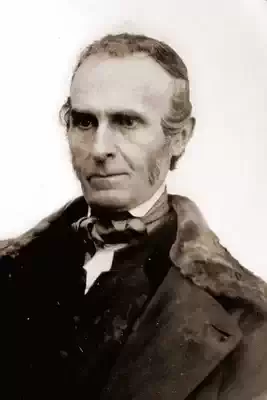
John Greenleaf Whittier
What The Voice Said
What The Voice Said
MADDENED by Earth's wrong and evil,
'Lord!' I cried in sudden ire,
'From Thy right hand, clothed with thunder,
Shake the bolted fire!
'Love is lost, and Faith is dying;
With the brute the man is sold;
And the dropping blood of labor
Hardens into gold.
'Here the dying wail of Famine,
There the battle's groan of pain;
And, in silence, smooth-faced Mammon
Reaping men like grain.
''Where is God, that we should fear Him?'
Thus the earth-born Titans say
'God! if Thou art living, hear us!'
Thus the weak ones pray.'
'Thou, the patient Heaven upbraiding,'
Spake a solemn Voice within;
'Weary of our Lord's forbearance,
Art thou free from sin?
'Fearless brow to Him uplifting,
Canst thou for His thunders call,
Knowing that to guilt's attraction
Evermore they fall?
'Know'st thou not all germs of evil
In thy heart await their time?
Not thyself, but God's restraining,
Stays their growth of crime.
'Couldst thou boast, O child of weakness!
O'er the sons of wrong and strife,
Were their strong temptations planted
In thy path of life?
'Thou hast seen two streamlets gushing
From one fountain, clear and free,
But by widely varying channels
Searching for the sea.
'Glideth one through greenest valleys,
Kissing them with lips still sweet;
One, mad roaring down the mountains,
Stagnates at their feet.
'Is it choice whereby the Parsee
Kneels before his mother's fire?
In his black tent did the Tartar
Choose his wandering sire?
'He alone, whose hand is bounding
Human power and human will,
Looking through each soul's surrounding,
Knows its good or ill.
'For thyself, while wrong and sorrow
Make to thee their strong appeal,
Coward wert thou not to utter
What the heart must feel.
'Earnest words must needs be spoken
When the warm heart bleeds or burns
With its scorn of wrong, or pity
For the wronged, by turns.
'But, by all thy nature's weakness,
Hidden faults and follies known,
Be thou, in rebuking evil,
Conscious of thine own.
'Not the less shall stern-eyed Duty
To thy lips her trumpet set,
But with harsher blasts shall mingle
Wailings of regret.'
Cease not, Voice of holy speaking,
Teacher sent of God, be near,
Whispering through the day's cool silence,
Let my spirit hear!
So, when thoughts of evil-doers
Waken scorn, or hatred move,
Shall a mournful fellow-feeling
Temper all with love.
MADDENED by Earth's wrong and evil,
'Lord!' I cried in sudden ire,
'From Thy right hand, clothed with thunder,
Shake the bolted fire!
'Love is lost, and Faith is dying;
With the brute the man is sold;
And the dropping blood of labor
Hardens into gold.
'Here the dying wail of Famine,
There the battle's groan of pain;
And, in silence, smooth-faced Mammon
Reaping men like grain.
''Where is God, that we should fear Him?'
Thus the earth-born Titans say
'God! if Thou art living, hear us!'
Thus the weak ones pray.'
'Thou, the patient Heaven upbraiding,'
Spake a solemn Voice within;
'Weary of our Lord's forbearance,
Art thou free from sin?
'Fearless brow to Him uplifting,
Canst thou for His thunders call,
Knowing that to guilt's attraction
Evermore they fall?
'Know'st thou not all germs of evil
In thy heart await their time?
Not thyself, but God's restraining,
Stays their growth of crime.
'Couldst thou boast, O child of weakness!
O'er the sons of wrong and strife,
Were their strong temptations planted
In thy path of life?
'Thou hast seen two streamlets gushing
From one fountain, clear and free,
But by widely varying channels
Searching for the sea.
'Glideth one through greenest valleys,
Kissing them with lips still sweet;
One, mad roaring down the mountains,
Stagnates at their feet.
'Is it choice whereby the Parsee
Kneels before his mother's fire?
In his black tent did the Tartar
Choose his wandering sire?
'He alone, whose hand is bounding
Human power and human will,
Looking through each soul's surrounding,
Knows its good or ill.
'For thyself, while wrong and sorrow
Make to thee their strong appeal,
Coward wert thou not to utter
What the heart must feel.
'Earnest words must needs be spoken
When the warm heart bleeds or burns
With its scorn of wrong, or pity
For the wronged, by turns.
'But, by all thy nature's weakness,
Hidden faults and follies known,
Be thou, in rebuking evil,
Conscious of thine own.
'Not the less shall stern-eyed Duty
To thy lips her trumpet set,
But with harsher blasts shall mingle
Wailings of regret.'
Cease not, Voice of holy speaking,
Teacher sent of God, be near,
Whispering through the day's cool silence,
Let my spirit hear!
So, when thoughts of evil-doers
Waken scorn, or hatred move,
Shall a mournful fellow-feeling
Temper all with love.
304
John Greenleaf Whittier
We May Not Climb the Heavenly Steeps
We May Not Climb the Heavenly Steeps
We may not climb the heavenly steeps
To bring the Lord Christ down;
In vain we search the lowest deeps
For Him who fills Heaven's throne.
But to the contrite spirit yet
A present help is He;
And faith has yet its Olivet,
And love its Galilee.
The healing of His seamless dress
Is by our beds of pain;
We touch Him in life's throng and press,
And we are whole again.
Through Him the first fond prayers are said,
Our lips of childhood frame;
The last low whispers of our dead
Are burdened with His Name.
O Lord and Saviour of us all,
Whate'er our name or sign,
We own Thy sway, we hear Thy call,
And form our lives by Thine.
We faintly hear, we dimly see,
In differing phrase we pray;
But, dim or clear, we own in Thee
The Life, the Truth, the Way.
We may not climb the heavenly steeps
To bring the Lord Christ down;
In vain we search the lowest deeps
For Him who fills Heaven's throne.
But to the contrite spirit yet
A present help is He;
And faith has yet its Olivet,
And love its Galilee.
The healing of His seamless dress
Is by our beds of pain;
We touch Him in life's throng and press,
And we are whole again.
Through Him the first fond prayers are said,
Our lips of childhood frame;
The last low whispers of our dead
Are burdened with His Name.
O Lord and Saviour of us all,
Whate'er our name or sign,
We own Thy sway, we hear Thy call,
And form our lives by Thine.
We faintly hear, we dimly see,
In differing phrase we pray;
But, dim or clear, we own in Thee
The Life, the Truth, the Way.
210
John Greenleaf Whittier
Valuation
Valuation
THE old Squire said, as he stood by his gate,
And his neighbor, the Deacon, went by,
'In spite of my bank stock and real estate,
You are better off, Deacon, than I.
'We're both growing old, and the end's drawing near,
You have less of this world to resign,
But in Heaven's appraisal your assets, I fear,
Will reckon up greater than mine.
'They say I am rich, but I'm feeling so poor,
I wish I could swap with you even
The pounds I have lived for and laid up in store
For the shillings and pence you have given.'
'Well, Squire,' said the Deacon, with shrewd
common sense,
While his eye had a twinkle of fun,
'Let your pounds take the way of my shillings
and pence,
And the thing can be easily done!'
THE old Squire said, as he stood by his gate,
And his neighbor, the Deacon, went by,
'In spite of my bank stock and real estate,
You are better off, Deacon, than I.
'We're both growing old, and the end's drawing near,
You have less of this world to resign,
But in Heaven's appraisal your assets, I fear,
Will reckon up greater than mine.
'They say I am rich, but I'm feeling so poor,
I wish I could swap with you even
The pounds I have lived for and laid up in store
For the shillings and pence you have given.'
'Well, Squire,' said the Deacon, with shrewd
common sense,
While his eye had a twinkle of fun,
'Let your pounds take the way of my shillings
and pence,
And the thing can be easily done!'
274
John Greenleaf Whittier
Trust
Trust
The same old baffling questions! O my friend,
I cannot answer them. In vain I send
My soul into the dark, where never burn
The lamps of science, nor the natural light
Of Reason's sun and stars! I cannot learn
Their great and solemn meanings, nor discern
The awful secrets of the eyes which turn
Evermore on us through the day and night
With silent challenge and a dumb demand,
Proffering the riddles of the dread unknown,
Like the calm Sphinxes, with their eyes of stone,
Questioning the centuries from their veils of sand!
I have no answer for myself or thee,
Save that I learned beside my mother's knee;
'All is of God that is, and is to be;
And God is good.' Let this suffice us still,
Resting in childlike trust upon His will
Who moves to His great ends unthwarted by the ill.
The same old baffling questions! O my friend,
I cannot answer them. In vain I send
My soul into the dark, where never burn
The lamps of science, nor the natural light
Of Reason's sun and stars! I cannot learn
Their great and solemn meanings, nor discern
The awful secrets of the eyes which turn
Evermore on us through the day and night
With silent challenge and a dumb demand,
Proffering the riddles of the dread unknown,
Like the calm Sphinxes, with their eyes of stone,
Questioning the centuries from their veils of sand!
I have no answer for myself or thee,
Save that I learned beside my mother's knee;
'All is of God that is, and is to be;
And God is good.' Let this suffice us still,
Resting in childlike trust upon His will
Who moves to His great ends unthwarted by the ill.
409
John Greenleaf Whittier
To The Memory Of Charles B. Storrs
To The Memory Of Charles B. Storrs
Thou hast fallen in thine armor,
Thou martyr of the Lord
With thy last breath crying 'Onward!'
And thy hand upon the sword.
The haughty heart derideth,
And the sinful lip reviles,
But the blessing of the perishing
Around thy pillow smiles!
When to our cup of trembling
The added drop is given,
And the long-suspended thunder
Falls terribly from Heaven,-When
a new and fearful freedom
Is proffered of the Lord
To the slow-consuming Famine,
The Pestilence and Sword!
When the refuges of Falsehood
Shall be swept away in wrath,
And the temple shall be shaken,
With its idol, to the earth,
Shall not thy words of warning
Be all remembered then?
And thy now unheeded message
Burn in the hearts of men?
Oppression's hand may scatter
Its nettles on thy tomb,
And even Christian bosoms
Deny thy memory room;
For lying lips shall torture
Thy mercy into crime,
And the slanderer shall flourish
As the bay-tree for a time.
But where the south-wind lingers
On Carolina's pines,
Or falls the careless sunbeam
Down Georgia's golden mines;
Where now beneath his burthen
The toiling slave is driven;
Where now a tyrant's mockery
Is offered unto Heaven;
Where Mammon hath its altars
Wet o'er with human blood,
And pride and lust debases
The workmanship of God,-There
shall thy praise be spoken,
Redeemed from Falsehood's ban,
When the fetters shall be broken,
And the slave shall be a man!
Joy to thy spirit, brother!
A thousand hearts are warm,
A thousand kindred bosoms
Are baring to the storm.
What though red-handed Violence
With secret Fraud combine?
The wall of fire is round us,
Our Present Help was thine.
Lo, the waking up of nations,
From Slavery's fatal sleep;
The murmur of a Universe,
Deep calling unto Deep!
Joy to thy spirit, brother!
On every wind of heaven
The onward cheer and summons
Of Freedom's voice is given!
Glory to God forever!
Beyond the despot's will
The soul of Freedom liveth
Imperishable still.
The words which thou hast uttered
Are of that soul a part,
And the good seed thou hast scattered
Is springing from the heart.
In the evil days before us,
And the trials yet to come,
In the shadow of the prison,
Or the cruel martyrdom,-We
will think of thee, O brother!
And thy sainted name shall be
In the blessing of the captive,
And the anthem of the free.
Thou hast fallen in thine armor,
Thou martyr of the Lord
With thy last breath crying 'Onward!'
And thy hand upon the sword.
The haughty heart derideth,
And the sinful lip reviles,
But the blessing of the perishing
Around thy pillow smiles!
When to our cup of trembling
The added drop is given,
And the long-suspended thunder
Falls terribly from Heaven,-When
a new and fearful freedom
Is proffered of the Lord
To the slow-consuming Famine,
The Pestilence and Sword!
When the refuges of Falsehood
Shall be swept away in wrath,
And the temple shall be shaken,
With its idol, to the earth,
Shall not thy words of warning
Be all remembered then?
And thy now unheeded message
Burn in the hearts of men?
Oppression's hand may scatter
Its nettles on thy tomb,
And even Christian bosoms
Deny thy memory room;
For lying lips shall torture
Thy mercy into crime,
And the slanderer shall flourish
As the bay-tree for a time.
But where the south-wind lingers
On Carolina's pines,
Or falls the careless sunbeam
Down Georgia's golden mines;
Where now beneath his burthen
The toiling slave is driven;
Where now a tyrant's mockery
Is offered unto Heaven;
Where Mammon hath its altars
Wet o'er with human blood,
And pride and lust debases
The workmanship of God,-There
shall thy praise be spoken,
Redeemed from Falsehood's ban,
When the fetters shall be broken,
And the slave shall be a man!
Joy to thy spirit, brother!
A thousand hearts are warm,
A thousand kindred bosoms
Are baring to the storm.
What though red-handed Violence
With secret Fraud combine?
The wall of fire is round us,
Our Present Help was thine.
Lo, the waking up of nations,
From Slavery's fatal sleep;
The murmur of a Universe,
Deep calling unto Deep!
Joy to thy spirit, brother!
On every wind of heaven
The onward cheer and summons
Of Freedom's voice is given!
Glory to God forever!
Beyond the despot's will
The soul of Freedom liveth
Imperishable still.
The words which thou hast uttered
Are of that soul a part,
And the good seed thou hast scattered
Is springing from the heart.
In the evil days before us,
And the trials yet to come,
In the shadow of the prison,
Or the cruel martyrdom,-We
will think of thee, O brother!
And thy sainted name shall be
In the blessing of the captive,
And the anthem of the free.
277
John Greenleaf Whittier
To My Friend OnThe Death Of His Sister
To My Friend OnThe Death Of His Sister
Thine is a grief, the depth of which another
May never know;
Yet, o'er the waters, O my stricken brother!
To thee I go.
I lean my heart unto thee, sadly folding
Thy hand in mine;
With even the weakness of my soul upholding
The strength of thine.
I never knew, like thee, the dear departed;
I stood not by
When, in calm trust, the pure and tranquil-hearted
Lay down to die.
And on thy ears my words of weak condoling
Must vainly fall
The funeral bell which in thy heart is tolling,
Sounds over all!
I will not mock thee with the poor world's common
And heartless phrase,
Nor wrong the memory of a sainted woman
With idle praise.
With silence only as their benediction,
God's angels come
Where, in the shadow of a great affliction,
The soul sits dumb!
Yet, would I say what thy own heart approveth
Our Father's will,
Calling to Him the dear one whom He loveth,
Is mercy still.
Not upon thee or thine the solemn angel
Hath evil wrought
Her funeral anthem is a glad evangel,-The
good die not!
God calls our loved ones, but we lose not wholly
What He hath given;
They live on earth, in thought and deed, as truly
As in His heaven.
And she is with thee; in thy path of trial
She walketh yet;
Still with the baptism of thy self-denial
Her locks are wet.
Up, then, my brother! Lo, the fields of harvest
Lie white in view
She lives and loves thee, and the God thou servest
To both is true.
Thrust in thy sickle! England's toilworn peasants
Thy call abide;
And she thou mourn'st, a pure and holy presence,
Shall glean beside!
Thine is a grief, the depth of which another
May never know;
Yet, o'er the waters, O my stricken brother!
To thee I go.
I lean my heart unto thee, sadly folding
Thy hand in mine;
With even the weakness of my soul upholding
The strength of thine.
I never knew, like thee, the dear departed;
I stood not by
When, in calm trust, the pure and tranquil-hearted
Lay down to die.
And on thy ears my words of weak condoling
Must vainly fall
The funeral bell which in thy heart is tolling,
Sounds over all!
I will not mock thee with the poor world's common
And heartless phrase,
Nor wrong the memory of a sainted woman
With idle praise.
With silence only as their benediction,
God's angels come
Where, in the shadow of a great affliction,
The soul sits dumb!
Yet, would I say what thy own heart approveth
Our Father's will,
Calling to Him the dear one whom He loveth,
Is mercy still.
Not upon thee or thine the solemn angel
Hath evil wrought
Her funeral anthem is a glad evangel,-The
good die not!
God calls our loved ones, but we lose not wholly
What He hath given;
They live on earth, in thought and deed, as truly
As in His heaven.
And she is with thee; in thy path of trial
She walketh yet;
Still with the baptism of thy self-denial
Her locks are wet.
Up, then, my brother! Lo, the fields of harvest
Lie white in view
She lives and loves thee, and the God thou servest
To both is true.
Thrust in thy sickle! England's toilworn peasants
Thy call abide;
And she thou mourn'st, a pure and holy presence,
Shall glean beside!
199
John Greenleaf Whittier
To Lydia Maria Child
To Lydia Maria Child
ON READING HER POEM IN 'THE STANDARD.'
The sweet spring day is glad with music,
But through it sounds a sadder strain;
The worthiest of our narrowing circle
Sings Loring's dirges o'er again.
O woman greatly loved! I join thee
In tender memories of our friend;
With thee across the awful spaces
The greeting of a soul I send!
What cheer hath he? How is it with him?
Where lingers he this weary while?
Over what pleasant fields of Heaven
Dawns the sweet sunrise of his smile?
Does he not know our feet are treading
The earth hard down on Slavery's grave?
That, in our crowning exultations,
We miss the charm his presence gave?
Why on this spring air comes no whisper
From him to tell us all is well?
Why to our flower-time comes no token
Of lily and of asphodel?
I feel the unutterable longing,
Thy hunger of the heart is mine;
I reach and grope for hands in darkness,
My ear grows sharp for voice or sign.
Still on the lips of all we question
The finger of God's silence lies;
Will the lost hands in ours be folded?
Will the shut eyelids ever rise?
O friend! no proof beyond this yearning,
This outreach of our hearts, we need;
God will not mock the hope He giveth,
No love He prompts shall vainly plead.
Then let us stretch our hands in darkness,
And call our loved ones o'er and o'er;
Some day their arms shall close about us,
And the old voices speak once more.
No dreary splendors wait our coming
Where rapt ghost sits from ghost apart;
Homeward we go to Heaven's thanksgiving,
The harvest-gathering of the heart.
ON READING HER POEM IN 'THE STANDARD.'
The sweet spring day is glad with music,
But through it sounds a sadder strain;
The worthiest of our narrowing circle
Sings Loring's dirges o'er again.
O woman greatly loved! I join thee
In tender memories of our friend;
With thee across the awful spaces
The greeting of a soul I send!
What cheer hath he? How is it with him?
Where lingers he this weary while?
Over what pleasant fields of Heaven
Dawns the sweet sunrise of his smile?
Does he not know our feet are treading
The earth hard down on Slavery's grave?
That, in our crowning exultations,
We miss the charm his presence gave?
Why on this spring air comes no whisper
From him to tell us all is well?
Why to our flower-time comes no token
Of lily and of asphodel?
I feel the unutterable longing,
Thy hunger of the heart is mine;
I reach and grope for hands in darkness,
My ear grows sharp for voice or sign.
Still on the lips of all we question
The finger of God's silence lies;
Will the lost hands in ours be folded?
Will the shut eyelids ever rise?
O friend! no proof beyond this yearning,
This outreach of our hearts, we need;
God will not mock the hope He giveth,
No love He prompts shall vainly plead.
Then let us stretch our hands in darkness,
And call our loved ones o'er and o'er;
Some day their arms shall close about us,
And the old voices speak once more.
No dreary splendors wait our coming
Where rapt ghost sits from ghost apart;
Homeward we go to Heaven's thanksgiving,
The harvest-gathering of the heart.
268
John Greenleaf Whittier
To George B. Cheever
To George B. Cheever
So spake Esaias: so, in words of flame,
Tekoa's prophet-herdsman smote with blame
The traffickers in men, and put to shame,
All earth and heaven before,
The sacerdotal robbers of the poor.
All the dread Scripture lives for thee again,
To smite like lightning on the hands profane
Lifted to bless the slave-whip and the chain.
Once more the old Hebrew tongue
Bends with the shafts of God a bow new-strung!
Take up the mantle which the prophets wore;
Warn with their warnings, show the Christ once more
Bound, scourged, and crucified in His blameless poor;
And shake above our land
The unquenched bolts that blazed in Hosea's hand!
Not vainly shalt thou cast upon our years
The solemn burdens of the Orient seers,
And smite with truth a guilty nation's ears.
Mightier was Luther's word
Than Seckingen's mailed arm or Hutton's sword!
So spake Esaias: so, in words of flame,
Tekoa's prophet-herdsman smote with blame
The traffickers in men, and put to shame,
All earth and heaven before,
The sacerdotal robbers of the poor.
All the dread Scripture lives for thee again,
To smite like lightning on the hands profane
Lifted to bless the slave-whip and the chain.
Once more the old Hebrew tongue
Bends with the shafts of God a bow new-strung!
Take up the mantle which the prophets wore;
Warn with their warnings, show the Christ once more
Bound, scourged, and crucified in His blameless poor;
And shake above our land
The unquenched bolts that blazed in Hosea's hand!
Not vainly shalt thou cast upon our years
The solemn burdens of the Orient seers,
And smite with truth a guilty nation's ears.
Mightier was Luther's word
Than Seckingen's mailed arm or Hutton's sword!
284
John Greenleaf Whittier
Thy Will Be Done
Thy Will Be Done
WE see not, know not; all our way
Is night, — with Thee alone is day:
From out the torrent's troubled drift,
Above the storm our prayers we lift,
Thy will be done!
The flesh may fail, the heart may faint,
But who are we to make complaint,
Or dare to plead, in times like these,
The weakness of our love of ease?
Thy will be done!
We take with solemn thankfulness
Our burden up, nor ask it less,
And count it joy that even we
May suffer, serve, or wait for Thee,
Whose will be done!
Though dim as yet in tint and line,
We trace Thy picture's wise design,
And thank Thee that our age supplies
Its dark relief of sacrifice.
Thy will be done!
And if, in our unworthiness,
Thy sacrificial wine we press;
If from Thy ordeal's heated bars
Our feet are seamed with crimson scars,
Thy will be done!
If, for the age to come, this hour
Of trial hath vicarious power,
And, blest by Thee, our present pain,
Be Liberty's eternal gain,
Thy will be done!
Strike, Thou the Master, we Thy keys,
The anthem of the destinies!
The minor of Thy loftier strain,
Our hearts shall breathe the old refrain,
Thy will be done!
WE see not, know not; all our way
Is night, — with Thee alone is day:
From out the torrent's troubled drift,
Above the storm our prayers we lift,
Thy will be done!
The flesh may fail, the heart may faint,
But who are we to make complaint,
Or dare to plead, in times like these,
The weakness of our love of ease?
Thy will be done!
We take with solemn thankfulness
Our burden up, nor ask it less,
And count it joy that even we
May suffer, serve, or wait for Thee,
Whose will be done!
Though dim as yet in tint and line,
We trace Thy picture's wise design,
And thank Thee that our age supplies
Its dark relief of sacrifice.
Thy will be done!
And if, in our unworthiness,
Thy sacrificial wine we press;
If from Thy ordeal's heated bars
Our feet are seamed with crimson scars,
Thy will be done!
If, for the age to come, this hour
Of trial hath vicarious power,
And, blest by Thee, our present pain,
Be Liberty's eternal gain,
Thy will be done!
Strike, Thou the Master, we Thy keys,
The anthem of the destinies!
The minor of Thy loftier strain,
Our hearts shall breathe the old refrain,
Thy will be done!
326
John Greenleaf Whittier
The Wish Of To-Day
The Wish Of To-Day
I ask not now for gold to gild
With mocking shine a weary frame;
The yearning of the mind is stilled,
I ask not now for Fame.
A rose-cloud, dimly seen above,
Melting in heaven's blue depths away;
Oh, sweet, fond dream of human Love
For thee I may not pray.
But, bowed in lowliness of mind,
I make my humble wishes known;
I only ask a will resigned,
O Father, to Thine own!
To-day, beneath Thy chastening eye
I crave alone for peace and rest,
Submissive in Thy hand to lie,
And feel that it is best.
A marvel seems the Universe,
A miracle our Life and Death;
A mystery which I cannot pierce,
Around, above, beneath.
In vain I task my aching brain,
In vain the sage's thought I scan,
I only feel how weak and vain,
How poor and blind, is man.
And now my spirit sighs for home,
And longs for light whereby to see,
And, like a weary child, would come,
O Father, unto Thee!
Though oft, like letters traced on sand,
My weak resolves have passed away,
In mercy lend Thy helping hand
Unto my prayer to-day!
I ask not now for gold to gild
With mocking shine a weary frame;
The yearning of the mind is stilled,
I ask not now for Fame.
A rose-cloud, dimly seen above,
Melting in heaven's blue depths away;
Oh, sweet, fond dream of human Love
For thee I may not pray.
But, bowed in lowliness of mind,
I make my humble wishes known;
I only ask a will resigned,
O Father, to Thine own!
To-day, beneath Thy chastening eye
I crave alone for peace and rest,
Submissive in Thy hand to lie,
And feel that it is best.
A marvel seems the Universe,
A miracle our Life and Death;
A mystery which I cannot pierce,
Around, above, beneath.
In vain I task my aching brain,
In vain the sage's thought I scan,
I only feel how weak and vain,
How poor and blind, is man.
And now my spirit sighs for home,
And longs for light whereby to see,
And, like a weary child, would come,
O Father, unto Thee!
Though oft, like letters traced on sand,
My weak resolves have passed away,
In mercy lend Thy helping hand
Unto my prayer to-day!
255
John Greenleaf Whittier
The Wife Of Manoah To Her Husband
The Wife Of Manoah To Her Husband
Against the sunset's glowing wall
The city towers rise black and tall,
Where Zorah, on its rocky height,
Stands like an armed man in the light.
Down Eshtaol's vales of ripened grain
Falls like a cloud the night amain,
And up the hillsides climbing slow
The barley reapers homeward go.
Look, dearest! how our fair child's head
The sunset light hath hallowed,
Where at this olive's foot he lies,
Uplooking to the tranquil skies.
Oh, while beneath the fervent heat
Thy sickle swept the bearded wheat,
I've watched, with mingled joy and dread,
Our child upon his grassy bed.
Joy, which the mother feels alone
Whose morning hope like mine had flown,
When to her bosom, over-blessed,
A dearer life than hers is pressed.
Dread, for the future dark and still,
Which shapes our dear one to its will;
Forever in his large calm eyes,
I read a tale of sacrifice.
The same foreboding awe I felt
When at the altar's side we knelt,
And he, who as a pilgrim came,
Rose, winged and glorious, through the flame.
I slept not, though the wild bees made
A dreamlike murmuring in the shade,
And on me the warm-fingered hours
Pressed with the drowsy smell of flowers.
Before me, in a vision, rose
The hosts of Israel's scornful foes,-Rank
over rank, helm, shield, and spear,
Glittered in noon's hot atmosphere.
I heard their boast, and bitter word,
Their mockery of the Hebrew's Lord,
I saw their hands His ark assail,
Their feet profane His holy veil.
No angel down the blue space spoke,
No thunder from the still sky broke;
But in their midst, in power and awe,
Like God's waked wrath, our child I saw!
A child no more!--harsh-browed and strong,
He towered a giant in the throng,
And down his shoulders, broad and bare,
Swept the black terror of his hair.
He raised his arm--he smote amain;
As round the reaper falls the grain,
So the dark host around him fell,
So sank the foes of Israel!
Again I looked. In sunlight shone
The towers and domes of Askelon;
Priest, warrior, slave, a mighty crowd
Within her idol temple bowed.
Yet one knelt not; stark, gaunt, and blind,
His arms the massive pillars twined,-An
eyeless captive, strong with hate,
He stood there like an evil Fate.
The red shrines smoked,--the trumpets pealed
He stooped,--the giant columns reeled;
Reeled tower and fane, sank arch and wall,
And the thick dust-cloud closed o'er all!
Above the shriek, the crash, the groan
Of the fallen pride of Askelon,
I heard, sheer down the echoing sky,
A voice as of an angel cry,-
The voice of him, who at our side
Sat through the golden eventide;
Of him who, on thy altar's blaze,
Rose fire-winged, with his song of praise.
'Rejoice o'er Israel's broken chain,
Gray mother of the mighty slain!
Rejoice!' it cried, 'he vanquisheth!
The strong in life is strong in death!
'To him shall Zorah's daughters raise
Through coming years their hymns of praise,
And gray old men at evening tell
Of all be wrought for Israel.
'And they who sing and they who hear
Alike shall hold thy memory dear,
And pour their blessings on thy head,
O mother of the mighty dead!'
It ceased; and though a sound I heard
As if great wings the still air stirred,
I only saw the barley sheaves
And hills half hid by olive leaves.
I bowed my face, in awe and fear,
On the dear child who slumbered near;
'With me, as with my only son,
O God,' I said, 'Thy will be done!'
Against the sunset's glowing wall
The city towers rise black and tall,
Where Zorah, on its rocky height,
Stands like an armed man in the light.
Down Eshtaol's vales of ripened grain
Falls like a cloud the night amain,
And up the hillsides climbing slow
The barley reapers homeward go.
Look, dearest! how our fair child's head
The sunset light hath hallowed,
Where at this olive's foot he lies,
Uplooking to the tranquil skies.
Oh, while beneath the fervent heat
Thy sickle swept the bearded wheat,
I've watched, with mingled joy and dread,
Our child upon his grassy bed.
Joy, which the mother feels alone
Whose morning hope like mine had flown,
When to her bosom, over-blessed,
A dearer life than hers is pressed.
Dread, for the future dark and still,
Which shapes our dear one to its will;
Forever in his large calm eyes,
I read a tale of sacrifice.
The same foreboding awe I felt
When at the altar's side we knelt,
And he, who as a pilgrim came,
Rose, winged and glorious, through the flame.
I slept not, though the wild bees made
A dreamlike murmuring in the shade,
And on me the warm-fingered hours
Pressed with the drowsy smell of flowers.
Before me, in a vision, rose
The hosts of Israel's scornful foes,-Rank
over rank, helm, shield, and spear,
Glittered in noon's hot atmosphere.
I heard their boast, and bitter word,
Their mockery of the Hebrew's Lord,
I saw their hands His ark assail,
Their feet profane His holy veil.
No angel down the blue space spoke,
No thunder from the still sky broke;
But in their midst, in power and awe,
Like God's waked wrath, our child I saw!
A child no more!--harsh-browed and strong,
He towered a giant in the throng,
And down his shoulders, broad and bare,
Swept the black terror of his hair.
He raised his arm--he smote amain;
As round the reaper falls the grain,
So the dark host around him fell,
So sank the foes of Israel!
Again I looked. In sunlight shone
The towers and domes of Askelon;
Priest, warrior, slave, a mighty crowd
Within her idol temple bowed.
Yet one knelt not; stark, gaunt, and blind,
His arms the massive pillars twined,-An
eyeless captive, strong with hate,
He stood there like an evil Fate.
The red shrines smoked,--the trumpets pealed
He stooped,--the giant columns reeled;
Reeled tower and fane, sank arch and wall,
And the thick dust-cloud closed o'er all!
Above the shriek, the crash, the groan
Of the fallen pride of Askelon,
I heard, sheer down the echoing sky,
A voice as of an angel cry,-
The voice of him, who at our side
Sat through the golden eventide;
Of him who, on thy altar's blaze,
Rose fire-winged, with his song of praise.
'Rejoice o'er Israel's broken chain,
Gray mother of the mighty slain!
Rejoice!' it cried, 'he vanquisheth!
The strong in life is strong in death!
'To him shall Zorah's daughters raise
Through coming years their hymns of praise,
And gray old men at evening tell
Of all be wrought for Israel.
'And they who sing and they who hear
Alike shall hold thy memory dear,
And pour their blessings on thy head,
O mother of the mighty dead!'
It ceased; and though a sound I heard
As if great wings the still air stirred,
I only saw the barley sheaves
And hills half hid by olive leaves.
I bowed my face, in awe and fear,
On the dear child who slumbered near;
'With me, as with my only son,
O God,' I said, 'Thy will be done!'
209
John Greenleaf Whittier
The Vision Of Echard
The Vision Of Echard
The Benedictine Echard
Sat by the wayside well,
Where Marsberg sees the bridal
Of the Sarre and the Moselle.
Fair with its sloping vineyards
And tawny chestnut bloom,
The happy vale Ausonius sunk
For holy Treves made room.
On the shrine Helena builded
To keep the Christ coat well,
On minster tower and kloster cross,
The westering sunshine fell.
There, where the rock-hewn circles
O'erlooked the Roman's game,
The veil of sleep fell on him,
And his thought a dream became.
He felt the heart of silence
Throb with a soundless word,
And by the inward ear alone
A spirit's voice he heard.
And the spoken word seemed written
On air and wave and sod,
And the bending walls of sapphire
Blazed with the thought of God.
'What lack I, O my children?
All things are in my band;
The vast earth and the awful stars
I hold as grains of sand.
'Need I your alms? The silver
And gold are mine alone;
The gifts ye bring before me
Were evermore my own.
'Heed I the noise of viols,
Your pomp of masque and show?
Have I not dawns and sunsets
Have I not winds that blow?
'Do I smell your gums of incense?
Is my ear with chantings fed?
Taste I your wine of worship,
Or eat your holy bread?
'Of rank and name and honors
Am I vain as ye are vain?
What can Eternal Fulness
From your lip-service gain?
'Ye make me not your debtor
Who serve yourselves alone;
Ye boast to me of homage
Whose gain is all your own.
'For you I gave the prophets,
For you the Psalmist's lay
For you the law's stone tables,
And holy book and day.
'Ye change to weary burdens
The helps that should uplift;
Ye lose in form the spirit,
The Giver in the gift.
'Who called ye to self-torment,
To fast and penance vain?
Dream ye Eternal Goodness
Has joy in mortal pain?
'For the death in life of Nitria,
For your Chartreuse ever dumb,
What better is the neighbor,
Or happier the home?
'Who counts his brother's welfare
As sacred as his own,
And loves, forgives, and pities,
He serveth me alone.
'I note each gracious purpose,
Each kindly word and deed;
Are ye not all my children?
Shall not the Father heed?
'No prayer for light and guidance
Is lost upon mine ear
The child's cry in the darkness
Shall not the Father hear?
'I loathe your wrangling councils,
I tread upon your creeds;
Who made ye mine avengers,
Or told ye of my needs;
'I bless men and ye curse them,
I love them and ye hate;
Ye bite and tear each other,
I suffer long and wait.
'Ye bow to ghastly symbols,
To cross and scourge and thorn;
Ye seek his Syrian manger
Who in the heart is born.
'For the dead Christ, not the living,
Ye watch His empty grave,
Whose life alone within you
Has power to bless and save.
'O blind ones, outward groping,
The idle quest forego;
Who listens to His inward voice
Alone of Him shall know.
'His love all love exceeding
The heart must needs recall,
Its self-surrendering freedom,
Its loss that gaineth all.
'Climb not the holy mountains,
Their eagles know not me;
Seek not the Blessed Islands,
I dwell not in the sea.
'Gone is the mount of Meru,
The triple gods are gone,
And, deaf to all the lama's prayers,
The Buddha slumbers on.
'No more from rocky Horeb
The smitten waters gush;
Fallen is Bethel's ladder,
Quenched is the burning bush.
'The jewels of the Urim
And Thurnmim all are dim;
The fire has left the altar,
The sign the teraphim.
'No more in ark or hill grove
The Holiest abides;
Not in the scroll's dead letter
The eternal secret hides.
'The eye shall fail that searches
For me the hollow sky;
The far is even as the near,
The low is as the high.
'What if the earth is hiding
Her old faiths, long outworn?
What is it to the changeless truth
That yours shall fail in turn?
'What if the o'erturned altar
Lays bare the ancient lie?
What if the dreams and legends
Of the world's childhood die?
'Have ye not still my witness
Within yourselves alway,
My hand that on the keys of life
For bliss or bale I lay?
'Still, in perpetual judgment,
I hold assize within,
With sure reward of holiness,
And dread rebuke of sin.
'A light, a guide, a warning,
A presence ever near,
Through the deep silence of the flesh
I reach the inward ear.
'My Gerizim and Ebal
Are in each human soul,
The still, small voice of blessing,
And Sinai's thunder-roll.
'The stern behest of duty,
The doom-book open thrown,
The heaven ye seek, the hell ye fear,
Are with yourselves alone.'
. . . . .
A gold and purple sunset
Flowed down the broad Moselle;
On hills of vine and meadow lands
The peace of twilight fell.
A slow, cool wind of evening
Blew over leaf and bloom;
And, faint and far, the Angelus
Rang from Saint Matthew's tomb.
Then up rose Master Echard,
And marvelled: 'Can it be
That here, in dream and vision,
The Lord hath talked with me?'
He went his way; behind him
The shrines of saintly dead,
The holy coat and nail of cross,
He left unvisited.
He sought the vale of Eltzbach
His burdened soul to free,
Where the foot-hills of the Eifel
Are glassed in Laachersee.
And, in his Order's kloster,
He sat, in night-long parle,
With Tauler of the Friends of God,
And Nicolas of Basle.
And lo! the twain made answer
'Yea, brother, even thus
The Voice above all voices
Hath spoken unto us.
'The world will have its idols,
And flesh and sense their sign
But the blinded eyes shall open,
And the gross ear be fine.
'What if the vision tarry?
God's time is always best;
The true Light shall be witnessed,
The Christ within confessed.
'In mercy or in judgment
He shall turn and overturn,
Till the heart shall be His temple
Where all of Him shall learn.'
The Benedictine Echard
Sat by the wayside well,
Where Marsberg sees the bridal
Of the Sarre and the Moselle.
Fair with its sloping vineyards
And tawny chestnut bloom,
The happy vale Ausonius sunk
For holy Treves made room.
On the shrine Helena builded
To keep the Christ coat well,
On minster tower and kloster cross,
The westering sunshine fell.
There, where the rock-hewn circles
O'erlooked the Roman's game,
The veil of sleep fell on him,
And his thought a dream became.
He felt the heart of silence
Throb with a soundless word,
And by the inward ear alone
A spirit's voice he heard.
And the spoken word seemed written
On air and wave and sod,
And the bending walls of sapphire
Blazed with the thought of God.
'What lack I, O my children?
All things are in my band;
The vast earth and the awful stars
I hold as grains of sand.
'Need I your alms? The silver
And gold are mine alone;
The gifts ye bring before me
Were evermore my own.
'Heed I the noise of viols,
Your pomp of masque and show?
Have I not dawns and sunsets
Have I not winds that blow?
'Do I smell your gums of incense?
Is my ear with chantings fed?
Taste I your wine of worship,
Or eat your holy bread?
'Of rank and name and honors
Am I vain as ye are vain?
What can Eternal Fulness
From your lip-service gain?
'Ye make me not your debtor
Who serve yourselves alone;
Ye boast to me of homage
Whose gain is all your own.
'For you I gave the prophets,
For you the Psalmist's lay
For you the law's stone tables,
And holy book and day.
'Ye change to weary burdens
The helps that should uplift;
Ye lose in form the spirit,
The Giver in the gift.
'Who called ye to self-torment,
To fast and penance vain?
Dream ye Eternal Goodness
Has joy in mortal pain?
'For the death in life of Nitria,
For your Chartreuse ever dumb,
What better is the neighbor,
Or happier the home?
'Who counts his brother's welfare
As sacred as his own,
And loves, forgives, and pities,
He serveth me alone.
'I note each gracious purpose,
Each kindly word and deed;
Are ye not all my children?
Shall not the Father heed?
'No prayer for light and guidance
Is lost upon mine ear
The child's cry in the darkness
Shall not the Father hear?
'I loathe your wrangling councils,
I tread upon your creeds;
Who made ye mine avengers,
Or told ye of my needs;
'I bless men and ye curse them,
I love them and ye hate;
Ye bite and tear each other,
I suffer long and wait.
'Ye bow to ghastly symbols,
To cross and scourge and thorn;
Ye seek his Syrian manger
Who in the heart is born.
'For the dead Christ, not the living,
Ye watch His empty grave,
Whose life alone within you
Has power to bless and save.
'O blind ones, outward groping,
The idle quest forego;
Who listens to His inward voice
Alone of Him shall know.
'His love all love exceeding
The heart must needs recall,
Its self-surrendering freedom,
Its loss that gaineth all.
'Climb not the holy mountains,
Their eagles know not me;
Seek not the Blessed Islands,
I dwell not in the sea.
'Gone is the mount of Meru,
The triple gods are gone,
And, deaf to all the lama's prayers,
The Buddha slumbers on.
'No more from rocky Horeb
The smitten waters gush;
Fallen is Bethel's ladder,
Quenched is the burning bush.
'The jewels of the Urim
And Thurnmim all are dim;
The fire has left the altar,
The sign the teraphim.
'No more in ark or hill grove
The Holiest abides;
Not in the scroll's dead letter
The eternal secret hides.
'The eye shall fail that searches
For me the hollow sky;
The far is even as the near,
The low is as the high.
'What if the earth is hiding
Her old faiths, long outworn?
What is it to the changeless truth
That yours shall fail in turn?
'What if the o'erturned altar
Lays bare the ancient lie?
What if the dreams and legends
Of the world's childhood die?
'Have ye not still my witness
Within yourselves alway,
My hand that on the keys of life
For bliss or bale I lay?
'Still, in perpetual judgment,
I hold assize within,
With sure reward of holiness,
And dread rebuke of sin.
'A light, a guide, a warning,
A presence ever near,
Through the deep silence of the flesh
I reach the inward ear.
'My Gerizim and Ebal
Are in each human soul,
The still, small voice of blessing,
And Sinai's thunder-roll.
'The stern behest of duty,
The doom-book open thrown,
The heaven ye seek, the hell ye fear,
Are with yourselves alone.'
. . . . .
A gold and purple sunset
Flowed down the broad Moselle;
On hills of vine and meadow lands
The peace of twilight fell.
A slow, cool wind of evening
Blew over leaf and bloom;
And, faint and far, the Angelus
Rang from Saint Matthew's tomb.
Then up rose Master Echard,
And marvelled: 'Can it be
That here, in dream and vision,
The Lord hath talked with me?'
He went his way; behind him
The shrines of saintly dead,
The holy coat and nail of cross,
He left unvisited.
He sought the vale of Eltzbach
His burdened soul to free,
Where the foot-hills of the Eifel
Are glassed in Laachersee.
And, in his Order's kloster,
He sat, in night-long parle,
With Tauler of the Friends of God,
And Nicolas of Basle.
And lo! the twain made answer
'Yea, brother, even thus
The Voice above all voices
Hath spoken unto us.
'The world will have its idols,
And flesh and sense their sign
But the blinded eyes shall open,
And the gross ear be fine.
'What if the vision tarry?
God's time is always best;
The true Light shall be witnessed,
The Christ within confessed.
'In mercy or in judgment
He shall turn and overturn,
Till the heart shall be His temple
Where all of Him shall learn.'
262
John Greenleaf Whittier
The Two Loves
The Two Loves
Smoothing soft the nestling head
Of a maiden fancy-led,
Thus a grave-eyed woman said:
'Richest gifts are those we make,
Dearer than the love we take
That we give for love's own sake.
'Well I know the heart's unrest;
Mine has been the common quest,
To be loved and therefore blest.
'Favors undeserved were mine;
At my feet as on a shrine
Love has laid its gifts divine.
'Sweet the offerings seemed, and yet
With their sweetness came regret,
And a sense of unpaid debt.
'Heart of mine unsatisfied,
Was it vanity or pride
That a deeper joy denied?
'Hands that ope but to receive
Empty close; they only live
Richly who can richly give.
'Still,' she sighed, with moistening eyes,
'Love is sweet in any guise;
But its best is sacrifice!
'He who, giving, does not crave
Likest is to Him who gave
Life itself the loved to save.
'Love, that self-forgetful gives,
Sows surprise of ripened sheaves,
Late or soon its own receives.'
Smoothing soft the nestling head
Of a maiden fancy-led,
Thus a grave-eyed woman said:
'Richest gifts are those we make,
Dearer than the love we take
That we give for love's own sake.
'Well I know the heart's unrest;
Mine has been the common quest,
To be loved and therefore blest.
'Favors undeserved were mine;
At my feet as on a shrine
Love has laid its gifts divine.
'Sweet the offerings seemed, and yet
With their sweetness came regret,
And a sense of unpaid debt.
'Heart of mine unsatisfied,
Was it vanity or pride
That a deeper joy denied?
'Hands that ope but to receive
Empty close; they only live
Richly who can richly give.
'Still,' she sighed, with moistening eyes,
'Love is sweet in any guise;
But its best is sacrifice!
'He who, giving, does not crave
Likest is to Him who gave
Life itself the loved to save.
'Love, that self-forgetful gives,
Sows surprise of ripened sheaves,
Late or soon its own receives.'
308
John Greenleaf Whittier
The Two Angels
The Two Angels
God called the nearest angels who dwell with Him above:
The tenderest one was Pity, the dearest one was Love.
'Arise,' He said, 'my angels! a wail of woe and sin
Steals through the gates of heaven, and saddens all within.
'My harps take up the mournful strain that from a lost world swells,
The smoke of torment clouds the light and blights the asphodels.
'Fly downward to that under world, and on its souls of pain,
Let Love drop smiles like sunshine, and Pity tears like rain!'
Two faces bowed before the Throne, veiled in their golden hair;
Four white wings lessened swiftly down the dark abyss of air.
The way was strange, the flight was long; at last the angels came
Where swung the lost and nether world, red-wrapped in rayless flame.
There Pity, shuddering, wept; but Love, with faith too strong for fear,
Took heart from God's almightiness and smiled a smile of cheer.
And lo! that tear of Pity quenched the flame whereon it fell,
And, with the sunshine of that smile, hope entered into hell!
Two unveiled faces full of joy looked upward to the Throne,
Four white wings folded at the feet of Him who sat thereon!
And deeper than the sound of seas, more soft than falling flake,
Amidst the hush of wing and song the Voice Eternal spake:
'Welcome, my angels! ye have brought a holier joy to heaven;
Henceforth its sweetest song shall be the song of sin forgiven!'
God called the nearest angels who dwell with Him above:
The tenderest one was Pity, the dearest one was Love.
'Arise,' He said, 'my angels! a wail of woe and sin
Steals through the gates of heaven, and saddens all within.
'My harps take up the mournful strain that from a lost world swells,
The smoke of torment clouds the light and blights the asphodels.
'Fly downward to that under world, and on its souls of pain,
Let Love drop smiles like sunshine, and Pity tears like rain!'
Two faces bowed before the Throne, veiled in their golden hair;
Four white wings lessened swiftly down the dark abyss of air.
The way was strange, the flight was long; at last the angels came
Where swung the lost and nether world, red-wrapped in rayless flame.
There Pity, shuddering, wept; but Love, with faith too strong for fear,
Took heart from God's almightiness and smiled a smile of cheer.
And lo! that tear of Pity quenched the flame whereon it fell,
And, with the sunshine of that smile, hope entered into hell!
Two unveiled faces full of joy looked upward to the Throne,
Four white wings folded at the feet of Him who sat thereon!
And deeper than the sound of seas, more soft than falling flake,
Amidst the hush of wing and song the Voice Eternal spake:
'Welcome, my angels! ye have brought a holier joy to heaven;
Henceforth its sweetest song shall be the song of sin forgiven!'
301
John Greenleaf Whittier
The Swan Song of Parson Avery
The Swan Song of Parson Avery
When the reaper's task was ended, and the summer wearing late,
Parson Avery sailed from Newbury, with his wife and children eight,
Dropping down the river-harbor in the shallop 'Watch and Wait.'
Pleasantly lay the clearings in the mellow summer-morn,
With the newly planted orchards dropping their fruits first-born,
And the home-roofs like brown islands amid a sea of corn.
Broad meadows reached out 'seaward the tided creeks between,
And hills rolled wave-like inland, with oaks and walnuts green;A
fairer home, a-goodlier land, his eyes had never seen.
Yet away sailed Parson Avery, away where duty led,
And the voice of God seemed calling, to break the living bread
To the souls of fishers starving on the rocks of Marblehead.
All day they sailed: at nightfall the pleasant land-breeze died,
The blackening sky, at midnight, its starry lights denied,
And far and low the thunder of tempest prophesied.
Blotted out were all the coast-lines, gone were rock, and wood, and sand;
Grimly anxious stood the skipper with the rudder in his hand,
And questioned of the darkness what was sea and what was land.
And the preacher heard his dear ones, nestled round him, weeping sore,
'Never heed, my little children! Christ is walking on before;
To the pleasant land of heaven, where the sea shall be no more.'
All at once the great cloud parted, like a curtain drawn aside,
To let down the torch of lightning on the terror far and wide;
And the thunder and the whirlwind together smote the tide.
There was wailing in the shallop, woman's wail and man's despair,
A crash of breaking timbers on the rocks so sharp and bare,
And, through it all, the murmur of Father Avery's prayer.
From his struggle in the darkness with the wild waves and the blast,
On a rock, where every billow broke above him as it passed,
Alone, of all his household, the man of God was cast.
There a comrade heard him praying, in the pause of wave and wind
'All my own have gone before me, and I linger just behind;
Not for life I ask, but only for the rest Thy ransomed find!
'In this night of death I challenge the promise of Thy word!Let
me see the great salvation of which mine ears have heard!Let
me pass from hence forgiven, through the grace of Christ, our Lord!
'In the baptism of these waters wash white my every sin,
And let me follow up to Thee my household and my kin!
Open the sea-gate of Thy heaven, and let me enter in!'
When the Christian sings his death-song, all the listening heavens draw near,
And the angels, leaning over the walls of crystal, hear
How the notes so faint and broken swell to music in God's ear.
The ear of God was open to His servant's last request;
As the strong wave swept him downward the sweet hymn upward pressed,
And the soul of Father Avery went, singing, to its rest.
There was wailing on the mainland, from the rocks of Marblehead;
In the stricken church of Newbury the notes of prayer were read;
And long, by board and hearthstone, the living mourned the dead.
And still the fishers outbound, or scudding from the squall,
With grave and reverent faces, the ancient tale recall,
When they see the white waves breaking on the Rock of Avery's Fall!
When the reaper's task was ended, and the summer wearing late,
Parson Avery sailed from Newbury, with his wife and children eight,
Dropping down the river-harbor in the shallop 'Watch and Wait.'
Pleasantly lay the clearings in the mellow summer-morn,
With the newly planted orchards dropping their fruits first-born,
And the home-roofs like brown islands amid a sea of corn.
Broad meadows reached out 'seaward the tided creeks between,
And hills rolled wave-like inland, with oaks and walnuts green;A
fairer home, a-goodlier land, his eyes had never seen.
Yet away sailed Parson Avery, away where duty led,
And the voice of God seemed calling, to break the living bread
To the souls of fishers starving on the rocks of Marblehead.
All day they sailed: at nightfall the pleasant land-breeze died,
The blackening sky, at midnight, its starry lights denied,
And far and low the thunder of tempest prophesied.
Blotted out were all the coast-lines, gone were rock, and wood, and sand;
Grimly anxious stood the skipper with the rudder in his hand,
And questioned of the darkness what was sea and what was land.
And the preacher heard his dear ones, nestled round him, weeping sore,
'Never heed, my little children! Christ is walking on before;
To the pleasant land of heaven, where the sea shall be no more.'
All at once the great cloud parted, like a curtain drawn aside,
To let down the torch of lightning on the terror far and wide;
And the thunder and the whirlwind together smote the tide.
There was wailing in the shallop, woman's wail and man's despair,
A crash of breaking timbers on the rocks so sharp and bare,
And, through it all, the murmur of Father Avery's prayer.
From his struggle in the darkness with the wild waves and the blast,
On a rock, where every billow broke above him as it passed,
Alone, of all his household, the man of God was cast.
There a comrade heard him praying, in the pause of wave and wind
'All my own have gone before me, and I linger just behind;
Not for life I ask, but only for the rest Thy ransomed find!
'In this night of death I challenge the promise of Thy word!Let
me see the great salvation of which mine ears have heard!Let
me pass from hence forgiven, through the grace of Christ, our Lord!
'In the baptism of these waters wash white my every sin,
And let me follow up to Thee my household and my kin!
Open the sea-gate of Thy heaven, and let me enter in!'
When the Christian sings his death-song, all the listening heavens draw near,
And the angels, leaning over the walls of crystal, hear
How the notes so faint and broken swell to music in God's ear.
The ear of God was open to His servant's last request;
As the strong wave swept him downward the sweet hymn upward pressed,
And the soul of Father Avery went, singing, to its rest.
There was wailing on the mainland, from the rocks of Marblehead;
In the stricken church of Newbury the notes of prayer were read;
And long, by board and hearthstone, the living mourned the dead.
And still the fishers outbound, or scudding from the squall,
With grave and reverent faces, the ancient tale recall,
When they see the white waves breaking on the Rock of Avery's Fall!
349
John Greenleaf Whittier
The Star Of Bethlehem
The Star Of Bethlehem
Where Time the measure of his hours
By changeful bud and blossom keeps,
And, like a young bride crowned with flowers,
Fair Shiraz in her garden sleeps;
Where, to her poet's turban stone,
The Spring her gift of flowers imparts,
Less sweet than those his thoughts have sown
In the warm soil of Persian hearts:
There sat the stranger, where the shade
Of scattered date-trees thinly lay,
While in the hot clear heaven delayed
The long and still and weary day.
Strange trees and fruits above him hung,
Strange odors filled the sultry air,
Strange birds upon the branches swung,
Strange insect voices murmured there.
And strange bright blossoms shone around,
Turned sunward from the shadowy bowers,
As if the Gheber's soul had found
A fitting home in Iran's flowers.
Whate'er he saw, whate'er he heard,
Awakened feelings new and sad,-No
Christian garb, nor Christian word,
Nor church with Sabbath-bell chimes glad,
But Moslem graves, with turban stones,
And mosque-spires gleaming white, in view,
And graybeard Mollahs in low tones
Chanting their Koran service through.
The flowers which smiled on either hand,
Like tempting fiends, were such as they
Which once, o'er all that Eastern land,
As gifts on demon altars lay.
As if the burning eye of Baal
The servant of his Conqueror knew,
From skies which knew no cloudy veil,
The Sun's hot glances smote him through.
'Ah me!' the lonely stranger said,
'The hope which led my footsteps on,
And light from heaven around them shed,
O'er weary wave and waste, is gone!
'Where are the harvest fields all white,
For Truth to thrust her sickle in?
Where flock the souls, like doves in flight,
From the dark hiding-place of sin?
'A silent-horror broods o'er all,-The
burden of a hateful spell,-The
very flowers around recall
The hoary magi's rites of hell!
'And what am I, o'er such a land
The banner of the Cross to bear?
Dear Lord, uphold me with Thy hand,
Thy strength with human weakness share!'
He ceased; for at his very feet
In mild rebuke a floweret smiled;
How thrilled his sinking heart to greet
The Star-flower of the Virgin's child!
Sown by some wandering Frank, it drew
Its life from alien air and earth,
And told to Paynim sun and dew
The story of the Saviour's birth.
From scorching beams, in kindly mood,
The Persian plants its beauty screened,
And on its pagan sisterhood,
In love, the Christian floweret leaned.
With tears of joy the wanderer felt
The darkness of his long despair
Before that hallowed symbol melt,
Which God's dear love had nurtured there.
From Nature's face, that simple flower
The lines of sin and sadness swept;
And Magian pile and Paynim bower
In peace like that of Eden slept.
Each Moslem tomb, and cypress old,
Looked holy through the sunset air;
And, angel-like, the Muezzin told
From tower and mosque the hour of prayer.
With cheerful steps, the morrow's dawn
From Shiraz saw the stranger part;
The Star-flower of the Virgin-Born
Still blooming in his hopeful heart!
Where Time the measure of his hours
By changeful bud and blossom keeps,
And, like a young bride crowned with flowers,
Fair Shiraz in her garden sleeps;
Where, to her poet's turban stone,
The Spring her gift of flowers imparts,
Less sweet than those his thoughts have sown
In the warm soil of Persian hearts:
There sat the stranger, where the shade
Of scattered date-trees thinly lay,
While in the hot clear heaven delayed
The long and still and weary day.
Strange trees and fruits above him hung,
Strange odors filled the sultry air,
Strange birds upon the branches swung,
Strange insect voices murmured there.
And strange bright blossoms shone around,
Turned sunward from the shadowy bowers,
As if the Gheber's soul had found
A fitting home in Iran's flowers.
Whate'er he saw, whate'er he heard,
Awakened feelings new and sad,-No
Christian garb, nor Christian word,
Nor church with Sabbath-bell chimes glad,
But Moslem graves, with turban stones,
And mosque-spires gleaming white, in view,
And graybeard Mollahs in low tones
Chanting their Koran service through.
The flowers which smiled on either hand,
Like tempting fiends, were such as they
Which once, o'er all that Eastern land,
As gifts on demon altars lay.
As if the burning eye of Baal
The servant of his Conqueror knew,
From skies which knew no cloudy veil,
The Sun's hot glances smote him through.
'Ah me!' the lonely stranger said,
'The hope which led my footsteps on,
And light from heaven around them shed,
O'er weary wave and waste, is gone!
'Where are the harvest fields all white,
For Truth to thrust her sickle in?
Where flock the souls, like doves in flight,
From the dark hiding-place of sin?
'A silent-horror broods o'er all,-The
burden of a hateful spell,-The
very flowers around recall
The hoary magi's rites of hell!
'And what am I, o'er such a land
The banner of the Cross to bear?
Dear Lord, uphold me with Thy hand,
Thy strength with human weakness share!'
He ceased; for at his very feet
In mild rebuke a floweret smiled;
How thrilled his sinking heart to greet
The Star-flower of the Virgin's child!
Sown by some wandering Frank, it drew
Its life from alien air and earth,
And told to Paynim sun and dew
The story of the Saviour's birth.
From scorching beams, in kindly mood,
The Persian plants its beauty screened,
And on its pagan sisterhood,
In love, the Christian floweret leaned.
With tears of joy the wanderer felt
The darkness of his long despair
Before that hallowed symbol melt,
Which God's dear love had nurtured there.
From Nature's face, that simple flower
The lines of sin and sadness swept;
And Magian pile and Paynim bower
In peace like that of Eden slept.
Each Moslem tomb, and cypress old,
Looked holy through the sunset air;
And, angel-like, the Muezzin told
From tower and mosque the hour of prayer.
With cheerful steps, the morrow's dawn
From Shiraz saw the stranger part;
The Star-flower of the Virgin-Born
Still blooming in his hopeful heart!
309
John Greenleaf Whittier
The Shadow And The Light
The Shadow And The Light
The fourteen centuries fall away
Between us and the Afric saint,
And at his side we urge, to-day,
The immemorial quest and old complaint.
No outward sign to us is given,-From
sea or earth comes no reply;
Hushed as the warm Numidian heaven
He vainly questioned bends our frozen sky.
No victory comes of all our strife,-From
all we grasp the meaning slips;
The Sphinx sits at the gate of life,
With the old question on her awful lips.
In paths unknown we hear the feet
Of fear before, and guilt behind;
We pluck the wayside fruit, and eat
Ashes and dust beneath its golden rind.
From age to age descends unchecked
The sad bequest of sire to son,
The body's taint, the mind's defect;
Through every web of life the dark threads run.
Oh, why and whither? God knows all;
I only know that He is good,
And that whatever may befall
Or here or there, must be the best that could.
Between the dreadful cherubim
A Father's face I still discern,
As Moses looked of old on Him,
And saw His glory into goodness turn!
For He is merciful as just;
And so, by faith correcting sight,
I bow before His will, and trust
Howe'er they seem He doeth all things right.
And dare to hope that Tie will make
The rugged smooth, the doubtful plain;
His mercy never quite forsake;
His healing visit every realm of pain;
That suffering is not His revenge
Upon His creatures weak and frail,
Sent on a pathway new and strange
With feet that wander and with eyes that fail;
That, o'er the crucible of pain,
Watches the tender eye of Love
The slow transmuting of the chain
Whose links are iron below to gold above!
Ah me! we doubt the shining skies,
Seen through our shadows of offence,
And drown with our poor childish cries
The cradle-hymn of kindly Providence.
And still we love the evil cause,
And of the just effect complain
We tread upon life's broken laws,
And murmur at our self-inflicted pain;
We turn us from the light, and find
Our spectral shapes before us thrown,
As they who leave the sun behind
Walk in the shadows of themselves alone.
And scarce by will or strength of ours
We set our faces to the day;
Weak, wavering, blind, the Eternal Powers
Alone can turn us from ourselves away.
Our weakness is the strength of sin,
But love must needs be stronger far,
Outreaching all and gathering in
The erring spirit and the wandering star.
A Voice grows with the growing years;
Earth, hushing down her bitter cry,
Looks upward from her graves, and hears,
'The Resurrection and the Life am I.'
O Love Divine!--whose constant beam
Shines on the eyes that will not see,
And waits to bless us, while we dream
Thou leavest us because we turn from thee!
All souls that struggle and aspire,
All hearts of prayer by thee are lit;
And, dim or clear, thy tongues of fire
On dusky tribes and twilight centuries sit.
Nor bounds, nor clime, nor creed thou know'st,
Wide as our need thy favors fall;
The white wings of the Holy Ghost
Stoop, seen or unseen, o'er the heads of all.
O Beauty, old yet ever new!
Eternal Voice, and Inward Word,
The Logos of the Greek and Jew,
The old sphere-music which the Samian heard!
Truth, which the sage and prophet saw,
Long sought without, but found within,
The Law of Love beyond all law,
The Life o'erflooding mortal death and sin!
Shine on us with the light which glowed
Upon the trance-bound shepherd's way.
Who saw the Darkness overflowed
And drowned by tides of everlasting Day.
Shine, light of God!--make broad thy scope
To all who sin and suffer; more
And better than we dare to hope
With Heaven's compassion make our longings poor!
The fourteen centuries fall away
Between us and the Afric saint,
And at his side we urge, to-day,
The immemorial quest and old complaint.
No outward sign to us is given,-From
sea or earth comes no reply;
Hushed as the warm Numidian heaven
He vainly questioned bends our frozen sky.
No victory comes of all our strife,-From
all we grasp the meaning slips;
The Sphinx sits at the gate of life,
With the old question on her awful lips.
In paths unknown we hear the feet
Of fear before, and guilt behind;
We pluck the wayside fruit, and eat
Ashes and dust beneath its golden rind.
From age to age descends unchecked
The sad bequest of sire to son,
The body's taint, the mind's defect;
Through every web of life the dark threads run.
Oh, why and whither? God knows all;
I only know that He is good,
And that whatever may befall
Or here or there, must be the best that could.
Between the dreadful cherubim
A Father's face I still discern,
As Moses looked of old on Him,
And saw His glory into goodness turn!
For He is merciful as just;
And so, by faith correcting sight,
I bow before His will, and trust
Howe'er they seem He doeth all things right.
And dare to hope that Tie will make
The rugged smooth, the doubtful plain;
His mercy never quite forsake;
His healing visit every realm of pain;
That suffering is not His revenge
Upon His creatures weak and frail,
Sent on a pathway new and strange
With feet that wander and with eyes that fail;
That, o'er the crucible of pain,
Watches the tender eye of Love
The slow transmuting of the chain
Whose links are iron below to gold above!
Ah me! we doubt the shining skies,
Seen through our shadows of offence,
And drown with our poor childish cries
The cradle-hymn of kindly Providence.
And still we love the evil cause,
And of the just effect complain
We tread upon life's broken laws,
And murmur at our self-inflicted pain;
We turn us from the light, and find
Our spectral shapes before us thrown,
As they who leave the sun behind
Walk in the shadows of themselves alone.
And scarce by will or strength of ours
We set our faces to the day;
Weak, wavering, blind, the Eternal Powers
Alone can turn us from ourselves away.
Our weakness is the strength of sin,
But love must needs be stronger far,
Outreaching all and gathering in
The erring spirit and the wandering star.
A Voice grows with the growing years;
Earth, hushing down her bitter cry,
Looks upward from her graves, and hears,
'The Resurrection and the Life am I.'
O Love Divine!--whose constant beam
Shines on the eyes that will not see,
And waits to bless us, while we dream
Thou leavest us because we turn from thee!
All souls that struggle and aspire,
All hearts of prayer by thee are lit;
And, dim or clear, thy tongues of fire
On dusky tribes and twilight centuries sit.
Nor bounds, nor clime, nor creed thou know'st,
Wide as our need thy favors fall;
The white wings of the Holy Ghost
Stoop, seen or unseen, o'er the heads of all.
O Beauty, old yet ever new!
Eternal Voice, and Inward Word,
The Logos of the Greek and Jew,
The old sphere-music which the Samian heard!
Truth, which the sage and prophet saw,
Long sought without, but found within,
The Law of Love beyond all law,
The Life o'erflooding mortal death and sin!
Shine on us with the light which glowed
Upon the trance-bound shepherd's way.
Who saw the Darkness overflowed
And drowned by tides of everlasting Day.
Shine, light of God!--make broad thy scope
To all who sin and suffer; more
And better than we dare to hope
With Heaven's compassion make our longings poor!
286
John Greenleaf Whittier
The Rock In El Ghor
The Rock In El Ghor
Dead Petra in her hill-tomb sleeps,
Her stones of emptiness remain;
Around her sculptured mystery sweeps
The lonely waste of Edom's plain.
From the doomed dwellers in the cleft
The bow of vengeance turns not back;
Of all her myriads none are left
Along the Wady Mousa's track.
Clear in the hot Arabian day
Her arches spring, her statues climb;
Unchanged, the graven wonders pay
No tribute to the spoiler, Time!
Unchanged the awful lithograph
Of power and glory undertrod;
Of nations scattered like the chaff
Blown from the threshing-floor of God.
Yet shall the thoughtful stranger turn
From Petra's gates with deeper awe,
To mark afar the burial urn
Of Aaron on the cliffs of Hor;
And where upon its ancient guard
Thy Rock, El Ghor, is standing yet,-Looks
from its turrets desertward,
And keeps the watch that God has set.
The same as when in thunders loud
It heard the voice of God to man,
As when it saw in fire and cloud
The angels walk in Israel's van,
Or when from Ezion-Geber's way
It saw the long procession file,
And heard the Hebrew timbrels play
The music of the lordly Nile;
Or saw the tabernacle pause,
Cloud-bound, by Kadesh Barnea's wells,
While Moses graved the sacred laws,
And Aaron swung his golden bells.
Rock of the desert, prophet-sung!
How grew its shadowing pile at length,
A symbol, in the Hebrew tongue,
Of God's eternal love and strength.
On lip of bard and scroll of seer,
From age to age went down the name,
Until the Shiloh's promised year,
And Christ, the Rock of Ages, came!
The path of life we walk to-day
Is strange as that the Hebrews trod;
We need the shadowing rock, as they,-We
need, like them, the guides of God.
God send His angels, Cloud and Fire,
To lead us o'er the desert sand!
God give our hearts their long desire,
His shadow in a weary land!
Dead Petra in her hill-tomb sleeps,
Her stones of emptiness remain;
Around her sculptured mystery sweeps
The lonely waste of Edom's plain.
From the doomed dwellers in the cleft
The bow of vengeance turns not back;
Of all her myriads none are left
Along the Wady Mousa's track.
Clear in the hot Arabian day
Her arches spring, her statues climb;
Unchanged, the graven wonders pay
No tribute to the spoiler, Time!
Unchanged the awful lithograph
Of power and glory undertrod;
Of nations scattered like the chaff
Blown from the threshing-floor of God.
Yet shall the thoughtful stranger turn
From Petra's gates with deeper awe,
To mark afar the burial urn
Of Aaron on the cliffs of Hor;
And where upon its ancient guard
Thy Rock, El Ghor, is standing yet,-Looks
from its turrets desertward,
And keeps the watch that God has set.
The same as when in thunders loud
It heard the voice of God to man,
As when it saw in fire and cloud
The angels walk in Israel's van,
Or when from Ezion-Geber's way
It saw the long procession file,
And heard the Hebrew timbrels play
The music of the lordly Nile;
Or saw the tabernacle pause,
Cloud-bound, by Kadesh Barnea's wells,
While Moses graved the sacred laws,
And Aaron swung his golden bells.
Rock of the desert, prophet-sung!
How grew its shadowing pile at length,
A symbol, in the Hebrew tongue,
Of God's eternal love and strength.
On lip of bard and scroll of seer,
From age to age went down the name,
Until the Shiloh's promised year,
And Christ, the Rock of Ages, came!
The path of life we walk to-day
Is strange as that the Hebrews trod;
We need the shadowing rock, as they,-We
need, like them, the guides of God.
God send His angels, Cloud and Fire,
To lead us o'er the desert sand!
God give our hearts their long desire,
His shadow in a weary land!
234
John Greenleaf Whittier
The Reunion
The Reunion
The gulf of seven and fifty years
We stretch our welcoming hands across;
The distance but a pebble's toss
Between us and our youth appears.
For in life's school we linger on
The remnant of a once full list;
Conning our lessons, undismissed,
With faces to the setting sun.
And some have gone the unknown way,
And some await the call to rest;
Who knoweth whether it is best
For those who went or those who stay?
And yet despite of loss and ill,
If faith and love and hope remain,
Our length of days is not in vain,
And life is well worth living still.
Still to a gracious Providence
The thanks of grateful hearts are due,
For blessings when our lives were new,
For all the good vouchsafed us since.
The pain that spared us sorer hurt,
The wish denied, the purpose crossed,
And pleasure's fond occasions lost,
Were mercies to our small desert.
'T is something that we wander back,
Gray pilgrims, to our ancient ways,
And tender memories of old days
Walk with us by the Merrimac;
That even in life's afternoon
A sense of youth comes back again,
As through this cool September rain
The still green woodlands dream of June.
The eyes grown dim to present things
Have keener sight for bygone years,
And sweet and clear, in deafening ears,
The bird that sang at morning sings.
Dear comrades, scattered wide and far,
Send from their homes their kindly word,
And dearer ones, unseen, unheard,
Smile on us from some heavenly star.
For life and death with God are one,
Unchanged by seeming change His care
And love are round us here and there;
He breaks no thread His hand has spun.
Soul touches soul, the muster roll
Of life eternal has no gaps;
And after half a century's lapse
Our school-day ranks are closed and whole.
Hail and farewell! We go our way;
Where shadows end, we trust in light;
The star that ushers in the night
Is herald also of the day!
The gulf of seven and fifty years
We stretch our welcoming hands across;
The distance but a pebble's toss
Between us and our youth appears.
For in life's school we linger on
The remnant of a once full list;
Conning our lessons, undismissed,
With faces to the setting sun.
And some have gone the unknown way,
And some await the call to rest;
Who knoweth whether it is best
For those who went or those who stay?
And yet despite of loss and ill,
If faith and love and hope remain,
Our length of days is not in vain,
And life is well worth living still.
Still to a gracious Providence
The thanks of grateful hearts are due,
For blessings when our lives were new,
For all the good vouchsafed us since.
The pain that spared us sorer hurt,
The wish denied, the purpose crossed,
And pleasure's fond occasions lost,
Were mercies to our small desert.
'T is something that we wander back,
Gray pilgrims, to our ancient ways,
And tender memories of old days
Walk with us by the Merrimac;
That even in life's afternoon
A sense of youth comes back again,
As through this cool September rain
The still green woodlands dream of June.
The eyes grown dim to present things
Have keener sight for bygone years,
And sweet and clear, in deafening ears,
The bird that sang at morning sings.
Dear comrades, scattered wide and far,
Send from their homes their kindly word,
And dearer ones, unseen, unheard,
Smile on us from some heavenly star.
For life and death with God are one,
Unchanged by seeming change His care
And love are round us here and there;
He breaks no thread His hand has spun.
Soul touches soul, the muster roll
Of life eternal has no gaps;
And after half a century's lapse
Our school-day ranks are closed and whole.
Hail and farewell! We go our way;
Where shadows end, we trust in light;
The star that ushers in the night
Is herald also of the day!
326
John Greenleaf Whittier
The River Path
The River Path
No bird-song floated down the hill,
The tangled bank below was still;
No rustle from the birchen stem,
No ripple from the water's hem.
The dusk of twilight round us grew,
We felt the falling of the dew;
For, from us, ere the day was done,
The wooded hills shut out the sun.
But on the river's farther side
We saw the hill-tops glorified,-
A tender glow, exceeding fair,
A dream of day without its glare.
With us the damp, the chill, the gloom
With them the sunset's rosy bloom;
While dark, through willowy vistas seen,
The river rolled in shade between.
From out the darkness where we trod,
We gazed upon those bills of God,
Whose light seemed not of moon or sun.
We spake not, but our thought was one.
We paused, as if from that bright shore
Beckoned our dear ones gone before;
And stilled our beating hearts to hear
The voices lost to mortal ear!
Sudden our pathway turned from night;
The hills swung open to the light;
Through their green gates the sunshine showed,
A long, slant splendor downward flowed.
Down glade and glen and bank it rolled;
It bridged the shaded stream with gold;
And, borne on piers of mist, allied
The shadowy with the sunlit side!
'So,' prayed we, 'when our feet draw near
The river dark, with mortal fear,
'And the night cometh chill with dew,
O Father! let Thy light break through!
'So let the hills of doubt divide,
So bridge with faith the sunless tide!
'So let the eyes that fail on earth
On Thy eternal hills look forth;
'And in Thy beckoning angels know
The dear ones whom we loved below!'
No bird-song floated down the hill,
The tangled bank below was still;
No rustle from the birchen stem,
No ripple from the water's hem.
The dusk of twilight round us grew,
We felt the falling of the dew;
For, from us, ere the day was done,
The wooded hills shut out the sun.
But on the river's farther side
We saw the hill-tops glorified,-
A tender glow, exceeding fair,
A dream of day without its glare.
With us the damp, the chill, the gloom
With them the sunset's rosy bloom;
While dark, through willowy vistas seen,
The river rolled in shade between.
From out the darkness where we trod,
We gazed upon those bills of God,
Whose light seemed not of moon or sun.
We spake not, but our thought was one.
We paused, as if from that bright shore
Beckoned our dear ones gone before;
And stilled our beating hearts to hear
The voices lost to mortal ear!
Sudden our pathway turned from night;
The hills swung open to the light;
Through their green gates the sunshine showed,
A long, slant splendor downward flowed.
Down glade and glen and bank it rolled;
It bridged the shaded stream with gold;
And, borne on piers of mist, allied
The shadowy with the sunlit side!
'So,' prayed we, 'when our feet draw near
The river dark, with mortal fear,
'And the night cometh chill with dew,
O Father! let Thy light break through!
'So let the hills of doubt divide,
So bridge with faith the sunless tide!
'So let the eyes that fail on earth
On Thy eternal hills look forth;
'And in Thy beckoning angels know
The dear ones whom we loved below!'
187
John Greenleaf Whittier
The Red River Voyageur
The Red River Voyageur
Out and in the river is winding
The links of its long, red chain,
Through belts of dusky pine-land
And gusty leagues of plain.
Only, at times, a smoke-wreath
With the drifting cloud-rack joins,The
smoke of the hunting-lodges
Of the wild Assiniboins.
Drearily blows the north-wind
From the land of ice and snow;
The eyes that look are weary,
And heavy the hands that row.
And with one foot on the water,
And one upon the shore,
The Angel of Shadow gives warning
That day shall be no more.
Is it the clang of wild-geese?
Is it the Indian's yell,
That lends to the voice of the north-wind
The tones of a far-off bell?
The voyageur smiles as he listens
To the sound that grows apace;
Well he knows the vesper ringing
Of the bells of St. Boniface.
The bells of the Roman Mission,
That call from their turrets twain,
To the boatman on the river,
To the hunter on the plain!
Even so in our mortal journey
The bitter north-winds blow,
And thus upon life's Red River
Our hearts, as oarsmen, row.
And when the Angel of Shadow
Rests his feet on wave and shore,
And our eyes grow dim with watching
And our hearts faint at the oar,
Happy is he who heareth
The signal of his release
In the bells of the Holy City,
The chimes of eternal peace!
Out and in the river is winding
The links of its long, red chain,
Through belts of dusky pine-land
And gusty leagues of plain.
Only, at times, a smoke-wreath
With the drifting cloud-rack joins,The
smoke of the hunting-lodges
Of the wild Assiniboins.
Drearily blows the north-wind
From the land of ice and snow;
The eyes that look are weary,
And heavy the hands that row.
And with one foot on the water,
And one upon the shore,
The Angel of Shadow gives warning
That day shall be no more.
Is it the clang of wild-geese?
Is it the Indian's yell,
That lends to the voice of the north-wind
The tones of a far-off bell?
The voyageur smiles as he listens
To the sound that grows apace;
Well he knows the vesper ringing
Of the bells of St. Boniface.
The bells of the Roman Mission,
That call from their turrets twain,
To the boatman on the river,
To the hunter on the plain!
Even so in our mortal journey
The bitter north-winds blow,
And thus upon life's Red River
Our hearts, as oarsmen, row.
And when the Angel of Shadow
Rests his feet on wave and shore,
And our eyes grow dim with watching
And our hearts faint at the oar,
Happy is he who heareth
The signal of his release
In the bells of the Holy City,
The chimes of eternal peace!
356