

Poems in this theme
Faith, Spirituality and Religion

Kabir
Tell me Brother
Tell me Brother
Tell me, Brother, how can I renounce Maya?
When I gave up the tying of ribbons, still I tied my garment about me:
When I gave up tying my garment, still I covered my body in its folds.
So, when I give up passion, I see that anger remains;
And when I renounce anger, greed is with me still;
And when greed is vanquished, pride and vainglory remain;
When the mind is detached and casts Maya away, still it clings to the letter.
Kabîr says, 'Listen to me, dear Sadhu! the true path is rarely found.'
Tell me, Brother, how can I renounce Maya?
When I gave up the tying of ribbons, still I tied my garment about me:
When I gave up tying my garment, still I covered my body in its folds.
So, when I give up passion, I see that anger remains;
And when I renounce anger, greed is with me still;
And when greed is vanquished, pride and vainglory remain;
When the mind is detached and casts Maya away, still it clings to the letter.
Kabîr says, 'Listen to me, dear Sadhu! the true path is rarely found.'
373
Kabir
O servant where dost thou seek me
O servant where dost thou seek me
O servant, where dost thou seek Me?
O servant, where dost thou seek Me?
Lo! I am beside thee.
I am neither in temple nor in mosque:
I am neither in Kaaba nor in Kailash:
Neither am I in rites and ceremonies,
nor in Yoga and renunciation.
If thou art a true seeker, thou shalt at once see Me:
thou shalt meet Me in a moment of time.
Kabir says, ' O Sadhu! God is the breath of all breath.'
O servant, where dost thou seek Me?
O servant, where dost thou seek Me?
Lo! I am beside thee.
I am neither in temple nor in mosque:
I am neither in Kaaba nor in Kailash:
Neither am I in rites and ceremonies,
nor in Yoga and renunciation.
If thou art a true seeker, thou shalt at once see Me:
thou shalt meet Me in a moment of time.
Kabir says, ' O Sadhu! God is the breath of all breath.'
382
Kabir
O friend
O friend
O friend! hope for Him whilst you live
O friend! hope for Him whilst you live,
know whilst you live, understand whilst you live:
for in life deliverance abides.
If your bonds be not broken whilst living,
what hope of deliverance in death ?
It is but an empty dream, that the soul shall have union with Him
because it has passed from the body:
If He is found now, He is found then,
If not, we do but go to dwell in the City of Death.
If you have union now, you shall have it hereafter.
Bathe in the truth, know the true Guru,
have faith in the true Name!
Kabir says : 'It is the spirit of the quest which helps;
I am the slave of this Spirit of the quest.'
O friend! hope for Him whilst you live
O friend! hope for Him whilst you live,
know whilst you live, understand whilst you live:
for in life deliverance abides.
If your bonds be not broken whilst living,
what hope of deliverance in death ?
It is but an empty dream, that the soul shall have union with Him
because it has passed from the body:
If He is found now, He is found then,
If not, we do but go to dwell in the City of Death.
If you have union now, you shall have it hereafter.
Bathe in the truth, know the true Guru,
have faith in the true Name!
Kabir says : 'It is the spirit of the quest which helps;
I am the slave of this Spirit of the quest.'
441
Kabir
O lord Increate, who will serve Thee?
O lord Increate, who will serve Thee?
O lord Increate, who will serve Thee?
Every votary offers his worship to the God of his own creation:
each day he receives service-
None seek Him, the Perfect:
Brahma, the Indivisible Lord.
They believe in ten Avatars;
but no Avatar can be the Infinite Spirit,
for he suffers the results of his deeds:
The Supreme One must be other than this.
The Yogi, the Sanyasi,
the Ascetics, are disputing one with another:
Kabîr says, 'O brother! he who has seen that radiance of love,
he is saved.'
O lord Increate, who will serve Thee?
Every votary offers his worship to the God of his own creation:
each day he receives service-
None seek Him, the Perfect:
Brahma, the Indivisible Lord.
They believe in ten Avatars;
but no Avatar can be the Infinite Spirit,
for he suffers the results of his deeds:
The Supreme One must be other than this.
The Yogi, the Sanyasi,
the Ascetics, are disputing one with another:
Kabîr says, 'O brother! he who has seen that radiance of love,
he is saved.'
408
Kabir
Many Hoped
Many Hoped
Many hoped
but no one found
Hari's heart.
Where do the senses rest?
Where do the Ram-chanters go?
Where do the bright ones go?
Corpses: all gone
to the same place.
Drunk on the juice
of Ram's bliss,
Kabir says,
I've said and I've said,
I'm tired of saying.
Many hoped
but no one found
Hari's heart.
Where do the senses rest?
Where do the Ram-chanters go?
Where do the bright ones go?
Corpses: all gone
to the same place.
Drunk on the juice
of Ram's bliss,
Kabir says,
I've said and I've said,
I'm tired of saying.
425
Kabir
It Is Needless To Ask Of A Saint
It Is Needless To Ask Of A Saint
It is needless to ask of a saint the caste to which he belongs;
For the priest, the warrior. the tradesman, and all the
thirty-six castes, alike are seeking for God.
It is but folly to ask what the caste of a saint may be;
The barber has sought God, the washerwoman, and the carpenter-
Even Raidas was a seeker after God.
The Rishi Swapacha was a tanner by caste.
Hindus and Moslems alike have achieved that End, where remains no mark of
distinction.
It is needless to ask of a saint the caste to which he belongs;
For the priest, the warrior. the tradesman, and all the
thirty-six castes, alike are seeking for God.
It is but folly to ask what the caste of a saint may be;
The barber has sought God, the washerwoman, and the carpenter-
Even Raidas was a seeker after God.
The Rishi Swapacha was a tanner by caste.
Hindus and Moslems alike have achieved that End, where remains no mark of
distinction.
840
Kabir
I won’t come
I won’t come
I won’t come
I won’t go
I won’t live
I won’t die
I’ll keep uttering
The name
And lose myself
In it
I’m bowl
And I’m platter
I’m man
And I’m woman
I’m grapefruit
And I’m sweet lime
I’m Hindu
And I’m Muslim
I’m fish
And I’m net
I’m fisherman
And I’m time
I’m nothing
Says Kabir
I’m not among the living
Or the dead.
I won’t come
I won’t go
I won’t live
I won’t die
I’ll keep uttering
The name
And lose myself
In it
I’m bowl
And I’m platter
I’m man
And I’m woman
I’m grapefruit
And I’m sweet lime
I’m Hindu
And I’m Muslim
I’m fish
And I’m net
I’m fisherman
And I’m time
I’m nothing
Says Kabir
I’m not among the living
Or the dead.
303
Kabir
I Played day and night
I Played day and night
I played day and night with my comrades,
and now I am greatly afraid.
So high is my Lord's palace,
my heart trembles to mount its stairs:
yet I must not be shy, if I would enjoy His love.
My heart must cleave to my Lover;
I must withdraw my veil,
and meet Him with all my body:
Mine eyes must perform the ceremony of the lamps of love.
Kabîr says: 'Listen to me, friend:
he understands who loves.
If you feel not love's longing for your Beloved One,
it is vain to adorn your body,
vain to put unguent on your eyelids.'
I played day and night with my comrades,
and now I am greatly afraid.
So high is my Lord's palace,
my heart trembles to mount its stairs:
yet I must not be shy, if I would enjoy His love.
My heart must cleave to my Lover;
I must withdraw my veil,
and meet Him with all my body:
Mine eyes must perform the ceremony of the lamps of love.
Kabîr says: 'Listen to me, friend:
he understands who loves.
If you feel not love's longing for your Beloved One,
it is vain to adorn your body,
vain to put unguent on your eyelids.'
417
Kabir
I said to the wanting-creature inside me
I said to the wanting-creature inside me
I said to the wanting-creature inside me:
What is this river you want to cross?
There are no travelers on the river-road, and no road.
Do you see anyone moving about on that bank, or resting?
There is no river at all, and no boat, and no boatman.
There is no towrope either, and no one to pull it.
There is no ground, no sky, no time, no bank, no ford!
And there is no body, and no mind!
Do you believe there is some place that will
make the soul less thirsty?
In that great absence you will find nothing.
Be strong then, and enter into your own body;
there you have a solid place for your feet.
Think about it carefully!
Don't go off somewhere else!
Kabir says this: just throw away all thoughts
of imaginary things.
and stand firm in that which you are.
I said to the wanting-creature inside me:
What is this river you want to cross?
There are no travelers on the river-road, and no road.
Do you see anyone moving about on that bank, or resting?
There is no river at all, and no boat, and no boatman.
There is no towrope either, and no one to pull it.
There is no ground, no sky, no time, no bank, no ford!
And there is no body, and no mind!
Do you believe there is some place that will
make the soul less thirsty?
In that great absence you will find nothing.
Be strong then, and enter into your own body;
there you have a solid place for your feet.
Think about it carefully!
Don't go off somewhere else!
Kabir says this: just throw away all thoughts
of imaginary things.
and stand firm in that which you are.
470
Kabir
I Burst Into Laughter
I Burst Into Laughter
I burst into laughter
whenever I hear
that the fish is thirsty in water.
Without the knowledge of Self
people just wander to Mathura or to Kashi
like the musk-deer unaware
of the scent in his navel,
goes on running forest to forest.
In water is the lotus plant
and the plant bears flowers
and on the flowers are the bees buzzing.
Likewise all yogis and mendicants
and all those who have renounced comforts,
are on here and hereafter and the nether world contemplating.
Friend, the Supreme Indestructible Being,
on whom thousands of sages meditate
and even Brahma, Vishnu and Mahesh,
really resides within one's self.
Though He is near, He appears far away and
that is what makes one disturbed;
says Kabir, listen, O wise one,
by Guru alone is the confusion curbed.
I burst into laughter
whenever I hear
that the fish is thirsty in water.
Without the knowledge of Self
people just wander to Mathura or to Kashi
like the musk-deer unaware
of the scent in his navel,
goes on running forest to forest.
In water is the lotus plant
and the plant bears flowers
and on the flowers are the bees buzzing.
Likewise all yogis and mendicants
and all those who have renounced comforts,
are on here and hereafter and the nether world contemplating.
Friend, the Supreme Indestructible Being,
on whom thousands of sages meditate
and even Brahma, Vishnu and Mahesh,
really resides within one's self.
Though He is near, He appears far away and
that is what makes one disturbed;
says Kabir, listen, O wise one,
by Guru alone is the confusion curbed.
392
Kabir
His Death In Benares
His Death In Benares
His death in Benares
Won't save the assassin
From certain hell,
Any more than a dip
In the Ganges will send
Frogs—or you—to paradise.
My home, says Kabir,
Is where there's no day, no night,
And no holy book in sight
To squat on our lives.
His death in Benares
Won't save the assassin
From certain hell,
Any more than a dip
In the Ganges will send
Frogs—or you—to paradise.
My home, says Kabir,
Is where there's no day, no night,
And no holy book in sight
To squat on our lives.
374
Kabir
Friend, Wake Up! Why Do You Go On Sleeping?
Friend, Wake Up! Why Do You Go On Sleeping?
Friend, wake up! Why do you go on sleeping?
The night is over— do you want to lose the day
the same way?
Other women who managed to get up early have
already found an elephant or a jewel...
so much was lost already while you slept...
and that was so unnecessary!
The one who loves you understood, but you did not.
You forgot to make a place in your bed next to you.
Instead you spent your life playing.
In your twenties you did not grow
because you did not know who your Lord was.
Wake up! Wake up! There's no one in your bed—
He left you during the long night.
Kabir says: The only woman awake is the woman
who has heard the flute!
Friend, wake up! Why do you go on sleeping?
The night is over— do you want to lose the day
the same way?
Other women who managed to get up early have
already found an elephant or a jewel...
so much was lost already while you slept...
and that was so unnecessary!
The one who loves you understood, but you did not.
You forgot to make a place in your bed next to you.
Instead you spent your life playing.
In your twenties you did not grow
because you did not know who your Lord was.
Wake up! Wake up! There's no one in your bed—
He left you during the long night.
Kabir says: The only woman awake is the woman
who has heard the flute!
508
Kabir
Do Not Go To The Garden Of Flowers
Do Not Go To The Garden Of Flowers
Do not go to the garden of flowers!
Do not go to the garden of flowers!
O Friend! go not there;
In your body is the garden of flowers.
Take your seat on the thousand petals of the lotus,
and there gaze on the Infinite Beauty.
Do not go to the garden of flowers!
Do not go to the garden of flowers!
O Friend! go not there;
In your body is the garden of flowers.
Take your seat on the thousand petals of the lotus,
and there gaze on the Infinite Beauty.
278
Kabir
Are you looking for me?
Are you looking for me?
Are you looking for me? I am in the next seat.
My shoulder is against yours.
you will not find me in the stupas, not in Indian shrine
rooms, nor in synagogues, nor in cathedrals:
not in masses, nor kirtans, not in legs winding
around your own neck, nor in eating nothing but
vegetables.
When you really look for me, you will see me
instantly -you
will find me in the tiniest house of time.
Kabir says: Student, tell me, what is God?
He is the breath inside the breath.
Are you looking for me? I am in the next seat.
My shoulder is against yours.
you will not find me in the stupas, not in Indian shrine
rooms, nor in synagogues, nor in cathedrals:
not in masses, nor kirtans, not in legs winding
around your own neck, nor in eating nothing but
vegetables.
When you really look for me, you will see me
instantly -you
will find me in the tiniest house of time.
Kabir says: Student, tell me, what is God?
He is the breath inside the breath.
353
Kabir
Abode of the Beloved
Abode of the Beloved
Oh Companion That Abode Is Unmatched,
Where My Complete Beloved Is.
In that Place There Is No Happiness or Unhappiness,
No Truth or Untruth
Neither Sin Nor Virtue.
There Is No Day or Night, No Moon or Sun,
There Is Radiance Without Light.
There Is No Knowledge or Meditation
No Repetition of Mantra or Austerities,
Neither Speech Coming From Vedas or Books.
Doing, Not-Doing, Holding, Leaving
All These Are All Lost Too In This Place.
No Home, No Homeless, Neither Outside or Inside,
Micro and Macrocosm Are Non-Existent.
Five Elemental Constituents and the Trinity Are Both Not There
Witnessing Un-struck Shabad Sound is Also Not There.
No Root or Flower, Neither Branch or Seed,
Without a Tree Fruits are Adorning,
Primordial Om Sound, Breath-Synchronized Soham,
This and That - All Are Absent, The Breath Too Unknown
Where the Beloved Is There is Utterly Nothing
Says Kabir I Have Come To Realize.
Whoever Sees My Indicative Sign
Will Accomplish the Goal of Liberation.
Oh Companion That Abode Is Unmatched,
Where My Complete Beloved Is.
In that Place There Is No Happiness or Unhappiness,
No Truth or Untruth
Neither Sin Nor Virtue.
There Is No Day or Night, No Moon or Sun,
There Is Radiance Without Light.
There Is No Knowledge or Meditation
No Repetition of Mantra or Austerities,
Neither Speech Coming From Vedas or Books.
Doing, Not-Doing, Holding, Leaving
All These Are All Lost Too In This Place.
No Home, No Homeless, Neither Outside or Inside,
Micro and Macrocosm Are Non-Existent.
Five Elemental Constituents and the Trinity Are Both Not There
Witnessing Un-struck Shabad Sound is Also Not There.
No Root or Flower, Neither Branch or Seed,
Without a Tree Fruits are Adorning,
Primordial Om Sound, Breath-Synchronized Soham,
This and That - All Are Absent, The Breath Too Unknown
Where the Beloved Is There is Utterly Nothing
Says Kabir I Have Come To Realize.
Whoever Sees My Indicative Sign
Will Accomplish the Goal of Liberation.
365

Joyce Kilmer
Trees
Trees
I think that I shall never see
A poem as lovely as a tree.
A tree whose hungry mouth is prest
Against the earth's sweet flowing breast;
A tree that looks at God all day,
And lifts her leafy arms to pray;
A tree that may in Summer wear
A nest of robins in her hair;
Upon whose bosom snow has lain;
Who intimately lives with rain.
Poems are made by fools like me,
But only God can make a tree.
I think that I shall never see
A poem as lovely as a tree.
A tree whose hungry mouth is prest
Against the earth's sweet flowing breast;
A tree that looks at God all day,
And lifts her leafy arms to pray;
A tree that may in Summer wear
A nest of robins in her hair;
Upon whose bosom snow has lain;
Who intimately lives with rain.
Poems are made by fools like me,
But only God can make a tree.
190
Joyce Kilmer
St. Laurence
St. Laurence
Within the broken Vatican
The murdered Pope is lying dead.
The soldiers of Valerian
Their evil hands are wet and red.
Unarmed, unmoved, St. Laurence waits,
His cassock is his only mail.
The troops of Hell have burst the gates,
But Christ is Lord, He shall prevail.
They have encompassed him with steel,
They spit upon his gentle face,
He smiles and bleeds, nor will reveal
The Church's hidden treasure-place.
Ah, faithful steward, worthy knight,
Well hast thou done. Behold thy fee!
Since thou hast fought the goodly fight
A martyr's death is fixed for thee.
St. Laurence, pray for us to bear
The faith which glorifies thy name.
St. Laurence, pray for us to share
The wounds of Love's consuming flame.
Within the broken Vatican
The murdered Pope is lying dead.
The soldiers of Valerian
Their evil hands are wet and red.
Unarmed, unmoved, St. Laurence waits,
His cassock is his only mail.
The troops of Hell have burst the gates,
But Christ is Lord, He shall prevail.
They have encompassed him with steel,
They spit upon his gentle face,
He smiles and bleeds, nor will reveal
The Church's hidden treasure-place.
Ah, faithful steward, worthy knight,
Well hast thou done. Behold thy fee!
Since thou hast fought the goodly fight
A martyr's death is fixed for thee.
St. Laurence, pray for us to bear
The faith which glorifies thy name.
St. Laurence, pray for us to share
The wounds of Love's consuming flame.
142
Joyce Kilmer
Poets
Poets
Vain is the chiming of forgotten bells
That the wind sways above a ruined shrine.
Vainer his voice in whom no longer dwells
Hunger that craves immortal Bread and Wine.
Light songs we breathe that perish with our breath
Out of our lips that have not kissed the rod.
They shall not live who have not tasted death.
They only sing who are struck dumb by God.
Vain is the chiming of forgotten bells
That the wind sways above a ruined shrine.
Vainer his voice in whom no longer dwells
Hunger that craves immortal Bread and Wine.
Light songs we breathe that perish with our breath
Out of our lips that have not kissed the rod.
They shall not live who have not tasted death.
They only sing who are struck dumb by God.
180
Joyce Kilmer
Love's Lantern
Love's Lantern
(For Aline)
Because the road was steep and long
And through a dark and lonely land,
God set upon my lips a song
And put a lantern in my hand.
Through miles on weary miles of night
That stretch relentless in my way
My lantern burns serene and white,
An unexhausted cup of day.
O golden lights and lights like wine,
How dim your boasted splendors are.
Behold this little lamp of mine;
It is more starlike than a star!
(For Aline)
Because the road was steep and long
And through a dark and lonely land,
God set upon my lips a song
And put a lantern in my hand.
Through miles on weary miles of night
That stretch relentless in my way
My lantern burns serene and white,
An unexhausted cup of day.
O golden lights and lights like wine,
How dim your boasted splendors are.
Behold this little lamp of mine;
It is more starlike than a star!
115
Joyce Kilmer
But, of your courtesy, Monsignore,
But, of your courtesy, Monsignore,
Do me this favour:
When you this morning make your way
To the Ivory Throne that bursts into bloom with roses
because of her who sits upon it,
When you come to pay your devoir to Our Lady,
I beg you, say to her:
"Madame, a poor poet, one of your singing servants yet on earth,
Has asked me to say that at this moment he is especially grateful to you
For wearing a blue gown."
Do me this favour:
When you this morning make your way
To the Ivory Throne that bursts into bloom with roses
because of her who sits upon it,
When you come to pay your devoir to Our Lady,
I beg you, say to her:
"Madame, a poor poet, one of your singing servants yet on earth,
Has asked me to say that at this moment he is especially grateful to you
For wearing a blue gown."
147
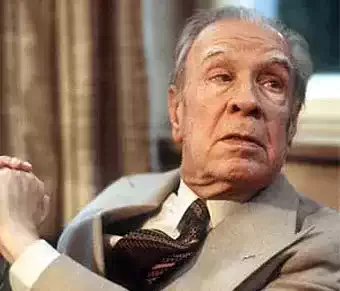
Jorge Luis Borges
Adam Cast Forth
Adam Cast Forth
Was there a Garden or was the Garden a dream?
Amid the fleeting light, I have slowed myself and queried,
Almost for consolation, if the bygone period
Over which this Adam, wretched now, once reigned supreme,
Might not have been just a magical illusion
Of that God I dreamed. Already it's imprecise
In my memory, the clear Paradise,
But I know it exists, in flower and profusion,
Although not for me. My punishment for life
Is the stubborn earth with the incestuous strife
Of Cains and Abels and their brood; I await no pardon.
Yet, it's much to have loved, to have known true joy,
To have had -- if only for just one day --
The experience of touching the living Garden.
Translated by Genia Gurarie, ..
Copyright retained by Genia Gurarie.
email: egurarie@princeton.edu
http://www.princeton.edu/~egurarie/
For permission to reproduce, write personally to the translator.
Was there a Garden or was the Garden a dream?
Amid the fleeting light, I have slowed myself and queried,
Almost for consolation, if the bygone period
Over which this Adam, wretched now, once reigned supreme,
Might not have been just a magical illusion
Of that God I dreamed. Already it's imprecise
In my memory, the clear Paradise,
But I know it exists, in flower and profusion,
Although not for me. My punishment for life
Is the stubborn earth with the incestuous strife
Of Cains and Abels and their brood; I await no pardon.
Yet, it's much to have loved, to have known true joy,
To have had -- if only for just one day --
The experience of touching the living Garden.
Translated by Genia Gurarie, ..
Copyright retained by Genia Gurarie.
email: egurarie@princeton.edu
http://www.princeton.edu/~egurarie/
For permission to reproduce, write personally to the translator.
800

Jonathan Swift
The Famous Speech-Maker Of England Or Baron (Alias Barren) Lovel’s Charge
The Famous Speech-Maker Of England Or Baron (Alias Barren) Lovel’s Charge
At The Assizes At Exon, April 5, 1710
From London to Exon,
By special direction,
Came down the world's wonder,
Sir Salathiel Blunder,
With a quoif on his head
As heavy as lead;
And thus opened and said:
Gentlemen of the Grand Inquest,
Her majesty, mark it,
Appointed this circuit
For me and my brother,
Before any other;
To execute laws,
As you may suppose,
Upon such as offenders have been.
So then, not to scatter
More words on the matter,
We're beginning just now to begin.
But hold—first and foremost, I must enter a clause,
As touching and concerning our excellent laws;
Which here I aver,
Are better by far
Than them all put together abroad and beyond sea;
For I ne'er read the like, nor e'er shall, I fancy
The laws of our land
Don't abet, but withstand,
Inquisition and thrall,
And whatever may gall,
And fire withal;
And sword that devours
Wherever it scowers:
They preserve liberty and property, for which men pull and haul so,
And they are made for the support of good government also.
Her majesty, knowing
The best way of going
To work for the weal of the nation,
Builds on that rock,
Which all storms will mock,
Since Religion is made the foundation.
And, I tell you to boot, she
Resolves resolutely,
No promotion to give
To the best man alive,
In church or in state,
(I'm an instance of that,)
But only to such of a good reputation
For temper, morality, and moderation.
Fire! fire! a wild-fire,
Which greatly disturbs the queen's peace
Lies running about;
And if you don't put it out,
( That's positive) will increase:
And any may spy,
With half of an eye,
That it comes from our priests and Papistical fry.
Ye have one of these fellows,
With fiery bellows,
Come hither to blow and to puff here;
Who having been toss'd
From pillar to post,
At last vents his rascally stuff here:
Which to such as are honest must sound very oddly,
When they ought to preach nothing but what's very godly;
As here from this place we charge you to do,
As ye'll answer to man, besides ye know who.
Ye have a Diocesan,—
But I don't know the man;—
The man's a good liver,
They tell me, however,
And fiery never!
Now, ye under-pullers,
That wear such black colours,
How well would it look,
If his measures ye took,
Thus for head and for rump
Together to jump;
For there's none deserve places,
I speak't to their faces,
But men of such graces,
And I hope he will never prefer any asses;
Especially when I'm so confident on't,
For reasons of state, that her majesty won't
Know, I myself I
Was present and by,
At the great trial, where there was a great company,
Of a turbulent preacher, who, cursedly hot,
Turn'd the fifth of November, even the gun-powder plot,
Into impudent railing, and the devil knows what:
Exclaiming like fury—it was at Paul's, London—
How church was in danger, and like to be undone,
And so gave the lie to gracious Queen Anne;
And, which is far worse, to our parliament-men:
And then printed a book,
Into which men did look:
True, he made a good text;
But what follow'd next
Was nought but a dunghill of sordid abuses,
Instead of sound doctrine, with proofs to't, and uses.
It was high time of day
That such inflammation
should be extinguish'd without more delay:
But there was no engine could possibly do't,
Till the commons play'd theirs, and so quite put it out.
So the man was tried for't,
Before highest court:
Now it's plain to be seen,
It's his principles I mean,
Where they suffer'd this noisy and his lawyers to bellow:
Which over, the blade
A poor punishment had
For that racket he made.
By which ye may know
They thought as I do,
That he is but at best an inconsiderable fellow.
Upon this I find here,
And everywhere,
That the country rides rusty, and is all out of gear:
And for what?
May I not
In opinion vary,
And think the contrary,
But it must create
Unfriendly debate,
And disunion straight;
When no reason in nature
Can be given of the matter,
Any more than for shapes or for different stature?
If you love your dear selves, your religion or queen,
Ye ought in good manners to be peaceable men:
For nothing disgusts her
Like making a bluster:
And your making this riot,
Is what she could cry at,
Since all her concern's for our welfare and quiet.
I would ask any man
Of them all that maintain
Their passive obedience
With such mighty vehemence,
That damn'd doctrine, I trow!
What he means by it, ho',
To trump it up now?
Or to tell me in short,
What need there is for't?
Ye may say, I am hot;
I say I am not;
Only warm, as the subject on which I am got.
There are those alive yet,
If they do not forget,
May remember what mischiefs it did church and state:
Or at least must have heard
The deplorable calamities
It drew upon families,
About sixty years ago and upward.
And now, do ye see,
Whoever they be,
That make such an oration
In our Protestant nation,
As though church was all on a fire,—
With whatever cloak
They may cover their talk,
And wheedle the folk,
That the oaths they have took,
As our governors strictly require;—
I say they are men—(and I'm a judge, ye all know,)
That would our most excellent laws overthrow;
For the greater part of them to church never go;
Or, what's much the same, it by very great chance is,
If e'er they partake of her wise ordinances.
Their aim is, no doubt,
Were they made to speak out,
To pluck down the queen, that they make all this rout;
And to set up, moreover,
A bastardly brother;
Or at least to prevent the House of Hanover.
Ye gentlemen of the jury,
What means all this fury,
Of which I'm inform'd by good hands, I assure ye;
This insulting of persons by blows and rude speeches,
And breaking of windows, which, you know, maketh breaches?
Ye ought to resent it,
And in duty present it,
For the law is against it;
Not only the actors engaged in this job,
But those that encourage and set on the mob:
The mob, a paw word, and which I ne'er mention,
But must in this place, for the sake of distinction.
I hear that some bailiffs and some justices
Have strove what they could, all this rage to suppress;
And I hope many more
Will exert the like power,
Since none will, depend on't,
Get a jot of preferment.
But men of this kidney, as I told you before.—
I'll tell you a story: Once upon a time,
Some hot-headed fellows must needs take a whim,
And so were so weak
(Twas a mighty mistake)
To pull down and abuse
Bawdy-houses and stews;
Who, tried by the laws of the realm for high-treason,
Were hang'd, drawn, and quarter'd for that very reason.
When the time came about
For us all to set out,
We went to take leave of the queen;
Where were great men of worth,
Great heads and so forth,
The greatest that ever were seen:
And she gave us a large
And particular charge;—
Good part on't indeed
Is quite out of my head;—
But I remember she said,
We should recommend peace and good neighbourhood, wheresoever we came;
and so I do here;
For that every one, not only men and their wives,
Should do all that they can to lead peaceable lives;
And told us withal, that she fully expected
A special account how ye all stood affected;
When we've been at St. James's, you'll hear of the matter.
Again then I charge ye,
Ye men of the clergy,
That ye follow the track all
Of your own Bishop Blackall,
And preach, as ye should,
What's savoury and good;
And together all cling,
As it were, in a string;
Not falling out, quarrelling one with another,
Now we're treating with Monsieur,—that son of his mother.
Then proceeded on the common matters of the law; and concluded:
Once more, and no more, since few words are best,
I charge you all present, by way of request,
If ye honour, as I do,
Our dear royal widow,
Or have any compassion
For church or the nation;
And would live a long while
In continual smile,
And eat roast and boil,
And not be forgotten,
When ye are dead and rotten;
That ye would be quiet, and peaceably dwell,
And never fall out, but p—s all in a quill.
At The Assizes At Exon, April 5, 1710
From London to Exon,
By special direction,
Came down the world's wonder,
Sir Salathiel Blunder,
With a quoif on his head
As heavy as lead;
And thus opened and said:
Gentlemen of the Grand Inquest,
Her majesty, mark it,
Appointed this circuit
For me and my brother,
Before any other;
To execute laws,
As you may suppose,
Upon such as offenders have been.
So then, not to scatter
More words on the matter,
We're beginning just now to begin.
But hold—first and foremost, I must enter a clause,
As touching and concerning our excellent laws;
Which here I aver,
Are better by far
Than them all put together abroad and beyond sea;
For I ne'er read the like, nor e'er shall, I fancy
The laws of our land
Don't abet, but withstand,
Inquisition and thrall,
And whatever may gall,
And fire withal;
And sword that devours
Wherever it scowers:
They preserve liberty and property, for which men pull and haul so,
And they are made for the support of good government also.
Her majesty, knowing
The best way of going
To work for the weal of the nation,
Builds on that rock,
Which all storms will mock,
Since Religion is made the foundation.
And, I tell you to boot, she
Resolves resolutely,
No promotion to give
To the best man alive,
In church or in state,
(I'm an instance of that,)
But only to such of a good reputation
For temper, morality, and moderation.
Fire! fire! a wild-fire,
Which greatly disturbs the queen's peace
Lies running about;
And if you don't put it out,
( That's positive) will increase:
And any may spy,
With half of an eye,
That it comes from our priests and Papistical fry.
Ye have one of these fellows,
With fiery bellows,
Come hither to blow and to puff here;
Who having been toss'd
From pillar to post,
At last vents his rascally stuff here:
Which to such as are honest must sound very oddly,
When they ought to preach nothing but what's very godly;
As here from this place we charge you to do,
As ye'll answer to man, besides ye know who.
Ye have a Diocesan,—
But I don't know the man;—
The man's a good liver,
They tell me, however,
And fiery never!
Now, ye under-pullers,
That wear such black colours,
How well would it look,
If his measures ye took,
Thus for head and for rump
Together to jump;
For there's none deserve places,
I speak't to their faces,
But men of such graces,
And I hope he will never prefer any asses;
Especially when I'm so confident on't,
For reasons of state, that her majesty won't
Know, I myself I
Was present and by,
At the great trial, where there was a great company,
Of a turbulent preacher, who, cursedly hot,
Turn'd the fifth of November, even the gun-powder plot,
Into impudent railing, and the devil knows what:
Exclaiming like fury—it was at Paul's, London—
How church was in danger, and like to be undone,
And so gave the lie to gracious Queen Anne;
And, which is far worse, to our parliament-men:
And then printed a book,
Into which men did look:
True, he made a good text;
But what follow'd next
Was nought but a dunghill of sordid abuses,
Instead of sound doctrine, with proofs to't, and uses.
It was high time of day
That such inflammation
should be extinguish'd without more delay:
But there was no engine could possibly do't,
Till the commons play'd theirs, and so quite put it out.
So the man was tried for't,
Before highest court:
Now it's plain to be seen,
It's his principles I mean,
Where they suffer'd this noisy and his lawyers to bellow:
Which over, the blade
A poor punishment had
For that racket he made.
By which ye may know
They thought as I do,
That he is but at best an inconsiderable fellow.
Upon this I find here,
And everywhere,
That the country rides rusty, and is all out of gear:
And for what?
May I not
In opinion vary,
And think the contrary,
But it must create
Unfriendly debate,
And disunion straight;
When no reason in nature
Can be given of the matter,
Any more than for shapes or for different stature?
If you love your dear selves, your religion or queen,
Ye ought in good manners to be peaceable men:
For nothing disgusts her
Like making a bluster:
And your making this riot,
Is what she could cry at,
Since all her concern's for our welfare and quiet.
I would ask any man
Of them all that maintain
Their passive obedience
With such mighty vehemence,
That damn'd doctrine, I trow!
What he means by it, ho',
To trump it up now?
Or to tell me in short,
What need there is for't?
Ye may say, I am hot;
I say I am not;
Only warm, as the subject on which I am got.
There are those alive yet,
If they do not forget,
May remember what mischiefs it did church and state:
Or at least must have heard
The deplorable calamities
It drew upon families,
About sixty years ago and upward.
And now, do ye see,
Whoever they be,
That make such an oration
In our Protestant nation,
As though church was all on a fire,—
With whatever cloak
They may cover their talk,
And wheedle the folk,
That the oaths they have took,
As our governors strictly require;—
I say they are men—(and I'm a judge, ye all know,)
That would our most excellent laws overthrow;
For the greater part of them to church never go;
Or, what's much the same, it by very great chance is,
If e'er they partake of her wise ordinances.
Their aim is, no doubt,
Were they made to speak out,
To pluck down the queen, that they make all this rout;
And to set up, moreover,
A bastardly brother;
Or at least to prevent the House of Hanover.
Ye gentlemen of the jury,
What means all this fury,
Of which I'm inform'd by good hands, I assure ye;
This insulting of persons by blows and rude speeches,
And breaking of windows, which, you know, maketh breaches?
Ye ought to resent it,
And in duty present it,
For the law is against it;
Not only the actors engaged in this job,
But those that encourage and set on the mob:
The mob, a paw word, and which I ne'er mention,
But must in this place, for the sake of distinction.
I hear that some bailiffs and some justices
Have strove what they could, all this rage to suppress;
And I hope many more
Will exert the like power,
Since none will, depend on't,
Get a jot of preferment.
But men of this kidney, as I told you before.—
I'll tell you a story: Once upon a time,
Some hot-headed fellows must needs take a whim,
And so were so weak
(Twas a mighty mistake)
To pull down and abuse
Bawdy-houses and stews;
Who, tried by the laws of the realm for high-treason,
Were hang'd, drawn, and quarter'd for that very reason.
When the time came about
For us all to set out,
We went to take leave of the queen;
Where were great men of worth,
Great heads and so forth,
The greatest that ever were seen:
And she gave us a large
And particular charge;—
Good part on't indeed
Is quite out of my head;—
But I remember she said,
We should recommend peace and good neighbourhood, wheresoever we came;
and so I do here;
For that every one, not only men and their wives,
Should do all that they can to lead peaceable lives;
And told us withal, that she fully expected
A special account how ye all stood affected;
When we've been at St. James's, you'll hear of the matter.
Again then I charge ye,
Ye men of the clergy,
That ye follow the track all
Of your own Bishop Blackall,
And preach, as ye should,
What's savoury and good;
And together all cling,
As it were, in a string;
Not falling out, quarrelling one with another,
Now we're treating with Monsieur,—that son of his mother.
Then proceeded on the common matters of the law; and concluded:
Once more, and no more, since few words are best,
I charge you all present, by way of request,
If ye honour, as I do,
Our dear royal widow,
Or have any compassion
For church or the nation;
And would live a long while
In continual smile,
And eat roast and boil,
And not be forgotten,
When ye are dead and rotten;
That ye would be quiet, and peaceably dwell,
And never fall out, but p—s all in a quill.
211
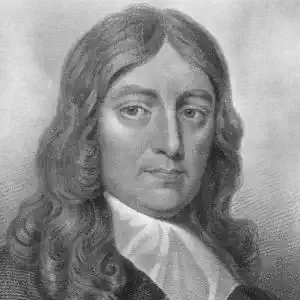
John Milton
Upon the Circumcision
Upon the Circumcision
Ye flaming Powers, and wingèd Warriors bright,
That erst with music, and triumphant song,
First heard by happy watchful Shepherds’ ear,
So sweetly sung your joy the clouds along,
Through the soft silence of the listening night,—
Now mourn; and if sad share with us to bear
Your fiery essence can distill no tear,
Burn in your sighs, and borrow
Seas wept from our deep sorrow,
He who with all Heaven’s heraldry whilere
Entered the world, now bleeds to give us ease.
Alas! how soon our sin
Sore doth begin
His infancy to seize!
O more exceeding Love, or Law more just?
Just Law indeed, but more exceeding Love!
For we, by rightful doom remediless,
Were lost in death, till He, that dwelt above
High-throned in secret bliss, for us frail dust
Emptied his glory, even to nakedness;
And that great Covenant which we still transgress
Intirely satisfied,
And the full wrath beside
Of vengeful Justice bore for our excess,
And seals obedience first with wounding smart
This day; but oh! ere long,
Huge pangs and strong
Will pierce more near his heart.
Ye flaming Powers, and wingèd Warriors bright,
That erst with music, and triumphant song,
First heard by happy watchful Shepherds’ ear,
So sweetly sung your joy the clouds along,
Through the soft silence of the listening night,—
Now mourn; and if sad share with us to bear
Your fiery essence can distill no tear,
Burn in your sighs, and borrow
Seas wept from our deep sorrow,
He who with all Heaven’s heraldry whilere
Entered the world, now bleeds to give us ease.
Alas! how soon our sin
Sore doth begin
His infancy to seize!
O more exceeding Love, or Law more just?
Just Law indeed, but more exceeding Love!
For we, by rightful doom remediless,
Were lost in death, till He, that dwelt above
High-throned in secret bliss, for us frail dust
Emptied his glory, even to nakedness;
And that great Covenant which we still transgress
Intirely satisfied,
And the full wrath beside
Of vengeful Justice bore for our excess,
And seals obedience first with wounding smart
This day; but oh! ere long,
Huge pangs and strong
Will pierce more near his heart.
572
John Milton
The Passion
The Passion
I
Erewhile of music, and ethereal mirth,
Wherewith the stage of Air and Earth did ring,
And joyous news of heavenly Infant’s birth,
My muse with Angels did divide to sing;
But headlong joy is ever on the wing,
In wintry solstice like the shortened light
Soon swallowed up in dark and long outliving night.
II
For now to sorrow must I tune my song,
And set my Harp to notes of saddest woe,
Which on our dearest Lord did seize ere long,
Dangers, and snares, and wrongs, and worse than so,
Which he for us did freely undergo:
Most perfect Hero, tried in heaviest plight
Of labours huge and hard, too hard for human wight!
III
He, sovran Priest, stooping his regal head,
That dropt with odorous oil down his fair eyes,
Poor fleshly Tabernacle enterèd,
His starry front low-roofed beneath the skies:
Oh, what a mask was there, what a disguise!
Yet more: the stroke of death he must abide;
Then lies him meekly down fast by his Brethren’s side.
IV
These latest scenes confine my roving verse;
To this horizon is my Phoebus bound.
His godlike acts, and his temptations fierce,
And former sufferings, otherwhere are found;
Loud o’er the rest Cremona’s trump doth sound:
Me softer airs befit, and softer strings
Of lute, or viol still, more apt for mournful things.
V
Befriend me, Night, best Patroness of grief!
Over the pole thy thickest mantle throw,
And work my flattered fancy to belief
That Heaven and Earth are coloured with my woe;
My sorrows are too dark for day to know:
The leaves should all be black whereon I write,
And letters, where my tears have washed, a wannish white.
VI
See, see the chariot, and those rushing wheels,
That whirled the prophet up at Chebar flood;
My spirit some transporting Cherub feels
To bear me where the Towers of Salem stood,
Once glorious towers, now sunk in guiltless blood.
There doth my soul in holy vision sit,
In pensive trance, and anguish, and ecstatic fit.
VII
Mine eye hath found that sad sepulchral rock
That was the casket of Heaven’s richest store,
And here, though grief my feeble hands up-lock,
Yet on the softened quarry would I score
My plaining verse as lively as before;
For sure so well instructed are my tears
That they would fitly fall in ordered characters.
VIII
Or, should I thence, hurried on viewless wing,
Take up a weeping on the mountains wild,
The gentle neighbourhood of grove and spring
Would soon unbosom all their Echoes mild;
And I (for grief is easily beguiled)
Might think the infection of my sorrows loud
Had got a race of mourners on some pregnant cloud.
This Subject the Author finding to be above the years he had when he wrote it, and
nothing satisfied with what was begun, left it unfinished.
I
Erewhile of music, and ethereal mirth,
Wherewith the stage of Air and Earth did ring,
And joyous news of heavenly Infant’s birth,
My muse with Angels did divide to sing;
But headlong joy is ever on the wing,
In wintry solstice like the shortened light
Soon swallowed up in dark and long outliving night.
II
For now to sorrow must I tune my song,
And set my Harp to notes of saddest woe,
Which on our dearest Lord did seize ere long,
Dangers, and snares, and wrongs, and worse than so,
Which he for us did freely undergo:
Most perfect Hero, tried in heaviest plight
Of labours huge and hard, too hard for human wight!
III
He, sovran Priest, stooping his regal head,
That dropt with odorous oil down his fair eyes,
Poor fleshly Tabernacle enterèd,
His starry front low-roofed beneath the skies:
Oh, what a mask was there, what a disguise!
Yet more: the stroke of death he must abide;
Then lies him meekly down fast by his Brethren’s side.
IV
These latest scenes confine my roving verse;
To this horizon is my Phoebus bound.
His godlike acts, and his temptations fierce,
And former sufferings, otherwhere are found;
Loud o’er the rest Cremona’s trump doth sound:
Me softer airs befit, and softer strings
Of lute, or viol still, more apt for mournful things.
V
Befriend me, Night, best Patroness of grief!
Over the pole thy thickest mantle throw,
And work my flattered fancy to belief
That Heaven and Earth are coloured with my woe;
My sorrows are too dark for day to know:
The leaves should all be black whereon I write,
And letters, where my tears have washed, a wannish white.
VI
See, see the chariot, and those rushing wheels,
That whirled the prophet up at Chebar flood;
My spirit some transporting Cherub feels
To bear me where the Towers of Salem stood,
Once glorious towers, now sunk in guiltless blood.
There doth my soul in holy vision sit,
In pensive trance, and anguish, and ecstatic fit.
VII
Mine eye hath found that sad sepulchral rock
That was the casket of Heaven’s richest store,
And here, though grief my feeble hands up-lock,
Yet on the softened quarry would I score
My plaining verse as lively as before;
For sure so well instructed are my tears
That they would fitly fall in ordered characters.
VIII
Or, should I thence, hurried on viewless wing,
Take up a weeping on the mountains wild,
The gentle neighbourhood of grove and spring
Would soon unbosom all their Echoes mild;
And I (for grief is easily beguiled)
Might think the infection of my sorrows loud
Had got a race of mourners on some pregnant cloud.
This Subject the Author finding to be above the years he had when he wrote it, and
nothing satisfied with what was begun, left it unfinished.
588