

Poems in this theme
Family

Jonathan Swift
Market Women’s Cries
Market Women’s Cries
APPLES
COME buy my fine wares,
Plums, apples and pears.
A hundred a penny,
In conscience too many:
Come, will you have any?
My children are seven,
I wish them in Heaven;
My husband ’s a sot,
With his pipe and his pot,
Not a farthen will gain them,
And I must maintain them.
ONIONS
Come, follow me by the smell,
Here are delicate onions to sell;
I promise to use you well.
They make the blood warmer,
You’ll feed like a farmer;
For this is every cook’s opinion,
No savoury dish without an onion;
But, lest your kissing should be spoiled,
Your onions must be thoroughly boiled:
Or else you may spare
Your mistress a share,
The secret will never be known:
She cannot discover
The breath of her lover,
But think it as sweet as her own.
HERRINGS
Be not sparing,
Leave off swearing.
Buy my herring
Fresh from Malahide,
Better never was tried.
Come, eat them with pure fresh butter and mustard,
Their bellies are soft, and as white as a custard.
Come, sixpence a dozen, to get me some bread,
Or, like my own herrings, I soon shall be dead.
APPLES
COME buy my fine wares,
Plums, apples and pears.
A hundred a penny,
In conscience too many:
Come, will you have any?
My children are seven,
I wish them in Heaven;
My husband ’s a sot,
With his pipe and his pot,
Not a farthen will gain them,
And I must maintain them.
ONIONS
Come, follow me by the smell,
Here are delicate onions to sell;
I promise to use you well.
They make the blood warmer,
You’ll feed like a farmer;
For this is every cook’s opinion,
No savoury dish without an onion;
But, lest your kissing should be spoiled,
Your onions must be thoroughly boiled:
Or else you may spare
Your mistress a share,
The secret will never be known:
She cannot discover
The breath of her lover,
But think it as sweet as her own.
HERRINGS
Be not sparing,
Leave off swearing.
Buy my herring
Fresh from Malahide,
Better never was tried.
Come, eat them with pure fresh butter and mustard,
Their bellies are soft, and as white as a custard.
Come, sixpence a dozen, to get me some bread,
Or, like my own herrings, I soon shall be dead.
205
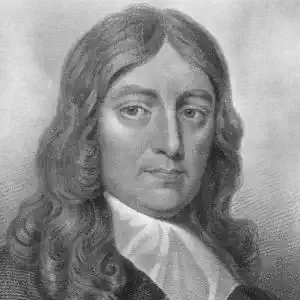
John Milton
To the Lady Margaret Ley
To the Lady Margaret Ley
Daughter to that good Earl, one President
Of England’s Council and her Treasury,
Who lived in both unstained with gold or fee,
And left them both, more in himself content,
Till the sad breaking of that Parliament
Broke him, as that dishonest victory
At Chæronea, fatal to liberty,
Killed with report that old man eloquent,
Though later born than to have known the days
Wherein your father flourished, yet by you,
Madam, methinks I see him living yet:
So well your words his noble virtues praise
That all both judge you to relate them true
And to possess them, honoured Margaret.
Daughter to that good Earl, one President
Of England’s Council and her Treasury,
Who lived in both unstained with gold or fee,
And left them both, more in himself content,
Till the sad breaking of that Parliament
Broke him, as that dishonest victory
At Chæronea, fatal to liberty,
Killed with report that old man eloquent,
Though later born than to have known the days
Wherein your father flourished, yet by you,
Madam, methinks I see him living yet:
So well your words his noble virtues praise
That all both judge you to relate them true
And to possess them, honoured Margaret.
557
John Milton
Sonnet X: Daughter to that good Earl
Sonnet X: Daughter to that good Earl
To the Lady Margaret Ley
Daughter to that good Earl, once President
Of England's Council, and her Treasury,
Who lived in both, unstained with gold or fee,
And left them both, more in himself content,
Till sad the breaking of that Parliament
Broke him, as that dishonest victory
At Chaeronea, fatal to liberty,
Killed with report that old man eloquent.
Though later born than to have known the days
Wherein your father flourished, yet by you,
Madam, methinks I see him living yet;
So well your words his noble virtues praise,
That all both judge you to relate them true,
And to possess them, honoured Margaret.
To the Lady Margaret Ley
Daughter to that good Earl, once President
Of England's Council, and her Treasury,
Who lived in both, unstained with gold or fee,
And left them both, more in himself content,
Till sad the breaking of that Parliament
Broke him, as that dishonest victory
At Chaeronea, fatal to liberty,
Killed with report that old man eloquent.
Though later born than to have known the days
Wherein your father flourished, yet by you,
Madam, methinks I see him living yet;
So well your words his noble virtues praise,
That all both judge you to relate them true,
And to possess them, honoured Margaret.
488
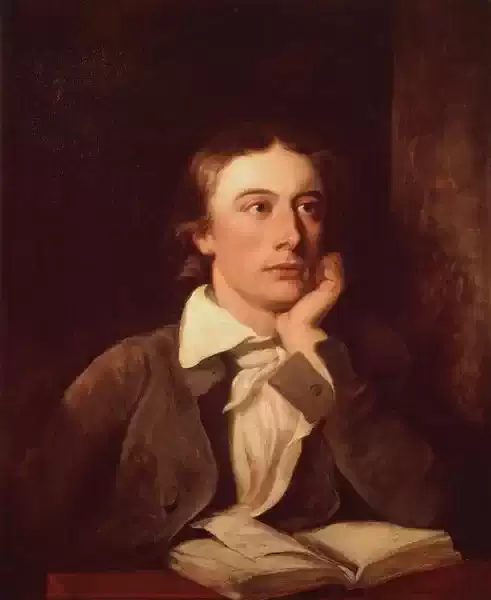
John Keats
Sonnet VIII. To My Brothers
Sonnet VIII. To My Brothers
Small, busy flames play through the fresh laid coals,
And their faint cracklings o'er our silence creep
Like whispers of the household gods that keep
A gentle empire o'er fraternal souls.
And while, for rhymes, I search around the poles,
Your eyes are fix d, as in poetic sleep,
Upon the lore so voluble and deep,
That aye at fall of night our care condoles.
This is your birth-day Tom, and I rejoice
That thus it passes smoothly, quietly.
Many such eves of gently whisp'ring noise
May we together pass, and calmly try
What are this world s true joys, ere the great voice,
From its fair face, shall bid our spirits fly.
Small, busy flames play through the fresh laid coals,
And their faint cracklings o'er our silence creep
Like whispers of the household gods that keep
A gentle empire o'er fraternal souls.
And while, for rhymes, I search around the poles,
Your eyes are fix d, as in poetic sleep,
Upon the lore so voluble and deep,
That aye at fall of night our care condoles.
This is your birth-day Tom, and I rejoice
That thus it passes smoothly, quietly.
Many such eves of gently whisp'ring noise
May we together pass, and calmly try
What are this world s true joys, ere the great voice,
From its fair face, shall bid our spirits fly.
351
John Keats
Sonnet I. To My Brother George
Sonnet I. To My Brother George
Many the wonders I this day have seen:
The sun, when first he kissed away the tears
That filled the eyes of Morn;—the laurelled peers
Who from the feathery gold of evening lean;—
The ocean with its vastness, its blue green,
Its ships, its rocks, its caves, its hopes, its fears,
Its voice mysterious, which whoso hears
Must think on what will be, and what has been.
E'en now, dear George, while this for you I write,
Cynthia is from her silken curtains peeping
So scantly, that it seems her bridal night,
And she her half-discovered revels keeping.
But what, without the social thought of thee,
Would be the wonders of the sky and sea?
Many the wonders I this day have seen:
The sun, when first he kissed away the tears
That filled the eyes of Morn;—the laurelled peers
Who from the feathery gold of evening lean;—
The ocean with its vastness, its blue green,
Its ships, its rocks, its caves, its hopes, its fears,
Its voice mysterious, which whoso hears
Must think on what will be, and what has been.
E'en now, dear George, while this for you I write,
Cynthia is from her silken curtains peeping
So scantly, that it seems her bridal night,
And she her half-discovered revels keeping.
But what, without the social thought of thee,
Would be the wonders of the sky and sea?
399
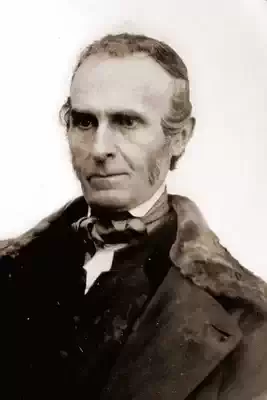
John Greenleaf Whittier
Winter Roses
Winter Roses
My garden roses long ago
Have perished from the leaf-strewn walks;
Their pale, fair sisters smile no more
Upon the sweet-brier stalks.
Gone with the flower-time of my life,
Spring's violets, summer's blooming pride,
And Nature's winter and my own
Stand, flowerless, side by side.
So might I yesterday have sung;
To-day, in bleak December's noon,
Come sweetest fragrance, shapes, and hues,
The rosy wealth of June!
Bless the young bands that culled the gift,
And bless the hearts that prompted it;
If undeserved it comes, at least
It seems not all unfit.
Of old my Quaker ancestors
Had gifts of forty stripes save one;
To-day as many roses crown
The gray head of their son.
And with them, to my fancy's eye,
The fresh-faced givers smiling come,
And nine and thirty happy girls
Make glad a lonely room.
They bring the atmosphere of youth;
The light and warmth of long ago
Are in my heart, and on my cheek
The airs of morning blow.
O buds of girlhood, yet unblown,
And fairer than the gift ye chose,
For you may years like leaves unfold
The heart of Sharon's rose
My garden roses long ago
Have perished from the leaf-strewn walks;
Their pale, fair sisters smile no more
Upon the sweet-brier stalks.
Gone with the flower-time of my life,
Spring's violets, summer's blooming pride,
And Nature's winter and my own
Stand, flowerless, side by side.
So might I yesterday have sung;
To-day, in bleak December's noon,
Come sweetest fragrance, shapes, and hues,
The rosy wealth of June!
Bless the young bands that culled the gift,
And bless the hearts that prompted it;
If undeserved it comes, at least
It seems not all unfit.
Of old my Quaker ancestors
Had gifts of forty stripes save one;
To-day as many roses crown
The gray head of their son.
And with them, to my fancy's eye,
The fresh-faced givers smiling come,
And nine and thirty happy girls
Make glad a lonely room.
They bring the atmosphere of youth;
The light and warmth of long ago
Are in my heart, and on my cheek
The airs of morning blow.
O buds of girlhood, yet unblown,
And fairer than the gift ye chose,
For you may years like leaves unfold
The heart of Sharon's rose
265
John Greenleaf Whittier
To My Sister,
To My Sister,
WITH A COPY OF 'THE SUPERNATURALISM OF NEW ENGLAND.'
Dear Sister! while the wise and sage
Turn coldly from my playful page,
And count it strange that ripened age
Should stoop to boyhood's folly;
I know that thou wilt judge aright
Of all which makes the heart more light,
Or lends one star-gleam to the night
Of clouded Melancholy.
Away with weary cares and themes!
Swing wide the moonlit gate of dreams!
Leave free once more the land which teems
With wonders and romances
Where thou, with clear discerning eyes,
Shalt rightly read the truth which lies
Beneath the quaintly masking guise
Of wild and wizard fancies.
Lo! once again our feet we set
On still green wood-paths, twilight wet,
By lonely brooks, whose waters fret
The roots of spectral beeches;
Again the hearth-fire glimmers o'er
Home's whitewashed wall and painted floor,
And young eyes widening to the lore
Of faery-folks and witches.
Dear heart! the legend is not vain
Which lights that holy hearth again,
And calling back from care and pain,
And death's funereal sadness,
Draws round its old familiar blaze
The clustering groups of happier days,
And lends to sober manhood's gaze
A glimpse of childish gladness.
And, knowing how my life hath been
A weary work of tongue and pen,
A long, harsh strife with strong-willed men,
Thou wilt not chide my turning
To con, at times, an idle rhyme,
To pluck a flower from childhood's clime,
Or listen, at Life's noonday chime,
For the sweet bells of Morning!
WITH A COPY OF 'THE SUPERNATURALISM OF NEW ENGLAND.'
Dear Sister! while the wise and sage
Turn coldly from my playful page,
And count it strange that ripened age
Should stoop to boyhood's folly;
I know that thou wilt judge aright
Of all which makes the heart more light,
Or lends one star-gleam to the night
Of clouded Melancholy.
Away with weary cares and themes!
Swing wide the moonlit gate of dreams!
Leave free once more the land which teems
With wonders and romances
Where thou, with clear discerning eyes,
Shalt rightly read the truth which lies
Beneath the quaintly masking guise
Of wild and wizard fancies.
Lo! once again our feet we set
On still green wood-paths, twilight wet,
By lonely brooks, whose waters fret
The roots of spectral beeches;
Again the hearth-fire glimmers o'er
Home's whitewashed wall and painted floor,
And young eyes widening to the lore
Of faery-folks and witches.
Dear heart! the legend is not vain
Which lights that holy hearth again,
And calling back from care and pain,
And death's funereal sadness,
Draws round its old familiar blaze
The clustering groups of happier days,
And lends to sober manhood's gaze
A glimpse of childish gladness.
And, knowing how my life hath been
A weary work of tongue and pen,
A long, harsh strife with strong-willed men,
Thou wilt not chide my turning
To con, at times, an idle rhyme,
To pluck a flower from childhood's clime,
Or listen, at Life's noonday chime,
For the sweet bells of Morning!
305
John Greenleaf Whittier
The Wife Of Manoah To Her Husband
The Wife Of Manoah To Her Husband
Against the sunset's glowing wall
The city towers rise black and tall,
Where Zorah, on its rocky height,
Stands like an armed man in the light.
Down Eshtaol's vales of ripened grain
Falls like a cloud the night amain,
And up the hillsides climbing slow
The barley reapers homeward go.
Look, dearest! how our fair child's head
The sunset light hath hallowed,
Where at this olive's foot he lies,
Uplooking to the tranquil skies.
Oh, while beneath the fervent heat
Thy sickle swept the bearded wheat,
I've watched, with mingled joy and dread,
Our child upon his grassy bed.
Joy, which the mother feels alone
Whose morning hope like mine had flown,
When to her bosom, over-blessed,
A dearer life than hers is pressed.
Dread, for the future dark and still,
Which shapes our dear one to its will;
Forever in his large calm eyes,
I read a tale of sacrifice.
The same foreboding awe I felt
When at the altar's side we knelt,
And he, who as a pilgrim came,
Rose, winged and glorious, through the flame.
I slept not, though the wild bees made
A dreamlike murmuring in the shade,
And on me the warm-fingered hours
Pressed with the drowsy smell of flowers.
Before me, in a vision, rose
The hosts of Israel's scornful foes,-Rank
over rank, helm, shield, and spear,
Glittered in noon's hot atmosphere.
I heard their boast, and bitter word,
Their mockery of the Hebrew's Lord,
I saw their hands His ark assail,
Their feet profane His holy veil.
No angel down the blue space spoke,
No thunder from the still sky broke;
But in their midst, in power and awe,
Like God's waked wrath, our child I saw!
A child no more!--harsh-browed and strong,
He towered a giant in the throng,
And down his shoulders, broad and bare,
Swept the black terror of his hair.
He raised his arm--he smote amain;
As round the reaper falls the grain,
So the dark host around him fell,
So sank the foes of Israel!
Again I looked. In sunlight shone
The towers and domes of Askelon;
Priest, warrior, slave, a mighty crowd
Within her idol temple bowed.
Yet one knelt not; stark, gaunt, and blind,
His arms the massive pillars twined,-An
eyeless captive, strong with hate,
He stood there like an evil Fate.
The red shrines smoked,--the trumpets pealed
He stooped,--the giant columns reeled;
Reeled tower and fane, sank arch and wall,
And the thick dust-cloud closed o'er all!
Above the shriek, the crash, the groan
Of the fallen pride of Askelon,
I heard, sheer down the echoing sky,
A voice as of an angel cry,-
The voice of him, who at our side
Sat through the golden eventide;
Of him who, on thy altar's blaze,
Rose fire-winged, with his song of praise.
'Rejoice o'er Israel's broken chain,
Gray mother of the mighty slain!
Rejoice!' it cried, 'he vanquisheth!
The strong in life is strong in death!
'To him shall Zorah's daughters raise
Through coming years their hymns of praise,
And gray old men at evening tell
Of all be wrought for Israel.
'And they who sing and they who hear
Alike shall hold thy memory dear,
And pour their blessings on thy head,
O mother of the mighty dead!'
It ceased; and though a sound I heard
As if great wings the still air stirred,
I only saw the barley sheaves
And hills half hid by olive leaves.
I bowed my face, in awe and fear,
On the dear child who slumbered near;
'With me, as with my only son,
O God,' I said, 'Thy will be done!'
Against the sunset's glowing wall
The city towers rise black and tall,
Where Zorah, on its rocky height,
Stands like an armed man in the light.
Down Eshtaol's vales of ripened grain
Falls like a cloud the night amain,
And up the hillsides climbing slow
The barley reapers homeward go.
Look, dearest! how our fair child's head
The sunset light hath hallowed,
Where at this olive's foot he lies,
Uplooking to the tranquil skies.
Oh, while beneath the fervent heat
Thy sickle swept the bearded wheat,
I've watched, with mingled joy and dread,
Our child upon his grassy bed.
Joy, which the mother feels alone
Whose morning hope like mine had flown,
When to her bosom, over-blessed,
A dearer life than hers is pressed.
Dread, for the future dark and still,
Which shapes our dear one to its will;
Forever in his large calm eyes,
I read a tale of sacrifice.
The same foreboding awe I felt
When at the altar's side we knelt,
And he, who as a pilgrim came,
Rose, winged and glorious, through the flame.
I slept not, though the wild bees made
A dreamlike murmuring in the shade,
And on me the warm-fingered hours
Pressed with the drowsy smell of flowers.
Before me, in a vision, rose
The hosts of Israel's scornful foes,-Rank
over rank, helm, shield, and spear,
Glittered in noon's hot atmosphere.
I heard their boast, and bitter word,
Their mockery of the Hebrew's Lord,
I saw their hands His ark assail,
Their feet profane His holy veil.
No angel down the blue space spoke,
No thunder from the still sky broke;
But in their midst, in power and awe,
Like God's waked wrath, our child I saw!
A child no more!--harsh-browed and strong,
He towered a giant in the throng,
And down his shoulders, broad and bare,
Swept the black terror of his hair.
He raised his arm--he smote amain;
As round the reaper falls the grain,
So the dark host around him fell,
So sank the foes of Israel!
Again I looked. In sunlight shone
The towers and domes of Askelon;
Priest, warrior, slave, a mighty crowd
Within her idol temple bowed.
Yet one knelt not; stark, gaunt, and blind,
His arms the massive pillars twined,-An
eyeless captive, strong with hate,
He stood there like an evil Fate.
The red shrines smoked,--the trumpets pealed
He stooped,--the giant columns reeled;
Reeled tower and fane, sank arch and wall,
And the thick dust-cloud closed o'er all!
Above the shriek, the crash, the groan
Of the fallen pride of Askelon,
I heard, sheer down the echoing sky,
A voice as of an angel cry,-
The voice of him, who at our side
Sat through the golden eventide;
Of him who, on thy altar's blaze,
Rose fire-winged, with his song of praise.
'Rejoice o'er Israel's broken chain,
Gray mother of the mighty slain!
Rejoice!' it cried, 'he vanquisheth!
The strong in life is strong in death!
'To him shall Zorah's daughters raise
Through coming years their hymns of praise,
And gray old men at evening tell
Of all be wrought for Israel.
'And they who sing and they who hear
Alike shall hold thy memory dear,
And pour their blessings on thy head,
O mother of the mighty dead!'
It ceased; and though a sound I heard
As if great wings the still air stirred,
I only saw the barley sheaves
And hills half hid by olive leaves.
I bowed my face, in awe and fear,
On the dear child who slumbered near;
'With me, as with my only son,
O God,' I said, 'Thy will be done!'
209
John Greenleaf Whittier
The Pumpkin
The Pumpkin
Oh, greenly and fair in the lands of the sun,
The vines of the gourd and the rich melon run,
And the rock and the tree and the cottage enfold,
With broad leaves all greenness and blossoms all gold,
Like that which o'er Nineveh's prophet once grew,
While he waited to know that his warning was true,
And longed for the storm-cloud, and listened in vain
For the rush of the whirlwind and red fire-rain.
On the banks of the Xenil the dark Spanish maiden
Comes up with the fruit of the tangled vine laden;
And the Creole of Cuba laughs out to behold
Through orange-leaves shining the broad spheres of gold;
Yet with dearer delight from his home in the North,
On the fields of his harvest the Yankee looks forth,
Where crook-necks are coiling and yellow fruit shines,
And the sun of September melts down on his vines.
Ah! on Thanksgiving day, when from East and from West,
From North and from South comes the pilgrim and guest;
When the gray-haired New Englander sees round his board
The old broken links of affection restored;
When the care-wearied man seeks his mother once more,
And the worn matron smiles where the girl smiled before;
What moistens the lip and what brightens the eye,
What calls back the past, like the rich Pumpkin pie?
Oh, fruit loved of boyhood! the old days recalling,
When wood-grapes were purpling and brown nuts were falling!
When wild, ugly faces we carved in its skin,
Glaring out through the dark with a candle within!
When we laughed round the corn-heap, with hearts all in tune,
Our chair a broad pumpkin, -- our lantern the moon,
Telling tales of the fairy who travelled like steam
In a pumpkin-shell coach, with two rats for her team!
Then thanks for thy present! none sweeter or better
E'er smoked from an oven or circled a platter!
Fairer hands never wrought at a pastry more fine,
Brighter eyes never watched o'er its baking, than thine!
And the prayer, which my mouth is too full to express,
Swells my heart that thy shadow may never be less,
That the days of thy lot may be lengthened below,
And the fame of thy worth like a pumpkin-vine grow,
And thy life be as sweet, and its last sunset sky
Golden-tinted and fair as thy own Pumpkin pie!
Oh, greenly and fair in the lands of the sun,
The vines of the gourd and the rich melon run,
And the rock and the tree and the cottage enfold,
With broad leaves all greenness and blossoms all gold,
Like that which o'er Nineveh's prophet once grew,
While he waited to know that his warning was true,
And longed for the storm-cloud, and listened in vain
For the rush of the whirlwind and red fire-rain.
On the banks of the Xenil the dark Spanish maiden
Comes up with the fruit of the tangled vine laden;
And the Creole of Cuba laughs out to behold
Through orange-leaves shining the broad spheres of gold;
Yet with dearer delight from his home in the North,
On the fields of his harvest the Yankee looks forth,
Where crook-necks are coiling and yellow fruit shines,
And the sun of September melts down on his vines.
Ah! on Thanksgiving day, when from East and from West,
From North and from South comes the pilgrim and guest;
When the gray-haired New Englander sees round his board
The old broken links of affection restored;
When the care-wearied man seeks his mother once more,
And the worn matron smiles where the girl smiled before;
What moistens the lip and what brightens the eye,
What calls back the past, like the rich Pumpkin pie?
Oh, fruit loved of boyhood! the old days recalling,
When wood-grapes were purpling and brown nuts were falling!
When wild, ugly faces we carved in its skin,
Glaring out through the dark with a candle within!
When we laughed round the corn-heap, with hearts all in tune,
Our chair a broad pumpkin, -- our lantern the moon,
Telling tales of the fairy who travelled like steam
In a pumpkin-shell coach, with two rats for her team!
Then thanks for thy present! none sweeter or better
E'er smoked from an oven or circled a platter!
Fairer hands never wrought at a pastry more fine,
Brighter eyes never watched o'er its baking, than thine!
And the prayer, which my mouth is too full to express,
Swells my heart that thy shadow may never be less,
That the days of thy lot may be lengthened below,
And the fame of thy worth like a pumpkin-vine grow,
And thy life be as sweet, and its last sunset sky
Golden-tinted and fair as thy own Pumpkin pie!
273
John Greenleaf Whittier
The Pennsylvania Pilgrim
The Pennsylvania Pilgrim
Prelude
I sing the Pilgrim of a softer clime
And milder speech than those brave men's who brought
To the ice and iron of our winter time
A will as firm, a creed as stern, and wrought
With one mailed hand, and with the other fought.
Simply, as fits my theme, in homely rhyme
I sing the blue-eyed German Spener taught,
Through whose veiled, mystic faith the Inward Light,
Steady and still, an easy brightness, shone,
Transfiguring all things in its radiance white.
The garland which his meekness never sought
I bring him; over fields of harvest sown
With seeds of blessing, now to ripeness grown,
I bid the sower pass before the reapers' sight.
The Pennsylvania Pilgrim
Never in tenderer quiet lapsed the day
From Pennsylvania's vales of spring away,
Where, forest-walled, the scattered hamlets lay
Along the wedded rivers. One long bar
Of purple cloud, on which the evening star
Shone like a jewel on a scimitar,
Held the sky's golden gateway. Through the deep
Hush of the woods a murmur seemed to creep,
The Schuylkill whispering in a voice of sleep.
All else was still. The oxen from their ploughs
Rested at last, and from their long day's browse
Came the dun files of Krisheim's home-bound cows.
And the young city, round whose virgin zone
The rivers like two mighty arms were thrown,
Marked by the smoke of evening fires alone,
Lay in the distance, lovely even then
With its fair women and its stately men
Gracing the forest court of William Penn,
Urban yet sylvan; in its rough-hewn frames
Of oak and pine the dryads held their claims,
And lent its streets their pleasant woodland names.
Anna Pastorius down the leafy lane
Looked city-ward, then stooped to prune again
Her vines and simples, with a sigh of pain.
For fast the streaks of ruddy sunset paled
In the oak clearing, and, as daylight failed,
Slow, overhead, the dusky night-birds sailed.
Again she looked: between green walls of shade,
With low-bent head as if with sorrow weighed,
Daniel Pastorius slowly came and said,
'God's peace be with thee, Anna!' Then he stood
Silent before her, wrestling with the mood
Of one who sees the evil and not good.
'What is it, my Pastorius?' As she spoke,
A slow, faint smile across his features broke,
Sadder than tears. 'Dear heart,' he said, 'our folk
'Are even as others. Yea, our goodliest Friends
Are frail; our elders have their selfish ends,
And few dare trust the Lord to make amends
'For duty's loss. So even our feeble word
For the dumb slaves the startled meeting heard
As if a stone its quiet waters stirred;
'And, as the clerk ceased reading, there began
A ripple of dissent which downward ran
In widening circles, as from man to man.
'Somewhat was said of running before sent,
Of tender fear that some their guide outwent,
Troublers of Israel. I was scarce intent
'On hearing, for behind the reverend row
Of gallery Friends, in dumb and piteous show,
I saw, methought, dark faces full of woe.
'And, in the spirit, I was taken where
They toiled and suffered; I was made aware
Of shame and wrath and anguish and despair!
'And while the meeting smothered our poor plea
With cautious phrase, a Voice there seemed to be,
As ye have done to these ye do to me!'
'So it all passed; and the old tithe went on
Of anise, mint, and cumin, till the sun
Set, leaving still the weightier work undone.
'Help, for the good man faileth! Who is strong,
If these be weak? Who shall rebuke the wrong,
If these consent? How long, O Lord! how long!'
He ceased; and, bound in spirit with the bound,
With folded arms, and eyes that sought the ground,
Walked musingly his little garden round.
About him, beaded with the falling dew,
Rare plants of power and herbs of healing grew,
Such as Van Helmont and Agrippa knew.
For, by the lore of Gorlitz' gentle sage,
With the mild mystics of his dreamy age
He read the herbal signs of nature's page,
As once he heard in sweet Von Merlau's' bowers
Fair as herself, in boyhood's happy hours,
The pious Spener read his creed in flowers.
'The dear Lord give us patience!' said his wife,
Touching with finger-tip an aloe, rife
With leaves sharp-pointed like an Aztec knife
Or Carib spear, a gift to William Penn
From the rare gardens of John Evelyn,
Brought from the Spanish Main by merchantmen.
'See this strange plant its steady purpose hold,
And, year by year, its patient leaves unfold,
Till the young eyes that watched it first are old.
'But some time, thou hast told me, there shall come
A sudden beauty, brightness, and perfume,
The century-moulded bud shall burst in bloom.
'So may the seed which hath been sown to-day
Grow with the years, and, after long delay,
Break into bloom, and God's eternal Yea!
'Answer at last the patient prayers of them
Who now, by faith alone, behold its stem
Crowned with the flowers of Freedom's diadem.
'Meanwhile, to feel and suffer, work and wait,
Remains for us. The wrong indeed is great,
But love and patience conquer soon or late.'
'Well hast thou said, my Anna!' Tenderer
Than youth's caress upon the head of her
Pastorius laid his hand. 'Shall we demur
'Because the vision tarrieth? In an hour
We dream not of, the slow-grown bud may flower,
And what was sown in weakness rise in power!'
Then through the vine-draped door whose legend read,
'Procul este profani!' Anna led
To where their child upon his little bed
Looked up and smiled. 'Dear heart,' she said, 'if we
Must bearers of a heavy burden be,
Our boy, God willing, yet the day shall see
'When from the gallery to the farthest seat,
Slave and slave-owner shall no longer meet,
But all sit equal at the Master's feet.'
On the stone hearth the blazing walnut block
Set the low walls a-glimmer, showed the cock
Rebuking Peter on the Van Wyck clock,
Shone on old tomes of law and physic, side
By side with Fox and Belimen, played at hide
And seek with Anna, midst her household pride
Of flaxen webs, and on the table, bare
Of costly cloth or silver cup, but where,
Tasting the fat shads of the Delaware,
The courtly Penn had praised the goodwife's cheer,
And quoted Horace o'er her home brewed beer,
Till even grave Pastorius smiled to hear.
In such a home, beside the Schuylkill's wave,
He dwelt in peace with God and man, and gave
Food to the poor and shelter to the slave.
For all too soon the New World's scandal shamed
The righteous code by Penn and Sidney framed,
And men withheld the human rights they claimed.
And slowly wealth and station sanction lent,
And hardened avarice, on its gains intent,
Stifled the inward whisper of dissent.
Yet all the while the burden rested sore
On tender hearts. At last Pastorius bore
Their warning message to the Church's door
In God's name; and the leaven of the word
Wrought ever after in the souls who heard,
And a dead conscience in its grave-clothes stirred
To troubled life, and urged the vain excuse
Of Hebrew custom, patriarchal use,
Good in itself if evil in abuse.
Gravely Pastorius listened, not the less
Discerning through the decent fig-leaf dress
Of the poor plea its shame of selfishness.
One Scripture rule, at least, was unforgot;
He hid the outcast, and betrayed him not;
And, when his prey the human hunter sought,
He scrupled not, while Anna's wise delay
And proffered cheer prolonged the master's stay,
To speed the black guest safely on his way.
Yet, who shall guess his bitter grief who lends
His life to some great cause, and finds his friends
Shame or betray it for their private ends?
How felt the Master when his chosen strove
In childish folly for their seats above;
And that fond mother, blinded by her love,
Besought him that her sons, beside his throne,
Might sit on either hand? Amidst his own
A stranger oft, companionless and lone,
God's priest and prophet stands. The martyr's pain
Is not alone from scourge and cell and chain;
Sharper the pang when, shouting in his train,
His weak disciples by their lives deny
The loud hosannas of their daily cry,
And make their echo of his truth a lie.
His forest home no hermit's cell he found,
Guests, motley-minded, drew his hearth around,
And held armed truce upon its neutral ground.
There Indian chiefs with battle-bows unstrung,
Strong, hero-limbed, like those whom Homer sung,
Pastorius fancied, when the world was young,
Came with their tawny women, lithe and tall,
Like bronzes in his friend Von Rodeck's hall,
Comely, if black, and not unpleasing all.
There hungry folk in homespun drab and gray
Drew round his board on Monthly Meeting day,
Genial, half merry in their friendly way.
Or, haply, pilgrims from the Fatherland,
Weak, timid, homesick, slow to understand
The New World's promise, sought his helping hand.
Or painful Kelpius from his hermit den
By Wissahickon, maddest of good men,
Dreamed o'er the Chiliast dreams of Petersen.
Deep in the woods, where the small river slid
Snake-like in shade, the Helmstadt Mystic hid,
Weird as a wizard, over arts forbid,
Reading the books of Daniel and of John,
And Behmen's Morning-Redness, through the Stone
Of Wisdom, vouchsafed to his eyes alone,
Whereby he read what man ne'er read before,
And saw the visions man shall see no more,
Till the great angel, striding sea and shore,
Shall bid all flesh await, on land or ships,
The warning trump of the Apocalypse,
Shattering the heavens before the dread eclipse.
Or meek-eyed Mennonist his bearded chin
Leaned o'er the gate; or Ranter, pure within,
Aired his perfection in a world of sin.
Or, talking of old home scenes, Op der Graaf
Teased the low back-log with his shodden staff,
Till the red embers broke into a laugh
And dance of flame, as if they fain would cheer
The rugged face, half tender, half austere,
Touched with the pathos of a homesick tear!
Or Sluyter, saintly familist, whose word
As law the Brethren of the Manor heard,
Announced the speedy terrors of the Lord,
And turned, like Lot at Sodom, from his race,
Above a wrecked world with complacent face
Riding secure upon his plank of grace!
Haply, from Finland's birchen groves exiled,
Manly in thought, in simple ways a child,
His white hair floating round his visage mild,
The Swedish pastor sought the Quaker's door,
Pleased from his neighbor's lips to hear once more
His long-disused and half-forgotten lore.
For both could baffle Babel's lingual curse,
And speak in Bion's Doric, and rehearse
Cleanthes' hymn or Virgil's sounding verse.
And oft Pastorius and the meek old man
Argued as Quaker and as Lutheran,
Ending in Christian love, as they began.
With lettered Lloyd on pleasant morns he strayed
Where Sommerhausen over vales of shade
Looked miles away, by every flower delayed,
Or song of bird, happy and free with one
Who loved, like him, to let his memory run
Over old fields of learning, and to sun
Himself in Plato's wise philosophies,
And dream with Philo over mysteries
Whereof the dreamer never finds the keys;
To touch all themes of thought, nor weakly stop
For doubt of truth, but let the buckets drop
Deep down and bring the hidden waters up
For there was freedom in that wakening time
Of tender souls; to differ was not crime;
The varying bells made up the perfect chime.
On lips unlike was laid the altar's coal,
The white, clear light, tradition-colored, stole
Through the stained oriel of each human soul.
Gathered from many sects, the Quaker brought
His old beliefs, adjusting to the thought
That moved his soul the creed his fathers taught.
One faith alone, so broad that all mankind
Within themselves its secret witness find,
The soul's communion with the Eternal Mind,
The Spirit's law, the Inward Rule and Guide,
Scholar and peasant, lord and serf, allied,
The polished Penn and Cromwell's Ironside.
As still in Hemskerck's Quaker Meeting, face
By face in Flemish detail, we may trace
How loose-mouthed boor and fine ancestral grace
Sat in close contrast,-the clipt-headed churl,
Broad market-dame, and simple serving-girl
By skirt of silk and periwig in curl
For soul touched soul; the spiritual treasure-trove
Made all men equal, none could rise above
Nor sink below that level of God's love.
So, with his rustic neighbors sitting down,
The homespun frock beside the scholar's gown,
Pastorius to the manners of the town
Added the freedom of the woods, and sought
The bookless wisdom by experience taught,
And learned to love his new-found home, while not
Forgetful of the old; the seasons went
Their rounds, and somewhat to his spirit lent
Of their own calm and measureless content.
Glad even to tears, he heard the robin sing
His song of welcome to the Western spring,
And bluebird borrowing from the sky his wing.
And when the miracle of autumn came,
And all the woods with many-colored flame
Of splendor, making summer's greenness tame,
Burned, unconsumed, a voice without a sound
Spake to him from each kindled bush around,
And made the strange, new landscape holy ground
And when the bitter north-wind, keen and swift,
Swept the white street and piled the dooryard drift,
He exercised, as Friends might say, his gift
Of verse, Dutch, English, Latin, like the hash
Of corn and beans in Indian succotash;
Dull, doubtless, but with here and there a flash
Of wit and fine conceit,-the good man's play
Of quiet fancies, meet to while away
The slow hours measuring off an idle day.
At evening, while his wife put on her look
Of love's endurance, from its niche he took
The written pages of his ponderous book.
And read, in half the languages of man,
His 'Rusca Apium,' which with bees began,
And through the gamut of creation ran.
Or, now and then, the missive of some friend
In gray Altorf or storied Nurnberg penned
Dropped in upon him like a guest to spend
The night beneath his roof-tree. Mystical
The fair Von Merlau spake as waters fall
And voices sound in dreams, and yet withal
Human and sweet, as if each far, low tone,
Over the roses of her gardens blown
Brought the warm sense of beauty all her own.
Wise Spener questioned what his friend could trace
Of spiritual influx or of saving grace
In the wild natures of the Indian race.
And learned Schurmberg, fain, at times, to look
From Talmud, Koran, Veds, and Pentateuch,
Sought out his pupil in his far-off nook,
To query with him of climatic change,
Of bird, beast, reptile, in his forest range,
Of flowers and fruits and simples new and strange.
And thus the Old and New World reached their hands
Across the water, and the friendly lands
Talked with each other from their severed strands.
Pastorius answered all: while seed and root
Sent from his new home grew to flower and fruit
Along the Rhine and at the Spessart's foot;
And, in return, the flowers his boyhood knew
Smiled at his door, the same in form and hue,
And on his vines the Rhenish clusters grew.
No idler he; whoever else might shirk,
He set his hand to every honest work,Farmer
and teacher, court and meeting clerk.
Still on the town seal his device is found,
Grapes, flax, and thread-spool on a trefoil ground,
With 'Vinum, Linum et Textrinum' wound.
One house sufficed for gospel and for law,
Where Paul and Grotius, Scripture text and saw,
Assured the good, and held the rest in awe.
Whatever legal maze he wandered through,
He kept the Sermon on the Mount in view,
And justice always into mercy grew.
No whipping-post he needed, stocks, nor jail,
Nor ducking-stool; the orchard-thief grew pale
At his rebuke, the vixen ceased to rail,
The usurer's grasp released the forfeit land;
The slanderer faltered at the witness-stand,
And all men took his counsel for command.
Was it caressing air, the brooding love
Of tenderer skies than German land knew of,
Green calm below, blue quietness above,
Still flow of water, deep repose of wood
That, with a sense of loving Fatherhood
And childlike trust in the Eternal Good,
Softened all hearts, and dulled the edge of hate,
Hushed strife, and taught impatient zeal to wait
The slow assurance of the better state?
Who knows what goadings in their sterner way
O'er jagged ice, relieved by granite gray,
Blew round the men of Massachusetts Bay?
What hate of heresy the east-wind woke?
What hints of pitiless power and terror spoke
In waves that on their iron coast-line broke?
Be it as it may: within the Land of Penn
The sectary yielded to the citizen,
And peaceful dwelt the many-creeded men.
Peace brooded over all. No trumpet stung
The air to madness, and no steeple flung
Alarums down from bells at midnight rung.
The land slept well. The Indian from his face
Washed all his war-paint off, and in the place
Of battle-marches sped the peaceful chase,
Or wrought for wages at the white man's side,Giving
to kindness what his native pride
And lazy freedom to all else denied.
And well the curious scholar loved the old
Traditions that his swarthy neighbors told
By wigwam-fires when nights were growing cold,
Discerned the fact round which their fancy drew
Its dreams, and held their childish faith more true
To God and man than half the creeds he knew.
The desert blossomed round him; wheat-fields rolled
Beneath the warm wind waves of green and gold;
The planted ear returned its hundred-fold.
Great clusters ripened in a warmer sun
Than that which by the Rhine stream shines upon
The purpling hillsides with low vines o'errun.
About each rustic porch the humming-bird
Tried with light bill, that scarce a petal stirred,
The Old World flowers to virgin soil transferred;
And the first-fruits of pear and apple, bending
The young boughs down, their gold and russet blending,
Made glad his heart, familiar odors lending
To the fresh fragrance of the birch and pine,
Life-everlasting, bay, and eglantine,
And all the subtle scents the woods combine.
Fair First-Day mornings, steeped in summer calm,
Warm, tender, restful, sweet with woodland balm,
Came to him, like some mother-hallowed psalm
To the tired grinder at the noisy wheel
Of labor, winding off from memory's reel
A golden thread of music. With no peal
Of bells to call them to the house of praise,
The scattered settlers through green forest-ways
Walked meeting-ward. In reverent amaze
The Indian trapper saw them, from the dim
Shade of the alders on the rivulet's rim,
Seek the Great Spirit's house to talk with Him.
There, through the gathered stillness multiplied
And made intense by sympathy, outside
The sparrows sang, and the gold-robin cried,
A-swing upon his elm. A faint perfume
Breathed through the open windows of the room
From locust-trees, heavy with clustered bloom.
Thither, perchance, sore-tried confessors came,
Whose fervor jail nor pillory could tame,
Proud of the cropped ears meant to be their shame,
Men who had eaten slavery's bitter bread
In Indian isles; pale women who had bled
Under the hangman's lash, and bravely said
God's message through their prison's iron bars;
And gray old soldier-converts, seamed with scars
From every stricken field of England's wars.
Lowly before the Unseen Presence knelt
Each waiting heart, till haply some one felt
On his moved lips the seal of silence melt.
Or, without spoken words, low breathings stole
Of a diviner life from soul to soul,
Baptizing in one tender thought the whole.
When shaken hands announced the meeting o'er,
The friendly group still lingered at the door,
Greeting, inquiring, sharing all the store
Of weekly tidings. Meanwhile youth and maid
Down the green vistas of the woodland strayed,
Whispered and smiled and oft their feet delayed.
Did the boy's whistle answer back the thrushes?
Did light girl laughter ripple through the bushes,
As brooks make merry over roots and rushes?
Unvexed the sweet air seemed. Without a wound
The ear of silence heard, and every sound
Its place in nature's fine accordance found.
And solemn meeting, summer sky and wood,
Old kindly faces, youth and maidenhood
Seemed, like God's new creation, very good!
And, greeting all with quiet smile and word,
Pastorius went his way. The unscared bird
Sang at his side; scarcely the squirrel stirred
At his hushed footstep on the mossy sod;
And, wheresoe'er the good man looked or trod,
He felt the peace of nature and of God.
His social life wore no ascetic form,
He loved all beauty, without fear of harm,
And in his veins his Teuton blood ran warm.
Strict to himself, of other men no spy,
He made his own no circuit-judge to try
The freer conscience of his neighbors by.
With love rebuking, by his life alone,
Gracious and sweet, the better way was shown,
The joy of one, who, seeking not his own,
And faithful to all scruples, finds at last
The thorns and shards of duty overpast,
And daily life, beyond his hope's forecast,
Pleasant and beautiful with sight and sound,
And flowers upspringing in its narrow round,
And all his days with quiet gladness crowned.
He sang not; but, if sometimes tempted strong,
He hummed what seemed like Altorf's Burschen-song;
His good wife smiled, and did not count it wrong.
For well he loved his boyhood's brother band;
His Memory, while he trod the New World's strand,
A double-ganger walked the Fatherland
If, when on frosty Christmas eves the light
Shone on his quiet hearth, he missed the sight
Of Yule-log, Tree, and Christ-child all in white;
And closed his eyes, and listened to the sweet
Old wait-songs sounding down his native street,
And watched again the dancers' mingling feet;
Yet not the less, when once the vision passed,
He held the plain and sober maxims fast
Of the dear Friends with whom his lot was cast.
Still all attuned to nature's melodies,
He loved the bird's song in his dooryard trees,
And the low hum of home-returning bees;
The blossomed flax, the tulip-trees in bloom
Down the long street, the beauty and perfume
Of apple-boughs, the mingling light and gloom
Of Sommerhausen's woodlands, woven through
With sun-threads; and the music the wind drew,
Mournful and sweet, from leaves it overblew.
And evermore, beneath this outward sense,
And through the common sequence of events,
He felt the guiding hand of Providence
Reach out of space. A Voice spake in his ear,
And to all other voices far and near
Died at that whisper, full of meanings clear.
The Light of Life shone round him; one by one
The wandering lights, that all-misleading run,
Went out like candles paling in the sun.
That Light he followed, step by step, where'er
It led, as in the vision of the seer
The wheels moved as the spirit in the clear
And terrible crystal moved, with all their eyes
Watching the living splendor sink or rise,
Its will their will, knowing no otherwise.
Within himself he found the law of right,
He walked by faith and not the letter's sight,
And read his Bible by the Inward Light.
And if sometimes the slaves of form and rule,
Frozen in their creeds like fish in winter's pool,
Tried the large tolerance of his liberal school,
His door was free to men of every name,
He welcomed all the seeking souls who came,
And no man's faith he made a cause of blame.
But best he loved in leisure hours to see
His own dear Friends sit by him knee to knee,
In social converse, genial, frank, and free.
There sometimes silence (it were hard to tell
Who owned it first) upon the circle fell,
Hushed Anna's busy wheel, and laid its spell
On the black boy who grimaced by the hearth,
To solemnize his shining face of mirth;
Only the old clock ticked amidst the dearth
Of sound; nor eye was raised nor hand was stirred
In that soul-sabbath, till at last some word
Of tender counsel or low prayer was heard.
Then guests, who lingered but farewell to say
And take love's message, went their homeward way;
So passed in peace the guileless Quaker's day.
His was the Christian's unsung Age of Gold,
A truer idyl than the bards have told
Of Arno's banks or Arcady of old.
Where still the Friends their place of burial keep,
And century-rooted mosses o'er it creep,
The Nurnberg scholar and his helpmeet sleep.
And Anna's aloe? If it flowered at last
In Bartram's garden, did John Woolman cast
A glance upon it as he meekly passed?
And did a secret sympathy possess
That tender soul, and for the slave's redress
Lend hope, strength, patience? It were vain to guess.
Nay, were the plant itself but mythical,
Set in the fresco of tradition's wall
Like Jotham's bramble, mattereth not at all.
Enough to know that, through the winter's frost
And summer's heat, no seed of truth is lost,
And every duty pays at last its cost.
For, ere Pastorius left the sun and air,
God sent the answer to his life-long prayer;
The child was born beside the Delaware,
Who, in the power a holy purpose lends,
Guided his people unto nobler ends,
And left them worthier of the name of Friends.
And to! the fulness of the time has come,
And over all the exile's Western home,
From sea to sea the flowers of freedom bloom!
And joy-bells ring, and silver trumpets blow;
But not for thee, Pastorius! Even so
The world forgets, but the wise angels know.
Prelude
I sing the Pilgrim of a softer clime
And milder speech than those brave men's who brought
To the ice and iron of our winter time
A will as firm, a creed as stern, and wrought
With one mailed hand, and with the other fought.
Simply, as fits my theme, in homely rhyme
I sing the blue-eyed German Spener taught,
Through whose veiled, mystic faith the Inward Light,
Steady and still, an easy brightness, shone,
Transfiguring all things in its radiance white.
The garland which his meekness never sought
I bring him; over fields of harvest sown
With seeds of blessing, now to ripeness grown,
I bid the sower pass before the reapers' sight.
The Pennsylvania Pilgrim
Never in tenderer quiet lapsed the day
From Pennsylvania's vales of spring away,
Where, forest-walled, the scattered hamlets lay
Along the wedded rivers. One long bar
Of purple cloud, on which the evening star
Shone like a jewel on a scimitar,
Held the sky's golden gateway. Through the deep
Hush of the woods a murmur seemed to creep,
The Schuylkill whispering in a voice of sleep.
All else was still. The oxen from their ploughs
Rested at last, and from their long day's browse
Came the dun files of Krisheim's home-bound cows.
And the young city, round whose virgin zone
The rivers like two mighty arms were thrown,
Marked by the smoke of evening fires alone,
Lay in the distance, lovely even then
With its fair women and its stately men
Gracing the forest court of William Penn,
Urban yet sylvan; in its rough-hewn frames
Of oak and pine the dryads held their claims,
And lent its streets their pleasant woodland names.
Anna Pastorius down the leafy lane
Looked city-ward, then stooped to prune again
Her vines and simples, with a sigh of pain.
For fast the streaks of ruddy sunset paled
In the oak clearing, and, as daylight failed,
Slow, overhead, the dusky night-birds sailed.
Again she looked: between green walls of shade,
With low-bent head as if with sorrow weighed,
Daniel Pastorius slowly came and said,
'God's peace be with thee, Anna!' Then he stood
Silent before her, wrestling with the mood
Of one who sees the evil and not good.
'What is it, my Pastorius?' As she spoke,
A slow, faint smile across his features broke,
Sadder than tears. 'Dear heart,' he said, 'our folk
'Are even as others. Yea, our goodliest Friends
Are frail; our elders have their selfish ends,
And few dare trust the Lord to make amends
'For duty's loss. So even our feeble word
For the dumb slaves the startled meeting heard
As if a stone its quiet waters stirred;
'And, as the clerk ceased reading, there began
A ripple of dissent which downward ran
In widening circles, as from man to man.
'Somewhat was said of running before sent,
Of tender fear that some their guide outwent,
Troublers of Israel. I was scarce intent
'On hearing, for behind the reverend row
Of gallery Friends, in dumb and piteous show,
I saw, methought, dark faces full of woe.
'And, in the spirit, I was taken where
They toiled and suffered; I was made aware
Of shame and wrath and anguish and despair!
'And while the meeting smothered our poor plea
With cautious phrase, a Voice there seemed to be,
As ye have done to these ye do to me!'
'So it all passed; and the old tithe went on
Of anise, mint, and cumin, till the sun
Set, leaving still the weightier work undone.
'Help, for the good man faileth! Who is strong,
If these be weak? Who shall rebuke the wrong,
If these consent? How long, O Lord! how long!'
He ceased; and, bound in spirit with the bound,
With folded arms, and eyes that sought the ground,
Walked musingly his little garden round.
About him, beaded with the falling dew,
Rare plants of power and herbs of healing grew,
Such as Van Helmont and Agrippa knew.
For, by the lore of Gorlitz' gentle sage,
With the mild mystics of his dreamy age
He read the herbal signs of nature's page,
As once he heard in sweet Von Merlau's' bowers
Fair as herself, in boyhood's happy hours,
The pious Spener read his creed in flowers.
'The dear Lord give us patience!' said his wife,
Touching with finger-tip an aloe, rife
With leaves sharp-pointed like an Aztec knife
Or Carib spear, a gift to William Penn
From the rare gardens of John Evelyn,
Brought from the Spanish Main by merchantmen.
'See this strange plant its steady purpose hold,
And, year by year, its patient leaves unfold,
Till the young eyes that watched it first are old.
'But some time, thou hast told me, there shall come
A sudden beauty, brightness, and perfume,
The century-moulded bud shall burst in bloom.
'So may the seed which hath been sown to-day
Grow with the years, and, after long delay,
Break into bloom, and God's eternal Yea!
'Answer at last the patient prayers of them
Who now, by faith alone, behold its stem
Crowned with the flowers of Freedom's diadem.
'Meanwhile, to feel and suffer, work and wait,
Remains for us. The wrong indeed is great,
But love and patience conquer soon or late.'
'Well hast thou said, my Anna!' Tenderer
Than youth's caress upon the head of her
Pastorius laid his hand. 'Shall we demur
'Because the vision tarrieth? In an hour
We dream not of, the slow-grown bud may flower,
And what was sown in weakness rise in power!'
Then through the vine-draped door whose legend read,
'Procul este profani!' Anna led
To where their child upon his little bed
Looked up and smiled. 'Dear heart,' she said, 'if we
Must bearers of a heavy burden be,
Our boy, God willing, yet the day shall see
'When from the gallery to the farthest seat,
Slave and slave-owner shall no longer meet,
But all sit equal at the Master's feet.'
On the stone hearth the blazing walnut block
Set the low walls a-glimmer, showed the cock
Rebuking Peter on the Van Wyck clock,
Shone on old tomes of law and physic, side
By side with Fox and Belimen, played at hide
And seek with Anna, midst her household pride
Of flaxen webs, and on the table, bare
Of costly cloth or silver cup, but where,
Tasting the fat shads of the Delaware,
The courtly Penn had praised the goodwife's cheer,
And quoted Horace o'er her home brewed beer,
Till even grave Pastorius smiled to hear.
In such a home, beside the Schuylkill's wave,
He dwelt in peace with God and man, and gave
Food to the poor and shelter to the slave.
For all too soon the New World's scandal shamed
The righteous code by Penn and Sidney framed,
And men withheld the human rights they claimed.
And slowly wealth and station sanction lent,
And hardened avarice, on its gains intent,
Stifled the inward whisper of dissent.
Yet all the while the burden rested sore
On tender hearts. At last Pastorius bore
Their warning message to the Church's door
In God's name; and the leaven of the word
Wrought ever after in the souls who heard,
And a dead conscience in its grave-clothes stirred
To troubled life, and urged the vain excuse
Of Hebrew custom, patriarchal use,
Good in itself if evil in abuse.
Gravely Pastorius listened, not the less
Discerning through the decent fig-leaf dress
Of the poor plea its shame of selfishness.
One Scripture rule, at least, was unforgot;
He hid the outcast, and betrayed him not;
And, when his prey the human hunter sought,
He scrupled not, while Anna's wise delay
And proffered cheer prolonged the master's stay,
To speed the black guest safely on his way.
Yet, who shall guess his bitter grief who lends
His life to some great cause, and finds his friends
Shame or betray it for their private ends?
How felt the Master when his chosen strove
In childish folly for their seats above;
And that fond mother, blinded by her love,
Besought him that her sons, beside his throne,
Might sit on either hand? Amidst his own
A stranger oft, companionless and lone,
God's priest and prophet stands. The martyr's pain
Is not alone from scourge and cell and chain;
Sharper the pang when, shouting in his train,
His weak disciples by their lives deny
The loud hosannas of their daily cry,
And make their echo of his truth a lie.
His forest home no hermit's cell he found,
Guests, motley-minded, drew his hearth around,
And held armed truce upon its neutral ground.
There Indian chiefs with battle-bows unstrung,
Strong, hero-limbed, like those whom Homer sung,
Pastorius fancied, when the world was young,
Came with their tawny women, lithe and tall,
Like bronzes in his friend Von Rodeck's hall,
Comely, if black, and not unpleasing all.
There hungry folk in homespun drab and gray
Drew round his board on Monthly Meeting day,
Genial, half merry in their friendly way.
Or, haply, pilgrims from the Fatherland,
Weak, timid, homesick, slow to understand
The New World's promise, sought his helping hand.
Or painful Kelpius from his hermit den
By Wissahickon, maddest of good men,
Dreamed o'er the Chiliast dreams of Petersen.
Deep in the woods, where the small river slid
Snake-like in shade, the Helmstadt Mystic hid,
Weird as a wizard, over arts forbid,
Reading the books of Daniel and of John,
And Behmen's Morning-Redness, through the Stone
Of Wisdom, vouchsafed to his eyes alone,
Whereby he read what man ne'er read before,
And saw the visions man shall see no more,
Till the great angel, striding sea and shore,
Shall bid all flesh await, on land or ships,
The warning trump of the Apocalypse,
Shattering the heavens before the dread eclipse.
Or meek-eyed Mennonist his bearded chin
Leaned o'er the gate; or Ranter, pure within,
Aired his perfection in a world of sin.
Or, talking of old home scenes, Op der Graaf
Teased the low back-log with his shodden staff,
Till the red embers broke into a laugh
And dance of flame, as if they fain would cheer
The rugged face, half tender, half austere,
Touched with the pathos of a homesick tear!
Or Sluyter, saintly familist, whose word
As law the Brethren of the Manor heard,
Announced the speedy terrors of the Lord,
And turned, like Lot at Sodom, from his race,
Above a wrecked world with complacent face
Riding secure upon his plank of grace!
Haply, from Finland's birchen groves exiled,
Manly in thought, in simple ways a child,
His white hair floating round his visage mild,
The Swedish pastor sought the Quaker's door,
Pleased from his neighbor's lips to hear once more
His long-disused and half-forgotten lore.
For both could baffle Babel's lingual curse,
And speak in Bion's Doric, and rehearse
Cleanthes' hymn or Virgil's sounding verse.
And oft Pastorius and the meek old man
Argued as Quaker and as Lutheran,
Ending in Christian love, as they began.
With lettered Lloyd on pleasant morns he strayed
Where Sommerhausen over vales of shade
Looked miles away, by every flower delayed,
Or song of bird, happy and free with one
Who loved, like him, to let his memory run
Over old fields of learning, and to sun
Himself in Plato's wise philosophies,
And dream with Philo over mysteries
Whereof the dreamer never finds the keys;
To touch all themes of thought, nor weakly stop
For doubt of truth, but let the buckets drop
Deep down and bring the hidden waters up
For there was freedom in that wakening time
Of tender souls; to differ was not crime;
The varying bells made up the perfect chime.
On lips unlike was laid the altar's coal,
The white, clear light, tradition-colored, stole
Through the stained oriel of each human soul.
Gathered from many sects, the Quaker brought
His old beliefs, adjusting to the thought
That moved his soul the creed his fathers taught.
One faith alone, so broad that all mankind
Within themselves its secret witness find,
The soul's communion with the Eternal Mind,
The Spirit's law, the Inward Rule and Guide,
Scholar and peasant, lord and serf, allied,
The polished Penn and Cromwell's Ironside.
As still in Hemskerck's Quaker Meeting, face
By face in Flemish detail, we may trace
How loose-mouthed boor and fine ancestral grace
Sat in close contrast,-the clipt-headed churl,
Broad market-dame, and simple serving-girl
By skirt of silk and periwig in curl
For soul touched soul; the spiritual treasure-trove
Made all men equal, none could rise above
Nor sink below that level of God's love.
So, with his rustic neighbors sitting down,
The homespun frock beside the scholar's gown,
Pastorius to the manners of the town
Added the freedom of the woods, and sought
The bookless wisdom by experience taught,
And learned to love his new-found home, while not
Forgetful of the old; the seasons went
Their rounds, and somewhat to his spirit lent
Of their own calm and measureless content.
Glad even to tears, he heard the robin sing
His song of welcome to the Western spring,
And bluebird borrowing from the sky his wing.
And when the miracle of autumn came,
And all the woods with many-colored flame
Of splendor, making summer's greenness tame,
Burned, unconsumed, a voice without a sound
Spake to him from each kindled bush around,
And made the strange, new landscape holy ground
And when the bitter north-wind, keen and swift,
Swept the white street and piled the dooryard drift,
He exercised, as Friends might say, his gift
Of verse, Dutch, English, Latin, like the hash
Of corn and beans in Indian succotash;
Dull, doubtless, but with here and there a flash
Of wit and fine conceit,-the good man's play
Of quiet fancies, meet to while away
The slow hours measuring off an idle day.
At evening, while his wife put on her look
Of love's endurance, from its niche he took
The written pages of his ponderous book.
And read, in half the languages of man,
His 'Rusca Apium,' which with bees began,
And through the gamut of creation ran.
Or, now and then, the missive of some friend
In gray Altorf or storied Nurnberg penned
Dropped in upon him like a guest to spend
The night beneath his roof-tree. Mystical
The fair Von Merlau spake as waters fall
And voices sound in dreams, and yet withal
Human and sweet, as if each far, low tone,
Over the roses of her gardens blown
Brought the warm sense of beauty all her own.
Wise Spener questioned what his friend could trace
Of spiritual influx or of saving grace
In the wild natures of the Indian race.
And learned Schurmberg, fain, at times, to look
From Talmud, Koran, Veds, and Pentateuch,
Sought out his pupil in his far-off nook,
To query with him of climatic change,
Of bird, beast, reptile, in his forest range,
Of flowers and fruits and simples new and strange.
And thus the Old and New World reached their hands
Across the water, and the friendly lands
Talked with each other from their severed strands.
Pastorius answered all: while seed and root
Sent from his new home grew to flower and fruit
Along the Rhine and at the Spessart's foot;
And, in return, the flowers his boyhood knew
Smiled at his door, the same in form and hue,
And on his vines the Rhenish clusters grew.
No idler he; whoever else might shirk,
He set his hand to every honest work,Farmer
and teacher, court and meeting clerk.
Still on the town seal his device is found,
Grapes, flax, and thread-spool on a trefoil ground,
With 'Vinum, Linum et Textrinum' wound.
One house sufficed for gospel and for law,
Where Paul and Grotius, Scripture text and saw,
Assured the good, and held the rest in awe.
Whatever legal maze he wandered through,
He kept the Sermon on the Mount in view,
And justice always into mercy grew.
No whipping-post he needed, stocks, nor jail,
Nor ducking-stool; the orchard-thief grew pale
At his rebuke, the vixen ceased to rail,
The usurer's grasp released the forfeit land;
The slanderer faltered at the witness-stand,
And all men took his counsel for command.
Was it caressing air, the brooding love
Of tenderer skies than German land knew of,
Green calm below, blue quietness above,
Still flow of water, deep repose of wood
That, with a sense of loving Fatherhood
And childlike trust in the Eternal Good,
Softened all hearts, and dulled the edge of hate,
Hushed strife, and taught impatient zeal to wait
The slow assurance of the better state?
Who knows what goadings in their sterner way
O'er jagged ice, relieved by granite gray,
Blew round the men of Massachusetts Bay?
What hate of heresy the east-wind woke?
What hints of pitiless power and terror spoke
In waves that on their iron coast-line broke?
Be it as it may: within the Land of Penn
The sectary yielded to the citizen,
And peaceful dwelt the many-creeded men.
Peace brooded over all. No trumpet stung
The air to madness, and no steeple flung
Alarums down from bells at midnight rung.
The land slept well. The Indian from his face
Washed all his war-paint off, and in the place
Of battle-marches sped the peaceful chase,
Or wrought for wages at the white man's side,Giving
to kindness what his native pride
And lazy freedom to all else denied.
And well the curious scholar loved the old
Traditions that his swarthy neighbors told
By wigwam-fires when nights were growing cold,
Discerned the fact round which their fancy drew
Its dreams, and held their childish faith more true
To God and man than half the creeds he knew.
The desert blossomed round him; wheat-fields rolled
Beneath the warm wind waves of green and gold;
The planted ear returned its hundred-fold.
Great clusters ripened in a warmer sun
Than that which by the Rhine stream shines upon
The purpling hillsides with low vines o'errun.
About each rustic porch the humming-bird
Tried with light bill, that scarce a petal stirred,
The Old World flowers to virgin soil transferred;
And the first-fruits of pear and apple, bending
The young boughs down, their gold and russet blending,
Made glad his heart, familiar odors lending
To the fresh fragrance of the birch and pine,
Life-everlasting, bay, and eglantine,
And all the subtle scents the woods combine.
Fair First-Day mornings, steeped in summer calm,
Warm, tender, restful, sweet with woodland balm,
Came to him, like some mother-hallowed psalm
To the tired grinder at the noisy wheel
Of labor, winding off from memory's reel
A golden thread of music. With no peal
Of bells to call them to the house of praise,
The scattered settlers through green forest-ways
Walked meeting-ward. In reverent amaze
The Indian trapper saw them, from the dim
Shade of the alders on the rivulet's rim,
Seek the Great Spirit's house to talk with Him.
There, through the gathered stillness multiplied
And made intense by sympathy, outside
The sparrows sang, and the gold-robin cried,
A-swing upon his elm. A faint perfume
Breathed through the open windows of the room
From locust-trees, heavy with clustered bloom.
Thither, perchance, sore-tried confessors came,
Whose fervor jail nor pillory could tame,
Proud of the cropped ears meant to be their shame,
Men who had eaten slavery's bitter bread
In Indian isles; pale women who had bled
Under the hangman's lash, and bravely said
God's message through their prison's iron bars;
And gray old soldier-converts, seamed with scars
From every stricken field of England's wars.
Lowly before the Unseen Presence knelt
Each waiting heart, till haply some one felt
On his moved lips the seal of silence melt.
Or, without spoken words, low breathings stole
Of a diviner life from soul to soul,
Baptizing in one tender thought the whole.
When shaken hands announced the meeting o'er,
The friendly group still lingered at the door,
Greeting, inquiring, sharing all the store
Of weekly tidings. Meanwhile youth and maid
Down the green vistas of the woodland strayed,
Whispered and smiled and oft their feet delayed.
Did the boy's whistle answer back the thrushes?
Did light girl laughter ripple through the bushes,
As brooks make merry over roots and rushes?
Unvexed the sweet air seemed. Without a wound
The ear of silence heard, and every sound
Its place in nature's fine accordance found.
And solemn meeting, summer sky and wood,
Old kindly faces, youth and maidenhood
Seemed, like God's new creation, very good!
And, greeting all with quiet smile and word,
Pastorius went his way. The unscared bird
Sang at his side; scarcely the squirrel stirred
At his hushed footstep on the mossy sod;
And, wheresoe'er the good man looked or trod,
He felt the peace of nature and of God.
His social life wore no ascetic form,
He loved all beauty, without fear of harm,
And in his veins his Teuton blood ran warm.
Strict to himself, of other men no spy,
He made his own no circuit-judge to try
The freer conscience of his neighbors by.
With love rebuking, by his life alone,
Gracious and sweet, the better way was shown,
The joy of one, who, seeking not his own,
And faithful to all scruples, finds at last
The thorns and shards of duty overpast,
And daily life, beyond his hope's forecast,
Pleasant and beautiful with sight and sound,
And flowers upspringing in its narrow round,
And all his days with quiet gladness crowned.
He sang not; but, if sometimes tempted strong,
He hummed what seemed like Altorf's Burschen-song;
His good wife smiled, and did not count it wrong.
For well he loved his boyhood's brother band;
His Memory, while he trod the New World's strand,
A double-ganger walked the Fatherland
If, when on frosty Christmas eves the light
Shone on his quiet hearth, he missed the sight
Of Yule-log, Tree, and Christ-child all in white;
And closed his eyes, and listened to the sweet
Old wait-songs sounding down his native street,
And watched again the dancers' mingling feet;
Yet not the less, when once the vision passed,
He held the plain and sober maxims fast
Of the dear Friends with whom his lot was cast.
Still all attuned to nature's melodies,
He loved the bird's song in his dooryard trees,
And the low hum of home-returning bees;
The blossomed flax, the tulip-trees in bloom
Down the long street, the beauty and perfume
Of apple-boughs, the mingling light and gloom
Of Sommerhausen's woodlands, woven through
With sun-threads; and the music the wind drew,
Mournful and sweet, from leaves it overblew.
And evermore, beneath this outward sense,
And through the common sequence of events,
He felt the guiding hand of Providence
Reach out of space. A Voice spake in his ear,
And to all other voices far and near
Died at that whisper, full of meanings clear.
The Light of Life shone round him; one by one
The wandering lights, that all-misleading run,
Went out like candles paling in the sun.
That Light he followed, step by step, where'er
It led, as in the vision of the seer
The wheels moved as the spirit in the clear
And terrible crystal moved, with all their eyes
Watching the living splendor sink or rise,
Its will their will, knowing no otherwise.
Within himself he found the law of right,
He walked by faith and not the letter's sight,
And read his Bible by the Inward Light.
And if sometimes the slaves of form and rule,
Frozen in their creeds like fish in winter's pool,
Tried the large tolerance of his liberal school,
His door was free to men of every name,
He welcomed all the seeking souls who came,
And no man's faith he made a cause of blame.
But best he loved in leisure hours to see
His own dear Friends sit by him knee to knee,
In social converse, genial, frank, and free.
There sometimes silence (it were hard to tell
Who owned it first) upon the circle fell,
Hushed Anna's busy wheel, and laid its spell
On the black boy who grimaced by the hearth,
To solemnize his shining face of mirth;
Only the old clock ticked amidst the dearth
Of sound; nor eye was raised nor hand was stirred
In that soul-sabbath, till at last some word
Of tender counsel or low prayer was heard.
Then guests, who lingered but farewell to say
And take love's message, went their homeward way;
So passed in peace the guileless Quaker's day.
His was the Christian's unsung Age of Gold,
A truer idyl than the bards have told
Of Arno's banks or Arcady of old.
Where still the Friends their place of burial keep,
And century-rooted mosses o'er it creep,
The Nurnberg scholar and his helpmeet sleep.
And Anna's aloe? If it flowered at last
In Bartram's garden, did John Woolman cast
A glance upon it as he meekly passed?
And did a secret sympathy possess
That tender soul, and for the slave's redress
Lend hope, strength, patience? It were vain to guess.
Nay, were the plant itself but mythical,
Set in the fresco of tradition's wall
Like Jotham's bramble, mattereth not at all.
Enough to know that, through the winter's frost
And summer's heat, no seed of truth is lost,
And every duty pays at last its cost.
For, ere Pastorius left the sun and air,
God sent the answer to his life-long prayer;
The child was born beside the Delaware,
Who, in the power a holy purpose lends,
Guided his people unto nobler ends,
And left them worthier of the name of Friends.
And to! the fulness of the time has come,
And over all the exile's Western home,
From sea to sea the flowers of freedom bloom!
And joy-bells ring, and silver trumpets blow;
But not for thee, Pastorius! Even so
The world forgets, but the wise angels know.
286
John Greenleaf Whittier
The Homestead
The Homestead
AGAINST the wooded hills it stands,
Ghost of a dead home, staring through
Its broken lights on wasted lands
Where old-time harvests grew.
Unploughed, unsown, by scythe unshorn,
The poor, forsaken farm-fields lie,
Once rich and rife with golden corn
And pale green breadths of rye.
Of healthful herb and flower bereft,
The garden plot no housewife keeps;
Through weeds and tangle only left,
The snake, its tenant, creeps.
A lilac spray, still blossom-clad,
Sways slow before the empty rooms;
Beside the roofless porch a sad
Pathetic red rose blooms.
His track, in mould and dust of drouth,
On floor and hearth the squirrel leaves,
And in the fireless chimney's mouth
His web the spider weaves.
The leaning barn, about to fall,
Resounds no more on husking eves;
No cattle low in yard or stall,
No thresher beats his sheaves.
So sad, so drear! It seems almost
Some haunting Presence makes its sign;
That down yon shadowy lane some ghost
Might drive his spectral kine!
O home so desolate and lorn!
Did all thy memories die with thee?
Were any wed, were any born,
Beneath this low roof-tree?
Whose axe the wall of forest broke,
And let the waiting sunshine through?
What goodwife sent the earliest smoke
Up the great chimney flue?
Did rustic lovers hither come?
Did maidens, swaying back and forth
In rhythmic grace, at wheel and loom,
Make light their toil with mirth?
Did child feet patter on the stair?
Did boyhood frolic in the snow?
Did gray age, in her elbow chair,
Knit, rocking to and fro?
The murmuring brook, the sighing breeze,
The pine's slow whisper, cannot tell;
Low mounds beneath the hemlock-trees
Keep the home secrets well.
Cease, mother-land, to fondly boast
Of sons far off who strive and thrive,
Forgetful that each swarming host
Must leave an emptier hive.
O wanderers from ancestral soil,
Leave noisome mill and chaffering store:
Gird up your loins for sturdier toil,
And build the home once more!
Come back to bayberry-scented slopes,
And fragrant fern, and ground-nut vine;
Breathe airs blown over holt and copse
Sweet with black birch and pine.
What matter if the gains are small
That life's essential wants supply?
Your homestead's title gives you all
That idle wealth can buy.
All that the many-dollared crave,
The brick-walled slaves of 'Change and mart,
Lawns, trees, fresh air, and flowers, you have,
More dear for lack of art.
Your own sole masters, freedom-willed,
With none to bid you go or stay,
Till the old fields your fathers tilled,
As manly men as they!
With skill that spares your toiling hands,
And chemic aid that science brings,
Reclaim the waste and outworn lands,
And reign thereon as kings
AGAINST the wooded hills it stands,
Ghost of a dead home, staring through
Its broken lights on wasted lands
Where old-time harvests grew.
Unploughed, unsown, by scythe unshorn,
The poor, forsaken farm-fields lie,
Once rich and rife with golden corn
And pale green breadths of rye.
Of healthful herb and flower bereft,
The garden plot no housewife keeps;
Through weeds and tangle only left,
The snake, its tenant, creeps.
A lilac spray, still blossom-clad,
Sways slow before the empty rooms;
Beside the roofless porch a sad
Pathetic red rose blooms.
His track, in mould and dust of drouth,
On floor and hearth the squirrel leaves,
And in the fireless chimney's mouth
His web the spider weaves.
The leaning barn, about to fall,
Resounds no more on husking eves;
No cattle low in yard or stall,
No thresher beats his sheaves.
So sad, so drear! It seems almost
Some haunting Presence makes its sign;
That down yon shadowy lane some ghost
Might drive his spectral kine!
O home so desolate and lorn!
Did all thy memories die with thee?
Were any wed, were any born,
Beneath this low roof-tree?
Whose axe the wall of forest broke,
And let the waiting sunshine through?
What goodwife sent the earliest smoke
Up the great chimney flue?
Did rustic lovers hither come?
Did maidens, swaying back and forth
In rhythmic grace, at wheel and loom,
Make light their toil with mirth?
Did child feet patter on the stair?
Did boyhood frolic in the snow?
Did gray age, in her elbow chair,
Knit, rocking to and fro?
The murmuring brook, the sighing breeze,
The pine's slow whisper, cannot tell;
Low mounds beneath the hemlock-trees
Keep the home secrets well.
Cease, mother-land, to fondly boast
Of sons far off who strive and thrive,
Forgetful that each swarming host
Must leave an emptier hive.
O wanderers from ancestral soil,
Leave noisome mill and chaffering store:
Gird up your loins for sturdier toil,
And build the home once more!
Come back to bayberry-scented slopes,
And fragrant fern, and ground-nut vine;
Breathe airs blown over holt and copse
Sweet with black birch and pine.
What matter if the gains are small
That life's essential wants supply?
Your homestead's title gives you all
That idle wealth can buy.
All that the many-dollared crave,
The brick-walled slaves of 'Change and mart,
Lawns, trees, fresh air, and flowers, you have,
More dear for lack of art.
Your own sole masters, freedom-willed,
With none to bid you go or stay,
Till the old fields your fathers tilled,
As manly men as they!
With skill that spares your toiling hands,
And chemic aid that science brings,
Reclaim the waste and outworn lands,
And reign thereon as kings
218
John Greenleaf Whittier
The Farewell
The Farewell
Of A Virginia Slave Mother To Her Daughters Sold Into Southern Bondage
Gone, gone, -- sold and gone
To the rice-swamp dank and lone.
Where the slave-whip ceaseless swings
Where the noisome insect stings
Where the fever demon strews
Poison with the falling dews
Where the sickly sunbeams glare
Through the hot and misty air;
Gone, gone, -- sold and gone,
To the rice-swamp dank and lone,
From Virginia's hills and waters;
Woe is me, my stolen daughters!
Gone, gone, -- sold and gone
To the rice-swamp dank and lone
There no mother's eye is near them,
There no mother's ear can hear them;
Never, when the torturing lash
Seams their back with many a gash
Shall a mother's kindness bless them
Or a mother's arms caress them.
Gone, gone, -- sold and gone,
To the rice-swamp dank and lone,
From Virginia's hills and waters;
Woe is me, my stolen daughters!
Gone, gone, -- sold and gone,
To the rice-swamp dank and lone,
Oh, when weary, sad, and slow,
From the fields at night they go
Faint with toil, and racked with pain
To their cheerless homes again,
There no brother's voice shall greet them
There no father's welcome meet them.
Gone, gone, -- sold and gone,
To the rice-swamp dank and lone,
From Virginia's hills and waters;
Woe is me, my stolen daughters!
Gone, gone, -- sold and gone,
To the rice-swamp dank and lone
From the tree whose shadow lay
On their childhood's place of play;
From the cool sprmg where they drank;
Rock, and hill, and rivulet bank;
From the solemn house of prayer,
And the holy counsels there;
Gone, gone, -- sold and gone,
To the rice-swamp dank and lone,
From Virginia's hills and waters;
Woe is me, my stolen daughters!
Gone, gone, -- sold and gone,
To the rice-swamp dank and lone;
Toiling through the weary day,
And at night the spoiler's prey.
Oh, that they had earlier died,
Sleeping calmly, side by side,
Where the tyrant's power is o'er
And the fetter galls no more!
Gone, gone, -- sold and gone,
To the rice-swamp dank and lone;
From Virginia's hills and waters
Woe is me, my stolen daughters!
Gone, gone, -- sold and gone,
To the rice-swamp dank and lone;
By the holy love He beareth;
By the bruised reed He spareth;
Oh, may He, to whom alone
All their cruel wrongs are known,
Still their hope and refuge prove,
With a more than mother's love.
Gone, gone, -- sold and gone,
To the rice-swamp dank and lone,
From Virginia's hills and waters;
Woe is me, my stolen daughters!
Of A Virginia Slave Mother To Her Daughters Sold Into Southern Bondage
Gone, gone, -- sold and gone
To the rice-swamp dank and lone.
Where the slave-whip ceaseless swings
Where the noisome insect stings
Where the fever demon strews
Poison with the falling dews
Where the sickly sunbeams glare
Through the hot and misty air;
Gone, gone, -- sold and gone,
To the rice-swamp dank and lone,
From Virginia's hills and waters;
Woe is me, my stolen daughters!
Gone, gone, -- sold and gone
To the rice-swamp dank and lone
There no mother's eye is near them,
There no mother's ear can hear them;
Never, when the torturing lash
Seams their back with many a gash
Shall a mother's kindness bless them
Or a mother's arms caress them.
Gone, gone, -- sold and gone,
To the rice-swamp dank and lone,
From Virginia's hills and waters;
Woe is me, my stolen daughters!
Gone, gone, -- sold and gone,
To the rice-swamp dank and lone,
Oh, when weary, sad, and slow,
From the fields at night they go
Faint with toil, and racked with pain
To their cheerless homes again,
There no brother's voice shall greet them
There no father's welcome meet them.
Gone, gone, -- sold and gone,
To the rice-swamp dank and lone,
From Virginia's hills and waters;
Woe is me, my stolen daughters!
Gone, gone, -- sold and gone,
To the rice-swamp dank and lone
From the tree whose shadow lay
On their childhood's place of play;
From the cool sprmg where they drank;
Rock, and hill, and rivulet bank;
From the solemn house of prayer,
And the holy counsels there;
Gone, gone, -- sold and gone,
To the rice-swamp dank and lone,
From Virginia's hills and waters;
Woe is me, my stolen daughters!
Gone, gone, -- sold and gone,
To the rice-swamp dank and lone;
Toiling through the weary day,
And at night the spoiler's prey.
Oh, that they had earlier died,
Sleeping calmly, side by side,
Where the tyrant's power is o'er
And the fetter galls no more!
Gone, gone, -- sold and gone,
To the rice-swamp dank and lone;
From Virginia's hills and waters
Woe is me, my stolen daughters!
Gone, gone, -- sold and gone,
To the rice-swamp dank and lone;
By the holy love He beareth;
By the bruised reed He spareth;
Oh, may He, to whom alone
All their cruel wrongs are known,
Still their hope and refuge prove,
With a more than mother's love.
Gone, gone, -- sold and gone,
To the rice-swamp dank and lone,
From Virginia's hills and waters;
Woe is me, my stolen daughters!
387
John Greenleaf Whittier
The Brown Dwarf of Rügen (From Narrative and Legendary Poems )
The Brown Dwarf of Rügen (From Narrative and Legendary Poems )
THE pleasant isle of Rügen looks the Baltic water o'er,
To the silver-sanded beaches of the Pomeranian shore;
And in the town of Rambin a little boy and maid
Plucked the meadow-flowers together and in the sea-surf played.
Alike were they in beauty if not in their degree:
He was the Amptman's first-born, the miller's child was she.
Now of old the isle of Rügen was full of Dwarfs and Trolls,
The brown-faced little Earth-men, the people without souls;
And for every man and woman in Rügen's island found
Walking in air and sunshine, a Troll was underground.
It chanced the little maiden, one morning, strolled away
Among the haunted Nine Hills, where the elves and goblins play.
That day, in barley fields below, the harvesters had known
Of evil voices in the air, and heard the small horns blown.
She came not back; the search for her in field and wood was vain:
They cried her east, they cried her west, but she came not again.
"She's down among the Brown Dwarfs," said the dream-wives wise and old,
And prayers were made, and masses said, and Rambin's church bell tolled.
Five years her father mourned her; and then John Deitrich said:
"I will find my little playmate, be she alive or dead."
He watched among the Nine Hills, he heard the Brown Dwarfs sing,
And saw them dance by moonlight merrily in a ring.
And when their gay-robed leader tossed up his cap of red,
Young Deitrich caught it as it fell, and thrust it on his head.
The Troll came crouching at his feet and wept for lack of it.
"Oh, give me back my magic cap, for your great head unfit!"
"Nay," Deitrich said; "the Dwarf who throws his charmëd cap away,
Must serve its finder at his will, and for his folly pay.
"You stole my pretty Lisbeth, and hid her in the earth;
And you shall ope the door of glass and let me lead her forth."
"She will not come; she's one of us; she's mine!" the Brown Dwarf said;
"The day is set, the cake is baked, to-morrow we shall wed."
"The fell fiend fetch thee!" Deitrich cried, "and keep thy foul tongue still.
Quick! open, to thy evil world, the glass door of the hill!"
The Dwarf obeyed; and youth and Troll down the long stairway passed,
And saw in dim and sunless light a country strange and vast.
Weird, rich, and wonderful, he saw the elfin under-land, -Its
palaces of precious stones, its streets of golden sand.
He came unto a banquet-hall with tables richly spread,
Where a young maiden served to him the red wine and the bread.
How fair she seemed among the Trolls so ugly and so wild!
Yet pale and very sorrowful, like one who never smiled!
Her low, sweet voice, her gold-brown hair, her tender blue eyes seemed
Like something he had seen elsewhere or something he had dreamed.
He looked; he clasped her in his arms; he knew the long-lost one;
"O Lisbeth! See thy playmate -- I am the Amptman's son!"
She leaned her fair head on his breast, and through her sobs she spoke:
"Oh, take me from this evil place, and from the elfin folk!
"And let me tread the grass-green fields and smell the flowers again,
And feel the soft wind on my cheek and hear the dropping rain!
"And oh, to hear the singing bird, the rustling of the tree,
The lowing cows, the bleat of sheep, the voices of the sea;
"And oh, upon my father's knee to set beside the door,
And hear the bell of vespers ring in Rambin church once more!"
He kissed her cheek, he kissed her lips; the Brown Dwarf groaned to see,
And tore his tangled hair and ground his long teeth angrily.
But Deitrich said: "For five long years this tender Christian maid
Has served you in your evil world, and well must she be paid!
"Haste! -- hither bring me precious gems, the richest in your store;
Then when we pass the gate of glass, you'll take your cap once more."
No choice was left the baffled Troll, and, murmuring, he obeyed,
And filled the pockets of the youth and apron of the maid.
They left the dreadful under-land and passed the gate of glass;
They felt the sunshine's warm caress, they trod the soft, green grass.
And when, beneath, they saw the Dwarf stretch up to them his brown
And crooked claw-like fingers, they tossed his red cap down.
Oh, never shone so bright a sun, was never sky so blue,
As hand in hand they homeward walked the pleasant meadows through!
And never sang the birds so sweet in Rambin's woods before,
And never washed the waves so soft along the Baltic shore;
And when beneath his door-yard trees the father met his child,
The bells rung out their merriest peal, the folks with joy ran wild.
And soon from Rambin's holy church the twain came forth as one,
The Amptman kissed a daughter, the miller blest a son.
John Deitrich's fame went far and wide, and nurse and maid crooned o'er
Their cradle song: "Sleep on, sleep well, the Trolls shall come no more!"
for in the haunted Nine Hills he set a cross of stone;
And Elf and Brown Dwarf sought in vain a door where door was none.
The tower he built in Rambin, fair Rügen's pride and boast,
Looked o'er the Baltic water to the Pomeranian coast;
And, for his worth ennobled, and rich beyond compare,
Count Deitrich and his lovely bride dwelt long and happy there.
THE pleasant isle of Rügen looks the Baltic water o'er,
To the silver-sanded beaches of the Pomeranian shore;
And in the town of Rambin a little boy and maid
Plucked the meadow-flowers together and in the sea-surf played.
Alike were they in beauty if not in their degree:
He was the Amptman's first-born, the miller's child was she.
Now of old the isle of Rügen was full of Dwarfs and Trolls,
The brown-faced little Earth-men, the people without souls;
And for every man and woman in Rügen's island found
Walking in air and sunshine, a Troll was underground.
It chanced the little maiden, one morning, strolled away
Among the haunted Nine Hills, where the elves and goblins play.
That day, in barley fields below, the harvesters had known
Of evil voices in the air, and heard the small horns blown.
She came not back; the search for her in field and wood was vain:
They cried her east, they cried her west, but she came not again.
"She's down among the Brown Dwarfs," said the dream-wives wise and old,
And prayers were made, and masses said, and Rambin's church bell tolled.
Five years her father mourned her; and then John Deitrich said:
"I will find my little playmate, be she alive or dead."
He watched among the Nine Hills, he heard the Brown Dwarfs sing,
And saw them dance by moonlight merrily in a ring.
And when their gay-robed leader tossed up his cap of red,
Young Deitrich caught it as it fell, and thrust it on his head.
The Troll came crouching at his feet and wept for lack of it.
"Oh, give me back my magic cap, for your great head unfit!"
"Nay," Deitrich said; "the Dwarf who throws his charmëd cap away,
Must serve its finder at his will, and for his folly pay.
"You stole my pretty Lisbeth, and hid her in the earth;
And you shall ope the door of glass and let me lead her forth."
"She will not come; she's one of us; she's mine!" the Brown Dwarf said;
"The day is set, the cake is baked, to-morrow we shall wed."
"The fell fiend fetch thee!" Deitrich cried, "and keep thy foul tongue still.
Quick! open, to thy evil world, the glass door of the hill!"
The Dwarf obeyed; and youth and Troll down the long stairway passed,
And saw in dim and sunless light a country strange and vast.
Weird, rich, and wonderful, he saw the elfin under-land, -Its
palaces of precious stones, its streets of golden sand.
He came unto a banquet-hall with tables richly spread,
Where a young maiden served to him the red wine and the bread.
How fair she seemed among the Trolls so ugly and so wild!
Yet pale and very sorrowful, like one who never smiled!
Her low, sweet voice, her gold-brown hair, her tender blue eyes seemed
Like something he had seen elsewhere or something he had dreamed.
He looked; he clasped her in his arms; he knew the long-lost one;
"O Lisbeth! See thy playmate -- I am the Amptman's son!"
She leaned her fair head on his breast, and through her sobs she spoke:
"Oh, take me from this evil place, and from the elfin folk!
"And let me tread the grass-green fields and smell the flowers again,
And feel the soft wind on my cheek and hear the dropping rain!
"And oh, to hear the singing bird, the rustling of the tree,
The lowing cows, the bleat of sheep, the voices of the sea;
"And oh, upon my father's knee to set beside the door,
And hear the bell of vespers ring in Rambin church once more!"
He kissed her cheek, he kissed her lips; the Brown Dwarf groaned to see,
And tore his tangled hair and ground his long teeth angrily.
But Deitrich said: "For five long years this tender Christian maid
Has served you in your evil world, and well must she be paid!
"Haste! -- hither bring me precious gems, the richest in your store;
Then when we pass the gate of glass, you'll take your cap once more."
No choice was left the baffled Troll, and, murmuring, he obeyed,
And filled the pockets of the youth and apron of the maid.
They left the dreadful under-land and passed the gate of glass;
They felt the sunshine's warm caress, they trod the soft, green grass.
And when, beneath, they saw the Dwarf stretch up to them his brown
And crooked claw-like fingers, they tossed his red cap down.
Oh, never shone so bright a sun, was never sky so blue,
As hand in hand they homeward walked the pleasant meadows through!
And never sang the birds so sweet in Rambin's woods before,
And never washed the waves so soft along the Baltic shore;
And when beneath his door-yard trees the father met his child,
The bells rung out their merriest peal, the folks with joy ran wild.
And soon from Rambin's holy church the twain came forth as one,
The Amptman kissed a daughter, the miller blest a son.
John Deitrich's fame went far and wide, and nurse and maid crooned o'er
Their cradle song: "Sleep on, sleep well, the Trolls shall come no more!"
for in the haunted Nine Hills he set a cross of stone;
And Elf and Brown Dwarf sought in vain a door where door was none.
The tower he built in Rambin, fair Rügen's pride and boast,
Looked o'er the Baltic water to the Pomeranian coast;
And, for his worth ennobled, and rich beyond compare,
Count Deitrich and his lovely bride dwelt long and happy there.
259
John Greenleaf Whittier
Randolph Of Roanoke
Randolph Of Roanoke
O Mother Earth! upon thy lap
Thy weary ones receiving,
And o'er them, silent as a dream,
Thy grassy mantle weaving,
Fold softly in thy long embrace
That heart so worn and broken,
And cool its pulse of fire beneath
Thy shadows old and oaken.
Shut out from him the bitter word
And serpent hiss of scorning;
Nor let the storms of yesterday
Disturb his quiet morning.
Breathe over him forgetfulness
Of all save deeds of kindness,
And, save to smiles of grateful eyes,
Press down his lids in blindness.
There, where with living ear and eye
He heard Potomac's flowing,
And, through his tall ancestral trees,
Saw autumn's sunset glowing,
He sleeps, still looking to the west,
Beneath the dark wood shadow,
As if he still would see the sun
Sink down on wave and meadow.
Bard, Sage, and Tribune! in himself
All moods of mind contrasting, The
tenderest wail of human woe,
The scorn like lightning blasting;
The pathos which from rival eyes
Unwilling tears could summon,
The stinging taunt, the fiery burst
Of hatred scarcely human!
Mirth, sparkling like a diamond shower,
From lips of life-long sadness;
Clear picturings of majestic thought
Upon a ground of madness;
And over all Romance and Song
A classic beauty throwing,
And laurelled Clio at his side
Her storied pages showing.
All parties feared him: each in turn
Beheld its schemes disjointed,
As right or left his fatal glance
And spectral finger pointed.
Sworn foe of Cant, he smote it down
With trenchant wit unsparing,
And, mocking, rent with ruthless hand
The robe Pretence was wearing.
Too honest or too proud to feign
A love he never cherished,
Beyond Virginia's border line
His patriotism perished.
While others hailed in distant skies
Our eagle's dusky pinion,
He only saw the mountain bird
Stoop o'er his Old Dominion!
Still through each change of fortune strange
Racked nerve, and brain all burning,
His loving faith in Mother-land
Knew never shade of turning;
By Britain's lakes, by Neva's tide,
Whatever sky was o'er him,
He heard her rivers' rushing sound,
Her blue peaks rose before him.
He held his slaves, yet made withal
No false and vain pretences,
Nor paid a lying priest to seek
For Scriptural defences.
His harshest words of proud rebuke,
His bitterest taunt and scorning,
Fell fire-like on the Northern brow
That bent to him in fawning.
He held his slaves; yet kept the while
His reverence for the Human;
In the dark vassals of his will
He saw but Man and Woman!
No hunter of God's outraged poor
His Roanoke valley entered;
No trader in the souls of men
Across his threshold ventured.
And when the old and wearied man
Lay down for his last sleeping,
And at his side, a slave no more,
His brother-man stood weeping,
His latest thought, his latest breath,
To Freedom's duty giving,
With failing tongue and trembling hand
The dying blest the living.
Oh, never bore his ancient State
A truer son or braver!
None trampling with a calmer scorn
On foreign hate or favor.
He knew her faults, yet never stooped
His proud and manly feeling
To poor excuses of the wrong
Or meanness of concealing.
But none beheld with clearer eye
The plague-spot o'er her spreading
None heard more sure the steps of Doom
Along her future treading.
For her as for himself he spake,
When, his gaunt frame upbracing,
He traced with dying hand 'Remorse!'
And perished in the tracing.
As from the grave where Henry sleeps,
From Vernon's weeping willow,
And from the grassy pall which hides
The Sage of Monticello,
So from the leaf-strewn burial-stone
Of Randolph's lowly dwelling,
Virginia! o'er thy land of slaves
A warning voice is swelling!
And hark! from thy deserted fields
Are sadder warnings spoken,
From quenched hearths, where thy exiled sons
Their household gods have broken.
The curse is on thee, - wolves for men,
And briers for corn-sheaves giving!
Oh, more than all thy dead renown
Were now one hero living!
O Mother Earth! upon thy lap
Thy weary ones receiving,
And o'er them, silent as a dream,
Thy grassy mantle weaving,
Fold softly in thy long embrace
That heart so worn and broken,
And cool its pulse of fire beneath
Thy shadows old and oaken.
Shut out from him the bitter word
And serpent hiss of scorning;
Nor let the storms of yesterday
Disturb his quiet morning.
Breathe over him forgetfulness
Of all save deeds of kindness,
And, save to smiles of grateful eyes,
Press down his lids in blindness.
There, where with living ear and eye
He heard Potomac's flowing,
And, through his tall ancestral trees,
Saw autumn's sunset glowing,
He sleeps, still looking to the west,
Beneath the dark wood shadow,
As if he still would see the sun
Sink down on wave and meadow.
Bard, Sage, and Tribune! in himself
All moods of mind contrasting, The
tenderest wail of human woe,
The scorn like lightning blasting;
The pathos which from rival eyes
Unwilling tears could summon,
The stinging taunt, the fiery burst
Of hatred scarcely human!
Mirth, sparkling like a diamond shower,
From lips of life-long sadness;
Clear picturings of majestic thought
Upon a ground of madness;
And over all Romance and Song
A classic beauty throwing,
And laurelled Clio at his side
Her storied pages showing.
All parties feared him: each in turn
Beheld its schemes disjointed,
As right or left his fatal glance
And spectral finger pointed.
Sworn foe of Cant, he smote it down
With trenchant wit unsparing,
And, mocking, rent with ruthless hand
The robe Pretence was wearing.
Too honest or too proud to feign
A love he never cherished,
Beyond Virginia's border line
His patriotism perished.
While others hailed in distant skies
Our eagle's dusky pinion,
He only saw the mountain bird
Stoop o'er his Old Dominion!
Still through each change of fortune strange
Racked nerve, and brain all burning,
His loving faith in Mother-land
Knew never shade of turning;
By Britain's lakes, by Neva's tide,
Whatever sky was o'er him,
He heard her rivers' rushing sound,
Her blue peaks rose before him.
He held his slaves, yet made withal
No false and vain pretences,
Nor paid a lying priest to seek
For Scriptural defences.
His harshest words of proud rebuke,
His bitterest taunt and scorning,
Fell fire-like on the Northern brow
That bent to him in fawning.
He held his slaves; yet kept the while
His reverence for the Human;
In the dark vassals of his will
He saw but Man and Woman!
No hunter of God's outraged poor
His Roanoke valley entered;
No trader in the souls of men
Across his threshold ventured.
And when the old and wearied man
Lay down for his last sleeping,
And at his side, a slave no more,
His brother-man stood weeping,
His latest thought, his latest breath,
To Freedom's duty giving,
With failing tongue and trembling hand
The dying blest the living.
Oh, never bore his ancient State
A truer son or braver!
None trampling with a calmer scorn
On foreign hate or favor.
He knew her faults, yet never stooped
His proud and manly feeling
To poor excuses of the wrong
Or meanness of concealing.
But none beheld with clearer eye
The plague-spot o'er her spreading
None heard more sure the steps of Doom
Along her future treading.
For her as for himself he spake,
When, his gaunt frame upbracing,
He traced with dying hand 'Remorse!'
And perished in the tracing.
As from the grave where Henry sleeps,
From Vernon's weeping willow,
And from the grassy pall which hides
The Sage of Monticello,
So from the leaf-strewn burial-stone
Of Randolph's lowly dwelling,
Virginia! o'er thy land of slaves
A warning voice is swelling!
And hark! from thy deserted fields
Are sadder warnings spoken,
From quenched hearths, where thy exiled sons
Their household gods have broken.
The curse is on thee, - wolves for men,
And briers for corn-sheaves giving!
Oh, more than all thy dead renown
Were now one hero living!
284
John Greenleaf Whittier
My Trust
My Trust
A picture memory brings to me
I look across the years and see
Myself beside my mother's knee.
I feel her gentle hand restrain
My selfish moods, and know again
A child's blind sense of wrong and pain.
But wiser now, a man gray grown,
My childhood's needs are better known,
My mother's chastening love I own.
Gray grown, but in our Father's sight
A child still groping for the light
To read His works and ways aright.
I wait, in His good time to see
That as my mother dealt with me
So with His children dealeth He.
I bow myself beneath His hand
That pain itself was wisely planned
I feel, and partly understand.
The joy that comes in sorrow's guise,
The sweet pains of self-sacrifice,
I would not have them otherwise.
And what were life and death if sin
Knew not the dread rebuke within,
The pang of merciful discipline?
Not with thy proud despair of old,
Crowned stoic of Rome's noblest mould!
Pleasure and pain alike I hold.
I suffer with no vain pretence
Of triumph over flesh and sense,
Yet trust the grievous providence,
How dark soe'er it seems, may tend,
By ways I cannot comprehend,
To some unguessed benignant end;
That every loss and lapse may gain
The clear-aired heights by steps of pain,
And never cross is borne in vain.
A picture memory brings to me
I look across the years and see
Myself beside my mother's knee.
I feel her gentle hand restrain
My selfish moods, and know again
A child's blind sense of wrong and pain.
But wiser now, a man gray grown,
My childhood's needs are better known,
My mother's chastening love I own.
Gray grown, but in our Father's sight
A child still groping for the light
To read His works and ways aright.
I wait, in His good time to see
That as my mother dealt with me
So with His children dealeth He.
I bow myself beneath His hand
That pain itself was wisely planned
I feel, and partly understand.
The joy that comes in sorrow's guise,
The sweet pains of self-sacrifice,
I would not have them otherwise.
And what were life and death if sin
Knew not the dread rebuke within,
The pang of merciful discipline?
Not with thy proud despair of old,
Crowned stoic of Rome's noblest mould!
Pleasure and pain alike I hold.
I suffer with no vain pretence
Of triumph over flesh and sense,
Yet trust the grievous providence,
How dark soe'er it seems, may tend,
By ways I cannot comprehend,
To some unguessed benignant end;
That every loss and lapse may gain
The clear-aired heights by steps of pain,
And never cross is borne in vain.
338
John Greenleaf Whittier
How The Robin Came
How The Robin Came
AN ALGONQUIN LEGEND.
HAPPY young friends, sit by me,
Under May's blown apple-tree,
While these home-birds in and out
Through the blossoms flit about.
Hear a story, strange and old,
By the wild red Indians told,
How the robin came to be:
Once a great chief left his son,-Well-
beloved, his only one,-When
the boy was well-nigh grown,
In the trial-lodge alone.
Left for tortures long and slow
Youths like him must undergo,
Who their pride of manhood test,
Lacking water, food, and rest.
Seven days the fast he kept,
Seven nights he never slept.
Then the young boy, wrung with pain,
Weak from nature's overstrain,
Faltering, moaned a low complaint
'Spare me, father, for I faint!'
But the chieftain, haughty-eyed,
Hid his pity in his pride.
'You shall be a hunter good,
Knowing never lack of food;
You shall be a warrior great,
Wise as fox and strong as bear;
Many scalps your belt shall wear,
If with patient heart you wait
Bravely till your task is done.
Better you should starving die
Than that boy and squaw should cry
Shame upon your father's son!'
When next morn the sun's first rays
Glistened on the hemlock sprays,
Straight that lodge the old chief sought,
And boiled sainp and moose meat brought.
'Rise and eat, my son!' he said.
Lo, he found the poor boy dead!
As with grief his grave they made,
And his bow beside him laid,
Pipe, and knife, and wampum-braid,
On the lodge-top overhead,
Preening smooth its breast of red
And the brown coat that it wore,
Sat a bird, unknown before.
And as if with human tongue,
'Mourn me not,' it said, or sung;
'I, a bird, am still your son,
Happier than if hunter fleet,
Or a brave, before your feet
Laying scalps in battle won.
Friend of man, my song shall cheer
Lodge and corn-land; hovering near,
To each wigwam I shall bring
Tidings of the corning spring;
Every child my voice shall know
In the moon of melting snow,
When the maple's red bud swells,
And the wind-flower lifts its bells.
As their fond companion
Men shall henceforth own your son,
And my song shall testify
That of human kin am I.'
Thus the Indian legend saith
How, at first, the robin came
With a sweeter life from death,
Bird for boy, and still the same.
If my young friends doubt that this
Is the robin's genesis,
Not in vain is still the myth
If a truth be found therewith
Unto gentleness belong
Gifts unknown to pride and wrong;
Happier far than hate is praise,-He
who sings than he who slays.
AN ALGONQUIN LEGEND.
HAPPY young friends, sit by me,
Under May's blown apple-tree,
While these home-birds in and out
Through the blossoms flit about.
Hear a story, strange and old,
By the wild red Indians told,
How the robin came to be:
Once a great chief left his son,-Well-
beloved, his only one,-When
the boy was well-nigh grown,
In the trial-lodge alone.
Left for tortures long and slow
Youths like him must undergo,
Who their pride of manhood test,
Lacking water, food, and rest.
Seven days the fast he kept,
Seven nights he never slept.
Then the young boy, wrung with pain,
Weak from nature's overstrain,
Faltering, moaned a low complaint
'Spare me, father, for I faint!'
But the chieftain, haughty-eyed,
Hid his pity in his pride.
'You shall be a hunter good,
Knowing never lack of food;
You shall be a warrior great,
Wise as fox and strong as bear;
Many scalps your belt shall wear,
If with patient heart you wait
Bravely till your task is done.
Better you should starving die
Than that boy and squaw should cry
Shame upon your father's son!'
When next morn the sun's first rays
Glistened on the hemlock sprays,
Straight that lodge the old chief sought,
And boiled sainp and moose meat brought.
'Rise and eat, my son!' he said.
Lo, he found the poor boy dead!
As with grief his grave they made,
And his bow beside him laid,
Pipe, and knife, and wampum-braid,
On the lodge-top overhead,
Preening smooth its breast of red
And the brown coat that it wore,
Sat a bird, unknown before.
And as if with human tongue,
'Mourn me not,' it said, or sung;
'I, a bird, am still your son,
Happier than if hunter fleet,
Or a brave, before your feet
Laying scalps in battle won.
Friend of man, my song shall cheer
Lodge and corn-land; hovering near,
To each wigwam I shall bring
Tidings of the corning spring;
Every child my voice shall know
In the moon of melting snow,
When the maple's red bud swells,
And the wind-flower lifts its bells.
As their fond companion
Men shall henceforth own your son,
And my song shall testify
That of human kin am I.'
Thus the Indian legend saith
How, at first, the robin came
With a sweeter life from death,
Bird for boy, and still the same.
If my young friends doubt that this
Is the robin's genesis,
Not in vain is still the myth
If a truth be found therewith
Unto gentleness belong
Gifts unknown to pride and wrong;
Happier far than hate is praise,-He
who sings than he who slays.
244
John Greenleaf Whittier
A Name
A Name
The name the Gallic exile bore,
St. Malo! from thy ancient mart,
Became upon our Western shore
Greenleaf for Feuillevert.
A name to hear in soft accord
Of leaves by light winds overrun,
Or read, upon the greening sward
Of May, in shade and sun.
The name my infant ear first heard
Breathed softly with a mother's kiss;
His mother's own, no tenderer word
My father spake than this.
No child have I to bear it on;
Be thou its keeper; let it take
From gifts well used and duty done
New beauty for thy sake.
The fair ideals that outran
My halting footsteps seek and find-The
flawless symmetry of man,
The poise of heart and mind.
Stand firmly where I felt the sway
Of every wing that fancy flew,
See clearly where I groped my way,
Nor real from seeming knew.
And wisely choose, and bravely hold
Thy faith unswerved by cross or crown,
Like the stout Huguenot of old
Whose name to thee comes down.
As Marot's songs made glad the heart
Of that lone exile, haply mine
May in life's heavy hours impart
Some strength and hope to thine.
Yet when did Age transfer to Youth
The hard-gained lessons of its day?
Each lip must learn the taste of truth,
Each foot must feel its way.
We cannot hold the hands of choice
That touch or shun life's fateful keys;
The whisper of the inward voice
Is more than homilies.
Dear boy! for whom the flowers are born,
Stars shine, and happy song-birds sing,
What can my evening give to morn,
My winter to thy spring!
A life not void of pure intent,
With small desert of praise or blame,
The love I felt, the good I meant,
I leave thee with my name.
The name the Gallic exile bore,
St. Malo! from thy ancient mart,
Became upon our Western shore
Greenleaf for Feuillevert.
A name to hear in soft accord
Of leaves by light winds overrun,
Or read, upon the greening sward
Of May, in shade and sun.
The name my infant ear first heard
Breathed softly with a mother's kiss;
His mother's own, no tenderer word
My father spake than this.
No child have I to bear it on;
Be thou its keeper; let it take
From gifts well used and duty done
New beauty for thy sake.
The fair ideals that outran
My halting footsteps seek and find-The
flawless symmetry of man,
The poise of heart and mind.
Stand firmly where I felt the sway
Of every wing that fancy flew,
See clearly where I groped my way,
Nor real from seeming knew.
And wisely choose, and bravely hold
Thy faith unswerved by cross or crown,
Like the stout Huguenot of old
Whose name to thee comes down.
As Marot's songs made glad the heart
Of that lone exile, haply mine
May in life's heavy hours impart
Some strength and hope to thine.
Yet when did Age transfer to Youth
The hard-gained lessons of its day?
Each lip must learn the taste of truth,
Each foot must feel its way.
We cannot hold the hands of choice
That touch or shun life's fateful keys;
The whisper of the inward voice
Is more than homilies.
Dear boy! for whom the flowers are born,
Stars shine, and happy song-birds sing,
What can my evening give to morn,
My winter to thy spring!
A life not void of pure intent,
With small desert of praise or blame,
The love I felt, the good I meant,
I leave thee with my name.
237
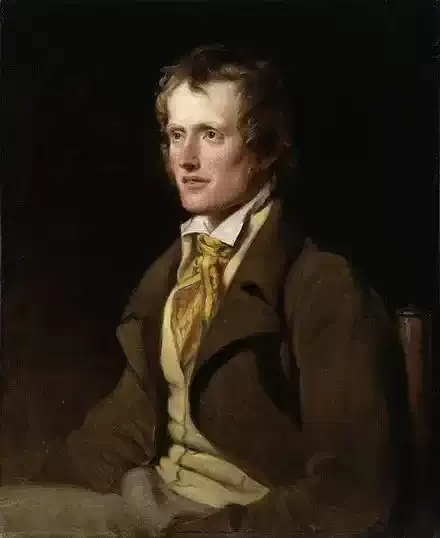
John Clare
The Wood-Cutter's Night Song
The Wood-Cutter's Night Song
Welcome, red and roundy sun,
Dropping lowly in the west;
Now my hard day's work is done,
I'm as happy as the best.
Joyful are the thoughts of home,
Now I'm ready for my chair,
So, till morrow-morning's come,
Bill and mittens, lie ye there!
Though to leave your pretty song,
Little birds, it gives me pain,
Yet to-morrow is not long,
Then I'm with you all again.
If I stop, and stand about,
Well I know how things will be,
Judy will be looking out
Every now-and-then for me.
So fare ye well! and hold your tongues,
Sing no more until I come;
They're not worthy of your songs
That never care to drop a crumb.
All day long I love the oaks,
But, at nights, yon little cot,
Where I see the chimney smokes,
Is by far the prettiest spot.
Wife and children all are there,
To revive with pleasant looks,
Table ready set, and chair,
Supper hanging on the hooks.
Soon as ever I get in,
When my faggot down I fling,
Little prattlers they begin
Teasing me to talk and sing.
Welcome, red and roundy sun,
Dropping lowly in the west;
Now my hard day's work is done,
I'm as happy as the best.
Joyful are the thoughts of home,
Now I'm ready for my chair,
So, till morrow-morning's come,
Bill and mittens, lie ye there!
Welcome, red and roundy sun,
Dropping lowly in the west;
Now my hard day's work is done,
I'm as happy as the best.
Joyful are the thoughts of home,
Now I'm ready for my chair,
So, till morrow-morning's come,
Bill and mittens, lie ye there!
Though to leave your pretty song,
Little birds, it gives me pain,
Yet to-morrow is not long,
Then I'm with you all again.
If I stop, and stand about,
Well I know how things will be,
Judy will be looking out
Every now-and-then for me.
So fare ye well! and hold your tongues,
Sing no more until I come;
They're not worthy of your songs
That never care to drop a crumb.
All day long I love the oaks,
But, at nights, yon little cot,
Where I see the chimney smokes,
Is by far the prettiest spot.
Wife and children all are there,
To revive with pleasant looks,
Table ready set, and chair,
Supper hanging on the hooks.
Soon as ever I get in,
When my faggot down I fling,
Little prattlers they begin
Teasing me to talk and sing.
Welcome, red and roundy sun,
Dropping lowly in the west;
Now my hard day's work is done,
I'm as happy as the best.
Joyful are the thoughts of home,
Now I'm ready for my chair,
So, till morrow-morning's come,
Bill and mittens, lie ye there!
871
John Clare
Country Letter
Country Letter
Dear brother robin this comes from us all
With our kind love and could Gip write and all
Though but a dog he'd have his love to spare
For still he knows and by your corner chair
The moment he comes in he lyes him down
and seems to fancy you are in the town.
This leaves us well in health thank God for that
For old acquaintance Sue has kept your hat
Which mother brushes ere she lays it bye
and every sunday goes upstairs to cry
Jane still is yours till you come back agen
and neer so much as dances with the men
and ned the woodman every week comes in
and asks about you kindly as our kin
and he with this and goody Thompson sends
Remembrances with those of all our friends
Father with us sends love untill he hears
and mother she has nothing but her tears
Yet wishes you like us in health the same
and longs to see a letter with your name
So loving brother don't forget to write
Old Gip lies on the hearth stone every night
Mother can't bear to turn him out of doors
and never noises now of dirty floors
Father will laugh but lets her have her way
and Gip for kindness get a double pay
So Robin write and let us quickly see
You don't forget old friends no more than we
Nor let my mother have so much to blame
To go three journeys ere your letter came.
Dear brother robin this comes from us all
With our kind love and could Gip write and all
Though but a dog he'd have his love to spare
For still he knows and by your corner chair
The moment he comes in he lyes him down
and seems to fancy you are in the town.
This leaves us well in health thank God for that
For old acquaintance Sue has kept your hat
Which mother brushes ere she lays it bye
and every sunday goes upstairs to cry
Jane still is yours till you come back agen
and neer so much as dances with the men
and ned the woodman every week comes in
and asks about you kindly as our kin
and he with this and goody Thompson sends
Remembrances with those of all our friends
Father with us sends love untill he hears
and mother she has nothing but her tears
Yet wishes you like us in health the same
and longs to see a letter with your name
So loving brother don't forget to write
Old Gip lies on the hearth stone every night
Mother can't bear to turn him out of doors
and never noises now of dirty floors
Father will laugh but lets her have her way
and Gip for kindness get a double pay
So Robin write and let us quickly see
You don't forget old friends no more than we
Nor let my mother have so much to blame
To go three journeys ere your letter came.
367
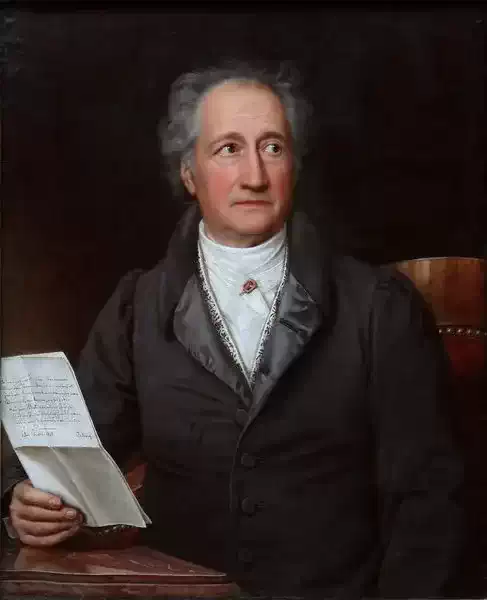
Johann Wolfgang von Goethe
To The Chosen One
To The Chosen One
HAND in hand! and lip to lip!
Oh, be faithful, maiden dear!
Fare thee well! thy lover's ship
Past full many a rock must steers
But should he the haven see,
When the storm has ceased to break,
And be happy, reft of thee,--
May the Gods fierce vengeance take!
Boldly dared is well nigh won!
Half my task is solved aright;
Ev'ry star's to me a sun,
Only cowards deem it night.
Stood I idly by thy side,
Sorrow still would sadden me;
But when seas our paths divide,
Gladly toil I,--toil for thee!
Now the valley I perceive,
Where together we will go,
And the streamlet watch each eve,
Gliding peacefully below
Oh, the poplars on yon spot!
Oh, the beech trees in yon grove!
And behind we'll build a cot,
Where to taste the joys of love!
HAND in hand! and lip to lip!
Oh, be faithful, maiden dear!
Fare thee well! thy lover's ship
Past full many a rock must steers
But should he the haven see,
When the storm has ceased to break,
And be happy, reft of thee,--
May the Gods fierce vengeance take!
Boldly dared is well nigh won!
Half my task is solved aright;
Ev'ry star's to me a sun,
Only cowards deem it night.
Stood I idly by thy side,
Sorrow still would sadden me;
But when seas our paths divide,
Gladly toil I,--toil for thee!
Now the valley I perceive,
Where together we will go,
And the streamlet watch each eve,
Gliding peacefully below
Oh, the poplars on yon spot!
Oh, the beech trees in yon grove!
And behind we'll build a cot,
Where to taste the joys of love!
331
Johann Wolfgang von Goethe
The Wanderer
The Wanderer
WANDERER.
YOUNG woman, may God bless thee,
Thee, and the sucking infant
Upon thy breast!
Let me, 'gainst this rocky wall,
Neath the elm-tree's shadow,
Lay aside my burden,
Near thee take my rest.
WOMAN.
What vocation leads thee,
While the day is burning,
Up this dusty path?
Bring'st thou goods from out the town
Round the country?
Smil'st thou, stranger,
At my question?
WANDERER.
From the town no goods I bring.
Cool is now the evening;
Show to me the fountain
'Whence thou drinkest,
Woman young and kind!
WOMAN.
Up the rocky pathway mount;
Go thou first! Across the thicket
Leads the pathway tow'rd the cottage
That I live in,
To the fountain
Whence I drink.
WANDERER.
Signs of man's arranging hand
See I 'mid the trees!
Not by thee these stones were join'd,
Nature, who so freely scatterest!
WOMAN.
Up, still up!
WANDERER.
Lo, a mossy architrave is here!
I discern thee, fashioning spirit!
On the stone thou hast impress'd thy seal.
WOMAN.
Onward, stranger!
WANDERER.
Over an inscription am I treading!
'Tis effaced!
Ye are seen no longer,
Words so deeply graven,
Who your master's true devotion
Should have shown to thousand grandsons!
WOMAN.
At these stones, why
Start'st thou, stranger?
Many stones are lying yonder
Round my cottage.
WANDERER.
Yonder?
WOMAN.
Through the thicket,
Turning to the left,
Here!
WANDERER.
Ye Muses and ye Graces!
WOMAN.
This, then, is my cottage.
WANDERER.
'Tis a ruin'd temple!
WOMAN.
Just below it, see,
Springs the fountain
Whence I drink.
WANDERER.
Thou dost hover
O'er thy grave, all glowing,
Genius! while upon thee
Hath thy master-piece
Fallen crumbling,
Thou Immortal One!
WOMAN.
Stay, a cup I'll fetch thee
Whence to drink.
WANDERER.
Ivy circles thy slender
Form so graceful and godlike.
How ye rise on high
From the ruins,
Column-pair
And thou, their lonely sister yonder,--
How thou,
Dusky moss upon thy sacred head,--
Lookest down in mournful majesty
On thy brethren's figures
Lying scatter'd
At thy feet!
In the shadow of the bramble
Earth and rubbish veil them,
Lofty grass is waving o'er them
Is it thus thou, Nature, prizest
Thy great masterpiece's masterpiece?
Carelessly destroyest thou
Thine own sanctuary,
Sowing thistles there?
WOMAN.
How the infant sleeps!
Wilt thou rest thee in the cottage,
Stranger? Wouldst thou rather
In the open air still linger?
Now 'tis cool! take thou the child
While I go and draw some water.
Sleep on, darling! sleep!
WANDERER.
Sweet is thy repose!
How, with heaven-born health imbued,
Peacefully he slumbers!
Oh thou, born among the ruins
Spread by great antiquity,
On thee rest her spirit!
He whom it encircles
Will, in godlike consciousness,
Ev'ry day enjoy.
Full, of germ, unfold,
As the smiling springtime's
Fairest charm,
Outshining all thy fellows!
And when the blossom's husk is faded,
May the full fruit shoot forth
From out thy breast,
And ripen in the sunshine!
WOMAN.
God bless him!--Is he sleeping still?
To the fresh draught I nought can add,
Saving a crust of bread for thee to eat.
WANDERER.
I thank thee well.
How fair the verdure all around!
How green!
WOMAN.
My husband soon
Will home return
From labour. Tarry, tarry, man,
And with us eat our evening meal.
WANDERER.
Is't here ye dwell?
WOMAN.
Yonder, within those walls we live.
My father 'twas who built the cottage
Of tiles and stones from out the ruins.
'Tis here we dwell.
He gave me to a husbandman,
And in our arms expired.--
Hast thou been sleeping, dearest heart
How lively, and how full of play!
Sweet rogue!
WANDERER.
Nature, thou ever budding one,
Thou formest each for life's enjoyments,
And, like a mother, all thy children dear,
Blessest with that sweet heritage,--a home
The swallow builds the cornice round,
Unconscious of the beauties
She plasters up.
The caterpillar spins around the bough,
To make her brood a winter house;
And thou dost patch, between antiquity's
Most glorious relics,
For thy mean use,
Oh man, a humble cot,--
Enjoyest e'en mid tombs!--
Farewell, thou happy woman!
WOMAN.
Thou wilt not stay, then?
WANDERER.
May God preserve thee,
And bless thy boy!
WOMAN.
A happy journey!
WANDERER.
Whither conducts the path
Across yon hill?
WOMAN.
To Cuma.
WANDERER.
How far from hence?
WOMAN.
'Tis full three miles.
WANDERER.
Farewell!
Oh Nature, guide me on my way!
The wandering stranger guide,
Who o'er the tombs
Of holy bygone times
Is passing,
To a kind sheltering place,
From North winds safe,
And where a poplar grove
Shuts out the noontide ray!
And when I come
Home to my cot
At evening,
Illumined by the setting sun,
Let me embrace a wife like this,
Her infant in her arms!
WANDERER.
YOUNG woman, may God bless thee,
Thee, and the sucking infant
Upon thy breast!
Let me, 'gainst this rocky wall,
Neath the elm-tree's shadow,
Lay aside my burden,
Near thee take my rest.
WOMAN.
What vocation leads thee,
While the day is burning,
Up this dusty path?
Bring'st thou goods from out the town
Round the country?
Smil'st thou, stranger,
At my question?
WANDERER.
From the town no goods I bring.
Cool is now the evening;
Show to me the fountain
'Whence thou drinkest,
Woman young and kind!
WOMAN.
Up the rocky pathway mount;
Go thou first! Across the thicket
Leads the pathway tow'rd the cottage
That I live in,
To the fountain
Whence I drink.
WANDERER.
Signs of man's arranging hand
See I 'mid the trees!
Not by thee these stones were join'd,
Nature, who so freely scatterest!
WOMAN.
Up, still up!
WANDERER.
Lo, a mossy architrave is here!
I discern thee, fashioning spirit!
On the stone thou hast impress'd thy seal.
WOMAN.
Onward, stranger!
WANDERER.
Over an inscription am I treading!
'Tis effaced!
Ye are seen no longer,
Words so deeply graven,
Who your master's true devotion
Should have shown to thousand grandsons!
WOMAN.
At these stones, why
Start'st thou, stranger?
Many stones are lying yonder
Round my cottage.
WANDERER.
Yonder?
WOMAN.
Through the thicket,
Turning to the left,
Here!
WANDERER.
Ye Muses and ye Graces!
WOMAN.
This, then, is my cottage.
WANDERER.
'Tis a ruin'd temple!
WOMAN.
Just below it, see,
Springs the fountain
Whence I drink.
WANDERER.
Thou dost hover
O'er thy grave, all glowing,
Genius! while upon thee
Hath thy master-piece
Fallen crumbling,
Thou Immortal One!
WOMAN.
Stay, a cup I'll fetch thee
Whence to drink.
WANDERER.
Ivy circles thy slender
Form so graceful and godlike.
How ye rise on high
From the ruins,
Column-pair
And thou, their lonely sister yonder,--
How thou,
Dusky moss upon thy sacred head,--
Lookest down in mournful majesty
On thy brethren's figures
Lying scatter'd
At thy feet!
In the shadow of the bramble
Earth and rubbish veil them,
Lofty grass is waving o'er them
Is it thus thou, Nature, prizest
Thy great masterpiece's masterpiece?
Carelessly destroyest thou
Thine own sanctuary,
Sowing thistles there?
WOMAN.
How the infant sleeps!
Wilt thou rest thee in the cottage,
Stranger? Wouldst thou rather
In the open air still linger?
Now 'tis cool! take thou the child
While I go and draw some water.
Sleep on, darling! sleep!
WANDERER.
Sweet is thy repose!
How, with heaven-born health imbued,
Peacefully he slumbers!
Oh thou, born among the ruins
Spread by great antiquity,
On thee rest her spirit!
He whom it encircles
Will, in godlike consciousness,
Ev'ry day enjoy.
Full, of germ, unfold,
As the smiling springtime's
Fairest charm,
Outshining all thy fellows!
And when the blossom's husk is faded,
May the full fruit shoot forth
From out thy breast,
And ripen in the sunshine!
WOMAN.
God bless him!--Is he sleeping still?
To the fresh draught I nought can add,
Saving a crust of bread for thee to eat.
WANDERER.
I thank thee well.
How fair the verdure all around!
How green!
WOMAN.
My husband soon
Will home return
From labour. Tarry, tarry, man,
And with us eat our evening meal.
WANDERER.
Is't here ye dwell?
WOMAN.
Yonder, within those walls we live.
My father 'twas who built the cottage
Of tiles and stones from out the ruins.
'Tis here we dwell.
He gave me to a husbandman,
And in our arms expired.--
Hast thou been sleeping, dearest heart
How lively, and how full of play!
Sweet rogue!
WANDERER.
Nature, thou ever budding one,
Thou formest each for life's enjoyments,
And, like a mother, all thy children dear,
Blessest with that sweet heritage,--a home
The swallow builds the cornice round,
Unconscious of the beauties
She plasters up.
The caterpillar spins around the bough,
To make her brood a winter house;
And thou dost patch, between antiquity's
Most glorious relics,
For thy mean use,
Oh man, a humble cot,--
Enjoyest e'en mid tombs!--
Farewell, thou happy woman!
WOMAN.
Thou wilt not stay, then?
WANDERER.
May God preserve thee,
And bless thy boy!
WOMAN.
A happy journey!
WANDERER.
Whither conducts the path
Across yon hill?
WOMAN.
To Cuma.
WANDERER.
How far from hence?
WOMAN.
'Tis full three miles.
WANDERER.
Farewell!
Oh Nature, guide me on my way!
The wandering stranger guide,
Who o'er the tombs
Of holy bygone times
Is passing,
To a kind sheltering place,
From North winds safe,
And where a poplar grove
Shuts out the noontide ray!
And when I come
Home to my cot
At evening,
Illumined by the setting sun,
Let me embrace a wife like this,
Her infant in her arms!
303
Johann Wolfgang von Goethe
The Pariah - Legend
The Pariah - Legend
WATER-FETCHING goes the noble
Brahmin's wife, so pure and lovely;
He is honour'd, void of blemish.
And of justice rigid, stern.
Daily from the sacred river
Brings she back refreshments precious;--
But where is the pail and pitcher?
She of neither stands in need.
For with pure heart, hands unsullied,
She the water lifts, and rolls it
To a wondrous ball of crystal
This she bears with gladsome bosom,
Modestly, with graceful motion,
To her husband in the house.
She to-day at dawn of morning
Praying comes to Ganges' waters,
Bends her o'er the glassy surface--
Sudden, in the waves reflected,
Flying swiftly far above her,
From the highest heavens descending,
She discerns the beauteous form
Of a youth divine, created
By the God's primeval wisdom
In his own eternal breast.
When she sees him, straightway feels she
Wondrous, new, confused sensations
In her inmost, deepest being;
Fain she'd linger o'er the vision,
Then repels it,--it returneth,--
And, perplex'd, she bends her flood-wards
With uncertain hands to draw it;
But, alas, she draws no more!
For the water's sacred billows
Seem to fly, to hasten from her;
She but sees the fearful chasm
Of a whirlpool black disclosed.
Arms drop down, and footsteps stumble,
Can this be the pathway homewards?
Shall she fly, or shall she tarry?
Can she think, when thought and counsel,
When assistance all are lost?
So before her spouse appears she--
On her looks he--look is judgment--
Proudly on the sword he seizes,
To the hill of death he drags her,
Where delinquents' blood pays forfeit.
What resistance could she offer?
What excuses could she proffer,
Guilty, knowing not her guilt?
And with bloody sword returns he,
Musing, to his silent dwelling,
When his son before him stands:
"Whose this blood? Oh, father! father!"
"The delinquent woman's!"--"Never!
For upon the sword it dries not,
Like the blood of the delinquent;
Fresh it flows, as from the wound.
Mother! mother! hither hasten!
Unjust never was my father,
Tell me what he now hath done."-"
Silence! silence! hers the blood is!"
"Whose, my father?"--"Silence! Silence!"
"What! oh what! my mother's blood!
What her crime? What did she? Answer!
Now, the sword! the sword now hold I;
Thou thy wife perchance might'st slaughter,
But my mother might'st not slay!
Through the flames the wife is able
Her beloved spouse to follow,
And his dear and only mother
Through the sword her faithful son."
"Stay! oh stay!" exclaim'd the father:
"Yet 'tis time, so hasten, hasten!
Join the head upon the body,
With the sword then touch the figure,
And, alive she'll follow thee."
Hastening, he, with breathless wonder,
Sees the bodies of two women
Lying crosswise, and their heads too;
Oh, what horror! which to choose!
Then his mother's head he seizes,--
Does not kiss it, deadly pale 'tis,--
On the nearest headless body
Puts it quickly, and then blesses
With the sword the pious work.
Then the giant form uprises,--
From the dear lips of his mother,
Lips all god-like--changeless--blissful,
Sound these words with horror fraught:
"Son, oh son! what overhast'ning!
Yonder is thy mother's body,
Near it lies the impious head
Of the woman who hath fallen
Victim to the judgment-sword!
To her body I am grafted
By thy hand for endless ages;
Wise in counsel, wild in action,
I shall be amongst the gods.
E'en the heav'nly boy's own image,
Though in eye and brow so lovely,
Sinking downwards to the bosom
Mad and raging lust will stir.
"'Twill return again for ever,
Ever rising, ever sinking,
Now obscured, and now transfigur'd,--
So great Brama hath ordain'd.
He 'twas sent the beauteous pinions,
Radiant face and slender members
Of the only God-begotten,
That I might be proved and tempted;
For from high descends temptation,
When the gods ordain it so.
And so I, the Brahmin woman,
With my head in Heaven reclining,
Must experience, as a Pariah,
The debasing power of earth.
Son, I send thee to thy father!
Comfort him! Let no sad penance,
Weak delay, or thought of merit,
Hold thee in the desert fast
Wander on through ev'ry nation,
Roam abroad throughout all ages,
And proclaim to e'en the meanest,
That great Brama hears his cry!
"None is in his eyes the meanest--
He whose limbs are lame and palsied,
He whose soul is wildly riven,
Worn with sorrow, hopeless, helpless,
Be he Brahmin, be he Pariah,
If tow'rd heaven he turns his gaze,
Will perceive, will learn to know it:
Thousand eyes are glowing yonder,
Thousand ears are calmly list'ning,
From which nought below is hid.
"If I to his throne soar upward,
If he sees my fearful figure
By his might transform'd to horror,
He for ever will lament it,--
May it to your good be found!
And I now will kindly warn him,
And I now will madly tell him
Whatsoe'er my mind conceiveth,
What within my bosom heaveth.
But my thoughts, my inmost feelings--
Those a secret shall remain."
WATER-FETCHING goes the noble
Brahmin's wife, so pure and lovely;
He is honour'd, void of blemish.
And of justice rigid, stern.
Daily from the sacred river
Brings she back refreshments precious;--
But where is the pail and pitcher?
She of neither stands in need.
For with pure heart, hands unsullied,
She the water lifts, and rolls it
To a wondrous ball of crystal
This she bears with gladsome bosom,
Modestly, with graceful motion,
To her husband in the house.
She to-day at dawn of morning
Praying comes to Ganges' waters,
Bends her o'er the glassy surface--
Sudden, in the waves reflected,
Flying swiftly far above her,
From the highest heavens descending,
She discerns the beauteous form
Of a youth divine, created
By the God's primeval wisdom
In his own eternal breast.
When she sees him, straightway feels she
Wondrous, new, confused sensations
In her inmost, deepest being;
Fain she'd linger o'er the vision,
Then repels it,--it returneth,--
And, perplex'd, she bends her flood-wards
With uncertain hands to draw it;
But, alas, she draws no more!
For the water's sacred billows
Seem to fly, to hasten from her;
She but sees the fearful chasm
Of a whirlpool black disclosed.
Arms drop down, and footsteps stumble,
Can this be the pathway homewards?
Shall she fly, or shall she tarry?
Can she think, when thought and counsel,
When assistance all are lost?
So before her spouse appears she--
On her looks he--look is judgment--
Proudly on the sword he seizes,
To the hill of death he drags her,
Where delinquents' blood pays forfeit.
What resistance could she offer?
What excuses could she proffer,
Guilty, knowing not her guilt?
And with bloody sword returns he,
Musing, to his silent dwelling,
When his son before him stands:
"Whose this blood? Oh, father! father!"
"The delinquent woman's!"--"Never!
For upon the sword it dries not,
Like the blood of the delinquent;
Fresh it flows, as from the wound.
Mother! mother! hither hasten!
Unjust never was my father,
Tell me what he now hath done."-"
Silence! silence! hers the blood is!"
"Whose, my father?"--"Silence! Silence!"
"What! oh what! my mother's blood!
What her crime? What did she? Answer!
Now, the sword! the sword now hold I;
Thou thy wife perchance might'st slaughter,
But my mother might'st not slay!
Through the flames the wife is able
Her beloved spouse to follow,
And his dear and only mother
Through the sword her faithful son."
"Stay! oh stay!" exclaim'd the father:
"Yet 'tis time, so hasten, hasten!
Join the head upon the body,
With the sword then touch the figure,
And, alive she'll follow thee."
Hastening, he, with breathless wonder,
Sees the bodies of two women
Lying crosswise, and their heads too;
Oh, what horror! which to choose!
Then his mother's head he seizes,--
Does not kiss it, deadly pale 'tis,--
On the nearest headless body
Puts it quickly, and then blesses
With the sword the pious work.
Then the giant form uprises,--
From the dear lips of his mother,
Lips all god-like--changeless--blissful,
Sound these words with horror fraught:
"Son, oh son! what overhast'ning!
Yonder is thy mother's body,
Near it lies the impious head
Of the woman who hath fallen
Victim to the judgment-sword!
To her body I am grafted
By thy hand for endless ages;
Wise in counsel, wild in action,
I shall be amongst the gods.
E'en the heav'nly boy's own image,
Though in eye and brow so lovely,
Sinking downwards to the bosom
Mad and raging lust will stir.
"'Twill return again for ever,
Ever rising, ever sinking,
Now obscured, and now transfigur'd,--
So great Brama hath ordain'd.
He 'twas sent the beauteous pinions,
Radiant face and slender members
Of the only God-begotten,
That I might be proved and tempted;
For from high descends temptation,
When the gods ordain it so.
And so I, the Brahmin woman,
With my head in Heaven reclining,
Must experience, as a Pariah,
The debasing power of earth.
Son, I send thee to thy father!
Comfort him! Let no sad penance,
Weak delay, or thought of merit,
Hold thee in the desert fast
Wander on through ev'ry nation,
Roam abroad throughout all ages,
And proclaim to e'en the meanest,
That great Brama hears his cry!
"None is in his eyes the meanest--
He whose limbs are lame and palsied,
He whose soul is wildly riven,
Worn with sorrow, hopeless, helpless,
Be he Brahmin, be he Pariah,
If tow'rd heaven he turns his gaze,
Will perceive, will learn to know it:
Thousand eyes are glowing yonder,
Thousand ears are calmly list'ning,
From which nought below is hid.
"If I to his throne soar upward,
If he sees my fearful figure
By his might transform'd to horror,
He for ever will lament it,--
May it to your good be found!
And I now will kindly warn him,
And I now will madly tell him
Whatsoe'er my mind conceiveth,
What within my bosom heaveth.
But my thoughts, my inmost feelings--
Those a secret shall remain."
408
Johann Wolfgang von Goethe
The Happy Couple
The Happy Couple
AFTER these vernal rains
That we so warmly sought,
Dear wife, see how our plains
With blessings sweet are fraught!
We cast our distant gaze
Far in the misty blue;
Here gentle love still strays,
Here dwells still rapture true.
Thou seest whither go
Yon pair of pigeons white,
Where swelling violets blow
Round sunny foliage bright.
'Twas there we gather'd first
A nosegay as we roved;
There into flame first burst
The passion that we proved.
Yet when, with plighted troth,
The priest beheld us fare
Home from the altar both,
With many a youthful pair,--
Then other moons had birth,
And many a beauteous sun,
Then we had gain'd the earth
Whereon life's race to run.
A hundred thousand fold
The mighty bond was seal'd;
In woods, on mountains cold,
In bushes, in the field,
Within the wall, in caves,
And on the craggy height,
And love, e'en o'er the waves,
Bore in his tube the light.
Contented we remain'd,
We deem'd ourselves a pair;
'Twas otherwise ordain'd,
For, lo! a third was there;
A fourth, fifth, sixth appear'd,
And sat around our board;
And now the plants we've rear'd
High o'er our heads have soar'd!
How fair and pleasant looks,
On yonder beauteous spot,
Embraced by poplar-brooks,
The newly-finish'd cot!
Who is it there that sits
In that glad home above?
Is't not our darling Fritz
With his own darling love?
Beside yon precipice,
Whence pent-up waters steal,
And leaving the abyss,
Fall foaming through the wheel,
Though people often tell
Of millers' wives so fair,
Yet none can e'er excel
Our dearest daughter there!
Yet where the thick-set green
Stands round yon church and sad,
Where the old fir-tree's seen
Alone tow'rd heaven to nod,-'
Tis there the ashes lie
Of our untimely dead;
From earth our gaze on high
By their blest memory's led.
See how yon hill is bright
With billowy-waving arms!
The force returns, whose might
Has vanquished war's alarms.
Who proudly hastens here
With wreath-encircled brow?
'Tis like our child so dear
Thus Charles comes homeward now.
That dearest honour'd guest
Is welcom'd by the bride;
She makes the true one blest,
At the glad festal tide.
And ev'ry one makes haste
To join the dance with glee;
While thou with wreaths hast graced
The youngest children three.
To sound of flute and horn
The time appears renew'd,
When we, in love's young morn,
In the glad dance upstood;
And perfect bliss I know
Ere the year's course is run,
For to the font we go
With grandson and with son!
AFTER these vernal rains
That we so warmly sought,
Dear wife, see how our plains
With blessings sweet are fraught!
We cast our distant gaze
Far in the misty blue;
Here gentle love still strays,
Here dwells still rapture true.
Thou seest whither go
Yon pair of pigeons white,
Where swelling violets blow
Round sunny foliage bright.
'Twas there we gather'd first
A nosegay as we roved;
There into flame first burst
The passion that we proved.
Yet when, with plighted troth,
The priest beheld us fare
Home from the altar both,
With many a youthful pair,--
Then other moons had birth,
And many a beauteous sun,
Then we had gain'd the earth
Whereon life's race to run.
A hundred thousand fold
The mighty bond was seal'd;
In woods, on mountains cold,
In bushes, in the field,
Within the wall, in caves,
And on the craggy height,
And love, e'en o'er the waves,
Bore in his tube the light.
Contented we remain'd,
We deem'd ourselves a pair;
'Twas otherwise ordain'd,
For, lo! a third was there;
A fourth, fifth, sixth appear'd,
And sat around our board;
And now the plants we've rear'd
High o'er our heads have soar'd!
How fair and pleasant looks,
On yonder beauteous spot,
Embraced by poplar-brooks,
The newly-finish'd cot!
Who is it there that sits
In that glad home above?
Is't not our darling Fritz
With his own darling love?
Beside yon precipice,
Whence pent-up waters steal,
And leaving the abyss,
Fall foaming through the wheel,
Though people often tell
Of millers' wives so fair,
Yet none can e'er excel
Our dearest daughter there!
Yet where the thick-set green
Stands round yon church and sad,
Where the old fir-tree's seen
Alone tow'rd heaven to nod,-'
Tis there the ashes lie
Of our untimely dead;
From earth our gaze on high
By their blest memory's led.
See how yon hill is bright
With billowy-waving arms!
The force returns, whose might
Has vanquished war's alarms.
Who proudly hastens here
With wreath-encircled brow?
'Tis like our child so dear
Thus Charles comes homeward now.
That dearest honour'd guest
Is welcom'd by the bride;
She makes the true one blest,
At the glad festal tide.
And ev'ry one makes haste
To join the dance with glee;
While thou with wreaths hast graced
The youngest children three.
To sound of flute and horn
The time appears renew'd,
When we, in love's young morn,
In the glad dance upstood;
And perfect bliss I know
Ere the year's course is run,
For to the font we go
With grandson and with son!
421
Johann Wolfgang von Goethe
Paulo Post Futuri
Paulo Post Futuri
WEEP ye not, ye children dear,
That as yet ye are unborn:
For each sorrow and each tear
Makes the father's heart to mourn.
Patient be a short time to it,
Unproduced, and known to none;
If your father cannot do it,
By your mother 'twill be done.
WEEP ye not, ye children dear,
That as yet ye are unborn:
For each sorrow and each tear
Makes the father's heart to mourn.
Patient be a short time to it,
Unproduced, and known to none;
If your father cannot do it,
By your mother 'twill be done.
300