

Poems
Family
Poems in this topic

Robert W. Service
My Future
My Future
"Let's make him a sailor," said Father,
"And he will adventure the sea."
"A soldier," said Mother, "is rather
What I would prefer him to be."
"A lawyer," said Father, "would please me,
For then he could draw up my will."
"A doctor," said Mother, "would ease me;
Maybe he could give me a pill."
Said Father: "Lt's make him a curate,
A Bishop in gaiters to be."
Said Mother: "I couldn't endure it
To have Willie preaching to me."
Said Father: ""Let him be a poet;
So often he's gathering wool."
Said Mother with temper: "Oh stow it!
You know it, a poet's a fool."
Said Farther: "Your son is a duffer,
A stupid and mischievous elf."
Said Mother, who's rather a huffer:
"That's right - he takes after yourself."
Controlling parental emotion
They turned to me, seeking a cue,
And sudden conceived the bright notion
To ask what I wanted to do.
Said I: "my ambition is modest:
A clown in a circus I'd be,
And turn somersaults in the sawdust
With audience laughing at me."
. . . Poor parents! they're dead and decaying,
But I am a clown as you see;
And though in no circus I'm playing,
How people are laughing at me!
"Let's make him a sailor," said Father,
"And he will adventure the sea."
"A soldier," said Mother, "is rather
What I would prefer him to be."
"A lawyer," said Father, "would please me,
For then he could draw up my will."
"A doctor," said Mother, "would ease me;
Maybe he could give me a pill."
Said Father: "Lt's make him a curate,
A Bishop in gaiters to be."
Said Mother: "I couldn't endure it
To have Willie preaching to me."
Said Father: ""Let him be a poet;
So often he's gathering wool."
Said Mother with temper: "Oh stow it!
You know it, a poet's a fool."
Said Farther: "Your son is a duffer,
A stupid and mischievous elf."
Said Mother, who's rather a huffer:
"That's right - he takes after yourself."
Controlling parental emotion
They turned to me, seeking a cue,
And sudden conceived the bright notion
To ask what I wanted to do.
Said I: "my ambition is modest:
A clown in a circus I'd be,
And turn somersaults in the sawdust
With audience laughing at me."
. . . Poor parents! they're dead and decaying,
But I am a clown as you see;
And though in no circus I'm playing,
How people are laughing at me!
222
Robert W. Service
My Brothers
My Brothers
While I make rhymes my brother John
Makes shiny shoes which dames try on,
And finding to their fit and stance
They buy and wear with elegance;
But mine is quite another tale,-
For song there is no sale.
My brother Tom a tailor shop
Is owner of, and ladies stop
To try the models he has planned,
And richly pay, I understand:
Yet not even a dingy dime
Can I make with my rhyme.
My brother Jim sells stuff to eat
Like trotters, tripe and sausage meat.
I dare not by his window stop,
Lest he should offer me a chop;
For though a starving bard I be,
To hell, say I, with charity!
My brothers all are proud of purse,
But though my poverty I curse,
I would not for a diadem
Exchange my lowly lot with them:
A garret and a crust for me,
And reams and dreams of Poetry.
While I make rhymes my brother John
Makes shiny shoes which dames try on,
And finding to their fit and stance
They buy and wear with elegance;
But mine is quite another tale,-
For song there is no sale.
My brother Tom a tailor shop
Is owner of, and ladies stop
To try the models he has planned,
And richly pay, I understand:
Yet not even a dingy dime
Can I make with my rhyme.
My brother Jim sells stuff to eat
Like trotters, tripe and sausage meat.
I dare not by his window stop,
Lest he should offer me a chop;
For though a starving bard I be,
To hell, say I, with charity!
My brothers all are proud of purse,
But though my poverty I curse,
I would not for a diadem
Exchange my lowly lot with them:
A garret and a crust for me,
And reams and dreams of Poetry.
238
Robert W. Service
Mammy
Mammy
I often wonder how
Life clicks because
They don't make women now
Like Mammy was.
When broods of two or three
Content most men,
How wonderful was she
With children ten!
Though sixty years have gone,
As I look back,
I see her rise at dawn,
Our boots to black;
Pull us from drowsy bed,
Wet sponge to pass,
And speed us porridge fed
To morning class.
Our duds to make and mend,
Far into night,
O'er needle she would spend
By bleary light.
Yet as her head drooped low,
With withered hair,
It seemed the candle glow
Made halo there.
And so with silvered pow
I sigh because
They don't make women now
Like Mammy was.
I often wonder how
Life clicks because
They don't make women now
Like Mammy was.
When broods of two or three
Content most men,
How wonderful was she
With children ten!
Though sixty years have gone,
As I look back,
I see her rise at dawn,
Our boots to black;
Pull us from drowsy bed,
Wet sponge to pass,
And speed us porridge fed
To morning class.
Our duds to make and mend,
Far into night,
O'er needle she would spend
By bleary light.
Yet as her head drooped low,
With withered hair,
It seemed the candle glow
Made halo there.
And so with silvered pow
I sigh because
They don't make women now
Like Mammy was.
190
Robert W. Service
Lucindy Jane
Lucindy Jane
When I was young I was too proud
To wheel my daughter in her pram.
"It's infra dig," I said aloud,-Bot
now I'm old, behold I am
Perambulating up and down
Grand-daughter through the town.
And when I come into the Square,
Beside the fountain I will stop;
And as to rest I linger there,
The dames will say: "How do, Grand-pop!
Lucindy Jane with eyes so blue
Looks more and more like you."
And sure it's pleased as Punch I get,
And take Lucindy on my knee;
Aye, at the risk of getting wet,
I blether to the girls a wee:
Then as we have a bottle date
Home we perambulate.
Gosh! That's the joy of all my day;
And as I play the part of nurse:
"She's got your nose," I hear them say.
Thinks I: "Well now, she might have worse."
And how I dream I'll live to see
A great-grandchild upon my knee,
Whom folks say looks like me!
When I was young I was too proud
To wheel my daughter in her pram.
"It's infra dig," I said aloud,-Bot
now I'm old, behold I am
Perambulating up and down
Grand-daughter through the town.
And when I come into the Square,
Beside the fountain I will stop;
And as to rest I linger there,
The dames will say: "How do, Grand-pop!
Lucindy Jane with eyes so blue
Looks more and more like you."
And sure it's pleased as Punch I get,
And take Lucindy on my knee;
Aye, at the risk of getting wet,
I blether to the girls a wee:
Then as we have a bottle date
Home we perambulate.
Gosh! That's the joy of all my day;
And as I play the part of nurse:
"She's got your nose," I hear them say.
Thinks I: "Well now, she might have worse."
And how I dream I'll live to see
A great-grandchild upon my knee,
Whom folks say looks like me!
250
Robert W. Service
Little Moccasins
Little Moccasins
Come out, O Little Moccasins, and frolic on the snow!
Come out, O tiny beaded feet, and twinkle in the light!
I'll play the old Red River reel, you used to love it so:
Awake, O Little Moccasins, and dance for me to-night!
Your hair was all a gleamy gold, your eyes a corn-flower blue;
Your cheeks were pink as tinted shells, you stepped light as a fawn;
Your mouth was like a coral bud, with seed pearls peeping through;
As gladdening as Spring you were, as radiant as dawn.
Come out, O Little Moccasins! I'll play so soft and low,
The songs you loved, the old heart-songs that in my mem'ry ring;
O child, I want to hear you now beside the campfire glow!
With all your heart a-throbbing in the simple words you sing.
For there was only you and I, and you were all to me;
And round us were the barren lands, but little did we fear;
Of all God's happy, happy folks the happiest were we. . . .
(Oh, call her, poor old fiddle mine, and maybe she will hear!)
Your mother was a half-breed Cree, but you were white all through;
And I, your father was -- but well, that's neither here nor there;
I only know, my little Queen, that all my world was you,
And now that world can end to-night, and I will never care.
For there's a tiny wooden cross that pricks up through the snow:
(Poor Little Moccasins! you're tired, and so you lie at rest.)
And there's a grey-haired, weary man beside the campfire glow:
(O fiddle mine! the tears to-night are drumming on your breast.)
Come out, O Little Moccasins, and frolic on the snow!
Come out, O tiny beaded feet, and twinkle in the light!
I'll play the old Red River reel, you used to love it so:
Awake, O Little Moccasins, and dance for me to-night!
Your hair was all a gleamy gold, your eyes a corn-flower blue;
Your cheeks were pink as tinted shells, you stepped light as a fawn;
Your mouth was like a coral bud, with seed pearls peeping through;
As gladdening as Spring you were, as radiant as dawn.
Come out, O Little Moccasins! I'll play so soft and low,
The songs you loved, the old heart-songs that in my mem'ry ring;
O child, I want to hear you now beside the campfire glow!
With all your heart a-throbbing in the simple words you sing.
For there was only you and I, and you were all to me;
And round us were the barren lands, but little did we fear;
Of all God's happy, happy folks the happiest were we. . . .
(Oh, call her, poor old fiddle mine, and maybe she will hear!)
Your mother was a half-breed Cree, but you were white all through;
And I, your father was -- but well, that's neither here nor there;
I only know, my little Queen, that all my world was you,
And now that world can end to-night, and I will never care.
For there's a tiny wooden cross that pricks up through the snow:
(Poor Little Moccasins! you're tired, and so you lie at rest.)
And there's a grey-haired, weary man beside the campfire glow:
(O fiddle mine! the tears to-night are drumming on your breast.)
226
Robert W. Service
Jim
Jim
Never knew Jim, did you? Our boy Jim?
Bless you, there was the likely lad;
Supple and straight and long of limb,
Clean as a whistle, and just as glad.
Always laughing, wasn't he, dad?
Joy, pure joy to the heart of him,
And, oh, but the soothering ways he had,
Jim, our Jim!
But I see him best as a tiny tot,
A bonny babe, though it's me that speaks;
Laughing there in his little cot,
With his sunny hair and his apple cheeks.
And my! but the blue, blue eyes he'd got,
And just where his wee mouth dimpled dim
Such a fairy mark like a beauty spot -
That was Jim.
Oh, the war, the war! How my eyes were wet!
But he says: "Don't be sorrowing, mother dear;
You never knew me to fail you yet,
And I'll be back in a year, a year."
'Twas at Mons he fell, in the first attack;
For so they said, and their eyes were dim;
But I laughed in their faces: "He'll come back,
Will my Jim."
Now, we'd been wedded for twenty year,
And Jim was the only one we'd had;
So when I whispered in father's ear,
He wouldn't believe me -- would you, dad?
There! I must hurry . . . hear him cry?
My new little baby. . . . See! that's him.
What are we going to call him? Why,
Jim, just Jim.
Jim! For look at him laughing there
In the same old way in his tiny cot,
With his rosy cheeks and his sunny hair,
And look, just look . . . his beauty spot
In the selfsame place. . . . Oh, I can't explain,
And of course you think it's a mother's whim,
But I know, I know it's my boy again,
Same wee Jim.
Just come back as he said he would;
Come with his love and his heart of glee.
Oh, I cried and I cried, but the Lord was good;
From the shadow of Death he set Jim free.
So I'll have him all over again, you see.
Can you wonder my mother-heart's a-brim?
Oh, how happy we're going to be!
Aren't we, Jim?
Never knew Jim, did you? Our boy Jim?
Bless you, there was the likely lad;
Supple and straight and long of limb,
Clean as a whistle, and just as glad.
Always laughing, wasn't he, dad?
Joy, pure joy to the heart of him,
And, oh, but the soothering ways he had,
Jim, our Jim!
But I see him best as a tiny tot,
A bonny babe, though it's me that speaks;
Laughing there in his little cot,
With his sunny hair and his apple cheeks.
And my! but the blue, blue eyes he'd got,
And just where his wee mouth dimpled dim
Such a fairy mark like a beauty spot -
That was Jim.
Oh, the war, the war! How my eyes were wet!
But he says: "Don't be sorrowing, mother dear;
You never knew me to fail you yet,
And I'll be back in a year, a year."
'Twas at Mons he fell, in the first attack;
For so they said, and their eyes were dim;
But I laughed in their faces: "He'll come back,
Will my Jim."
Now, we'd been wedded for twenty year,
And Jim was the only one we'd had;
So when I whispered in father's ear,
He wouldn't believe me -- would you, dad?
There! I must hurry . . . hear him cry?
My new little baby. . . . See! that's him.
What are we going to call him? Why,
Jim, just Jim.
Jim! For look at him laughing there
In the same old way in his tiny cot,
With his rosy cheeks and his sunny hair,
And look, just look . . . his beauty spot
In the selfsame place. . . . Oh, I can't explain,
And of course you think it's a mother's whim,
But I know, I know it's my boy again,
Same wee Jim.
Just come back as he said he would;
Come with his love and his heart of glee.
Oh, I cried and I cried, but the Lord was good;
From the shadow of Death he set Jim free.
So I'll have him all over again, you see.
Can you wonder my mother-heart's a-brim?
Oh, how happy we're going to be!
Aren't we, Jim?
238
Robert W. Service
Her Letter
Her Letter
"I'm taking pen in hand this night, and hard it is for me;
My poor old fingers tremble so, my hand is stiff and slow,
And even with my glasses on I'm troubled sore to see. . . .
You'd little know your mother, boy; you'd little, little know.
You mind how brisk and bright I was, how straight and trim and smart;
'Tis weariful I am the now, and bent and frail and grey.
I'm waiting at the road's end, lad; and all that's in my heart,
Is just to see my boy again before I'm called away."
"Oh well I mind the sorry day you crossed the gurly sea;
'Twas like the heart was torn from me, a waeful wife was I.
You said that you'd be home again in two years, maybe three;
But nigh a score of years have gone, and still the years go by.
I know it's cruel hard for you, you've bairnies of your own;
I know the siller's hard to win, and folks have used you ill:
But oh, think of your mother, lad, that's waiting by her lone!
And even if you canna come -- just write and say you will."
"Aye, even though there's little hope, just promise that you'll try.
It's weary, weary waiting, lad; just say you'll come next year.
I'm thinking there will be no `next'; I'm thinking soon I'll lie
With all the ones I've laid away . . . but oh, the hope will cheer!
You know you're all that's left to me, and we are seas apart;
But if you'll only say you'll come, then will I hope and pray.
I'm waiting by the grave-side, lad; and all that's in my heart
Is just to see my boy again before I'm called away."
"I'm taking pen in hand this night, and hard it is for me;
My poor old fingers tremble so, my hand is stiff and slow,
And even with my glasses on I'm troubled sore to see. . . .
You'd little know your mother, boy; you'd little, little know.
You mind how brisk and bright I was, how straight and trim and smart;
'Tis weariful I am the now, and bent and frail and grey.
I'm waiting at the road's end, lad; and all that's in my heart,
Is just to see my boy again before I'm called away."
"Oh well I mind the sorry day you crossed the gurly sea;
'Twas like the heart was torn from me, a waeful wife was I.
You said that you'd be home again in two years, maybe three;
But nigh a score of years have gone, and still the years go by.
I know it's cruel hard for you, you've bairnies of your own;
I know the siller's hard to win, and folks have used you ill:
But oh, think of your mother, lad, that's waiting by her lone!
And even if you canna come -- just write and say you will."
"Aye, even though there's little hope, just promise that you'll try.
It's weary, weary waiting, lad; just say you'll come next year.
I'm thinking there will be no `next'; I'm thinking soon I'll lie
With all the ones I've laid away . . . but oh, the hope will cheer!
You know you're all that's left to me, and we are seas apart;
But if you'll only say you'll come, then will I hope and pray.
I'm waiting by the grave-side, lad; and all that's in my heart
Is just to see my boy again before I'm called away."
225
Robert W. Service
Decorations
Decorations
My only medals are the scars
I've won in weary, peacetime wars,
A-fighting for my little brood,
To win them shelter, shoon and food;
But most of all to give them faith
In God's good mercy unto death.
My sons have medals gleaming bright,
Proud trophies won in foreign fight;
But though their crosses bravely shine,
My boys can show no wounds like mine -
Grim gashes dolorously healed,
And inner ailings unrevealed.
Life-lasting has my battle been,
My enemy a fierce machine;
And I am marked by many a blow
In conflict with a tireless foe,
Till warped and bent beneath the beat
Of life's unruth I own defeat.
Yet strip me bare and you will see
A worthy warrior I be;
Although no uniform I've worn,
By wounds of labour I am torn;
Leave the their ribbands and their stars . . .
Behold! I proudly prize my scars.
My only medals are the scars
I've won in weary, peacetime wars,
A-fighting for my little brood,
To win them shelter, shoon and food;
But most of all to give them faith
In God's good mercy unto death.
My sons have medals gleaming bright,
Proud trophies won in foreign fight;
But though their crosses bravely shine,
My boys can show no wounds like mine -
Grim gashes dolorously healed,
And inner ailings unrevealed.
Life-lasting has my battle been,
My enemy a fierce machine;
And I am marked by many a blow
In conflict with a tireless foe,
Till warped and bent beneath the beat
Of life's unruth I own defeat.
Yet strip me bare and you will see
A worthy warrior I be;
Although no uniform I've worn,
By wounds of labour I am torn;
Leave the their ribbands and their stars . . .
Behold! I proudly prize my scars.
276
Robert W. Service
Causation
Causation
Said darling daughter unto me:
"oh Dad, how funny it would be
If you had gone to Mexico
A score or so of years ago.
Had not some whimsey changed your plan
I might have been a Mexican.
With lissome form and raven hair,
Instead of being fat and fair.
"Or if you'd sailed the Southern Seas
And mated with a Japanese
I might have been a squatty girl
With never golden locks to curl,
Who flirted with a painted fan,
And tinkled on a samisan,
And maybe slept upon a mat I'm
very glad I don't do that.
"When I consider the romance
Of all your youth of change and chance
I might, I fancy, just as well
Have bloomed a bold Tahitian belle,
Or have been born . . . but there - ah no!
I draw the line - and Esquimeaux.
It scares me stiff to think of what
I might have been - thank God! I'm not."
Said I: "my dear, don't be absurd,
Since everything that has occurred,
Through seeming fickle in your eyes,
Could not a jot be otherwise.
For in this casual cosmic biz
The world can be but what it is;
And nobody can dare deny
Part of this world is you and I.
Or call it fate or destiny
No other issue could there be.
Though half the world I've wandered through
Cause and effect have linked us two.
Aye, all the aeons of the past
Conspired to bring us here at last,
And all I ever chanced to do
Inevitably led to you.
To you, to make you what you are,
A maiden in a Morris car,
IN Harris tweeds, an airedale too,
But Anglo-Saxon through and through.
And all the good and ill I've done
In every land beneath the sun
Magnificently led to this
A country cottage and - your kiss."
Said darling daughter unto me:
"oh Dad, how funny it would be
If you had gone to Mexico
A score or so of years ago.
Had not some whimsey changed your plan
I might have been a Mexican.
With lissome form and raven hair,
Instead of being fat and fair.
"Or if you'd sailed the Southern Seas
And mated with a Japanese
I might have been a squatty girl
With never golden locks to curl,
Who flirted with a painted fan,
And tinkled on a samisan,
And maybe slept upon a mat I'm
very glad I don't do that.
"When I consider the romance
Of all your youth of change and chance
I might, I fancy, just as well
Have bloomed a bold Tahitian belle,
Or have been born . . . but there - ah no!
I draw the line - and Esquimeaux.
It scares me stiff to think of what
I might have been - thank God! I'm not."
Said I: "my dear, don't be absurd,
Since everything that has occurred,
Through seeming fickle in your eyes,
Could not a jot be otherwise.
For in this casual cosmic biz
The world can be but what it is;
And nobody can dare deny
Part of this world is you and I.
Or call it fate or destiny
No other issue could there be.
Though half the world I've wandered through
Cause and effect have linked us two.
Aye, all the aeons of the past
Conspired to bring us here at last,
And all I ever chanced to do
Inevitably led to you.
To you, to make you what you are,
A maiden in a Morris car,
IN Harris tweeds, an airedale too,
But Anglo-Saxon through and through.
And all the good and ill I've done
In every land beneath the sun
Magnificently led to this
A country cottage and - your kiss."
252
Robert W. Service
Brave Coward
Brave Coward
Elisabeth imagines I've
A yellow streak
She deems I have no dash and drive,
Jest dogoned weak.
'A man should be a man,' says Liz
'Trade blow for blow.'
Poor kid! What my position is
She jest don't know.
She jest don't know my old man killed,
Yea, slew and slew.
As steamy blood he sweetly spilled,
So could I too.
And though no wrath of heart I show
When I see red,
I fear no S. O. B. but oh
Myself I dread.
Though fellers reckon me a dope
And trigger-shy,
'Tain't nice to dangle on a rope,
And like Pa die.
So as I belly to the bar
Meek is my breath . . .
No guts! --Don't needle me too far,
Elizabeth!
Elisabeth imagines I've
A yellow streak
She deems I have no dash and drive,
Jest dogoned weak.
'A man should be a man,' says Liz
'Trade blow for blow.'
Poor kid! What my position is
She jest don't know.
She jest don't know my old man killed,
Yea, slew and slew.
As steamy blood he sweetly spilled,
So could I too.
And though no wrath of heart I show
When I see red,
I fear no S. O. B. but oh
Myself I dread.
Though fellers reckon me a dope
And trigger-shy,
'Tain't nice to dangle on a rope,
And like Pa die.
So as I belly to the bar
Meek is my breath . . .
No guts! --Don't needle me too far,
Elizabeth!
240
Robert W. Service
Bed Sitter
Bed Sitter
He stared at me with sad, hurt eyes,
That drab, untidy man;
And though my clients I despise
I do the best I can
To comfort them with cheerful chat;
(Quite comme il faut, of course)
And furnish evidence so that
Their wives may claim divorce.
But as this chap sobbed out his woes
I thought: How it's a shame!
His wife's a bitch and so he goes
And takes himself the blame.
And me behaving like a heel
To earn a filthy fee . . .
Said I: "You've had a dirty deal."
"What of yourself? said he.
And so I told him how I was
A widow of the war,
And doing what I did because
Two sons I struggled for.
As I sat knitting through the night
He eyed me from the bed,
And in the rosy morning light
Impulsively he said:
"Through in this sordid game we play,
To cheat the law we plan,
i do believe you when you say
You hold aloof from man;
Unto the dead you have been true,
And on the day I'm free,
To prove how I have faith in you -
Please, will you marry me?"
That's how it was. Now we are wed,
And life's a list of joys.
The old unhappy past is dead;
He's father to my boys.
And I have told him just to-day,
(Though forty, I confess,)
A little sister's on the way
To crown our happiness.
He stared at me with sad, hurt eyes,
That drab, untidy man;
And though my clients I despise
I do the best I can
To comfort them with cheerful chat;
(Quite comme il faut, of course)
And furnish evidence so that
Their wives may claim divorce.
But as this chap sobbed out his woes
I thought: How it's a shame!
His wife's a bitch and so he goes
And takes himself the blame.
And me behaving like a heel
To earn a filthy fee . . .
Said I: "You've had a dirty deal."
"What of yourself? said he.
And so I told him how I was
A widow of the war,
And doing what I did because
Two sons I struggled for.
As I sat knitting through the night
He eyed me from the bed,
And in the rosy morning light
Impulsively he said:
"Through in this sordid game we play,
To cheat the law we plan,
i do believe you when you say
You hold aloof from man;
Unto the dead you have been true,
And on the day I'm free,
To prove how I have faith in you -
Please, will you marry me?"
That's how it was. Now we are wed,
And life's a list of joys.
The old unhappy past is dead;
He's father to my boys.
And I have told him just to-day,
(Though forty, I confess,)
A little sister's on the way
To crown our happiness.
217
Robert W. Service
Adoption
Adoption
Because I was a woman lone
And had of friends so few,
I made two little ones my own,
Whose parents no one knew;
Unwanted foundlings of the night,
Left at the convent door,
Whose tiny hands in piteous plight
Seemed to implore.
By Deed to them I gave my name,
And never will they know
That from the evil slums they came,
Two waifs of want and woe;
I fostered them with love and care
As if they were my own:
Now John, my son, is tall and fair,
And dark is Joan.
My boy's a member of the Bar,
My girl a nurse serene;
Yet when I think of what they are
And what they might have been,
With shuddering I glimpse a hell
Of black and bitter fruit . . .
Where John might be a criminal,
And Joan--a prostitute.
Because I was a woman lone
And had of friends so few,
I made two little ones my own,
Whose parents no one knew;
Unwanted foundlings of the night,
Left at the convent door,
Whose tiny hands in piteous plight
Seemed to implore.
By Deed to them I gave my name,
And never will they know
That from the evil slums they came,
Two waifs of want and woe;
I fostered them with love and care
As if they were my own:
Now John, my son, is tall and fair,
And dark is Joan.
My boy's a member of the Bar,
My girl a nurse serene;
Yet when I think of what they are
And what they might have been,
With shuddering I glimpse a hell
Of black and bitter fruit . . .
Where John might be a criminal,
And Joan--a prostitute.
228
Robert W. Service
A Snifter
A Snifter
After working hard all day
In the office,
How much worse on homeward way
My old cough is!
Barney's Bar is gaily lit,
Let me stop there;
Just to buck me up a bit
Have a drop there.
As I stand beside the screen
Hesitating,
I have thought of how Noreen
Will be waiting;
Baby Patsy in her lap
Gay and laughing,
While at Barney's foaming tap
I am quaffing.
Barney's Bar is mighty bright,
Looks so cheery.
Wonder what I'll drink tonight?
Gee! I'm weary.
Will I have Scotch or Rye?
Bourbon maybe . . .
Then I see with mental eye
Wife and baby.
So I say 'tis malted milk
I'll be skoffin';
Sooth my throttle sleek as silk,
Ease my coughin' . . .
Say, I love them two to death,
Sure they miss me:
With no whisky on my breath
How they'll kiss me!
After working hard all day
In the office,
How much worse on homeward way
My old cough is!
Barney's Bar is gaily lit,
Let me stop there;
Just to buck me up a bit
Have a drop there.
As I stand beside the screen
Hesitating,
I have thought of how Noreen
Will be waiting;
Baby Patsy in her lap
Gay and laughing,
While at Barney's foaming tap
I am quaffing.
Barney's Bar is mighty bright,
Looks so cheery.
Wonder what I'll drink tonight?
Gee! I'm weary.
Will I have Scotch or Rye?
Bourbon maybe . . .
Then I see with mental eye
Wife and baby.
So I say 'tis malted milk
I'll be skoffin';
Sooth my throttle sleek as silk,
Ease my coughin' . . .
Say, I love them two to death,
Sure they miss me:
With no whisky on my breath
How they'll kiss me!
279
Robert W. Service
A Domestic Tragedy
A Domestic Tragedy
Clorinda met me on the way
As I came from the train;
Her face was anything but gay,
In fact, suggested pain.
"Oh hubby, hubby dear!" she cried,
"I've awful news to tell. . . ."
"What is it, darling?" I replied;
"Your mother -- is she well?"
"Oh no! oh no! it is not that,
It's something else," she wailed,
My heart was beating pit-a-pat,
My ruddy visage paled.
Like lightning flash in heaven's dome
The fear within me woke:
"Don't say," I cried, "our little home
Has all gone up in smoke!"
She shook her head. Oh, swift I clasped
And held her to my breast;
"The children! Tell me quick," I gasped,
"Believe me, it is best."
Then, then she spoke; 'mid sobs I caught
These words of woe divine:
"It's coo-coo-cook has gone and bought
A new hat just like mine."
Clorinda met me on the way
As I came from the train;
Her face was anything but gay,
In fact, suggested pain.
"Oh hubby, hubby dear!" she cried,
"I've awful news to tell. . . ."
"What is it, darling?" I replied;
"Your mother -- is she well?"
"Oh no! oh no! it is not that,
It's something else," she wailed,
My heart was beating pit-a-pat,
My ruddy visage paled.
Like lightning flash in heaven's dome
The fear within me woke:
"Don't say," I cried, "our little home
Has all gone up in smoke!"
She shook her head. Oh, swift I clasped
And held her to my breast;
"The children! Tell me quick," I gasped,
"Believe me, it is best."
Then, then she spoke; 'mid sobs I caught
These words of woe divine:
"It's coo-coo-cook has gone and bought
A new hat just like mine."
265
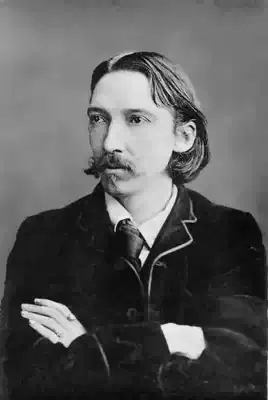
Robert Louis Stevenson
To Willie and Henrietta
To Willie and Henrietta
If two may read aright
These rhymes of old delight
And house and garden play,
You too, my cousins, and you only, may.
You in a garden green
With me were king and queen,
Were hunter, soldier, tar,
And all the thousand things that children are.
Now in the elders' seat
We rest with quiet feet,
And from the window-bay
We watch the children, our successors, play.
"Time was," the golden head
Irrevocably said;
But time which one can bind,
While flowing fast away, leaves love behind.
If two may read aright
These rhymes of old delight
And house and garden play,
You too, my cousins, and you only, may.
You in a garden green
With me were king and queen,
Were hunter, soldier, tar,
And all the thousand things that children are.
Now in the elders' seat
We rest with quiet feet,
And from the window-bay
We watch the children, our successors, play.
"Time was," the golden head
Irrevocably said;
But time which one can bind,
While flowing fast away, leaves love behind.
362
Robert Louis Stevenson
Good-Night
Good-Night
Then the bright lamp is carried in,
The sunless hours again begin;
O'er all without, in field and lane,
The haunted night returns again.
Now we behold the embers flee
About the firelit hearth; and see
Our faces painted as we pass,
Like pictures, on the window glass.
Must we to bed indeed? Well then,
Let us arise and go like men,
And face with an undaunted tread
The long black passage up to bed.
Farewell, O brother, sister, sire!
O pleasant party round the fire!
The songs you sing, the tales you tell,
Till far to-morrow, fare you well!
Then the bright lamp is carried in,
The sunless hours again begin;
O'er all without, in field and lane,
The haunted night returns again.
Now we behold the embers flee
About the firelit hearth; and see
Our faces painted as we pass,
Like pictures, on the window glass.
Must we to bed indeed? Well then,
Let us arise and go like men,
And face with an undaunted tread
The long black passage up to bed.
Farewell, O brother, sister, sire!
O pleasant party round the fire!
The songs you sing, the tales you tell,
Till far to-morrow, fare you well!
368
Robert Louis Stevenson
Before This Little Gift Was Come
Before This Little Gift Was Come
BEFORE this little gift was come
The little owner had made haste for home;
And from the door of where the eternal dwell,
Looked back on human things and smiled farewell.
O may this grief remain the only one!
O may our house be still a garrison
Of smiling children, and for evermore
The tune of little feet be heard along the floor!
BEFORE this little gift was come
The little owner had made haste for home;
And from the door of where the eternal dwell,
Looked back on human things and smiled farewell.
O may this grief remain the only one!
O may our house be still a garrison
Of smiling children, and for evermore
The tune of little feet be heard along the floor!
266
Robert Louis Stevenson
As In Their Flight The Birds Of Song
As In Their Flight The Birds Of Song
AS in their flight the birds of song
Halt here and there in sweet and sunny dales,
But halt not overlong;
The time one rural song to sing
They pause; then following bounteous gales
Steer forward on the wing:
Sun-servers they, from first to last,
Upon the sun they wait
To ride the sailing blast.
So he awhile in our contested state,
Awhile abode, not longer, for his Sun -
Mother we say, no tenderer name we know -
With whose diviner glow
His early days had shone,
Now to withdraw her radiance had begun.
Or lest a wrong I say, not she withdrew,
But the loud stream of men day after day
And great dust columns of the common way
Between them grew and grew:
And he and she for evermore might yearn,
But to the spring the rivulets not return
Nor to the bosom comes the child again.
And he (O may we fancy so!),
He, feeling time forever flow
And flowing bear him forth and far away
From that dear ingle where his life began
And all his treasure lay -
He, waxing into man,
And ever farther, ever closer wound
In this obstreperous world's ignoble round,
From that poor prospect turned his face away.
AS in their flight the birds of song
Halt here and there in sweet and sunny dales,
But halt not overlong;
The time one rural song to sing
They pause; then following bounteous gales
Steer forward on the wing:
Sun-servers they, from first to last,
Upon the sun they wait
To ride the sailing blast.
So he awhile in our contested state,
Awhile abode, not longer, for his Sun -
Mother we say, no tenderer name we know -
With whose diviner glow
His early days had shone,
Now to withdraw her radiance had begun.
Or lest a wrong I say, not she withdrew,
But the loud stream of men day after day
And great dust columns of the common way
Between them grew and grew:
And he and she for evermore might yearn,
But to the spring the rivulets not return
Nor to the bosom comes the child again.
And he (O may we fancy so!),
He, feeling time forever flow
And flowing bear him forth and far away
From that dear ingle where his life began
And all his treasure lay -
He, waxing into man,
And ever farther, ever closer wound
In this obstreperous world's ignoble round,
From that poor prospect turned his face away.
324
Robert Louis Stevenson
Ad Nepotem
Ad Nepotem
O NEPOS, twice my neigh(b)our (since at home
We're door by door, by Flora's temple dome;
And in the country, still conjoined by fate,
Behold our villas standing gate by gate),
Thou hast a daughter, dearer far than life -
Thy image and the image of thy wife.
Thy image and thy wife's, and be it so!
But why for her, { neglect the flowing } can
{ O Nepos, leave the }
And lose the prime of thy Falernian?
Hoard casks of money, if to hoard be thine;
But let thy daughter drink a younger wine!
Let her go rich and wise, in silk and fur;
Lay down a { bin that shall } grow old with her;
{ vintage to }
But thou, meantime, the while the batch is sound,
With pleased companions pass the bowl around;
Nor let the childless only taste delights,
For Fathers also may enjoy their nights.
O NEPOS, twice my neigh(b)our (since at home
We're door by door, by Flora's temple dome;
And in the country, still conjoined by fate,
Behold our villas standing gate by gate),
Thou hast a daughter, dearer far than life -
Thy image and the image of thy wife.
Thy image and thy wife's, and be it so!
But why for her, { neglect the flowing } can
{ O Nepos, leave the }
And lose the prime of thy Falernian?
Hoard casks of money, if to hoard be thine;
But let thy daughter drink a younger wine!
Let her go rich and wise, in silk and fur;
Lay down a { bin that shall } grow old with her;
{ vintage to }
But thou, meantime, the while the batch is sound,
With pleased companions pass the bowl around;
Nor let the childless only taste delights,
For Fathers also may enjoy their nights.
436

Robert Frost
The Death of the Hired Man
The Death of the Hired Man
Mary sat musing on the lamp-flame at the table
Waiting for Warren. When she heard his step,
She ran on tip-toe down the darkened passage
To meet him in the doorway with the news
And put him on his guard. "Silas is back."
She pushed him outward with her through the door
And shut it after her. "Be kind," she said.
She took the market things from Warren's arms
And set them on the porch, then drew him down
To sit beside her on the wooden steps.
"When was I ever anything but kind to him?
But I'll not have the fellow back," he said.
"I told him so last haying, didn't I?
'If he left then,' I said, 'that ended it.'
What good is he? Who else will harbour him
At his age for the little he can do?
What help he is there's no depending on.
Off he goes always when I need him most.
'He thinks he ought to earn a little pay,
Enough at least to buy tobacco with,
So he won't have to beg and be beholden.'
'All right,' I say, 'I can't afford to pay
Any fixed wages, though I wish I could.'
'Someone else can.' 'Then someone else will have to.'
I shouldn't mind his bettering himself
If that was what it was. You can be certain,
When he begins like that, there's someone at him
Trying to coax him off with pocket-money,--
In haying time, when any help is scarce.
In winter he comes back to us. I'm done."
"Sh! not so loud: he'll hear you," Mary said.
"I want him to: he'll have to soon or late."
"He's worn out. He's asleep beside the stove.
When I came up from Rowe's I found him here,
Huddled against the barn-door fast asleep,
A miserable sight, and frightening, too--
You needn't smile--I didn't recognise him--
I wasn't looking for him--and he's changed.
Wait till you see."
"Where did you say he'd been?"
"He didn't say. I dragged him to the house,
And gave him tea and tried to make him smoke.
I tried to make him talk about his travels.
Nothing would do: he just kept nodding off."
"What did he say? Did he say anything?"
"But little."
"Anything? Mary, confess
He said he'd come to ditch the meadow for me."
"Warren!"
"But did he? I just want to know."
"Of course he did. What would you have him say?
Surely you wouldn't grudge the poor old man
Some humble way to save his self-respect.
He added, if you really care to know,
He meant to clear the upper pasture, too.
That sounds like something you have heard before?
Warren, I wish you could have heard the way
He jumbled everything. I stopped to look
Two or three times--he made me feel so queer--
To see if he was talking in his sleep.
He ran on Harold Wilson--you remember--
The boy you had in haying four years since.
He's finished school, and teaching in his college.
Silas declares you'll have to get him back.
He says they two will make a team for work:
Between them they will lay this farm as smooth!
The way he mixed that in with other things.
He thinks young Wilson a likely lad, though daft
On education--you know how they fought
All through July under the blazing sun,
Silas up on the cart to build the load,
Harold along beside to pitch it on."
"Yes, I took care to keep well out of earshot."
"Well, those days trouble Silas like a dream.
You wouldn't think they would. How some things linger!
Harold's young college boy's assurance piqued him.
After so many years he still keeps finding
Good arguments he sees he might have used.
I sympathise. I know just how it feels
To think of the right thing to say too late.
Harold's associated in his mind with Latin.
He asked me what I thought of Harold's saying
He studied Latin like the violin
Because he liked it--that an argument!
He said he couldn't make the boy believe
He could find water with a hazel prong--
Which showed how much good school had ever done him.
He wanted to go over that. But most of all
He thinks if he could have another chance
To teach him how to build a load of hay----"
"I know, that's Silas' one accomplishment.
He bundles every forkful in its place,
And tags and numbers it for future reference,
So he can find and easily dislodge it
In the unloading. Silas does that well.
He takes it out in bunches like big birds' nests.
You never see him standing on the hay
He's trying to lift, straining to lift himself."
"He thinks if he could teach him that, he'd be
Some good perhaps to someone in the world.
He hates to see a boy the fool of books.
Poor Silas, so concerned for other folk,
And nothing to look backward to with pride,
And nothing to look forward to with hope,
So now and never any different."
Part of a moon was falling down the west,
Dragging the whole sky with it to the hills.
Its light poured softly in her lap. She saw
And spread her apron to it. She put out her hand
Among the harp-like morning-glory strings,
Taut with the dew from garden bed to eaves,
As if she played unheard the tenderness
That wrought on him beside her in the night.
"Warren," she said, "he has come home to die:
You needn't be afraid he'll leave you this time."
"Home," he mocked gently.
"Yes, what else but home?
It all depends on what you mean by home.
Of course he's nothing to us, any more
Than was the hound that came a stranger to us
Out of the woods, worn out upon the trail."
"Home is the place where, when you have to go there,
They have to take you in."
"I should have called it
Something you somehow haven't to deserve."
Warren leaned out and took a step or two,
Picked up a little stick, and brought it back
And broke it in his hand and tossed it by.
"Silas has better claim on us you think
Than on his brother? Thirteen little miles
As the road winds would bring him to his door.
Silas has walked that far no doubt to-day.
Why didn't he go there? His brother's rich,
A somebody--director in the bank."
"He never told us that."
"We know it though."
"I think his brother ought to help, of course.
I'll see to that if there is need. He ought of right
To take him in, and might be willing to--
He may be better than appearances.
But have some pity on Silas. Do you think
If he'd had any pride in claiming kin
Or anything he looked for from his brother,
He'd keep so still about him all this time?"
"I wonder what's between them."
"I can tell you.
Silas is what he is--we wouldn't mind him--
But just the kind that kinsfolk can't abide.
He never did a thing so very bad.
He don't know why he isn't quite as good
As anyone. He won't be made ashamed
To please his brother, worthless though he is."
"I can't think Si ever hurt anyone."
"No, but he hurt my heart the way he lay
And rolled his old head on that sharp-edged chair-back.
He wouldn't let me put him on the lounge.
You must go in and see what you can do.
I made the bed up for him there to-night.
You'll be surprised at him--how much he's broken.
His working days are done; I'm sure of it."
"I'd not be in a hurry to say that."
"I haven't been. Go, look, see for yourself.
But, Warren, please remember how it is:
He's come to help you ditch the meadow.
He has a plan. You mustn't laugh at him.
He may not speak of it, and then he may.
I'll sit and see if that small sailing cloud
Will hit or miss the moon."
It hit the moon.
Then there were three there, making a dim row,
The moon, the little silver cloud, and she.
Warren returned--too soon, it seemed to her,
Slipped to her side, caught up her hand and waited.
"Warren," she questioned.
"Dead," was all he answered.
Mary sat musing on the lamp-flame at the table
Waiting for Warren. When she heard his step,
She ran on tip-toe down the darkened passage
To meet him in the doorway with the news
And put him on his guard. "Silas is back."
She pushed him outward with her through the door
And shut it after her. "Be kind," she said.
She took the market things from Warren's arms
And set them on the porch, then drew him down
To sit beside her on the wooden steps.
"When was I ever anything but kind to him?
But I'll not have the fellow back," he said.
"I told him so last haying, didn't I?
'If he left then,' I said, 'that ended it.'
What good is he? Who else will harbour him
At his age for the little he can do?
What help he is there's no depending on.
Off he goes always when I need him most.
'He thinks he ought to earn a little pay,
Enough at least to buy tobacco with,
So he won't have to beg and be beholden.'
'All right,' I say, 'I can't afford to pay
Any fixed wages, though I wish I could.'
'Someone else can.' 'Then someone else will have to.'
I shouldn't mind his bettering himself
If that was what it was. You can be certain,
When he begins like that, there's someone at him
Trying to coax him off with pocket-money,--
In haying time, when any help is scarce.
In winter he comes back to us. I'm done."
"Sh! not so loud: he'll hear you," Mary said.
"I want him to: he'll have to soon or late."
"He's worn out. He's asleep beside the stove.
When I came up from Rowe's I found him here,
Huddled against the barn-door fast asleep,
A miserable sight, and frightening, too--
You needn't smile--I didn't recognise him--
I wasn't looking for him--and he's changed.
Wait till you see."
"Where did you say he'd been?"
"He didn't say. I dragged him to the house,
And gave him tea and tried to make him smoke.
I tried to make him talk about his travels.
Nothing would do: he just kept nodding off."
"What did he say? Did he say anything?"
"But little."
"Anything? Mary, confess
He said he'd come to ditch the meadow for me."
"Warren!"
"But did he? I just want to know."
"Of course he did. What would you have him say?
Surely you wouldn't grudge the poor old man
Some humble way to save his self-respect.
He added, if you really care to know,
He meant to clear the upper pasture, too.
That sounds like something you have heard before?
Warren, I wish you could have heard the way
He jumbled everything. I stopped to look
Two or three times--he made me feel so queer--
To see if he was talking in his sleep.
He ran on Harold Wilson--you remember--
The boy you had in haying four years since.
He's finished school, and teaching in his college.
Silas declares you'll have to get him back.
He says they two will make a team for work:
Between them they will lay this farm as smooth!
The way he mixed that in with other things.
He thinks young Wilson a likely lad, though daft
On education--you know how they fought
All through July under the blazing sun,
Silas up on the cart to build the load,
Harold along beside to pitch it on."
"Yes, I took care to keep well out of earshot."
"Well, those days trouble Silas like a dream.
You wouldn't think they would. How some things linger!
Harold's young college boy's assurance piqued him.
After so many years he still keeps finding
Good arguments he sees he might have used.
I sympathise. I know just how it feels
To think of the right thing to say too late.
Harold's associated in his mind with Latin.
He asked me what I thought of Harold's saying
He studied Latin like the violin
Because he liked it--that an argument!
He said he couldn't make the boy believe
He could find water with a hazel prong--
Which showed how much good school had ever done him.
He wanted to go over that. But most of all
He thinks if he could have another chance
To teach him how to build a load of hay----"
"I know, that's Silas' one accomplishment.
He bundles every forkful in its place,
And tags and numbers it for future reference,
So he can find and easily dislodge it
In the unloading. Silas does that well.
He takes it out in bunches like big birds' nests.
You never see him standing on the hay
He's trying to lift, straining to lift himself."
"He thinks if he could teach him that, he'd be
Some good perhaps to someone in the world.
He hates to see a boy the fool of books.
Poor Silas, so concerned for other folk,
And nothing to look backward to with pride,
And nothing to look forward to with hope,
So now and never any different."
Part of a moon was falling down the west,
Dragging the whole sky with it to the hills.
Its light poured softly in her lap. She saw
And spread her apron to it. She put out her hand
Among the harp-like morning-glory strings,
Taut with the dew from garden bed to eaves,
As if she played unheard the tenderness
That wrought on him beside her in the night.
"Warren," she said, "he has come home to die:
You needn't be afraid he'll leave you this time."
"Home," he mocked gently.
"Yes, what else but home?
It all depends on what you mean by home.
Of course he's nothing to us, any more
Than was the hound that came a stranger to us
Out of the woods, worn out upon the trail."
"Home is the place where, when you have to go there,
They have to take you in."
"I should have called it
Something you somehow haven't to deserve."
Warren leaned out and took a step or two,
Picked up a little stick, and brought it back
And broke it in his hand and tossed it by.
"Silas has better claim on us you think
Than on his brother? Thirteen little miles
As the road winds would bring him to his door.
Silas has walked that far no doubt to-day.
Why didn't he go there? His brother's rich,
A somebody--director in the bank."
"He never told us that."
"We know it though."
"I think his brother ought to help, of course.
I'll see to that if there is need. He ought of right
To take him in, and might be willing to--
He may be better than appearances.
But have some pity on Silas. Do you think
If he'd had any pride in claiming kin
Or anything he looked for from his brother,
He'd keep so still about him all this time?"
"I wonder what's between them."
"I can tell you.
Silas is what he is--we wouldn't mind him--
But just the kind that kinsfolk can't abide.
He never did a thing so very bad.
He don't know why he isn't quite as good
As anyone. He won't be made ashamed
To please his brother, worthless though he is."
"I can't think Si ever hurt anyone."
"No, but he hurt my heart the way he lay
And rolled his old head on that sharp-edged chair-back.
He wouldn't let me put him on the lounge.
You must go in and see what you can do.
I made the bed up for him there to-night.
You'll be surprised at him--how much he's broken.
His working days are done; I'm sure of it."
"I'd not be in a hurry to say that."
"I haven't been. Go, look, see for yourself.
But, Warren, please remember how it is:
He's come to help you ditch the meadow.
He has a plan. You mustn't laugh at him.
He may not speak of it, and then he may.
I'll sit and see if that small sailing cloud
Will hit or miss the moon."
It hit the moon.
Then there were three there, making a dim row,
The moon, the little silver cloud, and she.
Warren returned--too soon, it seemed to her,
Slipped to her side, caught up her hand and waited.
"Warren," she questioned.
"Dead," was all he answered.
462
Robert Frost
Out, out--
Out, out--
The buzz-saw snarled and rattled in the yard
And made dust and dropped stove-length sticks of wood,
Sweet-scented stuff when the breeze drew across it.
And from there those that lifted eyes could count
Five mountain ranges one behind the other
Under the sunset far into Vermont.
And the saw snarled and rattled, snarled and rattled,
As it ran light, or had to bear a load.
And nothing happened: day was all but done.
Call it a day, I wish they might have said
To please the boy by giving him the half hour
That a boy counts so much when saved from work.
His sister stood beside them in her apron
To tell them "Supper." At the word, the saw,
As if to prove saws knew what supper meant,
Leaped out at the boy's hand, or seemed to leap--
He must have given the hand. However it was,
Neither refused the meeting. But the hand!
The boy's first outcry was a rueful laugh,
As he swung toward them holding up the hand
Half in appeal, but half as if to keep
The life from spilling. Then the boy saw all--
Since he was old enough to know, big boy
Doing a man's work, though a child at heart--
He saw all spoiled. "Don't let him cut my hand off--
The doctor, when he comes. Don't let him, sister!"
So. But the hand was gone already.
The doctor put him in the dark of ether.
He lay and puffed his lips out with his breath.
And then--the watcher at his pulse took fright.
No one believed. They listened at his heart.
Little--less--nothing!--and that ended it.
No more to build on there. And they, since they
Were not the one dead, turned to their affairs.
The buzz-saw snarled and rattled in the yard
And made dust and dropped stove-length sticks of wood,
Sweet-scented stuff when the breeze drew across it.
And from there those that lifted eyes could count
Five mountain ranges one behind the other
Under the sunset far into Vermont.
And the saw snarled and rattled, snarled and rattled,
As it ran light, or had to bear a load.
And nothing happened: day was all but done.
Call it a day, I wish they might have said
To please the boy by giving him the half hour
That a boy counts so much when saved from work.
His sister stood beside them in her apron
To tell them "Supper." At the word, the saw,
As if to prove saws knew what supper meant,
Leaped out at the boy's hand, or seemed to leap--
He must have given the hand. However it was,
Neither refused the meeting. But the hand!
The boy's first outcry was a rueful laugh,
As he swung toward them holding up the hand
Half in appeal, but half as if to keep
The life from spilling. Then the boy saw all--
Since he was old enough to know, big boy
Doing a man's work, though a child at heart--
He saw all spoiled. "Don't let him cut my hand off--
The doctor, when he comes. Don't let him, sister!"
So. But the hand was gone already.
The doctor put him in the dark of ether.
He lay and puffed his lips out with his breath.
And then--the watcher at his pulse took fright.
No one believed. They listened at his heart.
Little--less--nothing!--and that ended it.
No more to build on there. And they, since they
Were not the one dead, turned to their affairs.
476
Robert Frost
Home Burial
Home Burial
He saw her from the bottom of the stairs
Before she saw him. She was starting down,
Looking back over her shoulder at some fear.
She took a doubtful step and then undid it
To raise herself and look again. He spoke
Advancing toward her: "What is it you see
From up there always? -- for I want to know."
She turned and sank upon her skirts at that,
And her face changed from terrified to dull.
He said to gain time: "What is it you see?"
Mounting until she cowered under him.
"I will find out now -- you must tell me, dear."
She, in her place, refused him any help,
With the least stiffening of her neck and silence.
She let him look, sure that he wouldn't see,
Blind creature; and a while he didn't see.
But at last he murmured, "Oh" and again, "Oh."
"What is it -- what?" she said.
"Just that I see."
"You don't," she challenged. "Tell me what it is."
"The wonder is I didn't see at once.
I never noticed it from here before.
I must be wonted to it -- that's the reason.
The little graveyard where my people are!
So small the window frames the whole of it.
Not so much larger than a bedroom, is it?
There are three stones of slate and one of marble,
Broad-shouldered little slabs there in the sunlight
On the sidehill. We haven't to mind those.
But I understand: it is not the stones,
But the child's mound ----"
"Don't, don't, don't,
don't," she cried.
She withdrew, shrinking from beneath his arm
That rested on the banister, and slid downstairs;
And turned on him with such a daunting look,
He said twice over before he knew himself:
"Can't a man speak of his own child he's lost?"
"Not you! -- Oh, where's my hat? Oh, I don't need it!
I must get out of here. I must get air.--
I don't know rightly whether any man can."
"Amy! Don't go to someone else this time.
Listen to me. I won't come down the stairs."
He sat and fixed his chin between his fists.
"There's something I should like to ask you, dear."
"You don't know how to ask it."
"Help me, then."
Her fingers moved the latch for all reply.
"My words are nearly always an offense.
I don't know how to speak of anything
So as to please you. But I might be taught,
I should suppose. I can't say I see how.
A man must partly give up being a man
With womenfolk. We could have some arrangement
By which I'd bind myself to keep hands off
Anything special you're a-mind to name.
Though I don't like such things 'twixt those that love.
Two that don't love can't live together without them.
But two that do can't live together with them."
She moved the latch a little. "Don't -- don't go.
Don't carry it to someone else this time.
Tell me about it if it's something human.
Let me into your grief. I'm not so much
Unlike other folks as your standing there
Apart would make me out. Give me my chance.
I do think, though, you overdo it a little.
What was it brought you up to think it the thing
To take your mother-loss of a first child
So inconsolably -- in the face of love.
You'd think his memory might be satisfied ----"
"There you go sneering now!"
"I'm not, I'm not!
You make me angry. I'll come down to you.
God, what a woman! And it's come to this,
A man can't speak of his own child that's dead."
"You can't because you don't know how to speak.
If you had any feelings, you that dug
With your own hand -- how could you? -- his little grave;
I saw you from that very window there,
Making the gravel leap and leap in air,
Leap up, like that, like that, and land so lightly
And roll back down the mound beside the hole.
I thought, Who is that man? I didn't know you.
And I crept down the stairs and up the stairs
To look again, and still your spade kept lifting.
Then you came in. I heard your rumbling voice
Out in the kitchen, and I don't know why,
But I went near to see with my own eyes.
You could sit there with the stains on your shoes
Of the fresh earth from your own baby's grave
And talk about your everyday concerns.
You had stood the spade up against the wall
Outside there in the entry, for I saw it."
"I shall laugh the worst laugh I ever laughed.
I'm cursed. God, if I don't believe I'm cursed."
"I can repeat the very words you were saying:
'Three foggy mornings and one rainy day
Will rot the best birch fence a man can build.'
Think of it, talk like that at such a time!
What had how long it takes a birch to rot
To do with what was in the darkened parlour?
You couldn't care! The nearest friends can go
With anyone to death, comes so far short
They might as well not try to go at all.
No, from the time when one is sick to death,
One is alone, and he dies more alone.
Friends make pretense of following to the grave,
But before one is in it, their minds are turned
And making the best of their way back to life
And living people, and things they understand.
But the world's evil. I won't have grief so
If I can change it. Oh, I won't, I won't!"
"There, you have said it all and you feel better.
You won't go now. You're crying. Close the door.
The heart's gone out of it: why keep it up?
Amyl There's someone coming down the road!"
"You -- oh, you think the talk is all. I must go --
Somewhere out of this house. How can I make you ----"
"If -- you -- do!" She was opening the door wider.
"Where do you mean to go? First tell me that.
I'll follow and bring you back by force. I will! --"
He saw her from the bottom of the stairs
Before she saw him. She was starting down,
Looking back over her shoulder at some fear.
She took a doubtful step and then undid it
To raise herself and look again. He spoke
Advancing toward her: "What is it you see
From up there always? -- for I want to know."
She turned and sank upon her skirts at that,
And her face changed from terrified to dull.
He said to gain time: "What is it you see?"
Mounting until she cowered under him.
"I will find out now -- you must tell me, dear."
She, in her place, refused him any help,
With the least stiffening of her neck and silence.
She let him look, sure that he wouldn't see,
Blind creature; and a while he didn't see.
But at last he murmured, "Oh" and again, "Oh."
"What is it -- what?" she said.
"Just that I see."
"You don't," she challenged. "Tell me what it is."
"The wonder is I didn't see at once.
I never noticed it from here before.
I must be wonted to it -- that's the reason.
The little graveyard where my people are!
So small the window frames the whole of it.
Not so much larger than a bedroom, is it?
There are three stones of slate and one of marble,
Broad-shouldered little slabs there in the sunlight
On the sidehill. We haven't to mind those.
But I understand: it is not the stones,
But the child's mound ----"
"Don't, don't, don't,
don't," she cried.
She withdrew, shrinking from beneath his arm
That rested on the banister, and slid downstairs;
And turned on him with such a daunting look,
He said twice over before he knew himself:
"Can't a man speak of his own child he's lost?"
"Not you! -- Oh, where's my hat? Oh, I don't need it!
I must get out of here. I must get air.--
I don't know rightly whether any man can."
"Amy! Don't go to someone else this time.
Listen to me. I won't come down the stairs."
He sat and fixed his chin between his fists.
"There's something I should like to ask you, dear."
"You don't know how to ask it."
"Help me, then."
Her fingers moved the latch for all reply.
"My words are nearly always an offense.
I don't know how to speak of anything
So as to please you. But I might be taught,
I should suppose. I can't say I see how.
A man must partly give up being a man
With womenfolk. We could have some arrangement
By which I'd bind myself to keep hands off
Anything special you're a-mind to name.
Though I don't like such things 'twixt those that love.
Two that don't love can't live together without them.
But two that do can't live together with them."
She moved the latch a little. "Don't -- don't go.
Don't carry it to someone else this time.
Tell me about it if it's something human.
Let me into your grief. I'm not so much
Unlike other folks as your standing there
Apart would make me out. Give me my chance.
I do think, though, you overdo it a little.
What was it brought you up to think it the thing
To take your mother-loss of a first child
So inconsolably -- in the face of love.
You'd think his memory might be satisfied ----"
"There you go sneering now!"
"I'm not, I'm not!
You make me angry. I'll come down to you.
God, what a woman! And it's come to this,
A man can't speak of his own child that's dead."
"You can't because you don't know how to speak.
If you had any feelings, you that dug
With your own hand -- how could you? -- his little grave;
I saw you from that very window there,
Making the gravel leap and leap in air,
Leap up, like that, like that, and land so lightly
And roll back down the mound beside the hole.
I thought, Who is that man? I didn't know you.
And I crept down the stairs and up the stairs
To look again, and still your spade kept lifting.
Then you came in. I heard your rumbling voice
Out in the kitchen, and I don't know why,
But I went near to see with my own eyes.
You could sit there with the stains on your shoes
Of the fresh earth from your own baby's grave
And talk about your everyday concerns.
You had stood the spade up against the wall
Outside there in the entry, for I saw it."
"I shall laugh the worst laugh I ever laughed.
I'm cursed. God, if I don't believe I'm cursed."
"I can repeat the very words you were saying:
'Three foggy mornings and one rainy day
Will rot the best birch fence a man can build.'
Think of it, talk like that at such a time!
What had how long it takes a birch to rot
To do with what was in the darkened parlour?
You couldn't care! The nearest friends can go
With anyone to death, comes so far short
They might as well not try to go at all.
No, from the time when one is sick to death,
One is alone, and he dies more alone.
Friends make pretense of following to the grave,
But before one is in it, their minds are turned
And making the best of their way back to life
And living people, and things they understand.
But the world's evil. I won't have grief so
If I can change it. Oh, I won't, I won't!"
"There, you have said it all and you feel better.
You won't go now. You're crying. Close the door.
The heart's gone out of it: why keep it up?
Amyl There's someone coming down the road!"
"You -- oh, you think the talk is all. I must go --
Somewhere out of this house. How can I make you ----"
"If -- you -- do!" She was opening the door wider.
"Where do you mean to go? First tell me that.
I'll follow and bring you back by force. I will! --"
570
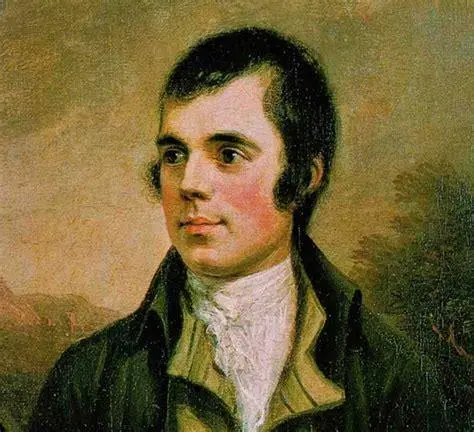
Robert Burns
The Death and Dying Words of Poor Mailie
The Death and Dying Words of Poor Mailie
The Author's Only Pet Yowe
An Unco Mournfu' Tale
As Mailie, an' her lambs thegither,
Was ae day nibbling on the tether,
Upon her cloot she coost a hitch,
An owre she warsl'd in the ditch:
There, groaning, dying, she did lie,
When Hughoc he cam doytin by.
Wi' glowrin een, and lifted han's
Poor Hughoc like a statue stan's;
He saw her days were near-hand ended,
But, wae's my heart! he could na mend it!
He gaped wide, but naething spak,
At length poor Mailie silence brak.
"O thou, whase lamentable face
Appears to mourn my woefu' case!
My dying words attentive hear,
An' bear them to my Master dear.
"Tell him, if e'er again he keep
As muckle gear as buy a sheep -
O, bid him never tie them mair,
Wi' wicked strings o' hemp or hair!
But ca' them out to park or hill,
An' let them wander at their will:
So may his flock increase, an' grow
To scores o' lambs, an' packs o' woo'!
"Tell him, he was a Master kin',
An' aye was guid to me an' mine;
An now my dying charge I gie him,
My helpless lambs, I trust them wi' him.
"O, bid him save their harmless lives,
Frae dogs, an' tods, an' butchers' knives!
But gie them guid cow-milk their fill,
Till they be fit to fend themsel';
An' tent them duly, e'en an' morn,
Wi' taets o' hay an' ripps o' corn.
"An' may they never learn the gates,
Of ither vile, wanrestfu' pets -
To slink thro' slaps, an' reave an' steal
At stacks o' pease, or stocks o' kail!
So may they, like their great forbears,
For mony a year come thro' the shears:
So wives will gie them bits o' bread,
An bairns greet for them when they're dead.
"My poor toop-lamb, my son an' heir,
O, bid him breed him up wi' care!
An' if he live to be a beast,
To pit some havins in his breast!
An' warn him - what I winna name -
To stay content wi' yowes at hame;
An' no to rin an' wear his cloots,
Like ither meseless, graceless brutes.
"An' neist, my yowie, silly thing,
Gude keep thee frae a tether string!
O, may thou ne'er forgather up,
Wi' ony blastit, moorland toop;
But aye keep mind to moop an' mell,
Wi' sheep o' credit like thysel'!
"And now, my bairns, wi' my last breath,
I lea'e my blessin wi' you baith:
An' when you think upo' your mither,
Mind to be kind to ane anither.
"Now, honest Hughoc, dinna fail,
To tell my master a' my tale;
An' bid him burn this cursed tether,
An' for thy pains thou'se get my blather."
This said, poor Mailie turn'd her head,
An' closed her een amang the dead!
The Author's Only Pet Yowe
An Unco Mournfu' Tale
As Mailie, an' her lambs thegither,
Was ae day nibbling on the tether,
Upon her cloot she coost a hitch,
An owre she warsl'd in the ditch:
There, groaning, dying, she did lie,
When Hughoc he cam doytin by.
Wi' glowrin een, and lifted han's
Poor Hughoc like a statue stan's;
He saw her days were near-hand ended,
But, wae's my heart! he could na mend it!
He gaped wide, but naething spak,
At length poor Mailie silence brak.
"O thou, whase lamentable face
Appears to mourn my woefu' case!
My dying words attentive hear,
An' bear them to my Master dear.
"Tell him, if e'er again he keep
As muckle gear as buy a sheep -
O, bid him never tie them mair,
Wi' wicked strings o' hemp or hair!
But ca' them out to park or hill,
An' let them wander at their will:
So may his flock increase, an' grow
To scores o' lambs, an' packs o' woo'!
"Tell him, he was a Master kin',
An' aye was guid to me an' mine;
An now my dying charge I gie him,
My helpless lambs, I trust them wi' him.
"O, bid him save their harmless lives,
Frae dogs, an' tods, an' butchers' knives!
But gie them guid cow-milk their fill,
Till they be fit to fend themsel';
An' tent them duly, e'en an' morn,
Wi' taets o' hay an' ripps o' corn.
"An' may they never learn the gates,
Of ither vile, wanrestfu' pets -
To slink thro' slaps, an' reave an' steal
At stacks o' pease, or stocks o' kail!
So may they, like their great forbears,
For mony a year come thro' the shears:
So wives will gie them bits o' bread,
An bairns greet for them when they're dead.
"My poor toop-lamb, my son an' heir,
O, bid him breed him up wi' care!
An' if he live to be a beast,
To pit some havins in his breast!
An' warn him - what I winna name -
To stay content wi' yowes at hame;
An' no to rin an' wear his cloots,
Like ither meseless, graceless brutes.
"An' neist, my yowie, silly thing,
Gude keep thee frae a tether string!
O, may thou ne'er forgather up,
Wi' ony blastit, moorland toop;
But aye keep mind to moop an' mell,
Wi' sheep o' credit like thysel'!
"And now, my bairns, wi' my last breath,
I lea'e my blessin wi' you baith:
An' when you think upo' your mither,
Mind to be kind to ane anither.
"Now, honest Hughoc, dinna fail,
To tell my master a' my tale;
An' bid him burn this cursed tether,
An' for thy pains thou'se get my blather."
This said, poor Mailie turn'd her head,
An' closed her een amang the dead!
260
Robert Burns
My Nannie, O
My Nannie, O
Behind yon hills, where Lugar flows,
'Mang moors an' mosses many, O,
The wintry sun the day has clos'd,
And I'll awa to Nannie, O.
The westlin wind blaws loud and shill;
The night's baith mirk an' rainy, O;
But I'll get my plaid, an' out I'll steal,
An' owre the hills to Nannie, O.
My Nannie's charming, sweet, an' young:
Nae artfu' wiles to Will ye, O:
May ill befa' the flattering tongue
That wad beguile my Nannie, O.
Her face is fair, her heart is true,
She's spotless as she's bonnie, O:
The op'ning gowan, wet wi' dew,
Nae purer is than Nannie, O.
A country lad is my degree,
And few there be that ken me, O;
But what care I how few they be
I'm welcome aye to Nannie, O.
My riches a' 's my penny-fee,
An' I maun guide it cannie, O;
But warl's gear ne'er troubles me,
My thoughts are a' my Nannie, O.
Our auld guidman delights to view
His sheep and kye thrive bonnie, O;
But I'm as blythe that hauds his pleugh,
An' has nae care but Nannie, O.
Come weel, come woe, I care na by,
I'll tak' what Heav'n will sen' me, O;
Nae ither care in life have I,
But live, an' love my Nannie, O.
Behind yon hills, where Lugar flows,
'Mang moors an' mosses many, O,
The wintry sun the day has clos'd,
And I'll awa to Nannie, O.
The westlin wind blaws loud and shill;
The night's baith mirk an' rainy, O;
But I'll get my plaid, an' out I'll steal,
An' owre the hills to Nannie, O.
My Nannie's charming, sweet, an' young:
Nae artfu' wiles to Will ye, O:
May ill befa' the flattering tongue
That wad beguile my Nannie, O.
Her face is fair, her heart is true,
She's spotless as she's bonnie, O:
The op'ning gowan, wet wi' dew,
Nae purer is than Nannie, O.
A country lad is my degree,
And few there be that ken me, O;
But what care I how few they be
I'm welcome aye to Nannie, O.
My riches a' 's my penny-fee,
An' I maun guide it cannie, O;
But warl's gear ne'er troubles me,
My thoughts are a' my Nannie, O.
Our auld guidman delights to view
His sheep and kye thrive bonnie, O;
But I'm as blythe that hauds his pleugh,
An' has nae care but Nannie, O.
Come weel, come woe, I care na by,
I'll tak' what Heav'n will sen' me, O;
Nae ither care in life have I,
But live, an' love my Nannie, O.
250