

Poems in this theme
Family

Anne Brontë
Parting Address From Z.Z. To A.E.
Parting Address From Z.Z. To A.E.
O weep not, love! each tear that springs
In those dear eyes of thine,
To me a keener suffering brings
Than if they flowed from mine.
And do not droop! however drear
The fate awaiting thee.
For my sake, combat pain and care,
And cherish life for me!
I do not fear thy love will fail,
Thy faith is true I know;
But O! my love! thy strength is frail
For such a life of woe.
Were't not for this, I well could trace
(Though banished long from thee)
Life's rugged path, and boldly face
The storms that threaten me.
Fear not for me I've
steeled my mind
Sorrow and strife to greet,
Joy with my love I leave behind,
Care with my friends I meet.
A mother's sad reproachful eye,
A father's scowling brow But
he may frown, and she may sigh;
I will not break my vow!
I love my mother, I revere
My sire, but doubt not me.
Believe that Death alone can tear
This faithful heart from thee.
Zerona
O weep not, love! each tear that springs
In those dear eyes of thine,
To me a keener suffering brings
Than if they flowed from mine.
And do not droop! however drear
The fate awaiting thee.
For my sake, combat pain and care,
And cherish life for me!
I do not fear thy love will fail,
Thy faith is true I know;
But O! my love! thy strength is frail
For such a life of woe.
Were't not for this, I well could trace
(Though banished long from thee)
Life's rugged path, and boldly face
The storms that threaten me.
Fear not for me I've
steeled my mind
Sorrow and strife to greet,
Joy with my love I leave behind,
Care with my friends I meet.
A mother's sad reproachful eye,
A father's scowling brow But
he may frown, and she may sigh;
I will not break my vow!
I love my mother, I revere
My sire, but doubt not me.
Believe that Death alone can tear
This faithful heart from thee.
Zerona
69
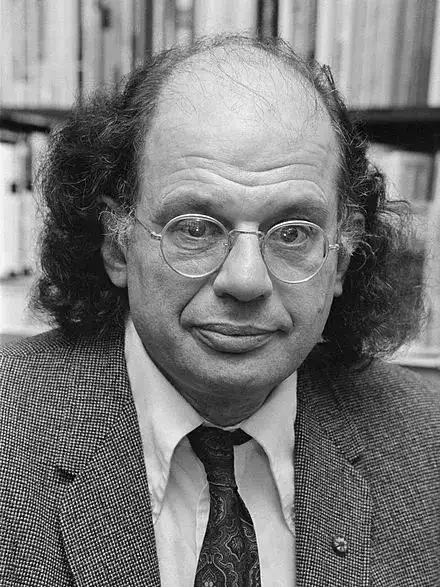
Allen Ginsberg
To Aunt Rose
To Aunt Rose
Aunt Rose—now—might I see you
with your thin face and buck tooth smile and pain
of rheumatism—and a long black heavy shoe
for your bony left leg
limping down the long hall in Newark on the running carpet
past the black grand piano
in the day room
where the parties were
and I sang Spanish loyalist songs
in a high squeaky voice
(hysterical) the committee listening
while you limped around the room
collected the money—
Aunt Honey, Uncle Sam, a stranger with a cloth arm
in his pocket
and huge young bald head
of Abraham Lincoln Brigade
—your long sad face
your tears of sexual frustration
(what smothered sobs and bony hips
under the pillows of Osborne Terrace)
—the time I stood on the toilet seat naked
and you powdered my thighs with calamine
against the poison ivy—my tender
and shamed first black curled hairs
what were you thinking in secret heart then
knowing me a man already—
and I an ignorant girl of family silence on the thin pedestal
of my legs in the bathroom—Museum of Newark.
Aunt Rose
Hitler is dead, Hitler is in Eternity; Hitler is with
Tamburlane and Emily Brontë
Though I see you walking still, a ghost on Osborne Terrace
down the long dark hall to the front door
limping a little with a pinched smile
in what must have been a silken
flower dress
welcoming my father, the Poet, on his visit to Newark
—see you arriving in the living room
dancing on your crippled leg
and clapping hands his book
had been accepted by Liveright
Hitler is dead and Liveright’s gone out of business
The Attic of the Past and Everlasting Minute are out of print
Uncle Harry sold his last silk stocking
Claire quit interpretive dancing school
Buba sits a wrinkled monument in Old
Ladies Home blinking at new babies
last time I saw you was the hospital
pale skull protruding under ashen skin
blue veined unconscious girl
in an oxygen tent
the war in Spain has ended long ago
Aunt Rose
Aunt Rose—now—might I see you
with your thin face and buck tooth smile and pain
of rheumatism—and a long black heavy shoe
for your bony left leg
limping down the long hall in Newark on the running carpet
past the black grand piano
in the day room
where the parties were
and I sang Spanish loyalist songs
in a high squeaky voice
(hysterical) the committee listening
while you limped around the room
collected the money—
Aunt Honey, Uncle Sam, a stranger with a cloth arm
in his pocket
and huge young bald head
of Abraham Lincoln Brigade
—your long sad face
your tears of sexual frustration
(what smothered sobs and bony hips
under the pillows of Osborne Terrace)
—the time I stood on the toilet seat naked
and you powdered my thighs with calamine
against the poison ivy—my tender
and shamed first black curled hairs
what were you thinking in secret heart then
knowing me a man already—
and I an ignorant girl of family silence on the thin pedestal
of my legs in the bathroom—Museum of Newark.
Aunt Rose
Hitler is dead, Hitler is in Eternity; Hitler is with
Tamburlane and Emily Brontë
Though I see you walking still, a ghost on Osborne Terrace
down the long dark hall to the front door
limping a little with a pinched smile
in what must have been a silken
flower dress
welcoming my father, the Poet, on his visit to Newark
—see you arriving in the living room
dancing on your crippled leg
and clapping hands his book
had been accepted by Liveright
Hitler is dead and Liveright’s gone out of business
The Attic of the Past and Everlasting Minute are out of print
Uncle Harry sold his last silk stocking
Claire quit interpretive dancing school
Buba sits a wrinkled monument in Old
Ladies Home blinking at new babies
last time I saw you was the hospital
pale skull protruding under ashen skin
blue veined unconscious girl
in an oxygen tent
the war in Spain has ended long ago
Aunt Rose
763
Allen Ginsberg
A Desolaltion
A Desolaltion
Now mind is clear
as a cloudless sky.
Time then to make a
home in wilderness.
What have I done but
wander with my eyes
in the trees? So I
will build: wife,
family, and seek
for neighbors.
Or I
perish of lonesomeness
or want of food or
lightning or the bear
(must tame the hart
and wear the bear).
And maybe make an image
of my wandering, a little
image—shrine by the
roadside to signify
to traveler that I live
here in the wilderness
awake and at home.
Now mind is clear
as a cloudless sky.
Time then to make a
home in wilderness.
What have I done but
wander with my eyes
in the trees? So I
will build: wife,
family, and seek
for neighbors.
Or I
perish of lonesomeness
or want of food or
lightning or the bear
(must tame the hart
and wear the bear).
And maybe make an image
of my wandering, a little
image—shrine by the
roadside to signify
to traveler that I live
here in the wilderness
awake and at home.
551
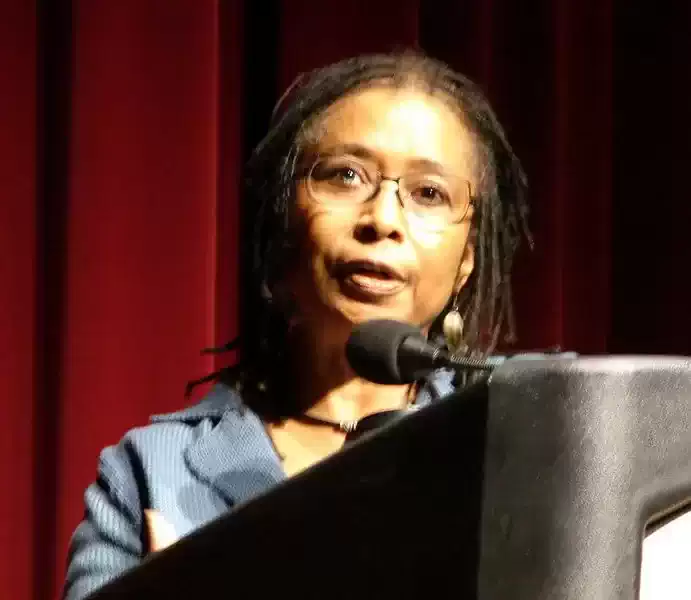
Alice Walker
From: Poems To My Girls
From: Poems To My Girls
I
How can Humanity
look the deer
in
the face?
How can Mommy,
having erected
my fence?
I
How can Humanity
look the deer
in
the face?
How can Mommy,
having erected
my fence?
235
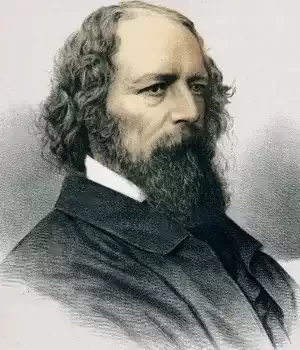
Alfred Lord Tennyson
The Princess (part 1)
The Princess (part 1)
A prince I was, blue-eyed, and fair in face,
Of temper amorous, as the first of May,
With lengths of yellow ringlet, like a girl,
For on my cradle shone the Northern star.
There lived an ancient legend in our house.
Some sorcerer, whom a far-off grandsire burnt
Because he cast no shadow, had foretold,
Dying, that none of all our blood should know
The shadow from the substance, and that one
Should come to fight with shadows and to fall.
For so, my mother said, the story ran.
And, truly, waking dreams were, more or less,
An old and strange affection of the house.
Myself too had weird seizures, Heaven knows what:
On a sudden in the midst of men and day,
And while I walked and talked as heretofore,
I seemed to move among a world of ghosts,
And feel myself the shadow of a dream.
Our great court-Galen poised his gilt-head cane,
And pawed his beard, and muttered 'catalepsy'.
My mother pitying made a thousand prayers;
My mother was as mild as any saint,
Half-canonized by all that looked on her,
So gracious was her tact and tenderness:
But my good father thought a king a king;
He cared not for the affection of the house;
He held his sceptre like a pedant's wand
To lash offence, and with long arms and hands
Reached out, and picked offenders from the mass
For judgment.
Now it chanced that I had been,
While life was yet in bud and blade, bethrothed
To one, a neighbouring Princess: she to me
Was proxy-wedded with a bootless calf
At eight years old; and still from time to time
Came murmurs of her beauty from the South,
And of her brethren, youths of puissance;
And still I wore her picture by my heart,
And one dark tress; and all around them both
Sweet thoughts would swarm as bees about their queen.
But when the days drew nigh that I should wed,
My father sent ambassadors with furs
And jewels, gifts, to fetch her: these brought back
A present, a great labour of the loom;
And therewithal an answer vague as wind:
Besides, they saw the king; he took the gifts;
He said there was a compact; that was true:
But then she had a will; was he to blame?
And maiden fancies; loved to live alone
Among her women; certain, would not wed.
That morning in the presence room I stood
With Cyril and with Florian, my two friends:
The first, a gentleman of broken means
(His father's fault) but given to starts and bursts
Of revel; and the last, my other heart,
And almost my half-self, for still we moved
Together, twinned as horse's ear and eye.
Now, while they spake, I saw my father's face
Grow long and troubled like a rising moon,
Inflamed with wrath: he started on his feet,
Tore the king's letter, snowed it down, and rent
The wonder of the loom through warp and woof
From skirt to skirt; and at the last he sware
That he would send a hundred thousand men,
And bring her in a whirlwind: then he chewed
The thrice-turned cud of wrath, and cooked his spleen,
Communing with his captains of the war.
At last I spoke. 'My father, let me go.
It cannot be but some gross error lies
In this report, this answer of a king,
Whom all men rate as kind and hospitable:
Or, maybe, I myself, my bride once seen,
Whate'er my grief to find her less than fame,
May rue the bargain made.' And Florian said:
'I have a sister at the foreign court,
Who moves about the Princess; she, you know,
Who wedded with a nobleman from thence:
He, dying lately, left her, as I hear,
The lady of three castles in that land:
Through her this matter might be sifted clean.'
And Cyril whispered: 'Take me with you too.'
Then laughing 'what, if these weird seizures come
Upon you in those lands, and no one near
To point you out the shadow from the truth!
Take me: I'll serve you better in a strait;
I grate on rusty hinges here:' but 'No!'
Roared the rough king, 'you shall not; we ourself
Will crush her pretty maiden fancies dead
In iron gauntlets: break the council up.'
But when the council broke, I rose and past
Through the wild woods that hung about the town;
Found a still place, and plucked her likeness out;
Laid it on flowers, and watched it lying bathed
In the green gleam of dewy-tasselled trees:
What were those fancies? wherefore break her troth?
Proud looked the lips: but while I meditated
A wind arose and rushed upon the South,
And shook the songs, the whispers, and the shrieks
Of the wild woods together; and a Voice
Went with it, 'Follow, follow, thou shalt win.'
Then, ere the silver sickle of that month
Became her golden shield, I stole from court
With Cyril and with Florian, unperceived,
Cat-footed through the town and half in dread
To hear my father's clamour at our backs
With Ho! from some bay-window shake the night;
But all was quiet: from the bastioned walls
Like threaded spiders, one by one, we dropt,
And flying reached the frontier: then we crost
To a livelier land; and so by tilth and grange,
And vines, and blowing bosks of wilderness,
We gained the mother city thick with towers,
And in the imperial palace found the king.
His name was Gama; cracked and small his voice,
But bland the smile that like a wrinkling wind
On glassy water drove his cheek in lines;
A little dry old man, without a star,
Not like a king: three days he feasted us,
And on the fourth I spake of why we came,
And my bethrothed. 'You do us, Prince,' he said,
Airing a snowy hand and signet gem,
'All honour. We remember love ourselves
In our sweet youth: there did a compact pass
Long summers back, a kind of ceremony--
I think the year in which our olives failed.
I would you had her, Prince, with all my heart,
With my full heart: but there were widows here,
Two widows, Lady Psyche, Lady Blanche;
They fed her theories, in and out of place
Maintaining that with equal husbandry
The woman were an equal to the man.
They harped on this; with this our banquets rang;
Our dances broke and buzzed in knots of talk;
Nothing but this; my very ears were hot
To hear them: knowledge, so my daughter held,
Was all in all: they had but been, she thought,
As children; they must lose the child, assume
The woman: then, Sir, awful odes she wrote,
Too awful, sure, for what they treated of,
But all she is and does is awful; odes
About this losing of the child; and rhymes
And dismal lyrics, prophesying change
Beyond all reason: these the women sang;
And they that know such things--I sought but peace;
No critic I--would call them masterpieces:
They mastered ~me~. At last she begged a boon,
A certain summer-palace which I have
Hard by your father's frontier: I said no,
Yet being an easy man, gave it: and there,
All wild to found an University
For maidens, on the spur she fled; and more
We know not,--only this: they see no men,
Not even her brother Arac, nor the twins
Her brethren, though they love her, look upon her
As on a kind of paragon; and I
(Pardon me saying it) were much loth to breed
Dispute betwixt myself and mine: but since
(And I confess with right) you think me bound
In some sort, I can give you letters to her;
And yet, to speak the truth, I rate your chance
Almost at naked nothing.'
Thus the king;
And I, though nettled that he seemed to slur
With garrulous ease and oily courtesies
Our formal compact, yet, not less (all frets
But chafing me on fire to find my bride)
Went forth again with both my friends. We rode
Many a long league back to the North. At last
From hills, that looked across a land of hope,
We dropt with evening on a rustic town
Set in a gleaming river's crescent-curve,
Close at the boundary of the liberties;
There, entered an old hostel, called mine host
To council, plied him with his richest wines,
And showed the late-writ letters of the king.
He with a long low sibilation, stared
As blank as death in marble; then exclaimed
Averring it was clear against all rules
For any man to go: but as his brain
Began to mellow, 'If the king,' he said,
'Had given us letters, was he bound to speak?
The king would bear him out;' and at the last--
The summer of the vine in all his veins-'
No doubt that we might make it worth his while.
She once had past that way; he heard her speak;
She scared him; life! he never saw the like;
She looked as grand as doomsday and as grave:
And he, he reverenced his liege-lady there;
He always made a point to post with mares;
His daughter and his housemaid were the boys:
The land, he understood, for miles about
Was tilled by women; all the swine were sows,
And all the dogs'-
But while he jested thus,
A thought flashed through me which I clothed in act,
Remembering how we three presented Maid
Or Nymph, or Goddess, at high tide of feast,
In masque or pageant at my father's court.
We sent mine host to purchase female gear;
He brought it, and himself, a sight to shake
The midriff of despair with laughter, holp
To lace us up, till, each, in maiden plumes
We rustled: him we gave a costly bribe
To guerdon silence, mounted our good steeds,
And boldly ventured on the liberties.
We followed up the river as we rode,
And rode till midnight when the college lights
Began to glitter firefly-like in copse
And linden alley: then we past an arch,
Whereon a woman-statue rose with wings
From four winged horses dark against the stars;
And some inscription ran along the front,
But deep in shadow: further on we gained
A little street half garden and half house;
But scarce could hear each other speak for noise
Of clocks and chimes, like silver hammers falling
On silver anvils, and the splash and stir
Of fountains spouted up and showering down
In meshes of the jasmine and the rose:
And all about us pealed the nightingale,
Rapt in her song, and careless of the snare.
There stood a bust of Pallas for a sign,
By two sphere lamps blazoned like Heaven and Earth
With constellation and with continent,
Above an entry: riding in, we called;
A plump-armed Ostleress and a stable wench
Came running at the call, and helped us down.
Then stept a buxom hostess forth, and sailed,
Full-blown, before us into rooms which gave
Upon a pillared porch, the bases lost
In laurel: her we asked of that and this,
And who were tutors. 'Lady Blanche' she said,
'And Lady Psyche.' 'Which was prettiest,
Best-natured?' 'Lady Psyche.' 'Hers are we,'
One voice, we cried; and I sat down and wrote,
In such a hand as when a field of corn
Bows all its ears before the roaring East;
'Three ladies of the Northern empire pray
Your Highness would enroll them with your own,
As Lady Psyche's pupils.'
This I sealed:
The seal was Cupid bent above a scroll,
And o'er his head Uranian Venus hung,
And raised the blinding bandage from his eyes:
I gave the letter to be sent with dawn;
And then to bed, where half in doze I seemed
To float about a glimmering night, and watch
A full sea glazed with muffled moonlight, swell
On some dark shore just seen that it was rich.
As through the land at eve we went,
And plucked the ripened ears,
We fell out, my wife and I,
O we fell out I know not why,
And kissed again with tears.
And blessings on the falling out
That all the more endears,
When we fall out with those we love
And kiss again with tears!
For when we came where lies the child
We lost in other years,
There above the little grave,
O there above the little grave,
We kissed again with tears.
A prince I was, blue-eyed, and fair in face,
Of temper amorous, as the first of May,
With lengths of yellow ringlet, like a girl,
For on my cradle shone the Northern star.
There lived an ancient legend in our house.
Some sorcerer, whom a far-off grandsire burnt
Because he cast no shadow, had foretold,
Dying, that none of all our blood should know
The shadow from the substance, and that one
Should come to fight with shadows and to fall.
For so, my mother said, the story ran.
And, truly, waking dreams were, more or less,
An old and strange affection of the house.
Myself too had weird seizures, Heaven knows what:
On a sudden in the midst of men and day,
And while I walked and talked as heretofore,
I seemed to move among a world of ghosts,
And feel myself the shadow of a dream.
Our great court-Galen poised his gilt-head cane,
And pawed his beard, and muttered 'catalepsy'.
My mother pitying made a thousand prayers;
My mother was as mild as any saint,
Half-canonized by all that looked on her,
So gracious was her tact and tenderness:
But my good father thought a king a king;
He cared not for the affection of the house;
He held his sceptre like a pedant's wand
To lash offence, and with long arms and hands
Reached out, and picked offenders from the mass
For judgment.
Now it chanced that I had been,
While life was yet in bud and blade, bethrothed
To one, a neighbouring Princess: she to me
Was proxy-wedded with a bootless calf
At eight years old; and still from time to time
Came murmurs of her beauty from the South,
And of her brethren, youths of puissance;
And still I wore her picture by my heart,
And one dark tress; and all around them both
Sweet thoughts would swarm as bees about their queen.
But when the days drew nigh that I should wed,
My father sent ambassadors with furs
And jewels, gifts, to fetch her: these brought back
A present, a great labour of the loom;
And therewithal an answer vague as wind:
Besides, they saw the king; he took the gifts;
He said there was a compact; that was true:
But then she had a will; was he to blame?
And maiden fancies; loved to live alone
Among her women; certain, would not wed.
That morning in the presence room I stood
With Cyril and with Florian, my two friends:
The first, a gentleman of broken means
(His father's fault) but given to starts and bursts
Of revel; and the last, my other heart,
And almost my half-self, for still we moved
Together, twinned as horse's ear and eye.
Now, while they spake, I saw my father's face
Grow long and troubled like a rising moon,
Inflamed with wrath: he started on his feet,
Tore the king's letter, snowed it down, and rent
The wonder of the loom through warp and woof
From skirt to skirt; and at the last he sware
That he would send a hundred thousand men,
And bring her in a whirlwind: then he chewed
The thrice-turned cud of wrath, and cooked his spleen,
Communing with his captains of the war.
At last I spoke. 'My father, let me go.
It cannot be but some gross error lies
In this report, this answer of a king,
Whom all men rate as kind and hospitable:
Or, maybe, I myself, my bride once seen,
Whate'er my grief to find her less than fame,
May rue the bargain made.' And Florian said:
'I have a sister at the foreign court,
Who moves about the Princess; she, you know,
Who wedded with a nobleman from thence:
He, dying lately, left her, as I hear,
The lady of three castles in that land:
Through her this matter might be sifted clean.'
And Cyril whispered: 'Take me with you too.'
Then laughing 'what, if these weird seizures come
Upon you in those lands, and no one near
To point you out the shadow from the truth!
Take me: I'll serve you better in a strait;
I grate on rusty hinges here:' but 'No!'
Roared the rough king, 'you shall not; we ourself
Will crush her pretty maiden fancies dead
In iron gauntlets: break the council up.'
But when the council broke, I rose and past
Through the wild woods that hung about the town;
Found a still place, and plucked her likeness out;
Laid it on flowers, and watched it lying bathed
In the green gleam of dewy-tasselled trees:
What were those fancies? wherefore break her troth?
Proud looked the lips: but while I meditated
A wind arose and rushed upon the South,
And shook the songs, the whispers, and the shrieks
Of the wild woods together; and a Voice
Went with it, 'Follow, follow, thou shalt win.'
Then, ere the silver sickle of that month
Became her golden shield, I stole from court
With Cyril and with Florian, unperceived,
Cat-footed through the town and half in dread
To hear my father's clamour at our backs
With Ho! from some bay-window shake the night;
But all was quiet: from the bastioned walls
Like threaded spiders, one by one, we dropt,
And flying reached the frontier: then we crost
To a livelier land; and so by tilth and grange,
And vines, and blowing bosks of wilderness,
We gained the mother city thick with towers,
And in the imperial palace found the king.
His name was Gama; cracked and small his voice,
But bland the smile that like a wrinkling wind
On glassy water drove his cheek in lines;
A little dry old man, without a star,
Not like a king: three days he feasted us,
And on the fourth I spake of why we came,
And my bethrothed. 'You do us, Prince,' he said,
Airing a snowy hand and signet gem,
'All honour. We remember love ourselves
In our sweet youth: there did a compact pass
Long summers back, a kind of ceremony--
I think the year in which our olives failed.
I would you had her, Prince, with all my heart,
With my full heart: but there were widows here,
Two widows, Lady Psyche, Lady Blanche;
They fed her theories, in and out of place
Maintaining that with equal husbandry
The woman were an equal to the man.
They harped on this; with this our banquets rang;
Our dances broke and buzzed in knots of talk;
Nothing but this; my very ears were hot
To hear them: knowledge, so my daughter held,
Was all in all: they had but been, she thought,
As children; they must lose the child, assume
The woman: then, Sir, awful odes she wrote,
Too awful, sure, for what they treated of,
But all she is and does is awful; odes
About this losing of the child; and rhymes
And dismal lyrics, prophesying change
Beyond all reason: these the women sang;
And they that know such things--I sought but peace;
No critic I--would call them masterpieces:
They mastered ~me~. At last she begged a boon,
A certain summer-palace which I have
Hard by your father's frontier: I said no,
Yet being an easy man, gave it: and there,
All wild to found an University
For maidens, on the spur she fled; and more
We know not,--only this: they see no men,
Not even her brother Arac, nor the twins
Her brethren, though they love her, look upon her
As on a kind of paragon; and I
(Pardon me saying it) were much loth to breed
Dispute betwixt myself and mine: but since
(And I confess with right) you think me bound
In some sort, I can give you letters to her;
And yet, to speak the truth, I rate your chance
Almost at naked nothing.'
Thus the king;
And I, though nettled that he seemed to slur
With garrulous ease and oily courtesies
Our formal compact, yet, not less (all frets
But chafing me on fire to find my bride)
Went forth again with both my friends. We rode
Many a long league back to the North. At last
From hills, that looked across a land of hope,
We dropt with evening on a rustic town
Set in a gleaming river's crescent-curve,
Close at the boundary of the liberties;
There, entered an old hostel, called mine host
To council, plied him with his richest wines,
And showed the late-writ letters of the king.
He with a long low sibilation, stared
As blank as death in marble; then exclaimed
Averring it was clear against all rules
For any man to go: but as his brain
Began to mellow, 'If the king,' he said,
'Had given us letters, was he bound to speak?
The king would bear him out;' and at the last--
The summer of the vine in all his veins-'
No doubt that we might make it worth his while.
She once had past that way; he heard her speak;
She scared him; life! he never saw the like;
She looked as grand as doomsday and as grave:
And he, he reverenced his liege-lady there;
He always made a point to post with mares;
His daughter and his housemaid were the boys:
The land, he understood, for miles about
Was tilled by women; all the swine were sows,
And all the dogs'-
But while he jested thus,
A thought flashed through me which I clothed in act,
Remembering how we three presented Maid
Or Nymph, or Goddess, at high tide of feast,
In masque or pageant at my father's court.
We sent mine host to purchase female gear;
He brought it, and himself, a sight to shake
The midriff of despair with laughter, holp
To lace us up, till, each, in maiden plumes
We rustled: him we gave a costly bribe
To guerdon silence, mounted our good steeds,
And boldly ventured on the liberties.
We followed up the river as we rode,
And rode till midnight when the college lights
Began to glitter firefly-like in copse
And linden alley: then we past an arch,
Whereon a woman-statue rose with wings
From four winged horses dark against the stars;
And some inscription ran along the front,
But deep in shadow: further on we gained
A little street half garden and half house;
But scarce could hear each other speak for noise
Of clocks and chimes, like silver hammers falling
On silver anvils, and the splash and stir
Of fountains spouted up and showering down
In meshes of the jasmine and the rose:
And all about us pealed the nightingale,
Rapt in her song, and careless of the snare.
There stood a bust of Pallas for a sign,
By two sphere lamps blazoned like Heaven and Earth
With constellation and with continent,
Above an entry: riding in, we called;
A plump-armed Ostleress and a stable wench
Came running at the call, and helped us down.
Then stept a buxom hostess forth, and sailed,
Full-blown, before us into rooms which gave
Upon a pillared porch, the bases lost
In laurel: her we asked of that and this,
And who were tutors. 'Lady Blanche' she said,
'And Lady Psyche.' 'Which was prettiest,
Best-natured?' 'Lady Psyche.' 'Hers are we,'
One voice, we cried; and I sat down and wrote,
In such a hand as when a field of corn
Bows all its ears before the roaring East;
'Three ladies of the Northern empire pray
Your Highness would enroll them with your own,
As Lady Psyche's pupils.'
This I sealed:
The seal was Cupid bent above a scroll,
And o'er his head Uranian Venus hung,
And raised the blinding bandage from his eyes:
I gave the letter to be sent with dawn;
And then to bed, where half in doze I seemed
To float about a glimmering night, and watch
A full sea glazed with muffled moonlight, swell
On some dark shore just seen that it was rich.
As through the land at eve we went,
And plucked the ripened ears,
We fell out, my wife and I,
O we fell out I know not why,
And kissed again with tears.
And blessings on the falling out
That all the more endears,
When we fall out with those we love
And kiss again with tears!
For when we came where lies the child
We lost in other years,
There above the little grave,
O there above the little grave,
We kissed again with tears.
557
Alfred Lord Tennyson
The Grandmother
The Grandmother
I.
And Willy, my eldest-born, is gone, you say, little Anne?
Ruddy and white, and strong on his legs, he looks like a man.
And Willy's wife has written: she never was over-wise,
Never the wife for Willy: he would n't take my advice.
II.
For, Annie, you see, her father was not the man to save,
Had n't a head to manage, and drank himself into his grave.
Pretty enough, very pretty! but I was against it for one.
Eh!--but he would n't hear me--and Willy, you say, is gone.
III.
Willy, my beauty, my eldest-born, the flower of the flock;
Never a man could fling him: for Willy stood like a rock.
`Here's a leg for a babe of a week!' says doctor; and he would be bound,
There was not his like that year in twenty parishes round.
IV.
Strong of his hands, and strong on his legs, but still of his tongue!
I ought to have gone before him: I wonder he went so young.
I cannot cry for him, Annie: I have not long to stay;
Perhaps I shall see him the sooner, for he lived far away.
V.
Why do you look at me, Annie? you think I am hard and cold;
But all my children have gone before me, I am so old:
I cannot weep for Willy, nor can I weep for the rest;
Only at your age, Annie, I could have wept with the best.
VI.
For I remember a quarrel I had with your father, my dear,
All for a slanderous story, that cost me many a tear.
I mean your grandfather, Annie: it cost me a world of woe,
Seventy years ago, my darling, seventy years ago.
VII.
For Jenny, my cousin, had come to the place, and I knew right well
That Jenny had tript in her time: I knew, but I would not tell.
And she to be coming and slandering me, the base little liar!
But the tongue is a fire as you know, my dear, the tongue is a fire.
VIII.
And the parson made it his text that week, and he said likewise,
That a lie which is half a truth is ever the blackest of lies,
That a lie which is all a lie may be met and fought with outright,
But a lie which is part a truth is a harder matter to fight.
IX.
And Willy had not been down to the farm for a week and a day;
And all things look'd half-dead, tho' it was the middle of May.
Jenny, to slander me, who knew what Jenny had been!
But soiling another, Annie, will never make oneself clean.
X.
And I cried myself well-nigh blind, and all of an evening late
I climb'd to the top of the garth, and stood by the road at the gate.
The moon like a rick on fire was rising over the dale,
And whit, whit, whit, in the bush beside me chirrupt the nightingale.
XI.
All of a sudden he stopt: there past by the gate of the farm,
Willy,--he did n't see me,--and Jenny hung on his arm.
Out into the road I started, and spoke I scarce knew how;
Ah, there's no fool like the old one -- it makes me angry now.
XII.
Willy stood up like a man, and look'd the thing that he meant;
Jenny, the viper, made me a mocking courtesy and went.
And I said, `Let us part: in a hundred years it'll all be the same,
You cannot love me at all, if you love not my good name.'
XIII.
And he turn'd, and I saw his eyes all wet, in the sweet moonshine:
Sweetheart, I love you so well that your good name is mine.
And what do I care for Jane, let her speak of you well of ill;
But marry me out of hand: we two shall be happy still.'
XIV.
`Marry you, Willy!' said I, `but I needs must speak my mind,
And I fear you'll listen to tales, be jealous and hard and unkind.'
But he turn'd and claspt me in his arms, and answer'd, `No, love, no;'
Seventy years ago, my darling, seventy years ago.
XV.
So Willy and I were wedded: I wore a lilac gown;
And the ringers rang with a will, and he gave the ringers a crown.
But the first that ever I bare was dead before he was born,
Shadow and shine is life, little Annie, flower and thorn.
XVI.
That was the first time, too, that ever I thought of death.
There lay the sweet little body that never had drawn a breath.
I had not wept, little Anne, not since I had been a wife;
But I wept like a child that day, for the babe had fought for his life.
XVII.
His dear little face was troubled, as if with anger or pain:
I look'd at the still little body--his trouble had all been in vain.
For Willy I cannot weep, I shall see him another morn:
But I wept like a child for the child that was dead before he was born.
XVIII.
But he cheer'd me, my good man, for he seldom said me nay:
Kind, like a man, was he; like a man, too, would have his way:
Never jealous--not he: we had many a happy year;
And he died, and I could not weep--my own time seem'd so near.
XIX.
But I wish'd it had been God's will that I, too, then could have died:
I began to be tired a little, and fain had slept at his side.
And that was ten years back, or more, if I don't forget:
But as to the children, Annie, they're all about me yet.
XX.
Pattering over the boards, my Annie who left me at two,
Patter she goes, my own little Annie, an Annie like you:
Pattering over the boards, she comes and goes at her will,
While Harry is in the five-acre and Charlie ploughing the hill.
XXI.
And Harry and Charlie, I hear them too--they sing to their team:
Often they come to the door in a pleasant kind of a dream.
They come and sit by my chair, they hover about my bed--
I am not always certain if they be alive or dead.
XXII.
And yet I know for a truth, there's none of them left alive;
For Harry went at sixty, your father at sixty- five:
And Willy, my eldest born, at nigh threescore and ten;
I knew them all as babies, and now they're elderly men.
XXIII.
For mine is a time of peace, it is not often I grieve;
I am oftener sitting at home in my father's farm at eve:
And the neighbors come and laugh and gossip, and so do I;
I find myself often laughing at things that have long gone by.
XXIV.
To be sure the preacher says, our sins should make us sad:
But mine is a time of peace, and there is Grace to be had;
And God, not man, is the Judge of us all when life shall cease;
And in this Book, little Annie, the message is one of Peace.
XXV.
And age is a time of peace, so it be free from pain,
And happy has been my life; but I would not live it again.
I seem to be tired a little, that's all, and long for rest;
Only at your age, Annie, I could have wept with the best.
XXVI.
So Willy has gone, my beauty, my eldest-born, my flower;
But how can I weep for Willy, he has but gone for an hour,--
Gone for a minute, my son, from this room into the next;
I, too, shall go in a minute. What time have I to be vext?
XXVII.
And Willy's wife has written, she never was over-wise.
Get me my glasses, Annie: thank God that I keep my eyes.
There is but a trifle left you, when I shall have past away.
But stay with the old woman now: you cannot have long to stay.
I.
And Willy, my eldest-born, is gone, you say, little Anne?
Ruddy and white, and strong on his legs, he looks like a man.
And Willy's wife has written: she never was over-wise,
Never the wife for Willy: he would n't take my advice.
II.
For, Annie, you see, her father was not the man to save,
Had n't a head to manage, and drank himself into his grave.
Pretty enough, very pretty! but I was against it for one.
Eh!--but he would n't hear me--and Willy, you say, is gone.
III.
Willy, my beauty, my eldest-born, the flower of the flock;
Never a man could fling him: for Willy stood like a rock.
`Here's a leg for a babe of a week!' says doctor; and he would be bound,
There was not his like that year in twenty parishes round.
IV.
Strong of his hands, and strong on his legs, but still of his tongue!
I ought to have gone before him: I wonder he went so young.
I cannot cry for him, Annie: I have not long to stay;
Perhaps I shall see him the sooner, for he lived far away.
V.
Why do you look at me, Annie? you think I am hard and cold;
But all my children have gone before me, I am so old:
I cannot weep for Willy, nor can I weep for the rest;
Only at your age, Annie, I could have wept with the best.
VI.
For I remember a quarrel I had with your father, my dear,
All for a slanderous story, that cost me many a tear.
I mean your grandfather, Annie: it cost me a world of woe,
Seventy years ago, my darling, seventy years ago.
VII.
For Jenny, my cousin, had come to the place, and I knew right well
That Jenny had tript in her time: I knew, but I would not tell.
And she to be coming and slandering me, the base little liar!
But the tongue is a fire as you know, my dear, the tongue is a fire.
VIII.
And the parson made it his text that week, and he said likewise,
That a lie which is half a truth is ever the blackest of lies,
That a lie which is all a lie may be met and fought with outright,
But a lie which is part a truth is a harder matter to fight.
IX.
And Willy had not been down to the farm for a week and a day;
And all things look'd half-dead, tho' it was the middle of May.
Jenny, to slander me, who knew what Jenny had been!
But soiling another, Annie, will never make oneself clean.
X.
And I cried myself well-nigh blind, and all of an evening late
I climb'd to the top of the garth, and stood by the road at the gate.
The moon like a rick on fire was rising over the dale,
And whit, whit, whit, in the bush beside me chirrupt the nightingale.
XI.
All of a sudden he stopt: there past by the gate of the farm,
Willy,--he did n't see me,--and Jenny hung on his arm.
Out into the road I started, and spoke I scarce knew how;
Ah, there's no fool like the old one -- it makes me angry now.
XII.
Willy stood up like a man, and look'd the thing that he meant;
Jenny, the viper, made me a mocking courtesy and went.
And I said, `Let us part: in a hundred years it'll all be the same,
You cannot love me at all, if you love not my good name.'
XIII.
And he turn'd, and I saw his eyes all wet, in the sweet moonshine:
Sweetheart, I love you so well that your good name is mine.
And what do I care for Jane, let her speak of you well of ill;
But marry me out of hand: we two shall be happy still.'
XIV.
`Marry you, Willy!' said I, `but I needs must speak my mind,
And I fear you'll listen to tales, be jealous and hard and unkind.'
But he turn'd and claspt me in his arms, and answer'd, `No, love, no;'
Seventy years ago, my darling, seventy years ago.
XV.
So Willy and I were wedded: I wore a lilac gown;
And the ringers rang with a will, and he gave the ringers a crown.
But the first that ever I bare was dead before he was born,
Shadow and shine is life, little Annie, flower and thorn.
XVI.
That was the first time, too, that ever I thought of death.
There lay the sweet little body that never had drawn a breath.
I had not wept, little Anne, not since I had been a wife;
But I wept like a child that day, for the babe had fought for his life.
XVII.
His dear little face was troubled, as if with anger or pain:
I look'd at the still little body--his trouble had all been in vain.
For Willy I cannot weep, I shall see him another morn:
But I wept like a child for the child that was dead before he was born.
XVIII.
But he cheer'd me, my good man, for he seldom said me nay:
Kind, like a man, was he; like a man, too, would have his way:
Never jealous--not he: we had many a happy year;
And he died, and I could not weep--my own time seem'd so near.
XIX.
But I wish'd it had been God's will that I, too, then could have died:
I began to be tired a little, and fain had slept at his side.
And that was ten years back, or more, if I don't forget:
But as to the children, Annie, they're all about me yet.
XX.
Pattering over the boards, my Annie who left me at two,
Patter she goes, my own little Annie, an Annie like you:
Pattering over the boards, she comes and goes at her will,
While Harry is in the five-acre and Charlie ploughing the hill.
XXI.
And Harry and Charlie, I hear them too--they sing to their team:
Often they come to the door in a pleasant kind of a dream.
They come and sit by my chair, they hover about my bed--
I am not always certain if they be alive or dead.
XXII.
And yet I know for a truth, there's none of them left alive;
For Harry went at sixty, your father at sixty- five:
And Willy, my eldest born, at nigh threescore and ten;
I knew them all as babies, and now they're elderly men.
XXIII.
For mine is a time of peace, it is not often I grieve;
I am oftener sitting at home in my father's farm at eve:
And the neighbors come and laugh and gossip, and so do I;
I find myself often laughing at things that have long gone by.
XXIV.
To be sure the preacher says, our sins should make us sad:
But mine is a time of peace, and there is Grace to be had;
And God, not man, is the Judge of us all when life shall cease;
And in this Book, little Annie, the message is one of Peace.
XXV.
And age is a time of peace, so it be free from pain,
And happy has been my life; but I would not live it again.
I seem to be tired a little, that's all, and long for rest;
Only at your age, Annie, I could have wept with the best.
XXVI.
So Willy has gone, my beauty, my eldest-born, my flower;
But how can I weep for Willy, he has but gone for an hour,--
Gone for a minute, my son, from this room into the next;
I, too, shall go in a minute. What time have I to be vext?
XXVII.
And Willy's wife has written, she never was over-wise.
Get me my glasses, Annie: thank God that I keep my eyes.
There is but a trifle left you, when I shall have past away.
But stay with the old woman now: you cannot have long to stay.
461
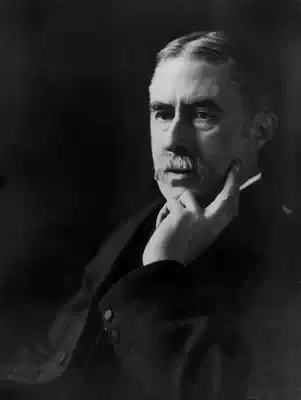
Alfred Edward Housman
Farewell to Barn and Stack and Tree
Farewell to Barn and Stack and Tree
"Farewell to barn and stack and tree,
Farewell to Severn shore.
Terence, look your last at me,
For I come home no more.
"The sun burns on the half-mown hill,
By now the blood is dried;
And Maurice amongst the hay lies still
And my knife is in his side.
"My mother thinks us long away;
'Tis time the field were mown.
She had two sons at rising day,
To-night she'll be alone.
"And here's a bloody hand to shake,
And oh, man, here's good-bye;
We'll sweat no more on scythe and rake,
My bloody hands and I.
"I wish you strength to bring you pride,
And a love to keep you clean,
And I wish you luck, come Lammastide,
At racing on the green.
"Long for me the rick will wait,
And long will wait the fold,
And long will stand the empty plate,
And dinner will be cold."
"Farewell to barn and stack and tree,
Farewell to Severn shore.
Terence, look your last at me,
For I come home no more.
"The sun burns on the half-mown hill,
By now the blood is dried;
And Maurice amongst the hay lies still
And my knife is in his side.
"My mother thinks us long away;
'Tis time the field were mown.
She had two sons at rising day,
To-night she'll be alone.
"And here's a bloody hand to shake,
And oh, man, here's good-bye;
We'll sweat no more on scythe and rake,
My bloody hands and I.
"I wish you strength to bring you pride,
And a love to keep you clean,
And I wish you luck, come Lammastide,
At racing on the green.
"Long for me the rick will wait,
And long will wait the fold,
And long will stand the empty plate,
And dinner will be cold."
752
Alexander Pope
The Iliad: Book VI (excerpt)
The Iliad: Book VI (excerpt)
He said, and pass'd with sad presaging heart
To seek his spouse, his soul's far dearer part;
At home he sought her, but he sought in vain:
She, with one maid of all her menial train,
Had thence retir'd; and, with her second joy,
The young Astyanax, the hope of Troy,
Pensive she stood on Ilion's tow'ry height,
Beheld the war, and sicken'd at the sight;
There her sad eyes in vain her lord explore,
Or weep the wounds her bleeding country bore.
But he, who found not whom his soul desir'd,
Whose virtue charm'd him as her beauty fir'd,
Stood in the gates, and ask'd what way she bent
Her parting steps; if to the fane she went,
Where late the mourning matrons made resort,
Or sought her sisters in the Trojan court.
"Not to the court" replied th' attendant train,
"Nor, mixed with matrons, to Minerva's fane;
To Ilion's steepy tow'r she bent her way,
To mark the fortunes of the doubtful day.
Troy fled, she heard, before the Grecian sword;
She heard, and trembled for her absent lord.
Distracted with surprise, she seem'd to fly,
Fear on her cheek and sorrow in her eye.
The nurse attended with her infant boy,
The young Astyanax, the hope of Troy."
Hector, this heard, return'd without delay;
Swift through the town he trod his former way
Through streets of palaces and walks of state,
And met the mourner at the Scæan gate.
With haste to meet him sprung the joyful fair,
His blameless wife, E{"e}tion's wealthy heir
(Cilician Thebè great E{"e}tion sway'd,
And Hippoplacus' wide-extended shade);
The nurse stood near, in whose embraces prest
His only hope hung smiling at her breast,
Whom each soft charm and early grace adorn,
Fair as the new-born star that gilds the morn.
To this lov'd infant Hector gave the name
Scamandrius, from Scamander's honour'd stream;
Astyanax the Trojans call'd the boy,
From his great father, the defence of Troy.
Silent the warrior smil'd, and pleas'd, resign'd
To tender passions all his mighty mind:
His beauteous princess cast a mournful look,
Hung on his hand, and then dejected spoke;
Her bosom labour'd with a boding sigh,
And the big tear stood trembling in her eye.
"Too daring prince! ah whither dost thou run?
Ah, too forgetful of thy wife and son!
And think'st thou not how wretched we shall be,
A widow I, a helpless orphan he!
For sure such courage length of life denies,
And thou must fall, thy virtue's sacrifice.
Greece in her single heroes strove in vain;
Now hosts oppose thee, and thou must be slain!
Oh, grant me, gods! e'er Hector meets his doom,
All I can ask of heav'n, an early tomb!
So shall my days in one sad tenor run,
And end with sorrows as they first begun.
No parent now remains, my griefs to share,
No father's aid, no mother's tender care.
The fierce Achilles wrapp'd our walls in fire,
Laid Thebè waste, and slew my warlike sire!
His fate compassion in the victor bred;
Stern as he was, he yet rever'd the dead,
His radiant arms preserv'd from hostile spoil,
And laid him decent on the fun'ral pile;
Then rais'd a mountain where his bones were burn'd:
The mountain nymphs the rural tomb adorn'd;
Jove's sylvan daughters bade their elms bestow
A barren shade, and in his honour grow.
"By the same arm my sev'n brave brothers fell;
In one sad day beheld the gates of hell:
While the fat herds and snowy flocks they fed,
Amid their fields the hapless heroes bled!
My mother liv'd to bear the victor's bands,
The queen of Hippoplacia's sylvan lands;
Redeem'd too late, she scarce beheld again
Her pleasing empire and her native plain,
When, ah! oppress'd by life-consuming woe,
She fell a victim to Diana's bow.
"Yet while my Hector still survives, I see
My father, mother, brethren, all, in thee:
Alas! my parents, brothers, kindred, all,
Once more will perish if my Hector fall.
Thy wife, thy infant, in thy danger share:
Oh, prove a husband's and a father's care!
That quarter most the skilful Greeks annoy,
Where yon wild fig-trees join the wall of Troy:
Thou from this tow'r defend th' important post
There Agamemnon points his dreadful host,
That pass Tydides, Ajax, strive to gain,
And there the vengeful Spartan fires his train.
Thrice our bold foes the fierce attack have giv'n,
Or led by hopes, or dictated from heav'n.
Let others in the field their arms employ,
But stay my Hector here, and guard his Troy."
The chief replied: "That post shall be my care,
Not that alone, but all the works of war.
How would the sons of Troy, in arms renown'd,
And Troy's proud dames, whose garments sweep the ground,
Attaint the lustre of my former name,
Should Hector basely quit the field of fame?
My early youth was bred to martial pains,
My soul impels me to th' embattled plains:
Let me be foremost to defend the throne,
And guard my father's glories, and my own.
Yet come it will, the day decreed by fates,
(How my heart trembles while my tongue relates!)
The day when thou, imperial Troy! must bend,
And see thy warriors fall, thy glories end.
And yet no dire presage so wounds my mind,
My mother's death, the ruin of my kind,
Not Priam's hoary hairs defil'd with gore,
Not all my brothers gasping on the shore,
As thine, Andromache! thy griefs I dread;
I see thee trembling, weeping, captive led.
In Argive looms our battles to design,
And woes, of which so large a part was thine!
To bear the victor's hard commands, or bring
The weight of waters from Hyperia's spring!
There, while you groan beneath the load of life,
They cry, 'Behold the mighty Hector's wife!'
Some haughty Greek, who lives thy tears to see,
Embitters all thy woes by naming me.
The thoughts of glory past and present shame,
A thousand griefs, shall waken at the name!
May I lie cold before that dreadful day,
Press'd with a load of monumental clay!
Thy Hector, wrapp'd in everlasting sleep,
Shall neither hear thee sigh, nor see thee weep."
Thus having spoke, th' illustrious chief of Troy
Stretch'd his fond arms to clasp the lovely boy.
The babe clung crying to his nurse's breast,
Scar'd at the dazzling helm and nodding crest.
With secret pleasure each fond parent smil'd,
And Hector hasted to relieve his child;
The glitt'ring terrors from his brows unbound,
And plac'd the beaming helmet on the ground.
Then kiss'd the child, and, lifting high in air,
Thus to the gods preferr'd a father's pray'r:
"O thou! whose glory fills th' ethereal throne,
And all ye deathless pow'rs! protect my son!
Grant him, like me, to purchase just renown,
To guard the Trojans, to defend the crown,
Against his country's foes the war to wage,
And rise the Hector of the future age!
So when, triumphant from successful toils,
Of heroes slain he bears the reeking spoils,
Whole hosts may hail him with deserv'd acclaim,
And say, 'This chief transcends his father's fame':
While pleas'd, amidst the gen'ral shouts of Troy,
His mother's conscious heart o'erflows with joy."
He spoke, and fondly gazing on her charms,
Restor'd the pleasing burthen to her arms;
Soft on her fragrant breast the babe she laid,
Hush'd to repose, and with a smile survey'd.
The troubled pleasure soon chastis'd by fear,
She mingled with the smile a tender tear.
The soften'd chief with kind compassion view'd,
And dried the falling drops, and thus pursu'd:
"Andromache! my soul's far better part,
Why with untimely sorrows heaves thy heart?
No hostile hand can antedate my doom,
Till fate condemns me to the silent tomb.
Fix'd is the term to all the race of earth,
And such the hard condition of our birth.
No force can then resist, no flight can save;
All sink alike, the fearful and the brave.
No more--but hasten to thy tasks at home,
There guide the spindle, and direct the loom;
Me glory summons to the martial scene,
The field of combat is the sphere for men.
Where heroes war, the foremost place I claim,
The first in danger as the first in fame."
He said, and pass'd with sad presaging heart
To seek his spouse, his soul's far dearer part;
At home he sought her, but he sought in vain:
She, with one maid of all her menial train,
Had thence retir'd; and, with her second joy,
The young Astyanax, the hope of Troy,
Pensive she stood on Ilion's tow'ry height,
Beheld the war, and sicken'd at the sight;
There her sad eyes in vain her lord explore,
Or weep the wounds her bleeding country bore.
But he, who found not whom his soul desir'd,
Whose virtue charm'd him as her beauty fir'd,
Stood in the gates, and ask'd what way she bent
Her parting steps; if to the fane she went,
Where late the mourning matrons made resort,
Or sought her sisters in the Trojan court.
"Not to the court" replied th' attendant train,
"Nor, mixed with matrons, to Minerva's fane;
To Ilion's steepy tow'r she bent her way,
To mark the fortunes of the doubtful day.
Troy fled, she heard, before the Grecian sword;
She heard, and trembled for her absent lord.
Distracted with surprise, she seem'd to fly,
Fear on her cheek and sorrow in her eye.
The nurse attended with her infant boy,
The young Astyanax, the hope of Troy."
Hector, this heard, return'd without delay;
Swift through the town he trod his former way
Through streets of palaces and walks of state,
And met the mourner at the Scæan gate.
With haste to meet him sprung the joyful fair,
His blameless wife, E{"e}tion's wealthy heir
(Cilician Thebè great E{"e}tion sway'd,
And Hippoplacus' wide-extended shade);
The nurse stood near, in whose embraces prest
His only hope hung smiling at her breast,
Whom each soft charm and early grace adorn,
Fair as the new-born star that gilds the morn.
To this lov'd infant Hector gave the name
Scamandrius, from Scamander's honour'd stream;
Astyanax the Trojans call'd the boy,
From his great father, the defence of Troy.
Silent the warrior smil'd, and pleas'd, resign'd
To tender passions all his mighty mind:
His beauteous princess cast a mournful look,
Hung on his hand, and then dejected spoke;
Her bosom labour'd with a boding sigh,
And the big tear stood trembling in her eye.
"Too daring prince! ah whither dost thou run?
Ah, too forgetful of thy wife and son!
And think'st thou not how wretched we shall be,
A widow I, a helpless orphan he!
For sure such courage length of life denies,
And thou must fall, thy virtue's sacrifice.
Greece in her single heroes strove in vain;
Now hosts oppose thee, and thou must be slain!
Oh, grant me, gods! e'er Hector meets his doom,
All I can ask of heav'n, an early tomb!
So shall my days in one sad tenor run,
And end with sorrows as they first begun.
No parent now remains, my griefs to share,
No father's aid, no mother's tender care.
The fierce Achilles wrapp'd our walls in fire,
Laid Thebè waste, and slew my warlike sire!
His fate compassion in the victor bred;
Stern as he was, he yet rever'd the dead,
His radiant arms preserv'd from hostile spoil,
And laid him decent on the fun'ral pile;
Then rais'd a mountain where his bones were burn'd:
The mountain nymphs the rural tomb adorn'd;
Jove's sylvan daughters bade their elms bestow
A barren shade, and in his honour grow.
"By the same arm my sev'n brave brothers fell;
In one sad day beheld the gates of hell:
While the fat herds and snowy flocks they fed,
Amid their fields the hapless heroes bled!
My mother liv'd to bear the victor's bands,
The queen of Hippoplacia's sylvan lands;
Redeem'd too late, she scarce beheld again
Her pleasing empire and her native plain,
When, ah! oppress'd by life-consuming woe,
She fell a victim to Diana's bow.
"Yet while my Hector still survives, I see
My father, mother, brethren, all, in thee:
Alas! my parents, brothers, kindred, all,
Once more will perish if my Hector fall.
Thy wife, thy infant, in thy danger share:
Oh, prove a husband's and a father's care!
That quarter most the skilful Greeks annoy,
Where yon wild fig-trees join the wall of Troy:
Thou from this tow'r defend th' important post
There Agamemnon points his dreadful host,
That pass Tydides, Ajax, strive to gain,
And there the vengeful Spartan fires his train.
Thrice our bold foes the fierce attack have giv'n,
Or led by hopes, or dictated from heav'n.
Let others in the field their arms employ,
But stay my Hector here, and guard his Troy."
The chief replied: "That post shall be my care,
Not that alone, but all the works of war.
How would the sons of Troy, in arms renown'd,
And Troy's proud dames, whose garments sweep the ground,
Attaint the lustre of my former name,
Should Hector basely quit the field of fame?
My early youth was bred to martial pains,
My soul impels me to th' embattled plains:
Let me be foremost to defend the throne,
And guard my father's glories, and my own.
Yet come it will, the day decreed by fates,
(How my heart trembles while my tongue relates!)
The day when thou, imperial Troy! must bend,
And see thy warriors fall, thy glories end.
And yet no dire presage so wounds my mind,
My mother's death, the ruin of my kind,
Not Priam's hoary hairs defil'd with gore,
Not all my brothers gasping on the shore,
As thine, Andromache! thy griefs I dread;
I see thee trembling, weeping, captive led.
In Argive looms our battles to design,
And woes, of which so large a part was thine!
To bear the victor's hard commands, or bring
The weight of waters from Hyperia's spring!
There, while you groan beneath the load of life,
They cry, 'Behold the mighty Hector's wife!'
Some haughty Greek, who lives thy tears to see,
Embitters all thy woes by naming me.
The thoughts of glory past and present shame,
A thousand griefs, shall waken at the name!
May I lie cold before that dreadful day,
Press'd with a load of monumental clay!
Thy Hector, wrapp'd in everlasting sleep,
Shall neither hear thee sigh, nor see thee weep."
Thus having spoke, th' illustrious chief of Troy
Stretch'd his fond arms to clasp the lovely boy.
The babe clung crying to his nurse's breast,
Scar'd at the dazzling helm and nodding crest.
With secret pleasure each fond parent smil'd,
And Hector hasted to relieve his child;
The glitt'ring terrors from his brows unbound,
And plac'd the beaming helmet on the ground.
Then kiss'd the child, and, lifting high in air,
Thus to the gods preferr'd a father's pray'r:
"O thou! whose glory fills th' ethereal throne,
And all ye deathless pow'rs! protect my son!
Grant him, like me, to purchase just renown,
To guard the Trojans, to defend the crown,
Against his country's foes the war to wage,
And rise the Hector of the future age!
So when, triumphant from successful toils,
Of heroes slain he bears the reeking spoils,
Whole hosts may hail him with deserv'd acclaim,
And say, 'This chief transcends his father's fame':
While pleas'd, amidst the gen'ral shouts of Troy,
His mother's conscious heart o'erflows with joy."
He spoke, and fondly gazing on her charms,
Restor'd the pleasing burthen to her arms;
Soft on her fragrant breast the babe she laid,
Hush'd to repose, and with a smile survey'd.
The troubled pleasure soon chastis'd by fear,
She mingled with the smile a tender tear.
The soften'd chief with kind compassion view'd,
And dried the falling drops, and thus pursu'd:
"Andromache! my soul's far better part,
Why with untimely sorrows heaves thy heart?
No hostile hand can antedate my doom,
Till fate condemns me to the silent tomb.
Fix'd is the term to all the race of earth,
And such the hard condition of our birth.
No force can then resist, no flight can save;
All sink alike, the fearful and the brave.
No more--but hasten to thy tasks at home,
There guide the spindle, and direct the loom;
Me glory summons to the martial scene,
The field of combat is the sphere for men.
Where heroes war, the foremost place I claim,
The first in danger as the first in fame."
398
Previous
Page 12