

Poems in this theme
Family
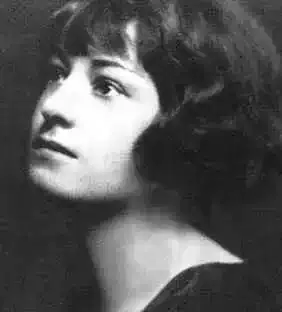
Dorothy Parker
Harriet Beecher Stowe
Harriet Beecher Stowe
The pure and worthy Mrs. Stowe
Is one we all are proud to know
As mother, wife, and authoress-
Thank God, I am content with less!
The pure and worthy Mrs. Stowe
Is one we all are proud to know
As mother, wife, and authoress-
Thank God, I am content with less!
313

D.H. Lawrence
The Virgin Mother
The Virgin Mother
My little love, my darling,
You were a doorway to me;
You let me out of the confines
Into this strange countrie,
Where people are crowded like thistles,
Yet are shapely and comely to see.
My little love, my dearest
Twice have you issued me,
Once from your womb, sweet mother,
Once from myself, to be
Free of all hearts, my darling,
Of each heart’s home-life free.
And so, my love, my mother,
I shall always be true to you;
Twice I am born, my dearest,
To life, and to death, in you;
And this is the life hereafter
Wherein I am true.
I kiss you good-bye, my darling,
Our ways are different now;
You are a seed in the night-time,
I am a man, to plough
The difficult glebe of the future
For God to endow.
I kiss you good-bye, my dearest,
It is finished between us here.
Oh, if I were calm as you are,
Sweet and still on your bier!
O God, if I had not to leave you
Alone, my dear!
Let the last word be uttered,
Oh grant the farewell is said!
Spare me the strength to leave you
Now you are dead.
I must go, but my soul lies helpless
Beside your bed.
My little love, my darling,
You were a doorway to me;
You let me out of the confines
Into this strange countrie,
Where people are crowded like thistles,
Yet are shapely and comely to see.
My little love, my dearest
Twice have you issued me,
Once from your womb, sweet mother,
Once from myself, to be
Free of all hearts, my darling,
Of each heart’s home-life free.
And so, my love, my mother,
I shall always be true to you;
Twice I am born, my dearest,
To life, and to death, in you;
And this is the life hereafter
Wherein I am true.
I kiss you good-bye, my darling,
Our ways are different now;
You are a seed in the night-time,
I am a man, to plough
The difficult glebe of the future
For God to endow.
I kiss you good-bye, my dearest,
It is finished between us here.
Oh, if I were calm as you are,
Sweet and still on your bier!
O God, if I had not to leave you
Alone, my dear!
Let the last word be uttered,
Oh grant the farewell is said!
Spare me the strength to leave you
Now you are dead.
I must go, but my soul lies helpless
Beside your bed.
238
D.H. Lawrence
Piano
Piano
Softly, in the dusk, a woman is singing to me;
Taking me back down the vista of years, till I see
A child sitting under the piano, in the boom of the tingling strings
And pressing the small, poised feet of a mother who smiles as she sings.
In spite of myself, the insidious mastery of song
Betrays me back, till the heart of me weeps to belong
To the old Sunday evenings at home, with winter outside
And hymns in the cosy parlour, the tinkling piano our guide.
So now it is vain for the singer to burst into clamour
With the great black piano appassionato. The glamour
Of childish days is upon me, my manhood is cast
Down in the flood of remembrance, I weep like a child for the past.
Softly, in the dusk, a woman is singing to me;
Taking me back down the vista of years, till I see
A child sitting under the piano, in the boom of the tingling strings
And pressing the small, poised feet of a mother who smiles as she sings.
In spite of myself, the insidious mastery of song
Betrays me back, till the heart of me weeps to belong
To the old Sunday evenings at home, with winter outside
And hymns in the cosy parlour, the tinkling piano our guide.
So now it is vain for the singer to burst into clamour
With the great black piano appassionato. The glamour
Of childish days is upon me, my manhood is cast
Down in the flood of remembrance, I weep like a child for the past.
281
D.H. Lawrence
Giorno dei Morti
Giorno dei Morti
Along the avenue of cypresses,
All in their scarlet cloaks and surplices
Of linen, go the chanting choristers,
The priests in gold and black, the villagers. . .
And all along the path to the cemetery
The round dark heads of men crowd silently,
And black-scarved faces of womenfolk, wistfully
Watch at the banner of death, and the mystery.
And at the foot of a grave a father stands
With sunken head, and forgotten, folded hands;
And at the foot of a grave a mother kneels
With pale shut face, nor either hears nor feels
The coming of the chanting choristers
Between the avenue of cypresses,
The silence of the many villagers,
The candle-flames beside the surplices.
Along the avenue of cypresses,
All in their scarlet cloaks and surplices
Of linen, go the chanting choristers,
The priests in gold and black, the villagers. . .
And all along the path to the cemetery
The round dark heads of men crowd silently,
And black-scarved faces of womenfolk, wistfully
Watch at the banner of death, and the mystery.
And at the foot of a grave a father stands
With sunken head, and forgotten, folded hands;
And at the foot of a grave a mother kneels
With pale shut face, nor either hears nor feels
The coming of the chanting choristers
Between the avenue of cypresses,
The silence of the many villagers,
The candle-flames beside the surplices.
220
D.H. Lawrence
A Youth Mowing
A Youth Mowing
There are four men mowing down by the Isar;
I can hear the swish of the scythe-strokes, four
Sharp breaths taken: yea, and I
Am sorry for what's in store.
The first man out of the four that's mowing
Is mine, I claim him once and for all;
Though it's sorry I am, on his young feet, knowing
None of the trouble he's led to stall.
As he sees me bringing the dinner, he lifts
His head as proud as a deer that looks
Shoulder-deep out of the corn; and wipes
His scythe-blade bright, unhooks
The scythe-stone and over the stubble to me.
Lad, thou hast gotten a child in me,
Laddie, a man thou'lt ha'e to be,
Yea, though I'm sorry for thee.
There are four men mowing down by the Isar;
I can hear the swish of the scythe-strokes, four
Sharp breaths taken: yea, and I
Am sorry for what's in store.
The first man out of the four that's mowing
Is mine, I claim him once and for all;
Though it's sorry I am, on his young feet, knowing
None of the trouble he's led to stall.
As he sees me bringing the dinner, he lifts
His head as proud as a deer that looks
Shoulder-deep out of the corn; and wipes
His scythe-blade bright, unhooks
The scythe-stone and over the stubble to me.
Lad, thou hast gotten a child in me,
Laddie, a man thou'lt ha'e to be,
Yea, though I'm sorry for thee.
226
D.H. Lawrence
A Passing Bell
A Passing Bell
Mournfully to and fro, to and fro the trees are waving;
What did you say, my dear?
The rain-bruised leaves are suddenly shaken, as a child
Asleep still shakes in the clutch of a sob—
Yes, my love, I hear.
One lonely bell, one only, the storm-tossed afternoon is braving,
Why not let it ring?
The roses lean down when they hear it, the tender, mild
Flowers of the bleeding-heart fall to the throb—
It is such a little thing!
A wet bird walks on the lawn, call to the boy to come and look,
Yes, it is over now.
Call to him out of the silence, call him to see
The starling shaking its head as it walks in the grass—
Ah, who knows how?
He cannot see it, I can never show it him, how it shook—
Don’t disturb him, darling.
—Its head as it walked: I can never call him to me,
Never, he is not, whatever shall come to pass.
No, look at the wet starling.
Mournfully to and fro, to and fro the trees are waving;
What did you say, my dear?
The rain-bruised leaves are suddenly shaken, as a child
Asleep still shakes in the clutch of a sob—
Yes, my love, I hear.
One lonely bell, one only, the storm-tossed afternoon is braving,
Why not let it ring?
The roses lean down when they hear it, the tender, mild
Flowers of the bleeding-heart fall to the throb—
It is such a little thing!
A wet bird walks on the lawn, call to the boy to come and look,
Yes, it is over now.
Call to him out of the silence, call him to see
The starling shaking its head as it walks in the grass—
Ah, who knows how?
He cannot see it, I can never show it him, how it shook—
Don’t disturb him, darling.
—Its head as it walked: I can never call him to me,
Never, he is not, whatever shall come to pass.
No, look at the wet starling.
223

Claude Mckay
My Mother
My Mother
I
Reg wished me to go with him to the field,
I paused because I did not want to go;
But in her quiet way she made me yield
Reluctantly, for she was breathing low.
Her hand she slowly lifted from her lap
And, smiling sadly in the old sweet way,
She pointed to the nail where hung my cap.
Her eyes said: I shall last another day.
But scarcely had we reached the distant place,
When o'er the hills we heard a faint bell ringing;
A boy came running up with frightened face;
We knew the fatal news that he was bringing.
I heard him listlessly, without a moan,
Although the only one I loved was gone.
II
The dawn departs, the morning is begun,
The trades come whispering from off the seas,
The fields of corn are golden in the sun,
The dark-brown tassels fluttering in the breeze;
The bell is sounding and the children pass,
Frog-leaping, skipping, shouting, laughing shrill,
Down the red road, over the pasture-grass,
Up to the school-house crumbling on the hill.
The older folk are at their peaceful toil,
Some pulling up the weeds, some plucking corn,
And others breaking up the sun-baked soil.
Float, faintly-scented breeze, at early morn
Over the earth where mortals sow and reap--
Beneath its breast my mother lies asleep.
I
Reg wished me to go with him to the field,
I paused because I did not want to go;
But in her quiet way she made me yield
Reluctantly, for she was breathing low.
Her hand she slowly lifted from her lap
And, smiling sadly in the old sweet way,
She pointed to the nail where hung my cap.
Her eyes said: I shall last another day.
But scarcely had we reached the distant place,
When o'er the hills we heard a faint bell ringing;
A boy came running up with frightened face;
We knew the fatal news that he was bringing.
I heard him listlessly, without a moan,
Although the only one I loved was gone.
II
The dawn departs, the morning is begun,
The trades come whispering from off the seas,
The fields of corn are golden in the sun,
The dark-brown tassels fluttering in the breeze;
The bell is sounding and the children pass,
Frog-leaping, skipping, shouting, laughing shrill,
Down the red road, over the pasture-grass,
Up to the school-house crumbling on the hill.
The older folk are at their peaceful toil,
Some pulling up the weeds, some plucking corn,
And others breaking up the sun-baked soil.
Float, faintly-scented breeze, at early morn
Over the earth where mortals sow and reap--
Beneath its breast my mother lies asleep.
413

Christina Rossetti
Your Brother Has A Falcon
Your Brother Has A Falcon
Your brother has a falcon,
Your sister has a flower;
But what is left for mannikin,
Born within a hour?
I'll nurse you on my knee, my knee,
My own little son;
I'll rock you, rock you, in my arms,
My least little one.
Your brother has a falcon,
Your sister has a flower;
But what is left for mannikin,
Born within a hour?
I'll nurse you on my knee, my knee,
My own little son;
I'll rock you, rock you, in my arms,
My least little one.
269
Christina Rossetti
Under The Rose
Under The Rose
'The iniquity of the fathers upon the children.'
Oh the rose of keenest thorn!
One hidden summer morn
Under the rose I was born.
I do not guess his name
Who wrought my Mother's shame,
And gave me life forlorn,
But my Mother, Mother, Mother,
I know her from all other.
My Mother pale and mild,
Fair as ever was seen,
She was but scarce sixteen,
Little more than a child,
When I was born
To work her scorn.
With secret bitter throes,
In a passion of secret woes,
She bore me under the rose.
One who my Mother nursed
Took me from the first:—
'O nurse, let me look upon
This babe that costs so dear;
To-morrow she will be gone:
Other mothers may keep
Their babes awake and asleep,
But I must not keep her here.'—
Whether I know or guess,
I know this not the less.
So I was sent away
That none might spy the truth:
And my childhood waxed to youth
And I left off childish play.
I never cared to play
With the village boys and girls;
And I think they thought me proud,
I found so little to say
And kept so from the crowd:
But I had the longest curls
And I had the largest eyes
And my teeth were small like pearls;
The girls might flout and scout me,
But the boys would hang about me
In sheepish mooning wise.
Our one-street village stood
A long mile from the town,
A mile of windy down
And bleak one-sided wood,
With not a single house.
Our town itself was small,
With just the common shops,
And throve in its small way.
Our neighbouring gentry reared
The good old-fashioned crops,
And made old-fashioned boasts
Of what John Bull would do
If Frenchman Frog appeared,
And drank old-fashioned toasts,
And made old-fashioned bows
To my Lady at the Hall.
My Lady at the Hall
Is grander than they all:
Hers is the oldest name
In all the neighbourhood;
But the race must die with her
Though she's a lofty dame,
For she's unmarried still.
Poor people say she's good
And has an open hand
As any in the land,
And she's the comforter
Of many sick and sad;
My nurse once said to me
That everything she had
Came of my Lady's bounty:
'Though she's greatest in the county
She's humble to the poor,
No beggar seeks her door
But finds help presently.
I pray both night and day
For her, and you must pray:
But she'll never feel distress
If needy folk can bless.'
I was a little maid
When here we came to live
From somewhere by the sea.
Men spoke a foreign tongue
There where we used to be
When I was merry and young,
Too young to feel afraid;
The fisher folk would give
A kind strange word to me,
There by the foreign sea:
I don't know where it was,
But I remember still
Our cottage on a hill,
And fields of flowering grass
On that fair foreign shore.
I liked my old home best,
But this was pleasant too:
So here we made our nest
And here I grew.
And now and then my Lady
In riding past our door
Would nod to Nurse and speak,
Or stoop and pat my cheek;
And I was always ready
To hold the field-gate wide
For my Lady to go through;
My Lady in her veil
So seldom put aside,
My Lady grave and pale.
I often sat to wonder
Who might my parents be,
For I knew of something under
My simple-seeming state.
Nurse never talked to me
Of mother or of father,
But watched me early and late
With kind suspicious cares:
Or not suspicious, rather
Anxious, as if she knew
Some secret I might gather
And smart for unawares.
Thus I grew.
But Nurse waxed old and grey,
Bent and weak with years.
There came a certain day
That she lay upon her bed
Shaking her palsied head,
With words she gasped to say
Which had to stay unsaid.
Then with a jerking hand
Held out so piteously
She gave a ring to me
Of gold wrought curiously,
A ring which she had worn
Since the day I was born,
She once had said to me:
I slipped it on my finger;
Her eyes were keen to linger
On my hand that slipped it on;
Then she sighed one rattling sigh
And stared on with sightless eye:—
The one who loved me was gone.
How long I stayed alone
With the corpse I never knew,
For I fainted dead as stone:
When I came to life once more
I was down upon the floor,
With neighbours making ado
To bring me back to life.
I heard the sexton's wife
Say: 'Up, my lad, and run
To tell it at the Hall;
She was my Lady's nurse,
And done can't be undone.
I'll watch by this poor lamb.
I guess my Lady's purse
Is always open to such:
I'd run up on my crutch
A cripple as I am,'
(For cramps had vexed her much)
'Rather than this dear heart
Lack one to take her part.'
For days day after day
On my weary bed I lay
Wishing the time would pass;
Oh, so wishing that I was
Likely to pass away:
For the one friend whom I knew
Was dead, I knew no other,
Neither father nor mother;
And I, what should I do?
One day the sexton's wife
Said: 'Rouse yourself, my dear:
My Lady has driven down
From the Hall into the town,
And we think she's coming here.
Cheer up, for life is life.'
But I would not look or speak,
Would not cheer up at all.
My tears were like to fall,
So I turned round to the wall
And hid my hollow cheek
Making as if I slept,
As silent as a stone,
And no one knew I wept.
What was my Lady to me,
The grand lady from the Hall?
She might come, or stay away,
I was sick at heart that day:
The whole world seemed to be
Nothing, just nothing to me,
For aught that I could see.
Yet I listened where I lay:
A bustle came below,
A clear voice said: 'I know;
I will see her first alone,
It may be less of a shock
If she's so weak to-day:'—
A light hand turned the lock,
A light step crossed the floor,
One sat beside my bed:
But never a word she said.
For me, my shyness grew
Each moment more and more:
So I said never a word
And neither looked nor stirred;
I think she must have heard
My heart go pit-a-pat:
Thus I lay, my Lady sat,
More than a mortal hour—
(I counted one and two
By the house-clock while I lay):
I seemed to have no power
To think of a thing to say,
Or do what I ought to do,
Or rouse myself to a choice.
At last she said: 'Margaret,
Won't you even look at me?'
A something in her voice
Forced my tears to fall at last,
Forced sobs from me thick and fast;
Something not of the past,
Yet stirring memory;
A something new, and yet
Not new, too sweet to last,
Which I never can forget.
I turned and stared at her:
Her cheek showed hollow-pale;
Her hair like mine was fair,
A wonderful fall of hair
That screened her like a veil;
But her height was statelier,
Her eyes had depth more deep;
I think they must have had
Always a something sad,
Unless they were asleep.
While I stared, my Lady took
My hand in her spare hand
Jewelled and soft and grand,
And looked with a long long look
Of hunger in my face;
As if she tried to trace
Features she ought to know,
And half hoped, half feared, to find.
Whatever was in her mind
She heaved a sigh at last,
And began to talk to me.
'Your nurse was my dear nurse,
And her nursling's dear,' said she:
'I never knew that she was worse
Till her poor life was past'
(Here my Lady's tears dropped fast):
'I might have been with her,
But she had no comforter.
She might have told me much
Which now I shall never know,
Never never shall know.'
She sat by me sobbing so,
And seemed so woe-begone,
That I laid one hand upon
Hers with a timid touch,
Scarce thinking what I did,
Not knowing what to say:
That moment her face was hid
In the pillow close by mine,
Her arm was flung over me,
She hugged me, sobbing so
As if her heart would break,
And kissed me where I lay.
After this she often came
To bring me fruit or wine,
Or sometimes hothouse flowers.
And at nights I lay awake
Often and often thinking
What to do for her sake.
Wet or dry it was the same:
She would come in at all hours,
Set me eating and drinking
And say I must grow strong;
At last the day seemed long
And home seemed scarcely home
If she did not come.
Well, I grew strong again:
In time of primroses,
I went to pluck them in the lane;
In time of nestling birds,
I heard them chirping round the house;
And all the herds
Were out at grass when I grew strong,
And days were waxen long,
And there was work for bees
Among the May-bush boughs,
And I had shot up tall,
And life felt after all
Pleasant, and not so long
When I grew strong.
I was going to the Hall
To be my Lady's maid:
'Her little friend,' she said to me,
'Almost her child,'
She said and smiled
Sighing painfully;
Blushing, with a second flush
As if she blushed to blush.
Friend, servant, child: just this
My standing at the Hall;
The other servants call me 'Miss,'
My Lady calls me 'Margaret,'
With her clear voice musical.
She never chides when I forget
This or that; she never chides.
Except when people come to stay,
(And that's not often) at the Hall,
I sit with her all day
And ride out when she rides.
She sings to me and makes me sing;
Sometimes I read to her,
Sometimes we merely sit and talk.
She noticed once my ring
And made me tell its history:
That evening in our garden walk
She said she should infer
The ring had been my father's first,
Then my mother's, given for me
To the nurse who nursed
My mother in her misery,
That so quite certainly
Some one might know me, who…
Then she was silent, and I too.
I hate when people come:
The women speak and stare
And mean to be so civil.
This one will stroke my hair,
That one will pat my cheek
And praise my Lady's kindness,
Expecting me to speak;
I like the proud ones best
Who sit as struck with blindness,
As if I wasn't there.
But if any gentleman
Is staying at the Hall
(Though few come prying here),
My Lady seems to fear
Some downright dreadful evil,
And makes me keep my room
As closely as she can:
So I hate when people come,
It is so troublesome.
In spite of all her care,
Sometimes to keep alive
I sometimes do contrive
To get out in the grounds
For a whiff of wholesome air,
Under the rose you know:
It's charming to break bounds,
Stolen waters are sweet,
And what's the good of feet
If for days they mustn't go?
Give me a longer tether,
Or I may break from it.
Now I have eyes and ears
And just some little wit:
'Almost my Lady's child;'
I recollect she smiled,
Sighed and blushed together;
Then her story of the ring
Sounds not improbable,
She told it me so well
It seemed the actual thing:—
Oh, keep your counsel close,
But I guess under the rose,
In long past summer weather
When the world was blossoming,
And the rose upon its thorn:
I guess not who he was
Flawed honour like a glass,
And made my life forlorn,
But my Mother, Mother, Mother,
Oh, I know her from all other.
My Lady, you might trust
Your daughter with your fame.
Trust me, I would not shame
Our honourable name,
For I have noble blood
Though I was bred in dust
And brought up in the mud.
I will not press my claim,
Just leave me where you will:
But you might trust your daughter,
For blood is thicker than water
And you're my mother still.
So my Lady holds her own
With condescending grace,
and fills her lofty place
With an untroubled face
As a queen may fill a throne.
While I could hint a tale—
(But then I am her child)—
Would make her quail;
Would set her in the dust,
Lorn with no comforter,
Her glorious hair defiled
And ashes on her cheek:
The decent world would thrust
Its finger out at her,
Not much displeased I think
To make a nine days' stir;
The decent world would sink
Its voice to speak of her.
Now this is what I mean
To do, no more, no less:
Never to speak, or show
Bare sign of what I know.
Let the blot pass unseen;
Yea, let her never guess
I hold the tangled clue
She huddles out of view.
Friend, servant, almost child,
So be it and nothing more
On this side of the grave.
Mother, in Paradise,
You'll see with clearer eyes;
Perhaps in this world even
When you are like to die
And face to face with Heaven
You'll drop for once the lie:
But you must drop the mask, not I.
My Lady promises
Two hundred pounds with me
Whenever I may wed
A man she can approve:
And since besides her bounty
I'm fairest in the county
(For so I've heard it said,
Though I don't vouch for this),
Her promised pounds may move
Some honest man to see
My virtues and my beauties;
Perhaps the rising grazier,
Or temperance publican,
May claim my wifely duties.
Meanwhile I wait their leisure
And grace-bestowing pleasure,
I wait the happy man;
But if I hold my head
And pitch my expectations
Just higher than their level,
They must fall back on patience:
I may not mean to wed,
Yet I'll be civil.
Now sometimes in a dream
My heart goes out of me
To build and scheme,
Till I sob after things that seem
So pleasant in a dream:
A home such as I see
My blessed neighbours live in
With father and with mother,
All proud of one another,
Named by one common name
From baby in the bud
To full-blown workman father;
It's little short of Heaven.
I'd give my gentle blood
To wash my special shame
And drown my private grudge;
I'd toil and moil much rather
The dingiest cottage drudge
Whose mother need not blush,
Than live here like a lady
And see my Mother flush
And hear her voice unsteady
Sometimes, yet never dare
Ask to share her care.
Of course the servants sneer
Behind my back at me;
Of course the village girls,
Who envy me my curls
And gowns and idleness,
Take comfort in a jeer;
Of course the ladies guess
Just so much of my history
As points the emphatic stress
With which they laud my Lady;
The gentlemen who catch
A casual glimpse of me
And turn again to see,
Their valets on the watch
To speak a word with me,
All know and sting me wild;
Till I am almost ready
To wish that I were dead,
No faces more to see,
No more words to be said,
My Mother safe at last
Disburdened of her child,
And the past past.
'All equal before God'—
Our Rector has it so,
And sundry sleepers nod:
It may be so; I know
All are not equal here,
And when the sleepers wake
They make a difference.
'All equal in the grave'—
That shows an obvious sense:
Yet something which I crave
Not death itself brings near;
Now should death half atone
For all my past; or make
The name I bear my own?
I love my dear old Nurse
Who loved me without gains;
I love my mistress even,
Friend, Mother, what you will:
But I could almost curse
My Father for his pains;
And sometimes at my prayer
Kneeling in sight of Heaven
I almost curse him still:
Why did he set his snare
To catch at unaware
My Mother's foolish youth;
Load me with shame that's hers,
And her with something worse,
A lifelong lie for truth?
I think my mind is fixed
On one point and made up:
To accept my lot unmixed;
Never to drug the cup
But drink it by myself.
I'll not be wooed for pelf;
I'll not blot out my shame
With any man's good name;
But nameless as I stand,
My hand is my own hand,
And nameless as I came
I go to the dark land.
'All equal in the grave'—
I bide my time till then:
'All equal before God'—
To-day I feel His rod,
To-morrow He may save:
Amen.
'The iniquity of the fathers upon the children.'
Oh the rose of keenest thorn!
One hidden summer morn
Under the rose I was born.
I do not guess his name
Who wrought my Mother's shame,
And gave me life forlorn,
But my Mother, Mother, Mother,
I know her from all other.
My Mother pale and mild,
Fair as ever was seen,
She was but scarce sixteen,
Little more than a child,
When I was born
To work her scorn.
With secret bitter throes,
In a passion of secret woes,
She bore me under the rose.
One who my Mother nursed
Took me from the first:—
'O nurse, let me look upon
This babe that costs so dear;
To-morrow she will be gone:
Other mothers may keep
Their babes awake and asleep,
But I must not keep her here.'—
Whether I know or guess,
I know this not the less.
So I was sent away
That none might spy the truth:
And my childhood waxed to youth
And I left off childish play.
I never cared to play
With the village boys and girls;
And I think they thought me proud,
I found so little to say
And kept so from the crowd:
But I had the longest curls
And I had the largest eyes
And my teeth were small like pearls;
The girls might flout and scout me,
But the boys would hang about me
In sheepish mooning wise.
Our one-street village stood
A long mile from the town,
A mile of windy down
And bleak one-sided wood,
With not a single house.
Our town itself was small,
With just the common shops,
And throve in its small way.
Our neighbouring gentry reared
The good old-fashioned crops,
And made old-fashioned boasts
Of what John Bull would do
If Frenchman Frog appeared,
And drank old-fashioned toasts,
And made old-fashioned bows
To my Lady at the Hall.
My Lady at the Hall
Is grander than they all:
Hers is the oldest name
In all the neighbourhood;
But the race must die with her
Though she's a lofty dame,
For she's unmarried still.
Poor people say she's good
And has an open hand
As any in the land,
And she's the comforter
Of many sick and sad;
My nurse once said to me
That everything she had
Came of my Lady's bounty:
'Though she's greatest in the county
She's humble to the poor,
No beggar seeks her door
But finds help presently.
I pray both night and day
For her, and you must pray:
But she'll never feel distress
If needy folk can bless.'
I was a little maid
When here we came to live
From somewhere by the sea.
Men spoke a foreign tongue
There where we used to be
When I was merry and young,
Too young to feel afraid;
The fisher folk would give
A kind strange word to me,
There by the foreign sea:
I don't know where it was,
But I remember still
Our cottage on a hill,
And fields of flowering grass
On that fair foreign shore.
I liked my old home best,
But this was pleasant too:
So here we made our nest
And here I grew.
And now and then my Lady
In riding past our door
Would nod to Nurse and speak,
Or stoop and pat my cheek;
And I was always ready
To hold the field-gate wide
For my Lady to go through;
My Lady in her veil
So seldom put aside,
My Lady grave and pale.
I often sat to wonder
Who might my parents be,
For I knew of something under
My simple-seeming state.
Nurse never talked to me
Of mother or of father,
But watched me early and late
With kind suspicious cares:
Or not suspicious, rather
Anxious, as if she knew
Some secret I might gather
And smart for unawares.
Thus I grew.
But Nurse waxed old and grey,
Bent and weak with years.
There came a certain day
That she lay upon her bed
Shaking her palsied head,
With words she gasped to say
Which had to stay unsaid.
Then with a jerking hand
Held out so piteously
She gave a ring to me
Of gold wrought curiously,
A ring which she had worn
Since the day I was born,
She once had said to me:
I slipped it on my finger;
Her eyes were keen to linger
On my hand that slipped it on;
Then she sighed one rattling sigh
And stared on with sightless eye:—
The one who loved me was gone.
How long I stayed alone
With the corpse I never knew,
For I fainted dead as stone:
When I came to life once more
I was down upon the floor,
With neighbours making ado
To bring me back to life.
I heard the sexton's wife
Say: 'Up, my lad, and run
To tell it at the Hall;
She was my Lady's nurse,
And done can't be undone.
I'll watch by this poor lamb.
I guess my Lady's purse
Is always open to such:
I'd run up on my crutch
A cripple as I am,'
(For cramps had vexed her much)
'Rather than this dear heart
Lack one to take her part.'
For days day after day
On my weary bed I lay
Wishing the time would pass;
Oh, so wishing that I was
Likely to pass away:
For the one friend whom I knew
Was dead, I knew no other,
Neither father nor mother;
And I, what should I do?
One day the sexton's wife
Said: 'Rouse yourself, my dear:
My Lady has driven down
From the Hall into the town,
And we think she's coming here.
Cheer up, for life is life.'
But I would not look or speak,
Would not cheer up at all.
My tears were like to fall,
So I turned round to the wall
And hid my hollow cheek
Making as if I slept,
As silent as a stone,
And no one knew I wept.
What was my Lady to me,
The grand lady from the Hall?
She might come, or stay away,
I was sick at heart that day:
The whole world seemed to be
Nothing, just nothing to me,
For aught that I could see.
Yet I listened where I lay:
A bustle came below,
A clear voice said: 'I know;
I will see her first alone,
It may be less of a shock
If she's so weak to-day:'—
A light hand turned the lock,
A light step crossed the floor,
One sat beside my bed:
But never a word she said.
For me, my shyness grew
Each moment more and more:
So I said never a word
And neither looked nor stirred;
I think she must have heard
My heart go pit-a-pat:
Thus I lay, my Lady sat,
More than a mortal hour—
(I counted one and two
By the house-clock while I lay):
I seemed to have no power
To think of a thing to say,
Or do what I ought to do,
Or rouse myself to a choice.
At last she said: 'Margaret,
Won't you even look at me?'
A something in her voice
Forced my tears to fall at last,
Forced sobs from me thick and fast;
Something not of the past,
Yet stirring memory;
A something new, and yet
Not new, too sweet to last,
Which I never can forget.
I turned and stared at her:
Her cheek showed hollow-pale;
Her hair like mine was fair,
A wonderful fall of hair
That screened her like a veil;
But her height was statelier,
Her eyes had depth more deep;
I think they must have had
Always a something sad,
Unless they were asleep.
While I stared, my Lady took
My hand in her spare hand
Jewelled and soft and grand,
And looked with a long long look
Of hunger in my face;
As if she tried to trace
Features she ought to know,
And half hoped, half feared, to find.
Whatever was in her mind
She heaved a sigh at last,
And began to talk to me.
'Your nurse was my dear nurse,
And her nursling's dear,' said she:
'I never knew that she was worse
Till her poor life was past'
(Here my Lady's tears dropped fast):
'I might have been with her,
But she had no comforter.
She might have told me much
Which now I shall never know,
Never never shall know.'
She sat by me sobbing so,
And seemed so woe-begone,
That I laid one hand upon
Hers with a timid touch,
Scarce thinking what I did,
Not knowing what to say:
That moment her face was hid
In the pillow close by mine,
Her arm was flung over me,
She hugged me, sobbing so
As if her heart would break,
And kissed me where I lay.
After this she often came
To bring me fruit or wine,
Or sometimes hothouse flowers.
And at nights I lay awake
Often and often thinking
What to do for her sake.
Wet or dry it was the same:
She would come in at all hours,
Set me eating and drinking
And say I must grow strong;
At last the day seemed long
And home seemed scarcely home
If she did not come.
Well, I grew strong again:
In time of primroses,
I went to pluck them in the lane;
In time of nestling birds,
I heard them chirping round the house;
And all the herds
Were out at grass when I grew strong,
And days were waxen long,
And there was work for bees
Among the May-bush boughs,
And I had shot up tall,
And life felt after all
Pleasant, and not so long
When I grew strong.
I was going to the Hall
To be my Lady's maid:
'Her little friend,' she said to me,
'Almost her child,'
She said and smiled
Sighing painfully;
Blushing, with a second flush
As if she blushed to blush.
Friend, servant, child: just this
My standing at the Hall;
The other servants call me 'Miss,'
My Lady calls me 'Margaret,'
With her clear voice musical.
She never chides when I forget
This or that; she never chides.
Except when people come to stay,
(And that's not often) at the Hall,
I sit with her all day
And ride out when she rides.
She sings to me and makes me sing;
Sometimes I read to her,
Sometimes we merely sit and talk.
She noticed once my ring
And made me tell its history:
That evening in our garden walk
She said she should infer
The ring had been my father's first,
Then my mother's, given for me
To the nurse who nursed
My mother in her misery,
That so quite certainly
Some one might know me, who…
Then she was silent, and I too.
I hate when people come:
The women speak and stare
And mean to be so civil.
This one will stroke my hair,
That one will pat my cheek
And praise my Lady's kindness,
Expecting me to speak;
I like the proud ones best
Who sit as struck with blindness,
As if I wasn't there.
But if any gentleman
Is staying at the Hall
(Though few come prying here),
My Lady seems to fear
Some downright dreadful evil,
And makes me keep my room
As closely as she can:
So I hate when people come,
It is so troublesome.
In spite of all her care,
Sometimes to keep alive
I sometimes do contrive
To get out in the grounds
For a whiff of wholesome air,
Under the rose you know:
It's charming to break bounds,
Stolen waters are sweet,
And what's the good of feet
If for days they mustn't go?
Give me a longer tether,
Or I may break from it.
Now I have eyes and ears
And just some little wit:
'Almost my Lady's child;'
I recollect she smiled,
Sighed and blushed together;
Then her story of the ring
Sounds not improbable,
She told it me so well
It seemed the actual thing:—
Oh, keep your counsel close,
But I guess under the rose,
In long past summer weather
When the world was blossoming,
And the rose upon its thorn:
I guess not who he was
Flawed honour like a glass,
And made my life forlorn,
But my Mother, Mother, Mother,
Oh, I know her from all other.
My Lady, you might trust
Your daughter with your fame.
Trust me, I would not shame
Our honourable name,
For I have noble blood
Though I was bred in dust
And brought up in the mud.
I will not press my claim,
Just leave me where you will:
But you might trust your daughter,
For blood is thicker than water
And you're my mother still.
So my Lady holds her own
With condescending grace,
and fills her lofty place
With an untroubled face
As a queen may fill a throne.
While I could hint a tale—
(But then I am her child)—
Would make her quail;
Would set her in the dust,
Lorn with no comforter,
Her glorious hair defiled
And ashes on her cheek:
The decent world would thrust
Its finger out at her,
Not much displeased I think
To make a nine days' stir;
The decent world would sink
Its voice to speak of her.
Now this is what I mean
To do, no more, no less:
Never to speak, or show
Bare sign of what I know.
Let the blot pass unseen;
Yea, let her never guess
I hold the tangled clue
She huddles out of view.
Friend, servant, almost child,
So be it and nothing more
On this side of the grave.
Mother, in Paradise,
You'll see with clearer eyes;
Perhaps in this world even
When you are like to die
And face to face with Heaven
You'll drop for once the lie:
But you must drop the mask, not I.
My Lady promises
Two hundred pounds with me
Whenever I may wed
A man she can approve:
And since besides her bounty
I'm fairest in the county
(For so I've heard it said,
Though I don't vouch for this),
Her promised pounds may move
Some honest man to see
My virtues and my beauties;
Perhaps the rising grazier,
Or temperance publican,
May claim my wifely duties.
Meanwhile I wait their leisure
And grace-bestowing pleasure,
I wait the happy man;
But if I hold my head
And pitch my expectations
Just higher than their level,
They must fall back on patience:
I may not mean to wed,
Yet I'll be civil.
Now sometimes in a dream
My heart goes out of me
To build and scheme,
Till I sob after things that seem
So pleasant in a dream:
A home such as I see
My blessed neighbours live in
With father and with mother,
All proud of one another,
Named by one common name
From baby in the bud
To full-blown workman father;
It's little short of Heaven.
I'd give my gentle blood
To wash my special shame
And drown my private grudge;
I'd toil and moil much rather
The dingiest cottage drudge
Whose mother need not blush,
Than live here like a lady
And see my Mother flush
And hear her voice unsteady
Sometimes, yet never dare
Ask to share her care.
Of course the servants sneer
Behind my back at me;
Of course the village girls,
Who envy me my curls
And gowns and idleness,
Take comfort in a jeer;
Of course the ladies guess
Just so much of my history
As points the emphatic stress
With which they laud my Lady;
The gentlemen who catch
A casual glimpse of me
And turn again to see,
Their valets on the watch
To speak a word with me,
All know and sting me wild;
Till I am almost ready
To wish that I were dead,
No faces more to see,
No more words to be said,
My Mother safe at last
Disburdened of her child,
And the past past.
'All equal before God'—
Our Rector has it so,
And sundry sleepers nod:
It may be so; I know
All are not equal here,
And when the sleepers wake
They make a difference.
'All equal in the grave'—
That shows an obvious sense:
Yet something which I crave
Not death itself brings near;
Now should death half atone
For all my past; or make
The name I bear my own?
I love my dear old Nurse
Who loved me without gains;
I love my mistress even,
Friend, Mother, what you will:
But I could almost curse
My Father for his pains;
And sometimes at my prayer
Kneeling in sight of Heaven
I almost curse him still:
Why did he set his snare
To catch at unaware
My Mother's foolish youth;
Load me with shame that's hers,
And her with something worse,
A lifelong lie for truth?
I think my mind is fixed
On one point and made up:
To accept my lot unmixed;
Never to drug the cup
But drink it by myself.
I'll not be wooed for pelf;
I'll not blot out my shame
With any man's good name;
But nameless as I stand,
My hand is my own hand,
And nameless as I came
I go to the dark land.
'All equal in the grave'—
I bide my time till then:
'All equal before God'—
To-day I feel His rod,
To-morrow He may save:
Amen.
233
Christina Rossetti
Three Little Children
Three Little Children
Three little children
On the wide wide earth,
Motherless children -
Cared for from their birth
By tender angels.
Three little children
On the wide wide sea,
Motherless children -
Safe as safe can be
With guardian angels.
Three little children
On the wide wide earth,
Motherless children -
Cared for from their birth
By tender angels.
Three little children
On the wide wide sea,
Motherless children -
Safe as safe can be
With guardian angels.
225
Christina Rossetti
The Dear Old Woman In The Lane
The Dear Old Woman In The Lane
The dear old woman in the lane
Is sick and sore with pains and aches,
We'll go to her this afternoon,
And take her tea and eggs and cakes.
We'll stop to make the kettle boil,
And brew some tea, and set the tray,
And poach an egg, and toast a cake,
And wheel her chair round, if we may.
The dear old woman in the lane
Is sick and sore with pains and aches,
We'll go to her this afternoon,
And take her tea and eggs and cakes.
We'll stop to make the kettle boil,
And brew some tea, and set the tray,
And poach an egg, and toast a cake,
And wheel her chair round, if we may.
209
Christina Rossetti
Our Little Baby Fell Asleep
Our Little Baby Fell Asleep
Our little baby fell asleep,
And may not wake again
For days and days, and weeks and weeks;
But then he'll wake again,
And come with his own pretty look,
And kiss Mamma again.
Our little baby fell asleep,
And may not wake again
For days and days, and weeks and weeks;
But then he'll wake again,
And come with his own pretty look,
And kiss Mamma again.
210
Christina Rossetti
My Baby Has A Father And A Mother
My Baby Has A Father And A Mother
My baby has a father and a mother,
Rich little baby!
Fatherless, motherless, I know another
Forlorn as may be:
Poor little baby!
My baby has a father and a mother,
Rich little baby!
Fatherless, motherless, I know another
Forlorn as may be:
Poor little baby!
236
Christina Rossetti
Mother Shake The Cherry-Tree
Mother Shake The Cherry-Tree
Mother shake the cherry-tree,
Susan catch a cherry;
Oh how funny that will be,
Let's be merry!
One for brother, one for sister,
Two for mother more,
Six for father, hot and tired,
Knocking at the door.
Mother shake the cherry-tree,
Susan catch a cherry;
Oh how funny that will be,
Let's be merry!
One for brother, one for sister,
Two for mother more,
Six for father, hot and tired,
Knocking at the door.
220
Christina Rossetti
I Have A Poll Parrot
I Have A Poll Parrot
I have a Poll parrot,
And Poll is my doll,
And my nurse is Polly,
And my sister Poll.
‘Polly!’ cried Polly,
‘Don't tear Polly, dolly’ -
While soft-hearted Poll
Trembled for the doll.
I have a Poll parrot,
And Poll is my doll,
And my nurse is Polly,
And my sister Poll.
‘Polly!’ cried Polly,
‘Don't tear Polly, dolly’ -
While soft-hearted Poll
Trembled for the doll.
212

Charlotte Brontë
The Letter
The Letter
WHAT is she writing ? Watch her now,
How fast her fingers move !
How eagerly her youthful brow
Is bent in thought above !
Her long curls, drooping, shade the light,
She puts them quick aside,
Nor knows, that band of crystals bright,
Her hasty touch untied.
It slips adown her silken dress,
Falls glittering at her feet;
Unmarked it falls, for she no less
Pursues her labour sweet.
The very loveliest hour that shines,
Is in that deep blue sky;
The golden sun of June declines,
It has not caught her eye.
The cheerful lawn, and unclosed gate,
The white road, far away,
In vain for her light footsteps wait,
She comes not forth today.
There is an open door of glass
Close by that lady's chair,
From thence, to slopes of mossy grass,
Descends a marble stair.
Tall plants of bright and spicy bloom
Around the threshold grow;
Their leaves and blossoms shade the room,
From that sun's deepening glow.
Why does she not a moment glance
Between the clustering flowers,
And mark in heaven the radiant dance
Of evening's rosy hours ?
O look again ! Still fixed her eye,
Unsmiling, earnest, still,
And fast her pen and fingers fly,
Urged by her eager will.
Her soul is in th' absorbing task;
To whom, then, doth she write ?
Nay, watch her still more closely, ask
Her own eyes' serious light;
Where do they turn, as now her pen
Hangs o'er th' unfinished line ?
Whence fell the tearful gleam that then
Did in their dark spheres shine ?
The summerparlour
looks so dark,
When from that sky you turn,
And from th' expanse of that green park,
You scarce may aught discern.
Yet o'er the piles of porcelain rare,
O'er flowerstand,
couch, and vase,
Sloped, as if leaning on the air,
One picture meets the gaze.
'Tis there she turns; you may not see
Distinct, what form defines
The clouded mass of mystery
Yon broad gold frame confines.
But look again; inured to shade
Your eyes now faintly trace
A stalwart form, a massive head,
A firm, determined face.
Black Spanish locks, a sunburnt cheek,
A brow high, broad, and white,
Where every furrow seems to speak
Of mind and moral might.
Is that her god ? I cannot tell;
Her eye a moment met
Th' impending picture, then it fell
Darkened and dimmed and wet.
A moment more, her task is done,
And sealed the letter lies;
And now, towards the setting sun
She turns her tearful eyes.
Those tears flow over, wonder not,
For by the inscription, see
In what a strange and distant spot
Her heart of hearts must be !
Three seas and many a league of land
That letter must pass o'er,
E'er read by him to whose loved hand
'Tis sent from England's shore.
Remote colonial wilds detain
Her husband, loved though stern;
She, 'mid that smiling English scene,
Weeps for his wished return.
WHAT is she writing ? Watch her now,
How fast her fingers move !
How eagerly her youthful brow
Is bent in thought above !
Her long curls, drooping, shade the light,
She puts them quick aside,
Nor knows, that band of crystals bright,
Her hasty touch untied.
It slips adown her silken dress,
Falls glittering at her feet;
Unmarked it falls, for she no less
Pursues her labour sweet.
The very loveliest hour that shines,
Is in that deep blue sky;
The golden sun of June declines,
It has not caught her eye.
The cheerful lawn, and unclosed gate,
The white road, far away,
In vain for her light footsteps wait,
She comes not forth today.
There is an open door of glass
Close by that lady's chair,
From thence, to slopes of mossy grass,
Descends a marble stair.
Tall plants of bright and spicy bloom
Around the threshold grow;
Their leaves and blossoms shade the room,
From that sun's deepening glow.
Why does she not a moment glance
Between the clustering flowers,
And mark in heaven the radiant dance
Of evening's rosy hours ?
O look again ! Still fixed her eye,
Unsmiling, earnest, still,
And fast her pen and fingers fly,
Urged by her eager will.
Her soul is in th' absorbing task;
To whom, then, doth she write ?
Nay, watch her still more closely, ask
Her own eyes' serious light;
Where do they turn, as now her pen
Hangs o'er th' unfinished line ?
Whence fell the tearful gleam that then
Did in their dark spheres shine ?
The summerparlour
looks so dark,
When from that sky you turn,
And from th' expanse of that green park,
You scarce may aught discern.
Yet o'er the piles of porcelain rare,
O'er flowerstand,
couch, and vase,
Sloped, as if leaning on the air,
One picture meets the gaze.
'Tis there she turns; you may not see
Distinct, what form defines
The clouded mass of mystery
Yon broad gold frame confines.
But look again; inured to shade
Your eyes now faintly trace
A stalwart form, a massive head,
A firm, determined face.
Black Spanish locks, a sunburnt cheek,
A brow high, broad, and white,
Where every furrow seems to speak
Of mind and moral might.
Is that her god ? I cannot tell;
Her eye a moment met
Th' impending picture, then it fell
Darkened and dimmed and wet.
A moment more, her task is done,
And sealed the letter lies;
And now, towards the setting sun
She turns her tearful eyes.
Those tears flow over, wonder not,
For by the inscription, see
In what a strange and distant spot
Her heart of hearts must be !
Three seas and many a league of land
That letter must pass o'er,
E'er read by him to whose loved hand
'Tis sent from England's shore.
Remote colonial wilds detain
Her husband, loved though stern;
She, 'mid that smiling English scene,
Weeps for his wished return.
242

Carl Sandburg
Population Drifts
Population Drifts
New-mown hay smell and wind of the plain made her
a woman whose ribs had the power of the hills in
them and her hands were tough for work and there
was passion for life in her womb.
She and her man crossed the ocean and the years that
marked their faces saw them haggling with landlords
and grocers while six children played on the stones
and prowled in the garbage cans.
One child coughed its lungs away, two more have adenoids
and can neither talk nor run like their mother,
one is in jail, two have jobs in a box factory
And as they fold the pasteboard, they wonder what the
wishing is and the wistful glory in them that flutters
faintly when the glimmer of spring comes on
the air or the green of summer turns brown:
They do not know it is the new-mown hay smell calling
and the wind of the plain praying for them to come
back and take hold of life again with tough hands
and with passion.
New-mown hay smell and wind of the plain made her
a woman whose ribs had the power of the hills in
them and her hands were tough for work and there
was passion for life in her womb.
She and her man crossed the ocean and the years that
marked their faces saw them haggling with landlords
and grocers while six children played on the stones
and prowled in the garbage cans.
One child coughed its lungs away, two more have adenoids
and can neither talk nor run like their mother,
one is in jail, two have jobs in a box factory
And as they fold the pasteboard, they wonder what the
wishing is and the wistful glory in them that flutters
faintly when the glimmer of spring comes on
the air or the green of summer turns brown:
They do not know it is the new-mown hay smell calling
and the wind of the plain praying for them to come
back and take hold of life again with tough hands
and with passion.
346
Carl Sandburg
Pennsylvania
Pennsylvania
I have been in Pennsylvania,
In the Monongahela and Hocking Valleys.
In the blue Susquehanna
On a Saturday morning
I saw a mounted constabulary go by,
I saw boys playing marbles.
Spring and the hills laughed.
And in places
Along the Appalachian chain,
I saw steel arms handling coal and iron,
And I saw the white-cauliflower faces
Of miner's wives waiting for the men to come home from the day's work.
I made color studies in crimson and violet
Over the dust and domes of culm at sunset.
I have been in Pennsylvania,
In the Monongahela and Hocking Valleys.
In the blue Susquehanna
On a Saturday morning
I saw a mounted constabulary go by,
I saw boys playing marbles.
Spring and the hills laughed.
And in places
Along the Appalachian chain,
I saw steel arms handling coal and iron,
And I saw the white-cauliflower faces
Of miner's wives waiting for the men to come home from the day's work.
I made color studies in crimson and violet
Over the dust and domes of culm at sunset.
300
Carl Sandburg
Our Prayer of Thanks
Our Prayer of Thanks
For the gladness here where the sun is shining at evening on the weeds at the river,
Our prayer of thanks.
For the laughter of children who tumble barefooted and bareheaded in the summer
grass,
Our prayer of thanks.
For the sunset and the stars, the women and the white arms that hold us,
Our prayer of thanks.
God,
If you are deaf and blind, if this is all lost to you,
God, if the dead in their coffins amid the silver handles on the edge of town, or the
reckless dead of war days thrown unknown in pits, if these dead are forever deaf and
blind and lost,
Our prayer of thanks.
God,
The game is all your way, the secrets and the signals and the system; and so for the
break of the game and the first play and the last.
Our prayer of thanks.
For the gladness here where the sun is shining at evening on the weeds at the river,
Our prayer of thanks.
For the laughter of children who tumble barefooted and bareheaded in the summer
grass,
Our prayer of thanks.
For the sunset and the stars, the women and the white arms that hold us,
Our prayer of thanks.
God,
If you are deaf and blind, if this is all lost to you,
God, if the dead in their coffins amid the silver handles on the edge of town, or the
reckless dead of war days thrown unknown in pits, if these dead are forever deaf and
blind and lost,
Our prayer of thanks.
God,
The game is all your way, the secrets and the signals and the system; and so for the
break of the game and the first play and the last.
Our prayer of thanks.
346
Carl Sandburg
Jan Kubelik
Jan Kubelik
Your bow swept over a string, and a long low note quivered to the air.
(A mother of Bohemia sobs over a new child perfect learning to suck milk.)
Your bow ran fast over all the high strings fluttering and wild.
(All the girls in Bohemia are laughing on a Sunday afternoon in the hills with their
lovers.)
Your bow swept over a string, and a long low note quivered to the air.
(A mother of Bohemia sobs over a new child perfect learning to suck milk.)
Your bow ran fast over all the high strings fluttering and wild.
(All the girls in Bohemia are laughing on a Sunday afternoon in the hills with their
lovers.)
383

Anonymous
The Braes o'Yarrow
The Braes o'Yarrow
Late at e'en, drinking the wine,
And ere they paid the lawing,
They set a combat them between,
To fight it in the dawing.
'What though ye be my sister's lord
We'll cross our swords to-morrow.'
'What though my wife your sister be,
I'll meet ye then on Yarrow.'
'O stay at hame, my ain gude lord!
O stay, my ain dear marrow!
My cruel brither will you betray
On the dowie banks of Yarrow.'
'O fare ye weel, my lady dear!
And put aside your sorrow;
For if I gae, I'll sune return
Frae the bonny banks o' Yarrow.'
She kiss'd his cheek, she kaimed his hair,
As oft she'd done before, O;
She belted him with his gude brand,
And he's awa' to Yarrow.
When he gaed up the Tennies bank,
As he gaed mony a morrow,
Nine armed men lay in a den
On the dowie braes o' Yarrow.
'O come ye here to hunt or hawk
The bonny Forest thorough?
Or come ye here to wield your brand
Upon the banks o' Yarrow?'
'I come not here to hunt or hawk
As oft I've dune before, O,
But I come here to wield my brand
Upon the banks o' Yarrow.
'If ye attack me nine to ane,
That God may send ye sorrow!--
Yet will I fight while stand I may,
On the bonny banks o' Yarrow.'
Two has he hurt, and three has slain,
On the bloody braes o' Yarrow;
But the stubborn knight crept in behind,
And pierced his body thorough.
'Gae hame, gae hame, you brither John,
And tell your sister sorrow,--
To come and lift her leafu' lord
On the dowie banks o' Yarrow.'
Her brither John gaed ower the hill,
As oft he'd dune before, O;
There he met his sister dear,
Cam' rinnin' fast to Yarrow.
'I dreamt a dream last night,' she says,
'I wish it binna sorrow;
I dreamt I pu'd the heather green
Wi' my true love on Yarrow.'
'I'll read your dream, sister,' he says,
'I'll read it into sorrow;
Ye're bidden go take up your love,
He's sleeping sound on Yarrow.'
She's torn the ribbons frae her head
That were baith braid and narrow;
She's kilted up her lang claithing,
And she's awa' to Yarrow.
She's ta'en him in her arms twa,
And gi'en him kisses thorough;
She sought to bind his many wounds,
But he lay dead on Yarrow.
'O haud your tongue,' her father says,
'And let be a' your sorrow;
I'll wed you to a better lord
Than him you lost on Yarrow.'
'O haud your tongue, father,' she says,
'Far warse ye make my sorrow;
A better lord could never be
Than him that lies on Yarrow.'
She kiss'd his lips, she kaimed his hair,
As aft she'd dune before, O;
And there with grief her heart did break
Upon the banks o' Yarrow.
Late at e'en, drinking the wine,
And ere they paid the lawing,
They set a combat them between,
To fight it in the dawing.
'What though ye be my sister's lord
We'll cross our swords to-morrow.'
'What though my wife your sister be,
I'll meet ye then on Yarrow.'
'O stay at hame, my ain gude lord!
O stay, my ain dear marrow!
My cruel brither will you betray
On the dowie banks of Yarrow.'
'O fare ye weel, my lady dear!
And put aside your sorrow;
For if I gae, I'll sune return
Frae the bonny banks o' Yarrow.'
She kiss'd his cheek, she kaimed his hair,
As oft she'd done before, O;
She belted him with his gude brand,
And he's awa' to Yarrow.
When he gaed up the Tennies bank,
As he gaed mony a morrow,
Nine armed men lay in a den
On the dowie braes o' Yarrow.
'O come ye here to hunt or hawk
The bonny Forest thorough?
Or come ye here to wield your brand
Upon the banks o' Yarrow?'
'I come not here to hunt or hawk
As oft I've dune before, O,
But I come here to wield my brand
Upon the banks o' Yarrow.
'If ye attack me nine to ane,
That God may send ye sorrow!--
Yet will I fight while stand I may,
On the bonny banks o' Yarrow.'
Two has he hurt, and three has slain,
On the bloody braes o' Yarrow;
But the stubborn knight crept in behind,
And pierced his body thorough.
'Gae hame, gae hame, you brither John,
And tell your sister sorrow,--
To come and lift her leafu' lord
On the dowie banks o' Yarrow.'
Her brither John gaed ower the hill,
As oft he'd dune before, O;
There he met his sister dear,
Cam' rinnin' fast to Yarrow.
'I dreamt a dream last night,' she says,
'I wish it binna sorrow;
I dreamt I pu'd the heather green
Wi' my true love on Yarrow.'
'I'll read your dream, sister,' he says,
'I'll read it into sorrow;
Ye're bidden go take up your love,
He's sleeping sound on Yarrow.'
She's torn the ribbons frae her head
That were baith braid and narrow;
She's kilted up her lang claithing,
And she's awa' to Yarrow.
She's ta'en him in her arms twa,
And gi'en him kisses thorough;
She sought to bind his many wounds,
But he lay dead on Yarrow.
'O haud your tongue,' her father says,
'And let be a' your sorrow;
I'll wed you to a better lord
Than him you lost on Yarrow.'
'O haud your tongue, father,' she says,
'Far warse ye make my sorrow;
A better lord could never be
Than him that lies on Yarrow.'
She kiss'd his lips, she kaimed his hair,
As aft she'd dune before, O;
And there with grief her heart did break
Upon the banks o' Yarrow.
322
Anonymous
She'll Be Comin' Round the Mountain
She'll Be Comin' Round the Mountain
She'll be comin' round the mountain,
When she comes.
She'll be comin' round the mountain,
When she comes.
She'll be comin' round the mountain,
She'll be comin' round the mountain,
She'll be comin' round the mountain,
When she comes.
She'll be drivin' six white horses,
When she comes.
She'll be drivin' six white horses,
When she comes.
She'll be drivin' six white horses,
She'll be drivin' six white horses,
She'll be drivin' six white horses,
When she comes.
Oh we'll all go to meet her,
When she comes.
Oh we'll all go to meet her,
When she comes.
We will kill the old red rooster,
We will kill the old red rooster,
And we'll all have chicken and dumplin',
When she comes.
She'll be comin' round the mountain,
When she comes.
She'll be comin' round the mountain,
When she comes.
She'll be comin' round the mountain,
She'll be comin' round the mountain,
She'll be comin' round the mountain,
When she comes.
She'll be drivin' six white horses,
When she comes.
She'll be drivin' six white horses,
When she comes.
She'll be drivin' six white horses,
She'll be drivin' six white horses,
She'll be drivin' six white horses,
When she comes.
Oh we'll all go to meet her,
When she comes.
Oh we'll all go to meet her,
When she comes.
We will kill the old red rooster,
We will kill the old red rooster,
And we'll all have chicken and dumplin',
When she comes.
223
Anonymous
I Saw Three Ships
I Saw Three Ships
I saw three ships come sailing in
On Christmas day, on Christmas day;
I saw three ships come sailing in
On Christmas day in the morning.
And what was in those ships all three,
On Christmas day, on Christmas day?
And what was in those ships all three,
On Christmas day in the morning?
Our Saviour Christ and his lady,
On Christmas day, on Christmas day;
Our Saviour Christ and his lady,
On Christmas day in the morning.
Pray whither sailed those ships all three,
On Christmas day, on Christmas day?
Pray whither sailed those ships all three,
On Christmas day in the morning?
O they sailed into Bethlehem,
On Christmas day, on Christmas day;
O they sailed into Bethlehem,
On Christmas day in the morning.
And all the bells on earth shall ring,
On Christmas day, on Christmas day;
And all the bells on earth shall ring,
On Christmas day in the morning.
And all the Angels in Heaven shall sing,
On Christmas day, on Christmas day;
And all the Angels in Heaven shall sing,
On Christmas day in the morning.
And all the Souls on Earth shall sing,
On Christmas day, on Christmas day;
And all the Souls on Earth shall sing,
On Christmas day in the morning.
Then let us all rejoice amain,
On Christmas day, on Christmas day;
Then let us all rejoice amain,
On Christmas day in the morning.
I saw three ships come sailing in
On Christmas day, on Christmas day;
I saw three ships come sailing in
On Christmas day in the morning.
And what was in those ships all three,
On Christmas day, on Christmas day?
And what was in those ships all three,
On Christmas day in the morning?
Our Saviour Christ and his lady,
On Christmas day, on Christmas day;
Our Saviour Christ and his lady,
On Christmas day in the morning.
Pray whither sailed those ships all three,
On Christmas day, on Christmas day?
Pray whither sailed those ships all three,
On Christmas day in the morning?
O they sailed into Bethlehem,
On Christmas day, on Christmas day;
O they sailed into Bethlehem,
On Christmas day in the morning.
And all the bells on earth shall ring,
On Christmas day, on Christmas day;
And all the bells on earth shall ring,
On Christmas day in the morning.
And all the Angels in Heaven shall sing,
On Christmas day, on Christmas day;
And all the Angels in Heaven shall sing,
On Christmas day in the morning.
And all the Souls on Earth shall sing,
On Christmas day, on Christmas day;
And all the Souls on Earth shall sing,
On Christmas day in the morning.
Then let us all rejoice amain,
On Christmas day, on Christmas day;
Then let us all rejoice amain,
On Christmas day in the morning.
274

Anne Brontë
Verses To A Child
Verses To A Child
1
O raise those eyes to me again
And smile again so joyously,
And fear not, love; it was not pain
Nor grief that drew these tears from me;
Beloved child, thou canst not tell
The thoughts that in my bosom dwell
Whene'er I look on thee!
2
Thou knowest not that a glance of thine
Can bring back long departed years
And that thy blue eyes' magic shine
Can overflow my own with tears,
And that each feature soft and fair
And every curl of golden hair,
Some sweet remembrance bears.
3
Just then thou didst recall to me
A distant long forgotten scene,
One smile, and one sweet word from thee
Dispelled the years that rolled between;
I was a little child again,
And every after joy and pain
Seemed never to have been.
4
Tall forest trees waved over me,
To hide me from the heat of day,
And by my side a child like thee
Among the summer flowerets lay.
He was thy sire, thou merry child.
Like thee he spoke, like thee he smiled,
Like thee he used to play.
5
O those were calm and happy days,
We loved each other fondly then;
But human love too soon decays,
And ours can never bloom again.
I never thought to see the day
When Florian's friendship would decay
Like those of colder men.
6
Now, Flora, thou hast but begun
To sail on life's deceitful sea,
O do not err as I have done,
For I have trusted foolishly;
The faith of every friend I loved
I never doubted till I proved
Their heart's inconstancy.
7
'Tis mournful to look back upon
Those long departed joys and cares,
But I will weep since thou alone
Art witness to my streaming tears.
This lingering love will not depart,
I cannot banish from my heart
The friend of childish years.
8
But though thy father loves me not,
Yet I shall still be loved by thee,
And though I am by him forgot,
Say wilt thou not remember me!
I will not cause thy heart to ache;
For thy regretted father's sake
I'll love and cherish thee.
Alexandrina Zenobia
1
O raise those eyes to me again
And smile again so joyously,
And fear not, love; it was not pain
Nor grief that drew these tears from me;
Beloved child, thou canst not tell
The thoughts that in my bosom dwell
Whene'er I look on thee!
2
Thou knowest not that a glance of thine
Can bring back long departed years
And that thy blue eyes' magic shine
Can overflow my own with tears,
And that each feature soft and fair
And every curl of golden hair,
Some sweet remembrance bears.
3
Just then thou didst recall to me
A distant long forgotten scene,
One smile, and one sweet word from thee
Dispelled the years that rolled between;
I was a little child again,
And every after joy and pain
Seemed never to have been.
4
Tall forest trees waved over me,
To hide me from the heat of day,
And by my side a child like thee
Among the summer flowerets lay.
He was thy sire, thou merry child.
Like thee he spoke, like thee he smiled,
Like thee he used to play.
5
O those were calm and happy days,
We loved each other fondly then;
But human love too soon decays,
And ours can never bloom again.
I never thought to see the day
When Florian's friendship would decay
Like those of colder men.
6
Now, Flora, thou hast but begun
To sail on life's deceitful sea,
O do not err as I have done,
For I have trusted foolishly;
The faith of every friend I loved
I never doubted till I proved
Their heart's inconstancy.
7
'Tis mournful to look back upon
Those long departed joys and cares,
But I will weep since thou alone
Art witness to my streaming tears.
This lingering love will not depart,
I cannot banish from my heart
The friend of childish years.
8
But though thy father loves me not,
Yet I shall still be loved by thee,
And though I am by him forgot,
Say wilt thou not remember me!
I will not cause thy heart to ache;
For thy regretted father's sake
I'll love and cherish thee.
Alexandrina Zenobia
88