

Poems in this theme
Family
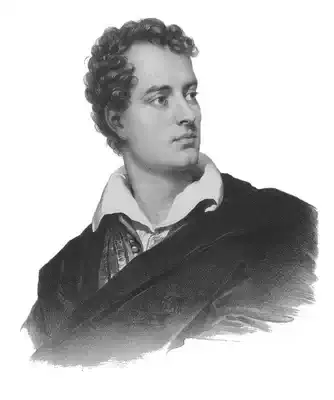
Lord Byron
Lara
Lara
LARA. [1]
CANTO THE FIRST.
I.
The Serfs are glad through Lara's wide domain, [2]
And slavery half forgets her feudal chain;
He, their unhoped, but unforgotten lord —
The long selfexiled
chieftain is restored:
There be bright faces in the busy hall,
Bowls on the board, and banners on the wall;
Far chequering o'er the pictured window, plays
The unwonted fagots' hospitable blaze;
And gay retainers gather round the hearth,
With tongues all loudness, and with eyes all mirth.
II.
The chief of Lara is return'd again:
And why had Lara cross'd the bounding main?
Left by his sire, too young such loss to know,
Lord of himself; — that heritage of woe,
That fearful empire which the human breast
But holds to rob the heart within of rest! —
With none to check, and few to point in time
The thousand paths that slope the way to crime;
Then, when he most required commandment, then
Had Lara's daring boyhood govern'd men.
It skills not, boots not, step by step to trace
His youth through all the mazes of its race;
Short was the course his restlessness had run,
But long enough to leave him half undone.
III.
And Lara left in youth his fatherland;
But from the hour he waved his parting hand
Each trace wax'd fainter of his course, till all
Had nearly ceased his memory to recall.
His sire was dust, his vassals could declare,
'Twas all they knew, that Lara was not there;
Nor sent, nor came he, till conjecture grew
Cold in the many, anxious in the few.
His hall scarce echoes with his wonted name,
His portrait darkens in its fading frame,
Another chief consoled his destined bride,
The young forgot him, and the old had died;
"Yet doth he live!" exclaims the impatient heir,
And sighs for sables which he must not wear.
A hundred scutcheons deck with gloomy grace
The Laras' last and longest dwellingplace;
But one is absent from the mouldering file,
That now were welcome to that Gothic pile.
IV.
He comes at last in sudden loneliness,
And whence they know not, why they need not guess;
They more might marvel, when the greeting's o'er,
Not that he came, but came not long before:
No train is his beyond a single page,
Of foreign aspect, and of tender age.
Years had roll'd on, and fast they speed away
To those that wander as to those that stay;
But lack of tidings from another clime
Had lent a flagging wing to weary Time.
They see, they recognise, yet almost deem
The present dubious, or the past a dream.
He lives, nor yet is past his manhood's prime,
Though sear'd by toil, and something touch'd by time;
His faults, whate'er they were, if scarce forgot,
Might be untaught him by his varied lot;
Nor good nor ill of late were known, his name
Might yet uphold his patrimonial fame.
His soul in youth was haughty, but his sins
No more than pleasure from the stripling wins;
And such, if not yet harden'd in their course,
Might be redeem'd, nor ask a long remorse.
V.
And they indeed were changed — 'tis quickly seen,
Whate'er he be, 'twas not what he had been:
That brow in furrow'd lines had fix'd at last,
And spake of passions, but of passion past;
The pride, but not the fire, of early days,
Coldness of mien, and carelessness of praise;
A high demeanour, and a glance that took
Their thoughts from others by a single look;
And that sarcastic levity of tongue,
The stinging of a heart the world hath stung,
That darts in seeming playfulness around,
And makes those feel that will not own the wound:
All these seem'd his, and something more beneath
Than glance could well reveal, or accent breathe.
Ambition, glory, love, the common aim
That some can conquer, and that all would claim,
Within his breast appear'd no more to strive,
Yet seem'd as lately they had been alive;
And some deep feeling it were vain to trace
At moments lighten'd o'er his livid face.
VI.
Not much he loved long question of the past,
Nor told of wondrous wilds, and deserts vast,
In those far lands where he had wander'd lone,
And — as himself would have it seem — unknown:
Yet these in vain his eye could scarcely scan,
Nor glean experience from his fellowman;
But what he had beheld he shunn'd to show,
As hardly worth a stranger's care to know;
If still more prying such inquiry grew,
His brow fell darker, and his words more few.
VII.
Not unrejoiced to see him once again,
Warm was his welcome to the haunts of men;
Born of high lineage, link'd in high command,
He mingled with the magnates of his land;
Join'd the carousals of the great and gay,
And saw them smile or sigh their hours away;
But still he only saw, and did not share
The common pleasure or the general care;
He did not follow what they all pursued,
With hope still baffled, still to be renew'd;
Nor shadowy honour, nor substantial gain,
Nor beauty's preference, and the rival's pain:
Around him some mysterious circle thrown
Repell'd approach, and showed him still alone;
Upon his eye sate something of reproof,
That kept at least frivolity aloof;
And things more timid that beheld him near,
In silence gazed, or whisper'd mutual fear;
And they the wiser, friendlier few confess'd
They deem'd him better than his air express'd.
VIII.
'Twas strange — in youth all action and all life,
Burning for pleasure, not averse from strife;
Woman — the field — the ocean — all that gave
Promise of gladness, peril of a grave,
In turn he tried — he ransack'd all below,
And found his recompence in joy or woe,
No tame, trite medium; for his feelings sought
In that intenseness an escape from thought:
The tempest of his heart in scorn had gazed
On that the feebler elements hath raised;
The rapture of his heart had look'd on high,
And ask'd if greater dwelt beyond the sky:
Chain'd to excess, the slave of each extreme,
How woke he from the wildness of that dream?
Alas! he told not — but he did awake
To curse the wither'd heart that would not break.
IX.
Books, for his volume heretofore was Man,
With eye more curious he appear'd to scan,
And oft, in sudden mood, for many a day
From all communion he would start away:
And then, his rarely call'd attendants said,
Through night's long hours would sound his hurried tread
O'er the dark gallery, where his fathers frown'd
In rude but antique portraiture around.
They heard, but whisper'd — "that must not be known —
The sound of words less earthly than his own.
Yes, they who chose might smile, but some had seen
They scarce knew what, but more than should have been.
Why gazed he so upon the ghastly head
Which hands profane had gather'd from the dead,
That still beside his open'd volume lay,
As if to startle all save him away?
Why slept he not when others were at rest?
Why heard no music, and received no guest?
All was not well, they deem'd — but where the wrong?
Some knew perchance — but 'twere a tale too long;
And such besides were too discreetly wise,
To more than hint their knowledge in surmise;
But if they would — they could" — around the board,
Thus Lara's vassals prattled of their lord.
X.
It was the night — and Lara's glassy stream
The stars are studding, each with imaged beam:
So calm, the waters scarcely seem to stray,
And yet they glide like happiness away;
Reflecting far and fairylike
from high
The immortal lights that live along the sky:
Its banks are fringed with many a goodly tree,
And flowers the fairest that may feast the bee;
Such in her chaplet infant Dian wove,
And Innocence would offer to her love.
These deck the shore; the waves their channel make
In windings bright and mazy like the snake.
All was so still, so soft in earth and air,
You scarce would start to meet a spirit there;
Secure that nought of evil could delight
To walk in such a scene, on such a night!
It was a moment only for the good:
So Lara deem'd, nor longer there he stood,
But turn'd in silence to his castlegate;
Such scene his soul no more could contemplate.
Such scene reminded him of other days,
Of skies more cloudless, moons of purer blaze,
Of nights more soft and frequent, hearts that now —
No — no — the storm may beat upon his brow,
Unfelt — unsparing — but a night like this,
A night of beauty mock'd such breast as his.
XI.
He turn'd within his solitary hall,
And his high shadow shot along the wall;
There were the painted forms of other times,
'Twas all they left of virtues or of crimes,
Save vague tradition; and the gloomy vaults
That hid their dust, their foibles, and their faults;
And half a column of the pompous page,
That speeds the specious tale from age to age:
When history's pen its praise or blame supplies,
And lies like truth, and still most truly lies.
He wandering mused, and as the moonbeam shone
Through the dim lattice o'er the floor of stone,
And the high fretted roof, and saints, that there
O'er Gothic windows knelt in pictured prayer,
Reflected in fantastic figures grew,
Like life, but not like mortal life, to view;
His bristling locks of sable, brow of gloom,
And the wide waving of his shaken plume,
Glanced like a spectre's attributes, and gave
His aspect all that terror gives the grave.
XII.
'Twas midnight — all was slumber; the lone light
Dimm'd in the lamp, as loth to break the night.
Hark! there be murmurs heard in Lara's hall —
A sound — voice — a shriek — a fearful call!
A long, loud shriek — and silence — did they hear
That frantic echo burst the sleeping ear?
They heard and rose, and tremulously brave
Rush where the sound invoked their aid to save;
They come with halflit
tapers in their hands,
And snatch'd in startled haste unbelted brands.
XIII.
Cold as the marble where his length was laid,
Pale as the beam that o'er his features play'd,
Was Lara stretch'd; his halfdrawn
sabre near,
Dropp'd it should seem in more than nature's fear;
Yet he was firm, or had been firm till now,
And still defiance knit his gather'd brow;
Though mix'd with terror, senseless as he lay,
There lived upon his lip the wish to slay;
Some halfform'd
threat in utterance there had died,
Some imprecation of despairing pride;
His eye was almost seal'd, but not forsook
Even in its trance the gladiator's look,
That oft awake his aspect could disclose,
And now was fix'd in horrible repose.
They raise him — bear him: hush! he breathes, he speaks!
The swarthy blush recolours in his cheeks,
His lip resumes its red, his eye, though dim,
Rolls wide and wild, each slowly quivering limb
Recalls its function, but his words are strung
In terms that seem not of his native tongue;
Distinct but strange, enough they understand
To deem them accents of another land,
And such they were, and meant to meet an ear
That hears him not — alas! that cannot hear!
XIV.
His page approach'd, and he alone appear'd
To know the import of the words they heard;
And by the changes of his cheek and brow
They were not such as Lara should avow,
Nor he interpret, yet with less surprise
Than those around their chieftain's state he eyes,
But Lara's prostrate form he bent beside,
And in that tongue which seem'd his own replied,
And Lara heeds those tones that gently seem
To soothe away the horrors of his dream;
If dream it were, that thus could overthrow
A breast that needed not ideal woe.
XV.
Whate'er his frenzy dream'd or eye beheld,
If yet remember'd ne'er to be reveal'd,
Rests at his heart: the custom'd morning came,
And breathed new vigour in his shaking frame;
And solace sought he none from priest nor leech,
And soon the same in movement and in speech
As heretofore he fill'd the passing hours,
Nor less he smiles, nor more his forehead lours
Than these were wont; and if the coming night
Appear'd less welcome now to Lara's sight,
He to his marvelling vassals shew'd it not,
Whose shuddering proved their fear was less forgot.
In trembling pairs (alone they dared not) crawl
The astonish'd slaves, and shun the fated hall;
The waving banner, and the clapping door;
The rustling tapestry, and the echoing floor;
The long dim shadows of surrounding trees,
The flapping bat, the night song of the breeze;
Aught they behold or hear their thought appals
As evening saddens o'er the dark gray walls.
XVI.
Vain thought! that hour of ne'er unravell'd gloom
Came not again, or Lara could assume
A seeming of forgetfulness that made
His vassals more amazed nor less afraid —
Had memory vanish'd then with sense restored?
Since word, nor look, nor gesture of their lord
Betray'd a feeling that recall'd to these
That fever'd moment of his mind's disease.
Was it a dream? was his the voice that spoke
Those strange wild accents; his the cry that broke
Their slumber? his the oppress'd o'erlabour'd
heart
That ceased to beat, the look that made them start?
Could he who thus had suffer'd, so forget
When such as saw that suffering shudder yet?
Or did that silence prove his memory fix'd
Too deep for words, indelible, unmix'd
In that corroding secresy which gnaws
The heart to shew the effect, but not the cause?
Not so in him; his breast had buried both,
Nor common gazers could discern the growth
Of thoughts that mortal lips must leave half told;
They choke the feeble words that would unfold.
XVII.
In him inexplicably mix'd appear'd
Much to be loved and hated, sought and fear'd;
Opinion varying o'er his hidden lot,
In praise or railing ne'er his name forgot;
His silence form'd a theme for others' prate —
They guess'd — they gazed — they fain would know his fate.
What had he been? what was he, thus unknown,
Who walk'd their world, his lineage only known?
A hater of his kind? yet some would say,
With them he could seem gay amidst the gay;
But own'd that smile, if oft observed and near,
Waned in its mirth and wither'd to a sneer;
That smile might reach his lip, but pass'd not by,
None e'er could trace its laughter to his eye:
Yet there was softness too in his regard,
At times, a heart as not by nature hard,
But once perceived, his spirit seem'd to chide
Such weakness, as unworthy of its pride,
And steel'd itself, as scorning to redeem
One doubt from others' half withheld esteem;
In selfinflicted
penance of a breast
Which tenderness might once have wrung from rest;
In vigilance of grief that would compel
The soul to hate for having loved too well.
XVIII.
There was in him a vital scorn of all:
As if the worst had fall'n which could befall,
He stood a stranger in this breathing world,
An erring spirit from another hurled;
A thing of dark imaginings, that shaped
By choice the perils he by chance escaped;
But 'scaped in vain, for in their memory yet
His mind would half exult and half regret:
With more capacity for love than earth
Bestows on most of mortal mould and birth,
His early dreams of good outstripp'd the truth,
And troubled manhood follow'd baffled youth;
With thought of years in phantom chase misspent,
And wasted powers for better purpose lent;
And fiery passions that had pour'd their wrath
In hurried desolation o'er his path,
And left the better feelings all at strife
In wild reflection o'er his stormy life;
But haughty still, and loth himself to blame,
He call'd on Nature's self to share the shame,
And charged all faults upon the fleshly form
She gave to clog the soul, and feast the worm;
'Till he at last confounded good and ill,
And half mistook for fate the acts of will:
Too high for common selfishness, he could
At times resign his own for others' good,
But not in pity, not because he ought,
But in some strange perversity of thought,
That sway'd him onward with a secret pride
To do what few or none would do beside;
And this same impulse would, in tempting time,
Mislead his spirit equally to crime;
So much he soar'd beyond, or sunk beneath
The men with whom he felt condemn'd to breathe,
And long'd by good or ill to separate
Himself from all who shared his mortal state;
His mind abhorring this had fix'd her throne
Far from the world, in regions of her own;
Thus coldly passing all that pass'd below,
His blood in temperate seeming now would flow:
Ah! happier if it ne'er with guilt had glow'd,
But ever in that icy smoothness flow'd:
'Tis true, with other men their path he walk'd,
And like the rest in seeming did and talk'd,
Nor outraged Reason's rules by flaw nor start,
His madness was not of the head, but heart;
And rarely wander'd in his speech, or drew
His thoughts so forth as to offend the view.
XIX.
With all that chilling mystery of mien,
And seeming gladness to remain unseen,
He had (if 'twere not nature's boon) an art
Of fixing memory on another's heart:
It was not love, perchance — nor hate — nor aught
That words can image to express the thought;
But they who saw him did not see in vain,
And once beheld, would ask of him again:
And those to whom he spake remember'd well,
And on the words, however light, would dwell.
None knew nor how, nor why, but he entwined
Himself perforce around the hearer's mind;
There he was stamp'd, in liking, or in hate,
If greeted once; however brief the date
That friendship, pity, or aversion knew,
Still there within the inmost thought he grew.
You could not penetrate his soul, but found
Despite your wonder, to your own he wound.
His presence haunted still; and from the breast
He forced an allunwilling
interest;
Vain was the struggle in that mental net,
His spirit seem'd to dare you to forget!
XX.
There is a festival, where knights and dames,
And aught that wealth or lofty lineage claims,
Appear — a highborn
and a welcomed guest
To Otho's hall came Lara with the rest.
The long carousal shakes the illumined hall,
Well speeds alike the banquet and the ball;
And the gay dance of bounding Beauty's train
Links grace and harmony in happiest chain:
Blest are the early hearts and gentle hands
That mingle there in well according bands;
It is a sight the careful brow might smooth,
And make Age smile, and dream itself to youth,
And Youth forget such hour was pass'd on earth,
So springs the exulting bosom to that mirth!
XXI.
And Lara gazed on these sedately glad,
His brow belied him if his soul was sad,
And his glance follow'd fast each fluttering fair,
Whose steps of lightness woke no echo there:
He lean'd against the lofty pillar nigh
With folded arms and long attentive eye,
Nor mark'd a glance so sternly fix'd on his,
Ill brook'd high Lara scrutiny like this:
At length he caught it, 'tis a face unknown,
But seems as searching his, and his alone;
Prying and dark, a stranger's by his mien,
Who still till now had gazed on him unseen;
At length encountering meets the mutual gaze
Of keen inquiry, and of mute amaze;
On Lara's glance emotion gathering grew,
As if distrusting that the stranger threw;
Along the stranger's aspect fix'd and stern
Flash'd more than thence the vulgar eye could learn.
XXII.
"'Tis he!" the stranger cried, and those that heard
Reecho'd
fast and far the whisper'd word.
"'Tis he!" — "'Tis who?" they question far and near,
Till louder accents rang on Lara's ear;
So widely spread, few bosoms well could brook
The general marvel, or that single look;
But Lara stirr'd not, changed not, the surprise
That sprung at first to his arrested eyes
Seem'd now subsided, neither sunk nor raised
Glanced his eye round, though still the stranger gazed;
And drawing nigh, exclaim'd, with haughty sneer,
"'Tis he! — how came he thence? — what doth he here?"
XXIII.
It were too much for Lara to pass by
Such question, so repeated fierce and high;
With look collected, but with accent cold,
More mildly firm than petulantly bold,
He turn'd, and met the inquisitorial tone —
"My name is Lara! — when thine own is known,
Doubt not my fitting answer to requite
The unlook'd for courtesy of such a knight.
'Tis Lara! — further wouldst thou mark or ask?
I shun no question, and I wear no mask."
"Thou shunn'st no question! Ponder — is there none
Thy heart must answer, though thine ear would shun?
And deem'st thou me unknown too? Gaze again!
At least thy memory was not given in vain.
Oh! never canst thou cancel half her debt,
Eternity forbids thee to forget."
With slow and searching glance upon his face
Grew Lara's eyes, but nothing there could trace
They knew, or chose to know — with dubious look
He deign'd no answer, but his head he shook,
And half contemptuous turn'd to pass away;
But the stern stranger motion'd him to stay.
"A word! — I charge thee stay, and answer here
To one, who, wert thou noble, were thy peer,
But as thou wast and art — nay, frown not, lord,
If false, 'tis easy to disprove the word —
But as thou wast and art, on thee looks down,
Distrusts thy smiles, but shakes not at thy frown.
Art thou not he? whose deeds — "
"Whate'er I be,
Words wild as these, accusers like to thee,
I list no further; those with whom they weigh
May hear the rest, nor venture to gainsay
The wondrous tale no doubt thy tongue can tell,
Which thus begins courteously and well.
Let Otho cherish here his polish'd guest,
To him my thanks and thoughts shall be express'd."
And here their wondering host hath interposed —
"Whate'er there be between you undisclosed,
This is no time nor fitting place to mar
The mirthful meeting with a wordy war.
If thou, Sir Ezzelin, hast ought to show
Which it befits Count Lara's ear to know,
Tomorrow,
here, or elsewhere, as may best
Beseem your mutual judgment, speak the rest;
I pledge myself for thee, as not unknown,
Though, like Count Lara, now return'd alone
From other lands, almost a stranger grown;
And if from Lara's blood and gentle birth
I augur right of courage and of worth,
He will not that untainted line belie,
Nor aught that knighthood may accord deny."
"Tomorrow
be it," Ezzelin replied,
"And here our several worth and truth be tried:
I gage my life, my falchion to attest
My words, so may I mingle with the blest!"
What answers Lara? to its centre shrunk
His soul, in deep abstraction sudden sunk;
The words of many, and the eyes of all
That there were gather'd, seem'd on him to fall;
But his were silent, his appear'd to stray
In far forgetfulness away — away —
Alas! that heedlessness of all around
Bespoke remembrance only too profound.
XXIV.
"Tomorrow!
— ay, tomorrow!"
— further word
Than those repeated none from Lara heard;
Upon his brow no outward passion spoke,
From his large eye no flashing anger broke;
Yet there was something fix'd in that low tone
Which shew'd resolve, determined, though unknown.
He seized his cloak — his head he slightly bow'd,
And passing Ezzelin he left the crowd;
And as he pass'd him, smiling met the frown
With which that chieftain's brow would bear him down:
It was nor smile of mirth, nor struggling pride
That curbs to scorn the wrath it cannot hide;
But that of one in his own heart secure
Of all that he would do, or could endure.
Could this mean peace? the calmness of the good?
Or guilt grown old in desperate hardihood?
Alas! too like in confidence are each
For man to trust to mortal look or speech;
From deeds, and deeds alone, may he discern
Truths which it wrings the unpractised heart to learn.
XXV.
And Lara call'd his page, and went his way —
Well could that stripling word or sign obey:
His only follower from those climes afar
Where the soul glows beneath a brighter star;
For Lara left the shore from whence he sprung,
In duty patient, and sedate though young;
Silent as him he served, his fate appears
Above his station, and beyond his years.
Though not unknown the tongue of Lara's land,
In such from him he rarely heard command;
But fleet his step, and clear his tones would come,
When Lara's lip breathed forth the words of home:
Those accents, as his native mountains dear,
Awake their absent echoes in his ear,
Friends', kindreds', parents', wonted voice recall,
Now lost, abjured, for one — his friend, his all:
For him earth now disclosed no other guide;
What marvel then he rarely left his side?
XXVI.
Light was his form, and darkly delicate
That brow whereon his native sun had sate,
But had not marr'd, though in his beams he grew,
The cheek where oft the unbidden blush shone through;
Yet not such blush as mounts when health would show
All the heart's hue in that delighted glow;
But 'twas a hectic tint of secret care
That for a burning moment fever'd there;
And the wild sparkle of his eye seem'd caught
From high, and lighten'd with electric thought,
Though its black orb those long low lashes' fringe
Had temper'd with a melancholy tinge;
Yet less of sorrow than of pride was there,
Or, if 'twere grief, a grief that none should share:
And pleased not him the sports that please his age,
The tricks of youth, the frolics of the page;
For hours on Lara he would fix his glance,
As allforgotten
in that watchful trance;
And from his chief withdrawn, he wander'd lone,
Brief were his answers, and his questions none;
His walk the wood, his sport some foreign book;
His restingplace
the bank that curbs the brook;
He seem'd, like him he served, to live apart
From all that lures the eye, and fills the heart;
To know no brotherhood; and take from earth
No gift beyond that bitter boon — our birth.
XXVII.
If aught he loved, 'twas Lara; but was shown
His faith in reverence and in deeds alone;
In mute attention; and his care, which guess'd
Each wish, fulfill'd it ere the tongue express'd.
Still there was haughtiness in all he did,
A spirit deep that brook'd not to be chid;
His zeal, though more than that of servile hands,
In act alone obeys, his air commands;
As if 'twas Lara's less than his desire
That thus he served, but surely not for hire.
Slight were the tasks enjoin'd him by his lord,
To hold the stirrup, or to bear the sword;
To tune his lute, or, if he will'd it more,
On tomes of other times and tongues to pore;
But ne'er to mingle with the menial train,
To whom he shew'd not deference nor disdain,
But that wellworn
reserve which proved he knew
No sympathy with that familiar crew:
His soul, whate'er his station or his stem,
Could bow to Lara, not descend to them.
Of higher birth he seem'd, and better days,
Nor mark of vulgar toil that hand betrays,
So femininely white it might bespeak
Another sex, when match'd with that smooth cheek,
But for his garb, and something in his gaze,
More wild and high than woman's eye betrays;
A latent fierceness that far more became
His fiery climate than his tender frame:
True, in his words it broke not from his breast,
But from his aspect might be more than guess'd.
Kaled his name, though rumour said he bore
Another ere he left his mountain shore;
For sometimes he would hear, however nigh,
That name repeated loud without reply,
As unfamiliar, or, if roused again,
Start to the sound, as but remember'd then;
Unless 'twas Lara's wonted voice that spake,
For then, ear, eyes, and heart would all awake.
XXVIII.
He had look'd down upon the festive hall,
And mark'd that sudden strife so mark'd of all;
And when the crowd around and near him told
Their wonder at the calmness of the bold,
Their marvel how the highborn
Lara bore
Such insult from a stranger, doubly sore,
The colour of young Kaled went and came,
The lip of ashes, and the cheek of flame;
And o'er his brow the dampening heartdrops
threw
The sickening iciness of that cold dew
That rises as the busy bosom sinks
With heavy thoughts from which reflection shrinks.
Yes — there be things which we must dream and dare
And execute ere thought be half aware:
Whate'er might Kaled's be, it was enow
To seal his lip, but agonise his brow.
He gazed on Ezzelin till Lara cast
That sidelong smile upon on the knight he pass'd;
When Kaled saw that smile his visage fell,
As if on something recognised right well;
His memory read in such a meaning more
Than Lara's aspect unto others wore.
Forward he sprung — a moment, both were gone,
And all within that hall seem'd left alone;
Each had so fix'd his eye on Lara's mien,
All had so mix'd their feelings with that scene,
That when his long dark shadow through the porch
No more relieves the glare of yon high torch,
Each pulse beats quicker, and all bosoms seem
To bound as doubting from too black a dream,
Such as we know is false, yet dread in sooth,
Because the worst is ever nearest truth.
And they are gone — but Ezzelin is there,
With thoughtful visage and imperious air;
But long remain'd not; ere an hour expired
He waved his hand to Otho, and retired.
XXIX.
The crowd are gone, the revellers at rest;
The courteous host, and allapproving
guest,
Again to that accustom'd couch must creep
Where joy subsides, and sorrow sighs to sleep,
And man, o'erlabour'd with his being's strife,
Shrinks to that sweet forgetfulness of life:
There lie love's feverish hope. and cunning's guile,
Hate's working brain and lull'd ambition's wile;
O'er each vain eye oblivion's pinions wave,
And quench'd existence crouches in a grave.
What better name may slumber's bed become?
Night's sepulchre, the universal home,
Where weakness, strength, vice, virtue, sunk supine,
Alike in naked helplessness recline;
Glad for awhile to heave unconscious breath,
Yet wake to wrestle with the dread of death,
And shun, though day but dawn on ills increased,
That sleep, the loveliest, since it dreams the least.
______
CANTO THE SECOND.
I.
Night wanes — the vapours round the mountains curl'd,
Melt into morn, and Light awakes the world.
Man has another day to swell the past,
And lead him near to little, but his last;
But mighty Nature bounds as from her birth,
The sun is in the heavens, and life on earth;
Flowers in the valley, splendour in the beam,
Health on the gale, and freshness in the stream.
Immortal man! behold her glories shine,
And cry, exulting inly, "They are thine!"
Gaze on, while yet thy gladden'd eye may see,
A morrow comes when they are not for thee;
And grieve what may above thy senseless bier,
Nor earth nor sky will yield a single tear;
Nor cloud shall gather more, nor leaf shall fall,
Nor gale breathe forth one sigh for thee, for all;
But creeping things shall revel in their spoil,
And fit thy clay to fertilise the soil.
II.
'Tis morn — 'tis noon — assembled in the hall,
The gather'd chieftains come to Otho's call:
'Tis now the promised hour, that must proclaim
The life or death of Lara's future fame;
When Ezzelin his charge may here unfold,
And whatsoe'er the tale, it must be told.
His faith was pledged, and Lara's promise given,
To meet it in the eye of man and Heaven.
Why comes he not? Such truths to be divulged,
Methinks the accuser's rest is long indulged.
III.
The hour is past, and Lara too is there,
With selfconfiding,
coldly patient air;
Why comes not Ezzelin? The hour is past,
And murmurs rise, and Otho's brow's o'ercast,
"I know my friend! his faith I cannot fear,
If yet he be on earth, expect him here;
The roof that held him in the valley stands
Between my own and noble Lara's lands;
My halls from such a guest had honour gain'd,
Nor had Sir Ezzelin his host disdain'd,
But that some previous proof forbade his stay,
And urged him to prepare against today;
The word I pledge for his I pledge again,
Or will myself redeem his knighthood's stain."
He ceased — and Lara answer'd, "I am here
To lend at thy demand a listening ear,
To tales of evil from a stranger's tongue,
Whose words already might my heart have wrung,
But that I deem'd him scarcely less than mad,
Or, at the worst, a foe ignobly bad.
I know him not — but me it seems he knew
In lands where — but I must not trifle too:
Produce this babbler — or redeem the pledge;
Here in thy hold, and with thy falchion's edge."
Proud Otho on the instant, reddening, threw
His glove on earth, and forth his sabre flew.
"The last alternative befits me best,
And thus I answer for mine absent guest."
With cheek unchanging from its sallow gloom,
However near his own or other's tomb;
With hand, whose almost careless coolness spoke
Its grasp wellused
to deal the sabrestroke;
With eye, though calm, determined not to spare,
Did Lara too his willing weapon bare.
In vain the circling chieftains round them closed,
For Otho's frenzy would not be opposed;
And from his lip those words of insult fell —
His sword is good who can maintain them well.
IV.
Short was the conflict; furious, blindly rash,
Vain Otho gave his bosom to the gash:
He bled, and fell; but not with deadly wound,
Stretch'd by a dextrous sleight along the ground.
"Demand thy life!" He answer'd not: and then
From that red floor he ne'er had risen again,
For Lara's brow upon the moment grew
Almost to blackness in its demon hue;
And fiercer shook his angry falchion now
Than when his foe's was levell'd at his brow;
Then all was stern collectedness and art,
Now rose the unleaven'd hatred of his heart;
So little sparing to the foe he fell'd,
That when the approaching crowd his arm withheld
He almost turn'd the thirsty point on those
Who thus for mercy dared to interpose;
But to a moment's thought that purpose bent;
Yet look'd he on him still with eye intent,
As if he loathed the ineffectual strife
That left a foe, howe'er o'erthrown, with life;
As if to search how far the wound he gave
Had sent its victim onward to his grave.
V.
They raised the bleeding Otho, and the Leech
Forbade all present question, sign, and speech;
The others met within a neighbouring hall,
And he, incensed and heedless of them all,
The cause and conqueror in this sudden fray,
In haughty silence slowly strode away;
He back'd his steed, his homeward path he took,
Nor cast on Otho's tower a single look.
VI.
But where was he? that meteor of a night,
Who menaced but to disappear with light.
Where was this Ezzelin? who came and went
To leave no other trace of his intent.
He left the dome of Otho long ere morn,
In darkness, yet so well the path was worn
He could not miss it: near his dwelling lay;
But there he was not, and with coming day
Came fast inquiry, which unfolded nought
Except the absence of the chief it sought.
A chamber tenantless, a steed at rest,
His host alarm'd, his murmuring squires distress'd:
Their search extends along, around the path,
In dread to met the marks of prowlers' wrath:
But none are there, and not a brake hath borne
Nor gout of blood, nor shred of mantle torn;
Nor fall nor struggle hath defaced the grass,
Which still retains a mark where murder was;
Nor dabbling fingers left to tell the tale,
The bitter print of each convulsive nail,
When agonised hands that cease to guard,
Wound in that pang the smoothness of the sward.
Some such had been, if here a life was reft,
But these were not; and doubting hope is left;
And strange suspicion, whispering Lara's name,
Now daily mutters o'er his blacken'd fame;
Then sudden silent when his form appear'd,
Awaits the absence of the thing it fear'd;
Again its wonted wondering to renew,
And dye conjecture with a darker hue.
VII.
Days roll along, and Otho's wounds are heal'd,
But not his pride; and hate no more conceal'd:
He was a man of power, and Lara's foe,
The friend of all who sought to work him woe,
And from his country's justice now demands
Account of Ezzelin at Lara's hands.
Who else than Lara could have cause to fear
His presence? who had made him disappear,
If not the man on whom his menaced charge
Had sate too deeply were he left at large?
The general rumour ignorantly loud,
The mystery dearest to the curious crowd;
The seeming friendlessness of him who strove
To win no confidence, and wake no love;
The sweeping fierceness which his soul betray'd,
The skill with which he wielded his keen blade;
Where had his arm unwarlike caught that art?
Where had that fierceness grown upon his heart?
For it was not the blind capricious rage
A word can kindle and a word assuage;
But the deep working of a soul unmix'd
With aught of pity where its wrath had fix'd;
Such as long power and overgorged success
Concentrates into all that's merciless:
These, link'd with that desire which ever sways
Mankind, the rather to condemn than praise,
'Gainst Lara gathering raised at length a storm,
Such as himself might fear, and foes would form,
And he must answer for the absent head
Of one that haunts him still, alive or dead.
VIII.
Within that land was many a malcontent,
Who cursed the tyranny to which he bent;
That soil full many a wringing despot saw,
Who work'd his wantonness in form of law;
Long war without and frequent broil within
Had made a path for blood and giant sin,
That waited but a signal to begin
New havoc, such as civil discord blends,
Which knows no neuter, owns but foes or friends;
Fix'd in his feudal fortress each was lord,
In word and deed obey'd, in soul abhorr'd.
Thus Lara had inherited his lands,
And with them pining hearts and sluggish hands;
But that long absence from his native clime
Had left him stainless of oppression's crime,
And now, diverted by his milder sway,
All dread by slow degrees had worn away;
The menials felt their usual awe alone,
But more for him than them that fear was grown;
They deem'd him now unhappy, though at first
Their evil judgment augur'd of the worst,
And each long restless night, and silent mood,
Was traced to sickness, fed by solitude:
And though his lonely habits threw of late
Gloom o'er his chamber, cheerful was his gate;
For thence the wretched ne'er unsoothed withdrew,
For them, at least, his soul compassion knew.
Cold to the great, contemptuous to the high,
The humble pass'd not his unheeding eye;
Much he would speak not, but beneath his roof
They found asylum oft, and ne'er reproof.
And they who watch'd might mark that, day by day,
Some new retainers gather'd to his sway;
But most of late, since Ezzelin was lost,
He play'd the courteous lord and bounteous host:
Perchance his strife with Otho made him dread
Some snare prepared for his obnoxious head;
Whate'er his view, his favour more obtains
With these, the people, than his fellow thanes.
If this were policy, so far 'twas sound,
The million judged but of him as they found;
From him by sterner chiefs to exile driven
They but required a shelter, and 'twas given.
By him no peasant mourn'd his rifled cot,
And scarce the serf could murmur o'er his lot;
With him old avarice found its hoard secure,
With him contempt forbore to mock the poor;
Youth present cheer and promised recompense
Detain'd, till all too late to part from thence:
To hate he offer'd, with the coming change,
The deep reversion of delay'd revenge;
To love, long baffled by the unequal match,
The wellwon
charms success was sure to snatch.
All now was ripe, he waits but to proclaim
That slavery nothing which was still a name.
The moment came, the hour when Otho thought
Secure at last the vengeance which he sought
His summons found the destined criminal
Begirt by thousands in his swarming hall,
Fresh from their feudal fetters newly riven,
Defying earth, and confident of heaven.
That morning he had freed the soilbound
slaves
Who dig no land for tyrants but their graves!
Such is their cry — some watchword for the fight
Must vindicate the wrong, and warp the right;
Religion — freedom — vengeance — what you will,
A word's enough to raise mankind to kill;
Some factious phrase by cunning caught and spread,
That guilt may reign, and wolves and worms be fed!
IX.
Throughout that clime the feudal chiefs had gain'd
Such sway, their infant monarch hardly reign'd;
Now was the hour for faction's rebel growth,
The serfs contemn'd the one, and hated both:
They waited but a leader, and they found
One to their cause inseparably bound;
By circumstance compell'd to plunge again,
In selfdefence,
amidst the strife of men.
Cut off by some mysterious fate from those
Whom birth and nature meant not for his foes,
Had Lara from that night, to him accurst,
Prepared to meet, but not alone, the worst:
Some reason urged, whate'er it was, to shun
Inquiry into deeds at distance done;
By mingling with his own the cause of all,
E'en if he fail'd, he still delay'd his fall.
The sullen calm that long his bosom kept,
The storm that once had spent itself and slept,
Roused by events that seem'd foredoom'd to urge
His gloomy fortunes to their utmost verge,
Burst forth, and made him all he once had been,
And is again; he only changed the scene.
Light care had he for life, and less for fame,
But not less fitted for the desperate game:
He deem'd himself mark'd out for others' hate,
And mock'd at ruin, so they shared his fate.
What cared he for the freedom of the crowd?
He raised the humble but to bend the proud.
He had hoped quiet in his sullen lair,
But man and destiny beset him there:
Inured to hunters, he was found at bay;
And they must kill, they cannot snare the prey.
Stern, unambitious, silent he had been
Henceforth a calm spectator of life's scene;
But dragg'd again upon the arena, stood
A leader not unequal to the feud;
In voice — mien — gesture — savage nature spoke,
And from his eye the gladiator broke.
X.
What boots the oftrepeated
tale of strife,
The feast of vultures, and the waste of life?
The varying fortune of each separate field,
The fierce that vanquish, and the faint that yield?
The smoking ruin, and the crumbled wall?
In this the struggle was the same with all;
Save that distemper'd passions lent their force
In bitterness that banish'd all remorse.
None sued, for Mercy know her cry was vain,
The captive died upon the battleslain:
In either cause, one rage alone possess'd
The empire of the alternate victor's breast;
And they that smote for freedom or for sway,
Deem'd few were slain, while more remain'd to slay.
It was too late to check the wasting brand,
And Desolation reap'd the famish'd land;
The torch was lighted, and the flame was spread,
And Carnage smiled upon her daily bread.
XI.
Fresh with the nerve the newborn
impulse strung,
The first success to Lara's numbers clung:
But that vain victory hath ruin'd all;
They form no longer to their leader's call:
In blind confusion on the foe they press,
And think to snatch is to secure success.
The lust of booty, and the thirst of hate,
Lure on the broken brigands to their fate:
In vain he doth whate'er a chief may do,
To check the headlong fury of that crew,
In vain their stubborn ardour he would tame,
The hand that kindles cannot quench the flame.
The wary foe alone hath turn'd their mood,
And shewn their rashness to that erring brood:
The feign'd retreat, the nightly ambuscade,
The daily harass, and the fight delay'd,
The long privation of the hoped supply,
The tentless rest beneath the humid sky,
The stubborn wall that mocks the leaguer's art,
And palls the patience of his baffled heart,
Of these they had not deem'd: the battleday
They could encounter as a veteran may;
But more preferr'd the fury of the strife,
And present death, to hourly suffering life:
And famine wrings, and fever sweeps away
His numbers melting fast from their array;
Intemperate triumph fades to discontent,
And Lara's soul alone seems still unbent:
But few remain to aid his voice and hand,
And thousands dwindled to a scanty band:
Desperate, though few, the last and best remain'd
To mourn the discipline they late disdain'd.
One hope survives, the frontier is not far,
And thence they may escape from native war;
And bear within them to the neighbouring state
An exile's sorrows, or an outlaw's hate:
Hard is the task their fatherland to quit,
But harder still to perish or submit.
XII.
It is resolved — they march — consenting Night
Guides with her star their dim and torchless flight;
Already they perceive its tranquil beam
Sleep on the surface of the barrier stream;
Already they descry — Is yon the bank?
Away! 'tis lined with many a hostile rank.
Return or fly! — What glitters in the rear?
'Tis Otho's banner — the pursuer's spear!
Are those the shepherds' fires upon the height?
Alas! they blaze too widely for the flight:
Cut off from hope, and compass'd in the toil,
Less blood, perchance, hath bought a richer spoil!
XIII.
A moment's pause — 'tis but to breathe their band
Or shall they onward press, or here withstand?
It matters little — if they charge the foes
Who by their borderstream
their march oppose,
Some few, perchance, may break and pass the line,
However link'd to baffle such design.
"The charge be ours! to wait for their assault
Were fate well worthy of a coward's halt."
Forth flies each sabre, rein'd is every steed,
And the next word shall scarce outstrip the deed:
In the next tone of Lara's gathering breath
How many shall but hear the voice of death!
XIV.
His blade is bared — in him there is an air
As deep, but far too tranquil for despair;
A something of indifference more than then
Becomes the bravest, if they feel for men.
He turn'd his eye on Kaled, ever near,
And still too faithful to betray one fear;
Perchance 'twas but the moon's dim twilight threw
Along his aspect an unwonted hue
Of mournful paleness, whose deep tint express'd
The truth, and not the terror of his breast.
This Lara mark'd, and laid his hand on his:
It trembled not in such an hour as this;
His lip was silent, scarcely beat his heart,
His eye alone proclaim'd —
"We will not part!
Thy band may perish, or thy friends may flee,
Farewell to life, but not adieu to thee!"
The word hath pass'd his lips, and onward driven,
Pours the link'd band through ranks asunder riven;
Well has each steed obey'd the armed heel,
And flash the scimitars, and rings the steel;
Outnumber'd, not outbraved, they still oppose
Despair to daring, and a front to foes;
And blood is mingled with the dashing stream,
Which runs all redly till the morning beam.
XV.
Commanding, aiding, animating all,
Where foe appear'd to press, or friend to fall,
Cheers Lara's voice, and waves or strikes his steel,
Inspiring hope himself had ceased to feel.
None fled, for well they knew that flight were vain,
But those that waver turn to smite again,
While yet they find the firmest of the foe
Recoil before their leader's look and blow;
Now girt with numbers, now almost alone,
He foils their ranks, or reunites his own;
Himself he spared not — once they seem'd to fly —
Now was the time, he waved his hand on high,
And shook — Why sudden droops that plumed crest?
The shaft is sped — the arrow's in his breast!
That fatal gesture left the unguarded side,
And Death hath stricken down yon arm of pride.
The word of triumph fainted from his tongue;
That hand, so raised, how droopingly it hung!
But yet the sword instinctively retains,
Though from its fellow shrink the falling reins;
These Kaled snatches: dizzy with the blow,
And senseless bending o'er his saddlebow
Perceives not Lara that his anxious page
Beguiles his charger from the combat's rage:
Meantime his followers charge and charge again;
Too mix'd the slayers now to heed the slain!
XVI.
Day glimmers on the dying and the dead,
The cloven cuirass, and the helmless head;
The warhorse
masterless is on the earth,
And that last gasp hath burst his bloody girth:
And near, yet quivering with what life remain'd,
The heel that urged him, and the hand that rein'd:
And some too near that rolling torrent lie,
Whose waters mock the lip of those that die;
That panting thirst which scorches in the breath
Of those that die the soldier's fiery death,
In vain impels the burning mouth to crave
One drop — the last — to cool it for the grave;
With feeble and convulsive effort swept
Their limbs along the crimson'd turf have crept:
The faint remains of life such struggles waste,
But yet they reach the stream, and bend to taste:
They feel its freshness, and almost partake —
Why pause? — No further thirst have they to slake —
It is unquench'd, and yet they feel it not —
It was an agony — but now forgot!
XVII.
Beneath a lime, remoter from the scene,
Where but for him that strife had never been,
A breathing but devoted warrior lay:
'Twas Lara bleeding fast from life away.
His follower once, and now his only guide,
Kneels Kaled watchful o'er his welling side,
And with his scarf would stanch the tides that rush
With each convulsion in a blacker gush;
And then, as his faint breathing waxes low,
In feebler, not less fatal tricklings flow:
He scarce can speak, but motions him 'tis vain,
And merely adds another throb to pain.
He clasps the hand that pang which would assuage,
And sadly smiles his thanks to that dark page,
Who nothing fears, nor feels, nor heeds, nor sees,
Save that damp brow which rests upon his knees;
Save that pale aspect, where the eye, though dim,
Held all the light that shone on earth for him.
XVIII.
The foe arrives, who long had search'd the field,
Their triumph nought till Lara too should yield;
They would remove him, but they see 'twere vain,
And he regards them with a calm disdain,
That rose to reconcile him with his fate,
And that escape to death from living hate:
And Otho comes, and leaping from his steed,
Looks on the bleeding foe that made him bleed,
And questions of his state; he answers not,
Scarce glances on him as on one forgot,
And turns to Kaled: — each remaining word,
They understood not, if distinctly heard;
His dying tones are in that other tongue,
To which some strange remembrance wildly clung.
They spake of other scenes, but what — is known
To Kaled, whom their meaning reach'd alone;
And he replied, though faintly, to their sound,
While gazed the rest in dumb amazement round:
They seem'd even then — that twain — unto the last
To half forget the present in the past;
To share between themselves some separate fate,
Whose darkness none beside should penetrate.
XIX.
Their words though faint were many — from the tone
Their import those who heard could judge alone;
From this, you might have deem'd young Kaled's death
More near than Lara's by his voice and breath,
So sad, so deep, and hesitating broke
The accents his scarcemoving
pale lips spoke;
But Lara's voice, though low, at first was clear
And calm, till murmuring death gasp'd hoarsely near:
But from his visage little could we guess,
So unrepentant, dark, and passionless,
Save that when struggling nearer to his last,
Upon that page his eye was kindly cast;
And once, as Kaled's answering accents ceased,
Rose Lara's hand, and pointed to the East:
Whether (as then the breaking sun from high
Roll'd back the clouds) the morrow caught his eye,
Or that 'twas chance, or some remember'd scene
That raised his arm to point where such had been,
Scarce Kaled seem'd to know, but turn'd away,
As if his heart abhorr'd that coming day,
And shrunk his glance before that morning light
To look on Lara's brow — where all grew night.
Yet sense seem'd left, though better were its loss;
For when one near display'd the absolving cross,
And proffer'd to his touch the holy bead,
Of which his parting soul might own the need,
He look'd upon it with an eye profane,
And smiled — Heaven pardon! if 'twere with disdain;
And Kaled, though he spoke not, nor withdrew
From Lara's face his fix'd despairing view,
With brow repulsive, and with gesture swift,
Flung back the hand which held the sacred gift,
As if such but disturb'd the expiring man,
Nor seem'd to know his life but then began,
The life immortal infinite, secure,
To all for whom that cross hath made it sure!
XX.
But gasping heaved the breath that Lara drew,
And dull the film along his dim eye grew;
His limbs stretch'd fluttering, and his head droop'd o'er
The weak yet still untiring knee that bore:
He press'd the hand he held upon his heart —
It beats no more, but Kaled will not part
With the cold grasp, but feels, and feels in vain,
For that faint throb which answers not again.
"It beats!" — Away, thou dreamer! he is gone —
It once was Lara which thou look'st upon.
XXI.
He gazed, as if not yet had pass'd away
The haughty spirit of that humble clay;
And those around have roused him from his trance,
But cannot tear from thence his fixed glance;
And when in raising him from where he bore
Within his arms the form that felt no more,
He saw the head his breast would still sustain,
Roll down like earth to earth upon the plain;
He did not dash himself thereby, nor tear
The glossy tendrils of his raven hair,
But strove to stand and gaze, but reel'd and fell,
Scarce breathing more than that he loved so well.
Than that he lov'd! Oh! never yet beneath
The breast of man such trusty love may breathe!
That trying moment hath at once reveal'd
The secret long and yet but half conceal'd;
In baring to revive that lifeless breast,
Its grief seem'd ended, but the sex confess'd;
And life return'd, and Kaled felt no shame —
What now to her was Womanhood or Fame?
XXII.
And Lara sleeps not where his fathers sleep,
But where he died his grave was dug as deep;
Nor is his mortal slumber less profound,
Though priest nor bless'd, nor marble deck'd the mound;
And he was mourn'd by one whose quiet grief,
Less loud, outlasts a people's for their chief.
Vain was all question ask'd her of the past,
And vain e'en menace — silent to the last;
She told nor whence nor why she left behind
Her all for one who seem'd but little kind.
Why did she love him? Curious fool! — be still —
Is human love the growth of human will?
To her he might be gentleness; the stern
Have deeper thoughts than your dull eyes discern,
And when they love, your smilers guess not how
Beats the strong heart, though less the lips avow.
They were not common links that form'd the chain
That bound to Lara Kaled's heart and brain;
But that wild tale she brook'd not to unfold,
And seal'd is now each lip that could have told.
XXIII.
They laid him in the earth, and on his breast,
Besides the wound that sent his soul to rest,
They found the scattered dints of many a scar
Which were not planted there in recent war:
Where'er had pass'd his summer years of life,
It seems they vanish'd in a land of strife;
But all unknown his glory or his guilt,
These only told that somewhere blood was spilt.
And Ezzelin, who might have spoke the past,
Return'd no more — that night appear'd his last.
XXIV.
Upon that night (a peasant's is the tale)
A Serf that cross'd the intervening vale,
When Cynthia's light almost gave way to morn,
And nearly veil'd in mist her waning horn;
A Serf, that rose betimes to thread the wood,
And hew the bough that bought his children's food,
Pass'd by the river that divides the plain
Of Otho's lands and Lara's broad domain:
He heard a tramp — a horse and horseman broke
From out the wood — before him was a cloak
Wrapt round some burthen at his saddlebow,
Bent was his head, and hidden was his brow.
Roused by the sudden sight at such a time,
And some foreboding that it might be crime,
Himself unheeded watch'd the stranger's course,
Who reach'd the river, bounded from his horse,
And lifting thence the burthen which he bore,
Heaved up the bank, and dash'd it from the shore, [3]
Then paused, and look'd, and turn'd, and seem'd to watch,
And still another hurried glance would snatch,
And follow with his step the stream that flow'd,
As if even yet too much its surface show'd:
At once he started, stoop'd, around him strewn
The winter floods had scatter'd heaps of stone;
Of these the heaviest thence he gather'd there,
And slung them with a more than common care.
Meantime the Serf had crept to where unseen
Himself might safely mark what this might mean.
He caught a glimpse, as of a floating breast,
And something glitter'd starlike on the vest,
But ere he well could mark the buoyant trunk,
A massy fragment smote it, and it sunk:
It rose again, but indistinct to view,
And left the waters of a purple hue,
Then deeply disappear'd: the horseman gazed
Till ebb'd the latest eddy it had raised;
Then turning, vaulted on his pawing steed,
And instant spurr'd him into panting speed.
His face was mask'd — the features of the dead,
If dead it were, escaped the observer's dread;
But if in sooth a star its bosom bore,
Such is the badge that knighthood ever wore,
And such 'tis known Sir Ezzelin had worn
Upon the night that led to such a morn.
If thus he perish'd, Heaven receive his soul!
His undiscover'd limbs to ocean roll;
And charity upon the hope would dwell
It was not Lara's hand by which he fell.
XXV.
And Kaled — Lara — Ezzelin, are gone,
Alike without their monumental stone!
The first, all efforts vainly strove to wean
From lingering where her chieftain's blood had been.
Grief had so tamed a spirit once too proud,
Her tears were few, her wailing never loud;
But furious would you tear her from the spot
Where yet she scarce believed that he was not,
Her eye shot forth with all the living fire
That haunts the tigress in her whelpless ire;
But left to waste her weary moments there,
She talk'd all idly unto shapes of air,
Such as the busy brain of Sorrow paints,
And woos to listen to her fond complaints;
And she would sit beneath the very tree,
Where lay his drooping head upon her knee;
And in that posture where she saw him fall,
His words, his looks, his dying grasp recall;
And she had shorn, but saved her raven hair,
And oft would snatch it from her bosom there,
And fold and press it gently to the ground,
As if she stanch'd anew some phantom's wound.
Herself would question, and for him reply;
Then rising, start, and beckon him to fly
From some imagined spectre in pursuit;
Then seat her down upon some linden's root,
And hide her visage with her meagre hand,
Or trace strange characters along the sand. —
This could not last — she lies by him she loved;
Her tale untold — her truth too dearly proved.
Byron's Notes.
1. The reader of "Lara" may probably regard it as a sequel to a poem that recently
appeared: whether the cast of the hero's character, the turn of his adventures, and the
general outline and colouring of the story, may not encourage such a supposition, shall
be left to his determination. [The poem is "The Corsair."]
2. The reader is advised that the name only of Lara being Spanish, and no
circumstance of local or national description fixing the scene or hero of the poem to
any country or age, the word "Serf," which could not be correctly applied to the lower
classes in Spain, who were never vassals of the soil, has nevertheless been employed
to designate the followers of our fictitious chieftain.
3. The event in this section was suggested by the description of the death, or rather
burial, of the Duke of Gandia. The most interesting and particular account of it is given
by Burchard, and is in substance as follows: — "On the eighth day of June, the Cardinal
of Valenza and the Duke of Gandia, sons of the Pope, supped with their mother,
Vanozza, near the church of S. Pietro ad vincula; several other persons being present
at the entertainment. A late hour approaching, and the cardinal having reminded his
brother, that it was time to return to the apostolic palace, they mounted their horses or
mules, with only a few attendants, and proceeded together as far as the palace of
Cardinal Ascanio Sforza, when the duke informed the cardinal that, before he returned
home, he had to pay a visit of pleasure. Dismissing therefore all his attendants,
excepting his staffiero, or footman, and a person in a mask, who had paid him a visit
whilst at supper, and who, during the space of a month, or thereabouts, previous to
this time, had called upon him almost daily at the apostolic palace, he took this person
behind him on his mule, and proceeded to the street of the Jews, where he quitted his
servant, directing him to remain there until a certain hour; when, if he did not return,
he might repair to the palace. The duke then seated the person in the mask behind
him, and rode, I know not whither; but in that night he was assassinated, and thrown
into the river. The servant, after having been dismissed, was also assaulted and
mortally wounded; and although he was attended with great care, yet such was his
situation that he could give no intelligible account of what had befallen his master. In
the morning, the duke not having returned to the palace, his servants began to be
alarmed; and one of them informed the pontiff of the evening excursion of his sons,
and that the duke had not yet made his appearance. This gave the pope no small
anxiety; but he conjectured that the duke had been attracted by some courtesan to
pass the night with her, and, not choosing to quit the house in open day, waited till the
following evening to return home. When, however, the evening arrived, and he found
himself disappointed in his expectations, he became deeply afflicted, and began to
make inquiries from different persons, whom he ordered to attend him for that
purpose. Amongst these was a man named Giorgio Schiavoni, who, having discharged
some timber from a bark in the river, had remained on board the vessel to watch it;
and being interrogated whether he had seen any one thrown into the river on the night
preceding, he replied, that he saw two men on foot, who came down the street, and
looked diligently about, to observe whether any person was passing. That seeing no
one, they returned, and a short time later two others came, and looked around in the
same manner as the former: no person still appearing, they gave a sign to their
companions, when a man came, mounted on a white horse, having behind him a dead
body, the head and arms of which hung on one side, and the feet on the other side of
the horse; the two persons on foot supporting the body to prevent its falling. They thus
proceeded towards that part where the filth of the city is usually discharged into the
river, and turning the horse, with his tail towards the water, the two persons took the
dead body by the arms and feet, and with all their strength flung it into the river. The
person on horseback then asked if they had thrown it in; to which they replied, 'Signor,
si' (Yes, Sir). He then looked towards the river, and seeing a mantle floating in the
stream, he inquired what it was that appeared black, to which they answered, it was a
mantle; and one of them throw stones upon it, in consequence of which it sunk. The
attendants of the pontiff then inquired from Giorgio why he had not revealed this to the
governor of the city; to which he replied, that he had seen in his time a hundred dead
bodies thrown into the river at the same place, without any inquiry being made
respecting them; and that he had not, therefore, considered it as a matter of any
importance. The fishermen and seamen were then collected. and ordered to search the
river, where on the following evening, they found the body of the duke, with his habit
entire, and thirty ducats in his purse. He was pierced with nine wounds, one of which
was in his throat, the others in his hand, body, and limbs. No sooner was the pontiff
informed of the death of his son, and that he had been thrown, like filth, into the river,
than, giving way to his grief, he shut himself up in a chamber, and wept bitterly. The
Cardinal of Segovia, and other attendants on the pope, went to the door, and after
many hours spent in persuasions and exhortations, prevailed upon him to admit them.
From the evening of Wednesday till the following Saturday the pope took no food; nor
did he sleep from Thursday morning till the same hour on the ensuing day. At length,
however, giving way to the entreaties of his attendants, he began to restrain his
sorrow, and to consider the injury which his own health might sustain by the further
indulgence of his grief." — Roscoe's Leo the Tenth, vol. i. p. 265.
LARA. [1]
CANTO THE FIRST.
I.
The Serfs are glad through Lara's wide domain, [2]
And slavery half forgets her feudal chain;
He, their unhoped, but unforgotten lord —
The long selfexiled
chieftain is restored:
There be bright faces in the busy hall,
Bowls on the board, and banners on the wall;
Far chequering o'er the pictured window, plays
The unwonted fagots' hospitable blaze;
And gay retainers gather round the hearth,
With tongues all loudness, and with eyes all mirth.
II.
The chief of Lara is return'd again:
And why had Lara cross'd the bounding main?
Left by his sire, too young such loss to know,
Lord of himself; — that heritage of woe,
That fearful empire which the human breast
But holds to rob the heart within of rest! —
With none to check, and few to point in time
The thousand paths that slope the way to crime;
Then, when he most required commandment, then
Had Lara's daring boyhood govern'd men.
It skills not, boots not, step by step to trace
His youth through all the mazes of its race;
Short was the course his restlessness had run,
But long enough to leave him half undone.
III.
And Lara left in youth his fatherland;
But from the hour he waved his parting hand
Each trace wax'd fainter of his course, till all
Had nearly ceased his memory to recall.
His sire was dust, his vassals could declare,
'Twas all they knew, that Lara was not there;
Nor sent, nor came he, till conjecture grew
Cold in the many, anxious in the few.
His hall scarce echoes with his wonted name,
His portrait darkens in its fading frame,
Another chief consoled his destined bride,
The young forgot him, and the old had died;
"Yet doth he live!" exclaims the impatient heir,
And sighs for sables which he must not wear.
A hundred scutcheons deck with gloomy grace
The Laras' last and longest dwellingplace;
But one is absent from the mouldering file,
That now were welcome to that Gothic pile.
IV.
He comes at last in sudden loneliness,
And whence they know not, why they need not guess;
They more might marvel, when the greeting's o'er,
Not that he came, but came not long before:
No train is his beyond a single page,
Of foreign aspect, and of tender age.
Years had roll'd on, and fast they speed away
To those that wander as to those that stay;
But lack of tidings from another clime
Had lent a flagging wing to weary Time.
They see, they recognise, yet almost deem
The present dubious, or the past a dream.
He lives, nor yet is past his manhood's prime,
Though sear'd by toil, and something touch'd by time;
His faults, whate'er they were, if scarce forgot,
Might be untaught him by his varied lot;
Nor good nor ill of late were known, his name
Might yet uphold his patrimonial fame.
His soul in youth was haughty, but his sins
No more than pleasure from the stripling wins;
And such, if not yet harden'd in their course,
Might be redeem'd, nor ask a long remorse.
V.
And they indeed were changed — 'tis quickly seen,
Whate'er he be, 'twas not what he had been:
That brow in furrow'd lines had fix'd at last,
And spake of passions, but of passion past;
The pride, but not the fire, of early days,
Coldness of mien, and carelessness of praise;
A high demeanour, and a glance that took
Their thoughts from others by a single look;
And that sarcastic levity of tongue,
The stinging of a heart the world hath stung,
That darts in seeming playfulness around,
And makes those feel that will not own the wound:
All these seem'd his, and something more beneath
Than glance could well reveal, or accent breathe.
Ambition, glory, love, the common aim
That some can conquer, and that all would claim,
Within his breast appear'd no more to strive,
Yet seem'd as lately they had been alive;
And some deep feeling it were vain to trace
At moments lighten'd o'er his livid face.
VI.
Not much he loved long question of the past,
Nor told of wondrous wilds, and deserts vast,
In those far lands where he had wander'd lone,
And — as himself would have it seem — unknown:
Yet these in vain his eye could scarcely scan,
Nor glean experience from his fellowman;
But what he had beheld he shunn'd to show,
As hardly worth a stranger's care to know;
If still more prying such inquiry grew,
His brow fell darker, and his words more few.
VII.
Not unrejoiced to see him once again,
Warm was his welcome to the haunts of men;
Born of high lineage, link'd in high command,
He mingled with the magnates of his land;
Join'd the carousals of the great and gay,
And saw them smile or sigh their hours away;
But still he only saw, and did not share
The common pleasure or the general care;
He did not follow what they all pursued,
With hope still baffled, still to be renew'd;
Nor shadowy honour, nor substantial gain,
Nor beauty's preference, and the rival's pain:
Around him some mysterious circle thrown
Repell'd approach, and showed him still alone;
Upon his eye sate something of reproof,
That kept at least frivolity aloof;
And things more timid that beheld him near,
In silence gazed, or whisper'd mutual fear;
And they the wiser, friendlier few confess'd
They deem'd him better than his air express'd.
VIII.
'Twas strange — in youth all action and all life,
Burning for pleasure, not averse from strife;
Woman — the field — the ocean — all that gave
Promise of gladness, peril of a grave,
In turn he tried — he ransack'd all below,
And found his recompence in joy or woe,
No tame, trite medium; for his feelings sought
In that intenseness an escape from thought:
The tempest of his heart in scorn had gazed
On that the feebler elements hath raised;
The rapture of his heart had look'd on high,
And ask'd if greater dwelt beyond the sky:
Chain'd to excess, the slave of each extreme,
How woke he from the wildness of that dream?
Alas! he told not — but he did awake
To curse the wither'd heart that would not break.
IX.
Books, for his volume heretofore was Man,
With eye more curious he appear'd to scan,
And oft, in sudden mood, for many a day
From all communion he would start away:
And then, his rarely call'd attendants said,
Through night's long hours would sound his hurried tread
O'er the dark gallery, where his fathers frown'd
In rude but antique portraiture around.
They heard, but whisper'd — "that must not be known —
The sound of words less earthly than his own.
Yes, they who chose might smile, but some had seen
They scarce knew what, but more than should have been.
Why gazed he so upon the ghastly head
Which hands profane had gather'd from the dead,
That still beside his open'd volume lay,
As if to startle all save him away?
Why slept he not when others were at rest?
Why heard no music, and received no guest?
All was not well, they deem'd — but where the wrong?
Some knew perchance — but 'twere a tale too long;
And such besides were too discreetly wise,
To more than hint their knowledge in surmise;
But if they would — they could" — around the board,
Thus Lara's vassals prattled of their lord.
X.
It was the night — and Lara's glassy stream
The stars are studding, each with imaged beam:
So calm, the waters scarcely seem to stray,
And yet they glide like happiness away;
Reflecting far and fairylike
from high
The immortal lights that live along the sky:
Its banks are fringed with many a goodly tree,
And flowers the fairest that may feast the bee;
Such in her chaplet infant Dian wove,
And Innocence would offer to her love.
These deck the shore; the waves their channel make
In windings bright and mazy like the snake.
All was so still, so soft in earth and air,
You scarce would start to meet a spirit there;
Secure that nought of evil could delight
To walk in such a scene, on such a night!
It was a moment only for the good:
So Lara deem'd, nor longer there he stood,
But turn'd in silence to his castlegate;
Such scene his soul no more could contemplate.
Such scene reminded him of other days,
Of skies more cloudless, moons of purer blaze,
Of nights more soft and frequent, hearts that now —
No — no — the storm may beat upon his brow,
Unfelt — unsparing — but a night like this,
A night of beauty mock'd such breast as his.
XI.
He turn'd within his solitary hall,
And his high shadow shot along the wall;
There were the painted forms of other times,
'Twas all they left of virtues or of crimes,
Save vague tradition; and the gloomy vaults
That hid their dust, their foibles, and their faults;
And half a column of the pompous page,
That speeds the specious tale from age to age:
When history's pen its praise or blame supplies,
And lies like truth, and still most truly lies.
He wandering mused, and as the moonbeam shone
Through the dim lattice o'er the floor of stone,
And the high fretted roof, and saints, that there
O'er Gothic windows knelt in pictured prayer,
Reflected in fantastic figures grew,
Like life, but not like mortal life, to view;
His bristling locks of sable, brow of gloom,
And the wide waving of his shaken plume,
Glanced like a spectre's attributes, and gave
His aspect all that terror gives the grave.
XII.
'Twas midnight — all was slumber; the lone light
Dimm'd in the lamp, as loth to break the night.
Hark! there be murmurs heard in Lara's hall —
A sound — voice — a shriek — a fearful call!
A long, loud shriek — and silence — did they hear
That frantic echo burst the sleeping ear?
They heard and rose, and tremulously brave
Rush where the sound invoked their aid to save;
They come with halflit
tapers in their hands,
And snatch'd in startled haste unbelted brands.
XIII.
Cold as the marble where his length was laid,
Pale as the beam that o'er his features play'd,
Was Lara stretch'd; his halfdrawn
sabre near,
Dropp'd it should seem in more than nature's fear;
Yet he was firm, or had been firm till now,
And still defiance knit his gather'd brow;
Though mix'd with terror, senseless as he lay,
There lived upon his lip the wish to slay;
Some halfform'd
threat in utterance there had died,
Some imprecation of despairing pride;
His eye was almost seal'd, but not forsook
Even in its trance the gladiator's look,
That oft awake his aspect could disclose,
And now was fix'd in horrible repose.
They raise him — bear him: hush! he breathes, he speaks!
The swarthy blush recolours in his cheeks,
His lip resumes its red, his eye, though dim,
Rolls wide and wild, each slowly quivering limb
Recalls its function, but his words are strung
In terms that seem not of his native tongue;
Distinct but strange, enough they understand
To deem them accents of another land,
And such they were, and meant to meet an ear
That hears him not — alas! that cannot hear!
XIV.
His page approach'd, and he alone appear'd
To know the import of the words they heard;
And by the changes of his cheek and brow
They were not such as Lara should avow,
Nor he interpret, yet with less surprise
Than those around their chieftain's state he eyes,
But Lara's prostrate form he bent beside,
And in that tongue which seem'd his own replied,
And Lara heeds those tones that gently seem
To soothe away the horrors of his dream;
If dream it were, that thus could overthrow
A breast that needed not ideal woe.
XV.
Whate'er his frenzy dream'd or eye beheld,
If yet remember'd ne'er to be reveal'd,
Rests at his heart: the custom'd morning came,
And breathed new vigour in his shaking frame;
And solace sought he none from priest nor leech,
And soon the same in movement and in speech
As heretofore he fill'd the passing hours,
Nor less he smiles, nor more his forehead lours
Than these were wont; and if the coming night
Appear'd less welcome now to Lara's sight,
He to his marvelling vassals shew'd it not,
Whose shuddering proved their fear was less forgot.
In trembling pairs (alone they dared not) crawl
The astonish'd slaves, and shun the fated hall;
The waving banner, and the clapping door;
The rustling tapestry, and the echoing floor;
The long dim shadows of surrounding trees,
The flapping bat, the night song of the breeze;
Aught they behold or hear their thought appals
As evening saddens o'er the dark gray walls.
XVI.
Vain thought! that hour of ne'er unravell'd gloom
Came not again, or Lara could assume
A seeming of forgetfulness that made
His vassals more amazed nor less afraid —
Had memory vanish'd then with sense restored?
Since word, nor look, nor gesture of their lord
Betray'd a feeling that recall'd to these
That fever'd moment of his mind's disease.
Was it a dream? was his the voice that spoke
Those strange wild accents; his the cry that broke
Their slumber? his the oppress'd o'erlabour'd
heart
That ceased to beat, the look that made them start?
Could he who thus had suffer'd, so forget
When such as saw that suffering shudder yet?
Or did that silence prove his memory fix'd
Too deep for words, indelible, unmix'd
In that corroding secresy which gnaws
The heart to shew the effect, but not the cause?
Not so in him; his breast had buried both,
Nor common gazers could discern the growth
Of thoughts that mortal lips must leave half told;
They choke the feeble words that would unfold.
XVII.
In him inexplicably mix'd appear'd
Much to be loved and hated, sought and fear'd;
Opinion varying o'er his hidden lot,
In praise or railing ne'er his name forgot;
His silence form'd a theme for others' prate —
They guess'd — they gazed — they fain would know his fate.
What had he been? what was he, thus unknown,
Who walk'd their world, his lineage only known?
A hater of his kind? yet some would say,
With them he could seem gay amidst the gay;
But own'd that smile, if oft observed and near,
Waned in its mirth and wither'd to a sneer;
That smile might reach his lip, but pass'd not by,
None e'er could trace its laughter to his eye:
Yet there was softness too in his regard,
At times, a heart as not by nature hard,
But once perceived, his spirit seem'd to chide
Such weakness, as unworthy of its pride,
And steel'd itself, as scorning to redeem
One doubt from others' half withheld esteem;
In selfinflicted
penance of a breast
Which tenderness might once have wrung from rest;
In vigilance of grief that would compel
The soul to hate for having loved too well.
XVIII.
There was in him a vital scorn of all:
As if the worst had fall'n which could befall,
He stood a stranger in this breathing world,
An erring spirit from another hurled;
A thing of dark imaginings, that shaped
By choice the perils he by chance escaped;
But 'scaped in vain, for in their memory yet
His mind would half exult and half regret:
With more capacity for love than earth
Bestows on most of mortal mould and birth,
His early dreams of good outstripp'd the truth,
And troubled manhood follow'd baffled youth;
With thought of years in phantom chase misspent,
And wasted powers for better purpose lent;
And fiery passions that had pour'd their wrath
In hurried desolation o'er his path,
And left the better feelings all at strife
In wild reflection o'er his stormy life;
But haughty still, and loth himself to blame,
He call'd on Nature's self to share the shame,
And charged all faults upon the fleshly form
She gave to clog the soul, and feast the worm;
'Till he at last confounded good and ill,
And half mistook for fate the acts of will:
Too high for common selfishness, he could
At times resign his own for others' good,
But not in pity, not because he ought,
But in some strange perversity of thought,
That sway'd him onward with a secret pride
To do what few or none would do beside;
And this same impulse would, in tempting time,
Mislead his spirit equally to crime;
So much he soar'd beyond, or sunk beneath
The men with whom he felt condemn'd to breathe,
And long'd by good or ill to separate
Himself from all who shared his mortal state;
His mind abhorring this had fix'd her throne
Far from the world, in regions of her own;
Thus coldly passing all that pass'd below,
His blood in temperate seeming now would flow:
Ah! happier if it ne'er with guilt had glow'd,
But ever in that icy smoothness flow'd:
'Tis true, with other men their path he walk'd,
And like the rest in seeming did and talk'd,
Nor outraged Reason's rules by flaw nor start,
His madness was not of the head, but heart;
And rarely wander'd in his speech, or drew
His thoughts so forth as to offend the view.
XIX.
With all that chilling mystery of mien,
And seeming gladness to remain unseen,
He had (if 'twere not nature's boon) an art
Of fixing memory on another's heart:
It was not love, perchance — nor hate — nor aught
That words can image to express the thought;
But they who saw him did not see in vain,
And once beheld, would ask of him again:
And those to whom he spake remember'd well,
And on the words, however light, would dwell.
None knew nor how, nor why, but he entwined
Himself perforce around the hearer's mind;
There he was stamp'd, in liking, or in hate,
If greeted once; however brief the date
That friendship, pity, or aversion knew,
Still there within the inmost thought he grew.
You could not penetrate his soul, but found
Despite your wonder, to your own he wound.
His presence haunted still; and from the breast
He forced an allunwilling
interest;
Vain was the struggle in that mental net,
His spirit seem'd to dare you to forget!
XX.
There is a festival, where knights and dames,
And aught that wealth or lofty lineage claims,
Appear — a highborn
and a welcomed guest
To Otho's hall came Lara with the rest.
The long carousal shakes the illumined hall,
Well speeds alike the banquet and the ball;
And the gay dance of bounding Beauty's train
Links grace and harmony in happiest chain:
Blest are the early hearts and gentle hands
That mingle there in well according bands;
It is a sight the careful brow might smooth,
And make Age smile, and dream itself to youth,
And Youth forget such hour was pass'd on earth,
So springs the exulting bosom to that mirth!
XXI.
And Lara gazed on these sedately glad,
His brow belied him if his soul was sad,
And his glance follow'd fast each fluttering fair,
Whose steps of lightness woke no echo there:
He lean'd against the lofty pillar nigh
With folded arms and long attentive eye,
Nor mark'd a glance so sternly fix'd on his,
Ill brook'd high Lara scrutiny like this:
At length he caught it, 'tis a face unknown,
But seems as searching his, and his alone;
Prying and dark, a stranger's by his mien,
Who still till now had gazed on him unseen;
At length encountering meets the mutual gaze
Of keen inquiry, and of mute amaze;
On Lara's glance emotion gathering grew,
As if distrusting that the stranger threw;
Along the stranger's aspect fix'd and stern
Flash'd more than thence the vulgar eye could learn.
XXII.
"'Tis he!" the stranger cried, and those that heard
Reecho'd
fast and far the whisper'd word.
"'Tis he!" — "'Tis who?" they question far and near,
Till louder accents rang on Lara's ear;
So widely spread, few bosoms well could brook
The general marvel, or that single look;
But Lara stirr'd not, changed not, the surprise
That sprung at first to his arrested eyes
Seem'd now subsided, neither sunk nor raised
Glanced his eye round, though still the stranger gazed;
And drawing nigh, exclaim'd, with haughty sneer,
"'Tis he! — how came he thence? — what doth he here?"
XXIII.
It were too much for Lara to pass by
Such question, so repeated fierce and high;
With look collected, but with accent cold,
More mildly firm than petulantly bold,
He turn'd, and met the inquisitorial tone —
"My name is Lara! — when thine own is known,
Doubt not my fitting answer to requite
The unlook'd for courtesy of such a knight.
'Tis Lara! — further wouldst thou mark or ask?
I shun no question, and I wear no mask."
"Thou shunn'st no question! Ponder — is there none
Thy heart must answer, though thine ear would shun?
And deem'st thou me unknown too? Gaze again!
At least thy memory was not given in vain.
Oh! never canst thou cancel half her debt,
Eternity forbids thee to forget."
With slow and searching glance upon his face
Grew Lara's eyes, but nothing there could trace
They knew, or chose to know — with dubious look
He deign'd no answer, but his head he shook,
And half contemptuous turn'd to pass away;
But the stern stranger motion'd him to stay.
"A word! — I charge thee stay, and answer here
To one, who, wert thou noble, were thy peer,
But as thou wast and art — nay, frown not, lord,
If false, 'tis easy to disprove the word —
But as thou wast and art, on thee looks down,
Distrusts thy smiles, but shakes not at thy frown.
Art thou not he? whose deeds — "
"Whate'er I be,
Words wild as these, accusers like to thee,
I list no further; those with whom they weigh
May hear the rest, nor venture to gainsay
The wondrous tale no doubt thy tongue can tell,
Which thus begins courteously and well.
Let Otho cherish here his polish'd guest,
To him my thanks and thoughts shall be express'd."
And here their wondering host hath interposed —
"Whate'er there be between you undisclosed,
This is no time nor fitting place to mar
The mirthful meeting with a wordy war.
If thou, Sir Ezzelin, hast ought to show
Which it befits Count Lara's ear to know,
Tomorrow,
here, or elsewhere, as may best
Beseem your mutual judgment, speak the rest;
I pledge myself for thee, as not unknown,
Though, like Count Lara, now return'd alone
From other lands, almost a stranger grown;
And if from Lara's blood and gentle birth
I augur right of courage and of worth,
He will not that untainted line belie,
Nor aught that knighthood may accord deny."
"Tomorrow
be it," Ezzelin replied,
"And here our several worth and truth be tried:
I gage my life, my falchion to attest
My words, so may I mingle with the blest!"
What answers Lara? to its centre shrunk
His soul, in deep abstraction sudden sunk;
The words of many, and the eyes of all
That there were gather'd, seem'd on him to fall;
But his were silent, his appear'd to stray
In far forgetfulness away — away —
Alas! that heedlessness of all around
Bespoke remembrance only too profound.
XXIV.
"Tomorrow!
— ay, tomorrow!"
— further word
Than those repeated none from Lara heard;
Upon his brow no outward passion spoke,
From his large eye no flashing anger broke;
Yet there was something fix'd in that low tone
Which shew'd resolve, determined, though unknown.
He seized his cloak — his head he slightly bow'd,
And passing Ezzelin he left the crowd;
And as he pass'd him, smiling met the frown
With which that chieftain's brow would bear him down:
It was nor smile of mirth, nor struggling pride
That curbs to scorn the wrath it cannot hide;
But that of one in his own heart secure
Of all that he would do, or could endure.
Could this mean peace? the calmness of the good?
Or guilt grown old in desperate hardihood?
Alas! too like in confidence are each
For man to trust to mortal look or speech;
From deeds, and deeds alone, may he discern
Truths which it wrings the unpractised heart to learn.
XXV.
And Lara call'd his page, and went his way —
Well could that stripling word or sign obey:
His only follower from those climes afar
Where the soul glows beneath a brighter star;
For Lara left the shore from whence he sprung,
In duty patient, and sedate though young;
Silent as him he served, his fate appears
Above his station, and beyond his years.
Though not unknown the tongue of Lara's land,
In such from him he rarely heard command;
But fleet his step, and clear his tones would come,
When Lara's lip breathed forth the words of home:
Those accents, as his native mountains dear,
Awake their absent echoes in his ear,
Friends', kindreds', parents', wonted voice recall,
Now lost, abjured, for one — his friend, his all:
For him earth now disclosed no other guide;
What marvel then he rarely left his side?
XXVI.
Light was his form, and darkly delicate
That brow whereon his native sun had sate,
But had not marr'd, though in his beams he grew,
The cheek where oft the unbidden blush shone through;
Yet not such blush as mounts when health would show
All the heart's hue in that delighted glow;
But 'twas a hectic tint of secret care
That for a burning moment fever'd there;
And the wild sparkle of his eye seem'd caught
From high, and lighten'd with electric thought,
Though its black orb those long low lashes' fringe
Had temper'd with a melancholy tinge;
Yet less of sorrow than of pride was there,
Or, if 'twere grief, a grief that none should share:
And pleased not him the sports that please his age,
The tricks of youth, the frolics of the page;
For hours on Lara he would fix his glance,
As allforgotten
in that watchful trance;
And from his chief withdrawn, he wander'd lone,
Brief were his answers, and his questions none;
His walk the wood, his sport some foreign book;
His restingplace
the bank that curbs the brook;
He seem'd, like him he served, to live apart
From all that lures the eye, and fills the heart;
To know no brotherhood; and take from earth
No gift beyond that bitter boon — our birth.
XXVII.
If aught he loved, 'twas Lara; but was shown
His faith in reverence and in deeds alone;
In mute attention; and his care, which guess'd
Each wish, fulfill'd it ere the tongue express'd.
Still there was haughtiness in all he did,
A spirit deep that brook'd not to be chid;
His zeal, though more than that of servile hands,
In act alone obeys, his air commands;
As if 'twas Lara's less than his desire
That thus he served, but surely not for hire.
Slight were the tasks enjoin'd him by his lord,
To hold the stirrup, or to bear the sword;
To tune his lute, or, if he will'd it more,
On tomes of other times and tongues to pore;
But ne'er to mingle with the menial train,
To whom he shew'd not deference nor disdain,
But that wellworn
reserve which proved he knew
No sympathy with that familiar crew:
His soul, whate'er his station or his stem,
Could bow to Lara, not descend to them.
Of higher birth he seem'd, and better days,
Nor mark of vulgar toil that hand betrays,
So femininely white it might bespeak
Another sex, when match'd with that smooth cheek,
But for his garb, and something in his gaze,
More wild and high than woman's eye betrays;
A latent fierceness that far more became
His fiery climate than his tender frame:
True, in his words it broke not from his breast,
But from his aspect might be more than guess'd.
Kaled his name, though rumour said he bore
Another ere he left his mountain shore;
For sometimes he would hear, however nigh,
That name repeated loud without reply,
As unfamiliar, or, if roused again,
Start to the sound, as but remember'd then;
Unless 'twas Lara's wonted voice that spake,
For then, ear, eyes, and heart would all awake.
XXVIII.
He had look'd down upon the festive hall,
And mark'd that sudden strife so mark'd of all;
And when the crowd around and near him told
Their wonder at the calmness of the bold,
Their marvel how the highborn
Lara bore
Such insult from a stranger, doubly sore,
The colour of young Kaled went and came,
The lip of ashes, and the cheek of flame;
And o'er his brow the dampening heartdrops
threw
The sickening iciness of that cold dew
That rises as the busy bosom sinks
With heavy thoughts from which reflection shrinks.
Yes — there be things which we must dream and dare
And execute ere thought be half aware:
Whate'er might Kaled's be, it was enow
To seal his lip, but agonise his brow.
He gazed on Ezzelin till Lara cast
That sidelong smile upon on the knight he pass'd;
When Kaled saw that smile his visage fell,
As if on something recognised right well;
His memory read in such a meaning more
Than Lara's aspect unto others wore.
Forward he sprung — a moment, both were gone,
And all within that hall seem'd left alone;
Each had so fix'd his eye on Lara's mien,
All had so mix'd their feelings with that scene,
That when his long dark shadow through the porch
No more relieves the glare of yon high torch,
Each pulse beats quicker, and all bosoms seem
To bound as doubting from too black a dream,
Such as we know is false, yet dread in sooth,
Because the worst is ever nearest truth.
And they are gone — but Ezzelin is there,
With thoughtful visage and imperious air;
But long remain'd not; ere an hour expired
He waved his hand to Otho, and retired.
XXIX.
The crowd are gone, the revellers at rest;
The courteous host, and allapproving
guest,
Again to that accustom'd couch must creep
Where joy subsides, and sorrow sighs to sleep,
And man, o'erlabour'd with his being's strife,
Shrinks to that sweet forgetfulness of life:
There lie love's feverish hope. and cunning's guile,
Hate's working brain and lull'd ambition's wile;
O'er each vain eye oblivion's pinions wave,
And quench'd existence crouches in a grave.
What better name may slumber's bed become?
Night's sepulchre, the universal home,
Where weakness, strength, vice, virtue, sunk supine,
Alike in naked helplessness recline;
Glad for awhile to heave unconscious breath,
Yet wake to wrestle with the dread of death,
And shun, though day but dawn on ills increased,
That sleep, the loveliest, since it dreams the least.
______
CANTO THE SECOND.
I.
Night wanes — the vapours round the mountains curl'd,
Melt into morn, and Light awakes the world.
Man has another day to swell the past,
And lead him near to little, but his last;
But mighty Nature bounds as from her birth,
The sun is in the heavens, and life on earth;
Flowers in the valley, splendour in the beam,
Health on the gale, and freshness in the stream.
Immortal man! behold her glories shine,
And cry, exulting inly, "They are thine!"
Gaze on, while yet thy gladden'd eye may see,
A morrow comes when they are not for thee;
And grieve what may above thy senseless bier,
Nor earth nor sky will yield a single tear;
Nor cloud shall gather more, nor leaf shall fall,
Nor gale breathe forth one sigh for thee, for all;
But creeping things shall revel in their spoil,
And fit thy clay to fertilise the soil.
II.
'Tis morn — 'tis noon — assembled in the hall,
The gather'd chieftains come to Otho's call:
'Tis now the promised hour, that must proclaim
The life or death of Lara's future fame;
When Ezzelin his charge may here unfold,
And whatsoe'er the tale, it must be told.
His faith was pledged, and Lara's promise given,
To meet it in the eye of man and Heaven.
Why comes he not? Such truths to be divulged,
Methinks the accuser's rest is long indulged.
III.
The hour is past, and Lara too is there,
With selfconfiding,
coldly patient air;
Why comes not Ezzelin? The hour is past,
And murmurs rise, and Otho's brow's o'ercast,
"I know my friend! his faith I cannot fear,
If yet he be on earth, expect him here;
The roof that held him in the valley stands
Between my own and noble Lara's lands;
My halls from such a guest had honour gain'd,
Nor had Sir Ezzelin his host disdain'd,
But that some previous proof forbade his stay,
And urged him to prepare against today;
The word I pledge for his I pledge again,
Or will myself redeem his knighthood's stain."
He ceased — and Lara answer'd, "I am here
To lend at thy demand a listening ear,
To tales of evil from a stranger's tongue,
Whose words already might my heart have wrung,
But that I deem'd him scarcely less than mad,
Or, at the worst, a foe ignobly bad.
I know him not — but me it seems he knew
In lands where — but I must not trifle too:
Produce this babbler — or redeem the pledge;
Here in thy hold, and with thy falchion's edge."
Proud Otho on the instant, reddening, threw
His glove on earth, and forth his sabre flew.
"The last alternative befits me best,
And thus I answer for mine absent guest."
With cheek unchanging from its sallow gloom,
However near his own or other's tomb;
With hand, whose almost careless coolness spoke
Its grasp wellused
to deal the sabrestroke;
With eye, though calm, determined not to spare,
Did Lara too his willing weapon bare.
In vain the circling chieftains round them closed,
For Otho's frenzy would not be opposed;
And from his lip those words of insult fell —
His sword is good who can maintain them well.
IV.
Short was the conflict; furious, blindly rash,
Vain Otho gave his bosom to the gash:
He bled, and fell; but not with deadly wound,
Stretch'd by a dextrous sleight along the ground.
"Demand thy life!" He answer'd not: and then
From that red floor he ne'er had risen again,
For Lara's brow upon the moment grew
Almost to blackness in its demon hue;
And fiercer shook his angry falchion now
Than when his foe's was levell'd at his brow;
Then all was stern collectedness and art,
Now rose the unleaven'd hatred of his heart;
So little sparing to the foe he fell'd,
That when the approaching crowd his arm withheld
He almost turn'd the thirsty point on those
Who thus for mercy dared to interpose;
But to a moment's thought that purpose bent;
Yet look'd he on him still with eye intent,
As if he loathed the ineffectual strife
That left a foe, howe'er o'erthrown, with life;
As if to search how far the wound he gave
Had sent its victim onward to his grave.
V.
They raised the bleeding Otho, and the Leech
Forbade all present question, sign, and speech;
The others met within a neighbouring hall,
And he, incensed and heedless of them all,
The cause and conqueror in this sudden fray,
In haughty silence slowly strode away;
He back'd his steed, his homeward path he took,
Nor cast on Otho's tower a single look.
VI.
But where was he? that meteor of a night,
Who menaced but to disappear with light.
Where was this Ezzelin? who came and went
To leave no other trace of his intent.
He left the dome of Otho long ere morn,
In darkness, yet so well the path was worn
He could not miss it: near his dwelling lay;
But there he was not, and with coming day
Came fast inquiry, which unfolded nought
Except the absence of the chief it sought.
A chamber tenantless, a steed at rest,
His host alarm'd, his murmuring squires distress'd:
Their search extends along, around the path,
In dread to met the marks of prowlers' wrath:
But none are there, and not a brake hath borne
Nor gout of blood, nor shred of mantle torn;
Nor fall nor struggle hath defaced the grass,
Which still retains a mark where murder was;
Nor dabbling fingers left to tell the tale,
The bitter print of each convulsive nail,
When agonised hands that cease to guard,
Wound in that pang the smoothness of the sward.
Some such had been, if here a life was reft,
But these were not; and doubting hope is left;
And strange suspicion, whispering Lara's name,
Now daily mutters o'er his blacken'd fame;
Then sudden silent when his form appear'd,
Awaits the absence of the thing it fear'd;
Again its wonted wondering to renew,
And dye conjecture with a darker hue.
VII.
Days roll along, and Otho's wounds are heal'd,
But not his pride; and hate no more conceal'd:
He was a man of power, and Lara's foe,
The friend of all who sought to work him woe,
And from his country's justice now demands
Account of Ezzelin at Lara's hands.
Who else than Lara could have cause to fear
His presence? who had made him disappear,
If not the man on whom his menaced charge
Had sate too deeply were he left at large?
The general rumour ignorantly loud,
The mystery dearest to the curious crowd;
The seeming friendlessness of him who strove
To win no confidence, and wake no love;
The sweeping fierceness which his soul betray'd,
The skill with which he wielded his keen blade;
Where had his arm unwarlike caught that art?
Where had that fierceness grown upon his heart?
For it was not the blind capricious rage
A word can kindle and a word assuage;
But the deep working of a soul unmix'd
With aught of pity where its wrath had fix'd;
Such as long power and overgorged success
Concentrates into all that's merciless:
These, link'd with that desire which ever sways
Mankind, the rather to condemn than praise,
'Gainst Lara gathering raised at length a storm,
Such as himself might fear, and foes would form,
And he must answer for the absent head
Of one that haunts him still, alive or dead.
VIII.
Within that land was many a malcontent,
Who cursed the tyranny to which he bent;
That soil full many a wringing despot saw,
Who work'd his wantonness in form of law;
Long war without and frequent broil within
Had made a path for blood and giant sin,
That waited but a signal to begin
New havoc, such as civil discord blends,
Which knows no neuter, owns but foes or friends;
Fix'd in his feudal fortress each was lord,
In word and deed obey'd, in soul abhorr'd.
Thus Lara had inherited his lands,
And with them pining hearts and sluggish hands;
But that long absence from his native clime
Had left him stainless of oppression's crime,
And now, diverted by his milder sway,
All dread by slow degrees had worn away;
The menials felt their usual awe alone,
But more for him than them that fear was grown;
They deem'd him now unhappy, though at first
Their evil judgment augur'd of the worst,
And each long restless night, and silent mood,
Was traced to sickness, fed by solitude:
And though his lonely habits threw of late
Gloom o'er his chamber, cheerful was his gate;
For thence the wretched ne'er unsoothed withdrew,
For them, at least, his soul compassion knew.
Cold to the great, contemptuous to the high,
The humble pass'd not his unheeding eye;
Much he would speak not, but beneath his roof
They found asylum oft, and ne'er reproof.
And they who watch'd might mark that, day by day,
Some new retainers gather'd to his sway;
But most of late, since Ezzelin was lost,
He play'd the courteous lord and bounteous host:
Perchance his strife with Otho made him dread
Some snare prepared for his obnoxious head;
Whate'er his view, his favour more obtains
With these, the people, than his fellow thanes.
If this were policy, so far 'twas sound,
The million judged but of him as they found;
From him by sterner chiefs to exile driven
They but required a shelter, and 'twas given.
By him no peasant mourn'd his rifled cot,
And scarce the serf could murmur o'er his lot;
With him old avarice found its hoard secure,
With him contempt forbore to mock the poor;
Youth present cheer and promised recompense
Detain'd, till all too late to part from thence:
To hate he offer'd, with the coming change,
The deep reversion of delay'd revenge;
To love, long baffled by the unequal match,
The wellwon
charms success was sure to snatch.
All now was ripe, he waits but to proclaim
That slavery nothing which was still a name.
The moment came, the hour when Otho thought
Secure at last the vengeance which he sought
His summons found the destined criminal
Begirt by thousands in his swarming hall,
Fresh from their feudal fetters newly riven,
Defying earth, and confident of heaven.
That morning he had freed the soilbound
slaves
Who dig no land for tyrants but their graves!
Such is their cry — some watchword for the fight
Must vindicate the wrong, and warp the right;
Religion — freedom — vengeance — what you will,
A word's enough to raise mankind to kill;
Some factious phrase by cunning caught and spread,
That guilt may reign, and wolves and worms be fed!
IX.
Throughout that clime the feudal chiefs had gain'd
Such sway, their infant monarch hardly reign'd;
Now was the hour for faction's rebel growth,
The serfs contemn'd the one, and hated both:
They waited but a leader, and they found
One to their cause inseparably bound;
By circumstance compell'd to plunge again,
In selfdefence,
amidst the strife of men.
Cut off by some mysterious fate from those
Whom birth and nature meant not for his foes,
Had Lara from that night, to him accurst,
Prepared to meet, but not alone, the worst:
Some reason urged, whate'er it was, to shun
Inquiry into deeds at distance done;
By mingling with his own the cause of all,
E'en if he fail'd, he still delay'd his fall.
The sullen calm that long his bosom kept,
The storm that once had spent itself and slept,
Roused by events that seem'd foredoom'd to urge
His gloomy fortunes to their utmost verge,
Burst forth, and made him all he once had been,
And is again; he only changed the scene.
Light care had he for life, and less for fame,
But not less fitted for the desperate game:
He deem'd himself mark'd out for others' hate,
And mock'd at ruin, so they shared his fate.
What cared he for the freedom of the crowd?
He raised the humble but to bend the proud.
He had hoped quiet in his sullen lair,
But man and destiny beset him there:
Inured to hunters, he was found at bay;
And they must kill, they cannot snare the prey.
Stern, unambitious, silent he had been
Henceforth a calm spectator of life's scene;
But dragg'd again upon the arena, stood
A leader not unequal to the feud;
In voice — mien — gesture — savage nature spoke,
And from his eye the gladiator broke.
X.
What boots the oftrepeated
tale of strife,
The feast of vultures, and the waste of life?
The varying fortune of each separate field,
The fierce that vanquish, and the faint that yield?
The smoking ruin, and the crumbled wall?
In this the struggle was the same with all;
Save that distemper'd passions lent their force
In bitterness that banish'd all remorse.
None sued, for Mercy know her cry was vain,
The captive died upon the battleslain:
In either cause, one rage alone possess'd
The empire of the alternate victor's breast;
And they that smote for freedom or for sway,
Deem'd few were slain, while more remain'd to slay.
It was too late to check the wasting brand,
And Desolation reap'd the famish'd land;
The torch was lighted, and the flame was spread,
And Carnage smiled upon her daily bread.
XI.
Fresh with the nerve the newborn
impulse strung,
The first success to Lara's numbers clung:
But that vain victory hath ruin'd all;
They form no longer to their leader's call:
In blind confusion on the foe they press,
And think to snatch is to secure success.
The lust of booty, and the thirst of hate,
Lure on the broken brigands to their fate:
In vain he doth whate'er a chief may do,
To check the headlong fury of that crew,
In vain their stubborn ardour he would tame,
The hand that kindles cannot quench the flame.
The wary foe alone hath turn'd their mood,
And shewn their rashness to that erring brood:
The feign'd retreat, the nightly ambuscade,
The daily harass, and the fight delay'd,
The long privation of the hoped supply,
The tentless rest beneath the humid sky,
The stubborn wall that mocks the leaguer's art,
And palls the patience of his baffled heart,
Of these they had not deem'd: the battleday
They could encounter as a veteran may;
But more preferr'd the fury of the strife,
And present death, to hourly suffering life:
And famine wrings, and fever sweeps away
His numbers melting fast from their array;
Intemperate triumph fades to discontent,
And Lara's soul alone seems still unbent:
But few remain to aid his voice and hand,
And thousands dwindled to a scanty band:
Desperate, though few, the last and best remain'd
To mourn the discipline they late disdain'd.
One hope survives, the frontier is not far,
And thence they may escape from native war;
And bear within them to the neighbouring state
An exile's sorrows, or an outlaw's hate:
Hard is the task their fatherland to quit,
But harder still to perish or submit.
XII.
It is resolved — they march — consenting Night
Guides with her star their dim and torchless flight;
Already they perceive its tranquil beam
Sleep on the surface of the barrier stream;
Already they descry — Is yon the bank?
Away! 'tis lined with many a hostile rank.
Return or fly! — What glitters in the rear?
'Tis Otho's banner — the pursuer's spear!
Are those the shepherds' fires upon the height?
Alas! they blaze too widely for the flight:
Cut off from hope, and compass'd in the toil,
Less blood, perchance, hath bought a richer spoil!
XIII.
A moment's pause — 'tis but to breathe their band
Or shall they onward press, or here withstand?
It matters little — if they charge the foes
Who by their borderstream
their march oppose,
Some few, perchance, may break and pass the line,
However link'd to baffle such design.
"The charge be ours! to wait for their assault
Were fate well worthy of a coward's halt."
Forth flies each sabre, rein'd is every steed,
And the next word shall scarce outstrip the deed:
In the next tone of Lara's gathering breath
How many shall but hear the voice of death!
XIV.
His blade is bared — in him there is an air
As deep, but far too tranquil for despair;
A something of indifference more than then
Becomes the bravest, if they feel for men.
He turn'd his eye on Kaled, ever near,
And still too faithful to betray one fear;
Perchance 'twas but the moon's dim twilight threw
Along his aspect an unwonted hue
Of mournful paleness, whose deep tint express'd
The truth, and not the terror of his breast.
This Lara mark'd, and laid his hand on his:
It trembled not in such an hour as this;
His lip was silent, scarcely beat his heart,
His eye alone proclaim'd —
"We will not part!
Thy band may perish, or thy friends may flee,
Farewell to life, but not adieu to thee!"
The word hath pass'd his lips, and onward driven,
Pours the link'd band through ranks asunder riven;
Well has each steed obey'd the armed heel,
And flash the scimitars, and rings the steel;
Outnumber'd, not outbraved, they still oppose
Despair to daring, and a front to foes;
And blood is mingled with the dashing stream,
Which runs all redly till the morning beam.
XV.
Commanding, aiding, animating all,
Where foe appear'd to press, or friend to fall,
Cheers Lara's voice, and waves or strikes his steel,
Inspiring hope himself had ceased to feel.
None fled, for well they knew that flight were vain,
But those that waver turn to smite again,
While yet they find the firmest of the foe
Recoil before their leader's look and blow;
Now girt with numbers, now almost alone,
He foils their ranks, or reunites his own;
Himself he spared not — once they seem'd to fly —
Now was the time, he waved his hand on high,
And shook — Why sudden droops that plumed crest?
The shaft is sped — the arrow's in his breast!
That fatal gesture left the unguarded side,
And Death hath stricken down yon arm of pride.
The word of triumph fainted from his tongue;
That hand, so raised, how droopingly it hung!
But yet the sword instinctively retains,
Though from its fellow shrink the falling reins;
These Kaled snatches: dizzy with the blow,
And senseless bending o'er his saddlebow
Perceives not Lara that his anxious page
Beguiles his charger from the combat's rage:
Meantime his followers charge and charge again;
Too mix'd the slayers now to heed the slain!
XVI.
Day glimmers on the dying and the dead,
The cloven cuirass, and the helmless head;
The warhorse
masterless is on the earth,
And that last gasp hath burst his bloody girth:
And near, yet quivering with what life remain'd,
The heel that urged him, and the hand that rein'd:
And some too near that rolling torrent lie,
Whose waters mock the lip of those that die;
That panting thirst which scorches in the breath
Of those that die the soldier's fiery death,
In vain impels the burning mouth to crave
One drop — the last — to cool it for the grave;
With feeble and convulsive effort swept
Their limbs along the crimson'd turf have crept:
The faint remains of life such struggles waste,
But yet they reach the stream, and bend to taste:
They feel its freshness, and almost partake —
Why pause? — No further thirst have they to slake —
It is unquench'd, and yet they feel it not —
It was an agony — but now forgot!
XVII.
Beneath a lime, remoter from the scene,
Where but for him that strife had never been,
A breathing but devoted warrior lay:
'Twas Lara bleeding fast from life away.
His follower once, and now his only guide,
Kneels Kaled watchful o'er his welling side,
And with his scarf would stanch the tides that rush
With each convulsion in a blacker gush;
And then, as his faint breathing waxes low,
In feebler, not less fatal tricklings flow:
He scarce can speak, but motions him 'tis vain,
And merely adds another throb to pain.
He clasps the hand that pang which would assuage,
And sadly smiles his thanks to that dark page,
Who nothing fears, nor feels, nor heeds, nor sees,
Save that damp brow which rests upon his knees;
Save that pale aspect, where the eye, though dim,
Held all the light that shone on earth for him.
XVIII.
The foe arrives, who long had search'd the field,
Their triumph nought till Lara too should yield;
They would remove him, but they see 'twere vain,
And he regards them with a calm disdain,
That rose to reconcile him with his fate,
And that escape to death from living hate:
And Otho comes, and leaping from his steed,
Looks on the bleeding foe that made him bleed,
And questions of his state; he answers not,
Scarce glances on him as on one forgot,
And turns to Kaled: — each remaining word,
They understood not, if distinctly heard;
His dying tones are in that other tongue,
To which some strange remembrance wildly clung.
They spake of other scenes, but what — is known
To Kaled, whom their meaning reach'd alone;
And he replied, though faintly, to their sound,
While gazed the rest in dumb amazement round:
They seem'd even then — that twain — unto the last
To half forget the present in the past;
To share between themselves some separate fate,
Whose darkness none beside should penetrate.
XIX.
Their words though faint were many — from the tone
Their import those who heard could judge alone;
From this, you might have deem'd young Kaled's death
More near than Lara's by his voice and breath,
So sad, so deep, and hesitating broke
The accents his scarcemoving
pale lips spoke;
But Lara's voice, though low, at first was clear
And calm, till murmuring death gasp'd hoarsely near:
But from his visage little could we guess,
So unrepentant, dark, and passionless,
Save that when struggling nearer to his last,
Upon that page his eye was kindly cast;
And once, as Kaled's answering accents ceased,
Rose Lara's hand, and pointed to the East:
Whether (as then the breaking sun from high
Roll'd back the clouds) the morrow caught his eye,
Or that 'twas chance, or some remember'd scene
That raised his arm to point where such had been,
Scarce Kaled seem'd to know, but turn'd away,
As if his heart abhorr'd that coming day,
And shrunk his glance before that morning light
To look on Lara's brow — where all grew night.
Yet sense seem'd left, though better were its loss;
For when one near display'd the absolving cross,
And proffer'd to his touch the holy bead,
Of which his parting soul might own the need,
He look'd upon it with an eye profane,
And smiled — Heaven pardon! if 'twere with disdain;
And Kaled, though he spoke not, nor withdrew
From Lara's face his fix'd despairing view,
With brow repulsive, and with gesture swift,
Flung back the hand which held the sacred gift,
As if such but disturb'd the expiring man,
Nor seem'd to know his life but then began,
The life immortal infinite, secure,
To all for whom that cross hath made it sure!
XX.
But gasping heaved the breath that Lara drew,
And dull the film along his dim eye grew;
His limbs stretch'd fluttering, and his head droop'd o'er
The weak yet still untiring knee that bore:
He press'd the hand he held upon his heart —
It beats no more, but Kaled will not part
With the cold grasp, but feels, and feels in vain,
For that faint throb which answers not again.
"It beats!" — Away, thou dreamer! he is gone —
It once was Lara which thou look'st upon.
XXI.
He gazed, as if not yet had pass'd away
The haughty spirit of that humble clay;
And those around have roused him from his trance,
But cannot tear from thence his fixed glance;
And when in raising him from where he bore
Within his arms the form that felt no more,
He saw the head his breast would still sustain,
Roll down like earth to earth upon the plain;
He did not dash himself thereby, nor tear
The glossy tendrils of his raven hair,
But strove to stand and gaze, but reel'd and fell,
Scarce breathing more than that he loved so well.
Than that he lov'd! Oh! never yet beneath
The breast of man such trusty love may breathe!
That trying moment hath at once reveal'd
The secret long and yet but half conceal'd;
In baring to revive that lifeless breast,
Its grief seem'd ended, but the sex confess'd;
And life return'd, and Kaled felt no shame —
What now to her was Womanhood or Fame?
XXII.
And Lara sleeps not where his fathers sleep,
But where he died his grave was dug as deep;
Nor is his mortal slumber less profound,
Though priest nor bless'd, nor marble deck'd the mound;
And he was mourn'd by one whose quiet grief,
Less loud, outlasts a people's for their chief.
Vain was all question ask'd her of the past,
And vain e'en menace — silent to the last;
She told nor whence nor why she left behind
Her all for one who seem'd but little kind.
Why did she love him? Curious fool! — be still —
Is human love the growth of human will?
To her he might be gentleness; the stern
Have deeper thoughts than your dull eyes discern,
And when they love, your smilers guess not how
Beats the strong heart, though less the lips avow.
They were not common links that form'd the chain
That bound to Lara Kaled's heart and brain;
But that wild tale she brook'd not to unfold,
And seal'd is now each lip that could have told.
XXIII.
They laid him in the earth, and on his breast,
Besides the wound that sent his soul to rest,
They found the scattered dints of many a scar
Which were not planted there in recent war:
Where'er had pass'd his summer years of life,
It seems they vanish'd in a land of strife;
But all unknown his glory or his guilt,
These only told that somewhere blood was spilt.
And Ezzelin, who might have spoke the past,
Return'd no more — that night appear'd his last.
XXIV.
Upon that night (a peasant's is the tale)
A Serf that cross'd the intervening vale,
When Cynthia's light almost gave way to morn,
And nearly veil'd in mist her waning horn;
A Serf, that rose betimes to thread the wood,
And hew the bough that bought his children's food,
Pass'd by the river that divides the plain
Of Otho's lands and Lara's broad domain:
He heard a tramp — a horse and horseman broke
From out the wood — before him was a cloak
Wrapt round some burthen at his saddlebow,
Bent was his head, and hidden was his brow.
Roused by the sudden sight at such a time,
And some foreboding that it might be crime,
Himself unheeded watch'd the stranger's course,
Who reach'd the river, bounded from his horse,
And lifting thence the burthen which he bore,
Heaved up the bank, and dash'd it from the shore, [3]
Then paused, and look'd, and turn'd, and seem'd to watch,
And still another hurried glance would snatch,
And follow with his step the stream that flow'd,
As if even yet too much its surface show'd:
At once he started, stoop'd, around him strewn
The winter floods had scatter'd heaps of stone;
Of these the heaviest thence he gather'd there,
And slung them with a more than common care.
Meantime the Serf had crept to where unseen
Himself might safely mark what this might mean.
He caught a glimpse, as of a floating breast,
And something glitter'd starlike on the vest,
But ere he well could mark the buoyant trunk,
A massy fragment smote it, and it sunk:
It rose again, but indistinct to view,
And left the waters of a purple hue,
Then deeply disappear'd: the horseman gazed
Till ebb'd the latest eddy it had raised;
Then turning, vaulted on his pawing steed,
And instant spurr'd him into panting speed.
His face was mask'd — the features of the dead,
If dead it were, escaped the observer's dread;
But if in sooth a star its bosom bore,
Such is the badge that knighthood ever wore,
And such 'tis known Sir Ezzelin had worn
Upon the night that led to such a morn.
If thus he perish'd, Heaven receive his soul!
His undiscover'd limbs to ocean roll;
And charity upon the hope would dwell
It was not Lara's hand by which he fell.
XXV.
And Kaled — Lara — Ezzelin, are gone,
Alike without their monumental stone!
The first, all efforts vainly strove to wean
From lingering where her chieftain's blood had been.
Grief had so tamed a spirit once too proud,
Her tears were few, her wailing never loud;
But furious would you tear her from the spot
Where yet she scarce believed that he was not,
Her eye shot forth with all the living fire
That haunts the tigress in her whelpless ire;
But left to waste her weary moments there,
She talk'd all idly unto shapes of air,
Such as the busy brain of Sorrow paints,
And woos to listen to her fond complaints;
And she would sit beneath the very tree,
Where lay his drooping head upon her knee;
And in that posture where she saw him fall,
His words, his looks, his dying grasp recall;
And she had shorn, but saved her raven hair,
And oft would snatch it from her bosom there,
And fold and press it gently to the ground,
As if she stanch'd anew some phantom's wound.
Herself would question, and for him reply;
Then rising, start, and beckon him to fly
From some imagined spectre in pursuit;
Then seat her down upon some linden's root,
And hide her visage with her meagre hand,
Or trace strange characters along the sand. —
This could not last — she lies by him she loved;
Her tale untold — her truth too dearly proved.
Byron's Notes.
1. The reader of "Lara" may probably regard it as a sequel to a poem that recently
appeared: whether the cast of the hero's character, the turn of his adventures, and the
general outline and colouring of the story, may not encourage such a supposition, shall
be left to his determination. [The poem is "The Corsair."]
2. The reader is advised that the name only of Lara being Spanish, and no
circumstance of local or national description fixing the scene or hero of the poem to
any country or age, the word "Serf," which could not be correctly applied to the lower
classes in Spain, who were never vassals of the soil, has nevertheless been employed
to designate the followers of our fictitious chieftain.
3. The event in this section was suggested by the description of the death, or rather
burial, of the Duke of Gandia. The most interesting and particular account of it is given
by Burchard, and is in substance as follows: — "On the eighth day of June, the Cardinal
of Valenza and the Duke of Gandia, sons of the Pope, supped with their mother,
Vanozza, near the church of S. Pietro ad vincula; several other persons being present
at the entertainment. A late hour approaching, and the cardinal having reminded his
brother, that it was time to return to the apostolic palace, they mounted their horses or
mules, with only a few attendants, and proceeded together as far as the palace of
Cardinal Ascanio Sforza, when the duke informed the cardinal that, before he returned
home, he had to pay a visit of pleasure. Dismissing therefore all his attendants,
excepting his staffiero, or footman, and a person in a mask, who had paid him a visit
whilst at supper, and who, during the space of a month, or thereabouts, previous to
this time, had called upon him almost daily at the apostolic palace, he took this person
behind him on his mule, and proceeded to the street of the Jews, where he quitted his
servant, directing him to remain there until a certain hour; when, if he did not return,
he might repair to the palace. The duke then seated the person in the mask behind
him, and rode, I know not whither; but in that night he was assassinated, and thrown
into the river. The servant, after having been dismissed, was also assaulted and
mortally wounded; and although he was attended with great care, yet such was his
situation that he could give no intelligible account of what had befallen his master. In
the morning, the duke not having returned to the palace, his servants began to be
alarmed; and one of them informed the pontiff of the evening excursion of his sons,
and that the duke had not yet made his appearance. This gave the pope no small
anxiety; but he conjectured that the duke had been attracted by some courtesan to
pass the night with her, and, not choosing to quit the house in open day, waited till the
following evening to return home. When, however, the evening arrived, and he found
himself disappointed in his expectations, he became deeply afflicted, and began to
make inquiries from different persons, whom he ordered to attend him for that
purpose. Amongst these was a man named Giorgio Schiavoni, who, having discharged
some timber from a bark in the river, had remained on board the vessel to watch it;
and being interrogated whether he had seen any one thrown into the river on the night
preceding, he replied, that he saw two men on foot, who came down the street, and
looked diligently about, to observe whether any person was passing. That seeing no
one, they returned, and a short time later two others came, and looked around in the
same manner as the former: no person still appearing, they gave a sign to their
companions, when a man came, mounted on a white horse, having behind him a dead
body, the head and arms of which hung on one side, and the feet on the other side of
the horse; the two persons on foot supporting the body to prevent its falling. They thus
proceeded towards that part where the filth of the city is usually discharged into the
river, and turning the horse, with his tail towards the water, the two persons took the
dead body by the arms and feet, and with all their strength flung it into the river. The
person on horseback then asked if they had thrown it in; to which they replied, 'Signor,
si' (Yes, Sir). He then looked towards the river, and seeing a mantle floating in the
stream, he inquired what it was that appeared black, to which they answered, it was a
mantle; and one of them throw stones upon it, in consequence of which it sunk. The
attendants of the pontiff then inquired from Giorgio why he had not revealed this to the
governor of the city; to which he replied, that he had seen in his time a hundred dead
bodies thrown into the river at the same place, without any inquiry being made
respecting them; and that he had not, therefore, considered it as a matter of any
importance. The fishermen and seamen were then collected. and ordered to search the
river, where on the following evening, they found the body of the duke, with his habit
entire, and thirty ducats in his purse. He was pierced with nine wounds, one of which
was in his throat, the others in his hand, body, and limbs. No sooner was the pontiff
informed of the death of his son, and that he had been thrown, like filth, into the river,
than, giving way to his grief, he shut himself up in a chamber, and wept bitterly. The
Cardinal of Segovia, and other attendants on the pope, went to the door, and after
many hours spent in persuasions and exhortations, prevailed upon him to admit them.
From the evening of Wednesday till the following Saturday the pope took no food; nor
did he sleep from Thursday morning till the same hour on the ensuing day. At length,
however, giving way to the entreaties of his attendants, he began to restrain his
sorrow, and to consider the injury which his own health might sustain by the further
indulgence of his grief." — Roscoe's Leo the Tenth, vol. i. p. 265.
495
Lord Byron
Farewell To The Muse
Farewell To The Muse
Thou Power! who hast ruled me through Infancy's days,
Young offspring of Fancy, 'tis time we should part;
Then rise on the gale this the last of my lays,
The coldest effusion which springs from my heart.
This bosom, responsive to rapture no more,
Shall hush thy wild notes, nor implore thee to sing;
The feelings of childhood, which taught thee to soar,
Are wafted far distant on Apathy's wing.
Though simple the themes of my rude flowing Lyre,
Yet even these themes are departed for ever;
No more beam the eyes which my dream could inspire,
My visions are flown, to return, alas, never!
When drain'd is the nectar which gladdens the bowl,
How vain is the effort delight to prolong!
When cold is the beauty which dwelt in my soul,
What magic of Fancy can lengthen my song?
Can the lips sing of Love in the desert alone,
Of kisses and smiles which they now must resign?
Or dwell with delight on the hours that are flown?
Ah, no! for those hours can no longer be mine.
Can they speak of the friends that I lived but to love?
Ah, surely Affection ennobles the strain!
But how can my numbers in sympathy move,
When I scarcely can hope to behold them again?
Can I sing of the deeds which my Fathers have done,
And raise my loud harp to the fame of my Sires?
For glories like theirs, oh, how faint is my tone!
For Heroes' exploits how unequal my fires!
Untouch'd, then, my Lyre shall reply to the blast'
Tis hush'd; and my feeble endeavors are o'er;
And those who have heard it will pardon the past,
When they know that its murmurs shall vibrate no more.
And soon shall its wild erring notes be forgot,
Since early affection and love is o'ercast:
Oh! blest had my Fate been, and happy my lot,
Had the first strain of love been the dearest, the last.
Farewell, my young Muse! since we now can ne'er meet;
If our songs have been languid, they surely are few:
Let us hope that the present at least will be sweetThe
presentwhich
seals our eternal Adieu.
Thou Power! who hast ruled me through Infancy's days,
Young offspring of Fancy, 'tis time we should part;
Then rise on the gale this the last of my lays,
The coldest effusion which springs from my heart.
This bosom, responsive to rapture no more,
Shall hush thy wild notes, nor implore thee to sing;
The feelings of childhood, which taught thee to soar,
Are wafted far distant on Apathy's wing.
Though simple the themes of my rude flowing Lyre,
Yet even these themes are departed for ever;
No more beam the eyes which my dream could inspire,
My visions are flown, to return, alas, never!
When drain'd is the nectar which gladdens the bowl,
How vain is the effort delight to prolong!
When cold is the beauty which dwelt in my soul,
What magic of Fancy can lengthen my song?
Can the lips sing of Love in the desert alone,
Of kisses and smiles which they now must resign?
Or dwell with delight on the hours that are flown?
Ah, no! for those hours can no longer be mine.
Can they speak of the friends that I lived but to love?
Ah, surely Affection ennobles the strain!
But how can my numbers in sympathy move,
When I scarcely can hope to behold them again?
Can I sing of the deeds which my Fathers have done,
And raise my loud harp to the fame of my Sires?
For glories like theirs, oh, how faint is my tone!
For Heroes' exploits how unequal my fires!
Untouch'd, then, my Lyre shall reply to the blast'
Tis hush'd; and my feeble endeavors are o'er;
And those who have heard it will pardon the past,
When they know that its murmurs shall vibrate no more.
And soon shall its wild erring notes be forgot,
Since early affection and love is o'ercast:
Oh! blest had my Fate been, and happy my lot,
Had the first strain of love been the dearest, the last.
Farewell, my young Muse! since we now can ne'er meet;
If our songs have been languid, they surely are few:
Let us hope that the present at least will be sweetThe
presentwhich
seals our eternal Adieu.
493

Ezra Pound
Canto 13
Canto 13
Kung walked
by the dynastic temple
and into the cedar grove,
and then out by the lower river,
And with him Khieu Tchi
and Tian the low speaking
And "we are unknown," said Kung,
"You will take up charioteering?
"Then you will become known,
"Or perhaps I should take up charioterring, or archery?
"Or the practice of public speaking?"
And Tseu-lou said, "I would put the defences in order,"
And Khieu said, "If I were lord of a province
"I would put it in better order than this is."
And Tchi said, "I would prefer a small mountain temple,
"With order in the observances,
with a suitable performance of the ritual,"
And Tian said, with his hand on the strings of his lute
The low sounds continuing
after his hand left the strings,
And the sound went up like smoke, under the leaves,
And he looked after the sound:
"The old swimming hole,
"And the boys flopping off the planks,
"Or sitting in the underbrush playing mandolins."
And Kung smiled upon all of them equally.
And Thseng-sie desired to know:
"Which had answered correctly?"
And Kung said, "They have all answered correctly,
"That is to say, each in his nature."
And Kung raised his cane against Yuan Jang,
Yuan Jang being his elder,
For Yuan Jang sat by the roadside pretending to
be receiving wisdom.
And Kung said
"You old fool, come out of it,
"Get up and do something useful."
And Kung said
"Respect a child's faculties
"From the moment it inhales the clear air,
"But a man of fifty who knows nothng
Is worthy of no respect."
And "When the prince has gathered about him
"All the savants and artists, his riches will be fully employed."
And Kung said, and wrote on the bo leaves:
If a man have not order within him
He can not spread order about him;
And if a man have not order within him
His family will not act with due order;
And if the prince have not order within him
He can not put order in his dominions.
And Kung gave the words "order"
and "brotherly deference"
And said nothing of the "life after death."
And he said
"Anyone can run to excesses,
"It is easy to shoot past the mark,
"It is hard to stand firm in the middle."
And they said: If a man commit murder
Should his father protect him, and hide him?
And Kung said:
He should hide him.
And Kung gave his daughter to Kong-Tchang
Although Kong-Tchang was in prison.
And he gave his niece to Nan-Young
although Nan-Young was out of office.
And Kung said "Wan ruled with moderation,
"In his day the State was well kept,
"And even I can remember
"A day when the historians left blanks in their writings,
"I mean, for things they didn't know,
"But that time seems to be passing.
A day when the historians left blanks in their writings,
But that time seems to be passing."
And Kung said, "Without character you will
"be unable to play on that instrument
"Or to execute the music fit for the Odes.
"The blossoms of the apricot
"blow from the east to the west,
"And I have tried to keep them from falling."
Kung walked
by the dynastic temple
and into the cedar grove,
and then out by the lower river,
And with him Khieu Tchi
and Tian the low speaking
And "we are unknown," said Kung,
"You will take up charioteering?
"Then you will become known,
"Or perhaps I should take up charioterring, or archery?
"Or the practice of public speaking?"
And Tseu-lou said, "I would put the defences in order,"
And Khieu said, "If I were lord of a province
"I would put it in better order than this is."
And Tchi said, "I would prefer a small mountain temple,
"With order in the observances,
with a suitable performance of the ritual,"
And Tian said, with his hand on the strings of his lute
The low sounds continuing
after his hand left the strings,
And the sound went up like smoke, under the leaves,
And he looked after the sound:
"The old swimming hole,
"And the boys flopping off the planks,
"Or sitting in the underbrush playing mandolins."
And Kung smiled upon all of them equally.
And Thseng-sie desired to know:
"Which had answered correctly?"
And Kung said, "They have all answered correctly,
"That is to say, each in his nature."
And Kung raised his cane against Yuan Jang,
Yuan Jang being his elder,
For Yuan Jang sat by the roadside pretending to
be receiving wisdom.
And Kung said
"You old fool, come out of it,
"Get up and do something useful."
And Kung said
"Respect a child's faculties
"From the moment it inhales the clear air,
"But a man of fifty who knows nothng
Is worthy of no respect."
And "When the prince has gathered about him
"All the savants and artists, his riches will be fully employed."
And Kung said, and wrote on the bo leaves:
If a man have not order within him
He can not spread order about him;
And if a man have not order within him
His family will not act with due order;
And if the prince have not order within him
He can not put order in his dominions.
And Kung gave the words "order"
and "brotherly deference"
And said nothing of the "life after death."
And he said
"Anyone can run to excesses,
"It is easy to shoot past the mark,
"It is hard to stand firm in the middle."
And they said: If a man commit murder
Should his father protect him, and hide him?
And Kung said:
He should hide him.
And Kung gave his daughter to Kong-Tchang
Although Kong-Tchang was in prison.
And he gave his niece to Nan-Young
although Nan-Young was out of office.
And Kung said "Wan ruled with moderation,
"In his day the State was well kept,
"And even I can remember
"A day when the historians left blanks in their writings,
"I mean, for things they didn't know,
"But that time seems to be passing.
A day when the historians left blanks in their writings,
But that time seems to be passing."
And Kung said, "Without character you will
"be unable to play on that instrument
"Or to execute the music fit for the Odes.
"The blossoms of the apricot
"blow from the east to the west,
"And I have tried to keep them from falling."
522

Emily Dickinson
He told a homely tale
He told a homely tale
763
He told a homely tale
And spotted it with tears-
Upon his infant face was set
The Cicatrice of years-
All crumpled was the cheek
No other kiss had known
Than flake of snow, divided with
The Redbreast of the Barn-
If Mother-in the Grave-
Or Father-on the Sea-
Or Father in the Firmament-
Or Brethren, had he-
If Commonwealth below,
Or Commonwealth above
Have missed a Barefoot CitizenI've
ransomed it-alive-
763
He told a homely tale
And spotted it with tears-
Upon his infant face was set
The Cicatrice of years-
All crumpled was the cheek
No other kiss had known
Than flake of snow, divided with
The Redbreast of the Barn-
If Mother-in the Grave-
Or Father-on the Sea-
Or Father in the Firmament-
Or Brethren, had he-
If Commonwealth below,
Or Commonwealth above
Have missed a Barefoot CitizenI've
ransomed it-alive-
327
Emily Dickinson
Forever at His side to walk
Forever at His side to walk
246
Forever at His side to walk-
The smaller of the two!
Brain of His Brain-
Blood of His Blood-
Two lives-One Being-now-
Forever of His fate to taste-
If grief-the largest part-
If joy-to put my piece away
For that beloved Heart-
All life-to know each other-
Whom we can never learn-
And bye and bye-a Change-
Called Heaven-
Rapt Neighborhoods of Men-
Just finding out-what puzzled us-
Without the lexicon!
246
Forever at His side to walk-
The smaller of the two!
Brain of His Brain-
Blood of His Blood-
Two lives-One Being-now-
Forever of His fate to taste-
If grief-the largest part-
If joy-to put my piece away
For that beloved Heart-
All life-to know each other-
Whom we can never learn-
And bye and bye-a Change-
Called Heaven-
Rapt Neighborhoods of Men-
Just finding out-what puzzled us-
Without the lexicon!
221

Ella Wheeler Wilcox
Woman To Man
Woman To Man
You do but jest, sir, and you jest not well,
How could the hand be enemy of the arm,
Or seed and sod be rivals! How could light
Feel jealousy of heat, plant of the leaf
Or competition dwell 'twixt lip and smile?
Are we not part and parcel of yourselves?
Like strands in one great braid we intertwine
And make the perfect whole. You could not be,
Unless we gave you birth; we are the soil
From which you sprang, yet sterile were that soil
Save as you planted. (Though in the Book we read
One woman bore a child with no man's aid
We find no record of a man-child born
Without the aid of woman! Fatherhood
Is but a small achievement at the best
While motherhood comprises heaven and hell.)
This ever-growing argument of sex
Is most unseemly, and devoid of sense.
Why waste more time in controversy, when
There is not time enough for all of love,
Our rightful occupation in this life.
Why prate of our defects, of where we fail
When just the story of our worth would need
Eternity for telling, and our best
Development comes ever thro' your praise,
As through our praise you reach your highest self.
Oh! had you not been miser of your praise
And let our virtues be their own reward
The old established, order of the world
Would never have been changed. Small blame is ours
For this unsexing of ourselves, and worse
Effeminizing of the male. We were
Content, sir, till you starved us, heart and brain.
All we have done, or wise, or otherwise
Traced to the root, was done for love of you.
Let us taboo all vain comparisons,
And go forth as God meant us, hand in hand,
Companions, mates and comrades evermore;
Two parts of one divinely ordained whole.
You do but jest, sir, and you jest not well,
How could the hand be enemy of the arm,
Or seed and sod be rivals! How could light
Feel jealousy of heat, plant of the leaf
Or competition dwell 'twixt lip and smile?
Are we not part and parcel of yourselves?
Like strands in one great braid we intertwine
And make the perfect whole. You could not be,
Unless we gave you birth; we are the soil
From which you sprang, yet sterile were that soil
Save as you planted. (Though in the Book we read
One woman bore a child with no man's aid
We find no record of a man-child born
Without the aid of woman! Fatherhood
Is but a small achievement at the best
While motherhood comprises heaven and hell.)
This ever-growing argument of sex
Is most unseemly, and devoid of sense.
Why waste more time in controversy, when
There is not time enough for all of love,
Our rightful occupation in this life.
Why prate of our defects, of where we fail
When just the story of our worth would need
Eternity for telling, and our best
Development comes ever thro' your praise,
As through our praise you reach your highest self.
Oh! had you not been miser of your praise
And let our virtues be their own reward
The old established, order of the world
Would never have been changed. Small blame is ours
For this unsexing of ourselves, and worse
Effeminizing of the male. We were
Content, sir, till you starved us, heart and brain.
All we have done, or wise, or otherwise
Traced to the root, was done for love of you.
Let us taboo all vain comparisons,
And go forth as God meant us, hand in hand,
Companions, mates and comrades evermore;
Two parts of one divinely ordained whole.
343
Ella Wheeler Wilcox
The Messenger
The Messenger
She rose up in the early dawn,
And white and silently she moved
About the house. Four men had gone
To battle for the land they loved,
And she, the mother and the wife,
Waited for tidings from the strife.
How still the house seemed! and her tread
Was like the footsteps of the dead.
The long day passed; the dark night came.
She had not seen a human face.
Some voice spoke suddenly her name.
How loud it echoed in that place,
Where, day on day, no sound was heard
But her own footsteps. 'Bring you word,'
She cried to whom she could not see,
'Word from the battle-plain to me?'
A soldier entered at the door,
And stood within the dim firelight;
'I bring you tidings of the four,'
He said, 'who left you for the fight.'
'God bless you, friend,' she cried, 'speak on!
For I can bear it. One is gone?'
'Ay, one is gone!' he said. 'Which one?'
'Dear lady, he, your eldest son.'
A deathly pallor shot across
Her withered face; she did not weep.
She said: 'It is a grievous loss,
But God gives His belovèd sleep.
What of the living-of the three?
And when can they come back to me?'
The soldier turned away his head:
'Lady, your husband, too, is dead.'
She put her hand upon her brow;
A wild, sharp pain was in her eyes.
'My husband! Oh, God, help me now!'
The soldier heard her shuddering sighs.
The task was harder than he thought.
'Your youngest son, dear madam, fought
Close at his father's side; both fell
Dead, by the bursting of a shell.'
She moved her lips and seemed to moan.
Her face had paled to ashen gray:
'Then one is left me-one alone,'
She said, 'of four who marched away.
Oh, overruling, All-wise God,
How can I pass beneath Thy rod!'
The soldier walked across the floor,
Paused at the window, at the door,
Wiped the cold dew-drops from his cheek
And sought the mourner's side again.
'Once more, dear lady, I must speak:
Your last remaining son was slain
Just at the closing of the fight,
'Twas he who sent me here to-night.'
'God knows,' the man said afterward,
'The fight itself was not so hard.'
She rose up in the early dawn,
And white and silently she moved
About the house. Four men had gone
To battle for the land they loved,
And she, the mother and the wife,
Waited for tidings from the strife.
How still the house seemed! and her tread
Was like the footsteps of the dead.
The long day passed; the dark night came.
She had not seen a human face.
Some voice spoke suddenly her name.
How loud it echoed in that place,
Where, day on day, no sound was heard
But her own footsteps. 'Bring you word,'
She cried to whom she could not see,
'Word from the battle-plain to me?'
A soldier entered at the door,
And stood within the dim firelight;
'I bring you tidings of the four,'
He said, 'who left you for the fight.'
'God bless you, friend,' she cried, 'speak on!
For I can bear it. One is gone?'
'Ay, one is gone!' he said. 'Which one?'
'Dear lady, he, your eldest son.'
A deathly pallor shot across
Her withered face; she did not weep.
She said: 'It is a grievous loss,
But God gives His belovèd sleep.
What of the living-of the three?
And when can they come back to me?'
The soldier turned away his head:
'Lady, your husband, too, is dead.'
She put her hand upon her brow;
A wild, sharp pain was in her eyes.
'My husband! Oh, God, help me now!'
The soldier heard her shuddering sighs.
The task was harder than he thought.
'Your youngest son, dear madam, fought
Close at his father's side; both fell
Dead, by the bursting of a shell.'
She moved her lips and seemed to moan.
Her face had paled to ashen gray:
'Then one is left me-one alone,'
She said, 'of four who marched away.
Oh, overruling, All-wise God,
How can I pass beneath Thy rod!'
The soldier walked across the floor,
Paused at the window, at the door,
Wiped the cold dew-drops from his cheek
And sought the mourner's side again.
'Once more, dear lady, I must speak:
Your last remaining son was slain
Just at the closing of the fight,
'Twas he who sent me here to-night.'
'God knows,' the man said afterward,
'The fight itself was not so hard.'
368
Ella Wheeler Wilcox
The Ah Goo Tongue
The Ah Goo Tongue
The queerest languages known to man,
Sanscrit, Hebrew, Hindoostan,
Are all translated and made as free
And comprehensive as A B C.
Yet the oldest language talked or sung,
The strange mysterious Ah Goo tongue,
The royal language of Babyland
No man living can understand.
Every soul in the world to-day
Was one time anchored in Babyland Bay,
And quarantined there for a year or more
Before he even could step on shore.
And everybody in Babyland Bay
Talks the Ah Goo tongue, so people say,
But once on land-why not a word
Do they understand of it when 'tis heard.
For the fairy rulers of Babyland
Who guard the kingdom on every hand,
Have willed that no one shall keep the key
Who crosses into the Grown-up Sea.
So the sweet court language has never been made
A common parlance of strife or trade,
But is kept in the kingdom where natives come
Versed in the language of Babydom.
They are all of them royal and that is how
The Grown-up people all kneel and bow,
When they hear that language talked or sung-
The strange mysterious Ah Goo tongue.
The queerest languages known to man,
Sanscrit, Hebrew, Hindoostan,
Are all translated and made as free
And comprehensive as A B C.
Yet the oldest language talked or sung,
The strange mysterious Ah Goo tongue,
The royal language of Babyland
No man living can understand.
Every soul in the world to-day
Was one time anchored in Babyland Bay,
And quarantined there for a year or more
Before he even could step on shore.
And everybody in Babyland Bay
Talks the Ah Goo tongue, so people say,
But once on land-why not a word
Do they understand of it when 'tis heard.
For the fairy rulers of Babyland
Who guard the kingdom on every hand,
Have willed that no one shall keep the key
Who crosses into the Grown-up Sea.
So the sweet court language has never been made
A common parlance of strife or trade,
But is kept in the kingdom where natives come
Versed in the language of Babydom.
They are all of them royal and that is how
The Grown-up people all kneel and bow,
When they hear that language talked or sung-
The strange mysterious Ah Goo tongue.
397
Ella Wheeler Wilcox
My Home
My Home
This is the place that I love the best,
A little brown house, like a ground-bird's nest,
Hid among grasses, and vines, and trees,
Summer retreat of the birds and bees.
The tenderest light that ever was seen
Sifts through the vine-made window screen--
Sifts and quivers, and flits and falls
On home-made carpets and gray-hung walls.
All through June the west wind free
The breath of clover brings to me.
All through the languid July day
I catch the scent of new-mown hay.
The morning-glories and scarlet vine
Over the doorway twist and twine;
And every day, when the house is still,
The humming-bird comes to the window-sill.
In the cunningest chamber under the sun
I sink to sleep when the day is done;
And am waked at morn, in my snow-white bed,
By a singing bird on the roof o'erhead.
Better than treasures brought from Rome,
Are the living pictures I see at home--
My aged father, with frosted hair,
And mother's face, like a painting rare.
Far from the city's dust and heat,
I get but sounds and odors sweet.
Who can wonder I love to stay,
Week after week, here hidden away,
In this sly nook that I love the best--
This little brown house like a ground-bird's nest?
This is the place that I love the best,
A little brown house, like a ground-bird's nest,
Hid among grasses, and vines, and trees,
Summer retreat of the birds and bees.
The tenderest light that ever was seen
Sifts through the vine-made window screen--
Sifts and quivers, and flits and falls
On home-made carpets and gray-hung walls.
All through June the west wind free
The breath of clover brings to me.
All through the languid July day
I catch the scent of new-mown hay.
The morning-glories and scarlet vine
Over the doorway twist and twine;
And every day, when the house is still,
The humming-bird comes to the window-sill.
In the cunningest chamber under the sun
I sink to sleep when the day is done;
And am waked at morn, in my snow-white bed,
By a singing bird on the roof o'erhead.
Better than treasures brought from Rome,
Are the living pictures I see at home--
My aged father, with frosted hair,
And mother's face, like a painting rare.
Far from the city's dust and heat,
I get but sounds and odors sweet.
Who can wonder I love to stay,
Week after week, here hidden away,
In this sly nook that I love the best--
This little brown house like a ground-bird's nest?
359
Ella Wheeler Wilcox
Is It Best?
Is It Best?
O mother who sips sweetened liquors!
Look down at the child on your breast;
Think, think of the rough path before him,
And ask yourself then, 'Is it best?
Shall I foster a love for this poison,
Instil the thirst into his veins?
In the fountain he seeks at my bosom
Sow the rank seeds of death, grief, and pains?
'Shall I give him the thirst of the drunkard,
Bequeath him the weapons of crime?
Can we look for a glass of pure water
Dipped up from a fountain of slime?
Can we look for brave men, strong and noble,
Where the parents drink poison for food?
When the body and soul are corrupted,
Can we look for the works to be good?'
Oh! think of the future before him!
There are perils you cannot remove.
Yet this, the great highway of sorrow-
Oh! guard him from this with your love.
There are rough paths enough in the future
For the feet of the child on your breast;
And lower the glass you are lifting,
And ask yourself, then, 'Is it best?'
O mother who sips sweetened liquors!
Look down at the child on your breast;
Think, think of the rough path before him,
And ask yourself then, 'Is it best?
Shall I foster a love for this poison,
Instil the thirst into his veins?
In the fountain he seeks at my bosom
Sow the rank seeds of death, grief, and pains?
'Shall I give him the thirst of the drunkard,
Bequeath him the weapons of crime?
Can we look for a glass of pure water
Dipped up from a fountain of slime?
Can we look for brave men, strong and noble,
Where the parents drink poison for food?
When the body and soul are corrupted,
Can we look for the works to be good?'
Oh! think of the future before him!
There are perils you cannot remove.
Yet this, the great highway of sorrow-
Oh! guard him from this with your love.
There are rough paths enough in the future
For the feet of the child on your breast;
And lower the glass you are lifting,
And ask yourself, then, 'Is it best?'
328
Ella Wheeler Wilcox
Canada
Canada
England, father and mother in one,
Look on your stalwart son.
Sturdy and strong, with the valour of youth,
Where is another so lusty?
Coated and mailed, with the armour of truth,
Where is another so trusty?
Flesh of your flesh, and bone of your bone,
He is yours alone.
England, father and mother in one,
See the wealth of your son.
Forests primeval, and virginal sod,
Wheat-fields golden and splendid:
Riches of nature and opulent God
For the use of his children intended.
A courage that dares, and a hope that endures,
And a soul all yours.
England, father and mother in one,
Hear the cry of your son.
Little cares he for the glories of earth
Lying around and above him,
Yearning is he for the rights of his birth,
And the heart of his mother to love him.
Vast are your gifts to him, ample his store,
Now open your door.
England, father and mother in one,
Heed the voice of your son.
Proffer him place in your councils of state:
Let him sit near, and attend you.
Ponder his words in the hour of debate,
Strong is his arm to defend you.
Flesh of your flesh, and bone of your bone,
Give him his own.
England, father and mother in one,
Look on your stalwart son.
Sturdy and strong, with the valour of youth,
Where is another so lusty?
Coated and mailed, with the armour of truth,
Where is another so trusty?
Flesh of your flesh, and bone of your bone,
He is yours alone.
England, father and mother in one,
See the wealth of your son.
Forests primeval, and virginal sod,
Wheat-fields golden and splendid:
Riches of nature and opulent God
For the use of his children intended.
A courage that dares, and a hope that endures,
And a soul all yours.
England, father and mother in one,
Hear the cry of your son.
Little cares he for the glories of earth
Lying around and above him,
Yearning is he for the rights of his birth,
And the heart of his mother to love him.
Vast are your gifts to him, ample his store,
Now open your door.
England, father and mother in one,
Heed the voice of your son.
Proffer him place in your councils of state:
Let him sit near, and attend you.
Ponder his words in the hour of debate,
Strong is his arm to defend you.
Flesh of your flesh, and bone of your bone,
Give him his own.
394
Ella Wheeler Wilcox
Baby's First Journey
Baby's First Journey
Lightly they hold him and lightly they sway him-
Soft as a pillow are somebody's arms.
Down he goes slowly, ever so lowly
Over the rim of the cradle they lay himBaby's
first journey is free from alarms.
Baby is growing while Mama sings by-lo,
Sturdy and rosy and laughing and fair,
Crowing and growing past every one's knowing,
Out goes the cradle and in comes the 'high-lo,'
Baby's next journey is into this chair.
Crying or cooing or waking or sleeping,
Baby is ever a thing to adore.
Look at him yonder-oh what a wonder,
Who would believe it, the darling is creeping,
Baby's next journey is over the floor.
Sweeter and cuter and brighter and stronger,
Mama can see every day how he's grown.
Shoes are all battered, stockings all tattered,
Oh! but the baby is baby no longer
Look at the fellow-he's walking alone!
Lightly they hold him and lightly they sway him-
Soft as a pillow are somebody's arms.
Down he goes slowly, ever so lowly
Over the rim of the cradle they lay himBaby's
first journey is free from alarms.
Baby is growing while Mama sings by-lo,
Sturdy and rosy and laughing and fair,
Crowing and growing past every one's knowing,
Out goes the cradle and in comes the 'high-lo,'
Baby's next journey is into this chair.
Crying or cooing or waking or sleeping,
Baby is ever a thing to adore.
Look at him yonder-oh what a wonder,
Who would believe it, the darling is creeping,
Baby's next journey is over the floor.
Sweeter and cuter and brighter and stronger,
Mama can see every day how he's grown.
Shoes are all battered, stockings all tattered,
Oh! but the baby is baby no longer
Look at the fellow-he's walking alone!
383
Ella Wheeler Wilcox
A Baby In The House
A Baby In The House
I knew that a baby was hid in that house,
Though I saw no cradle and heard no cry;
But the husband was tip-toeing 'round like a mouse,
And the good wife was humming a soft lullaby;
And there was a look on the face of the mother,
That I knew could mean only one thing, and no other.
The mother, I said to myself, for I knew
That the woman before me was certainly that;
And there lay in a corner a tiny cloth shoe,
And I saw on a stand such a wee little hat;
And the beard of the husband said, plain as could be,
'Two fat chubby hands have been tugging at me.'
And he took from his pocket a gay picture-book,
And a dog that could bark, if you pulled on a string;
And the wife laid them up with such a pleased look;
And I said to myself, 'There is no other thing
But a babe that could bring about all this, and so
That one thing is in hiding somewhere, I know.'
I stayed but a moment, and saw nothing more,
And heard not a sound, yet I know I was right;
What else could the shoe mean that lay on the floor,
The book and the toy, and the faces so bright;
And what made the husband as still as a mouse?
I am sure, very sure, there's a babe in that house.
I knew that a baby was hid in that house,
Though I saw no cradle and heard no cry;
But the husband was tip-toeing 'round like a mouse,
And the good wife was humming a soft lullaby;
And there was a look on the face of the mother,
That I knew could mean only one thing, and no other.
The mother, I said to myself, for I knew
That the woman before me was certainly that;
And there lay in a corner a tiny cloth shoe,
And I saw on a stand such a wee little hat;
And the beard of the husband said, plain as could be,
'Two fat chubby hands have been tugging at me.'
And he took from his pocket a gay picture-book,
And a dog that could bark, if you pulled on a string;
And the wife laid them up with such a pleased look;
And I said to myself, 'There is no other thing
But a babe that could bring about all this, and so
That one thing is in hiding somewhere, I know.'
I stayed but a moment, and saw nothing more,
And heard not a sound, yet I know I was right;
What else could the shoe mean that lay on the floor,
The book and the toy, and the faces so bright;
And what made the husband as still as a mouse?
I am sure, very sure, there's a babe in that house.
428

Elizabeth Bishop
Squatter's Children
Squatter's Children
On the unbreathing sides of hills
they play, a specklike girl and boy,
alone, but near a specklike house.
The Sun's suspended eye
blinks casually, and then they wade
gigantic waves of light and shade.
A dancing yellow spot, a pup,
attends them. Clouds are piling up;
a storm piles up behind the house.
The children play at digging holes.
The ground is hard; they try to use
one of their father's tools,
a mattock with a broken haft
the two of them can scarcely lift.
It drops and clangs. Their laughter spreads
effulgence in the thunderheads,
Weak flashes of inquiry
direct as is the puppy's bark.
But to their little, soluble,
unwarrantable ark,
apparently the rain's reply
consists of echolalia,
and Mother's voice, ugly as sin,
keeps calling to them to come in.
Children, the threshold of the storm
has slid beneath your muddy shoes;
wet and beguiled, you stand among
the mansions you may choose
out of a bigger house than yours,
whose lawfulness endures.
It's soggy documents retain
your rights in rooms of falling rain.
On the unbreathing sides of hills
they play, a specklike girl and boy,
alone, but near a specklike house.
The Sun's suspended eye
blinks casually, and then they wade
gigantic waves of light and shade.
A dancing yellow spot, a pup,
attends them. Clouds are piling up;
a storm piles up behind the house.
The children play at digging holes.
The ground is hard; they try to use
one of their father's tools,
a mattock with a broken haft
the two of them can scarcely lift.
It drops and clangs. Their laughter spreads
effulgence in the thunderheads,
Weak flashes of inquiry
direct as is the puppy's bark.
But to their little, soluble,
unwarrantable ark,
apparently the rain's reply
consists of echolalia,
and Mother's voice, ugly as sin,
keeps calling to them to come in.
Children, the threshold of the storm
has slid beneath your muddy shoes;
wet and beguiled, you stand among
the mansions you may choose
out of a bigger house than yours,
whose lawfulness endures.
It's soggy documents retain
your rights in rooms of falling rain.
632
Elizabeth Bishop
Filling Station
Filling Station
Oh, but it is dirty!
--this little filling station,
oil-soaked, oil-permeated
to a disturbing, over-all
black translucency.
Be careful with that match!
Father wears a dirty,
oil-soaked monkey suit
that cuts him under the arms,
and several quick and saucy
and greasy sons assist him
(it's a family filling station),
all quite thoroughly dirty.
Do they live in the station?
It has a cement porch
behind the pumps, and on it
a set of crushed and greaseimpregnated
wickerwork;
on the wicker sofa
a dirty dog, quite comfy.
Some comic books provide
the only note of color-of
certain color. They lie
upon a big dim doily
draping a taboret
(part of the set), beside
a big hirsute begonia.
Why the extraneous plant?
Why the taboret?
Why, oh why, the doily?
(Embroidered in daisy stitch
with marguerites, I think,
and heavy with gray crochet.)
Somebody embroidered the doily.
Somebody waters the plant,
or oils it, maybe. Somebody
arranges the rows of cans
so that they softly say:
ESSO--SO--SO--SO
to high-strung automobiles.
Somebody loves us all.
Oh, but it is dirty!
--this little filling station,
oil-soaked, oil-permeated
to a disturbing, over-all
black translucency.
Be careful with that match!
Father wears a dirty,
oil-soaked monkey suit
that cuts him under the arms,
and several quick and saucy
and greasy sons assist him
(it's a family filling station),
all quite thoroughly dirty.
Do they live in the station?
It has a cement porch
behind the pumps, and on it
a set of crushed and greaseimpregnated
wickerwork;
on the wicker sofa
a dirty dog, quite comfy.
Some comic books provide
the only note of color-of
certain color. They lie
upon a big dim doily
draping a taboret
(part of the set), beside
a big hirsute begonia.
Why the extraneous plant?
Why the taboret?
Why, oh why, the doily?
(Embroidered in daisy stitch
with marguerites, I think,
and heavy with gray crochet.)
Somebody embroidered the doily.
Somebody waters the plant,
or oils it, maybe. Somebody
arranges the rows of cans
so that they softly say:
ESSO--SO--SO--SO
to high-strung automobiles.
Somebody loves us all.
552

Edward Lear
Mr and Mrs Discobbolos
Mr and Mrs Discobbolos
First Part
Mr and Mrs Discobbolos
Climbed to the top of a wall,
And they sat to watch the sunset sky
And to hear the Nupiter Piffkin cry
And the Biscuit Buffalo call.
They took up a roll and some Chamomile tea,
And both were as happy as happy could be -
Till Mrs Discobbolos said, '
Oh! W! X! Y! Z!
It has just come into my head -
Suppose we should happen to fall!!!!!
Darling Mr Discobbolos?
'Suppose we should fall down flumpetty
Just like two pieces of stone!
On to the thorns, - or into the moat!
What would become of your new green coat?
And might you not break a bone?
It never occurred to me before -
That perhaps we shall never go down any more!'
And Mrs Discobbolos said '
Oh! W! X! Y! Z!
What put it into your head
To climb up this wall? - my own
Darling Mr Discobbolos?'
Mr Discobbolos answered, '
At first it gave me pain, -
And I felt my ears turn perfectly pink
When your exclamation made me think
We might never get down again!
But now I believe it is wiser far
To remain for ever just where we are.' -
And Mr Discobbolos said,
'Oh! W! X! Y! Z!
It has just come into my head '-
We shall never go down again -
Dearest Mrs Discobbolos.!'
So Mr and Mrs Discobbolos
Stood up, and began to sing,
'Far away from hurry and strife
Here we will pass the rest of life,
Ding a dong, ding dong, ding!
We want no knives nor forks nor chairs,
No tables nor carpets nor household cares,
From worry of life we've fled '
Oh! W! X! Y! Z!
There is no more trouble ahead
Sorrow or any such thing -
For Mr and Mrs Discobbolos!'
Second Part.
Mr and Mrs Discobbolos
Lived on the top of the wall
For twenty years, a month and a day,
Till their hair had grown all pearly gray,
And their teeth began to fall.
They never were ill, or at all dejected,
By all admired, and by some respected,
Till Mrs Discobbolos said,
'Oh! W! X! Y! Z!
It has just come into my head,
We have no more room at all -
Darling Mr Discobbolos!
Look at our six fine boys!
And our six sweet girls so fair!
Upon this wall they have all been born,
And not one of the twelve has happened to fall
Through my maternal care!
Surely they should not pass their lives
Without any chance of husbands or wives!'
And Mrs Discobbolos said,
'Oh! W! X! Y! Z!
Did it never come into your head
That our lives must be lived elsewhere,
Dearest Mr Discobbolos?
'They have never been at a ball,
Nor have even seen a bazaar!
Nor have heard folks say in a tone all hearty,
'What loves of girls (at a garden party)
Those Misses Discobbolos are!'
Morning and night it drives me wild
To think of the fate of each darling child!'
But Mr Discobbolos said,
'Oh! W! X! Y! Z!
What has come to your fiddledum head!
What a runcible goose you are!
Octopod Mrs Discobbolos!'
Suddenly Mr Discobbolos
Slid from the top of the wall;
And beneath it he dug a dreadful trench,
And filled it with dynamite, gunpowder gench,
And aloud he began to call '
Let the wild bee sing,
And the blue bird hum!
For the end of your lives has certainly come!'
And Mrs Discobbolos said,
'Oh! W! X! Y! Z!
We shall presently all be dead,
On this ancient runcible wall,
Terrible Mr Discobbolos!'
Pensively, Mr Discobbolos
Sat with his back to the wall;
He lighted a match, and fired the train,
And the mortified mountain echoed again
To the sound of an awful fall!
And all the Discobbolos family flew
In thousands of bits to the sky so blue,
And no one was left to have said,
'Oh! W! X! Y! Z!
Has it come into anyone's head
That the end has happened to all
Of the whole of the Clan Discobbolos?'
First Part
Mr and Mrs Discobbolos
Climbed to the top of a wall,
And they sat to watch the sunset sky
And to hear the Nupiter Piffkin cry
And the Biscuit Buffalo call.
They took up a roll and some Chamomile tea,
And both were as happy as happy could be -
Till Mrs Discobbolos said, '
Oh! W! X! Y! Z!
It has just come into my head -
Suppose we should happen to fall!!!!!
Darling Mr Discobbolos?
'Suppose we should fall down flumpetty
Just like two pieces of stone!
On to the thorns, - or into the moat!
What would become of your new green coat?
And might you not break a bone?
It never occurred to me before -
That perhaps we shall never go down any more!'
And Mrs Discobbolos said '
Oh! W! X! Y! Z!
What put it into your head
To climb up this wall? - my own
Darling Mr Discobbolos?'
Mr Discobbolos answered, '
At first it gave me pain, -
And I felt my ears turn perfectly pink
When your exclamation made me think
We might never get down again!
But now I believe it is wiser far
To remain for ever just where we are.' -
And Mr Discobbolos said,
'Oh! W! X! Y! Z!
It has just come into my head '-
We shall never go down again -
Dearest Mrs Discobbolos.!'
So Mr and Mrs Discobbolos
Stood up, and began to sing,
'Far away from hurry and strife
Here we will pass the rest of life,
Ding a dong, ding dong, ding!
We want no knives nor forks nor chairs,
No tables nor carpets nor household cares,
From worry of life we've fled '
Oh! W! X! Y! Z!
There is no more trouble ahead
Sorrow or any such thing -
For Mr and Mrs Discobbolos!'
Second Part.
Mr and Mrs Discobbolos
Lived on the top of the wall
For twenty years, a month and a day,
Till their hair had grown all pearly gray,
And their teeth began to fall.
They never were ill, or at all dejected,
By all admired, and by some respected,
Till Mrs Discobbolos said,
'Oh! W! X! Y! Z!
It has just come into my head,
We have no more room at all -
Darling Mr Discobbolos!
Look at our six fine boys!
And our six sweet girls so fair!
Upon this wall they have all been born,
And not one of the twelve has happened to fall
Through my maternal care!
Surely they should not pass their lives
Without any chance of husbands or wives!'
And Mrs Discobbolos said,
'Oh! W! X! Y! Z!
Did it never come into your head
That our lives must be lived elsewhere,
Dearest Mr Discobbolos?
'They have never been at a ball,
Nor have even seen a bazaar!
Nor have heard folks say in a tone all hearty,
'What loves of girls (at a garden party)
Those Misses Discobbolos are!'
Morning and night it drives me wild
To think of the fate of each darling child!'
But Mr Discobbolos said,
'Oh! W! X! Y! Z!
What has come to your fiddledum head!
What a runcible goose you are!
Octopod Mrs Discobbolos!'
Suddenly Mr Discobbolos
Slid from the top of the wall;
And beneath it he dug a dreadful trench,
And filled it with dynamite, gunpowder gench,
And aloud he began to call '
Let the wild bee sing,
And the blue bird hum!
For the end of your lives has certainly come!'
And Mrs Discobbolos said,
'Oh! W! X! Y! Z!
We shall presently all be dead,
On this ancient runcible wall,
Terrible Mr Discobbolos!'
Pensively, Mr Discobbolos
Sat with his back to the wall;
He lighted a match, and fired the train,
And the mortified mountain echoed again
To the sound of an awful fall!
And all the Discobbolos family flew
In thousands of bits to the sky so blue,
And no one was left to have said,
'Oh! W! X! Y! Z!
Has it come into anyone's head
That the end has happened to all
Of the whole of the Clan Discobbolos?'
292
E. E. Cummings
nobody loses all the time (X)
nobody loses all the time (X)
nobody loses all the time
i had an uncle named
Sol who was a born failure and
nearly everybody said he should have gone
into vaudeville perhaps because my Uncle Sol could
sing McCann He Was A Diver on Xmas Eve like Hell Itself which
may or may not account for the fact that my Uncle
Sol indulged in that possibly most inexcusable
of all to use a highfalootin phrase
luxuries that is or to
wit farming and be
it needlessly
added
my Uncle Sol's farm
failed because the chickens
ate the vegetables so
my Uncle Sol had a
chicken farm till the
skunks ate the chickens when
my Uncle Sol
had a skunk farm but
the skunks caught cold and
died so
my Uncle Sol imitated the
skunks in a subtle manner
or by drowning himself in the watertank
but somebody who'd given my Unde Sol a Victor
Victrola and records while he lived presented to
him upon the auspicious occasion of his decease a
scrumptious not to mention splendiferous funeral with
tall boys in black gloves and flowers and everything and
i remember we all cried like the Missouri
when my Uncle Sol's coffin lurched because
somebody pressed a button
(and down went
my Uncle
Sol
and started a worm farm)
nobody loses all the time
i had an uncle named
Sol who was a born failure and
nearly everybody said he should have gone
into vaudeville perhaps because my Uncle Sol could
sing McCann He Was A Diver on Xmas Eve like Hell Itself which
may or may not account for the fact that my Uncle
Sol indulged in that possibly most inexcusable
of all to use a highfalootin phrase
luxuries that is or to
wit farming and be
it needlessly
added
my Uncle Sol's farm
failed because the chickens
ate the vegetables so
my Uncle Sol had a
chicken farm till the
skunks ate the chickens when
my Uncle Sol
had a skunk farm but
the skunks caught cold and
died so
my Uncle Sol imitated the
skunks in a subtle manner
or by drowning himself in the watertank
but somebody who'd given my Unde Sol a Victor
Victrola and records while he lived presented to
him upon the auspicious occasion of his decease a
scrumptious not to mention splendiferous funeral with
tall boys in black gloves and flowers and everything and
i remember we all cried like the Missouri
when my Uncle Sol's coffin lurched because
somebody pressed a button
(and down went
my Uncle
Sol
and started a worm farm)
565

Edgar Albert Guest
When Father Shook The Stove
When Father Shook The Stove
'Twas not so many years ago,
Say, twenty-two or three,
When zero weather or below
Held many a thrill for me.
Then in my icy room I slept
A youngster's sweet repose,
And always on my form I kept
My flannel underclothes.
Then I was roused by sudden shock
Though still to sleep I strove,
I knew that it was seven o'clock
When father shook the stove.
I never heard him quit his bed
Or his alarm clock ring;
I never heard his gentle tread,
Or his attempts to sing;
The sun that found my window pane
On me was wholly lost,
Though many a sunbeam tried in vain
To penetrate the frost.
To human voice I never stirred,
But deeper down I dove
Beneath the covers, when I heard
My father shake the stove.
To-day it all comes back to me
And I can hear it still;
He seemed to take a special glee
In shaking with a will.
He flung the noisy dampers back,
Then rattled steel on steel,
Until the force of his attack
The building seemed to feel.
Though I'd a youngster's heavy eyes
All sleep from them he drove;
It seemed to me the dead must rise
When father shook the stove.
Now radiators thump and pound
And every room is warm,
And modern men new ways have found
To shield us from the storm.
The window panes are seldom glossed
The way they used to be;
The pictures left by old Jack Frost
Our children never see.
And now that he has gone to rest
In God's great slumber grove,
I often think those days were best
When father shook the stove.
'Twas not so many years ago,
Say, twenty-two or three,
When zero weather or below
Held many a thrill for me.
Then in my icy room I slept
A youngster's sweet repose,
And always on my form I kept
My flannel underclothes.
Then I was roused by sudden shock
Though still to sleep I strove,
I knew that it was seven o'clock
When father shook the stove.
I never heard him quit his bed
Or his alarm clock ring;
I never heard his gentle tread,
Or his attempts to sing;
The sun that found my window pane
On me was wholly lost,
Though many a sunbeam tried in vain
To penetrate the frost.
To human voice I never stirred,
But deeper down I dove
Beneath the covers, when I heard
My father shake the stove.
To-day it all comes back to me
And I can hear it still;
He seemed to take a special glee
In shaking with a will.
He flung the noisy dampers back,
Then rattled steel on steel,
Until the force of his attack
The building seemed to feel.
Though I'd a youngster's heavy eyes
All sleep from them he drove;
It seemed to me the dead must rise
When father shook the stove.
Now radiators thump and pound
And every room is warm,
And modern men new ways have found
To shield us from the storm.
The window panes are seldom glossed
The way they used to be;
The pictures left by old Jack Frost
Our children never see.
And now that he has gone to rest
In God's great slumber grove,
I often think those days were best
When father shook the stove.
628
Edgar Albert Guest
Thanksgiving
Thanksgiving
Gettin' together to smile an' rejoice,
An' eatin' an' laughin' with folks of your choice;
An' kissin' the girls an' declarin' that they
Are growin' more beautiful day after day;
Chattin' an' braggin' a bit with the men,
Buildin' the old family circle again;
Livin' the wholesome an' old-fashioned cheer,
Just for awhile at the end of the year.
Greetings fly fast as we crowd through the door
And under the old roof we gather once more
Just as we did when the youngsters were small;
Mother's a little bit grayer, that's all.
Father's a little bit older, but still
Ready to romp an' to laugh with a will.
Here we are back at the table again
Tellin' our stories as women an' men.
Bowed are our heads for a moment in prayer;
Oh, but we're grateful an' glad to be there.
Home from the east land an' home from the west,
Home with the folks that are dearest an' best.
Out of the sham of the cities afar
We've come for a time to be just what we are.
Here we can talk of ourselves an' be frank,
Forgettin' position an' station an' rank.
Give me the end of the year an' its fun
When most of the plannin' an' toilin' is done;
Bring all the wanderers home to the nest,
Let me sit down with the ones I love best,
Hear the old voices still ringin' with song,
See the old faces unblemished by wrong,
See the old table with all of its chairs
An' I'll put soul in my Thanksgivin' prayers.
Gettin' together to smile an' rejoice,
An' eatin' an' laughin' with folks of your choice;
An' kissin' the girls an' declarin' that they
Are growin' more beautiful day after day;
Chattin' an' braggin' a bit with the men,
Buildin' the old family circle again;
Livin' the wholesome an' old-fashioned cheer,
Just for awhile at the end of the year.
Greetings fly fast as we crowd through the door
And under the old roof we gather once more
Just as we did when the youngsters were small;
Mother's a little bit grayer, that's all.
Father's a little bit older, but still
Ready to romp an' to laugh with a will.
Here we are back at the table again
Tellin' our stories as women an' men.
Bowed are our heads for a moment in prayer;
Oh, but we're grateful an' glad to be there.
Home from the east land an' home from the west,
Home with the folks that are dearest an' best.
Out of the sham of the cities afar
We've come for a time to be just what we are.
Here we can talk of ourselves an' be frank,
Forgettin' position an' station an' rank.
Give me the end of the year an' its fun
When most of the plannin' an' toilin' is done;
Bring all the wanderers home to the nest,
Let me sit down with the ones I love best,
Hear the old voices still ringin' with song,
See the old faces unblemished by wrong,
See the old table with all of its chairs
An' I'll put soul in my Thanksgivin' prayers.
623
Edgar Albert Guest
The Bachelor's Soliloquy
The Bachelor's Soliloquy
To wed, or not to wed; that is the question;
Whether 'tis nobler in the mind to suffer
The bills and house rent of a wedded fortune,
Or to say "nit" when she proposes,
And by declining cut her. To wed; to smoke
No more; And have a wife at home to mend
The holes in socks and shirts
And underwear and so forth. 'Tis a consummation
Devoutly to be wished. To wed for life;
To wed; perchance to fight; ay, there's the rub;
For in that married life what fights may come,
When we have honeymooning ceased
Must give us pause; there's the respect
That makes the joy of single life.
For who would bear her mother's scornful tongue,
Canned goods for tea, the dying furnace fire;
The pangs of sleepless nights when baby cries;
The pain of barking shins upon a chair and
Closing waists that button down the back,
When he himself might all these troubles shirk
With a bare refusal? Who would bundles bear,
And grunt and sweat under a shopping load?
Who would samples match; buy rats for hair,
Cart cheese and crackers home to serve at night
For lunch to feed your friends; play pedro
After tea; sing rag time songs, amusing
Friendly neighbors. Buy garden tools
To lend unto the same. Stay home at nights
In smoking coat and slippers and slink to bed
At ten o'clock to save the light bills?
Thus duty does make cowards of us all,
And thus the native hue of matrimony
Is sicklied o'er with the pale cast of chores;
And thus the gloss of marriage fades away,
And loses its attraction.
To wed, or not to wed; that is the question;
Whether 'tis nobler in the mind to suffer
The bills and house rent of a wedded fortune,
Or to say "nit" when she proposes,
And by declining cut her. To wed; to smoke
No more; And have a wife at home to mend
The holes in socks and shirts
And underwear and so forth. 'Tis a consummation
Devoutly to be wished. To wed for life;
To wed; perchance to fight; ay, there's the rub;
For in that married life what fights may come,
When we have honeymooning ceased
Must give us pause; there's the respect
That makes the joy of single life.
For who would bear her mother's scornful tongue,
Canned goods for tea, the dying furnace fire;
The pangs of sleepless nights when baby cries;
The pain of barking shins upon a chair and
Closing waists that button down the back,
When he himself might all these troubles shirk
With a bare refusal? Who would bundles bear,
And grunt and sweat under a shopping load?
Who would samples match; buy rats for hair,
Cart cheese and crackers home to serve at night
For lunch to feed your friends; play pedro
After tea; sing rag time songs, amusing
Friendly neighbors. Buy garden tools
To lend unto the same. Stay home at nights
In smoking coat and slippers and slink to bed
At ten o'clock to save the light bills?
Thus duty does make cowards of us all,
And thus the native hue of matrimony
Is sicklied o'er with the pale cast of chores;
And thus the gloss of marriage fades away,
And loses its attraction.
582
Edgar Albert Guest
Ideals
Ideals
Better than land or gold or trade
Are a high ideal and a purpose true;
Better than all of the wealth we've made
Is the work for others that now we do.
For Rome grew rich and she turned to song
And danced to music and drank her wine,
But she sapped the strength of her fibres strong
And a gilded shroud was her splendor fine.
The Rome of old with its wealth and wine
Was the handiwork of a sturdy race;
They builded well and they made it fine
And they dreamed of it as their children's place.
They thought the joys they had won to give,
And which seemed so certain and fixed and sure,
To the end of time in the world would live
And the Rome they'd fashioned would long endure.
They passed to their children the hoarded gold,
Their marble halls and their fertile fields!
But not the spirit of Rome of old,
Nor the Roman courage that never yields.
They left them the wealth that their hands had won,
But they failed to leave them a purpose true.
They left them thinking life's work all done,
And Rome went down and was lost to view.
We must guard ourselves lest we follow Rome.
We must leave our children the finer things.
We must teach them love of the spot called home
And the lasting joy that a purpose brings.
For vain are our Flag and our battles won,
And vain are our lands and our stores of gold,
If our children feel that life's work is done.
We must give them a high ideal to hold.
Better than land or gold or trade
Are a high ideal and a purpose true;
Better than all of the wealth we've made
Is the work for others that now we do.
For Rome grew rich and she turned to song
And danced to music and drank her wine,
But she sapped the strength of her fibres strong
And a gilded shroud was her splendor fine.
The Rome of old with its wealth and wine
Was the handiwork of a sturdy race;
They builded well and they made it fine
And they dreamed of it as their children's place.
They thought the joys they had won to give,
And which seemed so certain and fixed and sure,
To the end of time in the world would live
And the Rome they'd fashioned would long endure.
They passed to their children the hoarded gold,
Their marble halls and their fertile fields!
But not the spirit of Rome of old,
Nor the Roman courage that never yields.
They left them the wealth that their hands had won,
But they failed to leave them a purpose true.
They left them thinking life's work all done,
And Rome went down and was lost to view.
We must guard ourselves lest we follow Rome.
We must leave our children the finer things.
We must teach them love of the spot called home
And the lasting joy that a purpose brings.
For vain are our Flag and our battles won,
And vain are our lands and our stores of gold,
If our children feel that life's work is done.
We must give them a high ideal to hold.
723
Edgar Albert Guest
Grace At Evening
Grace At Evening
For all the beauties of the day,
The innocence of childhood’s play,
For health and strength and laughter sweet,
Dear Lord, our thanks we now repeat.
For this our daily gift of food
We offer now our gratitude,
For all the blessings we have known
Our debt of gratefulness we own.
Here at the table now we pray,
Keep us together down the way;
May this, our family circle, be
Held fast by love and unity.
Grant, when the shades of night shall fall,
Sweet be the dreams of one and all;
And when another day shall break
Unto Thy service may we wake.
For all the beauties of the day,
The innocence of childhood’s play,
For health and strength and laughter sweet,
Dear Lord, our thanks we now repeat.
For this our daily gift of food
We offer now our gratitude,
For all the blessings we have known
Our debt of gratefulness we own.
Here at the table now we pray,
Keep us together down the way;
May this, our family circle, be
Held fast by love and unity.
Grant, when the shades of night shall fall,
Sweet be the dreams of one and all;
And when another day shall break
Unto Thy service may we wake.
544
Edgar Albert Guest
A Christmas Greeting
A Christmas Greeting
Here's to you, little mother,
With your boy so far away;
May the joy of service smother
All your grief this Christmas day;
May the magic of his splendor
Thrill your spirit through and through
And may all that's fine and tender
Make a smiling day for you.
May you never know the sadness
That from day to day you dread;
May you never find but gladness
In the Flag that's overhead;
May the good God watch above him
As he stands to duty stern,
And at last to all who love him
May he have a safe return.
Little mother, take the blessing
Of a grateful nation's heart;
May the news that is distressing
Never cause your tears to start;
May there be no fears to haunt you,
And no lonely hours and sad;
May your trials never daunt you,
But may every day be glad.
Little Mother, could I do it,
This my Christmas gift would be:
That he'd safely battle through it,
This to you I'd guarantee.
And I'd pledge to you this morning
Joys to banish all your cares,
Gifts of gold and silver scorning,
I would answer all your prayers.
Here's to you, little mother,
With your boy so far away;
May the joy of service smother
All your grief this Christmas day;
May the magic of his splendor
Thrill your spirit through and through
And may all that's fine and tender
Make a smiling day for you.
May you never know the sadness
That from day to day you dread;
May you never find but gladness
In the Flag that's overhead;
May the good God watch above him
As he stands to duty stern,
And at last to all who love him
May he have a safe return.
Little mother, take the blessing
Of a grateful nation's heart;
May the news that is distressing
Never cause your tears to start;
May there be no fears to haunt you,
And no lonely hours and sad;
May your trials never daunt you,
But may every day be glad.
Little Mother, could I do it,
This my Christmas gift would be:
That he'd safely battle through it,
This to you I'd guarantee.
And I'd pledge to you this morning
Joys to banish all your cares,
Gifts of gold and silver scorning,
I would answer all your prayers.
643

Dylan Thomas
All That I Owe the Fellows of the Grave
All That I Owe the Fellows of the Grave
All that I owe the fellows of the grave
And all the dead bequeathed from pale estates
Lies in the fortuned bone, the flask of blood,
Like senna stirs along the ravaged roots.
O all I owe is all the flesh inherits,
My fathers' loves that pull upon my nerves,
My sisters tears that sing upon my head
My brothers' blood that salts my open wounds
Heir to the scalding veins that hold love's drop,
My fallen filled, that had the hint of death,
Heir to the telling senses that alone
Acquaint the flesh with a remembered itch,
I round this heritage as rounds the sun
His winy sky, and , as the candles moon,
Cast light upon my weather. I am heir
To women who have twisted their last smile,
To children who were suckled on a plague,
To young adorers dying on a kiss.
All such disease I doctor in my blood,
And all such love's a shrub sown in the breath.
Then look, my eyes, upon this bonehead fortune
And browse upon the postures of the dead;
All night and day I eye the ragged globe
Through periscopes rightsighted from the grave;
All night and day I wander in these same
Wax clothes that wax upon the ageing ribs;
All night my fortune slumbers in its sheet.
Then look, my heart, upon the scarlet trove,
And look, my grain, upon the falling wheat;
All night my fortune slumbers in its sheet.
All that I owe the fellows of the grave
And all the dead bequeathed from pale estates
Lies in the fortuned bone, the flask of blood,
Like senna stirs along the ravaged roots.
O all I owe is all the flesh inherits,
My fathers' loves that pull upon my nerves,
My sisters tears that sing upon my head
My brothers' blood that salts my open wounds
Heir to the scalding veins that hold love's drop,
My fallen filled, that had the hint of death,
Heir to the telling senses that alone
Acquaint the flesh with a remembered itch,
I round this heritage as rounds the sun
His winy sky, and , as the candles moon,
Cast light upon my weather. I am heir
To women who have twisted their last smile,
To children who were suckled on a plague,
To young adorers dying on a kiss.
All such disease I doctor in my blood,
And all such love's a shrub sown in the breath.
Then look, my eyes, upon this bonehead fortune
And browse upon the postures of the dead;
All night and day I eye the ragged globe
Through periscopes rightsighted from the grave;
All night and day I wander in these same
Wax clothes that wax upon the ageing ribs;
All night my fortune slumbers in its sheet.
Then look, my heart, upon the scarlet trove,
And look, my grain, upon the falling wheat;
All night my fortune slumbers in its sheet.
423