

Poems in this theme
Seasons (Spring, Summer, Autumn, Winter)

Jack Kerouac
Nebraska
Nebraska
April doesnt hurt here
Like it does in New England
The ground
Vast and brown
Surrounds dry towns
Located in the dust
Of the coming locust
Live for survival, not for 'kicks'
Be a bangtail describer,
like of shrouded traveler
in Textile tenement & the birds fighting in yr ears-like Burroughs exact to describe &
gettin $
The Angry Hunger
(hunger is anger)
who fears the
hungry feareth
the angry)
And so I came home
To Golden far away
Twas on the horizon
Every blessed day
As we rolled And we rolled
From Donner tragic Pass
Thru April in Nevada And out Salt City Way Into the dry Nebraskas And sad Wyomings
Where young girls And pretty lover boys
With Mickey Mantle eyes
Wander under moons
Sawing in lost cradle
And Judge O Fasterc
Passes whiggling by To ask of young love: ,,Was it the same wind Of April Plains eve
that ruffled the dress
Of my lost love
Louanna
In the Western
Far off night
Lost as the whistle
Of the passing Train
Everywhere West
Roams moaning
The deep basso
-Vom! Vom!
-Was it the same love
Notified my bones As mortify yrs now
Children of the soft
Wyoming April night?
Couldna been!
But was! But was!'
And on the prairie
The wildflower blows
In the night For bees & birds And sleeping hidden Animals of life.
The Chicago
Spitters in the spotty street
Cheap beans, loop, Girls made eyes at me And I had 35 Cents in my jeans -
Then Toledo
Springtime starry
Lover night Of hot rod boys And cool girls A wandering
A wandering
In search of April pain A plash of rain
Will not dispel This fumigatin hell Of lover lane This park of roses Blue as bees
In former airy poses
In aerial O Way hoses
No tamarand And figancine Can the musterand Be less kind
Sol -
Sol -
Bring forth yr Ah Sunflower - Ah me Montana
Phosphorescent Rose
And bridge in
fairly land
I'd understand it all -
April doesnt hurt here
Like it does in New England
The ground
Vast and brown
Surrounds dry towns
Located in the dust
Of the coming locust
Live for survival, not for 'kicks'
Be a bangtail describer,
like of shrouded traveler
in Textile tenement & the birds fighting in yr ears-like Burroughs exact to describe &
gettin $
The Angry Hunger
(hunger is anger)
who fears the
hungry feareth
the angry)
And so I came home
To Golden far away
Twas on the horizon
Every blessed day
As we rolled And we rolled
From Donner tragic Pass
Thru April in Nevada And out Salt City Way Into the dry Nebraskas And sad Wyomings
Where young girls And pretty lover boys
With Mickey Mantle eyes
Wander under moons
Sawing in lost cradle
And Judge O Fasterc
Passes whiggling by To ask of young love: ,,Was it the same wind Of April Plains eve
that ruffled the dress
Of my lost love
Louanna
In the Western
Far off night
Lost as the whistle
Of the passing Train
Everywhere West
Roams moaning
The deep basso
-Vom! Vom!
-Was it the same love
Notified my bones As mortify yrs now
Children of the soft
Wyoming April night?
Couldna been!
But was! But was!'
And on the prairie
The wildflower blows
In the night For bees & birds And sleeping hidden Animals of life.
The Chicago
Spitters in the spotty street
Cheap beans, loop, Girls made eyes at me And I had 35 Cents in my jeans -
Then Toledo
Springtime starry
Lover night Of hot rod boys And cool girls A wandering
A wandering
In search of April pain A plash of rain
Will not dispel This fumigatin hell Of lover lane This park of roses Blue as bees
In former airy poses
In aerial O Way hoses
No tamarand And figancine Can the musterand Be less kind
Sol -
Sol -
Bring forth yr Ah Sunflower - Ah me Montana
Phosphorescent Rose
And bridge in
fairly land
I'd understand it all -
366
Jack Kerouac
Haiku (Birds singing...)
Haiku (Birds singing...)
Birds singing
in the dark
—Rainy dawn.
Birds singing
in the dark
—Rainy dawn.
326
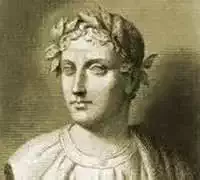
Horácio
BkIV:XII Spring
BkIV:XII Spring
Now Spring’s companions, the Thracian northerlies,
that quieten the ocean, are swelling the canvas:
now fields are unfrozen, and rivers stop roaring
with their volumes of winter snow.
The sad swallow, tearfully mourning Itys, builds
her nest, she’s the House of Cecrops’ eternal shame,
avenging the barbarous lust of Tereus
with too savage a cruelty.
The shepherds, with indolent sheep, in the soft grass,
sing their songs to the sound of the pipes, and delight
great god, Pan, who is pleased with the flocks, and is pleased
by the dark hills of Arcady.
And, Virgil, the season has brought its thirst to us:
but if you’re eager to sip at a grape that was pressed
at Cales, you follower of noble youth, then
earn your wine with a gift of nard.
One small onyx box of nard elicits a jar
that’s lying there now in Sulpicius’ cellar,
sufficient for granting fresh hope, and effective
at washing away bitter care.
If you’re in a rush for pleasures like this, come quick
with your purchase: since I refuse to consider
dipping a gift-less you, in my wine, as if I’m
rich, my house filled with everything.
But abolish delay, and desire for profit,
and, remembering death’s sombre flames, while you can,
mix a little brief foolishness with your wisdom:
it’s sweet sometimes to play the fool.
Now Spring’s companions, the Thracian northerlies,
that quieten the ocean, are swelling the canvas:
now fields are unfrozen, and rivers stop roaring
with their volumes of winter snow.
The sad swallow, tearfully mourning Itys, builds
her nest, she’s the House of Cecrops’ eternal shame,
avenging the barbarous lust of Tereus
with too savage a cruelty.
The shepherds, with indolent sheep, in the soft grass,
sing their songs to the sound of the pipes, and delight
great god, Pan, who is pleased with the flocks, and is pleased
by the dark hills of Arcady.
And, Virgil, the season has brought its thirst to us:
but if you’re eager to sip at a grape that was pressed
at Cales, you follower of noble youth, then
earn your wine with a gift of nard.
One small onyx box of nard elicits a jar
that’s lying there now in Sulpicius’ cellar,
sufficient for granting fresh hope, and effective
at washing away bitter care.
If you’re in a rush for pleasures like this, come quick
with your purchase: since I refuse to consider
dipping a gift-less you, in my wine, as if I’m
rich, my house filled with everything.
But abolish delay, and desire for profit,
and, remembering death’s sombre flames, while you can,
mix a little brief foolishness with your wisdom:
it’s sweet sometimes to play the fool.
222
Horácio
BkI:IV Spring
BkI:IV Spring
Fierce winter slackens its grip: it’s spring and the west wind’s sweet change:
the ropes are hauling dry hulls towards the shore,
The flock no longer enjoys the fold, or the ploughman the fire,
no more are the meadows white with hoary frost.
Now Cytherean Venus leads out her dancers, under the pendant moon,
and the lovely Graces have joined with the Nymphs,
treading the earth on tripping feet, while Vulcan, all on fire, visits
the tremendous Cyclopean forges.
Now its right to garland our gleaming heads, with green myrtle or flowers,
whatever the unfrozen earth now bears:
now it’s right to sacrifice to Faunus, in groves that are filled with shadow,
whether he asks a lamb, or prefers a kid.
Pale death knocks with impartial foot, at the door of the poor man’s cottage,
and at the prince’s gate. O Sestus, my friend,
the span of brief life prevents us from ever depending on distant hope.
Soon the night will crush you, the fabled spirits,
and Pluto’s bodiless halls: where once you’ve passed inside you’ll no longer
be allotted the lordship of wine by dice,
or marvel at Lycidas, so tender, for whom, already, the boys
are burning, and soon the girls will grow hotter.
Fierce winter slackens its grip: it’s spring and the west wind’s sweet change:
the ropes are hauling dry hulls towards the shore,
The flock no longer enjoys the fold, or the ploughman the fire,
no more are the meadows white with hoary frost.
Now Cytherean Venus leads out her dancers, under the pendant moon,
and the lovely Graces have joined with the Nymphs,
treading the earth on tripping feet, while Vulcan, all on fire, visits
the tremendous Cyclopean forges.
Now its right to garland our gleaming heads, with green myrtle or flowers,
whatever the unfrozen earth now bears:
now it’s right to sacrifice to Faunus, in groves that are filled with shadow,
whether he asks a lamb, or prefers a kid.
Pale death knocks with impartial foot, at the door of the poor man’s cottage,
and at the prince’s gate. O Sestus, my friend,
the span of brief life prevents us from ever depending on distant hope.
Soon the night will crush you, the fabled spirits,
and Pluto’s bodiless halls: where once you’ve passed inside you’ll no longer
be allotted the lordship of wine by dice,
or marvel at Lycidas, so tender, for whom, already, the boys
are burning, and soon the girls will grow hotter.
288
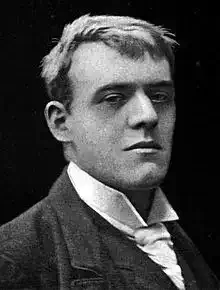
Hilaire Belloc
[Month of] November
[Month of] November
November is that historied Emperor,
Conquered in age, but foot to foot with fate,
Who from his refuge high has heard the roar
Of squadrons in pursuit, and now, too late,
Stirrups the storm and calls the winds to war,
And arms the garrison of his last heirloom,
And shakes the sky to its extremest shore
With battle against irrevocable doom.
Till, driven and hurled from his strong citadels,
He flies in hurrying cloud and spurs him on,
Empty of lingerings, empty of farewells
And final benedictions, and is gone.
But in my garden all the trees have shed
Their legacies of the light, and all the flowers are dead.
November is that historied Emperor,
Conquered in age, but foot to foot with fate,
Who from his refuge high has heard the roar
Of squadrons in pursuit, and now, too late,
Stirrups the storm and calls the winds to war,
And arms the garrison of his last heirloom,
And shakes the sky to its extremest shore
With battle against irrevocable doom.
Till, driven and hurled from his strong citadels,
He flies in hurrying cloud and spurs him on,
Empty of lingerings, empty of farewells
And final benedictions, and is gone.
But in my garden all the trees have shed
Their legacies of the light, and all the flowers are dead.
480
Hilaire Belloc
[Month of] December
[Month of] December
Hoar Time about the house betakes him slow,
Seeking an entry for his weariness.
And in that dreadful company distress
And the sad night with silent footsteps go.
On my poor fire the brands are scarce aglow,
And in the woods without what memories press
Where, waning in the trees from less to less,
Mysterious bangs the hom6d moon and low.
For now December, full of aged care,
Comes in upon the yea and weakly grieves;
Mumbling his lost desires and his despair; .
And with mad trembling hand still interweaves,
The dank sear flower-stalks tangled in his hair,
While round about him whirl the rotten leaves.
Hoar Time about the house betakes him slow,
Seeking an entry for his weariness.
And in that dreadful company distress
And the sad night with silent footsteps go.
On my poor fire the brands are scarce aglow,
And in the woods without what memories press
Where, waning in the trees from less to less,
Mysterious bangs the hom6d moon and low.
For now December, full of aged care,
Comes in upon the yea and weakly grieves;
Mumbling his lost desires and his despair; .
And with mad trembling hand still interweaves,
The dank sear flower-stalks tangled in his hair,
While round about him whirl the rotten leaves.
470
Hilaire Belloc
[Month of] April
[Month of] April
The stranger warmth of the young sun obeying,
Look! little beads of green begin to grow,
And hidden flowers have dated their tops to show
Where late such droughty dusts were rudely playing.
It's not the month, but all the world's a-maying!
Come then with me, I'll take you, for I know
Where the first hedgethorns and white windflowers blow:
We two alone,, that goes without the saying.
The month has treacherous clouds and moves in fears.
This April shames the month itself with smiles:
In whose new eyes I know no heaven of tears,
But still serene desire and between whiles,
So great a look that even April's grace
Makes only marvel at her only face.
The stranger warmth of the young sun obeying,
Look! little beads of green begin to grow,
And hidden flowers have dated their tops to show
Where late such droughty dusts were rudely playing.
It's not the month, but all the world's a-maying!
Come then with me, I'll take you, for I know
Where the first hedgethorns and white windflowers blow:
We two alone,, that goes without the saying.
The month has treacherous clouds and moves in fears.
This April shames the month itself with smiles:
In whose new eyes I know no heaven of tears,
But still serene desire and between whiles,
So great a look that even April's grace
Makes only marvel at her only face.
649
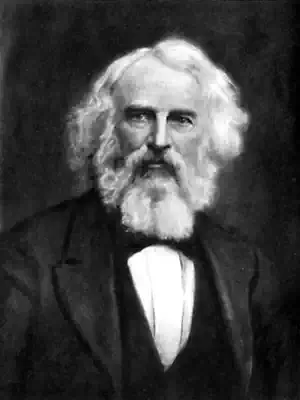
Henry Wadsworth Longfellow
Woods in Winter
Woods in Winter
When winter winds are piercing chill,
And through the hawthorn blows the gale,
With solemn feet I tread the hill,
That overbrows the lonely vale.
O'er the bare upland, and away
Through the long reach of desert woods,
The embracing sunbeams chastely play,
And gladden these deep solitudes.
Where, twisted round the barren oak,
The summer vine in beauty clung,
And summer winds the stillness broke,
The crystal icicle is hung.
Where, from their frozen urns, mute springs
Pour out the river's gradual tide,
Shrilly the skater's iron rings,
And voices fill the woodland side.
Alas! how changed from the fair scene,
When birds sang out their mellow lay,
And winds were soft, and woods were green,
And the song ceased not with the day!
But still wild music is abroad,
Pale, desert woods! within your crowd;
And gathering winds, in hoarse accord,
Amid the vocal reeds pipe loud.
Chill airs and wintry winds! my ear
Has grown familiar with your song;
I hear it in the opening year,
I listen, and it cheers me long.
When winter winds are piercing chill,
And through the hawthorn blows the gale,
With solemn feet I tread the hill,
That overbrows the lonely vale.
O'er the bare upland, and away
Through the long reach of desert woods,
The embracing sunbeams chastely play,
And gladden these deep solitudes.
Where, twisted round the barren oak,
The summer vine in beauty clung,
And summer winds the stillness broke,
The crystal icicle is hung.
Where, from their frozen urns, mute springs
Pour out the river's gradual tide,
Shrilly the skater's iron rings,
And voices fill the woodland side.
Alas! how changed from the fair scene,
When birds sang out their mellow lay,
And winds were soft, and woods were green,
And the song ceased not with the day!
But still wild music is abroad,
Pale, desert woods! within your crowd;
And gathering winds, in hoarse accord,
Amid the vocal reeds pipe loud.
Chill airs and wintry winds! my ear
Has grown familiar with your song;
I hear it in the opening year,
I listen, and it cheers me long.
405
Henry Wadsworth Longfellow
The White Man's Foot
The White Man's Foot
In his lodge beside a river,
Close beside a frozen river,
Sat an old man, sad and lonely.
White his hair was as a snow-drift;
Dull and low his fire was burning,
And the old man shook and trembled,
Folded in his Waubewyon,
In his tattered white-skin-wrapper,
Hearing nothing but the tempest
As it roared along the forest,
Seeing nothing but the snow-storm,
As it whirled and hissed and drifted.
All the coals were white with ashes,
And the fire was slowly dying,
As a young man, walking lightly,
At the open doorway entered.
Red with blood of youth his cheeks were,
Soft his eyes, as stars In Spring-time,
Bound his forehead was with grasses;
Bound and plumed with scented grasses,
On his lips a smile of beauty,
Filling all the lodge with sunshine,
In his hand a bunch of blossoms
Filling all the lodge with sweetness.
"Ah, my son!" exclaimed the old man,
"Happy are my eyes to see you.
Sit here on the mat beside me,
Sit here by the dying embers,
Let us pass the night together,
Tell me of your strange adventures,
Of the lands where you have travelled;
I will tell you of my prowess,
Of my many deeds of wonder."
From his pouch he drew his peace-pipe,
Very old and strangely fashioned;
Made of red stone was the pipe-head,
And the stem a reed with feathers;
Filled the pipe with bark of willow,
Placed a burning coal upon it,
Gave it to his guest, the stranger,
And began to speak in this wise:
"When I blow my breath about me,
When I breathe upon the landscape,
Motionless are all the rivers,
Hard as stone becomes the water!"
And the young man answered, smiling:
"When I blow my breath about me,
When I breathe upon the landscape,
Flowers spring up o'er all the meadows,
Singing, onward rush the rivers!"
"When I shake my hoary tresses,"
Said the old man darkly frowning,
"All the land with snow is covered;
All the leaves from all the branches
Fall and fade and die and wither,
For I breathe, and lo! they are not.
From the waters and the marshes,
Rise the wild goose and the heron,
Fly away to distant regions,
For I speak, and lo! they are not.
And where'er my footsteps wander,
All the wild beasts of the forest
Hide themselves in holes and caverns,
And the earth becomes as flintstone!"
"When I shake my flowing ringlets,"
Said the young man, softly laughing,
"Showers of rain fall warm and welcome,
Plants lift up their heads rejoicing,
Back Into their lakes and marshes
Come the wild goose and the heron,
Homeward shoots the arrowy swallow,
Sing the bluebird and the robin,
And where'er my footsteps wander,
All the meadows wave with blossoms,
All the woodlands ring with music,
All the trees are dark with foliage!"
While they spake, the night departed:
From the distant realms of Wabun,
From his shining lodge of silver,
Like a warrior robed and painted,
Came the sun, and said, "Behold me
Gheezis, the great sun, behold me!"
Then the old man's tongue was speechless
And the air grew warm and pleasant,
And upon the wigwam sweetly
Sang the bluebird and the robin,
And the stream began to murmur,
And a scent of growing grasses
Through the lodge was gently wafted.
And Segwun, the youthful stranger,
More distinctly in the daylight
Saw the icy face before him;
It was Peboan, the Winter!
From his eyes the tears were flowing,
As from melting lakes the streamlets,
And his body shrunk and dwindled
As the shouting sun ascended,
Till into the air it faded,
Till into the ground it vanished,
And the young man saw before him,
On the hearth-stone of the wigwam,
Where the fire had smoked and smouldered,
Saw the earliest flower of Spring-time,
Saw the Beauty of the Spring-time,
Saw the Miskodeed in blossom.
Thus it was that in the North-land
After that unheard-of coldness,
That intolerable Winter,
Came the Spring with all its splendor,
All its birds and all its blossoms,
All its flowers and leaves and grasses.
Sailing on the wind to northward,
Flying in great flocks, like arrows,
Like huge arrows shot through heaven,
Passed the swan, the Mahnahbezee,
Speaking almost as a man speaks;
And in long lines waving, bending
Like a bow-string snapped asunder,
Came the white goose, Waw-be-wawa;
And in pairs, or singly flying,
Mahng the loon, with clangorous pinions,
The blue heron, the Shuh-shuh-gah,
And the grouse, the Mushkodasa.
In the thickets and the meadows
Piped the bluebird, the Owaissa,
On the summit of the lodges
Sang the robin, the Opechee,
In the covert of the pine-trees
Cooed the pigeon, the Omemee;
And the sorrowing Hiawatha,
Speechless in his infinite sorrow,
Heard their voices calling to him,
Went forth from his gloomy doorway,
Stood and gazed into the heaven,
Gazed upon the earth and waters.
From his wanderings far to eastward,
From the regions of the morning,
From the shining land of Wabun,
Homeward now returned Iagoo,
The great traveller, the great boaster,
Full of new and strange adventures,
Marvels many and many wonders.
And the people of the village
Listened to him as he told them
Of his marvellous adventures,
Laughing answered him in this wise:
"Ugh! it is indeed Iagoo!
No one else beholds such wonders!"
He had seen, he said, a water
Bigger than the Big-Sea-Water,
Broader than the Gitche Gumee,
Bitter so that none could drink it!
At each other looked the warriors,
Looked the women at each other,
Smiled, and said, "It cannot be so!"
Kaw!" they said, it cannot be so!"
O'er it, said he, o'er this water
Came a great canoe with pinions,
A canoe with wings came flying,
Bigger than a grove of pine-trees,
Taller than the tallest tree-tops!
And the old men and the women
Looked and tittered at each other;
"Kaw!" they said, "we don't believe it!"
From its mouth, he said, to greet him,
Came Waywassimo, the lightning,
Came the thunder, Annemeekee!
And the warriors and the women
Laughed aloud at poor Iagoo;
"Kaw!" they said, "what tales you tell us!"
In it, said he, came a people,
In the great canoe with pinions
Came, he said, a hundred warriors;
Painted white were all their faces
And with hair their chins were covered!
And the warriors and the women
Laughed and shouted in derision,
Like the ravens on the tree-tops,
Like the crows upon the hemlocks.
"Kaw!" they said, "what lies you tell us!
Do not think that we believe them!"
Only Hiawatha laughed not,
But he gravely spake and answered
To their jeering and their jesting:
"True is all Iagoo tells us;
I have seen it in a vision,
Seen the great canoe with pinions,
Seen the people with white faces,
Seen the coming of this bearded
People of the wooden vessel
From the regions of the morning,
From the shining land of Wabun.
"Gitche Manito, the Mighty,
The Great Spirit, the Creator,
Sends them hither on his errand.
Sends them to us with his message.
Wheresoe'er they move, before them
Swarms the stinging fly, the Ahmo,
Swarms the bee, the honey-maker;
Wheresoe'er they tread, beneath them
Springs a flower unknown among us,
Springs the White-man's Foot in blossom.
"Let us welcome, then, the strangers,
Hail them as our friends and brothers,
And the heart's right hand of friendship
Give them when they come to see us.
Gitche Manito, the Mighty,
Said this to me in my vision.
"I beheld, too, in that vision
All the secrets of the future,
Of the distant days that shall be.
I beheld the westward marches
Of the unknown, crowded nations.
All the land was full of people,
Restless, struggling, toiling, striving,
Speaking many tongues, yet feeling
But one heart-beat in their bosoms.
In the woodlands rang their axes,
Smoked their towns in all the valleys,
Over all the lakes and rivers
Rushed their great canoes of thunder.
"Then a darker, drearier vision
Passed before me, vague and cloud-like;
I beheld our nation scattered,
All forgetful of my counsels,
Weakened, warring with each other:
Saw the remnants of our people
Sweeping westward, wild and woful,
Like the cloud-rack of a tempest,
Like the withered leaves of Autumn!"
In his lodge beside a river,
Close beside a frozen river,
Sat an old man, sad and lonely.
White his hair was as a snow-drift;
Dull and low his fire was burning,
And the old man shook and trembled,
Folded in his Waubewyon,
In his tattered white-skin-wrapper,
Hearing nothing but the tempest
As it roared along the forest,
Seeing nothing but the snow-storm,
As it whirled and hissed and drifted.
All the coals were white with ashes,
And the fire was slowly dying,
As a young man, walking lightly,
At the open doorway entered.
Red with blood of youth his cheeks were,
Soft his eyes, as stars In Spring-time,
Bound his forehead was with grasses;
Bound and plumed with scented grasses,
On his lips a smile of beauty,
Filling all the lodge with sunshine,
In his hand a bunch of blossoms
Filling all the lodge with sweetness.
"Ah, my son!" exclaimed the old man,
"Happy are my eyes to see you.
Sit here on the mat beside me,
Sit here by the dying embers,
Let us pass the night together,
Tell me of your strange adventures,
Of the lands where you have travelled;
I will tell you of my prowess,
Of my many deeds of wonder."
From his pouch he drew his peace-pipe,
Very old and strangely fashioned;
Made of red stone was the pipe-head,
And the stem a reed with feathers;
Filled the pipe with bark of willow,
Placed a burning coal upon it,
Gave it to his guest, the stranger,
And began to speak in this wise:
"When I blow my breath about me,
When I breathe upon the landscape,
Motionless are all the rivers,
Hard as stone becomes the water!"
And the young man answered, smiling:
"When I blow my breath about me,
When I breathe upon the landscape,
Flowers spring up o'er all the meadows,
Singing, onward rush the rivers!"
"When I shake my hoary tresses,"
Said the old man darkly frowning,
"All the land with snow is covered;
All the leaves from all the branches
Fall and fade and die and wither,
For I breathe, and lo! they are not.
From the waters and the marshes,
Rise the wild goose and the heron,
Fly away to distant regions,
For I speak, and lo! they are not.
And where'er my footsteps wander,
All the wild beasts of the forest
Hide themselves in holes and caverns,
And the earth becomes as flintstone!"
"When I shake my flowing ringlets,"
Said the young man, softly laughing,
"Showers of rain fall warm and welcome,
Plants lift up their heads rejoicing,
Back Into their lakes and marshes
Come the wild goose and the heron,
Homeward shoots the arrowy swallow,
Sing the bluebird and the robin,
And where'er my footsteps wander,
All the meadows wave with blossoms,
All the woodlands ring with music,
All the trees are dark with foliage!"
While they spake, the night departed:
From the distant realms of Wabun,
From his shining lodge of silver,
Like a warrior robed and painted,
Came the sun, and said, "Behold me
Gheezis, the great sun, behold me!"
Then the old man's tongue was speechless
And the air grew warm and pleasant,
And upon the wigwam sweetly
Sang the bluebird and the robin,
And the stream began to murmur,
And a scent of growing grasses
Through the lodge was gently wafted.
And Segwun, the youthful stranger,
More distinctly in the daylight
Saw the icy face before him;
It was Peboan, the Winter!
From his eyes the tears were flowing,
As from melting lakes the streamlets,
And his body shrunk and dwindled
As the shouting sun ascended,
Till into the air it faded,
Till into the ground it vanished,
And the young man saw before him,
On the hearth-stone of the wigwam,
Where the fire had smoked and smouldered,
Saw the earliest flower of Spring-time,
Saw the Beauty of the Spring-time,
Saw the Miskodeed in blossom.
Thus it was that in the North-land
After that unheard-of coldness,
That intolerable Winter,
Came the Spring with all its splendor,
All its birds and all its blossoms,
All its flowers and leaves and grasses.
Sailing on the wind to northward,
Flying in great flocks, like arrows,
Like huge arrows shot through heaven,
Passed the swan, the Mahnahbezee,
Speaking almost as a man speaks;
And in long lines waving, bending
Like a bow-string snapped asunder,
Came the white goose, Waw-be-wawa;
And in pairs, or singly flying,
Mahng the loon, with clangorous pinions,
The blue heron, the Shuh-shuh-gah,
And the grouse, the Mushkodasa.
In the thickets and the meadows
Piped the bluebird, the Owaissa,
On the summit of the lodges
Sang the robin, the Opechee,
In the covert of the pine-trees
Cooed the pigeon, the Omemee;
And the sorrowing Hiawatha,
Speechless in his infinite sorrow,
Heard their voices calling to him,
Went forth from his gloomy doorway,
Stood and gazed into the heaven,
Gazed upon the earth and waters.
From his wanderings far to eastward,
From the regions of the morning,
From the shining land of Wabun,
Homeward now returned Iagoo,
The great traveller, the great boaster,
Full of new and strange adventures,
Marvels many and many wonders.
And the people of the village
Listened to him as he told them
Of his marvellous adventures,
Laughing answered him in this wise:
"Ugh! it is indeed Iagoo!
No one else beholds such wonders!"
He had seen, he said, a water
Bigger than the Big-Sea-Water,
Broader than the Gitche Gumee,
Bitter so that none could drink it!
At each other looked the warriors,
Looked the women at each other,
Smiled, and said, "It cannot be so!"
Kaw!" they said, it cannot be so!"
O'er it, said he, o'er this water
Came a great canoe with pinions,
A canoe with wings came flying,
Bigger than a grove of pine-trees,
Taller than the tallest tree-tops!
And the old men and the women
Looked and tittered at each other;
"Kaw!" they said, "we don't believe it!"
From its mouth, he said, to greet him,
Came Waywassimo, the lightning,
Came the thunder, Annemeekee!
And the warriors and the women
Laughed aloud at poor Iagoo;
"Kaw!" they said, "what tales you tell us!"
In it, said he, came a people,
In the great canoe with pinions
Came, he said, a hundred warriors;
Painted white were all their faces
And with hair their chins were covered!
And the warriors and the women
Laughed and shouted in derision,
Like the ravens on the tree-tops,
Like the crows upon the hemlocks.
"Kaw!" they said, "what lies you tell us!
Do not think that we believe them!"
Only Hiawatha laughed not,
But he gravely spake and answered
To their jeering and their jesting:
"True is all Iagoo tells us;
I have seen it in a vision,
Seen the great canoe with pinions,
Seen the people with white faces,
Seen the coming of this bearded
People of the wooden vessel
From the regions of the morning,
From the shining land of Wabun.
"Gitche Manito, the Mighty,
The Great Spirit, the Creator,
Sends them hither on his errand.
Sends them to us with his message.
Wheresoe'er they move, before them
Swarms the stinging fly, the Ahmo,
Swarms the bee, the honey-maker;
Wheresoe'er they tread, beneath them
Springs a flower unknown among us,
Springs the White-man's Foot in blossom.
"Let us welcome, then, the strangers,
Hail them as our friends and brothers,
And the heart's right hand of friendship
Give them when they come to see us.
Gitche Manito, the Mighty,
Said this to me in my vision.
"I beheld, too, in that vision
All the secrets of the future,
Of the distant days that shall be.
I beheld the westward marches
Of the unknown, crowded nations.
All the land was full of people,
Restless, struggling, toiling, striving,
Speaking many tongues, yet feeling
But one heart-beat in their bosoms.
In the woodlands rang their axes,
Smoked their towns in all the valleys,
Over all the lakes and rivers
Rushed their great canoes of thunder.
"Then a darker, drearier vision
Passed before me, vague and cloud-like;
I beheld our nation scattered,
All forgetful of my counsels,
Weakened, warring with each other:
Saw the remnants of our people
Sweeping westward, wild and woful,
Like the cloud-rack of a tempest,
Like the withered leaves of Autumn!"
324
Henry Wadsworth Longfellow
The Terrestrial Paradise. (From Dante. Purgatorio, XXVIII.)
The Terrestrial Paradise. (From Dante. Purgatorio, XXVIII.)
Longing already to search in and round
The heavenly forest, dense and living-green,
Which tempered to the eyes the newborn day,
Withouten more delay I left the bank,
Crossing the level country slowly, slowly,
Over the soil, that everywhere breathed fragrance.
A gently-breathing air, that no mutation
Had in itself, smote me upon the forehead,
No heavier blow, than of a pleasant breeze,
Whereat the tremulous branches readily
Did all of them bow downward towards that side
Where its first shadow casts the Holy Mountain;
Yet not from their upright direction bent
So that the little birds upon their tops
Should cease the practice of their tuneful art;
But with full-throated joy, the hours of prime
Singing received they in the midst of foliage
That made monotonous burden to their rhymes,
Even as from branch to branch it gathering swells,
Through the pine forests on the shore of Chiassi,
When Aeolus unlooses the Sirocco.
Already my slow steps had led me on
Into the ancient wood so far, that I
Could see no more the place where I had entered.
And lo! my further course cut off a river,
Which, tow'rds the left hand, with its little waves,
Bent down the grass, that on its margin sprang.
All waters that on earth most limpid are,
Would seem to have within themselves some mixture,
Compared with that, which nothing doth conceal,
Although it moves on with a brown, brown current,
Under the shade perpetual, that never
Ray of the sun lets in, nor of the moon.
Longing already to search in and round
The heavenly forest, dense and living-green,
Which tempered to the eyes the newborn day,
Withouten more delay I left the bank,
Crossing the level country slowly, slowly,
Over the soil, that everywhere breathed fragrance.
A gently-breathing air, that no mutation
Had in itself, smote me upon the forehead,
No heavier blow, than of a pleasant breeze,
Whereat the tremulous branches readily
Did all of them bow downward towards that side
Where its first shadow casts the Holy Mountain;
Yet not from their upright direction bent
So that the little birds upon their tops
Should cease the practice of their tuneful art;
But with full-throated joy, the hours of prime
Singing received they in the midst of foliage
That made monotonous burden to their rhymes,
Even as from branch to branch it gathering swells,
Through the pine forests on the shore of Chiassi,
When Aeolus unlooses the Sirocco.
Already my slow steps had led me on
Into the ancient wood so far, that I
Could see no more the place where I had entered.
And lo! my further course cut off a river,
Which, tow'rds the left hand, with its little waves,
Bent down the grass, that on its margin sprang.
All waters that on earth most limpid are,
Would seem to have within themselves some mixture,
Compared with that, which nothing doth conceal,
Although it moves on with a brown, brown current,
Under the shade perpetual, that never
Ray of the sun lets in, nor of the moon.
307
Henry Wadsworth Longfellow
The Rainbow
The Rainbow
My heart leaps up when I behold
A rainbow in the sky;
So was it when my life began;
So is it now I am a man;
So be it when I shall grow old,
Or let me die!
The Child is father of the Man;
And I could wish my days to be
Bound each to each by natural piety.
My heart leaps up when I behold
A rainbow in the sky;
So was it when my life began;
So is it now I am a man;
So be it when I shall grow old,
Or let me die!
The Child is father of the Man;
And I could wish my days to be
Bound each to each by natural piety.
319
Henry Wadsworth Longfellow
The Children Of The Lord's Supper. (From The Swedish Of Bishop Tegner)
The Children Of The Lord's Supper. (From The Swedish Of Bishop Tegner)
Pentecost, day of rejoicing, had come. The church of the village
Gleaming stood in the morning's sheen. On the spire of the bell
Decked with a brazen cock, the friendly flames of the Spring-sun
Glanced like the tongues of fire, beheld by Apostles aforetime.
Clear was the heaven and blue, and May, with her cap crowned with roses,
Stood in her holiday dress in the fields, and the wind and the brooklet
Murmured gladness and peace, God's-peace! with lips rosy-tinted
Whispered the race of the flowers, and merry on balancing branches
Birds were singing their carol, a jubilant hymn to the Highest.
Swept and clean was the churchyard. Adorned like a leaf-woven arbor
Stood its old-fashioned gate; and within upon each cross of iron
Hung was a fragrant garland, new twined by the hands of
affection.
Even the dial, that stood on a mound among the departed,
(There full a hundred years had it stood,) was embellished with blossoms
Like to the patriarch hoary, the sage of his kith and the hamlet,
Who on his birthday is crowned by children and children's children,
So stood the ancient prophet, and mute with his pencil of iron
Marked on the tablet of stone, and measured the time and its changes,
While all around at his feet, an eternity slumbered in quiet.
Also the church within was adorned, for this was the season
When the young, their parents' hope, and the loved-ones of heaven,
Should at the foot of the altar renew the vows of their
baptism.
Therefore each nook and corner was swept and cleaned, and the dust was
Blown from the walls and ceiling, and from the oil-painted benches.
There stood the church like a garden; the Feast of the Leafy Pavilions
Saw we in living presentment. From noble arms on the church wall
Grew forth a cluster of leaves, and the preacher's pulpit of oak-wood
Budded once more anew, as aforetime the rod before Aaron.
Wreathed thereon was the Bible with leaves, and the dove, washed with silver
Under its canopy fastened, had on it a necklace of wind-flowers.
But in front of the choir, round the altar-piece painted by
Horberg,
Crept a garland gigantic; and bright-curling tresses of
angels
Peeped, like the sun from a cloud, from out of the shadowy leaf-work.
Likewise the lustre of brass, new-polished, blinked from the ceiling,
And for lights there were lilies of Pentecost set in the sockets.
Loud rang the bells already; the thronging crowd was
assembled
Far from valleys and hills, to list to the holy preaching.
Hark! then roll forth at once the mighty tones of the organ,
Hover like voices from God, aloft like invisible spirits.
Like as Elias in heaven, when he cast from off him his
mantle,
So cast off the soul its garments of earth; and with one voice
Chimed in the congregation, and sang an anthem immortal
Of the sublime Wallin, of David's harp in the North-land
Tuned to the choral of Luther; the song on its mighty pinions
Took every living soul, and lifted it gently to heaven,
And each face did shine like the Holy One's face upon Tabor.
Lo! there entered then into the church the Reverend Teacher.
Father he hight and he was in the parish; a Christianly
plainness
Clothed from his head to his feet the old man of seventy winters.
Friendly was he to behold, and glad as the heralding angel
Walked he among the crowds, but still a contemplative
grandeur
Lay on his forehead as clear as on moss-covered gravestone a sunbeam.
As in his inspiration (an evening twilight that faintly
Gleams in the human soul, even now, from the day of creation)
Th' Artist, the friend of heaven, imagines Saint John when in Patmos,
Gray, with his eyes uplifted to heaven, so seemed then the old man:
Such was the glance of his eye, and such were his tresses of silver.
All the congregation arose in the pews that were numbered.
But with a cordial look, to the right and the left hand, the old man
Nodding all hail and peace, disappeared in the innermost chancel.
Simply and solemnly now proceeded the Christian service,
Singing and prayer, and at last an ardent discourse from the old man.
Many a moving word and warning, that out of the heart came,
Fell like the dew of the morning, like manna on those in the desert.
Then, when all was finished, the Teacher re-entered the
chancel
Followed therein by the young. The boys on the right had their places,
Delicate figures, with close-curling hair and cheeks rosy-blooming.
But on the left of these there stood the tremulous lilies,
Tinged with the blushing light of the dawn, the diffident maidens,--
Folding their hands in prayer, and their eyes cast down on the pavement
Now came, with question and answer, the catechism. In the beginning
Answered the children with troubled and faltering voice, but the old man's
Glances of kindness encouraged them soon, and the doctrines eternal
Flowed, like the waters of fountains, so clear from lips unpolluted.
Each time the answer was closed, and as oft as they named the Redeemer,
Lowly louted the boys, and lowly the maidens all courtesied.
Friendly the Teacher stood, like an angel of light there among them.
And to the children explained the holy, the highest, in few words,
Thorough, yet simple and clear, for sublimity always is simple,
Both in sermon and song, a child can seize on its meaning.
E'en as the green-growing bud unfolds when Springtide
approaches.
Leaf by leaf puts forth, and wanued, by the radiant sunshine,
Blushes with purple and gold, till at last the perfected blossom
Opens its odorous chalice, and rocks with its crown in the breezes,
So was unfolded here the Christian lore of salvation,
Line by line from the soul of childhood. The fathers and mothers
Stood behind them in tears, and were glad at the well-worded answer.
Now went the old man up to the altar;--and straightway transfigured
(So did it seem unto me) was then the affectionate Teacher.
Like the Lord's Prophet sublime, and awful as Death and as Judgment
Stood he, the God-commissioned, the soul-searcher, earthward descending
Glances, sharp as a sword, into hearts that to him were
transparent
Shot he; his voice was deep, was low like the thunder afar off.
So on a sudden transfigured he stood there, lie spake and he questioned.
'This is the faith of the Fathers, the faith the Apostles delivered,
This is moreover the faith whereunto I baptized you, while still ye
Lay on your mothers' breasts, and nearer the portals of heaven,
Slumbering received you then the Holy Church in its bosom;
Wakened from sleep are ye now, and the light in its radiant splendor
Downward rains from the heaven;--to-day on the threshold of childhood
Kindly she frees you again, to examine and make your election,
For she knows naught of compulsion, and only conviction
desireth.
This is the hour of your trial, the turning-point of existence,
Seed for the coming days; without revocation departeth
Now from your lips the confession; Bethink ye, before ye make answer!
Think not, O think not with guile to deceive the questioning Teacher.
Sharp is his eye to-day, and a curse ever rests upon falsehood.
Enter not with a lie on Life's journey; the multitude hears you,
Brothers and sisters and parents, what dear upon earth is and holy
Standeth before your sight as a witness; the Judge everlasting
Looks from the sun down upon you, and angels in waiting beside him
Grave your confession in letters of fire upon tablets eternal.
Thus, then,--believe ye in God, in the Father who this world created?
Him who redeemed it, the Son, and the Spirit where both are united?
Will ye promise me here, (a holy promise!) to cherish
God more than all things earthly, and every man as a brother?
Will ye promise me here, to confirm your faith by your living,
Th' heavenly faith of affection! to hope, to forgive, and to suffer,
Be what it may your condition, and walk before God in
uprightness?
Will ye promise me this before God and man?'--With a clear voice
Answered the young men Yes! and Yes! with lips softly-breathing
Answered the maidens eke. Then dissolved from the brow of the Teacher
Clouds with the lightnings therein, and lie spake in accents more gentle,
Soft as the evening's breath, as harps by Babylon's rivers.
'Hail, then, hail to you all! To the heirdom of heaven be ye welcome!
Children no more from this day, but by covenant brothers and sisters!
Yet,--for what reason not children? Of such is the kingdom of heaven.
Here upon earth an assemblage of children, in heaven one Father,
Ruling them all as his household,--forgiving in turn and chastising,
That is of human life a picture, as Scripture has taught us.
Blest are the pure before God! Upon purity and upon virtue
Resteth the Christian Faith: she herself from on high is descended.
Strong as a man and pure as a child, is the sum of the doctrine,
Which the Divine One taught, and suffered and died on the cross for
Oh, as ye wander this day from childhood's sacred asylum
Downward and ever downward, and deeper in Age's chill valley,
Oh, how soon will ye come,--too soon!--and long to turn
backward
Up to its hill-tops again, to the sun-illumined, where Judgment
Stood like a father before you, and Pardon, clad like a mother,
Gave you her hand to kiss, and the loving heart was for given
Life was a play and your hands grasped after the roses of heaven!
Seventy years have I lived already; the Father eternal
Gave rue gladness and care; but the loveliest hours of
existence,
When I have steadfastly gazed in their eyes, I have instantly known them,
Known them all again;-- the were my childhood's acquaintance.
Therefore take from henceforth, as guides in the paths of existence,
Prayer, with her eyes raised to heaven, and. Innocence, bride of man's childhood
Innocence, child beloved, is a guest from the world of the blessed,
Beautiful, and in her hand a lily; on life's roaring billows
Swings she in safety, she heedeth them not in the ship she is sleeping.
Calmly she gazes around in the turmoil of men; in the desert
Angels descend and minister unto her; she herself knoweth
Naught of her glorious attendance; but follows faithful and humble,
Follows so long as she may her friend; oh do not reject her,
For she cometh from God and she holdeth the keys of the heavens.
Prayer is Innocence' friend; and willingly flieth incessant
'Twixt rhe earth and the sky, the carrier-pigeon of heaven,
Son of Eternity, fettered in Time, and an exile, the Spirit
Tugs at his chains evermore, and struggles like flame ever upward.
Still he recalls with emotion his Father's manifold mansions,
Thinks of the land of his fathers, where blossomed more freshly the flowerets,
Shone a more beautiful sun, and he played with the winged angels.
Then grows the earth too narrow, too close; and homesick for heaven
Longs the wanderer again; and the Spirit's longings are worship;
Worship is called his most beautiful hour, and its tongue is entreaty.
Aid when the infinite burden of life descendeth upon us,
Crushes to earth our hope, and, under the earth, in the
graveyard,
Then it is good to pray unto God; for his sorrowiug children
Turns he ne'er from his door, but he heals and helps and consoles them,
Yet is it better to pray when all things are prosperous with us,
Pray in fortunate days, for life's most beautiful Fortune
Kneels before the Eternal's throne; and with hands interfolded,
Praises thankful and moved the only giver of blessings.
Or do ye know, ye children, one blessing that comes not from Heaven?
What has mankind forsooth, the poor! that it has not received?
Therefore, fall in the dust and pray! The seraphs adoring
Cover with pinions six their face in the glory of him who
Hung his masonry pendent on naught, when the world be created.
Earth declareth his might, and the firmament utters his glory.
Races blossom and die, and stars fall downward from heaven,
Downward like withered leaves; at the last stroke of midnight, millenniums
Lay themselves down at his feet, and he sees them, but counts them as nothing
Who shall stand in his presence? The wrath of the judge is terrific,
Casting the insolent down at a glance. When he speaks in his anger
Hillocks skip like the kid, and mountains leap like the roebuck.
Yet,--why are ye afraid, ye children? This awful avenger,
Ah! is a merciful God! God's voice was not in the earthquake,
Not in the fire, nor the storm, but it was in the whispering breezes.
Love is the root of creation; God's essence; worlds without number
Lie in his bosom like children; he made them for this purpose only.
Only to love and to be loved again, he breathed forth his spirit
Into the slumbering dust, and upright standing, it laid its
Hand on its heart, and felt it was warm with a flame out of heaven.
Quench, oh quench not that flame! It is the breath of your being.
Love is life, but hatred is death. Not father, nor mother
Loved you, as God has loved you; for 't was that you may be happy
Gave he his only Son. When he bowed down his head in the death-hour
Solemnized Love its triumph; the sacrifice then was completed.
Lo! then was rent on a sudden the veil of the temple, dividing
Earth and heaven apart, and the dead from their sepulchres rising
Whispered with pallid lips and low in the ears of each other
Th' answer, but dreamed of before, to creation's enigma,-- Atonement!
Depths of Love are Atonement's depths, for Love is Atonement.
Therefore, child of mortality, love thou the merciful Father;
Wish what the Holy One wishes, and not from fear, but affection
Fear is the virtue of slaves ; but the heart that loveth is willing
Perfect was before God, and perfect is Love, and Love only.
Lovest thou God as thou oughtest, then lovest thou likewise thy brethren:
One is the sun in heaven, and one, only one, is Love also.
Bears not each human figure the godlike stamp on his forehead
Readest thou not in his face thou origin? Is he not sailing
Lost like thyself on an ocean unknown, and is he not guided
By the same stars that guide thee? Why shouldst thou hate then thy brother?
Hateth he thee, forgive! For 't is sweet to stammer one letter
Of the Eternal's language;--on earth it is called Forgiveness!
Knowest thou Him, who forgave, with the crown of thorns on his temples?
Earnestly prayed for his foes, for his murderers? Say, dost thou know him?
Ah! thou confessest his name, so follow likewise his example,
Think of thy brother no ill, but throw a veil over his failings,
Guide the erring aright; for the good, the heavenly shepherd
Took the lost lamb in his arms, and bore it back to its mother.
This is the fruit of Love, and it is by its fruits that we know it.
Love is the creature's welfare, with God; but Love among mortals
Is but an endless sigh! He longs, and endures, and stands waiting,
Suffers and yet rejoices, and smiles with tears on his eyelids.
Hope,--so is called upon earth, his recompense, Hope, the befriending,
Does what she can, for she points evermore up to heaven, and faithful
Plunges her anchor's peak in the depths of the grave, and beneath it
Paints a more beautiful world, a dim, but a sweet play of shadows!
Races, better than we, have leaned on her wavering promise,
Having naught else but Hope. Then praise we our Father in heaven,
Him, who has given us more; for to us has Hope been
transfigured,
Groping no longer in night; she is Faith, she is living
assurance.
Faith is enlightened Hope; she is light, is the eye of
affection,
Dreams of the longing interprets, and carves their visions in marble.
Faith is the sun of life ; and her countenance shines like the Hebrew's,
For she has looked upon God; the heaven on its stable foundation
Draws she with chains down to earth, and the New Jerusalem sinketh
Splendid with portals twelve in golden vapors descending.
There enraptured she wanders. and looks at the figures majestic,
Fears not the winged crowd, in the midst of them all is her homestead.
Therefore love and believe; for works will follow spontaneous
Even as day does the sun; the Right from the Good is an
offspring,
Love in a bodily shape; and Christian works are no more than
Animate Love and faith, as flowers are the animate Springtide.
Works do follow us all unto God; there stand and bear witness
Not what they seemed,--but what they were only. Blessed is he who
Hears their confession secure; they are mute upon earth until death's hand
Opens the mouth of the silent. Ye children, does Death e'er alarm you?
Death is the brother of Love, twin-brother is he, and is only
More austere to behold. With a kiss upon lips that are fading
Takes he the soul and departs, and, rocked in the arms of affection,
Places the ransomed child, new born, 'fore the face of its father.
Sounds of his coming already I hear,--see dimly his pinions,
Swart as the night, but with stars strewn upon them! I fear not before him.
Death is only release, and in mercy is mute. On his bosom
Freer breathes, in its coolness, my breast; and face to face standing
Look I on God as he is, a sun unpolluted by vapors;
Look on the light of the ages I loved, the spirits majestic,
Nobler, better than I; they stand by the throne all
transfigured,
Vested in white, and with harps of gold, and are singing an anthem,
Writ in the climate of heaven, in the language spoken by angels.
You, in like manner, ye children beloved, he one day shall gather,
Never forgets he the weary;--then welcome, ye loved ones, hereafter!
Meanwhile forget not the keeping of vows, forget not the promise,
Wander from holiness onward to holiness; earth shall ye heed not
Earth is but dust and heaven is light; I have pledged you to heaven.
God of the universe, hear me! thou fountain of Love
everlasting,
Hark to the voice of thy servant! I send up my prayer to thy heaven!
Let me hereafter not miss at thy throne one spirit of all these,
Whom thou hast given me here! I have loved them all like a father.
May they bear witness for me, that I taught them the way of salvation,
Faithful, so far as I knew, of thy word; again may they know me,
Fall on their Teacher's breast, and before thy face may I place them,
Pure as they now are, but only more tried, and exclaiming with gladness,
Father, lo! I am here, and the children, whom thou hast given me!'
Weeping he spake in these words; and now at the beck of the old man
Knee against knee they knitted a wreath round the altar's enclosure.
Kneeling he read then the prayers of the consecration, and softly
With him the children read; at the close, with tremulous accents,
Asked he the peace of Heaven, a benediction upon them.
Now should have ended his task for the day; the following Sunday
Was for the young appointed to eat of the Lord's holy Supper.
Sudden, as struck from the clouds, stood the Teacher silent and laid his
Hand on his forehead, and cast his looks upward; while thoughts high and holy,
Flew through the midst of his soul, and his eyes glanced with wonderful brightness.
'On the next Sunday, who knows! perhaps I shall rest in the graveyard!
Some one perhaps of yourselves, a lily broken untimely,
Bow down his head to the earth; why delay I? the hour is accomplished,
Warm is the heart;--I will! for to-day grows the harvest of heaven.
What I began accomplish I now; what failing therein is
I, the old man, will answer to God and the reverend father.
Say to me only, ye children, ye denizens new-come in heaven,
Are ye ready this day to eat of the bread of Atonement?
What it denoteth, that know ye full well, I have told it you often.
Of the new covenant symbol it is, of Atonement a token,
Stablished between earth and heaven. Man by his sins and transgressions
Far has wandered from God, from his essence. 'T was in the beginning
Fast by the Tree of Knowledge he fell, and it hangs its crown o'er the
Fall to this day; in the Thought is the Fall; in the Heart the Atonement.
Infinite is the fall,--the Atonement infinite likewise.
See! behind me, as far as the old man remembers, and forward,
Far as Hope in her flight can reach with her wearied pinions,
Sin and Atonement incessant go through the lifetime of mortals.
Sin is brought forth full-grown; but Atonement sleeps in our bosoms
Still as the cradled babe; and dreams of heaven and of angels,
Cannot awake to sensation; is like the tones in the harp's strings,
Spirits imprisoned, that wait evermore the deliverer's finger.
Therefore, ye children beloved, descended the Prince of
Atonement,
Woke the slumberer from sleep, and she stands now with eyes all resplendent.
Bright as the vault of the sky, and battles with Sin and o'ercomes her.
Downward to earth he came and, transfigured, thence reascended,
Not from the heart in like wise, for there he still lives in the Spirit,
Loves and atones evermore. So long as Time is, is Atonement.
Therefore with reverence take this day her visible token.
Tokens are dead if the things live not. The light everlasting
Unto the blind is not, but is born of the eye that has vision.
Neither in bread nor in wine, but in the heart that is hallowed
Lieth forgiveness enshrined; the intention alone of amendment
Fruits of the earth ennobles to heavenly things, and removes all
Sin and the guerdon of sin. Only Love with his arms wide extended,
Penitence wee ping and praying; the Will that is tried, and whose gold flows
Purified forth from the flames; in a word, mankind by Atonement
Breaketh Atonement's bread, and drinketh Atonement's wine-cup.
But he who cometh up hither, unworthy, with hate in his bosom,
Scoffing at men and at God, is guilty of Christ's blessed body,
And the Redeemer's blood! To himself he eateth and drinketh
Death and doom ! And from this, preserve us, thou heavenly Father!
Are ye ready, ye children, to eat of the bread of Atonement?
Thus with emotion he asked, and together answered the children,
'Yes!' with deep sobs interrupted. Then read he the due
supplications,
Read the Form of Communion, and in chimed the organ and anthem:
'O Holy Lamb of God, who takest away our transgressions,
Hear us! give us thy peace! have mercy, have mercy upon us!'
Th' old man, with trembling hand, and heavenly pearls on his eyelids,
Filled now the chalice and paten, and dealt round the mystical symbols.
Oh, then seemed it to me as if God, with the broad eye of midday,
Clearer looked in at the windows, and all the trees in the church yard
Bowed down their summits of green, and the grass on the graves 'gan to shiver
But in the children (I noted it well ; I knew it) there ran a
Tremor of holy rapture along through their ice-cold members.
Decked like an altar before them, there stood the green earth, and above it
Heaven opened itself, as of old before Stephen; they saw there
Radiant in glory the Father, and on his right hand the
Redeemer.
Under them hear they the clang of harpstrings, and angels from gold clouds
Beckon to them like brothers, and fan with their pinions of purple.
Closed was the Teacher's task, and with heaven in their hearts and their faces,
Up rose the children all, and each bowed him, weeping full sorely,
Downward to kiss that reverend hand, but all of them pressed he
Moved to his bosom, and laid, with a prayer, his hands full of blessings,
Now on the holy breast, and now on the innocent tresses.
Pentecost, day of rejoicing, had come. The church of the village
Gleaming stood in the morning's sheen. On the spire of the bell
Decked with a brazen cock, the friendly flames of the Spring-sun
Glanced like the tongues of fire, beheld by Apostles aforetime.
Clear was the heaven and blue, and May, with her cap crowned with roses,
Stood in her holiday dress in the fields, and the wind and the brooklet
Murmured gladness and peace, God's-peace! with lips rosy-tinted
Whispered the race of the flowers, and merry on balancing branches
Birds were singing their carol, a jubilant hymn to the Highest.
Swept and clean was the churchyard. Adorned like a leaf-woven arbor
Stood its old-fashioned gate; and within upon each cross of iron
Hung was a fragrant garland, new twined by the hands of
affection.
Even the dial, that stood on a mound among the departed,
(There full a hundred years had it stood,) was embellished with blossoms
Like to the patriarch hoary, the sage of his kith and the hamlet,
Who on his birthday is crowned by children and children's children,
So stood the ancient prophet, and mute with his pencil of iron
Marked on the tablet of stone, and measured the time and its changes,
While all around at his feet, an eternity slumbered in quiet.
Also the church within was adorned, for this was the season
When the young, their parents' hope, and the loved-ones of heaven,
Should at the foot of the altar renew the vows of their
baptism.
Therefore each nook and corner was swept and cleaned, and the dust was
Blown from the walls and ceiling, and from the oil-painted benches.
There stood the church like a garden; the Feast of the Leafy Pavilions
Saw we in living presentment. From noble arms on the church wall
Grew forth a cluster of leaves, and the preacher's pulpit of oak-wood
Budded once more anew, as aforetime the rod before Aaron.
Wreathed thereon was the Bible with leaves, and the dove, washed with silver
Under its canopy fastened, had on it a necklace of wind-flowers.
But in front of the choir, round the altar-piece painted by
Horberg,
Crept a garland gigantic; and bright-curling tresses of
angels
Peeped, like the sun from a cloud, from out of the shadowy leaf-work.
Likewise the lustre of brass, new-polished, blinked from the ceiling,
And for lights there were lilies of Pentecost set in the sockets.
Loud rang the bells already; the thronging crowd was
assembled
Far from valleys and hills, to list to the holy preaching.
Hark! then roll forth at once the mighty tones of the organ,
Hover like voices from God, aloft like invisible spirits.
Like as Elias in heaven, when he cast from off him his
mantle,
So cast off the soul its garments of earth; and with one voice
Chimed in the congregation, and sang an anthem immortal
Of the sublime Wallin, of David's harp in the North-land
Tuned to the choral of Luther; the song on its mighty pinions
Took every living soul, and lifted it gently to heaven,
And each face did shine like the Holy One's face upon Tabor.
Lo! there entered then into the church the Reverend Teacher.
Father he hight and he was in the parish; a Christianly
plainness
Clothed from his head to his feet the old man of seventy winters.
Friendly was he to behold, and glad as the heralding angel
Walked he among the crowds, but still a contemplative
grandeur
Lay on his forehead as clear as on moss-covered gravestone a sunbeam.
As in his inspiration (an evening twilight that faintly
Gleams in the human soul, even now, from the day of creation)
Th' Artist, the friend of heaven, imagines Saint John when in Patmos,
Gray, with his eyes uplifted to heaven, so seemed then the old man:
Such was the glance of his eye, and such were his tresses of silver.
All the congregation arose in the pews that were numbered.
But with a cordial look, to the right and the left hand, the old man
Nodding all hail and peace, disappeared in the innermost chancel.
Simply and solemnly now proceeded the Christian service,
Singing and prayer, and at last an ardent discourse from the old man.
Many a moving word and warning, that out of the heart came,
Fell like the dew of the morning, like manna on those in the desert.
Then, when all was finished, the Teacher re-entered the
chancel
Followed therein by the young. The boys on the right had their places,
Delicate figures, with close-curling hair and cheeks rosy-blooming.
But on the left of these there stood the tremulous lilies,
Tinged with the blushing light of the dawn, the diffident maidens,--
Folding their hands in prayer, and their eyes cast down on the pavement
Now came, with question and answer, the catechism. In the beginning
Answered the children with troubled and faltering voice, but the old man's
Glances of kindness encouraged them soon, and the doctrines eternal
Flowed, like the waters of fountains, so clear from lips unpolluted.
Each time the answer was closed, and as oft as they named the Redeemer,
Lowly louted the boys, and lowly the maidens all courtesied.
Friendly the Teacher stood, like an angel of light there among them.
And to the children explained the holy, the highest, in few words,
Thorough, yet simple and clear, for sublimity always is simple,
Both in sermon and song, a child can seize on its meaning.
E'en as the green-growing bud unfolds when Springtide
approaches.
Leaf by leaf puts forth, and wanued, by the radiant sunshine,
Blushes with purple and gold, till at last the perfected blossom
Opens its odorous chalice, and rocks with its crown in the breezes,
So was unfolded here the Christian lore of salvation,
Line by line from the soul of childhood. The fathers and mothers
Stood behind them in tears, and were glad at the well-worded answer.
Now went the old man up to the altar;--and straightway transfigured
(So did it seem unto me) was then the affectionate Teacher.
Like the Lord's Prophet sublime, and awful as Death and as Judgment
Stood he, the God-commissioned, the soul-searcher, earthward descending
Glances, sharp as a sword, into hearts that to him were
transparent
Shot he; his voice was deep, was low like the thunder afar off.
So on a sudden transfigured he stood there, lie spake and he questioned.
'This is the faith of the Fathers, the faith the Apostles delivered,
This is moreover the faith whereunto I baptized you, while still ye
Lay on your mothers' breasts, and nearer the portals of heaven,
Slumbering received you then the Holy Church in its bosom;
Wakened from sleep are ye now, and the light in its radiant splendor
Downward rains from the heaven;--to-day on the threshold of childhood
Kindly she frees you again, to examine and make your election,
For she knows naught of compulsion, and only conviction
desireth.
This is the hour of your trial, the turning-point of existence,
Seed for the coming days; without revocation departeth
Now from your lips the confession; Bethink ye, before ye make answer!
Think not, O think not with guile to deceive the questioning Teacher.
Sharp is his eye to-day, and a curse ever rests upon falsehood.
Enter not with a lie on Life's journey; the multitude hears you,
Brothers and sisters and parents, what dear upon earth is and holy
Standeth before your sight as a witness; the Judge everlasting
Looks from the sun down upon you, and angels in waiting beside him
Grave your confession in letters of fire upon tablets eternal.
Thus, then,--believe ye in God, in the Father who this world created?
Him who redeemed it, the Son, and the Spirit where both are united?
Will ye promise me here, (a holy promise!) to cherish
God more than all things earthly, and every man as a brother?
Will ye promise me here, to confirm your faith by your living,
Th' heavenly faith of affection! to hope, to forgive, and to suffer,
Be what it may your condition, and walk before God in
uprightness?
Will ye promise me this before God and man?'--With a clear voice
Answered the young men Yes! and Yes! with lips softly-breathing
Answered the maidens eke. Then dissolved from the brow of the Teacher
Clouds with the lightnings therein, and lie spake in accents more gentle,
Soft as the evening's breath, as harps by Babylon's rivers.
'Hail, then, hail to you all! To the heirdom of heaven be ye welcome!
Children no more from this day, but by covenant brothers and sisters!
Yet,--for what reason not children? Of such is the kingdom of heaven.
Here upon earth an assemblage of children, in heaven one Father,
Ruling them all as his household,--forgiving in turn and chastising,
That is of human life a picture, as Scripture has taught us.
Blest are the pure before God! Upon purity and upon virtue
Resteth the Christian Faith: she herself from on high is descended.
Strong as a man and pure as a child, is the sum of the doctrine,
Which the Divine One taught, and suffered and died on the cross for
Oh, as ye wander this day from childhood's sacred asylum
Downward and ever downward, and deeper in Age's chill valley,
Oh, how soon will ye come,--too soon!--and long to turn
backward
Up to its hill-tops again, to the sun-illumined, where Judgment
Stood like a father before you, and Pardon, clad like a mother,
Gave you her hand to kiss, and the loving heart was for given
Life was a play and your hands grasped after the roses of heaven!
Seventy years have I lived already; the Father eternal
Gave rue gladness and care; but the loveliest hours of
existence,
When I have steadfastly gazed in their eyes, I have instantly known them,
Known them all again;-- the were my childhood's acquaintance.
Therefore take from henceforth, as guides in the paths of existence,
Prayer, with her eyes raised to heaven, and. Innocence, bride of man's childhood
Innocence, child beloved, is a guest from the world of the blessed,
Beautiful, and in her hand a lily; on life's roaring billows
Swings she in safety, she heedeth them not in the ship she is sleeping.
Calmly she gazes around in the turmoil of men; in the desert
Angels descend and minister unto her; she herself knoweth
Naught of her glorious attendance; but follows faithful and humble,
Follows so long as she may her friend; oh do not reject her,
For she cometh from God and she holdeth the keys of the heavens.
Prayer is Innocence' friend; and willingly flieth incessant
'Twixt rhe earth and the sky, the carrier-pigeon of heaven,
Son of Eternity, fettered in Time, and an exile, the Spirit
Tugs at his chains evermore, and struggles like flame ever upward.
Still he recalls with emotion his Father's manifold mansions,
Thinks of the land of his fathers, where blossomed more freshly the flowerets,
Shone a more beautiful sun, and he played with the winged angels.
Then grows the earth too narrow, too close; and homesick for heaven
Longs the wanderer again; and the Spirit's longings are worship;
Worship is called his most beautiful hour, and its tongue is entreaty.
Aid when the infinite burden of life descendeth upon us,
Crushes to earth our hope, and, under the earth, in the
graveyard,
Then it is good to pray unto God; for his sorrowiug children
Turns he ne'er from his door, but he heals and helps and consoles them,
Yet is it better to pray when all things are prosperous with us,
Pray in fortunate days, for life's most beautiful Fortune
Kneels before the Eternal's throne; and with hands interfolded,
Praises thankful and moved the only giver of blessings.
Or do ye know, ye children, one blessing that comes not from Heaven?
What has mankind forsooth, the poor! that it has not received?
Therefore, fall in the dust and pray! The seraphs adoring
Cover with pinions six their face in the glory of him who
Hung his masonry pendent on naught, when the world be created.
Earth declareth his might, and the firmament utters his glory.
Races blossom and die, and stars fall downward from heaven,
Downward like withered leaves; at the last stroke of midnight, millenniums
Lay themselves down at his feet, and he sees them, but counts them as nothing
Who shall stand in his presence? The wrath of the judge is terrific,
Casting the insolent down at a glance. When he speaks in his anger
Hillocks skip like the kid, and mountains leap like the roebuck.
Yet,--why are ye afraid, ye children? This awful avenger,
Ah! is a merciful God! God's voice was not in the earthquake,
Not in the fire, nor the storm, but it was in the whispering breezes.
Love is the root of creation; God's essence; worlds without number
Lie in his bosom like children; he made them for this purpose only.
Only to love and to be loved again, he breathed forth his spirit
Into the slumbering dust, and upright standing, it laid its
Hand on its heart, and felt it was warm with a flame out of heaven.
Quench, oh quench not that flame! It is the breath of your being.
Love is life, but hatred is death. Not father, nor mother
Loved you, as God has loved you; for 't was that you may be happy
Gave he his only Son. When he bowed down his head in the death-hour
Solemnized Love its triumph; the sacrifice then was completed.
Lo! then was rent on a sudden the veil of the temple, dividing
Earth and heaven apart, and the dead from their sepulchres rising
Whispered with pallid lips and low in the ears of each other
Th' answer, but dreamed of before, to creation's enigma,-- Atonement!
Depths of Love are Atonement's depths, for Love is Atonement.
Therefore, child of mortality, love thou the merciful Father;
Wish what the Holy One wishes, and not from fear, but affection
Fear is the virtue of slaves ; but the heart that loveth is willing
Perfect was before God, and perfect is Love, and Love only.
Lovest thou God as thou oughtest, then lovest thou likewise thy brethren:
One is the sun in heaven, and one, only one, is Love also.
Bears not each human figure the godlike stamp on his forehead
Readest thou not in his face thou origin? Is he not sailing
Lost like thyself on an ocean unknown, and is he not guided
By the same stars that guide thee? Why shouldst thou hate then thy brother?
Hateth he thee, forgive! For 't is sweet to stammer one letter
Of the Eternal's language;--on earth it is called Forgiveness!
Knowest thou Him, who forgave, with the crown of thorns on his temples?
Earnestly prayed for his foes, for his murderers? Say, dost thou know him?
Ah! thou confessest his name, so follow likewise his example,
Think of thy brother no ill, but throw a veil over his failings,
Guide the erring aright; for the good, the heavenly shepherd
Took the lost lamb in his arms, and bore it back to its mother.
This is the fruit of Love, and it is by its fruits that we know it.
Love is the creature's welfare, with God; but Love among mortals
Is but an endless sigh! He longs, and endures, and stands waiting,
Suffers and yet rejoices, and smiles with tears on his eyelids.
Hope,--so is called upon earth, his recompense, Hope, the befriending,
Does what she can, for she points evermore up to heaven, and faithful
Plunges her anchor's peak in the depths of the grave, and beneath it
Paints a more beautiful world, a dim, but a sweet play of shadows!
Races, better than we, have leaned on her wavering promise,
Having naught else but Hope. Then praise we our Father in heaven,
Him, who has given us more; for to us has Hope been
transfigured,
Groping no longer in night; she is Faith, she is living
assurance.
Faith is enlightened Hope; she is light, is the eye of
affection,
Dreams of the longing interprets, and carves their visions in marble.
Faith is the sun of life ; and her countenance shines like the Hebrew's,
For she has looked upon God; the heaven on its stable foundation
Draws she with chains down to earth, and the New Jerusalem sinketh
Splendid with portals twelve in golden vapors descending.
There enraptured she wanders. and looks at the figures majestic,
Fears not the winged crowd, in the midst of them all is her homestead.
Therefore love and believe; for works will follow spontaneous
Even as day does the sun; the Right from the Good is an
offspring,
Love in a bodily shape; and Christian works are no more than
Animate Love and faith, as flowers are the animate Springtide.
Works do follow us all unto God; there stand and bear witness
Not what they seemed,--but what they were only. Blessed is he who
Hears their confession secure; they are mute upon earth until death's hand
Opens the mouth of the silent. Ye children, does Death e'er alarm you?
Death is the brother of Love, twin-brother is he, and is only
More austere to behold. With a kiss upon lips that are fading
Takes he the soul and departs, and, rocked in the arms of affection,
Places the ransomed child, new born, 'fore the face of its father.
Sounds of his coming already I hear,--see dimly his pinions,
Swart as the night, but with stars strewn upon them! I fear not before him.
Death is only release, and in mercy is mute. On his bosom
Freer breathes, in its coolness, my breast; and face to face standing
Look I on God as he is, a sun unpolluted by vapors;
Look on the light of the ages I loved, the spirits majestic,
Nobler, better than I; they stand by the throne all
transfigured,
Vested in white, and with harps of gold, and are singing an anthem,
Writ in the climate of heaven, in the language spoken by angels.
You, in like manner, ye children beloved, he one day shall gather,
Never forgets he the weary;--then welcome, ye loved ones, hereafter!
Meanwhile forget not the keeping of vows, forget not the promise,
Wander from holiness onward to holiness; earth shall ye heed not
Earth is but dust and heaven is light; I have pledged you to heaven.
God of the universe, hear me! thou fountain of Love
everlasting,
Hark to the voice of thy servant! I send up my prayer to thy heaven!
Let me hereafter not miss at thy throne one spirit of all these,
Whom thou hast given me here! I have loved them all like a father.
May they bear witness for me, that I taught them the way of salvation,
Faithful, so far as I knew, of thy word; again may they know me,
Fall on their Teacher's breast, and before thy face may I place them,
Pure as they now are, but only more tried, and exclaiming with gladness,
Father, lo! I am here, and the children, whom thou hast given me!'
Weeping he spake in these words; and now at the beck of the old man
Knee against knee they knitted a wreath round the altar's enclosure.
Kneeling he read then the prayers of the consecration, and softly
With him the children read; at the close, with tremulous accents,
Asked he the peace of Heaven, a benediction upon them.
Now should have ended his task for the day; the following Sunday
Was for the young appointed to eat of the Lord's holy Supper.
Sudden, as struck from the clouds, stood the Teacher silent and laid his
Hand on his forehead, and cast his looks upward; while thoughts high and holy,
Flew through the midst of his soul, and his eyes glanced with wonderful brightness.
'On the next Sunday, who knows! perhaps I shall rest in the graveyard!
Some one perhaps of yourselves, a lily broken untimely,
Bow down his head to the earth; why delay I? the hour is accomplished,
Warm is the heart;--I will! for to-day grows the harvest of heaven.
What I began accomplish I now; what failing therein is
I, the old man, will answer to God and the reverend father.
Say to me only, ye children, ye denizens new-come in heaven,
Are ye ready this day to eat of the bread of Atonement?
What it denoteth, that know ye full well, I have told it you often.
Of the new covenant symbol it is, of Atonement a token,
Stablished between earth and heaven. Man by his sins and transgressions
Far has wandered from God, from his essence. 'T was in the beginning
Fast by the Tree of Knowledge he fell, and it hangs its crown o'er the
Fall to this day; in the Thought is the Fall; in the Heart the Atonement.
Infinite is the fall,--the Atonement infinite likewise.
See! behind me, as far as the old man remembers, and forward,
Far as Hope in her flight can reach with her wearied pinions,
Sin and Atonement incessant go through the lifetime of mortals.
Sin is brought forth full-grown; but Atonement sleeps in our bosoms
Still as the cradled babe; and dreams of heaven and of angels,
Cannot awake to sensation; is like the tones in the harp's strings,
Spirits imprisoned, that wait evermore the deliverer's finger.
Therefore, ye children beloved, descended the Prince of
Atonement,
Woke the slumberer from sleep, and she stands now with eyes all resplendent.
Bright as the vault of the sky, and battles with Sin and o'ercomes her.
Downward to earth he came and, transfigured, thence reascended,
Not from the heart in like wise, for there he still lives in the Spirit,
Loves and atones evermore. So long as Time is, is Atonement.
Therefore with reverence take this day her visible token.
Tokens are dead if the things live not. The light everlasting
Unto the blind is not, but is born of the eye that has vision.
Neither in bread nor in wine, but in the heart that is hallowed
Lieth forgiveness enshrined; the intention alone of amendment
Fruits of the earth ennobles to heavenly things, and removes all
Sin and the guerdon of sin. Only Love with his arms wide extended,
Penitence wee ping and praying; the Will that is tried, and whose gold flows
Purified forth from the flames; in a word, mankind by Atonement
Breaketh Atonement's bread, and drinketh Atonement's wine-cup.
But he who cometh up hither, unworthy, with hate in his bosom,
Scoffing at men and at God, is guilty of Christ's blessed body,
And the Redeemer's blood! To himself he eateth and drinketh
Death and doom ! And from this, preserve us, thou heavenly Father!
Are ye ready, ye children, to eat of the bread of Atonement?
Thus with emotion he asked, and together answered the children,
'Yes!' with deep sobs interrupted. Then read he the due
supplications,
Read the Form of Communion, and in chimed the organ and anthem:
'O Holy Lamb of God, who takest away our transgressions,
Hear us! give us thy peace! have mercy, have mercy upon us!'
Th' old man, with trembling hand, and heavenly pearls on his eyelids,
Filled now the chalice and paten, and dealt round the mystical symbols.
Oh, then seemed it to me as if God, with the broad eye of midday,
Clearer looked in at the windows, and all the trees in the church yard
Bowed down their summits of green, and the grass on the graves 'gan to shiver
But in the children (I noted it well ; I knew it) there ran a
Tremor of holy rapture along through their ice-cold members.
Decked like an altar before them, there stood the green earth, and above it
Heaven opened itself, as of old before Stephen; they saw there
Radiant in glory the Father, and on his right hand the
Redeemer.
Under them hear they the clang of harpstrings, and angels from gold clouds
Beckon to them like brothers, and fan with their pinions of purple.
Closed was the Teacher's task, and with heaven in their hearts and their faces,
Up rose the children all, and each bowed him, weeping full sorely,
Downward to kiss that reverend hand, but all of them pressed he
Moved to his bosom, and laid, with a prayer, his hands full of blessings,
Now on the holy breast, and now on the innocent tresses.
271
Henry Wadsworth Longfellow
Tales Of A Wayside Inn : Part 3. The Theologian's Tale; Elizabeth
Tales Of A Wayside Inn : Part 3. The Theologian's Tale; Elizabeth
'Ah, how short are the days! How soon the night overtakes us!
In the old country the twilight is longer; but here in the forest
Suddenly comes the dark, with hardly a pause in its coming,
Hardly a moment between the two lights, the day and the lamplight;
Yet how grand is the winter! How spotless the snow is, and perfect!'
Thus spake Elizabeth Haddon at nightfall to Hannah the housemaid,
As in the farm-house kitchen, that served for kitchen and parlor,
By the window she sat with her work, and looked on a landscape
White as the great white sheet that Peter saw in his vision,
By the four corners let down and descending out of the heavens.
'Ah, how short are the days! How soon the night overtakes us!
In the old country the twilight is longer; but here in the forest
Suddenly comes the dark, with hardly a pause in its coming,
Hardly a moment between the two lights, the day and the lamplight;
Yet how grand is the winter! How spotless the snow is, and perfect!'
Thus spake Elizabeth Haddon at nightfall to Hannah the housemaid,
As in the farm-house kitchen, that served for kitchen and parlor,
By the window she sat with her work, and looked on a landscape
White as the great white sheet that Peter saw in his vision,
By the four corners let down and descending out of the heavens.
360
Henry Wadsworth Longfellow
Spring. (From The French Of Charles D'Orleans. XV. Century)
Spring. (From The French Of Charles D'Orleans. XV. Century)
Gentle Spring! in sunshine clad,
Well dost thou thy power display!
For Winter maketh the light heart sad,
And thou, thou makest the sad heart gay,
He sees thee, and calls to his gloomy train,
The sleet, and the snow, and the wind, and the rain;
And they shrink away, and they flee in fear,
When thy merry step draws near.
Winter giveth the fields and the trees, so old,
Their beards of icicles and snow;
And the rain, it raineth so fast and cold,
We must cower over the embers low;
And, snugly housed from the wind and weather,
Mope like birds that are changing feather.
But the storm retires, and the sky grows clear,
When thy merry step draws near.
Winter maketh the sun in the gloomy sky
Wrap him round with a mantle of cloud;
But, Heaven be praised, thy step is nigh;
Thou tearest away the mournful shroud,
And the earth looks bright, and Winter surly,
Who has toiled for nought both late and early,
Is banished afar by the new-born year,
When thy merry step draws near.
Gentle Spring! in sunshine clad,
Well dost thou thy power display!
For Winter maketh the light heart sad,
And thou, thou makest the sad heart gay,
He sees thee, and calls to his gloomy train,
The sleet, and the snow, and the wind, and the rain;
And they shrink away, and they flee in fear,
When thy merry step draws near.
Winter giveth the fields and the trees, so old,
Their beards of icicles and snow;
And the rain, it raineth so fast and cold,
We must cower over the embers low;
And, snugly housed from the wind and weather,
Mope like birds that are changing feather.
But the storm retires, and the sky grows clear,
When thy merry step draws near.
Winter maketh the sun in the gloomy sky
Wrap him round with a mantle of cloud;
But, Heaven be praised, thy step is nigh;
Thou tearest away the mournful shroud,
And the earth looks bright, and Winter surly,
Who has toiled for nought both late and early,
Is banished afar by the new-born year,
When thy merry step draws near.
264
Henry Wadsworth Longfellow
In The Harbour: The Poet's Calendar
In The Harbour: The Poet's Calendar
JANUARY
Janus am I; oldest of potentates;
Forward I look, and backward, and below
I count, as god of avenues and gates,
The years that through my portals come and go.
I block the roads, and drift the fields with snow;
I chase the wild-fowl from the frozen fen;
My frosts congeal the rivers in their flow,
My fires light up the hearths and hearts of men.
FEBRUARY
I am lustration, and the sea is mine!
I wash the sands and headlands with my tide;
My brow is crowned with branches of the pine;
Before my chariot-wheels the fishes glide.
By me all things unclean are purified,
By me the souls of men washed white again;
E'en the unlovely tombs of those who died
Without a dirge, I cleanse from every stain.
MARCH
I Martius am! Once first, and now the third!
To lead the Year was my appointed place;
A mortal dispossessed me by a word,
And set there Janus with the double face.
Hence I make war on all the human race;
I shake the cities with my hurricanes;
I flood the rivers and their banks efface,
And drown the farms and hamlets with my rains.
APRIL
I open wide the portals of the Spring
To welcome the procession of the flowers,
With their gay banners, and the birds that sing
Their song of songs from their aerial towers.
I soften with my sunshine and my showers
The heart of earth; with thoughts of love I glide
Into the hearts of men; and with the Hours
Upon the Bull with wreathed horns I ride.
MAY
Hark! The sea-faring wild-fowl loud proclaim
My coming, and the swarming of the bees.
These are my heralds, and behold! my name
Is written in blossoms on the hawthorn-trees.
I tell the mariner when to sail the seas;
I waft o'er all the land from far away
The breath and bloom of the Hesperides,
My birthplace. I am Maia. I am May.
JUNE
Mine is the Month of Roses; yes, and mine
The Month of Marriages! All pleasant sights
And scents, the fragrance of the blossoming vine,
The foliage of the valleys and the heights.
Mine are the longest days, the loveliest nights;
The mower's scythe makes music to my ear;
I am the mother of all dear delights;
I am the fairest daughter of the year.
JULY
My emblem is the Lion, and I breathe
The breath of Libyan deserts o'er the land;
My sickle as a sabre I unsheathe,
And bent before me the pale harvests stand.
The lakes and rivers shrink at my command,
And there is thirst and fever in the air;
The sky is changed to brass, the earth to sand;
I am the Emperor whose name I bear.
AUGUST
The Emperor Octavian, called the August,
I being his favorite, bestowed his name
Upon me, and I hold it still in trust,
In memory of him and of his fame.
I am the Virgin, and my vestal flame
Burns less intensely than the Lion's rage;
Sheaves are my only garlands, and I claim
The golden Harvests as my heritage.
SEPTEMBER
I bear the Scales, where hang in equipoise
The night and day; and when unto my lips
I put my trumpet, with its stress and noise
Fly the white clouds like tattered sails of ships;
The tree-tops lash the air with sounding whips;
Southward the clamorous sea-fowl wing their flight;
The hedges are all red with haws and hips,
The Hunter's Moon reigns empress of the night.
OCTOBER
My ornaments are fruits; my garments leaves,
Woven like cloth of gold, and crimson dyed;
I do not boast the harvesting of sheaves,
O'er orchards and o'er vineyards I preside.
Though on the frigid Scorpion I ride,
The dreamy air is full, and overflows
With tender memories of the summer-tide,
And mingled voices of the doves and crows.
NOVEMBER
The Centaur, Sagittarius, am I,
Born of Ixion's and the cloud's embrace;
With sounding hoofs across the earth I fly,
A steed Thessalian with a human face.
Sharp winds the arrows are with which I chase
The leaves, half dead already with affright;
I shroud myself in gloom; and to the race
Of mortals bring nor comfort nor delight.
DECEMBER
Riding upon the Goat, with snow-white hair,
I come, the last of all. This crown of mine
Is of the holly; in my hand I bear
The thyrsus, tipped with fragrant cones of pine.
I celebrate the birth of the Divine,
And the return of the Saturnian reign;--
My songs are carols sung at every shrine.
Proclaiming 'Peace on earth, good will to men.'
JANUARY
Janus am I; oldest of potentates;
Forward I look, and backward, and below
I count, as god of avenues and gates,
The years that through my portals come and go.
I block the roads, and drift the fields with snow;
I chase the wild-fowl from the frozen fen;
My frosts congeal the rivers in their flow,
My fires light up the hearths and hearts of men.
FEBRUARY
I am lustration, and the sea is mine!
I wash the sands and headlands with my tide;
My brow is crowned with branches of the pine;
Before my chariot-wheels the fishes glide.
By me all things unclean are purified,
By me the souls of men washed white again;
E'en the unlovely tombs of those who died
Without a dirge, I cleanse from every stain.
MARCH
I Martius am! Once first, and now the third!
To lead the Year was my appointed place;
A mortal dispossessed me by a word,
And set there Janus with the double face.
Hence I make war on all the human race;
I shake the cities with my hurricanes;
I flood the rivers and their banks efface,
And drown the farms and hamlets with my rains.
APRIL
I open wide the portals of the Spring
To welcome the procession of the flowers,
With their gay banners, and the birds that sing
Their song of songs from their aerial towers.
I soften with my sunshine and my showers
The heart of earth; with thoughts of love I glide
Into the hearts of men; and with the Hours
Upon the Bull with wreathed horns I ride.
MAY
Hark! The sea-faring wild-fowl loud proclaim
My coming, and the swarming of the bees.
These are my heralds, and behold! my name
Is written in blossoms on the hawthorn-trees.
I tell the mariner when to sail the seas;
I waft o'er all the land from far away
The breath and bloom of the Hesperides,
My birthplace. I am Maia. I am May.
JUNE
Mine is the Month of Roses; yes, and mine
The Month of Marriages! All pleasant sights
And scents, the fragrance of the blossoming vine,
The foliage of the valleys and the heights.
Mine are the longest days, the loveliest nights;
The mower's scythe makes music to my ear;
I am the mother of all dear delights;
I am the fairest daughter of the year.
JULY
My emblem is the Lion, and I breathe
The breath of Libyan deserts o'er the land;
My sickle as a sabre I unsheathe,
And bent before me the pale harvests stand.
The lakes and rivers shrink at my command,
And there is thirst and fever in the air;
The sky is changed to brass, the earth to sand;
I am the Emperor whose name I bear.
AUGUST
The Emperor Octavian, called the August,
I being his favorite, bestowed his name
Upon me, and I hold it still in trust,
In memory of him and of his fame.
I am the Virgin, and my vestal flame
Burns less intensely than the Lion's rage;
Sheaves are my only garlands, and I claim
The golden Harvests as my heritage.
SEPTEMBER
I bear the Scales, where hang in equipoise
The night and day; and when unto my lips
I put my trumpet, with its stress and noise
Fly the white clouds like tattered sails of ships;
The tree-tops lash the air with sounding whips;
Southward the clamorous sea-fowl wing their flight;
The hedges are all red with haws and hips,
The Hunter's Moon reigns empress of the night.
OCTOBER
My ornaments are fruits; my garments leaves,
Woven like cloth of gold, and crimson dyed;
I do not boast the harvesting of sheaves,
O'er orchards and o'er vineyards I preside.
Though on the frigid Scorpion I ride,
The dreamy air is full, and overflows
With tender memories of the summer-tide,
And mingled voices of the doves and crows.
NOVEMBER
The Centaur, Sagittarius, am I,
Born of Ixion's and the cloud's embrace;
With sounding hoofs across the earth I fly,
A steed Thessalian with a human face.
Sharp winds the arrows are with which I chase
The leaves, half dead already with affright;
I shroud myself in gloom; and to the race
Of mortals bring nor comfort nor delight.
DECEMBER
Riding upon the Goat, with snow-white hair,
I come, the last of all. This crown of mine
Is of the holly; in my hand I bear
The thyrsus, tipped with fragrant cones of pine.
I celebrate the birth of the Divine,
And the return of the Saturnian reign;--
My songs are carols sung at every shrine.
Proclaiming 'Peace on earth, good will to men.'
255
Henry Wadsworth Longfellow
Evangeline: Part The First. II.
Evangeline: Part The First. II.
NOW had the season returned, when the nights grow colder and longer,
And the retreating sun the sign of the Scorpion enters.
Birds of passage sailed through the leaden air, from the ice-bound,
Desolate northern bays to the shores of tropical islands.
Harvests were gathered in; and wild with the winds of September
Wrestled the trees of the forest, as Jacob of old with the angel.
All the signs foretold a winter long and inclement.
Bees, with prophetic instinct of want, had hoarded their honey
Till the hives overflowed; and the Indian hunters asserted
Cold would the winter be, for thick was the fur of the foxes.
Such was the advent of autumn. Then followed that beautiful season,
Called by the pious Acadian peasants the Summer of All-Saints!
Filled was the air with a dreamy and magical light; and the landscape
Lay as if new-created in all the freshness of childhood.
Peace seemed to reign upon earth, and the restless heart of the ocean
Was for a moment consoled. All sounds were in harmony blended.
Voices of children at play, the crowing of cocks in the farm-yards,
Whir of wings in the drowsy air, and the cooing of pigeons,
All were subdued and low as the murmurs of love, and the great sun
Looked with the eye of love through the golden vapors around him;
While arrayed in its robes of russet and scarlet and yellow,
Bright with the sheen of the dew, each glittering tree of the forest
Flashed like the plane-tree the Persian adorned with mantles and jewels.
Now recommenced the reign of rest and affection and stillness.
Day with its burden and heat had departed, and twilight descending
Brought back the evening star to the sky, and the herds to the homestead.
Pawing the ground they came, and resting their necks on each other,
And with their nostrils distended inhaling the freshness of evening.
Foremost, bearing the bell, Evangeline's beautiful heifer,
Proud of her snow-white hide, and the ribbon that waved from her collar,
Quietly paced and slow, as if conscious of human affection.
Then came the shepherd back with his bleating flocks from the seaside,
Where was their favorite pasture. Behind them followed the watch-dog,
Patient, full of importance, and grand in the pride of his instinct,
Walking from side to side with a lordly air, and superbly
Waving his bushy tail, and urging forward the stragglers;
Regent of flocks was he when the shepherd slept; their protector,
When from the forest at night, through the starry silence, the wolves howled.
Late, with the rising moon, returned the wains from the marshes,
Laden with briny hay, that filled the air with its odor.
Cheerily neighed the steeds, with dew on their manes and their fetlocks,
While aloft on their shoulders the wooden and ponderous saddles,
Painted with brilliant dyes, and adorned with tassels of crimson,
Nodded in bright array, like hollyhocks heavy with blossoms.
Patiently stood the cows meanwhile, and yielded their udders
Unto the milkmaid's hand; whilst loud and in regular cadence
Into the sounding pails the foaming streamlets descended.
Lowing of cattle and peals of laughter were heard in the farm-yard,
Echoed back by the barns. Anon they sank into stillness;
Heavily closed, with a jarring sound, the valves of the barn-doors,
Rattled the wooden bars, and all for a season was silent.
In-doors, warm by the wide-mouthed fireplace, idly the farmer
Sat in his elbow-chair; and watched how the flames and the smoke-wreaths
Struggled together like foe in a burning city. Behind him,
Nodding and mocking along the wall, with gestures fantastic,
Darted his own huge shadow, and vanished away into darkness.
Faces, clumsily carved in oak, on the back of his arm-chair
Laughed in the flickering light, and the pewter plates on the dresser
Caught and reflected the flame, as shields of armies the sunshine.
Fragments of song the old man sang, and carols of Christmas,
Such as at home, in the olden time, his fathers before him
Sang in their Norman orchards and bright Burgundian vineyards.
Close at her father's side was the gentle Evangeline seated,
Spinning flax for the loom, that stood in the corner behind her.
Silent awhile were its treadles, at rest was its diligent shuttle,
While the monotonous drone of the wheel, like the drone of a bagpipe,
Followed the old man's song, and united the fragments together.
As in a church, when the chant of the choir at intervals ceases,
Footfalls are heard in the aisles, or words of the priest at the altar,
So, in each pause of the song, with measured motion the clock clicked.
Thus as they sat, there were footsteps heard, and, suddenly lifted,
Sounded the wooden latch, and the door swung back on its hinges.
Benedict knew by the hob-nailed shoes it was Basil the blacksmith,
And by her beating heart Evangeline knew who was with him.
'Welcome!' the farmer exclaimed, as their footsteps paused on the threshold,
'Welcome, Basil, my friend! Come, take thy place on the settle
Close by the chimney-side, which is always empty without thee;
Take from the shelf overhead thy pipe and the box of tobacco;
Never so much thyself art thou as when through the curling
Smoke of the pipe or the forge thy friendly and jovial face gleams
Round and red as the harvest moon through the mist of the marshes.'
Then, with a smile of content, thus answered Basil the blacksmith,
Taking with easy air the accustomed seat by the fireside:'
Benedict Bellefontaine, thou hast ever thy jest and thy ballad!
Ever in cheerfullest mood art thou, when others are filled with
Gloomy forebodings of ill, and see only ruin before them.
Happy art thou, as if every day thou hadst picked up a horseshoe.'
Pausing a moment, to take the pipe that Evangeline brought him,
And with a coal from the embers had lighted, he slowly continued:'
Four days now are passed since the English ships at their anchors
Ride in the Gaspereau's mouth, with their cannon pointed against us,
What their design may be is unknown; but all are commanded
On the morrow to meet in the church, where his Majesty's mandate
Will be proclaimed as law in the land. Alas! in the mean time
Many surmises of evil alarm the hearts of the people.'
Then made answer the farmer:-'Perhaps some friendlier purpose
Brings these ships to our shores. Perhaps the harvests in England
By untimely rains or untimelier heat have been blighted,
And from our bursting barns they would feed their cattle and children.'
'Not so thinketh the folk in the village,' said, warmly, the blacksmith,
Shaking his head, as in doubt; then, heaving a sigh, he continued:
'Louisburg is not forgotten, nor Beau Séjour, nor Port Royal.
Many already have fled to the forest, and lurk on its outskirts,
Waiting with anxious hearts the dubious fate of to-morrow.
Arms have been taken from us, and warlike weapons of all kinds;
Nothing is left but the blacksmith's sledge and the scythe of the mower.'
Then with a pleasant smile made answer the jovial farmer:'
Safer are we unarmed, in the midst of our flocks and our cornfields,
Safer within these peaceful dikes, besieged by the ocean,
Than our fathers in forts, besieged by the enemy's cannon.
Fear no evil, my friend, and to-night may no shadow of sorrow
Fall on this house and hearth; for this is the night of the contract.
Built are the house and the barn. The merry lads of the village
Strongly have built them and well; and, breaking the glebe round about them,
Filled the barn with hay, and the house with food for a twelvemonth.
René Leblanc will be here anon, with his papers and inkhorn.
Shall we not then be glad, and rejoice in the joy of our children?'
As apart by the window she stood, with her hand in her lover's,
Blushing Evangeline heard the words that her father had spoken,
And, as they died on his lips, the worthy notary entered.
NOW had the season returned, when the nights grow colder and longer,
And the retreating sun the sign of the Scorpion enters.
Birds of passage sailed through the leaden air, from the ice-bound,
Desolate northern bays to the shores of tropical islands.
Harvests were gathered in; and wild with the winds of September
Wrestled the trees of the forest, as Jacob of old with the angel.
All the signs foretold a winter long and inclement.
Bees, with prophetic instinct of want, had hoarded their honey
Till the hives overflowed; and the Indian hunters asserted
Cold would the winter be, for thick was the fur of the foxes.
Such was the advent of autumn. Then followed that beautiful season,
Called by the pious Acadian peasants the Summer of All-Saints!
Filled was the air with a dreamy and magical light; and the landscape
Lay as if new-created in all the freshness of childhood.
Peace seemed to reign upon earth, and the restless heart of the ocean
Was for a moment consoled. All sounds were in harmony blended.
Voices of children at play, the crowing of cocks in the farm-yards,
Whir of wings in the drowsy air, and the cooing of pigeons,
All were subdued and low as the murmurs of love, and the great sun
Looked with the eye of love through the golden vapors around him;
While arrayed in its robes of russet and scarlet and yellow,
Bright with the sheen of the dew, each glittering tree of the forest
Flashed like the plane-tree the Persian adorned with mantles and jewels.
Now recommenced the reign of rest and affection and stillness.
Day with its burden and heat had departed, and twilight descending
Brought back the evening star to the sky, and the herds to the homestead.
Pawing the ground they came, and resting their necks on each other,
And with their nostrils distended inhaling the freshness of evening.
Foremost, bearing the bell, Evangeline's beautiful heifer,
Proud of her snow-white hide, and the ribbon that waved from her collar,
Quietly paced and slow, as if conscious of human affection.
Then came the shepherd back with his bleating flocks from the seaside,
Where was their favorite pasture. Behind them followed the watch-dog,
Patient, full of importance, and grand in the pride of his instinct,
Walking from side to side with a lordly air, and superbly
Waving his bushy tail, and urging forward the stragglers;
Regent of flocks was he when the shepherd slept; their protector,
When from the forest at night, through the starry silence, the wolves howled.
Late, with the rising moon, returned the wains from the marshes,
Laden with briny hay, that filled the air with its odor.
Cheerily neighed the steeds, with dew on their manes and their fetlocks,
While aloft on their shoulders the wooden and ponderous saddles,
Painted with brilliant dyes, and adorned with tassels of crimson,
Nodded in bright array, like hollyhocks heavy with blossoms.
Patiently stood the cows meanwhile, and yielded their udders
Unto the milkmaid's hand; whilst loud and in regular cadence
Into the sounding pails the foaming streamlets descended.
Lowing of cattle and peals of laughter were heard in the farm-yard,
Echoed back by the barns. Anon they sank into stillness;
Heavily closed, with a jarring sound, the valves of the barn-doors,
Rattled the wooden bars, and all for a season was silent.
In-doors, warm by the wide-mouthed fireplace, idly the farmer
Sat in his elbow-chair; and watched how the flames and the smoke-wreaths
Struggled together like foe in a burning city. Behind him,
Nodding and mocking along the wall, with gestures fantastic,
Darted his own huge shadow, and vanished away into darkness.
Faces, clumsily carved in oak, on the back of his arm-chair
Laughed in the flickering light, and the pewter plates on the dresser
Caught and reflected the flame, as shields of armies the sunshine.
Fragments of song the old man sang, and carols of Christmas,
Such as at home, in the olden time, his fathers before him
Sang in their Norman orchards and bright Burgundian vineyards.
Close at her father's side was the gentle Evangeline seated,
Spinning flax for the loom, that stood in the corner behind her.
Silent awhile were its treadles, at rest was its diligent shuttle,
While the monotonous drone of the wheel, like the drone of a bagpipe,
Followed the old man's song, and united the fragments together.
As in a church, when the chant of the choir at intervals ceases,
Footfalls are heard in the aisles, or words of the priest at the altar,
So, in each pause of the song, with measured motion the clock clicked.
Thus as they sat, there were footsteps heard, and, suddenly lifted,
Sounded the wooden latch, and the door swung back on its hinges.
Benedict knew by the hob-nailed shoes it was Basil the blacksmith,
And by her beating heart Evangeline knew who was with him.
'Welcome!' the farmer exclaimed, as their footsteps paused on the threshold,
'Welcome, Basil, my friend! Come, take thy place on the settle
Close by the chimney-side, which is always empty without thee;
Take from the shelf overhead thy pipe and the box of tobacco;
Never so much thyself art thou as when through the curling
Smoke of the pipe or the forge thy friendly and jovial face gleams
Round and red as the harvest moon through the mist of the marshes.'
Then, with a smile of content, thus answered Basil the blacksmith,
Taking with easy air the accustomed seat by the fireside:'
Benedict Bellefontaine, thou hast ever thy jest and thy ballad!
Ever in cheerfullest mood art thou, when others are filled with
Gloomy forebodings of ill, and see only ruin before them.
Happy art thou, as if every day thou hadst picked up a horseshoe.'
Pausing a moment, to take the pipe that Evangeline brought him,
And with a coal from the embers had lighted, he slowly continued:'
Four days now are passed since the English ships at their anchors
Ride in the Gaspereau's mouth, with their cannon pointed against us,
What their design may be is unknown; but all are commanded
On the morrow to meet in the church, where his Majesty's mandate
Will be proclaimed as law in the land. Alas! in the mean time
Many surmises of evil alarm the hearts of the people.'
Then made answer the farmer:-'Perhaps some friendlier purpose
Brings these ships to our shores. Perhaps the harvests in England
By untimely rains or untimelier heat have been blighted,
And from our bursting barns they would feed their cattle and children.'
'Not so thinketh the folk in the village,' said, warmly, the blacksmith,
Shaking his head, as in doubt; then, heaving a sigh, he continued:
'Louisburg is not forgotten, nor Beau Séjour, nor Port Royal.
Many already have fled to the forest, and lurk on its outskirts,
Waiting with anxious hearts the dubious fate of to-morrow.
Arms have been taken from us, and warlike weapons of all kinds;
Nothing is left but the blacksmith's sledge and the scythe of the mower.'
Then with a pleasant smile made answer the jovial farmer:'
Safer are we unarmed, in the midst of our flocks and our cornfields,
Safer within these peaceful dikes, besieged by the ocean,
Than our fathers in forts, besieged by the enemy's cannon.
Fear no evil, my friend, and to-night may no shadow of sorrow
Fall on this house and hearth; for this is the night of the contract.
Built are the house and the barn. The merry lads of the village
Strongly have built them and well; and, breaking the glebe round about them,
Filled the barn with hay, and the house with food for a twelvemonth.
René Leblanc will be here anon, with his papers and inkhorn.
Shall we not then be glad, and rejoice in the joy of our children?'
As apart by the window she stood, with her hand in her lover's,
Blushing Evangeline heard the words that her father had spoken,
And, as they died on his lips, the worthy notary entered.
228
Henry Wadsworth Longfellow
Birds Of Passage
Birds Of Passage
Black shadows fall
From the lindens tall,
That lift aloft their massive wall
Against the southern sky;
And from the realms
Of the shadowy elms
A tide-like darkness overwhelm
The fields that round us lie.
But the night is fair,
And everywhere
A warm, soft vapor fills the air,
And distant sounds seem near;
And above, in the light
Of the star-lit night,
Swift birds of passage wing their flight
Through the dewy atmosphere.
I hear the beat
Of their pinions fleet,
As from the land of snow and sleet
They seek a southern lea.
I hear the cry
Of their voices high
Falling dreamily through the sky,
But their forms I cannot see.
Oh, say not so!
Those sounds that flow
In murmurs of delight and woe
Come not from wings of birds.
They are the throngs
Of the poet's songs,
Murmurs of pleasures, and pains, and wrongs,
The sound of winged words.
This is the cry
Of souls, that high
On toiling, beating pinions, fly,
Seeking a warmer clime.
From their distant flight
Through realms of light
It falls into our world of night,
With the murmuring sound of rhyme.
Black shadows fall
From the lindens tall,
That lift aloft their massive wall
Against the southern sky;
And from the realms
Of the shadowy elms
A tide-like darkness overwhelm
The fields that round us lie.
But the night is fair,
And everywhere
A warm, soft vapor fills the air,
And distant sounds seem near;
And above, in the light
Of the star-lit night,
Swift birds of passage wing their flight
Through the dewy atmosphere.
I hear the beat
Of their pinions fleet,
As from the land of snow and sleet
They seek a southern lea.
I hear the cry
Of their voices high
Falling dreamily through the sky,
But their forms I cannot see.
Oh, say not so!
Those sounds that flow
In murmurs of delight and woe
Come not from wings of birds.
They are the throngs
Of the poet's songs,
Murmurs of pleasures, and pains, and wrongs,
The sound of winged words.
This is the cry
Of souls, that high
On toiling, beating pinions, fly,
Seeking a warmer clime.
From their distant flight
Through realms of light
It falls into our world of night,
With the murmuring sound of rhyme.
357
Henry Wadsworth Longfellow
Autumnal Nightfall
Autumnal Nightfall
Round Autumn's mouldering urn
Loud mourns the chill and cheerless gale,
When nightfall shades the quiet vale
And stars in beauty burn.
'Tis the year's eventide.
The wind, like one that sighs in pain
O?er joys that ne'er will bloom again
Mourns on the far hillside.
And yet my pensive eye
Rests on the faint blue mountain long;
And for the fairy-land of song,
That lies beyond, I sigh.
The moon unveils her brow;
In the mid-sky her urn glows bright,
And in her sad and mellowing light
The valley sleeps below.
Upon the hazel gray
The lyre of Autumn hangs unstrung
And o?er its tremulous chords are flung
The fringes of decay.
I stand deep musing here,
Beneath the dark and motionless beech,
Whilst wandering winds of nightfall reach
My melancholy ear.
The air breathes chill and free:
A spirit in soft music calls
From Autumn's gray and moss-grown halls,
And round her withered tree.
The hoar and mantled oak,
With moss and twisted ivy brown,
Bends in its lifeless beauty down
Where weeds the fountain choke.
That fountain's hollow voice
Echoes the sound of precious things;
Of early feeling's tuneful springs
Choked with our blighted joys.
Leaves, that the night-wind bears
To earth's cold bosom with a sign,
Are types of our mortality,
And of our fading years.
The tree that shades the plain,
Wasting and hoar as time decays,
Spring shall renew with cheerful days,--
But not my joys again.
Round Autumn's mouldering urn
Loud mourns the chill and cheerless gale,
When nightfall shades the quiet vale
And stars in beauty burn.
'Tis the year's eventide.
The wind, like one that sighs in pain
O?er joys that ne'er will bloom again
Mourns on the far hillside.
And yet my pensive eye
Rests on the faint blue mountain long;
And for the fairy-land of song,
That lies beyond, I sigh.
The moon unveils her brow;
In the mid-sky her urn glows bright,
And in her sad and mellowing light
The valley sleeps below.
Upon the hazel gray
The lyre of Autumn hangs unstrung
And o?er its tremulous chords are flung
The fringes of decay.
I stand deep musing here,
Beneath the dark and motionless beech,
Whilst wandering winds of nightfall reach
My melancholy ear.
The air breathes chill and free:
A spirit in soft music calls
From Autumn's gray and moss-grown halls,
And round her withered tree.
The hoar and mantled oak,
With moss and twisted ivy brown,
Bends in its lifeless beauty down
Where weeds the fountain choke.
That fountain's hollow voice
Echoes the sound of precious things;
Of early feeling's tuneful springs
Choked with our blighted joys.
Leaves, that the night-wind bears
To earth's cold bosom with a sign,
Are types of our mortality,
And of our fading years.
The tree that shades the plain,
Wasting and hoar as time decays,
Spring shall renew with cheerful days,--
But not my joys again.
482
Henry Wadsworth Longfellow
Autumn
Autumn
Thou comest, Autumn, heralded by the rain,
With banners, by great gales incessant fanned,
Brighter than brightest silks of Samarcand,
And stately oxen harnessed to thy wain!
Thou standest, like imperial Charlemagne,
Upon thy bridge of gold; thy royal hand
Outstretched with benedictions o'er the land,
Blessing the farms through all thy vast domain!
Thy shield is the red harvest moon, suspended
So long beneath the heaven's o'er-hanging eaves;
Thy steps are by the farmer's prayers attended;
Like flames upon an altar shine the sheaves;
And, following thee, in thy ovation splendid,
Thine almoner, the wind, scatters the golden leaves!
Thou comest, Autumn, heralded by the rain,
With banners, by great gales incessant fanned,
Brighter than brightest silks of Samarcand,
And stately oxen harnessed to thy wain!
Thou standest, like imperial Charlemagne,
Upon thy bridge of gold; thy royal hand
Outstretched with benedictions o'er the land,
Blessing the farms through all thy vast domain!
Thy shield is the red harvest moon, suspended
So long beneath the heaven's o'er-hanging eaves;
Thy steps are by the farmer's prayers attended;
Like flames upon an altar shine the sheaves;
And, following thee, in thy ovation splendid,
Thine almoner, the wind, scatters the golden leaves!
409
Henry Wadsworth Longfellow
An April Day
An April Day
When the warm sun, that brings
Seed-time and harvest, has returned again,
'T is sweet to visit the still wood, where springs
The first flower of the plain.
I love the season well,
When forest glades are teeming with bright forms,
Nor dark and many-folded clouds foretell
The coming-on of storms.
From the earth's loosened mould
The sapling draws its sustenance, and thrives;
Though stricken to the heart with winter's cold,
The drooping tree revives.
The softly-warbled song
Comes from the pleasant woods, and colored wings
Glance quick in the bright sun, that moves along
The forest openings.
When the bright sunset fills
The silver woods with light, the green slope throws
Its shadows in the hollows of the hills,
And wide the upland glows.
And when the eve is born,
In the blue lake the sky, o'er-reaching far,
Is hollowed out and the moon dips her horn,
And twinkles many a star.
Inverted in the tide
Stand the gray rocks, and trembling shadows throw,
And the fair trees look over, side by side,
And see themselves below.
Sweet April! many a thought
Is wedded unto thee, as hearts are wed;
Nor shall they fail, till, to its autumn brought,
Life's golden fruit is shed.
When the warm sun, that brings
Seed-time and harvest, has returned again,
'T is sweet to visit the still wood, where springs
The first flower of the plain.
I love the season well,
When forest glades are teeming with bright forms,
Nor dark and many-folded clouds foretell
The coming-on of storms.
From the earth's loosened mould
The sapling draws its sustenance, and thrives;
Though stricken to the heart with winter's cold,
The drooping tree revives.
The softly-warbled song
Comes from the pleasant woods, and colored wings
Glance quick in the bright sun, that moves along
The forest openings.
When the bright sunset fills
The silver woods with light, the green slope throws
Its shadows in the hollows of the hills,
And wide the upland glows.
And when the eve is born,
In the blue lake the sky, o'er-reaching far,
Is hollowed out and the moon dips her horn,
And twinkles many a star.
Inverted in the tide
Stand the gray rocks, and trembling shadows throw,
And the fair trees look over, side by side,
And see themselves below.
Sweet April! many a thought
Is wedded unto thee, as hearts are wed;
Nor shall they fail, till, to its autumn brought,
Life's golden fruit is shed.
496
Henry Van Dyke
Spring in the South
Spring in the South
Now in the oak the sap of life is welling,
Tho' to the bough the rusty leafage clings;
Now on the elm the misty buds are swelling,
See how the pine-wood grows alive with wings;
Blue-jays fluttering, yodeling and crying,
Meadow-larks sailing low above the faded grass,
Red-birds whistling clear, silent robins flying,--
Who has waked the birds up? What has come to pass?
Last year's cotton-plants, desolately bowing,
Tremble in the March-wind, ragged and forlorn;
Red are the hill-sides of the early ploughing,
Gray are the lowlands, waiting for the corn.
Earth seems asleep still, but she's only feigning;
Deep in her bosom thrills a sweet unrest.
Look where the jasmine lavishly is raining
Jove's golden shower into Danae's breast!
Now on the plum the snowy bloom is sifted,
Now on the peach the glory of the rose,
Over the hills a tender haze is drifted,
Full to the brim the yellow river flows.
Dark cypress boughs with vivid jewels glisten,
Greener than emeralds shining in the sun.
Who has wrought the magic? Listen, sweetheart, listen!
The mocking-bird is singing Spring has begun.
Hark, in his song no tremor of misgiving!
All of his heart he pours into his lay,-"
Love, love, love, and pure delight of living:
Winter is forgotten: here's a happy day!"
Fair in your face I read the flowery presage,
Snowy on your brow and rosy on your mouth:
Sweet in your voice I hear the season's message,--
Love, love, love, and Spring in the South!
Now in the oak the sap of life is welling,
Tho' to the bough the rusty leafage clings;
Now on the elm the misty buds are swelling,
See how the pine-wood grows alive with wings;
Blue-jays fluttering, yodeling and crying,
Meadow-larks sailing low above the faded grass,
Red-birds whistling clear, silent robins flying,--
Who has waked the birds up? What has come to pass?
Last year's cotton-plants, desolately bowing,
Tremble in the March-wind, ragged and forlorn;
Red are the hill-sides of the early ploughing,
Gray are the lowlands, waiting for the corn.
Earth seems asleep still, but she's only feigning;
Deep in her bosom thrills a sweet unrest.
Look where the jasmine lavishly is raining
Jove's golden shower into Danae's breast!
Now on the plum the snowy bloom is sifted,
Now on the peach the glory of the rose,
Over the hills a tender haze is drifted,
Full to the brim the yellow river flows.
Dark cypress boughs with vivid jewels glisten,
Greener than emeralds shining in the sun.
Who has wrought the magic? Listen, sweetheart, listen!
The mocking-bird is singing Spring has begun.
Hark, in his song no tremor of misgiving!
All of his heart he pours into his lay,-"
Love, love, love, and pure delight of living:
Winter is forgotten: here's a happy day!"
Fair in your face I read the flowery presage,
Snowy on your brow and rosy on your mouth:
Sweet in your voice I hear the season's message,--
Love, love, love, and Spring in the South!
308
Henry Van Dyke
Flood-Tide of Flowers
Flood-Tide of Flowers
IN HOLLAND
The laggard winter ebbed so slow
With freezing rain and melting snow,
It seemed as if the earth would stay
Forever where the tide was low,
In sodden green and watery gray.
But now from depths beyond our sight,
The tide is turning in the night,
And floods of color long concealed
Come silent rising toward the light,
Through garden bare and empty field.
And first, along the sheltered nooks,
The crocus runs in little brooks
Of joyance, till by light made bold
They show the gladness of their looks
In shining pools of white and gold.
The tiny scilla, sapphire blue,
Is gently seeping in, to strew
The earth with heaven; and sudden rills
Of sunlit yellow, sweeping through,
Spread into lakes of daffodils.
The hyacinths, with fragrant heads,
Have overflowed their sandy beds,
And fill the earth with faint perfume,
The breath that Spring around her sheds.
And now the tulips break in bloom!
A sea, a rainbow-tinted sea,
A splendor and a mystery,
Floods o'er the fields of faded gray:
The roads are full of folks in glee,
For lo, -- to-day is Easter Day!
IN HOLLAND
The laggard winter ebbed so slow
With freezing rain and melting snow,
It seemed as if the earth would stay
Forever where the tide was low,
In sodden green and watery gray.
But now from depths beyond our sight,
The tide is turning in the night,
And floods of color long concealed
Come silent rising toward the light,
Through garden bare and empty field.
And first, along the sheltered nooks,
The crocus runs in little brooks
Of joyance, till by light made bold
They show the gladness of their looks
In shining pools of white and gold.
The tiny scilla, sapphire blue,
Is gently seeping in, to strew
The earth with heaven; and sudden rills
Of sunlit yellow, sweeping through,
Spread into lakes of daffodils.
The hyacinths, with fragrant heads,
Have overflowed their sandy beds,
And fill the earth with faint perfume,
The breath that Spring around her sheds.
And now the tulips break in bloom!
A sea, a rainbow-tinted sea,
A splendor and a mystery,
Floods o'er the fields of faded gray:
The roads are full of folks in glee,
For lo, -- to-day is Easter Day!
315
Henry Van Dyke
Autumn in the Garden
Autumn in the Garden
When the frosty kiss of Autumn in the dark
Makes its mark
On the flowers, and the misty morning grieves
Over fallen leaves;
Then my olden garden, where the golden soil
Through the toil
Of a hundred years is mellow, rich, and deep,
Whispers in its sleep.
'Mid the crumpled beds of marigold and phlox,
Where the box
Borders with its glossy green the ancient walks,
There's a voice that talks
Of the human hopes that bloomed and withered here
Year by year,--
Dreams of joy, that brightened all the labouring hours,
Fading as the flowers.
Yet the whispered story does not deepen grief;
But relief
For the loneliness of sorrow seems to flow
From the Long-Ago,
When I think of other lives that learned, like mine,
To resign,
And remember that the sadness of the fall
Comes alike to all.
What regrets, what longings for the lost were theirs!
And what prayers
For the silent strength that nerves us to endure
Things we cannot cure!
Pacing up and down the garden where they paced,
I have traced
All their well-worn paths of patience, till I find
Comfort in my mind.
Faint and far away their ancient griefs appear:
Yet how near
Is the tender voice, the careworn, kindly face,
Of the human race!
Let us walk together in the garden, dearest heart,
Not apart!
They who know the sorrows other lives have known
Never walk alone.
When the frosty kiss of Autumn in the dark
Makes its mark
On the flowers, and the misty morning grieves
Over fallen leaves;
Then my olden garden, where the golden soil
Through the toil
Of a hundred years is mellow, rich, and deep,
Whispers in its sleep.
'Mid the crumpled beds of marigold and phlox,
Where the box
Borders with its glossy green the ancient walks,
There's a voice that talks
Of the human hopes that bloomed and withered here
Year by year,--
Dreams of joy, that brightened all the labouring hours,
Fading as the flowers.
Yet the whispered story does not deepen grief;
But relief
For the loneliness of sorrow seems to flow
From the Long-Ago,
When I think of other lives that learned, like mine,
To resign,
And remember that the sadness of the fall
Comes alike to all.
What regrets, what longings for the lost were theirs!
And what prayers
For the silent strength that nerves us to endure
Things we cannot cure!
Pacing up and down the garden where they paced,
I have traced
All their well-worn paths of patience, till I find
Comfort in my mind.
Faint and far away their ancient griefs appear:
Yet how near
Is the tender voice, the careworn, kindly face,
Of the human race!
Let us walk together in the garden, dearest heart,
Not apart!
They who know the sorrows other lives have known
Never walk alone.
300

Henry Lawson
Above Lavender Bay
Above Lavender Bay
’Tis glorious morning everywhere
Save where the alleys lie—
I see the fleecy steam jets bid
“Good morning” to the sky.
The gullies of the waratah
Are near, with fall and pool,
And by the shadowed western rocks
The bays are fresh and cool.
To “points” that hint of Italy—
Of Italy and Spain—
I see the busy ferry boats
Come nosing round again.
To the toy station down below
I see the toy trains run—
(I wonder when those ferry boats
Will get their business done?)
Above the Bay called Lavender
This bard is domiciled,
Where up through rich, dark greenery
The red-tiled roofs are piled—
(At least some are—I hope that soon
They all shall be red-tiled)—
A moonlight night in middle-age
That makes one feel a child.
Close over, to the nearer left—
That feels the ocean breeze—
A full moon in a dim blue sky
A church spire and dark trees.
And, further right, the harsher heights
Of Mosman, Double Bay,
And Rose Bay, with their scattered lights,
Have softened with the day.
And fair across to where we know
The shelving sea cliffs are—
The lighthouse, with a still faint glow,
Beneath a twinkling star.
Across the harbour from the right,
And fairly in a line,
The Clock-tower on the City Hall,
A ship-mast and a pine.
The pale and bright, yet dusky blue,
And crossed by fleecy bars,
Flings out the brilliant city lights,
The moonlight and the stars—
And like a transformation scene,
On sheet glass down below,
The fairy-lighted ferry boats
Are gliding to and fro.
’Tis glorious morning everywhere
Save where the alleys lie—
I see the fleecy steam jets bid
“Good morning” to the sky.
The gullies of the waratah
Are near, with fall and pool,
And by the shadowed western rocks
The bays are fresh and cool.
To “points” that hint of Italy—
Of Italy and Spain—
I see the busy ferry boats
Come nosing round again.
To the toy station down below
I see the toy trains run—
(I wonder when those ferry boats
Will get their business done?)
Above the Bay called Lavender
This bard is domiciled,
Where up through rich, dark greenery
The red-tiled roofs are piled—
(At least some are—I hope that soon
They all shall be red-tiled)—
A moonlight night in middle-age
That makes one feel a child.
Close over, to the nearer left—
That feels the ocean breeze—
A full moon in a dim blue sky
A church spire and dark trees.
And, further right, the harsher heights
Of Mosman, Double Bay,
And Rose Bay, with their scattered lights,
Have softened with the day.
And fair across to where we know
The shelving sea cliffs are—
The lighthouse, with a still faint glow,
Beneath a twinkling star.
Across the harbour from the right,
And fairly in a line,
The Clock-tower on the City Hall,
A ship-mast and a pine.
The pale and bright, yet dusky blue,
And crossed by fleecy bars,
Flings out the brilliant city lights,
The moonlight and the stars—
And like a transformation scene,
On sheet glass down below,
The fairy-lighted ferry boats
Are gliding to and fro.
301