

Poems
Seasons (Spring, Summer, Autumn, Winter)
Poems in this topic
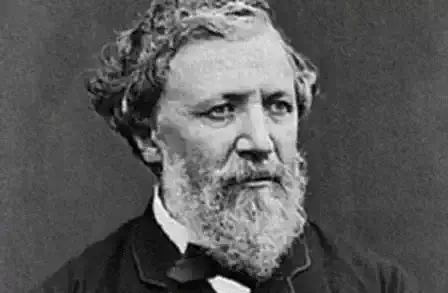
Robert Browning
Up At A Villa--- Down In The City
Up At A Villa--- Down In The City
AS DISTINGUISHED BY AN ITALIAN PERSON OF QUALITY.)
I.
Had I but plenty of money, money enough and to spare,
The house for me, no doubt, were a house in the city-square;
Ah, such a life, such a life, as one leads at the window there!
II.
Something to see, by Bacchus, something to hear, at least!
There, the whole day long, one's life is a perfect feast;
While up at a villa one lives, I maintain it, no more than a beast.
III.
Well now, look at our villa! stuck like the horn of a bull
Just on a mountain-edge as bare as the creature's skull,
Save a mere shag of a bush with hardly a leaf to pull!
---I scratch my own, sometimes, to see if the hair's turned wool.
IV.
But the city, oh the city---the square with the houses! Why?
They are stone-faced, white as a curd, there's something to take the eye!
Houses in four straight lines, not a single front awry;
You watch who crosses and gossips, who saunters, who hurries by;
Green blinds, as a matter of course, to draw when the sun gets high;
And the shops with fanciful signs which are painted properly.
V.
What of a villa? Though winter be over in March by rights,
'Tis May perhaps ere the snow shall have withered well off the heights:
You've the brown ploughed land before, where the oxen steam and wheeze,
And the hills over-smoked behind by the faint grey olive-trees.
VI.
Is it better in May, I ask you? You've summer all at once;
In a day he leaps complete with a few strong April suns.
'Mid the sharp short emerald wheat, scarce risen three fingers well,
The wild tulip, at end of its tube, blows out its great red bell
Like a thin clear bubble of blood, for the children to pick and sell.
VII.
Is it ever hot in the square? There's a fountain to spout and splash!
In the shade it sings and springs; in the shine such foam-bows flash
On the horses with curling fish-tails, that prance and paddle and pash
Round the lady atop in her conch---fifty gazers do not abash,
Though all that she wears is some weeds round her waist in a sort of sash.
VIII.
All the year at the villa, nothing to see though you linger,
Except yon cypress that points like a death's lean lifted forefinger.
Some think fireflies pretty, when they mix i' the corn and mingle,
Or thrid the stinking hemp till the stalks of it seem a-tingle.
Late August or early September, the stunning cicala is shrill,
And the bees keep their tiresome whine round the resinous firs on the hill.
Enough of the seasons,---I spare you the months of the fever and chill.
IX.
Ere you open your eyes in the city, the blessed church-bells begin:
No sooner the bells leave off than the diligence rattles in:
You get the pick of the news, and it costs you never a pin.
By-and-by there's the travelling doctor gives pills, lets blood, draws teeth;
Or the Pulcinello-trumpet breaks up the market beneath.
At the post-office such a scene-picture---the new play, piping hot!
And a notice how, only this morning, three liberal thieves were shot.
Above it, behold the Archbishop's most fatherly of rebukes,
And beneath, with his crown and his lion, some little new law of the Duke's!
Or a sonnet with flowery marge, to the Reverend Don So-and-so
Who is Dante, Boccaccio, Petrarca, Saint Jerome and Cicero,
``And moreover,'' (the sonnet goes rhyming,) ``the skirts of Saint Paul has reached,
``Having preached us those six Lent-lectures more unctuous than ever he preached.''
Noon strikes,---here sweeps the procession! our Lady borne smiling and smart
With a pink gauze gown all spangles, and seven swords stuck in her heart!
_Bang-whang-whang_ goes the drum, _tootle-to-tootle_ the fife;
No keeping one's haunches still: it's the greatest pleasure in life.
X.
But bless you, it's dear---it's dear! fowls, wine, at double the rate.
They have clapped a new tax upon salt, and what oil pays passing the gate
It's a horror to think of. And so, the villa for me, not the city!
Beggars can scarcely be choosers: but still---ah, the pity, the pity!
Look, two and two go the priests, then the monks with cowls and sandals,
And the penitents dressed in white shirts, a-holding the yellow candles;
One' he carries a flag up straight, and another a cross with handles,
And the Duke's guard brings up the rear, for the better prevention of scandals:
_Bang-whang-whang_ goes the drum, _tootle-te-tootle_ the fife.
Oh, a day in the city-square, there is no such pleasure in life!
AS DISTINGUISHED BY AN ITALIAN PERSON OF QUALITY.)
I.
Had I but plenty of money, money enough and to spare,
The house for me, no doubt, were a house in the city-square;
Ah, such a life, such a life, as one leads at the window there!
II.
Something to see, by Bacchus, something to hear, at least!
There, the whole day long, one's life is a perfect feast;
While up at a villa one lives, I maintain it, no more than a beast.
III.
Well now, look at our villa! stuck like the horn of a bull
Just on a mountain-edge as bare as the creature's skull,
Save a mere shag of a bush with hardly a leaf to pull!
---I scratch my own, sometimes, to see if the hair's turned wool.
IV.
But the city, oh the city---the square with the houses! Why?
They are stone-faced, white as a curd, there's something to take the eye!
Houses in four straight lines, not a single front awry;
You watch who crosses and gossips, who saunters, who hurries by;
Green blinds, as a matter of course, to draw when the sun gets high;
And the shops with fanciful signs which are painted properly.
V.
What of a villa? Though winter be over in March by rights,
'Tis May perhaps ere the snow shall have withered well off the heights:
You've the brown ploughed land before, where the oxen steam and wheeze,
And the hills over-smoked behind by the faint grey olive-trees.
VI.
Is it better in May, I ask you? You've summer all at once;
In a day he leaps complete with a few strong April suns.
'Mid the sharp short emerald wheat, scarce risen three fingers well,
The wild tulip, at end of its tube, blows out its great red bell
Like a thin clear bubble of blood, for the children to pick and sell.
VII.
Is it ever hot in the square? There's a fountain to spout and splash!
In the shade it sings and springs; in the shine such foam-bows flash
On the horses with curling fish-tails, that prance and paddle and pash
Round the lady atop in her conch---fifty gazers do not abash,
Though all that she wears is some weeds round her waist in a sort of sash.
VIII.
All the year at the villa, nothing to see though you linger,
Except yon cypress that points like a death's lean lifted forefinger.
Some think fireflies pretty, when they mix i' the corn and mingle,
Or thrid the stinking hemp till the stalks of it seem a-tingle.
Late August or early September, the stunning cicala is shrill,
And the bees keep their tiresome whine round the resinous firs on the hill.
Enough of the seasons,---I spare you the months of the fever and chill.
IX.
Ere you open your eyes in the city, the blessed church-bells begin:
No sooner the bells leave off than the diligence rattles in:
You get the pick of the news, and it costs you never a pin.
By-and-by there's the travelling doctor gives pills, lets blood, draws teeth;
Or the Pulcinello-trumpet breaks up the market beneath.
At the post-office such a scene-picture---the new play, piping hot!
And a notice how, only this morning, three liberal thieves were shot.
Above it, behold the Archbishop's most fatherly of rebukes,
And beneath, with his crown and his lion, some little new law of the Duke's!
Or a sonnet with flowery marge, to the Reverend Don So-and-so
Who is Dante, Boccaccio, Petrarca, Saint Jerome and Cicero,
``And moreover,'' (the sonnet goes rhyming,) ``the skirts of Saint Paul has reached,
``Having preached us those six Lent-lectures more unctuous than ever he preached.''
Noon strikes,---here sweeps the procession! our Lady borne smiling and smart
With a pink gauze gown all spangles, and seven swords stuck in her heart!
_Bang-whang-whang_ goes the drum, _tootle-to-tootle_ the fife;
No keeping one's haunches still: it's the greatest pleasure in life.
X.
But bless you, it's dear---it's dear! fowls, wine, at double the rate.
They have clapped a new tax upon salt, and what oil pays passing the gate
It's a horror to think of. And so, the villa for me, not the city!
Beggars can scarcely be choosers: but still---ah, the pity, the pity!
Look, two and two go the priests, then the monks with cowls and sandals,
And the penitents dressed in white shirts, a-holding the yellow candles;
One' he carries a flag up straight, and another a cross with handles,
And the Duke's guard brings up the rear, for the better prevention of scandals:
_Bang-whang-whang_ goes the drum, _tootle-te-tootle_ the fife.
Oh, a day in the city-square, there is no such pleasure in life!
284
Robert Browning
By The Fire-Side
By The Fire-Side
I.
How well I know what I mean to do
When the long dark autumn-evenings come:
And where, my soul, is thy pleasant hue?
With the music of all thy voices, dumb
In life's November too!
II.
I shall be found by the fire, suppose,
O'er a great wise book as beseemeth age,
While the shutters flap as the cross-wind blows
And I turn the page, and I turn the page,
Not verse now, only prose!
III.
Till the young ones whisper, finger on lip,
``There he is at it, deep in Greek:
``Now then, or never, out we slip
``To cut from the hazels by the creek
``A mainmast for our ship!''
IV.
I shall be at it indeed, my friends:
Greek puts already on either side
Such a branch-work forth as soon extends
To a vista opening far and wide,
And I pass out where it ends.
V.
The outside-frame, like your hazel-trees:
But the inside-archway widens fast,
And a rarer sort succeeds to these,
And we slope to Italy at last
And youth, by green degrees.
VI.
I follow wherever I am led,
Knowing so well the leader's hand:
Oh woman-country, wooed not wed,
Loved all the more by earth's male-lands,
Laid to their hearts instead!
VII.
Look at the ruined chapel again
Half-way up in the Alpine gorge!
Is that a tower, I point you plain,
Or is it a mill, or an iron-forge
Breaks solitude in vain?
VIII.
A turn, and we stand in the heart of things:
The woods are round us, heaped and dim;
From slab to slab how it slips and springs,
The thread of water single and slim,
Through the ravage some torrent brings!
IX.
Does it feed the little lake below?
That speck of white just on its marge
Is Pella; see, in the evening-glow,
How sharp the silver spear-heads charge
When Alp meets heaven in snow!
X.
On our other side is the straight-up rock;
And a path is kept 'twixt the gorge and it
By boulder-stones where lichens mock
The marks on a moth, and small ferns fit
Their teeth to the polished block.
XI.
Oh the sense of the yellow mountain-flowers,
And thorny balls, each three in one,
The chestnuts throw on our path in showers!
For the drop of the woodland fruit's begun,
These early November hours,
XII.
That crimson the creeper's leaf across
Like a splash of blood, intense, abrupt,
O'er a shield else gold from rim to boss,
And lay it for show on the fairy-cupped
Elf-needled mat of moss,
XIII.
By the rose-flesh mushrooms, undivulged
Last evening---nay, in to-day's first dew
Yon sudden coral nipple bulged,
Where a freaked fawn-coloured flaky crew
Of toadstools peep indulged.
XIV.
And yonder, at foot of the fronting ridge
That takes the turn to a range beyond,
Is the chapel reached by the one-arched bridge
Where the water is stopped in a stagnant pond
Danced over by the midge.
XV.
The chapel and bridge are of stone alike,
Blackish-grey and mostly wet;
Cut hemp-stalks steep in the narrow dyke.
See here again, how the lichens fret
And the roots of the ivy strike!
XVI.
Poor little place, where its one priest comes
On a festa-day, if he comes at all,
To the dozen folk from their scattered homes,
Gathered within that precinct small
By the dozen ways one roams---
XVII.
To drop from the charcoal-burners' huts,
Or climb from the hemp-dressers' low shed,
Leave the grange where the woodman stores his nuts,
Or the wattled cote where the fowlers spread
Their gear on the rock's bare juts.
XVIII.
It has some pretension too, this front,
With its bit of fresco half-moon-wise
Set over the porch, Art's early wont:
'Tis John in the Desert, I surmise,
But has borne the weather's brunt---
XIX.
Not from the fault of the builder, though,
For a pent-house properly projects
Where three carved beams make a certain show,
Dating---good thought of our architect's---
'Five, six, nine, he lets you know.
XX.
And all day long a bird sings there,
And a stray sheep drinks at the pond at times;
The place is silent and aware;
It has had its scenes, its joys and crimes,
But that is its own affair.
XXI.
My perfect wife, my Leonor,
Oh heart, my own, oh eyes, mine too,
Whom else could I dare look backward for,
With whom beside should I dare pursue
The path grey heads abhor?
XXII.
For it leads to a crag's sheer edge with them;
Youth, flowery all the way, there stops---
Not they; age threatens and they contemn,
Till they reach the gulf wherein youth drops,
One inch from life's safe hem!
XXIII.
With me, youth led ... I will speak now,
No longer watch you as you sit
Reading by fire-light, that great brow
And the spirit-small hand propping it,
Mutely, my heart knows how---
XXIV.
When, if I think but deep enough,
You are wont to answer, prompt as rhyme;
And you, too, find without rebuff
Response your soul seeks many a time
Piercing its fine flesh-stuff.
XXV.
My own, confirm me! If I tread
This path back, is it not in pride
To think how little I dreamed it led
To an age so blest that, by its side,
Youth seems the waste instead?
XXVI.
My own, see where the years conduct!
At first, 'twas something our two souls
Should mix as mists do; each is sucked
In each now: on, the new stream rolls,
Whatever rocks obstruct.
XXVII.
Think, when our one soul understands
The great Word which makes all things new,
When earth breaks up and heaven expands,
How will the change strike me and you
ln the house not made with hands?
XXVIII.
Oh I must feel your brain prompt mine,
Your heart anticipate my heart,
You must be just before, in fine,
See and make me see, for your part,
New depths of the divine!
XXIX.
But who could have expected this
When we two drew together first
Just for the obvious human bliss,
To satisfy life's daily thirst
With a thing men seldom miss?
XXX.
Come back with me to the first of all,
Let us lean and love it over again,
Let us now forget and now recall,
Break the rosary in a pearly rain,
And gather what we let fall!
XXXI.
What did I say?---that a small bird sings
All day long, save when a brown pair
Of hawks from the wood float with wide wings
Strained to a bell: 'gainst noon-day glare
You count the streaks and rings.
XXXII.
But at afternoon or almost eve
'Tis better; then the silence grows
To that degree, you half believe
It must get rid of what it knows,
Its bosom does so heave.
XXXIII.
Hither we walked then, side by side,
Arm in arm and cheek to cheek,
And still I questioned or replied,
While my heart, convulsed to really speak,
Lay choking in its pride.
XXXIV.
Silent the crumbling bridge we cross,
And pity and praise the chapel sweet,
And care about the fresco's loss,
And wish for our souls a like retreat,
And wonder at the moss.
XXXV.
Stoop and kneel on the settle under,
Look through the window's grated square:
Nothing to see! For fear of plunder,
The cross is down and the altar bare,
As if thieves don't fear thunder.
XXXVI.
We stoop and look in through the grate,
See the little porch and rustic door,
Read duly the dead builder's date;
Then cross the bridge that we crossed before,
Take the path again---but wait!
XXXVII.
Oh moment, one and infinite!
The water slips o'er stock and stone;
The West is tender, hardly bright:
How grey at once is the evening grown---
One star, its chrysolite!
XXXVIII.
We two stood there with never a third,
But each by each, as each knew well:
The sights we saw and the sounds we heard,
The lights and the shades made up a spell
Till the trouble grew and stirred.
XXXIX.
Oh, the little more, and how much it is!
And the little less, and what worlds away!
How a sound shall quicken content to bliss,
Or a breath suspend the blood's best play,
And life be a proof of this!
XL.
Had she willed it, still had stood the screen
So slight, so sure, 'twixt my love and her:
I could fix her face with a guard between,
And find her soul as when friends confer,
Friends---lovers that might have been.
XLI.
For my heart had a touch of the woodland-time,
Wanting to sleep now over its best.
Shake the whole tree in the summer-prime,
But bring to the Iast leaf no such test!
``Hold the last fast!'' runs the rhyme.
XLII.
For a chance to make your little much,
To gain a lover and lose a friend,
Venture the tree and a myriad such,
When nothing you mar but the year can mend:
But a last leaf---fear to touch!
XLIII.
Yet should it unfasten itself and fall
Eddying down till it find your face
At some slight wind---best chance of all!
Be your heart henceforth its dwelling-place
You trembled to forestall!
XLIV.
Worth how well, those dark grey eyes,
That hair so dark and dear, how worth
That a man should strive and agonize,
And taste a veriest hell on earth
For the hope of such a prize!
XIIV.
You might have turned and tried a man,
Set him a space to weary and wear,
And prove which suited more your plan,
His best of hope or his worst despair,
Yet end as he began.
XLVI.
But you spared me this, like the heart you are,
And filled my empty heart at a word.
If two lives join, there is oft a scar,
They are one and one, with a shadowy third;
One near one is too far.
XLVII.
A moment after, and hands unseen
Were hanging the night around us fast
But we knew that a bar was broken between
Life and life: we were mixed at last
In spite of the mortal screen.
XLVIII.
The forests had done it; there they stood;
We caught for a moment the powers at play:
They had mingled us so, for once and good,
Their work was done---we might go or stay,
They relapsed to their ancient mood.
XLIX.
How the world is made for each of us!
How all we perceive and know in it
Tends to some moment's product thus,
When a soul declares itself---to wit,
By its fruit, the thing it does
L.
Be hate that fruit or love that fruit,
It forwards the general deed of man,
And each of the Many helps to recruit
The life of the race by a general plan;
Each living his own, to boot.
LI.
I am named and known by that moment's feat;
There took my station and degree;
So grew my own small life complete,
As nature obtained her best of me---
One born to love you, sweet!
LII.
And to watch you sink by the fire-side now
Back again, as you mutely sit
Musing by fire-light, that great brow
And the spirit-small hand propping it,
Yonder, my heart knows how!
LIII.
So, earth has gained by one man the more,
And the gain of earth must be heaven's gain too;
And the whole is well worth thinking o'er
When autumn comes: which I mean to do
One day, as I said before.
I.
How well I know what I mean to do
When the long dark autumn-evenings come:
And where, my soul, is thy pleasant hue?
With the music of all thy voices, dumb
In life's November too!
II.
I shall be found by the fire, suppose,
O'er a great wise book as beseemeth age,
While the shutters flap as the cross-wind blows
And I turn the page, and I turn the page,
Not verse now, only prose!
III.
Till the young ones whisper, finger on lip,
``There he is at it, deep in Greek:
``Now then, or never, out we slip
``To cut from the hazels by the creek
``A mainmast for our ship!''
IV.
I shall be at it indeed, my friends:
Greek puts already on either side
Such a branch-work forth as soon extends
To a vista opening far and wide,
And I pass out where it ends.
V.
The outside-frame, like your hazel-trees:
But the inside-archway widens fast,
And a rarer sort succeeds to these,
And we slope to Italy at last
And youth, by green degrees.
VI.
I follow wherever I am led,
Knowing so well the leader's hand:
Oh woman-country, wooed not wed,
Loved all the more by earth's male-lands,
Laid to their hearts instead!
VII.
Look at the ruined chapel again
Half-way up in the Alpine gorge!
Is that a tower, I point you plain,
Or is it a mill, or an iron-forge
Breaks solitude in vain?
VIII.
A turn, and we stand in the heart of things:
The woods are round us, heaped and dim;
From slab to slab how it slips and springs,
The thread of water single and slim,
Through the ravage some torrent brings!
IX.
Does it feed the little lake below?
That speck of white just on its marge
Is Pella; see, in the evening-glow,
How sharp the silver spear-heads charge
When Alp meets heaven in snow!
X.
On our other side is the straight-up rock;
And a path is kept 'twixt the gorge and it
By boulder-stones where lichens mock
The marks on a moth, and small ferns fit
Their teeth to the polished block.
XI.
Oh the sense of the yellow mountain-flowers,
And thorny balls, each three in one,
The chestnuts throw on our path in showers!
For the drop of the woodland fruit's begun,
These early November hours,
XII.
That crimson the creeper's leaf across
Like a splash of blood, intense, abrupt,
O'er a shield else gold from rim to boss,
And lay it for show on the fairy-cupped
Elf-needled mat of moss,
XIII.
By the rose-flesh mushrooms, undivulged
Last evening---nay, in to-day's first dew
Yon sudden coral nipple bulged,
Where a freaked fawn-coloured flaky crew
Of toadstools peep indulged.
XIV.
And yonder, at foot of the fronting ridge
That takes the turn to a range beyond,
Is the chapel reached by the one-arched bridge
Where the water is stopped in a stagnant pond
Danced over by the midge.
XV.
The chapel and bridge are of stone alike,
Blackish-grey and mostly wet;
Cut hemp-stalks steep in the narrow dyke.
See here again, how the lichens fret
And the roots of the ivy strike!
XVI.
Poor little place, where its one priest comes
On a festa-day, if he comes at all,
To the dozen folk from their scattered homes,
Gathered within that precinct small
By the dozen ways one roams---
XVII.
To drop from the charcoal-burners' huts,
Or climb from the hemp-dressers' low shed,
Leave the grange where the woodman stores his nuts,
Or the wattled cote where the fowlers spread
Their gear on the rock's bare juts.
XVIII.
It has some pretension too, this front,
With its bit of fresco half-moon-wise
Set over the porch, Art's early wont:
'Tis John in the Desert, I surmise,
But has borne the weather's brunt---
XIX.
Not from the fault of the builder, though,
For a pent-house properly projects
Where three carved beams make a certain show,
Dating---good thought of our architect's---
'Five, six, nine, he lets you know.
XX.
And all day long a bird sings there,
And a stray sheep drinks at the pond at times;
The place is silent and aware;
It has had its scenes, its joys and crimes,
But that is its own affair.
XXI.
My perfect wife, my Leonor,
Oh heart, my own, oh eyes, mine too,
Whom else could I dare look backward for,
With whom beside should I dare pursue
The path grey heads abhor?
XXII.
For it leads to a crag's sheer edge with them;
Youth, flowery all the way, there stops---
Not they; age threatens and they contemn,
Till they reach the gulf wherein youth drops,
One inch from life's safe hem!
XXIII.
With me, youth led ... I will speak now,
No longer watch you as you sit
Reading by fire-light, that great brow
And the spirit-small hand propping it,
Mutely, my heart knows how---
XXIV.
When, if I think but deep enough,
You are wont to answer, prompt as rhyme;
And you, too, find without rebuff
Response your soul seeks many a time
Piercing its fine flesh-stuff.
XXV.
My own, confirm me! If I tread
This path back, is it not in pride
To think how little I dreamed it led
To an age so blest that, by its side,
Youth seems the waste instead?
XXVI.
My own, see where the years conduct!
At first, 'twas something our two souls
Should mix as mists do; each is sucked
In each now: on, the new stream rolls,
Whatever rocks obstruct.
XXVII.
Think, when our one soul understands
The great Word which makes all things new,
When earth breaks up and heaven expands,
How will the change strike me and you
ln the house not made with hands?
XXVIII.
Oh I must feel your brain prompt mine,
Your heart anticipate my heart,
You must be just before, in fine,
See and make me see, for your part,
New depths of the divine!
XXIX.
But who could have expected this
When we two drew together first
Just for the obvious human bliss,
To satisfy life's daily thirst
With a thing men seldom miss?
XXX.
Come back with me to the first of all,
Let us lean and love it over again,
Let us now forget and now recall,
Break the rosary in a pearly rain,
And gather what we let fall!
XXXI.
What did I say?---that a small bird sings
All day long, save when a brown pair
Of hawks from the wood float with wide wings
Strained to a bell: 'gainst noon-day glare
You count the streaks and rings.
XXXII.
But at afternoon or almost eve
'Tis better; then the silence grows
To that degree, you half believe
It must get rid of what it knows,
Its bosom does so heave.
XXXIII.
Hither we walked then, side by side,
Arm in arm and cheek to cheek,
And still I questioned or replied,
While my heart, convulsed to really speak,
Lay choking in its pride.
XXXIV.
Silent the crumbling bridge we cross,
And pity and praise the chapel sweet,
And care about the fresco's loss,
And wish for our souls a like retreat,
And wonder at the moss.
XXXV.
Stoop and kneel on the settle under,
Look through the window's grated square:
Nothing to see! For fear of plunder,
The cross is down and the altar bare,
As if thieves don't fear thunder.
XXXVI.
We stoop and look in through the grate,
See the little porch and rustic door,
Read duly the dead builder's date;
Then cross the bridge that we crossed before,
Take the path again---but wait!
XXXVII.
Oh moment, one and infinite!
The water slips o'er stock and stone;
The West is tender, hardly bright:
How grey at once is the evening grown---
One star, its chrysolite!
XXXVIII.
We two stood there with never a third,
But each by each, as each knew well:
The sights we saw and the sounds we heard,
The lights and the shades made up a spell
Till the trouble grew and stirred.
XXXIX.
Oh, the little more, and how much it is!
And the little less, and what worlds away!
How a sound shall quicken content to bliss,
Or a breath suspend the blood's best play,
And life be a proof of this!
XL.
Had she willed it, still had stood the screen
So slight, so sure, 'twixt my love and her:
I could fix her face with a guard between,
And find her soul as when friends confer,
Friends---lovers that might have been.
XLI.
For my heart had a touch of the woodland-time,
Wanting to sleep now over its best.
Shake the whole tree in the summer-prime,
But bring to the Iast leaf no such test!
``Hold the last fast!'' runs the rhyme.
XLII.
For a chance to make your little much,
To gain a lover and lose a friend,
Venture the tree and a myriad such,
When nothing you mar but the year can mend:
But a last leaf---fear to touch!
XLIII.
Yet should it unfasten itself and fall
Eddying down till it find your face
At some slight wind---best chance of all!
Be your heart henceforth its dwelling-place
You trembled to forestall!
XLIV.
Worth how well, those dark grey eyes,
That hair so dark and dear, how worth
That a man should strive and agonize,
And taste a veriest hell on earth
For the hope of such a prize!
XIIV.
You might have turned and tried a man,
Set him a space to weary and wear,
And prove which suited more your plan,
His best of hope or his worst despair,
Yet end as he began.
XLVI.
But you spared me this, like the heart you are,
And filled my empty heart at a word.
If two lives join, there is oft a scar,
They are one and one, with a shadowy third;
One near one is too far.
XLVII.
A moment after, and hands unseen
Were hanging the night around us fast
But we knew that a bar was broken between
Life and life: we were mixed at last
In spite of the mortal screen.
XLVIII.
The forests had done it; there they stood;
We caught for a moment the powers at play:
They had mingled us so, for once and good,
Their work was done---we might go or stay,
They relapsed to their ancient mood.
XLIX.
How the world is made for each of us!
How all we perceive and know in it
Tends to some moment's product thus,
When a soul declares itself---to wit,
By its fruit, the thing it does
L.
Be hate that fruit or love that fruit,
It forwards the general deed of man,
And each of the Many helps to recruit
The life of the race by a general plan;
Each living his own, to boot.
LI.
I am named and known by that moment's feat;
There took my station and degree;
So grew my own small life complete,
As nature obtained her best of me---
One born to love you, sweet!
LII.
And to watch you sink by the fire-side now
Back again, as you mutely sit
Musing by fire-light, that great brow
And the spirit-small hand propping it,
Yonder, my heart knows how!
LIII.
So, earth has gained by one man the more,
And the gain of earth must be heaven's gain too;
And the whole is well worth thinking o'er
When autumn comes: which I mean to do
One day, as I said before.
482
Robert Browning
Among the Rocks
Among the Rocks
Oh, good gigantic smile o' the brown old earth,
This autumn morning! How he sets his bones
To bask i' the sun, and thrusts out knees and feet
For the ripple to run over in its mirth;
Listening the while, where on the heap of stones
The white breast of the sea-lark twitters sweet.
That is the doctrine, simple, ancient, true;
Such is life's trial, as old earth smiles and knows.
If you loved only what were worth your love,
Love were clear gain, and wholly well for you:
Make the low nature better by your throes!
Give earth yourself, go up for gain above!
Oh, good gigantic smile o' the brown old earth,
This autumn morning! How he sets his bones
To bask i' the sun, and thrusts out knees and feet
For the ripple to run over in its mirth;
Listening the while, where on the heap of stones
The white breast of the sea-lark twitters sweet.
That is the doctrine, simple, ancient, true;
Such is life's trial, as old earth smiles and knows.
If you loved only what were worth your love,
Love were clear gain, and wholly well for you:
Make the low nature better by your throes!
Give earth yourself, go up for gain above!
294
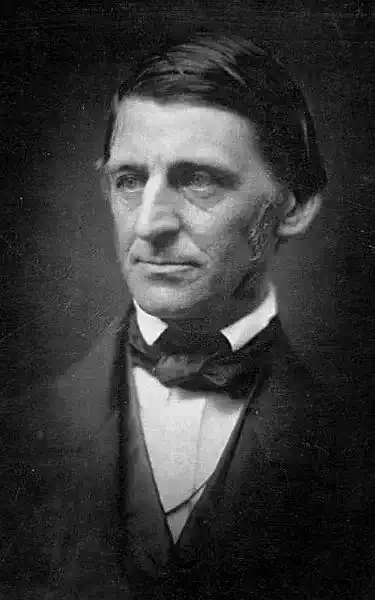
Ralph Waldo Emerson
The Snow-Storm
The Snow-Storm
Announced by all the trumpets of the sky,
Arrives the snow, and, driving o'er the fields,
Seems nowhere to alight: the whited air
Hides hill and woods, the river, and the heaven,
And veils the farmhouse at the garden's end.
The sled and traveller stopped, the courier's feet
Delated, all friends shut out, the housemates sit
Around the radiant fireplace, enclosed
In a tumultuous privacy of storm.
Come see the north wind's masonry.
Out of an unseen quarry evermore
Furnished with tile, the fierce artificer
Curves his white bastions with projected roof
Round every windward stake, or tree, or door.
Speeding, the myriad-handed, his wild work
So fanciful, so savage, nought cares he
For number or proportion. Mockingly,
On coop or kennel he hangs Parian wreaths;
A swan-like form invests the hiddden thorn;
Fills up the famer's lane from wall to wall,
Maugre the farmer's sighs; and at the gate
A tapering turret overtops the work.
And when his hours are numbered, and the world
Is all his own, retiring, as he were not,
Leaves, when the sun appears, astonished Art
To mimic in slow structures, stone by stone,
Built in an age, the mad wind's night-work,
The frolic architecture of the snow.
Announced by all the trumpets of the sky,
Arrives the snow, and, driving o'er the fields,
Seems nowhere to alight: the whited air
Hides hill and woods, the river, and the heaven,
And veils the farmhouse at the garden's end.
The sled and traveller stopped, the courier's feet
Delated, all friends shut out, the housemates sit
Around the radiant fireplace, enclosed
In a tumultuous privacy of storm.
Come see the north wind's masonry.
Out of an unseen quarry evermore
Furnished with tile, the fierce artificer
Curves his white bastions with projected roof
Round every windward stake, or tree, or door.
Speeding, the myriad-handed, his wild work
So fanciful, so savage, nought cares he
For number or proportion. Mockingly,
On coop or kennel he hangs Parian wreaths;
A swan-like form invests the hiddden thorn;
Fills up the famer's lane from wall to wall,
Maugre the farmer's sighs; and at the gate
A tapering turret overtops the work.
And when his hours are numbered, and the world
Is all his own, retiring, as he were not,
Leaves, when the sun appears, astonished Art
To mimic in slow structures, stone by stone,
Built in an age, the mad wind's night-work,
The frolic architecture of the snow.
309
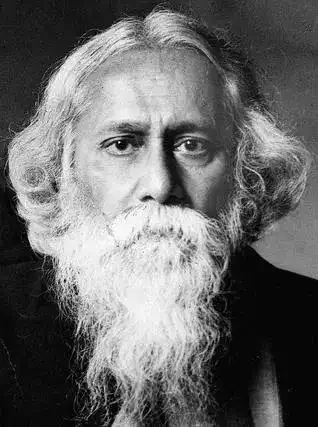
Rabindranath Tagore
The Gardener XLIV: Reverend Sir, Forgive
The Gardener XLIV: Reverend Sir, Forgive
Reverend sir, forgive this pair of
sinners. Spring winds to-day are
blowing in wild eddies, driving dust
and dead leaves away, and with them
your lessons are all lost.
Do not say, father, that life is a
vanity.
For we have made truce with death
for once, and only for a few fragrant
hours we two have been made immortal.
Even if the king's army came and
fiercely fell upon us we should sadly
shake our heads and say, Brothers,
you are disturbing us. If you must
have this noisy game, go and clatter
your arms elsewhere. Since only for
a few fleeting moments we have been
made immortal.
If friendly people came and flocked
around us, we should humbly bow to
them and say, This extravagant good
fortune is an embarrassment to us.
Room is scarce in the infinite sky
where we dwell. For in the springtime
flowers come in crowds, and the
busy wings of bees jostle each other.
Our little heaven, where dwell only
we two immortals, is too absurdly
narrow.
Reverend sir, forgive this pair of
sinners. Spring winds to-day are
blowing in wild eddies, driving dust
and dead leaves away, and with them
your lessons are all lost.
Do not say, father, that life is a
vanity.
For we have made truce with death
for once, and only for a few fragrant
hours we two have been made immortal.
Even if the king's army came and
fiercely fell upon us we should sadly
shake our heads and say, Brothers,
you are disturbing us. If you must
have this noisy game, go and clatter
your arms elsewhere. Since only for
a few fleeting moments we have been
made immortal.
If friendly people came and flocked
around us, we should humbly bow to
them and say, This extravagant good
fortune is an embarrassment to us.
Room is scarce in the infinite sky
where we dwell. For in the springtime
flowers come in crowds, and the
busy wings of bees jostle each other.
Our little heaven, where dwell only
we two immortals, is too absurdly
narrow.
480
Rabindranath Tagore
The Gardener LV: It Was Mid-Day
The Gardener LV: It Was Mid-Day
It was mid-day when you went
away .
The sun was strong in the sky.
I had done my work and sat alone
on my balcony when you went away.
Fitful gusts came winnowing
through the smells of may distant
fields.
The doves cooed tireless in the shade,
and a bee strayed in my room humming
the news of many distant fields.
The village slept in the noonday
heat. The road lay deserted.
In sudden fits the rustling of the
leaves rose and died.
I gazed at the sky and wove in the
blue the letters of a name I had known,
while the village slept in the noonday
heat.
I had forgotten to braid my hair.
The languid breeze played with it upon
my cheek.
The river ran unruffled under the
shady bank.
The lazy white clouds did not move.
I had forgotten to braid my hair.
It was mid-day when you went
away.
The dust of the road was hot and
the fields panting.
The doves cooed among the dense
leaves.
I was alone in my balcony when you
went away.
It was mid-day when you went
away .
The sun was strong in the sky.
I had done my work and sat alone
on my balcony when you went away.
Fitful gusts came winnowing
through the smells of may distant
fields.
The doves cooed tireless in the shade,
and a bee strayed in my room humming
the news of many distant fields.
The village slept in the noonday
heat. The road lay deserted.
In sudden fits the rustling of the
leaves rose and died.
I gazed at the sky and wove in the
blue the letters of a name I had known,
while the village slept in the noonday
heat.
I had forgotten to braid my hair.
The languid breeze played with it upon
my cheek.
The river ran unruffled under the
shady bank.
The lazy white clouds did not move.
I had forgotten to braid my hair.
It was mid-day when you went
away.
The dust of the road was hot and
the fields panting.
The doves cooed among the dense
leaves.
I was alone in my balcony when you
went away.
489
Rabindranath Tagore
The Flower-School
The Flower-School
When storm-clouds rumble in the sky and June showers come down.
The moist east wind comes marching over the heath to blow its
bagpipes among the bamboos.
Then crowds of flowers come out of a sudden, from nobody knows
where, and dance upon the grass in wild glee.
Mother, I really think the flowers go to school underground.
They do their lessons with doors shut, and if they want to
come out to play before it is time, their master makes them stand
in a corner.
When the rain come they have their holidays.
Branches clash together in the forest, and the leaves rustle
in the wild wind, the thunder-clouds clap their giant hands and the
flower children rush out in dresses of pink and yellow and white.
Do you know, mother, their home is in the sky, where the stars
are.
Haven't you see how eager they are to get there? Don't you
know why they are in such a hurry?
Of course, I can guess to whom they raise their arms; they
have their mother as I have my own.
When storm-clouds rumble in the sky and June showers come down.
The moist east wind comes marching over the heath to blow its
bagpipes among the bamboos.
Then crowds of flowers come out of a sudden, from nobody knows
where, and dance upon the grass in wild glee.
Mother, I really think the flowers go to school underground.
They do their lessons with doors shut, and if they want to
come out to play before it is time, their master makes them stand
in a corner.
When the rain come they have their holidays.
Branches clash together in the forest, and the leaves rustle
in the wild wind, the thunder-clouds clap their giant hands and the
flower children rush out in dresses of pink and yellow and white.
Do you know, mother, their home is in the sky, where the stars
are.
Haven't you see how eager they are to get there? Don't you
know why they are in such a hurry?
Of course, I can guess to whom they raise their arms; they
have their mother as I have my own.
835
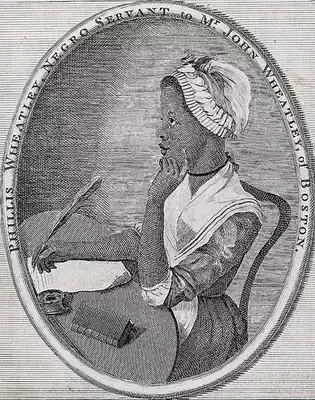
Phillis Wheatley
An Hymn To The Evening
An Hymn To The Evening
SOON as the sun forsook the eastern main
The pealing thunder shook the heav'nly plain;
Majestic grandeur! From the zephyr's wing,
Exhales the incense of the blooming spring.
Soft purl the streams, the birds renew their notes,
And through the air their mingled music floats.
Through all the heav'ns what beauteous dies are
spread!
But the west glories in the deepest red:
So may our breasts with ev'ry virtue glow,
The living temples of our God below!
Fill'd with the praise of him who gives the light,
And draws the sable curtains of the night,
Let placid slumbers sooth each weary mind,
At morn to wake more heav'nly, more refin'd;
So shall the labours of the day begin
More pure, more guarded from the snares of sin.
Night's leaden sceptre seals my drowsy eyes,
SOON as the sun forsook the eastern main
The pealing thunder shook the heav'nly plain;
Majestic grandeur! From the zephyr's wing,
Exhales the incense of the blooming spring.
Soft purl the streams, the birds renew their notes,
And through the air their mingled music floats.
Through all the heav'ns what beauteous dies are
spread!
But the west glories in the deepest red:
So may our breasts with ev'ry virtue glow,
The living temples of our God below!
Fill'd with the praise of him who gives the light,
And draws the sable curtains of the night,
Let placid slumbers sooth each weary mind,
At morn to wake more heav'nly, more refin'd;
So shall the labours of the day begin
More pure, more guarded from the snares of sin.
Night's leaden sceptre seals my drowsy eyes,
346
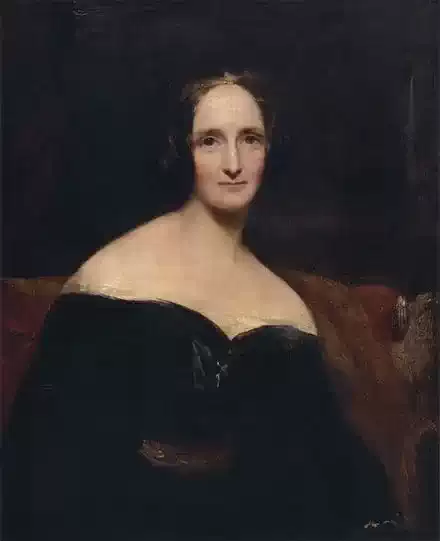
Percy Bysshe Shelley
The Invitation
The Invitation
BEST and brightest, come away!
Fairer far than this fair Day,
Which, like thee to those in sorrow,
Comes to bid a sweet good-morrow
To the rough Year just awake
In its cradle on the brake.
The brightest hour of unborn Spring,
Through the winter wandering,
Found, it seems, the halcyon Morn
To hoar February born.
Bending from heaven, in azure mirth,
It kiss'd the forehead of the Earth;
And smiled upon the silent sea;
And bade the frozen streams be free;
And waked to music all their fountains;
And breathed upon the frozen mountains;
And like a prophetess of May
Strew'd flowers upon the barren way,
Making the wintry world appear
Like one on whom thou smilest, dear.
Away, away, from men and towns,
To the wild wood and the downs--
To the silent wilderness
Where the soul need not repress
Its music lest it should not find
An echo in another's mind,
While the touch of Nature's art
Harmonizes heart to heart.
I leave this notice on my door
For each accustom'd visitor:--
'I am gone into the fields
To take what this sweet hour yields.
Reflection, you may come to-morrow;
Sit by the fireside with Sorrow.
You with the unpaid bill, Despair,--
You, tiresome verse-reciter, Care,--
I will pay you in the grave,--
Death will listen to your stave.
Expectation too, be off!
To-day is for itself enough.
Hope, in pity mock not Woe
With smiles, nor follow where I go;
Long having lived on your sweet food,
At length I find one moment's good
After long pain: with all your love,
This you never told me of.'
Radiant Sister of the Day,
Awake! arise! and come away!
To the wild woods and the plains;
And the pools where winter rains
Image all their roof of leaves;
Where the pine its garland weaves
Of sapless green and ivy dun
Round stems that never kiss the sun;
Where the lawns and pastures be,
And the sandhills of the sea;
Where the melting hoar-frost wets
The daisy-star that never sets,
And wind-flowers, and violets
Which yet join not scent to hue,
Crown the pale year weak and new;
When the night is left behind
In the deep east, dun and blind,
And the blue noon is over us,
And the multitudinous
Billows murmur at our feet
Where the earth and ocean meet,
And all things seem only one
In the universal sun.
BEST and brightest, come away!
Fairer far than this fair Day,
Which, like thee to those in sorrow,
Comes to bid a sweet good-morrow
To the rough Year just awake
In its cradle on the brake.
The brightest hour of unborn Spring,
Through the winter wandering,
Found, it seems, the halcyon Morn
To hoar February born.
Bending from heaven, in azure mirth,
It kiss'd the forehead of the Earth;
And smiled upon the silent sea;
And bade the frozen streams be free;
And waked to music all their fountains;
And breathed upon the frozen mountains;
And like a prophetess of May
Strew'd flowers upon the barren way,
Making the wintry world appear
Like one on whom thou smilest, dear.
Away, away, from men and towns,
To the wild wood and the downs--
To the silent wilderness
Where the soul need not repress
Its music lest it should not find
An echo in another's mind,
While the touch of Nature's art
Harmonizes heart to heart.
I leave this notice on my door
For each accustom'd visitor:--
'I am gone into the fields
To take what this sweet hour yields.
Reflection, you may come to-morrow;
Sit by the fireside with Sorrow.
You with the unpaid bill, Despair,--
You, tiresome verse-reciter, Care,--
I will pay you in the grave,--
Death will listen to your stave.
Expectation too, be off!
To-day is for itself enough.
Hope, in pity mock not Woe
With smiles, nor follow where I go;
Long having lived on your sweet food,
At length I find one moment's good
After long pain: with all your love,
This you never told me of.'
Radiant Sister of the Day,
Awake! arise! and come away!
To the wild woods and the plains;
And the pools where winter rains
Image all their roof of leaves;
Where the pine its garland weaves
Of sapless green and ivy dun
Round stems that never kiss the sun;
Where the lawns and pastures be,
And the sandhills of the sea;
Where the melting hoar-frost wets
The daisy-star that never sets,
And wind-flowers, and violets
Which yet join not scent to hue,
Crown the pale year weak and new;
When the night is left behind
In the deep east, dun and blind,
And the blue noon is over us,
And the multitudinous
Billows murmur at our feet
Where the earth and ocean meet,
And all things seem only one
In the universal sun.
400
Percy Bysshe Shelley
Lines: The cold earth slept below
Lines: The cold earth slept below
The cold earth slept below;
Above the cold sky shone;
And all around,
With a chilling sound,
From caves of ice and fields of snow
The breath of night like death did flow
Beneath the sinking moon.
The wintry hedge was black;
The green grass was not seen;
The birds did rest
On the bare thorn's breast,
Whose roots, beside the pathway track,
Had bound their folds o'er many a crack
Which the frost had made between.
Thine eyes glow'd in the glare
Of the moon's dying light;
As a fen-fire's beam
On a sluggish stream
Gleams dimly--so the moon shone there,
And it yellow'd the strings of thy tangled hair,
That shook in the wind of night.
The moon made thy lips pale, belov{`e}d;
The wind made thy bosom chill;
The night did shed
On thy dear head
Its frozen dew, and thou didst lie
Where the bitter breath of the naked sky
Might visit thee at will.
The cold earth slept below;
Above the cold sky shone;
And all around,
With a chilling sound,
From caves of ice and fields of snow
The breath of night like death did flow
Beneath the sinking moon.
The wintry hedge was black;
The green grass was not seen;
The birds did rest
On the bare thorn's breast,
Whose roots, beside the pathway track,
Had bound their folds o'er many a crack
Which the frost had made between.
Thine eyes glow'd in the glare
Of the moon's dying light;
As a fen-fire's beam
On a sluggish stream
Gleams dimly--so the moon shone there,
And it yellow'd the strings of thy tangled hair,
That shook in the wind of night.
The moon made thy lips pale, belov{`e}d;
The wind made thy bosom chill;
The night did shed
On thy dear head
Its frozen dew, and thou didst lie
Where the bitter breath of the naked sky
Might visit thee at will.
512
Percy Bysshe Shelley
Autumn: A Dirge
Autumn: A Dirge
The warm sun is falling, the bleak wind is wailing,
The bare boughs are sighing, the pale flowers are dying,
And the Year
On the earth is her death-bed, in a shroud of leaves dead,
Is lying.
Come, Months, come away,
From November to May,
In your saddest array;
Follow the bier
Of the dead cold Year,
And like dim shadows watch by her sepulchre.
The chill rain is falling, the nipped worm is crawling,
The rivers are swelling, the thunder is knelling
For the Year;
The blithe swallows are flown, and the lizards each gone
To his dwelling.
Come, Months, come away;
Put on white, black and gray;
Let your light sisters play--
Ye, follow the bier
Of the dead cold Year,
And make her grave green with tear on tear.
The warm sun is falling, the bleak wind is wailing,
The bare boughs are sighing, the pale flowers are dying,
And the Year
On the earth is her death-bed, in a shroud of leaves dead,
Is lying.
Come, Months, come away,
From November to May,
In your saddest array;
Follow the bier
Of the dead cold Year,
And like dim shadows watch by her sepulchre.
The chill rain is falling, the nipped worm is crawling,
The rivers are swelling, the thunder is knelling
For the Year;
The blithe swallows are flown, and the lizards each gone
To his dwelling.
Come, Months, come away;
Put on white, black and gray;
Let your light sisters play--
Ye, follow the bier
Of the dead cold Year,
And make her grave green with tear on tear.
439

Paul Laurence Dunbar
Summer in the South
Summer in the South
The Oriole sings in the greening grove
As if he were half-way waiting,
The rosebuds peep from their hoods of green,
Timid, and hesitating.
The rain comes down in a torrent sweep
And the nights smell warm and pinety,
The garden thrives, but the tender shoots
Are yellow-green and tiny.
Then a flash of sun on a waiting hill,
Streams laugh that erst were quiet,
The sky smiles down with a dazzling blue
And the woods run mad with riot.
The Oriole sings in the greening grove
As if he were half-way waiting,
The rosebuds peep from their hoods of green,
Timid, and hesitating.
The rain comes down in a torrent sweep
And the nights smell warm and pinety,
The garden thrives, but the tender shoots
Are yellow-green and tiny.
Then a flash of sun on a waiting hill,
Streams laugh that erst were quiet,
The sky smiles down with a dazzling blue
And the woods run mad with riot.
617
Paul Laurence Dunbar
Signs of the Times
Signs of the Times
Air a-gittin' cool an' coolah,
Frost a-comin' in de night,
Hicka' nuts an' wa'nuts fallin',
Possum keepin' out o' sight.
Tu'key struttin' in de ba'nya'd,
Nary a step so proud ez his;
Keep on struttin', Mistah Tu'key,
Yo' do' know whut time it is.
Cidah press commence a-squeakin'
Eatin' apples sto'ed away,
Chillun swa'min' 'roun' lak ho'nets,
Huntin' aigs ermung de hay.
Mistah Tu'key keep on gobblin'
At de geese a-flyin' souf,
Oomph! dat bird do' know whut's comin';
Ef he did he'd shet his mouf.
Pumpkin gittin' good an' yallah
Mek me open up my eyes;
Seems lak it's a-lookin' at me
Jes' a-la'in' dah sayin' "Pies."
Tu'key gobbler gwine 'roun' blowin',
Gwine 'roun' gibbin' sass an' slack;
Keep on talkin', Mistah Tu'key,
You ain't seed no almanac.
Fa'mer walkin' th'oo de ba'nya'd
Seein' how things is comin' on,
Sees ef all de fowls is fatt'nin' --
Good times comin' sho's you bo'n.
Hyeahs dat tu'key gobbler braggin',
Den his face break in a smile --
Nebbah min', you sassy rascal,
He's gwine nab you atter while.
Choppin' suet in de kitchen,
Stonin' raisins in de hall,
Beef a-cookin' fu' de mince meat,
Spices groun' -- I smell 'em all.
Look hyeah, Tu'key, stop dat gobblin',
You ain' luned de sense ob feah,
You ol' fool, yo' naik's in dangah,
Do' you know Thanksgibbin's hyeah?
Air a-gittin' cool an' coolah,
Frost a-comin' in de night,
Hicka' nuts an' wa'nuts fallin',
Possum keepin' out o' sight.
Tu'key struttin' in de ba'nya'd,
Nary a step so proud ez his;
Keep on struttin', Mistah Tu'key,
Yo' do' know whut time it is.
Cidah press commence a-squeakin'
Eatin' apples sto'ed away,
Chillun swa'min' 'roun' lak ho'nets,
Huntin' aigs ermung de hay.
Mistah Tu'key keep on gobblin'
At de geese a-flyin' souf,
Oomph! dat bird do' know whut's comin';
Ef he did he'd shet his mouf.
Pumpkin gittin' good an' yallah
Mek me open up my eyes;
Seems lak it's a-lookin' at me
Jes' a-la'in' dah sayin' "Pies."
Tu'key gobbler gwine 'roun' blowin',
Gwine 'roun' gibbin' sass an' slack;
Keep on talkin', Mistah Tu'key,
You ain't seed no almanac.
Fa'mer walkin' th'oo de ba'nya'd
Seein' how things is comin' on,
Sees ef all de fowls is fatt'nin' --
Good times comin' sho's you bo'n.
Hyeahs dat tu'key gobbler braggin',
Den his face break in a smile --
Nebbah min', you sassy rascal,
He's gwine nab you atter while.
Choppin' suet in de kitchen,
Stonin' raisins in de hall,
Beef a-cookin' fu' de mince meat,
Spices groun' -- I smell 'em all.
Look hyeah, Tu'key, stop dat gobblin',
You ain' luned de sense ob feah,
You ol' fool, yo' naik's in dangah,
Do' you know Thanksgibbin's hyeah?
484
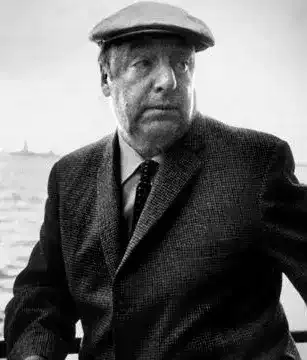
Pablo Neruda
I Remember You As You Were
I Remember You As You Were
I remember you as you were in the last autumn.
You were the grey beret and the still heart.
In your eyes the flames of the twilight fought on.
And the leaves fell in the water of your soul.
Clasping my arms like a climbing plant
the leaves garnered your voice, that was slow and at peace.
Bonfire of awe in which my thirst was burning.
Sweet blue hyacinth twisted over my soul.
I feel your eyes traveling, and the autumn is far off:
Grey beret, voice of a bird, heart like a house
Towards which my deep longings migrated
And my kisses fell, happy as embers.
Sky from a ship. Field from the hills:
Your memory is made of light, of smoke, of a still pond!
Beyond your eyes, farther on, the evenings were blazing.
Dry autumn leaves revolved in your soul.
I remember you as you were in the last autumn.
You were the grey beret and the still heart.
In your eyes the flames of the twilight fought on.
And the leaves fell in the water of your soul.
Clasping my arms like a climbing plant
the leaves garnered your voice, that was slow and at peace.
Bonfire of awe in which my thirst was burning.
Sweet blue hyacinth twisted over my soul.
I feel your eyes traveling, and the autumn is far off:
Grey beret, voice of a bird, heart like a house
Towards which my deep longings migrated
And my kisses fell, happy as embers.
Sky from a ship. Field from the hills:
Your memory is made of light, of smoke, of a still pond!
Beyond your eyes, farther on, the evenings were blazing.
Dry autumn leaves revolved in your soul.
609
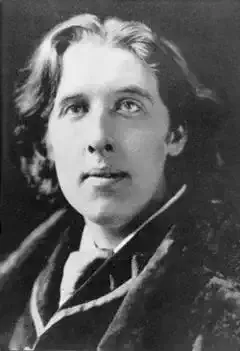
Oscar Wilde
Symphony in Yellow
Symphony in Yellow
An omnibus across the bridge
Crawls like a yellow butterfly,
And, here and therem a passer-by
Shows like a little restless midge.
Big barges full of yellow hay
Are moored against the shadowy wharf,
And, like a yellow silken scarf,
The thick fog hangs along the quay.
The yellow leaves begin to fade
And flutter from the temple elms,
And at my feet the pale green Thames
Lies like a rod of rippled jade.
An omnibus across the bridge
Crawls like a yellow butterfly,
And, here and therem a passer-by
Shows like a little restless midge.
Big barges full of yellow hay
Are moored against the shadowy wharf,
And, like a yellow silken scarf,
The thick fog hangs along the quay.
The yellow leaves begin to fade
And flutter from the temple elms,
And at my feet the pale green Thames
Lies like a rod of rippled jade.
184
Oscar Wilde
Magdalen Walks
Magdalen Walks
THE little white clouds are racing over the sky,
And the fields are strewn with the gold of the flower of March,
The daffodil breaks under foot, and the tasselled larch
Sways and swings as the thrush goes hurrying by.
A delicate odour is borne on the wings of the morning breeze,
The odour of leaves, and of grass, and of newly up-turned earth,
The birds are singing for joy of the Spring's glad birth,
Hopping from branch to branch on the rocking trees.
And all the woods are alive with the murmur and sound of Spring,
And the rosebud breaks into pink on the climbing briar,
And the crocus-bed is a quivering moon of fire
Girdled round with the belt of an amethyst ring.
And the plane to the pine-tree is whispering some tale of love
Till it rustles with laughter and tosses its mantle of green,
And the gloom of the wych-elm's hollow is lit with the iris sheen
Of the burnished rainbow throat and the silver breast of a dove.
See! the lark starts up from his bed in the meadow there,
Breaking the gossamer threads and the nets of dew,
And flashing a-down the river, a flame of blue!
The kingfisher flies like an arrow, and wounds the air.
THE little white clouds are racing over the sky,
And the fields are strewn with the gold of the flower of March,
The daffodil breaks under foot, and the tasselled larch
Sways and swings as the thrush goes hurrying by.
A delicate odour is borne on the wings of the morning breeze,
The odour of leaves, and of grass, and of newly up-turned earth,
The birds are singing for joy of the Spring's glad birth,
Hopping from branch to branch on the rocking trees.
And all the woods are alive with the murmur and sound of Spring,
And the rosebud breaks into pink on the climbing briar,
And the crocus-bed is a quivering moon of fire
Girdled round with the belt of an amethyst ring.
And the plane to the pine-tree is whispering some tale of love
Till it rustles with laughter and tosses its mantle of green,
And the gloom of the wych-elm's hollow is lit with the iris sheen
Of the burnished rainbow throat and the silver breast of a dove.
See! the lark starts up from his bed in the meadow there,
Breaking the gossamer threads and the nets of dew,
And flashing a-down the river, a flame of blue!
The kingfisher flies like an arrow, and wounds the air.
200
Oscar Wilde
Le Jardin Des Tuileries
Le Jardin Des Tuileries
This winter air is keen and cold,
And keen and cold this winter sun,
But round my chair the children run
Like little things of dancing gold.
Sometimes about the painted kiosk
The mimic soldiers strut and stride,
Sometimes the blue-eyed brigands hide
In the bleak tangles of the bosk.
And sometimes, while the old nurse cons
Her book, they steal across the square,
And launch their paper navies where
Huge Triton writhes in greenish bronze.
And now in mimic flight they flee,
And now they rush, a boisterous band -
And, tiny hand on tiny hand,
Climb up the black and leafless tree.
Ah! cruel tree! if I were you,
And children climbed me, for their sake
Though it be winter I would break
Into spring blossoms white and blue!
This winter air is keen and cold,
And keen and cold this winter sun,
But round my chair the children run
Like little things of dancing gold.
Sometimes about the painted kiosk
The mimic soldiers strut and stride,
Sometimes the blue-eyed brigands hide
In the bleak tangles of the bosk.
And sometimes, while the old nurse cons
Her book, they steal across the square,
And launch their paper navies where
Huge Triton writhes in greenish bronze.
And now in mimic flight they flee,
And now they rush, a boisterous band -
And, tiny hand on tiny hand,
Climb up the black and leafless tree.
Ah! cruel tree! if I were you,
And children climbed me, for their sake
Though it be winter I would break
Into spring blossoms white and blue!
180
Oscar Wilde
By The Arno
By The Arno
THE oleander on the wall
Grows crimson in the dawning light,
Though the grey shadows of the night
Lie yet on Florence like a pall.
The dew is bright upon the hill,
And bright the blossoms overhead,
But ah! the grasshoppers have fled,
The little Attic song is still.
Only the leaves are gently stirred
By the soft breathing of the gale,
And in the almond-scented vale
The lonely nightingale is heard.
The day will make thee silent soon,
O nightingale sing on for love!
While yet upon the shadowy grove
Splinter the arrows of the moon.
Before across the silent lawn
In sea-green mist the morning steals,
And to love's frightened eyes reveals
The long white fingers of the dawn
Fast climbing up the eastern sky
To grasp and slay the shuddering night,
All careless of my heart's delight,
Or if the nightingale should die.
THE oleander on the wall
Grows crimson in the dawning light,
Though the grey shadows of the night
Lie yet on Florence like a pall.
The dew is bright upon the hill,
And bright the blossoms overhead,
But ah! the grasshoppers have fled,
The little Attic song is still.
Only the leaves are gently stirred
By the soft breathing of the gale,
And in the almond-scented vale
The lonely nightingale is heard.
The day will make thee silent soon,
O nightingale sing on for love!
While yet upon the shadowy grove
Splinter the arrows of the moon.
Before across the silent lawn
In sea-green mist the morning steals,
And to love's frightened eyes reveals
The long white fingers of the dawn
Fast climbing up the eastern sky
To grasp and slay the shuddering night,
All careless of my heart's delight,
Or if the nightingale should die.
234

Ogden Nash
Kipling's Vermont
Kipling's Vermont
The summer like a rajah dies,
And every widowed tree
Kindles for Congregationalist eyes
An alien suttee.
The summer like a rajah dies,
And every widowed tree
Kindles for Congregationalist eyes
An alien suttee.
227
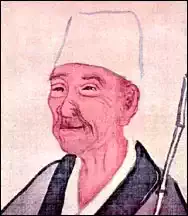
Matsuo Bashō
Winter garden
Winter garden
Winter garden,
the moon thinned to a thread,
insects singing.
Translated by Robert Hass
Winter garden,
the moon thinned to a thread,
insects singing.
Translated by Robert Hass
345
Matsuo Bashō
Moonlight slanting
Moonlight slanting
Moonlight slanting
through the bamboo grove;
a cuckoo crying.
Translated by Robert Hass
Moonlight slanting
through the bamboo grove;
a cuckoo crying.
Translated by Robert Hass
534
Matsuo Bashō
Heat waves shimmering
Heat waves shimmering
Heat waves shimmering
one or two inches
above the dead grass.
Translated by Robert Hass
Heat waves shimmering
one or two inches
above the dead grass.
Translated by Robert Hass
364
Matsuo Bashō
First snow
First snow
First snow
falling
on the half-finished bridge.
Translated by Robert Hass
First snow
falling
on the half-finished bridge.
Translated by Robert Hass
431
Matsuo Bashō
Collection of Six Haiku
Collection of Six Haiku
Waking in the night;
the lamp is low,
the oil freezing.
It has rained enough
to turn the stubble on the field
black.
Winter rain
falls on the cow-shed;
a cock crows.
The leeks
newly washed white,-
how cold it is!
The sea darkens;
the voices of the wild ducks
are faintly white.
Ill on a journey;
my dreams wander
over a withered moor.
Waking in the night;
the lamp is low,
the oil freezing.
It has rained enough
to turn the stubble on the field
black.
Winter rain
falls on the cow-shed;
a cock crows.
The leeks
newly washed white,-
how cold it is!
The sea darkens;
the voices of the wild ducks
are faintly white.
Ill on a journey;
my dreams wander
over a withered moor.
456