

Poems in this theme
Seasons (Spring, Summer, Autumn, Winter)
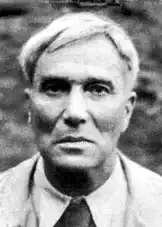
Boris Pasternak
The Steppe
The Steppe
How lovely those journeys into quiet!
Boundless the steppe, like a seascape,
ants rustle, and the feather-grass sighs,
mosquitoes go whining through space.
The hayricks line up with the clouds,
volcano after volcano, they fade.
Grown silent, damp, the boundless steppe,
you drift, you’re buffeted, you sway.
The mist overtakes us, washes, a sea,
and burrs are clinging to stockings, today
it’s lovely to tramp the steppe’s shore,
you drift, you’re buffeted, you sway.
Is that a rick in the mist? Who knows?
Is that one ours? Yes, it’s found.
There! Yes, that’s it all right, though.
The rick, and the mist, and the steppe all round.
And the Milky Way slants towards Kerch,
like a path that cattle have stamped on.
Go past the houses, you’ll lose your breath,
on every side, broad, broad horizons.
Shadowy midnight stands by the way,
strewn with stars, that touch every verst,
and you can’t cross it, beyond the fence,
without trampling the universe.
When did the stars sweep down so low,
midnight sink so deep in tall grass,
and drenched muslin, afraid, aglow,
long for a dénouement at last?
Let the steppe judge, and night decide.
When, if not in the Beginning,
did Mosquitoes whine, Ants ride,
and Burrs go clinging to stockings?
Close them, my darling! Or go blind!
The whole steppe’s as before the Fall:
All, drowned in peace, like a parachute,
like a heaving vision, All.
How lovely those journeys into quiet!
Boundless the steppe, like a seascape,
ants rustle, and the feather-grass sighs,
mosquitoes go whining through space.
The hayricks line up with the clouds,
volcano after volcano, they fade.
Grown silent, damp, the boundless steppe,
you drift, you’re buffeted, you sway.
The mist overtakes us, washes, a sea,
and burrs are clinging to stockings, today
it’s lovely to tramp the steppe’s shore,
you drift, you’re buffeted, you sway.
Is that a rick in the mist? Who knows?
Is that one ours? Yes, it’s found.
There! Yes, that’s it all right, though.
The rick, and the mist, and the steppe all round.
And the Milky Way slants towards Kerch,
like a path that cattle have stamped on.
Go past the houses, you’ll lose your breath,
on every side, broad, broad horizons.
Shadowy midnight stands by the way,
strewn with stars, that touch every verst,
and you can’t cross it, beyond the fence,
without trampling the universe.
When did the stars sweep down so low,
midnight sink so deep in tall grass,
and drenched muslin, afraid, aglow,
long for a dénouement at last?
Let the steppe judge, and night decide.
When, if not in the Beginning,
did Mosquitoes whine, Ants ride,
and Burrs go clinging to stockings?
Close them, my darling! Or go blind!
The whole steppe’s as before the Fall:
All, drowned in peace, like a parachute,
like a heaving vision, All.
549
Boris Pasternak
Spring (Fragment 3)
Spring (Fragment 3)
Is it only dirt you notice?
Does the thaw not catch your glance?
As a dapple-grey fine stallion
Does it not through ditches dance?
Is it only birds that chatter
In the blueness of the skies,
Sipping through the straws of sunrays
Lemon liturgies on ice?
Only look, and you will see it:
From the rooftops to the ground
Moscow, all day long, like Kitezh
Lies, in light-blue water drowned.
Why are all the roofs transparent
And the colours crystal-bright?
Bricks like rushes gently swaying,
Mornings rush into the night.
Like a bog the town is swampy
And the scabs of snow are rare.
February, like saturated
Cottonwool in spirits, flares.
This white flame wears out the garrets,
And the air, in the oblique
Interplace of twigs and birds, is
Naked, weightless and unique.
In such days the crowds of people
Knock you down; you are unknown,
Nameless; and your girl is with them,
But you, too, are not alone.
Is it only dirt you notice?
Does the thaw not catch your glance?
As a dapple-grey fine stallion
Does it not through ditches dance?
Is it only birds that chatter
In the blueness of the skies,
Sipping through the straws of sunrays
Lemon liturgies on ice?
Only look, and you will see it:
From the rooftops to the ground
Moscow, all day long, like Kitezh
Lies, in light-blue water drowned.
Why are all the roofs transparent
And the colours crystal-bright?
Bricks like rushes gently swaying,
Mornings rush into the night.
Like a bog the town is swampy
And the scabs of snow are rare.
February, like saturated
Cottonwool in spirits, flares.
This white flame wears out the garrets,
And the air, in the oblique
Interplace of twigs and birds, is
Naked, weightless and unique.
In such days the crowds of people
Knock you down; you are unknown,
Nameless; and your girl is with them,
But you, too, are not alone.
522
Boris Pasternak
Spasskoe
Spasskoe
In Spasskoe, unforgettable September sheds its leaves.
Isn’t it time to close up the summer-house?
Echo traps the thudding of axe-blows in the trees,
and, past the fence, barters a herd-boy’s shout.
Last night the marsh by the park shivered, too.
The moment the sun rises it vanishes.
The bluebell can’t drink the rheumatic dew,
and a dirty lilac stain soils the birches.
The wood’s downcast. It wants to sleep, as well,
under the snow, in the deep quiet of the bear’s den.
The park, gaping, framed by tree-trunks stands still,
in neat obituary-columns, its edges blackened.
Has the birch copse stopped fading, staining,
its shade more watery still, and growing thin?
And again, you’re, fifteen – it’s still complaining –
again – ‘oh child, oh, what shall we do with them?’
They’re already so many it’s time to stop playing.
They’re – birds in the bushes, mushrooms in the trees.
Already we’ve veiled our horizon with them, shrouding
each other’s landscape with fog-bound mysteries.
The comic, on the night of his death, typhus-stricken,
hears a peal: it’s Homeric laughter from the box.
Today in Spasskoe, the same grief, in hallucination,
stares, from the road, at a house of weathered logs.
In Spasskoe, unforgettable September sheds its leaves.
Isn’t it time to close up the summer-house?
Echo traps the thudding of axe-blows in the trees,
and, past the fence, barters a herd-boy’s shout.
Last night the marsh by the park shivered, too.
The moment the sun rises it vanishes.
The bluebell can’t drink the rheumatic dew,
and a dirty lilac stain soils the birches.
The wood’s downcast. It wants to sleep, as well,
under the snow, in the deep quiet of the bear’s den.
The park, gaping, framed by tree-trunks stands still,
in neat obituary-columns, its edges blackened.
Has the birch copse stopped fading, staining,
its shade more watery still, and growing thin?
And again, you’re, fifteen – it’s still complaining –
again – ‘oh child, oh, what shall we do with them?’
They’re already so many it’s time to stop playing.
They’re – birds in the bushes, mushrooms in the trees.
Already we’ve veiled our horizon with them, shrouding
each other’s landscape with fog-bound mysteries.
The comic, on the night of his death, typhus-stricken,
hears a peal: it’s Homeric laughter from the box.
Today in Spasskoe, the same grief, in hallucination,
stares, from the road, at a house of weathered logs.
539
Boris Pasternak
Ploughing Time
Ploughing Time
What is the matter with the landscape?
Familiar landmarks are not there.
Ploughed fields, like squares upon a chessboard,
Today are scattered everywhere.
The newly-harrowed vast expanses
So evenly are spread about,
As though the valley had been spring-cleaned
Or else the mountains flattened out.
And that same day, in one endeavour,
Outside the furrows every tree
Bursts into leaf, light-green and downy,
And stretches skyward, tall and free.
No speck of dust on the new maples,
And colours nowhere are as clean
As is the light-grey of the ploughland
And as the silver-birch's green.
What is the matter with the landscape?
Familiar landmarks are not there.
Ploughed fields, like squares upon a chessboard,
Today are scattered everywhere.
The newly-harrowed vast expanses
So evenly are spread about,
As though the valley had been spring-cleaned
Or else the mountains flattened out.
And that same day, in one endeavour,
Outside the furrows every tree
Bursts into leaf, light-green and downy,
And stretches skyward, tall and free.
No speck of dust on the new maples,
And colours nowhere are as clean
As is the light-grey of the ploughland
And as the silver-birch's green.
532
Boris Pasternak
March
March
The sun is hotter than the top ledge in a steam bath;
The ravine, crazed, is rampaging below.
Spring -- that corn-fed, husky milkmaid --
Is busy at her chores with never a letup.
The snow is wasting (pernicious anemia --
See those branching veinlets of impotent blue?)
Yet in the cowbarn life is burbling, steaming,
And the tines of pitchforks simply glow with health.
These days -- these days, and these nights also!
With eavesdrop thrumming its tattoos at noon,
With icicles (cachectic!) hanging on to gables,
And with the chattering of rills that never sleep!
All doors are flung open -- in stable and in cowbarn;
Pigeons peck at oats fallen in the snow;
And the culprit of all this and its life-begetter--
The pile of manure -- is pungent with ozone.
The sun is hotter than the top ledge in a steam bath;
The ravine, crazed, is rampaging below.
Spring -- that corn-fed, husky milkmaid --
Is busy at her chores with never a letup.
The snow is wasting (pernicious anemia --
See those branching veinlets of impotent blue?)
Yet in the cowbarn life is burbling, steaming,
And the tines of pitchforks simply glow with health.
These days -- these days, and these nights also!
With eavesdrop thrumming its tattoos at noon,
With icicles (cachectic!) hanging on to gables,
And with the chattering of rills that never sleep!
All doors are flung open -- in stable and in cowbarn;
Pigeons peck at oats fallen in the snow;
And the culprit of all this and its life-begetter--
The pile of manure -- is pungent with ozone.
424
Boris Pasternak
Autumn Frost
Autumn Frost
The morning sun shows like a pillar
Of fire through smoke on frosty days.
As on a faulty snap, it cannot
Make out my features in the haze.
The distant trees will hardly see me
Until the sun at last can break
Out of the fog, and flash triumphant
Upon the meadows by the lake.
A passer-by in mist receding
Is recognized when he has passed.
You walk on hoarfrost-covered pathways
As though on mats of plaited bast.
The frost is covered up in gooseflesh,
The air is false like painted cheeks,
The earth is shivering, and sick of
Breathing potato-stalks for weeks.
The morning sun shows like a pillar
Of fire through smoke on frosty days.
As on a faulty snap, it cannot
Make out my features in the haze.
The distant trees will hardly see me
Until the sun at last can break
Out of the fog, and flash triumphant
Upon the meadows by the lake.
A passer-by in mist receding
Is recognized when he has passed.
You walk on hoarfrost-covered pathways
As though on mats of plaited bast.
The frost is covered up in gooseflesh,
The air is false like painted cheeks,
The earth is shivering, and sick of
Breathing potato-stalks for weeks.
560

Billy Collins
Today
Today
If ever there were a spring day so perfect, so uplifted by a warm intermittent breeze
If ever there were a spring day so perfect, so uplifted by a warm intermittent breeze
212
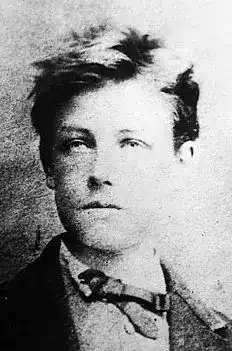
Arthur Rimbaud
Metropolitan
Metropolitan
From the indigo straits to Ossian's seas,
on pink and orange sands washed by the vinous sky,
crystal boulevards have just risen and crossed,
immediately occupied by poor young families
who get their food at the greengrocers'.
Nothing rich.-- The city! From the bituminous desert,
in headlong flight with the sheets of fog spread
in frightful bands across the sky,
that bends, recedes, descends,
formed by the most sinister black smoke
that Ocean in mourning can produce,
flee helmets, wheels, boats, rumps.--
The battle! Raise your eyes: that arched wooden bridge;
those last truck gardens of Samaria; those faces reddened
by the lantern lashed by the cold night;
silly Undine in her noisy dress, down by the river;
those luminous skulls among the rows of peas,-and
all the other phantasmagoria-- the country.
Roads bordered by walls and iron fences
that with difficulty hold back their groves,
and frightful flowers probably called loves and doves,
Damask damning languorously,-- possessions of magic
aristocracies ultra-Rhinish, Japanese, Guaranian,
still qualified to receive ancestral music-- and there are inns
that now never open anymore,-there
are princesses, and if you are not too overwhelmed,
the study of the stars-- the sky.
The morning when with Her you struggled among
the glittering of snow, those green lips,
those glaciers, black banners and blue beams,
and the purple perfumes of the polar sun.-- Your strength.
From the indigo straits to Ossian's seas,
on pink and orange sands washed by the vinous sky,
crystal boulevards have just risen and crossed,
immediately occupied by poor young families
who get their food at the greengrocers'.
Nothing rich.-- The city! From the bituminous desert,
in headlong flight with the sheets of fog spread
in frightful bands across the sky,
that bends, recedes, descends,
formed by the most sinister black smoke
that Ocean in mourning can produce,
flee helmets, wheels, boats, rumps.--
The battle! Raise your eyes: that arched wooden bridge;
those last truck gardens of Samaria; those faces reddened
by the lantern lashed by the cold night;
silly Undine in her noisy dress, down by the river;
those luminous skulls among the rows of peas,-and
all the other phantasmagoria-- the country.
Roads bordered by walls and iron fences
that with difficulty hold back their groves,
and frightful flowers probably called loves and doves,
Damask damning languorously,-- possessions of magic
aristocracies ultra-Rhinish, Japanese, Guaranian,
still qualified to receive ancestral music-- and there are inns
that now never open anymore,-there
are princesses, and if you are not too overwhelmed,
the study of the stars-- the sky.
The morning when with Her you struggled among
the glittering of snow, those green lips,
those glaciers, black banners and blue beams,
and the purple perfumes of the polar sun.-- Your strength.
680

Anonymous
May in the Green-Wood
May in the Green-Wood
IN somer when the shawes be sheyne,
And leves be large and long,
Hit is full merry in feyre foreste
To here the foulys song.
To se the dere draw to the dale
And leve the hilles hee,
And shadow him in the leves grene
Under the green-wode tree.
Hit befell on Whitsontide
Early in a May mornyng,
The Sonne up faire can shyne,
And the briddis mery can syng.
'This is a mery mornyng,' said Litulle Johne,
'Be Hym that dyed on tre;
A more mery man than I am one
Lyves not in Christiante.
'Pluk up thi hert, my dere mayster,'
Litulle Johne can say,
'And thynk hit is a fulle fayre tyme
In a mornynge of May.'
IN somer when the shawes be sheyne,
And leves be large and long,
Hit is full merry in feyre foreste
To here the foulys song.
To se the dere draw to the dale
And leve the hilles hee,
And shadow him in the leves grene
Under the green-wode tree.
Hit befell on Whitsontide
Early in a May mornyng,
The Sonne up faire can shyne,
And the briddis mery can syng.
'This is a mery mornyng,' said Litulle Johne,
'Be Hym that dyed on tre;
A more mery man than I am one
Lyves not in Christiante.
'Pluk up thi hert, my dere mayster,'
Litulle Johne can say,
'And thynk hit is a fulle fayre tyme
In a mornynge of May.'
233
Anonymous
Lusty May
Lusty May
O LUSTY May, with Flora queen!
The balmy dropis from Phoebus sheen
Preluciand beams before the day:
By that Diana growis green
Through gladness of this lusty May.
Then Esperus, that is so bricht,
Til woful hairtis castis his light,
With bankis that bloomis on every brae;
And schouris are shed forth of their sicht
Through gladness of this lusty May.
Birdis on bewis of every birth,
Rejoicing notis makand their mirth
Richt plesantly upon the spray,
With flourishingis o'er field and firth
Through gladness of this lusty May.
All luvaris that are in care
To their ladies they do repair
In fresh morningis before the day,
And are in mirth ay mair and mair
Through gladness of this lusty May.
O LUSTY May, with Flora queen!
The balmy dropis from Phoebus sheen
Preluciand beams before the day:
By that Diana growis green
Through gladness of this lusty May.
Then Esperus, that is so bricht,
Til woful hairtis castis his light,
With bankis that bloomis on every brae;
And schouris are shed forth of their sicht
Through gladness of this lusty May.
Birdis on bewis of every birth,
Rejoicing notis makand their mirth
Richt plesantly upon the spray,
With flourishingis o'er field and firth
Through gladness of this lusty May.
All luvaris that are in care
To their ladies they do repair
In fresh morningis before the day,
And are in mirth ay mair and mair
Through gladness of this lusty May.
254
Anonymous
Spring
Spring
Lenten ys come with love to toun{.e},
With blosmen and with bridd{.e}s roun{.e},
That al this bliss{.e} bryngeth;
Dayes-ey{.e}s in this dal{.e}s;
Not{.e}s suete of nyht{.e}gal{.e}s;
Uch foul song singeth.
The threstelcoc him threteth oo;
Away is huer{.e} wynter woo,
When woderov{.e} springeth.
This foul{.e}s singeth ferly fel{.e},
And wlyteth on huere wynter wel{.e},
That al the wod{.e} ryngeth.
The ros{.e} rayleth hir{.e} rode;
The lev{.e}s on the lyht{.e} wod{.e}
Waxen al with will{.e}.
The mon{.e} mandeth hir{.e} bleo;
The lili{.e} is lossom to seo,
The fenyl and the fill{.e}.
Wow{.e}s this wild{.e} drak{.e}s;
Mil{.e}s murgeth huer{.e} mak{.e}s;
Ase strem that striketh still{.e},
Mody meneth, so doth mo;
Ichot ycham on of tho,
For love that lik{.e}s ill{.e}.
The mon{.e} mandeth hir{.e} lyht,
So doth the semly sonn{.e} bryht,
When bridd{.e}s singeth brem{.e}.
Deaw{.e}s donketh the doun{.e}s;
Deor{.e}s with huere dern{.e} roun{.e}s,
Dom{.e}s fort{.e} dem{.e};
Worm{.e}s woweth under cloud{.e};
Wymmen waxeth wounder proud{.e},
So wel hit wol hem sem{.e}.
Yef me shal wont{.e} wille of on,
This wunn{.e} weole y wole forgon,
Ant wyht in wode be flem{.e}.
Lenten ys come with love to toun{.e},
With blosmen and with bridd{.e}s roun{.e},
That al this bliss{.e} bryngeth;
Dayes-ey{.e}s in this dal{.e}s;
Not{.e}s suete of nyht{.e}gal{.e}s;
Uch foul song singeth.
The threstelcoc him threteth oo;
Away is huer{.e} wynter woo,
When woderov{.e} springeth.
This foul{.e}s singeth ferly fel{.e},
And wlyteth on huere wynter wel{.e},
That al the wod{.e} ryngeth.
The ros{.e} rayleth hir{.e} rode;
The lev{.e}s on the lyht{.e} wod{.e}
Waxen al with will{.e}.
The mon{.e} mandeth hir{.e} bleo;
The lili{.e} is lossom to seo,
The fenyl and the fill{.e}.
Wow{.e}s this wild{.e} drak{.e}s;
Mil{.e}s murgeth huer{.e} mak{.e}s;
Ase strem that striketh still{.e},
Mody meneth, so doth mo;
Ichot ycham on of tho,
For love that lik{.e}s ill{.e}.
The mon{.e} mandeth hir{.e} lyht,
So doth the semly sonn{.e} bryht,
When bridd{.e}s singeth brem{.e}.
Deaw{.e}s donketh the doun{.e}s;
Deor{.e}s with huere dern{.e} roun{.e}s,
Dom{.e}s fort{.e} dem{.e};
Worm{.e}s woweth under cloud{.e};
Wymmen waxeth wounder proud{.e},
So wel hit wol hem sem{.e}.
Yef me shal wont{.e} wille of on,
This wunn{.e} weole y wole forgon,
Ant wyht in wode be flem{.e}.
208
Anonymous
Cuckoo Song
Cuckoo Song
Sing, cuccu, nu! Sing, cuccu!
Sing, cuccu! Sing, cuccu, nu!
Sumer is icumen in;
Lhud{.e} sing, cuccu!
Groweth sed, and bloweth med,
And springth the wud{.e} nu.
Sing, cuccu!
Aw{.e} bleteth after lomb,
Lhouth after calv{.e} cu;
Bulluc sterteth, buck{.e} verteth;
Muri{.e} sing, cuccu!
Cuccu! cuccu!
Wel sing{.e}s thu, cuccu;
Ne swik thu naver nu.
Sing, cuccu, nu! Sing, cuccu!
Sing, cuccu! Sing, cuccu, nu!
Sumer is icumen in;
Lhud{.e} sing, cuccu!
Groweth sed, and bloweth med,
And springth the wud{.e} nu.
Sing, cuccu!
Aw{.e} bleteth after lomb,
Lhouth after calv{.e} cu;
Bulluc sterteth, buck{.e} verteth;
Muri{.e} sing, cuccu!
Cuccu! cuccu!
Wel sing{.e}s thu, cuccu;
Ne swik thu naver nu.
235

Anne Brontë
The Arbour
The Arbour
I'll rest me in this sheltered bower,
And look upon the clear blue sky
That smiles upon me through the trees,
Which stand so thickly clustering by;
And view their green and glossy leaves,
All glistening in the sunshine fair;
And list the rustling of their boughs,
So softly whispering through the air.
And while my ear drinks in the sound,
My winged soul shall fly away;
Reviewing long departed years
As one mild, beaming, autumn day;
And soaring on to future scenes,
Like hills and woods, and valleys green,
All basking in the summer's sun,
But distant still, and dimly seen.
Oh, list! 'tis summer's very breath
That gently shakes the rustling trees But
look! the snow is on the ground How
can I think of scenes like these?
'Tis but the frost that clears the air,
And gives the sky that lovely blue;
They're smiling in a winter's sun,
Those evergreens of sombre hue.
And winter's chill is on my heart How
can I dream of future bliss?
How can my spirit soar away,
Confined by such a chain as this?
I'll rest me in this sheltered bower,
And look upon the clear blue sky
That smiles upon me through the trees,
Which stand so thickly clustering by;
And view their green and glossy leaves,
All glistening in the sunshine fair;
And list the rustling of their boughs,
So softly whispering through the air.
And while my ear drinks in the sound,
My winged soul shall fly away;
Reviewing long departed years
As one mild, beaming, autumn day;
And soaring on to future scenes,
Like hills and woods, and valleys green,
All basking in the summer's sun,
But distant still, and dimly seen.
Oh, list! 'tis summer's very breath
That gently shakes the rustling trees But
look! the snow is on the ground How
can I think of scenes like these?
'Tis but the frost that clears the air,
And gives the sky that lovely blue;
They're smiling in a winter's sun,
Those evergreens of sombre hue.
And winter's chill is on my heart How
can I dream of future bliss?
How can my spirit soar away,
Confined by such a chain as this?
94
Anne Brontë
Lines Written at Thorp Green
Lines Written at Thorp Green
That summer sun, whose genial glow
Now cheers my drooping spirit so
Must cold and distant be,
And only light our northern clime
With feeble ray, before the time
I long so much to see.
And this soft whispering breeze that now
So gently cools my fevered brow,
This too, alas, must turn To
a wild blast whose icy dart
Pierces and chills me to the heart,
Before I cease to mourn.
And these bright flowers I love so well,
Verbena, rose and sweet bluebell,
Must droop and die away.
Those thick green leaves with all their shade
And rustling music, they must fade
And every one decay.
But if the sunny summer time
And woods and meadows in their prime
Are sweet to them that roam Far
sweeter is the winter bare
With long dark nights and landscapes drear
To them that are at Home!
That summer sun, whose genial glow
Now cheers my drooping spirit so
Must cold and distant be,
And only light our northern clime
With feeble ray, before the time
I long so much to see.
And this soft whispering breeze that now
So gently cools my fevered brow,
This too, alas, must turn To
a wild blast whose icy dart
Pierces and chills me to the heart,
Before I cease to mourn.
And these bright flowers I love so well,
Verbena, rose and sweet bluebell,
Must droop and die away.
Those thick green leaves with all their shade
And rustling music, they must fade
And every one decay.
But if the sunny summer time
And woods and meadows in their prime
Are sweet to them that roam Far
sweeter is the winter bare
With long dark nights and landscapes drear
To them that are at Home!
84
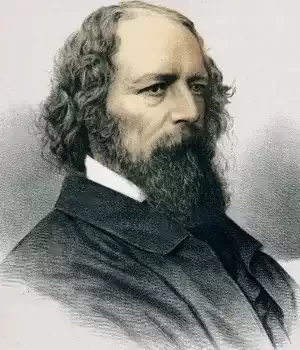
Alfred Lord Tennyson
The Oak
The Oak
Live thy Life,
Young and old,
Like yon oak,
Bright in spring,
Living gold;
Summer-rich
Then; and then
Autumn-changed
Soberer-hued
Gold again.
All his leaves
Fall'n at length,
Look, he stands,
Trunk and bough
Naked strength.
Live thy Life,
Young and old,
Like yon oak,
Bright in spring,
Living gold;
Summer-rich
Then; and then
Autumn-changed
Soberer-hued
Gold again.
All his leaves
Fall'n at length,
Look, he stands,
Trunk and bough
Naked strength.
505
Alfred Lord Tennyson
In Memoriam A. H. H.: 15. To-night the winds begin to rise
In Memoriam A. H. H.: 15. To-night the winds begin to rise
To-night the winds begin to rise
And roar from yonder dropping day:
The last red leaf is whirl'd away,
The rooks are blown about the skies;
The forest crack'd, the waters curl'd,
The cattle huddled on the lea;
And wildly dash'd on tower and tree
The sunbeam strikes along the world:
And but for fancies, which aver
That all thy motions gently pass
Athwart a plane of molten glass,
I scarce could brook the strain and stir
That makes the barren branches loud;
And but for fear it is not so,
The wild unrest that lives in woe
Would dote and pore on yonder cloud
That rises upward always higher,
And onward drags a labouring breast,
And topples round the dreary west,
A looming bastion fringed with fire.
To-night the winds begin to rise
And roar from yonder dropping day:
The last red leaf is whirl'd away,
The rooks are blown about the skies;
The forest crack'd, the waters curl'd,
The cattle huddled on the lea;
And wildly dash'd on tower and tree
The sunbeam strikes along the world:
And but for fancies, which aver
That all thy motions gently pass
Athwart a plane of molten glass,
I scarce could brook the strain and stir
That makes the barren branches loud;
And but for fear it is not so,
The wild unrest that lives in woe
Would dote and pore on yonder cloud
That rises upward always higher,
And onward drags a labouring breast,
And topples round the dreary west,
A looming bastion fringed with fire.
454
Alfred Lord Tennyson
Sir Launcelot and Queen Guinevere
Sir Launcelot and Queen Guinevere
LIKE souls that balance joy and pain,
With tears and smiles from heaven again
The maiden Spring upon the plain
Came in a sun-lit fall of rain.
In crystal vapour everywhere
Blue isles of heaven laugh'd between,
And far, in forest-deeps unseen,
The topmost elm-tree gather'd green
From draughts of balmy air.
Sometimes the linnet piped his song:
Sometimes the throstle whistled strong:
Sometimes the sparhawk, wheel'd along,
Hush'd all the groves from fear of wrong:
By grassy capes with fuller sound
In curves the yellowing river ran,
And drooping chestnut-buds began
To spread into the perfect fan,
Above the teeming ground.
Then, in the boyhood of the year,
Sir Launcelot and Queen Guinevere
Rode thro' the coverts of the deer,
With blissful treble ringing clear.
She seem'd a part of joyous Spring:
A gown of grass-green silk she wore,
Buckled with golden clasps before;
A light-green tuft of plumes she bore
Closed in a golden ring.
Now on some twisted ivy-net,
Now by some tinkling rivulet,
In mosses mixt with violet
Her cream-white mule his pastern set:
And fleeter now she skimm'd the plains
Than she whose elfin prancer springs
By night to eery warblings,
When all the glimmering moorland rings
With jingling bridle-reins.
As she fled fast thro' sun and shade,
The happy winds upon her play'd,
Blowing the ringlet from the braid:
She look'd so lovely, as she sway'd
The rein with dainty finger-tips,
A man had given all other bliss,
And all his worldly worth for this,
To waste his whole heart in one kiss
Upon her perfect lips.
LIKE souls that balance joy and pain,
With tears and smiles from heaven again
The maiden Spring upon the plain
Came in a sun-lit fall of rain.
In crystal vapour everywhere
Blue isles of heaven laugh'd between,
And far, in forest-deeps unseen,
The topmost elm-tree gather'd green
From draughts of balmy air.
Sometimes the linnet piped his song:
Sometimes the throstle whistled strong:
Sometimes the sparhawk, wheel'd along,
Hush'd all the groves from fear of wrong:
By grassy capes with fuller sound
In curves the yellowing river ran,
And drooping chestnut-buds began
To spread into the perfect fan,
Above the teeming ground.
Then, in the boyhood of the year,
Sir Launcelot and Queen Guinevere
Rode thro' the coverts of the deer,
With blissful treble ringing clear.
She seem'd a part of joyous Spring:
A gown of grass-green silk she wore,
Buckled with golden clasps before;
A light-green tuft of plumes she bore
Closed in a golden ring.
Now on some twisted ivy-net,
Now by some tinkling rivulet,
In mosses mixt with violet
Her cream-white mule his pastern set:
And fleeter now she skimm'd the plains
Than she whose elfin prancer springs
By night to eery warblings,
When all the glimmering moorland rings
With jingling bridle-reins.
As she fled fast thro' sun and shade,
The happy winds upon her play'd,
Blowing the ringlet from the braid:
She look'd so lovely, as she sway'd
The rein with dainty finger-tips,
A man had given all other bliss,
And all his worldly worth for this,
To waste his whole heart in one kiss
Upon her perfect lips.
438
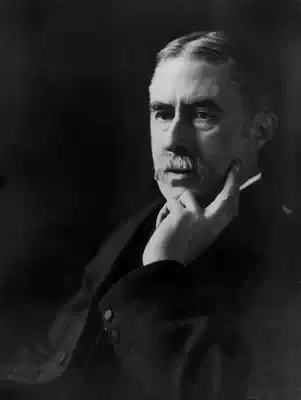
Alfred Edward Housman
Tis Time, I Think, By Wenlock Town
Tis Time, I Think, By Wenlock Town
'Tis time, I think, by Wenlock town
The golden broom should blow;
The hawthorn sprinkled up and down
Should charge the land with snow.
Spring will not wait the loiterer's time
Who keeps so long away;
So others wear the broom and climb
The hedgerows heaped with may.
Oh tarnish late on Wenlock Edge,
Gold that I never see;
Lie long, high snowdrifts in the hedge
That will not shower on me.
'Tis time, I think, by Wenlock town
The golden broom should blow;
The hawthorn sprinkled up and down
Should charge the land with snow.
Spring will not wait the loiterer's time
Who keeps so long away;
So others wear the broom and climb
The hedgerows heaped with may.
Oh tarnish late on Wenlock Edge,
Gold that I never see;
Lie long, high snowdrifts in the hedge
That will not shower on me.
416
Alfred Edward Housman
Loveliest of Trees, the Cherry Now
Loveliest of Trees, the Cherry Now
Loveliest of trees, the cherry now
Is hung with bloom along the bough,
And stands about the woodland ride
Wearing white for Eastertide.
Now, of my threescore years and ten,
Twenty will not come again,
And take from seventy springs a score,
It only leaves me fifty more.
And since to look at things in bloom
Fifty springs are little room,
About the woodlands I will go
To see the cherry hung with snow.
Loveliest of trees, the cherry now
Is hung with bloom along the bough,
And stands about the woodland ride
Wearing white for Eastertide.
Now, of my threescore years and ten,
Twenty will not come again,
And take from seventy springs a score,
It only leaves me fifty more.
And since to look at things in bloom
Fifty springs are little room,
About the woodlands I will go
To see the cherry hung with snow.
418
Alfred Edward Housman
Diffugere Nives
Diffugere Nives
Horace, Odes, iv, 7
The snows are fled away, leaves on the shaws
And grasses in the mead renew their birth,
The river to the river-bed withdraws,
And altered is the fashion of the earth.
The Nymphs and Graces three put off their fear
And unapparelled in the woodland play.
The swift hour and the brief prime of the year
Say to the soul, Thou wast not born for aye.
Thaw follows frost; hard on the heel of spring
Treads summer sure to die, for hard on hers
Comes autumn with his apples scattering;
Then back to wintertide, when nothing stirs.
But oh, whate'er the sky-led seasons mar,
Moon upon moon rebuilds it with her beams;
Come we where Tullus and where Ancus are
And good Aeneas, we are dust and dreams.
Torquatus, if the gods in heaven shall add
The morrow to the day, what tongue has told?
Feast then thy heart, for what thy heart has had
The fingers of no heir will ever hold.
When thou descendest once the shades among,
The stern assize and equal judgment o'er,
Not thy long lineage nor thy golden tongue,
No, nor thy righteousness, shall friend thee more.
Night holds Hippolytus the pure of stain,
Diana steads him nothing, he must stay;
And Theseus leafves Pirithous in the chain
The love of comrades cannot take away.
Horace, Odes, iv, 7
The snows are fled away, leaves on the shaws
And grasses in the mead renew their birth,
The river to the river-bed withdraws,
And altered is the fashion of the earth.
The Nymphs and Graces three put off their fear
And unapparelled in the woodland play.
The swift hour and the brief prime of the year
Say to the soul, Thou wast not born for aye.
Thaw follows frost; hard on the heel of spring
Treads summer sure to die, for hard on hers
Comes autumn with his apples scattering;
Then back to wintertide, when nothing stirs.
But oh, whate'er the sky-led seasons mar,
Moon upon moon rebuilds it with her beams;
Come we where Tullus and where Ancus are
And good Aeneas, we are dust and dreams.
Torquatus, if the gods in heaven shall add
The morrow to the day, what tongue has told?
Feast then thy heart, for what thy heart has had
The fingers of no heir will ever hold.
When thou descendest once the shades among,
The stern assize and equal judgment o'er,
Not thy long lineage nor thy golden tongue,
No, nor thy righteousness, shall friend thee more.
Night holds Hippolytus the pure of stain,
Diana steads him nothing, he must stay;
And Theseus leafves Pirithous in the chain
The love of comrades cannot take away.
486
Alfred Edward Housman
Bring, In This Timeless Grave to Throw
Bring, In This Timeless Grave to Throw
Bring, in this timeless grave to throw,
No cypress, sombre on the snow;
Snap not from the bitter yew
His leaves that live December through;
Break no rosemary, bright with rime
And sparkling to the cruel clime;
Nor plod the winter land to look
For willows in the icy brook
To cast them leafless round him: bring
No spray that ever buds in spring.
But if the Christmas field has kept
Awns the last gleaner overstept,
Or shrivelled flax, whose flower is blue
A single season, never two;
Or if one haulm whose year is o'er
Shivers on the upland frore,
--Oh, bring from hill and stream and plain
Whatever will not flower again,
To give him comfort: he and those
Shall bide eternal bedfellows
Where low upon the couch he lies
Whence he never shall arise.
Bring, in this timeless grave to throw,
No cypress, sombre on the snow;
Snap not from the bitter yew
His leaves that live December through;
Break no rosemary, bright with rime
And sparkling to the cruel clime;
Nor plod the winter land to look
For willows in the icy brook
To cast them leafless round him: bring
No spray that ever buds in spring.
But if the Christmas field has kept
Awns the last gleaner overstept,
Or shrivelled flax, whose flower is blue
A single season, never two;
Or if one haulm whose year is o'er
Shivers on the upland frore,
--Oh, bring from hill and stream and plain
Whatever will not flower again,
To give him comfort: he and those
Shall bide eternal bedfellows
Where low upon the couch he lies
Whence he never shall arise.
524

Alexander Pope
Winter - The Fourth Pastoral, or Daphne
Winter - The Fourth Pastoral, or Daphne
Lycidas.
Thyrsis, the music of that murm'ring spring,
Is not so mournful as the strains you sing.
Nor rivers winding thro' the vales below,
So sweetly warble, or so smoothly flow.
Now sleeping flocks on their soft fleeces lie,
The moon, serene in glory, mounts the sky,
Wile silent birds forget their tuneful lays,
Oh sing of Daphne's fate, and Daphne's praise!
Thyrsis.
Behold the groves that shine with silver frost,
Their beauty wither'd, and their verdure lost.
Here shall I try the sweet Alexis' strain,
That call'd the list'ning Dryads to the plain?
Thames heard the numbers as he flow'd along,
And bade his willows learn the moving song.
Lycidas.
So may kind rains their vital moisture yield,
And swell the future harvest of the field.
Begin; this charge the dying Daphne gave,
And said; 'Ye shepherds, sing around my grave!
Sing, while beside the shaded tomb I mourn,
And with fresh bays her rural shrine adorn.'
Thyrsis.
Ye gentle Muses, leave your crystal spring,
Let Nymphs and Sylvans cypress garlands bring;
Ye weeping Loves, the stream with myrtles hide,
And break your vows, as when Adonis died;
And with your golden darts, now useless grown,
Inscribe a verse on this relenting stone:
'Let nature change, let heav'n and earth deplore,
Fair Daphne's dead, and love is now no more!'
'Tis done, and nature's various charms decay,
See gloomy clouds obscure the cheerful day!
Now hung with pearls the dropping trees appear,
Their faded honours scatter'd on her bier.
See, where on earth the flow'ry glories lie,
With her they flourish'd, and with her they die.
Ah what avail the beauties nature wore?
Fair Daphne's dead, and beauty is no more!
For her the flocks refuse their verdant food,
Nor thirsty heifers seek the gliding flood.
The silver swans her hapless fate bemoan,
In notes more sad than when they sing their own;
In hollow caves sweet Echo silent lies,
Silent, or only to her name replies;
Her name with pleasure once she taught the shore,
Now Daphne's dead, and pleasure is no more!
No grateful dews descend from ev'ning skies,
Nor morning odours from the flow'rs arise;
No rich perfumes refresh the fruitful field,
Nor fragrant herbs their native incense yield.
The balmy Zephyrs, silent since her death,
Lament the ceasing of a sweeter breath;
Th' industrious bees neglect their golden store;
Fair Daphne's dead, and sweetness is no more!
No more the mounting larks, while Daphne sings,
Shall list'ning in mid air suspend their wings;
No more the birds shall imitate her lays,
Or hush'd with wonder, hearken from the sprays;
No more the streams their murmur shall forbear,
A sweeter music than their own to hear,
But tell the reeds, and tell the vocal shore,
Fair Daphne's dead, and music is no more!
Her fate is whisper'd by the gentle breeze,
And told in sighs to all the trembling trees;
The trembling trees, in ev'ry plain and wood,
Her fate remurmur to the silver flood;
The silver flood, so lately calm, appears
Swell'd with new passion, and o'erflows with tears;
The winds and trees and floods her death deplore,
Daphne, our grief! our glory now no more!
But see! where Daphne wond'ring mounts on high
Above the clouds, above the starry sky!
Eternal beauties grace the shining scene,
Fields ever fresh, and groves for ever green!
There while you rest in Amaranthine bow'rs,
Or from those meads select unfading flow'rs,
Behold us kindly, who your name implore,
Daphne, our Goddess, and our grief no more!
Lycidas.
How all things listen, while thy Muse complains!
Such silence waits on Philomela's strains,
In some still ev'ning, when the whisp'ring breeze
Pants on the leaves, and dies upon the trees.
To thee, bright goddess, oft a lamb shall bleed,
If teeming ewes increase my fleecy breed.
While plants their shade, or flow'rs their odours give,
Thy name, thy honour, and thy praise shall live!
Thyrsis.
But see, Orion sheds unwholesome dews,
Arise, the pines a noxious shade diffuse;
Sharp Boreas blows, and Nature feels decay,
Time conquers all, and we must Time obey.
Adieu, ye vales, ye mountains, streams and groves,
Adieu, ye shepherd's rural lays and loves;
Adieu, my flocks, farewell ye sylvan crew,
Daphne, farewell, and all the world adieu!
Lycidas.
Thyrsis, the music of that murm'ring spring,
Is not so mournful as the strains you sing.
Nor rivers winding thro' the vales below,
So sweetly warble, or so smoothly flow.
Now sleeping flocks on their soft fleeces lie,
The moon, serene in glory, mounts the sky,
Wile silent birds forget their tuneful lays,
Oh sing of Daphne's fate, and Daphne's praise!
Thyrsis.
Behold the groves that shine with silver frost,
Their beauty wither'd, and their verdure lost.
Here shall I try the sweet Alexis' strain,
That call'd the list'ning Dryads to the plain?
Thames heard the numbers as he flow'd along,
And bade his willows learn the moving song.
Lycidas.
So may kind rains their vital moisture yield,
And swell the future harvest of the field.
Begin; this charge the dying Daphne gave,
And said; 'Ye shepherds, sing around my grave!
Sing, while beside the shaded tomb I mourn,
And with fresh bays her rural shrine adorn.'
Thyrsis.
Ye gentle Muses, leave your crystal spring,
Let Nymphs and Sylvans cypress garlands bring;
Ye weeping Loves, the stream with myrtles hide,
And break your vows, as when Adonis died;
And with your golden darts, now useless grown,
Inscribe a verse on this relenting stone:
'Let nature change, let heav'n and earth deplore,
Fair Daphne's dead, and love is now no more!'
'Tis done, and nature's various charms decay,
See gloomy clouds obscure the cheerful day!
Now hung with pearls the dropping trees appear,
Their faded honours scatter'd on her bier.
See, where on earth the flow'ry glories lie,
With her they flourish'd, and with her they die.
Ah what avail the beauties nature wore?
Fair Daphne's dead, and beauty is no more!
For her the flocks refuse their verdant food,
Nor thirsty heifers seek the gliding flood.
The silver swans her hapless fate bemoan,
In notes more sad than when they sing their own;
In hollow caves sweet Echo silent lies,
Silent, or only to her name replies;
Her name with pleasure once she taught the shore,
Now Daphne's dead, and pleasure is no more!
No grateful dews descend from ev'ning skies,
Nor morning odours from the flow'rs arise;
No rich perfumes refresh the fruitful field,
Nor fragrant herbs their native incense yield.
The balmy Zephyrs, silent since her death,
Lament the ceasing of a sweeter breath;
Th' industrious bees neglect their golden store;
Fair Daphne's dead, and sweetness is no more!
No more the mounting larks, while Daphne sings,
Shall list'ning in mid air suspend their wings;
No more the birds shall imitate her lays,
Or hush'd with wonder, hearken from the sprays;
No more the streams their murmur shall forbear,
A sweeter music than their own to hear,
But tell the reeds, and tell the vocal shore,
Fair Daphne's dead, and music is no more!
Her fate is whisper'd by the gentle breeze,
And told in sighs to all the trembling trees;
The trembling trees, in ev'ry plain and wood,
Her fate remurmur to the silver flood;
The silver flood, so lately calm, appears
Swell'd with new passion, and o'erflows with tears;
The winds and trees and floods her death deplore,
Daphne, our grief! our glory now no more!
But see! where Daphne wond'ring mounts on high
Above the clouds, above the starry sky!
Eternal beauties grace the shining scene,
Fields ever fresh, and groves for ever green!
There while you rest in Amaranthine bow'rs,
Or from those meads select unfading flow'rs,
Behold us kindly, who your name implore,
Daphne, our Goddess, and our grief no more!
Lycidas.
How all things listen, while thy Muse complains!
Such silence waits on Philomela's strains,
In some still ev'ning, when the whisp'ring breeze
Pants on the leaves, and dies upon the trees.
To thee, bright goddess, oft a lamb shall bleed,
If teeming ewes increase my fleecy breed.
While plants their shade, or flow'rs their odours give,
Thy name, thy honour, and thy praise shall live!
Thyrsis.
But see, Orion sheds unwholesome dews,
Arise, the pines a noxious shade diffuse;
Sharp Boreas blows, and Nature feels decay,
Time conquers all, and we must Time obey.
Adieu, ye vales, ye mountains, streams and groves,
Adieu, ye shepherd's rural lays and loves;
Adieu, my flocks, farewell ye sylvan crew,
Daphne, farewell, and all the world adieu!
432
Previous
Page 14