

Poems in this theme
Hope and Optimism
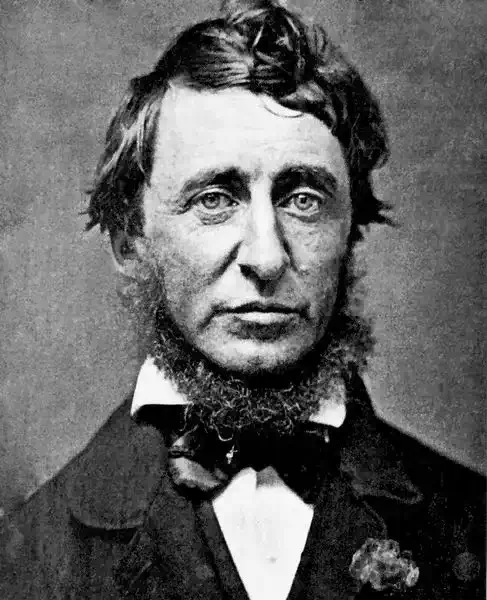
Henry David Thoreau
The Inward Morning
The Inward Morning
Packed in my mind lie all the clothes
Which outward nature wears,
And in its fashion's hourly change
It all things else repairs.
In vain I look for change abroad,
And can no difference find,
Till some new ray of peace uncalled
Illumes my inmost mind.
What is it gilds the trees and clouds,
And paints the heavens so gay,
But yonder fast-abiding light
With its unchanging ray?
Lo, when the sun streams through the wood,
Upon a winter's morn,
Where'er his silent beams intrude,
The murky night is gone.
How could the patient pine have known
The morning breeze would come,
Or humble flowers anticipate
The insect's noonday hum--
Till the new light with morning cheer
From far streamed through the aisles,
And nimbly told the forest trees
For many stretching miles?
I've heard within my inmost soul
Such cheerful morning news,
In the horizon of my mind
Have seen such orient hues,
As in the twilight of the dawn,
When the first birds awake,
Are heard within some silent wood,
Where they the small twigs break,
Or in the eastern skies are seen,
Before the sun appears,
The harbingers of summer heats
Which from afar he bears.
Packed in my mind lie all the clothes
Which outward nature wears,
And in its fashion's hourly change
It all things else repairs.
In vain I look for change abroad,
And can no difference find,
Till some new ray of peace uncalled
Illumes my inmost mind.
What is it gilds the trees and clouds,
And paints the heavens so gay,
But yonder fast-abiding light
With its unchanging ray?
Lo, when the sun streams through the wood,
Upon a winter's morn,
Where'er his silent beams intrude,
The murky night is gone.
How could the patient pine have known
The morning breeze would come,
Or humble flowers anticipate
The insect's noonday hum--
Till the new light with morning cheer
From far streamed through the aisles,
And nimbly told the forest trees
For many stretching miles?
I've heard within my inmost soul
Such cheerful morning news,
In the horizon of my mind
Have seen such orient hues,
As in the twilight of the dawn,
When the first birds awake,
Are heard within some silent wood,
Where they the small twigs break,
Or in the eastern skies are seen,
Before the sun appears,
The harbingers of summer heats
Which from afar he bears.
212
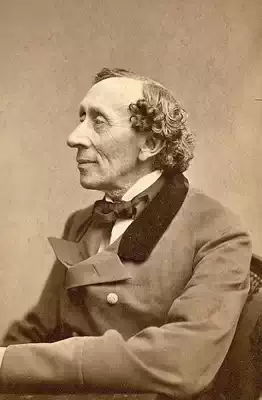
Hans Christian Andersen
From The Philosopher’s Stone
From The Philosopher’s Stone
Now she heard the following words sadly sung,—
“Life is a shadow that flits away
In a night of darkness and woe.”
But then would follow brighter thoughts:
“Life has the rose’s sweet perfume
With sunshine, light, and joy.”
And if one stanza sounded painfully—
“Each mortal thinks of himself alone,
Is a truth, alas, too clearly known;”
Then, on the other hand, came the answer—
“Love, like a mighty flowing stream,
Fills every heart with its radiant gleam.”
She heard, indeed, such words as these—
“In the pretty turmoil here below,
All is a vain and paltry show.”
Then came also words of comfort—
“Great and good are the actions done
By many whose worth is never known.”
And if sometimes the mocking strain reached her—
“Why not join in the jesting cry
That contemns all gifts from the throne on high?”
In the blind girl’s heart a stronger voice repeated—
“To trust in thyself and God is best,
In His holy will forever to rest.”
But the evil spirit could not see this and remain contented.
Now she heard the following words sadly sung,—
“Life is a shadow that flits away
In a night of darkness and woe.”
But then would follow brighter thoughts:
“Life has the rose’s sweet perfume
With sunshine, light, and joy.”
And if one stanza sounded painfully—
“Each mortal thinks of himself alone,
Is a truth, alas, too clearly known;”
Then, on the other hand, came the answer—
“Love, like a mighty flowing stream,
Fills every heart with its radiant gleam.”
She heard, indeed, such words as these—
“In the pretty turmoil here below,
All is a vain and paltry show.”
Then came also words of comfort—
“Great and good are the actions done
By many whose worth is never known.”
And if sometimes the mocking strain reached her—
“Why not join in the jesting cry
That contemns all gifts from the throne on high?”
In the blind girl’s heart a stronger voice repeated—
“To trust in thyself and God is best,
In His holy will forever to rest.”
But the evil spirit could not see this and remain contented.
382
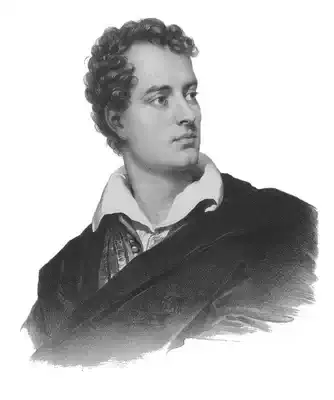
Lord Byron
Stanzas To Augusta (II.)
Stanzas To Augusta (II.)
I.
Though the day of my destiny's over,
And the star of my fate hath declined,
Thy soft heart refused to discover
The faults which so many could find;
Though thy soul with my grief was acquainted,
It shrunk not to share it with me,
And the love which my spirit hath painted
It never hath found but in thee.
II.
Then when nature around me is smiling,
The last smile which answers to mine,
I do not believe it beguiling,
Because it reminds me of thine;
And when winds are at war with the ocean.
As the breasts I believed in with me,
If their billows excite an emotion,
It is that they bear me from thee.
III.
Though the rock of my last hope is shiver'd,
And its fragments are sunk in the wave,
Though I feel that my soul is deliver'd
To pain it
shall not be its slave.
There is many a pang to pursue me:
They may crush, but they shall not contemn;
They may torture, but shall not subdue me
'Tis of thee that I think not
of them.
IV.
Though human, thou didst not deceive me,
Though woman, thou didst not forsake,
Though loved, thou forborest to grieve me,
Though slander'd, thou never couldst shake;
Though trusted, thou didst not disclaim me,
Though parted, it was not to fly,
Though watchful, 'twas not to defame me,
Nor, mute, that the world might belie.
V.
Yet I blame not the world, nor despise it,
Nor the war of the many with one;
If my soul was not fitted to prize it,
'Twas folly not sooner to shun:
And if dearly that error hath cost me,
And more than I once could foresee,
I have found that, whatever it lost me,
It could not deprive me of thee.
VI.
From the wreck of the past, which hath perish'd
Thus much I at least may recall
It hath taught me that what I most cherish'd
Deserved to be dearest of all:
In the desert a fountain is springing,
In the wide waste there still is a tree,
And a bird in the solitude singing,
Which speaks to my spirit of thee.
I.
Though the day of my destiny's over,
And the star of my fate hath declined,
Thy soft heart refused to discover
The faults which so many could find;
Though thy soul with my grief was acquainted,
It shrunk not to share it with me,
And the love which my spirit hath painted
It never hath found but in thee.
II.
Then when nature around me is smiling,
The last smile which answers to mine,
I do not believe it beguiling,
Because it reminds me of thine;
And when winds are at war with the ocean.
As the breasts I believed in with me,
If their billows excite an emotion,
It is that they bear me from thee.
III.
Though the rock of my last hope is shiver'd,
And its fragments are sunk in the wave,
Though I feel that my soul is deliver'd
To pain it
shall not be its slave.
There is many a pang to pursue me:
They may crush, but they shall not contemn;
They may torture, but shall not subdue me
'Tis of thee that I think not
of them.
IV.
Though human, thou didst not deceive me,
Though woman, thou didst not forsake,
Though loved, thou forborest to grieve me,
Though slander'd, thou never couldst shake;
Though trusted, thou didst not disclaim me,
Though parted, it was not to fly,
Though watchful, 'twas not to defame me,
Nor, mute, that the world might belie.
V.
Yet I blame not the world, nor despise it,
Nor the war of the many with one;
If my soul was not fitted to prize it,
'Twas folly not sooner to shun:
And if dearly that error hath cost me,
And more than I once could foresee,
I have found that, whatever it lost me,
It could not deprive me of thee.
VI.
From the wreck of the past, which hath perish'd
Thus much I at least may recall
It hath taught me that what I most cherish'd
Deserved to be dearest of all:
In the desert a fountain is springing,
In the wide waste there still is a tree,
And a bird in the solitude singing,
Which speaks to my spirit of thee.
684
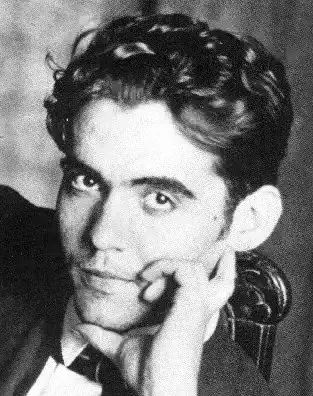
Federico García Lorca
Balada Amarilla IV
Balada Amarilla IV
Sobre el cielo
de las margaritas ando.
Yo imagino esta tarde
que soy santo.
Me pusieron la luna
en las manos.
Yo la puse otra vez
en los espacios
y el Señor me premió
con la rosa y el halo.
Sobre el cielo
de las margaritas ando.
Y ahora voy
por este campo
a librar a las niñas
de galanes malos
y dar monedas de oro
a todos los muchachos.
Sobre el cielo
de las margaritas ando.
Sobre el cielo
de las margaritas ando.
Yo imagino esta tarde
que soy santo.
Me pusieron la luna
en las manos.
Yo la puse otra vez
en los espacios
y el Señor me premió
con la rosa y el halo.
Sobre el cielo
de las margaritas ando.
Y ahora voy
por este campo
a librar a las niñas
de galanes malos
y dar monedas de oro
a todos los muchachos.
Sobre el cielo
de las margaritas ando.
562

Ezra Pound
Invern
Invern
Earth's winter cometh
And I being part of all
And sith the spirit of all moveth in me
I must needs bear earth's winter
Drawn cold and grey with hours
And joying in a momentary sun,
Lo I am withered with waiting till my spring cometh!
Or crouch covetous of warmth
O'er scant-logged ingle blaze,
Must take cramped joy in tomed Longinus
That, read I him first time
The woods agleam with summer
Or mid desirous winds of spring,
Had set me singing spheres
Or made heart to wander forth among warm roses
Or curl in grass next neath a kindly moon.
Earth's winter cometh
And I being part of all
And sith the spirit of all moveth in me
I must needs bear earth's winter
Drawn cold and grey with hours
And joying in a momentary sun,
Lo I am withered with waiting till my spring cometh!
Or crouch covetous of warmth
O'er scant-logged ingle blaze,
Must take cramped joy in tomed Longinus
That, read I him first time
The woods agleam with summer
Or mid desirous winds of spring,
Had set me singing spheres
Or made heart to wander forth among warm roses
Or curl in grass next neath a kindly moon.
464

Emily Jane Brontë
To Imagination
To Imagination
When weary with the long day's care,
And earthly change from pain to pain,
And lost and ready to despair,
Thy kind voice calls me back again:
Oh, my true friend! I am not lone,
While thou canst speak with such a tone!
So hopeless is the world without;
The world within I doubly prize;
Thy world, where guile, and hate, and doubt,
And cold suspicion never rise;
Where thou, and I, and Liberty,
Have undisputed sovereignty.
What matters it, that, all around,
Danger, and guilt, and darkness lie,
If but within our bosom's bound
We hold a bright, untroubled sky,
Warm with ten thousand mingled rays
Of suns that know no winter days?
Reason, indeed, may oft complain
For Nature's sad reality,
And tell the suffering heart, how vain
Its cherished dreams must always be;
And Truth may rudely trample down
The flowers of Fancy, newly-blown:
But, thou art ever there, to bring
The hovering vision back, and breathe
New glories o'er the blighted spring,
And call a lovelier Life from Death,
And whisper, with a voice divine,
Of real worlds, as bright as thine.
I trust not to thy phantom bliss,
Yet, still, in evening's quiet hour,
With never-failing thankfulness,
I welcome thee, Benignant Power;
Sure solacer of human cares,
And sweeter hope, when hope despairs!
When weary with the long day's care,
And earthly change from pain to pain,
And lost and ready to despair,
Thy kind voice calls me back again:
Oh, my true friend! I am not lone,
While thou canst speak with such a tone!
So hopeless is the world without;
The world within I doubly prize;
Thy world, where guile, and hate, and doubt,
And cold suspicion never rise;
Where thou, and I, and Liberty,
Have undisputed sovereignty.
What matters it, that, all around,
Danger, and guilt, and darkness lie,
If but within our bosom's bound
We hold a bright, untroubled sky,
Warm with ten thousand mingled rays
Of suns that know no winter days?
Reason, indeed, may oft complain
For Nature's sad reality,
And tell the suffering heart, how vain
Its cherished dreams must always be;
And Truth may rudely trample down
The flowers of Fancy, newly-blown:
But, thou art ever there, to bring
The hovering vision back, and breathe
New glories o'er the blighted spring,
And call a lovelier Life from Death,
And whisper, with a voice divine,
Of real worlds, as bright as thine.
I trust not to thy phantom bliss,
Yet, still, in evening's quiet hour,
With never-failing thankfulness,
I welcome thee, Benignant Power;
Sure solacer of human cares,
And sweeter hope, when hope despairs!
244
Emily Jane Brontë
The Prisoner
The Prisoner
Still let my tyrants know, I am not doomed to wear
Year after year in gloom and desolate despair;
A messenger of Hope comes every night to me,
And offers for short life, eternal liberty.
He comes with western winds, with evening's wandering airs,
With that clear dusk of heaven that brings the thickest stars:
Winds take a pensive tone, and stars a tender fire,
And visions rise, and change, that kill me with desire.
Desire for nothing known in my maturer years,
When Joy grew mad with awe, at counting future tears:
When, if my spirit's sky was full of flashes warm,
I knew not whence they came, from sun or thunderstorm.
But first, a hush of peace -a soundless calm descends;
The struggle of distress and fierce impatience ends;
Mute music soothes my breast -unuttered harmony
That I could never dream, till Earth was lost to me.
Then dawns the Invisible; the Unseen its truth reveals;
My outward sense is gone, my inward essence feels;
Its wings are almost free -its home, its harbour found;
Measuring the gulf, it stoops, and dares the final bound.
O dreadful is the check -intense the agony -
When the ear begins to hear, and the eye begins to see;
When the pulse begins to throb, the brain to think again,
The soul to feel the flesh, and the flesh to feel the chain.
Yet I would lose no sting, would wish no torture less;
The more that anguish racks, the earlier it will bless;
And robed in fires of hell, or bright with heavenly shine,
If it but herald Death, the vision is divine.
Still let my tyrants know, I am not doomed to wear
Year after year in gloom and desolate despair;
A messenger of Hope comes every night to me,
And offers for short life, eternal liberty.
He comes with western winds, with evening's wandering airs,
With that clear dusk of heaven that brings the thickest stars:
Winds take a pensive tone, and stars a tender fire,
And visions rise, and change, that kill me with desire.
Desire for nothing known in my maturer years,
When Joy grew mad with awe, at counting future tears:
When, if my spirit's sky was full of flashes warm,
I knew not whence they came, from sun or thunderstorm.
But first, a hush of peace -a soundless calm descends;
The struggle of distress and fierce impatience ends;
Mute music soothes my breast -unuttered harmony
That I could never dream, till Earth was lost to me.
Then dawns the Invisible; the Unseen its truth reveals;
My outward sense is gone, my inward essence feels;
Its wings are almost free -its home, its harbour found;
Measuring the gulf, it stoops, and dares the final bound.
O dreadful is the check -intense the agony -
When the ear begins to hear, and the eye begins to see;
When the pulse begins to throb, the brain to think again,
The soul to feel the flesh, and the flesh to feel the chain.
Yet I would lose no sting, would wish no torture less;
The more that anguish racks, the earlier it will bless;
And robed in fires of hell, or bright with heavenly shine,
If it but herald Death, the vision is divine.
346
Emily Jane Brontë
That Wind I Used to Hear it Swelling
That Wind I Used to Hear it Swelling
That wind I used to hear it swelling
With joy divinely deep
You might have seen my hot tears welling
But rapture made me weep
I used to love on winter nights
To lie and dream alone
Of all the hopes and real delights
My early years had known
And oh above the rest of those
That coming time should [bear]
Like heaven's own glorious stars they rose
Still beaming bright and fair
That wind I used to hear it swelling
With joy divinely deep
You might have seen my hot tears welling
But rapture made me weep
I used to love on winter nights
To lie and dream alone
Of all the hopes and real delights
My early years had known
And oh above the rest of those
That coming time should [bear]
Like heaven's own glorious stars they rose
Still beaming bright and fair
257
Emily Jane Brontë
No Coward Soul Is Mine
No Coward Soul Is Mine
No coward soul is mine,
No trembler in the world,s storm-troubled sphere:
I see Heaven's glories shine,
And Faith shines equal arming me from Fear.
O God within my breast.
Almighty ever-present Deity!
Life , that in me has rest,
As I Undying Life, have power in thee!
Vain are the thousand creeds
That move men's hearts, unutterably vain;
Worthless as withered weeds,
Or idlest froth amid the boundless main,
To waken doubt in one
Holding so fast by Thy infinity;
So surely anchored on
The steadfast rock of Immortality.
With wide-embracing love
Thy Spirit animates eternal years,
Pervades and broods above,
Changes, sustains, dissolves, creates, and rears.
Though Earth and moon were gone,
And suns and universes ceased to be,
And Thou wert left alone,
Every Existence would exist in thee.
There is not room for Death,
Nor atom that his might could render void:
Since thou art Being and Breath,
And what thou art may never be destroyed.
No coward soul is mine,
No trembler in the world,s storm-troubled sphere:
I see Heaven's glories shine,
And Faith shines equal arming me from Fear.
O God within my breast.
Almighty ever-present Deity!
Life , that in me has rest,
As I Undying Life, have power in thee!
Vain are the thousand creeds
That move men's hearts, unutterably vain;
Worthless as withered weeds,
Or idlest froth amid the boundless main,
To waken doubt in one
Holding so fast by Thy infinity;
So surely anchored on
The steadfast rock of Immortality.
With wide-embracing love
Thy Spirit animates eternal years,
Pervades and broods above,
Changes, sustains, dissolves, creates, and rears.
Though Earth and moon were gone,
And suns and universes ceased to be,
And Thou wert left alone,
Every Existence would exist in thee.
There is not room for Death,
Nor atom that his might could render void:
Since thou art Being and Breath,
And what thou art may never be destroyed.
491
Emily Jane Brontë
Hope
Hope
Hope was but a timid friend;
She sat without the grated den,
Watching how my fate would tend,
Even as selfish-hearted men.
She was cruel in her fear;
Through the bars, one dreary day,
I looked out to see her there,
And she turned her face away!
Like a false guard, false watch keeping,
Still, in strife, she whispered peace;
She would sing while I was weeping;
If I listened, she would cease.
False she was, and unrelenting;
When my last joys strewed the ground,
Even Sorrow saw, repenting,
Those sad relics scattered round;
Hope, whose whisper would have given
Balm to all my frenzied pain,
Stretched her wings, and soared to heaven,
Went, and ne'er returned again!
Hope was but a timid friend;
She sat without the grated den,
Watching how my fate would tend,
Even as selfish-hearted men.
She was cruel in her fear;
Through the bars, one dreary day,
I looked out to see her there,
And she turned her face away!
Like a false guard, false watch keeping,
Still, in strife, she whispered peace;
She would sing while I was weeping;
If I listened, she would cease.
False she was, and unrelenting;
When my last joys strewed the ground,
Even Sorrow saw, repenting,
Those sad relics scattered round;
Hope, whose whisper would have given
Balm to all my frenzied pain,
Stretched her wings, and soared to heaven,
Went, and ne'er returned again!
213

Emily Dickinson
Why-do they shut Me out of Heaven?
Why-do they shut Me out of Heaven?
248
Why-do they shut Me out of Heaven?
Did I sing-too loud?
But-I can say a little "Minor"
Timid as a Bird!
Wouldn't the Angels try meJust-
once-moreJust-
see-if I troubled them-
But don't-shut the door!
Oh, if I-were the Gentleman
In the "White Robe"-
And they-were the little Hand-that knockedCould-
I-forbid?
248
Why-do they shut Me out of Heaven?
Did I sing-too loud?
But-I can say a little "Minor"
Timid as a Bird!
Wouldn't the Angels try meJust-
once-moreJust-
see-if I troubled them-
But don't-shut the door!
Oh, if I-were the Gentleman
In the "White Robe"-
And they-were the little Hand-that knockedCould-
I-forbid?
244
Emily Dickinson
Undue Significance a starving man attaches
Undue Significance a starving man attaches
439
Undue Significance a starving man attaches
To Food-
Far off-He sighs-and therefore-Hopeless-
And therefore-Good
Partaken-it relieves-indeed-
But proves us
That Spices fly
In the Receipt-It was the Distance-
Was Savory-
439
Undue Significance a starving man attaches
To Food-
Far off-He sighs-and therefore-Hopeless-
And therefore-Good
Partaken-it relieves-indeed-
But proves us
That Spices fly
In the Receipt-It was the Distance-
Was Savory-
191
Emily Dickinson
Out of sight? What of that?
Out of sight? What of that?
703
Out of sight? What of that?
See the Bird-reach it!
Curve by Curve-Sweep by Sweep-
Round the Steep Air-
Danger! What is that to Her?
Better 'tis to fail-there-
Than debate-here-
Blue is Blue-the World throughAmber-
Amber-Dew-DewSeek-
Friend-and see-
Heaven is shy of Earth-that's all-
Bashful Heaven-thy Lovers smallHide-
too-from thee-
703
Out of sight? What of that?
See the Bird-reach it!
Curve by Curve-Sweep by Sweep-
Round the Steep Air-
Danger! What is that to Her?
Better 'tis to fail-there-
Than debate-here-
Blue is Blue-the World throughAmber-
Amber-Dew-DewSeek-
Friend-and see-
Heaven is shy of Earth-that's all-
Bashful Heaven-thy Lovers smallHide-
too-from thee-
267
Emily Dickinson
It was too late for Man
It was too late for Man
623
It was too late for Man-
But early, yet, for GodCreation-
impotent to help-
But Prayer-remained-Our Side-
How excellent the Heaven-
When Earth-cannot be had-
How hospitable-then-the face
Of our Old Neighbor-God-
623
It was too late for Man-
But early, yet, for GodCreation-
impotent to help-
But Prayer-remained-Our Side-
How excellent the Heaven-
When Earth-cannot be had-
How hospitable-then-the face
Of our Old Neighbor-God-
352
Emily Dickinson
If pain for peace prepares
If pain for peace prepares
63
If pain for peace prepares
Lo, what "Augustan" years
Our feet await!
If springs from winter rise,
Can the Anemones
Be reckoned up?
If night stands fast-then noon
To gird us for the sun,
What gaze!
When from a thousand skies
On our developed eyes
Noons blaze!
63
If pain for peace prepares
Lo, what "Augustan" years
Our feet await!
If springs from winter rise,
Can the Anemones
Be reckoned up?
If night stands fast-then noon
To gird us for the sun,
What gaze!
When from a thousand skies
On our developed eyes
Noons blaze!
309
Emily Dickinson
I sing to use the Waiting
I sing to use the Waiting
850
I sing to use the Waiting
My Bonnet but to tie
And shut the Door unto my House
No more to do have I
Till His best step approaching
We journey to the Day
And tell each other how We sung
To Keep the Dark away.
850
I sing to use the Waiting
My Bonnet but to tie
And shut the Door unto my House
No more to do have I
Till His best step approaching
We journey to the Day
And tell each other how We sung
To Keep the Dark away.
319
Emily Dickinson
I many times thought Peace had come
I many times thought Peace had come
739
I many times thought Peace had come
When Peace was far away-
As Wrecked Men-deem they sight the Land-
At Centre of the Sea-
And struggle slacker-but to prove
As hopelessly as I-
How many the fictitious Shores-
Before the Harbor be-
739
I many times thought Peace had come
When Peace was far away-
As Wrecked Men-deem they sight the Land-
At Centre of the Sea-
And struggle slacker-but to prove
As hopelessly as I-
How many the fictitious Shores-
Before the Harbor be-
286
Emily Dickinson
I felt my life with both my hands
I felt my life with both my hands
351
I felt my life with both my hands
To see if it was there-
I held my spirit to the Glass,
To prove it possibler-
I turned my Being round and round
And paused at every pound
To ask the Owner's name-
For doubt, that I should know the Sound-
I judged my features-jarred my hair-
I pushed my dimples by, and waited-
If they-twinkled back-
Conviction might, of me-
I told myself, "Take Courage, FriendThat-
was a former time-
But we might learn to like the Heaven,
As well as our Old Home!"
351
I felt my life with both my hands
To see if it was there-
I held my spirit to the Glass,
To prove it possibler-
I turned my Being round and round
And paused at every pound
To ask the Owner's name-
For doubt, that I should know the Sound-
I judged my features-jarred my hair-
I pushed my dimples by, and waited-
If they-twinkled back-
Conviction might, of me-
I told myself, "Take Courage, FriendThat-
was a former time-
But we might learn to like the Heaven,
As well as our Old Home!"
301
Emily Dickinson
I am alive—I guess
I am alive—I guess
470
I am alive—I guess—
The Branches on my Hand
Are full of Morning Glory—
And at my finger's end—
The Carmine—tingles warm—
And if I hold a Glass
Across my Mouth—it blurs it—
Physician's—proof of Breath—
I am alive—because
I am not in a Room—
The Parlor—Commonly—it is—
So Visitors may come—
And lean—and view it sidewise—
And add "How cold—it grew"—
And "Was it conscious—when it stepped
In Immortality?"
I am alive—because
I do not own a House—
Entitled to myself—precise—
And fitting no one else—
And marked my Girlhood's name—
So Visitors may know
Which Door is mine—and not
470
I am alive—I guess—
The Branches on my Hand
Are full of Morning Glory—
And at my finger's end—
The Carmine—tingles warm—
And if I hold a Glass
Across my Mouth—it blurs it—
Physician's—proof of Breath—
I am alive—because
I am not in a Room—
The Parlor—Commonly—it is—
So Visitors may come—
And lean—and view it sidewise—
And add "How cold—it grew"—
And "Was it conscious—when it stepped
In Immortality?"
I am alive—because
I do not own a House—
Entitled to myself—precise—
And fitting no one else—
And marked my Girlhood's name—
So Visitors may know
Which Door is mine—and not
231
Emily Dickinson
Adrift! A little boat adrift!
Adrift! A little boat adrift!
30
Adrift! A little boat adrift!
And night is coming down!
Will no one guide a little boat
Unto the nearest town?
So Sailors say-on yesterday-
Just as the dusk was brown
One little boat gave up its strife
And gurgled down and down.
So angels say-on yesterday-
Just as the dawn was red
One little boat-o'erspent with gales-
Retrimmed its masts-redecked its sails-
And shot-exultant on!
30
Adrift! A little boat adrift!
And night is coming down!
Will no one guide a little boat
Unto the nearest town?
So Sailors say-on yesterday-
Just as the dusk was brown
One little boat gave up its strife
And gurgled down and down.
So angels say-on yesterday-
Just as the dawn was red
One little boat-o'erspent with gales-
Retrimmed its masts-redecked its sails-
And shot-exultant on!
259
Emily Dickinson
Heaven-is what I cannot reach!
"Heaven"-is what I cannot reach!
239
"Heaven"-is what I cannot reach!
The Apple on the Tree-
Provided it do hopeless-hangThat-"
Heaven" is-to Me!
The Color, on the Cruising Cloud-
The interdicted Land-
Behind the Hill-the House behindThere-
Paradise-is found!
Her teasing Purples-Afternoons-
The credulous-decoyEnamored-
of the Conjuror-
That spurned us-Yesterday!
239
"Heaven"-is what I cannot reach!
The Apple on the Tree-
Provided it do hopeless-hangThat-"
Heaven" is-to Me!
The Color, on the Cruising Cloud-
The interdicted Land-
Behind the Hill-the House behindThere-
Paradise-is found!
Her teasing Purples-Afternoons-
The credulous-decoyEnamored-
of the Conjuror-
That spurned us-Yesterday!
315

Ella Wheeler Wilcox
The Voice
The Voice
I dreamed a Voice, of one God-authorised,
Cried loudly thro’ the world, ‘Disarm! Disarm! ’
And there was consernation in the camps;
And men who strutted under braid and lace
Beat on their medalled breasts, and wailed,
‘Undone! ’
The word was echoed from a thousand hills,
And shop and mill, and factory and forge,
Where throve the awful industries of death,
Hushed into silence. Scrawled upon the doors,
The passer read, ‘Peace bids her children
Starve.’
But foolish women clasped their little sons
And wept for joy, not reasoning like men.
Again the Voice commanded: ‘Now go forth
And build a world for Progress and for Peace.
This world had waited since the earth was
Shaped;
But men were fighting, and they could not
Toil.
The needs of life outnumbered needs of death.
Leave death with God. Go forth, I say, and
Build.’
And then a sudden comprehensive joy
Shone in the eyes of men; and one who thought
Only of conquests and of victories
Woke from his gloomy reverie and cried,
‘Ay, come and build! I challenge all to try.
And I will make a world more beautiful
Then Eden was before the serpent came.’
And like a running flame on western wilds,
Ambition spread from mind to listening mind,
And lo! the looms were busy once again,
And all the earth resounded with men’s toil.
Vast palaces of Science graced the world;
Their banquet tables spread with feasts of truth
For all who hungered. Music kissed the air,
Once rent with boom of cannons. Statues gleamed
From wooded ways, where ambushed armies hid
In times of old. The sea and air were gay
With shining sails that soared from land to land.
A universal language of the world
Made nations kin, and poverty was known
But as a word marked ‘obsolete, ’ like war.
The arts were kindled with celestial fire;
New poets sang so Homer’s fame grew dim;
And brush and chisel gave the wondering race
Sublimer treasures than old Greece displayed.
Men differed still; fierce argument arose,
For men are human in this human sphere;
But unarmed Arbitration stood between
And Reason settled in a hundred hours
What War disputed for a hundred years.
Oh, that a Voice, of one God-authorised
Might cry to all mankind, Disarm! Disarm!
Remembered
His art was loving; Eres set his sign
Upon that youthful forehead, and he drew
The hearts of women, as the sun draws dew.
Love feeds love’s thirst as wine feeds love of wine;
Nor is there any potion from the vine
Which makes men drunken like the subtle brew
Of kisses crushed by kisses; and he grew
Inebriated with that draught divine.
Yet in his sober moments, when the sun
Of radiant summer paled to lonely fall,
And passion’s sea had grown an ebbing tide,
From out the many, Memory singled one
Full cup that seemed the sweetest of them all –
The warm red mouth that mocked him and denied.
I dreamed a Voice, of one God-authorised,
Cried loudly thro’ the world, ‘Disarm! Disarm! ’
And there was consernation in the camps;
And men who strutted under braid and lace
Beat on their medalled breasts, and wailed,
‘Undone! ’
The word was echoed from a thousand hills,
And shop and mill, and factory and forge,
Where throve the awful industries of death,
Hushed into silence. Scrawled upon the doors,
The passer read, ‘Peace bids her children
Starve.’
But foolish women clasped their little sons
And wept for joy, not reasoning like men.
Again the Voice commanded: ‘Now go forth
And build a world for Progress and for Peace.
This world had waited since the earth was
Shaped;
But men were fighting, and they could not
Toil.
The needs of life outnumbered needs of death.
Leave death with God. Go forth, I say, and
Build.’
And then a sudden comprehensive joy
Shone in the eyes of men; and one who thought
Only of conquests and of victories
Woke from his gloomy reverie and cried,
‘Ay, come and build! I challenge all to try.
And I will make a world more beautiful
Then Eden was before the serpent came.’
And like a running flame on western wilds,
Ambition spread from mind to listening mind,
And lo! the looms were busy once again,
And all the earth resounded with men’s toil.
Vast palaces of Science graced the world;
Their banquet tables spread with feasts of truth
For all who hungered. Music kissed the air,
Once rent with boom of cannons. Statues gleamed
From wooded ways, where ambushed armies hid
In times of old. The sea and air were gay
With shining sails that soared from land to land.
A universal language of the world
Made nations kin, and poverty was known
But as a word marked ‘obsolete, ’ like war.
The arts were kindled with celestial fire;
New poets sang so Homer’s fame grew dim;
And brush and chisel gave the wondering race
Sublimer treasures than old Greece displayed.
Men differed still; fierce argument arose,
For men are human in this human sphere;
But unarmed Arbitration stood between
And Reason settled in a hundred hours
What War disputed for a hundred years.
Oh, that a Voice, of one God-authorised
Might cry to all mankind, Disarm! Disarm!
Remembered
His art was loving; Eres set his sign
Upon that youthful forehead, and he drew
The hearts of women, as the sun draws dew.
Love feeds love’s thirst as wine feeds love of wine;
Nor is there any potion from the vine
Which makes men drunken like the subtle brew
Of kisses crushed by kisses; and he grew
Inebriated with that draught divine.
Yet in his sober moments, when the sun
Of radiant summer paled to lonely fall,
And passion’s sea had grown an ebbing tide,
From out the many, Memory singled one
Full cup that seemed the sweetest of them all –
The warm red mouth that mocked him and denied.
403
Ella Wheeler Wilcox
The Universal Route
The Universal Route
As we journey along, with a laugh and a song,
We see, on youth’s flower-decked slope,
Like a beacon of light, shining fair on the sight,
The beautiful Station of Hope.
But the wheels of old Time roll along as we climb,
And our youth speeds away on the years;
And with hearts that are numb with life’s sorrows we come
To the mist-covered Station of Tears.
Still onward we pass, where the milestones, alas!
Are tombs of our dead, to the West,
Where glitters and gleams, in the dying sunbeams,
The sweet, silent Station of Rest.
All rest is but change, and no grave can estrange
The soul from its Parent above;
And, scorning the rod, it soars back to God,
To the limitless City of Love.
As we journey along, with a laugh and a song,
We see, on youth’s flower-decked slope,
Like a beacon of light, shining fair on the sight,
The beautiful Station of Hope.
But the wheels of old Time roll along as we climb,
And our youth speeds away on the years;
And with hearts that are numb with life’s sorrows we come
To the mist-covered Station of Tears.
Still onward we pass, where the milestones, alas!
Are tombs of our dead, to the West,
Where glitters and gleams, in the dying sunbeams,
The sweet, silent Station of Rest.
All rest is but change, and no grave can estrange
The soul from its Parent above;
And, scorning the rod, it soars back to God,
To the limitless City of Love.
392
Ella Wheeler Wilcox
The Tulip Bed At Greeley Square
The Tulip Bed At Greeley Square
You know that oasis, fresh and fair
In the city desert, as Greeley square?
That bright triangle of scented bloom
That lies surrounded by grime and gloom?
Right in the breast of the seething town
Like a gleaming gem or a wanton’s gown?
Ah, wonderful things that tulip bed
Unto my listening soul has said.
Over the rattle and roar of the street
I hear a chorus of voices sweet,
Day and night, when I pass that way,
And these are the things the voices say:
“Here, in the heart of the foolish strife,
We live a simple and natural life.
“Here, in the midst of the clash and din,
We know what it is to be calm within.
“Here, environed by sin and shame,
We do what we can with our pure white flame.
“We do what we can with our bloom and grace,
To make the city a fairer place.
“It is well to be good though the world is vile,
And so through the dust and the smoke we smile,
“We are but atoms in chaos tossed,
Yet never a purpose for truth was lost.”
Ah, many a sermon is uttered there
By the bed of blossoms in Greeley square.
And he who listens and hears aright,
Is better equipped for the world’s hard fight.
You know that oasis, fresh and fair
In the city desert, as Greeley square?
That bright triangle of scented bloom
That lies surrounded by grime and gloom?
Right in the breast of the seething town
Like a gleaming gem or a wanton’s gown?
Ah, wonderful things that tulip bed
Unto my listening soul has said.
Over the rattle and roar of the street
I hear a chorus of voices sweet,
Day and night, when I pass that way,
And these are the things the voices say:
“Here, in the heart of the foolish strife,
We live a simple and natural life.
“Here, in the midst of the clash and din,
We know what it is to be calm within.
“Here, environed by sin and shame,
We do what we can with our pure white flame.
“We do what we can with our bloom and grace,
To make the city a fairer place.
“It is well to be good though the world is vile,
And so through the dust and the smoke we smile,
“We are but atoms in chaos tossed,
Yet never a purpose for truth was lost.”
Ah, many a sermon is uttered there
By the bed of blossoms in Greeley square.
And he who listens and hears aright,
Is better equipped for the world’s hard fight.
309