

Poems in this theme
Hope and Optimism
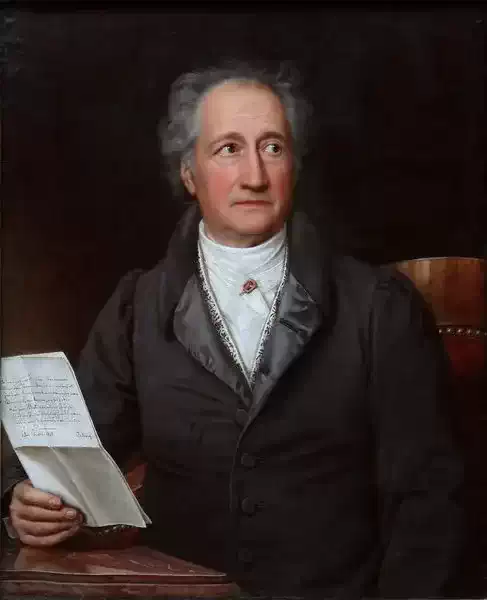
Johann Wolfgang von Goethe
Three Palinodias - 03 Rain And Rainbow
Three Palinodias - 03 Rain And Rainbow
DURING a heavy storm it chanced
That from his room a cockney glanced
At the fierce tempest as it broke,
While to his neighbour thus he spoke:
"The thunder has our awe inspired,
Our barns by lightning have been fired,--
Our sins to punish, I suppose;
But in return, to soothe our woes,
See how the rain in torrents fell,
Making the harvest promise well!
But it's a rainbow that I spy
Extending o'er the dark-grey sky?
With it I'm sure we may dispense,
The colour'd cheat! The vain pretence!"
Dame Iris straightway thus replied:
"Dost dare my beauty to deride?
In realms of space God station'd me
A type of better worlds to be
To eyes that from life's sorrows rove
In cheerful hope to Heav'n above,
And, through the mists that hover here
God and his precepts blest revere.
Do thou, then, grovel like the swine,
And to the ground thy snout confine,
But suffer the enlighten'd eye
To feast upon my majesty."
DURING a heavy storm it chanced
That from his room a cockney glanced
At the fierce tempest as it broke,
While to his neighbour thus he spoke:
"The thunder has our awe inspired,
Our barns by lightning have been fired,--
Our sins to punish, I suppose;
But in return, to soothe our woes,
See how the rain in torrents fell,
Making the harvest promise well!
But it's a rainbow that I spy
Extending o'er the dark-grey sky?
With it I'm sure we may dispense,
The colour'd cheat! The vain pretence!"
Dame Iris straightway thus replied:
"Dost dare my beauty to deride?
In realms of space God station'd me
A type of better worlds to be
To eyes that from life's sorrows rove
In cheerful hope to Heav'n above,
And, through the mists that hover here
God and his precepts blest revere.
Do thou, then, grovel like the swine,
And to the ground thy snout confine,
But suffer the enlighten'd eye
To feast upon my majesty."
409
Johann Wolfgang von Goethe
On The New Year
On The New Year
FATE now allows us,
'Twixt the departing
And the upstarting,
Happy to be;
And at the call of
Memory cherish'd,
Future and perish'd
Moments we see.
Seasons of anguish,--
Ah, they must ever
Truth from woe sever,
Love and joy part;
Days still more worthy
Soon will unite us,
Fairer songs light us,
Strength'ning the heart.
We, thus united,
Think of, with gladness,
Rapture and sadness,
Sorrow now flies.
Oh, how mysterious
Fortune's direction!
Old the connection,
New-born the prize!
Thank, for this, Fortune,
Wavering blindly!
Thank all that kindly
Fate may bestow!
Revel in change's
Impulses clearer,
Love far sincerer,
More heartfelt glow!
Over the old one,
Wrinkles collected,
Sad and dejected,
Others may view;
But, on us gently
Shineth a true one,
And to the new one
We, too, are new.
As a fond couple
'Midst the dance veering,
First disappearing,
Then reappear,
So let affection
Guide thro' life's mazy
Pathways so hazy
Into the year!
FATE now allows us,
'Twixt the departing
And the upstarting,
Happy to be;
And at the call of
Memory cherish'd,
Future and perish'd
Moments we see.
Seasons of anguish,--
Ah, they must ever
Truth from woe sever,
Love and joy part;
Days still more worthy
Soon will unite us,
Fairer songs light us,
Strength'ning the heart.
We, thus united,
Think of, with gladness,
Rapture and sadness,
Sorrow now flies.
Oh, how mysterious
Fortune's direction!
Old the connection,
New-born the prize!
Thank, for this, Fortune,
Wavering blindly!
Thank all that kindly
Fate may bestow!
Revel in change's
Impulses clearer,
Love far sincerer,
More heartfelt glow!
Over the old one,
Wrinkles collected,
Sad and dejected,
Others may view;
But, on us gently
Shineth a true one,
And to the new one
We, too, are new.
As a fond couple
'Midst the dance veering,
First disappearing,
Then reappear,
So let affection
Guide thro' life's mazy
Pathways so hazy
Into the year!
387
Johann Wolfgang von Goethe
My Goddess
My Goddess
SAY, which Immortal
Merits the highest reward?
With none contend I,
But I will give it
To the aye-changing,
Ever-moving
Wondrous daughter of Jove.
His best-beloved offspring.
Sweet Phantasy.
For unto her
Hath he granted
All the fancies which erst
To none allow'd he
Saving himself;
Now he takes his pleasure
In the mad one.
She may, crowned with roses,
With staff twined round with lilies,
Roam thro' flow'ry valleys,
Rule the butterfly-people,
And soft-nourishing dew
With bee-like lips
Drink from the blossom:
Or else she may
With fluttering hair
And gloomy looks
Sigh in the wind
Round rocky cliffs,
And thousand-hued.
Like morn and even.
Ever changing,
Like moonbeam's light,
To mortals appear.
Let us all, then,
Adore the Father!
The old, the mighty,
Who such a beauteous
Ne'er-fading spouse
Deigns to accord
To perishing mortals!
To us alone
Doth he unite her,
With heavenly bonds,
While he commands her,
in joy and sorrow,
As a true spouse
Never to fly us.
All the remaining
Races so poor
Of life-teeming earth.
In children so rich.
Wander and feed
In vacant enjoyment,
And 'mid the dark sorrows
Of evanescent
Restricted life,Bow'd
by the heavy
Yoke of Necessity.
But unto us he
Hath his most versatile,
Most cherished daughter
Granted,-what joy!
Lovingly greet her
As a beloved one!
Give her the woman's
Place in our home!
And oh, may the aged
Stepmother Wisdom
Her gentle spirit
Ne'er seek to harm!
Yet know I her sister,
The older, sedater,
Mine own silent friend;
Oh, may she never,
Till life's lamp is quench'd,
Turn away from me,-
That noble inciter,
Comforter,-Hope!
SAY, which Immortal
Merits the highest reward?
With none contend I,
But I will give it
To the aye-changing,
Ever-moving
Wondrous daughter of Jove.
His best-beloved offspring.
Sweet Phantasy.
For unto her
Hath he granted
All the fancies which erst
To none allow'd he
Saving himself;
Now he takes his pleasure
In the mad one.
She may, crowned with roses,
With staff twined round with lilies,
Roam thro' flow'ry valleys,
Rule the butterfly-people,
And soft-nourishing dew
With bee-like lips
Drink from the blossom:
Or else she may
With fluttering hair
And gloomy looks
Sigh in the wind
Round rocky cliffs,
And thousand-hued.
Like morn and even.
Ever changing,
Like moonbeam's light,
To mortals appear.
Let us all, then,
Adore the Father!
The old, the mighty,
Who such a beauteous
Ne'er-fading spouse
Deigns to accord
To perishing mortals!
To us alone
Doth he unite her,
With heavenly bonds,
While he commands her,
in joy and sorrow,
As a true spouse
Never to fly us.
All the remaining
Races so poor
Of life-teeming earth.
In children so rich.
Wander and feed
In vacant enjoyment,
And 'mid the dark sorrows
Of evanescent
Restricted life,Bow'd
by the heavy
Yoke of Necessity.
But unto us he
Hath his most versatile,
Most cherished daughter
Granted,-what joy!
Lovingly greet her
As a beloved one!
Give her the woman's
Place in our home!
And oh, may the aged
Stepmother Wisdom
Her gentle spirit
Ne'er seek to harm!
Yet know I her sister,
The older, sedater,
Mine own silent friend;
Oh, may she never,
Till life's lamp is quench'd,
Turn away from me,-
That noble inciter,
Comforter,-Hope!
356
Johann Wolfgang von Goethe
Found
Found
Once through the forest
Alone I went;
To seek for nothing
My thoughts were bent.
I saw i' the shadow
A flower stand there
As stars it glisten'd,
As eyes 'twas fair.
I sought to pluck it,-
It gently said:
'Shall I be gather'd
Only to fade?'
With all its roots
I dug it with care,
And took it home
To my garden fair.
In silent corner
Soon it was set;
There grows it ever,
There blooms it yet.
Once through the forest
Alone I went;
To seek for nothing
My thoughts were bent.
I saw i' the shadow
A flower stand there
As stars it glisten'd,
As eyes 'twas fair.
I sought to pluck it,-
It gently said:
'Shall I be gather'd
Only to fade?'
With all its roots
I dug it with care,
And took it home
To my garden fair.
In silent corner
Soon it was set;
There grows it ever,
There blooms it yet.
332
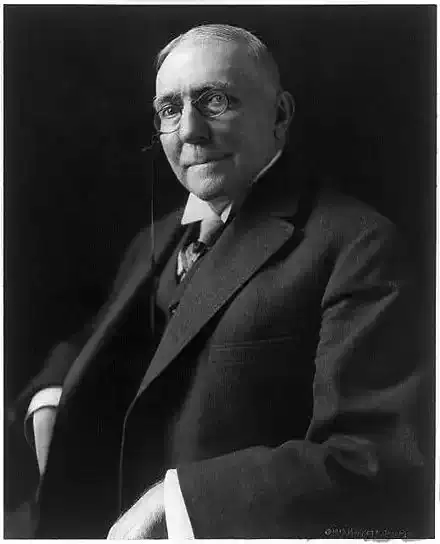
James Whitcomb Riley
We Must Believe
We Must Believe
_'Lord, I believe: help Thou mine unbelief.'_
We must believe--
Being from birth endowed with love and trust--
Born unto loving;--and how simply just
That love--that faith!--even in the blossom-face
The babe drops dreamward in its resting-place,
Intuitively conscious of the sure
Awakening to rapture ever pure
And sweet and saintly as the mother's own,
Or the awed father's, as his arms are thrown
O'er wife and child, to round about them weave
And wind and bind them as one harvest-sheaf
Of love--to cleave to, and _forever_ cleave....
Lord, I believe:
Help Thou mine unbelief.
We must believe--
Impelled since infancy to seek some clear
Fulfillment, still withheld all seekers here;--
For never have we seen perfection nor
The glory we are ever seeking for:
But we _have_ seen--all mortal souls as one--
Have seen its _promise_, in the morning sun--
Its blest assurance, in the stars of night;--
The ever-dawning of the dark to light;--
The tears down-falling from all eyes that grieve--
The eyes uplifting from all deeps of grief,
Yearning for what at last we shall receive....
Lord, I believe:
Help Thou mine unbelief.
We must believe--
For still all unappeased our hunger goes,
From life's first waking, to its last repose:
The briefest life of any babe, or man
Outwearing even the allotted span,
Is each a life unfinished--incomplete:
For these, then, of th' outworn, or unworn feet
Denied one toddling step--O there must be
Some fair, green, flowery pathway endlessly
Winding through lands Elysian! Lord, receive
And lead each as Thine Own Child--even the Chief
Of us who didst Immortal life achieve....
Lord, I believe:
Help Thou mine unbelief.
_'Lord, I believe: help Thou mine unbelief.'_
We must believe--
Being from birth endowed with love and trust--
Born unto loving;--and how simply just
That love--that faith!--even in the blossom-face
The babe drops dreamward in its resting-place,
Intuitively conscious of the sure
Awakening to rapture ever pure
And sweet and saintly as the mother's own,
Or the awed father's, as his arms are thrown
O'er wife and child, to round about them weave
And wind and bind them as one harvest-sheaf
Of love--to cleave to, and _forever_ cleave....
Lord, I believe:
Help Thou mine unbelief.
We must believe--
Impelled since infancy to seek some clear
Fulfillment, still withheld all seekers here;--
For never have we seen perfection nor
The glory we are ever seeking for:
But we _have_ seen--all mortal souls as one--
Have seen its _promise_, in the morning sun--
Its blest assurance, in the stars of night;--
The ever-dawning of the dark to light;--
The tears down-falling from all eyes that grieve--
The eyes uplifting from all deeps of grief,
Yearning for what at last we shall receive....
Lord, I believe:
Help Thou mine unbelief.
We must believe--
For still all unappeased our hunger goes,
From life's first waking, to its last repose:
The briefest life of any babe, or man
Outwearing even the allotted span,
Is each a life unfinished--incomplete:
For these, then, of th' outworn, or unworn feet
Denied one toddling step--O there must be
Some fair, green, flowery pathway endlessly
Winding through lands Elysian! Lord, receive
And lead each as Thine Own Child--even the Chief
Of us who didst Immortal life achieve....
Lord, I believe:
Help Thou mine unbelief.
267
James Whitcomb Riley
We to Sigh Instead of Sing
We to Sigh Instead of Sing
"Rain and Rain! and rain and rain!"
Yesterday we muttered
Grimly as the grim refrain
That the thunders uttered:
All the heavens under cloud --
All the sunshine sleeping;
All the grasses limply bowed
With their weight of weeping.
Sigh and sigh! and sigh and sigh!
Never end of sighing;
Rain and rain for our reply --
Hopes half-drowned and dying;
Peering through the window-pane,
Naught but endless raining --
Endless sighing, and, as vain,
Endlessly conmplaining.
Shine and shine! and shine and shine!
Ah! to-day the splendor!--
All this glory yours and mine --
God! but God is tender!
We to sigh instead of sing,
Yesterday in sorrow,
While the lord was fashioning
This for our To-morrow!
"Rain and Rain! and rain and rain!"
Yesterday we muttered
Grimly as the grim refrain
That the thunders uttered:
All the heavens under cloud --
All the sunshine sleeping;
All the grasses limply bowed
With their weight of weeping.
Sigh and sigh! and sigh and sigh!
Never end of sighing;
Rain and rain for our reply --
Hopes half-drowned and dying;
Peering through the window-pane,
Naught but endless raining --
Endless sighing, and, as vain,
Endlessly conmplaining.
Shine and shine! and shine and shine!
Ah! to-day the splendor!--
All this glory yours and mine --
God! but God is tender!
We to sigh instead of sing,
Yesterday in sorrow,
While the lord was fashioning
This for our To-morrow!
303
James Whitcomb Riley
The Watches Of The Night
The Watches Of The Night
O the waiting in the watches of the night!
In the darkness, desolation, and contrition and affright;
The awful hush that holds us shut away from all delight:
The ever weary memory that ever weary goes
Recounting ever over every aching loss it knows--
The ever weary eyelids gasping ever for repose--
In the dreary, weary watches of the night!
Dark--stifling dark--the watches of the night!
With tingling nerves at tension, how the blackness flashes white
With spectral visitations smitten past the inner sight!--
What shuddering sense of wrongs we've wrought
that may not be redressed--
Of tears we did not brush away--of lips we left unpressed,
And hands that we let fall, with all their loyalty unguessed!
Ah! the empty, empty watches of the night!
What solace in the watches of the night?--
What frailest staff of hope to stay--what faintest shaft of light?
Do we _dream_ and dare _believe_ it, that by never weight of right
Of our own poor weak deservings, we shall win the dawn at last--
Our famished souls find freedom from this penance for the past,
In a faith that leaps and lightens from the gloom
that flees aghast--
Shall we survive the watches of the night?
One leads us through the watches of the night--
By the ceaseless intercession of our loved ones lost to sight
He is with us through all trials, in His mercy and His might;--
With our mothers there about Him, all our sorrow disappears,
Till the silence of our sobbing is the prayer the Master hears,
And His hand is laid upon us with the tenderness of tears
In the waning of the watches of the night.
O the waiting in the watches of the night!
In the darkness, desolation, and contrition and affright;
The awful hush that holds us shut away from all delight:
The ever weary memory that ever weary goes
Recounting ever over every aching loss it knows--
The ever weary eyelids gasping ever for repose--
In the dreary, weary watches of the night!
Dark--stifling dark--the watches of the night!
With tingling nerves at tension, how the blackness flashes white
With spectral visitations smitten past the inner sight!--
What shuddering sense of wrongs we've wrought
that may not be redressed--
Of tears we did not brush away--of lips we left unpressed,
And hands that we let fall, with all their loyalty unguessed!
Ah! the empty, empty watches of the night!
What solace in the watches of the night?--
What frailest staff of hope to stay--what faintest shaft of light?
Do we _dream_ and dare _believe_ it, that by never weight of right
Of our own poor weak deservings, we shall win the dawn at last--
Our famished souls find freedom from this penance for the past,
In a faith that leaps and lightens from the gloom
that flees aghast--
Shall we survive the watches of the night?
One leads us through the watches of the night--
By the ceaseless intercession of our loved ones lost to sight
He is with us through all trials, in His mercy and His might;--
With our mothers there about Him, all our sorrow disappears,
Till the silence of our sobbing is the prayer the Master hears,
And His hand is laid upon us with the tenderness of tears
In the waning of the watches of the night.
308
James Whitcomb Riley
The Rainy Morning
The Rainy Morning
The dawn of the day was dreary,
And the lowering clouds o'erhead
Wept in a silent sorrow
Where the sweet sunshine lay dead;
And a wind came out of the eastward
Like an endless sigh of pain,
And the leaves fell down in the pathway
And writhed in the falling rain.
I had tried in a brave endeavor
To chord my harp with the sun,
But the strings would slacken ever,
And the task was a weary one:
And so, like a child impatient
And sick of a discontent,
I bowed in a shower of tear-drops
And mourned with the instrument.
And lo! as I bowed, the splendor
Of the sun bent over me,
With a touch as warm and tender
As a father's hand might be:
And, even as I felt its presence,
My clouded soul grew bright,
And the tears, like the rain of morning,
Melted in mists of light.
The dawn of the day was dreary,
And the lowering clouds o'erhead
Wept in a silent sorrow
Where the sweet sunshine lay dead;
And a wind came out of the eastward
Like an endless sigh of pain,
And the leaves fell down in the pathway
And writhed in the falling rain.
I had tried in a brave endeavor
To chord my harp with the sun,
But the strings would slacken ever,
And the task was a weary one:
And so, like a child impatient
And sick of a discontent,
I bowed in a shower of tear-drops
And mourned with the instrument.
And lo! as I bowed, the splendor
Of the sun bent over me,
With a touch as warm and tender
As a father's hand might be:
And, even as I felt its presence,
My clouded soul grew bright,
And the tears, like the rain of morning,
Melted in mists of light.
311
James Whitcomb Riley
The Hereafter
The Hereafter
Hereafter! O we need not waste
Our smiles or tears, whatever befall:
No happiness but holds a taste
Of something sweeter, after all;--
No depth of agony but feels
Some fragment of abiding trust,--
Whatever death unlocks or seals,
The mute beyond is just.
Hereafter! O we need not waste
Our smiles or tears, whatever befall:
No happiness but holds a taste
Of something sweeter, after all;--
No depth of agony but feels
Some fragment of abiding trust,--
Whatever death unlocks or seals,
The mute beyond is just.
260
James Whitcomb Riley
Thanksgiving
Thanksgiving
Let us be thankful--not only because
Since last our universal thanks were told
We have grown greater in the world's applause,
And fortune's newer smiles surpass the old--
But thankful for all things that come as alms
From out the open hand of Providence:--
The winter clouds and storms---the summer calms--
The sleepless dread--the drowse of indolence.
Let us be thankful--thankful for the prayers
Whose gracious answers were long, long delayed,
That they might fall upon us unawares,
And bless us, as in greater need, we prayed.
Let us be thankful for the loyal hand
That love held out in welcome to our own,
When love and only love could understand
The need of touches we had never known.
Let us be thankful for the longing eyes
That gave their secret to us as they wept,
Yet in return found, with a sweet surprise,
Love's touch upon their lids, and, smiling, slept.
And let us, too, be thankful that the tears
Of sorrow have not all been drained away,
That through them still, for all the coming years,
We may look on the dead face of To-day.
Let us be thankful--not only because
Since last our universal thanks were told
We have grown greater in the world's applause,
And fortune's newer smiles surpass the old--
But thankful for all things that come as alms
From out the open hand of Providence:--
The winter clouds and storms---the summer calms--
The sleepless dread--the drowse of indolence.
Let us be thankful--thankful for the prayers
Whose gracious answers were long, long delayed,
That they might fall upon us unawares,
And bless us, as in greater need, we prayed.
Let us be thankful for the loyal hand
That love held out in welcome to our own,
When love and only love could understand
The need of touches we had never known.
Let us be thankful for the longing eyes
That gave their secret to us as they wept,
Yet in return found, with a sweet surprise,
Love's touch upon their lids, and, smiling, slept.
And let us, too, be thankful that the tears
Of sorrow have not all been drained away,
That through them still, for all the coming years,
We may look on the dead face of To-day.
254
James Whitcomb Riley
Song Of The New Year
Song Of The New Year
I heard the bells at midnight
Ring in the dawning year;
And above the clanging chorus
Of the song, I seemed to hear
A choir of mystic voices
Flinging echoes, ringing clear,
From a band of angels winging
Through the haunted atmosphere:
'Ring out the shame and sorrow,
And the misery and sin,
That the dawning of the morrow
May in peace be ushered in.'
And I thought of all the trials
The departed years had cost,
And the blooming hopes and pleasures
That are withered now and lost;
And with joy I drank the music
Stealing o'er the feeling there
As the spirit song came pealing
On the silence everywhere:
'Ring out the shame and sorrow,
And the misery and sin,
That the dawning of the morrow
May in peace be ushered in.'
And I listened as a lover
To an utterance that flows
In syllables like dewdrops
From the red lips of a rose,
Till the anthem, fainter growing,
Climbing higher, chiming on
Up the rounds of happy rhyming,
Slowly vanished in the dawn:
'Ring out the shame and sorrow,
And the misery and sin,
That the dawning of the morrow
May in peace be ushered in.'
Then I raised my eyes to Heaven,
And with trembling lips I pled
For a blessing for the living
And a pardon for the dead;
And like a ghost of music
Slowly whispered--lowly sung--
Came the echo pure and holy
In the happy angel tongue:
'Ring out the shame and sorrow,
And the misery and sin,
And the dawn of every morrow
Will in peace be ushered in.'
I heard the bells at midnight
Ring in the dawning year;
And above the clanging chorus
Of the song, I seemed to hear
A choir of mystic voices
Flinging echoes, ringing clear,
From a band of angels winging
Through the haunted atmosphere:
'Ring out the shame and sorrow,
And the misery and sin,
That the dawning of the morrow
May in peace be ushered in.'
And I thought of all the trials
The departed years had cost,
And the blooming hopes and pleasures
That are withered now and lost;
And with joy I drank the music
Stealing o'er the feeling there
As the spirit song came pealing
On the silence everywhere:
'Ring out the shame and sorrow,
And the misery and sin,
That the dawning of the morrow
May in peace be ushered in.'
And I listened as a lover
To an utterance that flows
In syllables like dewdrops
From the red lips of a rose,
Till the anthem, fainter growing,
Climbing higher, chiming on
Up the rounds of happy rhyming,
Slowly vanished in the dawn:
'Ring out the shame and sorrow,
And the misery and sin,
That the dawning of the morrow
May in peace be ushered in.'
Then I raised my eyes to Heaven,
And with trembling lips I pled
For a blessing for the living
And a pardon for the dead;
And like a ghost of music
Slowly whispered--lowly sung--
Came the echo pure and holy
In the happy angel tongue:
'Ring out the shame and sorrow,
And the misery and sin,
And the dawn of every morrow
Will in peace be ushered in.'
281
James Whitcomb Riley
Say Something To Me
Say Something To Me
Say something to me! I've waited so long--
Waited and wondered in vain;
Only a sentence would fall like a song
Over this listening pain--
Over a silence that glowers and frowns,--
Even my pencil to-night
Slips in the dews of my sorrow and wounds
Each tender word that I write.
Say something to me--if only to tell
Me you remember the past;
Let the sweet words, like the notes of a bell,
Ring out my vigil at last.
O it were better, far better than this
Doubt and distrust in the breast,--
For in the wine of a fanciful kiss
I could taste Heaven, and--rest.
Say something to me! I kneel and I plead,
In my wild need, for a word;
If my poor heart from this silence were freed,
I could soar up like a bird
In the glad morning, and twitter and sing,
Carol and warble and cry
Blithe as the lark as he cruises awing
Over the deeps of the sky.
Say something to me! I've waited so long--
Waited and wondered in vain;
Only a sentence would fall like a song
Over this listening pain--
Over a silence that glowers and frowns,--
Even my pencil to-night
Slips in the dews of my sorrow and wounds
Each tender word that I write.
Say something to me--if only to tell
Me you remember the past;
Let the sweet words, like the notes of a bell,
Ring out my vigil at last.
O it were better, far better than this
Doubt and distrust in the breast,--
For in the wine of a fanciful kiss
I could taste Heaven, and--rest.
Say something to me! I kneel and I plead,
In my wild need, for a word;
If my poor heart from this silence were freed,
I could soar up like a bird
In the glad morning, and twitter and sing,
Carol and warble and cry
Blithe as the lark as he cruises awing
Over the deeps of the sky.
265
James Whitcomb Riley
Reach Your Hand To Me
Reach Your Hand To Me
Reach your hand to me, my friend,
With its heartiest caress--
Sometime there will come an end
To its present faithfulness--
Sometime I may ask in vain
For the touch of it again,
When between us land or sea
Holds it ever back from me.
Sometime I may need it so,
Groping somewhere in the night,
It will seem to me as though
Just a touch, however light,
Would make all the darkness day,
And along some sunny way
Lead me through an April-shower
Of my tears to this fair hour.
O the present is too sweet
To go on forever thus!
Round the corner of the street
Who can say what waits for us?-Meeting--
greeting, night and day,
Faring each the self-same way--
Still somewhere the path must end.--
Reach your hand to me, my friend!
Reach your hand to me, my friend,
With its heartiest caress--
Sometime there will come an end
To its present faithfulness--
Sometime I may ask in vain
For the touch of it again,
When between us land or sea
Holds it ever back from me.
Sometime I may need it so,
Groping somewhere in the night,
It will seem to me as though
Just a touch, however light,
Would make all the darkness day,
And along some sunny way
Lead me through an April-shower
Of my tears to this fair hour.
O the present is too sweet
To go on forever thus!
Round the corner of the street
Who can say what waits for us?-Meeting--
greeting, night and day,
Faring each the self-same way--
Still somewhere the path must end.--
Reach your hand to me, my friend!
334
James Whitcomb Riley
Last Night-- And This
Last Night-- And This
Last night-- how deep the darkness was!
And well I knew its depths, because
I waded it from shore to shore,
Thinking to reach the light no more.
She would not even touch my hand---.
The winds rose and the cedars fanned
The moon out, and the stars fled back
In heaven and hid-- and all was black!
But ah! To-night a summons came,
Signed with a tear-drop for a name,
For as I wondering kissed it, lo
A line beneath it told me so.
And now-- the moon hangs over me
A disk of dazzling brilliancy,
And every star-tip stabs my sights
With splintered glitterings of light!
Last night-- how deep the darkness was!
And well I knew its depths, because
I waded it from shore to shore,
Thinking to reach the light no more.
She would not even touch my hand---.
The winds rose and the cedars fanned
The moon out, and the stars fled back
In heaven and hid-- and all was black!
But ah! To-night a summons came,
Signed with a tear-drop for a name,
For as I wondering kissed it, lo
A line beneath it told me so.
And now-- the moon hangs over me
A disk of dazzling brilliancy,
And every star-tip stabs my sights
With splintered glitterings of light!
210
James Whitcomb Riley
A Brave Refrain
A Brave Refrain
When snow is here, and the trees look weird,
And the knuckled twigs are gloved with frost;
When the breath congeals in the drover's beard,
And the old pathway to the barn is lost;
When the rooster's crow is sad to hear,
And the stamp of the stabled horse is vain,
And the tone of the cow-bell grieves the ear--
O then is the time for a brave refrain!
When the gears hang stiff on the harness-peg,
And the tallow gleams in frozen streaks;
And the old hen stands on a lonesome leg,
And the pump sounds hoarse and the handle squeaks;
When the woodpile lies in a shrouded heap,
And the frost is scratched from the window-pane
And anxious eyes from the inside peep--
O then is the time for a brave refrain!
When the ax-helve warms at the chimney-jamb,
And hob-nailed shoes on the hearth below,
And the house-cat curls in a slumber calm,
And the eight-day clock ticks loud and slow;
When the harsh broom-handle jabs the ceil
'Neath the kitchen-loft, and the drowsy brain
Sniffs the breath of the morning meal--
O then is the time for a brave refrain!
ENVOI
When the skillet seethes, and a blubbering hot
Tilts the lid of the coffee-pot,
And the scent of the buckwheat cake grows plain--
O then is the time for a brave refrain!
When snow is here, and the trees look weird,
And the knuckled twigs are gloved with frost;
When the breath congeals in the drover's beard,
And the old pathway to the barn is lost;
When the rooster's crow is sad to hear,
And the stamp of the stabled horse is vain,
And the tone of the cow-bell grieves the ear--
O then is the time for a brave refrain!
When the gears hang stiff on the harness-peg,
And the tallow gleams in frozen streaks;
And the old hen stands on a lonesome leg,
And the pump sounds hoarse and the handle squeaks;
When the woodpile lies in a shrouded heap,
And the frost is scratched from the window-pane
And anxious eyes from the inside peep--
O then is the time for a brave refrain!
When the ax-helve warms at the chimney-jamb,
And hob-nailed shoes on the hearth below,
And the house-cat curls in a slumber calm,
And the eight-day clock ticks loud and slow;
When the harsh broom-handle jabs the ceil
'Neath the kitchen-loft, and the drowsy brain
Sniffs the breath of the morning meal--
O then is the time for a brave refrain!
ENVOI
When the skillet seethes, and a blubbering hot
Tilts the lid of the coffee-pot,
And the scent of the buckwheat cake grows plain--
O then is the time for a brave refrain!
298
Horácio
BkIV:V To Augustus
BkIV:V To Augustus
Son of the blessed gods, and greatest defender
of Romulus’ people, you’ve been away too long:
make that swift return you promised, to the sacred
councils of the City Fathers,
Blessed leader, bring light to your country again:
when your face shines on the people, like the shining
springtime, then the day itself is more welcoming,
and the sun beams down more brightly.
As a mother, with vows and omens and prayers,
calls to the son whom a southerly wind’s envious
gales have kept far from his home, for more than a year,
lingering there, beyond the waves
of the Carpathian Sea: she who never turns
her face away from the curving line of the shore:
so, smitten with the deep longing of loyalty,
the country yearns for its Caesar.
Then the ox will wander the pastures in safety,
Ceres, and kindly Increase, will nourish the crops,
our sailors will sail across the waters in peace,
trust will shrink from the mark of shame,
the chaste house will be unstained by debauchery,
law and morality conquer the taint of sin,
mothers win praise for new-born so like their fathers,
and punishment attend on guilt.
Who’ll fear the Parthians, or the cold Scythians,
and who’ll fear the offspring savage Germany breeds,
if Caesar’s unharmed? Who’ll worry about battles
in the wilds of Iberia?
Every man passes the day among his own hills,
as he fastens his vines to the waiting branches:
from there he gladly returns to his wine, calls on
you, as god, at the second course:
He worships you with many a prayer, with wine
poured out, joins your name to those of his household gods,
as the Greeks were accustomed to remembering
Castor and mighty Hercules.
‘O blessed leader, bring Italy endless peace!’
That’s what we say, mouths parched, at the start of the day,
that’s what we say, lips wetted with wine, when the sun
sinks to rest under the Ocean.
Son of the blessed gods, and greatest defender
of Romulus’ people, you’ve been away too long:
make that swift return you promised, to the sacred
councils of the City Fathers,
Blessed leader, bring light to your country again:
when your face shines on the people, like the shining
springtime, then the day itself is more welcoming,
and the sun beams down more brightly.
As a mother, with vows and omens and prayers,
calls to the son whom a southerly wind’s envious
gales have kept far from his home, for more than a year,
lingering there, beyond the waves
of the Carpathian Sea: she who never turns
her face away from the curving line of the shore:
so, smitten with the deep longing of loyalty,
the country yearns for its Caesar.
Then the ox will wander the pastures in safety,
Ceres, and kindly Increase, will nourish the crops,
our sailors will sail across the waters in peace,
trust will shrink from the mark of shame,
the chaste house will be unstained by debauchery,
law and morality conquer the taint of sin,
mothers win praise for new-born so like their fathers,
and punishment attend on guilt.
Who’ll fear the Parthians, or the cold Scythians,
and who’ll fear the offspring savage Germany breeds,
if Caesar’s unharmed? Who’ll worry about battles
in the wilds of Iberia?
Every man passes the day among his own hills,
as he fastens his vines to the waiting branches:
from there he gladly returns to his wine, calls on
you, as god, at the second course:
He worships you with many a prayer, with wine
poured out, joins your name to those of his household gods,
as the Greeks were accustomed to remembering
Castor and mighty Hercules.
‘O blessed leader, bring Italy endless peace!’
That’s what we say, mouths parched, at the start of the day,
that’s what we say, lips wetted with wine, when the sun
sinks to rest under the Ocean.
219
Horácio
BkII:X The Golden Mean
BkII:X The Golden Mean
You’ll live more virtuously, my Murena,
by not setting out to sea, while you’re in dread
of the storm, or hugging fatal shores
too closely, either.
Whoever takes delight in the golden mean,
safely avoids the squalor of a shabby house,
and, soberly, avoids the regal palace
that incites envy.
The tall pine’s more often shaken by the wind,
and it’s a high tower that falls with a louder
crash, while the mountainous summits are places
where lightning strikes.
The heart that is well prepared for any fate
hopes in adversity, fears prosperity.
Though Jupiter brings us all the unlovely
winters: he also
takes them away again. If there’s trouble now
it won’t always be so: sometimes Apollo
rouses the sleeping Muse with his lyre, when he’s
not flexing his bow.
Appear brave and resolute in difficult
times: and yet be wise and take in all your sails
when they’re swollen by too powerful
a following wind.
You’ll live more virtuously, my Murena,
by not setting out to sea, while you’re in dread
of the storm, or hugging fatal shores
too closely, either.
Whoever takes delight in the golden mean,
safely avoids the squalor of a shabby house,
and, soberly, avoids the regal palace
that incites envy.
The tall pine’s more often shaken by the wind,
and it’s a high tower that falls with a louder
crash, while the mountainous summits are places
where lightning strikes.
The heart that is well prepared for any fate
hopes in adversity, fears prosperity.
Though Jupiter brings us all the unlovely
winters: he also
takes them away again. If there’s trouble now
it won’t always be so: sometimes Apollo
rouses the sleeping Muse with his lyre, when he’s
not flexing his bow.
Appear brave and resolute in difficult
times: and yet be wise and take in all your sails
when they’re swollen by too powerful
a following wind.
279
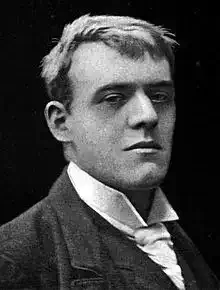
Hilaire Belloc
Ballade to Our Lady of Czestochowa
Ballade to Our Lady of Czestochowa
I
Lady and Queen and Mystery manifold
And very Regent of the untroubled sky,
Whom in a dream St. Hilda did behold
And heard a woodland music passing by:
You shall receive me when the clouds are high
With evening and the sheep attain the fold.
This is the faith that I have held and hold,
And this is that in which I mean to die.
II
Steep are the seas and savaging and cold
In broken waters terrible to try;
And vast against the winter night the wold,
And harbourless for any sail to lie.
But you shall lead me to the lights, and I
Shall hymn you in a harbour story told.
This is the faith that I have held and hold,
And this is that in which I mean to die.
III
Help of the half-defeated, House of gold,
Shrine of the Sword, and Tower of Ivory;
Splendour apart, supreme and aureoled,
The Battler's vision and the World's reply.
You shall restore me, O my last Ally,
To vengence and the glories of the bold.
This is the faith that I have held and hold,
And this is that in which I mean to die.
Envoi
Prince of the degradations, bought and sold,
These verses, written in your crumbling sty,
Proclaim the faith that I have held and hold
And publish that in which I mean to die.
I
Lady and Queen and Mystery manifold
And very Regent of the untroubled sky,
Whom in a dream St. Hilda did behold
And heard a woodland music passing by:
You shall receive me when the clouds are high
With evening and the sheep attain the fold.
This is the faith that I have held and hold,
And this is that in which I mean to die.
II
Steep are the seas and savaging and cold
In broken waters terrible to try;
And vast against the winter night the wold,
And harbourless for any sail to lie.
But you shall lead me to the lights, and I
Shall hymn you in a harbour story told.
This is the faith that I have held and hold,
And this is that in which I mean to die.
III
Help of the half-defeated, House of gold,
Shrine of the Sword, and Tower of Ivory;
Splendour apart, supreme and aureoled,
The Battler's vision and the World's reply.
You shall restore me, O my last Ally,
To vengence and the glories of the bold.
This is the faith that I have held and hold,
And this is that in which I mean to die.
Envoi
Prince of the degradations, bought and sold,
These verses, written in your crumbling sty,
Proclaim the faith that I have held and hold
And publish that in which I mean to die.
444
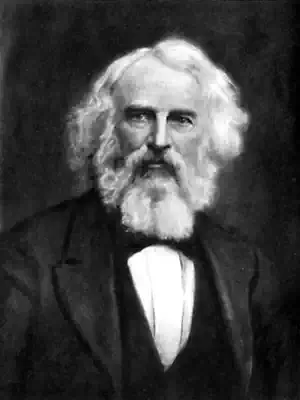
Henry Wadsworth Longfellow
Voices Of The Night : The Light Of Stars
Voices Of The Night : The Light Of Stars
The night is come, but not too soon;
And sinking silently,
All silently, the little moon
Drops down behind the sky.
There is no light in earth or heaven
But the cold light of stars;
And the first watch of night is given
To the red planet Mars.
Is it the tender star of love?
The star of love and dreams?
O no! from that blue tent above,
A hero's armor gleams.
And earnest thoughts within me rise,
When I behold afar,
Suspended in the evening skies,
The shield of that red star.
O star of strength! I see thee stand
And smile upon my pain;
Thou beckonest with thy mailed hand,
And I am strong again.
Within my breast there is no light
But the cold light of stars;
I give the first watch of the night
To the red planet Mars.
The star of the unconquered will,
He rises in my breast,
Serene, and resolute, and still,
And calm, and self-possessed.
And thou, too, whosoe'er thou art,
That readest this brief psalm,
As one by one thy hopes depart,
Be resolute and calm.
O fear not in a world like this,
And thou shalt know erelong,
Know how sublime a thing it is
To suffer and be strong.
The night is come, but not too soon;
And sinking silently,
All silently, the little moon
Drops down behind the sky.
There is no light in earth or heaven
But the cold light of stars;
And the first watch of night is given
To the red planet Mars.
Is it the tender star of love?
The star of love and dreams?
O no! from that blue tent above,
A hero's armor gleams.
And earnest thoughts within me rise,
When I behold afar,
Suspended in the evening skies,
The shield of that red star.
O star of strength! I see thee stand
And smile upon my pain;
Thou beckonest with thy mailed hand,
And I am strong again.
Within my breast there is no light
But the cold light of stars;
I give the first watch of the night
To the red planet Mars.
The star of the unconquered will,
He rises in my breast,
Serene, and resolute, and still,
And calm, and self-possessed.
And thou, too, whosoe'er thou art,
That readest this brief psalm,
As one by one thy hopes depart,
Be resolute and calm.
O fear not in a world like this,
And thou shalt know erelong,
Know how sublime a thing it is
To suffer and be strong.
235
Henry Wadsworth Longfellow
Voices Of The Night : L'Envoi
Voices Of The Night : L'Envoi
Ye voices, that arose
After the Evening's close,
And whispered to my restless heart repose!
Go, breathe it in the ear
Of all who doubt and fear,
And say to them, 'Be of good cheer!'
Ye sounds, so low and calm,
That in the groves of balm
Seemed to me like an angel's psalm!
Go, mingle yet once more
With the perpetual roar
Of the pine forest dark and hoar!
Tongues of the dead, not lost
But speaking from deaths frost,
Like fiery tongues at Pentecost!
Glimmer, as funeral lamps,
Amid the chills and damps
Of the vast plain where Death encamps!
Ye voices, that arose
After the Evening's close,
And whispered to my restless heart repose!
Go, breathe it in the ear
Of all who doubt and fear,
And say to them, 'Be of good cheer!'
Ye sounds, so low and calm,
That in the groves of balm
Seemed to me like an angel's psalm!
Go, mingle yet once more
With the perpetual roar
Of the pine forest dark and hoar!
Tongues of the dead, not lost
But speaking from deaths frost,
Like fiery tongues at Pentecost!
Glimmer, as funeral lamps,
Amid the chills and damps
Of the vast plain where Death encamps!
238
Henry Wadsworth Longfellow
The Two Rivers
The Two Rivers
Slowly the hour-hand of the clock moves round;
So slowly that no human eye hath power
To see it move! Slowly in shine or shower
The painted ship above it, homeward bound,
Sails, but seems motionless, as if aground;
Yet both arrive at last; and in his tower
The slumberous watchman wakes and strikes the hour,
A mellow, measured, melancholy sound.
Midnight! the outpost of advancing day!
The frontier town and citadel of night!
The watershed of Time, from which the streams
Of Yesterday and To-morrow take their way,
One to the land of promise and of light,
One to the land of darkness and of dreams!
II.
O River of Yesterday, with current swift
Through chasms descending, and soon lost to sight,
I do not care to follow in their flight
The faded leaves, that on thy bosom drift!
O River of To-morrow, I uplift
Mine eyes, and thee I follow, as the night
Wanes into morning, and the dawning light
Broadens, and all the shadows fade and shift!
I follow, follow, where thy waters run
Through unfrequented, unfamiliar fields,
Fragrant with flowers and musical with song;
Still follow, follow; sure to meet the sun,
And confident, that what the future yields
Will be the right, unless myself be wrong.
III.
Yet not in vain, O River of Yesterday,
Through chasms of darkness to the deep descending,
I heard thee sobbing in the rain, and blending
Thy voice with other voices far away.
I called to thee, and yet thou wouldst not stay,
But turbulent, and with thyself contending,
And torrent-like thy force on pebbles spending,
Thou wouldst not listen to a poet's lay.
Thoughts, like a loud and sudden rush of wings,
Regrets and recollections of things past,
With hints and prophecies of things to be,
And inspirations, which, could they be things,
And stay with us, and we could hold them fast,
Were our good angels,--these I owe to thee.
IV.
And thou, O River of To-morrow, flowing
Between thy narrow adamantine walls,
But beautiful, and white with waterfalls,
And wreaths of mist, like hands the pathway showing;
I hear the trumpets of the morning blowing,
I hear thy mighty voice, that calls and calls,
And see, as Ossian saw in Morven's halls,
Mysterious phantoms, coming, beckoning, going!
It is the mystery of the unknown
That fascinates us; we are children still,
Wayward and wistful; with one hand we cling
To the familiar things we call our own,
And with the other, resolute of will,
Grope in the dark for what the day will bring.
Slowly the hour-hand of the clock moves round;
So slowly that no human eye hath power
To see it move! Slowly in shine or shower
The painted ship above it, homeward bound,
Sails, but seems motionless, as if aground;
Yet both arrive at last; and in his tower
The slumberous watchman wakes and strikes the hour,
A mellow, measured, melancholy sound.
Midnight! the outpost of advancing day!
The frontier town and citadel of night!
The watershed of Time, from which the streams
Of Yesterday and To-morrow take their way,
One to the land of promise and of light,
One to the land of darkness and of dreams!
II.
O River of Yesterday, with current swift
Through chasms descending, and soon lost to sight,
I do not care to follow in their flight
The faded leaves, that on thy bosom drift!
O River of To-morrow, I uplift
Mine eyes, and thee I follow, as the night
Wanes into morning, and the dawning light
Broadens, and all the shadows fade and shift!
I follow, follow, where thy waters run
Through unfrequented, unfamiliar fields,
Fragrant with flowers and musical with song;
Still follow, follow; sure to meet the sun,
And confident, that what the future yields
Will be the right, unless myself be wrong.
III.
Yet not in vain, O River of Yesterday,
Through chasms of darkness to the deep descending,
I heard thee sobbing in the rain, and blending
Thy voice with other voices far away.
I called to thee, and yet thou wouldst not stay,
But turbulent, and with thyself contending,
And torrent-like thy force on pebbles spending,
Thou wouldst not listen to a poet's lay.
Thoughts, like a loud and sudden rush of wings,
Regrets and recollections of things past,
With hints and prophecies of things to be,
And inspirations, which, could they be things,
And stay with us, and we could hold them fast,
Were our good angels,--these I owe to thee.
IV.
And thou, O River of To-morrow, flowing
Between thy narrow adamantine walls,
But beautiful, and white with waterfalls,
And wreaths of mist, like hands the pathway showing;
I hear the trumpets of the morning blowing,
I hear thy mighty voice, that calls and calls,
And see, as Ossian saw in Morven's halls,
Mysterious phantoms, coming, beckoning, going!
It is the mystery of the unknown
That fascinates us; we are children still,
Wayward and wistful; with one hand we cling
To the familiar things we call our own,
And with the other, resolute of will,
Grope in the dark for what the day will bring.
342
Henry Wadsworth Longfellow
The Emperor's Bird's-Nest. (Birds Of Passage. Flight The First)
The Emperor's Bird's-Nest. (Birds Of Passage. Flight The First)
Once the Emperor Charles of Spain,
With his swarthy, grave commanders,
I forget in what campaign,
Long besieged, in mud and rain,
Some old frontier town of Flanders.
Up and down the dreary camp,
In great boots of Spanish leather,
Striding with a measured tramp,
These Hidalgos, dull and damp,
Cursed the Frenchmen, cursed the weather.
Thus as to and fro they went,
Over upland and through hollow,
Giving their impatience vent,
Perched upon the Emperor's tent,
In her nest, they spied a swallow.
Yes, it was a swallow's nest,
Built of clay and hair of horses,
Mane, or tail, or dragoon's crest,
Found on hedge-rows east and west,
After skirmish of the forces.
Then an old Hidalgo said,
As he twirled his gray mustachio,
'Sure this swallow overhead
Thinks the Emperor's tent a shed,
And the Emperor but a Macho!'
Hearing his imperial name
Coupled with those words of malice,
Half in anger, half in shame,
Forth the great campaigner came
Slowly from his canvas palace.
'Let no hand the bird molest,'
Said he solemnly, 'nor hurt her!'
Adding then, by way of jest,
'Golondrina is my guest,
'T is the wife of some deserter!'
Swift as bowstring speeds a shaft,
Through the camp was spread the rumor,
And the soldiers, as they quaffed
Flemish beer at dinner, laughed
At the Emperor's pleasant humor.
So unharmed and unafraid
Sat the swallow still and brooded,
Till the constant cannonade
Through the walls a breach had made,
And the siege was thus concluded.
Then the army, elsewhere bent,
Struck its tents as if disbanding,
Only not the Emperor's tent,
For he ordered, ere he went,
Very curtly, 'Leave it standing!'
So it stood there all alone,
Loosely flapping, torn and tattered,
Till the brood was fledged and flown,
Singing o'er those walls of stone
Which the cannon-shot had shattered.
Once the Emperor Charles of Spain,
With his swarthy, grave commanders,
I forget in what campaign,
Long besieged, in mud and rain,
Some old frontier town of Flanders.
Up and down the dreary camp,
In great boots of Spanish leather,
Striding with a measured tramp,
These Hidalgos, dull and damp,
Cursed the Frenchmen, cursed the weather.
Thus as to and fro they went,
Over upland and through hollow,
Giving their impatience vent,
Perched upon the Emperor's tent,
In her nest, they spied a swallow.
Yes, it was a swallow's nest,
Built of clay and hair of horses,
Mane, or tail, or dragoon's crest,
Found on hedge-rows east and west,
After skirmish of the forces.
Then an old Hidalgo said,
As he twirled his gray mustachio,
'Sure this swallow overhead
Thinks the Emperor's tent a shed,
And the Emperor but a Macho!'
Hearing his imperial name
Coupled with those words of malice,
Half in anger, half in shame,
Forth the great campaigner came
Slowly from his canvas palace.
'Let no hand the bird molest,'
Said he solemnly, 'nor hurt her!'
Adding then, by way of jest,
'Golondrina is my guest,
'T is the wife of some deserter!'
Swift as bowstring speeds a shaft,
Through the camp was spread the rumor,
And the soldiers, as they quaffed
Flemish beer at dinner, laughed
At the Emperor's pleasant humor.
So unharmed and unafraid
Sat the swallow still and brooded,
Till the constant cannonade
Through the walls a breach had made,
And the siege was thus concluded.
Then the army, elsewhere bent,
Struck its tents as if disbanding,
Only not the Emperor's tent,
For he ordered, ere he went,
Very curtly, 'Leave it standing!'
So it stood there all alone,
Loosely flapping, torn and tattered,
Till the brood was fledged and flown,
Singing o'er those walls of stone
Which the cannon-shot had shattered.
494
Henry Wadsworth Longfellow
The Castle-Builder. (Birds Of Passage. Flight The Third)
The Castle-Builder. (Birds Of Passage. Flight The Third)
A gentle boy, with soft and silken locks,
A dreamy boy, with brown and tender eyes,
A castle-builder, with his wooden blocks,
And towers that touch imaginary skies.
A fearless rider on his father's knee,
An eager listener unto stories told
At the Round Table of the nursery,
Of heroes and adventures manifold.
There will be other towers for thee to build;
There will be other steeds for thee to ride;
There will be other legends, and all filled
With greater marvels and more glorified.
Build on, and make thy castles high and fair,
Rising and reaching upward to the skies;
Listen to voices in the upper air,
Nor lose thy simple faith in mysteries.
A gentle boy, with soft and silken locks,
A dreamy boy, with brown and tender eyes,
A castle-builder, with his wooden blocks,
And towers that touch imaginary skies.
A fearless rider on his father's knee,
An eager listener unto stories told
At the Round Table of the nursery,
Of heroes and adventures manifold.
There will be other towers for thee to build;
There will be other steeds for thee to ride;
There will be other legends, and all filled
With greater marvels and more glorified.
Build on, and make thy castles high and fair,
Rising and reaching upward to the skies;
Listen to voices in the upper air,
Nor lose thy simple faith in mysteries.
315
Henry Wadsworth Longfellow
Spring. (From The French Of Charles D'Orleans. XV. Century)
Spring. (From The French Of Charles D'Orleans. XV. Century)
Gentle Spring! in sunshine clad,
Well dost thou thy power display!
For Winter maketh the light heart sad,
And thou, thou makest the sad heart gay,
He sees thee, and calls to his gloomy train,
The sleet, and the snow, and the wind, and the rain;
And they shrink away, and they flee in fear,
When thy merry step draws near.
Winter giveth the fields and the trees, so old,
Their beards of icicles and snow;
And the rain, it raineth so fast and cold,
We must cower over the embers low;
And, snugly housed from the wind and weather,
Mope like birds that are changing feather.
But the storm retires, and the sky grows clear,
When thy merry step draws near.
Winter maketh the sun in the gloomy sky
Wrap him round with a mantle of cloud;
But, Heaven be praised, thy step is nigh;
Thou tearest away the mournful shroud,
And the earth looks bright, and Winter surly,
Who has toiled for nought both late and early,
Is banished afar by the new-born year,
When thy merry step draws near.
Gentle Spring! in sunshine clad,
Well dost thou thy power display!
For Winter maketh the light heart sad,
And thou, thou makest the sad heart gay,
He sees thee, and calls to his gloomy train,
The sleet, and the snow, and the wind, and the rain;
And they shrink away, and they flee in fear,
When thy merry step draws near.
Winter giveth the fields and the trees, so old,
Their beards of icicles and snow;
And the rain, it raineth so fast and cold,
We must cower over the embers low;
And, snugly housed from the wind and weather,
Mope like birds that are changing feather.
But the storm retires, and the sky grows clear,
When thy merry step draws near.
Winter maketh the sun in the gloomy sky
Wrap him round with a mantle of cloud;
But, Heaven be praised, thy step is nigh;
Thou tearest away the mournful shroud,
And the earth looks bright, and Winter surly,
Who has toiled for nought both late and early,
Is banished afar by the new-born year,
When thy merry step draws near.
263