

Poems
Hope and Optimism
Poems in this topic
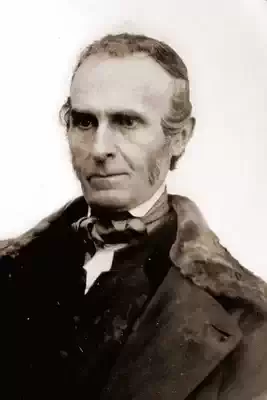
John Greenleaf Whittier
The Vanishers
The Vanishers
Sweetest of all childlike dreams
In the simple Indian lore
Still to me the legend seems
Of the shapes who flit before.
Flitting, passing, seen and gone,
Never reached nor found at rest,
Baffling search, but beckoning on
To the Sunset of the Blest.
From the clefts of mountain rocks,
Through the dark of lowland firs,
Flash the eyes and flow the locks
Of the mystic Vanishers!
And the fisher in his skiff,
And the hunter on the moss,
Hear their call from cape and cliff,
See their hands the birch-leaves toss.
Wistful, longing, through the green
Twilight of the clustered pines,
In their faces rarely seen
Beauty more than mortal shines.
Fringed with gold their mantles flow
On the slopes of westering knolls;
In the wind they whisper low
Of the Sunset Land of Souls.
Doubt who may, O friend of mine!
Thou and I have seen them too;
On before with beck and sign
Still they glide, and we pursue.
More than clouds of purple trail
In the gold of setting day;
More than gleams of wing or sail
Beckon from the sea-mist gray.
Glimpses of immortal youth,
Gleams and glories seen and flown,
Far-heard voices sweet with truth,
Airs from viewless Eden blown;
Beauty that eludes our grasp,
Sweetness that transcends our taste,
Loving hands we may not clasp,
Shining feet that mock our haste;
Gentle eyes we closed below,
Tender voices heard once more,
Smile and call us, as they go
On and onward, still before.
Guided thus, O friend of mine
Let us walk our little way,
Knowing by each beckoning sign
That we are not quite astray.
Chase we still, with baffled feet,
Smiling eye and waving hand,
Sought and seeker soon shall meet,
Lost and found, in Sunset Land
Sweetest of all childlike dreams
In the simple Indian lore
Still to me the legend seems
Of the shapes who flit before.
Flitting, passing, seen and gone,
Never reached nor found at rest,
Baffling search, but beckoning on
To the Sunset of the Blest.
From the clefts of mountain rocks,
Through the dark of lowland firs,
Flash the eyes and flow the locks
Of the mystic Vanishers!
And the fisher in his skiff,
And the hunter on the moss,
Hear their call from cape and cliff,
See their hands the birch-leaves toss.
Wistful, longing, through the green
Twilight of the clustered pines,
In their faces rarely seen
Beauty more than mortal shines.
Fringed with gold their mantles flow
On the slopes of westering knolls;
In the wind they whisper low
Of the Sunset Land of Souls.
Doubt who may, O friend of mine!
Thou and I have seen them too;
On before with beck and sign
Still they glide, and we pursue.
More than clouds of purple trail
In the gold of setting day;
More than gleams of wing or sail
Beckon from the sea-mist gray.
Glimpses of immortal youth,
Gleams and glories seen and flown,
Far-heard voices sweet with truth,
Airs from viewless Eden blown;
Beauty that eludes our grasp,
Sweetness that transcends our taste,
Loving hands we may not clasp,
Shining feet that mock our haste;
Gentle eyes we closed below,
Tender voices heard once more,
Smile and call us, as they go
On and onward, still before.
Guided thus, O friend of mine
Let us walk our little way,
Knowing by each beckoning sign
That we are not quite astray.
Chase we still, with baffled feet,
Smiling eye and waving hand,
Sought and seeker soon shall meet,
Lost and found, in Sunset Land
255
John Greenleaf Whittier
The Trailing Arbutus
The Trailing Arbutus
I wandered lonely where the pine-trees made
Against the bitter East their barricade,
And, guided by its sweet
Perfume, I found, within a narrow dell,
The trailing spring flower tinted like a shell
Amid dry leaves and mosses at my feet.
From under dead boughs, for whose loss the pines
Moaned ceaseless overhead, the blossoming vines
Lifted their glad surprise,
While yet the bluebird smoothed in leafless trees
His feathers ruffled by the chill sea-breeze,
And snow-drifts lingered under April skies.
As, pausing, o'er the lonely flower I bent,
I thought of lives thus lowly, clogged and pent,
Which yet find room,
Through care and cumber, coldness and decay,
To lend a sweetness to the ungenial day
And make the sad earth happier for their bloom.
I wandered lonely where the pine-trees made
Against the bitter East their barricade,
And, guided by its sweet
Perfume, I found, within a narrow dell,
The trailing spring flower tinted like a shell
Amid dry leaves and mosses at my feet.
From under dead boughs, for whose loss the pines
Moaned ceaseless overhead, the blossoming vines
Lifted their glad surprise,
While yet the bluebird smoothed in leafless trees
His feathers ruffled by the chill sea-breeze,
And snow-drifts lingered under April skies.
As, pausing, o'er the lonely flower I bent,
I thought of lives thus lowly, clogged and pent,
Which yet find room,
Through care and cumber, coldness and decay,
To lend a sweetness to the ungenial day
And make the sad earth happier for their bloom.
341
John Greenleaf Whittier
The Seeking Of The Waterfall
The Seeking Of The Waterfall
They left their home of summer ease
Beneath the lowland's sheltering trees,
To seek, by ways unknown to all,
The promise of the waterfall.
Some vague, faint rumor to the vale
Had crept--perchance a hunter's tale-Of
its wild mirth of waters lost
On the dark woods through which it tossed.
Somewhere it laughed and sang; somewhere
Whirled in mad dance its misty hair;
But who had raised its veil, or seen
The rainbow skirts of that Undine?
They sought it where the mountain brook
Its swift way to the valley took;
Along the rugged slope they clomb,
Their guide a thread of sound and foam.
Height after height they slowly won;
The fiery javelins of the sun
Smote the bare ledge; the tangled shade
With rock and vine their steps delayed.
But, through leaf-openings, now and then
They saw the cheerful homes of men,
And the great mountains with their wall
Of misty purple girdling all.
The leaves through which the glad winds blew
Shared. the wild dance the waters knew;
And where the shadows deepest fell
The wood-thrush rang his silver bell.
Fringing the stream, at every turn
Swung low the waving fronds of fern;
From stony cleft and mossy sod
Pale asters sprang, and golden-rod.
And still the water sang the sweet,
Glad song that stirred its gliding feet,
And found in rock and root the keys
Of its beguiling melodies.
Beyond, above, its signals flew
Of tossing foam the birch-trees through;
Now seen, now lost, but baffling still
The weary seekers' slackening will.
Each called to each: 'Lo here! Lo there!
Its white scarf flutters in the air!'
They climbed anew; the vision fled,
To beckon higher overhead.
So toiled they up the mountain-slope
With faint and ever fainter hope;
With faint and fainter voice the brook
Still bade them listen, pause, and look.
Meanwhile below the day was done;
Above the tall peaks saw the sun
Sink, beam-shorn, to its misty set
Behind the hills of violet.
'Here ends our quest!' the seekers cried,
'The brook and rumor both have lied!
The phantom of a waterfall
Has led us at its beck and call.'
But one, with years grown wiser, said
'So, always baffled, not misled,
We follow where before us runs
The vision of the shining ones.
'Not where they seem their signals fly,
Their voices while we listen die;
We cannot keep, however fleet,
The quick time of their winged feet.
'From youth to age unresting stray
These kindly mockers in our way;
Yet lead they not, the baffling elves,
To something better than themselves?
'Here, though unreached the goal we sought,
Its own reward our toil has brought:
The winding water's sounding rush,
The long note of the hermit thrush,
'The turquoise lakes, the glimpse of pond
And river track, and, vast, beyond
Broad meadows belted round with pines,
The grand uplift of mountain lines!
'What matter though we seek with pain
The garden of the gods in vain,
If lured thereby we climb to greet
Some wayside blossom Eden-sweet?
'To seek is better than to gain,
The fond hope dies as we attain;
Life's fairest things are those which seem,
The best is that of which we dream.
'Then let us trust our waterfall
Still flashes down its rocky wall,
With rainbow crescent curved across
Its sunlit spray from moss to moss.
'And we, forgetful of our pain,
In thought shall seek it oft again;
Shall see this aster-blossomed sod,
This sunshine of the golden-rod,
'And haply gain, through parting boughs,
Grand glimpses of great mountain brows
Cloud-turbaned, and the sharp steel sheen
Of lakes deep set in valleys green.
'So failure wins; the consequence
Of loss becomes its recompense;
And evermore the end shall tell
The unreached ideal guided well.
'Our sweet illusions only die
Fulfilling love's sure prophecy;
And every wish for better things
An undreamed beauty nearer brings.
'For fate is servitor of love;
Desire and hope and longing prove
The secret of immortal youth,
And Nature cheats us into truth.
'O kind allurers, wisely sent,
Beguiling with benign intent,
Still move us, through divine unrest,
To seek the loveliest and the best!
'Go with us when our souls go free,
And, in the clear, white light to be,
Add unto Heaven's beatitude
The old delight of seeking good!'
They left their home of summer ease
Beneath the lowland's sheltering trees,
To seek, by ways unknown to all,
The promise of the waterfall.
Some vague, faint rumor to the vale
Had crept--perchance a hunter's tale-Of
its wild mirth of waters lost
On the dark woods through which it tossed.
Somewhere it laughed and sang; somewhere
Whirled in mad dance its misty hair;
But who had raised its veil, or seen
The rainbow skirts of that Undine?
They sought it where the mountain brook
Its swift way to the valley took;
Along the rugged slope they clomb,
Their guide a thread of sound and foam.
Height after height they slowly won;
The fiery javelins of the sun
Smote the bare ledge; the tangled shade
With rock and vine their steps delayed.
But, through leaf-openings, now and then
They saw the cheerful homes of men,
And the great mountains with their wall
Of misty purple girdling all.
The leaves through which the glad winds blew
Shared. the wild dance the waters knew;
And where the shadows deepest fell
The wood-thrush rang his silver bell.
Fringing the stream, at every turn
Swung low the waving fronds of fern;
From stony cleft and mossy sod
Pale asters sprang, and golden-rod.
And still the water sang the sweet,
Glad song that stirred its gliding feet,
And found in rock and root the keys
Of its beguiling melodies.
Beyond, above, its signals flew
Of tossing foam the birch-trees through;
Now seen, now lost, but baffling still
The weary seekers' slackening will.
Each called to each: 'Lo here! Lo there!
Its white scarf flutters in the air!'
They climbed anew; the vision fled,
To beckon higher overhead.
So toiled they up the mountain-slope
With faint and ever fainter hope;
With faint and fainter voice the brook
Still bade them listen, pause, and look.
Meanwhile below the day was done;
Above the tall peaks saw the sun
Sink, beam-shorn, to its misty set
Behind the hills of violet.
'Here ends our quest!' the seekers cried,
'The brook and rumor both have lied!
The phantom of a waterfall
Has led us at its beck and call.'
But one, with years grown wiser, said
'So, always baffled, not misled,
We follow where before us runs
The vision of the shining ones.
'Not where they seem their signals fly,
Their voices while we listen die;
We cannot keep, however fleet,
The quick time of their winged feet.
'From youth to age unresting stray
These kindly mockers in our way;
Yet lead they not, the baffling elves,
To something better than themselves?
'Here, though unreached the goal we sought,
Its own reward our toil has brought:
The winding water's sounding rush,
The long note of the hermit thrush,
'The turquoise lakes, the glimpse of pond
And river track, and, vast, beyond
Broad meadows belted round with pines,
The grand uplift of mountain lines!
'What matter though we seek with pain
The garden of the gods in vain,
If lured thereby we climb to greet
Some wayside blossom Eden-sweet?
'To seek is better than to gain,
The fond hope dies as we attain;
Life's fairest things are those which seem,
The best is that of which we dream.
'Then let us trust our waterfall
Still flashes down its rocky wall,
With rainbow crescent curved across
Its sunlit spray from moss to moss.
'And we, forgetful of our pain,
In thought shall seek it oft again;
Shall see this aster-blossomed sod,
This sunshine of the golden-rod,
'And haply gain, through parting boughs,
Grand glimpses of great mountain brows
Cloud-turbaned, and the sharp steel sheen
Of lakes deep set in valleys green.
'So failure wins; the consequence
Of loss becomes its recompense;
And evermore the end shall tell
The unreached ideal guided well.
'Our sweet illusions only die
Fulfilling love's sure prophecy;
And every wish for better things
An undreamed beauty nearer brings.
'For fate is servitor of love;
Desire and hope and longing prove
The secret of immortal youth,
And Nature cheats us into truth.
'O kind allurers, wisely sent,
Beguiling with benign intent,
Still move us, through divine unrest,
To seek the loveliest and the best!
'Go with us when our souls go free,
And, in the clear, white light to be,
Add unto Heaven's beatitude
The old delight of seeking good!'
306
John Greenleaf Whittier
The River Path
The River Path
No bird-song floated down the hill,
The tangled bank below was still;
No rustle from the birchen stem,
No ripple from the water's hem.
The dusk of twilight round us grew,
We felt the falling of the dew;
For, from us, ere the day was done,
The wooded hills shut out the sun.
But on the river's farther side
We saw the hill-tops glorified,-
A tender glow, exceeding fair,
A dream of day without its glare.
With us the damp, the chill, the gloom
With them the sunset's rosy bloom;
While dark, through willowy vistas seen,
The river rolled in shade between.
From out the darkness where we trod,
We gazed upon those bills of God,
Whose light seemed not of moon or sun.
We spake not, but our thought was one.
We paused, as if from that bright shore
Beckoned our dear ones gone before;
And stilled our beating hearts to hear
The voices lost to mortal ear!
Sudden our pathway turned from night;
The hills swung open to the light;
Through their green gates the sunshine showed,
A long, slant splendor downward flowed.
Down glade and glen and bank it rolled;
It bridged the shaded stream with gold;
And, borne on piers of mist, allied
The shadowy with the sunlit side!
'So,' prayed we, 'when our feet draw near
The river dark, with mortal fear,
'And the night cometh chill with dew,
O Father! let Thy light break through!
'So let the hills of doubt divide,
So bridge with faith the sunless tide!
'So let the eyes that fail on earth
On Thy eternal hills look forth;
'And in Thy beckoning angels know
The dear ones whom we loved below!'
No bird-song floated down the hill,
The tangled bank below was still;
No rustle from the birchen stem,
No ripple from the water's hem.
The dusk of twilight round us grew,
We felt the falling of the dew;
For, from us, ere the day was done,
The wooded hills shut out the sun.
But on the river's farther side
We saw the hill-tops glorified,-
A tender glow, exceeding fair,
A dream of day without its glare.
With us the damp, the chill, the gloom
With them the sunset's rosy bloom;
While dark, through willowy vistas seen,
The river rolled in shade between.
From out the darkness where we trod,
We gazed upon those bills of God,
Whose light seemed not of moon or sun.
We spake not, but our thought was one.
We paused, as if from that bright shore
Beckoned our dear ones gone before;
And stilled our beating hearts to hear
The voices lost to mortal ear!
Sudden our pathway turned from night;
The hills swung open to the light;
Through their green gates the sunshine showed,
A long, slant splendor downward flowed.
Down glade and glen and bank it rolled;
It bridged the shaded stream with gold;
And, borne on piers of mist, allied
The shadowy with the sunlit side!
'So,' prayed we, 'when our feet draw near
The river dark, with mortal fear,
'And the night cometh chill with dew,
O Father! let Thy light break through!
'So let the hills of doubt divide,
So bridge with faith the sunless tide!
'So let the eyes that fail on earth
On Thy eternal hills look forth;
'And in Thy beckoning angels know
The dear ones whom we loved below!'
187
John Greenleaf Whittier
The Mantle Of St. John De Matha. A Legend Of
The Mantle Of St. John De Matha. A Legend Of
A STRONG and mighty Angel,
Calm, terrible, and bright,
The cross in blended red and blue
Upon his mantle white!
Two captives by him kneeling,
Each on his broken chain,
Sang praise to God who raiseth
The dead to life again!
Dropping his cross-wrought mantle,
'Wear this,' the Angel said;
'Take thou, O Freedom's priest, its sign, —
The white, the blue, and red.'
Then rose up John de Matha
In the strength the Lord Christ gave,
And begged through all the land of France
The ransom of the slave.
The gates of tower and castle
Before him open flew,
The drawbridge at his coming fell,
The door-bolt backward drew.
For all men owned his errand,
And paid his righteous tax;
And the hearts of lord and peasant
Were in his hands as wax.
At last, outbound from Tunis,
His bark her anchor weighed,
Freighted with seven-score Christian souls
Whose ransom he had paid.
But, torn by Paynim hatred,
Her sails in tatters hung;
And on the wild waves, rudderless,
A shattered hulk she swung.
'God save us!' cried the captain,
'For naught can man avail;
Oh, woe betide the ship that lacks
Her rudder and her sail!
'Behind us are the Moormen;
At sea we sink or strand:
There's death upon the water,
There's death upon the land!'
Then up spake John de Matha:
'God's errands never fail!
Take thou the mantle which I wear,
And make of it a sail.'
They raised the cross-wrought mantle,
The blue, the white, the red;
And straight before the wind off-shore
The ship of Freedom sped.
'God help us!' cried the seamen,
'For vain is mortal skill:
The good ship on a stormy sea
Is drifting at its will.'
Then up spake John de Matha:
'My mariners, never fear!
The Lord whose breath has filled her sail
May well our vessel steer!'
So on through storm and darkness
They drove for weary hours;
And lo! the third gray morning shone
On Ostia's friendly towers.
And on the walls the watchers
The ship of mercy knew, —
They knew far off its holy cross,
The red, the white, and blue.
And the bells in all the steeples
Rang out in glad accord,
To welcome home to Christian soil
The ransomed of the Lord.
So runs the ancient legend
By bard and painter told;
And lo! the cycle rounds again,
The new is as the old!
With rudder foully broken,
And sails by traitors torn,
Our country on a midnight sea
Is waiting for the morn.
Before her, nameless terror;
Behind, the pirate foe;
The clouds are black above her,
The sea is white below.
The hope of all who suffer,
The dread of all who wrong,
She drifts in darkness and in storm,
How long, O Lord! how long?
But courage, O my mariners!
Ye shall not suffer wreck,
While up to God the freedman's prayers
Are rising from your deck.
Is not your sail the banner
Which God hath blest anew,
The mantle that De Matha wore,
The red, the white, the blue?
Its hues are all of heaven, —
The red of sunset's dye,
The whiteness of the moon-lit cloud,
The blue of morning's sky.
Wait cheerily, then, O mariners,
For daylight and for land;
The breath of God is in your sail,
Your rudder is His hand.
Sail on, sail on, deep-freighted
With blessings and with hopes;
The saints of old with shadowy hands
Are pulling at your ropes.
Behind ye holy martyrs
Uplift the palm and crown;
Before ye unborn ages send
Their benedictions down.
Take heart from John de Matha! —
God's errands never fail!
Sweep on through storm and darkness,
The thunder and the hail!
Sail on! The morning cometh,
The port ye yet shall win;
And all the bells of God shall ring
The good ship bravely in!
A STRONG and mighty Angel,
Calm, terrible, and bright,
The cross in blended red and blue
Upon his mantle white!
Two captives by him kneeling,
Each on his broken chain,
Sang praise to God who raiseth
The dead to life again!
Dropping his cross-wrought mantle,
'Wear this,' the Angel said;
'Take thou, O Freedom's priest, its sign, —
The white, the blue, and red.'
Then rose up John de Matha
In the strength the Lord Christ gave,
And begged through all the land of France
The ransom of the slave.
The gates of tower and castle
Before him open flew,
The drawbridge at his coming fell,
The door-bolt backward drew.
For all men owned his errand,
And paid his righteous tax;
And the hearts of lord and peasant
Were in his hands as wax.
At last, outbound from Tunis,
His bark her anchor weighed,
Freighted with seven-score Christian souls
Whose ransom he had paid.
But, torn by Paynim hatred,
Her sails in tatters hung;
And on the wild waves, rudderless,
A shattered hulk she swung.
'God save us!' cried the captain,
'For naught can man avail;
Oh, woe betide the ship that lacks
Her rudder and her sail!
'Behind us are the Moormen;
At sea we sink or strand:
There's death upon the water,
There's death upon the land!'
Then up spake John de Matha:
'God's errands never fail!
Take thou the mantle which I wear,
And make of it a sail.'
They raised the cross-wrought mantle,
The blue, the white, the red;
And straight before the wind off-shore
The ship of Freedom sped.
'God help us!' cried the seamen,
'For vain is mortal skill:
The good ship on a stormy sea
Is drifting at its will.'
Then up spake John de Matha:
'My mariners, never fear!
The Lord whose breath has filled her sail
May well our vessel steer!'
So on through storm and darkness
They drove for weary hours;
And lo! the third gray morning shone
On Ostia's friendly towers.
And on the walls the watchers
The ship of mercy knew, —
They knew far off its holy cross,
The red, the white, and blue.
And the bells in all the steeples
Rang out in glad accord,
To welcome home to Christian soil
The ransomed of the Lord.
So runs the ancient legend
By bard and painter told;
And lo! the cycle rounds again,
The new is as the old!
With rudder foully broken,
And sails by traitors torn,
Our country on a midnight sea
Is waiting for the morn.
Before her, nameless terror;
Behind, the pirate foe;
The clouds are black above her,
The sea is white below.
The hope of all who suffer,
The dread of all who wrong,
She drifts in darkness and in storm,
How long, O Lord! how long?
But courage, O my mariners!
Ye shall not suffer wreck,
While up to God the freedman's prayers
Are rising from your deck.
Is not your sail the banner
Which God hath blest anew,
The mantle that De Matha wore,
The red, the white, the blue?
Its hues are all of heaven, —
The red of sunset's dye,
The whiteness of the moon-lit cloud,
The blue of morning's sky.
Wait cheerily, then, O mariners,
For daylight and for land;
The breath of God is in your sail,
Your rudder is His hand.
Sail on, sail on, deep-freighted
With blessings and with hopes;
The saints of old with shadowy hands
Are pulling at your ropes.
Behind ye holy martyrs
Uplift the palm and crown;
Before ye unborn ages send
Their benedictions down.
Take heart from John de Matha! —
God's errands never fail!
Sweep on through storm and darkness,
The thunder and the hail!
Sail on! The morning cometh,
The port ye yet shall win;
And all the bells of God shall ring
The good ship bravely in!
269
John Greenleaf Whittier
The Cry Of A Lost Soul
The Cry Of A Lost Soul
In that black forest, where, when day is done,
With a snake's stillness glides the Amazon
Darkly from sunset to the rising sun,
A cry, as of the pained heart of the wood,
The long, despairing moan of solitude
And darkness and the absence of all good,
Startles the traveller, with a sound so drear,
So full of hopeless agony and fear,
His heart stands still and listens like his ear.
The guide, as if he heard a dead-bell toll,
Starts, drops his oar against the gunwale's thole,
Crosses himself, and whispers, 'A lost soul!'
'No, Senor, not a bird. I know it well,-It
is the pained soul of some infidel
Or cursed heretic that cries from hell.
'Poor fool! with hope still mocking his despair,
He wanders, shrieking on the midnight air
For human pity and for Christian prayer.
'Saints strike him dumb! Our Holy Mother hath
No prayer for him who, sinning unto death,
Burns always in the furnace of God's wrath!'
Thus to the baptized pagan's cruel lie,
Lending new horror to that mournful cry,
The voyager listens, making no reply.
Dim burns the boat-lamp: shadows deepen round,
From giant trees with snake-like creepers wound,
And the black water glides without a sound.
But in the traveller's heart a secret sense
Of nature plastic to benign intents,
And an eternal good in Providence,
Lifts to the starry calm of heaven his eyes;
And to! rebuking all earth's ominous cries,
The Cross of pardon lights the tropic skies!
'Father of all!' he urges his strong plea,
'Thou lovest all: Thy erring child may be
Lost to himself, but never lost to Thee!
'All souls are Thine; the wings of morning bear
None from that Presence which is everywhere,
Nor hell itself can hide, for Thou art there.
'Through sins of sense, perversities of will,
Through doubt and pain, through guilt and shame and ill,
Thy pitying eye is on Thy creature still.
'Wilt thou not make, Eternal Source and Goal!
In Thy long years, life's broken circle whole,
And change to praise the cry of a lost soul?'
In that black forest, where, when day is done,
With a snake's stillness glides the Amazon
Darkly from sunset to the rising sun,
A cry, as of the pained heart of the wood,
The long, despairing moan of solitude
And darkness and the absence of all good,
Startles the traveller, with a sound so drear,
So full of hopeless agony and fear,
His heart stands still and listens like his ear.
The guide, as if he heard a dead-bell toll,
Starts, drops his oar against the gunwale's thole,
Crosses himself, and whispers, 'A lost soul!'
'No, Senor, not a bird. I know it well,-It
is the pained soul of some infidel
Or cursed heretic that cries from hell.
'Poor fool! with hope still mocking his despair,
He wanders, shrieking on the midnight air
For human pity and for Christian prayer.
'Saints strike him dumb! Our Holy Mother hath
No prayer for him who, sinning unto death,
Burns always in the furnace of God's wrath!'
Thus to the baptized pagan's cruel lie,
Lending new horror to that mournful cry,
The voyager listens, making no reply.
Dim burns the boat-lamp: shadows deepen round,
From giant trees with snake-like creepers wound,
And the black water glides without a sound.
But in the traveller's heart a secret sense
Of nature plastic to benign intents,
And an eternal good in Providence,
Lifts to the starry calm of heaven his eyes;
And to! rebuking all earth's ominous cries,
The Cross of pardon lights the tropic skies!
'Father of all!' he urges his strong plea,
'Thou lovest all: Thy erring child may be
Lost to himself, but never lost to Thee!
'All souls are Thine; the wings of morning bear
None from that Presence which is everywhere,
Nor hell itself can hide, for Thou art there.
'Through sins of sense, perversities of will,
Through doubt and pain, through guilt and shame and ill,
Thy pitying eye is on Thy creature still.
'Wilt thou not make, Eternal Source and Goal!
In Thy long years, life's broken circle whole,
And change to praise the cry of a lost soul?'
298
John Greenleaf Whittier
The Christmas Of 1888
The Christmas Of 1888
Low in the east, against a white, cold dawn,
The black-lined silhouette of the woods was drawn,
And on a wintry waste
Of frosted streams and hillsides bare and brown,
Through thin cloud-films, a pallid ghost looked down,
The waning moon half-faced!
In that pale sky and sere, snow-waiting earth,
What sign was there of the immortal birth?
What herald of the One?
Lo! swift as thought the heavenly radiance came,
A rose-red splendor swept the sky like flame,
Up rolled the round, bright sun!
And all was changed. From a transfigured world
The moon's ghost fled, the smoke of home-hearths curled
Up the still air unblown.
In Orient warmth and brightness, did that morn
O'er Nain and Nazareth, when the Christ was born,
Break fairer than our own?
The morning's promise noon and eve fulfilled
In warm, soft sky and landscape hazy-hilled
And sunset fair as they;
A sweet reminder of His holiest time,
A summer-miracle in our winter clime,
God gave a perfect day.
The near was blended with the old and far,
And Bethlehem's hillside and the Magi's star
Seemed here, as there and then,-Our
homestead pine-tree was the Syrian palm,
Our heart's desire the angels' midnight psalm,
Peace, and good-will to men!
Low in the east, against a white, cold dawn,
The black-lined silhouette of the woods was drawn,
And on a wintry waste
Of frosted streams and hillsides bare and brown,
Through thin cloud-films, a pallid ghost looked down,
The waning moon half-faced!
In that pale sky and sere, snow-waiting earth,
What sign was there of the immortal birth?
What herald of the One?
Lo! swift as thought the heavenly radiance came,
A rose-red splendor swept the sky like flame,
Up rolled the round, bright sun!
And all was changed. From a transfigured world
The moon's ghost fled, the smoke of home-hearths curled
Up the still air unblown.
In Orient warmth and brightness, did that morn
O'er Nain and Nazareth, when the Christ was born,
Break fairer than our own?
The morning's promise noon and eve fulfilled
In warm, soft sky and landscape hazy-hilled
And sunset fair as they;
A sweet reminder of His holiest time,
A summer-miracle in our winter clime,
God gave a perfect day.
The near was blended with the old and far,
And Bethlehem's hillside and the Magi's star
Seemed here, as there and then,-Our
homestead pine-tree was the Syrian palm,
Our heart's desire the angels' midnight psalm,
Peace, and good-will to men!
326
John Greenleaf Whittier
The Battle Autumn of 1862
The Battle Autumn of 1862
The flags of war like storm birds fly,
The charging trumpets blow;
Yet rolls no thunder in the sky,
No earthquake strives below.
And, calm and patient, Nature keeps
Her ancient promises well,
Though o'er her bloom and greenness sweeps,
The battle's breath of hell.
And still she walks in golden hours,
Through harvest-happy farms,
And still she wears her fruits and flowers
Like jewels on her arms.
What means the gladness of the plain,
This joy of eve and morn,
The mirth that shakes the bread of grain
And yellow locks of corn?
Ah! eyes may well be full of tears,
And hearts with hate are hot;
But even-paced come round the years,
And nature changes not.
She meets with smiles our bitter grief,
With songs our groans of pain;
She mocks with tints of flowers and leaf,
The war-field's crimson stain.
Still, in the cannon's pause, we hear
Her sweet thanksgiving psalm;
Too near to God for doubt or fear,
She shares the eternal calm.
She knows the seed lies safe below
The fires that blast and burn;
For all the tears of blood we sow
She waits the rich return.
She sees with clearer eye than ours
The good of suffering born,
The hearts that blossom like her flowers
And ripen like her corn.
Oh, give to us, in times like these,
The vision of her eyes;
And make her fields and fruited trees
Our golden prophecies.
Oh, give to us her finer ear;
Above this stormy din,
We, too, would hear the bells of cheer
Ring peace and freedom in.
The flags of war like storm birds fly,
The charging trumpets blow;
Yet rolls no thunder in the sky,
No earthquake strives below.
And, calm and patient, Nature keeps
Her ancient promises well,
Though o'er her bloom and greenness sweeps,
The battle's breath of hell.
And still she walks in golden hours,
Through harvest-happy farms,
And still she wears her fruits and flowers
Like jewels on her arms.
What means the gladness of the plain,
This joy of eve and morn,
The mirth that shakes the bread of grain
And yellow locks of corn?
Ah! eyes may well be full of tears,
And hearts with hate are hot;
But even-paced come round the years,
And nature changes not.
She meets with smiles our bitter grief,
With songs our groans of pain;
She mocks with tints of flowers and leaf,
The war-field's crimson stain.
Still, in the cannon's pause, we hear
Her sweet thanksgiving psalm;
Too near to God for doubt or fear,
She shares the eternal calm.
She knows the seed lies safe below
The fires that blast and burn;
For all the tears of blood we sow
She waits the rich return.
She sees with clearer eye than ours
The good of suffering born,
The hearts that blossom like her flowers
And ripen like her corn.
Oh, give to us, in times like these,
The vision of her eyes;
And make her fields and fruited trees
Our golden prophecies.
Oh, give to us her finer ear;
Above this stormy din,
We, too, would hear the bells of cheer
Ring peace and freedom in.
304
John Greenleaf Whittier
Song Of The Negro Boatman
Song Of The Negro Boatman
Oh, praise an' tanks! De Lord he come
To set de people free;
An' massa tink it day ob doom,
An' we ob jubilee.
De Lord dat heap de Red Sea waves
He jus' as 'trong as den;
He say de word: we las' night slaves;
To-day, de Lord's freemen.
De yam will grow, de cotton blow,
We'll hab de rice an' corn;
Oh nebber you fear, if nebber you hear
De driver blow his horn!
Ole massa on he trabbels gone;
He leaf de land behind:
De Lord's breff blow him furder on,
Like corn-shuck in de wind.
We own de hoe, we own de plough,
We own de hands dat hold;
We sell de pig, we sell de cow,
But nebber chile be sold.
De yam will grow, de cotton blow,
We'll hab de rice an' corn;
Oh nebber you fear, if nebber you hear
De driver blow his horn!
We pray de Lord: he gib us signs
Dat some clay we be free;
De norf-wind tell it to de pines,
De wild-duck to de sea;
We tink it when de church-bell ring,
We dream it in de dream;
De rice-bird mean it when he sing,
De eagle when he scream.
De yam will grow, de cotton blow,
We'll hab de rice an' corn:
Oh nebber you fear, if nebber you hear
De driver blow his horn!
We know de promise nebber fail,
An' nebber lie de word;
So like de 'postles in de jail,
We waited for de Lord
An' now he open ebery door,
An' trow away de key;
He tink we lub him so before,
We lub him better free.
De yam will grow, de cotton blow,
He'll gib de rice an' corn;
Oh nebber you fear, if nebber you hear
De driver blow his horn!
So sing our dusky gondoliers;
And with a secret pain,
And smiles that seem akin to tears,
We hear the wild refrain.
We dare not share the negro's trust,
Nor yet his hope deny;
We only know that God is just,
And every wrong shall die.
Rude seems the song; each swarthy face,
Flame-lighted, ruder still:
We start to think that hapless race
Must shape our good or ill;
That laws of changeless justice bind
Oppressor with oppressed;
And, close as sin and suffering joined,
We march to Fate abreast.
Sing on, poor hearts! your chant shall be
Our sign of blight or bloom,
The Vala-song of Liberty,
Or death-rune of our doom!
Oh, praise an' tanks! De Lord he come
To set de people free;
An' massa tink it day ob doom,
An' we ob jubilee.
De Lord dat heap de Red Sea waves
He jus' as 'trong as den;
He say de word: we las' night slaves;
To-day, de Lord's freemen.
De yam will grow, de cotton blow,
We'll hab de rice an' corn;
Oh nebber you fear, if nebber you hear
De driver blow his horn!
Ole massa on he trabbels gone;
He leaf de land behind:
De Lord's breff blow him furder on,
Like corn-shuck in de wind.
We own de hoe, we own de plough,
We own de hands dat hold;
We sell de pig, we sell de cow,
But nebber chile be sold.
De yam will grow, de cotton blow,
We'll hab de rice an' corn;
Oh nebber you fear, if nebber you hear
De driver blow his horn!
We pray de Lord: he gib us signs
Dat some clay we be free;
De norf-wind tell it to de pines,
De wild-duck to de sea;
We tink it when de church-bell ring,
We dream it in de dream;
De rice-bird mean it when he sing,
De eagle when he scream.
De yam will grow, de cotton blow,
We'll hab de rice an' corn:
Oh nebber you fear, if nebber you hear
De driver blow his horn!
We know de promise nebber fail,
An' nebber lie de word;
So like de 'postles in de jail,
We waited for de Lord
An' now he open ebery door,
An' trow away de key;
He tink we lub him so before,
We lub him better free.
De yam will grow, de cotton blow,
He'll gib de rice an' corn;
Oh nebber you fear, if nebber you hear
De driver blow his horn!
So sing our dusky gondoliers;
And with a secret pain,
And smiles that seem akin to tears,
We hear the wild refrain.
We dare not share the negro's trust,
Nor yet his hope deny;
We only know that God is just,
And every wrong shall die.
Rude seems the song; each swarthy face,
Flame-lighted, ruder still:
We start to think that hapless race
Must shape our good or ill;
That laws of changeless justice bind
Oppressor with oppressed;
And, close as sin and suffering joined,
We march to Fate abreast.
Sing on, poor hearts! your chant shall be
Our sign of blight or bloom,
The Vala-song of Liberty,
Or death-rune of our doom!
311
John Greenleaf Whittier
Seed-Time And Harvest
Seed-Time And Harvest
As o'er his furrowed fields which lie
Beneath a coldly dropping sky,
Yet chill with winter's melted snow,
The husbandman goes forth to sow,
Thus, Freedom, on the bitter blast
The ventures of thy seed we cast,
And trust to warmer sun and rain
To swell the germs and fill the grain.
Who calls thy glorious service hard?
Who deems it not its own reward?
Who, for its trials, counts it less
A cause of praise and thankfulness?
It may not be our lot to wield
The sickle in the ripened field;
Nor ours to hear, on summer eves,
The reaper's song among the sheaves.
Yet where our duty's task is wrought
In unison with God's great thought,
The near and future blend in one,
And whatsoe'er is willed, is done!
And ours the grateful service whence
Comes day by day the recompense;
The hope, the trust, the purpose stayed,
The fountain and the noonday shade.
And were this life the utmost span,
The only end and aim of man,
Better the toil of fields like these
Than waking dream and slothful ease.
But life, though falling like our grain,
Like that revives and springs again;
And, early called, how blest are they
Who wait in heaven their harvest-day!
As o'er his furrowed fields which lie
Beneath a coldly dropping sky,
Yet chill with winter's melted snow,
The husbandman goes forth to sow,
Thus, Freedom, on the bitter blast
The ventures of thy seed we cast,
And trust to warmer sun and rain
To swell the germs and fill the grain.
Who calls thy glorious service hard?
Who deems it not its own reward?
Who, for its trials, counts it less
A cause of praise and thankfulness?
It may not be our lot to wield
The sickle in the ripened field;
Nor ours to hear, on summer eves,
The reaper's song among the sheaves.
Yet where our duty's task is wrought
In unison with God's great thought,
The near and future blend in one,
And whatsoe'er is willed, is done!
And ours the grateful service whence
Comes day by day the recompense;
The hope, the trust, the purpose stayed,
The fountain and the noonday shade.
And were this life the utmost span,
The only end and aim of man,
Better the toil of fields like these
Than waking dream and slothful ease.
But life, though falling like our grain,
Like that revives and springs again;
And, early called, how blest are they
Who wait in heaven their harvest-day!
294
John Greenleaf Whittier
Our Country
Our Country
WE give thy natal day to hope,
O Country of our love and prayer!
Thy way is down no fatal slope,
But up to freer sun and air.
Tried as by furnace-fires, and yet
By God's grace only stronger made,
In future tasks before thee set
Thou shalt not lack the old-time aid.
The fathers sleep, but men remain
As wise, as true, and brave as they;
Why count the loss and not the gain?
The best is that we have to-day.
Whate'er of folly, shame, or crime,
Withhin thy mighty bounds transpires,
With speed defying space and time
Comes to us on the accusing wires;
While of thy wealth of noble deeds,
Thy homes of peace, thy votes unsold,
The love that pleads for human needs,
The wrong redressed, but half is told!
We read each felon's chronicle,
His acts, his words, his gallows-mood;
We know the single sinner well
And not the nine and ninety good.
Yet if, on daily scandals fed,
We seem at times to doubt thy worth,
We know thee still, when all is said,
The best and dearest spot on earth.
From the warm Mexic Gulf, or where
Belted with flowers Los Angeles
Basks in the semi-tropic air,
To where Katahdin's cedar trees
Are dwarfed and bent by Northern winds,
Thy plenty's horn is yearly filled;
Alone, the rounding century finds
Thy liberal soil by free hands tilled.
A refuge for the wronged and poor,
Thy generous heart has borne the blame
That, with them, through thy open door,
The old world's evil outcasts came.
But, with thy just and equal rule,
And labor's need and breadth of lands,
Free press and rostrum, church and school,
Thy sure, if slow, transforming hands
Shall mould even them to thy design,
Making a blessing of the ban;
And Freedom's chemistry combine
The alien elements of man.
The power that broke their prison bar
And set the dusky millions free,
And welded in the flame of war
The Union fast to Liberty,
Shall if not deal with other ills,
Redress the red man's grievance, break
The Circean cup which shames and kills
And Labor full requital make?
Alone to such as fitly bear
Thy civic honors bid them fall?
And call thy daughters forth to share
The rights and duties pledged to all?
Give every child his right of school,
Merge private greed in public good,
And spare a treasury overfull
The tax upon a poor man's food?
No lack was in thy primal stock,
No weakling founders builded here;
Thine were the men of Plymouth Rock,
The Huguenot and Cavalier;
And they whose firm endurance gained
The freedom of the souls of men,
Whose hands, unstained with blood, maintained
The swordless commonwealth of Penn.
And thine shall be the power of all
To do the work which duty bids,
And make the people's council hall
As lasting as the Pyramids!
Well have thy later years made good
Thy brave-said word a century back,
The pledge of human brotherhood,
The equal claim of white and black.
That word still echoes round the world,
And all who hear it turn to thee,
And read upon thy flag unfurled
The prophecies of destiny.
Thy great world-lesson all shall learn,
The nations in thy school shall sit,
Earth's farthest mountain-tops shall burn
With watch-fires from thy own uplit.
Great without seeking to be great
By fraud or conquest, rich in gold,
But richer in the large estate
Of virtue which thy children hold,
With peace that comes of purity
And strength to simple justice due,
So runs our loyal dream of thee;
God of our fathers! make it true.
O Land of lands! to thee we give
Our prayers, our hopes, our service free;
For thee thy sons shall nobly live,
And at thy need shall die for thee!
WE give thy natal day to hope,
O Country of our love and prayer!
Thy way is down no fatal slope,
But up to freer sun and air.
Tried as by furnace-fires, and yet
By God's grace only stronger made,
In future tasks before thee set
Thou shalt not lack the old-time aid.
The fathers sleep, but men remain
As wise, as true, and brave as they;
Why count the loss and not the gain?
The best is that we have to-day.
Whate'er of folly, shame, or crime,
Withhin thy mighty bounds transpires,
With speed defying space and time
Comes to us on the accusing wires;
While of thy wealth of noble deeds,
Thy homes of peace, thy votes unsold,
The love that pleads for human needs,
The wrong redressed, but half is told!
We read each felon's chronicle,
His acts, his words, his gallows-mood;
We know the single sinner well
And not the nine and ninety good.
Yet if, on daily scandals fed,
We seem at times to doubt thy worth,
We know thee still, when all is said,
The best and dearest spot on earth.
From the warm Mexic Gulf, or where
Belted with flowers Los Angeles
Basks in the semi-tropic air,
To where Katahdin's cedar trees
Are dwarfed and bent by Northern winds,
Thy plenty's horn is yearly filled;
Alone, the rounding century finds
Thy liberal soil by free hands tilled.
A refuge for the wronged and poor,
Thy generous heart has borne the blame
That, with them, through thy open door,
The old world's evil outcasts came.
But, with thy just and equal rule,
And labor's need and breadth of lands,
Free press and rostrum, church and school,
Thy sure, if slow, transforming hands
Shall mould even them to thy design,
Making a blessing of the ban;
And Freedom's chemistry combine
The alien elements of man.
The power that broke their prison bar
And set the dusky millions free,
And welded in the flame of war
The Union fast to Liberty,
Shall if not deal with other ills,
Redress the red man's grievance, break
The Circean cup which shames and kills
And Labor full requital make?
Alone to such as fitly bear
Thy civic honors bid them fall?
And call thy daughters forth to share
The rights and duties pledged to all?
Give every child his right of school,
Merge private greed in public good,
And spare a treasury overfull
The tax upon a poor man's food?
No lack was in thy primal stock,
No weakling founders builded here;
Thine were the men of Plymouth Rock,
The Huguenot and Cavalier;
And they whose firm endurance gained
The freedom of the souls of men,
Whose hands, unstained with blood, maintained
The swordless commonwealth of Penn.
And thine shall be the power of all
To do the work which duty bids,
And make the people's council hall
As lasting as the Pyramids!
Well have thy later years made good
Thy brave-said word a century back,
The pledge of human brotherhood,
The equal claim of white and black.
That word still echoes round the world,
And all who hear it turn to thee,
And read upon thy flag unfurled
The prophecies of destiny.
Thy great world-lesson all shall learn,
The nations in thy school shall sit,
Earth's farthest mountain-tops shall burn
With watch-fires from thy own uplit.
Great without seeking to be great
By fraud or conquest, rich in gold,
But richer in the large estate
Of virtue which thy children hold,
With peace that comes of purity
And strength to simple justice due,
So runs our loyal dream of thee;
God of our fathers! make it true.
O Land of lands! to thee we give
Our prayers, our hopes, our service free;
For thee thy sons shall nobly live,
And at thy need shall die for thee!
276
John Greenleaf Whittier
My Triumph
My Triumph
The autumn-time has come;
On woods that dream of bloom,
And over purpling vines,
The low sun fainter shines.
The aster-flower is failing,
The hazel's gold is paling;
Yet overhead more near
The eternal stars appear!
And present gratitude
Insures the future's good,
And for the things I see
I trust the things to be;
That in the paths untrod,
And the long days of God,
My feet shall still be led,
My heart be comforted.
O living friends who love me!
O dear ones gone above me!
Careless of other fame,
I leave to you my name.
Hide it from idle praises,
Save it from evil phrases:
Why, when dear lips that spake it
Are dumb, should strangers wake it?
Let the thick curtain fall;
I better know than all
How little I have gained,
How vast the unattained.
Not by the page word-painted
Let life be banned or sainted:
Deeper than written scroll
The colors of the soul.
Sweeter than any sung
My songs that found no tongue;
Nobler than any fact
My wish that failed of act.
Others shall sing the song,
Others shall right the wrong, -Finish
what I begin,
And all I fail of win.
What matter, I or they?
Mine or another's day,
So the right word be said
And life the sweeter made?
Hail to the coming singers!
Hail to the brave light-bringers!
Forward I reach and share
All that they sing and dare.
The airs of heaven blow o'er me;
A glory shines before me
Of what mankind shall be, -Pure,
generous, brave, and free.
A dream of man and woman
Diviner but still human,
Solving the riddle old,
Shaping the Age of Gold!
The love of God and neighbor;
An equal-handed labor;
The richer life, where beauty
Walks hand in hand with duty.
Ring, bells in unreared steeples,
The joy of unborn peoples!
Sound, trumpets far off blown,
Your triumph is my own!
Parcel and part of all,
I keep the festival,
Fore-reach the good to be,
And share the victory.
I feel the earth move sunward,
I join the great march onward,
And take, by faith, while living,
My freehold of thanksgiving.
The autumn-time has come;
On woods that dream of bloom,
And over purpling vines,
The low sun fainter shines.
The aster-flower is failing,
The hazel's gold is paling;
Yet overhead more near
The eternal stars appear!
And present gratitude
Insures the future's good,
And for the things I see
I trust the things to be;
That in the paths untrod,
And the long days of God,
My feet shall still be led,
My heart be comforted.
O living friends who love me!
O dear ones gone above me!
Careless of other fame,
I leave to you my name.
Hide it from idle praises,
Save it from evil phrases:
Why, when dear lips that spake it
Are dumb, should strangers wake it?
Let the thick curtain fall;
I better know than all
How little I have gained,
How vast the unattained.
Not by the page word-painted
Let life be banned or sainted:
Deeper than written scroll
The colors of the soul.
Sweeter than any sung
My songs that found no tongue;
Nobler than any fact
My wish that failed of act.
Others shall sing the song,
Others shall right the wrong, -Finish
what I begin,
And all I fail of win.
What matter, I or they?
Mine or another's day,
So the right word be said
And life the sweeter made?
Hail to the coming singers!
Hail to the brave light-bringers!
Forward I reach and share
All that they sing and dare.
The airs of heaven blow o'er me;
A glory shines before me
Of what mankind shall be, -Pure,
generous, brave, and free.
A dream of man and woman
Diviner but still human,
Solving the riddle old,
Shaping the Age of Gold!
The love of God and neighbor;
An equal-handed labor;
The richer life, where beauty
Walks hand in hand with duty.
Ring, bells in unreared steeples,
The joy of unborn peoples!
Sound, trumpets far off blown,
Your triumph is my own!
Parcel and part of all,
I keep the festival,
Fore-reach the good to be,
And share the victory.
I feel the earth move sunward,
I join the great march onward,
And take, by faith, while living,
My freehold of thanksgiving.
332
John Greenleaf Whittier
Italy
Italy
ACROSS the sea I heard the groans
Of nations in the intervals
Of wind and wave. Their blood and bones
Cried out in torture, crushed by thrones,
And sucked by priestly cannibals.
I dreamed of Freedom slowly gained
By martyr meekness, patience, faith,
And lo! an athlete grimly stained,
With corded muscles battle-strained,
Shouting it from the fields of death!
I turn me, awe-struck, from the sight,
Among the clamoring thousands mute,
I only know that God is right,
And that the children of the light
Shall tread the darkness under foot.
I know the pent fire heaves its crust,
That sultry skies the bolt will form
To smite them clear; that Nature must
The balance of her powers adjust,
Though with the earthquake and the storm.
God reigns, and let the earth rejoice!
I bow before His sterner plan.
Dumb are the organs of my choice;
He speaks in battle's stormy voice,
His praise is in the wrath of man!
Yet, surely as He lives, the day
Of peace He promised shall be ours,
To fold the flags of war, and lay
Its sword and spear to rust away,
And sow its ghastly fields with flowers!
ACROSS the sea I heard the groans
Of nations in the intervals
Of wind and wave. Their blood and bones
Cried out in torture, crushed by thrones,
And sucked by priestly cannibals.
I dreamed of Freedom slowly gained
By martyr meekness, patience, faith,
And lo! an athlete grimly stained,
With corded muscles battle-strained,
Shouting it from the fields of death!
I turn me, awe-struck, from the sight,
Among the clamoring thousands mute,
I only know that God is right,
And that the children of the light
Shall tread the darkness under foot.
I know the pent fire heaves its crust,
That sultry skies the bolt will form
To smite them clear; that Nature must
The balance of her powers adjust,
Though with the earthquake and the storm.
God reigns, and let the earth rejoice!
I bow before His sterner plan.
Dumb are the organs of my choice;
He speaks in battle's stormy voice,
His praise is in the wrath of man!
Yet, surely as He lives, the day
Of peace He promised shall be ours,
To fold the flags of war, and lay
Its sword and spear to rust away,
And sow its ghastly fields with flowers!
242
John Greenleaf Whittier
Greeting
Greeting
I spread a scanty board too late;
The old-time guests for whom I wait
Come few and slow, methinks, to-day.
Ah! who could hear my messages
Across the dim unsounded seas
On which so many have sailed away!
Come, then, old friends, who linger yet,
And let us meet, as we have met,
Once more beneath this low sunshine;
And grateful for the good we 've known,
The riddles solved, the ills outgrown,
Shake bands upon the border line.
The favor, asked too oft before,
From your indulgent ears, once more
I crave, and, if belated lays
To slower, feebler measures move,
The silent, sympathy of love
To me is dearer now than praise.
And ye, O younger friends, for whom
My hearth and heart keep open room,
Come smiling through the shadows long,
Be with me while the sun goes down,
And with your cheerful voices drown
The minor of my even-song.
For, equal through the day and night,
The wise Eternal oversight
And love and power and righteous will
Remain: the law of destiny
The best for each and all must be,
And life its promise shall fulfil.
I spread a scanty board too late;
The old-time guests for whom I wait
Come few and slow, methinks, to-day.
Ah! who could hear my messages
Across the dim unsounded seas
On which so many have sailed away!
Come, then, old friends, who linger yet,
And let us meet, as we have met,
Once more beneath this low sunshine;
And grateful for the good we 've known,
The riddles solved, the ills outgrown,
Shake bands upon the border line.
The favor, asked too oft before,
From your indulgent ears, once more
I crave, and, if belated lays
To slower, feebler measures move,
The silent, sympathy of love
To me is dearer now than praise.
And ye, O younger friends, for whom
My hearth and heart keep open room,
Come smiling through the shadows long,
Be with me while the sun goes down,
And with your cheerful voices drown
The minor of my even-song.
For, equal through the day and night,
The wise Eternal oversight
And love and power and righteous will
Remain: the law of destiny
The best for each and all must be,
And life its promise shall fulfil.
277
John Greenleaf Whittier
Divine Compassion
Divine Compassion
Long since, a dream of heaven I had,
And still the vision haunts me oft;
I see the saints in white robes clad,
The martyrs with their palms aloft;
But hearing still, in middle song,
The ceaseless dissonance of wrong;
And shrinking, with hid faces, from the strain
Of sad, beseeching eyes, full of remorse and pain.
The glad song falters to a wail,
The harping sinks to low lament;
Before the still unlifted veil
I see the crowned foreheads bent,
Making more sweet the heavenly air,
With breathings of unselfish prayer;
And a Voice saith: 'O Pity which is pain,
O Love that weeps, fill up my sufferings which remain!
'Shall souls redeemed by me refuse
To share my sorrow in their turn?
Or, sin-forgiven, my gift abuse
Of peace with selfish unconcern?
Has saintly ease no pitying care?
Has faith no work, and love no prayer?
While sin remains, and souls in darkness dwell,
Can heaven itself be heaven, and look unmoved on hell?'
Then through the Gates of Pain, I dream,
A wind of heaven blows coolly in;
Fainter the awful discords seem,
The smoke of torment grows more thin,
Tears quench the burning soil, and thence
Spring sweet, pale flowers of penitence
And through the dreary realm of man's despair,
Star-crowned an angel walks, and to! God's hope is there!
Is it a dream? Is heaven so high
That pity cannot breathe its air?
Its happy eyes forever dry,
Its holy lips without a prayer!
My God! my God! if thither led
By Thy free grace unmerited,
No crown nor palm be mine, but let me keep
A heart that still can feel, and eyes that still can weep.
Long since, a dream of heaven I had,
And still the vision haunts me oft;
I see the saints in white robes clad,
The martyrs with their palms aloft;
But hearing still, in middle song,
The ceaseless dissonance of wrong;
And shrinking, with hid faces, from the strain
Of sad, beseeching eyes, full of remorse and pain.
The glad song falters to a wail,
The harping sinks to low lament;
Before the still unlifted veil
I see the crowned foreheads bent,
Making more sweet the heavenly air,
With breathings of unselfish prayer;
And a Voice saith: 'O Pity which is pain,
O Love that weeps, fill up my sufferings which remain!
'Shall souls redeemed by me refuse
To share my sorrow in their turn?
Or, sin-forgiven, my gift abuse
Of peace with selfish unconcern?
Has saintly ease no pitying care?
Has faith no work, and love no prayer?
While sin remains, and souls in darkness dwell,
Can heaven itself be heaven, and look unmoved on hell?'
Then through the Gates of Pain, I dream,
A wind of heaven blows coolly in;
Fainter the awful discords seem,
The smoke of torment grows more thin,
Tears quench the burning soil, and thence
Spring sweet, pale flowers of penitence
And through the dreary realm of man's despair,
Star-crowned an angel walks, and to! God's hope is there!
Is it a dream? Is heaven so high
That pity cannot breathe its air?
Its happy eyes forever dry,
Its holy lips without a prayer!
My God! my God! if thither led
By Thy free grace unmerited,
No crown nor palm be mine, but let me keep
A heart that still can feel, and eyes that still can weep.
331
John Greenleaf Whittier
Chicago
Chicago
Men said at vespers: 'All is well!'
In one wild night the city fell;
Fell shrines of prayer and marts of gain
Before the fiery hurricane.
On threescore spires had sunset shone,
Where ghastly sunrise looked on none.
Men clasped each other's hands, and said
'The City of the West is dead!'
Brave hearts who fought, in slow retreat,
The fiends of fire from street to street,
Turned, powerless, to the blinding glare,
The dumb defiance of despair.
A sudden impulse thrilled each wire
That signalled round that sea of fire;
Swift words of cheer, warm heart-throbs came;
In tears of pity died the flame!
From East, from West, from South and North,
The messages of hope shot forth,
And, underneath the severing wave,
The world, full-handed, reached to save.
Fair seemed the old; but fairer still
The new, the dreary void shall fill
With dearer homes than those o'erthrown,
For love shall lay each corner-stone.
Rise, stricken city! from thee throw
The ashen sackcloth of thy woe;
And build, as to Amphion's strain,
To songs of cheer thy walls again!
How shrivelled in thy hot distress
The primal sin of selfishness!
How instant rose, to take thy part,
The angel in the human heart!
Ah! not in vain the flames that tossed
Above thy dreadful holocaust;
The Christ again has preached through thee
The Gospel of Humanity!
Then lift once more thy towers on high,
And fret with spires the western sky,
To tell that God is yet with us,
And love is still miraculous!
Men said at vespers: 'All is well!'
In one wild night the city fell;
Fell shrines of prayer and marts of gain
Before the fiery hurricane.
On threescore spires had sunset shone,
Where ghastly sunrise looked on none.
Men clasped each other's hands, and said
'The City of the West is dead!'
Brave hearts who fought, in slow retreat,
The fiends of fire from street to street,
Turned, powerless, to the blinding glare,
The dumb defiance of despair.
A sudden impulse thrilled each wire
That signalled round that sea of fire;
Swift words of cheer, warm heart-throbs came;
In tears of pity died the flame!
From East, from West, from South and North,
The messages of hope shot forth,
And, underneath the severing wave,
The world, full-handed, reached to save.
Fair seemed the old; but fairer still
The new, the dreary void shall fill
With dearer homes than those o'erthrown,
For love shall lay each corner-stone.
Rise, stricken city! from thee throw
The ashen sackcloth of thy woe;
And build, as to Amphion's strain,
To songs of cheer thy walls again!
How shrivelled in thy hot distress
The primal sin of selfishness!
How instant rose, to take thy part,
The angel in the human heart!
Ah! not in vain the flames that tossed
Above thy dreadful holocaust;
The Christ again has preached through thee
The Gospel of Humanity!
Then lift once more thy towers on high,
And fret with spires the western sky,
To tell that God is yet with us,
And love is still miraculous!
270
John Greenleaf Whittier
At Port Royal
At Port Royal
The tent-lights glimmer on the land,
The ship-lights on the sea;
The night-wind smooths with drifting sand
Our track on lone Tybee.
At last our grating keels outslide,
Our good boats forward swing;
And while we ride the land-locked tide,
Our negroes row and sing.
For dear the bondman holds his gifts
Of music and of song:
The gold that kindly Nature sifts
Among his sands of wrong;
The power to make his toiling days
And poor home-comforts please;
The quaint relief of mirth that plays
With sorrow's minor keys.
Another glow than sunset's fire
Has filled the West with light,
Where field and garner, barn and byre,
Are blazing through the night.
The land is wild with fear and hate,
The rout runs mad and fast;
From hand to hand, from gate to gate,
The flaming brand is passed.
The lurid glow falls strong across
Dark faces broad with smiles;
Not theirs the terror, hate, and loss
That fire yon blazing piles.
With oar-strokes timing to their song,
They weave in simple lays
The pathos of remembered wrong,
The hope of better days,—
The triumph-note that Miriam sung,
The joy of uncaged birds:
Softening with Afric's mellow tongue
Their broken Saxon words.
The tent-lights glimmer on the land,
The ship-lights on the sea;
The night-wind smooths with drifting sand
Our track on lone Tybee.
At last our grating keels outslide,
Our good boats forward swing;
And while we ride the land-locked tide,
Our negroes row and sing.
For dear the bondman holds his gifts
Of music and of song:
The gold that kindly Nature sifts
Among his sands of wrong;
The power to make his toiling days
And poor home-comforts please;
The quaint relief of mirth that plays
With sorrow's minor keys.
Another glow than sunset's fire
Has filled the West with light,
Where field and garner, barn and byre,
Are blazing through the night.
The land is wild with fear and hate,
The rout runs mad and fast;
From hand to hand, from gate to gate,
The flaming brand is passed.
The lurid glow falls strong across
Dark faces broad with smiles;
Not theirs the terror, hate, and loss
That fire yon blazing piles.
With oar-strokes timing to their song,
They weave in simple lays
The pathos of remembered wrong,
The hope of better days,—
The triumph-note that Miriam sung,
The joy of uncaged birds:
Softening with Afric's mellow tongue
Their broken Saxon words.
210
John Greenleaf Whittier
April
April
'T is the noon of the spring-time, yet never a bird
In the wind-shaken elm or the maple is heard;
For green meadow-grasses wide levels of snow,
And blowing of drifts where the crocus should blow;
Where wind-flower and violet, amber and white,
On south-sloping brooksides should smile in the light,
O'er the cold winter-beds of their late-waking roots
The frosty flake eddies, the ice-crystal shoots;
And, longing for light, under wind-driven heaps,
Round the boles of the pine-wood the ground-laurel creeps,
Unkissed of the sunshine, unbaptized of showers,
With buds scarcely swelled, which should burst into flowers
We wait for thy coming, sweet wind of the south!
For the touch of thy light wings, the kiss of thy mouth;
For the yearly evangel thou bearest from God,
Resurrection and life to the graves of the sod!
Up our long river-valley, for days, have not ceased
The wail and the shriek of the bitter northeast,
Raw and chill, as if winnowed through ices and snow,
All the way from the land of the wild Esquimau,
Until all our dreams of the land of the blest,
Like that red hunter's, turn to the sunny southwest.
O soul of the spring-time, its light and its breath,
Bring warmth to this coldness, bring life to this death;
Renew the great miracle; let us behold
The stone from the mouth of the sepulchre rolled,
And Nature, like Lazarus, rise, as of old!
Let our faith, which in darkness and coldness has lain,
Revive with the warmth and the brightness again,
And in blooming of flower and budding of tree
The symbols and types of our destiny see;
The life of the spring-time, the life of the whole,
And, as sun to the sleeping earth, love to the soul!
'T is the noon of the spring-time, yet never a bird
In the wind-shaken elm or the maple is heard;
For green meadow-grasses wide levels of snow,
And blowing of drifts where the crocus should blow;
Where wind-flower and violet, amber and white,
On south-sloping brooksides should smile in the light,
O'er the cold winter-beds of their late-waking roots
The frosty flake eddies, the ice-crystal shoots;
And, longing for light, under wind-driven heaps,
Round the boles of the pine-wood the ground-laurel creeps,
Unkissed of the sunshine, unbaptized of showers,
With buds scarcely swelled, which should burst into flowers
We wait for thy coming, sweet wind of the south!
For the touch of thy light wings, the kiss of thy mouth;
For the yearly evangel thou bearest from God,
Resurrection and life to the graves of the sod!
Up our long river-valley, for days, have not ceased
The wail and the shriek of the bitter northeast,
Raw and chill, as if winnowed through ices and snow,
All the way from the land of the wild Esquimau,
Until all our dreams of the land of the blest,
Like that red hunter's, turn to the sunny southwest.
O soul of the spring-time, its light and its breath,
Bring warmth to this coldness, bring life to this death;
Renew the great miracle; let us behold
The stone from the mouth of the sepulchre rolled,
And Nature, like Lazarus, rise, as of old!
Let our faith, which in darkness and coldness has lain,
Revive with the warmth and the brightness again,
And in blooming of flower and budding of tree
The symbols and types of our destiny see;
The life of the spring-time, the life of the whole,
And, as sun to the sleeping earth, love to the soul!
306
John Greenleaf Whittier
After Election
After Election
THE day's sharp strife is ended now,
Our work is done, God knoweth how!
As on the thronged, unrestful town
The patience of the moon looks down,
I wait to hear, beside the wire,
The voices of its tongues of fire.
Slow, doubtful, faint,they seem at first:
Be strong, my heart, to know the worst!
Hark! there the Alleghanies spoke;
That sound from lake and prairie broke,
That sunset-gun of triumph rent
The silence of a continent!
That signal from Nebraska sprung,
This, from Nevada's mountain tongue!
Is that thy answer, strong and free,
O loyal heart of Tennessee?
What strange, glad voice is that which calls
From Wagner's grave and Sumter's walls?
From Mississippi's fountain-head
A sound as of the hisoh's tread!
There rustled freedom's Charter Oak!
In that wild burst the Ozarks spoke!
Cheer answers cheer from rise to set
Of sun. We have a country yet!
The praise, O God, be thine alone!
Thou givest not for bread a stone;
Thou hast not led us through the night
To blind us with returning light;
Not through the furnace have we passed,
To perish at its mouth at last.
O night of peace, thy flight restrain!
November's moon, be slow to wane!
Shine on the freedman's cabin floor,
On brows of prayer a blessing pour;
And give, with full assurance blest,
The weary heart of Freedom rest!
THE day's sharp strife is ended now,
Our work is done, God knoweth how!
As on the thronged, unrestful town
The patience of the moon looks down,
I wait to hear, beside the wire,
The voices of its tongues of fire.
Slow, doubtful, faint,they seem at first:
Be strong, my heart, to know the worst!
Hark! there the Alleghanies spoke;
That sound from lake and prairie broke,
That sunset-gun of triumph rent
The silence of a continent!
That signal from Nebraska sprung,
This, from Nevada's mountain tongue!
Is that thy answer, strong and free,
O loyal heart of Tennessee?
What strange, glad voice is that which calls
From Wagner's grave and Sumter's walls?
From Mississippi's fountain-head
A sound as of the hisoh's tread!
There rustled freedom's Charter Oak!
In that wild burst the Ozarks spoke!
Cheer answers cheer from rise to set
Of sun. We have a country yet!
The praise, O God, be thine alone!
Thou givest not for bread a stone;
Thou hast not led us through the night
To blind us with returning light;
Not through the furnace have we passed,
To perish at its mouth at last.
O night of peace, thy flight restrain!
November's moon, be slow to wane!
Shine on the freedman's cabin floor,
On brows of prayer a blessing pour;
And give, with full assurance blest,
The weary heart of Freedom rest!
367
John Greenleaf Whittier
A Day
A Day
Talk not of sad November, when a day
Of warm, glad sunshine fills the sky of noon,
And a wind, borrowed from some morn of June,
Stirs the brown grasses and the leafless spray.
On the unfrosted pool the pillared pines
Lay their long shafts of shadow: the small rill,
Singing a pleasant song of summer still,
A line of silver, down the hill-slope shines.
Hushed the bird-voices and the hum of bees,
In the thin grass the crickets pipe no more;
But still the squirrel hoards his winter store,
And drops his nut-shells from the shag-bark trees.
Softly the dark green hemlocks whisper: high
Above, the spires of yellowing larches show,
Where the woodpecker and home-loving crow
And jay and nut-hatch winter’s threat defy.
O gracious beauty, ever new and old!
O sights and sounds of nature, doubly dear
When the low sunshine warns the closing year
Of snow-blown fields and waves of Arctic cold!
Close to my heart I fold each lovely thing
The sweet day yields; and, not disconsolate,
With the calm patience of the woods I wait
For leaf and blossom when God gives us Spring!
Talk not of sad November, when a day
Of warm, glad sunshine fills the sky of noon,
And a wind, borrowed from some morn of June,
Stirs the brown grasses and the leafless spray.
On the unfrosted pool the pillared pines
Lay their long shafts of shadow: the small rill,
Singing a pleasant song of summer still,
A line of silver, down the hill-slope shines.
Hushed the bird-voices and the hum of bees,
In the thin grass the crickets pipe no more;
But still the squirrel hoards his winter store,
And drops his nut-shells from the shag-bark trees.
Softly the dark green hemlocks whisper: high
Above, the spires of yellowing larches show,
Where the woodpecker and home-loving crow
And jay and nut-hatch winter’s threat defy.
O gracious beauty, ever new and old!
O sights and sounds of nature, doubly dear
When the low sunshine warns the closing year
Of snow-blown fields and waves of Arctic cold!
Close to my heart I fold each lovely thing
The sweet day yields; and, not disconsolate,
With the calm patience of the woods I wait
For leaf and blossom when God gives us Spring!
320
John Greenleaf Whittier
A Christmas Carmen
A Christmas Carmen
I.
Sound over all waters, reach out from all lands,
The chorus of voices, the clasping of hands;
Sing hymns that were sung by the stars of the morn,
Sing songs of the angels when Jesus was born!
With glad jubilations
Bring hope to the nations!
The dark night is ending and dawn has begun:
Rise, hope of the ages, arise like the sun,
All speech flow to music, all hearts beat as one!
II.
Sing the bridal of nations! with chorals of love
Sing out the war-vulture and sing in the dove,
Till the hearts of the peoples keep time in accord,
And the voice of the world is the voice of the Lord!
Clasp hands of the nations
In strong gratulations:
The dark night is ending and dawn has begun;
Rise, hope of the ages, arise like the sun,
All speech flow to music, all hearts beat as one!
III.
Blow, bugles of battle, the marches of peace;
East, west, north, and south let the long quarrel cease
Sing the song of great joy that the angels began,
Sing of glory to God and of good-will to man!
Hark! joining in chorus
The heavens bend o’er us!
The dark night is ending and dawn has begun;
Rise, hope of the ages, arise like the sun,
All speech flow to music, all hearts beat as one!
I.
Sound over all waters, reach out from all lands,
The chorus of voices, the clasping of hands;
Sing hymns that were sung by the stars of the morn,
Sing songs of the angels when Jesus was born!
With glad jubilations
Bring hope to the nations!
The dark night is ending and dawn has begun:
Rise, hope of the ages, arise like the sun,
All speech flow to music, all hearts beat as one!
II.
Sing the bridal of nations! with chorals of love
Sing out the war-vulture and sing in the dove,
Till the hearts of the peoples keep time in accord,
And the voice of the world is the voice of the Lord!
Clasp hands of the nations
In strong gratulations:
The dark night is ending and dawn has begun;
Rise, hope of the ages, arise like the sun,
All speech flow to music, all hearts beat as one!
III.
Blow, bugles of battle, the marches of peace;
East, west, north, and south let the long quarrel cease
Sing the song of great joy that the angels began,
Sing of glory to God and of good-will to man!
Hark! joining in chorus
The heavens bend o’er us!
The dark night is ending and dawn has begun;
Rise, hope of the ages, arise like the sun,
All speech flow to music, all hearts beat as one!
361
John Donne
TO Mr.T.W.
TO Mr.T.W.
PREGNANT again with th' old twins, Hope and Fear,
Oft have I asked for thee, both how and where
Thou wert ; and what my hopes of letters were ;
As in our streets sly beggars narrowly
Watch motions of the giver's hand or eye,
And evermore conceive some hope thereby.
And now thy alms is given, thy letter's read,
The body risen again, the which was dead,
And thy poor starveling bountifully fed.
After this banquet my soul doth say grace,
And praise thee for 't, and zealously embrace
Thy love, though I think thy love in this case
To be as gluttons, which say 'midst their meat,
They love that best of which they most do eat.
PREGNANT again with th' old twins, Hope and Fear,
Oft have I asked for thee, both how and where
Thou wert ; and what my hopes of letters were ;
As in our streets sly beggars narrowly
Watch motions of the giver's hand or eye,
And evermore conceive some hope thereby.
And now thy alms is given, thy letter's read,
The body risen again, the which was dead,
And thy poor starveling bountifully fed.
After this banquet my soul doth say grace,
And praise thee for 't, and zealously embrace
Thy love, though I think thy love in this case
To be as gluttons, which say 'midst their meat,
They love that best of which they most do eat.
359
John Donne
Ascension
Ascension
Salute the last and everlasting day,
Joy at th' uprising of this Sun, and Son,
Ye whose true tears, or tribulation
Have purely wash'd, or burnt your drossy clay.
Behold, the Highest, parting hence away,
Lightens the dark clouds, which He treads upon ;
Nor doth He by ascending show alone,
But first He, and He first enters the way.
O strong Ram, which hast batter'd heaven for me !
Mild Lamb, which with Thy Blood hast mark'd the path !
Bright Torch, which shinest, that I the way may see !
O, with Thy own Blood quench Thy own just wrath ;
And if Thy Holy Spirit my Muse did raise,
Deign at my hands this crown of prayer and praise.
Salute the last and everlasting day,
Joy at th' uprising of this Sun, and Son,
Ye whose true tears, or tribulation
Have purely wash'd, or burnt your drossy clay.
Behold, the Highest, parting hence away,
Lightens the dark clouds, which He treads upon ;
Nor doth He by ascending show alone,
But first He, and He first enters the way.
O strong Ram, which hast batter'd heaven for me !
Mild Lamb, which with Thy Blood hast mark'd the path !
Bright Torch, which shinest, that I the way may see !
O, with Thy own Blood quench Thy own just wrath ;
And if Thy Holy Spirit my Muse did raise,
Deign at my hands this crown of prayer and praise.
350
Johann Wolfgang von Goethe
To The Husbandman
To The Husbandman
SMOOTHLY and lightly the golden seed by the furrow is cover'd;
Yet will a deeper one, friend, cover thy bones at the last.
Joyously plough'd and sow'd! Here food all living is budding,
E'en from the side of the tomb Hope will not vanish away.
SMOOTHLY and lightly the golden seed by the furrow is cover'd;
Yet will a deeper one, friend, cover thy bones at the last.
Joyously plough'd and sow'd! Here food all living is budding,
E'en from the side of the tomb Hope will not vanish away.
373