

Poems
Empowerment
Poems in this topic
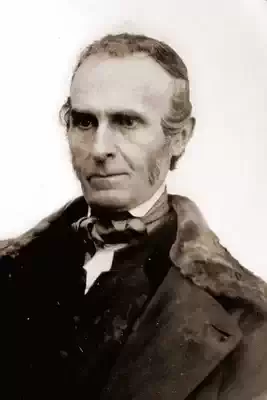
John Greenleaf Whittier
Lines on A Fly-Leaf
Lines on A Fly-Leaf
I need not ask thee, for my sake,
To read a book which well may make
Its way by native force of wit
Without my manual sign to it.
Its piquant writer needs from me
No gravely masculine guaranty,
And well might laugh her merriest laugh
At broken spears in her behalf;
Yet, spite of all the critics tell,
I frankly own I like her well.
It may be that she wields a pen
Too sharply nibbed for thin-skinned men,
That her keen arrows search and try
The armor joints of dignity,
And, though alone for error meant,
Sing through the air irreverent.
I blame her not, the young athlete
Who plants her woman's tiny feet,
And dares the chances of debate
Where bearded men might hesitate,
Who, deeply earnest, seeing well
The ludicrous and laughable,
Mingling in eloquent excess
Her anger and her tenderness,
And, chiding with a half-caress,
Strives, less for her own sex than ours,
With principalities and powers,
And points us upward to the clear
Sunned heights of her new atmosphere.
Heaven mend her faults!--I will not pause
To weigh and doubt and peck at flaws,
Or waste my pity when some fool
Provokes her measureless ridicule.
Strong-minded is she? Better so
Than dulness set for sale or show,
A household folly, capped and belled
In fashion's dance of puppets held,
Or poor pretence of womanhood,
Whose formal, flavorless platitude
Is warranted from all offence
Of robust meaning's violence.
Give me the wine of thought whose head
Sparkles along the page I read,-Electric
words in which I find
The tonic of the northwest wind;
The wisdom which itself allies
To sweet and pure humanities,
Where scorn of meanness, hate of wrong,
Are underlaid by love as strong;
The genial play of mirth that lights
Grave themes of thought, as when, on nights
Of summer-time, the harmless blaze
Of thunderless heat-lightning plays,
And tree and hill-top resting dim
And doubtful on the sky's vague rim,
Touched by that soft and lambent gleam,
Start sharply outlined from their dream.
Talk not to me of woman's sphere,
Nor point with Scripture texts a sneer,
Nor wrong the manliest saint of all
By doubt, if he were here, that Paul
Would own the heroines who have lent
Grace to truth's stern arbitrament,
Foregone the praise to woman sweet,
And cast their crowns at Duty's feet;
Like her, who by her strong Appeal
Made Fashion weep and Mammon feel,
Who, earliest summoned to withstand
The color-madness of the land,
Counted her life-long losses gain,
And made her own her sisters' pain;
Or her who, in her greenwood shade,
Heard the sharp call that Freedom made,
And, answering, struck from Sappho's lyre
Of love the Tyrtman carmen's fire
Or that young girl,--Domremy's maid
Revived a nobler cause to aid,-Shaking
from warning finger-tips
The doom of her apocalypse;
Or her, who world-wide entrance gave
To the log-cabin of the slave,
Made all his want and sorrow known,
And all earth's languages his own.
I need not ask thee, for my sake,
To read a book which well may make
Its way by native force of wit
Without my manual sign to it.
Its piquant writer needs from me
No gravely masculine guaranty,
And well might laugh her merriest laugh
At broken spears in her behalf;
Yet, spite of all the critics tell,
I frankly own I like her well.
It may be that she wields a pen
Too sharply nibbed for thin-skinned men,
That her keen arrows search and try
The armor joints of dignity,
And, though alone for error meant,
Sing through the air irreverent.
I blame her not, the young athlete
Who plants her woman's tiny feet,
And dares the chances of debate
Where bearded men might hesitate,
Who, deeply earnest, seeing well
The ludicrous and laughable,
Mingling in eloquent excess
Her anger and her tenderness,
And, chiding with a half-caress,
Strives, less for her own sex than ours,
With principalities and powers,
And points us upward to the clear
Sunned heights of her new atmosphere.
Heaven mend her faults!--I will not pause
To weigh and doubt and peck at flaws,
Or waste my pity when some fool
Provokes her measureless ridicule.
Strong-minded is she? Better so
Than dulness set for sale or show,
A household folly, capped and belled
In fashion's dance of puppets held,
Or poor pretence of womanhood,
Whose formal, flavorless platitude
Is warranted from all offence
Of robust meaning's violence.
Give me the wine of thought whose head
Sparkles along the page I read,-Electric
words in which I find
The tonic of the northwest wind;
The wisdom which itself allies
To sweet and pure humanities,
Where scorn of meanness, hate of wrong,
Are underlaid by love as strong;
The genial play of mirth that lights
Grave themes of thought, as when, on nights
Of summer-time, the harmless blaze
Of thunderless heat-lightning plays,
And tree and hill-top resting dim
And doubtful on the sky's vague rim,
Touched by that soft and lambent gleam,
Start sharply outlined from their dream.
Talk not to me of woman's sphere,
Nor point with Scripture texts a sneer,
Nor wrong the manliest saint of all
By doubt, if he were here, that Paul
Would own the heroines who have lent
Grace to truth's stern arbitrament,
Foregone the praise to woman sweet,
And cast their crowns at Duty's feet;
Like her, who by her strong Appeal
Made Fashion weep and Mammon feel,
Who, earliest summoned to withstand
The color-madness of the land,
Counted her life-long losses gain,
And made her own her sisters' pain;
Or her who, in her greenwood shade,
Heard the sharp call that Freedom made,
And, answering, struck from Sappho's lyre
Of love the Tyrtman carmen's fire
Or that young girl,--Domremy's maid
Revived a nobler cause to aid,-Shaking
from warning finger-tips
The doom of her apocalypse;
Or her, who world-wide entrance gave
To the log-cabin of the slave,
Made all his want and sorrow known,
And all earth's languages his own.
290
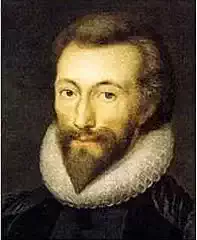
John Donne
Self-Love
Self-Love
He that cannot choose but love,
And strives against it still,
Never shall my fancy move,
For he loves 'gainst his will;
Nor he which is all his own,
And can at pleasure choose,
When I am caught he can be gone,
And when he list refuse.
Nor he that loves none but fair,
For such by all are sought;
Nor he that can for foul ones care,
For his judgement then is nought;
Nor he that hath wit, for he
Will make me his jest or slave;
Nor a fool, for when others...,
He can neither....;
Nor he that still his Mistress pays,
For she is thralled therefore;
Nor he that pays not, for he says
Within She's worth no more.
Is there then no kind of men
Whom I may freely prove?
I will vent that humour then
In mine own self-love.
He that cannot choose but love,
And strives against it still,
Never shall my fancy move,
For he loves 'gainst his will;
Nor he which is all his own,
And can at pleasure choose,
When I am caught he can be gone,
And when he list refuse.
Nor he that loves none but fair,
For such by all are sought;
Nor he that can for foul ones care,
For his judgement then is nought;
Nor he that hath wit, for he
Will make me his jest or slave;
Nor a fool, for when others...,
He can neither....;
Nor he that still his Mistress pays,
For she is thralled therefore;
Nor he that pays not, for he says
Within She's worth no more.
Is there then no kind of men
Whom I may freely prove?
I will vent that humour then
In mine own self-love.
346
Henry Van Dyke
Jeanne d'Arc Returns
Jeanne d'Arc Returns
1914-1916
What hast thou done, O womanhood of France,
Mother and daughter, sister, sweetheart, wife,
What hast thou done, amid this fateful strife,
To prove the pride of thine inheritance
In this fair land of freedom and romance?
I hear thy voice with tears and courage rife,--
Smiling against the swords that seek thy life,--
Make answer in a noble utterance:
"I give France all I have, and all she asks.
Would it were more! Ah, let her ask and take:
My hands to nurse her wounded, do her tasks,--
My feet to run her errands through the dark,--
My heart to bleed in triumph for her sake,--
And all my soul to follow thee, Jeanne d'Arc!"
1914-1916
What hast thou done, O womanhood of France,
Mother and daughter, sister, sweetheart, wife,
What hast thou done, amid this fateful strife,
To prove the pride of thine inheritance
In this fair land of freedom and romance?
I hear thy voice with tears and courage rife,--
Smiling against the swords that seek thy life,--
Make answer in a noble utterance:
"I give France all I have, and all she asks.
Would it were more! Ah, let her ask and take:
My hands to nurse her wounded, do her tasks,--
My feet to run her errands through the dark,--
My heart to bleed in triumph for her sake,--
And all my soul to follow thee, Jeanne d'Arc!"
331

Henry Lawson
I'd Back Again the World
I'd Back Again the World
She's not like an empress,
And crowned with raven hair,
She is not “pert an’ bonny,”
Nor “winsome, wee, an’ fair.”
But when a man’s in trouble,
And darkest shadows fall,
She’s just a little woman
I’d back against them all.
I’d back against them all,
When friends on rocks are hurled—
Oh, she’s the little woman
I’d back against the world.
She has her little temper
(As all the world can know)
When things are running smoothly,
She sometimes lets it go;
But when the sea is stormy,
And clouds are like a pall,
Oh, she’s the little woman
I’d back against them all.
I’d back against the world,
When darkest shadows fall—
Oh, she’s the little woman
I’d back against them all.
She’s had to stand at business
Till she was fit to drop;
She has to count the pennies
When she goes to the shop.
She has no land or terrace,
Nor money in the bank,
And, save what’s in her ownself,
No influence nor rank.
No influence nor rank
While darker shadows fall—
Oh, she’s a little woman
I’d back against them all.
It will not last for ever,
As old time goes his rounds,
Where now she counts the pennies
She yet shall count the pounds.
And those who laugh to see her,
Or pass her unawares,
Shall stand beside her motor car,
And bow her up the stairs.
And bow her up the stairs,
When foes on rocks are hurled—
For she’s the little woman
I’ll back against the world.
Or may I slave in prisons,
In mental misery,
And no one write a letter,
And no one visit me!
And may I rot with paupers,
A ditch without a stone,
My work be never quoted,
And my grave be never known.
My work be never quoted,
When friends on rocks are hurled—
Ah! she’s a little woman
I’d back against the world.
She's not like an empress,
And crowned with raven hair,
She is not “pert an’ bonny,”
Nor “winsome, wee, an’ fair.”
But when a man’s in trouble,
And darkest shadows fall,
She’s just a little woman
I’d back against them all.
I’d back against them all,
When friends on rocks are hurled—
Oh, she’s the little woman
I’d back against the world.
She has her little temper
(As all the world can know)
When things are running smoothly,
She sometimes lets it go;
But when the sea is stormy,
And clouds are like a pall,
Oh, she’s the little woman
I’d back against them all.
I’d back against the world,
When darkest shadows fall—
Oh, she’s the little woman
I’d back against them all.
She’s had to stand at business
Till she was fit to drop;
She has to count the pennies
When she goes to the shop.
She has no land or terrace,
Nor money in the bank,
And, save what’s in her ownself,
No influence nor rank.
No influence nor rank
While darker shadows fall—
Oh, she’s a little woman
I’d back against them all.
It will not last for ever,
As old time goes his rounds,
Where now she counts the pennies
She yet shall count the pounds.
And those who laugh to see her,
Or pass her unawares,
Shall stand beside her motor car,
And bow her up the stairs.
And bow her up the stairs,
When foes on rocks are hurled—
For she’s the little woman
I’ll back against the world.
Or may I slave in prisons,
In mental misery,
And no one write a letter,
And no one visit me!
And may I rot with paupers,
A ditch without a stone,
My work be never quoted,
And my grave be never known.
My work be never quoted,
When friends on rocks are hurled—
Ah! she’s a little woman
I’d back against the world.
238

Gwendolyn Brooks
Young Afrikans
Young Afrikans
of the furious
Who take Today and jerk it out of joint
have made new underpinnings and a Head.
Blacktime is time for chimeful
poemhood
but they decree a
jagged chiming now.
If there are flowers flowers
must come out to the road. Rowdy!—
knowing where wheels and people are,
knowing where whips and screams are,
knowing where deaths are, where the kind kills are.
As for that other kind of kindness,
if there is milk it must be mindful.
The milkofhumankindness must be mindful
as wily wines.
Must be fine fury.
Must be mega, must be main.
Taking Today (to jerk it out of joint)
the hardheroic maim the
leechlike-as-usual who use,
adhere to, carp, and harm.
And they await,
across the Changes and the spiraling dead,
our Black revival, our Black vinegar,
our hands, and our hot blood.
of the furious
Who take Today and jerk it out of joint
have made new underpinnings and a Head.
Blacktime is time for chimeful
poemhood
but they decree a
jagged chiming now.
If there are flowers flowers
must come out to the road. Rowdy!—
knowing where wheels and people are,
knowing where whips and screams are,
knowing where deaths are, where the kind kills are.
As for that other kind of kindness,
if there is milk it must be mindful.
The milkofhumankindness must be mindful
as wily wines.
Must be fine fury.
Must be mega, must be main.
Taking Today (to jerk it out of joint)
the hardheroic maim the
leechlike-as-usual who use,
adhere to, carp, and harm.
And they await,
across the Changes and the spiraling dead,
our Black revival, our Black vinegar,
our hands, and our hot blood.
236
Gwendolyn Brooks
to the Diaspora
to the Diaspora
you did not know you were Afrika
When you set out for Afrika
you did not know you were going.
Because
you did not know you were Afrika.
You did not know the Black continent
that had to be reached
was you.
I could not have told you then that some sun
would come,
somewhere over the road,
would come evoking the diamonds
of you, the Black continent-somewhere
over the road.
You would not have believed my mouth.
When I told you, meeting you somewhere close
to the heat and youth of the road,
liking my loyalty, liking belief,
you smiled and you thanked me but very little believed me.
Here is some sun. Some.
Now off into the places rough to reach.
Though dry, though drowsy, all unwillingly a-wobble,
into the dissonant and dangerous crescendo.
Your work, that was done, to be done to be done to be done.
you did not know you were Afrika
When you set out for Afrika
you did not know you were going.
Because
you did not know you were Afrika.
You did not know the Black continent
that had to be reached
was you.
I could not have told you then that some sun
would come,
somewhere over the road,
would come evoking the diamonds
of you, the Black continent-somewhere
over the road.
You would not have believed my mouth.
When I told you, meeting you somewhere close
to the heat and youth of the road,
liking my loyalty, liking belief,
you smiled and you thanked me but very little believed me.
Here is some sun. Some.
Now off into the places rough to reach.
Though dry, though drowsy, all unwillingly a-wobble,
into the dissonant and dangerous crescendo.
Your work, that was done, to be done to be done to be done.
315
Gwendolyn Brooks
Primer For Blacks
Primer For Blacks
Blackness
is a title,
is a preoccupation,
is a commitment Blacks
are to comprehend—
and in which you are
to perceive your Glory.
The conscious shout
of all that is white is
“It’s Great to be white.”
The conscious shout
of the slack in Black is
'It's Great to be white.'
Thus all that is white
has white strength and yours.
The word Black
has geographic power,
pulls everybody in:
Blacks here—
Blacks there—
Blacks wherever they may be.
And remember, you Blacks, what they told you—
remember your Education:
“one Drop—one Drop
maketh a brand new Black.”
Oh mighty Drop.
______And because they have given us kindly
so many more of our people
Blackness
stretches over the land.
Blackness—
the Black of it,
the rust-red of it,
the milk and cream of it,
the tan and yellow-tan of it,
the deep-brown middle-brown high-brown of it,
the “olive” and ochre of it—
Blackness
marches on.
The huge, the pungent object of our prime out-ride
is to Comprehend,
to salute and to Love the fact that we are Black,
which is our “ultimate Reality,”
which is the lone ground
from which our meaningful metamorphosis,
from which our prosperous staccato,
group or individual, can rise.
Self-shriveled Blacks.
Begin with gaunt and marvelous concession:
YOU are our costume and our fundamental bone.
All of you—
you COLORED ones,
you NEGRO ones,
those of you who proudly cry
“I’m half INDian”—
those of you who proudly screech
“I’VE got the blood of George WASHington in MY veins”
ALL of you—
you proper Blacks,
you half-Blacks,
you wish-I-weren’t Blacks,
Niggeroes and Niggerenes.
You.
Blackness
is a title,
is a preoccupation,
is a commitment Blacks
are to comprehend—
and in which you are
to perceive your Glory.
The conscious shout
of all that is white is
“It’s Great to be white.”
The conscious shout
of the slack in Black is
'It's Great to be white.'
Thus all that is white
has white strength and yours.
The word Black
has geographic power,
pulls everybody in:
Blacks here—
Blacks there—
Blacks wherever they may be.
And remember, you Blacks, what they told you—
remember your Education:
“one Drop—one Drop
maketh a brand new Black.”
Oh mighty Drop.
______And because they have given us kindly
so many more of our people
Blackness
stretches over the land.
Blackness—
the Black of it,
the rust-red of it,
the milk and cream of it,
the tan and yellow-tan of it,
the deep-brown middle-brown high-brown of it,
the “olive” and ochre of it—
Blackness
marches on.
The huge, the pungent object of our prime out-ride
is to Comprehend,
to salute and to Love the fact that we are Black,
which is our “ultimate Reality,”
which is the lone ground
from which our meaningful metamorphosis,
from which our prosperous staccato,
group or individual, can rise.
Self-shriveled Blacks.
Begin with gaunt and marvelous concession:
YOU are our costume and our fundamental bone.
All of you—
you COLORED ones,
you NEGRO ones,
those of you who proudly cry
“I’m half INDian”—
those of you who proudly screech
“I’VE got the blood of George WASHington in MY veins”
ALL of you—
you proper Blacks,
you half-Blacks,
you wish-I-weren’t Blacks,
Niggeroes and Niggerenes.
You.
261
Gwendolyn Brooks
Sadie and Maud
Sadie and Maud
Maud went to college.
Sadie stayed home.
Sadie scraped life
With a fine toothed comb.
She didn't leave a tangle in
Her comb found every strand.
Sadie was one of the livingest chicks
In all the land.
Sadie bore two babies
Under her maiden name.
Maud and Ma and Papa
Nearly died of shame.
When Sadie said her last so-long
Her girls struck out from home.
(Sadie left as heritage
Her fine-toothed comb.)
Maud, who went to college,
Is a thin brown mouse.
She is living all alone
In this old house.
Maud went to college.
Sadie stayed home.
Sadie scraped life
With a fine toothed comb.
She didn't leave a tangle in
Her comb found every strand.
Sadie was one of the livingest chicks
In all the land.
Sadie bore two babies
Under her maiden name.
Maud and Ma and Papa
Nearly died of shame.
When Sadie said her last so-long
Her girls struck out from home.
(Sadie left as heritage
Her fine-toothed comb.)
Maud, who went to college,
Is a thin brown mouse.
She is living all alone
In this old house.
302

Ezra Pound
Ortus
Ortus
How have I laboured?
How have I not laboured
To bring her soul to birth,
To give these elements a name and a centre!
She is beautiful as the sunlight, and as fluid.
She has no name, and no place.
How have I laboured to bring her soul into separation;
To give her a name and her being!
Surely you are bound and entwined,
You are mingled with the elements unborn;
I have loved a stream and a shadow.
I beseech you enter your life.
I beseech you learn to say ‘I’
When I question you;
For you are no part, but a whole,
No portion, but a being.
How have I laboured?
How have I not laboured
To bring her soul to birth,
To give these elements a name and a centre!
She is beautiful as the sunlight, and as fluid.
She has no name, and no place.
How have I laboured to bring her soul into separation;
To give her a name and her being!
Surely you are bound and entwined,
You are mingled with the elements unborn;
I have loved a stream and a shadow.
I beseech you enter your life.
I beseech you learn to say ‘I’
When I question you;
For you are no part, but a whole,
No portion, but a being.
495

Emily Dickinson
Who Court obtain within Himself
Who Court obtain within Himself
803
Who Court obtain within Himself
Sees every Man a King-
And Poverty of Monarchy
Is an interior thing-
No Man depose
Whom Fate Ordain-
And Who can add a Crown
To Him who doth continual
Conspire against His Own
803
Who Court obtain within Himself
Sees every Man a King-
And Poverty of Monarchy
Is an interior thing-
No Man depose
Whom Fate Ordain-
And Who can add a Crown
To Him who doth continual
Conspire against His Own
203
Emily Dickinson
She rose to His Requirement
She rose to His Requirement
732
She rose to His Requirement-dropt
The Playthings of Her Life
To take the honorable Work
Of Woman, and of Wife-
If ought She missed in Her new Day,
Of Amplitude, or Awe-
Or first Prospective-Or the Gold
In using, wear away,
It lay unmentioned-as the Sea
Develop Pearl, and Weed,
But only to Himself-be known
The Fathoms they abide-
732
She rose to His Requirement-dropt
The Playthings of Her Life
To take the honorable Work
Of Woman, and of Wife-
If ought She missed in Her new Day,
Of Amplitude, or Awe-
Or first Prospective-Or the Gold
In using, wear away,
It lay unmentioned-as the Sea
Develop Pearl, and Weed,
But only to Himself-be known
The Fathoms they abide-
786
Emily Dickinson
Renunciation
Renunciation
Renunciation -- is a piercing Virtue --
The letting go
A Presence -- for an Expectation --
Not now --
The putting out of Eyes --
Just Sunrise --
Lest Day -Day's
Great Progenitor --
Outvie
Renunciation -- is the Choosing
Against itself --
Itself to justify
Unto itself --
When larger function --
Make that appear --
Smaller -- that Covered Vision -- Here --
Renunciation -- is a piercing Virtue --
The letting go
A Presence -- for an Expectation --
Not now --
The putting out of Eyes --
Just Sunrise --
Lest Day -Day's
Great Progenitor --
Outvie
Renunciation -- is the Choosing
Against itself --
Itself to justify
Unto itself --
When larger function --
Make that appear --
Smaller -- that Covered Vision -- Here --
288
Emily Dickinson
Publication
Publication
Publication -- is the Auction
Of the Mind of Man --
Poverty -- be justifying
For so foul a thing
Possibly -- but We -- would rather
From Our Garret go
White -- Unto the White Creator --
Than invest -- Our Snow --
Thought belong to Him who gave it --
Then -- to Him Who bear
Its Corporeal illustration -- Sell
The Royal Air --
In the Parcel -- Be the Merchant
Of the Heavenly Grace --
But reduce no Human Spirit
To Disgrace of Price --
Publication -- is the Auction
Of the Mind of Man --
Poverty -- be justifying
For so foul a thing
Possibly -- but We -- would rather
From Our Garret go
White -- Unto the White Creator --
Than invest -- Our Snow --
Thought belong to Him who gave it --
Then -- to Him Who bear
Its Corporeal illustration -- Sell
The Royal Air --
In the Parcel -- Be the Merchant
Of the Heavenly Grace --
But reduce no Human Spirit
To Disgrace of Price --
293
Emily Dickinson
My Reward for Being, was This
My Reward for Being, was This
343
My Reward for Being, was This.
My premium-My Bliss-
An Admiralty, less-
A Sceptre-penniless-
And Realms-just Dross-
When Thrones accost my Hands-
With "Me, Miss, Me"I'll
unroll Thee-
Dominions dowerless-beside this GraceElection-
Vote-
The Ballots of Eternity, will show just that.
343
My Reward for Being, was This.
My premium-My Bliss-
An Admiralty, less-
A Sceptre-penniless-
And Realms-just Dross-
When Thrones accost my Hands-
With "Me, Miss, Me"I'll
unroll Thee-
Dominions dowerless-beside this GraceElection-
Vote-
The Ballots of Eternity, will show just that.
218
Emily Dickinson
Before I got my eye put out
Before I got my eye put out
327
Before I got my eye put out
I liked as well to see-
As other Creatures, that have Eyes
And know no other way-
But were it told to me-Today-
That I might have the sky
For mine-I tell you that my Heart
Would split, for size of me-
The Meadows-mine-
The Mountains-mine-
All Forests-Stintless Stars-
As much of Noon as I could take
Between my finite eyes-
The Motions of the Dipping Birds-
The Morning's Amber Road-
For mine-to look at when I liked-
The News would strike me dead-
So safer-guess-with just my soul
Upon the Window pane-
Where other Creatures put their eyesIncautious-
of the Sun-
327
Before I got my eye put out
I liked as well to see-
As other Creatures, that have Eyes
And know no other way-
But were it told to me-Today-
That I might have the sky
For mine-I tell you that my Heart
Would split, for size of me-
The Meadows-mine-
The Mountains-mine-
All Forests-Stintless Stars-
As much of Noon as I could take
Between my finite eyes-
The Motions of the Dipping Birds-
The Morning's Amber Road-
For mine-to look at when I liked-
The News would strike me dead-
So safer-guess-with just my soul
Upon the Window pane-
Where other Creatures put their eyesIncautious-
of the Sun-
378

Ella Wheeler Wilcox
Woman
Woman
Give us that grand word ‘woman’ once again,
And let’s have done with ‘lady’: one’s a term
Full of fine force, strong, beautiful, and firm,
Fit for the noblest use of tongue or pen;
And one’s a word for lackeys. One suggests
The Mother, Wife, and Sister! One the dame
Whose costly robe, mayhap, gives her the name,
One word upon its own strength leans and rests;
The other minces tiptoe. Who would be
The perfect woman must grow brave of heart
And broad of soul to play her troubled part
Well in life’s drama. While each day we see
The ‘perfect lady’ skilled in what to do
And what to say, grace in each tone and act
(‘Tis taught in schools, but needs some native tact) ,
Yet narrow in her mind as in her shoe.
Give the first place then to the nobler phrase,
And leave the lesser word for lesser praise.
Give us that grand word ‘woman’ once again,
And let’s have done with ‘lady’: one’s a term
Full of fine force, strong, beautiful, and firm,
Fit for the noblest use of tongue or pen;
And one’s a word for lackeys. One suggests
The Mother, Wife, and Sister! One the dame
Whose costly robe, mayhap, gives her the name,
One word upon its own strength leans and rests;
The other minces tiptoe. Who would be
The perfect woman must grow brave of heart
And broad of soul to play her troubled part
Well in life’s drama. While each day we see
The ‘perfect lady’ skilled in what to do
And what to say, grace in each tone and act
(‘Tis taught in schools, but needs some native tact) ,
Yet narrow in her mind as in her shoe.
Give the first place then to the nobler phrase,
And leave the lesser word for lesser praise.
438
Ella Wheeler Wilcox
Which are You?
Which are You?
There are two kinds of people on earth to-day;
Just two kinds of people, no more, I say.
Not the sinner and saint, for it's well understood,
The good are half bad, and the bad are half good.
Not the rich and the poor, for to rate a man's wealth,
You must first know the state of his conscience and health.
Not the humble and proud, for in life's little span,
Who puts on vain airs, is not counted a man.
Not the happy and sad, for the swift flying years
Bring each man his laughter and each man his tears.
No; the two kinds of people on earth I mean,
Are the people who lift, and the people who lean.
Wherever you go, you will find the earth's masses,
Are always divided in just these two classes.
And oddly enough, you will find too, I ween,
There's only one lifter to twenty who lean.
In which class are you? Are you easing the load,
Of overtaxed lifters, who toil down the road?
Or are you a leaner, who lets others share
Your portion of labor, and worry and care?
There are two kinds of people on earth to-day;
Just two kinds of people, no more, I say.
Not the sinner and saint, for it's well understood,
The good are half bad, and the bad are half good.
Not the rich and the poor, for to rate a man's wealth,
You must first know the state of his conscience and health.
Not the humble and proud, for in life's little span,
Who puts on vain airs, is not counted a man.
Not the happy and sad, for the swift flying years
Bring each man his laughter and each man his tears.
No; the two kinds of people on earth I mean,
Are the people who lift, and the people who lean.
Wherever you go, you will find the earth's masses,
Are always divided in just these two classes.
And oddly enough, you will find too, I ween,
There's only one lifter to twenty who lean.
In which class are you? Are you easing the load,
Of overtaxed lifters, who toil down the road?
Or are you a leaner, who lets others share
Your portion of labor, and worry and care?
367
Ella Wheeler Wilcox
To Men
To Men
Sirs, when you pity us, I say
You waste your pity. Let it stay,
Well corked and stored upon your shelves,
Until you need it for yourselves.
We do appreciate God's thought
In forming you, before He brought
Us into life. His art was crude,
But oh, so virile in its rude
Large elemental strength: and then
He learned His trade in making men;
Learned how to mix and mould the clay
And fashion in a finer way.
How fine that skilful way can be
You need but lift your eyes to see;
And we are glad God placed you there
To lift your eyes and find us fair.
Apprentice labour though you were,
He made you great enough to stir
The best and deepest depths of us,
And we are glad he made you thus.
Ay! we are glad of many things.
God strung our hearts with such fine strings
The least breath movces them, and we hear
Music where silence greets your ear.
We suffer so? but women's souls
Like violet powder dropped on coals,
Give forth their best in anguish. Oh,
The subtle secrets that we know,
Of joy in sorrow, strange delights
Of ecstasy in pain-filled nights,
And mysteries of gain in loss
Known but to Christ upon the Cross!
Our tears are pitiful to you?
Look how the heaven-reflecting dew
Dissolves its life in tears. The sand
Meanwhile lies hard upon the strand.
How could your pity find a place
For us, the mothers of the race?
Men may be fathers unaware,
So poor the title is you wear,
But mothers -? Who that crown adorns
Knows all its mingled blooms and thorns;
And she whose feet that path hath trod
Has walked upon the heights with God.
No, offer us not pity's cup.
There is no looking down or up
Between us: eye looks straight in eye:
Born equals, so we live and die.
Sirs, when you pity us, I say
You waste your pity. Let it stay,
Well corked and stored upon your shelves,
Until you need it for yourselves.
We do appreciate God's thought
In forming you, before He brought
Us into life. His art was crude,
But oh, so virile in its rude
Large elemental strength: and then
He learned His trade in making men;
Learned how to mix and mould the clay
And fashion in a finer way.
How fine that skilful way can be
You need but lift your eyes to see;
And we are glad God placed you there
To lift your eyes and find us fair.
Apprentice labour though you were,
He made you great enough to stir
The best and deepest depths of us,
And we are glad he made you thus.
Ay! we are glad of many things.
God strung our hearts with such fine strings
The least breath movces them, and we hear
Music where silence greets your ear.
We suffer so? but women's souls
Like violet powder dropped on coals,
Give forth their best in anguish. Oh,
The subtle secrets that we know,
Of joy in sorrow, strange delights
Of ecstasy in pain-filled nights,
And mysteries of gain in loss
Known but to Christ upon the Cross!
Our tears are pitiful to you?
Look how the heaven-reflecting dew
Dissolves its life in tears. The sand
Meanwhile lies hard upon the strand.
How could your pity find a place
For us, the mothers of the race?
Men may be fathers unaware,
So poor the title is you wear,
But mothers -? Who that crown adorns
Knows all its mingled blooms and thorns;
And she whose feet that path hath trod
Has walked upon the heights with God.
No, offer us not pity's cup.
There is no looking down or up
Between us: eye looks straight in eye:
Born equals, so we live and die.
397
Ella Wheeler Wilcox
Noblesse Oblige
Noblesse Oblige
I hold it the duty of one who is gifted
And specially dowered I all men’s sight,
To know no rest till his life is lifted
Fully up to his great gifts’ height.
He must mould the man into rare completeness,
For gems are only in gold refined.
He must fashion his thoughts into perfect sweetness,
And cast out folly and pride from his mind.
For he who drinks from a god’s gold fountain
Of art of music or rhythmic song
Must sift from his soul the chaff of malice,
And weed from his heart the roots of wrong.
Great gifts should be worn, like a crown befitting,
And not like gems in a beggar’s hands!
And the toil must be constant and unremitting
Which lifts up the king to the crown’s demands.
I hold it the duty of one who is gifted
And specially dowered I all men’s sight,
To know no rest till his life is lifted
Fully up to his great gifts’ height.
He must mould the man into rare completeness,
For gems are only in gold refined.
He must fashion his thoughts into perfect sweetness,
And cast out folly and pride from his mind.
For he who drinks from a god’s gold fountain
Of art of music or rhythmic song
Must sift from his soul the chaff of malice,
And weed from his heart the roots of wrong.
Great gifts should be worn, like a crown befitting,
And not like gems in a beggar’s hands!
And the toil must be constant and unremitting
Which lifts up the king to the crown’s demands.
485
Ella Wheeler Wilcox
It Might Have Been
It Might Have Been
We will be what we could be. Do not say,
'It might have been, had not this, or that, or this.'
No fate can keep us from the chosen way;
He only might who is.
We will do what we could do. Do not dream
Chance leaves a hero, all uncrowned to grieve.
I hold, all men are greatly what they seem;
He does, who could achieve.
We will climb where we could climb. Tell me not
Of adverse storms that kept thee from the height.
What eagle ever missed the peak he sought?
He always climbs who might.
I do not like the phrase 'It might have been!'
It lacks force, and life's best truths perverts:
For I believe we have, and reach, and win,
Whatever our deserts.
We will be what we could be. Do not say,
'It might have been, had not this, or that, or this.'
No fate can keep us from the chosen way;
He only might who is.
We will do what we could do. Do not dream
Chance leaves a hero, all uncrowned to grieve.
I hold, all men are greatly what they seem;
He does, who could achieve.
We will climb where we could climb. Tell me not
Of adverse storms that kept thee from the height.
What eagle ever missed the peak he sought?
He always climbs who might.
I do not like the phrase 'It might have been!'
It lacks force, and life's best truths perverts:
For I believe we have, and reach, and win,
Whatever our deserts.
389
Ella Wheeler Wilcox
Attainment
Attainment
Use all your hidden forces.
Do not miss the purpose of this life,
and do not wait for circumstance
to mold or change your fate.
In your own self lies destiny.
Let this vast truth cast out all fear,
all prejudice, all hesitation.
Know that you are great -great
with divinity.
Do dominate environment, and enter into bliss.
Live largely, and hate nothing.
Hold no aim that does not chord
with universal good.
Hear what the voices of the silence say.
All joys are yours if you put forth your claim.
Once you let the spiritual laws be understood,
material things must answer and obey.
Use all your hidden forces.
Do not miss the purpose of this life,
and do not wait for circumstance
to mold or change your fate.
In your own self lies destiny.
Let this vast truth cast out all fear,
all prejudice, all hesitation.
Know that you are great -great
with divinity.
Do dominate environment, and enter into bliss.
Live largely, and hate nothing.
Hold no aim that does not chord
with universal good.
Hear what the voices of the silence say.
All joys are yours if you put forth your claim.
Once you let the spiritual laws be understood,
material things must answer and obey.
389
Ella Wheeler Wilcox
At The Hop
At The Hop
‘Tis time to dress. Dost hear the music surging
Like sobbing waves that roll up from the sea?
Yes, yes, I hear – I yield – no need of urging;
I know your wishes, - send Lisette to me.
I hate the ballroom; hate its gilded pleasure;
I hate the crowd within it, well you know;
But what of that? I am your lawful treasure –
And when you would display me I must go.
You bought me with a mother’s pain and trouble.
I’ve been a great expense to you always.
And now, if you can sell me, and get double
The sum cost – why, what have I to say?
You’ve done your duty: kept me in the fashion,
And shown off me at every stylish place.
‘Twas not your fault I had a heart of passion;
‘Twas not your fault I ever saw his face.
The dream was brief, and beautiful, and tender,
(O, God! to live those golden hours once more.
The silver moonlight, and his dark eyes’ splendour,
The sky above us, and the sea below.)
Come, come, Lisette, bring out those royal laces;
To-night must make the victory complete.
Among the crowd of masked and smiling faces,
I’ll move with laughter, and with smiles most sweet.
Make me most fair! with youth and grace and beauty.
I needs must conquer bloated age and gold.
She shall not say I have not done my duty;
I’m ready now – a daughter to be sold!
‘Tis time to dress. Dost hear the music surging
Like sobbing waves that roll up from the sea?
Yes, yes, I hear – I yield – no need of urging;
I know your wishes, - send Lisette to me.
I hate the ballroom; hate its gilded pleasure;
I hate the crowd within it, well you know;
But what of that? I am your lawful treasure –
And when you would display me I must go.
You bought me with a mother’s pain and trouble.
I’ve been a great expense to you always.
And now, if you can sell me, and get double
The sum cost – why, what have I to say?
You’ve done your duty: kept me in the fashion,
And shown off me at every stylish place.
‘Twas not your fault I had a heart of passion;
‘Twas not your fault I ever saw his face.
The dream was brief, and beautiful, and tender,
(O, God! to live those golden hours once more.
The silver moonlight, and his dark eyes’ splendour,
The sky above us, and the sea below.)
Come, come, Lisette, bring out those royal laces;
To-night must make the victory complete.
Among the crowd of masked and smiling faces,
I’ll move with laughter, and with smiles most sweet.
Make me most fair! with youth and grace and beauty.
I needs must conquer bloated age and gold.
She shall not say I have not done my duty;
I’m ready now – a daughter to be sold!
362
Ella Wheeler Wilcox
A Waif
A Waif
My soul is like a poor caged bird to-night,
Beating its wings against the prison bars,
Longing to reach the outer world of light,
And, all untrammelled, soar among the stars.
Wild, mighty thoughts struggle within my soul
For utterance. Great waves of passion roll
Through all my being. As the lightnings play
Through thunder clouds, so beams of blinding light
Flash for a moment on my darkened brain -
Quick, sudden, glaring beams, that fade wawy
And leave me in a darker, deeper night.
Oh, poet sould! that struggle all in vain
To live in peace and harmony with earth,
It cannot be! They must endure the pain
Of conscience and unacknoeledged worth,
Moving and dwelling with the common herd,
Whose highest thought has never strayed as far,
Or never strayed beyond the horizon's bar;
Whose narrow hearts and souls are never stirred
With keenest pleasures, or with sharpest pain;
Who rise and eat and sleep, and rise again,
Nor question why or wherefore. Men whose minds
Are never shaken by wild passion winds;
Women whose broadest, deepeat realm of thought
The bridal veil will cover.
Who see not
God's mighty work lying undone to-day, -
Work that a woman's hands can do as well,
Oh, soul of mine; better to live alway
In this tumultuous inward pain and strife,
Doing the work that in thy reach doth fall,
Weeping because thou canst not do it all;
Oh, better, my soul, in this unrest to dwell,
Than grovel as they grovel on through life.
My soul is like a poor caged bird to-night,
Beating its wings against the prison bars,
Longing to reach the outer world of light,
And, all untrammelled, soar among the stars.
Wild, mighty thoughts struggle within my soul
For utterance. Great waves of passion roll
Through all my being. As the lightnings play
Through thunder clouds, so beams of blinding light
Flash for a moment on my darkened brain -
Quick, sudden, glaring beams, that fade wawy
And leave me in a darker, deeper night.
Oh, poet sould! that struggle all in vain
To live in peace and harmony with earth,
It cannot be! They must endure the pain
Of conscience and unacknoeledged worth,
Moving and dwelling with the common herd,
Whose highest thought has never strayed as far,
Or never strayed beyond the horizon's bar;
Whose narrow hearts and souls are never stirred
With keenest pleasures, or with sharpest pain;
Who rise and eat and sleep, and rise again,
Nor question why or wherefore. Men whose minds
Are never shaken by wild passion winds;
Women whose broadest, deepeat realm of thought
The bridal veil will cover.
Who see not
God's mighty work lying undone to-day, -
Work that a woman's hands can do as well,
Oh, soul of mine; better to live alway
In this tumultuous inward pain and strife,
Doing the work that in thy reach doth fall,
Weeping because thou canst not do it all;
Oh, better, my soul, in this unrest to dwell,
Than grovel as they grovel on through life.
464
Ella Wheeler Wilcox
It Might Have Been
"It Might Have Been"
We will be what we could be. Do not say,
"It might have been, had not this, or that, or this."
No fate can keep us from the chosen way;
He only might who is.
We will do what we could do. Do not dream
Chance leaves a hero, all uncrowned to grieve.
I hold, all men are greatly what they seem;
He does, who could achieve.
We will climb where we could climb. Tell me not
Of adverse storms that kept thee from the height.
What eagle ever missed the peak he sought?
He always climbs who might.
I do not like the phrase "It might have been!"
It lacks force, and life's best truths perverts:
For I believe we have, and reach, and win,
Whatever our deserts.
We will be what we could be. Do not say,
"It might have been, had not this, or that, or this."
No fate can keep us from the chosen way;
He only might who is.
We will do what we could do. Do not dream
Chance leaves a hero, all uncrowned to grieve.
I hold, all men are greatly what they seem;
He does, who could achieve.
We will climb where we could climb. Tell me not
Of adverse storms that kept thee from the height.
What eagle ever missed the peak he sought?
He always climbs who might.
I do not like the phrase "It might have been!"
It lacks force, and life's best truths perverts:
For I believe we have, and reach, and win,
Whatever our deserts.
351