

Poems in this theme
Pain and Despair

Sarah Teasdale
Four Winds
Four Winds
"Four winds blowing through the sky,
You have seen poor maidens die,
Tell me then what I shall do
That my lover may be true."
Said the wind from out the south,
"Lay no kiss upon his mouth,"
And the wind from out the west,
"Wound the heart within his breast,"
And the wind from out the east,
"Send him empty from the feast,"
And the wind from out the north,
"In the tempest thrust him forth;
When thou art more cruel than he,
Then will Love be kind to thee."
"Four winds blowing through the sky,
You have seen poor maidens die,
Tell me then what I shall do
That my lover may be true."
Said the wind from out the south,
"Lay no kiss upon his mouth,"
And the wind from out the west,
"Wound the heart within his breast,"
And the wind from out the east,
"Send him empty from the feast,"
And the wind from out the north,
"In the tempest thrust him forth;
When thou art more cruel than he,
Then will Love be kind to thee."
434
Sarah Teasdale
Dust
Dust
When I went to look at what had long been hidden,
A jewel laid long ago in a secret place,
I trembled, for I thought to see its dark deep fire --
But only a pinch of dust blew up in my face.
I almost gave my life long ago for a thing
That has gone to dust now, stinging my eyes --
It is strange how often a heart must be broken
Before the years can make it wise.
When I went to look at what had long been hidden,
A jewel laid long ago in a secret place,
I trembled, for I thought to see its dark deep fire --
But only a pinch of dust blew up in my face.
I almost gave my life long ago for a thing
That has gone to dust now, stinging my eyes --
It is strange how often a heart must be broken
Before the years can make it wise.
348
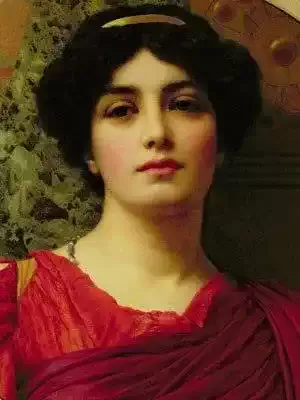
Safo
With his venom
With his venom
With his venom
irresistible
and bittersweet
that loosener
of limbs, Love
reptile-like
strikes me down
With his venom
irresistible
and bittersweet
that loosener
of limbs, Love
reptile-like
strikes me down
606
Safo
Must I remind you, Clesis,
Must I remind you, Clesis,
Must I remind you, Cleis,
that sounds of grief
are unbecmoming in
a poet's household?
and that they are not
suitable in ours?
[Note: "A poet's household" is more litterally one "dedicated to the Muses."]
Must I remind you, Cleis,
that sounds of grief
are unbecmoming in
a poet's household?
and that they are not
suitable in ours?
[Note: "A poet's household" is more litterally one "dedicated to the Muses."]
452
Safo
Blame Aphrodite
Blame Aphrodite
It's no use
Mother dear, I
can't finish my
weaving
You may
blame Aphrodite
soft as she is
she has almost
killed me with
love for that boy
Sappho
tr. Barnard
It's no use
Mother dear, I
can't finish my
weaving
You may
blame Aphrodite
soft as she is
she has almost
killed me with
love for that boy
Sappho
tr. Barnard
428
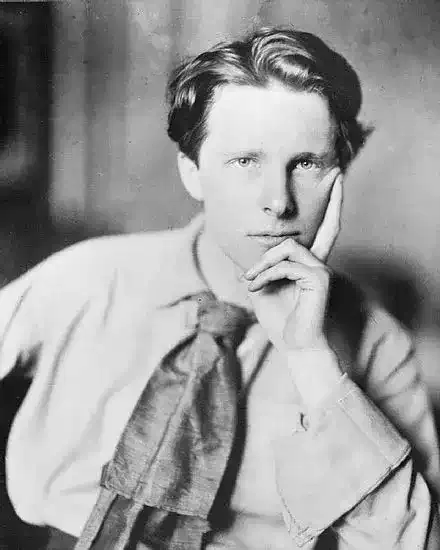
Rupert Brooke
The Life Beyond
The Life Beyond
He wakes, who never thought to wake again,
Who held the end was Death. He opens eyes
Slowly, to one long livid oozing plain
Closed down by the strange eyeless heavens.
He lies;
And waits; and once in timeless sick surmise
Through the dead air heaves up an unknown hand,
Like a dry branch. No life is in that land,
Himself not lives, but is a thing that cries;
An unmeaning point upon the mud; a speck
Of moveless horror; an Immortal One
Cleansed of the world, sentient and dead; a fly
Fast-stuck in grey sweat on a corpse’s neck.
I though when love for you died, I should die.
It’s dead. Alone, most strangely, I live on.
He wakes, who never thought to wake again,
Who held the end was Death. He opens eyes
Slowly, to one long livid oozing plain
Closed down by the strange eyeless heavens.
He lies;
And waits; and once in timeless sick surmise
Through the dead air heaves up an unknown hand,
Like a dry branch. No life is in that land,
Himself not lives, but is a thing that cries;
An unmeaning point upon the mud; a speck
Of moveless horror; an Immortal One
Cleansed of the world, sentient and dead; a fly
Fast-stuck in grey sweat on a corpse’s neck.
I though when love for you died, I should die.
It’s dead. Alone, most strangely, I live on.
199
Rupert Brooke
Paralysis
Paralysis
For moveless limbs no pity I crave,
That never were swift! Still all I prize,
Laughter and thought and friends, I have;
No fool to heave luxurious sighs
For the woods and hills that I never knew.
The more excellent way's yet mine! And you
Flower-laden come to the clean white cell,
And we talk as ever -- am I not the same?
With our hearts we love, immutable,
You without pity, I without shame.
We talk as of old; as of old you go
Out under the sky, and laughing, I know,
Flit through the streets, your heart all me;
Till you gain the world beyond the town.
Then -- I fade from your heart, quietly;
And your fleet steps quicken. The strong down
Smiles you welcome there; the woods that love you
Close lovely and conquering arms above you.
O ever-moving, O lithe and free!
Fast in my linen prison I press
On impassable bars, or emptily
Laugh in my great loneliness.
And still in the white neat bed I strive
Most impotently against that gyve;
Being less now than a thought, even,
To you alone with your hills and heaven.
For moveless limbs no pity I crave,
That never were swift! Still all I prize,
Laughter and thought and friends, I have;
No fool to heave luxurious sighs
For the woods and hills that I never knew.
The more excellent way's yet mine! And you
Flower-laden come to the clean white cell,
And we talk as ever -- am I not the same?
With our hearts we love, immutable,
You without pity, I without shame.
We talk as of old; as of old you go
Out under the sky, and laughing, I know,
Flit through the streets, your heart all me;
Till you gain the world beyond the town.
Then -- I fade from your heart, quietly;
And your fleet steps quicken. The strong down
Smiles you welcome there; the woods that love you
Close lovely and conquering arms above you.
O ever-moving, O lithe and free!
Fast in my linen prison I press
On impassable bars, or emptily
Laugh in my great loneliness.
And still in the white neat bed I strive
Most impotently against that gyve;
Being less now than a thought, even,
To you alone with your hills and heaven.
221
Rupert Brooke
On The Death Of Smet-Smet, The Hippopotamus- Goddess
On The Death Of Smet-Smet, The Hippopotamus- Goddess
Song of a tribe of the ancient Egyptians
(The Priests within the Temple)
She was wrinkled and huge and hideous? She was our Mother.
She was lustful and lewd? -- but a God; we had none other.
In the day She was hidden and dumb, but at nightfall moaned in the shade;
We shuddered and gave Her Her will in the darkness; we were afraid.
(The People without)
She sent us pain,
And we bowed before Her;
She smiled again
And bade us adore Her.
She solaced our woe
And soothed our sighing;
And what shall we do
Now God is dying?
(The Priests within)
She was hungry and ate our children; -- how should we stay Her?
She took our young men and our maidens; -- ours to obey Her.
We were loathed and mocked and reviled of all nations; that was our pride.
She fed us, protected us, loved us, and killed us; now She has died.
(The People without)
She was so strong;
But death is stronger.
She ruled us long;
But Time is longer.
She solaced our woe
And soothed our sighing;
And what shall we do
Now God is dying?
Song of a tribe of the ancient Egyptians
(The Priests within the Temple)
She was wrinkled and huge and hideous? She was our Mother.
She was lustful and lewd? -- but a God; we had none other.
In the day She was hidden and dumb, but at nightfall moaned in the shade;
We shuddered and gave Her Her will in the darkness; we were afraid.
(The People without)
She sent us pain,
And we bowed before Her;
She smiled again
And bade us adore Her.
She solaced our woe
And soothed our sighing;
And what shall we do
Now God is dying?
(The Priests within)
She was hungry and ate our children; -- how should we stay Her?
She took our young men and our maidens; -- ours to obey Her.
We were loathed and mocked and reviled of all nations; that was our pride.
She fed us, protected us, loved us, and killed us; now She has died.
(The People without)
She was so strong;
But death is stronger.
She ruled us long;
But Time is longer.
She solaced our woe
And soothed our sighing;
And what shall we do
Now God is dying?
186
Rupert Brooke
Hauntings
Hauntings
In the grey tumult of these after years
Oft silence falls; the incessant wranglers part;
And less-than-echoes of remembered tears
Hush all the loud confusion of the heart;
And a shade, through the toss'd ranks of mirth and crying
Hungers, and pains, and each dull passionate mood, --
Quite lost, and all but all forgot, undying,
Comes back the ecstasy of your quietude.
So a poor ghost, beside his misty streams,
Is haunted by strange doubts, evasive dreams,
Hints of a pre-Lethean life, of men,
Stars, rocks, and flesh, things unintelligible,
And light on waving grass, he knows not when,
And feet that ran, but where, he cannot tell.
In the grey tumult of these after years
Oft silence falls; the incessant wranglers part;
And less-than-echoes of remembered tears
Hush all the loud confusion of the heart;
And a shade, through the toss'd ranks of mirth and crying
Hungers, and pains, and each dull passionate mood, --
Quite lost, and all but all forgot, undying,
Comes back the ecstasy of your quietude.
So a poor ghost, beside his misty streams,
Is haunted by strange doubts, evasive dreams,
Hints of a pre-Lethean life, of men,
Stars, rocks, and flesh, things unintelligible,
And light on waving grass, he knows not when,
And feet that ran, but where, he cannot tell.
184
Rupert Brooke
Choriambics II
Choriambics II
Here the flame that was ash, shrine that was void,
lost in the haunted wood,
I have tended and loved, year upon year, I in the solitude
Waiting, quiet and glad-eyed in the dark, knowing that once a gleam
Glowed and went through the wood. Still I abode strong in a golden dream,
Unrecaptured.
For I, I that had faith, knew that a face would glance
One day, white in the dim woods, and a voice call, and a radiance
Fill the grove, and the fire suddenly leap . . . and, in the heart of it,
End of labouring, you! Therefore I kept ready the altar, lit
The flame, burning apart.
Face of my dreams vainly in vision white
Gleaming down to me, lo! hopeless I rise now. For about midnight
Whispers grew through the wood suddenly, strange cries in the boughs above
Grated, cries like a laugh. Silent and black then through the sacred grove
Great birds flew, as a dream, troubling the leaves, passing at length.
I knew
Long expected and long loved, that afar, God of the dim wood, you
Somewhere lay, as a child sleeping, a child suddenly reft from mirth,
White and wonderful yet, white in your youth, stretched upon foreign earth,
God, immortal and dead!
Therefore I go; never to rest, or win
Peace, and worship of you more, and the dumb wood and the shrine therein.
Here the flame that was ash, shrine that was void,
lost in the haunted wood,
I have tended and loved, year upon year, I in the solitude
Waiting, quiet and glad-eyed in the dark, knowing that once a gleam
Glowed and went through the wood. Still I abode strong in a golden dream,
Unrecaptured.
For I, I that had faith, knew that a face would glance
One day, white in the dim woods, and a voice call, and a radiance
Fill the grove, and the fire suddenly leap . . . and, in the heart of it,
End of labouring, you! Therefore I kept ready the altar, lit
The flame, burning apart.
Face of my dreams vainly in vision white
Gleaming down to me, lo! hopeless I rise now. For about midnight
Whispers grew through the wood suddenly, strange cries in the boughs above
Grated, cries like a laugh. Silent and black then through the sacred grove
Great birds flew, as a dream, troubling the leaves, passing at length.
I knew
Long expected and long loved, that afar, God of the dim wood, you
Somewhere lay, as a child sleeping, a child suddenly reft from mirth,
White and wonderful yet, white in your youth, stretched upon foreign earth,
God, immortal and dead!
Therefore I go; never to rest, or win
Peace, and worship of you more, and the dumb wood and the shrine therein.
195
Rupert Brooke
Blue Evening
Blue Evening
My restless blood now lies a-quiver,
Knowing that always, exquisitely,
This April twilight on the river
Stirs anguish in the heart of me.
For the fast world in that rare glimmer
Puts on the witchery of a dream,
The straight grey buildings, richly dimmer,
The fiery windows, and the stream
With willows leaning quietly over,
The still ecstatic fading skies . . .
And all these, like a waiting lover,
Murmur and gleam, lift lustrous eyes,
Drift close to me, and sideways bending
Whisper delicious words.
But I
Stretch terrible hands, uncomprehending,
Shaken with love; and laugh; and cry.
My agony made the willows quiver;
I heard the knocking of my heart
Die loudly down the windless river,
I heard the pale skies fall apart,
And the shrill stars' unmeaning laughter,
And my voice with the vocal trees
Weeping. And Hatred followed after,
Shrilling madly down the breeze.
In peace from the wild heart of clamour,
A flower in moonlight, she was there,
Was rippling down white ways of glamour
Quietly laid on wave and air.
Her passing left no leaf a-quiver.
Pale flowers wreathed her white, white brows.
Her feet were silence on the river;
And 'Hush!' she said, between the boughs.
My restless blood now lies a-quiver,
Knowing that always, exquisitely,
This April twilight on the river
Stirs anguish in the heart of me.
For the fast world in that rare glimmer
Puts on the witchery of a dream,
The straight grey buildings, richly dimmer,
The fiery windows, and the stream
With willows leaning quietly over,
The still ecstatic fading skies . . .
And all these, like a waiting lover,
Murmur and gleam, lift lustrous eyes,
Drift close to me, and sideways bending
Whisper delicious words.
But I
Stretch terrible hands, uncomprehending,
Shaken with love; and laugh; and cry.
My agony made the willows quiver;
I heard the knocking of my heart
Die loudly down the windless river,
I heard the pale skies fall apart,
And the shrill stars' unmeaning laughter,
And my voice with the vocal trees
Weeping. And Hatred followed after,
Shrilling madly down the breeze.
In peace from the wild heart of clamour,
A flower in moonlight, she was there,
Was rippling down white ways of glamour
Quietly laid on wave and air.
Her passing left no leaf a-quiver.
Pale flowers wreathed her white, white brows.
Her feet were silence on the river;
And 'Hush!' she said, between the boughs.
208
Rupert Brooke
A Channel Passage
A Channel Passage
The damned ship lurched and slithered. Quiet and quick
My cold gorge rose; the long sea rolled; I knew
I must think hard of something, or be sick;
And could think hard of only one thing -- YOU!
You, you alone could hold my fancy ever!
And with you memories come, sharp pain, and dole.
Now there's a choice -- heartache or tortured liver!
A sea-sick body, or a you-sick soul!
Do I forget you? Retchings twist and tie me,
Old meat, good meals, brown gobbets, up I throw.
Do I remember? Acrid return and slimy,
The sobs and slobber of a last years woe.
And still the sick ship rolls. 'Tis hard, I tell ye,
To choose 'twixt love and nausea, heart and belly.
The damned ship lurched and slithered. Quiet and quick
My cold gorge rose; the long sea rolled; I knew
I must think hard of something, or be sick;
And could think hard of only one thing -- YOU!
You, you alone could hold my fancy ever!
And with you memories come, sharp pain, and dole.
Now there's a choice -- heartache or tortured liver!
A sea-sick body, or a you-sick soul!
Do I forget you? Retchings twist and tie me,
Old meat, good meals, brown gobbets, up I throw.
Do I remember? Acrid return and slimy,
The sobs and slobber of a last years woe.
And still the sick ship rolls. 'Tis hard, I tell ye,
To choose 'twixt love and nausea, heart and belly.
251
Rupert Brooke
I: Peace
I: Peace
Now, God be thanked Who has watched us with His hour,
And caught our youth, and wakened us from sleeping,
With hand made sure, clear eye, and sharpened power,
To turn, as swimmers into cleanness leaping,
Glad from a world grown old and cold and weary,
Leave the sick hearts that honour could not move,
And half-men, and their dirty songs and dreary,
And all the little emptiness of love!
Oh! we, who have known shame, we have found release there,
Where there's no ill, no grief, but sleep has mending,
Naught broken save this body, lost but breath;
Nothing to shake the laughing heart's long peace there
But only agony, and that has ending;
And the worst friend and enemy is but Death.
Now, God be thanked Who has watched us with His hour,
And caught our youth, and wakened us from sleeping,
With hand made sure, clear eye, and sharpened power,
To turn, as swimmers into cleanness leaping,
Glad from a world grown old and cold and weary,
Leave the sick hearts that honour could not move,
And half-men, and their dirty songs and dreary,
And all the little emptiness of love!
Oh! we, who have known shame, we have found release there,
Where there's no ill, no grief, but sleep has mending,
Naught broken save this body, lost but breath;
Nothing to shake the laughing heart's long peace there
But only agony, and that has ending;
And the worst friend and enemy is but Death.
176
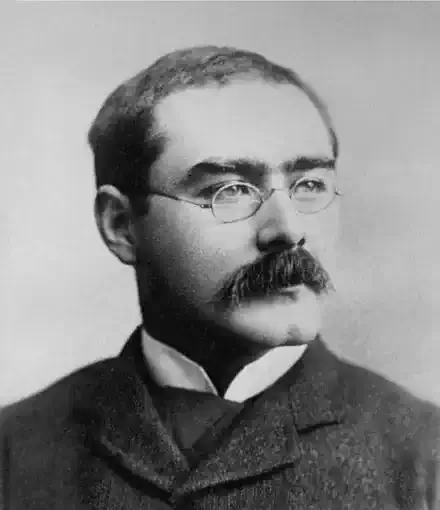
Rudyard Kipling
Wilful Missing
Wilful Missing
(Deserters)
There is a world outside the one you know,
To which for curiousness 'Ell can't compare--
It is the place where "wilful-missings" go,
As we can testify, for we are there.
You may 'ave read a bullet laid us low,
That we was gathered in "with reverent care"
And buried proper. But it was not so,
As we can testify --for we are there!
They can't be certain--faces alter so
After the old aasvogel 'ad 'is share.
The uniform's the mark by which they go--
And--ain't it odd?--the one we best can spare.
We might 'ave seen our chance to cut the show--
Name, number, record, an 'begin elsewhere--
Leaven'' some not too late-lamented foe
One funeral-private-British-for 'is share.
We may 'ave took it yonder in the Low
Bush-veldt that sends men stragglin' 'unaware
Among the Kaffirs, till their columns go,
An 'they are left past call or count or care.
We might 'ave been your lovers long ago,
'Usbands or children--comfort or despair.
Our death (an' burial) settles all we owe,
An' why we done it is our own affair.
Marry again, and we will not say no,
Nor come to barstardise the kids you bear.
Wait on in 'ope--you've all your life below
Before you'll ever 'ear us on the stair.
There is no need to give our reasons, though
Gawd knows we all 'ad reasons which were fair;
But other people might not judge 'em so--
And now it doesn't matter what they were.
What man can weigh or size another's woe:
There are some things too bitter 'ard to bear.
Suffice it we 'ave finished--Domino!
As we can testify, for we are there,
In the side-world where "wilful-missings " go.
(Deserters)
There is a world outside the one you know,
To which for curiousness 'Ell can't compare--
It is the place where "wilful-missings" go,
As we can testify, for we are there.
You may 'ave read a bullet laid us low,
That we was gathered in "with reverent care"
And buried proper. But it was not so,
As we can testify --for we are there!
They can't be certain--faces alter so
After the old aasvogel 'ad 'is share.
The uniform's the mark by which they go--
And--ain't it odd?--the one we best can spare.
We might 'ave seen our chance to cut the show--
Name, number, record, an 'begin elsewhere--
Leaven'' some not too late-lamented foe
One funeral-private-British-for 'is share.
We may 'ave took it yonder in the Low
Bush-veldt that sends men stragglin' 'unaware
Among the Kaffirs, till their columns go,
An 'they are left past call or count or care.
We might 'ave been your lovers long ago,
'Usbands or children--comfort or despair.
Our death (an' burial) settles all we owe,
An' why we done it is our own affair.
Marry again, and we will not say no,
Nor come to barstardise the kids you bear.
Wait on in 'ope--you've all your life below
Before you'll ever 'ear us on the stair.
There is no need to give our reasons, though
Gawd knows we all 'ad reasons which were fair;
But other people might not judge 'em so--
And now it doesn't matter what they were.
What man can weigh or size another's woe:
There are some things too bitter 'ard to bear.
Suffice it we 'ave finished--Domino!
As we can testify, for we are there,
In the side-world where "wilful-missings " go.
424
Rudyard Kipling
Tiger--Tiger!
Tiger--Tiger!
What of the hunting, hunter bold?
Brother, the watch was long and cold.
What of the quarry ye went to kill?
Brother, he crops in the jungle still.
Where is the power that made your pride?
Brother, it ebbs from my flank and side.
Where is the haste that ye hurry by?
Brother, I go to my lair to die!
What of the hunting, hunter bold?
Brother, the watch was long and cold.
What of the quarry ye went to kill?
Brother, he crops in the jungle still.
Where is the power that made your pride?
Brother, it ebbs from my flank and side.
Where is the haste that ye hurry by?
Brother, I go to my lair to die!
405
Rudyard Kipling
Three Friends
Three Friends
There were three friends that buried the fourth,
The mould in his mouth and the dust in his eyes,
And they went south and east and north—
The strong man fights but the sick man dies.
There were three friends that spoke of the dead—
The strong man fights but the sick man dies—
"And would he were here with us now," they said,
"The sun in our face and the wind in our eyes."
There were three friends that buried the fourth,
The mould in his mouth and the dust in his eyes,
And they went south and east and north—
The strong man fights but the sick man dies.
There were three friends that spoke of the dead—
The strong man fights but the sick man dies—
"And would he were here with us now," they said,
"The sun in our face and the wind in our eyes."
466
Rudyard Kipling
The Wet Litany
The Wet Litany
When the waters' countenance
Blurs 'twixt glance and second glance;
When our tattered smokes forerun
Ashen 'neath a silvered sun;
When the curtain of the haze
Shuts upon our helpless ways--
Hear the Channel Fleet at sea:
Libera nos Domine!
When the engines' bated pulse
Scarcely thrills the nosing hulls;
When the wash along the side
Sounds, a-sudden, magnified;
When the intolerable blast
Marks each blindfold minute passed;
When the fog-buoy's squattering flight
Guides us 'through the haggard night;
When the warning bugle blows;
When the lettered doorway's close;
When our brittle townships press,
Impotent, on emptiness;
When the unseen leadsmen lean
Questioning a deep unseen;
When their lessened count they tell
To a bridge invisible;
When the hid and perilous
Cliffs return our cry to us;
When the treble thickness spread
Swallows up our next-ahead;
When her sirens frightened whine
Shows her sheering out of line;
When--her passage undiscerned--
We must turn where she has turned,
Hear the Channel Fleet at sea:
Libera nos Domine!
When the waters' countenance
Blurs 'twixt glance and second glance;
When our tattered smokes forerun
Ashen 'neath a silvered sun;
When the curtain of the haze
Shuts upon our helpless ways--
Hear the Channel Fleet at sea:
Libera nos Domine!
When the engines' bated pulse
Scarcely thrills the nosing hulls;
When the wash along the side
Sounds, a-sudden, magnified;
When the intolerable blast
Marks each blindfold minute passed;
When the fog-buoy's squattering flight
Guides us 'through the haggard night;
When the warning bugle blows;
When the lettered doorway's close;
When our brittle townships press,
Impotent, on emptiness;
When the unseen leadsmen lean
Questioning a deep unseen;
When their lessened count they tell
To a bridge invisible;
When the hid and perilous
Cliffs return our cry to us;
When the treble thickness spread
Swallows up our next-ahead;
When her sirens frightened whine
Shows her sheering out of line;
When--her passage undiscerned--
We must turn where she has turned,
Hear the Channel Fleet at sea:
Libera nos Domine!
398
Rudyard Kipling
The Rabbi's Song
The Rabbi's Song
Samuel XIV. .
If Thought can reach to Heaven,
On Heaven let it dwell,
For fear the Thought be given
Like power to reach to Hell.
For fear the desolation
And darkness of thy mind
Perplex an habitation
Which thou hast left behind.
Let nothing linger after--
No whimpering gost remain,
In wall, or beam, or rafter,
Of any hate or pain.
Cleans and call home thy spirit,
Deny her leave to cast,
On aught thy heirs inherit,
The shadow of her past.
For think, in all thy sadness,
What road our griefs may take;
Whose brain reflect our madness,
Or whom our terrors shake:
For think, lest any languish
By cause of thy distress--
The arrows of our anguish
Fly farther than we guess.
Our lives, our tears, as water,
Are spilled upon the ground;
God giveth no man quarter,
Yet God a means hath found,
Though Faith and Hope have vanished,
And even Love grows dim--
A means whereby His banished
Be not expelled from Him!
Samuel XIV. .
If Thought can reach to Heaven,
On Heaven let it dwell,
For fear the Thought be given
Like power to reach to Hell.
For fear the desolation
And darkness of thy mind
Perplex an habitation
Which thou hast left behind.
Let nothing linger after--
No whimpering gost remain,
In wall, or beam, or rafter,
Of any hate or pain.
Cleans and call home thy spirit,
Deny her leave to cast,
On aught thy heirs inherit,
The shadow of her past.
For think, in all thy sadness,
What road our griefs may take;
Whose brain reflect our madness,
Or whom our terrors shake:
For think, lest any languish
By cause of thy distress--
The arrows of our anguish
Fly farther than we guess.
Our lives, our tears, as water,
Are spilled upon the ground;
God giveth no man quarter,
Yet God a means hath found,
Though Faith and Hope have vanished,
And even Love grows dim--
A means whereby His banished
Be not expelled from Him!
400
Rudyard Kipling
The Prayer
The Prayer
My brother kneels, so saith Kabir,
To stone and brass in heathen wise,
But in my brother's voice I hear
My own unanswered agonies.
His God is as his fates assign,
His prayer is all the world's--and mine.
My brother kneels, so saith Kabir,
To stone and brass in heathen wise,
But in my brother's voice I hear
My own unanswered agonies.
His God is as his fates assign,
His prayer is all the world's--and mine.
465
Rudyard Kipling
The Penalty
The Penalty
Once in life I watched a Star;
But I whistled, "Let her go!
There are others, fairer far,
Which my favouring skies shall show
Here I lied, and herein I
Stood to pay the penalty.
Marvellous the Planets shone
As I ranged from coast to coast--
But beyond comparison
Rode the Star that I had lost.
I had lied, and only I
Did not guess the penalty! . . .
When my Heavens were turned to blood,
When the dark had filled my day,
Furthest, but most faithful, stood
That lone Star I cast away.
I had loved myself, and I
Have not lived and dare not die!
Once in life I watched a Star;
But I whistled, "Let her go!
There are others, fairer far,
Which my favouring skies shall show
Here I lied, and herein I
Stood to pay the penalty.
Marvellous the Planets shone
As I ranged from coast to coast--
But beyond comparison
Rode the Star that I had lost.
I had lied, and only I
Did not guess the penalty! . . .
When my Heavens were turned to blood,
When the dark had filled my day,
Furthest, but most faithful, stood
That lone Star I cast away.
I had loved myself, and I
Have not lived and dare not die!
437
Rudyard Kipling
The Mother's Son
The Mother's Son
I have a dream -- a dreadful dream --
A dream that is never done.
I watch a man go out of his mind,
And he is My Mother's Son.
They pushed him into a Mental Home,
And that is like the grave:
For they do not let you sleep upstairs,
And you aren't allowed to shave.
And it was not disease or crime
Which got him landed there,
But because They laid on My Mother's Son
More than a man could bear.
What with noise, and fear of death,
Waking, and wounds and cold,
They filled the Cup for My Mother's Son
Fuller than it could hold.
They broke his body and his mind
And yet They made him live,
And They asked more of My Mother's Son
Than any man could give.
For, just because he had not died,
Nor been discharged nor sick,
They dragged it out with My Mother's Son
Longer than he could stick....
And no one knows when he'll get well --
So, there he'll have to be:
And, 'spite of the beard in the looking-glass,
I know that man is me!
I have a dream -- a dreadful dream --
A dream that is never done.
I watch a man go out of his mind,
And he is My Mother's Son.
They pushed him into a Mental Home,
And that is like the grave:
For they do not let you sleep upstairs,
And you aren't allowed to shave.
And it was not disease or crime
Which got him landed there,
But because They laid on My Mother's Son
More than a man could bear.
What with noise, and fear of death,
Waking, and wounds and cold,
They filled the Cup for My Mother's Son
Fuller than it could hold.
They broke his body and his mind
And yet They made him live,
And They asked more of My Mother's Son
Than any man could give.
For, just because he had not died,
Nor been discharged nor sick,
They dragged it out with My Mother's Son
Longer than he could stick....
And no one knows when he'll get well --
So, there he'll have to be:
And, 'spite of the beard in the looking-glass,
I know that man is me!
462
Rudyard Kipling
The Love Song of Har Dyal
The Love Song of Har Dyal
Alone upon the housetops to the North
I turn and watch the lightnings in the sky--
The glamour of thy footsteps in the North.
Come back to me, Beloved, or I die.
Below my feet the still bazar is laid--
Far, far below the weary camels lie--
The camels and the captives of thy raid.
Come back to me, Beloved, or I die!
My father's wife is old and harsh with years,
And drudge of all my father's house am I--
My bread is sorrow and my drink is tears.
Come back to me, Beloved, or I die!
Alone upon the housetops to the North
I turn and watch the lightnings in the sky--
The glamour of thy footsteps in the North.
Come back to me, Beloved, or I die.
Below my feet the still bazar is laid--
Far, far below the weary camels lie--
The camels and the captives of thy raid.
Come back to me, Beloved, or I die!
My father's wife is old and harsh with years,
And drudge of all my father's house am I--
My bread is sorrow and my drink is tears.
Come back to me, Beloved, or I die!
524
Rudyard Kipling
The Kingdom
The Kingdom
Now we are come to our Kingdom,
And the State is thus and thus;
Our legions wait at the Palace gate—
Little it profits us.
Now we are come to our Kingdom!
Now we are come to our Kingdom,
And the Crown is ours to take—
With a naked sword at the Council board,
And under the throne the snake.
Now we are come to our Kingdom !
Now we are come to our Kingdom,
And the Realm is ours by right,
With shame and fear for our daily cheer,
And heaviness at night.
Now we are come to our Kingdom !
Now we are come to our Kingdom,
But my love's eyelids fall.
All that I wrought for, all that I fought for,
Delight her nothing at all.
My crown is of withered leaves,
For she sits in the dust and grieves.
Now we are come to our Kingdom !
Now we are come to our Kingdom,
And the State is thus and thus;
Our legions wait at the Palace gate—
Little it profits us.
Now we are come to our Kingdom!
Now we are come to our Kingdom,
And the Crown is ours to take—
With a naked sword at the Council board,
And under the throne the snake.
Now we are come to our Kingdom !
Now we are come to our Kingdom,
And the Realm is ours by right,
With shame and fear for our daily cheer,
And heaviness at night.
Now we are come to our Kingdom !
Now we are come to our Kingdom,
But my love's eyelids fall.
All that I wrought for, all that I fought for,
Delight her nothing at all.
My crown is of withered leaves,
For she sits in the dust and grieves.
Now we are come to our Kingdom !
421
Rudyard Kipling
The Female of the Species
The Female of the Species
When the Himalayan peasant meets the he-bear in his pride,
He shouts to scare the monster who will often turn aside.
But the she-bear thus accosted rends the peasant tooth and nail,
For the female of the species is more deadly than the male.
When Nag, the wayside cobra, hears the careless foot of man,
He will sometimes wriggle sideways and avoid it if he can,
But his mate makes no such motion where she camps beside the trail -
For the female of the species is more deadly than the male.
When the early Jesuit fathers preached to Hurons and Choctaws,
They prayed to be delivered from the vengeance of the squaws -
'Twas the women, not the warriors, turned those stark enthusiasts pale -
For the female of the species is more deadly than the male.
Man's timid heart is bursting with the things he must not say,
For the Woman that God gave him isn't his to give away;
But when hunter meets with husband, each confirms the others tale -
The female of the species is more deadly than the male.
Man, a bear in most relations, worm and savage otherwise,
Man propounds negotiations, Man accepts the compromise;
Very rarely will he squarely push the logic of a fact
To its ultimate conclusion in unmitigated act.
Fear, or foolishness, impels him, ere he lay the wicked low,
To concede some form of trial even to his fiercest foe.
Mirth obscene diverts his anger; Doubt and Pity oft perplex
Him in dealing with an issue - to the scandal of the Sex!
But the Woman that God gave him, every fibre of her frame
Proves her launched for one sole issue, armed and engined for the same,
And to serve that single issue, lest the generations fail,
The female of the species must be deadlier than the male.
She who faces Death by torture for each life beneath her breast
May not deal in doubt or pity - must not swerve for fact or jest.
These be purely male diversions - not in these her honor dwells -
She, the Other Law we live by, is that Law and nothing else!
She can bring no more to living than the powers that make her great
As the Mother of the Infant and the Mistress of the Mate;
And when Babe and Man are lacking and she strides unclaimed to claim
Her right as femme (and baron), her equipment is the same.
She is wedded to convictions - in default of grosser ties;
Her contentions are her children, Heaven help him, who denies!
He will meet no cool discussion, but the instant, white-hot wild
Wakened female of the species warring as for spouse and child.
Unprovoked and awful charges - even so the she-bear fights;
Speech that drips, corrodes and poisons - even so the cobra bites;
Scientific vivisection of one nerve till it is raw,
And the victim writhes with anguish - like the Jesuit with the squaw!
So it comes that Man, the coward, when he gathers to confer
With his fellow-braves in council, dare not leave a place for her
Where, at war with Life and Conscience, he uplifts his erring hands
To some God of abstract justice - which no woman understands.
And Man knows it! Knows, moreover, that the Woman that God gave him
Must command but may not govern; shall enthrall but not enslave him.
And She knows, because She warns him and Her instincts never fail,
That the female of Her species is more deadly than the male!
When the Himalayan peasant meets the he-bear in his pride,
He shouts to scare the monster who will often turn aside.
But the she-bear thus accosted rends the peasant tooth and nail,
For the female of the species is more deadly than the male.
When Nag, the wayside cobra, hears the careless foot of man,
He will sometimes wriggle sideways and avoid it if he can,
But his mate makes no such motion where she camps beside the trail -
For the female of the species is more deadly than the male.
When the early Jesuit fathers preached to Hurons and Choctaws,
They prayed to be delivered from the vengeance of the squaws -
'Twas the women, not the warriors, turned those stark enthusiasts pale -
For the female of the species is more deadly than the male.
Man's timid heart is bursting with the things he must not say,
For the Woman that God gave him isn't his to give away;
But when hunter meets with husband, each confirms the others tale -
The female of the species is more deadly than the male.
Man, a bear in most relations, worm and savage otherwise,
Man propounds negotiations, Man accepts the compromise;
Very rarely will he squarely push the logic of a fact
To its ultimate conclusion in unmitigated act.
Fear, or foolishness, impels him, ere he lay the wicked low,
To concede some form of trial even to his fiercest foe.
Mirth obscene diverts his anger; Doubt and Pity oft perplex
Him in dealing with an issue - to the scandal of the Sex!
But the Woman that God gave him, every fibre of her frame
Proves her launched for one sole issue, armed and engined for the same,
And to serve that single issue, lest the generations fail,
The female of the species must be deadlier than the male.
She who faces Death by torture for each life beneath her breast
May not deal in doubt or pity - must not swerve for fact or jest.
These be purely male diversions - not in these her honor dwells -
She, the Other Law we live by, is that Law and nothing else!
She can bring no more to living than the powers that make her great
As the Mother of the Infant and the Mistress of the Mate;
And when Babe and Man are lacking and she strides unclaimed to claim
Her right as femme (and baron), her equipment is the same.
She is wedded to convictions - in default of grosser ties;
Her contentions are her children, Heaven help him, who denies!
He will meet no cool discussion, but the instant, white-hot wild
Wakened female of the species warring as for spouse and child.
Unprovoked and awful charges - even so the she-bear fights;
Speech that drips, corrodes and poisons - even so the cobra bites;
Scientific vivisection of one nerve till it is raw,
And the victim writhes with anguish - like the Jesuit with the squaw!
So it comes that Man, the coward, when he gathers to confer
With his fellow-braves in council, dare not leave a place for her
Where, at war with Life and Conscience, he uplifts his erring hands
To some God of abstract justice - which no woman understands.
And Man knows it! Knows, moreover, that the Woman that God gave him
Must command but may not govern; shall enthrall but not enslave him.
And She knows, because She warns him and Her instincts never fail,
That the female of Her species is more deadly than the male!
615