

Poems in this theme
Pain and Despair

Anonymous
Advice to a Lover
Advice to a Lover
The sea hath many thousand sands,
The sun hath motes as many;
The sky is full of stars, and Love
As full of woes as any:
Believe me, that do know the elf,
And make no trial by thyself!
It is in truth a pretty toy
For babes to play withal:
But O, the honies of our youth
Are oft our age's gall:
Self-proof in time will make thee know
He was a prophet told thee so:
A prophet that, Cassandra-like,
Tells truth without belief;
For headstrong Youth will run his race,
Although his goal be grief: -
Love's Martyr, when his heat is past,
Proves Care's Confessor at the last.
The sea hath many thousand sands,
The sun hath motes as many;
The sky is full of stars, and Love
As full of woes as any:
Believe me, that do know the elf,
And make no trial by thyself!
It is in truth a pretty toy
For babes to play withal:
But O, the honies of our youth
Are oft our age's gall:
Self-proof in time will make thee know
He was a prophet told thee so:
A prophet that, Cassandra-like,
Tells truth without belief;
For headstrong Youth will run his race,
Although his goal be grief: -
Love's Martyr, when his heat is past,
Proves Care's Confessor at the last.
232
Anonymous
Episode
Episode
"THEN he goes to his chamber, a grief-song chants
alone for his lost. Too large all seems,
homestead and house. So the helmet-of-Weders
hid in his heart for Herebeald
waves of woe. No way could he take
to avenge on the slayer slaughter so foul;
nor e'en could he harass that hero at all
with loathing deed, though he loved him not.
And so for the sorrow his soul endured,
men's gladness he gave up and God's light chose.
Lands and cities he left his sons
(as the wealthy do) when he went from earth.
There was strife and struggle 'twixt Swede and Geat
o'er the width of waters; war arose,
hard battle-horror, when Hrethel died,
and Ongentheow's offspring grew
strife-keen, bold, nor brooked o'er the seas
pact of peace, but pushed their hosts
to harass in hatred by Hreosnabeorh.
Men of my folk for that feud had vengeance,
for woful war ('tis widely known),
though one of them bought it with blood of his heart,
a bargain hard: for Haethcyn proved
fatal that fray, for the first-of-Geats.
At morn, I heard, was the murderer killed
by kinsman for kinsman, with clash of sword,
when Ongentheow met Eofor there.
Wide split the war-helm: wan he fell,
hoary Scylfing; the hand that smote him
of feud was mindful, nor flinched from the death-blow.
-- "For all that he gave me, my gleaming sword
repaid him at war, -- such power I wielded, --
for lordly treasure: with land he entrusted me,
homestead and house. He had no need
from Swedish realm, or from Spear-Dane folk,
or from men of the Gifths, to get him help, --
some warrior worse for wage to buy!
Ever I fought in the front of all,
sole to the fore; and so shall I fight
while I bide in life and this blade shall last
that early and late hath loyal proved
since for my doughtiness Daeghrefn fell,
slain by my hand, the Hugas' champion.
Nor fared he thence to the Frisian king
with the booty back, and breast-adornments;
but, slain in struggle, that standard-bearer
fell, atheling brave. Not with blade was he slain,
but his bones were broken by brawny gripe,
his heart-waves stilled. -- The sword-edge now,
hard blade and my hand, for the hoard shall strive."
Beowulf spake, and a battle-vow made
his last of all: "I have lived through many
wars in my youth; now once again,
old folk-defender, feud will I seek,
do doughty deeds, if the dark destroyer
forth from his cavern come to fight me!"
Then hailed he the helmeted heroes all,
for the last time greeting his liegemen dear,
comrades of war: "I should carry no weapon,
no sword to the serpent, if sure I knew
how, with such enemy, else my vows
I could gain as I did in Grendel's day.
But fire in this fight I must fear me now,
and poisonous breath; so I bring with me
breastplate and board. From the barrow's keeper
no footbreadth flee I. One fight shall end
our war by the wall, as Wyrd allots,
all mankind's master. My mood is bold
but forbears to boast o'er this battling-flyer.
-- Now abide by the barrow, ye breastplate-mailed,
ye heroes in harness, which of us twain
better from battle-rush bear his wounds.
Wait ye the finish. The fight is not yours,
nor meet for any but me alone
to measure might with this monster here
and play the hero. Hardily I
shall win that wealth, or war shall seize,
cruel killing, your king and lord!"
Up stood then with shield the sturdy champion,
stayed by the strength of his single manhood,
and hardy 'neath helmet his harness bore
under cleft of the cliffs: no coward's path!
Soon spied by the wall that warrior chief,
survivor of many a victory-field
where foemen fought with furious clashings,
an arch of stone; and within, a stream
that broke from the barrow. The brooklet's wave
was hot with fire. The hoard that way
he never could hope unharmed to near,
or endure those deeps, for the dragon's flame.
Then let from his breast, for he burst with rage,
the Weder-Geat prince a word outgo;
stormed the stark-heart; stern went ringing
and clear his cry 'neath the cliff-rocks gray.
The hoard-guard heard a human voice;
his rage was enkindled. No respite now
for pact of peace! The poison-breath
of that foul worm first came forth from the cave,
hot reek-of-fight: the rocks resounded.
Stout by the stone-way his shield he raised,
lord of the Geats, against the loathed-one;
while with courage keen that coiled foe
came seeking strife. The sturdy king
had drawn his sword, not dull of edge,
heirloom old; and each of the two
felt fear of his foe, though fierce their mood.
Stoutly stood with his shield high-raised
the warrior king, as the worm now coiled
together amain: the mailed-one waited.
Now, spire by spire, fast sped and glided
that blazing serpent. The shield protected,
soul and body a shorter while
for the hero-king than his heart desired,
could his will have wielded the welcome respite
but once in his life! But Wyrd denied it,
and victory's honors. -- His arm he lifted
lord of the Geats, the grim foe smote
with atheling's heirloom. Its edge was turned
brown blade, on the bone, and bit more feebly
than its noble master had need of then
in his baleful stress. -- Then the barrow's keeper
waxed full wild for that weighty blow,
cast deadly flames; wide drove and far
those vicious fires. No victor's glory
the Geats' lord boasted; his brand had failed,
naked in battle, as never it should,
excellent iron! -- 'Twas no easy path
that Ecgtheow's honored heir must tread
over the plain to the place of the foe;
for against his will he must win a home
elsewhere far, as must all men, leaving
this lapsing life! -- Not long it was
ere those champions grimly closed again.
The hoard-guard was heartened; high heaved hisbreast
once more; and by peril was pressed again,
enfolded in flames, the folk-commander!
Nor yet about him his band of comrades,
sons of athelings, armed stood
with warlike front: to the woods they bent them,
their lives to save. But the soul of one
with care was cumbered. Kinship true
can never be marred in a noble mind!
"THEN he goes to his chamber, a grief-song chants
alone for his lost. Too large all seems,
homestead and house. So the helmet-of-Weders
hid in his heart for Herebeald
waves of woe. No way could he take
to avenge on the slayer slaughter so foul;
nor e'en could he harass that hero at all
with loathing deed, though he loved him not.
And so for the sorrow his soul endured,
men's gladness he gave up and God's light chose.
Lands and cities he left his sons
(as the wealthy do) when he went from earth.
There was strife and struggle 'twixt Swede and Geat
o'er the width of waters; war arose,
hard battle-horror, when Hrethel died,
and Ongentheow's offspring grew
strife-keen, bold, nor brooked o'er the seas
pact of peace, but pushed their hosts
to harass in hatred by Hreosnabeorh.
Men of my folk for that feud had vengeance,
for woful war ('tis widely known),
though one of them bought it with blood of his heart,
a bargain hard: for Haethcyn proved
fatal that fray, for the first-of-Geats.
At morn, I heard, was the murderer killed
by kinsman for kinsman, with clash of sword,
when Ongentheow met Eofor there.
Wide split the war-helm: wan he fell,
hoary Scylfing; the hand that smote him
of feud was mindful, nor flinched from the death-blow.
-- "For all that he gave me, my gleaming sword
repaid him at war, -- such power I wielded, --
for lordly treasure: with land he entrusted me,
homestead and house. He had no need
from Swedish realm, or from Spear-Dane folk,
or from men of the Gifths, to get him help, --
some warrior worse for wage to buy!
Ever I fought in the front of all,
sole to the fore; and so shall I fight
while I bide in life and this blade shall last
that early and late hath loyal proved
since for my doughtiness Daeghrefn fell,
slain by my hand, the Hugas' champion.
Nor fared he thence to the Frisian king
with the booty back, and breast-adornments;
but, slain in struggle, that standard-bearer
fell, atheling brave. Not with blade was he slain,
but his bones were broken by brawny gripe,
his heart-waves stilled. -- The sword-edge now,
hard blade and my hand, for the hoard shall strive."
Beowulf spake, and a battle-vow made
his last of all: "I have lived through many
wars in my youth; now once again,
old folk-defender, feud will I seek,
do doughty deeds, if the dark destroyer
forth from his cavern come to fight me!"
Then hailed he the helmeted heroes all,
for the last time greeting his liegemen dear,
comrades of war: "I should carry no weapon,
no sword to the serpent, if sure I knew
how, with such enemy, else my vows
I could gain as I did in Grendel's day.
But fire in this fight I must fear me now,
and poisonous breath; so I bring with me
breastplate and board. From the barrow's keeper
no footbreadth flee I. One fight shall end
our war by the wall, as Wyrd allots,
all mankind's master. My mood is bold
but forbears to boast o'er this battling-flyer.
-- Now abide by the barrow, ye breastplate-mailed,
ye heroes in harness, which of us twain
better from battle-rush bear his wounds.
Wait ye the finish. The fight is not yours,
nor meet for any but me alone
to measure might with this monster here
and play the hero. Hardily I
shall win that wealth, or war shall seize,
cruel killing, your king and lord!"
Up stood then with shield the sturdy champion,
stayed by the strength of his single manhood,
and hardy 'neath helmet his harness bore
under cleft of the cliffs: no coward's path!
Soon spied by the wall that warrior chief,
survivor of many a victory-field
where foemen fought with furious clashings,
an arch of stone; and within, a stream
that broke from the barrow. The brooklet's wave
was hot with fire. The hoard that way
he never could hope unharmed to near,
or endure those deeps, for the dragon's flame.
Then let from his breast, for he burst with rage,
the Weder-Geat prince a word outgo;
stormed the stark-heart; stern went ringing
and clear his cry 'neath the cliff-rocks gray.
The hoard-guard heard a human voice;
his rage was enkindled. No respite now
for pact of peace! The poison-breath
of that foul worm first came forth from the cave,
hot reek-of-fight: the rocks resounded.
Stout by the stone-way his shield he raised,
lord of the Geats, against the loathed-one;
while with courage keen that coiled foe
came seeking strife. The sturdy king
had drawn his sword, not dull of edge,
heirloom old; and each of the two
felt fear of his foe, though fierce their mood.
Stoutly stood with his shield high-raised
the warrior king, as the worm now coiled
together amain: the mailed-one waited.
Now, spire by spire, fast sped and glided
that blazing serpent. The shield protected,
soul and body a shorter while
for the hero-king than his heart desired,
could his will have wielded the welcome respite
but once in his life! But Wyrd denied it,
and victory's honors. -- His arm he lifted
lord of the Geats, the grim foe smote
with atheling's heirloom. Its edge was turned
brown blade, on the bone, and bit more feebly
than its noble master had need of then
in his baleful stress. -- Then the barrow's keeper
waxed full wild for that weighty blow,
cast deadly flames; wide drove and far
those vicious fires. No victor's glory
the Geats' lord boasted; his brand had failed,
naked in battle, as never it should,
excellent iron! -- 'Twas no easy path
that Ecgtheow's honored heir must tread
over the plain to the place of the foe;
for against his will he must win a home
elsewhere far, as must all men, leaving
this lapsing life! -- Not long it was
ere those champions grimly closed again.
The hoard-guard was heartened; high heaved hisbreast
once more; and by peril was pressed again,
enfolded in flames, the folk-commander!
Nor yet about him his band of comrades,
sons of athelings, armed stood
with warlike front: to the woods they bent them,
their lives to save. But the soul of one
with care was cumbered. Kinship true
can never be marred in a noble mind!
241
Anonymous
Beowulf (Episode )
Beowulf (Episode )
HROTHGAR spake, -- to the hall he went,
stood by the steps, the steep roof saw,
garnished with gold, and Grendel's hand: --
"For the sight I see to the Sovran Ruler
be speedy thanks! A throng of sorrows
I have borne from Grendel; but God still works
wonder on wonder, the Warden-of-Glory.
It was but now that I never more
for woes that weighed on me waited help
long as I lived, when, laved in blood,
stood sword-gore-stained this stateliest house, --
widespread woe for wise men all,
who had no hope to hinder ever
foes infernal and fiendish sprites
from havoc in hall. This hero now,
by the Wielder's might, a work has done
that not all of us erst could ever do
by wile and wisdom. Lo, well can she say
whoso of women this warrior bore
among sons of men, if still she liveth,
that the God of the ages was good to her
in the birth of her bairn. Now, Beowulf, thee,
of heroes best, I shall heartily love
as mine own, my son; preserve thou ever
this kinship new: thou shalt never lack
wealth of the world that I wield as mine!
Full oft for less have I largess showered,
my precious hoard, on a punier man,
less stout in struggle. Thyself hast now
fulfilled such deeds, that thy fame shall endure
through all the ages. As ever he did,
well may the Wielder reward thee still!"
Beowulf spake, bairn of Ecgtheow: --
"This work of war most willingly
we have fought, this fight, and fearlessly dared
force of the foe. Fain, too, were I
hadst thou but seen himself, what time
the fiend in his trappings tottered to fall!
Swiftly, I thought, in strongest gripe
on his bed of death to bind him down,
that he in the hent of this hand of mine
should breathe his last: but he broke away.
Him I might not -- the Maker willed not --
hinder from flight, and firm enough hold
the life-destroyer: too sturdy was he,
the ruthless, in running! For rescue, however,
he left behind him his hand in pledge,
arm and shoulder; nor aught of help
could the cursed one thus procure at all.
None the longer liveth he, loathsome fiend,
sunk in his sins, but sorrow holds him
tightly grasped in gripe of anguish,
in baleful bonds, where bide he must,
evil outlaw, such awful doom
as the Mighty Maker shall mete him out."
More silent seemed the son of Ecglaf
in boastful speech of his battle-deeds,
since athelings all, through the earl's great prowess,
beheld that hand, on the high roof gazing,
foeman's fingers, -- the forepart of each
of the sturdy nails to steel was likest, --
heathen's "hand-spear," hostile warrior's
claw uncanny. 'Twas clear, they said,
that him no blade of the brave could touch,
how keen soever, or cut away
that battle-hand bloody from baneful foe.
HROTHGAR spake, -- to the hall he went,
stood by the steps, the steep roof saw,
garnished with gold, and Grendel's hand: --
"For the sight I see to the Sovran Ruler
be speedy thanks! A throng of sorrows
I have borne from Grendel; but God still works
wonder on wonder, the Warden-of-Glory.
It was but now that I never more
for woes that weighed on me waited help
long as I lived, when, laved in blood,
stood sword-gore-stained this stateliest house, --
widespread woe for wise men all,
who had no hope to hinder ever
foes infernal and fiendish sprites
from havoc in hall. This hero now,
by the Wielder's might, a work has done
that not all of us erst could ever do
by wile and wisdom. Lo, well can she say
whoso of women this warrior bore
among sons of men, if still she liveth,
that the God of the ages was good to her
in the birth of her bairn. Now, Beowulf, thee,
of heroes best, I shall heartily love
as mine own, my son; preserve thou ever
this kinship new: thou shalt never lack
wealth of the world that I wield as mine!
Full oft for less have I largess showered,
my precious hoard, on a punier man,
less stout in struggle. Thyself hast now
fulfilled such deeds, that thy fame shall endure
through all the ages. As ever he did,
well may the Wielder reward thee still!"
Beowulf spake, bairn of Ecgtheow: --
"This work of war most willingly
we have fought, this fight, and fearlessly dared
force of the foe. Fain, too, were I
hadst thou but seen himself, what time
the fiend in his trappings tottered to fall!
Swiftly, I thought, in strongest gripe
on his bed of death to bind him down,
that he in the hent of this hand of mine
should breathe his last: but he broke away.
Him I might not -- the Maker willed not --
hinder from flight, and firm enough hold
the life-destroyer: too sturdy was he,
the ruthless, in running! For rescue, however,
he left behind him his hand in pledge,
arm and shoulder; nor aught of help
could the cursed one thus procure at all.
None the longer liveth he, loathsome fiend,
sunk in his sins, but sorrow holds him
tightly grasped in gripe of anguish,
in baleful bonds, where bide he must,
evil outlaw, such awful doom
as the Mighty Maker shall mete him out."
More silent seemed the son of Ecglaf
in boastful speech of his battle-deeds,
since athelings all, through the earl's great prowess,
beheld that hand, on the high roof gazing,
foeman's fingers, -- the forepart of each
of the sturdy nails to steel was likest, --
heathen's "hand-spear," hostile warrior's
claw uncanny. 'Twas clear, they said,
that him no blade of the brave could touch,
how keen soever, or cut away
that battle-hand bloody from baneful foe.
250
Anonymous
The Forsaken Bride
The Forsaken Bride
O waly waly up the bank,
And waly waly down the brae,
And waly waly yon burn-side
Where I and my Love wont to gae!
I leant my back unto an aik,
I thought it was a trusty tree;
But first it bow'd, and syne it brak,
Sae my true Love did lichtly me.
O waly waly, but love be bonny
A little time while it is new;
But when 'tis auld, it waxeth cauld
And fades awa' like morning dew.
O wherefore should I busk my head?
Or wherefore should I kame my hair?
For my true Love has me forsook,
And says he'll never lo'e me mair.
Now Arthur-seat sall be my bed,
The sheets shall ne'er be prest by me,
Saint Anton's well sall be my drink,
Since my true Love has forsaken me.
Marti'mas wind, when wilt thou blaw
And shake the green leaves aff the tree?
O gentle Death, when wilt thou come?
For of my life I am wearïe.
'Tis not the frost that freezes fell,
Nor blawing snaw's inclemencie—
'Tis not sic cauld that makes me cry,
But my Love's heart grown cauld to me.
When we came in by Glasgow town
We were a comely sight to see;
My Love was clad in the black velvét,
And I mysell in cramasie.
But had I wist, before I kist,
That love had been sae ill to win,
I had lockt my heart in a case of gowd
And pinn'd it with a siller pin.
And oh, if my young babe were born,
And set upon the nurse's knee,
And I mysell were dead and gane,
And the green grass growing over me!
O waly waly up the bank,
And waly waly down the brae,
And waly waly yon burn-side
Where I and my Love wont to gae!
I leant my back unto an aik,
I thought it was a trusty tree;
But first it bow'd, and syne it brak,
Sae my true Love did lichtly me.
O waly waly, but love be bonny
A little time while it is new;
But when 'tis auld, it waxeth cauld
And fades awa' like morning dew.
O wherefore should I busk my head?
Or wherefore should I kame my hair?
For my true Love has me forsook,
And says he'll never lo'e me mair.
Now Arthur-seat sall be my bed,
The sheets shall ne'er be prest by me,
Saint Anton's well sall be my drink,
Since my true Love has forsaken me.
Marti'mas wind, when wilt thou blaw
And shake the green leaves aff the tree?
O gentle Death, when wilt thou come?
For of my life I am wearïe.
'Tis not the frost that freezes fell,
Nor blawing snaw's inclemencie—
'Tis not sic cauld that makes me cry,
But my Love's heart grown cauld to me.
When we came in by Glasgow town
We were a comely sight to see;
My Love was clad in the black velvét,
And I mysell in cramasie.
But had I wist, before I kist,
That love had been sae ill to win,
I had lockt my heart in a case of gowd
And pinn'd it with a siller pin.
And oh, if my young babe were born,
And set upon the nurse's knee,
And I mysell were dead and gane,
And the green grass growing over me!
237
Anonymous
O Death, O Death, Rock Me Asleep
O Death, O Death, Rock Me Asleep
O Death, O Death, rock me asleep,
Bring me to quiet rest;
Let pass my weary guiltless ghost
Out of my careful breast.
Toll on, thou passing bell;
Ring out my doleful knell;
Thy sound my death abroad will tell,
For I must die,
There is no remedy.
My pains, my pains, who can express?
Alas, they are so strong!
My dolours will not suffer strength
My life for to prolong.
Toll on, thou passing bell;
Ring out my doleful knell;
Thy sound my death abroad will tell,
For I must die,
There is no remedy.
Alone, alone in prison strong
I wail my destiny:
Woe worth this cruel hap that I
Must taste this misery!
Toll on, thou passing bell;
Ring out my doleful knell;
Thy sound my death abroad will tell,
For I must die,
There is no remedy.
Farewell, farewell, my pleasures past!
Welcome, my present pain!
I feel my torment so increase
That life cannot remain.
Cease now, thou passing bell,
Ring out my doleful knoll,
For thou my death dost tell:
Lord, pity thou my soul!
Death doth draw nigh,
Sound dolefully:
For now I die,
I die, I die.
O Death, O Death, rock me asleep,
Bring me to quiet rest;
Let pass my weary guiltless ghost
Out of my careful breast.
Toll on, thou passing bell;
Ring out my doleful knell;
Thy sound my death abroad will tell,
For I must die,
There is no remedy.
My pains, my pains, who can express?
Alas, they are so strong!
My dolours will not suffer strength
My life for to prolong.
Toll on, thou passing bell;
Ring out my doleful knell;
Thy sound my death abroad will tell,
For I must die,
There is no remedy.
Alone, alone in prison strong
I wail my destiny:
Woe worth this cruel hap that I
Must taste this misery!
Toll on, thou passing bell;
Ring out my doleful knell;
Thy sound my death abroad will tell,
For I must die,
There is no remedy.
Farewell, farewell, my pleasures past!
Welcome, my present pain!
I feel my torment so increase
That life cannot remain.
Cease now, thou passing bell,
Ring out my doleful knoll,
For thou my death dost tell:
Lord, pity thou my soul!
Death doth draw nigh,
Sound dolefully:
For now I die,
I die, I die.
274

Anne Brontë
Weep Not Too Much
Weep Not Too Much
Weep not too much, my darling;
Sigh not too oft for me;
Say not the face of Nature
Has lost its charm for thee.
I have enough of anguish
In my own breast alone;
Thou canst not ease the burden, Love,
By adding still thine own.
I know the faith and fervour
Of that true heart of thine;
But I would have it hopeful
As thou wouldst render mine.
At night, when I lie waking,
More soothing it will be
To say 'She slumbers calmly now,'
Than say 'She weeps for me.'
When through the prison grating
The holy moonbeams shine,
And I am wildly longing
To see the orb divine
Not crossed, deformed, and sullied
By those relentless bars
That will not show the crescent moon,
And scarce the twinkling stars,
It is my only comfort
To think, that unto thee
The sight is not forbidden The
face of heaven is free.
If I could think Zerona
Is gazing upward now Is
gazing with a tearless eye
A calm unruffled brow;
That moon upon her spirit
Sheds sweet, celestial balm, The
thought, like Angel's whisper,
My misery would calm.
And when, at early morning,
A faint flush comes to me,
Reflected from those glowing skies
I almost weep to see;
Or when I catch the murmur
Of gently swaying trees,
Or hear the louder swelling
Of the soulinspiring
breeze,
And pant to feel its freshness
Upon my burning brow,
Or sigh to see the twinkling leaf,
And watch the waving bough;
If, from these fruitless yearnings
Thou wouldst deliver me,
Say that the charms of Nature
Are lovely still to thee;
While I am thus repining,
O! let me but believe,
'These pleasures are not lost to her,'
And I will cease to grieve.
O, scorn not Nature's bounties!
My soul partakes with thee.
Drink bliss from all her fountains,
Drink for thyself and me!
Say not, 'My soul is buried
In dungeon gloom with thine;'
But say, 'His heart is here with me;
His spirit drinks with mine.'
A.E.
Weep not too much, my darling;
Sigh not too oft for me;
Say not the face of Nature
Has lost its charm for thee.
I have enough of anguish
In my own breast alone;
Thou canst not ease the burden, Love,
By adding still thine own.
I know the faith and fervour
Of that true heart of thine;
But I would have it hopeful
As thou wouldst render mine.
At night, when I lie waking,
More soothing it will be
To say 'She slumbers calmly now,'
Than say 'She weeps for me.'
When through the prison grating
The holy moonbeams shine,
And I am wildly longing
To see the orb divine
Not crossed, deformed, and sullied
By those relentless bars
That will not show the crescent moon,
And scarce the twinkling stars,
It is my only comfort
To think, that unto thee
The sight is not forbidden The
face of heaven is free.
If I could think Zerona
Is gazing upward now Is
gazing with a tearless eye
A calm unruffled brow;
That moon upon her spirit
Sheds sweet, celestial balm, The
thought, like Angel's whisper,
My misery would calm.
And when, at early morning,
A faint flush comes to me,
Reflected from those glowing skies
I almost weep to see;
Or when I catch the murmur
Of gently swaying trees,
Or hear the louder swelling
Of the soulinspiring
breeze,
And pant to feel its freshness
Upon my burning brow,
Or sigh to see the twinkling leaf,
And watch the waving bough;
If, from these fruitless yearnings
Thou wouldst deliver me,
Say that the charms of Nature
Are lovely still to thee;
While I am thus repining,
O! let me but believe,
'These pleasures are not lost to her,'
And I will cease to grieve.
O, scorn not Nature's bounties!
My soul partakes with thee.
Drink bliss from all her fountains,
Drink for thyself and me!
Say not, 'My soul is buried
In dungeon gloom with thine;'
But say, 'His heart is here with me;
His spirit drinks with mine.'
A.E.
85
Anne Brontë
To Cowper
To Cowper
Sweet are thy strains, celestial Bard;
And oft, in childhood's years,
I've read them o'er and o'er again,
With floods of silent tears.
The language of my inmost heart,
I traced in every line;
My sins, my sorrows, hopes, and fears,
Were there and
only mine.
All for myself the sigh would swell,
The tear of anguish start;
I little knew what wilder woe
Had filled the Poet's heart.
I did not know the nights of gloom,
The days of misery;
The long, long years of dark despair,
That crushed and tortured thee.
But, they are gone; from earth at length
Thy gentle soul is pass'd,
And in the bosom of its God
Has found its home at last.
It must be so, if God is love,
And answers fervent prayer;
Then surely thou shalt dwell on high,
And I may meet thee there.
Is he the source of every good,
The spring of purity?
Then in thine hours of deepest woe,
Thy God was still with thee.
How else, when every hope was fled,
Couldst thou so fondly cling
To holy things and holy men?
And how so sweetly sing,
Of things that God alone could teach?
And whence that purity,
That hatred of all sinful ways That
gentle charity?
Are these the symptoms of a heart
Of heavenly grace bereft:
For ever banished from its God,
To Satan's fury left?
Yet, should thy darkest fears be true,
If Heaven be so severe,
That such a soul as thine is lost,
Oh! how shall I appear?
Acton
Sweet are thy strains, celestial Bard;
And oft, in childhood's years,
I've read them o'er and o'er again,
With floods of silent tears.
The language of my inmost heart,
I traced in every line;
My sins, my sorrows, hopes, and fears,
Were there and
only mine.
All for myself the sigh would swell,
The tear of anguish start;
I little knew what wilder woe
Had filled the Poet's heart.
I did not know the nights of gloom,
The days of misery;
The long, long years of dark despair,
That crushed and tortured thee.
But, they are gone; from earth at length
Thy gentle soul is pass'd,
And in the bosom of its God
Has found its home at last.
It must be so, if God is love,
And answers fervent prayer;
Then surely thou shalt dwell on high,
And I may meet thee there.
Is he the source of every good,
The spring of purity?
Then in thine hours of deepest woe,
Thy God was still with thee.
How else, when every hope was fled,
Couldst thou so fondly cling
To holy things and holy men?
And how so sweetly sing,
Of things that God alone could teach?
And whence that purity,
That hatred of all sinful ways That
gentle charity?
Are these the symptoms of a heart
Of heavenly grace bereft:
For ever banished from its God,
To Satan's fury left?
Yet, should thy darkest fears be true,
If Heaven be so severe,
That such a soul as thine is lost,
Oh! how shall I appear?
Acton
87
Anne Brontë
Power of Love
Power of Love
Love, indeed thy strength is mighty
Thus, alone, such strife to bear Three
'gainst one, and never ceasing Death,
and Madness, and Despair!
'Tis not my own strength has saved me;
Health, and hope, and fortitude,
But for love, had long since failed me;
Heart and soul had sunk subdued.
Often, in my wild impatience,
I have lost my trust in Heaven,
And my soul has tossed and struggled,
Like a vessel tempestdriven;
But the voice of my beloved
In my ear has seemed to say '
O, be patient if thou lov'st me!'
And the storm has passed away.
When outworn with weary thinking,
Sight and thought were waxing dim,
And my mind began to wander,
And my brain began to swim,
Then those hands outstretched to save me
Seemed to call me back again Those
dark eyes did so implore me
To resume my reason's reign,
That I could not but remember
How her hopes were fixed on me,
And, with one determined effort,
Rose, and shook my spirit free.
When hope leaves my weary spirit All
the power to hold it gone That
loved voice so loudly prays me,
'For my sake, keep hoping on,'
That, at once my strength renewing,
Though Despair had crushed me down,
I can burst his bonds asunder,
And defy his deadliest frown.
When, from nights of restless tossing,
Days of gloom and pining care,
Pain and weakness, still increasing,
Seem to whisper 'Death is near,'
And I almost bid him welcome,
Knowing he would bring release,
Weary of this restless struggle
Longing to repose in peace,
Then a glance of fond reproval
Bids such selfish longings flee
And a voice of matchless music
Murmurs 'Cherish life for me!'
Roused to newborn strength and courage,
Pain and grief, I cast away,
Health and life, I keenly follow,
Mighty Death is held at bay.
Yes, my love, I will be patient!
Firm and bold my heart shall be:
Fear not though
this life is dreary,
I can bear it well for thee.
Let our foes still rain upon me
Cruel wrongs and taunting scorn;
'Tis for thee their hate pursues me,
And for thee, it shall be borne!
A.E.
Love, indeed thy strength is mighty
Thus, alone, such strife to bear Three
'gainst one, and never ceasing Death,
and Madness, and Despair!
'Tis not my own strength has saved me;
Health, and hope, and fortitude,
But for love, had long since failed me;
Heart and soul had sunk subdued.
Often, in my wild impatience,
I have lost my trust in Heaven,
And my soul has tossed and struggled,
Like a vessel tempestdriven;
But the voice of my beloved
In my ear has seemed to say '
O, be patient if thou lov'st me!'
And the storm has passed away.
When outworn with weary thinking,
Sight and thought were waxing dim,
And my mind began to wander,
And my brain began to swim,
Then those hands outstretched to save me
Seemed to call me back again Those
dark eyes did so implore me
To resume my reason's reign,
That I could not but remember
How her hopes were fixed on me,
And, with one determined effort,
Rose, and shook my spirit free.
When hope leaves my weary spirit All
the power to hold it gone That
loved voice so loudly prays me,
'For my sake, keep hoping on,'
That, at once my strength renewing,
Though Despair had crushed me down,
I can burst his bonds asunder,
And defy his deadliest frown.
When, from nights of restless tossing,
Days of gloom and pining care,
Pain and weakness, still increasing,
Seem to whisper 'Death is near,'
And I almost bid him welcome,
Knowing he would bring release,
Weary of this restless struggle
Longing to repose in peace,
Then a glance of fond reproval
Bids such selfish longings flee
And a voice of matchless music
Murmurs 'Cherish life for me!'
Roused to newborn strength and courage,
Pain and grief, I cast away,
Health and life, I keenly follow,
Mighty Death is held at bay.
Yes, my love, I will be patient!
Firm and bold my heart shall be:
Fear not though
this life is dreary,
I can bear it well for thee.
Let our foes still rain upon me
Cruel wrongs and taunting scorn;
'Tis for thee their hate pursues me,
And for thee, it shall be borne!
A.E.
105
Anne Brontë
My God! O let me call Thee mine!
My God! O let me call Thee mine!
My God! O let me call Thee mine!
Weak wretched sinner though I be,
My trembling soul would fain be Thine,
My feeble faith still clings to Thee,
My feeble faith still clings to Thee.
Not only for the past I grieve,
The future fills me with dismay;
Unless Thou hasten to relieve,
I know my heart will fall away,
I know my heart will fall away.
I cannot say my faith is strong,
I dare not hope my love is great;
But strength and love to Thee belong,
O, do not leave me desolate!
O, do not leave me desolate!
I know I owe my all to Thee,
O, take this heart I cannot give.
Do Thou my Strength my Saviour be;
And make me to Thy glory live!
And make me to Thy glory live!
My God! O let me call Thee mine!
Weak wretched sinner though I be,
My trembling soul would fain be Thine,
My feeble faith still clings to Thee,
My feeble faith still clings to Thee.
Not only for the past I grieve,
The future fills me with dismay;
Unless Thou hasten to relieve,
I know my heart will fall away,
I know my heart will fall away.
I cannot say my faith is strong,
I dare not hope my love is great;
But strength and love to Thee belong,
O, do not leave me desolate!
O, do not leave me desolate!
I know I owe my all to Thee,
O, take this heart I cannot give.
Do Thou my Strength my Saviour be;
And make me to Thy glory live!
And make me to Thy glory live!
86
Anne Brontë
Despondency
Despondency
I have gone backward in the work,
The labour has not sped,
Drowsy and dark my spirit lies,
Heavy and dull as lead.
How can I rouse my sinking soul
From such a lethargy?
How can I break these iron chains,
And set my spirit free?
There have been times when I have mourned,
In anguish o'er the past;
And raised my suppliant hands on high,
While tears fell thick and fast,
And prayed to have my sins forgiven
With such a fervent zeal,
An earnest grief a
strong desire
That now I cannot feel!
And vowed to trample on my sins,
And called on Heaven to aid
My spirit in her firm resolves
And hear the vows I made.
And I have felt so full of love,
So strong in spirit then,
As if my heart would never cool
Or wander back again.
And yet, alas! how many times
My feet have gone astray,
How oft have I forgot my God,
How greatly fallen away!
My sins increase, my love grows cold,
And Hope within me dies,
And Faith itself is wavering now,
O how shall I arise!
I cannot weep but I can pray,
Then let me not despair;
Lord Jesus, save me lest I die,
And hear a wretch's prayer.
I have gone backward in the work,
The labour has not sped,
Drowsy and dark my spirit lies,
Heavy and dull as lead.
How can I rouse my sinking soul
From such a lethargy?
How can I break these iron chains,
And set my spirit free?
There have been times when I have mourned,
In anguish o'er the past;
And raised my suppliant hands on high,
While tears fell thick and fast,
And prayed to have my sins forgiven
With such a fervent zeal,
An earnest grief a
strong desire
That now I cannot feel!
And vowed to trample on my sins,
And called on Heaven to aid
My spirit in her firm resolves
And hear the vows I made.
And I have felt so full of love,
So strong in spirit then,
As if my heart would never cool
Or wander back again.
And yet, alas! how many times
My feet have gone astray,
How oft have I forgot my God,
How greatly fallen away!
My sins increase, my love grows cold,
And Hope within me dies,
And Faith itself is wavering now,
O how shall I arise!
I cannot weep but I can pray,
Then let me not despair;
Lord Jesus, save me lest I die,
And hear a wretch's prayer.
72
Anne Brontë
Farewell
Farewell
Farewell to thee! but not farewell
To all my fondest thoughts of thee:
Within my heart they still shall dwell;
And they shall cheer and comfort me.
O, beautiful, and full of grace!
If thou hadst never met mine eye,
I had not dreamed a living face
Could fancied charms so far outvie.
If I may ne'er behold again
That form and face so dear to me,
Nor hear thy voice, still would I fain
Preserve, for aye, their memory.
That voice, the magic of whose tone
Can wake an echo in my breast,
Creating feelings that, alone,
Can make my tranced spirit blest.
That laughing eye, whose sunny beam
My memory would not cherish less; And
oh, that smile! whose joyous gleam
Nor mortal language can express.
Adieu, but let me cherish, still,
The hope with which I cannot part.
Contempt may wound, and coldness chill,
But still it lingers in my heart.
And who can tell but Heaven, at last,
May answer all my thousand prayers,
And bid the future pay the past
With joy for anguish, smiles for tears?
Farewell to thee! but not farewell
To all my fondest thoughts of thee:
Within my heart they still shall dwell;
And they shall cheer and comfort me.
O, beautiful, and full of grace!
If thou hadst never met mine eye,
I had not dreamed a living face
Could fancied charms so far outvie.
If I may ne'er behold again
That form and face so dear to me,
Nor hear thy voice, still would I fain
Preserve, for aye, their memory.
That voice, the magic of whose tone
Can wake an echo in my breast,
Creating feelings that, alone,
Can make my tranced spirit blest.
That laughing eye, whose sunny beam
My memory would not cherish less; And
oh, that smile! whose joyous gleam
Nor mortal language can express.
Adieu, but let me cherish, still,
The hope with which I cannot part.
Contempt may wound, and coldness chill,
But still it lingers in my heart.
And who can tell but Heaven, at last,
May answer all my thousand prayers,
And bid the future pay the past
With joy for anguish, smiles for tears?
78
Anne Brontë
Call Me Away
Call Me Away
Call me away; there's nothing here,
That wins my soul to stay;
Then let me leave this prospect drear,
And hasten far away.
To our beloved land I'll flee,
Our land of thought and soul,
Where I have roved so oft with thee,
Beyond the world's control.
I'll sit and watch those ancient trees,
Those Scotch firs dark and high;
I'll listen to the eerie breeze,
Among their branches sigh.
The glorious moon shines far above;
How soft her radiance falls,
On snowy heights, and rock, and grove;
And yonder palace walls!
Who stands beneath yon fir trees high?
A youth both slight and fair,
Whose bright and restless azure eye
Proclaims him known to care,
Though fair that brow, it is not smooth;
Though small those features, yet in sooth
Stern passion has been there.
Now on the peaceful moon are fixed
Those eyes so glistening bright,
But trembling teardrops hang betwixt,
And dim the blessed light.
Though late the hour, and keen the blast,
That whistles round him now,
Those raven locks are backward cast,
To cool his burning brow.
His hands above his heaving breast
Are clasped in agony '
O Father! Father! let me rest!
And call my soul to thee!
I know 'tis weakness thus to pray;
But all this cankering care This
doubt tormenting night and day
Is more than I can bear!
With none to comfort, none to guide
And none to strengthen me.
Since thou my only friend hast died I've
pined to follow thee!
Since thou hast died! And did he live
What comfort could his counsel give To
one forlorn like me?
Would he my Idol's form adore Her
soul, her glance, her tone?
And say, "Forget for ever more
Her kindred and thine own;
Let dreams of her thy peace destroy,
Leave every other hope and joy
And live for her alone"?'
He starts, he smiles, and dries the tears,
Still glistening on his cheek,
The lady of his soul appears,
And hark! I hear her speak
'Aye, dry thy tears; thou wilt not weep While
I am by thy side Our
foes all day their watch may keep
But cannot thus divide
Such hearts as ours; and we tonight
Together in the clear moon's light
Their malice will deride.
No fear our present bliss shall blast
And sorrow we'll defy.
Do thou forget the dreary past,
The dreadful future I.'
Forget it? Yes, while thou art by
I think of nought but thee,
'Tis only when thou art not nigh
Remembrance tortures me.
But such a lofty soul to find,
And such a heart as thine,
In such a glorious form enshrined
And still to call thee mine Would
be for earth too great a bliss,
Without a taint of woe like this,
Then why should I repine?
Call me away; there's nothing here,
That wins my soul to stay;
Then let me leave this prospect drear,
And hasten far away.
To our beloved land I'll flee,
Our land of thought and soul,
Where I have roved so oft with thee,
Beyond the world's control.
I'll sit and watch those ancient trees,
Those Scotch firs dark and high;
I'll listen to the eerie breeze,
Among their branches sigh.
The glorious moon shines far above;
How soft her radiance falls,
On snowy heights, and rock, and grove;
And yonder palace walls!
Who stands beneath yon fir trees high?
A youth both slight and fair,
Whose bright and restless azure eye
Proclaims him known to care,
Though fair that brow, it is not smooth;
Though small those features, yet in sooth
Stern passion has been there.
Now on the peaceful moon are fixed
Those eyes so glistening bright,
But trembling teardrops hang betwixt,
And dim the blessed light.
Though late the hour, and keen the blast,
That whistles round him now,
Those raven locks are backward cast,
To cool his burning brow.
His hands above his heaving breast
Are clasped in agony '
O Father! Father! let me rest!
And call my soul to thee!
I know 'tis weakness thus to pray;
But all this cankering care This
doubt tormenting night and day
Is more than I can bear!
With none to comfort, none to guide
And none to strengthen me.
Since thou my only friend hast died I've
pined to follow thee!
Since thou hast died! And did he live
What comfort could his counsel give To
one forlorn like me?
Would he my Idol's form adore Her
soul, her glance, her tone?
And say, "Forget for ever more
Her kindred and thine own;
Let dreams of her thy peace destroy,
Leave every other hope and joy
And live for her alone"?'
He starts, he smiles, and dries the tears,
Still glistening on his cheek,
The lady of his soul appears,
And hark! I hear her speak
'Aye, dry thy tears; thou wilt not weep While
I am by thy side Our
foes all day their watch may keep
But cannot thus divide
Such hearts as ours; and we tonight
Together in the clear moon's light
Their malice will deride.
No fear our present bliss shall blast
And sorrow we'll defy.
Do thou forget the dreary past,
The dreadful future I.'
Forget it? Yes, while thou art by
I think of nought but thee,
'Tis only when thou art not nigh
Remembrance tortures me.
But such a lofty soul to find,
And such a heart as thine,
In such a glorious form enshrined
And still to call thee mine Would
be for earth too great a bliss,
Without a taint of woe like this,
Then why should I repine?
113
Anne Brontë
A Voice From The Dungeon
A Voice From The Dungeon
I'm buried now; I've done with life;
I've done with hate, revenge and strife;
I've done with joy, and hope and love
And all the bustling world above.
Long have I dwelt forgotten here
In pining woe and dull despair;
This place of solitude and gloom
Must be my dungeon and my tomb.
No hope, no pleasure can I find:
I am grown weary of my mind;
Often in balmy sleep I try
To gain a rest from misery,
And in one hour of calm repose
To find a respite from my woes,
But dreamless sleep is not for me
And I am still in misery.
I dream of liberty, 'tis true,
But then I dream of sorrow too,
Of blood and guilt and horrid woes,
Of tortured friends and happy foes;
I dream about the world, but then
I dream of fiends instead of men;
Each smiling hope so quickly fades
And such a lurid gloom pervades
That world that
when I wake and see
Those dreary phantoms fade and flee,
Even in my dungeon I can smile,
And taste of joy a little while.
And yet it is not always so;
I dreamt a little while ago
That all was as it used to be:
A fresh free wind passed over me;
It was a pleasant summer's day,
The sun shone forth with cheering ray,
Methought a little lovely child
Looked up into my face and smiled.
My heart was full, I wept for joy,
It was my own, my darling boy;
I clasped him to my breast and he
Kissed me and laughed in childish glee.
Just them I heard in whisper sweet
A well known voice my name repeat.
His father stood before my eyes;
I gazed at him in mute surprise,
I thought he smiled and spoke to me,
But still in silent ecstasy
I gazed at him; I could not speak;
I uttered one long piercing shriek.
Alas! Alas! That cursed scream
Aroused me from my heavenly dream;
I looked around in wild despair,
I called them, but they were not there;
The father and the child are gone,
And I must live and die alone.
Marina Sabia
I'm buried now; I've done with life;
I've done with hate, revenge and strife;
I've done with joy, and hope and love
And all the bustling world above.
Long have I dwelt forgotten here
In pining woe and dull despair;
This place of solitude and gloom
Must be my dungeon and my tomb.
No hope, no pleasure can I find:
I am grown weary of my mind;
Often in balmy sleep I try
To gain a rest from misery,
And in one hour of calm repose
To find a respite from my woes,
But dreamless sleep is not for me
And I am still in misery.
I dream of liberty, 'tis true,
But then I dream of sorrow too,
Of blood and guilt and horrid woes,
Of tortured friends and happy foes;
I dream about the world, but then
I dream of fiends instead of men;
Each smiling hope so quickly fades
And such a lurid gloom pervades
That world that
when I wake and see
Those dreary phantoms fade and flee,
Even in my dungeon I can smile,
And taste of joy a little while.
And yet it is not always so;
I dreamt a little while ago
That all was as it used to be:
A fresh free wind passed over me;
It was a pleasant summer's day,
The sun shone forth with cheering ray,
Methought a little lovely child
Looked up into my face and smiled.
My heart was full, I wept for joy,
It was my own, my darling boy;
I clasped him to my breast and he
Kissed me and laughed in childish glee.
Just them I heard in whisper sweet
A well known voice my name repeat.
His father stood before my eyes;
I gazed at him in mute surprise,
I thought he smiled and spoke to me,
But still in silent ecstasy
I gazed at him; I could not speak;
I uttered one long piercing shriek.
Alas! Alas! That cursed scream
Aroused me from my heavenly dream;
I looked around in wild despair,
I called them, but they were not there;
The father and the child are gone,
And I must live and die alone.
Marina Sabia
80
Anne Brontë
A Prisoner in a Dungeon Deep
A Prisoner in a Dungeon Deep
A prisoner in a dungeon deep
Sat musing silently;
His head was rested on his hand,
His elbow on his knee.
Turned he his thoughts to future times
Or are they backward cast?
For freedom is he pining now
Or mourning for the past?
No, he has lived so long enthralled
Alone in dungeon gloom
That he has lost regret and hope,
Has ceased to mourn his doom.
He pines not for the light of day
Nor sighs for freedom now;
Such weary thoughts have ceased at length
To rack his burning brow.
Lost in a maze of wandering thoughts
He sits unmoving there;
That posture and that look proclaim
The stupor of despair.
Yet not for ever did that mood
Of sullen calm prevail;
There was a something in his eye
That told another tale.
It did not speak of reason gone,
It was not madness quite;
It was a fitful flickering fire,
A strange uncertain light.
And sooth to say, these latter years
Strange fancies now and then
Had filled his cell with scenes of life
And forms of living men.
A mind that cannot cease to think
Why needs he cherish there?
Torpor may bring relief to pain
And madness to despair.
Such wildering scenes, such flitting shapes
As feverish dreams display:
What if those fancies still increase
And reason quite decay?
But hark, what sounds have struck his ear;
Voices of men they seem;
And two have entered now his cell;
Can this too be a dream?
'Orlando, hear our joyful news:
Revenge and liberty!
Your foes are dead, and we are come
At last to set you free.'
So spoke the elder of the two,
And in the captive's eyes
He looked for gleaming ecstasy
But only found surprise.
'My foes are dead! It must be then
That all mankind are gone.
For they were all my deadly foes
And friends I had not one.'
A prisoner in a dungeon deep
Sat musing silently;
His head was rested on his hand,
His elbow on his knee.
Turned he his thoughts to future times
Or are they backward cast?
For freedom is he pining now
Or mourning for the past?
No, he has lived so long enthralled
Alone in dungeon gloom
That he has lost regret and hope,
Has ceased to mourn his doom.
He pines not for the light of day
Nor sighs for freedom now;
Such weary thoughts have ceased at length
To rack his burning brow.
Lost in a maze of wandering thoughts
He sits unmoving there;
That posture and that look proclaim
The stupor of despair.
Yet not for ever did that mood
Of sullen calm prevail;
There was a something in his eye
That told another tale.
It did not speak of reason gone,
It was not madness quite;
It was a fitful flickering fire,
A strange uncertain light.
And sooth to say, these latter years
Strange fancies now and then
Had filled his cell with scenes of life
And forms of living men.
A mind that cannot cease to think
Why needs he cherish there?
Torpor may bring relief to pain
And madness to despair.
Such wildering scenes, such flitting shapes
As feverish dreams display:
What if those fancies still increase
And reason quite decay?
But hark, what sounds have struck his ear;
Voices of men they seem;
And two have entered now his cell;
Can this too be a dream?
'Orlando, hear our joyful news:
Revenge and liberty!
Your foes are dead, and we are come
At last to set you free.'
So spoke the elder of the two,
And in the captive's eyes
He looked for gleaming ecstasy
But only found surprise.
'My foes are dead! It must be then
That all mankind are gone.
For they were all my deadly foes
And friends I had not one.'
74
Anne Brontë
A Hymn
A Hymn
Eternal power of earth and air,
Unseen, yet seen in all around,
Remote, but dwelling everywhere,
Though silent, heard in every sound.
If e'er thine ear in mercy bent
When wretched mortals cried to thee,
And if indeed thy Son was sent
To save lost sinners such as me.
Then hear me now, while kneeling here;
I lift to thee my heart and eye
And all my soul ascends in prayer;
O give me give
me Faith I cry.
Without some glimmering in my heart,
I could not raise this fervent prayer;
But O a stronger light impart,
And in thy mercy fix it there!
While Faith is with me I am blest;
It turns my darkest night to day;
But while I clasp it to my breast
I often feel it slide away.
Then cold and dark my spirit sinks,
To see my light of life depart,
And every fiend of Hell methinks
Enjoys the anguish of my heart.
What shall I do if all my love,
My hopes, my toil, are cast away,
And if there be no God above
To hear and bless me when I pray?
If this be vain delusion all,
If death be an eternal sleep,
And none can hear my secret call,
Or see the silent tears I weep.
O help me God! for thou alone
Canst my distracted soul relieve;
Forsake it not it
is thine own,
Though weak yet longing to believe.
O drive these cruel doubts away
And make me know that thou art God;
A Faith that shines by night and day
Will lighten every earthly load.
If I believe that Jesus died
And waking rose to reign above,
Then surely Sorrow, Sin and Pride
Must yield to peace and hope and love.
And all the blessed words he said
Will strength and holy joy impart,
A shield of safety o'er my head,
A spring of comfort in my heart.
Eternal power of earth and air,
Unseen, yet seen in all around,
Remote, but dwelling everywhere,
Though silent, heard in every sound.
If e'er thine ear in mercy bent
When wretched mortals cried to thee,
And if indeed thy Son was sent
To save lost sinners such as me.
Then hear me now, while kneeling here;
I lift to thee my heart and eye
And all my soul ascends in prayer;
O give me give
me Faith I cry.
Without some glimmering in my heart,
I could not raise this fervent prayer;
But O a stronger light impart,
And in thy mercy fix it there!
While Faith is with me I am blest;
It turns my darkest night to day;
But while I clasp it to my breast
I often feel it slide away.
Then cold and dark my spirit sinks,
To see my light of life depart,
And every fiend of Hell methinks
Enjoys the anguish of my heart.
What shall I do if all my love,
My hopes, my toil, are cast away,
And if there be no God above
To hear and bless me when I pray?
If this be vain delusion all,
If death be an eternal sleep,
And none can hear my secret call,
Or see the silent tears I weep.
O help me God! for thou alone
Canst my distracted soul relieve;
Forsake it not it
is thine own,
Though weak yet longing to believe.
O drive these cruel doubts away
And make me know that thou art God;
A Faith that shines by night and day
Will lighten every earthly load.
If I believe that Jesus died
And waking rose to reign above,
Then surely Sorrow, Sin and Pride
Must yield to peace and hope and love.
And all the blessed words he said
Will strength and holy joy impart,
A shield of safety o'er my head,
A spring of comfort in my heart.
74
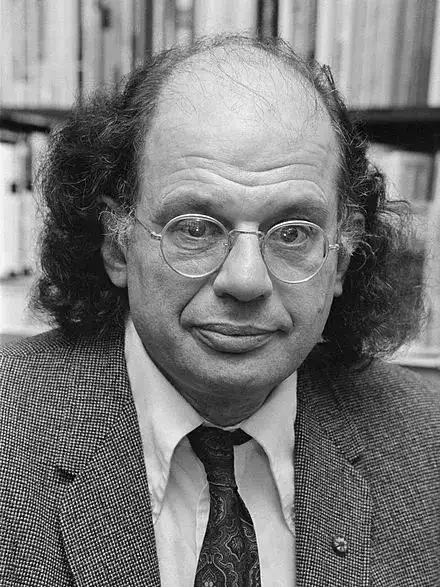
Allen Ginsberg
Song
Song
The weight of the world
is love.
Under the burden
of solitude,
under the burden
of dissatisfaction
the weight,
the weight we carry
is love.
Who can deny?
In dreams
it touches
the body,
in thought
constructs
a miracle,
in imagination
anguishes
till born
in human-looks
out of the heart
burning with purity-for
the burden of life
is love,
but we carry the weight
wearily,
and so must rest
in the arms of love
at last,
must rest in the arms
of love.
No rest
without love,
no sleep
without dreams
of love-be
mad or chill
obsessed with angels
or machines,
the final wish
is love
--cannot be bitter,
cannot deny,
cannot withhold
if denied:
the weight is too heavy
--must give
for no return
as thought
is given
in solitude
in all the excellence
of its excess.
The warm bodies
shine together
in the darkness,
the hand moves
to the center
of the flesh,
the skin trembles
in happiness
and the soul comes
joyful to the eye-
yes, yes,
that's what
I wanted,
I always wanted,
I always wanted,
to return
to the body
where I was born.
The weight of the world
is love.
Under the burden
of solitude,
under the burden
of dissatisfaction
the weight,
the weight we carry
is love.
Who can deny?
In dreams
it touches
the body,
in thought
constructs
a miracle,
in imagination
anguishes
till born
in human-looks
out of the heart
burning with purity-for
the burden of life
is love,
but we carry the weight
wearily,
and so must rest
in the arms of love
at last,
must rest in the arms
of love.
No rest
without love,
no sleep
without dreams
of love-be
mad or chill
obsessed with angels
or machines,
the final wish
is love
--cannot be bitter,
cannot deny,
cannot withhold
if denied:
the weight is too heavy
--must give
for no return
as thought
is given
in solitude
in all the excellence
of its excess.
The warm bodies
shine together
in the darkness,
the hand moves
to the center
of the flesh,
the skin trembles
in happiness
and the soul comes
joyful to the eye-
yes, yes,
that's what
I wanted,
I always wanted,
I always wanted,
to return
to the body
where I was born.
616
Allen Ginsberg
Paterson
Paterson
What do I want in these rooms papered with visions of money?
How much can I make by cutting my hair? If I put new heels on my shoes,
bathe my body reeking of masturbation and sweat, layer upon layer of excrement
dried in employment bureaus, magazine hallways, statistical cubicles, factory
stairways,
cloakrooms of the smiling gods of psychiatry;
if in antechambers I face the presumption of department store supervisory employees,
old clerks in their asylums of fat, the slobs and dumbbells of the ego with money and
power
to hire and fire and make and break and fart and justify their reality of wrath and
rumor of wrath to wrath-weary man,
what war I enter and for what a prize! the dead prick of commonplace obsession,
harridan vision of electricity at night and daylight misery of thumb-sucking rage.
I would rather go mad, gone down the dark road to Mexico, heroin dripping in my
veins,
eyes and ears full of marijuana,
eating the god Peyote on the floor of a mudhut on the border
or laying in a hotel room over the body of some suffering man or woman;
rather jar my body down the road, crying by a diner in the Western sun;
rather crawl on my naked belly over the tincans of Cincinnati;
rather drag a rotten railroad tie to a Golgotha in the Rockies;
rather, crowned with thorns in Galveston, nailed hand and foot in Los Angeles, raised
up to die in Denver,
pierced in the side in Chicago, perished and tombed in New Orleans and resurrected in
1958 somewhere on Garret Mountain,
come down roaring in a blaze of hot cars and garbage,
streetcorner Evangel in front of City I-Tall, surrounded by statues of agonized lions,
with a mouthful of shit, and the hair rising on my scalp,
screaming and dancing in praise of Eternity annihilating the sidewalk, annihilating
reality,
screaming and dancing against the orchestra in the destructible ballroom of the world,
blood streaming from my belly and shoulders
flooding the city with its hideous ecstasy, rolling over the pavements and highways
by the bayoux and forests and derricks leaving my flesh and my bones hanging on the
trees.
What do I want in these rooms papered with visions of money?
How much can I make by cutting my hair? If I put new heels on my shoes,
bathe my body reeking of masturbation and sweat, layer upon layer of excrement
dried in employment bureaus, magazine hallways, statistical cubicles, factory
stairways,
cloakrooms of the smiling gods of psychiatry;
if in antechambers I face the presumption of department store supervisory employees,
old clerks in their asylums of fat, the slobs and dumbbells of the ego with money and
power
to hire and fire and make and break and fart and justify their reality of wrath and
rumor of wrath to wrath-weary man,
what war I enter and for what a prize! the dead prick of commonplace obsession,
harridan vision of electricity at night and daylight misery of thumb-sucking rage.
I would rather go mad, gone down the dark road to Mexico, heroin dripping in my
veins,
eyes and ears full of marijuana,
eating the god Peyote on the floor of a mudhut on the border
or laying in a hotel room over the body of some suffering man or woman;
rather jar my body down the road, crying by a diner in the Western sun;
rather crawl on my naked belly over the tincans of Cincinnati;
rather drag a rotten railroad tie to a Golgotha in the Rockies;
rather, crowned with thorns in Galveston, nailed hand and foot in Los Angeles, raised
up to die in Denver,
pierced in the side in Chicago, perished and tombed in New Orleans and resurrected in
1958 somewhere on Garret Mountain,
come down roaring in a blaze of hot cars and garbage,
streetcorner Evangel in front of City I-Tall, surrounded by statues of agonized lions,
with a mouthful of shit, and the hair rising on my scalp,
screaming and dancing in praise of Eternity annihilating the sidewalk, annihilating
reality,
screaming and dancing against the orchestra in the destructible ballroom of the world,
blood streaming from my belly and shoulders
flooding the city with its hideous ecstasy, rolling over the pavements and highways
by the bayoux and forests and derricks leaving my flesh and my bones hanging on the
trees.
689
Allen Ginsberg
Hospital Window
Hospital Window
At gauzy dusk, thin haze like cigarette smoke
ribbons past Chrysler Building's silver fins
tapering delicately needletopped, Empire State's
taller antenna filmed milky lit amid blocks
black and white apartmenting veil'd sky over Manhattan,
offices new built dark glassed in blueish heaven--The East
50's & 60's covered with castles & watertowers, seven storied
tar-topped house-banks over York Avenue, late may-green trees
surrounding Rockefellers' blue domed medical arbor--
Geodesic science at the waters edge--Cars running up
East River Drive, & parked at N.Y. Hospital's oval door
where perfect tulips flower the health of a thousand sick souls
trembling inside hospital rooms. Triboro bridge steel-spiked
penthouse orange roofs, sunset tinges the river and in a few
Bronx windows, some magnesium vapor brilliances're
spotted five floors above E 59th St under grey painted bridge
trestles. Way downstream along the river, as Monet saw Thames
100 years ago, Con Edison smokestacks 14th street,
& Brooklyn Bridge's skeined dim in modern mists--
Pipes sticking up to sky nine smokestacks huge visible--
U.N. Building hangs under an orange crane, & red lights on
vertical avenues below the trees turn green at the nod
of a skull with a mild nerve ache. Dim dharma, I return
to this spectacle after weeks of poisoned lassitude, my thighs
belly chest & arms covered with poxied welts,
head pains fading back of the neck, right eyebrow cheek
mouth paralyzed--from taking the wrong medicine, sweated
too much in the forehead helpless, covered my rage from
gorge to prostate with grinding jaw and tightening anus
not released the weeping scream of horror at robot Mayaguez
World self ton billions metal grief unloaded
Pnom Penh to Nakon Thanom, Santiago & Tehran.
Fresh warm breeze in the window, day's release
>from pain, cars float downside the bridge trestle
and uncounted building-wall windows multiplied a mile
deep into ash-delicate sky beguile
my empty mind. A seagull passes alone wings
spread silent over roofs.
At gauzy dusk, thin haze like cigarette smoke
ribbons past Chrysler Building's silver fins
tapering delicately needletopped, Empire State's
taller antenna filmed milky lit amid blocks
black and white apartmenting veil'd sky over Manhattan,
offices new built dark glassed in blueish heaven--The East
50's & 60's covered with castles & watertowers, seven storied
tar-topped house-banks over York Avenue, late may-green trees
surrounding Rockefellers' blue domed medical arbor--
Geodesic science at the waters edge--Cars running up
East River Drive, & parked at N.Y. Hospital's oval door
where perfect tulips flower the health of a thousand sick souls
trembling inside hospital rooms. Triboro bridge steel-spiked
penthouse orange roofs, sunset tinges the river and in a few
Bronx windows, some magnesium vapor brilliances're
spotted five floors above E 59th St under grey painted bridge
trestles. Way downstream along the river, as Monet saw Thames
100 years ago, Con Edison smokestacks 14th street,
& Brooklyn Bridge's skeined dim in modern mists--
Pipes sticking up to sky nine smokestacks huge visible--
U.N. Building hangs under an orange crane, & red lights on
vertical avenues below the trees turn green at the nod
of a skull with a mild nerve ache. Dim dharma, I return
to this spectacle after weeks of poisoned lassitude, my thighs
belly chest & arms covered with poxied welts,
head pains fading back of the neck, right eyebrow cheek
mouth paralyzed--from taking the wrong medicine, sweated
too much in the forehead helpless, covered my rage from
gorge to prostate with grinding jaw and tightening anus
not released the weeping scream of horror at robot Mayaguez
World self ton billions metal grief unloaded
Pnom Penh to Nakon Thanom, Santiago & Tehran.
Fresh warm breeze in the window, day's release
>from pain, cars float downside the bridge trestle
and uncounted building-wall windows multiplied a mile
deep into ash-delicate sky beguile
my empty mind. A seagull passes alone wings
spread silent over roofs.
652
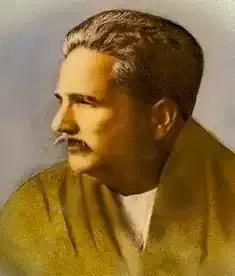
Muhammad Iqbal
The Candle
The Candle
O Candle! I am also an afflicted person in the world assembly
Constant complaint is my lot in the manner of the rue
Love gave the warmth of internal pathos to you
It made me the florist selling blood-mixed tears
Whether you be the candle of a celebrating assembly or one at the grave
In every condition associated with the tears of sorrow you remain
Your eye views all with equity like the Secret's Lovers
My eye is the pride of the tumult of discrimination
Your illumination is alike in the Ka'bah and the temple
I am entangled in the temple and the Haram's discrimination
Your black smoke contains the sigh's elegance
Is some heart hidden in the place of your manifestation?
You burn with pathos due to distance from Tajalli's Light
Your pathos the callous ones consider your light
Though you are burning you are unaware of it all
You see but do not encompass the internal pathos
I quiver like mercury with the excitement of vexation
As well I am aware of vexations of the restless heart
This was also the elegance of some Beloved
Which gave me perception of my own pathos
This cognition of mine keeps me restless
Innumerable fire temples are asleep in this spark
Discrimination between high and low is created by this alone!
Fragrance in flower, ecstasy in wine is created by this alone!
Garden, nightingale, flower, fragrance this Cognition is
Root of the struggle of ‘I and you' this Cognition is
At creation's dawn as Beauty became the abode of Love
The sound of "Kun" taught warmth to the spirit of Love
The command came Beauty of Kun's garden to witness
With one eye a thousand dreadful dreams to witness
Do not ask me of the nature of the veil of being
The eve of separation was the dawn of my being
Gone are the days when unaware of imprisonment I was
That my abode the adornment of the tree of Tur was
I am a prisoner but consider the cage to be a garden
This exile's hovel of sorrow I consider the homeland
Memories of the homeland a needless melancholy became
Now the desire for sight, now Longing for search became
O Candle! Look at the excessive illusion of thought
Look at the end of the one worshipped by celestial denizens
Theme of separation I am, the exalted one I am
Design of the Will of the Universe's Lord I am
He desired my display as He designed me
When at the head of Existence' Divan He wrote me
The pearl likes living in a handful of dust
Style may be dull the subject is excellent
Not seeing it rightly is the fault of shortsighted perception
The universe is the show of effulgence of taste for Cognizance
This network of time and space is the scaling ladder of the Universe
It is the necklace of the neck of Eternal BeautyI
have lost the way, Longing for the goal I am
O Candle! Captive of perception's illusion I am
I am the hunter as well as the circle of tyranny's net!
I am the Haram's roof as well as the bird on Haram's roofAm I the Beauty or head to
foot the melting love am I?
It is not clear whether the beloved or the Lover am I?
am afraid the old secret may come up to my lips again
Lest story of suffering on the Cross may come up again.
O Candle! I am also an afflicted person in the world assembly
Constant complaint is my lot in the manner of the rue
Love gave the warmth of internal pathos to you
It made me the florist selling blood-mixed tears
Whether you be the candle of a celebrating assembly or one at the grave
In every condition associated with the tears of sorrow you remain
Your eye views all with equity like the Secret's Lovers
My eye is the pride of the tumult of discrimination
Your illumination is alike in the Ka'bah and the temple
I am entangled in the temple and the Haram's discrimination
Your black smoke contains the sigh's elegance
Is some heart hidden in the place of your manifestation?
You burn with pathos due to distance from Tajalli's Light
Your pathos the callous ones consider your light
Though you are burning you are unaware of it all
You see but do not encompass the internal pathos
I quiver like mercury with the excitement of vexation
As well I am aware of vexations of the restless heart
This was also the elegance of some Beloved
Which gave me perception of my own pathos
This cognition of mine keeps me restless
Innumerable fire temples are asleep in this spark
Discrimination between high and low is created by this alone!
Fragrance in flower, ecstasy in wine is created by this alone!
Garden, nightingale, flower, fragrance this Cognition is
Root of the struggle of ‘I and you' this Cognition is
At creation's dawn as Beauty became the abode of Love
The sound of "Kun" taught warmth to the spirit of Love
The command came Beauty of Kun's garden to witness
With one eye a thousand dreadful dreams to witness
Do not ask me of the nature of the veil of being
The eve of separation was the dawn of my being
Gone are the days when unaware of imprisonment I was
That my abode the adornment of the tree of Tur was
I am a prisoner but consider the cage to be a garden
This exile's hovel of sorrow I consider the homeland
Memories of the homeland a needless melancholy became
Now the desire for sight, now Longing for search became
O Candle! Look at the excessive illusion of thought
Look at the end of the one worshipped by celestial denizens
Theme of separation I am, the exalted one I am
Design of the Will of the Universe's Lord I am
He desired my display as He designed me
When at the head of Existence' Divan He wrote me
The pearl likes living in a handful of dust
Style may be dull the subject is excellent
Not seeing it rightly is the fault of shortsighted perception
The universe is the show of effulgence of taste for Cognizance
This network of time and space is the scaling ladder of the Universe
It is the necklace of the neck of Eternal BeautyI
have lost the way, Longing for the goal I am
O Candle! Captive of perception's illusion I am
I am the hunter as well as the circle of tyranny's net!
I am the Haram's roof as well as the bird on Haram's roofAm I the Beauty or head to
foot the melting love am I?
It is not clear whether the beloved or the Lover am I?
am afraid the old secret may come up to my lips again
Lest story of suffering on the Cross may come up again.
361
Muhammad Iqbal
Pathos Of Love
Pathos Of Love
O Pathos of Love! You are a glossy pearl
Beware, you should not appear among strangers
The theatre of your display is concealed under the veil
The modern audience' eye accepts only the visible display
New breeze has arrived in the Existence' garden
O Pathos of Love! Now there is no pleasure in display
Beware! You should not be striving for ostentation!
You should not be obligated to the nightingale's lament!
The tulip's wine-cup should be devoid of wine
The dew's tear should be a mere dropp of water
Your secret should be hidden in the bosom somewhere
Your heart-melting tear should not be your betrayer
The flowery-styled poet's tongue should not be talking
Separation's complaint should not be concealed in flute's music
This age is a critic, go and somewhere conceal yourself
In the heart in which you are residing conceal yourself
The learning's surprise is neglecting you, beware!
Your immature eye is not the seeker of Truth, beware
Let the elegant thought remain in search of Truth
Let your wisdom-loving eye remain in astonishment
This is not the garden whose spring you may be
This is not the audience worthy of your appearance
This audience is the lover of the material sights
The purpose of your sight is the closet of secrecy
Every heart is intoxicated with the wine of thinking
Something different is the Tur of the Kalims of this age
O Pathos of Love! You are a glossy pearl
Beware, you should not appear among strangers
The theatre of your display is concealed under the veil
The modern audience' eye accepts only the visible display
New breeze has arrived in the Existence' garden
O Pathos of Love! Now there is no pleasure in display
Beware! You should not be striving for ostentation!
You should not be obligated to the nightingale's lament!
The tulip's wine-cup should be devoid of wine
The dew's tear should be a mere dropp of water
Your secret should be hidden in the bosom somewhere
Your heart-melting tear should not be your betrayer
The flowery-styled poet's tongue should not be talking
Separation's complaint should not be concealed in flute's music
This age is a critic, go and somewhere conceal yourself
In the heart in which you are residing conceal yourself
The learning's surprise is neglecting you, beware!
Your immature eye is not the seeker of Truth, beware
Let the elegant thought remain in search of Truth
Let your wisdom-loving eye remain in astonishment
This is not the garden whose spring you may be
This is not the audience worthy of your appearance
This audience is the lover of the material sights
The purpose of your sight is the closet of secrecy
Every heart is intoxicated with the wine of thinking
Something different is the Tur of the Kalims of this age
544
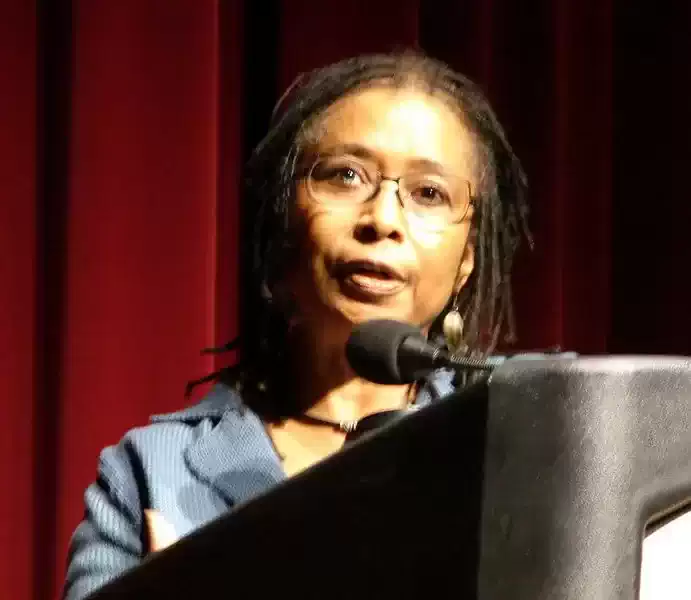
Alice Walker
The Tree Of Life Has Fallen
The Tree Of Life Has Fallen
The tree of life
has fallen on my small house.
I thought it was so much bigger!
But it is not.
There in the distance I see the mountains
still.
The view of vast water stretching before me
is superb.
My boat is grand and I still command the captain
of it; not having learned myself to sail.
But I am adrift
without my tree of life
that has fallen heavy
without grace or pity
on this small place.
For the departing dictator, in perpetuity.
The tree of life
has fallen on my small house.
I thought it was so much bigger!
But it is not.
There in the distance I see the mountains
still.
The view of vast water stretching before me
is superb.
My boat is grand and I still command the captain
of it; not having learned myself to sail.
But I am adrift
without my tree of life
that has fallen heavy
without grace or pity
on this small place.
For the departing dictator, in perpetuity.
399
Alice Walker
I Will Keep Broken Things
I Will Keep Broken Things
I will keep
Broken
Things:
The big clay
Pot
With raised
Iguanas
Chasing
Their
Tails;
Two
Of their
Wise
Heads
Sheared
Off;
I will keep
Broken
things:
The old
Slave
Market
Basket
Brought
To my
Door
By Mississippi
A jagged
Hole
Gouged
In its sturdy
Dark
Oak
Side.
I will keep
Broken
things:
The memory
Of
Those
Long
Delicious
Night
Swims
With
You;
I will keep
Broken
things:
In my house
There
Remains
An
Honored
Shelf
On which
I will
Keep
Broken
Things.
Their beauty
Is
They
Need
Not
Ever
Be
'fixed.'
I will keep
Your
Wild
Free
Laughter
Though
It is now
Missing
Its
Reassuring
And
Graceful
Hinge.
I will keep
Broken
Things:
Thank you
So much!
I will keep
Broken
Things.
I will keep
You:
Pilgrim
Of
Sorrow.
I will keep
Myself.
I will keep
Broken
Things:
The big clay
Pot
With raised
Iguanas
Chasing
Their
Tails;
Two
Of their
Wise
Heads
Sheared
Off;
I will keep
Broken
things:
The old
Slave
Market
Basket
Brought
To my
Door
By Mississippi
A jagged
Hole
Gouged
In its sturdy
Dark
Oak
Side.
I will keep
Broken
things:
The memory
Of
Those
Long
Delicious
Night
Swims
With
You;
I will keep
Broken
things:
In my house
There
Remains
An
Honored
Shelf
On which
I will
Keep
Broken
Things.
Their beauty
Is
They
Need
Not
Ever
Be
'fixed.'
I will keep
Your
Wild
Free
Laughter
Though
It is now
Missing
Its
Reassuring
And
Graceful
Hinge.
I will keep
Broken
Things:
Thank you
So much!
I will keep
Broken
Things.
I will keep
You:
Pilgrim
Of
Sorrow.
I will keep
Myself.
421
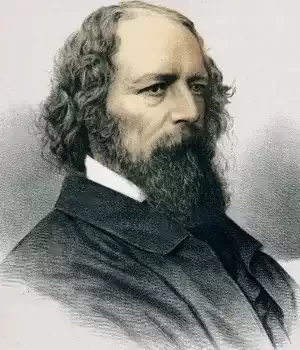
Alfred Lord Tennyson
Tears, Idle Tears
Tears, Idle Tears
Tears, idle tears, I know not what they mean,
Tears from the depth of some divine despair
Rise in the heart, and gather to the eyes,
In looking on the happy Autumn-fields,
And thinking of the days that are no more.
Fresh as the first beam glittering on a sail,
That brings our friends up from the underworld,
Sad as the last which reddens over one
That sinks with all we love below the verge;
So sad, so fresh, the days that are no more.
Ah, sad and strange as in dark summer dawns
The earliest pipe of half-awakened birds
To dying ears, when unto dying eyes
The casement slowly grows a glimmering square;
So sad, so strange, the days that are no more.
Dear as remembered kisses after death,
And sweet as those by hopeless fancy feigned
On lips that are for others; deep as love,
Deep as first love, and wild with all regret;
O Death in Life, the days that are no more!
Tears, idle tears, I know not what they mean,
Tears from the depth of some divine despair
Rise in the heart, and gather to the eyes,
In looking on the happy Autumn-fields,
And thinking of the days that are no more.
Fresh as the first beam glittering on a sail,
That brings our friends up from the underworld,
Sad as the last which reddens over one
That sinks with all we love below the verge;
So sad, so fresh, the days that are no more.
Ah, sad and strange as in dark summer dawns
The earliest pipe of half-awakened birds
To dying ears, when unto dying eyes
The casement slowly grows a glimmering square;
So sad, so strange, the days that are no more.
Dear as remembered kisses after death,
And sweet as those by hopeless fancy feigned
On lips that are for others; deep as love,
Deep as first love, and wild with all regret;
O Death in Life, the days that are no more!
805
Alfred Lord Tennyson
Mariana
Mariana
WITH BLACKEST moss the flower-plots
Were thickly crusted, one and all:
The rusted nails fell from the knots
That held the pear to the gable-wall.
The broken sheds look'd sad and strange:
Unlifted was the clinking latch;
Weeded and worn the ancient thatch
Upon the lonely moated grange.
She only said, "My life is dreary,
He cometh not," she said;
She said, "I am aweary, aweary,
I would that I were dead!"
Her tears fell with the dews at even;
Her tears fell ere the dews were dried;
She could not look on the sweet heaven,
Either at morn or eventide.
After the flitting of the bats,
When thickest dark did trance the sky,
She drew her casement-curtain by,
And glanced athwart the glooming flats.
She only said, "My life is dreary,
He cometh not," she said;
She said, "I am aweary, aweary,
I would that I were dead!"
Upon the middle of the night,
Waking she heard the night-fowl crow:
The cock sung out an hour ere light:
From the dark fen the oxen's low
Came to her: without hope of change,
In sleep she seem'd to walk forlorn,
Till cold winds woke the gray-eyed morn
About the lonely moated grange.
She only said, "The day is dreary,
He cometh not," she said;
She said, "I am aweary, aweary,
I would that I were dead!"
About a stone-cast from the wall
A sluice with blacken'd waters slept,
And o'er it many, round and small,
The cluster'd marish-mosses crept.
Hard by a poplar shook alway,
All silver-green with gnarled bark:
For leagues no other tree did mark
The level waste, the rounding gray.
She only said, "My life is dreary,
He cometh not," she said;
She said, "I am aweary, aweary,
I would that I were dead!"
And ever when the moon was low,
And the shrill winds were up and away
In the white curtain, to and fro,
She saw the gusty shadow sway.
But when the moon was very low,
And wild winds bound within their cell,
The shadow of the poplar fell
Upon her bed, across her brow.
She only said, "The night is dreary,
He cometh not," she said;
She said, "I am aweary, aweary,
I would that I were dead!"
All day within the dreamy house,
The doors upon their hinges creak'd;
The blue fly sung in the pane; the mouse
Behind the mouldering wainscot shriek'd,
Or from the crevice peer'd about.
Old faces glimmer'd thro' the doors,
Old footsteps trod the upper floors,
Old voices call'd her from without.
She only said, "My life is dreary,
He cometh not," she said;
She said, "I am aweary, aweary,
I would that I were dead!"
The sparrow's chirrup on the roof,
The slow clock ticking, and the sound
Which to the wooing wind aloof
The poplar made, did all confound
Her sense; but most she loath'd the hour
When the thick-moted sunbeam lay
Athwart the chambers, and the day
Was sloping toward his western bower.
Then, said she, "I am very dreary,
He will not come," she said;
She wept, "I am aweary, aweary,
O God, that I were dead!"
.
WITH BLACKEST moss the flower-plots
Were thickly crusted, one and all:
The rusted nails fell from the knots
That held the pear to the gable-wall.
The broken sheds look'd sad and strange:
Unlifted was the clinking latch;
Weeded and worn the ancient thatch
Upon the lonely moated grange.
She only said, "My life is dreary,
He cometh not," she said;
She said, "I am aweary, aweary,
I would that I were dead!"
Her tears fell with the dews at even;
Her tears fell ere the dews were dried;
She could not look on the sweet heaven,
Either at morn or eventide.
After the flitting of the bats,
When thickest dark did trance the sky,
She drew her casement-curtain by,
And glanced athwart the glooming flats.
She only said, "My life is dreary,
He cometh not," she said;
She said, "I am aweary, aweary,
I would that I were dead!"
Upon the middle of the night,
Waking she heard the night-fowl crow:
The cock sung out an hour ere light:
From the dark fen the oxen's low
Came to her: without hope of change,
In sleep she seem'd to walk forlorn,
Till cold winds woke the gray-eyed morn
About the lonely moated grange.
She only said, "The day is dreary,
He cometh not," she said;
She said, "I am aweary, aweary,
I would that I were dead!"
About a stone-cast from the wall
A sluice with blacken'd waters slept,
And o'er it many, round and small,
The cluster'd marish-mosses crept.
Hard by a poplar shook alway,
All silver-green with gnarled bark:
For leagues no other tree did mark
The level waste, the rounding gray.
She only said, "My life is dreary,
He cometh not," she said;
She said, "I am aweary, aweary,
I would that I were dead!"
And ever when the moon was low,
And the shrill winds were up and away
In the white curtain, to and fro,
She saw the gusty shadow sway.
But when the moon was very low,
And wild winds bound within their cell,
The shadow of the poplar fell
Upon her bed, across her brow.
She only said, "The night is dreary,
He cometh not," she said;
She said, "I am aweary, aweary,
I would that I were dead!"
All day within the dreamy house,
The doors upon their hinges creak'd;
The blue fly sung in the pane; the mouse
Behind the mouldering wainscot shriek'd,
Or from the crevice peer'd about.
Old faces glimmer'd thro' the doors,
Old footsteps trod the upper floors,
Old voices call'd her from without.
She only said, "My life is dreary,
He cometh not," she said;
She said, "I am aweary, aweary,
I would that I were dead!"
The sparrow's chirrup on the roof,
The slow clock ticking, and the sound
Which to the wooing wind aloof
The poplar made, did all confound
Her sense; but most she loath'd the hour
When the thick-moted sunbeam lay
Athwart the chambers, and the day
Was sloping toward his western bower.
Then, said she, "I am very dreary,
He will not come," she said;
She wept, "I am aweary, aweary,
O God, that I were dead!"
.
545