

Poems in this theme
Pain and Despair

Christina Rossetti
Cobwebs
Cobwebs
It is a land with neither night nor day,
Nor heat nor cold, nor any wind, nor rain,
Nor hills nor valleys; but one even plain
Stretches thro' long unbroken miles away:
While thro' the sluggish air a twilight grey
Broodeth; no moons or seasons wax and wane,
No ebb and flow are there among the main,
No bud-time no leaf-falling there for aye,
No ripple on the sea, no shifting sand,
No beat of wings to stir the stagnant space,
And loveless sea: no trace of days before,
No guarded home, no time-worn restingplace
No future hope no fear forevermore.
It is a land with neither night nor day,
Nor heat nor cold, nor any wind, nor rain,
Nor hills nor valleys; but one even plain
Stretches thro' long unbroken miles away:
While thro' the sluggish air a twilight grey
Broodeth; no moons or seasons wax and wane,
No ebb and flow are there among the main,
No bud-time no leaf-falling there for aye,
No ripple on the sea, no shifting sand,
No beat of wings to stir the stagnant space,
And loveless sea: no trace of days before,
No guarded home, no time-worn restingplace
No future hope no fear forevermore.
253
Christina Rossetti
After This The Judgement
After This The Judgement
As eager homebound traveller to the goal,
Or steadfast seeker on an unsearched main,
Or martyr panting for an aureole,
My fellow-pilgrims pass me, and attain
That hidden mansion of perpetual peace
Where keen desire and hope dwell free from pain:
That gate stands open of perennial ease;
I view the glory till I partly long,
Yet lack the fire of love which quickens these.
O passing Angel, speed me with a song,
A melody of heaven to reach my heart
And rouse me to the race and make me strong;
Till in such music I take up my part
Swelling those Hallelujahs full of rest,
One, tenfold, hundredfold, with heavenly art,
Fulfilling north and south and east and west,
Thousand, ten thousandfold, innumerable,
All blent in one yet each one manifest;
Each one distinguished and beloved as well
As if no second voice in earth or heaven
Were lifted up the Love of God to tell.
Ah, Love of God, which Thine own Self hast given
To me most poor, and made me rich in love,
Love that dost pass the tenfold seven times seven,
Draw Thou mine eyes, draw Thou my heart above,
My treasure ad my heart store Thou in Thee,
Brood over me with yearnings of a dove;
Be Husband, Brother, closest Friend to me;
Love me as very mother loves her son,
Her sucking firstborn fondled on her knee:
Yea, more than mother loves her little one;
For, earthly, even a mother may forget
And feel no pity for its piteous moan;
But thou, O Love of God, remember yet,
Through the dry desert, through the waterflood
(Life, death) until the Great White Throne is set.
If now I am sick in chewing the bitter cud
Of sweet past sin, though solaced by Thy grace
And ofttimes strengthened by Thy Flesh and Blood,
How shall I then stand up before Thy face
When from Thine eyes repentance shall be hid
And utmost Justice stand in Mercy's place:
When every sin I thought or spoke or did
Shall meet me at the inexorable bar,
And there be no man standing in the mid
To plead for me; while star fallen after star
With heaven and earth are like a ripened shock,
And all time's mighty works and wonders are
Consumed as in a moment; when no rock
Remains to fall on me, no tree to hide,
But I stand all creation's gazing-stock
Exposed and comfortless on every side,
Placed trembling in the final balances
Whose poise this hour, this moment, must be tried?—
Ah Love of God, if greater love than this
Hath no man, that a man die for his friend,
And if such love of love Thine Own Love is,
Plead with Thyself, with me, before the end;
Redeem me from the irrevocable past;
Pitch Thou Thy Presence round me to defend;
Yea seek with pierced feet, yea hold me fast
With pierced hands whose wounds were made by love;
Not what I am, remember what Thou wast
When darkness hid from Thee Thy heavens above,
And sin Thy Father's Face, while thou didst drink
The bitter cup of death, didst taste thereof
For every man; while Thou wast nigh to sink
Beneath the intense intolerable rod,
Grown sick of love; not what I am, but think
Thy Life then ransomed mine, my God, my God.
As eager homebound traveller to the goal,
Or steadfast seeker on an unsearched main,
Or martyr panting for an aureole,
My fellow-pilgrims pass me, and attain
That hidden mansion of perpetual peace
Where keen desire and hope dwell free from pain:
That gate stands open of perennial ease;
I view the glory till I partly long,
Yet lack the fire of love which quickens these.
O passing Angel, speed me with a song,
A melody of heaven to reach my heart
And rouse me to the race and make me strong;
Till in such music I take up my part
Swelling those Hallelujahs full of rest,
One, tenfold, hundredfold, with heavenly art,
Fulfilling north and south and east and west,
Thousand, ten thousandfold, innumerable,
All blent in one yet each one manifest;
Each one distinguished and beloved as well
As if no second voice in earth or heaven
Were lifted up the Love of God to tell.
Ah, Love of God, which Thine own Self hast given
To me most poor, and made me rich in love,
Love that dost pass the tenfold seven times seven,
Draw Thou mine eyes, draw Thou my heart above,
My treasure ad my heart store Thou in Thee,
Brood over me with yearnings of a dove;
Be Husband, Brother, closest Friend to me;
Love me as very mother loves her son,
Her sucking firstborn fondled on her knee:
Yea, more than mother loves her little one;
For, earthly, even a mother may forget
And feel no pity for its piteous moan;
But thou, O Love of God, remember yet,
Through the dry desert, through the waterflood
(Life, death) until the Great White Throne is set.
If now I am sick in chewing the bitter cud
Of sweet past sin, though solaced by Thy grace
And ofttimes strengthened by Thy Flesh and Blood,
How shall I then stand up before Thy face
When from Thine eyes repentance shall be hid
And utmost Justice stand in Mercy's place:
When every sin I thought or spoke or did
Shall meet me at the inexorable bar,
And there be no man standing in the mid
To plead for me; while star fallen after star
With heaven and earth are like a ripened shock,
And all time's mighty works and wonders are
Consumed as in a moment; when no rock
Remains to fall on me, no tree to hide,
But I stand all creation's gazing-stock
Exposed and comfortless on every side,
Placed trembling in the final balances
Whose poise this hour, this moment, must be tried?—
Ah Love of God, if greater love than this
Hath no man, that a man die for his friend,
And if such love of love Thine Own Love is,
Plead with Thyself, with me, before the end;
Redeem me from the irrevocable past;
Pitch Thou Thy Presence round me to defend;
Yea seek with pierced feet, yea hold me fast
With pierced hands whose wounds were made by love;
Not what I am, remember what Thou wast
When darkness hid from Thee Thy heavens above,
And sin Thy Father's Face, while thou didst drink
The bitter cup of death, didst taste thereof
For every man; while Thou wast nigh to sink
Beneath the intense intolerable rod,
Grown sick of love; not what I am, but think
Thy Life then ransomed mine, my God, my God.
226
Christina Rossetti
A Royal Princess
A Royal Princess
I, a princess, king-descended, decked with jewels, gilded, drest,
Would rather be a peasant with her baby at her breast,
For all I shine so like the sun, and am purple like the west.
Two and two my guards behind, two and two before,
Two and two on either hand, they guard me evermore;
Me, poor dove, that must not coo—eagle that must not soar.
All my fountains cast up perfumes, all my gardens grow
Scented woods and foreign spices, with all flowers in blow
That are costly, out of season as the seasons go.
All my walls are lost in mirrors, whereupon I trace
Self to right hand, self to left hand, self in every place,
Self-same solitary figure, self-same seeking face.
Then I have an ivory chair high to sit upon,
Almost like my father's chair, which is an ivory throne;
There I sit uplift and upright, there I sit alone.
Alone by day, alone by night, alone days without end;
My father and my mother give me treasures, search and spend—
O my father! O my mother! have you ne'er a friend?
As I am a lofty princess, so my father is
A lofty king, accomplished in all kingly subtilties,
Holding in his strong right hand world-kingdoms' balances.
He has quarrelled with his neighbours, he has scourged his foes;
Vassal counts and princes follow where his pennon goes,
Long-descended valiant lords whom the vulture knows,
On whose track the vulture swoops, when they ride in state
To break the strength of armies and topple down the great:
Each of these my courteous servant, none of these my mate.
My father counting up his strength sets down with equal pen
So many head of cattle, head of horses, head of men;
These for slaughter, these for breeding, with the how and when.
Some to work on roads, canals; some to man his ships;
Some to smart in mines beneath sharp overseers' whips;
Some to trap fur-beasts in lands where utmost winter nips.
Once it came into my heart, and whelmed me like a flood,
That these too are men and women, human flesh and blood;
Men with hearts and men with souls, though trodden down like mud.
Our feasting was not glad that night, our music was not gay:
On my mother's graceful head I marked a thread of grey,
My father frowning at the fare seemed every dish to weigh.
I sat beside them sole princess in my exalted place,
My ladies and my gentlemen stood by me on the dais:
A mirror showed me I look old and haggard in the face;
It showed me that my ladies all are fair to gaze upon,
Plump, plenteous-haired, to every one love's secret lore is known,
They laugh by day, they sleep by night; ah me, what is a throne?
The singing men and women sang that night as usual,
The dancers danced in pairs and sets, but music had a fall,
A melancholy windy fall as at a funeral.
Amid the toss of torches to my chamber back we swept;
My ladies loosed my golden chain; meantime I could have wept
To think of some in galling chains whether they waked or slept.
I took my bath of scented milk, delicately waited on,
They burned sweet things for my delight, cedar and cinnamon,
They lit my shaded silver lamp, and left me there alone.
A day went by, a week went by. One day I heard it said:
'Men are clamouring, women, children, clamouring to be fed;
Men like famished dogs are howling in the streets for bread.'
So two whispered by my door, not thinking I could hear,
Vulgar naked truth, ungarnished for a royal ear;
Fit for cooping in the background, not to stalk so near.
But I strained my utmost sense to catch this truth, and mark:
'There are families out grazing like cattle in the park.'
'A pair of peasants must be saved even if we build an ark.'
A merry jest, a merry laugh, each strolled upon his way;
One was my page, a lad I reared and bore with day by day;
One was my youngest maid as sweet and white as cream in May.
Other footsteps followed softly with a weightier tramp;
Voices said: 'Picked soldiers have been summoned from the camp
To quell these base-born ruffians who make free to howl and stamp.'
'Howl and stamp?' one answered: 'They made free to hurl a stone
At the minister's state coach, well aimed and stoutly thrown.'
'There's work then for the soldiers, for this rank crop must be mown.'
'One I saw, a poor old fool with ashes on his head,
Whimpering because a girl had snatched his crust of bread:
Then he dropped; when some one raised him, it turned out he was dead.'
'After us the deluge,' was retorted with a laugh:
'If bread's the staff of life, they must walk without a staff.'
'While I've a loaf they're welcome to my blessing and the chaff.'
These passed. The king: stand up. Said my father with a smile:
'Daughter mine, your mother comes to sit with you awhile,
She's sad to-day, and who but you her sadness can beguile?'
He too left me. Shall I touch my harp now while I wait,—
(I hear them doubling guard below before our palace gate—)
Or shall I work the last gold stitch into my veil of state;
Or shall my woman stand and read some unimpassioned scene,
There's music of a lulling sort in words that pause between;
Or shall she merely fan me while I wait here for the queen?
Again I caught my father's voice in sharp word of command:
'Charge!' a clash of steel: 'Charge again, the rebels stand.
Smite and spare not, hand to hand; smite and spare not, hand to hand.'
There swelled a tumult at the gate, high voices waxing higher;
A flash of red reflected light lit the cathedral spire;
I heard a cry for faggots, then I heard a yell for fire.
'Sit and roast there with your meat, sit and bake there with your bread,
You who sat to see us starve,' one shrieking woman said:
'Sit on your throne and roast with your crown upon your head.'
Nay, this thing will I do, while my mother tarrieth,
I will take my fine spun gold, but not to sew therewith,
I will take my gold and gems, and rainbow fan and wreath;
With a ransom in my lap, a king's ransom in my hand,
I will go down to this people, will stand face to face, will stand
Where they curse king, queen, and princess of this cursed land.
They shall take all to buy them bread, take all I have to give;
I, if I perish, perish; they to-day shall eat and live;
I, if I perish, perish; that's the goal I half conceive:
Once to speak before the world, rend bare my heart and show
The lesson I have learned which is death, is life, to know.
I, if I perish, perish; in the name of God I go.
I, a princess, king-descended, decked with jewels, gilded, drest,
Would rather be a peasant with her baby at her breast,
For all I shine so like the sun, and am purple like the west.
Two and two my guards behind, two and two before,
Two and two on either hand, they guard me evermore;
Me, poor dove, that must not coo—eagle that must not soar.
All my fountains cast up perfumes, all my gardens grow
Scented woods and foreign spices, with all flowers in blow
That are costly, out of season as the seasons go.
All my walls are lost in mirrors, whereupon I trace
Self to right hand, self to left hand, self in every place,
Self-same solitary figure, self-same seeking face.
Then I have an ivory chair high to sit upon,
Almost like my father's chair, which is an ivory throne;
There I sit uplift and upright, there I sit alone.
Alone by day, alone by night, alone days without end;
My father and my mother give me treasures, search and spend—
O my father! O my mother! have you ne'er a friend?
As I am a lofty princess, so my father is
A lofty king, accomplished in all kingly subtilties,
Holding in his strong right hand world-kingdoms' balances.
He has quarrelled with his neighbours, he has scourged his foes;
Vassal counts and princes follow where his pennon goes,
Long-descended valiant lords whom the vulture knows,
On whose track the vulture swoops, when they ride in state
To break the strength of armies and topple down the great:
Each of these my courteous servant, none of these my mate.
My father counting up his strength sets down with equal pen
So many head of cattle, head of horses, head of men;
These for slaughter, these for breeding, with the how and when.
Some to work on roads, canals; some to man his ships;
Some to smart in mines beneath sharp overseers' whips;
Some to trap fur-beasts in lands where utmost winter nips.
Once it came into my heart, and whelmed me like a flood,
That these too are men and women, human flesh and blood;
Men with hearts and men with souls, though trodden down like mud.
Our feasting was not glad that night, our music was not gay:
On my mother's graceful head I marked a thread of grey,
My father frowning at the fare seemed every dish to weigh.
I sat beside them sole princess in my exalted place,
My ladies and my gentlemen stood by me on the dais:
A mirror showed me I look old and haggard in the face;
It showed me that my ladies all are fair to gaze upon,
Plump, plenteous-haired, to every one love's secret lore is known,
They laugh by day, they sleep by night; ah me, what is a throne?
The singing men and women sang that night as usual,
The dancers danced in pairs and sets, but music had a fall,
A melancholy windy fall as at a funeral.
Amid the toss of torches to my chamber back we swept;
My ladies loosed my golden chain; meantime I could have wept
To think of some in galling chains whether they waked or slept.
I took my bath of scented milk, delicately waited on,
They burned sweet things for my delight, cedar and cinnamon,
They lit my shaded silver lamp, and left me there alone.
A day went by, a week went by. One day I heard it said:
'Men are clamouring, women, children, clamouring to be fed;
Men like famished dogs are howling in the streets for bread.'
So two whispered by my door, not thinking I could hear,
Vulgar naked truth, ungarnished for a royal ear;
Fit for cooping in the background, not to stalk so near.
But I strained my utmost sense to catch this truth, and mark:
'There are families out grazing like cattle in the park.'
'A pair of peasants must be saved even if we build an ark.'
A merry jest, a merry laugh, each strolled upon his way;
One was my page, a lad I reared and bore with day by day;
One was my youngest maid as sweet and white as cream in May.
Other footsteps followed softly with a weightier tramp;
Voices said: 'Picked soldiers have been summoned from the camp
To quell these base-born ruffians who make free to howl and stamp.'
'Howl and stamp?' one answered: 'They made free to hurl a stone
At the minister's state coach, well aimed and stoutly thrown.'
'There's work then for the soldiers, for this rank crop must be mown.'
'One I saw, a poor old fool with ashes on his head,
Whimpering because a girl had snatched his crust of bread:
Then he dropped; when some one raised him, it turned out he was dead.'
'After us the deluge,' was retorted with a laugh:
'If bread's the staff of life, they must walk without a staff.'
'While I've a loaf they're welcome to my blessing and the chaff.'
These passed. The king: stand up. Said my father with a smile:
'Daughter mine, your mother comes to sit with you awhile,
She's sad to-day, and who but you her sadness can beguile?'
He too left me. Shall I touch my harp now while I wait,—
(I hear them doubling guard below before our palace gate—)
Or shall I work the last gold stitch into my veil of state;
Or shall my woman stand and read some unimpassioned scene,
There's music of a lulling sort in words that pause between;
Or shall she merely fan me while I wait here for the queen?
Again I caught my father's voice in sharp word of command:
'Charge!' a clash of steel: 'Charge again, the rebels stand.
Smite and spare not, hand to hand; smite and spare not, hand to hand.'
There swelled a tumult at the gate, high voices waxing higher;
A flash of red reflected light lit the cathedral spire;
I heard a cry for faggots, then I heard a yell for fire.
'Sit and roast there with your meat, sit and bake there with your bread,
You who sat to see us starve,' one shrieking woman said:
'Sit on your throne and roast with your crown upon your head.'
Nay, this thing will I do, while my mother tarrieth,
I will take my fine spun gold, but not to sew therewith,
I will take my gold and gems, and rainbow fan and wreath;
With a ransom in my lap, a king's ransom in my hand,
I will go down to this people, will stand face to face, will stand
Where they curse king, queen, and princess of this cursed land.
They shall take all to buy them bread, take all I have to give;
I, if I perish, perish; they to-day shall eat and live;
I, if I perish, perish; that's the goal I half conceive:
Once to speak before the world, rend bare my heart and show
The lesson I have learned which is death, is life, to know.
I, if I perish, perish; in the name of God I go.
230
Christina Rossetti
A Portrait
A Portrait
I
She gave up beauty in her tender youth,
Gave all her hope and joy and pleasant ways;
She covered up her eyes lest they should gaze
On vanity, and chose the bitter truth.
Harsh towards herself, towards others full of ruth,
Servant of servants, little known to praise,
Long prayers and fasts trenched on her nights and days:
She schooled herself to sights and sounds uncouth
That with the poor and stricken she might make
A home, until the least of all sufficed
Her wants; her own self learned she to forsake,
Counting all earthly gain but hurt and loss.
So with calm will she chose and bore the cross
And hated all for love of Jesus Christ.
II
They knelt in silent anguish by her bed,
And could not weep; but calmly there she lay.
All pain had left her; and the sun's last ray
Shone through upon her, warming into red
The shady curtains. In her heart she said:
'Heaven opens; I leave these and go away;
The Bridegroom calls,—shall the Bride seek to stay?'
Then low upon her breast she bowed her head.
O lily flower, O gem of priceless worth,
O dove with patient voice and patient eyes,
O fruitful vine amid a land of dearth,
O maid replete with loving purities,
Thou bowedst down thy head with friends on earth
To raise it with the saints in Paradise.
I
She gave up beauty in her tender youth,
Gave all her hope and joy and pleasant ways;
She covered up her eyes lest they should gaze
On vanity, and chose the bitter truth.
Harsh towards herself, towards others full of ruth,
Servant of servants, little known to praise,
Long prayers and fasts trenched on her nights and days:
She schooled herself to sights and sounds uncouth
That with the poor and stricken she might make
A home, until the least of all sufficed
Her wants; her own self learned she to forsake,
Counting all earthly gain but hurt and loss.
So with calm will she chose and bore the cross
And hated all for love of Jesus Christ.
II
They knelt in silent anguish by her bed,
And could not weep; but calmly there she lay.
All pain had left her; and the sun's last ray
Shone through upon her, warming into red
The shady curtains. In her heart she said:
'Heaven opens; I leave these and go away;
The Bridegroom calls,—shall the Bride seek to stay?'
Then low upon her breast she bowed her head.
O lily flower, O gem of priceless worth,
O dove with patient voice and patient eyes,
O fruitful vine amid a land of dearth,
O maid replete with loving purities,
Thou bowedst down thy head with friends on earth
To raise it with the saints in Paradise.
199
Christina Rossetti
A Pause Of Thought
A Pause Of Thought
I looked for that which is not, nor can be,
And hope deferred made my heart sick in truth:
But years must pass before a hope of youth
Is resigned utterly.
I watched and waited with a steadfast will:
And though the object seemed to flee away
That I so longed for, ever day by day
I watched and waited still.
Sometimes I said: This thing shall be no more;
My expectation wearies and shall cease;
I will resign it now and be at peace:
Yet never gave it o'er.
Sometimes I said: It is an empty name
I long for; to a name why should I give
The peace of all the days I have to live?—
Yet gave it all the same.
Alas, thou foolish one! alike unfit
For healthy joy and salutary pain:
Thou knowest the chase useless, and again
Turnest to follow it.
I looked for that which is not, nor can be,
And hope deferred made my heart sick in truth:
But years must pass before a hope of youth
Is resigned utterly.
I watched and waited with a steadfast will:
And though the object seemed to flee away
That I so longed for, ever day by day
I watched and waited still.
Sometimes I said: This thing shall be no more;
My expectation wearies and shall cease;
I will resign it now and be at peace:
Yet never gave it o'er.
Sometimes I said: It is an empty name
I long for; to a name why should I give
The peace of all the days I have to live?—
Yet gave it all the same.
Alas, thou foolish one! alike unfit
For healthy joy and salutary pain:
Thou knowest the chase useless, and again
Turnest to follow it.
239
Christina Rossetti
A Better Ressurection
A Better Ressurection
I have no wit, no words, no tears;
My heart within me like a stone
Is numbed too much for hopes or fears.
Look right, look left, I dwell alone;
I lift mine eyes, but dimmed with grief
No everlasting hills I see;
My life is in the falling leaf:
O Jesus, quicken me.
My life is like a faded leaf,
My harvest dwindled to a husk:
Truly my life is void and brief
And tedious in the barren dusk;
My life is like a frozen thing,
No bud nor greenness can I see:
Yet rise it shall--the sap of spring;
O Jesus, rise in me.
My life is like a broken bowl,
A broken bowl that cannot hold
One drop of water for my soul
Or cordial in the searching cold;
Cast in the fire the perished thing;
Melt and remould it, till it be
A royal cup for Him, my King:
O Jesus, drink of me.
I have no wit, no words, no tears;
My heart within me like a stone
Is numbed too much for hopes or fears.
Look right, look left, I dwell alone;
I lift mine eyes, but dimmed with grief
No everlasting hills I see;
My life is in the falling leaf:
O Jesus, quicken me.
My life is like a faded leaf,
My harvest dwindled to a husk:
Truly my life is void and brief
And tedious in the barren dusk;
My life is like a frozen thing,
No bud nor greenness can I see:
Yet rise it shall--the sap of spring;
O Jesus, rise in me.
My life is like a broken bowl,
A broken bowl that cannot hold
One drop of water for my soul
Or cordial in the searching cold;
Cast in the fire the perished thing;
Melt and remould it, till it be
A royal cup for Him, my King:
O Jesus, drink of me.
202

Charlotte Brontë
Pilate's Wife's Dream
Pilate's Wife's Dream
I've quenched my lamp, I struck it in that start
Which every limb convulsed, I heard it fallThe
crash blent with my sleep, I saw depart
Its light, even as I woke, on yonder wall;
Over against my bed, there shone a gleam
Strange, faint, and mingling also with my dream.
It sunk, and I am wrapt in utter gloom;
How far is night advanced, and when will day
Retinge the dusk and livid air with bloom,
And fill this void with warm, creative ray ?
Would I could sleep again till, clear and red,
Morning shall on the mountaintops
be spread!
I'd call my women, but to break their sleep,
Because my own is broken, were unjust;
They've wrought all day, and wellearned
slumbers steep
Their labours in forgetfulness, I trust;
Let me my feverish watch with patience bear,
Thankful that none with me its sufferings share.
Yet, Oh, for light ! one ray would tranquilise
My nerves, my pulses, more than effort can;
I'll draw my curtain and consult the skies:
These trembling stars at dead of night look wan,
Wild, restless, strange, yet cannot be more drear
Than this my couch, shared by a nameless fear.
All blackone
great cloud, drawn from east to west,
Conceals the heavens, but there are lights below;
Torches burn in Jerusalem, and cast
On yonder stony mount a lurid glow.
I see men stationed there, and gleaming spears;
A sound, too, from afar, invades my ears.
Dull, measured, strokes of axe and hammer ring
From street to street, not loud, but through the night
Distinctly heardand
some strange spectral thing
Is now uprearedand,
fixed against the light
Of the pale lamps; defined upon that sky,
It stands up like a column, straight and high.
I see it allI
know the dusky signA
cross on Calvary, which Jews uprear
While Romans watch; and when the dawn shall shine
Pilate, to judge the victim will appear,
Pass sentenceyield
him up to crucify;
And on that cross the spotless Christ must die.
Dreams, then, are truefor
thus my vision ran;
Surely some oracle has been with me,
The gods have chosen me to reveal their plan,
To warn an unjust judge of destiny:
I, slumbering, heard and saw; awake I know,
Christ's coming death, and Pilate's life of woe.
I do not weep for Pilatewho
could prove
Regret for him whose cold and crushing sway
No prayer can soften, no appeal can move;
Who tramples hearts as others trample clay,
Yet with a faltering, an uncertain tread,
That might stir up reprisal in the dead.
Forced to sit by his side and see his deeds;
Forced to behold that visage, hour by hour,
In whose gaunt lines, the abhorrent gazer reads
A triple lust of gold, and blood, and power;
A soul whom motives, fierce, yet abject, urge
Rome's servile slave, and Judah's tyrant scourge.
How can I love, or mourn, or pity him ?
I, who so long my fettered hands have wrung;
I, who for grief have wept my eyesight
dim;
Because, while life for me was bright and young,
He robbed my youthhe
quenched my life's fair rayHe
crushed my mind, and did my freedom slay.
And at this houralthough
I be his wifeHe
has no more of tenderness from me
Than any other wretch of guilty life;
Less, for I know his household privacyI
see him as he iswithout
a screen;
And, by the gods, my soul abhors his mien !
Has he not sought my presence, dyed in bloodInnocent,
righteous blood, shed shamelessly ?
And have I not his red salute withstood ?
Aye,when,
as erst, he plunged all Galilee
In dark bereavementin
affliction sore,
Mingling their very offerings with their gore.
Then came hein
his eyes a serpentsmile,
Upon his lips some false, endearing word,
And, through the streets of Salem, clanged the while,
His slaughtering, hacking, sacrilegious swordAnd
I, to see a man cause men such woe,
Trembled with ireI
did not fear to show.
And now, the envious Jewish priests have brought
Jesuswhom
they in mockery call their king
To have, by this grim power, their vengeance wrought;
By this mean reptile, innocence to sting.
Oh ! could I but the purposed doom avert,
And shield the blameless head from cruel hurt!
Accessible is Pilate's heart to fear,
Omens will shake his soul, like autumn leaf;
Could he this night's appalling vision hear,
This just man's bonds were loosed, his life were safe,
Unless that bitter priesthood should prevail,
And make even terror to their malice quail.
Yet if I tell the dreambut
let me pause.
What dream ? Erewhile the characters were clear,
Graved on my brainat
once some unknown cause
Has dimmed and rased the thoughts, which now appear,
Like a vague remnant of some bypast
scene;Not
what will be, but what, long since, has been.
I suffered many things, I heard foretold
A dreadful doom for Pilate,lingering
woes,
In far, barbarian climes, where mountains cold
Built up a solitude of trackless snows,
There, he and grisly wolves prowled side by side,
There he lived famishedthere
methought he died;
But not of hunger, nor by malady;
I saw the snow around him, stained with gore;
I said I had no tears for such as he,
And, lo ! my cheek is wetmine
eyes run o'er;
I weep for mortal suffering, mortal guilt,
I weep the impious deedthe
blood selfspilt.
More I recall not, yet the vision spread
Into a world remote, an age to comeAnd
still the illumined name of Jesus shed
A light, a clearness, through the enfolding gloomAnd
still I saw that sign, which now I see,
That cross on yonder brow of Calvary.
What is this Hebrew Christ ? To me unknown,
His lineagedoctrinemissionyet
how clear,
Is Godlike
goodness, in his actions shewn !
How straight and stainless is his life's career !
The ray of Deity that rests on him,
In my eyes makes Olympian glory dim.
The world advances, Greek, or Roman rite
Suffices not the inquiring mind to stay;
The searching soul demands a purer light
To guide it on its upward, onward way;
Ashamed of sculptured godsReligion
turns
To where the unseen Jehovah's altar burns.
Our faith is rottenall
our rites defiled,
Our temples sullied, and methinks, this man,
With his new ordinance, so wise and mild,
Is come, even as he says, the chaff to fan
And sever from the wheat; but will his faith
Survive the terrors of tomorrow's
death ?
* * * * *
I feel a firmer trusta
higher hope
Rise in my soulit
dawns with dawning day;
Lo ! on the Temple's roofon
Moriah's slope
Appears at length that clear, and crimson ray,
Which I so wished for when shut in by night;
Oh, opening skies, I hail, I bless your light !
Part, clouds and shadows ! glorious Sun appear !
Part, mental gloom ! Come insight from on high !
Dusk dawn in heaven still strives with daylight clear,
The longing soul, doth still uncertain sigh.
Oh ! to behold the truththat
sun divine,
How doth my bosom pant, my spirit pine !
This day, time travails with a mighty birth,
This day, Truth stoops from heaven and visits earth,
Ere night descends, I shall more surely know
What guide to follow, in what path to go;
I wait in hopeI
wait in solemn fear,
The oracle of Godthe
soletrue
Godto
hear.
I've quenched my lamp, I struck it in that start
Which every limb convulsed, I heard it fallThe
crash blent with my sleep, I saw depart
Its light, even as I woke, on yonder wall;
Over against my bed, there shone a gleam
Strange, faint, and mingling also with my dream.
It sunk, and I am wrapt in utter gloom;
How far is night advanced, and when will day
Retinge the dusk and livid air with bloom,
And fill this void with warm, creative ray ?
Would I could sleep again till, clear and red,
Morning shall on the mountaintops
be spread!
I'd call my women, but to break their sleep,
Because my own is broken, were unjust;
They've wrought all day, and wellearned
slumbers steep
Their labours in forgetfulness, I trust;
Let me my feverish watch with patience bear,
Thankful that none with me its sufferings share.
Yet, Oh, for light ! one ray would tranquilise
My nerves, my pulses, more than effort can;
I'll draw my curtain and consult the skies:
These trembling stars at dead of night look wan,
Wild, restless, strange, yet cannot be more drear
Than this my couch, shared by a nameless fear.
All blackone
great cloud, drawn from east to west,
Conceals the heavens, but there are lights below;
Torches burn in Jerusalem, and cast
On yonder stony mount a lurid glow.
I see men stationed there, and gleaming spears;
A sound, too, from afar, invades my ears.
Dull, measured, strokes of axe and hammer ring
From street to street, not loud, but through the night
Distinctly heardand
some strange spectral thing
Is now uprearedand,
fixed against the light
Of the pale lamps; defined upon that sky,
It stands up like a column, straight and high.
I see it allI
know the dusky signA
cross on Calvary, which Jews uprear
While Romans watch; and when the dawn shall shine
Pilate, to judge the victim will appear,
Pass sentenceyield
him up to crucify;
And on that cross the spotless Christ must die.
Dreams, then, are truefor
thus my vision ran;
Surely some oracle has been with me,
The gods have chosen me to reveal their plan,
To warn an unjust judge of destiny:
I, slumbering, heard and saw; awake I know,
Christ's coming death, and Pilate's life of woe.
I do not weep for Pilatewho
could prove
Regret for him whose cold and crushing sway
No prayer can soften, no appeal can move;
Who tramples hearts as others trample clay,
Yet with a faltering, an uncertain tread,
That might stir up reprisal in the dead.
Forced to sit by his side and see his deeds;
Forced to behold that visage, hour by hour,
In whose gaunt lines, the abhorrent gazer reads
A triple lust of gold, and blood, and power;
A soul whom motives, fierce, yet abject, urge
Rome's servile slave, and Judah's tyrant scourge.
How can I love, or mourn, or pity him ?
I, who so long my fettered hands have wrung;
I, who for grief have wept my eyesight
dim;
Because, while life for me was bright and young,
He robbed my youthhe
quenched my life's fair rayHe
crushed my mind, and did my freedom slay.
And at this houralthough
I be his wifeHe
has no more of tenderness from me
Than any other wretch of guilty life;
Less, for I know his household privacyI
see him as he iswithout
a screen;
And, by the gods, my soul abhors his mien !
Has he not sought my presence, dyed in bloodInnocent,
righteous blood, shed shamelessly ?
And have I not his red salute withstood ?
Aye,when,
as erst, he plunged all Galilee
In dark bereavementin
affliction sore,
Mingling their very offerings with their gore.
Then came hein
his eyes a serpentsmile,
Upon his lips some false, endearing word,
And, through the streets of Salem, clanged the while,
His slaughtering, hacking, sacrilegious swordAnd
I, to see a man cause men such woe,
Trembled with ireI
did not fear to show.
And now, the envious Jewish priests have brought
Jesuswhom
they in mockery call their king
To have, by this grim power, their vengeance wrought;
By this mean reptile, innocence to sting.
Oh ! could I but the purposed doom avert,
And shield the blameless head from cruel hurt!
Accessible is Pilate's heart to fear,
Omens will shake his soul, like autumn leaf;
Could he this night's appalling vision hear,
This just man's bonds were loosed, his life were safe,
Unless that bitter priesthood should prevail,
And make even terror to their malice quail.
Yet if I tell the dreambut
let me pause.
What dream ? Erewhile the characters were clear,
Graved on my brainat
once some unknown cause
Has dimmed and rased the thoughts, which now appear,
Like a vague remnant of some bypast
scene;Not
what will be, but what, long since, has been.
I suffered many things, I heard foretold
A dreadful doom for Pilate,lingering
woes,
In far, barbarian climes, where mountains cold
Built up a solitude of trackless snows,
There, he and grisly wolves prowled side by side,
There he lived famishedthere
methought he died;
But not of hunger, nor by malady;
I saw the snow around him, stained with gore;
I said I had no tears for such as he,
And, lo ! my cheek is wetmine
eyes run o'er;
I weep for mortal suffering, mortal guilt,
I weep the impious deedthe
blood selfspilt.
More I recall not, yet the vision spread
Into a world remote, an age to comeAnd
still the illumined name of Jesus shed
A light, a clearness, through the enfolding gloomAnd
still I saw that sign, which now I see,
That cross on yonder brow of Calvary.
What is this Hebrew Christ ? To me unknown,
His lineagedoctrinemissionyet
how clear,
Is Godlike
goodness, in his actions shewn !
How straight and stainless is his life's career !
The ray of Deity that rests on him,
In my eyes makes Olympian glory dim.
The world advances, Greek, or Roman rite
Suffices not the inquiring mind to stay;
The searching soul demands a purer light
To guide it on its upward, onward way;
Ashamed of sculptured godsReligion
turns
To where the unseen Jehovah's altar burns.
Our faith is rottenall
our rites defiled,
Our temples sullied, and methinks, this man,
With his new ordinance, so wise and mild,
Is come, even as he says, the chaff to fan
And sever from the wheat; but will his faith
Survive the terrors of tomorrow's
death ?
* * * * *
I feel a firmer trusta
higher hope
Rise in my soulit
dawns with dawning day;
Lo ! on the Temple's roofon
Moriah's slope
Appears at length that clear, and crimson ray,
Which I so wished for when shut in by night;
Oh, opening skies, I hail, I bless your light !
Part, clouds and shadows ! glorious Sun appear !
Part, mental gloom ! Come insight from on high !
Dusk dawn in heaven still strives with daylight clear,
The longing soul, doth still uncertain sigh.
Oh ! to behold the truththat
sun divine,
How doth my bosom pant, my spirit pine !
This day, time travails with a mighty birth,
This day, Truth stoops from heaven and visits earth,
Ere night descends, I shall more surely know
What guide to follow, in what path to go;
I wait in hopeI
wait in solemn fear,
The oracle of Godthe
soletrue
Godto
hear.
228
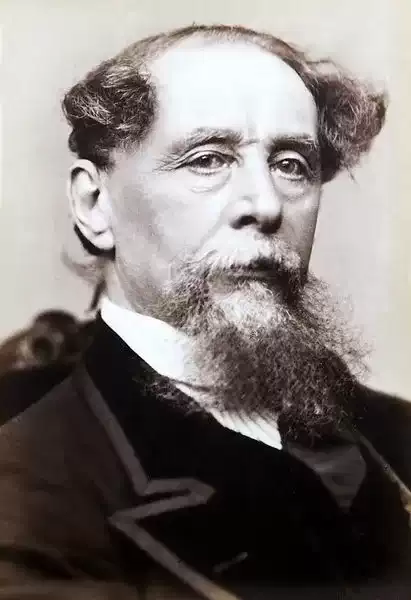
Charles Dickens
The Song Of The Wreck
The Song Of The Wreck
The wind blew high, the waters raved,
A ship drove on the land,
A hundred human creatures saved
Kneel'd down upon the sand.
Threescore were drown'd, threescore were thrown
Upon the black rocks wild,
And thus among them, left alone,
They found one helpless child.
A seaman rough, to shipwreck bred,
Stood out from all the rest,
And gently laid the lonely head
Upon his honest breast.
And travelling o'er the desert wide
It was a solemn joy,
To see them, ever side by side,
The sailor and the boy.
In famine, sickness, hunger, thirst,
The two were still but one,
Until the strong man droop'd the first
And felt his labors done.
Then to a trusty friend he spake,
'Across the desert wide,
Oh, take this poor boy for my sake!'
And kiss'd the child and died.
Toiling along in weary plight
Through heavy jungle, mire,
These two came later every night
To warm them at the fire.
Until the captain said one day
'O seaman, good and kind,
To save thyself now come away,
And leave the boy behind!'
The child was slumbering near the blaze:
'O captain, let him rest
Until it sinks, when God's own ways
Shall teach us what is best!'
They watch'd the whiten'd, ashy heap,
They touch'd the child in vain;
They did not leave him there asleep,
He never woke again.
The wind blew high, the waters raved,
A ship drove on the land,
A hundred human creatures saved
Kneel'd down upon the sand.
Threescore were drown'd, threescore were thrown
Upon the black rocks wild,
And thus among them, left alone,
They found one helpless child.
A seaman rough, to shipwreck bred,
Stood out from all the rest,
And gently laid the lonely head
Upon his honest breast.
And travelling o'er the desert wide
It was a solemn joy,
To see them, ever side by side,
The sailor and the boy.
In famine, sickness, hunger, thirst,
The two were still but one,
Until the strong man droop'd the first
And felt his labors done.
Then to a trusty friend he spake,
'Across the desert wide,
Oh, take this poor boy for my sake!'
And kiss'd the child and died.
Toiling along in weary plight
Through heavy jungle, mire,
These two came later every night
To warm them at the fire.
Until the captain said one day
'O seaman, good and kind,
To save thyself now come away,
And leave the boy behind!'
The child was slumbering near the blaze:
'O captain, let him rest
Until it sinks, when God's own ways
Shall teach us what is best!'
They watch'd the whiten'd, ashy heap,
They touch'd the child in vain;
They did not leave him there asleep,
He never woke again.
403
Charles Dickens
Lucy's Song
Lucy's Song
How beautiful at eventide
To see the twilight shadows pale,
Steal o'er the landscape, far and wide,
O'er stream and meadow, mound and dale!
How soft is Nature's calm repose
When ev'ning skies their cool dews weep:
The gentlest wind more gently blows,
As if to soothe her in her sleep!
The gay morn breaks,
Mists roll away,
All Nature awakes
To glorious day.
In my breast alone
Dark shadows remain;
The peace it has known
It can never regain.
How beautiful at eventide
To see the twilight shadows pale,
Steal o'er the landscape, far and wide,
O'er stream and meadow, mound and dale!
How soft is Nature's calm repose
When ev'ning skies their cool dews weep:
The gentlest wind more gently blows,
As if to soothe her in her sleep!
The gay morn breaks,
Mists roll away,
All Nature awakes
To glorious day.
In my breast alone
Dark shadows remain;
The peace it has known
It can never regain.
444
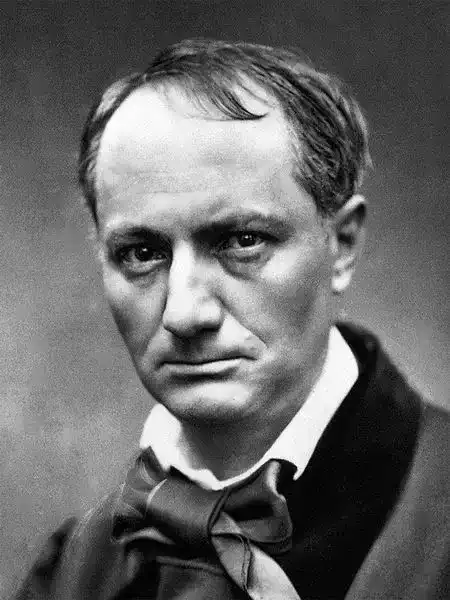
Charles Baudelaire
Voyage to Cythera
Voyage to Cythera
Free as a bird and joyfully my heart
Soared up among the rigging, in and out;
Under a cloudless sky the ship rolled on
Like an angel drunk with brilliant sun.
"That dark, grim island there--which would that be?"
"Cythera," we're told, "the legendary isle
Old bachelors tell stories of and smile.
There's really not much to it, you can see."
O place of many a mystic sacrament!
Archaic Aphrodite's splendid shade
Lingers above your waters like a scent
Infusing spirits with an amorous mood.
Worshipped from of old by every nation,
Myrtle-green isle, where each new bud discloses
Sighs of souls in loving adoration
Breathing like incense from a bank of roses
Or like a dove roo-cooing endlessly . . .
No; Cythera was a poor infertile rock,
A stony desert harrowed by the shriek
Of gulls. And yet there was something to see:
This was no temple deep in flowers and trees
With a young priestess moving to and fro,
Her body heated by a secret glow,
Her robe half-opening to every breeze;
But coasting nearer, close enough to land
To scatter flocks of birds as we passed by,
We saw a tall cypress-shaped thing at hand--
A triple gibbet black against the sky.
Ferocious birds, each perched on its own meal,
Were madly tearing at the thing that hung
And ripened; each, its filthy beak a drill,
Made little bleeding holes to root among.
The eyes were hollowed. Heavy guts cascading
Flowed like water halfway down the thighs;
The torturers, though gorged on these vile joys,
Had also put their beaks to use castrating
The corpse. A pack of dogs beneath its feet,
Their muzzles lifted, whirled and snapped and gnawed;
One bigger beast amidst this jealous lot
Looked like an executioner with his guard.
O Cytherean, child of this fair clime,
Silently you suffered these attacks,
Paying the penalty for whatever acts
Of infamy had kept you from a tomb.
Grotesquely dangling, somehow you brought on--
Violent as vomit rising from the chest,
Strong as a river bilious to taste--
A flow of sufferings I'd thought long gone.
Confronted with such dear remembered freight,
Poor devil, now it was my turn to feel
A panther's slavering jaws, a beak's cruel drill--
Once it was my flesh they loved to eat.
The sky was lovely, and the sea divine,
but something thick and binding like a shroud
Wrapped my heart in layers of black and blood;
Henceforth this allegory would be mine.
O Venus! On your isle what did I see
But my own image on the gallows tree?
O God, give me the strength to contemplate
My own heart, my own body without hate!
Free as a bird and joyfully my heart
Soared up among the rigging, in and out;
Under a cloudless sky the ship rolled on
Like an angel drunk with brilliant sun.
"That dark, grim island there--which would that be?"
"Cythera," we're told, "the legendary isle
Old bachelors tell stories of and smile.
There's really not much to it, you can see."
O place of many a mystic sacrament!
Archaic Aphrodite's splendid shade
Lingers above your waters like a scent
Infusing spirits with an amorous mood.
Worshipped from of old by every nation,
Myrtle-green isle, where each new bud discloses
Sighs of souls in loving adoration
Breathing like incense from a bank of roses
Or like a dove roo-cooing endlessly . . .
No; Cythera was a poor infertile rock,
A stony desert harrowed by the shriek
Of gulls. And yet there was something to see:
This was no temple deep in flowers and trees
With a young priestess moving to and fro,
Her body heated by a secret glow,
Her robe half-opening to every breeze;
But coasting nearer, close enough to land
To scatter flocks of birds as we passed by,
We saw a tall cypress-shaped thing at hand--
A triple gibbet black against the sky.
Ferocious birds, each perched on its own meal,
Were madly tearing at the thing that hung
And ripened; each, its filthy beak a drill,
Made little bleeding holes to root among.
The eyes were hollowed. Heavy guts cascading
Flowed like water halfway down the thighs;
The torturers, though gorged on these vile joys,
Had also put their beaks to use castrating
The corpse. A pack of dogs beneath its feet,
Their muzzles lifted, whirled and snapped and gnawed;
One bigger beast amidst this jealous lot
Looked like an executioner with his guard.
O Cytherean, child of this fair clime,
Silently you suffered these attacks,
Paying the penalty for whatever acts
Of infamy had kept you from a tomb.
Grotesquely dangling, somehow you brought on--
Violent as vomit rising from the chest,
Strong as a river bilious to taste--
A flow of sufferings I'd thought long gone.
Confronted with such dear remembered freight,
Poor devil, now it was my turn to feel
A panther's slavering jaws, a beak's cruel drill--
Once it was my flesh they loved to eat.
The sky was lovely, and the sea divine,
but something thick and binding like a shroud
Wrapped my heart in layers of black and blood;
Henceforth this allegory would be mine.
O Venus! On your isle what did I see
But my own image on the gallows tree?
O God, give me the strength to contemplate
My own heart, my own body without hate!
680
Charles Baudelaire
The Sick Muse
The Sick Muse
My impoverished muse, alas! What have you for me this morning?
Your empty eyes are stocked with nocturnal visions,
In your cheek's cold and taciturn reflection,
I see insanity and horror forming.
The green succubus and the red urchin,
Have they poured you fear and love from their urns?
The nightmare of a mutinous fist that despotically turns,
Does it drown you at the bottom of a loch beyond searching?
I wish that your breast exhaled the scent of sanity,
That your womb of thought was not a tomb more frequently
And that your Christian blood flowed around a buoy that was rhythmical,
Like the numberless sounds of antique syllables,
Where reigns in turn the father of songs,
Phoebus, and the great Pan, the harvest sovereign.
Translated by William A. Sigler
Submitted by Ryan McGuire
My impoverished muse, alas! What have you for me this morning?
Your empty eyes are stocked with nocturnal visions,
In your cheek's cold and taciturn reflection,
I see insanity and horror forming.
The green succubus and the red urchin,
Have they poured you fear and love from their urns?
The nightmare of a mutinous fist that despotically turns,
Does it drown you at the bottom of a loch beyond searching?
I wish that your breast exhaled the scent of sanity,
That your womb of thought was not a tomb more frequently
And that your Christian blood flowed around a buoy that was rhythmical,
Like the numberless sounds of antique syllables,
Where reigns in turn the father of songs,
Phoebus, and the great Pan, the harvest sovereign.
Translated by William A. Sigler
Submitted by Ryan McGuire
666
Charles Baudelaire
The Enemy
The Enemy
My youth was nothing but a black storm
Crossed now and then by brilliant suns.
The thunder and the rain so ravage the shores
Nothing's left of the fruit my garden held once.
I should employ the rake and the plow,
Having reached the autumn of ideas,
To restore this inundated ground
Where the deep grooves of water form tombs in the lees.
And who knows if the new flowers you dreamed
Will find in a soil stripped and cleaned
The mystic nourishment that fortifies?
—O Sorrow—O Sorrow—Time consumes Life,
And the obscure enemy that gnaws at my heart
Uses the blood that I lose to play my part.
Translated by William A. Sigler
Submitted by Ryan McGuire
My youth was nothing but a black storm
Crossed now and then by brilliant suns.
The thunder and the rain so ravage the shores
Nothing's left of the fruit my garden held once.
I should employ the rake and the plow,
Having reached the autumn of ideas,
To restore this inundated ground
Where the deep grooves of water form tombs in the lees.
And who knows if the new flowers you dreamed
Will find in a soil stripped and cleaned
The mystic nourishment that fortifies?
—O Sorrow—O Sorrow—Time consumes Life,
And the obscure enemy that gnaws at my heart
Uses the blood that I lose to play my part.
Translated by William A. Sigler
Submitted by Ryan McGuire
1,025
Charles Baudelaire
Lethe
Lethe
Come to my heart, cruel, insensible one,
Adored tiger, monster with the indolent air;
I would for a long time plunge my trembling fingers
Into the heavy tresses of your hair;
And in your garments that exhale your perfume
I would bury my aching head,
And breathe, like a withered flower,
The sweet, stale reek of my love that is dead.
I want to sleep! sleep rather than live!
And in a slumber, dubious as the tomb's,
I would lavish my kisses without remorse
Upon the burnished copper of your limbs.
To swallow my abated sobs
Nothing equals your bed's abyss;
Forgetfulness dwells in your mouth,
And Lethe flows from your kiss.
My destiny, henceforth my pleasure,
I shall obey, predestined instrument,
Docile martyr, condemned innocent,
Whose fervour but augments his torment.
I shall suck, to drown my rancour,
Nepenthe, hemlock, an opiate,
At the charming tips of this pointed breast
That has never imprisoned a heart.
Come to my heart, cruel, insensible one,
Adored tiger, monster with the indolent air;
I would for a long time plunge my trembling fingers
Into the heavy tresses of your hair;
And in your garments that exhale your perfume
I would bury my aching head,
And breathe, like a withered flower,
The sweet, stale reek of my love that is dead.
I want to sleep! sleep rather than live!
And in a slumber, dubious as the tomb's,
I would lavish my kisses without remorse
Upon the burnished copper of your limbs.
To swallow my abated sobs
Nothing equals your bed's abyss;
Forgetfulness dwells in your mouth,
And Lethe flows from your kiss.
My destiny, henceforth my pleasure,
I shall obey, predestined instrument,
Docile martyr, condemned innocent,
Whose fervour but augments his torment.
I shall suck, to drown my rancour,
Nepenthe, hemlock, an opiate,
At the charming tips of this pointed breast
That has never imprisoned a heart.
615
Charles Baudelaire
De Profundis Clamavi
De Profundis Clamavi
Have pity, You alone whom I adore
From down this black pit where my heart is sped,
A sombre universe ringed round with lead
Where fear and curses the long night explore.
Six months a cold sun hovers overhead;
The other six is night upon this land.
No beast; no stream; no wood; no leaves expand.
The desert Pole is not a waste so dead.
Now in the whole world there's no horror quite
so cold and cruel as this glacial sun,
So like old Chaos as this boundless night;
I envy the least animals that run,
Which can find respite in brute slumber drowned,
So slowly is the skein of time unwound.
Have pity, You alone whom I adore
From down this black pit where my heart is sped,
A sombre universe ringed round with lead
Where fear and curses the long night explore.
Six months a cold sun hovers overhead;
The other six is night upon this land.
No beast; no stream; no wood; no leaves expand.
The desert Pole is not a waste so dead.
Now in the whole world there's no horror quite
so cold and cruel as this glacial sun,
So like old Chaos as this boundless night;
I envy the least animals that run,
Which can find respite in brute slumber drowned,
So slowly is the skein of time unwound.
560

Carl Sandburg
The Right To Grief
The Right To Grief
To Certain Poets About to Die
Take your fill of intimate remorse, perfumed sorrow,
Over the dead child of a millionaire,
And the pity of Death refusing any check on the bank
Which the millionaire might order his secretary to
scratch off
And get cashed.
Very well,
You for your grief and I for mine.
Let me have a sorrow my own if I want to.
I shall cry over the dead child of a stockyards hunky.
His job is sweeping blood off the floor.
He gets a dollar seventy cents a day when he works
And it's many tubs of blood he shoves out with a broom
day by day.
Now his three year old daughter
Is in a white coffin that cost him a week's wages.
Every Saturday night he will pay the undertaker fifty
cents till the debt is wiped out.
The hunky and his wife and the kids
Cry over the pinched face almost at peace in the white box.
They remember it was scrawny and ran up high doctor bills.
They are glad it is gone for the rest of the family now
will have more to eat and wear.
Yet before the majesty of Death they cry around the coffin
And wipe their eyes with red bandanas and sob when
the priest says, "God have mercy on us all."
I have a right to feel my throat choke about this.
You take your grief and I mine--see?
To-morrow there is no funeral and the hunky goes back
to his job sweeping blood off the floor at a dollar
seventy cents a day.
All he does all day long is keep on shoving hog blood
ahead of him with a broom.
To Certain Poets About to Die
Take your fill of intimate remorse, perfumed sorrow,
Over the dead child of a millionaire,
And the pity of Death refusing any check on the bank
Which the millionaire might order his secretary to
scratch off
And get cashed.
Very well,
You for your grief and I for mine.
Let me have a sorrow my own if I want to.
I shall cry over the dead child of a stockyards hunky.
His job is sweeping blood off the floor.
He gets a dollar seventy cents a day when he works
And it's many tubs of blood he shoves out with a broom
day by day.
Now his three year old daughter
Is in a white coffin that cost him a week's wages.
Every Saturday night he will pay the undertaker fifty
cents till the debt is wiped out.
The hunky and his wife and the kids
Cry over the pinched face almost at peace in the white box.
They remember it was scrawny and ran up high doctor bills.
They are glad it is gone for the rest of the family now
will have more to eat and wear.
Yet before the majesty of Death they cry around the coffin
And wipe their eyes with red bandanas and sob when
the priest says, "God have mercy on us all."
I have a right to feel my throat choke about this.
You take your grief and I mine--see?
To-morrow there is no funeral and the hunky goes back
to his job sweeping blood off the floor at a dollar
seventy cents a day.
All he does all day long is keep on shoving hog blood
ahead of him with a broom.
343
Carl Sandburg
Pool
Pool
Out of the fire
Came a man sunken
To less than cinders,
A tea-cup of ashes or so.
And I,
The gold in the house,
Writhed into a stiff pool.
Out of the fire
Came a man sunken
To less than cinders,
A tea-cup of ashes or so.
And I,
The gold in the house,
Writhed into a stiff pool.
388
Carl Sandburg
It Is Much
It Is Much
Women of night life amid the lights
Where the line of your full, round throats
Matches in gleam the glint of your eyes
And the ring of your heart-deep laughter:
It is much to be warm and sure of to-morrow.
Women of night life along the shadows,
Lean at your throats and skulking the walls,
Gaunt as a bitch worn to the bone,
Under the paint of your smiling faces:
It is much to be warm and sure of to-morrow.
Women of night life amid the lights
Where the line of your full, round throats
Matches in gleam the glint of your eyes
And the ring of your heart-deep laughter:
It is much to be warm and sure of to-morrow.
Women of night life along the shadows,
Lean at your throats and skulking the walls,
Gaunt as a bitch worn to the bone,
Under the paint of your smiling faces:
It is much to be warm and sure of to-morrow.
347
Carl Sandburg
Chamfort
Chamfort
There's Chamfort. He’s a sample.
Locked himself in his library with a gun,
Shot off his nose and shot out his right eye.
And this Chamfort knew how to write
And thousands read his books on how to live,
But he himself didn’t know
How to die by force of his own hand—see?
They found him a red pool on the carpet
Cool as an April forenoon,
Talking and talking gay maxims and grim epigrams.
Well, he wore bandages over his nose and right eye,
Drank coffee and chatted many years
With men and women who loved him
Because he laughed and daily dared Death:
“Come and take me.”
There's Chamfort. He’s a sample.
Locked himself in his library with a gun,
Shot off his nose and shot out his right eye.
And this Chamfort knew how to write
And thousands read his books on how to live,
But he himself didn’t know
How to die by force of his own hand—see?
They found him a red pool on the carpet
Cool as an April forenoon,
Talking and talking gay maxims and grim epigrams.
Well, he wore bandages over his nose and right eye,
Drank coffee and chatted many years
With men and women who loved him
Because he laughed and daily dared Death:
“Come and take me.”
398
Carl Sandburg
Adelaide Crapsey
Adelaide Crapsey
Among the bumble-bees in red-top hay, a freckled field of brown-eyed Susans dripping
yellow leaves in July,
I read your heart in a book.
And your mouth of blue pansy—I know somewhere I have seen it rain-shattered.
And I have seen a woman with her head flung between her naked knees, and her head
held there listening to the sea, the great naked sea shouldering a load of salt.
And the blue pansy mouth sang to the sea:
Mother of God, I’m so little a thing,
Let me sing longer,
Only a little longer.
And the sea shouldered its salt in long gray combers hauling new shapes on the beach
sand.
Among the bumble-bees in red-top hay, a freckled field of brown-eyed Susans dripping
yellow leaves in July,
I read your heart in a book.
And your mouth of blue pansy—I know somewhere I have seen it rain-shattered.
And I have seen a woman with her head flung between her naked knees, and her head
held there listening to the sea, the great naked sea shouldering a load of salt.
And the blue pansy mouth sang to the sea:
Mother of God, I’m so little a thing,
Let me sing longer,
Only a little longer.
And the sea shouldered its salt in long gray combers hauling new shapes on the beach
sand.
353
Boris Pasternak
To the Memory of Demon
To the Memory of Demon
Used to come in the blue
Of the glacier, at night, from Tamara.
With his wingtips he drew
Where the nightmares should boom, where to bar them.
Did not sob, nor entwine
The denuded, the wounded, the ailing…
A stone slab has survived
By the Georgian church, at the railings.
Hunchback shadows, distressed,
Did not dance by the fence of the temple.
Soft, about the princess
The zurna did not question the lamplight,
But the sparks in his hair
Were aglitter and bursting phosphorous,
And the giant did not hear
The dark Caucasus greying for sorrow.
Used to come in the blue
Of the glacier, at night, from Tamara.
With his wingtips he drew
Where the nightmares should boom, where to bar them.
Did not sob, nor entwine
The denuded, the wounded, the ailing…
A stone slab has survived
By the Georgian church, at the railings.
Hunchback shadows, distressed,
Did not dance by the fence of the temple.
Soft, about the princess
The zurna did not question the lamplight,
But the sparks in his hair
Were aglitter and bursting phosphorous,
And the giant did not hear
The dark Caucasus greying for sorrow.
539
Boris Pasternak
The Patient's Sweater
The Patient's Sweater
A life of its own and a long one is led
By this penguin, with nothing to do with the breast-
The wingless pullover, the patient's old vest;
Now pass it some warmth, move the lamp to the bed.
It dreams of the skiing; in darkness it poured
From shaftbows, from harness, from bodies; it seemed
That Christmas itself also sweated and snored;
The walking, the riding-all squeaked and all steamed.
A homestead, and horror and bareness beside,
Cut-glass in the sideboards, and carpets and chests;
The house was inflamed; this attracted the fence;
The lights swam in pleurisy, seen from outside.
Consumed by the sky, bloated shrubs on the way
Were white as a scare and had ice in their looks.
The blaze from the kitchen laid down by the sleigh
On the snow the enormous hands of the cooks.
A life of its own and a long one is led
By this penguin, with nothing to do with the breast-
The wingless pullover, the patient's old vest;
Now pass it some warmth, move the lamp to the bed.
It dreams of the skiing; in darkness it poured
From shaftbows, from harness, from bodies; it seemed
That Christmas itself also sweated and snored;
The walking, the riding-all squeaked and all steamed.
A homestead, and horror and bareness beside,
Cut-glass in the sideboards, and carpets and chests;
The house was inflamed; this attracted the fence;
The lights swam in pleurisy, seen from outside.
Consumed by the sky, bloated shrubs on the way
Were white as a scare and had ice in their looks.
The blaze from the kitchen laid down by the sleigh
On the snow the enormous hands of the cooks.
489
Boris Pasternak
The shiv'ring piano, foaming at the mouth
The shiv'ring piano, foaming at the mouth
The shiv'ring piano, foaming at the mouth,
Will wrench you by its ravings, discompose you.
'My darling,' you will murmur. 'No!' I'll shout.
'To music?!' Yet can two be ever closer
Than in the dusk, while tossing vibrant chords
Into the fireplace, like journals, tome by tome?
Oh, understanding wonderful, just nod,
And you will know I do not claim to own
Your soul and body. You may go where'er
You want. To others. Werther has been written
Already. Death these days is in the air.
One opens up one's veins much like a window.
The shiv'ring piano, foaming at the mouth,
Will wrench you by its ravings, discompose you.
'My darling,' you will murmur. 'No!' I'll shout.
'To music?!' Yet can two be ever closer
Than in the dusk, while tossing vibrant chords
Into the fireplace, like journals, tome by tome?
Oh, understanding wonderful, just nod,
And you will know I do not claim to own
Your soul and body. You may go where'er
You want. To others. Werther has been written
Already. Death these days is in the air.
One opens up one's veins much like a window.
483
Boris Pasternak
Soul
Soul
My mournful soul, you, sorrowing
For all my friends around,
You have become the burial vault
Of all those hounded down.
Devoting to their memory
A verse, embalming them,
In torment, broken, lovingly
Lamenting over them,
In this our mean and selfish time,
For conscience and for quest
You stand-a columbarium
To lay their souls to rest.
The sum of all their agonies
Has bowed you to the ground.
You smell of dust, of death's decay,
Of morgue and burial mound.
My beggarly, dejected soul,
You heard and saw your fill;
Remembered all and mixed it well,
And ground it like a mill.
Continue pounding and compound
All that I witnessed here
To graveyard compost, as you did
For almost forty years.
My mournful soul, you, sorrowing
For all my friends around,
You have become the burial vault
Of all those hounded down.
Devoting to their memory
A verse, embalming them,
In torment, broken, lovingly
Lamenting over them,
In this our mean and selfish time,
For conscience and for quest
You stand-a columbarium
To lay their souls to rest.
The sum of all their agonies
Has bowed you to the ground.
You smell of dust, of death's decay,
Of morgue and burial mound.
My beggarly, dejected soul,
You heard and saw your fill;
Remembered all and mixed it well,
And ground it like a mill.
Continue pounding and compound
All that I witnessed here
To graveyard compost, as you did
For almost forty years.
550
Boris Pasternak
Railway Station
Railway Station
My dear railway station, my treasure
Of meetings and partings, my friend
In times of hard trials and pleasure,
Your favours have been without end.
My scarf would wrap up my whole being -
The train would pull up, with deep sighs,
The muzzles of brash harpies, leering,
Would puff wet white steam in our eyes.
I'd sit at your side for a moment -
A hug and a kiss, brief and rough.
Farewell then, my joy and my torment.
I'm going, conductor, I'm off!
And, shunting bad weather and sleepers,
The west would break open-I'd feel
It grab me with snowflakes to keep me
From falling down under the wheels.
A whistle dies down, echoed weakly,
Another flies from distant tracks.
A train comes past bare platforms sweeping -
A blizzard of many hunched backs.
And twilight is rearing to go,
And, lured by the smoke and the steam,
The wind and the field rush and now
I wish I could be one of them!
My dear railway station, my treasure
Of meetings and partings, my friend
In times of hard trials and pleasure,
Your favours have been without end.
My scarf would wrap up my whole being -
The train would pull up, with deep sighs,
The muzzles of brash harpies, leering,
Would puff wet white steam in our eyes.
I'd sit at your side for a moment -
A hug and a kiss, brief and rough.
Farewell then, my joy and my torment.
I'm going, conductor, I'm off!
And, shunting bad weather and sleepers,
The west would break open-I'd feel
It grab me with snowflakes to keep me
From falling down under the wheels.
A whistle dies down, echoed weakly,
Another flies from distant tracks.
A train comes past bare platforms sweeping -
A blizzard of many hunched backs.
And twilight is rearing to go,
And, lured by the smoke and the steam,
The wind and the field rush and now
I wish I could be one of them!
498