

Poems in this theme
Pain and Despair
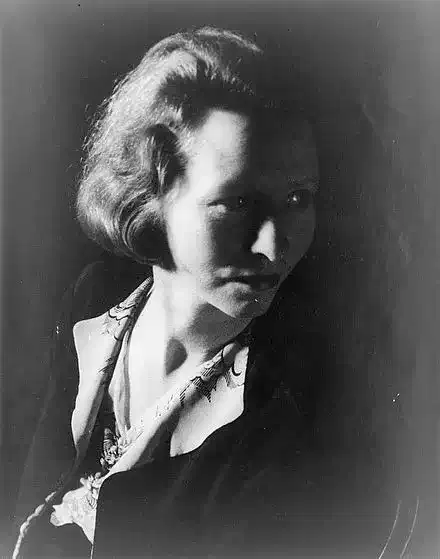
Edna St. Vincent Millay
Scrub
Scrub
If I grow bitterly,
Like a gnarled and stunted tree,
Bearing harshly of my youth
Puckered fruit that sears the mouth;
If I make of my drawn boughs
An Inshospitable House,
Out of which I nevery pry
Towards the water and the sky,
Under which I stand and hide
And hear the day go by outside;
It is that a wind to strong
Bent my back when I was young,
It is that I fear the rain
Lest it blister me again.
If I grow bitterly,
Like a gnarled and stunted tree,
Bearing harshly of my youth
Puckered fruit that sears the mouth;
If I make of my drawn boughs
An Inshospitable House,
Out of which I nevery pry
Towards the water and the sky,
Under which I stand and hide
And hear the day go by outside;
It is that a wind to strong
Bent my back when I was young,
It is that I fear the rain
Lest it blister me again.
390
Edna St. Vincent Millay
Renascence
Renascence
All I could see from where I stood
Was three long mountains and a wood;
I turned and looked another way,
And saw three islands in a bay.
So with my eyes I traced the line
Of the horizon, thin and fine,
Straight around till I was come
Back to where I'd started from;
And all I saw from where I stood
Was three long mountains and a wood.
Over these things I could not see;
These were the things that bounded me;
And I could touch them with my hand,
Almost, I thought, from where I stand.
And all at once things seemed so small
My breath came short, and scarce at all.
But, sure, the sky is big, I said;
Miles and miles above my head;
So here upon my back I'll lie
And look my fill into the sky.
And so I looked, and, after all,
The sky was not so very tall.
The sky, I said, must somewhere stop,
And -- sure enough! -- I see the top!
The sky, I thought, is not so grand;
I 'most could touch it with my hand!
And, reaching up my hand to try,
I screamed to feel it touch the sky.
I screamed, and -- lo! -- Infinity
Came down and settled over me;
And, pressing of the Undefined
The definition on my mind,
Held up before my eyes a glass
Through which my shrinking sight did pass
Until it seemed I must behold
Immensity made manifold;
Whispered to me a word whose sound
Deafened the air for worlds around,
And brought unmuffled to my ears
The gossiping of friendly spheres,
The creaking of the tented sky,
The ticking of Eternity.
I saw and heard, and knew at last
The How and Why of all things, past,
And present, and forevermore.
The universe, cleft to the core,
Lay open to my probing sense
That, sick'ning, I would fain pluck thence
But could not, -- nay! But needs must suck
At the great wound, and could not pluck
My lips away till I had drawn
All venom out. -- Ah, fearful pawn!
For my omniscience paid I toll
In infinite remorse of soul.
All sin was of my sinning, all
Atoning mine, and mine the gall
Of all regret. Mine was the weight
Of every brooded wrong, the hate
That stood behind each envious thrust,
Mine every greed, mine every lust.
And all the while for every grief,
Each suffering, I craved relief
With individual desire, --
Craved all in vain! And felt fierce fire
About a thousand people crawl;
Perished with each, -- then mourned for all!
A man was starving in Capri;
He moved his eyes and looked at me;
I felt his gaze, I heard his moan,
And knew his hunger as my own.
I saw at sea a great fog-bank
Between two ships that struck and sank;
A thousand screams the heavens smote;
And every scream tore through my throat.
No hurt I did not feel, no death
That was not mine; mine each last breath
That, crying, met an answering cry
From the compassion that was I.
All suffering mine, and mine its rod;
Mine, pity like the pity of God.
Ah, awful weight! Infinity
Pressed down upon the finite Me!
My anguished spirit, like a bird,
Beating against my lips I heard;
Yet lay the weight so close about
There was no room for it without.
And so beneath the Weight lay I
And suffered death, but could not die.
Long had I lain thus, craving death,
When quietly the earth beneath
Gave way, and inch by inch, so great
At last had grown the crushing weight,
Into the earth I sank till I
Full six feet under ground did lie,
And sank no more, -- there is no weight
Can follow here, however great.
From off my breast I felt it roll,
And as it went my tortured soul
Burst forth and fled in such a gust
That all about me swirled the dust.
Deep in the earth I rested now;
Cool is its hand upon the brow
And soft its breast beneath the head
Of one who is so gladly dead.
And all at once, and over all,
The pitying rain began to fall;
I lay and heard each pattering hoof
Upon my lowly, thatched roof,
And seemed to love the sound far more
Than ever I had done before.
For rain it hath a friendly sound
To one who's six feet underground;
And scarce the friendly voice or face:
A grave is such a quiet place.
The rain, I said, is kind to come
And speak to me in my new home.
I would I were alive again
To kiss the fingers of the rain,
To drink into my eyes the shine
Of every slanting silver line,
To catch the freshened, fragrant breeze
From drenched and dripping apple-trees.
For soon the shower will be done,
And then the broad face of the sun
Will laugh above the rain-soaked earth
Until the world with answering mirth
Shakes joyously, and each round drop
Rolls, twinkling, from its grass-blade top.
How can I bear it; buried here,
While overhead the sky grows clear
And blue again after the storm?
O, multi-colored, multiform,
Beloved beauty over me,
That I shall never, never see
Again! Spring-silver, autumn-gold,
That I shall never more behold!
Sleeping your myriad magics through,
Close-sepulchred away from you!
O God, I cried, give me new birth,
And put me back upon the earth!
Upset each cloud's gigantic gourd
And let the heavy rain, down-poured
In one big torrent, set me free,
Washing my grave away from me!
I ceased; and, through the breathless hush
That answered me, the far-off rush
Of herald wings came whispering
Like music down the vibrant string
Of my ascending prayer, and -- crash!
Before the wild wind's whistling lash
The startled storm-clouds reared on high
And plunged in terror down the sky,
And the big rain in one black wave
Fell from the sky and struck my grave.
I know not how such things can be
I only know there came to me
A fragrance such as never clings
To aught save happy living things;
A sound as of some joyous elf
Singing sweet songs to please himself,
And, through and over everything,
A sense of glad awakening.
The grass, a-tiptoe at my ear,
Whispering to me I could hear;
I felt the rain's cool finger-tips
Brushed tenderly across my lips,
Laid gently on my sealed sight,
And all at once the heavy night
Fell from my eyes and I could see, --
A drenched and dripping apple-tree,
A last long line of silver rain,
A sky grown clear and blue again.
And as I looked a quickening gust
Of wind blew up to me and thrust
Into my face a miracle
Of orchard-breath, and with the smell, --
I know not how such things can be! --
I breathed my soul back into me.
Ah! Up then from the ground sprang I
And hailed the earth with such a cry
As is not heard save from a man
Who has been dead, and lives again.
About the trees my arms I wound;
Like one gone mad I hugged the ground;
I raised my quivering arms on high;
I laughed and laughed into the sky,
Till at my throat a strangling sob
Caught fiercely, and a great heart-throb
Sent instant tears into my eyes;
O God, I cried, no dark disguise
Can e'er hereafter hide from me
Thy radiant identity!
Thou canst not move across the grass
But my quick eyes will see Thee pass,
Nor speak, however silently,
But my hushed voice will answer Thee.
I know the path that tells Thy way
Through the cool eve of every day;
God, I can push the grass apart
And lay my finger on Thy heart!
The world stands out on either side
No wider than the heart is wide;
Above the world is stretched the sky, --
No higher than the soul is high.
The heart can push the sea and land
Farther away on either hand;
The soul can split the sky in two,
And let the face of God shine through.
But East and West will pinch the heart
That cannot keep them pushed apart;
And he whose soul is flat -- the sky
Will cave in on him by and by.
All I could see from where I stood
Was three long mountains and a wood;
I turned and looked another way,
And saw three islands in a bay.
So with my eyes I traced the line
Of the horizon, thin and fine,
Straight around till I was come
Back to where I'd started from;
And all I saw from where I stood
Was three long mountains and a wood.
Over these things I could not see;
These were the things that bounded me;
And I could touch them with my hand,
Almost, I thought, from where I stand.
And all at once things seemed so small
My breath came short, and scarce at all.
But, sure, the sky is big, I said;
Miles and miles above my head;
So here upon my back I'll lie
And look my fill into the sky.
And so I looked, and, after all,
The sky was not so very tall.
The sky, I said, must somewhere stop,
And -- sure enough! -- I see the top!
The sky, I thought, is not so grand;
I 'most could touch it with my hand!
And, reaching up my hand to try,
I screamed to feel it touch the sky.
I screamed, and -- lo! -- Infinity
Came down and settled over me;
And, pressing of the Undefined
The definition on my mind,
Held up before my eyes a glass
Through which my shrinking sight did pass
Until it seemed I must behold
Immensity made manifold;
Whispered to me a word whose sound
Deafened the air for worlds around,
And brought unmuffled to my ears
The gossiping of friendly spheres,
The creaking of the tented sky,
The ticking of Eternity.
I saw and heard, and knew at last
The How and Why of all things, past,
And present, and forevermore.
The universe, cleft to the core,
Lay open to my probing sense
That, sick'ning, I would fain pluck thence
But could not, -- nay! But needs must suck
At the great wound, and could not pluck
My lips away till I had drawn
All venom out. -- Ah, fearful pawn!
For my omniscience paid I toll
In infinite remorse of soul.
All sin was of my sinning, all
Atoning mine, and mine the gall
Of all regret. Mine was the weight
Of every brooded wrong, the hate
That stood behind each envious thrust,
Mine every greed, mine every lust.
And all the while for every grief,
Each suffering, I craved relief
With individual desire, --
Craved all in vain! And felt fierce fire
About a thousand people crawl;
Perished with each, -- then mourned for all!
A man was starving in Capri;
He moved his eyes and looked at me;
I felt his gaze, I heard his moan,
And knew his hunger as my own.
I saw at sea a great fog-bank
Between two ships that struck and sank;
A thousand screams the heavens smote;
And every scream tore through my throat.
No hurt I did not feel, no death
That was not mine; mine each last breath
That, crying, met an answering cry
From the compassion that was I.
All suffering mine, and mine its rod;
Mine, pity like the pity of God.
Ah, awful weight! Infinity
Pressed down upon the finite Me!
My anguished spirit, like a bird,
Beating against my lips I heard;
Yet lay the weight so close about
There was no room for it without.
And so beneath the Weight lay I
And suffered death, but could not die.
Long had I lain thus, craving death,
When quietly the earth beneath
Gave way, and inch by inch, so great
At last had grown the crushing weight,
Into the earth I sank till I
Full six feet under ground did lie,
And sank no more, -- there is no weight
Can follow here, however great.
From off my breast I felt it roll,
And as it went my tortured soul
Burst forth and fled in such a gust
That all about me swirled the dust.
Deep in the earth I rested now;
Cool is its hand upon the brow
And soft its breast beneath the head
Of one who is so gladly dead.
And all at once, and over all,
The pitying rain began to fall;
I lay and heard each pattering hoof
Upon my lowly, thatched roof,
And seemed to love the sound far more
Than ever I had done before.
For rain it hath a friendly sound
To one who's six feet underground;
And scarce the friendly voice or face:
A grave is such a quiet place.
The rain, I said, is kind to come
And speak to me in my new home.
I would I were alive again
To kiss the fingers of the rain,
To drink into my eyes the shine
Of every slanting silver line,
To catch the freshened, fragrant breeze
From drenched and dripping apple-trees.
For soon the shower will be done,
And then the broad face of the sun
Will laugh above the rain-soaked earth
Until the world with answering mirth
Shakes joyously, and each round drop
Rolls, twinkling, from its grass-blade top.
How can I bear it; buried here,
While overhead the sky grows clear
And blue again after the storm?
O, multi-colored, multiform,
Beloved beauty over me,
That I shall never, never see
Again! Spring-silver, autumn-gold,
That I shall never more behold!
Sleeping your myriad magics through,
Close-sepulchred away from you!
O God, I cried, give me new birth,
And put me back upon the earth!
Upset each cloud's gigantic gourd
And let the heavy rain, down-poured
In one big torrent, set me free,
Washing my grave away from me!
I ceased; and, through the breathless hush
That answered me, the far-off rush
Of herald wings came whispering
Like music down the vibrant string
Of my ascending prayer, and -- crash!
Before the wild wind's whistling lash
The startled storm-clouds reared on high
And plunged in terror down the sky,
And the big rain in one black wave
Fell from the sky and struck my grave.
I know not how such things can be
I only know there came to me
A fragrance such as never clings
To aught save happy living things;
A sound as of some joyous elf
Singing sweet songs to please himself,
And, through and over everything,
A sense of glad awakening.
The grass, a-tiptoe at my ear,
Whispering to me I could hear;
I felt the rain's cool finger-tips
Brushed tenderly across my lips,
Laid gently on my sealed sight,
And all at once the heavy night
Fell from my eyes and I could see, --
A drenched and dripping apple-tree,
A last long line of silver rain,
A sky grown clear and blue again.
And as I looked a quickening gust
Of wind blew up to me and thrust
Into my face a miracle
Of orchard-breath, and with the smell, --
I know not how such things can be! --
I breathed my soul back into me.
Ah! Up then from the ground sprang I
And hailed the earth with such a cry
As is not heard save from a man
Who has been dead, and lives again.
About the trees my arms I wound;
Like one gone mad I hugged the ground;
I raised my quivering arms on high;
I laughed and laughed into the sky,
Till at my throat a strangling sob
Caught fiercely, and a great heart-throb
Sent instant tears into my eyes;
O God, I cried, no dark disguise
Can e'er hereafter hide from me
Thy radiant identity!
Thou canst not move across the grass
But my quick eyes will see Thee pass,
Nor speak, however silently,
But my hushed voice will answer Thee.
I know the path that tells Thy way
Through the cool eve of every day;
God, I can push the grass apart
And lay my finger on Thy heart!
The world stands out on either side
No wider than the heart is wide;
Above the world is stretched the sky, --
No higher than the soul is high.
The heart can push the sea and land
Farther away on either hand;
The soul can split the sky in two,
And let the face of God shine through.
But East and West will pinch the heart
That cannot keep them pushed apart;
And he whose soul is flat -- the sky
Will cave in on him by and by.
378
Edna St. Vincent Millay
Prayer To Persephone
Prayer To Persephone
Be to her, Persephone,
All the things I might not be:
Take her head upon your knee.
She that was so proud and wild,
Flippant, arrogant and free,
She that had no need of me,
Is a little lonely child
Lost in Hell,—Persephone,
Take her head upon your knee:
Say to her, "My dear, my dear,
It is not so dreadful here."
Be to her, Persephone,
All the things I might not be:
Take her head upon your knee.
She that was so proud and wild,
Flippant, arrogant and free,
She that had no need of me,
Is a little lonely child
Lost in Hell,—Persephone,
Take her head upon your knee:
Say to her, "My dear, my dear,
It is not so dreadful here."
373
Edna St. Vincent Millay
Love Is Not All
Love Is Not All
Love is not all: it is not meat nor drink
Nor slumber nor a roof against the rain;
Nor yet a floating spar to men that sink
And rise and sink and rise and sink again;
Love can not fill the thickened lung with breath,
Nor clean the blood, nor set the fractured bone;
Yet many a man is making friends with death
Even as I speak, for lack of love alone.
It well may be that in a difficult hour,
Pinned down by pain and moaning for release,
Or nagged by want past resolution's power,
I might be driven to sell your love for peace,
Or trade the memory of this night for food.
It well may be. I do not think I would.
Love is not all: it is not meat nor drink
Nor slumber nor a roof against the rain;
Nor yet a floating spar to men that sink
And rise and sink and rise and sink again;
Love can not fill the thickened lung with breath,
Nor clean the blood, nor set the fractured bone;
Yet many a man is making friends with death
Even as I speak, for lack of love alone.
It well may be that in a difficult hour,
Pinned down by pain and moaning for release,
Or nagged by want past resolution's power,
I might be driven to sell your love for peace,
Or trade the memory of this night for food.
It well may be. I do not think I would.
364
Edna St. Vincent Millay
Lines for a Grave-Stone
Lines for a Grave-Stone
Man alive, that mournst thy lot,
Desiring what thou hast not got,
Money, beauty, love, what not;
Deeming it blesseder to be
A rotted man, than live to see
So rude a sky as covers thee;
Deeming thyself of all unblest
And wretched souls the wretchedest,
Longing to die and be at rest;
Know: that however grim the fate
Which sent thee forth to meditate
Upon my enviable state,
Here lieth one who would resign
Gladly his lot, to shoulder thine.
Give me thy coat; get into mine.
Man alive, that mournst thy lot,
Desiring what thou hast not got,
Money, beauty, love, what not;
Deeming it blesseder to be
A rotted man, than live to see
So rude a sky as covers thee;
Deeming thyself of all unblest
And wretched souls the wretchedest,
Longing to die and be at rest;
Know: that however grim the fate
Which sent thee forth to meditate
Upon my enviable state,
Here lieth one who would resign
Gladly his lot, to shoulder thine.
Give me thy coat; get into mine.
279
Edna St. Vincent Millay
Fontaine, Je Ne Boirai Pas De Ton Eau!
Fontaine, Je Ne Boirai Pas De Ton Eau!
I know I might have lived in such a way
As to have suffered only pain:
Loving not man nor dog;
Not money, even; feeling
Toothache perhaps, but never more than an hour away
From skill and novocaine;
Making no contacts, dealing with life through Agents, drinking
one cocktail, betting two dollars, wearing raincoats in the
rain.
Betrayed at length by no one but the fog
Whispering to the wing of the plane.
"Fountain," I have cried to that unbubbling well, "I will not
drink of thy water!" Yet I thirst
For a mouthful of—not to swallow, only to rinse my mouth in
—peace.
And while the eyes of the past condemn,
The eyes of the present narrow into assignation. And—
worst—
The young are so old, they are born with their fingers crossed;
I shall get no help from them.
I know I might have lived in such a way
As to have suffered only pain:
Loving not man nor dog;
Not money, even; feeling
Toothache perhaps, but never more than an hour away
From skill and novocaine;
Making no contacts, dealing with life through Agents, drinking
one cocktail, betting two dollars, wearing raincoats in the
rain.
Betrayed at length by no one but the fog
Whispering to the wing of the plane.
"Fountain," I have cried to that unbubbling well, "I will not
drink of thy water!" Yet I thirst
For a mouthful of—not to swallow, only to rinse my mouth in
—peace.
And while the eyes of the past condemn,
The eyes of the present narrow into assignation. And—
worst—
The young are so old, they are born with their fingers crossed;
I shall get no help from them.
301
Edna St. Vincent Millay
Feast
Feast
I drank at every vine.
The last was like the first.
I came upon no wine
So wonderful as thirst.
I gnawed at every root.
I ate of every plant.
I came upon no fruit
So wonderful as want.
Feed the grape and bean
To the vintner and monger:
I will lie down lean
With my thirst and my hunger.
I drank at every vine.
The last was like the first.
I came upon no wine
So wonderful as thirst.
I gnawed at every root.
I ate of every plant.
I came upon no fruit
So wonderful as want.
Feed the grape and bean
To the vintner and monger:
I will lie down lean
With my thirst and my hunger.
284
Edna St. Vincent Millay
Bluebeard
Bluebeard
This door you might not open, and you did;
So enter now, and see for what slight thing
You are betrayed... Here is no treasure hid,
No cauldron, no clear crystal mirroring
The sought-for truth, no heads of women slain
For greed like yours, no writhings of distress,
But only what you see... Look yet again—
An empty room, cobwebbed and comfortless.
Yet this alone out of my life I kept
Unto myself, lest any know me quite;
And you did so profane me when you crept
Unto the threshold of this room to-night
That I must never more behold your face.
This now is yours. I seek another place.
This door you might not open, and you did;
So enter now, and see for what slight thing
You are betrayed... Here is no treasure hid,
No cauldron, no clear crystal mirroring
The sought-for truth, no heads of women slain
For greed like yours, no writhings of distress,
But only what you see... Look yet again—
An empty room, cobwebbed and comfortless.
Yet this alone out of my life I kept
Unto myself, lest any know me quite;
And you did so profane me when you crept
Unto the threshold of this room to-night
That I must never more behold your face.
This now is yours. I seek another place.
329
Edna St. Vincent Millay
Alms
Alms
My heart is what it was before,
A house where people come and go;
But it is winter with your love,
The sashes are beset with snow.
I light the lamp and lay the cloth,
I blow the coals to blaze again;
But it is winter with your love,
The frost is thick upon the pane..
I know a winter when it comes:
The leaves are listless on the boughs;
I watched your love a little while,
And brought my plants into the house.
I water them and turn them south,
I snap the dead brown from the stem;
But it is winter with your love,
I only tend and water them.
There was a time I stood and watched
The small, ill-natured sparrows' fray;
I loved the beggar that I fed,
I cared for what he had to say,
I stood and watched him out of sight:
Today I reach around the door
And set a bowl upon the step;
My heart is what it was before,
But it is winter with your love;
I scatter crumbs upon the sill,
And close the window, —and the birds
May take or leave them, as they will.
My heart is what it was before,
A house where people come and go;
But it is winter with your love,
The sashes are beset with snow.
I light the lamp and lay the cloth,
I blow the coals to blaze again;
But it is winter with your love,
The frost is thick upon the pane..
I know a winter when it comes:
The leaves are listless on the boughs;
I watched your love a little while,
And brought my plants into the house.
I water them and turn them south,
I snap the dead brown from the stem;
But it is winter with your love,
I only tend and water them.
There was a time I stood and watched
The small, ill-natured sparrows' fray;
I loved the beggar that I fed,
I cared for what he had to say,
I stood and watched him out of sight:
Today I reach around the door
And set a bowl upon the step;
My heart is what it was before,
But it is winter with your love;
I scatter crumbs upon the sill,
And close the window, —and the birds
May take or leave them, as they will.
397
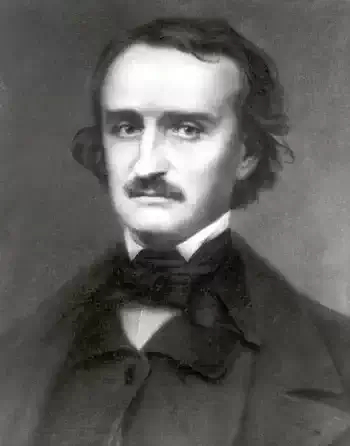
Edgar Allan Poe
The Forest Reverie
The Forest Reverie
'Tis said that when
The hands of men
Tamed this primeval wood,
And hoary trees with groans of woe,
Like warriors by an unknown foe,
Were in their strength subdued,
The virgin Earth Gave instant birth
To springs that ne'er did flow
That in the sun Did rivulets run,
And all around rare flowers did blow
The wild rose pale Perfumed the gale
And the queenly lily adown the dale
(Whom the sun and the dew
And the winds did woo),
With the gourd and the grape luxuriant grew.
So when in tears
The love of years
Is wasted like the snow,
And the fine fibrils of its life
By the rude wrong of instant strife
Are broken at a blow
Within the heart
Do springs upstart
Of which it doth now know,
And strange, sweet dreams,
Like silent streams
That from new fountains overflow,
With the earlier tide
Of rivers glide
Deep in the heart whose hope has died--
Quenching the fires its ashes hide,--
Its ashes, whence will spring and grow
Sweet flowers, ere long,
The rare and radiant flowers of song!
'Tis said that when
The hands of men
Tamed this primeval wood,
And hoary trees with groans of woe,
Like warriors by an unknown foe,
Were in their strength subdued,
The virgin Earth Gave instant birth
To springs that ne'er did flow
That in the sun Did rivulets run,
And all around rare flowers did blow
The wild rose pale Perfumed the gale
And the queenly lily adown the dale
(Whom the sun and the dew
And the winds did woo),
With the gourd and the grape luxuriant grew.
So when in tears
The love of years
Is wasted like the snow,
And the fine fibrils of its life
By the rude wrong of instant strife
Are broken at a blow
Within the heart
Do springs upstart
Of which it doth now know,
And strange, sweet dreams,
Like silent streams
That from new fountains overflow,
With the earlier tide
Of rivers glide
Deep in the heart whose hope has died--
Quenching the fires its ashes hide,--
Its ashes, whence will spring and grow
Sweet flowers, ere long,
The rare and radiant flowers of song!
305
Edgar Allan Poe
The Conqueror Worm
The Conqueror Worm
Lo! 'tis a gala night
Within the lonesome latter years!
An angel throng, bewinged, bedight
In veils, and drowned in tears,
Sit in a theatre, to see
A play of hopes and fears,
While the orchestra breathes fitfully
The music of the spheres.
Mimes, in the form of God on high,
Mutter and mumble low,
And hither and thither flyMere
puppets they, who come and go
At bidding of vast formless things
That shift the scenery to and fro,
Flapping from out their Condor wings
Invisible Woe!
That motley drama- oh, be sure
It shall not be forgot!
With its Phantom chased for evermore,
By a crowd that seize it not,
Through a circle that ever returneth in
To the self-same spot,
And much of Madness, and more of Sin,
And Horror the soul of the plot.
But see, amid the mimic rout
A crawling shape intrude!
A blood-red thing that writhes from out
The scenic solitude!
It writhes!- it writhes!- with mortal pangs
The mimes become its food,
And seraphs sob at vermin fangs
In human gore imbued.
Out- out are the lights- out all!
And, over each quivering form,
The curtain, a funeral pall,
Comes down with the rush of a storm,
While the angels, all pallid and wan,
Uprising, unveiling, affirm
That the play is the tragedy, 'Man,'
And its hero the Conqueror Worm.
Lo! 'tis a gala night
Within the lonesome latter years!
An angel throng, bewinged, bedight
In veils, and drowned in tears,
Sit in a theatre, to see
A play of hopes and fears,
While the orchestra breathes fitfully
The music of the spheres.
Mimes, in the form of God on high,
Mutter and mumble low,
And hither and thither flyMere
puppets they, who come and go
At bidding of vast formless things
That shift the scenery to and fro,
Flapping from out their Condor wings
Invisible Woe!
That motley drama- oh, be sure
It shall not be forgot!
With its Phantom chased for evermore,
By a crowd that seize it not,
Through a circle that ever returneth in
To the self-same spot,
And much of Madness, and more of Sin,
And Horror the soul of the plot.
But see, amid the mimic rout
A crawling shape intrude!
A blood-red thing that writhes from out
The scenic solitude!
It writhes!- it writhes!- with mortal pangs
The mimes become its food,
And seraphs sob at vermin fangs
In human gore imbued.
Out- out are the lights- out all!
And, over each quivering form,
The curtain, a funeral pall,
Comes down with the rush of a storm,
While the angels, all pallid and wan,
Uprising, unveiling, affirm
That the play is the tragedy, 'Man,'
And its hero the Conqueror Worm.
475
Edgar Allan Poe
Dreams
Dreams
Oh! that my young life were a lasting dream!
My spirit not awakening, till the beam
Of an Eternity should bring the morrow.
Yes! tho' that long dream were of hopeless sorrow,
'Twere better than the cold reality
Of waking life, to him whose heart must be,
And hath been still, upon the lovely earth,
A chaos of deep passion, from his birth.
But should it be- that dream eternally
Continuing- as dreams have been to me
In my young boyhood- should it thus be given,
'Twere folly still to hope for higher Heaven.
For I have revell'd, when the sun was bright
I' the summer sky, in dreams of living light
And loveliness,- have left my very heart
In climes of my imagining, apart
From mine own home, with beings that have been
Of mine own thought- what more could I have seen?
'Twas once- and only once- and the wild hour
From my remembrance shall not pass- some power
Or spell had bound me- 'twas the chilly wind
Came o'er me in the night, and left behind
Its image on my spirit- or the moon
Shone on my slumbers in her lofty noon
Too coldly- or the stars- howe'er it was
That dream was as that night-wind- let it pass.
I have been happy, tho' in a dream.
I have been happy- and I love the theme:
Dreams! in their vivid coloring of life,
As in that fleeting, shadowy, misty strife
Of semblance with reality, which brings
To the delirious eye, more lovely things
Of Paradise and Love- and all our own!
Than young Hope in his sunniest hour hath known.
Oh! that my young life were a lasting dream!
My spirit not awakening, till the beam
Of an Eternity should bring the morrow.
Yes! tho' that long dream were of hopeless sorrow,
'Twere better than the cold reality
Of waking life, to him whose heart must be,
And hath been still, upon the lovely earth,
A chaos of deep passion, from his birth.
But should it be- that dream eternally
Continuing- as dreams have been to me
In my young boyhood- should it thus be given,
'Twere folly still to hope for higher Heaven.
For I have revell'd, when the sun was bright
I' the summer sky, in dreams of living light
And loveliness,- have left my very heart
In climes of my imagining, apart
From mine own home, with beings that have been
Of mine own thought- what more could I have seen?
'Twas once- and only once- and the wild hour
From my remembrance shall not pass- some power
Or spell had bound me- 'twas the chilly wind
Came o'er me in the night, and left behind
Its image on my spirit- or the moon
Shone on my slumbers in her lofty noon
Too coldly- or the stars- howe'er it was
That dream was as that night-wind- let it pass.
I have been happy, tho' in a dream.
I have been happy- and I love the theme:
Dreams! in their vivid coloring of life,
As in that fleeting, shadowy, misty strife
Of semblance with reality, which brings
To the delirious eye, more lovely things
Of Paradise and Love- and all our own!
Than young Hope in his sunniest hour hath known.
337

Edgar Albert Guest
The Proof Of Worth
Though victory's proof of the skill you possess,
Defeat is the proof of your grit;
A weakling can smile in his days of success,
But at trouble's first sign he will quit.
So the test of the heart and the test of your pluck
Isn't skies that are sunny and fair,
But how do you stand to the blow that is struck
And how do you battle despair?
A fool can seem wise when the pathway is clear
And it's easy to see the way out,
But the test of man's judgment is something to fear,
And what does he do when in doubt?
And the proof of his faith is the courage he shows
When sorrows lie deep in his breast;
It's the way that he suffers the griefs that he knows
That brings out his worst or his best.
The test of a man is how much he will bear
For a cause which he knows to be right,
How long will he stand in the depths of despair,
How much will he suffer and fight?
There are many to serve when the victory's near
And few are the hurts to be borne,
But it calls for a leader of courage to cheer
The men in a battle forlorn.
It's the way you hold out against odds that are great
That proves what your courage is worth,
It's the way that you stand to the bruises of fate
That shows up your stature and girth.
And victory's nothing but proof of your skill,
Veneered with a glory that's thin,
Unless it is proof of unfaltering will,
And unless you have suffered to win.
Defeat is the proof of your grit;
A weakling can smile in his days of success,
But at trouble's first sign he will quit.
So the test of the heart and the test of your pluck
Isn't skies that are sunny and fair,
But how do you stand to the blow that is struck
And how do you battle despair?
A fool can seem wise when the pathway is clear
And it's easy to see the way out,
But the test of man's judgment is something to fear,
And what does he do when in doubt?
And the proof of his faith is the courage he shows
When sorrows lie deep in his breast;
It's the way that he suffers the griefs that he knows
That brings out his worst or his best.
The test of a man is how much he will bear
For a cause which he knows to be right,
How long will he stand in the depths of despair,
How much will he suffer and fight?
There are many to serve when the victory's near
And few are the hurts to be borne,
But it calls for a leader of courage to cheer
The men in a battle forlorn.
It's the way you hold out against odds that are great
That proves what your courage is worth,
It's the way that you stand to the bruises of fate
That shows up your stature and girth.
And victory's nothing but proof of your skill,
Veneered with a glory that's thin,
Unless it is proof of unfaltering will,
And unless you have suffered to win.
9,982

Dylan Thomas
Vision and Prayer
Vision and Prayer
Who
Are you
Who is born
In the next room
So loud to my own
That I can hear the womb
Opening and the dark run
Over the ghost and the dropped son
Behind the wall thin as a wren's bone?
In the birth bloody room unknown
To the burn and turn of time
And the heart print of man
Bows no baptism
But dark alone
Blessing on
The wild
Child.
Who
Are you
Who is born
In the next room
So loud to my own
That I can hear the womb
Opening and the dark run
Over the ghost and the dropped son
Behind the wall thin as a wren's bone?
In the birth bloody room unknown
To the burn and turn of time
And the heart print of man
Bows no baptism
But dark alone
Blessing on
The wild
Child.
381
Dylan Thomas
Twenty Four Years
Twenty Four Years
Twenty-four years remind the tears of my eyes.
(Bury the dead for fear that they walk to the grave in labour.)
In the groin of the natural doorway I crouched like a tailor
Sewing a shroud for a journey
By the light of the meat-eating sun.
Dressed to die, the sensual strut begun,
With my red veins full of money,
In the final direction of the elementary town
I advance as long as forever is.
Twenty-four years remind the tears of my eyes.
(Bury the dead for fear that they walk to the grave in labour.)
In the groin of the natural doorway I crouched like a tailor
Sewing a shroud for a journey
By the light of the meat-eating sun.
Dressed to die, the sensual strut begun,
With my red veins full of money,
In the final direction of the elementary town
I advance as long as forever is.
430
Dylan Thomas
The Conversation of Prayer
The Conversation of Prayer
The conversation of prayers about to be said
By the child going to bed and the man on the stairs
Who climbs to his dying love in her high room,
The one not caring to whom in his sleep he will move
And the other full of tears that she will be dead,
Turns in the dark on the sound they know will arise
Into the answering skies from the green ground,
From the man on the stairs and the child by his bed.
The sound about to be said in the two prayers
For the sleep in a safe land and the love who dies
Will be the same grief flying. Whom shall they calm?
Shall the child sleep unharmed or the man be crying?
The conversation of prayers about to be said
Turns on the quick and the dead, and the man on the stair
To-night shall find no dying but alive and warm
In the fire of his care his love in the high room.
And the child not caring to whom he climbs his prayer
Shall drown in a grief as deep as his made grave,
And mark the dark eyed wave, through the eyes of sleep,
Dragging him up the stairs to one who lies dead.
The conversation of prayers about to be said
By the child going to bed and the man on the stairs
Who climbs to his dying love in her high room,
The one not caring to whom in his sleep he will move
And the other full of tears that she will be dead,
Turns in the dark on the sound they know will arise
Into the answering skies from the green ground,
From the man on the stairs and the child by his bed.
The sound about to be said in the two prayers
For the sleep in a safe land and the love who dies
Will be the same grief flying. Whom shall they calm?
Shall the child sleep unharmed or the man be crying?
The conversation of prayers about to be said
Turns on the quick and the dead, and the man on the stair
To-night shall find no dying but alive and warm
In the fire of his care his love in the high room.
And the child not caring to whom he climbs his prayer
Shall drown in a grief as deep as his made grave,
And mark the dark eyed wave, through the eyes of sleep,
Dragging him up the stairs to one who lies dead.
299
Dylan Thomas
Out Of The Sighs
Out Of The Sighs
Out of the sighs a little comes,
But not of grief, for I have knocked down that
Before the agony; the spirit grows,
Forgets, and cries;
A little comes, is tasted and found good;
All could not disappoint;
There must, be praised, some certainty,
If not of loving well, then not,
And that is true after perpetual defeat.
After such fighting as the weakest know,
There's more than dying;
Lose the great pains or stuff the wound,
He'll ache too long
Through no regret of leaving woman waiting
For her soldier stained with spilt words
That spill such acrid blood.
Were that enough, enough to ease the pain,
Feeling regret when this is wasted
That made me happy in the sun,
How much was happy while it lasted,
Were vagueness enough and the sweet lies plenty,
The hollow words could bear all suffering
And cure me of ills.
Were that enough, bone, blood, and sinew,
The twisted brain, the fair-formed loin,
Groping for matter under the dog's plate,
Man should be cured of distemper.
For all there is to give I offer:
Crumbs, barn, and halter.
Out of the sighs a little comes,
But not of grief, for I have knocked down that
Before the agony; the spirit grows,
Forgets, and cries;
A little comes, is tasted and found good;
All could not disappoint;
There must, be praised, some certainty,
If not of loving well, then not,
And that is true after perpetual defeat.
After such fighting as the weakest know,
There's more than dying;
Lose the great pains or stuff the wound,
He'll ache too long
Through no regret of leaving woman waiting
For her soldier stained with spilt words
That spill such acrid blood.
Were that enough, enough to ease the pain,
Feeling regret when this is wasted
That made me happy in the sun,
How much was happy while it lasted,
Were vagueness enough and the sweet lies plenty,
The hollow words could bear all suffering
And cure me of ills.
Were that enough, bone, blood, and sinew,
The twisted brain, the fair-formed loin,
Groping for matter under the dog's plate,
Man should be cured of distemper.
For all there is to give I offer:
Crumbs, barn, and halter.
266
Dylan Thomas
On a Wedding Anniversary
On a Wedding Anniversary
The sky is torn across
This ragged anniversary of two
Who moved for three years in tune
Down the long walks of their vows.
Now their love lies a loss
And Love and his patients roar on a chain;
From every tune or crater
Carrying cloud, Death strikes their house.
Too late in the wrong rain
They come together whom their love parted:
The windows pour into their heart
And the doors burn in their brain.
The sky is torn across
This ragged anniversary of two
Who moved for three years in tune
Down the long walks of their vows.
Now their love lies a loss
And Love and his patients roar on a chain;
From every tune or crater
Carrying cloud, Death strikes their house.
Too late in the wrong rain
They come together whom their love parted:
The windows pour into their heart
And the doors burn in their brain.
379
Dylan Thomas
Not From This Anger
Not From This Anger
Not from this anger, anticlimax after
Refusal struck her loin and the lame flower
Bent like a beast to lap the singular floods
In a land strapped by hunger
Shall she receive a bellyful of weeds
And bear those tendril hands I touch across
The agonized, two seas.
Behind my head a square of sky sags over
The circular smile tossed from lover to lover
And the golden ball spins out of the skies;
Not from this anger after
Refusal struck like a bell under water
Shall her smile breed that mouth, behind the mirror,
That burns along my eyes.
Not from this anger, anticlimax after
Refusal struck her loin and the lame flower
Bent like a beast to lap the singular floods
In a land strapped by hunger
Shall she receive a bellyful of weeds
And bear those tendril hands I touch across
The agonized, two seas.
Behind my head a square of sky sags over
The circular smile tossed from lover to lover
And the golden ball spins out of the skies;
Not from this anger after
Refusal struck like a bell under water
Shall her smile breed that mouth, behind the mirror,
That burns along my eyes.
273
Dylan Thomas
Lie Still, Sleep Becalmed
Lie Still, Sleep Becalmed
Lie still, sleep becalmed, sufferer with the wound
In the throat, burning and turning. All night afloat
On the silent sea we have heard the sound
That came from the wound wrapped in the salt sheet.
Under the mile off moon we trembled listening
To the sea sound flowing like blood from the loud wound
And when the salt sheet broke in a storm of singing
The voices of all the drowned swam on the wind.
Open a pathway through the slow sad sail,
Throw wide to the wind the gates of the wandering boat
For my voyage to begin to the end of my wound,
We heard the sea sound sing, we saw the salt sheet tell.
Lie still, sleep becalmed, hide the mouth in the throat,
Or we shall obey, and ride with you through the drowned.
Lie still, sleep becalmed, sufferer with the wound
In the throat, burning and turning. All night afloat
On the silent sea we have heard the sound
That came from the wound wrapped in the salt sheet.
Under the mile off moon we trembled listening
To the sea sound flowing like blood from the loud wound
And when the salt sheet broke in a storm of singing
The voices of all the drowned swam on the wind.
Open a pathway through the slow sad sail,
Throw wide to the wind the gates of the wandering boat
For my voyage to begin to the end of my wound,
We heard the sea sound sing, we saw the salt sheet tell.
Lie still, sleep becalmed, hide the mouth in the throat,
Or we shall obey, and ride with you through the drowned.
276
Dylan Thomas
Limerick
Limerick
There was an old bugger called God,
who got a young virgin in pod.
This disgraceful behaviour
begot Christ our Saviour,
who was nailed to a cross, poor old sod.
There was an old bugger called God,
who got a young virgin in pod.
This disgraceful behaviour
begot Christ our Saviour,
who was nailed to a cross, poor old sod.
680
Dylan Thomas
January 1939
January 1939
Because the pleasure-bird whistles after the hot wires,
Shall the blind horse sing sweeter?
Convenient bird and beast lie lodged to suffer
The supper and knives of a mood.
In the sniffed and poured snow on the tip of the tongue of the year
That clouts the spittle like bubbles with broken rooms,
An enamoured man alone by the twigs of his eyes, two fires,
Camped in the drug-white shower of nerves and food,
Savours the lick of the times through a deadly wood of hair
In a wind that plucked a goose,
Nor ever, as the wild tongue breaks its tombs,
Rounds to look at the red, wagged root.
Because there stands, one story out of the bum city,
That frozen wife whose juices drift like a fixed sea
Secretly in statuary,
Shall I, struck on the hot and rocking street,
Not spin to stare at an old year
Toppling and burning in the muddle of towers and galleries
Like the mauled pictures of boys?
The salt person and blasted place
I furnish with the meat of a fable.
If the dead starve, their stomachs turn to tumble
An upright man in the antipodes
Or spray-based and rock-chested sea:
Over the past table I repeat this present grace.
Because the pleasure-bird whistles after the hot wires,
Shall the blind horse sing sweeter?
Convenient bird and beast lie lodged to suffer
The supper and knives of a mood.
In the sniffed and poured snow on the tip of the tongue of the year
That clouts the spittle like bubbles with broken rooms,
An enamoured man alone by the twigs of his eyes, two fires,
Camped in the drug-white shower of nerves and food,
Savours the lick of the times through a deadly wood of hair
In a wind that plucked a goose,
Nor ever, as the wild tongue breaks its tombs,
Rounds to look at the red, wagged root.
Because there stands, one story out of the bum city,
That frozen wife whose juices drift like a fixed sea
Secretly in statuary,
Shall I, struck on the hot and rocking street,
Not spin to stare at an old year
Toppling and burning in the muddle of towers and galleries
Like the mauled pictures of boys?
The salt person and blasted place
I furnish with the meat of a fable.
If the dead starve, their stomachs turn to tumble
An upright man in the antipodes
Or spray-based and rock-chested sea:
Over the past table I repeat this present grace.
291
Dylan Thomas
Into Her Lying Down Head
Into Her Lying Down Head
I
Into her lying down head
His enemies entered bed,
Under the encumbered eyelid,
Through the rippled drum of the hair-buried ear;
And Noah's rekindled now unkind dove
Flew man-bearing there.
Last night in a raping wave
Whales unreined from the green grave
In fountains of origin gave up their love,
Along her innocence glided
Jaun aflame and savagely young King Lear,
Queen Catherine howling bare
And Samson drowned in his hair,
The colossal intimacies of silent
Once seen strangers or shades on a stair;
There the dark blade and wanton sighing her down
To a haycock couch and the scythes of his arms
Rode and whistled a hundred times
Before the crowing morning climbed;
Man was the burning England she was sleep-walking, and the enamouring island
Made her limbs blind by luminous charms,
Sleep to a newborn sleep in a swaddling loin-leaf stroked and sang
And his runaway beloved childlike laid in the acorned sand.
II
There where a numberless tongue
Wound their room with a male moan,
His faith around her flew undone
And darkness hung the walls with baskets of snakes,
A furnace-nostrilled column-membered
Super-or-near man
Resembling to her dulled sense
The thief of adolescence,
Early imaginary half remembered
Oceanic lover alone
Jealousy cannot forget for all her sakes,
Made his bad bed in her good
Night, and enjoyed as he would.
Crying, white gowned, from the middle moonlit stages
Out to the tiered and hearing tide,
Close and far she announced the theft of the heart
In the taken body at many ages,
Trespasser and broken bride
Celebrating at her side
All blood-signed assailing and vanished marriages in which he had no lovely part
Nor could share, for his pride, to the least
Mutter and foul wingbeat of the solemnizing nightpriest
Her holy unholy hours with the always anonymous beast.
III
Two sand grains together in bed,
Head to heaven-circling head,
Singly lie with the whole wide shore,
The covering sea their nightfall with no names;
And out of every domed and soil-based shell
One voice in chains declaims
The female, deadly, and male
Libidinous betrayal,
Golden dissolving under the water veil.
A she bird sleeping brittle by
Her lover's wings that fold to-morrow's flight,
Within the nested treefork
Sings to the treading hawk
Carrion, paradise, chirrup my bright yolk.
A blade of grass longs with the meadow,
A stone lies lost and locked in the lark-high hill.
Open as to the air to the naked shadow
O she lies alone and still,
Innocent between two wars,
With the incestuous secret brother in the seconds to perpetuate the stars,
A man torn up mourns in the sole night.
And the second comers, the severers, the enemies from the deep
Forgotten dark, rest their pulse and bury their dead in her faithless sleep.
I
Into her lying down head
His enemies entered bed,
Under the encumbered eyelid,
Through the rippled drum of the hair-buried ear;
And Noah's rekindled now unkind dove
Flew man-bearing there.
Last night in a raping wave
Whales unreined from the green grave
In fountains of origin gave up their love,
Along her innocence glided
Jaun aflame and savagely young King Lear,
Queen Catherine howling bare
And Samson drowned in his hair,
The colossal intimacies of silent
Once seen strangers or shades on a stair;
There the dark blade and wanton sighing her down
To a haycock couch and the scythes of his arms
Rode and whistled a hundred times
Before the crowing morning climbed;
Man was the burning England she was sleep-walking, and the enamouring island
Made her limbs blind by luminous charms,
Sleep to a newborn sleep in a swaddling loin-leaf stroked and sang
And his runaway beloved childlike laid in the acorned sand.
II
There where a numberless tongue
Wound their room with a male moan,
His faith around her flew undone
And darkness hung the walls with baskets of snakes,
A furnace-nostrilled column-membered
Super-or-near man
Resembling to her dulled sense
The thief of adolescence,
Early imaginary half remembered
Oceanic lover alone
Jealousy cannot forget for all her sakes,
Made his bad bed in her good
Night, and enjoyed as he would.
Crying, white gowned, from the middle moonlit stages
Out to the tiered and hearing tide,
Close and far she announced the theft of the heart
In the taken body at many ages,
Trespasser and broken bride
Celebrating at her side
All blood-signed assailing and vanished marriages in which he had no lovely part
Nor could share, for his pride, to the least
Mutter and foul wingbeat of the solemnizing nightpriest
Her holy unholy hours with the always anonymous beast.
III
Two sand grains together in bed,
Head to heaven-circling head,
Singly lie with the whole wide shore,
The covering sea their nightfall with no names;
And out of every domed and soil-based shell
One voice in chains declaims
The female, deadly, and male
Libidinous betrayal,
Golden dissolving under the water veil.
A she bird sleeping brittle by
Her lover's wings that fold to-morrow's flight,
Within the nested treefork
Sings to the treading hawk
Carrion, paradise, chirrup my bright yolk.
A blade of grass longs with the meadow,
A stone lies lost and locked in the lark-high hill.
Open as to the air to the naked shadow
O she lies alone and still,
Innocent between two wars,
With the incestuous secret brother in the seconds to perpetuate the stars,
A man torn up mourns in the sole night.
And the second comers, the severers, the enemies from the deep
Forgotten dark, rest their pulse and bury their dead in her faithless sleep.
272
Dylan Thomas
In My Craft or Sullen Art
In My Craft or Sullen Art
In my craft or sullen art
Exercised in the still night
When only the moon rages
And the lovers lie abed
With all their griefs in their arms
I labour by singing light
Not for ambition or bread
Or the strut and trade of charms
On the ivory stages
But for the common wages
Of their most secret heart.
Not for the proud man apart
From the raging moon I write
On these spindrift pages
Nor for the towering dead
With their nightingales and psalms
But for the lovers, their arms
Round the griefs of the ages,
Who pay no praise or wages
Nor heed my craft or art
In my craft or sullen art
Exercised in the still night
When only the moon rages
And the lovers lie abed
With all their griefs in their arms
I labour by singing light
Not for ambition or bread
Or the strut and trade of charms
On the ivory stages
But for the common wages
Of their most secret heart.
Not for the proud man apart
From the raging moon I write
On these spindrift pages
Nor for the towering dead
With their nightingales and psalms
But for the lovers, their arms
Round the griefs of the ages,
Who pay no praise or wages
Nor heed my craft or art
320