

Poems in this theme
Pain and Despair
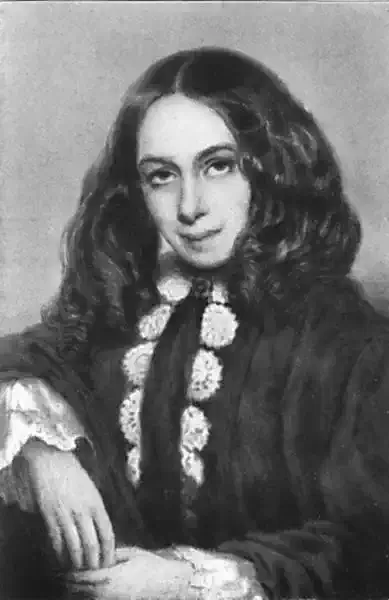
Elizabeth Barrett Browning
The Runaway Slave at Pilgrim's Point
The Runaway Slave at Pilgrim's Point
I.
I stand on the mark beside the shore
Of the first white pilgrim's bended knee,
Where exile turned to ancestor,
And God was thanked for liberty.
I have run through the night, my skin is as dark,
I bend my knee down on this mark . . .
I look on the sky and the sea.
II.
O pilgrim-souls, I speak to you!
I see you come out proud and slow
From the land of the spirits pale as dew. . .
And round me and round me ye go!
O pilgrims, I have gasped and run
All night long from the whips of one
Who in your names works sin and woe.
III.
And thus I thought that I would come
And kneel here where I knelt before,
And feel your souls around me hum
In undertone to the ocean's roar;
And lift my black face, my black hand,
Here, in your names, to curse this land
Ye blessed in freedom's evermore.
IV.
I am black, I am black;
And yet God made me, they say.
But if He did so, smiling back
He must have cast His work away
Under the feet of His white creatures,
With a look of scorn,--that the dusky features
Might be trodden again to clay.
V.
And yet He has made dark things
To be glad and merry as light.
There's a little dark bird sits and sings;
There's a dark stream ripples out of sight;
And the dark frogs chant in the safe morass,
And the sweetest stars are made to pass
O'er the face of the darkest night.
VI.
But we who are dark, we are dark!
Ah, God, we have no stars!
About our souls in care and cark
Our blackness shuts like prison bars:
The poor souls crouch so far behind,
That never a comfort can they find
By reaching through the prison-bars.
VII.
Indeed, we live beneath the sky, . . .
That great smooth Hand of God, stretched out
On all His children fatherly,
To bless them from the fear and doubt,
Which would be, if, from this low place,
All opened straight up to His face
Into the grand eternity.
VIII.
And still God's sunshine and His frost,
They make us hot, they make us cold,
As if we were not black and lost:
And the beasts and birds, in wood and fold,
Do fear and take us for very men!
Could the weep-poor-will or the cat of the glen
Look into my eyes and be bold?
IX.
I am black, I am black!--
But, once, I laughed in girlish glee;
For one of my colour stood in the track
Where the drivers drove, and looked at me--
And tender and full was the look he gave:
Could a slave look so at another slave?--
I look at the sky and the sea.
X.
And from that hour our spirits grew
As free as if unsold, unbought:
Oh, strong enough, since we were two
To conquer the world, we thought!
The drivers drove us day by day;
We did not mind, we went one way,
And no better a liberty sought.
XI.
In the sunny ground between the canes,
He said 'I love you' as he passed:
When the shingle-roof rang sharp with the rains,
I heard how he vowed it fast:
While others shook, he smiled in the hut
As he carved me a bowl of the cocoa-nut,
Through the roar of the hurricanes.
XII.
I sang his name instead of a song;
Over and over I sang his name--
Upward and downward I drew it along
My various notes; the same, the same!
I sang it low, that the slave-girls near
Might never guess from aught they could hear,
It was only a name.
XIII.
I look on the sky and the sea--
We were two to love, and two to pray,--
Yes, two, O God, who cried to Thee,
Though nothing didst Thou say.
Coldly Thou sat'st behind the sun!
And now I cry who am but one,
How wilt Thou speak to-day?--
XIV.
We were black, we were black!
We had no claim to love and bliss:
What marvel, if each turned to lack?
They wrung my cold hands out of his,--
They dragged him . . . where ? . . . I crawled to touch
His blood's mark in the dust! . . . not much,
Ye pilgrim-souls, . . . though plain as this!
XV.
Wrong, followed by a deeper wrong!
Mere grief's too good for such as I.
So the white men brought the shame ere long
To strangle the sob of my agony.
They would not leave me for my dull
Wet eyes!--it was too merciful
To let me weep pure tears and die.
XVI.
I am black, I am black!--
I wore a child upon my breast
An amulet that hung too slack,
And, in my unrest, could not rest:
Thus we went moaning, child and mother,
One to another, one to another,
Until all ended for the best:
XVII.
For hark ! I will tell you low . . . Iow . . .
I am black, you see,--
And the babe who lay on my bosom so,
Was far too white . . . too white for me;
As white as the ladies who scorned to pray
Beside me at church but yesterday;
Though my tears had washed a place for my knee.
XVIII.
My own, own child! I could not bear
To look in his face, it was so white.
I covered him up with a kerchief there;
I covered his face in close and tight:
And he moaned and struggled, as well might be,
For the white child wanted his liberty--
Ha, ha! he wanted his master right.
XIX.
He moaned and beat with his head and feet,
His little feet that never grew--
He struck them out, as it was meet,
Against my heart to break it through.
I might have sung and made him mild--
But I dared not sing to the white-faced child
The only song I knew.
XX.
I pulled the kerchief very close:
He could not see the sun, I swear,
More, then, alive, than now he does
From between the roots of the mango . . . where
. . . I know where. Close! a child and mother
Do wrong to look at one another,
When one is black and one is fair.
XXI.
Why, in that single glance I had
Of my child's face, . . . I tell you all,
I saw a look that made me mad . . .
The master's look, that used to fall
On my soul like his lash . . . or worse!
And so, to save it from my curse,
I twisted it round in my shawl.
XXII.
And he moaned and trembled from foot to head,
He shivered from head to foot;
Till, after a time, he lay instead
Too suddenly still and mute.
I felt, beside, a stiffening cold, . . .
I dared to lift up just a fold . . .
As in lifting a leaf of the mango-fruit.
XXIII.
But my fruit . . . ha, ha!--there, had been
(I laugh to think on't at this hour! . . .)
Your fine white angels, who have seen
Nearest the secret of God's power, . . .
And plucked my fruit to make them wine,
And sucked the soul of that child of mine,
As the humming-bird sucks the soul of the flower.
XXIV.
Ha, ha, for the trick of the angels white!
They freed the white child's spirit so.
I said not a word, but, day and night,
I carried the body to and fro;
And it lay on my heart like a stone . . . as chill.
--The sun may shine out as much as he will:
I am cold, though it happened a month ago.
XXV.
From the white man's house, and the black man's hut,
I carried the little body on,
The forest's arms did round us shut,
And silence through the trees did run:
They asked no question as I went,--
They stood too high for astonishment,--
They could see God sit on His throne.
XXVI.
My little body, kerchiefed fast,
I bore it on through the forest . . . on:
And when I felt it was tired at last,
I scooped a hole beneath the moon.
Through the forest-tops the angels far,
With a white sharp finger from every star,
Did point and mock at what was done.
XXVII.
Yet when it was all done aright, . . .
Earth, 'twixt me and my baby, strewed,
All, changed to black earth, . . . nothing white, . . .
A dark child in the dark,--ensued
Some comfort, and my heart grew young:
I sate down smiling there and sung
The song I learnt in my maidenhood.
XXVIII.
And thus we two were reconciled,
The white child and black mother, thus:
For, as I sang it, soft and wild
The same song, more melodious,
Rose from the grave whereon I sate!
It was the dead child singing that,
To join the souls of both of us.
XXIX.
I look on the sea and the sky!
Where the pilgrims' ships first anchored lay,
The free sun rideth gloriously;
But the pilgrim-ghosts have slid away
Through the earliest streaks of the morn.
My face is black, but it glares with a scorn
Which they dare not meet by day.
XXX.
Ah!--in their 'stead, their hunter sons!
Ah, ah! they are on me--they hunt in a ring--
Keep off! I brave you all at once--
I throw off your eyes like snakes that sting!
You have killed the black eagle at nest, I think:
Did you never stand still in your triumph, and shrink
From the stroke of her wounded wing?
XXXI.
(Man, drop that stone you dared to lift!--)
I wish you, who stand there five a-breast,
Each, for his own wife's joy and gift,
A little corpse as safely at rest
As mine in the mangos!--Yes, but she
May keep live babies on her knee,
And sing the song she liketh best.
XXXll.
I am not mad: I am black.
I see you staring in my face--
I know you, staring, shrinking back--
Ye are born of the Washington-race:
And this land is the free America:
And this mark on my wrist . . . (I prove what I say)
Ropes tied me up here to the flogging-place.
XXXIII.
You think I shrieked then? Not a sound!
I hung, as a gourd hangs in the sun.
I only cursed them all around,
As softly as I might have done
My very own child!--From these sands
Up to the mountains, lift your hands,
O slaves, and end what I begun!
XXXIV.
Whips, curses; these must answer those!
For in this UNION, you have set
Two kinds of men in adverse rows,
Each loathing each: and all forget
The seven wounds in Christ's body fair;
While HE sees gaping everywhere
Our countless wounds that pay no debt.
XXXV.
Our wounds are different. Your white men
Are, after all, not gods indeed,
Nor able to make Christs again
Do good with bleeding. We who bleed . . .
(Stand off!) we help not in our loss!
We are too heavy for our cross,
And fall and crush you and your seed.
XXXVI.
I fall, I swoon! I look at the sky:
The clouds are breaking on my brain;
I am floated along, as if I should die
Of liberty's exquisite pain--
In the name of the white child, waiting for me
In the death-dark where we may kiss and agree,
White men, I leave you all curse-free
In my broken heart's disdain!
I.
I stand on the mark beside the shore
Of the first white pilgrim's bended knee,
Where exile turned to ancestor,
And God was thanked for liberty.
I have run through the night, my skin is as dark,
I bend my knee down on this mark . . .
I look on the sky and the sea.
II.
O pilgrim-souls, I speak to you!
I see you come out proud and slow
From the land of the spirits pale as dew. . .
And round me and round me ye go!
O pilgrims, I have gasped and run
All night long from the whips of one
Who in your names works sin and woe.
III.
And thus I thought that I would come
And kneel here where I knelt before,
And feel your souls around me hum
In undertone to the ocean's roar;
And lift my black face, my black hand,
Here, in your names, to curse this land
Ye blessed in freedom's evermore.
IV.
I am black, I am black;
And yet God made me, they say.
But if He did so, smiling back
He must have cast His work away
Under the feet of His white creatures,
With a look of scorn,--that the dusky features
Might be trodden again to clay.
V.
And yet He has made dark things
To be glad and merry as light.
There's a little dark bird sits and sings;
There's a dark stream ripples out of sight;
And the dark frogs chant in the safe morass,
And the sweetest stars are made to pass
O'er the face of the darkest night.
VI.
But we who are dark, we are dark!
Ah, God, we have no stars!
About our souls in care and cark
Our blackness shuts like prison bars:
The poor souls crouch so far behind,
That never a comfort can they find
By reaching through the prison-bars.
VII.
Indeed, we live beneath the sky, . . .
That great smooth Hand of God, stretched out
On all His children fatherly,
To bless them from the fear and doubt,
Which would be, if, from this low place,
All opened straight up to His face
Into the grand eternity.
VIII.
And still God's sunshine and His frost,
They make us hot, they make us cold,
As if we were not black and lost:
And the beasts and birds, in wood and fold,
Do fear and take us for very men!
Could the weep-poor-will or the cat of the glen
Look into my eyes and be bold?
IX.
I am black, I am black!--
But, once, I laughed in girlish glee;
For one of my colour stood in the track
Where the drivers drove, and looked at me--
And tender and full was the look he gave:
Could a slave look so at another slave?--
I look at the sky and the sea.
X.
And from that hour our spirits grew
As free as if unsold, unbought:
Oh, strong enough, since we were two
To conquer the world, we thought!
The drivers drove us day by day;
We did not mind, we went one way,
And no better a liberty sought.
XI.
In the sunny ground between the canes,
He said 'I love you' as he passed:
When the shingle-roof rang sharp with the rains,
I heard how he vowed it fast:
While others shook, he smiled in the hut
As he carved me a bowl of the cocoa-nut,
Through the roar of the hurricanes.
XII.
I sang his name instead of a song;
Over and over I sang his name--
Upward and downward I drew it along
My various notes; the same, the same!
I sang it low, that the slave-girls near
Might never guess from aught they could hear,
It was only a name.
XIII.
I look on the sky and the sea--
We were two to love, and two to pray,--
Yes, two, O God, who cried to Thee,
Though nothing didst Thou say.
Coldly Thou sat'st behind the sun!
And now I cry who am but one,
How wilt Thou speak to-day?--
XIV.
We were black, we were black!
We had no claim to love and bliss:
What marvel, if each turned to lack?
They wrung my cold hands out of his,--
They dragged him . . . where ? . . . I crawled to touch
His blood's mark in the dust! . . . not much,
Ye pilgrim-souls, . . . though plain as this!
XV.
Wrong, followed by a deeper wrong!
Mere grief's too good for such as I.
So the white men brought the shame ere long
To strangle the sob of my agony.
They would not leave me for my dull
Wet eyes!--it was too merciful
To let me weep pure tears and die.
XVI.
I am black, I am black!--
I wore a child upon my breast
An amulet that hung too slack,
And, in my unrest, could not rest:
Thus we went moaning, child and mother,
One to another, one to another,
Until all ended for the best:
XVII.
For hark ! I will tell you low . . . Iow . . .
I am black, you see,--
And the babe who lay on my bosom so,
Was far too white . . . too white for me;
As white as the ladies who scorned to pray
Beside me at church but yesterday;
Though my tears had washed a place for my knee.
XVIII.
My own, own child! I could not bear
To look in his face, it was so white.
I covered him up with a kerchief there;
I covered his face in close and tight:
And he moaned and struggled, as well might be,
For the white child wanted his liberty--
Ha, ha! he wanted his master right.
XIX.
He moaned and beat with his head and feet,
His little feet that never grew--
He struck them out, as it was meet,
Against my heart to break it through.
I might have sung and made him mild--
But I dared not sing to the white-faced child
The only song I knew.
XX.
I pulled the kerchief very close:
He could not see the sun, I swear,
More, then, alive, than now he does
From between the roots of the mango . . . where
. . . I know where. Close! a child and mother
Do wrong to look at one another,
When one is black and one is fair.
XXI.
Why, in that single glance I had
Of my child's face, . . . I tell you all,
I saw a look that made me mad . . .
The master's look, that used to fall
On my soul like his lash . . . or worse!
And so, to save it from my curse,
I twisted it round in my shawl.
XXII.
And he moaned and trembled from foot to head,
He shivered from head to foot;
Till, after a time, he lay instead
Too suddenly still and mute.
I felt, beside, a stiffening cold, . . .
I dared to lift up just a fold . . .
As in lifting a leaf of the mango-fruit.
XXIII.
But my fruit . . . ha, ha!--there, had been
(I laugh to think on't at this hour! . . .)
Your fine white angels, who have seen
Nearest the secret of God's power, . . .
And plucked my fruit to make them wine,
And sucked the soul of that child of mine,
As the humming-bird sucks the soul of the flower.
XXIV.
Ha, ha, for the trick of the angels white!
They freed the white child's spirit so.
I said not a word, but, day and night,
I carried the body to and fro;
And it lay on my heart like a stone . . . as chill.
--The sun may shine out as much as he will:
I am cold, though it happened a month ago.
XXV.
From the white man's house, and the black man's hut,
I carried the little body on,
The forest's arms did round us shut,
And silence through the trees did run:
They asked no question as I went,--
They stood too high for astonishment,--
They could see God sit on His throne.
XXVI.
My little body, kerchiefed fast,
I bore it on through the forest . . . on:
And when I felt it was tired at last,
I scooped a hole beneath the moon.
Through the forest-tops the angels far,
With a white sharp finger from every star,
Did point and mock at what was done.
XXVII.
Yet when it was all done aright, . . .
Earth, 'twixt me and my baby, strewed,
All, changed to black earth, . . . nothing white, . . .
A dark child in the dark,--ensued
Some comfort, and my heart grew young:
I sate down smiling there and sung
The song I learnt in my maidenhood.
XXVIII.
And thus we two were reconciled,
The white child and black mother, thus:
For, as I sang it, soft and wild
The same song, more melodious,
Rose from the grave whereon I sate!
It was the dead child singing that,
To join the souls of both of us.
XXIX.
I look on the sea and the sky!
Where the pilgrims' ships first anchored lay,
The free sun rideth gloriously;
But the pilgrim-ghosts have slid away
Through the earliest streaks of the morn.
My face is black, but it glares with a scorn
Which they dare not meet by day.
XXX.
Ah!--in their 'stead, their hunter sons!
Ah, ah! they are on me--they hunt in a ring--
Keep off! I brave you all at once--
I throw off your eyes like snakes that sting!
You have killed the black eagle at nest, I think:
Did you never stand still in your triumph, and shrink
From the stroke of her wounded wing?
XXXI.
(Man, drop that stone you dared to lift!--)
I wish you, who stand there five a-breast,
Each, for his own wife's joy and gift,
A little corpse as safely at rest
As mine in the mangos!--Yes, but she
May keep live babies on her knee,
And sing the song she liketh best.
XXXll.
I am not mad: I am black.
I see you staring in my face--
I know you, staring, shrinking back--
Ye are born of the Washington-race:
And this land is the free America:
And this mark on my wrist . . . (I prove what I say)
Ropes tied me up here to the flogging-place.
XXXIII.
You think I shrieked then? Not a sound!
I hung, as a gourd hangs in the sun.
I only cursed them all around,
As softly as I might have done
My very own child!--From these sands
Up to the mountains, lift your hands,
O slaves, and end what I begun!
XXXIV.
Whips, curses; these must answer those!
For in this UNION, you have set
Two kinds of men in adverse rows,
Each loathing each: and all forget
The seven wounds in Christ's body fair;
While HE sees gaping everywhere
Our countless wounds that pay no debt.
XXXV.
Our wounds are different. Your white men
Are, after all, not gods indeed,
Nor able to make Christs again
Do good with bleeding. We who bleed . . .
(Stand off!) we help not in our loss!
We are too heavy for our cross,
And fall and crush you and your seed.
XXXVI.
I fall, I swoon! I look at the sky:
The clouds are breaking on my brain;
I am floated along, as if I should die
Of liberty's exquisite pain--
In the name of the white child, waiting for me
In the death-dark where we may kiss and agree,
White men, I leave you all curse-free
In my broken heart's disdain!
657
Elizabeth Barrett Browning
Tears
Tears
THANK God, bless God, all ye who suffer not
More grief than ye can weep for. That is well--
That is light grieving ! lighter, none befell
Since Adam forfeited the primal lot.
Tears ! what are tears ? The babe weeps in its cot,
The mother singing, at her marriage-bell
The bride weeps, and before the oracle
Of high-faned hills the poet has forgot
Such moisture on his cheeks. Thank God for grace,
Ye who weep only ! If, as some have done,
Ye grope tear-blinded in a desert place
And touch but tombs,--look up I those tears will run
Soon in long rivers down the lifted face,
And leave the vision clear for stars and sun
THANK God, bless God, all ye who suffer not
More grief than ye can weep for. That is well--
That is light grieving ! lighter, none befell
Since Adam forfeited the primal lot.
Tears ! what are tears ? The babe weeps in its cot,
The mother singing, at her marriage-bell
The bride weeps, and before the oracle
Of high-faned hills the poet has forgot
Such moisture on his cheeks. Thank God for grace,
Ye who weep only ! If, as some have done,
Ye grope tear-blinded in a desert place
And touch but tombs,--look up I those tears will run
Soon in long rivers down the lifted face,
And leave the vision clear for stars and sun
456
Elizabeth Barrett Browning
Stanzas on the Death of Lord Byron
Stanzas on the Death of Lord Byron
He was, and is not! Graecia's trembling shore,
Sighing through all her palmy groves, shall tell
That Harold's pilgrimage at last is o'er—
Mute the impassioned tongue, and tuneful shell,
That erst was wont in noblest strains to swell—
Hush'd the proud shouts that rode Aegaea's wave!
For lo! the great Deliv'rer breathes farewell!
Gives to the world his mem'ry and a grave—
Expiring in the land he only lived to save!
Mourn, Hellas, mourn! and o'er thy widow'd brow,
For aye, the cypress wreath of sorrow twine;
And in thy new-form'd beauty, desolate, throw
The fresh-cull'd flowers on his sepulchral shrine.
Yes! let that heart whose fervour was all thine,
In consecrated urn lamented be!
That generous heart where genius thrill'd divine,
Hath spent its last most glorious throb for thee—
Then sank amid the storm that made thy children free!
Britannia's Poet! Graecia's hero, sleeps!
And Freedom, bending o'er the breathless clay,
Lifts up her voice, and in her anguish weeps!
For us, a night hath clouded o'er our day,
And hush'd the lips that breath'd our fairest lay.
Alas! and must the British lyre resound
A requiem, while the spirit wings away
Of him who on its strings such music found,
And taught its startling chords to give so sweet a sound!
The theme grows sadder — but my soul shall find
A language in those tears! No more — no more!
Soon, 'midst the shriekings of the tossing wind,
The 'dark blue depths' he sang of, shall have bore
Our all of Byron to his native shore!
His grave is thick with voices — to the ear
Murm'ring an awful tale of greatness o'er;
But Memory strives with Death, and lingering near,
Shall consecrate the dust of Harold's lonely bier!
He was, and is not! Graecia's trembling shore,
Sighing through all her palmy groves, shall tell
That Harold's pilgrimage at last is o'er—
Mute the impassioned tongue, and tuneful shell,
That erst was wont in noblest strains to swell—
Hush'd the proud shouts that rode Aegaea's wave!
For lo! the great Deliv'rer breathes farewell!
Gives to the world his mem'ry and a grave—
Expiring in the land he only lived to save!
Mourn, Hellas, mourn! and o'er thy widow'd brow,
For aye, the cypress wreath of sorrow twine;
And in thy new-form'd beauty, desolate, throw
The fresh-cull'd flowers on his sepulchral shrine.
Yes! let that heart whose fervour was all thine,
In consecrated urn lamented be!
That generous heart where genius thrill'd divine,
Hath spent its last most glorious throb for thee—
Then sank amid the storm that made thy children free!
Britannia's Poet! Graecia's hero, sleeps!
And Freedom, bending o'er the breathless clay,
Lifts up her voice, and in her anguish weeps!
For us, a night hath clouded o'er our day,
And hush'd the lips that breath'd our fairest lay.
Alas! and must the British lyre resound
A requiem, while the spirit wings away
Of him who on its strings such music found,
And taught its startling chords to give so sweet a sound!
The theme grows sadder — but my soul shall find
A language in those tears! No more — no more!
Soon, 'midst the shriekings of the tossing wind,
The 'dark blue depths' he sang of, shall have bore
Our all of Byron to his native shore!
His grave is thick with voices — to the ear
Murm'ring an awful tale of greatness o'er;
But Memory strives with Death, and lingering near,
Shall consecrate the dust of Harold's lonely bier!
537
Elizabeth Barrett Browning
Sonnet XXV: A Heavy Heart, Belovèd
Sonnet XXV: A Heavy Heart, Belovèd
A heavy heart, Belovèd, have I borne
From year to year until I saw thy face,
And sorrow after sorrow took the place
Of all those natural joys as lightly worn
As the stringed pearls, each lifted in its turn
By a beating heart at dance-time. Hopes apace
Were changed to long despairs, till God's own grace
Could scarcely lift above the world forlorn
My heavy heart. Than thou didst bid me bring
And let it drop adown thy calmly great
Deep being! Fast it sinketh, as a thing
Which its own nature doth precipitate,
While thine doth close above it, mediating
Betwixt the stars and the unaccomplished fate.
A heavy heart, Belovèd, have I borne
From year to year until I saw thy face,
And sorrow after sorrow took the place
Of all those natural joys as lightly worn
As the stringed pearls, each lifted in its turn
By a beating heart at dance-time. Hopes apace
Were changed to long despairs, till God's own grace
Could scarcely lift above the world forlorn
My heavy heart. Than thou didst bid me bring
And let it drop adown thy calmly great
Deep being! Fast it sinketh, as a thing
Which its own nature doth precipitate,
While thine doth close above it, mediating
Betwixt the stars and the unaccomplished fate.
400
Elizabeth Barrett Browning
Sonnet XI: And Therefore If to Love
Sonnet XI: And Therefore If to Love
And therefore if to love can be desert,
I am not all unworthy. Cheeks as pale
As these you see, and trembling knees that fail
To bear the burden of a heavy heart,--
This weary minstrel-life that once was girt
To climb Aornus, and can scarce avail
To pipe now 'gainst the valley nightingale
A melancholy music,--why advert
To these things? O Belovèd, it is plain
I am not of thy worth nor for thy place!
And yet, because I love thee, I obtain
From that same love this vindicating grace,
To live on still in love, and yet in vain,--
To bless thee, yet renounce thee to thy face.
And therefore if to love can be desert,
I am not all unworthy. Cheeks as pale
As these you see, and trembling knees that fail
To bear the burden of a heavy heart,--
This weary minstrel-life that once was girt
To climb Aornus, and can scarce avail
To pipe now 'gainst the valley nightingale
A melancholy music,--why advert
To these things? O Belovèd, it is plain
I am not of thy worth nor for thy place!
And yet, because I love thee, I obtain
From that same love this vindicating grace,
To live on still in love, and yet in vain,--
To bless thee, yet renounce thee to thy face.
423
Elizabeth Barrett Browning
Sonnet VIII: What Can I Give Thee Back
Sonnet VIII: What Can I Give Thee Back
What can I give thee back, O liberal
And princely giver, who hast brought the gold
And purple of thine heart, unstained, untold,
And laid them on the outside of the wall
For such as I to take or leave withal,
In unexpected largesse? am I cold,
Ungrateful, that for these most manifold
High gifts, I render nothing back at all?
Not so; not cold,--but very poor instead.
Ask God who knows. For frequent tears have run
The colours from my life, and left so dead
And pale a stuff, it were not fitly done
To give the same as pillow to thy head.
Go farther! let it serve to trample on.
What can I give thee back, O liberal
And princely giver, who hast brought the gold
And purple of thine heart, unstained, untold,
And laid them on the outside of the wall
For such as I to take or leave withal,
In unexpected largesse? am I cold,
Ungrateful, that for these most manifold
High gifts, I render nothing back at all?
Not so; not cold,--but very poor instead.
Ask God who knows. For frequent tears have run
The colours from my life, and left so dead
And pale a stuff, it were not fitly done
To give the same as pillow to thy head.
Go farther! let it serve to trample on.
375
Elizabeth Barrett Browning
Sonnet V: I Lift My Heavy Heart Up
Sonnet V: I Lift My Heavy Heart Up
I lift my heavy heart up solemnly,
As once Electra her sepulchral urn,
And, looking in thine eyes, I overturn
The ashes at thy feet. Behold and see
What a great heap of grief lay hid in me,
And how the red wild sparkles dimly burn
Through the ashen greyness. If thy foot in scorn
Could tread them out to darkness utterly,
It might be well perhaps. But if instead
Thou wait beside me for the wind to blow
The grey dust up,...those laurels on thine head,
O my Belovèd, will not shield thee so,
That none of all the fires shall scorch and shred
The hair beneath. Stand farther off then! go.
I lift my heavy heart up solemnly,
As once Electra her sepulchral urn,
And, looking in thine eyes, I overturn
The ashes at thy feet. Behold and see
What a great heap of grief lay hid in me,
And how the red wild sparkles dimly burn
Through the ashen greyness. If thy foot in scorn
Could tread them out to darkness utterly,
It might be well perhaps. But if instead
Thou wait beside me for the wind to blow
The grey dust up,...those laurels on thine head,
O my Belovèd, will not shield thee so,
That none of all the fires shall scorch and shred
The hair beneath. Stand farther off then! go.
401
Elizabeth Barrett Browning
Sonnet IX
Sonnet IX
Can it be right to give what I can give ?
To let thee sit beneath the fall of tears
As salt as mine, and hear the sighing years
Re-sighing on my lips renunciative
Through those infrequent smiles which fail to live
For all thy adjurations ? O my fears,
That this can scarce be right ! We are not peers,
So to be lovers; and I own, and grieve,
That givers of such gifts as mine are, must
Be counted with the ungenerous. Out, alas !
I will not soil thy purple with my dust,
Nor breathe my poison on thy Venice-glass,
Nor give thee any love--which were unjust.
Beloved, I only love thee ! let it pass.
Can it be right to give what I can give ?
To let thee sit beneath the fall of tears
As salt as mine, and hear the sighing years
Re-sighing on my lips renunciative
Through those infrequent smiles which fail to live
For all thy adjurations ? O my fears,
That this can scarce be right ! We are not peers,
So to be lovers; and I own, and grieve,
That givers of such gifts as mine are, must
Be counted with the ungenerous. Out, alas !
I will not soil thy purple with my dust,
Nor breathe my poison on thy Venice-glass,
Nor give thee any love--which were unjust.
Beloved, I only love thee ! let it pass.
409
Elizabeth Barrett Browning
Sonnet 30 - I see thine image through my tears to-night
Sonnet 30 - I see thine image through my tears to-night
XXX
I see thine image through my tears to-night,
And yet to-day I saw thee smiling. How
Refer the cause?-Beloved, is it thou
Or I, who makes me sad? The acolyte
Amid the chanted joy and thankful rite
May so fall flat, with pale insensate brow,
On the altar-stair. I hear thy voice and vow,
Perplexed, uncertain, since thou art out of sight,
As he, in his swooning ears, the choir's Amen.
Beloved, dost thou love? or did I see all
The glory as I dreamed, and fainted when
Too vehement light dilated my ideal,
For my soul's eyes? Will that light come again,
As now these tears come-falling hot and real?
XXX
I see thine image through my tears to-night,
And yet to-day I saw thee smiling. How
Refer the cause?-Beloved, is it thou
Or I, who makes me sad? The acolyte
Amid the chanted joy and thankful rite
May so fall flat, with pale insensate brow,
On the altar-stair. I hear thy voice and vow,
Perplexed, uncertain, since thou art out of sight,
As he, in his swooning ears, the choir's Amen.
Beloved, dost thou love? or did I see all
The glory as I dreamed, and fainted when
Too vehement light dilated my ideal,
For my soul's eyes? Will that light come again,
As now these tears come-falling hot and real?
416
Elizabeth Barrett Browning
Sonnet 08 - What can I give thee back, O liberal
Sonnet 08 - What can I give thee back, O liberal
VIII
What can I give thee back, O liberal
And princely giver, who hast brought the gold
And purple of thine heart, unstained, untold,
And laid them on the outside of the-wall
For such as I to take or leave withal,
In unexpected largesse? am I cold,
Ungrateful, that for these most manifold
High gifts, I render nothing back at all?
Not so; not cold,-but very poor instead.
Ask God who knows. For frequent tears have run
The colors from my life, and left so dead
And pale a stuff, it were not fitly done
To give the same as pillow to thy head.
Go farther! let it serve to trample on.
VIII
What can I give thee back, O liberal
And princely giver, who hast brought the gold
And purple of thine heart, unstained, untold,
And laid them on the outside of the-wall
For such as I to take or leave withal,
In unexpected largesse? am I cold,
Ungrateful, that for these most manifold
High gifts, I render nothing back at all?
Not so; not cold,-but very poor instead.
Ask God who knows. For frequent tears have run
The colors from my life, and left so dead
And pale a stuff, it were not fitly done
To give the same as pillow to thy head.
Go farther! let it serve to trample on.
411
Elizabeth Barrett Browning
Sonnet 06 - Go from me. Yet I feel that I shall stand
Sonnet 06 - Go from me. Yet I feel that I shall stand
VI
Go from me. Yet I feel that I shall stand
Henceforward in thy shadow. Nevermore
Alone upon the threshold of my door
Of individual life, I shall command
The uses of my soul, nor lift my hand
Serenely in the sunshine as before,
Without the sense of that which I forbore-
Thy touch upon the palm. The widest land
Doom takes to part us, leaves thy heart in mine
With pulses that beat double. What I do
And what I dream include thee, as the wine
Must taste of its own grapes. And when I sue
God for myself, He hears that name of thine,
And sees within my eyes the tears of two.
VI
Go from me. Yet I feel that I shall stand
Henceforward in thy shadow. Nevermore
Alone upon the threshold of my door
Of individual life, I shall command
The uses of my soul, nor lift my hand
Serenely in the sunshine as before,
Without the sense of that which I forbore-
Thy touch upon the palm. The widest land
Doom takes to part us, leaves thy heart in mine
With pulses that beat double. What I do
And what I dream include thee, as the wine
Must taste of its own grapes. And when I sue
God for myself, He hears that name of thine,
And sees within my eyes the tears of two.
420
Elizabeth Barrett Browning
Rosalind's Scroll
Rosalind's Scroll
I LEFT thee last, a child at heart,
A woman scarce in years:
I come to thee, a solemn corpse
Which neither feels nor fears.
I have no breath to use in sighs;
They laid the dead-weights on mine eyes
To seal them safe from tears.
Look on me with thine own calm look:
I meet it calm as thou.
No look of thine can change this smile,
Or break thy sinful vow:
I tell thee that my poor scorn'd heart
Is of thine earth--thine earth--a part:
It cannot vex thee now.
I have pray'd for thee with bursting sob
When passion's course was free;
I have pray'd for thee with silent lips
In the anguish none could see;
They whisper'd oft, 'She sleepeth soft'-But
I only pray'd for thee.
Go to! I pray for thee no more:
The corpse's tongue is still;
Its folded fingers point to heaven,
But point there stiff and chill:
No farther wrong, no farther woe
Hath licence from the sin below
Its tranquil heart to thrill.
I charge thee, by the living's prayer,
And the dead's silentness,
To wring from out thy soul a cry
Which God shall hear and bless!
Lest Heaven's own palm droop in my hand,
And pale among the saints I stand,
A saint companionless.
I LEFT thee last, a child at heart,
A woman scarce in years:
I come to thee, a solemn corpse
Which neither feels nor fears.
I have no breath to use in sighs;
They laid the dead-weights on mine eyes
To seal them safe from tears.
Look on me with thine own calm look:
I meet it calm as thou.
No look of thine can change this smile,
Or break thy sinful vow:
I tell thee that my poor scorn'd heart
Is of thine earth--thine earth--a part:
It cannot vex thee now.
I have pray'd for thee with bursting sob
When passion's course was free;
I have pray'd for thee with silent lips
In the anguish none could see;
They whisper'd oft, 'She sleepeth soft'-But
I only pray'd for thee.
Go to! I pray for thee no more:
The corpse's tongue is still;
Its folded fingers point to heaven,
But point there stiff and chill:
No farther wrong, no farther woe
Hath licence from the sin below
Its tranquil heart to thrill.
I charge thee, by the living's prayer,
And the dead's silentness,
To wring from out thy soul a cry
Which God shall hear and bless!
Lest Heaven's own palm droop in my hand,
And pale among the saints I stand,
A saint companionless.
410
Elizabeth Barrett Browning
Pain In Pleasure
Pain In Pleasure
A THOUGHT ay like a flower upon mine heart,
And drew around it other thoughts like bees
For multitude and thirst of sweetnesses;
Whereat rejoicing, I desired the art
Of the Greek whistler, who to wharf and mart
Could lure those insect swarms from orange-trees
That I might hive with me such thoughts and please
My soul so, always. foolish counterpart
Of a weak man's vain wishes ! While I spoke,
The thought I called a flower grew nettle-rough
The thoughts, called bees, stung me to festering:
Oh, entertain (cried Reason as she woke)
Your best and gladdest thoughts but long enough,
And they will all prove sad enough to sting !
A THOUGHT ay like a flower upon mine heart,
And drew around it other thoughts like bees
For multitude and thirst of sweetnesses;
Whereat rejoicing, I desired the art
Of the Greek whistler, who to wharf and mart
Could lure those insect swarms from orange-trees
That I might hive with me such thoughts and please
My soul so, always. foolish counterpart
Of a weak man's vain wishes ! While I spoke,
The thought I called a flower grew nettle-rough
The thoughts, called bees, stung me to festering:
Oh, entertain (cried Reason as she woke)
Your best and gladdest thoughts but long enough,
And they will all prove sad enough to sting !
494
Elizabeth Barrett Browning
Irreparableness
Irreparableness
I HAVE been in the meadows all the day
And gathered there the nosegay that you see
Singing within myself as bird or bee
When such do field-work on a morn of May.
But, now I look upon my flowers, decay
Has met them in my hands more fatally
Because more warmly clasped,--and sobs are free
To come instead of songs. What do you say,
Sweet counsellors, dear friends ? that I should go
Back straightway to the fields and gather more ?
Another, sooth, may do it, but not I !
My heart is very tired, my strength is low,
My hands are full of blossoms plucked before,
Held dead within them till myself shall die.
I HAVE been in the meadows all the day
And gathered there the nosegay that you see
Singing within myself as bird or bee
When such do field-work on a morn of May.
But, now I look upon my flowers, decay
Has met them in my hands more fatally
Because more warmly clasped,--and sobs are free
To come instead of songs. What do you say,
Sweet counsellors, dear friends ? that I should go
Back straightway to the fields and gather more ?
Another, sooth, may do it, but not I !
My heart is very tired, my strength is low,
My hands are full of blossoms plucked before,
Held dead within them till myself shall die.
391
Elizabeth Barrett Browning
IX
IX
Can it be right to give what I can give ?
To let thee sit beneath the fall of tears
As salt as mine, and hear the sighing years
Re-sighing on my lips renunciative
Through those infrequent smiles which fail to live
For all thy adjurations ? O my fears,
That this can scarce be right ! We are not peers,
So to be lovers; and I own, and grieve,
That givers of such gifts as mine are, must
Be counted with the ungenerous. Out, alas !
I will not soil thy purple with my dust,
Nor breathe my poison on thy Venice-glass,
Nor give thee any love--which were unjust.
Beloved, I only love thee ! let it pass.
Can it be right to give what I can give ?
To let thee sit beneath the fall of tears
As salt as mine, and hear the sighing years
Re-sighing on my lips renunciative
Through those infrequent smiles which fail to live
For all thy adjurations ? O my fears,
That this can scarce be right ! We are not peers,
So to be lovers; and I own, and grieve,
That givers of such gifts as mine are, must
Be counted with the ungenerous. Out, alas !
I will not soil thy purple with my dust,
Nor breathe my poison on thy Venice-glass,
Nor give thee any love--which were unjust.
Beloved, I only love thee ! let it pass.
474
Elizabeth Barrett Browning
III
III
Unlike are we, unlike, O princely Heart !
Unlike our uses and our destinies.
Our ministering two angels look surprise
On one another, as they strike athwart
Their wings in passing. Thou, bethink thee, art
A guest for queens to social pageantries,
With gages from a hundred brighter eyes
Than tears even can make mine, to play thy part
Of chief musician. What hast thou to do
With looking from the lattice-lights at me,
A poor, tired, wandering singer, singing through
The dark, and leaning up a cypress tree ?
The chrism is on thine head,--on mine, the dew,--
And Death must dig the level where these agree.
Unlike are we, unlike, O princely Heart !
Unlike our uses and our destinies.
Our ministering two angels look surprise
On one another, as they strike athwart
Their wings in passing. Thou, bethink thee, art
A guest for queens to social pageantries,
With gages from a hundred brighter eyes
Than tears even can make mine, to play thy part
Of chief musician. What hast thou to do
With looking from the lattice-lights at me,
A poor, tired, wandering singer, singing through
The dark, and leaning up a cypress tree ?
The chrism is on thine head,--on mine, the dew,--
And Death must dig the level where these agree.
484
Elizabeth Barrett Browning
De Profundis
De Profundis
I
The face, which, duly as the sun,
Rose up for me with life begun,
To mark all bright hours of the day
With hourly love, is dimmed away—
And yet my days go on, go on.
II
The tongue which, like a stream, could run
Smooth music from the roughest stone,
And every morning with ' Good day'
Make each day good, is hushed away,
And yet my days go on, go on.
III
The heart which, like a staff, was one
For mine to lean and rest upon,
The strongest on the longest day
With steadfast love, is caught away,
And yet my days go on, go on.
IV
And cold before my summer's done,
And deaf in Nature's general tune,
And fallen too low for special fear,
And here, with hope no longer here,
While the tears drop, my days go on.
V
The world goes whispering to its own,
‘This anguish pierces to the bone;’
And tender friends go sighing round,
‘What love can ever cure this wound ?'
My days go on, my days go on.
VI
The past rolls forward on the sun
And makes all night. O dreams begun,
Not to be ended! Ended bliss,
And life that will not end in this!
My days go on, my days go on.
VII
Breath freezes on my lips to moan:
As one alone, once not alone,
I sit and knock at Nature's door,
Heart-bare, heart-hungry, very poor,
Whose desolated days go on.
VIII
I knock and cry, —Undone, undone!
Is there no help, no comfort, —none?
No gleaning in the wide wheat plains
Where others drive their loaded wains?
My vacant days go on, go on.
IX
This Nature, though the snows be down,
Thinks kindly of the bird of June:
The little red hip on the tree
Is ripe for such. What is for me,
Whose days so winterly go on?
X
No bird am I, to sing in June,
And dare not ask an equal boon.
Good nests and berries red are Nature's
To give away to better creatures, —
And yet my days go on, go on.
XI
I ask less kindness to be done, —
Only to loose these pilgrim shoon,
(Too early worn and grimed) with sweet
Cool deadly touch to these tired feet.
Till days go out which now go on.
XII
Only to lift the turf unmown
From off the earth where it has grown,
Some cubit-space, and say ‘Behold,
Creep in, poor Heart, beneath that fold,
Forgetting how the days go on.’
XIII
What harm would that do? Green anon
The sward would quicken, overshone
By skies as blue; and crickets might
Have leave to chirp there day and night
While my new rest went on, went on.
XIV
From gracious Nature have I won
Such liberal bounty? may I run
So, lizard-like, within her side,
And there be safe, who now am tried
By days that painfully go on?
XV
—A Voice reproves me thereupon,
More sweet than Nature's when the drone
Of bees is sweetest, and more deep
Than when the rivers overleap
The shuddering pines, and thunder on.
XVI
God's Voice, not Nature's! Night and noon
He sits upon the great white throne
And listens for the creatures' praise.
What babble we of days and days?
The Day-spring He, whose days go on.
XVII
He reigns above, He reigns alone;
Systems burn out and have his throne;
Fair mists of seraphs melt and fall
Around Him, changeless amid all,
Ancient of Days, whose days go on.
XVIII
He reigns below, He reigns alone,
And, having life in love forgone
Beneath the crown of sovran thorns,
He reigns the Jealous God. Who mourns
Or rules with Him, while days go on?
XIX
By anguish which made pale the sun,
I hear Him charge his saints that none
Among his creatures anywhere
Blaspheme against Him with despair,
However darkly days go on.
XX
Take from my head the thorn-wreath brown!
No mortal grief deserves that crown.
O supreme Love, chief misery,
The sharp regalia are for Thee
Whose days eternally go on!
XXI
For us, —whatever's undergone,
Thou knowest, willest what is done,
Grief may be joy misunderstood;
Only the Good discerns the good.
I trust Thee while my days go on.
XXII
Whatever's lost, it first was won;
We will not struggle nor impugn.
Perhaps the cup was broken here,
That Heaven's new wine might show more clear.
I praise Thee while my days go on.
XXIII
I praise Thee while my days go on;
I love Thee while my days go on:
Through dark and dearth, through fire and frost,
With emptied arms and treasure lost,
I thank Thee while my days go on.
XXIV
And having in thy life-depth thrown
Being and suffering (which are one),
As a child drops his pebble small
Down some deep well, and hears it fall
Smiling—so I. THY DAYS GO ON.
I
The face, which, duly as the sun,
Rose up for me with life begun,
To mark all bright hours of the day
With hourly love, is dimmed away—
And yet my days go on, go on.
II
The tongue which, like a stream, could run
Smooth music from the roughest stone,
And every morning with ' Good day'
Make each day good, is hushed away,
And yet my days go on, go on.
III
The heart which, like a staff, was one
For mine to lean and rest upon,
The strongest on the longest day
With steadfast love, is caught away,
And yet my days go on, go on.
IV
And cold before my summer's done,
And deaf in Nature's general tune,
And fallen too low for special fear,
And here, with hope no longer here,
While the tears drop, my days go on.
V
The world goes whispering to its own,
‘This anguish pierces to the bone;’
And tender friends go sighing round,
‘What love can ever cure this wound ?'
My days go on, my days go on.
VI
The past rolls forward on the sun
And makes all night. O dreams begun,
Not to be ended! Ended bliss,
And life that will not end in this!
My days go on, my days go on.
VII
Breath freezes on my lips to moan:
As one alone, once not alone,
I sit and knock at Nature's door,
Heart-bare, heart-hungry, very poor,
Whose desolated days go on.
VIII
I knock and cry, —Undone, undone!
Is there no help, no comfort, —none?
No gleaning in the wide wheat plains
Where others drive their loaded wains?
My vacant days go on, go on.
IX
This Nature, though the snows be down,
Thinks kindly of the bird of June:
The little red hip on the tree
Is ripe for such. What is for me,
Whose days so winterly go on?
X
No bird am I, to sing in June,
And dare not ask an equal boon.
Good nests and berries red are Nature's
To give away to better creatures, —
And yet my days go on, go on.
XI
I ask less kindness to be done, —
Only to loose these pilgrim shoon,
(Too early worn and grimed) with sweet
Cool deadly touch to these tired feet.
Till days go out which now go on.
XII
Only to lift the turf unmown
From off the earth where it has grown,
Some cubit-space, and say ‘Behold,
Creep in, poor Heart, beneath that fold,
Forgetting how the days go on.’
XIII
What harm would that do? Green anon
The sward would quicken, overshone
By skies as blue; and crickets might
Have leave to chirp there day and night
While my new rest went on, went on.
XIV
From gracious Nature have I won
Such liberal bounty? may I run
So, lizard-like, within her side,
And there be safe, who now am tried
By days that painfully go on?
XV
—A Voice reproves me thereupon,
More sweet than Nature's when the drone
Of bees is sweetest, and more deep
Than when the rivers overleap
The shuddering pines, and thunder on.
XVI
God's Voice, not Nature's! Night and noon
He sits upon the great white throne
And listens for the creatures' praise.
What babble we of days and days?
The Day-spring He, whose days go on.
XVII
He reigns above, He reigns alone;
Systems burn out and have his throne;
Fair mists of seraphs melt and fall
Around Him, changeless amid all,
Ancient of Days, whose days go on.
XVIII
He reigns below, He reigns alone,
And, having life in love forgone
Beneath the crown of sovran thorns,
He reigns the Jealous God. Who mourns
Or rules with Him, while days go on?
XIX
By anguish which made pale the sun,
I hear Him charge his saints that none
Among his creatures anywhere
Blaspheme against Him with despair,
However darkly days go on.
XX
Take from my head the thorn-wreath brown!
No mortal grief deserves that crown.
O supreme Love, chief misery,
The sharp regalia are for Thee
Whose days eternally go on!
XXI
For us, —whatever's undergone,
Thou knowest, willest what is done,
Grief may be joy misunderstood;
Only the Good discerns the good.
I trust Thee while my days go on.
XXII
Whatever's lost, it first was won;
We will not struggle nor impugn.
Perhaps the cup was broken here,
That Heaven's new wine might show more clear.
I praise Thee while my days go on.
XXIII
I praise Thee while my days go on;
I love Thee while my days go on:
Through dark and dearth, through fire and frost,
With emptied arms and treasure lost,
I thank Thee while my days go on.
XXIV
And having in thy life-depth thrown
Being and suffering (which are one),
As a child drops his pebble small
Down some deep well, and hears it fall
Smiling—so I. THY DAYS GO ON.
479
Elizabeth Barrett Browning
Comfort
Comfort
SPEAK low to me, my Saviour, low and sweet
From out the hallelujahs, sweet and low
Lest I should fear and fall, and miss Thee so
Who art not missed by any that entreat.
Speak to mo as to Mary at thy feet !
And if no precious gums my hands bestow,
Let my tears drop like amber while I go
In reach of thy divinest voice complete
In humanest affection -- thus, in sooth,
To lose the sense of losing. As a child,
Whose song-bird seeks the wood for evermore
Is sung to in its stead by mother's mouth
Till, sinking on her breast, love-reconciled,
He sleeps the faster that he wept before.
SPEAK low to me, my Saviour, low and sweet
From out the hallelujahs, sweet and low
Lest I should fear and fall, and miss Thee so
Who art not missed by any that entreat.
Speak to mo as to Mary at thy feet !
And if no precious gums my hands bestow,
Let my tears drop like amber while I go
In reach of thy divinest voice complete
In humanest affection -- thus, in sooth,
To lose the sense of losing. As a child,
Whose song-bird seeks the wood for evermore
Is sung to in its stead by mother's mouth
Till, sinking on her breast, love-reconciled,
He sleeps the faster that he wept before.
457

Edward Lear
Limerick:There was an Old Person of Chester
Limerick:There was an Old Person of Chester
There was an Old Person of Chester,
Whom several small children did pester;
They threw some large stones,
Which broke most of his bones,
And displeased that Old Person of Chester.
There was an Old Person of Chester,
Whom several small children did pester;
They threw some large stones,
Which broke most of his bones,
And displeased that Old Person of Chester.
200
Edward Lear
Limerick: There was an old man whose despair
Limerick: There was an old man whose despair
There was an old man whose despair
Induced him to purchase a hare:
Whereon one fine day,
He rode wholly away,
Which partly assuaged his despair.
There was an old man whose despair
Induced him to purchase a hare:
Whereon one fine day,
He rode wholly away,
Which partly assuaged his despair.
203
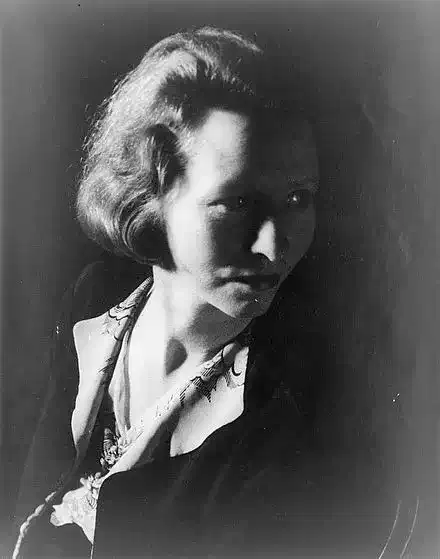
Edna St. Vincent Millay
Two Sonnets In Memory
Two Sonnets In Memory
(Nicola Sacco -- Bartolomeo Vanzetti)
Executed August 23, 1927
I
As men have loved their lovers in times past
And sung their wit, their virtue and their grace,
So have we loved sweet Justice to the last,
That now lies here in an unseemly place.
The child will quit the cradle and grow wise
And stare on beauty till his senses drown;
Yet shall be seen no more by mortal eyes
Such beauty as here walked and here went down.
Like birds that hear the winter crying plain
Her courtiers leave to seek the clement south;
Many have praised her, we alone remain
To break a fist against the lying mouth
Of any man who says this was not so:
Though she be dead now, as indeed we know.
II
Where can the heart be hidden in the ground
And be at peace, and be at peace forever,
Under the world, untroubled by the sound
Of mortal tears, that cease from pouring never?
Well for the heart, by stern compassion harried,
If death be deeper than the churchmen say, --
Gone from this world indeed what's graveward carried,
And laid to rest indeed what's laid away.
Anguish enough while yet the indignant breather
Have blood to spurt upon the oppressor's hand;
Who would eternal be, and hang in ether
A stuffless ghost above his struggling land,
Retching in vain to render up the groan
That is not there, being aching dust's alone?
(Nicola Sacco -- Bartolomeo Vanzetti)
Executed August 23, 1927
I
As men have loved their lovers in times past
And sung their wit, their virtue and their grace,
So have we loved sweet Justice to the last,
That now lies here in an unseemly place.
The child will quit the cradle and grow wise
And stare on beauty till his senses drown;
Yet shall be seen no more by mortal eyes
Such beauty as here walked and here went down.
Like birds that hear the winter crying plain
Her courtiers leave to seek the clement south;
Many have praised her, we alone remain
To break a fist against the lying mouth
Of any man who says this was not so:
Though she be dead now, as indeed we know.
II
Where can the heart be hidden in the ground
And be at peace, and be at peace forever,
Under the world, untroubled by the sound
Of mortal tears, that cease from pouring never?
Well for the heart, by stern compassion harried,
If death be deeper than the churchmen say, --
Gone from this world indeed what's graveward carried,
And laid to rest indeed what's laid away.
Anguish enough while yet the indignant breather
Have blood to spurt upon the oppressor's hand;
Who would eternal be, and hang in ether
A stuffless ghost above his struggling land,
Retching in vain to render up the groan
That is not there, being aching dust's alone?
340
Edna St. Vincent Millay
To Those Without Pity
To Those Without Pity
Cruel of heart, lay down my song,
Your reading eyes have done me wrong,
Not for you was the pen bitten,
And the mind wrung, and the song written.
Cruel of heart, lay down my song,
Your reading eyes have done me wrong,
Not for you was the pen bitten,
And the mind wrung, and the song written.
355
Edna St. Vincent Millay
The Death Of Autumn
The Death Of Autumn
When reeds are dead and a straw to thatch the marshes,
And feathered pampas-grass rides into the wind
Like aged warriors westward, tragic, thinned
Of half their tribe, and over the flattened rushes,
Stripped of its secret, open, stark and bleak,
Blackens afar the half-forgotten creek,—
Then leans on me the weight of the year, and crushes
My heart. I know that Beauty must ail and die,
And will be born again,—but ah, to see
Beauty stiffened, staring up at the sky!
Oh, Autumn! Autumn!—What is the Spring to me?
When reeds are dead and a straw to thatch the marshes,
And feathered pampas-grass rides into the wind
Like aged warriors westward, tragic, thinned
Of half their tribe, and over the flattened rushes,
Stripped of its secret, open, stark and bleak,
Blackens afar the half-forgotten creek,—
Then leans on me the weight of the year, and crushes
My heart. I know that Beauty must ail and die,
And will be born again,—but ah, to see
Beauty stiffened, staring up at the sky!
Oh, Autumn! Autumn!—What is the Spring to me?
383
Edna St. Vincent Millay
Sorrow
Sorrow
Sorrow like a ceaseless rain
Beats upon my heart.
People twist and scream in pain,—
Dawn will find them still again;
This has neither wax nor wane,
Neither stop nor start.
People dress and go to town;
I sit in my chair.
All my thoughts are slow and brown:
Standing up or sitting down
Little matters, or what gown
Or what shoes I wear.
Sorrow like a ceaseless rain
Beats upon my heart.
People twist and scream in pain,—
Dawn will find them still again;
This has neither wax nor wane,
Neither stop nor start.
People dress and go to town;
I sit in my chair.
All my thoughts are slow and brown:
Standing up or sitting down
Little matters, or what gown
Or what shoes I wear.
309