

Poems in this theme
Pain and Despair

Henry Lawson
The Ballad of the Elder Son
The Ballad of the Elder Son
A son of elder sons I am,
Whose boyhood days were cramped and scant,
Through ages of domestic sham
And family lies and family cant.
Come, elder brothers mine, and bring
Dull loads of care that you have won,
And gather round me while I sing
The ballad of the elder son.
’Twas Christ who spake in parables—
To picture man was his intent;
A simple tale He simply tells,
And He Himself makes no comment.
A morbid sympathy is felt
For prodigals—the selfish ones—
The crooked world has ever dealt
Unjustly by the elder sons.
The elder son on barren soil,
Where life is crude and lands are new,
Must share the father’s hardest toil,
And share the father’s troubles too.
With no child-thoughts to meet his own
His childhood is a lonely one:
The youth his father might have known
Is seldom for the eldest son.
It seems so strange, but fate is grim,
And Heaven’s ways are hard to track,
Though ten young scamps come after him
The rod falls heaviest on his back.
And, well I’ll say it might be caused
By a half-sense of injustice done—
That vague resentment parents feel
So oft towards the eldest son.
He, too, must bear the father’s name,
He loves his younger brother, too,
And feels the younger brother’s shame
As keenly as his parents do.
The mother’s prayers, the father’s curse,
The sister’s tears have all been done—
We seldom see in prose or verse
The prayers of the elder son.
But let me to the parable
With eyes on facts but fancy free;
And don’t belie me if I tell
The story as it seems to me—
For, mind, I do not mean to sneer
(I was religious when a child),
I wouldn’t be surprised to hear
That Christ himself had sometimes smiled.
A certain squatter had two sons
Up Canaan way some years ago.
The graft was hard on those old runs,
And it was hot and life was slow.
The younger brother coolly claimed
The portion that he hadn’t earned,
And sought the ‘life’ for which untamed
And high young spirits always yearned.
A year or so he knocked about,
And spent his cheques on girls and wine,
And, getting stony in the drought,
He took a job at herding swine,
And though he is a hog that swigs
And fools with girls till all is blue—
’Twas rather rough to shepherd pigs
And have to eat their tucker too.
“When he came to himself,” he said
(I take my Bible from the shelf:
There’s nothing like a feed of husks
To bring a young man to himself.
And when you’re done with wine and girls—
Right here a moral seems to shine—
And are hard up, you’ll find no pearls
Are cast by friends before your swine)—
When he came to himself, he said—
He reckoned pretty shrewdly, too—
‘The rousers in my father’s shed
‘Have got more grub than they can chew;
‘I’ve been a fool, but such is fate—
‘I guess I’ll talk the guv’nor round:
‘“I’ve acted cronk,” I’ll tell him straight;
‘(He’s had his time too, I’ll be bound).
‘I’ll tell him straight I’ve had my fling,
‘I’ll tell him “I’ve been on the beer,
‘“But put me on at anything,
‘“I’ll graft with any bounder here.”’
He rolled his swag and struck for home—
He was by this time pretty slim
And, when the old man saw him come—
Well, you know how he welcomed him.
They’ve brought the best robe in the house,
The ring, and killed the fatted calf,
And now they hold a grand carouse,
And eat and drink and dance and laugh:
And from the field the elder son—
Whose character is not admired—
Comes plodding home when work is done,
And very hot and very tired.
He asked the meaning of the sound
Of such unwonted revelry,
They said his brother had been ‘found’
(He’d found himself it seemed to me);
’Twas natural in the elder son
To take the thing a little hard
And brood on what was past and done
While standing outside in the yard.
Now he was hungry and knocked out
And would, if they had let him be,
Have rested and cooled down, no doubt,
And hugged his brother after tea,
And welcomed him and hugged his dad
And filled the wine cup to the brim—
But, just when he was feeling bad
The old man came and tackled him.
He well might say with bitter tears
While music swelled and flowed the wine—
‘Lo, I have served thee many years
‘Nor caused thee one grey hair of thine.
‘Whate’er thou bad’st me do I did
‘And for my brother made amends;
‘Thou never gavest me a kid
‘That I might make merry with my friends.’
(He was no honest clod and glum
Who could not trespass, sing nor dance—
He could be merry with a chum,
It seemed, if he had half a chance;
Perhaps, if further light we seek,
He knew—and herein lay the sting—
His brother would clear out next week
And promptly pop the robe and ring).
The father said, ‘The wandering one,
‘The lost is found, this son of mine,
‘But thou art always with me, son—
‘Thou knowest all I have is thine.’
(It seemed the best robe and the ring,
The love and fatted calf were not;
But this was just a little thing
The old man in his joy forgot.)
The father’s blindness in the house,
The mother’s fond and foolish way
Have caused no end of ancient rows
Right back to Cain and Abel’s day.
The world will blame the eldest born—
But—well, when all is said and done,
No coat has ever yet been worn
That had no colour more than one.
Oh! if I had the power to teach—
The strength for which my spirit craves—
The cant of parents I would preach
Who slave and make their children slaves.
For greed of gain, and that alone
Their youth they steal, their hearts they break
And then, the wretched misers moan—
‘We did it for our children’s sake.’
‘And all I have’—the paltry bribe
That he might slave contented yet
While envied by his selfish tribe
The birthright he might never get:
The worked-out farm and endless graft,
The mortgaged home, the barren run—
The heavy, hopeless overdraft—
The portion of the elder son.
He keeps his parents when they’re old,
He keeps a sister in distress,
His wife must work and care for them
And bear with all their pettishness.
The mother’s moan is ever heard,
And, whining for the worthless one,
She seldom has a kindly word
To say about her eldest son.
’Tis he, in spite of sneer and jibe,
Who stands the friend when others fail:
He bears the burdens of his tribe
And keeps his brother out of jail.
He lends the quid and pays the fine,
And for the family pride he smarts—
For reasons I cannot divine
They hate him in their heart of hearts.
A satire on this world of sin—
Where parents seldom understand—
That night the angels gathered in
The firstborn of that ancient land.
Perhaps they thought, in those old camps,
While suffering for the blow that fell,
They might have better spared the scamps
And Josephs that they loved so well.
Sometimes the Eldest takes the track
When things at home have got too bad—
He comes not crawling, canting back
To seek the blind side of his dad.
He always finds a knife and fork
And meat between on which to dine,
And, though he sometimes deals in pork,
You’ll never catch him herding swine.
The happy home, the overdraft,
His birthright and his prospects gay,
And likewise his share of the graft,
He leaves the rest to grab. And they—
Who’d always do the thing by halves,
If anything for him was done—
Would kill a score of fatted calves
To welcome home the eldest son.
A son of elder sons I am,
Whose boyhood days were cramped and scant,
Through ages of domestic sham
And family lies and family cant.
Come, elder brothers mine, and bring
Dull loads of care that you have won,
And gather round me while I sing
The ballad of the elder son.
’Twas Christ who spake in parables—
To picture man was his intent;
A simple tale He simply tells,
And He Himself makes no comment.
A morbid sympathy is felt
For prodigals—the selfish ones—
The crooked world has ever dealt
Unjustly by the elder sons.
The elder son on barren soil,
Where life is crude and lands are new,
Must share the father’s hardest toil,
And share the father’s troubles too.
With no child-thoughts to meet his own
His childhood is a lonely one:
The youth his father might have known
Is seldom for the eldest son.
It seems so strange, but fate is grim,
And Heaven’s ways are hard to track,
Though ten young scamps come after him
The rod falls heaviest on his back.
And, well I’ll say it might be caused
By a half-sense of injustice done—
That vague resentment parents feel
So oft towards the eldest son.
He, too, must bear the father’s name,
He loves his younger brother, too,
And feels the younger brother’s shame
As keenly as his parents do.
The mother’s prayers, the father’s curse,
The sister’s tears have all been done—
We seldom see in prose or verse
The prayers of the elder son.
But let me to the parable
With eyes on facts but fancy free;
And don’t belie me if I tell
The story as it seems to me—
For, mind, I do not mean to sneer
(I was religious when a child),
I wouldn’t be surprised to hear
That Christ himself had sometimes smiled.
A certain squatter had two sons
Up Canaan way some years ago.
The graft was hard on those old runs,
And it was hot and life was slow.
The younger brother coolly claimed
The portion that he hadn’t earned,
And sought the ‘life’ for which untamed
And high young spirits always yearned.
A year or so he knocked about,
And spent his cheques on girls and wine,
And, getting stony in the drought,
He took a job at herding swine,
And though he is a hog that swigs
And fools with girls till all is blue—
’Twas rather rough to shepherd pigs
And have to eat their tucker too.
“When he came to himself,” he said
(I take my Bible from the shelf:
There’s nothing like a feed of husks
To bring a young man to himself.
And when you’re done with wine and girls—
Right here a moral seems to shine—
And are hard up, you’ll find no pearls
Are cast by friends before your swine)—
When he came to himself, he said—
He reckoned pretty shrewdly, too—
‘The rousers in my father’s shed
‘Have got more grub than they can chew;
‘I’ve been a fool, but such is fate—
‘I guess I’ll talk the guv’nor round:
‘“I’ve acted cronk,” I’ll tell him straight;
‘(He’s had his time too, I’ll be bound).
‘I’ll tell him straight I’ve had my fling,
‘I’ll tell him “I’ve been on the beer,
‘“But put me on at anything,
‘“I’ll graft with any bounder here.”’
He rolled his swag and struck for home—
He was by this time pretty slim
And, when the old man saw him come—
Well, you know how he welcomed him.
They’ve brought the best robe in the house,
The ring, and killed the fatted calf,
And now they hold a grand carouse,
And eat and drink and dance and laugh:
And from the field the elder son—
Whose character is not admired—
Comes plodding home when work is done,
And very hot and very tired.
He asked the meaning of the sound
Of such unwonted revelry,
They said his brother had been ‘found’
(He’d found himself it seemed to me);
’Twas natural in the elder son
To take the thing a little hard
And brood on what was past and done
While standing outside in the yard.
Now he was hungry and knocked out
And would, if they had let him be,
Have rested and cooled down, no doubt,
And hugged his brother after tea,
And welcomed him and hugged his dad
And filled the wine cup to the brim—
But, just when he was feeling bad
The old man came and tackled him.
He well might say with bitter tears
While music swelled and flowed the wine—
‘Lo, I have served thee many years
‘Nor caused thee one grey hair of thine.
‘Whate’er thou bad’st me do I did
‘And for my brother made amends;
‘Thou never gavest me a kid
‘That I might make merry with my friends.’
(He was no honest clod and glum
Who could not trespass, sing nor dance—
He could be merry with a chum,
It seemed, if he had half a chance;
Perhaps, if further light we seek,
He knew—and herein lay the sting—
His brother would clear out next week
And promptly pop the robe and ring).
The father said, ‘The wandering one,
‘The lost is found, this son of mine,
‘But thou art always with me, son—
‘Thou knowest all I have is thine.’
(It seemed the best robe and the ring,
The love and fatted calf were not;
But this was just a little thing
The old man in his joy forgot.)
The father’s blindness in the house,
The mother’s fond and foolish way
Have caused no end of ancient rows
Right back to Cain and Abel’s day.
The world will blame the eldest born—
But—well, when all is said and done,
No coat has ever yet been worn
That had no colour more than one.
Oh! if I had the power to teach—
The strength for which my spirit craves—
The cant of parents I would preach
Who slave and make their children slaves.
For greed of gain, and that alone
Their youth they steal, their hearts they break
And then, the wretched misers moan—
‘We did it for our children’s sake.’
‘And all I have’—the paltry bribe
That he might slave contented yet
While envied by his selfish tribe
The birthright he might never get:
The worked-out farm and endless graft,
The mortgaged home, the barren run—
The heavy, hopeless overdraft—
The portion of the elder son.
He keeps his parents when they’re old,
He keeps a sister in distress,
His wife must work and care for them
And bear with all their pettishness.
The mother’s moan is ever heard,
And, whining for the worthless one,
She seldom has a kindly word
To say about her eldest son.
’Tis he, in spite of sneer and jibe,
Who stands the friend when others fail:
He bears the burdens of his tribe
And keeps his brother out of jail.
He lends the quid and pays the fine,
And for the family pride he smarts—
For reasons I cannot divine
They hate him in their heart of hearts.
A satire on this world of sin—
Where parents seldom understand—
That night the angels gathered in
The firstborn of that ancient land.
Perhaps they thought, in those old camps,
While suffering for the blow that fell,
They might have better spared the scamps
And Josephs that they loved so well.
Sometimes the Eldest takes the track
When things at home have got too bad—
He comes not crawling, canting back
To seek the blind side of his dad.
He always finds a knife and fork
And meat between on which to dine,
And, though he sometimes deals in pork,
You’ll never catch him herding swine.
The happy home, the overdraft,
His birthright and his prospects gay,
And likewise his share of the graft,
He leaves the rest to grab. And they—
Who’d always do the thing by halves,
If anything for him was done—
Would kill a score of fatted calves
To welcome home the eldest son.
235
Henry Lawson
The Alleys
The Alleys
I was welcome in a palace when the ball was at my feet,
I was petted in a garden and my triumph was complete.
But for me above the alleys there forever shone a star,
Where the third-rate public houses and the dens of Venus are.
Where the third-rate public houses
And the fourth-rate lodging houses,
And the rag-shops and the pawn-shops and the dens of Venus are.
I was born among the alleys, bred in darkness and in doubt,
And I wrote the truth in blindness and I struggled up and out;
And the world was fair before me and the way was wide and plain,
But the spirit of the alleys ever dragged me back again.
’Tis a madness I inherit
And a blind and reckless spirit.
Oh! the spirit of the alleys ever drags me down again!
There were fair girls in the garden where the spring came in a day,
But the barmaids in the alleys know a wider world than they.
There were wise men in the palace who were born to rule the earth,
But the wrecks amongst the alleys know the world for what it’s worth.
To the pewter from the chalice,
To the slum from the palace,
Aye! the wrecks sunk in the alleys know the world for what it’s worth!
Poets who have done with puzzling—men who talk but dare not think—
Men who might have moulded nations had it not been for the drink!
Wicked stories full of humour—shafts of wit that seldom miss,
Shot from blighted lips of women that the bravest dare not kiss?
Let the worst girl lead the revels
Of the reckless alley devils!—
Pure and virtuous women often, often drive men down to this.
In the days of mental torture when my life was all a hell,
It was down amongst the alleys that I learnt the tales I tell,
From the black-sheep out from England, from the boozer in from Bourke,
From the tired haggard women bending over needle-work:
Tales of wrongs, that fire the spirit,
Tales of more than human merit,
Told in quiet tones and measured, bending over needle-work.
Oh! the pathos and the humour of the shifts of poverty,
Oh! the sympathy of drunkards, wit and truth and charity,
Oh! the worn-out working women and the lives that they endure,
And the hard and callous kindness of the poor unto the poor!
(Where they blame not—those who labour—
And the prostitute’s a neighbour)
Ah! the humour and the courage and the kindness of the poor!
There is fire down in the alleys that has smouldered very long;
There is hatred in the alleys born of centuries of wrong;
And no prayer wins to heaven like a prayer from the slums,
And the thrones of empire totter when the alleys beat their drums.
(Ah! the world is very rotten!
But my sins shall be forgotten
And my work shall be remembered when the alleys beat their drums.)
It is down amongst the alleys, in the alleys dull and damp,
They find kindness in a scoundrel, they find good points in a scamp.
It is down amongst the alleys, now my star has ceased to shine,
I find sympathy with sinners and can hide what shame is mine,
For we trust and shield each other
And a sinner is a brother—
There are souls amongst the alleys who were lost the same as mine.
And if you should some day miss me, and should care to wonder why,
Ask for me amongst the alleys by the name they knew me by:
Mind your head and pick your footsteps for you’ll grope in alley gloom,
And the stairs are steep and narrow where they’ll lead you to a room.
What if floors are foul and dusty
And the air is close and musty?
In the days when I was noble then I wrote in such a room.
You will see a chair and table dimly shown by candle light,
And the pen I dropped for ever from the last line I shall write;
And some poor attempts at comfort, and a bottle—and maybe
You will find a bad girl crying over what is left of me:
Call no friends—I shall not need them;
Call no priests—I shall not heed them—
Let the bad girl do the praying over what is left of me.
I was welcome in a palace when the ball was at my feet,
I was petted in a garden and my triumph was complete.
But for me above the alleys there forever shone a star,
Where the third-rate public houses and the dens of Venus are.
Where the third-rate public houses
And the fourth-rate lodging houses,
And the rag-shops and the pawn-shops and the dens of Venus are.
I was born among the alleys, bred in darkness and in doubt,
And I wrote the truth in blindness and I struggled up and out;
And the world was fair before me and the way was wide and plain,
But the spirit of the alleys ever dragged me back again.
’Tis a madness I inherit
And a blind and reckless spirit.
Oh! the spirit of the alleys ever drags me down again!
There were fair girls in the garden where the spring came in a day,
But the barmaids in the alleys know a wider world than they.
There were wise men in the palace who were born to rule the earth,
But the wrecks amongst the alleys know the world for what it’s worth.
To the pewter from the chalice,
To the slum from the palace,
Aye! the wrecks sunk in the alleys know the world for what it’s worth!
Poets who have done with puzzling—men who talk but dare not think—
Men who might have moulded nations had it not been for the drink!
Wicked stories full of humour—shafts of wit that seldom miss,
Shot from blighted lips of women that the bravest dare not kiss?
Let the worst girl lead the revels
Of the reckless alley devils!—
Pure and virtuous women often, often drive men down to this.
In the days of mental torture when my life was all a hell,
It was down amongst the alleys that I learnt the tales I tell,
From the black-sheep out from England, from the boozer in from Bourke,
From the tired haggard women bending over needle-work:
Tales of wrongs, that fire the spirit,
Tales of more than human merit,
Told in quiet tones and measured, bending over needle-work.
Oh! the pathos and the humour of the shifts of poverty,
Oh! the sympathy of drunkards, wit and truth and charity,
Oh! the worn-out working women and the lives that they endure,
And the hard and callous kindness of the poor unto the poor!
(Where they blame not—those who labour—
And the prostitute’s a neighbour)
Ah! the humour and the courage and the kindness of the poor!
There is fire down in the alleys that has smouldered very long;
There is hatred in the alleys born of centuries of wrong;
And no prayer wins to heaven like a prayer from the slums,
And the thrones of empire totter when the alleys beat their drums.
(Ah! the world is very rotten!
But my sins shall be forgotten
And my work shall be remembered when the alleys beat their drums.)
It is down amongst the alleys, in the alleys dull and damp,
They find kindness in a scoundrel, they find good points in a scamp.
It is down amongst the alleys, now my star has ceased to shine,
I find sympathy with sinners and can hide what shame is mine,
For we trust and shield each other
And a sinner is a brother—
There are souls amongst the alleys who were lost the same as mine.
And if you should some day miss me, and should care to wonder why,
Ask for me amongst the alleys by the name they knew me by:
Mind your head and pick your footsteps for you’ll grope in alley gloom,
And the stairs are steep and narrow where they’ll lead you to a room.
What if floors are foul and dusty
And the air is close and musty?
In the days when I was noble then I wrote in such a room.
You will see a chair and table dimly shown by candle light,
And the pen I dropped for ever from the last line I shall write;
And some poor attempts at comfort, and a bottle—and maybe
You will find a bad girl crying over what is left of me:
Call no friends—I shall not need them;
Call no priests—I shall not heed them—
Let the bad girl do the praying over what is left of me.
272
Henry Lawson
Success
Success
Did you see that man riding past,
With shoulders bowed with care?
There’s failure in his eyes to last,
And in his heart despair.
He seldom looks to left or right,
He nods, but speaks to none,
And he’s a man who fought the fight—
God knows how hard!—and won.
No great “review” could rouse him now,
No printed lies could sting;
No kindness smooth his knitted brow,
Nor wrong one new line bring.
Through dull, dumb days and brooding nights,
From years of storm and stress,
He’s riding down from lonely heights—
The Mountains of Success.
He sees across the darkening land
The graveyards on the coasts;
He sees the broken columns stand
Like cold and bitter ghosts;
His world is dead while yet he lives,
Though known in continents;
His camp is where his country gives
Its pauper monuments.
Did you see that man riding past,
With shoulders bowed with care?
There’s failure in his eyes to last,
And in his heart despair.
He seldom looks to left or right,
He nods, but speaks to none,
And he’s a man who fought the fight—
God knows how hard!—and won.
No great “review” could rouse him now,
No printed lies could sting;
No kindness smooth his knitted brow,
Nor wrong one new line bring.
Through dull, dumb days and brooding nights,
From years of storm and stress,
He’s riding down from lonely heights—
The Mountains of Success.
He sees across the darkening land
The graveyards on the coasts;
He sees the broken columns stand
Like cold and bitter ghosts;
His world is dead while yet he lives,
Though known in continents;
His camp is where his country gives
Its pauper monuments.
258
Henry Lawson
Past Carin'
Past Carin'
Now up and down the siding brown
The great black crows are flyin',
And down below the spur, I know,
Another `milker's' dyin';
The crops have withered from the ground,
The tank's clay bed is glarin',
But from my heart no tear nor sound,
For I have gone past carin' -Past
worryin' or carin',
Past feelin' aught or carin';
But from my heart no tear nor sound,
For I have gone past carin'.
Through Death and Trouble, turn about,
Through hopeless desolation,
Through flood and fever, fire and drought,
And slavery and starvation;
Through childbirth, sickness, hurt, and blight,
And nervousness an' scarin',
Through bein' left alone at night,
I've got to be past carin'.
Past botherin' or carin',
Past feelin' and past carin';
Through city cheats and neighbours' spite,
I've come to be past carin'.
Our first child took, in days like these,
A cruel week in dyin',
All day upon her father's knees,
Or on my poor breast lyin';
The tears we shed -- the prayers we said
Were awful, wild -- despairin'!
I've pulled three through, and buried two
Since then -- and I'm past carin'.
I've grown to be past carin',
Past worryin' and wearin';
I've pulled three through and buried two
Since then, and I'm past carin'.
'Twas ten years first, then came the worst,
All for a dusty clearin',
I thought, I thought my heart would burst
When first my man went shearin';
He's drovin' in the great North-west,
I don't know how he's farin';
For I, the one that loved him best,
Have grown to be past carin'.
I've grown to be past carin'
Past lookin' for or carin';
The girl that waited long ago,
Has lived to be past carin'.
My eyes are dry, I cannot cry,
I've got no heart for breakin',
But where it was in days gone by,
A dull and empty achin'.
My last boy ran away from me,
I know my temper's wearin',
But now I only wish to be
Beyond all signs of carin'.
Past wearyin' or carin',
Past feelin' and despairin';
And now I only wish to be
Beyond all signs of carin'.
Now up and down the siding brown
The great black crows are flyin',
And down below the spur, I know,
Another `milker's' dyin';
The crops have withered from the ground,
The tank's clay bed is glarin',
But from my heart no tear nor sound,
For I have gone past carin' -Past
worryin' or carin',
Past feelin' aught or carin';
But from my heart no tear nor sound,
For I have gone past carin'.
Through Death and Trouble, turn about,
Through hopeless desolation,
Through flood and fever, fire and drought,
And slavery and starvation;
Through childbirth, sickness, hurt, and blight,
And nervousness an' scarin',
Through bein' left alone at night,
I've got to be past carin'.
Past botherin' or carin',
Past feelin' and past carin';
Through city cheats and neighbours' spite,
I've come to be past carin'.
Our first child took, in days like these,
A cruel week in dyin',
All day upon her father's knees,
Or on my poor breast lyin';
The tears we shed -- the prayers we said
Were awful, wild -- despairin'!
I've pulled three through, and buried two
Since then -- and I'm past carin'.
I've grown to be past carin',
Past worryin' and wearin';
I've pulled three through and buried two
Since then, and I'm past carin'.
'Twas ten years first, then came the worst,
All for a dusty clearin',
I thought, I thought my heart would burst
When first my man went shearin';
He's drovin' in the great North-west,
I don't know how he's farin';
For I, the one that loved him best,
Have grown to be past carin'.
I've grown to be past carin'
Past lookin' for or carin';
The girl that waited long ago,
Has lived to be past carin'.
My eyes are dry, I cannot cry,
I've got no heart for breakin',
But where it was in days gone by,
A dull and empty achin'.
My last boy ran away from me,
I know my temper's wearin',
But now I only wish to be
Beyond all signs of carin'.
Past wearyin' or carin',
Past feelin' and despairin';
And now I only wish to be
Beyond all signs of carin'.
349
Henry Lawson
One Hundred and Three
One Hundred and Three
With the frame of a man, and the face of a boy, and a manner strangely wild,
And the great, wide, wondering, innocent eyes of a silent-suffering child;
With his hideous dress and his heavy boots, he drags to Eternity—
And the Warder says, in a softened tone: ‘Keep step, One Hundred and Three.’
’Tis a ghastly travesty of drill—or a ghastly farce of work—
But One Hundred and Three, he catches step with a start, a shuffle and jerk.
’Tis slow starvation in separate cells, and a widow’s son is he,
And the widow, she drank before he was born—(Keep step, One Hundred and Three!)
They shut a man in the four-by-eight, with a six-inch slit for air,
Twenty-three hours of the twenty-four, to brood on his virtues there.
And the dead stone walls and the iron door close in as an iron band
On eyes that followed the distant haze far out on the level land.
Bread and water and hominy, and a scrag of meat and a spud,
A Bible and thin flat book of rules, to cool a strong man’s blood;
They take the spoon from the cell at night—and a stranger might think it odd;
But a man might sharpen it on the floor, and go to his own Great God.
One Hundred and Three, it is hard to believe that you saddled your horse at dawn;
There were girls that rode through the bush at eve, and girls who lolled on the lawn.
There were picnic parties in sunny bays, and ships on the shining sea;
There were foreign ports in the glorious days—(Hold up, One Hundred and Three!)
A man came out at exercise time from one of the cells to-day:
’Twas the ghastly spectre of one I knew, and I thought he was far away;
We dared not speak, but he signed ‘Farewell—fare—well,’ and I knew by this
And the number stamped on his clothes (not sewn) that a heavy sentence was his.
Where five men do the work of a boy, with warders not to see,
It is sad and bad and uselessly mad, it is ugly as it can be,
From the flower-beds laid to fit the gaol, in circle and line absurd,
To the gilded weathercock on the church, agape like a strangled bird.
Agape like a strangled bird in the sun, and I wonder what he could see?
The Fleet come in, and the Fleet go out? (Hold up, One Hundred and Three!)
The glorious sea, and the bays and Bush, and the distant mountains blue
(Keep step, keep step, One Hundred and Three, for my lines are halting too)
The great, round church with its volume of sound, where we dare not turn our eyes—
They take us there from our separate hells to sing of Paradise.
In all the creeds there is hope and doubt, but of this there is no doubt:
That starving prisoners faint in church, and the warders carry them out.
They double-lock at four o’clock and the warders leave their keys,
And the Governor strolls with a friend at eve through his stone conservatories;
Their window slits are like idiot mouths with square stone chins adrop,
And the weather-stains for the dribble, and the dead flat foreheads atop.
No light save the lights in the yard beneath the clustering lights of the Lord—
And the lights turned in to the window slits of the Observation Ward.
(They eat their meat with their fingers there in a madness starved and dull—
Oh! the padded cells and the “O—b—s” are nearly always full.)
Rules, regulations—red-tape and rules; all and alike they bind:
Under ‘separate treatment ’ place the deaf; in the dark cell shut the blind!
And somewhere down in his sandstone tomb, with never a word to save,
One Hundred and Three is keeping step, as he’ll keep it to his grave.
The press is printing its smug, smug lies, and paying its shameful debt—
It speaks of the comforts that prisoners have, and ‘holidays’ prisoners get.
The visitors come with their smug, smug smiles through the gaol on a working day,
And the public hears with its large, large ears what authorities have to say.
They lay their fingers on well-hosed walls, and they tread on the polished floor;
They peep in the generous shining cans with their ration Number Four.
And the visitors go with their smug, smug smiles; the reporters’ work is done;
Stand up! my men, who have done your time on ration Number One!
Speak up, my men! I was never the man to keep my own bed warm,
I have jogged with you round in the Fools’ Parade, and I’ve worn your uniform;
I’ve seen you live, and I’ve seen you die, and I’ve seen your reason fail—
I’ve smuggled tobacco and loosened my tongue—and I’ve been punished in gaol.
Ay! clang the spoon on the iron floor, and shove in the bread with your toe,
And shut with a bang the iron door, and clank the bolt—just so,
With an ignorant oath for a last good-night—or the voice of a filthy thought.
By the Gipsy Blood you have caught a man you’ll be sorry that ever you caught.
He shall be buried alive without meat, for a day and a night unheard
If he speak to a fellow prisoner, though he die for want of a word.
He shall be punished, and he shall be starved, and he shall in darkness rot,
He shall be murdered body and soul—and God said, ‘Thou shalt not!’
I’ve seen the remand-yard men go out, by the subway out of the yard—
And I’ve seen them come in with a foolish grin and a sentence of Three Years Hard.
They send a half-starved man to the court, where the hearts of men they carve—
Then feed him up in the hospital to give him the strength to starve.
You get the gaol-dust in your throat, in your skin the dead gaol-white;
You get the gaol-whine in your voice and in every letter you write.
And in your eyes comes the bright gaol-light—not the glare of the world’s distraught,
Not the hunted look, nor the guilty look, but the awful look of the Caught.
There was one I met—’twas a mate of mine—in a gaol that is known to us;
He died—and they said it was ‘heart disease’; but he died for want of a truss.
I’ve knelt at the head of the pallid dead, where the living dead were we,
And I’ve closed the yielding lids with my thumbs—(Keep step, One Hundred and
Three!)
A criminal face is rare in gaol, where all things else are ripe—
It is higher up in the social scale that you’ll find the criminal type.
But the kindness of man to man is great when penned in a sandstone pen—
The public call us the ‘criminal class,’ but the warders call us ‘the men.’
The brute is a brute, and a kind man kind, and the strong heart does not fail—
A crawler’s a crawler everywhere, but a man is a man in gaol!
For forced ‘desertion’ or drunkenness, or a law’s illegal debt,
While never a man who was a man was ‘reformed’ by punishment yet.
The champagne lady comes home from the course in charge of the criminal swell—
They carry her in from the motor car to the lift in the Grand Hotel.
But armed with the savage Habituals Act they are waiting for you and me,
And the drums, they are beating loud and near. (Keep step, One Hundred and Three!)
The clever scoundrels are all outside, and the moneyless mugs in gaol—
Men do twelve months for a mad wife’s lies or Life for a strumpet’s tale.
If the people knew what the warders know, and felt as the prisoners feel—
If the people knew, they would storm their gaols as they stormed the old Bastile.
And the cackling, screaming half-human hens who were never mothers nor wives
Would send their sisters to such a hell for the term of their natural lives,
Where laws are made in a Female Fit in the Land of the Crazy Fad,
And drunkards in judgment on drunkards sit and the mad condemn the mad.
The High Church service swells and swells where the tinted Christs look down—
It is easy to see who is weary and faint and weareth the thorny crown.
There are swift-made signs that are not to God, and they march us Hellward then.
It is hard to believe that we knelt as boys to ‘for ever and ever, Amen. ’
Warders and prisoners all alike in a dead rot dry and slow—
The author must not write for his own, and the tailor must not sew.
The billet-bound officers dare not speak and discharged men dare not tell
Though many and many an innocent man must brood in this barren hell.
We are most of us criminal, most of us mad, and we do what we can do.
(Remember the Observation Ward and Number Forty-Two.)
There are eyes that see through stone and iron, though the rest of the world be blind—
We are prisoners all in God’s Great Gaol, but the Governor, He is kind.
They crave for sunlight, they crave for meat, they crave for the might-have-been,
But the cruellest thing in the walls of a gaol is the craving for nicotine.
Yet the spirit of Christ is everywhere where the heart of a man can dwell,
It comes like tobacco in prison—or like news to the separate cell.
They have smuggled him out to the Hospital with no one to tell the tale,
But it’s little the doctors and nurses can do for the patient from Starvinghurst Gaol.
He cannot swallow the food they bring, for a gaol-starved man is he,
And the blanket and screen are ready to draw—(Keep step, One Hundred and Three!)
‘What were you doing, One Hundred and Three?’ and the answer is ‘Three years hard,
And a month to go’—and the whisper is low: ‘There’s the moonlight—out in the yard.’
The drums, they are beating far and low, and the footstep’s light and free,
And the angels are whispering over his bed: ‘Keep step, One Hundred and Three!’
With the frame of a man, and the face of a boy, and a manner strangely wild,
And the great, wide, wondering, innocent eyes of a silent-suffering child;
With his hideous dress and his heavy boots, he drags to Eternity—
And the Warder says, in a softened tone: ‘Keep step, One Hundred and Three.’
’Tis a ghastly travesty of drill—or a ghastly farce of work—
But One Hundred and Three, he catches step with a start, a shuffle and jerk.
’Tis slow starvation in separate cells, and a widow’s son is he,
And the widow, she drank before he was born—(Keep step, One Hundred and Three!)
They shut a man in the four-by-eight, with a six-inch slit for air,
Twenty-three hours of the twenty-four, to brood on his virtues there.
And the dead stone walls and the iron door close in as an iron band
On eyes that followed the distant haze far out on the level land.
Bread and water and hominy, and a scrag of meat and a spud,
A Bible and thin flat book of rules, to cool a strong man’s blood;
They take the spoon from the cell at night—and a stranger might think it odd;
But a man might sharpen it on the floor, and go to his own Great God.
One Hundred and Three, it is hard to believe that you saddled your horse at dawn;
There were girls that rode through the bush at eve, and girls who lolled on the lawn.
There were picnic parties in sunny bays, and ships on the shining sea;
There were foreign ports in the glorious days—(Hold up, One Hundred and Three!)
A man came out at exercise time from one of the cells to-day:
’Twas the ghastly spectre of one I knew, and I thought he was far away;
We dared not speak, but he signed ‘Farewell—fare—well,’ and I knew by this
And the number stamped on his clothes (not sewn) that a heavy sentence was his.
Where five men do the work of a boy, with warders not to see,
It is sad and bad and uselessly mad, it is ugly as it can be,
From the flower-beds laid to fit the gaol, in circle and line absurd,
To the gilded weathercock on the church, agape like a strangled bird.
Agape like a strangled bird in the sun, and I wonder what he could see?
The Fleet come in, and the Fleet go out? (Hold up, One Hundred and Three!)
The glorious sea, and the bays and Bush, and the distant mountains blue
(Keep step, keep step, One Hundred and Three, for my lines are halting too)
The great, round church with its volume of sound, where we dare not turn our eyes—
They take us there from our separate hells to sing of Paradise.
In all the creeds there is hope and doubt, but of this there is no doubt:
That starving prisoners faint in church, and the warders carry them out.
They double-lock at four o’clock and the warders leave their keys,
And the Governor strolls with a friend at eve through his stone conservatories;
Their window slits are like idiot mouths with square stone chins adrop,
And the weather-stains for the dribble, and the dead flat foreheads atop.
No light save the lights in the yard beneath the clustering lights of the Lord—
And the lights turned in to the window slits of the Observation Ward.
(They eat their meat with their fingers there in a madness starved and dull—
Oh! the padded cells and the “O—b—s” are nearly always full.)
Rules, regulations—red-tape and rules; all and alike they bind:
Under ‘separate treatment ’ place the deaf; in the dark cell shut the blind!
And somewhere down in his sandstone tomb, with never a word to save,
One Hundred and Three is keeping step, as he’ll keep it to his grave.
The press is printing its smug, smug lies, and paying its shameful debt—
It speaks of the comforts that prisoners have, and ‘holidays’ prisoners get.
The visitors come with their smug, smug smiles through the gaol on a working day,
And the public hears with its large, large ears what authorities have to say.
They lay their fingers on well-hosed walls, and they tread on the polished floor;
They peep in the generous shining cans with their ration Number Four.
And the visitors go with their smug, smug smiles; the reporters’ work is done;
Stand up! my men, who have done your time on ration Number One!
Speak up, my men! I was never the man to keep my own bed warm,
I have jogged with you round in the Fools’ Parade, and I’ve worn your uniform;
I’ve seen you live, and I’ve seen you die, and I’ve seen your reason fail—
I’ve smuggled tobacco and loosened my tongue—and I’ve been punished in gaol.
Ay! clang the spoon on the iron floor, and shove in the bread with your toe,
And shut with a bang the iron door, and clank the bolt—just so,
With an ignorant oath for a last good-night—or the voice of a filthy thought.
By the Gipsy Blood you have caught a man you’ll be sorry that ever you caught.
He shall be buried alive without meat, for a day and a night unheard
If he speak to a fellow prisoner, though he die for want of a word.
He shall be punished, and he shall be starved, and he shall in darkness rot,
He shall be murdered body and soul—and God said, ‘Thou shalt not!’
I’ve seen the remand-yard men go out, by the subway out of the yard—
And I’ve seen them come in with a foolish grin and a sentence of Three Years Hard.
They send a half-starved man to the court, where the hearts of men they carve—
Then feed him up in the hospital to give him the strength to starve.
You get the gaol-dust in your throat, in your skin the dead gaol-white;
You get the gaol-whine in your voice and in every letter you write.
And in your eyes comes the bright gaol-light—not the glare of the world’s distraught,
Not the hunted look, nor the guilty look, but the awful look of the Caught.
There was one I met—’twas a mate of mine—in a gaol that is known to us;
He died—and they said it was ‘heart disease’; but he died for want of a truss.
I’ve knelt at the head of the pallid dead, where the living dead were we,
And I’ve closed the yielding lids with my thumbs—(Keep step, One Hundred and
Three!)
A criminal face is rare in gaol, where all things else are ripe—
It is higher up in the social scale that you’ll find the criminal type.
But the kindness of man to man is great when penned in a sandstone pen—
The public call us the ‘criminal class,’ but the warders call us ‘the men.’
The brute is a brute, and a kind man kind, and the strong heart does not fail—
A crawler’s a crawler everywhere, but a man is a man in gaol!
For forced ‘desertion’ or drunkenness, or a law’s illegal debt,
While never a man who was a man was ‘reformed’ by punishment yet.
The champagne lady comes home from the course in charge of the criminal swell—
They carry her in from the motor car to the lift in the Grand Hotel.
But armed with the savage Habituals Act they are waiting for you and me,
And the drums, they are beating loud and near. (Keep step, One Hundred and Three!)
The clever scoundrels are all outside, and the moneyless mugs in gaol—
Men do twelve months for a mad wife’s lies or Life for a strumpet’s tale.
If the people knew what the warders know, and felt as the prisoners feel—
If the people knew, they would storm their gaols as they stormed the old Bastile.
And the cackling, screaming half-human hens who were never mothers nor wives
Would send their sisters to such a hell for the term of their natural lives,
Where laws are made in a Female Fit in the Land of the Crazy Fad,
And drunkards in judgment on drunkards sit and the mad condemn the mad.
The High Church service swells and swells where the tinted Christs look down—
It is easy to see who is weary and faint and weareth the thorny crown.
There are swift-made signs that are not to God, and they march us Hellward then.
It is hard to believe that we knelt as boys to ‘for ever and ever, Amen. ’
Warders and prisoners all alike in a dead rot dry and slow—
The author must not write for his own, and the tailor must not sew.
The billet-bound officers dare not speak and discharged men dare not tell
Though many and many an innocent man must brood in this barren hell.
We are most of us criminal, most of us mad, and we do what we can do.
(Remember the Observation Ward and Number Forty-Two.)
There are eyes that see through stone and iron, though the rest of the world be blind—
We are prisoners all in God’s Great Gaol, but the Governor, He is kind.
They crave for sunlight, they crave for meat, they crave for the might-have-been,
But the cruellest thing in the walls of a gaol is the craving for nicotine.
Yet the spirit of Christ is everywhere where the heart of a man can dwell,
It comes like tobacco in prison—or like news to the separate cell.
They have smuggled him out to the Hospital with no one to tell the tale,
But it’s little the doctors and nurses can do for the patient from Starvinghurst Gaol.
He cannot swallow the food they bring, for a gaol-starved man is he,
And the blanket and screen are ready to draw—(Keep step, One Hundred and Three!)
‘What were you doing, One Hundred and Three?’ and the answer is ‘Three years hard,
And a month to go’—and the whisper is low: ‘There’s the moonlight—out in the yard.’
The drums, they are beating far and low, and the footstep’s light and free,
And the angels are whispering over his bed: ‘Keep step, One Hundred and Three!’
231
Henry Lawson
Knocked Up
Knocked Up
I'm lyin' on the barren ground that's baked and cracked with drought,
And dunno if my legs or back or heart is most wore out;
I've got no spirits left to rise and smooth me achin' brow -I'm
too knocked up to light a fire and bile the billy now.
Oh it's trampin', trampin', tra-a-mpin', in flies an' dust an' heat,
Or it's trampin' trampin' tra-a-a-mpin'
through mud and slush 'n sleet;
It's tramp an' tramp for tucker -- one everlastin' strife,
An' wearin' out yer boots an' heart in the wastin' of yer life.
They whine o' lost an' wasted lives in idleness and crime -I've
wasted mine for twenty years, and grafted all the time
And never drunk the stuff I earned, nor gambled when I shore --
But somehow when yer on the track yer life seems wasted more.
A long dry stretch of thirty miles I've tramped this broilin' day,
All for the off-chance of a job a hundred miles away;
There's twenty hungry beggars wild for any job this year,
An' fifty might be at the shed while I am lyin' here.
The sinews in my legs seem drawn, red-hot -- 'n that's the truth;
I seem to weigh a ton, and ache like one tremendous tooth;
I'm stung between my shoulder-blades -- my blessed back seems broke;
I'm too knocked out to eat a bite -- I'm too knocked up to smoke.
The blessed rain is comin' too -- there's oceans in the sky,
An' I suppose I must get up and rig the blessed fly;
The heat is bad, the water's bad, the flies a crimson curse,
The grub is bad, mosquitoes damned -- but rheumatism's worse.
I wonder why poor blokes like me will stick so fast ter breath,
Though Shakespeare says it is the fear of somethin' after death;
But though Eternity be cursed with God's almighty curse --
What ever that same somethin' is I swear it can't be worse.
For it's trampin', trampin', tra-a-mpin' thro' hell across the plain,
And it's trampin' trampin' tra-a-mpin' thro' slush 'n mud 'n rain -A
livin' worse than any dog -- without a home 'n wife,
A-wearin' out yer heart 'n soul in the wastin' of yer life.
I'm lyin' on the barren ground that's baked and cracked with drought,
And dunno if my legs or back or heart is most wore out;
I've got no spirits left to rise and smooth me achin' brow -I'm
too knocked up to light a fire and bile the billy now.
Oh it's trampin', trampin', tra-a-mpin', in flies an' dust an' heat,
Or it's trampin' trampin' tra-a-a-mpin'
through mud and slush 'n sleet;
It's tramp an' tramp for tucker -- one everlastin' strife,
An' wearin' out yer boots an' heart in the wastin' of yer life.
They whine o' lost an' wasted lives in idleness and crime -I've
wasted mine for twenty years, and grafted all the time
And never drunk the stuff I earned, nor gambled when I shore --
But somehow when yer on the track yer life seems wasted more.
A long dry stretch of thirty miles I've tramped this broilin' day,
All for the off-chance of a job a hundred miles away;
There's twenty hungry beggars wild for any job this year,
An' fifty might be at the shed while I am lyin' here.
The sinews in my legs seem drawn, red-hot -- 'n that's the truth;
I seem to weigh a ton, and ache like one tremendous tooth;
I'm stung between my shoulder-blades -- my blessed back seems broke;
I'm too knocked out to eat a bite -- I'm too knocked up to smoke.
The blessed rain is comin' too -- there's oceans in the sky,
An' I suppose I must get up and rig the blessed fly;
The heat is bad, the water's bad, the flies a crimson curse,
The grub is bad, mosquitoes damned -- but rheumatism's worse.
I wonder why poor blokes like me will stick so fast ter breath,
Though Shakespeare says it is the fear of somethin' after death;
But though Eternity be cursed with God's almighty curse --
What ever that same somethin' is I swear it can't be worse.
For it's trampin', trampin', tra-a-mpin' thro' hell across the plain,
And it's trampin' trampin' tra-a-mpin' thro' slush 'n mud 'n rain -A
livin' worse than any dog -- without a home 'n wife,
A-wearin' out yer heart 'n soul in the wastin' of yer life.
241
Henry Lawson
Hannah Thomburn
Hannah Thomburn
They lifted her out of a story
Too sordid and selfish by far,
They left me the innocent glory
Of love that was pure as a star;
They left me all guiltless of “evil”
That would have brought years of distress
When the chance to be man, god or devil,
Was mine, on return from Success.
With a name and a courage uncommon
She had come in the soul striving days,
She had come as a child, girl and woman—
Come only to comfort and praise.
There was never a church that could marry,
For never a court could divorce,
In the season of Hannah and Harry
When the love of my life ran its course.
Her hair was red gold on head Grecian,
But fluffed from the parting away,
And her eyes were the warm grey Venetian
That comes with the dawn of the day.
No Fashion nor Fad could entrap her,
And a simple print work dress wore she,
But her long limbs were formed for the “wrapper”
And her fair arms were meant to be free.
(Oh, I knew by the thrill of pure passion
At the touch of her elbow, or hand—
By the wife’s loveless eyes that would flash on
The feeling I could not command.
Oh, I knew when revulsion came rushing—
Oh, I knew by the brush strokes that hurt
At the sight of a sculptor friend brushing
The clay from the hem of her skirt.)
She was mine on return from succeeding
In a struggle that no one shall know;
She only knew my heart was bleeding,
She only knew what dealt the blow.
I had fought back the friends that were clutching,
I had forced back the heart-scalding tears
Just to lay my hot head to her touching
And to weep for Two Terrible Years.
Oh! the hand on my hair that was greying!
Oh! the kiss on my brow that was lined!
Oh! the peace when my reason was straying
And the rest and relief for my mind.
Till, no longer world shackled or frightened,
The voice of the past would be stilled,
Hearts quickened, cheeks flushed and eyes brightened,
And the love of our lives be fulfilled!
It was Antwerp, and Plymouth—th’ Atlantic
And, so well had Love’s network been laid,
That I heard of her illness, grown frantic,
At Genoa, Naples—Port Said.
I was mad just to reach her and “tell her”,
But a sandbank at Suez tripped me,
And we limped, with a crippled propeller,
Through all Hades adown the Red Sea.
Through the monsoon we rolled like a Jumbo
With a second blade shaken away,
There was never a dock in Colombo
So the captain drank hard to Bombay.
Then a “point” in the south like an anthill
Or seawastes—then hove into sight—
I called for no news at Fremantle
For I wanted to hope through the Bight.
There’s a gentleman, reading, shall know it,
There’s an earl who will now understand
Why I “slighted” the son of their poet
(And a vice regal lord of the land)—
Semaphore—and a burst through the wicket
On platform left guards in distress—
A run without luggage or ticket,
A cab, and the Melbourne Express.
’Twas a brother-in-grief of mine told me
With harsh eyes unwontedly dim,
With a hand on my shoulder to hold me
And a grip on my own—to hold him.
A dry choke, and words cracked and hurried,
A stare, as of something afraid,
And he told me that Hannah was buried
On the day I reached Port Adelaide.
They could greet me—let Heaven or Hell come,
They could weep—for the grave by the sea
Oh! the mother and father could welcome
And the kinsfolk without fear of me.
For they watched her safe out of a story
Where she slaved and suffered alone—
They could weep to the tune of the hoary
Old lie “If we only had known”.
But I have the letter that followed
That she wrote to England and me—
That crossed us perchance as we wallowed
That birthday of mine on the sea,
That she wrote on the eve of her going,
Hopeful and loving and brave,
To keep me there, prosperous, knowing,
No care save the far away grave.
They have lifted her out of a story
Too sordid and selfish by far,
And left me the innocent glory
Of love that was pure as a star:
That was human and strong though she hid it
To write before death in last lines—
And I kneel to the angels who did it
And I bow to the fate that refines.
They lifted her out of a story
Too sordid and selfish by far,
They left me the innocent glory
Of love that was pure as a star;
They left me all guiltless of “evil”
That would have brought years of distress
When the chance to be man, god or devil,
Was mine, on return from Success.
With a name and a courage uncommon
She had come in the soul striving days,
She had come as a child, girl and woman—
Come only to comfort and praise.
There was never a church that could marry,
For never a court could divorce,
In the season of Hannah and Harry
When the love of my life ran its course.
Her hair was red gold on head Grecian,
But fluffed from the parting away,
And her eyes were the warm grey Venetian
That comes with the dawn of the day.
No Fashion nor Fad could entrap her,
And a simple print work dress wore she,
But her long limbs were formed for the “wrapper”
And her fair arms were meant to be free.
(Oh, I knew by the thrill of pure passion
At the touch of her elbow, or hand—
By the wife’s loveless eyes that would flash on
The feeling I could not command.
Oh, I knew when revulsion came rushing—
Oh, I knew by the brush strokes that hurt
At the sight of a sculptor friend brushing
The clay from the hem of her skirt.)
She was mine on return from succeeding
In a struggle that no one shall know;
She only knew my heart was bleeding,
She only knew what dealt the blow.
I had fought back the friends that were clutching,
I had forced back the heart-scalding tears
Just to lay my hot head to her touching
And to weep for Two Terrible Years.
Oh! the hand on my hair that was greying!
Oh! the kiss on my brow that was lined!
Oh! the peace when my reason was straying
And the rest and relief for my mind.
Till, no longer world shackled or frightened,
The voice of the past would be stilled,
Hearts quickened, cheeks flushed and eyes brightened,
And the love of our lives be fulfilled!
It was Antwerp, and Plymouth—th’ Atlantic
And, so well had Love’s network been laid,
That I heard of her illness, grown frantic,
At Genoa, Naples—Port Said.
I was mad just to reach her and “tell her”,
But a sandbank at Suez tripped me,
And we limped, with a crippled propeller,
Through all Hades adown the Red Sea.
Through the monsoon we rolled like a Jumbo
With a second blade shaken away,
There was never a dock in Colombo
So the captain drank hard to Bombay.
Then a “point” in the south like an anthill
Or seawastes—then hove into sight—
I called for no news at Fremantle
For I wanted to hope through the Bight.
There’s a gentleman, reading, shall know it,
There’s an earl who will now understand
Why I “slighted” the son of their poet
(And a vice regal lord of the land)—
Semaphore—and a burst through the wicket
On platform left guards in distress—
A run without luggage or ticket,
A cab, and the Melbourne Express.
’Twas a brother-in-grief of mine told me
With harsh eyes unwontedly dim,
With a hand on my shoulder to hold me
And a grip on my own—to hold him.
A dry choke, and words cracked and hurried,
A stare, as of something afraid,
And he told me that Hannah was buried
On the day I reached Port Adelaide.
They could greet me—let Heaven or Hell come,
They could weep—for the grave by the sea
Oh! the mother and father could welcome
And the kinsfolk without fear of me.
For they watched her safe out of a story
Where she slaved and suffered alone—
They could weep to the tune of the hoary
Old lie “If we only had known”.
But I have the letter that followed
That she wrote to England and me—
That crossed us perchance as we wallowed
That birthday of mine on the sea,
That she wrote on the eve of her going,
Hopeful and loving and brave,
To keep me there, prosperous, knowing,
No care save the far away grave.
They have lifted her out of a story
Too sordid and selfish by far,
And left me the innocent glory
Of love that was pure as a star:
That was human and strong though she hid it
To write before death in last lines—
And I kneel to the angels who did it
And I bow to the fate that refines.
229
Henry Lawson
Fall In, My Men, Fall In
Fall In, My Men, Fall In
The short hour's halt is ended,
The red gone from the west,
The broken wheel is mended,
And the dead men laid to rest.
Three days have we retreated
The brave old Curse-and-Grin –
Outnumbered and defeated –
Fall in, my men, fall in.
Poor weary, hungry sinners,
Past caring and past fear,
The camp-fires of the winners
Are gleaming in the rear.
Each day their front advances,
Each day the same old din,
But freedom holds the chances –
Fall in, my men, fall in.
Despair's cold fingers searches
The sky is black ahead,
We leave in barns and churches
Our wounded and our dead.
Through cold and rain and darkness
And mire that clogs like sin,
In failure in its starkness –
Fall in, my men, fall in.
We go and know not whither,
Nor see the tracks we go –
A horseman gaunt shall tell us,
A rain-veiled light shall show.
By wood and swamp and mountain,
The long dark hours begin –
Before our fresh wounds stiffen –
Fall in, my men, fall in.
With old wounds dully aching –
Fall in, my men, fall in –
See yonder starlight breaking
Through rifts where storm clouds thin!
See yonder clear sky arching
The distant range upon?
I'll plan while we are marching –
Move on, my men - march on!
The short hour's halt is ended,
The red gone from the west,
The broken wheel is mended,
And the dead men laid to rest.
Three days have we retreated
The brave old Curse-and-Grin –
Outnumbered and defeated –
Fall in, my men, fall in.
Poor weary, hungry sinners,
Past caring and past fear,
The camp-fires of the winners
Are gleaming in the rear.
Each day their front advances,
Each day the same old din,
But freedom holds the chances –
Fall in, my men, fall in.
Despair's cold fingers searches
The sky is black ahead,
We leave in barns and churches
Our wounded and our dead.
Through cold and rain and darkness
And mire that clogs like sin,
In failure in its starkness –
Fall in, my men, fall in.
We go and know not whither,
Nor see the tracks we go –
A horseman gaunt shall tell us,
A rain-veiled light shall show.
By wood and swamp and mountain,
The long dark hours begin –
Before our fresh wounds stiffen –
Fall in, my men, fall in.
With old wounds dully aching –
Fall in, my men, fall in –
See yonder starlight breaking
Through rifts where storm clouds thin!
See yonder clear sky arching
The distant range upon?
I'll plan while we are marching –
Move on, my men - march on!
242
Henry Lawson
Beaten Back
Beaten Back
BEATEN back in sad dejection,
After years of weary toil
On that burning hot selection
Where the drought has gorged his spoil.
All in vain ’gainst him, the vulture,
I have battled without rest—
In the van of agriculture,
Marching out into the West.
Now the eagle-hawks are feeding
On my perished stock that reek
Where the water-holes receding
Long had left the burning creek.
I must labour without pity—
I the pick and spade must wield
In the streetways of the city
Or upon another’s field!
Can it be my reason’s rocking,
For I feel a burning hate
For the God who, only mocking,
Sent the prayed-for rain too late?
Pour, ye mocking rains, and rattle
On the bare, brown, grassless plain,
On the shrivelled hides of cattle
That shall ne’er want grass again!
Rush, ye yellow floods, to Murray,
Over thirsty creek-banks foam;
And o’er all, ye black clouds, hurry;
Ye can bring not back my home!
BEATEN back in sad dejection,
After years of weary toil
On that burning hot selection
Where the drought has gorged his spoil.
All in vain ’gainst him, the vulture,
I have battled without rest—
In the van of agriculture,
Marching out into the West.
Now the eagle-hawks are feeding
On my perished stock that reek
Where the water-holes receding
Long had left the burning creek.
I must labour without pity—
I the pick and spade must wield
In the streetways of the city
Or upon another’s field!
Can it be my reason’s rocking,
For I feel a burning hate
For the God who, only mocking,
Sent the prayed-for rain too late?
Pour, ye mocking rains, and rattle
On the bare, brown, grassless plain,
On the shrivelled hides of cattle
That shall ne’er want grass again!
Rush, ye yellow floods, to Murray,
Over thirsty creek-banks foam;
And o’er all, ye black clouds, hurry;
Ye can bring not back my home!
291
Henry Lawson
And What Have You To Say?
And What Have You To Say?
I MIND the days when ladies fair
Helped on my overcoat,
And tucked the silken handkerchief
About my precious throat;
They used to see the poet’s soul
In every song I wrote.
They pleaded hard, but I had work
To do, and could not stay
I used to work the whole night through,
And what have you to say?
’Twas clever, handsome woman then,
And I their rising star;
I could not see they worshipped me,
Because I saw too far.
(’Tis well for one or two, I think,
That things are as they are.)
(I used to write for writing’s sake,
I used to write till day,
I loved my prose and poetry,
And what have you to say?)
I guess if one should meet me now
That she would gasp to think,
She ever knew a thing like me,
As down the street I slink,
And trembling cadge from some old pal
The tray-bit for a drink.
I used to drink with gentlemen
To pass an hour away:
I drink long beers in common bars,
And what have you to say?
But often, in the darkest night
(And ’tis a wondrous thing)—
When others see the devils dance,
I hear the angels sing,
And round the drunkard’s lonely bed
Heaven’s nurses whispering.
I wrote for Truth and Right alone,
I wrote from night till day;
I’ll find a drunken pauper grave,
And what have you to say?
Good night!
Good day!
My noble friends,
And what have you to say?
I MIND the days when ladies fair
Helped on my overcoat,
And tucked the silken handkerchief
About my precious throat;
They used to see the poet’s soul
In every song I wrote.
They pleaded hard, but I had work
To do, and could not stay
I used to work the whole night through,
And what have you to say?
’Twas clever, handsome woman then,
And I their rising star;
I could not see they worshipped me,
Because I saw too far.
(’Tis well for one or two, I think,
That things are as they are.)
(I used to write for writing’s sake,
I used to write till day,
I loved my prose and poetry,
And what have you to say?)
I guess if one should meet me now
That she would gasp to think,
She ever knew a thing like me,
As down the street I slink,
And trembling cadge from some old pal
The tray-bit for a drink.
I used to drink with gentlemen
To pass an hour away:
I drink long beers in common bars,
And what have you to say?
But often, in the darkest night
(And ’tis a wondrous thing)—
When others see the devils dance,
I hear the angels sing,
And round the drunkard’s lonely bed
Heaven’s nurses whispering.
I wrote for Truth and Right alone,
I wrote from night till day;
I’ll find a drunken pauper grave,
And what have you to say?
Good night!
Good day!
My noble friends,
And what have you to say?
288

Gwendolyn Brooks
Of Robert Frost
Of Robert Frost
There is a little lightning in his eyes.
Iron at the mouth.
His brows ride neither too far up nor down.
He is splendid. With a place to stand.
Some glowing in the common blood.
Some specialness within.
There is a little lightning in his eyes.
Iron at the mouth.
His brows ride neither too far up nor down.
He is splendid. With a place to stand.
Some glowing in the common blood.
Some specialness within.
243
Gwendolyn Brooks
My Dreams, My Works, Must Wait Till After Hell
My Dreams, My Works, Must Wait Till After Hell
I hold my honey and I store my bread
In little jars and cabinets of my will.
I label clearly, and each latch and lid
I bid, Be firm till I return from hell.
I am very hungry. I am incomplete.
And none can give me any word but Wait,
The puny light. I keep my eyes pointed in;
Hoping that, when the devil days of my hurt
Drag out to their last dregs and I resume
On such legs as are left me, in such heart
As I can manage, remember to go home,
My taste will not have turned insensitive
To honey and bread old purity could love.
I hold my honey and I store my bread
In little jars and cabinets of my will.
I label clearly, and each latch and lid
I bid, Be firm till I return from hell.
I am very hungry. I am incomplete.
And none can give me any word but Wait,
The puny light. I keep my eyes pointed in;
Hoping that, when the devil days of my hurt
Drag out to their last dregs and I resume
On such legs as are left me, in such heart
As I can manage, remember to go home,
My taste will not have turned insensitive
To honey and bread old purity could love.
268
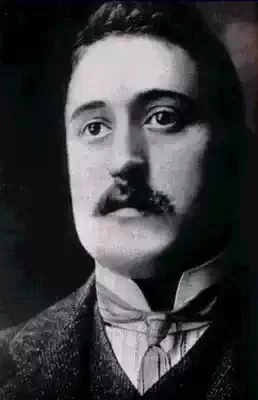
Guillaume Apollinaire
There Is
There Is
There is this ship which has taken my beloved back again
There are six Zeppelin sausages in the sky and with night
coming on it makes a man think of the maggots from which the
stars might some day be reborn
There is this enemy submarine slipping up beneath my love
There are one thousand young pinetrees splintered by the
bursting of the same shells falling around me now
There is this infantryman walking by completely blinded by
poison gas
There is the obvious fact that all that is happening here was
hatched a long time ago in the intestinal trenches of Nietzche
Goethe and the metaphysicians of the town of Cologne
There is the obvious fact that I'm dying over a letter which
has thus far been delayed
There are in my wallet various photos of my beloved
There are prisoners marching past with anxious faces
There is this artillery battery with its faithful servants
hurrying among the guns
There is the postmaster arriving at a trot on the road beneath
the single tree in silhouette
There is according to rumor a spy who infiltrates somewhere
near here invisible as the horizon as the horizon-blue French
uniform he has assumed for offensive purposes and in which he
is now most effectively camouflaged
There is erect as any lily the bosom of my beloved
There is this captain anxiously awaiting the latest radio
dispatch to reach us via transatlantic cable
There are at midnight these details of soldiers sawing planks
for coffins
There are women somewhere in Mexico pleading with wild cries
for more indian corn and maize
There is this Gulf Stream which is so warm and beneficial
There is this cemetery covered with crosses only five
kilometers away
There are all these crosses everywhere this way that way
There are paradisial persimmons growing on cactus-trees in
Algeria
There are the long hands of my love
There is this inkwell which I've made from a 150 mm shell I
saved from shooting
There is my calvary saddle left out in the rain
There are all these rivers blasted off their courses which will
never go back to their banks
There is the god of Love who leads me on so sweetly
There is this German prisoner carrying his machine-gun across
his shoulders
There are men on earth who've never fought in the war
There are Hindus here who look with astonishment on the
occidental style of campaign
They meditate gravely upon those who've left this place
wondering whether they'll ever see them again
Knowing as they do what great progress we've made during this
particular war in the art of invisibility.
There is this ship which has taken my beloved back again
There are six Zeppelin sausages in the sky and with night
coming on it makes a man think of the maggots from which the
stars might some day be reborn
There is this enemy submarine slipping up beneath my love
There are one thousand young pinetrees splintered by the
bursting of the same shells falling around me now
There is this infantryman walking by completely blinded by
poison gas
There is the obvious fact that all that is happening here was
hatched a long time ago in the intestinal trenches of Nietzche
Goethe and the metaphysicians of the town of Cologne
There is the obvious fact that I'm dying over a letter which
has thus far been delayed
There are in my wallet various photos of my beloved
There are prisoners marching past with anxious faces
There is this artillery battery with its faithful servants
hurrying among the guns
There is the postmaster arriving at a trot on the road beneath
the single tree in silhouette
There is according to rumor a spy who infiltrates somewhere
near here invisible as the horizon as the horizon-blue French
uniform he has assumed for offensive purposes and in which he
is now most effectively camouflaged
There is erect as any lily the bosom of my beloved
There is this captain anxiously awaiting the latest radio
dispatch to reach us via transatlantic cable
There are at midnight these details of soldiers sawing planks
for coffins
There are women somewhere in Mexico pleading with wild cries
for more indian corn and maize
There is this Gulf Stream which is so warm and beneficial
There is this cemetery covered with crosses only five
kilometers away
There are all these crosses everywhere this way that way
There are paradisial persimmons growing on cactus-trees in
Algeria
There are the long hands of my love
There is this inkwell which I've made from a 150 mm shell I
saved from shooting
There is my calvary saddle left out in the rain
There are all these rivers blasted off their courses which will
never go back to their banks
There is the god of Love who leads me on so sweetly
There is this German prisoner carrying his machine-gun across
his shoulders
There are men on earth who've never fought in the war
There are Hindus here who look with astonishment on the
occidental style of campaign
They meditate gravely upon those who've left this place
wondering whether they'll ever see them again
Knowing as they do what great progress we've made during this
particular war in the art of invisibility.
758
Guillaume Apollinaire
In the Sante
In the Sante
I
Before I got into my cell
I had to strip my body bare
I heard an ominous voice say Well
Guillaume what are you doing here
Lazarus steps into the ground
Not out of it as he was bid
Adieu Adieu O singing round
Of years and girls the life I led
II
I'm no longer myself in here
I know
I'm number fifteen in the eleventh
Row
The sunlight filters downward through
The panes
And on these lines bright clowns alight
Like stains
They dance under my eyes while my
Ears follow
The feet of one whose feet above
Sound hollow
III
In a bear-pit like a bear
Every morning round I tramp
Round and round and round and round
The sky is like an iron clamp
In a bear-pit like a bear
Every morning round I tramp
In the next cell at the sink
Someone lets the water run
With his bunch of keys that clink
Let the goaler go and come
In the next cell at the sink
Someone lets the water run
IV
How bored I am between bare wall and wall
Whose colour pales and pines
A fly on the paper with extremely small
Steps runs across these lines
What will become of me O God Who know
My pain Who gave it me
Have pity on my dry eyes and my pallor
My chair which creaks and is not free
And all these poor hearts beating in this prison
And Love beside me seated
Pity above all my unstable reason
And this despair which threatens to defeat it
V
How long these hours take to go
As long as a whole funeral
You'll mourn the time you mourned you know
It will be gone too soon like all
Time past
too fast too long ago
VI
I hear the noises of the city
In the turning world beyond me
I see a sky which has no pity
And bare prison walls around me
The daylight disappears and now
A lamp is lit within the prison
We're all alone here in my cell
Beautiful light Beloved reason
I
Before I got into my cell
I had to strip my body bare
I heard an ominous voice say Well
Guillaume what are you doing here
Lazarus steps into the ground
Not out of it as he was bid
Adieu Adieu O singing round
Of years and girls the life I led
II
I'm no longer myself in here
I know
I'm number fifteen in the eleventh
Row
The sunlight filters downward through
The panes
And on these lines bright clowns alight
Like stains
They dance under my eyes while my
Ears follow
The feet of one whose feet above
Sound hollow
III
In a bear-pit like a bear
Every morning round I tramp
Round and round and round and round
The sky is like an iron clamp
In a bear-pit like a bear
Every morning round I tramp
In the next cell at the sink
Someone lets the water run
With his bunch of keys that clink
Let the goaler go and come
In the next cell at the sink
Someone lets the water run
IV
How bored I am between bare wall and wall
Whose colour pales and pines
A fly on the paper with extremely small
Steps runs across these lines
What will become of me O God Who know
My pain Who gave it me
Have pity on my dry eyes and my pallor
My chair which creaks and is not free
And all these poor hearts beating in this prison
And Love beside me seated
Pity above all my unstable reason
And this despair which threatens to defeat it
V
How long these hours take to go
As long as a whole funeral
You'll mourn the time you mourned you know
It will be gone too soon like all
Time past
too fast too long ago
VI
I hear the noises of the city
In the turning world beyond me
I see a sky which has no pity
And bare prison walls around me
The daylight disappears and now
A lamp is lit within the prison
We're all alone here in my cell
Beautiful light Beloved reason
890
Guillaume Apollinaire
Autumn Crocuses
Autumn Crocuses
The meadow is poisonous but pretty in the autumn
The cows that graze there are slowly poisoned
Meadow-saffron the colour of lilac and of shadows
Under the eyes grows there your eyes are like those flowers
Mauve as their shadows and mauve as this autumn
And for your eyes' sake my life is slowly poisoned
Children from school come with their commotion
Dressed in smocks and playing the mouth-organ
Picking autumn crocuses which are like their mothers
Daughters of their daughters and the colour of your eyelids
Which flutter like flowers in the mad breeze blown
The cowherd sings softly to himself all alone
While slow moving lowing the cows leave behind them
Forever this great meadow ill flowered by autumn
The meadow is poisonous but pretty in the autumn
The cows that graze there are slowly poisoned
Meadow-saffron the colour of lilac and of shadows
Under the eyes grows there your eyes are like those flowers
Mauve as their shadows and mauve as this autumn
And for your eyes' sake my life is slowly poisoned
Children from school come with their commotion
Dressed in smocks and playing the mouth-organ
Picking autumn crocuses which are like their mothers
Daughters of their daughters and the colour of your eyelids
Which flutter like flowers in the mad breeze blown
The cowherd sings softly to himself all alone
While slow moving lowing the cows leave behind them
Forever this great meadow ill flowered by autumn
1,012
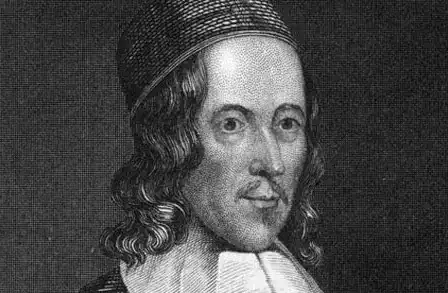
George Herbert
The Sinner
The Sinner
Lord, how I am all ague, when I seek
What I have treasur'd in my memory!
Since, if my soul make even with the week,
Each seventh note by right is due to thee.
I find there quarries of pil'd vanities,
But shreds of holiness, that dare not venture
To show their face, since cross to thy decrees:
There the circumference earth is, heav'n the centre.
In so much dregs the quintessence is small:
The spirit and good extract of my heart
Comes to about the many hundredth part.
Yet Lord restore thine image, hear my call:
And though my hard heart scarce to thee can groan,
Remember that thou once didst write in stone.
Lord, how I am all ague, when I seek
What I have treasur'd in my memory!
Since, if my soul make even with the week,
Each seventh note by right is due to thee.
I find there quarries of pil'd vanities,
But shreds of holiness, that dare not venture
To show their face, since cross to thy decrees:
There the circumference earth is, heav'n the centre.
In so much dregs the quintessence is small:
The spirit and good extract of my heart
Comes to about the many hundredth part.
Yet Lord restore thine image, hear my call:
And though my hard heart scarce to thee can groan,
Remember that thou once didst write in stone.
343
George Herbert
The Dawning
The Dawning
Awake, sad heart, whom sorrow ever drowns ;
Take up thine eyes, which feed on earth ;
Unfold thy forehead, gathered into frowns ;
Thy Saviour comes, and with Him mirth :
Awake, awake,
And with a thankful heart His comforts take.
But thou dost still lament, and pine, and cry,
And feel His death, but not His victory.
Arise, sad heart ; if thou dost not withstand,
Christ's resurrection thine may be ;
Do not by hanging down break from the hand
Which, as it riseth, raiseth thee :
Arise, Arise;
And with His burial linen drie thine eyes.
Christ left His grave-clothes, that we might, when grief
Draws tears or blood, not want a handkerchief.
Awake, sad heart, whom sorrow ever drowns ;
Take up thine eyes, which feed on earth ;
Unfold thy forehead, gathered into frowns ;
Thy Saviour comes, and with Him mirth :
Awake, awake,
And with a thankful heart His comforts take.
But thou dost still lament, and pine, and cry,
And feel His death, but not His victory.
Arise, sad heart ; if thou dost not withstand,
Christ's resurrection thine may be ;
Do not by hanging down break from the hand
Which, as it riseth, raiseth thee :
Arise, Arise;
And with His burial linen drie thine eyes.
Christ left His grave-clothes, that we might, when grief
Draws tears or blood, not want a handkerchief.
254
George Herbert
The Altar
The Altar
A broken ALTAR, Lord, thy servant rears,
Made of a heart and cemented with tears;
Whose parts are as thy hand did frame;
No workman's tool hath touch'd the same.
A HEART alone
Is such a stone,
As nothing but
Thy pow'r doth cut.
Wherefore each part
Of my hard heart
Meets in this frame
To praise thy name.
That if I chance to hold my peace,
These stones to praise thee may not cease.
Oh, let thy blessed SACRIFICE be mine,
And sanctify this ALTAR to be thine.
A broken ALTAR, Lord, thy servant rears,
Made of a heart and cemented with tears;
Whose parts are as thy hand did frame;
No workman's tool hath touch'd the same.
A HEART alone
Is such a stone,
As nothing but
Thy pow'r doth cut.
Wherefore each part
Of my hard heart
Meets in this frame
To praise thy name.
That if I chance to hold my peace,
These stones to praise thee may not cease.
Oh, let thy blessed SACRIFICE be mine,
And sanctify this ALTAR to be thine.
223
George Herbert
The Affliction (I)
The Affliction (I)
When first thou didst entice to thee my heart,
I thought the service brave;
So many joys I writ down for my part,
Besides what I might have
Out of my stock of natural delights,
Augmented with thy gracious benefits.
I looked on thy furniture so fine,
And made it fine to me;
Thy glorious household-stuff did me entwine,
And 'tice me unto thee.
Such stars I counted mine: both heav'n and earth;
Paid me my wages in a world of mirth.
What pleasures could I want, whose King I serv'd,
Where joys my fellows were?
Thus argu'd into hopes, my thoughts reserv'd
No place for grief or fear.
Therefore my sudden soul caught at the place,
And made her youth and fierceness seek thy face.
At first thou gav'st me milk and sweetnesses;
I had my wish and way;
My days were straw'd with flow'rs and happiness;
There was no month but May.
But with my years sorrow did twist and grow,
And made a party unawares for woe.
My flesh began unto my soul in pain,
"Sicknesses cleave my bones;
Consuming agues dwell in ev'ry vein,
And tune my breath to groans."
Sorrow was all my soul; I scarce believ'd,
Till grief did tell me roundly, that I liv'd.
When I got health, thou took'st away my life,
And more, for my friends die;
My mirth and edge was lost, a blunted knife
Was of more use than I.
Thus thin and lean without a fence or friend,
I was blown through with ev'ry storm and wind.
Whereas my birth and spirit rather took
The way that takes the town;
Thou didst betray me to a ling'ring book,
And wrap me in a gown.
I was entangled in the world of strife,
Before I had the power to change my life.
Yet, for I threaten'd oft the siege to raise,
Not simp'ring all mine age,
Thou often didst with academic praise
Melt and dissolve my rage.
I took thy sweet'ned pill, till I came where
I could not go away, nor persevere.
Yet lest perchance I should too happy be
In my unhappiness,
Turning my purge to food, thou throwest me
Into more sicknesses.
Thus doth thy power cross-bias me, not making
Thine own gift good, yet me from my ways taking.
Now I am here, what thou wilt do with me
None of my books will show;
I read, and sigh, and wish I were a tree,
For sure then I should grow
To fruit or shade: at least some bird would trust
Her household to me, and I should be just.
Yet, though thou troublest me, I must be meek;
In weakness must be stout;
Well, I will change the service, and go seek
Some other master out.
Ah my dear God! though I am clean forgot,
Let me not love thee, if I love thee not.
When first thou didst entice to thee my heart,
I thought the service brave;
So many joys I writ down for my part,
Besides what I might have
Out of my stock of natural delights,
Augmented with thy gracious benefits.
I looked on thy furniture so fine,
And made it fine to me;
Thy glorious household-stuff did me entwine,
And 'tice me unto thee.
Such stars I counted mine: both heav'n and earth;
Paid me my wages in a world of mirth.
What pleasures could I want, whose King I serv'd,
Where joys my fellows were?
Thus argu'd into hopes, my thoughts reserv'd
No place for grief or fear.
Therefore my sudden soul caught at the place,
And made her youth and fierceness seek thy face.
At first thou gav'st me milk and sweetnesses;
I had my wish and way;
My days were straw'd with flow'rs and happiness;
There was no month but May.
But with my years sorrow did twist and grow,
And made a party unawares for woe.
My flesh began unto my soul in pain,
"Sicknesses cleave my bones;
Consuming agues dwell in ev'ry vein,
And tune my breath to groans."
Sorrow was all my soul; I scarce believ'd,
Till grief did tell me roundly, that I liv'd.
When I got health, thou took'st away my life,
And more, for my friends die;
My mirth and edge was lost, a blunted knife
Was of more use than I.
Thus thin and lean without a fence or friend,
I was blown through with ev'ry storm and wind.
Whereas my birth and spirit rather took
The way that takes the town;
Thou didst betray me to a ling'ring book,
And wrap me in a gown.
I was entangled in the world of strife,
Before I had the power to change my life.
Yet, for I threaten'd oft the siege to raise,
Not simp'ring all mine age,
Thou often didst with academic praise
Melt and dissolve my rage.
I took thy sweet'ned pill, till I came where
I could not go away, nor persevere.
Yet lest perchance I should too happy be
In my unhappiness,
Turning my purge to food, thou throwest me
Into more sicknesses.
Thus doth thy power cross-bias me, not making
Thine own gift good, yet me from my ways taking.
Now I am here, what thou wilt do with me
None of my books will show;
I read, and sigh, and wish I were a tree,
For sure then I should grow
To fruit or shade: at least some bird would trust
Her household to me, and I should be just.
Yet, though thou troublest me, I must be meek;
In weakness must be stout;
Well, I will change the service, and go seek
Some other master out.
Ah my dear God! though I am clean forgot,
Let me not love thee, if I love thee not.
253
George Herbert
Sin's Round
Sin's Round
Sorry I am, my God, sorry I am,
That my offences course it in a ring.
My thoughts are working like a busy flame,
Until their cockatrice they hatch and bring:
And when they once have perfected their draughts,
My words take fire from my inflamed thoughts.
My words take fire fro m my inflamed thoughts,
Which spit it forth like the Sicilian hill.
They vent their wares, and pass them with their faults,
And by their breathing ventilate the ill.
But words suffice not, where are lewd intentions:
My hands do join to finish the inventions.
My hands do join to finish the inventions:
And so my sins ascend three stories high,
As Babel grew, before there were dissentions.
Let ill deeds loiter not: for they supply
New thoughts of sinning:
wherefore, to my shame,
Sorry I am, my God, sorry I am.
Sorry I am, my God, sorry I am,
That my offences course it in a ring.
My thoughts are working like a busy flame,
Until their cockatrice they hatch and bring:
And when they once have perfected their draughts,
My words take fire from my inflamed thoughts.
My words take fire fro m my inflamed thoughts,
Which spit it forth like the Sicilian hill.
They vent their wares, and pass them with their faults,
And by their breathing ventilate the ill.
But words suffice not, where are lewd intentions:
My hands do join to finish the inventions.
My hands do join to finish the inventions:
And so my sins ascend three stories high,
As Babel grew, before there were dissentions.
Let ill deeds loiter not: for they supply
New thoughts of sinning:
wherefore, to my shame,
Sorry I am, my God, sorry I am.
236
George Herbert
Repentance
Repentance
Lord, I confess my sin is great;
Great is my sin. Oh! gently treat
With thy quick flow'r, thy momentany bloom;
Whose life still pressing
Is one undressing,
A steady aiming at a tomb.
Man's age is two hours' work, or three:
Each day doth round about us see.
Thus are we to delights: but we are all
To sorrows old,
If life be told
From what life feeleth, Adam's fall.
O let thy height of mercy then
Compassionate short-breathed men.
Cut me not off for my most foul transgression:
I do confess
My foolishness;
My God, accept of my confession.
Sweeten at length this bitter bowl,
Which thou hast pour'd into my soul;
Thy wormwood turn to health, winds to fair weather:
For if thou stay,
I and this day,
As we did rise, we die together.
When thou for sin rebukest man,
Forthwith he waxeth woe and wan:
Bitterness fills our bowels; all our hearts
Pine, and decay,
And dropp away,
And carry with them th'other parts.
But thou wilt sin and grief destroy;
That so the broken bones may joy,
And tune together in a well-set song,
Full of his praises,
Who dead men raises;
Fractures well cur'd make us more strong.
Lord, I confess my sin is great;
Great is my sin. Oh! gently treat
With thy quick flow'r, thy momentany bloom;
Whose life still pressing
Is one undressing,
A steady aiming at a tomb.
Man's age is two hours' work, or three:
Each day doth round about us see.
Thus are we to delights: but we are all
To sorrows old,
If life be told
From what life feeleth, Adam's fall.
O let thy height of mercy then
Compassionate short-breathed men.
Cut me not off for my most foul transgression:
I do confess
My foolishness;
My God, accept of my confession.
Sweeten at length this bitter bowl,
Which thou hast pour'd into my soul;
Thy wormwood turn to health, winds to fair weather:
For if thou stay,
I and this day,
As we did rise, we die together.
When thou for sin rebukest man,
Forthwith he waxeth woe and wan:
Bitterness fills our bowels; all our hearts
Pine, and decay,
And dropp away,
And carry with them th'other parts.
But thou wilt sin and grief destroy;
That so the broken bones may joy,
And tune together in a well-set song,
Full of his praises,
Who dead men raises;
Fractures well cur'd make us more strong.
297
George Herbert
Joseph's Coat
Joseph's Coat
Wounded I sing, tormented I indite,
Thrown down I fall into a bed, and rest:
Sorrow hath chang'd its note: such is his will
Who changeth all things, as him pleaseth best.
For well he knows, if but one grief and smart
Among my many had his full career,
Sure it would carry with it ev'n my heart,
And both would run until they found a bier
To fetch the body; both being due to grief.
But he hath spoil'd the race; and giv'n to anguish
One of Joy's coats, 'ticing it with relief
To linger in me, and together languish.
I live to shew his power, who once did bring
My joys to weep, and now my griefs to sing.
Wounded I sing, tormented I indite,
Thrown down I fall into a bed, and rest:
Sorrow hath chang'd its note: such is his will
Who changeth all things, as him pleaseth best.
For well he knows, if but one grief and smart
Among my many had his full career,
Sure it would carry with it ev'n my heart,
And both would run until they found a bier
To fetch the body; both being due to grief.
But he hath spoil'd the race; and giv'n to anguish
One of Joy's coats, 'ticing it with relief
To linger in me, and together languish.
I live to shew his power, who once did bring
My joys to weep, and now my griefs to sing.
229
George Herbert
Grace
Grace
My stock lies dead and no increase
Doth my dull husbandry improve:
O let thy graces without cease
Drop from above!
If still the sun should hide his face,
Thy house would but a dungeon prove,
Thy works, night's captives: O let grace
Drop from above!
The dew doth ev'ry morning fall;
And shall the dew outstrip thy dove?
The dew, for which grass cannot call,
Drop from above.
Death is still working like a mole,
And digs my grave at each remove:
Let grace work too, and on my soul
Drop from above.
Sin is still hammering my heart
Unto a hardness, void of love:
Let suppling grace, to cross his art,
Drop from above.
O come! for thou dost know the way.
Or if to me thou wilt not move,
Remove me, where I need not say,
'Drop from above.'
My stock lies dead and no increase
Doth my dull husbandry improve:
O let thy graces without cease
Drop from above!
If still the sun should hide his face,
Thy house would but a dungeon prove,
Thy works, night's captives: O let grace
Drop from above!
The dew doth ev'ry morning fall;
And shall the dew outstrip thy dove?
The dew, for which grass cannot call,
Drop from above.
Death is still working like a mole,
And digs my grave at each remove:
Let grace work too, and on my soul
Drop from above.
Sin is still hammering my heart
Unto a hardness, void of love:
Let suppling grace, to cross his art,
Drop from above.
O come! for thou dost know the way.
Or if to me thou wilt not move,
Remove me, where I need not say,
'Drop from above.'
253
George Herbert
H. Baptism
H. Baptism
As he that sees a dark and shady grove,
Stays not, but looks beyond it on the sky;
So when I view my sins, mine eyes remove
More backward still, and to that water fly,
Which is above the heav'ns, whose spring and rest
Is in my dear Redeemer's pierced side.
O blessed streams! either ye do prevent
And stop our sins from growing thick and wide,
Or else give tears to drown them, as they grow.
In you Redemption measures all my time,
And spreads the plaster equal to the crime;
You taught the book of life my name, that so
What ever future sins should me miscall,
Your first acquaintance might discredit all.
As he that sees a dark and shady grove,
Stays not, but looks beyond it on the sky;
So when I view my sins, mine eyes remove
More backward still, and to that water fly,
Which is above the heav'ns, whose spring and rest
Is in my dear Redeemer's pierced side.
O blessed streams! either ye do prevent
And stop our sins from growing thick and wide,
Or else give tears to drown them, as they grow.
In you Redemption measures all my time,
And spreads the plaster equal to the crime;
You taught the book of life my name, that so
What ever future sins should me miscall,
Your first acquaintance might discredit all.
235