

Poems in this theme
Pain and Despair
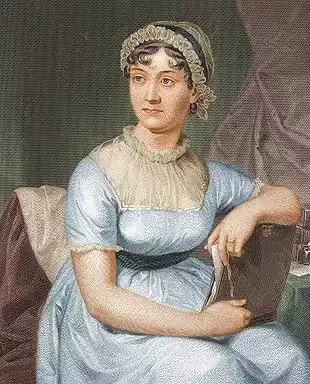
Jane Austen
When Stretch'd on One's Bed
When Stretch'd on One's Bed
When stretch'd on one's bed
With a fierce-throbbing head,
Which preculdes alike thought or repose,
How little one cares
For the grandest affairs
That may busy the world as it goes!
How little one feels
For the waltzes and reels
Of our Dance-loving friends at a Ball!
How slight one's concern
To conjecture or learn
What their flounces or hearts may befall.
How little one minds
If a company dines
On the best that the Season affords!
How short is one's muse
O'er the Sauces and Stews,
Or the Guests, be they Beggars or Lords.
How little the Bells,
Ring they Peels, toll they Knells,
Can attract our attention or Ears!
The Bride may be married,
The Corse may be carried
And touch nor our hopes nor our fears.
Our own bodily pains
Ev'ry faculty chains;
We can feel on no subject besides.
Tis in health and in ease
We the power must seize
For our friends and our souls to provide.
When stretch'd on one's bed
With a fierce-throbbing head,
Which preculdes alike thought or repose,
How little one cares
For the grandest affairs
That may busy the world as it goes!
How little one feels
For the waltzes and reels
Of our Dance-loving friends at a Ball!
How slight one's concern
To conjecture or learn
What their flounces or hearts may befall.
How little one minds
If a company dines
On the best that the Season affords!
How short is one's muse
O'er the Sauces and Stews,
Or the Guests, be they Beggars or Lords.
How little the Bells,
Ring they Peels, toll they Knells,
Can attract our attention or Ears!
The Bride may be married,
The Corse may be carried
And touch nor our hopes nor our fears.
Our own bodily pains
Ev'ry faculty chains;
We can feel on no subject besides.
Tis in health and in ease
We the power must seize
For our friends and our souls to provide.
162
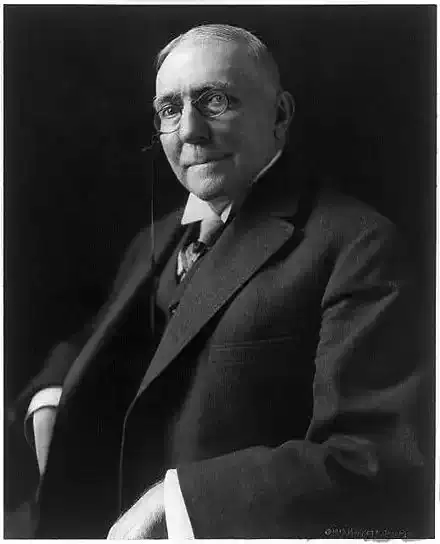
James Whitcomb Riley
When The Hearse Comes Back
When The Hearse Comes Back
A thing 'at's 'bout as tryin' as a healthy man kin meet
Is some poor feller's funeral a-joggin' 'long the street:
The slow hearse and the hosses-- slow enough, to say at least,
Fer to even tax the patience of gentleman deceased!
The low scrunch of the gravel-- and the slow grind of the wheels--,
The slow, slow go of ev'ry woe 'at ev'rybody feels!
So I ruther like the contrast when I hear the whip-lash crack
A quickstep fer the hosses,
When the
Hearse
Comes
Back!
Meet it goin' to'rds the cimet'ry, you'll want to drap yer eyes--
But ef the plumes don't fetch you, it'll ketch you otherwise-You'll
haf to see the caskit, though you'd ort to look away
And 'conomize and save yer sighs fer any other day!
Yer sympathizin' won't wake up the sleeper from his rest--
Yer tears won't thaw them hands o' his 'at's froze acrost his breast!
And this is why-- when airth and sky's a gittin blurred and black--
I like the flash and hurry
When the
Hearse
Comes
Back!
It's not 'cause I don't 'preciate it ain't no time fer jokes,
Ner 'cause I' got no common human feelin' fer the folks--;
I've went to funerals myse'f, and tuk on some, perhaps--
Fer my hearth's 'bout as mal'able as any other chap's--,
I've buried father, mother-- But I'll haf to jes' git you
To 'excuse me,' as the feller says--. The p'int I'm drivin' to
Is simply when we're plum broke down and all knocked out o' whack,
It he'ps to shape us up like,
When the
Hearse
Comes
Back!
The idy! Wadin round here over shoe-mouth deep in woe,
When they's a graded 'pike o' joy and sunshine don't you know!
When evening strikes the pastur', cows'll pull out fer the bars,
And skittish-like from out the night'll prance the happy stars.
And so when my time comes to die, and I've got ary friend
'At wants expressed my last request-- I'll mebby, rickommend
To drive slow, ef they haf to, goin' 'long the out'ard track,
But I'll smile and say, 'You speed 'em
When the
Hearse
Comes
Back!'
A thing 'at's 'bout as tryin' as a healthy man kin meet
Is some poor feller's funeral a-joggin' 'long the street:
The slow hearse and the hosses-- slow enough, to say at least,
Fer to even tax the patience of gentleman deceased!
The low scrunch of the gravel-- and the slow grind of the wheels--,
The slow, slow go of ev'ry woe 'at ev'rybody feels!
So I ruther like the contrast when I hear the whip-lash crack
A quickstep fer the hosses,
When the
Hearse
Comes
Back!
Meet it goin' to'rds the cimet'ry, you'll want to drap yer eyes--
But ef the plumes don't fetch you, it'll ketch you otherwise-You'll
haf to see the caskit, though you'd ort to look away
And 'conomize and save yer sighs fer any other day!
Yer sympathizin' won't wake up the sleeper from his rest--
Yer tears won't thaw them hands o' his 'at's froze acrost his breast!
And this is why-- when airth and sky's a gittin blurred and black--
I like the flash and hurry
When the
Hearse
Comes
Back!
It's not 'cause I don't 'preciate it ain't no time fer jokes,
Ner 'cause I' got no common human feelin' fer the folks--;
I've went to funerals myse'f, and tuk on some, perhaps--
Fer my hearth's 'bout as mal'able as any other chap's--,
I've buried father, mother-- But I'll haf to jes' git you
To 'excuse me,' as the feller says--. The p'int I'm drivin' to
Is simply when we're plum broke down and all knocked out o' whack,
It he'ps to shape us up like,
When the
Hearse
Comes
Back!
The idy! Wadin round here over shoe-mouth deep in woe,
When they's a graded 'pike o' joy and sunshine don't you know!
When evening strikes the pastur', cows'll pull out fer the bars,
And skittish-like from out the night'll prance the happy stars.
And so when my time comes to die, and I've got ary friend
'At wants expressed my last request-- I'll mebby, rickommend
To drive slow, ef they haf to, goin' 'long the out'ard track,
But I'll smile and say, 'You speed 'em
When the
Hearse
Comes
Back!'
285
James Whitcomb Riley
Time
Time
1
The ticking-- ticking-- ticking of the clock--!
That vexed me so last night--! 'For though Time keeps
Such drowsy watch,' I moaned, 'he never sleeps,
But only nods above the world to mock
Its restless occupant, then rudely rock
It as the cradle of a babe that weeps!'
I seemed to see the seconds piled in heaps
Like sand about me; and at every shock
O' the bell, the piled sands were swirled away
As by a desert-storm that swept the earth
Stark as a granary floor, whereon the gray
And mist-bedrizzled moon amidst the dearth
Came crawling, like a sickly child, to lay
Its pale face next mine own and weep for day.
2
Wait for the morning! Ah! We wait indeed
For daylight, we who toss about through stress
Of vacant-armed desires and emptiness
Of all the warm, warm touches that we need,
And the warm kisses upon which we feed
Our famished lips in fancy! May God bless
The starved lips of us with but one caress
Warm as the yearning blood our poor hearts bleed...!
A wild prayer--! Bite thy pillow, praying so--
Toss this side, and whirl that, and moan for dawn;
Let the clock's seconds dribble out their woe,
And Time be drained of sorrow! Long ago
We heard the crowing cock, with answer drawn
As hoarsely sad at throat as sobs... Pray on!
1
The ticking-- ticking-- ticking of the clock--!
That vexed me so last night--! 'For though Time keeps
Such drowsy watch,' I moaned, 'he never sleeps,
But only nods above the world to mock
Its restless occupant, then rudely rock
It as the cradle of a babe that weeps!'
I seemed to see the seconds piled in heaps
Like sand about me; and at every shock
O' the bell, the piled sands were swirled away
As by a desert-storm that swept the earth
Stark as a granary floor, whereon the gray
And mist-bedrizzled moon amidst the dearth
Came crawling, like a sickly child, to lay
Its pale face next mine own and weep for day.
2
Wait for the morning! Ah! We wait indeed
For daylight, we who toss about through stress
Of vacant-armed desires and emptiness
Of all the warm, warm touches that we need,
And the warm kisses upon which we feed
Our famished lips in fancy! May God bless
The starved lips of us with but one caress
Warm as the yearning blood our poor hearts bleed...!
A wild prayer--! Bite thy pillow, praying so--
Toss this side, and whirl that, and moan for dawn;
Let the clock's seconds dribble out their woe,
And Time be drained of sorrow! Long ago
We heard the crowing cock, with answer drawn
As hoarsely sad at throat as sobs... Pray on!
333
James Whitcomb Riley
The Watches Of The Night
The Watches Of The Night
O the waiting in the watches of the night!
In the darkness, desolation, and contrition and affright;
The awful hush that holds us shut away from all delight:
The ever weary memory that ever weary goes
Recounting ever over every aching loss it knows--
The ever weary eyelids gasping ever for repose--
In the dreary, weary watches of the night!
Dark--stifling dark--the watches of the night!
With tingling nerves at tension, how the blackness flashes white
With spectral visitations smitten past the inner sight!--
What shuddering sense of wrongs we've wrought
that may not be redressed--
Of tears we did not brush away--of lips we left unpressed,
And hands that we let fall, with all their loyalty unguessed!
Ah! the empty, empty watches of the night!
What solace in the watches of the night?--
What frailest staff of hope to stay--what faintest shaft of light?
Do we _dream_ and dare _believe_ it, that by never weight of right
Of our own poor weak deservings, we shall win the dawn at last--
Our famished souls find freedom from this penance for the past,
In a faith that leaps and lightens from the gloom
that flees aghast--
Shall we survive the watches of the night?
One leads us through the watches of the night--
By the ceaseless intercession of our loved ones lost to sight
He is with us through all trials, in His mercy and His might;--
With our mothers there about Him, all our sorrow disappears,
Till the silence of our sobbing is the prayer the Master hears,
And His hand is laid upon us with the tenderness of tears
In the waning of the watches of the night.
O the waiting in the watches of the night!
In the darkness, desolation, and contrition and affright;
The awful hush that holds us shut away from all delight:
The ever weary memory that ever weary goes
Recounting ever over every aching loss it knows--
The ever weary eyelids gasping ever for repose--
In the dreary, weary watches of the night!
Dark--stifling dark--the watches of the night!
With tingling nerves at tension, how the blackness flashes white
With spectral visitations smitten past the inner sight!--
What shuddering sense of wrongs we've wrought
that may not be redressed--
Of tears we did not brush away--of lips we left unpressed,
And hands that we let fall, with all their loyalty unguessed!
Ah! the empty, empty watches of the night!
What solace in the watches of the night?--
What frailest staff of hope to stay--what faintest shaft of light?
Do we _dream_ and dare _believe_ it, that by never weight of right
Of our own poor weak deservings, we shall win the dawn at last--
Our famished souls find freedom from this penance for the past,
In a faith that leaps and lightens from the gloom
that flees aghast--
Shall we survive the watches of the night?
One leads us through the watches of the night--
By the ceaseless intercession of our loved ones lost to sight
He is with us through all trials, in His mercy and His might;--
With our mothers there about Him, all our sorrow disappears,
Till the silence of our sobbing is the prayer the Master hears,
And His hand is laid upon us with the tenderness of tears
In the waning of the watches of the night.
309
James Whitcomb Riley
The Sermon Of The Rose
The Sermon Of The Rose
Wilful we are in our infirmity
Of childish questioning and discontent.
Whate'er befalls us is divinely meant--
Thou Truth the clearer for thy mystery!
Make us to meet what is or is to be
With fervid welcome, knowing it is sent
To serve us in some way full excellent,
Though we discern it all belatedly.
The rose buds, and the rose blooms and the rose
Bows in the dews, and in its fulness, lo,
Is in the lover's hand,--then on the breast
Of her he loves,--and there dies.--And who knows
Which fate of all a rose may undergo
Is fairest, dearest, sweetest, loveliest?
Nay, we are children: we will not mature.
A blessed gift must seem a theft; and tears
Must storm our eyes when but a joy appears
In drear disguise of sorrow; and how poor
We seem when we are richest,--most secure
Against all poverty the lifelong years
We yet must waste in childish doubts and fears
That, in despite of reason, still endure!
Alas! the sermon of the rose we will
Not wisely ponder; nor the sobs of grief
Lulled into sighs of rapture; nor the cry
Of fierce defiance that again is still.
Be patient--patient with our frail belief,
And stay it yet a little ere we die.
O opulent life of ours, though dispossessed
Of treasure after treasure! Youth most fair
Went first, but left its priceless coil of hair--
Moaned over sleepless nights, kissed and caressed
Through drip and blur of tears the tenderest.
And next went Love--the ripe rose glowing there
Her very sister!... It is here; but where
Is she, of all the world the first and best?
And yet how sweet the sweet earth after rain--
How sweet the sunlight on the garden wall
Across the roses--and how sweetly flows
The limpid yodel of the brook again!
And yet--and yet how sweeter after all,
The smouldering sweetness of a dead red rose!
Wilful we are in our infirmity
Of childish questioning and discontent.
Whate'er befalls us is divinely meant--
Thou Truth the clearer for thy mystery!
Make us to meet what is or is to be
With fervid welcome, knowing it is sent
To serve us in some way full excellent,
Though we discern it all belatedly.
The rose buds, and the rose blooms and the rose
Bows in the dews, and in its fulness, lo,
Is in the lover's hand,--then on the breast
Of her he loves,--and there dies.--And who knows
Which fate of all a rose may undergo
Is fairest, dearest, sweetest, loveliest?
Nay, we are children: we will not mature.
A blessed gift must seem a theft; and tears
Must storm our eyes when but a joy appears
In drear disguise of sorrow; and how poor
We seem when we are richest,--most secure
Against all poverty the lifelong years
We yet must waste in childish doubts and fears
That, in despite of reason, still endure!
Alas! the sermon of the rose we will
Not wisely ponder; nor the sobs of grief
Lulled into sighs of rapture; nor the cry
Of fierce defiance that again is still.
Be patient--patient with our frail belief,
And stay it yet a little ere we die.
O opulent life of ours, though dispossessed
Of treasure after treasure! Youth most fair
Went first, but left its priceless coil of hair--
Moaned over sleepless nights, kissed and caressed
Through drip and blur of tears the tenderest.
And next went Love--the ripe rose glowing there
Her very sister!... It is here; but where
Is she, of all the world the first and best?
And yet how sweet the sweet earth after rain--
How sweet the sunlight on the garden wall
Across the roses--and how sweetly flows
The limpid yodel of the brook again!
And yet--and yet how sweeter after all,
The smouldering sweetness of a dead red rose!
312
James Whitcomb Riley
The Lost Kiss
The Lost Kiss
I put by the half-written poem,
While the pen, idly trailed in my hand,
Writes on--, 'Had I words to complete it,
Who'd read it, or who'd understand?'
But the little bare feet on the stairway,
And the faint, smothered laugh in the hall,
And the eerie-low lisp on the silence,
Cry up to me over it all.
So I gather it up-- where was broken
The tear-faded thread of my theme,
Telling how, as one night I sat writing,
A fairy broke in on my dream,
A little inquisitive fairy--
My own little girl, with the gold
Of the sun in her hair, and the dewy
Blue eyes of the fairies of old.
'Twas the dear little girl that I scolded-'
For was it a moment like this,'
I said, 'when she knew I was busy,
To come romping in for a kiss--?
Come rowdying up from her mother,
And clamoring there at my knee
For 'One 'ittle kiss for my dolly,
And one 'ittle uzzer for me!'
God pity, the heart that repelled her,
And the cold hand that turned her away,
And take, from the lips that denied her,
This answerless prayer of to-day!
Take Lord, from my mem'ry forever
That pitiful sob of despair,
And the patter and trip of the little bare feet,
And the one piercing cry on the stair!
I put by the half-written poem,
While the pen, idly trailed in my hand
Writes on--, 'Had I words to complete it
Who'd read it, or who'd understand?'
But the little bare feet on the stairway,
And the faint, smothered laugh in the hall,
And the eerie-low lisp on the silence,
Cry up to me over it all.
I put by the half-written poem,
While the pen, idly trailed in my hand,
Writes on--, 'Had I words to complete it,
Who'd read it, or who'd understand?'
But the little bare feet on the stairway,
And the faint, smothered laugh in the hall,
And the eerie-low lisp on the silence,
Cry up to me over it all.
So I gather it up-- where was broken
The tear-faded thread of my theme,
Telling how, as one night I sat writing,
A fairy broke in on my dream,
A little inquisitive fairy--
My own little girl, with the gold
Of the sun in her hair, and the dewy
Blue eyes of the fairies of old.
'Twas the dear little girl that I scolded-'
For was it a moment like this,'
I said, 'when she knew I was busy,
To come romping in for a kiss--?
Come rowdying up from her mother,
And clamoring there at my knee
For 'One 'ittle kiss for my dolly,
And one 'ittle uzzer for me!'
God pity, the heart that repelled her,
And the cold hand that turned her away,
And take, from the lips that denied her,
This answerless prayer of to-day!
Take Lord, from my mem'ry forever
That pitiful sob of despair,
And the patter and trip of the little bare feet,
And the one piercing cry on the stair!
I put by the half-written poem,
While the pen, idly trailed in my hand
Writes on--, 'Had I words to complete it
Who'd read it, or who'd understand?'
But the little bare feet on the stairway,
And the faint, smothered laugh in the hall,
And the eerie-low lisp on the silence,
Cry up to me over it all.
289
James Whitcomb Riley
The Hereafter
The Hereafter
Hereafter! O we need not waste
Our smiles or tears, whatever befall:
No happiness but holds a taste
Of something sweeter, after all;--
No depth of agony but feels
Some fragment of abiding trust,--
Whatever death unlocks or seals,
The mute beyond is just.
Hereafter! O we need not waste
Our smiles or tears, whatever befall:
No happiness but holds a taste
Of something sweeter, after all;--
No depth of agony but feels
Some fragment of abiding trust,--
Whatever death unlocks or seals,
The mute beyond is just.
262
James Whitcomb Riley
The Harp Of The Minstrel
The Harp Of The Minstrel
The harp of the minstrel has never a tone
As sad as the song in his bosom to-night,
For the magical touch of his fingers alone
Can not waken the echoes that breathe it aright;
But oh! as the smile of the moon may impart
A sorrow to one in an alien clime,
Let the light of the melody fall on the heart,
And cadence his grief into musical rhyme.
The faces have faded, the eyes have grown dim
That once were his passionate love and his pride;
And alas! all the smiles that once blossomed for him
Have fallen away as the flowers have died.
The hands that entwined him the laureate's wreath
And crowned him with fame in the long, long ago,
Like the laurels are withered and folded beneath
The grass and the stubble--the frost and the snow.
Then sigh, if thou wilt, as the whispering strings
Strive ever in vain for the utterance clear,
And think of the sorrowful spirit that sings,
And jewel the song with the gem of a tear.
For the harp of the minstrel has never a tone
As sad as the song in his bosom tonight,
And the magical touch of his fingers alone
Can not waken the echoes that breathe it aright.
The harp of the minstrel has never a tone
As sad as the song in his bosom to-night,
For the magical touch of his fingers alone
Can not waken the echoes that breathe it aright;
But oh! as the smile of the moon may impart
A sorrow to one in an alien clime,
Let the light of the melody fall on the heart,
And cadence his grief into musical rhyme.
The faces have faded, the eyes have grown dim
That once were his passionate love and his pride;
And alas! all the smiles that once blossomed for him
Have fallen away as the flowers have died.
The hands that entwined him the laureate's wreath
And crowned him with fame in the long, long ago,
Like the laurels are withered and folded beneath
The grass and the stubble--the frost and the snow.
Then sigh, if thou wilt, as the whispering strings
Strive ever in vain for the utterance clear,
And think of the sorrowful spirit that sings,
And jewel the song with the gem of a tear.
For the harp of the minstrel has never a tone
As sad as the song in his bosom tonight,
And the magical touch of his fingers alone
Can not waken the echoes that breathe it aright.
262
James Whitcomb Riley
Thanksgiving
Thanksgiving
Let us be thankful--not only because
Since last our universal thanks were told
We have grown greater in the world's applause,
And fortune's newer smiles surpass the old--
But thankful for all things that come as alms
From out the open hand of Providence:--
The winter clouds and storms---the summer calms--
The sleepless dread--the drowse of indolence.
Let us be thankful--thankful for the prayers
Whose gracious answers were long, long delayed,
That they might fall upon us unawares,
And bless us, as in greater need, we prayed.
Let us be thankful for the loyal hand
That love held out in welcome to our own,
When love and only love could understand
The need of touches we had never known.
Let us be thankful for the longing eyes
That gave their secret to us as they wept,
Yet in return found, with a sweet surprise,
Love's touch upon their lids, and, smiling, slept.
And let us, too, be thankful that the tears
Of sorrow have not all been drained away,
That through them still, for all the coming years,
We may look on the dead face of To-day.
Let us be thankful--not only because
Since last our universal thanks were told
We have grown greater in the world's applause,
And fortune's newer smiles surpass the old--
But thankful for all things that come as alms
From out the open hand of Providence:--
The winter clouds and storms---the summer calms--
The sleepless dread--the drowse of indolence.
Let us be thankful--thankful for the prayers
Whose gracious answers were long, long delayed,
That they might fall upon us unawares,
And bless us, as in greater need, we prayed.
Let us be thankful for the loyal hand
That love held out in welcome to our own,
When love and only love could understand
The need of touches we had never known.
Let us be thankful for the longing eyes
That gave their secret to us as they wept,
Yet in return found, with a sweet surprise,
Love's touch upon their lids, and, smiling, slept.
And let us, too, be thankful that the tears
Of sorrow have not all been drained away,
That through them still, for all the coming years,
We may look on the dead face of To-day.
254
James Whitcomb Riley
Say Something To Me
Say Something To Me
Say something to me! I've waited so long--
Waited and wondered in vain;
Only a sentence would fall like a song
Over this listening pain--
Over a silence that glowers and frowns,--
Even my pencil to-night
Slips in the dews of my sorrow and wounds
Each tender word that I write.
Say something to me--if only to tell
Me you remember the past;
Let the sweet words, like the notes of a bell,
Ring out my vigil at last.
O it were better, far better than this
Doubt and distrust in the breast,--
For in the wine of a fanciful kiss
I could taste Heaven, and--rest.
Say something to me! I kneel and I plead,
In my wild need, for a word;
If my poor heart from this silence were freed,
I could soar up like a bird
In the glad morning, and twitter and sing,
Carol and warble and cry
Blithe as the lark as he cruises awing
Over the deeps of the sky.
Say something to me! I've waited so long--
Waited and wondered in vain;
Only a sentence would fall like a song
Over this listening pain--
Over a silence that glowers and frowns,--
Even my pencil to-night
Slips in the dews of my sorrow and wounds
Each tender word that I write.
Say something to me--if only to tell
Me you remember the past;
Let the sweet words, like the notes of a bell,
Ring out my vigil at last.
O it were better, far better than this
Doubt and distrust in the breast,--
For in the wine of a fanciful kiss
I could taste Heaven, and--rest.
Say something to me! I kneel and I plead,
In my wild need, for a word;
If my poor heart from this silence were freed,
I could soar up like a bird
In the glad morning, and twitter and sing,
Carol and warble and cry
Blithe as the lark as he cruises awing
Over the deeps of the sky.
265
James Whitcomb Riley
Over The Eyes Of Gladness
Over The Eyes Of Gladness
'The voice of One hath spoken,
And the bended reed is bruised--
The golden bowl is broken,
And the silver cord is loosed.'
Over the eyes of gladness
The lids of sorrow fall,
And the light of mirth is darkened
Under the funeral pall.
The hearts that throbbed with rapture
In dreams of the future years,
Are wakened from their slumbers,
And their visions drowned in tears.
. . . . . . .
Two buds on the bough in the morning--
Twin buds in the smiling sun,
But the frost of death has fallen
And blighted the bloom of one.
One leaf of life still folded
Has fallen from the stem,
Leaving the symbol teaching
There still are two of them,--
For though--through Time's gradations,
The LIVING bud may burst,--
The WITHERED one is gathered,
And blooms in Heaven first.
'The voice of One hath spoken,
And the bended reed is bruised--
The golden bowl is broken,
And the silver cord is loosed.'
Over the eyes of gladness
The lids of sorrow fall,
And the light of mirth is darkened
Under the funeral pall.
The hearts that throbbed with rapture
In dreams of the future years,
Are wakened from their slumbers,
And their visions drowned in tears.
. . . . . . .
Two buds on the bough in the morning--
Twin buds in the smiling sun,
But the frost of death has fallen
And blighted the bloom of one.
One leaf of life still folded
Has fallen from the stem,
Leaving the symbol teaching
There still are two of them,--
For though--through Time's gradations,
The LIVING bud may burst,--
The WITHERED one is gathered,
And blooms in Heaven first.
285
James Whitcomb Riley
May I Not Weep With You
May I Not Weep With You
Let me come in where you sit weeping—aye,
Let me, who have not any child to die,
Weep with you for the little one whose love
I have known nothing of.
The little arms that slowly, slowly loosed
Then- pressure round your neck—the hands you vised
To kiss—such arms—such hands—I never knew,
May I not weep with you?
Fain would I be of service—say something
Between the tears, that would be comforting,
But Oh! so sadder than yourself am I,
Who have not any child to die!
Let me come in where you sit weeping—aye,
Let me, who have not any child to die,
Weep with you for the little one whose love
I have known nothing of.
The little arms that slowly, slowly loosed
Then- pressure round your neck—the hands you vised
To kiss—such arms—such hands—I never knew,
May I not weep with you?
Fain would I be of service—say something
Between the tears, that would be comforting,
But Oh! so sadder than yourself am I,
Who have not any child to die!
218
James Whitcomb Riley
Little Dick And The Clock
Little Dick And The Clock
When Dicky was sick
In the night, and the clock,
As he listened, said 'TickAtty--
tick-atty--tock!'
He said that _it_ said,
Every time it said 'Tick,'
It said 'Sick,' instead,
And he _heard_ it say 'Sick!'
And when it said 'TickAtty--
tick-atty--tock,'
He said it said 'SickAtty--
sick-atty--sock!'
And he tried to _see_ then,
But the light was too dim,
Yet he _heard_ it again-And't
was _talking_ to him!
And then it said 'SickAtty--
sick-atty--sick
You poor little DickAtty--
Dick-atty--dock!
Have you got the hick-
Atties? Hi! send for Doc
To hurry up quick
Atty--quick-atty--quock,
And heat a hot brickAtty--
brick-atty--brock,
And rikle-ty wrap it
And clickle-ty clap it
Against his cold feetAl-
ty--weep-aty--eepaty-_
There_ he goes, slapitTy--
slippaty--sleepaty!'
When Dicky was sick
In the night, and the clock,
As he listened, said 'TickAtty--
tick-atty--tock!'
He said that _it_ said,
Every time it said 'Tick,'
It said 'Sick,' instead,
And he _heard_ it say 'Sick!'
And when it said 'TickAtty--
tick-atty--tock,'
He said it said 'SickAtty--
sick-atty--sock!'
And he tried to _see_ then,
But the light was too dim,
Yet he _heard_ it again-And't
was _talking_ to him!
And then it said 'SickAtty--
sick-atty--sick
You poor little DickAtty--
Dick-atty--dock!
Have you got the hick-
Atties? Hi! send for Doc
To hurry up quick
Atty--quick-atty--quock,
And heat a hot brickAtty--
brick-atty--brock,
And rikle-ty wrap it
And clickle-ty clap it
Against his cold feetAl-
ty--weep-aty--eepaty-_
There_ he goes, slapitTy--
slippaty--sleepaty!'
287
James Whitcomb Riley
Last Night-- And This
Last Night-- And This
Last night-- how deep the darkness was!
And well I knew its depths, because
I waded it from shore to shore,
Thinking to reach the light no more.
She would not even touch my hand---.
The winds rose and the cedars fanned
The moon out, and the stars fled back
In heaven and hid-- and all was black!
But ah! To-night a summons came,
Signed with a tear-drop for a name,
For as I wondering kissed it, lo
A line beneath it told me so.
And now-- the moon hangs over me
A disk of dazzling brilliancy,
And every star-tip stabs my sights
With splintered glitterings of light!
Last night-- how deep the darkness was!
And well I knew its depths, because
I waded it from shore to shore,
Thinking to reach the light no more.
She would not even touch my hand---.
The winds rose and the cedars fanned
The moon out, and the stars fled back
In heaven and hid-- and all was black!
But ah! To-night a summons came,
Signed with a tear-drop for a name,
For as I wondering kissed it, lo
A line beneath it told me so.
And now-- the moon hangs over me
A disk of dazzling brilliancy,
And every star-tip stabs my sights
With splintered glitterings of light!
210
James Whitcomb Riley
Jim
Jim
He was jes a plain ever'-day, all-round kind of a jour.,
Consumpted-Iookin'-- but la!
The jokeiest, wittiest, story-tellin', song-singin', laughin'est, jolliest
Feller you ever saw!
Worked at jes coarse work, but you kin bet he was fine enough in his talk,
And his feelin's too!
Lordy! Ef he was on'y back on his bench ag'in to-day, a- carryin' on
Like he ust to do!
Any shopmate'll tell you there never was, on top o' dirt,
A better feller'n Jim!
You want a favor, and couldn't git it anywheres else--
You could git it o' him!
Most free-heartedest man thataway in the world, I guess!
Give up ever' nickel he's worth--
And ef you'd a-wanted it, and named it to him, and it was his,
He'd a-give you the earth!
Allus a reachin' out, Jim was, and a-he'ppin' some
Pore feller onto his feet-He'd
a-never a-keered how hungry he was hisse'f,
So's the feller got somepin' to eat!
Didn't make no differ'nce at all to him how he was dressed,
He ust to say to me--,
'You togg out a tramp purty comfortable in winter-time, a huntin' a job,
And he'll git along!' says he.
Jim didn't have, ner never could git ahead, so overly much
O' this world's goods at a time--.
'Fore now I've saw him, more'n onc't, lend a dollar, and haf to, more'n
likely,
Turn round and borry a dime!
Mebby laugh and joke about it hisse'f fer awhile-- then jerk his coat,
And kindo' square his chin,
Tie on his apern, and squat hisse'f on his old shoe-bench,
And go to peggin' ag'in!
Patientest feller too, I reckon, 'at ever jes natchurly
Coughed hisse'f to death!
Long enough after his voice was lost he'd laugh in a whisper and say
He could git ever'thing but his breath-'
You fellers,' he'd sorto' twinkle his eyes and say,
'Is a-pilin' onto me
A mighty big debt fer that-air little weak-chested ghost o' mine to pack
Through all Eternity!'
Now there was a man 'at jes 'peared-like, to me,
'At ortn't a-never a-died!
'But death hain't a-showin' no favors,' the old boss said-'
On'y to Jim!' and cried:
And Wigger, who puts up the best sewed-work in the shop--
Er the whole blame neighborhood--,
He says, 'When God made Jim, I bet you He didn't do anything else that day
But jes set around and feel good!'
He was jes a plain ever'-day, all-round kind of a jour.,
Consumpted-Iookin'-- but la!
The jokeiest, wittiest, story-tellin', song-singin', laughin'est, jolliest
Feller you ever saw!
Worked at jes coarse work, but you kin bet he was fine enough in his talk,
And his feelin's too!
Lordy! Ef he was on'y back on his bench ag'in to-day, a- carryin' on
Like he ust to do!
Any shopmate'll tell you there never was, on top o' dirt,
A better feller'n Jim!
You want a favor, and couldn't git it anywheres else--
You could git it o' him!
Most free-heartedest man thataway in the world, I guess!
Give up ever' nickel he's worth--
And ef you'd a-wanted it, and named it to him, and it was his,
He'd a-give you the earth!
Allus a reachin' out, Jim was, and a-he'ppin' some
Pore feller onto his feet-He'd
a-never a-keered how hungry he was hisse'f,
So's the feller got somepin' to eat!
Didn't make no differ'nce at all to him how he was dressed,
He ust to say to me--,
'You togg out a tramp purty comfortable in winter-time, a huntin' a job,
And he'll git along!' says he.
Jim didn't have, ner never could git ahead, so overly much
O' this world's goods at a time--.
'Fore now I've saw him, more'n onc't, lend a dollar, and haf to, more'n
likely,
Turn round and borry a dime!
Mebby laugh and joke about it hisse'f fer awhile-- then jerk his coat,
And kindo' square his chin,
Tie on his apern, and squat hisse'f on his old shoe-bench,
And go to peggin' ag'in!
Patientest feller too, I reckon, 'at ever jes natchurly
Coughed hisse'f to death!
Long enough after his voice was lost he'd laugh in a whisper and say
He could git ever'thing but his breath-'
You fellers,' he'd sorto' twinkle his eyes and say,
'Is a-pilin' onto me
A mighty big debt fer that-air little weak-chested ghost o' mine to pack
Through all Eternity!'
Now there was a man 'at jes 'peared-like, to me,
'At ortn't a-never a-died!
'But death hain't a-showin' no favors,' the old boss said-'
On'y to Jim!' and cried:
And Wigger, who puts up the best sewed-work in the shop--
Er the whole blame neighborhood--,
He says, 'When God made Jim, I bet you He didn't do anything else that day
But jes set around and feel good!'
312
James Whitcomb Riley
His Mother
His Mother
DEAD! my wayward boy--_my own_--
Not _the Law's!_ but _mine_--the good
God's free gift to me alone,
Sanctified by motherhood.
'Bad,' you say: Well, who is not?
'Brutal'--'with a heart of stone'--
And 'red-handed.'--Ah! the hot
Blood upon your own!
I come not, with downward eyes,
To plead for him shamedly,--
God did not apologize
When He gave the boy to me.
Simply, I make ready now
For _His_ verdict.--_You_ prepare--
You have killed us both--and how
Will you face us There!
DEAD! my wayward boy--_my own_--
Not _the Law's!_ but _mine_--the good
God's free gift to me alone,
Sanctified by motherhood.
'Bad,' you say: Well, who is not?
'Brutal'--'with a heart of stone'--
And 'red-handed.'--Ah! the hot
Blood upon your own!
I come not, with downward eyes,
To plead for him shamedly,--
God did not apologize
When He gave the boy to me.
Simply, I make ready now
For _His_ verdict.--_You_ prepare--
You have killed us both--and how
Will you face us There!
351
James Whitcomb Riley
Dusk
Dusk
The frightened herds of clouds across the sky
Trample the sunshine down, and chase the day
Into the dusky forest-lands of gray
And sombre twilight. Far and faint, and high,
The wild goose trails his harrow, with a cry
Sad as the wail of some poor castaway
Who sees a vessel drifting far astray
Of his last hope, and lays him down to die.
The children, riotous from school, grow bold
And quarrel with the wind whose angry gust
Plucks off the summer-hat, and flaps the fold
Of many a crimson cloak, and twirls the dust
In spiral shapes grotesque, and dims the gold
Of gleaming tresses with the blur of rust.
The frightened herds of clouds across the sky
Trample the sunshine down, and chase the day
Into the dusky forest-lands of gray
And sombre twilight. Far and faint, and high,
The wild goose trails his harrow, with a cry
Sad as the wail of some poor castaway
Who sees a vessel drifting far astray
Of his last hope, and lays him down to die.
The children, riotous from school, grow bold
And quarrel with the wind whose angry gust
Plucks off the summer-hat, and flaps the fold
Of many a crimson cloak, and twirls the dust
In spiral shapes grotesque, and dims the gold
Of gleaming tresses with the blur of rust.
384
James Whitcomb Riley
Bewildering Emotions
Bewildering Emotions
The merriment that followed was subdued--
As though the story-teller's attitude
Were dual, in a sense, appealing quite
As much to sorrow as to mere delight,
According, haply, to the listener's bent
Either of sad or merry temperament.-'
And of your two appeals I much prefer
The pathos,' said 'The Noted Traveler,'-'
For should I live to twice my present years,
I know I could not quite forget the tears
That child-eyes bleed, the little palms nailed wide,
And quivering soul and body crucified....
But, bless 'em! there are no such children here
To-night, thank God!--Come here to me, my dear!'
He said to little Alex, in a tone
So winning that the sound of it alone
Had drawn a child more lothful to his knee:-'
And, now-sir, _I'll_ agree if _you'll_ agree,-_
You_ tell us all a story, and then _I_
Will tell one.'
'_But I can't._'
'Well, can't you _try?_'
'Yes, Mister: he _kin_ tell _one_. Alex, tell
The one, you know, 'at you made up so well,
About the _Bear_. He allus tells that one,'
Said Bud,--'He gits it mixed some 'bout the _gun_
An' _ax_ the Little Boy had, an' _apples_, too.'--
Then Uncle Mart said--'There, now! that'll do!--
Let _Alex_ tell his story his own way!'
And Alex, prompted thus, without delay
Began.
The merriment that followed was subdued--
As though the story-teller's attitude
Were dual, in a sense, appealing quite
As much to sorrow as to mere delight,
According, haply, to the listener's bent
Either of sad or merry temperament.-'
And of your two appeals I much prefer
The pathos,' said 'The Noted Traveler,'-'
For should I live to twice my present years,
I know I could not quite forget the tears
That child-eyes bleed, the little palms nailed wide,
And quivering soul and body crucified....
But, bless 'em! there are no such children here
To-night, thank God!--Come here to me, my dear!'
He said to little Alex, in a tone
So winning that the sound of it alone
Had drawn a child more lothful to his knee:-'
And, now-sir, _I'll_ agree if _you'll_ agree,-_
You_ tell us all a story, and then _I_
Will tell one.'
'_But I can't._'
'Well, can't you _try?_'
'Yes, Mister: he _kin_ tell _one_. Alex, tell
The one, you know, 'at you made up so well,
About the _Bear_. He allus tells that one,'
Said Bud,--'He gits it mixed some 'bout the _gun_
An' _ax_ the Little Boy had, an' _apples_, too.'--
Then Uncle Mart said--'There, now! that'll do!--
Let _Alex_ tell his story his own way!'
And Alex, prompted thus, without delay
Began.
287
James Whitcomb Riley
Art And Love
Art And Love
He faced his canvas (as a seer whose ken
Pierces the crust of this existence through)
And smiled beyond on that his genius knew
Ere mated with his being. Conscious then
Of his high theme alone, he smiled again
Straight back upon himself in many a hue
And tint, and light and shade, which slowly grew
Enfeatured of a fair girl's face, as when
First time she smiles for love's sake with no fear.
So wrought he, witless that behind him leant
A woman, with old features, dim and sear,
And glamoured eyes that felt the brimming tear,
And with a voice, like some sad instrument,
That sighing said, 'I'm dead there; love me here!'
He faced his canvas (as a seer whose ken
Pierces the crust of this existence through)
And smiled beyond on that his genius knew
Ere mated with his being. Conscious then
Of his high theme alone, he smiled again
Straight back upon himself in many a hue
And tint, and light and shade, which slowly grew
Enfeatured of a fair girl's face, as when
First time she smiles for love's sake with no fear.
So wrought he, witless that behind him leant
A woman, with old features, dim and sear,
And glamoured eyes that felt the brimming tear,
And with a voice, like some sad instrument,
That sighing said, 'I'm dead there; love me here!'
314
James Whitcomb Riley
An Out-Worn Sappho
An Out-Worn Sappho
How tired I am! I sink down all alone
Here by the wayside of the Present. Lo,
Even as a child I hide my face and moan--
A little girl that may no farther go;
The path above me only seems to grow
More rugged, climbing still, and ever briered
With keener thorns of pain than these below;
And O the bleeding feet that falter so
And are so very tired!
Why, I have journeyed from the far-off Lands
Of Babyhood--where baby-lilies blew
Their trumpets in mine ears, and filled my hands
With treasures of perfume and honey-dew,
And where the orchard shadows ever drew
Their cool arms round me when my cheeks were fired
With too much joy, and lulled mine eyelids to,
And only let the starshine trickle through
In sprays, when I was tired!
Yet I remember, when the butterfly
Went flickering about me like a flame
That quenched itself in roses suddenly,
How oft I wished that _I_ might blaze the same,
And in some rose-wreath nestle with my name,
While all the world looked on it and admired.--
Poor moth!--Along my wavering flight toward fame
The winds drive backward, and my wings are lame
And broken, bruised and tired!
I hardly know the path from those old times;
I know at first it was a smoother one
Than this that hurries past me now, and climbs
So high, its far cliffs even hide the sun
And shroud in gloom my journey scarce begun.
I could not do quite all the world required--
I could not do quite all I should have done,
And in my eagerness I have outrun
My strength--and I am tired....
Just tired! But when of old I had the stay
Of mother-hands, O very sweet indeed
It was to dream that all the weary way
I should but follow where I now must lead--
For long ago they left me in my need,
And, groping on alone, I tripped and mired
Among rank grasses where the serpents breed
In knotted coils about the feet of speed.--
There first it was I tired.
And yet I staggered on, and bore my load
Right gallantly: The sun, in summer-time,
In lazy belts came slipping down the road
To woo me on, with many a glimmering rhyme
Rained from the golden rim of some fair clime,
That, hovering beyond the clouds, inspired
My failing heart with fancies so sublime
I half forgot my path of dust and grime,
Though I was growing tired.
And there were many voices cheering me:
I listened to sweet praises where the wind
Went laughing o'er my shoulders gleefully
And scattering my love-songs far behind;--
Until, at last, I thought the world so kind--
So rich in all my yearning soul desired--
So generous--so loyally inclined,
I grew to love and trust it.... I was blind--
Yea, blind as I was tired!
And yet one hand held me in creature-touch:
And O, how fair it was, how true and strong,
How it did hold my heart up like a crutch,
Till, in my dreams, I joyed to walk along
The toilsome way, contented with a song-'
Twas all of earthly things I had acquired,
And 'twas enough, I feigned, or right or wrong,
Since, binding me to man--a mortal thong--
It stayed me, growing tired....
Yea, I had e'en resigned me to the strait
Of earthly rulership--had bowed my head
Acceptant of the master-mind--the great
One lover--lord of all,--the perfected
Kiss-comrade of my soul;--had stammering said
My prayers to him;--all--all that he desired
I rendered sacredly as we were wed.-Nay--
nay!--'twas but a myth I worshipped.--
And--God of love!--how tired!
For, O my friends, to lose the latest grasp--
To feel the last hope slipping from its hold--
To feel the one fond hand within your clasp
Fall slack, and loosen with a touch so cold
Its pressure may not warm you as of old
Before the light of love had thus expired--
To know your tears are worthless, though they rolled
Their torrents out in molten drops of gold.-God's
pity! I am tired!
And I must rest.--Yet do not say 'She _died_,'
In speaking of me, sleeping here alone.
I kiss the grassy grave I sink beside,
And close mine eyes in slumber all mine own:
Hereafter I shall neither sob nor moan
Nor murmur one complaint;--all I desired,
And failed in life to find, will now be known--
So let me dream. Good night! And on the stone
Say simply: She was tired.
How tired I am! I sink down all alone
Here by the wayside of the Present. Lo,
Even as a child I hide my face and moan--
A little girl that may no farther go;
The path above me only seems to grow
More rugged, climbing still, and ever briered
With keener thorns of pain than these below;
And O the bleeding feet that falter so
And are so very tired!
Why, I have journeyed from the far-off Lands
Of Babyhood--where baby-lilies blew
Their trumpets in mine ears, and filled my hands
With treasures of perfume and honey-dew,
And where the orchard shadows ever drew
Their cool arms round me when my cheeks were fired
With too much joy, and lulled mine eyelids to,
And only let the starshine trickle through
In sprays, when I was tired!
Yet I remember, when the butterfly
Went flickering about me like a flame
That quenched itself in roses suddenly,
How oft I wished that _I_ might blaze the same,
And in some rose-wreath nestle with my name,
While all the world looked on it and admired.--
Poor moth!--Along my wavering flight toward fame
The winds drive backward, and my wings are lame
And broken, bruised and tired!
I hardly know the path from those old times;
I know at first it was a smoother one
Than this that hurries past me now, and climbs
So high, its far cliffs even hide the sun
And shroud in gloom my journey scarce begun.
I could not do quite all the world required--
I could not do quite all I should have done,
And in my eagerness I have outrun
My strength--and I am tired....
Just tired! But when of old I had the stay
Of mother-hands, O very sweet indeed
It was to dream that all the weary way
I should but follow where I now must lead--
For long ago they left me in my need,
And, groping on alone, I tripped and mired
Among rank grasses where the serpents breed
In knotted coils about the feet of speed.--
There first it was I tired.
And yet I staggered on, and bore my load
Right gallantly: The sun, in summer-time,
In lazy belts came slipping down the road
To woo me on, with many a glimmering rhyme
Rained from the golden rim of some fair clime,
That, hovering beyond the clouds, inspired
My failing heart with fancies so sublime
I half forgot my path of dust and grime,
Though I was growing tired.
And there were many voices cheering me:
I listened to sweet praises where the wind
Went laughing o'er my shoulders gleefully
And scattering my love-songs far behind;--
Until, at last, I thought the world so kind--
So rich in all my yearning soul desired--
So generous--so loyally inclined,
I grew to love and trust it.... I was blind--
Yea, blind as I was tired!
And yet one hand held me in creature-touch:
And O, how fair it was, how true and strong,
How it did hold my heart up like a crutch,
Till, in my dreams, I joyed to walk along
The toilsome way, contented with a song-'
Twas all of earthly things I had acquired,
And 'twas enough, I feigned, or right or wrong,
Since, binding me to man--a mortal thong--
It stayed me, growing tired....
Yea, I had e'en resigned me to the strait
Of earthly rulership--had bowed my head
Acceptant of the master-mind--the great
One lover--lord of all,--the perfected
Kiss-comrade of my soul;--had stammering said
My prayers to him;--all--all that he desired
I rendered sacredly as we were wed.-Nay--
nay!--'twas but a myth I worshipped.--
And--God of love!--how tired!
For, O my friends, to lose the latest grasp--
To feel the last hope slipping from its hold--
To feel the one fond hand within your clasp
Fall slack, and loosen with a touch so cold
Its pressure may not warm you as of old
Before the light of love had thus expired--
To know your tears are worthless, though they rolled
Their torrents out in molten drops of gold.-God's
pity! I am tired!
And I must rest.--Yet do not say 'She _died_,'
In speaking of me, sleeping here alone.
I kiss the grassy grave I sink beside,
And close mine eyes in slumber all mine own:
Hereafter I shall neither sob nor moan
Nor murmur one complaint;--all I desired,
And failed in life to find, will now be known--
So let me dream. Good night! And on the stone
Say simply: She was tired.
284
James Whitcomb Riley
A Dream
A Dream
I dreamed I was a spider;
A big, fat, hungry spider;
A lusty, rusty spider
With a dozen palsied limbs;
With a dozen limbs that dangled
Where three wretched flies were tangled
And their buzzing wings were strangled
In the middle of their hymns.
And I mocked them like a demon--
A demoniacal demon
Who delights to be a demon
For the sake of sin alone;
And with fondly false embraces
Did I weave my mystic laces
Round their horror-stricken faces
Till I muffled every groan.
And I smiled to see them weeping,
For to see an insect weeping,
Sadly, sorrowfully weeping,
Fattens every spider's mirth;
And to note a fly's heart quaking,
And with anguish ever aching
Till you see it slowly breaking
Is the sweetest thing on earth.
I experienced a pleasure,
Such a highly-flavored pleasure,
Such intoxicating pleasure,
That I drank of it like wine;
And my mortal soul engages
That no spider on the pages
Of the history of ages
Felt a rapture more divine.
I careened around and capered--
Madly, mystically capered--
For three days and nights I capered
Round my web in wild delight;
Till with fierce ambition burning,
And an inward thirst and yearning
I hastened my returning
With a fiendish appetite.
And I found my victims dying,
'Ha!' they whispered, 'we are dying!'
Faintly whispered, 'we are dying,
And our earthly course is run.'
And the scene was so impressing
That I breathed a special blessing,
As I killed them with caressing
And devoured them one by one.
I dreamed I was a spider;
A big, fat, hungry spider;
A lusty, rusty spider
With a dozen palsied limbs;
With a dozen limbs that dangled
Where three wretched flies were tangled
And their buzzing wings were strangled
In the middle of their hymns.
And I mocked them like a demon--
A demoniacal demon
Who delights to be a demon
For the sake of sin alone;
And with fondly false embraces
Did I weave my mystic laces
Round their horror-stricken faces
Till I muffled every groan.
And I smiled to see them weeping,
For to see an insect weeping,
Sadly, sorrowfully weeping,
Fattens every spider's mirth;
And to note a fly's heart quaking,
And with anguish ever aching
Till you see it slowly breaking
Is the sweetest thing on earth.
I experienced a pleasure,
Such a highly-flavored pleasure,
Such intoxicating pleasure,
That I drank of it like wine;
And my mortal soul engages
That no spider on the pages
Of the history of ages
Felt a rapture more divine.
I careened around and capered--
Madly, mystically capered--
For three days and nights I capered
Round my web in wild delight;
Till with fierce ambition burning,
And an inward thirst and yearning
I hastened my returning
With a fiendish appetite.
And I found my victims dying,
'Ha!' they whispered, 'we are dying!'
Faintly whispered, 'we are dying,
And our earthly course is run.'
And the scene was so impressing
That I breathed a special blessing,
As I killed them with caressing
And devoured them one by one.
287
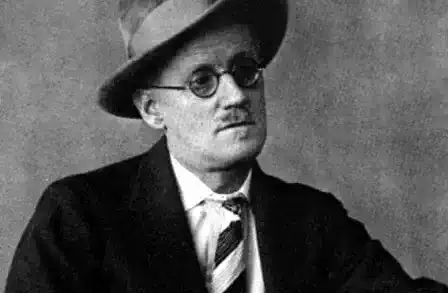
James Joyce
Tilly
Tilly
He travels after a winter sun,
Urging the cattle along a cold red road,
Calling to them, a voice they know,
He drives his beasts above Cabra.
The voice tells them home is warm.
They moo and make brute music with their hoofs.
He drives them with a flowering branch before him,
Smoke pluming their foreheads.
Boor, bond of the herd,
Tonight stretch full by the fire!
I bleed by the black stream
For my torn bough!
He travels after a winter sun,
Urging the cattle along a cold red road,
Calling to them, a voice they know,
He drives his beasts above Cabra.
The voice tells them home is warm.
They moo and make brute music with their hoofs.
He drives them with a flowering branch before him,
Smoke pluming their foreheads.
Boor, bond of the herd,
Tonight stretch full by the fire!
I bleed by the black stream
For my torn bough!
217
James Joyce
A Memory of the Players in a Mirror at Midnight
A Memory of the Players in a Mirror at Midnight
They mouth love's language. Gnash
The thirteen teeth
Your lean jaws grin with. Lash
Your itch and quailing, nude greed of the flesh.
Love's breath in you is stale, worded or sung,
As sour as cat's breath,
Harsh of tongue.
This grey that stares
Lies not, stark skin and bone.
Leave greasy lips their kissing. None
Will choose her what you see to mouth upon.
Dire hunger holds his hour.
Pluck forth your heart, saltblood, a fruit of tears.
Pluck and devour!
They mouth love's language. Gnash
The thirteen teeth
Your lean jaws grin with. Lash
Your itch and quailing, nude greed of the flesh.
Love's breath in you is stale, worded or sung,
As sour as cat's breath,
Harsh of tongue.
This grey that stares
Lies not, stark skin and bone.
Leave greasy lips their kissing. None
Will choose her what you see to mouth upon.
Dire hunger holds his hour.
Pluck forth your heart, saltblood, a fruit of tears.
Pluck and devour!
249
Horácio
BkIII:XXVII Europa
BkIII:XXVII Europa
Let the wicked be led by omens of screeching
from owls, by pregnant dogs, or a grey-she wolf,
hurrying down from Lanuvian meadows,
or a fox with young:
May a snake disturb the journey they’ve started,
terrifying the ponies like an arrow
flashing across the road: but I far-seeing
augur, with prayer
for him whom I’m fearful for, out of the east
I’ll call up the ominous raven, before
the bird that divines the imminent showers
seeks standing water.
Galatea, wherever you choose to live
may you be happy, and live in thought of me:
no woodpecker on your left, or errant crow
to bar your going.
But see, with what storms flickering Orion
is setting. I know how the Adriatic’s
black gulf can be, and how the bright westerly
wind commits its sins.
Let the wives and children of our enemy
feel the blind force of the rising southerly,
and the thunder of the dark waters, the shores
trembling at the blow.
So, Europa entrusted her snow-white form
to the bull’s deceit, and the brave girl grew pale,
at the sea alive with monsters, the dangers
of the deep ocean.
Leaving the meadow, where, lost among flowers,
she was weaving a garland owed to the Nymphs,
now, in the luminous night, she saw nothing
but water and stars.
As soon as she reached the shores of Crete, mighty
with its hundred cities, she cried: ‘O father,
I’ve lost the name of daughter, my piety
conquered by fury.
Where have I come from, where am I going? One
death is too few for a virgin’s sin. Am I
awake, weeping a vile act, or free from guilt,
mocked by a phantom,
that fleeing, false, from the ivory gate brings
only a dream? Is it not better to pick
fresh flowers than to go travelling over
the breadths of the sea?
If anyone now could deliver that foul
beast to my anger, I’d attempt to wound it
with steel, and shatter the horns of that monster,
the one I once loved.
I’m shameless, I’ve abandoned my country’s gods,
I’m shameless, I keep Orcus waiting. O if
one of the gods can hear, I wish I might walk
naked with lions!
Before vile leanness hollows my lovely cheeks,
and the juices ebb in this tender victim,
while I am still beautiful, I’ll seek to be
food for the tigers.
My absent father urges me on: ‘Why wait
to die, worthless Europa? Happily you
can hang by the neck from this ash-tree: use
the sash that’s with you.
Or if cliffs and the sharpened rocks attract you,
as a means of death, put your trust in the speed
of the wind, unless you’d rather be carding
some mistress’s wool,
you, of royal blood, be handed over, as
concubine to a barbarous queen.’ She moaned:
Venus was laughing, treacherously, with her
son, his bow unstrung.
When she’d toyed enough with her, she said: ‘Refrain
from anger and burning passion, when the bull,
you hate, yields you his horns again, so that you
can start to wound them.
Don’t you know you’re invincible Jupiter’s
wife. Stop your sobbing, and learn to carry your
good fortune well: a continent of the Earth
will be named for you.
Let the wicked be led by omens of screeching
from owls, by pregnant dogs, or a grey-she wolf,
hurrying down from Lanuvian meadows,
or a fox with young:
May a snake disturb the journey they’ve started,
terrifying the ponies like an arrow
flashing across the road: but I far-seeing
augur, with prayer
for him whom I’m fearful for, out of the east
I’ll call up the ominous raven, before
the bird that divines the imminent showers
seeks standing water.
Galatea, wherever you choose to live
may you be happy, and live in thought of me:
no woodpecker on your left, or errant crow
to bar your going.
But see, with what storms flickering Orion
is setting. I know how the Adriatic’s
black gulf can be, and how the bright westerly
wind commits its sins.
Let the wives and children of our enemy
feel the blind force of the rising southerly,
and the thunder of the dark waters, the shores
trembling at the blow.
So, Europa entrusted her snow-white form
to the bull’s deceit, and the brave girl grew pale,
at the sea alive with monsters, the dangers
of the deep ocean.
Leaving the meadow, where, lost among flowers,
she was weaving a garland owed to the Nymphs,
now, in the luminous night, she saw nothing
but water and stars.
As soon as she reached the shores of Crete, mighty
with its hundred cities, she cried: ‘O father,
I’ve lost the name of daughter, my piety
conquered by fury.
Where have I come from, where am I going? One
death is too few for a virgin’s sin. Am I
awake, weeping a vile act, or free from guilt,
mocked by a phantom,
that fleeing, false, from the ivory gate brings
only a dream? Is it not better to pick
fresh flowers than to go travelling over
the breadths of the sea?
If anyone now could deliver that foul
beast to my anger, I’d attempt to wound it
with steel, and shatter the horns of that monster,
the one I once loved.
I’m shameless, I’ve abandoned my country’s gods,
I’m shameless, I keep Orcus waiting. O if
one of the gods can hear, I wish I might walk
naked with lions!
Before vile leanness hollows my lovely cheeks,
and the juices ebb in this tender victim,
while I am still beautiful, I’ll seek to be
food for the tigers.
My absent father urges me on: ‘Why wait
to die, worthless Europa? Happily you
can hang by the neck from this ash-tree: use
the sash that’s with you.
Or if cliffs and the sharpened rocks attract you,
as a means of death, put your trust in the speed
of the wind, unless you’d rather be carding
some mistress’s wool,
you, of royal blood, be handed over, as
concubine to a barbarous queen.’ She moaned:
Venus was laughing, treacherously, with her
son, his bow unstrung.
When she’d toyed enough with her, she said: ‘Refrain
from anger and burning passion, when the bull,
you hate, yields you his horns again, so that you
can start to wound them.
Don’t you know you’re invincible Jupiter’s
wife. Stop your sobbing, and learn to carry your
good fortune well: a continent of the Earth
will be named for you.
263