

Poems in this theme
Pain and Despair
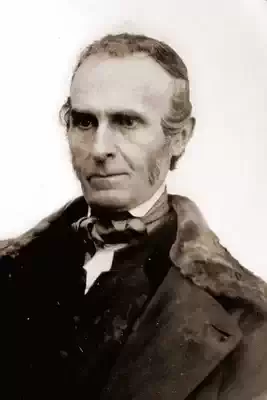
John Greenleaf Whittier
My Soul And I
My Soul And I
Stand still, my soul, in the silent dark
I would question thee,
Alone in the shadow drear and stark
With God and me!
What, my soul, was thy errand here?
Was it mirth or ease,
Or heaping up dust from year to year?
'Nay, none of these!'
Speak, soul, aright in His holy sight
Whose eye looks still
And steadily on thee through the night
'To do His will!'
What hast thou done, O soul of mine,
That thou tremblest so?
Hast thou wrought His task, and kept the line
He bade thee go?
Aha! thou tremblest!--well I see
Thou 'rt craven grown.
Is it so hard with God and me
To stand alone?
Summon thy sunshine bravery back,
O wretched sprite!
Let me hear thy voice through this deep and black
Abysmal night.
What hast thou wrought for Right and Truth,
For God and Man,
From the golden hours of bright-eyed youth
To life's mid span?
What, silent all! art sad of cheer?
Art fearful now?
When God seemed far and men were near,
How brave wert thou!
Ah, soul of mine, thy tones I hear,
But weak and low,
Like far sad murmurs on my ear
They come and go.
I have wrestled stoutly with the Wrong,
And borne the Right
From beneath the footfall of the throng
To life and light.
'Wherever Freedom shivered a chain,
God speed, quoth I;
To Error amidst her shouting train
I gave the lie.'
Ah, soul of mine! ah, soul of mine!
Thy deeds are well:
Were they wrought for Truth's sake or for thine?
My soul, pray tell.
'Of all the work my hand hath wrought
Beneath the sky,
Save a place in kindly human thought,
No gain have I.'
Go to, go to! for thy very self
Thy deeds were done
Thou for fame, the miser for pelf,
Your end is one!
And where art thou going, soul of mine?
Canst see the end?
And whither this troubled life of thine
Evermore doth tend?
What daunts thee now? what shakes thee so?
My sad soul say.
'I see a cloud like a curtain low
Hang o'er my way.
'Whither I go I cannot tell
That cloud hangs black,
High as the heaven and deep as hell
Across my track.
'I see its shadow coldly enwrap
The souls before.
Sadly they enter it, step by step,
To return no more.
'They shrink, they shudder, dear God! they kneel
To Thee in prayer.
They shut their eyes on the cloud, but feel
That it still is there.
'In vain they turn from the dread Before
To the Known and Gone;
For while gazing behind them evermore
Their feet glide on.
'Yet, at times, I see upon sweet pale faces
A light begin
To tremble, as if from holy places
And shrines within.
'And at times methinks their cold lips move
With hymn and prayer,
As if somewhat of awe, but more of love
And hope were there.
'I call on the souls who have left the light
To reveal their lot;
I bend mine ear to that wall of night,
And they answer not.
'But I hear around me sighs of pain
And the cry of fear,
And a sound like the slow sad dropping of rain,
Each drop a tear!
'Ah, the cloud is dark, and day by day
I am moving thither
I must pass beneath it on my way-God
pity me!--whither?'
Ah, soul of mine! so brave and wise
In the life-storm loud,
Fronting so calmly all human eyes
In the sunlit crowd!
Now standing apart with God and me
Thou art weakness all,
Gazing vainly after the things to be
Through Death's dread wall.
But never for this, never for this
Was thy being lent;
For the craven's fear is but selfishness,
Like his merriment.
Folly and Fear are sisters twain
One closing her eyes.
The other peopling the dark inane
With spectral lies.
Know well, my soul, God's hand controls
Whate'er thou fearest;
Round Him in calmest music rolls
Whate'er thou Nearest.
What to thee is shadow, to Him is day,
And the end He knoweth,
And not on a blind and aimless way
The spirit goeth.
Man sees no future,--a phantom show
Is alone before him;
Past Time is dead, and the grasses grow,
And flowers bloom o'er him.
Nothing before, nothing behind;
The steps of Faith
Fall on the seeming void, and find
The rock beneath.
The Present, the Present is all thou hast
For thy sure possessing;
Like the patriarch's angel hold it fast
Till it gives its blessing.
Why fear the night? why shrink from Death;
That phantom wan?
There is nothing in heaven or earth beneath
Save God and man.
Peopling the shadows we turn from Him
And from one another;
All is spectral and vague and dim
Save God and our brother!
Like warp and woof all destinies
Are woven fast,
Linked in sympathy like the keys
Of an organ vast.
Pluck one thread, and the web ye mar;
Break but one
Of a thousand keys, and the paining jar
Through all will run.
O restless spirit! wherefore strain
Beyond thy sphere?
Heaven and hell, with their joy and pain,
Are now and here.
Back to thyself is measured well
All thou hast given;
Thy neighbor's wrong is thy present hell,
His bliss, thy heaven.
And in life, in death, in dark and light,
All are in God's care
Sound the black abyss, pierce the deep of night,
And He is there!
All which is real now remaineth,
And fadeth never
The hand which upholds it now sustaineth
The soul forever.
Leaning on Him, make with reverent meekness
His own thy will,
And with strength from Him shall thy utter weakness
Life's task fulfil;
And that cloud itself, which now before thee
Lies dark in view,
Shall with beams of light from the inner glory
Be stricken through.
And like meadow mist through autumn's dawn
Uprolling thin,
Its thickest folds when about thee drawn
Let sunlight in.
Then of what is to be, and of what is done,
Why queriest thou?
The past and the time to be are one,
And both are now!
Stand still, my soul, in the silent dark
I would question thee,
Alone in the shadow drear and stark
With God and me!
What, my soul, was thy errand here?
Was it mirth or ease,
Or heaping up dust from year to year?
'Nay, none of these!'
Speak, soul, aright in His holy sight
Whose eye looks still
And steadily on thee through the night
'To do His will!'
What hast thou done, O soul of mine,
That thou tremblest so?
Hast thou wrought His task, and kept the line
He bade thee go?
Aha! thou tremblest!--well I see
Thou 'rt craven grown.
Is it so hard with God and me
To stand alone?
Summon thy sunshine bravery back,
O wretched sprite!
Let me hear thy voice through this deep and black
Abysmal night.
What hast thou wrought for Right and Truth,
For God and Man,
From the golden hours of bright-eyed youth
To life's mid span?
What, silent all! art sad of cheer?
Art fearful now?
When God seemed far and men were near,
How brave wert thou!
Ah, soul of mine, thy tones I hear,
But weak and low,
Like far sad murmurs on my ear
They come and go.
I have wrestled stoutly with the Wrong,
And borne the Right
From beneath the footfall of the throng
To life and light.
'Wherever Freedom shivered a chain,
God speed, quoth I;
To Error amidst her shouting train
I gave the lie.'
Ah, soul of mine! ah, soul of mine!
Thy deeds are well:
Were they wrought for Truth's sake or for thine?
My soul, pray tell.
'Of all the work my hand hath wrought
Beneath the sky,
Save a place in kindly human thought,
No gain have I.'
Go to, go to! for thy very self
Thy deeds were done
Thou for fame, the miser for pelf,
Your end is one!
And where art thou going, soul of mine?
Canst see the end?
And whither this troubled life of thine
Evermore doth tend?
What daunts thee now? what shakes thee so?
My sad soul say.
'I see a cloud like a curtain low
Hang o'er my way.
'Whither I go I cannot tell
That cloud hangs black,
High as the heaven and deep as hell
Across my track.
'I see its shadow coldly enwrap
The souls before.
Sadly they enter it, step by step,
To return no more.
'They shrink, they shudder, dear God! they kneel
To Thee in prayer.
They shut their eyes on the cloud, but feel
That it still is there.
'In vain they turn from the dread Before
To the Known and Gone;
For while gazing behind them evermore
Their feet glide on.
'Yet, at times, I see upon sweet pale faces
A light begin
To tremble, as if from holy places
And shrines within.
'And at times methinks their cold lips move
With hymn and prayer,
As if somewhat of awe, but more of love
And hope were there.
'I call on the souls who have left the light
To reveal their lot;
I bend mine ear to that wall of night,
And they answer not.
'But I hear around me sighs of pain
And the cry of fear,
And a sound like the slow sad dropping of rain,
Each drop a tear!
'Ah, the cloud is dark, and day by day
I am moving thither
I must pass beneath it on my way-God
pity me!--whither?'
Ah, soul of mine! so brave and wise
In the life-storm loud,
Fronting so calmly all human eyes
In the sunlit crowd!
Now standing apart with God and me
Thou art weakness all,
Gazing vainly after the things to be
Through Death's dread wall.
But never for this, never for this
Was thy being lent;
For the craven's fear is but selfishness,
Like his merriment.
Folly and Fear are sisters twain
One closing her eyes.
The other peopling the dark inane
With spectral lies.
Know well, my soul, God's hand controls
Whate'er thou fearest;
Round Him in calmest music rolls
Whate'er thou Nearest.
What to thee is shadow, to Him is day,
And the end He knoweth,
And not on a blind and aimless way
The spirit goeth.
Man sees no future,--a phantom show
Is alone before him;
Past Time is dead, and the grasses grow,
And flowers bloom o'er him.
Nothing before, nothing behind;
The steps of Faith
Fall on the seeming void, and find
The rock beneath.
The Present, the Present is all thou hast
For thy sure possessing;
Like the patriarch's angel hold it fast
Till it gives its blessing.
Why fear the night? why shrink from Death;
That phantom wan?
There is nothing in heaven or earth beneath
Save God and man.
Peopling the shadows we turn from Him
And from one another;
All is spectral and vague and dim
Save God and our brother!
Like warp and woof all destinies
Are woven fast,
Linked in sympathy like the keys
Of an organ vast.
Pluck one thread, and the web ye mar;
Break but one
Of a thousand keys, and the paining jar
Through all will run.
O restless spirit! wherefore strain
Beyond thy sphere?
Heaven and hell, with their joy and pain,
Are now and here.
Back to thyself is measured well
All thou hast given;
Thy neighbor's wrong is thy present hell,
His bliss, thy heaven.
And in life, in death, in dark and light,
All are in God's care
Sound the black abyss, pierce the deep of night,
And He is there!
All which is real now remaineth,
And fadeth never
The hand which upholds it now sustaineth
The soul forever.
Leaning on Him, make with reverent meekness
His own thy will,
And with strength from Him shall thy utter weakness
Life's task fulfil;
And that cloud itself, which now before thee
Lies dark in view,
Shall with beams of light from the inner glory
Be stricken through.
And like meadow mist through autumn's dawn
Uprolling thin,
Its thickest folds when about thee drawn
Let sunlight in.
Then of what is to be, and of what is done,
Why queriest thou?
The past and the time to be are one,
And both are now!
322
John Greenleaf Whittier
My Dream
My Dream
In my dream, methought I trod,
Yesternight, a mountain road;
Narrow as Al Sirat's span,
High as eagle's flight, it ran.
Overhead, a roof of cloud
With its weight of thunder bowed;
Underneath, to left and right,
Blankness and abysmal night.
Here and there a wild-flower blushed,
Now and then a bird-song gushed;
Now and then, through rifts of shade,
Stars shone out, and sunbeams played.
But the goodly company,
Walking in that path with me,
One by one the brink o'erslid,
One by one the darkness hid.
Some with wailing and lament,
Some with cheerful courage went;
But, of all who smiled or mourned,
Never one to us returned.
Anxiously, with eye and ear,
Questioning that shadow drear,
Never hand in token stirred,
Never answering voice I heard!
Steeper, darker!--lo! I felt
From my feet the pathway melt.
Swallowed by the black despair,
And the hungry jaws of air,
Past the stony-throated caves,
Strangled by the wash of waves,
Past the splintered crags, I sank
On a green and flowery bank,-
Soft as fall of thistle-down,
Lightly as a cloud is blown,
Soothingly as childhood pressed
To the bosom of its rest.
Of the sharp-horned rocks instead,
Green the grassy meadows spread,
Bright with waters singing by
Trees that propped a golden sky.
Painless, trustful, sorrow-free,
Old lost faces welcomed me,
With whose sweetness of content
Still expectant hope was blent.
Waking while the dawning gray
Slowly brightened into day,
Pondering that vision fled,
Thus unto myself I said:-
'Steep and hung with clouds of strife
Is our narrow path of life;
And our death the dreaded fall
Through the dark, awaiting all.
'So, with painful steps we climb
Up the dizzy ways of time,
Ever in the shadow shed
By the forecast of our dread.
'Dread of mystery solved alone,
Of the untried and unknown;
Yet the end thereof may seem
Like the falling of my dream.
'And this heart-consuming care,
All our fears of here or there,
Change and absence, loss and death,
Prove but simple lack of faith.'
Thou, O Most Compassionate!
Who didst stoop to our estate,
Drinking of the cup we drain,
Treading in our path of pain,-
Through the doubt and mystery,
Grant to us thy steps to see,
And the grace to draw from thence
Larger hope and confidence.
Show thy vacant tomb, and let,
As of old, the angels sit,
Whispering, by its open door
'Fear not! He hath gone before!'
In my dream, methought I trod,
Yesternight, a mountain road;
Narrow as Al Sirat's span,
High as eagle's flight, it ran.
Overhead, a roof of cloud
With its weight of thunder bowed;
Underneath, to left and right,
Blankness and abysmal night.
Here and there a wild-flower blushed,
Now and then a bird-song gushed;
Now and then, through rifts of shade,
Stars shone out, and sunbeams played.
But the goodly company,
Walking in that path with me,
One by one the brink o'erslid,
One by one the darkness hid.
Some with wailing and lament,
Some with cheerful courage went;
But, of all who smiled or mourned,
Never one to us returned.
Anxiously, with eye and ear,
Questioning that shadow drear,
Never hand in token stirred,
Never answering voice I heard!
Steeper, darker!--lo! I felt
From my feet the pathway melt.
Swallowed by the black despair,
And the hungry jaws of air,
Past the stony-throated caves,
Strangled by the wash of waves,
Past the splintered crags, I sank
On a green and flowery bank,-
Soft as fall of thistle-down,
Lightly as a cloud is blown,
Soothingly as childhood pressed
To the bosom of its rest.
Of the sharp-horned rocks instead,
Green the grassy meadows spread,
Bright with waters singing by
Trees that propped a golden sky.
Painless, trustful, sorrow-free,
Old lost faces welcomed me,
With whose sweetness of content
Still expectant hope was blent.
Waking while the dawning gray
Slowly brightened into day,
Pondering that vision fled,
Thus unto myself I said:-
'Steep and hung with clouds of strife
Is our narrow path of life;
And our death the dreaded fall
Through the dark, awaiting all.
'So, with painful steps we climb
Up the dizzy ways of time,
Ever in the shadow shed
By the forecast of our dread.
'Dread of mystery solved alone,
Of the untried and unknown;
Yet the end thereof may seem
Like the falling of my dream.
'And this heart-consuming care,
All our fears of here or there,
Change and absence, loss and death,
Prove but simple lack of faith.'
Thou, O Most Compassionate!
Who didst stoop to our estate,
Drinking of the cup we drain,
Treading in our path of pain,-
Through the doubt and mystery,
Grant to us thy steps to see,
And the grace to draw from thence
Larger hope and confidence.
Show thy vacant tomb, and let,
As of old, the angels sit,
Whispering, by its open door
'Fear not! He hath gone before!'
326
John Greenleaf Whittier
Forgiveness
Forgiveness
My heart was heavy, for its trust had been
Abused, its kindness answered with foul wrong;
So, turning gloomily from my fellow-men,
One summer Sabbath day I strolled among
The green mounds of the village burial-place;
Where, pondering how all human love and hate
Find one sad level; and how, soon or late,
Wronged and wrongdoer, each with meekened face,
And cold hands folded over a still heart,
Pass the green threshold of our common grave,
Whither all footsteps tend, whence none depart,
Awed for myself, and pitying my race,
Our common sorrow, like a mighty wave,
Swept all my pride away, and trembling I forgave!
My heart was heavy, for its trust had been
Abused, its kindness answered with foul wrong;
So, turning gloomily from my fellow-men,
One summer Sabbath day I strolled among
The green mounds of the village burial-place;
Where, pondering how all human love and hate
Find one sad level; and how, soon or late,
Wronged and wrongdoer, each with meekened face,
And cold hands folded over a still heart,
Pass the green threshold of our common grave,
Whither all footsteps tend, whence none depart,
Awed for myself, and pitying my race,
Our common sorrow, like a mighty wave,
Swept all my pride away, and trembling I forgave!
332
John Greenleaf Whittier
Ezekiel
Ezekiel
They hear Thee not, O God! nor see;
Beneath Thy rod they mock at Thee;
The princes of our ancient line
Lie drunken with Assyrian wine;
The priests around Thy altar speak
The false words which their hearers seek;
And hymns which Chaldea's wanton maids
Have sung in Dura's idol-shades
Are with the Levites' chant ascending,
With Zion's holiest anthems blending!
On Israel's bleeding bosom set,
The heathen heel is crushing yet;
The towers upon our holy hill
Echo Chaldean footsteps still.
Our wasted shrines,--who weeps for them?
Who mourneth for Jerusalem?
Who turneth from his gains away?
Whose knee with mine is bowed to pray?
Who, leaving feast and purpling cup,
Takes Zion's lamentation up?
A sad and thoughtful youth, I went
With Israel's early banishment;
And where the sullen Chebar crept,
The ritual of my fathers kept.
The water for the trench I drew,
The firstling of the flock I slew,
And, standing at the altar's side,
I shared the Levites' lingering pride,
That still, amidst her mocking foes,
The smoke of Zion's offering rose.
In sudden whirlwind, cloud and flame,
The Spirit of the Highest came!
Before mine eyes a vision passed,
A glory terrible and vast;
With dreadful eyes of living things,
And sounding sweep of angel wings,
With circling light and sapphire throne,
And flame-like form of One thereon,
And voice of that dread Likeness sent
Down from the crystal firmament!
The burden of a prophet's power
Fell on me in that fearful hour;
From off unutterable woes
The curtain of the future rose;
I saw far down the coming time
The fiery chastisement of crime;
With noise of mingling hosts, and jar
Of falling towers and shouts of war,
I saw the nations rise and fall,
Like fire-gleams on my tent's white wall.
In dream and trance, I--saw the slain
Of Egypt heaped like harvest grain.
I saw the walls of sea-born Tyre
Swept over by the spoiler's fire;
And heard the low, expiring moan
Of Edom on his rocky throne;
And, woe is me! the wild lament
From Zion's desolation sent;
And felt within my heart each blow
Which laid her holy places low.
In bonds and sorrow, day by day,
Before the pictured tile I lay;
And there, as in a mirror, saw
The coming of Assyria's war;
Her swarthy lines of spearmen pass
Like locusts through Bethhoron's grass;
I saw them draw their stormy hem
Of battle round Jerusalem;
And, listening, heard the Hebrew wail!
Blend with the victor-trump of Baal!
Who trembled at my warning word?
Who owned the prophet of the Lord?
How mocked the rude, how scoffed the vile,
How stung the Levites' scornful smile,
As o'er my spirit, dark and slow,
The shadow crept of Israel's woe
As if the angel's mournful roll
Had left its record on my soul,
And traced in lines of darkness there
The picture of its great despair!
Yet ever at the hour I feel
My lips in prophecy unseal.
Prince, priest, and Levite gather near,
And Salem's daughters haste to hear,
On Chebar's waste and alien shore,
The harp of Judah swept once more.
They listen, as in Babel's throng
The Chaldeans to the dancer's song,
Or wild sabbeka's nightly play,-As
careless and as vain as they.
. . . . .
And thus, O Prophet-bard of old,
Hast thou thy tale of sorrow told
The same which earth's unwelcome seers
Have felt in all succeeding years.
Sport of the changeful multitude,
Nor calmly heard nor understood,
Their song has seemed a trick of art,
Their warnings but, the actor's part.
With bonds, and scorn, and evil will,
The world requites its prophets still.
So was it when the Holy One
The garments of the flesh put on
Men followed where the Highest led
For common gifts of daily bread,
And gross of ear, of vision dim,
Owned not the Godlike power of Him.
Vain as a dreamer's words to them
His wail above Jerusalem,
And meaningless the watch He kept
Through which His weak disciples slept.
Yet shrink not thou, whoe'er thou art,
For God's great purpose set apart,
Before whose far-discerning eyes,
The Future as the Present lies!
Beyond a narrow-bounded age
Stretches thy prophet-heritage,
Through Heaven's vast spaces angel-trod,
And through the eternal years of God
Thy audience, worlds!--all things to be
The witness of the Truth in thee!
They hear Thee not, O God! nor see;
Beneath Thy rod they mock at Thee;
The princes of our ancient line
Lie drunken with Assyrian wine;
The priests around Thy altar speak
The false words which their hearers seek;
And hymns which Chaldea's wanton maids
Have sung in Dura's idol-shades
Are with the Levites' chant ascending,
With Zion's holiest anthems blending!
On Israel's bleeding bosom set,
The heathen heel is crushing yet;
The towers upon our holy hill
Echo Chaldean footsteps still.
Our wasted shrines,--who weeps for them?
Who mourneth for Jerusalem?
Who turneth from his gains away?
Whose knee with mine is bowed to pray?
Who, leaving feast and purpling cup,
Takes Zion's lamentation up?
A sad and thoughtful youth, I went
With Israel's early banishment;
And where the sullen Chebar crept,
The ritual of my fathers kept.
The water for the trench I drew,
The firstling of the flock I slew,
And, standing at the altar's side,
I shared the Levites' lingering pride,
That still, amidst her mocking foes,
The smoke of Zion's offering rose.
In sudden whirlwind, cloud and flame,
The Spirit of the Highest came!
Before mine eyes a vision passed,
A glory terrible and vast;
With dreadful eyes of living things,
And sounding sweep of angel wings,
With circling light and sapphire throne,
And flame-like form of One thereon,
And voice of that dread Likeness sent
Down from the crystal firmament!
The burden of a prophet's power
Fell on me in that fearful hour;
From off unutterable woes
The curtain of the future rose;
I saw far down the coming time
The fiery chastisement of crime;
With noise of mingling hosts, and jar
Of falling towers and shouts of war,
I saw the nations rise and fall,
Like fire-gleams on my tent's white wall.
In dream and trance, I--saw the slain
Of Egypt heaped like harvest grain.
I saw the walls of sea-born Tyre
Swept over by the spoiler's fire;
And heard the low, expiring moan
Of Edom on his rocky throne;
And, woe is me! the wild lament
From Zion's desolation sent;
And felt within my heart each blow
Which laid her holy places low.
In bonds and sorrow, day by day,
Before the pictured tile I lay;
And there, as in a mirror, saw
The coming of Assyria's war;
Her swarthy lines of spearmen pass
Like locusts through Bethhoron's grass;
I saw them draw their stormy hem
Of battle round Jerusalem;
And, listening, heard the Hebrew wail!
Blend with the victor-trump of Baal!
Who trembled at my warning word?
Who owned the prophet of the Lord?
How mocked the rude, how scoffed the vile,
How stung the Levites' scornful smile,
As o'er my spirit, dark and slow,
The shadow crept of Israel's woe
As if the angel's mournful roll
Had left its record on my soul,
And traced in lines of darkness there
The picture of its great despair!
Yet ever at the hour I feel
My lips in prophecy unseal.
Prince, priest, and Levite gather near,
And Salem's daughters haste to hear,
On Chebar's waste and alien shore,
The harp of Judah swept once more.
They listen, as in Babel's throng
The Chaldeans to the dancer's song,
Or wild sabbeka's nightly play,-As
careless and as vain as they.
. . . . .
And thus, O Prophet-bard of old,
Hast thou thy tale of sorrow told
The same which earth's unwelcome seers
Have felt in all succeeding years.
Sport of the changeful multitude,
Nor calmly heard nor understood,
Their song has seemed a trick of art,
Their warnings but, the actor's part.
With bonds, and scorn, and evil will,
The world requites its prophets still.
So was it when the Holy One
The garments of the flesh put on
Men followed where the Highest led
For common gifts of daily bread,
And gross of ear, of vision dim,
Owned not the Godlike power of Him.
Vain as a dreamer's words to them
His wail above Jerusalem,
And meaningless the watch He kept
Through which His weak disciples slept.
Yet shrink not thou, whoe'er thou art,
For God's great purpose set apart,
Before whose far-discerning eyes,
The Future as the Present lies!
Beyond a narrow-bounded age
Stretches thy prophet-heritage,
Through Heaven's vast spaces angel-trod,
And through the eternal years of God
Thy audience, worlds!--all things to be
The witness of the Truth in thee!
333
John Greenleaf Whittier
Divine Compassion
Divine Compassion
Long since, a dream of heaven I had,
And still the vision haunts me oft;
I see the saints in white robes clad,
The martyrs with their palms aloft;
But hearing still, in middle song,
The ceaseless dissonance of wrong;
And shrinking, with hid faces, from the strain
Of sad, beseeching eyes, full of remorse and pain.
The glad song falters to a wail,
The harping sinks to low lament;
Before the still unlifted veil
I see the crowned foreheads bent,
Making more sweet the heavenly air,
With breathings of unselfish prayer;
And a Voice saith: 'O Pity which is pain,
O Love that weeps, fill up my sufferings which remain!
'Shall souls redeemed by me refuse
To share my sorrow in their turn?
Or, sin-forgiven, my gift abuse
Of peace with selfish unconcern?
Has saintly ease no pitying care?
Has faith no work, and love no prayer?
While sin remains, and souls in darkness dwell,
Can heaven itself be heaven, and look unmoved on hell?'
Then through the Gates of Pain, I dream,
A wind of heaven blows coolly in;
Fainter the awful discords seem,
The smoke of torment grows more thin,
Tears quench the burning soil, and thence
Spring sweet, pale flowers of penitence
And through the dreary realm of man's despair,
Star-crowned an angel walks, and to! God's hope is there!
Is it a dream? Is heaven so high
That pity cannot breathe its air?
Its happy eyes forever dry,
Its holy lips without a prayer!
My God! my God! if thither led
By Thy free grace unmerited,
No crown nor palm be mine, but let me keep
A heart that still can feel, and eyes that still can weep.
Long since, a dream of heaven I had,
And still the vision haunts me oft;
I see the saints in white robes clad,
The martyrs with their palms aloft;
But hearing still, in middle song,
The ceaseless dissonance of wrong;
And shrinking, with hid faces, from the strain
Of sad, beseeching eyes, full of remorse and pain.
The glad song falters to a wail,
The harping sinks to low lament;
Before the still unlifted veil
I see the crowned foreheads bent,
Making more sweet the heavenly air,
With breathings of unselfish prayer;
And a Voice saith: 'O Pity which is pain,
O Love that weeps, fill up my sufferings which remain!
'Shall souls redeemed by me refuse
To share my sorrow in their turn?
Or, sin-forgiven, my gift abuse
Of peace with selfish unconcern?
Has saintly ease no pitying care?
Has faith no work, and love no prayer?
While sin remains, and souls in darkness dwell,
Can heaven itself be heaven, and look unmoved on hell?'
Then through the Gates of Pain, I dream,
A wind of heaven blows coolly in;
Fainter the awful discords seem,
The smoke of torment grows more thin,
Tears quench the burning soil, and thence
Spring sweet, pale flowers of penitence
And through the dreary realm of man's despair,
Star-crowned an angel walks, and to! God's hope is there!
Is it a dream? Is heaven so high
That pity cannot breathe its air?
Its happy eyes forever dry,
Its holy lips without a prayer!
My God! my God! if thither led
By Thy free grace unmerited,
No crown nor palm be mine, but let me keep
A heart that still can feel, and eyes that still can weep.
331
John Greenleaf Whittier
Cassandra Southwick
Cassandra Southwick
To the God of all sure mercies let my blessing rise today,
From the scoffer and the cruel He hath plucked the spoil away;
Yes, he who cooled the furnace around the faithful three,
And tamed the Chaldean lions, hath set His handmaid free!
Last night I saw the sunset melt though my prison bars,
Last night across my damp earth-floor fell the pale gleam of stars;
In the coldness and the darkness all through the long night-time,
My grated casement whitened with autumn's early rime.
Alone, in that dark sorrow, hour after hour crept by;
Star after star looked palely in and sank adown the sky;
No sound amid night's stillness, save that which seemed to be
The dull and heavy beating of the pulses of the sea;
All night I sat unsleeping, for I knew that on the morrow
The ruler said the cruel priest would mock me in my sorrow,
Dragged to their place of market, and bargained for and sold,
Like a lamb before the shambles, like a heifer from the fold!
Oh, the weakness of the flesh was there¯the shrinking and the shame;
And the low voice of the Tempter like whispers to me came,
'Why sit'st thou thus forlornly,' the wicked murmur said,
'Damp walls thy bower beauty, cold earth thy maiden bed?
'Where be the smiling faces, and voices soft and sweet,
Seen in thy father's dwelling, hoard in the pleasant street?
Where be the youths whose glances, the summer Sabbath through,
Turned tenderly and timidly unto thy father's pew?
'Why sit'st thou here, Cassandra? Bethink thee with what mirth
Thy happy schoolmates gather around the warm, dark hearth;
How the crimson shadows tremble on foreheads white and fair,
On eyes of merry girlhood, half hid in golden hair.
'Not for thee the hearth-fire brightens, not for thee kind words are spoken,
Not for thee the nuts of Wenham woods by laughing boys are broken;
No first-fruits of the orchard within thy lap are laid,
For thee no flowers of autumn the youthful hunters braid.
'O weak, deluded maiden!¯by crazy fancies led,
With wild and raving railers an evil path to tread;
To leave a wholesome worship, and teaching pure and sound,
And mate with maniac women, loose-haired and sackcloth-bound,
'And scoffers of the priesthood, who mock at things divine,
Who rail against thy pulpit, and holy bread and wine;
Bore from their cart-tail scourgings, and from the pillory lame,
Rejoicing in their wretchedness, and glorying in their shame.
'And what a fate awaits thee!¯a sadly toiling slave,
Dragging the slowly lengthening chain of bondage to the grave!
Think of thy woman's nature, subdued in hopeless thrall,
The easy prey of any, the scoff and scorn of all!'
Oh, ever as the Tempter spoke, and feecle Nature's fears
Wrung drop by drop the scalding flow of unavailing tears,
I wrestled down the evil thoughts, and strove in silent prayer
To feel, O Helper of the weak! that Thou indeed wert there!
I thought of Paul and Silas, within Philippi's call,
And how from Peter's sleeping limbs the prison shackles fell,
Till I seemed to hear the trailing of an Angel's robe of white,
And to feel a blessed presence invisible to sight.
Bless the Lord for all his mercies!¯for the peace and love I felt,
Like the dew of Hermon's holy hill, upon my spirit melt;
When 'Get behind me, Satan! ' was the language of my heart,
And I felt the Evil Tempter with all his doubts depart.
Slow broke the gray cold morning; again the sunshine fell,
Flocked with the shade of bar and grate within my lonely cell;
The hoar-frost melted on the wall, and upward from the street
Came careless laugh and idle word, and tread of passing feet.
At length the heavy bolts fell back, my door was open cast,
And slowly at the sheriff's side, up the long street I passed;
I heard the murmur round me, and felt, but dared not see,
How, from every door and window, the people gazed on me.
And doubt and fear fell on me, shame burned upon my cheek,
Swam earth and sky around me, my trembling limbs grew weak;
'Oh Lord, support thy handmaid, and from her soul cast out
The fear of men, which brings a snare, the weakness and the doubt.
Then the dreary shadows scattered, like a cloud in morning's breeze,
And a low deep voice within me seemed whispering words like these:
'Though thy earth be as the iron, and thy heaven a brazen wall,
Trust still His loving-kindness whose power is over all.'
We paused at length, where at my feet the sunlit waters broke
On glaring roach of shining beach, and shingly wall of rock;
The merchant-ships lay idle there, in hard clear lines on high,
Treeing with rope and slender spar their network on the sky.
And there were ancient citizens, cloak-wrapped and grave and cold,
And grim and stout sea-captains with faces bronzed and old,
And on his horse, with Rawson, his cruel clerk at hand,
Sat dark and haughty Endicott, the ruler of the land.
And poisoning with his evil words the ruler's ready ear,
The priest leaned over his saddle, with laugh and scoff and jeer;
It stirred my soul, and from my lips the soul of silence broke,
As if through woman's weakness a warning spirit spoke.
I cried 'The Lord rebuke thee, thou smiter of the meek,
Thou robber of the righteous, thou trampler of the weak!
Go light the cold, dark hearth-stones,¯go turn the prison lock
Of the poor hearts though hast hunted, thou wolf amid the flock!'
Dark lowered the brows of Endicott, and with a deeper red
O'er Rawson's wine-empurpled cheek the flash of anger spread;
'Good people, ' quoth the white-lipped priest, 'heed not her words so wild,
Her Master speaks within her¯ the Devil owns his child!'
But gray heads shook, and young brows knit, the while the sheriff read
That law the wicked rulers against the poor have made,
Who to their house of Rimmon and idol priesthood bring
No bonded knee of worship, nor gainful offering.
Then to the stout sea-captains the sheriff, turning, said¯
'Wish of ye, worthy seamen, will take this Quaker maid?
On the Isle of fair Barbados, or on Virginia's shore
You may hold her at a higher price than Indian girl or Moor!'
Grim and silent stood the captains; and when again he cried,
'Speak out my worthy seamen!' no voice, no sign replied;
But I felt a hard hand press my own, and kind words met my ear,¯
'God bless thee, and preserve thee, my gentle girl and dear!'
A weight seemed lifted from my heart, a pitying friend was nigh,
I felt it in his hard, rough hand, and saw it in his eye;
And when again the sheriff spoke, that voice, so kind to me,
Growled back its stormy answer like the roaring of the sea.
'Pile my ship with bars of silver, pack with coins of Spanish gold
From keel-piece up to deck-plank, the roomage of her hold,
By the living God that made me! I would sooner in your bay
Sink ship and crew and cargo, than bear this child away!'
'Well answered, worthy captain, shame on their cruel laws!'
Ran through the crowd in murmurs loud the people's just applause.
'Like the herdsmen of Tekoa, In Israel of old,
Shall we see the poor and righteous again for silver sold ?'
I looked on haughty Endicott; with weapon half-way drawn,
Swept around the throng his lion glare of bitter hate and scorn;
Fiercely he drew his bridle-rain, and turned in silence back,
And sneering priest and baffled clerk rode murmuring in his track.
Hard after them the sheriff looked, in bitterness of soul,
Thrice smote his staff upon the ground, and crushed his parchment-roll.
'Good friends,' he said, 'since both have fled, the ruler and the priest
Judge ye, if from their further work I be not well released.'
Loud was the cheer which, full and clear, swept round the silent bay,
As, with kind words and kinder looks, he bade me go my way;
For he who turns the courses of the streamlet of the glen,
And the river of great waters, had turned the hearts of men.
Oh, at that hour the very earth seemed changed beneath my eye,
A holier wonder round no rose the blue walls of the sky,
A lovelier light on rock and hill and stream and woodland lay,
And softer lapsed on sunnier sands the waters of the bay.
Thanksgiving to the Lord of life! To him all praises be,
Who from the hands of evil men hath set his handmaid free;
All praise to Him before whose power the mighty are afraid,
Who take the crafty in the snare which for the poor is laid!
Sing, O my soul, rejoicingly, on evening's twilight calm
Uplift the loud thanksgiving, pour forth the grateful psalm;
Let all dear hearts with me rejoice, as did the saints of old,
When of the Lord's good angel the rescued Peter told.
And weep and howl, ye evil priests and mighty men of wrong,
The lord shall smite the proud, and lay His hand upon the strong.
Woe to the wicked rulers in his avenging hour!
Woe to the wolves who seek the flocks to raven and devour!
But let the humble ones arise, the poor in heart be glad,
And let the mourning ones again with robes of praise be clad,
For he who cooled the furnace, and smoothed the stormy wave,
And tamed the Chaldean lions, is mighty still to save!
To the God of all sure mercies let my blessing rise today,
From the scoffer and the cruel He hath plucked the spoil away;
Yes, he who cooled the furnace around the faithful three,
And tamed the Chaldean lions, hath set His handmaid free!
Last night I saw the sunset melt though my prison bars,
Last night across my damp earth-floor fell the pale gleam of stars;
In the coldness and the darkness all through the long night-time,
My grated casement whitened with autumn's early rime.
Alone, in that dark sorrow, hour after hour crept by;
Star after star looked palely in and sank adown the sky;
No sound amid night's stillness, save that which seemed to be
The dull and heavy beating of the pulses of the sea;
All night I sat unsleeping, for I knew that on the morrow
The ruler said the cruel priest would mock me in my sorrow,
Dragged to their place of market, and bargained for and sold,
Like a lamb before the shambles, like a heifer from the fold!
Oh, the weakness of the flesh was there¯the shrinking and the shame;
And the low voice of the Tempter like whispers to me came,
'Why sit'st thou thus forlornly,' the wicked murmur said,
'Damp walls thy bower beauty, cold earth thy maiden bed?
'Where be the smiling faces, and voices soft and sweet,
Seen in thy father's dwelling, hoard in the pleasant street?
Where be the youths whose glances, the summer Sabbath through,
Turned tenderly and timidly unto thy father's pew?
'Why sit'st thou here, Cassandra? Bethink thee with what mirth
Thy happy schoolmates gather around the warm, dark hearth;
How the crimson shadows tremble on foreheads white and fair,
On eyes of merry girlhood, half hid in golden hair.
'Not for thee the hearth-fire brightens, not for thee kind words are spoken,
Not for thee the nuts of Wenham woods by laughing boys are broken;
No first-fruits of the orchard within thy lap are laid,
For thee no flowers of autumn the youthful hunters braid.
'O weak, deluded maiden!¯by crazy fancies led,
With wild and raving railers an evil path to tread;
To leave a wholesome worship, and teaching pure and sound,
And mate with maniac women, loose-haired and sackcloth-bound,
'And scoffers of the priesthood, who mock at things divine,
Who rail against thy pulpit, and holy bread and wine;
Bore from their cart-tail scourgings, and from the pillory lame,
Rejoicing in their wretchedness, and glorying in their shame.
'And what a fate awaits thee!¯a sadly toiling slave,
Dragging the slowly lengthening chain of bondage to the grave!
Think of thy woman's nature, subdued in hopeless thrall,
The easy prey of any, the scoff and scorn of all!'
Oh, ever as the Tempter spoke, and feecle Nature's fears
Wrung drop by drop the scalding flow of unavailing tears,
I wrestled down the evil thoughts, and strove in silent prayer
To feel, O Helper of the weak! that Thou indeed wert there!
I thought of Paul and Silas, within Philippi's call,
And how from Peter's sleeping limbs the prison shackles fell,
Till I seemed to hear the trailing of an Angel's robe of white,
And to feel a blessed presence invisible to sight.
Bless the Lord for all his mercies!¯for the peace and love I felt,
Like the dew of Hermon's holy hill, upon my spirit melt;
When 'Get behind me, Satan! ' was the language of my heart,
And I felt the Evil Tempter with all his doubts depart.
Slow broke the gray cold morning; again the sunshine fell,
Flocked with the shade of bar and grate within my lonely cell;
The hoar-frost melted on the wall, and upward from the street
Came careless laugh and idle word, and tread of passing feet.
At length the heavy bolts fell back, my door was open cast,
And slowly at the sheriff's side, up the long street I passed;
I heard the murmur round me, and felt, but dared not see,
How, from every door and window, the people gazed on me.
And doubt and fear fell on me, shame burned upon my cheek,
Swam earth and sky around me, my trembling limbs grew weak;
'Oh Lord, support thy handmaid, and from her soul cast out
The fear of men, which brings a snare, the weakness and the doubt.
Then the dreary shadows scattered, like a cloud in morning's breeze,
And a low deep voice within me seemed whispering words like these:
'Though thy earth be as the iron, and thy heaven a brazen wall,
Trust still His loving-kindness whose power is over all.'
We paused at length, where at my feet the sunlit waters broke
On glaring roach of shining beach, and shingly wall of rock;
The merchant-ships lay idle there, in hard clear lines on high,
Treeing with rope and slender spar their network on the sky.
And there were ancient citizens, cloak-wrapped and grave and cold,
And grim and stout sea-captains with faces bronzed and old,
And on his horse, with Rawson, his cruel clerk at hand,
Sat dark and haughty Endicott, the ruler of the land.
And poisoning with his evil words the ruler's ready ear,
The priest leaned over his saddle, with laugh and scoff and jeer;
It stirred my soul, and from my lips the soul of silence broke,
As if through woman's weakness a warning spirit spoke.
I cried 'The Lord rebuke thee, thou smiter of the meek,
Thou robber of the righteous, thou trampler of the weak!
Go light the cold, dark hearth-stones,¯go turn the prison lock
Of the poor hearts though hast hunted, thou wolf amid the flock!'
Dark lowered the brows of Endicott, and with a deeper red
O'er Rawson's wine-empurpled cheek the flash of anger spread;
'Good people, ' quoth the white-lipped priest, 'heed not her words so wild,
Her Master speaks within her¯ the Devil owns his child!'
But gray heads shook, and young brows knit, the while the sheriff read
That law the wicked rulers against the poor have made,
Who to their house of Rimmon and idol priesthood bring
No bonded knee of worship, nor gainful offering.
Then to the stout sea-captains the sheriff, turning, said¯
'Wish of ye, worthy seamen, will take this Quaker maid?
On the Isle of fair Barbados, or on Virginia's shore
You may hold her at a higher price than Indian girl or Moor!'
Grim and silent stood the captains; and when again he cried,
'Speak out my worthy seamen!' no voice, no sign replied;
But I felt a hard hand press my own, and kind words met my ear,¯
'God bless thee, and preserve thee, my gentle girl and dear!'
A weight seemed lifted from my heart, a pitying friend was nigh,
I felt it in his hard, rough hand, and saw it in his eye;
And when again the sheriff spoke, that voice, so kind to me,
Growled back its stormy answer like the roaring of the sea.
'Pile my ship with bars of silver, pack with coins of Spanish gold
From keel-piece up to deck-plank, the roomage of her hold,
By the living God that made me! I would sooner in your bay
Sink ship and crew and cargo, than bear this child away!'
'Well answered, worthy captain, shame on their cruel laws!'
Ran through the crowd in murmurs loud the people's just applause.
'Like the herdsmen of Tekoa, In Israel of old,
Shall we see the poor and righteous again for silver sold ?'
I looked on haughty Endicott; with weapon half-way drawn,
Swept around the throng his lion glare of bitter hate and scorn;
Fiercely he drew his bridle-rain, and turned in silence back,
And sneering priest and baffled clerk rode murmuring in his track.
Hard after them the sheriff looked, in bitterness of soul,
Thrice smote his staff upon the ground, and crushed his parchment-roll.
'Good friends,' he said, 'since both have fled, the ruler and the priest
Judge ye, if from their further work I be not well released.'
Loud was the cheer which, full and clear, swept round the silent bay,
As, with kind words and kinder looks, he bade me go my way;
For he who turns the courses of the streamlet of the glen,
And the river of great waters, had turned the hearts of men.
Oh, at that hour the very earth seemed changed beneath my eye,
A holier wonder round no rose the blue walls of the sky,
A lovelier light on rock and hill and stream and woodland lay,
And softer lapsed on sunnier sands the waters of the bay.
Thanksgiving to the Lord of life! To him all praises be,
Who from the hands of evil men hath set his handmaid free;
All praise to Him before whose power the mighty are afraid,
Who take the crafty in the snare which for the poor is laid!
Sing, O my soul, rejoicingly, on evening's twilight calm
Uplift the loud thanksgiving, pour forth the grateful psalm;
Let all dear hearts with me rejoice, as did the saints of old,
When of the Lord's good angel the rescued Peter told.
And weep and howl, ye evil priests and mighty men of wrong,
The lord shall smite the proud, and lay His hand upon the strong.
Woe to the wicked rulers in his avenging hour!
Woe to the wolves who seek the flocks to raven and devour!
But let the humble ones arise, the poor in heart be glad,
And let the mourning ones again with robes of praise be clad,
For he who cooled the furnace, and smoothed the stormy wave,
And tamed the Chaldean lions, is mighty still to save!
375
John Greenleaf Whittier
At Washington
At Washington
WITH a cold and wintry noon-light.
On its roofs and steeples shed,
Shadows weaving with t e sunlight
From the gray sky overhead,
Broadly, vaguely, all around me, lies the half-built town outspread.
Through this broad street, restless ever,
Ebbs and flows a human tide,
Wave on wave a living river;
Wealth and fashion side by side;
Toiler, idler, slave and master, in the same quick current glide.
Underneath yon dome, whose coping
Springs above them, vast and tall,
Grave men in the dust are groping.
For the largess, base and small,
Which the hand of Power is scattering, crumbs which from its table fall.
Base of heart! They vilely barter
Honor's wealth for party's place;
Step by step on Freedom's charter
Leaving footprints of disgrace;
For to-day's poor pittance turning from the great hope of their race.
Yet, where festal lamps are throwing
Glory round the dancer's hair,
Gold-tressed, like an angel's, flowing
Backward on the sunset air;
And the low quick pulse of music beats its measure sweet and rare:
There to-night shall woman's glances,
Star-like, welcome give to them;
Fawning fools with shy advances
Seek to touch their garments' hem,
With the tongue of flattery glozing deeds which God and Truth condemn.
From this glittering lie my vision
Takes a broader, sadder range,
Full before me have arisen
Other pictures dark and strange;
From the parlor to the prison must the scene and witness change.
Hark! the heavy gate is swinging
On its hinges, harsh and slow;
One pale prison lamp is flinging
On a fearful group below
Such a light as leaves to terror whatsoe'er it does not show.
Pitying God! Is that a woman
On whose wrist the shackles clash?
Is that shriek she utters human,
Underneath the stinging lash?
Are they men whose eyes of madness from that sad procession flash?
Still the dance goes gayly onward!
What is it to Wealth and Pride
That without the stars are looking
On a scene which earth should hide?
That the slave-ship lies in waiting, rocking on Potomac's tide!
Vainly to that mean Ambition
Which, upon a rival's fall,
Winds above its old condition,
With a reptile's slimy crawl,
Shall the pleading voice of sorrow, shall the slave in anguish call.
Vainly to the child of Fashion,
Giving to ideal woe
Graceful luxury of compassion,
Shall the stricken mourner go;
Hateful seems the earnest sorrow, beautiful the hollow show!
Nay, my words are all too sweeping:
In this crowded human mart,
Feeling is not dead, but sleeping;
Man's strong will and woman's heart,
In the coming strife for Freedom, yet shall bear their generous part.
And from yonder sunny valleys,
Southward in the distance lost,
Freedom yet shall summon allies
Worthier than the North can boast,
With the Evil by their hearth-stones grappling at severer cost.
Now, the soul alone is willing.
Faint the heart and weak the knee;
And as yet no lip is thrilling
With the mighty words, 'Be Free!'
Tarrieth long the land's Good Angel, but his advent is to be!
Meanwhile, turning from the revel
To the prison-cell my sight,
For intenser hate of evil,
For a keener sense of right,
Shaking off thy dust, I thank thee, City of the Slaves, to-night!
'To thy duty now and ever!
Dream no more of rest or stay:
Give to Freedom's great endeavor
All thou art and hast to-day:'
Thus, above the city's murmur, saith a Voice, or seems to say.
Ye with heart and vision gifted
To discern and love the right,
Whose worn faces have been lifted
To the slowly-growing light,
Where from Freedom's sunrise drifted slowly back the murk of night!
Ye who through long years of trial
Still have held your purpose fast,
While a lengthening shade the dial
From the westering sunshine cast,
And of hope each hour's denial seemed an echo of the last!
O my brothers! O my sisters!
Would to God that ye were near,
Gazing with me down the vistas
Of a sorrow strange and drear;
Would to God that ye were listeners to the Voice I seem to hear!
With the storm above us driving,
With the false earth mined below,
Who shall marvel if thus striving
We have counted friend as foe;
Unto one another giving in the darkness blow for blow.
Well it may be that our natures
Have grown sterner and more hard,
And the freshness of their features
Somewhat harsh and battle-scarred,
And their harmonies of feeling overtasked and rudely jarred.
Be it so. It should not swerve us
From a purpose true and brave;
Dearer Freedom's rugged service
Than the pastime of the slave;
Better is the storm above it than the quiet of the grave.
Let us then, uniting, bury
All our idle feuds in dust,
And to future conflicts carry
Mutual faith and common trust;
Always he who most forgiveth in his brother is most just.
From the eternal shadow rounding
All our sun and starlight here,
Voices of our lost ones sounding
Bid us be of heart and cheer,
Through the silence, down the spaces, falling on the inward ear.
Know we not our dead are looking
Downward with a sad surprise,
All our strife of words rebuking
With their mild and loving eyes?
Shall we grieve the holy angels? Shall we cloud their blessed skies?
Let us draw their mantles o'er us,
Which have fallen in our way;
Let us do the work before us,
Cheerly, bravely, while we may,
Ere the long night-silence cometh, and with us it is not day!
WITH a cold and wintry noon-light.
On its roofs and steeples shed,
Shadows weaving with t e sunlight
From the gray sky overhead,
Broadly, vaguely, all around me, lies the half-built town outspread.
Through this broad street, restless ever,
Ebbs and flows a human tide,
Wave on wave a living river;
Wealth and fashion side by side;
Toiler, idler, slave and master, in the same quick current glide.
Underneath yon dome, whose coping
Springs above them, vast and tall,
Grave men in the dust are groping.
For the largess, base and small,
Which the hand of Power is scattering, crumbs which from its table fall.
Base of heart! They vilely barter
Honor's wealth for party's place;
Step by step on Freedom's charter
Leaving footprints of disgrace;
For to-day's poor pittance turning from the great hope of their race.
Yet, where festal lamps are throwing
Glory round the dancer's hair,
Gold-tressed, like an angel's, flowing
Backward on the sunset air;
And the low quick pulse of music beats its measure sweet and rare:
There to-night shall woman's glances,
Star-like, welcome give to them;
Fawning fools with shy advances
Seek to touch their garments' hem,
With the tongue of flattery glozing deeds which God and Truth condemn.
From this glittering lie my vision
Takes a broader, sadder range,
Full before me have arisen
Other pictures dark and strange;
From the parlor to the prison must the scene and witness change.
Hark! the heavy gate is swinging
On its hinges, harsh and slow;
One pale prison lamp is flinging
On a fearful group below
Such a light as leaves to terror whatsoe'er it does not show.
Pitying God! Is that a woman
On whose wrist the shackles clash?
Is that shriek she utters human,
Underneath the stinging lash?
Are they men whose eyes of madness from that sad procession flash?
Still the dance goes gayly onward!
What is it to Wealth and Pride
That without the stars are looking
On a scene which earth should hide?
That the slave-ship lies in waiting, rocking on Potomac's tide!
Vainly to that mean Ambition
Which, upon a rival's fall,
Winds above its old condition,
With a reptile's slimy crawl,
Shall the pleading voice of sorrow, shall the slave in anguish call.
Vainly to the child of Fashion,
Giving to ideal woe
Graceful luxury of compassion,
Shall the stricken mourner go;
Hateful seems the earnest sorrow, beautiful the hollow show!
Nay, my words are all too sweeping:
In this crowded human mart,
Feeling is not dead, but sleeping;
Man's strong will and woman's heart,
In the coming strife for Freedom, yet shall bear their generous part.
And from yonder sunny valleys,
Southward in the distance lost,
Freedom yet shall summon allies
Worthier than the North can boast,
With the Evil by their hearth-stones grappling at severer cost.
Now, the soul alone is willing.
Faint the heart and weak the knee;
And as yet no lip is thrilling
With the mighty words, 'Be Free!'
Tarrieth long the land's Good Angel, but his advent is to be!
Meanwhile, turning from the revel
To the prison-cell my sight,
For intenser hate of evil,
For a keener sense of right,
Shaking off thy dust, I thank thee, City of the Slaves, to-night!
'To thy duty now and ever!
Dream no more of rest or stay:
Give to Freedom's great endeavor
All thou art and hast to-day:'
Thus, above the city's murmur, saith a Voice, or seems to say.
Ye with heart and vision gifted
To discern and love the right,
Whose worn faces have been lifted
To the slowly-growing light,
Where from Freedom's sunrise drifted slowly back the murk of night!
Ye who through long years of trial
Still have held your purpose fast,
While a lengthening shade the dial
From the westering sunshine cast,
And of hope each hour's denial seemed an echo of the last!
O my brothers! O my sisters!
Would to God that ye were near,
Gazing with me down the vistas
Of a sorrow strange and drear;
Would to God that ye were listeners to the Voice I seem to hear!
With the storm above us driving,
With the false earth mined below,
Who shall marvel if thus striving
We have counted friend as foe;
Unto one another giving in the darkness blow for blow.
Well it may be that our natures
Have grown sterner and more hard,
And the freshness of their features
Somewhat harsh and battle-scarred,
And their harmonies of feeling overtasked and rudely jarred.
Be it so. It should not swerve us
From a purpose true and brave;
Dearer Freedom's rugged service
Than the pastime of the slave;
Better is the storm above it than the quiet of the grave.
Let us then, uniting, bury
All our idle feuds in dust,
And to future conflicts carry
Mutual faith and common trust;
Always he who most forgiveth in his brother is most just.
From the eternal shadow rounding
All our sun and starlight here,
Voices of our lost ones sounding
Bid us be of heart and cheer,
Through the silence, down the spaces, falling on the inward ear.
Know we not our dead are looking
Downward with a sad surprise,
All our strife of words rebuking
With their mild and loving eyes?
Shall we grieve the holy angels? Shall we cloud their blessed skies?
Let us draw their mantles o'er us,
Which have fallen in our way;
Let us do the work before us,
Cheerly, bravely, while we may,
Ere the long night-silence cometh, and with us it is not day!
317
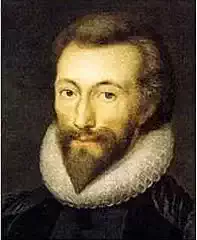
John Donne
The Triple Fool
The Triple Fool
I am two fools, I know-
For loving, and for saying so
In whining poetry;
But where's that wiseman that would not be I,
If she would not deny?
Then, as th' earths inward narrow crooked lanes
Do purge sea waters fretful salt away,
I thought, if I could draw my pains
Through rhymes vexation, I should them allay.
Grief brought to numbers cannot be so fierce,
For he tames it that fetters it in verse.
But when I have done so,
Some man, his art and voice to show,
Doth set and sing my pain,
And, by delighting many, frees again
Grief, which verse did restrain.
To Love and Grief tribute of verse belongs,
But not of such as pleases when 'tis read;
Both are increased by such songs,
For both their triumphs so are published;
And I, which was two fooles, do so grow three;
Who are a little wise, the best fools be.
I am two fools, I know-
For loving, and for saying so
In whining poetry;
But where's that wiseman that would not be I,
If she would not deny?
Then, as th' earths inward narrow crooked lanes
Do purge sea waters fretful salt away,
I thought, if I could draw my pains
Through rhymes vexation, I should them allay.
Grief brought to numbers cannot be so fierce,
For he tames it that fetters it in verse.
But when I have done so,
Some man, his art and voice to show,
Doth set and sing my pain,
And, by delighting many, frees again
Grief, which verse did restrain.
To Love and Grief tribute of verse belongs,
But not of such as pleases when 'tis read;
Both are increased by such songs,
For both their triumphs so are published;
And I, which was two fooles, do so grow three;
Who are a little wise, the best fools be.
348
John Donne
The Legacy
The Legacy
When I died last, and, Dear, I die
As often as from thee I go,
Though it be but an hour ago,
And Lovers' hours be full eternity,
I can remember yet, that I
Something did say, and something did bestow;
Though I be dead, which sent me, I should be
Mine own executor and legacy.
I heard me say, "Tell her anon,
That myself, that is you, not I,
Did kill me," and when I felt me die,
I bid me send my heart, when I was gone,
But alas could there find none,
When I had ripp'd me, and search'd where hearts should lie;
It kill'd me again, that I who still was true,
In life, in my last will should cozen you.
Yet I found something like a heart,
But colors it, and corners had,
It was not good, it was not bad,
It was intire to none, and few had part.
As good as could be made by art
It seem'd, and therefore for our losses sad,
I meant to send this heart in stead of mine,
But oh, no man could hold it, for 'twas thine.
When I died last, and, Dear, I die
As often as from thee I go,
Though it be but an hour ago,
And Lovers' hours be full eternity,
I can remember yet, that I
Something did say, and something did bestow;
Though I be dead, which sent me, I should be
Mine own executor and legacy.
I heard me say, "Tell her anon,
That myself, that is you, not I,
Did kill me," and when I felt me die,
I bid me send my heart, when I was gone,
But alas could there find none,
When I had ripp'd me, and search'd where hearts should lie;
It kill'd me again, that I who still was true,
In life, in my last will should cozen you.
Yet I found something like a heart,
But colors it, and corners had,
It was not good, it was not bad,
It was intire to none, and few had part.
As good as could be made by art
It seem'd, and therefore for our losses sad,
I meant to send this heart in stead of mine,
But oh, no man could hold it, for 'twas thine.
457
John Donne
The Paradox
The Paradox
No Lover saith, I love, nor any other
Can judge a perfect Lover;
Hee thinkes that else none can, nor will agree
That any loves but hee;
I cannot say I'lov'd. for who can say
Hee was kill'd yesterday?
Lover withh excesse of heat, more yong than old,
Death kills with too much cold;
Wee dye but once, and who lov'd last did die,
Hee that saith twice, doth lye:
For though hee seeme to move, and stirre a while,
It doth the sense beguile.
Such life is like the light which bideth yet
When the lights life is set,
Or like the heat, which fire in solid matter
Leave behinde, two houres after.
Once I lov's and dy'd; and am now become
Mine Epitaph and Tombe.
Here dead men speake their last, and so do I;
Love-slaine, loe, here I lye.
No Lover saith, I love, nor any other
Can judge a perfect Lover;
Hee thinkes that else none can, nor will agree
That any loves but hee;
I cannot say I'lov'd. for who can say
Hee was kill'd yesterday?
Lover withh excesse of heat, more yong than old,
Death kills with too much cold;
Wee dye but once, and who lov'd last did die,
Hee that saith twice, doth lye:
For though hee seeme to move, and stirre a while,
It doth the sense beguile.
Such life is like the light which bideth yet
When the lights life is set,
Or like the heat, which fire in solid matter
Leave behinde, two houres after.
Once I lov's and dy'd; and am now become
Mine Epitaph and Tombe.
Here dead men speake their last, and so do I;
Love-slaine, loe, here I lye.
367
John Donne
The Dissolution
The Dissolution
She's dead; and all which die
To their first elements resolve;
And we were mutual elements to us,
And made of one another.
My body then doth hers involve,
And those things whereof I consist hereby
In me abundant grow, and burdenous,
And nourish not, but smother.
My fire of passion, sighs of air,
Water of tears, and earthly sad despair,
Which my materials be,
But near worn out by love's security,
She, to my loss, doth by her death repair,
And I might live long wretched so
But that my fire doth with my fuel grow.
Now as those Active Kings
Whose foreign conquest treasure brings,
Receive more, and spend more, and soonest break:
This (which I am amazed that I can speak)
This death hath with my store
My use increased.
And so my soul more earnestly released
Will outstrip hers; as bullets flown before
A latter bullet may o'ertake, the powder being more.
She's dead; and all which die
To their first elements resolve;
And we were mutual elements to us,
And made of one another.
My body then doth hers involve,
And those things whereof I consist hereby
In me abundant grow, and burdenous,
And nourish not, but smother.
My fire of passion, sighs of air,
Water of tears, and earthly sad despair,
Which my materials be,
But near worn out by love's security,
She, to my loss, doth by her death repair,
And I might live long wretched so
But that my fire doth with my fuel grow.
Now as those Active Kings
Whose foreign conquest treasure brings,
Receive more, and spend more, and soonest break:
This (which I am amazed that I can speak)
This death hath with my store
My use increased.
And so my soul more earnestly released
Will outstrip hers; as bullets flown before
A latter bullet may o'ertake, the powder being more.
338
John Donne
The Curse
The Curse
Whoever guesses, thinks, or dreams, he knows
Who is my mistress, wither by this curse ;
Him, only for his purse
May some dull whore to love dispose,
And then yield unto all that are his foes ;
May he be scorn'd by one, whom all else scorn,
Forswear to others, what to her he hath sworn,
With fear of missing, shame of getting, torn.
Madness his sorrow, gout his cramps, may he
Make, by but thinking who hath made him such ;
And may he feel no touch
Of conscience, but of fame, and be
Anguish'd, not that 'twas sin, but that 'twas she ;
Or may he for her virtue reverence
One that hates him only for impotence,
And equal traitors be she and his sense.
May he dream treason, and believe that he
Meant to perform it, and confesses, and die,
And no record tell why ;
His sons, which none of his may be,
Inherit nothing but his infamy ;
Or may he so long parasites have fed,
That he would fain be theirs whom he hath bred,
And at the last be circumcised for bread.
The venom of all stepdames, gamesters' gall,
What tyrants and their subjects interwish,
What plants, mine, beasts, fowl, fish,
Can contribute, all ill, which all
Prophets or poets spake, and all which shall
Be annex'd in schedules unto this by me,
Fall on that man ; For if it be a she
Nature beforehand hath out-cursèd me.
Whoever guesses, thinks, or dreams, he knows
Who is my mistress, wither by this curse ;
Him, only for his purse
May some dull whore to love dispose,
And then yield unto all that are his foes ;
May he be scorn'd by one, whom all else scorn,
Forswear to others, what to her he hath sworn,
With fear of missing, shame of getting, torn.
Madness his sorrow, gout his cramps, may he
Make, by but thinking who hath made him such ;
And may he feel no touch
Of conscience, but of fame, and be
Anguish'd, not that 'twas sin, but that 'twas she ;
Or may he for her virtue reverence
One that hates him only for impotence,
And equal traitors be she and his sense.
May he dream treason, and believe that he
Meant to perform it, and confesses, and die,
And no record tell why ;
His sons, which none of his may be,
Inherit nothing but his infamy ;
Or may he so long parasites have fed,
That he would fain be theirs whom he hath bred,
And at the last be circumcised for bread.
The venom of all stepdames, gamesters' gall,
What tyrants and their subjects interwish,
What plants, mine, beasts, fowl, fish,
Can contribute, all ill, which all
Prophets or poets spake, and all which shall
Be annex'd in schedules unto this by me,
Fall on that man ; For if it be a she
Nature beforehand hath out-cursèd me.
440
John Donne
The Broken Heart
The Broken Heart
He is stark mad, who ever says,
That he hath been in love an hour,
Yet not that love so soon decays,
But that it can ten in less space devour;
Who will believe me, if I swear
That I have had the plague a year ?
Who would not laugh at me, if I should say,
I saw a flask of powder burn a day ?
Ah, what trifle is a heart,
If once into Love’s hands it come!
All other griefs allow a part
To other griefs, and ask themselves but some,
They come to us, but us Love draws,
He swallows us, and never chaws:
By him, as by chain-shot, whole ranks do die,
He is the tyrant pike, our hearts the fry.
If`twere not so, what did become
Of my heart, when I first saw thee ?
I brought a heart into the room,
But from the room, I carried non with me;
If it had gone to thee, I know
Mine would have taught thy heart to show
More pity unto me: but Love, alas,
At one first blow did shiver it as glass.
Yet nothing can to nothing fall,
Nor any place be empty quite,
Therefore I think my breast hath all
Those pieces still, though they be not unite;
And now as broken glasses show
A hundred lesser faces, so
My rags of heart can like, wish, and adore,
But after one such love, can love no more.
He is stark mad, who ever says,
That he hath been in love an hour,
Yet not that love so soon decays,
But that it can ten in less space devour;
Who will believe me, if I swear
That I have had the plague a year ?
Who would not laugh at me, if I should say,
I saw a flask of powder burn a day ?
Ah, what trifle is a heart,
If once into Love’s hands it come!
All other griefs allow a part
To other griefs, and ask themselves but some,
They come to us, but us Love draws,
He swallows us, and never chaws:
By him, as by chain-shot, whole ranks do die,
He is the tyrant pike, our hearts the fry.
If`twere not so, what did become
Of my heart, when I first saw thee ?
I brought a heart into the room,
But from the room, I carried non with me;
If it had gone to thee, I know
Mine would have taught thy heart to show
More pity unto me: but Love, alas,
At one first blow did shiver it as glass.
Yet nothing can to nothing fall,
Nor any place be empty quite,
Therefore I think my breast hath all
Those pieces still, though they be not unite;
And now as broken glasses show
A hundred lesser faces, so
My rags of heart can like, wish, and adore,
But after one such love, can love no more.
310
John Donne
Ralphius
Ralphius
Compassion in the world again is bred ;
Ralphius is sick, the broker keeps his bed.
Compassion in the world again is bred ;
Ralphius is sick, the broker keeps his bed.
258
John Donne
Love's Exchange
Love's Exchange
LOVE, any devil else but you
Would for a given soul give something too.
At court your fellows every day
Give th' art of rhyming, huntsmanship, or play,
For them which were their own before ;
Only I have nothing, which gave more,
But am, alas ! by being lowly, lower.
I ask no dispensation now,
To falsify a tear, or sigh, or vow ;
I do not sue from thee to draw
A non obstante on nature's law ;
These are prerogatives, they inhere
In thee and thine ; none should forswear
Except that he Love's minion were.
Give me thy weakness, make me blind,
Both ways, as thou and thine, in eyes and mind ;
Love, let me never know that this
Is love, or, that love childish is ;
Let me not know that others know
That she knows my paines, lest that so
A tender shame make me mine own new woe.
If thou give nothing, yet thou 'rt just,
Because I would not thy first motions trust ;
Small towns which stand stiff, till great shot
Enforce them, by war's law condition not ;
Such in Love's warfare is my case ;
I may not article for grace,
Having put Love at last to show this face.
This face, by which he could command
And change th' idolatry of any land,
This face, which, wheresoe'er it comes,
Can call vow'd men from cloisters, dead from tombs,
And melt both poles at once, and store
Deserts with cities, and make more
Mines in the earth, than quarries were before.
For this Love is enraged with me,
Yet kills not ; if I must example be
To future rebels, if th' unborn
Must learn by my being cut up and torn,
Kill, and dissect me, Love ; for this
Torture against thine own end is ;
Rack'd carcasses make ill anatomies.
LOVE, any devil else but you
Would for a given soul give something too.
At court your fellows every day
Give th' art of rhyming, huntsmanship, or play,
For them which were their own before ;
Only I have nothing, which gave more,
But am, alas ! by being lowly, lower.
I ask no dispensation now,
To falsify a tear, or sigh, or vow ;
I do not sue from thee to draw
A non obstante on nature's law ;
These are prerogatives, they inhere
In thee and thine ; none should forswear
Except that he Love's minion were.
Give me thy weakness, make me blind,
Both ways, as thou and thine, in eyes and mind ;
Love, let me never know that this
Is love, or, that love childish is ;
Let me not know that others know
That she knows my paines, lest that so
A tender shame make me mine own new woe.
If thou give nothing, yet thou 'rt just,
Because I would not thy first motions trust ;
Small towns which stand stiff, till great shot
Enforce them, by war's law condition not ;
Such in Love's warfare is my case ;
I may not article for grace,
Having put Love at last to show this face.
This face, by which he could command
And change th' idolatry of any land,
This face, which, wheresoe'er it comes,
Can call vow'd men from cloisters, dead from tombs,
And melt both poles at once, and store
Deserts with cities, and make more
Mines in the earth, than quarries were before.
For this Love is enraged with me,
Yet kills not ; if I must example be
To future rebels, if th' unborn
Must learn by my being cut up and torn,
Kill, and dissect me, Love ; for this
Torture against thine own end is ;
Rack'd carcasses make ill anatomies.
354
John Donne
Hym To God, My God In My Sickness
Hym To God, My God In My Sickness
Since I am coming to that holy room,
Where, with thy choir of saints for evermore,
I shall be made thy music; as I come
I tune the instrument here at the door,
And what I must do then, think here before.
Whilst my physicians by their love are grown
Cosmographers, and I their map, who lie
Flat on this bed, that by them may be shown
That this is my south-west discovery,
[lang l]Per fretum febris[lang e], by these straits to die,
pmdv3 n='33-11'> I joy, that in these straits I see my west;
For, though their currents yield return to none,
What shall my west hurt me? As west and east
In all flat maps (and I am one) are one,
So death doth touch the resurrection.
Is the Pacific Sea my home? Or are
The eastern riches? Is Jerusalem?
Anyan, and Magellan, and Gibraltar,
All straits, and none but straits, are ways to them,
Whether where Japhet dwelt, or Cham, or Shem.
We think that Paradise and Calvary,
Christ's cross, and Adam's tree, stood in one place;
Look, Lord, and find both Adams met in me;
As the first Adam's sweat surrounds my face,
May the last Adam's blood my soul embrace.
So, in his purple wrapp'd, receive me, Lord;
By these his thorns, give me his other crown;
And as to others' souls I preach'd thy word,
Be this my text, my sermon to mine own:
'Therefore that he may raise, the Lord throws down.'
Since I am coming to that holy room,
Where, with thy choir of saints for evermore,
I shall be made thy music; as I come
I tune the instrument here at the door,
And what I must do then, think here before.
Whilst my physicians by their love are grown
Cosmographers, and I their map, who lie
Flat on this bed, that by them may be shown
That this is my south-west discovery,
[lang l]Per fretum febris[lang e], by these straits to die,
pmdv3 n='33-11'> I joy, that in these straits I see my west;
For, though their currents yield return to none,
What shall my west hurt me? As west and east
In all flat maps (and I am one) are one,
So death doth touch the resurrection.
Is the Pacific Sea my home? Or are
The eastern riches? Is Jerusalem?
Anyan, and Magellan, and Gibraltar,
All straits, and none but straits, are ways to them,
Whether where Japhet dwelt, or Cham, or Shem.
We think that Paradise and Calvary,
Christ's cross, and Adam's tree, stood in one place;
Look, Lord, and find both Adams met in me;
As the first Adam's sweat surrounds my face,
May the last Adam's blood my soul embrace.
So, in his purple wrapp'd, receive me, Lord;
By these his thorns, give me his other crown;
And as to others' souls I preach'd thy word,
Be this my text, my sermon to mine own:
'Therefore that he may raise, the Lord throws down.'
279
John Donne
Holy Sonnet XIX: Oh, to Vex Me
Holy Sonnet XIX: Oh, to Vex Me
Oh, to vex me, contraryes meet in one:
Inconstancy unnaturally hath begott
A constant habit; that when I would not
I change in vowes, and in devotione.
As humorous is my contritione
As my prophane Love, and as soone forgott:
As ridlingly distemper'd, cold and hott,
As praying, as mute; as infinite, as none.
I durst not view heaven yesterday; and to day
In prayers, and flattering speaches I court God:
To morrow I quake with true feare of his rod.
So my devout fitts come and go away
Like a fantistique Ague: save that here
Those are my best dayes, when I shake with feare.
Oh, to vex me, contraryes meet in one:
Inconstancy unnaturally hath begott
A constant habit; that when I would not
I change in vowes, and in devotione.
As humorous is my contritione
As my prophane Love, and as soone forgott:
As ridlingly distemper'd, cold and hott,
As praying, as mute; as infinite, as none.
I durst not view heaven yesterday; and to day
In prayers, and flattering speaches I court God:
To morrow I quake with true feare of his rod.
So my devout fitts come and go away
Like a fantistique Ague: save that here
Those are my best dayes, when I shake with feare.
365
John Donne
Holy Sonnet XIII: What If This Present Were The World's Last Night?
Holy Sonnet XIII: What If This Present Were The World's Last Night?
What if this present were the world's last night?
Mark in my heart, O soul, where thou dost dwell,
The picture of Christ crucified, and tell
Whether that countenance can thee affright,
Tears in his eyes quench the amazing light,
Blood fills his frowns, which from his pierced head fell.
And can that tongue adjudge thee unto hell,
Which prayed forgiveness for his foes' fierce spite?
No, no; but as in my idolatry
I said to all my profane mistresses,
Beauty, of pity, foulness only is
A sign of rigour: so I say to thee,
To wicked spirits are horrid shapes assigned,
This beauteous form assures a piteous mind.
What if this present were the world's last night?
Mark in my heart, O soul, where thou dost dwell,
The picture of Christ crucified, and tell
Whether that countenance can thee affright,
Tears in his eyes quench the amazing light,
Blood fills his frowns, which from his pierced head fell.
And can that tongue adjudge thee unto hell,
Which prayed forgiveness for his foes' fierce spite?
No, no; but as in my idolatry
I said to all my profane mistresses,
Beauty, of pity, foulness only is
A sign of rigour: so I say to thee,
To wicked spirits are horrid shapes assigned,
This beauteous form assures a piteous mind.
256
John Donne
Holy Sonnet XI: Spit In My Face You Jews, And Pierce My Side
Holy Sonnet XI: Spit In My Face You Jews, And Pierce My Side
Spit in my face you Jews, and pierce my side,
Buffet, and scoff, scourge, and crucify me,
For I have sinned, and sinned, and only he
Who could do no iniquity hath died:
But by my death can not be satisfied
My sins, which pass the Jews' impiety:
They killed once an inglorious man, but I
Crucify him daily, being now glorified.
Oh let me, then, his strange love still admire:
Kings pardon, but he bore our punishment.
And Jacob came clothed in vile harsh attire
But to supplant, and with gainful intent:
God clothed himself in vile man's flesh, that so
He might be weak enough to suffer woe.
Spit in my face you Jews, and pierce my side,
Buffet, and scoff, scourge, and crucify me,
For I have sinned, and sinned, and only he
Who could do no iniquity hath died:
But by my death can not be satisfied
My sins, which pass the Jews' impiety:
They killed once an inglorious man, but I
Crucify him daily, being now glorified.
Oh let me, then, his strange love still admire:
Kings pardon, but he bore our punishment.
And Jacob came clothed in vile harsh attire
But to supplant, and with gainful intent:
God clothed himself in vile man's flesh, that so
He might be weak enough to suffer woe.
299
John Donne
Holy Sonnet XI: Spit In My Face You Jewes
Holy Sonnet XI: Spit In My Face You Jewes
Spit in my face you Jewes, and pierce my side,
Buffet, and scoffe, scourge, and crucifie mee,
For I have sinn'd, and sinn'd, and onely hee,
Who could do no iniquitie, hath dyed:
But by my death can not be satisfied
My sinnes, which passe the Jewes impiety:
They kill'd once an inglorious man, but I
Crucifie him daily, being now glorified.
Oh let mee then, his strange love still admire:
Kings pardon, but he bore our punishment.
And Jacob came cloth'd in vile harsh attire
But to supplant, and with gainfull intent:
God cloth'd himselfe in vile mans flesh, that so
Hee might be weake enough to suffer woe.
Spit in my face you Jewes, and pierce my side,
Buffet, and scoffe, scourge, and crucifie mee,
For I have sinn'd, and sinn'd, and onely hee,
Who could do no iniquitie, hath dyed:
But by my death can not be satisfied
My sinnes, which passe the Jewes impiety:
They kill'd once an inglorious man, but I
Crucifie him daily, being now glorified.
Oh let mee then, his strange love still admire:
Kings pardon, but he bore our punishment.
And Jacob came cloth'd in vile harsh attire
But to supplant, and with gainfull intent:
God cloth'd himselfe in vile mans flesh, that so
Hee might be weake enough to suffer woe.
295
John Donne
Holy Sonnet I: Thou Hast Made Me
Holy Sonnet I: Thou Hast Made Me
Thou hast made me, and shall thy work decay?
Repair me now, for now mine end doth haste;
I run to death, and death meets me as fast,
And all my pleasures are like yesterday.
I dare not move my dim eyes any way,
Despair behind, and death before doth cast
Such terror, and my feeble flesh doth waste
By sin in it, which it towards hell doth weigh.
Only thou art above, and when towards thee
By thy leave I can look, I rise again;
But our old subtle foe so tempteth me
That not one hour myself I can sustain.
Thy grace may wing me to prevent his art,
And thou like adamant draw mine iron heart.
Thou hast made me, and shall thy work decay?
Repair me now, for now mine end doth haste;
I run to death, and death meets me as fast,
And all my pleasures are like yesterday.
I dare not move my dim eyes any way,
Despair behind, and death before doth cast
Such terror, and my feeble flesh doth waste
By sin in it, which it towards hell doth weigh.
Only thou art above, and when towards thee
By thy leave I can look, I rise again;
But our old subtle foe so tempteth me
That not one hour myself I can sustain.
Thy grace may wing me to prevent his art,
And thou like adamant draw mine iron heart.
338
John Donne
Holy Sonnet II: As Due By Many Titles I Resign
Holy Sonnet II: As Due By Many Titles I Resign
As due by many titles I resign
My self to Thee, O God; first I was made
By Thee, and for Thee, and when I was decayed
Thy blood bought that, the which before was Thine;
I am Thy son, made with Thy Self to shine,
Thy servant, whose pains Thou hast still repaid,
Thy sheep, thine image, and, till I betrayed
My self, a temple of Thy Spirit divine;
Why doth the devil then usurp on me?
Why doth he steal, nay ravish that's thy right?
Except thou rise and for thine own work fight,
Oh I shall soon despair, when I do see
That thou lov'st mankind well, yet wilt not choose me,
And Satan hates me, yet is loth to lose me.
As due by many titles I resign
My self to Thee, O God; first I was made
By Thee, and for Thee, and when I was decayed
Thy blood bought that, the which before was Thine;
I am Thy son, made with Thy Self to shine,
Thy servant, whose pains Thou hast still repaid,
Thy sheep, thine image, and, till I betrayed
My self, a temple of Thy Spirit divine;
Why doth the devil then usurp on me?
Why doth he steal, nay ravish that's thy right?
Except thou rise and for thine own work fight,
Oh I shall soon despair, when I do see
That thou lov'st mankind well, yet wilt not choose me,
And Satan hates me, yet is loth to lose me.
322
John Donne
Good Friday, 1613. Riding Westward
Good Friday, 1613. Riding Westward
Let mans Soule be a Spheare, and then, in this,
The intelligence that moves, devotion is
And as the other Spheares, by being growne
Subject to forraigne motions, lose their owne
And being by others hurried every day,
Scarce in a yeare their natural! forme obey:
Pleasure or businesse, so, our Soules admit
For their first mover, and are whirld by it.
Hence is's, that I am carryed towards the West
This day, when my Soules forme bends toward the East.
There I should see a Sunne, by rising set,
And by that setting endlesse day beget;
But that Christ on this Crosse, did rise and fall,
Sinne had eternally benighted all.
Yet dare ['almost be glad, I do not see
That spectacle of too much weight for meet
Who sees Gods face, that is selfe life, must dye;
What a death were it then to see God dye?
It made his owne Lieutenant Nature shrinke,
It made his footstoole crack, and the Sunne winke.
Could I behold those hands which span the Poles,
And tune all spheares at once, peirc'd with those holes?
Could I behold that endlesse height which is
Zenith to us, and to'our Antipodes,
Humbled below us? or that blood which is
The seat of all our Soules, if not of his,
Make curt of dust, or that flesh which was worne
By God, for his apparel!, rag'd, and tome?
If on these things I durst not looke, durst I
Upon his miserable mother cast mine eye,
Who was Gods partner here, and furnish'd thus
Halfe of that Sacrifice, which ransom'd us?
Though these things, as I ride, be from mine eye,
They'are present yet unto my memory,
For that looks towards them; and thou look'st towards mee,
O Saviour, as thou hang'st upon the tree;
I turne my backe to thee, but to receive
Corrections, till thy mercies bid thee leave.
O thinke mee worth shine anger, punish mee,
Burne off my rusts, and my deformity,
Restore shine Image, so much, by thy grace,
That thou may'st know mee, and I'll turne my face.
Let mans Soule be a Spheare, and then, in this,
The intelligence that moves, devotion is
And as the other Spheares, by being growne
Subject to forraigne motions, lose their owne
And being by others hurried every day,
Scarce in a yeare their natural! forme obey:
Pleasure or businesse, so, our Soules admit
For their first mover, and are whirld by it.
Hence is's, that I am carryed towards the West
This day, when my Soules forme bends toward the East.
There I should see a Sunne, by rising set,
And by that setting endlesse day beget;
But that Christ on this Crosse, did rise and fall,
Sinne had eternally benighted all.
Yet dare ['almost be glad, I do not see
That spectacle of too much weight for meet
Who sees Gods face, that is selfe life, must dye;
What a death were it then to see God dye?
It made his owne Lieutenant Nature shrinke,
It made his footstoole crack, and the Sunne winke.
Could I behold those hands which span the Poles,
And tune all spheares at once, peirc'd with those holes?
Could I behold that endlesse height which is
Zenith to us, and to'our Antipodes,
Humbled below us? or that blood which is
The seat of all our Soules, if not of his,
Make curt of dust, or that flesh which was worne
By God, for his apparel!, rag'd, and tome?
If on these things I durst not looke, durst I
Upon his miserable mother cast mine eye,
Who was Gods partner here, and furnish'd thus
Halfe of that Sacrifice, which ransom'd us?
Though these things, as I ride, be from mine eye,
They'are present yet unto my memory,
For that looks towards them; and thou look'st towards mee,
O Saviour, as thou hang'st upon the tree;
I turne my backe to thee, but to receive
Corrections, till thy mercies bid thee leave.
O thinke mee worth shine anger, punish mee,
Burne off my rusts, and my deformity,
Restore shine Image, so much, by thy grace,
That thou may'st know mee, and I'll turne my face.
284
John Donne
From ‘The Cross’
From ‘The Cross’
Who can blot out the Cross, which th’instrument
Of God, dew’d on me in the Sacrament?
Who can deny me power, and liberty
To stretch mine arms, and mine own Cross to be?
Swim, and at every stroke, thou art thy Cross;
The Mast and yard make one, where seas do toss;
Look down, thou spiest out Crosses in small things;
Look up, thou seest birds rais’d on crossed wings;
All the Globes frame, and spheres, is nothing else
But the Meridians crossing Parallels.
Material Crosses then, good physic bee,
But yet spiritual have chief dignity.
These for extracted chemic medicine serve,
And cure much better, and as well preserve;
Then are you your own physic, or need none,
When Still’d, or purg’d by tribulation.
For when that Cross ungrudg’d, unto you sticks,
Then are you to your self, a Crucifix.
As perchance, Carvers do not faces make,
But that away, which hid them there, do take;
Let Crosses, so, take what hid Christ in thee,
And be his image, or not his, but he.
Who can blot out the Cross, which th’instrument
Of God, dew’d on me in the Sacrament?
Who can deny me power, and liberty
To stretch mine arms, and mine own Cross to be?
Swim, and at every stroke, thou art thy Cross;
The Mast and yard make one, where seas do toss;
Look down, thou spiest out Crosses in small things;
Look up, thou seest birds rais’d on crossed wings;
All the Globes frame, and spheres, is nothing else
But the Meridians crossing Parallels.
Material Crosses then, good physic bee,
But yet spiritual have chief dignity.
These for extracted chemic medicine serve,
And cure much better, and as well preserve;
Then are you your own physic, or need none,
When Still’d, or purg’d by tribulation.
For when that Cross ungrudg’d, unto you sticks,
Then are you to your self, a Crucifix.
As perchance, Carvers do not faces make,
But that away, which hid them there, do take;
Let Crosses, so, take what hid Christ in thee,
And be his image, or not his, but he.
288