

Poems in this theme
Pain and Despair

Robert W. Service
Bonehead Bill
Bonehead Bill
I wonder 'oo and wot 'e was,
That 'Un I got so slick.
I couldn't see 'is face because
The night was 'ideous thick.
I just made out among the black
A blinkin' wedge o' white;
Then biff! I guess I got 'im crack --
The man I killed last night.
I wonder if account o' me
Some wench will go unwed,
And 'eaps o' lives will never be,
Because 'e's stark and dead?
Or if 'is missis damns the war,
And by some candle light,
Tow-headed kids are prayin' for
The Fritz I copped last night.
I wonder, 'struth, I wonder why
I 'ad that 'orful dream?
I saw up in the giddy sky
The gates o' God agleam;
I saw the gates o' 'eaven shine
Wiv everlastin' light:
And then . . . I knew that I'd got mine,
As 'e got 'is last night.
Aye, bang beyond the broodin' mists
Where spawn the mother stars,
I 'ammered wiv me bloody fists
Upon them golden bars;
I 'ammered till a devil's doubt
Fair froze me wiv affright:
To fink wot God would say about
The bloke I corpsed last night.
I 'ushed; I wilted wiv despair,
When, like a rosy flame,
I sees a angel standin' there
'Oo calls me by me name.
'E 'ad such soft, such shiny eyes;
'E 'eld 'is 'and and smiled;
And through the gates o' Paradise
'E led me like a child.
'E led me by them golden palms
Wot 'ems that jeweled street;
And seraphs was a-singin' psalms,
You've no ideer 'ow sweet;
Wiv cheroobs crowdin' closer round
Than peas is in a pod,
'E led me to a shiny mound
Where beams the throne o' God.
And then I 'ears God's werry voice:
"Bill 'agan, 'ave no fear.
Stand up and glory and rejoice
For 'im 'oo led you 'ere."
And in a nip I seemed to see:
Aye, like a flash o' light,
My angel pal I knew to be
The chap I plugged last night.
Now, I don't claim to understand --
They calls me Bonehead Bill;
They shoves a rifle in me 'and,
And show me 'ow to kill.
Me job's to risk me life and limb,
But . . . be it wrong or right,
This cross I'm makin', it's for 'im,
The cove I croaked last night.
I wonder 'oo and wot 'e was,
That 'Un I got so slick.
I couldn't see 'is face because
The night was 'ideous thick.
I just made out among the black
A blinkin' wedge o' white;
Then biff! I guess I got 'im crack --
The man I killed last night.
I wonder if account o' me
Some wench will go unwed,
And 'eaps o' lives will never be,
Because 'e's stark and dead?
Or if 'is missis damns the war,
And by some candle light,
Tow-headed kids are prayin' for
The Fritz I copped last night.
I wonder, 'struth, I wonder why
I 'ad that 'orful dream?
I saw up in the giddy sky
The gates o' God agleam;
I saw the gates o' 'eaven shine
Wiv everlastin' light:
And then . . . I knew that I'd got mine,
As 'e got 'is last night.
Aye, bang beyond the broodin' mists
Where spawn the mother stars,
I 'ammered wiv me bloody fists
Upon them golden bars;
I 'ammered till a devil's doubt
Fair froze me wiv affright:
To fink wot God would say about
The bloke I corpsed last night.
I 'ushed; I wilted wiv despair,
When, like a rosy flame,
I sees a angel standin' there
'Oo calls me by me name.
'E 'ad such soft, such shiny eyes;
'E 'eld 'is 'and and smiled;
And through the gates o' Paradise
'E led me like a child.
'E led me by them golden palms
Wot 'ems that jeweled street;
And seraphs was a-singin' psalms,
You've no ideer 'ow sweet;
Wiv cheroobs crowdin' closer round
Than peas is in a pod,
'E led me to a shiny mound
Where beams the throne o' God.
And then I 'ears God's werry voice:
"Bill 'agan, 'ave no fear.
Stand up and glory and rejoice
For 'im 'oo led you 'ere."
And in a nip I seemed to see:
Aye, like a flash o' light,
My angel pal I knew to be
The chap I plugged last night.
Now, I don't claim to understand --
They calls me Bonehead Bill;
They shoves a rifle in me 'and,
And show me 'ow to kill.
Me job's to risk me life and limb,
But . . . be it wrong or right,
This cross I'm makin', it's for 'im,
The cove I croaked last night.
234
Robert W. Service
A Song Of Suicide
A Song Of Suicide
Deeming that I were better dead,
"How shall I kill myself?" I said.
Thus mooning by the river Seine
I sought extinction without pain,
When on a bridge I saw a flash
Of lingerie and heard a splash . . .
So as I am a swimmer stout
I plunged and pulled the poor wretch out.
The female that I saved? Ah yes,
To yield the Morgue of one corpse the less,
Apart from all heroic action,
Gave me a moral satisfaction.
was she an old and withered hag,
Too tired of life to long to lag?
Ah no, she was so young and fair
I fell in love with her right there.
And when she took me to her attic
Her gratitude was most emphatic.
A sweet and simple girl she proved,
Distraught because the man she loved
In battle his life-blood had shed . . .
So I, too, told her of my dead,
The girl who in a garret grey
Had coughed and coughed her life away.
Thus as we sought our griefs to smother,
With kisses we consoled each other . . .
And there's the ending of my story;
It wasn't grim, it wasn't gory.
For comforted were hearts forlorn,
And from black sorrow joy was born:
So may our dead dears be forgiving,
And bless the rapture of the living.
Deeming that I were better dead,
"How shall I kill myself?" I said.
Thus mooning by the river Seine
I sought extinction without pain,
When on a bridge I saw a flash
Of lingerie and heard a splash . . .
So as I am a swimmer stout
I plunged and pulled the poor wretch out.
The female that I saved? Ah yes,
To yield the Morgue of one corpse the less,
Apart from all heroic action,
Gave me a moral satisfaction.
was she an old and withered hag,
Too tired of life to long to lag?
Ah no, she was so young and fair
I fell in love with her right there.
And when she took me to her attic
Her gratitude was most emphatic.
A sweet and simple girl she proved,
Distraught because the man she loved
In battle his life-blood had shed . . .
So I, too, told her of my dead,
The girl who in a garret grey
Had coughed and coughed her life away.
Thus as we sought our griefs to smother,
With kisses we consoled each other . . .
And there's the ending of my story;
It wasn't grim, it wasn't gory.
For comforted were hearts forlorn,
And from black sorrow joy was born:
So may our dead dears be forgiving,
And bless the rapture of the living.
263
Robert W. Service
A Hero
A Hero
Three times I had the lust to kill,
To clutch a throat so young and fair,
And squeeze with all my might until
No breath of being lingered there.
Three times I drove the demon out,
Though on my brow was evil sweat. . . .
And yet I know beyond a doubt
He'll get me yet, he'll get me yet.
I know I'm mad, I ought to tell
The doctors, let them care for me,
Confine me in a padded cell
And never, never set me free;
But Oh how cruel that would be!
For I am young - and comely too . . .
Yet dim my demon I can see,
And there is but one thing to do.
Three times I beat the foul fiend back;
The fourth, I know he will prevail,
And so I'll seek the railway track
And lay my head upon the rail,
And sight the dark and distant train,
And hear its thunder louder roll,
Coming to crush my cursed brain . . .
Oh God, have mercy on my soul!
Three times I had the lust to kill,
To clutch a throat so young and fair,
And squeeze with all my might until
No breath of being lingered there.
Three times I drove the demon out,
Though on my brow was evil sweat. . . .
And yet I know beyond a doubt
He'll get me yet, he'll get me yet.
I know I'm mad, I ought to tell
The doctors, let them care for me,
Confine me in a padded cell
And never, never set me free;
But Oh how cruel that would be!
For I am young - and comely too . . .
Yet dim my demon I can see,
And there is but one thing to do.
Three times I beat the foul fiend back;
The fourth, I know he will prevail,
And so I'll seek the railway track
And lay my head upon the rail,
And sight the dark and distant train,
And hear its thunder louder roll,
Coming to crush my cursed brain . . .
Oh God, have mercy on my soul!
244
Robert W. Service
A Casualty
A Casualty
That boy I took in the car last night,
With the body that awfully sagged away,
And the lips blood-crisped, and the eyes flame-bright,
And the poor hands folded and cold as clay --
Oh, I've thought and I've thought of him all the day.
For the weary old doctor says to me:
"He'll only last for an hour or so.
Both of his legs below the knee
Blown off by a bomb. . . . So, lad, go slow,
And please remember, he doesn't know."
So I tried to drive with never a jar;
And there was I cursing the road like mad,
When I hears a ghost of a voice from the car:
"Tell me, old chap, have I `copped it' bad?"
So I answers "No," and he says, "I'm glad."
"Glad," says he, "for at twenty-two
Life's so splendid, I hate to go.
There's so much good that a chap might do,
And I've fought from the start and I've suffered so.
'Twould be hard to get knocked out now, you know."
"Forget it," says I; then I drove awhile,
And I passed him a cheery word or two;
But he didn't answer for many a mile,
So just as the hospital hove in view,
Says I: "Is there nothing that I can do?"
Then he opens his eyes and he smiles at me;
And he takes my hand in his trembling hold;
"Thank you -- you're far too kind," says he:
"I'm awfully comfy -- stay . . . let's see:
I fancy my blanket's come unrolled --
My feet, please wrap 'em -- they're cold . . . they're cold."
That boy I took in the car last night,
With the body that awfully sagged away,
And the lips blood-crisped, and the eyes flame-bright,
And the poor hands folded and cold as clay --
Oh, I've thought and I've thought of him all the day.
For the weary old doctor says to me:
"He'll only last for an hour or so.
Both of his legs below the knee
Blown off by a bomb. . . . So, lad, go slow,
And please remember, he doesn't know."
So I tried to drive with never a jar;
And there was I cursing the road like mad,
When I hears a ghost of a voice from the car:
"Tell me, old chap, have I `copped it' bad?"
So I answers "No," and he says, "I'm glad."
"Glad," says he, "for at twenty-two
Life's so splendid, I hate to go.
There's so much good that a chap might do,
And I've fought from the start and I've suffered so.
'Twould be hard to get knocked out now, you know."
"Forget it," says I; then I drove awhile,
And I passed him a cheery word or two;
But he didn't answer for many a mile,
So just as the hospital hove in view,
Says I: "Is there nothing that I can do?"
Then he opens his eyes and he smiles at me;
And he takes my hand in his trembling hold;
"Thank you -- you're far too kind," says he:
"I'm awfully comfy -- stay . . . let's see:
I fancy my blanket's come unrolled --
My feet, please wrap 'em -- they're cold . . . they're cold."
330
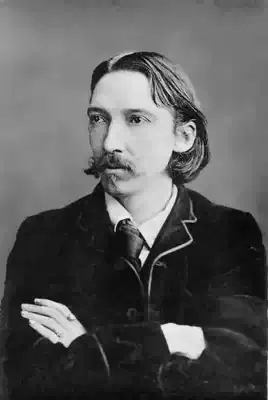
Robert Louis Stevenson
Variant Form Of The Preceding Poem
Variant Form Of The Preceding Poem
COME to me, all ye that labour; I will give your spirits rest;
Here apart in starry quiet I will give you rest.
Come to me, ye heavy laden, sin defiled and care opprest,
In your father's quiet mansions, soon to prove a welcome guest.
But an hour you bear your trial, sin and suffer, bleed and die;
But an hour you toil and combat here in day's inspiring eye.
See the feet of your deliverer; lo, the hour of freedom nigh.
COME to me, all ye that labour; I will give your spirits rest;
Here apart in starry quiet I will give you rest.
Come to me, ye heavy laden, sin defiled and care opprest,
In your father's quiet mansions, soon to prove a welcome guest.
But an hour you bear your trial, sin and suffer, bleed and die;
But an hour you toil and combat here in day's inspiring eye.
See the feet of your deliverer; lo, the hour of freedom nigh.
220
Robert Louis Stevenson
To Charles Baxter
To Charles Baxter
OUR Johnie's deid. The mair's the pity!
He's deid, an' deid o' Aqua-vitae.
O Embro', you're a shrunken city,
Noo Johnie's deid!
Tak hands, an' sing a burial ditty
Ower Johnie's heid.
To see him was baith drink an' meat,
Gaun linkin' glegly up the street.
He but to rin or tak a seat,
The wee bit body!
Bein' aye unsicken on his feet
Wi' whusky toddy.
To be aye tosh was Johnie's whim,
There's nane was better teut than him,
Though whiles his gravit-knot wad clim'
Ahint his ear,
An' whiles he'd buttons oot or in
The less ae mair.
His hair a' lang about his bree,
His tap-lip lang by inches three -
A slockened sort 'mon,' to pree
A' sensuality -
A droutly glint was in his e'e
An' personality.
An' day an' nicht, frae daw to daw,
Dink an' perjink an' doucely braw,
Wi' a kind o' Gospel ower a',
May or October,
Like Peden, followin' the Law
An' no that sober.
Whusky an' he were pack thegether.
Whate'er the hour, whate'er the weather,
John kept himsel' wi' mistened leather
An' kindled spunk.
Wi' him, there was nae askin' whether -
John was aye drunk.
The auncient heroes gash an' bauld
In the uncanny days of auld,
The task ance fo(u)nd to which th'were called,
Stack stenchly to it.
His life sic noble lives recalled,
Little's he knew it.
Single an' straucht, he went his way.
He kept the faith an' played the play.
Whusky an' he were man an' may
Whate'er betided.
Bonny in life - in death - this twae
Were no' divided.
An' wow! but John was unco sport.
Whiles he wad smile about the Court
Malvolio-like - whiles snore an' snort
Was heard afar.
The idle winter lads' resort
Was aye John's bar.
What's merely humorous or bonny
The Worl' regairds wi' cauld astony.
Drunk men tak' aye mair place than ony;
An' sae, ye see,
The gate was aye ower thrang for Johnie -
Or you an' me.
John micht hae jingled cap an' bells,
Been a braw fule in silks an' pells,
In ane o' the auld worl's canty hells
Paris or Sodom.
I wadnae had him naething else
But Johnie Adam.
He suffered - as have a' that wan
Eternal memory frae man,
Since e'er the weary worl' began -
Mister or Madam,
Keats or Scots Burns, the Spanish Don
Or Johnie Adam.
We leuch, an' Johnie deid. An' fegs!
Hoo he had keept his stoiterin' legs
Sae lang's he did's a fact that begs
An explanation.
He stachers fifty years - syne plegs
To's destination.
OUR Johnie's deid. The mair's the pity!
He's deid, an' deid o' Aqua-vitae.
O Embro', you're a shrunken city,
Noo Johnie's deid!
Tak hands, an' sing a burial ditty
Ower Johnie's heid.
To see him was baith drink an' meat,
Gaun linkin' glegly up the street.
He but to rin or tak a seat,
The wee bit body!
Bein' aye unsicken on his feet
Wi' whusky toddy.
To be aye tosh was Johnie's whim,
There's nane was better teut than him,
Though whiles his gravit-knot wad clim'
Ahint his ear,
An' whiles he'd buttons oot or in
The less ae mair.
His hair a' lang about his bree,
His tap-lip lang by inches three -
A slockened sort 'mon,' to pree
A' sensuality -
A droutly glint was in his e'e
An' personality.
An' day an' nicht, frae daw to daw,
Dink an' perjink an' doucely braw,
Wi' a kind o' Gospel ower a',
May or October,
Like Peden, followin' the Law
An' no that sober.
Whusky an' he were pack thegether.
Whate'er the hour, whate'er the weather,
John kept himsel' wi' mistened leather
An' kindled spunk.
Wi' him, there was nae askin' whether -
John was aye drunk.
The auncient heroes gash an' bauld
In the uncanny days of auld,
The task ance fo(u)nd to which th'were called,
Stack stenchly to it.
His life sic noble lives recalled,
Little's he knew it.
Single an' straucht, he went his way.
He kept the faith an' played the play.
Whusky an' he were man an' may
Whate'er betided.
Bonny in life - in death - this twae
Were no' divided.
An' wow! but John was unco sport.
Whiles he wad smile about the Court
Malvolio-like - whiles snore an' snort
Was heard afar.
The idle winter lads' resort
Was aye John's bar.
What's merely humorous or bonny
The Worl' regairds wi' cauld astony.
Drunk men tak' aye mair place than ony;
An' sae, ye see,
The gate was aye ower thrang for Johnie -
Or you an' me.
John micht hae jingled cap an' bells,
Been a braw fule in silks an' pells,
In ane o' the auld worl's canty hells
Paris or Sodom.
I wadnae had him naething else
But Johnie Adam.
He suffered - as have a' that wan
Eternal memory frae man,
Since e'er the weary worl' began -
Mister or Madam,
Keats or Scots Burns, the Spanish Don
Or Johnie Adam.
We leuch, an' Johnie deid. An' fegs!
Hoo he had keept his stoiterin' legs
Sae lang's he did's a fact that begs
An explanation.
He stachers fifty years - syne plegs
To's destination.
350
Robert Louis Stevenson
Love, What Is Love
Love, What Is Love
LOVE - what is love? A great and aching heart;
Wrung hands; and silence; and a long despair.
Life - what is life? Upon a moorland bare
To see love coming and see love depart.
LOVE - what is love? A great and aching heart;
Wrung hands; and silence; and a long despair.
Life - what is life? Upon a moorland bare
To see love coming and see love depart.
267

Robert Frost
Reluctance
Reluctance
Out through the fields and the woods And over the walls I have wended; I have
climbed the hills of view And looked at the world, and descended; I have come by the
highway home, And lo, it is ended. The leaves are all dead on the group, Save those
that the oak is keeping To ravel them one by one And let them go scraping and
creeping Out over the crusted snow, When others are sleeping. And the dead leaves
lie huddled and still, No longer blown hither and thither; The last long aster is gone;
The flowers of the witch-hazel wither; The heart is still aching to seek, But the feel
question 'Whither?' Ah, when to the heart of man Was it ever less than a treason To
go with the drift of things, To yield with a grace to reason, And bow and accept the end
Of a love or a season?
Out through the fields and the woods And over the walls I have wended; I have
climbed the hills of view And looked at the world, and descended; I have come by the
highway home, And lo, it is ended. The leaves are all dead on the group, Save those
that the oak is keeping To ravel them one by one And let them go scraping and
creeping Out over the crusted snow, When others are sleeping. And the dead leaves
lie huddled and still, No longer blown hither and thither; The last long aster is gone;
The flowers of the witch-hazel wither; The heart is still aching to seek, But the feel
question 'Whither?' Ah, when to the heart of man Was it ever less than a treason To
go with the drift of things, To yield with a grace to reason, And bow and accept the end
Of a love or a season?
434
Robert Frost
Out, out--
Out, out--
The buzz-saw snarled and rattled in the yard
And made dust and dropped stove-length sticks of wood,
Sweet-scented stuff when the breeze drew across it.
And from there those that lifted eyes could count
Five mountain ranges one behind the other
Under the sunset far into Vermont.
And the saw snarled and rattled, snarled and rattled,
As it ran light, or had to bear a load.
And nothing happened: day was all but done.
Call it a day, I wish they might have said
To please the boy by giving him the half hour
That a boy counts so much when saved from work.
His sister stood beside them in her apron
To tell them "Supper." At the word, the saw,
As if to prove saws knew what supper meant,
Leaped out at the boy's hand, or seemed to leap--
He must have given the hand. However it was,
Neither refused the meeting. But the hand!
The boy's first outcry was a rueful laugh,
As he swung toward them holding up the hand
Half in appeal, but half as if to keep
The life from spilling. Then the boy saw all--
Since he was old enough to know, big boy
Doing a man's work, though a child at heart--
He saw all spoiled. "Don't let him cut my hand off--
The doctor, when he comes. Don't let him, sister!"
So. But the hand was gone already.
The doctor put him in the dark of ether.
He lay and puffed his lips out with his breath.
And then--the watcher at his pulse took fright.
No one believed. They listened at his heart.
Little--less--nothing!--and that ended it.
No more to build on there. And they, since they
Were not the one dead, turned to their affairs.
The buzz-saw snarled and rattled in the yard
And made dust and dropped stove-length sticks of wood,
Sweet-scented stuff when the breeze drew across it.
And from there those that lifted eyes could count
Five mountain ranges one behind the other
Under the sunset far into Vermont.
And the saw snarled and rattled, snarled and rattled,
As it ran light, or had to bear a load.
And nothing happened: day was all but done.
Call it a day, I wish they might have said
To please the boy by giving him the half hour
That a boy counts so much when saved from work.
His sister stood beside them in her apron
To tell them "Supper." At the word, the saw,
As if to prove saws knew what supper meant,
Leaped out at the boy's hand, or seemed to leap--
He must have given the hand. However it was,
Neither refused the meeting. But the hand!
The boy's first outcry was a rueful laugh,
As he swung toward them holding up the hand
Half in appeal, but half as if to keep
The life from spilling. Then the boy saw all--
Since he was old enough to know, big boy
Doing a man's work, though a child at heart--
He saw all spoiled. "Don't let him cut my hand off--
The doctor, when he comes. Don't let him, sister!"
So. But the hand was gone already.
The doctor put him in the dark of ether.
He lay and puffed his lips out with his breath.
And then--the watcher at his pulse took fright.
No one believed. They listened at his heart.
Little--less--nothing!--and that ended it.
No more to build on there. And they, since they
Were not the one dead, turned to their affairs.
477
Robert Frost
Home Burial
Home Burial
He saw her from the bottom of the stairs
Before she saw him. She was starting down,
Looking back over her shoulder at some fear.
She took a doubtful step and then undid it
To raise herself and look again. He spoke
Advancing toward her: "What is it you see
From up there always? -- for I want to know."
She turned and sank upon her skirts at that,
And her face changed from terrified to dull.
He said to gain time: "What is it you see?"
Mounting until she cowered under him.
"I will find out now -- you must tell me, dear."
She, in her place, refused him any help,
With the least stiffening of her neck and silence.
She let him look, sure that he wouldn't see,
Blind creature; and a while he didn't see.
But at last he murmured, "Oh" and again, "Oh."
"What is it -- what?" she said.
"Just that I see."
"You don't," she challenged. "Tell me what it is."
"The wonder is I didn't see at once.
I never noticed it from here before.
I must be wonted to it -- that's the reason.
The little graveyard where my people are!
So small the window frames the whole of it.
Not so much larger than a bedroom, is it?
There are three stones of slate and one of marble,
Broad-shouldered little slabs there in the sunlight
On the sidehill. We haven't to mind those.
But I understand: it is not the stones,
But the child's mound ----"
"Don't, don't, don't,
don't," she cried.
She withdrew, shrinking from beneath his arm
That rested on the banister, and slid downstairs;
And turned on him with such a daunting look,
He said twice over before he knew himself:
"Can't a man speak of his own child he's lost?"
"Not you! -- Oh, where's my hat? Oh, I don't need it!
I must get out of here. I must get air.--
I don't know rightly whether any man can."
"Amy! Don't go to someone else this time.
Listen to me. I won't come down the stairs."
He sat and fixed his chin between his fists.
"There's something I should like to ask you, dear."
"You don't know how to ask it."
"Help me, then."
Her fingers moved the latch for all reply.
"My words are nearly always an offense.
I don't know how to speak of anything
So as to please you. But I might be taught,
I should suppose. I can't say I see how.
A man must partly give up being a man
With womenfolk. We could have some arrangement
By which I'd bind myself to keep hands off
Anything special you're a-mind to name.
Though I don't like such things 'twixt those that love.
Two that don't love can't live together without them.
But two that do can't live together with them."
She moved the latch a little. "Don't -- don't go.
Don't carry it to someone else this time.
Tell me about it if it's something human.
Let me into your grief. I'm not so much
Unlike other folks as your standing there
Apart would make me out. Give me my chance.
I do think, though, you overdo it a little.
What was it brought you up to think it the thing
To take your mother-loss of a first child
So inconsolably -- in the face of love.
You'd think his memory might be satisfied ----"
"There you go sneering now!"
"I'm not, I'm not!
You make me angry. I'll come down to you.
God, what a woman! And it's come to this,
A man can't speak of his own child that's dead."
"You can't because you don't know how to speak.
If you had any feelings, you that dug
With your own hand -- how could you? -- his little grave;
I saw you from that very window there,
Making the gravel leap and leap in air,
Leap up, like that, like that, and land so lightly
And roll back down the mound beside the hole.
I thought, Who is that man? I didn't know you.
And I crept down the stairs and up the stairs
To look again, and still your spade kept lifting.
Then you came in. I heard your rumbling voice
Out in the kitchen, and I don't know why,
But I went near to see with my own eyes.
You could sit there with the stains on your shoes
Of the fresh earth from your own baby's grave
And talk about your everyday concerns.
You had stood the spade up against the wall
Outside there in the entry, for I saw it."
"I shall laugh the worst laugh I ever laughed.
I'm cursed. God, if I don't believe I'm cursed."
"I can repeat the very words you were saying:
'Three foggy mornings and one rainy day
Will rot the best birch fence a man can build.'
Think of it, talk like that at such a time!
What had how long it takes a birch to rot
To do with what was in the darkened parlour?
You couldn't care! The nearest friends can go
With anyone to death, comes so far short
They might as well not try to go at all.
No, from the time when one is sick to death,
One is alone, and he dies more alone.
Friends make pretense of following to the grave,
But before one is in it, their minds are turned
And making the best of their way back to life
And living people, and things they understand.
But the world's evil. I won't have grief so
If I can change it. Oh, I won't, I won't!"
"There, you have said it all and you feel better.
You won't go now. You're crying. Close the door.
The heart's gone out of it: why keep it up?
Amyl There's someone coming down the road!"
"You -- oh, you think the talk is all. I must go --
Somewhere out of this house. How can I make you ----"
"If -- you -- do!" She was opening the door wider.
"Where do you mean to go? First tell me that.
I'll follow and bring you back by force. I will! --"
He saw her from the bottom of the stairs
Before she saw him. She was starting down,
Looking back over her shoulder at some fear.
She took a doubtful step and then undid it
To raise herself and look again. He spoke
Advancing toward her: "What is it you see
From up there always? -- for I want to know."
She turned and sank upon her skirts at that,
And her face changed from terrified to dull.
He said to gain time: "What is it you see?"
Mounting until she cowered under him.
"I will find out now -- you must tell me, dear."
She, in her place, refused him any help,
With the least stiffening of her neck and silence.
She let him look, sure that he wouldn't see,
Blind creature; and a while he didn't see.
But at last he murmured, "Oh" and again, "Oh."
"What is it -- what?" she said.
"Just that I see."
"You don't," she challenged. "Tell me what it is."
"The wonder is I didn't see at once.
I never noticed it from here before.
I must be wonted to it -- that's the reason.
The little graveyard where my people are!
So small the window frames the whole of it.
Not so much larger than a bedroom, is it?
There are three stones of slate and one of marble,
Broad-shouldered little slabs there in the sunlight
On the sidehill. We haven't to mind those.
But I understand: it is not the stones,
But the child's mound ----"
"Don't, don't, don't,
don't," she cried.
She withdrew, shrinking from beneath his arm
That rested on the banister, and slid downstairs;
And turned on him with such a daunting look,
He said twice over before he knew himself:
"Can't a man speak of his own child he's lost?"
"Not you! -- Oh, where's my hat? Oh, I don't need it!
I must get out of here. I must get air.--
I don't know rightly whether any man can."
"Amy! Don't go to someone else this time.
Listen to me. I won't come down the stairs."
He sat and fixed his chin between his fists.
"There's something I should like to ask you, dear."
"You don't know how to ask it."
"Help me, then."
Her fingers moved the latch for all reply.
"My words are nearly always an offense.
I don't know how to speak of anything
So as to please you. But I might be taught,
I should suppose. I can't say I see how.
A man must partly give up being a man
With womenfolk. We could have some arrangement
By which I'd bind myself to keep hands off
Anything special you're a-mind to name.
Though I don't like such things 'twixt those that love.
Two that don't love can't live together without them.
But two that do can't live together with them."
She moved the latch a little. "Don't -- don't go.
Don't carry it to someone else this time.
Tell me about it if it's something human.
Let me into your grief. I'm not so much
Unlike other folks as your standing there
Apart would make me out. Give me my chance.
I do think, though, you overdo it a little.
What was it brought you up to think it the thing
To take your mother-loss of a first child
So inconsolably -- in the face of love.
You'd think his memory might be satisfied ----"
"There you go sneering now!"
"I'm not, I'm not!
You make me angry. I'll come down to you.
God, what a woman! And it's come to this,
A man can't speak of his own child that's dead."
"You can't because you don't know how to speak.
If you had any feelings, you that dug
With your own hand -- how could you? -- his little grave;
I saw you from that very window there,
Making the gravel leap and leap in air,
Leap up, like that, like that, and land so lightly
And roll back down the mound beside the hole.
I thought, Who is that man? I didn't know you.
And I crept down the stairs and up the stairs
To look again, and still your spade kept lifting.
Then you came in. I heard your rumbling voice
Out in the kitchen, and I don't know why,
But I went near to see with my own eyes.
You could sit there with the stains on your shoes
Of the fresh earth from your own baby's grave
And talk about your everyday concerns.
You had stood the spade up against the wall
Outside there in the entry, for I saw it."
"I shall laugh the worst laugh I ever laughed.
I'm cursed. God, if I don't believe I'm cursed."
"I can repeat the very words you were saying:
'Three foggy mornings and one rainy day
Will rot the best birch fence a man can build.'
Think of it, talk like that at such a time!
What had how long it takes a birch to rot
To do with what was in the darkened parlour?
You couldn't care! The nearest friends can go
With anyone to death, comes so far short
They might as well not try to go at all.
No, from the time when one is sick to death,
One is alone, and he dies more alone.
Friends make pretense of following to the grave,
But before one is in it, their minds are turned
And making the best of their way back to life
And living people, and things they understand.
But the world's evil. I won't have grief so
If I can change it. Oh, I won't, I won't!"
"There, you have said it all and you feel better.
You won't go now. You're crying. Close the door.
The heart's gone out of it: why keep it up?
Amyl There's someone coming down the road!"
"You -- oh, you think the talk is all. I must go --
Somewhere out of this house. How can I make you ----"
"If -- you -- do!" She was opening the door wider.
"Where do you mean to go? First tell me that.
I'll follow and bring you back by force. I will! --"
570
Robert Frost
Acquainted with the Night
Acquainted with the Night
I have been one acquainted with the night.
I have walked out in rain -- and back in rain.
I have outwalked the furthest city light.
I have looked down the saddest city lane.
I have passed by the watchman on his beat
And dropped my eyes, unwilling to explain.
I have stood still and stopped the sound of feet
When far away an interrupted cry
Came over houses from another street,
But not to call me back or say good-bye;
And further still at an unearthly height,
A luminary clock against the sky
Proclaimed the time was neither wrong nor right.
I have been one acquainted with the night.
I have been one acquainted with the night.
I have walked out in rain -- and back in rain.
I have outwalked the furthest city light.
I have looked down the saddest city lane.
I have passed by the watchman on his beat
And dropped my eyes, unwilling to explain.
I have stood still and stopped the sound of feet
When far away an interrupted cry
Came over houses from another street,
But not to call me back or say good-bye;
And further still at an unearthly height,
A luminary clock against the sky
Proclaimed the time was neither wrong nor right.
I have been one acquainted with the night.
477
Robert Frost
A Question
A Question
A voice said, Look me in the stars
And tell me truly, men of earth,
If all the soul-and-body scars
Were not too much to pay for birth.
A voice said, Look me in the stars
And tell me truly, men of earth,
If all the soul-and-body scars
Were not too much to pay for birth.
358
Robert Frost
A Soldier
A Soldier
He is that fallen lance that lies as hurled,
That lies unlifted now, come dew, come rust,
But still lies pointed as it plowed the dust.
If we who sight along it round the world,
See nothing worthy to have been its mark,
It is because like men we look too near,
Forgetting that as fitted to the sphere,
Our missiles always make too short an arc.
They fall, they rip the grass, they intersect
The curve of earth, and striking, break their own;
They make us cringe for metal-point on stone.
But this we know, the obstacle that checked
And tripped the body, shot the spirit on
Further than target ever showed or shone.
He is that fallen lance that lies as hurled,
That lies unlifted now, come dew, come rust,
But still lies pointed as it plowed the dust.
If we who sight along it round the world,
See nothing worthy to have been its mark,
It is because like men we look too near,
Forgetting that as fitted to the sphere,
Our missiles always make too short an arc.
They fall, they rip the grass, they intersect
The curve of earth, and striking, break their own;
They make us cringe for metal-point on stone.
But this we know, the obstacle that checked
And tripped the body, shot the spirit on
Further than target ever showed or shone.
469
Robert Frost
A Cliff Dwelling
A Cliff Dwelling
There sandy seems the golden sky
And golden seems the sandy plain.
No habitation meets the eye
Unless in the horizon rim,
Some halfway up the limestone wall,
That spot of black is not a stain
Or shadow, but a cavern hole,
Where someone used to climb and crawl
To rest from his besetting fears.
I see the callus on his soul
The disappearing last of him
And of his race starvation slim,
Oh years ago - ten thousand years.
There sandy seems the golden sky
And golden seems the sandy plain.
No habitation meets the eye
Unless in the horizon rim,
Some halfway up the limestone wall,
That spot of black is not a stain
Or shadow, but a cavern hole,
Where someone used to climb and crawl
To rest from his besetting fears.
I see the callus on his soul
The disappearing last of him
And of his race starvation slim,
Oh years ago - ten thousand years.
397
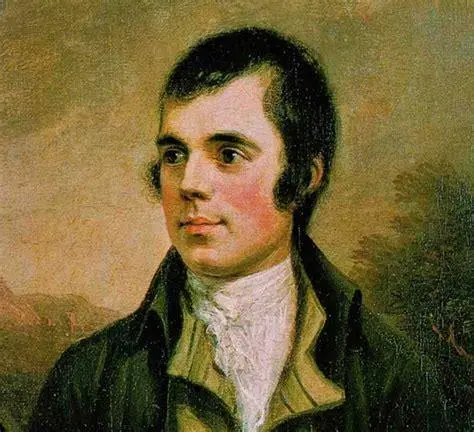
Robert Burns
Tragic Fragment
Tragic Fragment
All devil as I am-a damned wretch,
A hardened, stubborn, unrepenting villain,
Still my heart melts at human wretchedness;
And with sincere but unavailing sighs
I view the helpless children of distress:
With tears indignant I behold the oppressor
Rejoicing in the honest man's destruction,
Whose unsubmitting heart was all his crime. -
Ev'n you, ye hapless crew! I pity you;
Ye, whom the seeming good think sin to pity;
Ye poor, despised, abandoned vagabonds,
Whom Vice, as usual, has turn'd o'er to ruin.
Oh! but for friends and interposing Heaven,
I had been driven forth like you forlorn,
The most detested, worthless wretch among you!
O injured God! Thy goodness has endow'd me
With talents passing most of my compeers,
Which I in just proportion have abused-
As far surpassing other common villains
As Thou in natural parts has given me more.
All devil as I am-a damned wretch,
A hardened, stubborn, unrepenting villain,
Still my heart melts at human wretchedness;
And with sincere but unavailing sighs
I view the helpless children of distress:
With tears indignant I behold the oppressor
Rejoicing in the honest man's destruction,
Whose unsubmitting heart was all his crime. -
Ev'n you, ye hapless crew! I pity you;
Ye, whom the seeming good think sin to pity;
Ye poor, despised, abandoned vagabonds,
Whom Vice, as usual, has turn'd o'er to ruin.
Oh! but for friends and interposing Heaven,
I had been driven forth like you forlorn,
The most detested, worthless wretch among you!
O injured God! Thy goodness has endow'd me
With talents passing most of my compeers,
Which I in just proportion have abused-
As far surpassing other common villains
As Thou in natural parts has given me more.
228
Robert Burns
To a Mouse, on Turning Up Her Nest With the Plough
To a Mouse, on Turning Up Her Nest With the Plough
Wee, sleeket, cowrin, tim'rous beastie,
Oh, what a panic's in thy breastie!
Thou need na start awa sae hasty
Wi' bickerin brattle!
I wad be laith to rin an' chase thee
Wi' murd'ring pattle!
I'm truly sorry man's dominion
Has broken Nature's social union,
An' justifies that ill opinion
Which makes thee startle
At me, thy poor earth-born companion,
An' fellow-mortal!
I doubt na, whyles, but thou may thieve:
What then? poor beastie, thou maun live!
A daimen icker in a thrave
'S a sma' request;
I'll get a blessin wi' the lave,
An' never miss 't!
Thy wee bit housie, too, in ruin!
Its silly wa's the win's are strewin!
An' naething, now, to big a new ane,
O' foggage green!
An' bleak December's winds ensuin
Baith snell an' keen!
Thou saw the fields laid bare an' wast,
An' weary winter comin fast,
An' cozie here beneath the blast
Thou thought to dwell,
Till crash! the cruel coulter past
Out thro' thy cell.
That wee bit heap o' leaves an' stibble
Has cost thee monie a weary nibble!
Now thou's turn'd out for a' thy trouble,
But house or hald,
To thole the winter's sleety dribble
An' cranreuch cauld!
But, Mousie, thou art no thy lane
In proving foresight may be vain:
The best laid schemes o' mice an' men
Gang aft agley,
An' lea'e us nought but grief an' pain
For promis'd joy.
Still thou art blest, compar'd wi' me!
The present only toucheth thee:
But, och! I backward cast my e'e
On prospects drear!
An' forward, tho' I canna see,
I guess an' fear!
Wee, sleeket, cowrin, tim'rous beastie,
Oh, what a panic's in thy breastie!
Thou need na start awa sae hasty
Wi' bickerin brattle!
I wad be laith to rin an' chase thee
Wi' murd'ring pattle!
I'm truly sorry man's dominion
Has broken Nature's social union,
An' justifies that ill opinion
Which makes thee startle
At me, thy poor earth-born companion,
An' fellow-mortal!
I doubt na, whyles, but thou may thieve:
What then? poor beastie, thou maun live!
A daimen icker in a thrave
'S a sma' request;
I'll get a blessin wi' the lave,
An' never miss 't!
Thy wee bit housie, too, in ruin!
Its silly wa's the win's are strewin!
An' naething, now, to big a new ane,
O' foggage green!
An' bleak December's winds ensuin
Baith snell an' keen!
Thou saw the fields laid bare an' wast,
An' weary winter comin fast,
An' cozie here beneath the blast
Thou thought to dwell,
Till crash! the cruel coulter past
Out thro' thy cell.
That wee bit heap o' leaves an' stibble
Has cost thee monie a weary nibble!
Now thou's turn'd out for a' thy trouble,
But house or hald,
To thole the winter's sleety dribble
An' cranreuch cauld!
But, Mousie, thou art no thy lane
In proving foresight may be vain:
The best laid schemes o' mice an' men
Gang aft agley,
An' lea'e us nought but grief an' pain
For promis'd joy.
Still thou art blest, compar'd wi' me!
The present only toucheth thee:
But, och! I backward cast my e'e
On prospects drear!
An' forward, tho' I canna see,
I guess an' fear!
270
Robert Burns
To a Mountain Daisy
To a Mountain Daisy
Wee, modest, crimson-tippèd flow'r,
Thou's met me in an evil hour;
For I maun crush amang the stoure
Thy slender stem:
To spare thee now is past my pow'r,
Thou bonie gem.
Alas! it's no thy neibor sweet,
The bonie lark, companion meet,
Bending thee 'mang the dewy weet
Wi' spreck'd breast,
When upward-springing, blythe, to greet
The purpling east.
Cauld blew the bitter-biting north
Upon thy early, humble birth;
Yet cheerfully thou glinted forth
Amid the storm,
Scarce rear'd above the parent-earth
Thy tender form.
The flaunting flowers our gardens yield
High shelt'ring woods an' wa's maun shield:
But thou, beneath the random bield
O' clod or stane,
Adorns the histie stibble-field
Unseen, alane.
There, in thy scanty mantle clad,
Thy snawie-bosom sun-ward spread,
Thou lifts thy unassuming head
In humble guise;
But now the share uptears thy bed,
And low thou lies!
Such is the fate of artless maid,
Sweet flow'ret of the rural shade!
By love's simplicity betray'd
And guileless trust;
Till she, like thee, all soil'd, is laid
Low i' the dust.
Such is the fate of simple bard,
On life's rough ocean luckless starr'd!
Unskilful he to note the card
Of prudent lore,
Till billows rage and gales blow hard,
And whelm him o'er!
Such fate to suffering Worth is giv'n,
Who long with wants and woes has striv'n,
By human pride or cunning driv'n
To mis'ry's brink;
Till, wrench'd of ev'ry stay but Heav'n,
He ruin'd sink!
Ev'n thou who mourn'st the Daisy's fate,
That fate is thine--no distant date;
Stern Ruin's ploughshare drives elate,
Full on thy bloom,
Till crush'd beneath the furrow's weight
Shall be thy doom.
Wee, modest, crimson-tippèd flow'r,
Thou's met me in an evil hour;
For I maun crush amang the stoure
Thy slender stem:
To spare thee now is past my pow'r,
Thou bonie gem.
Alas! it's no thy neibor sweet,
The bonie lark, companion meet,
Bending thee 'mang the dewy weet
Wi' spreck'd breast,
When upward-springing, blythe, to greet
The purpling east.
Cauld blew the bitter-biting north
Upon thy early, humble birth;
Yet cheerfully thou glinted forth
Amid the storm,
Scarce rear'd above the parent-earth
Thy tender form.
The flaunting flowers our gardens yield
High shelt'ring woods an' wa's maun shield:
But thou, beneath the random bield
O' clod or stane,
Adorns the histie stibble-field
Unseen, alane.
There, in thy scanty mantle clad,
Thy snawie-bosom sun-ward spread,
Thou lifts thy unassuming head
In humble guise;
But now the share uptears thy bed,
And low thou lies!
Such is the fate of artless maid,
Sweet flow'ret of the rural shade!
By love's simplicity betray'd
And guileless trust;
Till she, like thee, all soil'd, is laid
Low i' the dust.
Such is the fate of simple bard,
On life's rough ocean luckless starr'd!
Unskilful he to note the card
Of prudent lore,
Till billows rage and gales blow hard,
And whelm him o'er!
Such fate to suffering Worth is giv'n,
Who long with wants and woes has striv'n,
By human pride or cunning driv'n
To mis'ry's brink;
Till, wrench'd of ev'ry stay but Heav'n,
He ruin'd sink!
Ev'n thou who mourn'st the Daisy's fate,
That fate is thine--no distant date;
Stern Ruin's ploughshare drives elate,
Full on thy bloom,
Till crush'd beneath the furrow's weight
Shall be thy doom.
293
Robert Burns
The Wounded Hare
The Wounded Hare
Inhuman man! curse on thy barb'rous art,
And blasted by thy murder-aiming eye;
May never pity soothe thee with a sigh,
Nor never pleasure glad thy cruel heart!
Go live, poor wanderer of the wood and field,
The bitter little of life that remains!
No more the thickening brakes and verdant plains
To thee shall home, or food, or pastime yield.
Seek, mangled wretch, some place of wonted rest,
No more of rest, but now of dying bed!
The sheltering rushes whistling o'er thy head,
The cold earth with thy bloody bosom Crest.
Oft as by winding Nith I, musing, wait
The sober eve, or hail the cheerful dawn,
I'll miss thee sporting o'er the dewy lawn,
And curse the ruffian's aim, and mourn thy hapless fate.
Inhuman man! curse on thy barb'rous art,
And blasted by thy murder-aiming eye;
May never pity soothe thee with a sigh,
Nor never pleasure glad thy cruel heart!
Go live, poor wanderer of the wood and field,
The bitter little of life that remains!
No more the thickening brakes and verdant plains
To thee shall home, or food, or pastime yield.
Seek, mangled wretch, some place of wonted rest,
No more of rest, but now of dying bed!
The sheltering rushes whistling o'er thy head,
The cold earth with thy bloody bosom Crest.
Oft as by winding Nith I, musing, wait
The sober eve, or hail the cheerful dawn,
I'll miss thee sporting o'er the dewy lawn,
And curse the ruffian's aim, and mourn thy hapless fate.
275
Robert Burns
The Gloomy Night Is Gath'ring Fast
The Gloomy Night Is Gath'ring Fast
The gloomy night is gath'ring fast,
Loud roars the wild inconstant blast;
Yon murky cloud is filled with rain,
I see it driving o'er the plain;
The hunter now has left the moor,
The scatt'red coveys meet secure;
While here I wander, prest with care,
Along the lonely banks of Ayr.
The Autumn mourns her rip'ning corn
By early Winter's ravage torn;
Across her placid, azure sky,
She sees the scowling tempest fly;
Chill runs my blood to hear it rave:
I think upon the stormy wave,
Where many a danger I must dare,
Far from the bonie banks of Ayr.
'Tis not the surging billows' roar,
'Tis not the fatal, deadly shore;
Tho' death inev'ry shape appear,
The wretched have no more to fear:
But round my heart the ties are bound,
That heart transpierc'd with many a wound;
These bleed afresh, those ties I tear,
To leave the bonie banks of Ayr.
Farewell, old Coila's hills and dales,
Her heathy moors and winding vales;
The scenes where wretched Fancy roves,
Pursuing past, unhappy loves!
Farewell my friends! Farewell my foes!
My peace with these, my love with those--
The bursting tears my heart declare,
Farewell, my bonie banks of Ayr.
The gloomy night is gath'ring fast,
Loud roars the wild inconstant blast;
Yon murky cloud is filled with rain,
I see it driving o'er the plain;
The hunter now has left the moor,
The scatt'red coveys meet secure;
While here I wander, prest with care,
Along the lonely banks of Ayr.
The Autumn mourns her rip'ning corn
By early Winter's ravage torn;
Across her placid, azure sky,
She sees the scowling tempest fly;
Chill runs my blood to hear it rave:
I think upon the stormy wave,
Where many a danger I must dare,
Far from the bonie banks of Ayr.
'Tis not the surging billows' roar,
'Tis not the fatal, deadly shore;
Tho' death inev'ry shape appear,
The wretched have no more to fear:
But round my heart the ties are bound,
That heart transpierc'd with many a wound;
These bleed afresh, those ties I tear,
To leave the bonie banks of Ayr.
Farewell, old Coila's hills and dales,
Her heathy moors and winding vales;
The scenes where wretched Fancy roves,
Pursuing past, unhappy loves!
Farewell my friends! Farewell my foes!
My peace with these, my love with those--
The bursting tears my heart declare,
Farewell, my bonie banks of Ayr.
233
Robert Burns
Lament of Mary, Queen of Scots, On the Approach of Spring
Lament of Mary, Queen of Scots, On the Approach of Spring
Now Nature hangs her mantle green
On every blooming tree,
And spreads her sheets o' daises white
Out o'er the grassy lea
Now Pheebus cheers the crystal streams,
And glads the azure skies;
But nought can glad the weary wight
That fast in durance lies.
Now laverocks wake the merry morn
Aloft on dewy wing;
The merle, in his noontide bow'r,
Makes woodland echoes ring;
The mavis wild ai' mony a note,
Sings drowsy day to reast
In love and freedom they rejoice,
Wi' care nor thrall opprest.
Now blooms the lily by the bank,
The primrose down the brae;
The hawthorn's budding in the glen,
And milk-white is the slae:
The meanest hind in fair Scotland
May rove their sweets amang;
But I, the Queen of a' Scotland,
Maun lie in prison strang.
I was the Queen o' bonie France,
Where happy I hae been;
Fu' lightly raise I in the morn,
As blythe lay down at e'en:
And I'm the sov'reign of Scotland,
And mony a traitor there;
Yet here I lie in foreign bands,
And never-ending care.
But as for thee, thou false woman,
My sister and my fae,
Grim Vengeance yet shall whet a sword
That thro' thy soul shall gae;
The weeping blood in woman's breast
Was never known to thee;
Nor th' balm that draps on wounds of woe
Frae woman's pitying e'e.
My son! my son! may kinder stars
Upon thy fortune shine;
And may those pleasures gild thy reign,
That ne'er wad blink on mine!
God keep thee frae my mother's faes,
Or turn their hearts to thee:
And where thou meet'st thy mother's friend,
Remember him for me!
O! soon, to me, may Summer suns
Nae mair light up the morn!
Nae mair to me the Autumn winds
Wave o'er the yellow corn?
And, in the narrow house of death,
Let Winter round me rave;
And the next flow'rs that deck the Spring,
Bloom on my peaceful grave!
Now Nature hangs her mantle green
On every blooming tree,
And spreads her sheets o' daises white
Out o'er the grassy lea
Now Pheebus cheers the crystal streams,
And glads the azure skies;
But nought can glad the weary wight
That fast in durance lies.
Now laverocks wake the merry morn
Aloft on dewy wing;
The merle, in his noontide bow'r,
Makes woodland echoes ring;
The mavis wild ai' mony a note,
Sings drowsy day to reast
In love and freedom they rejoice,
Wi' care nor thrall opprest.
Now blooms the lily by the bank,
The primrose down the brae;
The hawthorn's budding in the glen,
And milk-white is the slae:
The meanest hind in fair Scotland
May rove their sweets amang;
But I, the Queen of a' Scotland,
Maun lie in prison strang.
I was the Queen o' bonie France,
Where happy I hae been;
Fu' lightly raise I in the morn,
As blythe lay down at e'en:
And I'm the sov'reign of Scotland,
And mony a traitor there;
Yet here I lie in foreign bands,
And never-ending care.
But as for thee, thou false woman,
My sister and my fae,
Grim Vengeance yet shall whet a sword
That thro' thy soul shall gae;
The weeping blood in woman's breast
Was never known to thee;
Nor th' balm that draps on wounds of woe
Frae woman's pitying e'e.
My son! my son! may kinder stars
Upon thy fortune shine;
And may those pleasures gild thy reign,
That ne'er wad blink on mine!
God keep thee frae my mother's faes,
Or turn their hearts to thee:
And where thou meet'st thy mother's friend,
Remember him for me!
O! soon, to me, may Summer suns
Nae mair light up the morn!
Nae mair to me the Autumn winds
Wave o'er the yellow corn?
And, in the narrow house of death,
Let Winter round me rave;
And the next flow'rs that deck the Spring,
Bloom on my peaceful grave!
215
Robert Burns
Lament for Culloden
Lament for Culloden
THE lovely lass o' Inverness,
Nae joy nor pleasure can she see;
For e'en and morn she cries, 'Alas!'
And aye the saut tear blin's her e'e:
'Drumossie moor, Drumossie day,
A waefu' day it was to me!
For there I lost my father dear,
My father dear and brethren three.
'Their winding-sheet the bluidy clay,
Their graves are growing green to see;
And by them lies the dearest lad
That ever blest a woman's e'e!
Now wae to thee, thou cruel lord,
A bluidy man I trow thou be;
For monie a heart thou hast made sair,
That ne'er did wrang to thine or thee.'
THE lovely lass o' Inverness,
Nae joy nor pleasure can she see;
For e'en and morn she cries, 'Alas!'
And aye the saut tear blin's her e'e:
'Drumossie moor, Drumossie day,
A waefu' day it was to me!
For there I lost my father dear,
My father dear and brethren three.
'Their winding-sheet the bluidy clay,
Their graves are growing green to see;
And by them lies the dearest lad
That ever blest a woman's e'e!
Now wae to thee, thou cruel lord,
A bluidy man I trow thou be;
For monie a heart thou hast made sair,
That ne'er did wrang to thine or thee.'
233
Robert Burns
In The Character Of A Ruined Farmer
In The Character Of A Ruined Farmer
Tune - "Go from my window, Love, do."
The sun he is sunk in the west,
All creatures retired to rest,
While here I sit, all sore beset,
With sorrow, grief, and woe:
And it's O, fickle Fortune, O!
The prosperous man is asleep,
Nor hears how the whirlwinds sweep;
But Misery and I must watch
The surly tempest blow:
And it's O, fickle Fortune, O!
There lies the dear partner of my breast;
Her cares for a moment at rest:
Must I see thee, my youthful pride,
Thus brought so very low!
And it's O, fickle Fortune, O!
There lie my sweet babies in her arms;
No anxious fear their little hearts alarms;
But for their sake my heart does ache,
With many a bitter throe:
And it's O, fickle Fortune, O!
I once was by Fortune carest:
I once could relieve the distrest:
Now life's poor support, hardly earn'd
My fate will scarce bestow:
And it's O, fickle Fortune, O!
No comfort, no comfort I have!
How welcome to me were the grave!
But then my wife and children dear-
O, wither would they go!
And it's O, fickle Fortune, O!
O whither, O whither shall I turn!
All friendless, forsaken, forlorn!
For, in this world, Rest or Peace
I never more shall know!
And it's O, fickle Fortune, O!
Tune - "Go from my window, Love, do."
The sun he is sunk in the west,
All creatures retired to rest,
While here I sit, all sore beset,
With sorrow, grief, and woe:
And it's O, fickle Fortune, O!
The prosperous man is asleep,
Nor hears how the whirlwinds sweep;
But Misery and I must watch
The surly tempest blow:
And it's O, fickle Fortune, O!
There lies the dear partner of my breast;
Her cares for a moment at rest:
Must I see thee, my youthful pride,
Thus brought so very low!
And it's O, fickle Fortune, O!
There lie my sweet babies in her arms;
No anxious fear their little hearts alarms;
But for their sake my heart does ache,
With many a bitter throe:
And it's O, fickle Fortune, O!
I once was by Fortune carest:
I once could relieve the distrest:
Now life's poor support, hardly earn'd
My fate will scarce bestow:
And it's O, fickle Fortune, O!
No comfort, no comfort I have!
How welcome to me were the grave!
But then my wife and children dear-
O, wither would they go!
And it's O, fickle Fortune, O!
O whither, O whither shall I turn!
All friendless, forsaken, forlorn!
For, in this world, Rest or Peace
I never more shall know!
And it's O, fickle Fortune, O!
265
Robert Burns
Despondency -- An Ode
Despondency -- An Ode
Oppress'd with grief, oppress'd with care,
A burden more than I can bear,
I set me down and sigh:
O life! thou art a galling load,
Along a rough, a weary road,
To wretches such as I!
Dim backward as I cast my view,
What sick'ning scenes appear!
What sorrows yet may pierce me thro',
Too justly I may fear!
Still caring, despairing,
Must be my bitter doom;
My woes here shall close ne'er
But with the closing tomb!
Happy, ye sons of busy life,
Who, equal to the bustling strife,
No other view regard!
Ev'n when the wished end's denied,
Yet while the busy means are plied,
They bring their own reward:
Whilst I, a hope-abandon'd wight,
Unfitted with an aim,
Meet ev'ry sad returning night,
And joyless morn the same;
You, bustling, and justling,
Forget each grief and pain;
I, listless, yet restless,
Find every prospect vain.
How blest the Solitary's lot,
Who, all-forgetting, all-forgot,
Within his humble cell,
The cavern wild with tangling roots,
Sits o'er his newly-gather'd fruits,
Beside his crystal well!
Or, haply, to his ev'ning thought,
By unfrequented stream,
The ways of men are distant brought,
A faint collected dream:
While praising, and raising
His thoughts to heav'n on high,
As wand'ring, meand'ring,
He views the solemn sky.
Than I, no lonely hermit plac'd
Where never human footstep trac'd,
Less fit to play the part;
The lucky moment to improve,
And just to stop, and just to move,
With self-respecting art:
But ah! those pleasures, loves, and joys,
Which I too keenly taste,
The Solitary can despise,
Can want, and yet be blest!
He needs not, he heeds not,
Or human love or hate,
Whilst I here must cry here,
At perfidy ingrate!
Oh! enviable, early days,
When dancing thoughtless pleasure's maze,
To care, to guilt unknown!
How ill exchang'd for riper times,
To feel the follies, or the crimes
Of others, or my own !
Ye tiny elves that guiltless sport
Like linnets in the bush,
Ye little know the ills ye court,
When manhood is your wish!
The losses, the crosses,
That active man engage
The fears all, the tears all,
Of dim-declining age!
Oppress'd with grief, oppress'd with care,
A burden more than I can bear,
I set me down and sigh:
O life! thou art a galling load,
Along a rough, a weary road,
To wretches such as I!
Dim backward as I cast my view,
What sick'ning scenes appear!
What sorrows yet may pierce me thro',
Too justly I may fear!
Still caring, despairing,
Must be my bitter doom;
My woes here shall close ne'er
But with the closing tomb!
Happy, ye sons of busy life,
Who, equal to the bustling strife,
No other view regard!
Ev'n when the wished end's denied,
Yet while the busy means are plied,
They bring their own reward:
Whilst I, a hope-abandon'd wight,
Unfitted with an aim,
Meet ev'ry sad returning night,
And joyless morn the same;
You, bustling, and justling,
Forget each grief and pain;
I, listless, yet restless,
Find every prospect vain.
How blest the Solitary's lot,
Who, all-forgetting, all-forgot,
Within his humble cell,
The cavern wild with tangling roots,
Sits o'er his newly-gather'd fruits,
Beside his crystal well!
Or, haply, to his ev'ning thought,
By unfrequented stream,
The ways of men are distant brought,
A faint collected dream:
While praising, and raising
His thoughts to heav'n on high,
As wand'ring, meand'ring,
He views the solemn sky.
Than I, no lonely hermit plac'd
Where never human footstep trac'd,
Less fit to play the part;
The lucky moment to improve,
And just to stop, and just to move,
With self-respecting art:
But ah! those pleasures, loves, and joys,
Which I too keenly taste,
The Solitary can despise,
Can want, and yet be blest!
He needs not, he heeds not,
Or human love or hate,
Whilst I here must cry here,
At perfidy ingrate!
Oh! enviable, early days,
When dancing thoughtless pleasure's maze,
To care, to guilt unknown!
How ill exchang'd for riper times,
To feel the follies, or the crimes
Of others, or my own !
Ye tiny elves that guiltless sport
Like linnets in the bush,
Ye little know the ills ye court,
When manhood is your wish!
The losses, the crosses,
That active man engage
The fears all, the tears all,
Of dim-declining age!
244
Robert Burns
Craigieburn Wood
Craigieburn Wood
Sweet fa's the eve on Craigieburn,
And blythe awakens the morrow,
But a' the pride o' spring's return
Can yield me nocht but sorrow.
I see the flowers and spreading trees,
I hear the wild birds singing;
But what a weary wight can please,
And care his bosom wringing?
Fain, fain would I my griefs impart,
Yet darena for your anger'
But secret love will break my heart,
If I conceal it langer.
If thou refuse to pity me,
If thou shalt love anither,
When yon green leaves fade frae the tree,
Around my grave they'll wither.
Sweet fa's the eve on Craigieburn,
And blythe awakens the morrow,
But a' the pride o' spring's return
Can yield me nocht but sorrow.
I see the flowers and spreading trees,
I hear the wild birds singing;
But what a weary wight can please,
And care his bosom wringing?
Fain, fain would I my griefs impart,
Yet darena for your anger'
But secret love will break my heart,
If I conceal it langer.
If thou refuse to pity me,
If thou shalt love anither,
When yon green leaves fade frae the tree,
Around my grave they'll wither.
231