

Poems in this theme
Pain and Despair
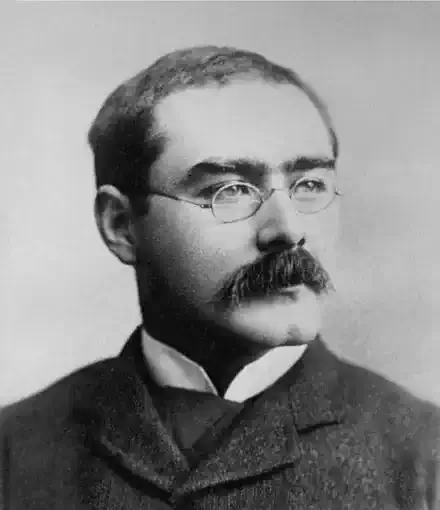
Rudyard Kipling
The Explanation
The Explanation
Love and Death once ceased their strife
At the Tavern of Man's Life.
Called for wine, and threw -- alas! --
Each his quiver on the grass.
When the bout was o'er they found
Mingled arrows strewed the ground.
Hastily they gathered then
Each the loves and lives of men.
Ah, the fateful dawn deceived!
Mingled arrows each one sheaved;
Death's dread armoury was stored
With the shafts he most abhorred;
Love's light quiver groaned beneath
Venom-headed darts of Death.
Thus it was they wrought our woe
At the Tavern long ago.
Tell me, do our masters know,
Loosing blindly as they fly,
Old men love while young men die?
Love and Death once ceased their strife
At the Tavern of Man's Life.
Called for wine, and threw -- alas! --
Each his quiver on the grass.
When the bout was o'er they found
Mingled arrows strewed the ground.
Hastily they gathered then
Each the loves and lives of men.
Ah, the fateful dawn deceived!
Mingled arrows each one sheaved;
Death's dread armoury was stored
With the shafts he most abhorred;
Love's light quiver groaned beneath
Venom-headed darts of Death.
Thus it was they wrought our woe
At the Tavern long ago.
Tell me, do our masters know,
Loosing blindly as they fly,
Old men love while young men die?
389
Rudyard Kipling
The Derelict
The Derelict
~And reports the derelict ~Mary Pollock~ still at sea.~
SHIPPING NEWS.
I was the staunchest of our fleet
Till the sea rose beneath our feet
Unheralded, in hatred past all measure.
Into his pits he stamped my crew,
Buffeted, blinded, bound and threw,
Bidding me eyeless wait upon his pleasure.
Man made me, and my will
Is to my maker still,
Whom now the currents con, the rollers steer --
Lifting forlorn to spy
Trailed smoke along the sky,
Falling afraid lest any keel come near!
Wrenched as the lips of thirst,
Wried, dried, and split and burst,
Bone-bleached my decks, wind-scoured to the graining;
And jarred at every roll
The gear that was my soul
Answers the anguish of my beams' complaining.
For life that crammed me full,
Gangs of the prying gull
That shriek and scrabble on the riven hatches!
For roar that dumbed the gale,
My hawse-pipes guttering wail,
Sobbing my heart out through the uncounted watches!
Blind in the hot blue ring
Through all my points I swing --
Swing and return to shift the sun anew.
Blind in my well-known sky
I hear the stars go by,
Mocking the prow that cannot hold one true!
White on my wasted path
Wave after wave in wrath
Frets 'gainst his fellow, warring where to send me.
Flung forward, heaved aside,
Witless and dazed I bide
The mercy of the comber that shall end me.
North where the bergs careen,
The spray of seas unseen
Smokes round my head and freezes in the falling;
South where the corals breed,
The footless, floating weed
Folds me and fouls me, strake on strake upcrawling.
I that was clean to run
My race against the sun --
Strength on the deep, am bawd to all disaster --
Whipped forth by night to meet
My sister's careless feet,
And with a kiss betray her to my master!
Man made me, and my will
Is to my maker still --
To him and his, our peoples at their pier:
Lifting in hope to spy
Trailed smoke along the sky,
Falling afraid lest any keel come near!
~And reports the derelict ~Mary Pollock~ still at sea.~
SHIPPING NEWS.
I was the staunchest of our fleet
Till the sea rose beneath our feet
Unheralded, in hatred past all measure.
Into his pits he stamped my crew,
Buffeted, blinded, bound and threw,
Bidding me eyeless wait upon his pleasure.
Man made me, and my will
Is to my maker still,
Whom now the currents con, the rollers steer --
Lifting forlorn to spy
Trailed smoke along the sky,
Falling afraid lest any keel come near!
Wrenched as the lips of thirst,
Wried, dried, and split and burst,
Bone-bleached my decks, wind-scoured to the graining;
And jarred at every roll
The gear that was my soul
Answers the anguish of my beams' complaining.
For life that crammed me full,
Gangs of the prying gull
That shriek and scrabble on the riven hatches!
For roar that dumbed the gale,
My hawse-pipes guttering wail,
Sobbing my heart out through the uncounted watches!
Blind in the hot blue ring
Through all my points I swing --
Swing and return to shift the sun anew.
Blind in my well-known sky
I hear the stars go by,
Mocking the prow that cannot hold one true!
White on my wasted path
Wave after wave in wrath
Frets 'gainst his fellow, warring where to send me.
Flung forward, heaved aside,
Witless and dazed I bide
The mercy of the comber that shall end me.
North where the bergs careen,
The spray of seas unseen
Smokes round my head and freezes in the falling;
South where the corals breed,
The footless, floating weed
Folds me and fouls me, strake on strake upcrawling.
I that was clean to run
My race against the sun --
Strength on the deep, am bawd to all disaster --
Whipped forth by night to meet
My sister's careless feet,
And with a kiss betray her to my master!
Man made me, and my will
Is to my maker still --
To him and his, our peoples at their pier:
Lifting in hope to spy
Trailed smoke along the sky,
Falling afraid lest any keel come near!
504
Rudyard Kipling
The City of Sleep
The City of Sleep
Over the edge of the purple down,
Where the single lamplight gleams,
Know ye the road to the Merciful Town
That is hard by the Sea of Dreams--
Where the poor may lay their wrongs away,
And the sick may forget to weep?
But we--pity us! Oh, pity us!
We wakeful; ah, pity us! --
We must go back with Policeman Day--
Back from the City of Sleep!
Weary they turn from the scroll and crown,
Fetter and prayer and plough--
They that go up to the Merciful Town,
For her gates are closing now.
It is their right in the Baths of Night
Body and soul to steep,
But we--pity us! ah, pity us!
We wakeful; oh, pity us!--
We must go back with Policeman Day--
Back from the City of Sleep!
Over the edge of the purple down,
Ere the tender dreams begin,
Look--we may look--at the Merciful Town,
But we may not enter in!
Outcasts all, from her guarded wall
Back to our watch we creep:
We--pity us! ah, pity us!
We wakeful; oh, pity us!--
We that go back with Policeman Day--
Back from the City of Sleep!
Over the edge of the purple down,
Where the single lamplight gleams,
Know ye the road to the Merciful Town
That is hard by the Sea of Dreams--
Where the poor may lay their wrongs away,
And the sick may forget to weep?
But we--pity us! Oh, pity us!
We wakeful; ah, pity us! --
We must go back with Policeman Day--
Back from the City of Sleep!
Weary they turn from the scroll and crown,
Fetter and prayer and plough--
They that go up to the Merciful Town,
For her gates are closing now.
It is their right in the Baths of Night
Body and soul to steep,
But we--pity us! ah, pity us!
We wakeful; oh, pity us!--
We must go back with Policeman Day--
Back from the City of Sleep!
Over the edge of the purple down,
Ere the tender dreams begin,
Look--we may look--at the Merciful Town,
But we may not enter in!
Outcasts all, from her guarded wall
Back to our watch we creep:
We--pity us! ah, pity us!
We wakeful; oh, pity us!--
We that go back with Policeman Day--
Back from the City of Sleep!
418
Rudyard Kipling
The Burden
The Burden
One grief on me is laid
Each day of every year,
Wherein no soul can aid,
Whereof no soul can hear:
Whereto no end is seen
Except to grieve again--
Ah, Mary Magdalene,
Where is there greater pain?
To dream on dear disgrace
Each hour of every day--
To bring no honest face
To aught I do or say:
To lie from morn till e'en--
To know my lies are vain--
Ah, Mary Magdalene,
Where can be greater pain?
To watch my steadfast fear
Attend mine every way
Each day of every year--
Each hour of every day:
To burn, and chill between--
To quake and rage again--
Ah, Mary Magdalene,
Where shall be greater pain:
One grave to me was given--
To guard till Judgment Day--
But God looked down from Heaven
And rolled the Stone away!
One day of all my years--
One hour of that one day--
His Angel saw my tears
And rolled the Stone away!
One grief on me is laid
Each day of every year,
Wherein no soul can aid,
Whereof no soul can hear:
Whereto no end is seen
Except to grieve again--
Ah, Mary Magdalene,
Where is there greater pain?
To dream on dear disgrace
Each hour of every day--
To bring no honest face
To aught I do or say:
To lie from morn till e'en--
To know my lies are vain--
Ah, Mary Magdalene,
Where can be greater pain?
To watch my steadfast fear
Attend mine every way
Each day of every year--
Each hour of every day:
To burn, and chill between--
To quake and rage again--
Ah, Mary Magdalene,
Where shall be greater pain:
One grave to me was given--
To guard till Judgment Day--
But God looked down from Heaven
And rolled the Stone away!
One day of all my years--
One hour of that one day--
His Angel saw my tears
And rolled the Stone away!
443
Rudyard Kipling
The Benefactors
The Benefactors
Ah! What avails the classic bent
And what the cultured word,
Against the undoctored incident
That actually occurred?
And what is Art whereto we press
Through paint and prose and rhyme--
When Nature in her nakedness
Defeats us every time?
It is not learning, grace nor gear,
Nor easy meat and drink,
But bitter pinch of pain and fear
That makes creation think.
When in this world's unpleasing youth
Our godlike race began,
The longest arm, the sharpest tooth,
Gave man control of man;
Till, bruised and bitten to the bone
And taught by pain and fear,
He learned to deal the far-off stone,
And poke the long, safe spear.
So tooth and nail were obsolete
As means against a foe,
Till, bored by uniform defeat,
Some genius built the bow.
Then stone and javelin proved as vain
As old-time tooth and nail;
Till, spurred anew by fear and pain,
Man fashioned coats of mail.
Then was there safety for the rich
And danger for the poor,
Till someone mixed a powder which
Redressed the scale once more.
Helmet and armour disappeared
With sword and bow and pike,
And, when the smoke of battle cleared,
All men were armed alike. . . .
And when ten million such were slain
To please one crazy king,
Man, schooled in bulk by fear and pain,
Grew weary of the thing;
And, at the very hour designed,
To enslave him past recall,
His tooth-stone-arrow-gun-shy mind
Turned and abolished all.
All Power, each Tyrant, every Mob
Whose head has grown too large,
Ends by destroying its own job
And works its own discharge;
And Man, whose mere necessities
Move all things from his path,
Trembles meanwhile at their decrees,
And deprecates their wrath!
Ah! What avails the classic bent
And what the cultured word,
Against the undoctored incident
That actually occurred?
And what is Art whereto we press
Through paint and prose and rhyme--
When Nature in her nakedness
Defeats us every time?
It is not learning, grace nor gear,
Nor easy meat and drink,
But bitter pinch of pain and fear
That makes creation think.
When in this world's unpleasing youth
Our godlike race began,
The longest arm, the sharpest tooth,
Gave man control of man;
Till, bruised and bitten to the bone
And taught by pain and fear,
He learned to deal the far-off stone,
And poke the long, safe spear.
So tooth and nail were obsolete
As means against a foe,
Till, bored by uniform defeat,
Some genius built the bow.
Then stone and javelin proved as vain
As old-time tooth and nail;
Till, spurred anew by fear and pain,
Man fashioned coats of mail.
Then was there safety for the rich
And danger for the poor,
Till someone mixed a powder which
Redressed the scale once more.
Helmet and armour disappeared
With sword and bow and pike,
And, when the smoke of battle cleared,
All men were armed alike. . . .
And when ten million such were slain
To please one crazy king,
Man, schooled in bulk by fear and pain,
Grew weary of the thing;
And, at the very hour designed,
To enslave him past recall,
His tooth-stone-arrow-gun-shy mind
Turned and abolished all.
All Power, each Tyrant, every Mob
Whose head has grown too large,
Ends by destroying its own job
And works its own discharge;
And Man, whose mere necessities
Move all things from his path,
Trembles meanwhile at their decrees,
And deprecates their wrath!
488
Rudyard Kipling
The Beginner
The Beginner
After He Has Been Extemporising On an Instrument Not Of His Own Invention --
Browning
Lo! What is this that I make -- sudden, supreme, unrehearsed --
This that my clutch in the crowd pressed at a venture has raised?
Forward and onward I sprang when I thought (as I ought) I reversed,
And a cab like martagon opes and I sit in the wreckage dazed.
And someone is taking my name, and the driver is rending the air
With cries for my blood and my gold, and a snickering news-boy brings
My cap, wheel-pashed from the kerb. I must run her home for repair,
Where she leers with her bonnet awry--flat on the nether springs!
After He Has Been Extemporising On an Instrument Not Of His Own Invention --
Browning
Lo! What is this that I make -- sudden, supreme, unrehearsed --
This that my clutch in the crowd pressed at a venture has raised?
Forward and onward I sprang when I thought (as I ought) I reversed,
And a cab like martagon opes and I sit in the wreckage dazed.
And someone is taking my name, and the driver is rending the air
With cries for my blood and my gold, and a snickering news-boy brings
My cap, wheel-pashed from the kerb. I must run her home for repair,
Where she leers with her bonnet awry--flat on the nether springs!
460
Rudyard Kipling
The Ballad of Fisher's Boarding-House
The Ballad of Fisher's Boarding-House
That night, when through the mooring-chains
The wide-eyed corpse rolled free,
To blunder down by Garden Reach
And rot at Kedgeree,
The tale the Hughli told the shoal
The lean shoal told to me.
'T was Fultah Fisher's boarding-house,
Where sailor-men reside,
And there were men of all the ports
From Mississip to Clyde,
And regally they spat and smoked,
And fearsomely they lied.
They lied about the purple Sea
That gave them scanty bread,
They lied about the Earth beneath,
The Heavens overhead,
For they had looked too often on
Black rum when that was red.
They told their tales of wreck and wrong,
Of shame and lust and fraud,
They backed their toughest statements with
The Brimstone of the Lord,
And crackling oaths went to and fro
Across the fist-banged board.
And there was Hans the blue-eyed Dane,
Bull-throated, bare of arm,
Who carried on his hairy chest
The maid Ultruda's charm --
The little silver crucifix
That keeps a man from harm.
And there was Jake Withouth-the-Ears,
And Pamba the Malay,
And Carboy Gin the Guinea cook,
And Luz from Vigo Bay,
And Honest Jack who sold them slops
And harvested their pay.
And there was Salem Hardieker,
A lean Bostonian he --
Russ, German, English, Halfbreed, Finn,
Yank, Dane, and Portuguee,
At Fultah Fisher's boarding-house
The rested from the sea.
Now Anne of Austria shared their drinks,
Collinga knew her fame,
From Tarnau in Galicia
To Juan Bazaar she came,
To eat the bread of infamy
And take the wage of shame.
She held a dozen men to heel --
Rich spoil of war was hers,
In hose and gown and ring and chain,
From twenty mariners,
And, by Port Law, that week, men called
her Salem Hardieker's.
But seamen learnt -- what landsmen know --
That neither gifts nor gain
Can hold a winking Light o' Love
Or Fancy's flight restrain,
When Anne of Austria rolled her eyes
On Hans the blue-eyed Dane.
Since Life is strife, and strife means knife,
From Howrah to the Bay,
And he may die before the dawn
Who liquored out the day,
In Fultah Fisher's boarding-house
We woo while yet we may.
But cold was Hans the blue-eyed Dane,
Bull-throated, bare of arm,
And laughter shook the chest beneath
The maid Ultruda's charm --
The little silver crucifix
That keeps a man from harm.
"You speak to Salem Hardieker;
"You was his girl, I know.
"I ship mineselfs to-morrow, see,
"Und round the Skaw we go,
"South, down the Cattegat, by Hjelm,
"To Besser in Saro."
When love rejected turns to hate,
All ill betide the man.
"You speak to Salem Hardieker" --
She spoke as woman can.
A scream -- a sob -- "He called me -- names!"
And then the fray began.
An oath from Salem Hardieker,
A shriek upon the stairs,
A dance of shadows on the wall,
A knife-thrust unawares --
And Hans came down, as cattle drop,
Across the broken chairs.
. . . . . .
In Anne of Austria's trembling hands
The weary head fell low: --
"I ship mineselfs to-morrow, straight
"For Besser in Saro;
"Und there Ultruda comes to me
"At Easter, und I go
"South, down the Cattegat -- What's here?
"There -- are -- no -- lights -- to guide!"
The mutter ceased, the spirit passed,
And Anne of Austria cried
In Fultah Fisher's boarding-house
When Hans the mighty died.
Thus slew they Hans the blue-eyed Dane,
Bull-throated, bare of arm,
But Anne of Austria looted first
The maid Ultruda's charm --
The little silver crucifix
That keeps a man from harm.
That night, when through the mooring-chains
The wide-eyed corpse rolled free,
To blunder down by Garden Reach
And rot at Kedgeree,
The tale the Hughli told the shoal
The lean shoal told to me.
'T was Fultah Fisher's boarding-house,
Where sailor-men reside,
And there were men of all the ports
From Mississip to Clyde,
And regally they spat and smoked,
And fearsomely they lied.
They lied about the purple Sea
That gave them scanty bread,
They lied about the Earth beneath,
The Heavens overhead,
For they had looked too often on
Black rum when that was red.
They told their tales of wreck and wrong,
Of shame and lust and fraud,
They backed their toughest statements with
The Brimstone of the Lord,
And crackling oaths went to and fro
Across the fist-banged board.
And there was Hans the blue-eyed Dane,
Bull-throated, bare of arm,
Who carried on his hairy chest
The maid Ultruda's charm --
The little silver crucifix
That keeps a man from harm.
And there was Jake Withouth-the-Ears,
And Pamba the Malay,
And Carboy Gin the Guinea cook,
And Luz from Vigo Bay,
And Honest Jack who sold them slops
And harvested their pay.
And there was Salem Hardieker,
A lean Bostonian he --
Russ, German, English, Halfbreed, Finn,
Yank, Dane, and Portuguee,
At Fultah Fisher's boarding-house
The rested from the sea.
Now Anne of Austria shared their drinks,
Collinga knew her fame,
From Tarnau in Galicia
To Juan Bazaar she came,
To eat the bread of infamy
And take the wage of shame.
She held a dozen men to heel --
Rich spoil of war was hers,
In hose and gown and ring and chain,
From twenty mariners,
And, by Port Law, that week, men called
her Salem Hardieker's.
But seamen learnt -- what landsmen know --
That neither gifts nor gain
Can hold a winking Light o' Love
Or Fancy's flight restrain,
When Anne of Austria rolled her eyes
On Hans the blue-eyed Dane.
Since Life is strife, and strife means knife,
From Howrah to the Bay,
And he may die before the dawn
Who liquored out the day,
In Fultah Fisher's boarding-house
We woo while yet we may.
But cold was Hans the blue-eyed Dane,
Bull-throated, bare of arm,
And laughter shook the chest beneath
The maid Ultruda's charm --
The little silver crucifix
That keeps a man from harm.
"You speak to Salem Hardieker;
"You was his girl, I know.
"I ship mineselfs to-morrow, see,
"Und round the Skaw we go,
"South, down the Cattegat, by Hjelm,
"To Besser in Saro."
When love rejected turns to hate,
All ill betide the man.
"You speak to Salem Hardieker" --
She spoke as woman can.
A scream -- a sob -- "He called me -- names!"
And then the fray began.
An oath from Salem Hardieker,
A shriek upon the stairs,
A dance of shadows on the wall,
A knife-thrust unawares --
And Hans came down, as cattle drop,
Across the broken chairs.
. . . . . .
In Anne of Austria's trembling hands
The weary head fell low: --
"I ship mineselfs to-morrow, straight
"For Besser in Saro;
"Und there Ultruda comes to me
"At Easter, und I go
"South, down the Cattegat -- What's here?
"There -- are -- no -- lights -- to guide!"
The mutter ceased, the spirit passed,
And Anne of Austria cried
In Fultah Fisher's boarding-house
When Hans the mighty died.
Thus slew they Hans the blue-eyed Dane,
Bull-throated, bare of arm,
But Anne of Austria looted first
The maid Ultruda's charm --
The little silver crucifix
That keeps a man from harm.
331
Rudyard Kipling
Mary, Pity Women!
Mary, Pity Women!
You call yourself a man,
For all you used to swear,
An' leave me, as you can,
My certain shame to bear?
I 'ear! You do not care --
You done the worst you know.
I 'ate you, grinnin' there. . . .
Ah, Gawd, I love you so!
Nice while it lasted, an' now it is over --
Tear out your 'eart an' good-bye to your lover!
What's the use o' grievin', when the mother that bore you
(Mary, pity women!) knew it all before you?
It aren't no false alarm,
The finish to your fun;
You -- you 'ave brung the 'arm,
An' I'm the ruined one;
An' now you'll off an' run
With some new fool in tow.
Your 'eart? You 'aven't none. . . .
Ah, Gawd, I love you so!
When a man is tired there is naught will bind 'im;
All 'e solemn promised 'e will shove be'ind 'im.
What's the good o' prayin' for The Wrath to strike 'im
(Mary, pity women!), when the rest are like 'im?
What 'ope for me or -- it?
What's left for us to do?
I've walked with men a bit,
But this -- but this is you.
So 'elp me Christ, it's true!
Where can I 'ide or go?
You coward through and through! . . .
Ah, Gawd, I love you so!
All the more you give 'em the less are they for givin' --
Love lies dead, an' you cannot kiss 'im livin'.
Down the road 'e led you there is no returnin'
(Mary, pity women!), but you're late in learnin'!
You'd like to treat me fair?
You can't, because we're pore?
We'd starve? What do I care!
We might, but ~this~ is shore!
I want the name -- no more --
The name, an' lines to show,
An' not to be an 'ore. . . .
Ah, Gawd, I love you so!
What's the good o' pleadin', when the mother that bore you
(Mary, pity women!) knew it all before you?
Sleep on 'is promises an' wake to your sorrow
(Mary, pity women!), for we sail to-morrow!
You call yourself a man,
For all you used to swear,
An' leave me, as you can,
My certain shame to bear?
I 'ear! You do not care --
You done the worst you know.
I 'ate you, grinnin' there. . . .
Ah, Gawd, I love you so!
Nice while it lasted, an' now it is over --
Tear out your 'eart an' good-bye to your lover!
What's the use o' grievin', when the mother that bore you
(Mary, pity women!) knew it all before you?
It aren't no false alarm,
The finish to your fun;
You -- you 'ave brung the 'arm,
An' I'm the ruined one;
An' now you'll off an' run
With some new fool in tow.
Your 'eart? You 'aven't none. . . .
Ah, Gawd, I love you so!
When a man is tired there is naught will bind 'im;
All 'e solemn promised 'e will shove be'ind 'im.
What's the good o' prayin' for The Wrath to strike 'im
(Mary, pity women!), when the rest are like 'im?
What 'ope for me or -- it?
What's left for us to do?
I've walked with men a bit,
But this -- but this is you.
So 'elp me Christ, it's true!
Where can I 'ide or go?
You coward through and through! . . .
Ah, Gawd, I love you so!
All the more you give 'em the less are they for givin' --
Love lies dead, an' you cannot kiss 'im livin'.
Down the road 'e led you there is no returnin'
(Mary, pity women!), but you're late in learnin'!
You'd like to treat me fair?
You can't, because we're pore?
We'd starve? What do I care!
We might, but ~this~ is shore!
I want the name -- no more --
The name, an' lines to show,
An' not to be an 'ore. . . .
Ah, Gawd, I love you so!
What's the good o' pleadin', when the mother that bore you
(Mary, pity women!) knew it all before you?
Sleep on 'is promises an' wake to your sorrow
(Mary, pity women!), for we sail to-morrow!
448
Rudyard Kipling
Late Came the God
Late Came the God
Late came the God, having sent his forerunners who were
not regarded--
Late, but in wrath;
Saying: "The wrong shall be paid, the contempt be rewarded
On all that she hath."
He poisoned the blade and struck home, the full bosom receiving
The wound and the venom in one, past cure or relieving.
He made treaty with Time to stand still that the grief might
be fresh--
Daily renewed and nightly pursued through her soul to her
flesh--
Mornings of memory, noontides of agony, midnights unslaked
for her,
Till the stones of the streets of her Hells and her Paradise ached
for her.
So she lived while her body corrupted upon her.
And she called on the Night for a sign, and a Sign was allowed,
And she builded an Altar and served by the light of her Vision--
Alone, without hope of regard or reward, but uncowed,
Resolute, selfless, divine.
These things she did in Love's honour...
What is a God beside Woman? Dust and derision!
Late came the God, having sent his forerunners who were
not regarded--
Late, but in wrath;
Saying: "The wrong shall be paid, the contempt be rewarded
On all that she hath."
He poisoned the blade and struck home, the full bosom receiving
The wound and the venom in one, past cure or relieving.
He made treaty with Time to stand still that the grief might
be fresh--
Daily renewed and nightly pursued through her soul to her
flesh--
Mornings of memory, noontides of agony, midnights unslaked
for her,
Till the stones of the streets of her Hells and her Paradise ached
for her.
So she lived while her body corrupted upon her.
And she called on the Night for a sign, and a Sign was allowed,
And she builded an Altar and served by the light of her Vision--
Alone, without hope of regard or reward, but uncowed,
Resolute, selfless, divine.
These things she did in Love's honour...
What is a God beside Woman? Dust and derision!
467
Rudyard Kipling
La Nuit Blanche
La Nuit Blanche
A much-discerning Public hold
The Singer generally sings
And prints and sells his past for gold.
Whatever I may here disclaim,
The very clever folk I sing to
Will most indubitably cling to
Their pet delusion, just the same.
I had seen, as the dawn was breaking
And I staggered to my rest,
Tari Devi softly shaking
From the Cart Road to the crest.
I had seen the spurs of Jakko
Heave and quiver, swell and sink.
Was it Earthquake or tobacco,
Day of Doom, or Night of Drink?
In the full, fresh fragrant morning
I observed a camel crawl,
Laws of gravitation scorning,
On the ceiling and the wall;
Then I watched a fender walking,
And I heard grey leeches sing,
And a red-hot monkey talking
Did not seem the proper thing.
Then a Creature, skinned and crimson,
Ran about the floor and cried,
And they said that I had the "jims" on,
And they dosed me with bromide,
And they locked me in my bedroom --
Me and one wee Blood Red Mouse --
Though I said: "To give my head room
You had best unroof the house."
But my words were all unheeded,
Though I told the grave M.D.
That the treatment really needed
Was a dip in open sea
That was lapping just below me,
Smooth as silver, white as snow,
And it took three men to throw me
When I found I could not go.
Half the night I watched the Heavens
Fizz like ' champagne --
Fly to sixes and to sevens,
Wheel and thunder back again;
And when all was peace and order
Save one planet nailed askew,
Much I wept because my warder
Would not let me sit it true.
After frenzied hours of wating,
When the Earth and Skies were dumb,
Pealed an awful voice dictating
An interminable sum,
Changing to a tangle story --
"What she said you said I said" --
Till the Moon arose in glory,
And I found her . . . in my head;
Then a Face came, blind and weeping,
And It couldn't wipe its eyes,
And It muttered I was keeping
Back the moonlight from the skies;
So I patted it for pity,
But it whistled shrill with wrath,
And a huge black Devil City
Poured its peoples on my path.
So I fled with steps uncertain
On a thousand-year long race,
But the bellying of the curtain
Kept me always in one place;
While the tumult rose and maddened
To the roar of Earth on fire,
Ere it ebbed and sank and saddened
To a whisper tense as wire.
In tolerable stillness
Rose one little, little star,
And it chuckled at my illness,
And it mocked me from afar;
And its breathren came and eyed me,
Called the Universe to aid,
Till I lay, with naught to hide me,
'Neath' the Scorn of All Things Made.
Dun and saffron, robed and splendid,
Broke the solemn, pitying Day,
And I knew my pains were ended,
And I turned and tried to pray;
But my speech was shattered wholly,
And I wept as children weep.
Till the dawn-wind, softly, slowly,
Brought to burning eyelids sleep.
A much-discerning Public hold
The Singer generally sings
And prints and sells his past for gold.
Whatever I may here disclaim,
The very clever folk I sing to
Will most indubitably cling to
Their pet delusion, just the same.
I had seen, as the dawn was breaking
And I staggered to my rest,
Tari Devi softly shaking
From the Cart Road to the crest.
I had seen the spurs of Jakko
Heave and quiver, swell and sink.
Was it Earthquake or tobacco,
Day of Doom, or Night of Drink?
In the full, fresh fragrant morning
I observed a camel crawl,
Laws of gravitation scorning,
On the ceiling and the wall;
Then I watched a fender walking,
And I heard grey leeches sing,
And a red-hot monkey talking
Did not seem the proper thing.
Then a Creature, skinned and crimson,
Ran about the floor and cried,
And they said that I had the "jims" on,
And they dosed me with bromide,
And they locked me in my bedroom --
Me and one wee Blood Red Mouse --
Though I said: "To give my head room
You had best unroof the house."
But my words were all unheeded,
Though I told the grave M.D.
That the treatment really needed
Was a dip in open sea
That was lapping just below me,
Smooth as silver, white as snow,
And it took three men to throw me
When I found I could not go.
Half the night I watched the Heavens
Fizz like ' champagne --
Fly to sixes and to sevens,
Wheel and thunder back again;
And when all was peace and order
Save one planet nailed askew,
Much I wept because my warder
Would not let me sit it true.
After frenzied hours of wating,
When the Earth and Skies were dumb,
Pealed an awful voice dictating
An interminable sum,
Changing to a tangle story --
"What she said you said I said" --
Till the Moon arose in glory,
And I found her . . . in my head;
Then a Face came, blind and weeping,
And It couldn't wipe its eyes,
And It muttered I was keeping
Back the moonlight from the skies;
So I patted it for pity,
But it whistled shrill with wrath,
And a huge black Devil City
Poured its peoples on my path.
So I fled with steps uncertain
On a thousand-year long race,
But the bellying of the curtain
Kept me always in one place;
While the tumult rose and maddened
To the roar of Earth on fire,
Ere it ebbed and sank and saddened
To a whisper tense as wire.
In tolerable stillness
Rose one little, little star,
And it chuckled at my illness,
And it mocked me from afar;
And its breathren came and eyed me,
Called the Universe to aid,
Till I lay, with naught to hide me,
'Neath' the Scorn of All Things Made.
Dun and saffron, robed and splendid,
Broke the solemn, pitying Day,
And I knew my pains were ended,
And I turned and tried to pray;
But my speech was shattered wholly,
And I wept as children weep.
Till the dawn-wind, softly, slowly,
Brought to burning eyelids sleep.
564
Rudyard Kipling
Hymn to Physical Pain
Hymn to Physical Pain
Dread Mother of Forgetfulness
Who, when Thy reign begins,
Wipest away the Soul's distress,
And memory of her sins.
The trusty Worm that dieth not--
The steadfast Fire also,
By Thy contrivance are forgot
In a completer woe.
Thine are the lidless eyes of night
That stare upon our tears,
Through certain hours which in our sight
Exceed a thousand years:
Thine is the thickness of the Dark
That presses in our pain,
As Thine the Dawn that bids us mark
Life's grinning face again.
Thine is the weariness outworn
No promise shall relieve,
That says at eve, "Would God 'twere morn"
At morn, "Would God 'twere eve!"
And when Thy tender mercies cease
And life unvexed is due,
Instant upon the false release
The Worm and Fire renew.
Wherefore we praise Thee in the deep,
And on our beds we pray
For Thy return that Thou may'st keep
The Pains of Hell at bay!
Dread Mother of Forgetfulness
Who, when Thy reign begins,
Wipest away the Soul's distress,
And memory of her sins.
The trusty Worm that dieth not--
The steadfast Fire also,
By Thy contrivance are forgot
In a completer woe.
Thine are the lidless eyes of night
That stare upon our tears,
Through certain hours which in our sight
Exceed a thousand years:
Thine is the thickness of the Dark
That presses in our pain,
As Thine the Dawn that bids us mark
Life's grinning face again.
Thine is the weariness outworn
No promise shall relieve,
That says at eve, "Would God 'twere morn"
At morn, "Would God 'twere eve!"
And when Thy tender mercies cease
And life unvexed is due,
Instant upon the false release
The Worm and Fire renew.
Wherefore we praise Thee in the deep,
And on our beds we pray
For Thy return that Thou may'st keep
The Pains of Hell at bay!
439
Rudyard Kipling
Heriot's Ford
Heriot's Ford
"What's that that hirples at my side?"
The foe that you must fight, my lord.
"That rides as fast as I can ride?"
The shadow of your might, my lord.
"Then wheel my horse against the foe!"
He's down and overpast, my lord.
You war against the sunset-glow,
The judgment follows fast, my lord!
"Oh, who will stay the sun's descent?"
King Joshua he is dead, my lord.
"I need an hour to repent!"
'Tis what our sister said, my lord.
"Oh, do not slay me in my sins!"
You're safe awhile with us, my lord.
"Nay, kill me ere my fear begins!"
We would not serve you thus, my lord.
"Where is the doom that I must face?"
Three little leagues away, my lord.
"Then mend the horses' laggard pace!"
We need them for next day, my lord.
"Next day--next day! Unloose my cords!"
Our sister needed none, my lord.
You had no mind to face our swords,
And--where can cowards run, my lord?
"You would not kill the soul alive?"
'Twas thus our sister cried, my lord.
"I dare not die with none to shrive."
But so our sister died, my lord.
"Then wipe the sweat from brow and cheek."
It runnels forth afresh, my lord.
"Uphold me--for the flesh is weak."
You've finished with the Flesh, my lord!
"What's that that hirples at my side?"
The foe that you must fight, my lord.
"That rides as fast as I can ride?"
The shadow of your might, my lord.
"Then wheel my horse against the foe!"
He's down and overpast, my lord.
You war against the sunset-glow,
The judgment follows fast, my lord!
"Oh, who will stay the sun's descent?"
King Joshua he is dead, my lord.
"I need an hour to repent!"
'Tis what our sister said, my lord.
"Oh, do not slay me in my sins!"
You're safe awhile with us, my lord.
"Nay, kill me ere my fear begins!"
We would not serve you thus, my lord.
"Where is the doom that I must face?"
Three little leagues away, my lord.
"Then mend the horses' laggard pace!"
We need them for next day, my lord.
"Next day--next day! Unloose my cords!"
Our sister needed none, my lord.
You had no mind to face our swords,
And--where can cowards run, my lord?
"You would not kill the soul alive?"
'Twas thus our sister cried, my lord.
"I dare not die with none to shrive."
But so our sister died, my lord.
"Then wipe the sweat from brow and cheek."
It runnels forth afresh, my lord.
"Uphold me--for the flesh is weak."
You've finished with the Flesh, my lord!
444
Rudyard Kipling
Gertrude's Prayer
Gertrude's Prayer
That which is marred at birth Time shall not mend,
Nor water out of bitter well make clean;
All evil thing returneth at the end,
Or elseway walketh in our blood unseen.
Whereby the more is sorrow in certaine--
Dayspring mishandled cometh not againe.
To-bruized be that slender, sterting spray
Out of the oake's rind that should betide
A branch of girt and goodliness, straightway
Her spring is turned on herself, and wried
And knotted like some gall or veiney wen.--
Dayspring mishandled cometh not againe.
Noontide repayeth never morning-bliss--
Sith noon to morn is incomparable;
And, so it be our dawning goth amiss,
None other after--hour serveth well.
Ah! Jesu-Moder, pitie my oe paine--
Dayspring mishandled cometh not againe!
That which is marred at birth Time shall not mend,
Nor water out of bitter well make clean;
All evil thing returneth at the end,
Or elseway walketh in our blood unseen.
Whereby the more is sorrow in certaine--
Dayspring mishandled cometh not againe.
To-bruized be that slender, sterting spray
Out of the oake's rind that should betide
A branch of girt and goodliness, straightway
Her spring is turned on herself, and wried
And knotted like some gall or veiney wen.--
Dayspring mishandled cometh not againe.
Noontide repayeth never morning-bliss--
Sith noon to morn is incomparable;
And, so it be our dawning goth amiss,
None other after--hour serveth well.
Ah! Jesu-Moder, pitie my oe paine--
Dayspring mishandled cometh not againe!
431
Rudyard Kipling
Gentleman-rankers
Gentleman-rankers
To the legion of the lost ones, to the cohort of the damned,
To my brethren in their sorrow overseas,
Sings a gentleman of England cleanly bred, machinely crammed,
And a trooper of the Empress, if you please.
Yea, a trooper of the forces who has run his own six horses,
And faith he went the pace and went it blind,
And the world was more than kin while he held the ready tin,
But to-day the Sergeant's something less than kind.
We're poor little lambs who've lost our way,
Baa! Baa! Baa!
We're little black sheep who've gone astray,
Baa--aa--aa!
Gentlemen-rankers out on the spree,
Damned from here to Eternity,
God ha' mercy on such as we,
Baa! Yah! Bah!
Oh, it's sweet to sweat through stables, sweet to empty kitchen slops,
And it's sweet to hear the tales the troopers tell,
To dance with blowzy housemaids at the regimental hops
And thrash the cad who says you waltz too well.
Yes, it makes you cock-a-hoop to be "Rider" to your troop,
And branded with a blasted worsted spur,
When you envy, O how keenly, one poor Tommy being cleanly
Who blacks your boots and sometimes calls you "Sir".
If the home we never write to, and the oaths we never keep,
And all we know most distant and most dear,
Across the snoring barrack-room return to break our sleep,
Can you blame us if we soak ourselves in beer?
When the drunken comrade mutters and the great guard-lantern gutters
And the horror of our fall is written plain,
Every secret, self-revealing on the aching white-washed ceiling,
Do you wonder that we drug ourselves from pain?
We have done with Hope and Honour, we are lost to Love and Truth,
We are dropping down the ladder rung by rung,
And the measure of our torment is the measure of our youth.
God help us, for we knew the worst too young!
Our shame is clean repentance for the crime that brought the sentence,
Our pride it is to know no spur of pride,
And the Curse of Reuben holds us till an alien turf enfolds us
And we die, and none can tell Them where we died.
We're poor little lambs who've lost our way,
Baa! Baa! Baa!
We're little black sheep who've gone astray,
Baa--aa--aa!
Gentlemen-rankers out on the spree,
Damned from here to Eternity,
God ha' mercy on such as we,
Baa! Yah! Bah!
To the legion of the lost ones, to the cohort of the damned,
To my brethren in their sorrow overseas,
Sings a gentleman of England cleanly bred, machinely crammed,
And a trooper of the Empress, if you please.
Yea, a trooper of the forces who has run his own six horses,
And faith he went the pace and went it blind,
And the world was more than kin while he held the ready tin,
But to-day the Sergeant's something less than kind.
We're poor little lambs who've lost our way,
Baa! Baa! Baa!
We're little black sheep who've gone astray,
Baa--aa--aa!
Gentlemen-rankers out on the spree,
Damned from here to Eternity,
God ha' mercy on such as we,
Baa! Yah! Bah!
Oh, it's sweet to sweat through stables, sweet to empty kitchen slops,
And it's sweet to hear the tales the troopers tell,
To dance with blowzy housemaids at the regimental hops
And thrash the cad who says you waltz too well.
Yes, it makes you cock-a-hoop to be "Rider" to your troop,
And branded with a blasted worsted spur,
When you envy, O how keenly, one poor Tommy being cleanly
Who blacks your boots and sometimes calls you "Sir".
If the home we never write to, and the oaths we never keep,
And all we know most distant and most dear,
Across the snoring barrack-room return to break our sleep,
Can you blame us if we soak ourselves in beer?
When the drunken comrade mutters and the great guard-lantern gutters
And the horror of our fall is written plain,
Every secret, self-revealing on the aching white-washed ceiling,
Do you wonder that we drug ourselves from pain?
We have done with Hope and Honour, we are lost to Love and Truth,
We are dropping down the ladder rung by rung,
And the measure of our torment is the measure of our youth.
God help us, for we knew the worst too young!
Our shame is clean repentance for the crime that brought the sentence,
Our pride it is to know no spur of pride,
And the Curse of Reuben holds us till an alien turf enfolds us
And we die, and none can tell Them where we died.
We're poor little lambs who've lost our way,
Baa! Baa! Baa!
We're little black sheep who've gone astray,
Baa--aa--aa!
Gentlemen-rankers out on the spree,
Damned from here to Eternity,
God ha' mercy on such as we,
Baa! Yah! Bah!
452
Rudyard Kipling
En-Dor
En-Dor
Behold there is a woman that hath a familiar spirit at En-dor. -- I Samuel, xxviii.
The road to En-dor is easy to tread
For Mother or yearning Wife.
There, it is sure, we shall meet our Dead
As they were even in life.
Earth has not dreamed of the blessing in store
For desolate hearts on the road to En-dor.
Whispers shall comfort us out of the dark--
Hands--ah God!--that we knew!
Visions .and voices --look and hark!--
Shall prove that the tale is true,
An that those who have passed to the further shore
May' be hailed--at a price--on the road to En-dor.
But they are so deep in their new eclipse
Nothing they say can reach,
Unless it be uttered by alien lips
And I framed in a stranger's speech.
The son must send word to the mother that bore,
'Through an hireling's mouth. 'Tis the rule of En-dor.
And not for nothing these gifts are shown
By such as delight our dead.
They must twitch and stiffen and slaver and groan
Ere the eyes are set in the head,
And the voice from the belly begins. Therefore,
We pay them a wage where they ply at En-dor.
Even so, we have need of faith
And patience to follow the clue.
Often, at first, what the dear one saith
Is babble, or jest, or untrue.
(Lying spirits perplex us sore
Till our loves--and their lives--are well-known at
En-dor). . . .
Oh the road to En-dor is the oldest road
And the craziest road of all!
Straight it runs to the Witch's abode,
As it did in the days of Saul,
And nothing has changed of the sorrow in store
For such as go down on the road to En-dor!
Behold there is a woman that hath a familiar spirit at En-dor. -- I Samuel, xxviii.
The road to En-dor is easy to tread
For Mother or yearning Wife.
There, it is sure, we shall meet our Dead
As they were even in life.
Earth has not dreamed of the blessing in store
For desolate hearts on the road to En-dor.
Whispers shall comfort us out of the dark--
Hands--ah God!--that we knew!
Visions .and voices --look and hark!--
Shall prove that the tale is true,
An that those who have passed to the further shore
May' be hailed--at a price--on the road to En-dor.
But they are so deep in their new eclipse
Nothing they say can reach,
Unless it be uttered by alien lips
And I framed in a stranger's speech.
The son must send word to the mother that bore,
'Through an hireling's mouth. 'Tis the rule of En-dor.
And not for nothing these gifts are shown
By such as delight our dead.
They must twitch and stiffen and slaver and groan
Ere the eyes are set in the head,
And the voice from the belly begins. Therefore,
We pay them a wage where they ply at En-dor.
Even so, we have need of faith
And patience to follow the clue.
Often, at first, what the dear one saith
Is babble, or jest, or untrue.
(Lying spirits perplex us sore
Till our loves--and their lives--are well-known at
En-dor). . . .
Oh the road to En-dor is the oldest road
And the craziest road of all!
Straight it runs to the Witch's abode,
As it did in the days of Saul,
And nothing has changed of the sorrow in store
For such as go down on the road to En-dor!
518
Rudyard Kipling
Death of a Believer
Death of a Believer
Yet at the last, ere our spearmen had found him,
Yet at the last, ere a sword-thrust could save,
Yet at the last, with his masters around him,
He spoke of the Faith as a master to slave.
Yet at the last, though the Kafirs had maimed him,
Broken by bondage and wrecked by the reiver,
Yet at the last, tho' the darkness had claimed him,
He called on Allah, and died a Believer!
Yet at the last, ere our spearmen had found him,
Yet at the last, ere a sword-thrust could save,
Yet at the last, with his masters around him,
He spoke of the Faith as a master to slave.
Yet at the last, though the Kafirs had maimed him,
Broken by bondage and wrecked by the reiver,
Yet at the last, tho' the darkness had claimed him,
He called on Allah, and died a Believer!
433
Rudyard Kipling
Christmas in India
Christmas in India
Dim dawn behind the tamerisks -- the sky is saffron-yellow --
As the women in the village grind the corn,
And the parrots seek the riverside, each calling to his fellow
That the Day, the staring Easter Day is born.
Oh the white dust on the highway! Oh the stenches in the byway!
Oh the clammy fog that hovers
And at Home they're making merry 'neath the white and scarlet berry --
What part have India's exiles in their mirth?
Full day begind the tamarisks -- the sky is blue and staring --
As the cattle crawl afield beneath the yoke,
And they bear One o'er the field-path, who is past all hope or caring,
To the ghat below the curling wreaths of smoke.
Call on Rama, going slowly, as ye bear a brother lowly --
Call on Rama -- he may hear, perhaps, your voice!
With our hymn-books and our psalters we appeal to other altars,
And to-day we bid "good Christian men rejoice!"
High noon behind the tamarisks -- the sun is hot above us --
As at Home the Christmas Day is breaking wan.
They will drink our healths at dinner -- those who tell us how they love us,
And forget us till another year be gone!
Oh the toil that knows no breaking! Oh the Heimweh, ceaseless, aching!
Oh the black dividing Sea and alien Plain!
Youth was cheap -- wherefore we sold it.
Gold was good -- we hoped to hold it,
And to-day we know the fulness of our gain.
Grey dusk behind the tamarisks -- the parrots fly together --
As the sun is sinking slowly over Home;
And his last ray seems to mock us shackled in a lifelong tether.
That drags us back how'er so far we roam.
Hard her service, poor her payment -- she is ancient, tattered raiment --
India, she the grim Stepmother of our kind.
If a year of life be lent her, if her temple's shrine we enter,
The door is hut -- we may not look behind.
Black night behind the tamarisks -- the owls begin their chorus --
As the conches from the temple scream and bray.
With the fruitless years behind us, and the hopeless years before us,
Let us honor, O my brother, Christmas Day!
Call a truce, then, to our labors -- let us feast with friends and neighbors,
And be merry as the custom of our caste;
For if "faint and forced the laughter," and if sadness follow after,
We are richer by one mocking Christmas past.
Dim dawn behind the tamerisks -- the sky is saffron-yellow --
As the women in the village grind the corn,
And the parrots seek the riverside, each calling to his fellow
That the Day, the staring Easter Day is born.
Oh the white dust on the highway! Oh the stenches in the byway!
Oh the clammy fog that hovers
And at Home they're making merry 'neath the white and scarlet berry --
What part have India's exiles in their mirth?
Full day begind the tamarisks -- the sky is blue and staring --
As the cattle crawl afield beneath the yoke,
And they bear One o'er the field-path, who is past all hope or caring,
To the ghat below the curling wreaths of smoke.
Call on Rama, going slowly, as ye bear a brother lowly --
Call on Rama -- he may hear, perhaps, your voice!
With our hymn-books and our psalters we appeal to other altars,
And to-day we bid "good Christian men rejoice!"
High noon behind the tamarisks -- the sun is hot above us --
As at Home the Christmas Day is breaking wan.
They will drink our healths at dinner -- those who tell us how they love us,
And forget us till another year be gone!
Oh the toil that knows no breaking! Oh the Heimweh, ceaseless, aching!
Oh the black dividing Sea and alien Plain!
Youth was cheap -- wherefore we sold it.
Gold was good -- we hoped to hold it,
And to-day we know the fulness of our gain.
Grey dusk behind the tamarisks -- the parrots fly together --
As the sun is sinking slowly over Home;
And his last ray seems to mock us shackled in a lifelong tether.
That drags us back how'er so far we roam.
Hard her service, poor her payment -- she is ancient, tattered raiment --
India, she the grim Stepmother of our kind.
If a year of life be lent her, if her temple's shrine we enter,
The door is hut -- we may not look behind.
Black night behind the tamarisks -- the owls begin their chorus --
As the conches from the temple scream and bray.
With the fruitless years behind us, and the hopeless years before us,
Let us honor, O my brother, Christmas Day!
Call a truce, then, to our labors -- let us feast with friends and neighbors,
And be merry as the custom of our caste;
For if "faint and forced the laughter," and if sadness follow after,
We are richer by one mocking Christmas past.
491
Rudyard Kipling
Cells
Cells
I've a head like a concertina: I've a tongue like a button-stick:
I've a mouth like an old potato, and I'm more than a little sick,
But I've had my fun o' the Corp'ral's Guard: I've made the cinders fly,
And I'm here in the Clink for a thundering drink
and blacking the Corporal's eye.
With a second-hand overcoat under my head,
And a beautiful view of the yard,
O it's pack-drill for me and a fortnight's C.B.
For "drunk and resisting the Guard!"
Mad drunk and resisting the Guard --
'Strewth, but I socked it them hard!
So it's pack-drill for me and a fortnight's C.B.
For "drunk and resisting the Guard."
I started o' canteen porter, I finished o' canteen beer,
But a dose o' gin that a mate slipped in, it was that that brought me here.
'Twas that and an extry double Guard that rubbed my nose in the dirt;
But I fell away with the Corp'ral's stock
and the best of the Corp'ral's shirt.
I left my cap in a public-house, my boots in the public road,
And Lord knows where, and I don't care, my belt and my tunic goed;
They'll stop my pay, they'll cut away the stripes I used to wear,
But I left my mark on the Corp'ral's face, and I think he'll keep it there!
My wife she cries on the barrack-gate, my kid in the barrack-yard,
It ain't that I mind the Ord'ly room -- it's ~that~ that cuts so hard.
I'll take my oath before them both that I will sure abstain,
But as soon as I'm in with a mate and gin, I know I'll do it again!
With a second-hand overcoat under my head,
And a beautiful view of the yard,
Yes, it's pack-drill for me and a fortnight's C.B.
For "drunk and resisting the Guard!"
Mad drunk and resisting the Guard --
'Strewth, but I socked it them hard!
So it's pack-drill for me and a fortnight's C.B.
For "drunk and resisting the Guard."
I've a head like a concertina: I've a tongue like a button-stick:
I've a mouth like an old potato, and I'm more than a little sick,
But I've had my fun o' the Corp'ral's Guard: I've made the cinders fly,
And I'm here in the Clink for a thundering drink
and blacking the Corporal's eye.
With a second-hand overcoat under my head,
And a beautiful view of the yard,
O it's pack-drill for me and a fortnight's C.B.
For "drunk and resisting the Guard!"
Mad drunk and resisting the Guard --
'Strewth, but I socked it them hard!
So it's pack-drill for me and a fortnight's C.B.
For "drunk and resisting the Guard."
I started o' canteen porter, I finished o' canteen beer,
But a dose o' gin that a mate slipped in, it was that that brought me here.
'Twas that and an extry double Guard that rubbed my nose in the dirt;
But I fell away with the Corp'ral's stock
and the best of the Corp'ral's shirt.
I left my cap in a public-house, my boots in the public road,
And Lord knows where, and I don't care, my belt and my tunic goed;
They'll stop my pay, they'll cut away the stripes I used to wear,
But I left my mark on the Corp'ral's face, and I think he'll keep it there!
My wife she cries on the barrack-gate, my kid in the barrack-yard,
It ain't that I mind the Ord'ly room -- it's ~that~ that cuts so hard.
I'll take my oath before them both that I will sure abstain,
But as soon as I'm in with a mate and gin, I know I'll do it again!
With a second-hand overcoat under my head,
And a beautiful view of the yard,
Yes, it's pack-drill for me and a fortnight's C.B.
For "drunk and resisting the Guard!"
Mad drunk and resisting the Guard --
'Strewth, but I socked it them hard!
So it's pack-drill for me and a fortnight's C.B.
For "drunk and resisting the Guard."
476
Rudyard Kipling
By the Hoof of the Wild Goat
By the Hoof of the Wild Goat
By the Hoof of the Wild Goat uptossed
From the cliff where she lay in the Sun
Fell the Stone
To the Tarn where the daylight is lost,
So she fell from the light of the Sun
And alone!
Now the fall was ordained from the first
With the Goat and the Cliff and the Tarn,
But the Stone
Knows only her life is accursed
As she sinks from the light of the Sun
And alone!
Oh Thou Who hast builded the World,
Oh Thou Who hast lighted the Sun,
Oh Thou Who hast darkened the Tarn,
Judge Thou
The sin of the Stone that was hurled
By the goat from the light of the Sun,
As she sinks in the mire of the Tarn,
Even now--even now--even now!
By the Hoof of the Wild Goat uptossed
From the cliff where she lay in the Sun
Fell the Stone
To the Tarn where the daylight is lost,
So she fell from the light of the Sun
And alone!
Now the fall was ordained from the first
With the Goat and the Cliff and the Tarn,
But the Stone
Knows only her life is accursed
As she sinks from the light of the Sun
And alone!
Oh Thou Who hast builded the World,
Oh Thou Who hast lighted the Sun,
Oh Thou Who hast darkened the Tarn,
Judge Thou
The sin of the Stone that was hurled
By the goat from the light of the Sun,
As she sinks in the mire of the Tarn,
Even now--even now--even now!
496
Rudyard Kipling
Boots
Boots
INFANTRY COLUMNS
We're foot--slog--slog--slog--sloggin' over Africa --
Foot--foot--foot--foot--sloggin' over Africa --
(Boots--boots--boots--boots--movin' up an' down again!)
There's no discharge in the war!
Seven--six--eleven--five--nine-an'-twenty mile to-day --
Four--eleven--seventeen--thirty-two the day before --
(Boots--boots--boots--boots--movin' up an' down again!)
There's no discharge in the war!
Don't--don't--don't--don't--look at what's in front of you.
(Boots--boots--boots--boots--movin' up an' down again);
Men--men--men--men--men go mad with watchin' em,
An' there's no discharge in the war!
Try--try--try--try--to think o' something different --
Oh--my--God--keep--me from goin' lunatic!
(Boots--boots--boots--boots--movin' up an' down again!)
There's no discharge in the war!
Count--count--count--count--the bullets in the bandoliers.
If--your--eyes--drop--they will get atop o' you!
(Boots--boots--boots--boots--movin' up an' down again) --
There's no discharge in the war!
We--can--stick--out--'unger, thirst, an' weariness,
But--not--not--not--not the chronic sight of 'em --
Boot--boots--boots--boots--movin' up an' down again,
An' there's no discharge in the war!
'Taint--so--bad--by--day because o' company,
But night--brings--long--strings--o' forty thousand million
Boots--boots--boots--boots--movin' up an' down again.
There's no discharge in the war!
I--'ave--marched--six--weeks in 'Ell an' certify
It--is--not--fire--devils, dark, or anything,
But boots--boots--boots--boots--movin' up an' down again,
An' there's no discharge in the war!
INFANTRY COLUMNS
We're foot--slog--slog--slog--sloggin' over Africa --
Foot--foot--foot--foot--sloggin' over Africa --
(Boots--boots--boots--boots--movin' up an' down again!)
There's no discharge in the war!
Seven--six--eleven--five--nine-an'-twenty mile to-day --
Four--eleven--seventeen--thirty-two the day before --
(Boots--boots--boots--boots--movin' up an' down again!)
There's no discharge in the war!
Don't--don't--don't--don't--look at what's in front of you.
(Boots--boots--boots--boots--movin' up an' down again);
Men--men--men--men--men go mad with watchin' em,
An' there's no discharge in the war!
Try--try--try--try--to think o' something different --
Oh--my--God--keep--me from goin' lunatic!
(Boots--boots--boots--boots--movin' up an' down again!)
There's no discharge in the war!
Count--count--count--count--the bullets in the bandoliers.
If--your--eyes--drop--they will get atop o' you!
(Boots--boots--boots--boots--movin' up an' down again) --
There's no discharge in the war!
We--can--stick--out--'unger, thirst, an' weariness,
But--not--not--not--not the chronic sight of 'em --
Boot--boots--boots--boots--movin' up an' down again,
An' there's no discharge in the war!
'Taint--so--bad--by--day because o' company,
But night--brings--long--strings--o' forty thousand million
Boots--boots--boots--boots--movin' up an' down again.
There's no discharge in the war!
I--'ave--marched--six--weeks in 'Ell an' certify
It--is--not--fire--devils, dark, or anything,
But boots--boots--boots--boots--movin' up an' down again,
An' there's no discharge in the war!
1,132

Roger Mcgough
Survivor
Survivor
Everyday,
I think about dying.
About disease, starvation,
violence, terrorism, war,
the end of the world.
It helps
keep my mind off things.
Everyday,
I think about dying.
About disease, starvation,
violence, terrorism, war,
the end of the world.
It helps
keep my mind off things.
580

Robert W. Service
Wrestling Match
Wrestling Match
What guts he had, the Dago lad
Who fought that Frenchman grim with guile;
For nigh an hour they milled like mad,
And mauled the mat in rare old style.
Then up and launched like catapults,
And tangled, twisted, clinched and clung,
Then tossed in savage somersaults,
And hacked and hammered, ducked and swung;
And groaned and grunted, sighed and cried,
Now knotted tight, now springing free;
To bend each other's bones they tried,
Their faces crisped in agony. . . .
Then as a rage rose, with tiger-bound,
They clashed and smashed, and flailed and flung,
And tripped and slipped, with hammer-pound,
And streamin sweat and straining lung,
The mighty mob roared out their joy,
And wild I heard a wench near-by
Shriek to the Frenchman: "Atta Boy!
Go to it, Jo-jo - kill the guy."
The boy from Rome was straight and slim,
And swift and springy as a bow;
The man from Metz was gaunt and grim,
But all the tricks he seemed to know.
'Twixt knee and calf with scissors-lock,
He gripped the lad's arm like a vice;
The prisoned hand went white as chalk,
And limp as death and cold as ice.
And then he tried to break the wrist,
And kidney-pounded with his knee,
But with a cry and lightning twist
The Roman youth had wrested free. . . .
Then like mad bulls they hooked and mauled,
And blindly butted, bone on bone;
Spread-eagled on the mat they sprawled,
And writhed and rocked with bitter moan.
Then faltered to their feet and hung
Upon the ropes with eyes of woe;
And then the Frenchman stooped and flung
The wop among the mob below,
Who helped to hoist him back again,
With cheers and jeers and course cat-calls,
To where the Gaul with might and main
Hung poised to kick his genitals
And drop him senseless in the ring. . . .
And then an old man cried: "My son!"
The maddened mob began to fling
Their chairs about - the fight was done.
Soft silver sandals tapped the sea;
Palms listened to the lack of sound;
The lucioles were lilting free,
The peace was precious and profound.
Oh had it been an evil dream? . . .
A chapel of the Saints I sought,
And thee before the alter gleam
I clasped my hands and thought and thought. . . .
What guts he had, the Dago lad
Who fought that Frenchman grim with guile;
For nigh an hour they milled like mad,
And mauled the mat in rare old style.
Then up and launched like catapults,
And tangled, twisted, clinched and clung,
Then tossed in savage somersaults,
And hacked and hammered, ducked and swung;
And groaned and grunted, sighed and cried,
Now knotted tight, now springing free;
To bend each other's bones they tried,
Their faces crisped in agony. . . .
Then as a rage rose, with tiger-bound,
They clashed and smashed, and flailed and flung,
And tripped and slipped, with hammer-pound,
And streamin sweat and straining lung,
The mighty mob roared out their joy,
And wild I heard a wench near-by
Shriek to the Frenchman: "Atta Boy!
Go to it, Jo-jo - kill the guy."
The boy from Rome was straight and slim,
And swift and springy as a bow;
The man from Metz was gaunt and grim,
But all the tricks he seemed to know.
'Twixt knee and calf with scissors-lock,
He gripped the lad's arm like a vice;
The prisoned hand went white as chalk,
And limp as death and cold as ice.
And then he tried to break the wrist,
And kidney-pounded with his knee,
But with a cry and lightning twist
The Roman youth had wrested free. . . .
Then like mad bulls they hooked and mauled,
And blindly butted, bone on bone;
Spread-eagled on the mat they sprawled,
And writhed and rocked with bitter moan.
Then faltered to their feet and hung
Upon the ropes with eyes of woe;
And then the Frenchman stooped and flung
The wop among the mob below,
Who helped to hoist him back again,
With cheers and jeers and course cat-calls,
To where the Gaul with might and main
Hung poised to kick his genitals
And drop him senseless in the ring. . . .
And then an old man cried: "My son!"
The maddened mob began to fling
Their chairs about - the fight was done.
Soft silver sandals tapped the sea;
Palms listened to the lack of sound;
The lucioles were lilting free,
The peace was precious and profound.
Oh had it been an evil dream? . . .
A chapel of the Saints I sought,
And thee before the alter gleam
I clasped my hands and thought and thought. . . .
204
Robert W. Service
The Wood-Cutter
The Wood-Cutter
The sky is like an envelope,
One of those blue official things;
And, sealing it, to mock our hope,
The moon, a silver wafer, clings.
What shall we find when death gives leave
To read--our sentence or reprieve?
I'm holding it down on God's scrap-pile, up on the fag-end of earth;
O'er me a menace of mountains, a river that grits at my feet;
Face to face with my soul-self, weighing my life at its worth;
Wondering what I was made for, here in my last retreat.
Last! Ah, yes, it's the finish. Have ever you heard a man cry?
(Sobs that rake him and rend him, right from the base of the chest.)
That's how I've cried, oh, so often; and now that my tears are dry,
I sit in the desolate quiet and wait for the infinite Rest.
Rest! Well, it's restful around me; it's quiet clean to the core.
The mountains pose in their ermine, in golden the hills are clad;
The big, blue, silt-freighted Yukon seethes by my cabin door,
And I think it's only the river that keeps me from going mad.
By day it's a ruthless monster, a callous, insatiate thing,
With oily bubble and eddy, with sudden swirling of breast;
By night it's a writhing Titan, sullenly murmuring,
Ever and ever goaded, and ever crying for rest.
It cries for its human tribute, but me it will never drown.
I've learned the lore of my river; my river obeys me well.
I hew and I launch my cordwood, and raft it to Dawson town,
Where wood means wine and women, and, incidentally, hell.
Hell and the anguish thereafter. Here as I sit alone
I'd give the life I have left me to lighten some load of care:
(The bitterest part of the bitter is being denied to atone;
Lips that have mocked at Heaven lend themselves ill to prayer.)
Impotent as a beetle pierced on the needle of Fate;
A wretch in a cosmic death-cell, peaks for my prison bars;
'Whelmed by a world stupendous, lonely and listless I wait,
Drowned in a sea of silence, strewn with confetti of stars.
See! from far up the valley a rapier pierces the night,
The white search-ray of a steamer. Swiftly, serenely it nears;
A proud, white, alien presence, a glittering galley of light,
Confident-poised, triumphant, freighted with hopes and fears.
I look as one looks on a vision; I see it pulsating by;
I glimpse joy-radiant faces; I hear the thresh of the wheel.
Hoof-like my heart beats a moment; then silence swoops from the sky.
Darkness is piled upon darkness. God only knows how I feel.
Maybe you've seen me sometimes; maybe you've pitied me then-The
lonely waif of the wood-camp, here by my cabin door.
Some day you'll look and see not; futile and outcast of men,
I shall be far from your pity, resting forevermore.
My life was a problem in ciphers, a weary and profitless sum.
Slipshod and stupid I worked it, dazed by negation and doubt.
Ciphers the total confronts me. Oh, Death, with thy moistened thumb,
Stoop like a petulant schoolboy, wipe me forever out!
The sky is like an envelope,
One of those blue official things;
And, sealing it, to mock our hope,
The moon, a silver wafer, clings.
What shall we find when death gives leave
To read--our sentence or reprieve?
I'm holding it down on God's scrap-pile, up on the fag-end of earth;
O'er me a menace of mountains, a river that grits at my feet;
Face to face with my soul-self, weighing my life at its worth;
Wondering what I was made for, here in my last retreat.
Last! Ah, yes, it's the finish. Have ever you heard a man cry?
(Sobs that rake him and rend him, right from the base of the chest.)
That's how I've cried, oh, so often; and now that my tears are dry,
I sit in the desolate quiet and wait for the infinite Rest.
Rest! Well, it's restful around me; it's quiet clean to the core.
The mountains pose in their ermine, in golden the hills are clad;
The big, blue, silt-freighted Yukon seethes by my cabin door,
And I think it's only the river that keeps me from going mad.
By day it's a ruthless monster, a callous, insatiate thing,
With oily bubble and eddy, with sudden swirling of breast;
By night it's a writhing Titan, sullenly murmuring,
Ever and ever goaded, and ever crying for rest.
It cries for its human tribute, but me it will never drown.
I've learned the lore of my river; my river obeys me well.
I hew and I launch my cordwood, and raft it to Dawson town,
Where wood means wine and women, and, incidentally, hell.
Hell and the anguish thereafter. Here as I sit alone
I'd give the life I have left me to lighten some load of care:
(The bitterest part of the bitter is being denied to atone;
Lips that have mocked at Heaven lend themselves ill to prayer.)
Impotent as a beetle pierced on the needle of Fate;
A wretch in a cosmic death-cell, peaks for my prison bars;
'Whelmed by a world stupendous, lonely and listless I wait,
Drowned in a sea of silence, strewn with confetti of stars.
See! from far up the valley a rapier pierces the night,
The white search-ray of a steamer. Swiftly, serenely it nears;
A proud, white, alien presence, a glittering galley of light,
Confident-poised, triumphant, freighted with hopes and fears.
I look as one looks on a vision; I see it pulsating by;
I glimpse joy-radiant faces; I hear the thresh of the wheel.
Hoof-like my heart beats a moment; then silence swoops from the sky.
Darkness is piled upon darkness. God only knows how I feel.
Maybe you've seen me sometimes; maybe you've pitied me then-The
lonely waif of the wood-camp, here by my cabin door.
Some day you'll look and see not; futile and outcast of men,
I shall be far from your pity, resting forevermore.
My life was a problem in ciphers, a weary and profitless sum.
Slipshod and stupid I worked it, dazed by negation and doubt.
Ciphers the total confronts me. Oh, Death, with thy moistened thumb,
Stoop like a petulant schoolboy, wipe me forever out!
148
Robert W. Service
The Womb
The Womb
Up from the evil day
Of wattle and of woad,
Along man's weary way
Dark Pain has been the goad.
Back from the age of stone,
Within his brutish brain,
What pleasure he has known
Is ease from Pain.
Behold in Pain the force
That haled Man from the Pit,
And set him such a course
No mind can measure it.
To angel from the ape
No human pang was vain
In that divine escape
To joy through Pain.
See Pain with stoic eyes
And patient fortitude,
A blessing in disguise,
An instrument of good.
Aye, though with hearts forlorn
We to despair be fain,
Believe that Joy is born
From Womb of Pain.
Up from the evil day
Of wattle and of woad,
Along man's weary way
Dark Pain has been the goad.
Back from the age of stone,
Within his brutish brain,
What pleasure he has known
Is ease from Pain.
Behold in Pain the force
That haled Man from the Pit,
And set him such a course
No mind can measure it.
To angel from the ape
No human pang was vain
In that divine escape
To joy through Pain.
See Pain with stoic eyes
And patient fortitude,
A blessing in disguise,
An instrument of good.
Aye, though with hearts forlorn
We to despair be fain,
Believe that Joy is born
From Womb of Pain.
273