

Poems in this theme
Disillusionment and Lost Love
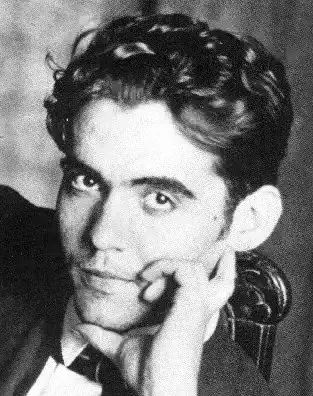
Federico García Lorca
The Faithless Wife
The Faithless Wife
So I took her to the river
believing she was a maiden,
but she already had a husband.
It was on St. James night
and almost as if I was obliged to.
The lanterns went out
and the crickets lighted up.
In the farthest street corners
I touched her sleeping breasts
and they opened to me suddenly
like spikes of hyacinth.
The starch of her petticoat
sounded in my ears
like a piece of silk
rent by ten knives.
Without silver light on their foliage
the trees had grown larger
and a horizon of dogs
barked very far from the river.
Past the blackberries,
the reeds and the hawthorne
underneath her cluster of hair
I made a hollow in the earth
I took off my tie,
she too off her dress.
I, my belt with the revolver,
She, her four bodices.
Nor nard nor mother-o’-pearl
have skin so fine,
nor does glass with silver
shine with such brilliance.
Her thighs slipped away from me
like startled fish,
half full of fire,
half full of cold.
That night I ran
on the best of roads
mounted on a nacre mare
without bridle stirrups.
As a man, I won’t repeat
the things she said to me.
The light of understanding
has made me more discreet.
Smeared with sand and kisses
I took her away from the river.
The swords of the lilies
battled with the air.
I behaved like what I am,
like a proper gypsy.
I gave her a large sewing basket,
of straw-colored satin,
but I did not fall in love
for although she had a husband
she told me she was a maiden
when I took her to the river.
So I took her to the river
believing she was a maiden,
but she already had a husband.
It was on St. James night
and almost as if I was obliged to.
The lanterns went out
and the crickets lighted up.
In the farthest street corners
I touched her sleeping breasts
and they opened to me suddenly
like spikes of hyacinth.
The starch of her petticoat
sounded in my ears
like a piece of silk
rent by ten knives.
Without silver light on their foliage
the trees had grown larger
and a horizon of dogs
barked very far from the river.
Past the blackberries,
the reeds and the hawthorne
underneath her cluster of hair
I made a hollow in the earth
I took off my tie,
she too off her dress.
I, my belt with the revolver,
She, her four bodices.
Nor nard nor mother-o’-pearl
have skin so fine,
nor does glass with silver
shine with such brilliance.
Her thighs slipped away from me
like startled fish,
half full of fire,
half full of cold.
That night I ran
on the best of roads
mounted on a nacre mare
without bridle stirrups.
As a man, I won’t repeat
the things she said to me.
The light of understanding
has made me more discreet.
Smeared with sand and kisses
I took her away from the river.
The swords of the lilies
battled with the air.
I behaved like what I am,
like a proper gypsy.
I gave her a large sewing basket,
of straw-colored satin,
but I did not fall in love
for although she had a husband
she told me she was a maiden
when I took her to the river.
926
Federico García Lorca
Saturday Paseo: Adelina
Saturday Paseo: Adelina
Oranges
do not grow in the sea
neither is there love in Sevilla.
You in Dark and the I the sun that's hot,
loan me your parasol.
I'll wear my jealous reflection,
juice of lemon and limeand
your words,
your sinful little wordswill
swim around awhile.
Oranges
do not grow in the sea,
Ay, love!
And there is no love in Sevilla!
Oranges
do not grow in the sea
neither is there love in Sevilla.
You in Dark and the I the sun that's hot,
loan me your parasol.
I'll wear my jealous reflection,
juice of lemon and limeand
your words,
your sinful little wordswill
swim around awhile.
Oranges
do not grow in the sea,
Ay, love!
And there is no love in Sevilla!
639

Ezra Pound
Translations And Adaptations From Heine
Translations And Adaptations From Heine
FROM ‘DIE HEIMKEHR'
I
Is your hate, then, of such measure?
Do you, truly, so detest me?
Through all the world will I complain
Of how you have addressed me.
O ye lips that are ungrateful,
Hath it never once distressed you,
That you can say such awful things
Of any one who ever kissed you?
II
So thou hast forgotten fully
That I so long held thy heart wholly,
Thy little heart, so sweet and false and small
That there's no thing more sweet or false at all.
Love and lay thou hast forgotten fully,
And my heart worked at them unduly.
I know not if the love or if the lay were better stuff,
But I know now, they both were good enough.
III
Tell me where thy lovely love is,
Whom thou once did sing so sweetly,
When the fairy flames enshrouded
Thee, and held thy heart completely.
All the flames are dead and sped now
And my heart is cold and sere;
Behold this book, the urn of ashes,
Tis my true love's sepulchre.
IV
I dreamt that I was God Himself
Whom heavenly joy immerses,
And all the angels sat about
And praised my verses.
V
The mutilated choir boys
When I begin to sing
Complain about the awful noise
And call my voice too thick a thing.
When light their voices lift them up,
Bright notes against the ear,
Through trills and runs like crystal,
Ring delicate and clear.
They sing of Love that's grown desirous,
Of Love, and joy that is Love's inmost part,
And all the ladies swim through tears
Toward such a work of art.
VI
This delightful young man
Should not lack for honourers,
He propitiates me with oysters,
With Rhine wine and liqueurs.
How his coat and pants adorn him!
Yet his ties are more adorning,
In these he daily comes to ask me:
'Are you feeling well this morning?'
He speaks of my extended fame,
My wit, charm, definitions,
And is diligent to serve me,
Is detailed in his provisions.
In evening company he sets his face
In most spirituel positions,
And declaims before the ladies
My god-like compositions.
what comfort is it for me
To find him such, when the days bring
No comfort, at my time of life when
All good things go vanishing.
TRANSLATOR TO TRANSLATED
O Harry Heine, curses be,
I live too late to sup with thee!
Who can demolish at such polished ease
Philistia's pomp and Art's pomposities!
VII
SONG FROM 'DIE HARZREISE'
I am the Princess Ilza
In Ilsenstein I fare,
Come with me to that castle
And we'll be happy there.
Thy head will I cover over
With my waves' clarity
Till thou forget thy sorrow,
wounded sorrowfully.
Thou wilt in my white arms then
Nay, on my breast thou must
Forget and rest and dream there
For thine old legend-lust.
My lips and my heart are thine there
As they were his and mine.
His? Why the good King Harry's,
And he is dead lang syne.
Dead men stay alway dead men.
Life is the live man's part,
And I am fair and golden
With joy breathless at heart.
If my heart stay below there,
My crystal halls ring clear
To the dance of lords and ladies
In all their splendid gear.
The silken trains go rustling,
The spur-clinks sound between,
The dark dwarfs blow and bow there
Small horn and violin.
Yet shall my white arms hold thee,
That bound King Harry about.
Ah, I covered his ears with them
When the trumpet rang out.
VIII
NIGHT SONG
And have you thoroughly kissed my lips;
There was no particular haste,
And are you not ready when evening's come?
There's no particular haste.
You've got the whole night before you,
Heart's-all-beloved-my-own;
In an uninterrupted night one can
Get a good deal of kissing done.
FROM ‘DIE HEIMKEHR'
I
Is your hate, then, of such measure?
Do you, truly, so detest me?
Through all the world will I complain
Of how you have addressed me.
O ye lips that are ungrateful,
Hath it never once distressed you,
That you can say such awful things
Of any one who ever kissed you?
II
So thou hast forgotten fully
That I so long held thy heart wholly,
Thy little heart, so sweet and false and small
That there's no thing more sweet or false at all.
Love and lay thou hast forgotten fully,
And my heart worked at them unduly.
I know not if the love or if the lay were better stuff,
But I know now, they both were good enough.
III
Tell me where thy lovely love is,
Whom thou once did sing so sweetly,
When the fairy flames enshrouded
Thee, and held thy heart completely.
All the flames are dead and sped now
And my heart is cold and sere;
Behold this book, the urn of ashes,
Tis my true love's sepulchre.
IV
I dreamt that I was God Himself
Whom heavenly joy immerses,
And all the angels sat about
And praised my verses.
V
The mutilated choir boys
When I begin to sing
Complain about the awful noise
And call my voice too thick a thing.
When light their voices lift them up,
Bright notes against the ear,
Through trills and runs like crystal,
Ring delicate and clear.
They sing of Love that's grown desirous,
Of Love, and joy that is Love's inmost part,
And all the ladies swim through tears
Toward such a work of art.
VI
This delightful young man
Should not lack for honourers,
He propitiates me with oysters,
With Rhine wine and liqueurs.
How his coat and pants adorn him!
Yet his ties are more adorning,
In these he daily comes to ask me:
'Are you feeling well this morning?'
He speaks of my extended fame,
My wit, charm, definitions,
And is diligent to serve me,
Is detailed in his provisions.
In evening company he sets his face
In most spirituel positions,
And declaims before the ladies
My god-like compositions.
what comfort is it for me
To find him such, when the days bring
No comfort, at my time of life when
All good things go vanishing.
TRANSLATOR TO TRANSLATED
O Harry Heine, curses be,
I live too late to sup with thee!
Who can demolish at such polished ease
Philistia's pomp and Art's pomposities!
VII
SONG FROM 'DIE HARZREISE'
I am the Princess Ilza
In Ilsenstein I fare,
Come with me to that castle
And we'll be happy there.
Thy head will I cover over
With my waves' clarity
Till thou forget thy sorrow,
wounded sorrowfully.
Thou wilt in my white arms then
Nay, on my breast thou must
Forget and rest and dream there
For thine old legend-lust.
My lips and my heart are thine there
As they were his and mine.
His? Why the good King Harry's,
And he is dead lang syne.
Dead men stay alway dead men.
Life is the live man's part,
And I am fair and golden
With joy breathless at heart.
If my heart stay below there,
My crystal halls ring clear
To the dance of lords and ladies
In all their splendid gear.
The silken trains go rustling,
The spur-clinks sound between,
The dark dwarfs blow and bow there
Small horn and violin.
Yet shall my white arms hold thee,
That bound King Harry about.
Ah, I covered his ears with them
When the trumpet rang out.
VIII
NIGHT SONG
And have you thoroughly kissed my lips;
There was no particular haste,
And are you not ready when evening's come?
There's no particular haste.
You've got the whole night before you,
Heart's-all-beloved-my-own;
In an uninterrupted night one can
Get a good deal of kissing done.
524
Ezra Pound
These Fought in Any Case
These Fought in Any Case
These fought in any case,
and some believing
pro domo, in any case .....
Died some, pro patria,
walked eye-deep in hell
believing in old men's lies, then unbelieving
came home, home to a lie,
home to many deceits,
home to old lies and new infamy;
usury age-old and age-thick
and liars in public places.
Daring as never before, wastage as never before.
Young blood and high blood,
fair cheeks, and fine bodies;
fortitude as never before
frankness as never before,
disillusions as never told in the old days,
hysterias, trench confessions,
laughter out of dead bellies.
These fought in any case,
and some believing
pro domo, in any case .....
Died some, pro patria,
walked eye-deep in hell
believing in old men's lies, then unbelieving
came home, home to a lie,
home to many deceits,
home to old lies and new infamy;
usury age-old and age-thick
and liars in public places.
Daring as never before, wastage as never before.
Young blood and high blood,
fair cheeks, and fine bodies;
fortitude as never before
frankness as never before,
disillusions as never told in the old days,
hysterias, trench confessions,
laughter out of dead bellies.
476
Ezra Pound
The Three Poets
The Three Poets
Candidia has taken a new lover
And three poets are gone into mourning.
The first has written a long elegy to 'Chloris',
To 'Chloris chaste and cold,' his 'only Chloris'.
The second has written a sonnet
upon the mutability of woman,
And the third writes an epigram to Candidia.
Candidia has taken a new lover
And three poets are gone into mourning.
The first has written a long elegy to 'Chloris',
To 'Chloris chaste and cold,' his 'only Chloris'.
The second has written a sonnet
upon the mutability of woman,
And the third writes an epigram to Candidia.
366
Ezra Pound
The Bath-Tub
The Bath-Tub
As a bathtub lined with white porcelain,
When the hot water gives out or goes tepid,
So is the slow cooling of our chivalrous passion,
O my much praised but-not-altogether-satisfactory lady.
As a bathtub lined with white porcelain,
When the hot water gives out or goes tepid,
So is the slow cooling of our chivalrous passion,
O my much praised but-not-altogether-satisfactory lady.
406
Ezra Pound
Hugh Selwyn Mauberly (Part I)
Hugh Selwyn Mauberly (Part I)
"Vocat aestus in umbram"
Nemesianus Es. IV.
E. P. Ode pour l'élection de son sépulchre
For three years, out of key with his time,
He strove to resuscitate the dead art
Of poetry; to maintain "the sublime"
In the old sense. Wrong from the start --
No, hardly, but, seeing he had been born
In a half savage country, out of date;
Bent resolutely on wringing lilies from the acorn;
Capaneus; trout for factitious bait:
"Idmen gar toi panth, os eni Troie
Caught in the unstopped ear;
Giving the rocks small lee-way
The chopped seas held him, therefore, that year.
His true Penelope was Flaubert,
He fished by obstinate isles;
Observed the elegance of Circe's hair
Rather than the mottoes on sun-dials.
Unaffected by "the march of events",
He passed from men's memory in l'an trentiesme
De son eage; the case presents
No adjunct to the Muses' diadem.
II.
The age demanded an image
Of its accelerated grimace,
Something for the modern stage,
Not, at any rate, an Attic grace;
Not, not certainly, the obscure reveries
Of the inward gaze;
Better mendacities
Than the classics in paraphrase!
The "age demanded" chiefly a mould in plaster,
Made with no loss of time,
A prose kinema, not, not assuredly, alabaster
Or the "sculpture" of rhyme.
III.
The tea-rose, tea-gown, etc.
Supplants the mousseline of Cos,
The pianola "replaces"
Sappho's barbitos.
Christ follows Dionysus,
Phallic and ambrosial
Made way for macerations;
Caliban casts out Ariel.
All things are a flowing,
Sage Heracleitus says;
But a tawdry cheapness
Shall reign throughout our days.
Even the Christian beauty
Defects -- after Samothrace;
We see to kalon
Decreed in the market place.
Faun's flesh is not to us,
Nor the saint's vision.
We have the press for wafer;
Franchise for circumcision.
All men, in law, are equals.
Free of Peisistratus,
We choose a knave or an eunuch
To rule over us.
A bright Apollo,
tin andra, tin eroa, tina theon,
What god, man, or hero
Shall I place a tin wreath upon?
IV.
These fought, in any case,
and some believing, pro domo, in any case ..
Some quick to arm,
some for adventure,
some from fear of weakness,
some from fear of censure,
some for love of slaughter, in imagination,
learning later ...
some in fear, learning love of slaughter;
Died some pro patria, non dulce non et decor" ..
walked eye-deep in hell
believing in old men's lies, then unbelieving
came home, home to a lie,
home to many deceits,
home to old lies and new infamy;
usury age-old and age-thick
and liars in public places.
Daring as never before, wastage as never before.
Young blood and high blood,
Fair cheeks, and fine bodies;
fortitude as never before
frankness as never before,
disillusions as never told in the old days,
hysterias, trench confessions,
laughter out of dead bellies.
V.
There died a myriad,
And of the best, among them,
For an old bitch gone in the teeth,
For a botched civilization.
Charm, smiling at the good mouth,
Quick eyes gone under earth's lid,
For two gross of broken statues,
For a few thousand battered books.
Yeux Glauques
Gladstone was still respected,
When John Ruskin produced
"Kings Treasuries"; Swinburne
And Rossetti still abused.
Foetid Buchanan lifted up his voice
When that faun's head of hers
Became a pastime for
Painters and adulterers.
The Burne-Jones cartons
Have preserved her eyes;
Still, at the Tate, they teach
Cophetua to rhapsodize;
Thin like brook-water,
With a vacant gaze.
The English Rubaiyat was still-born
In those days.
The thin, clear gaze, the same
Still darts out faun-like from the half-ruin'd face,
Questing and passive ....
"Ah, poor Jenny's case" ...
Bewildered that a world
Shows no surprise
At her last maquero's
Adulteries.
"Siena Mi Fe', Disfecemi Maremma"
Among the pickled foetuses and bottled bones,
Engaged in perfecting the catalogue,
I found the last scion of the
Senatorial families of Strasbourg, Monsieur Verog.
For two hours he talked of Gallifet;
Of Dowson; of the Rhymers' Club;
Told me how Johnson (Lionel) died
By falling from a high stool in a pub ...
But showed no trace of alcohol
At the autopsy, privately performed --
Tissue preserved -- the pure mind
Arose toward Newman as the whiskey warmed.
Dowson found harlots cheaper than hotels;
Headlam for uplift; Image impartially imbued
With raptures for Bacchus, Terpsichore and the Church.
So spoke the author of "The Dorian Mood",
M. Verog, out of step with the decade,
Detached from his contemporaries,
Neglected by the young,
Because of these reveries.
Brennbaum.
The sky-like limpid eyes,
The circular infant's face,
The stiffness from spats to collar
Never relaxing into grace;
The heavy memories of Horeb, Sinai and the forty years,
Showed only when the daylight fell
Level across the face
Of Brennbaum "The Impeccable".
Mr. Nixon
In the cream gilded cabin of his steam yacht
Mr. Nixon advised me kindly, to advance with fewer
Dangers of delay. "Consider
Carefully the reviewer.
"I was as poor as you are;
"When I began I got, of course,
"Advance on royalties, fifty at first", said Mr. Nixon,
"Follow me, and take a column,
"Even if you have to work free.
"Butter reviewers. From fifty to three hundred
"I rose in eighteen months;
"The hardest nut I had to crack
"Was Dr. Dundas.
"I never mentioned a man but with the view
"Of selling my own works.
"The tip's a good one, as for literature
"It gives no man a sinecure."
And no one knows, at sight a masterpiece.
And give up verse, my boy,
There's nothing in it."
* * *
Likewise a friend of Bloughram's once advised me:
Don't kick against the pricks,
Accept opinion. The "Nineties" tried your game
And died, there's nothing in it.
X.
Beneath the sagging roof
The stylist has taken shelter,
Unpaid, uncelebrated,
At last from the world's welter
Nature receives him,
With a placid and uneducated mistress
He exercises his talents
And the soil meets his distress.
The haven from sophistications and contentions
Leaks through its thatch;
He offers succulent cooking;
The door has a creaking latch.
XI.
"Conservatrix of Milésien"
Habits of mind and feeling,
Possibly. But in Ealing
With the most bank-clerkly of Englishmen?
No, "Milésian" is an exaggeration.
No instinct has survived in her
Older than those her grandmother
Told her would fit her station.
XII.
"Daphne with her thighs in bark
Stretches toward me her leafy hands", --
Subjectively. In the stuffed-satin drawing-room
I await The Lady Valentine's commands,
Knowing my coat has never been
Of precisely the fashion
To stimulate, in her,
A durable passion;
Doubtful, somewhat, of the value
Of well-gowned approbation
Of literary effort,
But never of The Lady Valentine's vocation:
Poetry, her border of ideas,
The edge, uncertain, but a means of blending
With other strata
Where the lower and higher have ending;
A hook to catch the Lady Jane's attention,
A modulation toward the theatre,
Also, in the case of revolution,
A possible friend and comforter.
* * *
Conduct, on the other hand, the soul
"Which the highest cultures have nourished"
To Fleet St. where
Dr. Johnson flourished;
Beside this thoroughfare
The sale of half-hose has
Long since superseded the cultivation
Of Pierian roses.
"Vocat aestus in umbram"
Nemesianus Es. IV.
E. P. Ode pour l'élection de son sépulchre
For three years, out of key with his time,
He strove to resuscitate the dead art
Of poetry; to maintain "the sublime"
In the old sense. Wrong from the start --
No, hardly, but, seeing he had been born
In a half savage country, out of date;
Bent resolutely on wringing lilies from the acorn;
Capaneus; trout for factitious bait:
"Idmen gar toi panth, os eni Troie
Caught in the unstopped ear;
Giving the rocks small lee-way
The chopped seas held him, therefore, that year.
His true Penelope was Flaubert,
He fished by obstinate isles;
Observed the elegance of Circe's hair
Rather than the mottoes on sun-dials.
Unaffected by "the march of events",
He passed from men's memory in l'an trentiesme
De son eage; the case presents
No adjunct to the Muses' diadem.
II.
The age demanded an image
Of its accelerated grimace,
Something for the modern stage,
Not, at any rate, an Attic grace;
Not, not certainly, the obscure reveries
Of the inward gaze;
Better mendacities
Than the classics in paraphrase!
The "age demanded" chiefly a mould in plaster,
Made with no loss of time,
A prose kinema, not, not assuredly, alabaster
Or the "sculpture" of rhyme.
III.
The tea-rose, tea-gown, etc.
Supplants the mousseline of Cos,
The pianola "replaces"
Sappho's barbitos.
Christ follows Dionysus,
Phallic and ambrosial
Made way for macerations;
Caliban casts out Ariel.
All things are a flowing,
Sage Heracleitus says;
But a tawdry cheapness
Shall reign throughout our days.
Even the Christian beauty
Defects -- after Samothrace;
We see to kalon
Decreed in the market place.
Faun's flesh is not to us,
Nor the saint's vision.
We have the press for wafer;
Franchise for circumcision.
All men, in law, are equals.
Free of Peisistratus,
We choose a knave or an eunuch
To rule over us.
A bright Apollo,
tin andra, tin eroa, tina theon,
What god, man, or hero
Shall I place a tin wreath upon?
IV.
These fought, in any case,
and some believing, pro domo, in any case ..
Some quick to arm,
some for adventure,
some from fear of weakness,
some from fear of censure,
some for love of slaughter, in imagination,
learning later ...
some in fear, learning love of slaughter;
Died some pro patria, non dulce non et decor" ..
walked eye-deep in hell
believing in old men's lies, then unbelieving
came home, home to a lie,
home to many deceits,
home to old lies and new infamy;
usury age-old and age-thick
and liars in public places.
Daring as never before, wastage as never before.
Young blood and high blood,
Fair cheeks, and fine bodies;
fortitude as never before
frankness as never before,
disillusions as never told in the old days,
hysterias, trench confessions,
laughter out of dead bellies.
V.
There died a myriad,
And of the best, among them,
For an old bitch gone in the teeth,
For a botched civilization.
Charm, smiling at the good mouth,
Quick eyes gone under earth's lid,
For two gross of broken statues,
For a few thousand battered books.
Yeux Glauques
Gladstone was still respected,
When John Ruskin produced
"Kings Treasuries"; Swinburne
And Rossetti still abused.
Foetid Buchanan lifted up his voice
When that faun's head of hers
Became a pastime for
Painters and adulterers.
The Burne-Jones cartons
Have preserved her eyes;
Still, at the Tate, they teach
Cophetua to rhapsodize;
Thin like brook-water,
With a vacant gaze.
The English Rubaiyat was still-born
In those days.
The thin, clear gaze, the same
Still darts out faun-like from the half-ruin'd face,
Questing and passive ....
"Ah, poor Jenny's case" ...
Bewildered that a world
Shows no surprise
At her last maquero's
Adulteries.
"Siena Mi Fe', Disfecemi Maremma"
Among the pickled foetuses and bottled bones,
Engaged in perfecting the catalogue,
I found the last scion of the
Senatorial families of Strasbourg, Monsieur Verog.
For two hours he talked of Gallifet;
Of Dowson; of the Rhymers' Club;
Told me how Johnson (Lionel) died
By falling from a high stool in a pub ...
But showed no trace of alcohol
At the autopsy, privately performed --
Tissue preserved -- the pure mind
Arose toward Newman as the whiskey warmed.
Dowson found harlots cheaper than hotels;
Headlam for uplift; Image impartially imbued
With raptures for Bacchus, Terpsichore and the Church.
So spoke the author of "The Dorian Mood",
M. Verog, out of step with the decade,
Detached from his contemporaries,
Neglected by the young,
Because of these reveries.
Brennbaum.
The sky-like limpid eyes,
The circular infant's face,
The stiffness from spats to collar
Never relaxing into grace;
The heavy memories of Horeb, Sinai and the forty years,
Showed only when the daylight fell
Level across the face
Of Brennbaum "The Impeccable".
Mr. Nixon
In the cream gilded cabin of his steam yacht
Mr. Nixon advised me kindly, to advance with fewer
Dangers of delay. "Consider
Carefully the reviewer.
"I was as poor as you are;
"When I began I got, of course,
"Advance on royalties, fifty at first", said Mr. Nixon,
"Follow me, and take a column,
"Even if you have to work free.
"Butter reviewers. From fifty to three hundred
"I rose in eighteen months;
"The hardest nut I had to crack
"Was Dr. Dundas.
"I never mentioned a man but with the view
"Of selling my own works.
"The tip's a good one, as for literature
"It gives no man a sinecure."
And no one knows, at sight a masterpiece.
And give up verse, my boy,
There's nothing in it."
* * *
Likewise a friend of Bloughram's once advised me:
Don't kick against the pricks,
Accept opinion. The "Nineties" tried your game
And died, there's nothing in it.
X.
Beneath the sagging roof
The stylist has taken shelter,
Unpaid, uncelebrated,
At last from the world's welter
Nature receives him,
With a placid and uneducated mistress
He exercises his talents
And the soil meets his distress.
The haven from sophistications and contentions
Leaks through its thatch;
He offers succulent cooking;
The door has a creaking latch.
XI.
"Conservatrix of Milésien"
Habits of mind and feeling,
Possibly. But in Ealing
With the most bank-clerkly of Englishmen?
No, "Milésian" is an exaggeration.
No instinct has survived in her
Older than those her grandmother
Told her would fit her station.
XII.
"Daphne with her thighs in bark
Stretches toward me her leafy hands", --
Subjectively. In the stuffed-satin drawing-room
I await The Lady Valentine's commands,
Knowing my coat has never been
Of precisely the fashion
To stimulate, in her,
A durable passion;
Doubtful, somewhat, of the value
Of well-gowned approbation
Of literary effort,
But never of The Lady Valentine's vocation:
Poetry, her border of ideas,
The edge, uncertain, but a means of blending
With other strata
Where the lower and higher have ending;
A hook to catch the Lady Jane's attention,
A modulation toward the theatre,
Also, in the case of revolution,
A possible friend and comforter.
* * *
Conduct, on the other hand, the soul
"Which the highest cultures have nourished"
To Fleet St. where
Dr. Johnson flourished;
Beside this thoroughfare
The sale of half-hose has
Long since superseded the cultivation
Of Pierian roses.
491
Ezra Pound
Epitaph
Epitaph
Leucis, who intended a Grand Passion,
Ends with a willingness-to-oblige.
Leucis, who intended a Grand Passion,
Ends with a willingness-to-oblige.
627
Ezra Pound
Au Jardin
Au Jardin
O you away high there,
you that lean
From amber lattices upon the cobalt night,
I am below amid the pine trees,
Amid the little pine trees, hear me!
'The jester walked in the garden.'
Did he so?
Well, there's no use your loving me
That way, Lady;
For I've nothing but songs to give you.
I am set wide upon the world's ways
To say that life is, some way, a gay thing,
But you never string two days upon one wire
But there'll come sorrow of it.
And I loved a love once,
Over beyond the moon there,
I loved a love once,
And, may be, more times,
But she danced like a pink moth in the shrubbery.
Oh, I know you women from the 'other folk',
And it'll all come right,
O' Sundays.
'The jester walked in the garden.'
Did he so?
O you away high there,
you that lean
From amber lattices upon the cobalt night,
I am below amid the pine trees,
Amid the little pine trees, hear me!
'The jester walked in the garden.'
Did he so?
Well, there's no use your loving me
That way, Lady;
For I've nothing but songs to give you.
I am set wide upon the world's ways
To say that life is, some way, a gay thing,
But you never string two days upon one wire
But there'll come sorrow of it.
And I loved a love once,
Over beyond the moon there,
I loved a love once,
And, may be, more times,
But she danced like a pink moth in the shrubbery.
Oh, I know you women from the 'other folk',
And it'll all come right,
O' Sundays.
'The jester walked in the garden.'
Did he so?
465
Ezra Pound
Arides
Arides
The bashful Arides
Has married an ugly wife,
He was bored with his manner of life,
Indifferent and discouraged he thought he might as
Well do this as anything else.
Saying within his heart,’I am no use to myself,
'Let her, if she wants me, take me.'
He went to his doom.
The bashful Arides
Has married an ugly wife,
He was bored with his manner of life,
Indifferent and discouraged he thought he might as
Well do this as anything else.
Saying within his heart,’I am no use to myself,
'Let her, if she wants me, take me.'
He went to his doom.
471

Emily Jane Brontë
R. Alcona to J. Brenzaida
R. Alcona to J. Brenzaida
Cold in the earth, and the deep snow piled above thee!
Far, far removed, cold in the dreary grave!
Have I forgot, my Only Love, to love thee,
Severed at last by Time's all-wearing wave?
Now, when alone, do my thoughts no longer hover
Over the mountains on Angora's shore;
Resting their wings where heath and fern-leaves cover
That noble heart for ever, ever more?
Cold in the earth, and fifteen wild Decembers
From those brown hills have melted into spring--
Faithful indeed is the spirit that remembers
After such years of change and suffering!
Sweet Love of youth, forgive if I forget thee
While the World's tide is bearing me along:
Sterner desires and darker hopes beset me,
Hopes which obscure but cannot do thee wrong.
No other Sun has lightened up my heaven;
No other Star has ever shone for me:
All my life's bliss from thy dear life was given
All my life's bliss is in the grave with thee.
But when the days of golden dreams had perished
And even Despair was powerless to destroy,
Then did I learn how existence could be cherished,
Strengthened and fed without the aid of joy;
Then did I check the tears of useless passion,
Weaned my young soul from yearning after thine;
Sternly denied its burning wish to hasten
Down to that tomb already more than mine!
And even yet, I dare not let it languish,
Dare not indulge in Memory's rapturous pain;
Once drinking deep of that divinest anguish,
How could I seek the empty world again?
(March 3, 1845)
Cold in the earth, and the deep snow piled above thee!
Far, far removed, cold in the dreary grave!
Have I forgot, my Only Love, to love thee,
Severed at last by Time's all-wearing wave?
Now, when alone, do my thoughts no longer hover
Over the mountains on Angora's shore;
Resting their wings where heath and fern-leaves cover
That noble heart for ever, ever more?
Cold in the earth, and fifteen wild Decembers
From those brown hills have melted into spring--
Faithful indeed is the spirit that remembers
After such years of change and suffering!
Sweet Love of youth, forgive if I forget thee
While the World's tide is bearing me along:
Sterner desires and darker hopes beset me,
Hopes which obscure but cannot do thee wrong.
No other Sun has lightened up my heaven;
No other Star has ever shone for me:
All my life's bliss from thy dear life was given
All my life's bliss is in the grave with thee.
But when the days of golden dreams had perished
And even Despair was powerless to destroy,
Then did I learn how existence could be cherished,
Strengthened and fed without the aid of joy;
Then did I check the tears of useless passion,
Weaned my young soul from yearning after thine;
Sternly denied its burning wish to hasten
Down to that tomb already more than mine!
And even yet, I dare not let it languish,
Dare not indulge in Memory's rapturous pain;
Once drinking deep of that divinest anguish,
How could I seek the empty world again?
(March 3, 1845)
279
Emily Jane Brontë
A Little Budding Rose
A Little Budding Rose
It was a little budding rose,
Round like a fairy globe,
And shyly did its leaves unclose
Hid in their mossy robe,
But sweet was the slight and spicy smell
It breathed from its heart invisible.
The rose is blasted, withered, blighted,
Its root has felt a worm,
And like a heart beloved and slighted,
Failed, faded, shrunk its form.
Bud of beauty, bonnie flower,
I stole thee from thy natal bower.
I was the worm that withered thee,
Thy tears of dew all fell for me;
Leaf and stalk and rose are gone,
Exile earth they died upon.
Yes, that last breath of balmy scent
With alien breezes sadly blent!
It was a little budding rose,
Round like a fairy globe,
And shyly did its leaves unclose
Hid in their mossy robe,
But sweet was the slight and spicy smell
It breathed from its heart invisible.
The rose is blasted, withered, blighted,
Its root has felt a worm,
And like a heart beloved and slighted,
Failed, faded, shrunk its form.
Bud of beauty, bonnie flower,
I stole thee from thy natal bower.
I was the worm that withered thee,
Thy tears of dew all fell for me;
Leaf and stalk and rose are gone,
Exile earth they died upon.
Yes, that last breath of balmy scent
With alien breezes sadly blent!
234

Emily Dickinson
Within my reach!
Within my reach!
90
Within my reach!
I could have touched!
I might have chanced that way!
Soft sauntered thro' the village-
Sauntered as soft away!
So unsuspected Violets
Within the meadows go-
Too late for striving fingers
That passed, an hour ago!
90
Within my reach!
I could have touched!
I might have chanced that way!
Soft sauntered thro' the village-
Sauntered as soft away!
So unsuspected Violets
Within the meadows go-
Too late for striving fingers
That passed, an hour ago!
396
Emily Dickinson
Taking up the fair Ideal
Taking up the fair Ideal
428
Taking up the fair Ideal,
Just to cast her down
When a fracture-we discover-
Or a splintered Crown-
Makes the Heavens portable-
And the Gods-a lieDoubtless-"
Adam"-scowled at Eden-
For his perjury!
Cherishing-our pool Ideal-
Till in purer dress-
We behold her-glorifiedComforts-
search-like this-
Till the broken creatures-
We adored-for wholeStains-
all washedTransfigured-
mended-
Meet us-with a smile-
428
Taking up the fair Ideal,
Just to cast her down
When a fracture-we discover-
Or a splintered Crown-
Makes the Heavens portable-
And the Gods-a lieDoubtless-"
Adam"-scowled at Eden-
For his perjury!
Cherishing-our pool Ideal-
Till in purer dress-
We behold her-glorifiedComforts-
search-like this-
Till the broken creatures-
We adored-for wholeStains-
all washedTransfigured-
mended-
Meet us-with a smile-
252
Emily Dickinson
I've none to tell me to but Thee
I've none to tell me to but Thee
881
I've none to tell me to but Thee
So when Thou failest, nobody.
It was a little tie-
It just held Two, nor those it held
Since Somewhere thy sweet Face has spilled
Beyond my Boundary-
If things were opposite-and Me
And Me it were-that ebbed from Thee
On some unanswering ShoreWould'st
Thou seek so-just say
That I the Answer may pursue
Unto the lips it eddied throughSo-
overtaking Thee-
881
I've none to tell me to but Thee
So when Thou failest, nobody.
It was a little tie-
It just held Two, nor those it held
Since Somewhere thy sweet Face has spilled
Beyond my Boundary-
If things were opposite-and Me
And Me it were-that ebbed from Thee
On some unanswering ShoreWould'st
Thou seek so-just say
That I the Answer may pursue
Unto the lips it eddied throughSo-
overtaking Thee-
259
Emily Dickinson
It dropped so low in my regard
It dropped so low in my regard
It dropped so low in my regard
I heard it hit the ground,
And go to pieces on the stones
At bottom of my mind;
Yet blamed the fate that fractured, less
Than I reviled myself
For entertaining plated wares
Upon my silver shelf.
It dropped so low in my regard
I heard it hit the ground,
And go to pieces on the stones
At bottom of my mind;
Yet blamed the fate that fractured, less
Than I reviled myself
For entertaining plated wares
Upon my silver shelf.
325
Emily Dickinson
It bloomed and dropt, a Single Noon
It bloomed and dropt, a Single Noon
978
It bloomed and dropt, a Single Noon-
The Flower-distinct and Red-
I, passing, thought another Noon
Another in its stead
Will equal glow, and thought no More
But came another Day
To find the Species disappeared-
The Same Locality-
The Sun in place-no other fraud
On Nature's perfect Sum-
Had I but lingered Yesterday-
Was my retrieveless blame-
Much Flowers of this and further Zones
Have perished in my Hands
For seeking its Resemblance-
But unapproached it stands-
The single Flower of the Earth
That I, in passing by
Unconscious was-Great Nature's Face
Passed infinite by Me-
978
It bloomed and dropt, a Single Noon-
The Flower-distinct and Red-
I, passing, thought another Noon
Another in its stead
Will equal glow, and thought no More
But came another Day
To find the Species disappeared-
The Same Locality-
The Sun in place-no other fraud
On Nature's perfect Sum-
Had I but lingered Yesterday-
Was my retrieveless blame-
Much Flowers of this and further Zones
Have perished in my Hands
For seeking its Resemblance-
But unapproached it stands-
The single Flower of the Earth
That I, in passing by
Unconscious was-Great Nature's Face
Passed infinite by Me-
309
Emily Dickinson
I many times thought Peace had come
I many times thought Peace had come
739
I many times thought Peace had come
When Peace was far away-
As Wrecked Men-deem they sight the Land-
At Centre of the Sea-
And struggle slacker-but to prove
As hopelessly as I-
How many the fictitious Shores-
Before the Harbor be-
739
I many times thought Peace had come
When Peace was far away-
As Wrecked Men-deem they sight the Land-
At Centre of the Sea-
And struggle slacker-but to prove
As hopelessly as I-
How many the fictitious Shores-
Before the Harbor be-
286
Emily Dickinson
I asked no other thing
I asked no other thing
621
I asked no other thing-
No other-was denied-
I offered Being-for it-
The Mighty Merchant sneered-
Brazil? He twirled a Button-
Without a glance my way"
But-Madam-is there nothing else-
That We can show-Today?"
621
I asked no other thing-
No other-was denied-
I offered Being-for it-
The Mighty Merchant sneered-
Brazil? He twirled a Button-
Without a glance my way"
But-Madam-is there nothing else-
That We can show-Today?"
312
Emily Dickinson
Heart, We Will Forget Him
Heart, We Will Forget Him
Heart, we will forget him,
You and I, tonight!
You must forget the warmth he gave,
I will forget the light.
When you have done pray tell me,
Then I, my thoughts, will dim.
Haste! ‘lest while you’re lagging
I may remember him!
Heart, we will forget him,
You and I, tonight!
You must forget the warmth he gave,
I will forget the light.
When you have done pray tell me,
Then I, my thoughts, will dim.
Haste! ‘lest while you’re lagging
I may remember him!
280
Emily Dickinson
Heart! We will forget him!
Heart! We will forget him!
47
Heart! We will forget him!
You and I-tonight!
You may forget the warmth he gave-
I will forget the light!
When you have done, pray tell me
That I may straight begin!
Haste! lest while you're lagging
I remember him!
47
Heart! We will forget him!
You and I-tonight!
You may forget the warmth he gave-
I will forget the light!
When you have done, pray tell me
That I may straight begin!
Haste! lest while you're lagging
I remember him!
244
Emily Dickinson
Forget! The lady with the Amulet
Forget! The lady with the Amulet
438
Forget! The lady with the Amulet
Forget she wore it at her Heart
Because she breathed against
Was Treason twixt?
Deny! Did Rose her Bee-
For Privilege of Play
Or Wile of Butterfly
Or Opportunity-Her Lord away?
The lady with the Amulet-will face-
The Bee-in Mausoleum laid-
Discard his Bride-
But longer than the little Rill-
That cooled the Forehead of the Hill-
While Other-went the Sea to fill-
And Other-went to turn the MillI'll
do thy Will-
438
Forget! The lady with the Amulet
Forget she wore it at her Heart
Because she breathed against
Was Treason twixt?
Deny! Did Rose her Bee-
For Privilege of Play
Or Wile of Butterfly
Or Opportunity-Her Lord away?
The lady with the Amulet-will face-
The Bee-in Mausoleum laid-
Discard his Bride-
But longer than the little Rill-
That cooled the Forehead of the Hill-
While Other-went the Sea to fill-
And Other-went to turn the MillI'll
do thy Will-
362
Emily Dickinson
Finding is the first Act
Finding is the first Act
870
Finding is the first Act
The second, loss,
Third, Expedition for
The "Golden Fleece"
Fourth, no Discovery-
Fifth, no Crew-
Finally, no Golden FleeceJason-
sham-too.
870
Finding is the first Act
The second, loss,
Third, Expedition for
The "Golden Fleece"
Fourth, no Discovery-
Fifth, no Crew-
Finally, no Golden FleeceJason-
sham-too.
311
Emily Dickinson
Except the Heaven had come so near
Except the Heaven had come so near
472
Except the Heaven had come so near-
So seemed to choose My Door-
The Distance would not haunt me so-
I had not hoped-before-
But just to hear the Grace depart-
I never thought to see-
Afflicts me with a Double loss'
Tis lost-and lost to me-
472
Except the Heaven had come so near-
So seemed to choose My Door-
The Distance would not haunt me so-
I had not hoped-before-
But just to hear the Grace depart-
I never thought to see-
Afflicts me with a Double loss'
Tis lost-and lost to me-
251