

Poems in this theme
Disillusionment and Lost Love
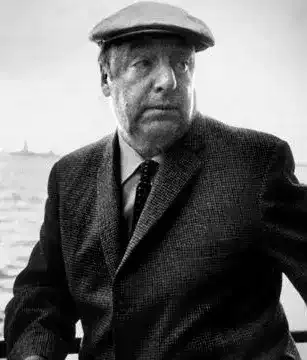
Pablo Neruda
Tonight I Can Write
Tonight I Can Write
Tonight I can write the saddest lines.
Write, for example, 'The night is starry
and the stars are blue and shiver in the distance.'
The night wind revolves in the sky and sings.
Tonight I can write the saddest lines.
I loved her, and sometimes she loved me too.
Through nights like this one I held her in my arms.
I kissed her again and again under the endless sky.
She loved me, sometimes I loved her too.
How could one not have loved her great still eyes.
Tonight I can write the saddest lines.
To think that I do not have her. To feel that I have lost her.
To hear the immense night, still more immense without her.
And the verse falls to the soul like dew to the pasture.
What does it matter that my love could not keep her.
The night is starry and she is not with me.
This is all. In the distance someone is singing. In the distance.
My soul is not satisfied that it has lost her.
My sight tries to find her as though to bring her closer.
My heart looks for her, and she is not with me.
The same night whitening the same trees.
We, of that time, are no longer the same.
I no longer love her, that's certain, but how I loved her.
My voice tried to find the wind to touch her hearing.
Another's. She will be another's. As she was before my kisses.
Her voice, her bright body. Her infinite eyes.
I no longer love her, that's certain, but maybe I love her.
Love is so short, forgetting is so long.
Because through nights like this one I held her in my arms
my soul is not satisfied that it has lost her.
Though this be the last pain that she makes me suffer
and these the last verses that I write for her.
translated by W.S. Merwin
Tonight I can write the saddest lines.
Write, for example, 'The night is starry
and the stars are blue and shiver in the distance.'
The night wind revolves in the sky and sings.
Tonight I can write the saddest lines.
I loved her, and sometimes she loved me too.
Through nights like this one I held her in my arms.
I kissed her again and again under the endless sky.
She loved me, sometimes I loved her too.
How could one not have loved her great still eyes.
Tonight I can write the saddest lines.
To think that I do not have her. To feel that I have lost her.
To hear the immense night, still more immense without her.
And the verse falls to the soul like dew to the pasture.
What does it matter that my love could not keep her.
The night is starry and she is not with me.
This is all. In the distance someone is singing. In the distance.
My soul is not satisfied that it has lost her.
My sight tries to find her as though to bring her closer.
My heart looks for her, and she is not with me.
The same night whitening the same trees.
We, of that time, are no longer the same.
I no longer love her, that's certain, but how I loved her.
My voice tried to find the wind to touch her hearing.
Another's. She will be another's. As she was before my kisses.
Her voice, her bright body. Her infinite eyes.
I no longer love her, that's certain, but maybe I love her.
Love is so short, forgetting is so long.
Because through nights like this one I held her in my arms
my soul is not satisfied that it has lost her.
Though this be the last pain that she makes me suffer
and these the last verses that I write for her.
translated by W.S. Merwin
874
Pablo Neruda
The Saddest Poem
The Saddest Poem
I can write the saddest poem of all tonight.
Write, for instance: "The night is full of stars,
and the stars, blue, shiver in the distance."
The night wind whirls in the sky and sings.
I can write the saddest poem of all tonight.
I loved her, and sometimes she loved me too.
On nights like this, I held her in my arms.
I kissed her so many times under the infinite sky.
She loved me, sometimes I loved her.
How could I not have loved her large, still eyes?
I can write the saddest poem of all tonight.
To think I don't have her. To feel that I've lost her.
To hear the immense night, more immense without her.
And the poem falls to the soul as dew to grass.
What does it matter that my love couldn't keep her.
The night is full of stars and she is not with me.
That's all. Far away, someone sings. Far away.
My soul is lost without her.
As if to bring her near, my eyes search for her.
My heart searches for her and she is not with me.
The same night that whitens the same trees.
We, we who were, we are the same no longer.
I no longer love her, true, but how much I loved her.
My voice searched the wind to touch her ear.
Someone else's. She will be someone else's. As she once
belonged to my kisses.
Her voice, her light body. Her infinite eyes.
I no longer love her, true, but perhaps I love her.
Love is so short and oblivion so long.
Because on nights like this I held her in my arms,
my soul is lost without her.
Although this may be the last pain she causes me,
and this may be the last poem I write for her.
I can write the saddest poem of all tonight.
Write, for instance: "The night is full of stars,
and the stars, blue, shiver in the distance."
The night wind whirls in the sky and sings.
I can write the saddest poem of all tonight.
I loved her, and sometimes she loved me too.
On nights like this, I held her in my arms.
I kissed her so many times under the infinite sky.
She loved me, sometimes I loved her.
How could I not have loved her large, still eyes?
I can write the saddest poem of all tonight.
To think I don't have her. To feel that I've lost her.
To hear the immense night, more immense without her.
And the poem falls to the soul as dew to grass.
What does it matter that my love couldn't keep her.
The night is full of stars and she is not with me.
That's all. Far away, someone sings. Far away.
My soul is lost without her.
As if to bring her near, my eyes search for her.
My heart searches for her and she is not with me.
The same night that whitens the same trees.
We, we who were, we are the same no longer.
I no longer love her, true, but how much I loved her.
My voice searched the wind to touch her ear.
Someone else's. She will be someone else's. As she once
belonged to my kisses.
Her voice, her light body. Her infinite eyes.
I no longer love her, true, but perhaps I love her.
Love is so short and oblivion so long.
Because on nights like this I held her in my arms,
my soul is lost without her.
Although this may be the last pain she causes me,
and this may be the last poem I write for her.
754
Pablo Neruda
Saddest Poem
Saddest Poem
I can write the saddest poem of all tonight.
Write, for instance: "The night is full of stars,
and the stars, blue, shiver in the distance."
The night wind whirls in the sky and sings.
I can write the saddest poem of all tonight.
I loved her, and sometimes she loved me too.
On nights like this, I held her in my arms.
I kissed her so many times under the infinite sky.
She loved me, sometimes I loved her.
How could I not have loved her large, still eyes?
I can write the saddest poem of all tonight.
To think I don't have her. To feel that I've lost her.
To hear the immense night, more immense without her.
And the poem falls to the soul as dew to grass.
What does it matter that my love couldn't keep her.
The night is full of stars and she is not with me.
That's all. Far away, someone sings. Far away.
My soul is lost without her.
As if to bring her near, my eyes search for her.
My heart searches for her and she is not with me.
The same night that whitens the same trees.
We, we who were, we are the same no longer.
I no longer love her, true, but how much I loved her.
My voice searched the wind to touch her ear.
Someone else's. She will be someone else's. As she once
belonged to my kisses.
Her voice, her light body. Her infinite eyes.
I no longer love her, true, but perhaps I love her.
Love is so short and oblivion so long.
Because on nights like this I held her in my arms,
my soul is lost without her.
Although this may be the last pain she causes me,
and this may be the last poem I write for her.
I can write the saddest poem of all tonight.
Write, for instance: "The night is full of stars,
and the stars, blue, shiver in the distance."
The night wind whirls in the sky and sings.
I can write the saddest poem of all tonight.
I loved her, and sometimes she loved me too.
On nights like this, I held her in my arms.
I kissed her so many times under the infinite sky.
She loved me, sometimes I loved her.
How could I not have loved her large, still eyes?
I can write the saddest poem of all tonight.
To think I don't have her. To feel that I've lost her.
To hear the immense night, more immense without her.
And the poem falls to the soul as dew to grass.
What does it matter that my love couldn't keep her.
The night is full of stars and she is not with me.
That's all. Far away, someone sings. Far away.
My soul is lost without her.
As if to bring her near, my eyes search for her.
My heart searches for her and she is not with me.
The same night that whitens the same trees.
We, we who were, we are the same no longer.
I no longer love her, true, but how much I loved her.
My voice searched the wind to touch her ear.
Someone else's. She will be someone else's. As she once
belonged to my kisses.
Her voice, her light body. Her infinite eyes.
I no longer love her, true, but perhaps I love her.
Love is so short and oblivion so long.
Because on nights like this I held her in my arms,
my soul is lost without her.
Although this may be the last pain she causes me,
and this may be the last poem I write for her.
763
Pablo Neruda
Love
Love
What's wrong with you, with us,
what's happening to us?
Ah our love is a harsh cord
that binds us wounding us
and if we want
to leave our wound,
to separate,
it makes a new knot for us and condemns us
to drain our blood and burn together.
What's wrong with you? I look at you
and I find nothing in you but two eyes
like all eyes, a mouth
lost among a thousand mouths that I have kissed, more beautiful,
a body just like those that have slipped
beneath my body without leaving any memory.
And how empty you went through the world
like a wheat-colored jar
without air, without sound, without substance!
I vainly sought in you
depth for my arms
that dig, without cease, beneath the earth:
beneath your skin, beneath your eyes,
nothing,
beneath your double breast scarcely
raised
a current of crystalline order
that does not know why it flows singing.
Why, why, why,
my love, why?
What's wrong with you, with us,
what's happening to us?
Ah our love is a harsh cord
that binds us wounding us
and if we want
to leave our wound,
to separate,
it makes a new knot for us and condemns us
to drain our blood and burn together.
What's wrong with you? I look at you
and I find nothing in you but two eyes
like all eyes, a mouth
lost among a thousand mouths that I have kissed, more beautiful,
a body just like those that have slipped
beneath my body without leaving any memory.
And how empty you went through the world
like a wheat-colored jar
without air, without sound, without substance!
I vainly sought in you
depth for my arms
that dig, without cease, beneath the earth:
beneath your skin, beneath your eyes,
nothing,
beneath your double breast scarcely
raised
a current of crystalline order
that does not know why it flows singing.
Why, why, why,
my love, why?
508
Pablo Neruda
From – Twenty Poems of Love
From – Twenty Poems of Love
I can write the saddest lines tonight.
Write for example: ‘The night is fractured
and they shiver, blue, those stars, in the distance’
The night wind turns in the sky and sings.
I can write the saddest lines tonight.
I loved her, sometimes she loved me too.
On nights like these I held her in my arms.
I kissed her greatly under the infinite sky.
She loved me, sometimes I loved her too.
How could I not have loved her huge, still eyes.
I can write the saddest lines tonight.
To think I don’t have her, to feel I have lost her.
Hear the vast night, vaster without her.
Lines fall on the soul like dew on the grass.
What does it matter that I couldn’t keep her.
The night is fractured and she is not with me.
That is all. Someone sings far off. Far off,
my soul is not content to have lost her.
As though to reach her, my sight looks for her.
My heart looks for her: she is not with me
The same night whitens, in the same branches.
We, from that time, we are not the same.
I don’t love her, that’s certain, but how I loved her.
My voice tried to find the breeze to reach her.
Another’s kisses on her, like my kisses.
Her voice, her bright body, infinite eyes.
I don’t love her, that’s certain, but perhaps I love her.
Love is brief: forgetting lasts so long.
Since, on these nights, I held her in my arms,
my soul is not content to have lost her.
Though this is the last pain she will make me suffer,
and these are the last lines I will write for her.
I can write the saddest lines tonight.
Write for example: ‘The night is fractured
and they shiver, blue, those stars, in the distance’
The night wind turns in the sky and sings.
I can write the saddest lines tonight.
I loved her, sometimes she loved me too.
On nights like these I held her in my arms.
I kissed her greatly under the infinite sky.
She loved me, sometimes I loved her too.
How could I not have loved her huge, still eyes.
I can write the saddest lines tonight.
To think I don’t have her, to feel I have lost her.
Hear the vast night, vaster without her.
Lines fall on the soul like dew on the grass.
What does it matter that I couldn’t keep her.
The night is fractured and she is not with me.
That is all. Someone sings far off. Far off,
my soul is not content to have lost her.
As though to reach her, my sight looks for her.
My heart looks for her: she is not with me
The same night whitens, in the same branches.
We, from that time, we are not the same.
I don’t love her, that’s certain, but how I loved her.
My voice tried to find the breeze to reach her.
Another’s kisses on her, like my kisses.
Her voice, her bright body, infinite eyes.
I don’t love her, that’s certain, but perhaps I love her.
Love is brief: forgetting lasts so long.
Since, on these nights, I held her in my arms,
my soul is not content to have lost her.
Though this is the last pain she will make me suffer,
and these are the last lines I will write for her.
512
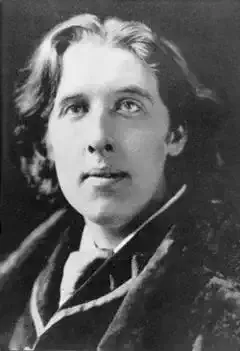
Oscar Wilde
The New Remorse
The New Remorse
The sin was mine; I did not understand.
So now is music prisoned in her cave,
Save where some ebbing desultory wave
Frets with its restless whirls this meagre strand.
And in the withered hollow of this land
Hath Summer dug herself so deep a grave,
That hardly can the leaden willow crave
One silver blossom from keen Winter's hand.
But who is this who cometh by the shore?
(Nay, love, look up and wonder!) Who is this
Who cometh in dyed garments from the South?
It is thy new-found Lord, and he shall kiss
The yet unravished roses of thy mouth,
And I shall weep and worship, as before.
The sin was mine; I did not understand.
So now is music prisoned in her cave,
Save where some ebbing desultory wave
Frets with its restless whirls this meagre strand.
And in the withered hollow of this land
Hath Summer dug herself so deep a grave,
That hardly can the leaden willow crave
One silver blossom from keen Winter's hand.
But who is this who cometh by the shore?
(Nay, love, look up and wonder!) Who is this
Who cometh in dyed garments from the South?
It is thy new-found Lord, and he shall kiss
The yet unravished roses of thy mouth,
And I shall weep and worship, as before.
205
Oscar Wilde
Taedium Vitae
Taedium Vitae
To stab my youth with desperate knives, to wear
This paltry age's gaudy livery,
To let each base hand filch my treasury,
To mesh my soul within a woman's hair,
And be mere Fortune's lackeyed groom, - I swear
I love it not! these things are less to me
Than the thin foam that frets upon the sea,
Less than the thistledown of summer air
Which hath no seed: better to stand aloof
Far from these slanderous fools who mock my life
Knowing me not, better the lowliest roof
Fit for the meanest hind to sojourn in,
Than to go back to that hoarse cave of strife
Where my white soul first kissed the mouth of sin.
To stab my youth with desperate knives, to wear
This paltry age's gaudy livery,
To let each base hand filch my treasury,
To mesh my soul within a woman's hair,
And be mere Fortune's lackeyed groom, - I swear
I love it not! these things are less to me
Than the thin foam that frets upon the sea,
Less than the thistledown of summer air
Which hath no seed: better to stand aloof
Far from these slanderous fools who mock my life
Knowing me not, better the lowliest roof
Fit for the meanest hind to sojourn in,
Than to go back to that hoarse cave of strife
Where my white soul first kissed the mouth of sin.
314
Oscar Wilde
Roses and Rue
Roses and Rue
Could we dig up this long-buried treasure,
Were it worth the pleasure,
We never could learn love's song,
We are parted too long
Could the passionate past that is fled
Call back its dead,
Could we live it all over again,
Were it worth the pain!
I remember we used to meet
By an ivied seat,
And you warbled each pretty word
With the air of a bird;
And your voice had a quaver in it,
Just like a linnet,
And shook, as the blackbird's throat
With its last big note;
And your eyes, they were green and grey
Like an April day,
But lit into amethyst
When I stooped and kissed;
And your mouth, it would never smile
For a long, long while,
Then it rippled all over with laughter
Five minutes after.
You were always afraid of a shower,
Just like a flower:
I remember you started and ran
When the rain began.
I remember I never could catch you,
For no one could match you,
You had wonderful, luminous, fleet,
Little wings to your feet.
I remember your hair - did I tie it?
For it always ran riot -
Like a tangled sunbeam of gold:
These things are old.
I remember so well the room,
And the lilac bloom
That beat at the dripping pane
In the warm June rain;
And the colour of your gown,
It was amber-brown,
And two yellow satin bows
From the shoulders rose.
And the handkerchief of French lace
Which you held to your face-
Had a small tear left a stain?
Or was it the rain?
On your hand as it waved adieu
There were veins of blue;
In your voice as it said good-bye
Was a petulant cry,
"You have only wasted your life."
(Ah, that was the knife!)
When I rushed through the garden gate
It was all too late.
Could we live it over again,
Were it worth the pain,
Could the passionate past that is fled
Call back its dead!
Well, if my heart must break,
Dear love, for your sake,
It will break in music, I know,
Poets' hearts break so.
But strange that I was not told
That the brain can hold
In a tiny ivory cell
God's heaven and hell.
Could we dig up this long-buried treasure,
Were it worth the pleasure,
We never could learn love's song,
We are parted too long
Could the passionate past that is fled
Call back its dead,
Could we live it all over again,
Were it worth the pain!
I remember we used to meet
By an ivied seat,
And you warbled each pretty word
With the air of a bird;
And your voice had a quaver in it,
Just like a linnet,
And shook, as the blackbird's throat
With its last big note;
And your eyes, they were green and grey
Like an April day,
But lit into amethyst
When I stooped and kissed;
And your mouth, it would never smile
For a long, long while,
Then it rippled all over with laughter
Five minutes after.
You were always afraid of a shower,
Just like a flower:
I remember you started and ran
When the rain began.
I remember I never could catch you,
For no one could match you,
You had wonderful, luminous, fleet,
Little wings to your feet.
I remember your hair - did I tie it?
For it always ran riot -
Like a tangled sunbeam of gold:
These things are old.
I remember so well the room,
And the lilac bloom
That beat at the dripping pane
In the warm June rain;
And the colour of your gown,
It was amber-brown,
And two yellow satin bows
From the shoulders rose.
And the handkerchief of French lace
Which you held to your face-
Had a small tear left a stain?
Or was it the rain?
On your hand as it waved adieu
There were veins of blue;
In your voice as it said good-bye
Was a petulant cry,
"You have only wasted your life."
(Ah, that was the knife!)
When I rushed through the garden gate
It was all too late.
Could we live it over again,
Were it worth the pain,
Could the passionate past that is fled
Call back its dead!
Well, if my heart must break,
Dear love, for your sake,
It will break in music, I know,
Poets' hearts break so.
But strange that I was not told
That the brain can hold
In a tiny ivory cell
God's heaven and hell.
298
Oscar Wilde
Flower of Love
Flower of Love
Sweet, I blame you not, for mine the fault was, had I not been made of common
clay
I had climbed the higher heights unclimbed yet, seen the fuller air, the
larger day.
From the wildness of my wasted passion I had struck a better, clearer song,
Lit some lighter light of freer freedom, battled with some Hydra-headed wrong.
Had my lips been smitten into music by the kisses that but made them bleed,
You had walked with Bice and the angels on that verdant and enamelled meed.
I had trod the road which Dante treading saw the suns of seven circles shine,
Ay! perchance had seen the heavens opening, as they opened to the Florentine.
And the mighty nations would have crowned me, who am crownless now and without
name,
And some orient dawn had found me kneeling on the threshold of the House of
Fame.
I had sat within that marble circle where the oldest bard is as the young,
And the pipe is ever dropping honey, and the lyre's strings are ever strung.
Keats had lifted up his hymeneal curls from out the poppy-seeded wine,
With ambrosial mouth had kissed my forehead, clasped the hand of noble love in
mine.
And at springtide, when the apple-blossoms brush the burnished bosom of the
dove,
Two young lovers lying in an orchard would have read the story of our love;
Would have read the legend of my passion, known the bitter secret of my heart,
Kissed as we have kissed, but never parted as we two are fated now to part.
For the crimson flower of our life is eaten by the cankerworm of truth,
And no hand can gather up the fallen withered petals of the rose of youth.
Yet I am not sorry that I loved you -ah! what else had I a boy to do? -
For the hungry teeth of time devour, and the silent-footed years pursue.
Rudderless, we drift athwart a tempest, and when once the storm of youth is
past,
Without lyre, without lute or chorus, Death the silent pilot comes at last.
And within the grave there is no pleasure, for the blindworm battens on the
root,
And Desire shudders into ashes, and the tree of Passion bears no fruit.
Ah! what else had I to do but love you? God's own mother was less dear to me,
And less dear the Cytheraean rising like an argent lily from the sea.
I have made my choice, have lived my poems, and, though youth is gone in
wasted days,
I have found the lover's crown of myrtle better than the poet's crown of bays.
Sweet, I blame you not, for mine the fault was, had I not been made of common
clay
I had climbed the higher heights unclimbed yet, seen the fuller air, the
larger day.
From the wildness of my wasted passion I had struck a better, clearer song,
Lit some lighter light of freer freedom, battled with some Hydra-headed wrong.
Had my lips been smitten into music by the kisses that but made them bleed,
You had walked with Bice and the angels on that verdant and enamelled meed.
I had trod the road which Dante treading saw the suns of seven circles shine,
Ay! perchance had seen the heavens opening, as they opened to the Florentine.
And the mighty nations would have crowned me, who am crownless now and without
name,
And some orient dawn had found me kneeling on the threshold of the House of
Fame.
I had sat within that marble circle where the oldest bard is as the young,
And the pipe is ever dropping honey, and the lyre's strings are ever strung.
Keats had lifted up his hymeneal curls from out the poppy-seeded wine,
With ambrosial mouth had kissed my forehead, clasped the hand of noble love in
mine.
And at springtide, when the apple-blossoms brush the burnished bosom of the
dove,
Two young lovers lying in an orchard would have read the story of our love;
Would have read the legend of my passion, known the bitter secret of my heart,
Kissed as we have kissed, but never parted as we two are fated now to part.
For the crimson flower of our life is eaten by the cankerworm of truth,
And no hand can gather up the fallen withered petals of the rose of youth.
Yet I am not sorry that I loved you -ah! what else had I a boy to do? -
For the hungry teeth of time devour, and the silent-footed years pursue.
Rudderless, we drift athwart a tempest, and when once the storm of youth is
past,
Without lyre, without lute or chorus, Death the silent pilot comes at last.
And within the grave there is no pleasure, for the blindworm battens on the
root,
And Desire shudders into ashes, and the tree of Passion bears no fruit.
Ah! what else had I to do but love you? God's own mother was less dear to me,
And less dear the Cytheraean rising like an argent lily from the sea.
I have made my choice, have lived my poems, and, though youth is gone in
wasted days,
I have found the lover's crown of myrtle better than the poet's crown of bays.
230

Ogden Nash
Look What You Did, Christopher!
Look What You Did, Christopher!
In fourteen hundred and ninety-two,
Someone sailed the ocean blue.
Somebody borrowed the fare in Spain
For a business trip on the bounding main,
And to prove to the people, by actual test,
You could get to the East by sailing West.
Somebody said, Sail on! Sail on!
And studied China and China's lingo,
And cried from the bow, There's China now!
And promptly bumped into San Domingo.
Somebody murmured, Oh dear, oh dear!
I've discovered the Western Hemisphere.
And that, you may think, my friends, was that.
But it wasn't. Not by a fireman's hat.
Well enough wasn't left alone,
And Columbus was only a cornerstone.
There came the Spaniards,
There came the Greeks,
There came the Pilgrims in leather breeks.
There came the Dutch,
And the Poles and Swedes,
The Persians, too,
And perhaps the Medes,
The Letts, the Lapps, and the Lithuanians,
Regal Russians, and ripe Roumanians.
There came the French
And there came the Finns,
And the Japanese
With their formal grins.
The Tartars came,
And the Terrible Turks -
In a word, humanity shot the works.
And the country that should have been Cathay
Decided to be
The U.S.A.
And that, you may think, my friends, was that.
But it wasn't. Not by a fireman's hat.
Christopher C. was the cornerstone,
And well enough wasn't left alone.
For those who followed
When he was through,
They burned to discover something, too.
Somebody, bored with rural scenery,
Went to work and invented machinery,
While a couple of other mental giants
Got together
And thought up Science.
Platinum blondes
(They were once peroxide),
Peruvian bonds
And carbon monoxide,
Tax evaders
And Vitamin A,
Vice crusaders,
And tattletale gray -
These, with many another phobia,
We owe to that famous Twelfth of Octobia.
O misery, misery, mumble and moan!
Someone invented the telephone,
And interrupted a nation's slumbers,
Ringing wrong but similar numbers.
Someone devised the silver screen
And the intimate Hollywood magazine,
And life is a Hades
Of clicking cameras,
And foreign ladies
Behaving amorous.
Gags have erased
Amusing dialog,
As gas has replaced
The crackling firelog.
All that glitters is sold as gold,
And our daily diet grows odder and odder,
And breakfast foods are dusty and cold -
It's a wise child
That knows its fodder.
Someone invented the automobile,
And good Americans took the wheel
To view American rivers and rills
And justly famous forests and hills -
But someone equally enterprising
Had invented billboard advertising.
You linger at home
In dark despair,
And wistfully try the electric air.
You hope against hope for a quiz imperial,
And what do they give you?
A doctor serial.
Oh, Columbus was only a cornerstone,
And well enough wasn't left alone,
For the Inquisition was less tyrannical
Than the iron rules of an age mechanical,
Which, because of an error in ',
Are clamped like corsets on me and you,
While Children of Nature we'd be today
If San Domingo
Had been Cathay.
And that, you may think, my friends, is that.
But it isn't - not by a fireman's hat.
The American people,
With grins jocose,
Always survive the fatal dose.
And though our systems are slightly wobbly,
We'll fool the doctor this time, probly.
In fourteen hundred and ninety-two,
Someone sailed the ocean blue.
Somebody borrowed the fare in Spain
For a business trip on the bounding main,
And to prove to the people, by actual test,
You could get to the East by sailing West.
Somebody said, Sail on! Sail on!
And studied China and China's lingo,
And cried from the bow, There's China now!
And promptly bumped into San Domingo.
Somebody murmured, Oh dear, oh dear!
I've discovered the Western Hemisphere.
And that, you may think, my friends, was that.
But it wasn't. Not by a fireman's hat.
Well enough wasn't left alone,
And Columbus was only a cornerstone.
There came the Spaniards,
There came the Greeks,
There came the Pilgrims in leather breeks.
There came the Dutch,
And the Poles and Swedes,
The Persians, too,
And perhaps the Medes,
The Letts, the Lapps, and the Lithuanians,
Regal Russians, and ripe Roumanians.
There came the French
And there came the Finns,
And the Japanese
With their formal grins.
The Tartars came,
And the Terrible Turks -
In a word, humanity shot the works.
And the country that should have been Cathay
Decided to be
The U.S.A.
And that, you may think, my friends, was that.
But it wasn't. Not by a fireman's hat.
Christopher C. was the cornerstone,
And well enough wasn't left alone.
For those who followed
When he was through,
They burned to discover something, too.
Somebody, bored with rural scenery,
Went to work and invented machinery,
While a couple of other mental giants
Got together
And thought up Science.
Platinum blondes
(They were once peroxide),
Peruvian bonds
And carbon monoxide,
Tax evaders
And Vitamin A,
Vice crusaders,
And tattletale gray -
These, with many another phobia,
We owe to that famous Twelfth of Octobia.
O misery, misery, mumble and moan!
Someone invented the telephone,
And interrupted a nation's slumbers,
Ringing wrong but similar numbers.
Someone devised the silver screen
And the intimate Hollywood magazine,
And life is a Hades
Of clicking cameras,
And foreign ladies
Behaving amorous.
Gags have erased
Amusing dialog,
As gas has replaced
The crackling firelog.
All that glitters is sold as gold,
And our daily diet grows odder and odder,
And breakfast foods are dusty and cold -
It's a wise child
That knows its fodder.
Someone invented the automobile,
And good Americans took the wheel
To view American rivers and rills
And justly famous forests and hills -
But someone equally enterprising
Had invented billboard advertising.
You linger at home
In dark despair,
And wistfully try the electric air.
You hope against hope for a quiz imperial,
And what do they give you?
A doctor serial.
Oh, Columbus was only a cornerstone,
And well enough wasn't left alone,
For the Inquisition was less tyrannical
Than the iron rules of an age mechanical,
Which, because of an error in ',
Are clamped like corsets on me and you,
While Children of Nature we'd be today
If San Domingo
Had been Cathay.
And that, you may think, my friends, is that.
But it isn't - not by a fireman's hat.
The American people,
With grins jocose,
Always survive the fatal dose.
And though our systems are slightly wobbly,
We'll fool the doctor this time, probly.
289

Mirza Ghalib
Pain did not become grateful to medicine
Pain did not become grateful to medicine
Pain did not become grateful to medicine
I didn't get well; [but it] wasn't bad either
Why are you gathering the Rivals?
[It was just] a mere spectacle [that] took place, no complaint was made
Where would we go to test our fate/ destiny?
When you yourself did not put your dagger to test
How sweet are your lips, that the rival
[after] receiving abuse, did not lack pleasure
Recent/ hot news is that she is coming
Only today, in the house there was not a straw mat!
Does the divinity belonged to Namrood'?
[cause] in your servitude, my wellbeing did not happen
[God] gave life- the given [life] was His alone
The truth is; that the responsibility was not fulfilled [by us]
If the wound was pressed, the blood did not stop
[though] the task was halted, [but the bleeding still] set out
Is it highway robbery, or is it heart-theft?
Having taken the heart, the heart-thief set out [to depart]
Recite something, for people are saying
Today "Ghalib" was not a ghazal-reciter
Pain did not become grateful to medicine
I didn't get well; [but it] wasn't bad either
Why are you gathering the Rivals?
[It was just] a mere spectacle [that] took place, no complaint was made
Where would we go to test our fate/ destiny?
When you yourself did not put your dagger to test
How sweet are your lips, that the rival
[after] receiving abuse, did not lack pleasure
Recent/ hot news is that she is coming
Only today, in the house there was not a straw mat!
Does the divinity belonged to Namrood'?
[cause] in your servitude, my wellbeing did not happen
[God] gave life- the given [life] was His alone
The truth is; that the responsibility was not fulfilled [by us]
If the wound was pressed, the blood did not stop
[though] the task was halted, [but the bleeding still] set out
Is it highway robbery, or is it heart-theft?
Having taken the heart, the heart-thief set out [to depart]
Recite something, for people are saying
Today "Ghalib" was not a ghazal-reciter
307

Kazi Nazrul Islam
The Thorn of the Lotus
The Thorn of the Lotus
In my lotus-lake there remains only the
thorn of the lotus.
When did arise the tremendous noise,
Who did tear off the red lotus of my
bosom?
the lake from time to time maketh
the queries.
Why goeth not the thorn along with
the lotus?
I am now constantly covered with the cures
only of the bathing Nymph.
Will the wandering girls ever come to me?
Ever wear a garland made of my
lotus thread?
Will the pain of my thorn ever remain
only in my mind?
If the flower is gone, who will ever
entwine her bangle with the lotus-thorn?
[Translation: Abdul Hakim]
In my lotus-lake there remains only the
thorn of the lotus.
When did arise the tremendous noise,
Who did tear off the red lotus of my
bosom?
the lake from time to time maketh
the queries.
Why goeth not the thorn along with
the lotus?
I am now constantly covered with the cures
only of the bathing Nymph.
Will the wandering girls ever come to me?
Ever wear a garland made of my
lotus thread?
Will the pain of my thorn ever remain
only in my mind?
If the flower is gone, who will ever
entwine her bangle with the lotus-thorn?
[Translation: Abdul Hakim]
400
Kazi Nazrul Islam
The First Bud of Love
The First Bud of Love
The first bud of love withers away at the first moment of meeting;
He did not heed her pleas, but flew into the deep woods.
The spring air blooms all flowers,
Alas! my flower wilts away;
Every home lights up, but my lamp flickers away at twilight
Garland of wild flowers cry out around my neck,
I sob in solace rolling in the dusty road like torn ivy.
With intolerable thirst at the mouth of the sea
Fall down on the sandy breast of the shore
Taking me for a smoky cloud, the bird ignores me
I scathe from the fire of your absence.
[Original: Prothom Moner Koli; Translation: Kashfia Billah]
The first bud of love withers away at the first moment of meeting;
He did not heed her pleas, but flew into the deep woods.
The spring air blooms all flowers,
Alas! my flower wilts away;
Every home lights up, but my lamp flickers away at twilight
Garland of wild flowers cry out around my neck,
I sob in solace rolling in the dusty road like torn ivy.
With intolerable thirst at the mouth of the sea
Fall down on the sandy breast of the shore
Taking me for a smoky cloud, the bird ignores me
I scathe from the fire of your absence.
[Original: Prothom Moner Koli; Translation: Kashfia Billah]
541
Kazi Nazrul Islam
My Explanation
My Explanation
I am a poet of today, not a prophet of a future day,
Poet or worthless, call me whatever, I put up with anything you say.
Some say, to the future you belong,
Your place, as a poet, tomorrow will come along.
How come you lack message enduring like that emanates from Rabi's hand?
I am blamed, but I wont' quit playing rising sun's music band.
My fellow poets are disappointed, they read my works and sigh,
Saying: the good one is becoming no good, as he can't say to politics good-bye.
Does not read a book - finished is this chap!
Some say: His wife has brought, indeed, all this mishap!
Some say: The fat one is spoiled, playing cards - non-stop - in the jail,
Others say: You were better there; toward jail again you should sail!
Mentor says: You're no good, except shaving using a sword!
Every Saturday my lover's letter conveys me, 'Nothing useful in you is stored.'
I say: Honey, shall I reveal the secret?
Letters stop in a hurry; not one more I get.
Sacrificing everything, I got married: Hindus say, 'Get lost'!
Am I Muslim or a heathen? Where is my pigtail or beard, or the hem of loin-cloth?
All the goody-searching priests or Mollahs wave their hands and pronounce:
This one invokes names of deities; this rogue one we must denounce!
Hear the Fatwa: Kafir is this Kazi; nothing else,
Even though he wants martyrdom, or so he tells!
Some scripture we know, and we still earn our livelihood!
Hindus detest my use of Persian words saying: from us, this guy deserves no good!
No one is happy with me; the disciples of non-violence? of course, not!
I am blamed I play the violin of violence; I get the revolutionaries' hot heads even
more hot.
The revolutionaries say: This one is non-violent,
My songs deal with spinning wheels: they resent.
Top Brahmins find me atheist, lesser ones regard me as one of the Confucians;
Independence lovers don't accept me; their opponents prefer me to be with those
Europeans!
Men think I am a feminist; women, however, think otherwise,
I never went to England; I am worthless in my expatriate friends' eyes!
My admirers see me as Rabi of new age,
If not of new age, at least a poet of these trendy days!
I hear all these, bemused; exercise for a stronger heart,
Lie down with eyeglasses on; sleeping through the day is my life's part.
I don't know what I write; Do I even understand anything of my own?
I couldn't raise my hand in protest, so I write with my head down.
Dear friends, I did not find appreciation in you,
but my name shines in government's list in lieu.
Honoring my works as invaluable, without value people take it.
Have you heard anything else? Be careful, may not be far a government spy's pit!
Friends, you have seen me engrossed in my own mind's temple,
I rebuke and admonish my mind, but bringing it under control I wish were so simple!
Every time I chain itself, somehow it escapes free
I beat it, and the same I repeat, to complete my victory,
I wish this mad mind would listen to me, but even to Rabi or Gandhi, it did not listen,
Abruptly it wakes up and then wanders in the jungle's darkness in search of roaring
tigers that glisten.
I say, O this insane one, you are doing so great in the community,
You are already a half-leader; but if you lose this opportunity,
would you ever be a full leader,
and weep with the crowd as a speaker?
Pick up the fish in the net now, O fool, before it slips away, I bet!
Take this break to get your leaky house fixed, otherwise soon you will regret.
Who understands that this minstrel's mind roams around singing and reciting!
This name hardly rings any bell; Days are passed chewing Betel leaves, ah, a taste so
inviting!
May be some day there won't be any more of epidemic of malaria,
Especially, since the autonomy is coming in its full pomp and euphoria.
Yes, we want moon, but those hapless ones cherish a meal, as teardrops of their little
ones dribble,
The agonized mother shouts: Hush, you miserables! See, independence is coming - no
more quibble!
But those hungry kids can't care less about autonomy; their desire: a little salt and
some rice,
Ah! the hour is late; nothing they have nibbled yet; the flame of hunger seeks no
advice.
When I hear that cry, my insane mind charges in a rush,
My intoxication for autonomy seeks shelter merely in my dream's brush!
I say, bemoaning: O God, are you still there? Why are they not, then,
Humiliated or destroyed, those who suck the blood of these children?
We all know, to bring independence, those lofty slogans we have devised,
And, at the same time, how burning hunger of so many million children, we have
compromised!
So much money was raised, but independence still remained a dream,
as the hungry people can't pay enough, they are so weak even to scream!
When a baby is snatched away from the mother's bosom, we plead, O royal tiger,
please eat grass!
The mother keeps begging from door to door, while in her shack hiding the baby's
carcass.
My friends, I can't say any more; my mind feels so much agony and pain,
I have gone mad; now, I utter whatever my mouth throws out in disdain.
My own blood won't make much difference,
With blood-ink I keep writing, hence,
My head can't forbear robust ideas or big thought any more; so agonized is this mortal,
All those who are in peace and happiness, it's your privilege to write epics immortal.
I don't care any more, if I live or don't, when gone is this trendy sensation,
Rabi is shining above our head, and then there are you, the golden generation.
Those who usurp the morsel of three hundred thirty million people: let our prayer keep
brewin',
In my blood-ink writing, may it be engraved and sealed their utter ruin.
[Original: Bengali, Translator: Dr. Mohammad Omar Farooq ]
I am a poet of today, not a prophet of a future day,
Poet or worthless, call me whatever, I put up with anything you say.
Some say, to the future you belong,
Your place, as a poet, tomorrow will come along.
How come you lack message enduring like that emanates from Rabi's hand?
I am blamed, but I wont' quit playing rising sun's music band.
My fellow poets are disappointed, they read my works and sigh,
Saying: the good one is becoming no good, as he can't say to politics good-bye.
Does not read a book - finished is this chap!
Some say: His wife has brought, indeed, all this mishap!
Some say: The fat one is spoiled, playing cards - non-stop - in the jail,
Others say: You were better there; toward jail again you should sail!
Mentor says: You're no good, except shaving using a sword!
Every Saturday my lover's letter conveys me, 'Nothing useful in you is stored.'
I say: Honey, shall I reveal the secret?
Letters stop in a hurry; not one more I get.
Sacrificing everything, I got married: Hindus say, 'Get lost'!
Am I Muslim or a heathen? Where is my pigtail or beard, or the hem of loin-cloth?
All the goody-searching priests or Mollahs wave their hands and pronounce:
This one invokes names of deities; this rogue one we must denounce!
Hear the Fatwa: Kafir is this Kazi; nothing else,
Even though he wants martyrdom, or so he tells!
Some scripture we know, and we still earn our livelihood!
Hindus detest my use of Persian words saying: from us, this guy deserves no good!
No one is happy with me; the disciples of non-violence? of course, not!
I am blamed I play the violin of violence; I get the revolutionaries' hot heads even
more hot.
The revolutionaries say: This one is non-violent,
My songs deal with spinning wheels: they resent.
Top Brahmins find me atheist, lesser ones regard me as one of the Confucians;
Independence lovers don't accept me; their opponents prefer me to be with those
Europeans!
Men think I am a feminist; women, however, think otherwise,
I never went to England; I am worthless in my expatriate friends' eyes!
My admirers see me as Rabi of new age,
If not of new age, at least a poet of these trendy days!
I hear all these, bemused; exercise for a stronger heart,
Lie down with eyeglasses on; sleeping through the day is my life's part.
I don't know what I write; Do I even understand anything of my own?
I couldn't raise my hand in protest, so I write with my head down.
Dear friends, I did not find appreciation in you,
but my name shines in government's list in lieu.
Honoring my works as invaluable, without value people take it.
Have you heard anything else? Be careful, may not be far a government spy's pit!
Friends, you have seen me engrossed in my own mind's temple,
I rebuke and admonish my mind, but bringing it under control I wish were so simple!
Every time I chain itself, somehow it escapes free
I beat it, and the same I repeat, to complete my victory,
I wish this mad mind would listen to me, but even to Rabi or Gandhi, it did not listen,
Abruptly it wakes up and then wanders in the jungle's darkness in search of roaring
tigers that glisten.
I say, O this insane one, you are doing so great in the community,
You are already a half-leader; but if you lose this opportunity,
would you ever be a full leader,
and weep with the crowd as a speaker?
Pick up the fish in the net now, O fool, before it slips away, I bet!
Take this break to get your leaky house fixed, otherwise soon you will regret.
Who understands that this minstrel's mind roams around singing and reciting!
This name hardly rings any bell; Days are passed chewing Betel leaves, ah, a taste so
inviting!
May be some day there won't be any more of epidemic of malaria,
Especially, since the autonomy is coming in its full pomp and euphoria.
Yes, we want moon, but those hapless ones cherish a meal, as teardrops of their little
ones dribble,
The agonized mother shouts: Hush, you miserables! See, independence is coming - no
more quibble!
But those hungry kids can't care less about autonomy; their desire: a little salt and
some rice,
Ah! the hour is late; nothing they have nibbled yet; the flame of hunger seeks no
advice.
When I hear that cry, my insane mind charges in a rush,
My intoxication for autonomy seeks shelter merely in my dream's brush!
I say, bemoaning: O God, are you still there? Why are they not, then,
Humiliated or destroyed, those who suck the blood of these children?
We all know, to bring independence, those lofty slogans we have devised,
And, at the same time, how burning hunger of so many million children, we have
compromised!
So much money was raised, but independence still remained a dream,
as the hungry people can't pay enough, they are so weak even to scream!
When a baby is snatched away from the mother's bosom, we plead, O royal tiger,
please eat grass!
The mother keeps begging from door to door, while in her shack hiding the baby's
carcass.
My friends, I can't say any more; my mind feels so much agony and pain,
I have gone mad; now, I utter whatever my mouth throws out in disdain.
My own blood won't make much difference,
With blood-ink I keep writing, hence,
My head can't forbear robust ideas or big thought any more; so agonized is this mortal,
All those who are in peace and happiness, it's your privilege to write epics immortal.
I don't care any more, if I live or don't, when gone is this trendy sensation,
Rabi is shining above our head, and then there are you, the golden generation.
Those who usurp the morsel of three hundred thirty million people: let our prayer keep
brewin',
In my blood-ink writing, may it be engraved and sealed their utter ruin.
[Original: Bengali, Translator: Dr. Mohammad Omar Farooq ]
602
Kazi Nazrul Islam
Let's Meet Hereafter!
Let's Meet Hereafter!
We will meet again in the life Hereafter;
Here, please, forget me with a simple laughter.
Anything that remained unsaid,
I won't say; Let you also keep silence;
If I offer my love, turn me away;
If I persist, hurt me, in pretense.
Dream is broken abruptly here,
The evening's bud sheds in the dawn;
The heart dries up before love is savored;
The ambrosia here has the taste of poison.
In separation here, heart longs in agony;
When together, quickly we go apart;
Where the fountain of love is never dry,
In that everlasting Garden, remember to seek my heart.
[Translation: Mohammad Omar Farooq]
We will meet again in the life Hereafter;
Here, please, forget me with a simple laughter.
Anything that remained unsaid,
I won't say; Let you also keep silence;
If I offer my love, turn me away;
If I persist, hurt me, in pretense.
Dream is broken abruptly here,
The evening's bud sheds in the dawn;
The heart dries up before love is savored;
The ambrosia here has the taste of poison.
In separation here, heart longs in agony;
When together, quickly we go apart;
Where the fountain of love is never dry,
In that everlasting Garden, remember to seek my heart.
[Translation: Mohammad Omar Farooq]
497
Kazi Nazrul Islam
A Call from Behind
A Call from Behind
Dear! Wilt thou remember me in thy new home?
There dost thou begin the world under
new auspices with new offerings
Deserted is now the leafy cottage; its
shady neighborhood where we two
first exchanged our looks, where
every particle of dust, every.
creeper and leaf is redolent
of the wealth of eternal acquaintance
in the worship of hearts,
And a dismal void now cries in the wilderness.
As didst thou forget me, many a man could
come to thee,
Then out of sympathy for me would that
cottage weep out an offended heart,
Wherever dist thou turn thy eyes,
my reminiscences there made thy heart ache,
Thou wilt drown that reproach here
in the depths of new field;
I alone am lost in the woods' of oblivion.
The distance between thee and me was so
long no real distance,
As that old mansion would bring my
distance into nearness.
Now hast thou formed new ties,
Opened a new fountain of laughter and tears,
New performance and new revelry of song,
Under the impulse of new welcome!
To the cold storage my own tune is consigned.
Dear! Mine is today forlorn hope, as
pre-ordained by the divinity,
Today on my grave will be built thy bridal
sanctum sanatorium
In the air is echoed and re-echoed
The music of the Sylvan flute in the mouth
of some cow-herd,
Lost, lost am I in the western horizon!
Farewell, Dear, our role comes to an end
with the setting sun,
Now art thou a new one in a new home!
[Translation: Abdul Hakim]
Dear! Wilt thou remember me in thy new home?
There dost thou begin the world under
new auspices with new offerings
Deserted is now the leafy cottage; its
shady neighborhood where we two
first exchanged our looks, where
every particle of dust, every.
creeper and leaf is redolent
of the wealth of eternal acquaintance
in the worship of hearts,
And a dismal void now cries in the wilderness.
As didst thou forget me, many a man could
come to thee,
Then out of sympathy for me would that
cottage weep out an offended heart,
Wherever dist thou turn thy eyes,
my reminiscences there made thy heart ache,
Thou wilt drown that reproach here
in the depths of new field;
I alone am lost in the woods' of oblivion.
The distance between thee and me was so
long no real distance,
As that old mansion would bring my
distance into nearness.
Now hast thou formed new ties,
Opened a new fountain of laughter and tears,
New performance and new revelry of song,
Under the impulse of new welcome!
To the cold storage my own tune is consigned.
Dear! Mine is today forlorn hope, as
pre-ordained by the divinity,
Today on my grave will be built thy bridal
sanctum sanatorium
In the air is echoed and re-echoed
The music of the Sylvan flute in the mouth
of some cow-herd,
Lost, lost am I in the western horizon!
Farewell, Dear, our role comes to an end
with the setting sun,
Now art thou a new one in a new home!
[Translation: Abdul Hakim]
663

Jonathan Swift
The Progress Of Marriage
The Progress Of Marriage
Aetatis suae fifty-two,
A rich Divine began to woo
A handsome young imperious girl,
Nearly related to an Earl.
Her parents and her friends consent,
The couple to the temple went.
They first invite the Cyprian Queen,
’Twas answered, she would not be seen;
The Graces next, and all the Muses
Were bid in form, but sent excuses.
Juno attended at the porch,
With farthing candle for a torch,
While Mistress Iris held her train,
The faded bow distilling rain.
Then Hebe came and took her place,
But showed no more than half her face.
What’er these dire forebodings meant,
In mirth the wedding-day was spent;
The wedding-day, you take me right,
I promise nothing for the night.
The bridegroom, dressed to make a figure,
Assumes an artificial vigour,
A flourished night-cap on to grace
His ruddy, wrinkled, smirking face,
Like the faint red upon a pippin,
Half withered by a winter’s keeping.
And thus set out, this happy pair,
The Swain is rich, the Nymph is fair;
But, which I gladly would forget,
The Swain is old, the Nymph coquette;
Both from the goal together start,
Scarce run a step before they part;
No common ligament that binds
The various textures of their minds,
Their thoughts and actions, hopes and fears,
Less corresponding than their years.
Her spouse desires his coffee soon,
She rises to her tea at noon.
While he goes out to cheapen books,
She at the glass consults her looks
While Betty’s buzzing in her ear,
Lord, what a dress these Parsons wear!
So odd a choice how could she make?
Wished him a Colonel for her sake.
Then, on her fingers ends, she counts
Exact to what his age amounts;
The Dean, she heard her Uncle say,
Is fifty, if he be a day;
His ruddy cheeks are no disguise;
You see the crows-feet round his eyes.
At one she rambles to the shops,
To cheapen tea, and talk with fops;
Or calls a council of her maids
And tradesmen, to compare brocades.
Her weighty morning business o’er,
Sits down to dinner just at four;
Minds nothing that is done or said,
Her evening work so fills her head.
The Dean, who used to dine at one,
Is mawkish, and his stomach gone;
In thread-bare gown, would scarce a louse hold,
Looks like the chaplain of the household,
Beholds her from the chaplain’s place
In French brocades and Flanders lace;
He wonders what employs her brain;
But never asks, or asks in vain;
His mind is full of other cares,
And in the sneaking parson’s airs
Computes, that half a parish dues
Will hardly find his wife in shoes.
Can’st thou imagine, dull Divine,
’Twill gain her love to make her fine?
Hath she no other wants beside?
You raise desire as well as pride,
Enticing coxcombs to adore,
And teach her to despise thee more.
If in her coach she’ll condescend
To place him at the hinder end,
Her hoop is hoist above his nose,
His odious gown would soil her clothes,
And drops him at the church, to pray,
While she drives on to see the play.
He like an orderly Divine
Comes home a quarter after nine,
And meets her hasting to the Ball:
Her chairmen push him from the wall;
He enters in, and walks up stairs,
And calls the family to prayers,
Then goes alone to take his rest
In bed, where he can spare her best.
At five the footmen make a din,
Her Ladyship is just come in;
The Masquerade began at two,
She stole away with much ado,
And shall be chid this afternoon
For leaving company so soon;
She’ll say, and she may truly say’t,
She can’t abide to stay out late.
But now, though scarce a twelvemonth married
His Lady has twelve times miscarried;
The cause, alas, is quickly guessed,
The Town has whispered round the jest;
Think on some remedy in time,
You find His Reverence past his prime,
Already dwindled to a lath;
No other way but try the Bath.
For Venus rising from the ocean,
Infused a strong prolific potion,
That mixed with Achelaus’ spring,
The hornéd flood, as poets sing,
Who, with an English Beauty smitten,
Ran underground from Greece to Britain,
The genial Virtue with him brought,
And gave the Nymph a plenteous draught;
Then fled, and left his Horn behind
For husbands past their youth to find;
The Nymph who still with passion burned
Was to a boiling fountain turned,
Where childless wives crowd every morn
To drink in Achelaus’ Horn;
And here the father often gains
That title by another’s pains.
Hither, though much against his grain,
The Dean has carried Lady Jane;
He for a while would not consent,
But vowed his money all was spent;
His money spent! a clownish reason!
And must My Lady slip her Season?
The Doctor with a double fee,
Was bribed to make the Dean agree.
Here all diversions of the place
Are proper in my Lady’s case
With which she patiently complies,
Merely because her friends advise;
His money and her time employs
In music, raffling-rooms, and toys,
Or in the Cross Bath seeks an heir,
Since others oft have found one there;
Where if the Dean by chance appears,
It shames his cassock and his years;
He keeps his distance in the gallery
’Till banished by some coxcomb’s raillery,
For ’twould his character expose
To bathe among the belles and beaux.
So have I seen within a pen,
Young ducklings fostered by a hen;
But when let out, they run and muddle,
As instinct leads them, in a puddle;
The sober hen, not born to swim,
With mournful note clucks round the brim.
The Dean, with all his best endeavour,
Gets not an heir, but gets a fever;
A victim to the last essays
Of vigor in declining days,
He dies, and leaves his mourning mate
(What could he less?) his whole estate.
The widow goes through all her forms;
New lovers now will come in swarms.
Oh, may I see her soon dispensing
Her favours to some broken Ensign!
Him let her marry for his face,
And only coat of tarnished lace;
To turn her naked out of doors,
And spend her jointure on his whores:
But for a parting present leave her
A rooted pox to last for ever.
Aetatis suae fifty-two,
A rich Divine began to woo
A handsome young imperious girl,
Nearly related to an Earl.
Her parents and her friends consent,
The couple to the temple went.
They first invite the Cyprian Queen,
’Twas answered, she would not be seen;
The Graces next, and all the Muses
Were bid in form, but sent excuses.
Juno attended at the porch,
With farthing candle for a torch,
While Mistress Iris held her train,
The faded bow distilling rain.
Then Hebe came and took her place,
But showed no more than half her face.
What’er these dire forebodings meant,
In mirth the wedding-day was spent;
The wedding-day, you take me right,
I promise nothing for the night.
The bridegroom, dressed to make a figure,
Assumes an artificial vigour,
A flourished night-cap on to grace
His ruddy, wrinkled, smirking face,
Like the faint red upon a pippin,
Half withered by a winter’s keeping.
And thus set out, this happy pair,
The Swain is rich, the Nymph is fair;
But, which I gladly would forget,
The Swain is old, the Nymph coquette;
Both from the goal together start,
Scarce run a step before they part;
No common ligament that binds
The various textures of their minds,
Their thoughts and actions, hopes and fears,
Less corresponding than their years.
Her spouse desires his coffee soon,
She rises to her tea at noon.
While he goes out to cheapen books,
She at the glass consults her looks
While Betty’s buzzing in her ear,
Lord, what a dress these Parsons wear!
So odd a choice how could she make?
Wished him a Colonel for her sake.
Then, on her fingers ends, she counts
Exact to what his age amounts;
The Dean, she heard her Uncle say,
Is fifty, if he be a day;
His ruddy cheeks are no disguise;
You see the crows-feet round his eyes.
At one she rambles to the shops,
To cheapen tea, and talk with fops;
Or calls a council of her maids
And tradesmen, to compare brocades.
Her weighty morning business o’er,
Sits down to dinner just at four;
Minds nothing that is done or said,
Her evening work so fills her head.
The Dean, who used to dine at one,
Is mawkish, and his stomach gone;
In thread-bare gown, would scarce a louse hold,
Looks like the chaplain of the household,
Beholds her from the chaplain’s place
In French brocades and Flanders lace;
He wonders what employs her brain;
But never asks, or asks in vain;
His mind is full of other cares,
And in the sneaking parson’s airs
Computes, that half a parish dues
Will hardly find his wife in shoes.
Can’st thou imagine, dull Divine,
’Twill gain her love to make her fine?
Hath she no other wants beside?
You raise desire as well as pride,
Enticing coxcombs to adore,
And teach her to despise thee more.
If in her coach she’ll condescend
To place him at the hinder end,
Her hoop is hoist above his nose,
His odious gown would soil her clothes,
And drops him at the church, to pray,
While she drives on to see the play.
He like an orderly Divine
Comes home a quarter after nine,
And meets her hasting to the Ball:
Her chairmen push him from the wall;
He enters in, and walks up stairs,
And calls the family to prayers,
Then goes alone to take his rest
In bed, where he can spare her best.
At five the footmen make a din,
Her Ladyship is just come in;
The Masquerade began at two,
She stole away with much ado,
And shall be chid this afternoon
For leaving company so soon;
She’ll say, and she may truly say’t,
She can’t abide to stay out late.
But now, though scarce a twelvemonth married
His Lady has twelve times miscarried;
The cause, alas, is quickly guessed,
The Town has whispered round the jest;
Think on some remedy in time,
You find His Reverence past his prime,
Already dwindled to a lath;
No other way but try the Bath.
For Venus rising from the ocean,
Infused a strong prolific potion,
That mixed with Achelaus’ spring,
The hornéd flood, as poets sing,
Who, with an English Beauty smitten,
Ran underground from Greece to Britain,
The genial Virtue with him brought,
And gave the Nymph a plenteous draught;
Then fled, and left his Horn behind
For husbands past their youth to find;
The Nymph who still with passion burned
Was to a boiling fountain turned,
Where childless wives crowd every morn
To drink in Achelaus’ Horn;
And here the father often gains
That title by another’s pains.
Hither, though much against his grain,
The Dean has carried Lady Jane;
He for a while would not consent,
But vowed his money all was spent;
His money spent! a clownish reason!
And must My Lady slip her Season?
The Doctor with a double fee,
Was bribed to make the Dean agree.
Here all diversions of the place
Are proper in my Lady’s case
With which she patiently complies,
Merely because her friends advise;
His money and her time employs
In music, raffling-rooms, and toys,
Or in the Cross Bath seeks an heir,
Since others oft have found one there;
Where if the Dean by chance appears,
It shames his cassock and his years;
He keeps his distance in the gallery
’Till banished by some coxcomb’s raillery,
For ’twould his character expose
To bathe among the belles and beaux.
So have I seen within a pen,
Young ducklings fostered by a hen;
But when let out, they run and muddle,
As instinct leads them, in a puddle;
The sober hen, not born to swim,
With mournful note clucks round the brim.
The Dean, with all his best endeavour,
Gets not an heir, but gets a fever;
A victim to the last essays
Of vigor in declining days,
He dies, and leaves his mourning mate
(What could he less?) his whole estate.
The widow goes through all her forms;
New lovers now will come in swarms.
Oh, may I see her soon dispensing
Her favours to some broken Ensign!
Him let her marry for his face,
And only coat of tarnished lace;
To turn her naked out of doors,
And spend her jointure on his whores:
But for a parting present leave her
A rooted pox to last for ever.
204
Jonathan Swift
Phillis, Or, the Progress of Love
Phillis, Or, the Progress of Love
Desponding Phillis was endu'd
With ev'ry Talent of a Prude,
She trembled when a Man drew near;
Salute her, and she turn'd her Ear:
If o'er against her you were plac't
She durst not look above your Wa[i]st;
She'd rather take you to her Bed
Than let you see her dress her Head;
In Church you heard her thro' the Crowd
Repeat the Absolution loud;
In Church, secure behind her Fan
She durst behold that Monster, Man:
There practic'd how to place her Head,
And bit her Lips to make them red:
Or on the Matt devoutly kneeling
Would lift her Eyes up to the Ceeling,
And heave her Bosom unaware
For neighb'ring Beaux to see it bare.
At length a lucky Lover came,
And found Admittance to the Dame.
Suppose all Partys now agreed,
The Writings drawn, the Lawyer fee'd,
The Vicar and the Ring bespoke:
Guess how could such a Match be broke.
See then what Mortals place their Bliss in!
Next morn betimes the Bride was missing,
The Mother scream'd, the Father chid,
Where can this idle Wench be hid?
No news of Phil. The Bridegroom came,
And thought his Bride had sculk't for shame,
Because her Father us'd to say
The Girl had such a Bashfull way.
Now John the Butler must be sent
To learn the Road that Phillis went;
The Groom was wisht to saddle Crop,
For John must neither light nor stop;
But find her where so'er she fled,
And bring her back, alive or dead.
See here again the Dev'l to do;
For truly John was missing too:
The Horse and Pillion both were gone
Phillis, it seems, was fled with John.
Old Madam who went up to find
What Papers Phil had left behind,
A Letter on the Toylet sees
To my much honor'd Father; These:
('Tis always done, Romances tell us,
When Daughters run away with Fellows)
Fill'd with the choicest common-places,
By others us'd in the like Cases.
That, long ago a Fortune-teller
Exactly said what now befell her,
And in a Glass had made her see
A serving-Man of low Degree:
It was her Fate; must be forgiven;
For Marriages were made in Heaven:
His Pardon begg'd, but to be plain,
She'd do't if 'twere to do again.
Thank God, 'twas neither Shame nor Sin,
For John was come of honest Kin:
Love never thinks of Rich and Poor,
She'd beg with John from Door to Door:
Forgive her, if it be a Crime,
She'll never do't another Time,
She ne'r before in all her Life
Once disobey'd him, Maid nor Wife.
One Argument she summ'd up all in,
The Thing was done and past recalling:
And therefore hop'd she should recover
His Favor, when his Passion's over.
She valued not what others thought her;
And was--His most obedient Daughter.
Fair Maidens all attend the Muse
Who now the wandring Pair pursues:
Away they rose in homely Sort
Their Journy long, their Money Short;
The loving Couple well bemir'd,
The Horse and both the Riders tir'd:
Their Vittells bad, their Lodging worse,
Phil cry'd, and John began to curse;
Phil wish't, that she had strained a Limb
When first she ventur'd out with him.
John wish't, that he had broke a Leg
When first for her he quitted Peg.
But what Adventures more befell 'em
The Muse hath now no time to tell 'em.
How Jonny wheadled, threatned, fawnd,
Till Phillis all her Trinkets pawn'd:
How oft she broke her marriage Vows
In kindness to maintain her Spouse;
Till Swains unwholsome spoyled the Trade,
For now the Surgeon must be paid;
To whom those Perquisites are gone
In Christian Justice due to John.
When Food and Rayment now grew scarce
Fate put a Period to the Farce;
And with exact Poetic Justice:
For John is Landlord, Phillis Hostess;
They keep at Stains the old blue Boar,
Are Cat and Dog, and Rogue and Whore.
Desponding Phillis was endu'd
With ev'ry Talent of a Prude,
She trembled when a Man drew near;
Salute her, and she turn'd her Ear:
If o'er against her you were plac't
She durst not look above your Wa[i]st;
She'd rather take you to her Bed
Than let you see her dress her Head;
In Church you heard her thro' the Crowd
Repeat the Absolution loud;
In Church, secure behind her Fan
She durst behold that Monster, Man:
There practic'd how to place her Head,
And bit her Lips to make them red:
Or on the Matt devoutly kneeling
Would lift her Eyes up to the Ceeling,
And heave her Bosom unaware
For neighb'ring Beaux to see it bare.
At length a lucky Lover came,
And found Admittance to the Dame.
Suppose all Partys now agreed,
The Writings drawn, the Lawyer fee'd,
The Vicar and the Ring bespoke:
Guess how could such a Match be broke.
See then what Mortals place their Bliss in!
Next morn betimes the Bride was missing,
The Mother scream'd, the Father chid,
Where can this idle Wench be hid?
No news of Phil. The Bridegroom came,
And thought his Bride had sculk't for shame,
Because her Father us'd to say
The Girl had such a Bashfull way.
Now John the Butler must be sent
To learn the Road that Phillis went;
The Groom was wisht to saddle Crop,
For John must neither light nor stop;
But find her where so'er she fled,
And bring her back, alive or dead.
See here again the Dev'l to do;
For truly John was missing too:
The Horse and Pillion both were gone
Phillis, it seems, was fled with John.
Old Madam who went up to find
What Papers Phil had left behind,
A Letter on the Toylet sees
To my much honor'd Father; These:
('Tis always done, Romances tell us,
When Daughters run away with Fellows)
Fill'd with the choicest common-places,
By others us'd in the like Cases.
That, long ago a Fortune-teller
Exactly said what now befell her,
And in a Glass had made her see
A serving-Man of low Degree:
It was her Fate; must be forgiven;
For Marriages were made in Heaven:
His Pardon begg'd, but to be plain,
She'd do't if 'twere to do again.
Thank God, 'twas neither Shame nor Sin,
For John was come of honest Kin:
Love never thinks of Rich and Poor,
She'd beg with John from Door to Door:
Forgive her, if it be a Crime,
She'll never do't another Time,
She ne'r before in all her Life
Once disobey'd him, Maid nor Wife.
One Argument she summ'd up all in,
The Thing was done and past recalling:
And therefore hop'd she should recover
His Favor, when his Passion's over.
She valued not what others thought her;
And was--His most obedient Daughter.
Fair Maidens all attend the Muse
Who now the wandring Pair pursues:
Away they rose in homely Sort
Their Journy long, their Money Short;
The loving Couple well bemir'd,
The Horse and both the Riders tir'd:
Their Vittells bad, their Lodging worse,
Phil cry'd, and John began to curse;
Phil wish't, that she had strained a Limb
When first she ventur'd out with him.
John wish't, that he had broke a Leg
When first for her he quitted Peg.
But what Adventures more befell 'em
The Muse hath now no time to tell 'em.
How Jonny wheadled, threatned, fawnd,
Till Phillis all her Trinkets pawn'd:
How oft she broke her marriage Vows
In kindness to maintain her Spouse;
Till Swains unwholsome spoyled the Trade,
For now the Surgeon must be paid;
To whom those Perquisites are gone
In Christian Justice due to John.
When Food and Rayment now grew scarce
Fate put a Period to the Farce;
And with exact Poetic Justice:
For John is Landlord, Phillis Hostess;
They keep at Stains the old blue Boar,
Are Cat and Dog, and Rogue and Whore.
194
John Keats
The Day Is Gone, And All Its Sweets Are Gone
The Day Is Gone, And All Its Sweets Are Gone
The day is gone, and all its sweets are gone!
Sweet voice, sweet lips, soft hand, and softer breast,
Warm breath, light whisper, tender semitone,
Bright eyes, accomplished shape, and lang'rous waist!
Faded the flower and all its budded charms,
Faded the sight of beauty from my eyes,
Faded the shape of beauty from my arms,
Faded the voice, warmth, whiteness, paradise-
Vanished unseasonably at shut of eve,
When the dusk holiday-or holinight
Of fragrant-curtained love begins to weave
The woof of darkness thick, for hid delight;
But, as I've read love's missal through today,
He'll let me sleep, seeing I fast and pray.
The day is gone, and all its sweets are gone!
Sweet voice, sweet lips, soft hand, and softer breast,
Warm breath, light whisper, tender semitone,
Bright eyes, accomplished shape, and lang'rous waist!
Faded the flower and all its budded charms,
Faded the sight of beauty from my eyes,
Faded the shape of beauty from my arms,
Faded the voice, warmth, whiteness, paradise-
Vanished unseasonably at shut of eve,
When the dusk holiday-or holinight
Of fragrant-curtained love begins to weave
The woof of darkness thick, for hid delight;
But, as I've read love's missal through today,
He'll let me sleep, seeing I fast and pray.
463
John Keats
Sonnet. A Dream, After Reading Dante's Episode Of Paulo And Francesca
Sonnet. A Dream, After Reading Dante's Episode Of Paulo And Francesca
As Hermes once took to his feathers light,
When lulled Argus, baffled, swooned and slept,
So on a Delphic reed, my idle spright
So played, so charmed, so conquered, so bereft
The dragon-world of all its hundred eyes;
And seeing it asleep, so fled away--
Not to pure Ida with its snow-cold skies,
Nor unto Tempe, where Jove grieved a day;
But to that second circle of sad Hell,
Where in the gust, the whirlwind, and the flaw
Of rain and hail-stones, lovers need not tell
Their sorrows. Pale were the sweet lips I saw,
Pale were the lips I kissed, and fair the form
I floated with, about that melancholy storm.
As Hermes once took to his feathers light,
When lulled Argus, baffled, swooned and slept,
So on a Delphic reed, my idle spright
So played, so charmed, so conquered, so bereft
The dragon-world of all its hundred eyes;
And seeing it asleep, so fled away--
Not to pure Ida with its snow-cold skies,
Nor unto Tempe, where Jove grieved a day;
But to that second circle of sad Hell,
Where in the gust, the whirlwind, and the flaw
Of rain and hail-stones, lovers need not tell
Their sorrows. Pale were the sweet lips I saw,
Pale were the lips I kissed, and fair the form
I floated with, about that melancholy storm.
420
John Keats
Fill For Me A Brimming Bowl
Fill For Me A Brimming Bowl
Fill for me a brimming bowl
And in it let me drown my soul:
But put therein some drug, designed
To Banish Women from my mind:
For I want not the stream inspiring
That fills the mind with--fond desiring,
But I want as deep a draught
As e'er from Lethe's wave was quaff'd;
From my despairing heart to charm
The Image of the fairest form
That e'er my reveling eyes beheld,
That e'er my wandering fancy spell'd.
In vain! away I cannot chace
The melting softness of that face,
The beaminess of those bright eyes,
That breast--earth's only Paradise.
My sight will never more be blest;
For all I see has lost its zest:
Nor with delight can I explore,
The Classic page, or Muse's lore.
Had she but known how beat my heart,
And with one smile reliev'd its smart
I should have felt a sweet relief,
I should have felt ``the joy of grief.''
Yet as the Tuscan mid the snow
Of Lapland dreams on sweet Arno,
Even so for ever shall she be
The Halo of my Memory.
Fill for me a brimming bowl
And in it let me drown my soul:
But put therein some drug, designed
To Banish Women from my mind:
For I want not the stream inspiring
That fills the mind with--fond desiring,
But I want as deep a draught
As e'er from Lethe's wave was quaff'd;
From my despairing heart to charm
The Image of the fairest form
That e'er my reveling eyes beheld,
That e'er my wandering fancy spell'd.
In vain! away I cannot chace
The melting softness of that face,
The beaminess of those bright eyes,
That breast--earth's only Paradise.
My sight will never more be blest;
For all I see has lost its zest:
Nor with delight can I explore,
The Classic page, or Muse's lore.
Had she but known how beat my heart,
And with one smile reliev'd its smart
I should have felt a sweet relief,
I should have felt ``the joy of grief.''
Yet as the Tuscan mid the snow
Of Lapland dreams on sweet Arno,
Even so for ever shall she be
The Halo of my Memory.
459
John Greenleaf Whittier
The New Wife and the Old
The New Wife and the Old
Dark the halls, and cold the feast,
Gone the bridemaids, gone the priest.
All is over, all is done,
Twain of yesterday are one!
Blooming girl and manhood gray,
Autumn in the arms of May!
Hushed within and hushed without,
Dancing feet and wrestlers' shout;
Dies the bonfire on the hill;
All is dark and all is still,
Save the starlight, save the breeze
Moaning through the graveyard trees,
And the great sea-waves below,
Pulse of the midnight beating slow.
From the brief dream of a bride
She hath wakened, at his side.
With half-uttered shriek and start,Feels
she not his beating heart?
And the pressure of his arm,
And his breathing near and warm?
Lightly from the bridal bed
Springs that fair dishevelled head,
And a feeling, new, intense,
Half of shame, half innocence,
Maiden fear and wonder speaks
Through her lips and changing cheeks.
From the oaken mantel glowing,
Faintest light the lamp is throwing
On the mirror's antique mould,
High-backed chair, and wainscot old,
And, through faded curtains stealing,
His dark sleeping face revealing.
Listless lies the strong man there,
Silver-streaked his careless hair;
Lips of love have left no trace
On that hard and haughty face;
And that forehead's knitted thought
Love's soft hand hath not unwrought.
'Yet,' she sighs, 'he loves me well,
More than these calm lips will tell.
Stooping to my lowly state,
He hath made me rich and great,
And I bless him, though he be
Hard and stern to all save me!'
While she speaketh, falls the light
O'er her fingers small and white;
Gold and gem, and costly ring
Back the timid lustre fling,Love's
selectest gifts, and rare,
His proud hand had fastened there.
Gratefully she marks the glow
From those tapering lines of snow;
Fondly o'er the sleeper bending
His black hair with golden blending,
In her soft and light caress,
Cheek and lip together press.
Ha!-that start of horror! why
That wild stare and wilder cry,
Full of terror, full of pain?
Is there madness in her brain?
Hark! that gasping, hoarse and low,
'Spare me,-spare me,-let me go!'
God have mercy!-icy cold
Spectral hands her own enfold,
Drawing silently from them
Love's fair gifts of gold and gem.
'Waken! save me!' still as death
At her side he slumbereth.
Ring and bracelet all are gone,
And that ice-cold hand withdrawn;
But she hears a murmur low,
Full of sweetness, full of woe,
Half a sigh and half a moan
'Fear not! give the dead her own!'
Ah!-the dead wife's voice she knows!
That cold hand whose pressure froze,
Once in warmest life had borne
Gem and band her own hath worn.
'Wake thee! wake thee!' Lo, his eyes
Open with a dull surprise.
In his arms the strong man folds her,
Closer to his breast he holds her;
Trembling limbs his own are meeting,
And he feels her heart's quick beating
'Nay, my dearest, why this fear?'
'Hush!' she saith, 'the dead is here!'
'Nay, a dream,-an idle dream.'
But before the lamp's pale gleam
Tremblingly her hand she raises.
There no more the diamond blazes,
Clasp of pearl, or ring of gold,'
Ah!' she sighs, 'her hand was cold!'
Broken words of cheer he saith,
But his dark lip quivereth,
And as o'er the past he thinketh,
From his young wife's arms he shrinketh;
Can those soft arms round him lie,
Underneath his dead wife's eye?
She her fair young head can rest
Soothed and childlike on his breast,
And in trustful innocence
Draw new strength and courage thence;
He, the proud man, feels within
But the cowardice of sin!
She can murmur in her thought
Simple prayers her mother taught,
And His blessed angels call,
Whose great love is over all;
He, alone, in prayerless pride,
Meets the dark Past at her side!
One, who living shrank with dread
From his look, or word, or tread,
Unto whom her early grave
Was as freedom to the slave,
Moves him at this midnight hour,
With the dead's unconscious power!
Ah, the dead, the unforgot!
From their solemn homes of thought,
Where the cypress shadows blend
Darkly over foe and friend,
Or in love or sad rebuke,
Back upon the living look.
And the tenderest ones and weakest,
Who their wrongs have borne the meekest,
Lifting from those dark, still places,
Sweet and sad-remembered faces,
O'er the guilty hearts behind
An unwitting triumph find.
Dark the halls, and cold the feast,
Gone the bridemaids, gone the priest.
All is over, all is done,
Twain of yesterday are one!
Blooming girl and manhood gray,
Autumn in the arms of May!
Hushed within and hushed without,
Dancing feet and wrestlers' shout;
Dies the bonfire on the hill;
All is dark and all is still,
Save the starlight, save the breeze
Moaning through the graveyard trees,
And the great sea-waves below,
Pulse of the midnight beating slow.
From the brief dream of a bride
She hath wakened, at his side.
With half-uttered shriek and start,Feels
she not his beating heart?
And the pressure of his arm,
And his breathing near and warm?
Lightly from the bridal bed
Springs that fair dishevelled head,
And a feeling, new, intense,
Half of shame, half innocence,
Maiden fear and wonder speaks
Through her lips and changing cheeks.
From the oaken mantel glowing,
Faintest light the lamp is throwing
On the mirror's antique mould,
High-backed chair, and wainscot old,
And, through faded curtains stealing,
His dark sleeping face revealing.
Listless lies the strong man there,
Silver-streaked his careless hair;
Lips of love have left no trace
On that hard and haughty face;
And that forehead's knitted thought
Love's soft hand hath not unwrought.
'Yet,' she sighs, 'he loves me well,
More than these calm lips will tell.
Stooping to my lowly state,
He hath made me rich and great,
And I bless him, though he be
Hard and stern to all save me!'
While she speaketh, falls the light
O'er her fingers small and white;
Gold and gem, and costly ring
Back the timid lustre fling,Love's
selectest gifts, and rare,
His proud hand had fastened there.
Gratefully she marks the glow
From those tapering lines of snow;
Fondly o'er the sleeper bending
His black hair with golden blending,
In her soft and light caress,
Cheek and lip together press.
Ha!-that start of horror! why
That wild stare and wilder cry,
Full of terror, full of pain?
Is there madness in her brain?
Hark! that gasping, hoarse and low,
'Spare me,-spare me,-let me go!'
God have mercy!-icy cold
Spectral hands her own enfold,
Drawing silently from them
Love's fair gifts of gold and gem.
'Waken! save me!' still as death
At her side he slumbereth.
Ring and bracelet all are gone,
And that ice-cold hand withdrawn;
But she hears a murmur low,
Full of sweetness, full of woe,
Half a sigh and half a moan
'Fear not! give the dead her own!'
Ah!-the dead wife's voice she knows!
That cold hand whose pressure froze,
Once in warmest life had borne
Gem and band her own hath worn.
'Wake thee! wake thee!' Lo, his eyes
Open with a dull surprise.
In his arms the strong man folds her,
Closer to his breast he holds her;
Trembling limbs his own are meeting,
And he feels her heart's quick beating
'Nay, my dearest, why this fear?'
'Hush!' she saith, 'the dead is here!'
'Nay, a dream,-an idle dream.'
But before the lamp's pale gleam
Tremblingly her hand she raises.
There no more the diamond blazes,
Clasp of pearl, or ring of gold,'
Ah!' she sighs, 'her hand was cold!'
Broken words of cheer he saith,
But his dark lip quivereth,
And as o'er the past he thinketh,
From his young wife's arms he shrinketh;
Can those soft arms round him lie,
Underneath his dead wife's eye?
She her fair young head can rest
Soothed and childlike on his breast,
And in trustful innocence
Draw new strength and courage thence;
He, the proud man, feels within
But the cowardice of sin!
She can murmur in her thought
Simple prayers her mother taught,
And His blessed angels call,
Whose great love is over all;
He, alone, in prayerless pride,
Meets the dark Past at her side!
One, who living shrank with dread
From his look, or word, or tread,
Unto whom her early grave
Was as freedom to the slave,
Moves him at this midnight hour,
With the dead's unconscious power!
Ah, the dead, the unforgot!
From their solemn homes of thought,
Where the cypress shadows blend
Darkly over foe and friend,
Or in love or sad rebuke,
Back upon the living look.
And the tenderest ones and weakest,
Who their wrongs have borne the meekest,
Lifting from those dark, still places,
Sweet and sad-remembered faces,
O'er the guilty hearts behind
An unwitting triumph find.
215
John Donne
Woman's Constancy
Woman's Constancy
Now thou hast loved me one whole day,
Tomorrow when thou leav'st, what wilt thou say?
Wilt thou then antedate some new-made vow?
Or say that now
We are not just those persons which we were?
Or, that oaths made in reverential fear
Of love, and his wrath, any may forswear?
Or, as true deaths, true marriages untie,
So lovers' contracts, images of those,
Bind but till sleep, death's image, them unloose?
Or your own end to justify,
For having purposed change, and falsehood, you
Can have no way but falsehood to be true?
Vain lunatic, against these 'scapes I could
Dispute, and conquer, if I would,
Which I abstain to do,
For by tomorrow, I may think so too.
Now thou hast loved me one whole day,
Tomorrow when thou leav'st, what wilt thou say?
Wilt thou then antedate some new-made vow?
Or say that now
We are not just those persons which we were?
Or, that oaths made in reverential fear
Of love, and his wrath, any may forswear?
Or, as true deaths, true marriages untie,
So lovers' contracts, images of those,
Bind but till sleep, death's image, them unloose?
Or your own end to justify,
For having purposed change, and falsehood, you
Can have no way but falsehood to be true?
Vain lunatic, against these 'scapes I could
Dispute, and conquer, if I would,
Which I abstain to do,
For by tomorrow, I may think so too.
290
John Donne
The Broken Heart
The Broken Heart
He is stark mad, who ever says,
That he hath been in love an hour,
Yet not that love so soon decays,
But that it can ten in less space devour;
Who will believe me, if I swear
That I have had the plague a year ?
Who would not laugh at me, if I should say,
I saw a flask of powder burn a day ?
Ah, what trifle is a heart,
If once into Love’s hands it come!
All other griefs allow a part
To other griefs, and ask themselves but some,
They come to us, but us Love draws,
He swallows us, and never chaws:
By him, as by chain-shot, whole ranks do die,
He is the tyrant pike, our hearts the fry.
If`twere not so, what did become
Of my heart, when I first saw thee ?
I brought a heart into the room,
But from the room, I carried non with me;
If it had gone to thee, I know
Mine would have taught thy heart to show
More pity unto me: but Love, alas,
At one first blow did shiver it as glass.
Yet nothing can to nothing fall,
Nor any place be empty quite,
Therefore I think my breast hath all
Those pieces still, though they be not unite;
And now as broken glasses show
A hundred lesser faces, so
My rags of heart can like, wish, and adore,
But after one such love, can love no more.
He is stark mad, who ever says,
That he hath been in love an hour,
Yet not that love so soon decays,
But that it can ten in less space devour;
Who will believe me, if I swear
That I have had the plague a year ?
Who would not laugh at me, if I should say,
I saw a flask of powder burn a day ?
Ah, what trifle is a heart,
If once into Love’s hands it come!
All other griefs allow a part
To other griefs, and ask themselves but some,
They come to us, but us Love draws,
He swallows us, and never chaws:
By him, as by chain-shot, whole ranks do die,
He is the tyrant pike, our hearts the fry.
If`twere not so, what did become
Of my heart, when I first saw thee ?
I brought a heart into the room,
But from the room, I carried non with me;
If it had gone to thee, I know
Mine would have taught thy heart to show
More pity unto me: but Love, alas,
At one first blow did shiver it as glass.
Yet nothing can to nothing fall,
Nor any place be empty quite,
Therefore I think my breast hath all
Those pieces still, though they be not unite;
And now as broken glasses show
A hundred lesser faces, so
My rags of heart can like, wish, and adore,
But after one such love, can love no more.
310