

Poems
Disillusionment and Lost Love
Poems in this topic
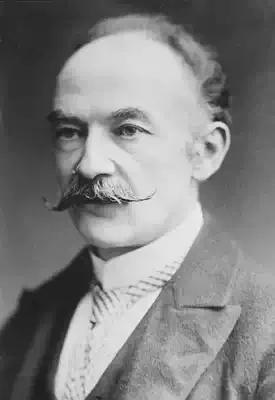
Thomas Hardy
Neutral Tones
Neutral Tones
WE stood by a pond that winter day,
And the sun was white, as though chidden of God,
And a few leaves lay on the starving sod,
--They had fallen from an ash, and were gray.
Your eyes on me were as eyes that rove
Over tedious riddles solved years ago;
And some words played between us to and fro--
On which lost the more by our love.
The smile on your mouth was the deadest thing
Alive enough to have strength to die;
And a grin of bitterness swept thereby
Like an ominous bird a-wing....
Since then, keen lessons that love deceives,
And wrings with wrong, have shaped to me
Your face, and the God-curst sun, and a tree,
And a pond edged with grayish leaves.
WE stood by a pond that winter day,
And the sun was white, as though chidden of God,
And a few leaves lay on the starving sod,
--They had fallen from an ash, and were gray.
Your eyes on me were as eyes that rove
Over tedious riddles solved years ago;
And some words played between us to and fro--
On which lost the more by our love.
The smile on your mouth was the deadest thing
Alive enough to have strength to die;
And a grin of bitterness swept thereby
Like an ominous bird a-wing....
Since then, keen lessons that love deceives,
And wrings with wrong, have shaped to me
Your face, and the God-curst sun, and a tree,
And a pond edged with grayish leaves.
207
Thomas Hardy
In The Vaulted Way
In The Vaulted Way
In the vaulted way, where the passage turned
To the shadowy corner that none could see,
You paused for our parting, - plaintively:
Though overnight had come words that burned
My fond frail happiness out of me.
And then I kissed you, - despite my thought
That our spell must end when reflection came
On what you had deemed me, whose one long aim
Had been to serve you; that what I sought
Lay not in a heart that could breathe such blame.
But yet I kissed you: whereon you again
As of old kissed me. Why, why was it so?
Do you cleave to me after that light-tongued blow?
If you scorned me at eventide, how love then?
The thing is dark, Dear. I do not know.
In the vaulted way, where the passage turned
To the shadowy corner that none could see,
You paused for our parting, - plaintively:
Though overnight had come words that burned
My fond frail happiness out of me.
And then I kissed you, - despite my thought
That our spell must end when reflection came
On what you had deemed me, whose one long aim
Had been to serve you; that what I sought
Lay not in a heart that could breathe such blame.
But yet I kissed you: whereon you again
As of old kissed me. Why, why was it so?
Do you cleave to me after that light-tongued blow?
If you scorned me at eventide, how love then?
The thing is dark, Dear. I do not know.
220
Thomas Hardy
In A Eweleaze Near Weatherbury
In A Eweleaze Near Weatherbury
THE years have gathered grayly
Since I danced upon this leaze
With one who kindled gayly
Love's fitful ecstasies!
But despite the term as teacher,
I remain what I was then
In each essential feature
Of the fantasies of men.
Yet I note the little chisel
Of ever-napping Time,
Defacing ghast and grizzel
The blazon of my prime.
When at night he thinks me sleeping,
I feel him boring sly
Within my bones, and heaping
Quaintest pains for by-and-by.
Still, I'd go the world with Beauty,
I would laugh with her and sing,
I would shun divinest duty
To resume her worshipping.
But she'd scorn my brave endeavor,
She would not balm the breeze
By murmuring, "Thine for ever!"
As she did upon this leaze.
THE years have gathered grayly
Since I danced upon this leaze
With one who kindled gayly
Love's fitful ecstasies!
But despite the term as teacher,
I remain what I was then
In each essential feature
Of the fantasies of men.
Yet I note the little chisel
Of ever-napping Time,
Defacing ghast and grizzel
The blazon of my prime.
When at night he thinks me sleeping,
I feel him boring sly
Within my bones, and heaping
Quaintest pains for by-and-by.
Still, I'd go the world with Beauty,
I would laugh with her and sing,
I would shun divinest duty
To resume her worshipping.
But she'd scorn my brave endeavor,
She would not balm the breeze
By murmuring, "Thine for ever!"
As she did upon this leaze.
213
Thomas Hardy
I said to Love
I said to Love
I said to Love,
"It is not now as in old days
When men adored thee and thy ways
All else above;
Named thee the Boy, the Bright, the One
Who spread a heaven beneath the sun,"
I said to Love.
I said to him,
"We now know more of thee than then;
We were but weak in judgment when,
With hearts abrim,
We clamoured thee that thou would'st please
Inflict on us thine agonies,"
I said to him.
I said to Love,
"Thou art not young, thou art not fair,
No elfin darts, no cherub air,
Nor swan, nor dove
Are thine; but features pitiless,
And iron daggers of distress,"
I said to Love.
"Depart then, Love!
Man's race shall perish, threatenest thou,
WIthout thy kindling coupling-vow?
The age to come the man of now
Know nothing of?
We fear not such a threat from thee;
We are too old in apathy!
Mankind shall cease.. -
So let it be,"
I said to Love.
I said to Love,
"It is not now as in old days
When men adored thee and thy ways
All else above;
Named thee the Boy, the Bright, the One
Who spread a heaven beneath the sun,"
I said to Love.
I said to him,
"We now know more of thee than then;
We were but weak in judgment when,
With hearts abrim,
We clamoured thee that thou would'st please
Inflict on us thine agonies,"
I said to him.
I said to Love,
"Thou art not young, thou art not fair,
No elfin darts, no cherub air,
Nor swan, nor dove
Are thine; but features pitiless,
And iron daggers of distress,"
I said to Love.
"Depart then, Love!
Man's race shall perish, threatenest thou,
WIthout thy kindling coupling-vow?
The age to come the man of now
Know nothing of?
We fear not such a threat from thee;
We are too old in apathy!
Mankind shall cease.. -
So let it be,"
I said to Love.
275
Thomas Hardy
Her Initals
Her Initals
UPON a poet's page I wrote
Of old two letters of her name;
Part seemed she of the effulgent thought
Whence that high singer's rapture came.
--When now I turn the leaf the same
Immortal light illumes the lay
But from the letters of her name
The radiance has died away.
UPON a poet's page I wrote
Of old two letters of her name;
Part seemed she of the effulgent thought
Whence that high singer's rapture came.
--When now I turn the leaf the same
Immortal light illumes the lay
But from the letters of her name
The radiance has died away.
141
Thomas Hardy
Beeny Cliff
Beeny Cliff
I
O the opal and the sapphire of that wandering western sea,
And the woman riding high above with bright hair flapping free-
The woman whom I loved so, and who loyally loved me.
I I
The pale mews plained below us, and the waves seemed far away
In a nether sky, engrossed in saying their ceaseless babbling say,
As we laughed light-heartedly aloft on that clear-sunned March day.
III
A little cloud then cloaked us, and there flew an irised rain,
And the Atlantic dyed its levels with a dull misfeatured stain,
And then the sun burst out again, and purples prinked the main.
IV
-Still in all its chasmal beauty bulks old Beeny to the sky,
And shall she and I not go there once again now March is nigh,
And the sweet things said in that March say anew there by and by?
V
What if still in chasmal beauty looms that wild weird western shore,
The woman now is-elsewhere-whom the ambling pony bore,
And nor knows nor cares for Beeny, and will laugh there nevermore.
I
O the opal and the sapphire of that wandering western sea,
And the woman riding high above with bright hair flapping free-
The woman whom I loved so, and who loyally loved me.
I I
The pale mews plained below us, and the waves seemed far away
In a nether sky, engrossed in saying their ceaseless babbling say,
As we laughed light-heartedly aloft on that clear-sunned March day.
III
A little cloud then cloaked us, and there flew an irised rain,
And the Atlantic dyed its levels with a dull misfeatured stain,
And then the sun burst out again, and purples prinked the main.
IV
-Still in all its chasmal beauty bulks old Beeny to the sky,
And shall she and I not go there once again now March is nigh,
And the sweet things said in that March say anew there by and by?
V
What if still in chasmal beauty looms that wild weird western shore,
The woman now is-elsewhere-whom the ambling pony bore,
And nor knows nor cares for Beeny, and will laugh there nevermore.
273
Thomas Hardy
At An Inn
At An Inn
WHEN we as strangers sought
Their catering care,
Veiled smiles bespoke their thought
Of what we were.
They warmed as they opined
Us more than friends--
That we had all resigned
For love's dear ends.
And that swift sympathy
With living love
Which quicks the world--maybe
The spheres above,
Made them our ministers,
Moved them to say,
"Ah, God, that bliss like theirs
Would flush our day!"
And we were left alone
As Love's own pair;
Yet never the love-light shone
Between us there!
But that which chilled the breath
Of afternoon,
And palsied unto death
The pane-fly's tune.
The kiss their zeal foretold,
And now deemed come,
Came not: within his hold
Love lingered numb.
Why cast he on our port
A bloom not ours?
Why shaped us for his sport
In after-hours?
As we seemed we were not
That day afar,
And now we seem not what
We aching are.
O severing sea and land,
O laws of men,
Ere death, once let us stand
As we stood then!
WHEN we as strangers sought
Their catering care,
Veiled smiles bespoke their thought
Of what we were.
They warmed as they opined
Us more than friends--
That we had all resigned
For love's dear ends.
And that swift sympathy
With living love
Which quicks the world--maybe
The spheres above,
Made them our ministers,
Moved them to say,
"Ah, God, that bliss like theirs
Would flush our day!"
And we were left alone
As Love's own pair;
Yet never the love-light shone
Between us there!
But that which chilled the breath
Of afternoon,
And palsied unto death
The pane-fly's tune.
The kiss their zeal foretold,
And now deemed come,
Came not: within his hold
Love lingered numb.
Why cast he on our port
A bloom not ours?
Why shaped us for his sport
In after-hours?
As we seemed we were not
That day afar,
And now we seem not what
We aching are.
O severing sea and land,
O laws of men,
Ere death, once let us stand
As we stood then!
300
Thomas Hardy
A Wife in London (December, )
A Wife in London (December, )
I--The Tragedy
She sits in the tawny vapour
That the City lanes have uprolled,
Behind whose webby fold on fold
Like a waning taper
The street-lamp glimmers cold.
A messenger's knock cracks smartly,
Flashed news is in her hand
Of meaning it dazes to understand
Though shaped so shortly:
He--has fallen--in the far South Land . . .
II--The Irony
'Tis the morrow; the fog hangs thicker,
The postman nears and goes:
A letter is brought whose lines disclose
By the firelight flicker
His hand, whom the worm now knows:
Fresh--firm--penned in highest feather -
Page-full of his hoped return,
And of home-planned jaunts by brake and burn
In the summer weather,
And of new love that they would learn.
I--The Tragedy
She sits in the tawny vapour
That the City lanes have uprolled,
Behind whose webby fold on fold
Like a waning taper
The street-lamp glimmers cold.
A messenger's knock cracks smartly,
Flashed news is in her hand
Of meaning it dazes to understand
Though shaped so shortly:
He--has fallen--in the far South Land . . .
II--The Irony
'Tis the morrow; the fog hangs thicker,
The postman nears and goes:
A letter is brought whose lines disclose
By the firelight flicker
His hand, whom the worm now knows:
Fresh--firm--penned in highest feather -
Page-full of his hoped return,
And of home-planned jaunts by brake and burn
In the summer weather,
And of new love that they would learn.
277
Thomas Hardy
A Commonplace Day
A Commonplace Day
The day is turning ghost,
And scuttles from the kalendar in fits and furtively,
To join the anonymous host
Of those that throng oblivion; ceding his place, maybe,
To one of like degree.
I part the fire-gnawed logs,
Rake forth the embers, spoil the busy flames, and lay the ends
Upon the shining dogs;
Further and further from the nooks the twilight's stride extends,
And beamless black impends.
Nothing of tiniest worth
Have I wrought, pondered, planned; no one thing asking blame or
praise,
Since the pale corpse-like birth
Of this diurnal unit, bearing blanks in all its rays -
Dullest of dull-hued Days!
Wanly upon the panes
The rain slides as have slid since morn my colourless thoughts; and
yet
Here, while Day's presence wanes,
And over him the sepulchre-lid is slowly lowered and set,
He wakens my regret.
Regret--though nothing dear
That I wot of, was toward in the wide world at his prime,
Or bloomed elsewhere than here,
To die with his decease, and leave a memory sweet, sublime,
Or mark him out in Time . . .
--Yet, maybe, in some soul,
In some spot undiscerned on sea or land, some impulse rose,
Or some intent upstole
Of that enkindling ardency from whose maturer glows
The world's amendment flows;
But which, benumbed at birth
By momentary chance or wile, has missed its hope to be
Embodied on the earth;
And undervoicings of this loss to man's futurity
May wake regret in me.
The day is turning ghost,
And scuttles from the kalendar in fits and furtively,
To join the anonymous host
Of those that throng oblivion; ceding his place, maybe,
To one of like degree.
I part the fire-gnawed logs,
Rake forth the embers, spoil the busy flames, and lay the ends
Upon the shining dogs;
Further and further from the nooks the twilight's stride extends,
And beamless black impends.
Nothing of tiniest worth
Have I wrought, pondered, planned; no one thing asking blame or
praise,
Since the pale corpse-like birth
Of this diurnal unit, bearing blanks in all its rays -
Dullest of dull-hued Days!
Wanly upon the panes
The rain slides as have slid since morn my colourless thoughts; and
yet
Here, while Day's presence wanes,
And over him the sepulchre-lid is slowly lowered and set,
He wakens my regret.
Regret--though nothing dear
That I wot of, was toward in the wide world at his prime,
Or bloomed elsewhere than here,
To die with his decease, and leave a memory sweet, sublime,
Or mark him out in Time . . .
--Yet, maybe, in some soul,
In some spot undiscerned on sea or land, some impulse rose,
Or some intent upstole
Of that enkindling ardency from whose maturer glows
The world's amendment flows;
But which, benumbed at birth
By momentary chance or wile, has missed its hope to be
Embodied on the earth;
And undervoicings of this loss to man's futurity
May wake regret in me.
219

Spike Milligan
Unto Us...
Unto Us...
Somewhere at some time
They committed themselves to me
And so, I was!
Small, but I WAS!
Tiny, in shape
Lusting to live
I hung in my pulsing cave.
Soon they knew of me
My mother --my father.
I had no say in my being
I lived on trust
And love
Tho' I couldn't think
Each part of me was saying
A silent 'Wait for me
I will bring you love!'
I was taken
Blind, naked, defenseless
By the hand of one
Whose good name
Was graven on a brass plate
in Wimpole Street,
and dropped on the sterile floor
of a foot operated plastic waste
bucket.
There was no Queens Counsel
To take my brief.
The cot I might have warmed
Stood in Harrod's shop window.
When my passing was told
My father smiled.
No grief filled my empty space.
My death was celebrated
With tickets to see Danny la Rue
Who was pretending to be a woman
Like my mother was.
Somewhere at some time
They committed themselves to me
And so, I was!
Small, but I WAS!
Tiny, in shape
Lusting to live
I hung in my pulsing cave.
Soon they knew of me
My mother --my father.
I had no say in my being
I lived on trust
And love
Tho' I couldn't think
Each part of me was saying
A silent 'Wait for me
I will bring you love!'
I was taken
Blind, naked, defenseless
By the hand of one
Whose good name
Was graven on a brass plate
in Wimpole Street,
and dropped on the sterile floor
of a foot operated plastic waste
bucket.
There was no Queens Counsel
To take my brief.
The cot I might have warmed
Stood in Harrod's shop window.
When my passing was told
My father smiled.
No grief filled my empty space.
My death was celebrated
With tickets to see Danny la Rue
Who was pretending to be a woman
Like my mother was.
277
Spike Milligan
Welcome Home
Welcome Home
Unaware of my crime
they stood me in the dock.
I was sentenced to life....
without her.
Strange trial.
No judge.
No jury.
I wonder who my visitors will be.
Unaware of my crime
they stood me in the dock.
I was sentenced to life....
without her.
Strange trial.
No judge.
No jury.
I wonder who my visitors will be.
246
Spike Milligan
Goodbye S.S.
Goodbye S.S.
Go away girl, go away
and let me pack my dreams
Now where did I put those yesteryears
made up with broken seams
Where shall I sweep the pieces
my God they still look new
There's a taxi waiting at the door
but there's only room for you
Go away girl, go away
and let me pack my dreams
Now where did I put those yesteryears
made up with broken seams
Where shall I sweep the pieces
my God they still look new
There's a taxi waiting at the door
but there's only room for you
205

Siegfried Sassoon
Twelve Months After
Twelve Months After
Hullo! here’s my platoon, the lot I had last year.
‘The war’ll be over soon.’
‘What ’opes?’
‘No bloody fear!’
Then, ‘Number Seven, ’shun! All present and correct.’
They’re standing in the sun, impassive and erect.
Young Gibson with his grin; and Morgan, tired and white;
Jordan, who’s out to win a D.C.M. some night;
And Hughes that’s keen on wiring; and Davies (’),
Who always must be firing at the Boche front line.
. . . .
‘Old soldiers never die; they simply fide a-why!’
That’s what they used to sing along the roads last spring;
That’s what they used to say before the push began;
That’s where they are to-day, knocked over to a man.
Hullo! here’s my platoon, the lot I had last year.
‘The war’ll be over soon.’
‘What ’opes?’
‘No bloody fear!’
Then, ‘Number Seven, ’shun! All present and correct.’
They’re standing in the sun, impassive and erect.
Young Gibson with his grin; and Morgan, tired and white;
Jordan, who’s out to win a D.C.M. some night;
And Hughes that’s keen on wiring; and Davies (’),
Who always must be firing at the Boche front line.
. . . .
‘Old soldiers never die; they simply fide a-why!’
That’s what they used to sing along the roads last spring;
That’s what they used to say before the push began;
That’s where they are to-day, knocked over to a man.
106
Siegfried Sassoon
'In the Pink'
'In the Pink'
So Davies wrote: ' This leaves me in the pink. '
Then scrawled his name: ' Your loving sweetheart Willie '
With crosses for a hug. He'd had a drink
Of rum and tea; and, though the barn was chilly,
For once his blood ram warm; he had pay to spend,
Winter was passing; soon the year would mend.
He couldn't sleep that night. Stiff in the dark
He groaned and thought of Sundays at the farm,
When he'd go out as cheerful as a lark
In his best suit to wander arm-in-arm
With brown-eyed Gwen, and whisper in her ear
The simple, silly things she liked to hear.
And then he thought: to-morrow night we trudge
Up to the trenches, and my boots are rotten.
Five miles of stodgy clay and freezing sludge,
And everything but wretchedness forgotten.
To-night he's in the pink; but soon he'll die.
And still the war goes on; he don't know why.
So Davies wrote: ' This leaves me in the pink. '
Then scrawled his name: ' Your loving sweetheart Willie '
With crosses for a hug. He'd had a drink
Of rum and tea; and, though the barn was chilly,
For once his blood ram warm; he had pay to spend,
Winter was passing; soon the year would mend.
He couldn't sleep that night. Stiff in the dark
He groaned and thought of Sundays at the farm,
When he'd go out as cheerful as a lark
In his best suit to wander arm-in-arm
With brown-eyed Gwen, and whisper in her ear
The simple, silly things she liked to hear.
And then he thought: to-morrow night we trudge
Up to the trenches, and my boots are rotten.
Five miles of stodgy clay and freezing sludge,
And everything but wretchedness forgotten.
To-night he's in the pink; but soon he'll die.
And still the war goes on; he don't know why.
106
Siegfried Sassoon
Blighters
Blighters
The House is crammed: tier beyond tier they grin
And cackle at the Show, while prancing ranks
Of harlots shrill the chorus, drunk with din;
‘We’re sure the Kaiser loves our dear old Tanks!’
I’d like to see a Tank come down the stalls,
Lurching to rag-time tunes, or ‘Home, sweet Home’,
And there’d be no more jokes in Music-halls
To mock the riddled corpses round Bapaume.
The House is crammed: tier beyond tier they grin
And cackle at the Show, while prancing ranks
Of harlots shrill the chorus, drunk with din;
‘We’re sure the Kaiser loves our dear old Tanks!’
I’d like to see a Tank come down the stalls,
Lurching to rag-time tunes, or ‘Home, sweet Home’,
And there’d be no more jokes in Music-halls
To mock the riddled corpses round Bapaume.
104
Siegfried Sassoon
Arms and the Man
Arms and the Man
Young Croesus went to pay his call
On Colonel Sawbones, Caxton Hall:
And, though his wound was healed and mended,
He hoped he’d get his leave extended.
The waiting-room was dark and bare.
He eyed a neat-framed notice there
Above the fireplace hung to show
Disabled heroes where to go
For arms and legs; with scale of price,
And words of dignified advice
How officers could get them free.
Elbow or shoulder, hip or knee,
Two arms, two legs, though all were lost,
They’d be restored him free of cost.
Then a Girl Guide looked to say,
‘Will Captain Croesus come this way?’
Young Croesus went to pay his call
On Colonel Sawbones, Caxton Hall:
And, though his wound was healed and mended,
He hoped he’d get his leave extended.
The waiting-room was dark and bare.
He eyed a neat-framed notice there
Above the fireplace hung to show
Disabled heroes where to go
For arms and legs; with scale of price,
And words of dignified advice
How officers could get them free.
Elbow or shoulder, hip or knee,
Two arms, two legs, though all were lost,
They’d be restored him free of cost.
Then a Girl Guide looked to say,
‘Will Captain Croesus come this way?’
109
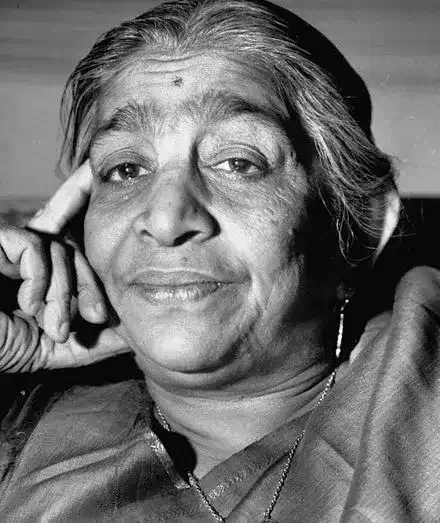
Sarojini Naidu
My Dead Dream
My Dead Dream
HAVE YOU found me, at last, O my Dream? Seven eons ago
You died and I buried you deep under forests of snow.
Why have you come hither? Who bade you awake from your sleep
And track me beyond the cerulean foam of the deep?
Would you tear from my lintels these sacred green garlands of leaves?
Would you scare the white, nested, wild pigeons of joy from my eaves?
Would you touch and defile with dead fingers the robes of my priest?
Would you weave your dim moan with the chantings of love at my feast?
Go back to your grave, O my Dream, under forests of snow,
Where a heart-riven child hid you once, seven eons ago.
Who bade you arise from your darkness? I bid you depart!
Profane not the shrines I have raised in the clefts of my heart.
HAVE YOU found me, at last, O my Dream? Seven eons ago
You died and I buried you deep under forests of snow.
Why have you come hither? Who bade you awake from your sleep
And track me beyond the cerulean foam of the deep?
Would you tear from my lintels these sacred green garlands of leaves?
Would you scare the white, nested, wild pigeons of joy from my eaves?
Would you touch and defile with dead fingers the robes of my priest?
Would you weave your dim moan with the chantings of love at my feast?
Go back to your grave, O my Dream, under forests of snow,
Where a heart-riven child hid you once, seven eons ago.
Who bade you arise from your darkness? I bid you depart!
Profane not the shrines I have raised in the clefts of my heart.
479
Sarojini Naidu
A Love Song from the North
A Love Song from the North
Tell me no more of thy love, papeeha,
Wouldst thou recall to my heart, papeeha,
Dreams of delight that are gone,
When swift to my side came the feet of my lover
With stars of the dusk and the dawn?
I see the soft wings of the clouds on the river,
And jewelled with raindrops the mango-leaves quiver,
And tender boughs flower on the plain.....
But what is their beauty to me, papeeha,
Beauty of blossom and shower, papeeha,
That brings not my lover again?
Tell me no more of thy love, papeeha,
Wouldst thou revive in my heart, papeeha
Grief for the joy that is gone?
I hear the bright peacock in glimmering woodlands
Cry to its mate in the dawn;
I hear the black koel's slow, tremulous wooing,
And sweet in the gardens the calling and cooing
Of passionate bulbul and dove....
But what is their music to me, papeeha
Songs of their laughter and love, papeeha,
To me, forsaken of love?
Tell me no more of thy love, papeeha,
Wouldst thou recall to my heart, papeeha,
Dreams of delight that are gone,
When swift to my side came the feet of my lover
With stars of the dusk and the dawn?
I see the soft wings of the clouds on the river,
And jewelled with raindrops the mango-leaves quiver,
And tender boughs flower on the plain.....
But what is their beauty to me, papeeha,
Beauty of blossom and shower, papeeha,
That brings not my lover again?
Tell me no more of thy love, papeeha,
Wouldst thou revive in my heart, papeeha
Grief for the joy that is gone?
I hear the bright peacock in glimmering woodlands
Cry to its mate in the dawn;
I hear the black koel's slow, tremulous wooing,
And sweet in the gardens the calling and cooing
Of passionate bulbul and dove....
But what is their music to me, papeeha
Songs of their laughter and love, papeeha,
To me, forsaken of love?
463

Sarah Teasdale
Tides
Tides
Love in my heart was a fresh tide flowing
Where the starlike sea gulls soar;
The sun was keen and the foam was blowing
High on the rocky shore.
But now in the dusk the tide is turning,
Lower the sea gulls soar,
And the waves that rose in resistless yearning
Are broken forevermore.
Love in my heart was a fresh tide flowing
Where the starlike sea gulls soar;
The sun was keen and the foam was blowing
High on the rocky shore.
But now in the dusk the tide is turning,
Lower the sea gulls soar,
And the waves that rose in resistless yearning
Are broken forevermore.
364
Sarah Teasdale
The Wind
The Wind
A wind is blowing over my soul,
I hear it cry the whole night through --
Is there no peace for me on earth
Except with you?
Alas, the wind has made me wise,
Over my naked soul it blew, --
There is no peace for me on earth
Even with you.
A wind is blowing over my soul,
I hear it cry the whole night through --
Is there no peace for me on earth
Except with you?
Alas, the wind has made me wise,
Over my naked soul it blew, --
There is no peace for me on earth
Even with you.
484
Sarah Teasdale
At Midnight
At Midnight
Now at last I have come to see what life is,
Nothing is ever ended, everything only begun,
And the brave victories that seem so splendid
Are never really won.
Even love that I built my spirit's house for,
Comes like a brooding and a baffled guest,
And music and men's praise and even laughter
Are not so good as rest.
Now at last I have come to see what life is,
Nothing is ever ended, everything only begun,
And the brave victories that seem so splendid
Are never really won.
Even love that I built my spirit's house for,
Comes like a brooding and a baffled guest,
And music and men's praise and even laughter
Are not so good as rest.
384
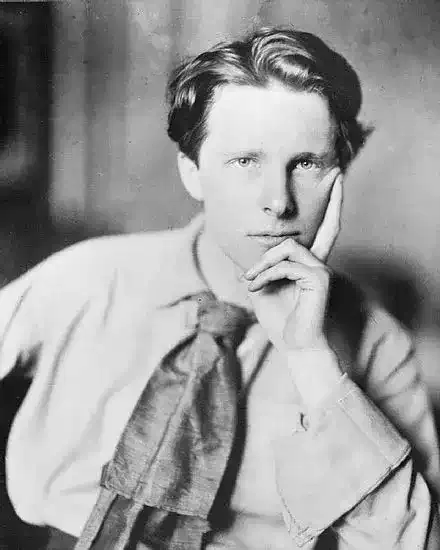
Rupert Brooke
The Life Beyond
The Life Beyond
He wakes, who never thought to wake again,
Who held the end was Death. He opens eyes
Slowly, to one long livid oozing plain
Closed down by the strange eyeless heavens.
He lies;
And waits; and once in timeless sick surmise
Through the dead air heaves up an unknown hand,
Like a dry branch. No life is in that land,
Himself not lives, but is a thing that cries;
An unmeaning point upon the mud; a speck
Of moveless horror; an Immortal One
Cleansed of the world, sentient and dead; a fly
Fast-stuck in grey sweat on a corpse’s neck.
I though when love for you died, I should die.
It’s dead. Alone, most strangely, I live on.
He wakes, who never thought to wake again,
Who held the end was Death. He opens eyes
Slowly, to one long livid oozing plain
Closed down by the strange eyeless heavens.
He lies;
And waits; and once in timeless sick surmise
Through the dead air heaves up an unknown hand,
Like a dry branch. No life is in that land,
Himself not lives, but is a thing that cries;
An unmeaning point upon the mud; a speck
Of moveless horror; an Immortal One
Cleansed of the world, sentient and dead; a fly
Fast-stuck in grey sweat on a corpse’s neck.
I though when love for you died, I should die.
It’s dead. Alone, most strangely, I live on.
198
Rupert Brooke
Success
Success
I think if you had loved me when I wanted;
If I'd looked up one day, and seen your eyes,
And found my wild sick blasphemous prayer granted,
And your brown face, that's full of pity and wise,
Flushed suddenly; the white godhead in new fear
Intolerably so struggling, and so shamed;
Most holy and far, if you'd come all too near,
If earth had seen Earth's lordliest wild limbs tamed,
Shaken, and trapped, and shivering, for MY touch --
Myself should I have slain? or that foul you?
But this the strange gods, who had given so much,
To have seen and known you, this they might not do.
One last shame's spared me, one black word's unspoken;
And I'm alone; and you have not awoken.
I think if you had loved me when I wanted;
If I'd looked up one day, and seen your eyes,
And found my wild sick blasphemous prayer granted,
And your brown face, that's full of pity and wise,
Flushed suddenly; the white godhead in new fear
Intolerably so struggling, and so shamed;
Most holy and far, if you'd come all too near,
If earth had seen Earth's lordliest wild limbs tamed,
Shaken, and trapped, and shivering, for MY touch --
Myself should I have slain? or that foul you?
But this the strange gods, who had given so much,
To have seen and known you, this they might not do.
One last shame's spared me, one black word's unspoken;
And I'm alone; and you have not awoken.
204
Rupert Brooke
One Before the Last, The
One Before the Last, The
I dreamt I was in love again
With the One Before the Last,
And smiled to greet the pleasant pain
Of that innocent young past.
But I jumped to feel how sharp had been
The pain when it did live,
How the faded dreams of Nineteen-ten
Were Hell in Nineteen-five.
The boy's woe was as keen and clear,
The boy's love just as true,
And the One Before the Last, my dear,
Hurt quite as much as you.
* * * * *
Sickly I pondered how the lover
Wrongs the unanswering tomb,
And sentimentalizes over
What earned a better doom.
Gently he tombs the poor dim last time,
Strews pinkish dust above,
And sighs, "The dear dead boyish pastime!
But THIS -- ah, God! -- is Love!"
-- Better oblivion hide dead true loves,
Better the night enfold,
Than men, to eke the praise of new loves,
Should lie about the old!
* * * * *
Oh! bitter thoughts I had in plenty.
But here's the worst of it --
I shall forget, in Nineteen-twenty,
YOU ever hurt abit!
I dreamt I was in love again
With the One Before the Last,
And smiled to greet the pleasant pain
Of that innocent young past.
But I jumped to feel how sharp had been
The pain when it did live,
How the faded dreams of Nineteen-ten
Were Hell in Nineteen-five.
The boy's woe was as keen and clear,
The boy's love just as true,
And the One Before the Last, my dear,
Hurt quite as much as you.
* * * * *
Sickly I pondered how the lover
Wrongs the unanswering tomb,
And sentimentalizes over
What earned a better doom.
Gently he tombs the poor dim last time,
Strews pinkish dust above,
And sighs, "The dear dead boyish pastime!
But THIS -- ah, God! -- is Love!"
-- Better oblivion hide dead true loves,
Better the night enfold,
Than men, to eke the praise of new loves,
Should lie about the old!
* * * * *
Oh! bitter thoughts I had in plenty.
But here's the worst of it --
I shall forget, in Nineteen-twenty,
YOU ever hurt abit!
203