

Poems in this theme
Disillusionment and Lost Love
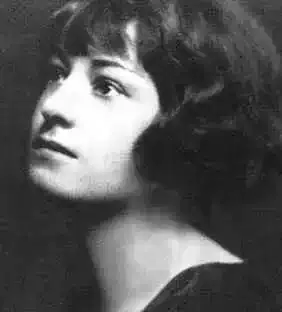
Dorothy Parker
A Certain Lady
A Certain Lady
Oh, I can smile for you, and tilt my head,
And drink your rushing words with eager lips,
And paint my mouth for you a fragrant red,
And trace your brows with tutored finger-tips.
When you rehearse your list of loves to me,
Oh, I can laugh and marvel, rapturous-eyed.
And you laugh back, nor can you ever see
The thousand little deaths my heart has died.
And you believe, so well I know my part,
That I am gay as morning, light as snow,
And all the straining things within my heart
You'll never know.
Oh, I can laugh and listen, when we meet,
And you bring tales of fresh adventurings, --
Of ladies delicately indiscreet,
Of lingering hands, and gently whispered things.
And you are pleased with me, and strive anew
To sing me sagas of your late delights.
Thus do you want me -- marveling, gay, and true,
Nor do you see my staring eyes of nights.
And when, in search of novelty, you stray,
Oh, I can kiss you blithely as you go ....
And what goes on, my love, while you're away,
You'll never know.
Oh, I can smile for you, and tilt my head,
And drink your rushing words with eager lips,
And paint my mouth for you a fragrant red,
And trace your brows with tutored finger-tips.
When you rehearse your list of loves to me,
Oh, I can laugh and marvel, rapturous-eyed.
And you laugh back, nor can you ever see
The thousand little deaths my heart has died.
And you believe, so well I know my part,
That I am gay as morning, light as snow,
And all the straining things within my heart
You'll never know.
Oh, I can laugh and listen, when we meet,
And you bring tales of fresh adventurings, --
Of ladies delicately indiscreet,
Of lingering hands, and gently whispered things.
And you are pleased with me, and strive anew
To sing me sagas of your late delights.
Thus do you want me -- marveling, gay, and true,
Nor do you see my staring eyes of nights.
And when, in search of novelty, you stray,
Oh, I can kiss you blithely as you go ....
And what goes on, my love, while you're away,
You'll never know.
439

Derek Walcott
Egypt, Tobago
Egypt, Tobago
There is a shattered palm
on this fierce shore,
its plumes the rusting helmet
of a dead warrior.
Numb Antony, in the torpor
stretching her inert
sex near him like a sleeping cat,
knows his heart is the real desert.
Over the dunes
of her heaving,
to his heart's drumming
fades the mirage of the legions,
across love-tousled sheets,
the triremes fading.
Ar the carved door of her temple
a fly wrings its message.
He brushes a damp hair
away from an ear
as perfect as a sleeping child's.
He stares, inert, the fallen column.
He lies like a copper palm
tree at three in the afternoon
by a hot sea
and a river, in Egypt, Tobago
Her salt marsh dries in the heat
where he foundered
without armor.
He exchanged an empire for her beads of sweat,
the uproar of arenas,
the changing surf
of senators, for
this silent ceiling over silent sand
this grizzled bear, whose fur,
moulting, is silvered for
this quick fox with her
sweet stench. By sleep dismembered,
his head
is in Egypt, his feet
in Rome, his groin a desert
trench with its dead soldier.
He drifts a finger
through her stiff hair
crisp as a mare's fountaining tail.
Shadows creep up the palace tile.
He is too tired to move;
a groan would waken
trumpets, one more gesture
war. His glare,
a shield
reflecting fires,
a brass brow that cannot frown
at carnage, sweats the sun's force.
It is not the turmoil
of autumnal lust,
its treacheries, that drove
him, fired and grimed with dust,
this far, not even love,
but a great rage without
clamor, that grew great
because its depth is quiet;
it hears the river
of her young brown blood,
it feels the whole sky quiver
with her blue eyelid.
She sleeps with the soft engine of a child,
that sleep which scythes
the stalks of lances, fells the
harvest of legions
with nothing for its knives,
that makes Caesars,
sputtering at flies,
slapping their foreheads
with the laurel's imprint,
drunkards, comedians.
All-humbling sleep, whose peace
is sweet as death,
whose silence has
all the sea's weight and volubility,
who swings this globe by a hair's trembling breath.
Shattered and wild and
palm-crowned Antony,
rusting in Egypt,
ready to lose the world,
to Actium and sand,
everything else
is vanity, but this tenderness
for a woman not his mistress
but his sleeping child.
The sky is cloudless. The afternoon is mild.
There is a shattered palm
on this fierce shore,
its plumes the rusting helmet
of a dead warrior.
Numb Antony, in the torpor
stretching her inert
sex near him like a sleeping cat,
knows his heart is the real desert.
Over the dunes
of her heaving,
to his heart's drumming
fades the mirage of the legions,
across love-tousled sheets,
the triremes fading.
Ar the carved door of her temple
a fly wrings its message.
He brushes a damp hair
away from an ear
as perfect as a sleeping child's.
He stares, inert, the fallen column.
He lies like a copper palm
tree at three in the afternoon
by a hot sea
and a river, in Egypt, Tobago
Her salt marsh dries in the heat
where he foundered
without armor.
He exchanged an empire for her beads of sweat,
the uproar of arenas,
the changing surf
of senators, for
this silent ceiling over silent sand
this grizzled bear, whose fur,
moulting, is silvered for
this quick fox with her
sweet stench. By sleep dismembered,
his head
is in Egypt, his feet
in Rome, his groin a desert
trench with its dead soldier.
He drifts a finger
through her stiff hair
crisp as a mare's fountaining tail.
Shadows creep up the palace tile.
He is too tired to move;
a groan would waken
trumpets, one more gesture
war. His glare,
a shield
reflecting fires,
a brass brow that cannot frown
at carnage, sweats the sun's force.
It is not the turmoil
of autumnal lust,
its treacheries, that drove
him, fired and grimed with dust,
this far, not even love,
but a great rage without
clamor, that grew great
because its depth is quiet;
it hears the river
of her young brown blood,
it feels the whole sky quiver
with her blue eyelid.
She sleeps with the soft engine of a child,
that sleep which scythes
the stalks of lances, fells the
harvest of legions
with nothing for its knives,
that makes Caesars,
sputtering at flies,
slapping their foreheads
with the laurel's imprint,
drunkards, comedians.
All-humbling sleep, whose peace
is sweet as death,
whose silence has
all the sea's weight and volubility,
who swings this globe by a hair's trembling breath.
Shattered and wild and
palm-crowned Antony,
rusting in Egypt,
ready to lose the world,
to Actium and sand,
everything else
is vanity, but this tenderness
for a woman not his mistress
but his sleeping child.
The sky is cloudless. The afternoon is mild.
1,188

D.H. Lawrence
How Beastly the Bourgeois Is
How Beastly the Bourgeois Is
How beastly the bourgeois is
especially the male of the species--
Presentable, eminently presentable-shall
I make you a present of him?
Isn't he handsome? Isn't he healthy? Isn't he a fine specimen?
Doesn't he look the fresh clean Englishman, outside?
Isn't it God's own image? tramping his thirty miles a day
after partridges, or a little rubber ball?
wouldn't you like to be like that, well off, and quite the
thing
Oh, but wait!
Let him meet a new emotion, let him be faced with another
man's need,
let him come home to a bit of moral difficulty, let life
face him with a new demand on his understanding
and then watch him go soggy, like a wet meringue.
Watch him turn into a mess, either a fool or a bully.
Just watch the display of him, confronted with a new
demand on his intelligence,
a new life-demand.
How beastly the bourgeois is
especially the male of the species--
Nicely groomed, like a mushroom
standing there so sleek and erect and eyeable-and
like a fungus, living on the remains of a bygone life
sucking his life out of the dead leaves of greater life
than his own.
And even so, he's stale, he's been there too long.
Touch him, and you'll find he's all gone inside
just like an old mushroom, all wormy inside, and hollow
under a smooth skin and an upright appearance.
Full of seething, wormy, hollow feelings
rather nasty--
How beastly the bourgeois is!
Standing in their thousands, these appearances, in damp
England
what a pity they can't all be kicked over
like sickening toadstools, and left to melt back, swiftly
into the soil of England.
How beastly the bourgeois is
especially the male of the species--
Presentable, eminently presentable-shall
I make you a present of him?
Isn't he handsome? Isn't he healthy? Isn't he a fine specimen?
Doesn't he look the fresh clean Englishman, outside?
Isn't it God's own image? tramping his thirty miles a day
after partridges, or a little rubber ball?
wouldn't you like to be like that, well off, and quite the
thing
Oh, but wait!
Let him meet a new emotion, let him be faced with another
man's need,
let him come home to a bit of moral difficulty, let life
face him with a new demand on his understanding
and then watch him go soggy, like a wet meringue.
Watch him turn into a mess, either a fool or a bully.
Just watch the display of him, confronted with a new
demand on his intelligence,
a new life-demand.
How beastly the bourgeois is
especially the male of the species--
Nicely groomed, like a mushroom
standing there so sleek and erect and eyeable-and
like a fungus, living on the remains of a bygone life
sucking his life out of the dead leaves of greater life
than his own.
And even so, he's stale, he's been there too long.
Touch him, and you'll find he's all gone inside
just like an old mushroom, all wormy inside, and hollow
under a smooth skin and an upright appearance.
Full of seething, wormy, hollow feelings
rather nasty--
How beastly the bourgeois is!
Standing in their thousands, these appearances, in damp
England
what a pity they can't all be kicked over
like sickening toadstools, and left to melt back, swiftly
into the soil of England.
178

Christina Rossetti
The Prince's Progress (excerpt)
The Prince's Progress (excerpt)
"Too late for love, too late for joy,
Too late, too late!
You loitered on the road too long,
You trifled at the gate:
The enchanted dove upon her branch
Died without a mate.
The enchanted princess in her tower
Slept, died, behind the grate;
Her heart was starving all this while
You made it wait.
"Ten years ago, five years ago,
One year ago,
Even then you had arrived in time,
Though somewhat slow;
Then you had known her living face
Which now you cannot know:
The frozen fountain would have leaped,
The buds gone on to blow,
The warm south wind would have awaked
To melt the snow.
"Is she fair now as she lies?
Once she was fair;
Meet queen for any kingly king,
With gold-dust on her hair.
Now these are poppies in her locks,
White poppies she must wear;
Must wear a veil to shroud her face
And the want graven there:
Or is the hunger fed at length,
Cast off the care?
"We never saw her with a smile
Or with a frown;
Her bed seemed never soft to her,
Though tossed of down;
She little heeded what she wore,
Kirtle, or wreath, or gown;
We think her white brows often ached
Beneath her crown,
Till silvery hairs showed in her locks
That used to be so brown.
"We never heard her speak in haste;
Her tones were sweet,
And modulated just so much
As it was meet:
Her heart sat silent through the noise
And concourse of the street.
There was no hurry in her hands,
No hurry in her feet;
There was no bliss drew nigh to her,
That she might run to greet.
"You should have wept her yesterday,
Wasting upon her bed:
But wherefore should you weep to-day
That she is dead?
Lo we who love weep not to-day,
But crown her royal head.
Let be these poppies that we strew,
Your roses are too red:
Let be these poppies, not for you
Cut down and spread."
"Too late for love, too late for joy,
Too late, too late!
You loitered on the road too long,
You trifled at the gate:
The enchanted dove upon her branch
Died without a mate.
The enchanted princess in her tower
Slept, died, behind the grate;
Her heart was starving all this while
You made it wait.
"Ten years ago, five years ago,
One year ago,
Even then you had arrived in time,
Though somewhat slow;
Then you had known her living face
Which now you cannot know:
The frozen fountain would have leaped,
The buds gone on to blow,
The warm south wind would have awaked
To melt the snow.
"Is she fair now as she lies?
Once she was fair;
Meet queen for any kingly king,
With gold-dust on her hair.
Now these are poppies in her locks,
White poppies she must wear;
Must wear a veil to shroud her face
And the want graven there:
Or is the hunger fed at length,
Cast off the care?
"We never saw her with a smile
Or with a frown;
Her bed seemed never soft to her,
Though tossed of down;
She little heeded what she wore,
Kirtle, or wreath, or gown;
We think her white brows often ached
Beneath her crown,
Till silvery hairs showed in her locks
That used to be so brown.
"We never heard her speak in haste;
Her tones were sweet,
And modulated just so much
As it was meet:
Her heart sat silent through the noise
And concourse of the street.
There was no hurry in her hands,
No hurry in her feet;
There was no bliss drew nigh to her,
That she might run to greet.
"You should have wept her yesterday,
Wasting upon her bed:
But wherefore should you weep to-day
That she is dead?
Lo we who love weep not to-day,
But crown her royal head.
Let be these poppies that we strew,
Your roses are too red:
Let be these poppies, not for you
Cut down and spread."
157
Christina Rossetti
Once For All
Once For All
I said: This is a beautiful fresh rose.
I said: I will delight me with its scent,
Will watch its lovely curve of languishment,
Will watch its leaves unclose, its heart unclose.
I said: Old earth has put away her snows,
All living things make merry to their bent,
A flower is come for every flower that went.
In autumn, the sun glows, the south wind blows,
So walking in a garden of delight
I came upon one sheltered shadowed nook
Where broad leaf-shadows veiled the day with night
And there lay snow unmelted by the sun: -
I answered: Take who will the path I took,
Winter nips once for all; love is but one.
I said: This is a beautiful fresh rose.
I said: I will delight me with its scent,
Will watch its lovely curve of languishment,
Will watch its leaves unclose, its heart unclose.
I said: Old earth has put away her snows,
All living things make merry to their bent,
A flower is come for every flower that went.
In autumn, the sun glows, the south wind blows,
So walking in a garden of delight
I came upon one sheltered shadowed nook
Where broad leaf-shadows veiled the day with night
And there lay snow unmelted by the sun: -
I answered: Take who will the path I took,
Winter nips once for all; love is but one.
223
Christina Rossetti
Mirage
Mirage
The hope I dreamed of was a dream,
Was but a dream; and now I wake,
Exceeding comfortless, and worn, and old,
For a dream's sake.
I hang my harp upon a tree,
A weeping willow in a lake;
I hang my silent harp there, wrung and snapped
For a dream's sake.
Lie still, lie still, my breaking heart;
My silent heart, lie still and break:
Life, and the world, and mine own self, are changed
For a dream's sake.
The hope I dreamed of was a dream,
Was but a dream; and now I wake,
Exceeding comfortless, and worn, and old,
For a dream's sake.
I hang my harp upon a tree,
A weeping willow in a lake;
I hang my silent harp there, wrung and snapped
For a dream's sake.
Lie still, lie still, my breaking heart;
My silent heart, lie still and break:
Life, and the world, and mine own self, are changed
For a dream's sake.
227
Christina Rossetti
Light Love
Light Love
'Oh, sad thy lot before I came,
But sadder when I go;
My presence but a flash of flame,
A transitory glow
Between two barren wastes like snow.
What wilt thou do when I am gone,
Where wilt thou rest, my dear?
For cold thy bed to rest upon,
And cold the falling year
Whose withered leaves are lost and sere.'
She hushed the baby at her breast,
She rocked it on her knee:
'And I will rest my lonely rest,
Warmed with the thought of thee,
Rest lulled to rest by memory.'
She hushed the baby with her kiss,
She hushed it with her breast:
'Is death so sadder much than this—
Sure death that builds a nest
For those who elsewhere cannot rest?'
'Oh, sad thy note, my mateless dove,
With tender nestling cold;
But hast thou ne'er another love
Left from the days of old,
To build thy nest of silk and gold,
To warm thy paleness to a blush
When I am far away—
To warm thy coldness to a flush,
And turn thee back to May,
And turn thy twilight back to day?'
She did not answer him again,
But leaned her face aside,
Weary with the pang of shame and pain,
And sore with wounded pride:
He knew his very soul had lied.
She strained his baby in her arms,
His baby to her heart:
'Even let it go, the love that harms:
We twain will never part;
Mine own, his own, how dear thou art.'
'Now never teaze me, tender-eyed,
Sigh-voiced,' he said in scorn:
'For nigh at hand there blooms a bride,
My bride before the morn;
Ripe-blooming she, as thou forlorn.
Ripe-blooming she, my rose, my peach;
She woos me day and night:
I watch her tremble in my reach;
She reddens, my delight,
She ripens, reddens in my sight.'
'And is she like a sunlit rose?
Am I like withered leaves?
Haste where thy spiced garden blows:
But in bare Autumn eves
Wilt thou have store of harvest sheaves?
Thou leavest love, true love behind,
To seek a love as true;
Go, seek in haste: but wilt thou find?
Change new again for new;
Pluck up, enjoy—yea, trample too.
'Alas for her, poor faded rose,
Alas for her her, like me,
Cast down and trampled in the snows.'
'Like thee? nay, not like thee:
She leans, but from a guarded tree.
Farewell, and dream as long ago,
Before we ever met:
Farewell; my swift-paced horse seems slow.'
She raised her eyes, not wet
But hard, to Heaven: 'Does God forget?'
'Oh, sad thy lot before I came,
But sadder when I go;
My presence but a flash of flame,
A transitory glow
Between two barren wastes like snow.
What wilt thou do when I am gone,
Where wilt thou rest, my dear?
For cold thy bed to rest upon,
And cold the falling year
Whose withered leaves are lost and sere.'
She hushed the baby at her breast,
She rocked it on her knee:
'And I will rest my lonely rest,
Warmed with the thought of thee,
Rest lulled to rest by memory.'
She hushed the baby with her kiss,
She hushed it with her breast:
'Is death so sadder much than this—
Sure death that builds a nest
For those who elsewhere cannot rest?'
'Oh, sad thy note, my mateless dove,
With tender nestling cold;
But hast thou ne'er another love
Left from the days of old,
To build thy nest of silk and gold,
To warm thy paleness to a blush
When I am far away—
To warm thy coldness to a flush,
And turn thee back to May,
And turn thy twilight back to day?'
She did not answer him again,
But leaned her face aside,
Weary with the pang of shame and pain,
And sore with wounded pride:
He knew his very soul had lied.
She strained his baby in her arms,
His baby to her heart:
'Even let it go, the love that harms:
We twain will never part;
Mine own, his own, how dear thou art.'
'Now never teaze me, tender-eyed,
Sigh-voiced,' he said in scorn:
'For nigh at hand there blooms a bride,
My bride before the morn;
Ripe-blooming she, as thou forlorn.
Ripe-blooming she, my rose, my peach;
She woos me day and night:
I watch her tremble in my reach;
She reddens, my delight,
She ripens, reddens in my sight.'
'And is she like a sunlit rose?
Am I like withered leaves?
Haste where thy spiced garden blows:
But in bare Autumn eves
Wilt thou have store of harvest sheaves?
Thou leavest love, true love behind,
To seek a love as true;
Go, seek in haste: but wilt thou find?
Change new again for new;
Pluck up, enjoy—yea, trample too.
'Alas for her, poor faded rose,
Alas for her her, like me,
Cast down and trampled in the snows.'
'Like thee? nay, not like thee:
She leans, but from a guarded tree.
Farewell, and dream as long ago,
Before we ever met:
Farewell; my swift-paced horse seems slow.'
She raised her eyes, not wet
But hard, to Heaven: 'Does God forget?'
232
Christina Rossetti
Last Night
Last Night
Where were you last night? I watched at the gate;
I went down early, I stayed down late.
Were you snug at home, I should like to know,
Or were you in the coppice wheedling Kate?
She's a fine girl, with a fine clear skin;
Easy to woo, perhaps not hard to win.
Speak up like a man and tell me the truth:
I'm not one to grow downhearted and thin.
If you love her best speak up like a man;
It's not I will stand in the light of your plan:
Some girls might cry and scold you a bit,
And say they couldn't bear it; but I can.
Love was pleasant enough, and the days went fast;
Pleasant while it lasted, but it needn't last;
Awhile on the wax and awhile on the wane,
Now dropped away into the past.
Was it pleasant to you? To me it was;
Now clean gone as an image from glass,
As a goodly rainbow that fades away,
As dew that steams upward from the grass,
As the first spring day, or the last summer day,
As the sunset flush that leaves heaven grey,
As a flame burnt out for lack of oil,
Which no pains relight or ever may.
Good luck to Kate and good luck to you:
I guess she'll be kind when you come to woo.
I wish her a pretty face that will last,
I wish her a husband steady and true.
Hate you? not I, my very good friend;
All things begin and all have an end.
But let broken be broken; I put no faith
In quacks who set up to patch and mend.
Just my love and one word to Kate:
Not to let time slip if she means to mate;—
For even such a thing has been known
As to miss the chance while we weigh and wait.
Where were you last night? I watched at the gate;
I went down early, I stayed down late.
Were you snug at home, I should like to know,
Or were you in the coppice wheedling Kate?
She's a fine girl, with a fine clear skin;
Easy to woo, perhaps not hard to win.
Speak up like a man and tell me the truth:
I'm not one to grow downhearted and thin.
If you love her best speak up like a man;
It's not I will stand in the light of your plan:
Some girls might cry and scold you a bit,
And say they couldn't bear it; but I can.
Love was pleasant enough, and the days went fast;
Pleasant while it lasted, but it needn't last;
Awhile on the wax and awhile on the wane,
Now dropped away into the past.
Was it pleasant to you? To me it was;
Now clean gone as an image from glass,
As a goodly rainbow that fades away,
As dew that steams upward from the grass,
As the first spring day, or the last summer day,
As the sunset flush that leaves heaven grey,
As a flame burnt out for lack of oil,
Which no pains relight or ever may.
Good luck to Kate and good luck to you:
I guess she'll be kind when you come to woo.
I wish her a pretty face that will last,
I wish her a husband steady and true.
Hate you? not I, my very good friend;
All things begin and all have an end.
But let broken be broken; I put no faith
In quacks who set up to patch and mend.
Just my love and one word to Kate:
Not to let time slip if she means to mate;—
For even such a thing has been known
As to miss the chance while we weigh and wait.
222
Christina Rossetti
Heart’s Chill Between
Heart’s Chill Between
I did not chide him, though I knew
That he was false to me.
Chide the exhaling of the dew,
The ebbing of the sea,
The fading of a rosy hue,—
But not inconstancy.
Why strive for love when love is o'er?
Why bind a restive heart?—
He never knew the pain I bore
In saying: 'We must part;
Let us be friends and nothing more.'
—Oh, woman's shallow art!
But it is over, it is done,—
I hardly heed it now;
So many weary years have run
Since then, I think not how
Things might have been,—but greet each one
With an unruffled brow.
What time I am where others be,
My heart seems very calm—
Stone calm; but if all go from me,
There comes a vague alarm,
A shrinking in the memory
From some forgotten harm.
And often through the long, long night,
Waking when none are near,
I feel my heart beat fast with fright,
Yet know not what I fear.
Oh how I long to see the light,
And the sweet birds to hear!
To have the sun upon my face,
To look up through the trees,
To walk forth in the open space
And listen to the breeze,—
And not to dream the burial-place
Is clogging my weak knees.
Sometimes I can nor weep nor pray,
But am half stupefied:
And then all those who see me say
Mine eyes are opened wide
And that my wits seem gone away—
Ah, would that I had died!
Would I could die and be at peace,
Or living could forget!
My grief nor grows nor doth decrease,
But ever is:—and yet
Methinks, now, that all this shall cease
Before the sun shall set.
I did not chide him, though I knew
That he was false to me.
Chide the exhaling of the dew,
The ebbing of the sea,
The fading of a rosy hue,—
But not inconstancy.
Why strive for love when love is o'er?
Why bind a restive heart?—
He never knew the pain I bore
In saying: 'We must part;
Let us be friends and nothing more.'
—Oh, woman's shallow art!
But it is over, it is done,—
I hardly heed it now;
So many weary years have run
Since then, I think not how
Things might have been,—but greet each one
With an unruffled brow.
What time I am where others be,
My heart seems very calm—
Stone calm; but if all go from me,
There comes a vague alarm,
A shrinking in the memory
From some forgotten harm.
And often through the long, long night,
Waking when none are near,
I feel my heart beat fast with fright,
Yet know not what I fear.
Oh how I long to see the light,
And the sweet birds to hear!
To have the sun upon my face,
To look up through the trees,
To walk forth in the open space
And listen to the breeze,—
And not to dream the burial-place
Is clogging my weak knees.
Sometimes I can nor weep nor pray,
But am half stupefied:
And then all those who see me say
Mine eyes are opened wide
And that my wits seem gone away—
Ah, would that I had died!
Would I could die and be at peace,
Or living could forget!
My grief nor grows nor doth decrease,
But ever is:—and yet
Methinks, now, that all this shall cease
Before the sun shall set.
193
Christina Rossetti
Grown And Flown
Grown And Flown
I loved my love from green of Spring
Until sere Autumn's fall;
But now that leaves are withering
How should one love at all?
One heart's too small
For hunger, cold, love, everything.
I loved my love on sunny days
Until late Summer's wane;
But now that frost begins to glaze
How should one love again ?
Nay, love and pain
Walk wide apart in diverse ways.
I loved my love - alas to see
That this should be, alas!
I thought that this could scarcely be,
Yet has it come to pass:
Sweet sweet love was,
Now bitter bitter grown to me.
I loved my love from green of Spring
Until sere Autumn's fall;
But now that leaves are withering
How should one love at all?
One heart's too small
For hunger, cold, love, everything.
I loved my love on sunny days
Until late Summer's wane;
But now that frost begins to glaze
How should one love again ?
Nay, love and pain
Walk wide apart in diverse ways.
I loved my love - alas to see
That this should be, alas!
I thought that this could scarcely be,
Yet has it come to pass:
Sweet sweet love was,
Now bitter bitter grown to me.
178
Christina Rossetti
Goodbye In Fear, Goodbye In Sorrow,
Goodbye In Fear, Goodbye In Sorrow,
‘Goodbye in fear, goodbye in sorrow,
Goodbye, and all in vain,
Never to meet again, my dear -’
‘Never to part again.’
‘Goodbye today, goodbye tomorrow,
Goodbye till earth shall wane,
Never to meet again, my dear -’
‘Never to part again.’
‘Goodbye in fear, goodbye in sorrow,
Goodbye, and all in vain,
Never to meet again, my dear -’
‘Never to part again.’
‘Goodbye today, goodbye tomorrow,
Goodbye till earth shall wane,
Never to meet again, my dear -’
‘Never to part again.’
218
Christina Rossetti
Echo
Echo
Come to me in the silence of the night;
Come in the speaking silence of a dream;
Come with soft rounded cheeks and eyes as bright
As sunlight on a stream;
Come back in tears,
O memory, hope, love of finished years.
O dream how sweet, too sweet, too bitter sweet,
Whose wakening should have been in Paradise,
Where souls brimfull of love abide and meet;
Where thirsting longing eyes
Watch the slow door
That opening, letting in, lets out no more.
Yet come to me in dreams, that I may live
My very life again though cold in death:
Come back to me in dreams, that I may give
Pulse for pulse, breath for breath:
Speak low, lean low
As long ago, my love, how long ago.
Come to me in the silence of the night;
Come in the speaking silence of a dream;
Come with soft rounded cheeks and eyes as bright
As sunlight on a stream;
Come back in tears,
O memory, hope, love of finished years.
O dream how sweet, too sweet, too bitter sweet,
Whose wakening should have been in Paradise,
Where souls brimfull of love abide and meet;
Where thirsting longing eyes
Watch the slow door
That opening, letting in, lets out no more.
Yet come to me in dreams, that I may live
My very life again though cold in death:
Come back to me in dreams, that I may give
Pulse for pulse, breath for breath:
Speak low, lean low
As long ago, my love, how long ago.
248
Christina Rossetti
Dead Before Death
Dead Before Death
Ah! changed and cold, how changed and very cold,
With stiffened smiling lips and cold calm eyes:
Changed, yet the same; much knowing, little wise;
This was the promise of the days of old!
Grown hard and stubborn in the ancient mould,
Grown rigid in the sham of lifelong lies:
We hoped for better things as years would rise,
But it is over as a tale once told.
All fallen the blossom that no fruitage bore,
All lost the present and the future time,
All lost, all lost, the lapse that went before:
So lost till death shut-to the opened door,
So lost from chime to everlasting chime,
So cold and lost for ever evermore.
Ah! changed and cold, how changed and very cold,
With stiffened smiling lips and cold calm eyes:
Changed, yet the same; much knowing, little wise;
This was the promise of the days of old!
Grown hard and stubborn in the ancient mould,
Grown rigid in the sham of lifelong lies:
We hoped for better things as years would rise,
But it is over as a tale once told.
All fallen the blossom that no fruitage bore,
All lost the present and the future time,
All lost, all lost, the lapse that went before:
So lost till death shut-to the opened door,
So lost from chime to everlasting chime,
So cold and lost for ever evermore.
334
Christina Rossetti
Cousin Kate
Cousin Kate
I was a cottage maiden
Hardened by sun and air
Contented with my cottage mates,
Not mindful I was fair.
Why did a great lord find me out,
And praise my flaxen hair?
Why did a great lord find me out,
To fill my heart with care?
He lured me to his palace home Woe's
me for joy thereof-
To lead a shameless shameful life,
His plaything and his love.
He wore me like a silken knot,
He changed me like a glove;
So now I moan, an unclean thing,
Who might have been a dove.
O Lady kate, my cousin Kate,
You grew more fair than I:
He saw you at your father's gate,
Chose you, and cast me by.
He watched your steps along the lane,
Your work among the rye;
He lifted you from mean estate
To sit with him on high.
Because you were so good and pure
He bound you with his ring:
The neighbors call you good and pure,
Call me an outcast thing.
Even so I sit and howl in dust,
You sit in gold and sing:
Now which of us has tenderer heart?
You had the stronger wing.
O cousin Kate, my love was true,
Your love was writ in sand:
If he had fooled not me but you,
If you stood where I stand,
He'd not have won me with his love
Nor bought me with his land;
I would have spit into his face
And not have taken his hand.
Yet I've a gift you have not got,
And seem not like to get:
For all your clothes and wedding-ring
I've little doubt you fret.
My fair-haired son, my shame, my pride,
Cling closer, closer yet:
Your father would give his lands for one
To wear his coronet.
I was a cottage maiden
Hardened by sun and air
Contented with my cottage mates,
Not mindful I was fair.
Why did a great lord find me out,
And praise my flaxen hair?
Why did a great lord find me out,
To fill my heart with care?
He lured me to his palace home Woe's
me for joy thereof-
To lead a shameless shameful life,
His plaything and his love.
He wore me like a silken knot,
He changed me like a glove;
So now I moan, an unclean thing,
Who might have been a dove.
O Lady kate, my cousin Kate,
You grew more fair than I:
He saw you at your father's gate,
Chose you, and cast me by.
He watched your steps along the lane,
Your work among the rye;
He lifted you from mean estate
To sit with him on high.
Because you were so good and pure
He bound you with his ring:
The neighbors call you good and pure,
Call me an outcast thing.
Even so I sit and howl in dust,
You sit in gold and sing:
Now which of us has tenderer heart?
You had the stronger wing.
O cousin Kate, my love was true,
Your love was writ in sand:
If he had fooled not me but you,
If you stood where I stand,
He'd not have won me with his love
Nor bought me with his land;
I would have spit into his face
And not have taken his hand.
Yet I've a gift you have not got,
And seem not like to get:
For all your clothes and wedding-ring
I've little doubt you fret.
My fair-haired son, my shame, my pride,
Cling closer, closer yet:
Your father would give his lands for one
To wear his coronet.
226
Christina Rossetti
Bride Song
Bride Song
From 'The Prince's Progress'
TOO late for love, too late for joy,
Too late, too late!
You loiter'd on the road too long,
You trifled at the gate:
The enchanted dove upon her branch
Died without a mate;
The enchanted princess in her tower
Slept, died, behind the grate;
Her heart was starving all this while
You made it wait.
Ten years ago, five years ago,
One year ago,
Even then you had arrived in time,
Though somewhat slow;
Then you had known her living face
Which now you cannot know:
The frozen fountain would have leap'd,
The buds gone on to blow,
The warm south wind would have awaked
To melt the snow.
Is she fair now as she lies?
Once she was fair;
Meet queen for any kingly king,
With gold-dust on her hair.
Now there are poppies in her locks,
White poppies she must wear;
Must wear a veil to shroud her face
And the want graven there:
Or is the hunger fed at length,
Cast off the care?
We never saw her with a smile
Or with a frown;
Her bed seem'd never soft to her,
Though toss'd of down;
She little heeded what she wore,
Kirtle, or wreath, or gown;
We think her white brows often ached
Beneath her crown,
Till silvery hairs show'd in her locks
That used to be so brown.
We never heard her speak in haste:
Her tones were sweet,
And modulated just so much
As it was meet:
Her heart sat silent through the noise
And concourse of the street.
There was no hurry in her hands,
No hurry in her feet;
There was no bliss drew nigh to her,
That she might run to greet.
You should have wept her yesterday,
Wasting upon her bed:
But wherefore should you weep to-day
That she is dead?
Lo, we who love weep not to-day,
But crown her royal head.
Let be these poppies that we strew,
Your roses are too red:
Let be these poppies, not for you
Cut down and spread.
From 'The Prince's Progress'
TOO late for love, too late for joy,
Too late, too late!
You loiter'd on the road too long,
You trifled at the gate:
The enchanted dove upon her branch
Died without a mate;
The enchanted princess in her tower
Slept, died, behind the grate;
Her heart was starving all this while
You made it wait.
Ten years ago, five years ago,
One year ago,
Even then you had arrived in time,
Though somewhat slow;
Then you had known her living face
Which now you cannot know:
The frozen fountain would have leap'd,
The buds gone on to blow,
The warm south wind would have awaked
To melt the snow.
Is she fair now as she lies?
Once she was fair;
Meet queen for any kingly king,
With gold-dust on her hair.
Now there are poppies in her locks,
White poppies she must wear;
Must wear a veil to shroud her face
And the want graven there:
Or is the hunger fed at length,
Cast off the care?
We never saw her with a smile
Or with a frown;
Her bed seem'd never soft to her,
Though toss'd of down;
She little heeded what she wore,
Kirtle, or wreath, or gown;
We think her white brows often ached
Beneath her crown,
Till silvery hairs show'd in her locks
That used to be so brown.
We never heard her speak in haste:
Her tones were sweet,
And modulated just so much
As it was meet:
Her heart sat silent through the noise
And concourse of the street.
There was no hurry in her hands,
No hurry in her feet;
There was no bliss drew nigh to her,
That she might run to greet.
You should have wept her yesterday,
Wasting upon her bed:
But wherefore should you weep to-day
That she is dead?
Lo, we who love weep not to-day,
But crown her royal head.
Let be these poppies that we strew,
Your roses are too red:
Let be these poppies, not for you
Cut down and spread.
275
Christina Rossetti
An End
An End
Love, strong as Death, is dead.
Come, let us make his bed
Among the dying flowers:
A green turf at his head;
And a stone at his feet,
Whereon we may sit
In the quiet evening hours.
He was born in the Spring,
And died before the harvesting:
On the last warm summer day
He left us; he would not stay
For Autumn twilight cold and grey.
Sit we by his grave, and sing
He is gone away.
To few chords and sad and low
Sing we so:
Be our eyes fixed on the grass
Shadow-veiled as the years pass
While we think of all that was
In the long ago.
Love, strong as Death, is dead.
Come, let us make his bed
Among the dying flowers:
A green turf at his head;
And a stone at his feet,
Whereon we may sit
In the quiet evening hours.
He was born in the Spring,
And died before the harvesting:
On the last warm summer day
He left us; he would not stay
For Autumn twilight cold and grey.
Sit we by his grave, and sing
He is gone away.
To few chords and sad and low
Sing we so:
Be our eyes fixed on the grass
Shadow-veiled as the years pass
While we think of all that was
In the long ago.
212
Christina Rossetti
An Echo from Willowood
An Echo from Willowood
“Oh Ye, All Ye That Walk in Willowwood”
Two gaz’d into a pool, he gaz’d and she,
Not hand in hand, yet heart in heart, I think,
Pale and reluctant on the water’s brink
AS on the brink of parting which must be.
Each eyed the other’s aspect, she and he,
Each felt one hungering heart leap up and sink,
Each tasted bitterness which both must drink,
There on the brink of life’s dividing sea.
Lilies upon the surface, deep below
Two wistful faces craving each for each,
Resolute and reluctant without speech:—
A sudden ripple made the faces flow
One moment join’d, to vanish out of reach:
So these hearts join’d, and ah! were parted so.
“Oh Ye, All Ye That Walk in Willowwood”
Two gaz’d into a pool, he gaz’d and she,
Not hand in hand, yet heart in heart, I think,
Pale and reluctant on the water’s brink
AS on the brink of parting which must be.
Each eyed the other’s aspect, she and he,
Each felt one hungering heart leap up and sink,
Each tasted bitterness which both must drink,
There on the brink of life’s dividing sea.
Lilies upon the surface, deep below
Two wistful faces craving each for each,
Resolute and reluctant without speech:—
A sudden ripple made the faces flow
One moment join’d, to vanish out of reach:
So these hearts join’d, and ah! were parted so.
251

Charlotte Brontë
Gilbert
Gilbert
I. THE GARDEN.
ABOVE the city hung the moon,
Right o'er a plot of ground
Where flowers and orchardtrees
were fenced
With lofty walls around:
'Twas Gilbert's gardenthere,
tonight
Awhile he walked alone;
And, tired with sedentary toil,
Mused where the moonlight shone.
This garden, in a cityheart,
Lay still as houseless wild,
Though manywindowed
mansion fronts
Were round it closely piled;
But thick their walls, and those within
Lived lives by noise unstirred;
Like wafting of an angel's wing,
Time's flight by them was heard.
Some soft pianonotes
alone
Were sweet as faintly given,
Where ladies, doubtless, cheered the hearth
With song, that wintereven.
The city's manymingled
sounds
Rose like the hum of ocean;
They rather lulled the heart than roused
Its pulse to faster motion.
Gilbert has paced the single walk
An hour, yet is not weary;
And, though it be a winter night,
He feels nor cold nor dreary.
The prime of life is in his veins,
And sends his blood fast flowing,
And Fancy's fervour warms the thoughts
Now in his bosom glowing.
Those thoughts recur to early love,
Or what he love would name,
Though haply Gilbert's secret deeds
Might other title claim.
Such theme not oft his mind absorbs,
He to the world clings fast,
And too much for the present lives,
To linger o'er the past.
But now the evening's deep repose
Has glided to his soul;
That moonlight falls on Memory,
And shows her fading scroll.
One name appears in every line
The gentle rays shine o'er,
And still he smiles and still repeats
That one nameElinor.
There is no sorrow in his smile,
No kindness in his tone;
The triumph of a selfish heart
Speaks coldly there alone;
He says: ' She loved me more than life;
And truly it was sweet
To see so fair a woman kneel,
In bondage, at my feet.
There was a sort of quiet bliss
To be so deeply loved,
To gaze on trembling eagerness
And sit myself unmoved.
And when it pleased my pride to grant,
At last some rare caress,
To feel the fever of that hand
My fingers deigned to press.
'Twas sweet to see her strive to hide
What every glance revealed;
Endowed, the while, with despotmight
Her destiny to wield.
I knew myself no perfect man,
Nor, as she deemed, divine;
I knew that I was gloriousbut
By her reflected shine;
Her youth, her native energy,
Her powers newborn
and fresh,
'Twas these with Godhead sanctified
My sensual frame of flesh.
Yet, like a god did I descend
At last, to meet her love;
And, like a god, I then withdrew
To my own heaven above.
And never more could she invoke
My presence to her sphere;
No prayer, no plaint, no cry of hers
Could win my awful ear.
I knew her blinded constancy
Would ne'er my deeds betray,
And, calm in conscience, whole in heart,
I went my tranquil way.
Yet, sometimes, I still feel a wish,
The fond and flattering pain
Of passion's anguish to create,
In her young breast again.
Bright was the lustre of her eyes,
When they caught fire from mine;
If I had powerthis
very hour,
Again I 'd light their shine.
But where she is, or how she lives,
I have no clue to know;
I 've heard she long my absence pined,
And left her home in woe.
But busied, then, in gathering gold,
As I am busied now,
I could not turn from such pursuit,
To weep a broken vow.
Nor could I give to fatal risk
The fame I ever prized;
Even now, I fear, that precious fame
Is too much compromised.'
An inward trouble dims his eye,
Some riddle he would solve;
Some method to unloose a knot,
His anxious thoughts revolve.
He, pensive, leans against a tree,
A leafy evergreen,
The boughs, the moonlight, intercept,
And hide him like a screen;
He startsthe
tree shakes with his tremor,
Yet nothing near him pass'd,
He hurries up the garden alley,
In strangely sudden haste.
With shaking hand, he lifts the latchet,
Steps o'er the threshold stone;
The heavy door slips from his fingers,
It shuts, and he is gone.
What touched, transfixed, appalled, his soul ?
A nervous thought, no more;
'Twill sink like stone in placid pool,
And calm close smoothly o'er.
II. THE PARLOUR.
WARM is the parlour atmosphere,
Serene the lamp's soft light;
The vivid embers, red and clear,
Proclaim a frosty night.
Books, varied, on the table lie,
Three children o'er them bend,
And all, with curious, eager eye,
The turning leaf attend.
Picture and tale alternately
Their simple hearts delight,
And interest deep, and tempered glee,
Illume their aspects bright;
The parents, from their fireside place,
Behold that pleasant scene,
And joy is on the mother's face,
Pride, in the father's mien.
As Gilbert sees his blooming wife,
Beholds his children fair,
No thought has he of transient strife,
Or past, though piercing fear.
The voice of happy infancy
Lisps sweetly in his ear,
His wife, with pleased and peaceful eye,
Sits, kindly smiling, near.
The fire glows on her silken dress,
And shows its ample grace,
And warmly tints each hazel tress,
Curled soft around her face.
The beauty that in youth he wooed,
Is beauty still, unfaded,
The brow of ever placid mood
No churlish grief has shaded.
Prosperity, in Gilbert's home,
Abides, the guest of years;
There Want or Discord never come,
And seldom Toil or Tears.
The carpets bear the peaceful print
Of comfort's velvet tread,
And golden gleams from plenty sent,
In every nook are shed.
The very silken spaniel seems
Of quiet ease to tell,
As near its mistress' feet it dreams,
Sunk in a cushion's swell;
And smiles seem native to the eyes
Of those sweet children, three;
They have but looked on tranquil skies,
And know not misery.
Alas ! that misery should come
In such an hour as this;
Why could she not so calm a home
A little longer miss ?
But she is now within the door,
Her steps advancing glide;
Her sullen shade has crossed the floor,
She stands at Gilbert's side.
She lays her hand upon his heart,
It bounds with agony;
His fireside chair shakes with the start
That shook the garden tree.
His wife towards the children looks,
She does not mark his mien;
The children, bending o'er their books,
His terror have not seen.
In his own home, by his own hearth,
He sits in solitude,
And circled round with light and mirth,
Cold horror chills his blood.
His mind would hold with desperate clutch
The scene that round him lies;
Nochanged,
as by some wizard's touch,
The present prospect flies.
A tumult vaguea
viewless strife
His futile struggles crush;
'Twixt him and his, an unknown life
And unknown feelings rush.
He seesbut
scarce can language paint
The tissue Fancy weaves;
For words oft give but echo faint
Of thoughts the mind conceives.
Noise, tumult strange, and darkness dim,
Efface both light and quiet;
No shape is in those shadows grim,
No voice in that wild riot.
Sustained and strong, a wondrous blast
Above and round him blows;
A greenish gloom, dense overcast,
Each moment denser grows.
He nothing knowsnor
clearly sees,
Resistance checks his breath,
The high, impetuous, ceaseless breeze
Blows on him. cold as death.
And still the undulating gloom
Mocks sight with formless motion;
Was such sensation Jonah's doom,
Gulphed in the depths of ocean ?
Streaking the air, the nameless vision,
Fastdriven,
deepsounding,
flows;
Oh ! whence its source, and what its mission ?
How will its terrors close ?
Longsweeping,
rushing, vast and void,
The Universe it swallows;
And still the dark, devouring tide,
A Typhoon tempest follows.
More slow it rolls; its furious race
Sinks to a solemn gliding;
The stunning roar, the wind's wild chase,
To stillness are subsiding.
And, slowly borne along, a form
The shapeless chaos varies;
Poised in the eddy to the storm,
Before the eye it tarries.
A woman drownedsunk
in the deep,
On a long wave reclining;
The circling waters' crystal sweep,
Like glass, her shape enshrining;
Her pale dead face, to Gilbert turned,
Seems as in sleep reposing;
A feeble light, now first discerned,
The features well disclosing.
No effort from the haunted air
The ghastly scene could banish;
That hovering wave, arrested there,
Rolledthrobbedbut
did not vanish.
If Gilbert upward turned his gaze,
He saw the oceanshadow;
If he looked down, the endless seas
Lay green as summer meadow.
And straight before, the pale corpse lay,
Upborne by air or billow,
So near, he could have touched the spray
That churned around its pillow.
The hollow anguish of the face
Had moved a fiend to sorrow;
Not Death's fixed calm could rase the trace
Of suffering's deepworn
furrow.
All moved; a strong returning blast,
The mass of waters raising,
Bore wave and passive carcase past,
While Gilbert yet was gazing.
Deep in her isleconceiving
womb,
It seemed the Ocean thundered,
And soon, by realms of rushing gloom,
Were seer and phantom sundered.
Then swept some timbers from a wreck,
On following surges riding;
Then seaweed,
in the turbid rack
Uptorn, went slowly gliding.
The horrid shade, by slow degrees,
A beam of light defeated,
And then the roar of raving seas,
Fast, far, and faint, retreated.
And all was gonegone
like a mist,
Corse, billows, tempest, wreck;
Three children close to Gilbert prest
And clung around his neck.
Good night ! good night ! the prattlers said
And kissed their father's cheek;
'Twas now the hour their quiet bed
And placid rest to seek.
The mother with her offspring goes
To hear their evening prayer;
She nought of Gilbert's vision knows,
And nought of his despair.
Yet, pitying God, abridge the time
Of anguish, now his fate !
Though, haply, great has been his crime,
Thy mercy, too, is great.
Gilbert, at length, uplifts his head,
Bent for some moments low,
And there is neither grief nor dread
Upon his subtle brow.
For well can he his feelings task,
And well his looks command;
His features well his heart can mask,
With smiles and smoothness bland.
Gilbert has reasoned with his mindHe
says 'twas all a dream;
He strives his inward sight to blind
Against truth's inward beam.
He pitied not that shadowy thing,
When it was flesh and blood;
Nor now can pity's balmy spring
Refresh his arid mood.
' And if that dream has spoken truth,'
Thus musingly he says;
' If Elinor be dead, in sooth,
Such chance the shock repays:
A net was woven round my feet,
I scarce could further go,
Are Shame had forced a fast retreat,
Dishonour brought me low. '
' Conceal her, then, deep, silent Sea,
Give her a secret grave !
She sleeps in peace, and I am free,
No longer Terror's slave:
And homage still, from all the world,
Shall greet my spotless name,
Since surges break and waves are curled
Above its threatened shame.'
III. THE WELCOME HOME
ABOVE the city hangs the moon,
Some clouds are boding rain,
Gilbert, erewhile on journey gone,
Tonight
comes home again.
Ten years have passed above his head,
Each year has brought him gain;
His prosperous life has smoothly sped,
Without or tear or stain.
'Tis somewhat latethe
city clocks
Twelve deep vibrations toll,
As Gilbert at the portal knocks,
Which is his journey's goal.
The street is still and desolate,
The moon hid by a cloud;
Gilbert, impatient, will not wait,His
second knock peals loud.
The clocks are hushed; there's not a light
In any window nigh,
And not a single planet bright
Looks from the clouded sky;
The air is raw, the rain descends,
A bitter northwind
blows;
His cloak the traveller scarce defendsWill
not the door unclose ?
He knocks the third time, and the last;
His summons now they hear,
Within, a footstep, hurrying fast,
Is heard approaching near.
The bolt is drawn, the clanking chain
Falls to the floor of stone;
And Gilbert to his heart will strain
His wife and children soon.
The hand that lifts the latchet, holds
A candle to his sight,
And Gilbert, on the step, beholds
A woman, clad in white.
Lo ! water from her dripping dress
Runs on the streaming floor;
From every dark and clinging tress,
The drops incessant pour.
There's none but her to welcome him;
She holds the candle high,
And, motionless in form and limb,
Stands cold and silent nigh;
There's sand and seaweed
on her robe,
Her hollow eyes are blind;
No pulse in such a frame can throb,
No life is there defined.
Gilbert turned ashywhite,
but still
His lips vouchsafed no cry;
He spurred his strength and masterwill
To pass the figure by,
But, moving slow, it faced him straight,
It would not flinch nor quail:
Then first did Gilbert's strength abate,
His stony firmness quail.
He sank upon his knees and prayed;
The shape stood rigid there;
He called aloud for human aid,
No human aid was near.
An accent strange did thus repeat
Heaven's stern but just decree:
' The measure thou to her didst mete,
To thee shall measured be !'
Gilbert sprang from his bended knees,
By the pale spectre pushed,
And, wild as one whom demons seize,
Up the hallstaircase
rushed;
Entered his chambernear
the bed
Sheathed steel and firearms
hung
Impelled by maniac purpose dread,
He chose those stores among.
Across his throat, a keenedged
knife
With vigorous hand he drew;
The wound was widehis
outraged life
Rushed rash and redly through.
And thus died, by a shameful death,
A wise and worldly man,
Who never drew but selfish breath
Since first his life began.
I. THE GARDEN.
ABOVE the city hung the moon,
Right o'er a plot of ground
Where flowers and orchardtrees
were fenced
With lofty walls around:
'Twas Gilbert's gardenthere,
tonight
Awhile he walked alone;
And, tired with sedentary toil,
Mused where the moonlight shone.
This garden, in a cityheart,
Lay still as houseless wild,
Though manywindowed
mansion fronts
Were round it closely piled;
But thick their walls, and those within
Lived lives by noise unstirred;
Like wafting of an angel's wing,
Time's flight by them was heard.
Some soft pianonotes
alone
Were sweet as faintly given,
Where ladies, doubtless, cheered the hearth
With song, that wintereven.
The city's manymingled
sounds
Rose like the hum of ocean;
They rather lulled the heart than roused
Its pulse to faster motion.
Gilbert has paced the single walk
An hour, yet is not weary;
And, though it be a winter night,
He feels nor cold nor dreary.
The prime of life is in his veins,
And sends his blood fast flowing,
And Fancy's fervour warms the thoughts
Now in his bosom glowing.
Those thoughts recur to early love,
Or what he love would name,
Though haply Gilbert's secret deeds
Might other title claim.
Such theme not oft his mind absorbs,
He to the world clings fast,
And too much for the present lives,
To linger o'er the past.
But now the evening's deep repose
Has glided to his soul;
That moonlight falls on Memory,
And shows her fading scroll.
One name appears in every line
The gentle rays shine o'er,
And still he smiles and still repeats
That one nameElinor.
There is no sorrow in his smile,
No kindness in his tone;
The triumph of a selfish heart
Speaks coldly there alone;
He says: ' She loved me more than life;
And truly it was sweet
To see so fair a woman kneel,
In bondage, at my feet.
There was a sort of quiet bliss
To be so deeply loved,
To gaze on trembling eagerness
And sit myself unmoved.
And when it pleased my pride to grant,
At last some rare caress,
To feel the fever of that hand
My fingers deigned to press.
'Twas sweet to see her strive to hide
What every glance revealed;
Endowed, the while, with despotmight
Her destiny to wield.
I knew myself no perfect man,
Nor, as she deemed, divine;
I knew that I was gloriousbut
By her reflected shine;
Her youth, her native energy,
Her powers newborn
and fresh,
'Twas these with Godhead sanctified
My sensual frame of flesh.
Yet, like a god did I descend
At last, to meet her love;
And, like a god, I then withdrew
To my own heaven above.
And never more could she invoke
My presence to her sphere;
No prayer, no plaint, no cry of hers
Could win my awful ear.
I knew her blinded constancy
Would ne'er my deeds betray,
And, calm in conscience, whole in heart,
I went my tranquil way.
Yet, sometimes, I still feel a wish,
The fond and flattering pain
Of passion's anguish to create,
In her young breast again.
Bright was the lustre of her eyes,
When they caught fire from mine;
If I had powerthis
very hour,
Again I 'd light their shine.
But where she is, or how she lives,
I have no clue to know;
I 've heard she long my absence pined,
And left her home in woe.
But busied, then, in gathering gold,
As I am busied now,
I could not turn from such pursuit,
To weep a broken vow.
Nor could I give to fatal risk
The fame I ever prized;
Even now, I fear, that precious fame
Is too much compromised.'
An inward trouble dims his eye,
Some riddle he would solve;
Some method to unloose a knot,
His anxious thoughts revolve.
He, pensive, leans against a tree,
A leafy evergreen,
The boughs, the moonlight, intercept,
And hide him like a screen;
He startsthe
tree shakes with his tremor,
Yet nothing near him pass'd,
He hurries up the garden alley,
In strangely sudden haste.
With shaking hand, he lifts the latchet,
Steps o'er the threshold stone;
The heavy door slips from his fingers,
It shuts, and he is gone.
What touched, transfixed, appalled, his soul ?
A nervous thought, no more;
'Twill sink like stone in placid pool,
And calm close smoothly o'er.
II. THE PARLOUR.
WARM is the parlour atmosphere,
Serene the lamp's soft light;
The vivid embers, red and clear,
Proclaim a frosty night.
Books, varied, on the table lie,
Three children o'er them bend,
And all, with curious, eager eye,
The turning leaf attend.
Picture and tale alternately
Their simple hearts delight,
And interest deep, and tempered glee,
Illume their aspects bright;
The parents, from their fireside place,
Behold that pleasant scene,
And joy is on the mother's face,
Pride, in the father's mien.
As Gilbert sees his blooming wife,
Beholds his children fair,
No thought has he of transient strife,
Or past, though piercing fear.
The voice of happy infancy
Lisps sweetly in his ear,
His wife, with pleased and peaceful eye,
Sits, kindly smiling, near.
The fire glows on her silken dress,
And shows its ample grace,
And warmly tints each hazel tress,
Curled soft around her face.
The beauty that in youth he wooed,
Is beauty still, unfaded,
The brow of ever placid mood
No churlish grief has shaded.
Prosperity, in Gilbert's home,
Abides, the guest of years;
There Want or Discord never come,
And seldom Toil or Tears.
The carpets bear the peaceful print
Of comfort's velvet tread,
And golden gleams from plenty sent,
In every nook are shed.
The very silken spaniel seems
Of quiet ease to tell,
As near its mistress' feet it dreams,
Sunk in a cushion's swell;
And smiles seem native to the eyes
Of those sweet children, three;
They have but looked on tranquil skies,
And know not misery.
Alas ! that misery should come
In such an hour as this;
Why could she not so calm a home
A little longer miss ?
But she is now within the door,
Her steps advancing glide;
Her sullen shade has crossed the floor,
She stands at Gilbert's side.
She lays her hand upon his heart,
It bounds with agony;
His fireside chair shakes with the start
That shook the garden tree.
His wife towards the children looks,
She does not mark his mien;
The children, bending o'er their books,
His terror have not seen.
In his own home, by his own hearth,
He sits in solitude,
And circled round with light and mirth,
Cold horror chills his blood.
His mind would hold with desperate clutch
The scene that round him lies;
Nochanged,
as by some wizard's touch,
The present prospect flies.
A tumult vaguea
viewless strife
His futile struggles crush;
'Twixt him and his, an unknown life
And unknown feelings rush.
He seesbut
scarce can language paint
The tissue Fancy weaves;
For words oft give but echo faint
Of thoughts the mind conceives.
Noise, tumult strange, and darkness dim,
Efface both light and quiet;
No shape is in those shadows grim,
No voice in that wild riot.
Sustained and strong, a wondrous blast
Above and round him blows;
A greenish gloom, dense overcast,
Each moment denser grows.
He nothing knowsnor
clearly sees,
Resistance checks his breath,
The high, impetuous, ceaseless breeze
Blows on him. cold as death.
And still the undulating gloom
Mocks sight with formless motion;
Was such sensation Jonah's doom,
Gulphed in the depths of ocean ?
Streaking the air, the nameless vision,
Fastdriven,
deepsounding,
flows;
Oh ! whence its source, and what its mission ?
How will its terrors close ?
Longsweeping,
rushing, vast and void,
The Universe it swallows;
And still the dark, devouring tide,
A Typhoon tempest follows.
More slow it rolls; its furious race
Sinks to a solemn gliding;
The stunning roar, the wind's wild chase,
To stillness are subsiding.
And, slowly borne along, a form
The shapeless chaos varies;
Poised in the eddy to the storm,
Before the eye it tarries.
A woman drownedsunk
in the deep,
On a long wave reclining;
The circling waters' crystal sweep,
Like glass, her shape enshrining;
Her pale dead face, to Gilbert turned,
Seems as in sleep reposing;
A feeble light, now first discerned,
The features well disclosing.
No effort from the haunted air
The ghastly scene could banish;
That hovering wave, arrested there,
Rolledthrobbedbut
did not vanish.
If Gilbert upward turned his gaze,
He saw the oceanshadow;
If he looked down, the endless seas
Lay green as summer meadow.
And straight before, the pale corpse lay,
Upborne by air or billow,
So near, he could have touched the spray
That churned around its pillow.
The hollow anguish of the face
Had moved a fiend to sorrow;
Not Death's fixed calm could rase the trace
Of suffering's deepworn
furrow.
All moved; a strong returning blast,
The mass of waters raising,
Bore wave and passive carcase past,
While Gilbert yet was gazing.
Deep in her isleconceiving
womb,
It seemed the Ocean thundered,
And soon, by realms of rushing gloom,
Were seer and phantom sundered.
Then swept some timbers from a wreck,
On following surges riding;
Then seaweed,
in the turbid rack
Uptorn, went slowly gliding.
The horrid shade, by slow degrees,
A beam of light defeated,
And then the roar of raving seas,
Fast, far, and faint, retreated.
And all was gonegone
like a mist,
Corse, billows, tempest, wreck;
Three children close to Gilbert prest
And clung around his neck.
Good night ! good night ! the prattlers said
And kissed their father's cheek;
'Twas now the hour their quiet bed
And placid rest to seek.
The mother with her offspring goes
To hear their evening prayer;
She nought of Gilbert's vision knows,
And nought of his despair.
Yet, pitying God, abridge the time
Of anguish, now his fate !
Though, haply, great has been his crime,
Thy mercy, too, is great.
Gilbert, at length, uplifts his head,
Bent for some moments low,
And there is neither grief nor dread
Upon his subtle brow.
For well can he his feelings task,
And well his looks command;
His features well his heart can mask,
With smiles and smoothness bland.
Gilbert has reasoned with his mindHe
says 'twas all a dream;
He strives his inward sight to blind
Against truth's inward beam.
He pitied not that shadowy thing,
When it was flesh and blood;
Nor now can pity's balmy spring
Refresh his arid mood.
' And if that dream has spoken truth,'
Thus musingly he says;
' If Elinor be dead, in sooth,
Such chance the shock repays:
A net was woven round my feet,
I scarce could further go,
Are Shame had forced a fast retreat,
Dishonour brought me low. '
' Conceal her, then, deep, silent Sea,
Give her a secret grave !
She sleeps in peace, and I am free,
No longer Terror's slave:
And homage still, from all the world,
Shall greet my spotless name,
Since surges break and waves are curled
Above its threatened shame.'
III. THE WELCOME HOME
ABOVE the city hangs the moon,
Some clouds are boding rain,
Gilbert, erewhile on journey gone,
Tonight
comes home again.
Ten years have passed above his head,
Each year has brought him gain;
His prosperous life has smoothly sped,
Without or tear or stain.
'Tis somewhat latethe
city clocks
Twelve deep vibrations toll,
As Gilbert at the portal knocks,
Which is his journey's goal.
The street is still and desolate,
The moon hid by a cloud;
Gilbert, impatient, will not wait,His
second knock peals loud.
The clocks are hushed; there's not a light
In any window nigh,
And not a single planet bright
Looks from the clouded sky;
The air is raw, the rain descends,
A bitter northwind
blows;
His cloak the traveller scarce defendsWill
not the door unclose ?
He knocks the third time, and the last;
His summons now they hear,
Within, a footstep, hurrying fast,
Is heard approaching near.
The bolt is drawn, the clanking chain
Falls to the floor of stone;
And Gilbert to his heart will strain
His wife and children soon.
The hand that lifts the latchet, holds
A candle to his sight,
And Gilbert, on the step, beholds
A woman, clad in white.
Lo ! water from her dripping dress
Runs on the streaming floor;
From every dark and clinging tress,
The drops incessant pour.
There's none but her to welcome him;
She holds the candle high,
And, motionless in form and limb,
Stands cold and silent nigh;
There's sand and seaweed
on her robe,
Her hollow eyes are blind;
No pulse in such a frame can throb,
No life is there defined.
Gilbert turned ashywhite,
but still
His lips vouchsafed no cry;
He spurred his strength and masterwill
To pass the figure by,
But, moving slow, it faced him straight,
It would not flinch nor quail:
Then first did Gilbert's strength abate,
His stony firmness quail.
He sank upon his knees and prayed;
The shape stood rigid there;
He called aloud for human aid,
No human aid was near.
An accent strange did thus repeat
Heaven's stern but just decree:
' The measure thou to her didst mete,
To thee shall measured be !'
Gilbert sprang from his bended knees,
By the pale spectre pushed,
And, wild as one whom demons seize,
Up the hallstaircase
rushed;
Entered his chambernear
the bed
Sheathed steel and firearms
hung
Impelled by maniac purpose dread,
He chose those stores among.
Across his throat, a keenedged
knife
With vigorous hand he drew;
The wound was widehis
outraged life
Rushed rash and redly through.
And thus died, by a shameful death,
A wise and worldly man,
Who never drew but selfish breath
Since first his life began.
253
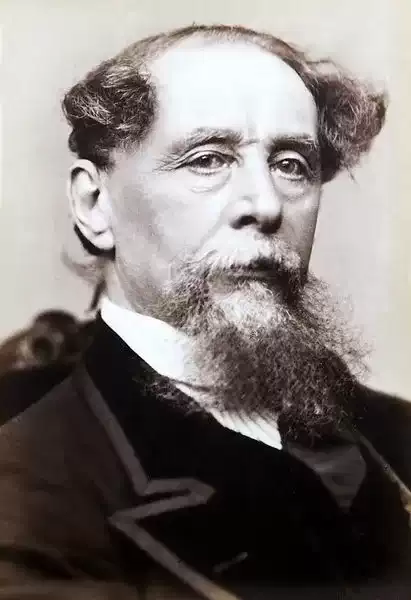
Charles Dickens
George Edmunds' Song
George Edmunds' Song
Autumn leaves, autumn leaves, lie strewn around he here;
Autumn leaves, autumn leaves, how sad, how cold, how drear!
How like the hopes of childhood's day,
Thick clust'ring on the bough!
How like those hopes in their decay-
How faded are they now!
Autumn leaves, autumn leaves, lie strewn around me here;
Autumn leaves, autumn leaves, how sad, how cold, how drear!
Wither'd leaves, wither'd leaves, that fly before the gale:
Withered leaves, withered leaves, ye tell a mournful tale,
Of love once true, and friends once kind,
And happy moments fled:
Dispersed by every breath of wind,
Forgotten, changed, or dead!
Autumn leaves, autumn leaves, lie strewn around me here!
Autumn leaves, autumn leaves, how sad, how cold, how drear!
Autumn leaves, autumn leaves, lie strewn around he here;
Autumn leaves, autumn leaves, how sad, how cold, how drear!
How like the hopes of childhood's day,
Thick clust'ring on the bough!
How like those hopes in their decay-
How faded are they now!
Autumn leaves, autumn leaves, lie strewn around me here;
Autumn leaves, autumn leaves, how sad, how cold, how drear!
Wither'd leaves, wither'd leaves, that fly before the gale:
Withered leaves, withered leaves, ye tell a mournful tale,
Of love once true, and friends once kind,
And happy moments fled:
Dispersed by every breath of wind,
Forgotten, changed, or dead!
Autumn leaves, autumn leaves, lie strewn around me here!
Autumn leaves, autumn leaves, how sad, how cold, how drear!
313

Carl Sandburg
Mamie
Mamie
Mamie beat her head against the bars of a little Indiana town and dreamed of romance
and big things off somewhere the way the railroad trains all ran.
She could see the smoke of the engines get lost down where the streaks of steel
flashed in the sun and when the newspapers came in on the morning mail she knew
there was a big Chicago far off, where all the trains ran.
She got tired of the barber shop boys and the post office chatter and the church gossip
and the old pieces the band played on the Fourth of July and Decoration Day
And sobbed at her fate and beat her head against the bars and was going to kill herself
When the thought came to her that if she was going to die she might as well die
struggling for a clutch of romance among the streets of Chicago.
She has a job now at six dollars a week in the basement of the Boston Store
And even now she beats her head against the bars in the same old way and wonders if
there is a bigger place the railroads run to from Chicago where maybe there is
romance
and big things
and real dreams
that never go smash.
Mamie beat her head against the bars of a little Indiana town and dreamed of romance
and big things off somewhere the way the railroad trains all ran.
She could see the smoke of the engines get lost down where the streaks of steel
flashed in the sun and when the newspapers came in on the morning mail she knew
there was a big Chicago far off, where all the trains ran.
She got tired of the barber shop boys and the post office chatter and the church gossip
and the old pieces the band played on the Fourth of July and Decoration Day
And sobbed at her fate and beat her head against the bars and was going to kill herself
When the thought came to her that if she was going to die she might as well die
struggling for a clutch of romance among the streets of Chicago.
She has a job now at six dollars a week in the basement of the Boston Store
And even now she beats her head against the bars in the same old way and wonders if
there is a bigger place the railroads run to from Chicago where maybe there is
romance
and big things
and real dreams
that never go smash.
370
Carl Sandburg
Broadway
Broadway
I shall never forget you, Broadway
Your golden and calling lights.
I’ll remember you long,
Tall-walled river of rush and play.
Hearts that know you hate you
And lips that have given you laughter
Have gone to their ashes of life and its roses,
Cursing the dreams that were lost
In the dust of your harsh and trampled stones.
I shall never forget you, Broadway
Your golden and calling lights.
I’ll remember you long,
Tall-walled river of rush and play.
Hearts that know you hate you
And lips that have given you laughter
Have gone to their ashes of life and its roses,
Cursing the dreams that were lost
In the dust of your harsh and trampled stones.
365
Boris Pasternak
Change
Change
I used to glorify the poor,
Not simply lofty views expressing:
Their lives alone, I felt, were true,
Devoid of pomp and window-dressing.
No stranger to the manor house,
Its finery and lordly tenor,
I was a friend of down-and-outs,
And shunned the idly sponging manner.
For choosing friendship in the ranks
Of working people, though no rebel,
I had the honour to be stamped
As also one among the rabble.
The state of basements, unadorned,
Of attics with no frills or curtains
Was tangible without pretence
And full of substance, weighty, certain.
And I went bad when rot defaced
Our time, and life became infested,
When grief was censured as disgrace
And all played optimists and yes-men.
My faith in those who seemed my friends
Was broken and our ties were sundered.
I, too, lost Man, the Human, since
He had been lost by all and sundry.
I used to glorify the poor,
Not simply lofty views expressing:
Their lives alone, I felt, were true,
Devoid of pomp and window-dressing.
No stranger to the manor house,
Its finery and lordly tenor,
I was a friend of down-and-outs,
And shunned the idly sponging manner.
For choosing friendship in the ranks
Of working people, though no rebel,
I had the honour to be stamped
As also one among the rabble.
The state of basements, unadorned,
Of attics with no frills or curtains
Was tangible without pretence
And full of substance, weighty, certain.
And I went bad when rot defaced
Our time, and life became infested,
When grief was censured as disgrace
And all played optimists and yes-men.
My faith in those who seemed my friends
Was broken and our ties were sundered.
I, too, lost Man, the Human, since
He had been lost by all and sundry.
600

Anonymous
Waly, Waly
Waly, Waly
O WALY, waly, up the bank,
And waly, waly, doun the brae,
And waly, waly, yon burn-side,
Where I and my Love wont to gae!
I lean'd my back unto an aik,
I thocht it was a trustie tree;
But first it bow'd and syne it brak--
Sae my true love did lichtlie me.
O waly, waly, gin love be bonnie
A little time while it is new!
But when 'tis auld it waxeth cauld,
And fades awa' like morning dew.
O wherefore should I busk my heid,
Or wherefore should I kame my hair?
For my true Love has me forsook,
And says he'll never lo'e me mair.
Now Arthur's Seat sall be my bed,
The sheets sall ne'er be 'filed by me;
Saint Anton's well sall be my drink;
Since my true Love has forsaken me.
Marti'mas wind, when wilt thou blaw,
And shake the green leaves aff the tree?
O gentle Death, when wilt thou come?
For of my life I am wearìe.
'Tis not the frost, that freezes fell,
Nor blawing snaw's inclemencie,
'Tis not sic cauld that makes me cry;
But my Love's heart grown cauld to me.
When we cam in by Glasgow toun,
We were a comely sicht to see;
My Love was clad in the black velvet,
And I mysel in cramasie.
But had I wist, before I kist,
That love had been sae ill to win,
I had lock'd my heart in a case o' gowd,
And pinn'd it wi' a siller pin.
And O! if my young babe were born,
And set upon the nurse's knee;
And I mysel were dead and gane,
And the green grass growing over me!
O WALY, waly, up the bank,
And waly, waly, doun the brae,
And waly, waly, yon burn-side,
Where I and my Love wont to gae!
I lean'd my back unto an aik,
I thocht it was a trustie tree;
But first it bow'd and syne it brak--
Sae my true love did lichtlie me.
O waly, waly, gin love be bonnie
A little time while it is new!
But when 'tis auld it waxeth cauld,
And fades awa' like morning dew.
O wherefore should I busk my heid,
Or wherefore should I kame my hair?
For my true Love has me forsook,
And says he'll never lo'e me mair.
Now Arthur's Seat sall be my bed,
The sheets sall ne'er be 'filed by me;
Saint Anton's well sall be my drink;
Since my true Love has forsaken me.
Marti'mas wind, when wilt thou blaw,
And shake the green leaves aff the tree?
O gentle Death, when wilt thou come?
For of my life I am wearìe.
'Tis not the frost, that freezes fell,
Nor blawing snaw's inclemencie,
'Tis not sic cauld that makes me cry;
But my Love's heart grown cauld to me.
When we cam in by Glasgow toun,
We were a comely sicht to see;
My Love was clad in the black velvet,
And I mysel in cramasie.
But had I wist, before I kist,
That love had been sae ill to win,
I had lock'd my heart in a case o' gowd,
And pinn'd it wi' a siller pin.
And O! if my young babe were born,
And set upon the nurse's knee;
And I mysel were dead and gane,
And the green grass growing over me!
251
Anonymous
The Time When I First Fell In Love
The Time When I First Fell In Love
The time when first I fell in love,
Which now I must lament;
The year wherein I lost such time
To compass my content.
The day wherein I saw too late
The follies of a lover;
The hour wherein I found such loss
As care cannot recover.
And last, the minute of mishap,
Which makes me thus to plain
The doleful fruits of lover's suits,
Which labour lose in vain:
Doth make me solemnly protest,
As I with pain do prove,
There is no time, year, day, nor hour,
Nor minute, good to love.
The time when first I fell in love,
Which now I must lament;
The year wherein I lost such time
To compass my content.
The day wherein I saw too late
The follies of a lover;
The hour wherein I found such loss
As care cannot recover.
And last, the minute of mishap,
Which makes me thus to plain
The doleful fruits of lover's suits,
Which labour lose in vain:
Doth make me solemnly protest,
As I with pain do prove,
There is no time, year, day, nor hour,
Nor minute, good to love.
273