

Poems in this theme
Desire
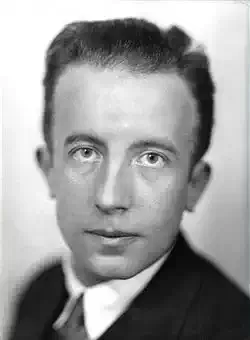
Paul Éluard
At the Window
At the Window
I have not always had this certainty, this pessimism which reassures the best among
us. There was
a time when my friends laughed at me. I was not the master of my words. A certain
indifference, I
have not always known well what I wanted to say, but most often it was because I had
nothing to
say. The necessity of speaking and the desire not to be heard. My life hanging only by
a thread.
There was a time when I seemed to understand nothing. My chains floated on the
water.
All my desires are born of my dreams. And I have proven my love with words. To what
fantastic
creatures have I entrusted myself, in what dolorous and ravishing world has my
imagination
enclosed me? I am sure of having been loved in the most mysterious of domains, my
own. The
language of my love does not belong to human language, my human body does not
touch the flesh
of my love. My amorous imagination has always been constant and high enough so
that nothing
could attempt to convince me of error.
I have not always had this certainty, this pessimism which reassures the best among
us. There was
a time when my friends laughed at me. I was not the master of my words. A certain
indifference, I
have not always known well what I wanted to say, but most often it was because I had
nothing to
say. The necessity of speaking and the desire not to be heard. My life hanging only by
a thread.
There was a time when I seemed to understand nothing. My chains floated on the
water.
All my desires are born of my dreams. And I have proven my love with words. To what
fantastic
creatures have I entrusted myself, in what dolorous and ravishing world has my
imagination
enclosed me? I am sure of having been loved in the most mysterious of domains, my
own. The
language of my love does not belong to human language, my human body does not
touch the flesh
of my love. My amorous imagination has always been constant and high enough so
that nothing
could attempt to convince me of error.
374
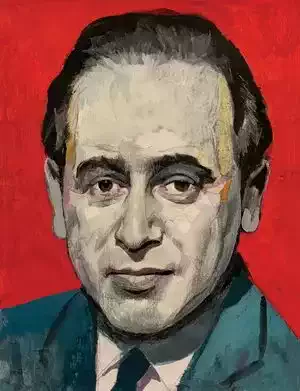
Paul Celan
Your Hand
Your Hand
Your hand full of hours, you came to me – and I said:
‘Your hair is not brown.’
You lifted it, lightly,
on to the balance of grief,
it was heavier than I.
They come to you on their ships, and make it their load,
then put it on sale in the markets of lust.
You smile at me from the deep.
I weep at you from the scale that’s still light.
I weep: Your hair is not brown.
They offer salt-waves of the sea,
and you give them spume.
You whisper: ‘They’re filling the world with me now,
and for you I’m still a hollow way in the heart!
You say: ‘Lay the leaf-work of years by you, it’s time,
that you came here and kissed me.
The leaf-work of years is brown, your hair is not brown.
Your hand full of hours, you came to me – and I said:
‘Your hair is not brown.’
You lifted it, lightly,
on to the balance of grief,
it was heavier than I.
They come to you on their ships, and make it their load,
then put it on sale in the markets of lust.
You smile at me from the deep.
I weep at you from the scale that’s still light.
I weep: Your hair is not brown.
They offer salt-waves of the sea,
and you give them spume.
You whisper: ‘They’re filling the world with me now,
and for you I’m still a hollow way in the heart!
You say: ‘Lay the leaf-work of years by you, it’s time,
that you came here and kissed me.
The leaf-work of years is brown, your hair is not brown.
399
Paul Celan
Psalm
Psalm
No-man kneads us again out of Earth and Loam,
no-man spirits our Dust.
No-man.
Praise to you, No-man.
For love of you
we will flower.
Moving
towards you.
A Nothing
we were, we are, we shall
be still, flowering:
the Nothing-, the
No-man’s-rose.
With
our Pistil soul-bright,
our Stamen heaven-torn,
our Corolla red
with the Violet-Word that we sang
over, O over
the thorn.
No-man kneads us again out of Earth and Loam,
no-man spirits our Dust.
No-man.
Praise to you, No-man.
For love of you
we will flower.
Moving
towards you.
A Nothing
we were, we are, we shall
be still, flowering:
the Nothing-, the
No-man’s-rose.
With
our Pistil soul-bright,
our Stamen heaven-torn,
our Corolla red
with the Violet-Word that we sang
over, O over
the thorn.
484
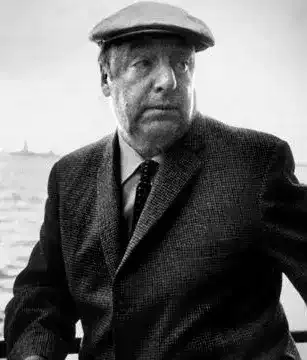
Pablo Neruda
Your Laughter
Your Laughter
Take bread away from me, if you wish,
take air away, but
do not take from me your laughter.
Do not take away the rose,
the lance flower that you pluck,
the water that suddenly
bursts forth in joy,
the sudden wave
of silver born in you.
My struggle is harsh and I come back
with eyes tired
at times from having seen
the unchanging earth,
but when your laughter enters
it rises to the sky seeking me
and it opens for me all
the doors of life.
My love, in the darkest
hour your laughter
opens, and if suddenly
you see my blood staining
the stones of the street,
laugh, because your laughter
will be for my hands
like a fresh sword.
Next to the sea in the autumn,
your laughter must raise
its foamy cascade,
and in the spring, love,
I want your laughter like
the flower I was waiting for,
the blue flower, the rose
of my echoing country.
Laugh at the night,
at the day, at the moon,
laugh at the twisted
streets of the island,
laugh at this clumsy
boy who loves you,
but when I open
my eyes and close them,
when my steps go,
when my steps return,
deny me bread, air,
light, spring,
but never your laughter
for I would die.
Take bread away from me, if you wish,
take air away, but
do not take from me your laughter.
Do not take away the rose,
the lance flower that you pluck,
the water that suddenly
bursts forth in joy,
the sudden wave
of silver born in you.
My struggle is harsh and I come back
with eyes tired
at times from having seen
the unchanging earth,
but when your laughter enters
it rises to the sky seeking me
and it opens for me all
the doors of life.
My love, in the darkest
hour your laughter
opens, and if suddenly
you see my blood staining
the stones of the street,
laugh, because your laughter
will be for my hands
like a fresh sword.
Next to the sea in the autumn,
your laughter must raise
its foamy cascade,
and in the spring, love,
I want your laughter like
the flower I was waiting for,
the blue flower, the rose
of my echoing country.
Laugh at the night,
at the day, at the moon,
laugh at the twisted
streets of the island,
laugh at this clumsy
boy who loves you,
but when I open
my eyes and close them,
when my steps go,
when my steps return,
deny me bread, air,
light, spring,
but never your laughter
for I would die.
657
Pablo Neruda
Sonnet XVII
Sonnet XVII
I do not love you as if you were salt-rose, or topaz,
or the arrow of carnations the fire shoots off.
I love you as certain dark things are to be loved,
in secret, between the shadow and the soul.
I love you as the plant that never blooms
but carries in itself the light of hidden flowers;
thanks to your love a certain solid fragrance,
risen from the earth, lives darkly in my body.
I love you without knowing how, or when, or from where.
I love you straightforwardly, without complexities or pride;
so I love you because I know no other way
than this: where I does not exist, nor you,
so close that your hand on my chest is my hand,
so close that your eyes close as I fall asleep.
I do not love you as if you were salt-rose, or topaz,
or the arrow of carnations the fire shoots off.
I love you as certain dark things are to be loved,
in secret, between the shadow and the soul.
I love you as the plant that never blooms
but carries in itself the light of hidden flowers;
thanks to your love a certain solid fragrance,
risen from the earth, lives darkly in my body.
I love you without knowing how, or when, or from where.
I love you straightforwardly, without complexities or pride;
so I love you because I know no other way
than this: where I does not exist, nor you,
so close that your hand on my chest is my hand,
so close that your eyes close as I fall asleep.
802
Pablo Neruda
Sonnet XIII:The light that rises from your feet to your hair
Sonnet XIII:The light that rises from your feet to your hair
The light that rises from your feet to your hair,
the strength enfolding your delicate form,
are not mother of pearl, not chilly silver:
you are made of bread, a bread the fire adores.
The grain grew high in its harvest of you,
in good time the flour swelled;
as the dough rose, doubling your breasts,
my love was the coal waiting ready in the earth.
Oh, bread your forehead, your legs, your mouth,
bread I devour, born with the morning light,
my love, beacon-flag of the bakeries:
fire taugh you a lesson of the blood;
you learned your holiness from flour,
from bread your language and aroma.
The light that rises from your feet to your hair,
the strength enfolding your delicate form,
are not mother of pearl, not chilly silver:
you are made of bread, a bread the fire adores.
The grain grew high in its harvest of you,
in good time the flour swelled;
as the dough rose, doubling your breasts,
my love was the coal waiting ready in the earth.
Oh, bread your forehead, your legs, your mouth,
bread I devour, born with the morning light,
my love, beacon-flag of the bakeries:
fire taugh you a lesson of the blood;
you learned your holiness from flour,
from bread your language and aroma.
537
Pablo Neruda
Sonnet XCV:Who ever desired each other as we do
Sonnet XCV:Who ever desired each other as we do
Who ever desired each other as we do? Let us look
for the ancient ashes of hearts that burned,
and let our kisses touch there, one by one,
till the flower, disembodied, rises again.
Let us love that Desire that consumed its own fruit
and went down, aspect and power, into the earth:
We are its continuing light,
its indestructible, fragile seed
Who ever desired each other as we do? Let us look
for the ancient ashes of hearts that burned,
and let our kisses touch there, one by one,
till the flower, disembodied, rises again.
Let us love that Desire that consumed its own fruit
and went down, aspect and power, into the earth:
We are its continuing light,
its indestructible, fragile seed
434
Pablo Neruda
Soneto XVII
Soneto XVII
No te amo como si fueras rosa de sal, topacio
o flecha de claveles que propagan el fuego:
te amo como se aman ciertas cosas oscuras,
secretamente, entre la sombra y el alma.
Te amo como la planta que no florece y lleva
dentro de sí, escondida, la luz de aquellas flores,
y gracias a tu amor vive oscuro en mi cuerpo
el apretado aroma que ascendió de la tierra.
Te amo sin saber cómo, ni cuándo, ni de dónde,
te amo directamente sin problemas ni orgullo:
así te amo porque no sé amar de otra manera,
sino así de este modo en que no soy ni eres,
tan cerca que tu mano sobre mi pecho es mía,
tan cerca que se cierran tus ojos con mi sueño.
No te amo como si fueras rosa de sal, topacio
o flecha de claveles que propagan el fuego:
te amo como se aman ciertas cosas oscuras,
secretamente, entre la sombra y el alma.
Te amo como la planta que no florece y lleva
dentro de sí, escondida, la luz de aquellas flores,
y gracias a tu amor vive oscuro en mi cuerpo
el apretado aroma que ascendió de la tierra.
Te amo sin saber cómo, ni cuándo, ni de dónde,
te amo directamente sin problemas ni orgullo:
así te amo porque no sé amar de otra manera,
sino así de este modo en que no soy ni eres,
tan cerca que tu mano sobre mi pecho es mía,
tan cerca que se cierran tus ojos con mi sueño.
766
Pablo Neruda
Potter
Potter
Your whole body has
a fullness or a gentleness destined for me.
When I move my hand up
I find in each place a dove
that was seeking me, as
if they had, love, made you of clay
for my own potter's hands.
Your knees, your breasts,
your waist
are missing parts of me like the hollow
of a thirsty earth
from which they broke off
a form,
and together
we are complete like a single river,
like a single grain of sand.
Your whole body has
a fullness or a gentleness destined for me.
When I move my hand up
I find in each place a dove
that was seeking me, as
if they had, love, made you of clay
for my own potter's hands.
Your knees, your breasts,
your waist
are missing parts of me like the hollow
of a thirsty earth
from which they broke off
a form,
and together
we are complete like a single river,
like a single grain of sand.
471
Pablo Neruda
Love
Love
What's wrong with you, with us,
what's happening to us?
Ah our love is a harsh cord
that binds us wounding us
and if we want
to leave our wound,
to separate,
it makes a new knot for us and condemns us
to drain our blood and burn together.
What's wrong with you? I look at you
and I find nothing in you but two eyes
like all eyes, a mouth
lost among a thousand mouths that I have kissed, more beautiful,
a body just like those that have slipped
beneath my body without leaving any memory.
And how empty you went through the world
like a wheat-colored jar
without air, without sound, without substance!
I vainly sought in you
depth for my arms
that dig, without cease, beneath the earth:
beneath your skin, beneath your eyes,
nothing,
beneath your double breast scarcely
raised
a current of crystalline order
that does not know why it flows singing.
Why, why, why,
my love, why?
What's wrong with you, with us,
what's happening to us?
Ah our love is a harsh cord
that binds us wounding us
and if we want
to leave our wound,
to separate,
it makes a new knot for us and condemns us
to drain our blood and burn together.
What's wrong with you? I look at you
and I find nothing in you but two eyes
like all eyes, a mouth
lost among a thousand mouths that I have kissed, more beautiful,
a body just like those that have slipped
beneath my body without leaving any memory.
And how empty you went through the world
like a wheat-colored jar
without air, without sound, without substance!
I vainly sought in you
depth for my arms
that dig, without cease, beneath the earth:
beneath your skin, beneath your eyes,
nothing,
beneath your double breast scarcely
raised
a current of crystalline order
that does not know why it flows singing.
Why, why, why,
my love, why?
508
Pablo Neruda
Lovely One
Lovely One
Lovely one,
Just as on the cool stone
Of the spring, the water
Opens a wide flash of foam,
So is the smile of your face,
Lovely one.
Lovely one,
With delicate hands and slender feet
Like a silver pony,
Walking, flower of the world,
Thus I see you,
Lovely one.
Lovely one,
With a nest of copper entangled
On your head, a nest
The coloUr of dark honey
Where my heart burns and rests,
Lovely one.
Lovely one,
Your eyes are too big for your face,
Your eyes are too big for the earth.
There are countries, there are rivers,
In your eyes,
My country is your eyes,
I walk through them,
They light the world
Through which I walk,
Lovely one.
Lovely one,
Your breasts are like two loaves made
Of grainy earth and golden moon,
Lovely one.
Lovely one,
Your waist,
My arm shaped it like a river when
It flowed a thousand years through your sweet body,
Lovely one.
Lovely one,
There is nothing like your hips,
Perhaps earth has
In some hidden place
The curve and the fragrance of your body,
Perhaps in some place,
Lovely one.
Lovely one, my lovely one,
Your voice, your skin, your nails,
Lovely one, my lovely one,
Your being, your light, your shadow,
Lovely one,
All that is mine, lovely one,
All that is mine, my dear,
When you walk or rest,
When you sing or sleep,
When you suffer or dream,
Always,
When you are near or far,
Always,
You are mine, my lovely one,
Always.
Lovely one,
Just as on the cool stone
Of the spring, the water
Opens a wide flash of foam,
So is the smile of your face,
Lovely one.
Lovely one,
With delicate hands and slender feet
Like a silver pony,
Walking, flower of the world,
Thus I see you,
Lovely one.
Lovely one,
With a nest of copper entangled
On your head, a nest
The coloUr of dark honey
Where my heart burns and rests,
Lovely one.
Lovely one,
Your eyes are too big for your face,
Your eyes are too big for the earth.
There are countries, there are rivers,
In your eyes,
My country is your eyes,
I walk through them,
They light the world
Through which I walk,
Lovely one.
Lovely one,
Your breasts are like two loaves made
Of grainy earth and golden moon,
Lovely one.
Lovely one,
Your waist,
My arm shaped it like a river when
It flowed a thousand years through your sweet body,
Lovely one.
Lovely one,
There is nothing like your hips,
Perhaps earth has
In some hidden place
The curve and the fragrance of your body,
Perhaps in some place,
Lovely one.
Lovely one, my lovely one,
Your voice, your skin, your nails,
Lovely one, my lovely one,
Your being, your light, your shadow,
Lovely one,
All that is mine, lovely one,
All that is mine, my dear,
When you walk or rest,
When you sing or sleep,
When you suffer or dream,
Always,
When you are near or far,
Always,
You are mine, my lovely one,
Always.
526
Pablo Neruda
In You The Earth
In You The Earth
Little
rose,
roselet,
at times,
tiny and naked,
it seems
as though you would fit
in one of my hands,
as though I’ll clasp you like this
and carry you to my mouth,
but
suddenly
my feet touch your feet and my mouth your lips:
you have grown,
your shoulders rise like two hills,
your breasts wander over my breast,
my arm scarcely manages to encircle the thin
new-moon line of your waist:
in love you loosened yourself like sea water:
I can scarcely measure the sky’s most spacious eyes
and I lean down to your mouth to kiss the earth.
Little
rose,
roselet,
at times,
tiny and naked,
it seems
as though you would fit
in one of my hands,
as though I’ll clasp you like this
and carry you to my mouth,
but
suddenly
my feet touch your feet and my mouth your lips:
you have grown,
your shoulders rise like two hills,
your breasts wander over my breast,
my arm scarcely manages to encircle the thin
new-moon line of your waist:
in love you loosened yourself like sea water:
I can scarcely measure the sky’s most spacious eyes
and I lean down to your mouth to kiss the earth.
548
Pablo Neruda
Gentleman Alone
Gentleman Alone
The young maricones and the horny muchachas,
The big fat widows delirious from insomnia,
The young wives thirty hours' pregnant,
And the hoarse tomcats that cross my garden at night,
Like a collar of palpitating sexual oysters
Surround my solitary home,
Enemies of my soul,
Conspirators in pajamas
Who exchange deep kisses for passwords.
Radiant summer brings out the lovers
In melancholy regiments,
Fat and thin and happy and sad couples;
Under the elegant coconut palms, near the ocean and moon,
There is a continual life of pants and panties,
A hum from the fondling of silk stockings,
And women's breasts that glisten like eyes.
The salary man, after a while,
After the week's tedium, and the novels read in bed at night,
Has decisively fucked his neighbor,
And now takes her to the miserable movies,
Where the heroes are horses or passionate princes,
And he caresses her legs covered with sweet down
With his ardent and sweaty palms that smell like cigarettes.
The night of the hunter and the night of the husband
Come together like bed sheets and bury me,
And the hours after lunch, when the students and priests are masturbating,
And the animals mount each other openly,
And the bees smell of blood, and the flies buzz cholerically,
And cousins play strange games with cousins,
And doctors glower at the husband of the young patient,
And the early morning in which the professor, without a thought,
Pays his conjugal debt and eats breakfast,
And to top it all off, the adulterers, who love each other truly
On beds big and tall as ships:
So, eternally,
This twisted and breathing forest crushes me
With gigantic flowers like mouth and teeth
And black roots like fingernails and shoes.
Translated by Mike Topp
The young maricones and the horny muchachas,
The big fat widows delirious from insomnia,
The young wives thirty hours' pregnant,
And the hoarse tomcats that cross my garden at night,
Like a collar of palpitating sexual oysters
Surround my solitary home,
Enemies of my soul,
Conspirators in pajamas
Who exchange deep kisses for passwords.
Radiant summer brings out the lovers
In melancholy regiments,
Fat and thin and happy and sad couples;
Under the elegant coconut palms, near the ocean and moon,
There is a continual life of pants and panties,
A hum from the fondling of silk stockings,
And women's breasts that glisten like eyes.
The salary man, after a while,
After the week's tedium, and the novels read in bed at night,
Has decisively fucked his neighbor,
And now takes her to the miserable movies,
Where the heroes are horses or passionate princes,
And he caresses her legs covered with sweet down
With his ardent and sweaty palms that smell like cigarettes.
The night of the hunter and the night of the husband
Come together like bed sheets and bury me,
And the hours after lunch, when the students and priests are masturbating,
And the animals mount each other openly,
And the bees smell of blood, and the flies buzz cholerically,
And cousins play strange games with cousins,
And doctors glower at the husband of the young patient,
And the early morning in which the professor, without a thought,
Pays his conjugal debt and eats breakfast,
And to top it all off, the adulterers, who love each other truly
On beds big and tall as ships:
So, eternally,
This twisted and breathing forest crushes me
With gigantic flowers like mouth and teeth
And black roots like fingernails and shoes.
Translated by Mike Topp
624
Pablo Neruda
Drunk as Drunk
Drunk as Drunk
Translated from the Spanish by Christopher Logue
Drunk as drunk on turpentine
From your open kisses,
Your wet body wedged
Between my wet body and the strake
Of our boat that is made of flowers,
Feasted, we guide it - our fingers
Like tallows adorned with yellow metal -
Over the sky's hot rim,
The day's last breath in our sails.
Pinned by the sun between solstice
And equinox, drowsy and tangled together
We drifted for months and woke
With the bitter taste of land on our lips,
Eyelids all sticky, and we longed for lime
And the sound of a rope
Lowering a bucket down its well. Then,
We came by night to the Fortunate Isles,
And lay like fish
Under the net of our kisses.
Translated from the Spanish by Christopher Logue
Drunk as drunk on turpentine
From your open kisses,
Your wet body wedged
Between my wet body and the strake
Of our boat that is made of flowers,
Feasted, we guide it - our fingers
Like tallows adorned with yellow metal -
Over the sky's hot rim,
The day's last breath in our sails.
Pinned by the sun between solstice
And equinox, drowsy and tangled together
We drifted for months and woke
With the bitter taste of land on our lips,
Eyelids all sticky, and we longed for lime
And the sound of a rope
Lowering a bucket down its well. Then,
We came by night to the Fortunate Isles,
And lay like fish
Under the net of our kisses.
553
Pablo Neruda
Always
Always
I am not jealous
of what came before me.
Come with a man
on your shoulders,
come with a hundred men in your hair,
come with a thousand men between your breasts and your feet,
come like a river
full of drowned men
which flows down to the wild sea,
to the eternal surf, to Time!
Bring them all
to where I am waiting for you;
we shall always be alone,
we shall always be you and I
alone on earth,
to start our life!
I am not jealous
of what came before me.
Come with a man
on your shoulders,
come with a hundred men in your hair,
come with a thousand men between your breasts and your feet,
come like a river
full of drowned men
which flows down to the wild sea,
to the eternal surf, to Time!
Bring them all
to where I am waiting for you;
we shall always be alone,
we shall always be you and I
alone on earth,
to start our life!
587
Pablo Neruda
Absence
Absence
I have scarcely left you
When you go in me, crystalline,
Or trembling,
Or uneasy, wounded by me
Or overwhelmed with love, as
when your eyes
Close upon the gift of life
That without cease I give you.
My love,
We have found each other
Thirsty and we have
Drunk up all the water and the
Blood,
We found each other
Hungry
And we bit each other
As fire bites,
Leaving wounds in us.
But wait for me,
Keep for me your sweetness.
I will give you too
A rose.
I have scarcely left you
When you go in me, crystalline,
Or trembling,
Or uneasy, wounded by me
Or overwhelmed with love, as
when your eyes
Close upon the gift of life
That without cease I give you.
My love,
We have found each other
Thirsty and we have
Drunk up all the water and the
Blood,
We found each other
Hungry
And we bit each other
As fire bites,
Leaving wounds in us.
But wait for me,
Keep for me your sweetness.
I will give you too
A rose.
665
Pablo Neruda
‘Carnal apple, Woman filled, burning moon,’
‘Carnal apple, Woman filled, burning moon,’
Carnal apple, Woman filled, burning moon,
dark smell of seaweed, crush of mud and light,
what secret knowledge is clasped between your pillars?
What primal night does Man touch with his senses?
Ay, Love is a journey through waters and stars,
through suffocating air, sharp tempests of grain:
Love is a war of lightning,
and two bodies ruined by a single sweetness.
Kiss by kiss I cover your tiny infinity,
your margins, your rivers, your diminutive villages,
and a genital fire, transformed by delight,
slips through the narrow channels of blood
to precipitate a nocturnal carnation,
to be, and be nothing but light in the dark.
Carnal apple, Woman filled, burning moon,
dark smell of seaweed, crush of mud and light,
what secret knowledge is clasped between your pillars?
What primal night does Man touch with his senses?
Ay, Love is a journey through waters and stars,
through suffocating air, sharp tempests of grain:
Love is a war of lightning,
and two bodies ruined by a single sweetness.
Kiss by kiss I cover your tiny infinity,
your margins, your rivers, your diminutive villages,
and a genital fire, transformed by delight,
slips through the narrow channels of blood
to precipitate a nocturnal carnation,
to be, and be nothing but light in the dark.
500
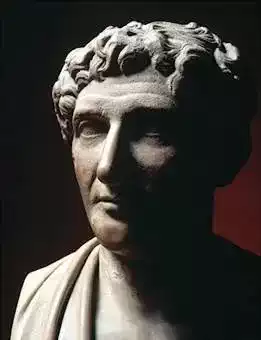
Ovídio
Elegy V
Elegy V
In summer's heat and mid-time of the day
To rest my limbs upon a bed I lay,
One window shut, the other open stood,
Which gave such light, as twinkles in a wood,
Like twilight glimpse at setting of the sun,
Or night being past, and yet not day begun.
Such light to shamefast maidens must be shown,
Where they must sport, and seem to be unknown.
Then came Corinna in a long loose gown,
Her white neck hid with tresses hanging down:
Resembling fair Semiramis going to bed
Or Layis of a thousand wooers sped.
I snatched her gown, being thin, the harm was small,
Yet strived she to be covered there withal.
And striving thus as one that would be chaste,
Betrayed herself, and yeilded at the last.
Stark naked as she stood before mine eye,
Not one wen in her body could I spy.
What arms and shoulders did I touch and see,
How apt her breasts were to be pressed by me.
How smooth a belly under her waist saw I?
How large a leg, and what a lusty thigh?
To leave the rest, all liked me passing well,
I clinged her naked body, down she fell,
Judge you the rest, being tired she bade me kiss,
Jove sent me more such afternoons as this.
In summer's heat and mid-time of the day
To rest my limbs upon a bed I lay,
One window shut, the other open stood,
Which gave such light, as twinkles in a wood,
Like twilight glimpse at setting of the sun,
Or night being past, and yet not day begun.
Such light to shamefast maidens must be shown,
Where they must sport, and seem to be unknown.
Then came Corinna in a long loose gown,
Her white neck hid with tresses hanging down:
Resembling fair Semiramis going to bed
Or Layis of a thousand wooers sped.
I snatched her gown, being thin, the harm was small,
Yet strived she to be covered there withal.
And striving thus as one that would be chaste,
Betrayed herself, and yeilded at the last.
Stark naked as she stood before mine eye,
Not one wen in her body could I spy.
What arms and shoulders did I touch and see,
How apt her breasts were to be pressed by me.
How smooth a belly under her waist saw I?
How large a leg, and what a lusty thigh?
To leave the rest, all liked me passing well,
I clinged her naked body, down she fell,
Judge you the rest, being tired she bade me kiss,
Jove sent me more such afternoons as this.
208
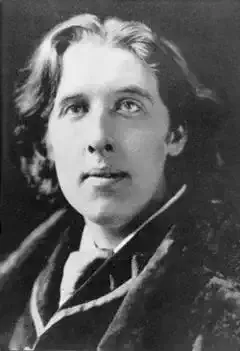
Oscar Wilde
Serenade
Serenade
THE western wind is blowing fair
Across the dark Ægean sea,
And at the secret marble stair
My Tyrian galley waits for thee.
Come down! the purple sail is spread,
The watchman sleeps within the town,
O leave thy lily-flowered bed,
O Lady mine come down, come down!
She will not come, I know her well,
Of lover's vows she hath no care,
And little good a man can tell
Of one so cruel and so fair.
True love is but a woman's toy,
They never know the lover's pain,
And I who loved as loves a boy
Must love in vain, must love in vain.
O noble pilot tell me true
Is that the sheen of golden hair?
Or is it but the tangled dew
That binds the passion-flowers there?
Good sailor come and tell me now
Is that my Lady's lily hand?
Or is it but the gleaming prow,
Or is it but the silver sand?
No! no! 'tis not the tangled dew,
'Tis not the silver-fretted sand,
It is my own dear Lady true
With golden hair and lily hand!
O noble pilot steer for Troy,
Good sailor ply the labouring oar,
This is the Queen of life and joy
Whom we must bear from Grecian shore!
The waning sky grows faint and blue,
It wants an hour still of day,
Aboard! aboard! my gallant crew,
O Lady mine away! away!
O noble pilot steer for Troy,
Good sailor ply the labouring oar,
O loved as only loves a boy!
O loved for ever evermore!
THE western wind is blowing fair
Across the dark Ægean sea,
And at the secret marble stair
My Tyrian galley waits for thee.
Come down! the purple sail is spread,
The watchman sleeps within the town,
O leave thy lily-flowered bed,
O Lady mine come down, come down!
She will not come, I know her well,
Of lover's vows she hath no care,
And little good a man can tell
Of one so cruel and so fair.
True love is but a woman's toy,
They never know the lover's pain,
And I who loved as loves a boy
Must love in vain, must love in vain.
O noble pilot tell me true
Is that the sheen of golden hair?
Or is it but the tangled dew
That binds the passion-flowers there?
Good sailor come and tell me now
Is that my Lady's lily hand?
Or is it but the gleaming prow,
Or is it but the silver sand?
No! no! 'tis not the tangled dew,
'Tis not the silver-fretted sand,
It is my own dear Lady true
With golden hair and lily hand!
O noble pilot steer for Troy,
Good sailor ply the labouring oar,
This is the Queen of life and joy
Whom we must bear from Grecian shore!
The waning sky grows faint and blue,
It wants an hour still of day,
Aboard! aboard! my gallant crew,
O Lady mine away! away!
O noble pilot steer for Troy,
Good sailor ply the labouring oar,
O loved as only loves a boy!
O loved for ever evermore!
223
Oscar Wilde
Panthea
Panthea
NAY, let us walk from fire unto fire,
From passionate pain to deadlier delight,--
I am too young to live without desire,
Too young art thou to waste this summer night
Asking those idle questions which of old
Man sought of seer and oracle, and no reply was told.
For, sweet, to feel is better than to know,
And wisdom is a childless heritage,
One pulse of passion--youth's first fiery glow,--
Are worth the hoarded proverbs of the sage:
Vex not thy soul with dead philosophy,
Have we not lips to kiss with, hearts to love, and eyes to see!
Dost thou not hear the murmuring nightingale
Like water bubbling from a silver jar,
So soft she sings the envious moon is pale,
That high in heaven she is hung so far
She cannot hear that love-enraptured tune,--
Mark how she wreathes each horn with mist, yon late and labouring
moon.
White lilies, in whose cups the gold bees dream,
The fallen snow of petals where the breeze
Scatters the chestnut blossom, or the gleam
Of boyish limbs in water,--are not these
Enough for thee, dost thou desire more?
Alas! the Gods will give nought else from their eternal store.
For our high Gods have sick and wearied grown
Of all our endless sins, our vain endeavour
For wasted days of youth to make atone
By pain or prayer or priest, and never, never,
Hearken they now to either good or ill,
But send their rain upon the just and the unjust at will.
They sit at ease, our Gods they sit at ease,
Strewing with leaves of rose their scented wine,
They sleep, they sleep, beneath the rocking trees
Where asphodel and yellow lotus twine,
Mourning the old glad days before they knew
What evil things the heart of man could dream, and dreaming do.
And far beneath the brazen floor they see
Like swarming flies the crowd of little men,
The bustle of small lives, then wearily
Back to their lotus-haunts they turn again
Kissing each other's mouths, and mix more deep
The poppy-seeded draught which brings soft purple-lidded sleep.
There all day long the golden-vestured sun,
Their torch-bearer, stands with his torch a-blaze,
And when the gaudy web of noon is spun
By its twelve maidens through the crimson haze
Fresh from Endymion's arms comes forth the moon,
And the immortal Gods in toils of mortal passions swoon.
There walks Queen Juno through some dewy mead
Her grand white feet flecked with the saffron dust
Of wind-stirred lilies, while young Ganymede
Leaps in the hot and amber-foaming must,
His curls all tossed, as when the eagle bare
The frightened boy from Ida through the blue Ionian air.
There in the green heart of some garden close
Queen Venus with the shepherd at her side,
Her warm soft body like the briar rose
Which would be white yet blushes at its pride,
Laughs low for love, till jealous Salmacis
Peers through the myrtle-leaves and sighs for pain of lonely
bliss.
There never does that dreary north-wind blow
Which leaves our English forests bleak and bare,
Nor ever falls the swift white-feathered snow,
Nor doth the red-toothed lightning ever dare
To wake them in the silver-fretted night
When we lie weeping for some sweet sad sin, some dead delight.
Alas! they know the far Lethæan spring,
The violet-hidden waters well they know,
Where one whose feet with tired wandering
Are faint and broken may take heart and go,
And from those dark depths cool and crystalline
Drink, and draw balm, and sleep for sleepless souls, and anodyne.
But we oppress our natures, God or Fate
Is our enemy, we starve and feed
On vain repentance--O we are born too late!
What balm for us in bruisèd poppy seed
Who crowd into one finite pulse of time
The joy of infinite love and the fierce pain of infinite crime.
O we are wearied of this sense of guilt,
Wearied of pleasure's paramour despair,
Wearied of every temple we have built,
Wearied of every right, unanswered prayer,
For man is weak; God sleeps: and heaven is high:
One fiery-coloured moment: one great love; and lo! we die.
Ah! but no ferry-man with labouring pole
Nears his black shallop to the flowerless strand,
No little coin of bronze can bring the soul
Over Death's river to the sunless land,
Victim and wine and vow are all in vain,
The tomb is sealed; the soldiers watch; the dead rise not again.
We are resolved into the supreme air,
We are made one with what we touch and see,
With our heart's blood each crimson sun is fair,
With our young lives each spring-impassioned tree
Flames into green, the wildest beasts that range
The moor our kinsmen are, all life is one, and all is change.
With beat of systole and of diastole
One grand great life throbs through earth's giant heart,
And mighty waves of single Being roll
From nerve-less germ to man, for we are part
Of every rock and bird and beast and hill,
One with the things that prey on us, and one with what we kill.
From lower cells of waking life we pass
To full perfection; thus the world grows old:
We who are godlike now were once a mass
Of quivering purple flecked with bars of gold,
Unsentient or of joy or misery,
And tossed in terrible tangles of some wild and wind-swept sea.
This hot hard flame with which our bodies burn
Will make some meadow blaze with daffodil,
Ay! and those argent breasts of thine will turn
To water-lilies; the brown fields men till
Will be more fruitful for our love to-night,
Nothing is lost in nature, all things live in Death's despite.
The boy's first kiss, the hyacinth's first bell,
The man's last passion, and the last red spear
That from the lily leaps, the asphodel
Which will not let its blossoms blow for fear
Of too much beauty, and the timid shame
Of the young bride-groom at his lover's eyes,--these with the
same
One sacrament are consecrate, the earth
Not we alone hath passions hymeneal,
The yellow buttercups that shake for mirth
At daybreak know a pleasure not less real
Than we do, when in some fresh-blossoming wood
We draw the spring into our hearts, and feel that life is good.
So when men bury us beneath the yew
Thy crimson-stainèd mouth a rose will be,
And thy soft eyes lush bluebells dimmed with dew,
And when the white narcissus wantonly
Kisses the wind its playmate, some faint joy
Will thrill our dust, and we will be again fond maid and boy.
And thus without life's conscious torturing pain
In some sweet flower we will feel the sun,
And from the linnet's throat will sing again,
And as two gorgeous-mailèd snakes will run
Over our graves, or as two tigers creep
Through the hot jungle where the yellow-eyed huge lions sleep
And give them battle! How my heart leaps up
To think of that grand living after death
In beast and bird and flower, when this cup,
Being filled too full of spirit, bursts for breath,
And with the pale leaves of some autumn day
The soul earth's earliest conqueror becomes earth's last great prey.
O think of it! We shall inform ourselves
Into all sensuous life, the goat-foot Faun,
The Centaur, or the merry bright-eyed Elves
That leave their dancing rings to spite the dawn
Upon the meadows, shall not be more near
Than you and I to nature's mysteries, for we shall hear
The thrush's heart beat, and the daisies grow,
And the wan snowdrop sighing for the sun
On sunless days in winter, we shall know
By whom the silver gossamer is spun,
Who paints the diapered fritillaries,
On what wide wings from shivering pine to pine the eagle flies.
Ay! had we never loved at all, who knows
If yonder daffodil had lured the bee
Into its gilded womb, or any rose
Had hung with crimson lamps its little tree!
Methinks no leaf would ever bud in spring,
But for the lovers' lips that kiss, the poets' lips that sing.
Is the light vanished from our golden sun,
Or is this dædal-fashioned earth less fair,
That we are nature's heritors, and one
With every pulse of life that beats the air?
Rather new suns across the sky shall pass,
New splendour come unto the flower, new glory to the grass.
And we two lovers shall not sit afar,
Critics of nature, but the joyous sea
Shall be our raiment, and the bearded star
Shoot arrows at our pleasure! We shall be
Part of the mighty universal whole,
And through all æons mix and mingle with the Kosmic Soul!
We shall be notes in that great Symphony
Whose cadence circles through the rhythmic spheres,
And all the live World's throbbing heart shall be
One with our heart, the stealthy creeping years
Have lost their terrors now, we shall not die,
The Universe itself shall be our Immortality!
NAY, let us walk from fire unto fire,
From passionate pain to deadlier delight,--
I am too young to live without desire,
Too young art thou to waste this summer night
Asking those idle questions which of old
Man sought of seer and oracle, and no reply was told.
For, sweet, to feel is better than to know,
And wisdom is a childless heritage,
One pulse of passion--youth's first fiery glow,--
Are worth the hoarded proverbs of the sage:
Vex not thy soul with dead philosophy,
Have we not lips to kiss with, hearts to love, and eyes to see!
Dost thou not hear the murmuring nightingale
Like water bubbling from a silver jar,
So soft she sings the envious moon is pale,
That high in heaven she is hung so far
She cannot hear that love-enraptured tune,--
Mark how she wreathes each horn with mist, yon late and labouring
moon.
White lilies, in whose cups the gold bees dream,
The fallen snow of petals where the breeze
Scatters the chestnut blossom, or the gleam
Of boyish limbs in water,--are not these
Enough for thee, dost thou desire more?
Alas! the Gods will give nought else from their eternal store.
For our high Gods have sick and wearied grown
Of all our endless sins, our vain endeavour
For wasted days of youth to make atone
By pain or prayer or priest, and never, never,
Hearken they now to either good or ill,
But send their rain upon the just and the unjust at will.
They sit at ease, our Gods they sit at ease,
Strewing with leaves of rose their scented wine,
They sleep, they sleep, beneath the rocking trees
Where asphodel and yellow lotus twine,
Mourning the old glad days before they knew
What evil things the heart of man could dream, and dreaming do.
And far beneath the brazen floor they see
Like swarming flies the crowd of little men,
The bustle of small lives, then wearily
Back to their lotus-haunts they turn again
Kissing each other's mouths, and mix more deep
The poppy-seeded draught which brings soft purple-lidded sleep.
There all day long the golden-vestured sun,
Their torch-bearer, stands with his torch a-blaze,
And when the gaudy web of noon is spun
By its twelve maidens through the crimson haze
Fresh from Endymion's arms comes forth the moon,
And the immortal Gods in toils of mortal passions swoon.
There walks Queen Juno through some dewy mead
Her grand white feet flecked with the saffron dust
Of wind-stirred lilies, while young Ganymede
Leaps in the hot and amber-foaming must,
His curls all tossed, as when the eagle bare
The frightened boy from Ida through the blue Ionian air.
There in the green heart of some garden close
Queen Venus with the shepherd at her side,
Her warm soft body like the briar rose
Which would be white yet blushes at its pride,
Laughs low for love, till jealous Salmacis
Peers through the myrtle-leaves and sighs for pain of lonely
bliss.
There never does that dreary north-wind blow
Which leaves our English forests bleak and bare,
Nor ever falls the swift white-feathered snow,
Nor doth the red-toothed lightning ever dare
To wake them in the silver-fretted night
When we lie weeping for some sweet sad sin, some dead delight.
Alas! they know the far Lethæan spring,
The violet-hidden waters well they know,
Where one whose feet with tired wandering
Are faint and broken may take heart and go,
And from those dark depths cool and crystalline
Drink, and draw balm, and sleep for sleepless souls, and anodyne.
But we oppress our natures, God or Fate
Is our enemy, we starve and feed
On vain repentance--O we are born too late!
What balm for us in bruisèd poppy seed
Who crowd into one finite pulse of time
The joy of infinite love and the fierce pain of infinite crime.
O we are wearied of this sense of guilt,
Wearied of pleasure's paramour despair,
Wearied of every temple we have built,
Wearied of every right, unanswered prayer,
For man is weak; God sleeps: and heaven is high:
One fiery-coloured moment: one great love; and lo! we die.
Ah! but no ferry-man with labouring pole
Nears his black shallop to the flowerless strand,
No little coin of bronze can bring the soul
Over Death's river to the sunless land,
Victim and wine and vow are all in vain,
The tomb is sealed; the soldiers watch; the dead rise not again.
We are resolved into the supreme air,
We are made one with what we touch and see,
With our heart's blood each crimson sun is fair,
With our young lives each spring-impassioned tree
Flames into green, the wildest beasts that range
The moor our kinsmen are, all life is one, and all is change.
With beat of systole and of diastole
One grand great life throbs through earth's giant heart,
And mighty waves of single Being roll
From nerve-less germ to man, for we are part
Of every rock and bird and beast and hill,
One with the things that prey on us, and one with what we kill.
From lower cells of waking life we pass
To full perfection; thus the world grows old:
We who are godlike now were once a mass
Of quivering purple flecked with bars of gold,
Unsentient or of joy or misery,
And tossed in terrible tangles of some wild and wind-swept sea.
This hot hard flame with which our bodies burn
Will make some meadow blaze with daffodil,
Ay! and those argent breasts of thine will turn
To water-lilies; the brown fields men till
Will be more fruitful for our love to-night,
Nothing is lost in nature, all things live in Death's despite.
The boy's first kiss, the hyacinth's first bell,
The man's last passion, and the last red spear
That from the lily leaps, the asphodel
Which will not let its blossoms blow for fear
Of too much beauty, and the timid shame
Of the young bride-groom at his lover's eyes,--these with the
same
One sacrament are consecrate, the earth
Not we alone hath passions hymeneal,
The yellow buttercups that shake for mirth
At daybreak know a pleasure not less real
Than we do, when in some fresh-blossoming wood
We draw the spring into our hearts, and feel that life is good.
So when men bury us beneath the yew
Thy crimson-stainèd mouth a rose will be,
And thy soft eyes lush bluebells dimmed with dew,
And when the white narcissus wantonly
Kisses the wind its playmate, some faint joy
Will thrill our dust, and we will be again fond maid and boy.
And thus without life's conscious torturing pain
In some sweet flower we will feel the sun,
And from the linnet's throat will sing again,
And as two gorgeous-mailèd snakes will run
Over our graves, or as two tigers creep
Through the hot jungle where the yellow-eyed huge lions sleep
And give them battle! How my heart leaps up
To think of that grand living after death
In beast and bird and flower, when this cup,
Being filled too full of spirit, bursts for breath,
And with the pale leaves of some autumn day
The soul earth's earliest conqueror becomes earth's last great prey.
O think of it! We shall inform ourselves
Into all sensuous life, the goat-foot Faun,
The Centaur, or the merry bright-eyed Elves
That leave their dancing rings to spite the dawn
Upon the meadows, shall not be more near
Than you and I to nature's mysteries, for we shall hear
The thrush's heart beat, and the daisies grow,
And the wan snowdrop sighing for the sun
On sunless days in winter, we shall know
By whom the silver gossamer is spun,
Who paints the diapered fritillaries,
On what wide wings from shivering pine to pine the eagle flies.
Ay! had we never loved at all, who knows
If yonder daffodil had lured the bee
Into its gilded womb, or any rose
Had hung with crimson lamps its little tree!
Methinks no leaf would ever bud in spring,
But for the lovers' lips that kiss, the poets' lips that sing.
Is the light vanished from our golden sun,
Or is this dædal-fashioned earth less fair,
That we are nature's heritors, and one
With every pulse of life that beats the air?
Rather new suns across the sky shall pass,
New splendour come unto the flower, new glory to the grass.
And we two lovers shall not sit afar,
Critics of nature, but the joyous sea
Shall be our raiment, and the bearded star
Shoot arrows at our pleasure! We shall be
Part of the mighty universal whole,
And through all æons mix and mingle with the Kosmic Soul!
We shall be notes in that great Symphony
Whose cadence circles through the rhythmic spheres,
And all the live World's throbbing heart shall be
One with our heart, the stealthy creeping years
Have lost their terrors now, we shall not die,
The Universe itself shall be our Immortality!
218
Oscar Wilde
La Bella Donna Della Mia Mente
La Bella Donna Della Mia Mente
MY limbs are wasted with a flame,
My feet are sore with travelling,
For calling on my Lady's name
My lips have now forgot to sing.
O Linnet in the wild-rose brake
Strain for my Love thy melody,
O Lark sing louder for love's sake,
My gentle Lady passeth by.
She is too fair for any man
To see or hold his heart's delight,
Fairer than Queen or courtezan
Or moon-lit water in the night.
Her hair is bound with myrtle leaves,
(Green leaves upon her golden hair!)
Green grasses through the yellow sheaves
Of autumn corn are not more fair.
Her little lips, more made to kiss
Than to cry bitterly for pain,
Are tremulous as brook-water is,
Or roses after evening rain.
Her neck is like white melilote
Flushing for pleasure of the sun,
The throbbing of the linnet's throat
Is not so sweet to look upon.
As a pomegranate, cut in twain,
White-seeded, is her crimson mouth,
Her cheeks are as the fading stain
Where the peach reddens to the south.
O twining hands! O delicate
White body made for love and pain!
O House of love! O desolate
Pale flower beaten by the rain!
MY limbs are wasted with a flame,
My feet are sore with travelling,
For calling on my Lady's name
My lips have now forgot to sing.
O Linnet in the wild-rose brake
Strain for my Love thy melody,
O Lark sing louder for love's sake,
My gentle Lady passeth by.
She is too fair for any man
To see or hold his heart's delight,
Fairer than Queen or courtezan
Or moon-lit water in the night.
Her hair is bound with myrtle leaves,
(Green leaves upon her golden hair!)
Green grasses through the yellow sheaves
Of autumn corn are not more fair.
Her little lips, more made to kiss
Than to cry bitterly for pain,
Are tremulous as brook-water is,
Or roses after evening rain.
Her neck is like white melilote
Flushing for pleasure of the sun,
The throbbing of the linnet's throat
Is not so sweet to look upon.
As a pomegranate, cut in twain,
White-seeded, is her crimson mouth,
Her cheeks are as the fading stain
Where the peach reddens to the south.
O twining hands! O delicate
White body made for love and pain!
O House of love! O desolate
Pale flower beaten by the rain!
202
Oscar Wilde
Flower of Love
Flower of Love
Sweet, I blame you not, for mine the fault was, had I not been made of common
clay
I had climbed the higher heights unclimbed yet, seen the fuller air, the
larger day.
From the wildness of my wasted passion I had struck a better, clearer song,
Lit some lighter light of freer freedom, battled with some Hydra-headed wrong.
Had my lips been smitten into music by the kisses that but made them bleed,
You had walked with Bice and the angels on that verdant and enamelled meed.
I had trod the road which Dante treading saw the suns of seven circles shine,
Ay! perchance had seen the heavens opening, as they opened to the Florentine.
And the mighty nations would have crowned me, who am crownless now and without
name,
And some orient dawn had found me kneeling on the threshold of the House of
Fame.
I had sat within that marble circle where the oldest bard is as the young,
And the pipe is ever dropping honey, and the lyre's strings are ever strung.
Keats had lifted up his hymeneal curls from out the poppy-seeded wine,
With ambrosial mouth had kissed my forehead, clasped the hand of noble love in
mine.
And at springtide, when the apple-blossoms brush the burnished bosom of the
dove,
Two young lovers lying in an orchard would have read the story of our love;
Would have read the legend of my passion, known the bitter secret of my heart,
Kissed as we have kissed, but never parted as we two are fated now to part.
For the crimson flower of our life is eaten by the cankerworm of truth,
And no hand can gather up the fallen withered petals of the rose of youth.
Yet I am not sorry that I loved you -ah! what else had I a boy to do? -
For the hungry teeth of time devour, and the silent-footed years pursue.
Rudderless, we drift athwart a tempest, and when once the storm of youth is
past,
Without lyre, without lute or chorus, Death the silent pilot comes at last.
And within the grave there is no pleasure, for the blindworm battens on the
root,
And Desire shudders into ashes, and the tree of Passion bears no fruit.
Ah! what else had I to do but love you? God's own mother was less dear to me,
And less dear the Cytheraean rising like an argent lily from the sea.
I have made my choice, have lived my poems, and, though youth is gone in
wasted days,
I have found the lover's crown of myrtle better than the poet's crown of bays.
Sweet, I blame you not, for mine the fault was, had I not been made of common
clay
I had climbed the higher heights unclimbed yet, seen the fuller air, the
larger day.
From the wildness of my wasted passion I had struck a better, clearer song,
Lit some lighter light of freer freedom, battled with some Hydra-headed wrong.
Had my lips been smitten into music by the kisses that but made them bleed,
You had walked with Bice and the angels on that verdant and enamelled meed.
I had trod the road which Dante treading saw the suns of seven circles shine,
Ay! perchance had seen the heavens opening, as they opened to the Florentine.
And the mighty nations would have crowned me, who am crownless now and without
name,
And some orient dawn had found me kneeling on the threshold of the House of
Fame.
I had sat within that marble circle where the oldest bard is as the young,
And the pipe is ever dropping honey, and the lyre's strings are ever strung.
Keats had lifted up his hymeneal curls from out the poppy-seeded wine,
With ambrosial mouth had kissed my forehead, clasped the hand of noble love in
mine.
And at springtide, when the apple-blossoms brush the burnished bosom of the
dove,
Two young lovers lying in an orchard would have read the story of our love;
Would have read the legend of my passion, known the bitter secret of my heart,
Kissed as we have kissed, but never parted as we two are fated now to part.
For the crimson flower of our life is eaten by the cankerworm of truth,
And no hand can gather up the fallen withered petals of the rose of youth.
Yet I am not sorry that I loved you -ah! what else had I a boy to do? -
For the hungry teeth of time devour, and the silent-footed years pursue.
Rudderless, we drift athwart a tempest, and when once the storm of youth is
past,
Without lyre, without lute or chorus, Death the silent pilot comes at last.
And within the grave there is no pleasure, for the blindworm battens on the
root,
And Desire shudders into ashes, and the tree of Passion bears no fruit.
Ah! what else had I to do but love you? God's own mother was less dear to me,
And less dear the Cytheraean rising like an argent lily from the sea.
I have made my choice, have lived my poems, and, though youth is gone in
wasted days,
I have found the lover's crown of myrtle better than the poet's crown of bays.
230
Oscar Wilde
Canzonet
Canzonet
I have no store
Of gryphon-guarded gold;
Now, as before,
Bare is the shepherd's fold.
Rubies nor pearls
Have I to gem thy throat;
Yet woodland girls
Have loved the shepherd's note.
Then pluck a reed
And bid me sing to thee,
For I would feed
Thine ears with melody,
Who art more fair
Than fairest fleur-de-lys,
More sweet and rare
Than sweetest ambergris.
What dost thou fear?
Young Hyacinth is slain,
Pan is not here,
And will not come again.
No horned Faun
Treads down the yellow leas,
No God at dawn
Steals through the olive trees.
Hylas is dead,
Nor will he e'er divine
Those little red
Rose-petalled lips of thine.
On the high hill
No ivory dryads play,
Silver and still
Sinks the sad autumn day.
I have no store
Of gryphon-guarded gold;
Now, as before,
Bare is the shepherd's fold.
Rubies nor pearls
Have I to gem thy throat;
Yet woodland girls
Have loved the shepherd's note.
Then pluck a reed
And bid me sing to thee,
For I would feed
Thine ears with melody,
Who art more fair
Than fairest fleur-de-lys,
More sweet and rare
Than sweetest ambergris.
What dost thou fear?
Young Hyacinth is slain,
Pan is not here,
And will not come again.
No horned Faun
Treads down the yellow leas,
No God at dawn
Steals through the olive trees.
Hylas is dead,
Nor will he e'er divine
Those little red
Rose-petalled lips of thine.
On the high hill
No ivory dryads play,
Silver and still
Sinks the sad autumn day.
229

Ogden Nash
What's The Use?
What's The Use?
Sure, deck your limbs in pants,
Yours are the limbs, my sweeting.
You look divine as you advance . . .
Have you seen yourself retreating?
Sure, deck your limbs in pants,
Yours are the limbs, my sweeting.
You look divine as you advance . . .
Have you seen yourself retreating?
231